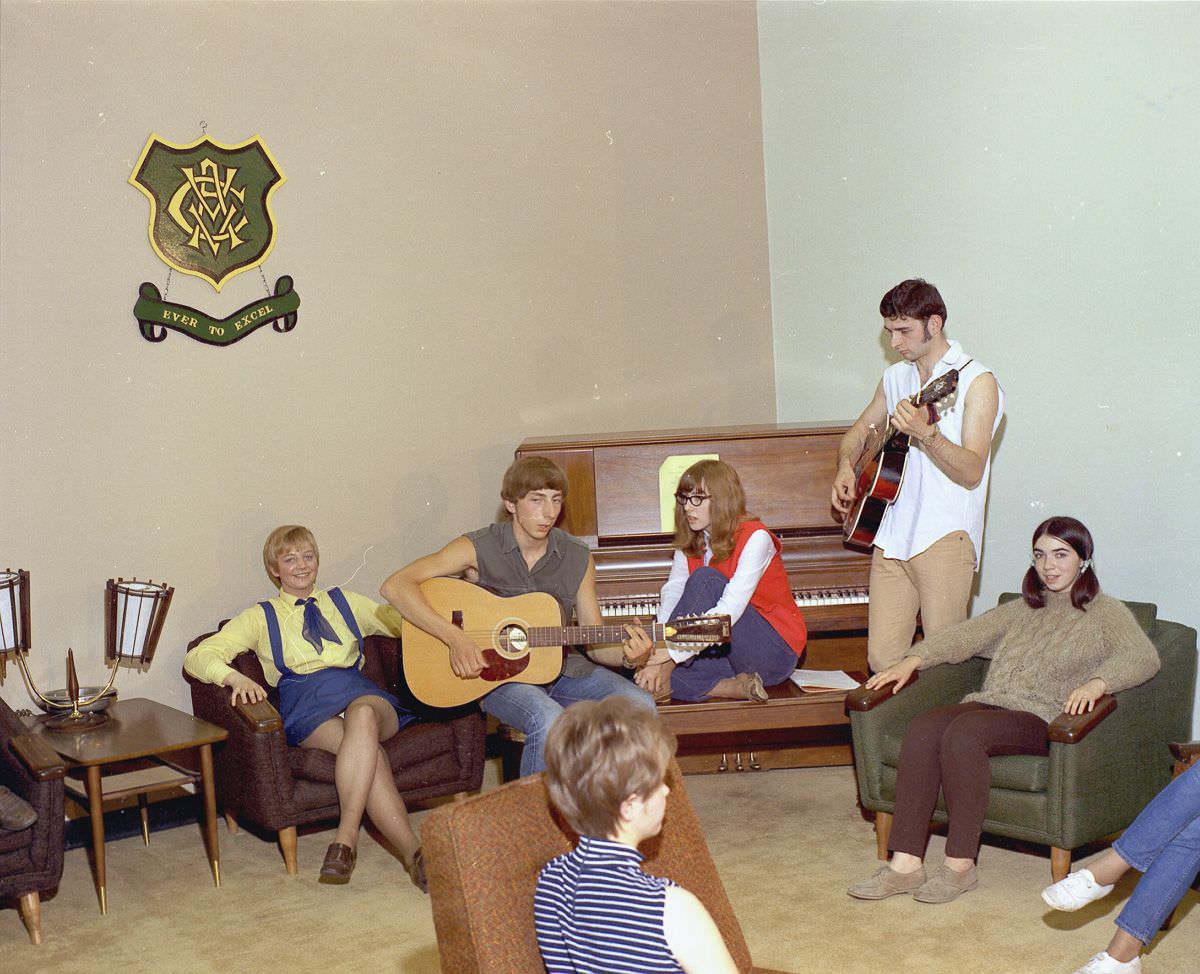
In the 1970s, Alberta ran a network of government-funded vocational schools scattered across cities and towns throughout the province. These were not traditional colleges. They were purpose-built institutions designed to move students directly into the workforce, usually within one or two years of enrollment. Programs covered a wide range of trades and technical fields — welding, automotive mechanics, electrical technology, machining, carpentry, and more. Each school was typically smaller than a university, which kept classes tight and instruction hands-on.
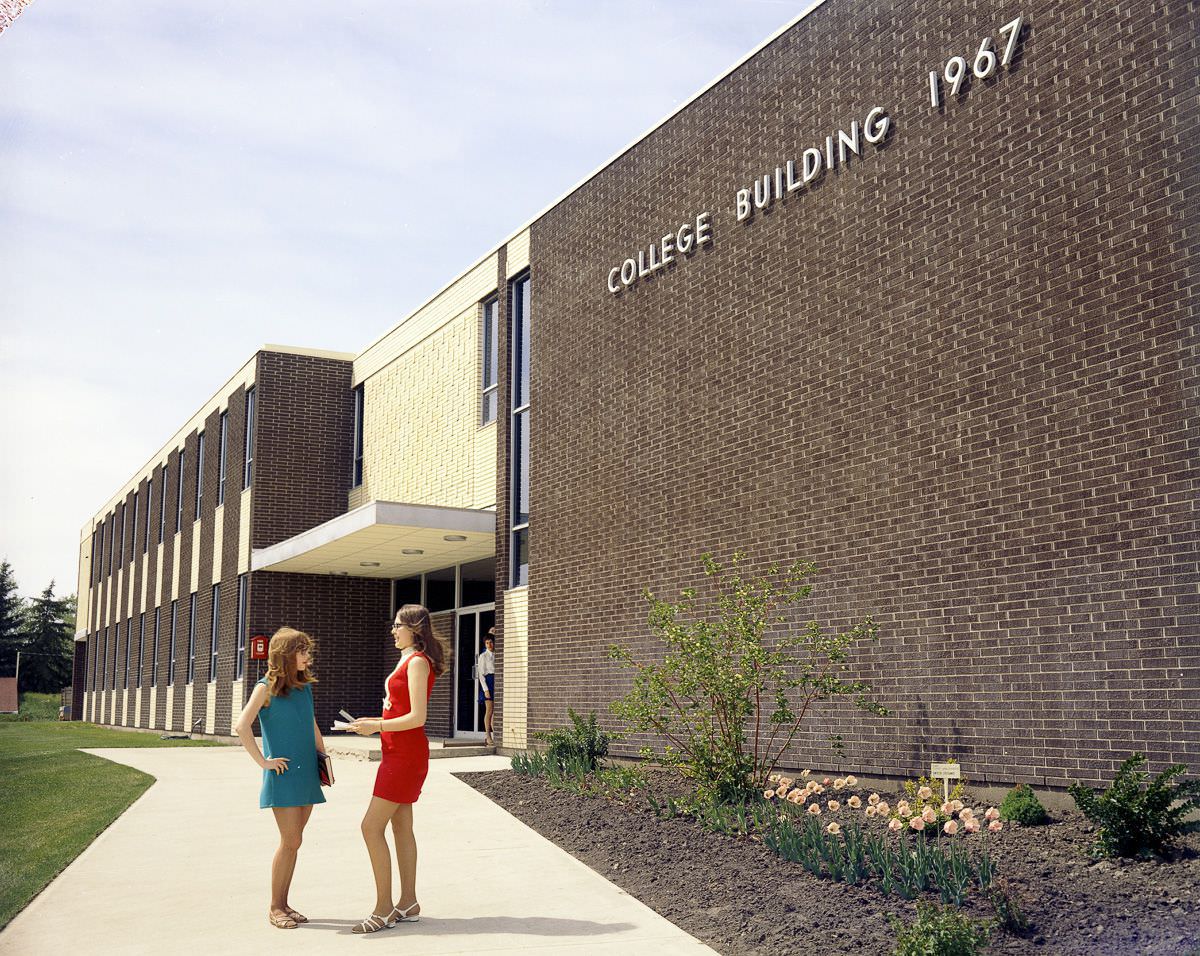
The province funded these schools and oversaw their operations, making vocational training accessible to Albertans who wanted a skilled trade without the cost or time of a four-year degree. Schools like the Vermilion Agricultural and Vocational College and the Fort McMurray Vocational School each offered a broad mix of programs suited to the needs of their communities. Vermilion, for example, combined agricultural training with a range of domestic and technical courses under one roof.
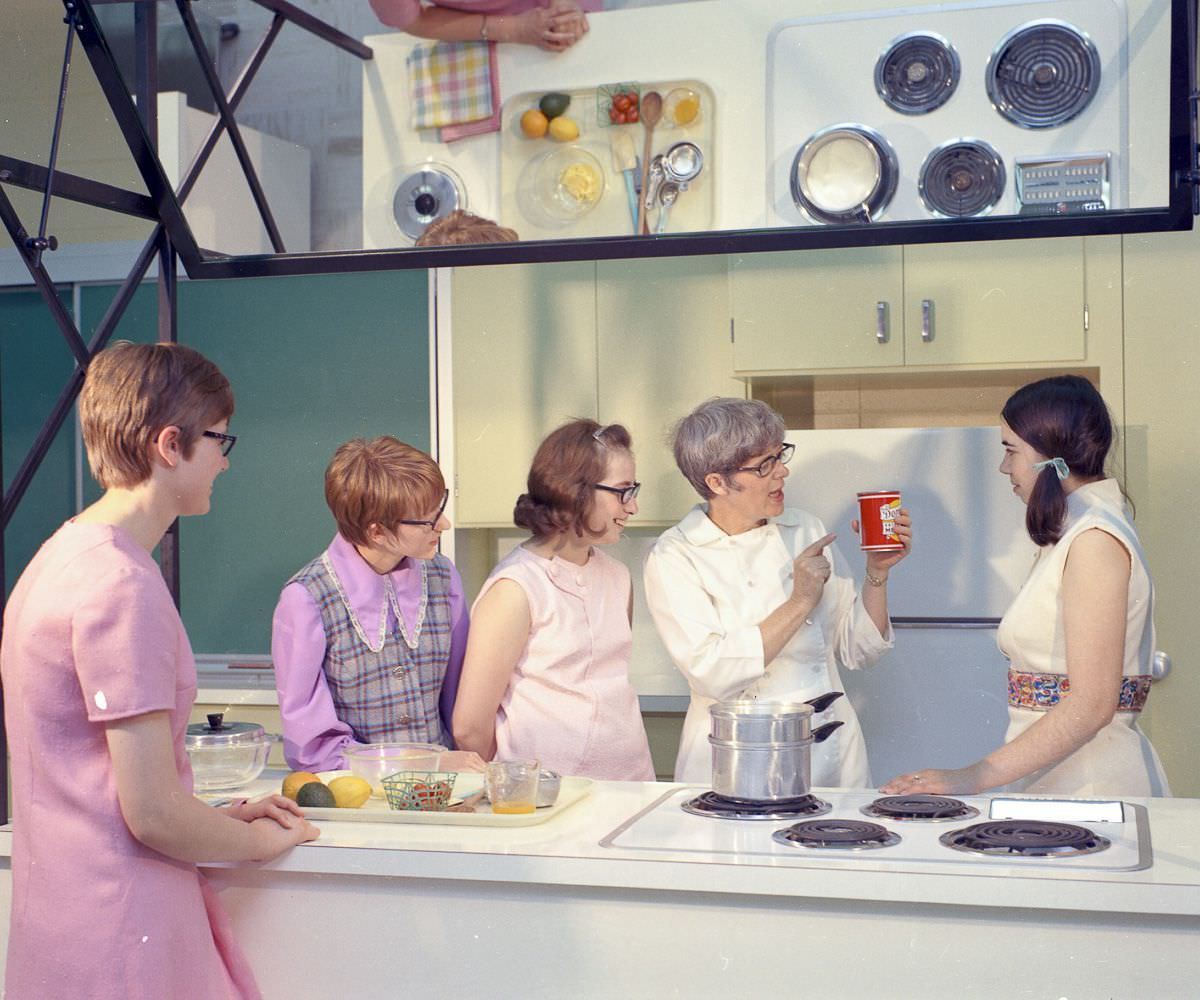
Woodworking and construction-related trades were among the most popular offerings. Students learning carpentry or woodcraft spent the bulk of their time working with real materials and real tools, building the kind of muscle memory that only comes from practice — not from a textbook.
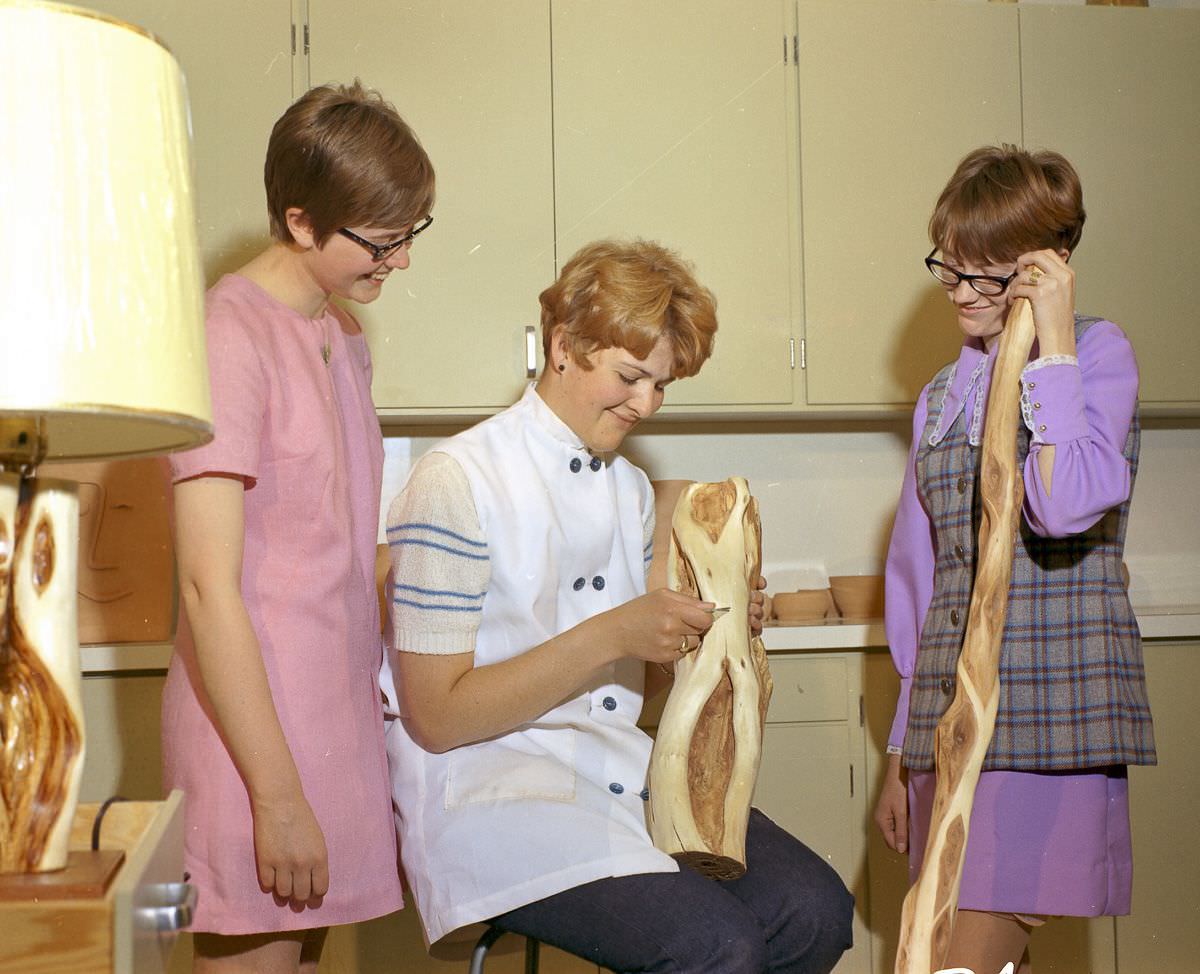
Fort McMurray’s vocational school reflected the region’s growing economic activity during the oil sands boom years. Its program list reached beyond the trades to include business and office skills — fields that were in steady demand as the area’s commercial sector expanded.
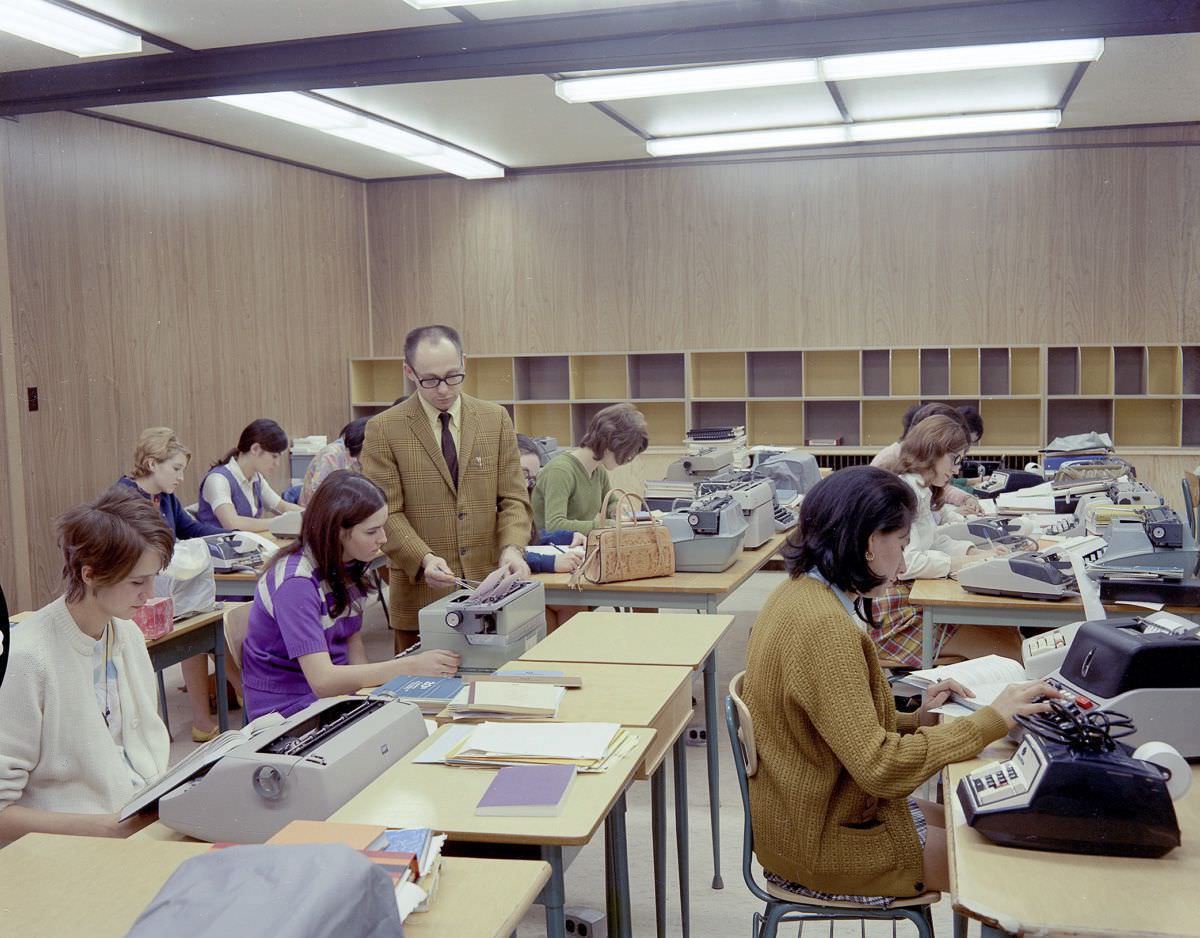
Carpentry training at Fort McMurray gave students direct preparation for the construction industry that was reshaping northern Alberta at the time. Graduates left with the practical skills employers in the region were actively looking for.
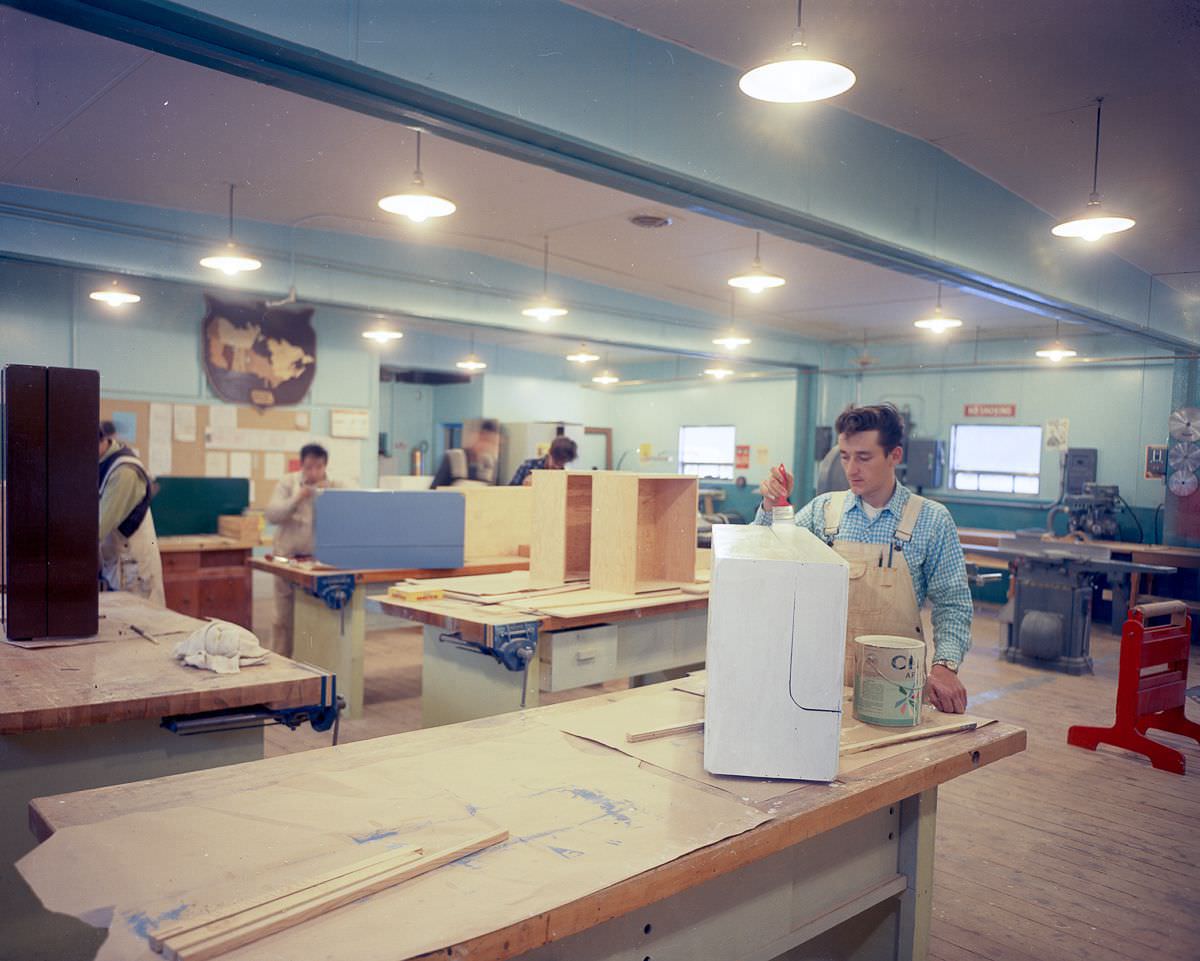
Secretarial and office training programs were a fixture at vocational schools across the province. At Vermilion, secretarial students learned typewriting, shorthand, and office procedures — skills that led directly to stable clerical employment in both the public and private sectors.
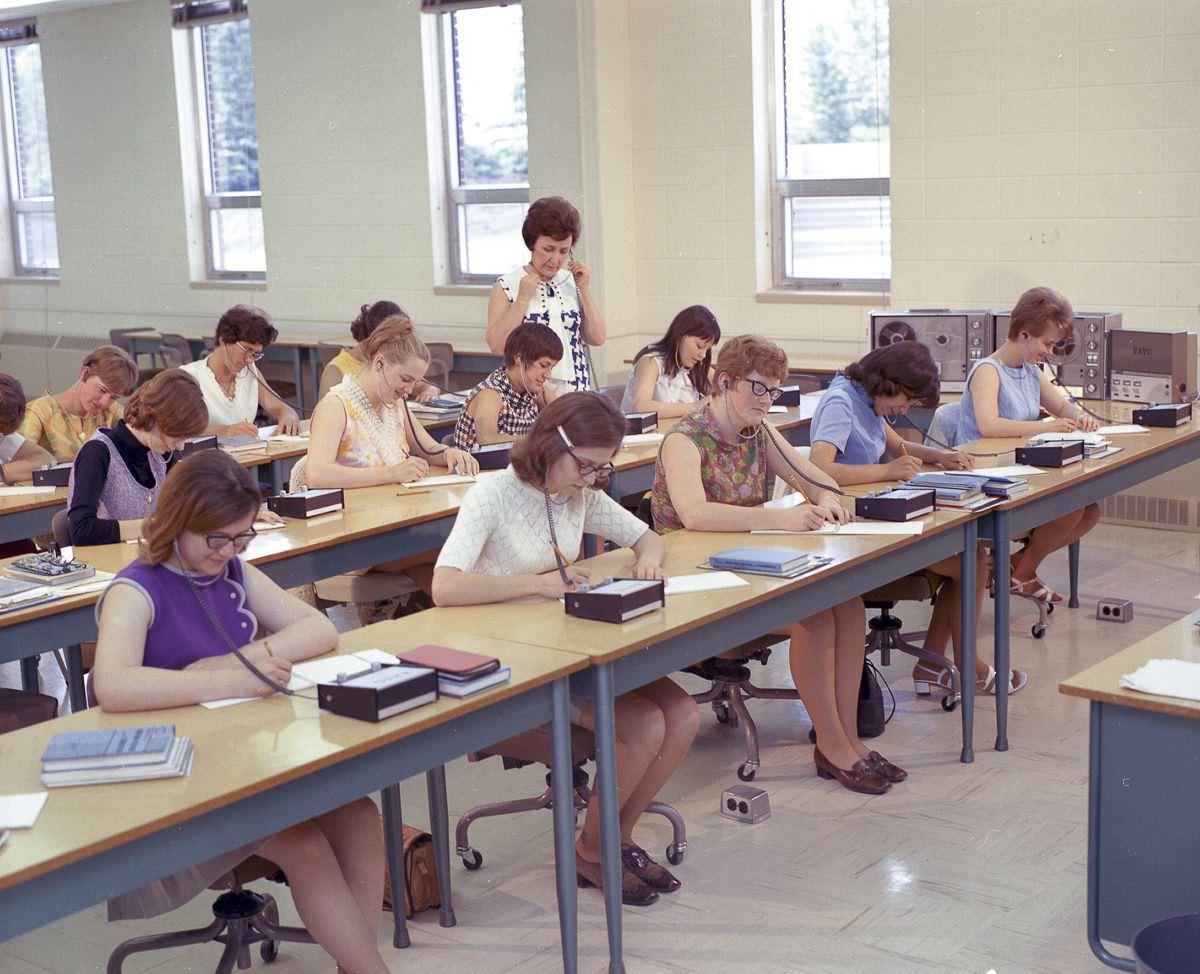
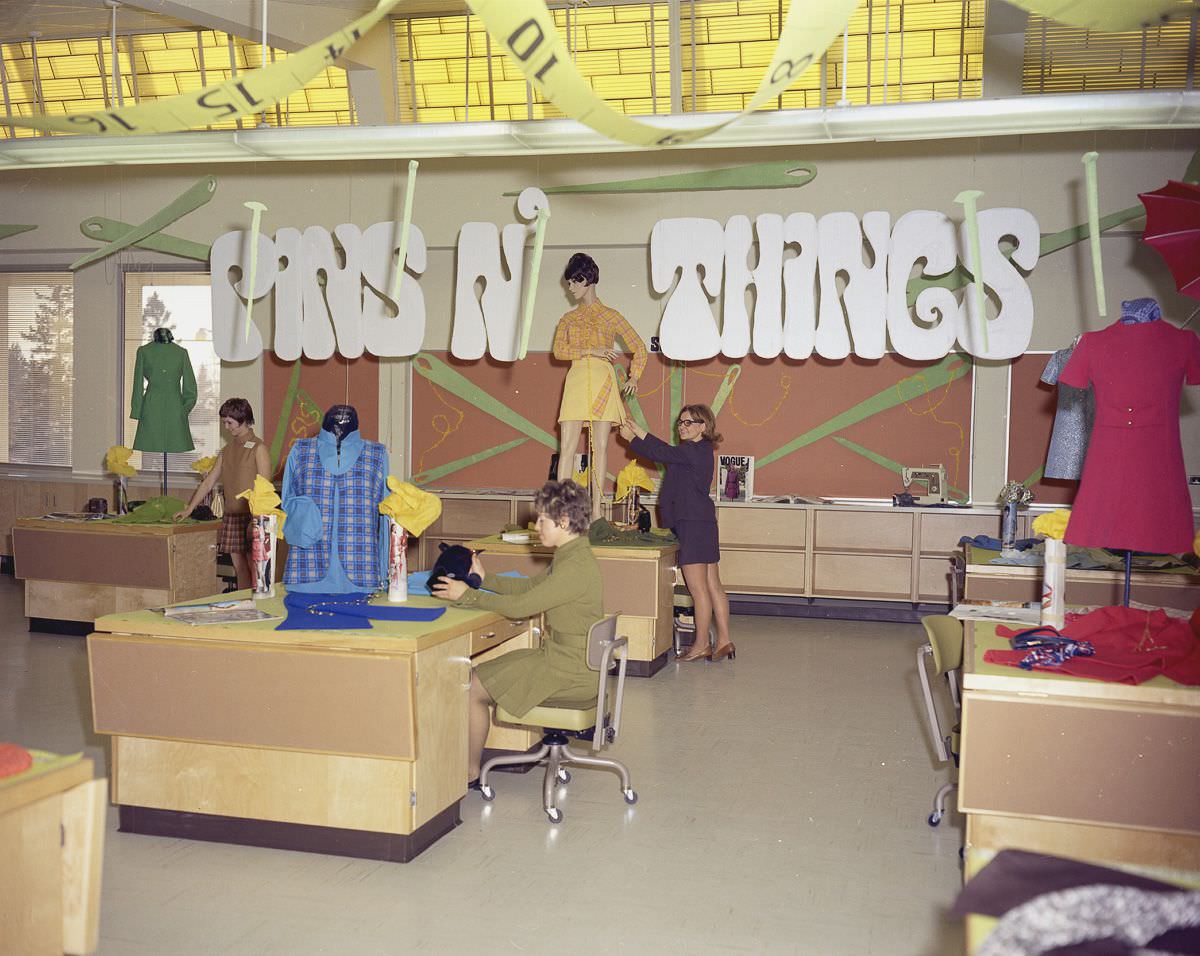
Sewing and textile instruction appeared at multiple institutions, including Vermilion. These classes trained students in garment construction and fabric techniques, preparing them for roles in clothing production, retail, and tailoring.
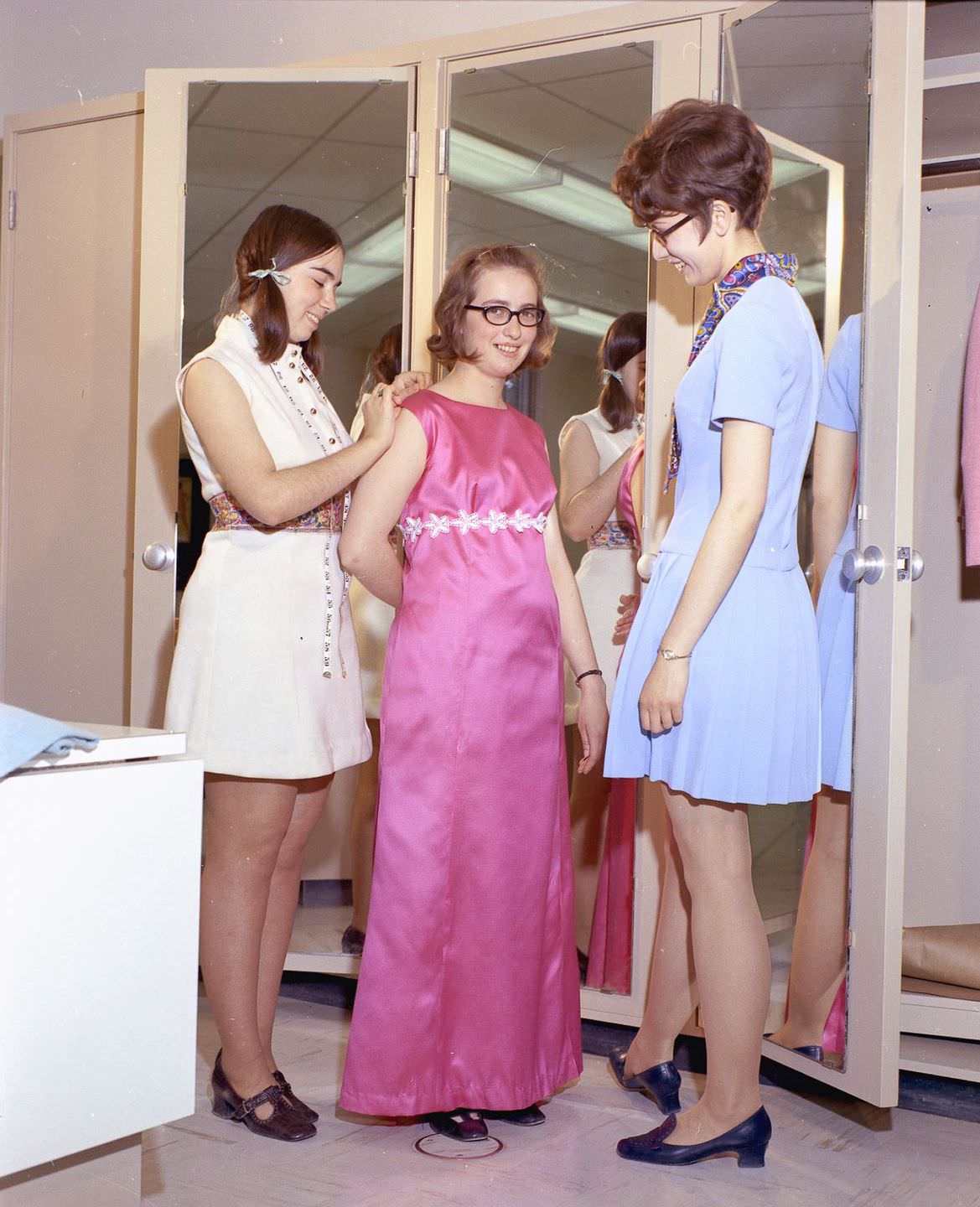
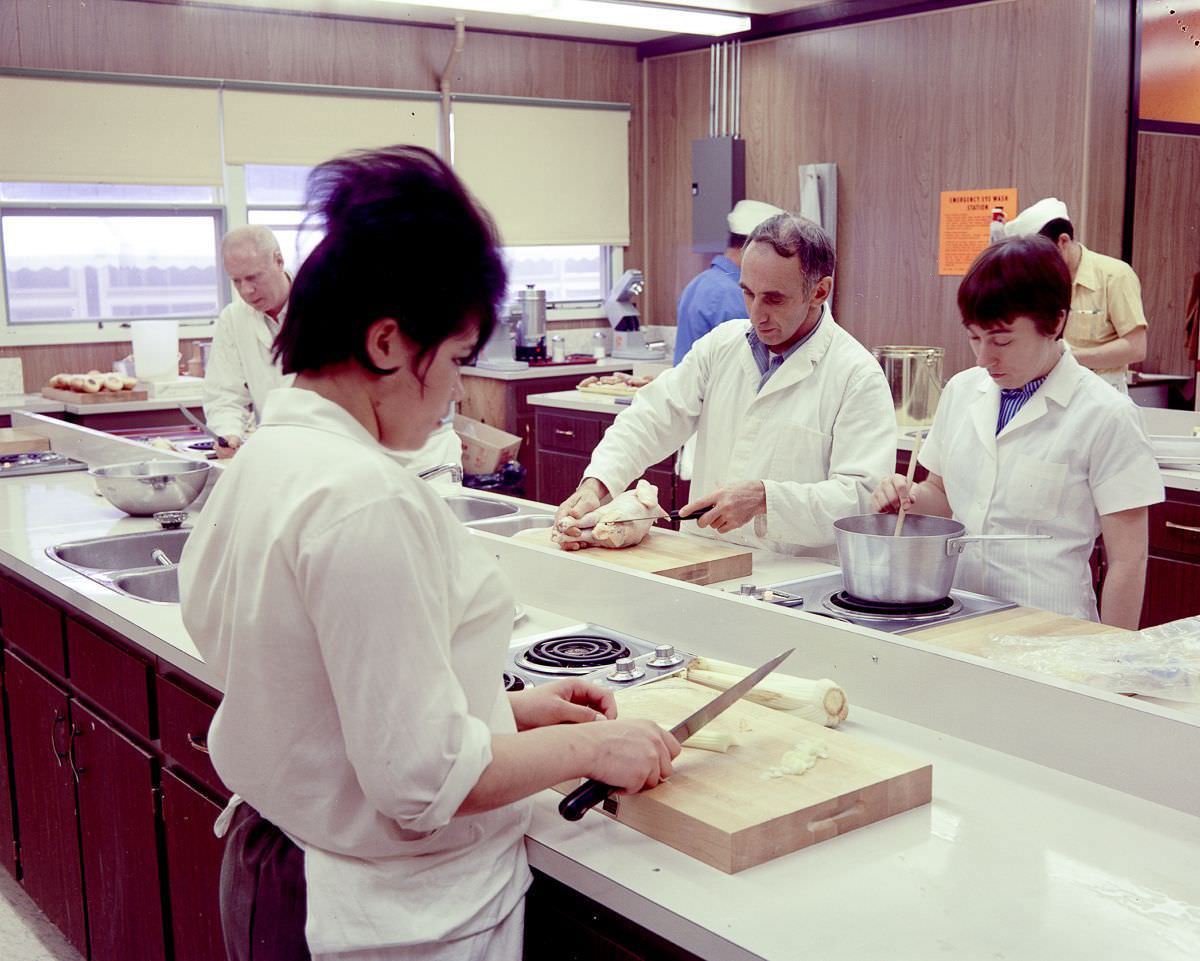
Cooking programs ran at both Vermilion and Fort McMurray, training students for work in commercial kitchens, institutional food services, and the hospitality industry. The programs were practical from day one — students worked with real kitchen equipment under professional conditions.
The Olds School of Agriculture, located in central Alberta, also incorporated vocational programming alongside its agricultural curriculum. Student work from sewing courses was displayed publicly, showcasing the quality of training students received.
Retail clerk training at Fort McMurray prepared students for front-line commerce roles — customer service, inventory handling, and point-of-sale operations. As northern Alberta’s population grew through the 1970s, demand for trained retail workers grew with it.

Not every program at these schools was strictly trade-focused. Vermilion offered music instruction as part of its broader curriculum, giving students access to creative coursework alongside technical training. Some of these schools eventually closed, while others were folded into larger post-secondary institutions as Alberta’s education system restructured in the following decades.