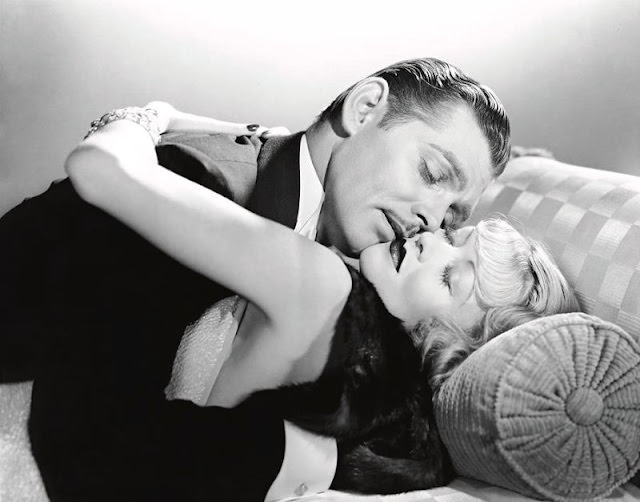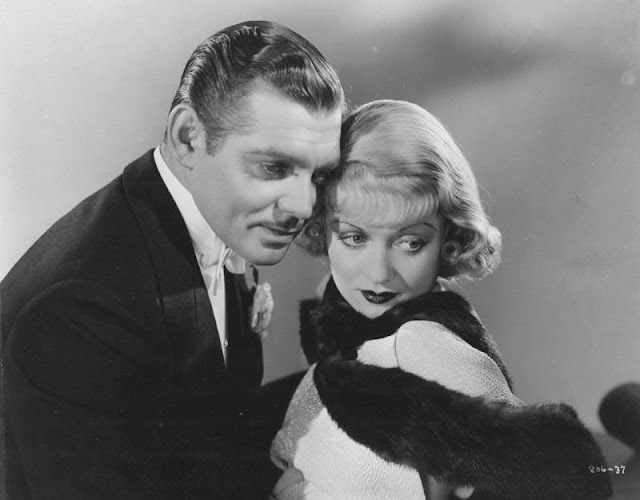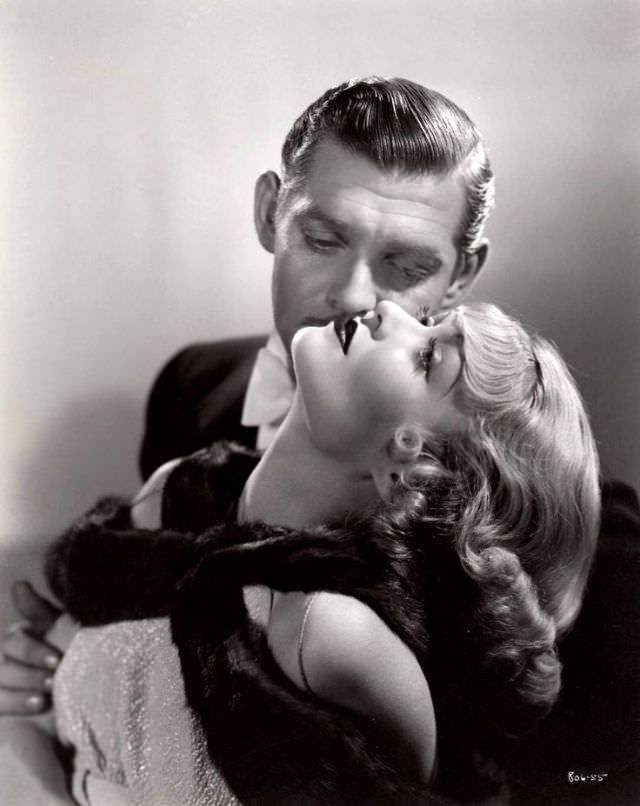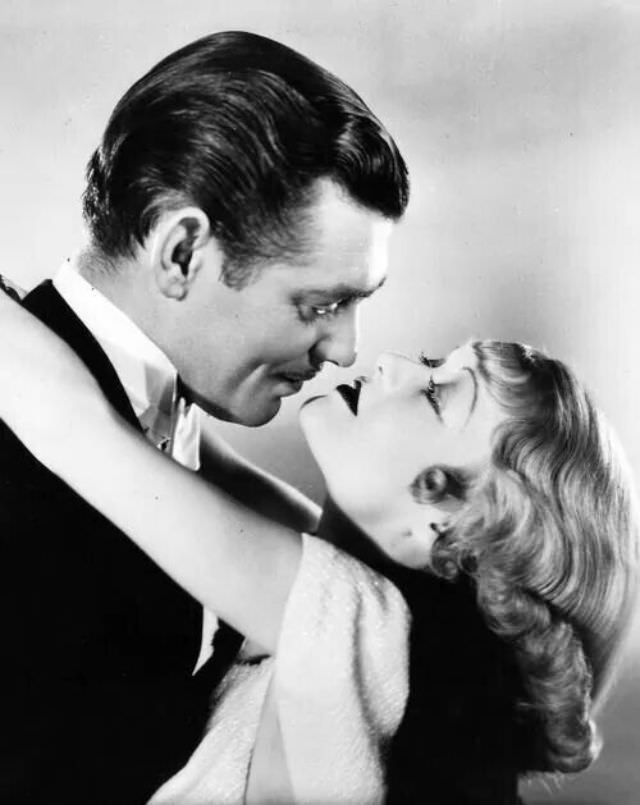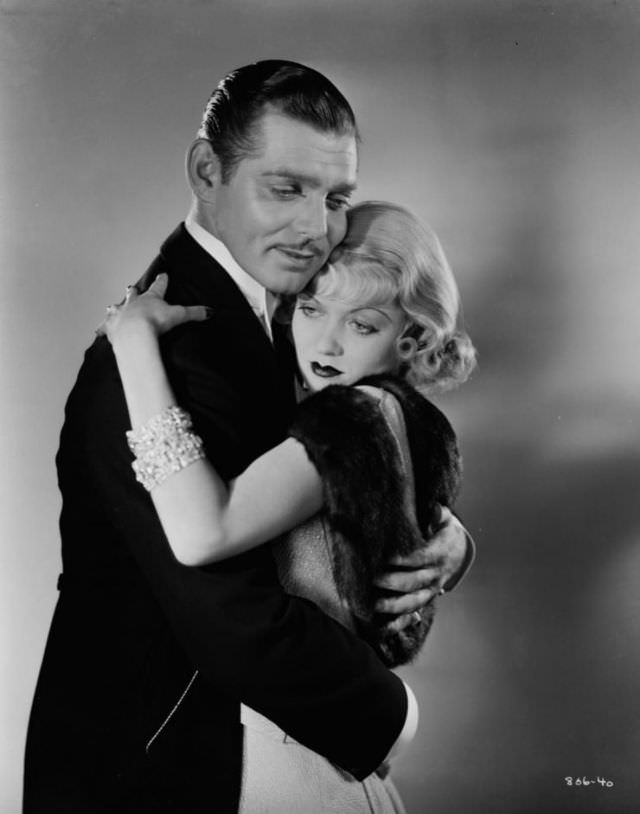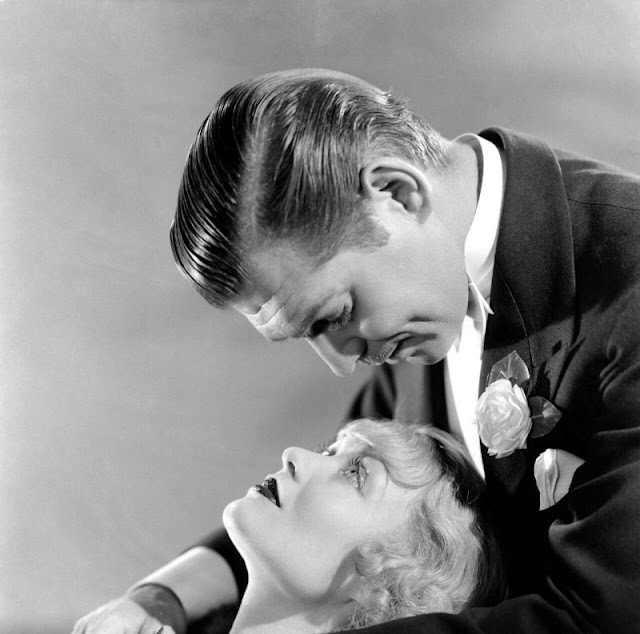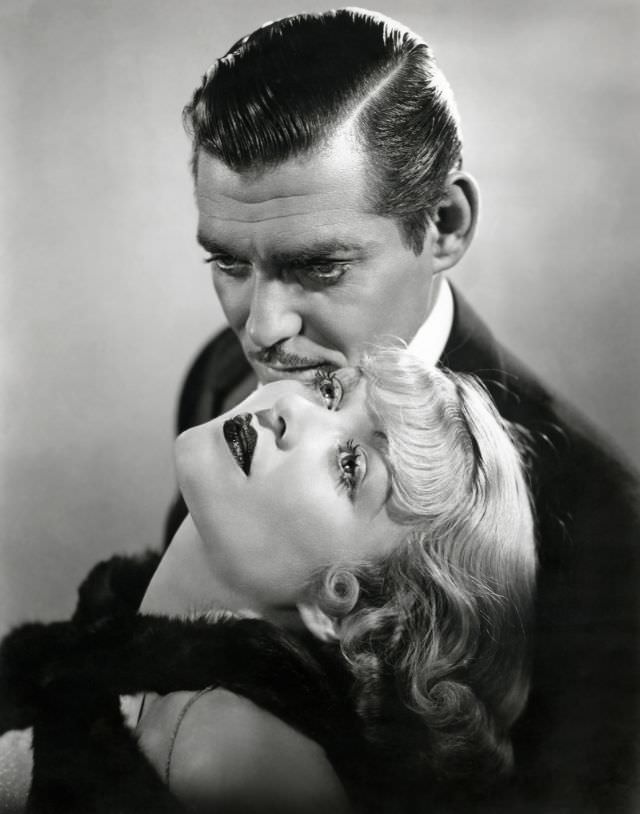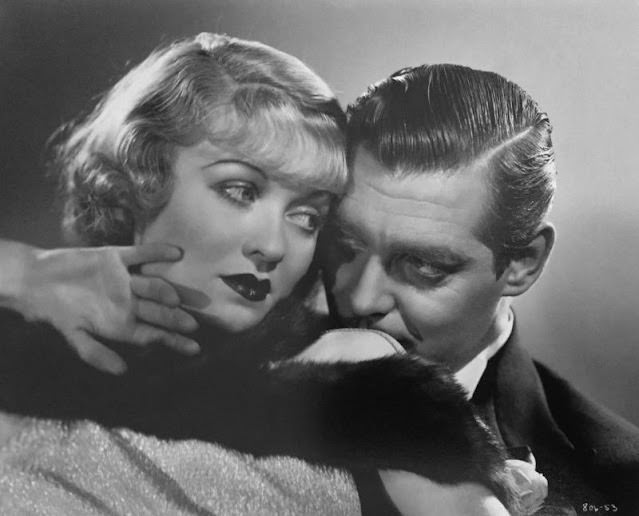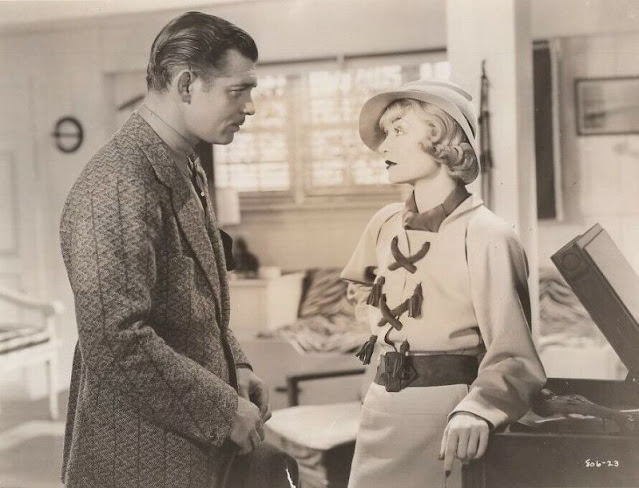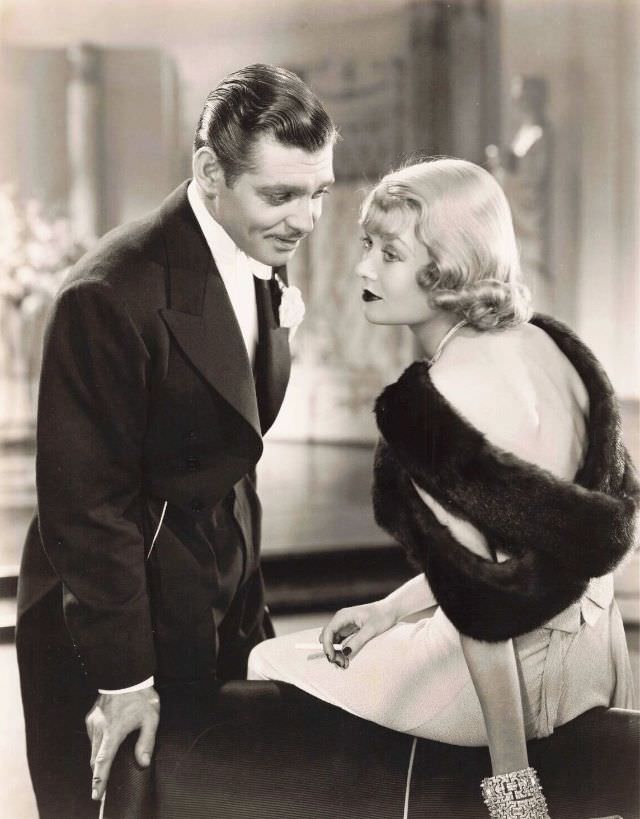

By 1935, Clark Gable was one of the biggest names in Hollywood. Fresh off his Oscar win for It Happened One Night, he had proven he could carry a film on charm alone. That same year, MGM paired him with Constance Bennett for After Office Hours — a fast-moving crime comedy that put two of the era’s sharpest screen personalities in the same frame.

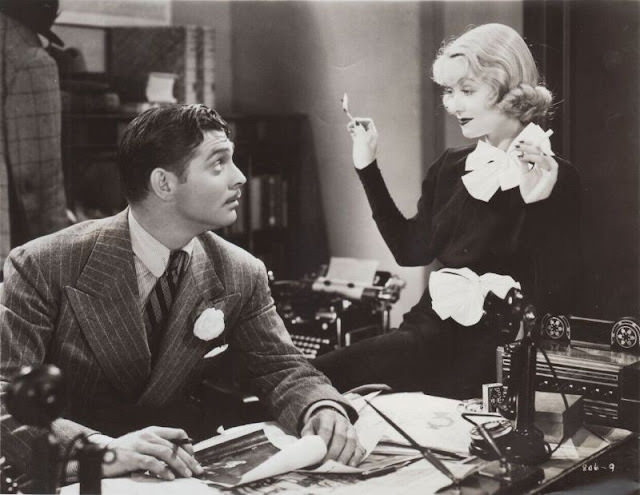
Gable plays Jim Branch, a hard-nosed newspaper editor chasing a high-society murder story. He’s relentless, quick-talking, and not especially impressed by wealth or status. It was a role that fit Gable’s natural screen energy — gruff on the surface, magnetic underneath.

Constance Bennett takes on the role of Sharon Norwood, a sophisticated socialite who moves easily through the upper-class circles at the center of the murder case. Bennett was already well established in Hollywood by this point, known for playing elegant, self-possessed women with a sharp edge. Sharon is no exception — she’s polished, clever, and fully aware of the world she inhabits.

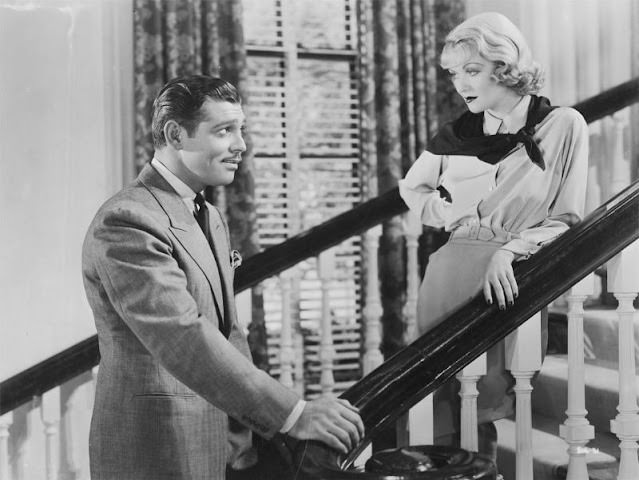
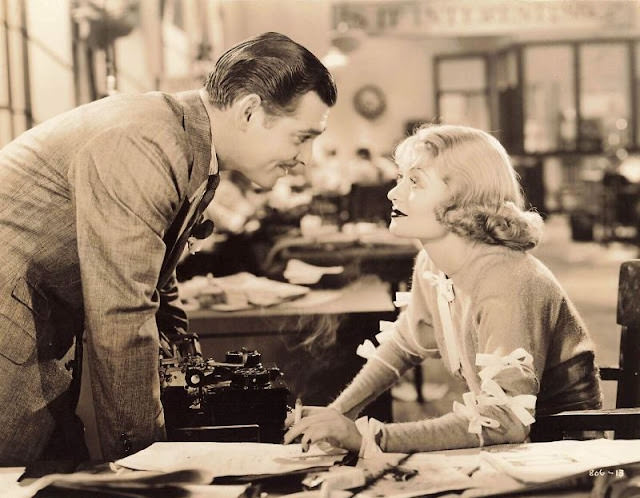
Jim Branch needs Sharon’s insider access to crack the case. She knows the people involved, understands their social codes, and can open doors that a newspaper editor never could. At first, Jim is openly dismissive of her privileged background. Sharon, for her part, doesn’t particularly care for his attitude. That friction becomes the engine of the film.


The murder mystery itself is rooted in the darker undercurrents of elite society. As Jim digs deeper into the case, he finds that the glittering world of galas and grand houses is hiding jealousy, deception, and desperation. The film doesn’t let its glamorous setting get in the way of a genuine crime story.

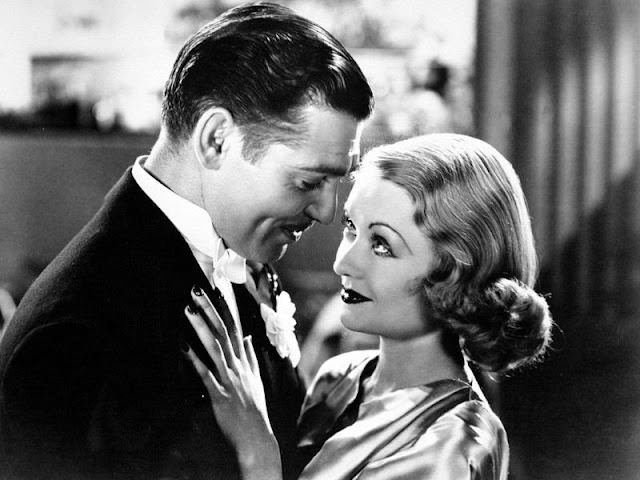
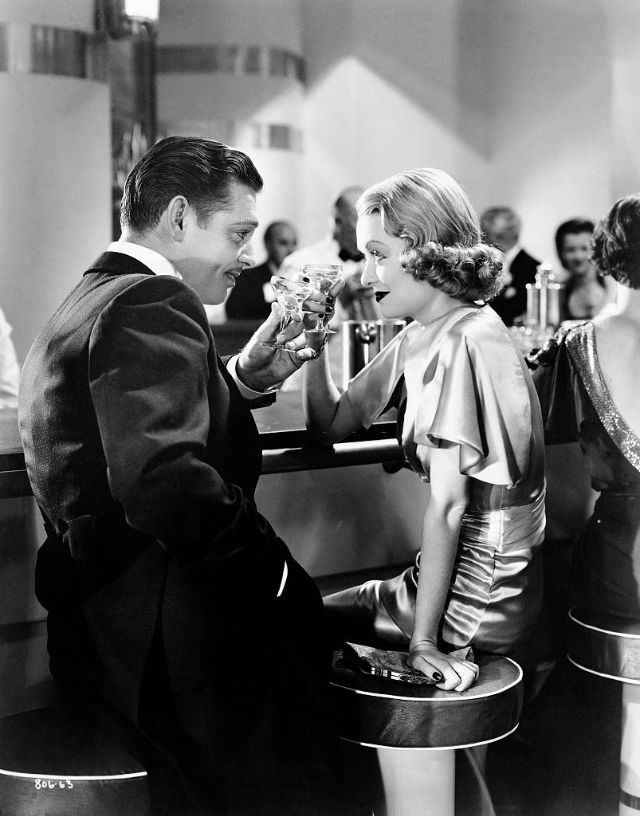
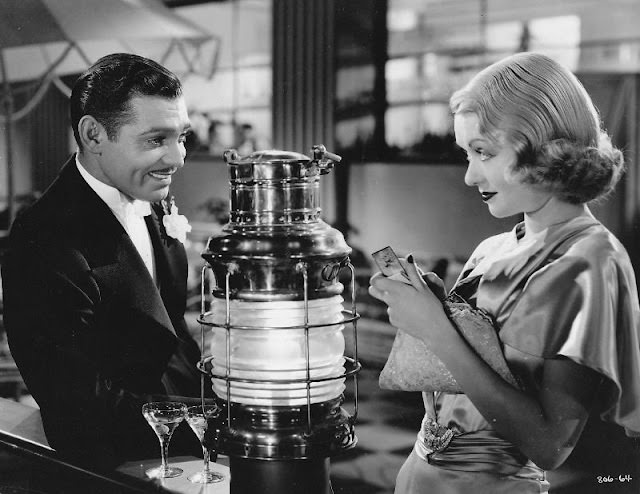
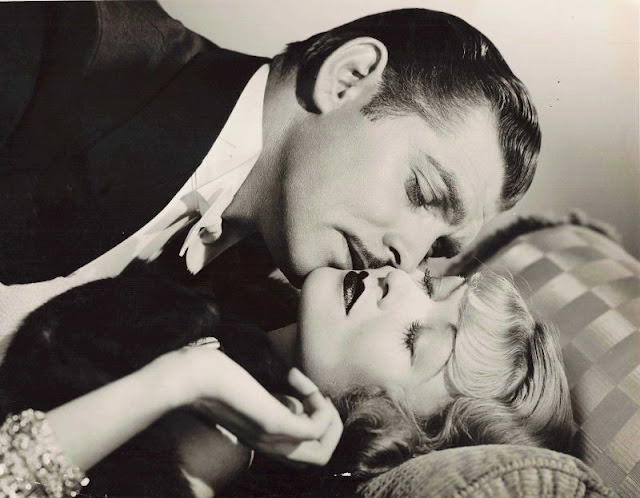
What makes After Office Hours work is the dynamic between its two leads. Gable and Bennett had real on-screen chemistry, and the script gave them room to spar. Their exchanges are sharp and quick, with neither character willing to back down easily. The professional tension between them gradually shifts as Jim’s investigation pulls Sharon further into danger.


The film was directed by Robert Z. Leonard and produced under MGM’s well-oiled studio system. MGM had the resources to dress the film in period-appropriate luxury — the sets, costumes, and overall look all reflect the high-gloss style the studio was known for in the 1930s.

Constance Bennett brought a particular kind of credibility to roles like Sharon Norwood. She came from a prominent theatrical family — her father was the stage actor Richard Bennett — and she had already navigated the transition from silent films to sound with considerable success. By 1935, she was one of the highest-paid actresses in Hollywood.


Gable’s Jim Branch is not a romantic lead in the traditional sense. He’s driven by the story first, and everything else — including his growing feelings for Sharon — comes second. That self-interested edge made Gable’s brand of romantic hero distinctive. Audiences trusted that his characters weren’t just saying what a woman wanted to hear.

The film moves at the clipped pace typical of 1930s Hollywood productions. Running just over an hour, it wastes no time setting up its story. Scenes are efficient, dialogue is loaded, and the plot keeps moving. This was by design — studio programmers in that era knew audiences expected tight, entertaining pictures.


The social world depicted in After Office Hours reflects real anxieties of the era. The early 1930s had exposed just how fragile the world of the wealthy could be. By 1935, the Depression was still grinding on, and films that pulled back the curtain on upper-class corruption carried an extra charge for audiences watching from the cheap seats.

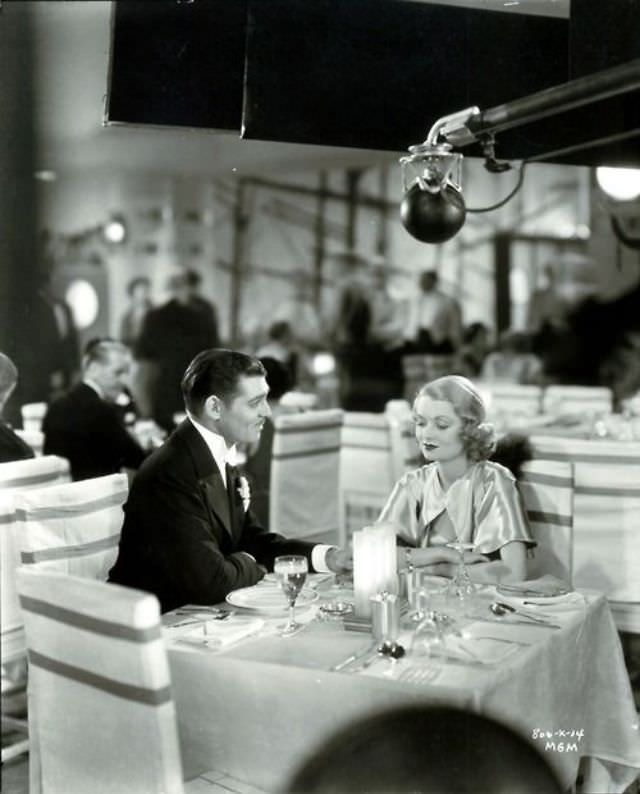
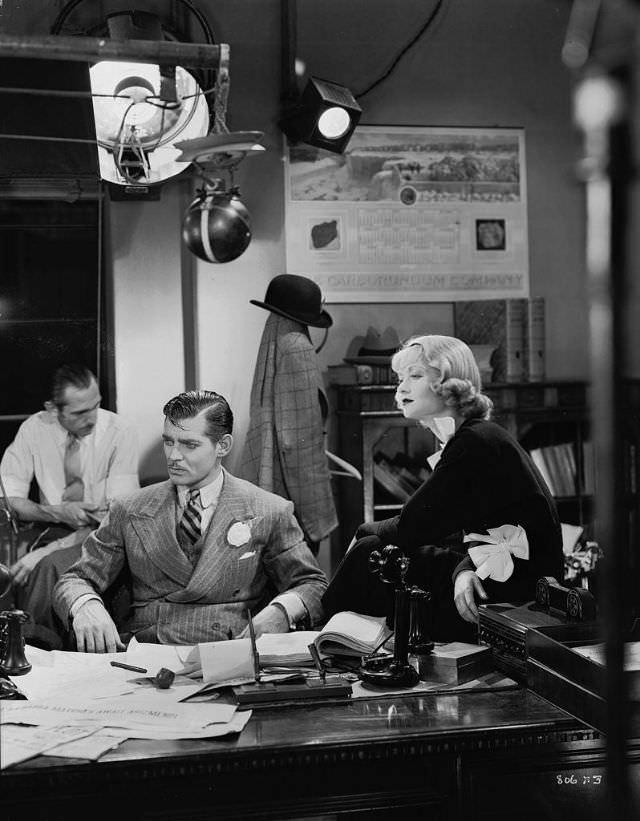
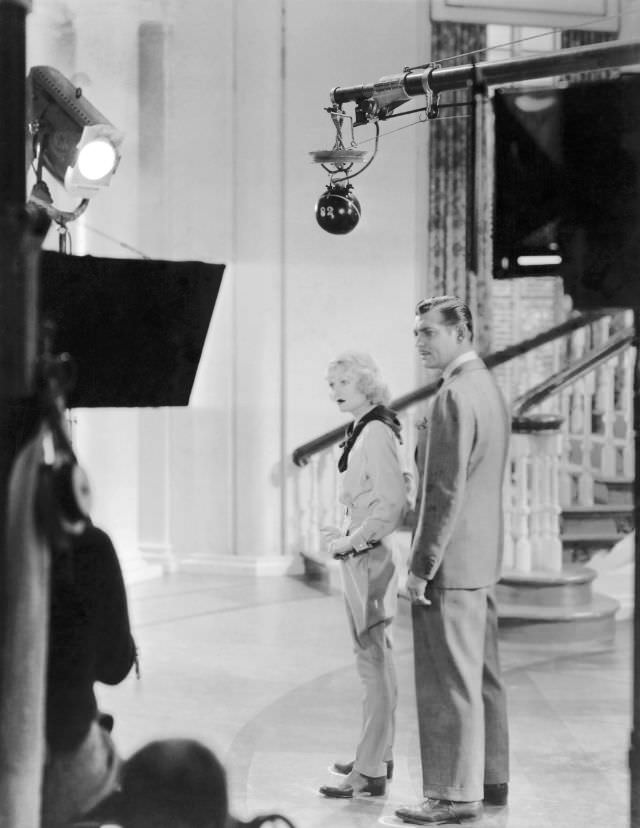
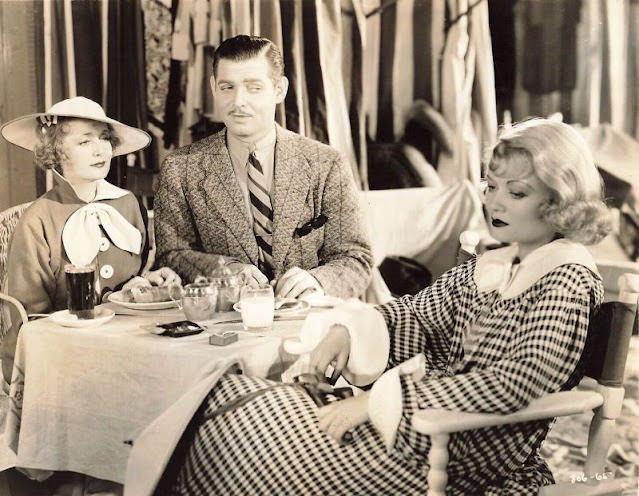
On set, Gable and Bennett were known to work professionally and efficiently. MGM ran tight productions, and both stars were experienced enough to hit their marks and deliver their lines with minimal fuss. Behind-the-scenes photos from the filming show the two in moments of relaxed preparation between takes — a sharp contrast to the on-screen tension of their characters.


The film’s title points directly at its central theme: what happens when professional life bleeds into personal life. Jim Branch lives for the next edition. Sharon Norwood lives for her social world. After office hours — when the professional masks come off — is when the real story begins.

After Office Hours sits comfortably in the screwball-adjacent crime comedies that MGM produced throughout the mid-1930s. It’s a film built on the tension between two strong personalities, wrapped around a murder plot that gives both of them a reason to keep showing up in the same room. The formula was well-worn even then, but Gable and Bennett had the skill to make it feel alive.


For fans of classic Hollywood, the film is a useful snapshot of the studio system at full speed — polished, purposeful, and carried entirely by the force of two stars who knew exactly what they were doing in front of a camera.