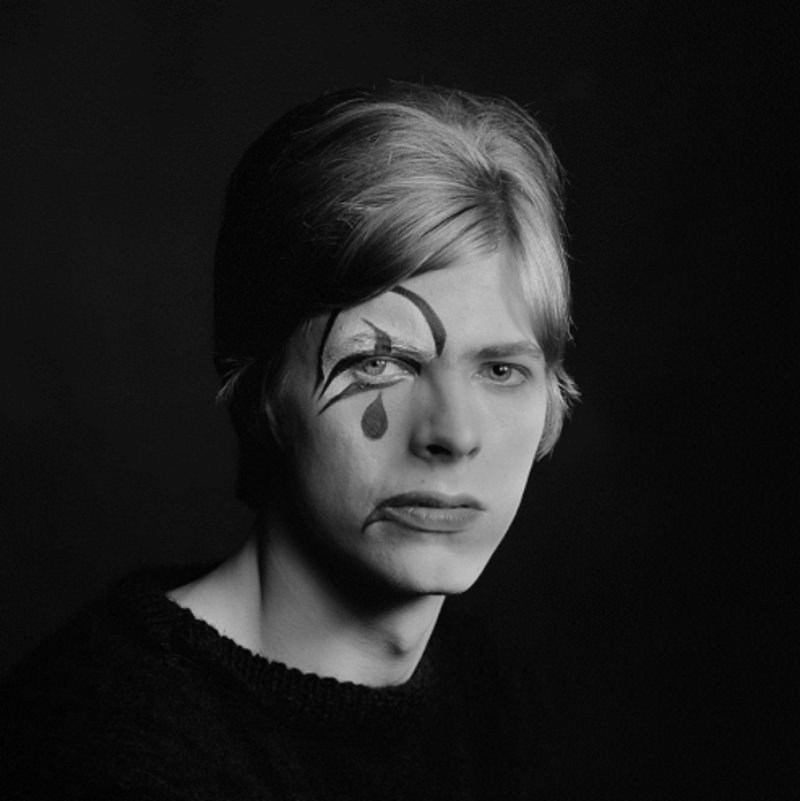
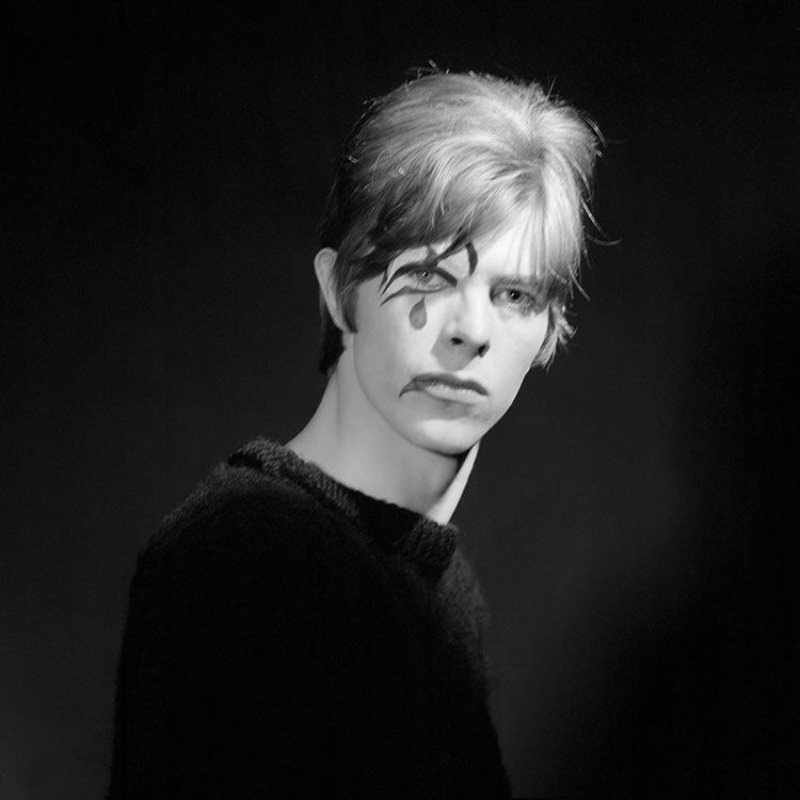
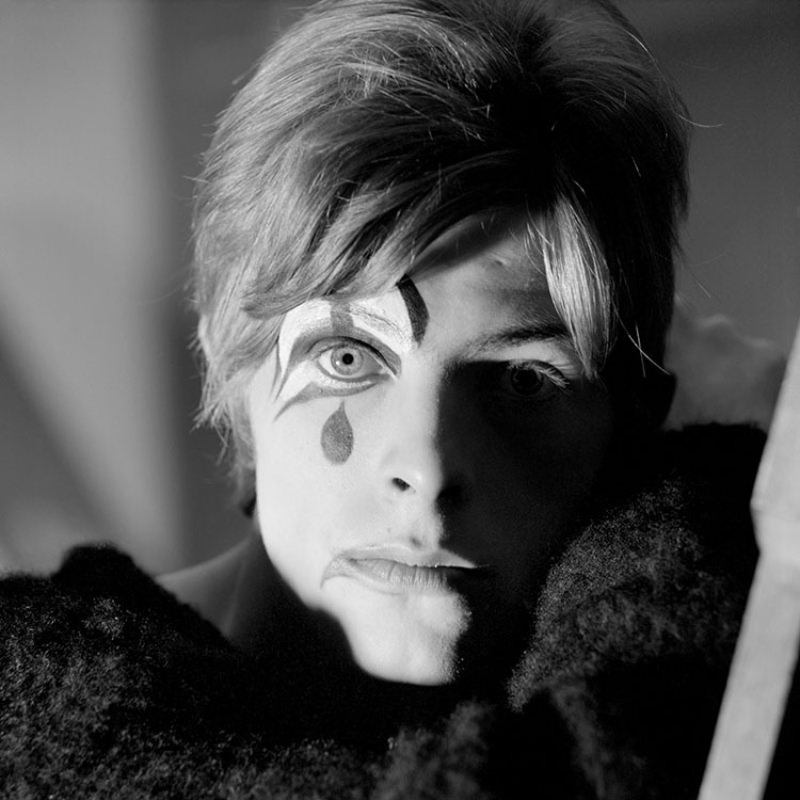
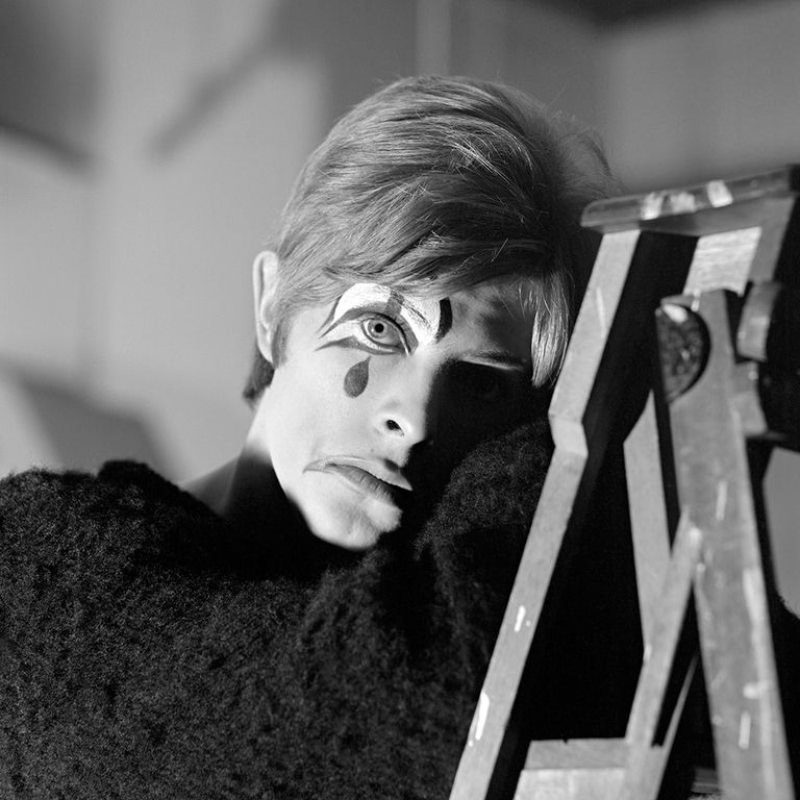
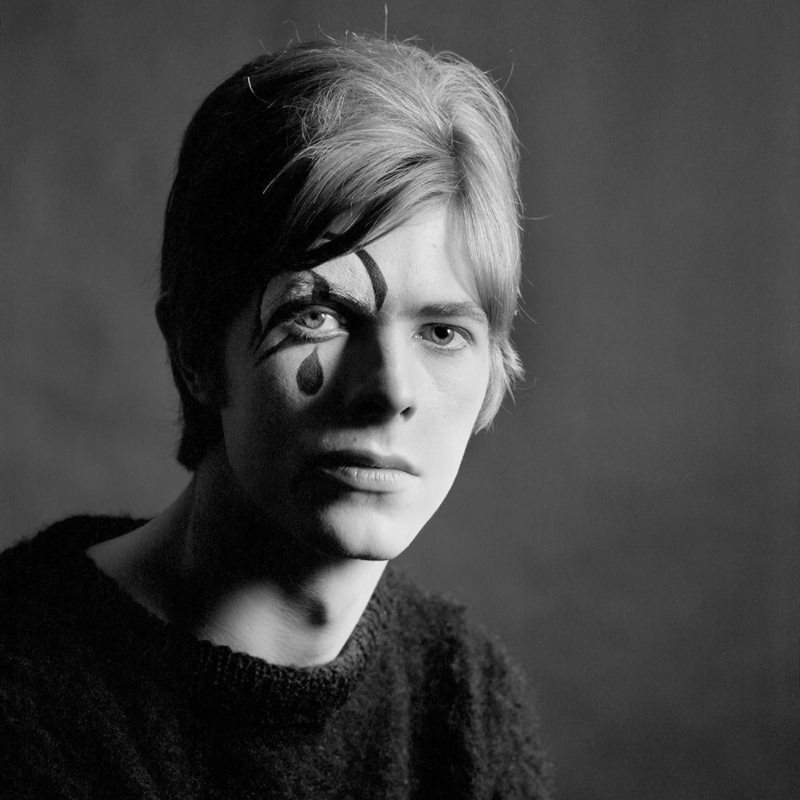
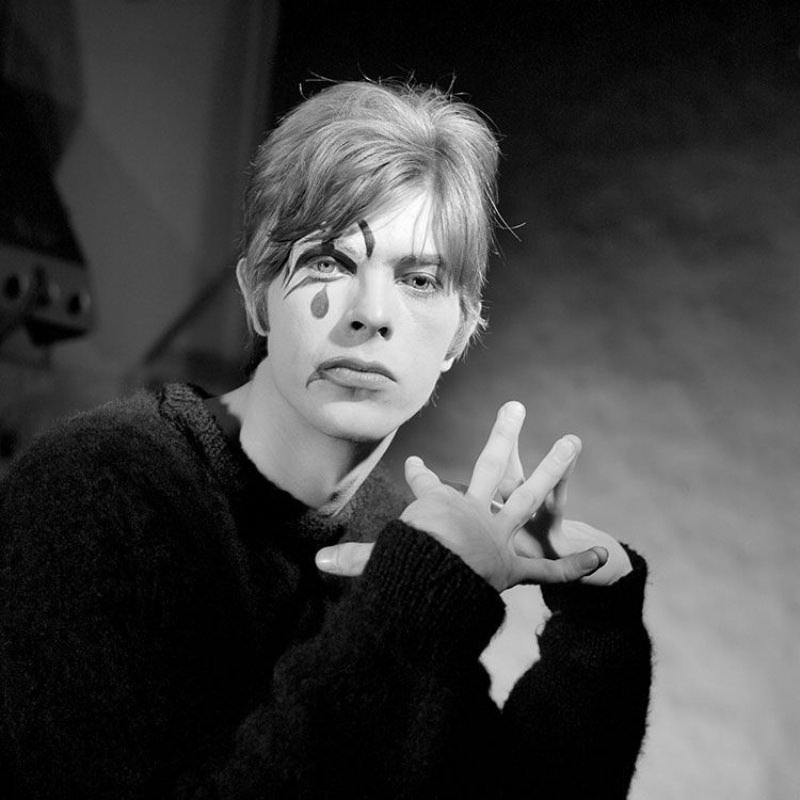
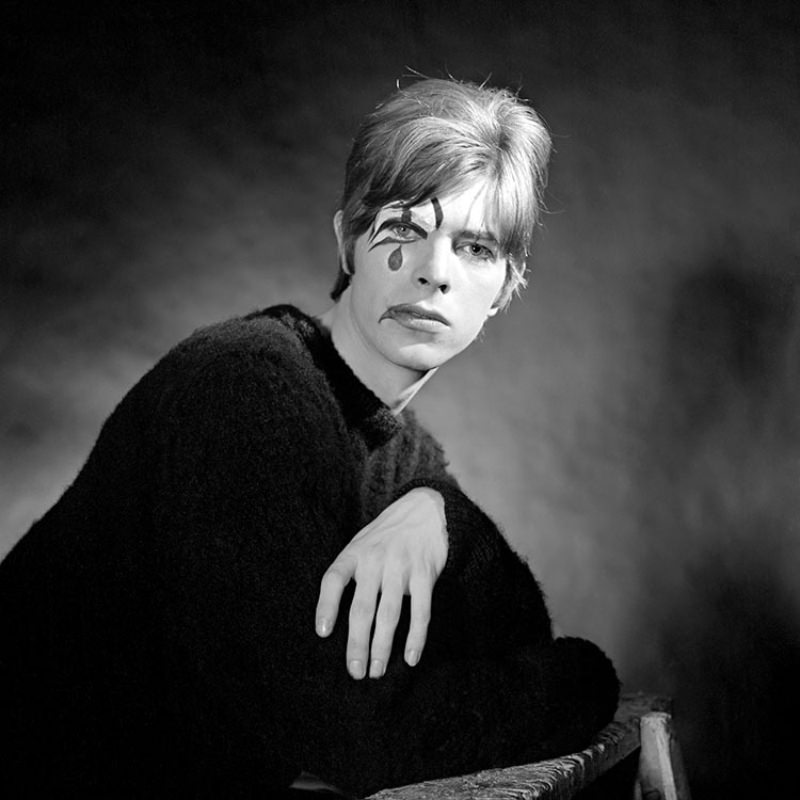
In 1967, David Bowie was 20 years old and still carving out his identity as a performer. That year, photographer Gerald Fearnley captured him in a striking series of mime-like poses — expressive, deliberate, and full of physical control. The images were never shown publicly during Bowie’s lifetime. It wasn’t until 2016, following Bowie’s death in January of that year, that Fearnley’s negatives were finally published for the first time.
Gerald Fearnley had a personal connection to Bowie that went beyond the camera. His younger brother, Derek Fearnley, was a musician who contributed to Bowie’s self-titled debut album, released in June 1967. Through that family tie, Gerald had genuine access to Bowie — not as a distant subject, but as someone he knew and observed up close.
Gerald later described Bowie as someone who carried himself with quiet seriousness. “David seemed very serious about what he was doing,” he recalled. “He seemed trustworthy.” That focused energy comes through in the photographs. Each pose is intentional, each expression measured — the work of a young artist who already understood the power of presentation.
Away from the camera, Bowie was a regular presence in the Fearnley household. He and Derek would sit together in the kitchen, writing music. These weren’t formal studio sessions — they were informal, collaborative moments between two young men working through ideas side by side.
Bowie also spent time with the Fearnley children. He played Monopoly with them and taught them how to play the penny whistle. Gerald remembered him as “great with the kids, very pleasant, always polite.” It’s a portrait of Bowie that rarely surfaces in the broader cultural narrative — relaxed, warm, and entirely at ease in a family setting.
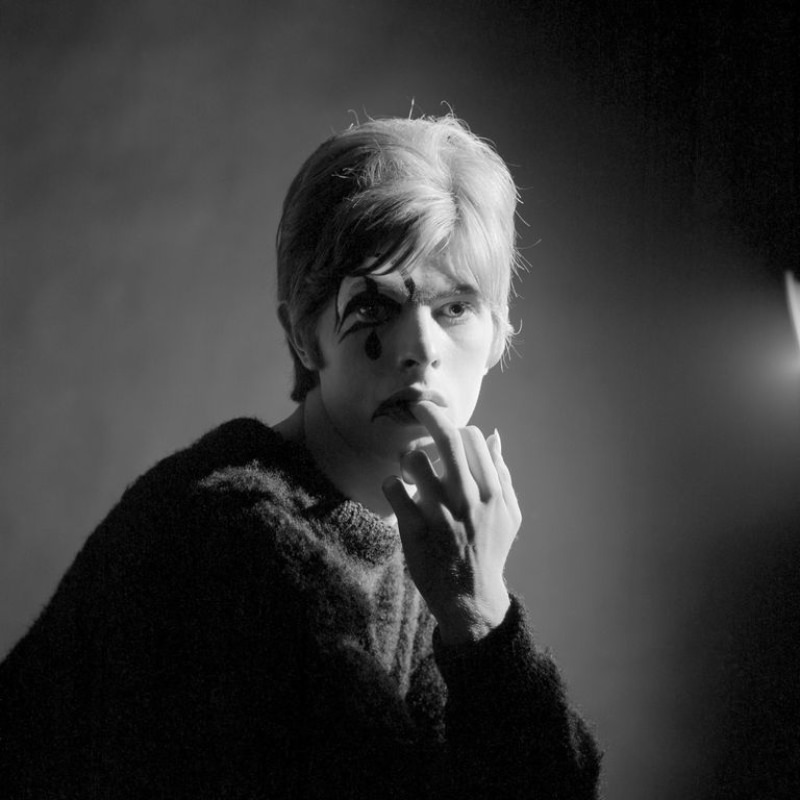
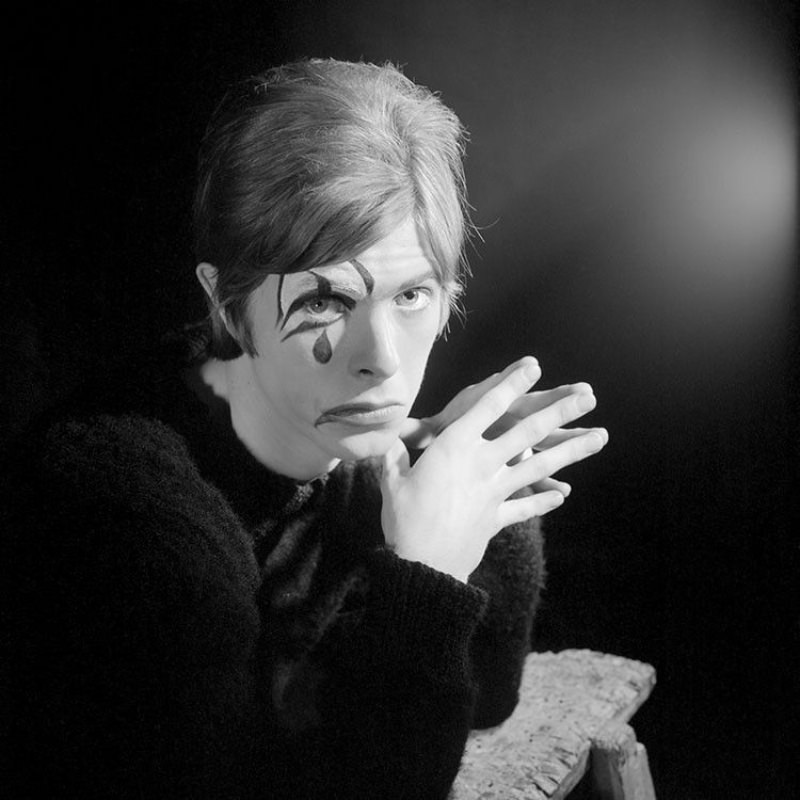
The mime poses in Fearnley’s photographs reflect a very specific moment in Bowie’s artistic development. In the mid-to-late 1960s, mime was a serious theatrical discipline, and Bowie was actively interested in it. He studied under Lindsay Kemp, the British mime artist and choreographer, during this same period. The physical language Bowie explored with Kemp — gesture, silence, and stylized movement — is visible throughout these images.
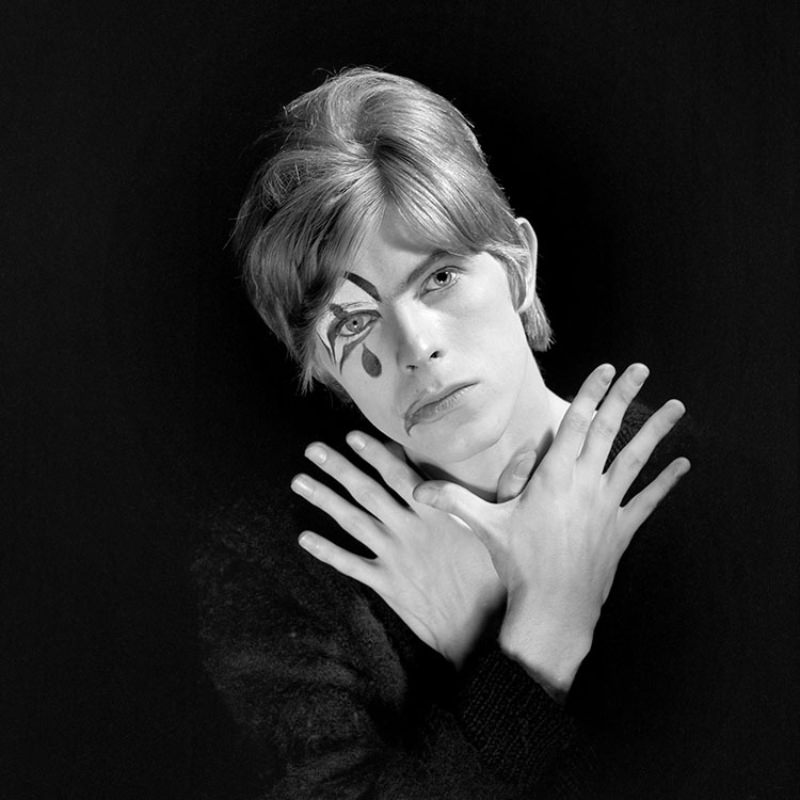
The 1967 debut album that brought Derek Fearnley into Bowie’s orbit was a commercial disappointment at the time of release. But the year itself was a busy and formative one for Bowie. He released multiple singles, worked with producer Deram Records, and was actively developing his stage persona. These photographs sit right in the middle of that restless, experimental phase.
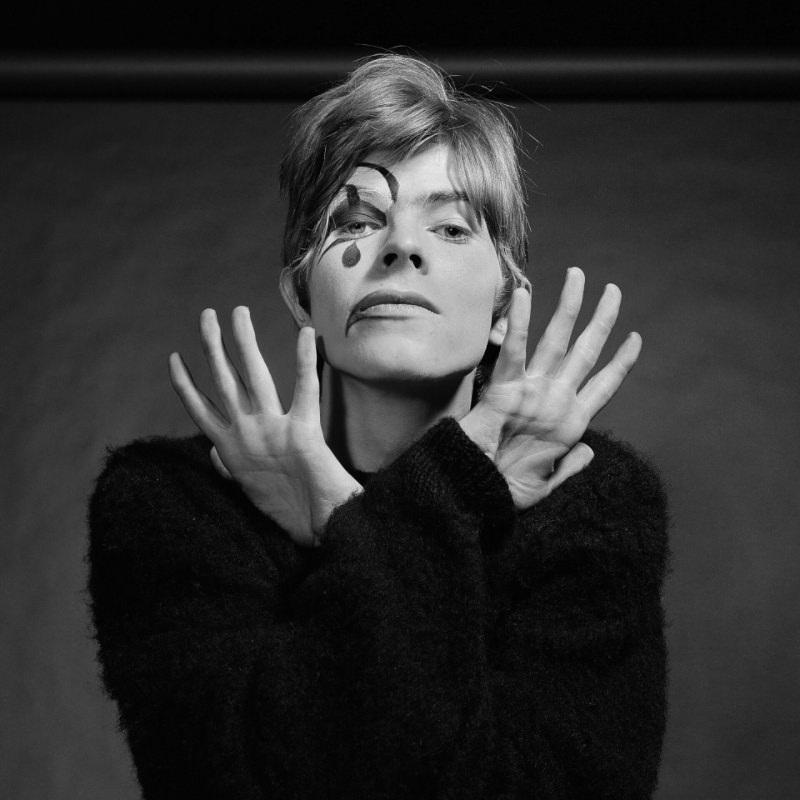
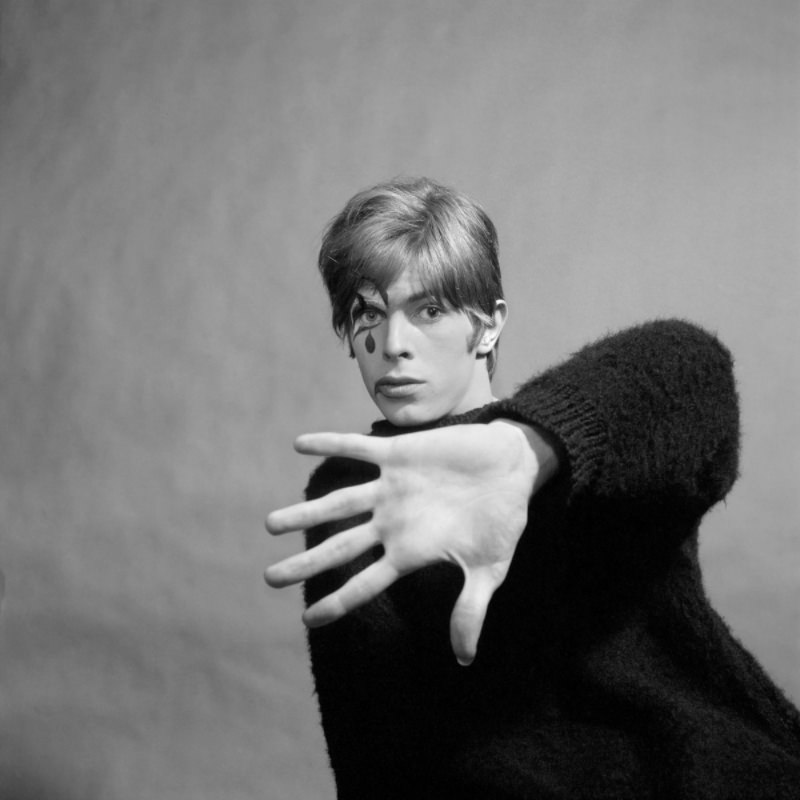
What makes Fearnley’s negatives so valuable is their intimacy. Most photographs of Bowie from this era were promotional — controlled, styled, and produced for a specific commercial purpose. These images are something different. They show a young performer in an unguarded creative space, working through physical expression in front of someone he trusted.