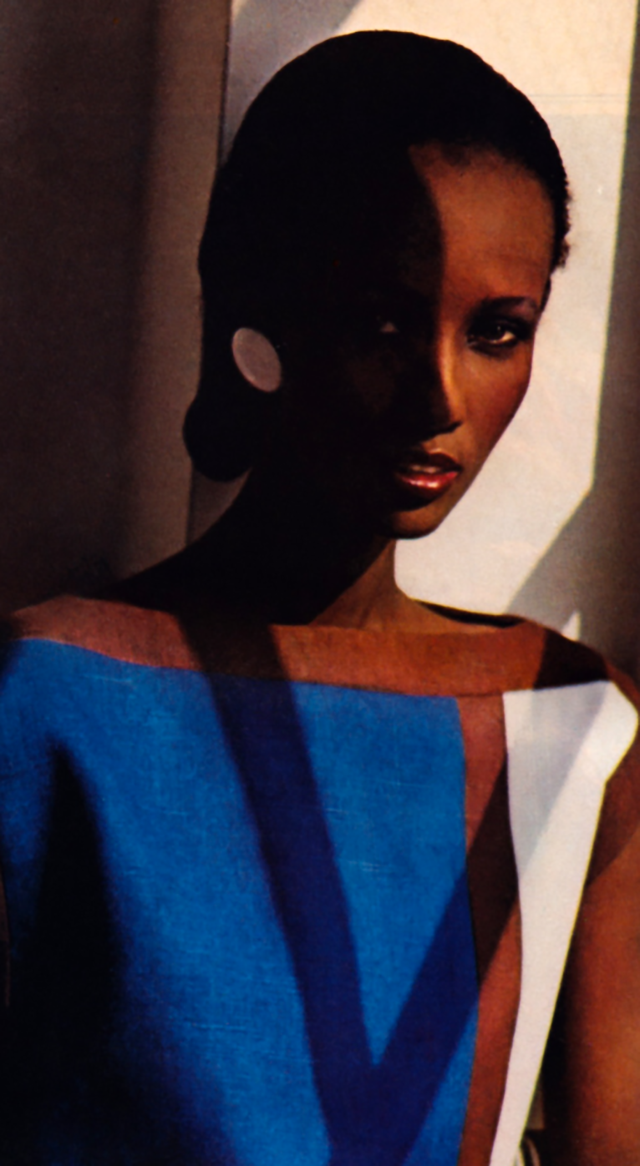
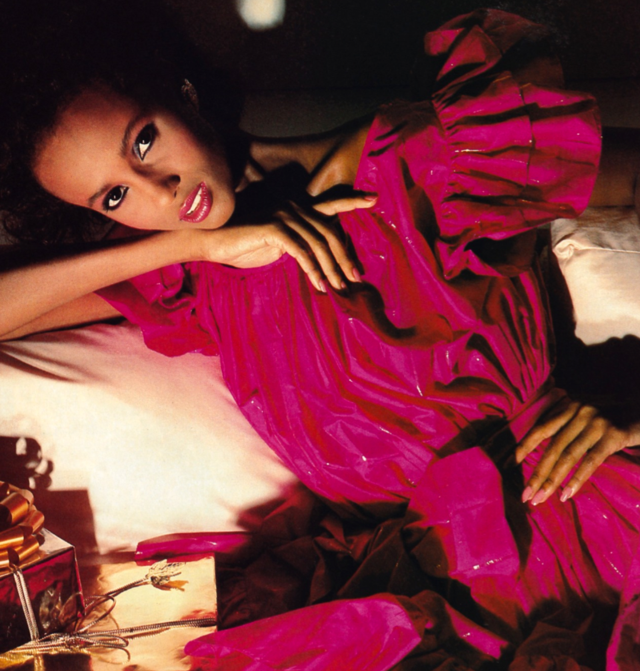
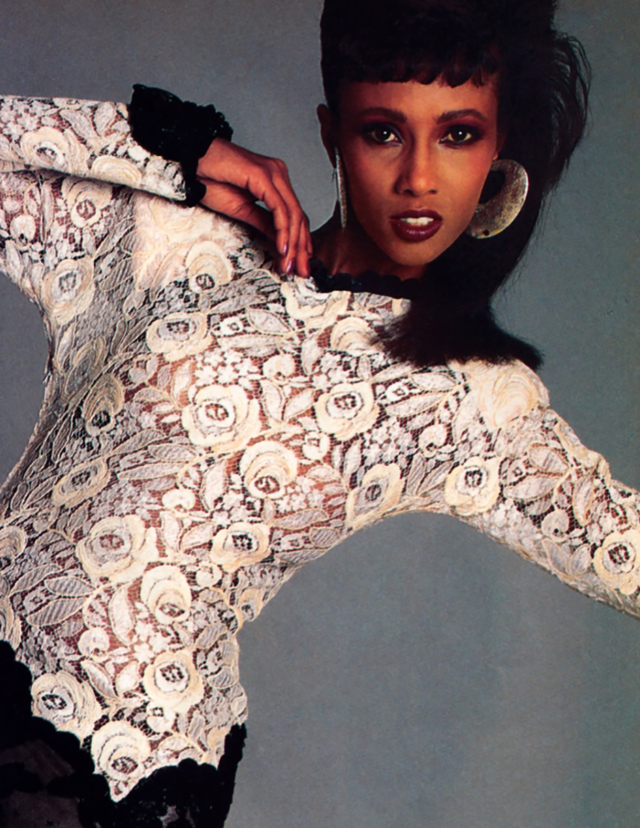
She was born Zara Mohamed Abdulmajid in 1955 in Somalia, but the world would come to know her simply as Iman. Her story began when American photographer Peter Beard discovered her while she was a student at university in Mogadishu. He brought her to the United States, and her modeling career launched almost immediately. By 1976, she had already appeared in Vogue for the first time — a milestone that marked the beginning of one of fashion’s most remarkable careers.
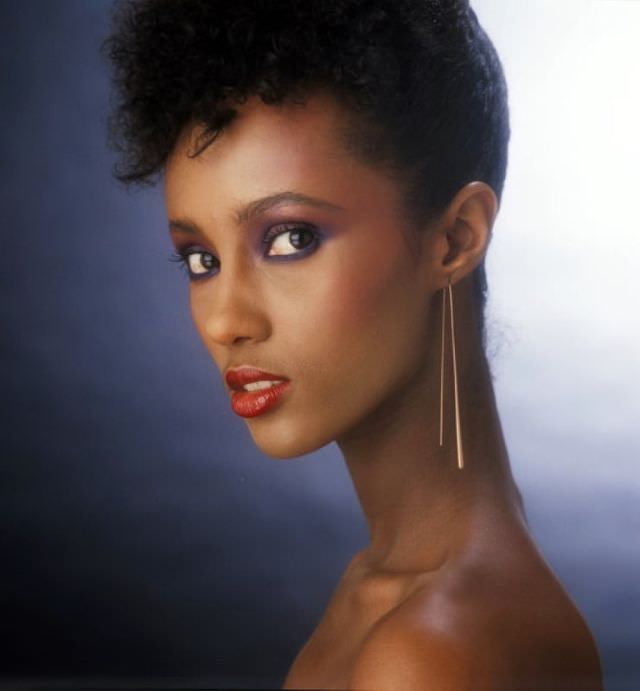
What set Iman apart was instantly visible. Her long neck, tall frame, slender build, fine facial features, and copper-toned skin made her stand out in every room and on every page. These weren’t just qualities that photographers admired — they were traits that defined a new standard of beauty in the fashion world. She wasn’t following a mold. She was creating one.
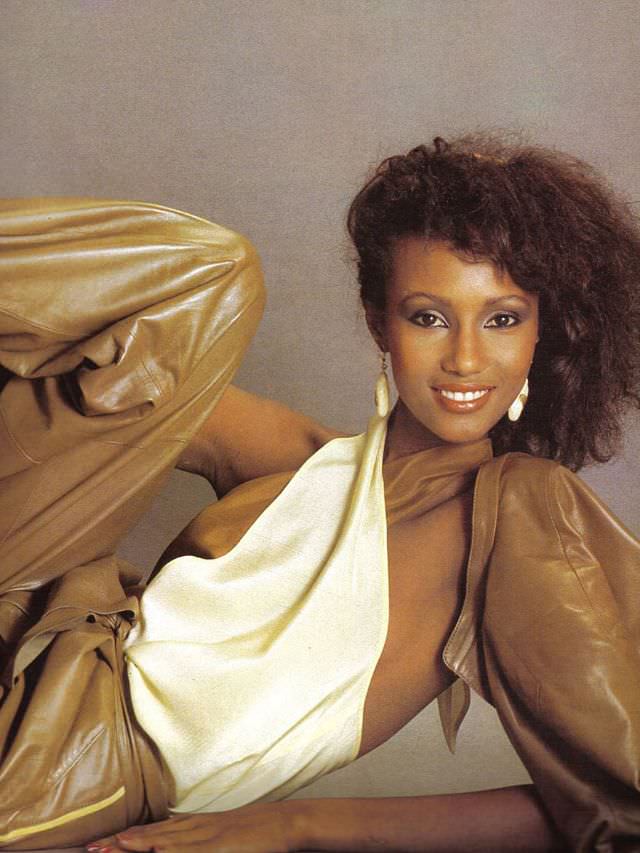
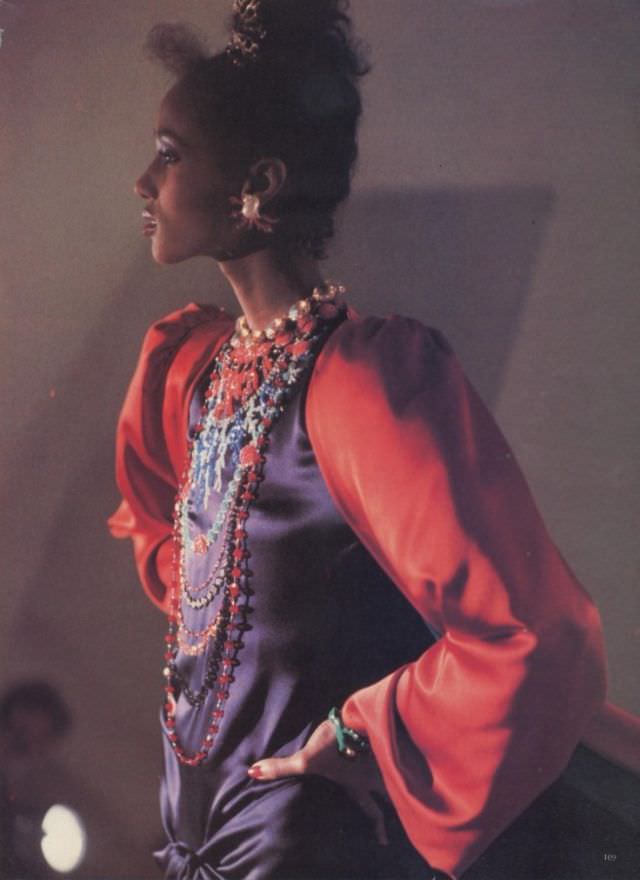
Iman quickly became a fixture on the covers of the world’s most prestigious magazines. Each appearance added to a reputation that was growing faster than almost anyone else in the industry. She wasn’t just a face for hire — she was a supermodel in the truest sense, before that word was even widely used.
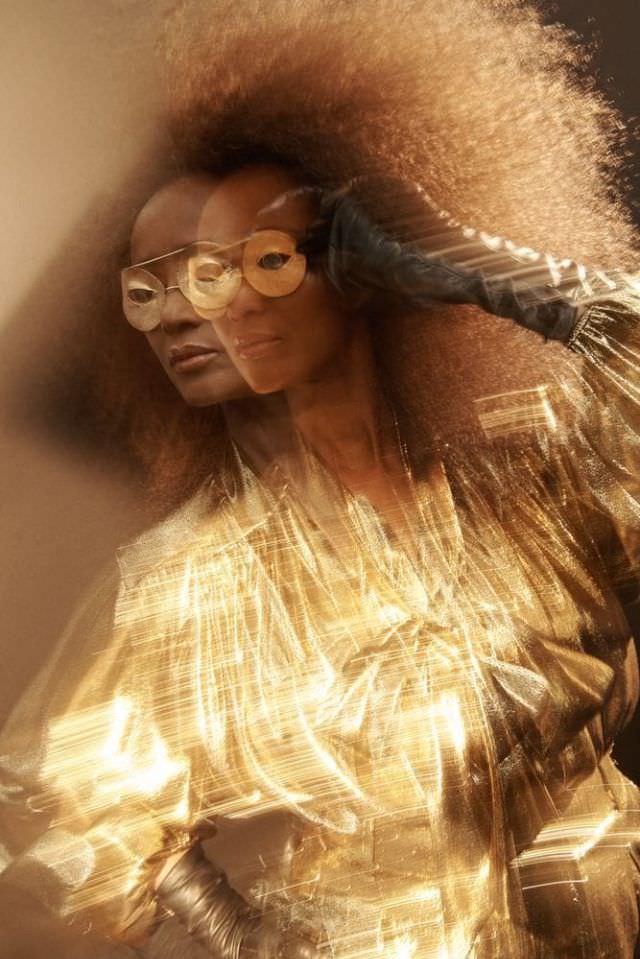
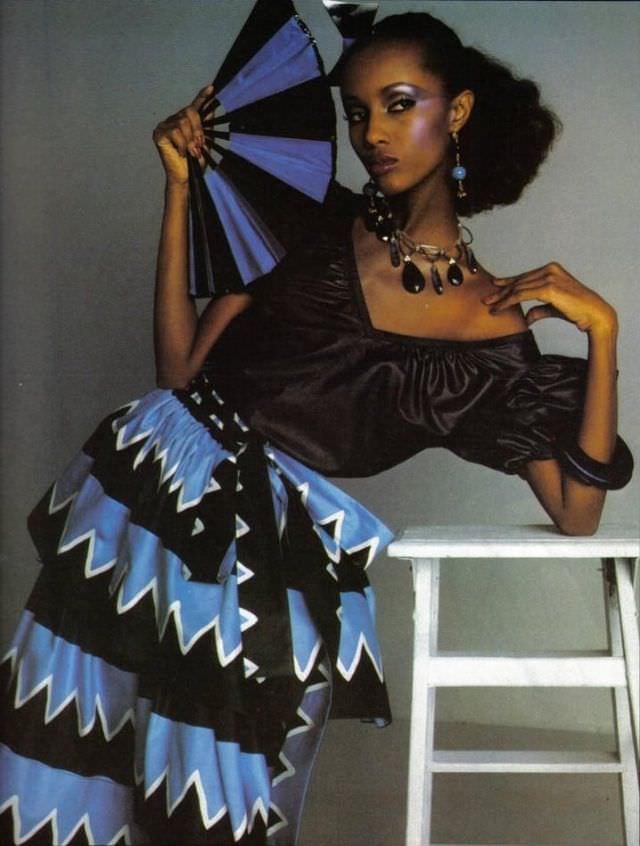
The fashion designers of the era took notice fast. Halston, Gianni Versace, Calvin Klein, Issey Miyake, and Donna Karan all worked with her. Yves Saint-Laurent went further than most, calling her his “dream woman.” That kind of praise from one of the most influential designers in history said everything about the place Iman had earned in fashion.
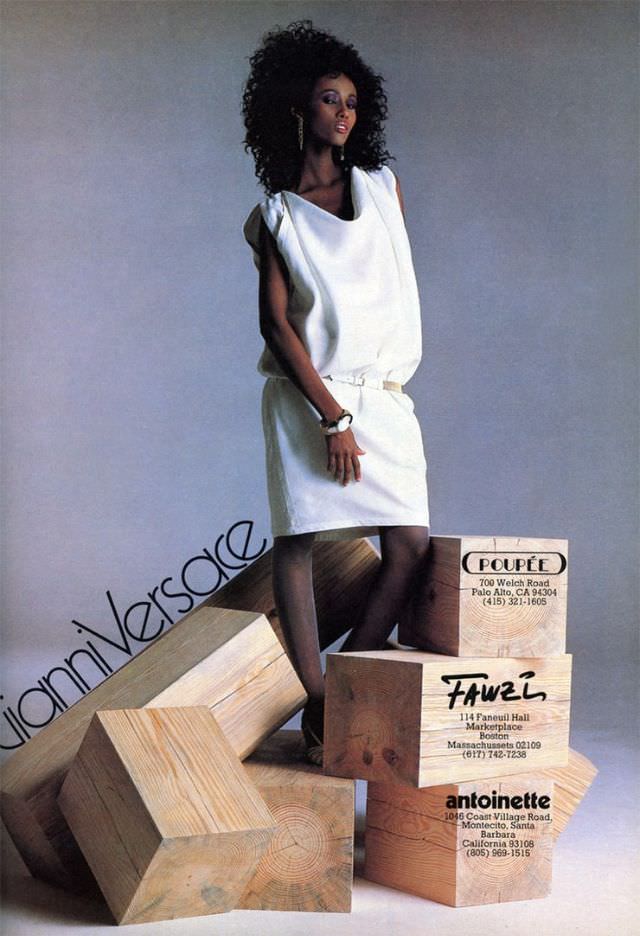
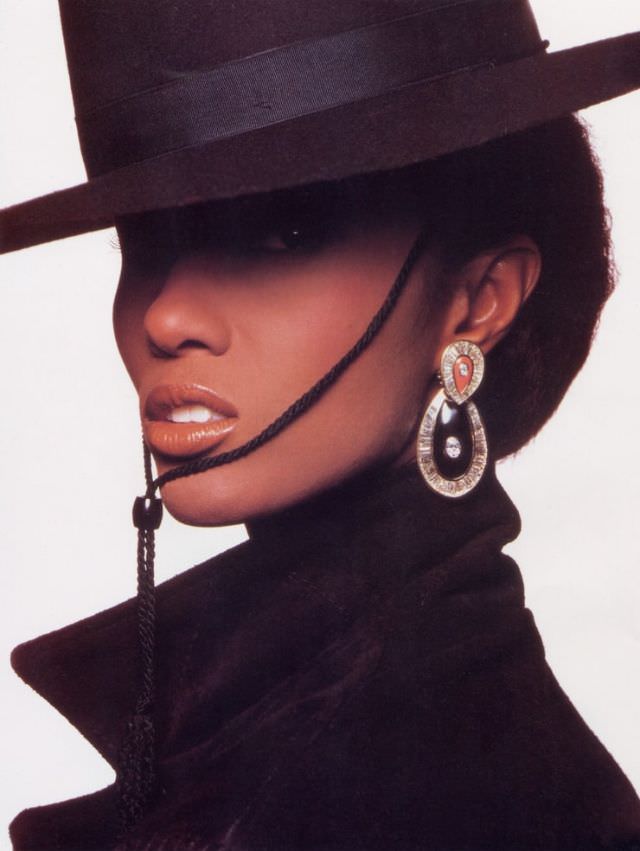
Behind every great modeling career is a team of great photographers, and Iman worked with the best of her generation. Helmut Newton, Richard Avedon, Irving Penn, and Annie Leibovitz all trained their lenses on her at various points. Each of these photographers had a distinct style, and the fact that Iman translated so powerfully through all of them speaks to her rare versatility in front of the camera.
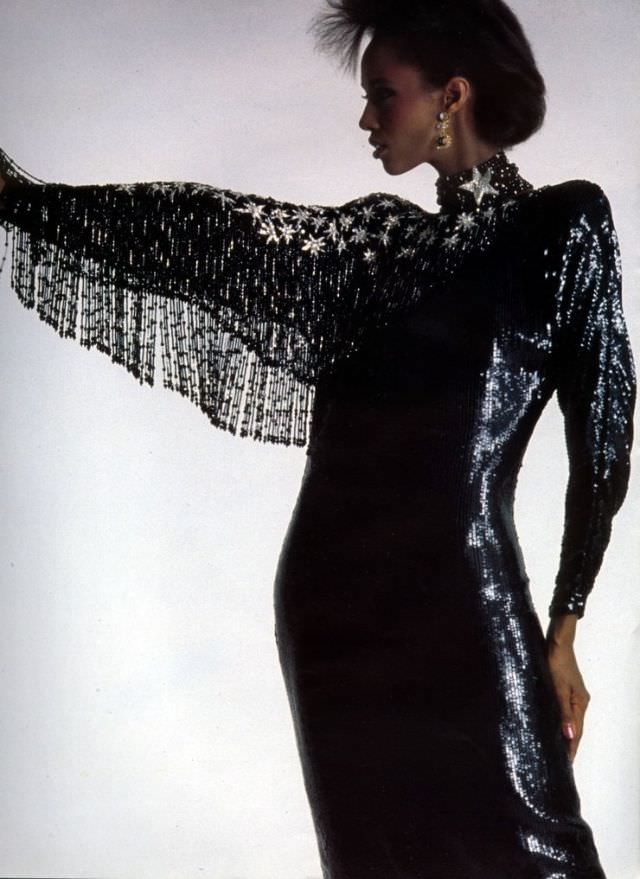
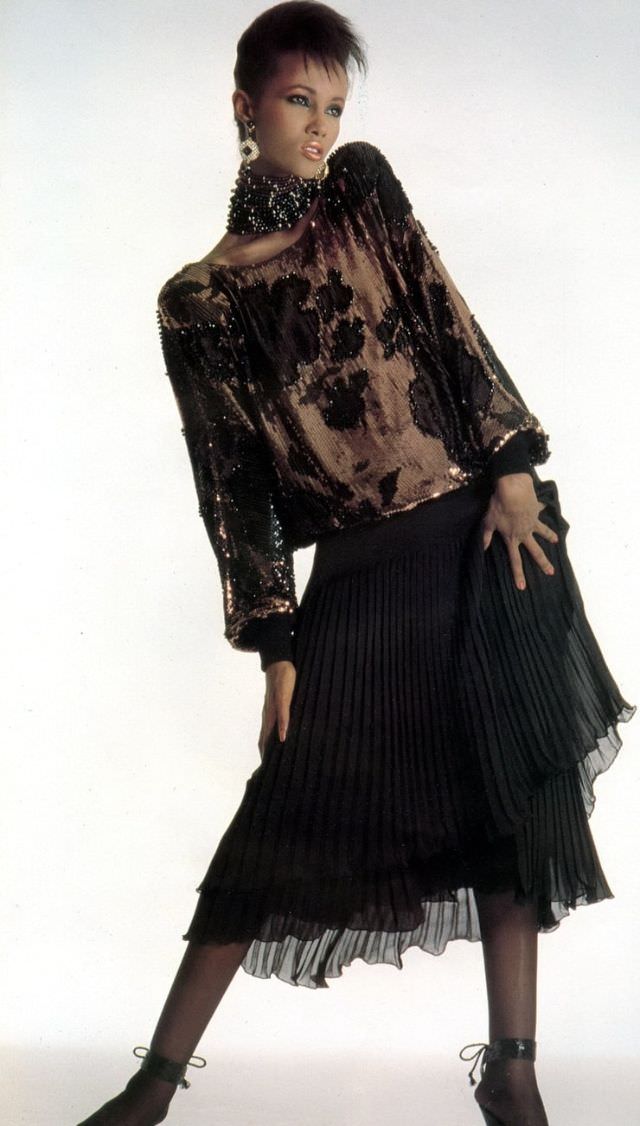
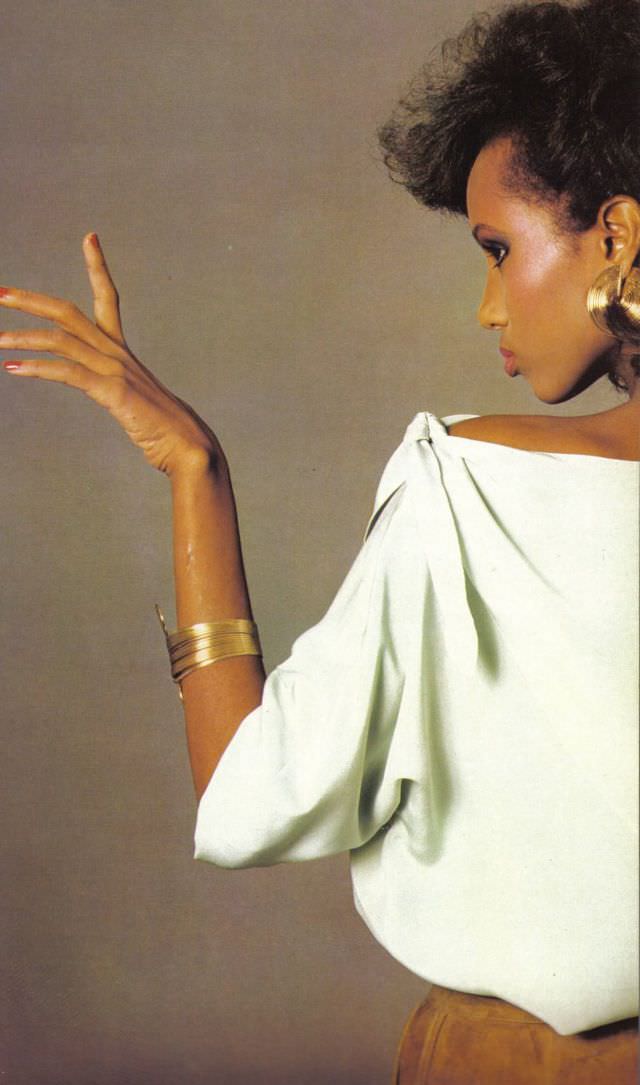
Throughout the 1970s, Iman was a constant presence in editorial spreads and on runways. Her look fit the decade — bold, striking, and undeniably powerful. She brought a presence to fashion that went beyond clothing or styling. The camera responded to her in a way that few models ever experience.
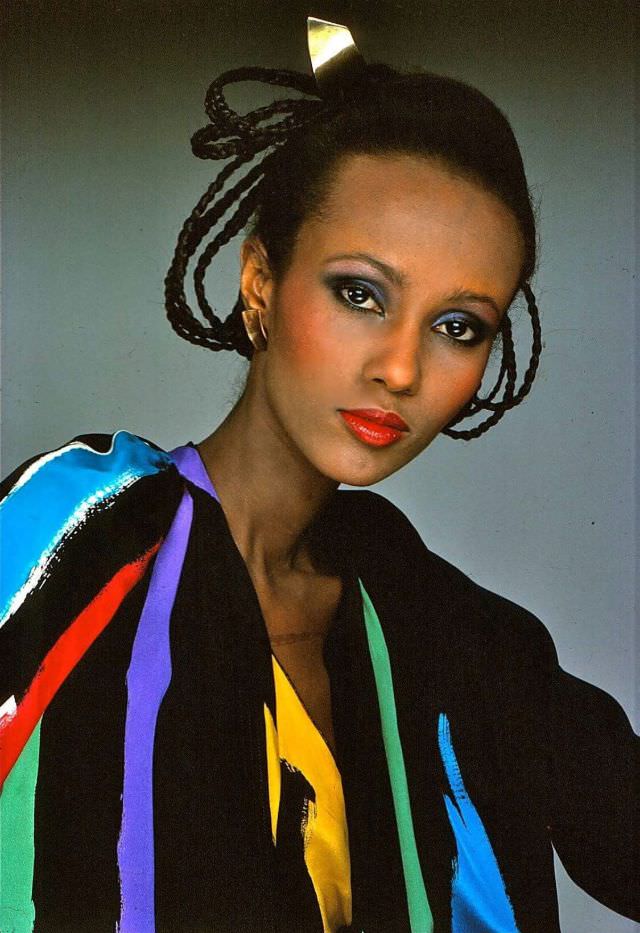
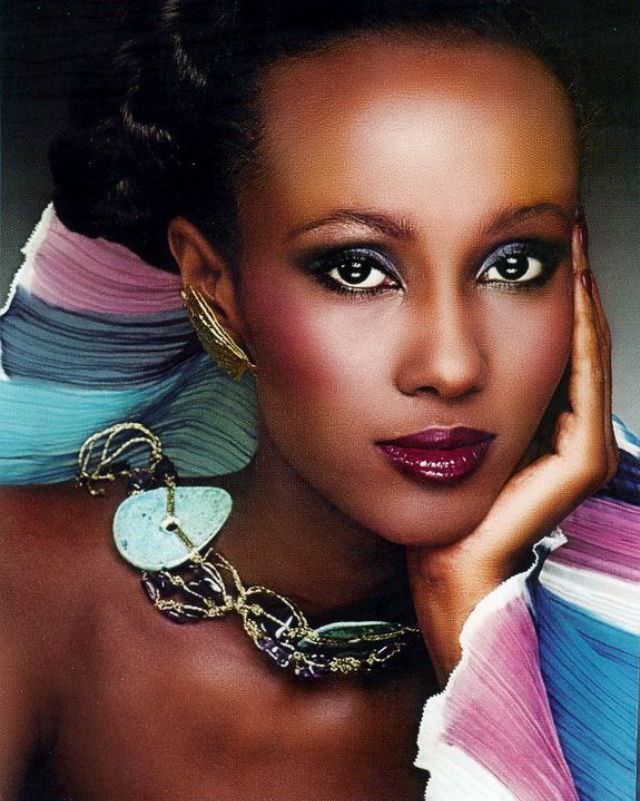
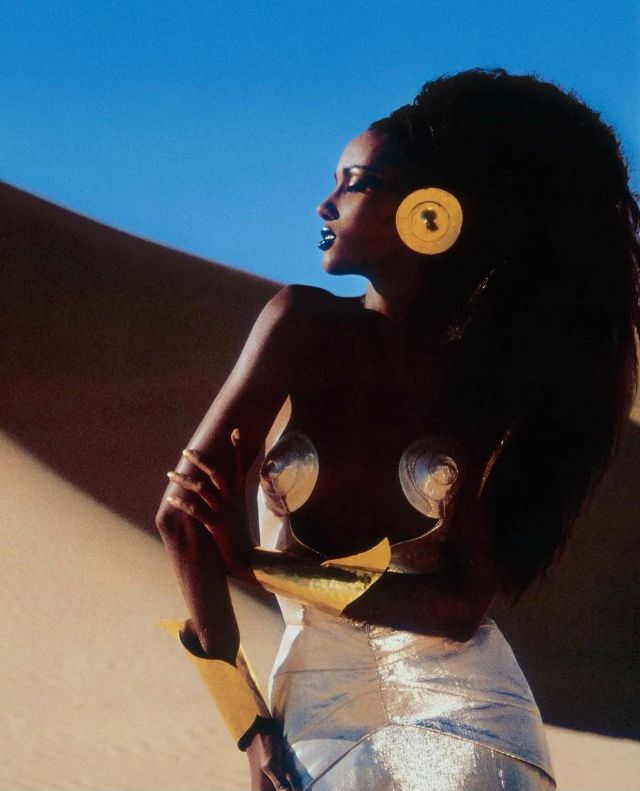
Moving into the 1980s, her career showed no signs of slowing. The decade brought bigger productions, more elaborate fashion shoots, and an even more global reach for the top names in modeling. Iman was firmly among that elite group. Her face appeared on newsstands across continents, and her name carried real weight in the industry.
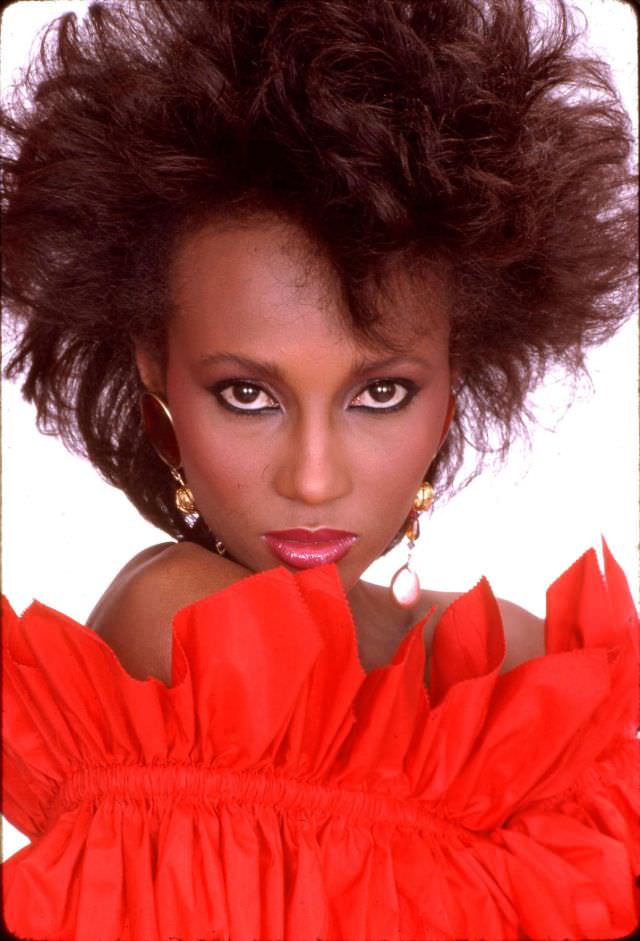
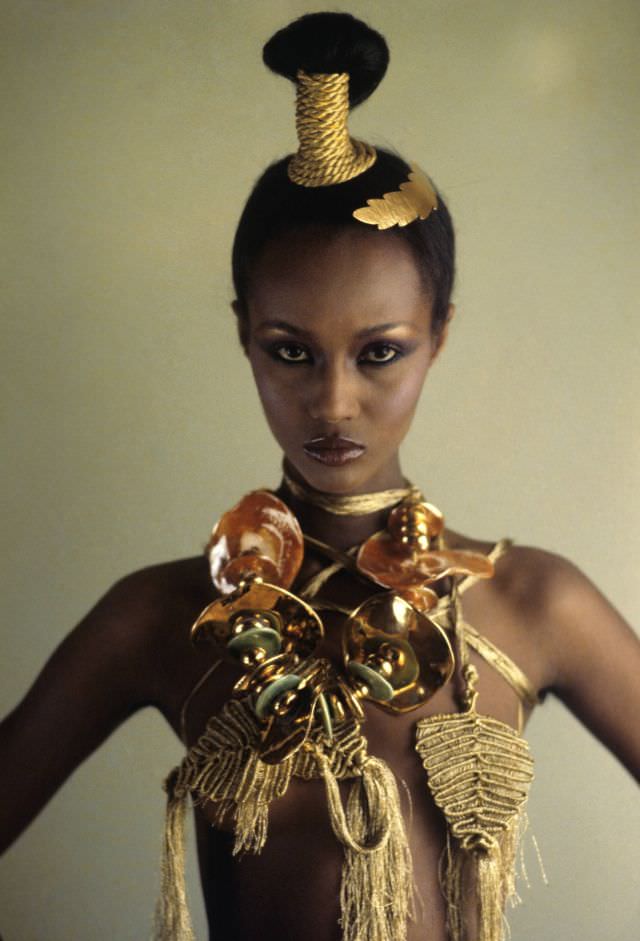
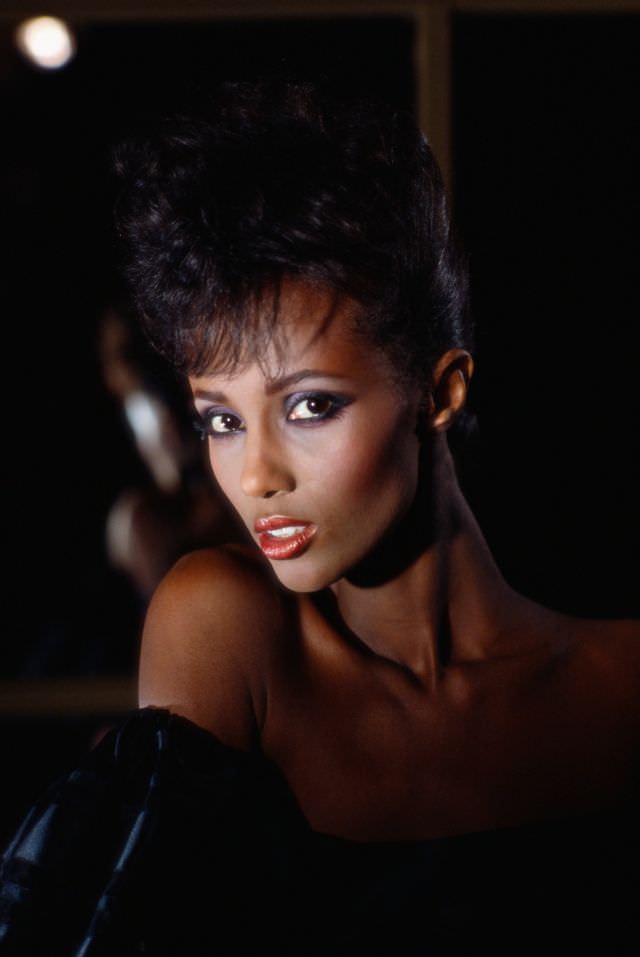
She was also deeply involved in philanthropic work throughout her career, using her platform beyond the runway. But in the 1970s and 1980s, it was her modeling work that captured the world’s attention most visibly. She married rock musician David Bowie in 1992, and the two remained together until his death in 2016.
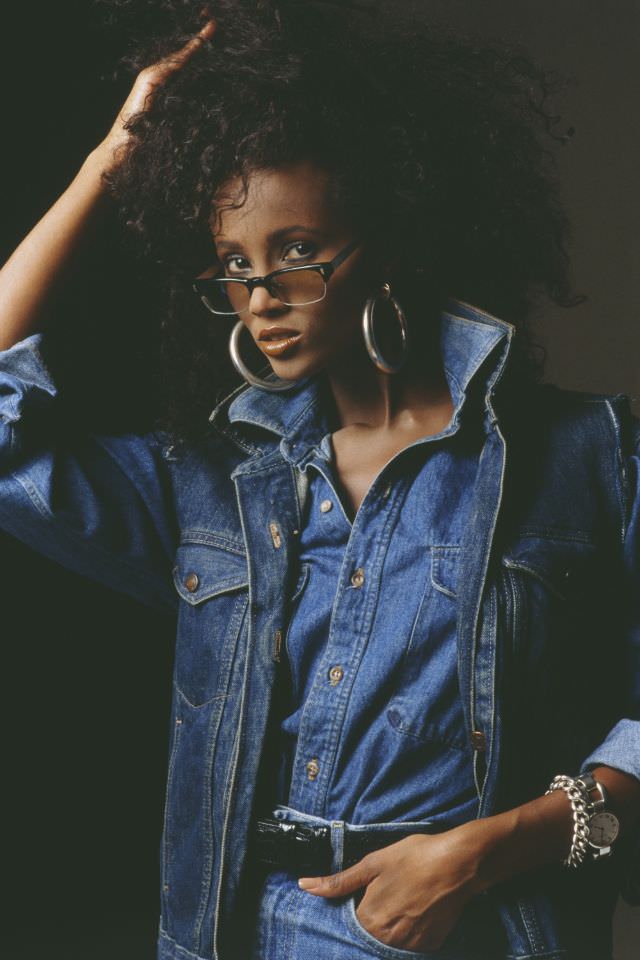
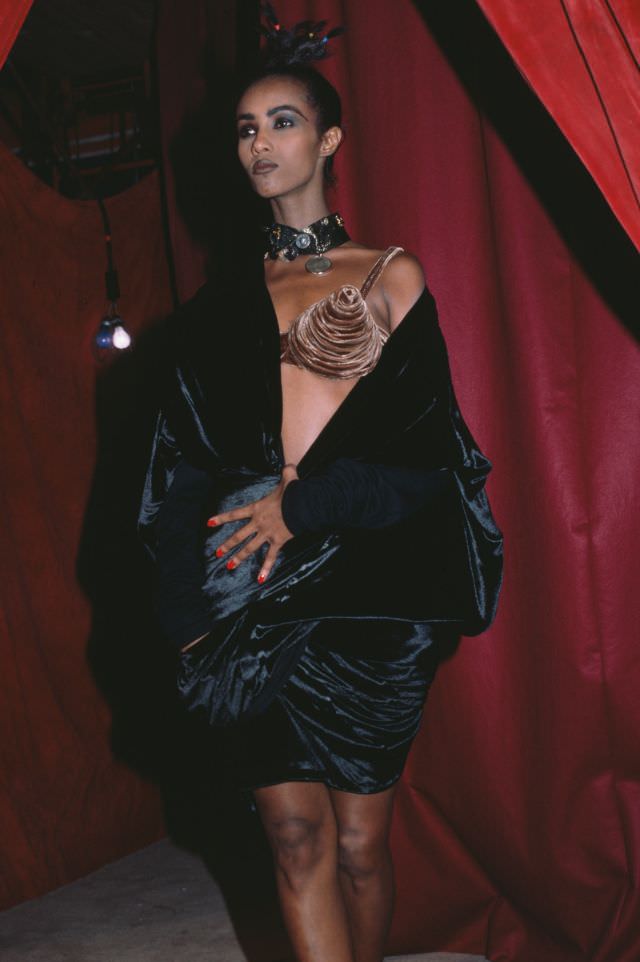
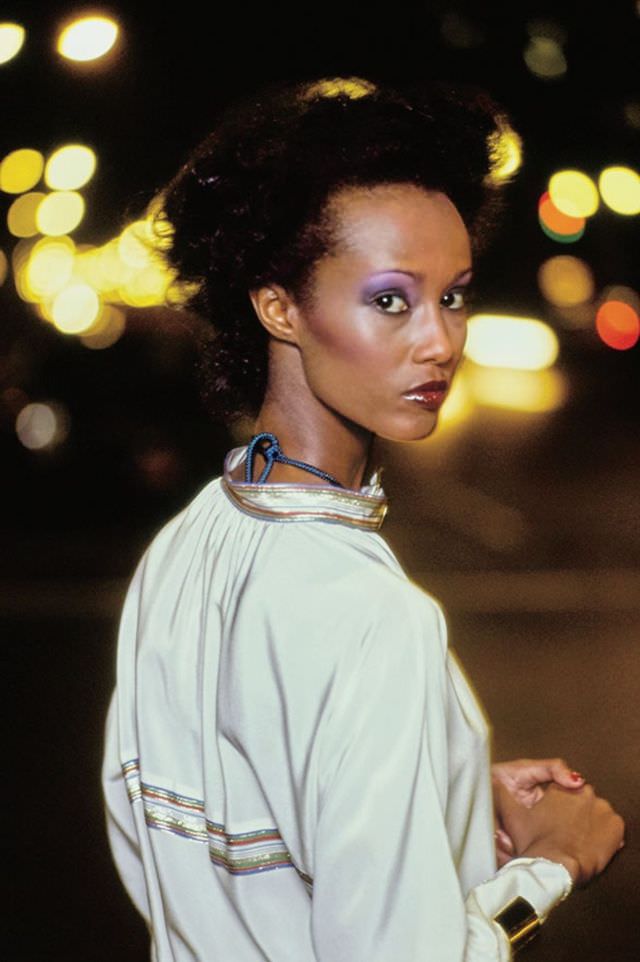
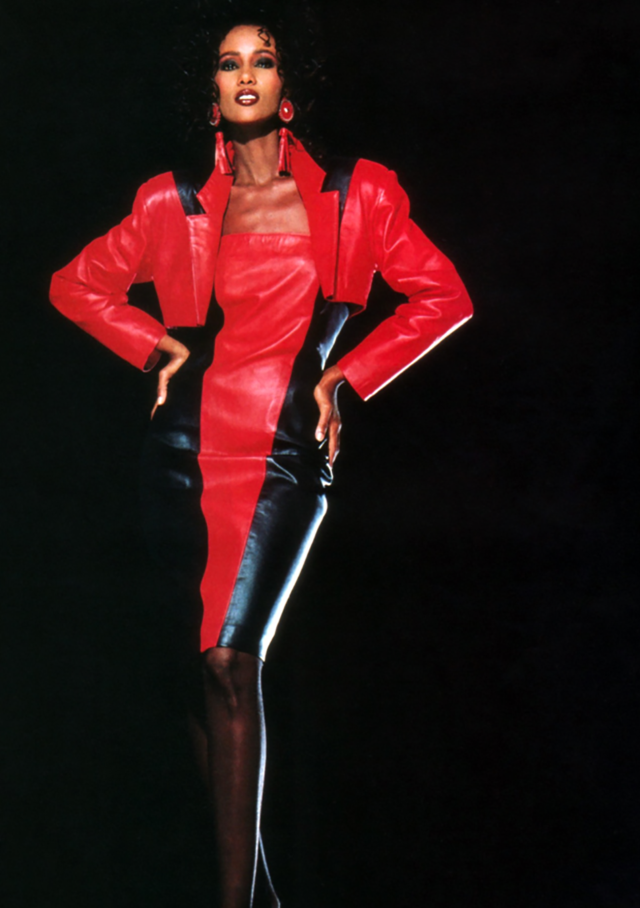
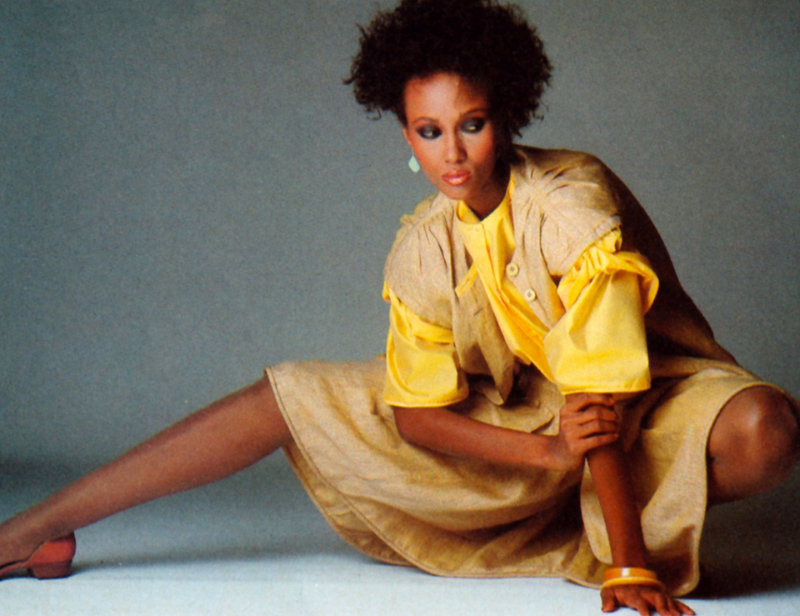
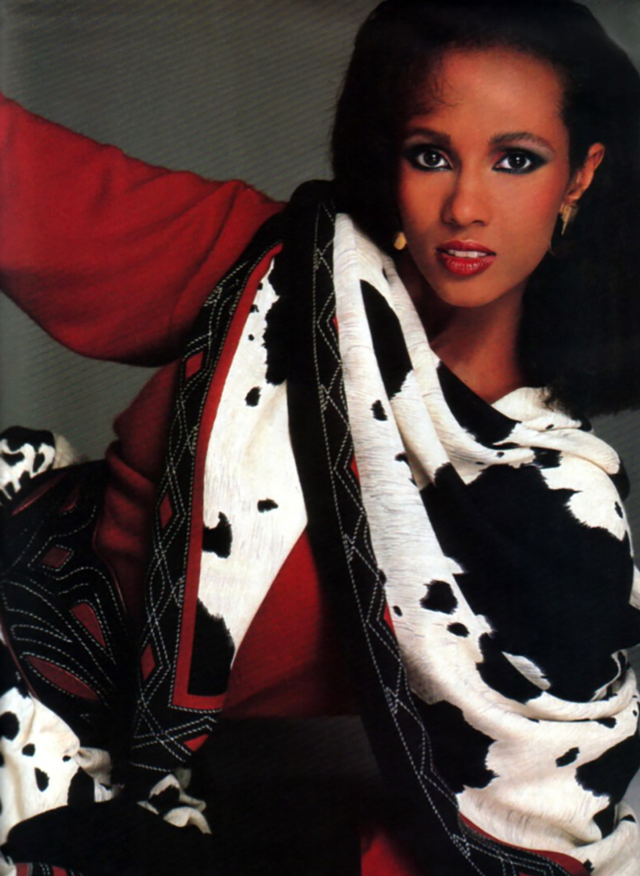
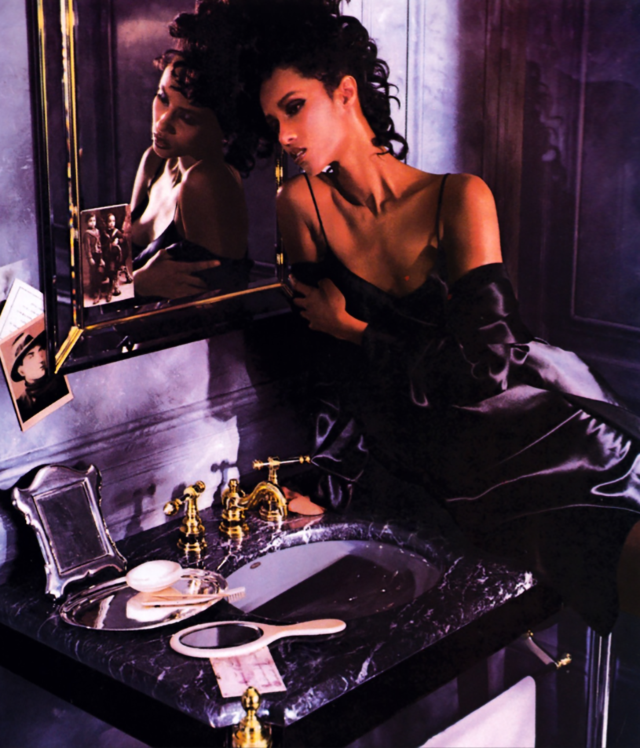
The photos from her early career tell the story of a woman who arrived in the fashion world fully formed. There was no awkward early period, no gradual development of her look. From the moment the cameras found her, Iman delivered.
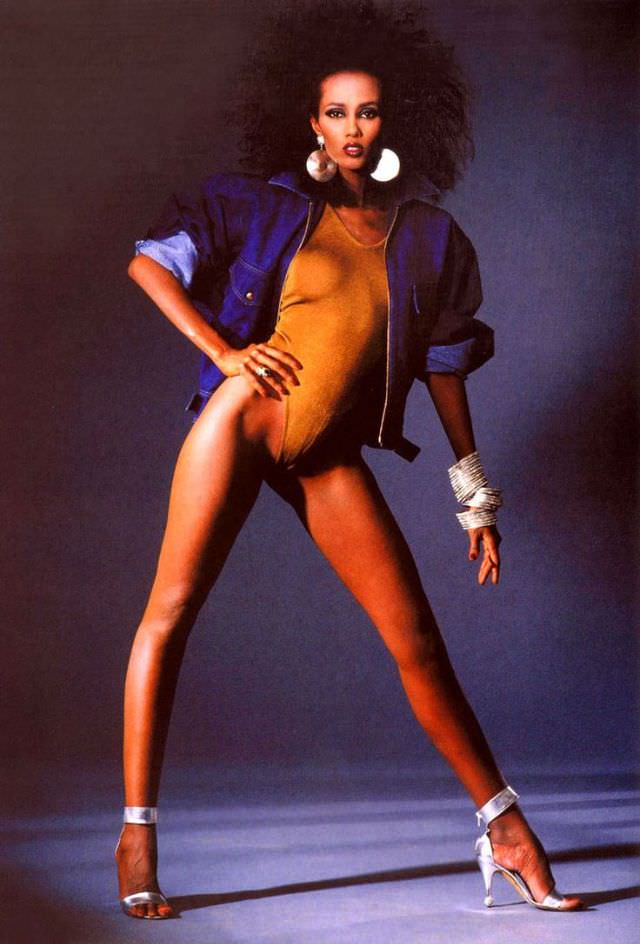
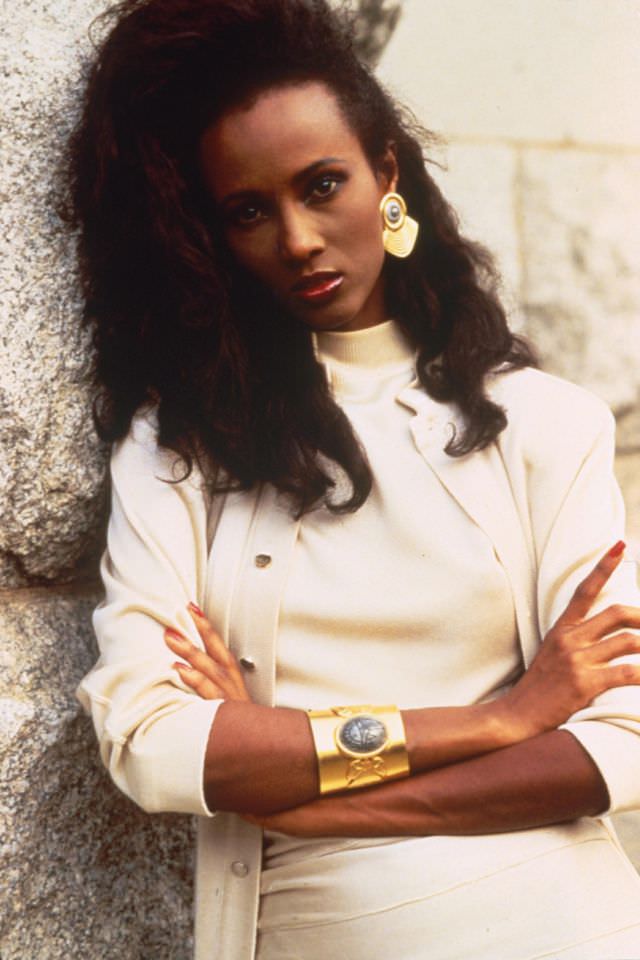
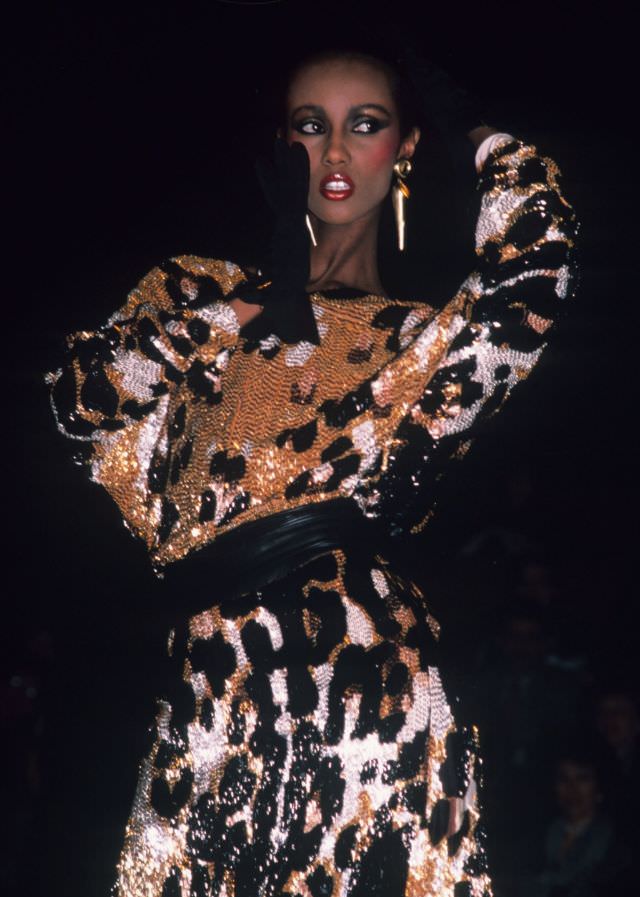
Whether she was working in the clean, structured settings of a studio shoot or in more creative editorial environments, her presence was always the dominant force in the frame. Designers dressed her because she elevated their work. Photographers sought her out because she made their best images even better.
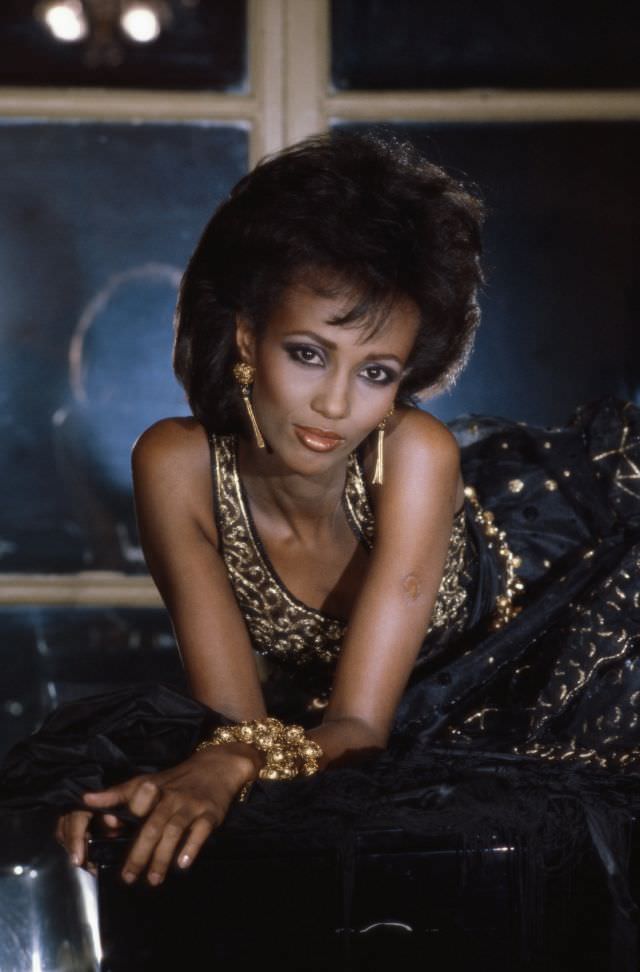
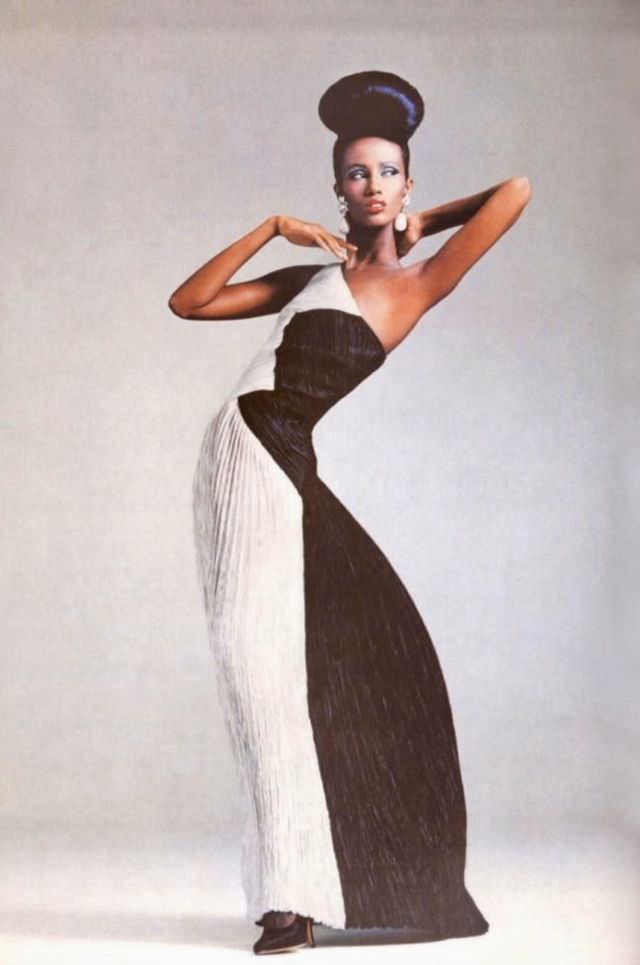
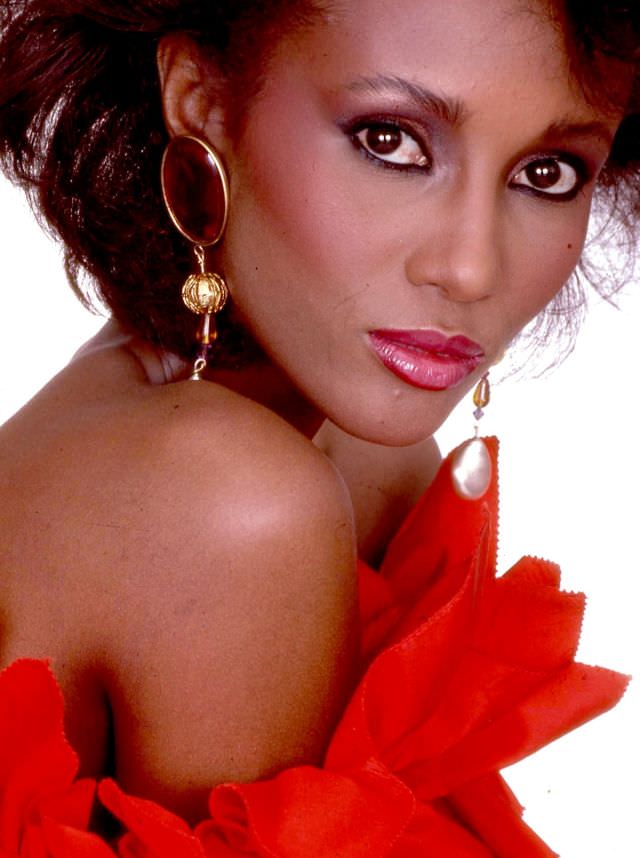
Her Somali heritage brought a look to international fashion that had rarely been seen at that level before. She opened doors simply by walking through them — her very presence at the top of the industry changed what the industry looked like. Every cover, every runway, every editorial spread was a statement.
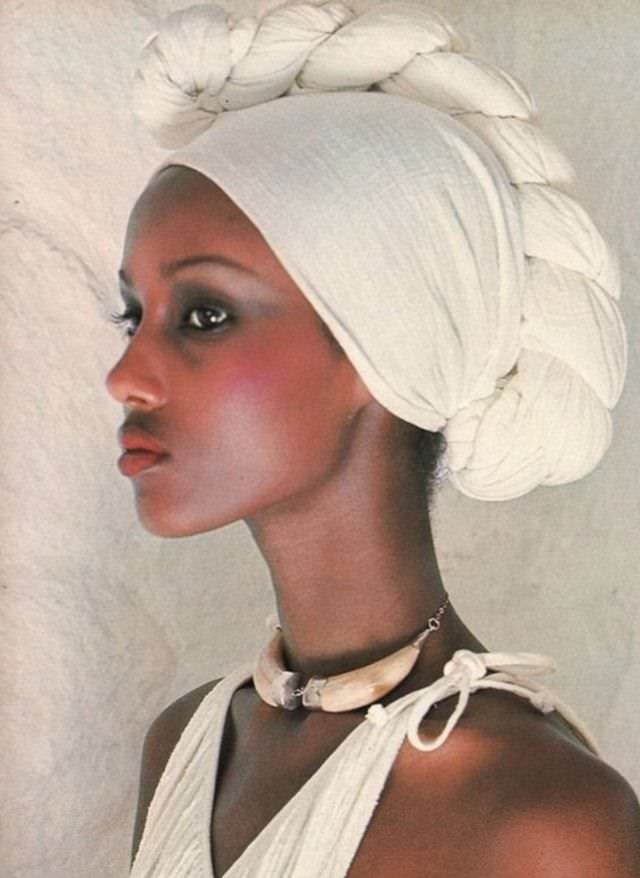
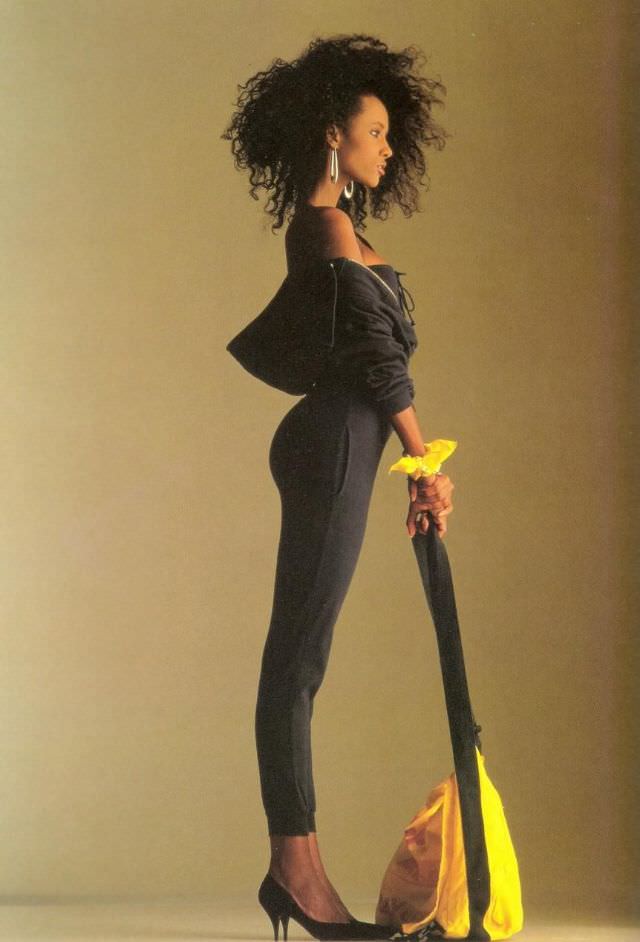
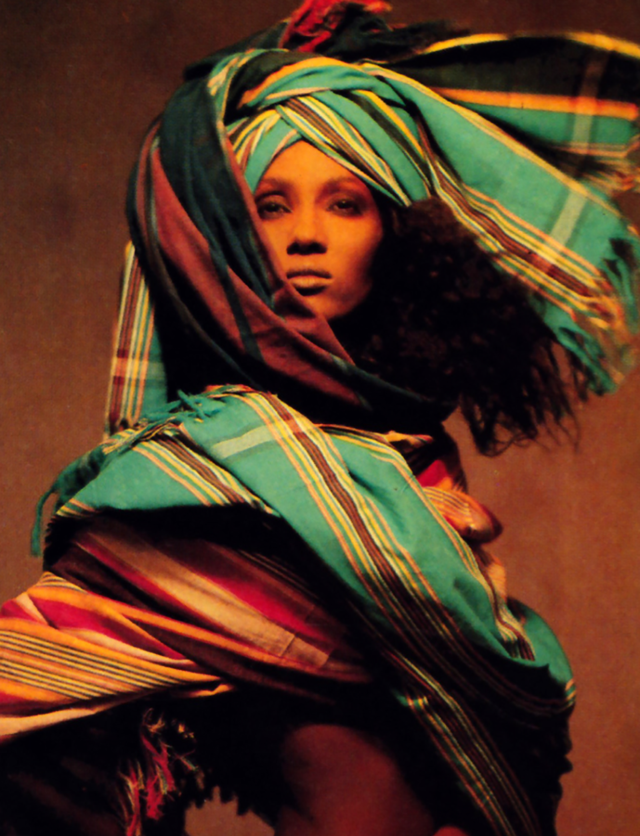
The sheer range of her work across these two decades is impressive. High fashion editorials, commercial campaigns, runway shows for the biggest names in design — Iman moved through all of it with total confidence. The photos from this era are a record of someone at the very top of their craft.