
Belgium in the 1980s was a country in the middle of real change. At the start of the decade, the economy was struggling. The Belgian franc was devalued, public services were cut, and government subsidies to aging industries were pulled back. In 1981, a coalition of Liberals and Social Christians formed a new government and began pushing for tighter control over the money supply. It was a difficult period for ordinary Belgians, but the country pressed forward. By the late 1980s, Belgian industry had regained its footing, and the Brussels-Capital Region was formally established as a distinct political entity. These color photographs capture that decade in full — the festivals and nightlife, the landmarks, the tragedies, and the everyday rhythms of life across the country.
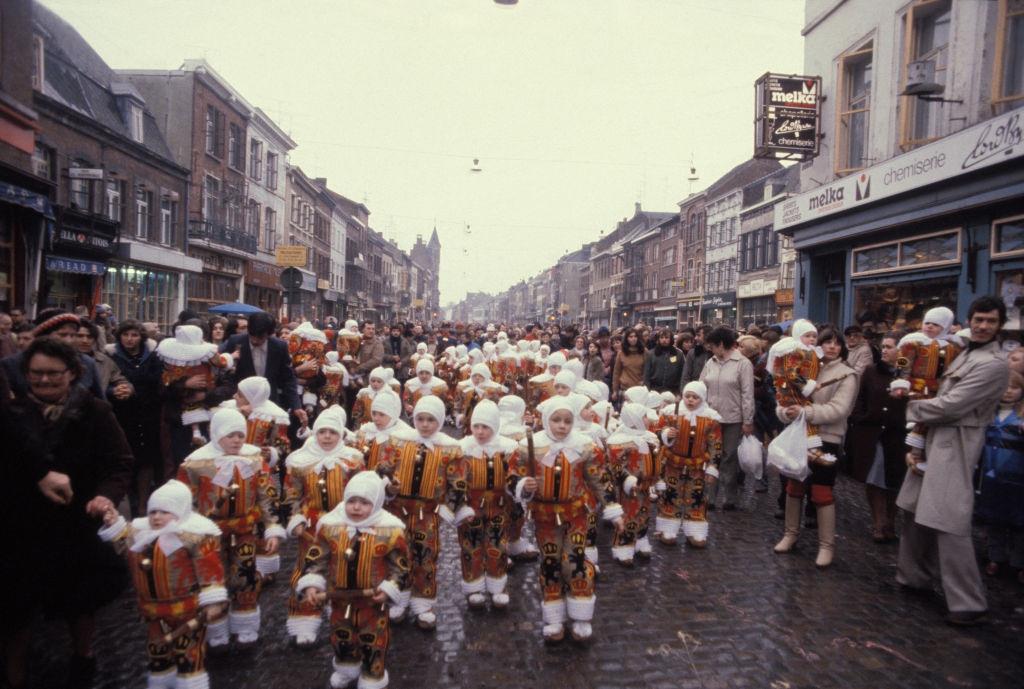
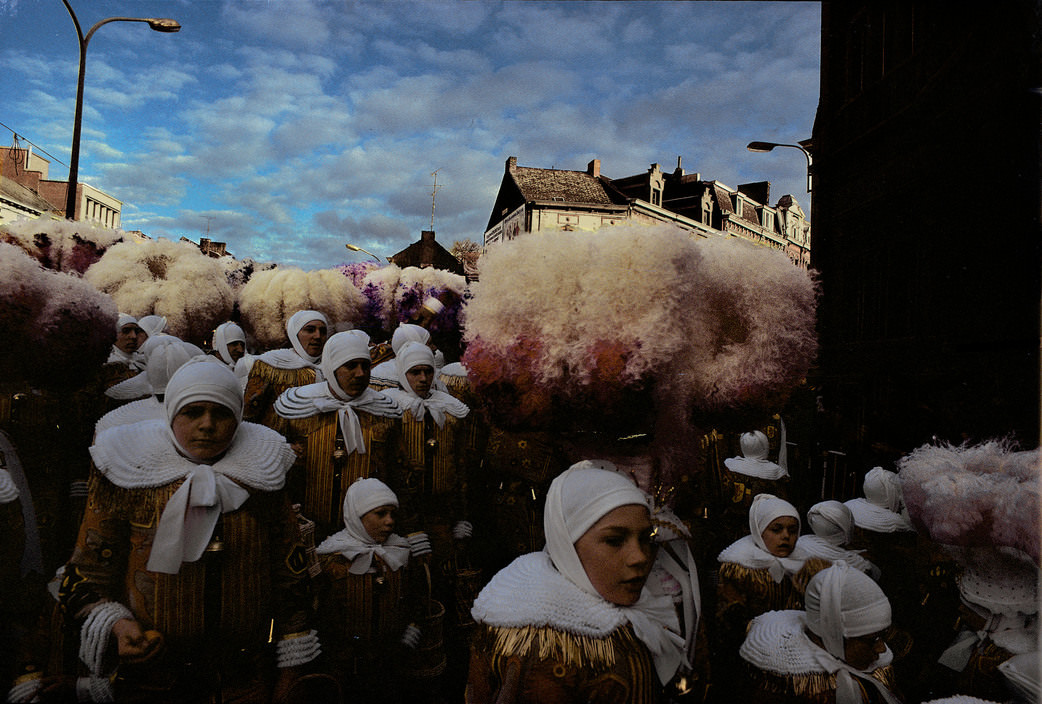
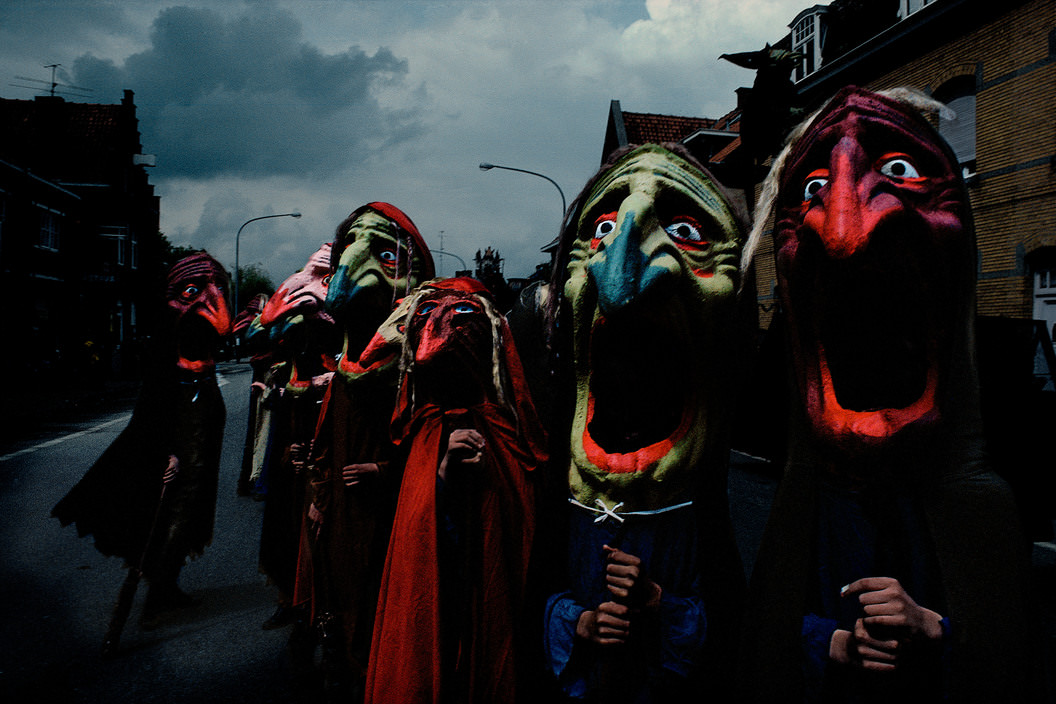
Few events in Belgium are as visually striking as the Binche carnival. Held each year before Lent, it is one of the oldest and most recognized carnivals in the world. At its center are the Gilles — performers dressed in elaborate costumes who wear distinctive wax masks during the parade.
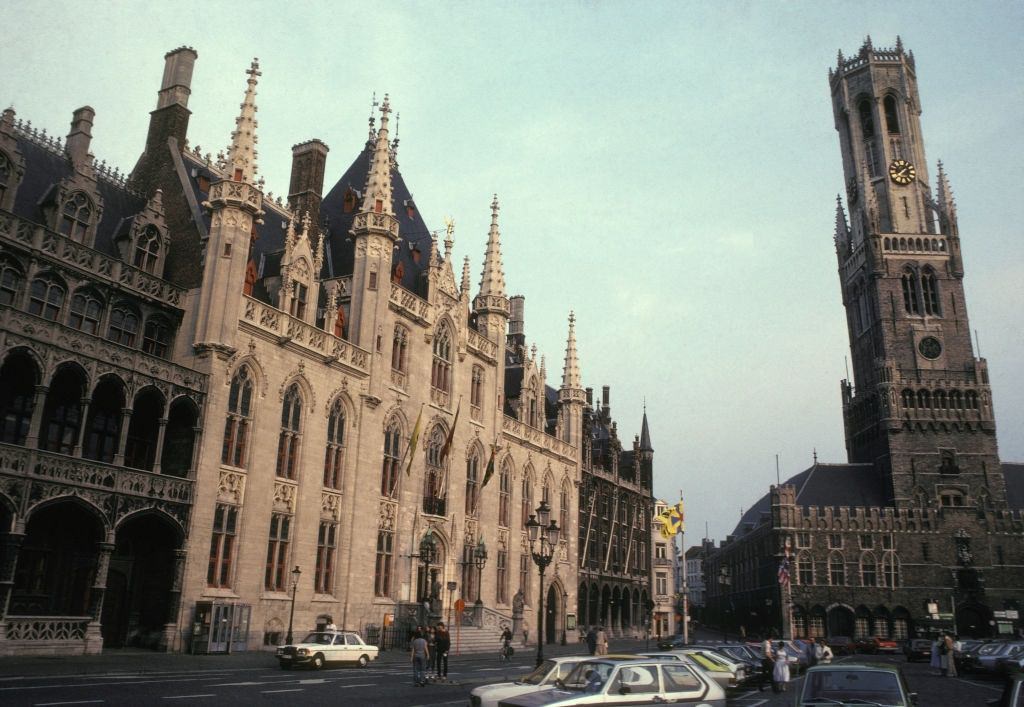
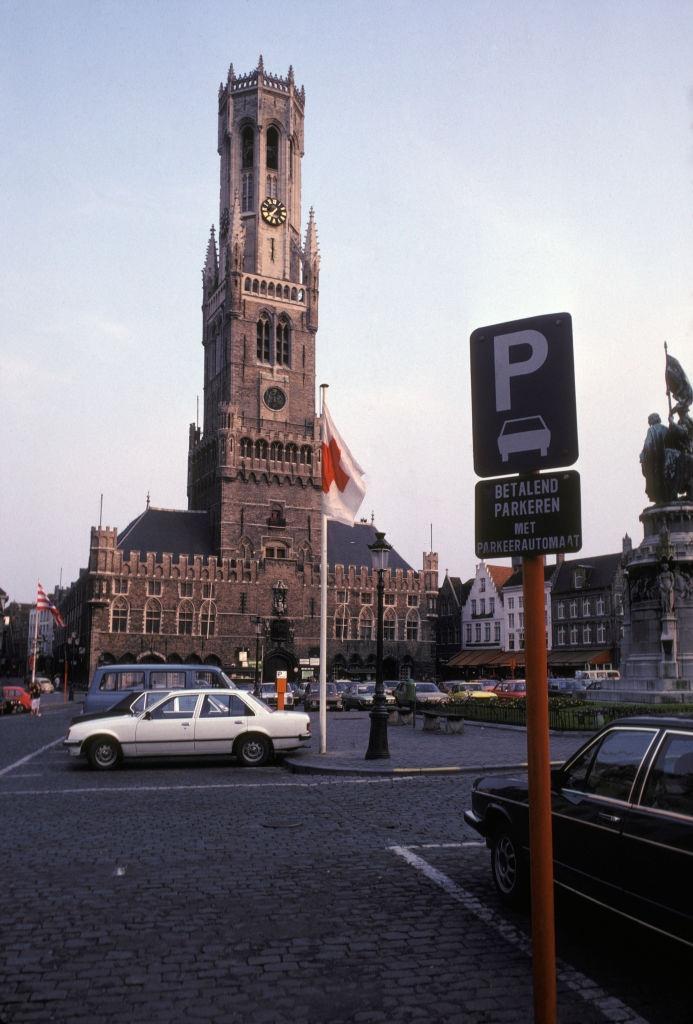
Bruges, in the Flemish northwest, was one of Belgium’s most visited cities throughout the decade. Its medieval architecture and canal system drew tourists from across Europe. The City Hall and the Belfry Tower stood at the heart of the city’s historic market square, both dating back centuries.
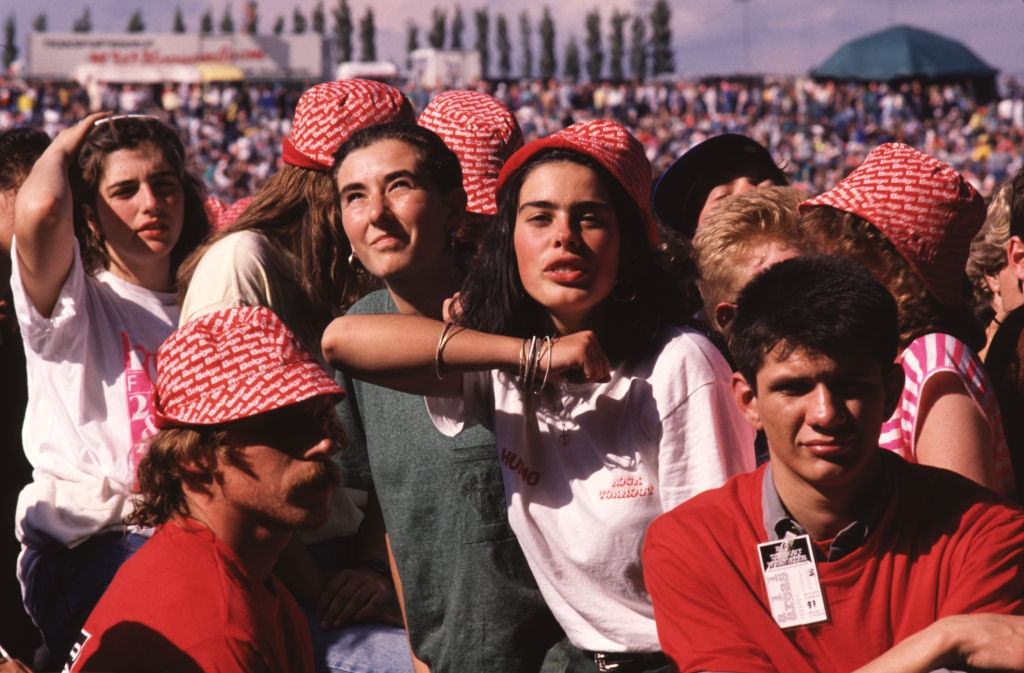
Belgium had a lively music scene in the early 1980s. The Masters at Rock festival, held in the town of Torhout, attracted large crowds every summer. It was one of the major open-air rock events in the country, drawing both Belgian and international acts to the stage.
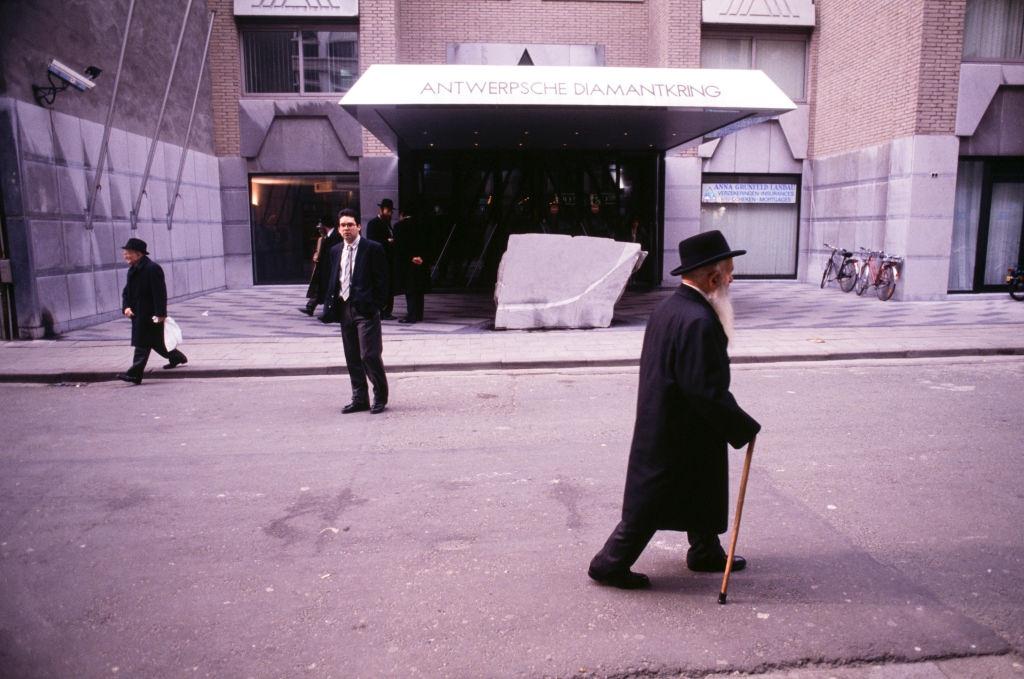
Antwerp served as one of the world’s leading diamond trading centers throughout the decade. The city’s diamond district processed a significant share of the globe’s rough and polished diamonds. Diamond companies operated out of specialized facilities in the city, handling stones worth enormous sums on a daily basis.
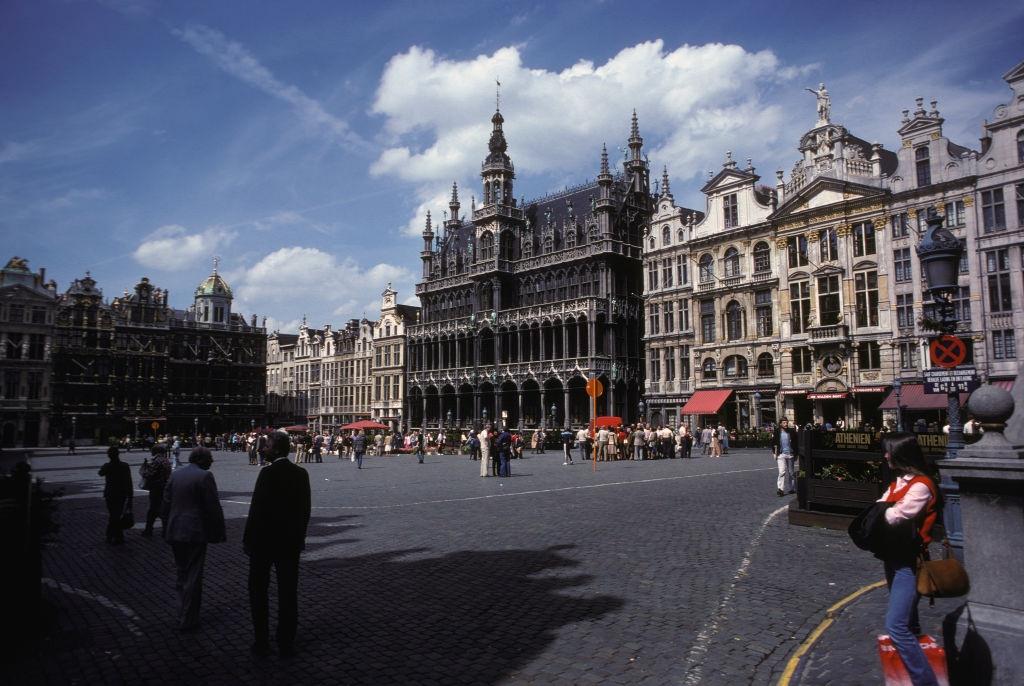
Brussels, the national capital, remained the political and cultural center of Belgium throughout the 1980s. The Grand Place — a UNESCO World Heritage Site — stood as the beating heart of the city, surrounded by ornate guild houses and the Gothic town hall. It was a gathering point for locals and visitors alike.
The Belfry of Bruges, rising over 83 meters above the market square, was one of the most photographed structures in Belgium. It housed a large carillon of bells and had functioned as a civic watchtower since the medieval period.
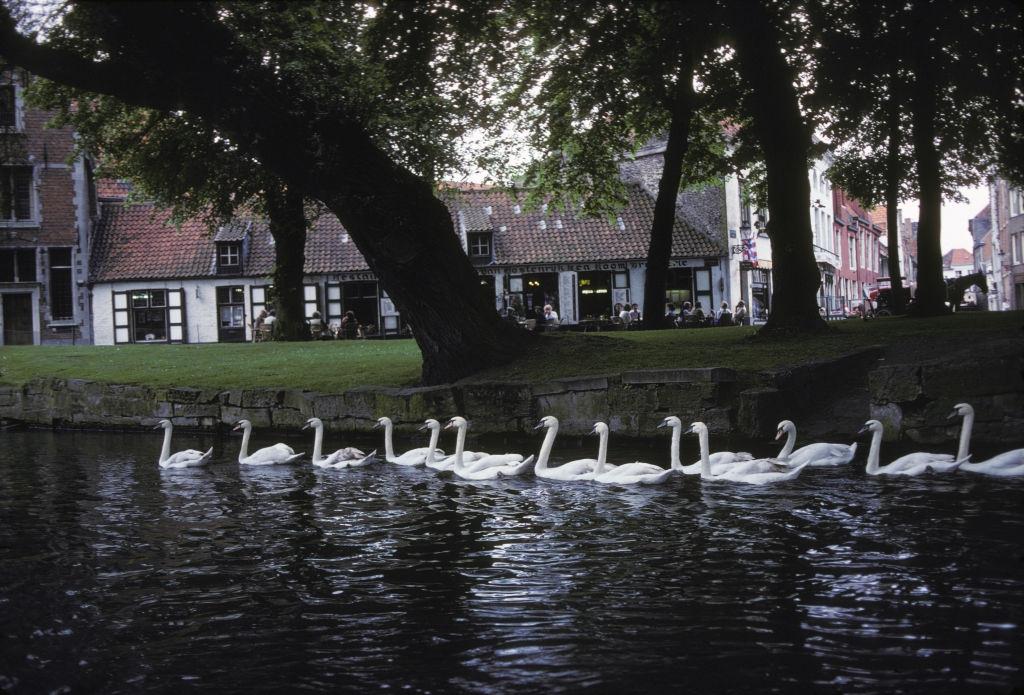
The canals of Bruges were home to large populations of mute swans, which had become closely associated with the city’s identity. The Zwin, a natural tidal inlet connecting Bruges to the North Sea coast, was a well-known habitat for the birds and a scenic landmark.
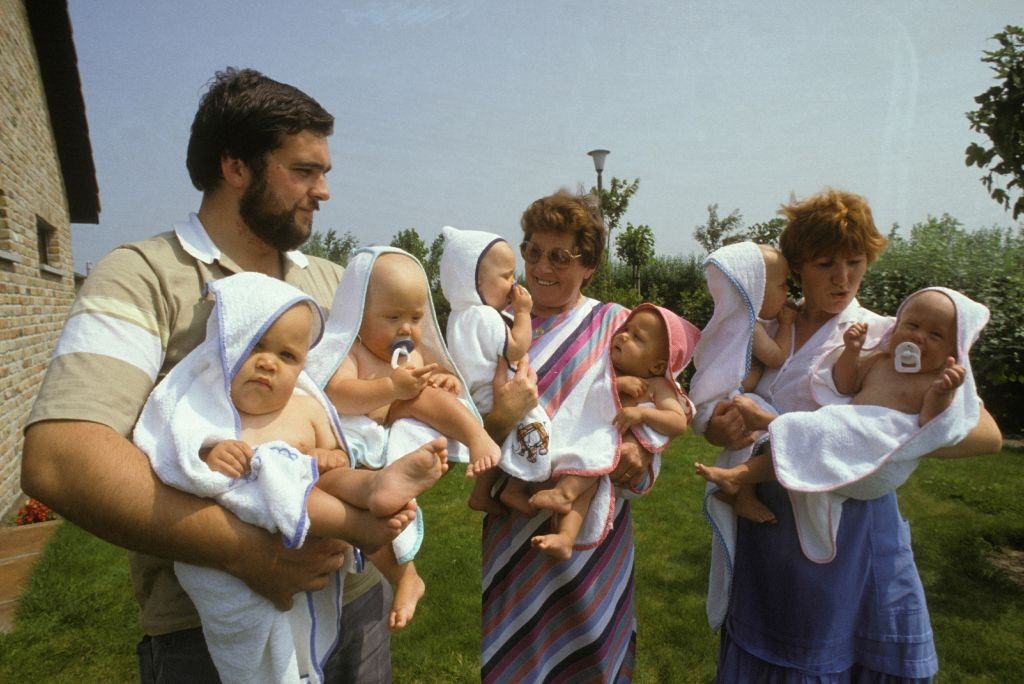
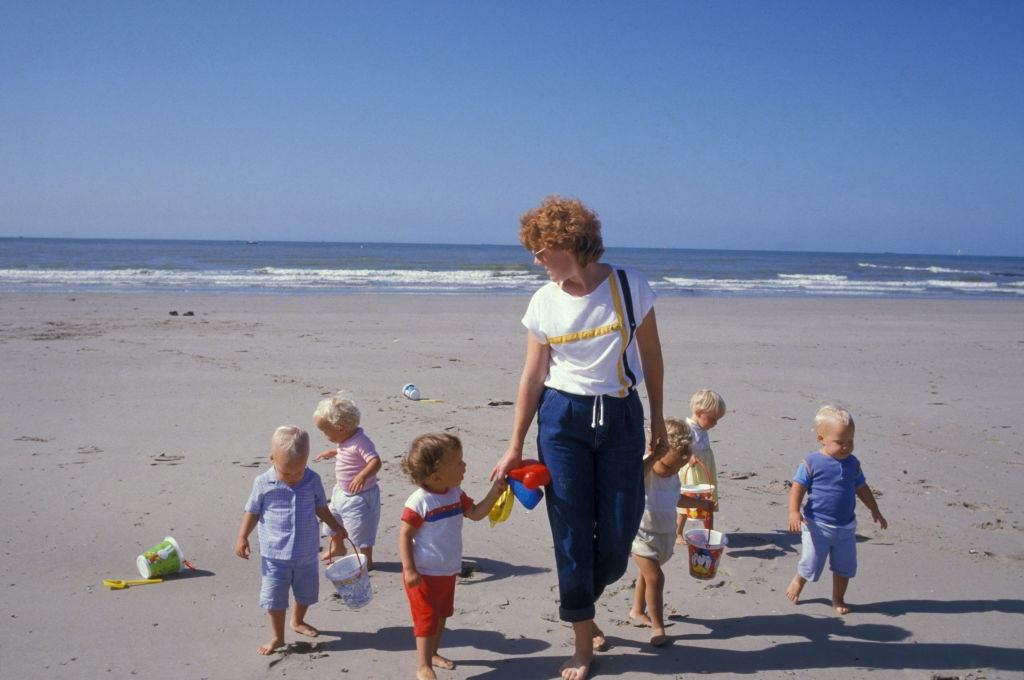
In July 1984, a set of Belgian sextuplets — six children born from a single pregnancy — reached their first birthday. The birth had attracted widespread national attention, and the milestone was marked as a notable event in the country.
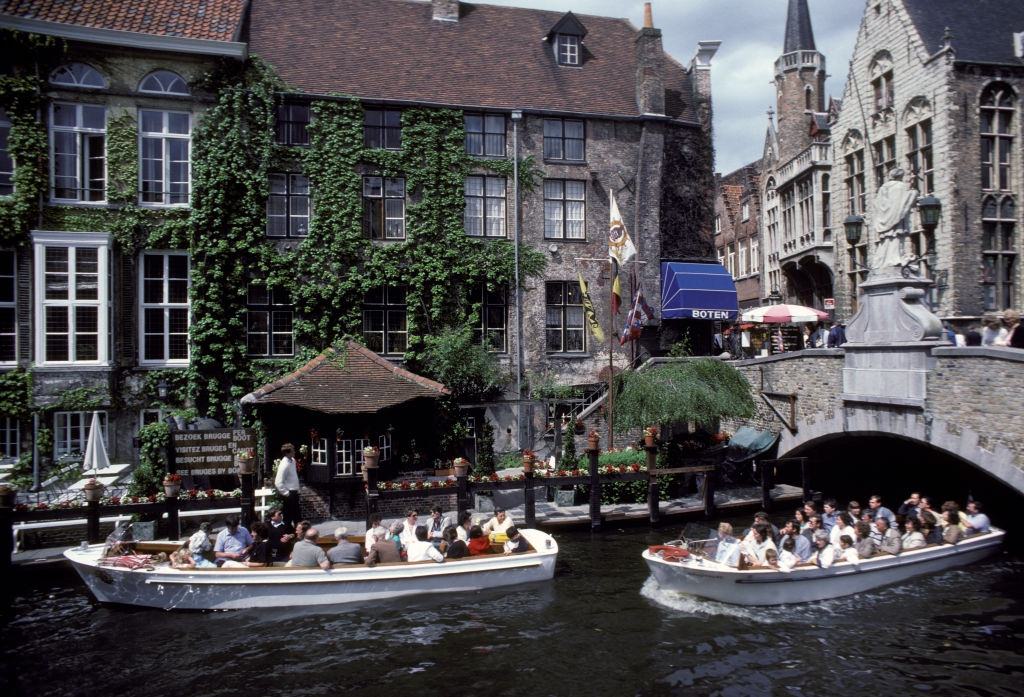
Tourism along the Bruges canal network was a steady part of the local economy. Small boats carried visitors along the waterways, passing under stone bridges and beside centuries-old buildings. By the mid-1980s, boat tours on the Zwin had become one of the city’s most popular attractions.
The Belgian sextuplets made another public appearance in September 1985, this time at the beach. The six children, then just over a year old, were photographed together along the Belgian coast.
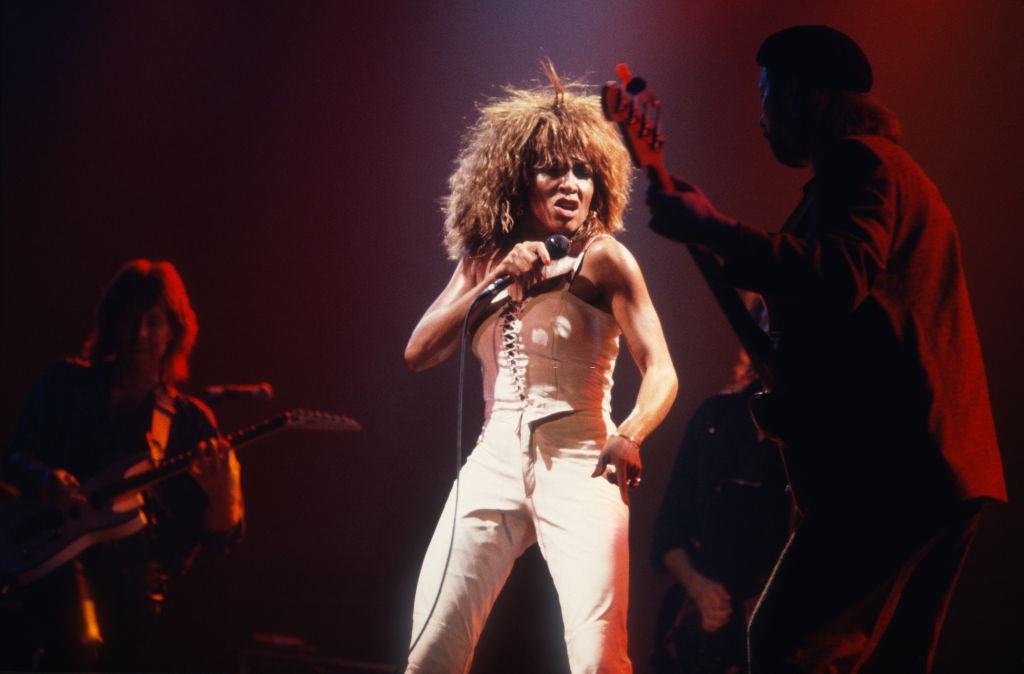
In April 1985, Tina Turner performed in Brussels as part of her Private Dancer Tour, which had launched in 1985 following the massive commercial success of her comeback album. The tour brought her to arenas across Europe, with Brussels among the stops.
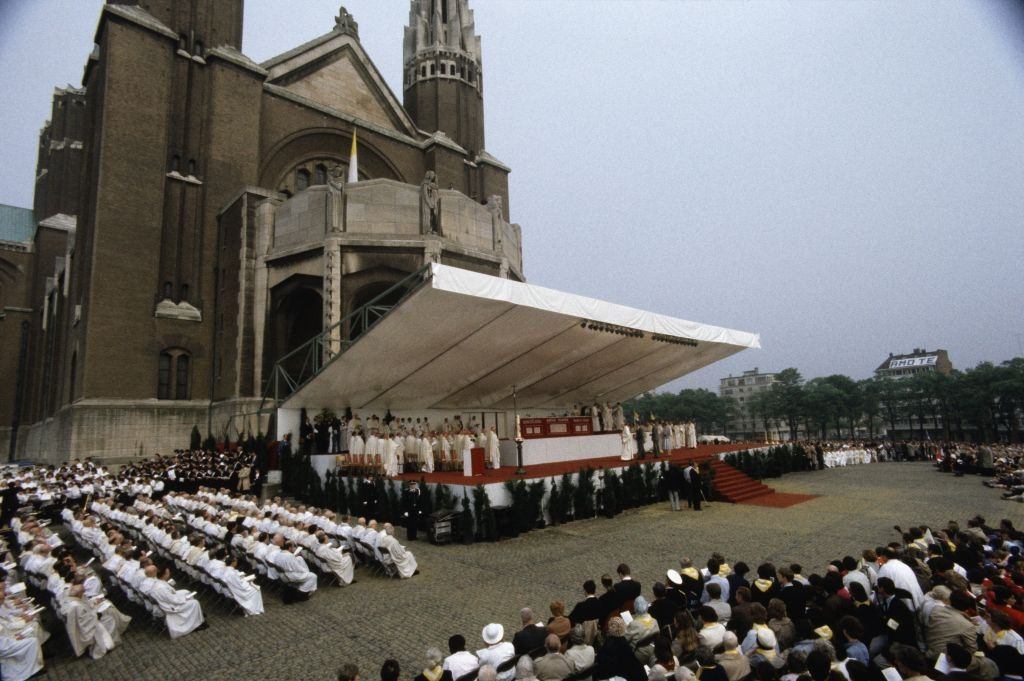
Pope John Paul II visited Belgium in May 1985 and celebrated a Eucharistic mass at the Basilica of the Sacred Heart in Koekelberg, Brussels. The basilica, one of the largest churches in the world by surface area, provided an imposing setting for the papal ceremony, which drew tens of thousands of faithful.
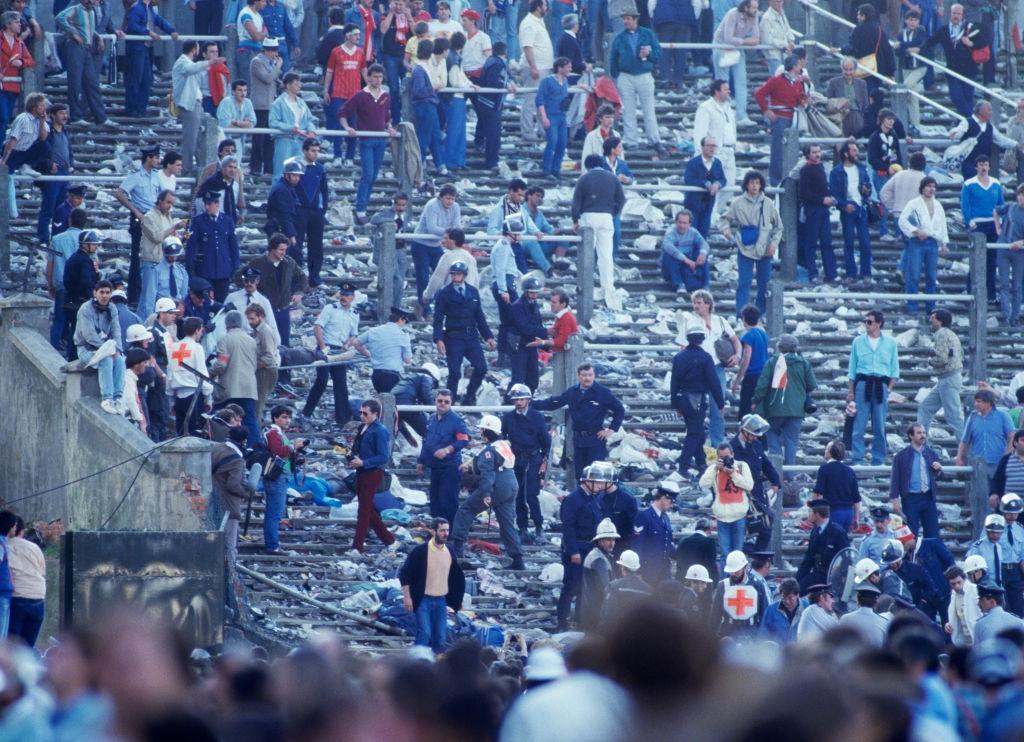
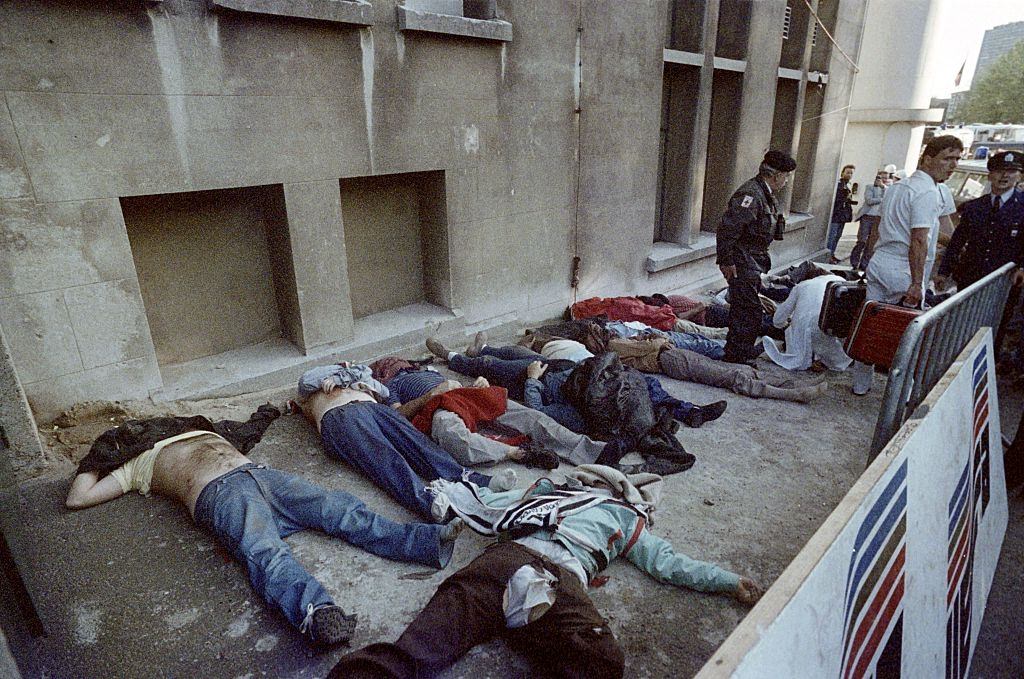
That same month, Brussels was the site of one of the darkest events in European football history. On May 29, 1985, the European Cup Final between Juventus and Liverpool was held at the Heysel Stadium. Before the match began, a crowd crush occurred when Liverpool supporters charged a section holding Juventus fans. A retaining wall collapsed under the pressure. Thirty-nine people were killed and hundreds more were injured. The match was played anyway, amid scenes of chaos and grief in the stadium.
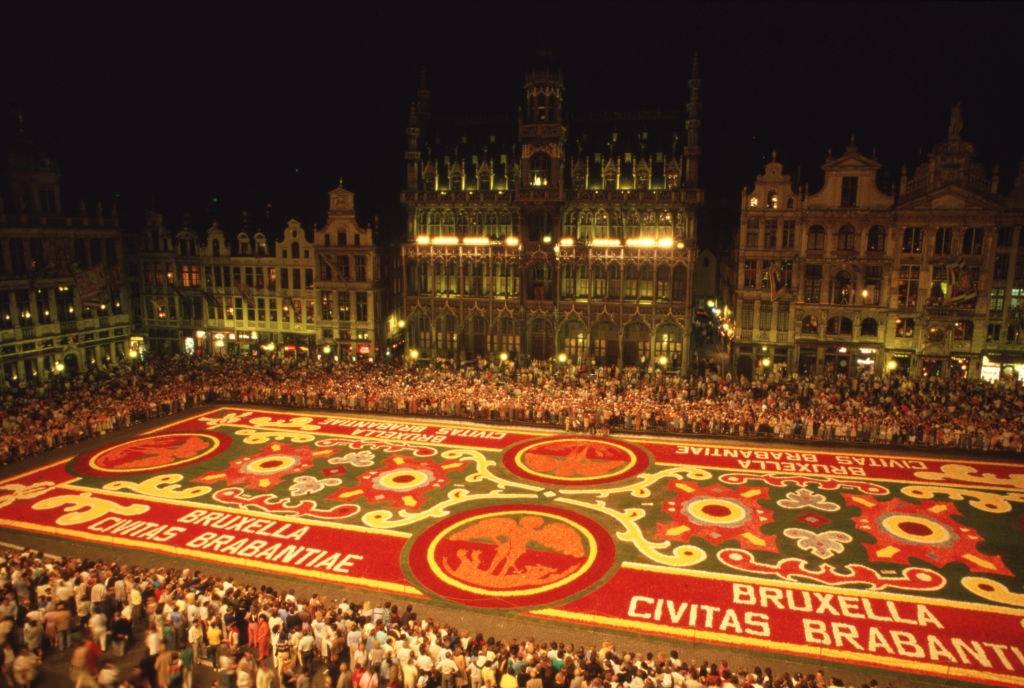
Away from tragedy, everyday life in Brussels carried on. The Grand Place regularly hosted public gatherings and street celebrations, and by 1986 the city’s social scene was as active as ever.
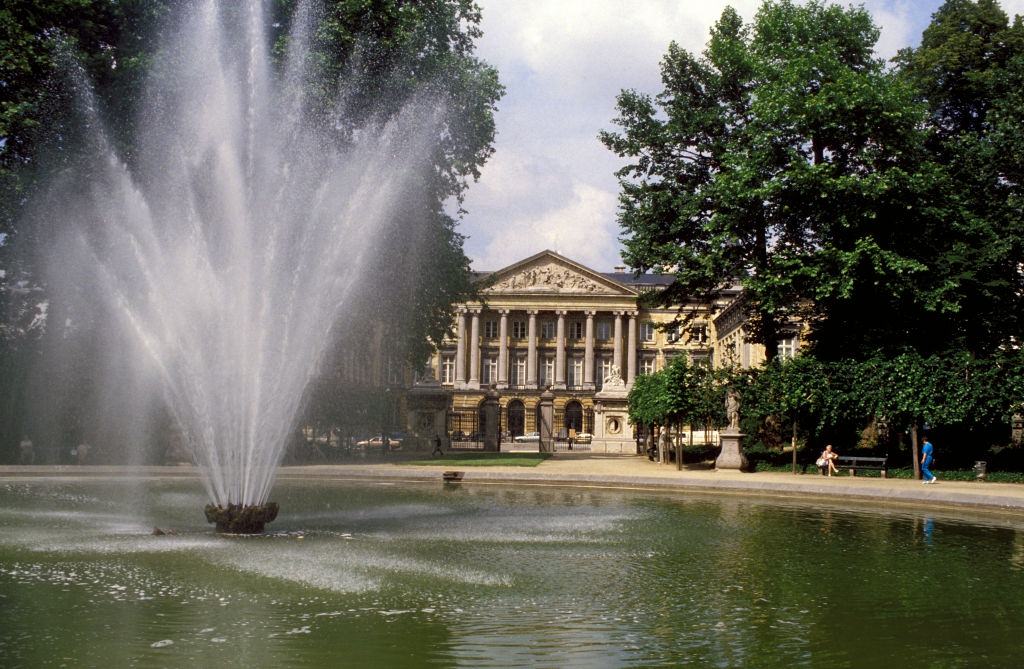
The Belgian Parliament building and the Royal Park nearby formed a stately corridor in the center of Brussels. A large fountain in front of the park was a familiar sight to residents and visitors passing through the area.
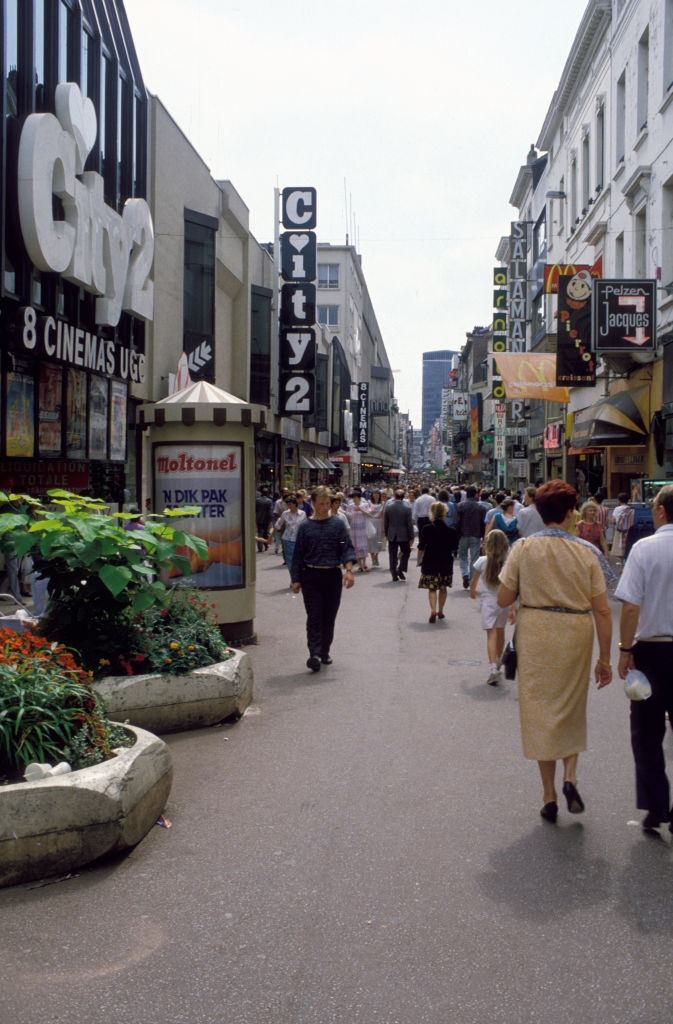
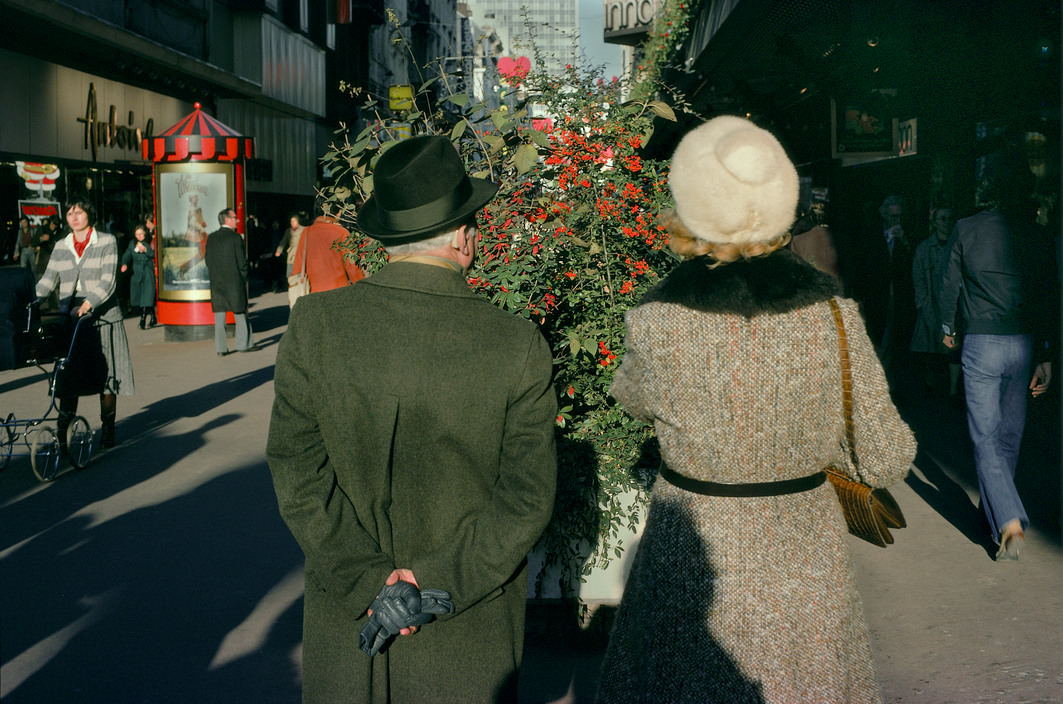
Rue Neuve was Brussels’ main commercial pedestrian street, lined with shops and department stores. In the mid-1980s it was among the busiest shopping streets in Belgium, filled with foot traffic most days of the week.
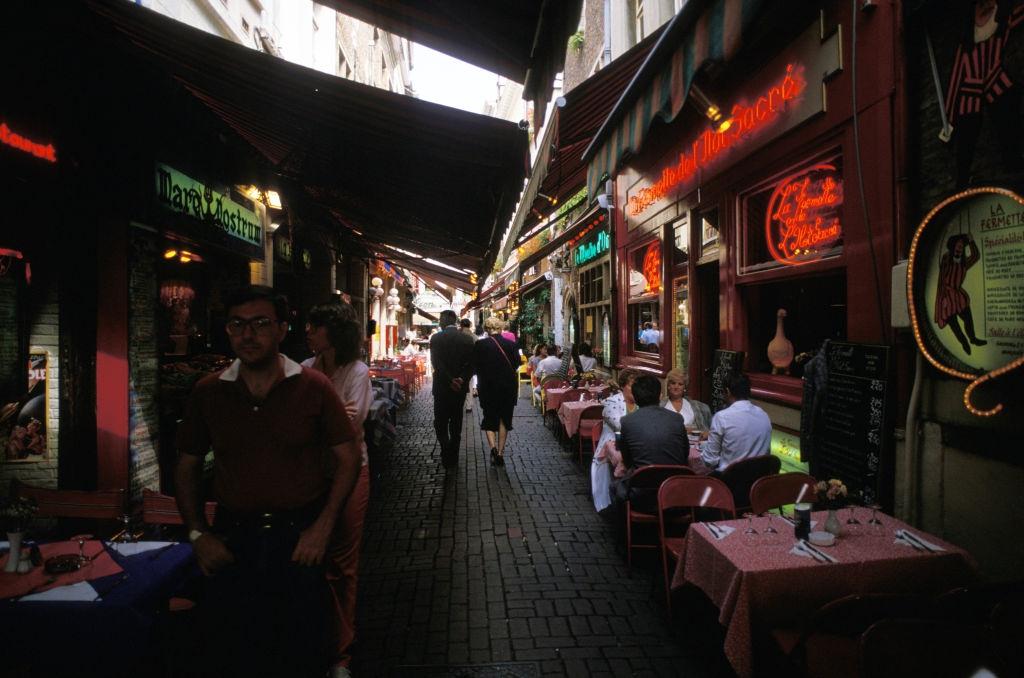
Just off the Grand Place, the Petite Rue des Bouchers was one of Brussels’ most well-known dining streets. Narrow and cobblestoned, it was packed with restaurants displaying fresh seafood and meats at their entrances — a characteristic feature of the city’s culinary culture.
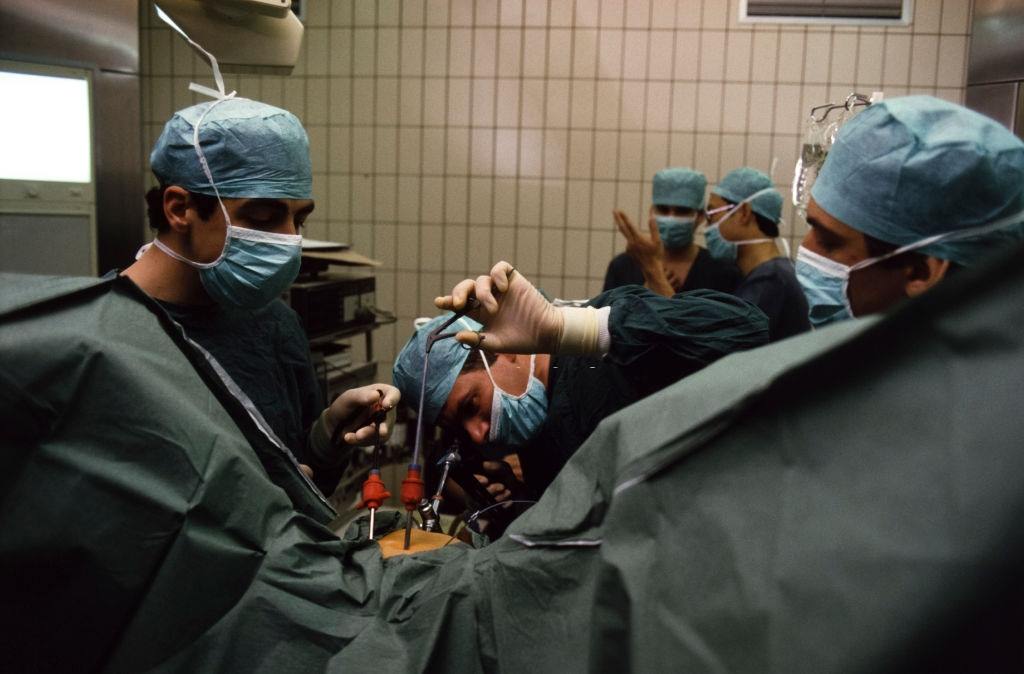
Medical advances were also part of Belgium’s story in the 1980s. In vitro fertilization, a procedure in which eggs are fertilized outside the body in a laboratory, was being performed in Belgian hospitals by 1987. The technique had only been successfully demonstrated for the first time in 1978, making its presence in Belgian clinics just a decade later a sign of how quickly the medical field was moving.
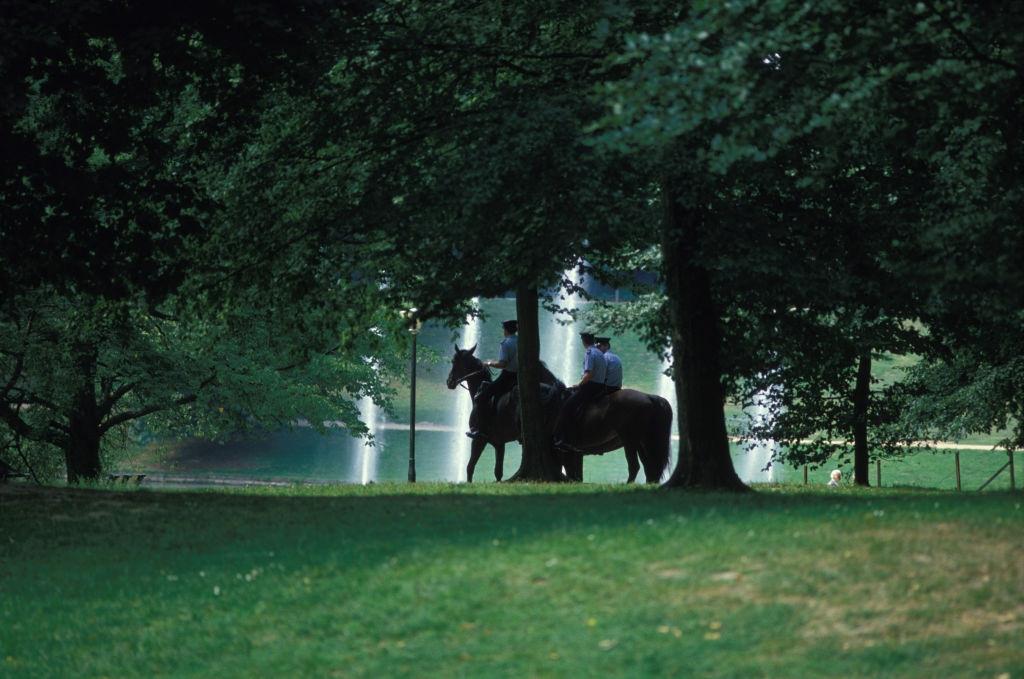
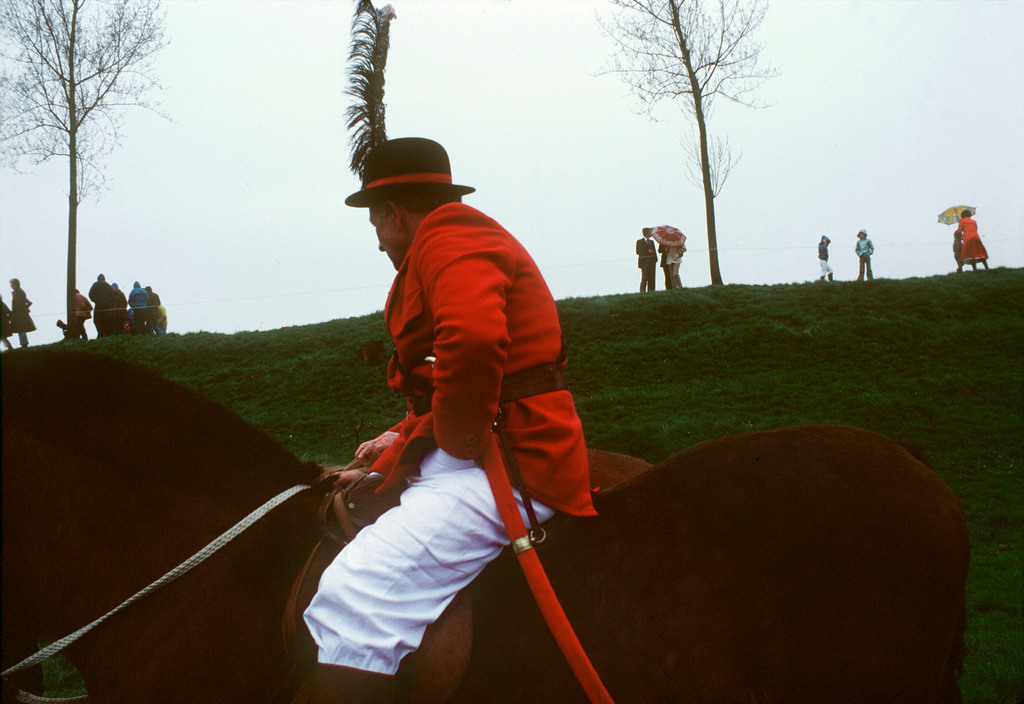
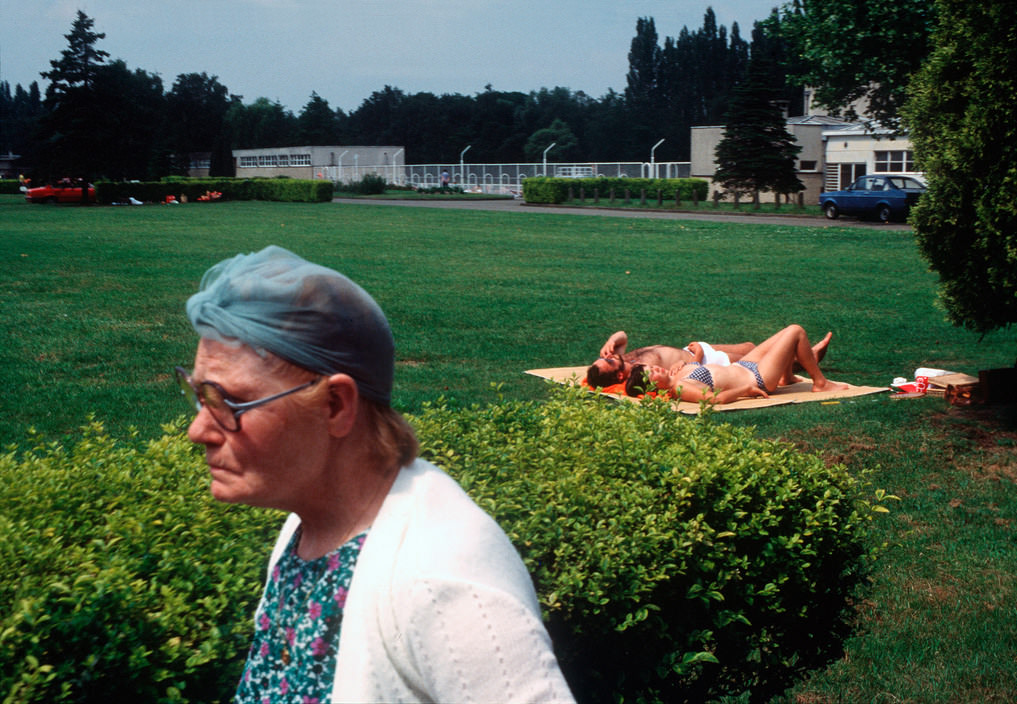
The Bois de Cambre, a large public park on the southern edge of Brussels, was a regular patrol area for the city’s mounted police. Officers on horseback were a common sight through the park’s wooded paths and open lawns.
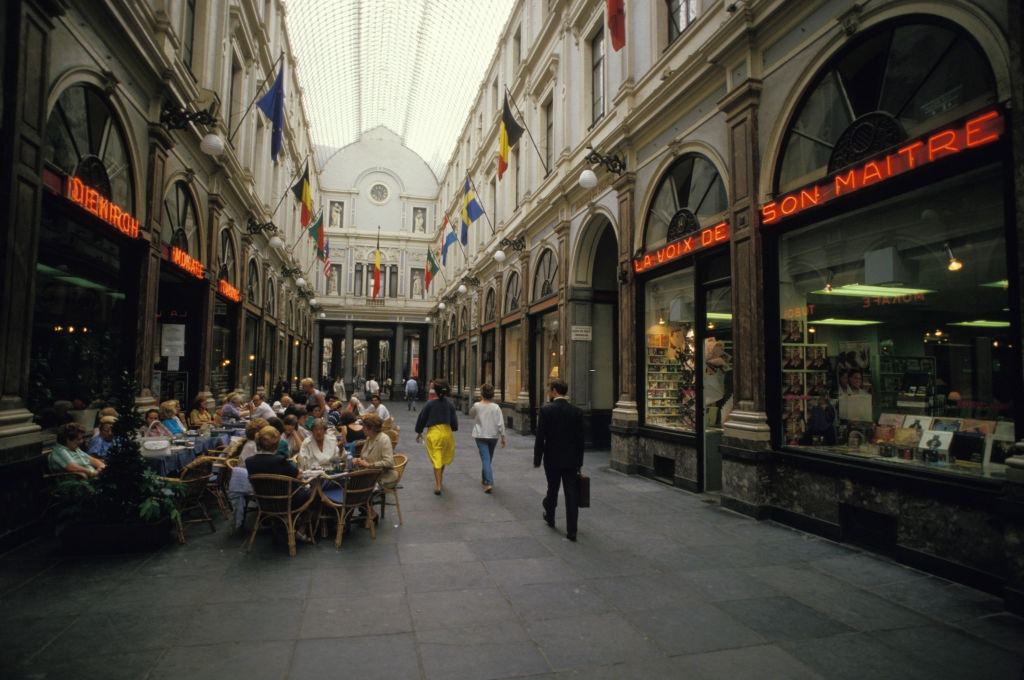
The Royal Galleries of Saint-Hubert, built in the 1840s, remained one of Brussels’ most elegant covered shopping arcades. Its vaulted glass ceiling and neo-Renaissance architecture made it a landmark of the city center, housing specialty shops, cafés, and a theater.
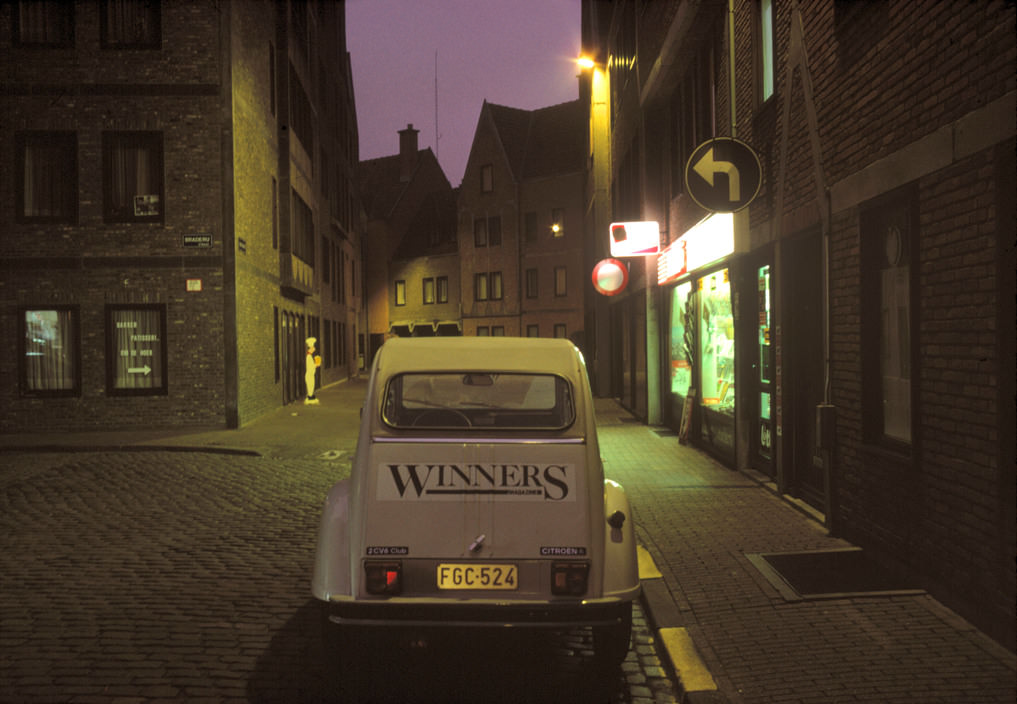
Antwerp, Belgium’s second-largest city and the capital of the Flanders region, was a major port and commercial hub. Its streets reflected the mix of historic architecture and modern urban life that defined many Belgian cities in the late 1980s.
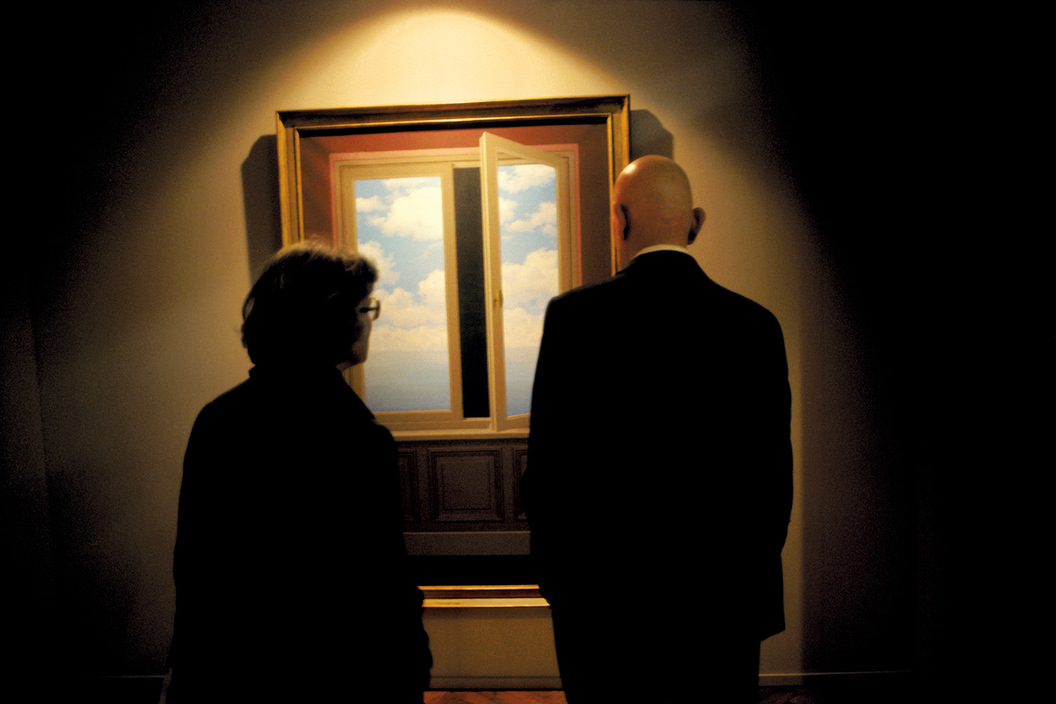
The Palais des Beaux-Arts in Brussels — later known as BOZAR — was one of Belgium’s premier cultural institutions. It housed works by René Magritte, Belgium’s most famous surrealist painter, whose distinctive imagery had made him internationally recognized.
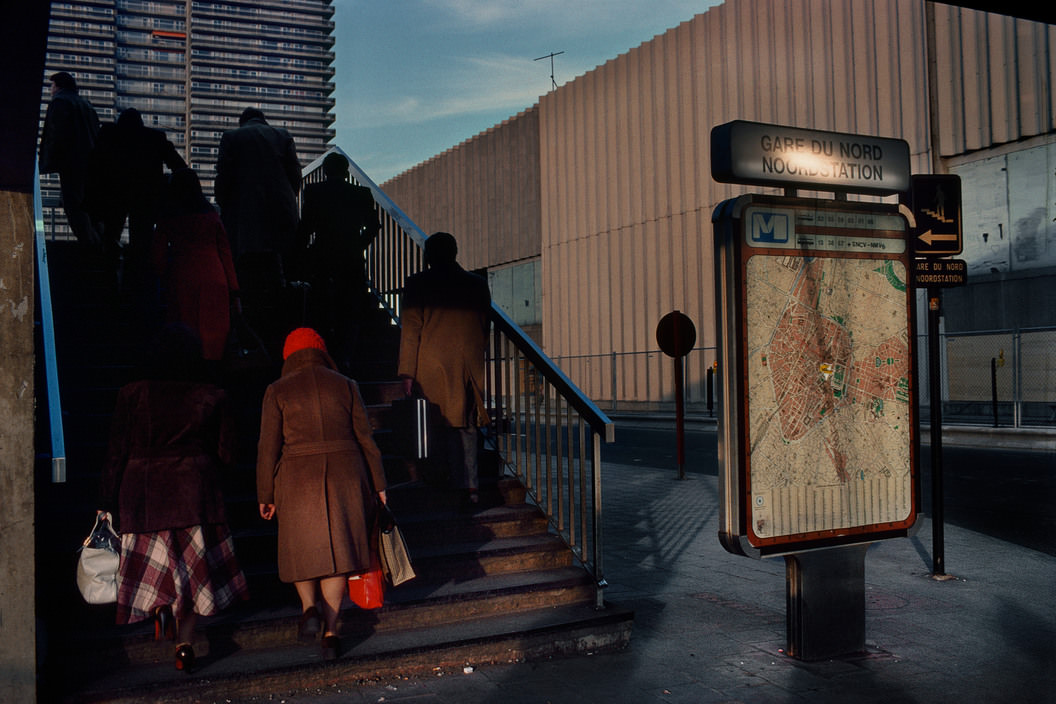
The Gare du Nord district in Brussels was a busy transit hub connecting the capital to cities across Belgium and neighboring countries. Around the station, a distinct urban neighborhood had developed with its own commercial character.
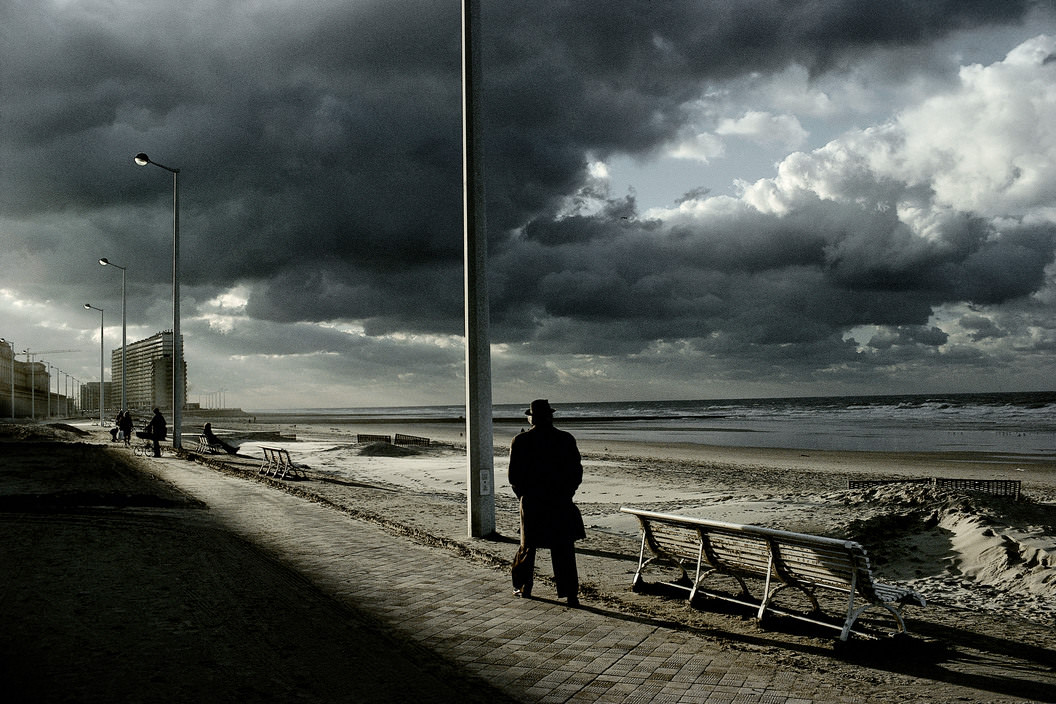
Blankenberge, a coastal town on the North Sea, had an active arts and gallery scene by the late 1980s. Its seaside location and Victorian-era pier made it a popular destination for day-trippers from across the country.
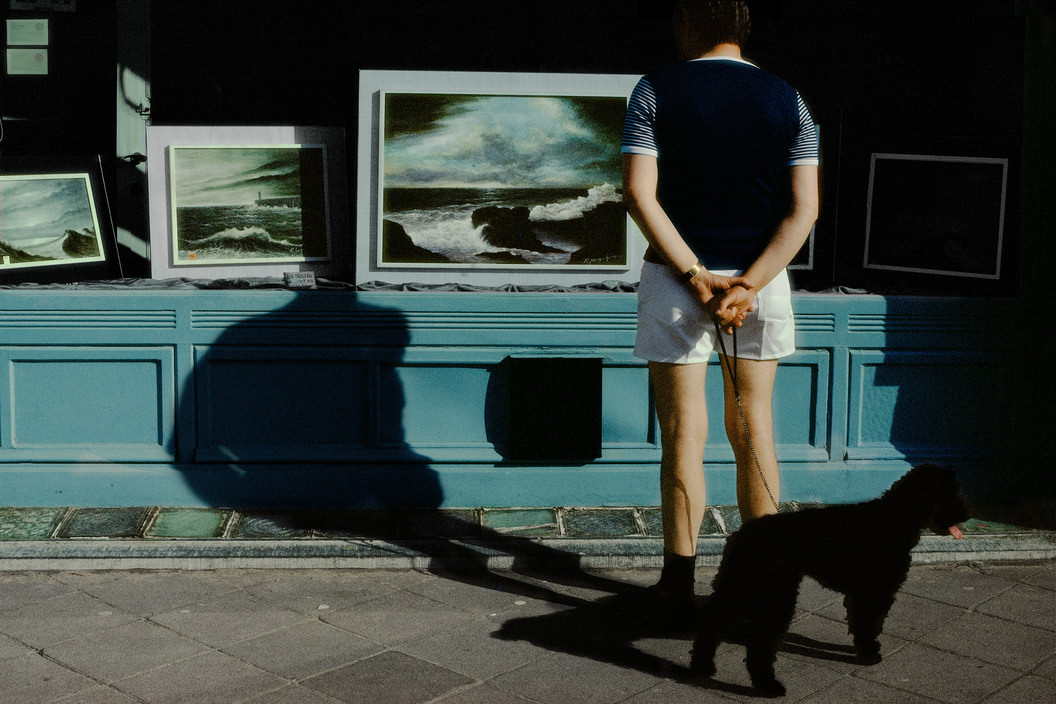
Liège, the largest French-speaking city in the east of Belgium, had its own distinct urban identity. As a historically industrial city, it faced some of the sharpest economic pressures of the early 1980s when coal and steel production declined.
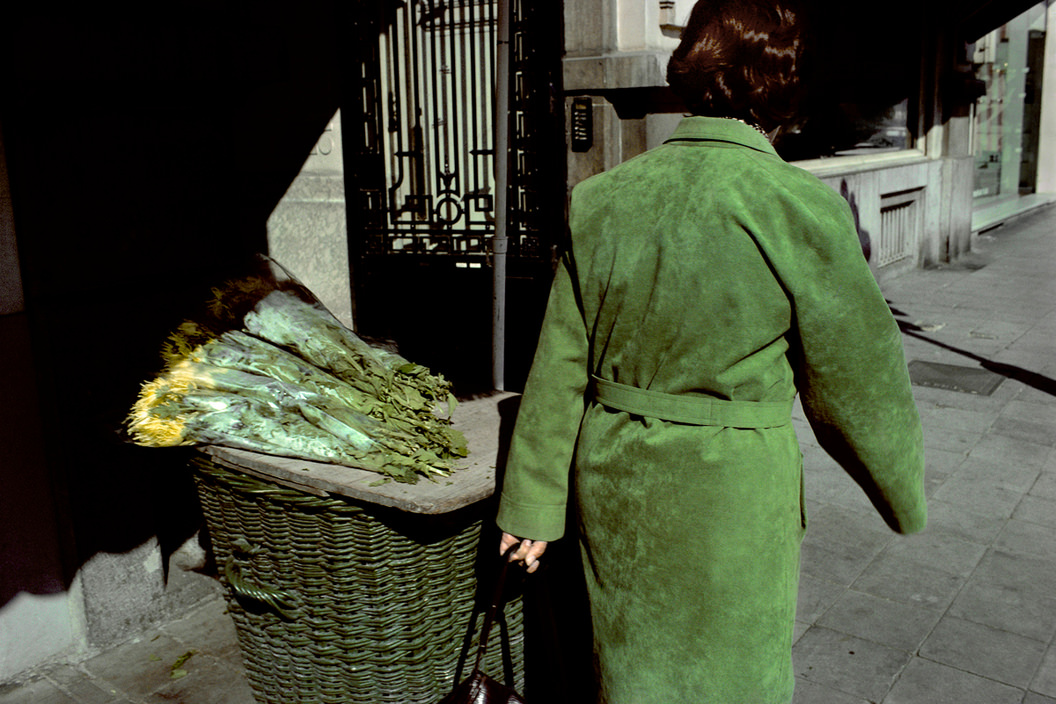
Ostend, on the Belgian coast, served as a major port city and seaside resort throughout the decade. Its combination of ferry connections to England and a beach resort atmosphere made it one of the most visited spots on the Belgian coast.
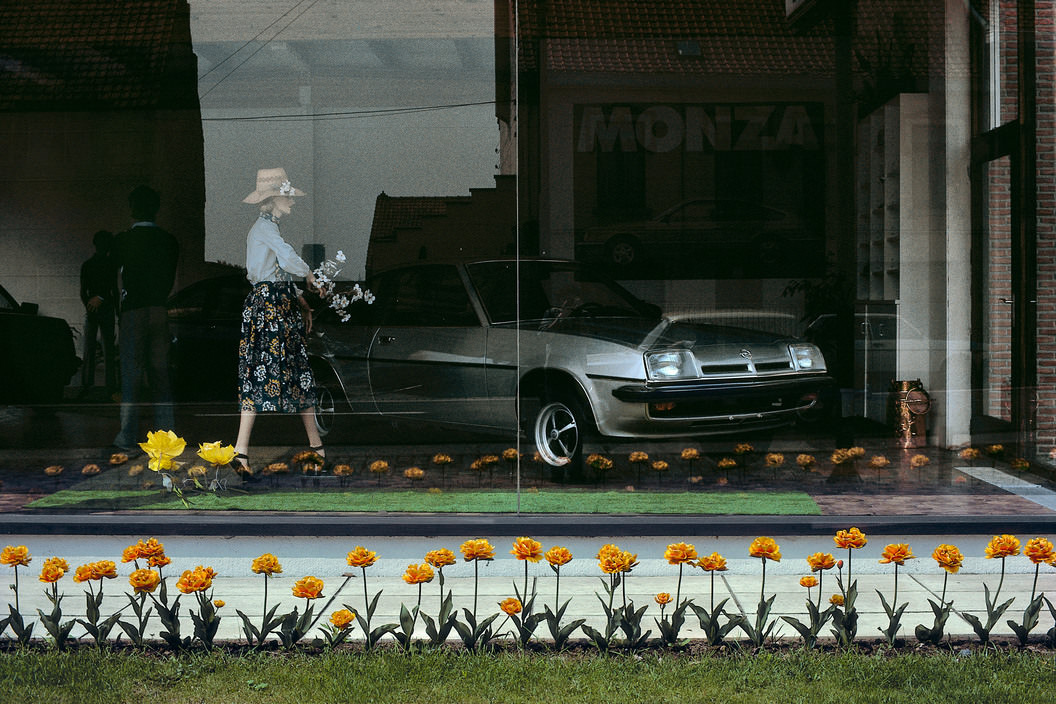
Car ownership expanded across Belgium during the 1980s. Car dealerships were a fixture of commercial strips throughout the country, and annual auto shows in Brussels regularly drew large public interest.
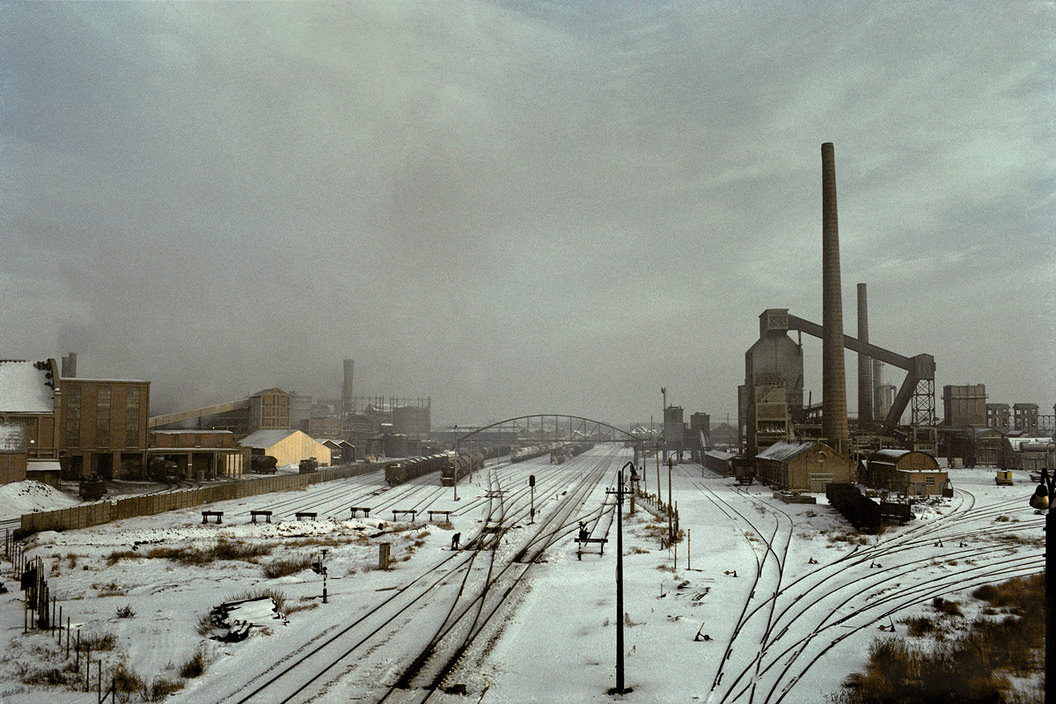
The Flanders region was home to much of Belgium’s industrial infrastructure. Factories and production facilities were spread across the countryside, and by the late 1980s, renewed investment was helping the sector recover from the cuts earlier in the decade.
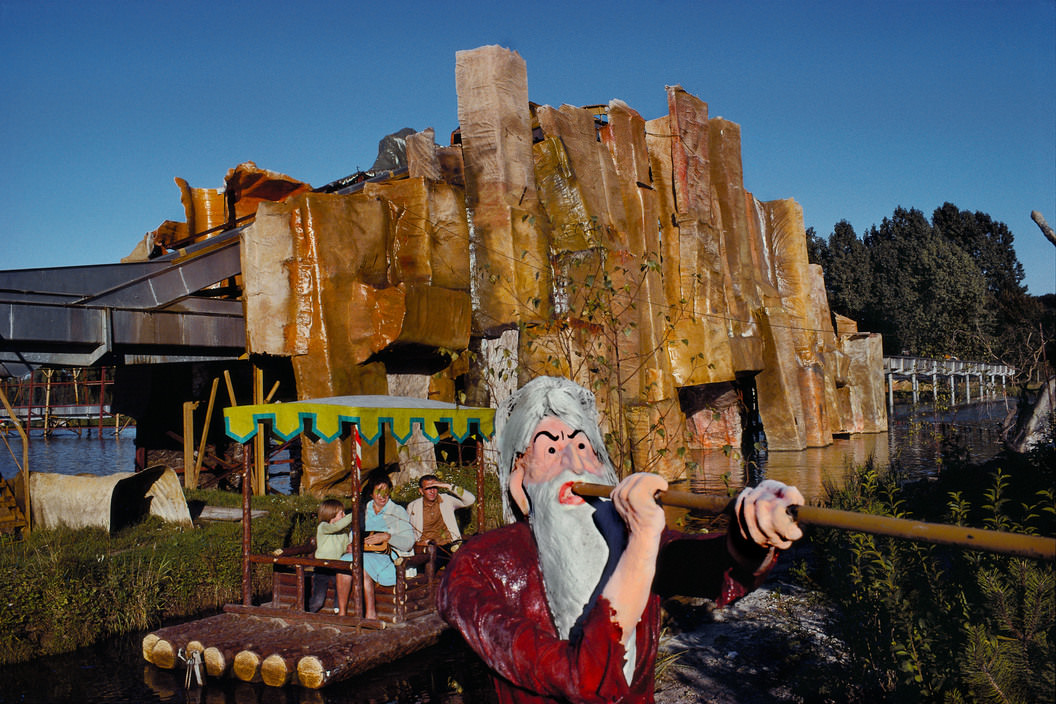
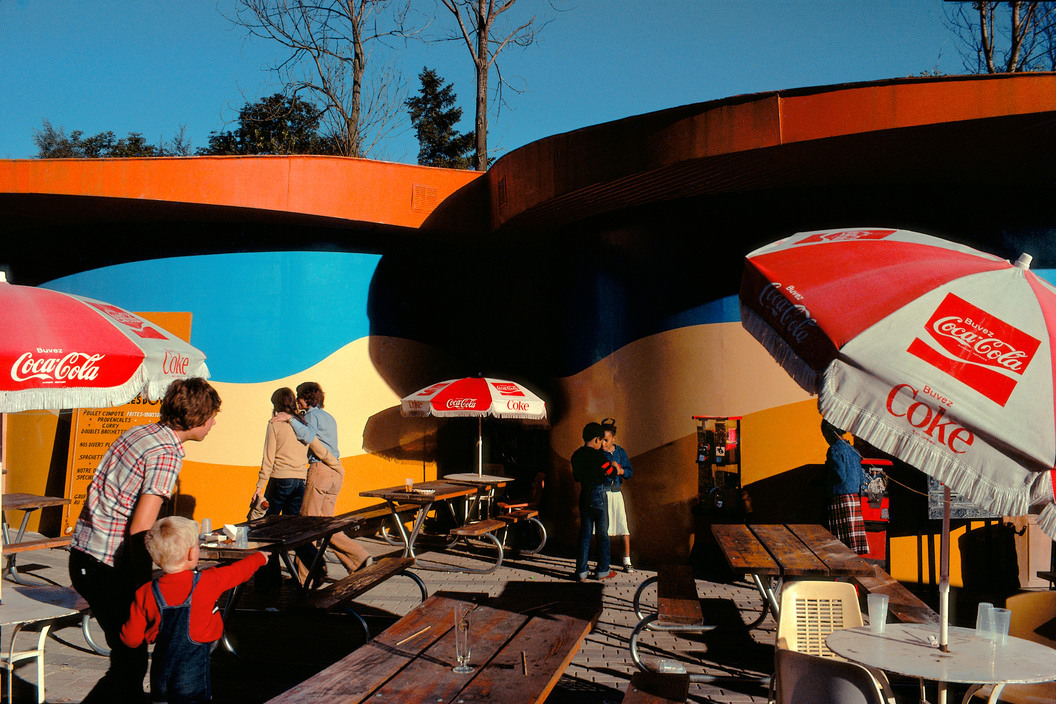
The Walibi amusement park, opened in 1975 near the town of Wavre, was one of Belgium’s most popular family attractions. By the early 1980s it was drawing hundreds of thousands of visitors each year with its roller coasters and themed rides.
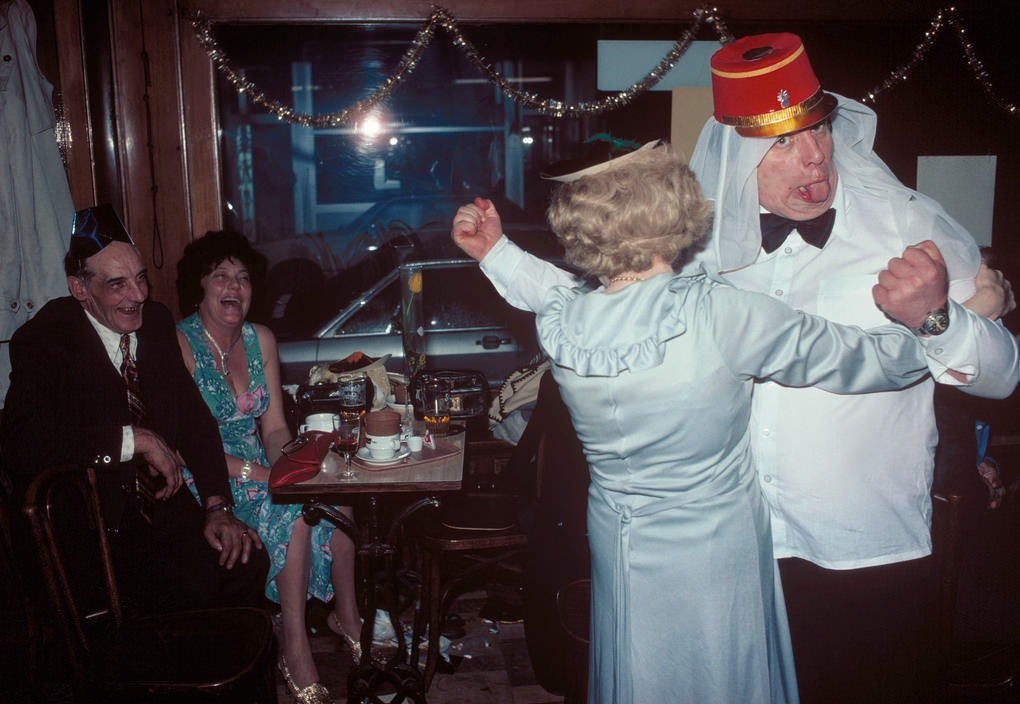
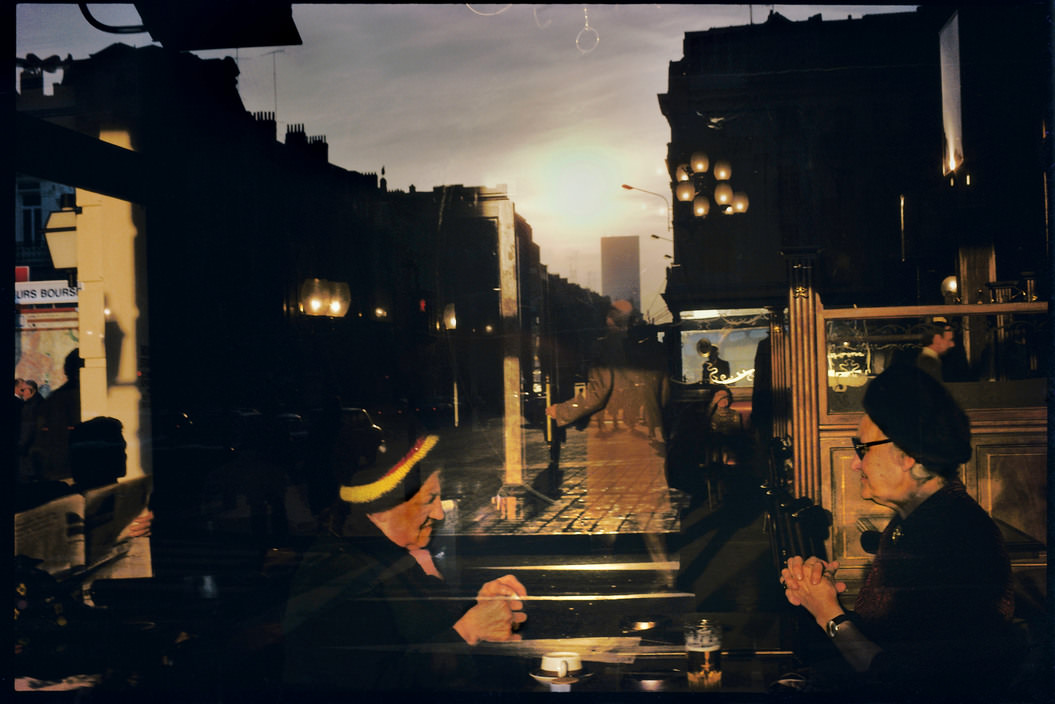
Brussels had a thriving café and nightlife culture. New Year’s Eve in particular brought Belgians into cafés across the capital, where celebrations stretched through the night. The city’s nightclub scene was equally active, with venues drawing crowds throughout the week.
Beer is central to Belgian culture, and the Flanders region hosted regular beer festivals where local and regional brews were put on display. Belgium produced hundreds of distinct beer styles, and these festivals were taken seriously as celebrations of the country’s brewing heritage.
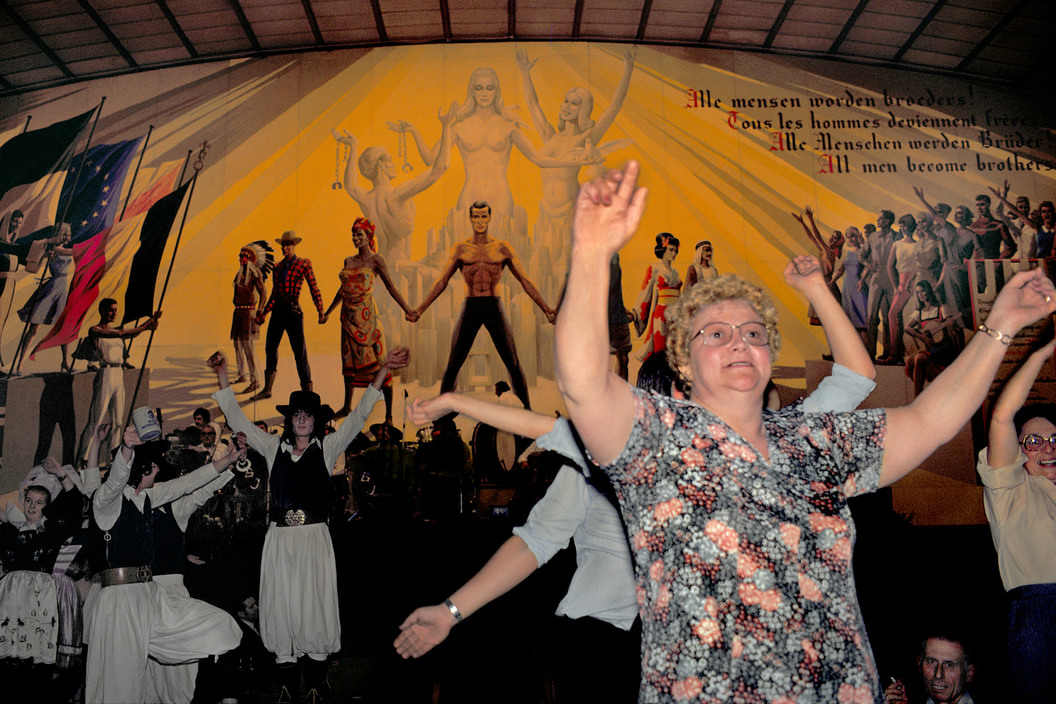
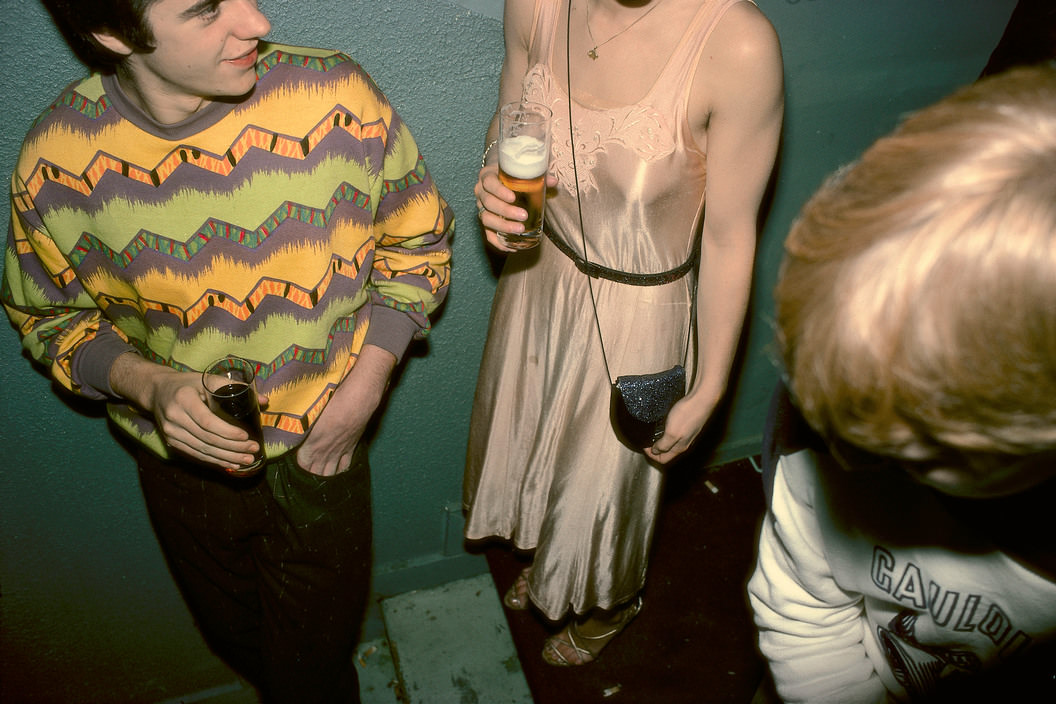
The Foire du Midi was an annual summer fairground held in Brussels, one of the largest traveling fairs in Europe. It set up along the Boulevard du Midi each July and August, filling the area with rides, games, and food stalls for weeks at a time.
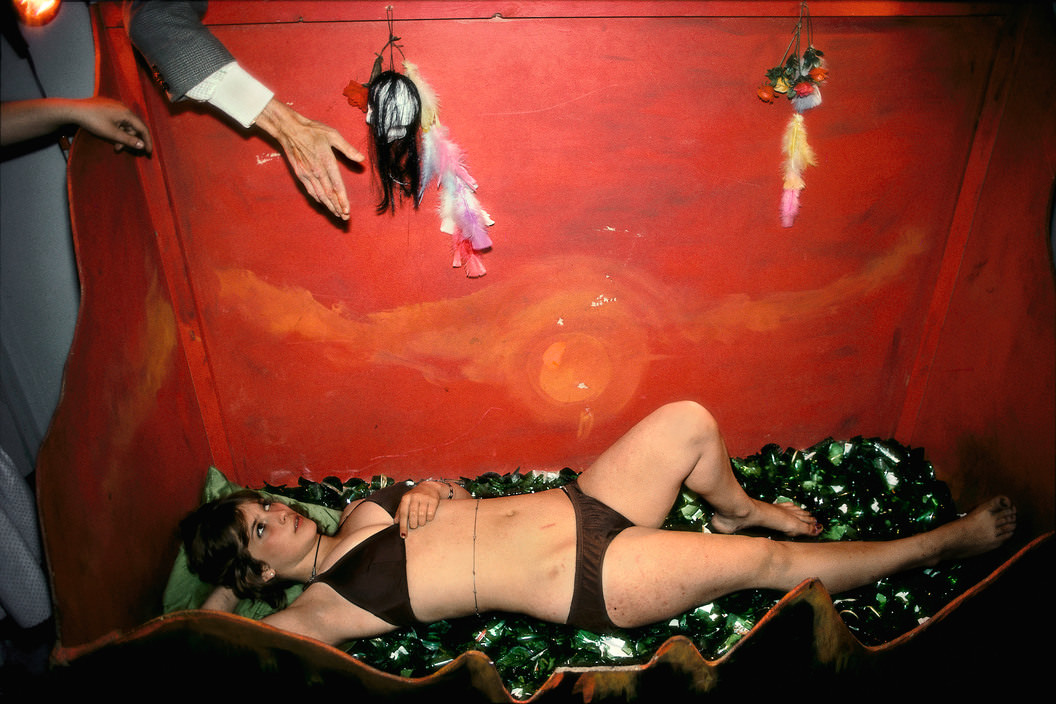
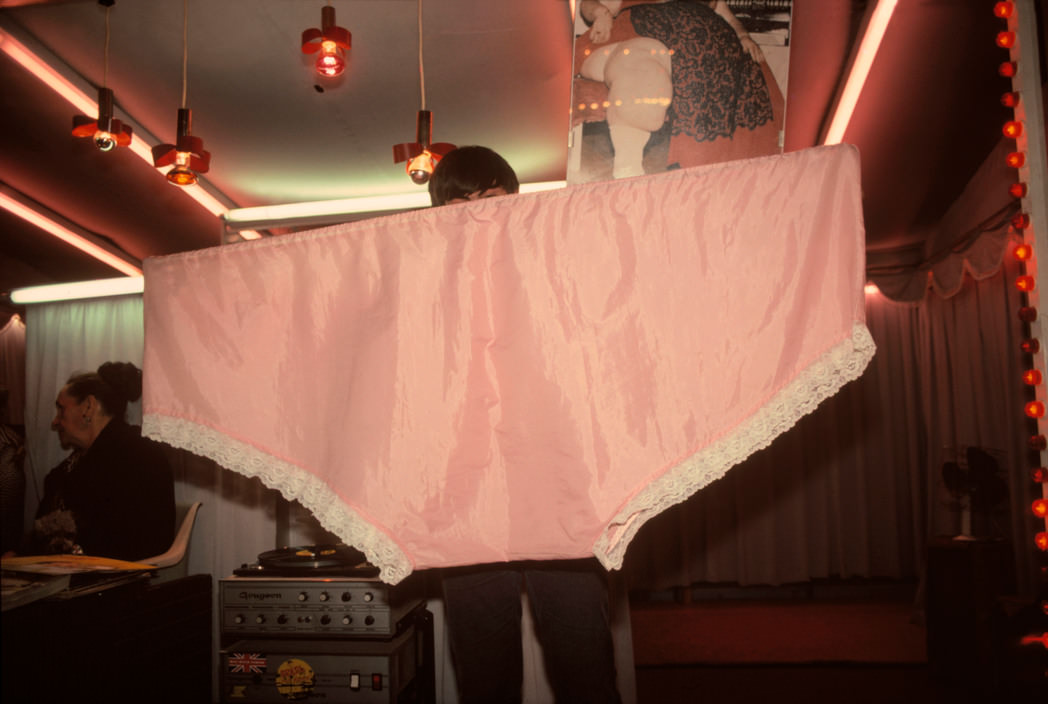
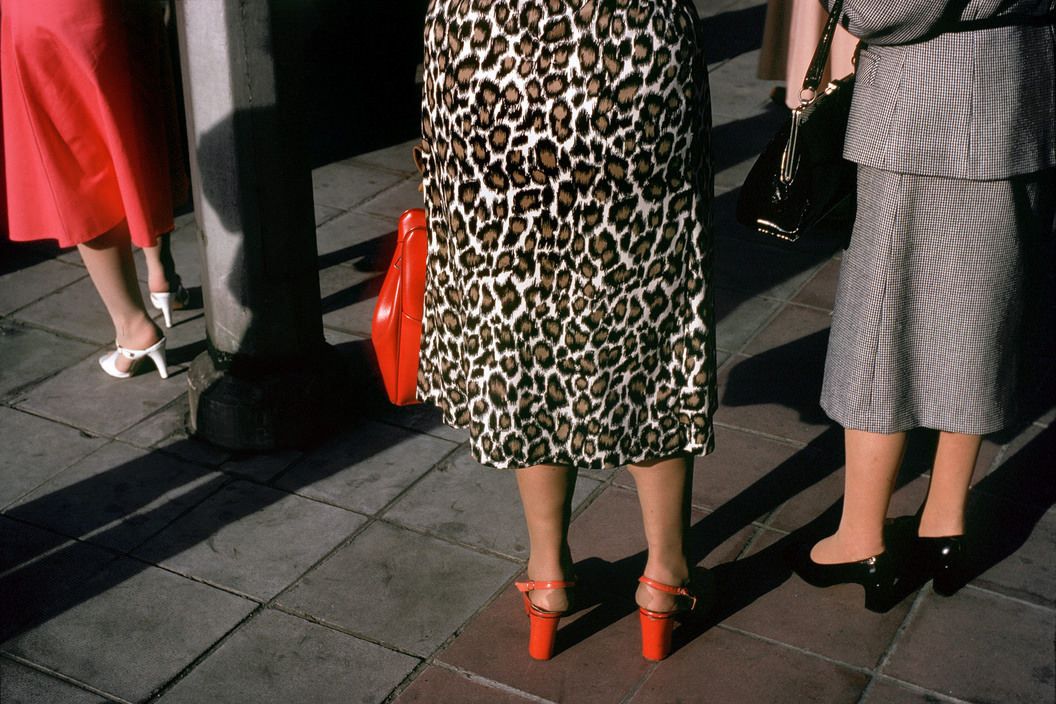
The Belgian coastline at Blankenberge stretched along the North Sea, with a broad sandy beach and a promenade that attracted visitors throughout the summer months. The coast was one of the country’s most accessible leisure destinations for families.
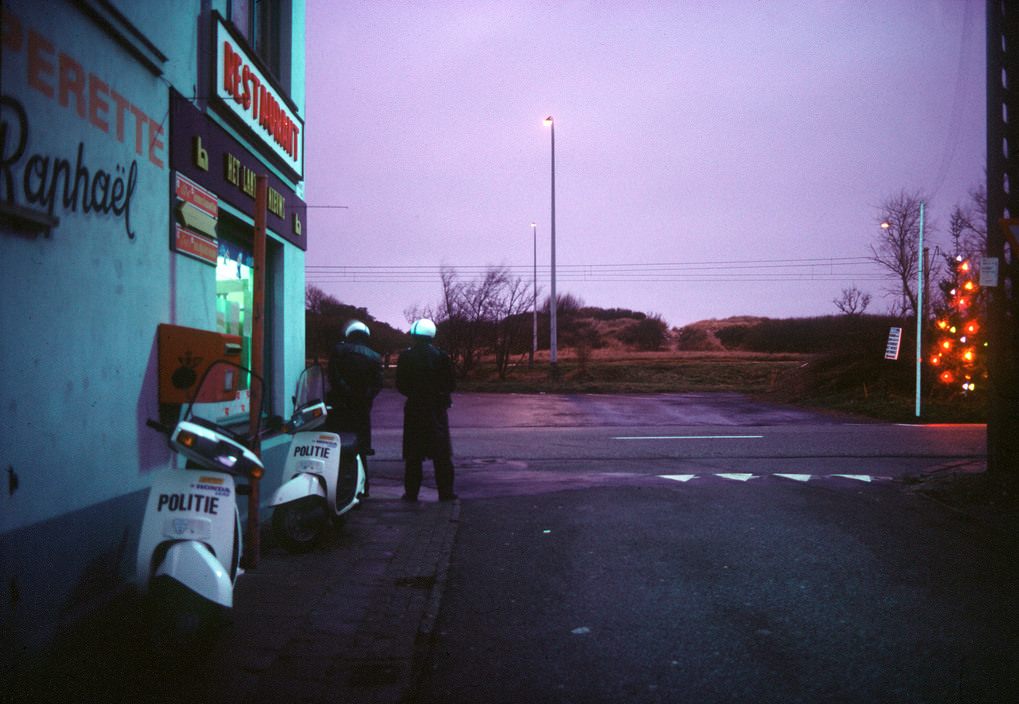
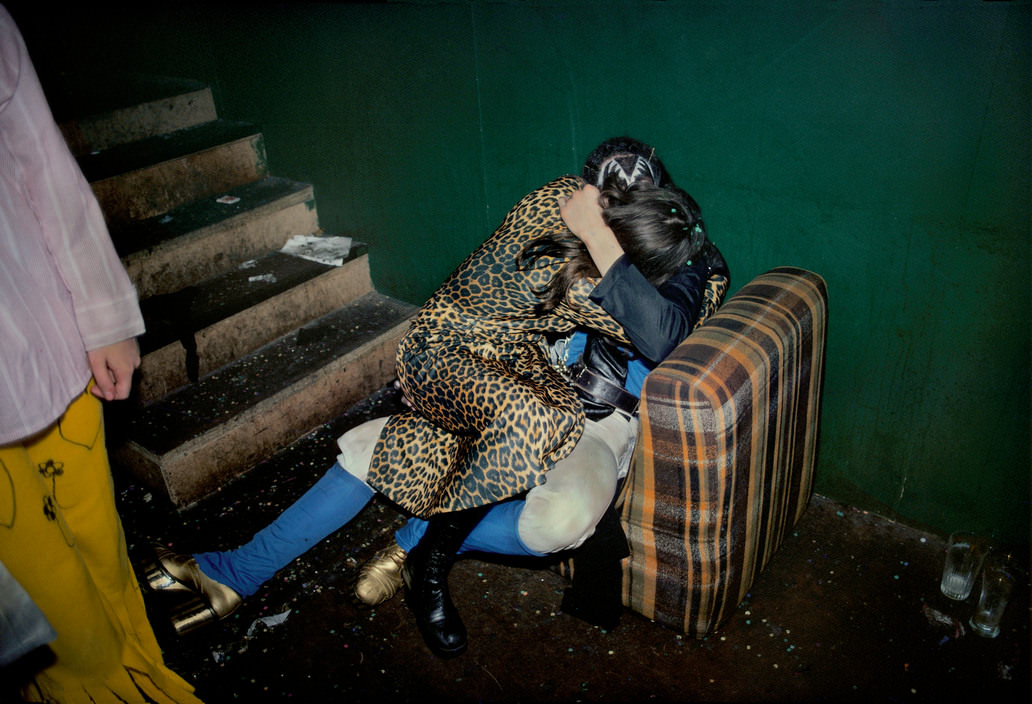
Ostend’s most famous annual event was the Bal du Rat Mort — the Ball of the Dead Rat — a costumed carnival ball held at the city’s casino at the start of March each year. First organized in the 19th century, it remained a fixture of the Belgian social calendar through the 1980s.
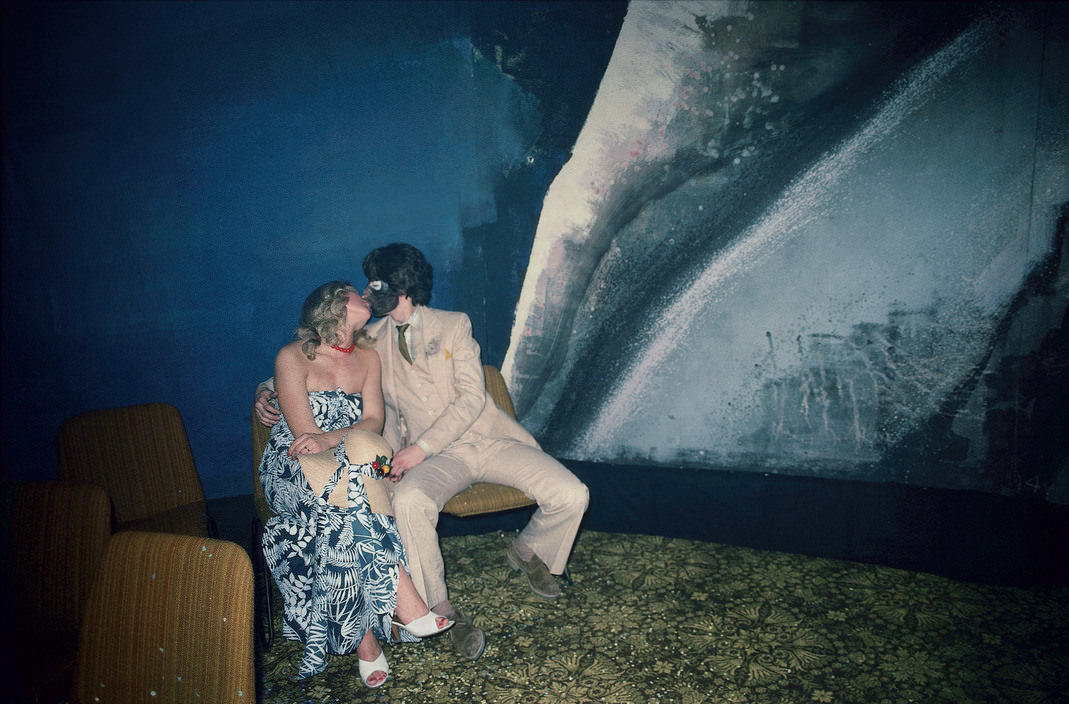
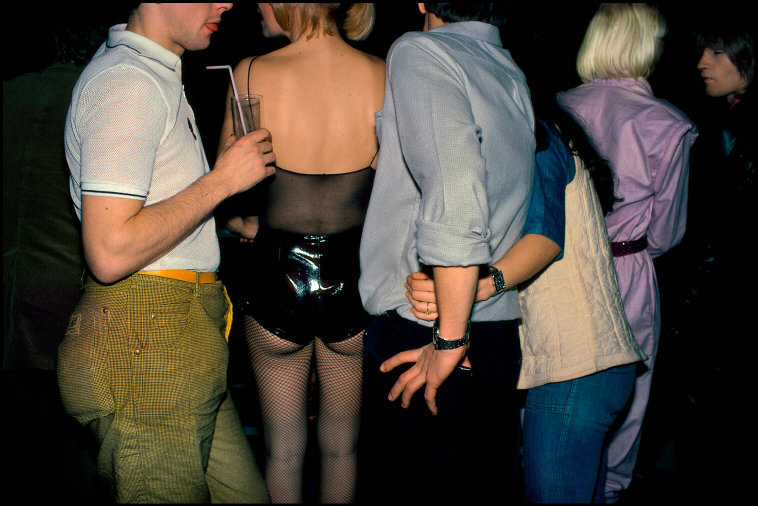
The Brussels Motor Show, held annually at the Palais du Centenaire, was one of Europe’s major auto industry events. It drew car manufacturers from across the continent and consistently attracted large public audiences.
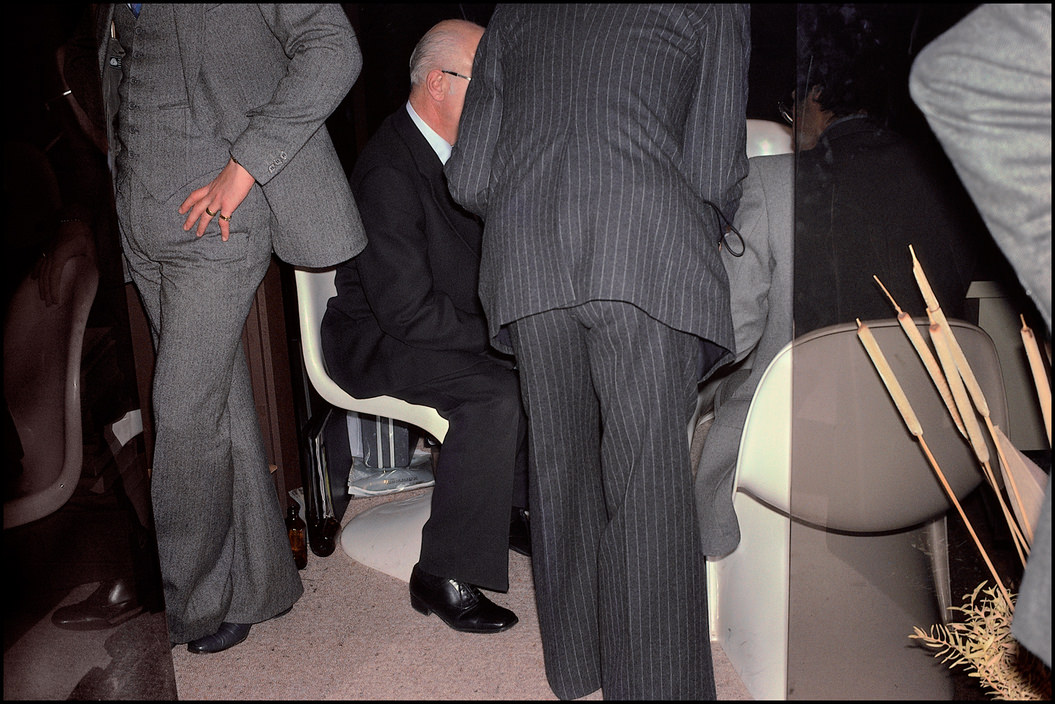
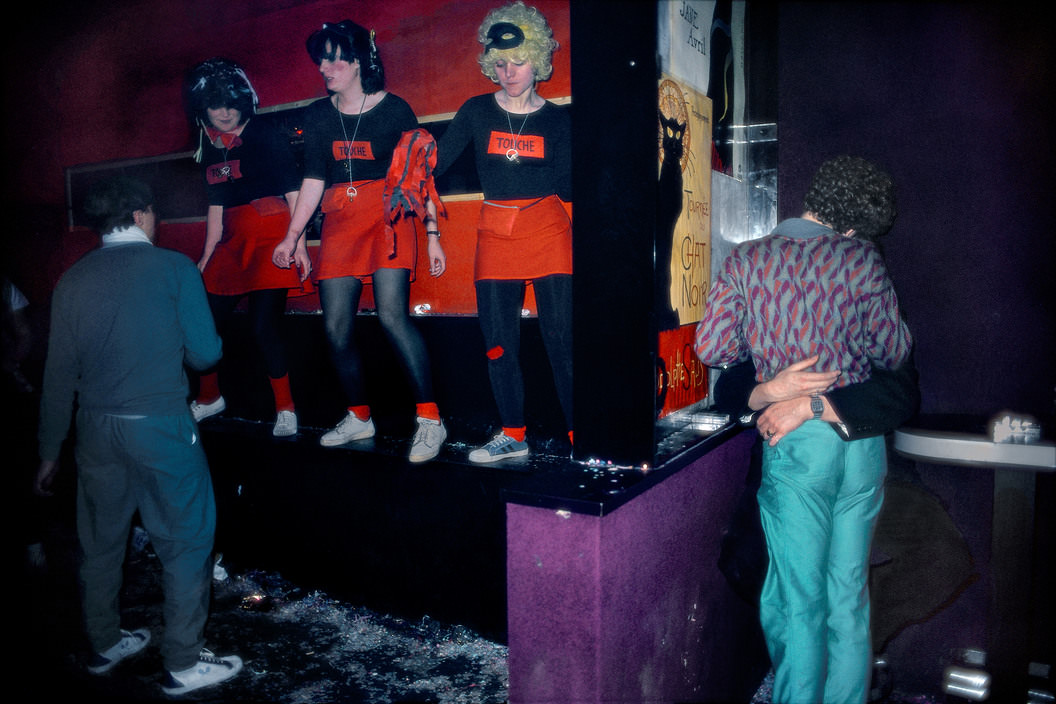
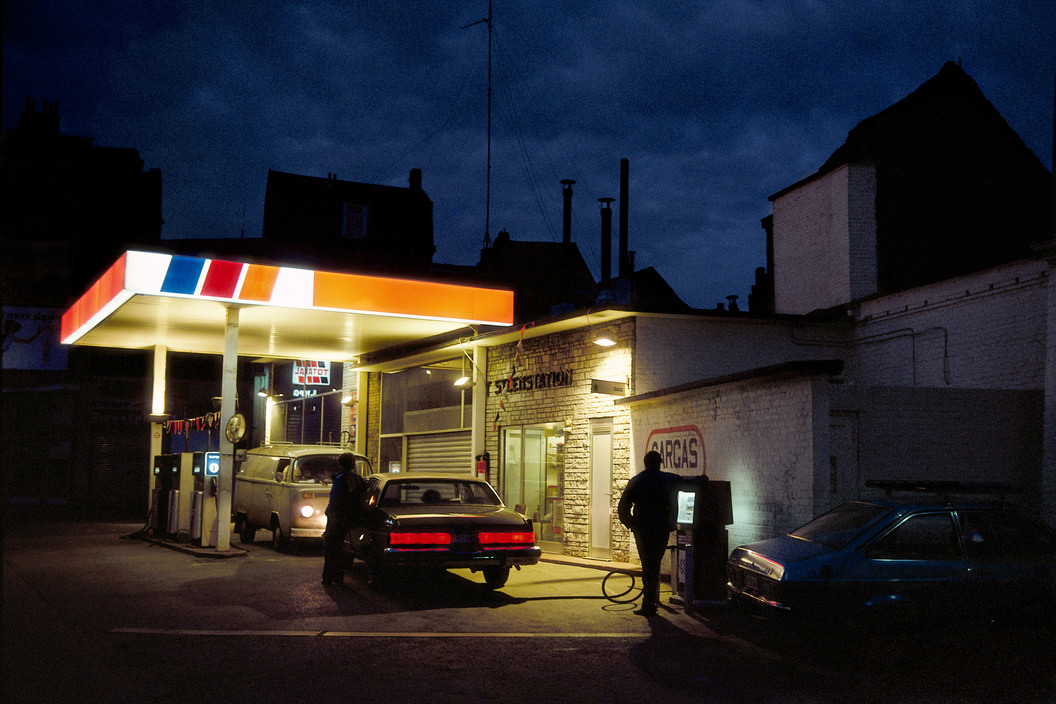
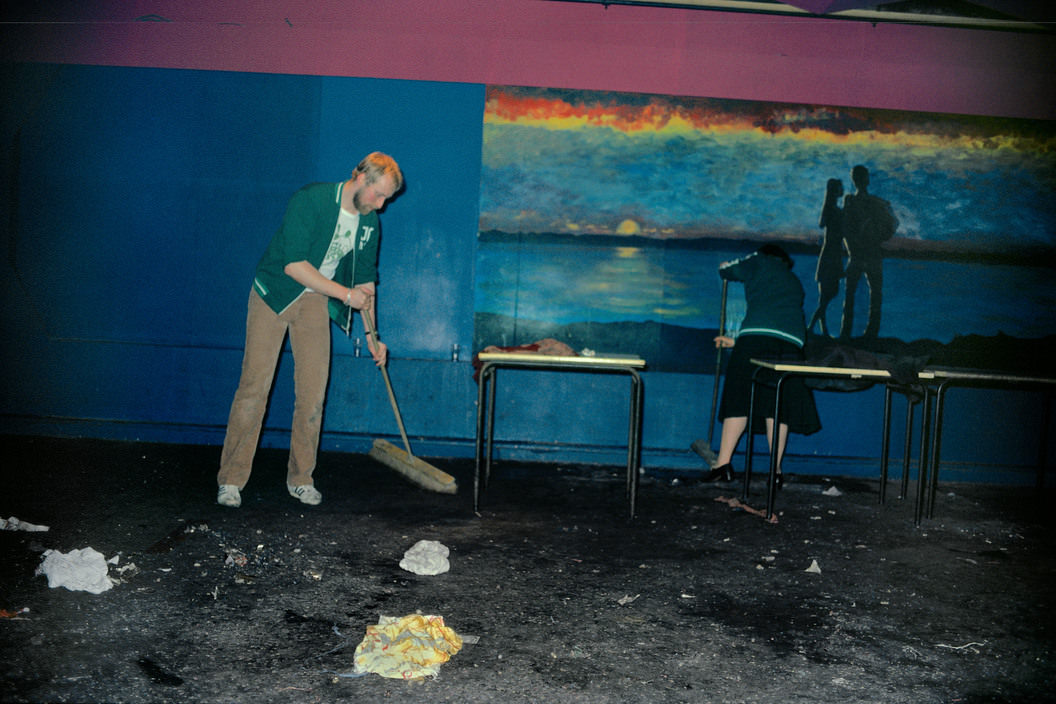
Belgium shared its western border with France along the West Flanders region. The border crossing was a routine part of life for residents of the area, and cross-border commerce was common throughout the decade.
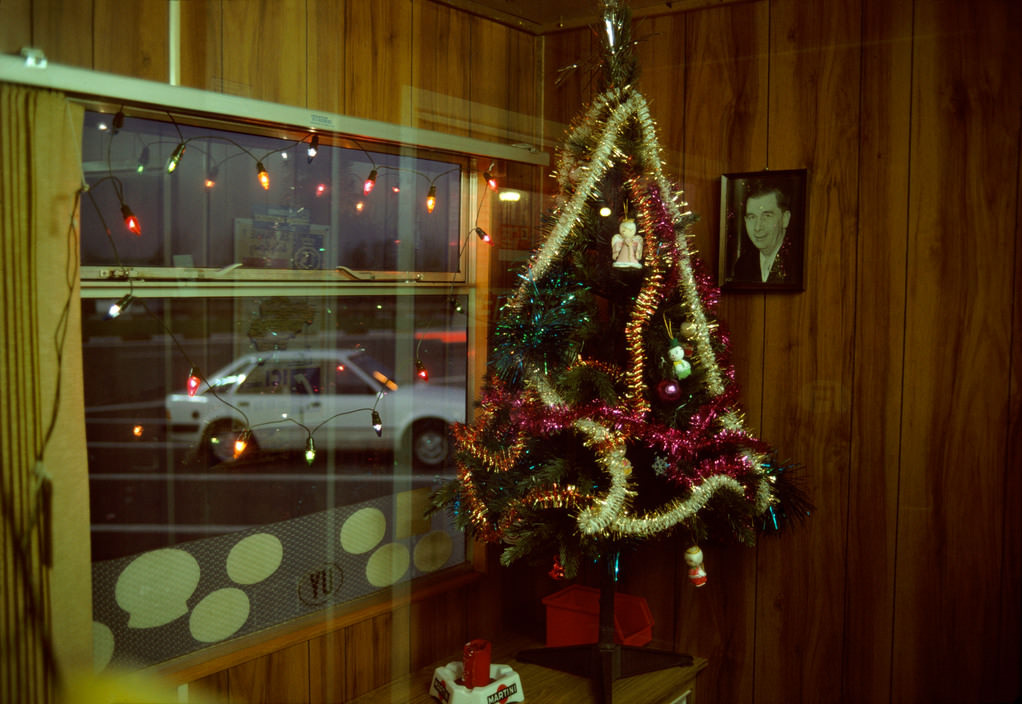
Brussels Airport at Zaventem was Belgium’s main international gateway. In 1981 it handled millions of passengers annually and served as a hub for Sabena, the Belgian national airline, with connections across Europe, Africa, and beyond.
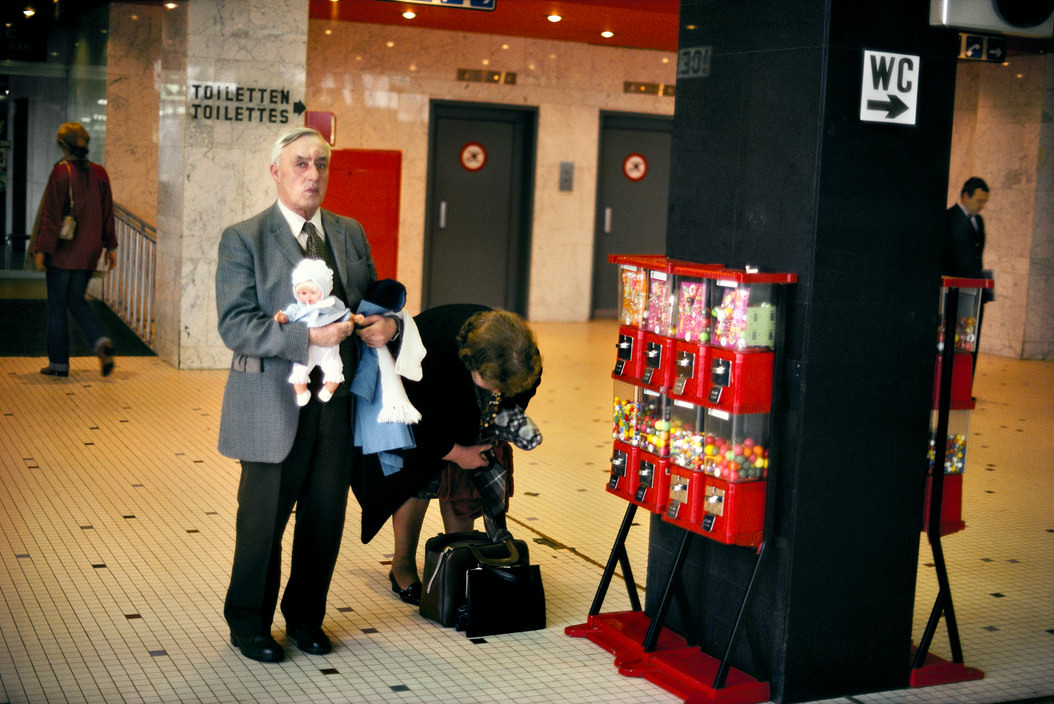
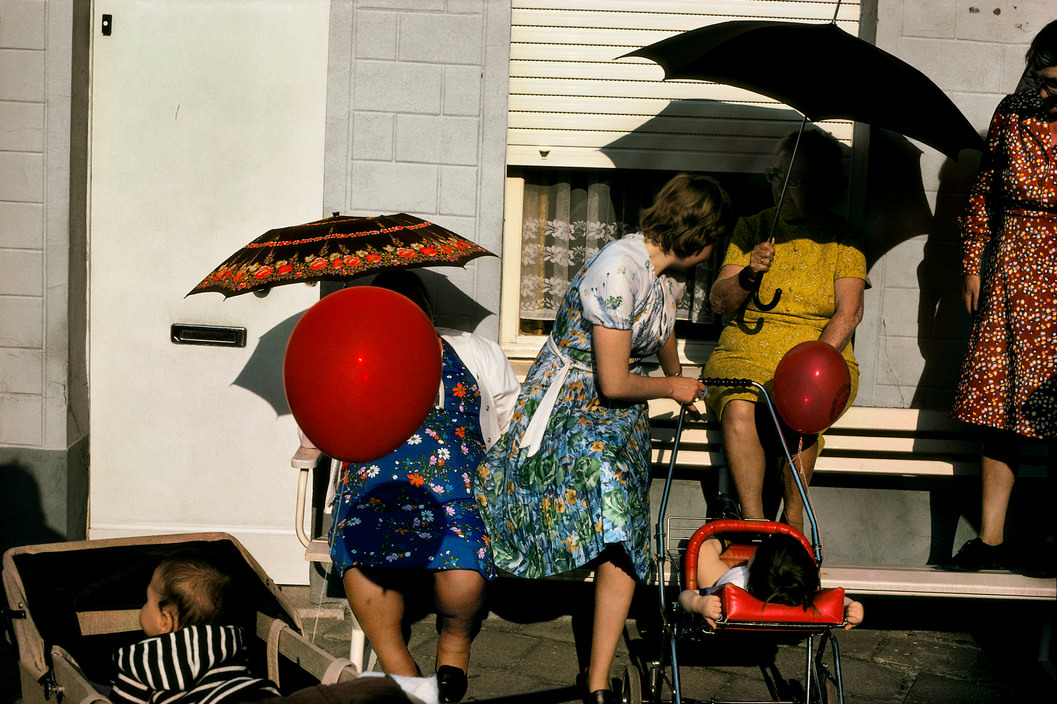
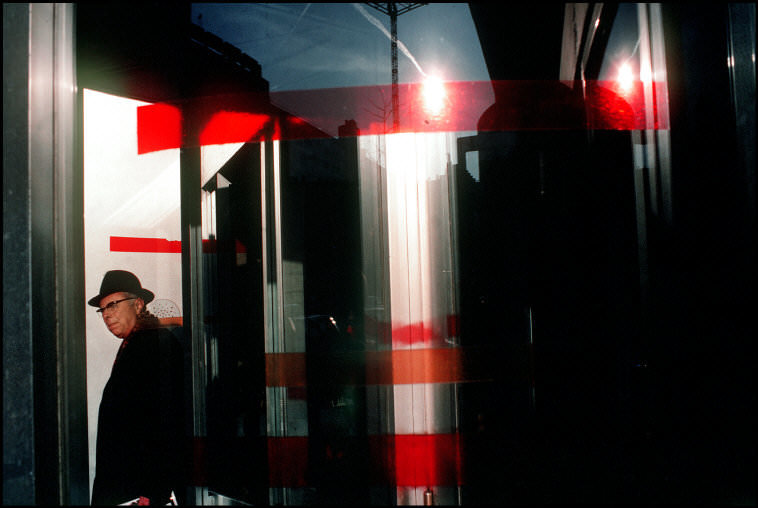
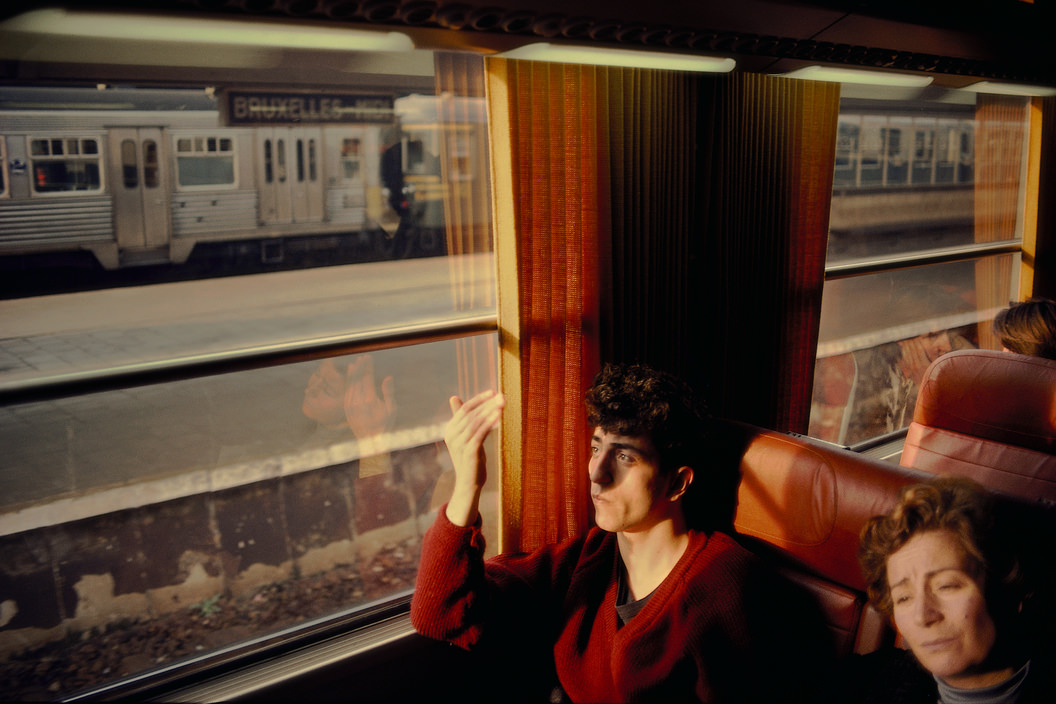
The Gare du Midi — Brussels South station — was the largest railway station in Belgium and a key hub for international train services, including the Trans-Europe-Express network that connected major European cities. The station district surrounding it was a dense urban neighborhood with its own commercial energy.
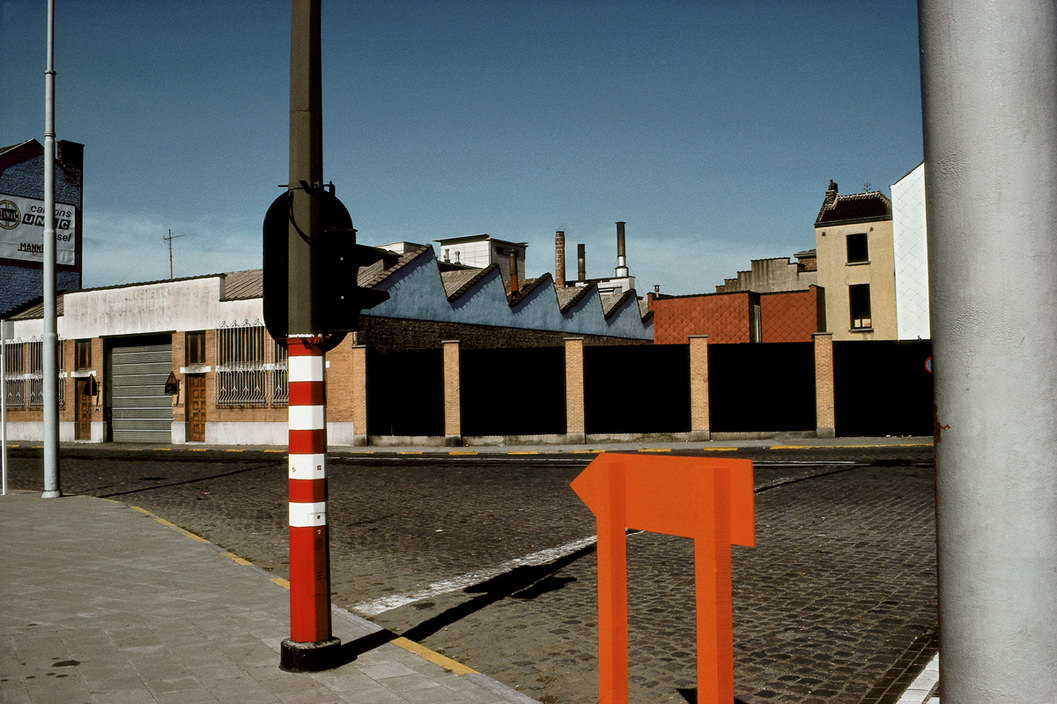
Dog breeding and purebred dog shows had a dedicated following in Belgium. International exhibitions brought competitors and spectators from across Europe to assess and display dogs across dozens of recognized breeds.
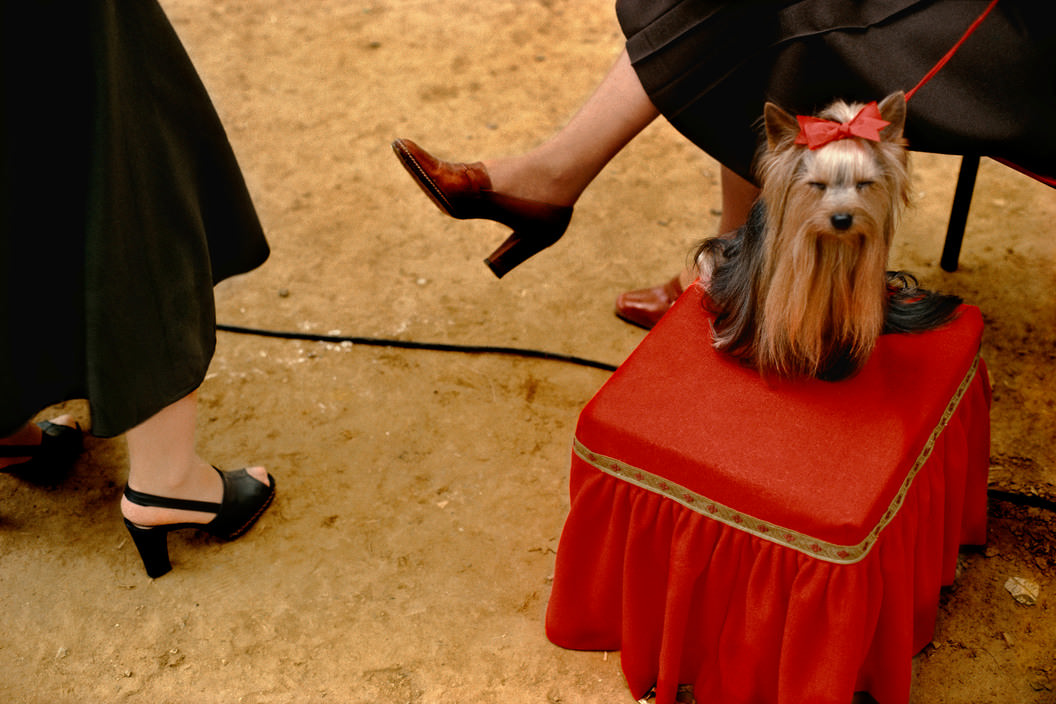
Rue Royale, one of Brussels’ main avenues, ran from the city’s upper town down through the neoclassical quarter. It passed by the Royal Palace, the Place Royale, and several of the city’s major institutions, making it one of the most important streets in the capital.
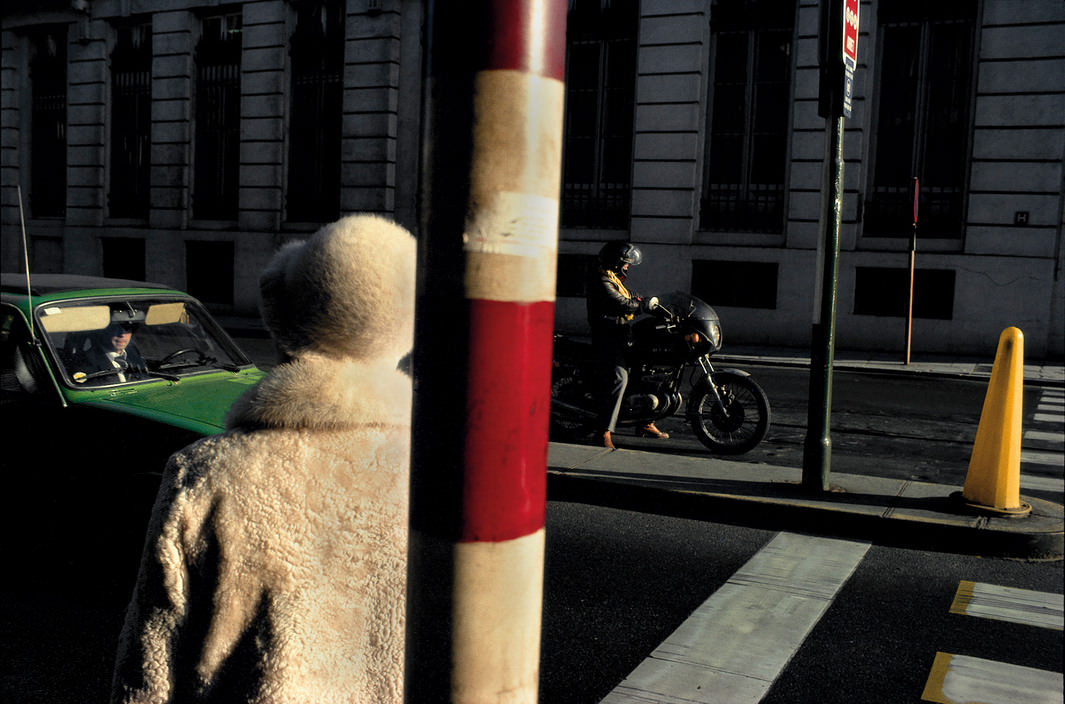
The Trans-Europe-Express, a high-quality international rail service, connected Belgium to Germany, France, the Netherlands, and Switzerland. The trains were known for their speed, comfort, and limited stops — a prestige service that ran through Brussels as a central node.
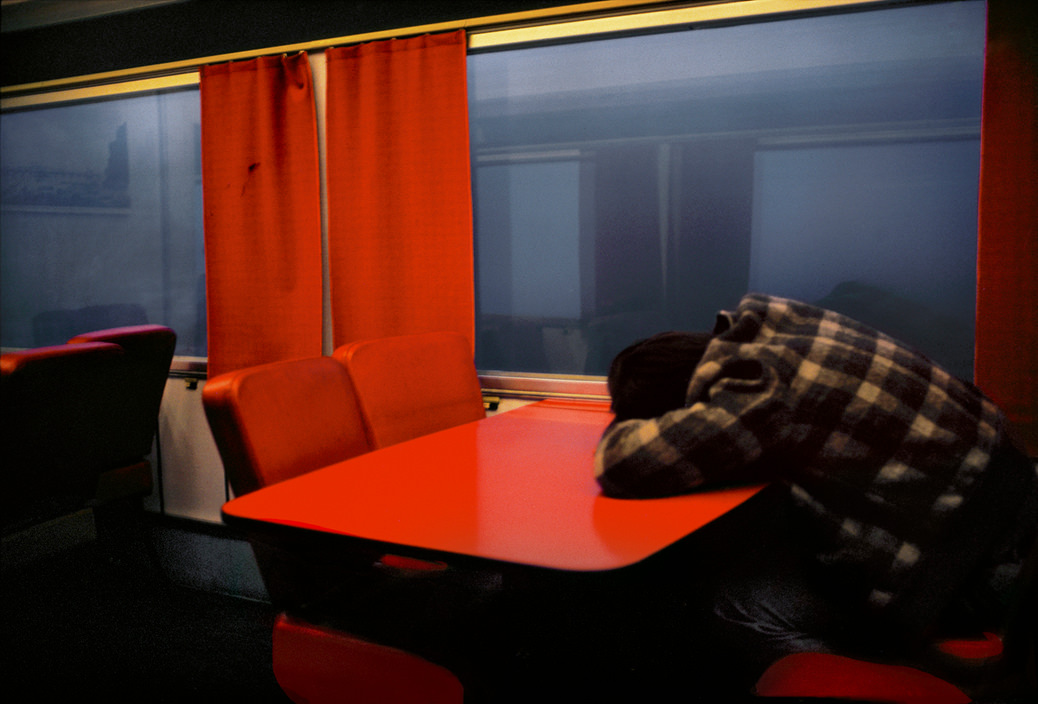
The province of Brabant, surrounding Brussels, was a mix of rural villages and suburban development. The area near the town of Wavre was particularly shaped by its proximity to both the capital and the Walibi amusement park, which had brought commercial development to the region.
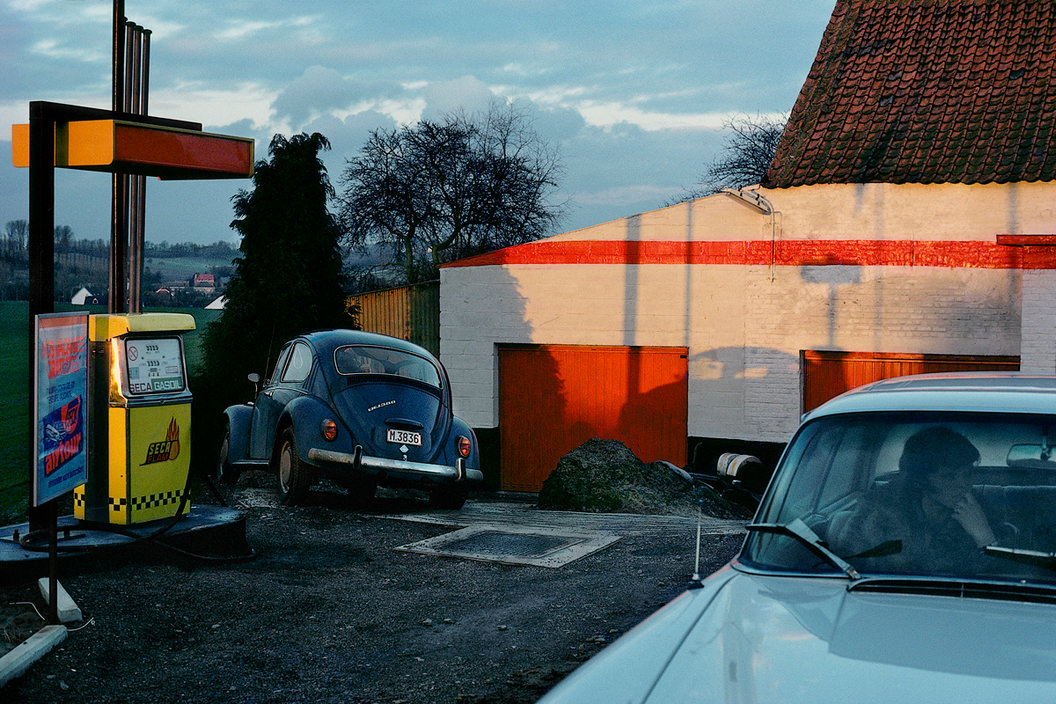
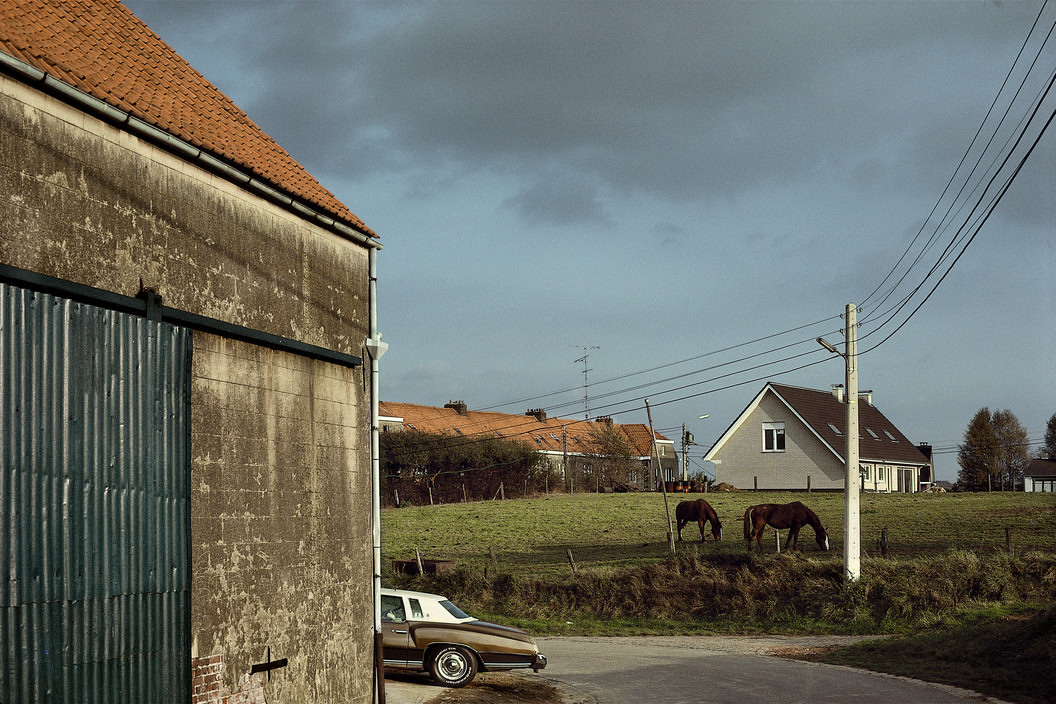
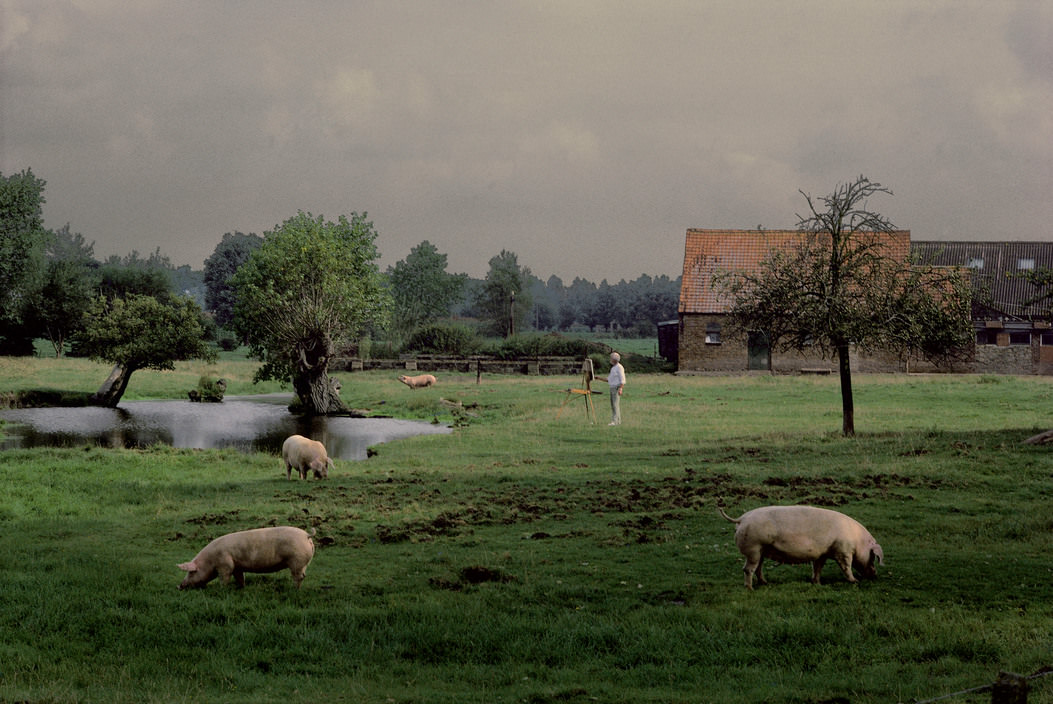
West Flanders, with its flat open landscapes and North Sea light, was a favored setting for plein-air painters — artists who work outdoors directly in front of their subject. The region’s scenery attracted painters throughout the decade.
The village of Rutten in the Belgian province of Limburg held an annual pilgrimage dedicated to Saint Evermare, a 7th-century missionary martyr. The procession was a living piece of local religious tradition carried forward through the 1980s.
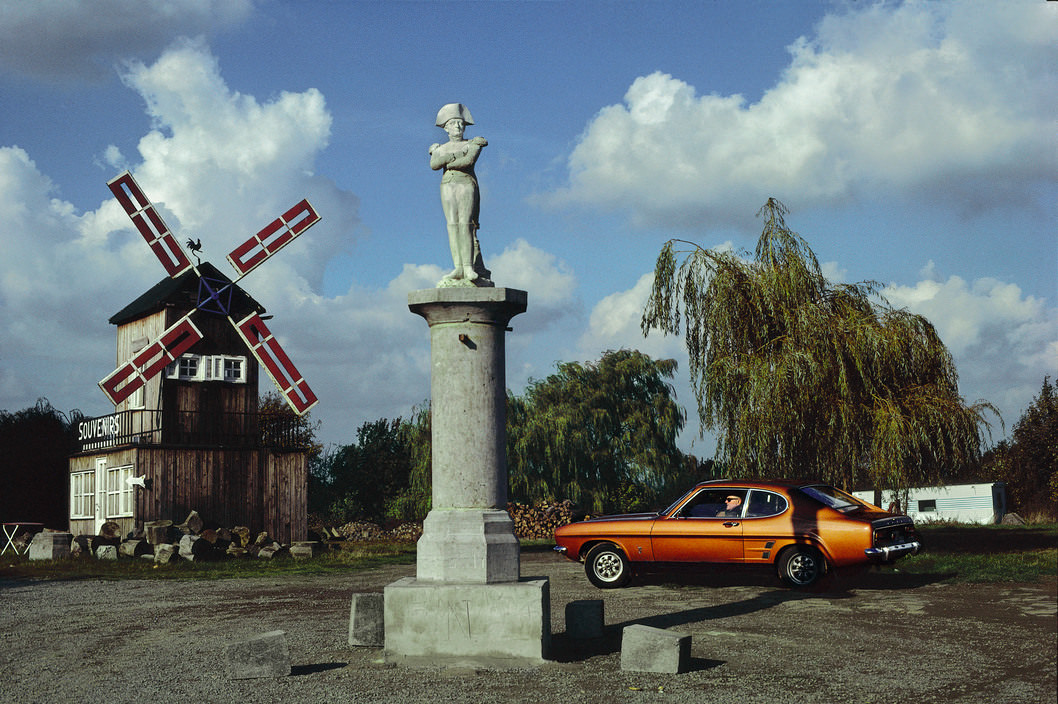
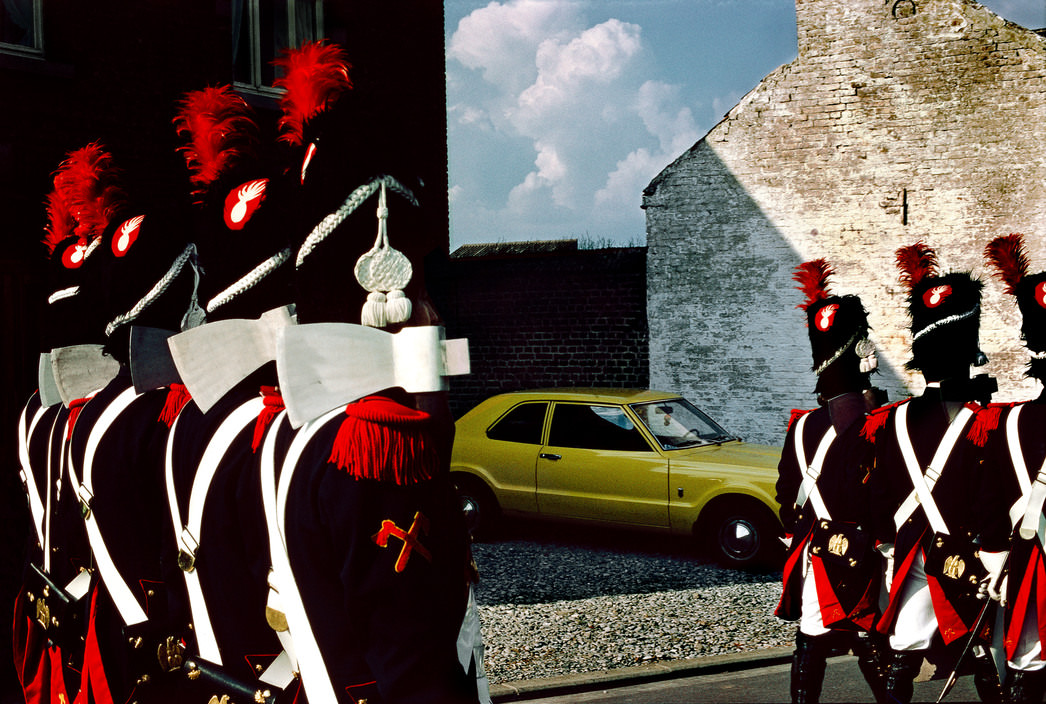
The town of Waterloo, south of Brussels, was the site of Napoleon Bonaparte’s final defeat in 1815. A statue of Napoleon stood in the town as part of a broader historical commemoration that included battlefield reenactments drawing participants in period uniforms each year.
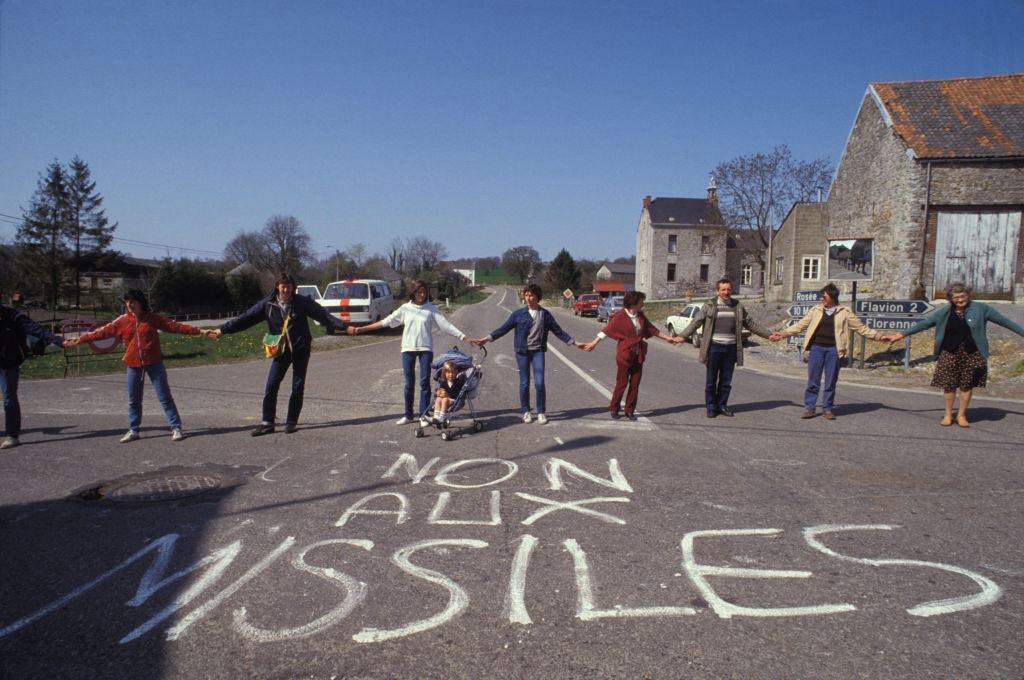
Belgium was also a site of Cold War-era political tension. In April 1984, a large pacifist demonstration took place to protest the planned installation of NATO cruise missiles at the Florennes air base. The protest was part of a broader wave of anti-nuclear activism spreading across Western Europe at the time.
The Place de la Bourse, Brussels’ old stock exchange square, was a central gathering point in the city. The neoclassical Bourse building dominated the square, and the surrounding streets were lined with cafés and shops that kept the area lively at most hours.
The Battle of Waterloo remained a major point of Belgian and European historical memory throughout the 1980s. Paintings depicting the battle were displayed in museums and at the battlefield site itself, which served as both a tourist attraction and a commemorative ground.
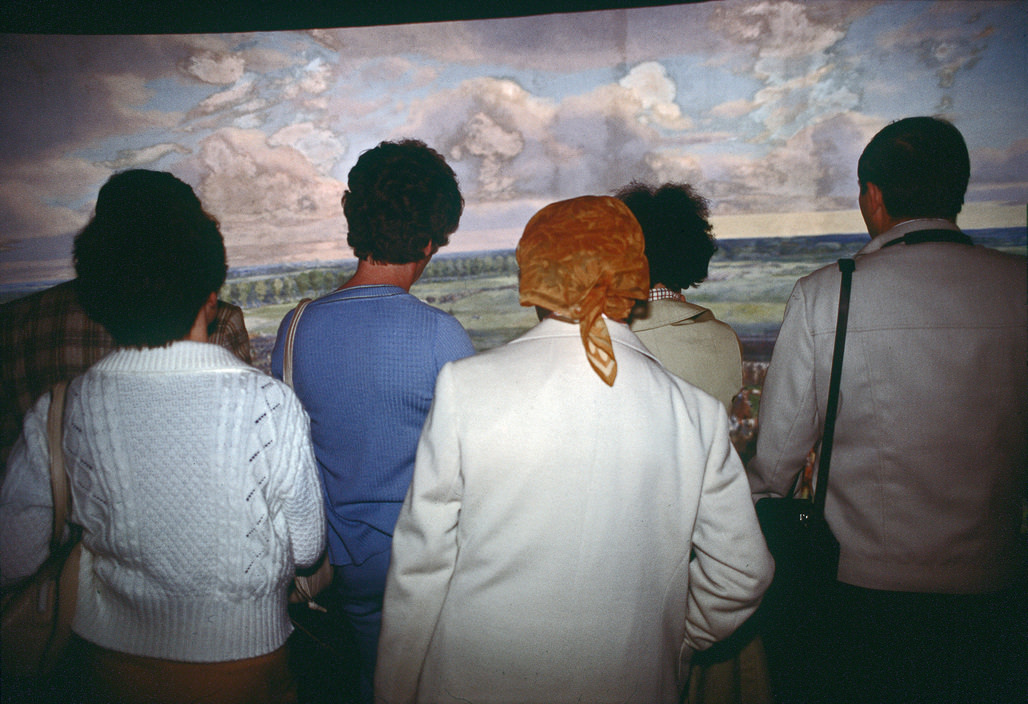
Reenactments of the Battle of Waterloo were held regularly in the Province of Brabant, drawing participants and spectators from across Belgium and neighboring countries. These events were elaborate, with hundreds of people in period-accurate military dress representing both the French and Allied forces.
The Gilles carnival was not exclusive to Binche. Similar carnivals featuring the Gilles character took place in the province of Hainaut, including in La Louvière. The Gilles tradition — with its masked performers, orange throwing, and distinctive ostrich-feathered hats — was deeply embedded in the culture of the region.
In Bruges, the annual Procession of the Holy Blood — known locally as the Saint-Sang procession — was held each May. The procession dated back to the 12th century and carried a relic believed to contain the blood of Christ through the streets of the city, drawing both religious pilgrims and tourists.
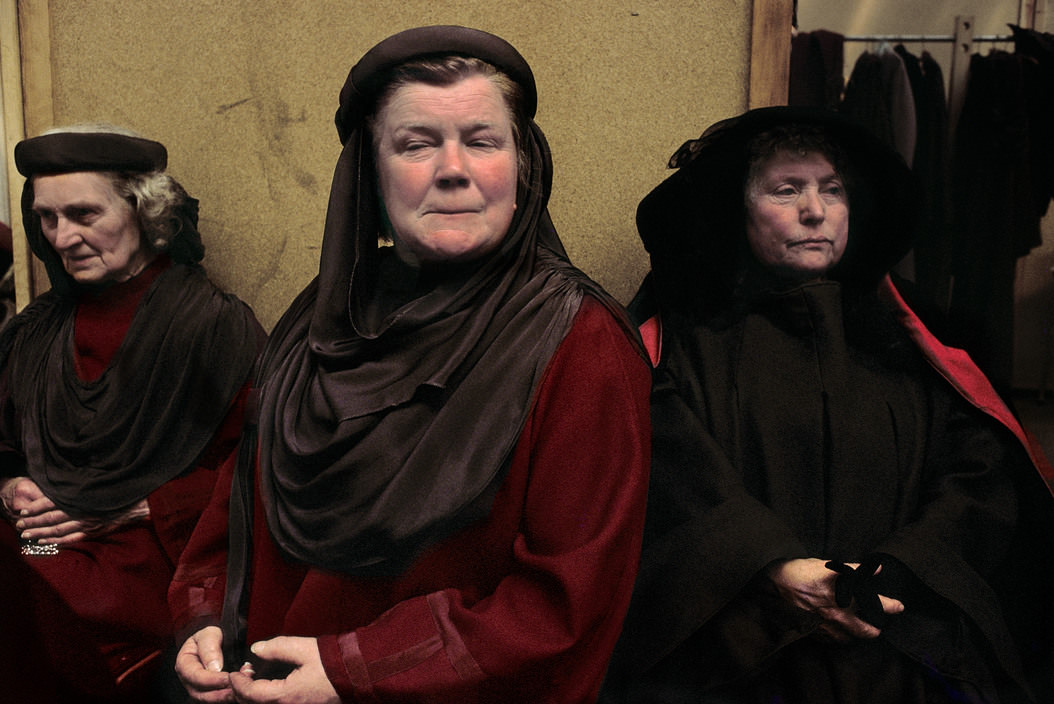
The Binche carnival’s Gilles were recognized internationally as one of Belgium’s most iconic cultural symbols. The town of Binche in the Province of Hainaut hosted the most elaborate version of the carnival, with the Gilles gathering in the early morning hours before parading through the streets for most of the day.
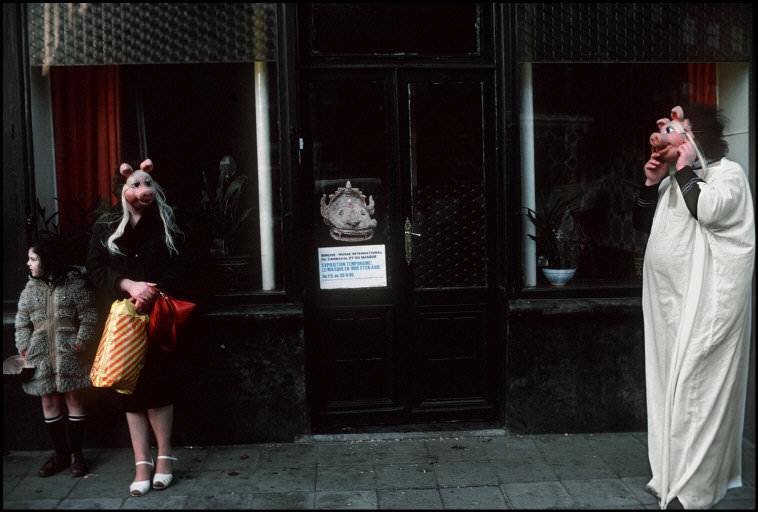
One of Flanders’ more unusual traditions was the Cats Festival, held in the town of Ypres. The event, rooted in a medieval practice, involved the ceremonial throwing of toy cats from the top of the Cloth Hall belfry, followed by a parade of cat-themed floats and costumed figures through the town center.





Interesting pictures.
Pretty insane how everything has disappeared.
Everything was so clean in Brussels.
I remembered the city as filthy but see in those photos that it has become filthy. Wondered what changed so much.
There was color in the 80s ?? 😀
Too bad that there is no source or the name of the photographer. Nice pictures though!
Most of the photographs are made by “harry gruyaert” a belgian magnum photographer. An amazing use of colours.
pic33 the market square in Bruges being basically a parking lot is just crazy.
I was a kid in the eighties and I saw gilles de Binche once. Every time I see pics from that era it’s like they were everywhere all the time.
From the 50’s to the late 70’s, public planning in Brugge went absolutely crazy. Everything became about cars. Every available square was turned into a parking lot. Burg, Market, the area in front of the Stadsshouwburg, Simon Stevin, etc… all parking. They paved over much of the cobblestones and each road they could was wide enough to be two lanes by making the sidewalks super narrow. The market wasn’t just a parking lot, but also a giant 3-lane roundabout at that point (you can see the road markings in the photo).
The most insane plan they had was to pave over the entire Predikherenrei (the canal that leads from the Coupure harbour to the center of the city) and turn it into a giant street and parking. Luckily, at that point, a citizen committee was formed to protest the plans. That eventually led them to revaluate their approach to transportation in the city and walk back all this dumb car-centric shit.
One must wonder what city planners were smoking back then. Were cars really hyped as the future of transportation?
I would argue that if you look at the actions of the government (specially the flemish one), they STILL think cars are the future of transportation.
But at least local city councils are aware that sacrificing every single square meter to cars does not make for a liveable city.
I don’t think this is exclusive to Brugge. Brussels today is still full of roads with a narrow sidewalk, two way traffic and street parking on both sides. Yet when you try to change it people get up in arms.
Yeah, it was an issue across Europe. So many cities destroyed parts of their historical centers because of cars.
It’s cool to see that in 1981 the Grand Place was already a pedestrian space. This was not at all common back then, I am always amazed at old pictures of famous European squares that were often just big parking lots before the 2000s.
If you like this I highly recommend Steven Vanherreweghe’s “Jaren ’80 voor Tieners”.
Very lighthearted show, with lots of footage from the ’80s. Fun to see how much has changed and how some stuff really didn’t;
The second picture could’ve been taken 50 years earlier.
Brussel was zo proper…
Geweldige foto’s.
En dan steken ze daar 2 foto’s van het heizeldrama bij (met lichamen).
nr 4, door Harry Gruyaert, komt een een hele schone reeks van Oostende.
Belga festival hats!
Ow, mijn jeugd samengevat
Leuke foto’s. Ik ben geboren in 1979, de jaren ’80 waren mijn kinderjaren. Maar veel herinner ik me er niet meer van.
First picture about Gilles wearing their masks ans not a single Gilles It’s masks. And moreover it’s kids Gilles.
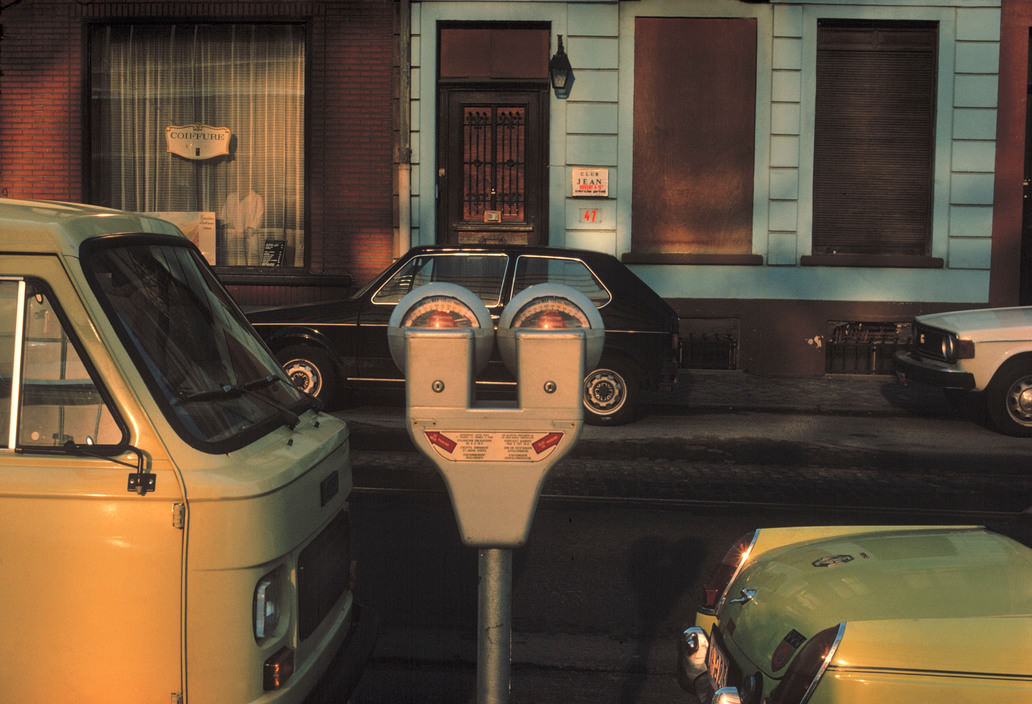
#44 is geweldig, toen parkeermeters nog gebruiksvriendelijk waren.
en je het ringske van een cola blikje kon gebruiken in de parkeermeter ipv 10 frank
Many if not all these pictures are from Harry Gruyaert, a well known Belgian photographer. I recommend his photobook homeland if you want more of this.
Ironically my favourite photo of his, he took in Africa.
These are super interesting, thanks for sharing!