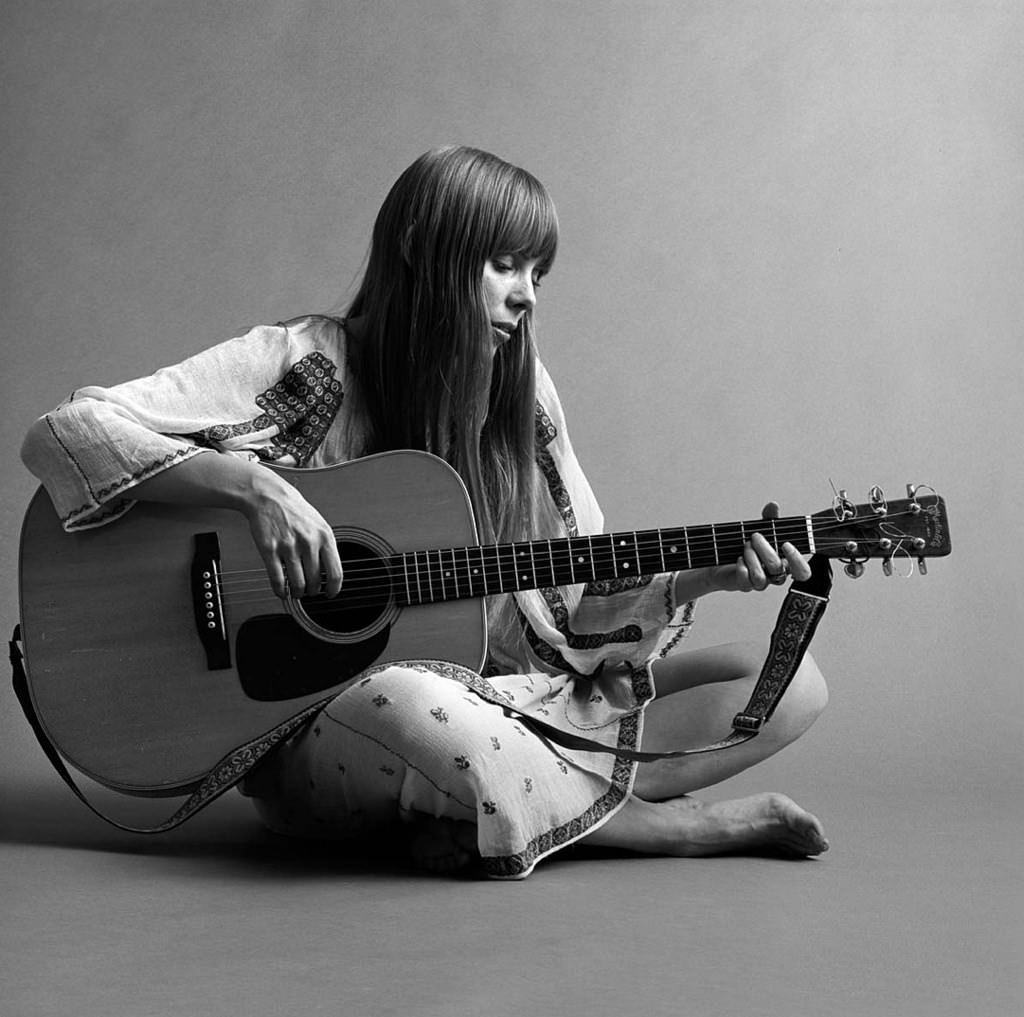
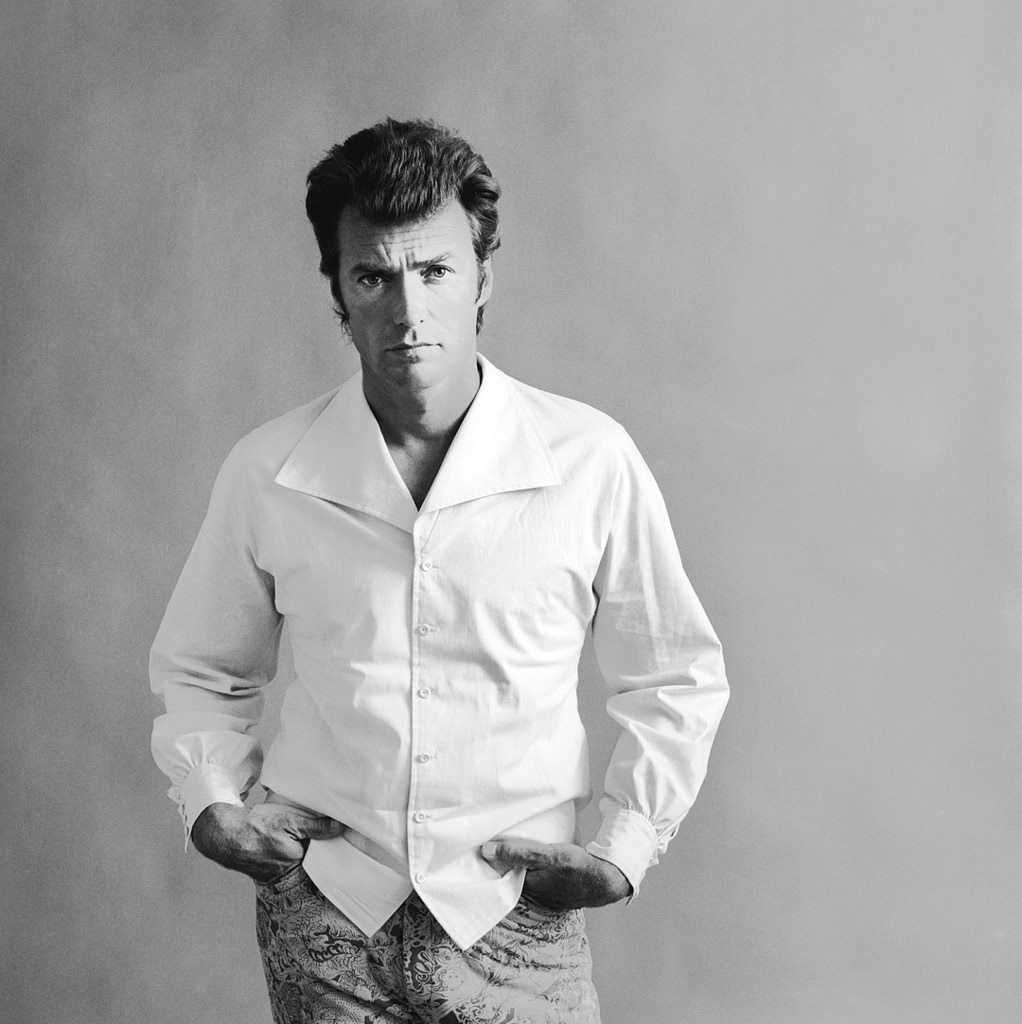
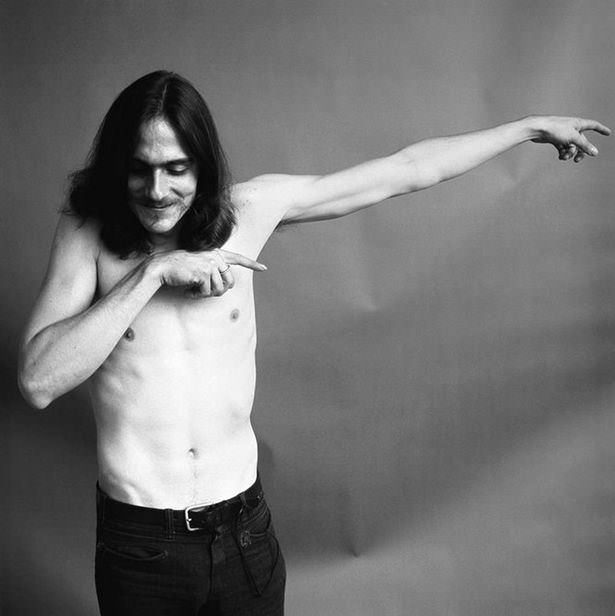
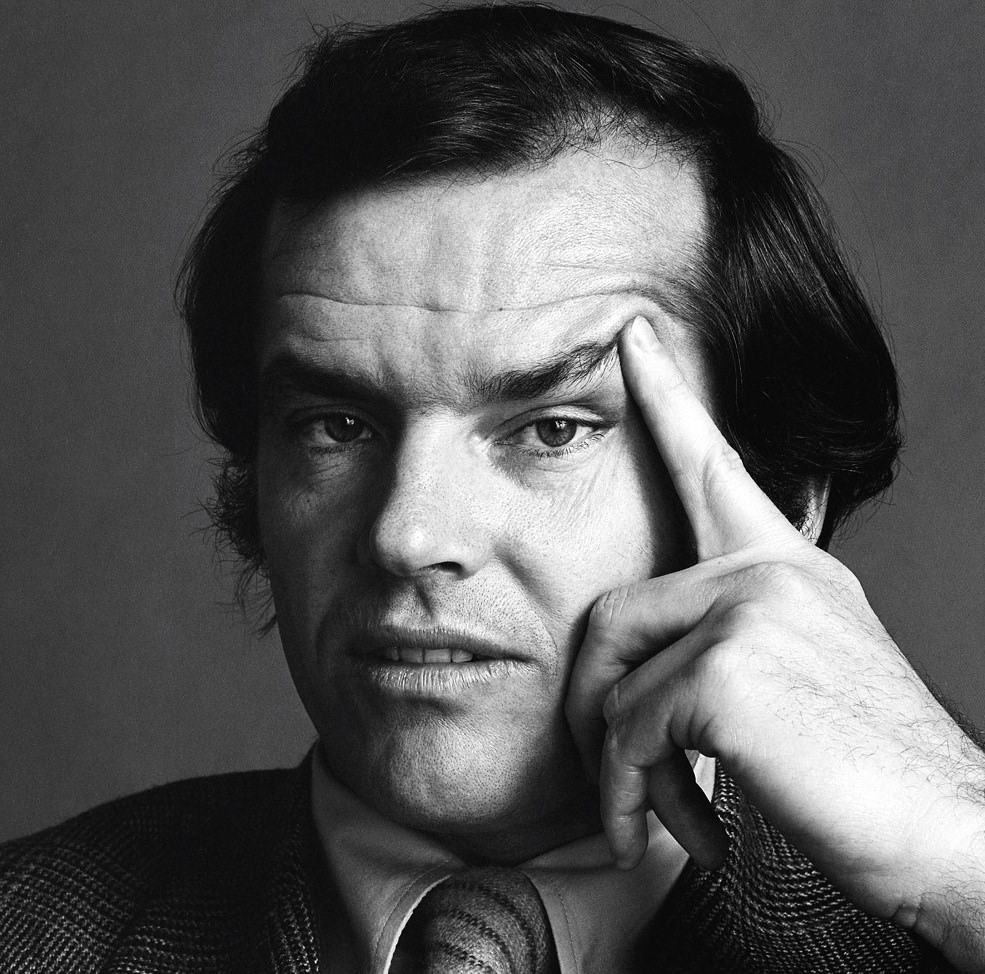
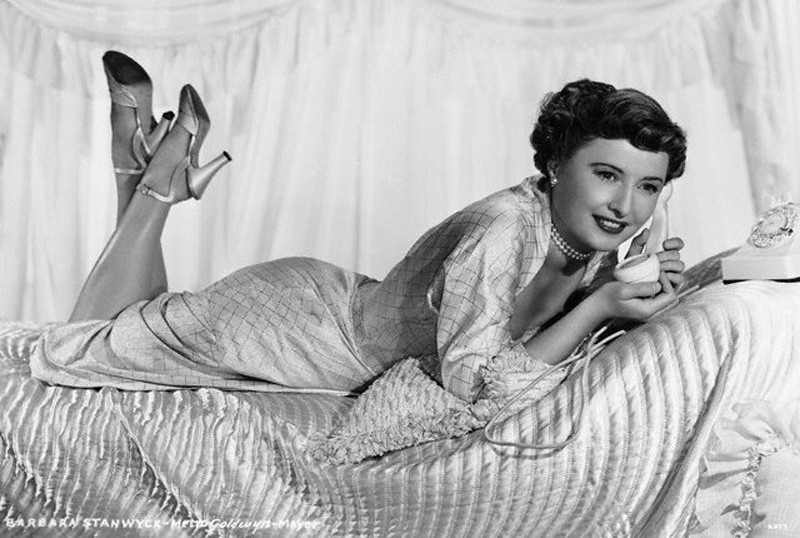
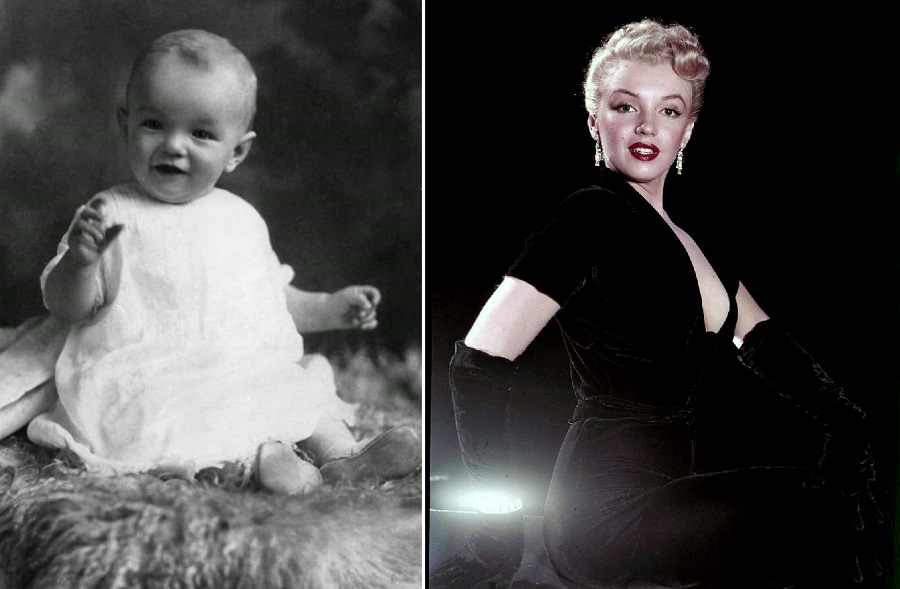
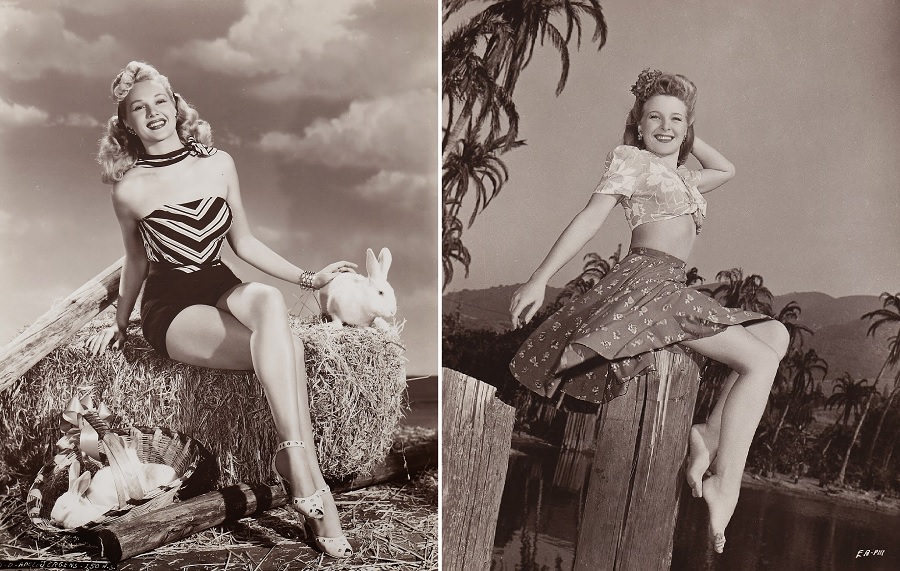
When Dan Oppenheimer opened a closet in his deceased co-worker’s Memphis apartment, he expected to find ordinary belongings. Instead, he found boxes stacked floor to ceiling with photographs — around 150,000 prints of some of the most famous faces of the 20th century. The co-worker was Jack Robinson, a quiet man Oppenheimer had known only as a stained-glass craftsman who owned one plate, one mug, and organized white buttons by size.
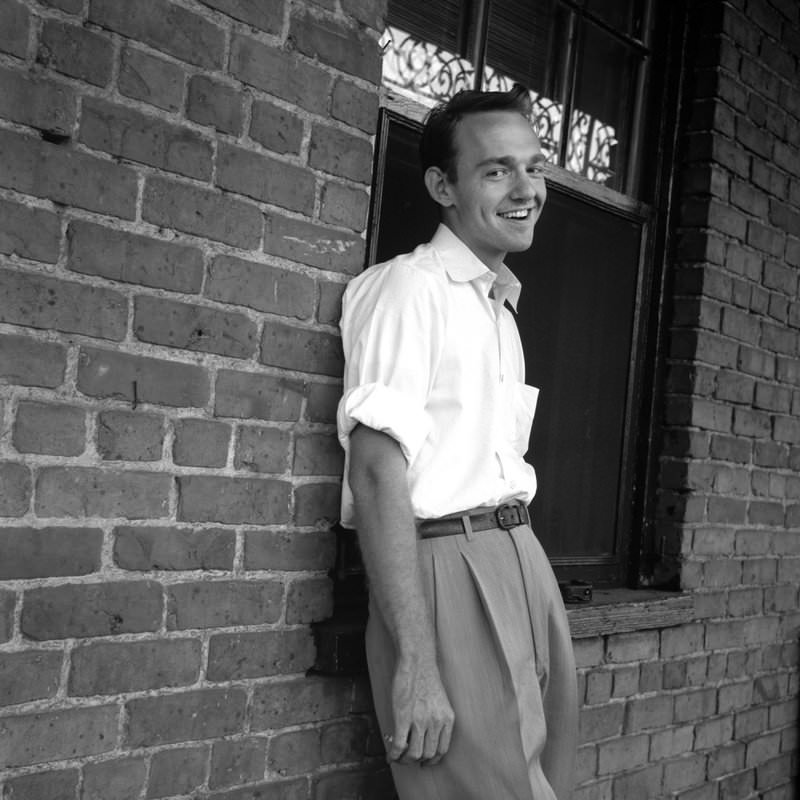
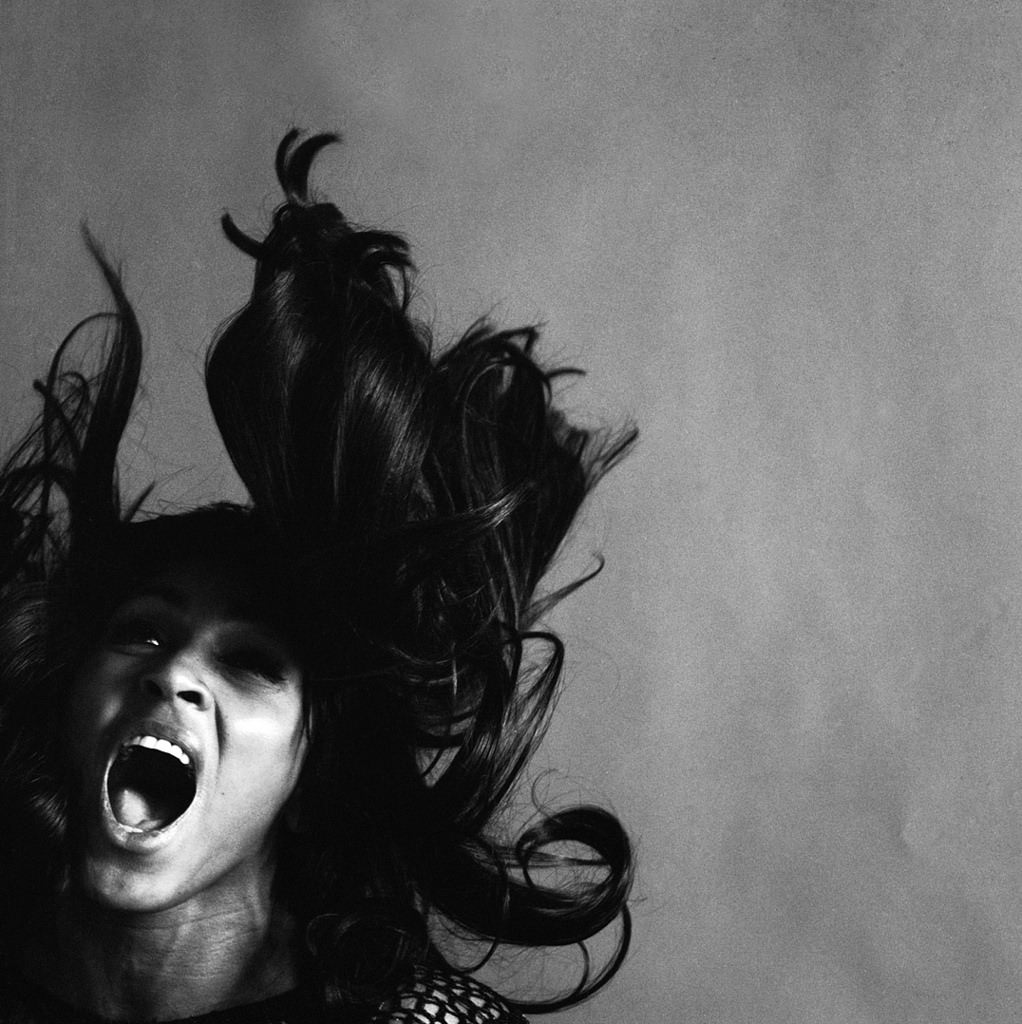
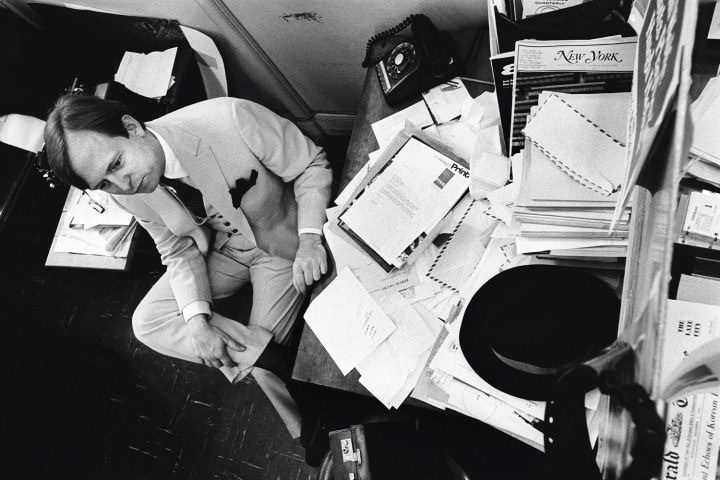
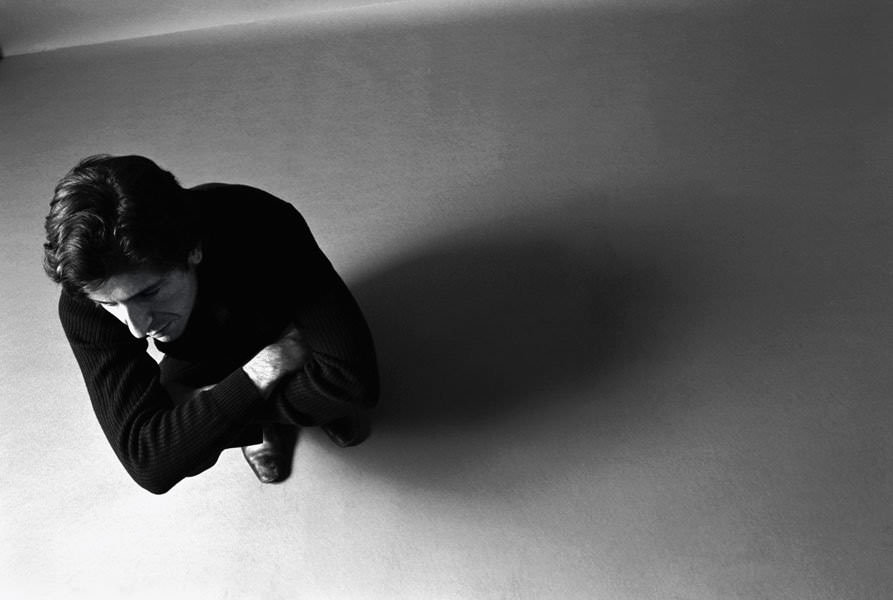
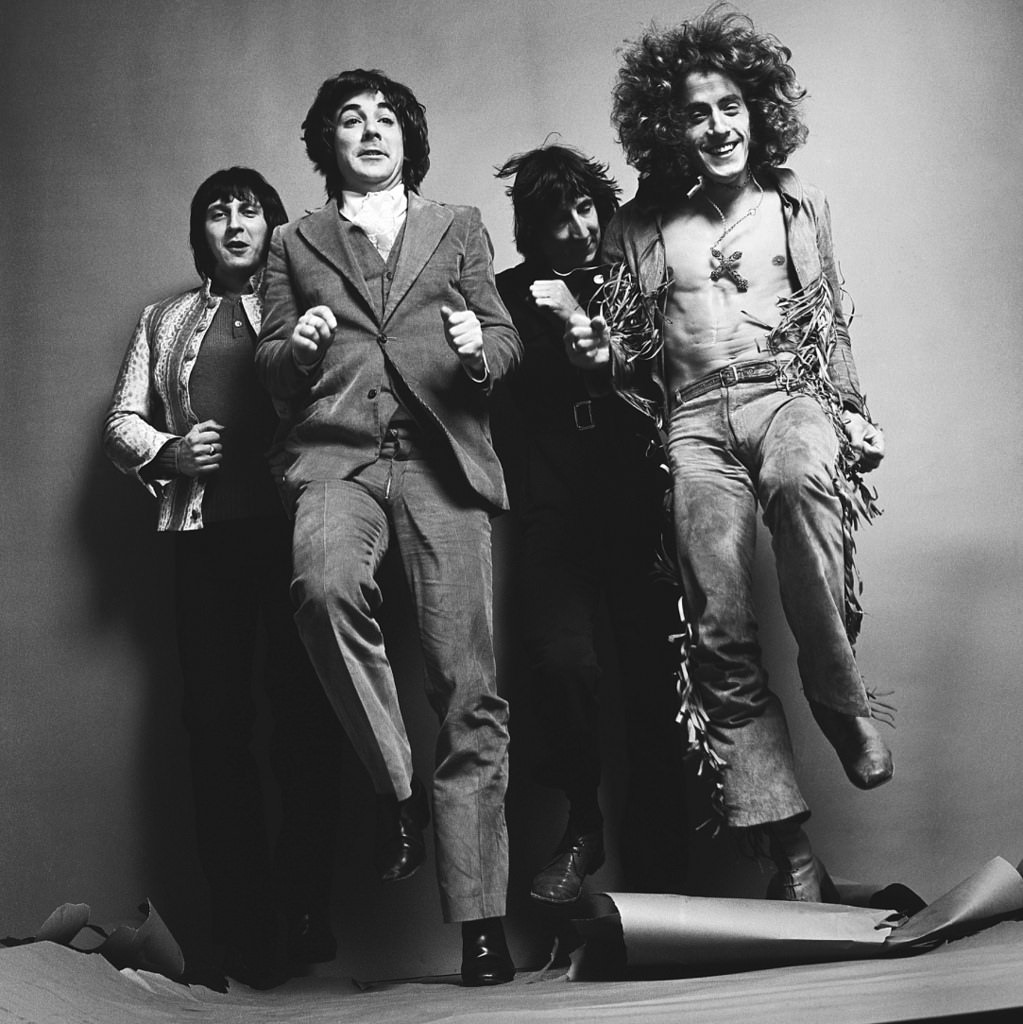
Robinson had been born in small-town Mississippi, but by the 1960s he had built a career at the center of New York’s cultural scene. He shot for major publications including Vogue, photographing celebrities who moved through the same circles as Andy Warhol. His subjects included Elton John, Joni Mitchell, Jack Nicholson, Tina Turner, Nina Simone, Leonard Cohen, and The Who — icons of music, film, and art captured at the height of their fame.
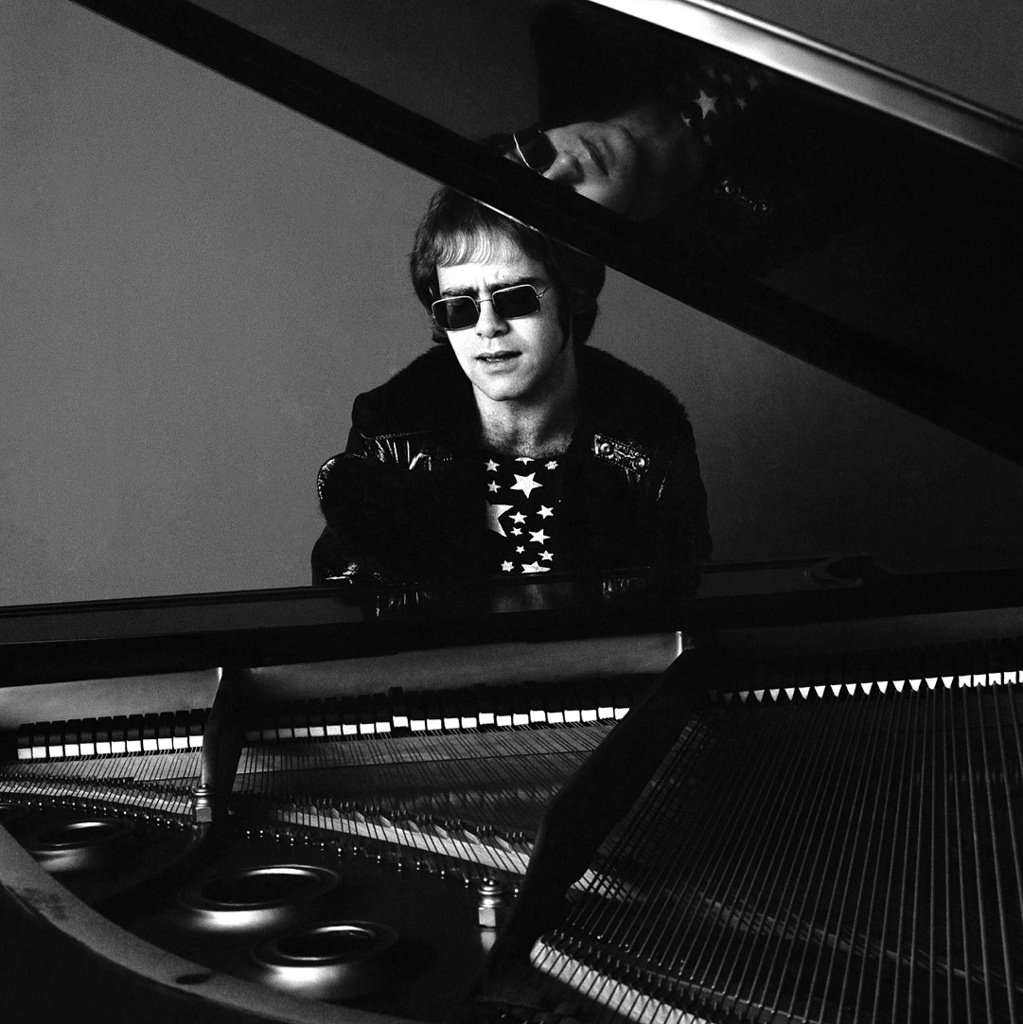
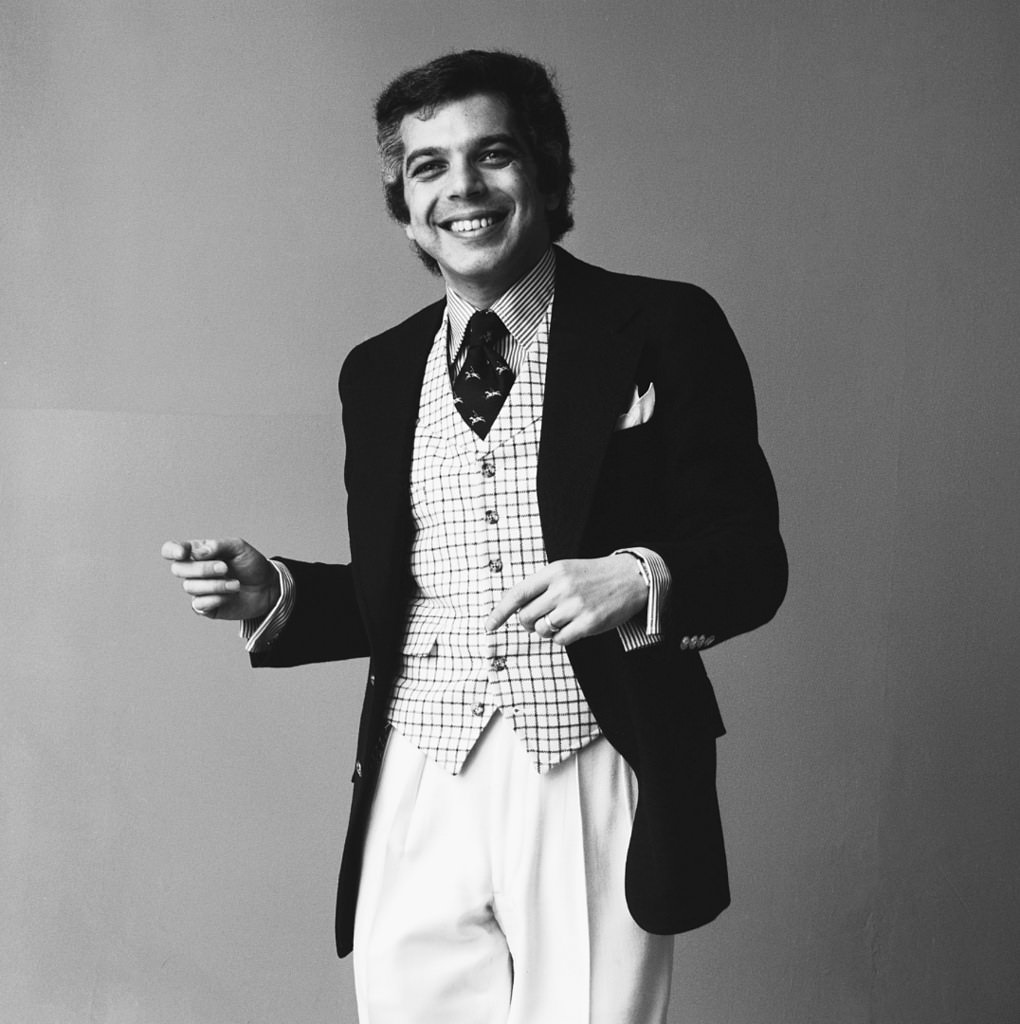
What made Robinson’s work stand out was his ability to move past the posed, formal shots typical of celebrity portraiture. His photographs felt personal — candid moments that revealed something real about the subject.
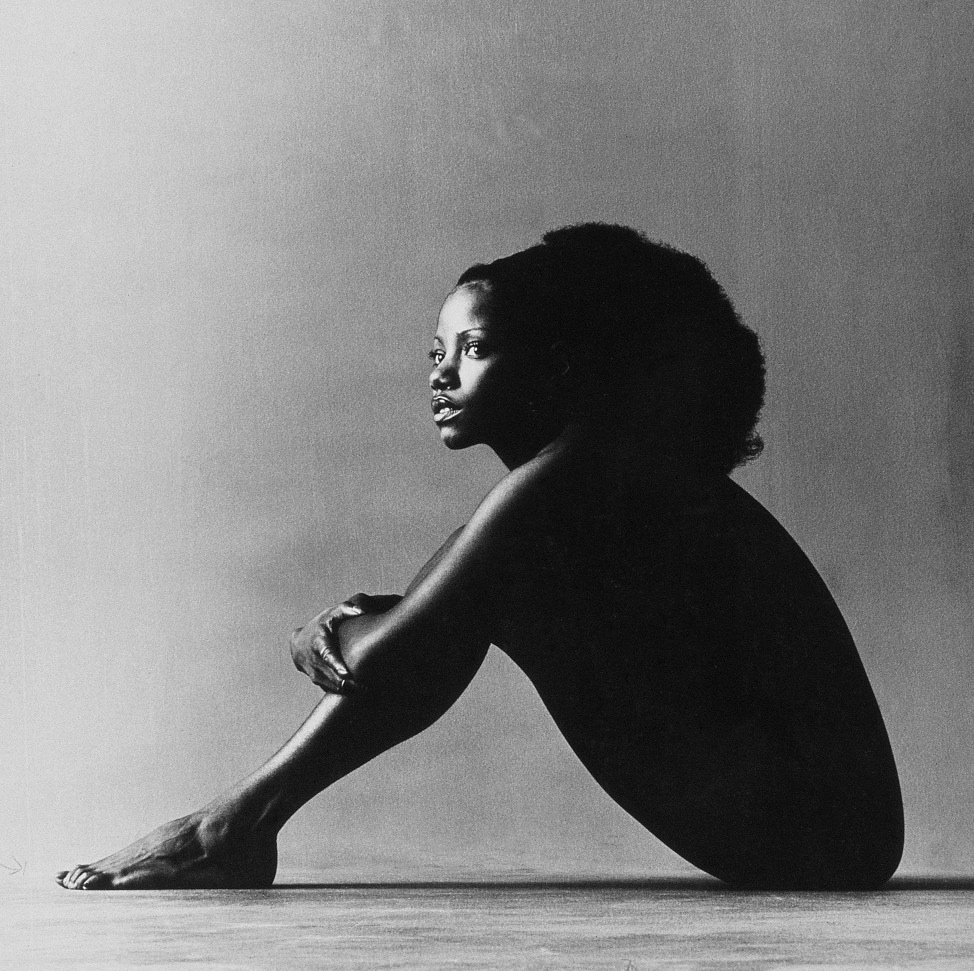
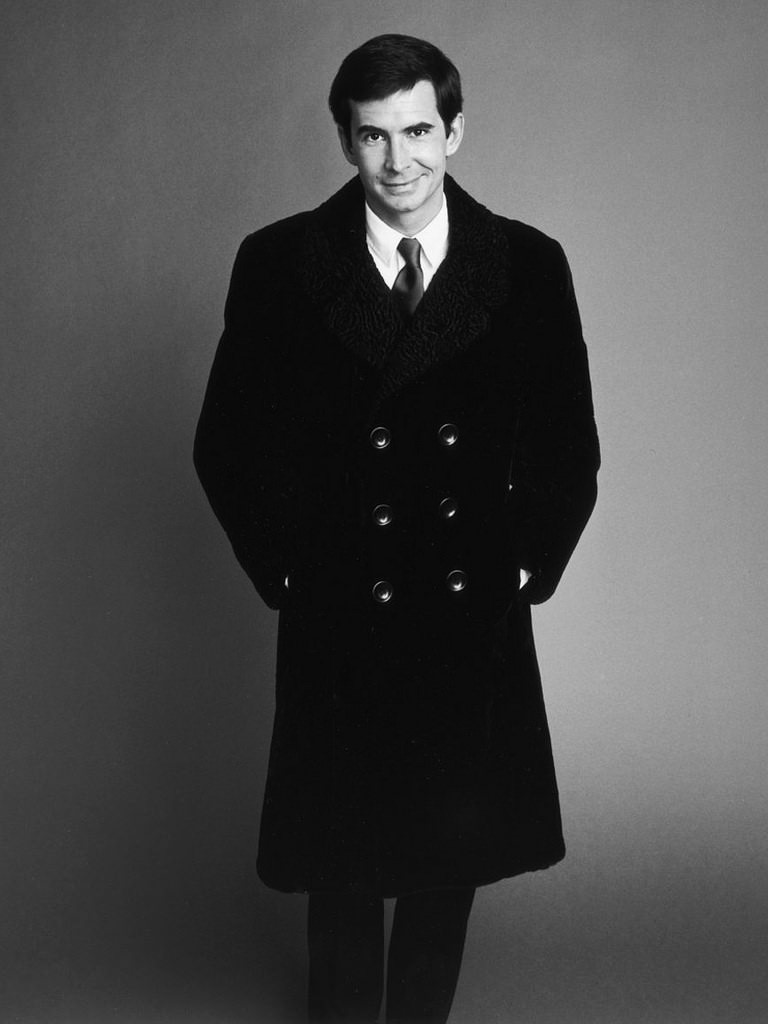
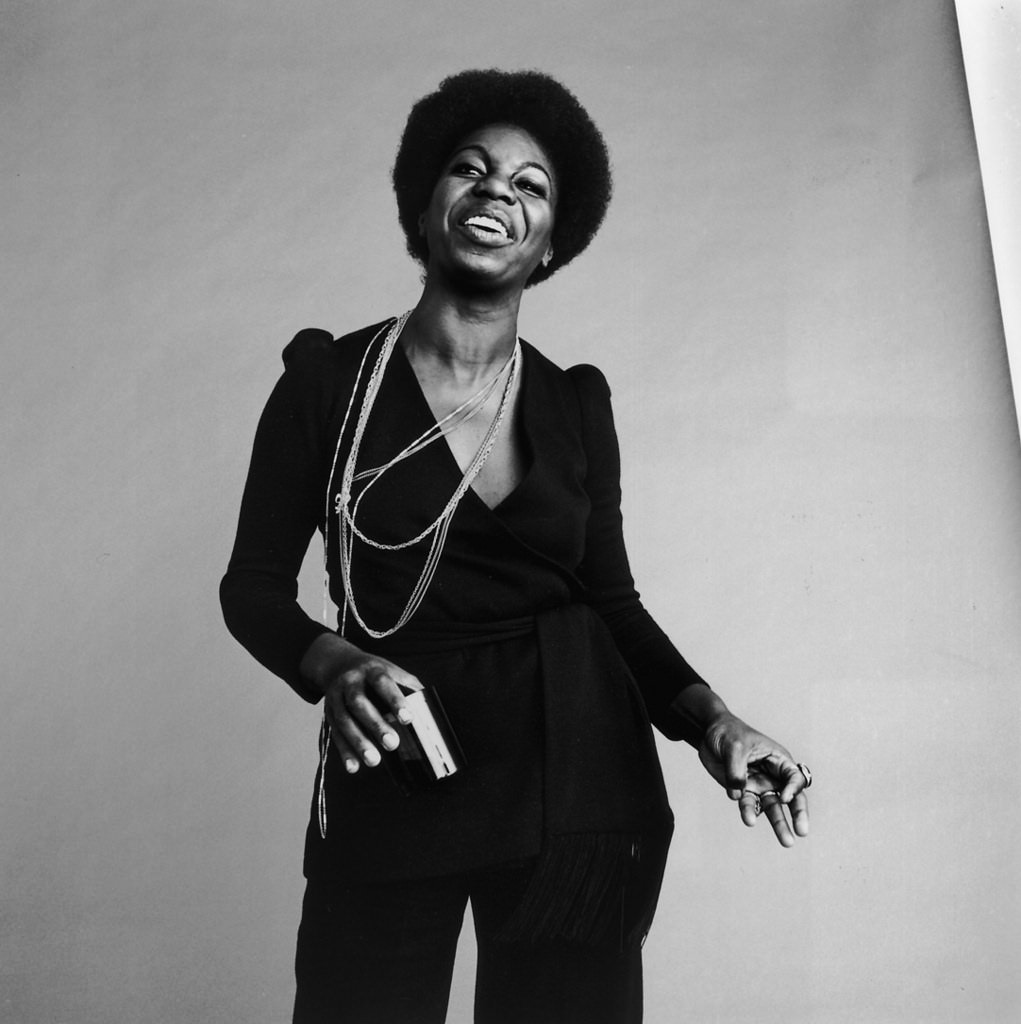
Robinson’s career eventually collapsed under the weight of alcoholism and personal struggles, including the difficulty of living as a gay man during an era of open discrimination. He retreated from New York entirely, leaving behind the glamour and chaos he had once thrived in.
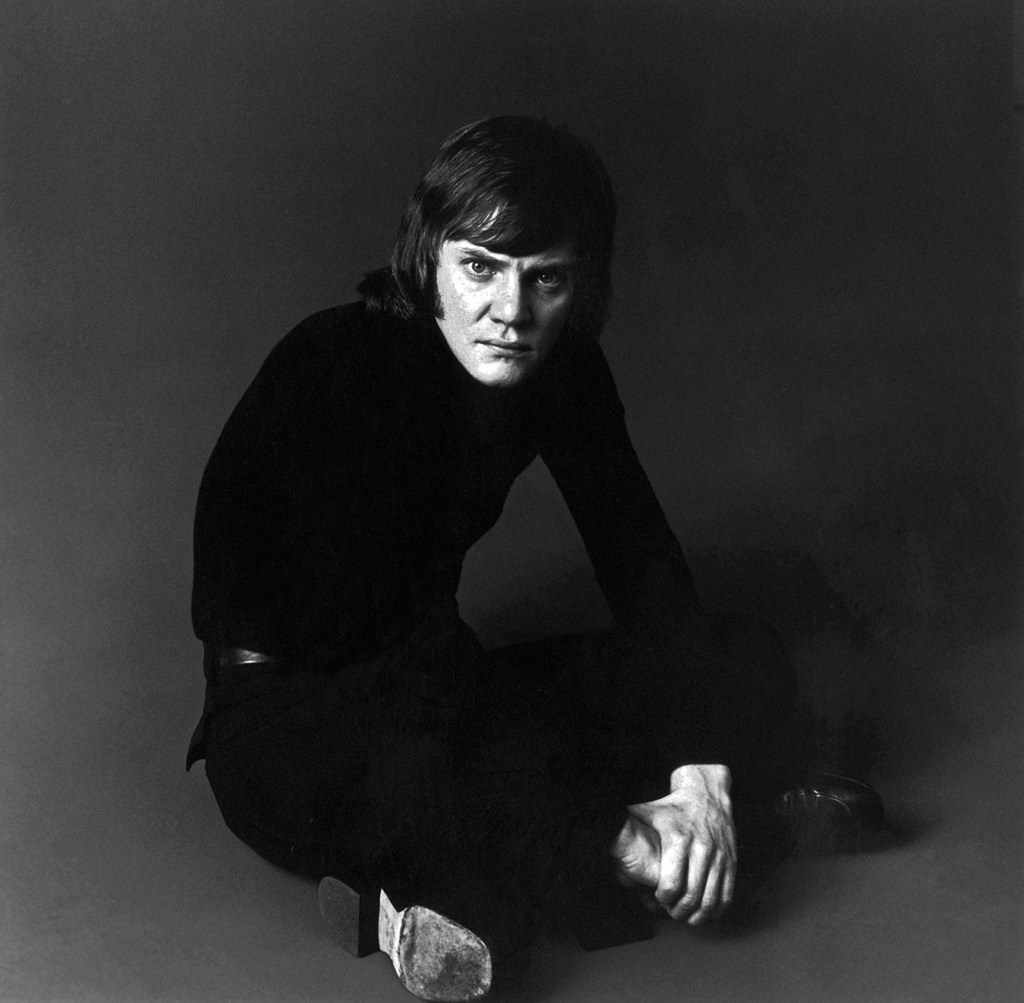
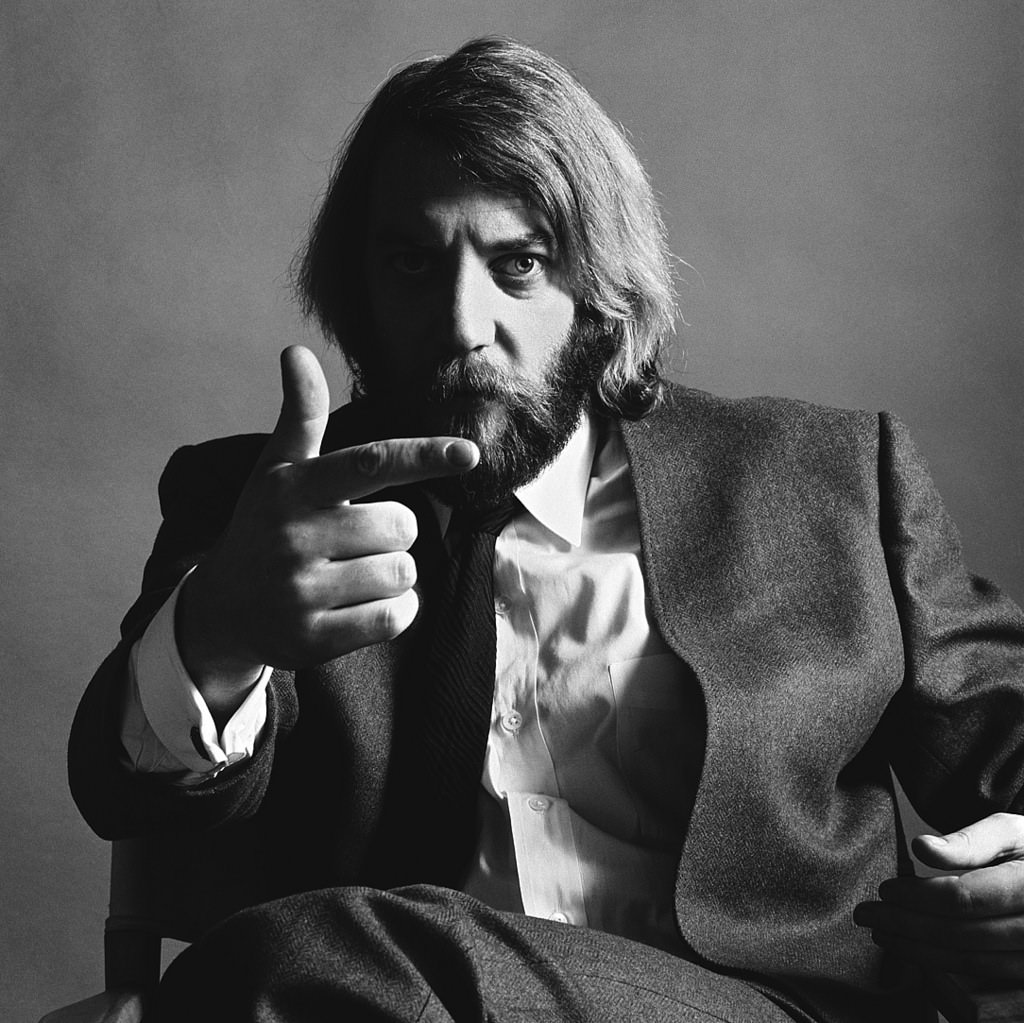
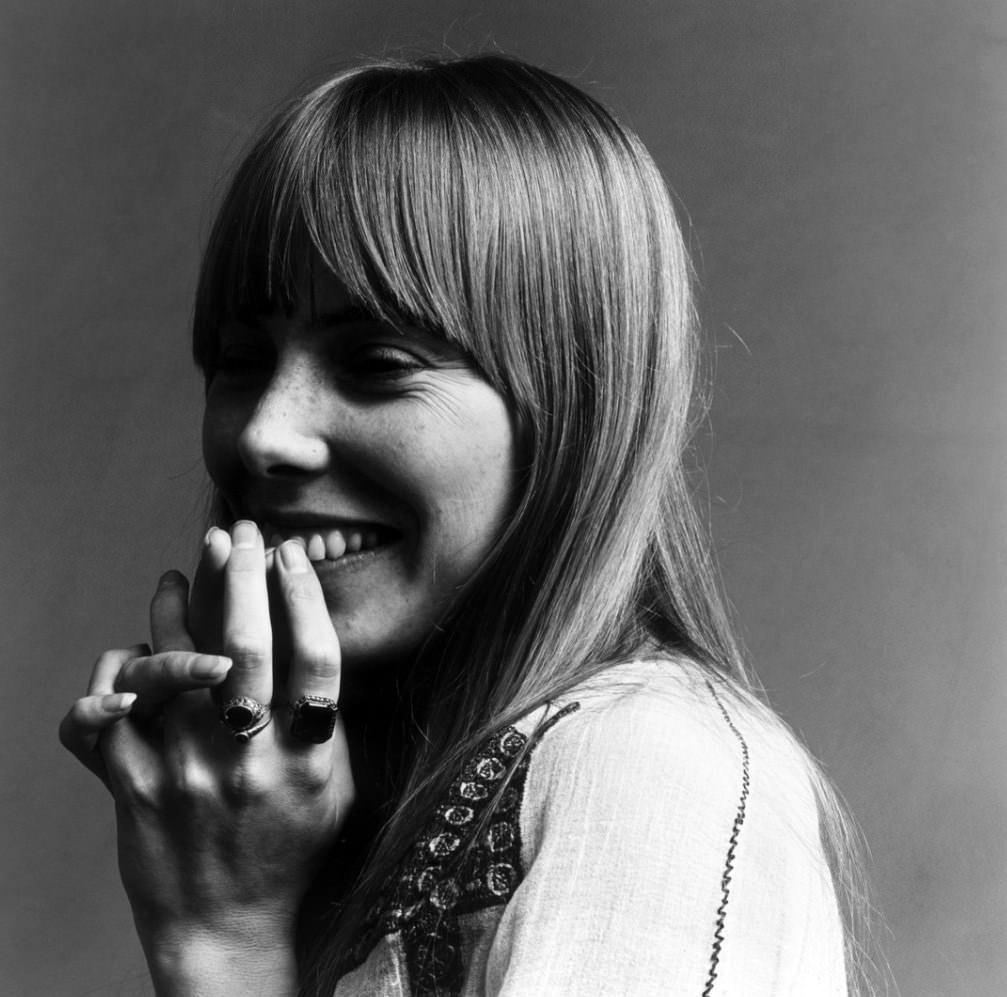
He never spoke about his photography days to those who knew him in Memphis. The contrast between the man Oppenheimer knew and the archive in that closet was sharp. Robinson had documented a golden era of celebrity culture with skill and intimacy — then simply walked away from all of it.