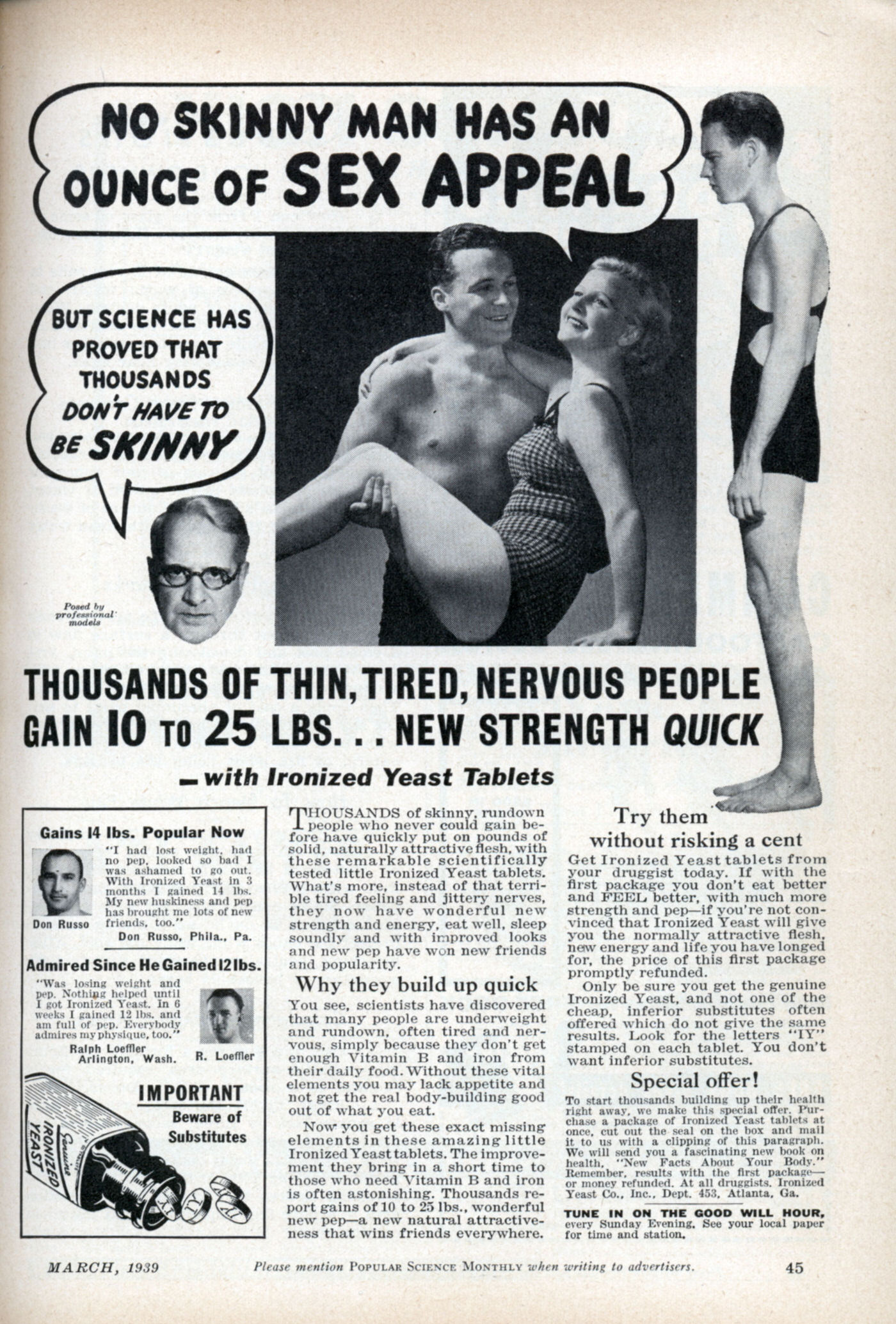
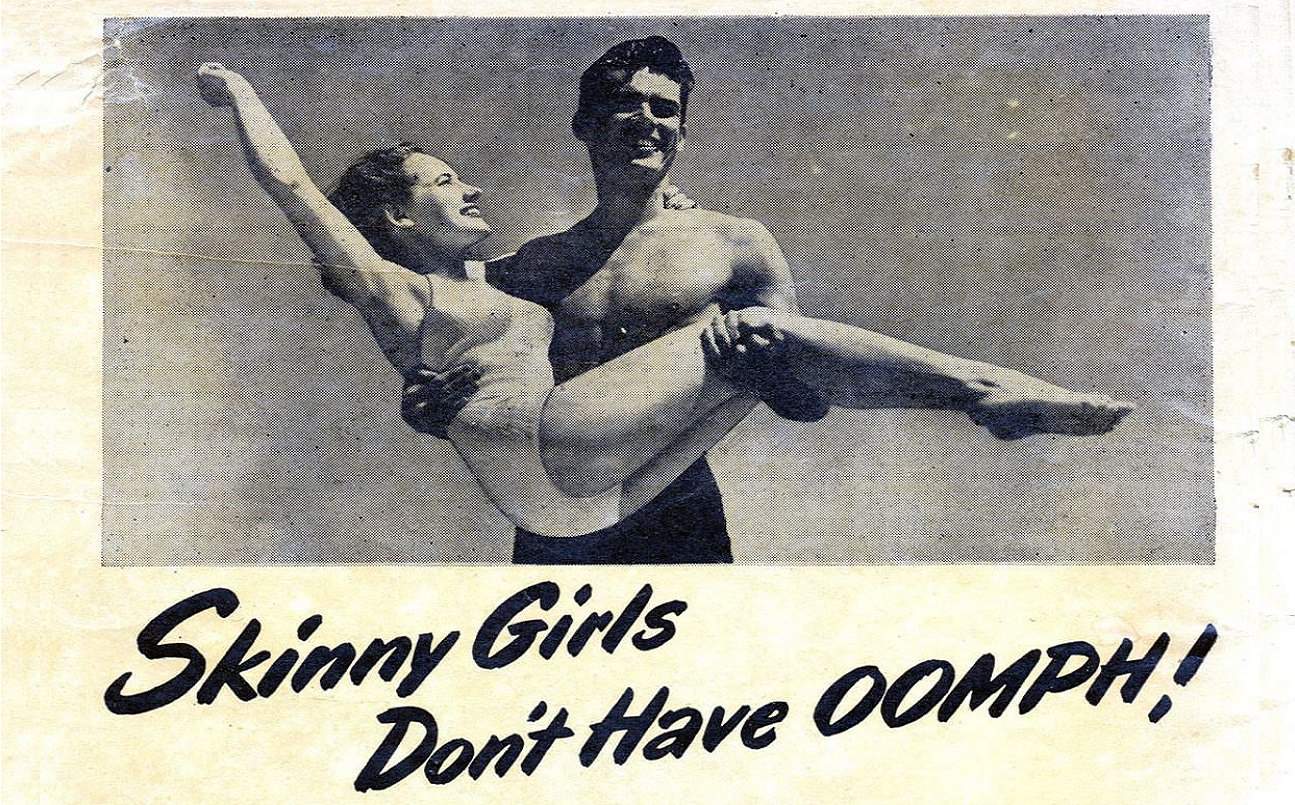
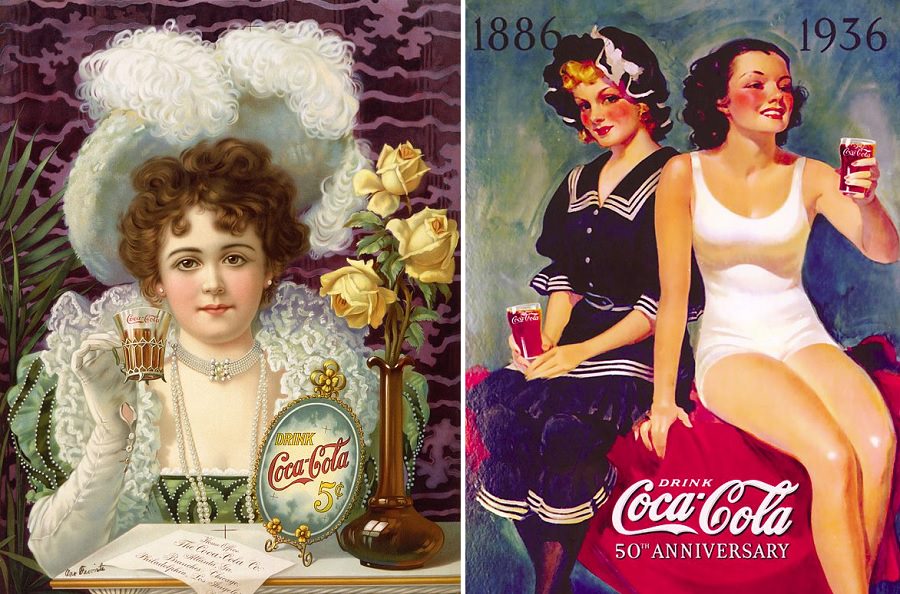
Today, the diet industry is worth billions of dollars selling people on the idea of getting smaller. But flip back to the 1930s, and you’ll find a completely different story — one where being thin was the problem, and gaining weight was the goal.
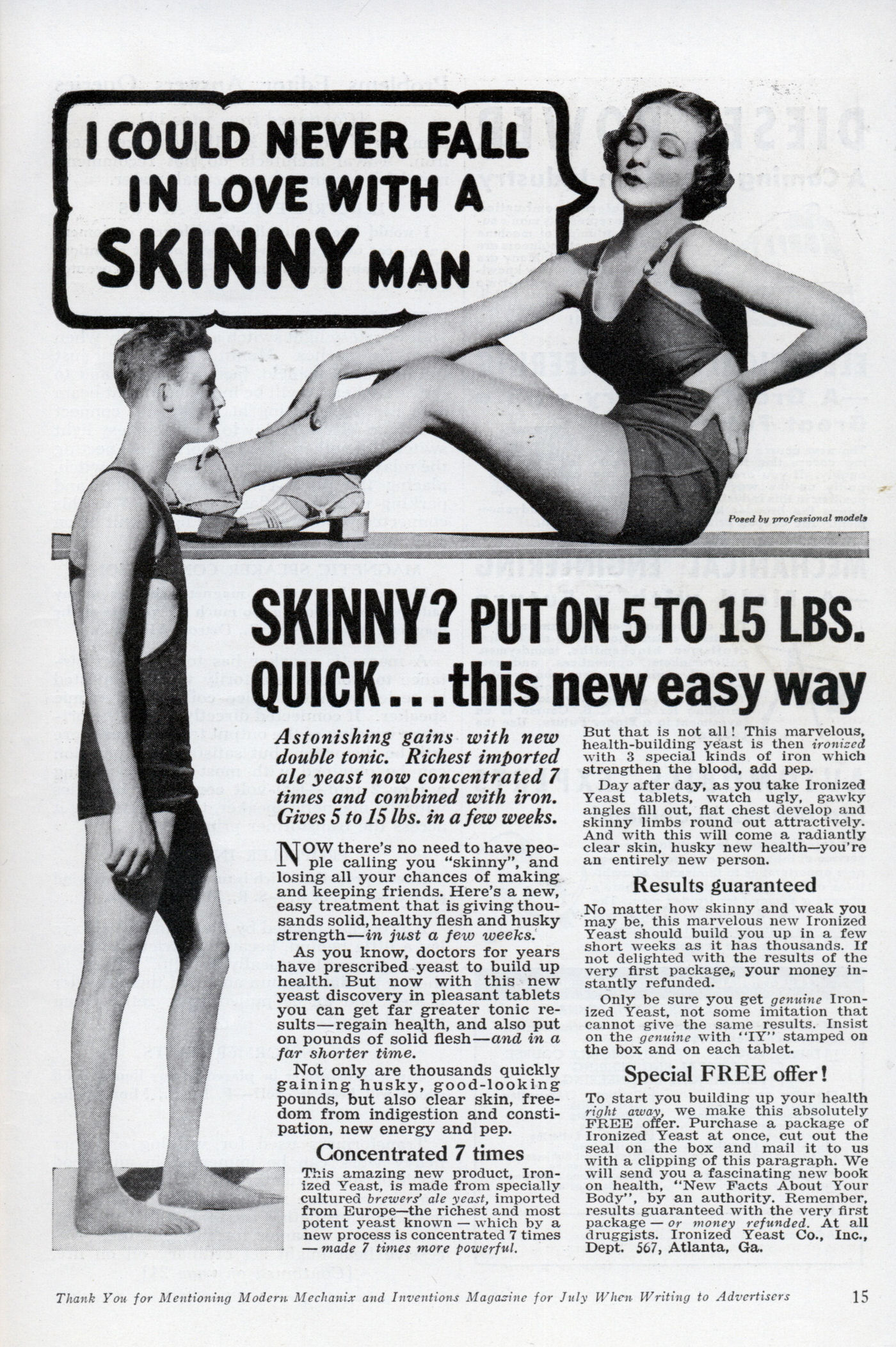
Advertisements of that era were blunt about it. Slogans declared that no skinny man had an ounce of sex appeal. Phrases like “I could never fall in love with a skinny man” ran in print alongside promises of transformation. A thin frame wasn’t seen as healthy or desirable — it was linked to low energy, poor health, and social failure. Being underweight meant being overlooked, romantically and socially.
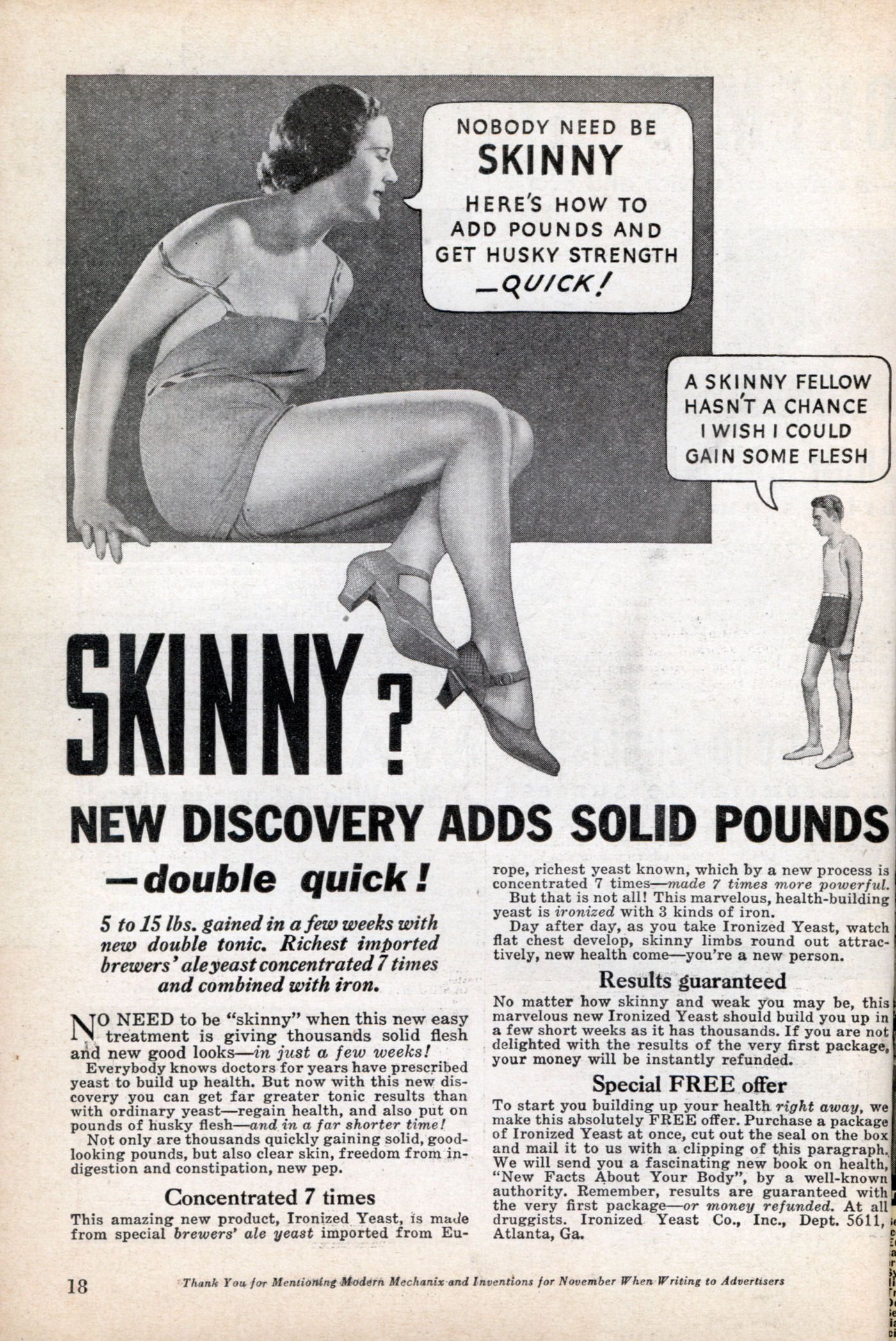
The backdrop for all of this was the tail end of the Great Depression. Many Americans had lived through years of poverty and food scarcity. A fuller, heavier body signaled that a man was well-fed, stable, and strong. Thinness, by contrast, carried the shadow of hardship. Hollywood was also rising as a cultural force, and the male stars of the era — broad-shouldered and solid — reinforced what “attractive” looked like.
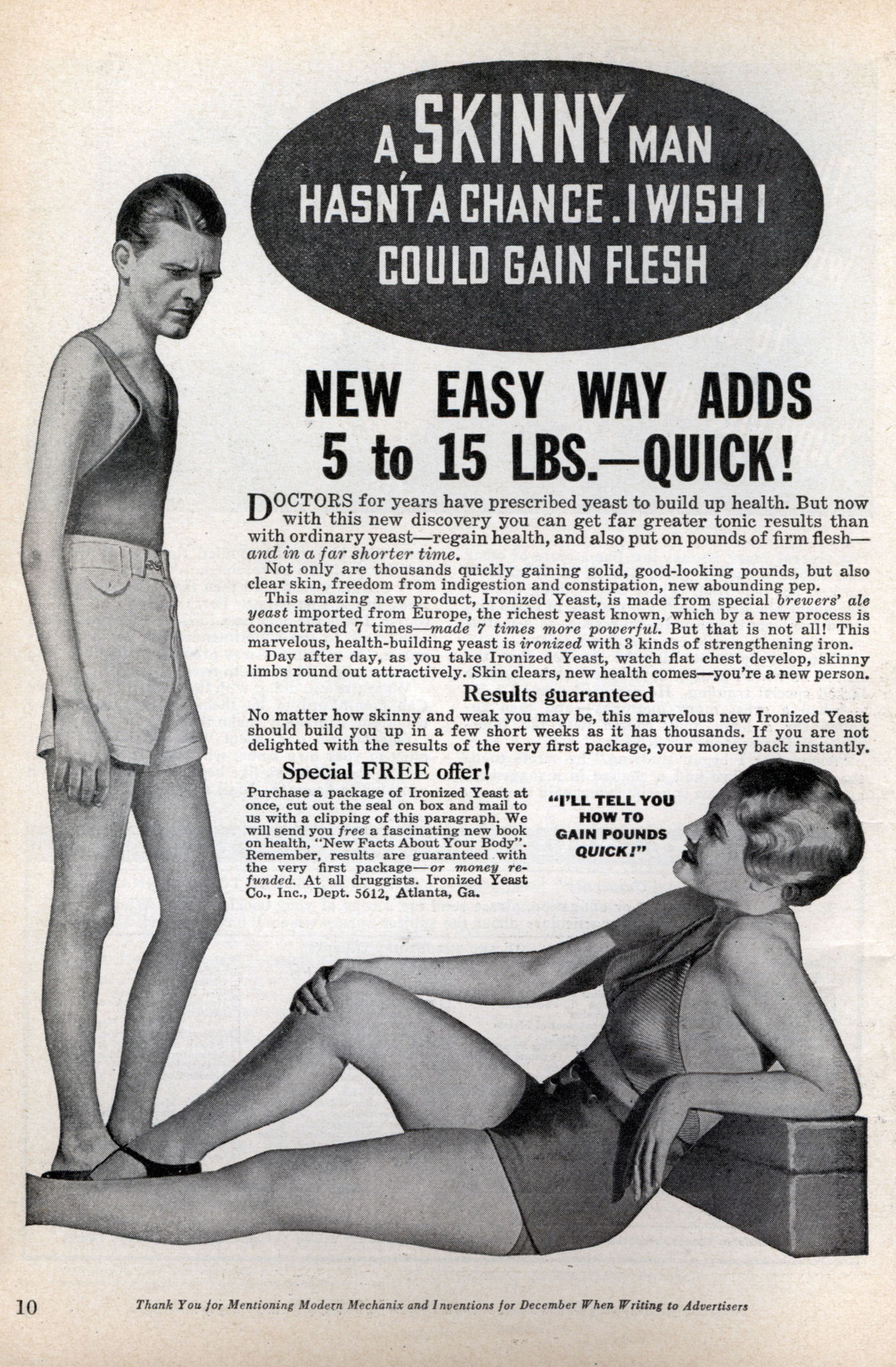
Advertisers had a solution ready: yeast tablets. These were marketed as a near-miraculous product that could help thin men pack on pounds in just a few weeks. The ads didn’t stop at weight gain, either. They promised clearer skin, more energy, and relief from digestive problems like indigestion and constipation. One product could supposedly fix a man’s body from the inside out.
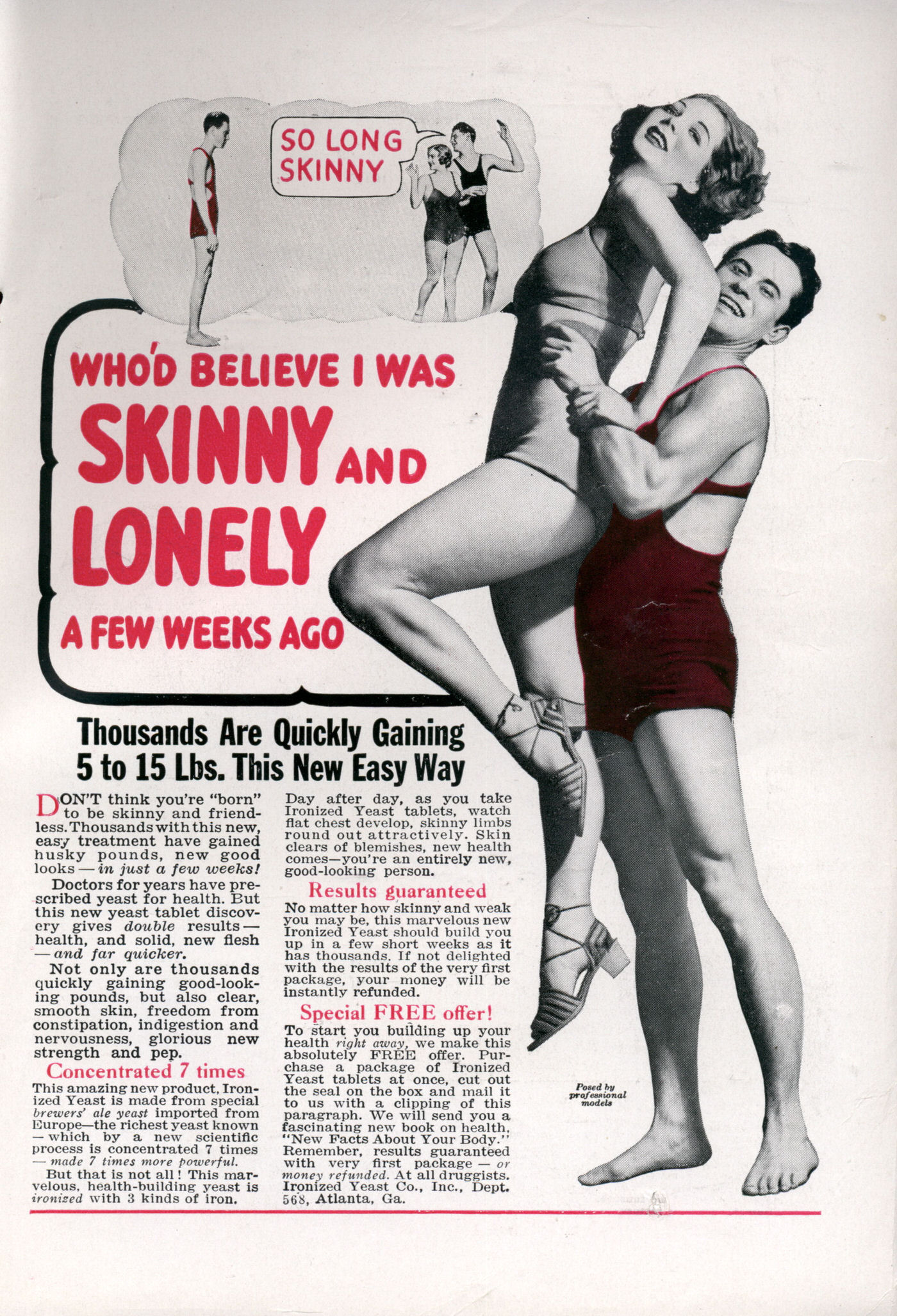
The messaging was direct and sometimes harsh. Ads warned that skinny men were friendless, unattractive, and destined to go unnoticed. Copy like “Don’t be skinny! Gain new good looks!” played directly on male insecurity, framing a heavier body as the ticket to popularity and romance. These weren’t subtle suggestions — they were loud, pressuring, and designed to make thin men feel that their bodies were a social liability that needed fixing.