In 1948, MGM released ‘A Date with Judy,’ a Technicolor musical comedy that brought together a remarkable cast — and gave 16-year-old Elizabeth Taylor one of her most charming early screen roles. The film starred Wallace Beery, Jane Powell, and Taylor herself, and it arrived at a time when Taylor was already proving she was far more than a child actress. That same year, she also appeared in ‘Julia Misbehaves,’ making 1948 one of her busiest years yet.
The story centers on two teenage friends, Judy and Carol, whose social lives collide at a school party. Judy, played by Jane Powell, plans to perform an original song she has written. Carol, played by Taylor, is a wealthy, spoiled girl who envies Judy’s talent and warmth. The rivalry between them gives the film its comic tension, but Taylor plays Carol with enough self-awareness to keep the character likable.
A love triangle adds another layer to the plot. Carol’s brother leads the school band and is deeply in love with Judy. At the same time, a young man named Stephen arrives in town for the summer, and both Judy and Carol immediately set their sights on him. The result is a fast-moving, witty story full of teenage rivalries and romantic mix-ups.
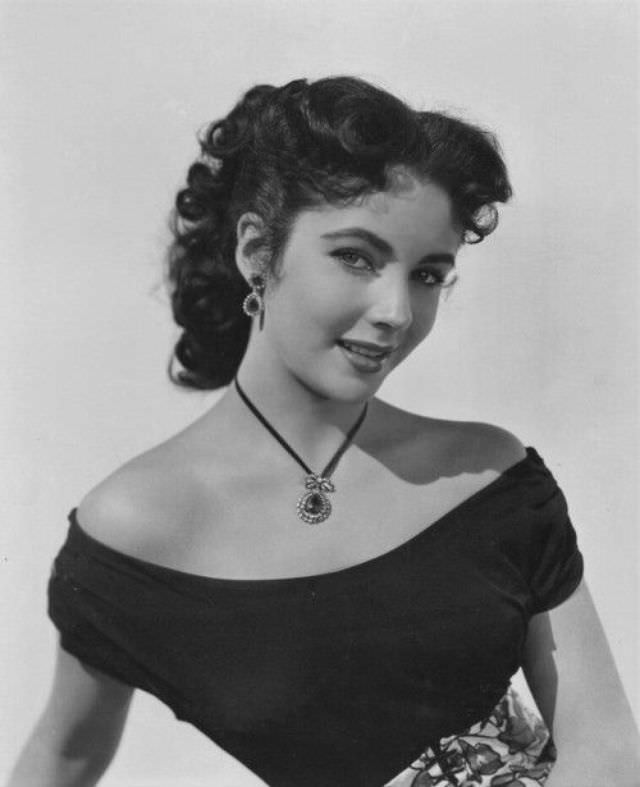
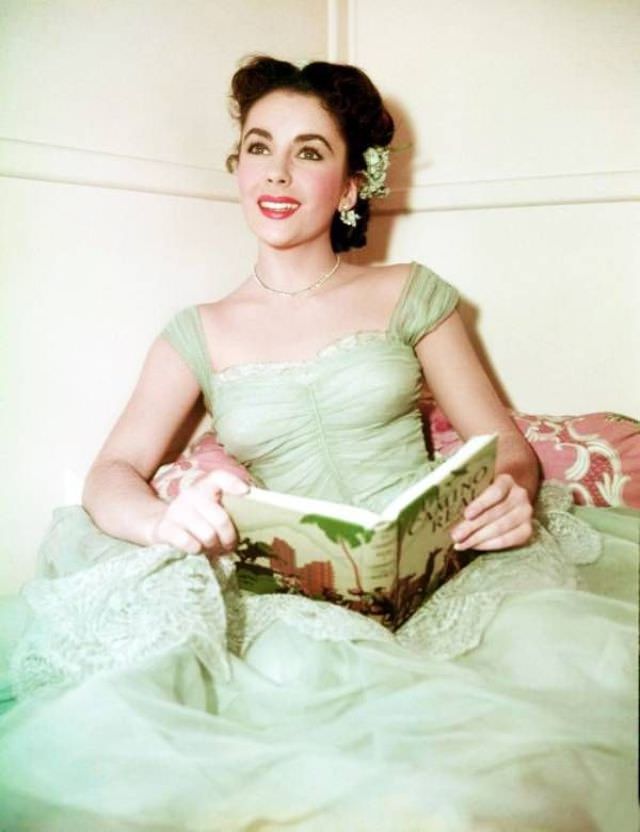
The musical performances in the film are a major draw. Jane Powell delivers several numbers using her trained soprano voice, which MGM had been showcasing since her debut. The film also features Carmen Miranda, the Brazilian-born singer and actress known for her elaborate costumes and Latin rhythms, alongside Xavier Cugat, the Spanish-born bandleader who popularized Latin dance music in the United States.
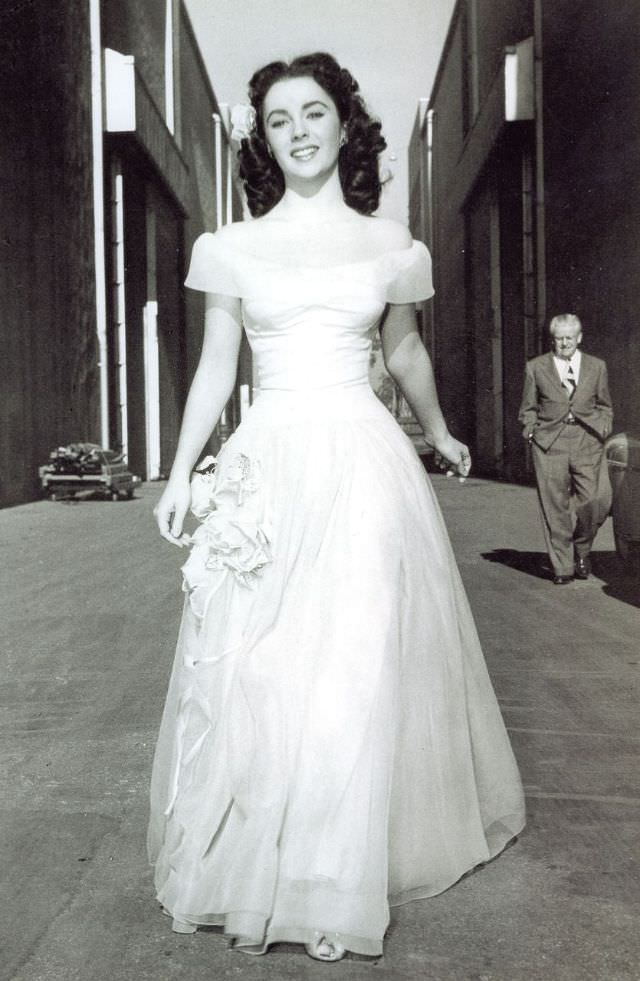
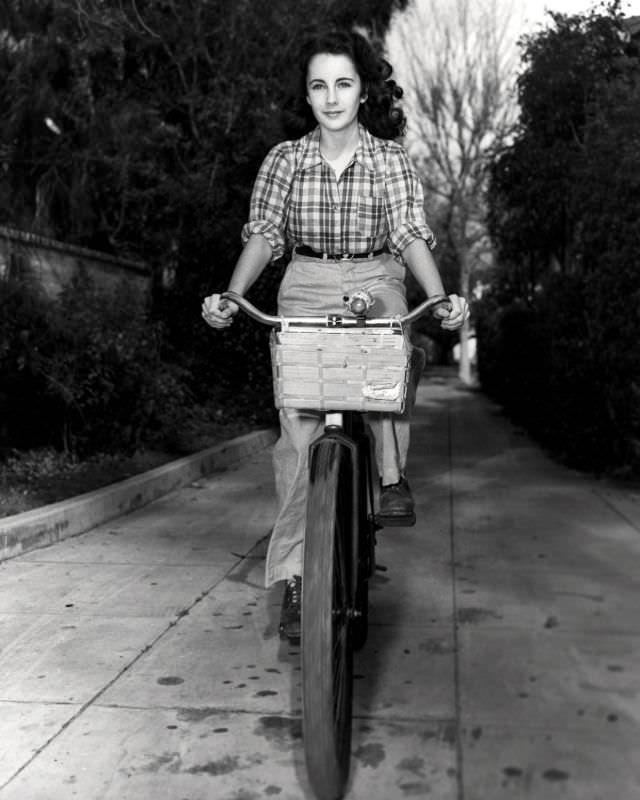
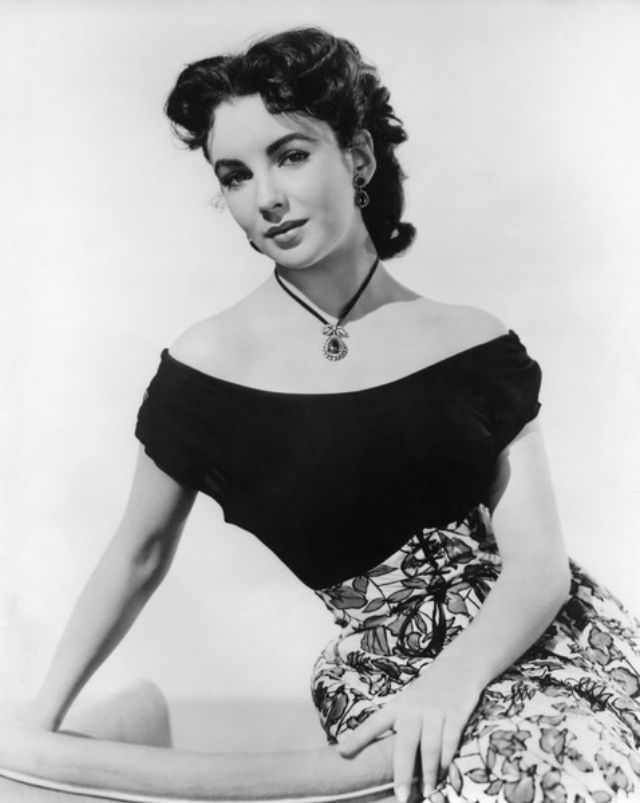
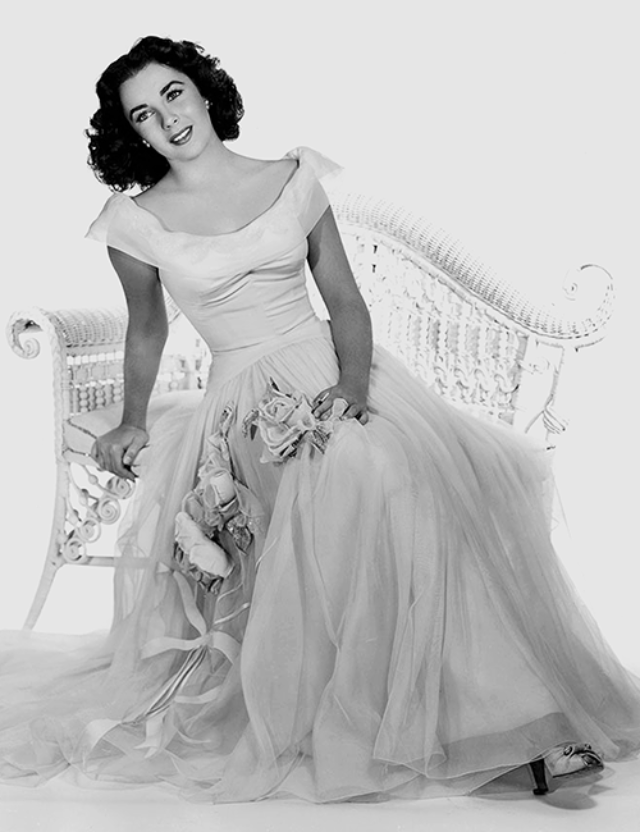
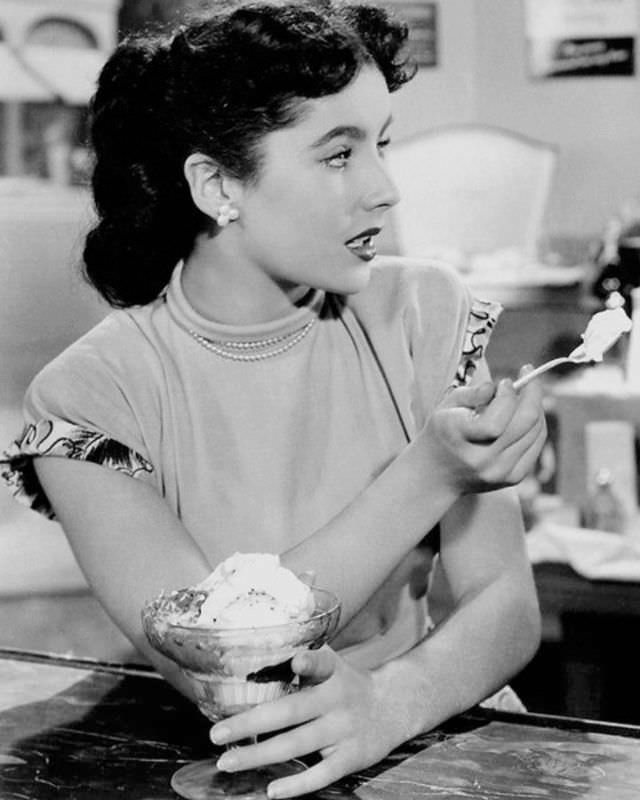
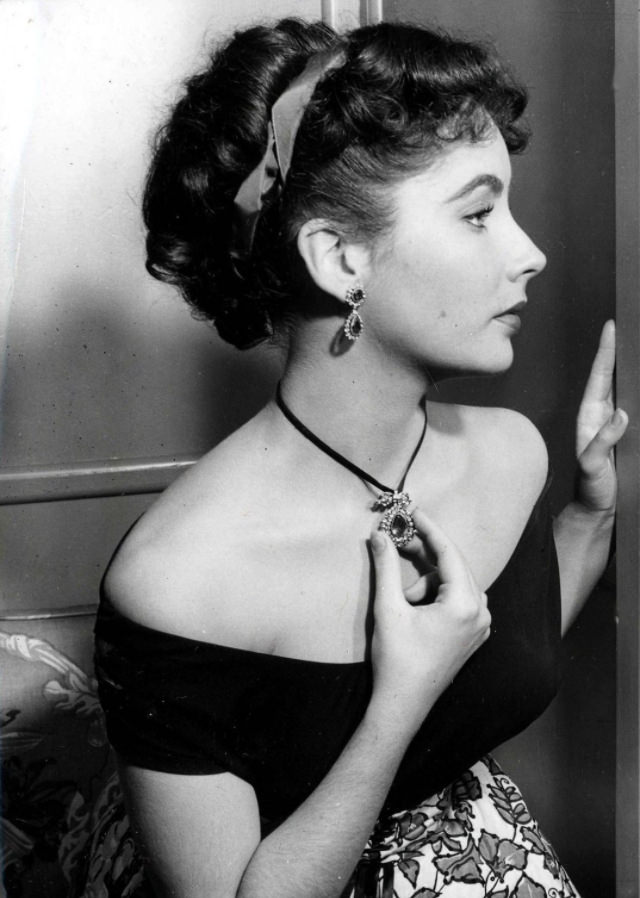
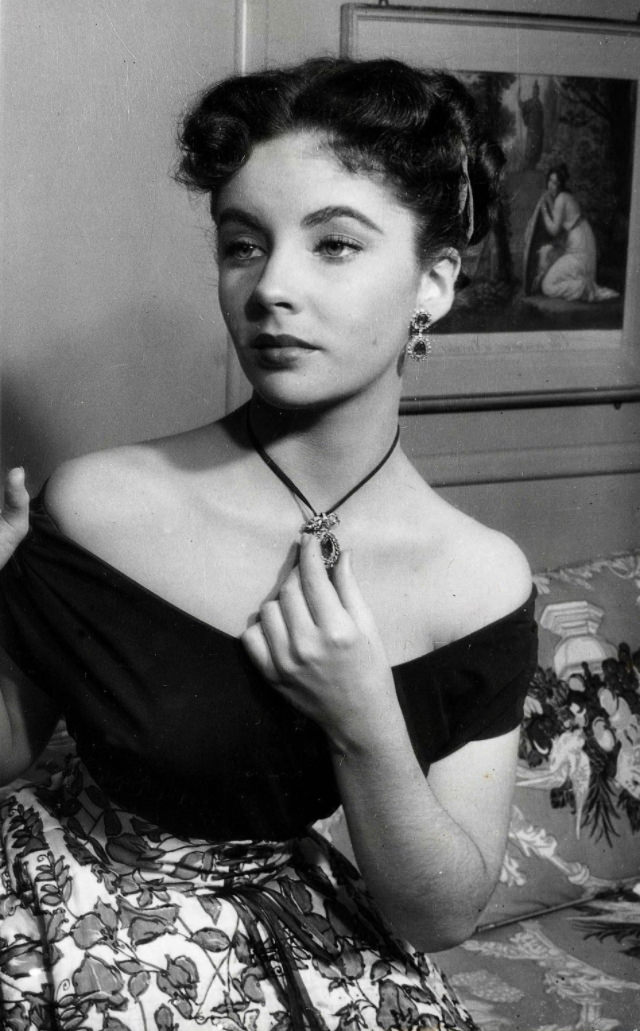
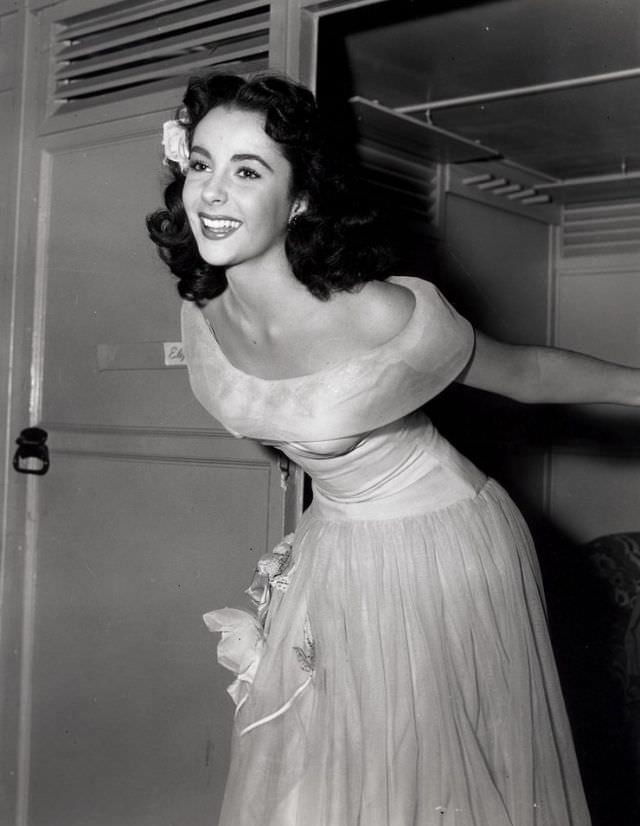
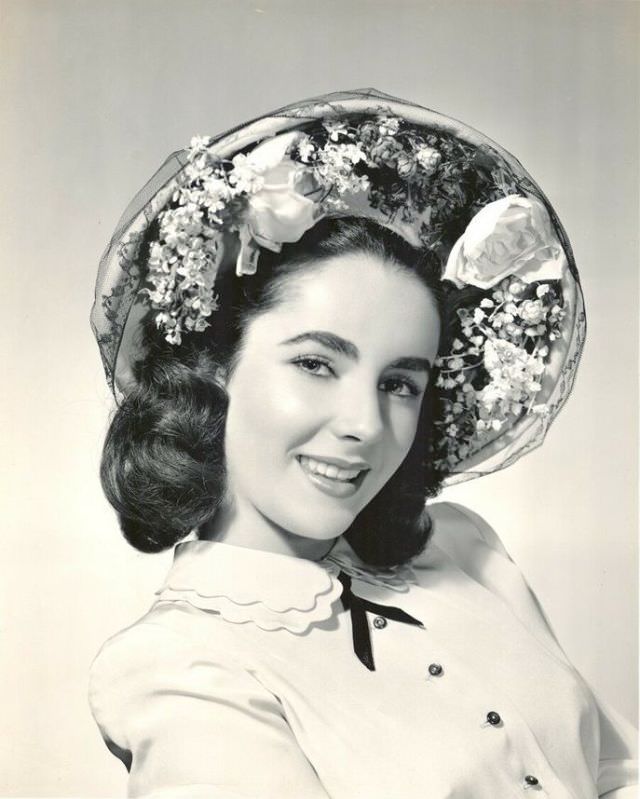
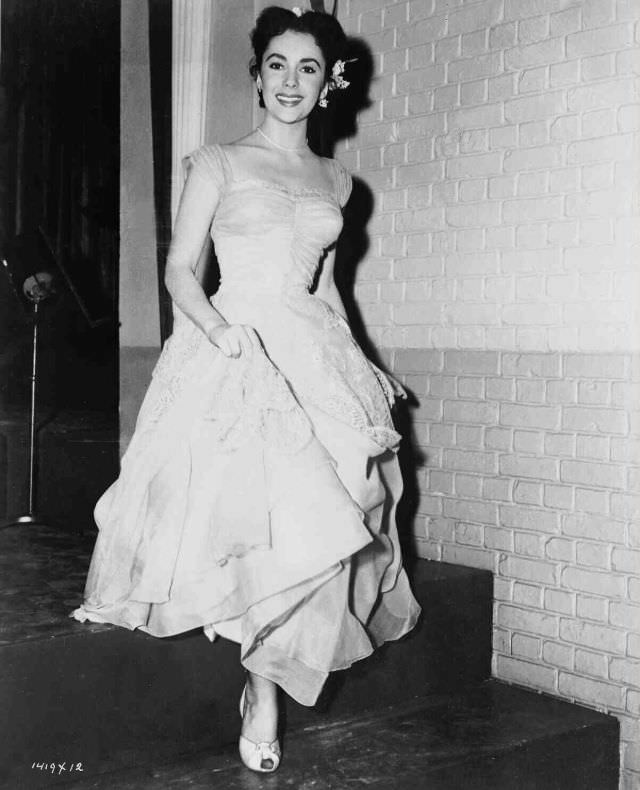
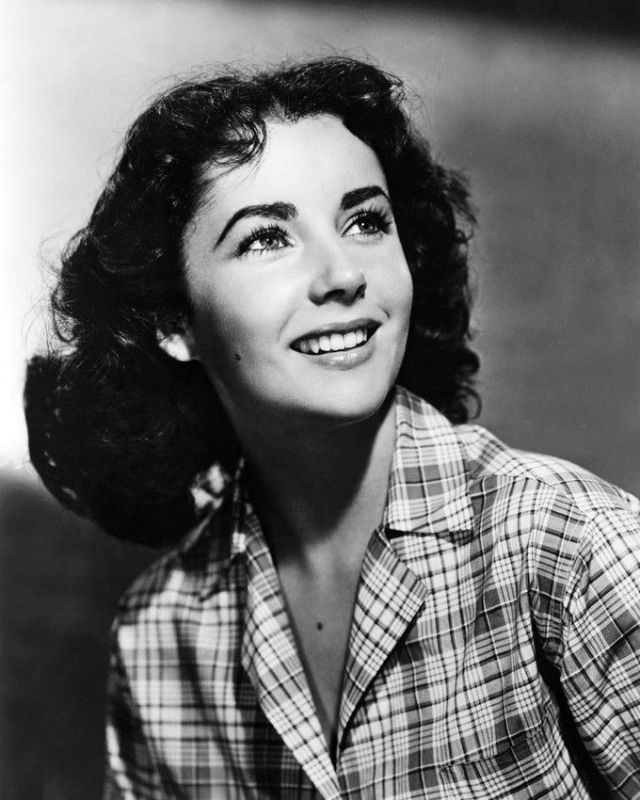
Taylor was 16 during filming — an age at which most teenagers are still in high school. Yet on screen, she carried herself with a poise and beauty that made her seem older. Her violet eyes and dark hair photographed strikingly in Technicolor, and MGM knew exactly how to light her. These on-set photos from the production capture that quality directly.
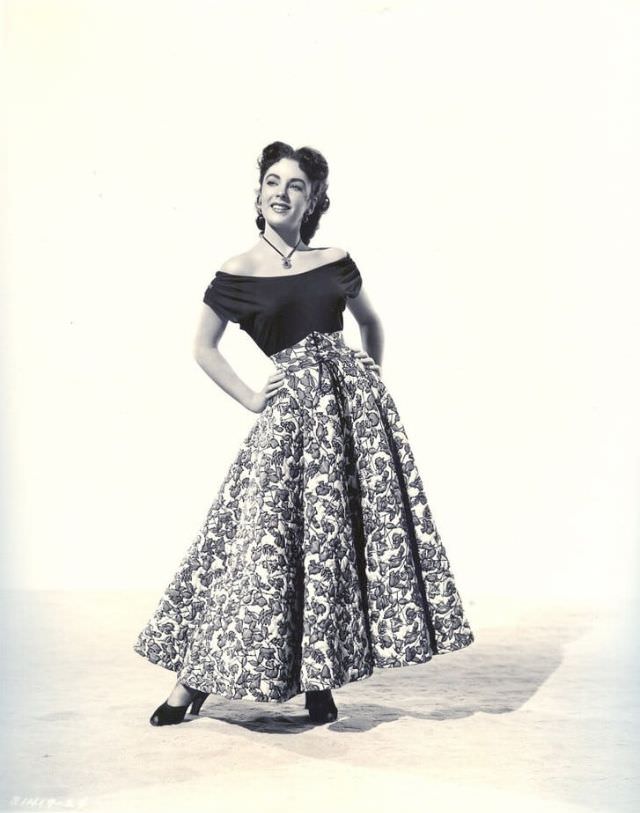
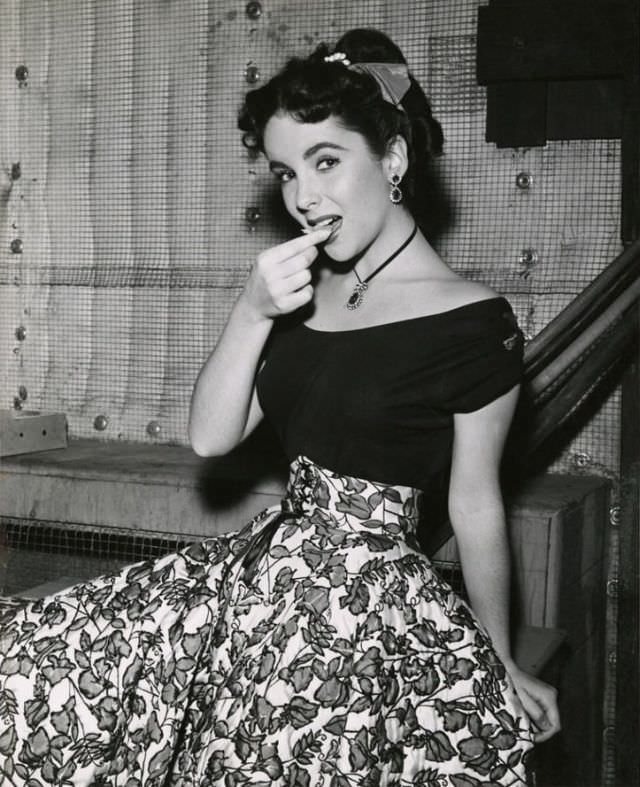
Taylor had already built a solid filmography by the time she stepped onto the ‘A Date with Judy’ set. She was just 12 when she starred in ‘National Velvet’ in 1944, a film that made her a household name. By 1948, she was navigating the transition from child star to young adult actress — and doing so with ease.

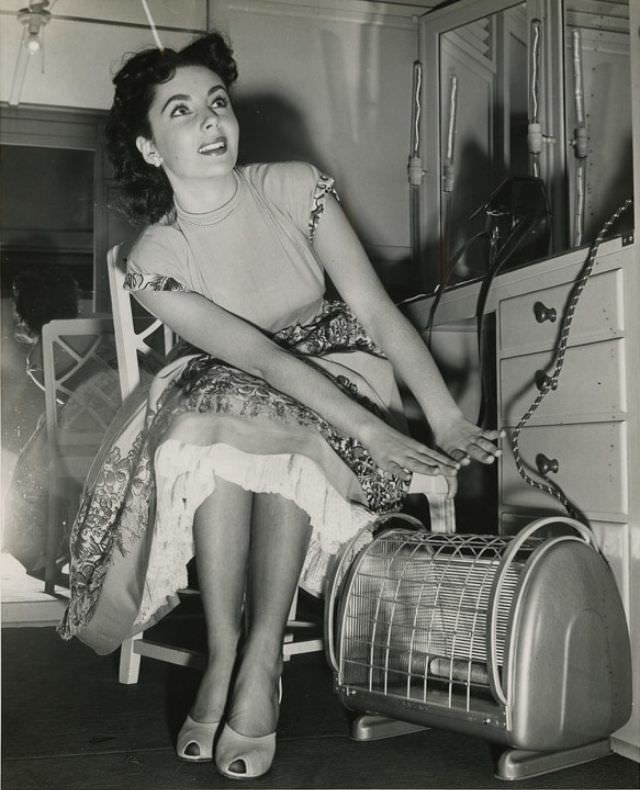
Wallace Beery, one of Hollywood’s most decorated actors of the 1930s and 1940s, also appears in the film. His presence alongside a teenage Taylor and Powell reflects how MGM mixed generations of talent in its productions. Beery had won the Academy Award for Best Actor in 1932 for ‘The Champ’ and was still a recognizable name in the late 1940s.
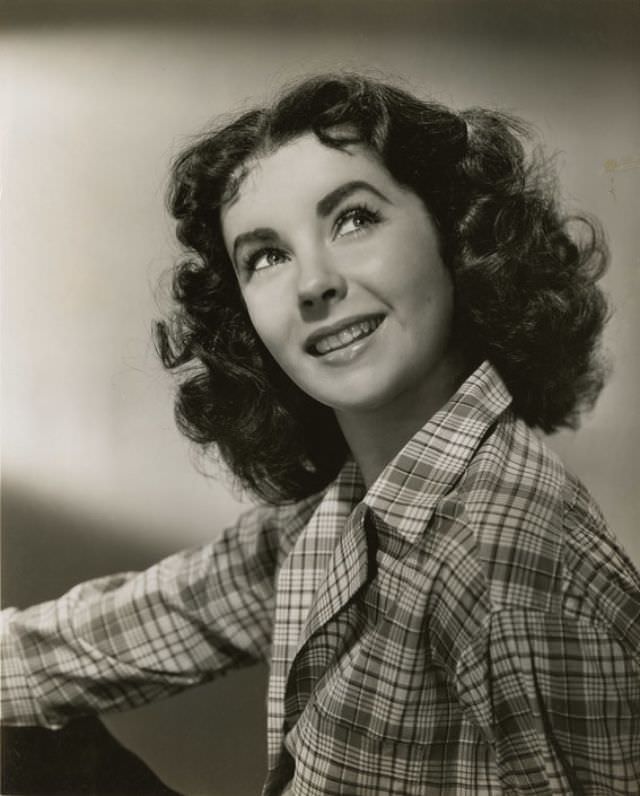
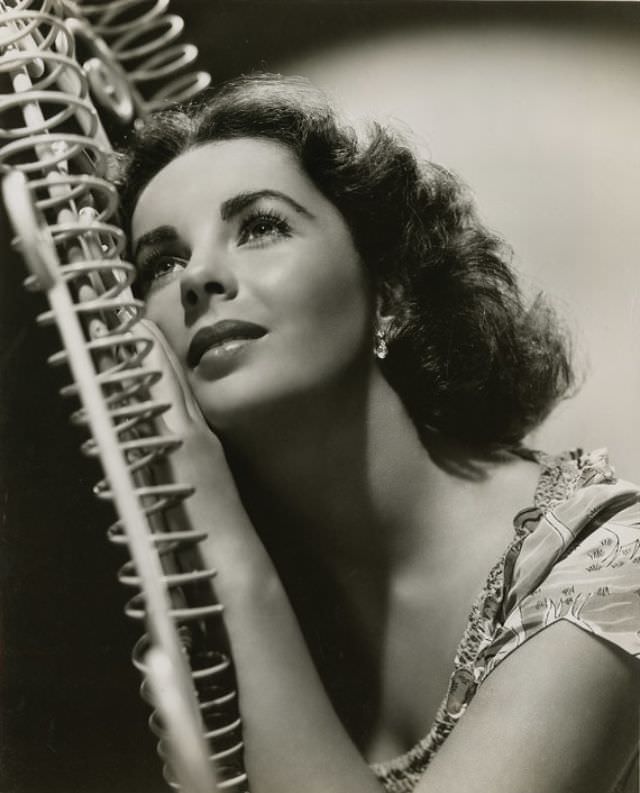
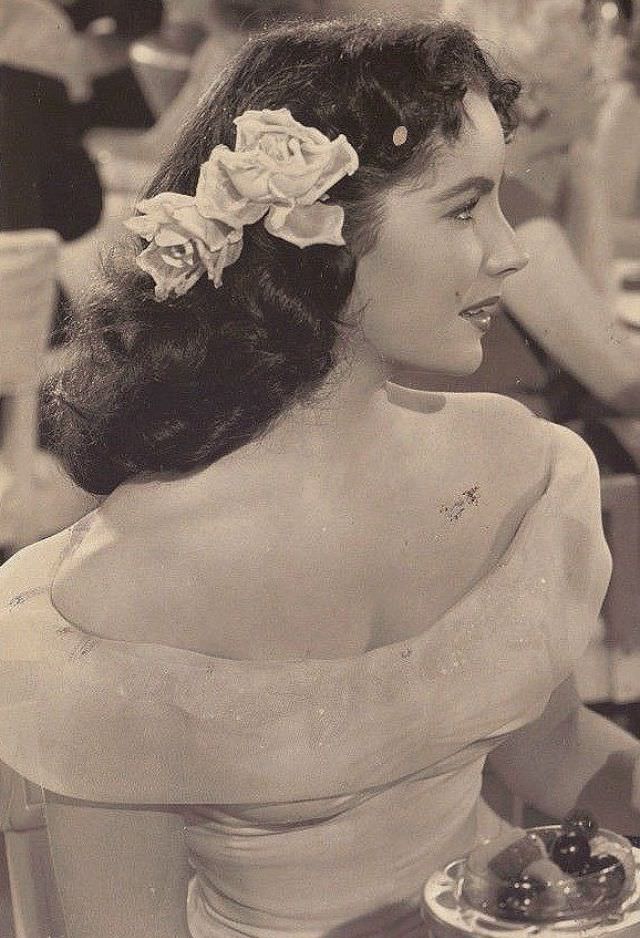
The Technicolor production design gave the film a bright, glossy look that suited its lighthearted tone. Musical comedies of this era relied heavily on vibrant color and lively set pieces, and ‘A Date with Judy’ delivered both. Taylor’s wardrobe in particular photographed beautifully, adding to the overall visual appeal of the production.
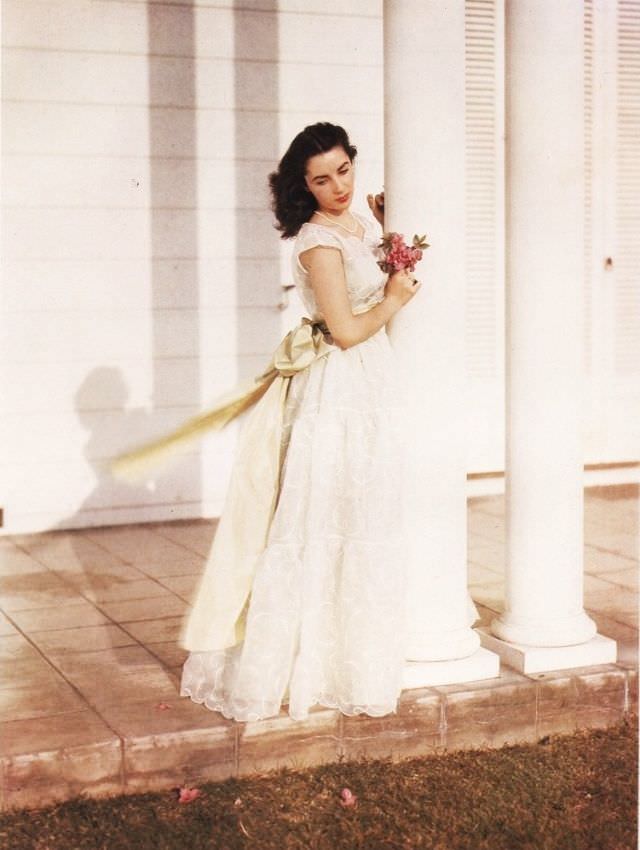
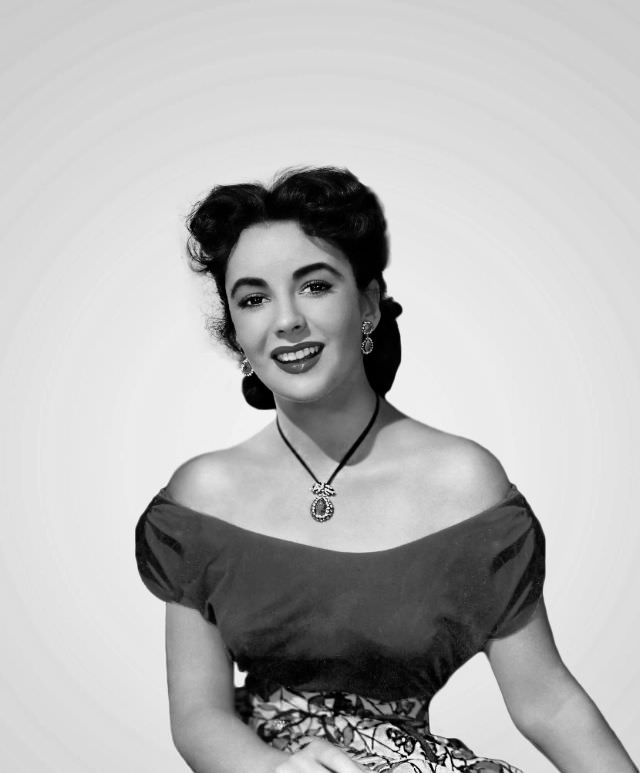
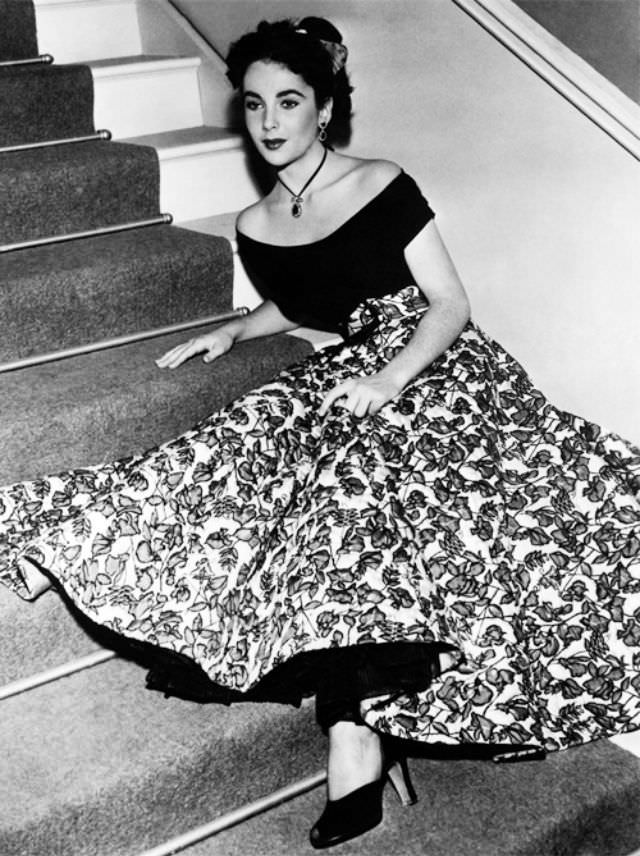
Behind the scenes, these photos offer a rare look at Taylor in a relaxed, working environment. She wasn’t yet the global superstar she would become in the 1950s and 1960s. In 1948, she was a studio contract player doing her job — showing up on set, hitting her marks, and delivering solid performances in back-to-back productions.
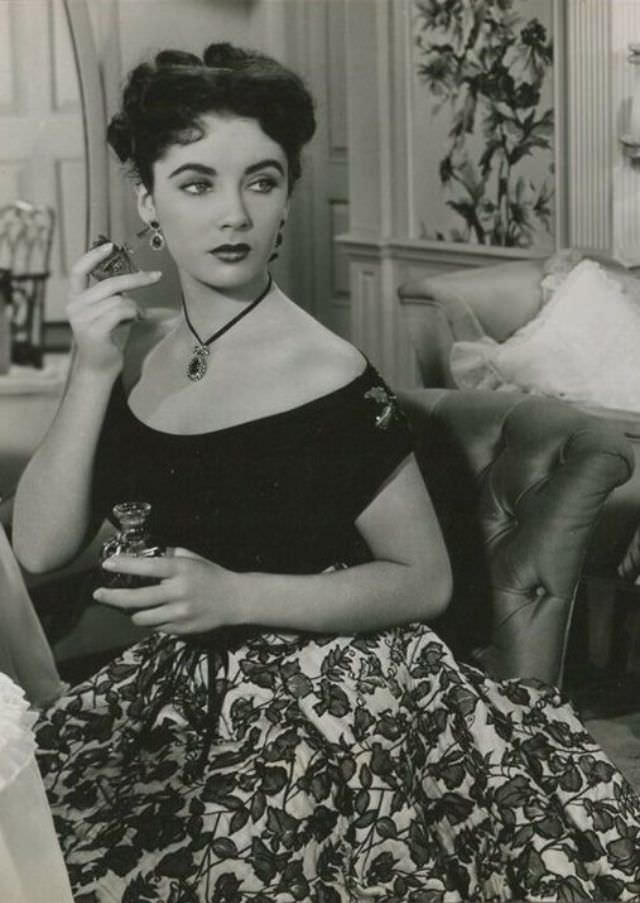
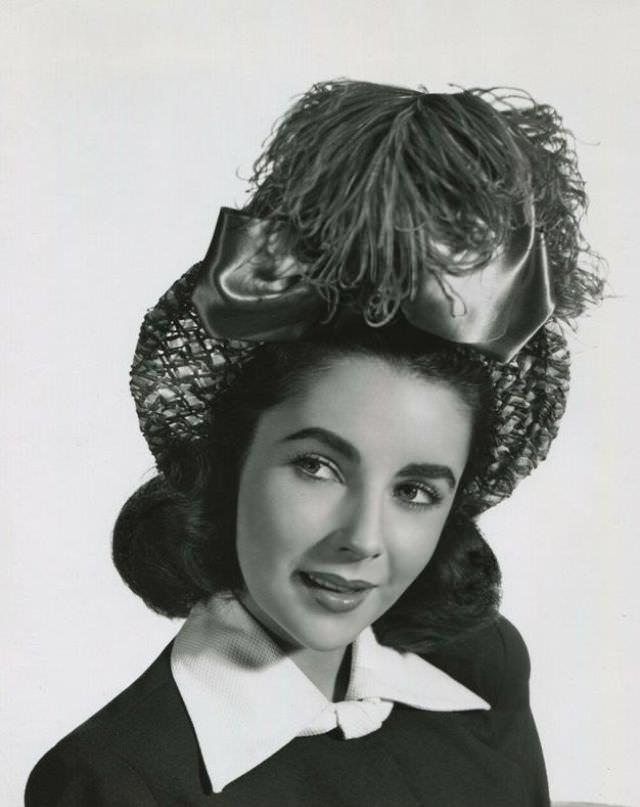
Jane Powell, Taylor’s co-star and on-screen rival in the film, was also 16 at the time. The two young actresses were peers in age and in studio rank, both under long-term contracts with MGM. Their characters’ rivalry on screen reflected the natural competitive energy that existed between up-and-coming stars at the studio.
Carmen Miranda’s appearance in the film was part of a broader Hollywood trend in the 1940s of incorporating Latin American performers and music into mainstream productions. The U.S. government’s Good Neighbor Policy encouraged cultural exchange with Latin America during and after World War II, and Hollywood studios responded by featuring performers like Miranda and Cugat prominently in their films.
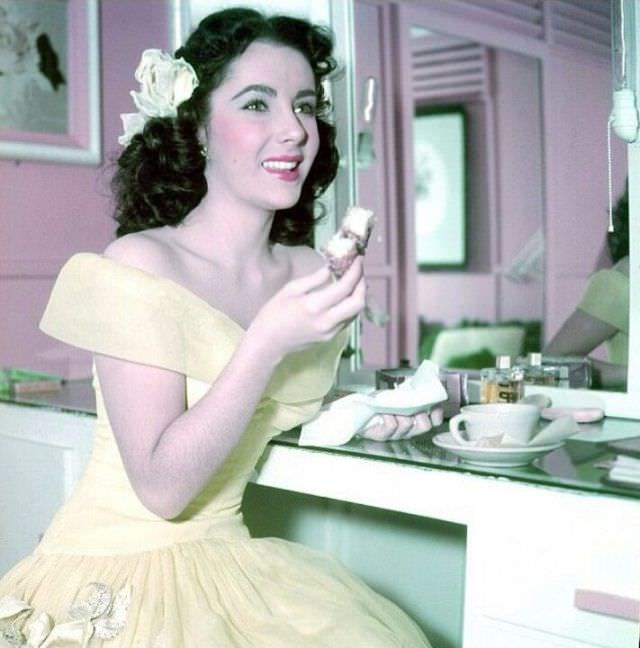
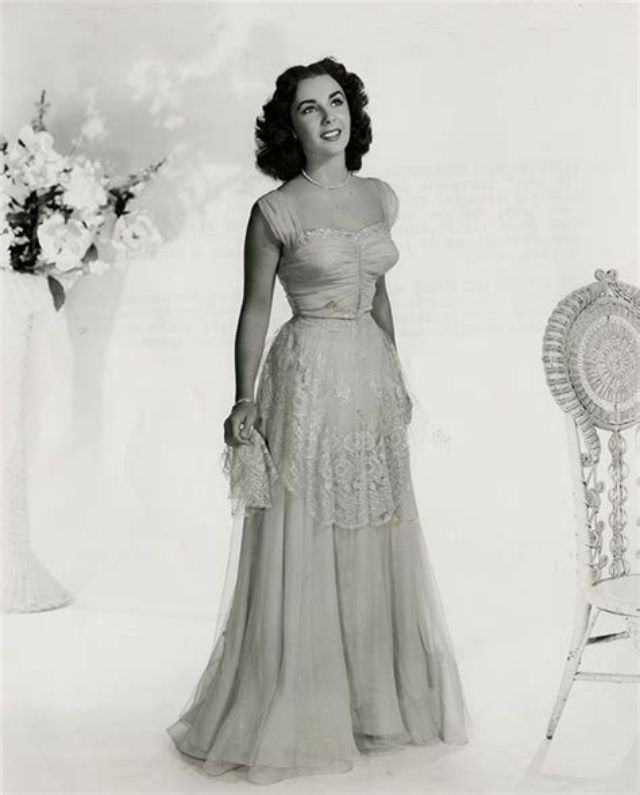
The photos collected here were taken during production in 1948 and show Taylor at various moments on and around the set. Whether posed for publicity or caught between takes, they document a specific and brief window in her career — before ‘Father of the Bride,’ before ‘A Place in the Sun,’ and long before ‘Cleopatra.’ This is Elizabeth Taylor at the very beginning of what would become one of Hollywood’s most storied careers.