Sally Field became one of Hollywood’s most decorated actresses through sheer determination and undeniable talent. Born on November 6, 1946, in Pasadena, California, she grew up in a show-business family — her mother, Margaret Field, was an actress, and her stepfather, Jock Mahoney, was a stuntman and actor. That environment put Sally close to the entertainment world from a very young age.
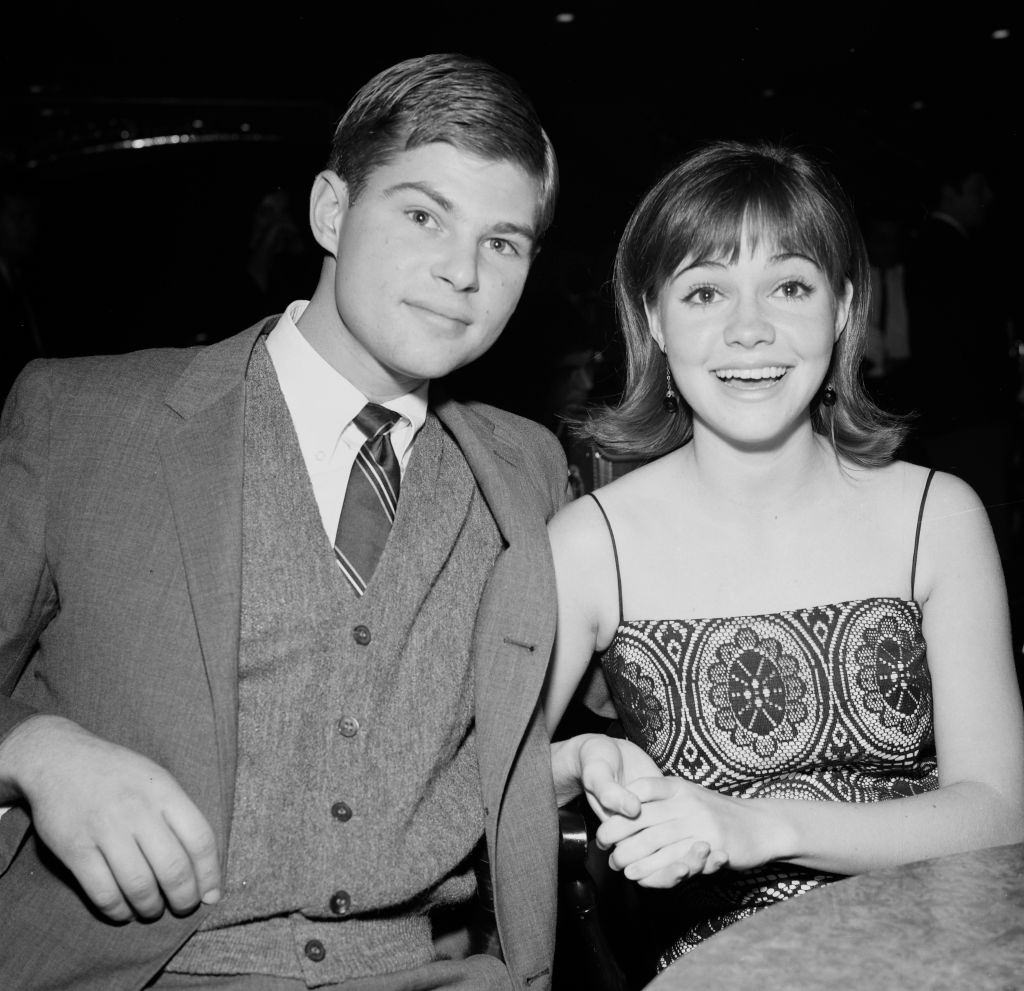
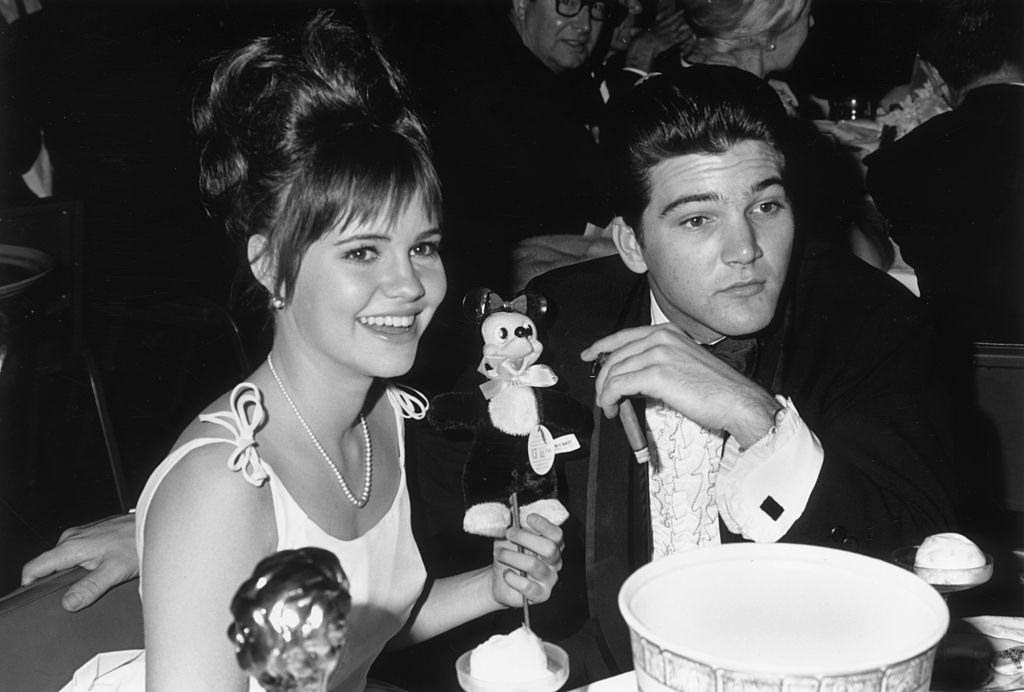
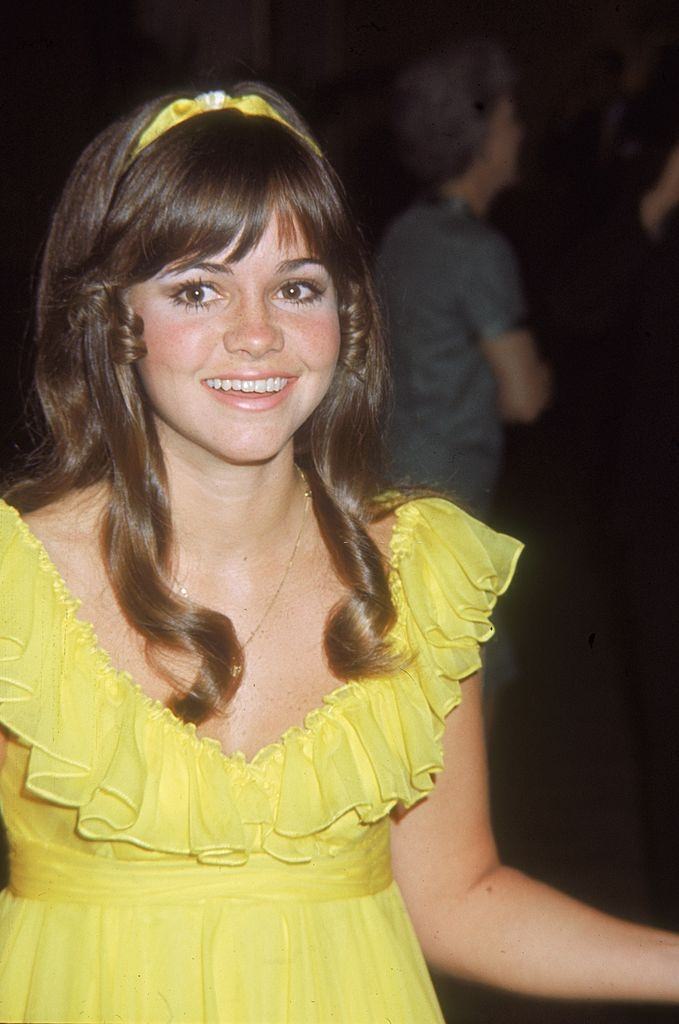
By her mid-teens, Sally was already making appearances at Hollywood social events, putting herself squarely in the orbit of industry insiders. These early years gave her the exposure and confidence she would need when real opportunities came knocking.
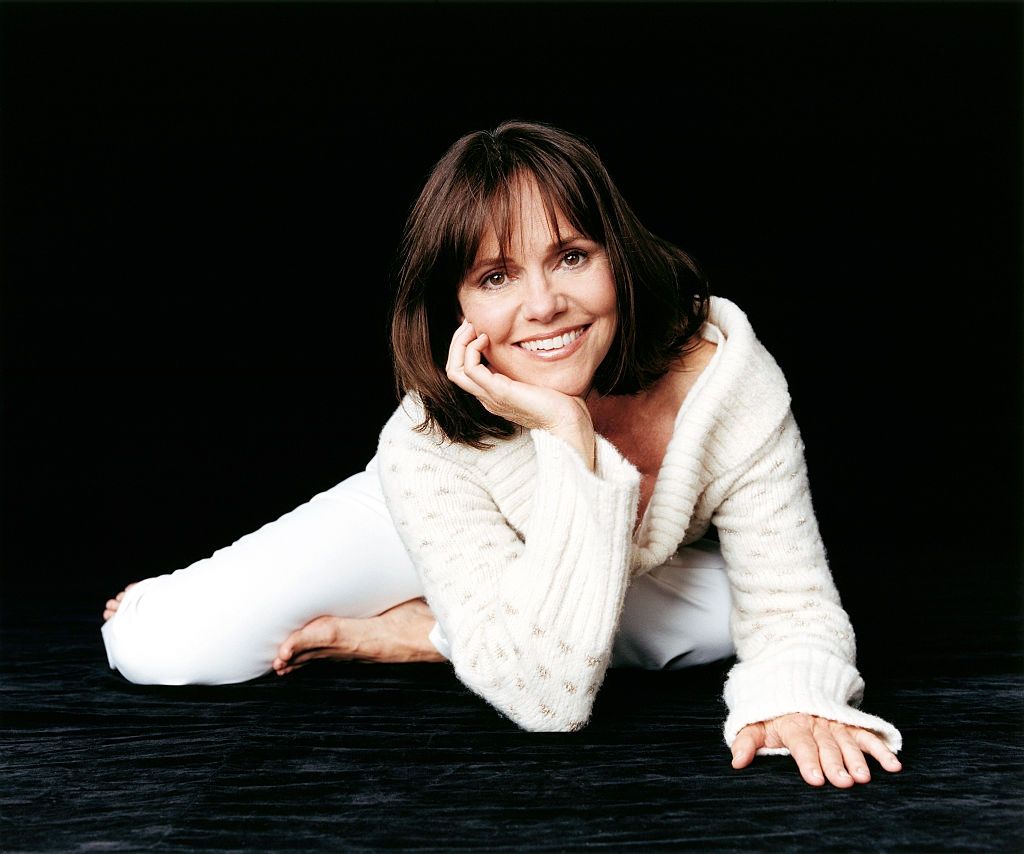
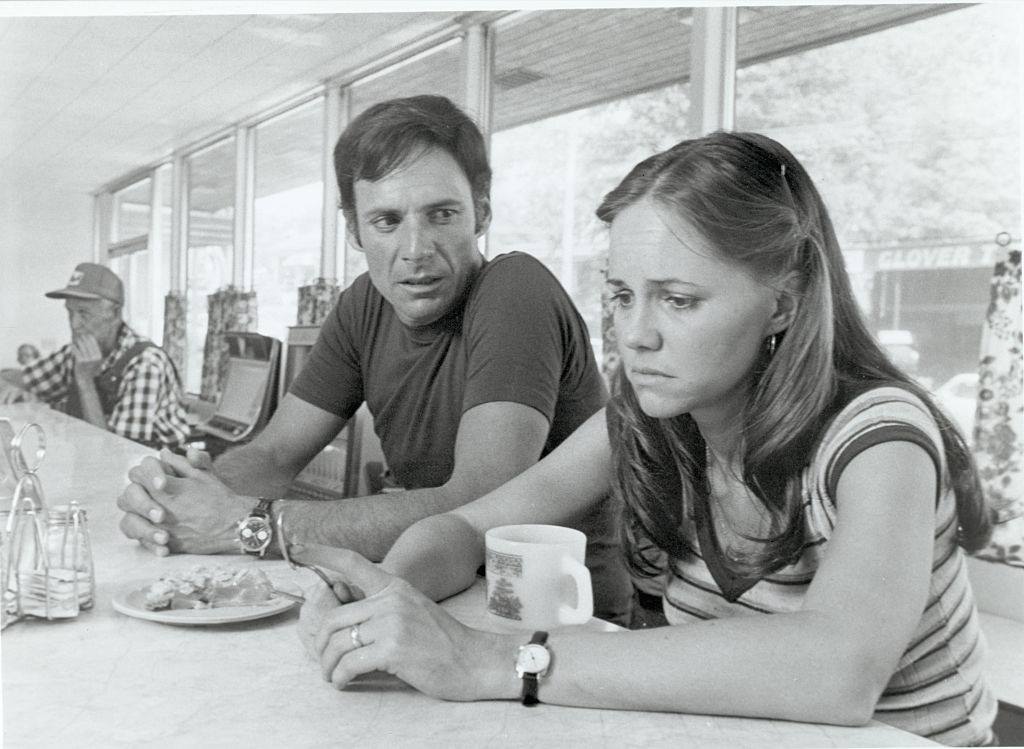
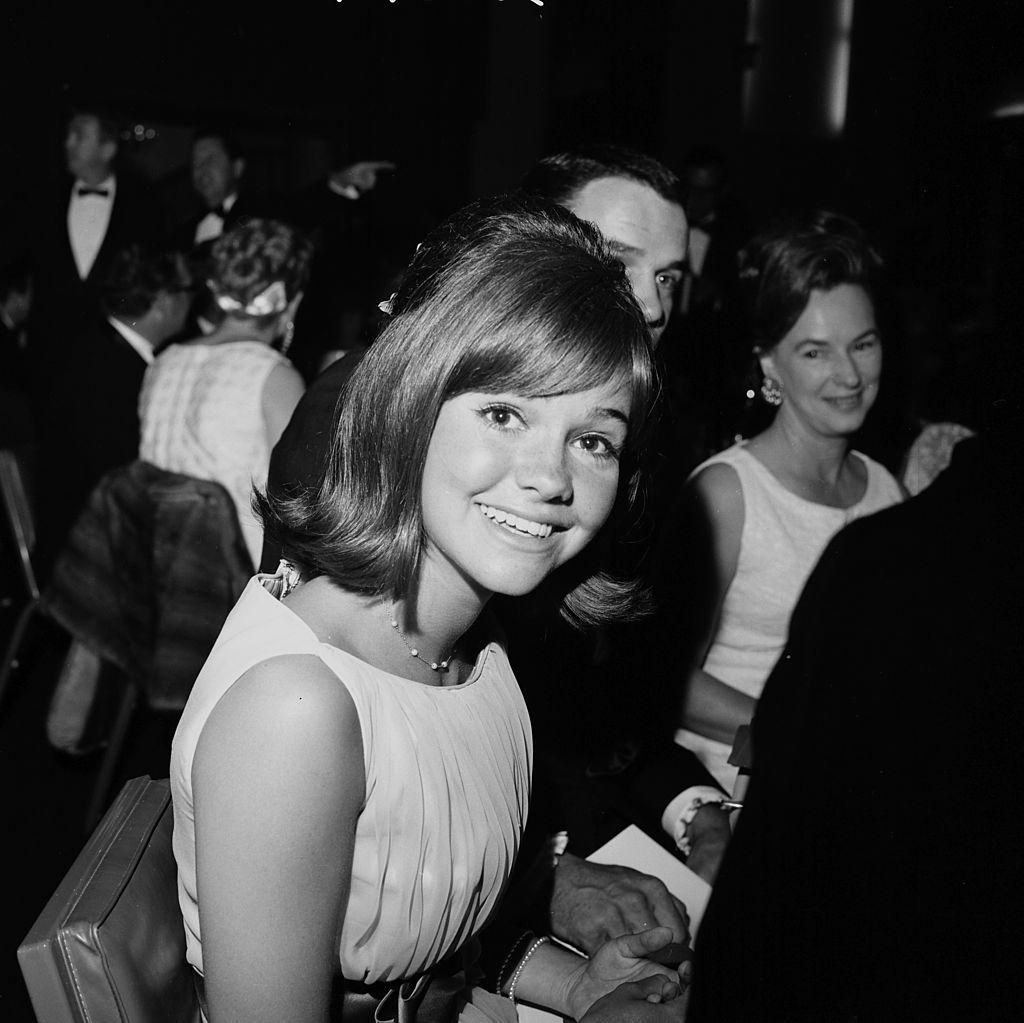
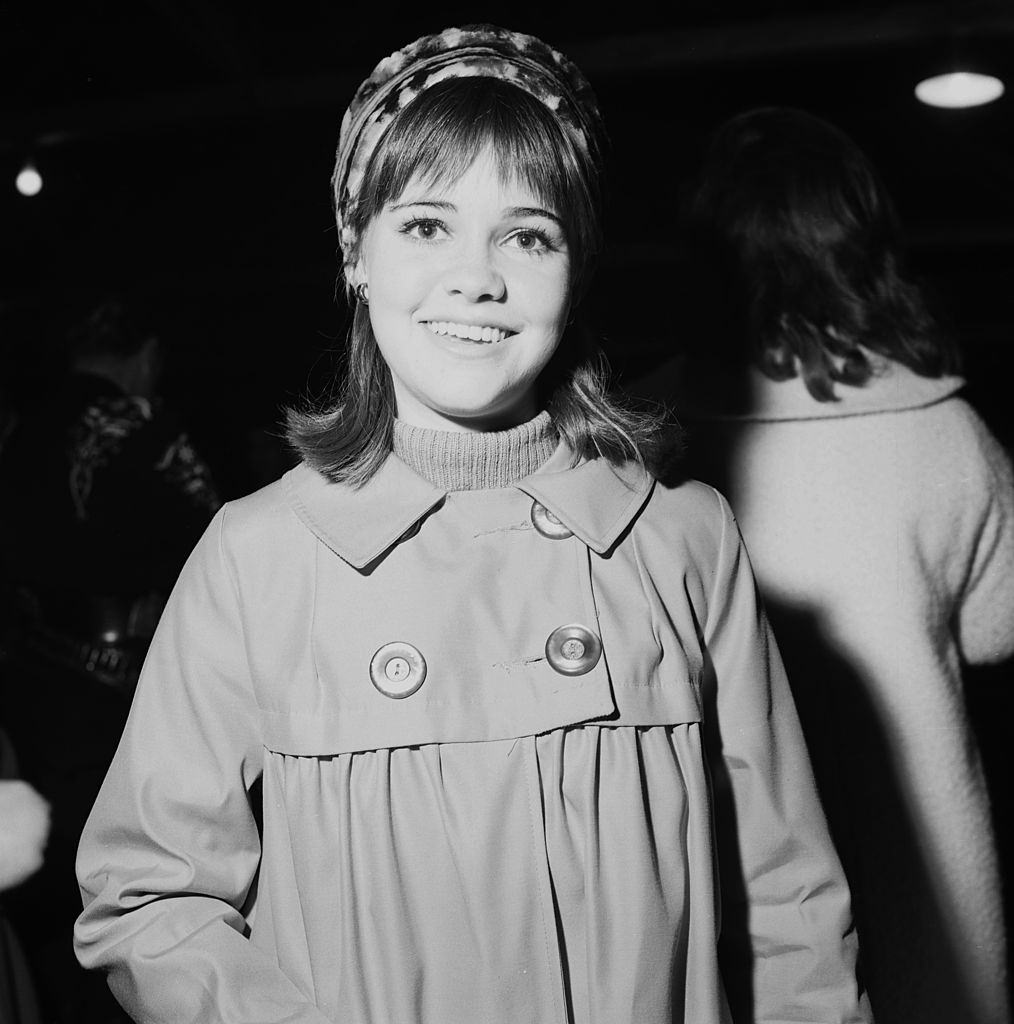
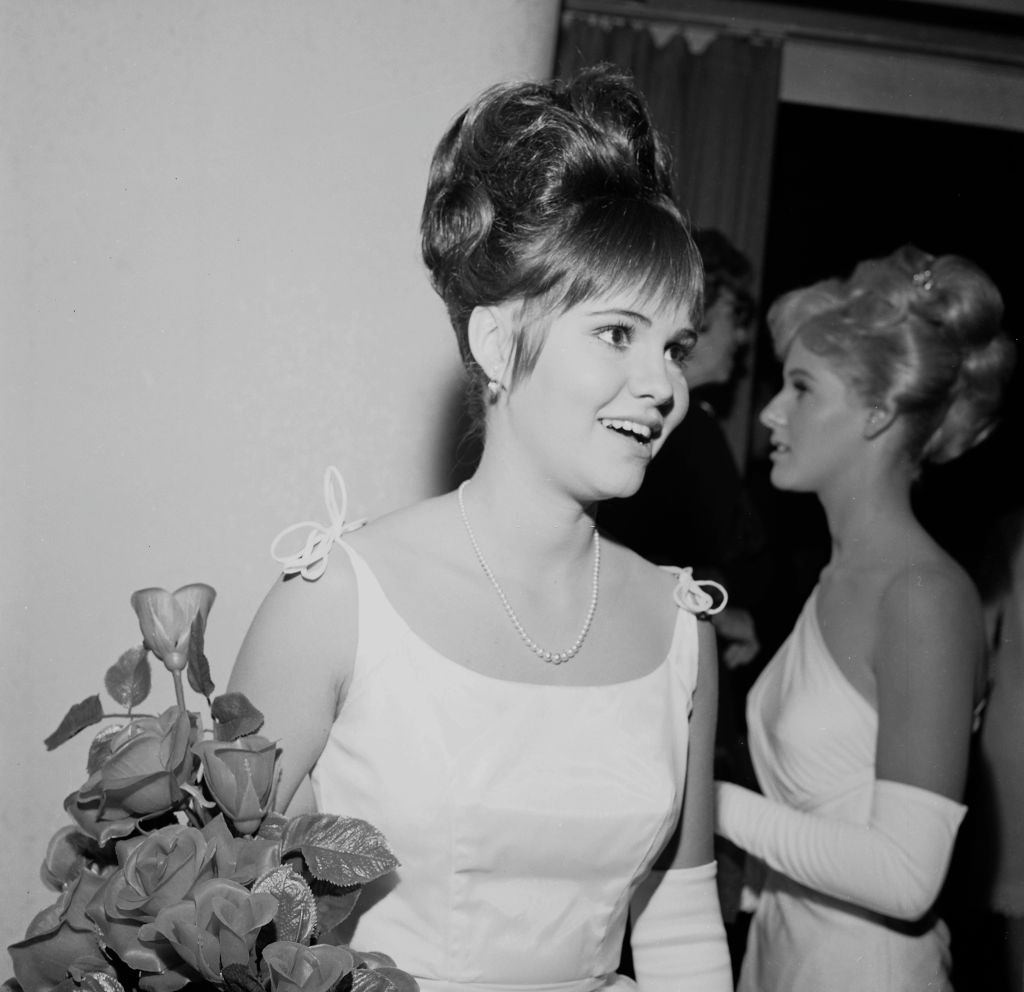
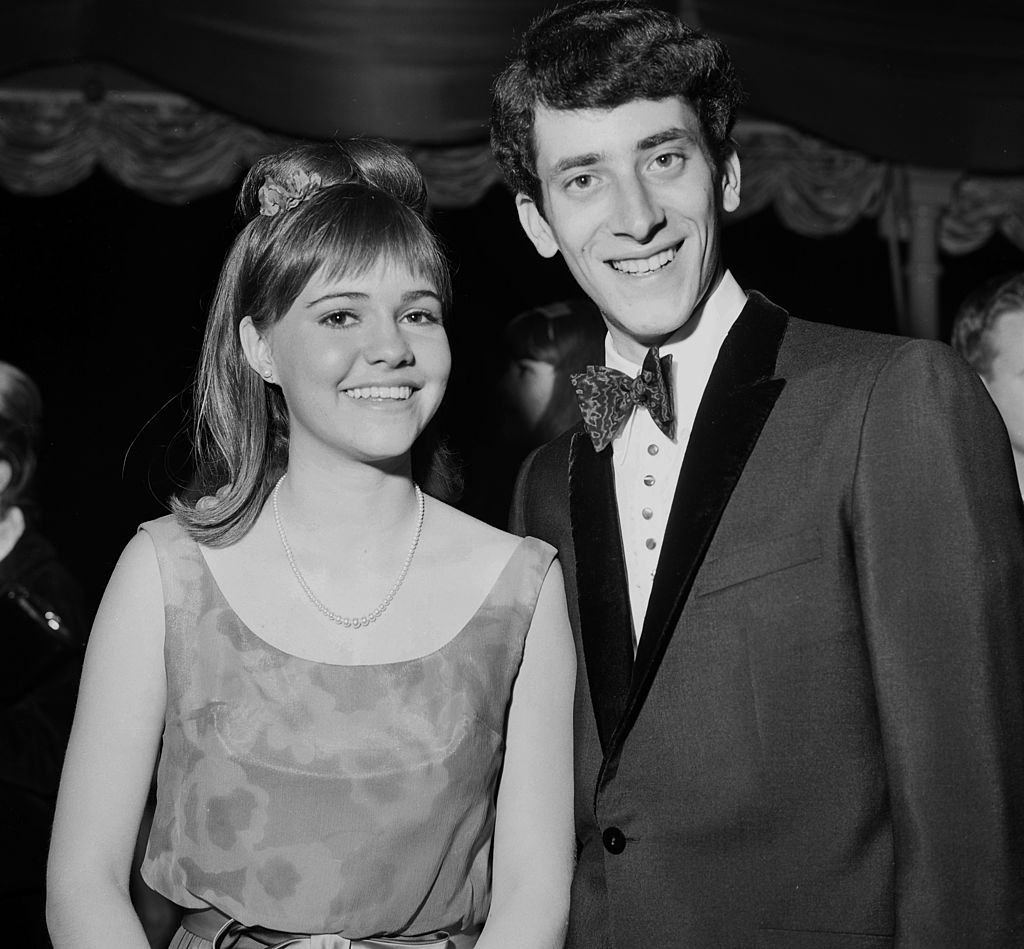
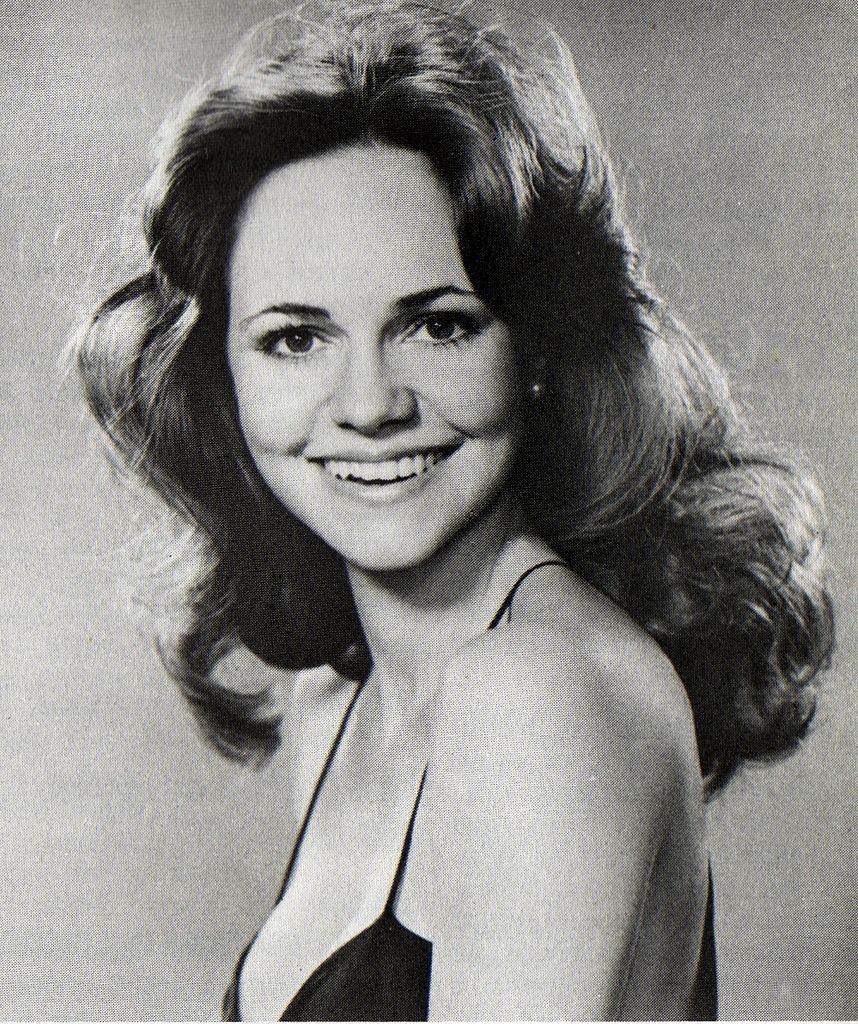
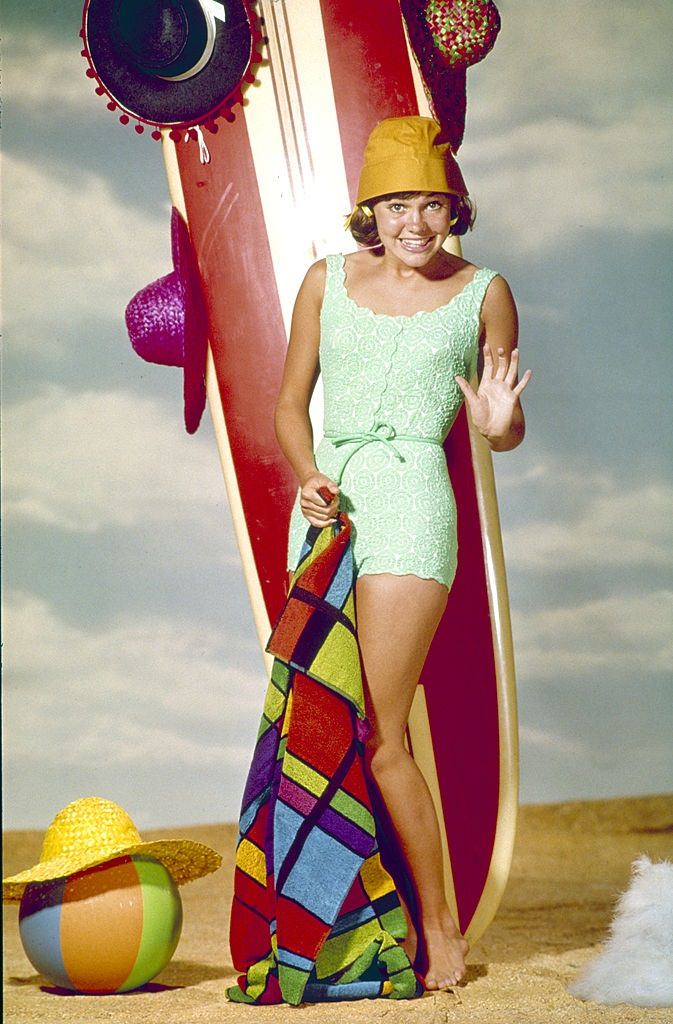
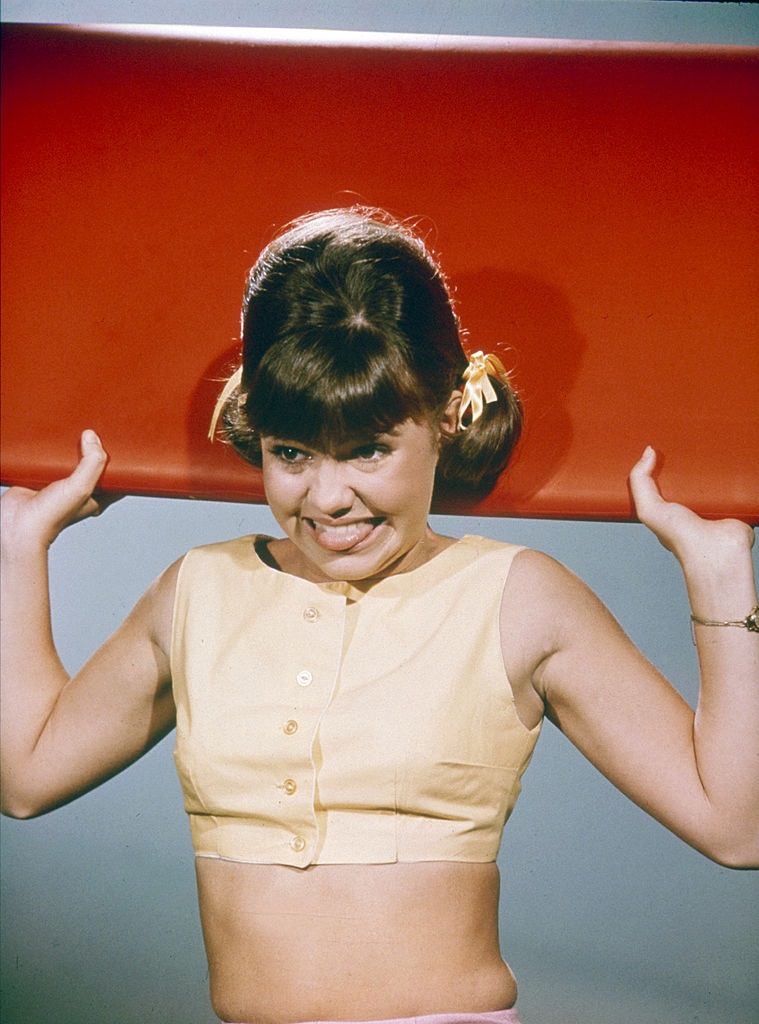
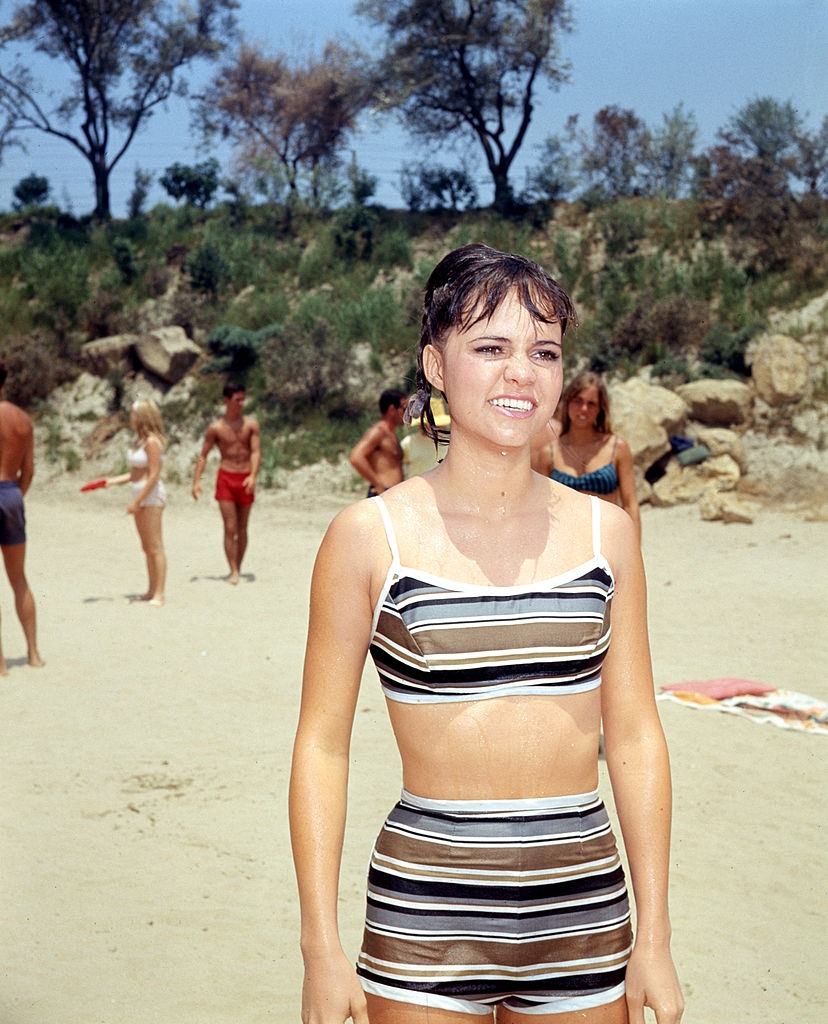
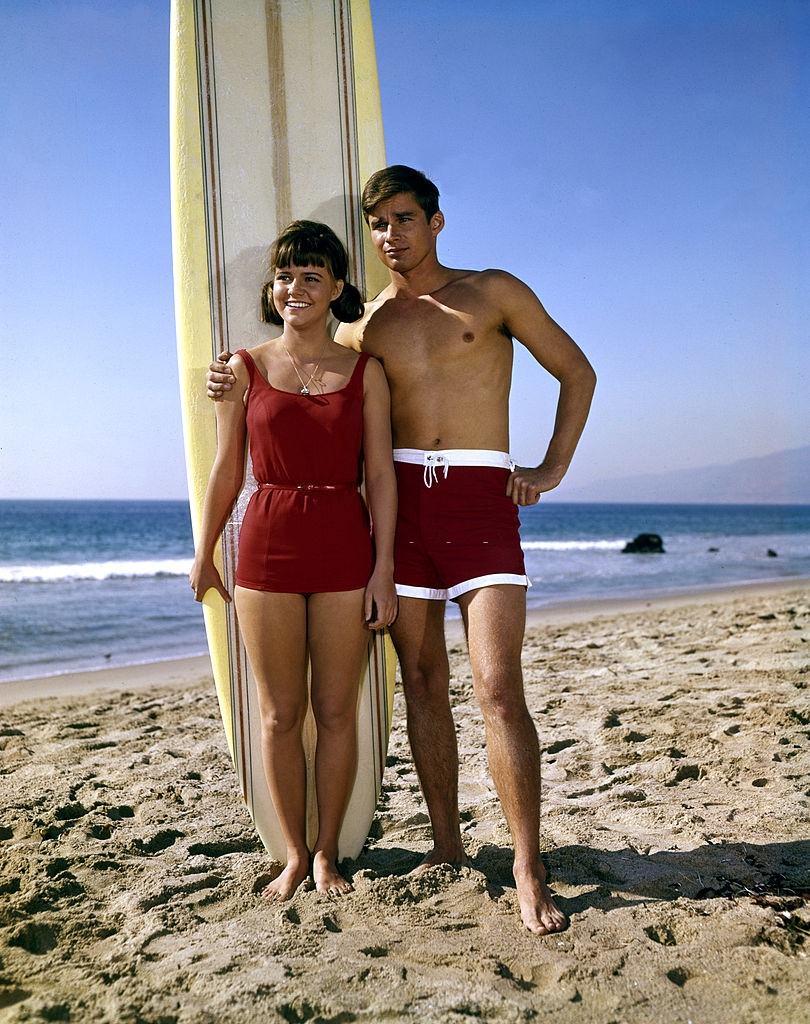
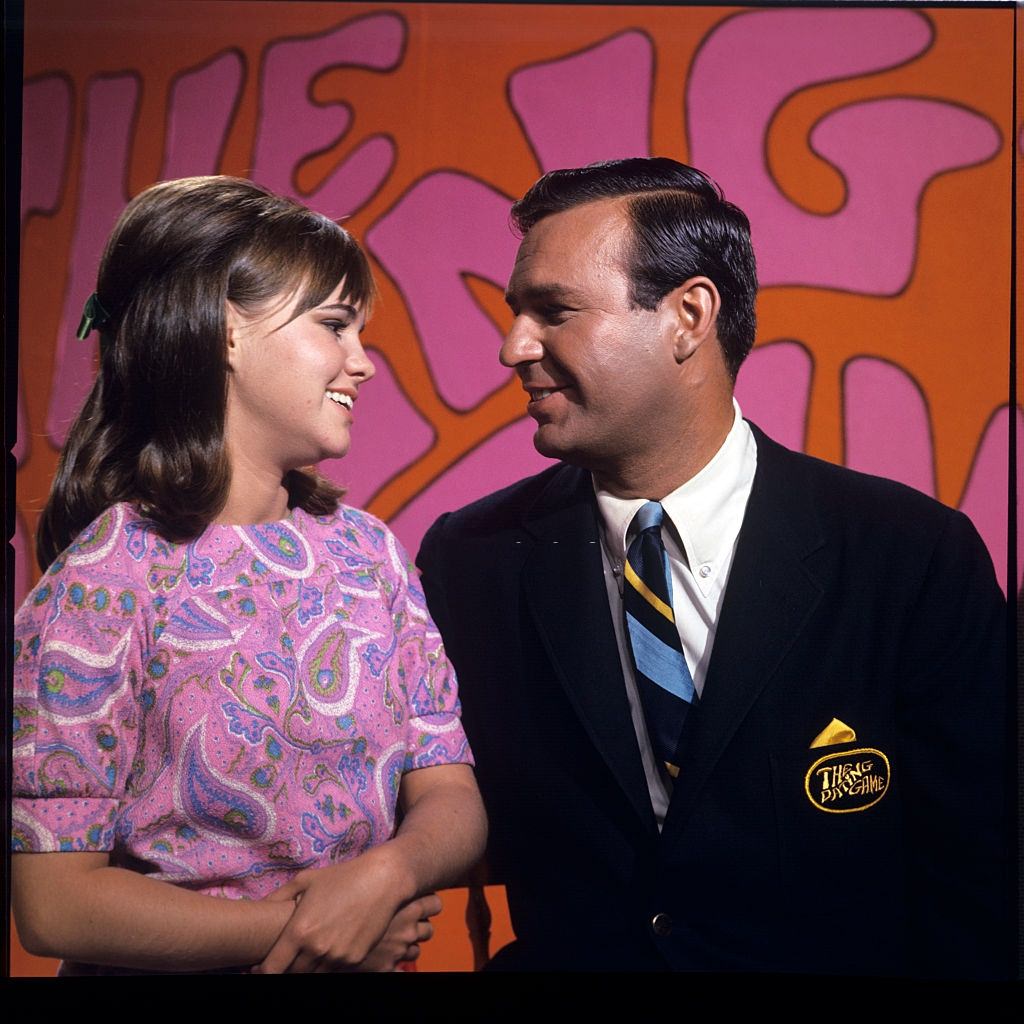
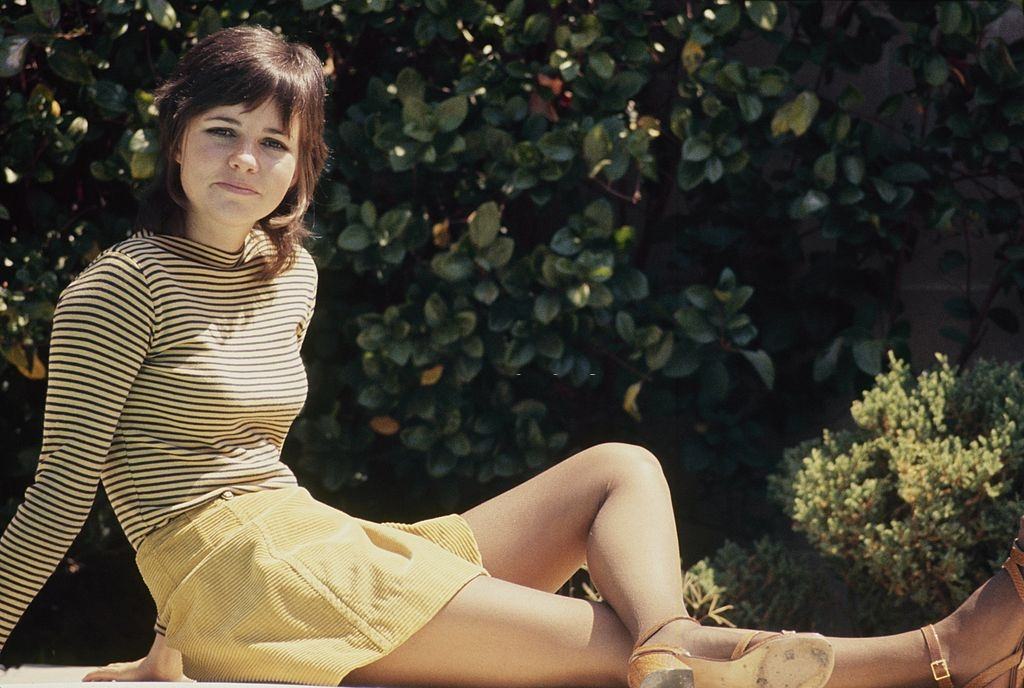
At just 18 years old, Sally landed her first major role in the TV sitcom Gidget in 1965. She played Frances ‘Gidget’ Lawrence, a spirited teenage surfer girl navigating life in sunny California. The show ran for only one season on ABC, but it introduced Sally to millions of viewers and proved she could carry a series on her own.
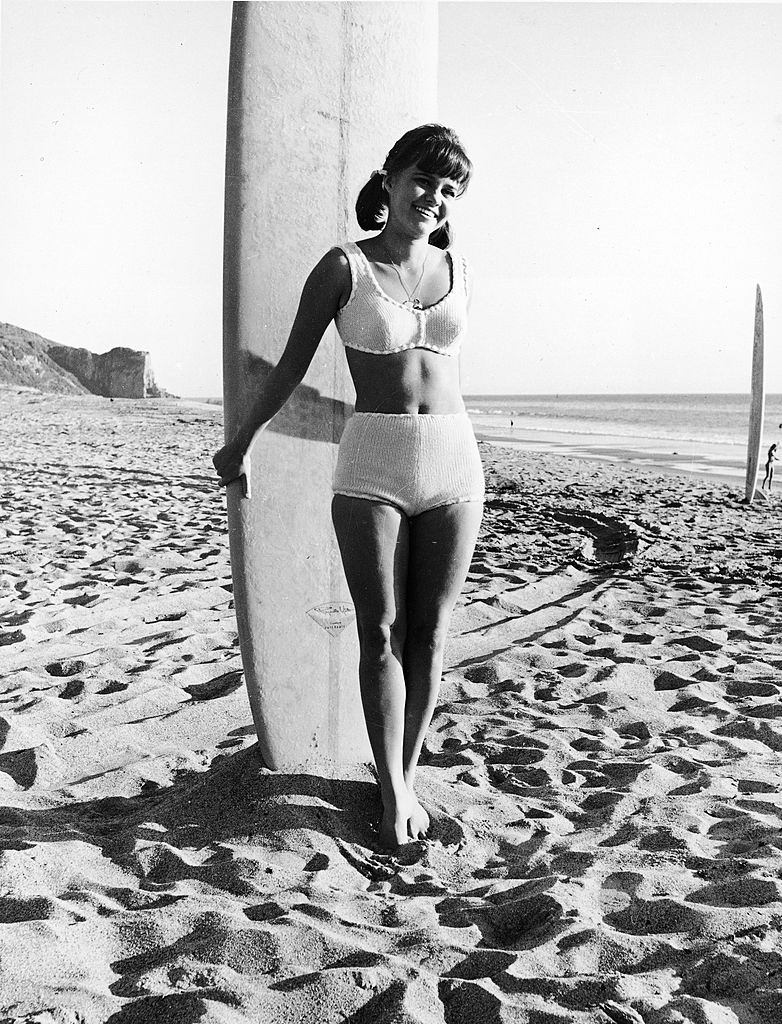
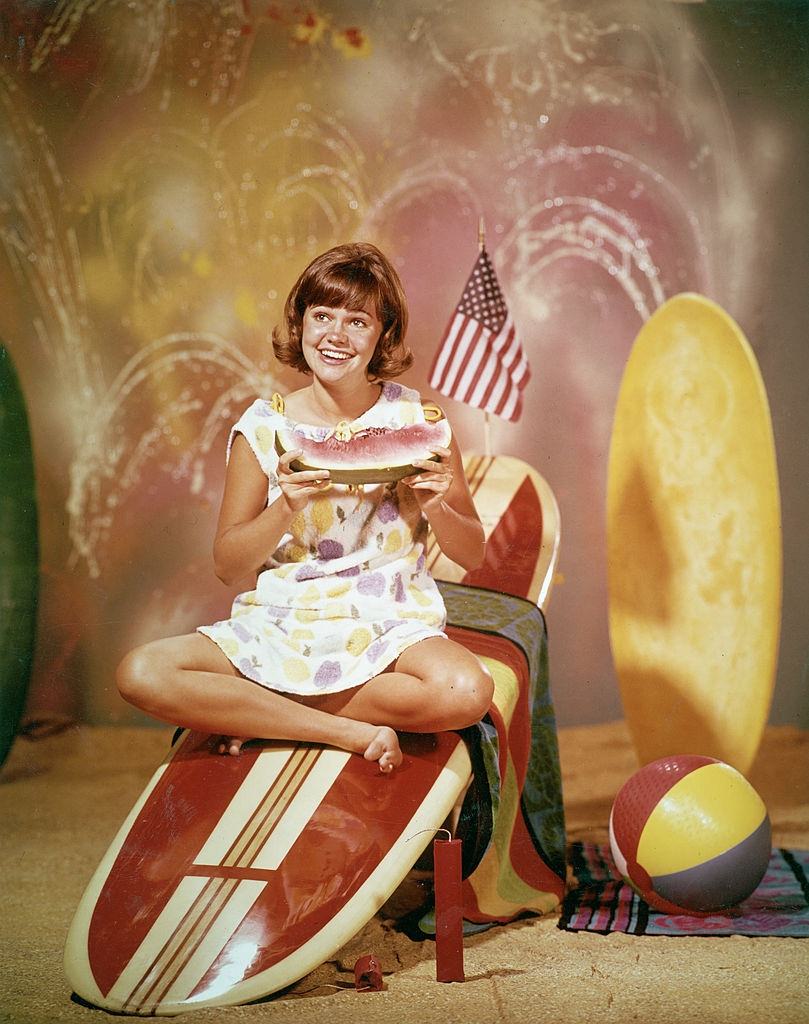
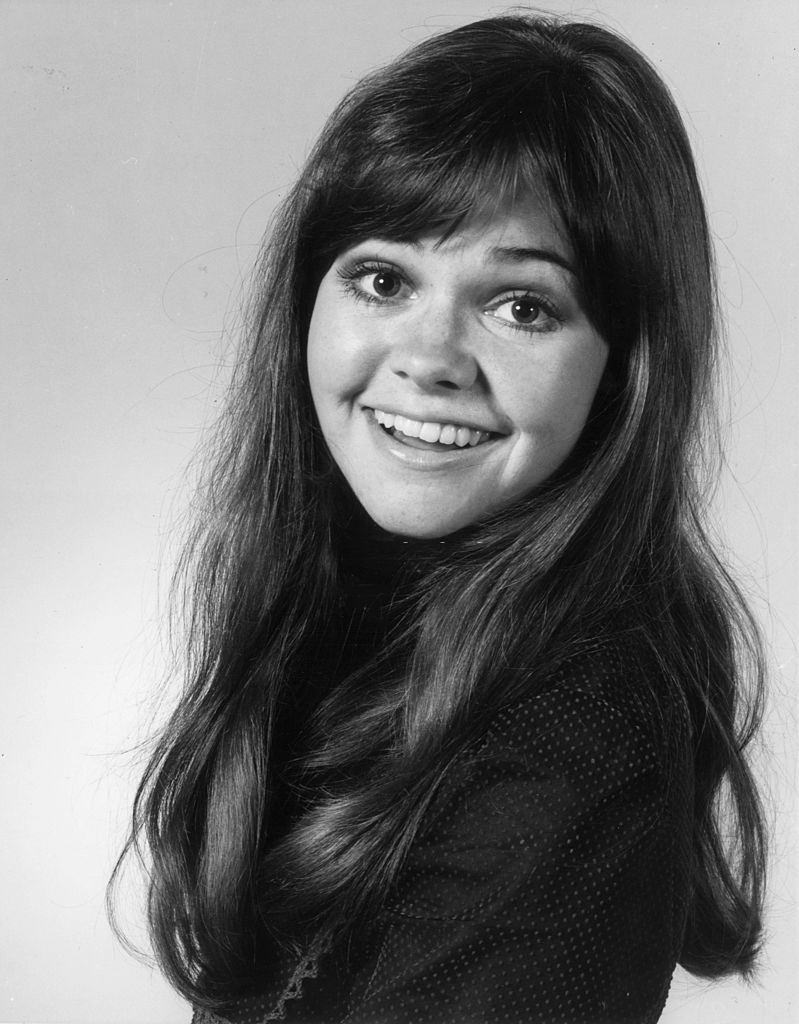
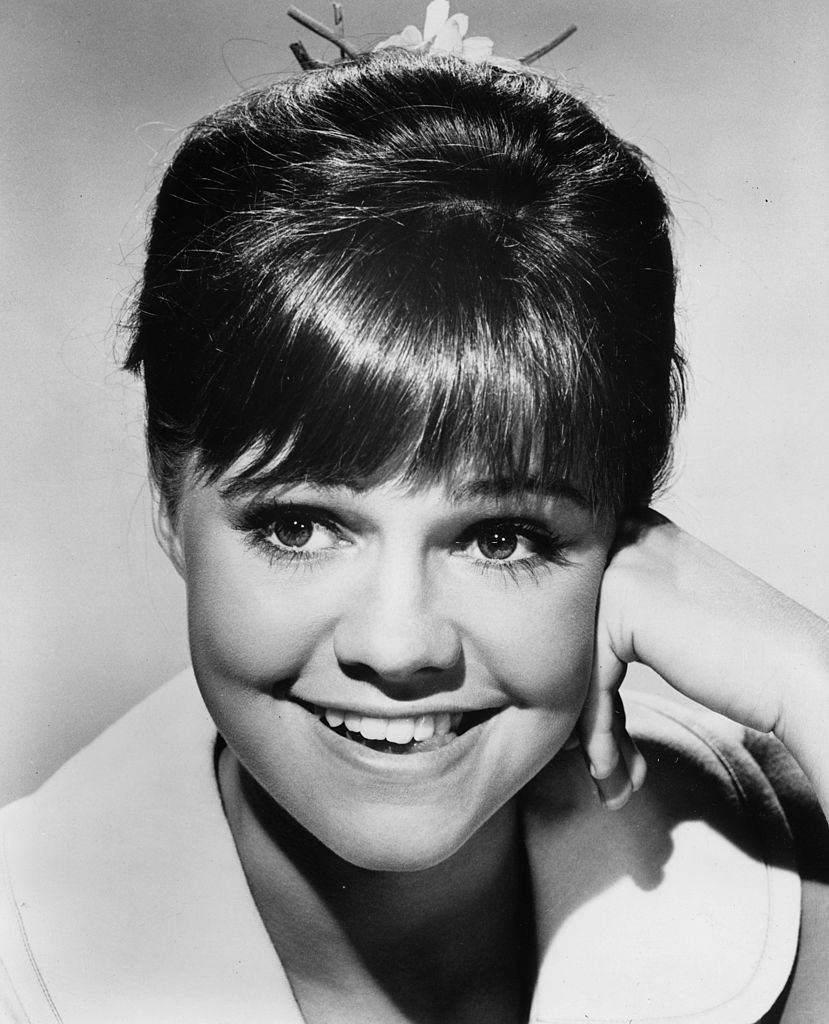
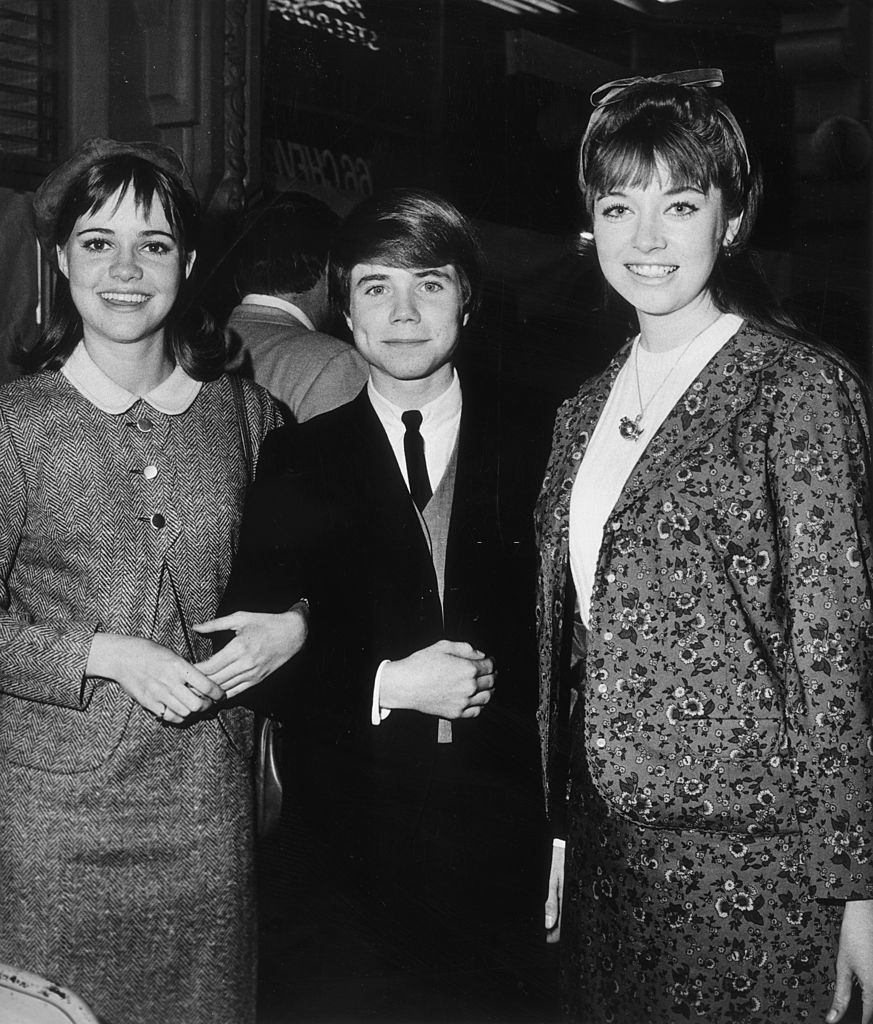
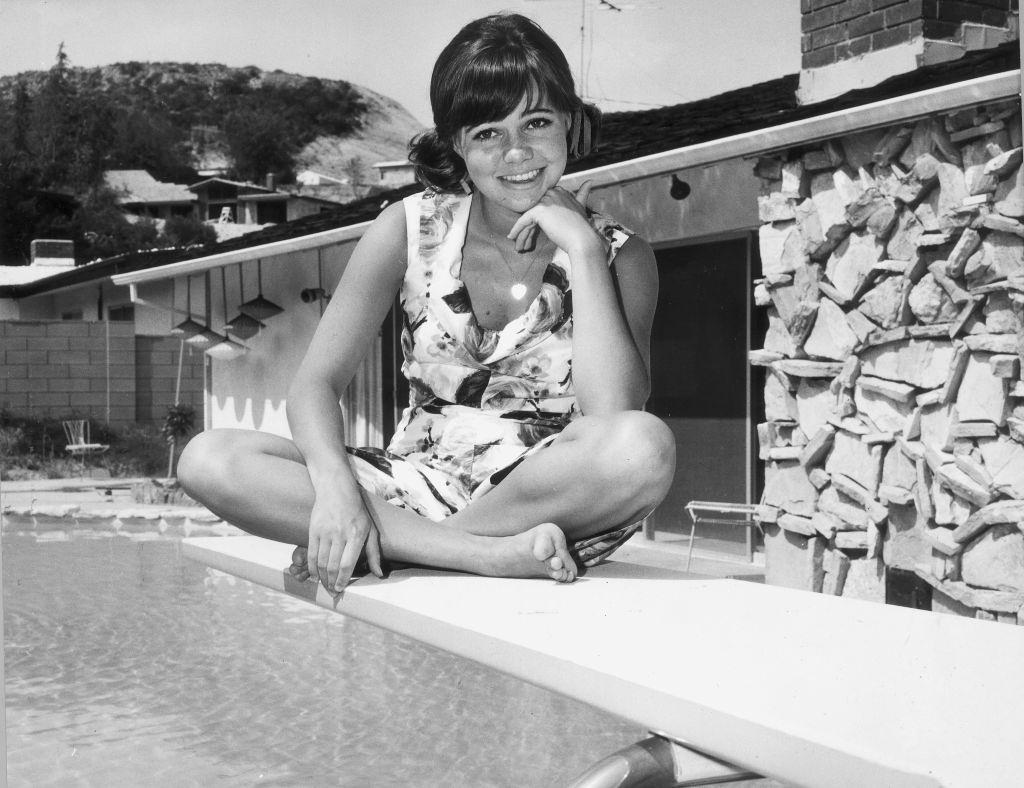
The Gidget set was a lively place, and Sally was frequently photographed with fellow young stars and co-stars during the production. The beach-heavy setting and sunny California backdrop made the show a visual treat, and Sally’s natural charm translated perfectly on screen.
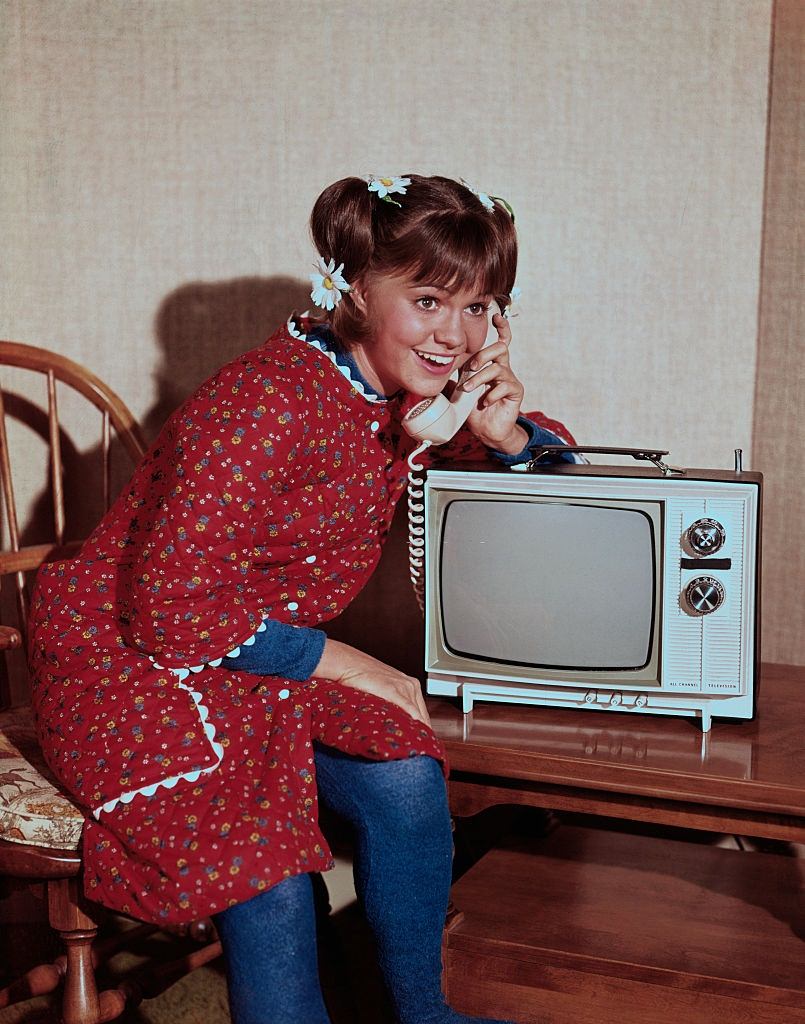
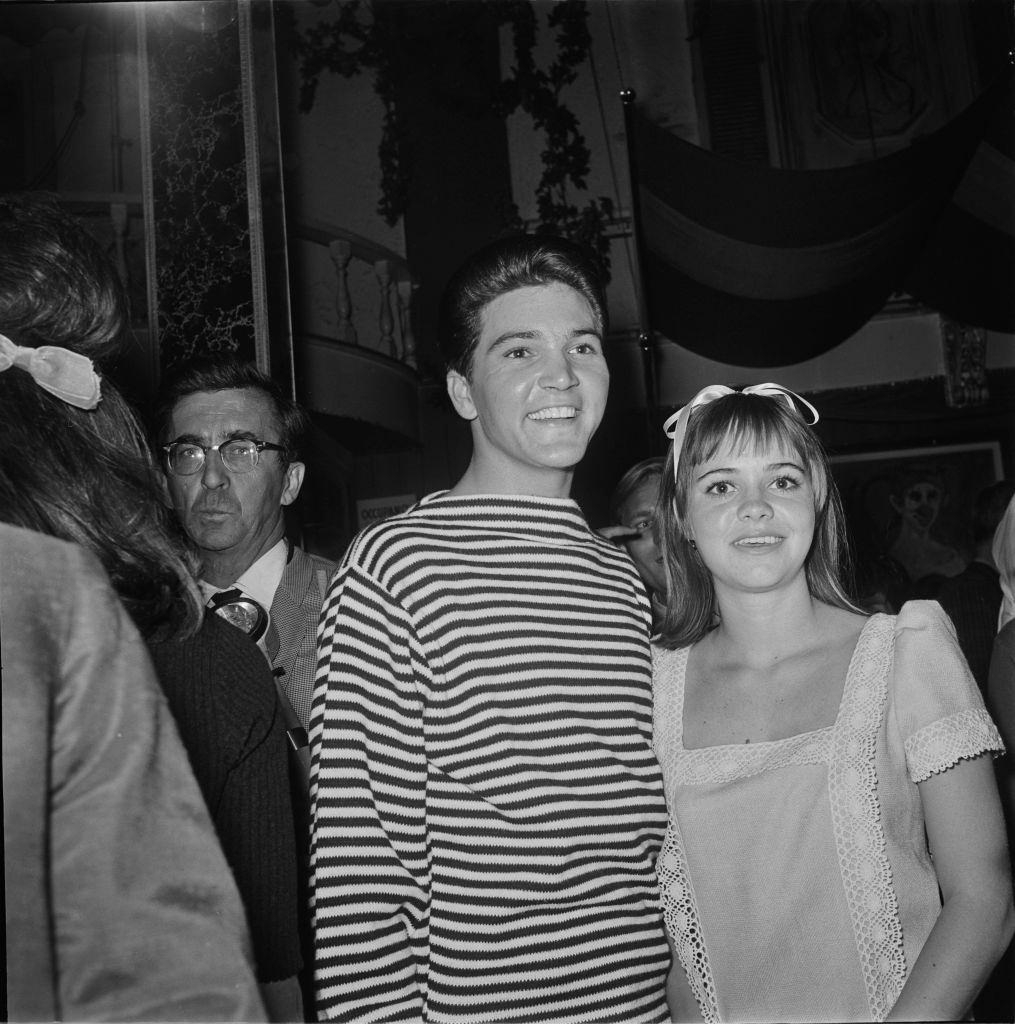
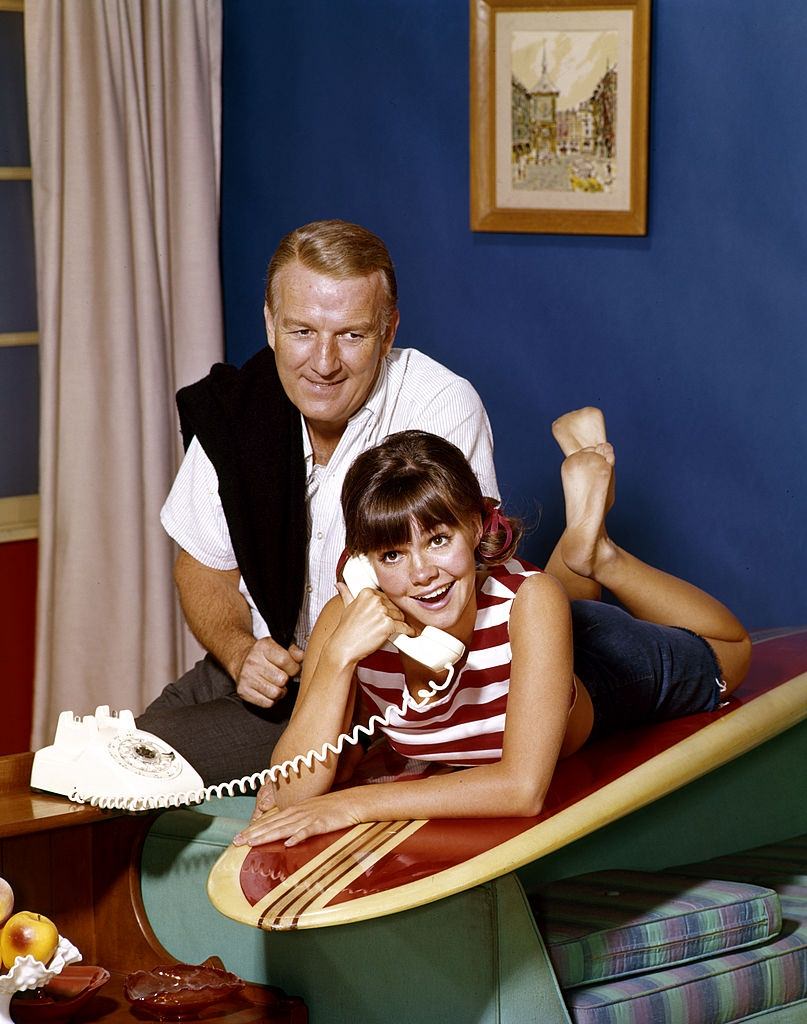
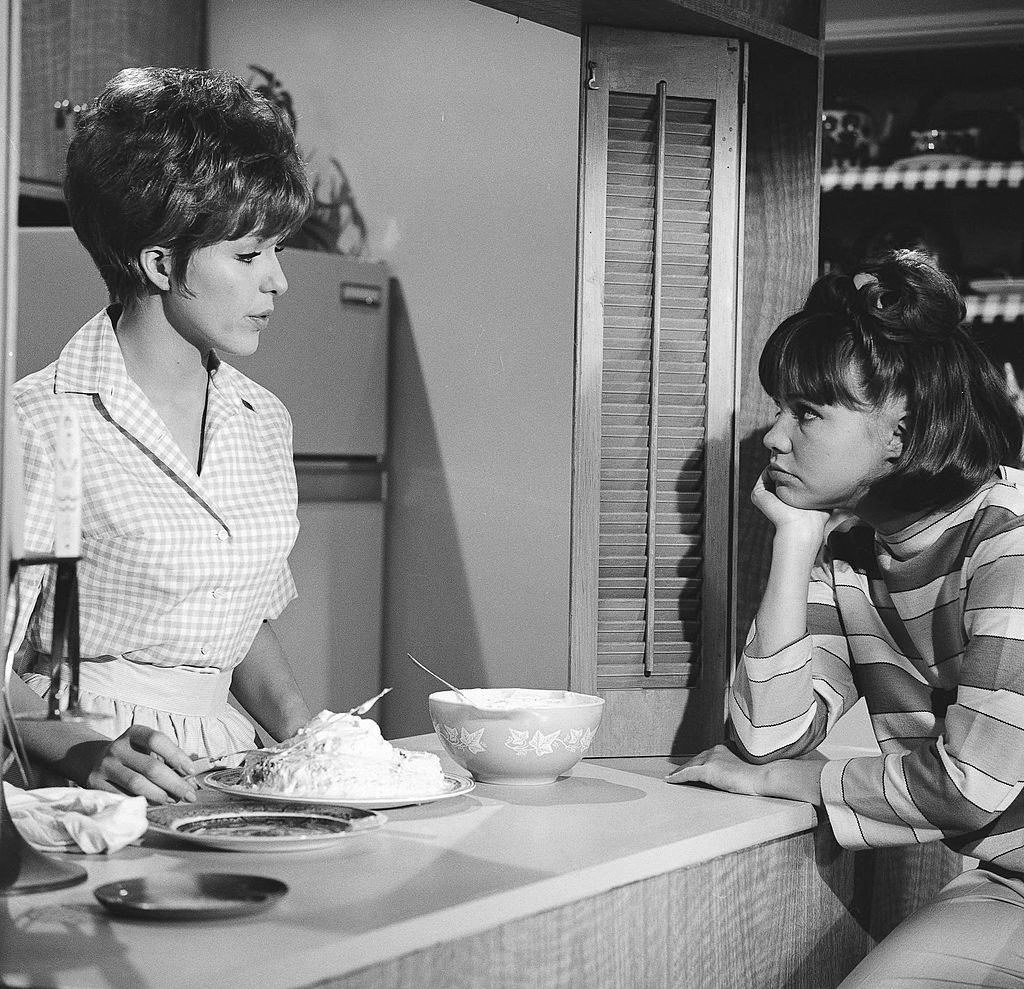
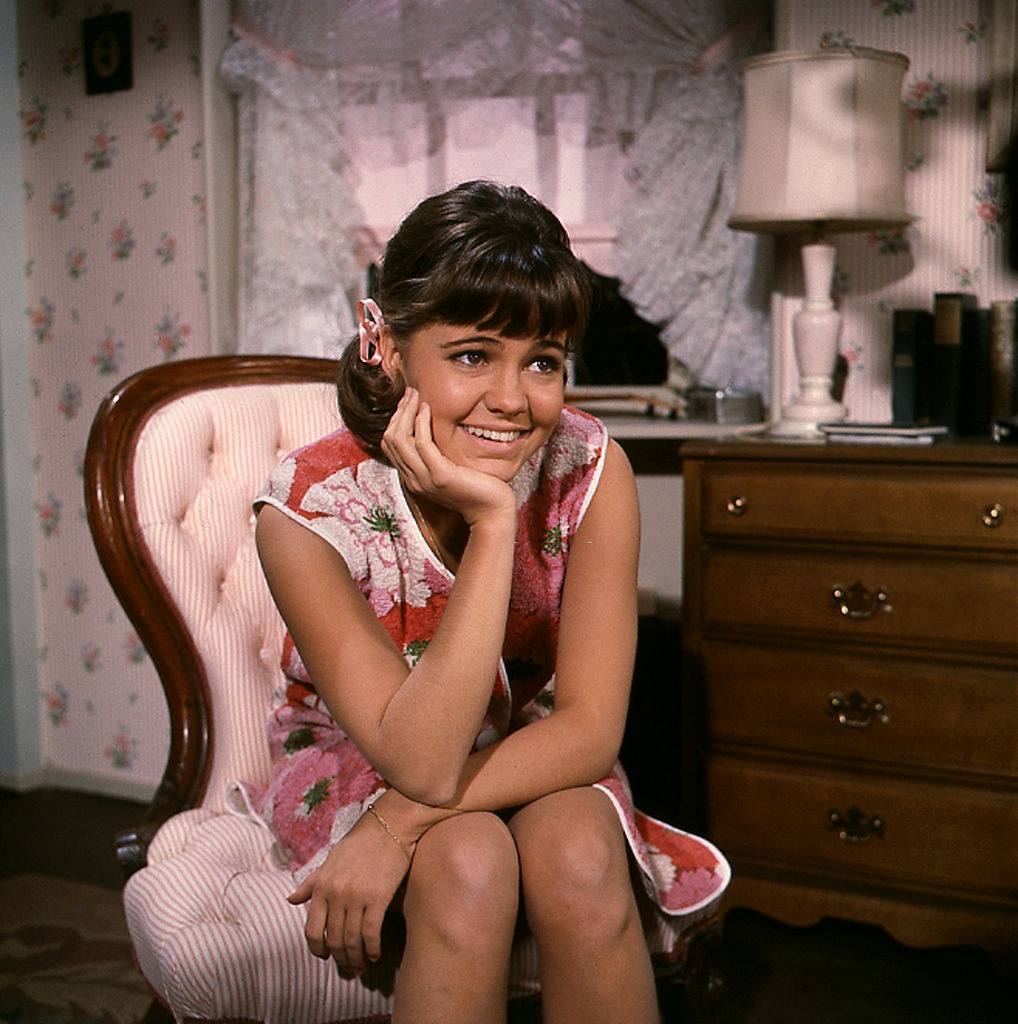
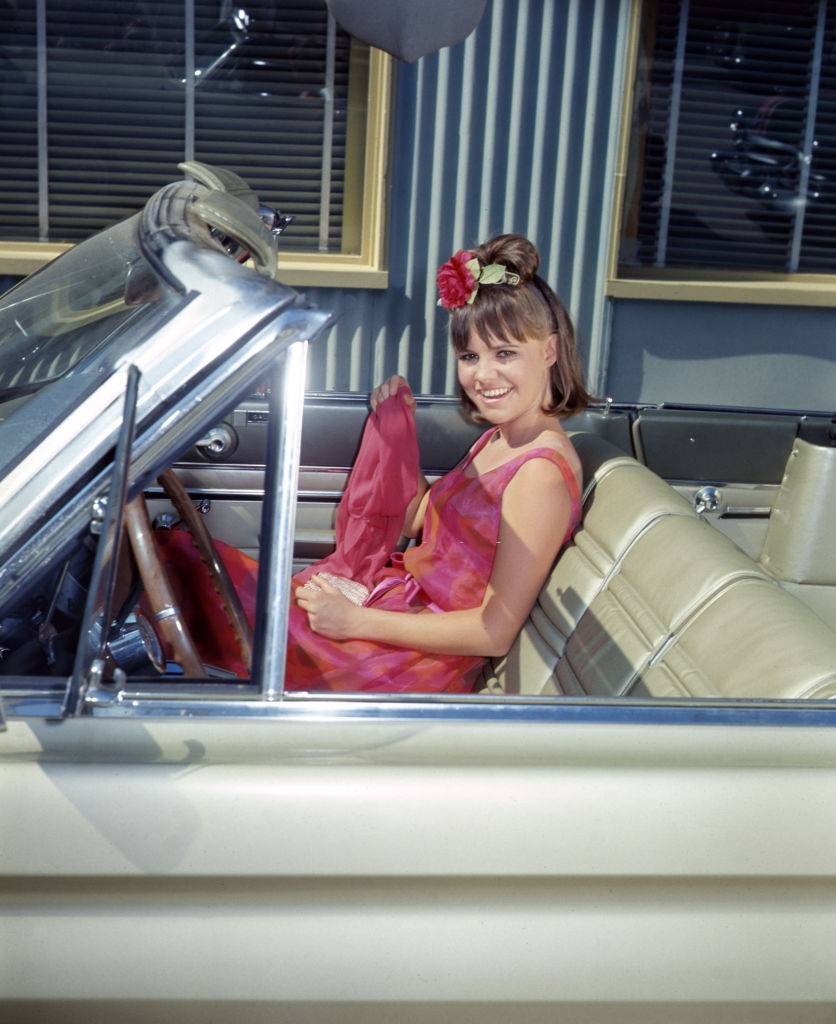
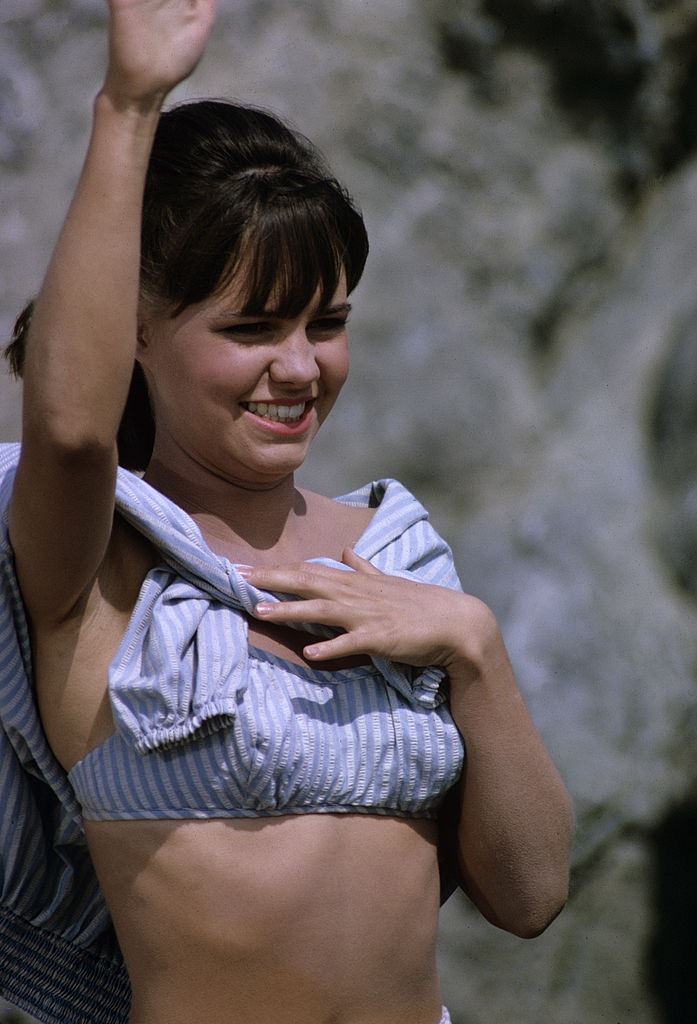
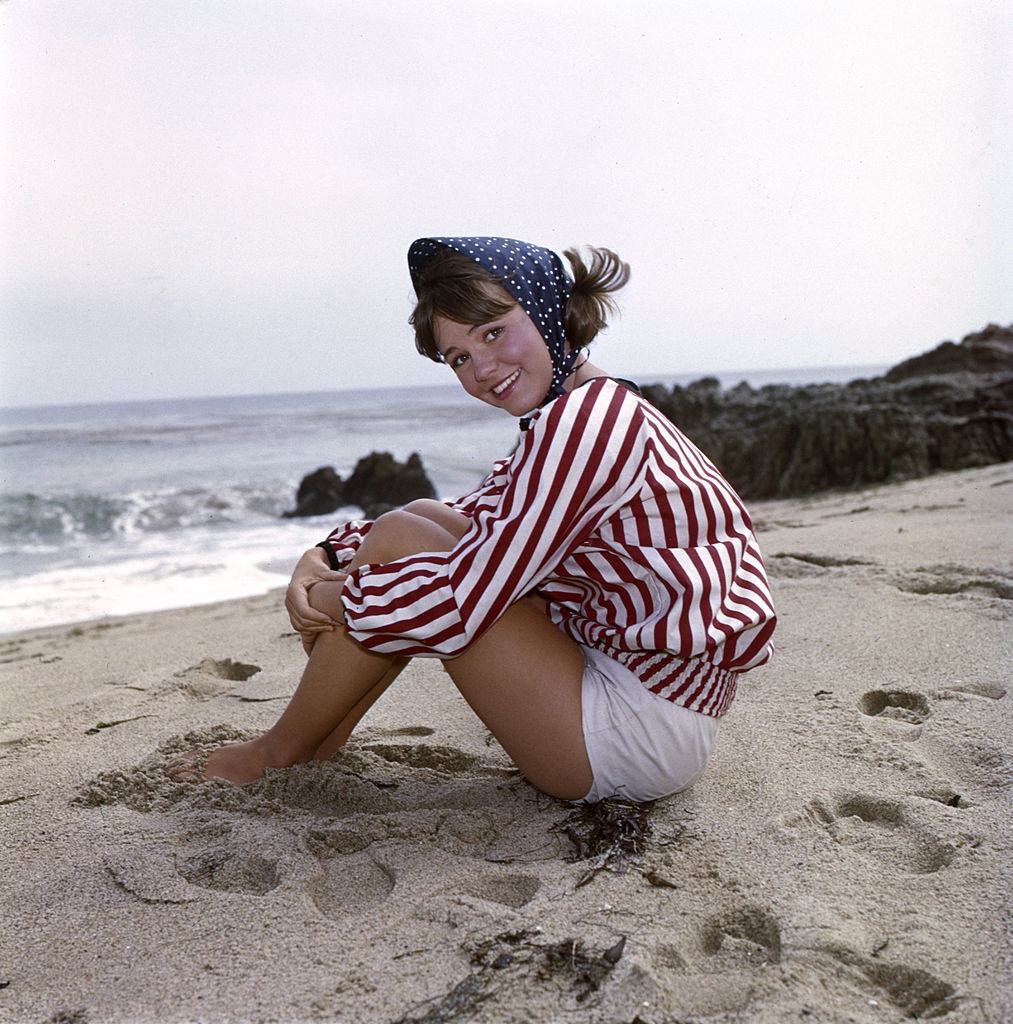
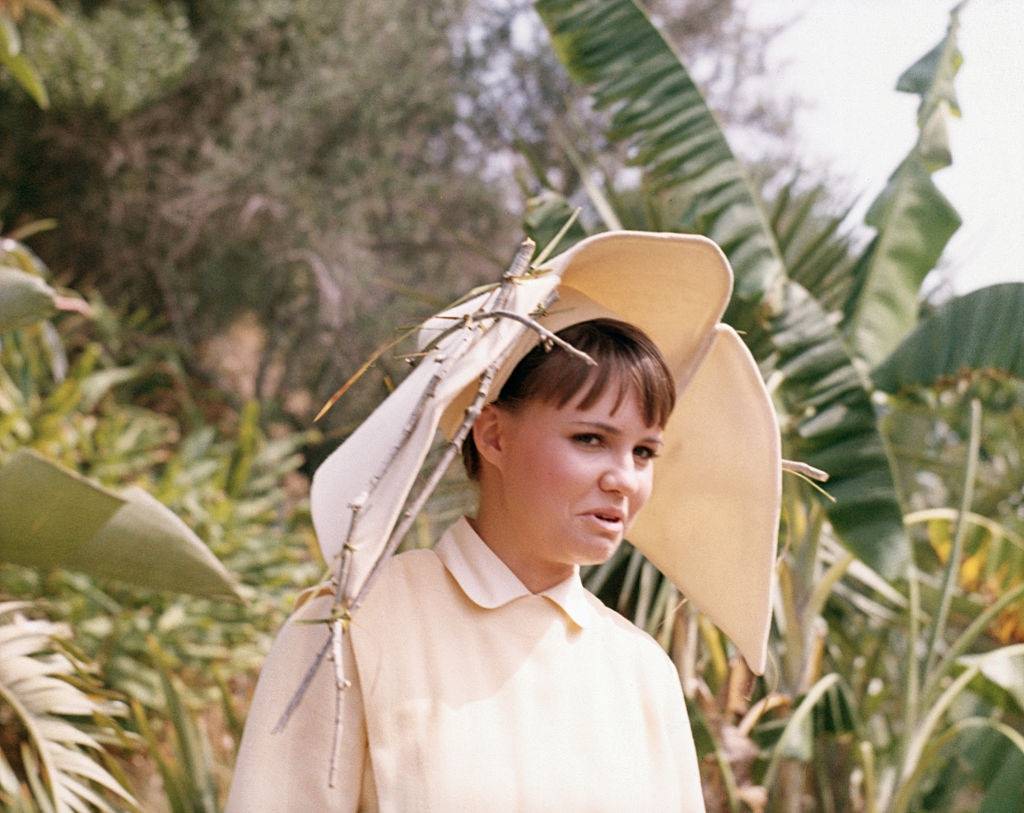
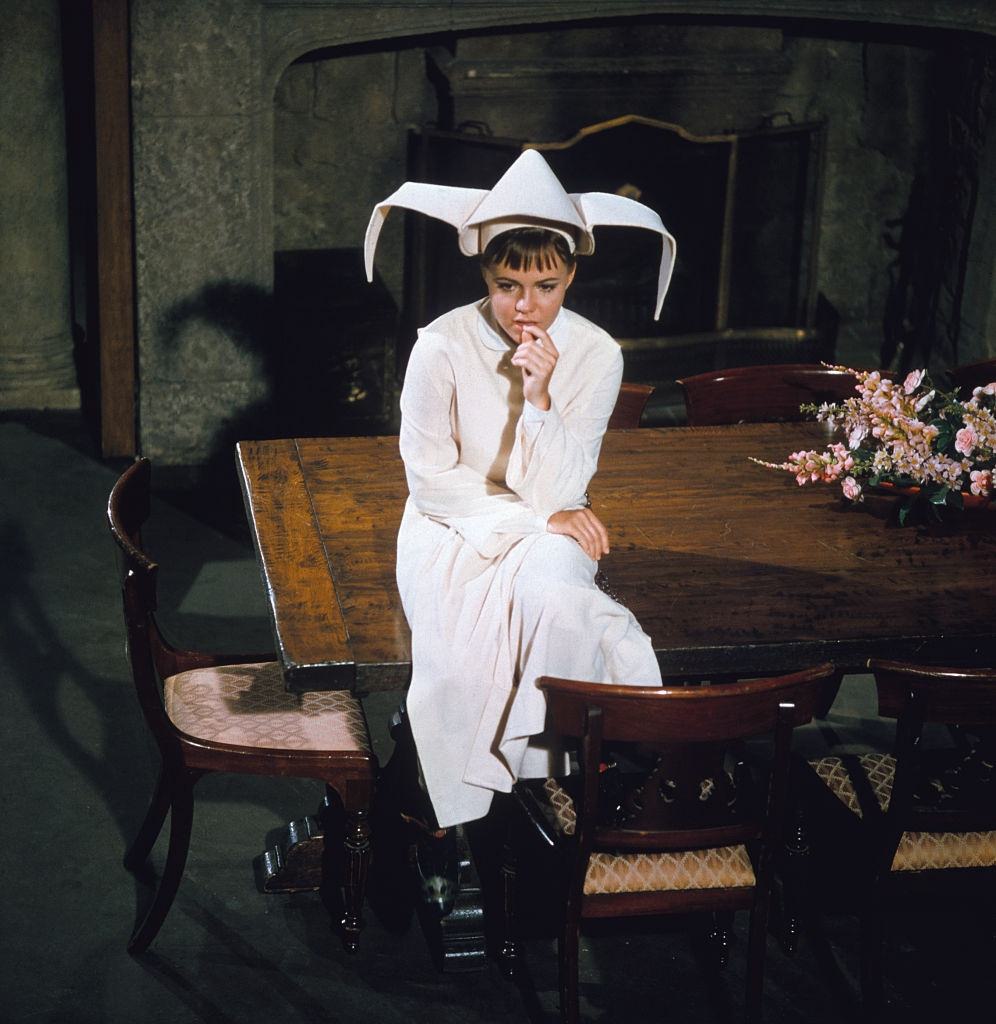
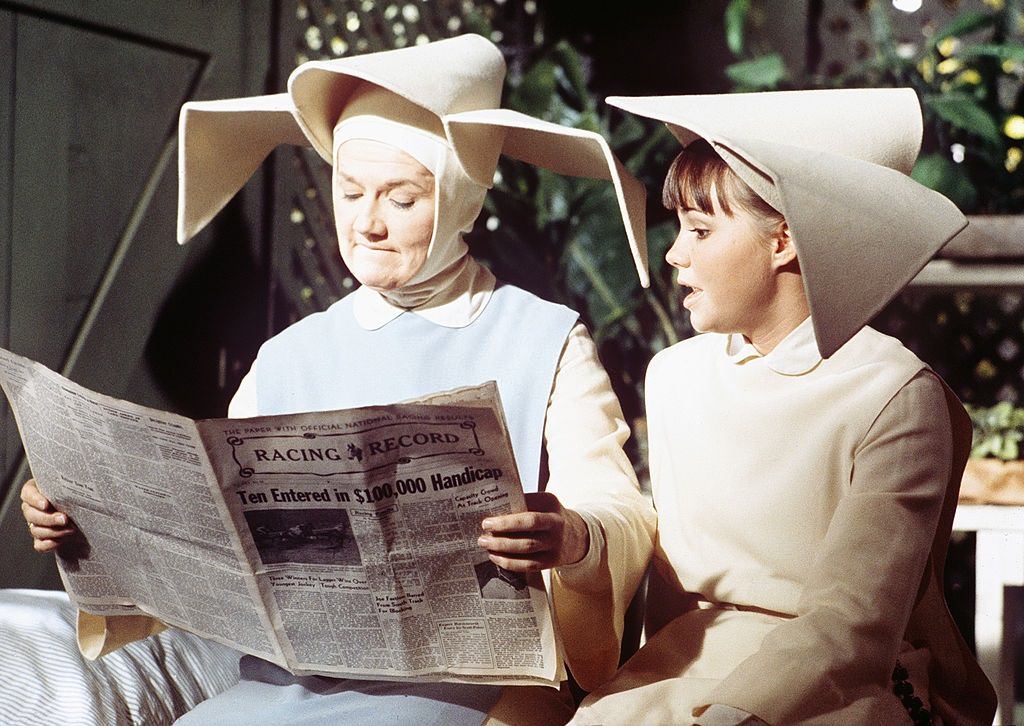
Off set, Sally was a fixture on the young Hollywood social scene. In 1968, she married her high school boyfriend Steven Craig. The couple had two sons together before divorcing in 1973. It was during this same period — 1967 to 1970 — that Sally starred in her second major TV role: The Flying Nun on ABC. She played Sister Bertrille, a novice nun whose lightweight frame allowed her to fly using her oversized cornette. The show ran for three seasons.
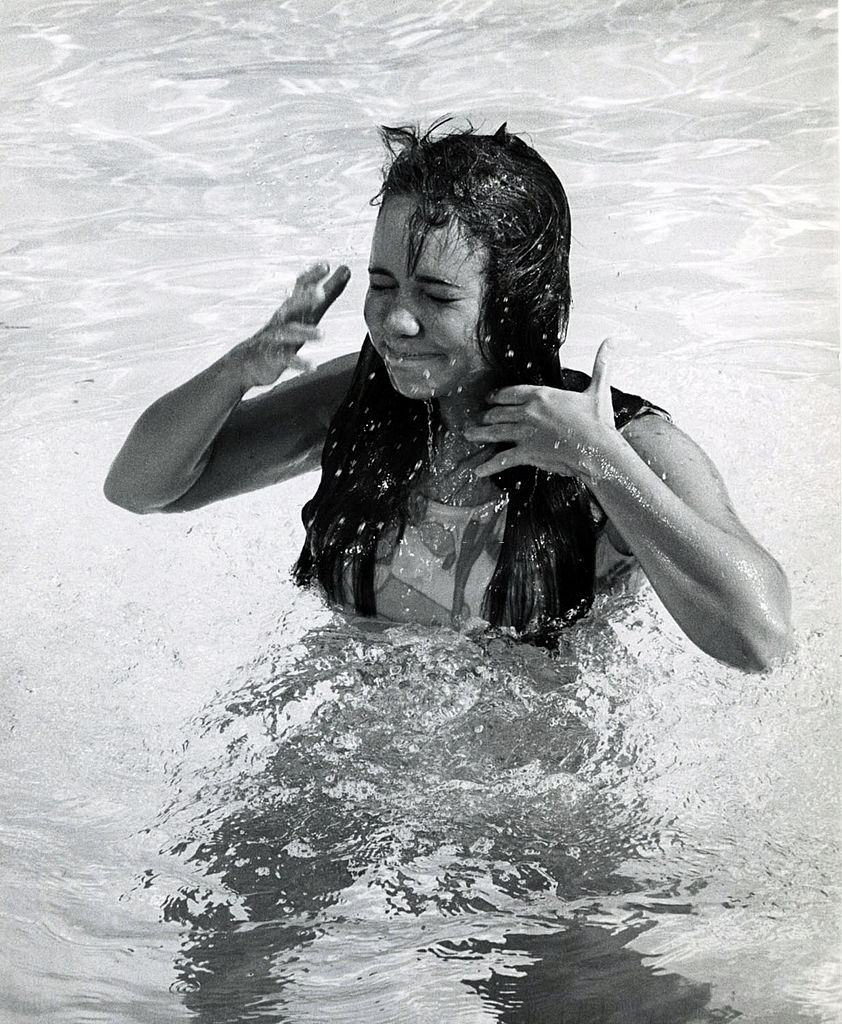
The early 1970s marked a deliberate shift in Sally’s career. Determined to be taken seriously as a dramatic actress, she took on more challenging TV movie roles. In 1971, she starred in Maybe I’ll Come Home in the Spring, a gritty drama about a young woman returning home after running away. It was a far cry from Gidget and The Flying Nun, and it signaled her intentions clearly.
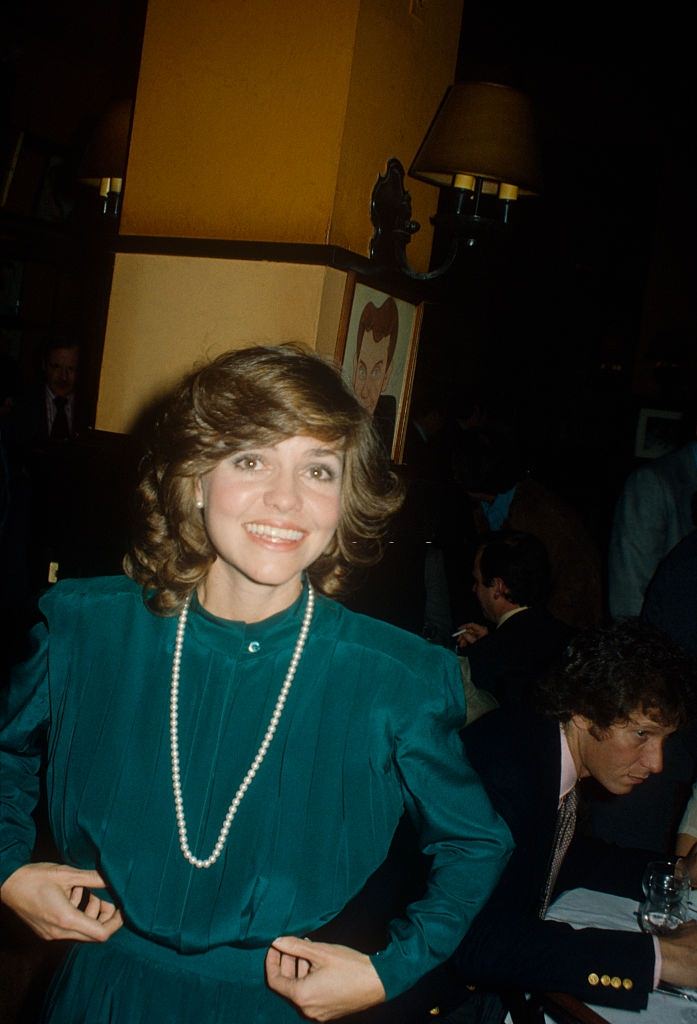
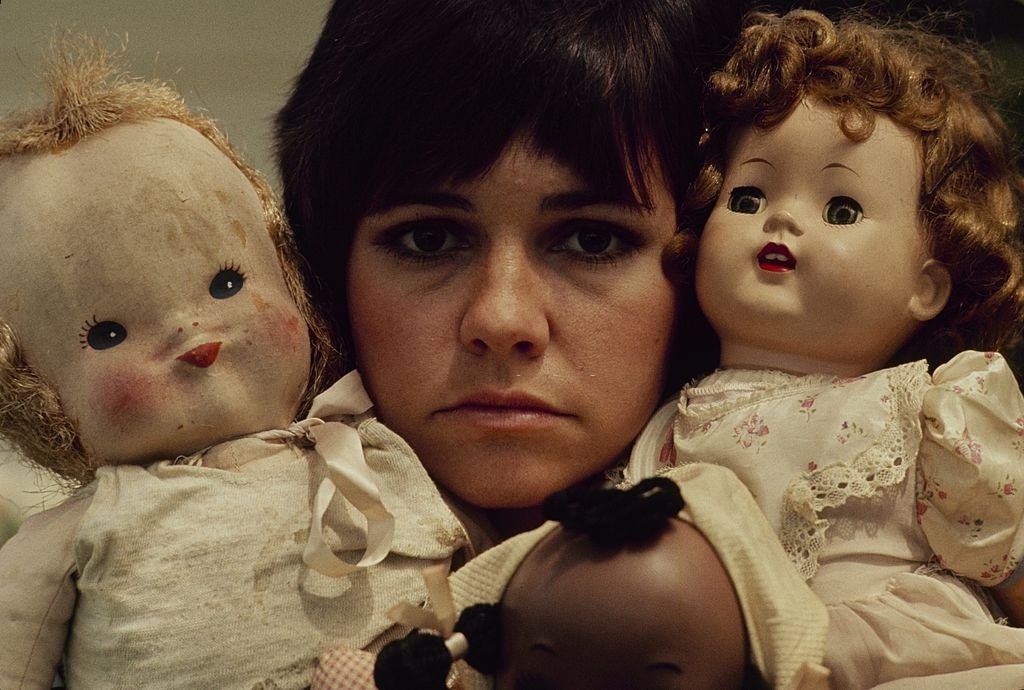
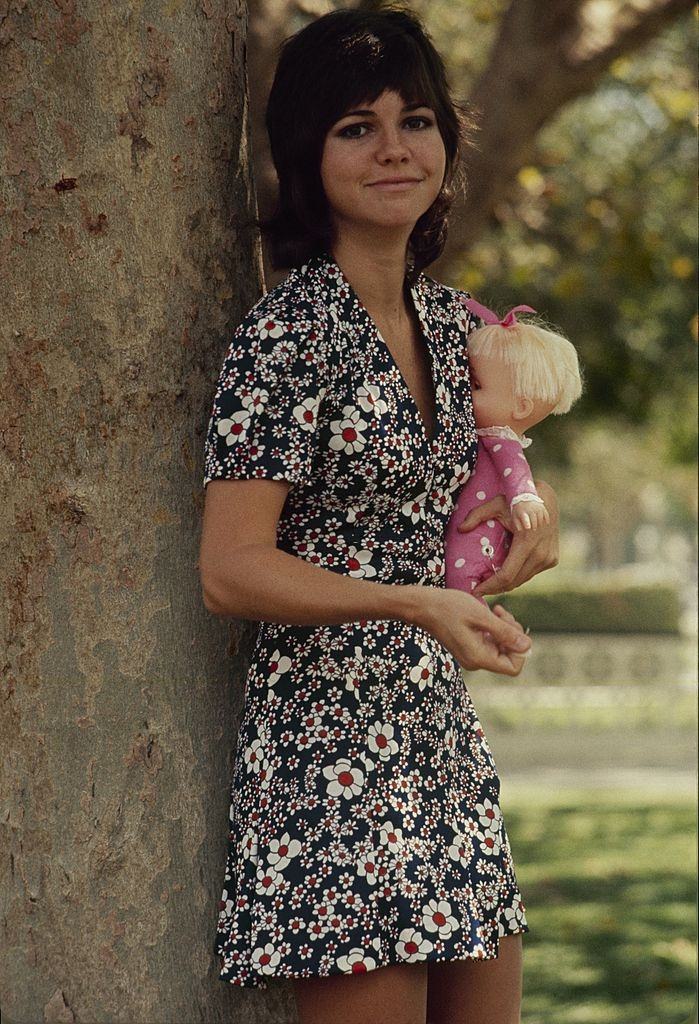
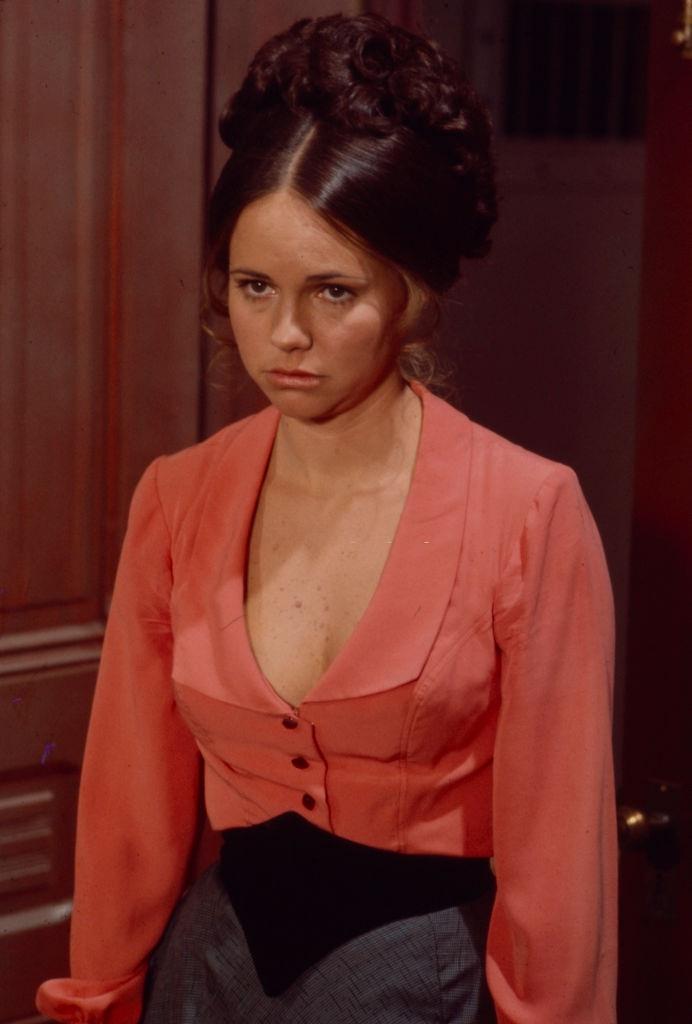
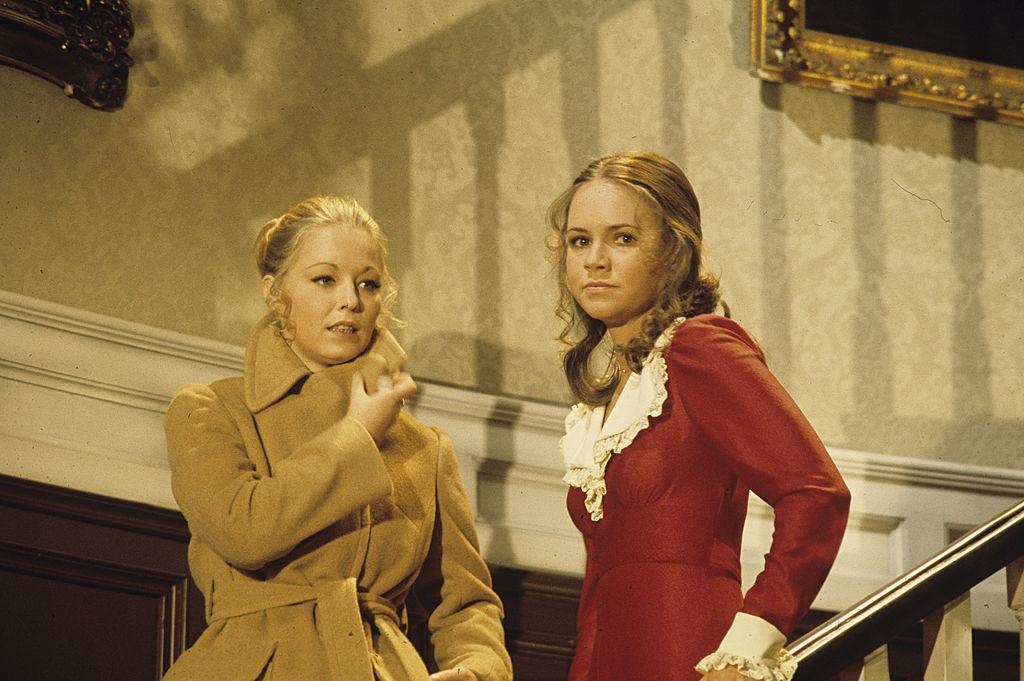
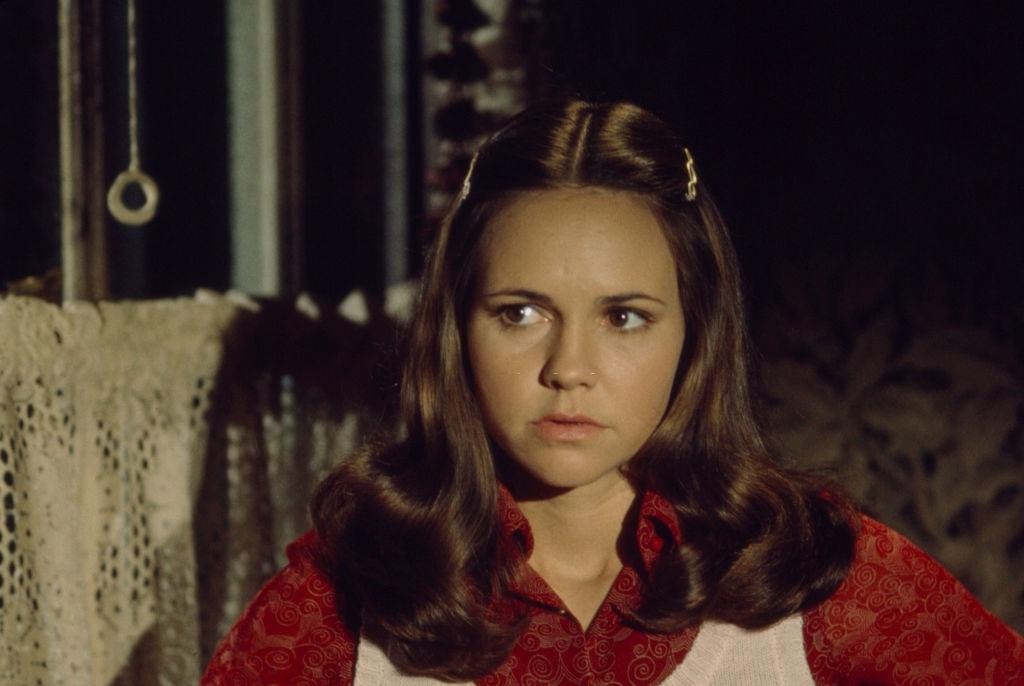
By the mid-1970s, Sally’s push for dramatic credibility paid off in a major way. She was cast in the 1976 NBC miniseries Sybil, playing a woman with 16 distinct personalities rooted in severe childhood trauma. Her performance opposite Joanne Woodward earned her an Emmy Award and reshaped how Hollywood viewed her entirely.
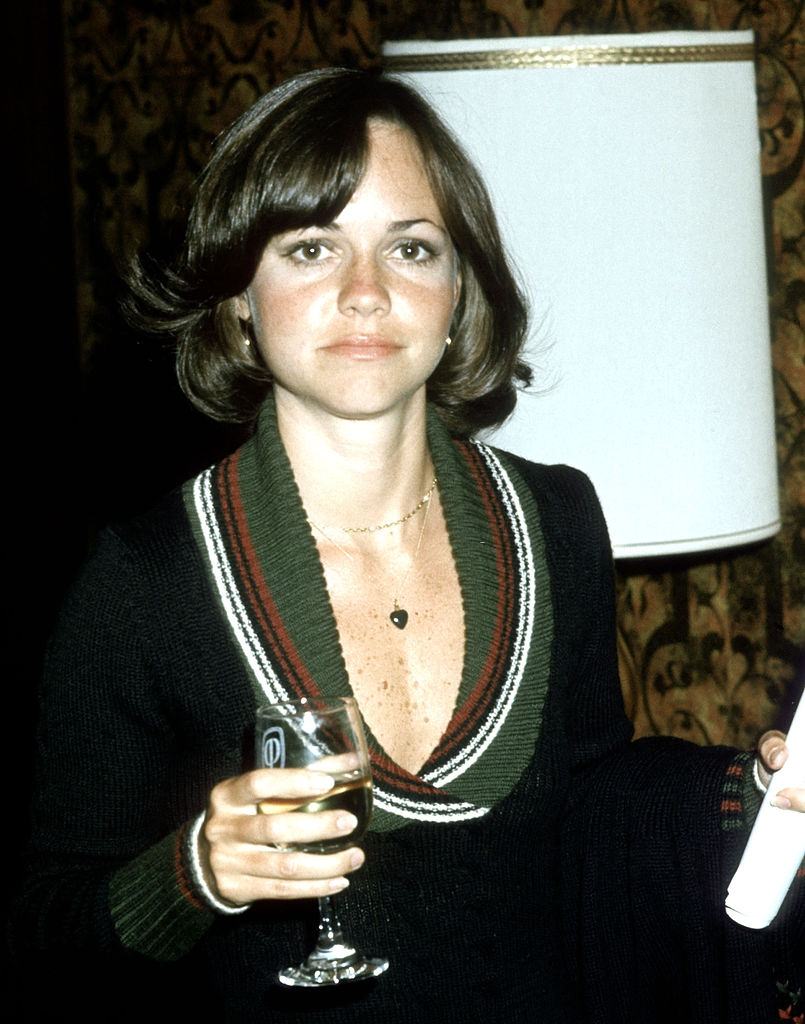
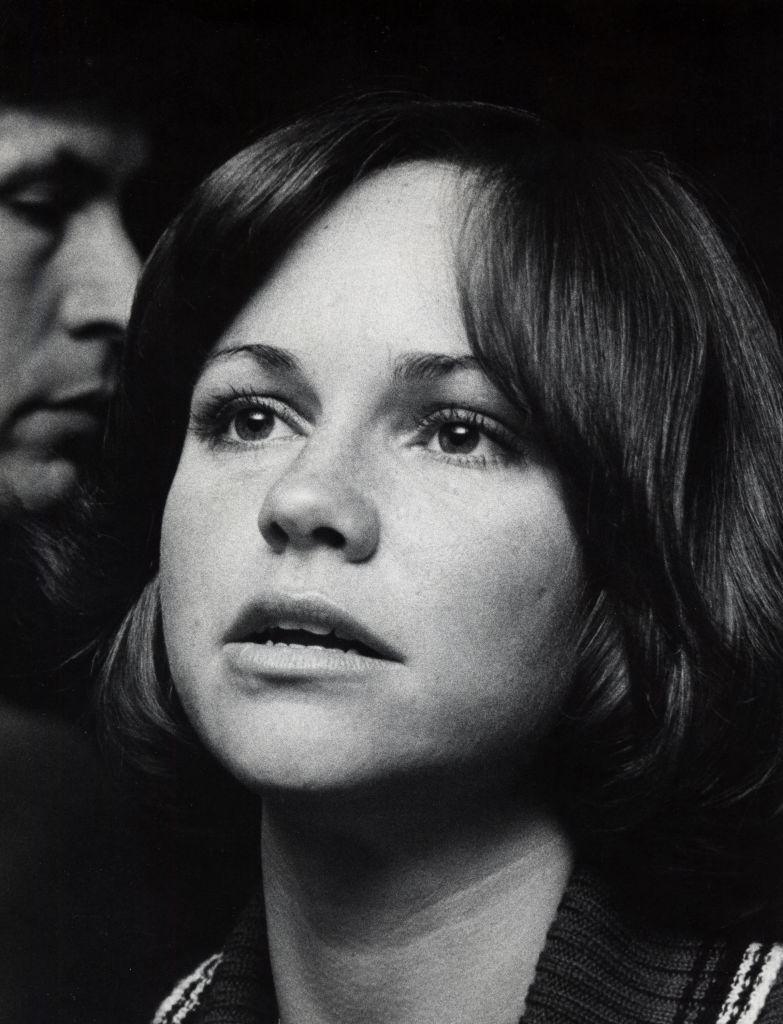
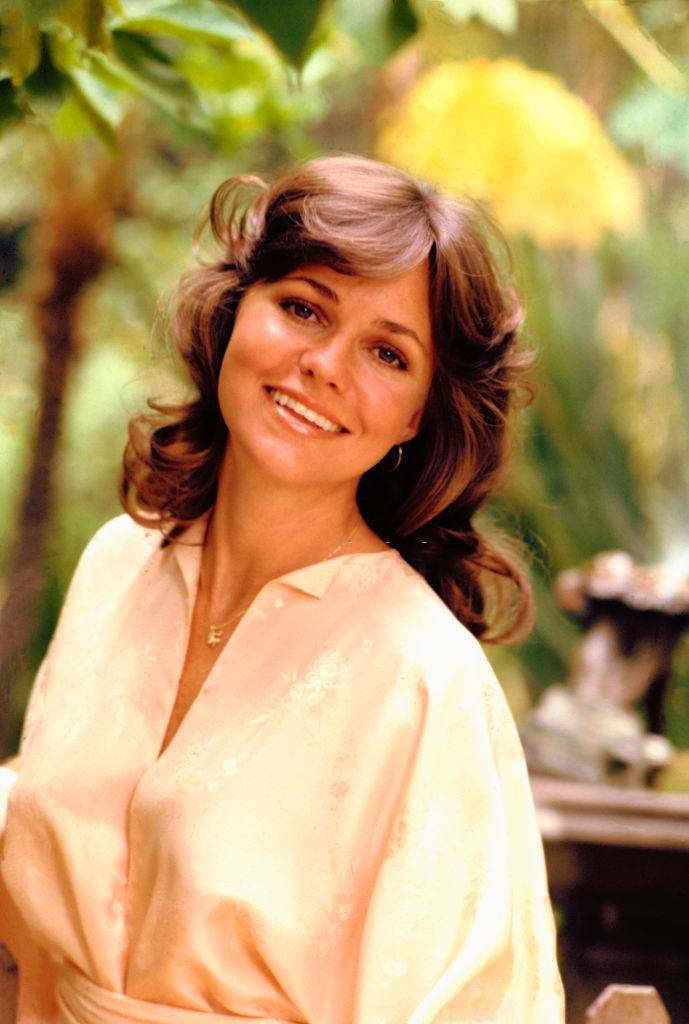
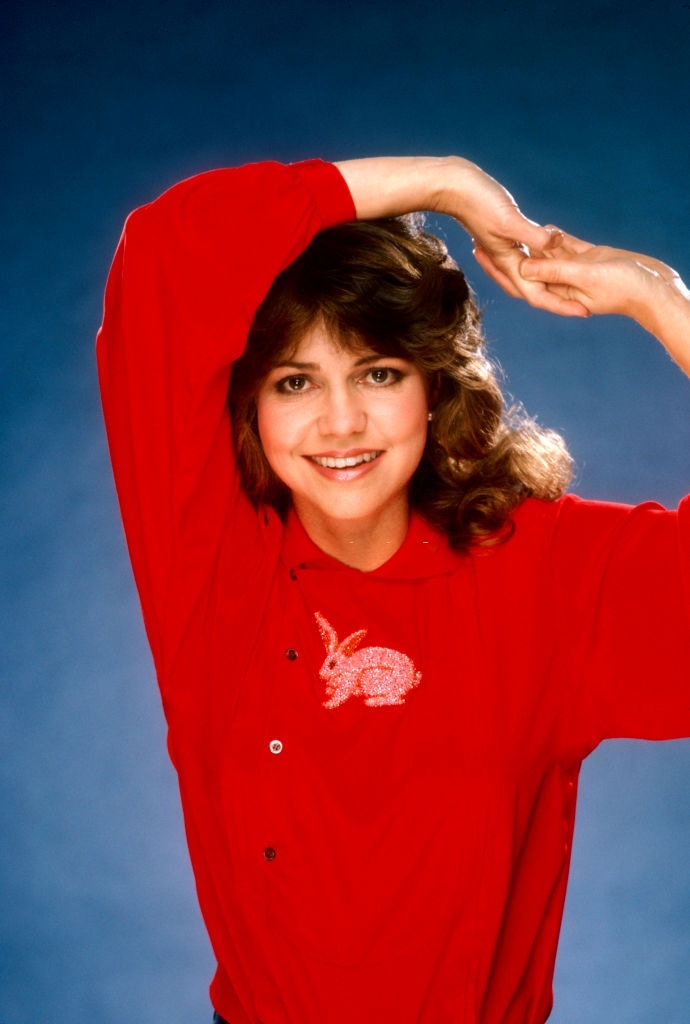
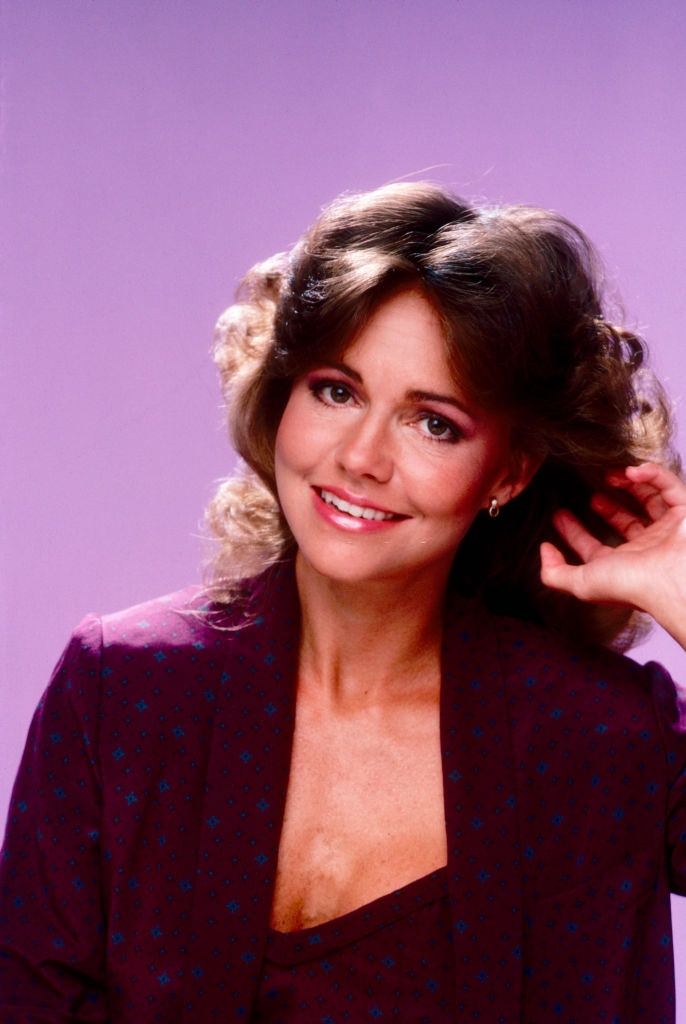
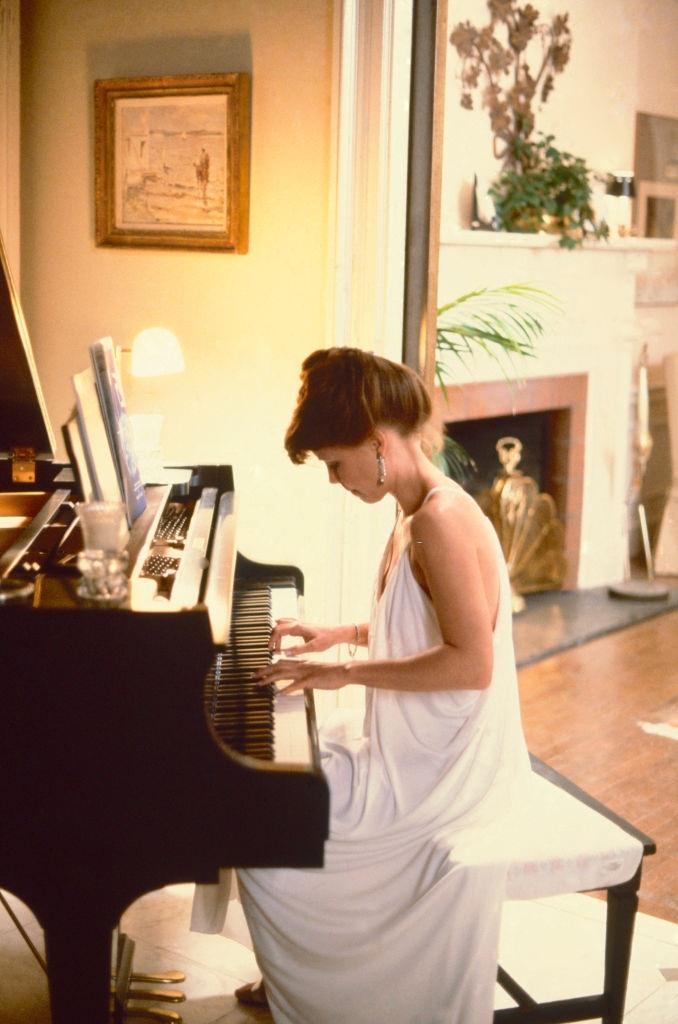
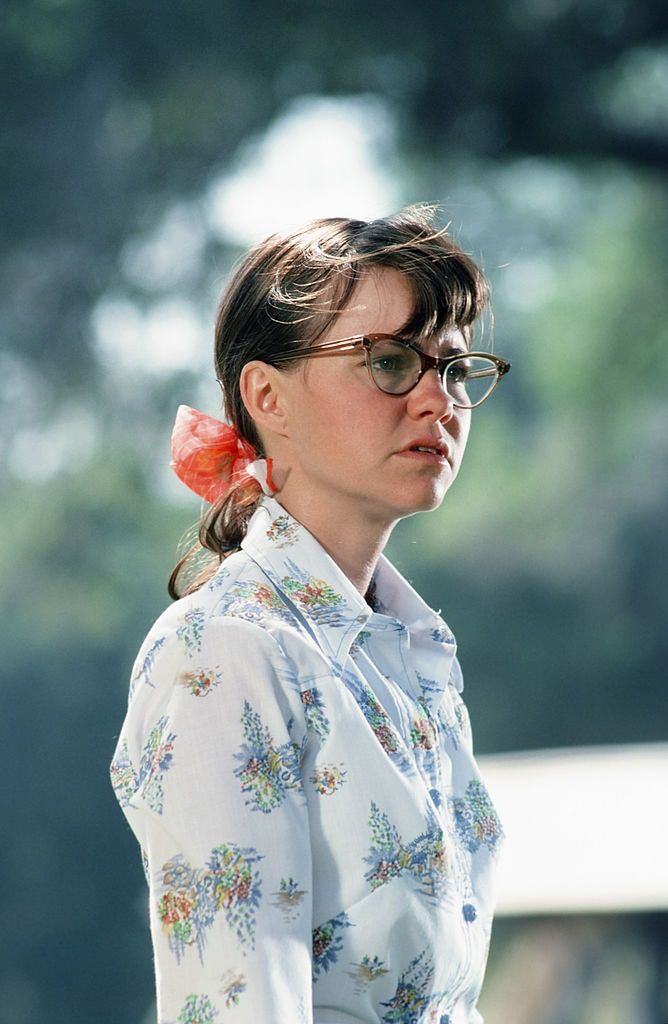
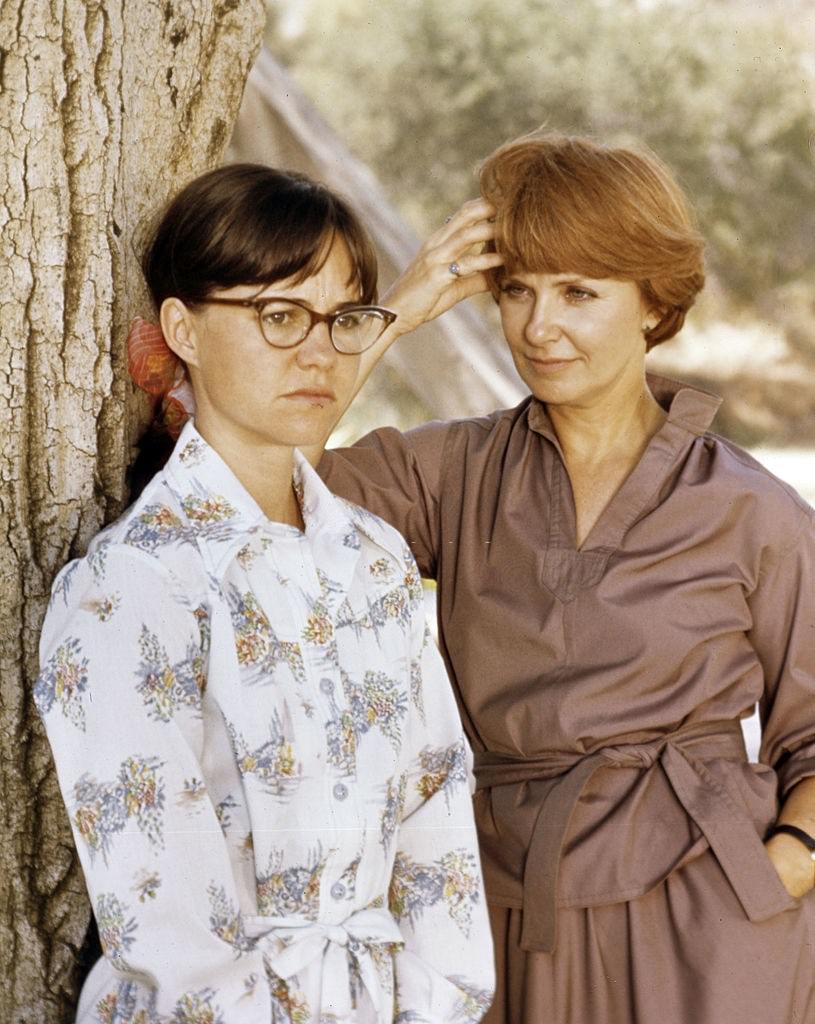
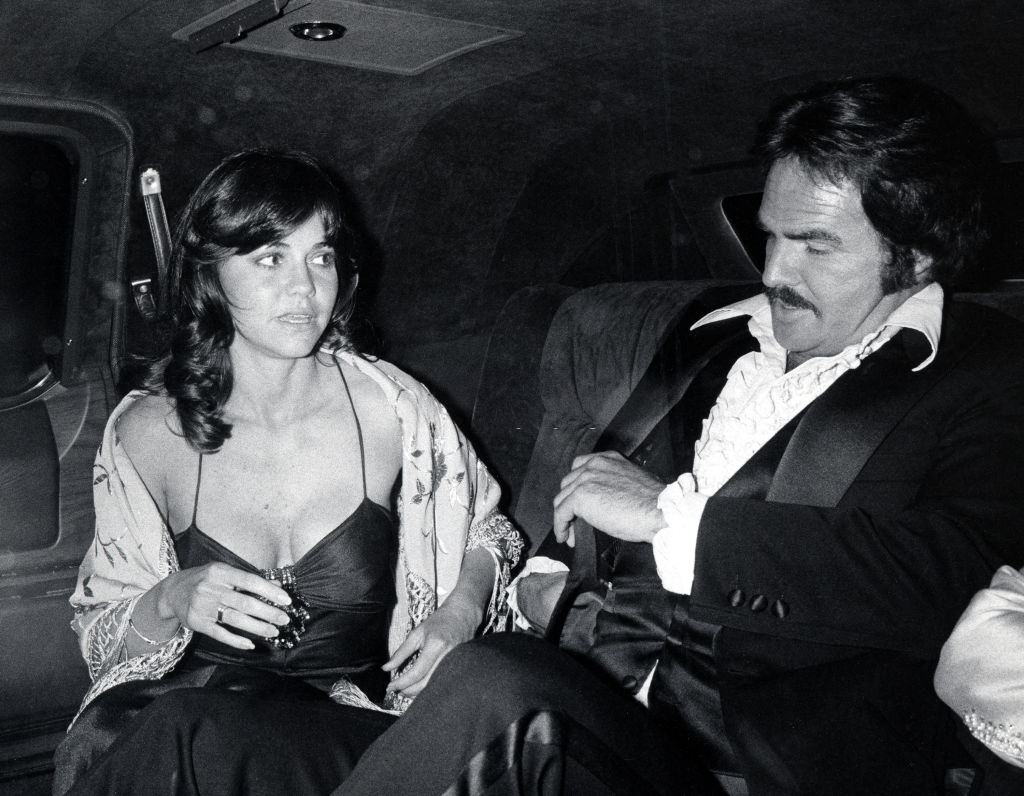
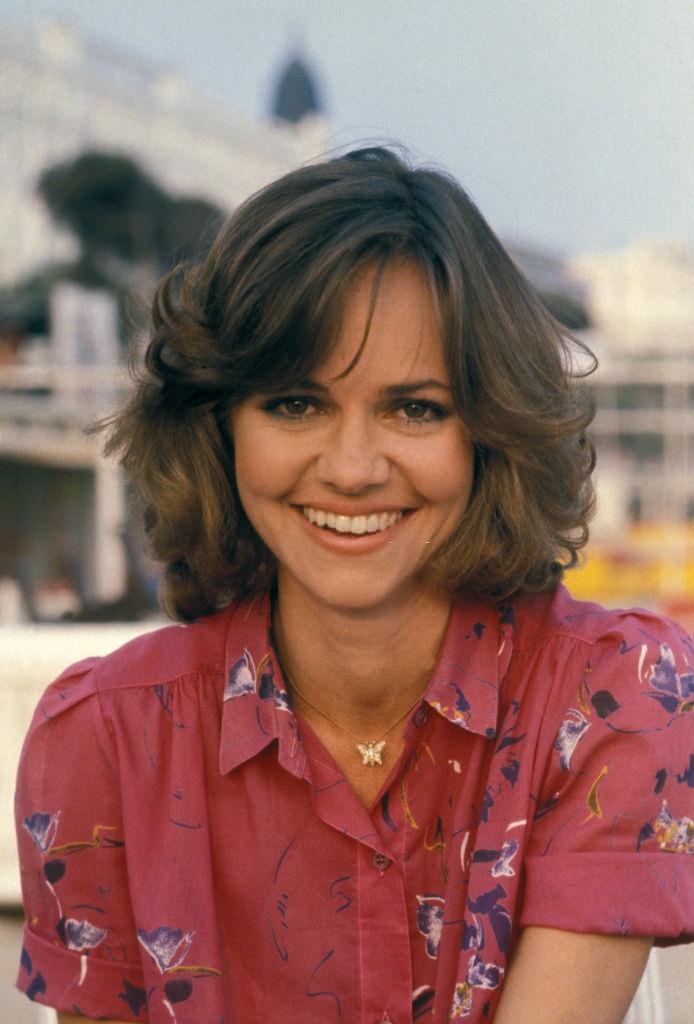
During the late 1970s, Sally also had a well-known relationship with actor Burt Reynolds. The two dated for several years and appeared together publicly at various events. In 1979, she starred opposite Reynolds in Smokey and the Bandit, one of that year’s biggest box office hits. That same year, she delivered the performance that defined her film career: Norma Rae. Playing a textile worker who fights to unionize her factory, Sally brought raw, grounded intensity to the role. She won the Academy Award for Best Actress and the Best Actress Award at the Cannes Film Festival for it.
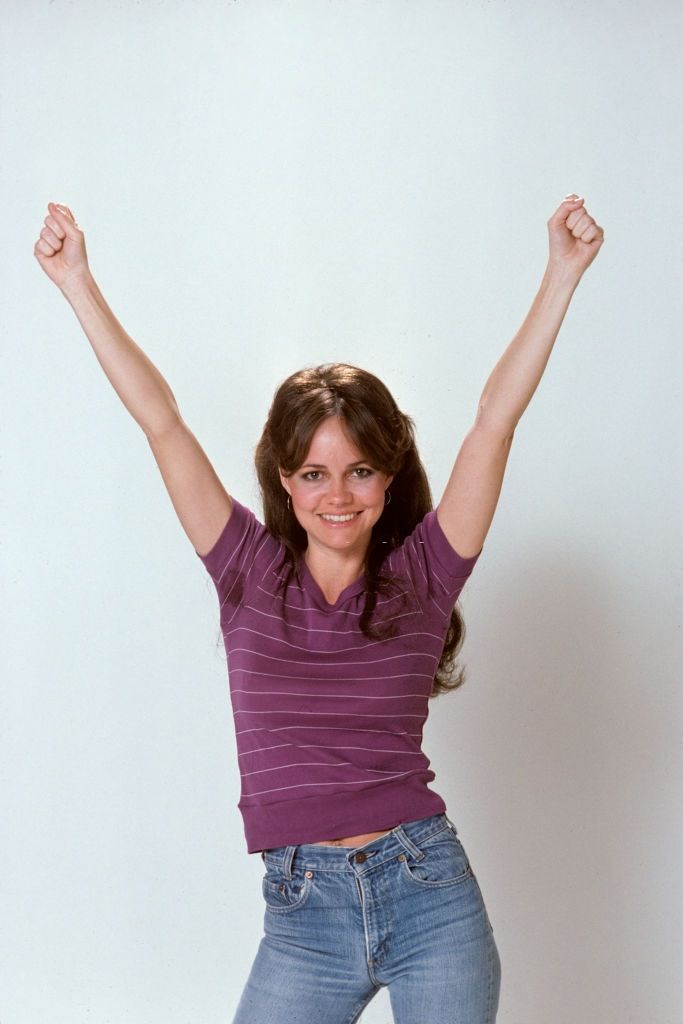
In 1984, Sally married film producer Alan Greisman. That marriage lasted until 1994. She went on to win a second Academy Award for Best Actress in 1984 for Places in the Heart. Beyond acting, Sally founded her own production company, Fogwood Films, through which she directed and wrote the 1996 television movie The Christmas Tree. In 2018, she published her memoir In Pieces, offering a candid look at her Hollywood career and personal life.