
Hey There! Before You Go. 😧
Get the best vintage content straight into your inbox!

Don't worry, we don't spam

Young Joseph Stalin: Rare Historic Photos of the Soviet Leader from his Early Life (1894-1919)

Joseph Stalin — born Ioseb Dzhugashvili in 1878 — grew up in Gori, a small town in Georgia that was then part of the Russian Empire. His family was poor, and life at home was hard. His father, Vissarion, was a cobbler with a violent temper. His mother, Ketevan, was a deeply religious Russian Orthodox Christian who worked as a seamstress to keep the family afloat. She had one clear dream for her son: that he would become a priest.

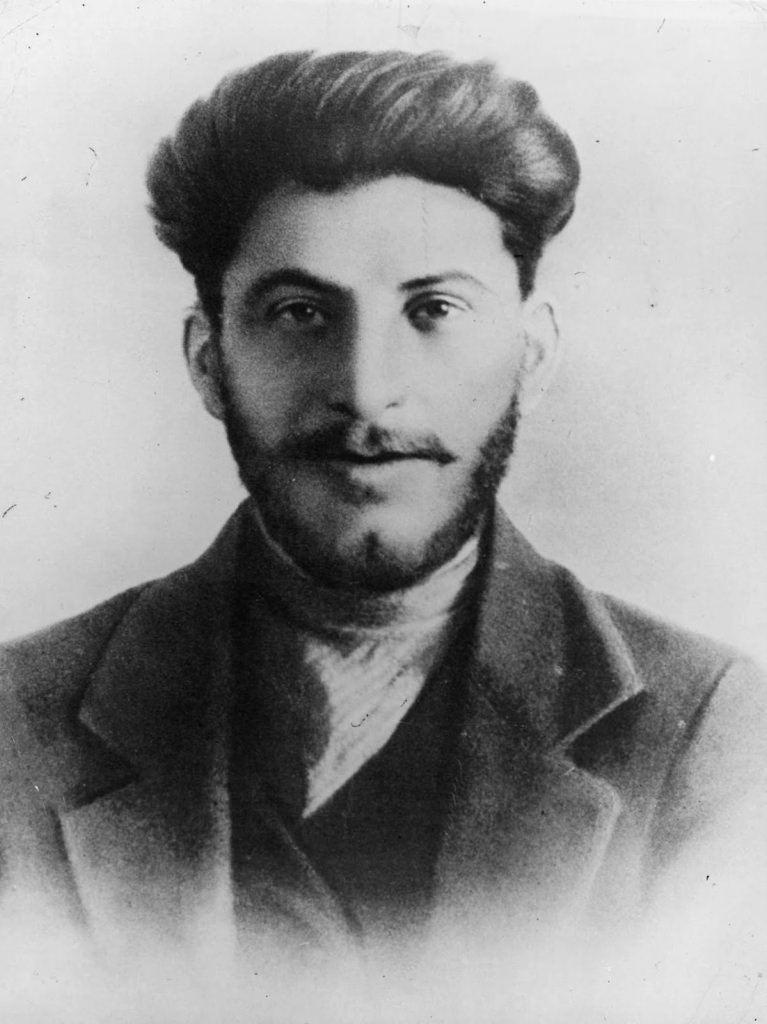
Future Bloshevik revolutionary and Soviet leader Joseph Stalin, 1892.

From a young age, Stalin showed signs of sharp intelligence. His mother pushed him toward the church, and he enrolled at the Gori Church School before moving on to the Tiflis Theological Seminary. But seminary life pulled him in a very different direction. He discovered the writings of Karl Marx and became consumed by radical politics. He joined underground study circles, smuggled banned books, and began organizing fellow students. The seminary expelled him in 1899 before he could graduate.

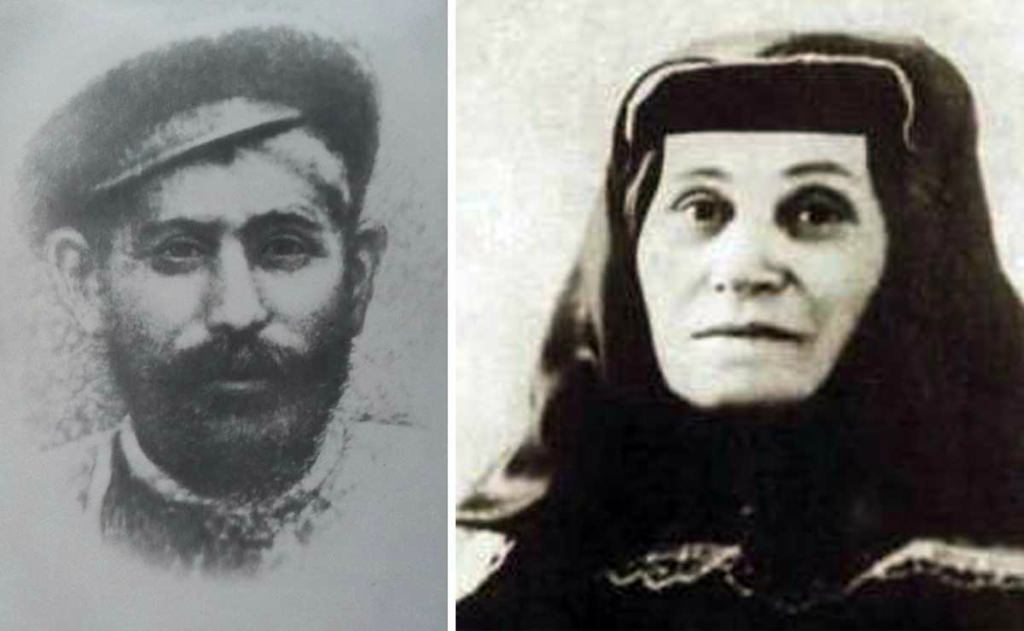
Stalin's father and mother (Vissarion and Ketevan Djugashvilli).
Stalin’s father and mother (Vissarion and Ketevan Djugashvilli).

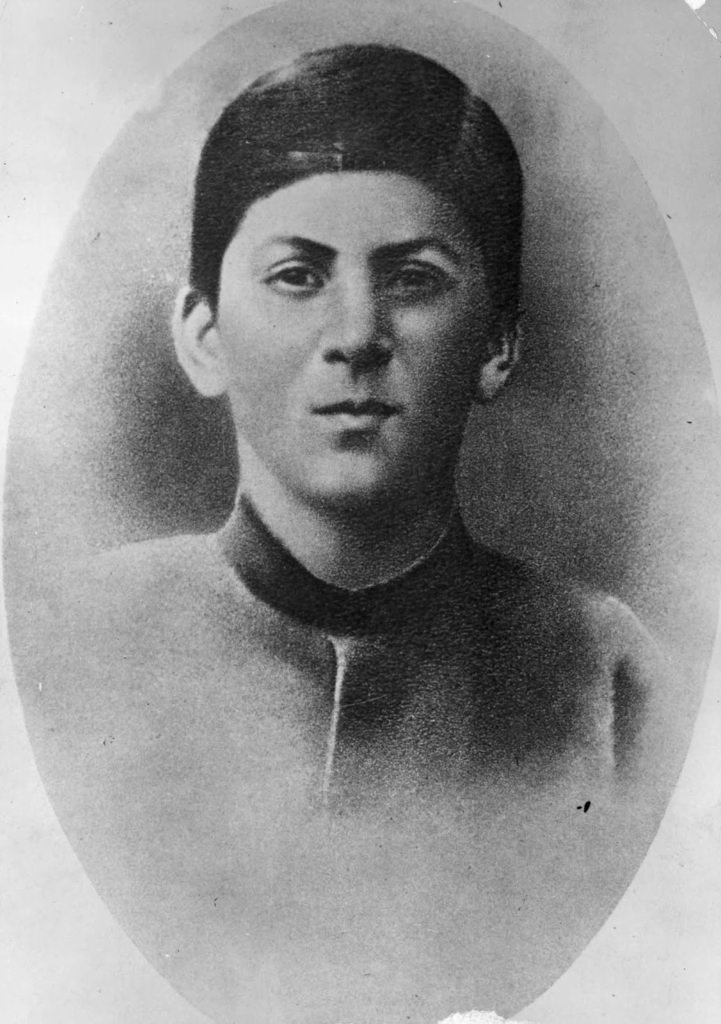
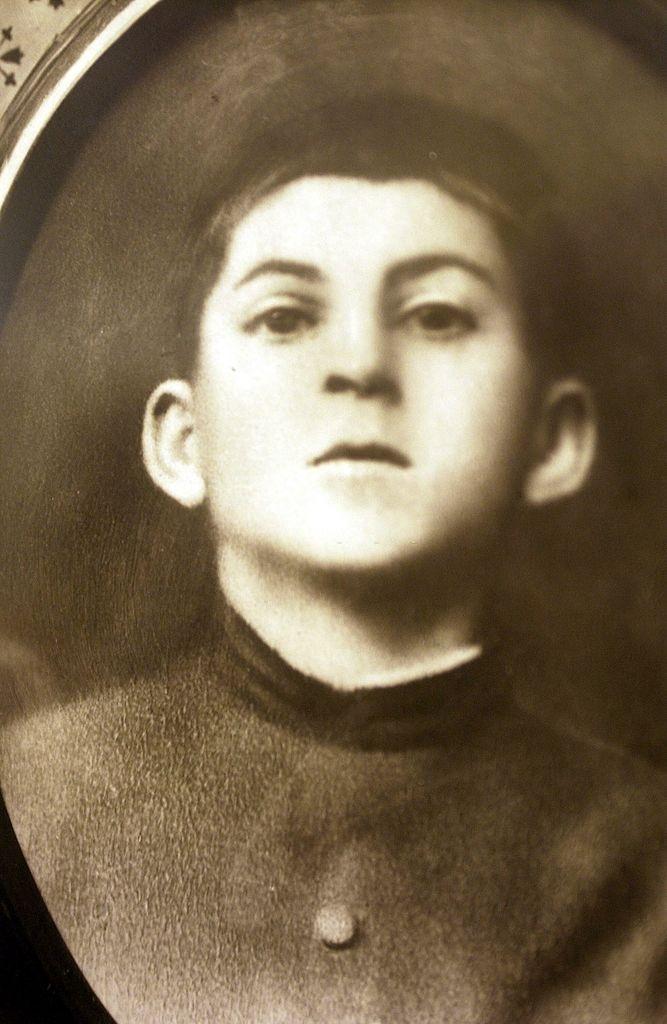
The photo below shows Stalin at just 15 years old — well before the arrests, the exiles, and the revolution that would define his life. At this age, he was still a student at the Gori Church School, a young Georgian boy with no indication to outsiders of the path he was already beginning to walk.

Young Stalin at the age of 15.

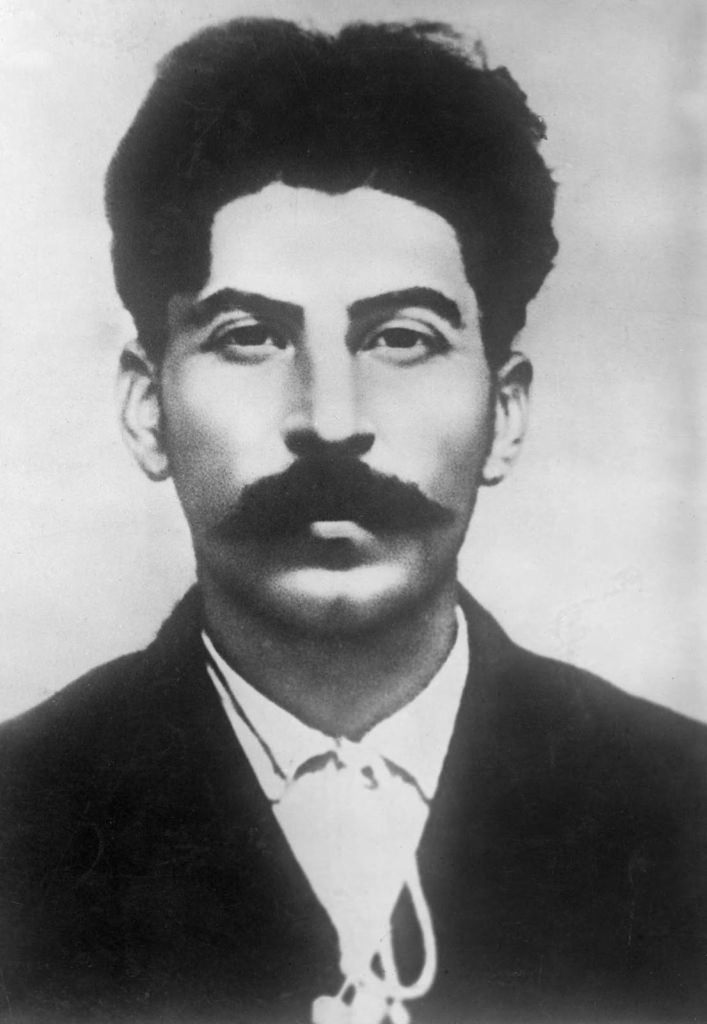
After leaving the seminary, Stalin threw himself fully into revolutionary activity. In 1901, he officially joined the Social Democratic Labour Party and began organizing workers. He led strikes, coordinated protests against Tsarist rule, and helped raise funds for the Bolshevik faction through bank robberies and other illegal operations. The Russian secret police — the Okhrana — took notice quickly. Between 1902 and 1913, Stalin was arrested eight times and sent into Siberian exile multiple times, escaping several of them.

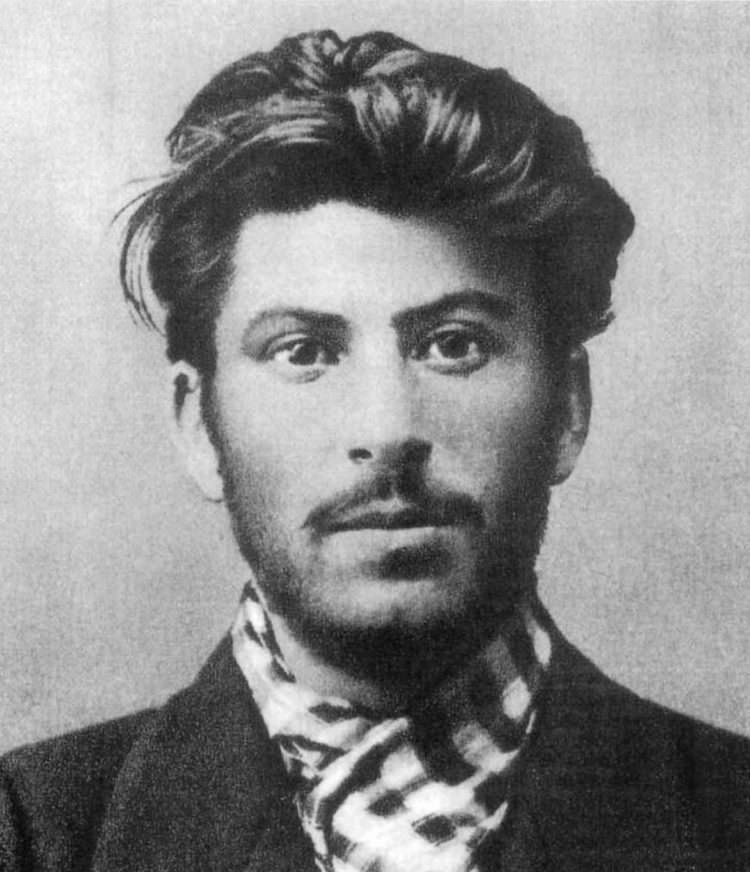
Joseph Stalin at the age of 23

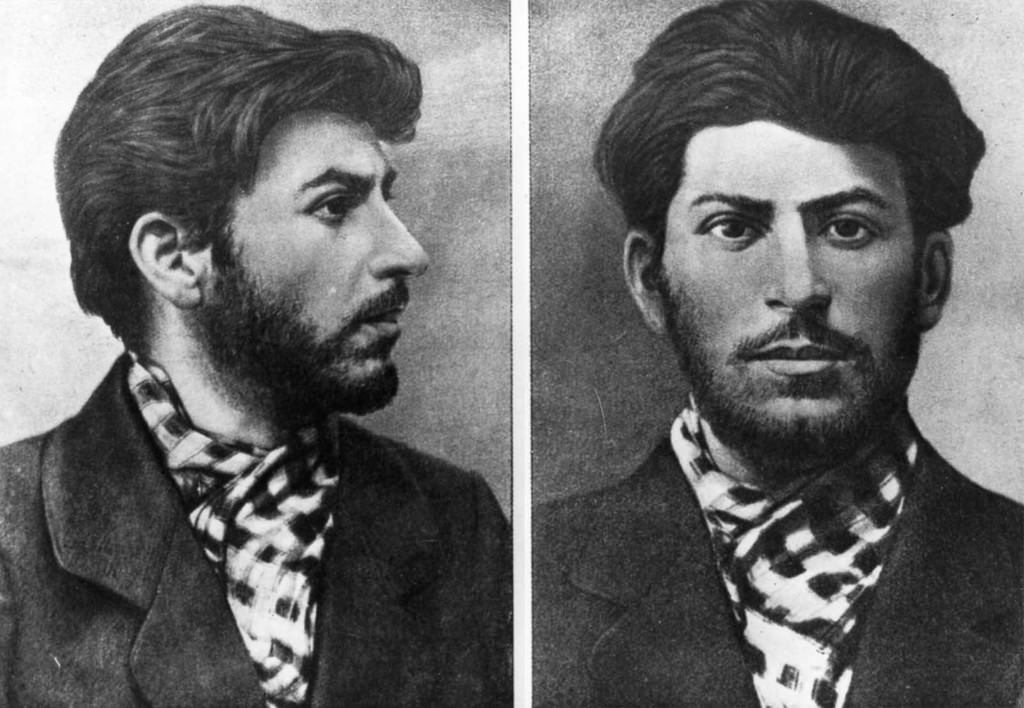
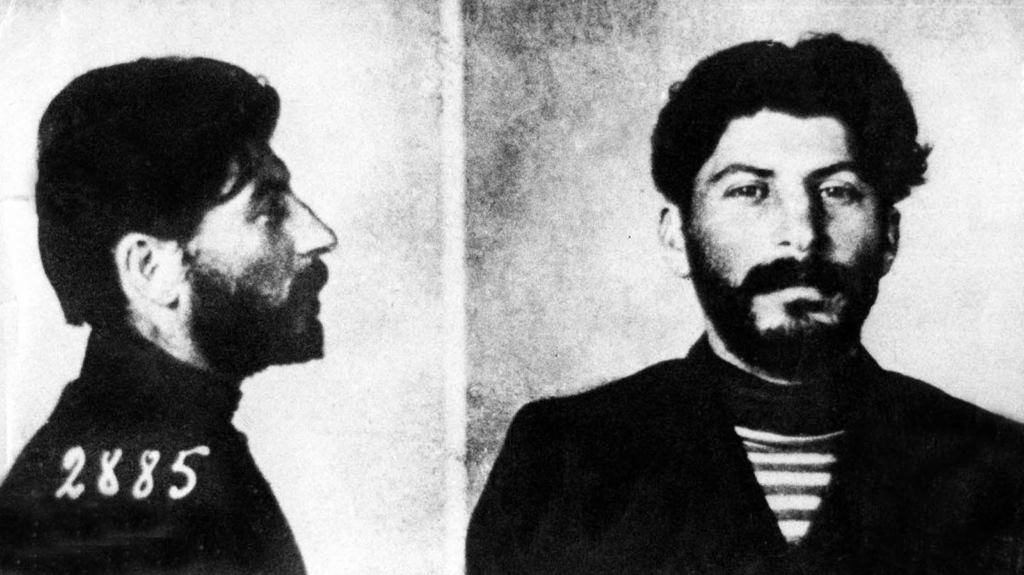
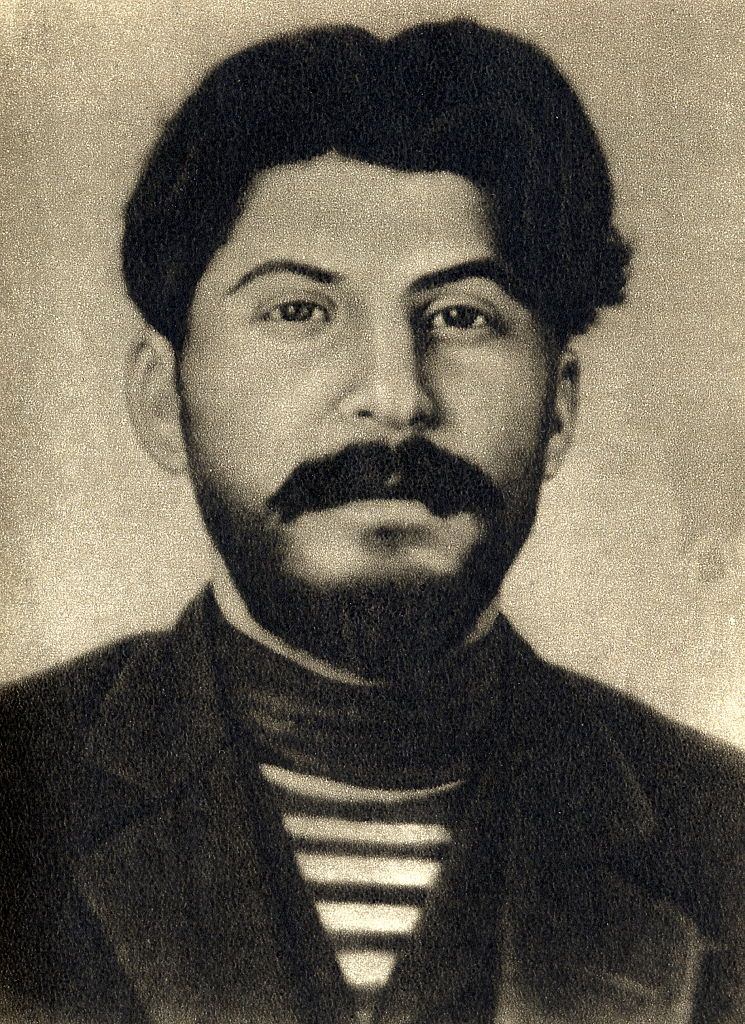
It was during these years of arrests and exile that Ioseb Dzhugashvili adopted the name “Stalin” — a Russian word meaning “Man of Steel.” The name was more than a pseudonym; it was a statement of identity. The police files from this era give us some of the clearest windows into what he looked like as a young man. His first mugshot was taken in 1908, the beginning of a long paper trail kept by the Tsar’s security services.

The first mugshot from the police archive, 1908
From the police archives, 1909
From the police archives, 1910

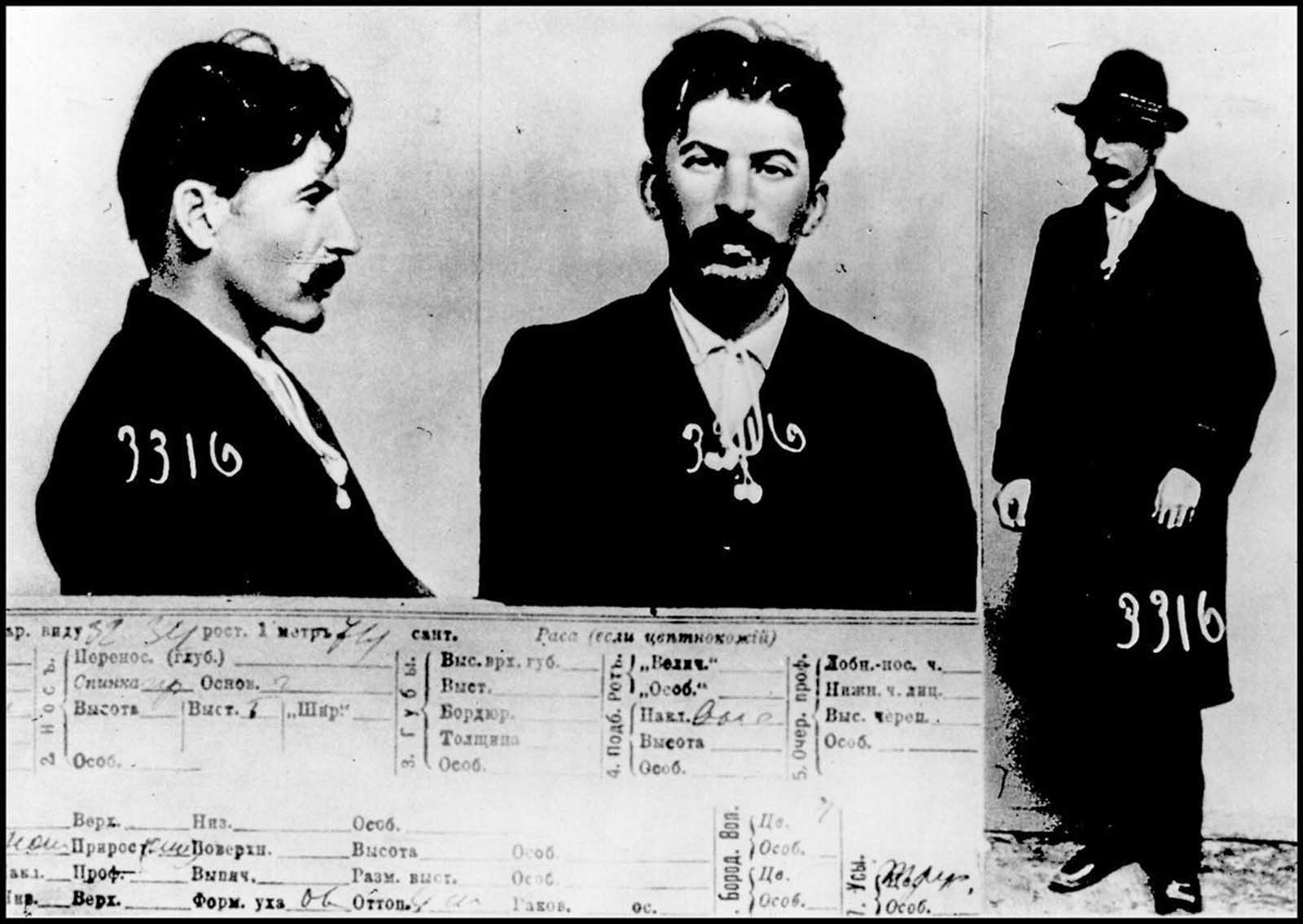
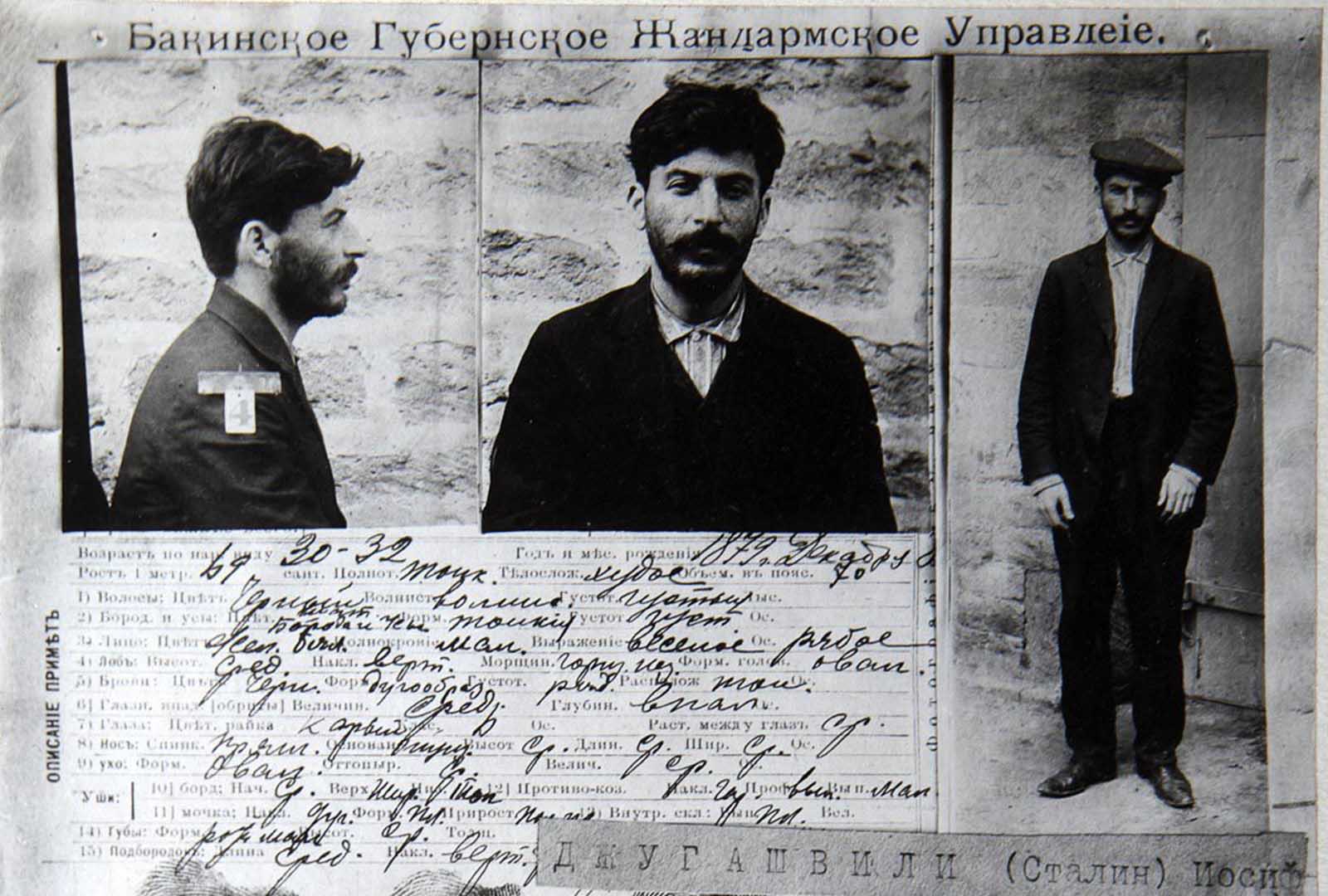
By 1911, Stalin’s file in the Saint Petersburg police archives had grown considerably. The card below, complete with his photograph and personal details, is one of the most recognizable documents from his pre-revolution years. It captures a man the authorities viewed as a persistent and dangerous agitator — and they were not wrong.

The mugshot and the police card on "I. V. Stalin." Archives of the police in Saint Petersburg, 1911
The mugshot and the police card on “I. V. Stalin.” Archives of the police in Saint Petersburg, 1911

The Okhrana caught Stalin attempting to flee exile on multiple occasions. Each time, he was returned to custody and sent further into Siberia. These repeated captures are documented in the police archive records that survived into the modern era, offering a detailed record of a man the state could not seem to hold for long — or permanently stop.

The secret police of the Russian Empire caught Joseph Stalin three times upon his tries to escape the exile.

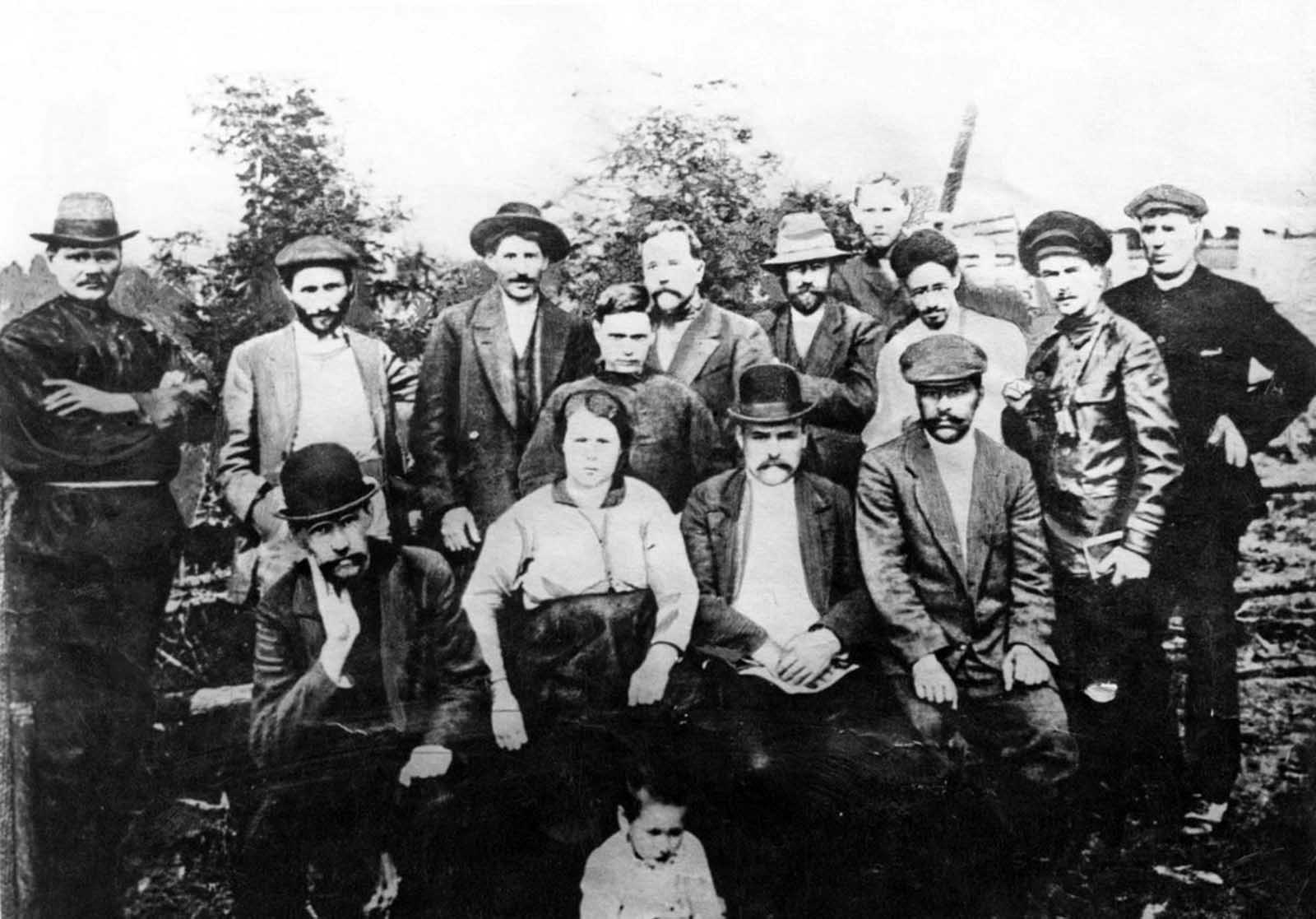
His final major exile took him to Turukhansk, a remote region of Siberia, where he remained from 1913 until 1917. Even there, he was not alone. Other Bolshevik exiles were scattered across the same region, and they maintained contact with one another. The photograph below, taken in 1915, shows Stalin among a group of fellow revolutionaries during that period of forced isolation.

Stalin (standing, third from left) with a group of Bolshevik revolutionaries in Turukhansk, Russian Empire. 1915.
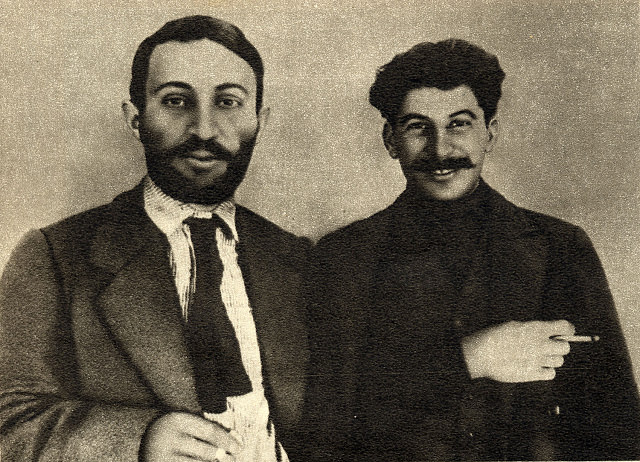
Joseph Stalin with Suren Spandarjan, 1915
Young Joseph Stalin: Rare Historic Photos of the Soviet Leader from his Early Life (1894-1919)

The February Revolution of 1917 brought down Tsar Nicholas II, and Stalin was freed from exile along with thousands of other political prisoners. He returned to Petrograd and immediately re-entered Bolshevik Party affairs. By October 1917, Lenin and the Bolsheviks had seized power from the Provisional Government. Stalin was present and active throughout, though his role during the October Revolution itself was less prominent than that of figures like Leon Trotsky.

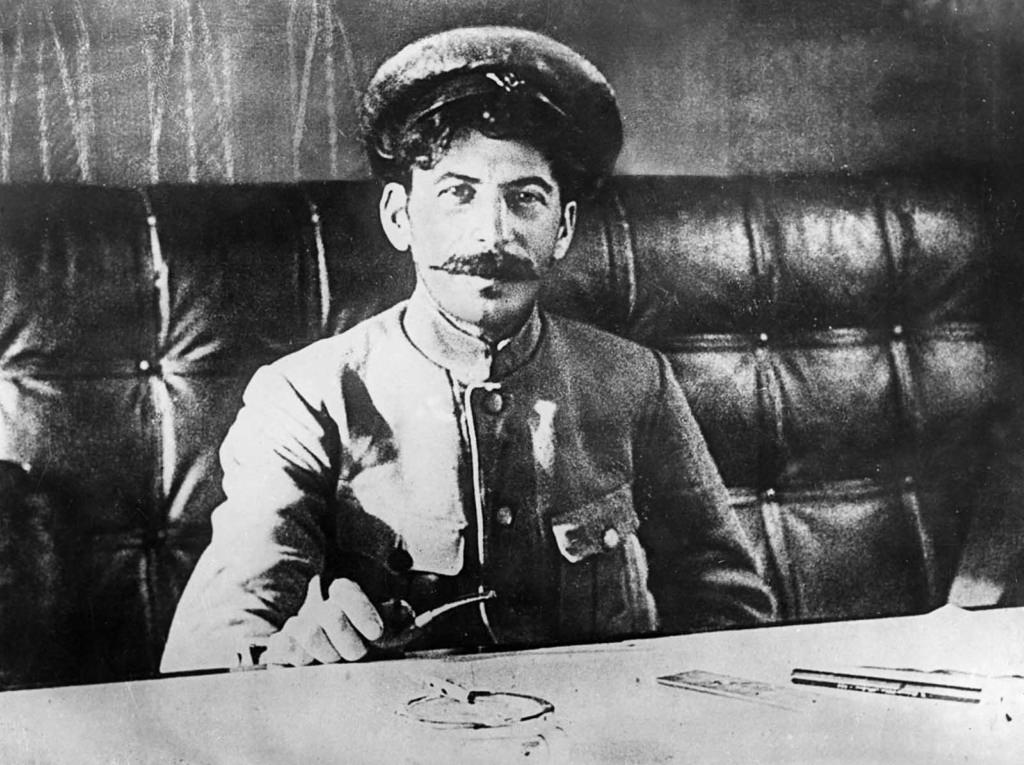
Josef Stalin in 1917.
Stalin during the October Revolution in Russia, 1917

During the Russian Civil War that followed the revolution, Stalin took on military and political roles that expanded his standing within the party. He served as a political commissar on several fronts, often clashing with military commanders — including Trotsky. These years sharpened his political instincts and deepened his network of loyal allies inside the Bolshevik leadership.

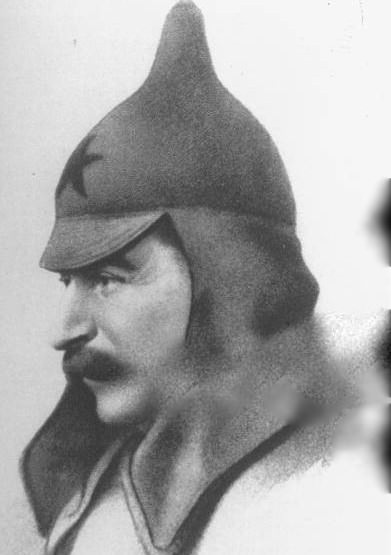
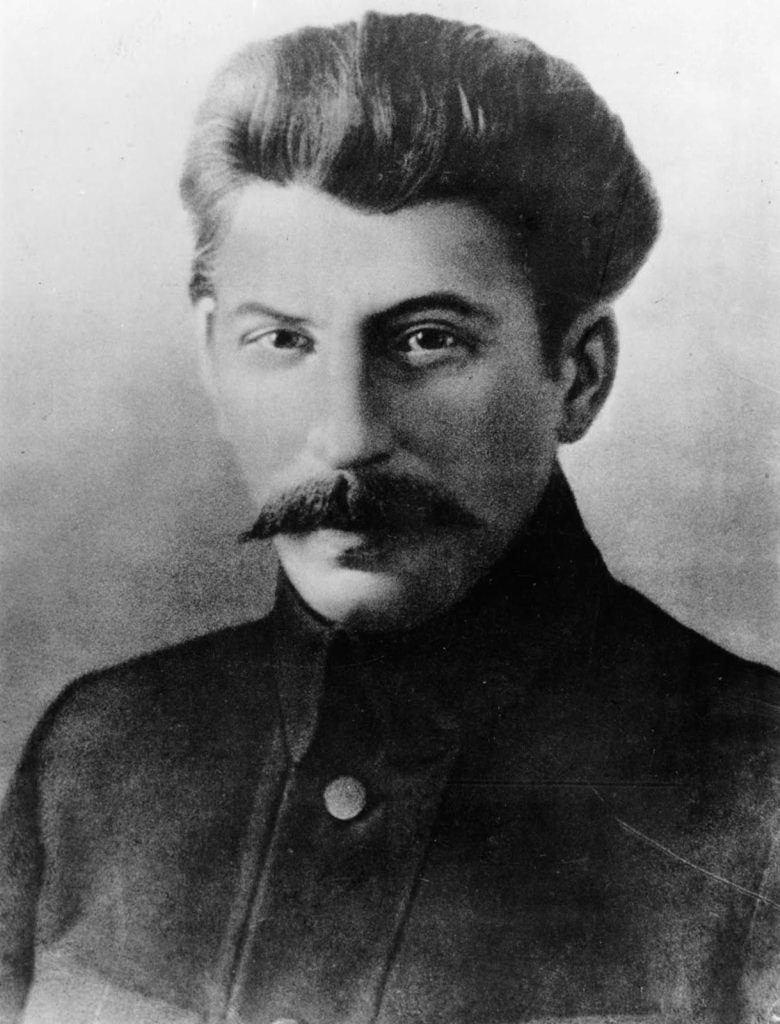
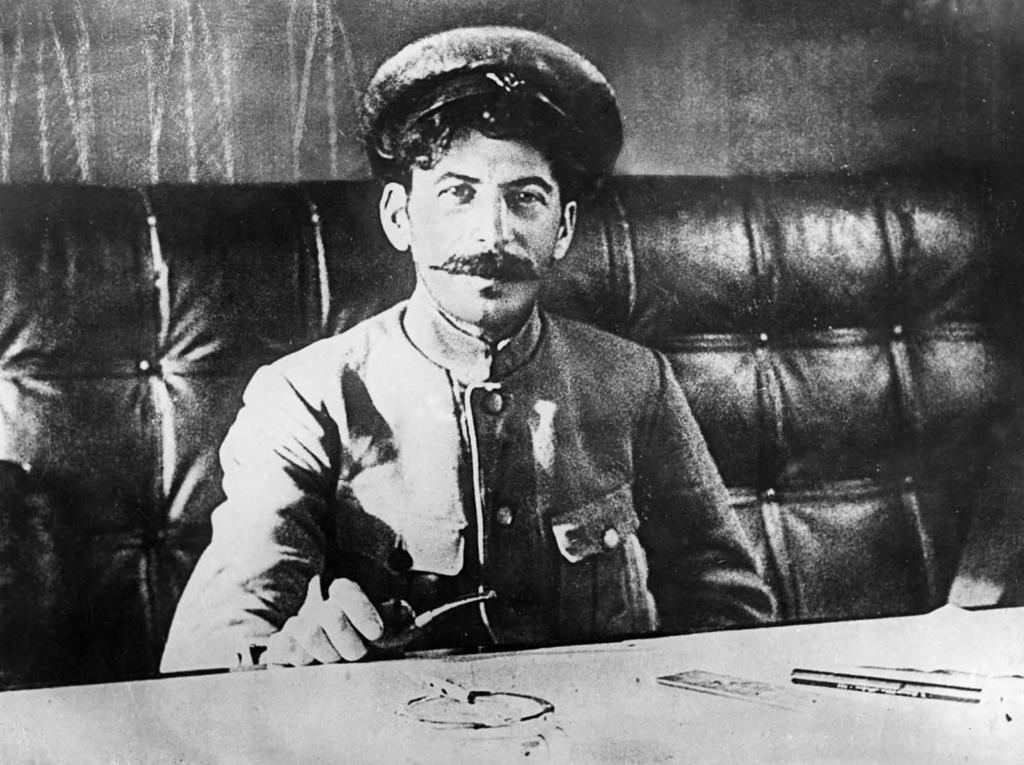
Joseph Stalin during the Russian Revolution, 1918
Stalin, in 1918, still looks pretty fresh.

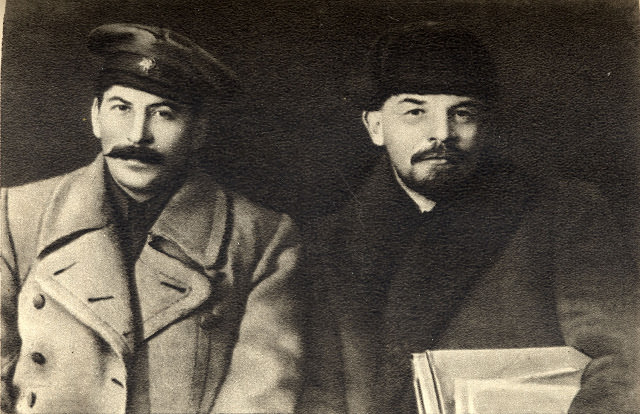
By 1919, Stalin was firmly embedded in the upper tier of the new Soviet state. His photograph alongside Vladimir Lenin at the VIII Party Congress that year captures two men who, despite their later tensions, were at this moment working in the same direction. Lenin still led the party; Stalin was building the machinery that would one day make him its undisputed master.

Joseph Stalin and Vladimir Lenin during the VIII Congress of the Party, 1919
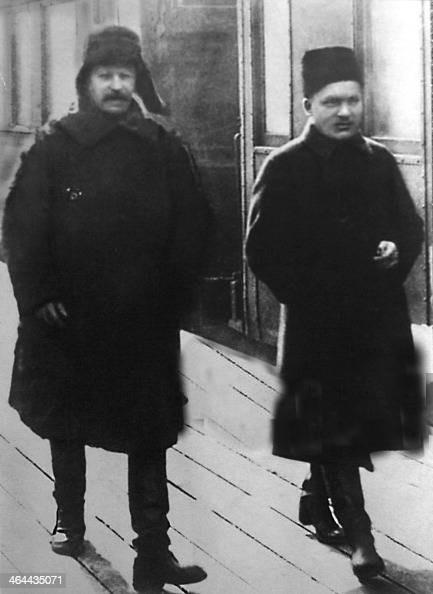
Joseph Stalin with Kalinin, 1919
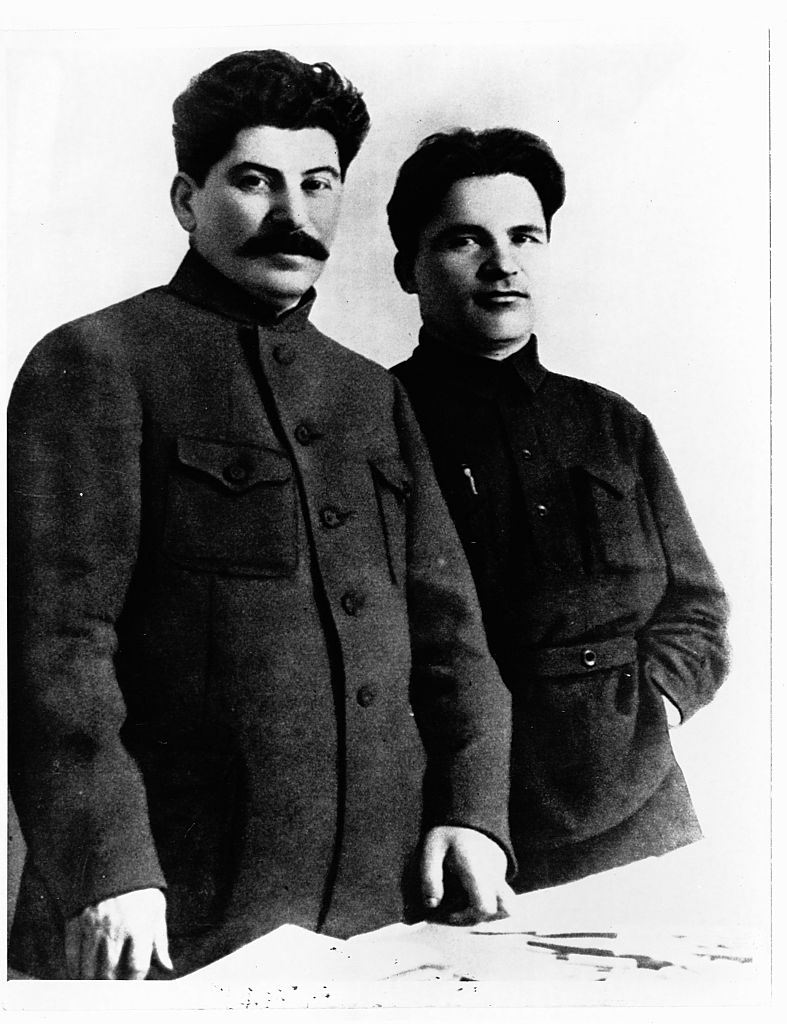
Joseph Stalin with Sergey Kirov
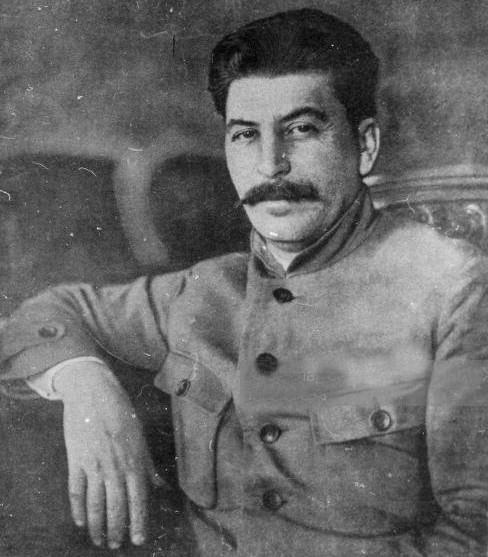
Joseph Stalin in 1920
Enjoyed this post? Get new ones in your inbox.

Leave a Comment

Your email address will not be published. Required fields are marked *

Share this Post 🥺

Please take a moment to share this content. Your support is greatly appreciated! 🙌🙏

Share this Post 🥺

Please take a moment to share this content. Your support is greatly appreciated! 🙌🙏
Scroll to Top
 
Hey Friend, Before You Go.. Please like & follow for more interesting content