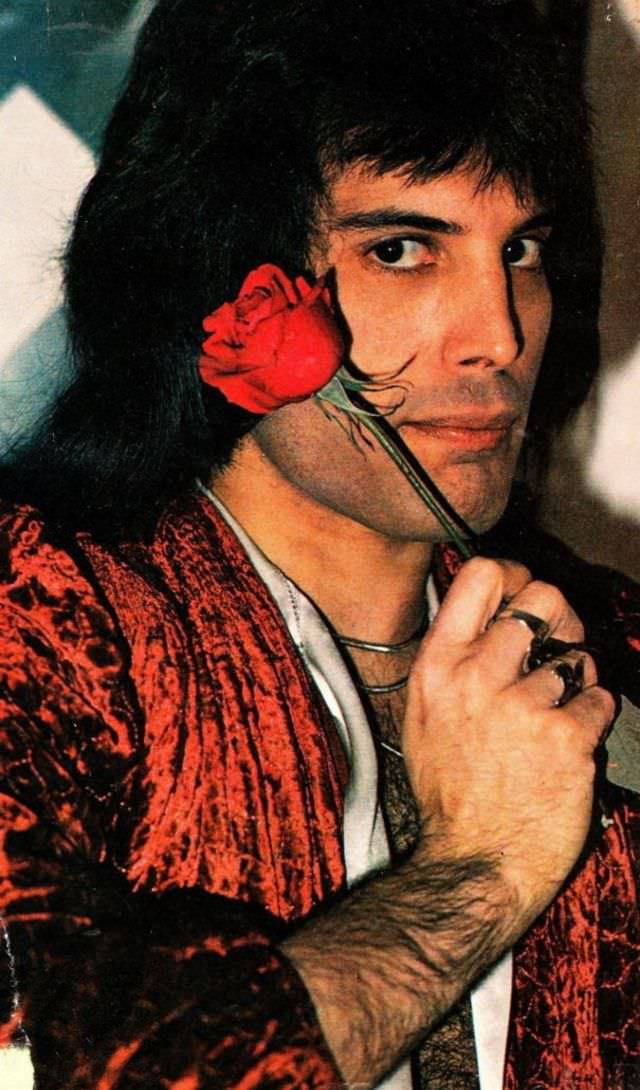
Freddie Mercury is the ultimate Rock God; his music ruled U.S. and British charts in the 1970s and 1980s. Born Farrokh Bulsara, he was a British rock singer and songwriter. Mercury studied piano in boarding school in India and spent his free time with his aunt and grandparents. His nickname was Bucky because of his bucktooth grin. He was born with four extra teeth in the back of his mouth. Mercury never got his teeth fixed because he was afraid it would ruin his impressive four-octave vocal range.
Freddie started his career by signing for different bands in London. He became friends with Brian May and drummer Roger Taylor of the band Smile. And in the 1970s, when the lead singer of Smile group quit, Freddie replaced him and changed the group name to Queen, which spanned to different generations, countries, and genres, including heavy metal. Queen’s 1974 song “Stone Cold Crazy” has been cited as a precursor of speed metal. Another mock-operatic single “Bohemian Rhapsody” spent nine weeks atop the British single charts, and its accompanying promotional film helped the music industry recognize its future in video.
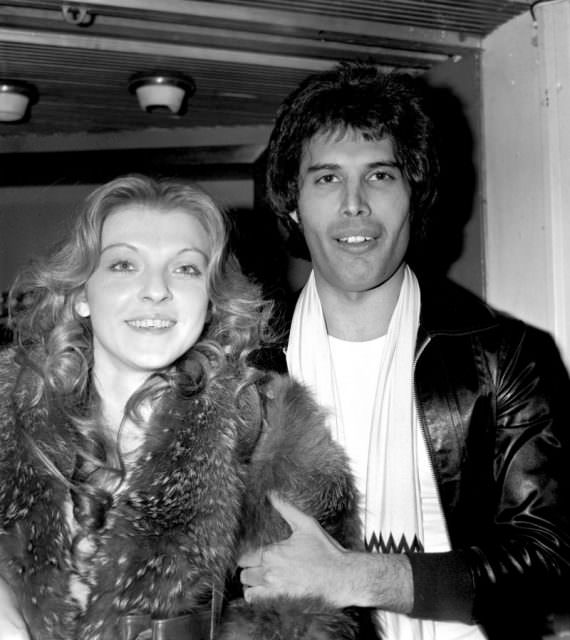
Freddie Mercury was bisexual and entered into a serious relationship with Mary Austin in the 1970s. Mercury wrote the ballad “Love of My Life” for Austin. They two lived together for several years and even got engaged. However, Mercury was also seeing men, while he was with Austin, including record executive Paul Prenter, David Minns, chef Joe Fanelli, DHL courier Tony Bastin, German restaurateur Winfried “Winnie” Kirchberger, and Jim Hutton, who was with him until Mercury’s death in 1991. He also dated his bandmates.
Mercury died at the age of 45 from AIDS-related bronchial pneumonia.
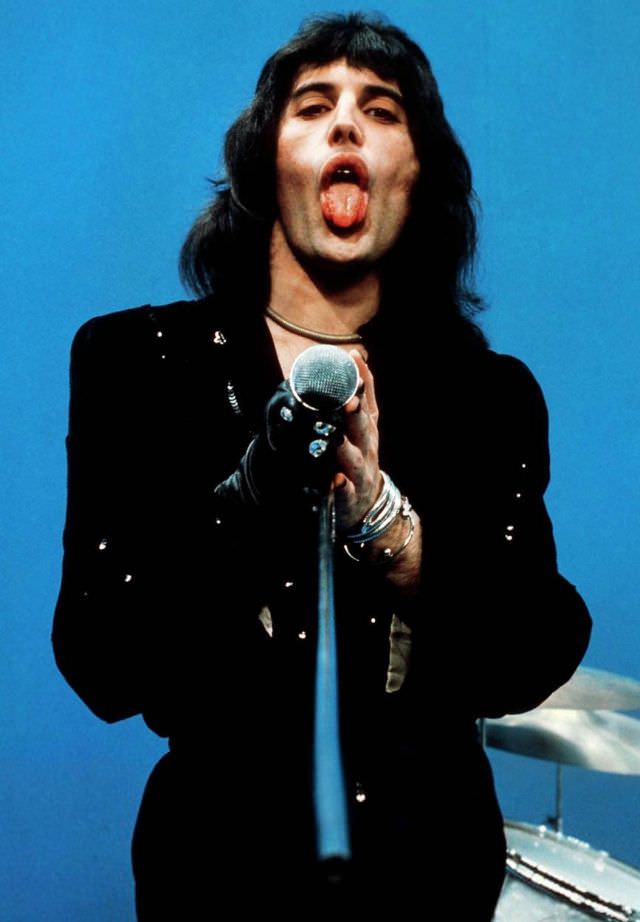
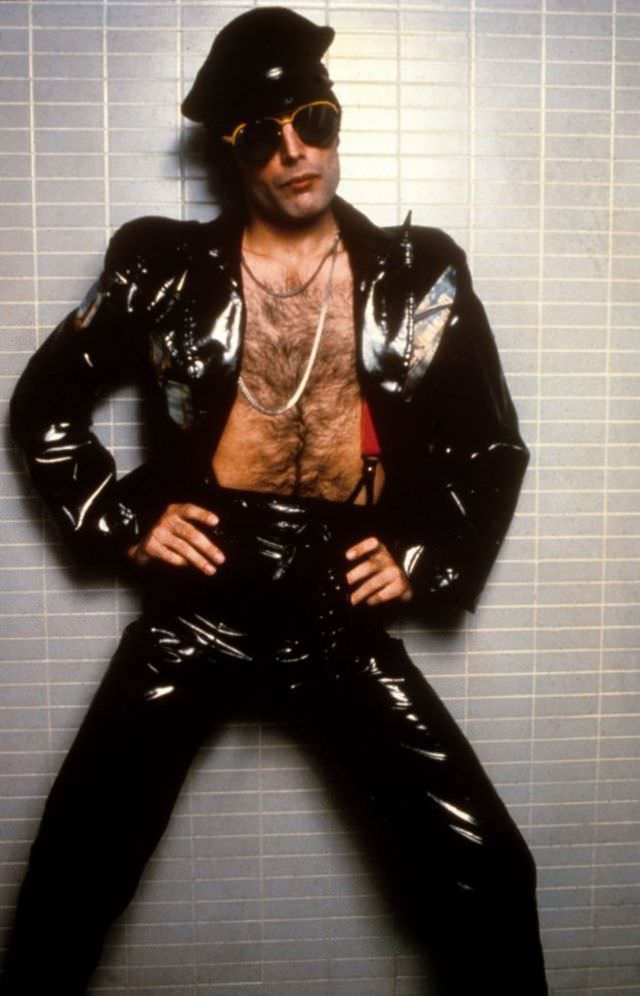
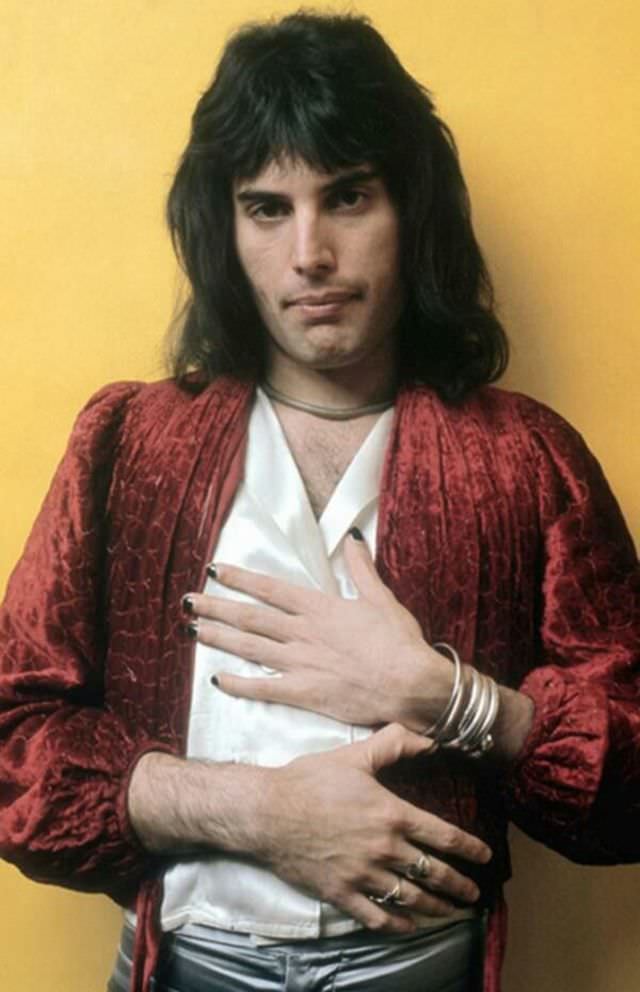
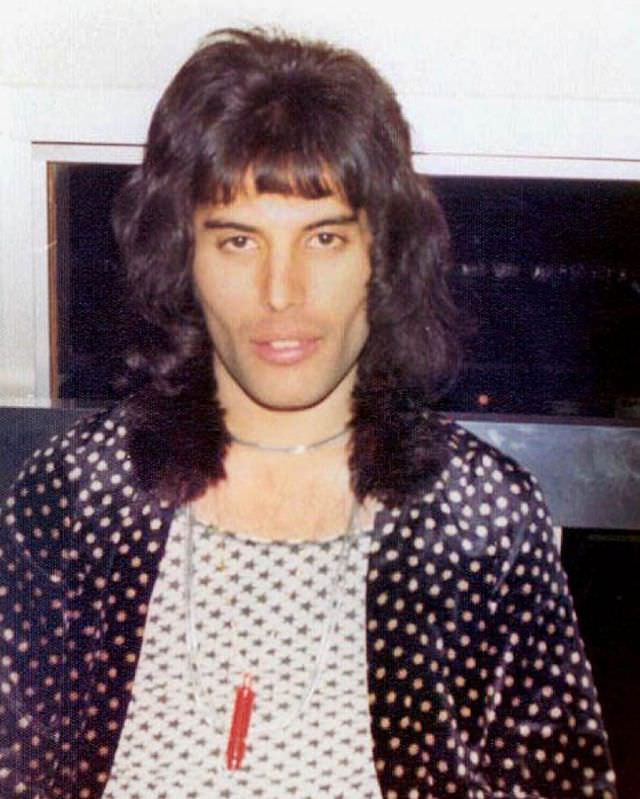
Here, below are some photographs documenting the life of Freddie Mercury from his childhood to a Rockstar.
#1 Baby Freddie
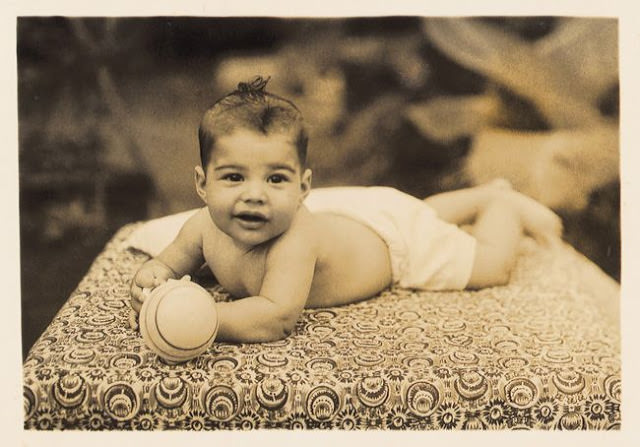
#2 Freddie Mercury on his fourth birthday in Zanzibar, 1950
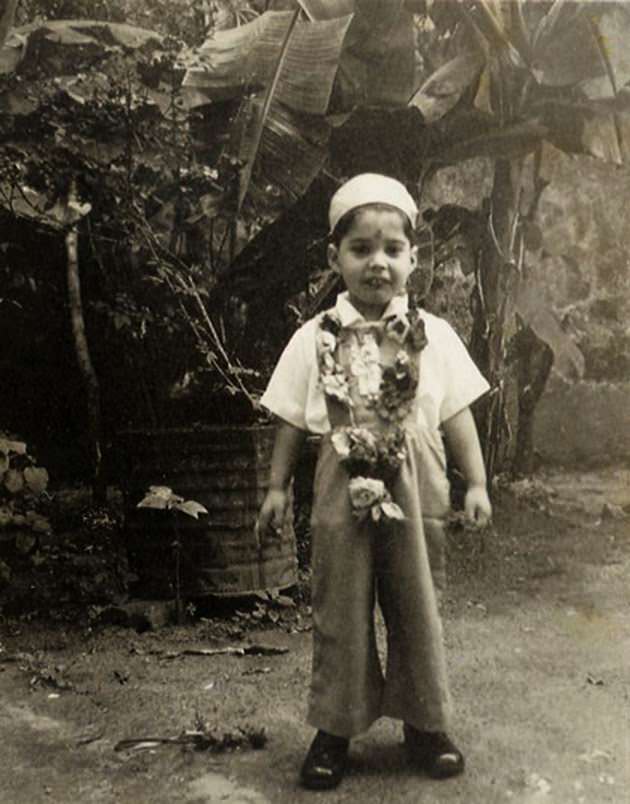
#3 Kid with confidence
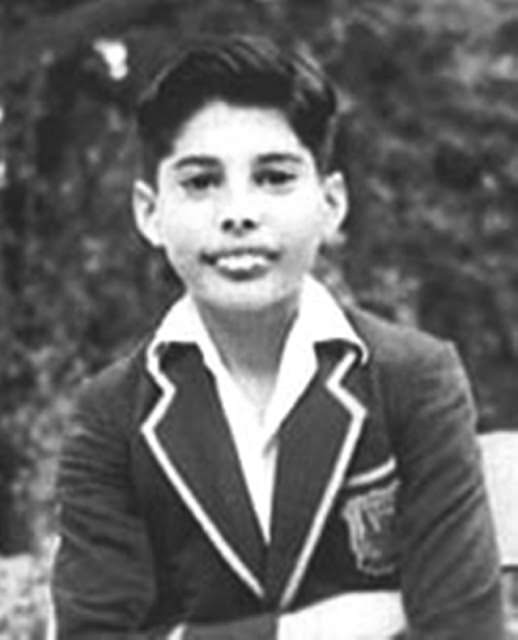
#4 High school Freddie
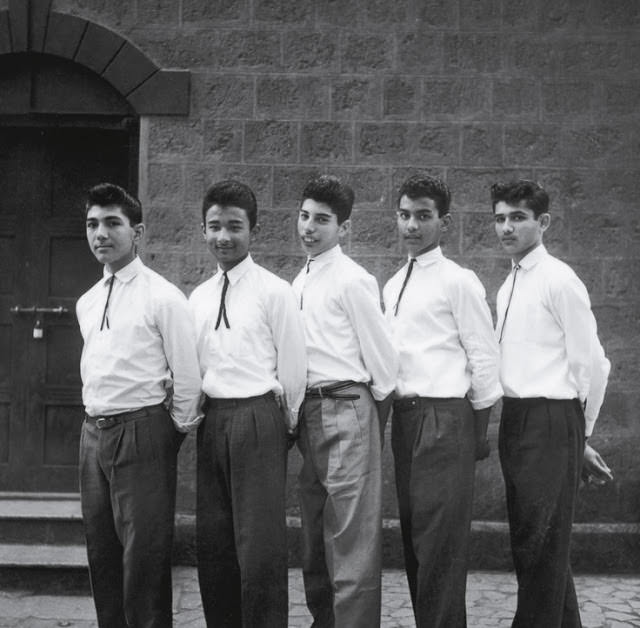
#5 Freddie Mercury enjoying on bench
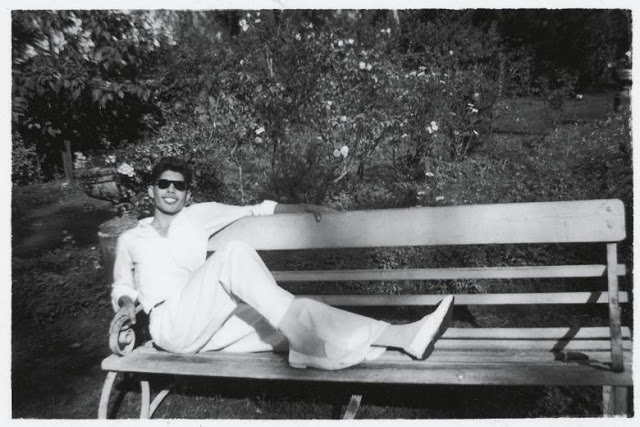
#6 Freddie Mercury with her sister
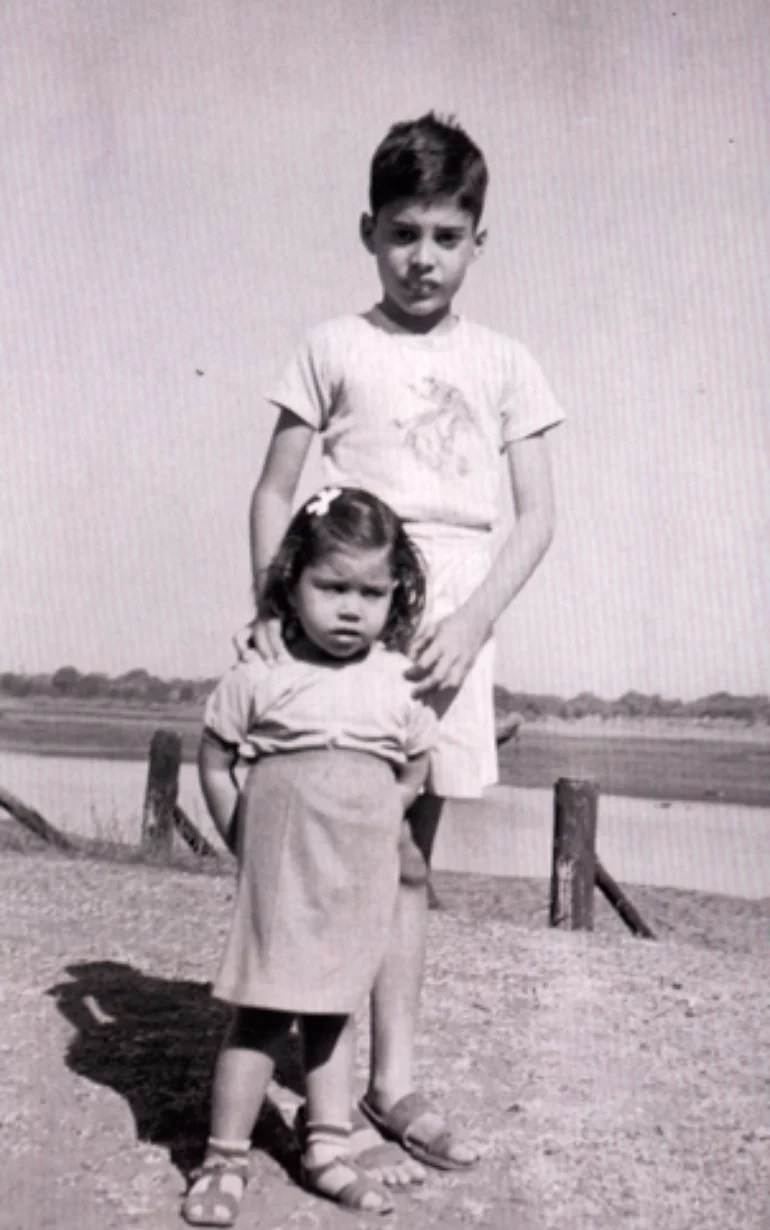
#7 Baby Freddie with her mother
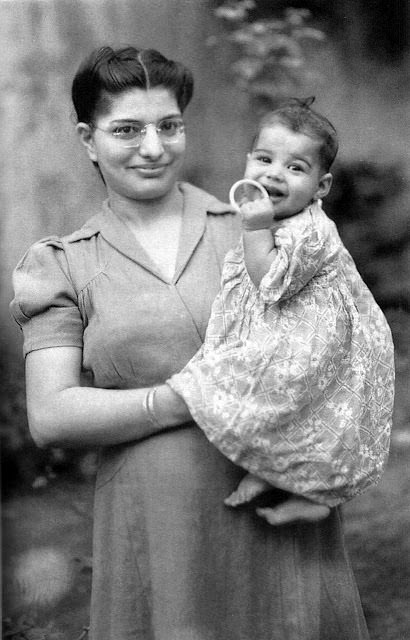
#8 Freddie Mercury with Roger Taylor and Brian May, founder members of a band called Smile.
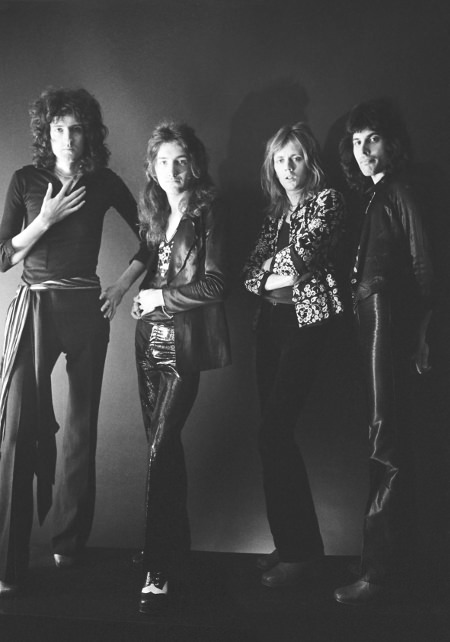
#9 Young Freddie Mercury waiting
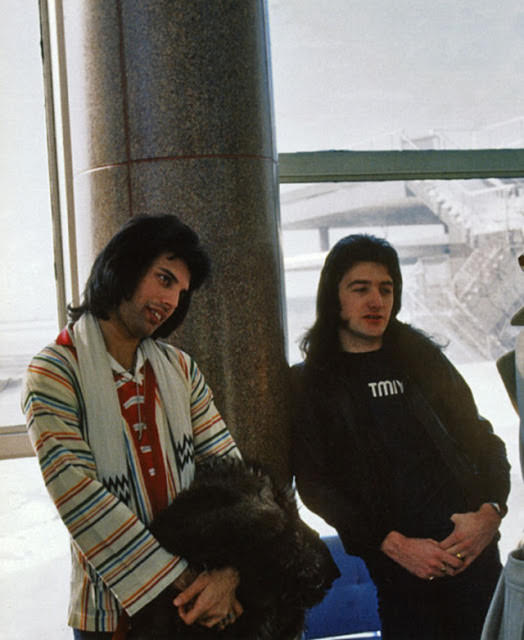
#10 He loved tea and Earl Grey was his all-time favorite
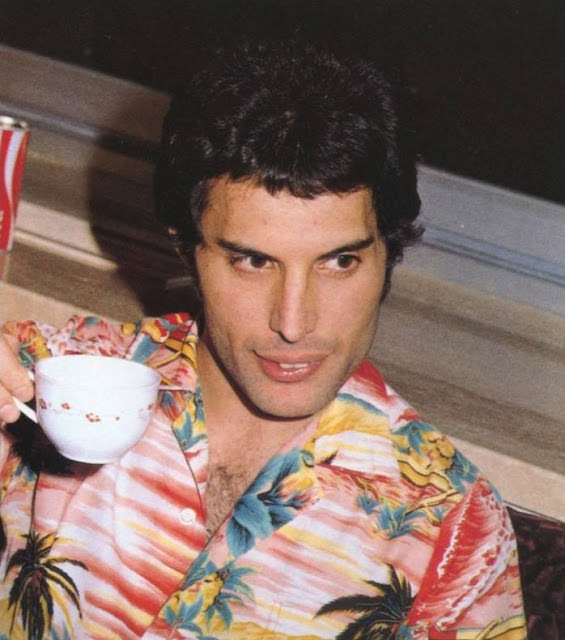
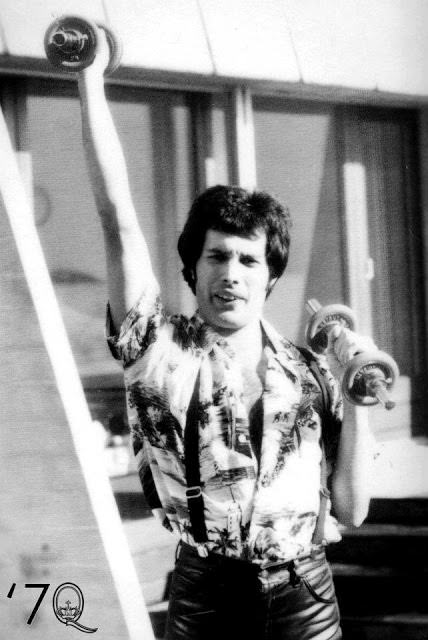
#11 Freddie Mercury working out in the sun, 1960s
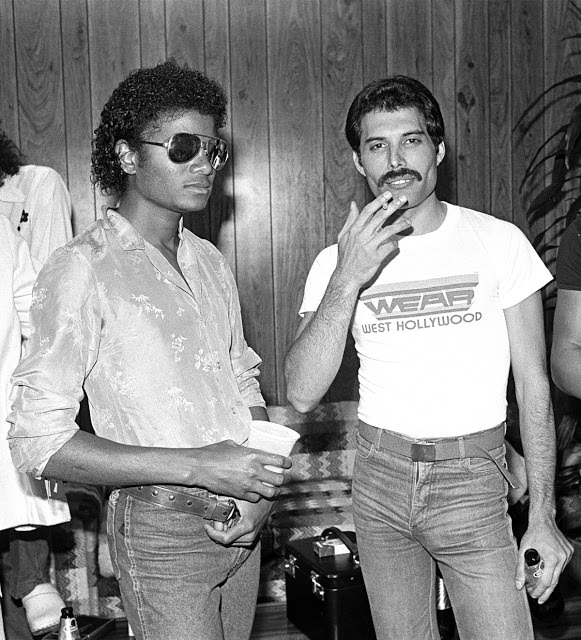
#12 Freddie Mercury with Micheal Jackson
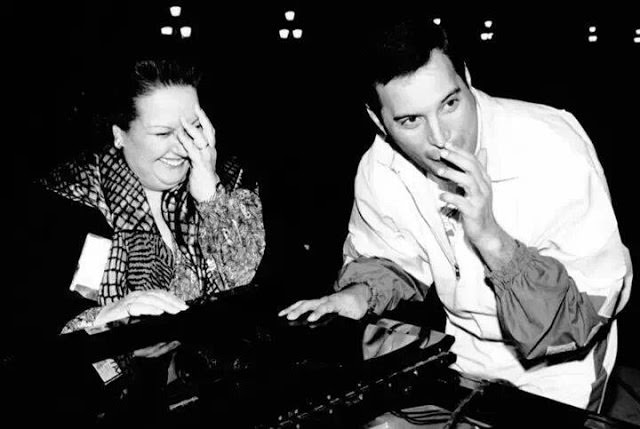
#13 Freddie Mercury with Montserrat Caballé, 1960s
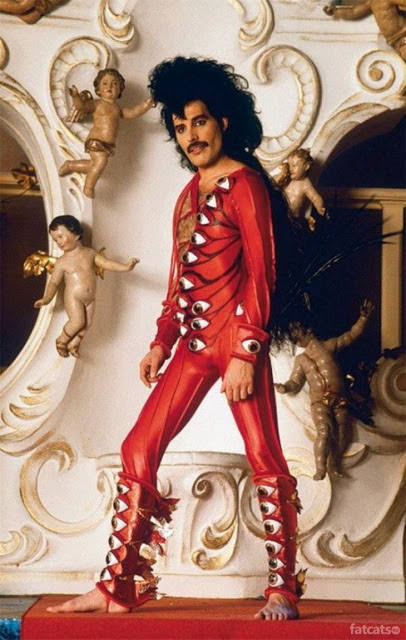
#14 Feedie Mercury in a strange costume
#15 Freddie Mercury siging at Kensington Roof Gardens, 1968
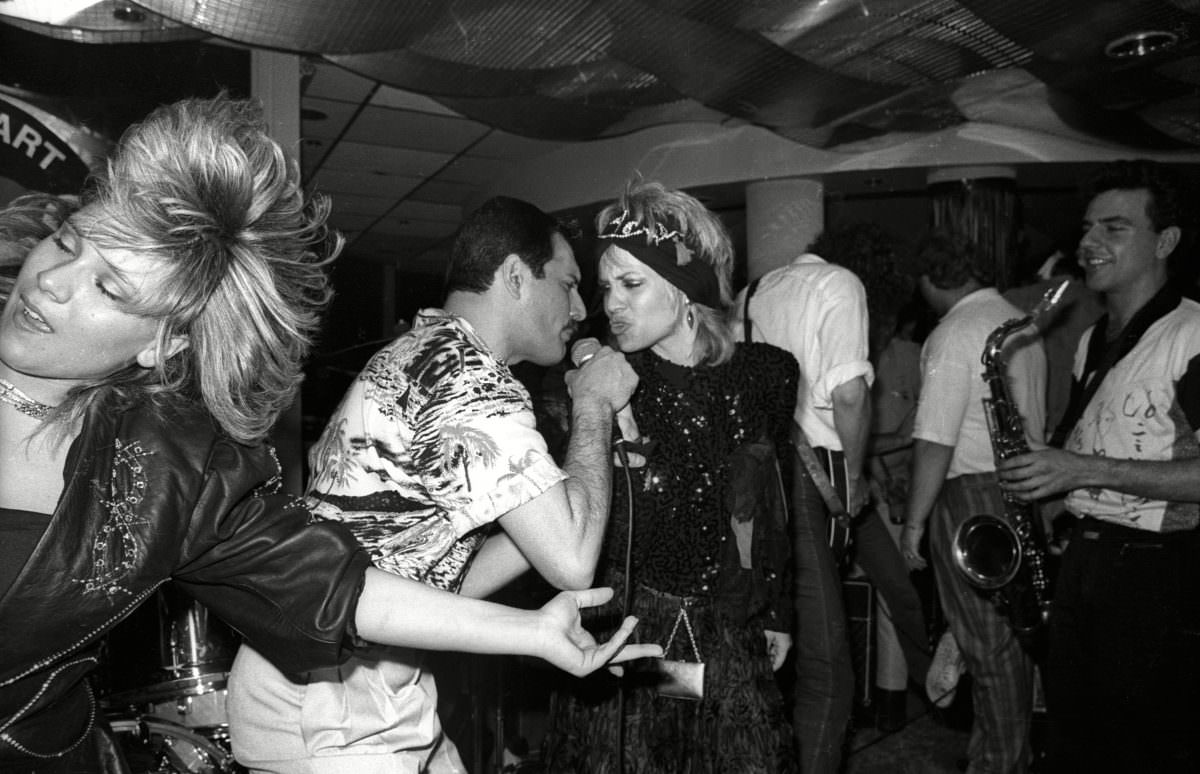
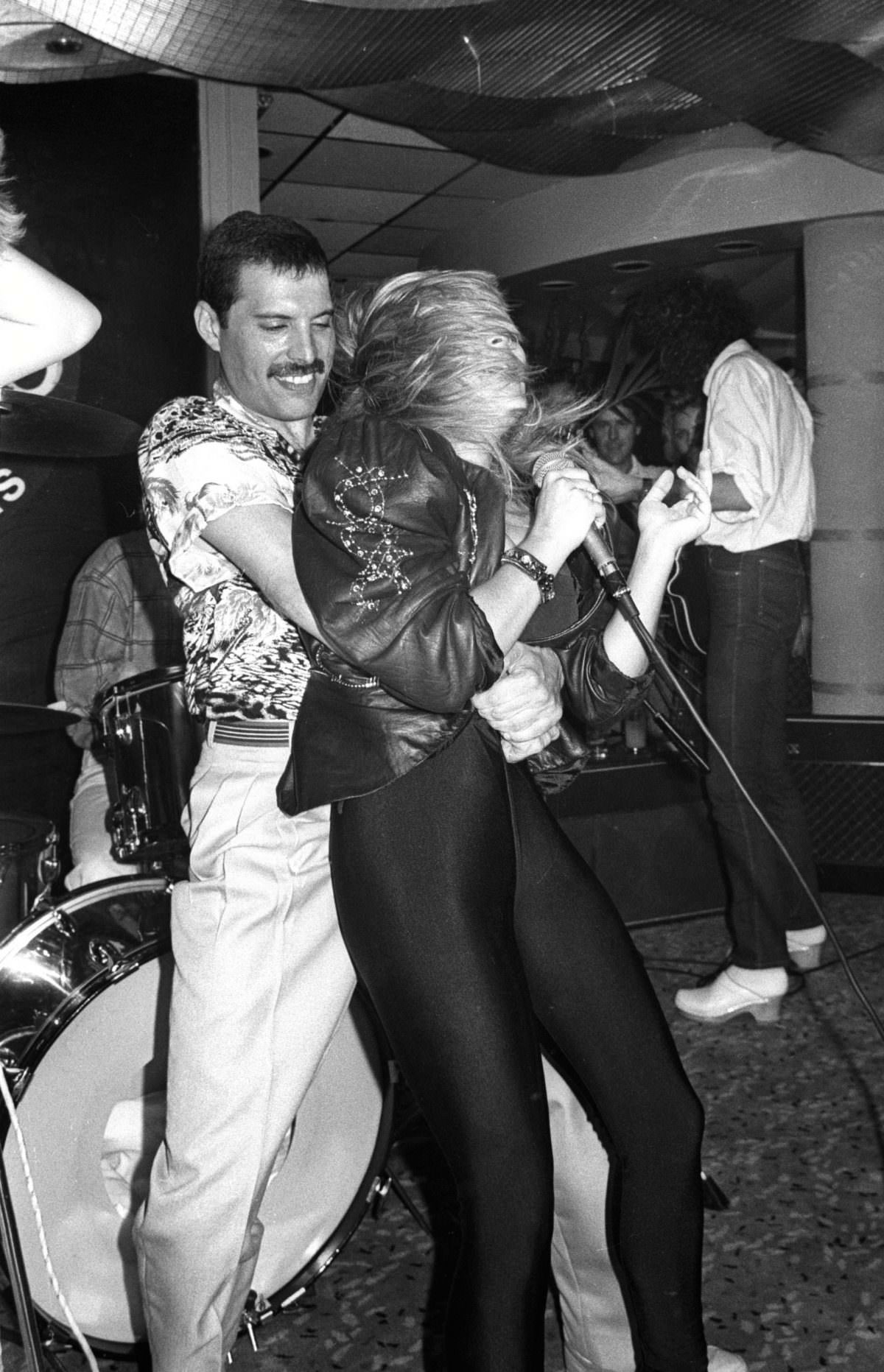
#16 Freddie Mercury and Samantha Fox dancing, 1968
#17 Freddie Mercury with her girlfriend Mary Austin, ,1977
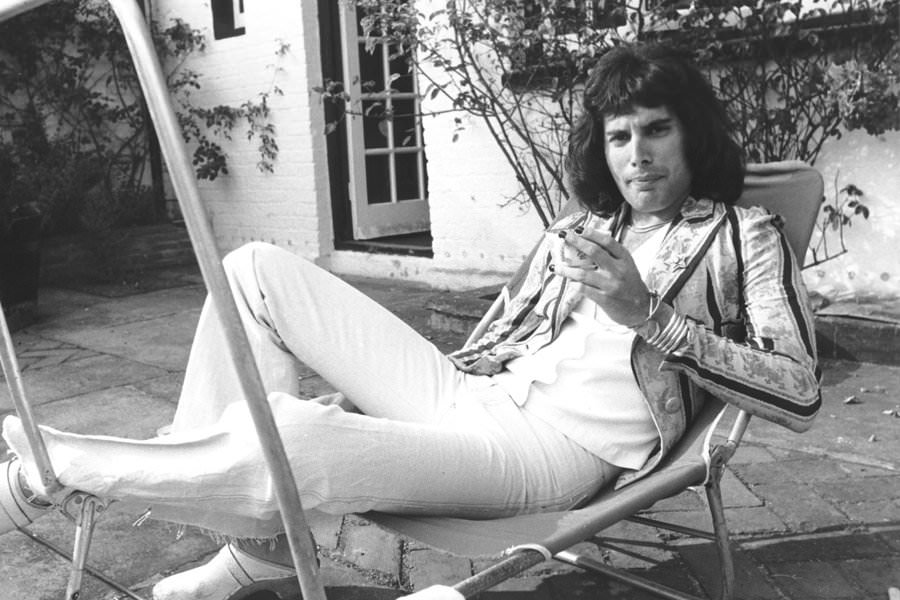
#18 Freddie Mercury in the UK, 1970
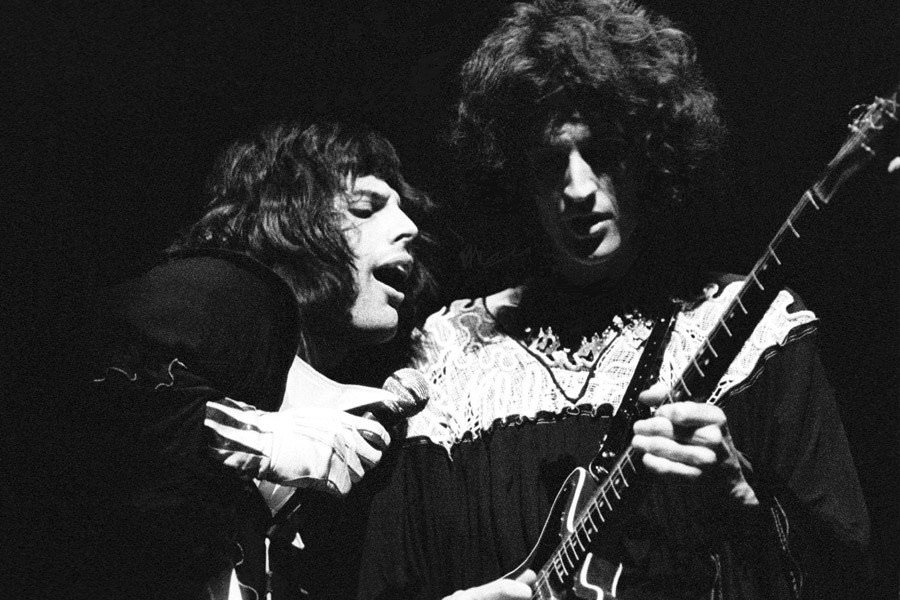
#19 Freddie Mercury with bandmate Brian May, on stage in the UK
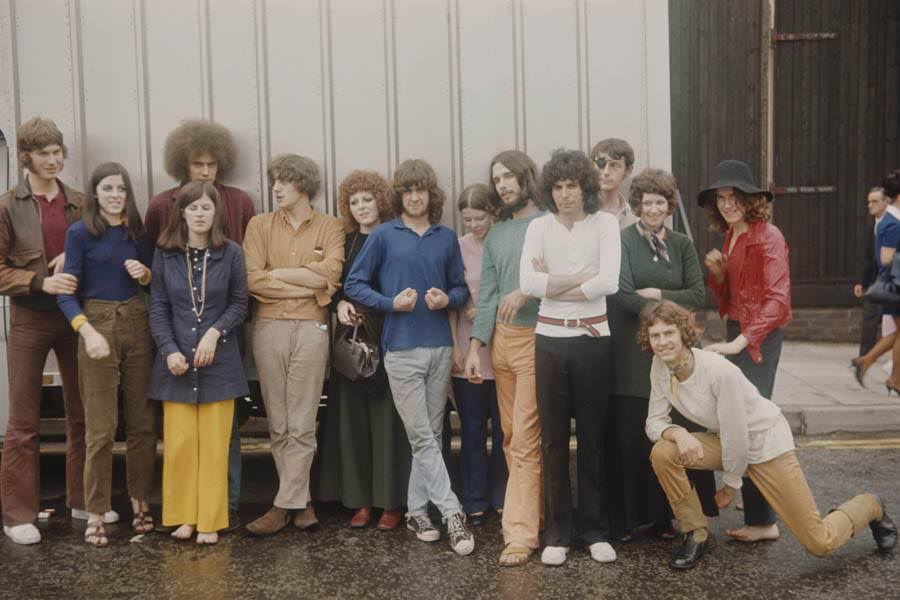
#20 Members of Mercury’s former English group Ibex pose in Bolton, Lancashire on August 23, 1969
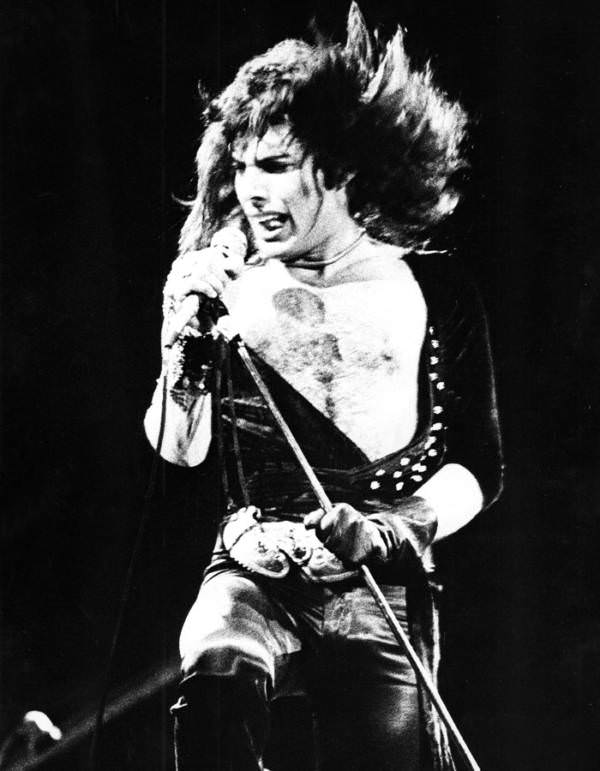
#21 Freddie Mercury performing live at Congresgebouw in The Hague, Netherlands on December 8, 1974.
#22 Freddie Mercury, using his background in graphic design, made Queen’s crest logo featuring with the zodiac signs of all four band members.
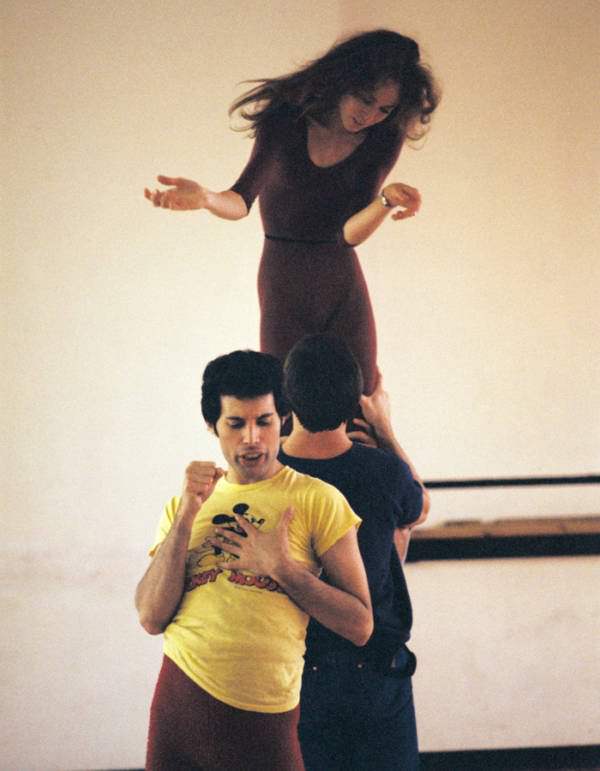
#23
#24
#25
#26
#27
#28
#29
#30
#31
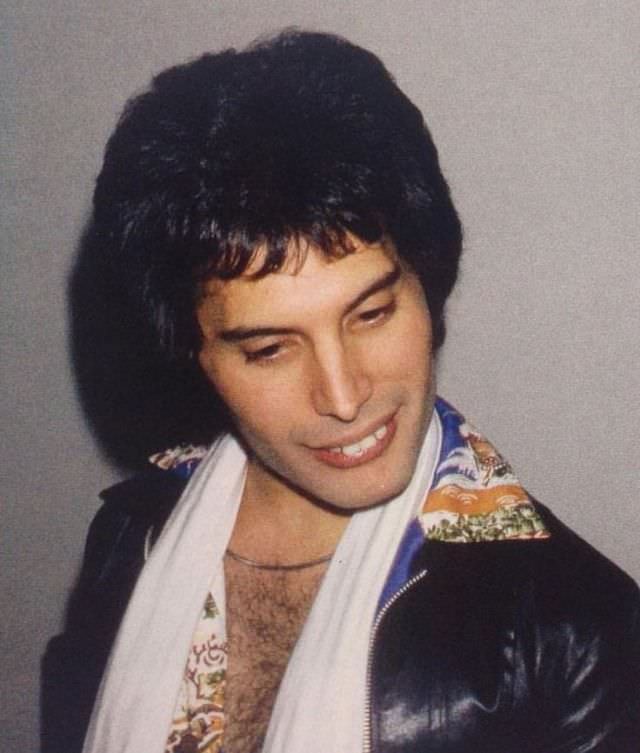
#32
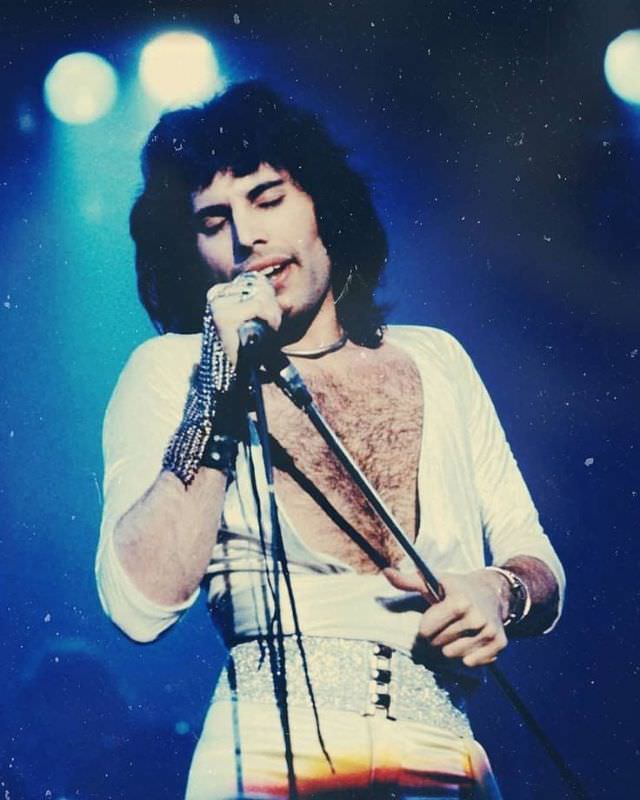
#33
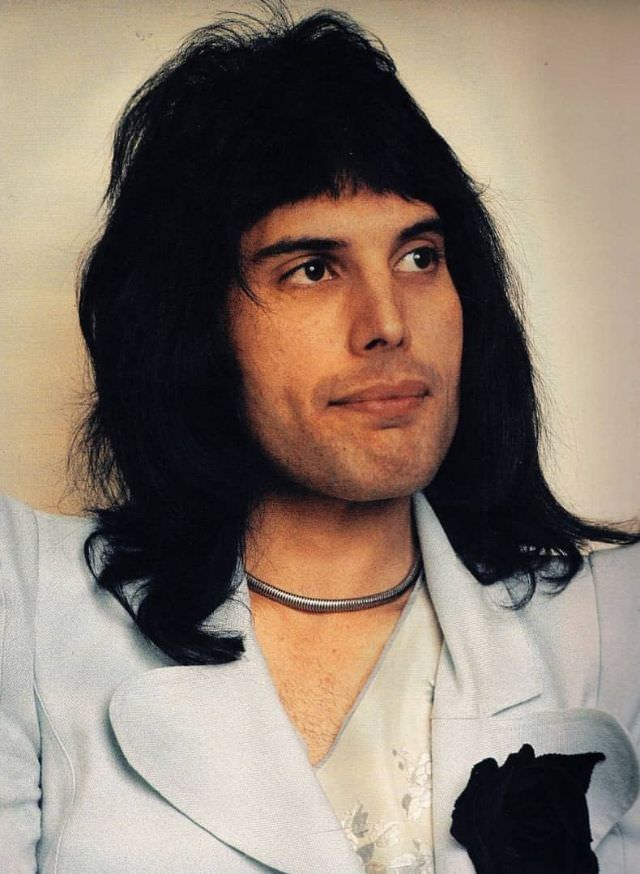
#34
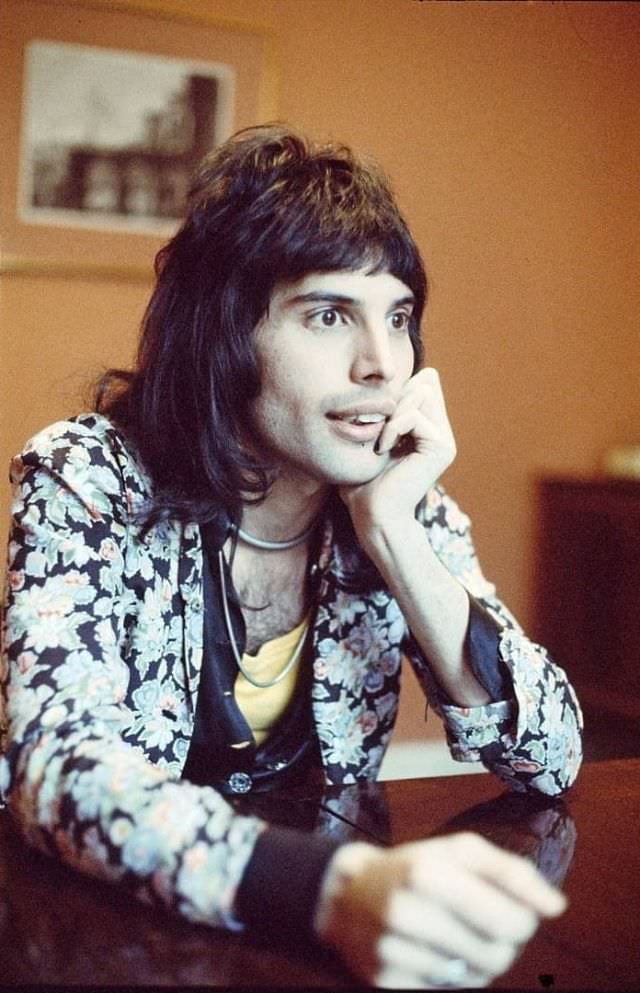
#35
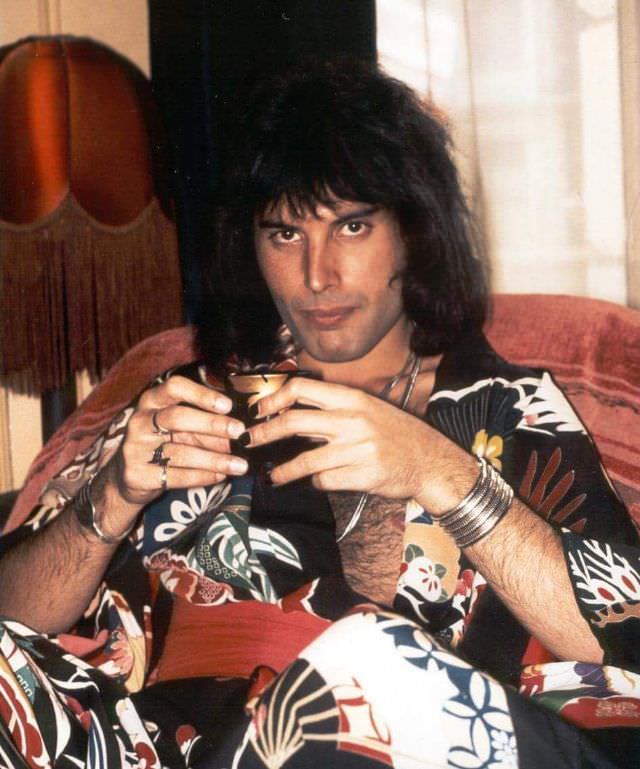
#36
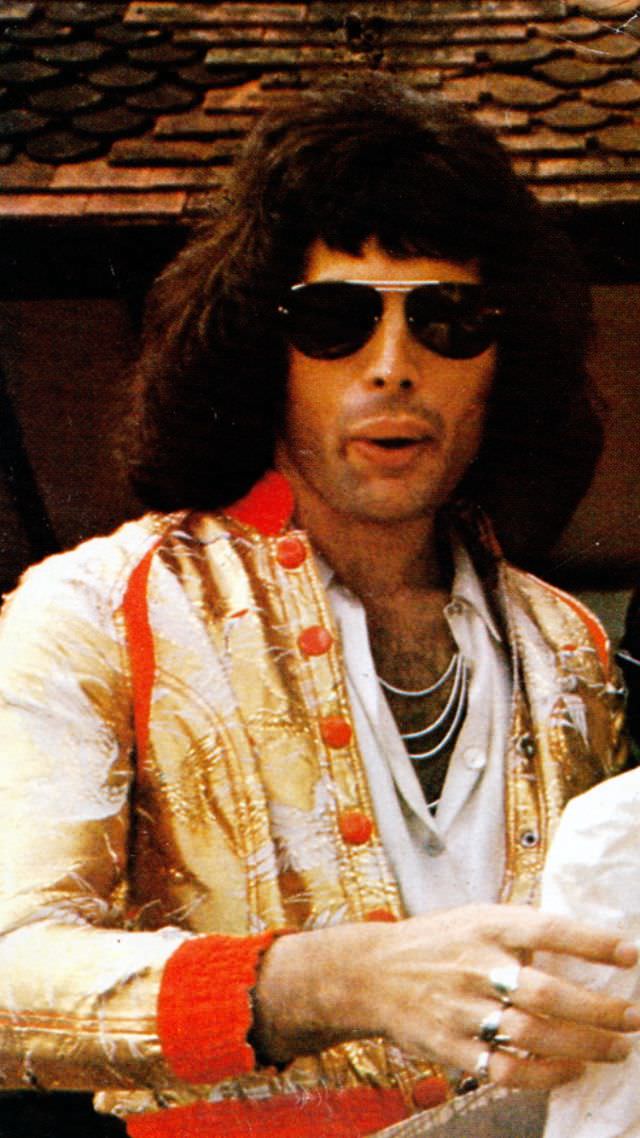
#37
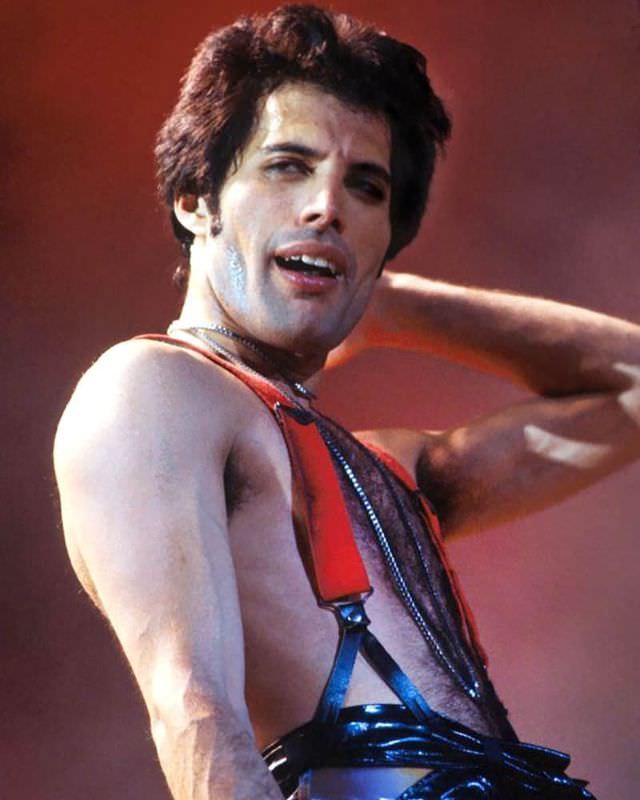
#38
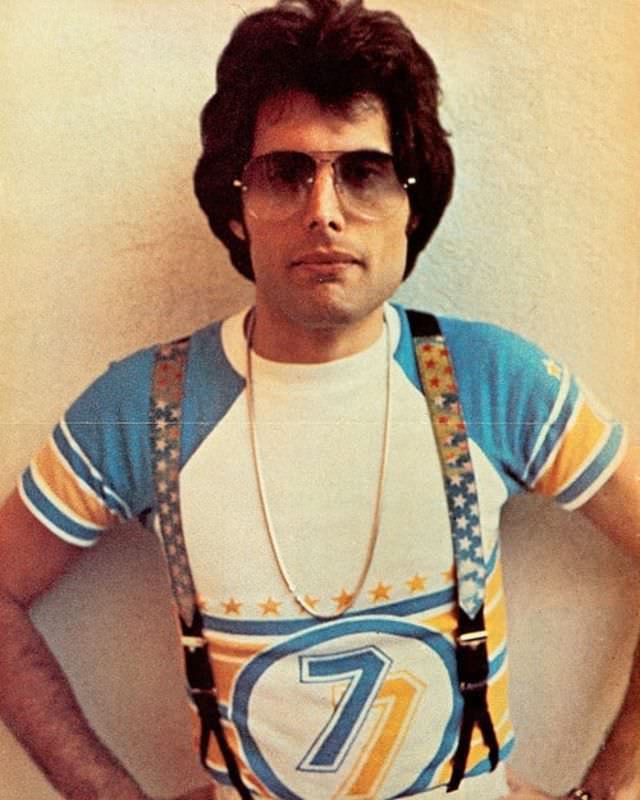
#39
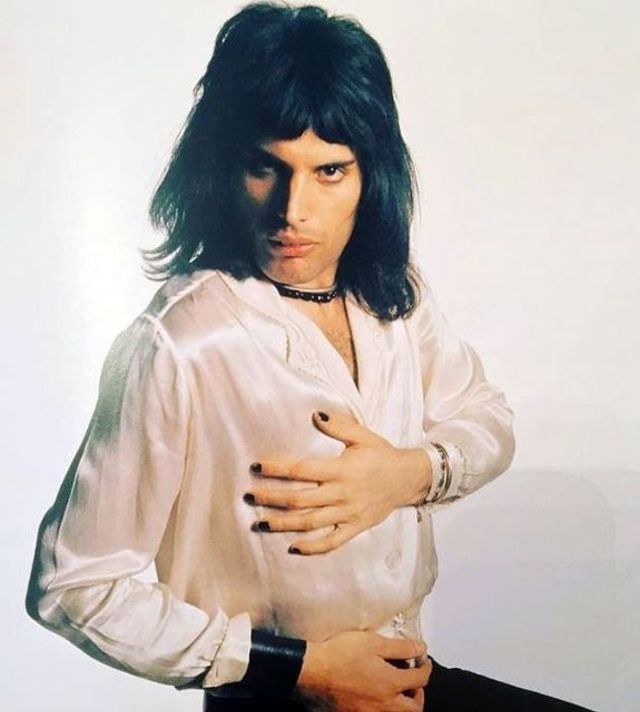
#40
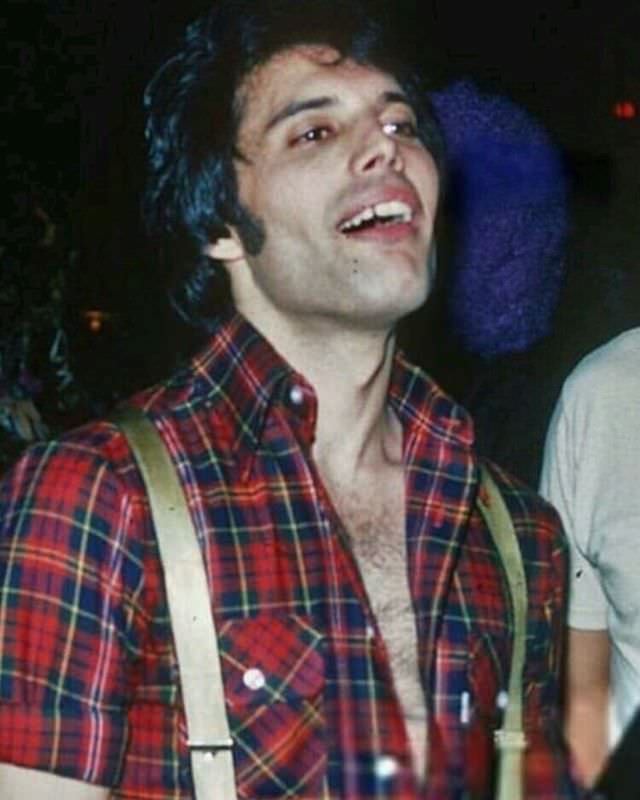
#41
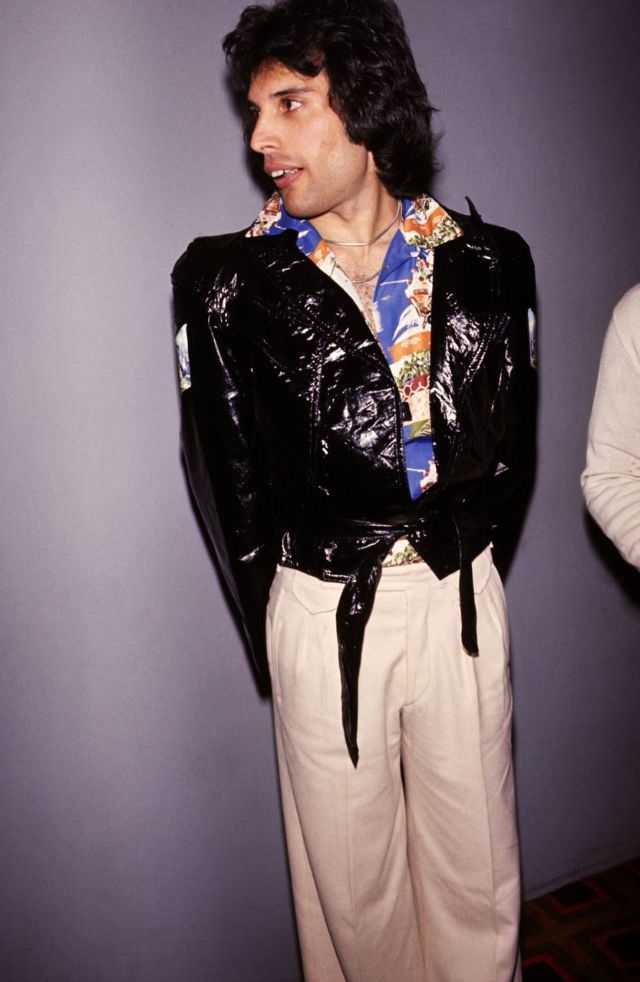
#42
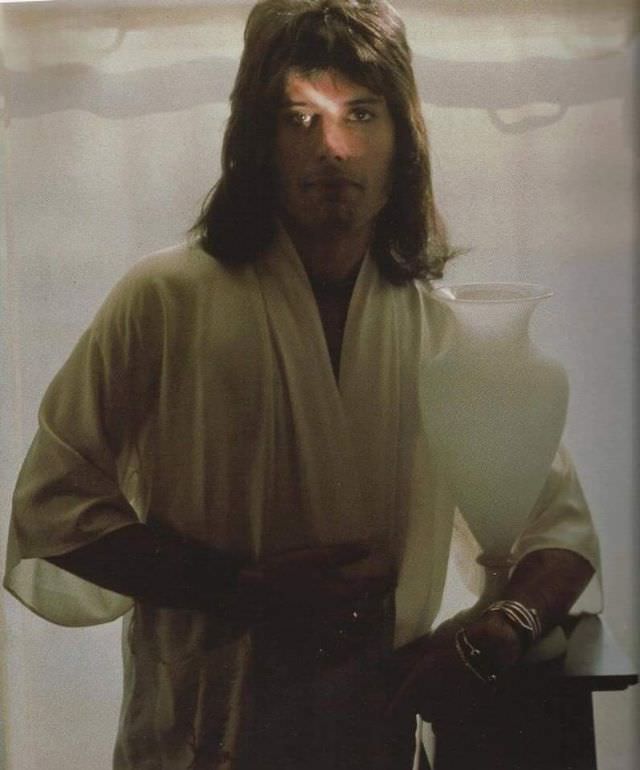
#43
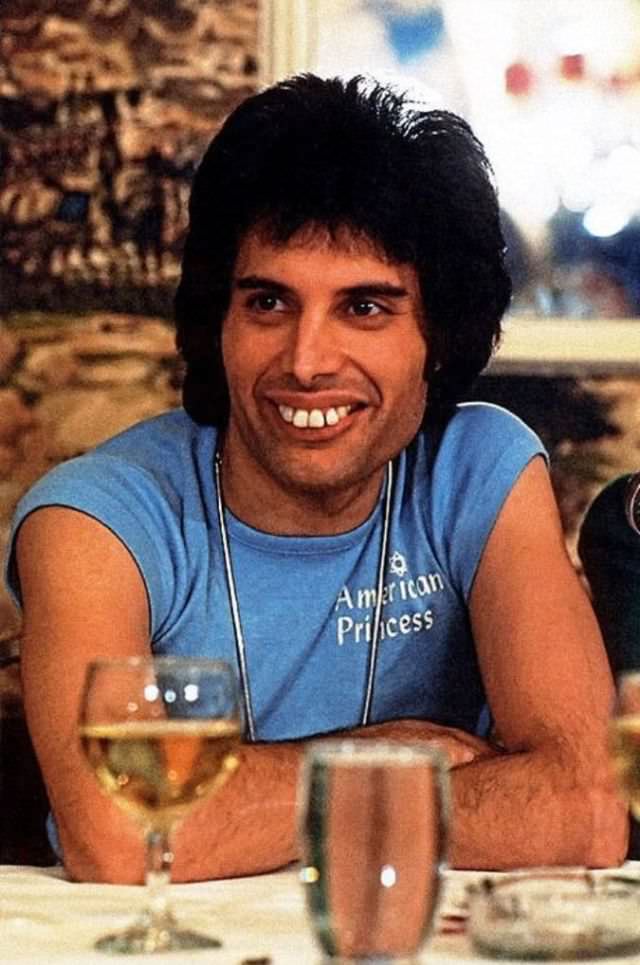
#44
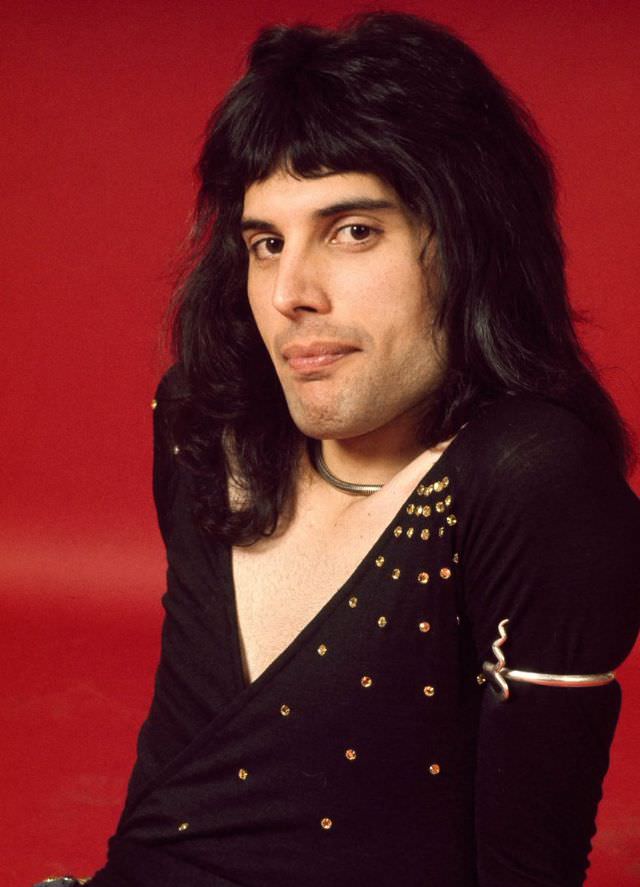
#45
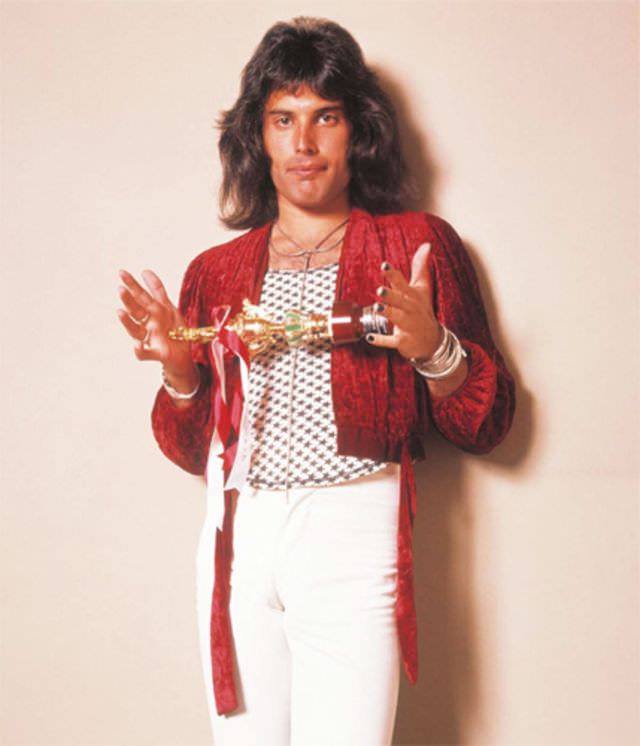
#46
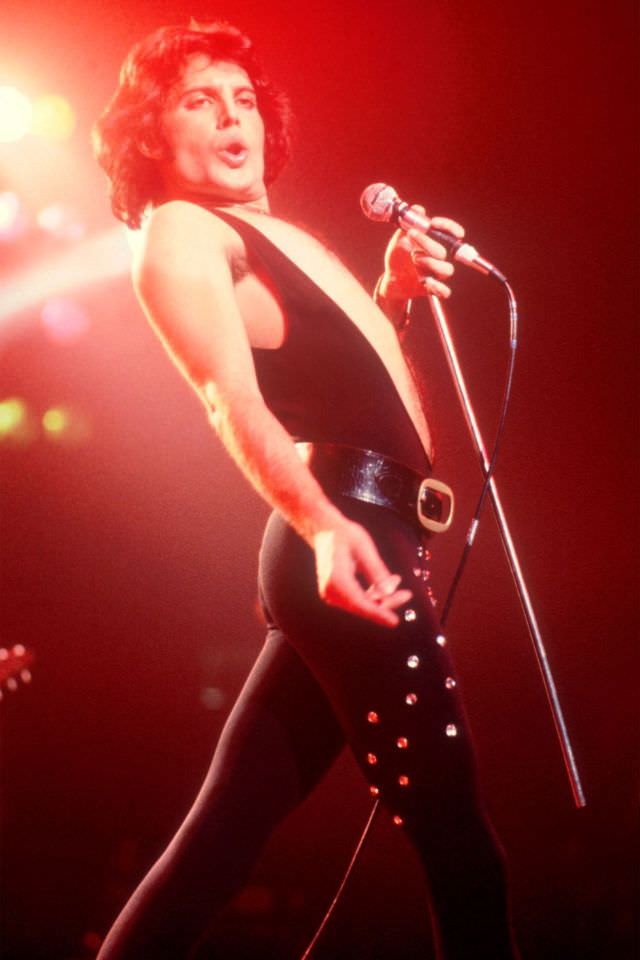
#47
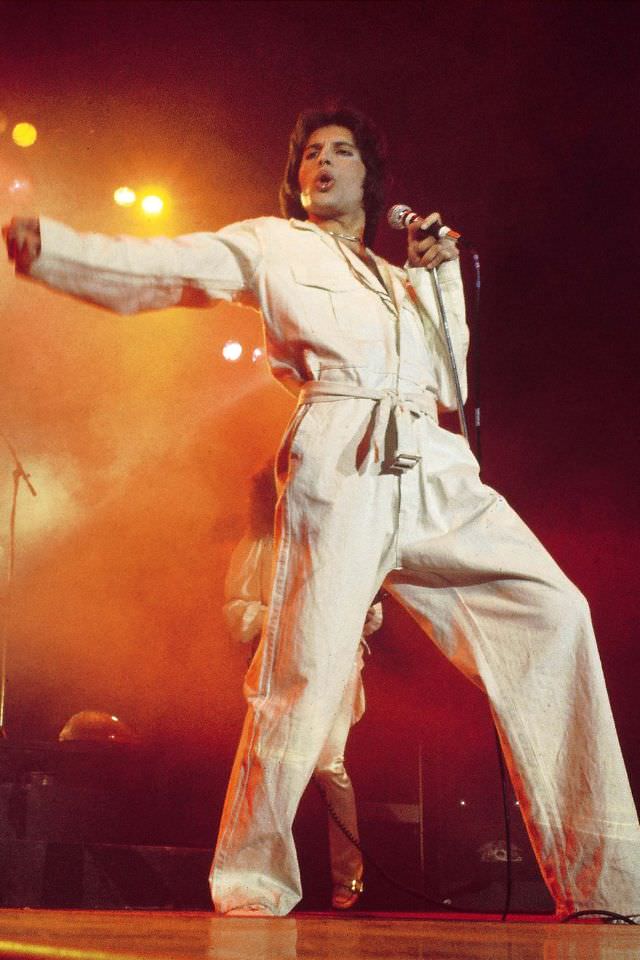
#48
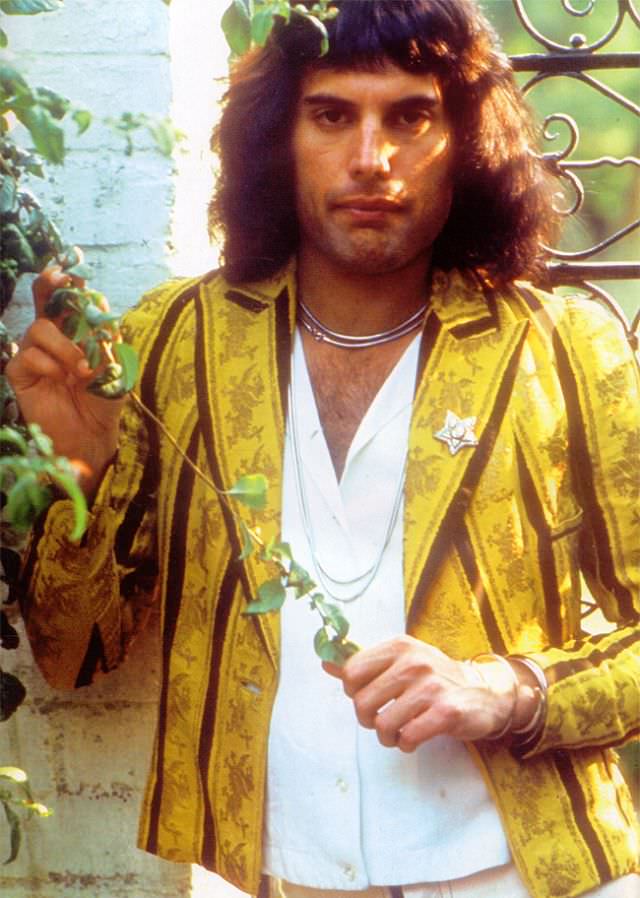
#49
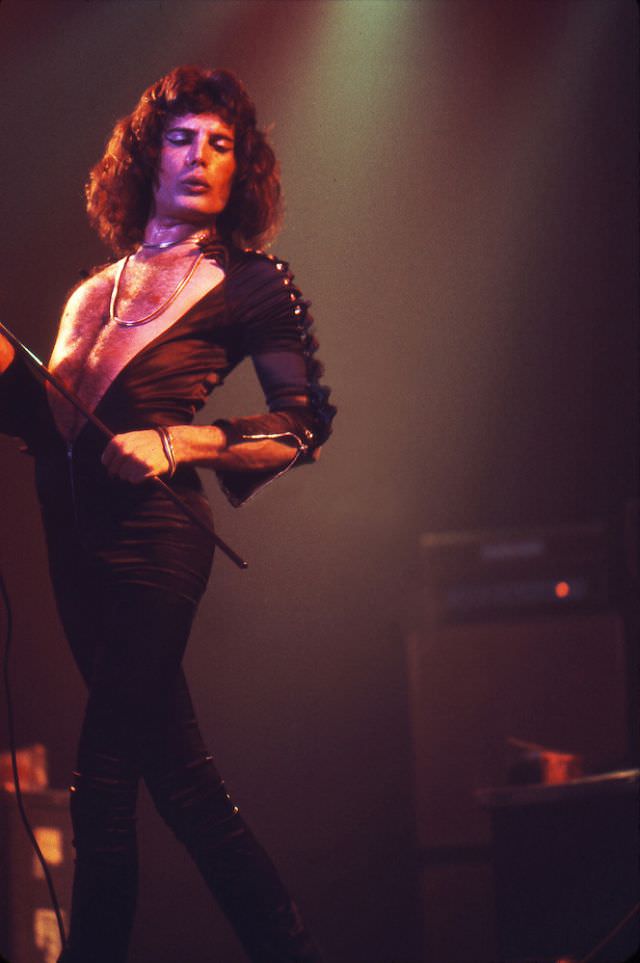
#50
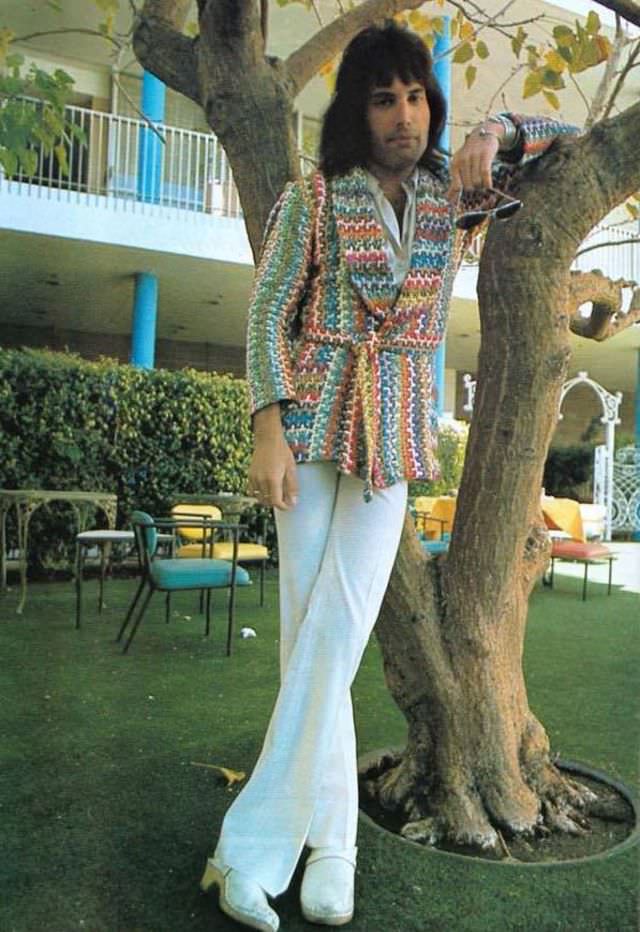
#51