Al Pacino’s career spans more than five decades, but it was his early years that cemented him as one of the most compelling actors of his generation. Born Alfredo James Pacino in New York City, he took on gritty, intense roles that few actors of his era could match. Before any of that, though, he was working a day job — sorting mail in the mailroom of Commentary magazine. From those modest beginnings, his rise was swift and steep.
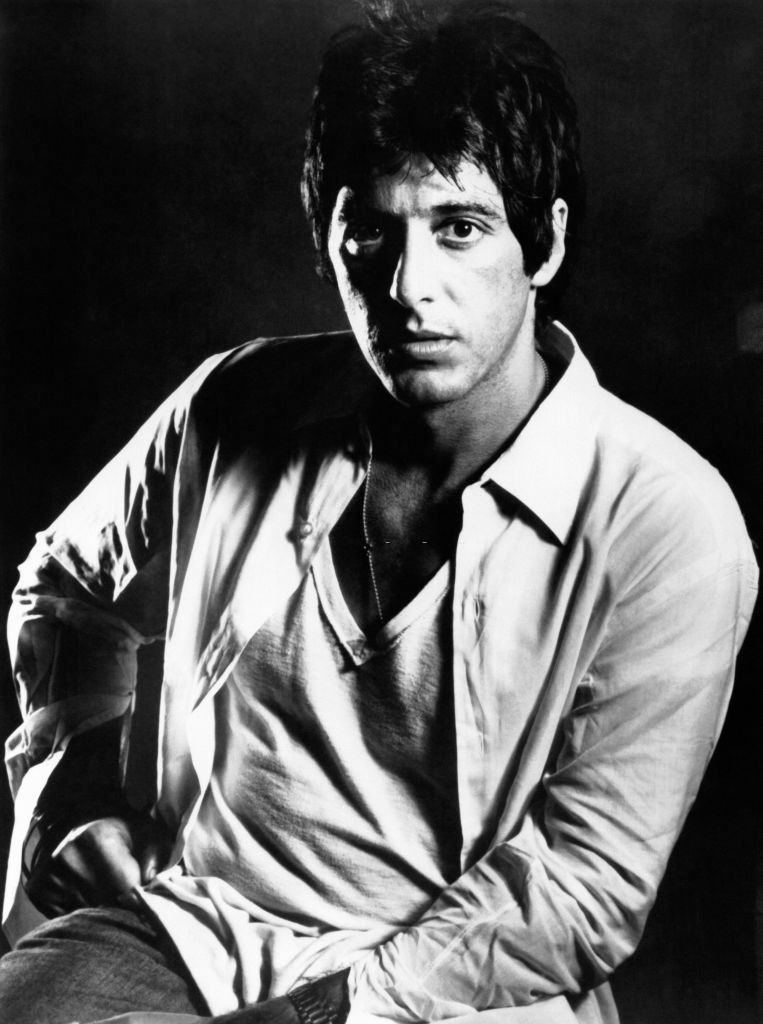
Pacino’s early personal life was just as eventful as his professional one. In 1961, he was arrested and charged with carrying a concealed weapon. That brush with the law did nothing to slow him down. He trained seriously as an actor and built his craft through stage work and small supporting screen roles before landing the parts that would make him a household name.
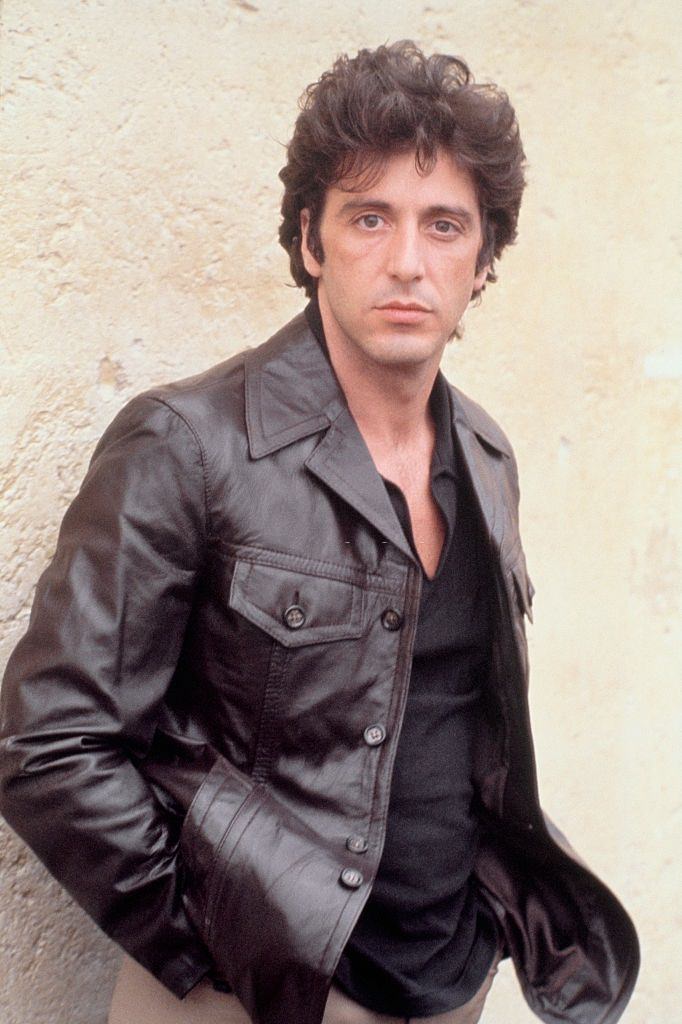
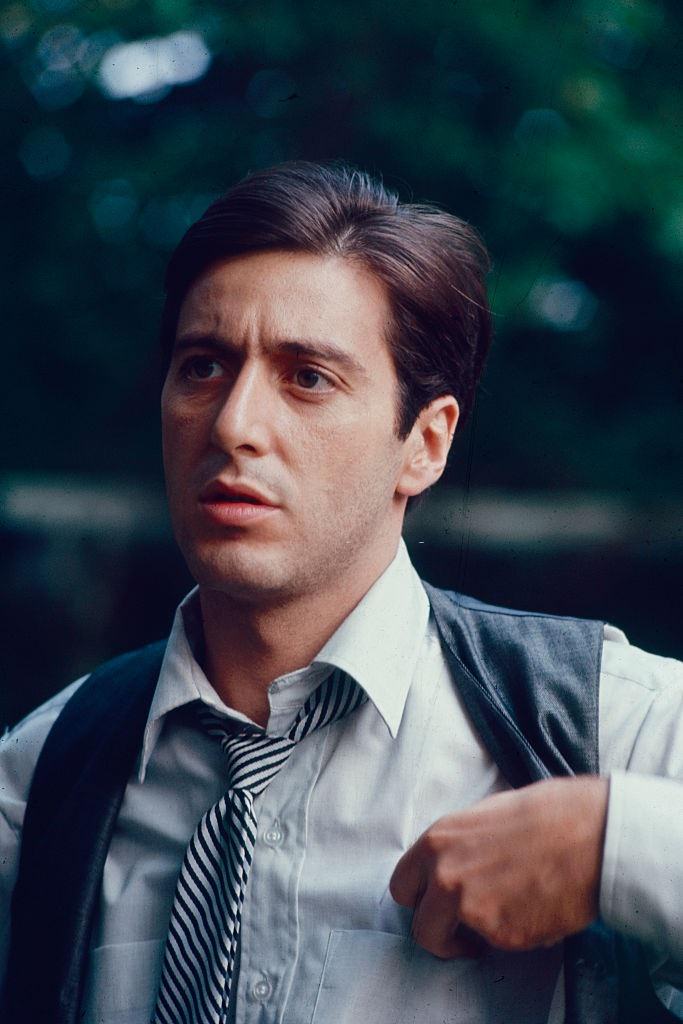
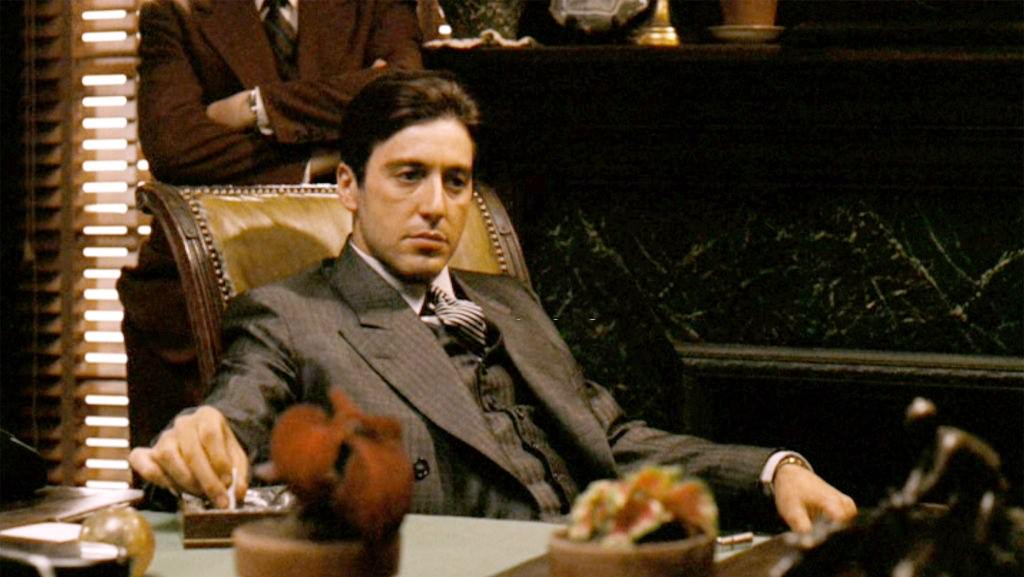
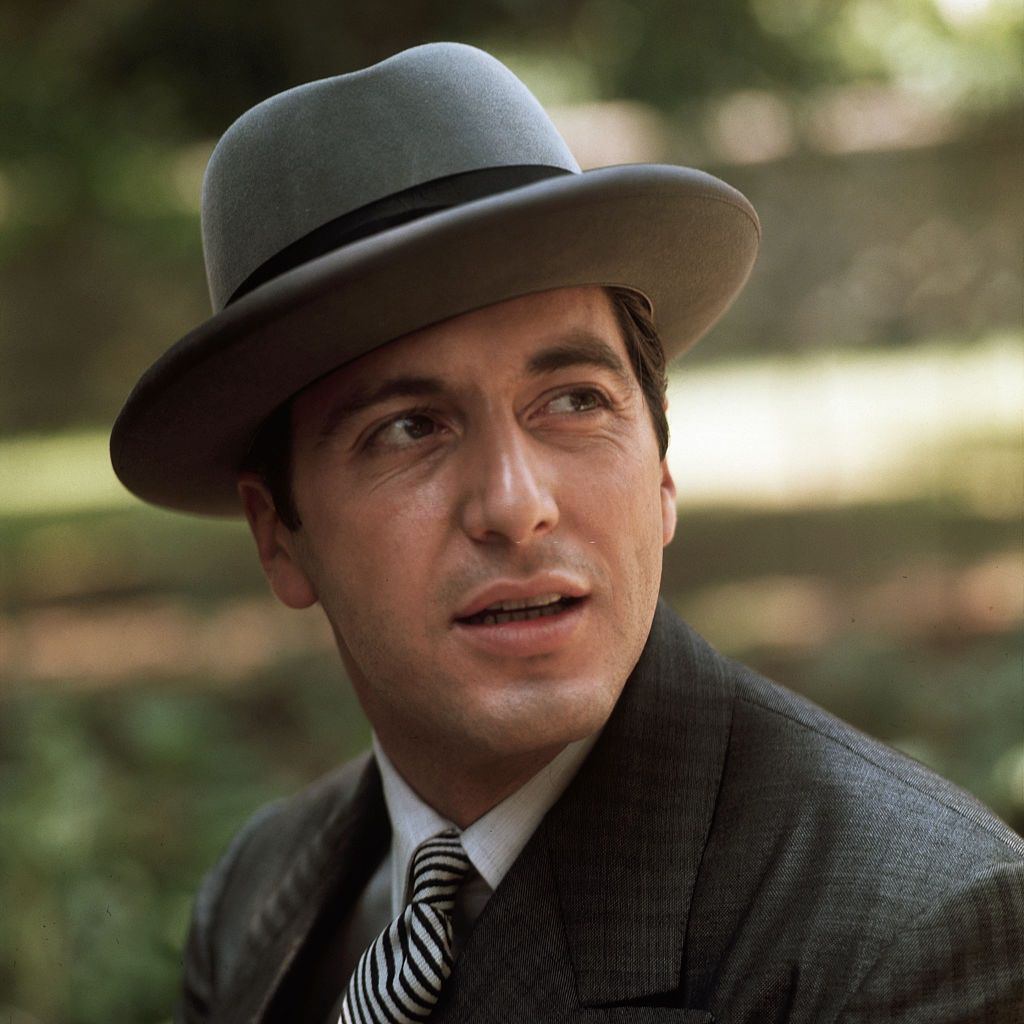
The role that changed everything came in 1972. Director Francis Ford Coppola cast Pacino as Michael Corleone in “The Godfather,” a quiet but calculating young man who gradually transforms into a ruthless crime boss. The performance earned Pacino enormous critical praise and introduced him to audiences worldwide. It remains one of the most studied performances in American cinema.
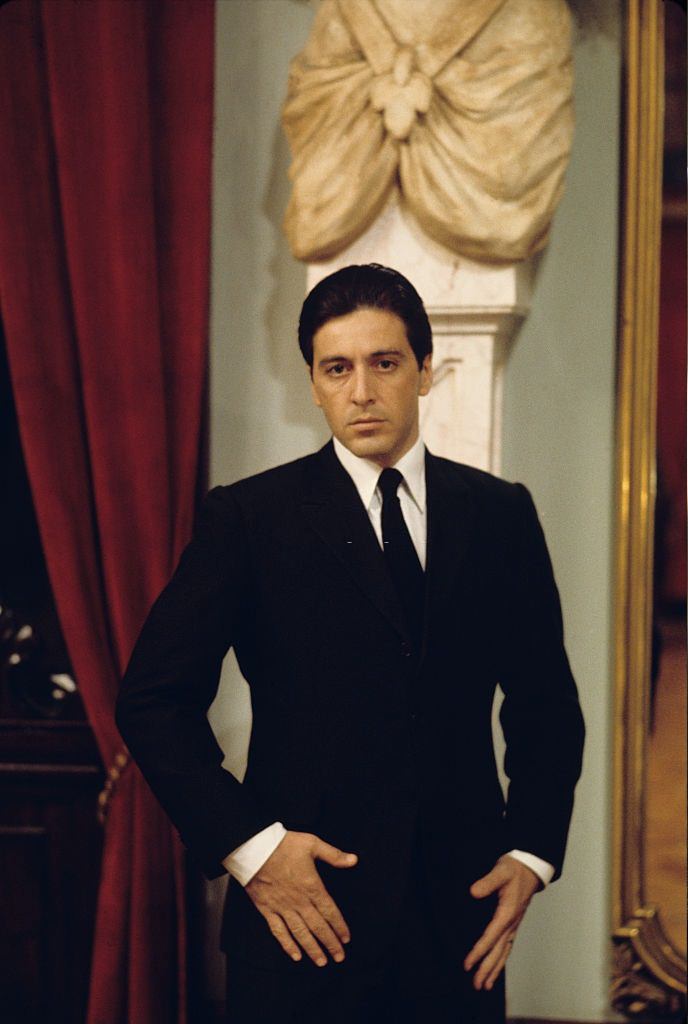
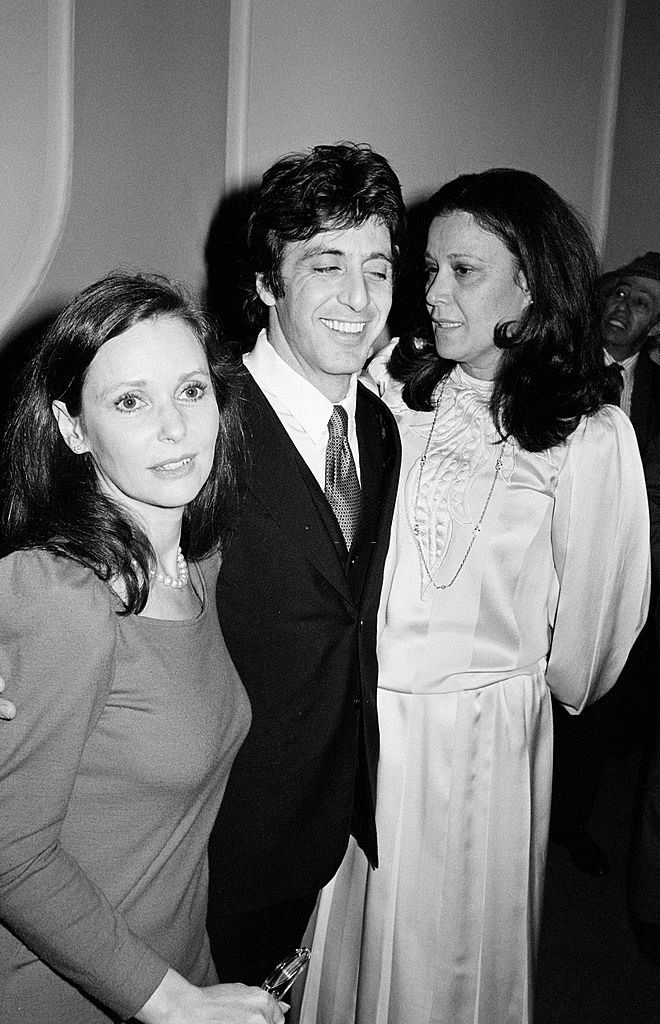
On the set of “The Godfather,” Pacino worked alongside some of the biggest names in Hollywood, including Diane Keaton, who played his character’s wife, Kay. Pacino and Keaton also carried a real-life romantic relationship during this period, one of several he maintained with his co-stars and fellow actresses over the years. He never married, but he fathered three children and had long-term relationships with actresses including Tuesday Weld, Jill Clayburgh, and Marthe Keller.
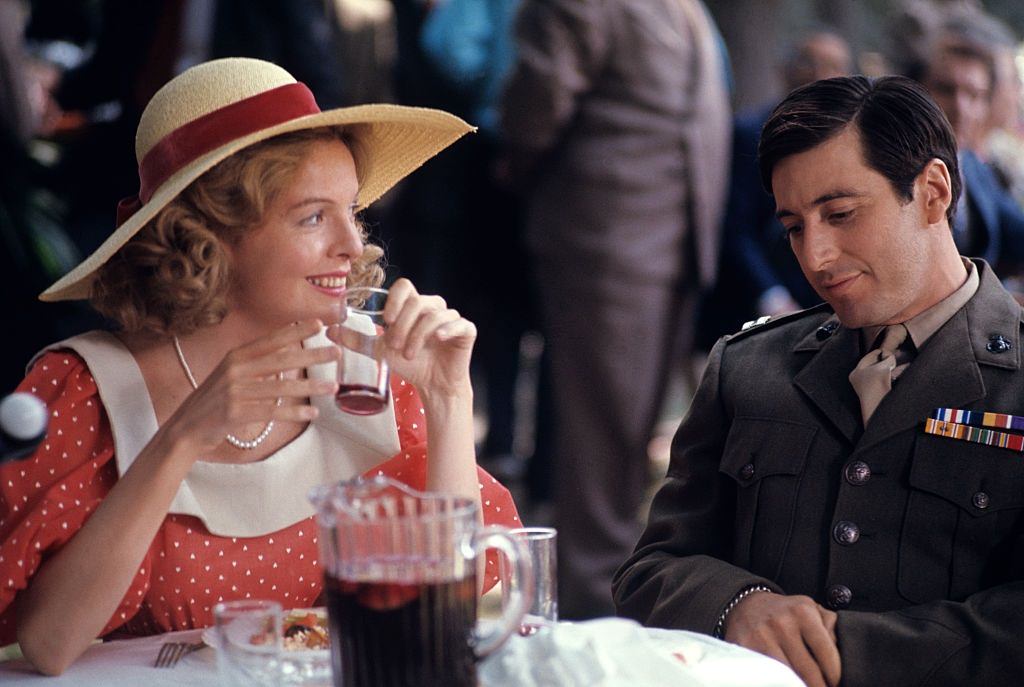
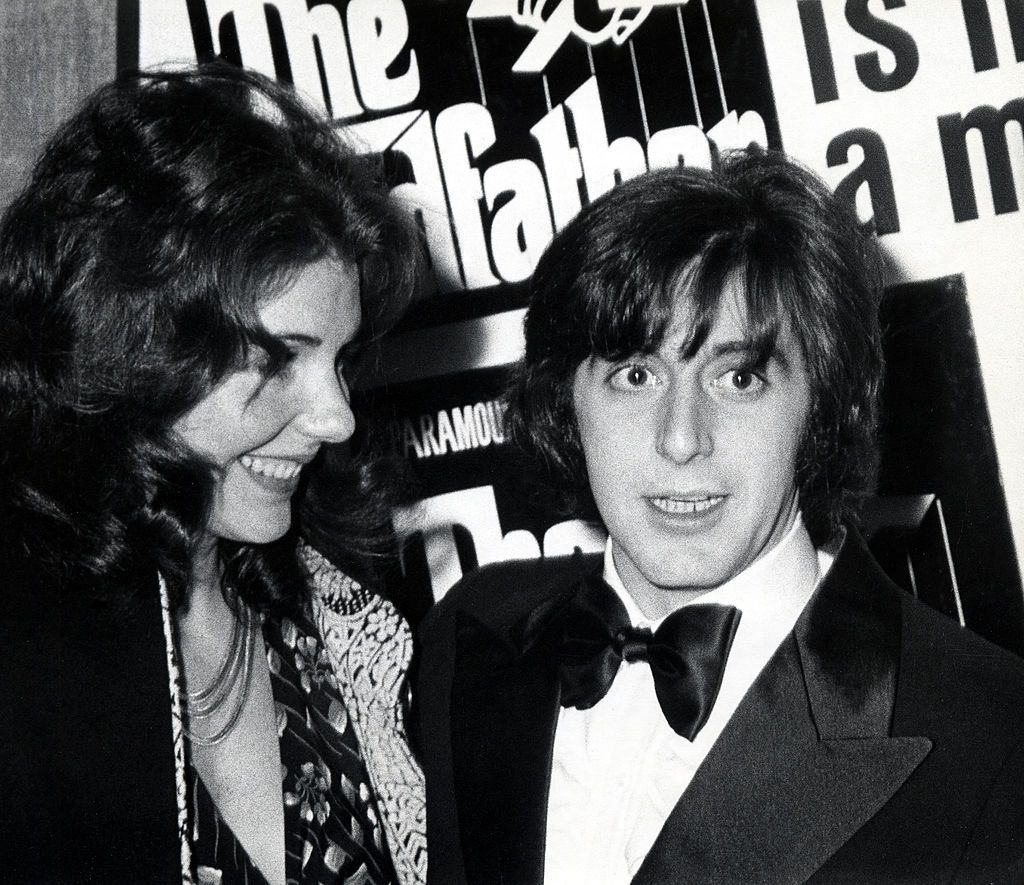
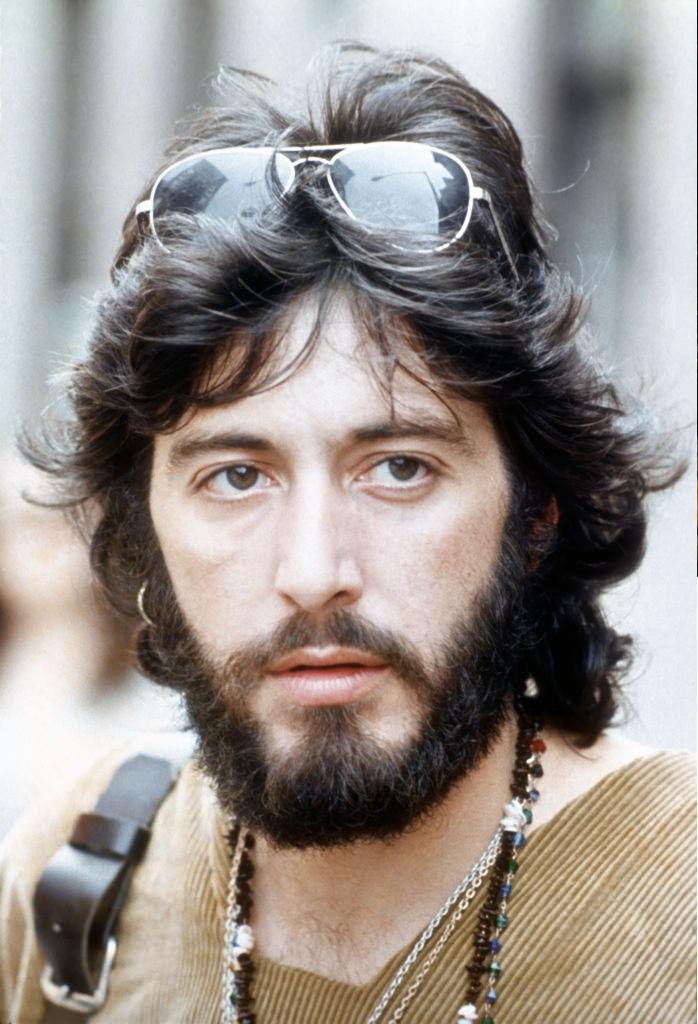
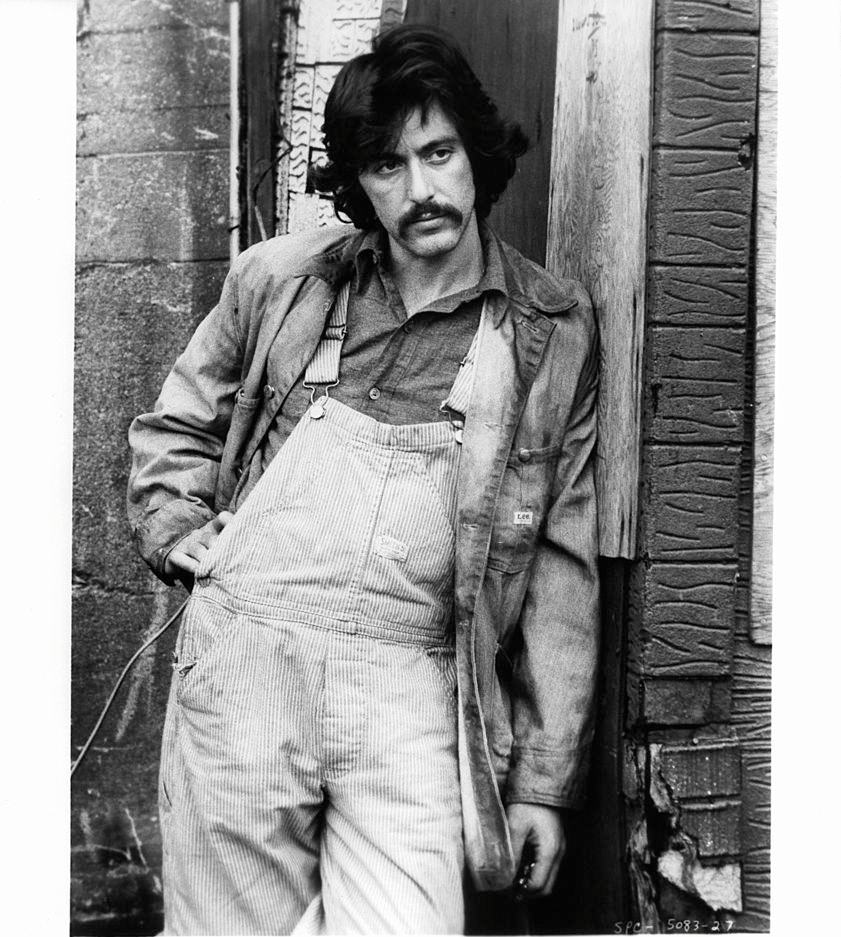
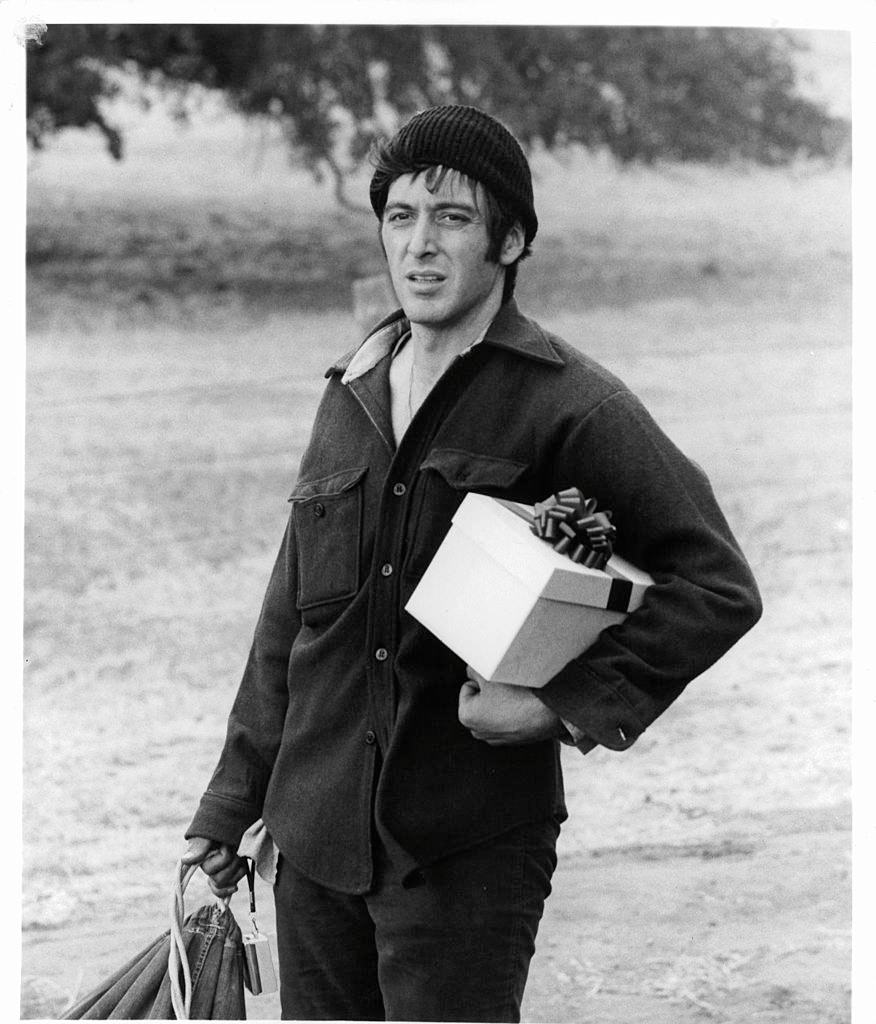
In 1973, Pacino starred in two films that further proved his range. In “Serpico,” he played real-life New York City police officer Frank Serpico, a man who exposed corruption within the NYPD at great personal risk. That same year, he appeared in “Scarecrow” alongside Gene Hackman. Both films showed his ability to carry complex, character-driven stories.
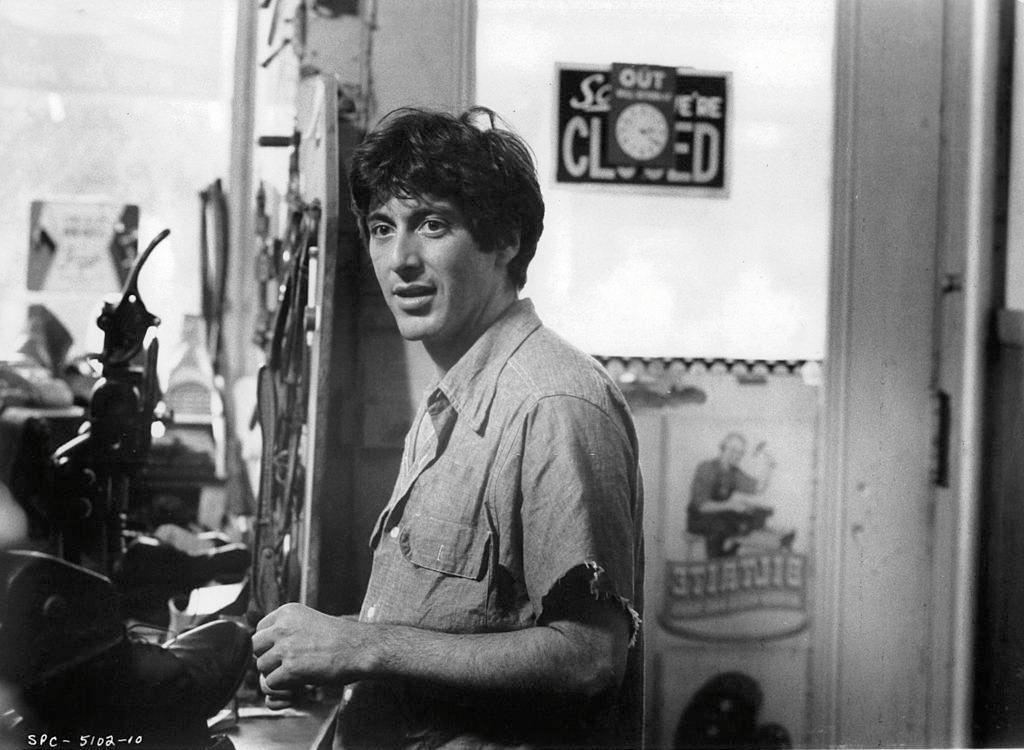
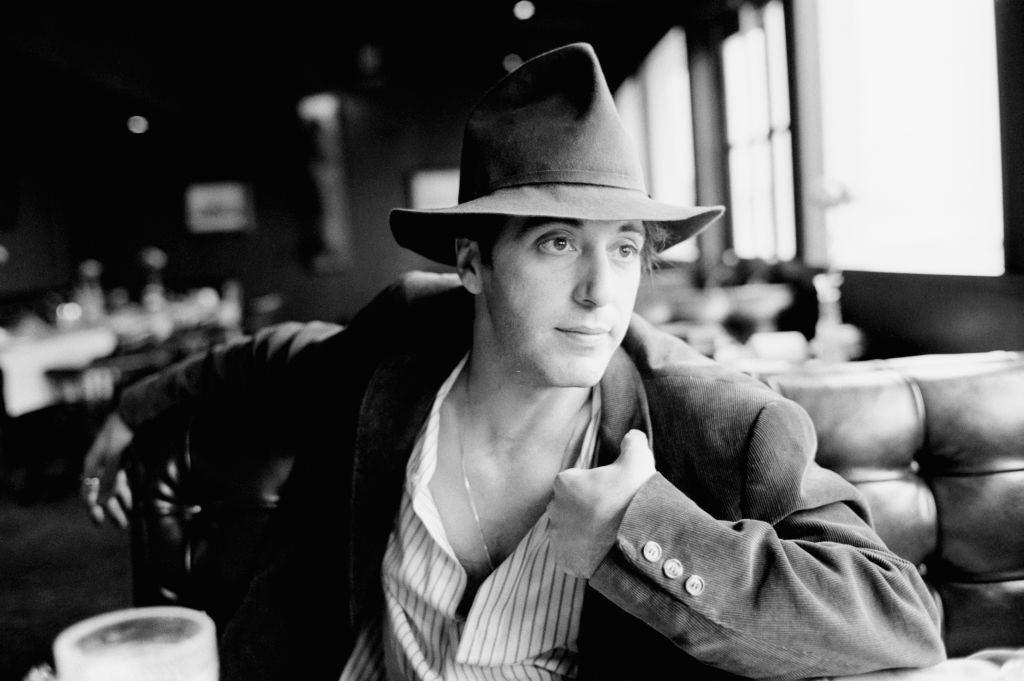
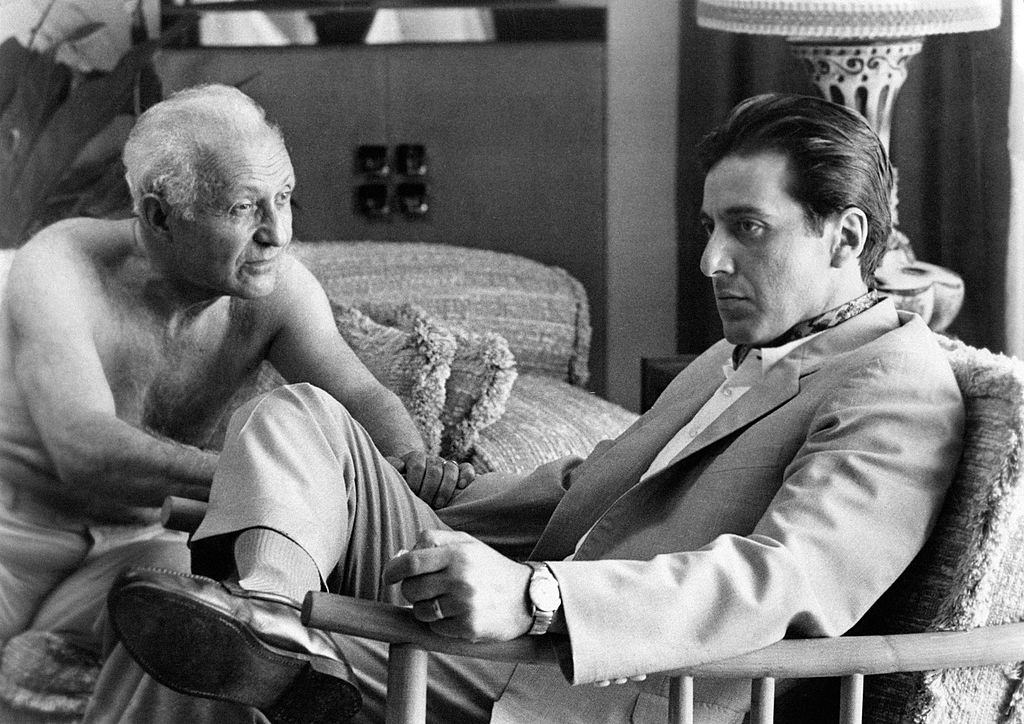
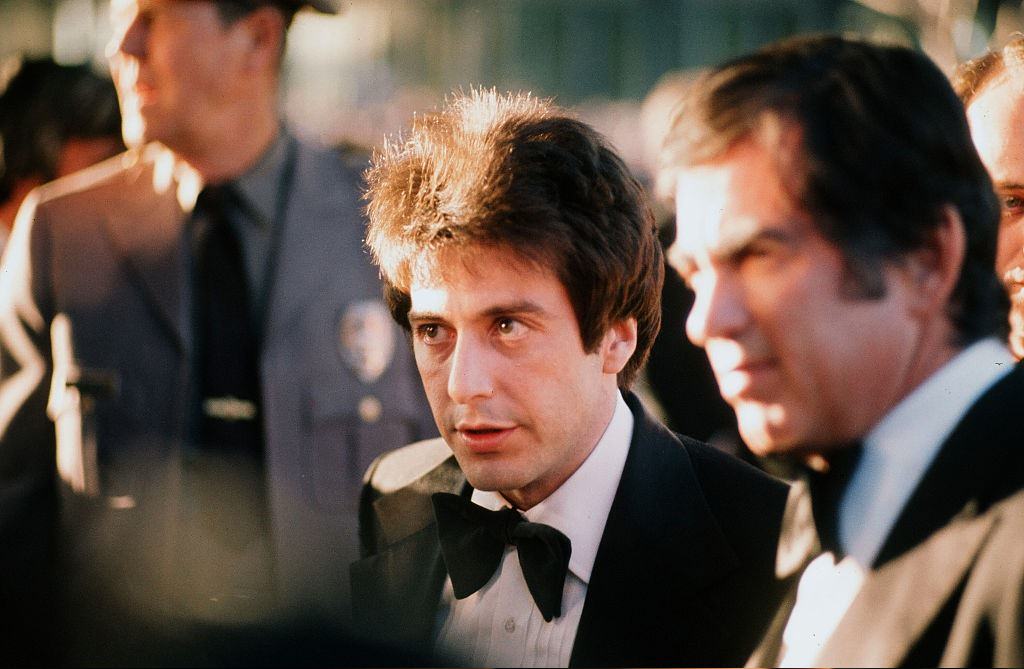
Pacino returned to the Corleone family saga in 1974 with “The Godfather, Part II.” That year, he attended the 46th Academy Awards, where he received nominations for both a supporting and a lead acting Oscar in the same ceremony — an exceptionally rare distinction that highlighted just how dominant he had been on screen. Lee Strasberg, the legendary acting coach, also appeared alongside him in the sequel.
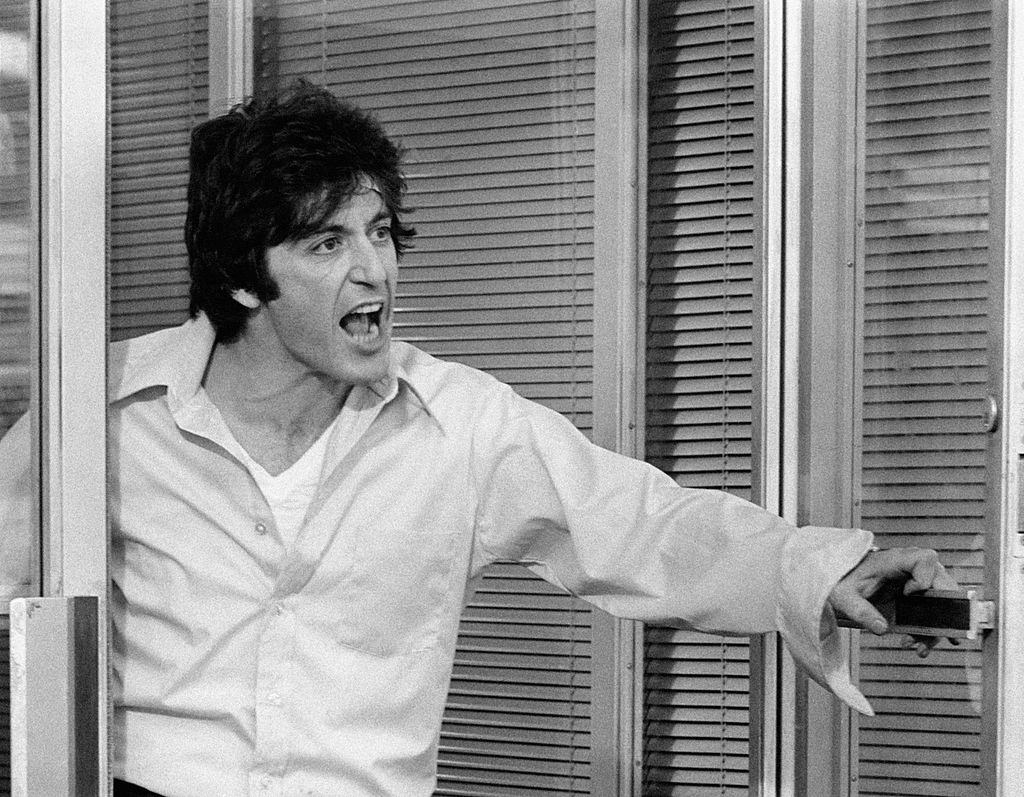
In 1975, Pacino delivered one of his most raw and energetic performances in “Dog Day Afternoon,” playing Sonny Wortzik, a desperate man who robs a bank to fund his partner’s surgery. The film was based on a true story, and Pacino’s shouting performance in the bank doorway became one of cinema’s most iconic images.
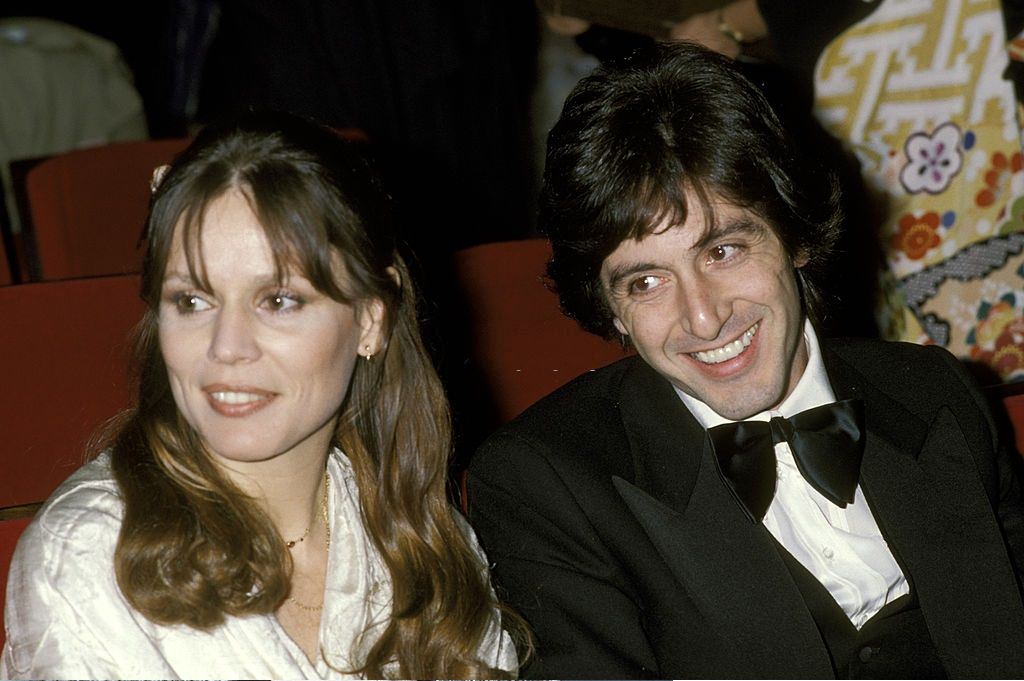
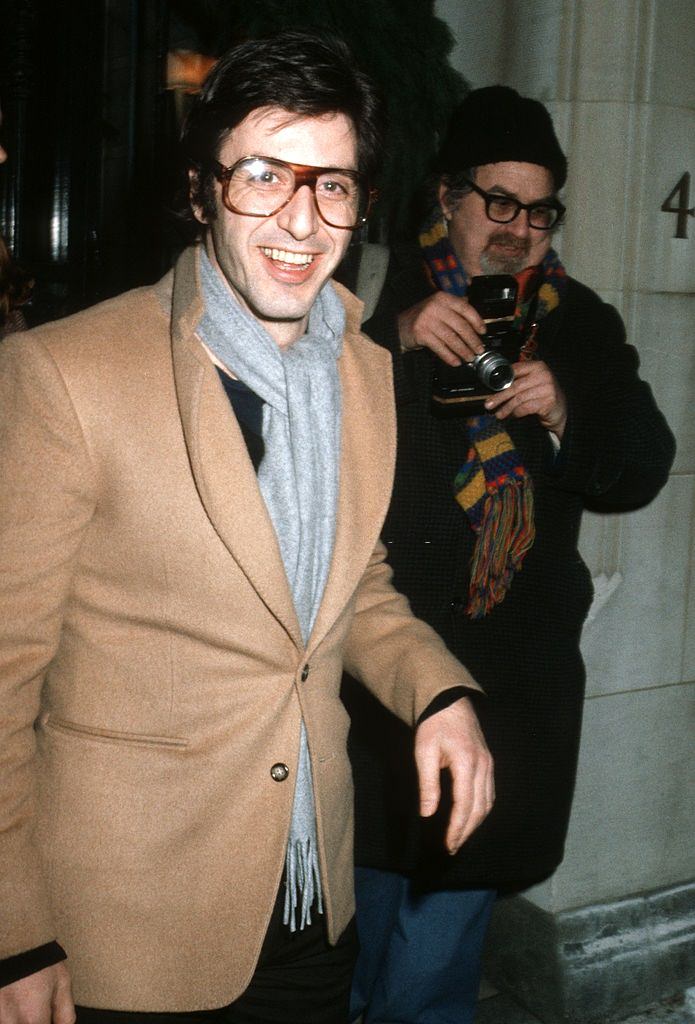
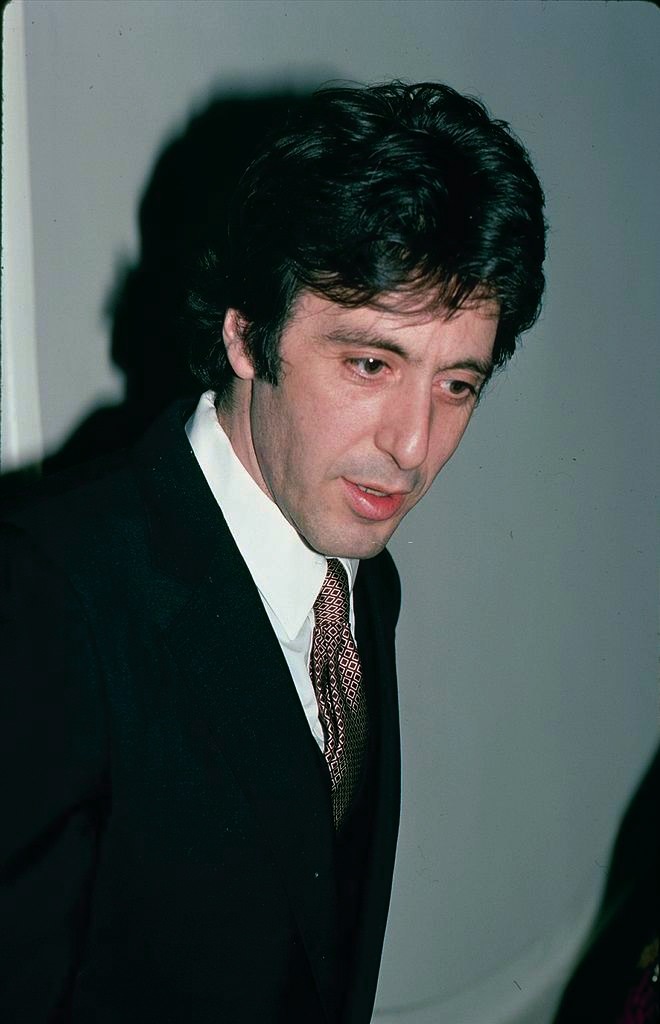
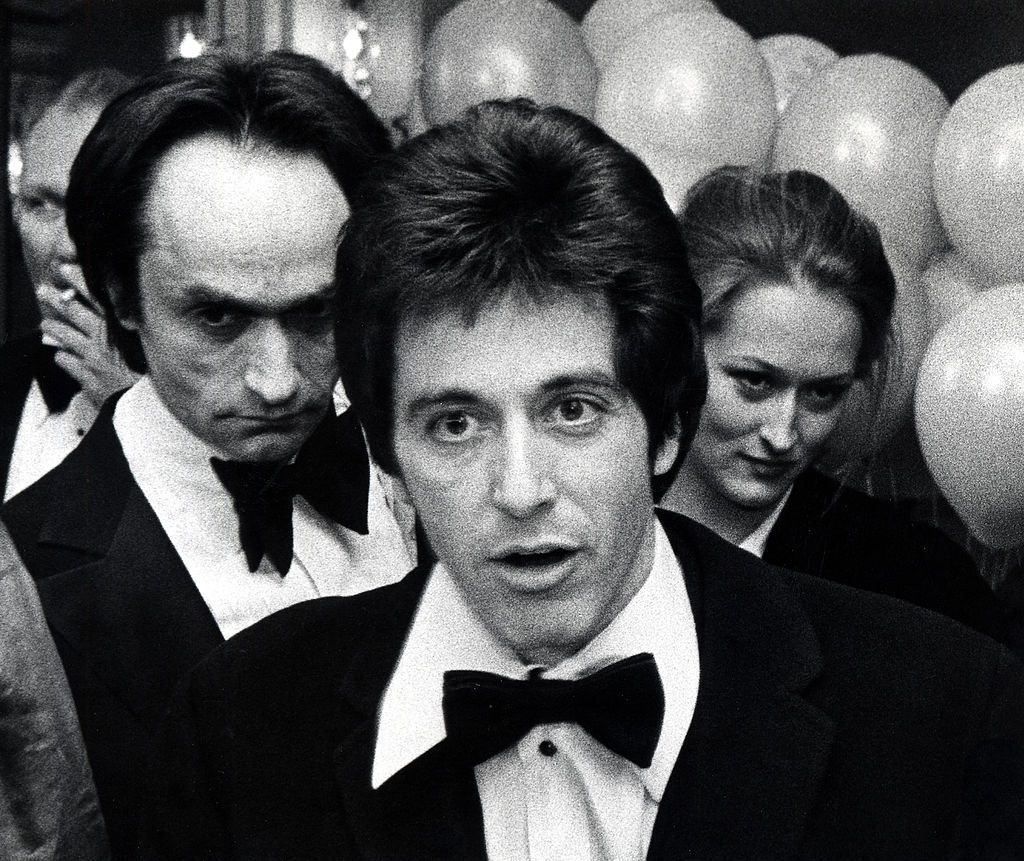
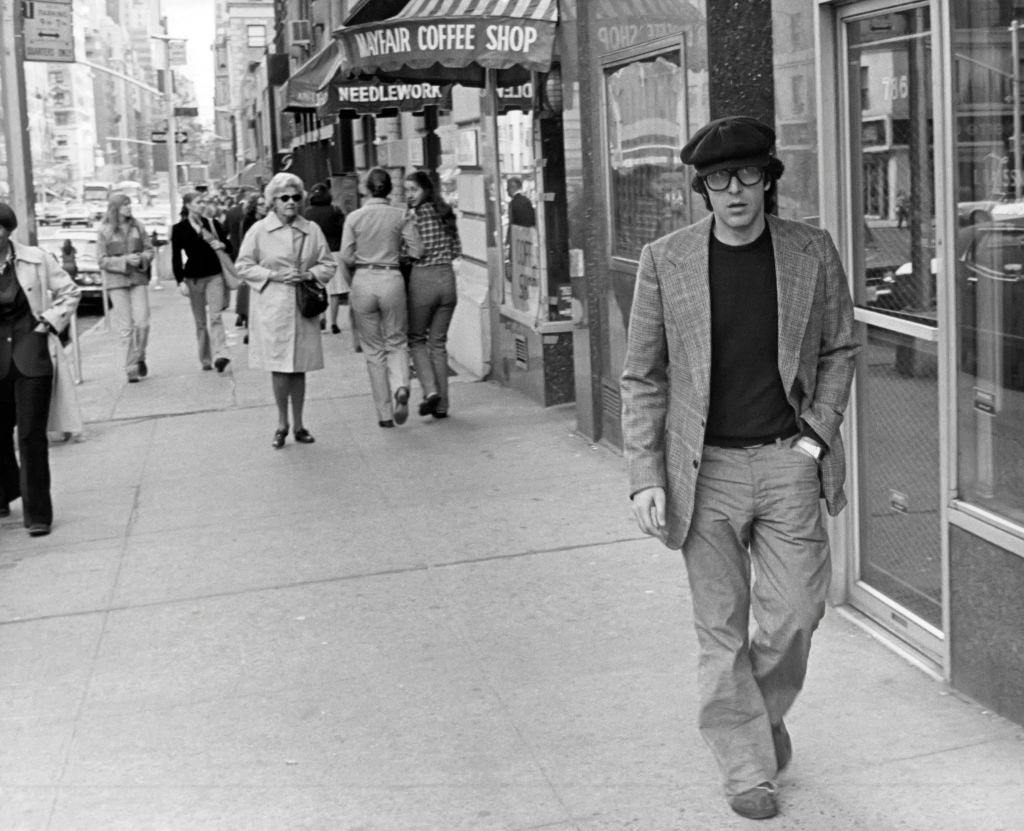
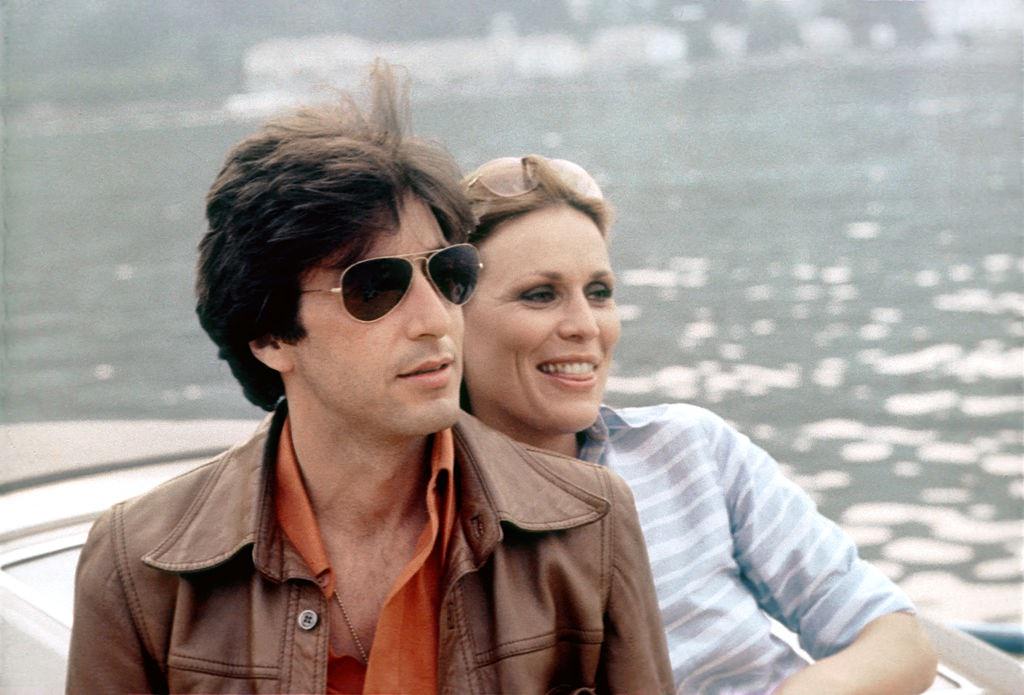
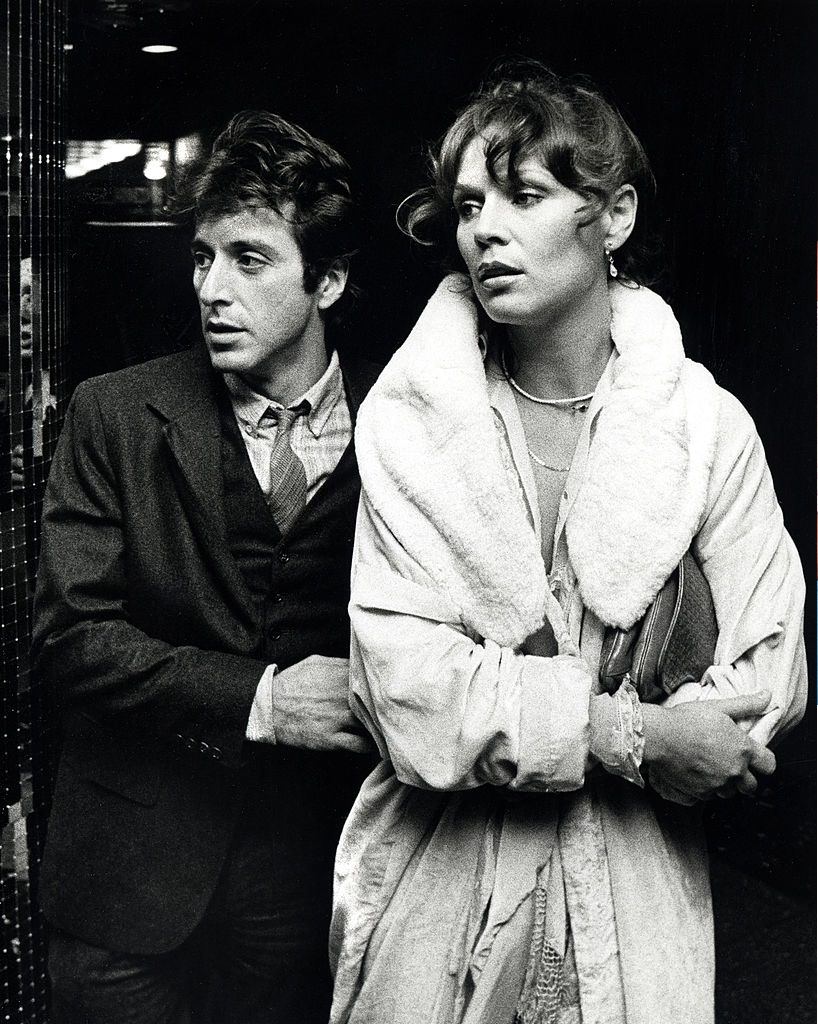
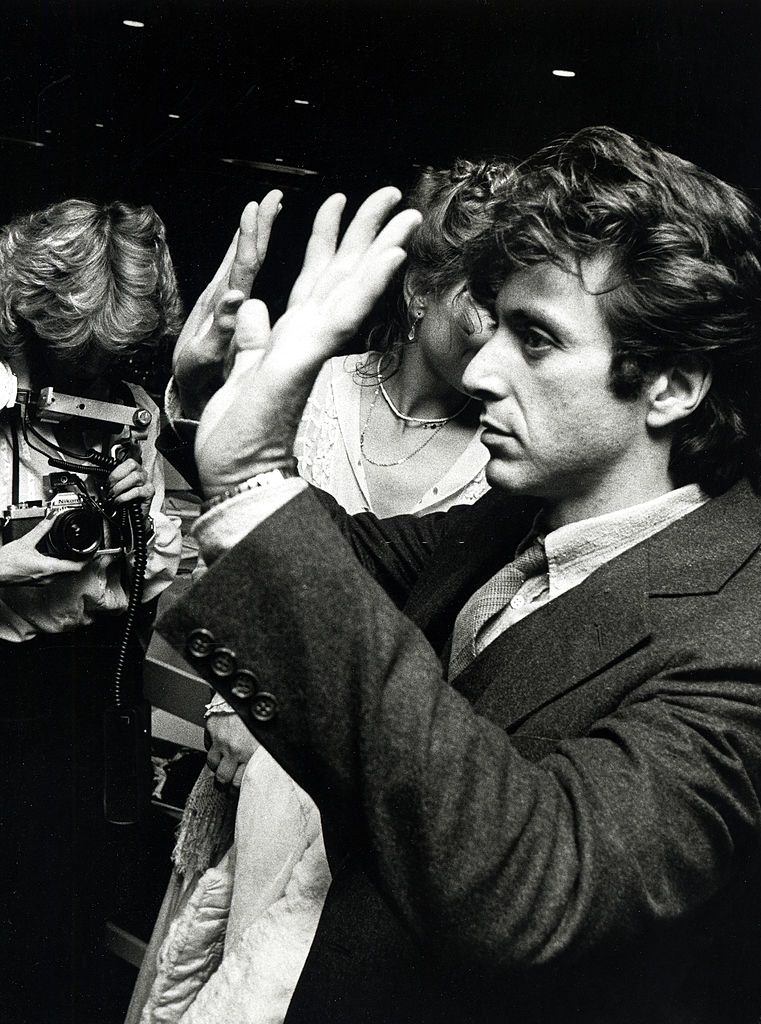
By the mid-1970s, Pacino was a fixture of New York’s cultural scene, attending industry events and moving comfortably between film and theater. He was photographed on the streets of New York, at parties hosted by figures like Woody Allen, and at events honoring fellow industry legends. His relationship with Marthe Keller, his co-star in the 1977 film “Bobby Deerfield,” was well documented during this period.
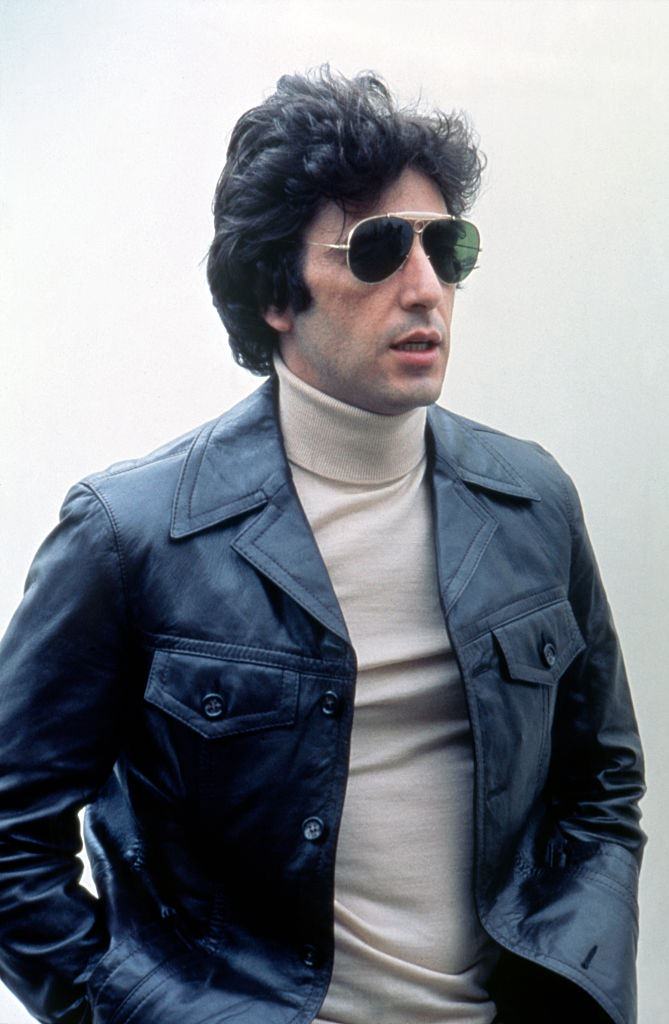
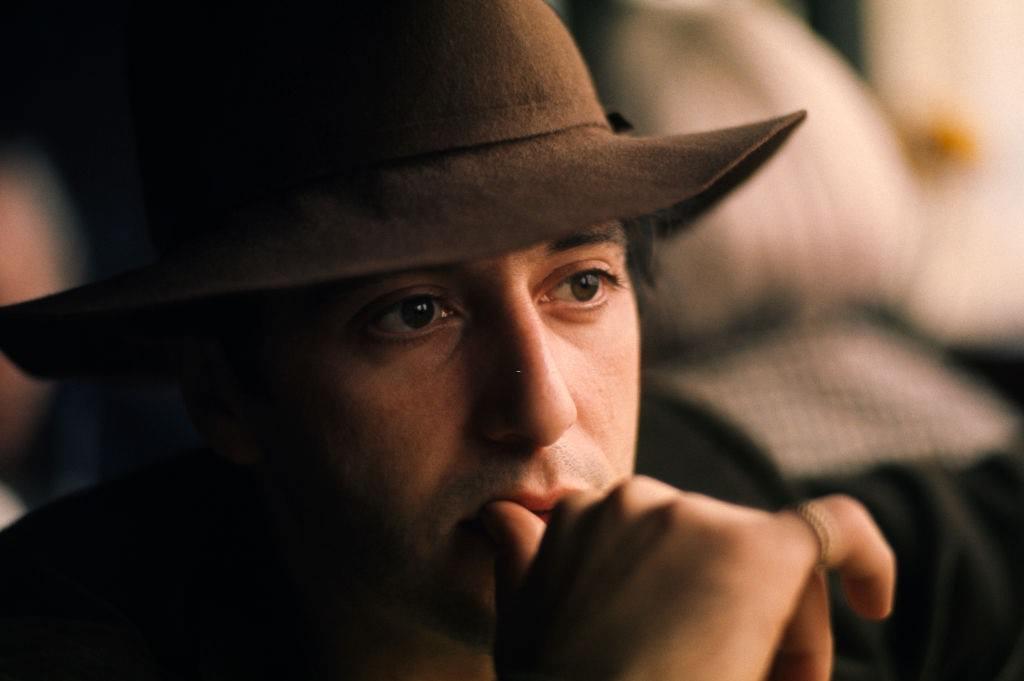
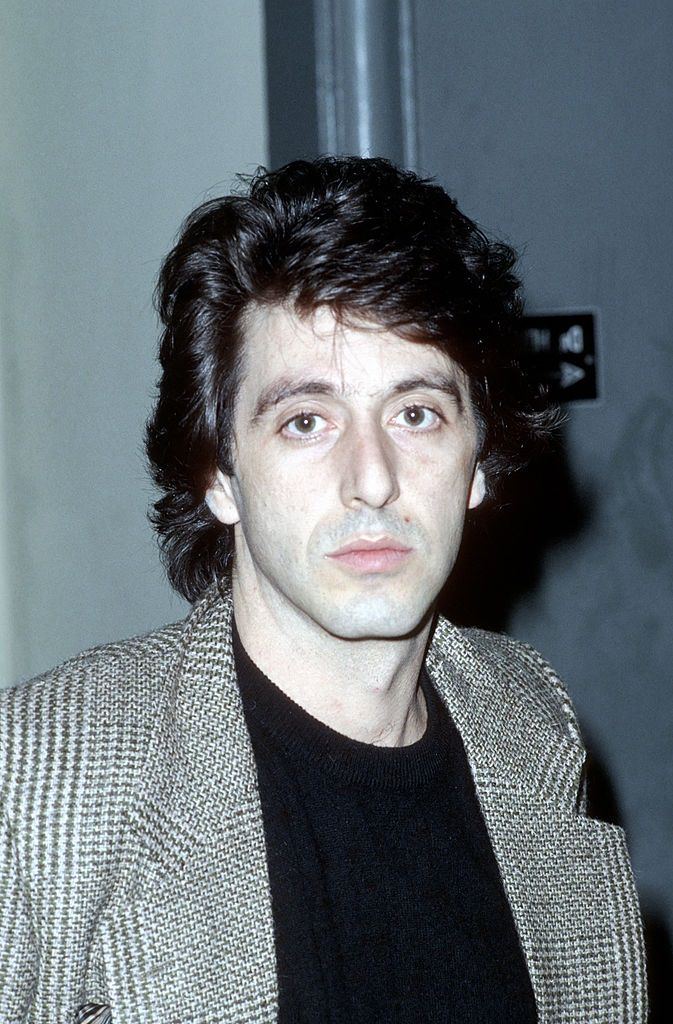
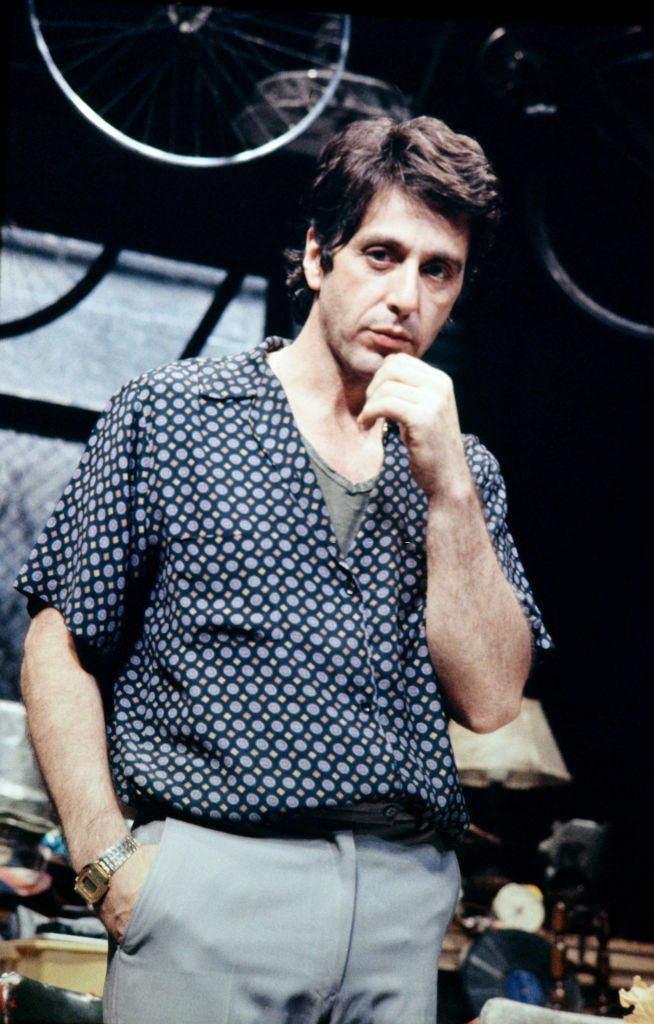
Pacino was a dedicated stage actor throughout his film career. In 1979, he starred as Richard III on Broadway. He also appeared in David Mamet’s play “American Buffalo” in London’s West End in 1984, and earlier took on the lead role in “The Basic Training of Pavlo Hummel” on Broadway, a performance that earned him a Tony Award.
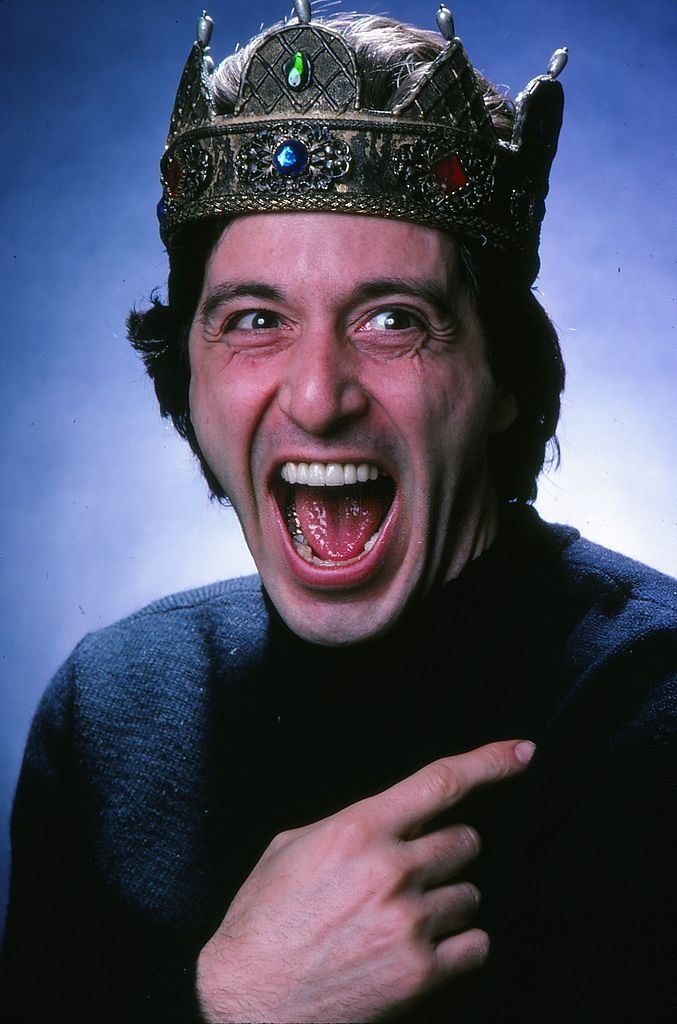
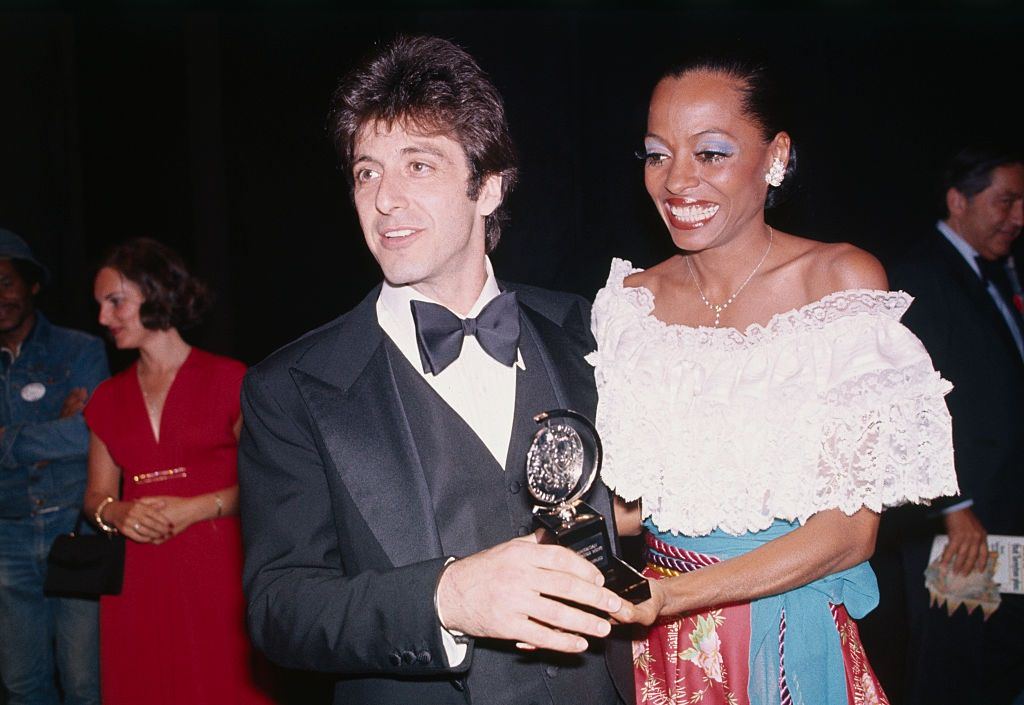
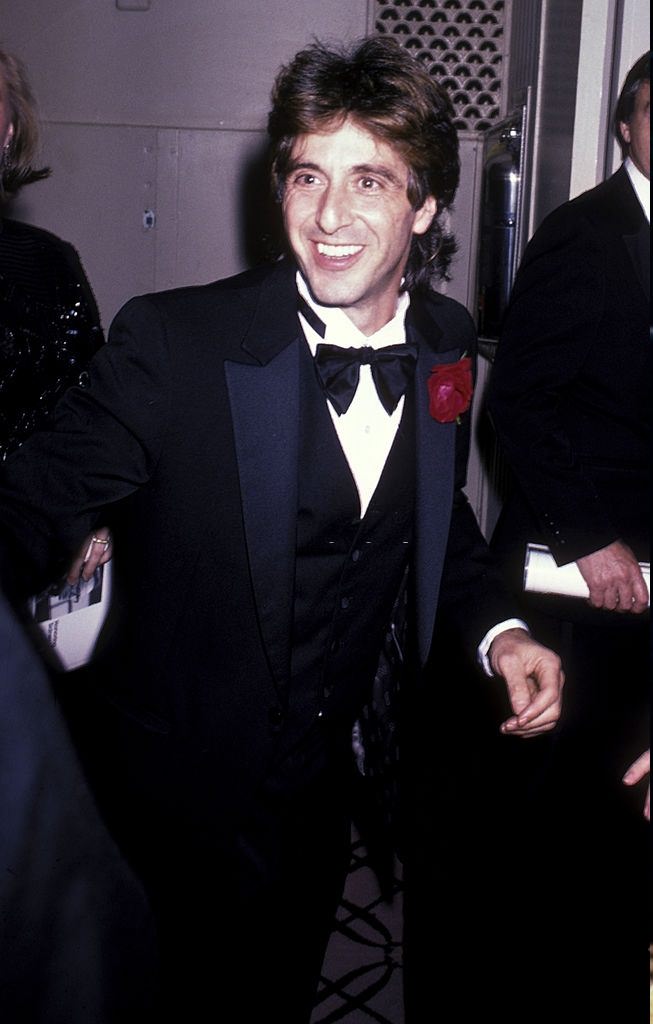
The late 1970s and early 1980s brought more bold film choices. Pacino starred in “Cruising” (1980), a thriller in which he played an undercover detective investigating murders in New York City’s underground gay community. Around the same time, he was a frequent presence at Actor’s Studio events, often appearing alongside Marthe Keller at galas and fundraisers.
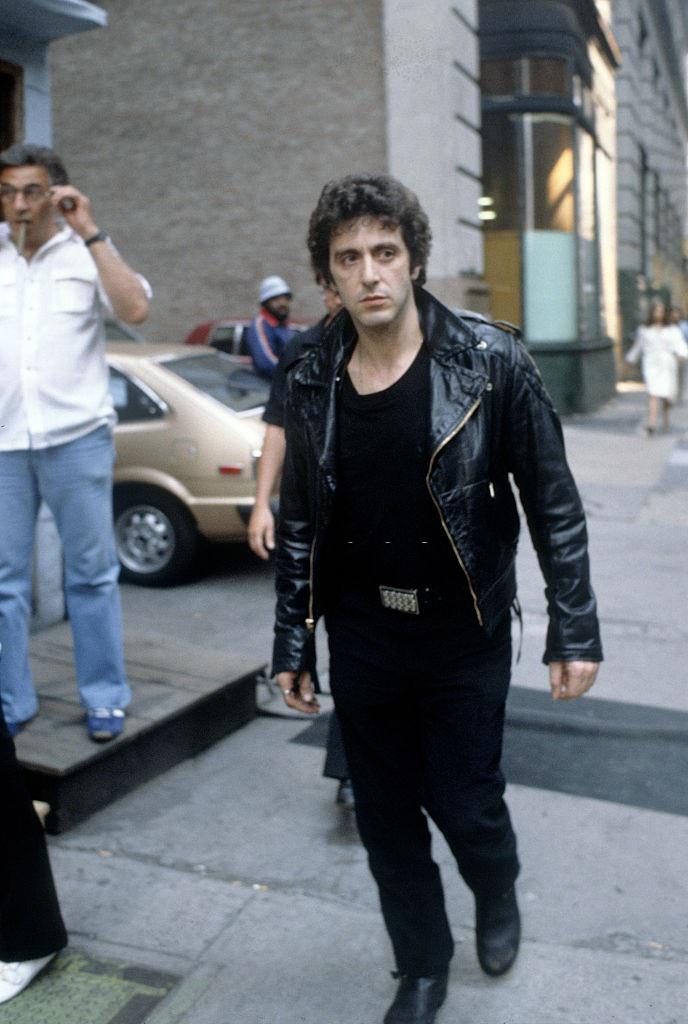
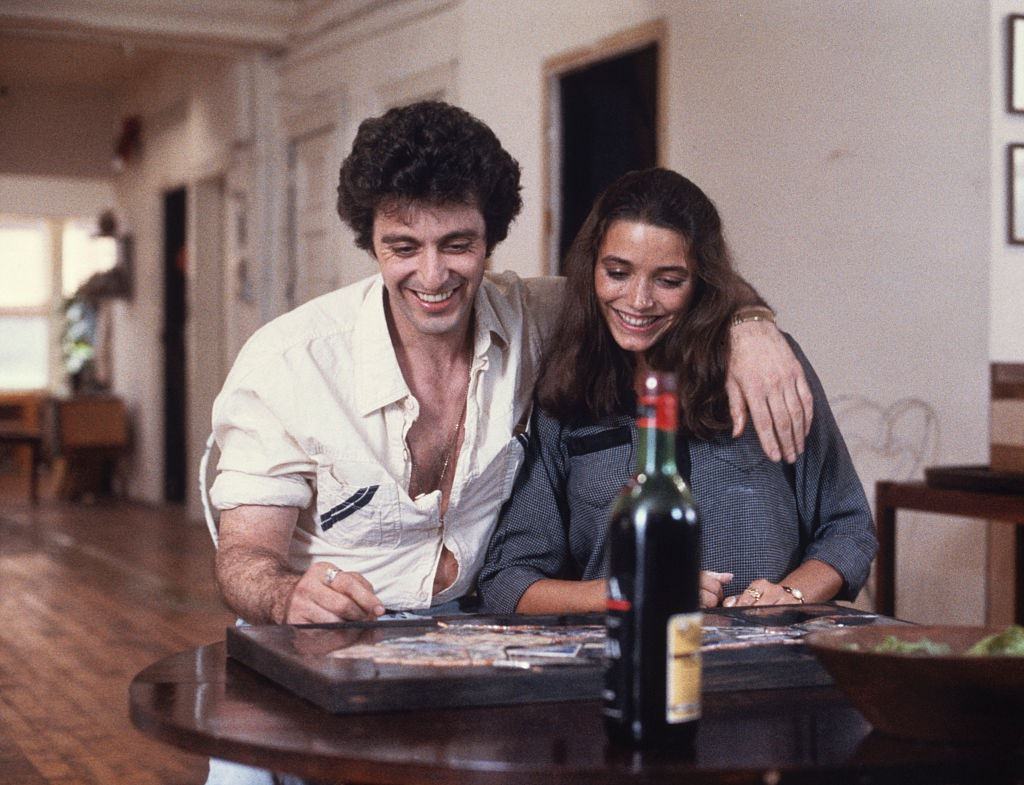
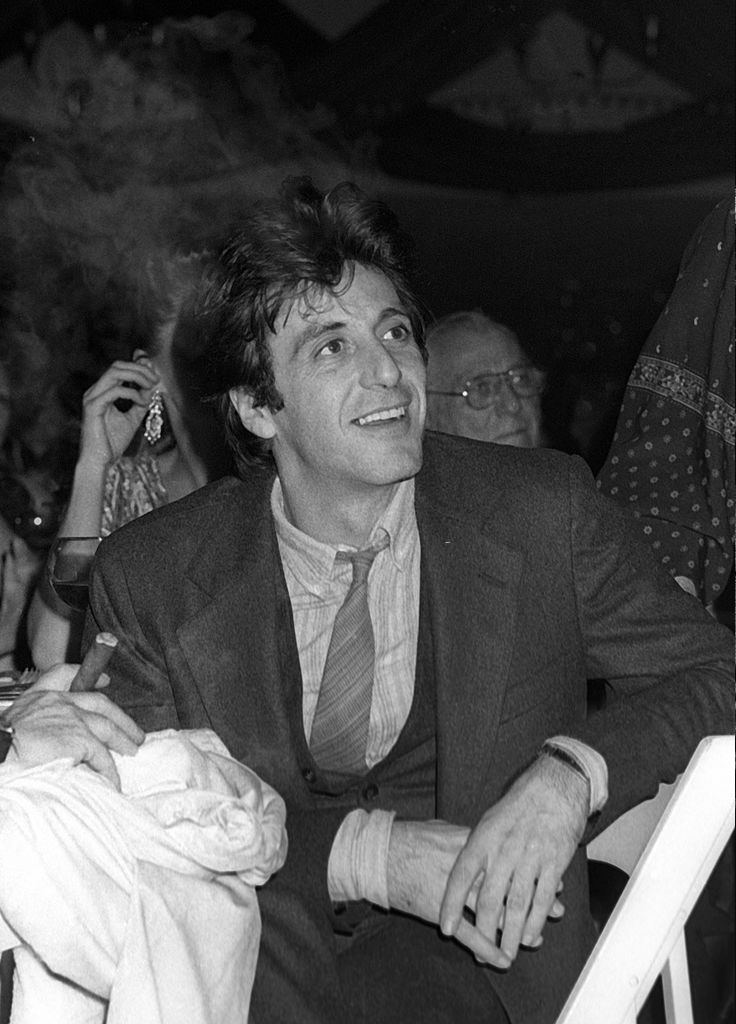
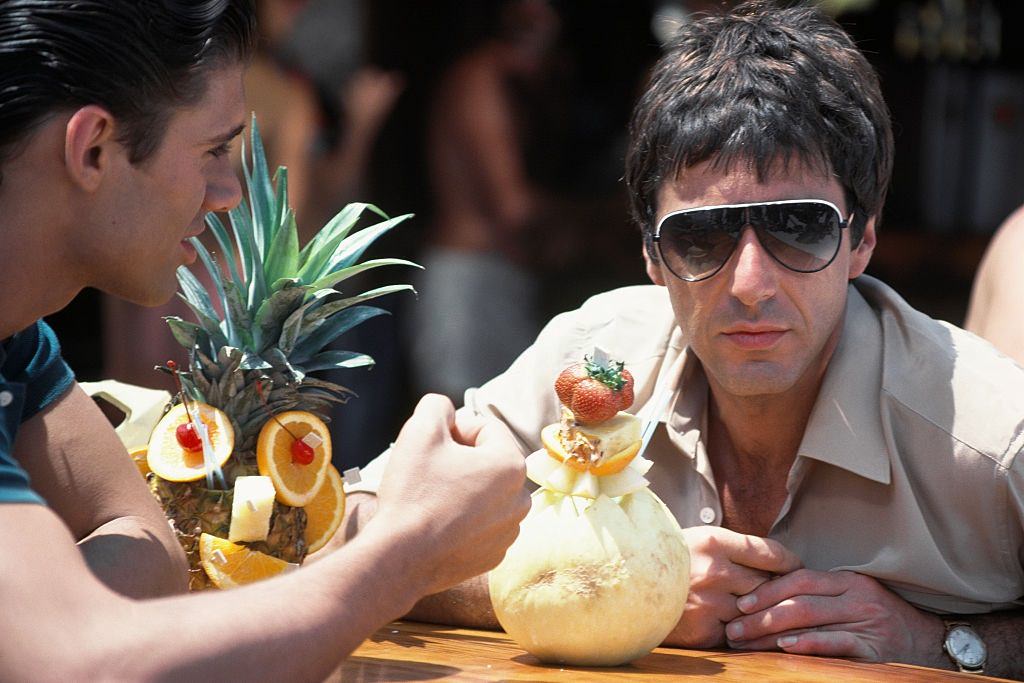
In 1983, Pacino took on the role of Tony Montana in “Scarface,” playing a Cuban immigrant who claws his way to the top of Miami’s drug trade. The role required an extreme level of physical and emotional intensity. At the height of his heaviest smoking years in the mid-1980s, Pacino was consuming four packs of cigarettes a day. He later cut back drastically, occasionally smoking only herbal cigarettes.
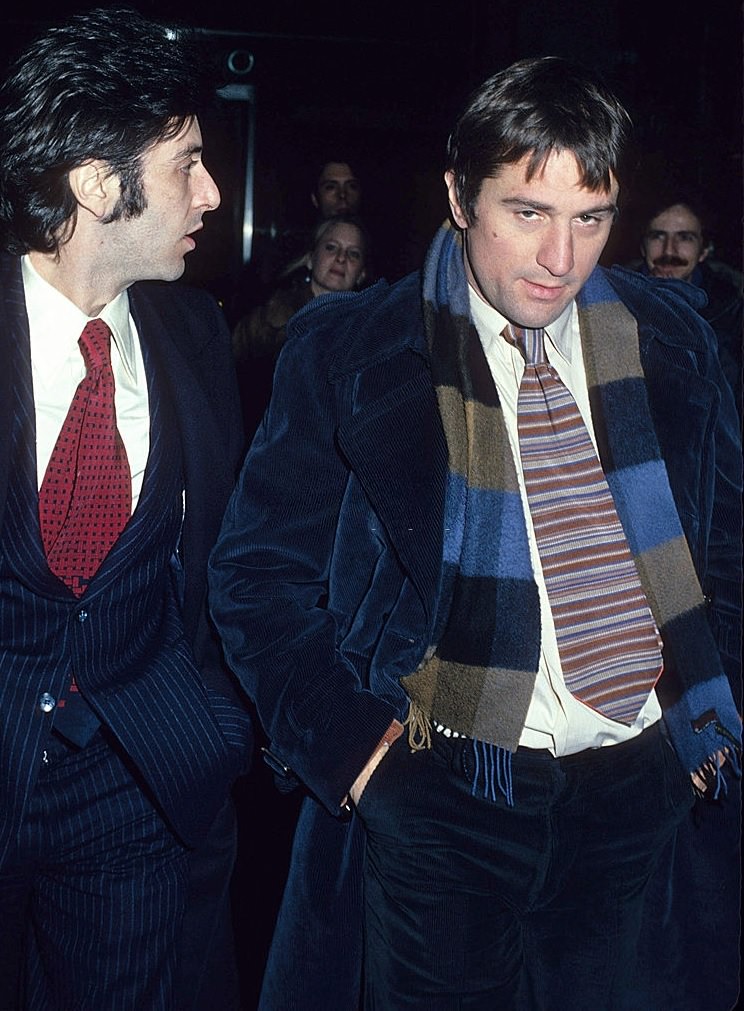
Through the 1970s and into the 1980s, Pacino built friendships with other major actors of his era. His bond with Robert De Niro, a fellow New Yorker and method-trained actor, was one of the most talked-about relationships in Hollywood. The two were photographed together in Manhattan, a pairing that fans and critics alike treated as a meeting of equals.