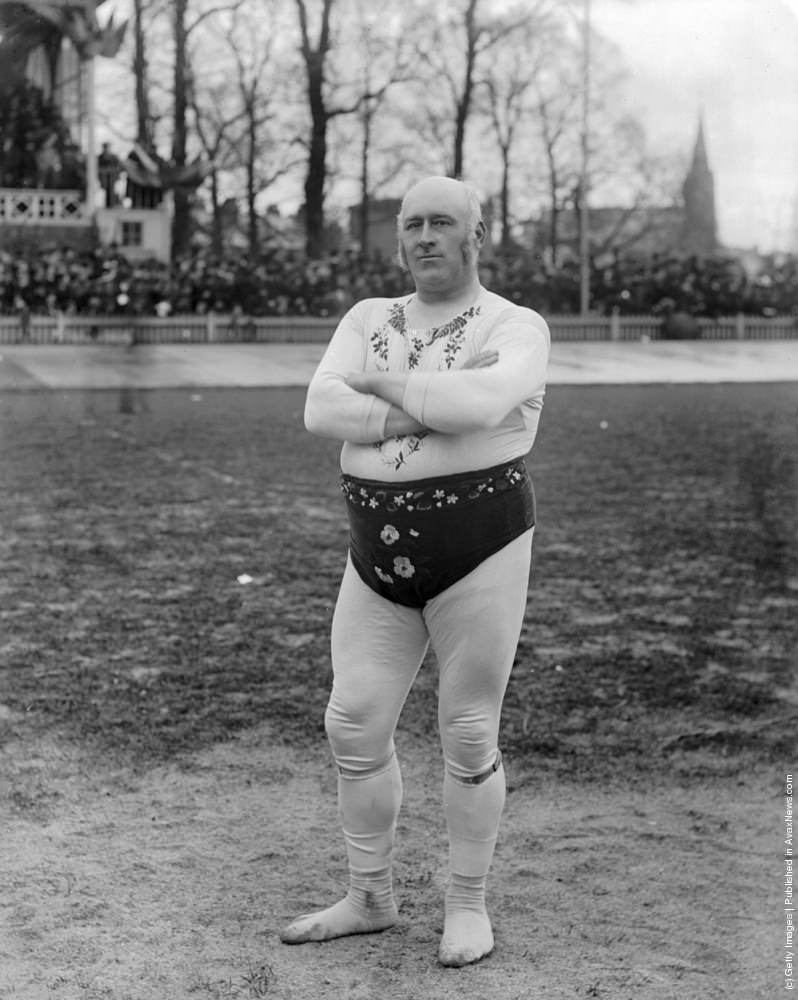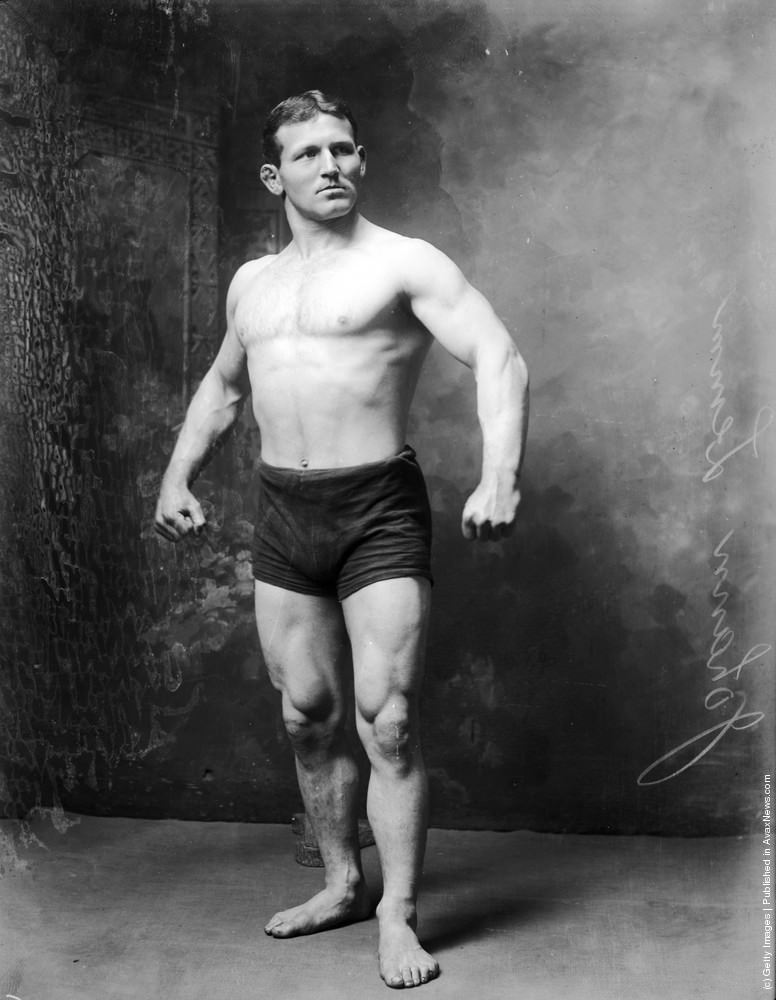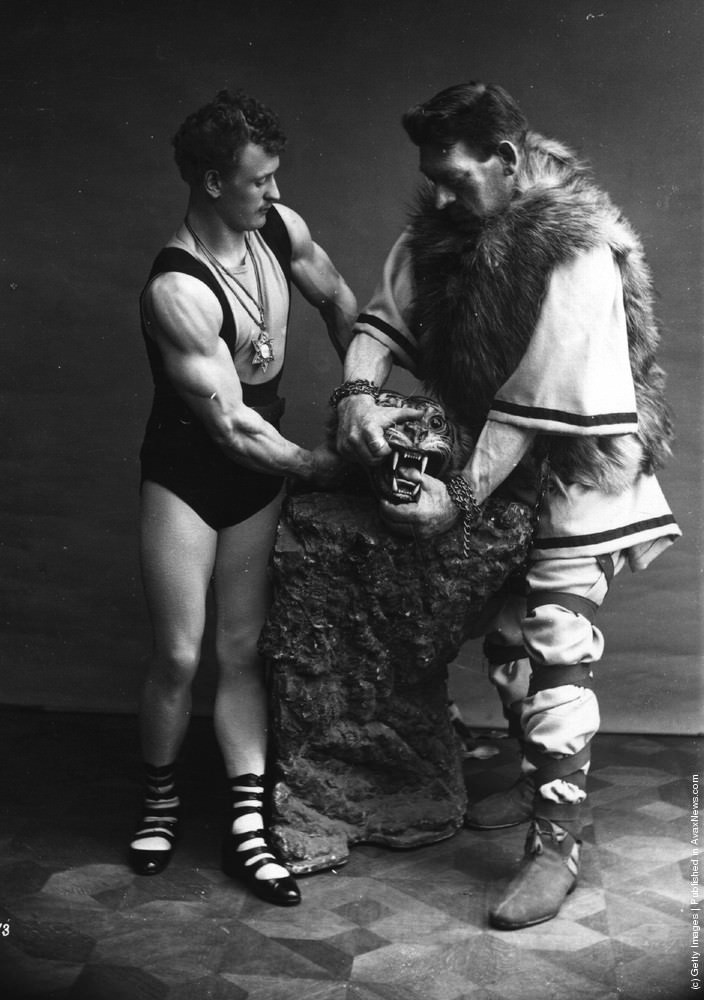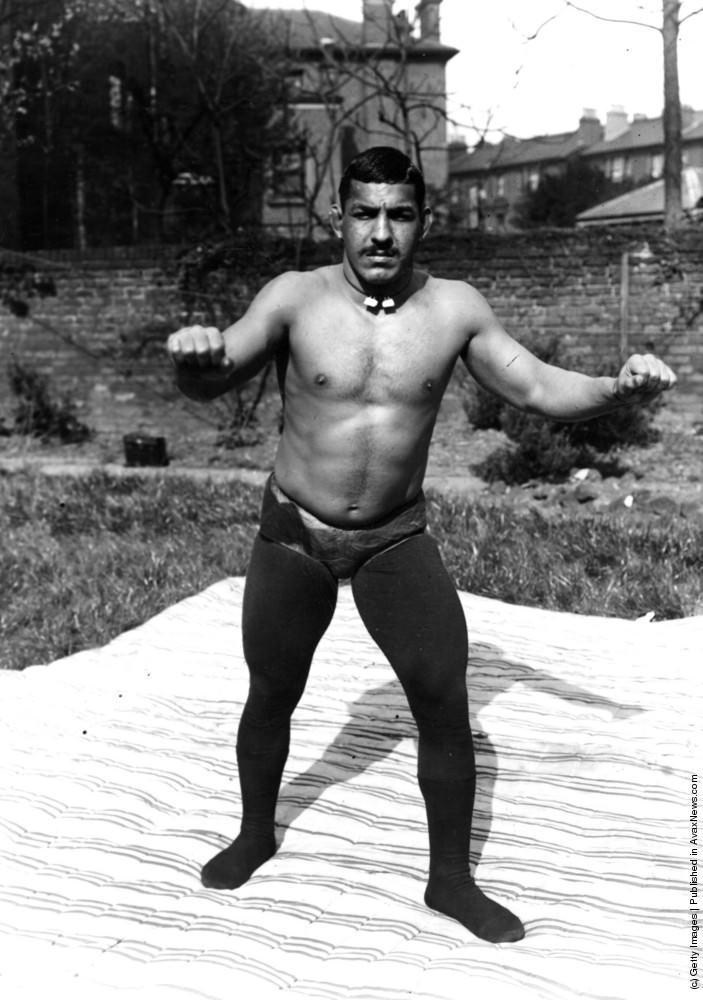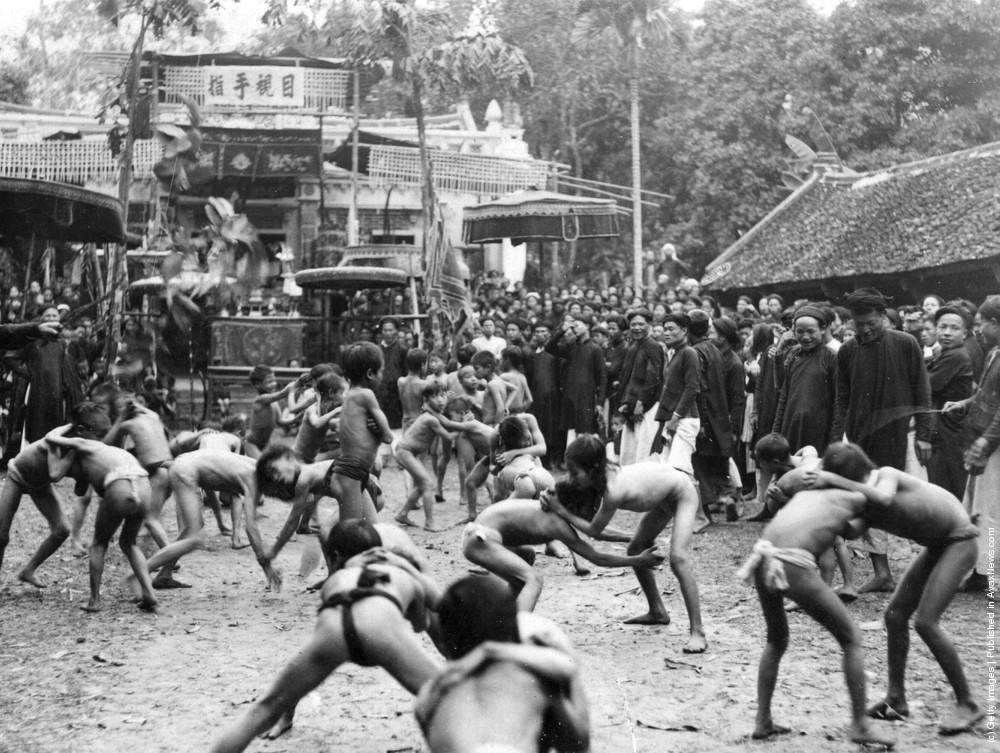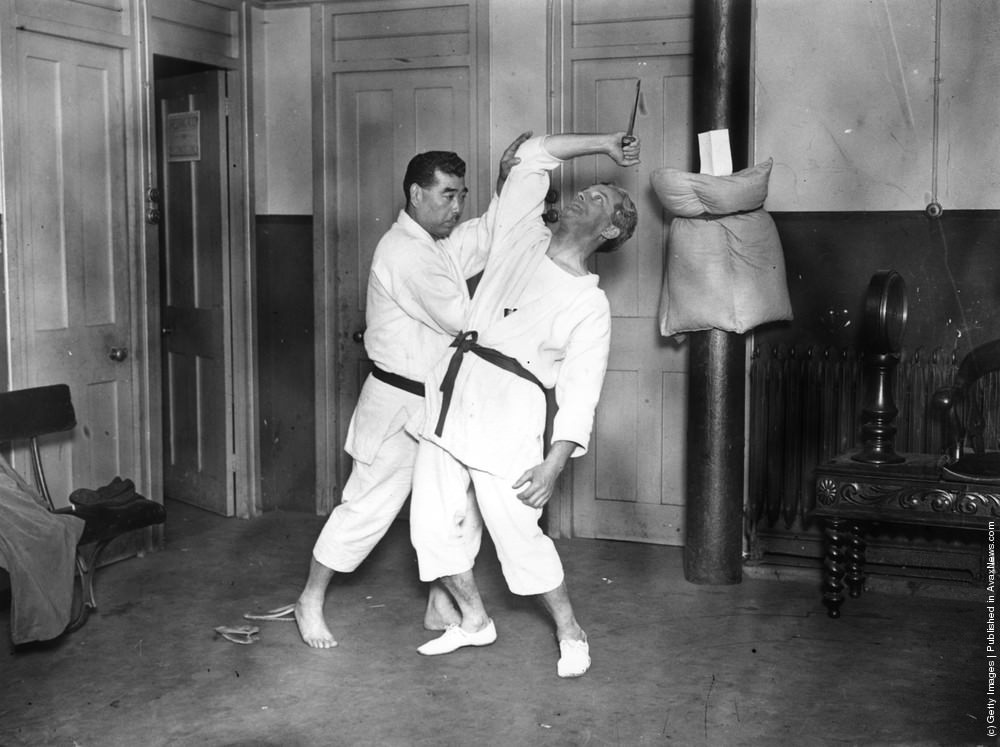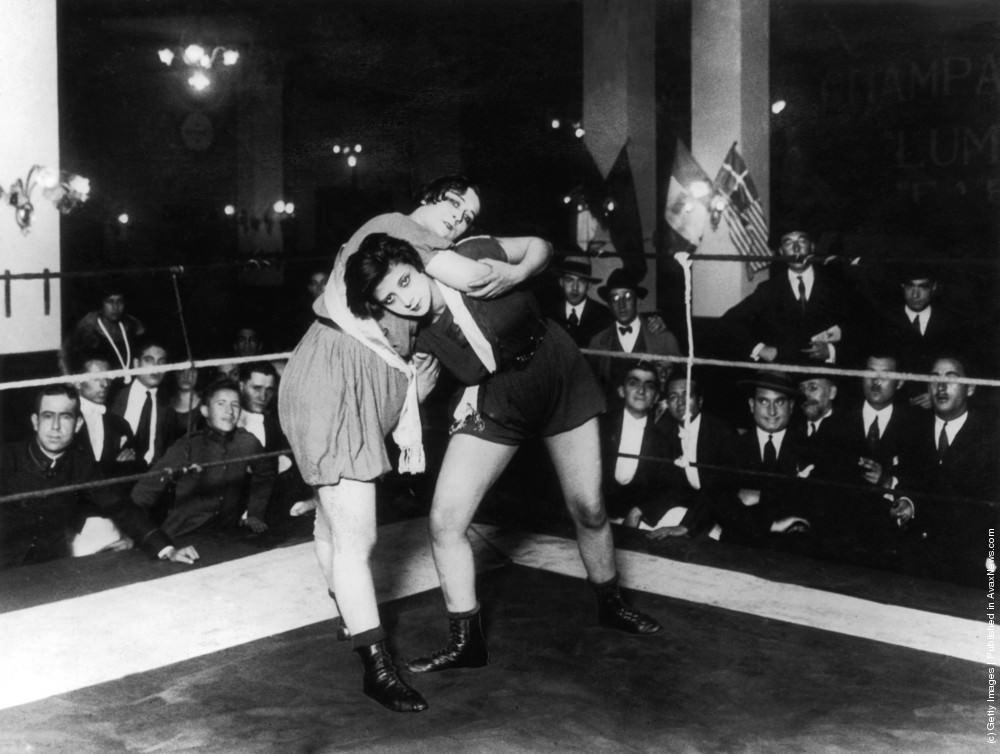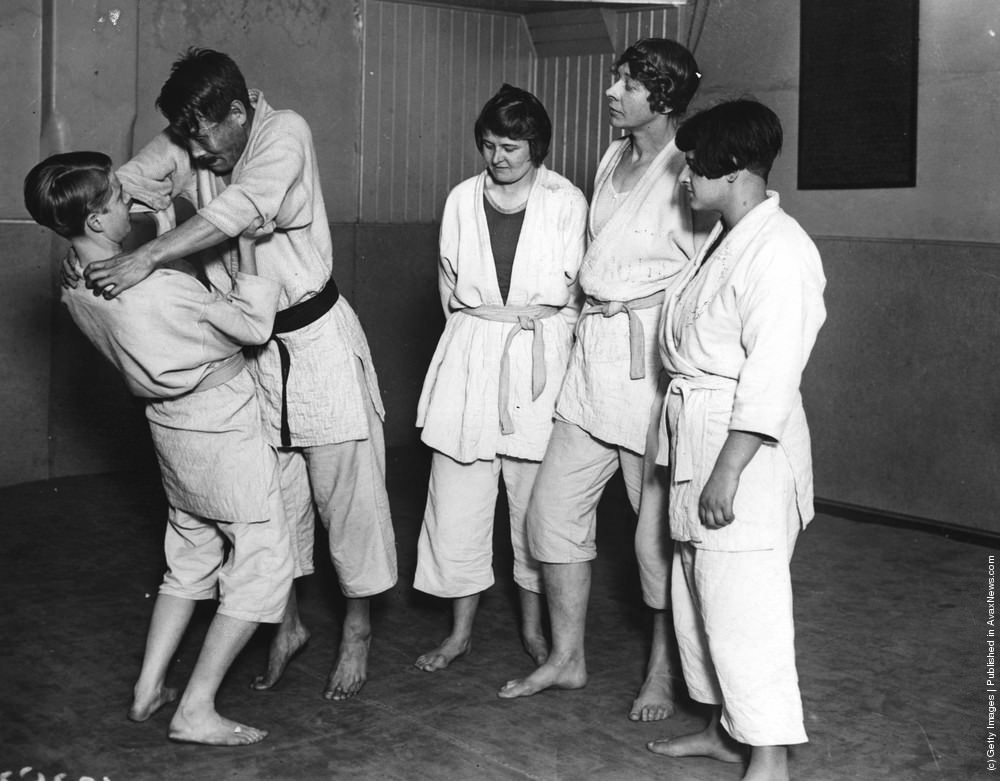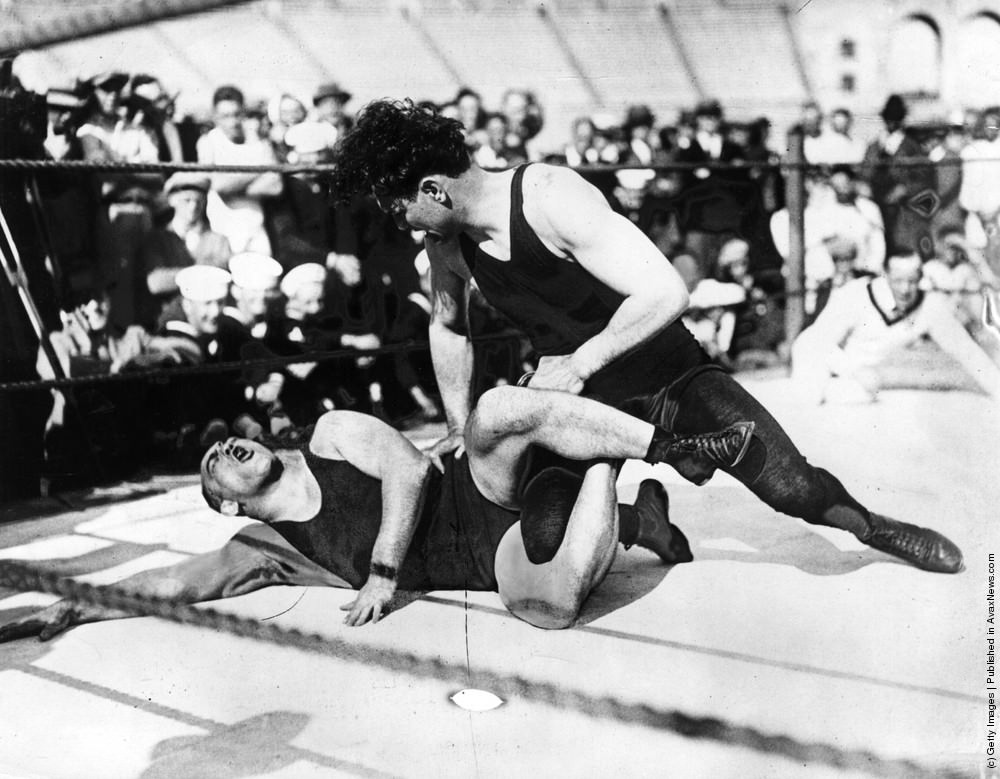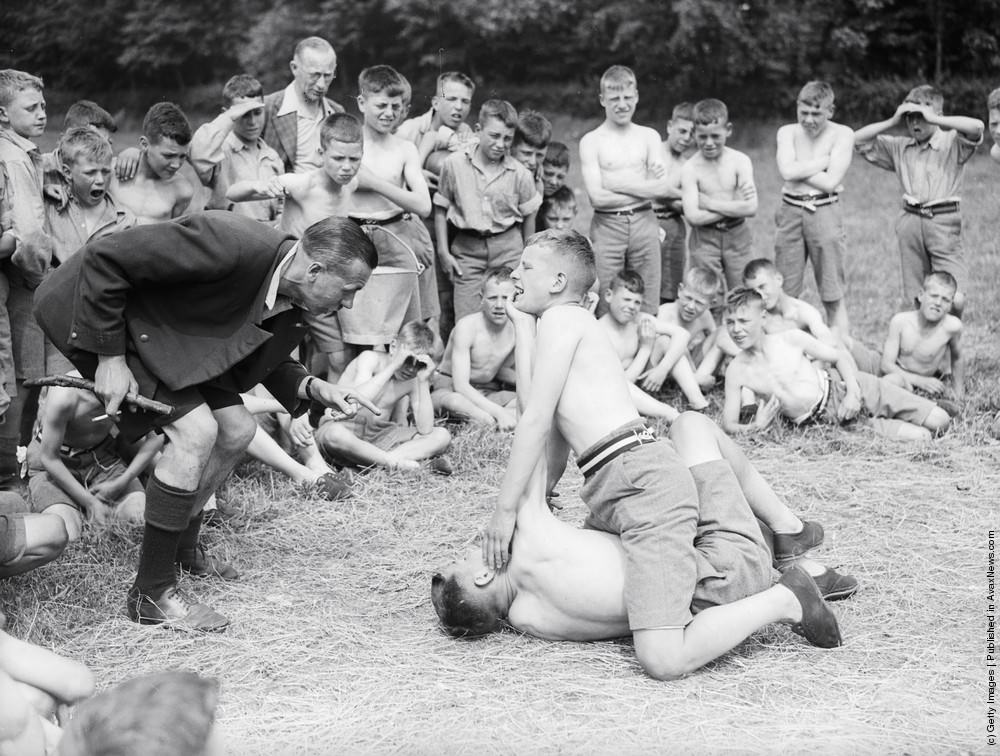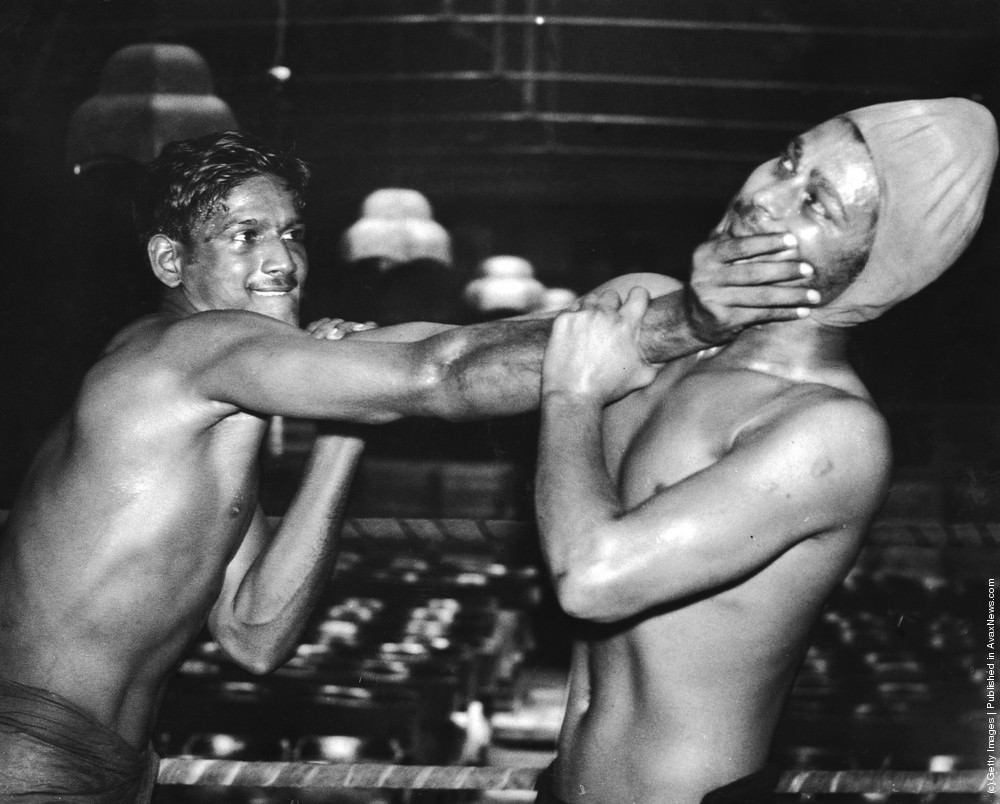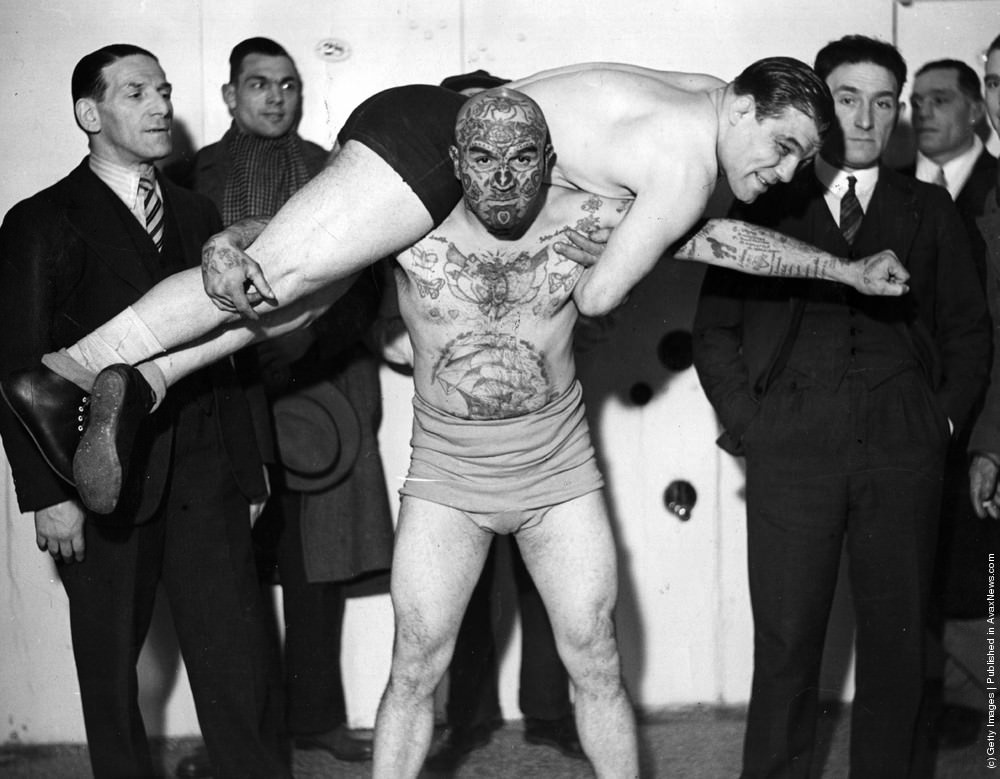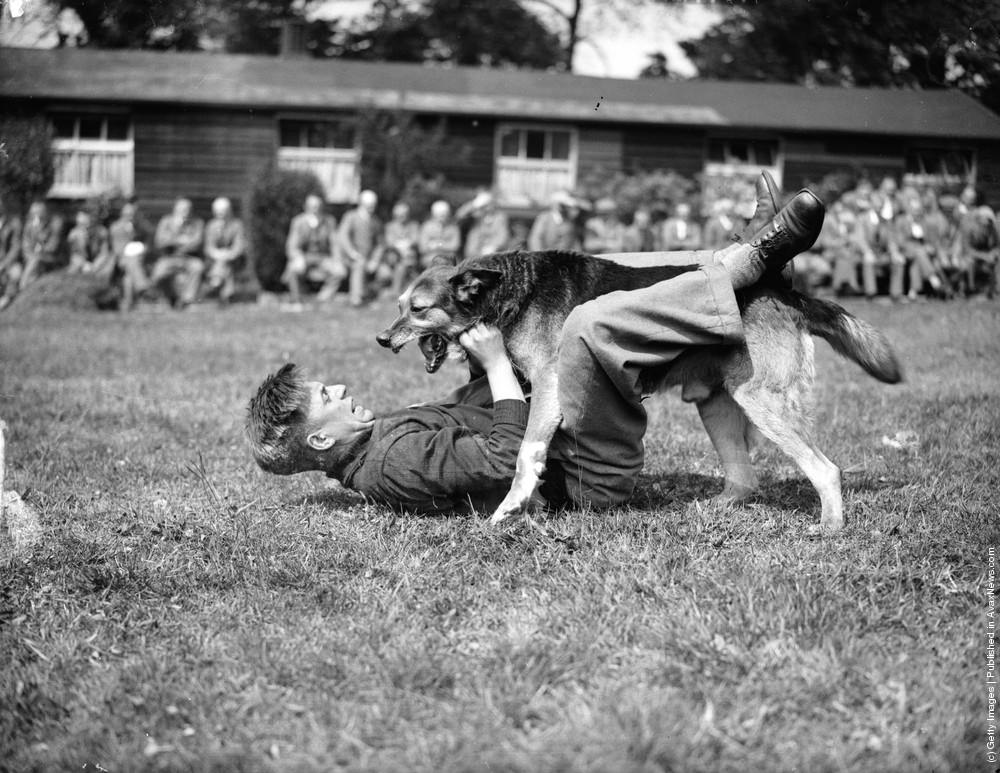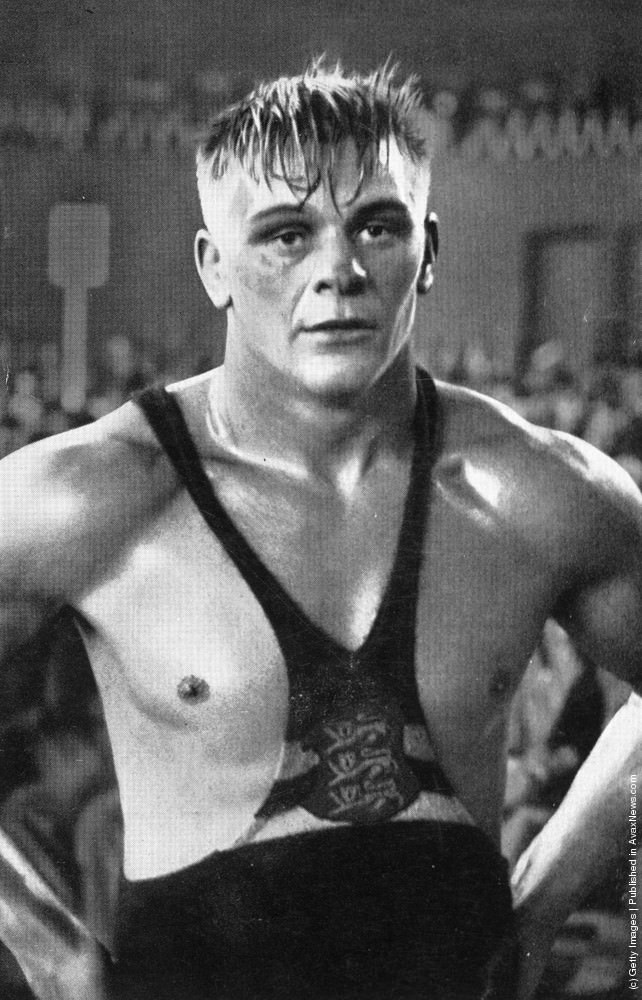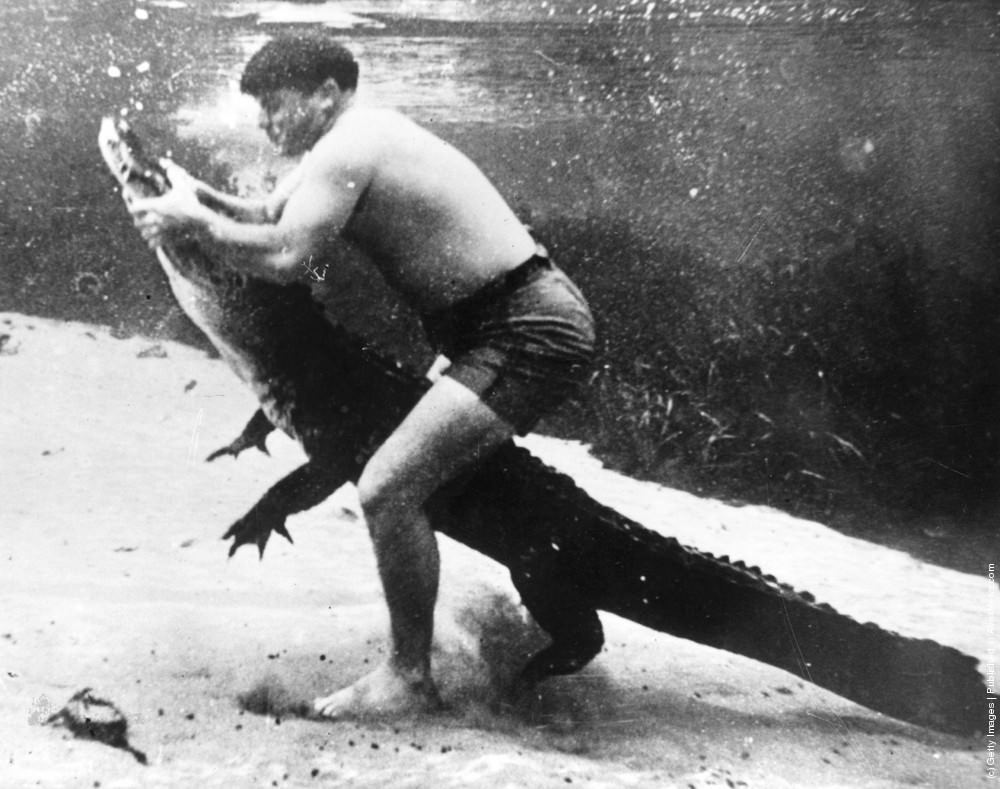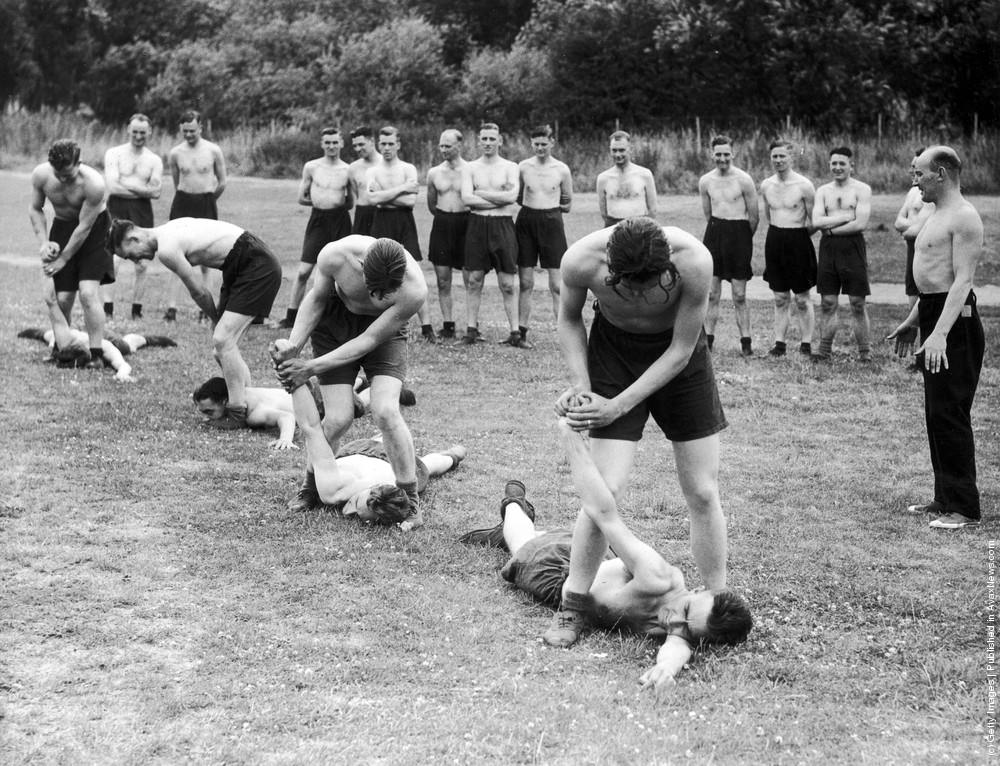

Professional wrestling during the early years of the 20th century was a different kind of contest than what many people see today. The dominant style was often known as “catch-as-catch-can,” a form of wrestling that emphasized real grappling techniques, strength, and physical endurance. Wrestlers aimed to pin their opponent’s shoulders to the mat or force them to give up using painful holds, called submission holds.
Matches in this era were incredibly long, sometimes lasting for two or three hours without a clear winner. The sport was presented to the public primarily as a legitimate athletic competition, a true test of skill and toughness between two highly conditioned athletes. Showmanship took a backseat to actual wrestling ability.
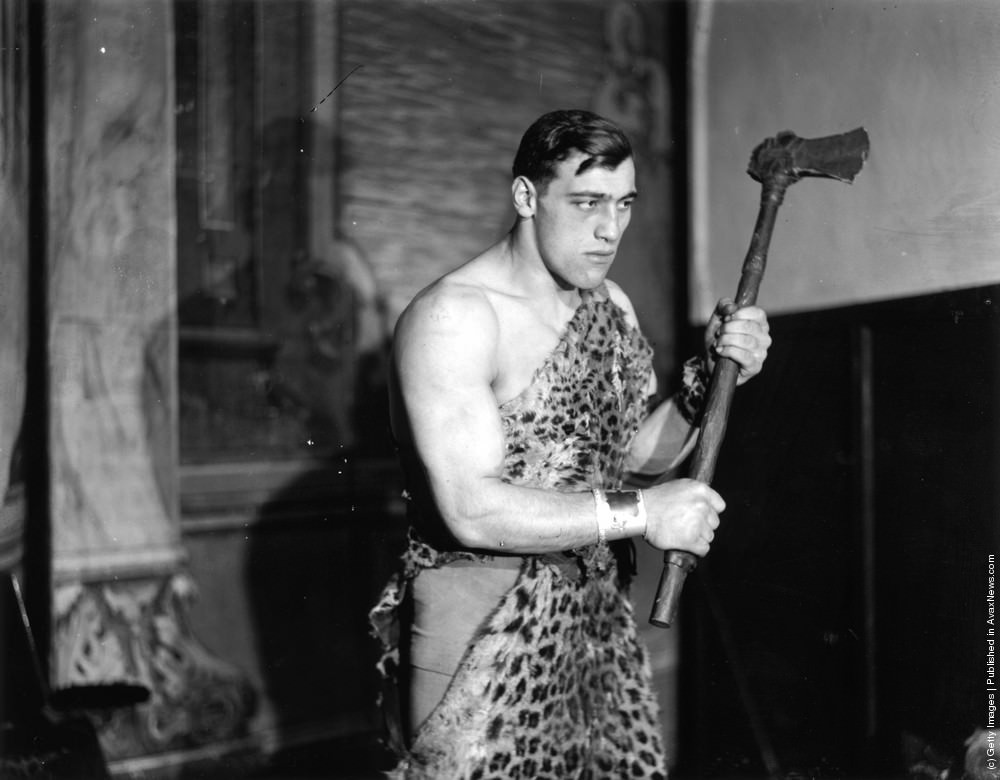
One of the first international superstars of this era was George Hackenschmidt. Originally from Estonia, he was nicknamed “The Russian Lion” and became famous worldwide for his amazing physique and powerful wrestling style. He traveled across continents, defeating local champions and earning recognition as perhaps the first widely accepted World Heavyweight Wrestling Champion. His combination of strength and wrestling skill drew large crowds wherever he competed.
Read more
In the United States, Frank Gotch rose to become a national hero. Hailing from Iowa, Gotch was a master of the catch-as-catch-can style, known for his incredible stamina, technical skill, and sometimes rough tactics, including a feared toe hold. His fame exploded thanks to his rivalry with George Hackenschmidt. Gotch managed to defeat Hackenschmidt in two high-profile matches in 1908 and 1911, events that captured public attention across America and established Gotch as the undisputed top wrestler of his time.
Beyond these two giants, several other wrestlers were major figures in the early 1900s. Ed “Strangler” Lewis became famous for his powerful headlock submission, a hold so effective it earned him his nickname and multiple world championships later in the era. Joe Stecher, another American champion, was known for his feared leg scissors submission hold. Stanislaus Zbyszko, a strong Polish wrestler, was a respected international competitor who wrestled many of the top names.
These wrestlers performed in various venues. Matches took place in established sporting arenas and theaters, but wrestling was also a popular attraction at traveling carnivals and fairs. Promoters presented these bouts as genuine contests of strength and ability. The focus was on the struggle, the application of holds, and the sheer physical effort required to compete at the highest level.
Matches were often grueling affairs, demanding incredible stamina from the competitors. Much of the action involved grappling on the mat, with wrestlers constantly working to improve their position, escape holds, and apply their own finishing maneuvers. There were few of the high-flying moves or elaborate storylines common in modern wrestling. Success depended on strength, leverage, conditioning, and knowing how to force an opponent into submission or onto their back for a pinfall.
Toward the end of this period, particularly in the 1920s and into the 1930s, the nature of professional wrestling began to shift. Wrestlers and promoters like Ed Lewis, Joe Stecher, and later Jim Londos realized that audiences responded well to more dramatic matches, even if the outcomes were sometimes planned in advance to create more excitement. This marked the slow transition towards the sports entertainment spectacle seen today, but the early 20th century belonged to the genuine strongmen and skilled grapplers who treated wrestling as a serious, demanding sport.