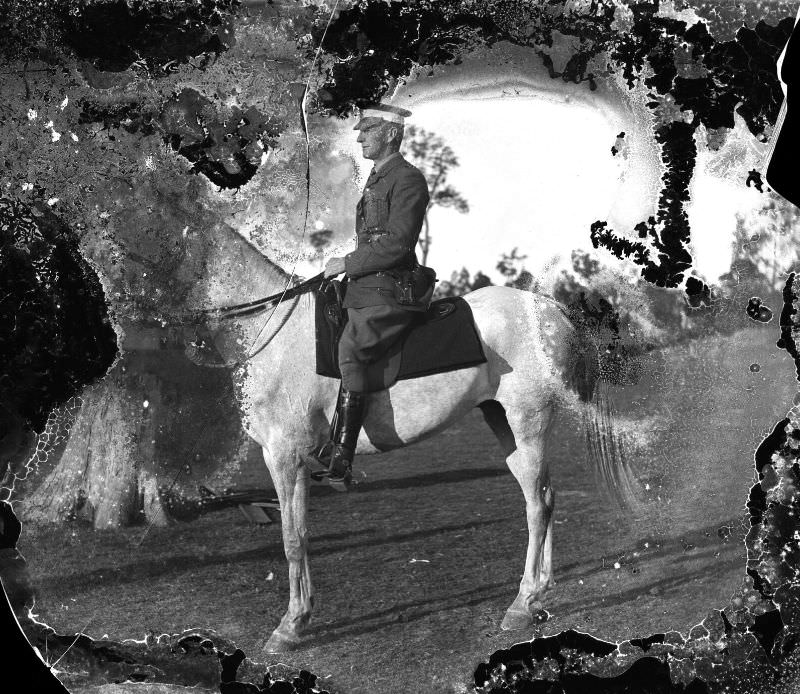
Alexander Galloway was born in 1876 and spent his working life behind a camera in the Hunter Region of New South Wales, Australia. He ran photographic studios in Cessnock, Kurri Kurri, Maitland, and Weston, serving local communities with studio portraits, family sittings, and commercial work. When World War I broke out, soldiers from these same towns lined up in his studios before shipping overseas. Galloway died in 1945, but the photographs he made endure as precise, personal records of the men who served.
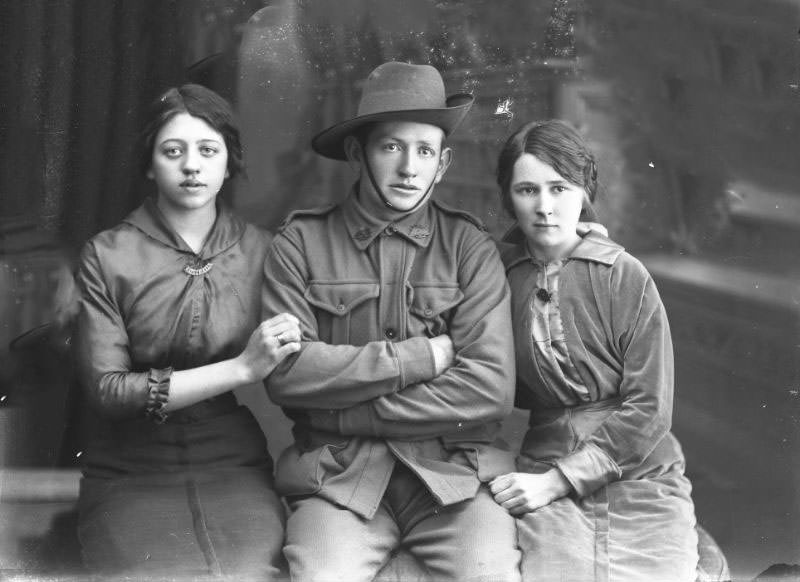
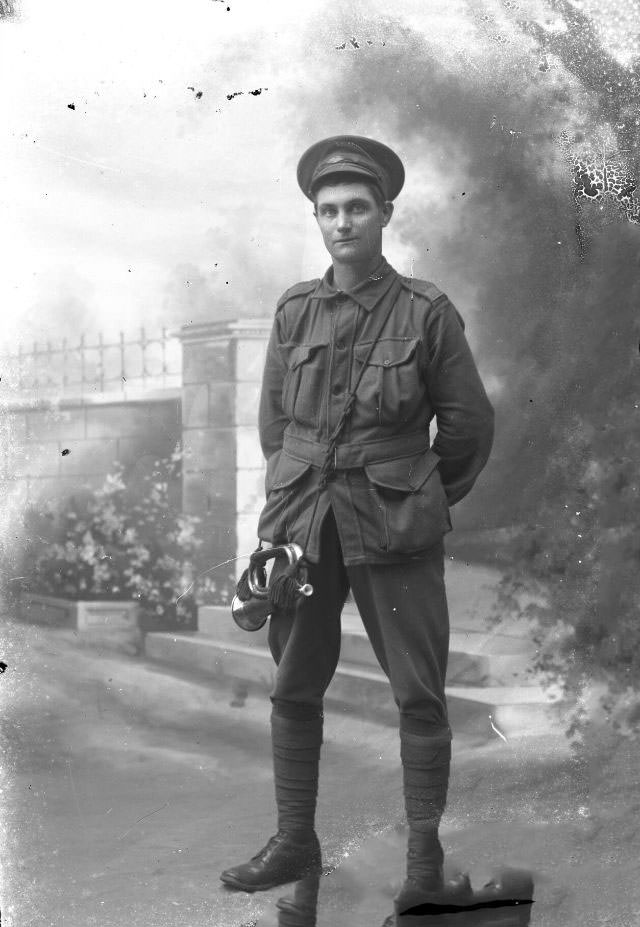
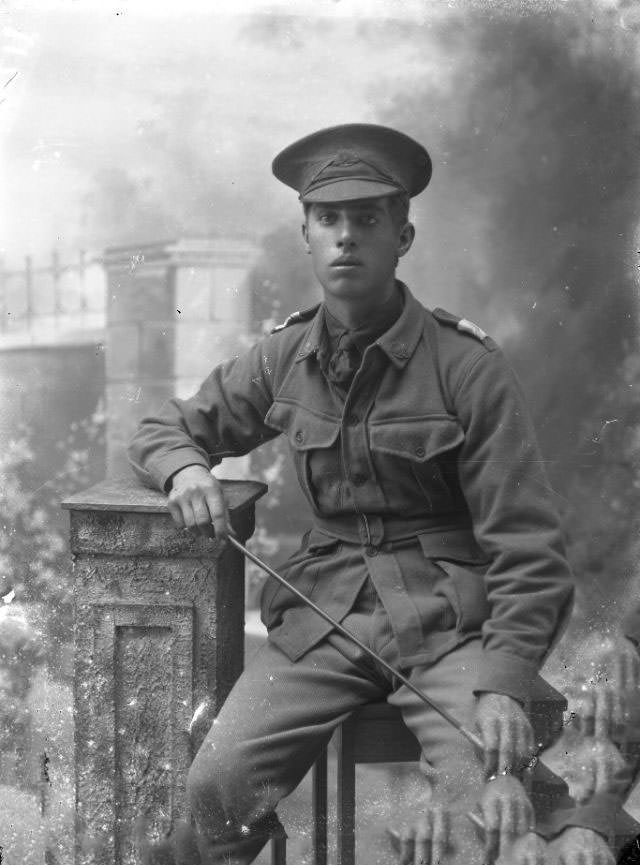
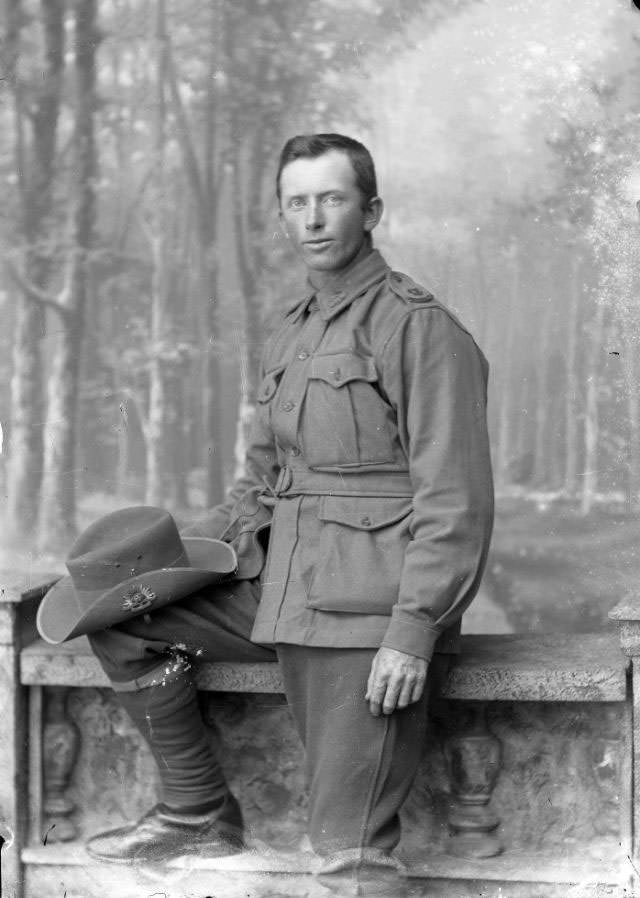
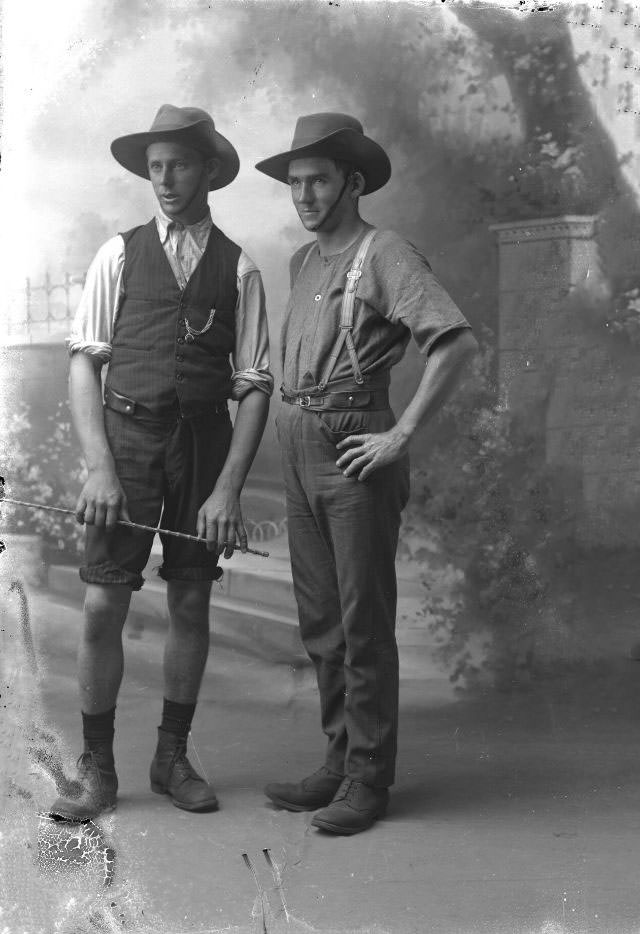
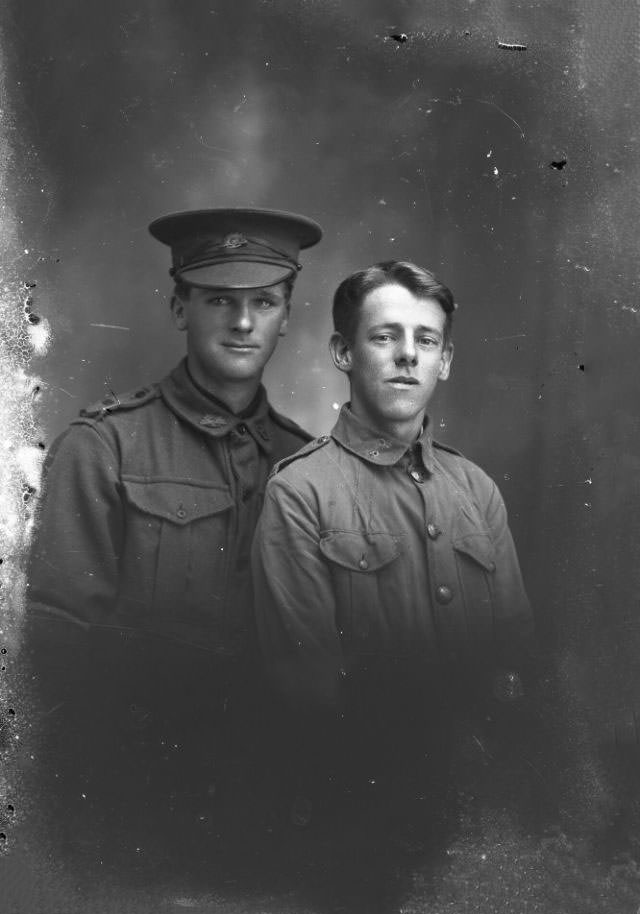
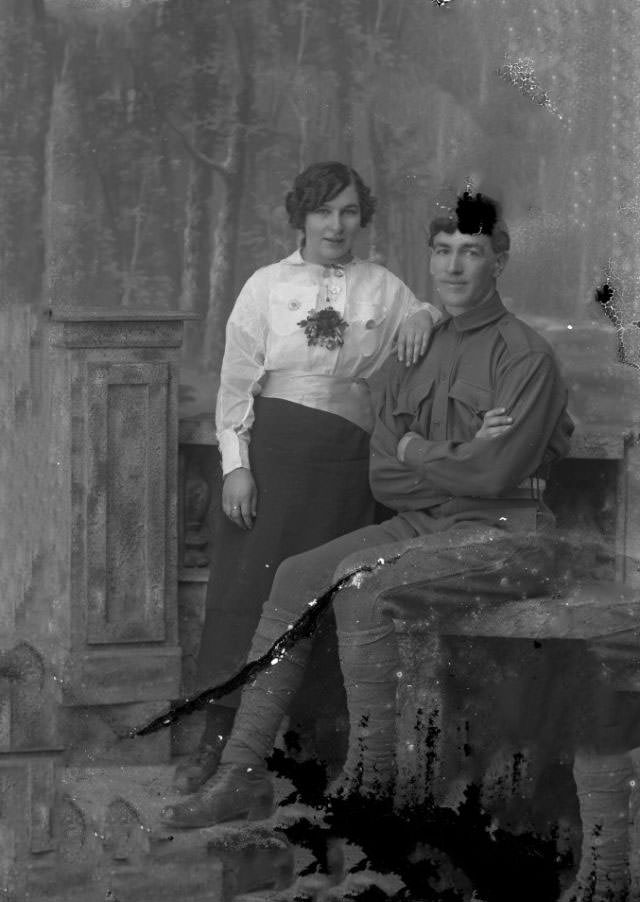
Galloway’s portraits went beyond formal military documentation. He captured individuals — their posture, their expressions, and the small details of their uniforms — with a clear eye for character. Some men posed alone in uniform, others sat with family members or friends. These sessions were often taken just before departure, making each photograph a farewell as much as a record.
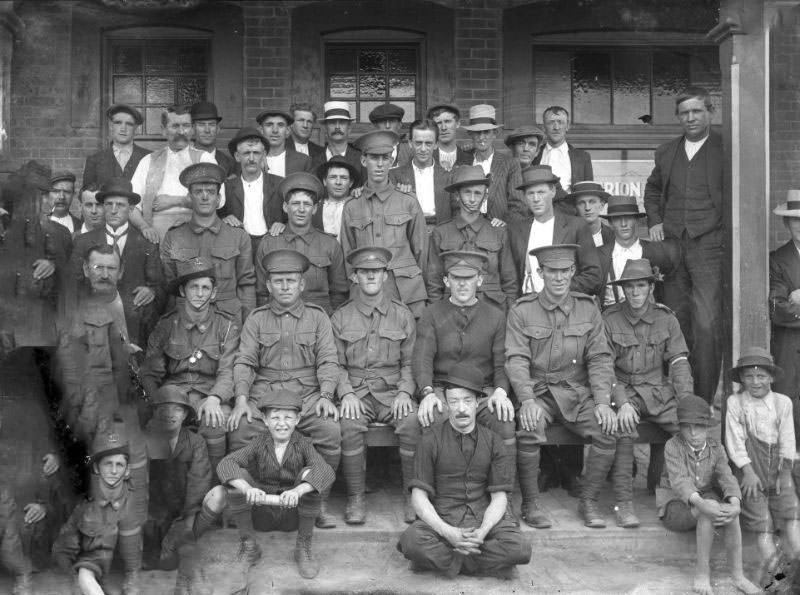
The soldiers he photographed came from the working communities of the Hunter Region — miners, laborers, and tradesmen who enlisted and put on the Australian Imperial Force uniform. Their names, where known, attach real lives to the images. Thomas Dix, born in 1886, was killed in 1917. Lt Garnet Edmund Iles Tinson, born in 1887, died in 1915. Private John Burnley, a bugler born in 1888, was killed in 1917. These dates are not background details — they are the weight behind every portrait.
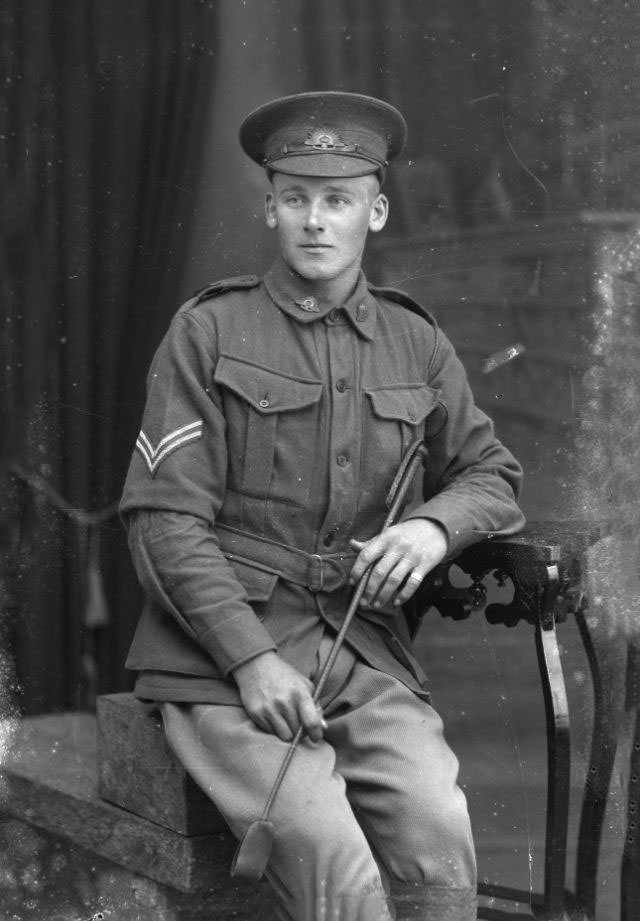
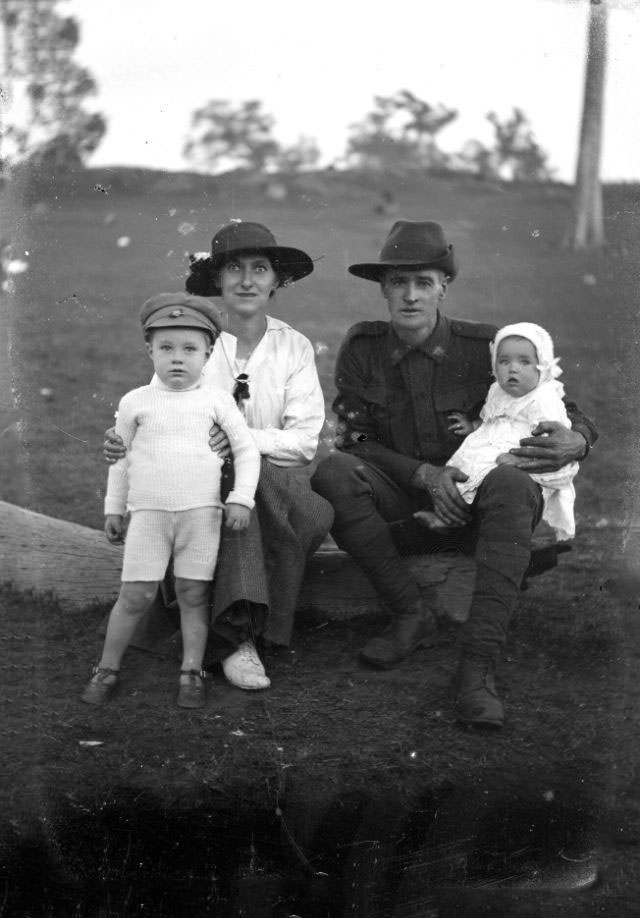
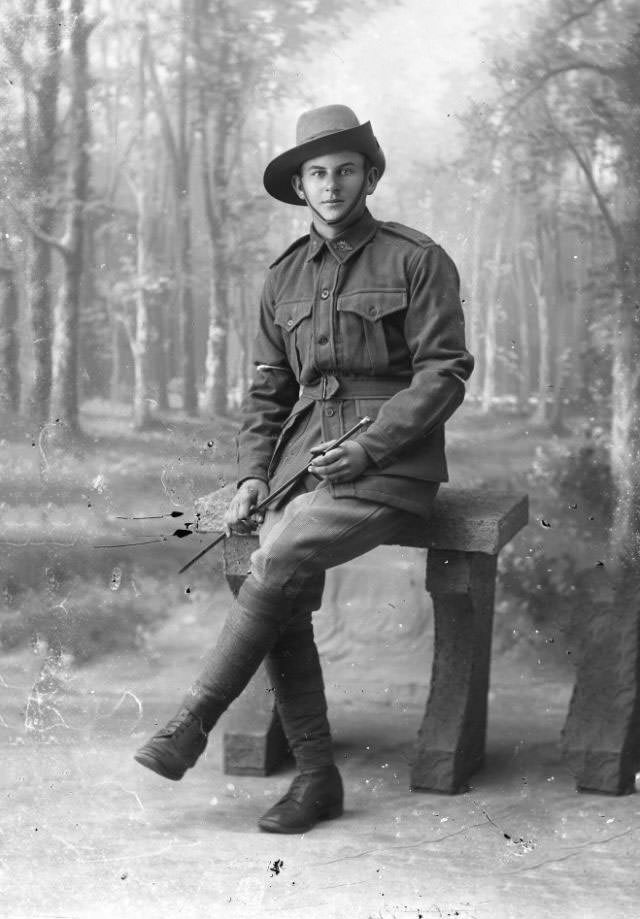
Not every soldier in Galloway’s collection died in the war. Alfred Thomas Govers, born in 1899, lived until 1970. Dan Sheahan, born in 1882, survived until 1977. Private Leo Dixon, born in 1890, lived to 1974. Their portraits sit alongside those of men who did not come home, a collection that spans the full spectrum of wartime experience.
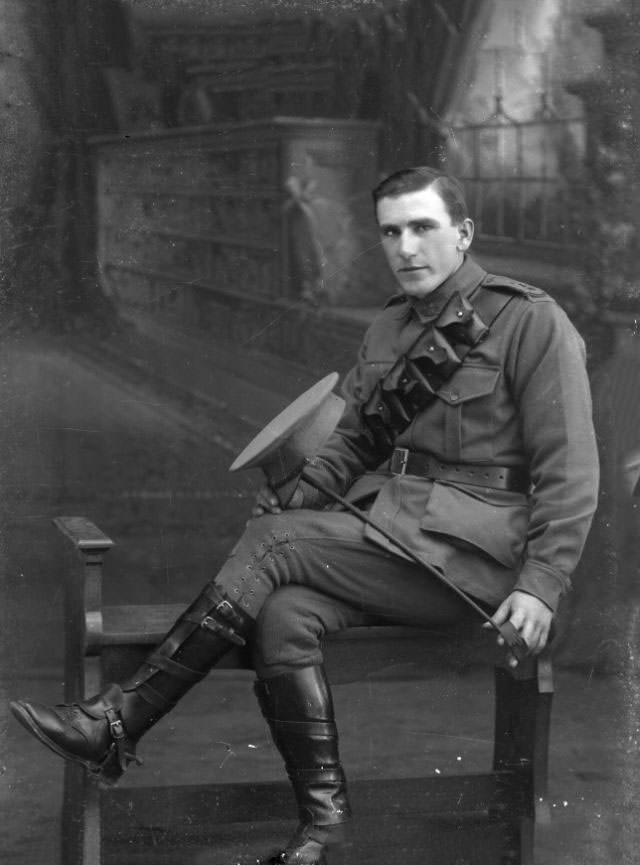
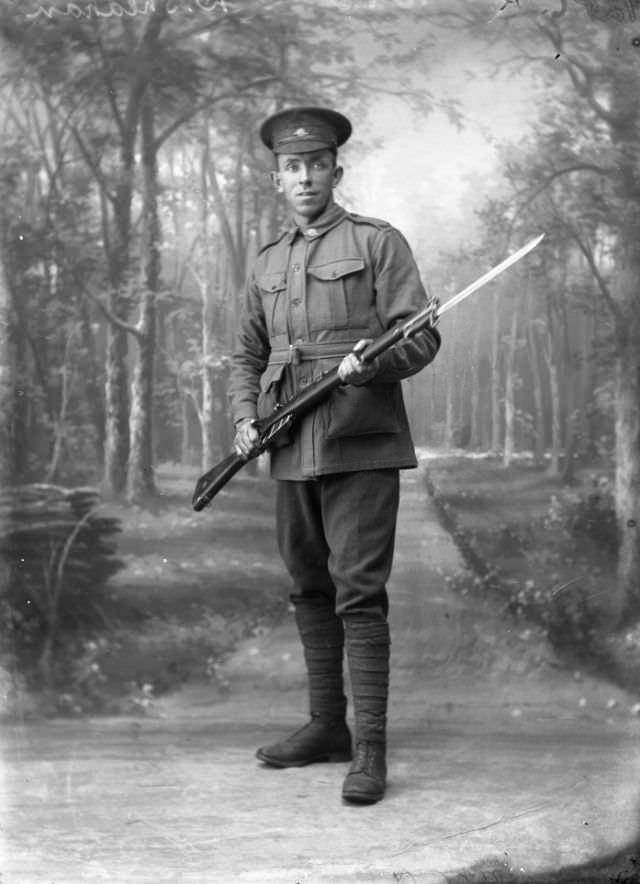
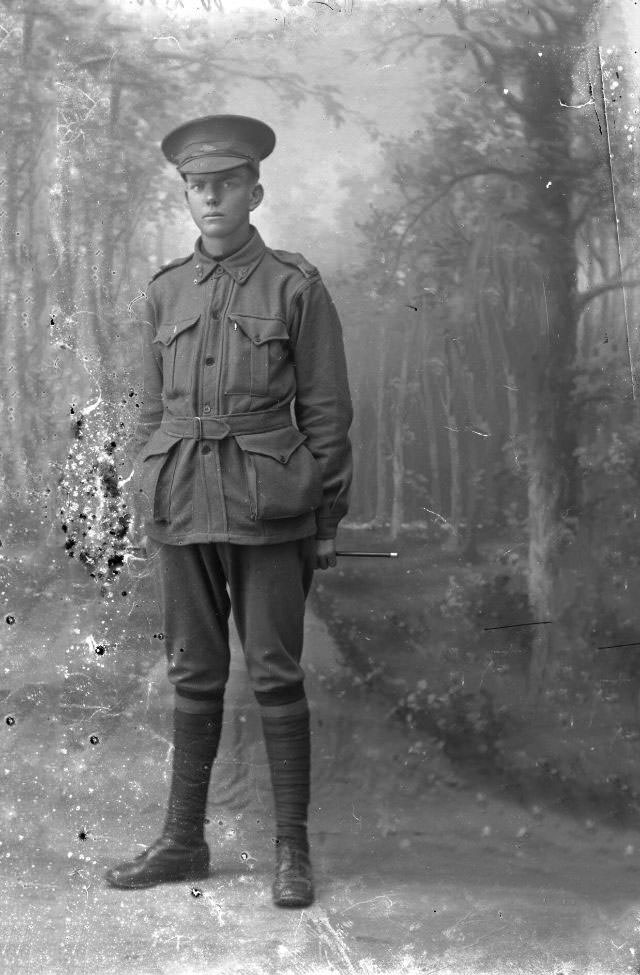
Thomas Ridley stands out among the collection for his decorated service record. He earned the Distinguished Conduct Medal, the Military Cross, and the Medal of St. George 4th Class from Russia — a rare combination of Allied honors. Born in 1884, he died in 1918, the final year of the war. His portrait, taken in Galloway’s studio, shows the same young man who would accumulate that record of service.
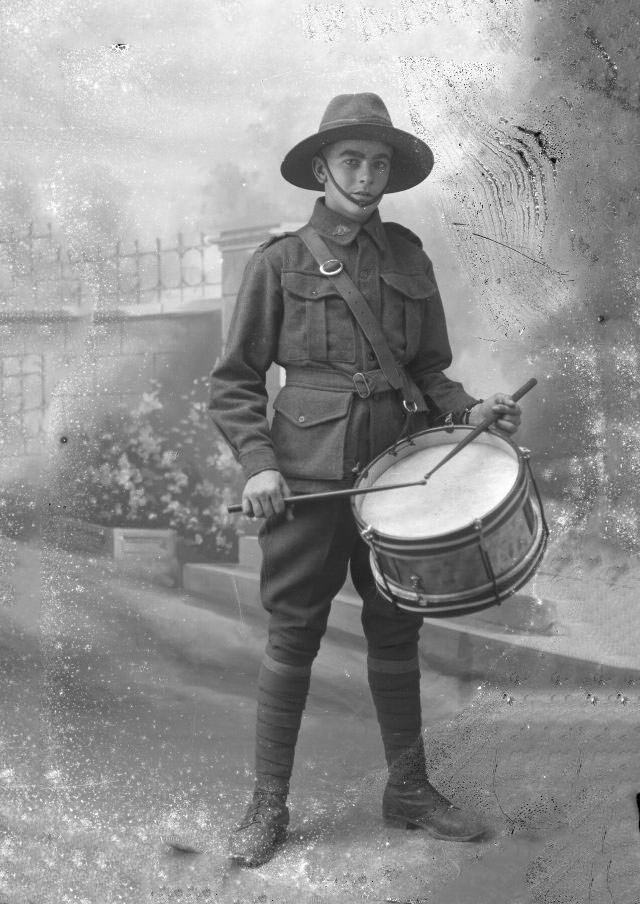
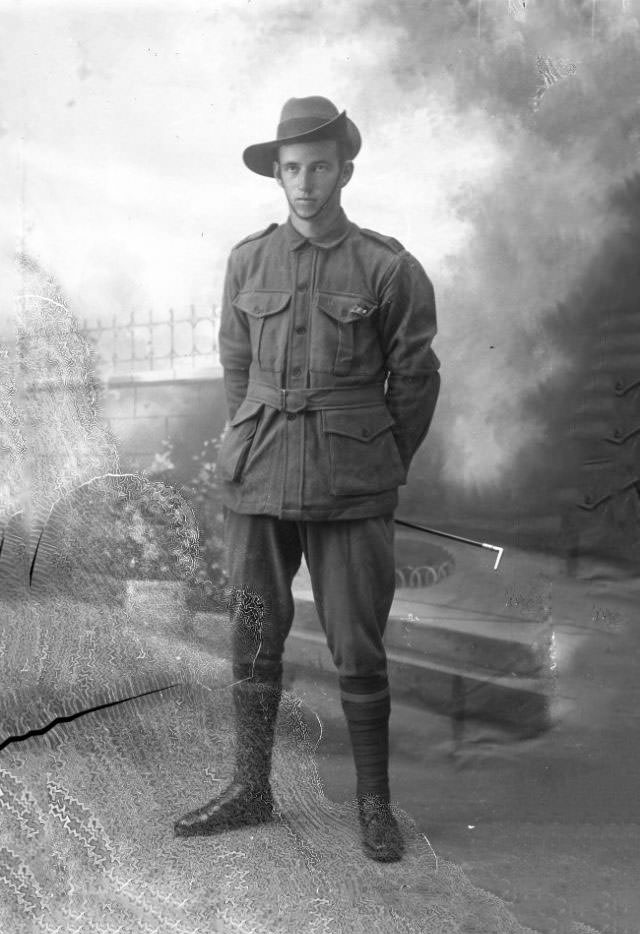
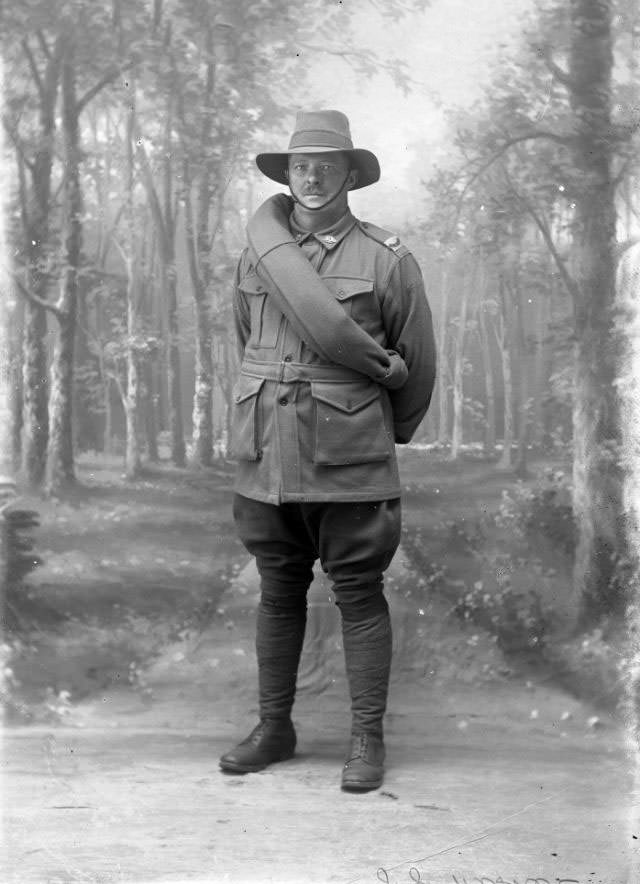
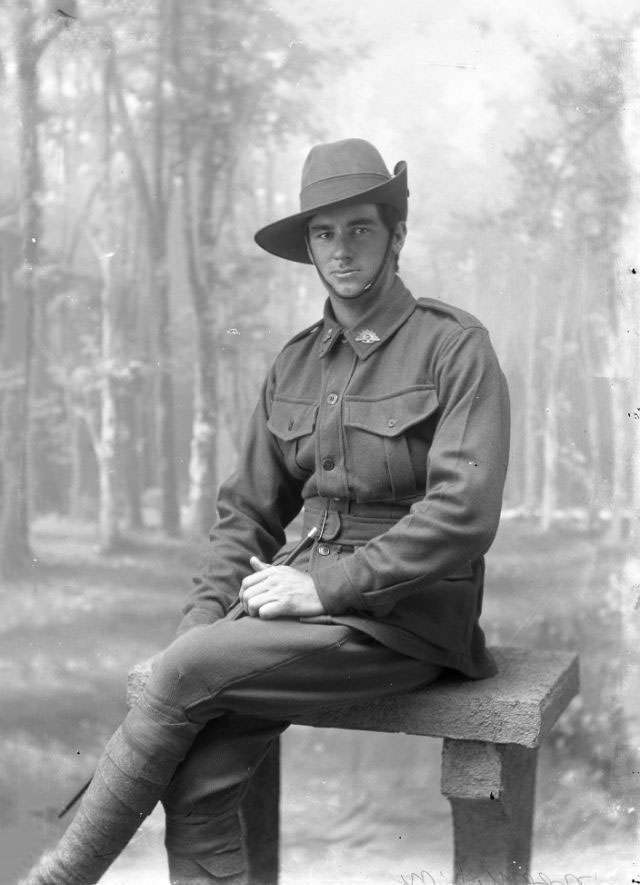
Galloway’s technical skill made him well regarded throughout the Hunter Region. He understood lighting, composition, and how to put a subject at ease in front of a lens. These were not hasty snapshots. Each portrait was a deliberate, considered photograph made under studio conditions — exactly why so many have survived in such clear detail over a century later.
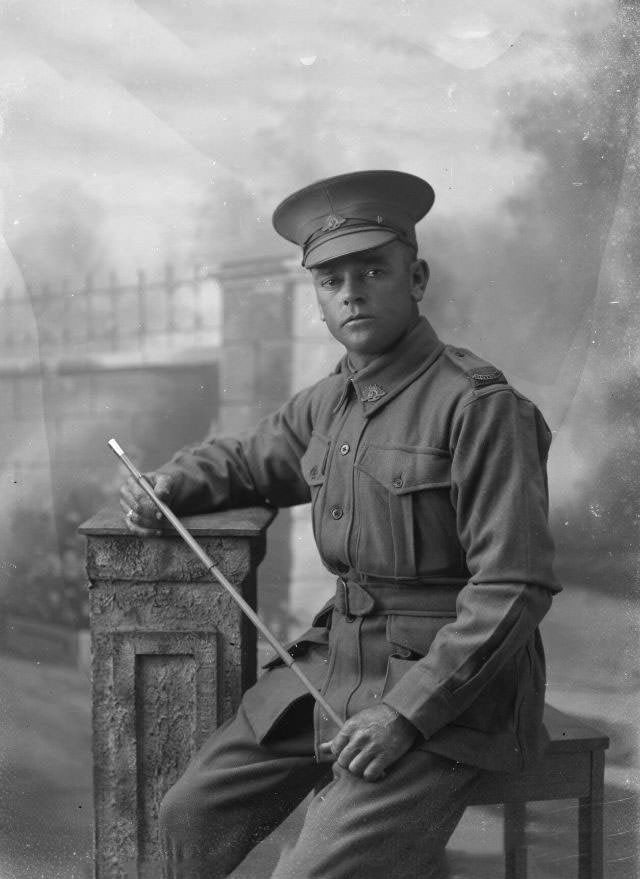
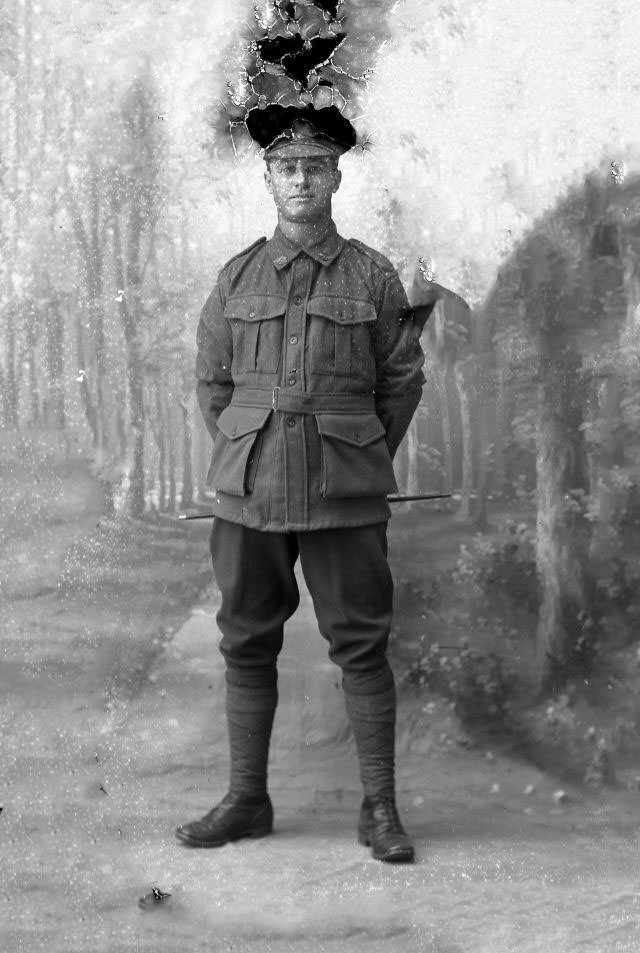
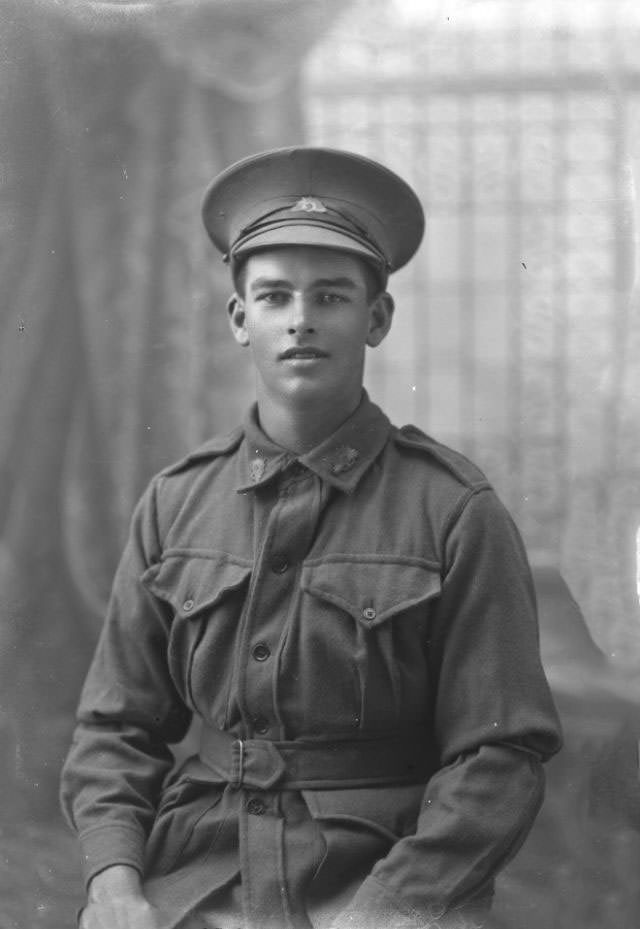
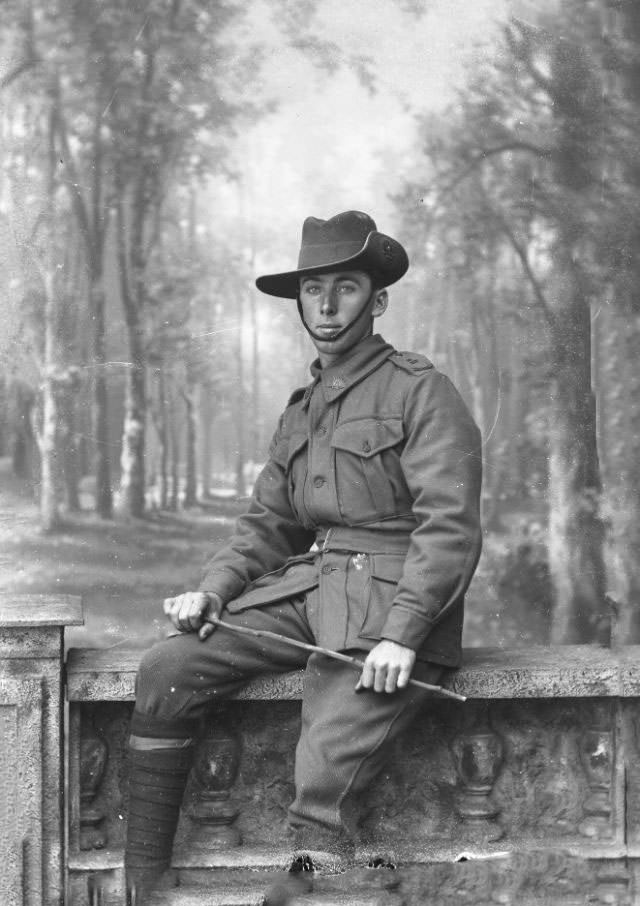
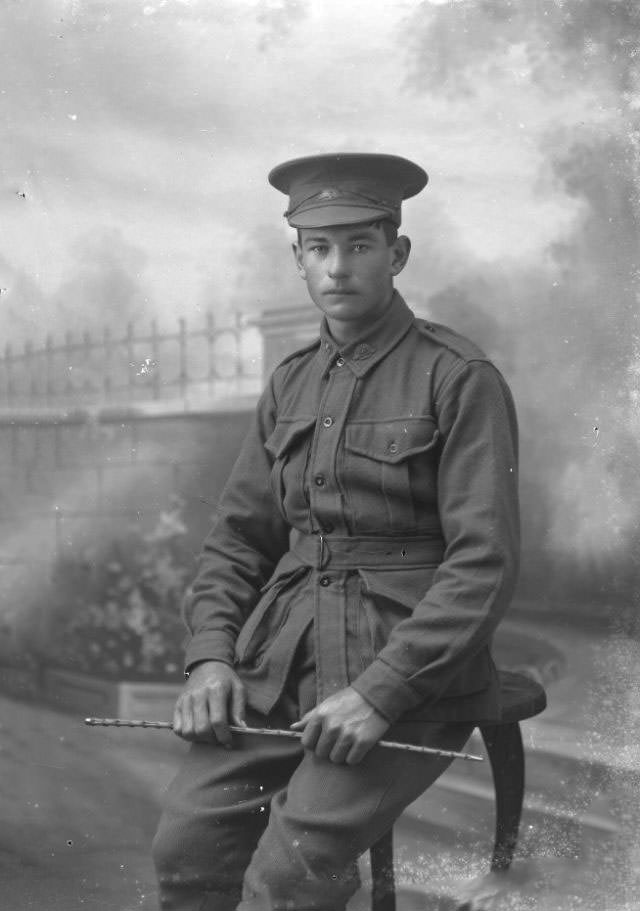
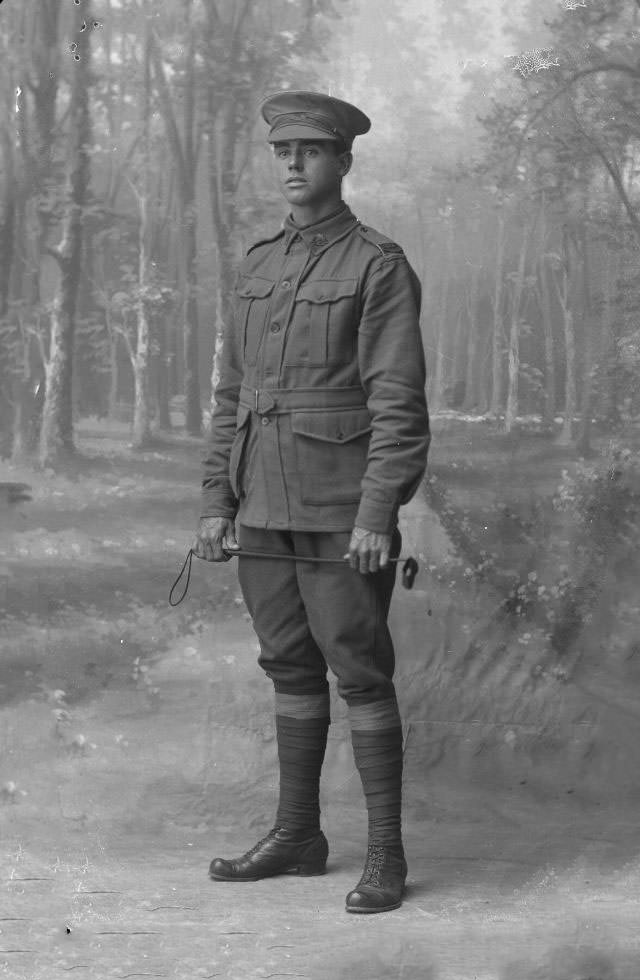
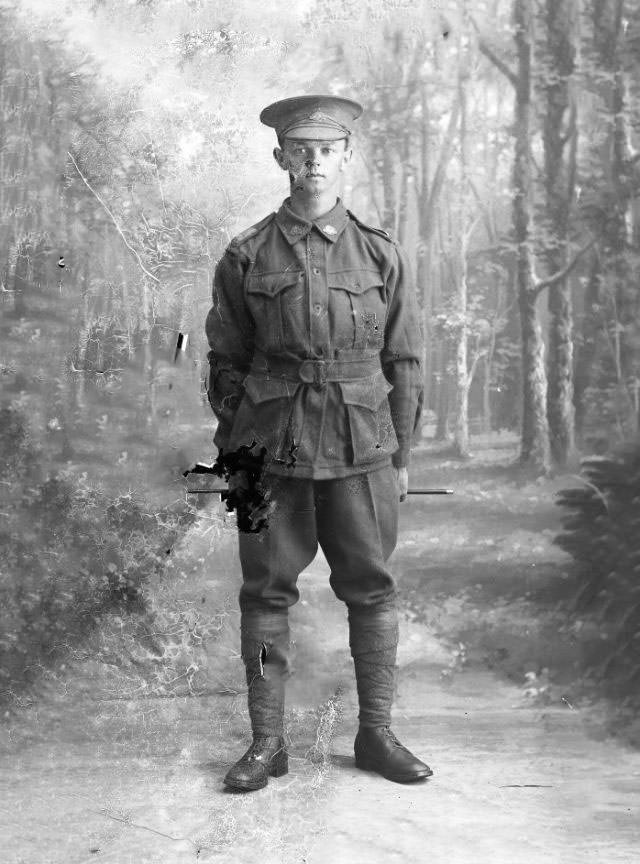
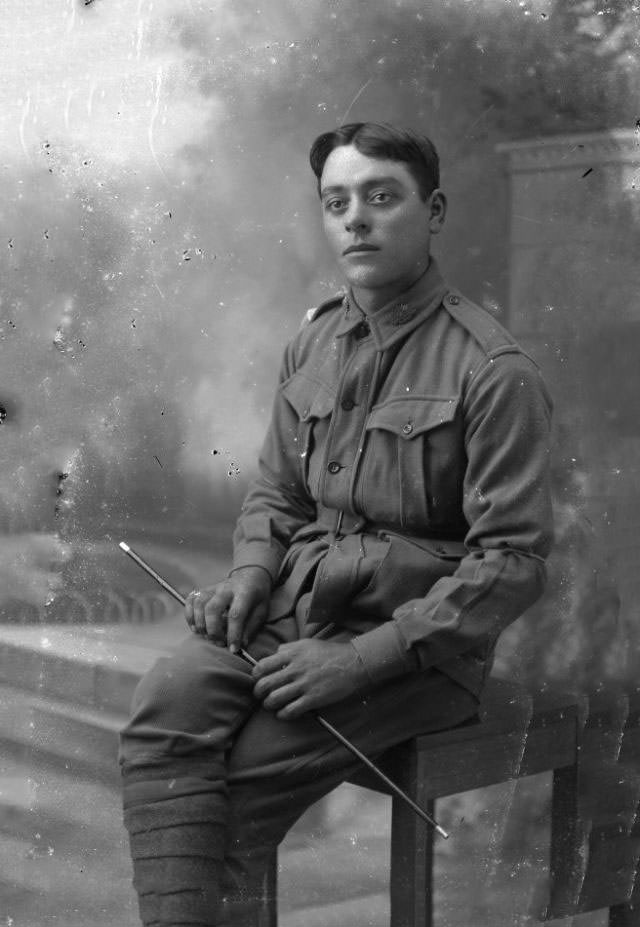
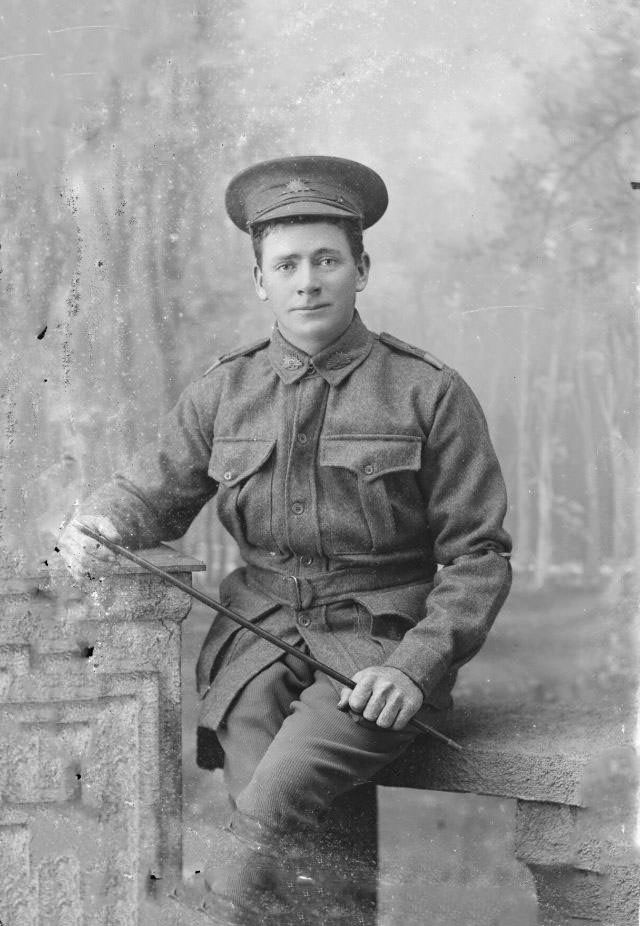
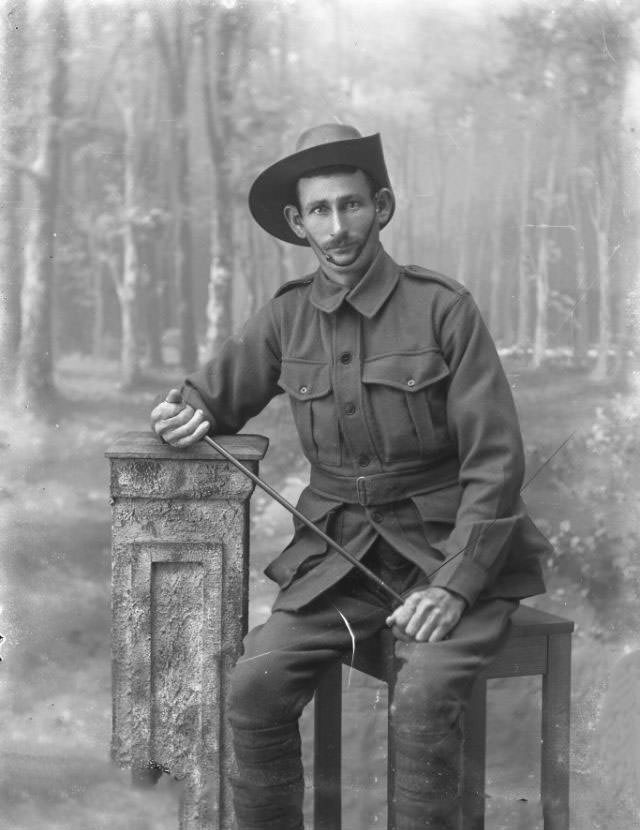
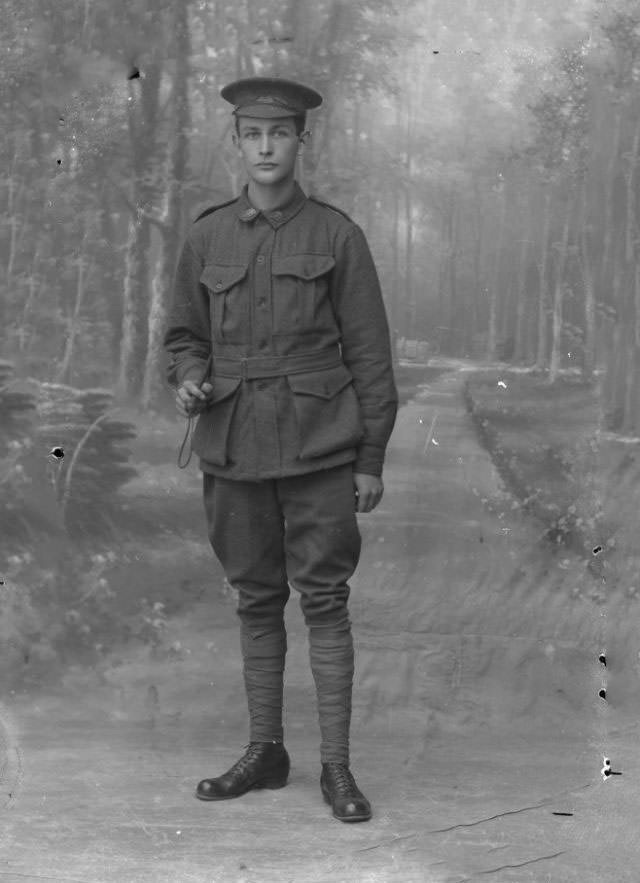
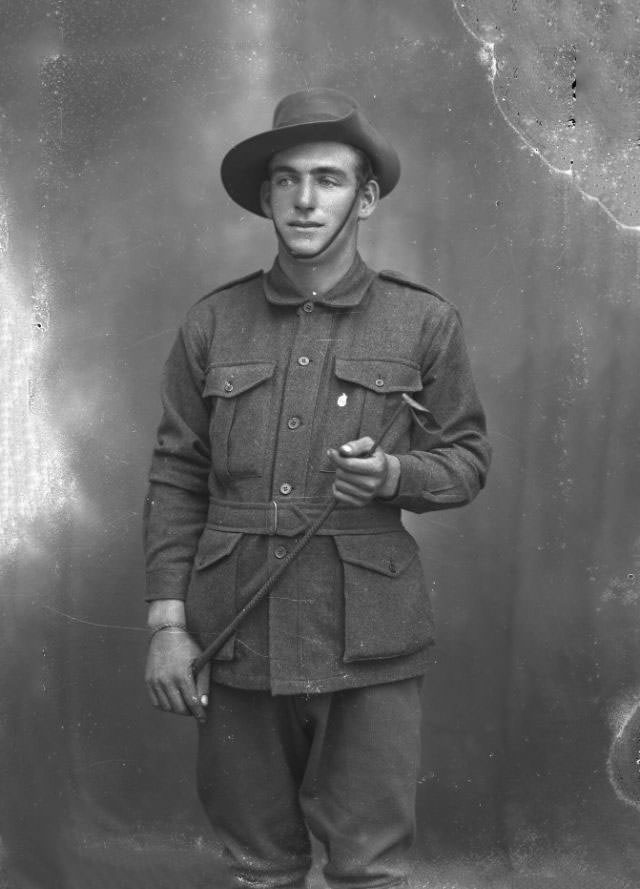
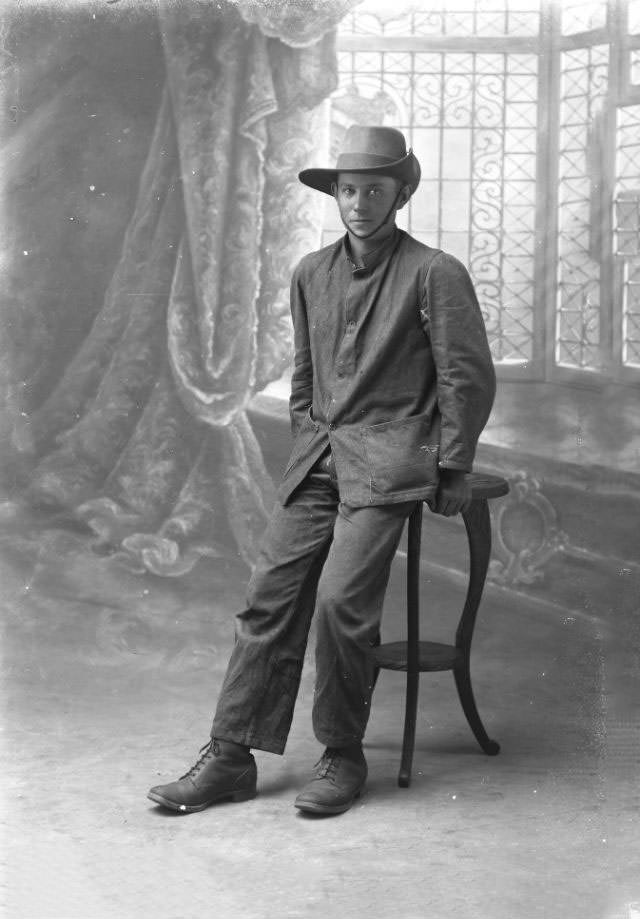
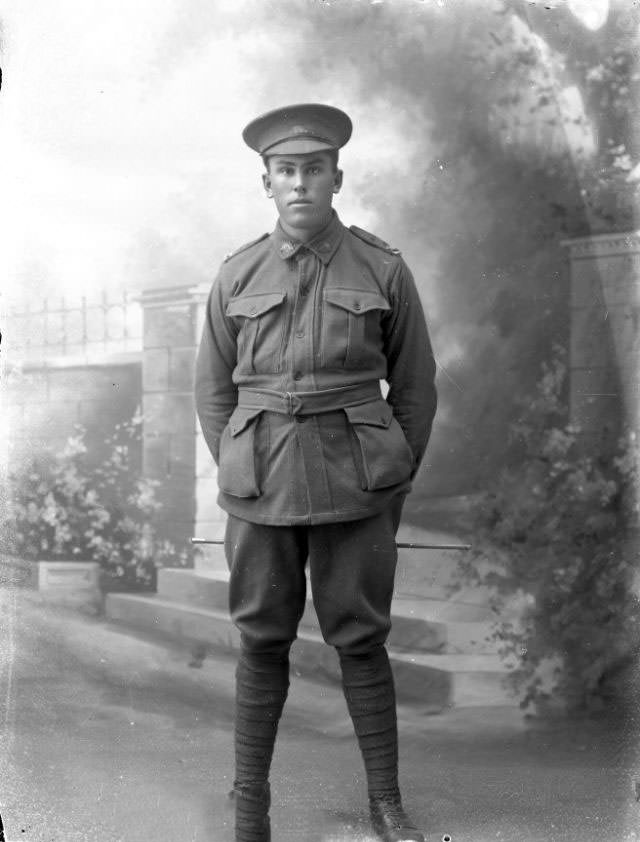
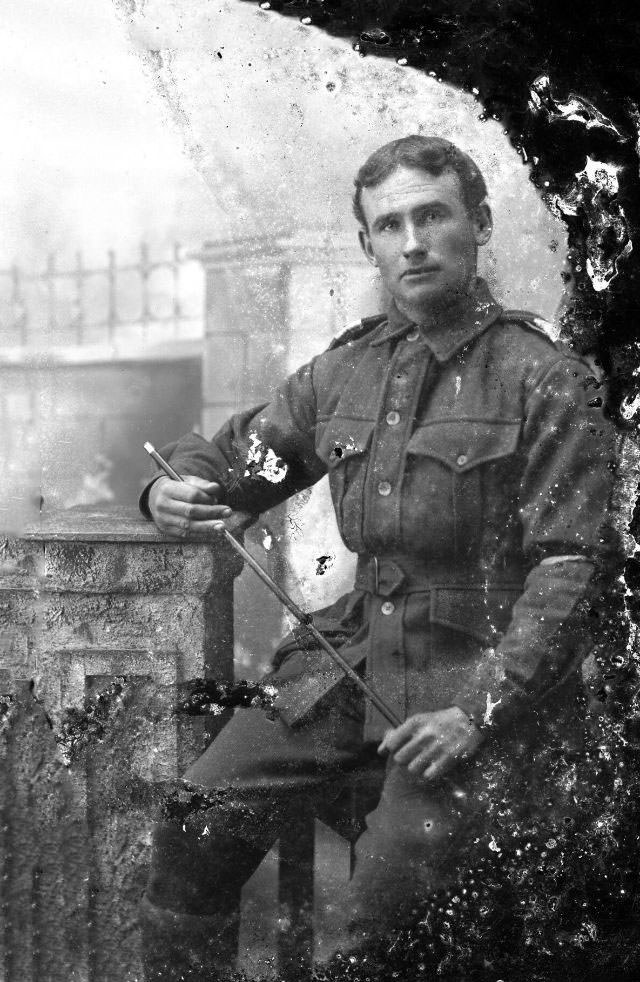
Many soldiers in the collection are identified only as “Australian soldier” — their names lost over time. But their faces remain sharp and clear in the photographs. For families researching ancestors who served in WWI from the Hunter Region, Galloway’s body of work held by museums, archives, and private collections remains one of the most direct connections available.