Walter Chandoha was born in New Jersey in 1920 and went on to become the most celebrated cat photographer in history. He launched his freelance career in the 1940s, but his path toward feline photography began with a simple, unplanned moment — finding an abandoned kitten on the street.
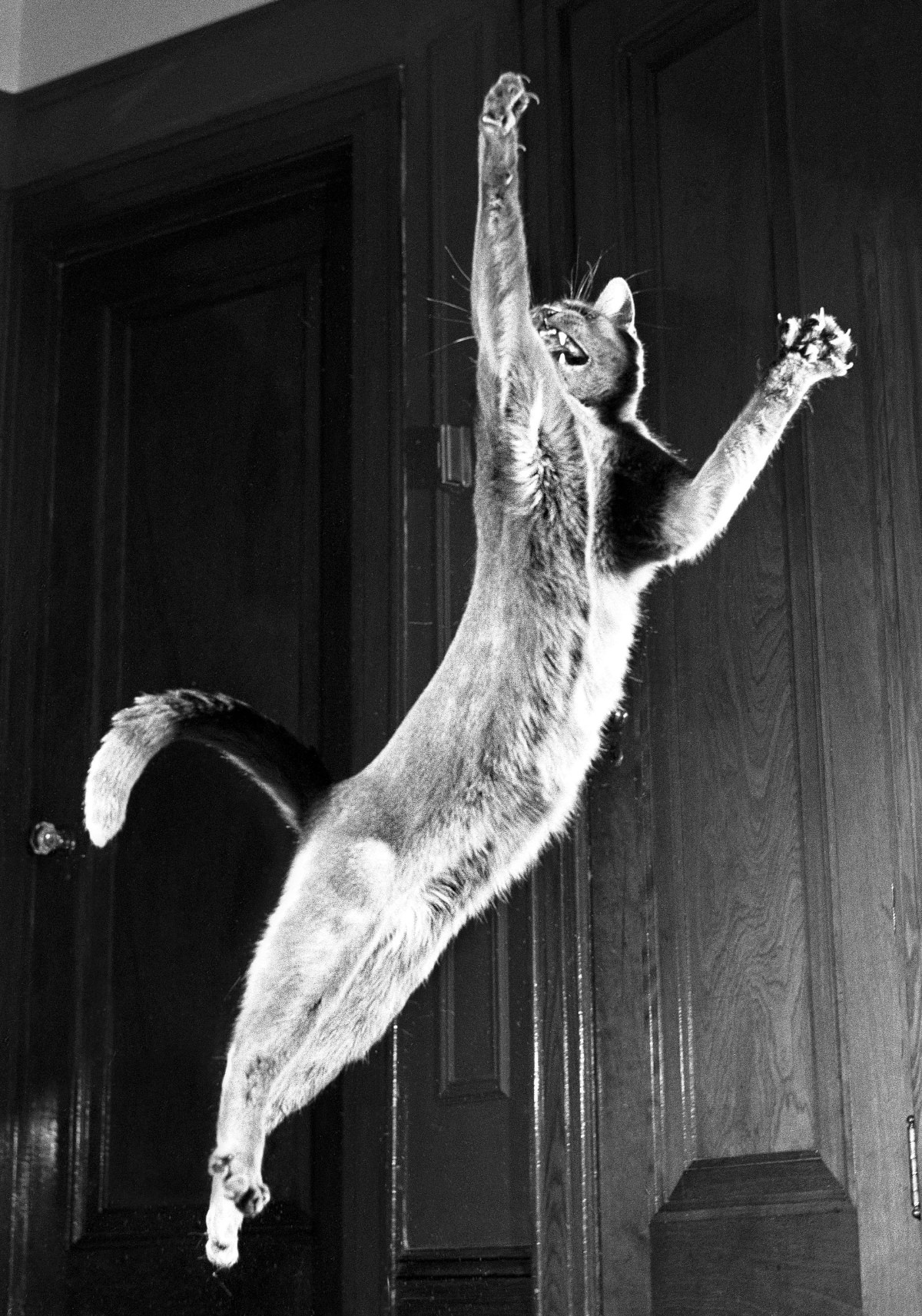
That stray cat was Loco, a Russian blue Chandoha spotted on a snowy New York City street in 1951. Loco became both a beloved pet and an early subject, setting Chandoha on a course that would define his entire career. His home in Long Island served as an early studio where he developed the techniques that would make his work stand out.
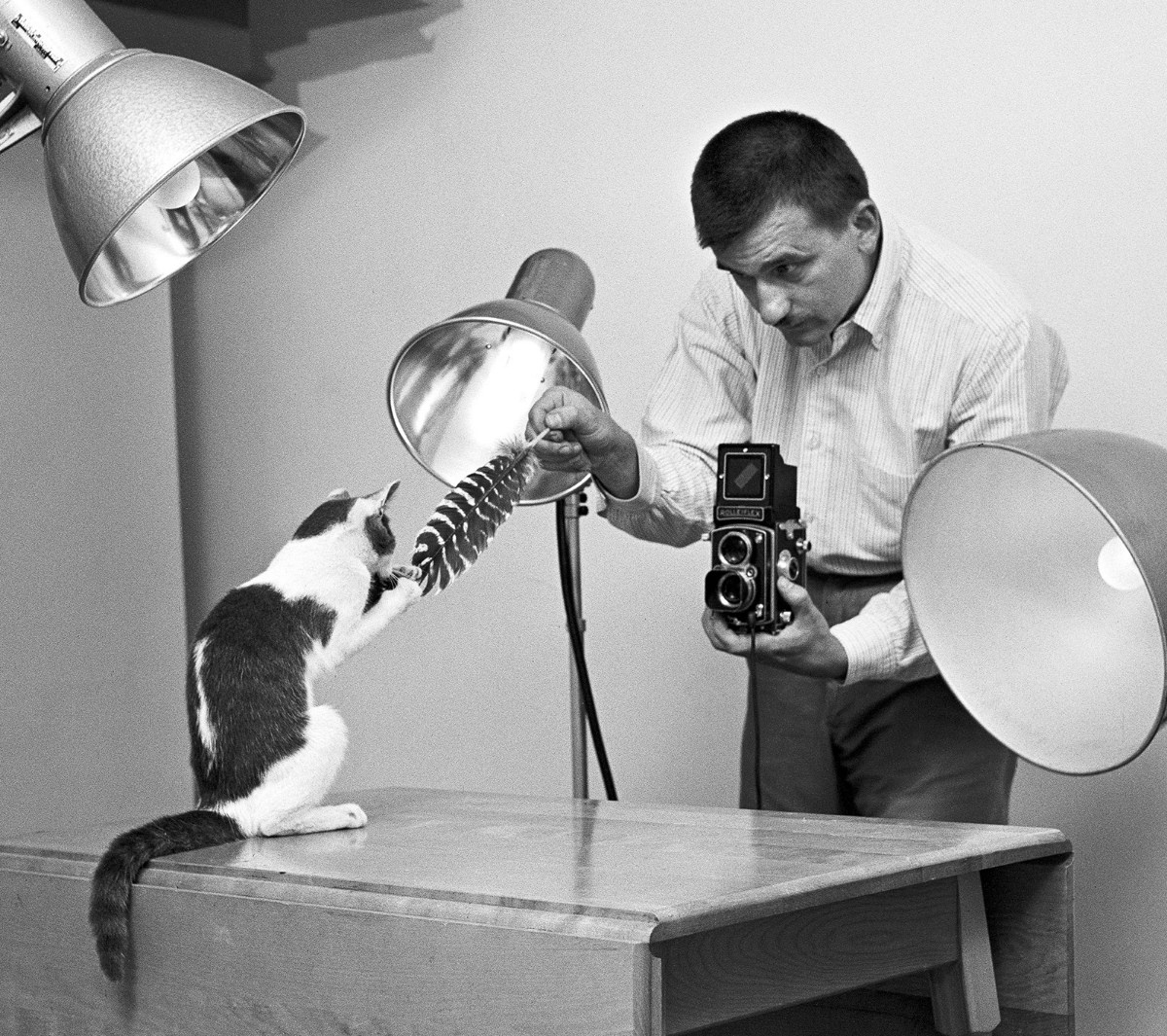
Chandoha’s approach wasn’t random. Early in his career, he sought advice from a tiger trainer, who gave him a method he applied throughout his life: “To get the shot, you need three things: sound, patience and food.” He spent long hours observing cats — studying how they moved, reacted, and expressed themselves — before ever raising a camera.
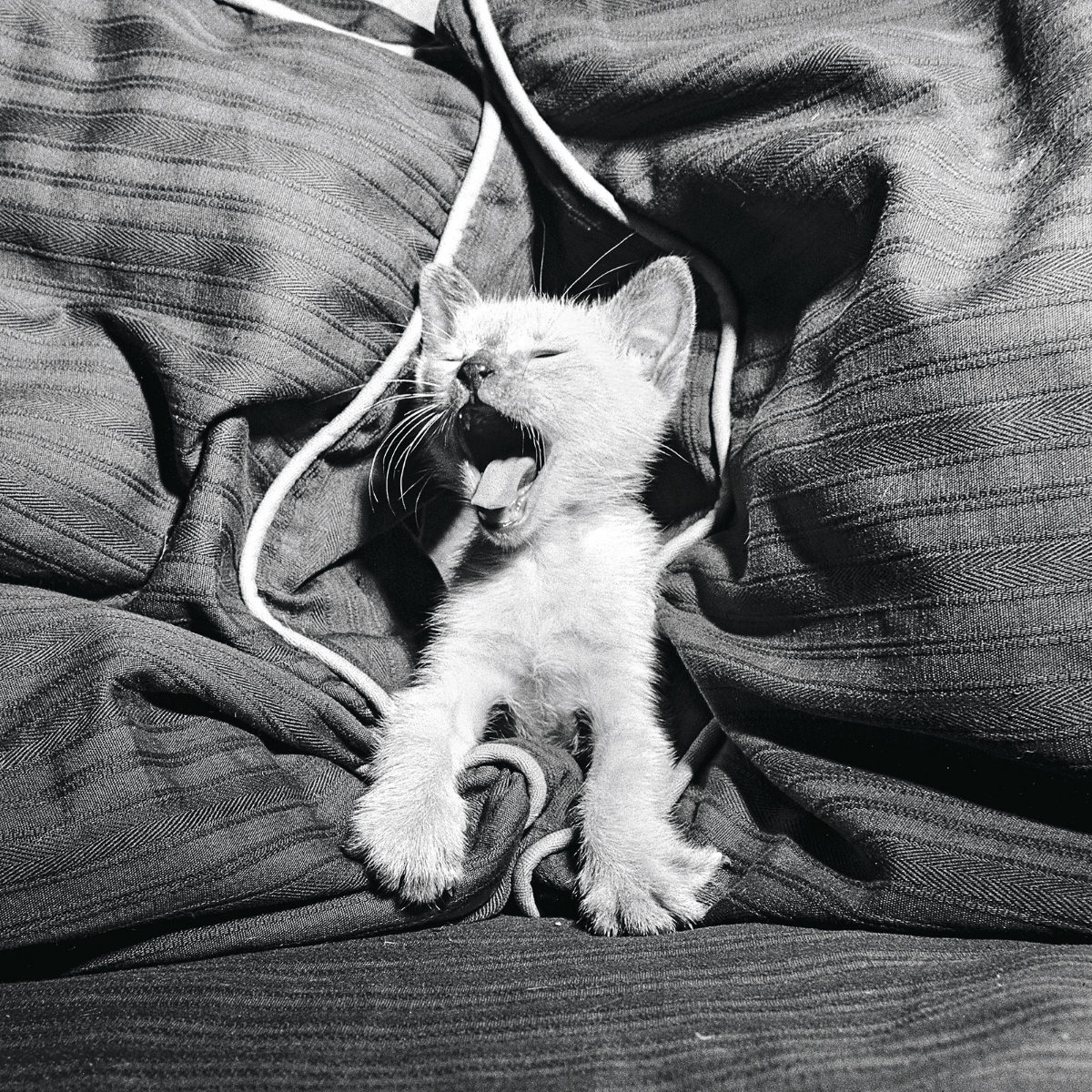
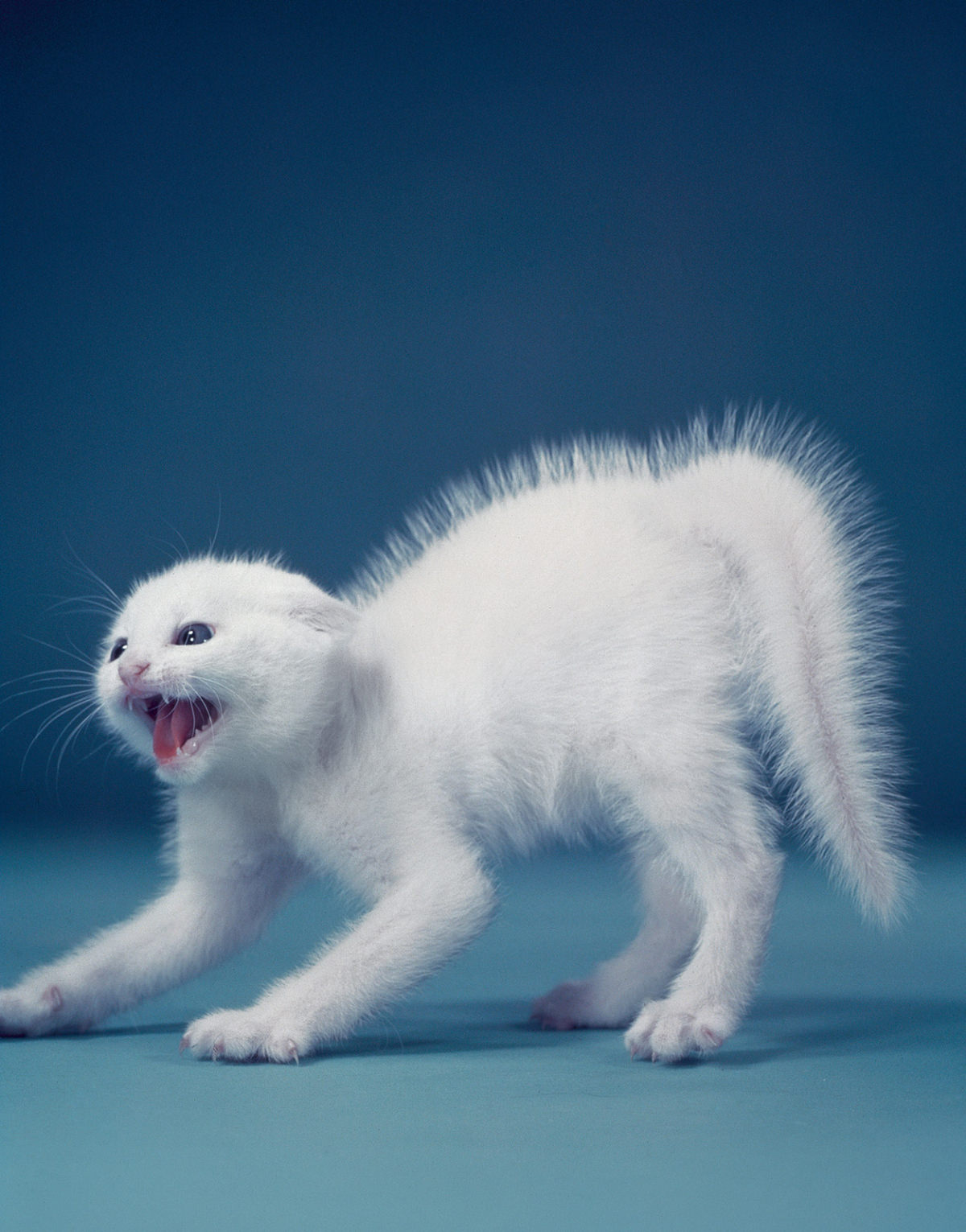
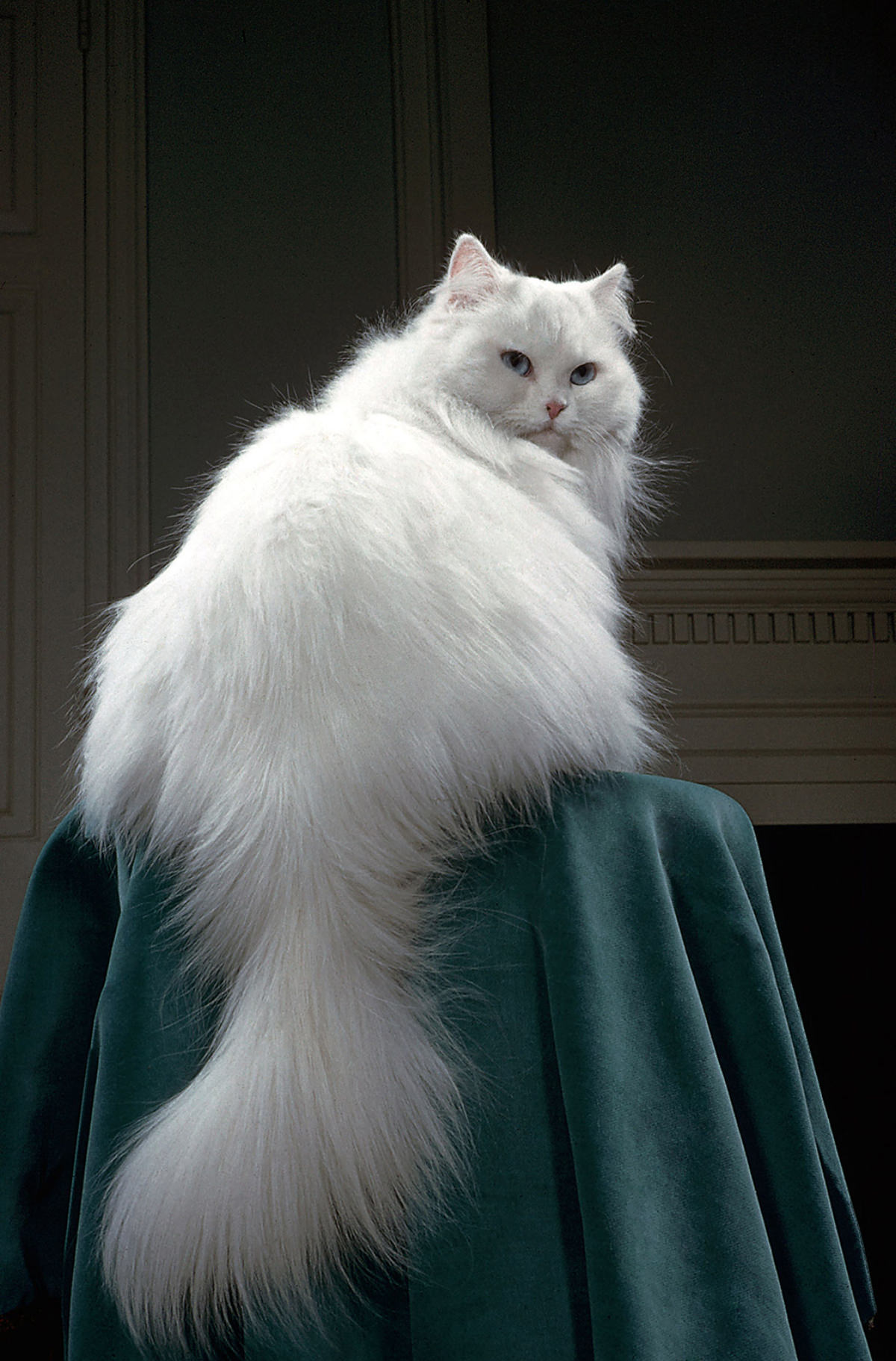
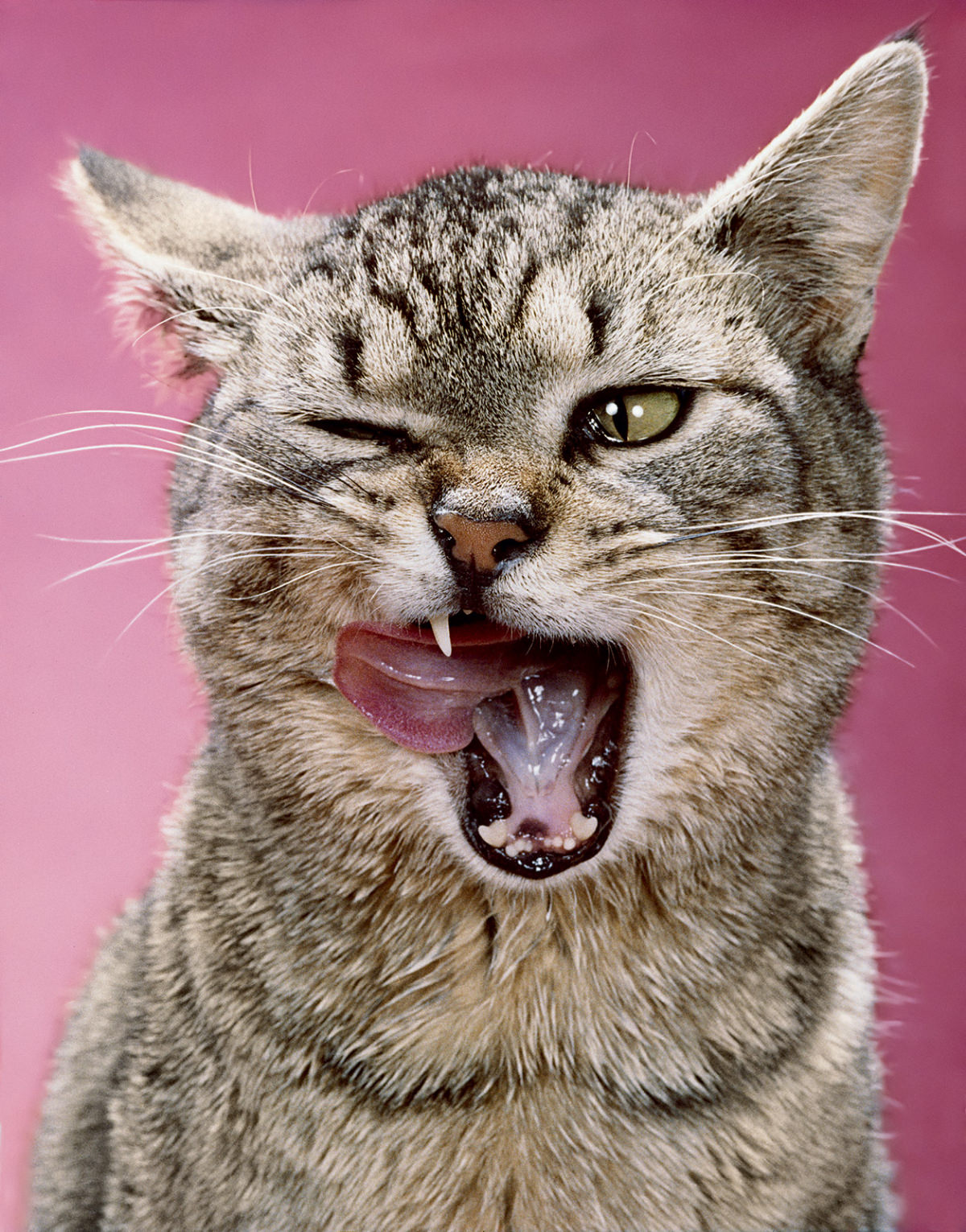
His photographs ranged from formal, posed portraits to completely spontaneous moments. He captured yawns, arched backs, playful tumbles, and quiet stares with equal skill. One of his signature techniques involved backlighting — using light from behind a subject to add drama and depth to a shot.
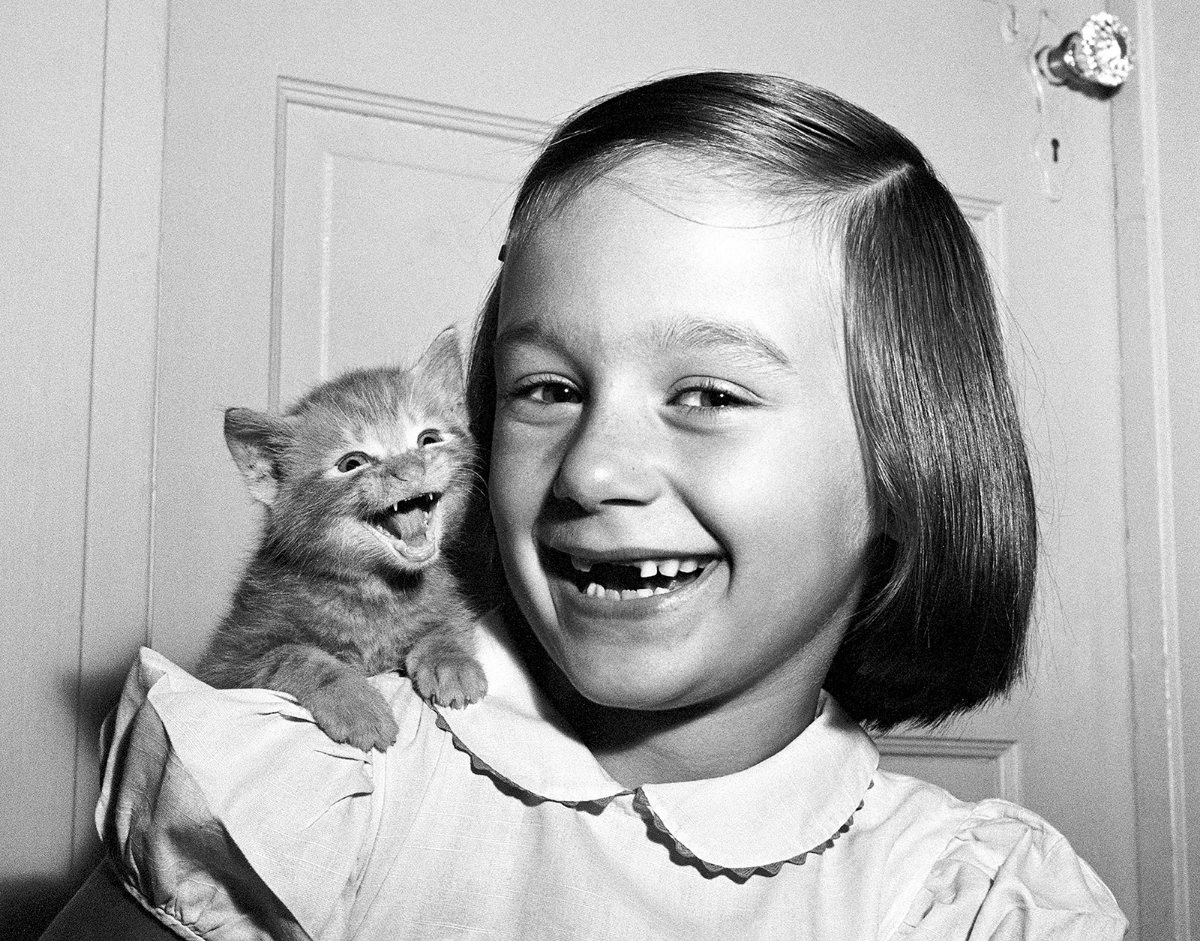
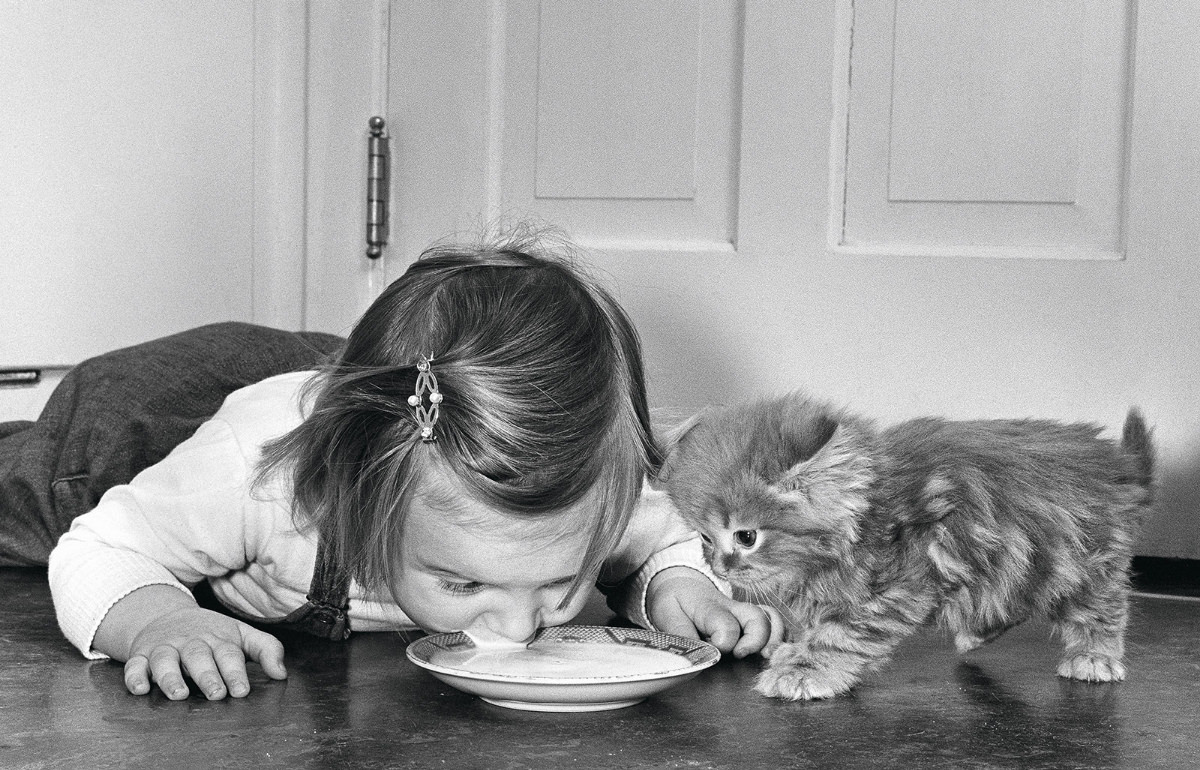
Chandoha’s family was woven into his work. His daughter Paula appeared in several well-known photographs, including one of his most famous images from 1955. In it, Paula and a kitten both appear to be smiling at the camera at the same moment. Chandoha clarified later: “But the cat’s not smiling, he’s meowing.”
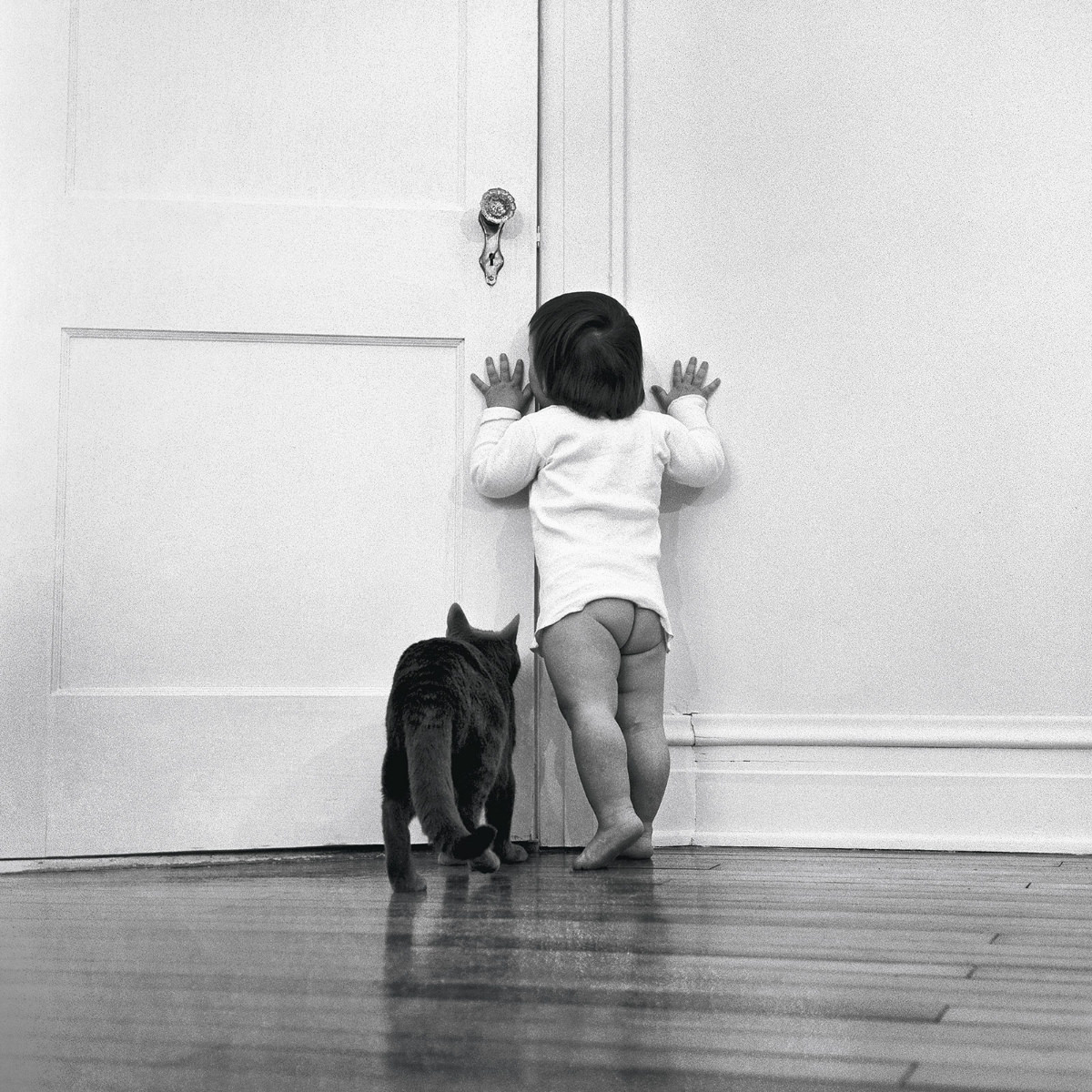
His work reached a massive audience through magazines, books, and calendars published around the world. Major outlets like McCall’s Magazine featured his cat photography in dedicated shoots. Commercial clients, including Friskies, hired him to photograph cats for advertising campaigns.
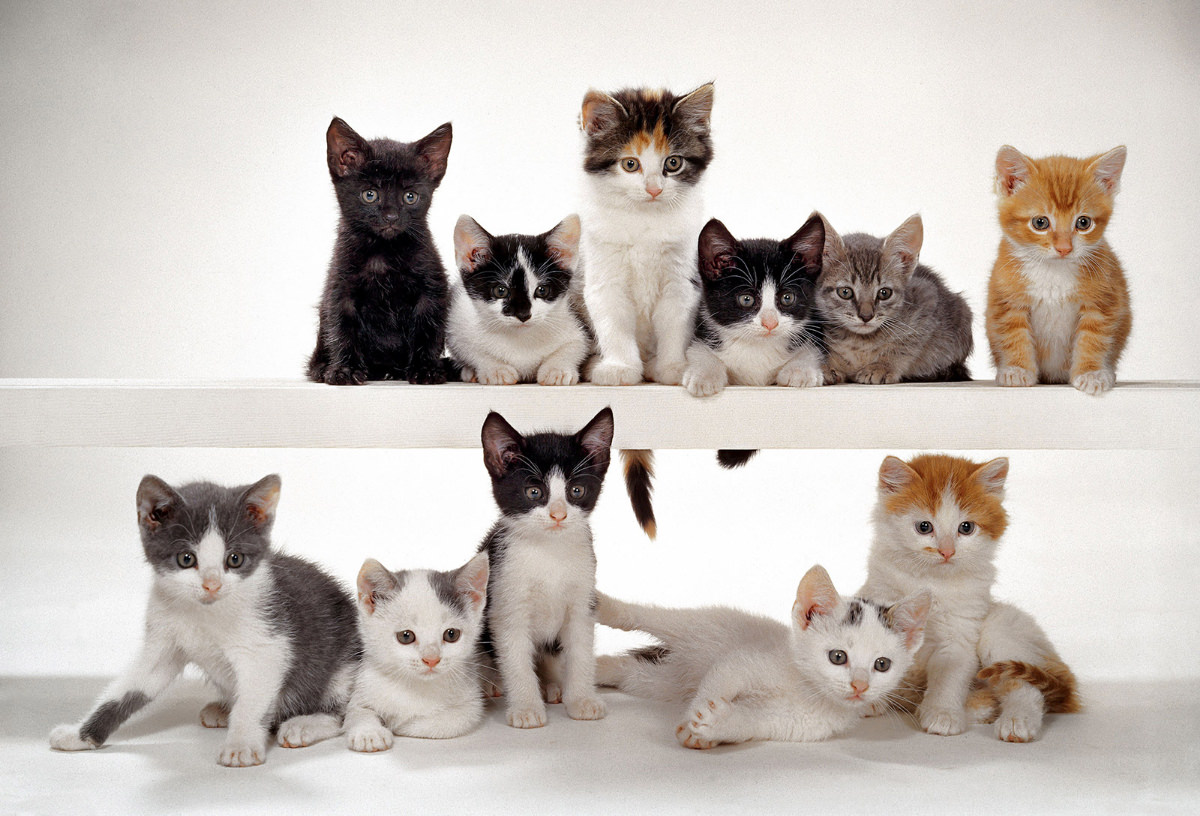
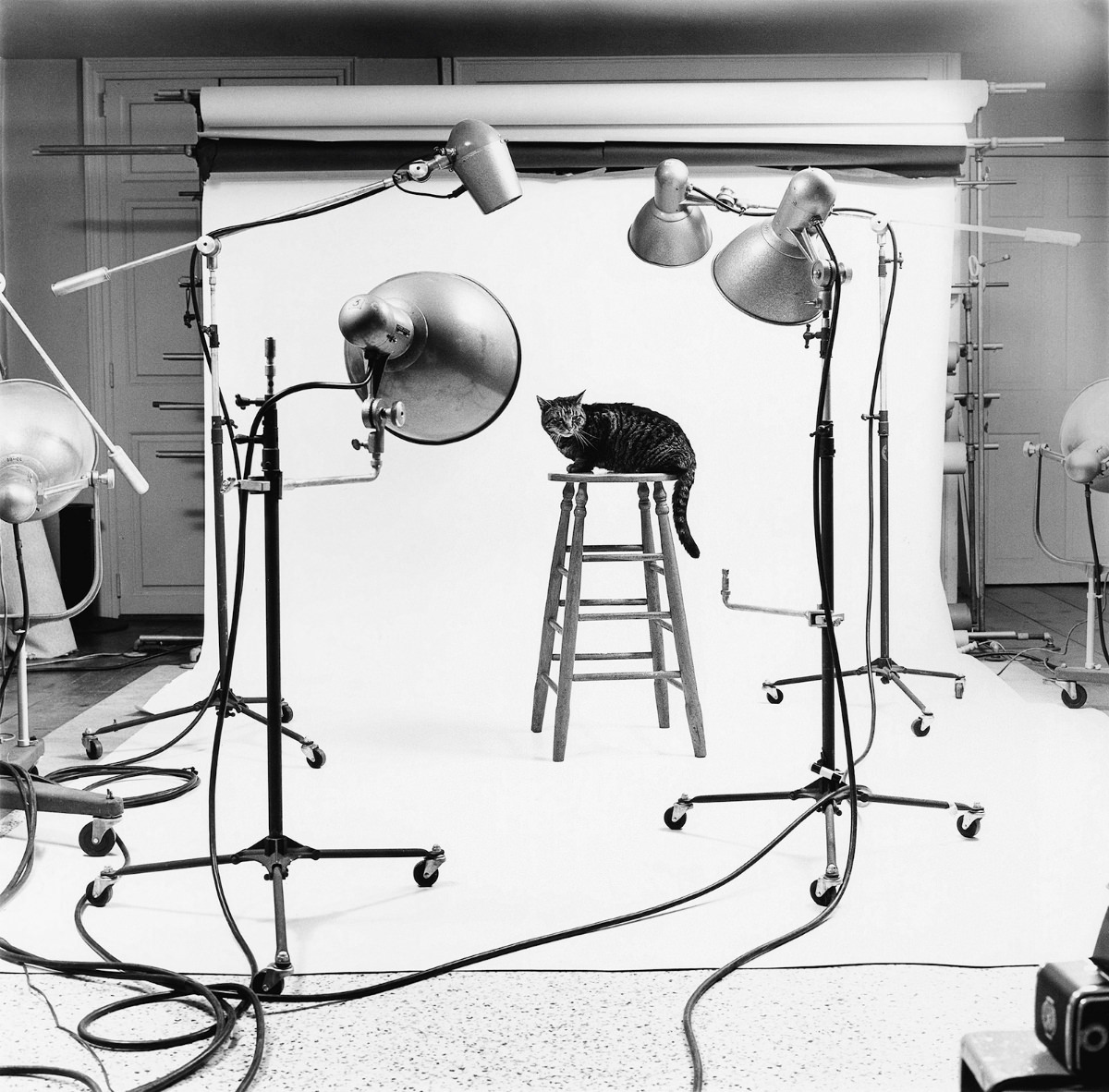
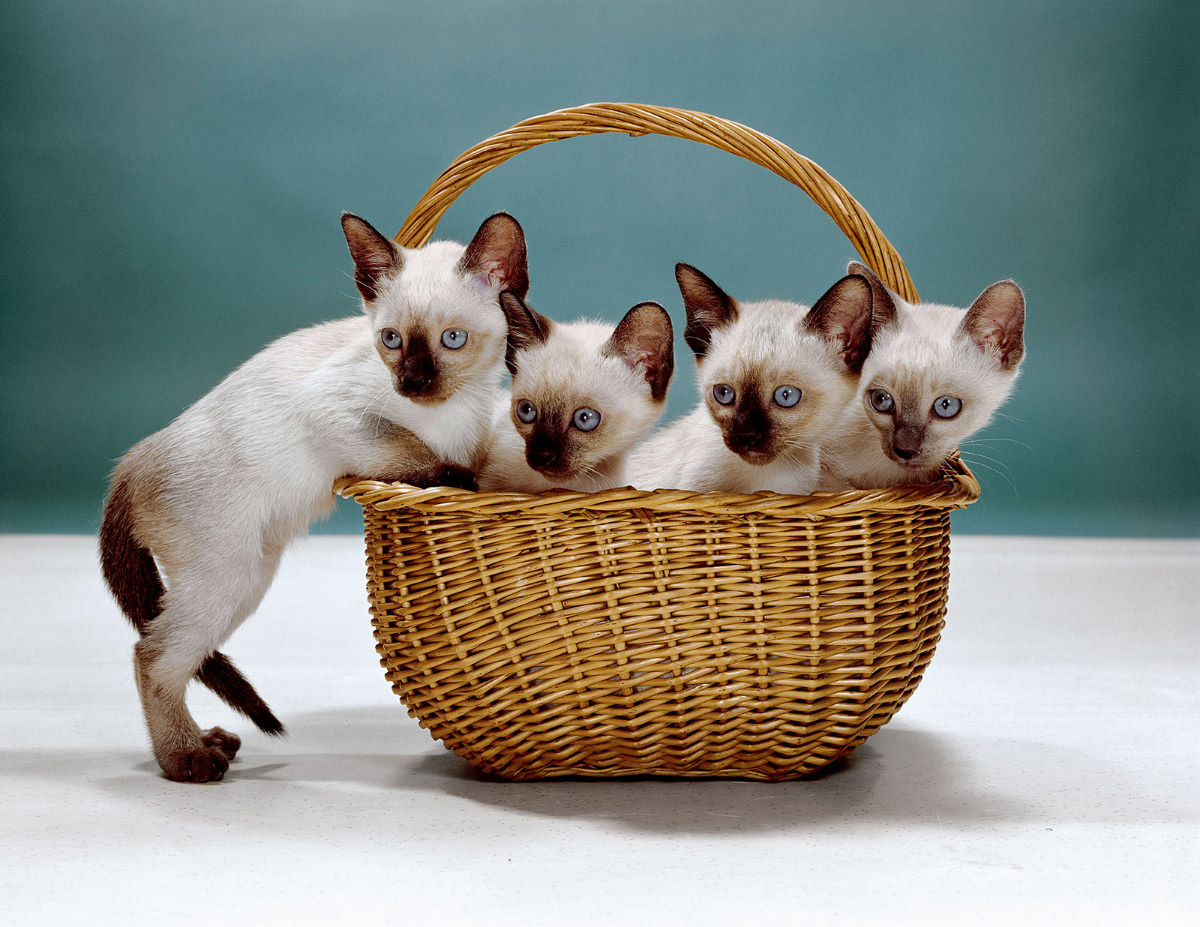
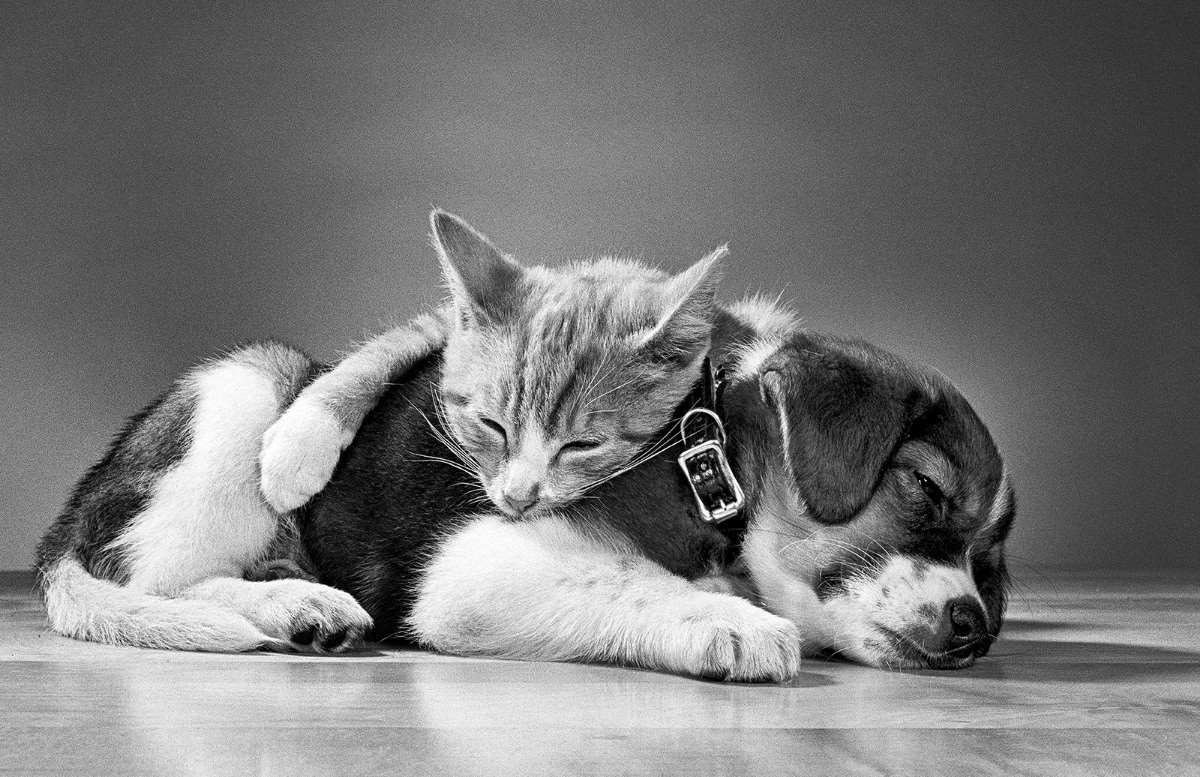
Chandoha photographed virtually every breed and setting imaginable. Persian cats, Siamese kittens, American shorthairs, barn cats, and strays all appeared in front of his lens. Some shots were intimate close-ups; others captured groups of cats in striking compositions.
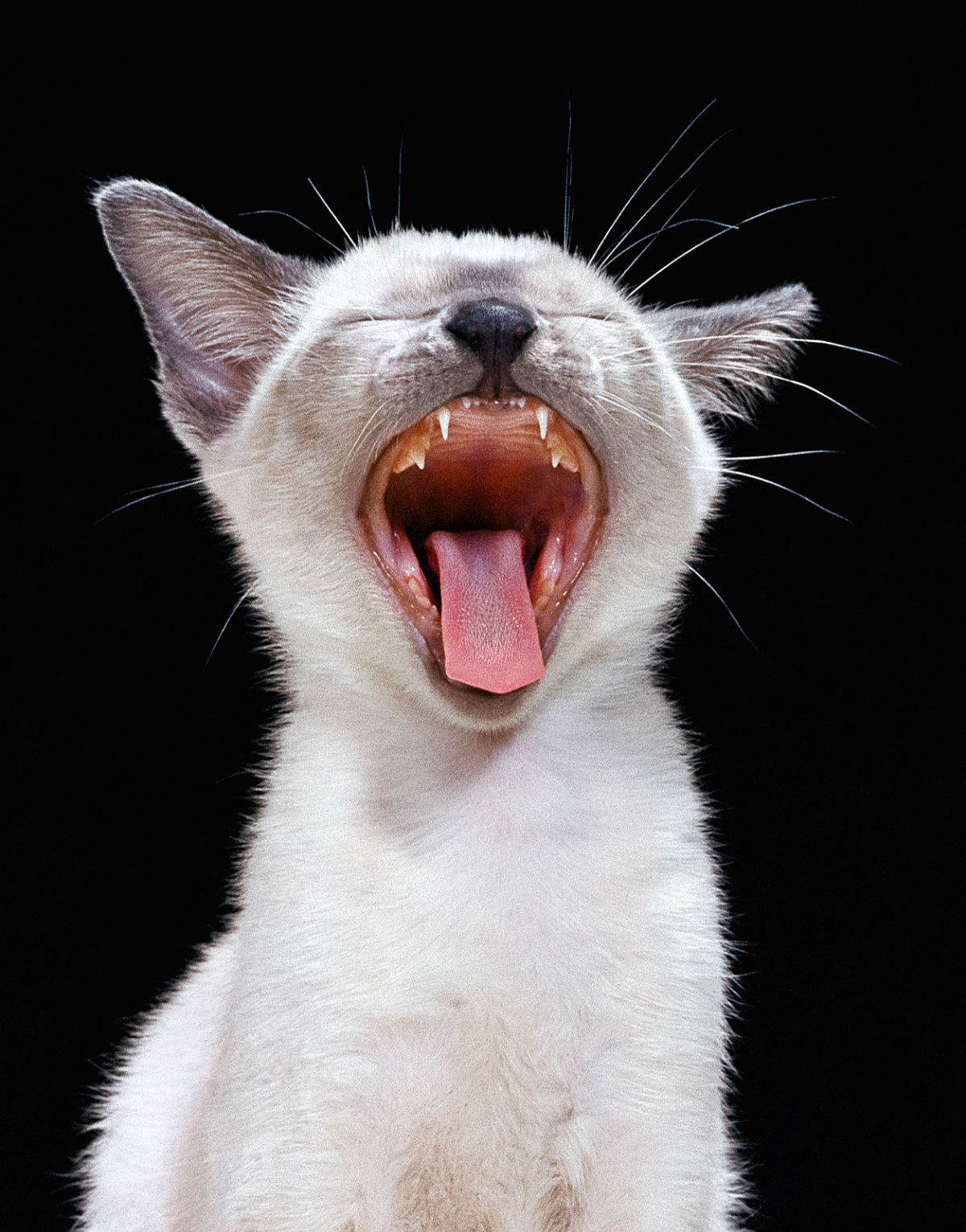
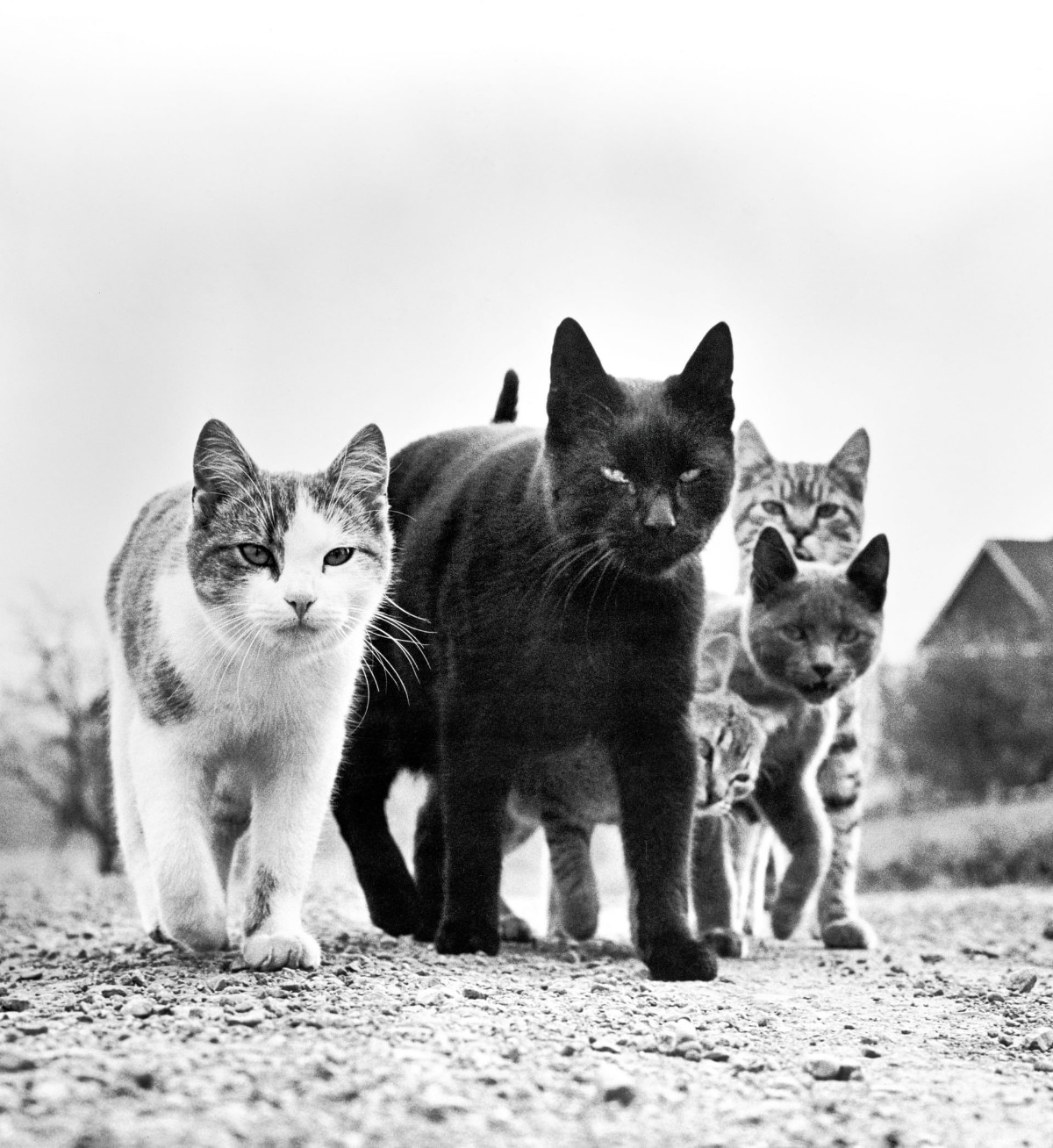
One of his most recognized works, titled The Mob, was shot in New Jersey in 1961. It shows a dense cluster of cats staring directly at the camera with an unsettling intensity — a stark contrast to the playful, lighthearted tone of much of his other work.
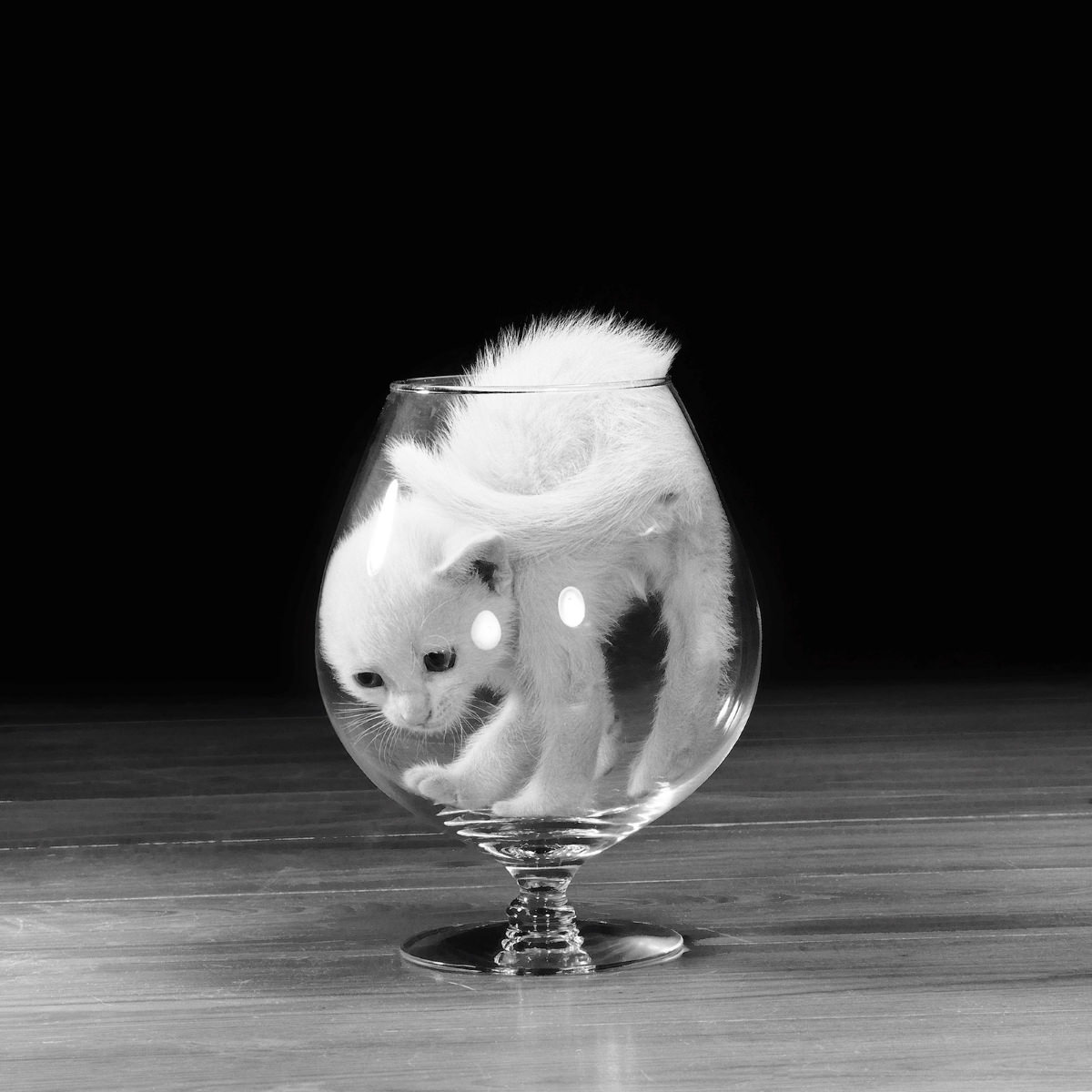
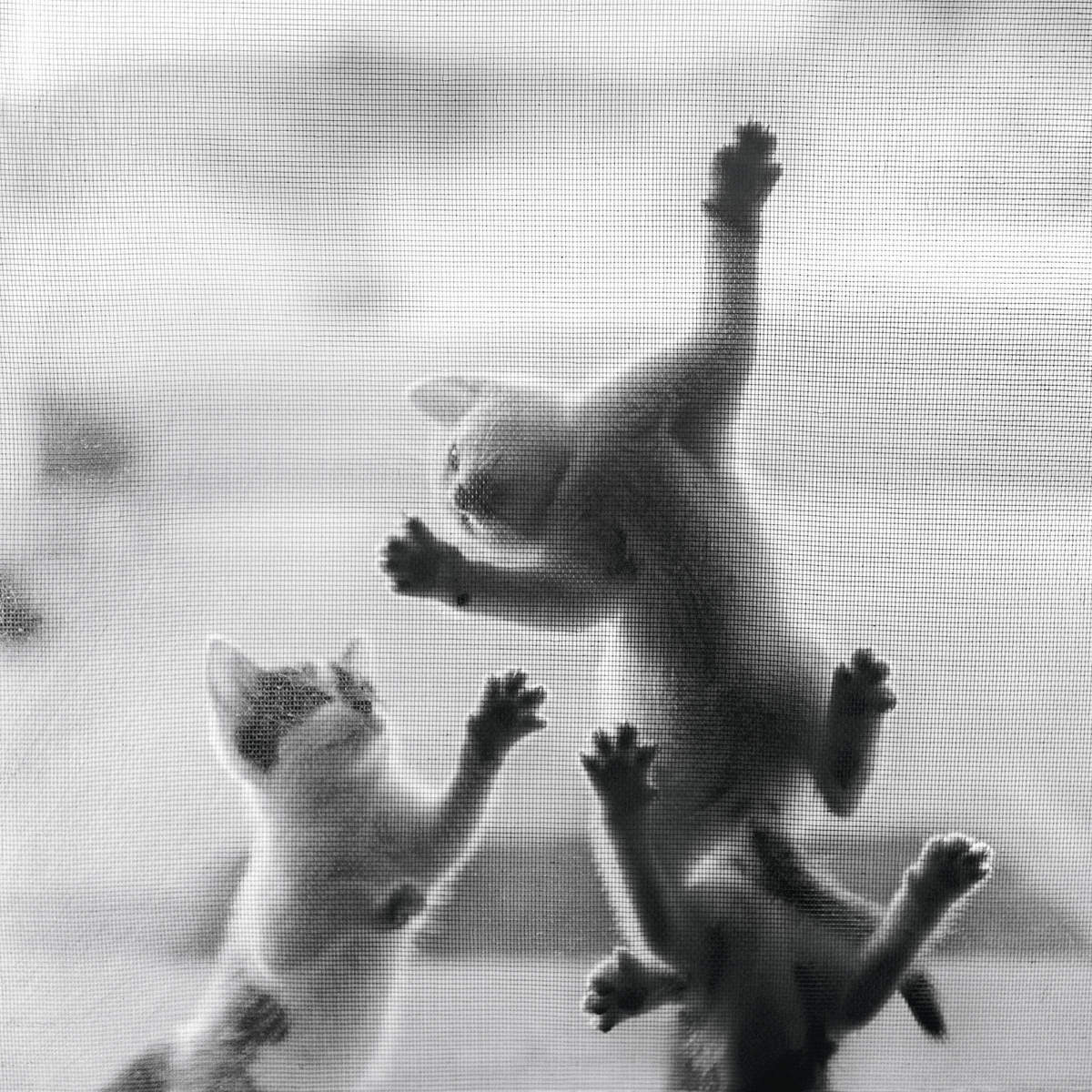
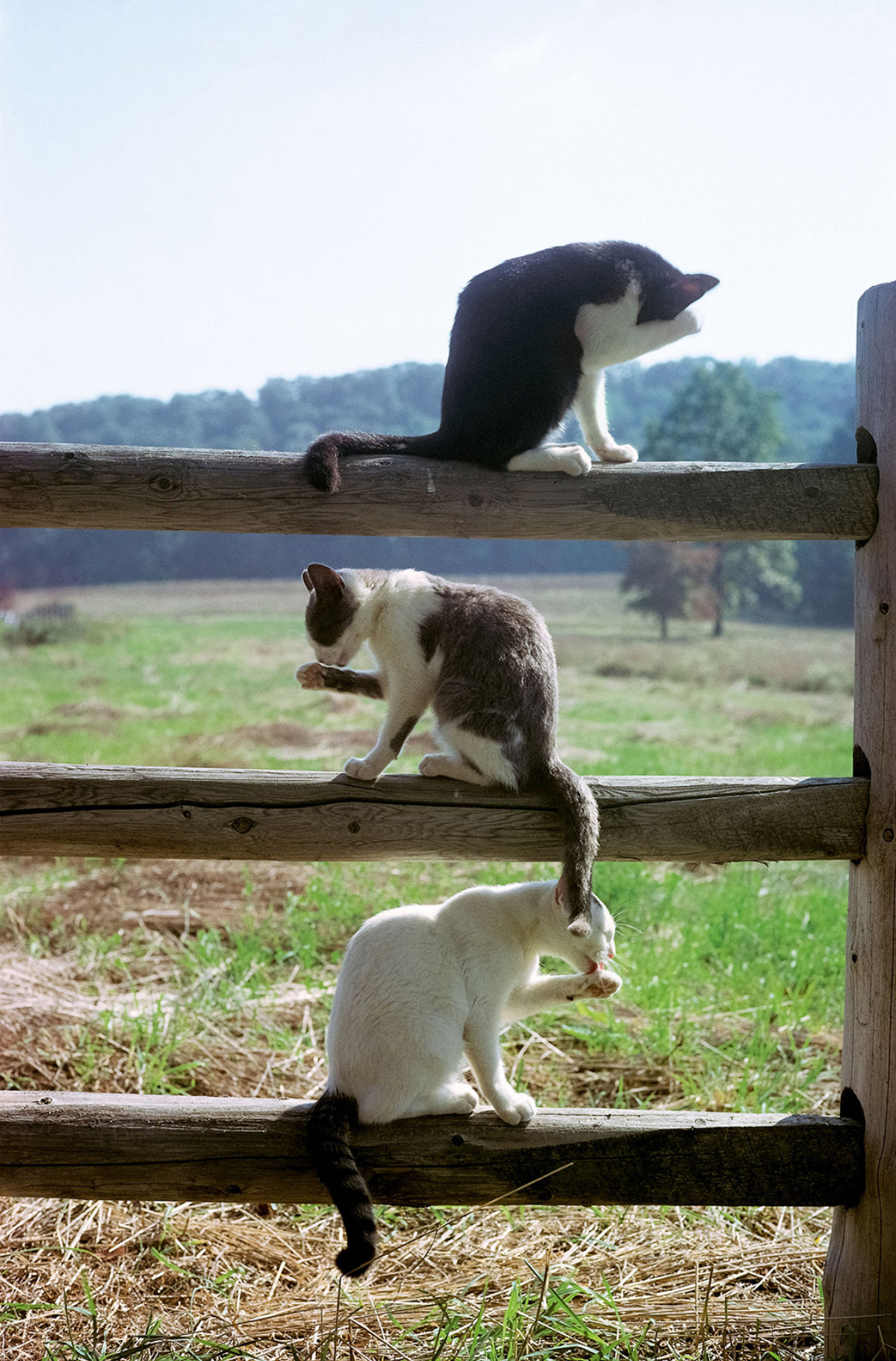
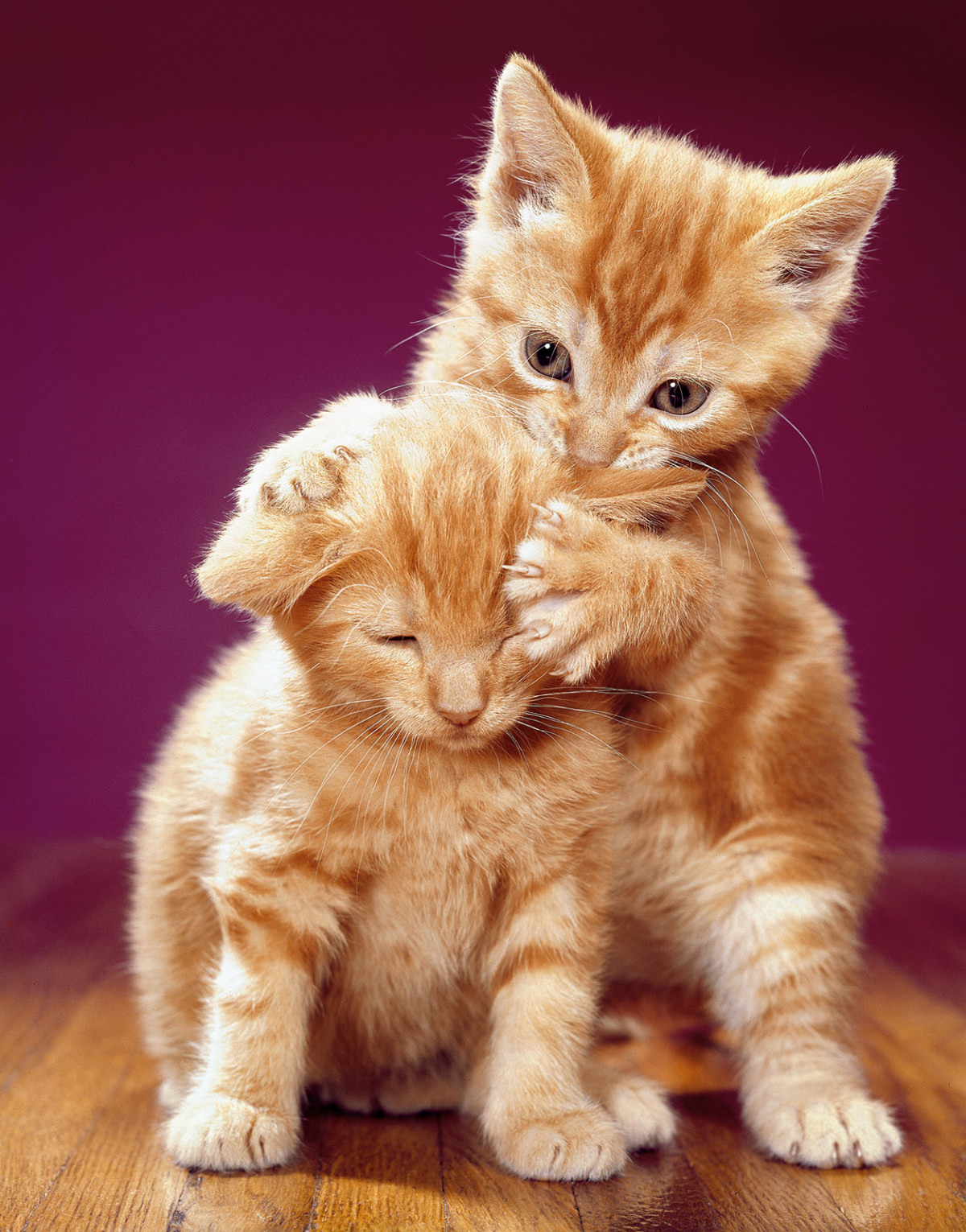
Throughout the decades, Chandoha continued shooting. His work from the 1950s through the 1980s shows a consistent eye for personality and motion — whether a kitten squeezing into a glass or barn cats grooming themselves on a fence.
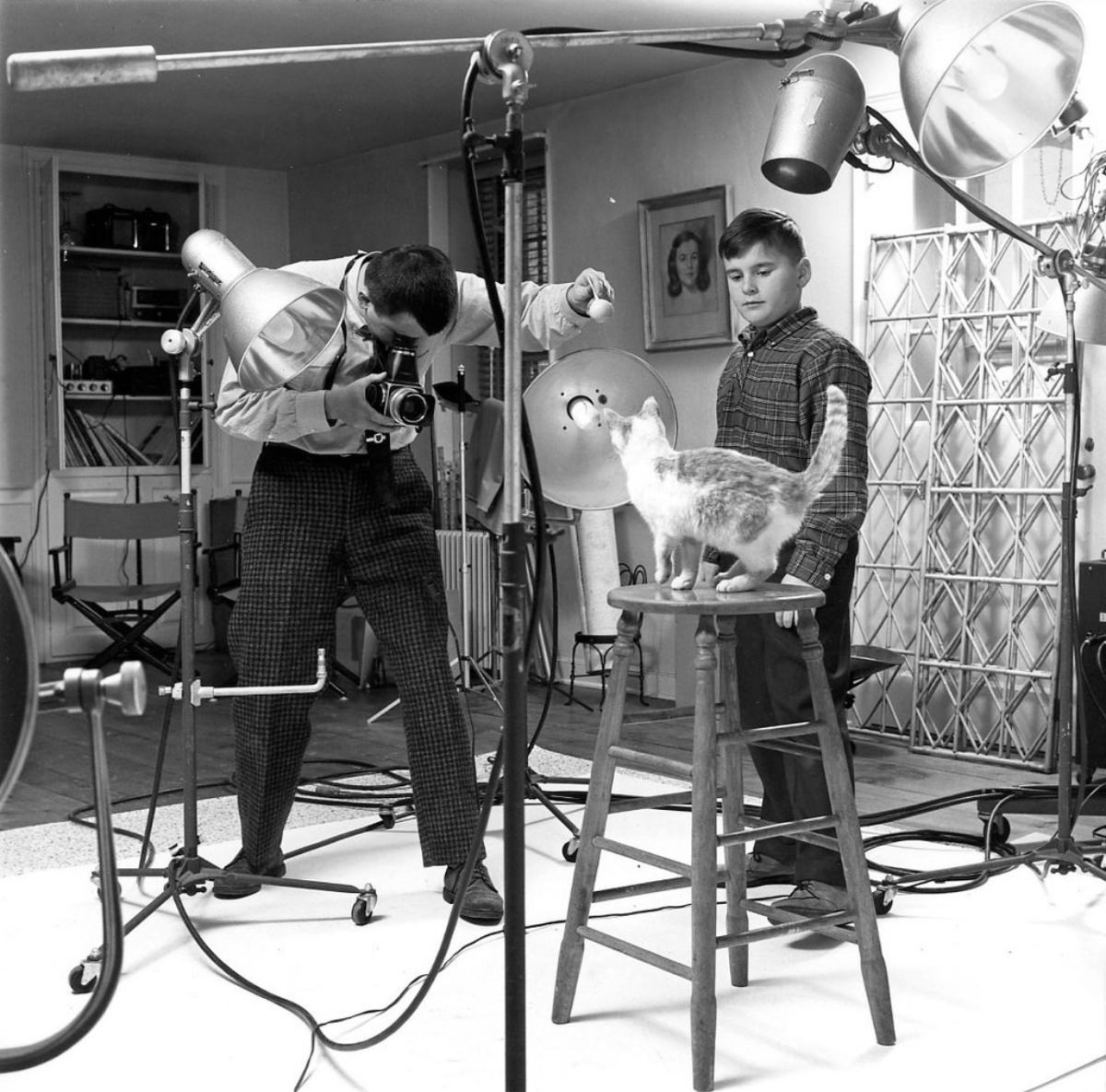
His home studio in New Jersey saw countless sessions over the years, often with family members present. His children regularly appeared alongside his four-legged subjects, giving many of his photographs a natural, domestic warmth.
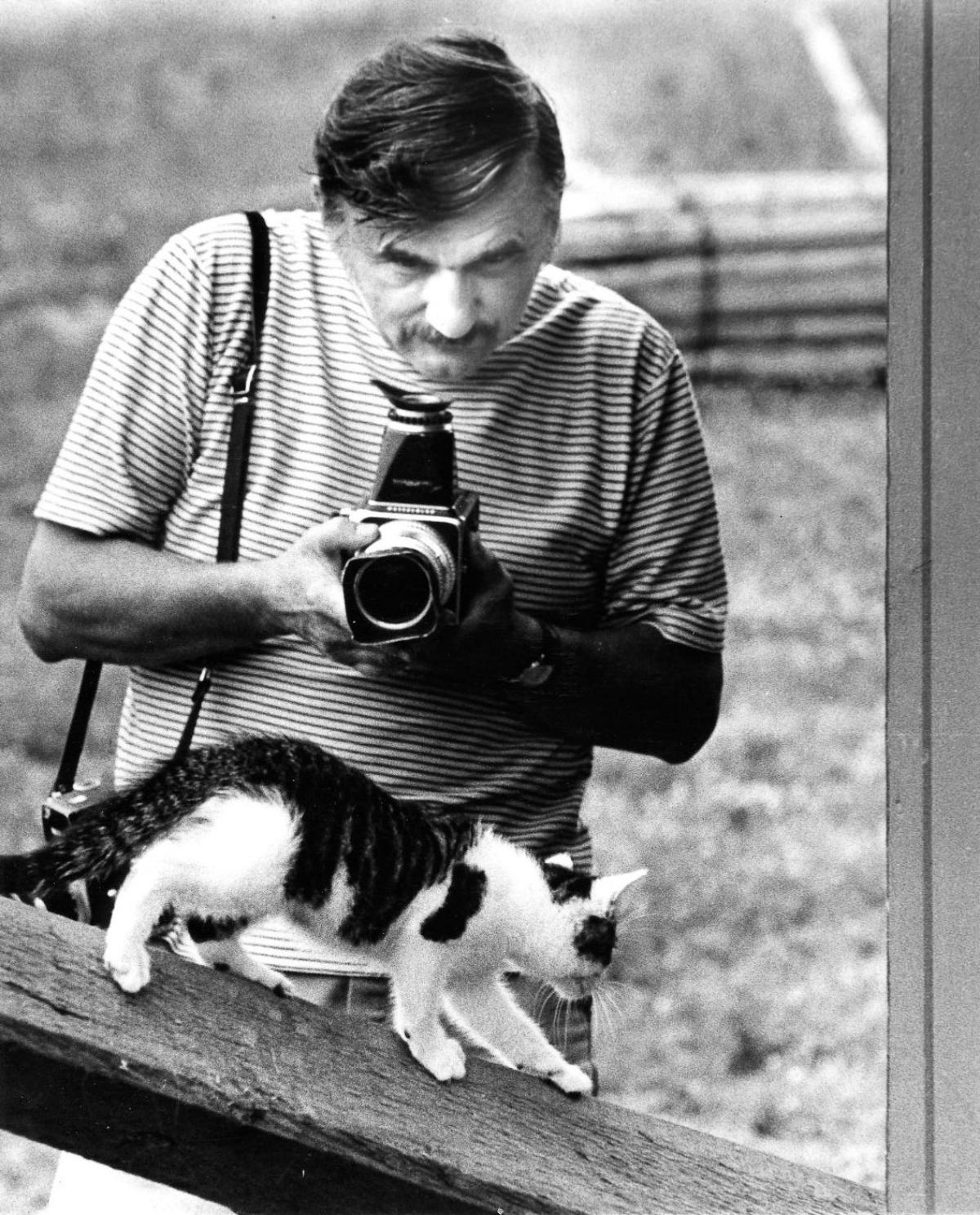
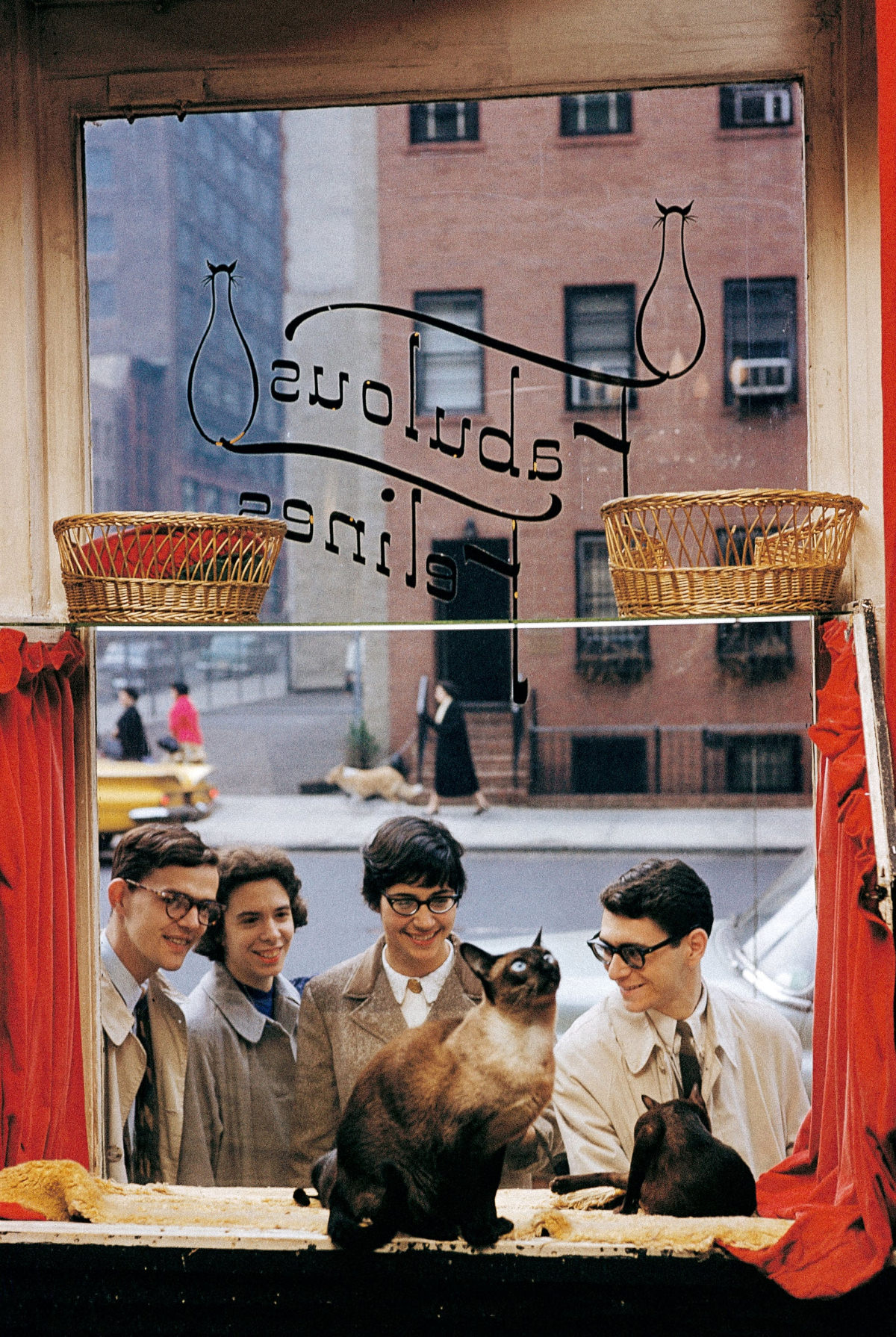
New York City also appeared in Chandoha’s world — from spotting Loco on a snowy Astoria street to documenting curious onlookers peering into pet store windows. His camera followed cats wherever they appeared, from farms to city sidewalks.