Long before superhero blockbusters dominated theater lobbies, movie posters were doing something far more daring. From the late 1930s through the 1980s, Hollywood rolled out a steady stream of films built around dangerous, defiant, and unapologetically bold female characters. The posters for these films were designed to stop people cold — bright colors, provocative taglines, and women who looked like they answered to nobody. Today, those posters are among the most sought-after pieces of film memorabilia in the collector’s market.
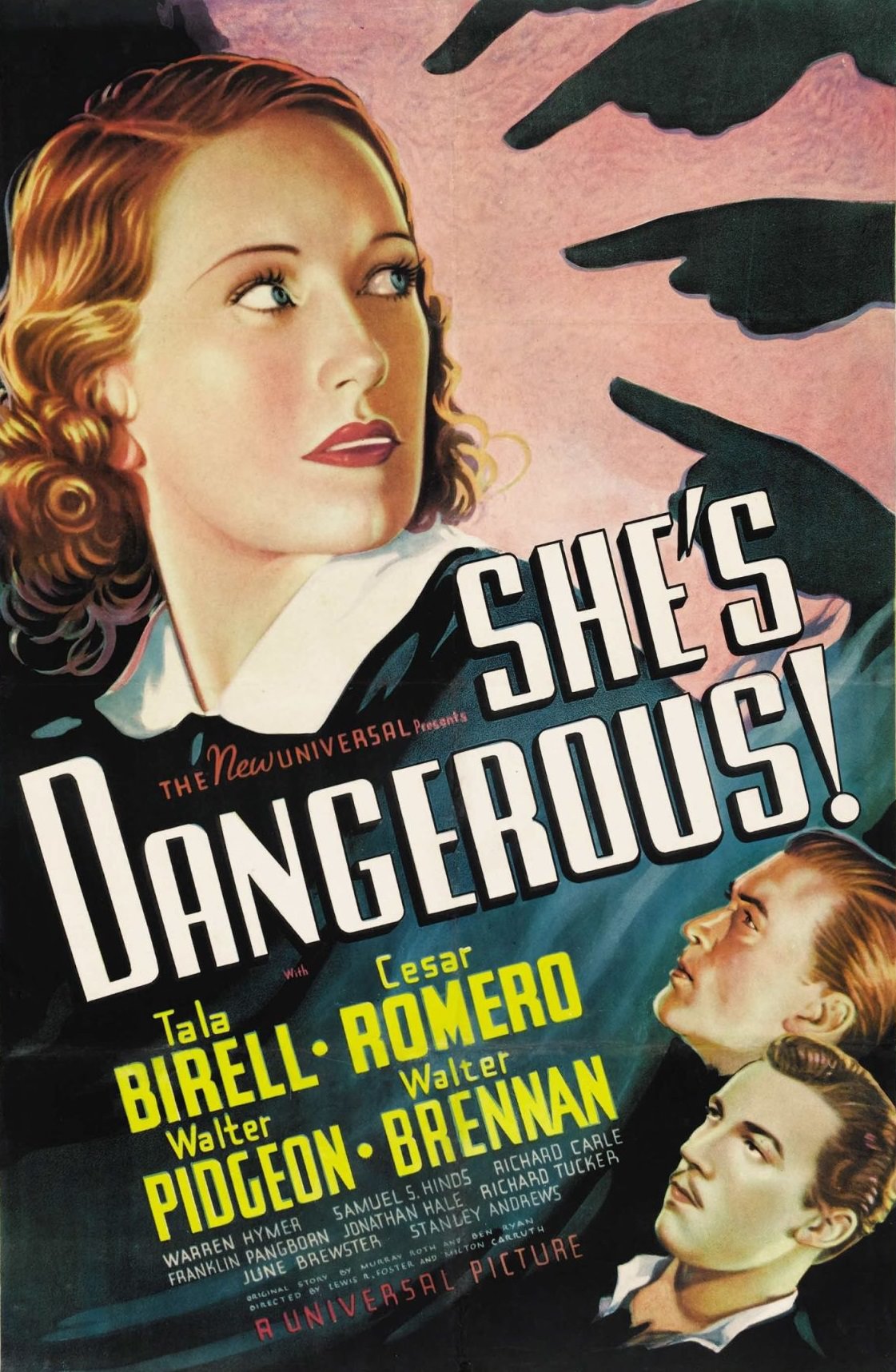
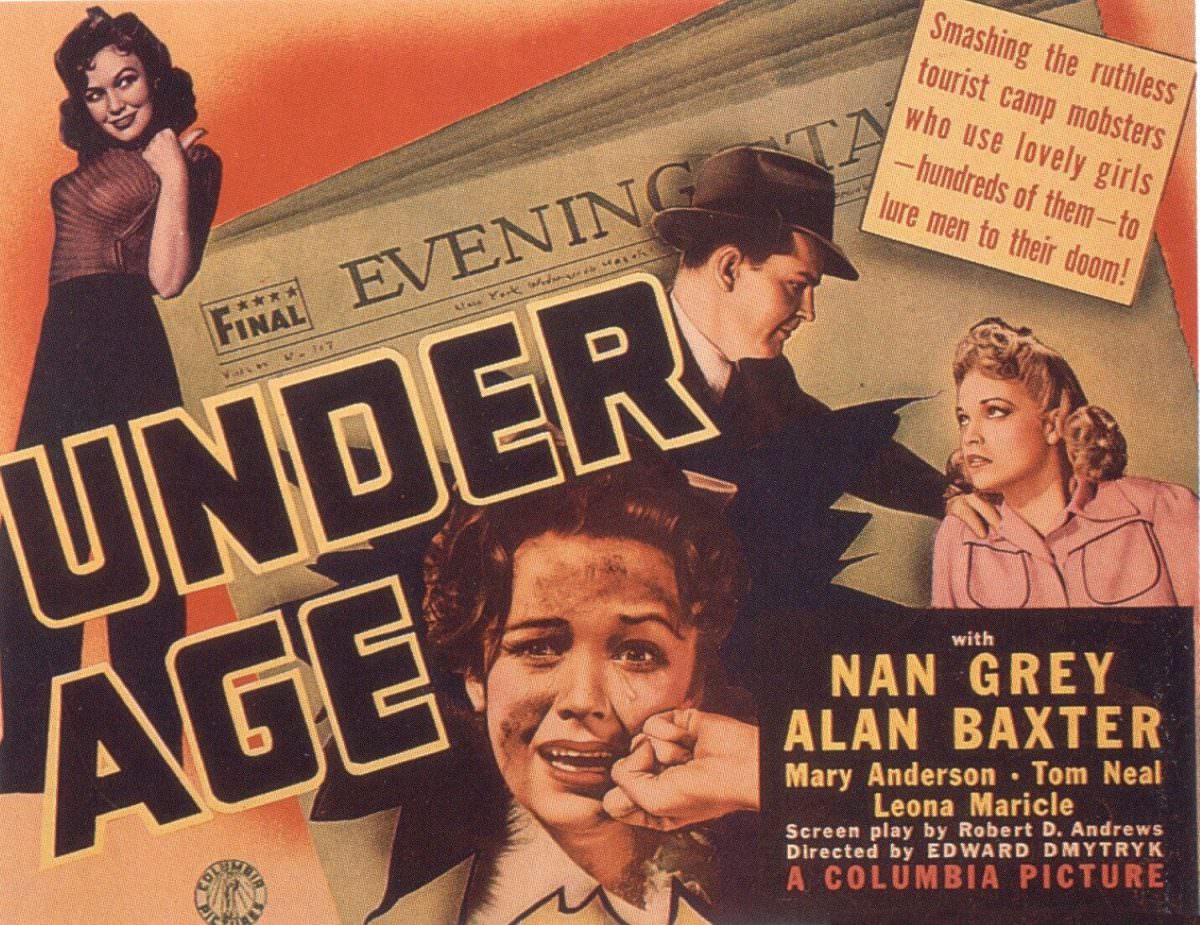
The “bad girl” film wasn’t invented in the 1950s. Seeds of the genre were already sprouting in the early sound era. Films like *She’s Dangerous* (1937) and *Under Age* (1941) introduced audiences to women who broke rules, crossed lines, and refused to fit neatly into the roles society expected of them. Their posters reflected that energy — bold lettering, dramatic poses, and an unmistakable suggestion of trouble.
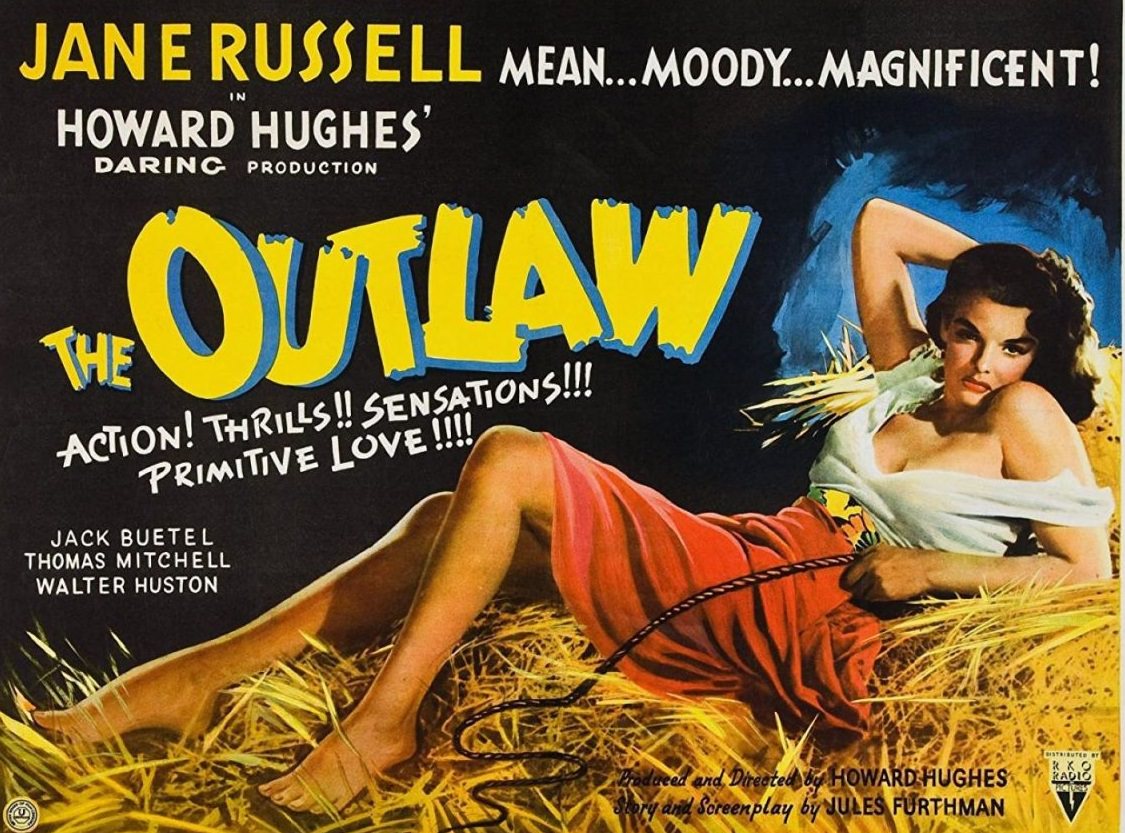
Howard Hughes pushed the formula further with *The Outlaw* in 1943, a Western that generated controversy less for its gunfights than for its marketing. The poster leaned hard into the image of Jane Russell, and censors took notice. Hughes spent years battling the Hays Office over the film’s release, but the resulting publicity only made the poster more famous. It remains one of the most recognized — and argued-over — pieces of Hollywood promotion from that decade.
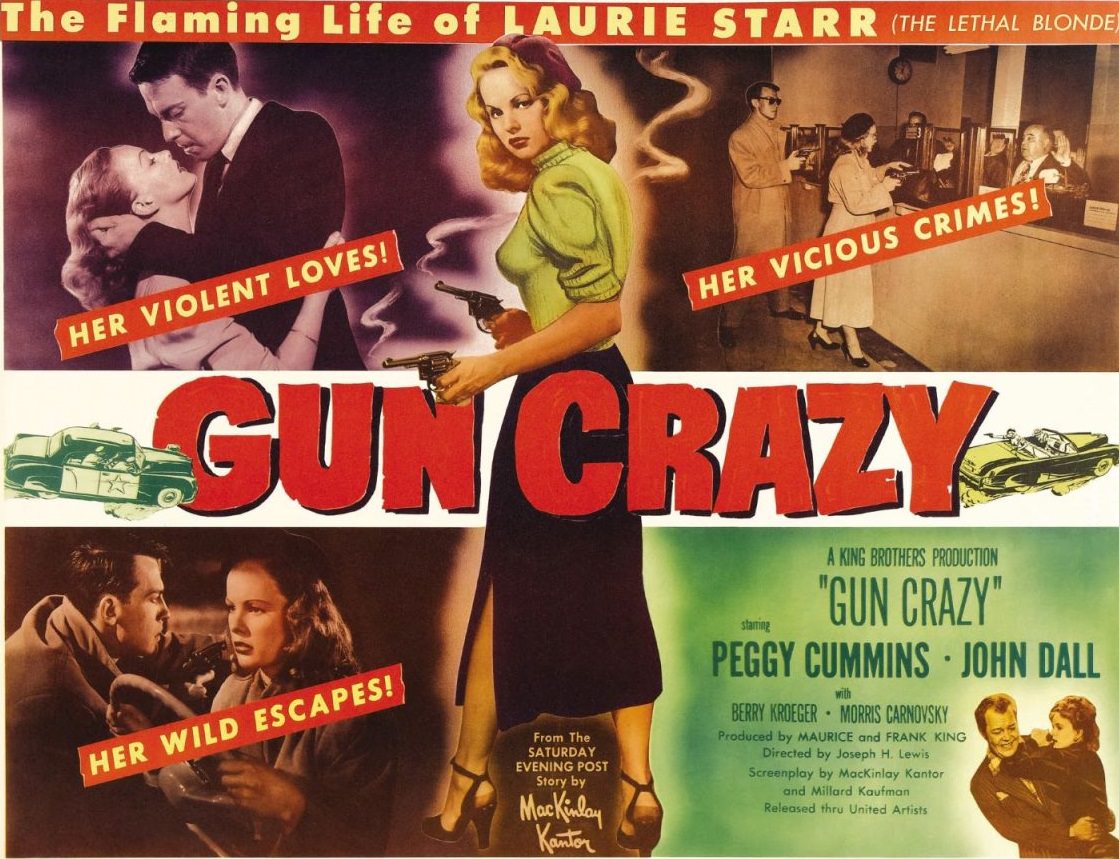
By the 1950s, the bad girl genre had hit its stride. Film noir gave these characters an especially sharp edge. The 1950 film *Gun Crazy* put Peggy Cummins front and center as a gun-toting femme fatale who pulls a weak-willed young man into a spiral of robbery and violence. The poster showed Cummins in a black dress, cigarette in hand, gun at the ready, with the tagline: “She was the kind of woman a man would die for.” It delivered exactly what the film promised. Collectors have chased this poster for decades, and high-grade copies command serious prices at auction.
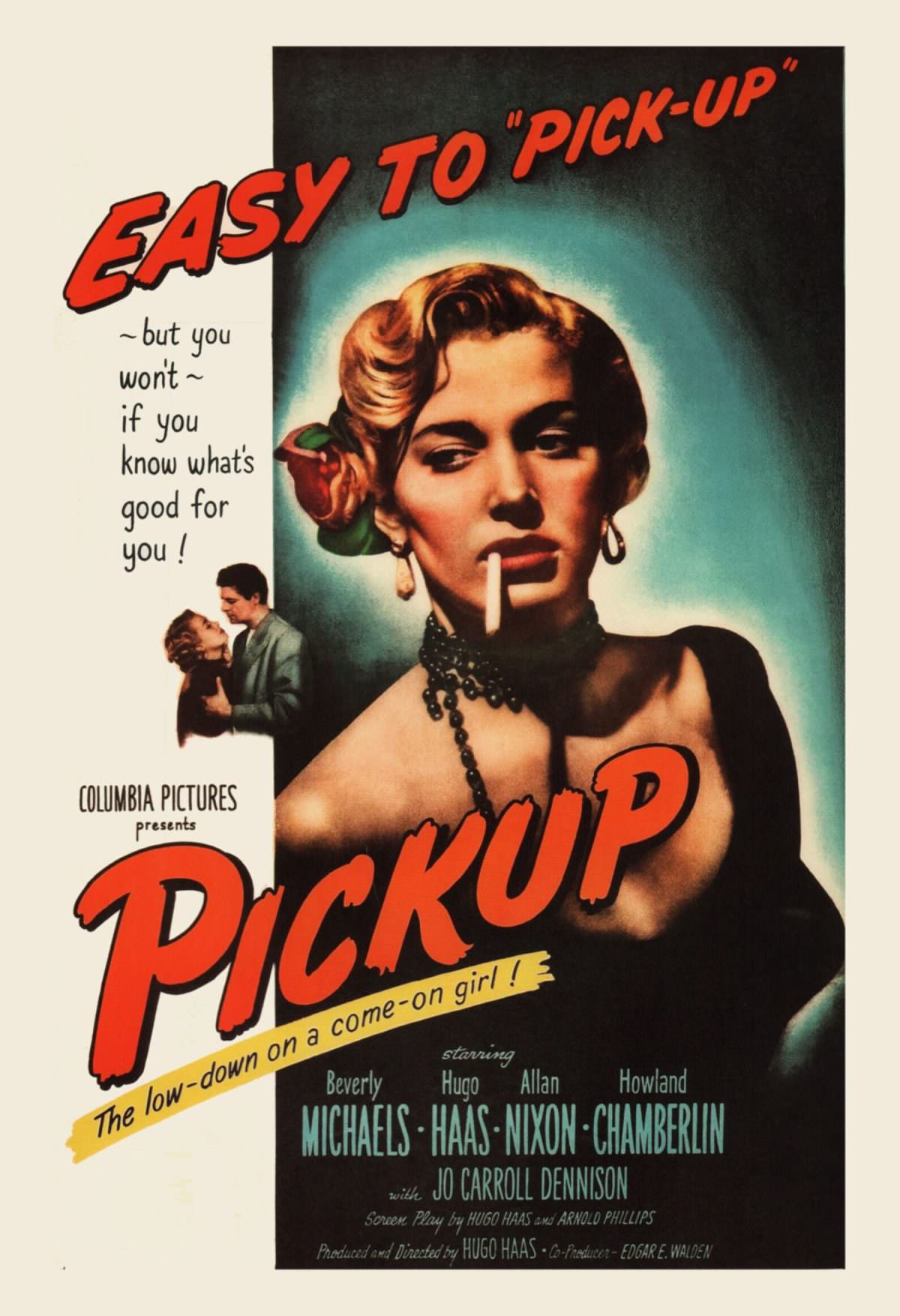
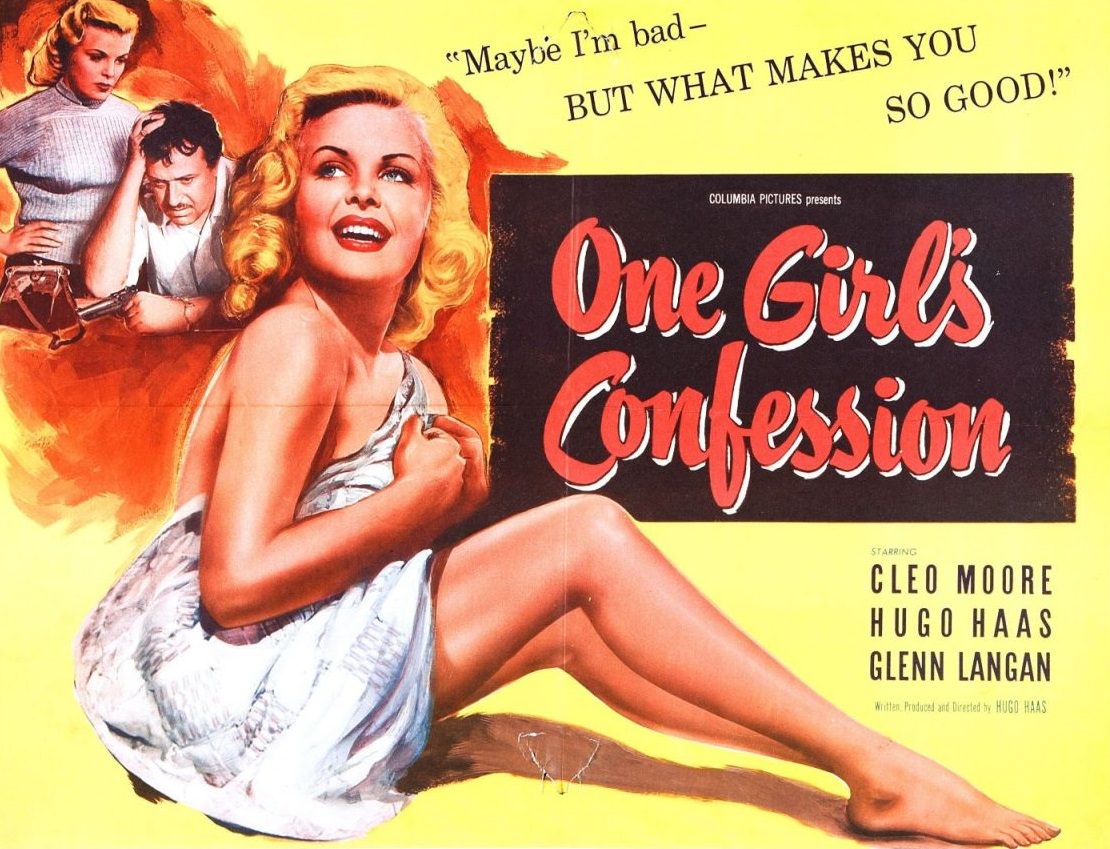
The early 1950s produced a wave of films fixated on women who operated outside the law or outside accepted moral codes. *Pickup* (1951) and *One Girl’s Confession* (1953) both sold themselves on the idea of a woman who made her own choices — and paid for them, or didn’t, depending on the script. The posters for these films were crafted to provoke. They promised scandal, and the artwork delivered that promise before a single frame of film was seen.
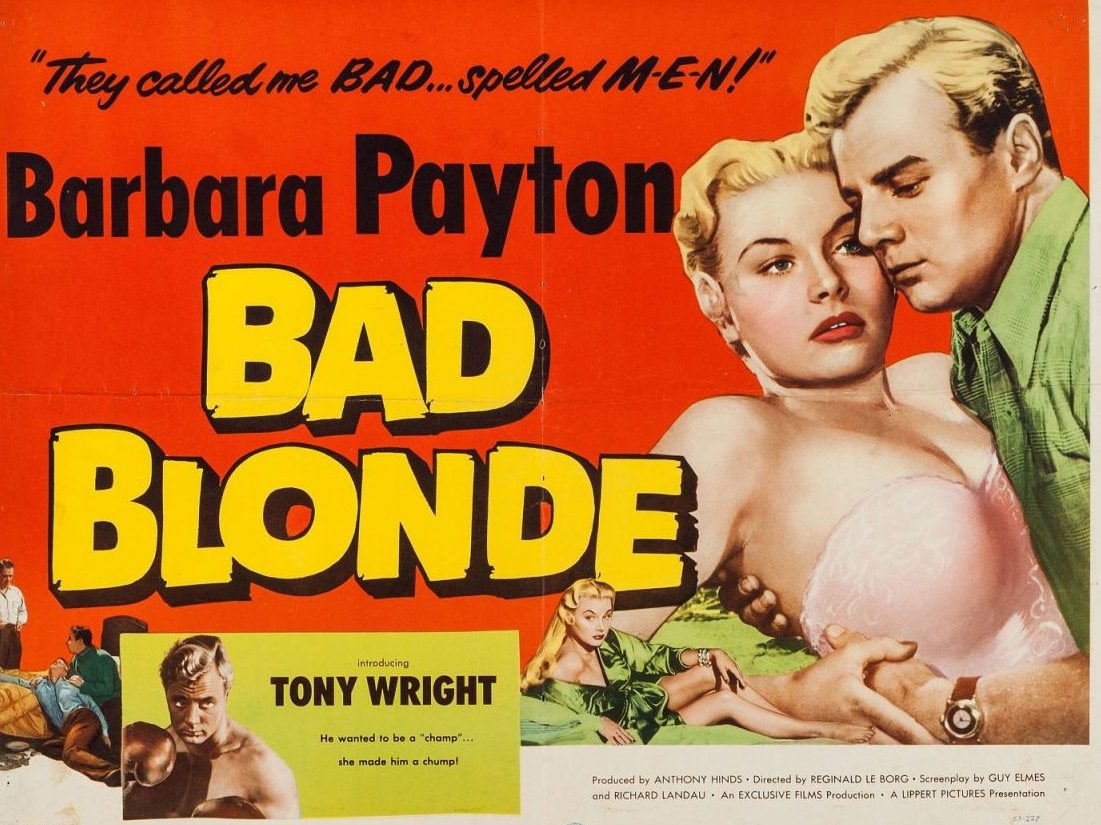
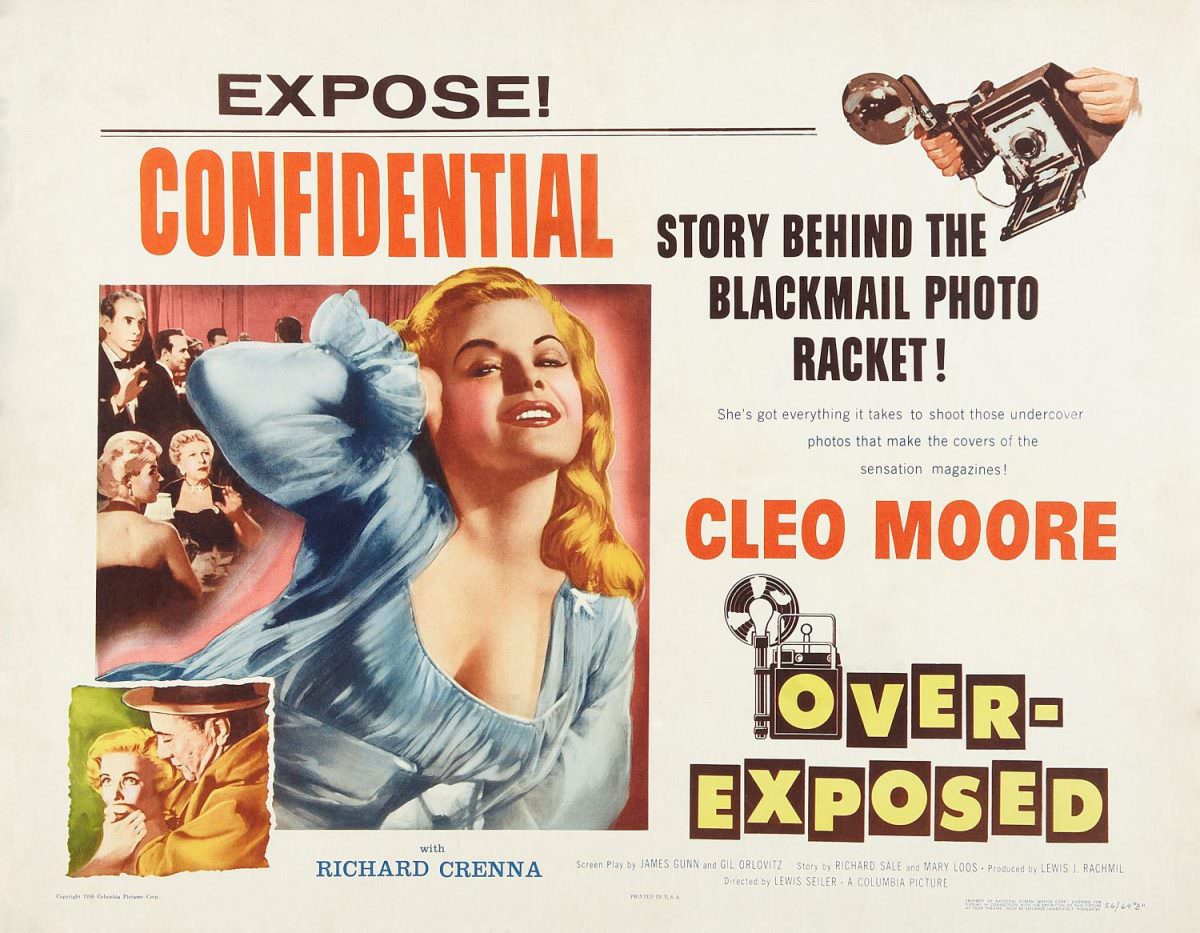
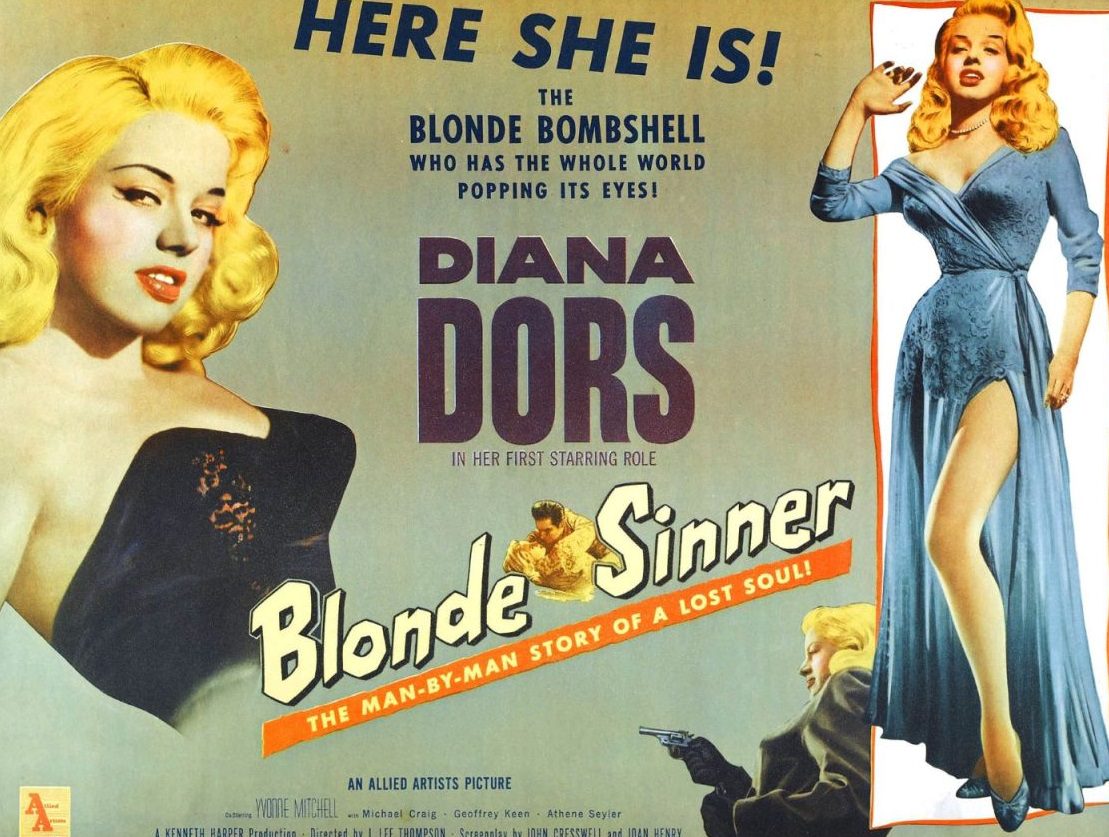
Mid-decade brought films that leaned into the “bad blonde” archetype with particular enthusiasm. *Bad Blonde* (1953), *Over-Exposed* (1956), and *Blonde Sinner* (1956) all used hair color as a kind of shorthand for danger. The posters for these films traded in a very specific visual language — platinum hair, confrontational expressions, and taglines that told audiences exactly what kind of woman they were dealing with. Art directors understood that a blonde with a stare that could cut glass would sell tickets.
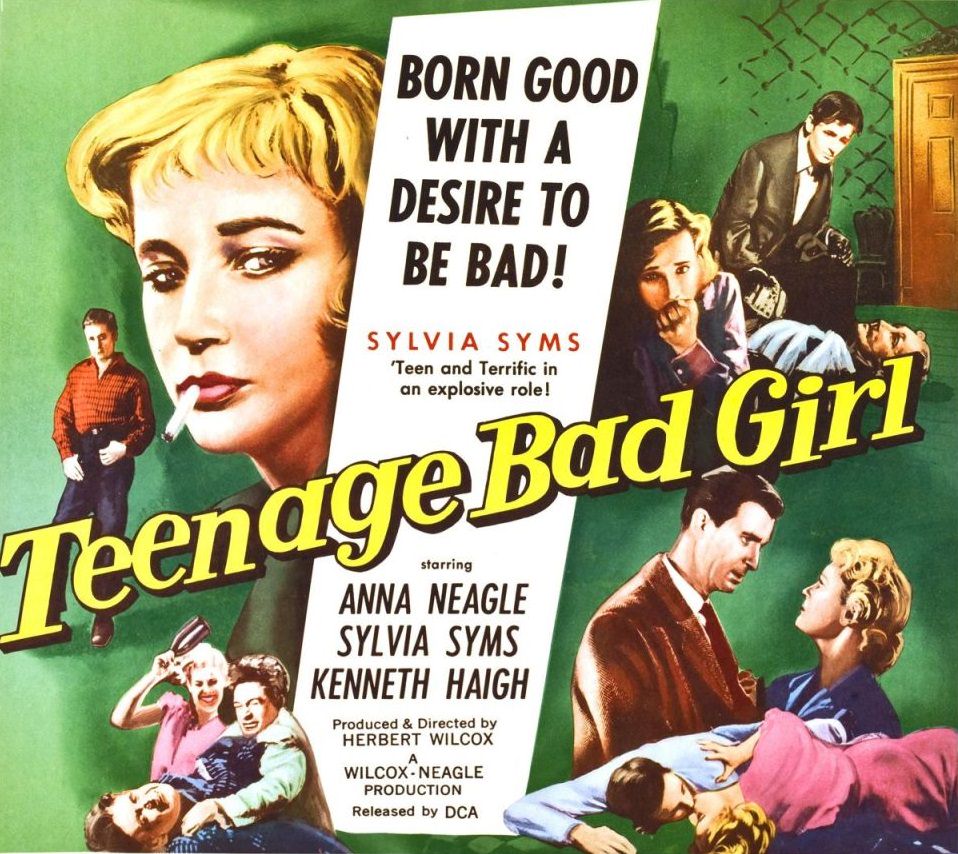
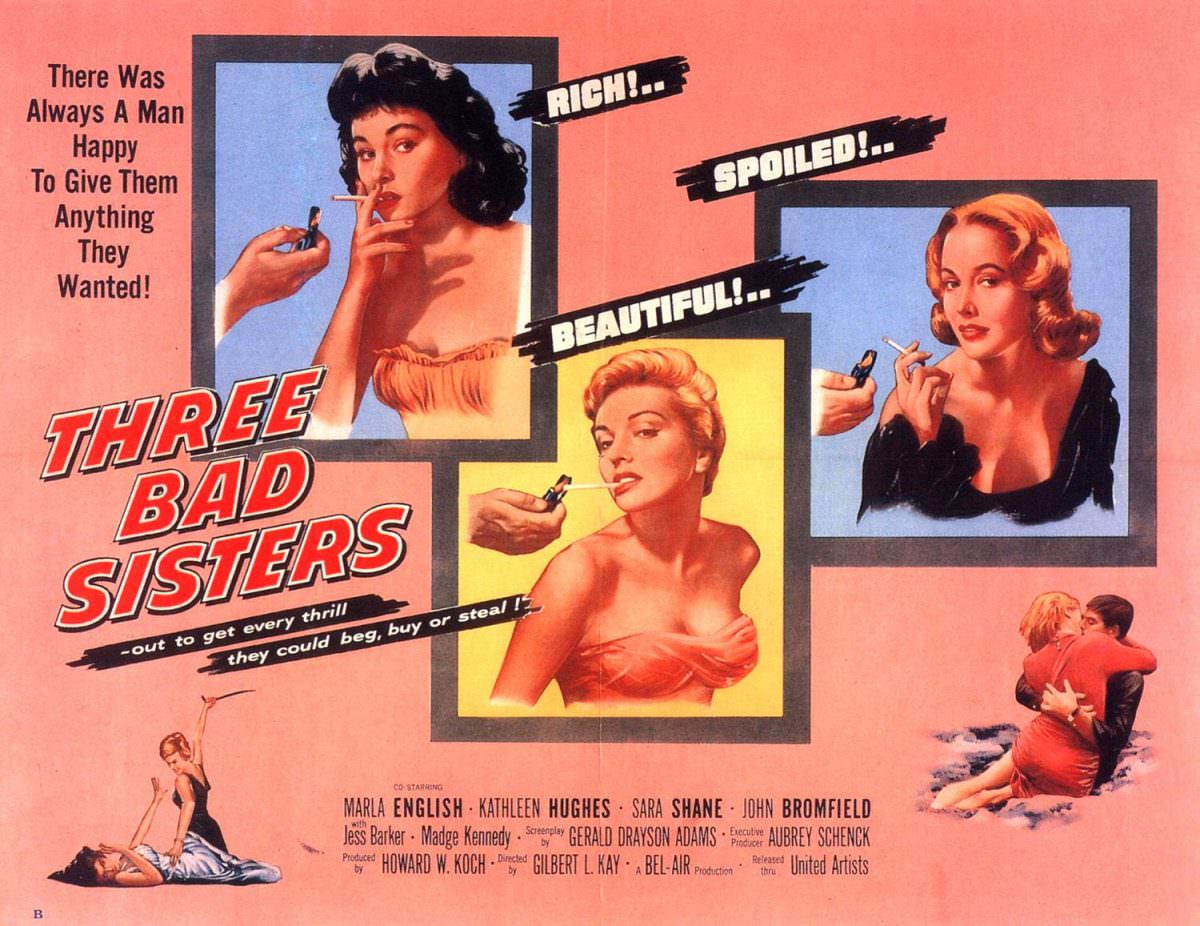
1956 also saw the release of *Teenage Bad Girl* and *Three Bad Sisters*, both of which pushed the genre into territory that played on postwar anxieties about youth and female independence. These weren’t films about women who had gone wrong in some distant criminal underworld — they were about girls next door who had, apparently, gone very wrong indeed. The posters made that threat feel immediate and real.
As the decade closed, exploitation films aimed squarely at teenage audiences became their own thriving subgenre. *The Wayward Girl* (1957), *The Unholy Wife* (1957), *High School Hellcats* (1958), and *Girls on the Loose* (1958) all arrived in quick succession. These films played at drive-ins and grind houses, and their posters were designed for maximum impact on a marquee or a roadside billboard. Bold. Lurid. Impossible to ignore.
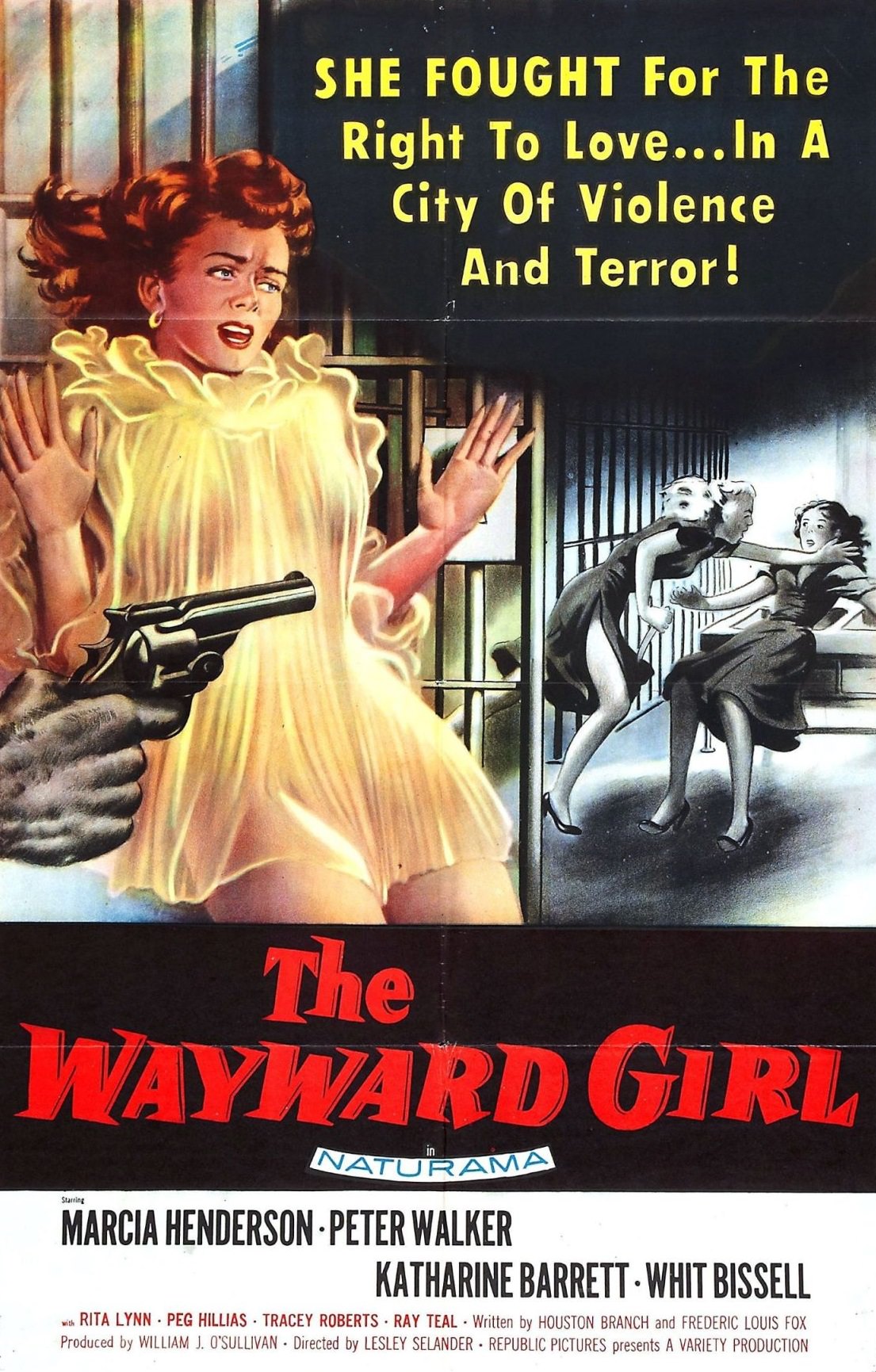
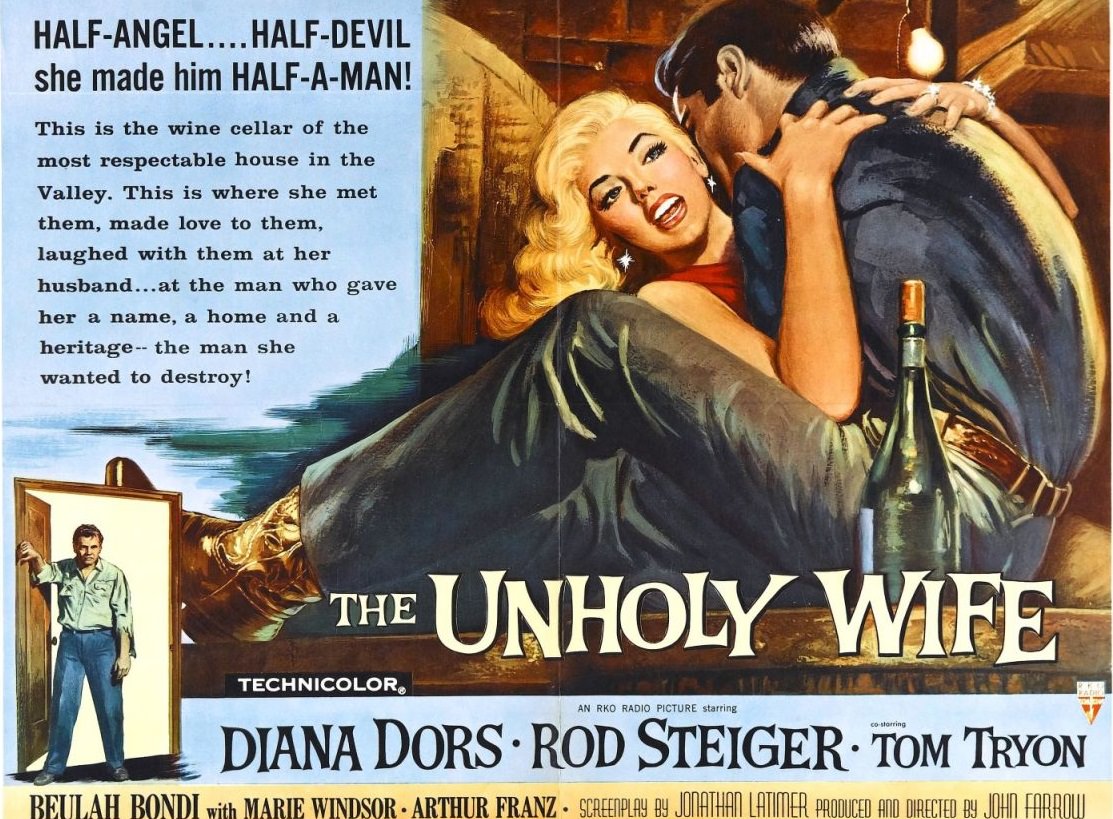
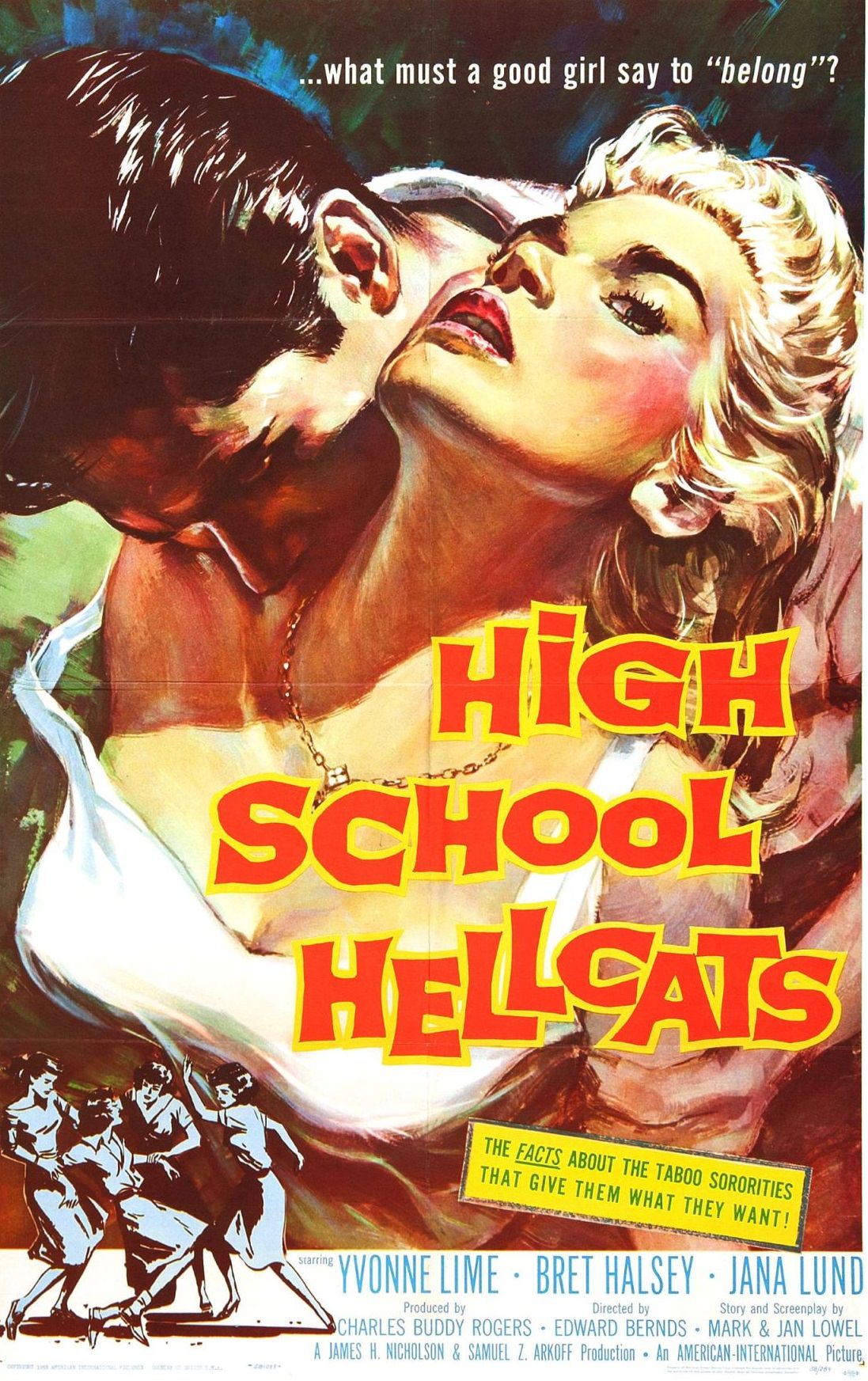
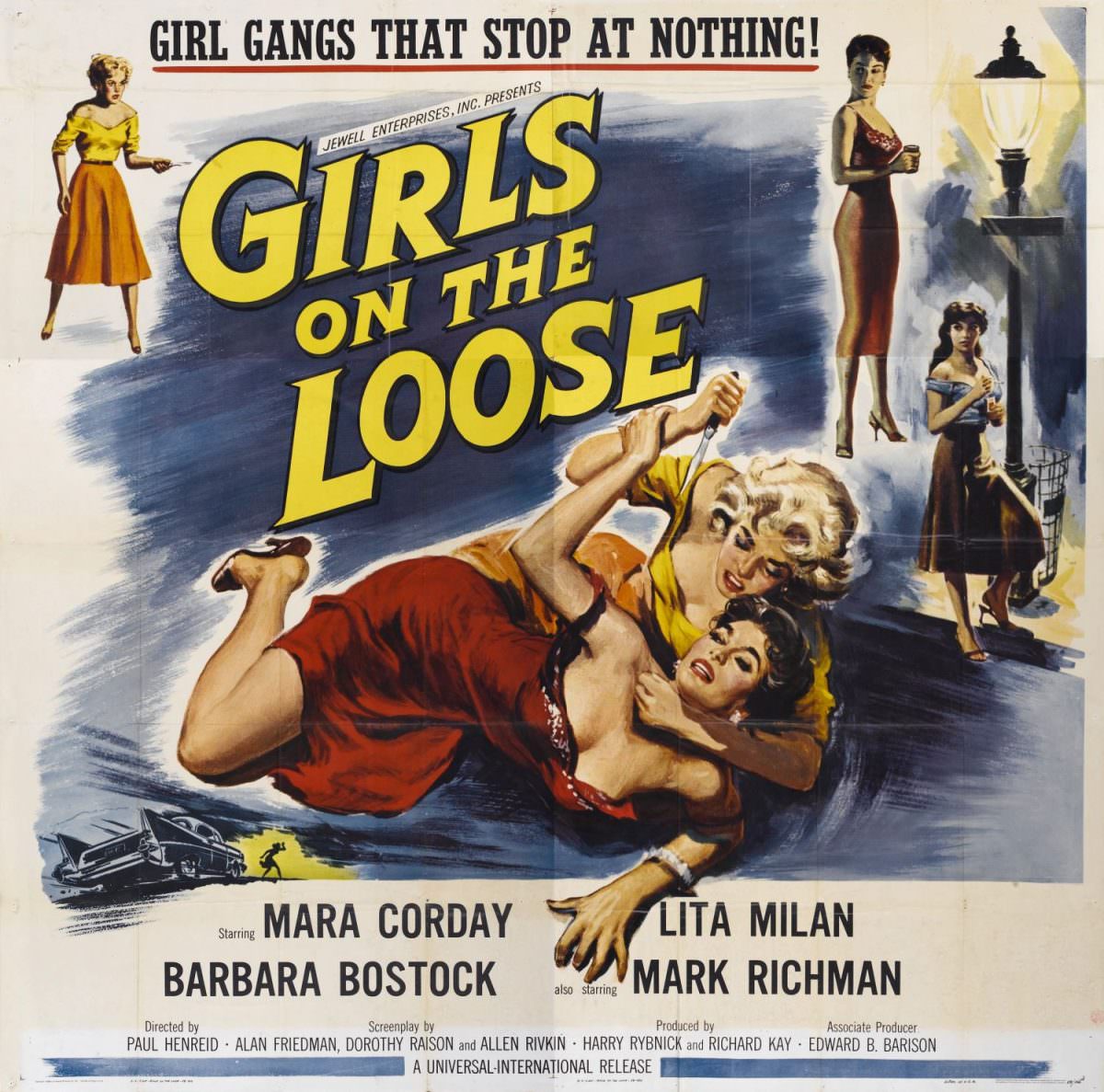
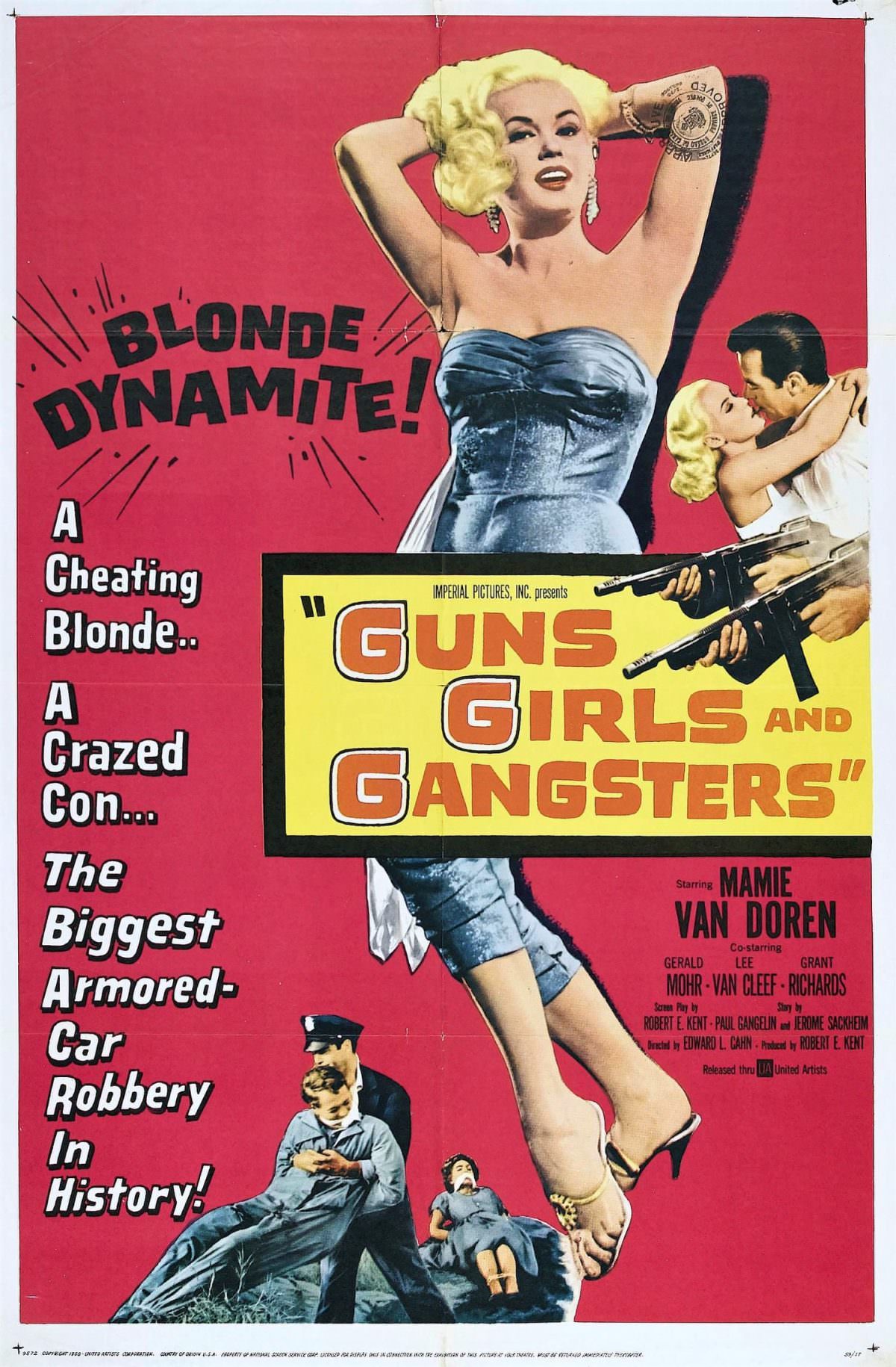
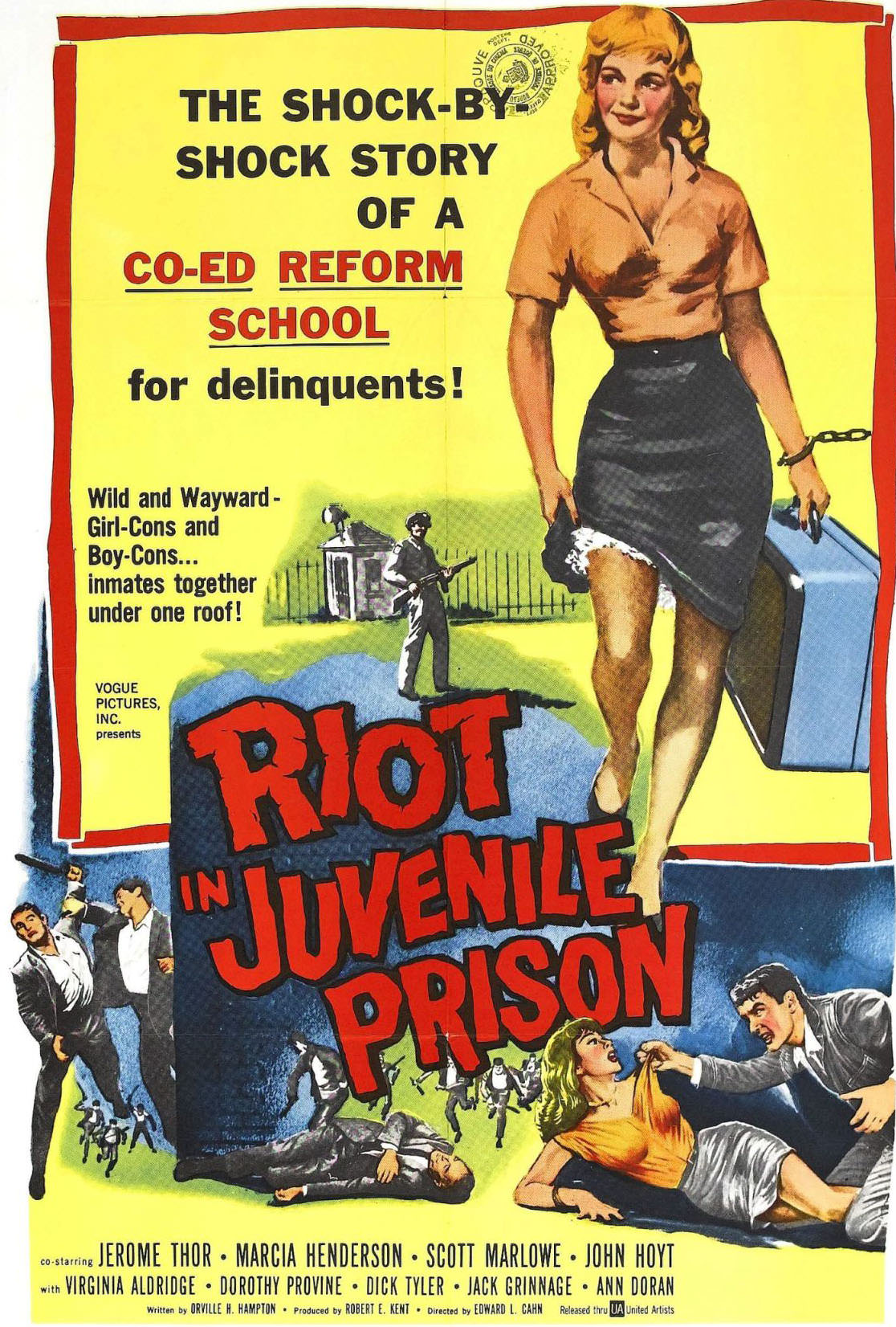
The tail end of the 1950s produced two more standout entries: *Guns, Girls, and Gangsters* (1959) and *Riot in Juvenile Prison* (1959). Both films positioned women as central figures in criminal or institutional chaos, and both had posters that treated that premise with complete seriousness. The women on these posters weren’t victims. They were the threat.
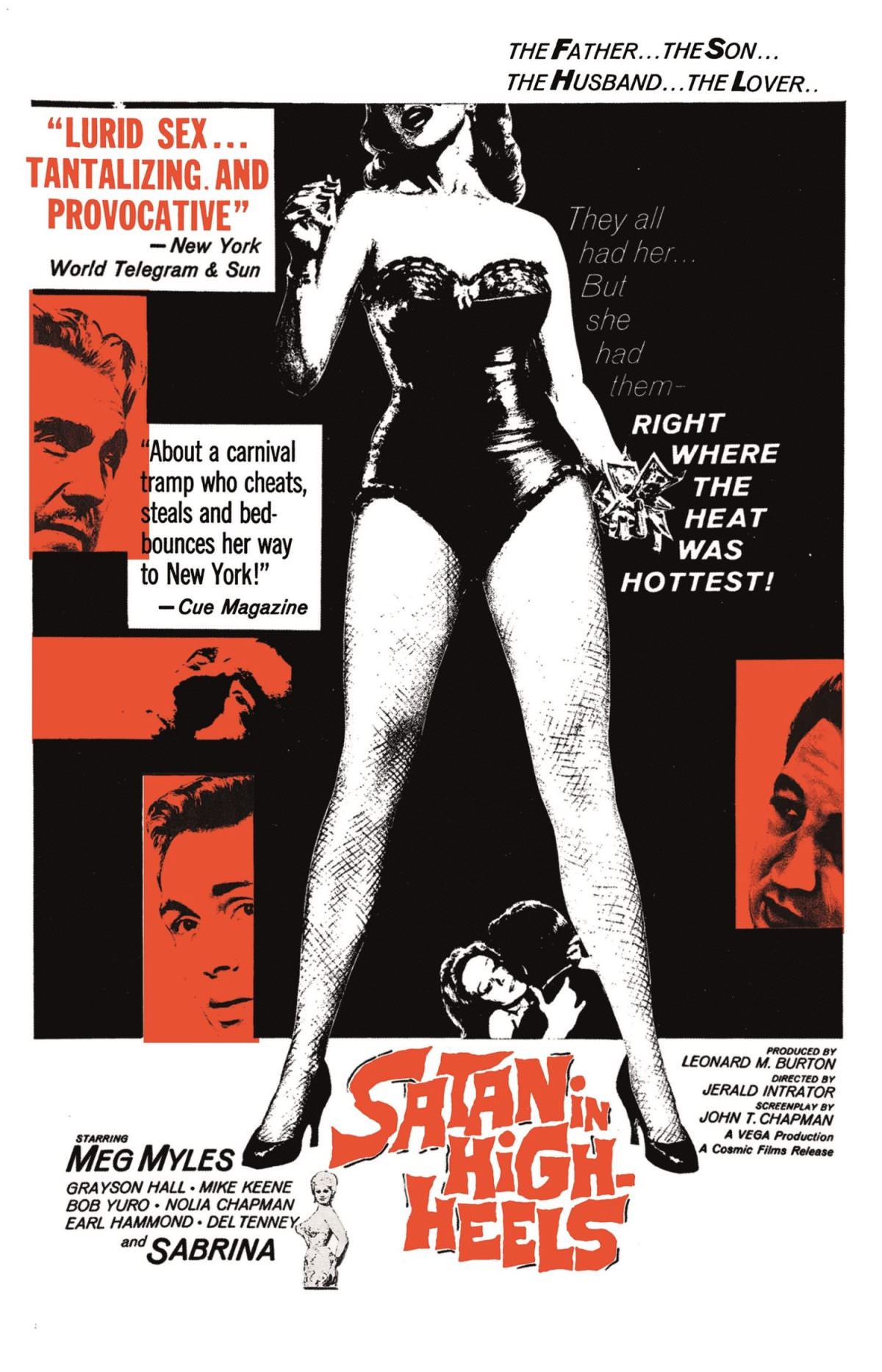
The 1960s added new dimensions to the genre. *Satan in High Heels* (1962) arrived at a cultural moment when the old moral codes were beginning to crack, and its poster made no effort to hide what the film was offering. The image was direct, the title was lurid, and the whole package was exactly what its target audience wanted to find playing at their local theater.
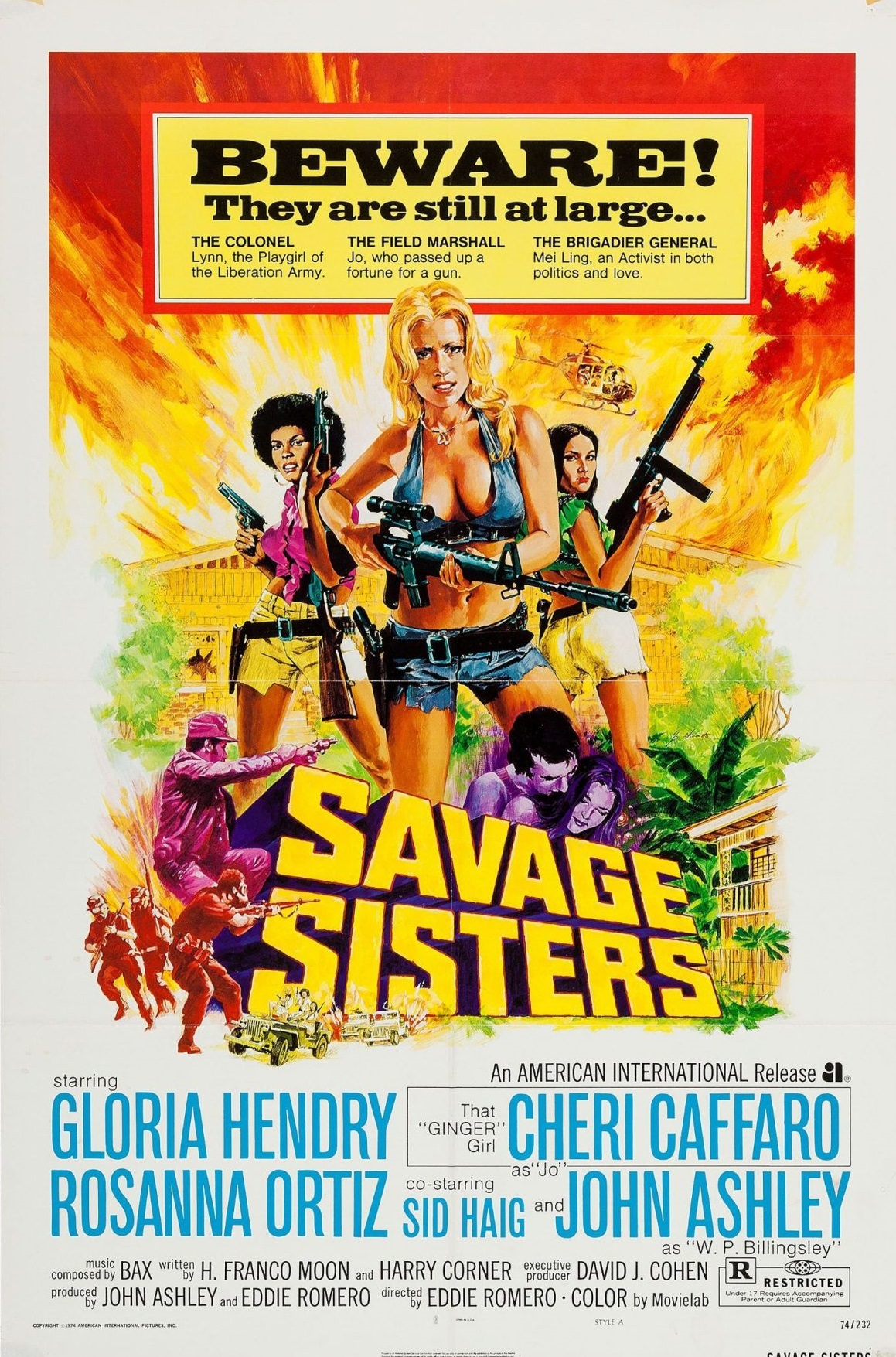
The 1970s blaxploitation era brought new energy and a harder edge to the bad girl poster tradition. Films like *Savage Sisters* (1974) featured Black actresses in commanding, action-driven roles that the poster art reflected without apology. These women weren’t decorative. They were armed, dangerous, and in charge of the frame. The posters for these films are now recognized as culturally significant artifacts, representing a moment when Hollywood’s genre machine made real room for a different kind of action hero.
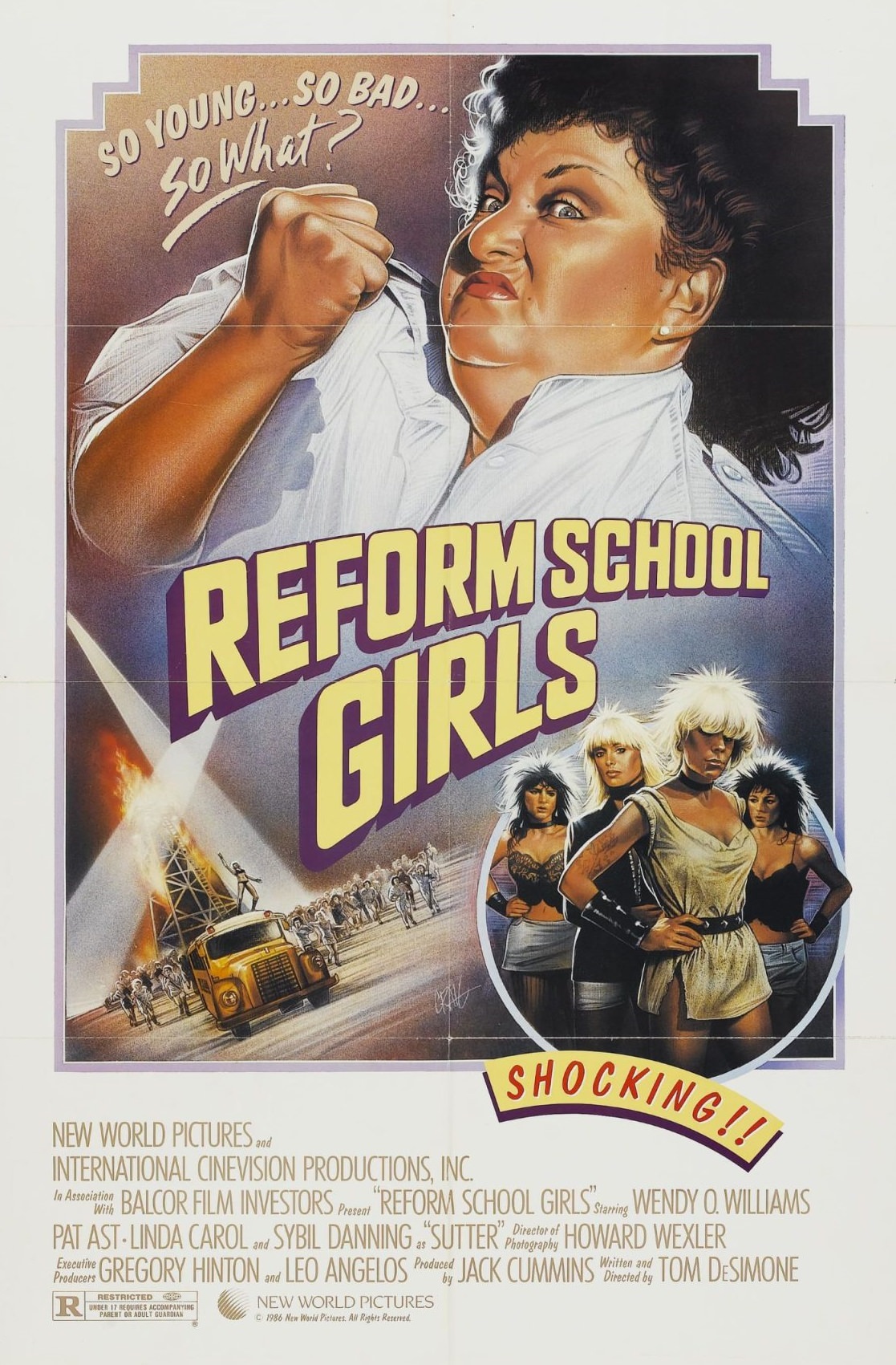
The genre produced one final major wave in the 1980s, with films like *Reform School Girls* (1986) reviving the women-in-prison formula for a new generation. The poster art by this point was knowingly self-referential — filmmakers and designers alike understood they were working within a tradition, and the imagery reflected that awareness. Bright, brazen, and deliberately over-the-top, these late entries capped off five decades of bad girl poster art with a fittingly loud finale. For collectors, every era of this genre has something to offer, from the stark film noir compositions of the early 1950s to the vivid, high-contrast graphics of the exploitation decade that followed.