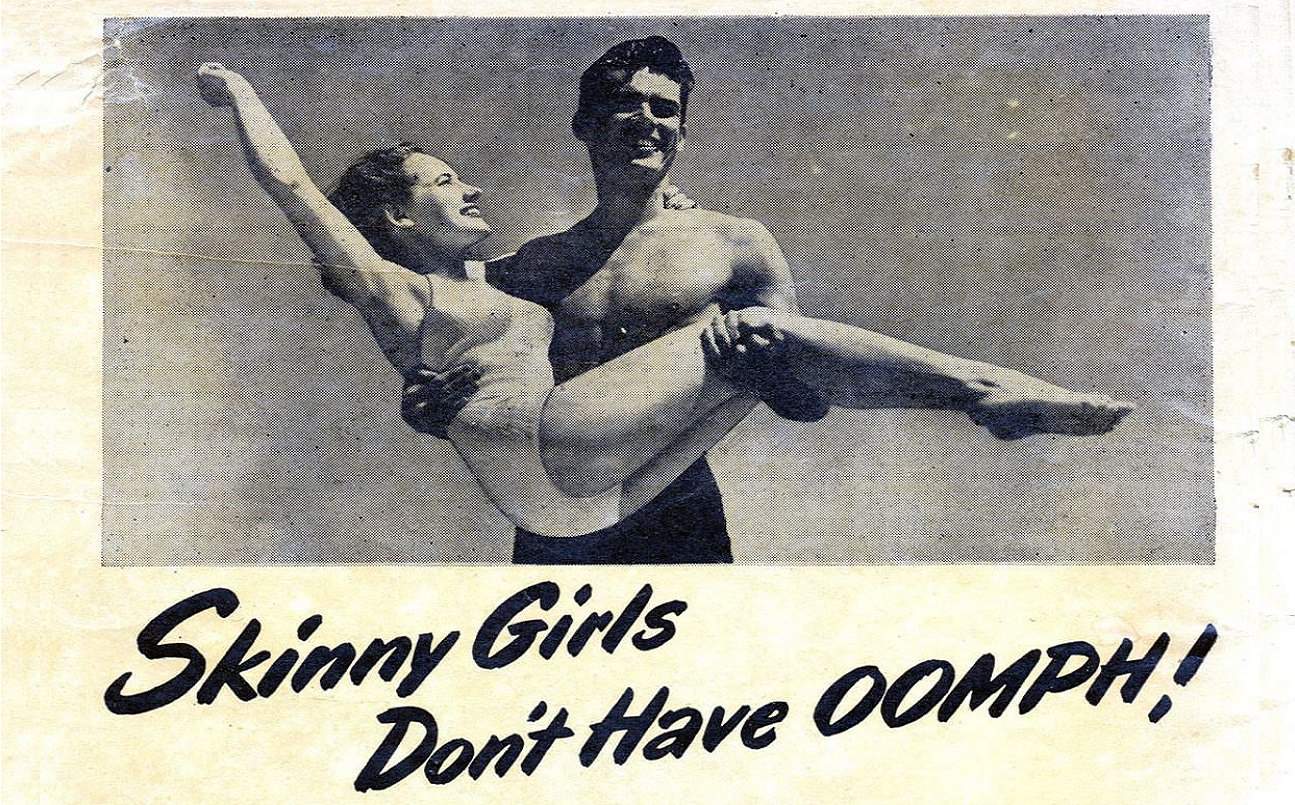
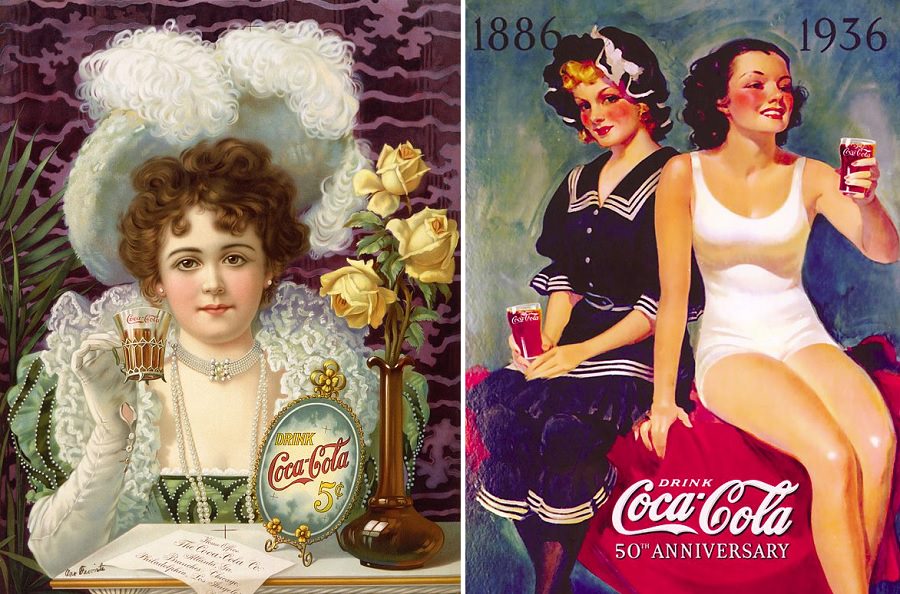
Before advertising regulations took hold in the mid-20th century, tobacco companies had free reign over what they could put in an ad. They used that freedom aggressively. Doctors endorsed specific cigarette brands. Athletes vouched for their smoothness. Some ads even claimed cigarettes could help smokers lose weight or relieve asthma symptoms. None of this required proof, disclosure, or approval from any regulatory body.
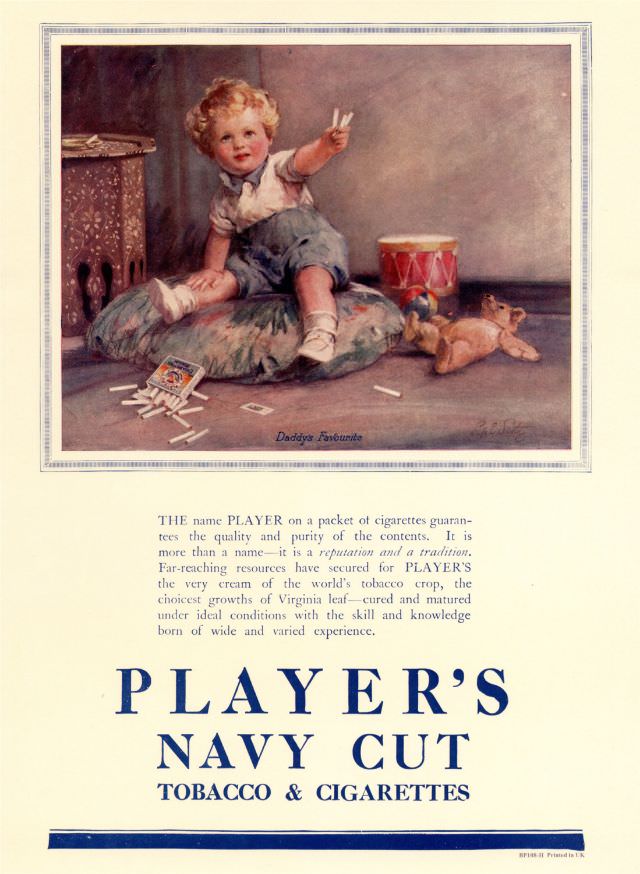
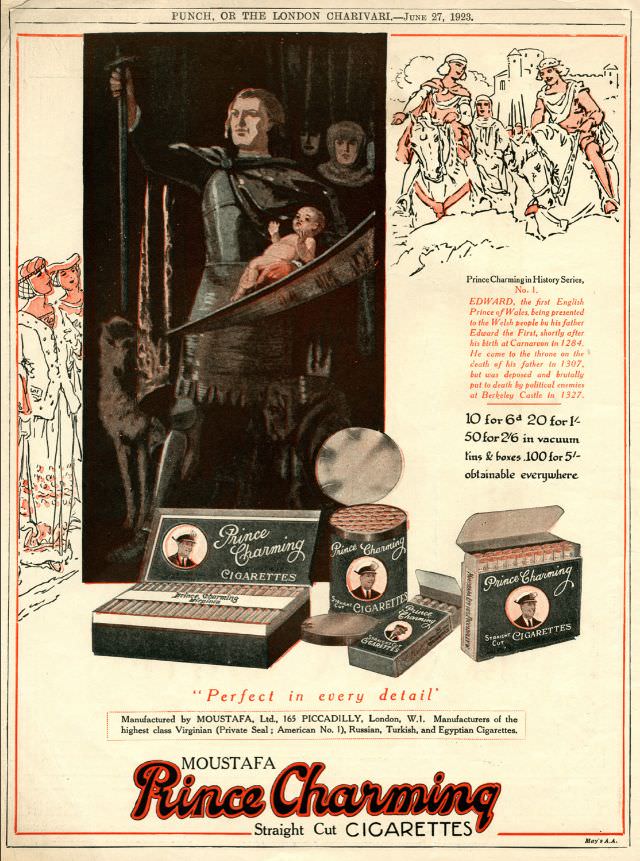
Among the most startling tactics was the use of infants and young children. Tobacco brands placed babies directly in their advertisements — not by accident, but as a deliberate strategy. The goal was threefold: to present cigarettes as calming and gentle, to appeal to women and new mothers, and to frame smoking as a normal, even wholesome, part of family life.
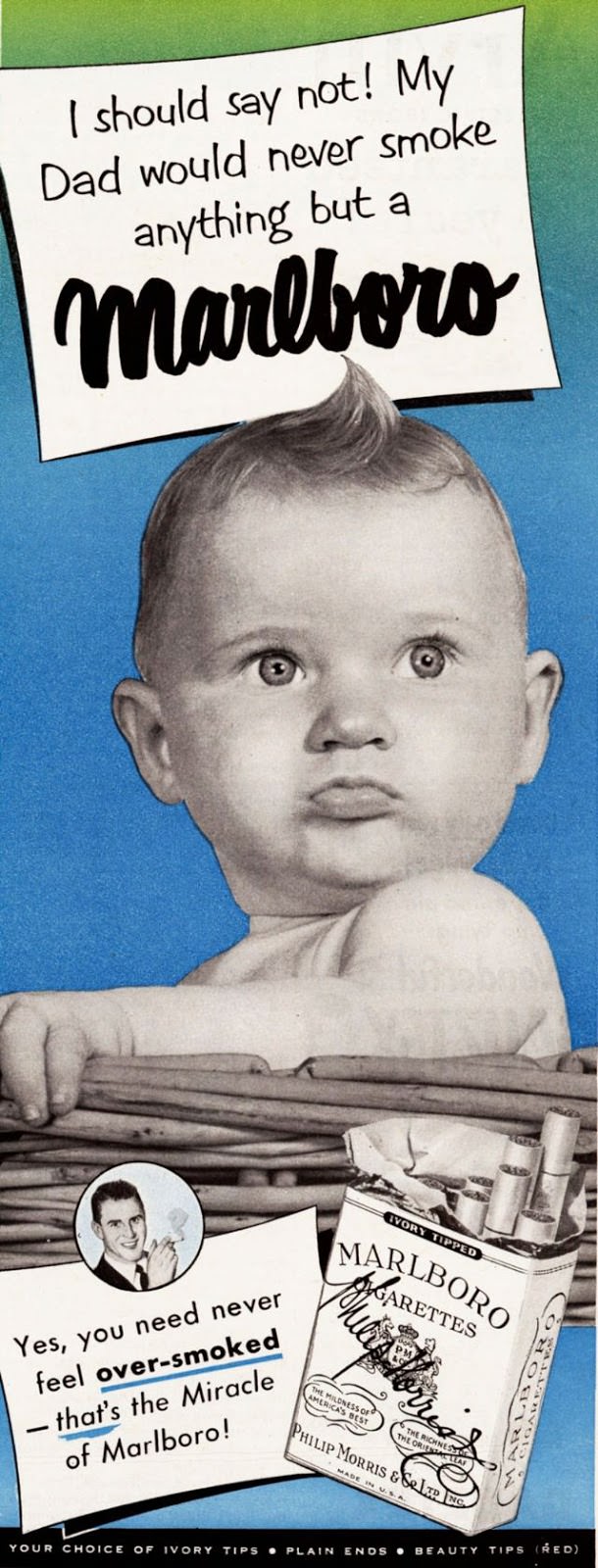
The logic behind using babies was calculated. A smiling infant next to a cigarette brand sent a clear message to consumers: this product is safe, even family-friendly. Mothers were a key target demographic. If a brand could associate itself with the image of a healthy, happy baby, it could neutralize any concern a parent might have about smoking around children.
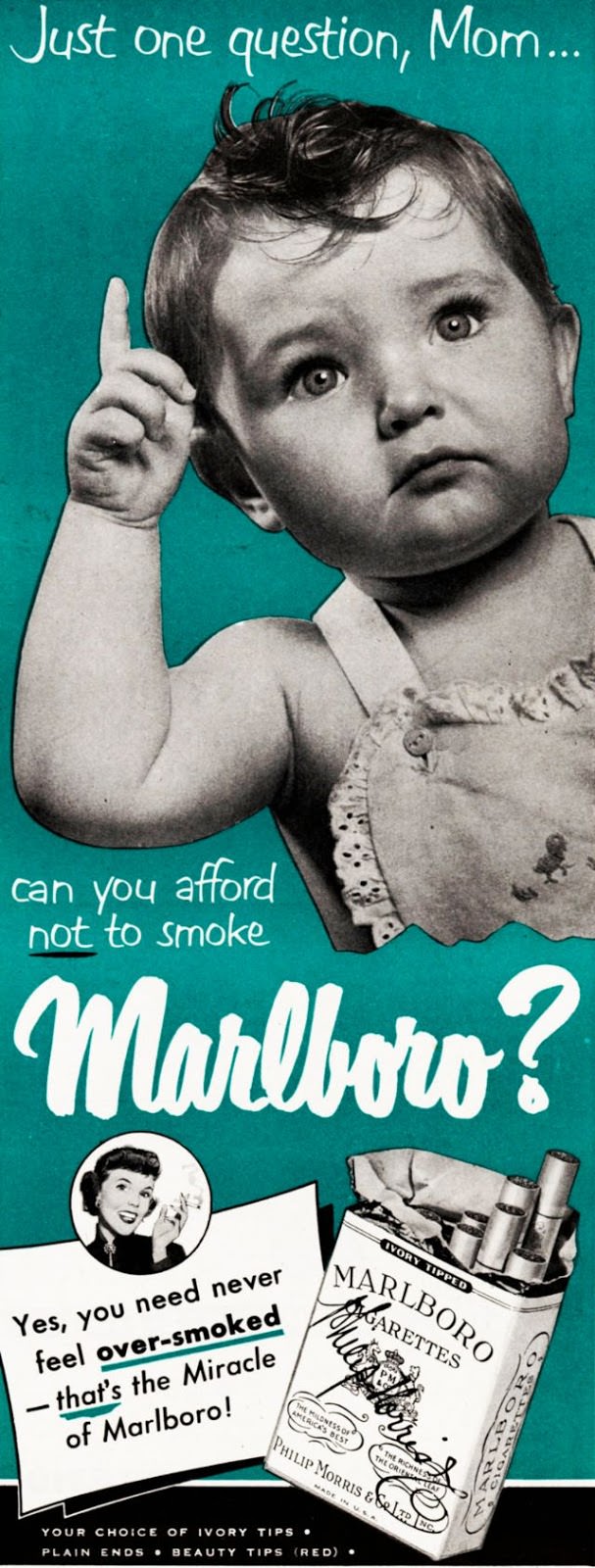
Tobacco companies also leaned on the idea of respectability. Smoking needed to be seen as a social norm — something good parents and responsible adults did. Featuring babies and families in ads helped reinforce that narrative. It wasn’t edgy or rebellious. It was presented as ordinary domestic life.
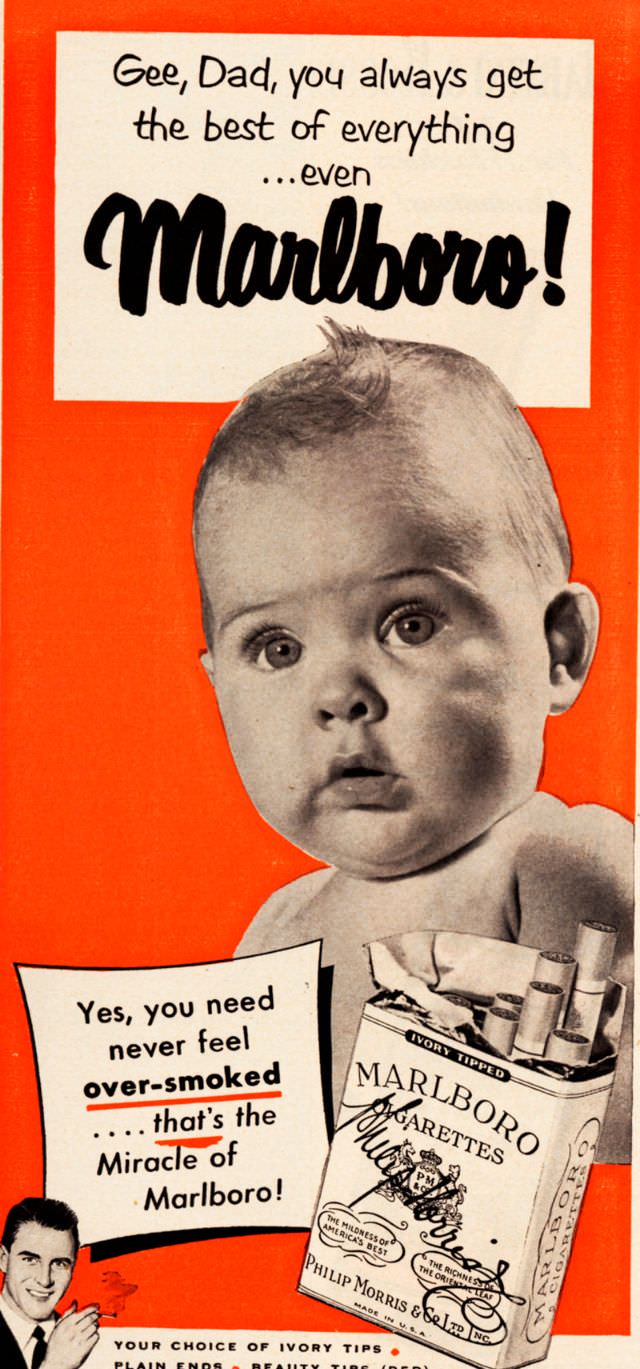
Women were specifically targeted through these campaigns. As more women entered the consumer market in the early-to-mid 1900s, tobacco brands competed for their loyalty. Ads featuring infants were one tool used to speak directly to mothers, suggesting that even the most careful, nurturing parent had nothing to fear from cigarette smoke.
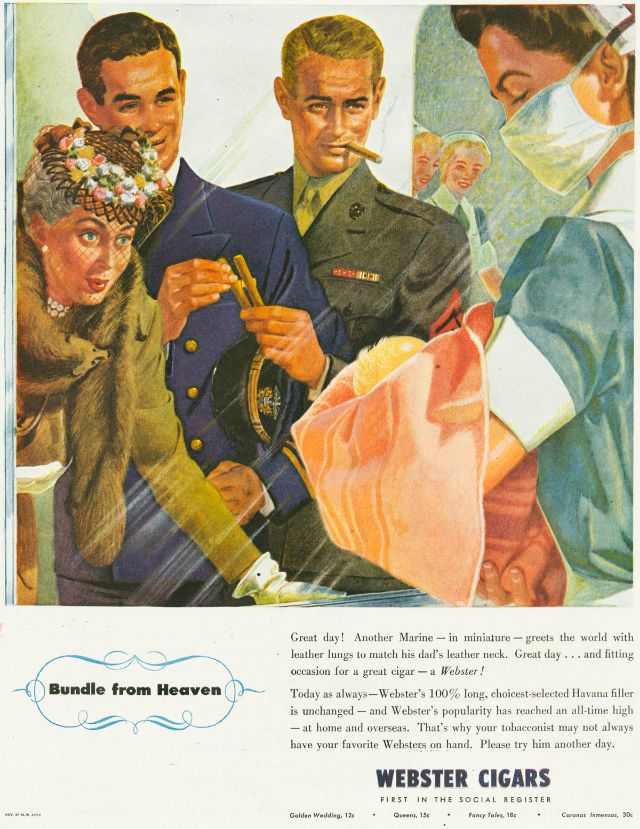
The “calming” angle was another common thread. Several ads implied that cigarettes had a soothing quality — and what better symbol of calm than a peaceful, sleeping baby? The visual pairing was designed to transfer that sense of relaxation onto the product itself.
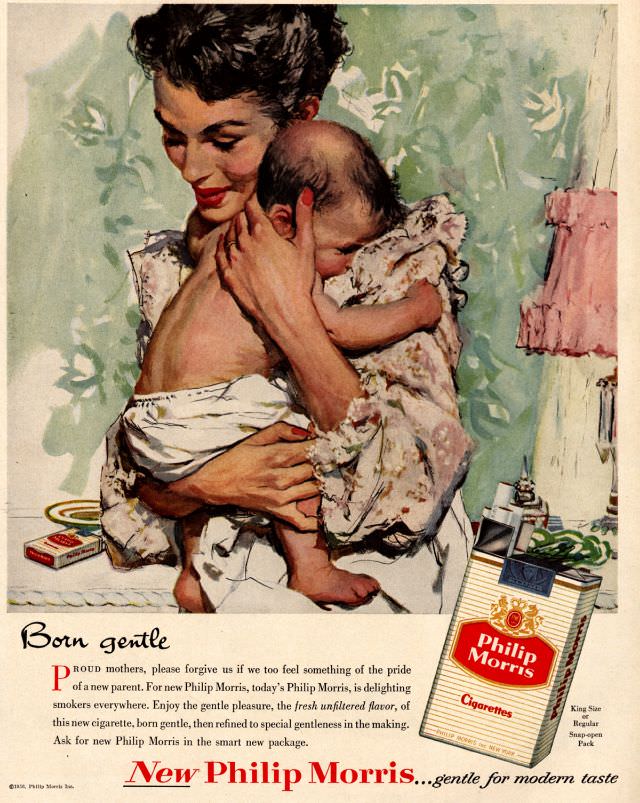
This wasn’t limited to one or two fringe brands. Multiple tobacco companies ran campaigns that featured children, and the ads appeared in major newspapers and popular magazines of the time. They reached millions of households and were considered completely acceptable by the standards of the era.
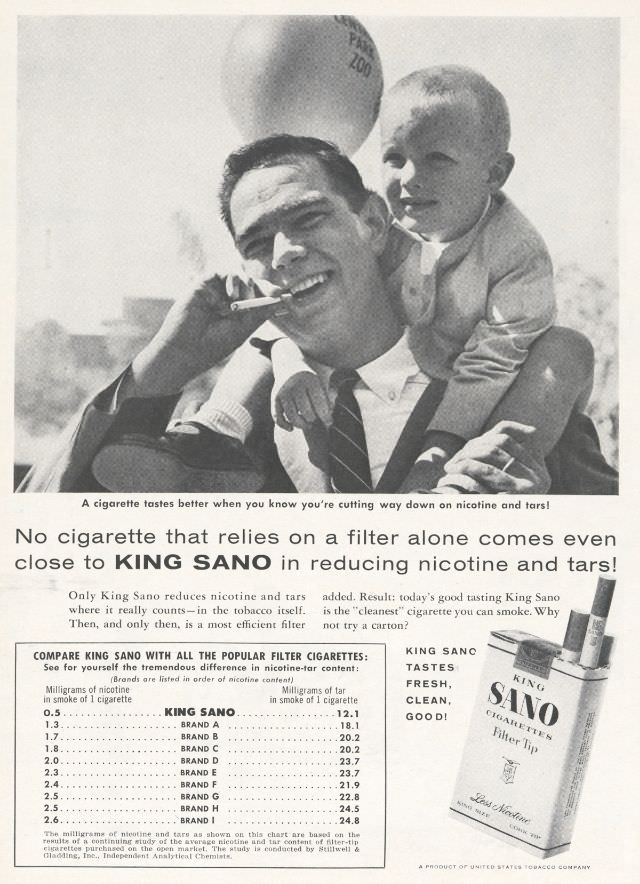
The broader advertising environment made all of this possible. With no federal rules governing health claims in ads, companies could say — and show — nearly anything. Physicians were paid to recommend cigarette brands by name. The use of babies fit right into this pattern of using trusted, wholesome imagery to sell a product regardless of its actual effects.
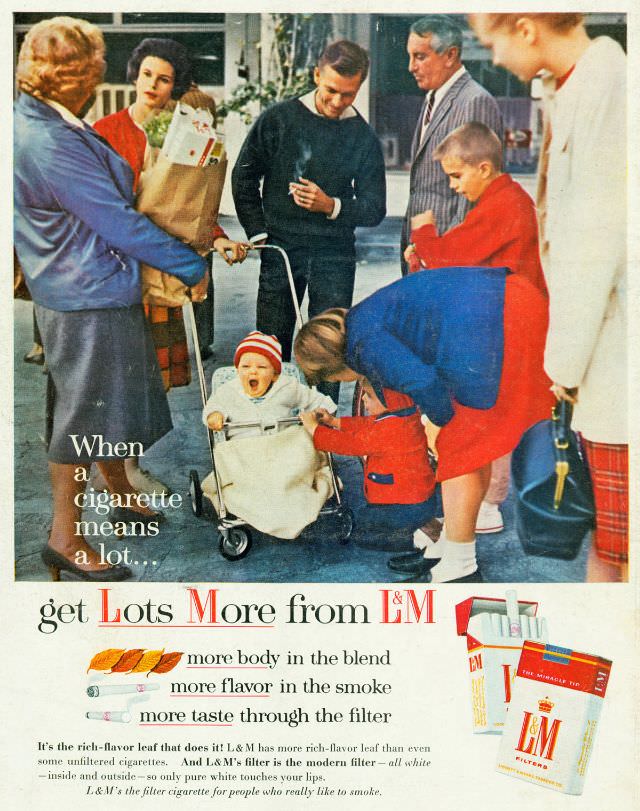
Looking at these ads today, the disconnect is jarring. The same era that produced public health campaigns about infant care and child safety also produced cigarette ads using those same babies as marketing props. Both existed side by side in the same magazines.
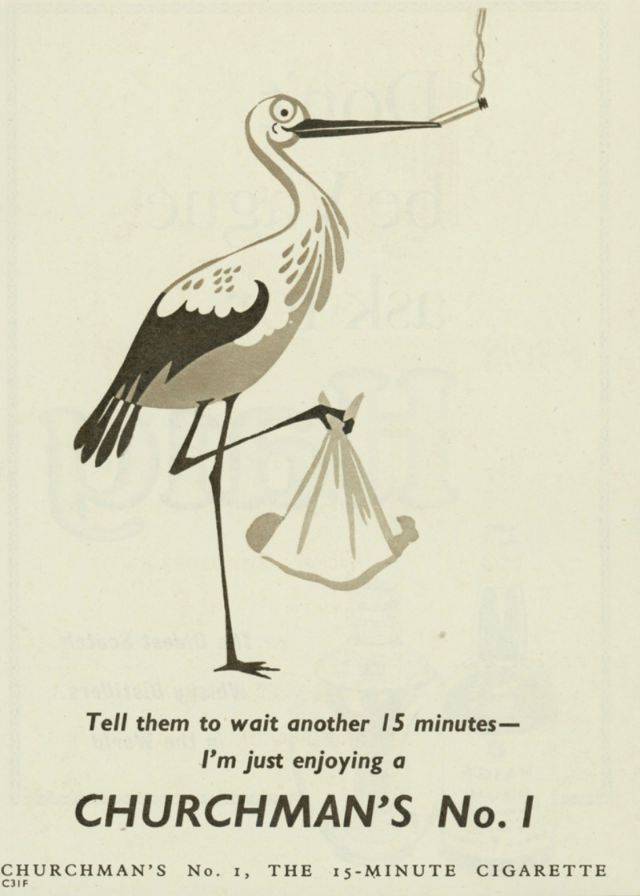
Some ads featured babies held by smoking parents. Others placed infants near cigarette packaging with cheerful slogans. A few implied that a relaxed, smoke-enjoying parent made for a happier home — and therefore a happier child. The messaging varied, but the underlying tactic was the same.
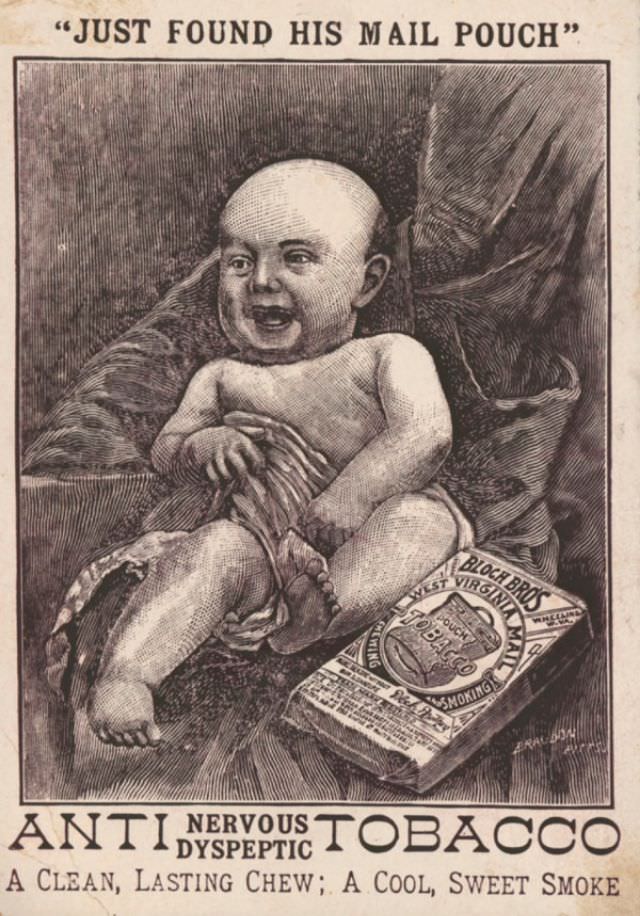
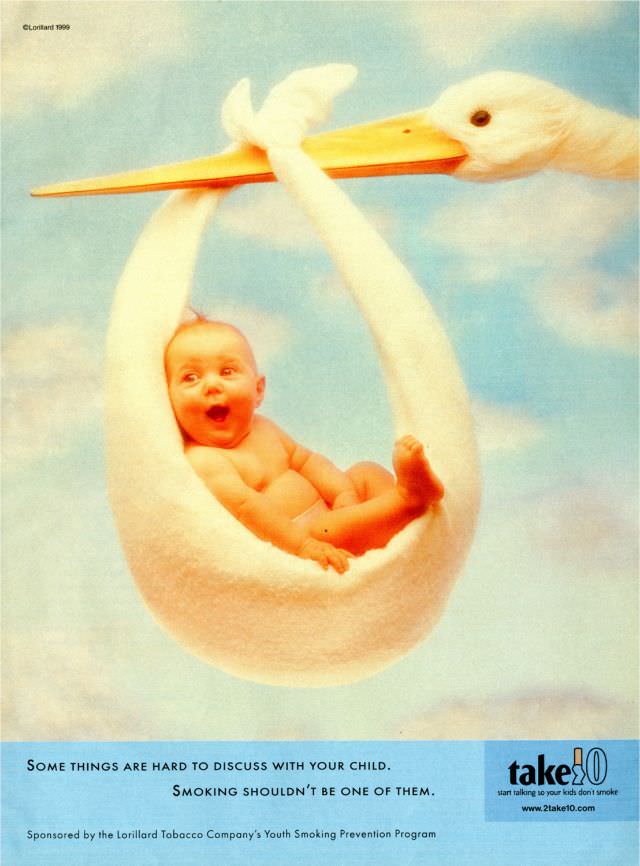
These advertisements are now primary historical documents. They show exactly how far companies were willing to go when left to regulate themselves. The images below are drawn directly from that era — real ads that ran in real publications, seen by real consumers who largely accepted them without question.