
Guatemala sits at the heart of Central America, bordered by mountains, volcanoes, dense forests, and Pacific and Caribbean coastlines. It is also the heartland of the ancient Maya civilization, one of the most sophisticated cultures in human history, known for its advances in mathematics, astronomy, and architecture. Guatemala broke from Spanish colonial rule in 1821 as part of the Mexican Empire, then became a fully independent nation in 1841. By the 1980s, however, the country was deep in one of the most violent chapters of its modern history.
Chilean photographer Marcelo Montecino traveled to Guatemala during this turbulent decade and documented life as he found it — in crowded markets, quiet villages, military checkpoints, and refugee camps. His photographs capture both the warmth of ordinary daily life and the harsh reality of a country at war with itself. Guatemala’s civil war, which ran from 1960 to 1996, reached its most brutal phase in the early 1980s, when the military seized near-total government control for five years. The images Montecino took during this period are a direct and unflinching record of that era.
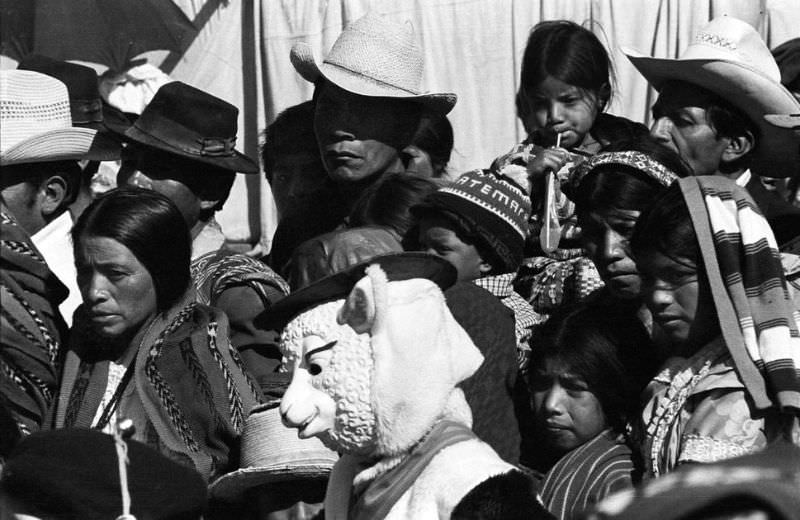
Much of Montecino’s work centered on Chichicastenango, a highland town in the Quiché department known for its large open-air market and its strong Maya-K’iche’ cultural traditions. The town drew traders and locals from across the region, making it a vivid cross-section of Guatemalan rural life. These first photographs from 1982 capture the mood on its streets.
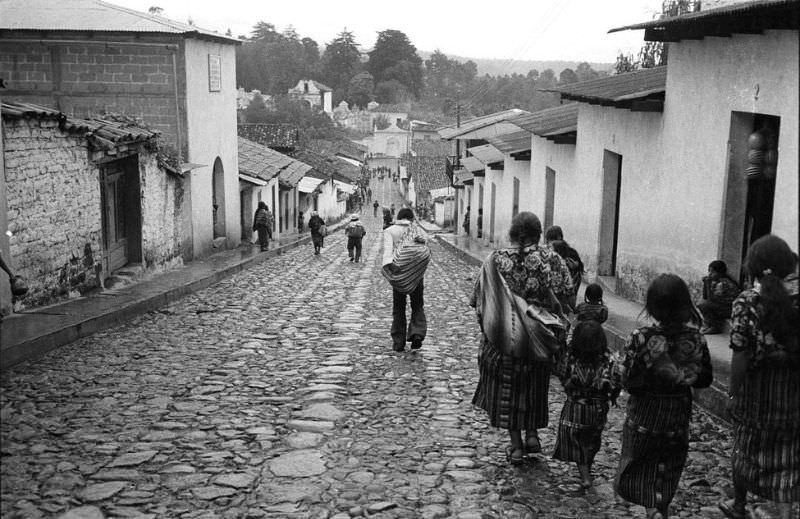
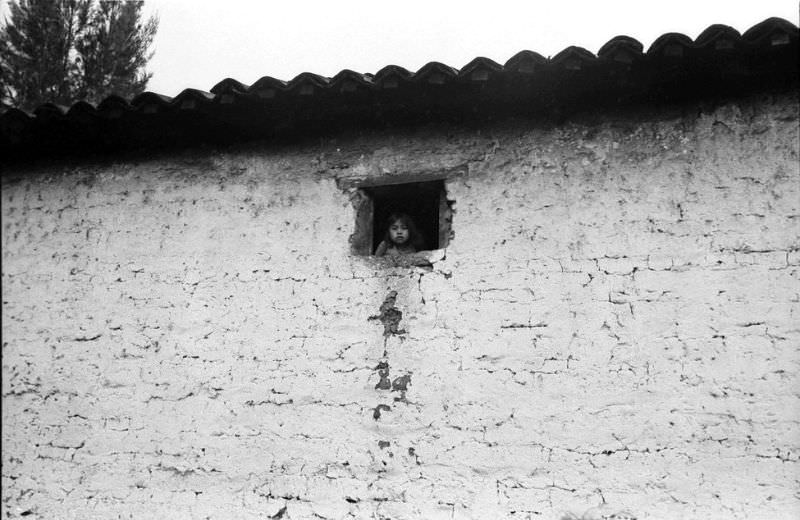
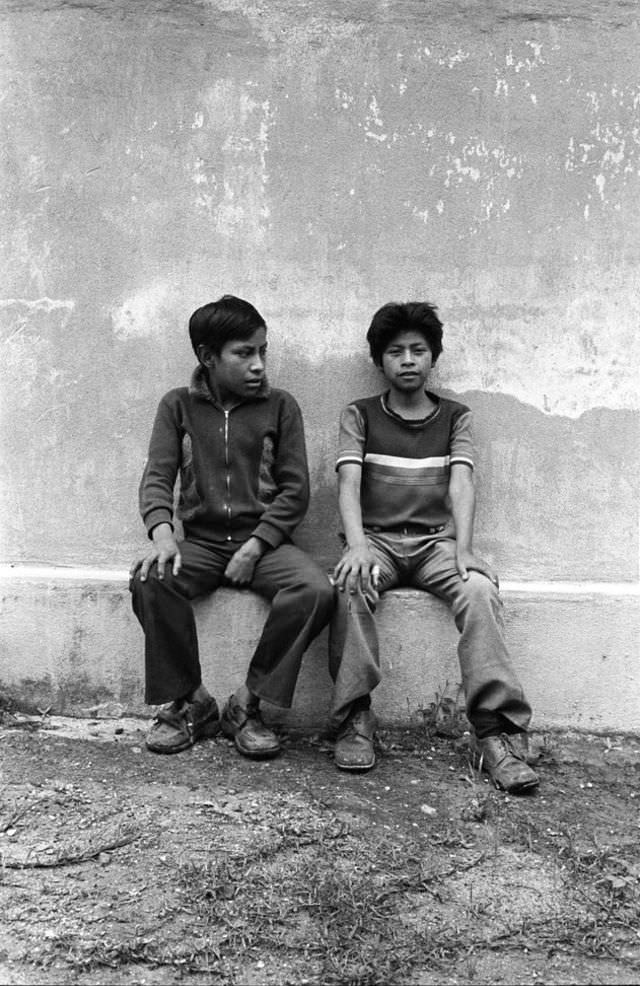
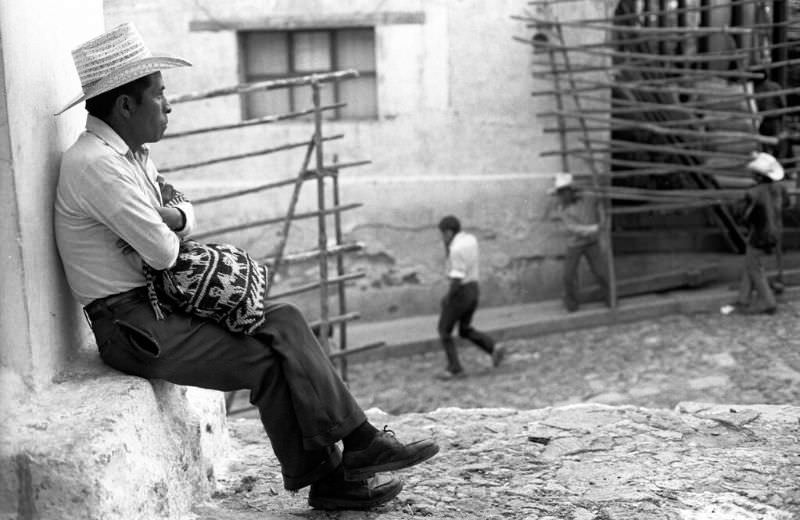
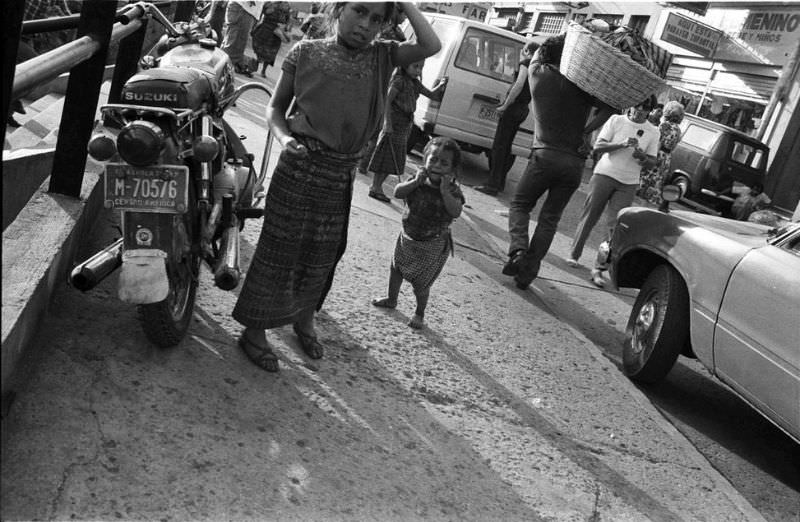
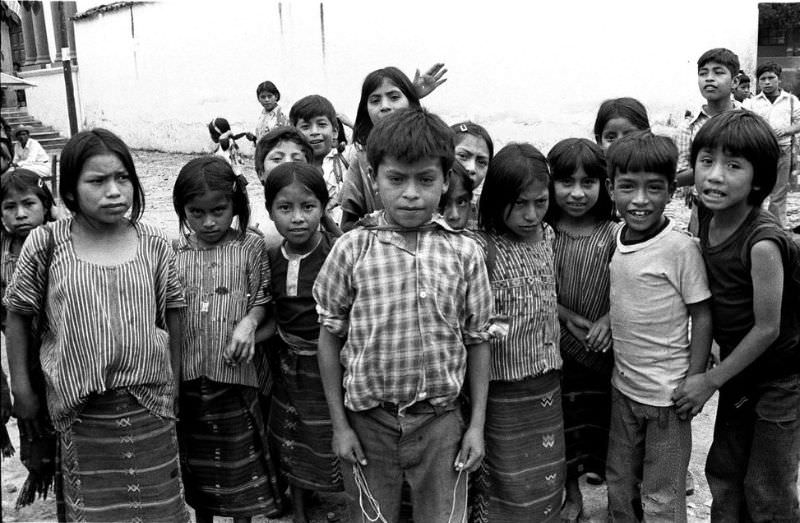
Children were a constant presence in the streets and markets of Chichicastenango. Life continued around them despite the wider conflict — vendors set up stalls, neighbors stopped to talk, and the rhythms of daily commerce carried on. Street scenes from both 1982 and 1984 show a town that maintained its identity even under pressure.
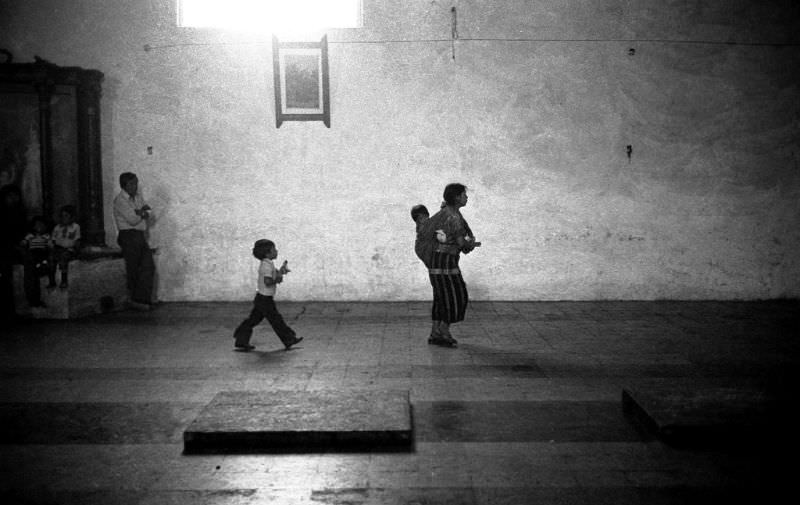
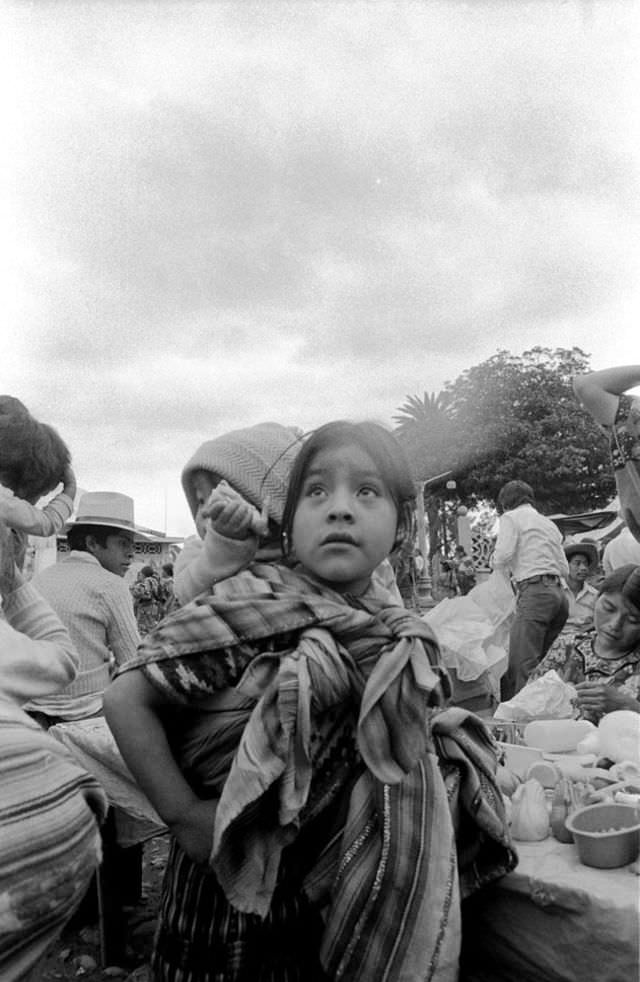
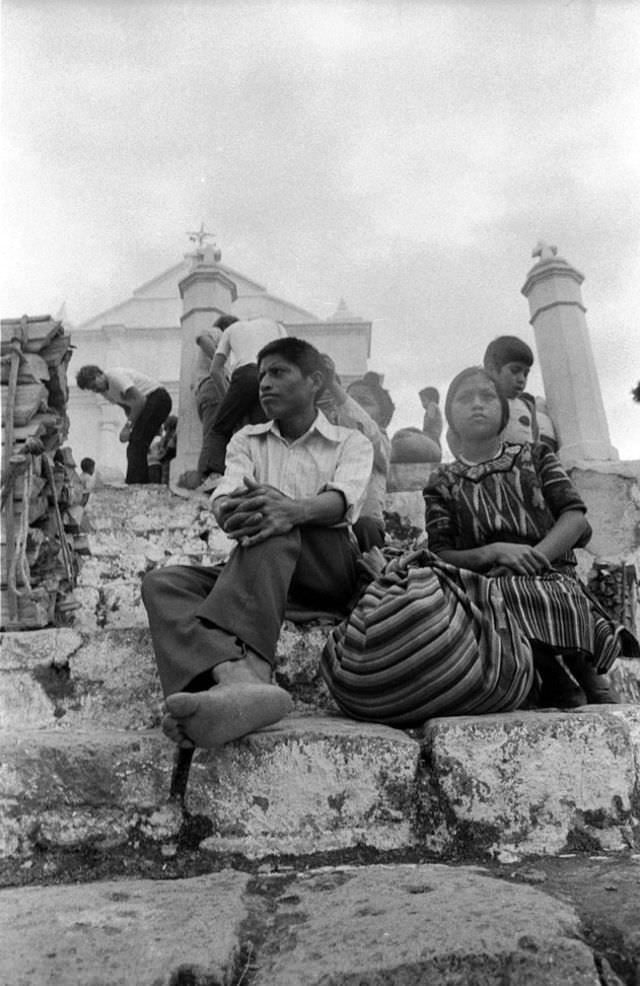
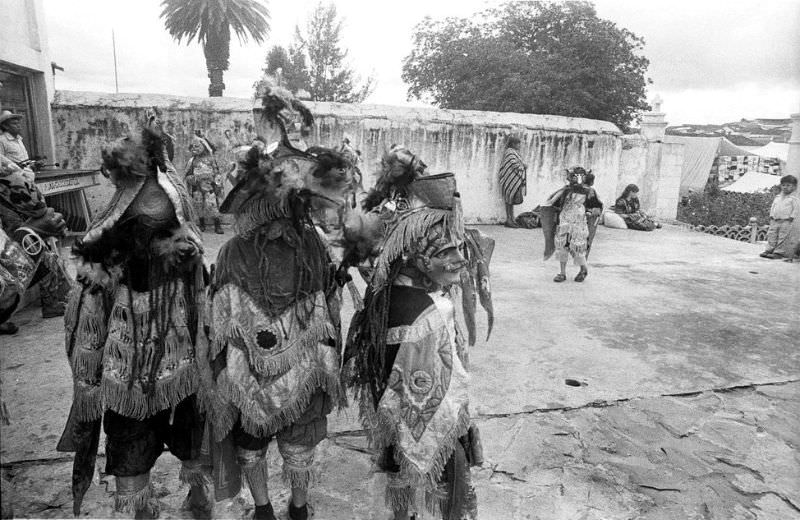
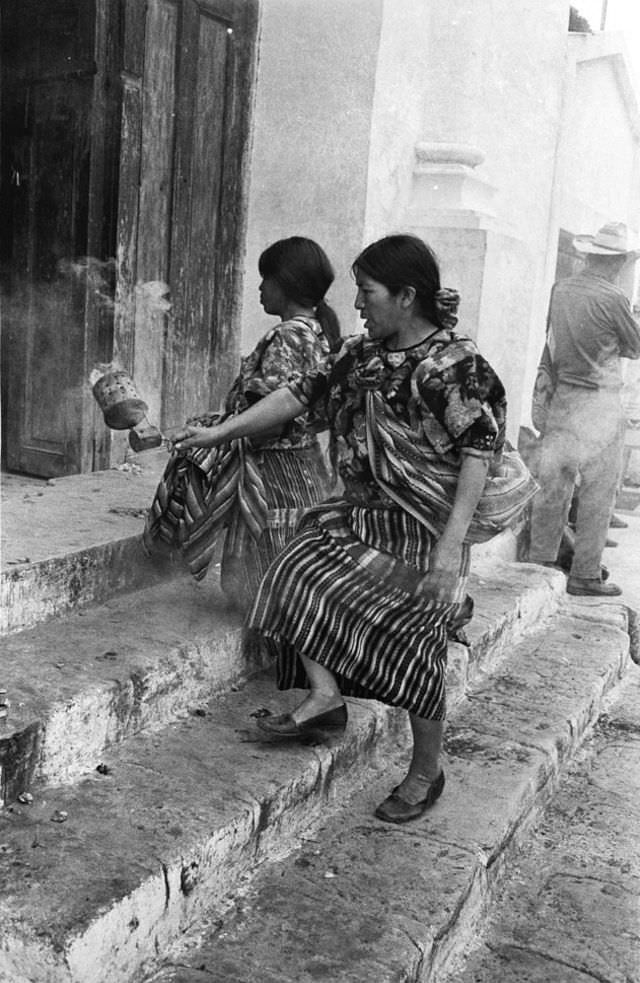
Religion played a central role in Chichicastenango. The town is famous for blending Catholic and Maya spiritual practices in a way that is unique even within Guatemala. The Church of Santo Tomás, built in the 1500s on top of a Maya altar, remained an active center of worship. Locals performed devotions on its steps using incense and candles, continuing centuries-old rituals alongside Catholic mass.
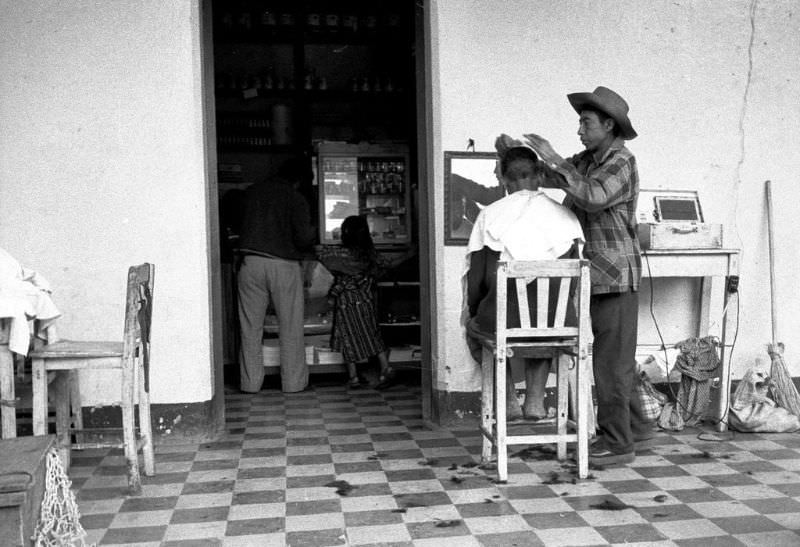
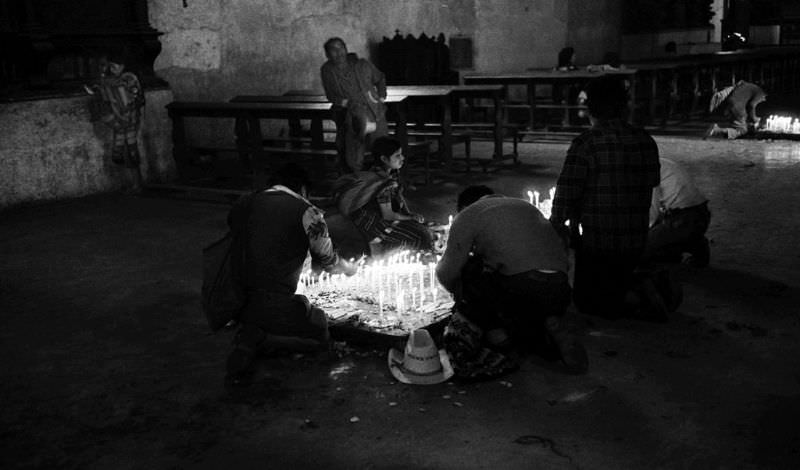
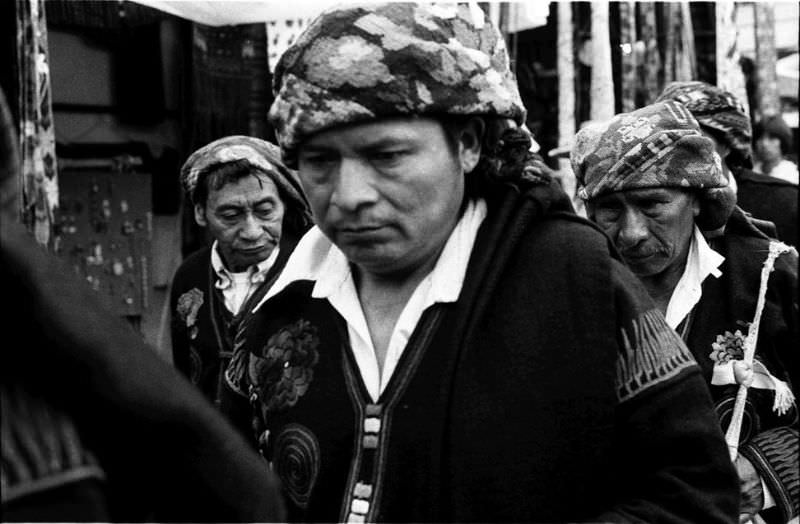
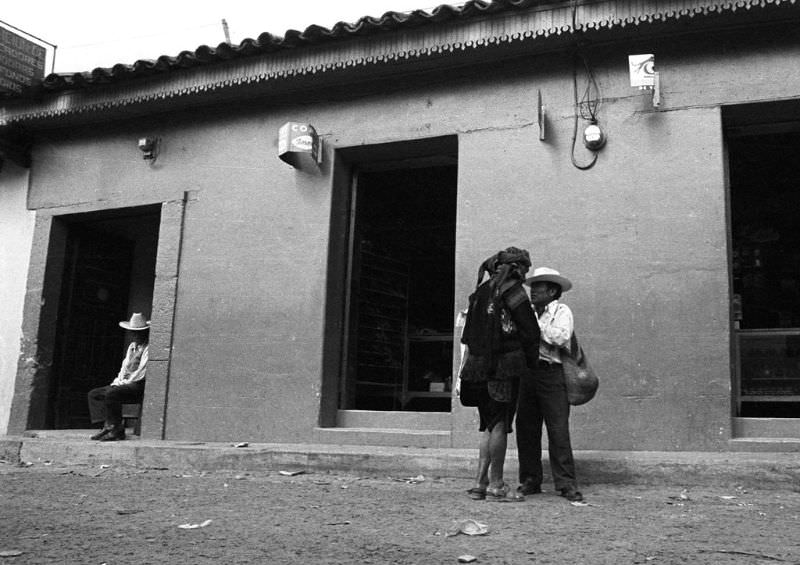
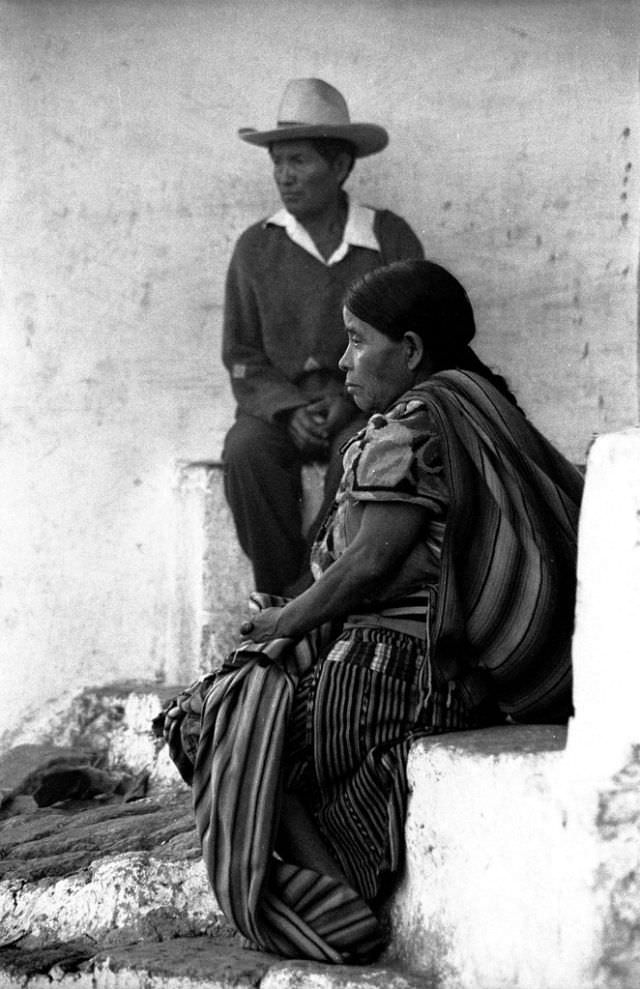
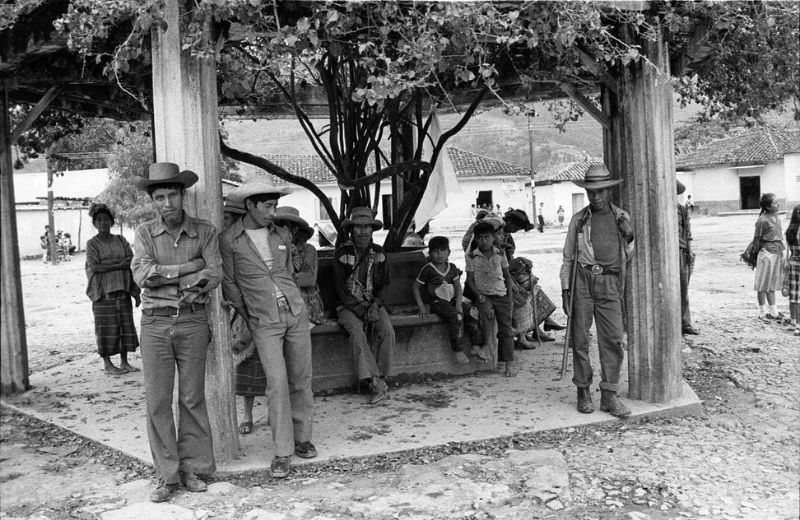
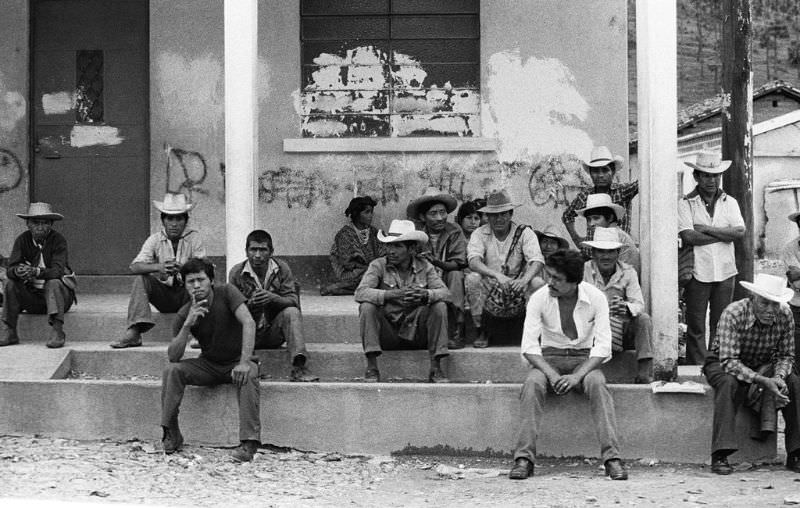
Community leadership in Chichicastenango was held in part by the Cofrades — elders who carried both civil and religious responsibilities within the town. They organized festivals, maintained traditions, and served as a bridge between local culture and official governance. Montecino photographed them alongside everyday social scenes: neighbors chatting, friends gathering, and residents going about their business.
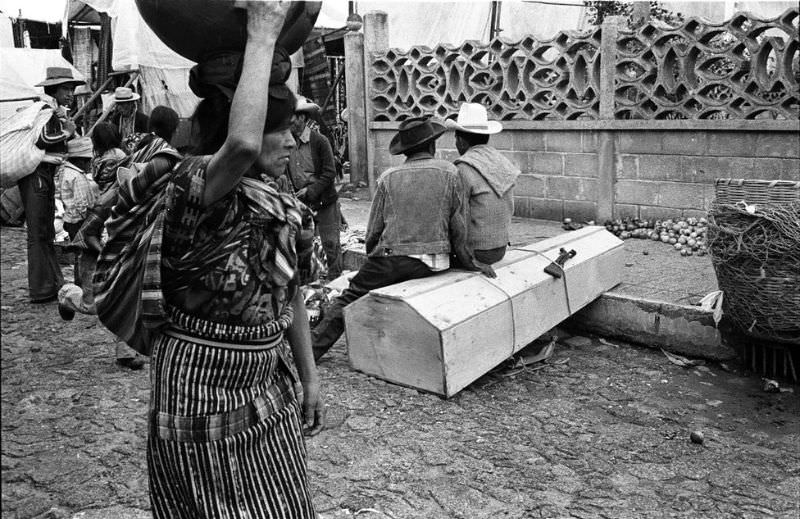
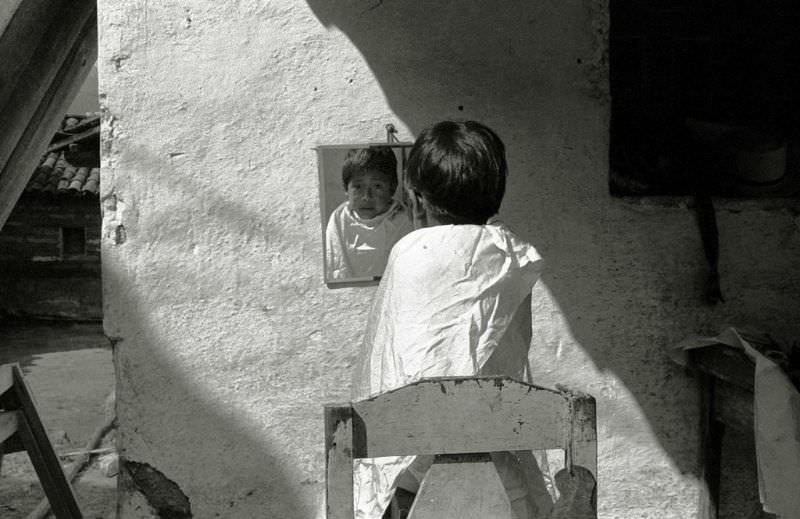
Simple services like haircuts took place in open-air settings. The market was central to the town’s economy, drawing buyers and sellers from surrounding villages. When the trading day ended, vendors packed up their goods and cleared the square — a routine that played out every week regardless of what was happening beyond the town’s borders.
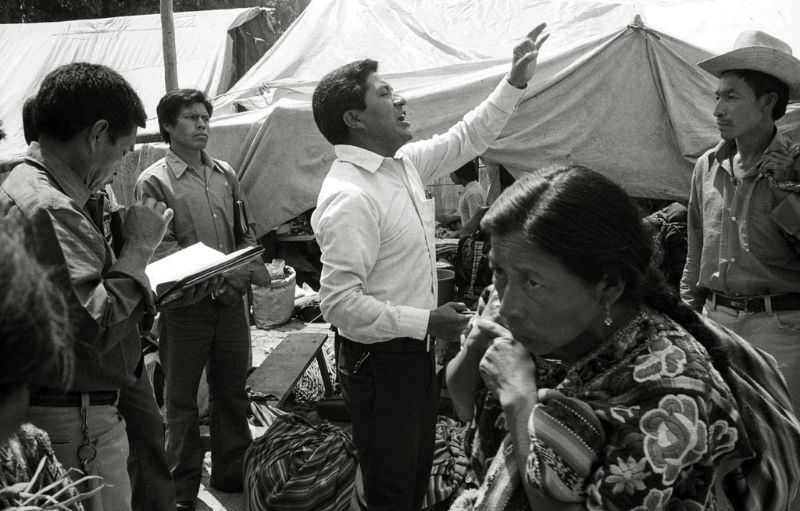
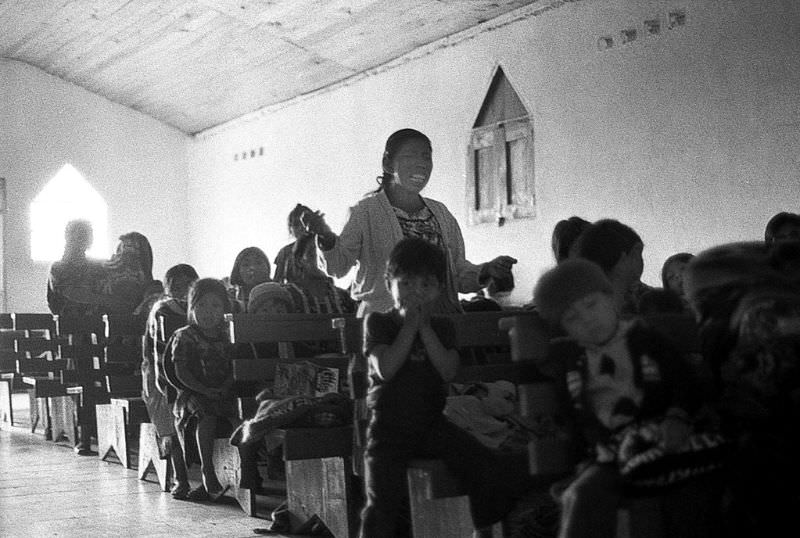
Evangelical Christianity was growing rapidly across Guatemala during the 1980s. Street preachers became a common sight, and Montecino captured one at work in Chichicastenango in 1984. This religious shift was happening across Latin America at the time, with Evangelical congregations expanding especially fast in rural and Indigenous communities.
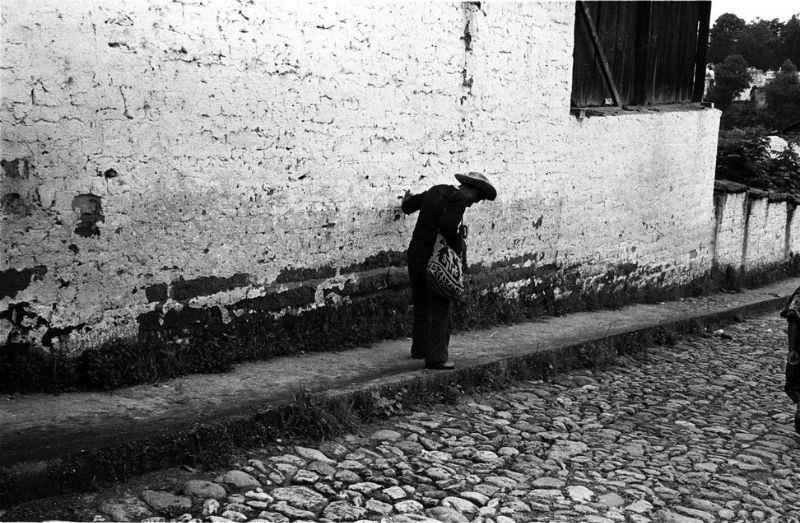
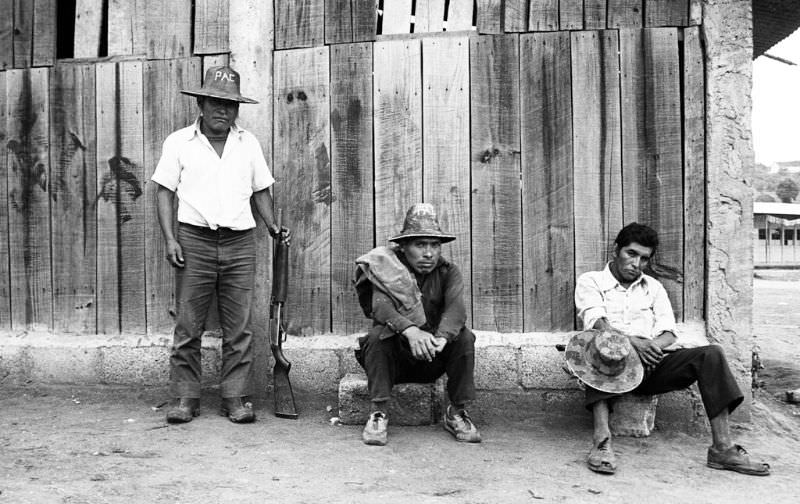
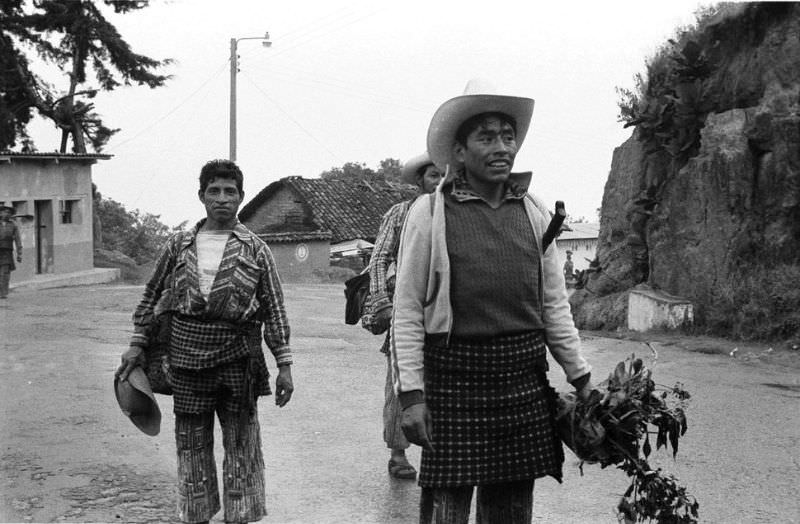
Beyond Chichicastenango, Montecino documented the military’s grip on the broader country. One of the most controversial tools of that grip was the Civil Defense Patrols, known in Spanish as the Patrullas de Autodefensa Civil. The military organized these patrols from local men — many of them Indigenous — and forced them to guard their own villages against guerrilla activity. Men who refused risked being labeled as guerrilla sympathizers.
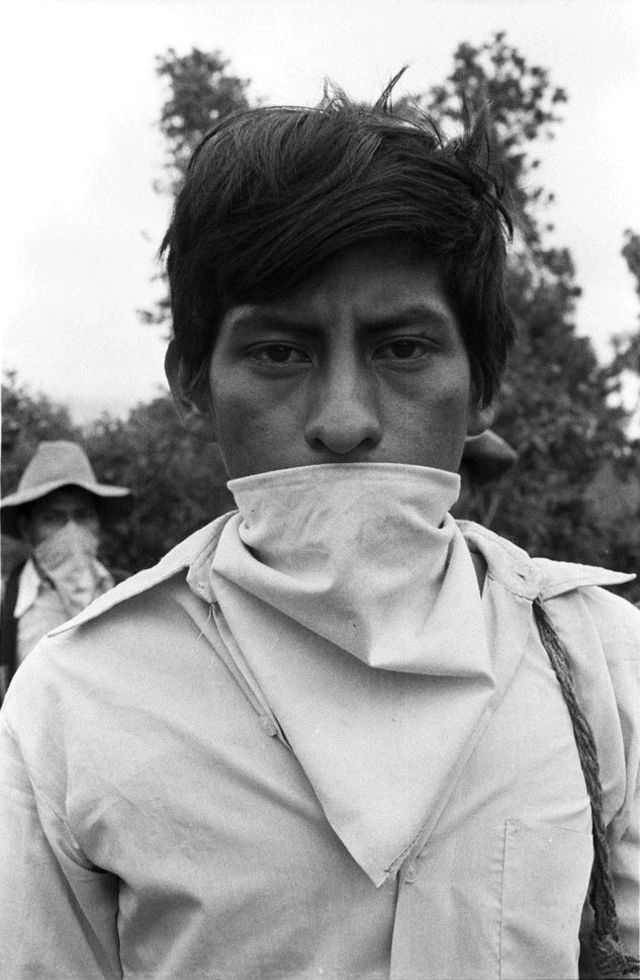
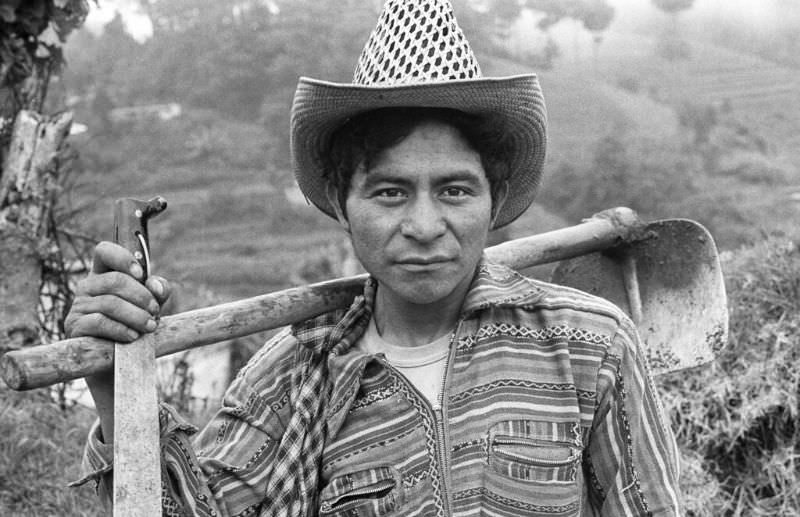
Evangelical gatherings spread visibly into public spaces across Guatemala during this period. Meanwhile, farmers continued working the land. Agriculture was the backbone of rural Guatemala, and highland farmers grew maize, beans, and other staple crops on steep hillsides using traditional methods passed down through generations.
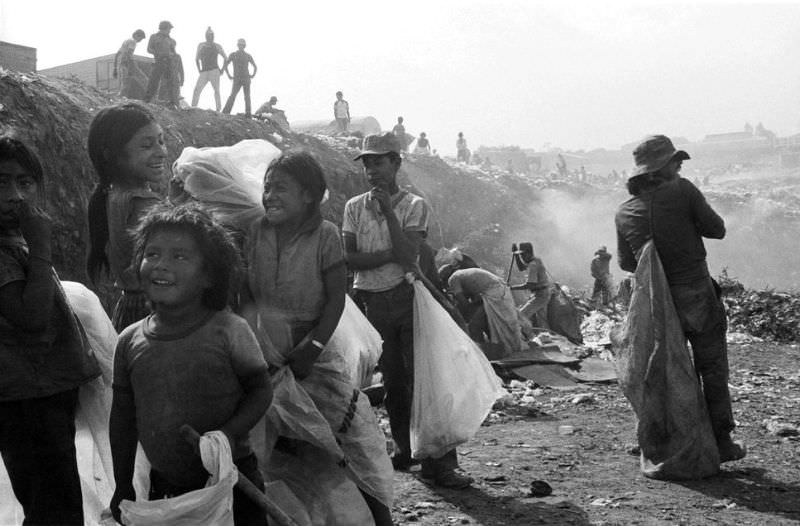
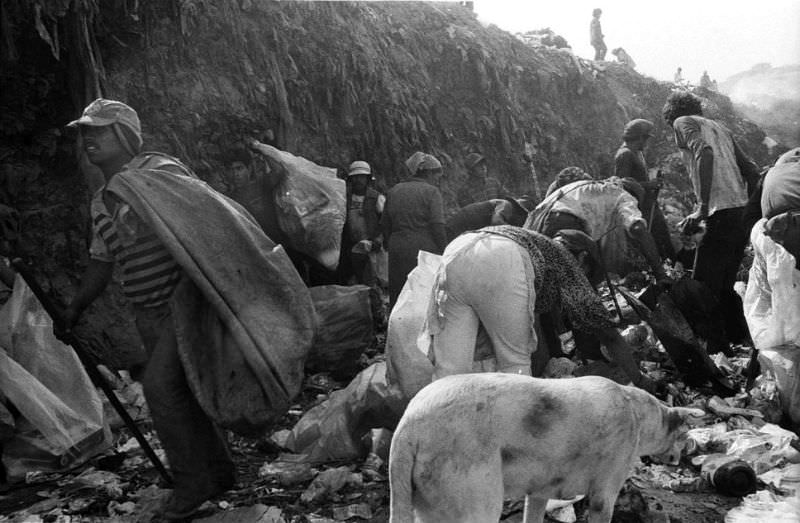
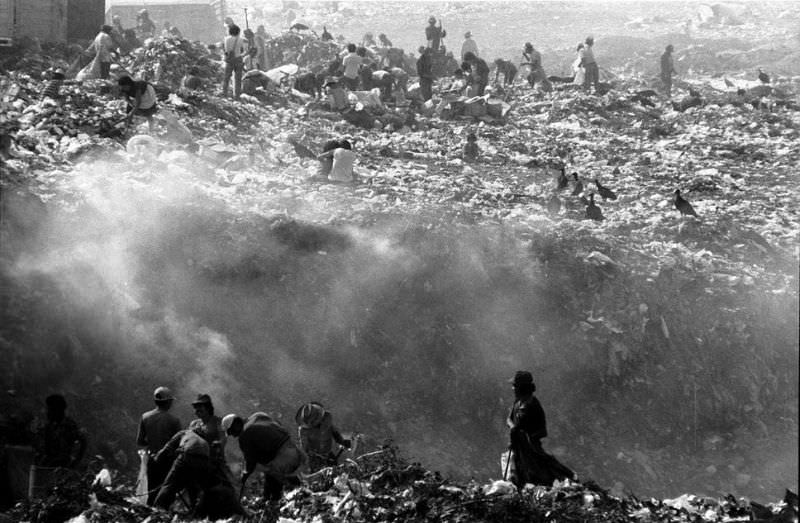
In Guatemala City, garbage workers carried out their daily rounds — collecting waste from the capital’s streets in the late 1980s. Their work was physically demanding and low-paid, reflecting the wider economic inequality that defined urban life in Guatemala at the time.
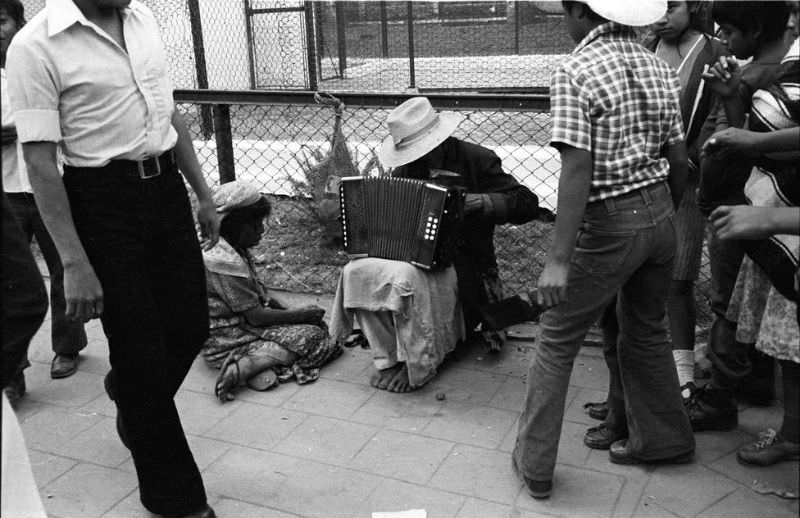
Street scenes from 1982 and 1986 show the country’s urban spaces during a time of deep political uncertainty. Guatemala had returned to a nominal civilian government in 1986 after years of military rule, but the war was far from over and its effects were visible everywhere.
The Kaibiles were Guatemala’s elite special forces unit, trained in jungle warfare and counterinsurgency. Montecino photographed them in Huehuetenango in 1982 — a northwestern department that saw some of the heaviest fighting of the civil war. The Kaibiles were known for extreme brutality and were later implicated in war crimes, including the massacre of civilians in the Ixil region.
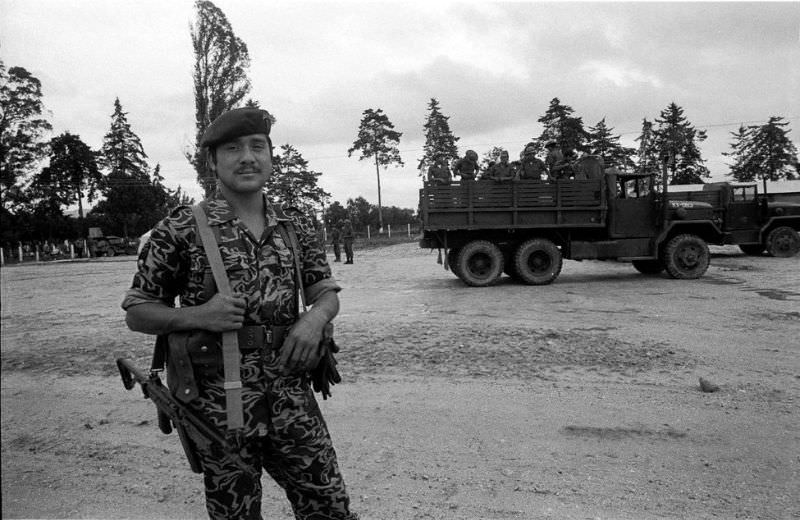
One of the most disturbing dimensions of the civil war was the military’s use of Indigenous communities against each other. The Civil Defense Patrols in some cases were used to carry out violence against neighboring villages, turning members of the same ethnic groups into instruments of state terror. Montecino documented this reality directly.
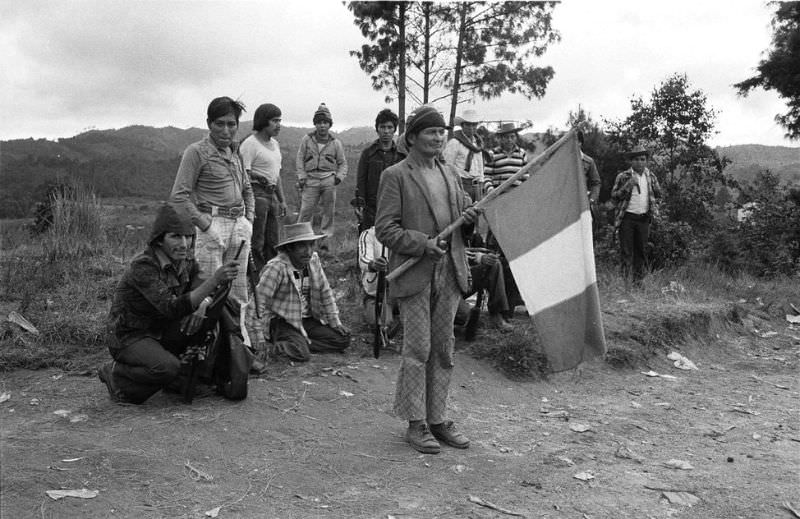
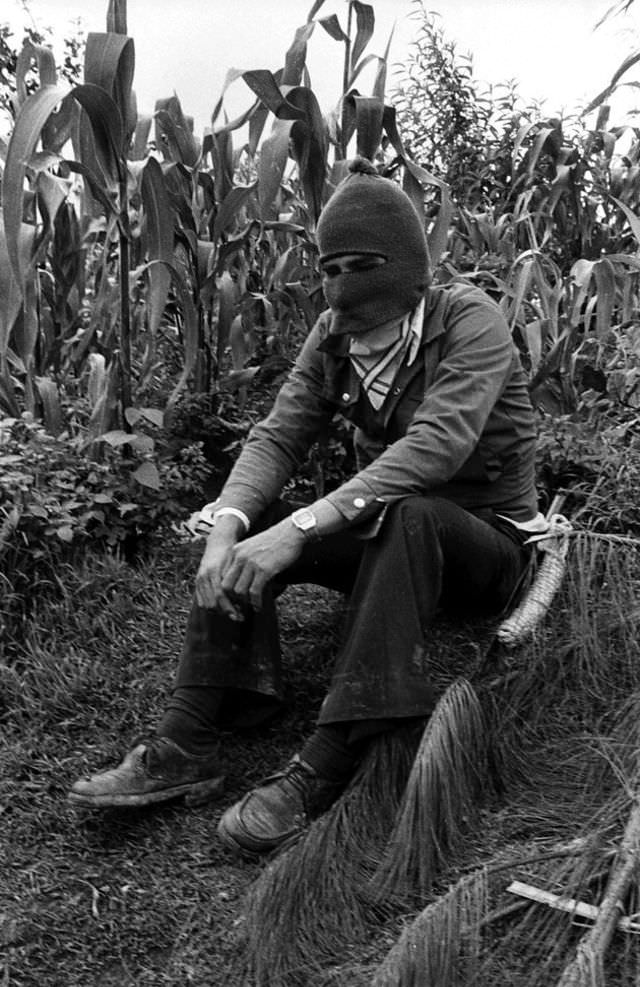
Despite the war, community celebrations continued. Patron Saint’s Day festivals — held in honor of each town’s Catholic patron saint — brought communities together for processions, music, and prayer. These events were deeply local and deeply personal, a way for communities to maintain a sense of identity and continuity.
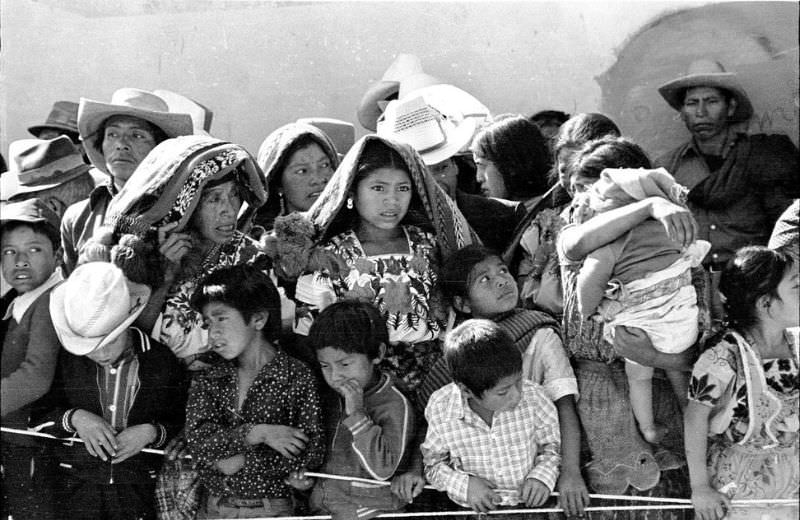
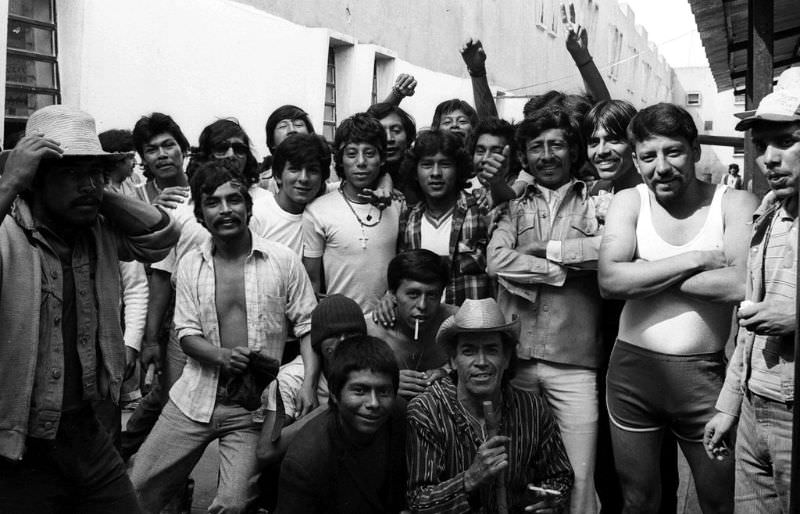
Pavón Prison in Guatemala City was one of the country’s most notorious detention facilities. By the 1980s, it was severely overcrowded, and inmates largely governed the internal operations of the prison themselves. Montecino photographed conditions inside in 1984, providing a rare look at a facility that rarely received outside scrutiny.
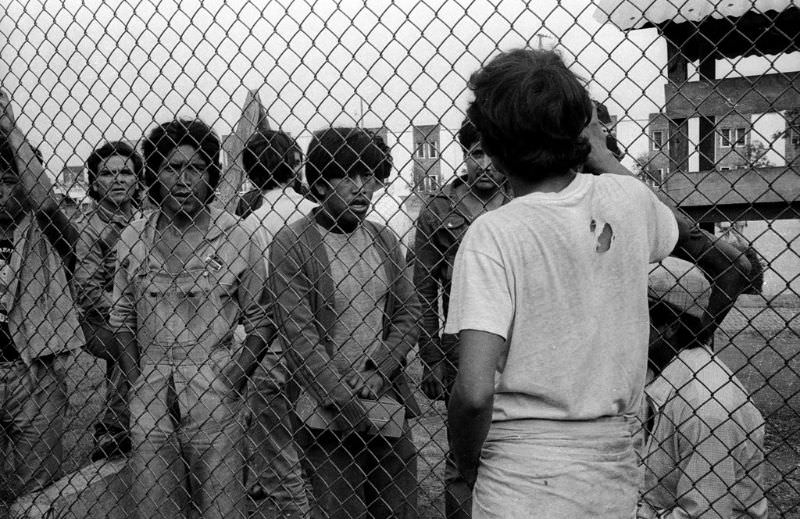
The Ixil Triangle — a highland region in the Quiché department — was one of the areas hardest hit by the military’s scorched-earth campaigns of the early 1980s. Hundreds of villages were destroyed and tens of thousands of Indigenous Maya people were displaced. Montecino visited refugee camps in the Ixil Triangle in 1984, documenting the people who had survived and were living in desperate conditions.
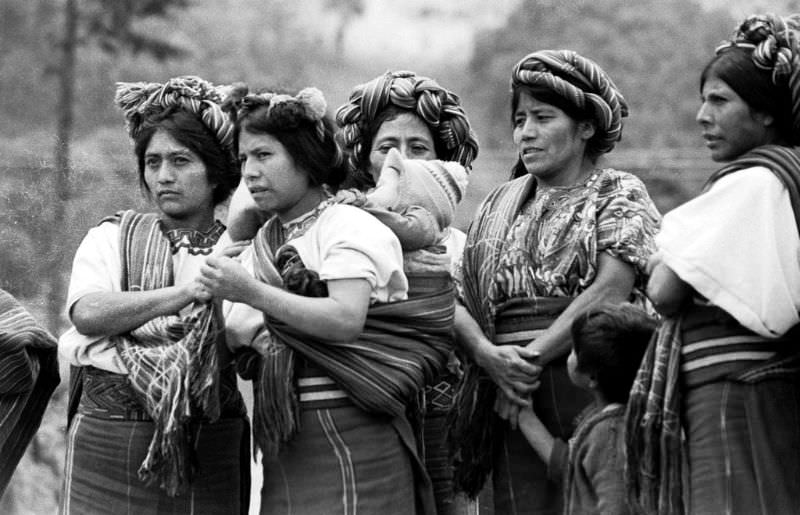
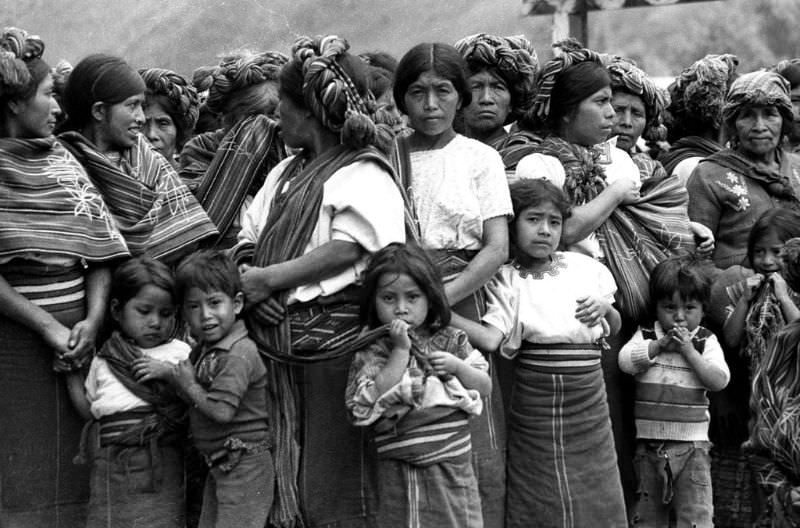
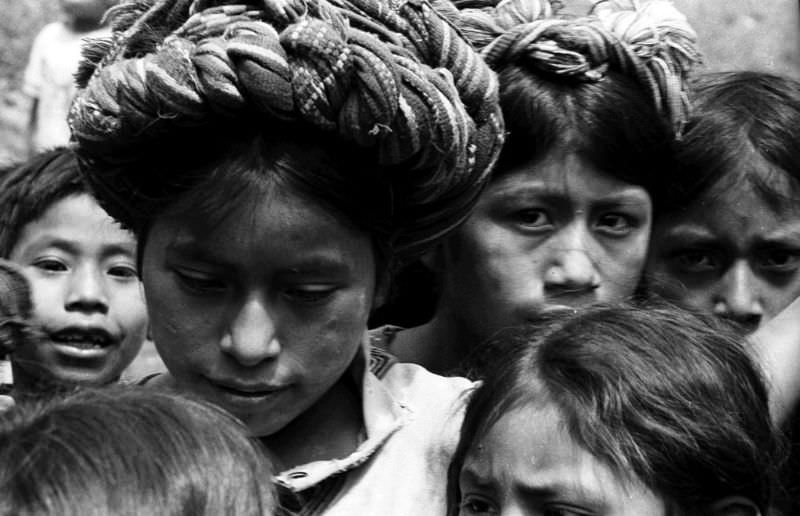
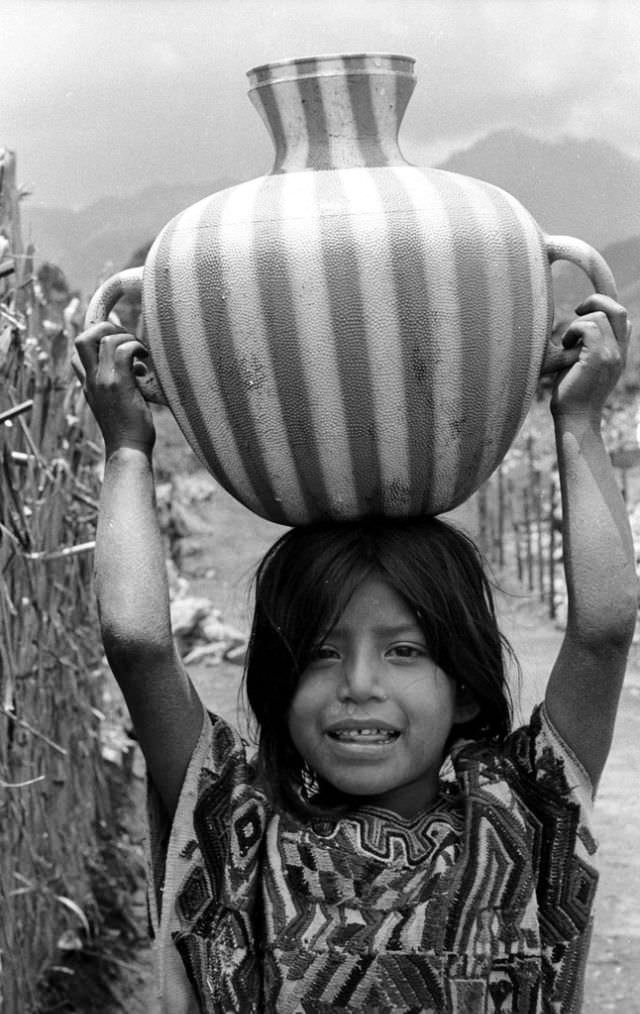
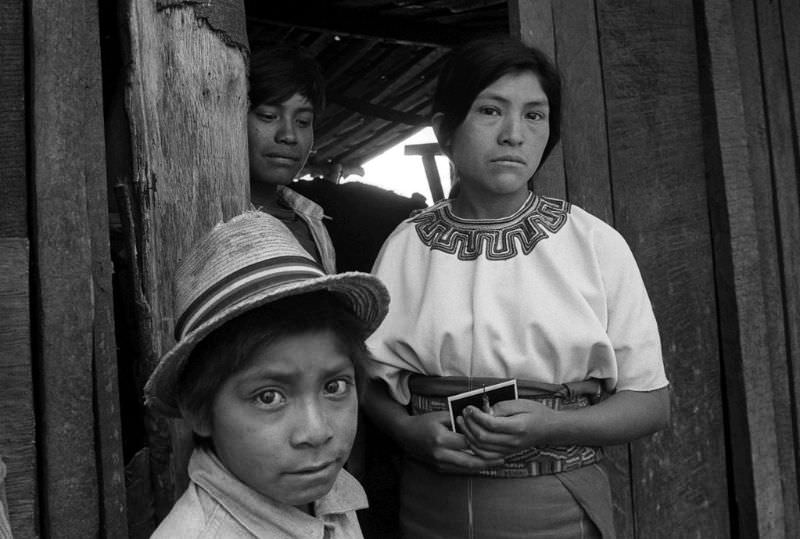
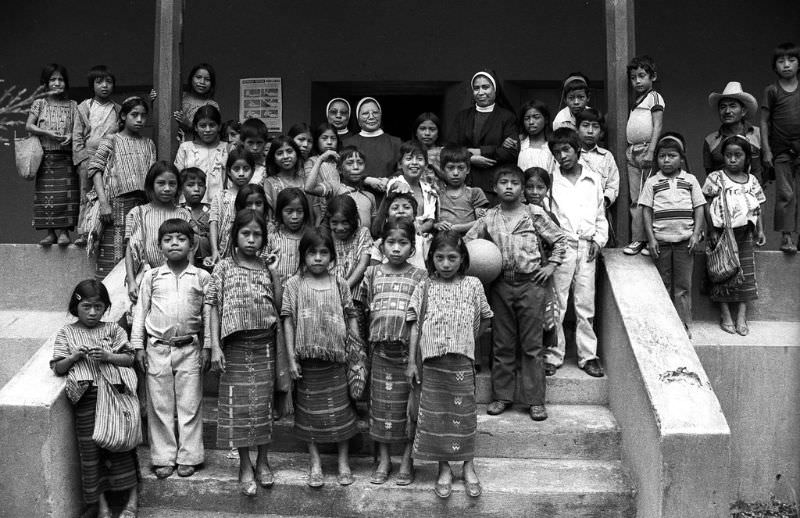
Even in wartime, rural schools operated where they could. A 1982 photograph shows children at a rural school — a reminder that education remained a priority for families who had survived the violence. Alongside formal learning, everyday social life carried on: neighbors talked, gossip spread, and communities processed what was happening around them.
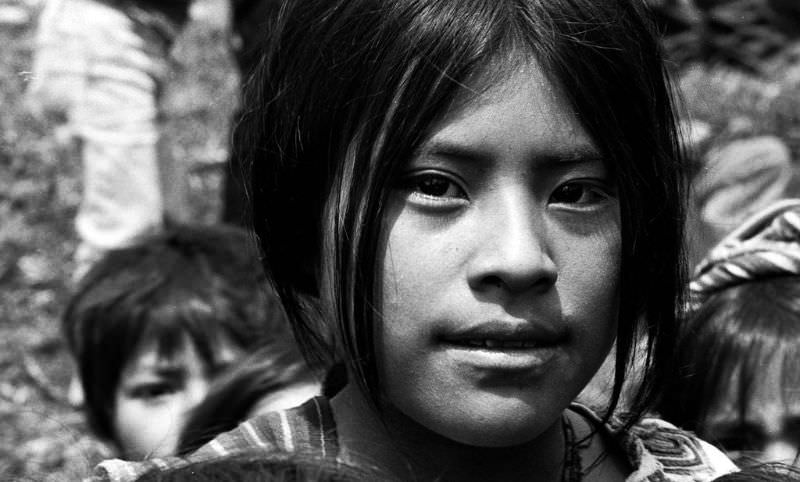
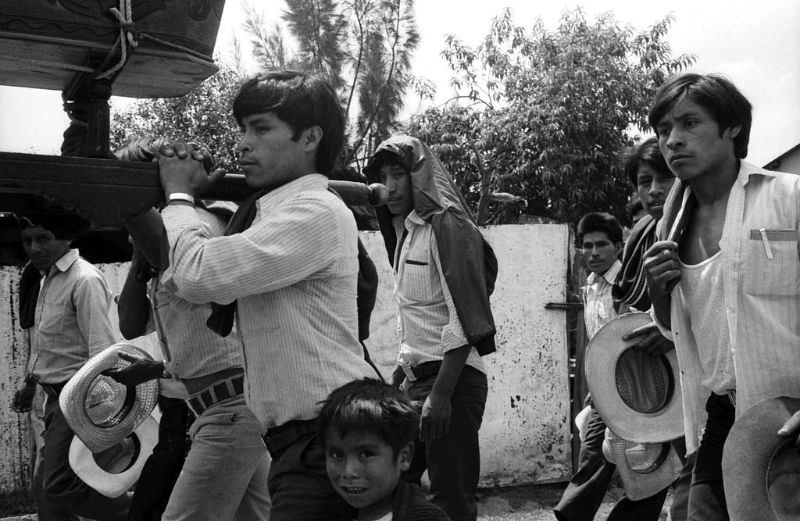
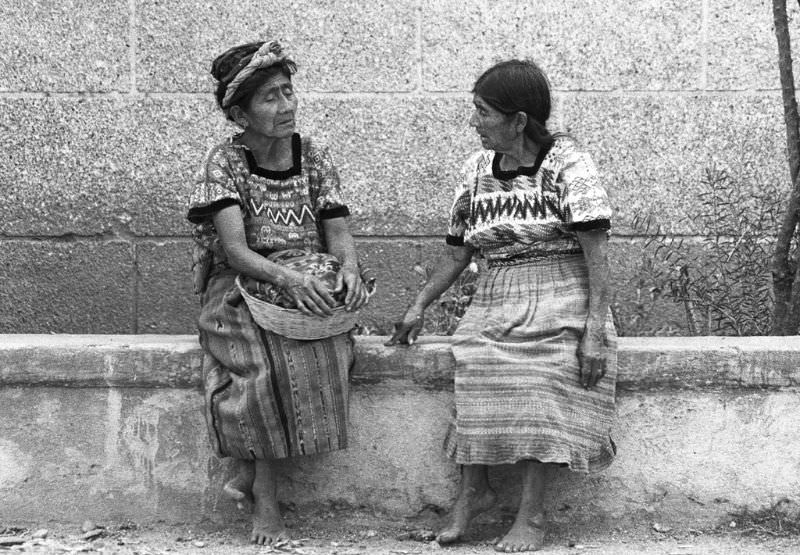
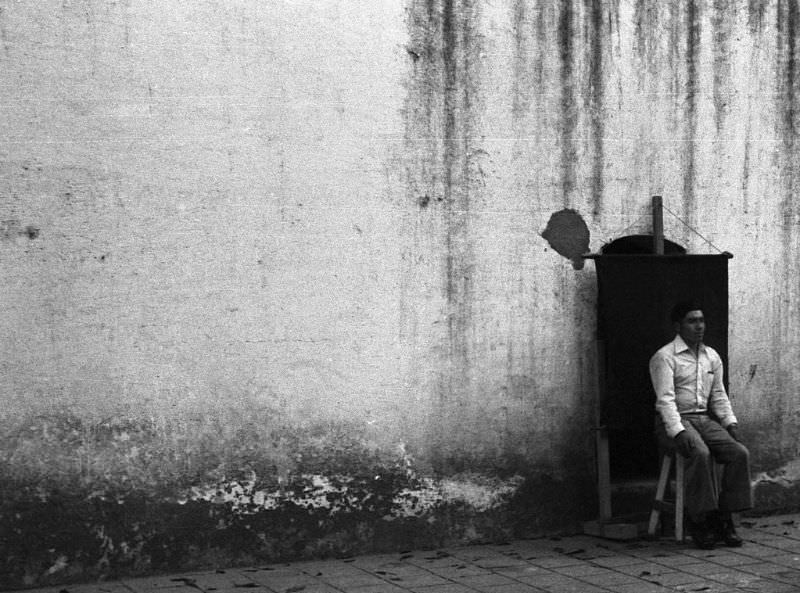
Funerals were a recurring feature of life in Guatemala during this decade. Death from the war, from poverty, and from disease was common. A 1984 photograph captures one such funeral — a solemn gathering against the backdrop of a country still at war. Elsewhere, the quieter rhythms of village life played out: a conversation in the street, a portrait of a local resident.
The military’s occupation of villages was a defining feature of the conflict’s peak years. Soldiers moved into communities, controlled movement, and monitored residents. Montecino photographed occupied villages in 1982, showing soldiers alongside the civilians who now lived under direct military surveillance. These images make plain what ‘counterinsurgency’ looked like at the ground level.





Pictures of Chichi and rural Guatemala could have been taken yesterday or forty years ago.
The same thought crossed my mind. It is even more intriguing.
It is also depressing. Poverty levels have not decreased.
Unfortunately, that’s pretty much all of Latin America.