Before highways were crowded and car dealerships lined every street, selling an automobile was a strange and unfamiliar task. Nobody really knew what a car was for, who should buy one, or why it was worth the money. The men tasked with writing those first advertisements had to start from scratch — and what they produced over the following five decades became some of the most visually striking commercial art ever made.
The very first automobile advertisement in the United States ran in an Ohio newspaper in 1898. It promoted the Winton Motor Carriage, and its headline cut straight to the point: “Dispense with a Horse.” There was no flowery language, no artistic illustration. The ad simply told readers that the Winton could travel at 20 miles per hour, cost little to maintain, and produced no odor — a direct dig at horses. For 1898, those were genuinely compelling selling points.
In those early years, cars were rare on the road. They were expensive to buy, expensive to run, and required at least one trained mechanic to keep them working. Ownership was limited almost entirely to the wealthy. As a result, early car advertising didn’t try to speak to everyone — it spoke to a very specific kind of buyer. The target was someone who attended parties, who wanted to be seen arriving in something impressive, and who had the money to maintain the image that came with it.
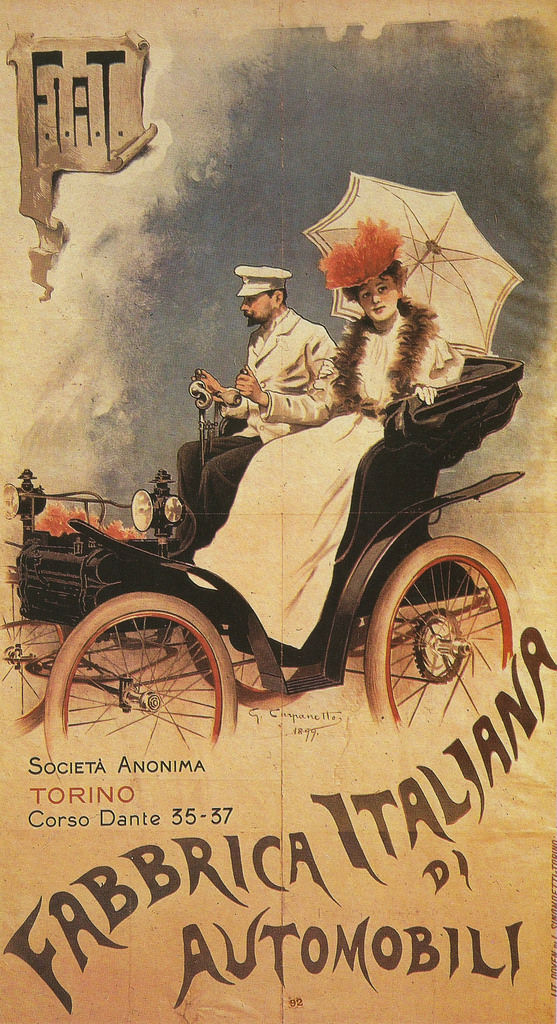
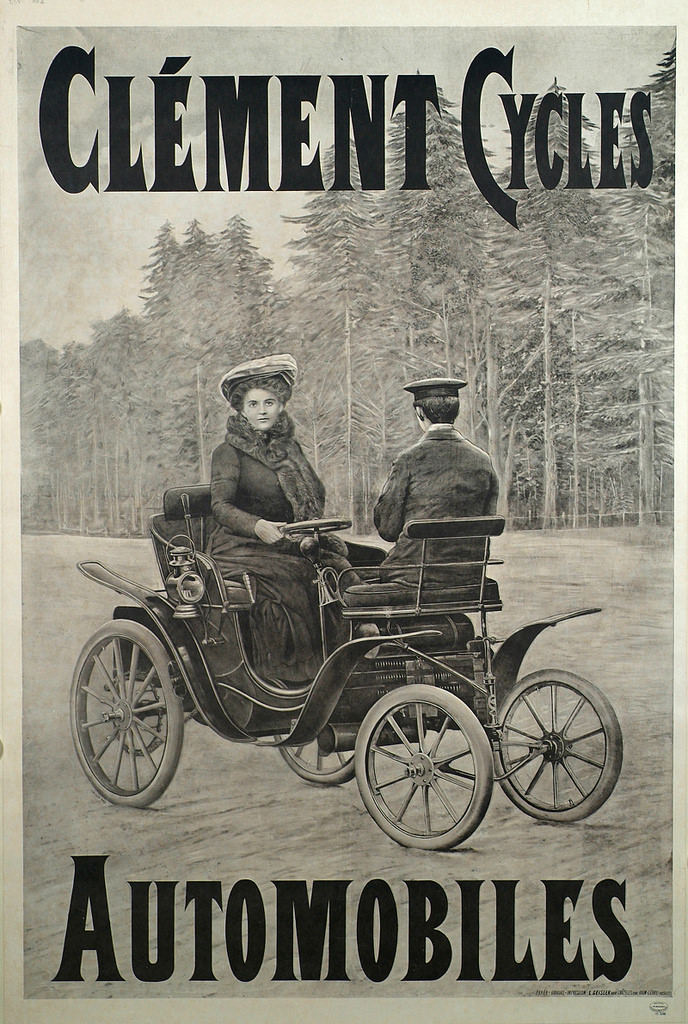
European manufacturers were equally eager to showcase their machines. Brands like Fiat, Clément, and Citroën produced early advertisements that ranged from simple product listings to bold illustrated posters. By 1905, some European car ads already carried a sense of elegance and movement, reflecting the excitement people felt about motorized travel. These weren’t just ads — they were announcements that a new era had arrived.
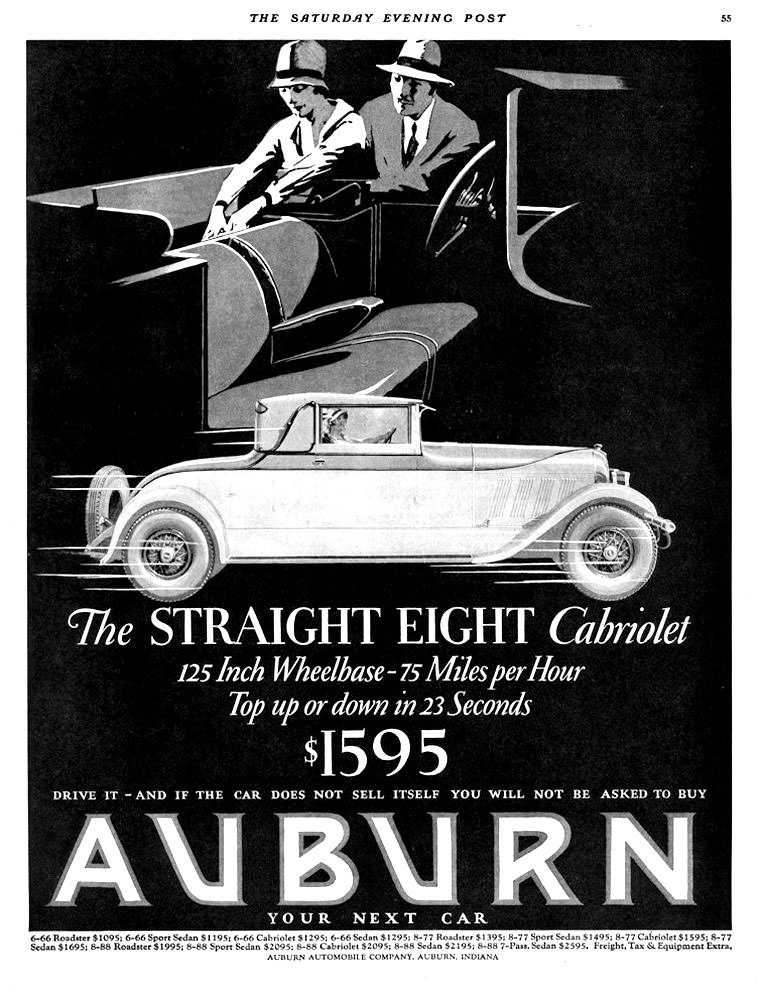
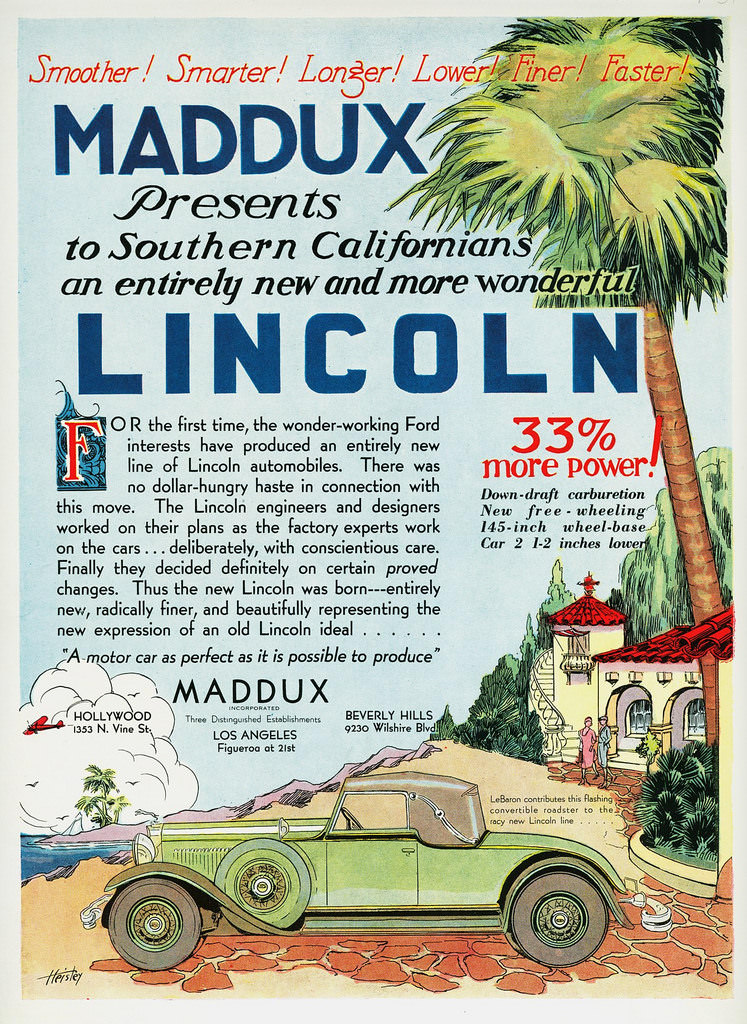
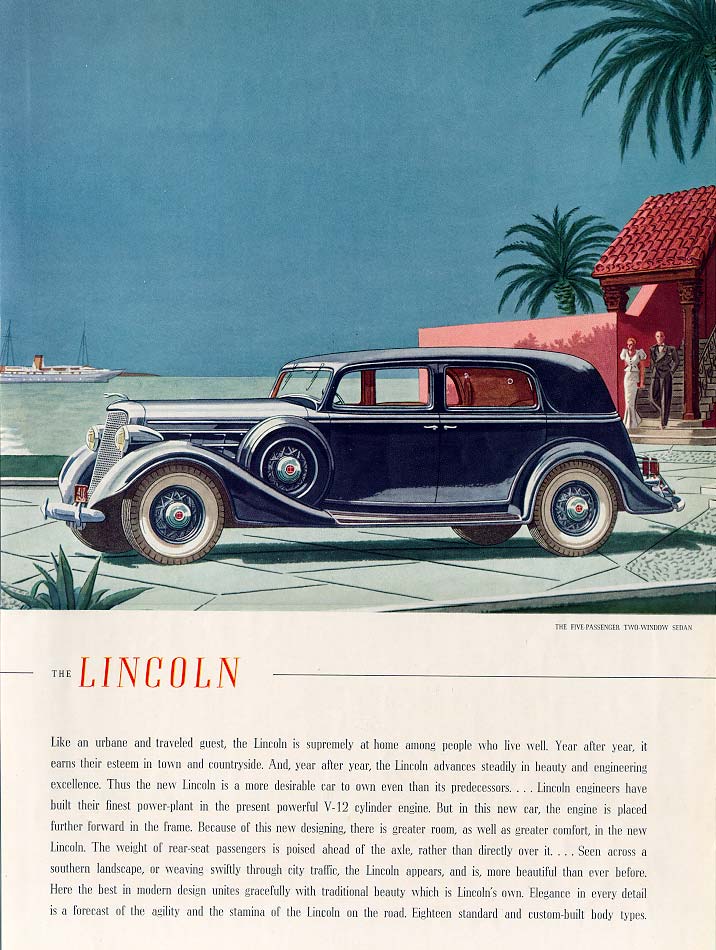
As mass printing improved through the 1910s and 1920s, car advertisements became more polished and more ambitious. Art Deco arrived as the dominant visual style of the era, bringing bold geometry, rich colors, and a sense of speed and modernity. Car brands embraced it fully. Even Henry Ford, who famously declared in 1912 that Ford advertising would never try to be clever, found it impossible to ignore the pull of beautiful design. Lincoln — Ford’s luxury brand — produced some of the most striking Art Deco automotive images of the period.
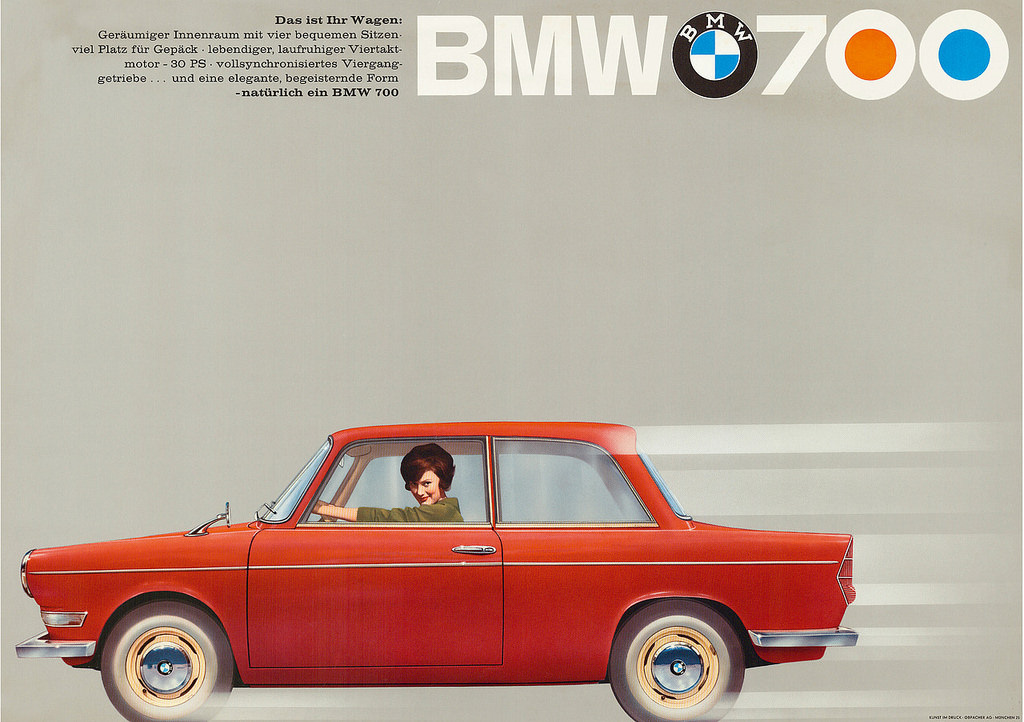
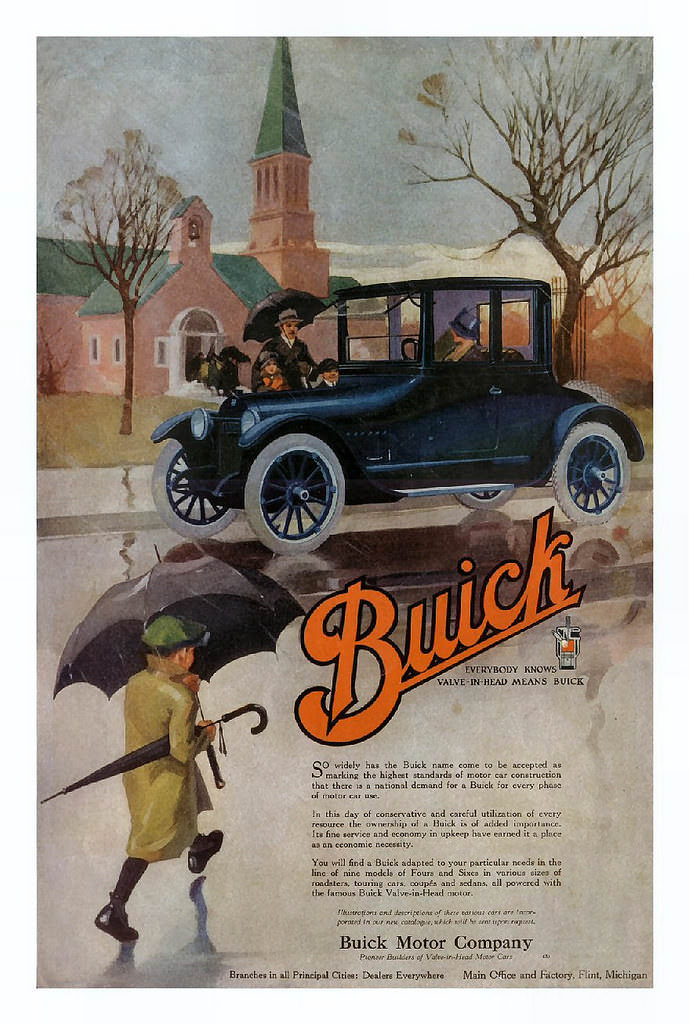
Buick was among the early American brands that leaned heavily into aspirational imagery. A 1918 Buick ad wasn’t just selling a car — it was selling a lifestyle. The illustrations placed vehicles in settings of wealth and leisure, reinforcing the idea that owning this car meant belonging to a higher social class. That formula proved durable. It would be recycled and refined by nearly every major automaker for decades.
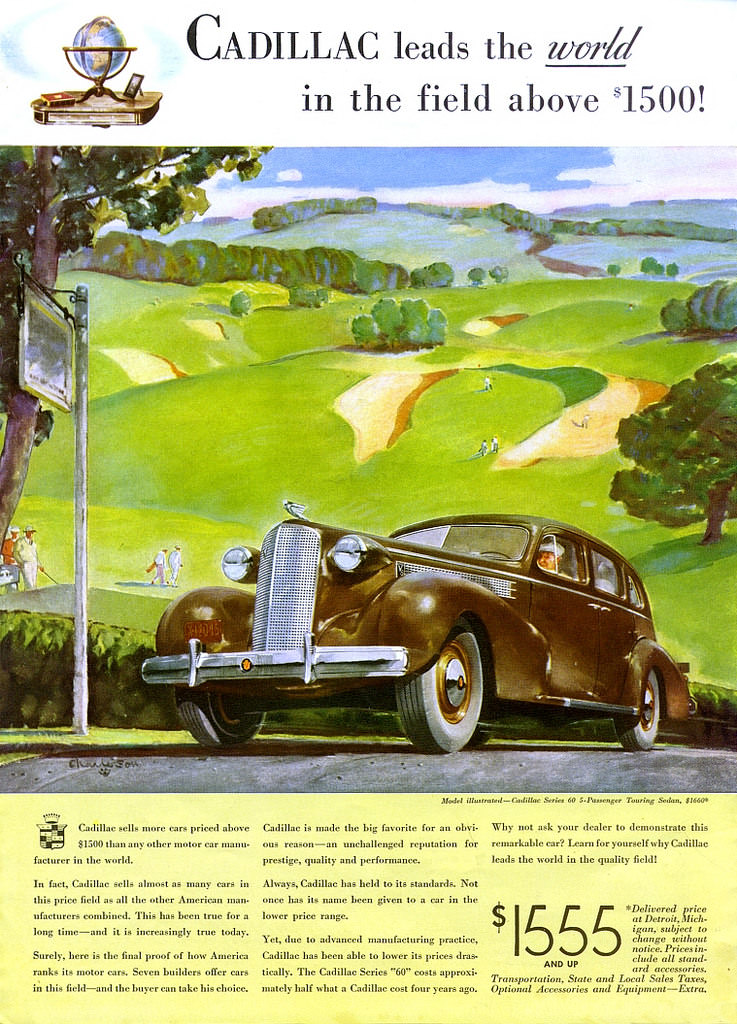
Cadillac took the luxury angle even further. By the 1930s, Cadillac advertisements were less about the mechanics of the car and more about the statement it made. A 1931 Cadillac ad presented the car as a status symbol, almost an object of art, positioned against backdrops that suggested wealth, travel, and refinement. The copy was restrained and confident — the kind of writing that assumed the reader already understood why Cadillac was the right choice.
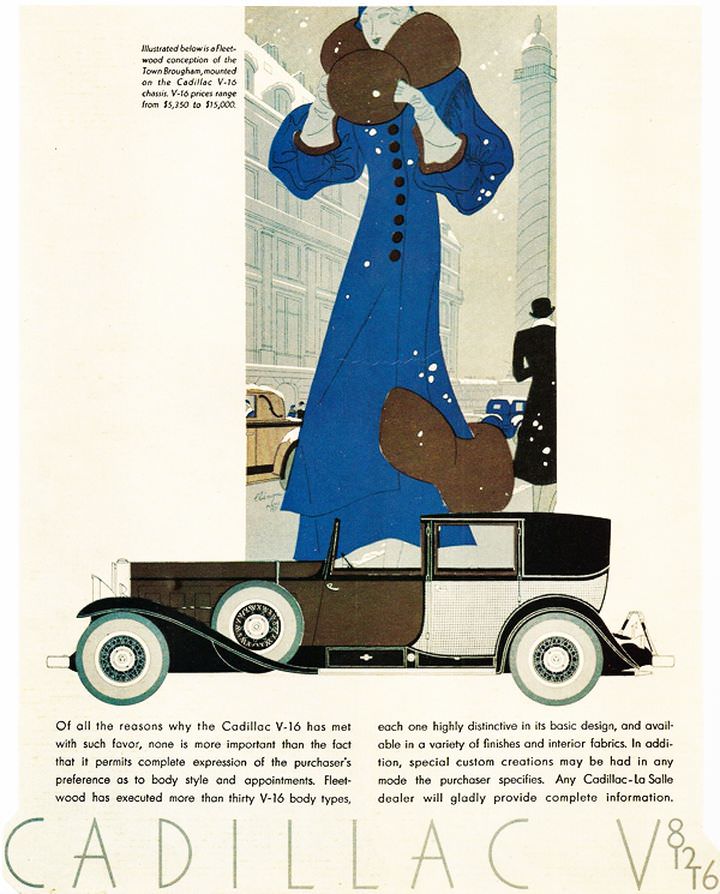
The Great Depression of the 1930s forced a sharp change across the entire advertising industry. Car sales collapsed, and marketing budgets shrank alongside them. Ads became simpler and less extravagant in production cost, but the imagery they used leaned into escapism. Streamlined designs suggested speed and modernity at a time when many Americans felt stuck. Depression-era car ads quietly promised travel, freedom, and a touch of glamour that real life wasn’t delivering.
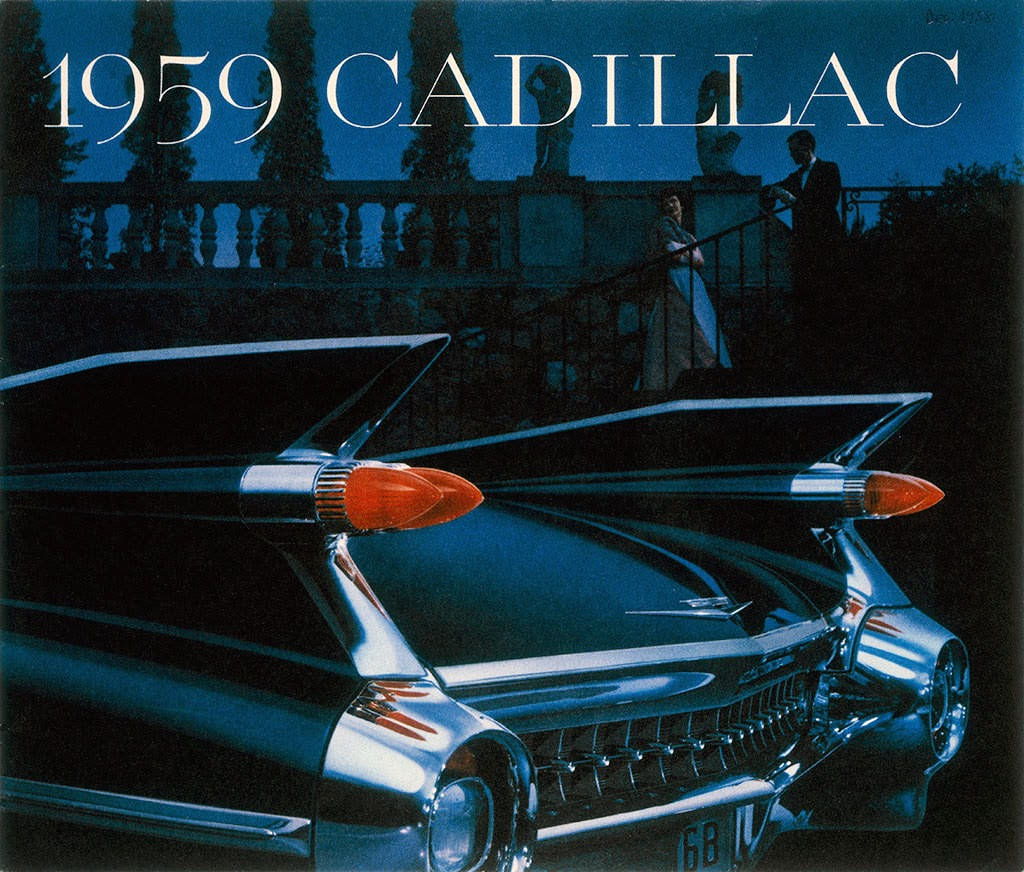
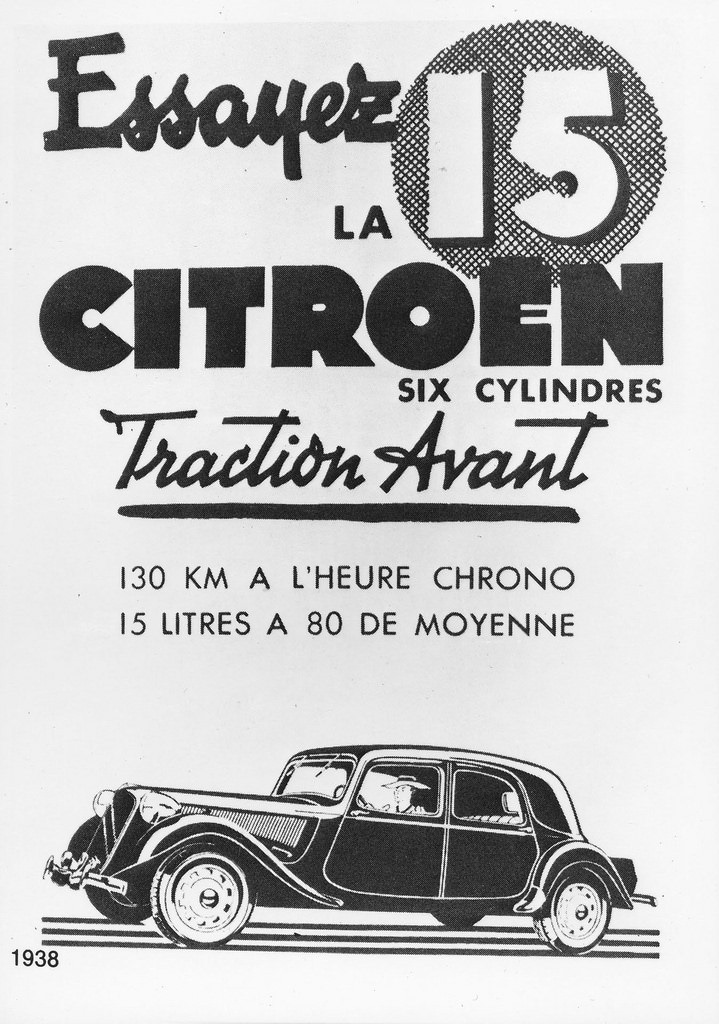
Citroën’s 1938 Traction Avant advertisement is a good example of Depression and pre-war era design philosophy. The Traction Avant was a technically advanced car — front-wheel drive, a low center of gravity, and a unibody construction. Its advertising reflected that engineering confidence, presenting the car with clean lines and bold type. French auto ads of this period had a particular visual flair that set them apart from their American counterparts.
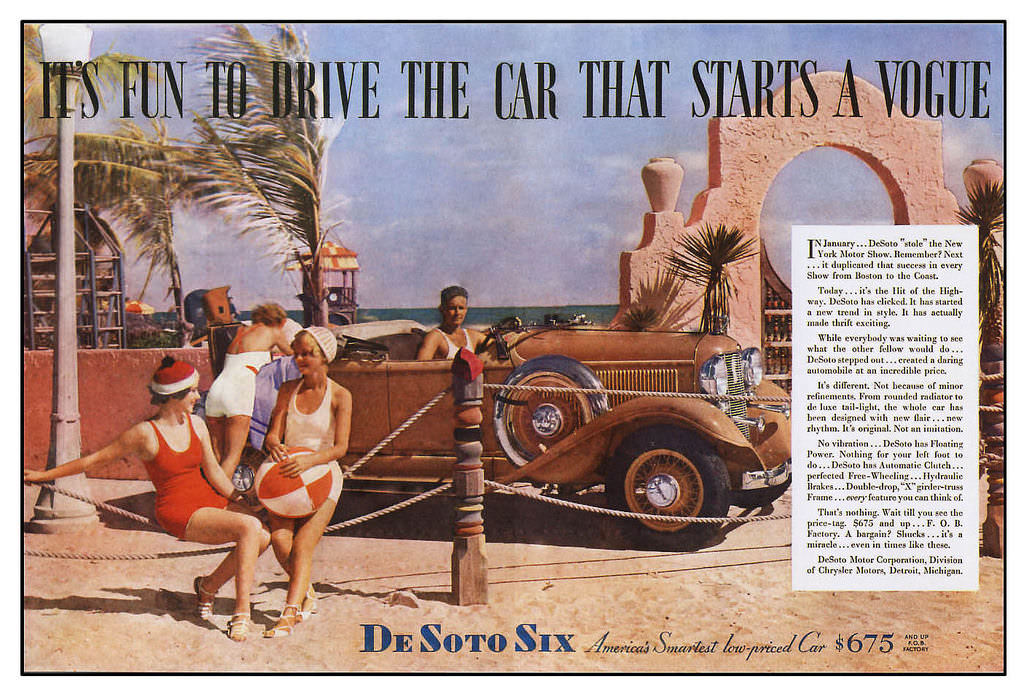
DeSoto, Chrysler’s mid-range brand, produced advertisements that balanced ambition with accessibility. A 1932 DeSoto ad appeared during one of the hardest years of the Depression, yet it still projected confidence. The brand needed buyers to believe that spending on a car — even in hard times — was a reasonable and rewarding decision. That required careful, persuasive copy alongside strong visual presentation.
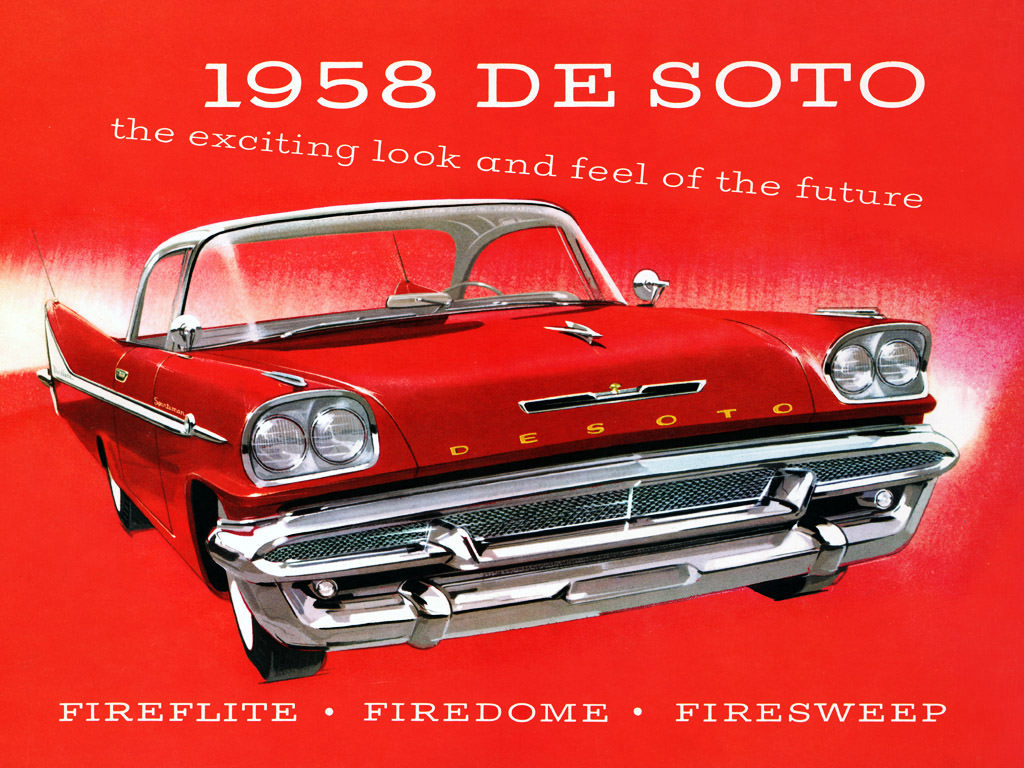
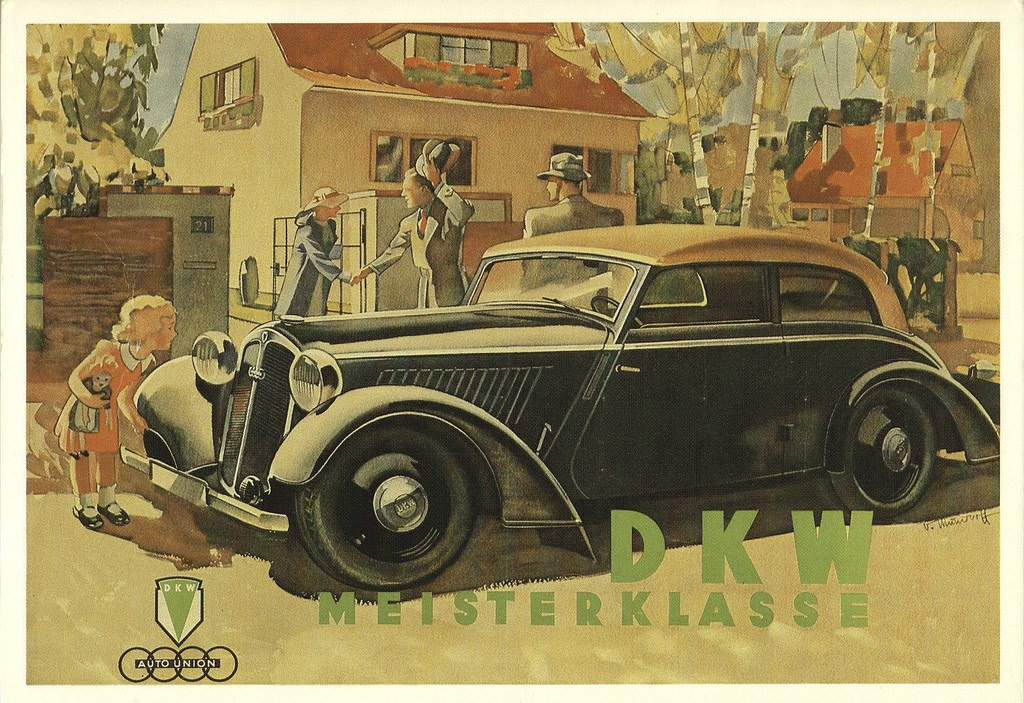
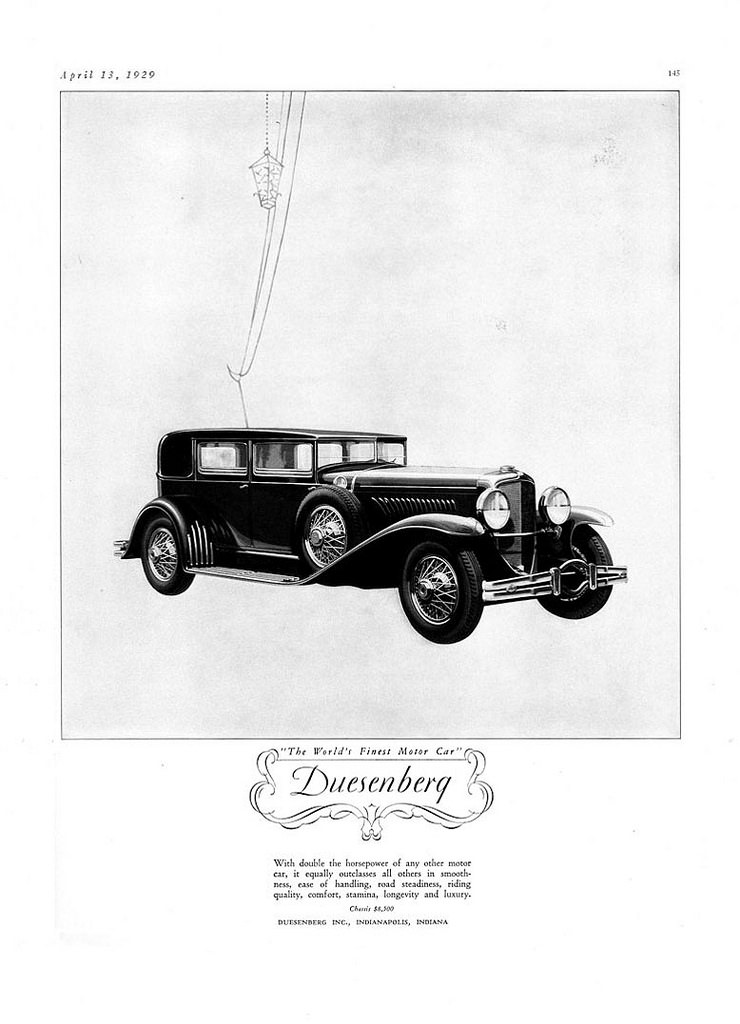
German automakers brought their own distinct approach. DKW, which produced small and affordable cars, used simple, graphic-forward advertising that communicated practicality. Duesenberg, on the other end of the spectrum, was perhaps the most elite American car brand of the late 1920s and early 1930s. Its 1929 advertisement made no pretense of affordability — Duesenberg ads were addressed directly to those for whom money was simply not a concern.
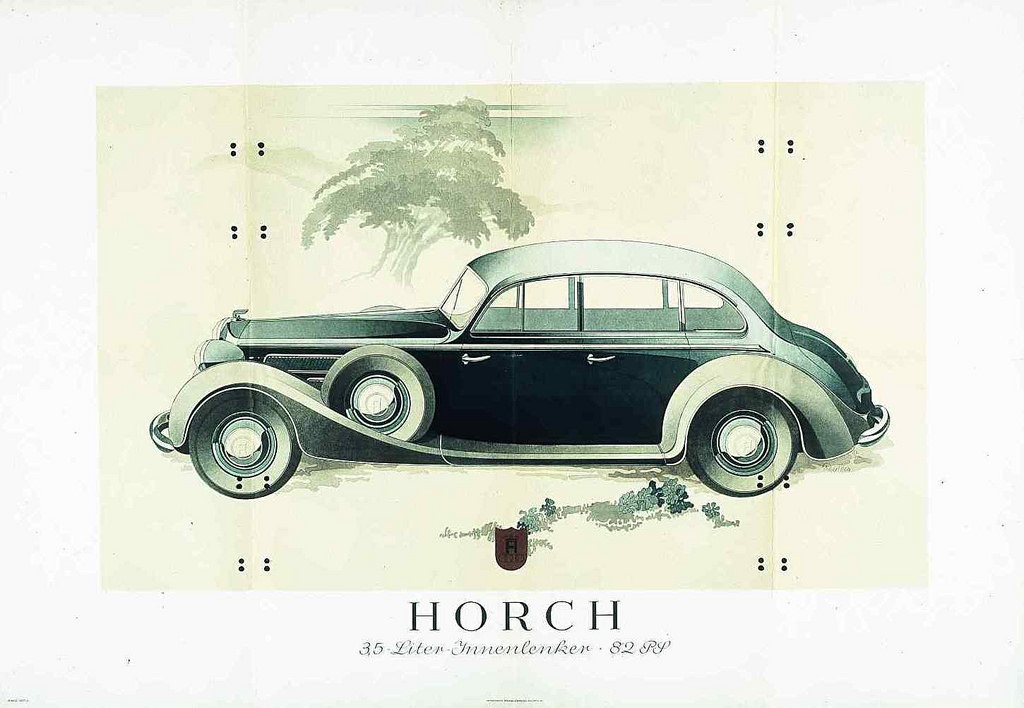
Horch, another German luxury brand and one of the four companies that would eventually form Auto Union, ran sophisticated advertising through the late 1930s. The 1937 Horch ads presented the car with a formal, almost architectural elegance. These were machines built for executives and government officials, and the advertising communicated that without ever having to say it directly.
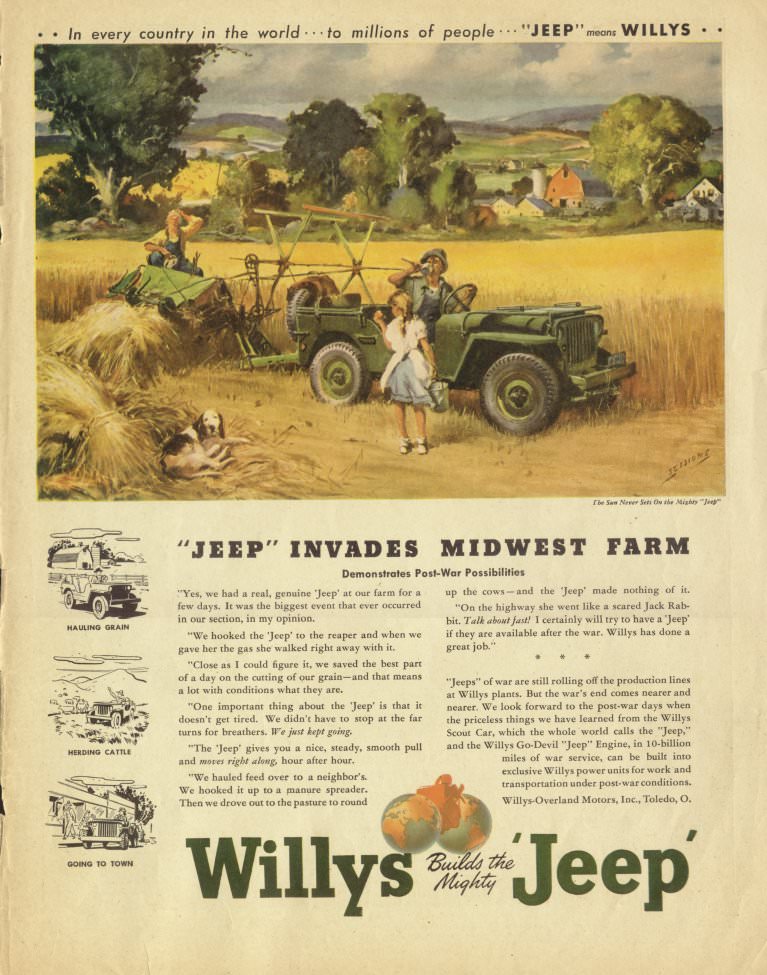
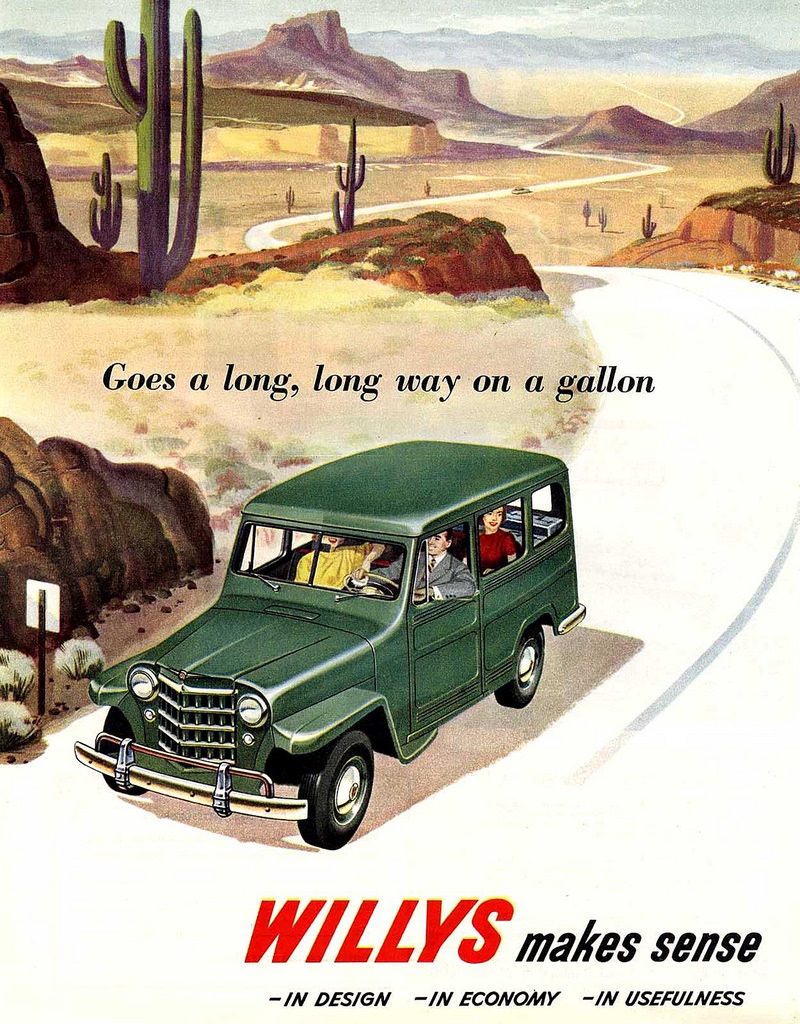
After World War II, Jeep made a fascinating pivot. The vehicle had spent the war years hauling soldiers across some of the roughest terrain on earth. By 1945, Willys-Overland was already placing ads that reimagined the Jeep as a peacetime machine — one that could work a farm, tow equipment, or take a family into the countryside. The military toughness was now a selling point for civilian buyers.
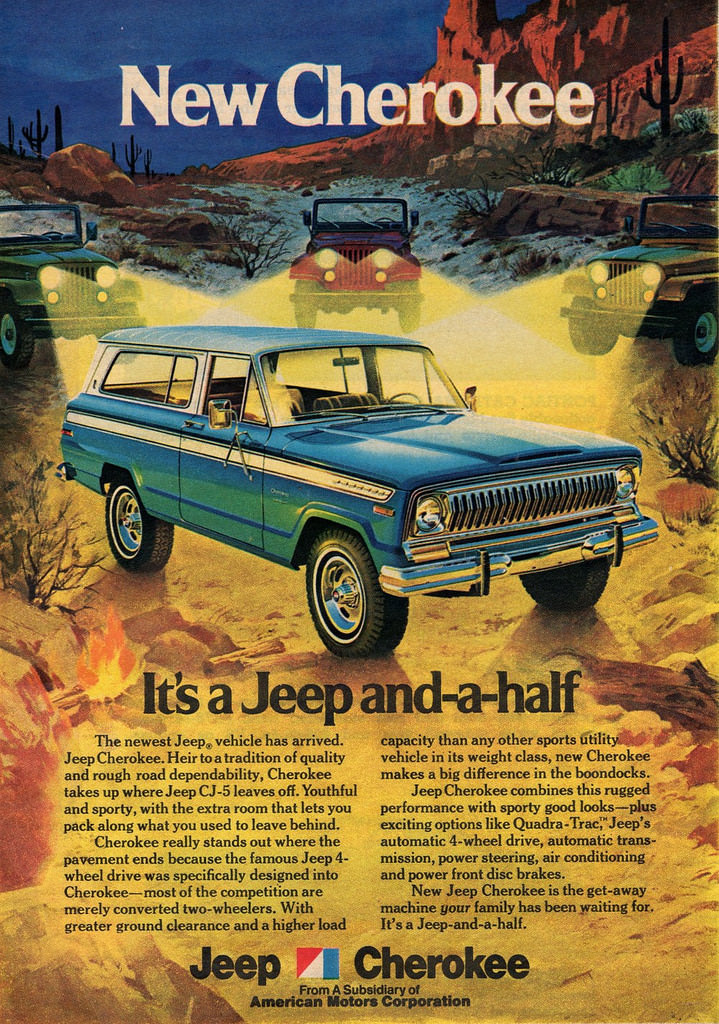
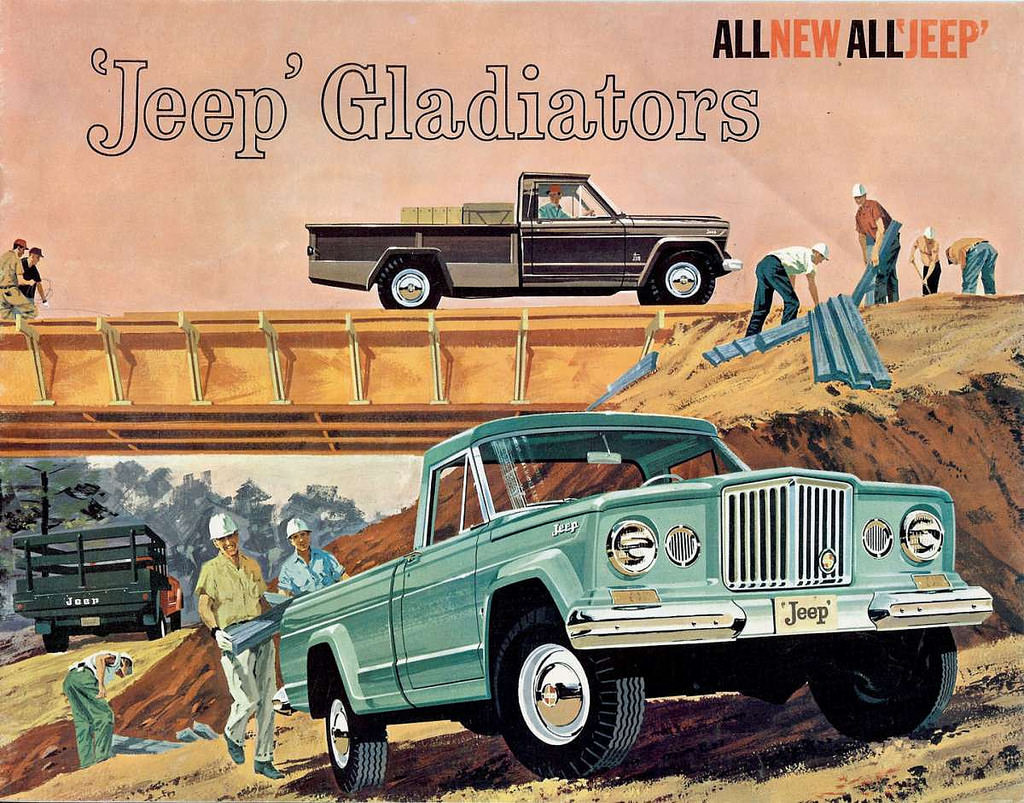
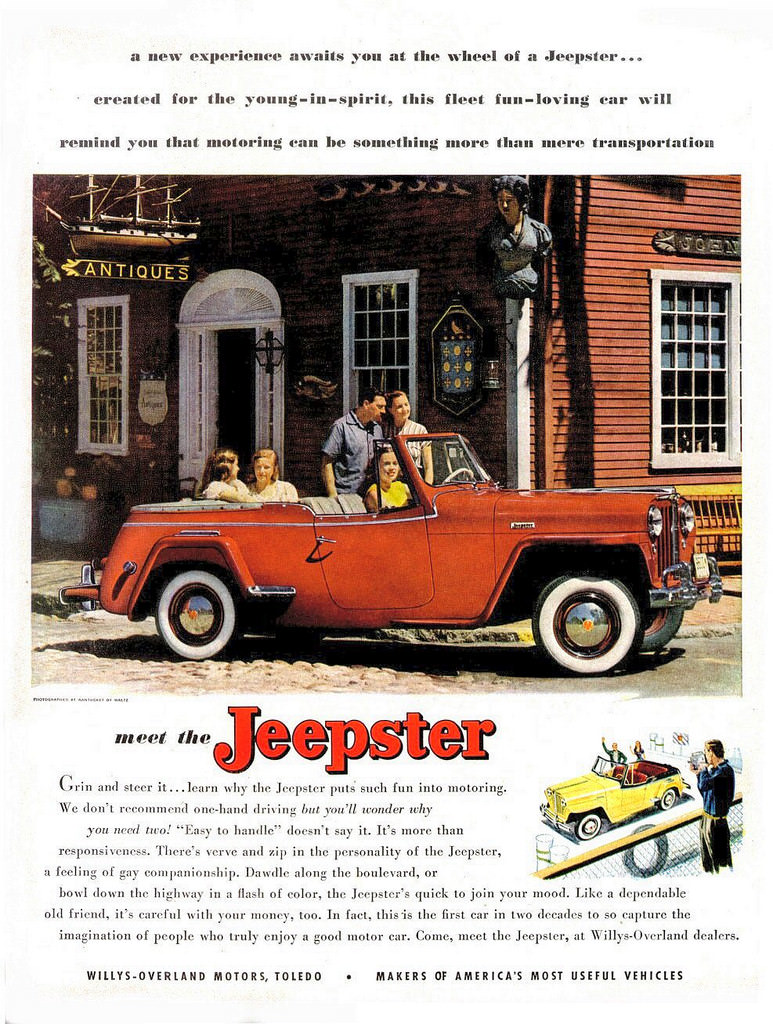
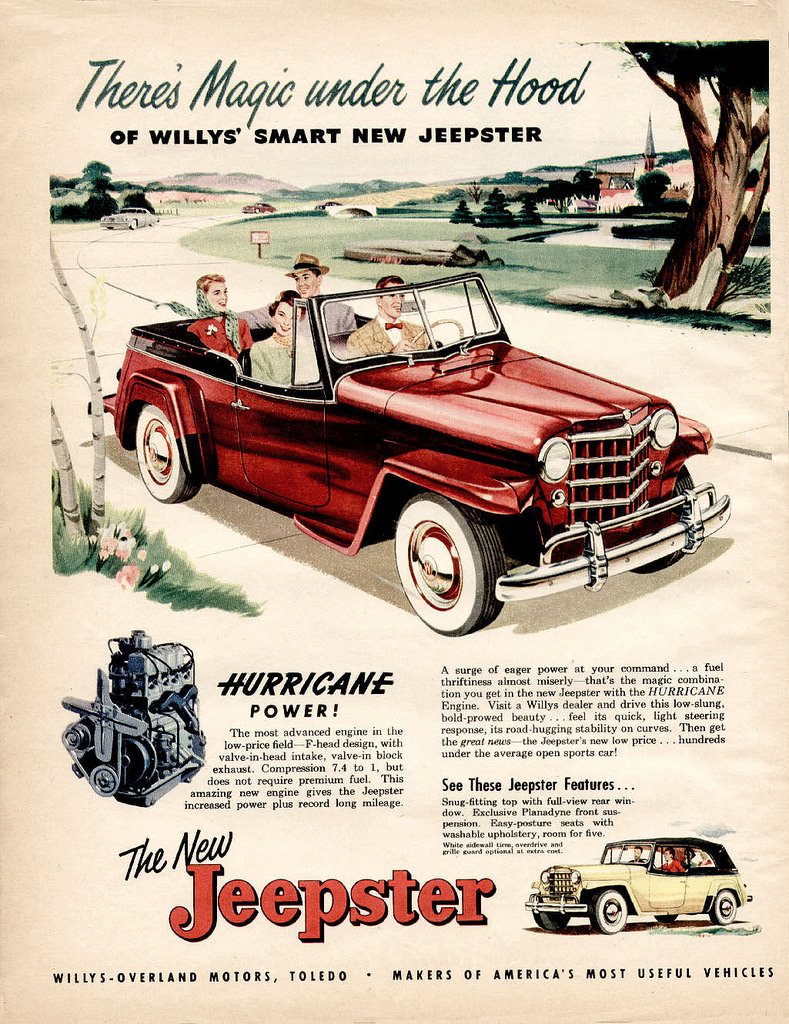
The Jeepster, launched in 1948, was an attempt to take the Jeep’s rugged identity and package it in a more stylish, open-top body. Its advertising leaned into the fun and freedom angle — a sporty vehicle for people who wanted something different from the standard family sedan. By 1950, Jeepster ads were bright and cheerful, pushing the idea of outdoor adventure as a normal part of postwar American life.
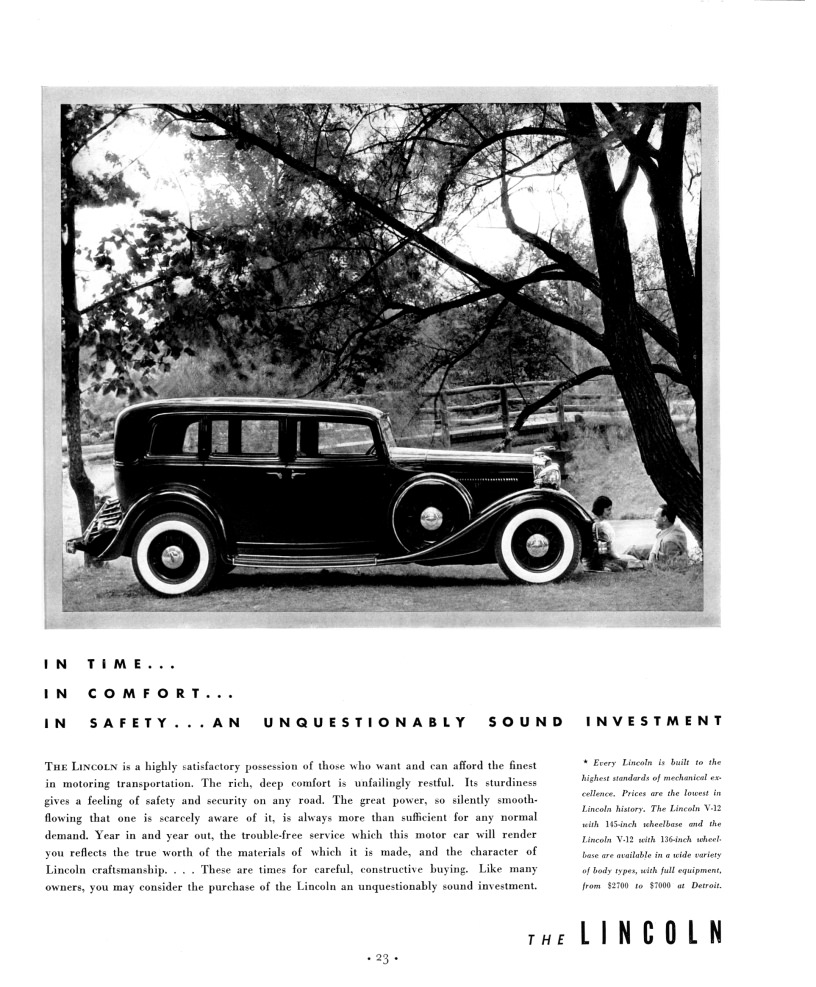
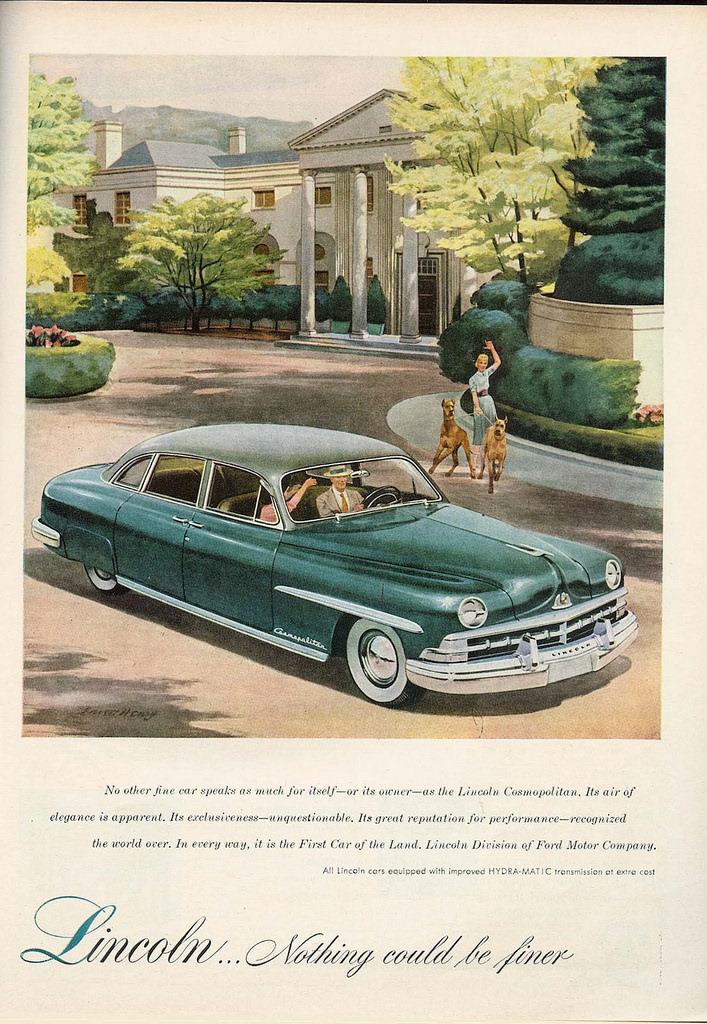
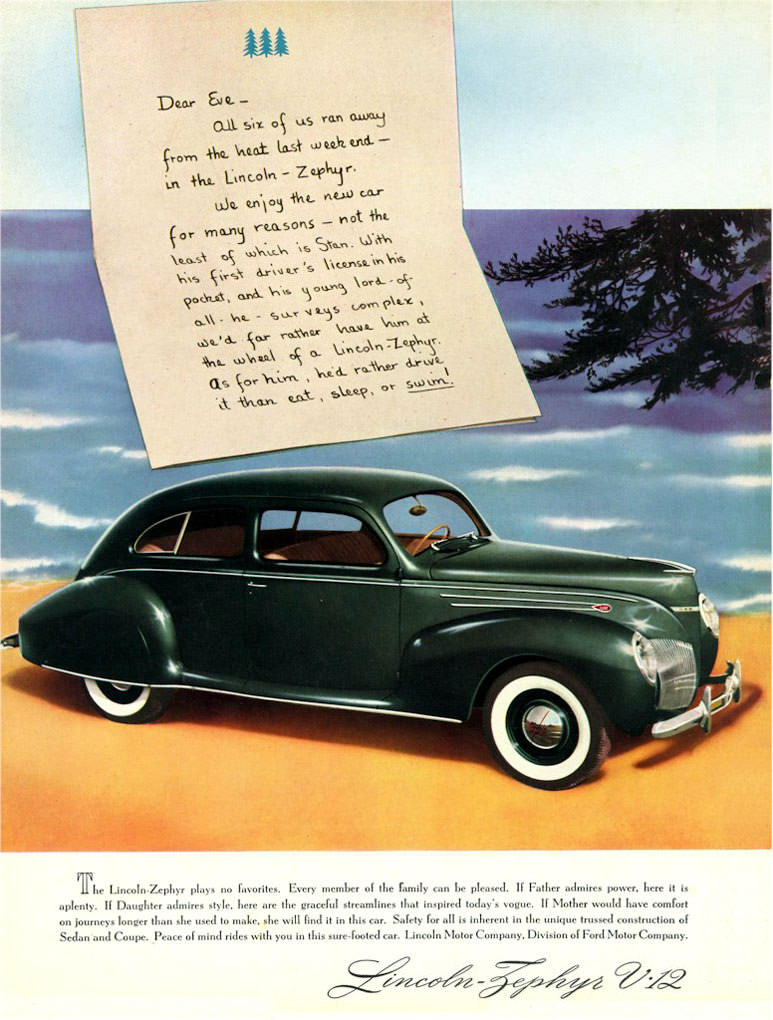
Lincoln produced some of the most consistently beautiful automotive advertising of the entire era. The Lincoln ads from the early 1930s through the late 1930s tracked the full arc of Art Deco design — from the formal grandeur of the 1931 ads to the sleek, aerodynamic energy of the 1939 Lincoln Zephyr campaign. The Zephyr itself was a design landmark, and its advertising matched that ambition with long, flowing illustrations that emphasized speed and modernity.
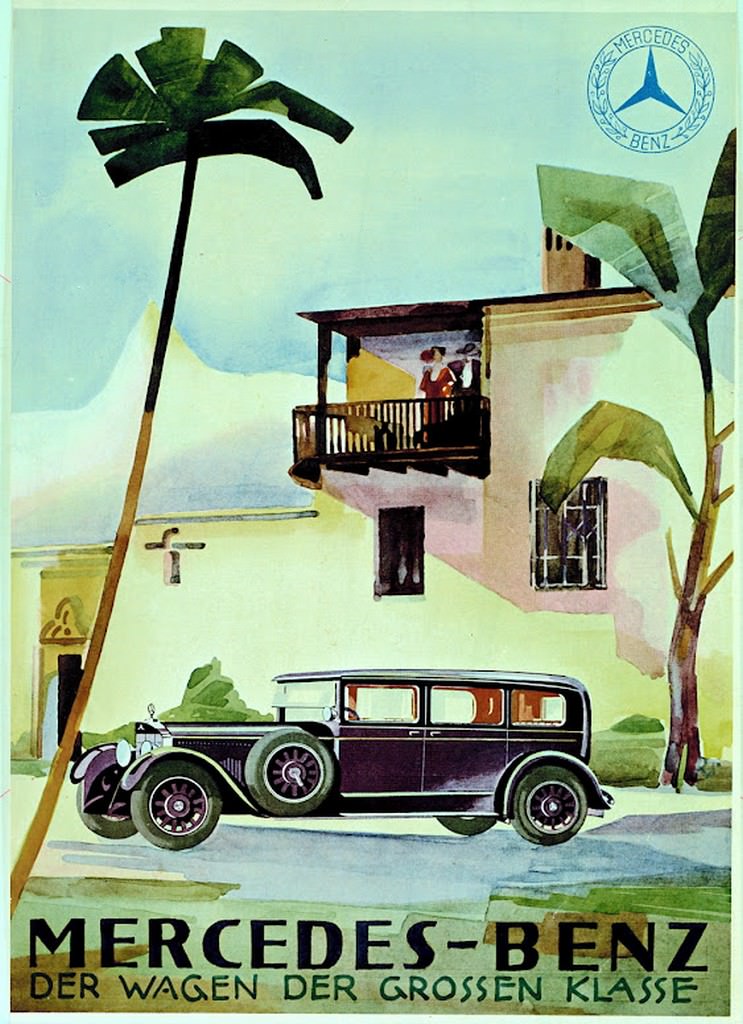
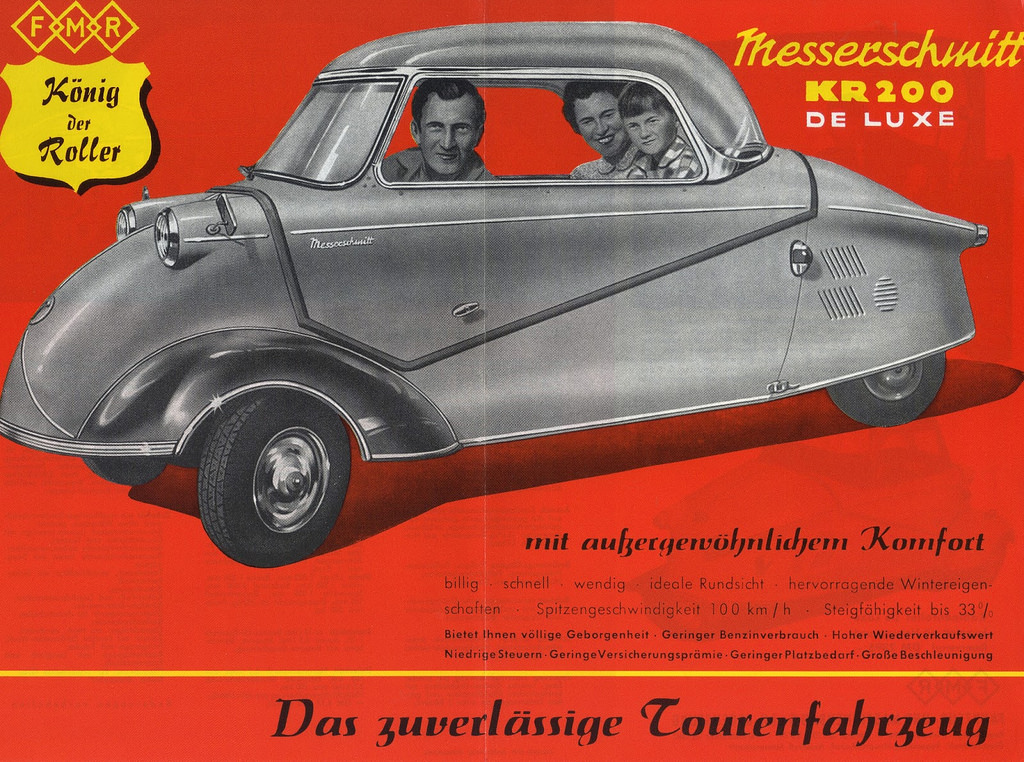
Mercedes-Benz entered the advertising landscape with a tone that was technical and authoritative. A 1928 Mercedes-Benz ad communicated engineering excellence first and aesthetics second. The brand’s German precision reputation was baked into every piece of communication it produced during this period. Meanwhile, smaller vehicles like the Messerschmitt Kabinenroller — a tiny bubble car sold in postwar Europe — used cheerful, accessible advertising to appeal to buyers who needed transportation on a tight budget.
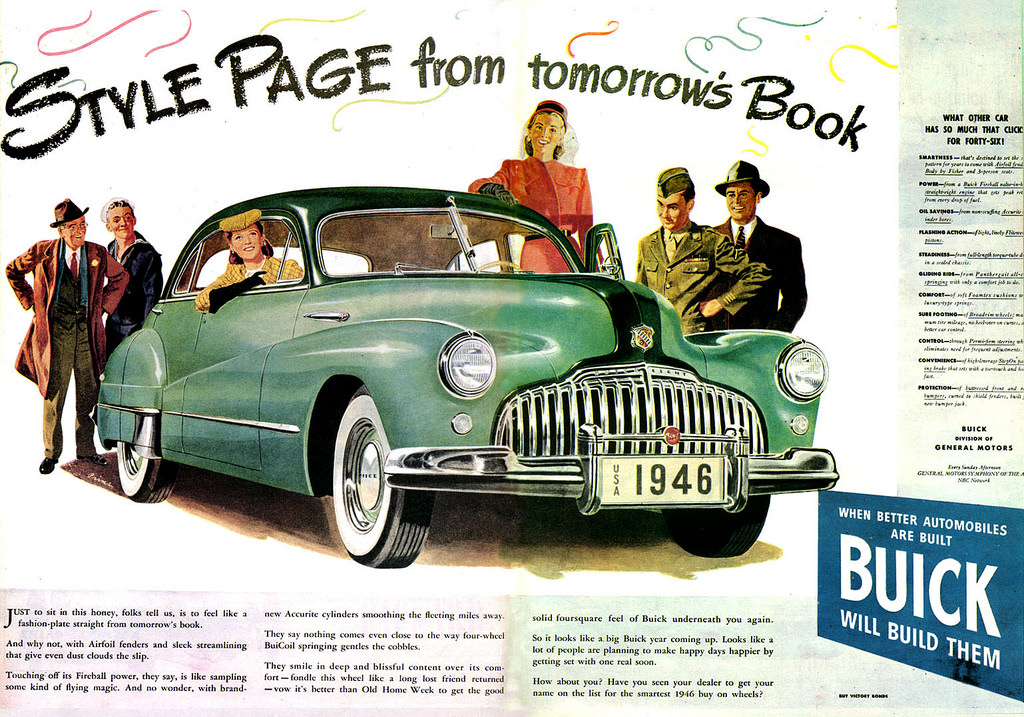
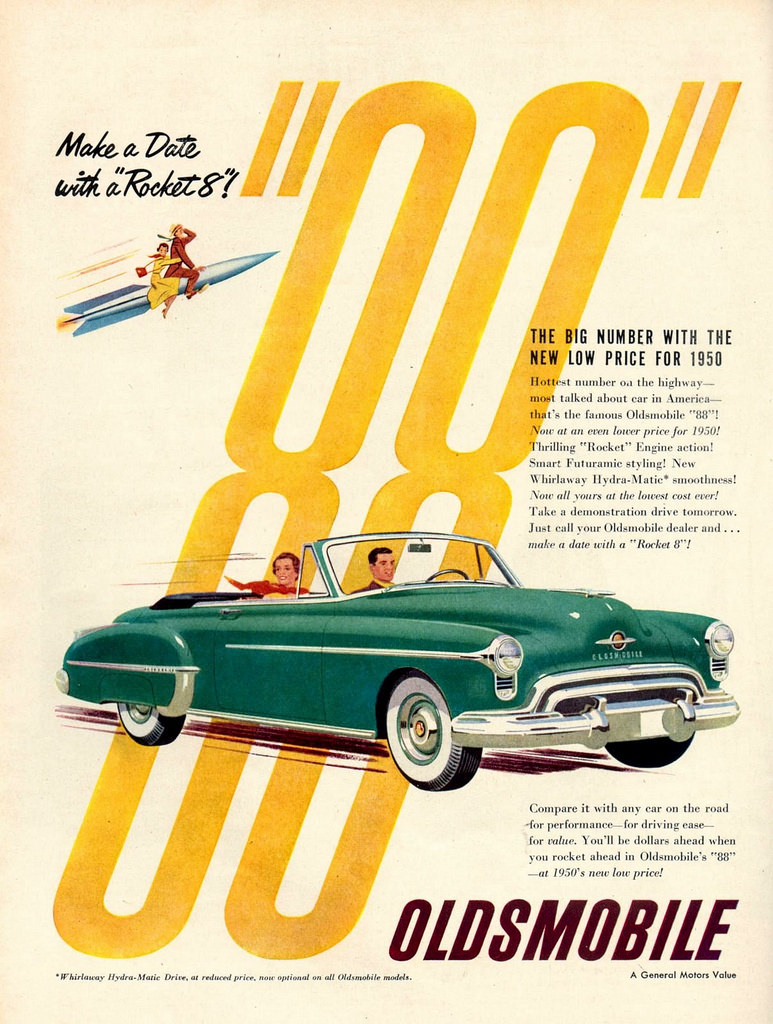
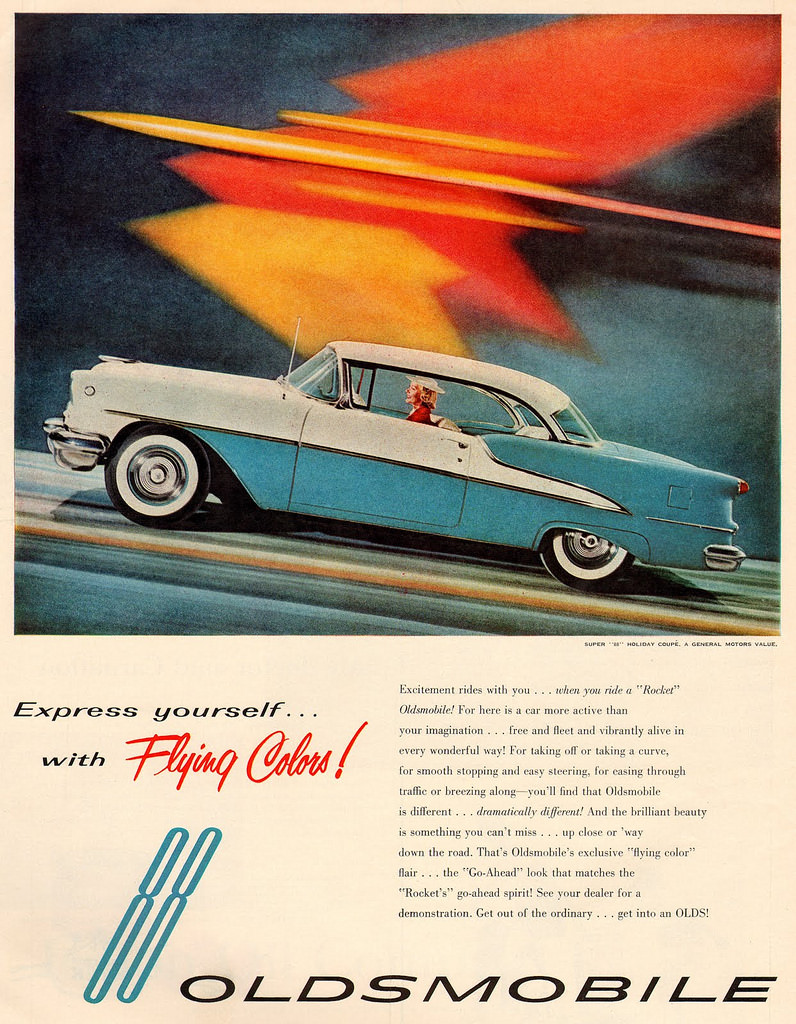
Oldsmobile was a brand that continually positioned itself as forward-thinking. Its 1950 and 1955 advertisements reflected postwar optimism, showcasing bold colors and futuristic styling cues. American cars of this era were getting larger, more decorated, and more theatrical — and so were their advertisements. By the mid-1950s, a car ad wasn’t just a product announcement. It was a full-page spectacle.
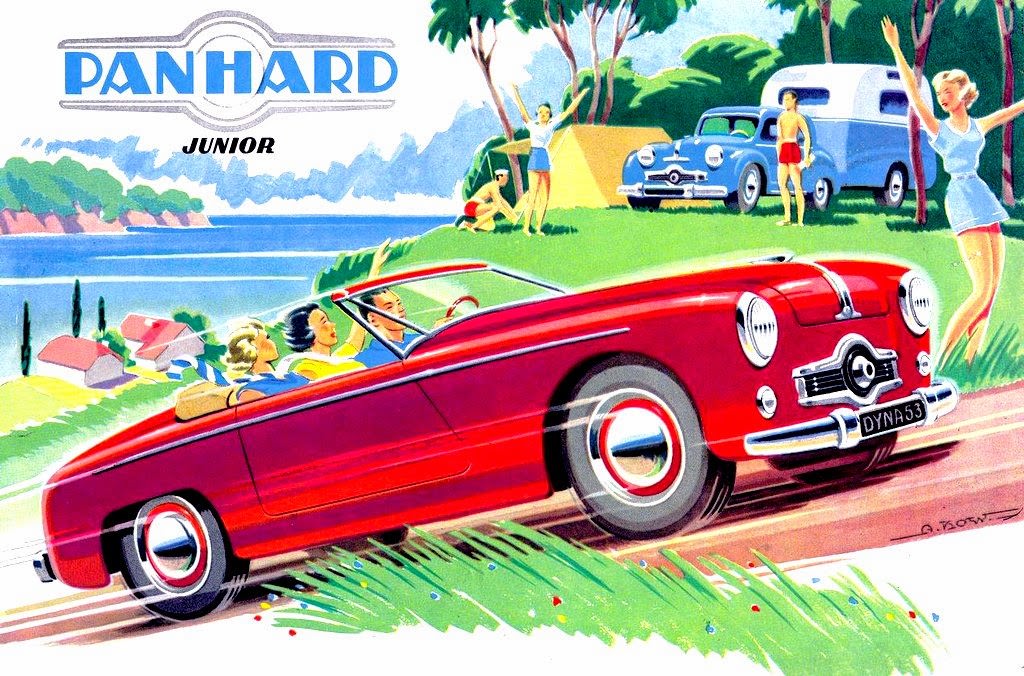
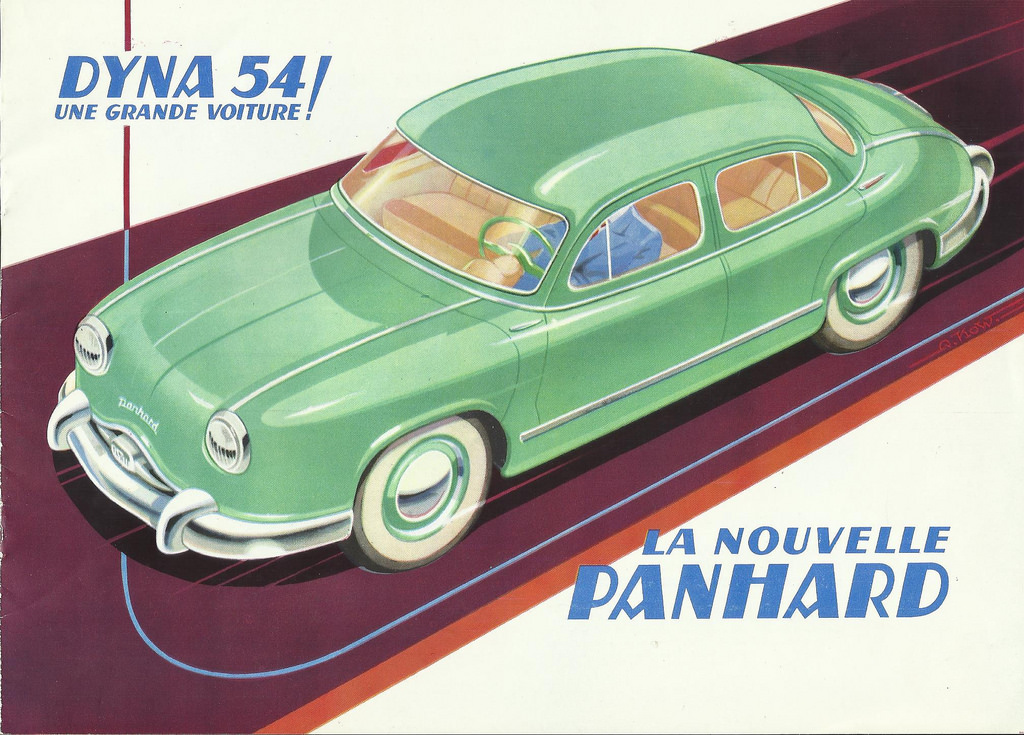
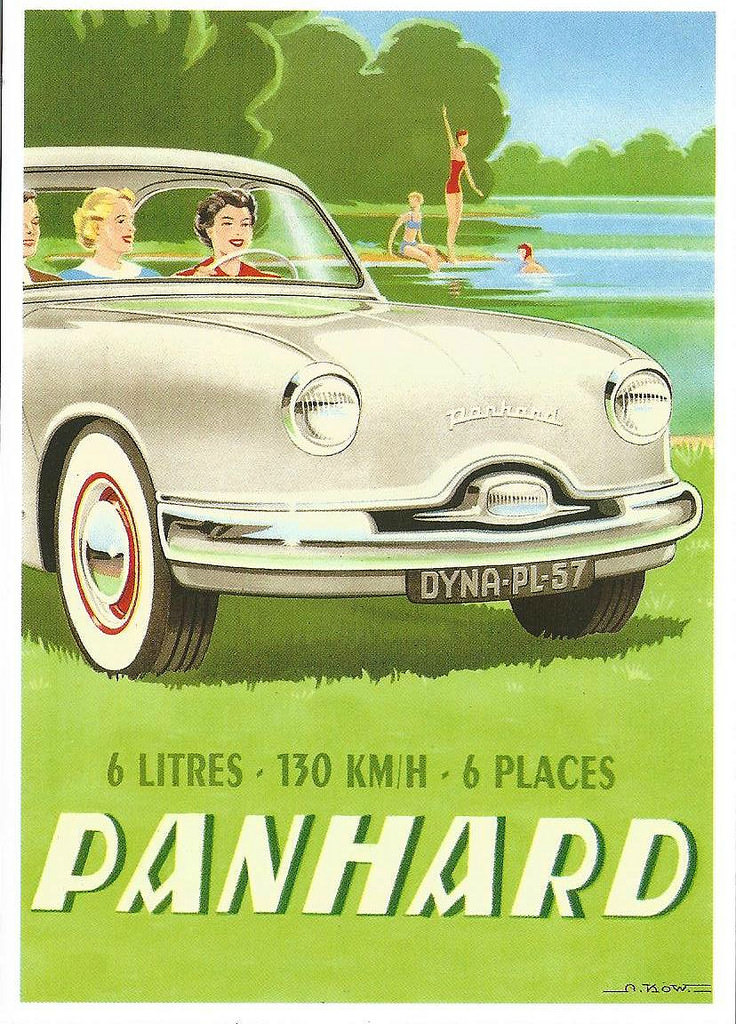
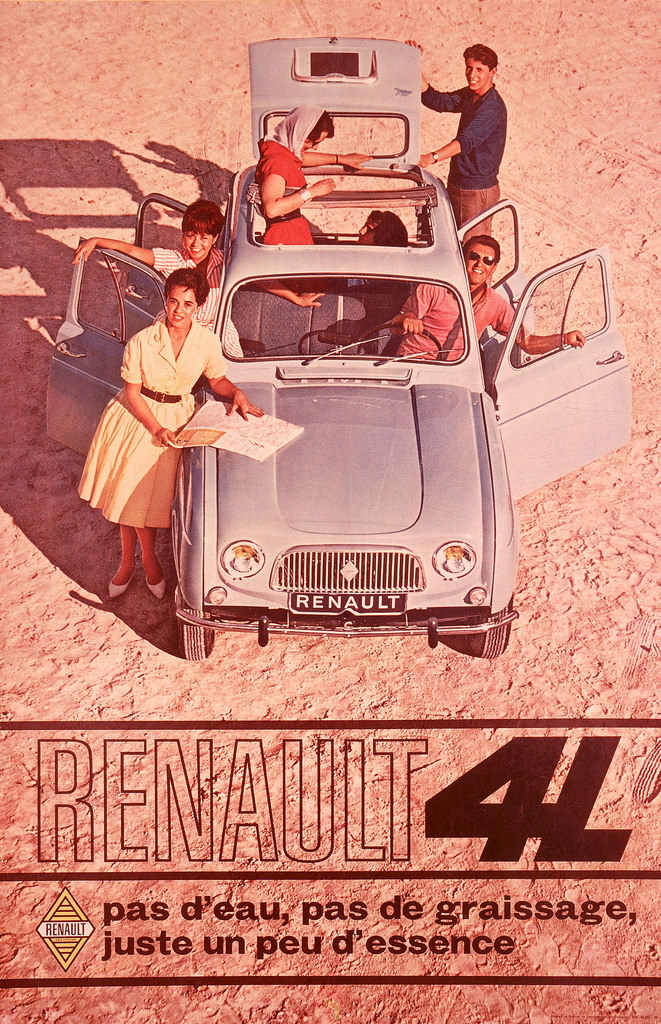
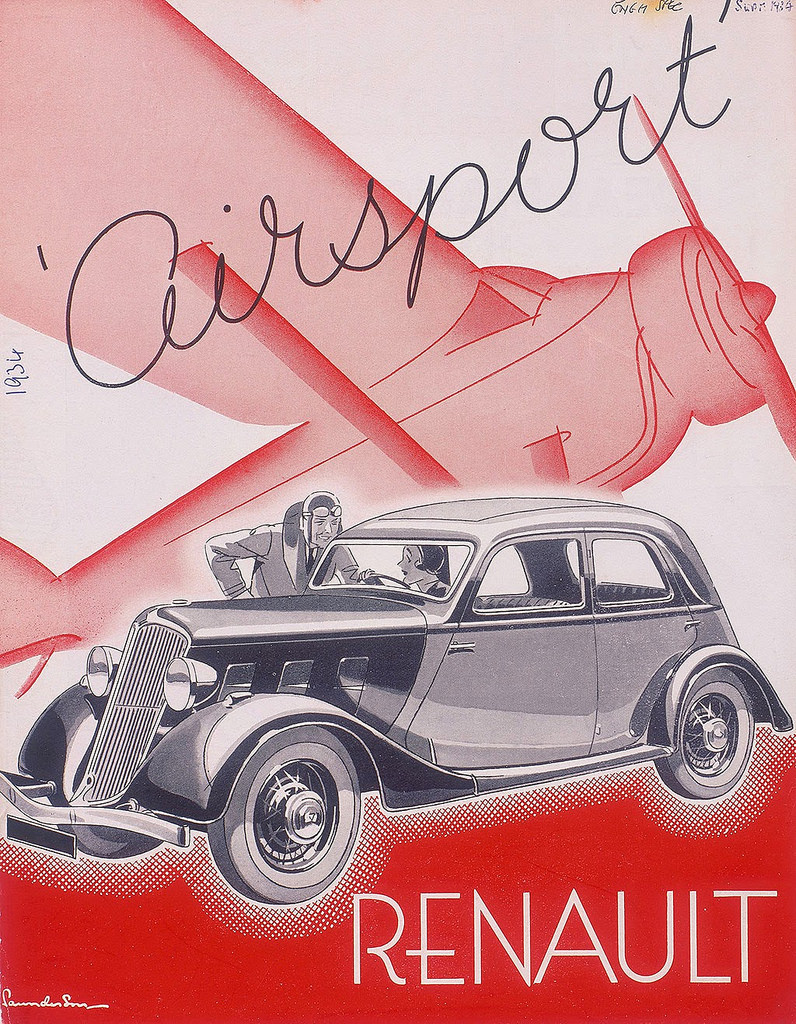
French brands like Panhard and Renault brought a European sensibility to mid-century automotive advertising. The Panhard Dyna Z, advertised in 1954, was an unusual-looking car with an aerodynamic aluminum body, and its ads played up its unconventional design as a point of pride. Renault’s 1934 advertisement had a more classical feel, while the 1960 Renault 4L campaign introduced a practical, people-focused vehicle to a wider audience.
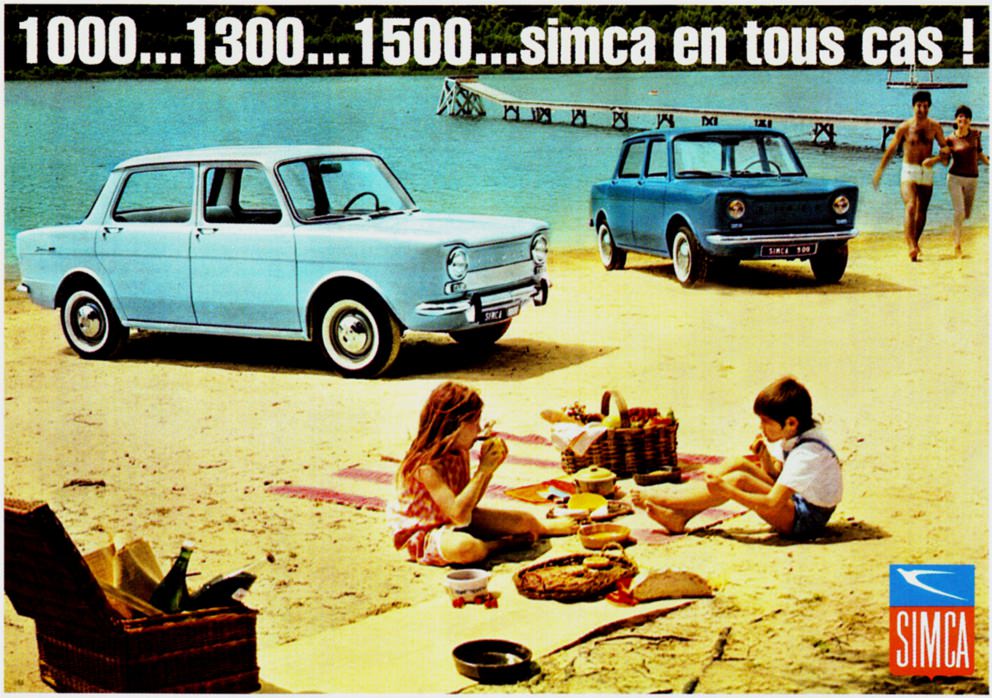
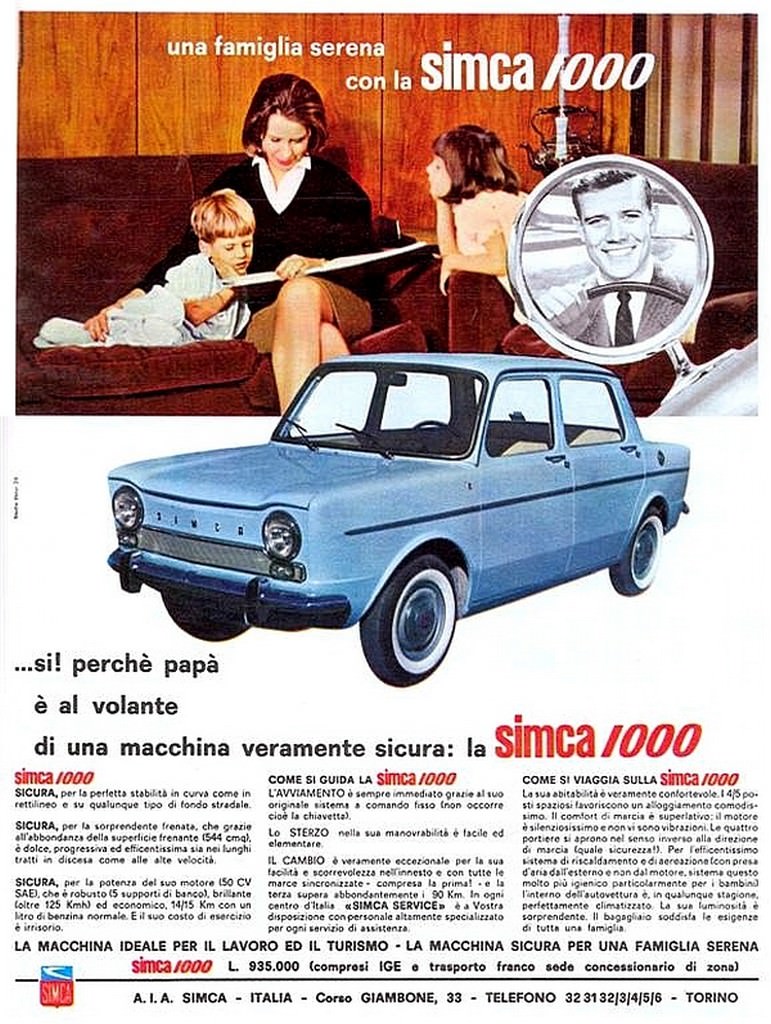
Simca, an Italian-French manufacturer, produced compact and affordable cars. The 1961 Simca 1000 advertising reflected the growing market for smaller, economical vehicles in Europe. These ads were direct and practical — not trying to promise luxury or adventure, but reliability and value. It was a different promise than what Cadillac or Lincoln made, but it was an honest one aimed at a very different buyer.
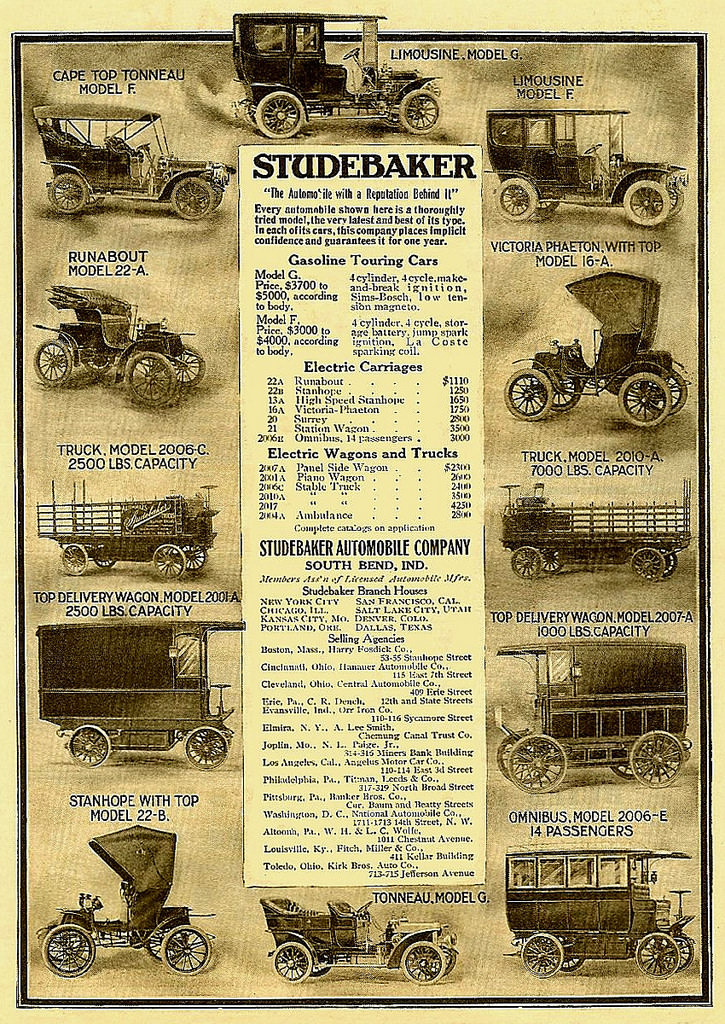
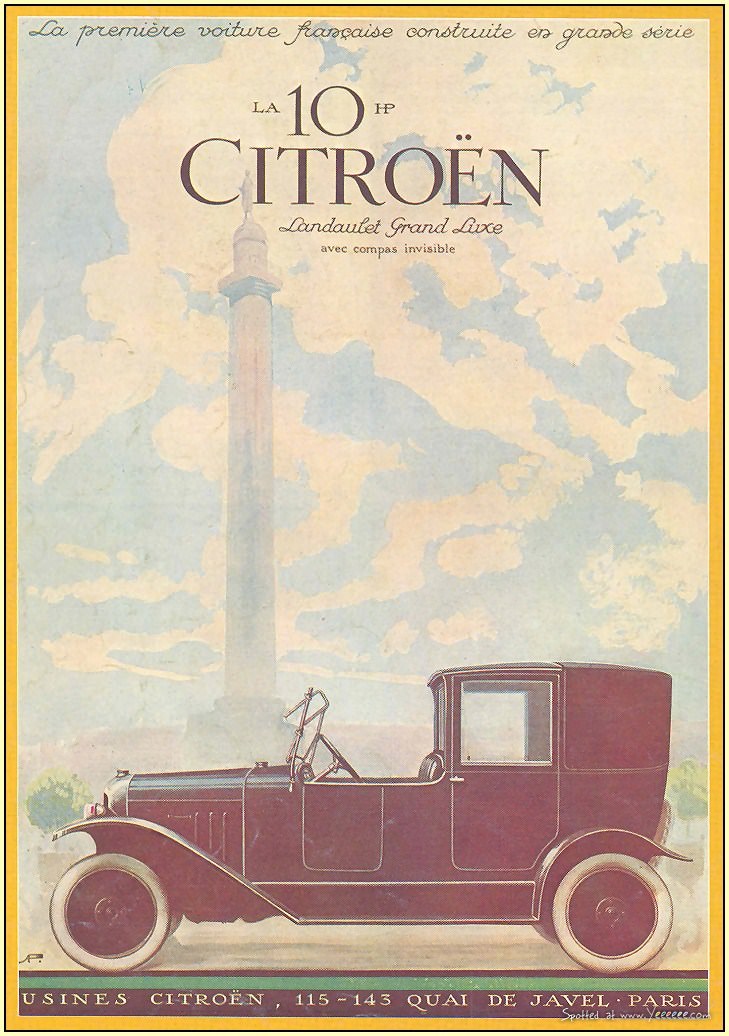
Studebaker’s 1906 advertisement arrived at a moment when the company was transitioning from horse-drawn carriages to motor vehicles. The ad carried that in-between quality — speaking to buyers who still thought in terms of carriages but were curious about engines. It marked the end of one era and the cautious beginning of another. Across the Atlantic, Citroën launched its first car in 1919. The 10 hp Citroën ad was stripped down and informational, focused on getting the facts in front of buyers quickly.
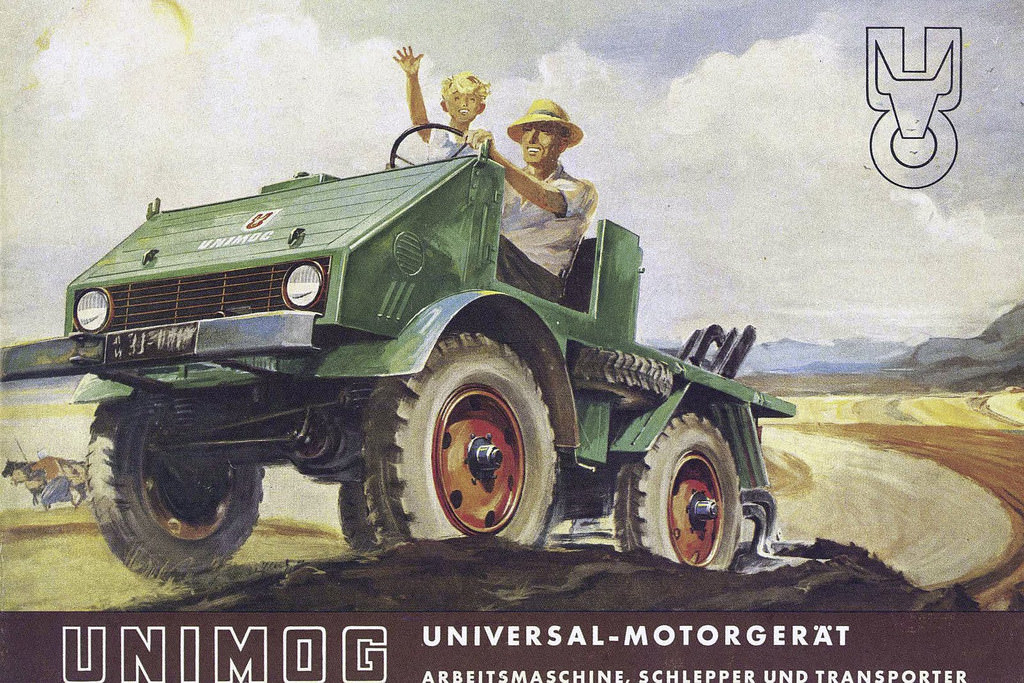
The Unimog — a heavy-duty utility vehicle built by Mercedes-Benz — ran a 1950 advertisement that had nothing to do with style or speed. It was about raw capability. The Unimog was built to work, and its advertising made that abundantly clear with imagery of the vehicle tackling difficult terrain and hauling heavy loads. It was the anti-glamour end of automotive advertising, and it was completely unapologetic about it.
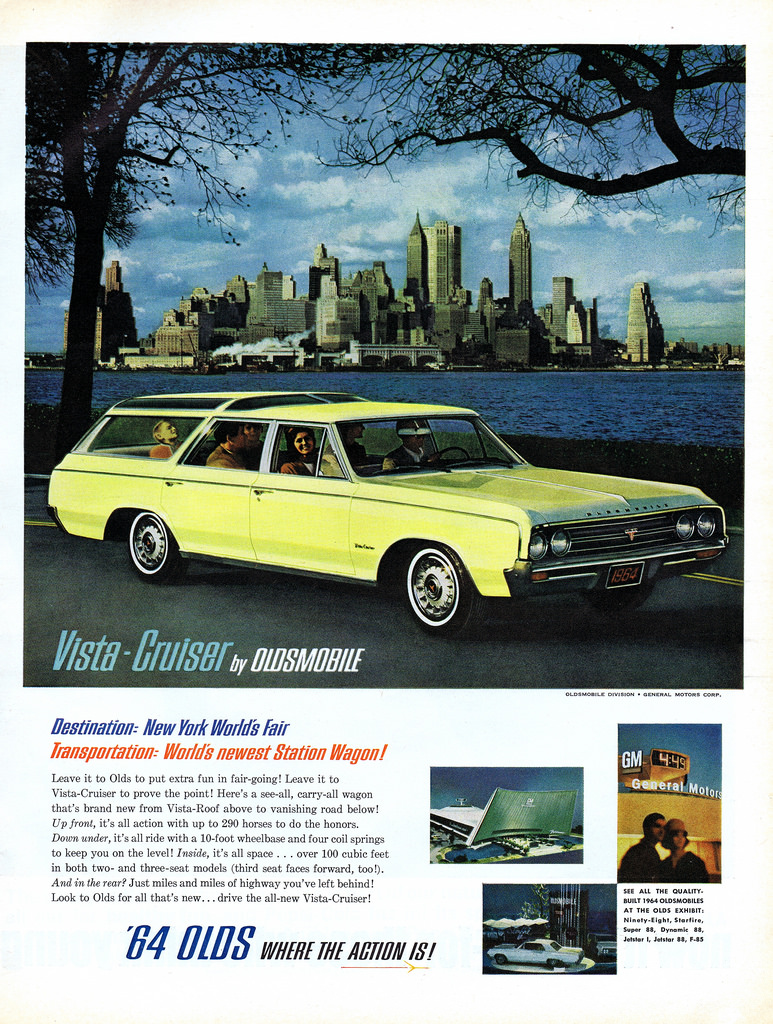
By 1959, Volkswagen’s ‘Think Small’ campaign — created by art director Helmut Krone and copywriter Julian Koenig at Doyle Dane Bernbach — turned the entire logic of American car advertising on its head. While American brands were making their ads bigger, louder, and more extravagant, Volkswagen ran a tiny photograph of the Beetle on a vast white page with minimal copy. It was honest, self-aware, and completely unlike anything else on the market. The 1964 Oldsmobile Vista-Cruiser, by contrast, represented the opposite philosophy — all sweep and ambition, a car that wanted to be noticed from across the room.
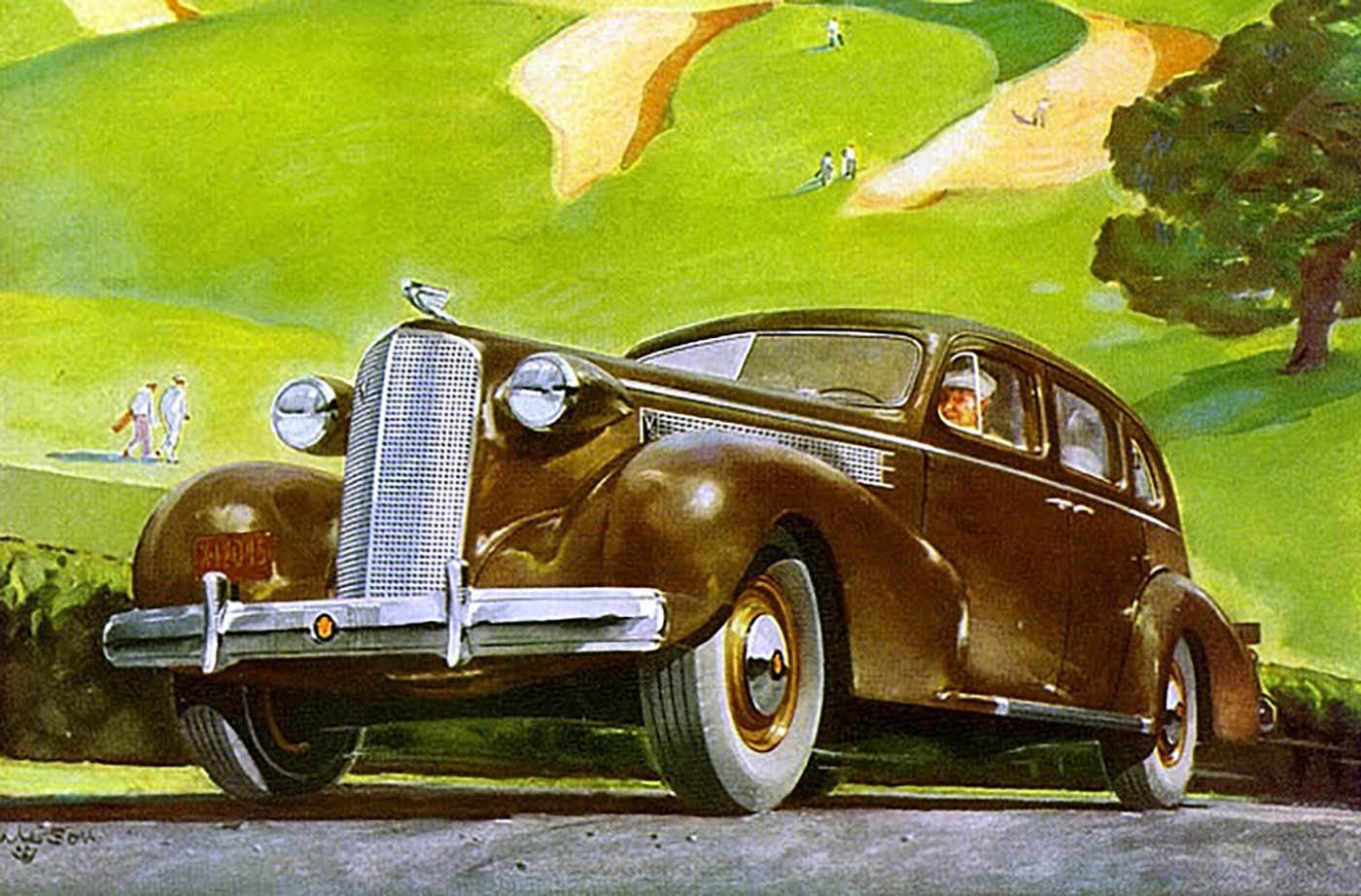
Cadillac’s 1937 advertisement stands as one of the cleanest examples of Art Deco automotive design in American print media. The illustration balances the sharp geometry of the era with a color palette that feels both bold and controlled. It captures the peak moment of a style that defined how Americans thought about luxury, speed, and modern life for the better part of two decades.