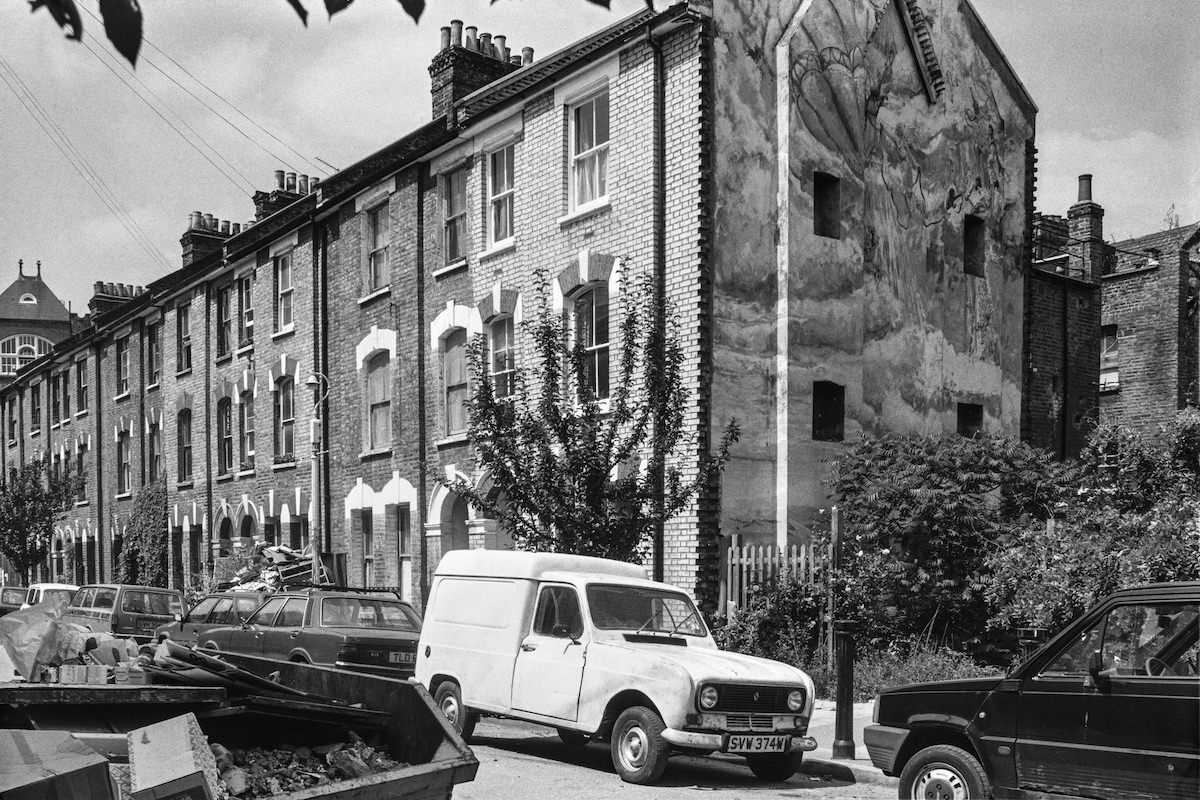
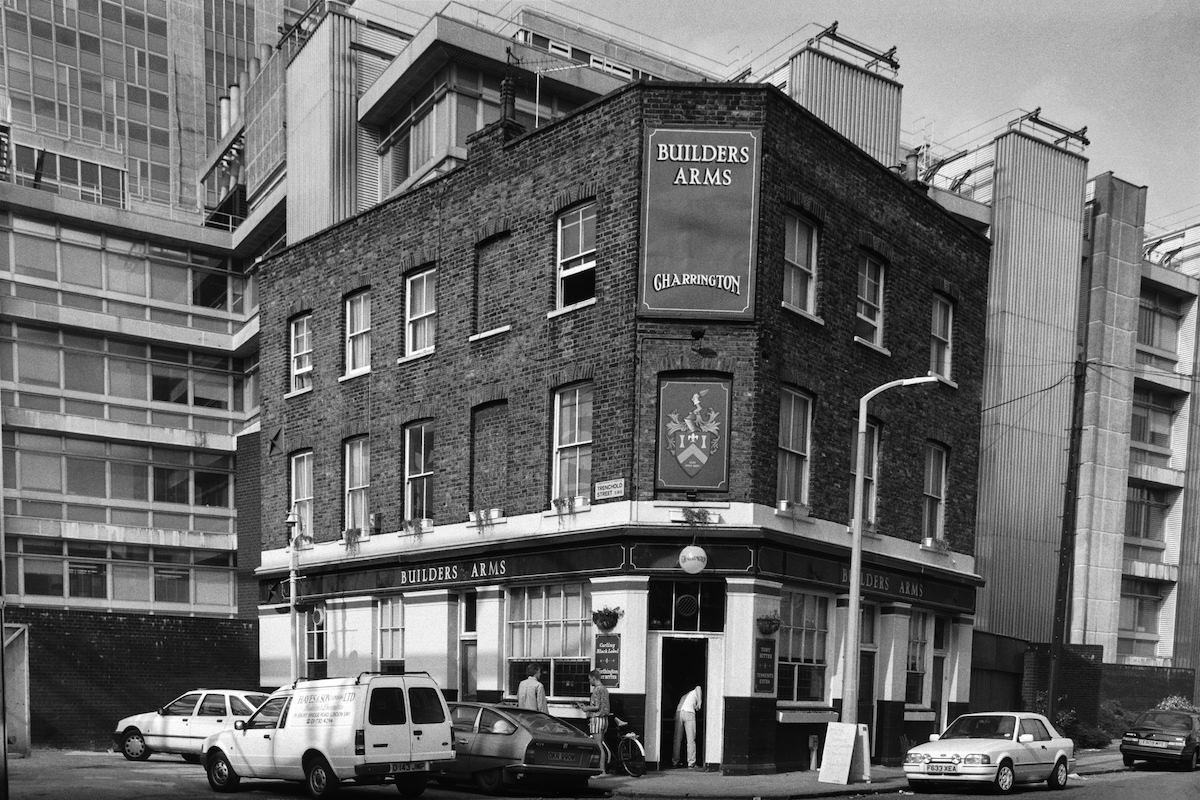
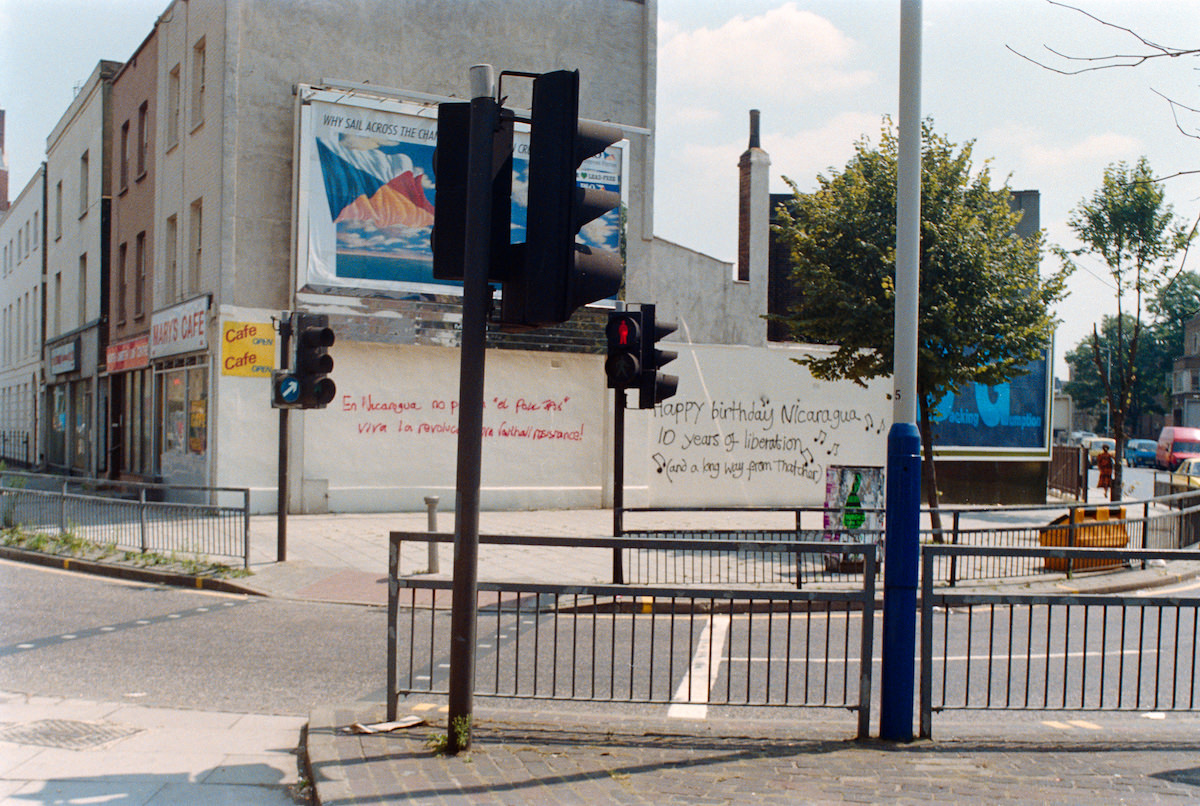
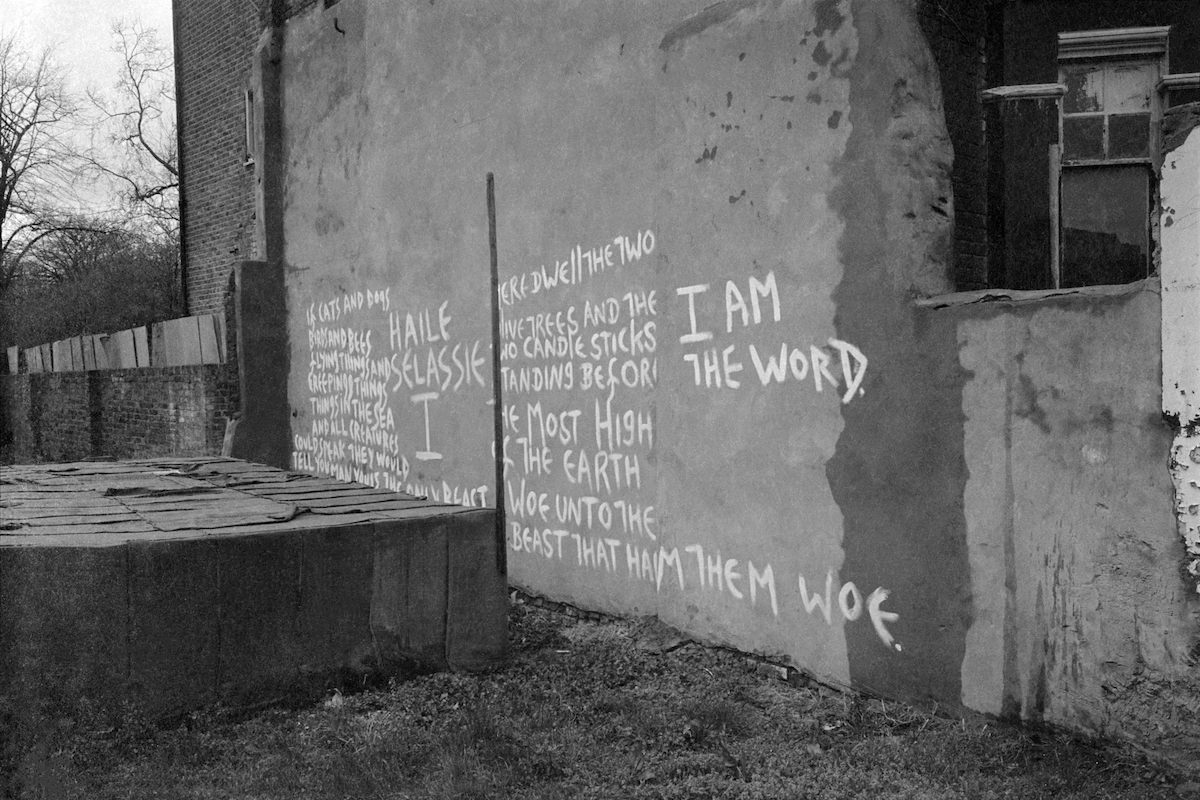
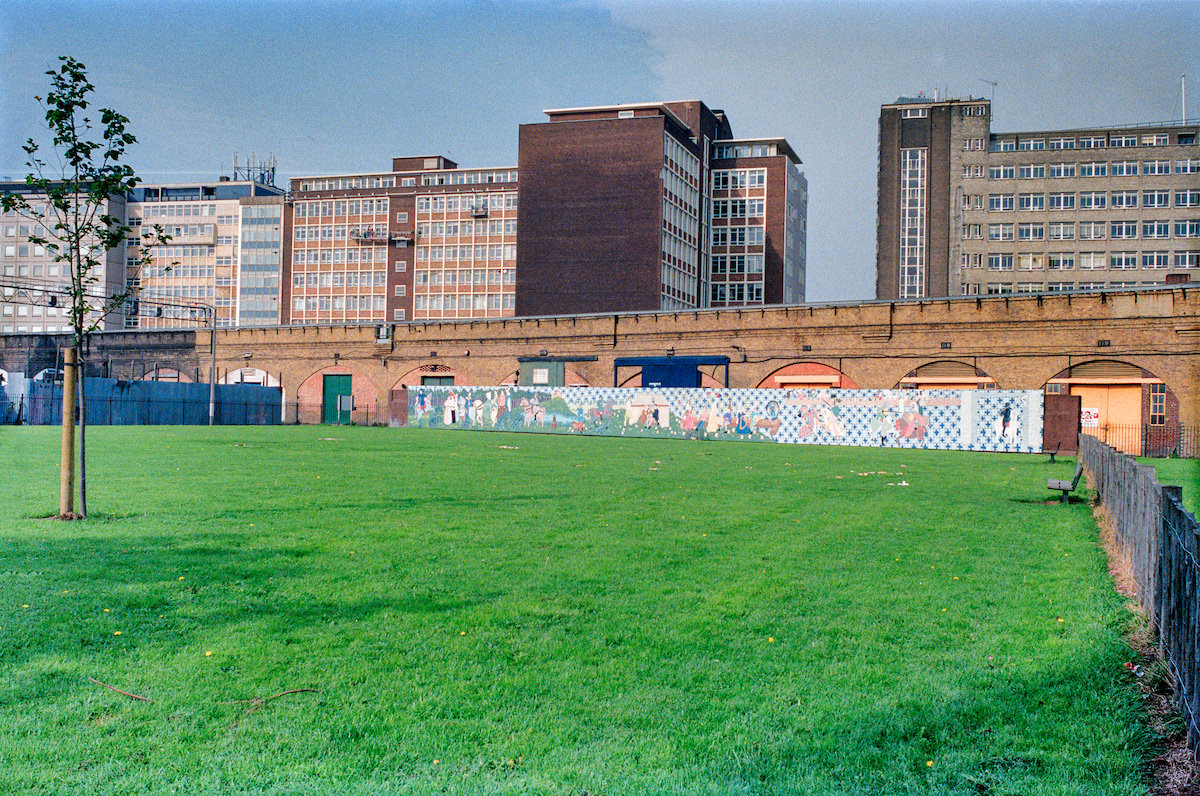
Vauxhall is an area located in South London, United Kingdom. In the 1980s, it was known as an industrial area with a mix of residential, commercial, and light industrial properties. The area was home to a large number of factories and warehouses, as well as a significant number of working-class residents.
During the 1980s, Vauxhall was undergoing a period of significant change and regeneration. The area was affected by the economic downturn and high unemployment, with many factories and warehouses closing down, leading to a high level of vacant properties and a rise in crime. However, at the same time, Vauxhall was also becoming an increasingly popular location for artists and bohemians, with several artists’ studios and small galleries opening in the area. The area also had a large and diverse population, with many immigrants from the Caribbean and Africa.
In terms of transportation, Vauxhall had good connections to the rest of London. It was served by Vauxhall tube station and rail station which provided easy access to other parts of the city. It also had a number of bus routes connecting it to the rest of London.
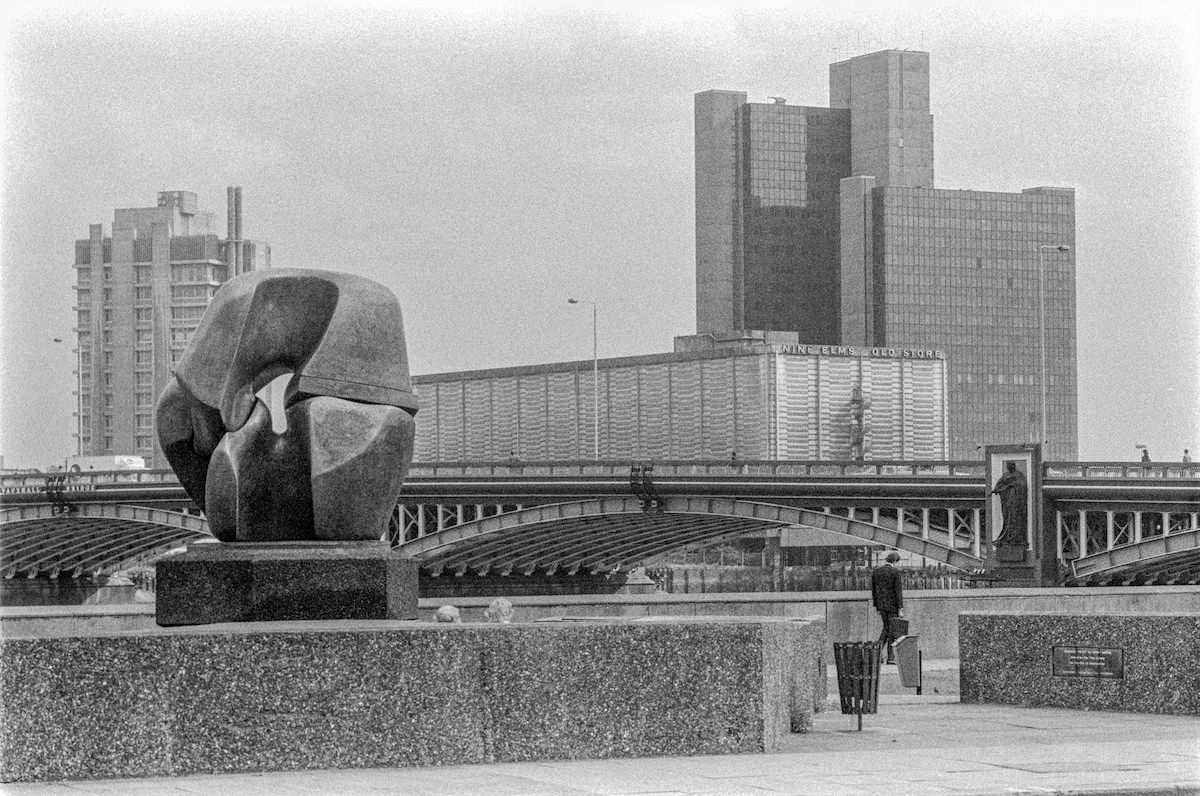
In the 80s, Peter Marshall was hanging out south of the Thames taking snaps of Vauxhall in central London. He captured some shots of the Nine Elms Cold Store, which was a huge, windowless building that stood from 1964 to 1999. When it first opened, it was touted as the most modern cold store in Europe and could hold over 16,000 tons of food. But once the butter moved out in ’79, it became a hot spot for gay cruising, a recording studio and supposedly even a spot for devil worship. It was torn down in the 90s for the terrible St George Wharf development.
#1 Vauxhall Grove, Vauxhall, Lambeth, 1989
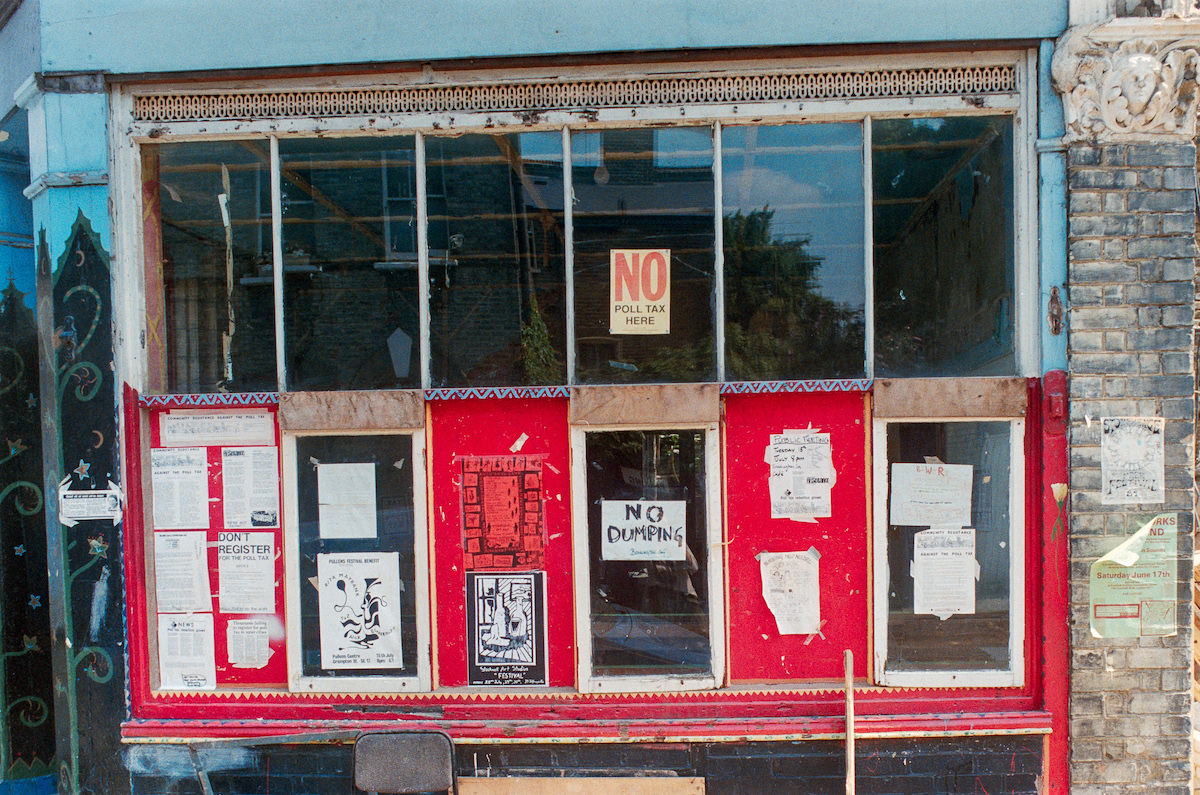
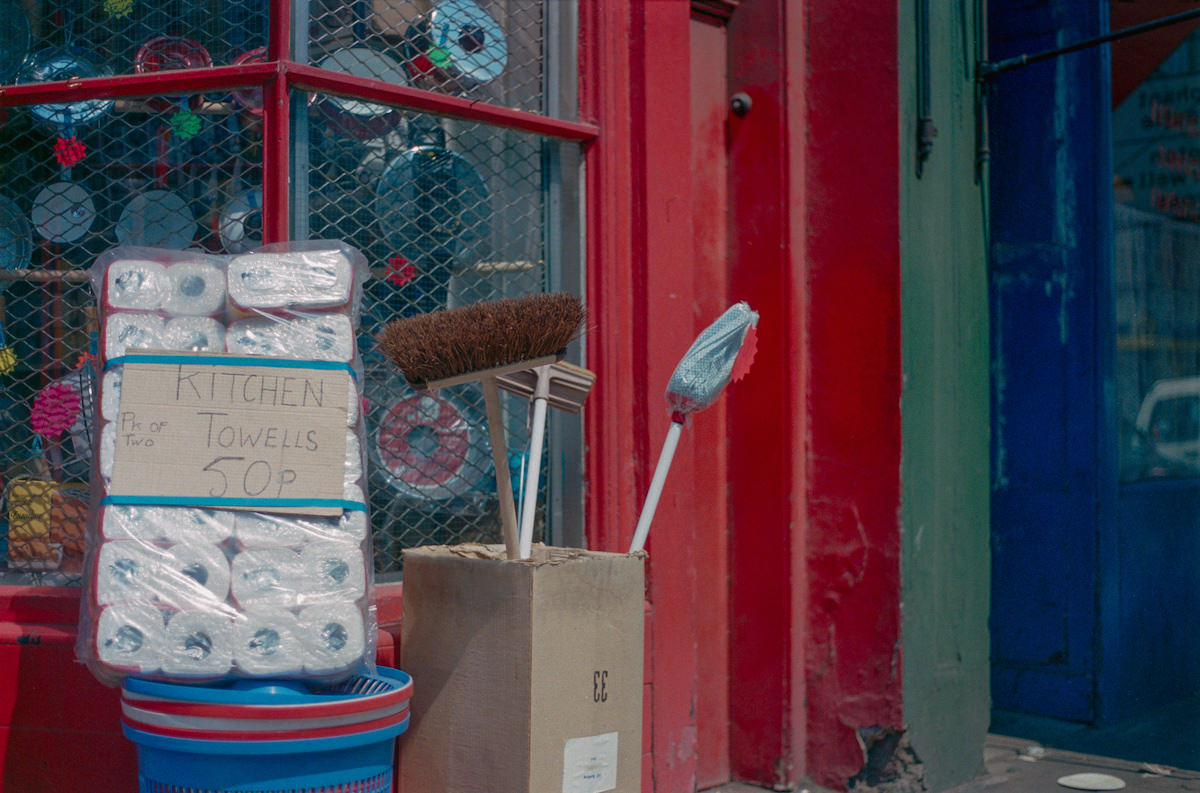
#2 Window display, Kennington Lane, 1989
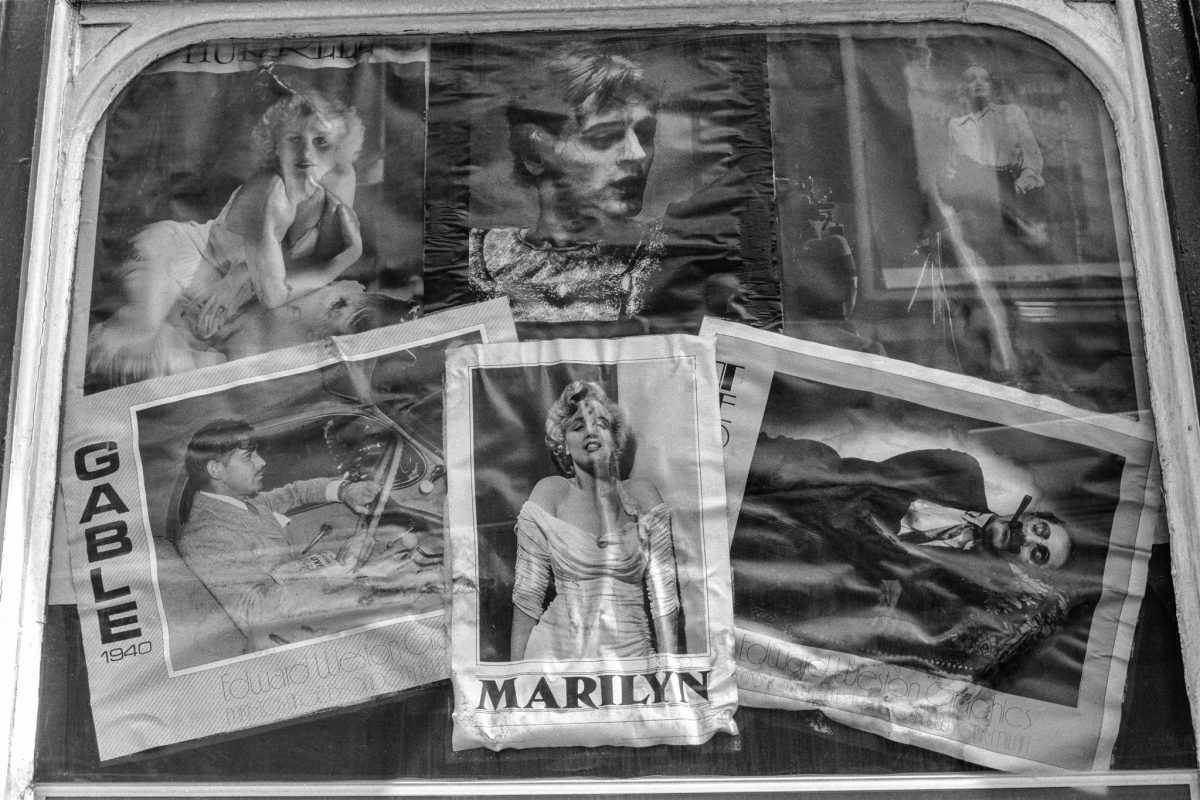
#3 Bicycle, Shop, Kennington Lane, 1989
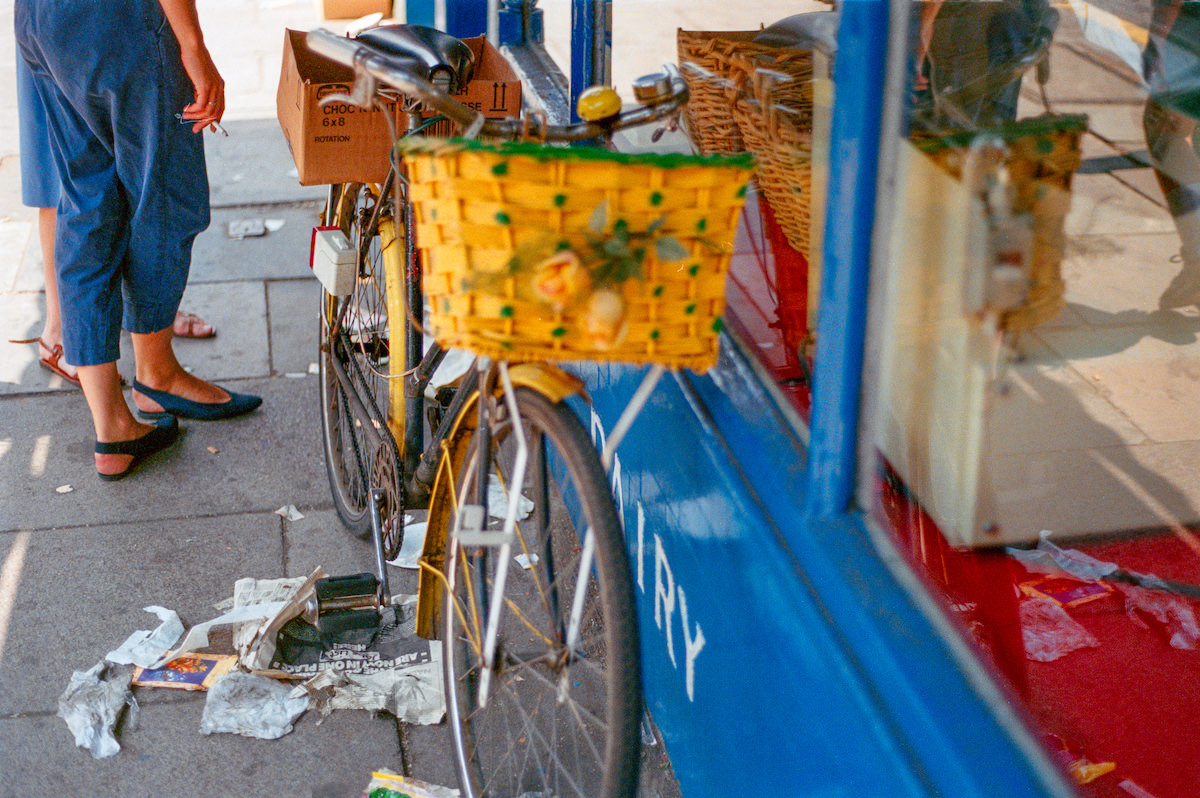
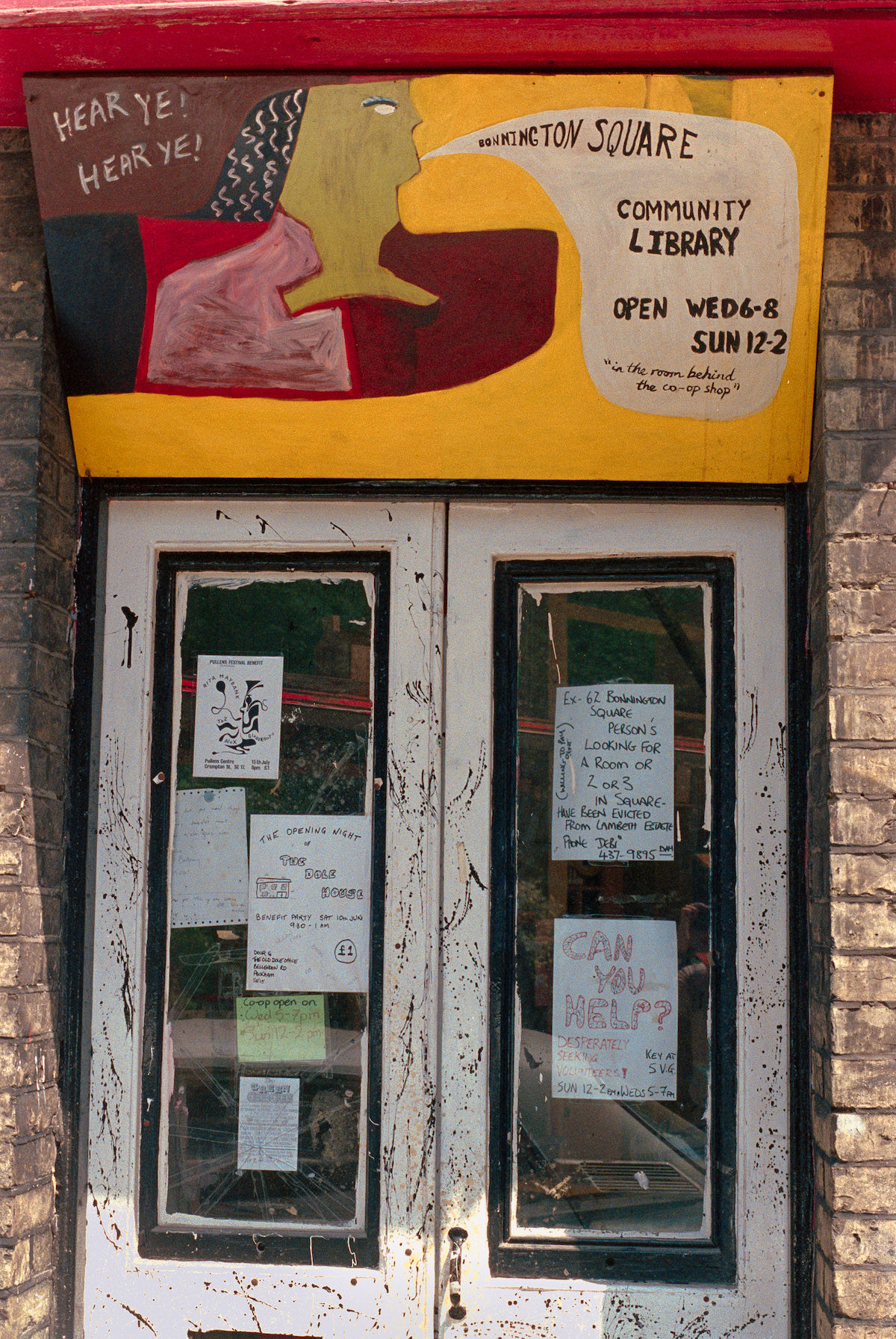
#4 Community Library, Bonnington Square, 1989,
#5 Kennington Lane, 1989,
#6 Bonnington Square, Vauxhall, Lambeth, 1989
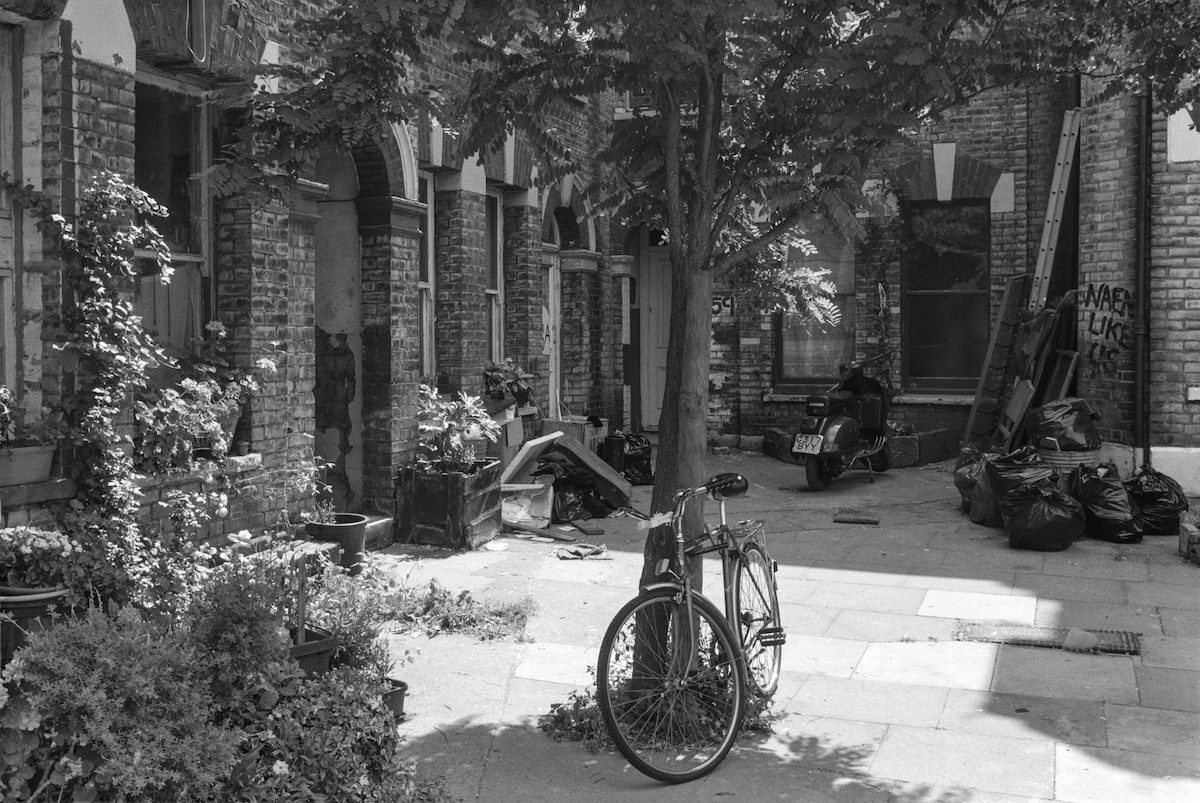
Built in the 1870s for railway workers it was compulsorily purchase by the GLC who intended to demolish it and build a school. But one resident took legal action to prevent the demolition as the properties were emptied, and squatters moved in to occupy the whole area, setting up a cafe, shop and bars and a community garden. They formed a housing co-op and negotiated a lease and in 1998 were able to buy the buildings from Lambeth Council. Various festivals took place in the square.
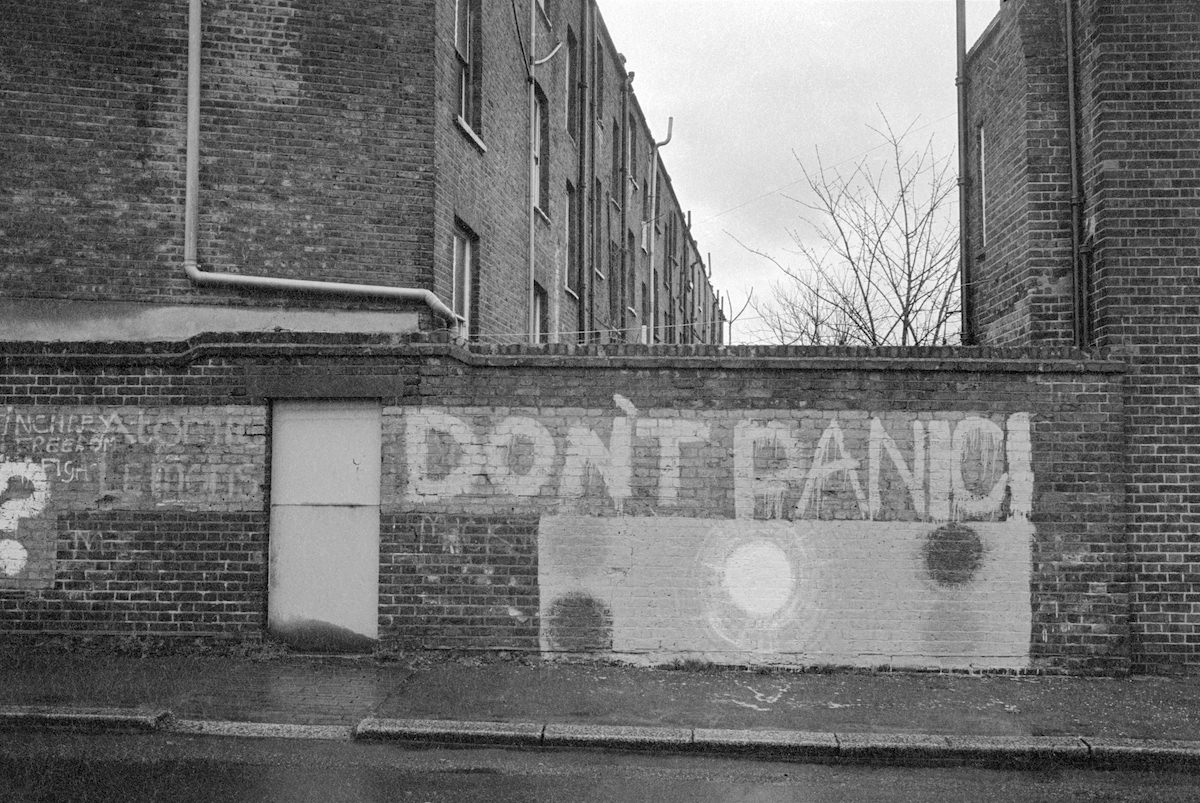
#7 Don’t Panic, St Agnes’s Place, Vauxhall, Lambeth, 1984
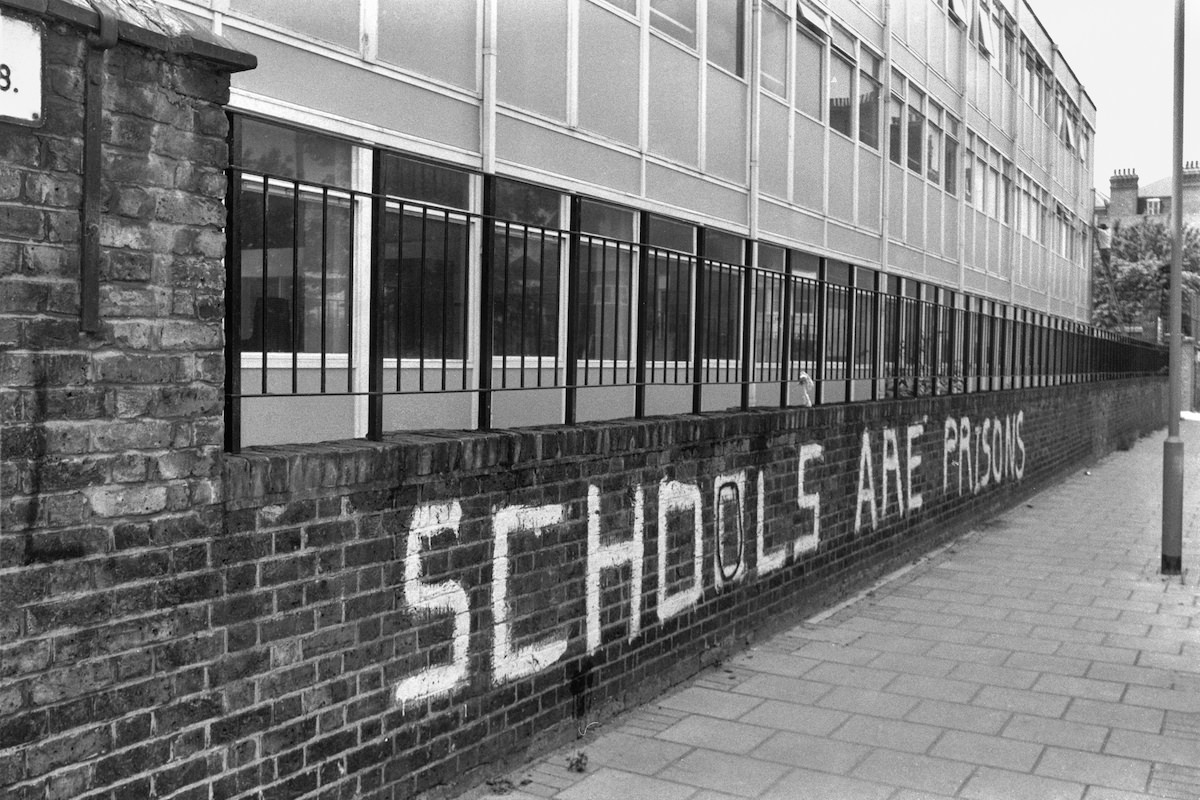
#8 ‘SCHOOLS ARE PRISONS’, Langley Lane, 1989
#9 Nine Elms Cold Store, Brunswick House, Wandsworth Rd, Nine Elms, Lambeth, 1989
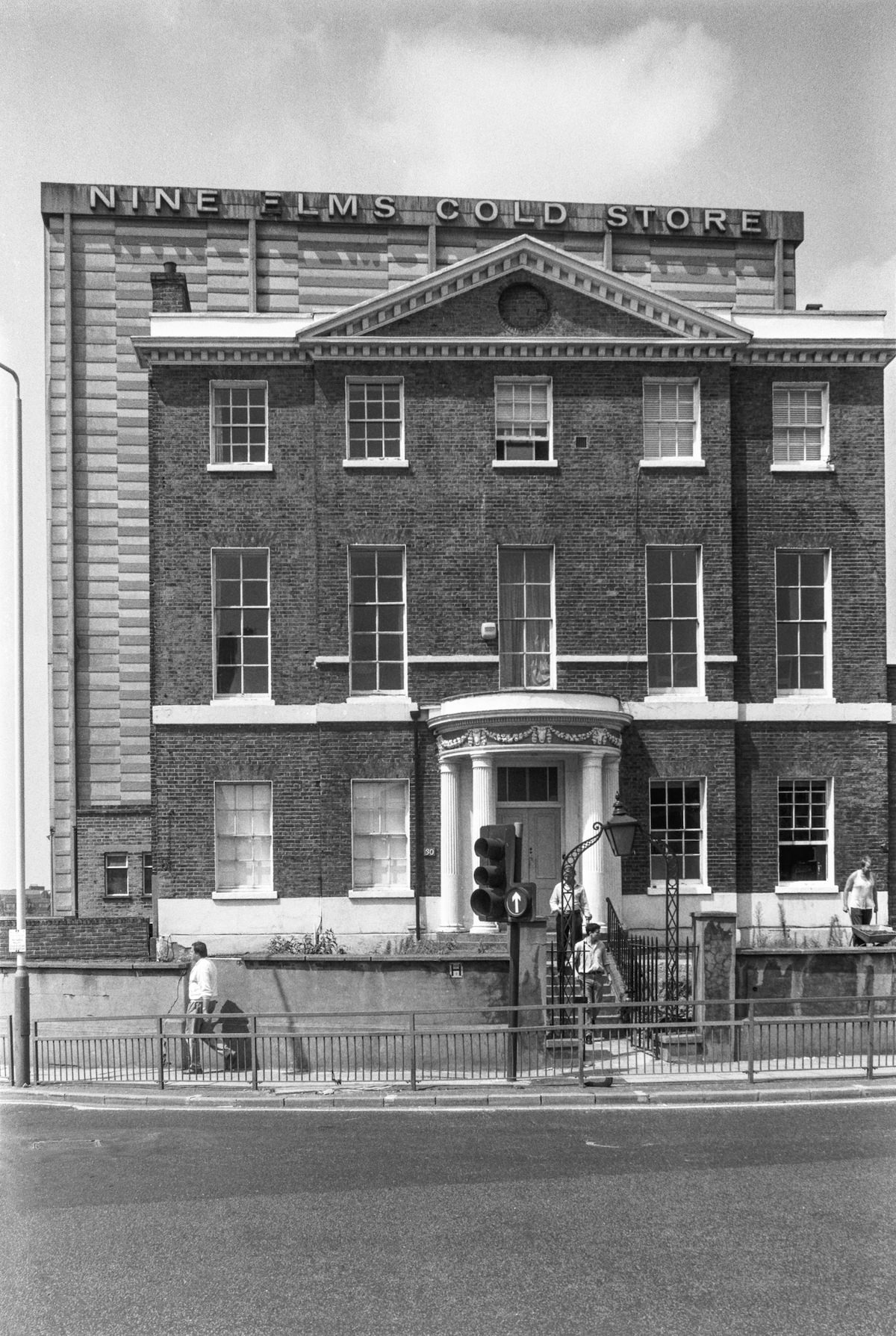
Built in 1964 on a site where the South Metropolitan Gas Works had closed in 1956 to hold around 2 million cubic feet of frozen food, with a 90ft jetty for barges on the Thames, rail across the road and large lorries. Closed in 1979 it stood largely empty for around 20 years before demolition. Replaced from 2003 by the rather less attractive St George Wharf development of expenisve flats with the 590 ft St Georges Tower, clearly in many respects a planning error.
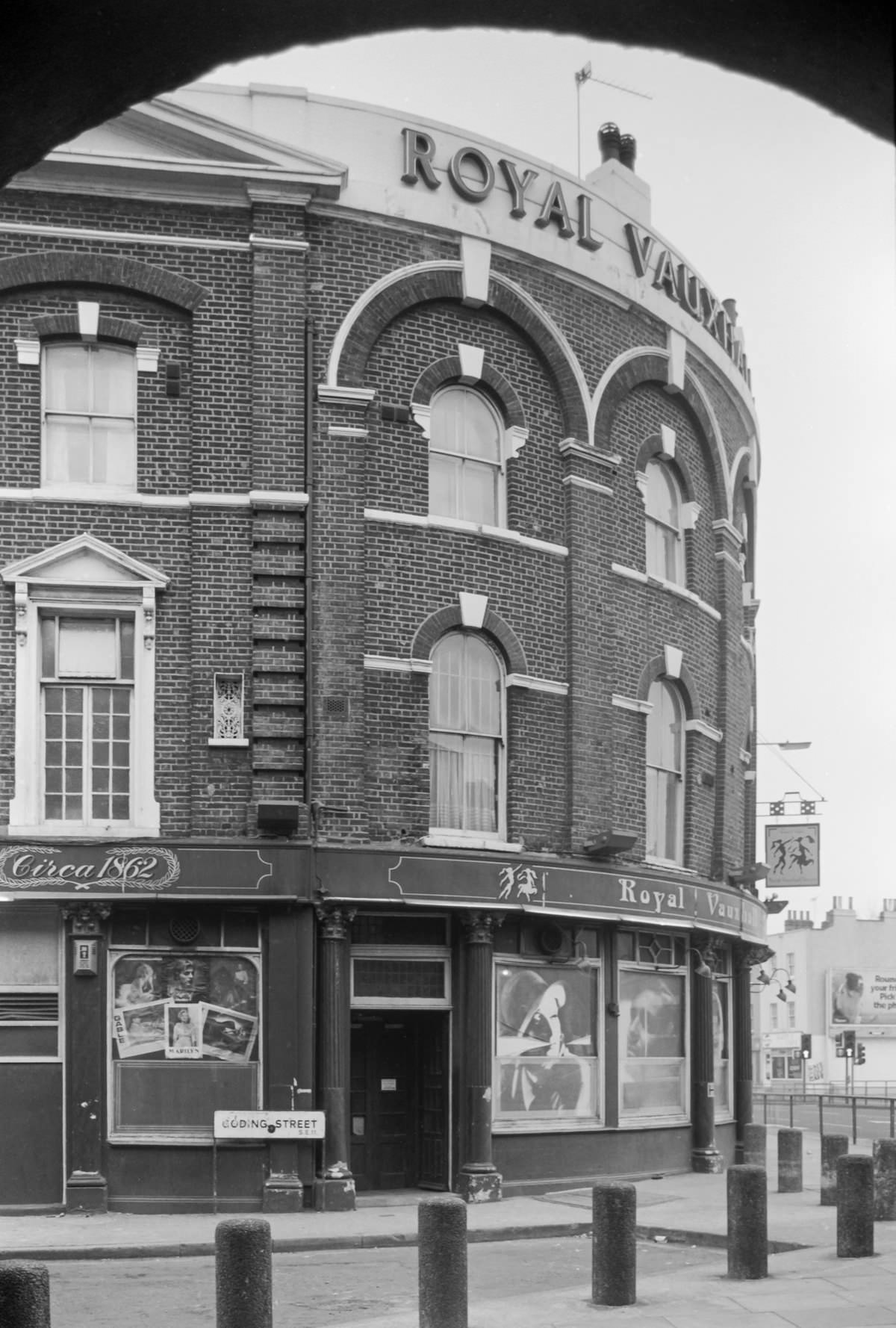
#10 The Royal Vauxhall Tavern, Goding St, Vauxhall, Lambeth, 1986
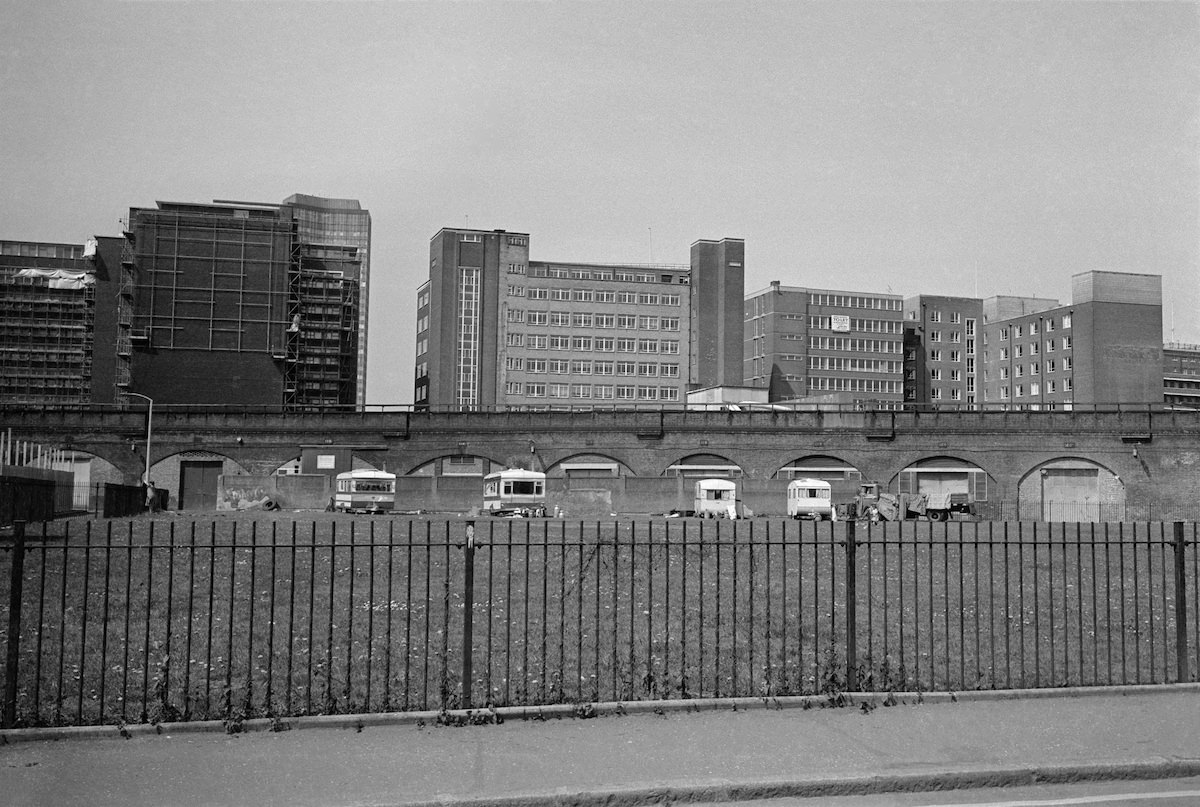
#11 Caravans, Lambeth. 1982
#12 Locking Piece, Henry Moore, sculpture, Vauxhall Bridge, Vauxhall, from Millbank, Westminster, 1987
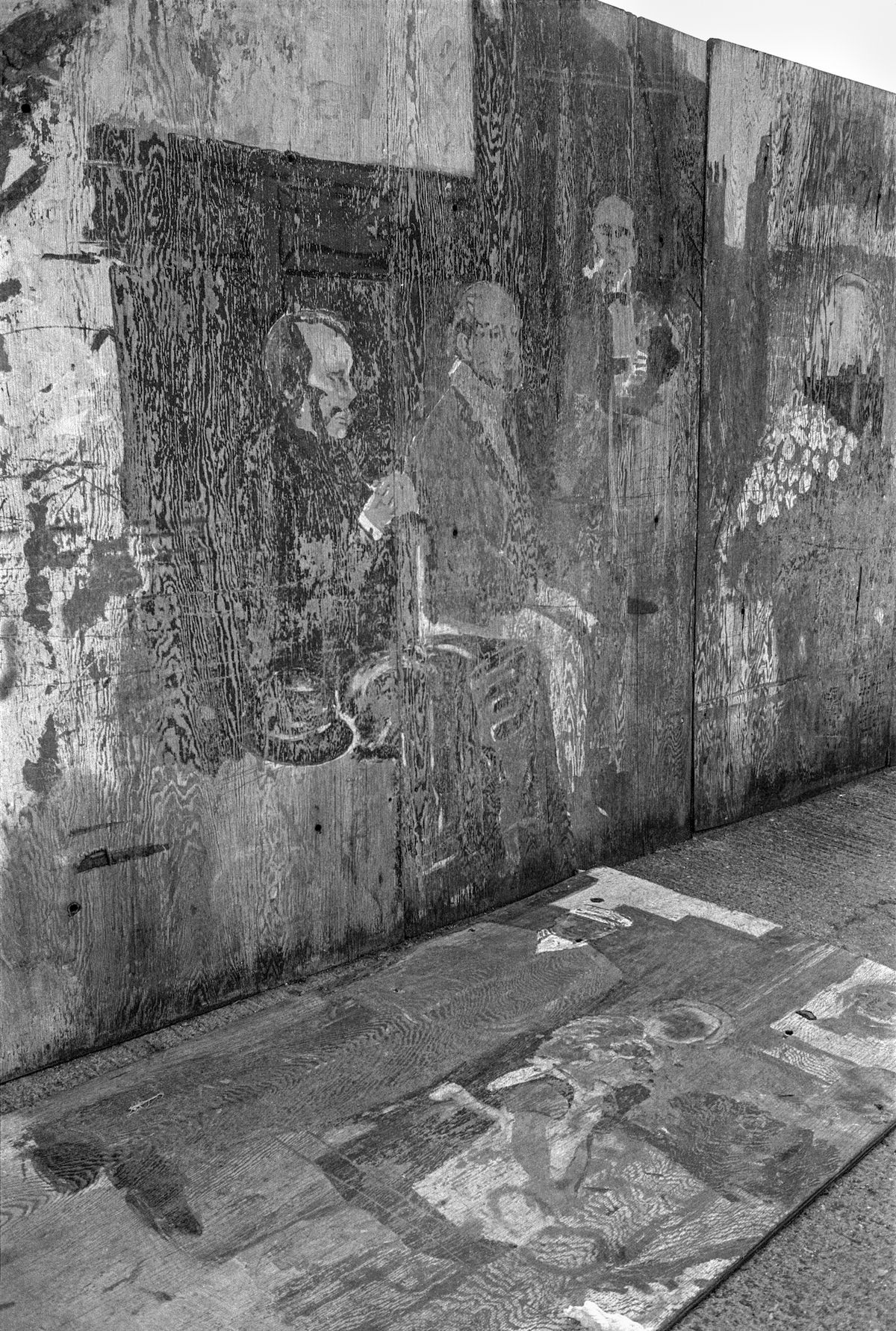
#13 Graffiti, Kennington, Lambeth, 1982
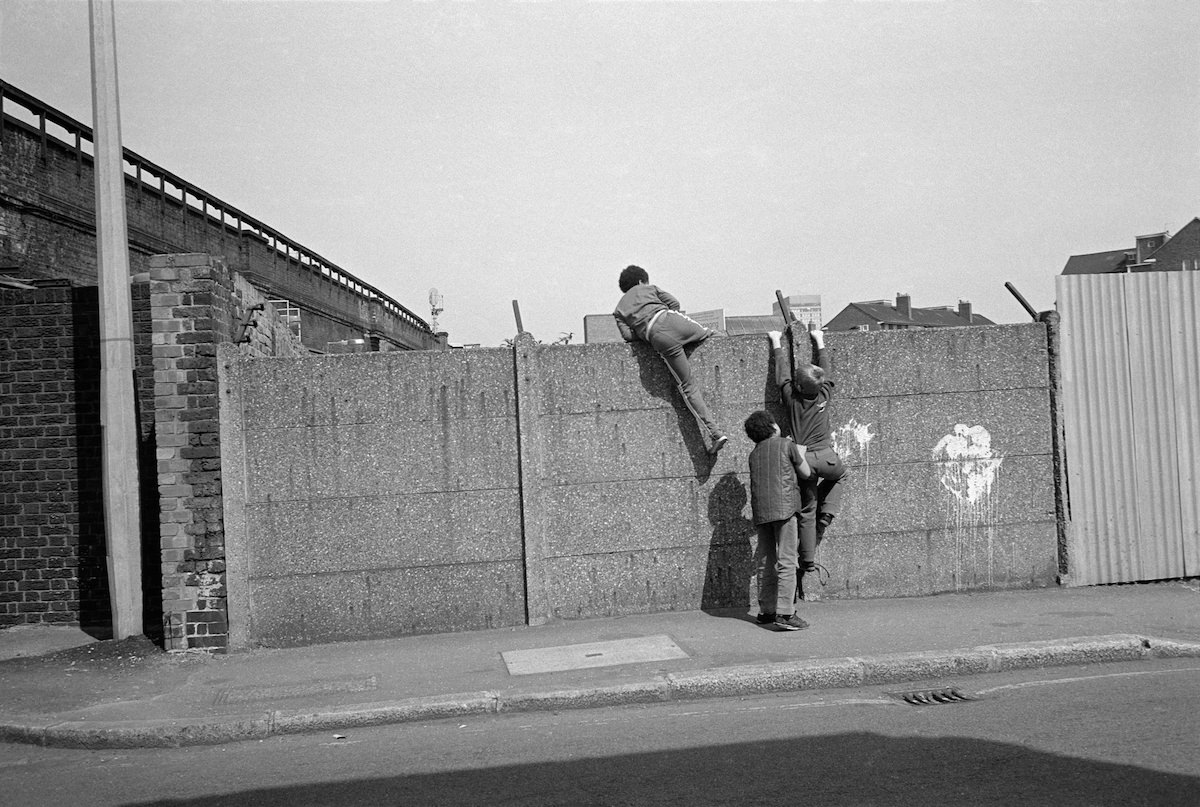
#14 Boys climbing over wall, Kennington, 1982
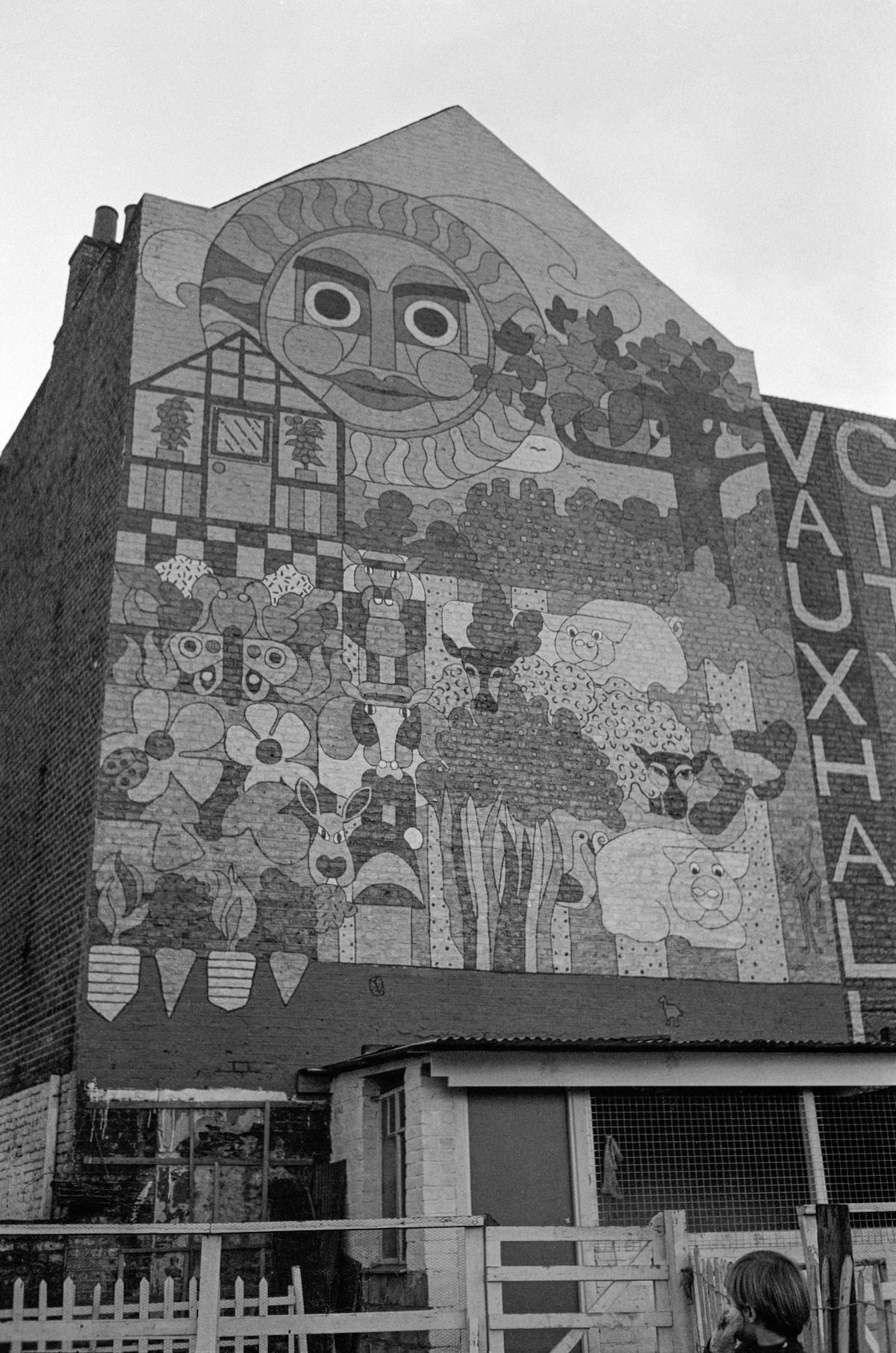
#15 Mural, Vauxhall City Farm, Vauxhall, Lambeth. 1980
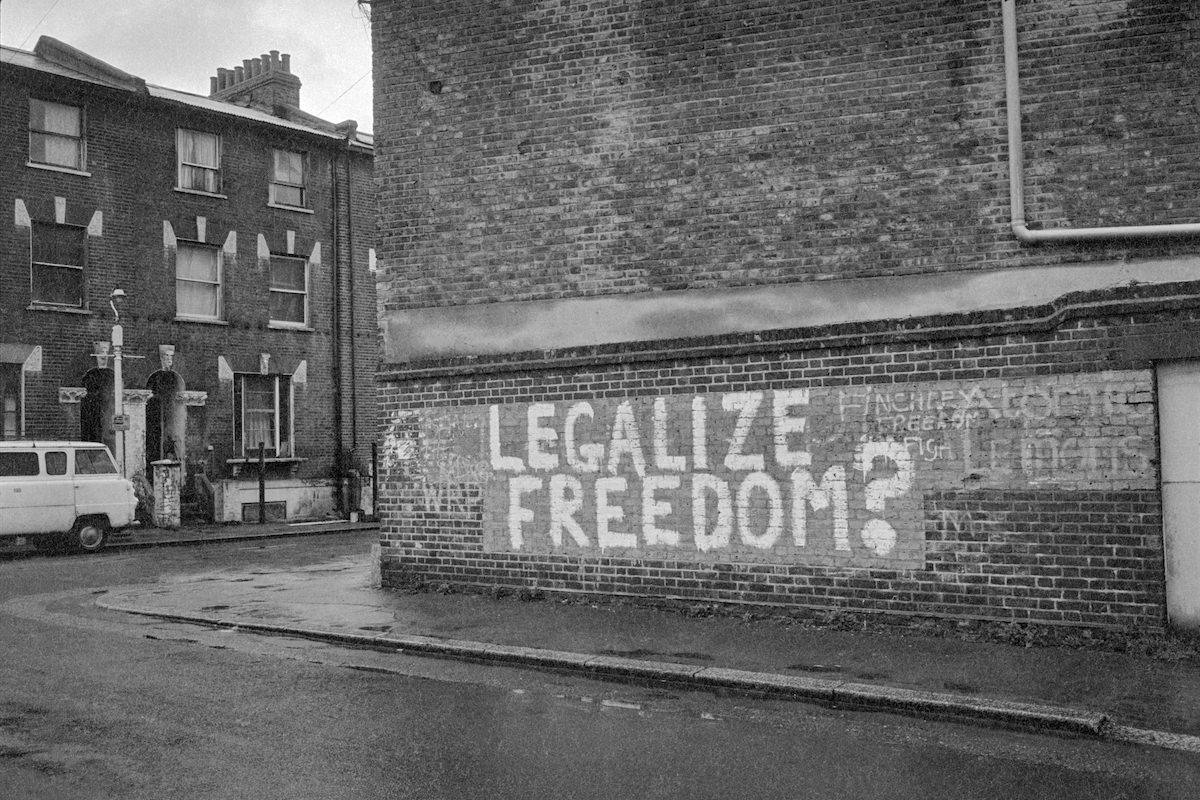
#16 Legalise Freedom?, St Agnes’s Place, Vauxhall, Lambeth, 1984
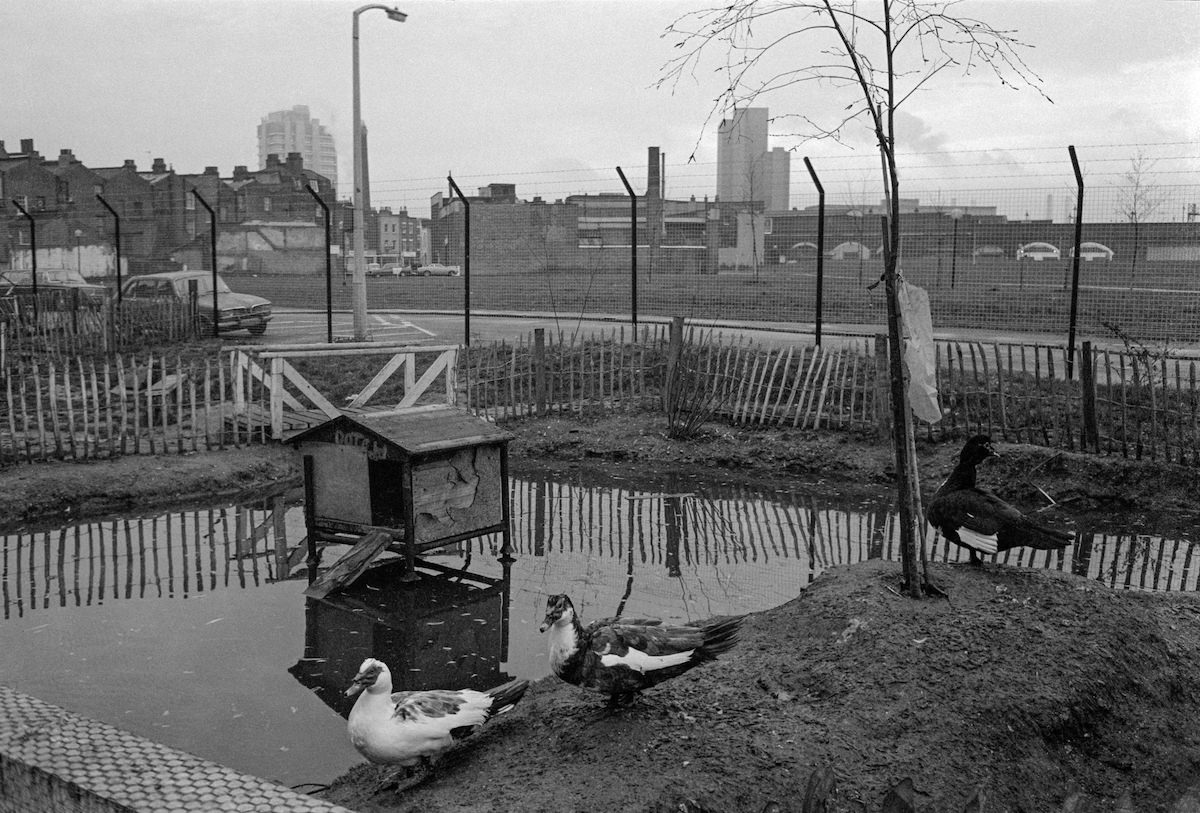
#17 Duck pond, Vauxhall City Farm, Vauxhall, Lambeth. 1980
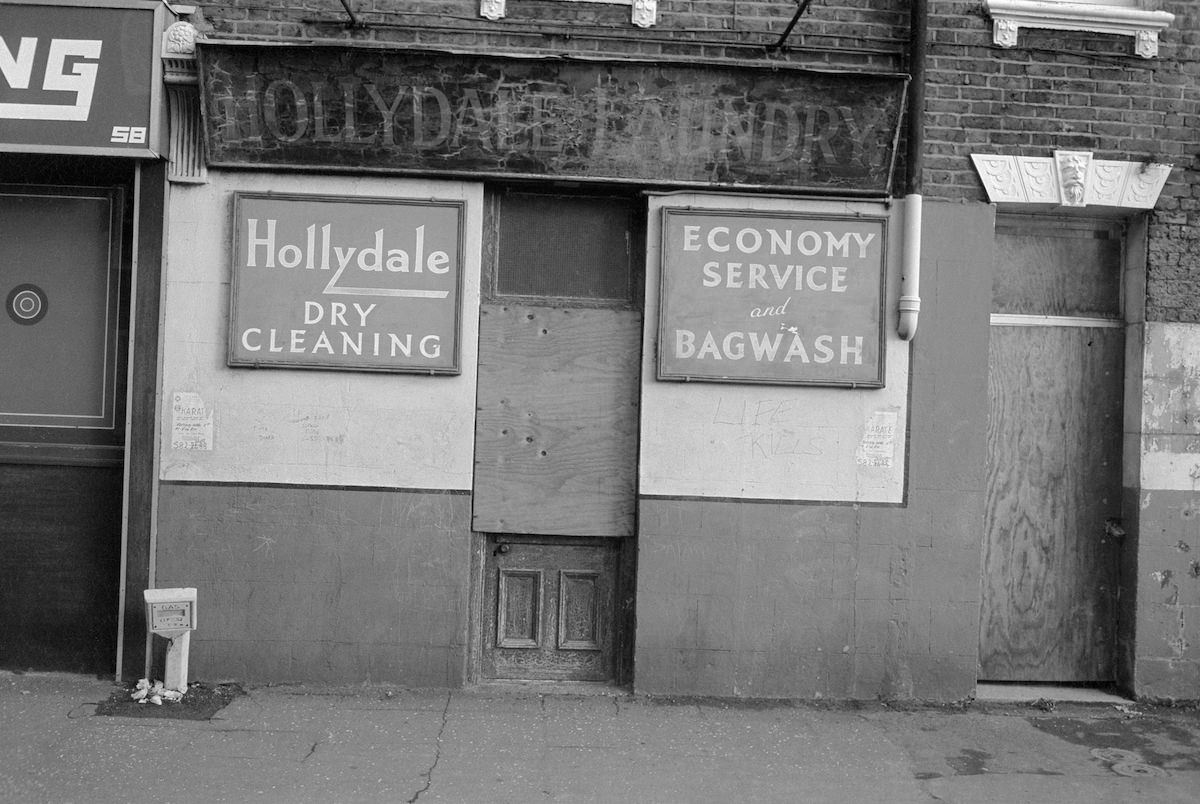
#18 Hollydale Laundry, Vauxhall St, Vauxhall, Lambeth, 1984
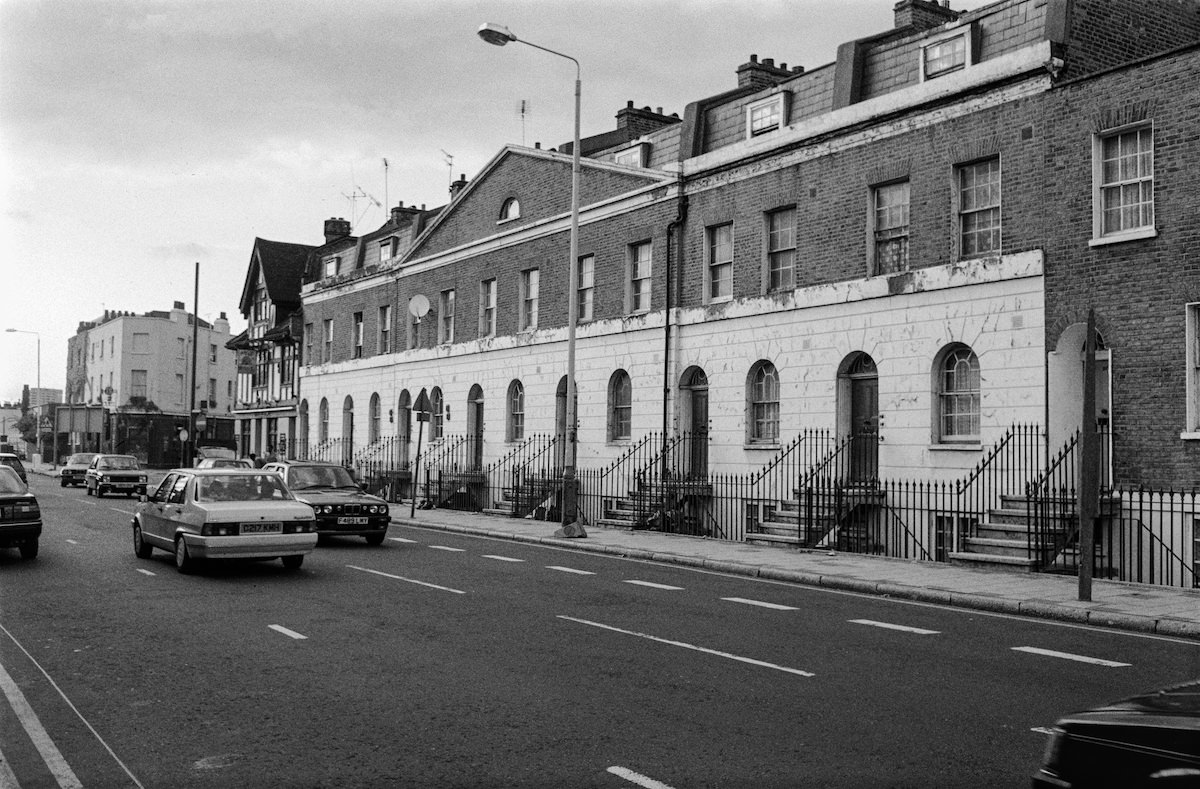
#19 Harleyford Rd, Vauxhall, Lambeth, 1989
#20 Kennington Lane, Vauxhall, Lambeth 86
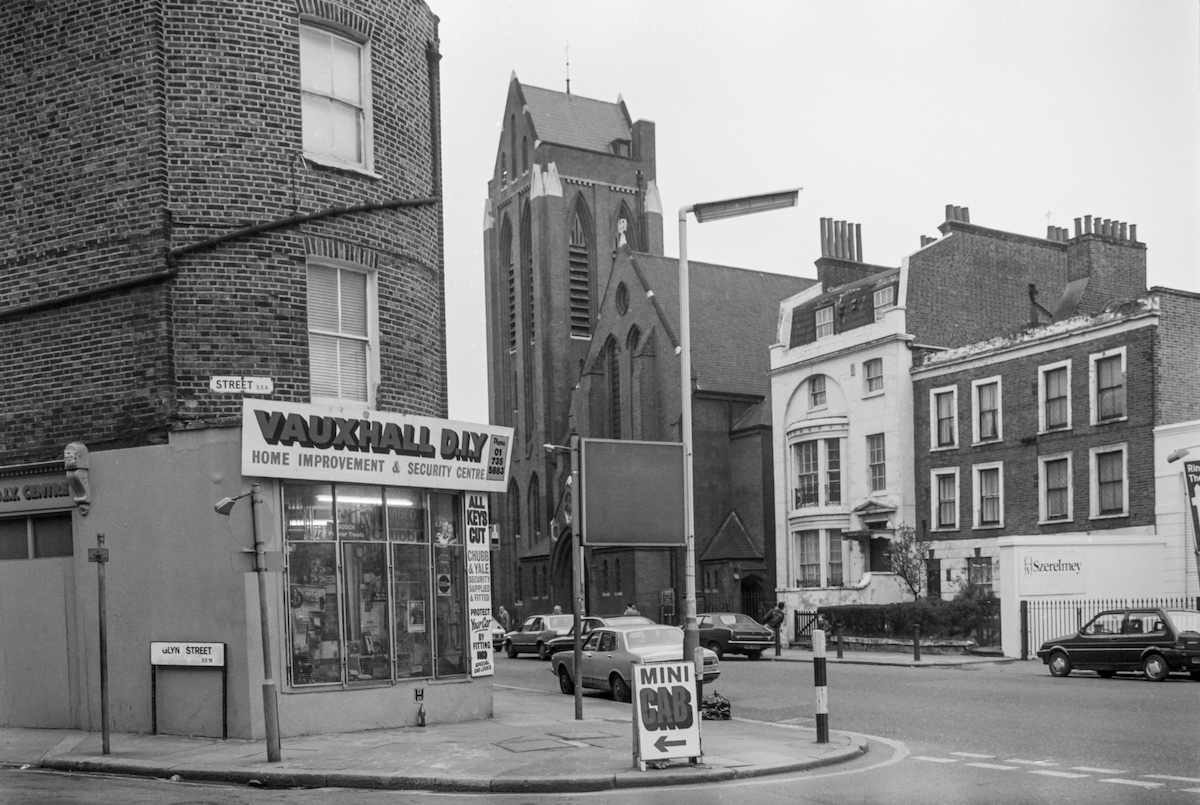
#21 Nine Elms Cold Store, RIver Thames, Nine Elms, Vauxhall, Pimlico, Westminster, 1987
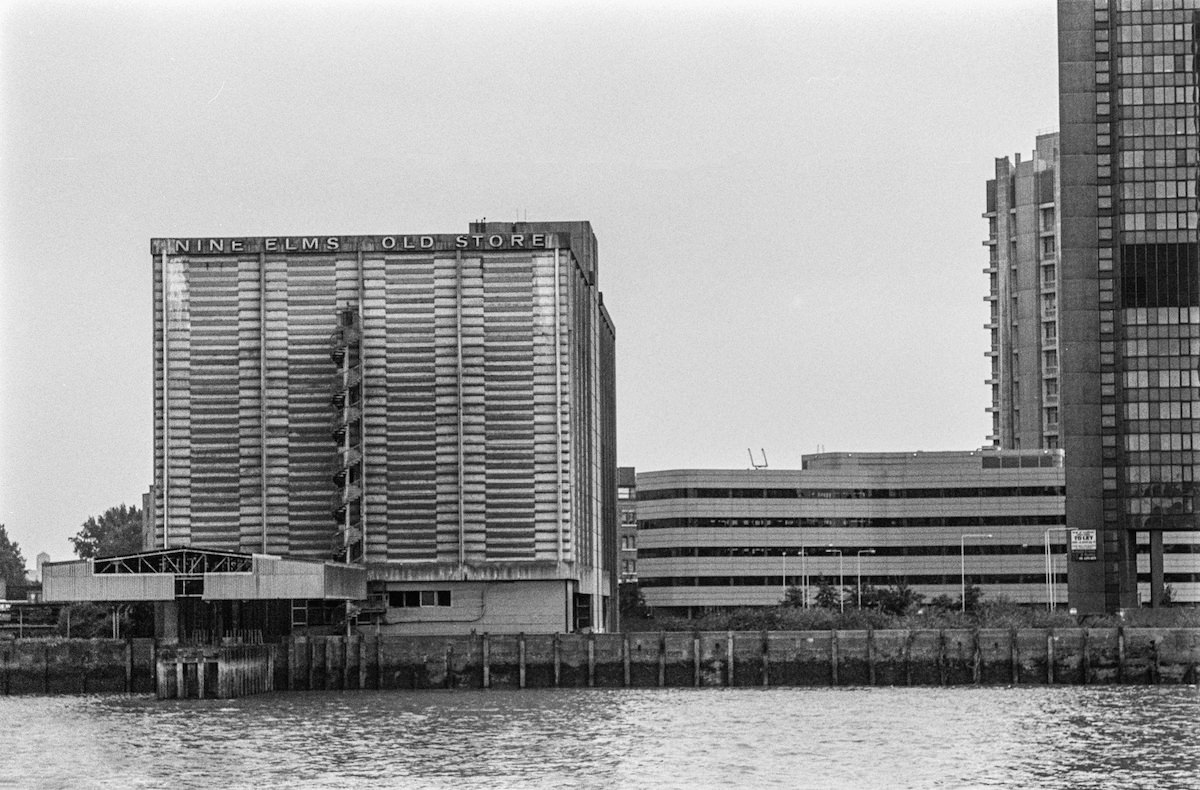
#22 Graffiti, Kennington Lane, Harleyford Rd, Vauxhall, Lambeth, 1989, 89c7-04-52
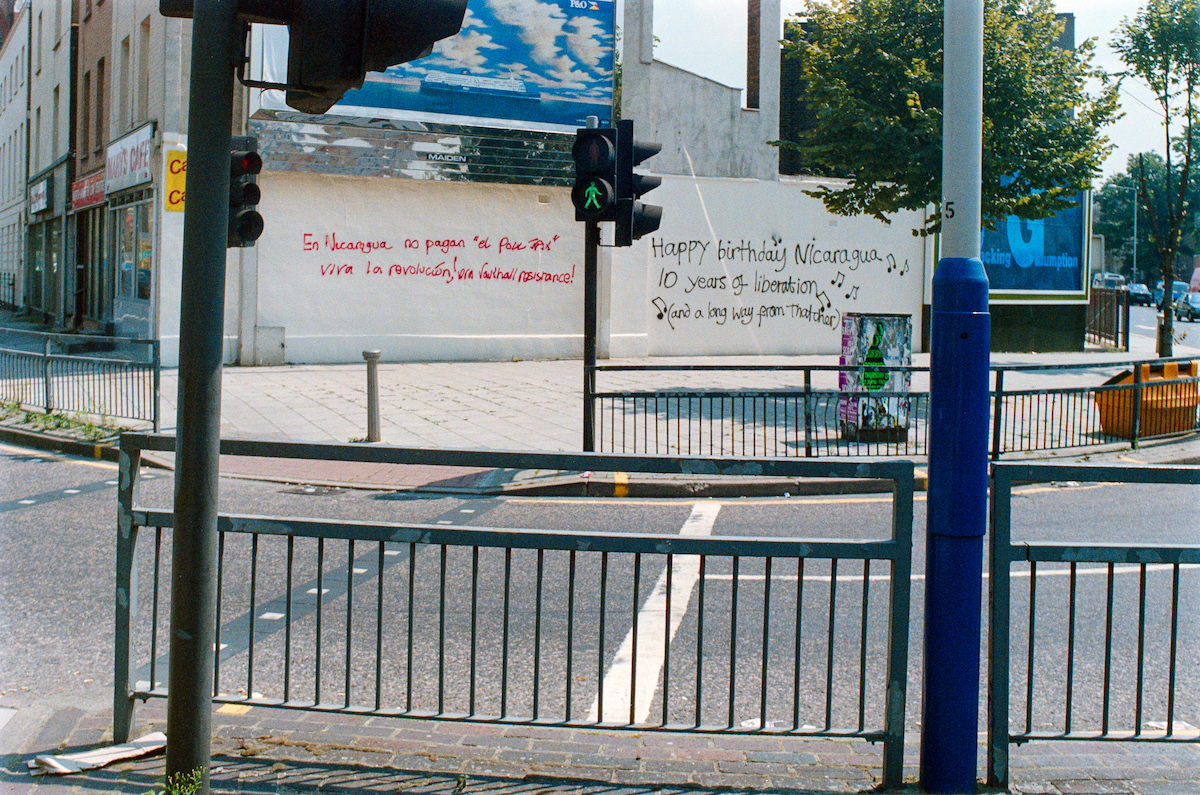
#23 Vauxhall St, Kennington, Lambeth, 1989
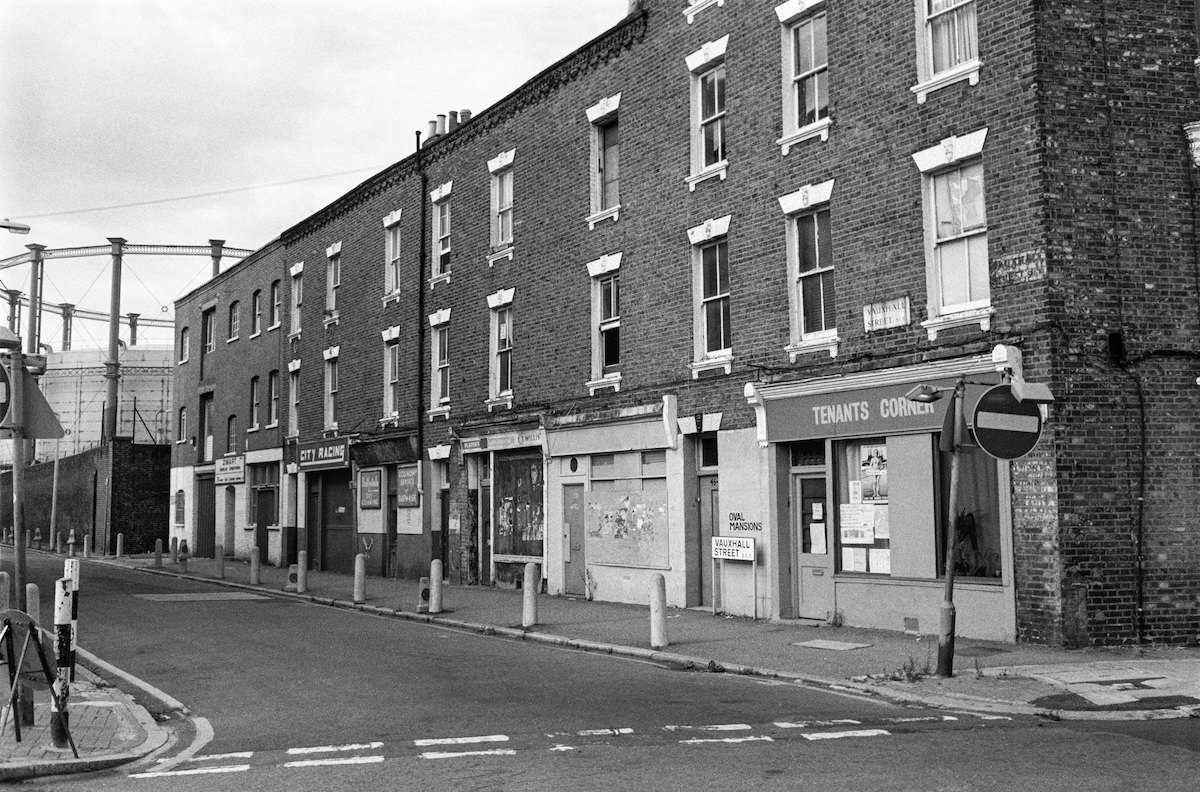
#24 Shops, Kennington Lane, Vauxhall, Lambeth, 1989
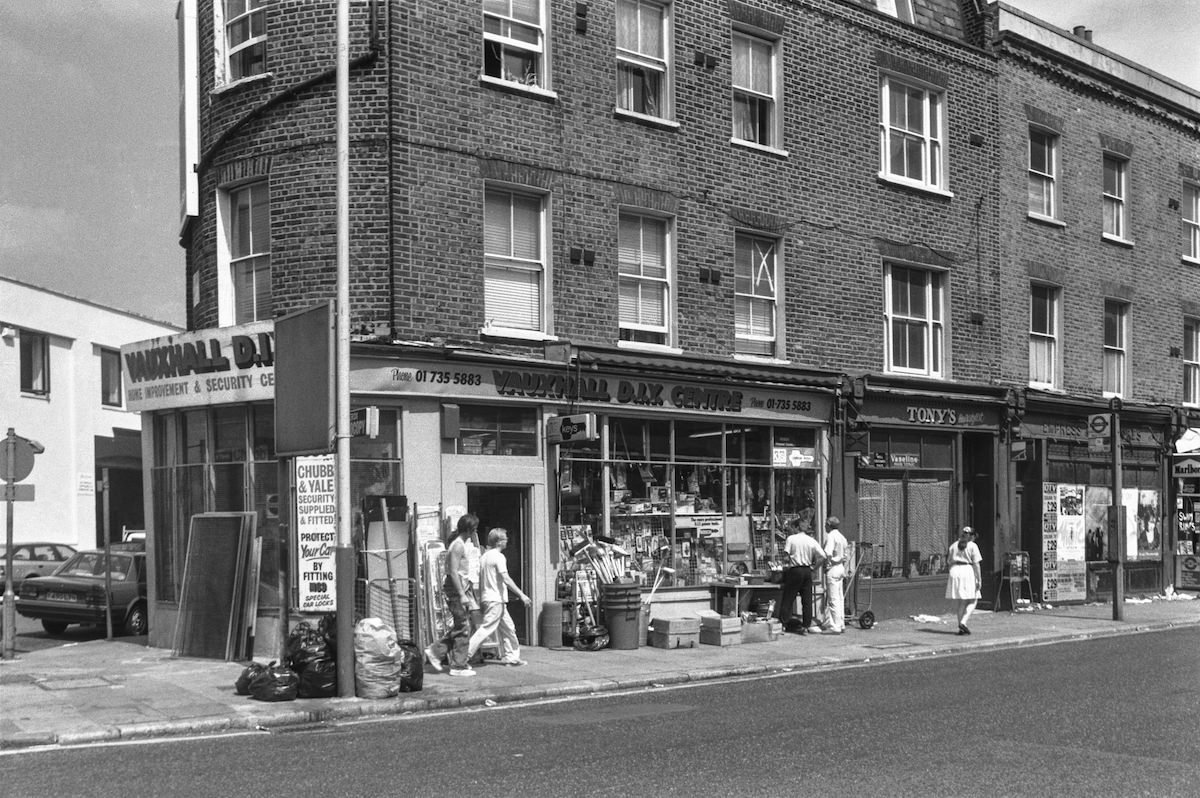
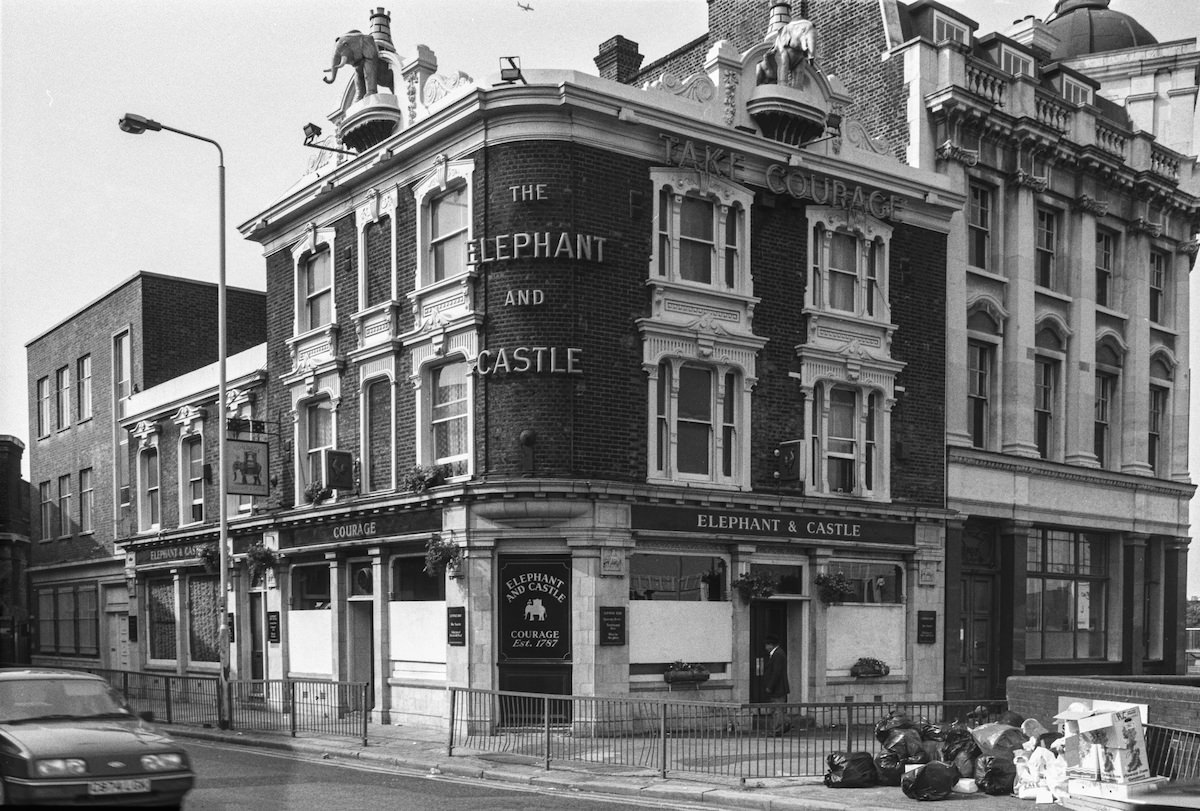
#25 The Elephant And Castle, pub, South Lambeth Place, Vauxhall, Lambeth, 1989
#26 Bonnington Square, Vauxhall, Lambeth, 1989
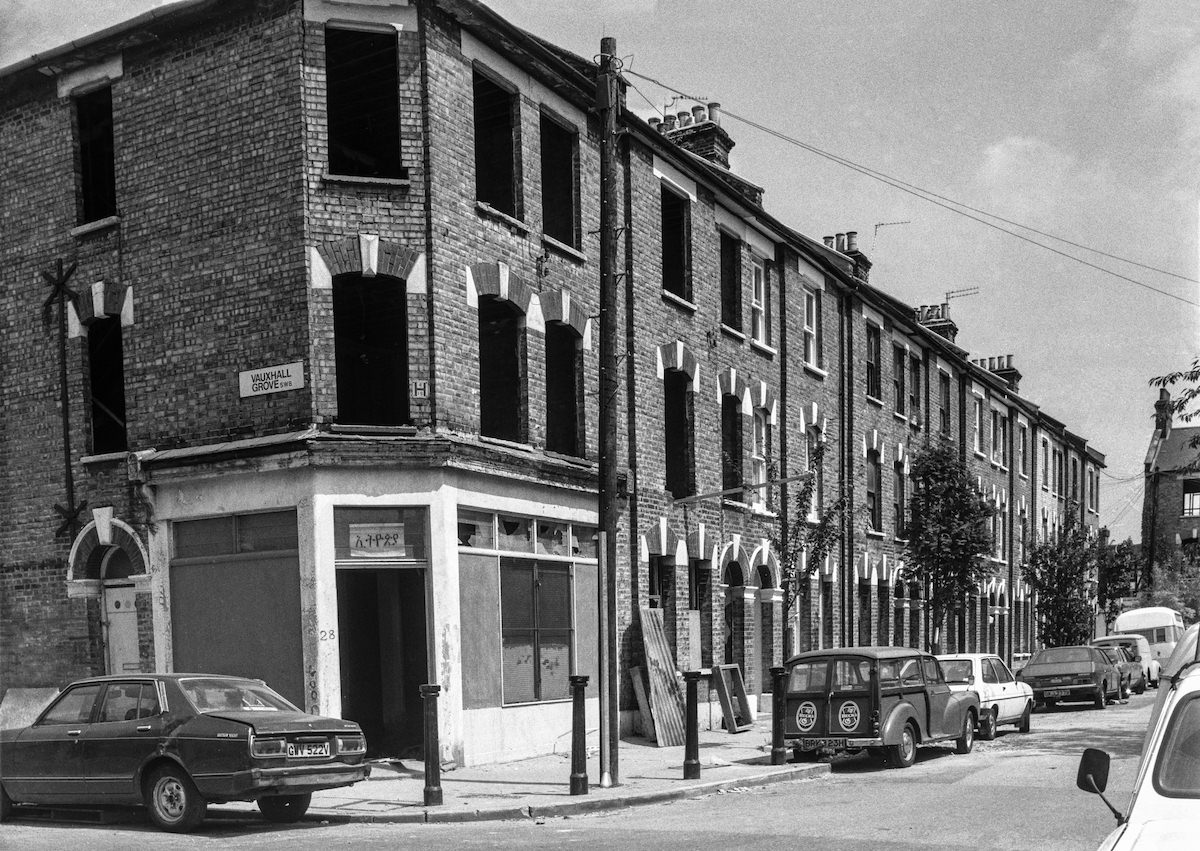
Built in the 1870s for railway workers it was compulsorily purchase by the GLC who intended to demolish it and build a school. But one resident took legal action to prevent the demolition as the properties were emptied, and squatters moved in to occupy the whole area, setting up a cafe, shop and bars and a community garden. They formed a housing co-op and negotiated a lease and in 1998 were able to buy the buildings from Lambeth Council. Various festivals took place in the square.