
Trieste sits at a remarkable crossroads. Tucked into the far northeastern corner of Italy, the city occupies a narrow strip of land wedged between the Adriatic Sea and the Slovenian border. Its location made it one of the most strategically important port cities in Europe for centuries — and in the 1980s, that same geography still shaped daily life in ways both big and small.
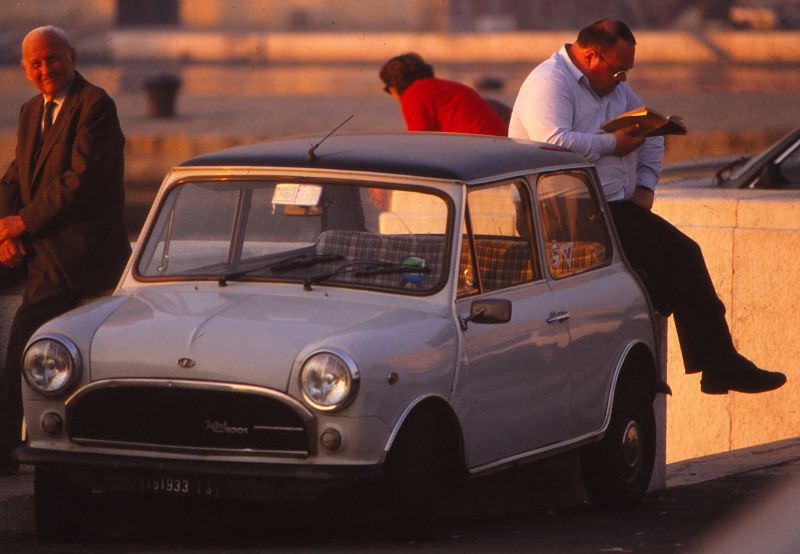
When Holy Roman Emperor Charles VI declared Trieste an imperial free port in 1719, the city had a population of just 5,700 people. That status supercharged its growth. By the time the free port privilege was lifted in 1891, the population had surged to 156,000. Trade flowed through Trieste from Northern Italy, Austria, Germany, and much of Central Europe. The deep-water harbor made it the natural maritime gateway for landlocked nations to the north, a role the city continued to play well into the 20th century.
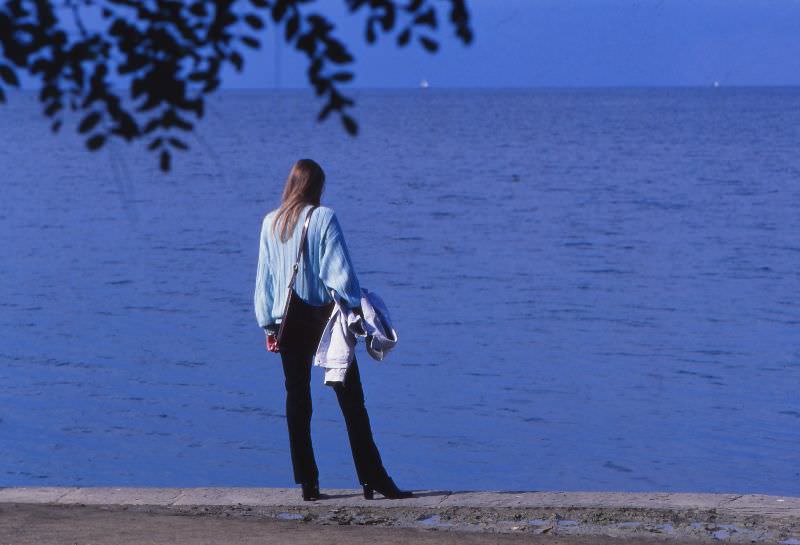
By the 1980s, Trieste had earned a reputation beyond just shipping and commerce. It ranked among the world’s top 25 small cities for quality of life and placed in the top ten for safety. Residents enjoyed a city that balanced grand Austro-Hungarian architecture with an easygoing, coastal rhythm. The streets, piazzas, and canals told that story every single day.
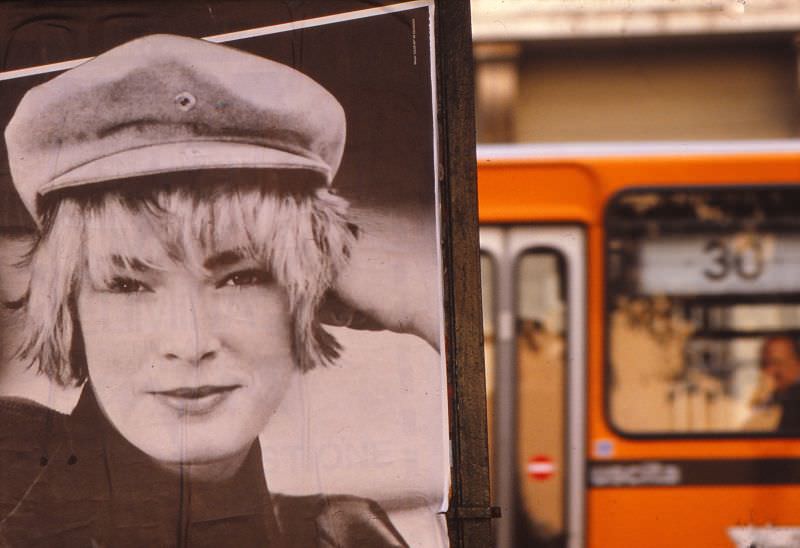
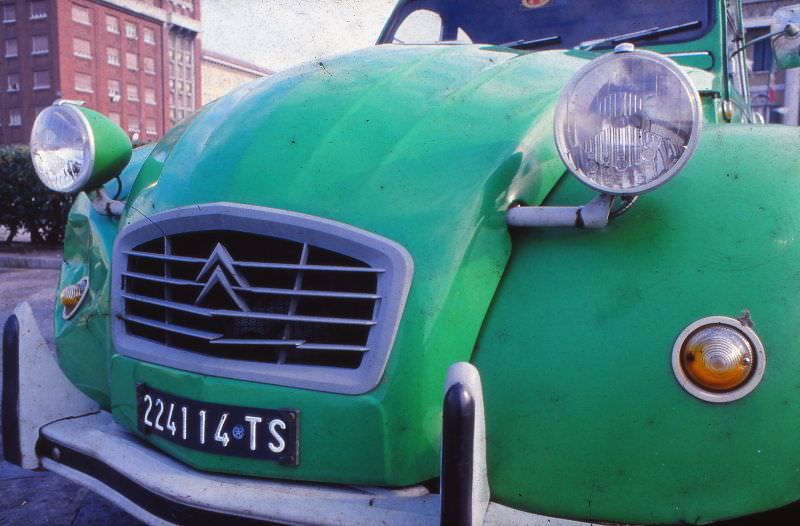
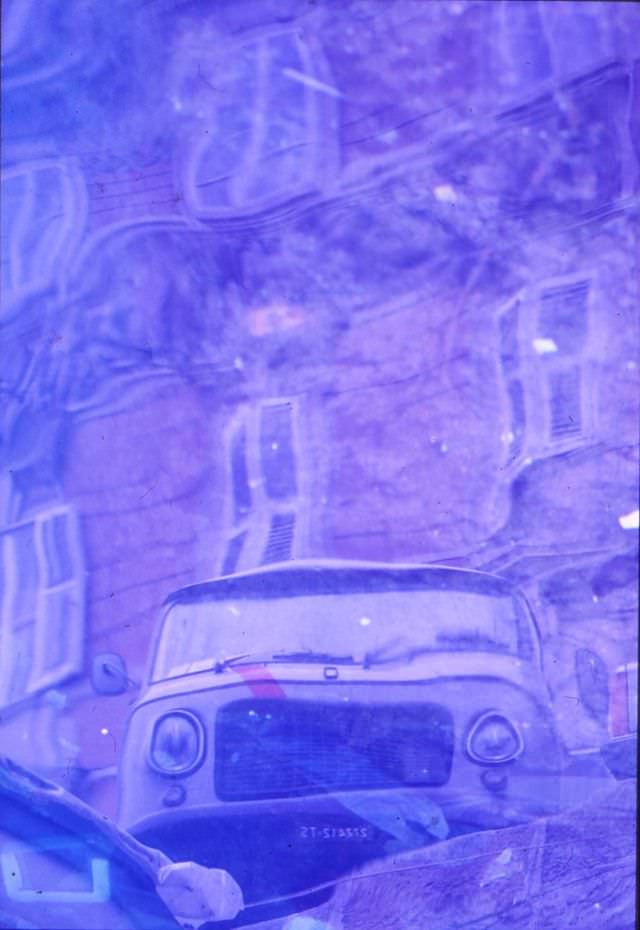
Getting around the city in the 1980s meant navigating a mix of buses and compact European cars that filled the narrow streets. The iconic Citroën 2CV was a common sight, as was the Fiat 238 van — workhorses of Italian urban life at the time. Public transit connected neighborhoods from the waterfront to the hillside districts, and drivers took pride in their routes.
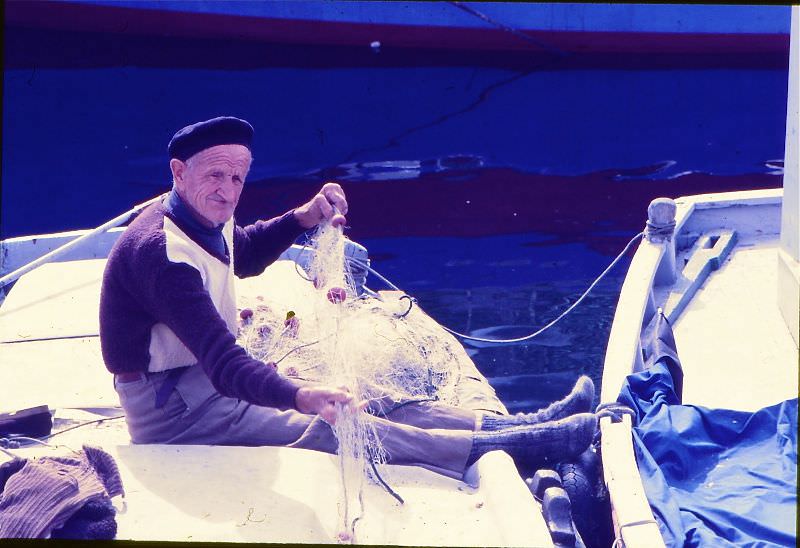
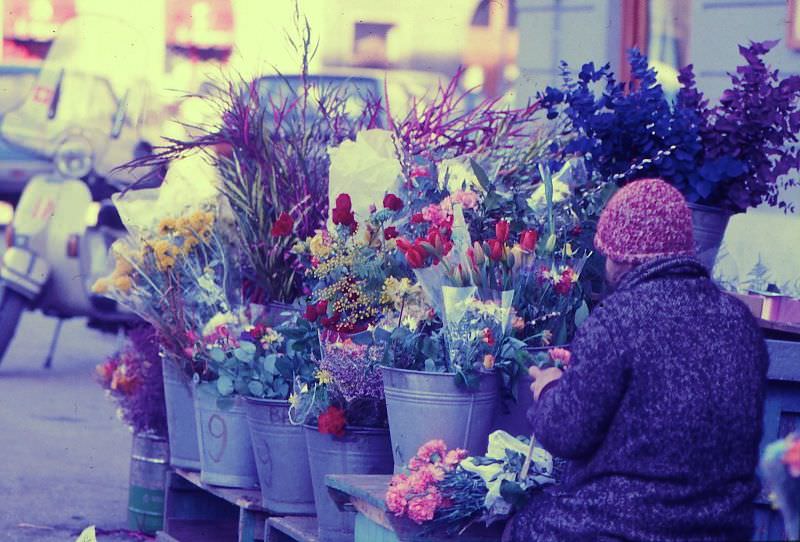
The Ponterosso Canal was one of the beating hearts of everyday Trieste. Fishermen lined its banks, casting lines with the same unhurried patience that had characterized the spot for generations. Just steps away, the Ponterosso market drew vendors and shoppers alike. Flower sellers set up their stalls and filled the air with color, turning the canal-side into a lively open-air gathering place each morning.
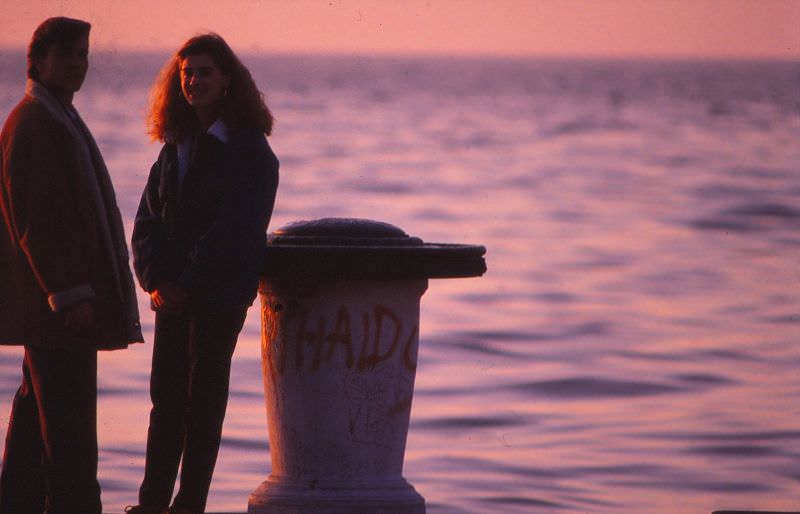
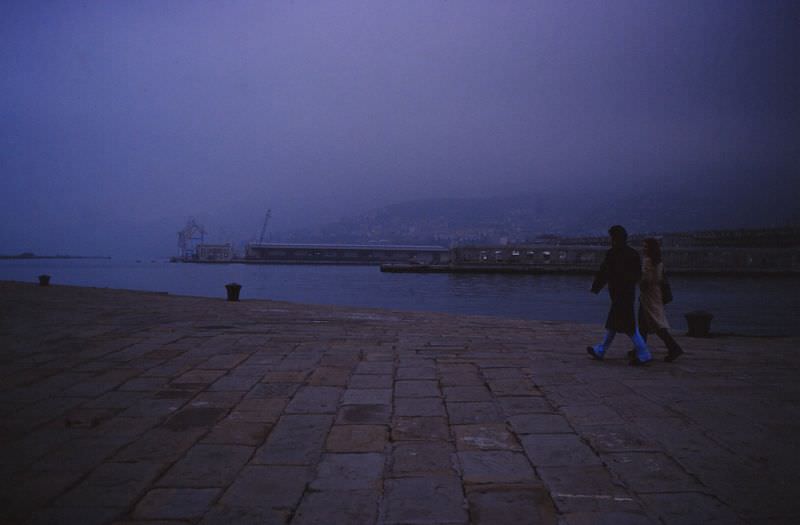
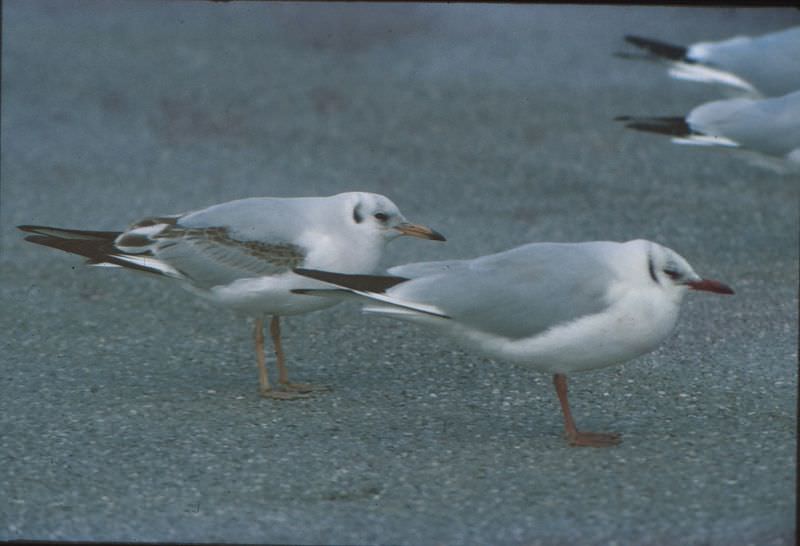
Molo Audace — the long stone pier that juts out into the Gulf of Trieste — served as a favorite spot for both romance and quiet reflection. Couples walked its length as seagulls circled overhead, and the bora, Trieste’s famous cold northeastern wind, swept in off the water. The bora is no gentle breeze; it barrels down from the Karst plateau and has been clocked at speeds strong enough to knock cyclists off their bikes.
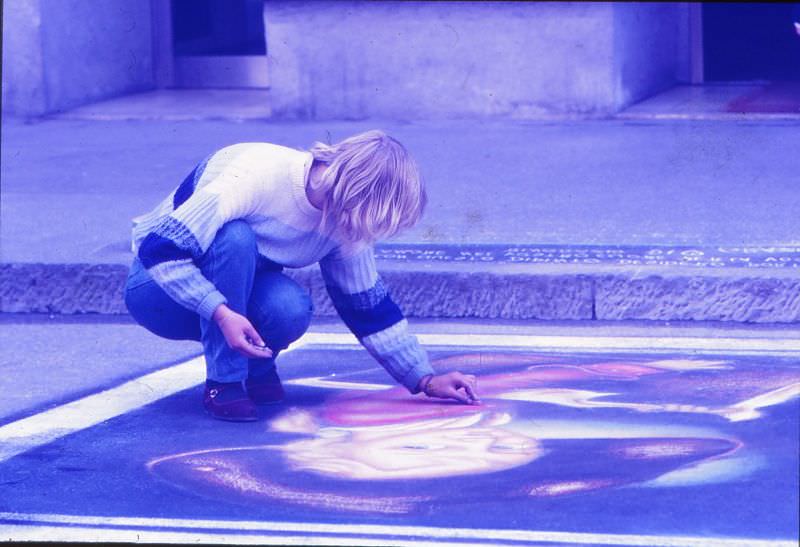
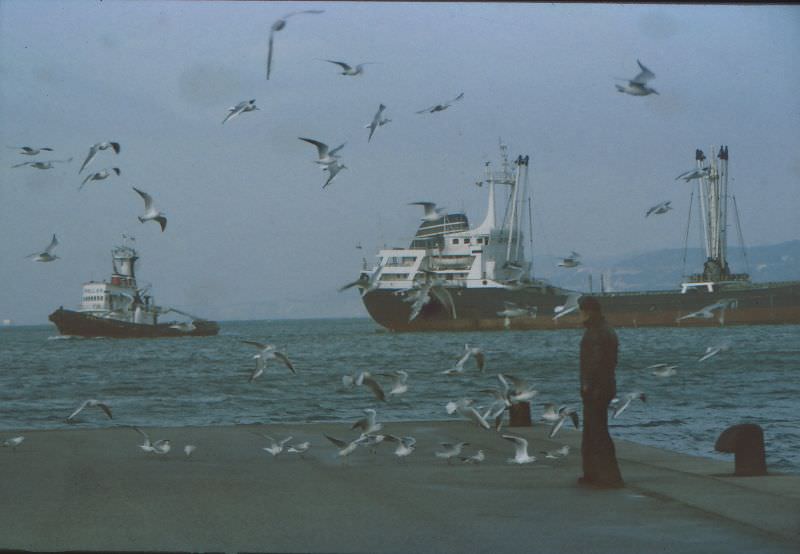
Street artists known as madonnari — pavement chalk painters who traditionally depicted religious images — added another layer of character to Trieste’s public spaces. Meanwhile, down at the docks, workers and onlookers watched the port go about its business. The working waterfront was never far from the residential neighborhoods, and the two worlds existed side by side without much separation.
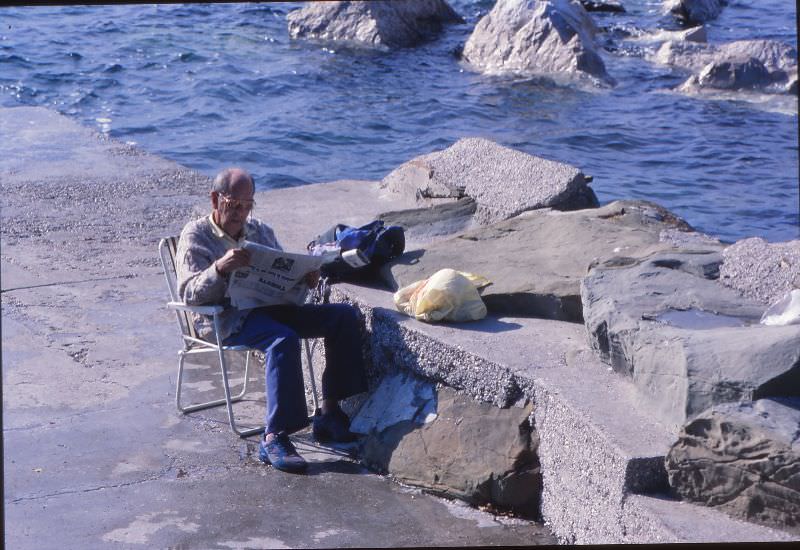
Reading the newspaper was a serious daily ritual in Trieste. Men settled into café chairs or found a quiet spot along a wall or railing, folding back the pages with practiced ease. The city had a strong café culture rooted in its Austro-Hungarian past, and the act of sitting with a coffee and the morning news was treated less as a luxury and more as a necessity.
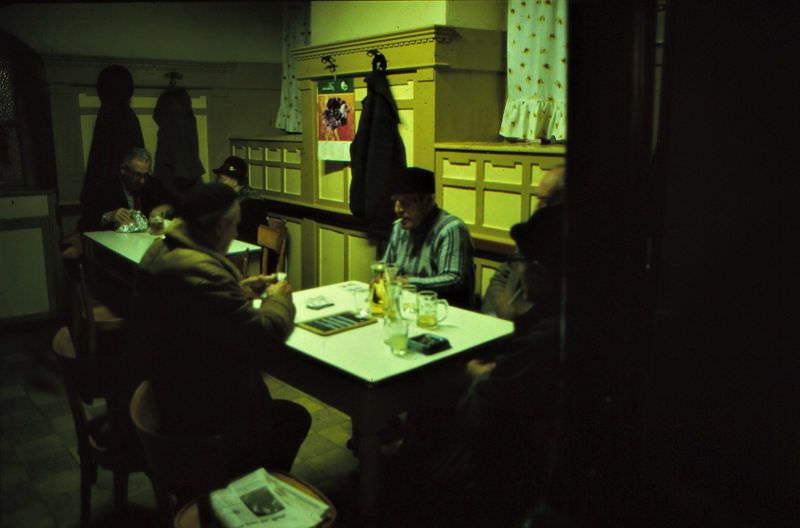
Local osterias like the Tevere were where Triestini gathered for simple, honest meals and conversation. These neighborhood wine bars and eating houses served as social anchors, especially in older parts of the city. They were unpretentious places — wood tables, local wine, food that came from nearby — and they drew a regular crowd that rarely needed a menu.
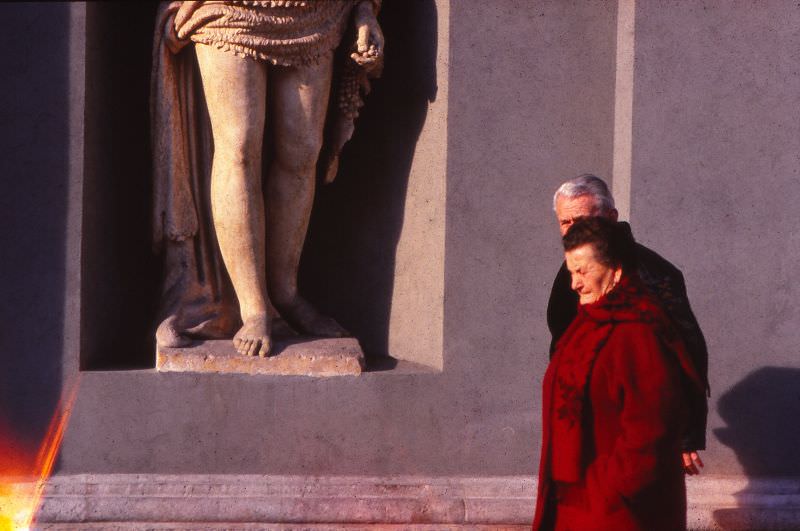
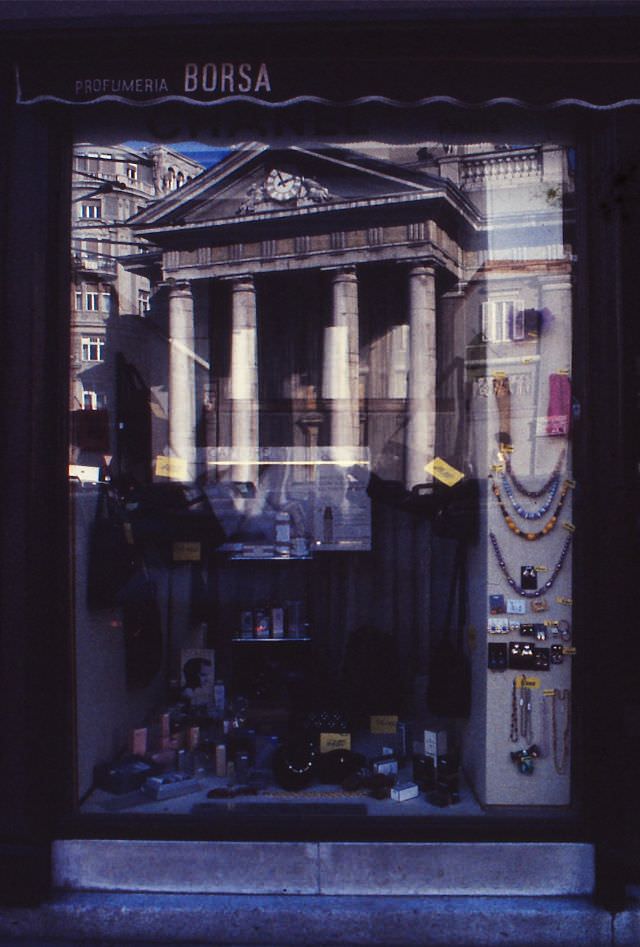
Piazza della Borsa, named for the old stock exchange building that anchors it, was one of the city’s central commercial squares. Foot traffic moved steadily through it on weekdays, with shoppers, workers, and schoolchildren all sharing the space. The architecture around the square reflected Trieste’s layered history — neoclassical facades built during periods of Austro-Hungarian prosperity still stood in excellent condition.
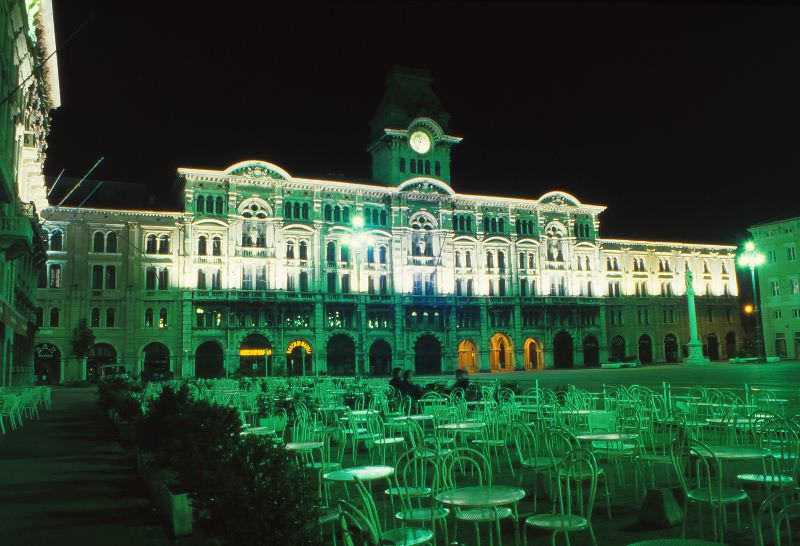
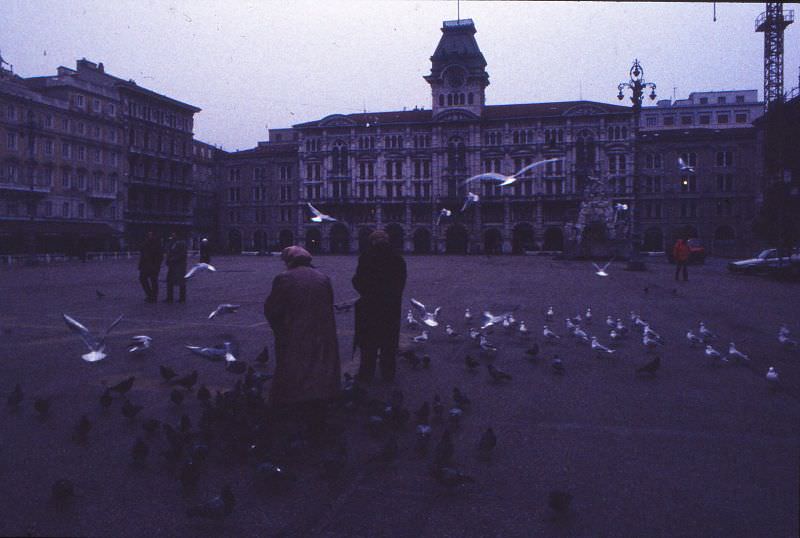
Piazza Unità d’Italia is one of the largest seafront squares in Europe, and it served as the civic centerpiece of the city. On one side, grand government buildings and palaces lined the perimeter. On the other, the square opened directly onto the waterfront. In the 1980s, it was a space used for everything from political gatherings to Sunday strolls, its scale giving even ordinary afternoons a certain grandeur.
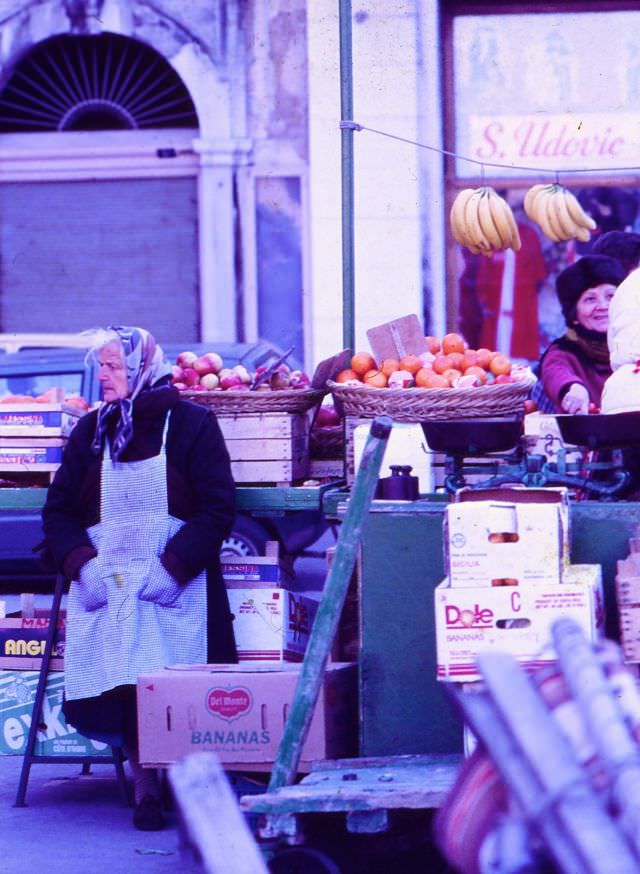
The Ponterosso Market was an essential stop for fresh produce, household goods, and local conversation. Stalls stretched along the canal banks, and vendors called out to passersby in the Triestino dialect — a blend of Italian, Slovenian, and remnants of older languages that reflected the city’s multicultural makeup. Shopping here was an event, not a chore.
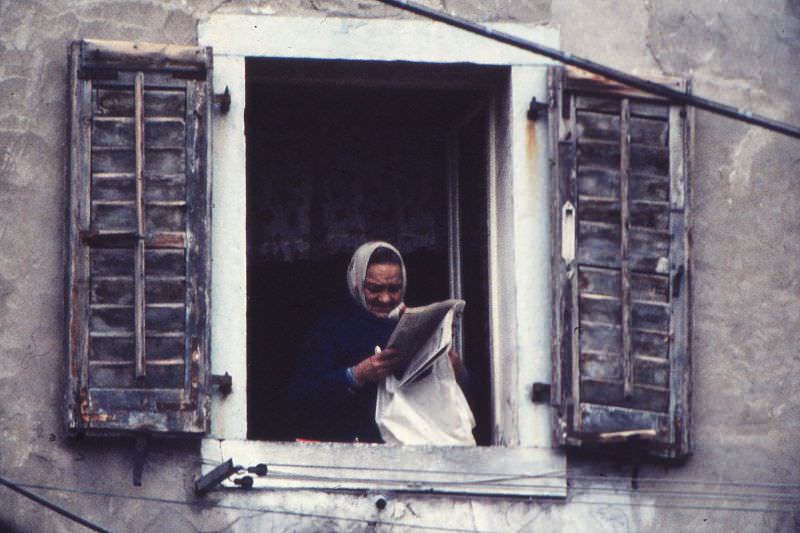
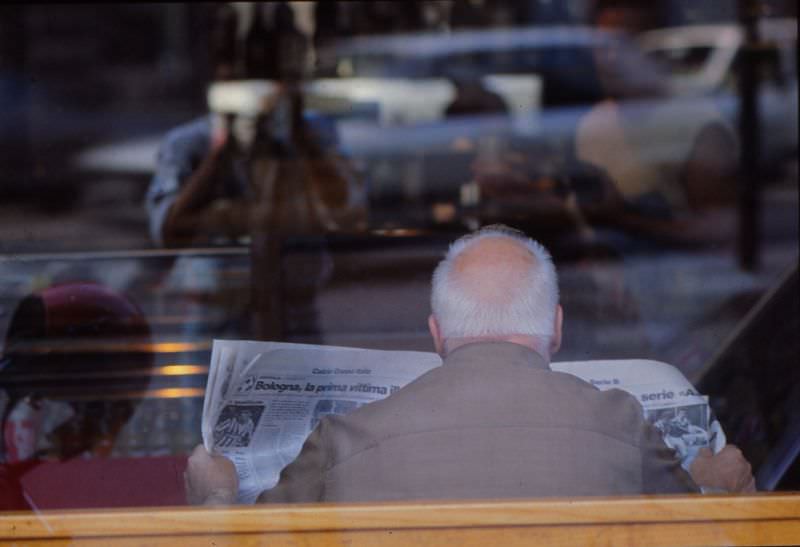
Whether along the old city walls on Via delle Mura or on a bench in a quieter corner of town, newspaper readers were a constant fixture of the Trieste streetscape. The habit cut across age groups, but older residents especially treated it as a structured part of the day. In a city with a strong literary tradition — James Joyce lived and wrote in Trieste for over a decade in the early 20th century — the written word carried real weight.
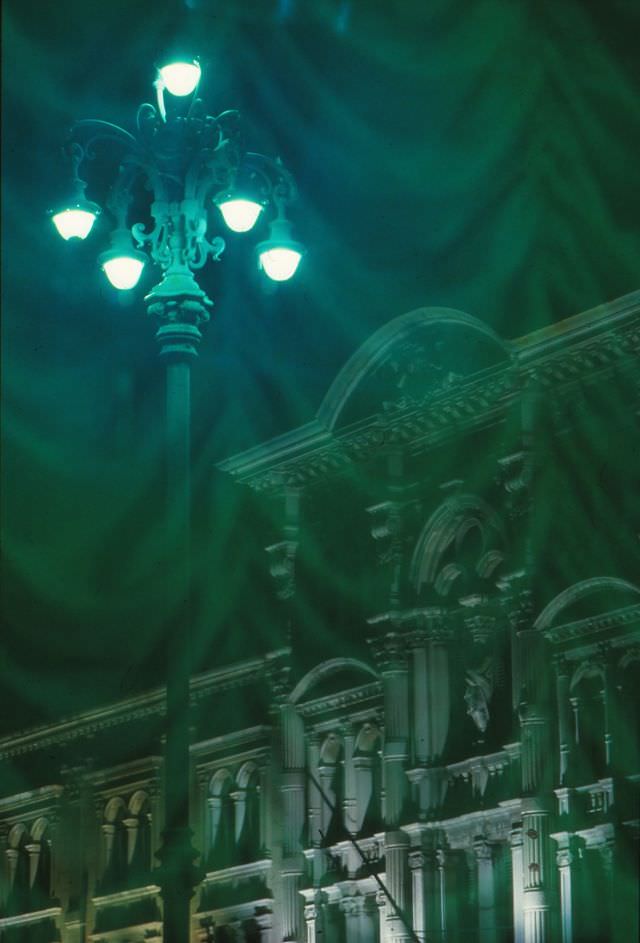
The Caffè degli Specchi, or Café of Mirrors, sat on Piazza Unità d’Italia and was among the most storied coffeehouses in the city. Its mirrored interior gave it the name, and its location on the grand piazza made it a natural meeting point for intellectuals, politicians, and everyday customers alike. A reflection caught in its windows captured something of the elegance Trieste maintained even in ordinary moments.
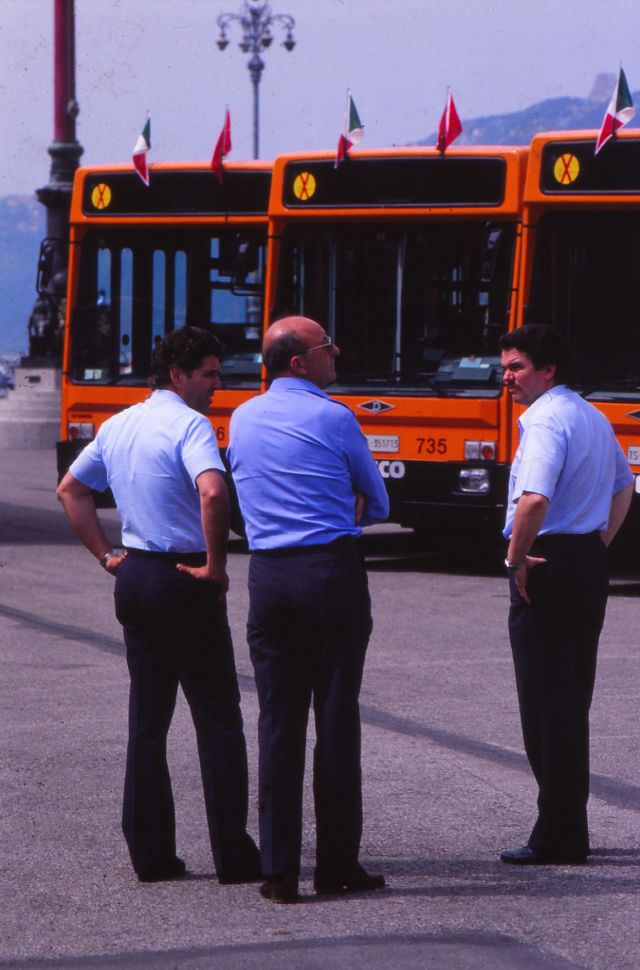
Public transportation got an upgrade in the 1980s when Trieste’s transit authority introduced a new fleet of Iveco buses. The formal presentation of the vehicles brought drivers together and marked a moment of civic investment in the city’s infrastructure. It was the kind of everyday institutional event that rarely makes history books but reflects the steady functioning of a well-run city.
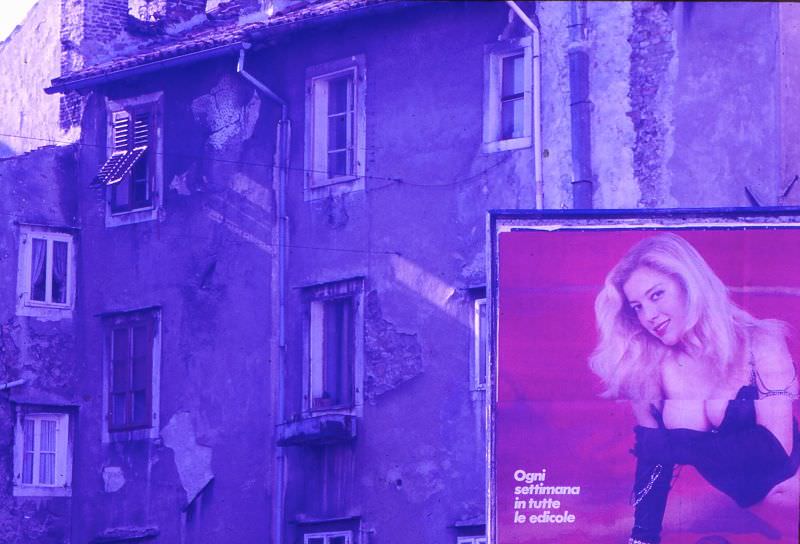
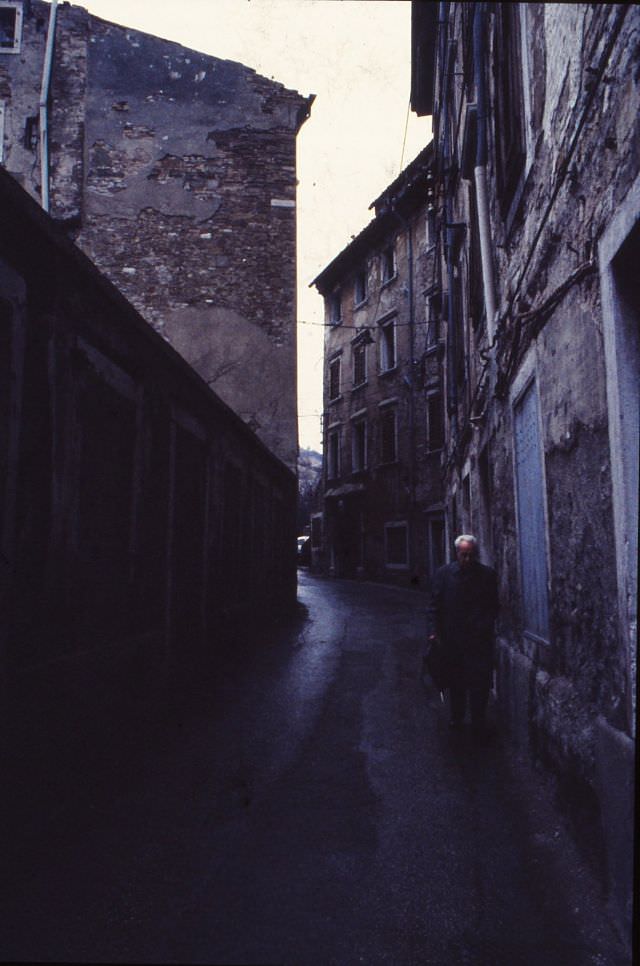
Cittavecchia — the old town — climbed the hillside above the port in a tangle of steep lanes, stone staircases, and centuries-old buildings. This was the oldest part of Trieste, where the Roman and medieval layers of the city still showed through. In the 1980s, the neighborhood retained a lived-in, unglamorous quality. Locals hung laundry between windows, and cats navigated the alleys with the confidence of longtime residents.
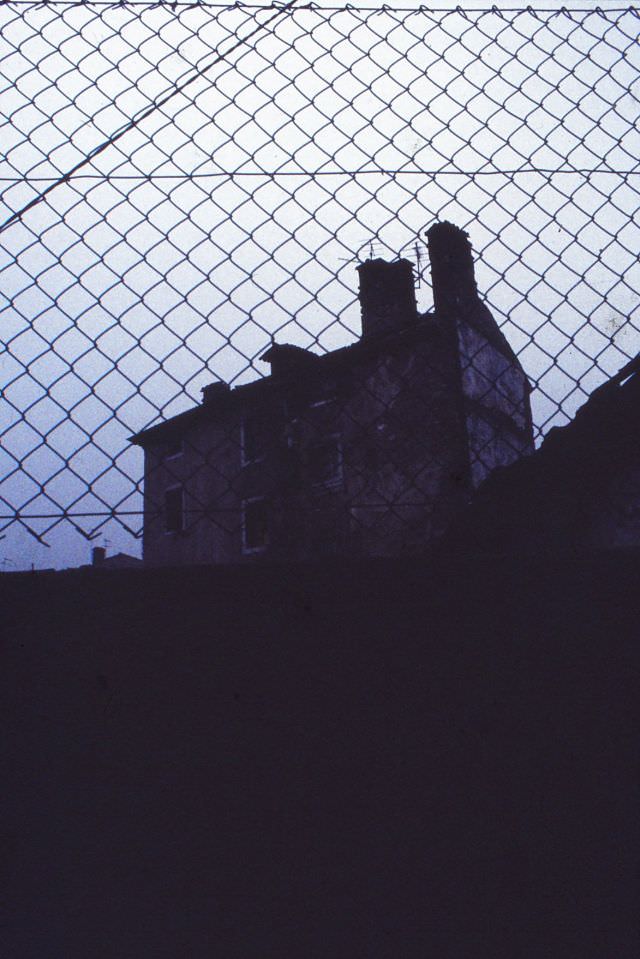
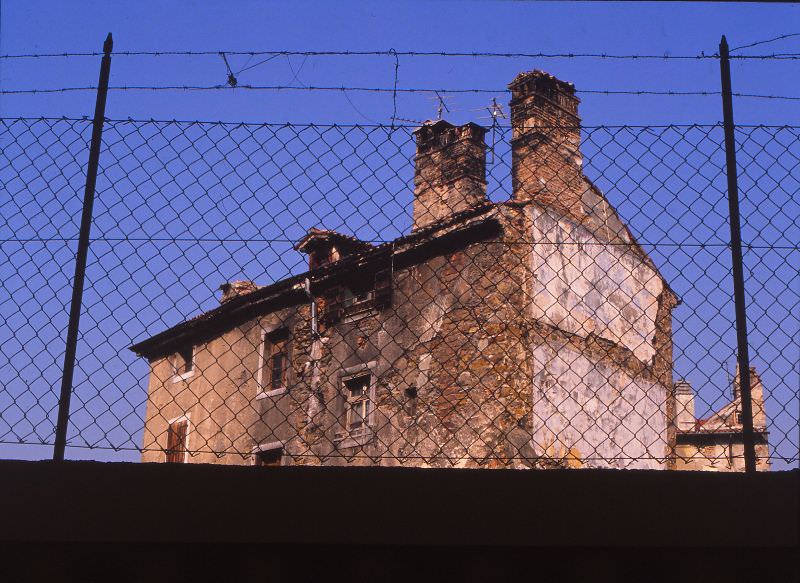
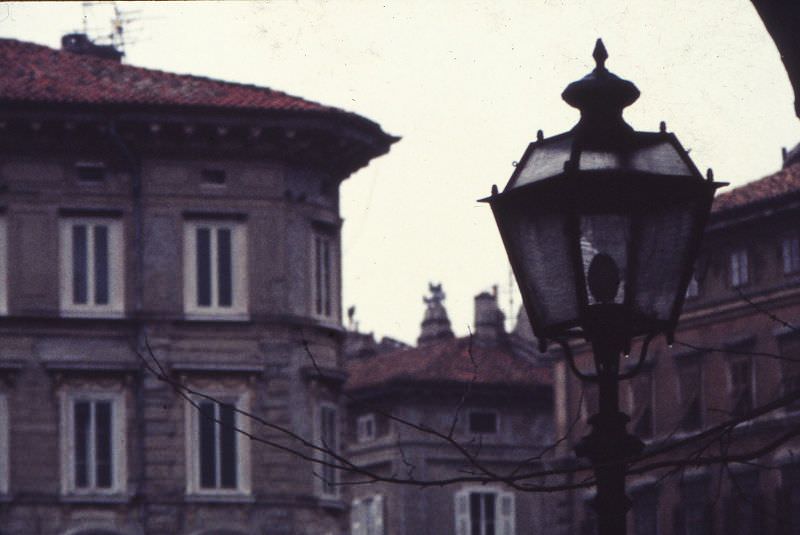
The older districts of Trieste showed their age in the best way. Worn cobblestones, faded plaster facades, and iron balconies stacked above narrow streets gave the old town a texture that newer neighborhoods lacked. These were blocks where people had lived for generations, and the architecture bore the marks of that continuous occupation.
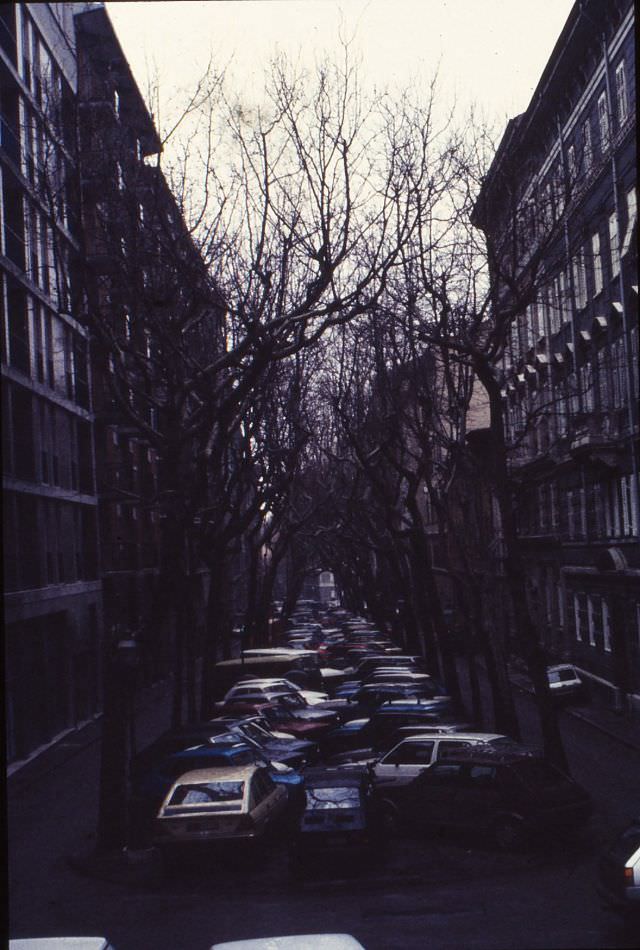
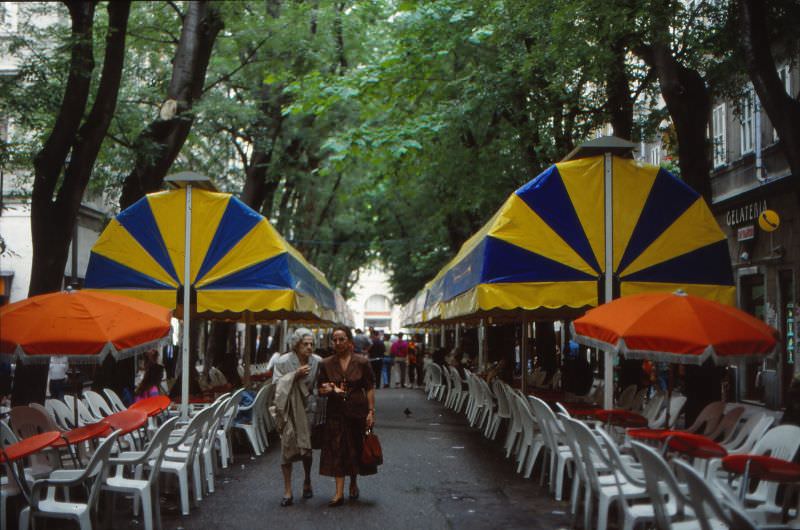
Viale XX Settembre was one of the city’s main commercial boulevards, lined with shops, cafés, and pedestrians going about their day. On weekends especially, it filled with families and couples on the traditional passeggiata — the Italian evening stroll that serves as both exercise and social ritual. The boulevard connected the center of the city to its surrounding neighborhoods and was one of the clearest expressions of Trieste’s street life in the 1980s.




