Tijuana in the 1970s was a city in the middle of a major transformation. Sitting right on the U.S.-Mexico border, it was pulled in many directions at once — by industry, migration, tourism, and crime. The result was a place that felt raw, alive, and unlike anywhere else. These photographs capture that energy decade-by-decade, street by street.
One of the biggest forces reshaping Tijuana in this era was the Border Industrialization Program, launched in 1965. By the early 1970s, its effects were in full swing. The program encouraged foreign companies to build maquiladoras — factories that assembled goods for export — right along the border. Electronics, textiles, and auto parts all poured out of these plants. Workers from across Mexico moved to Tijuana to fill the jobs, and the city’s population surged as a result.
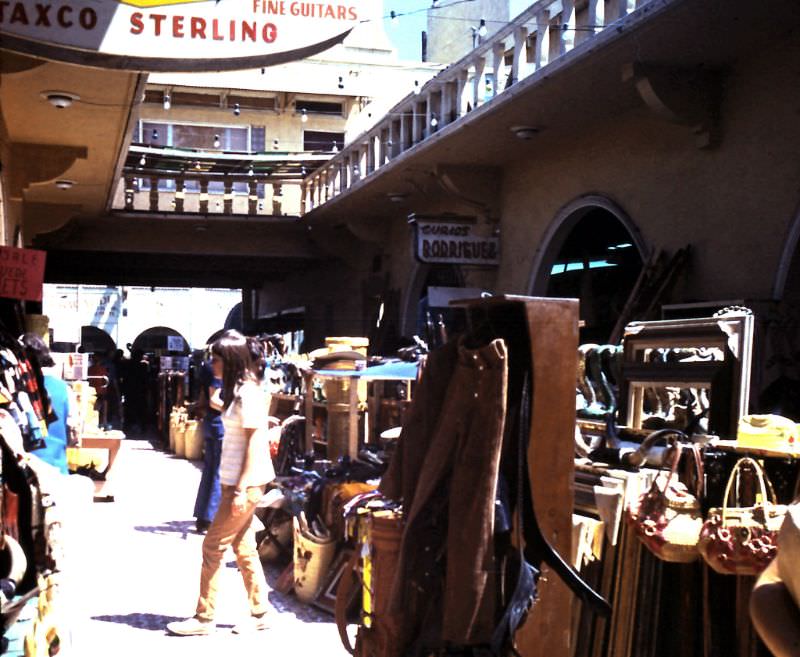
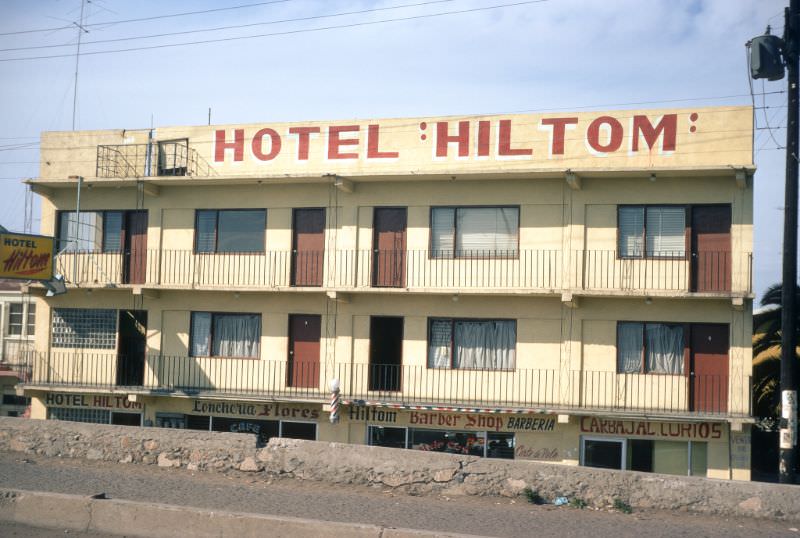
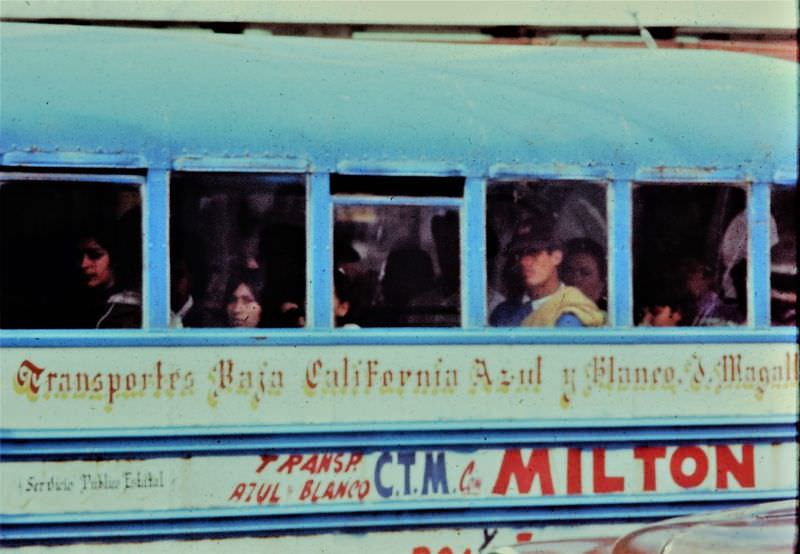
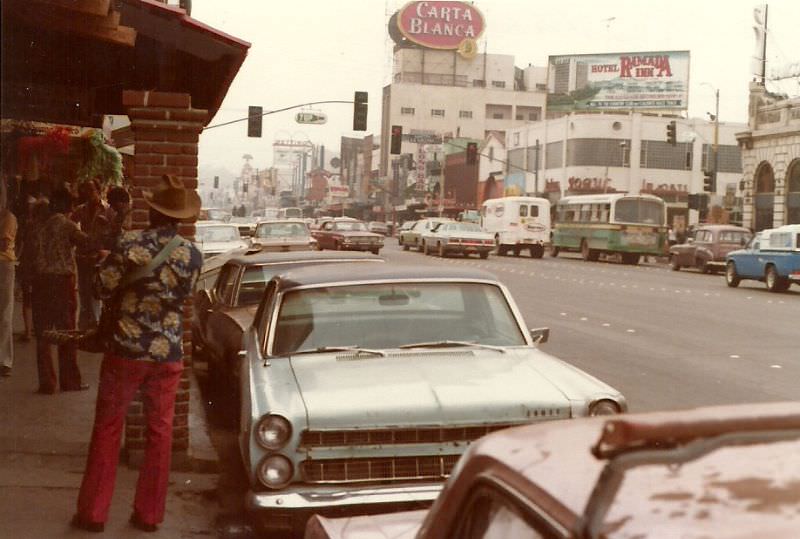
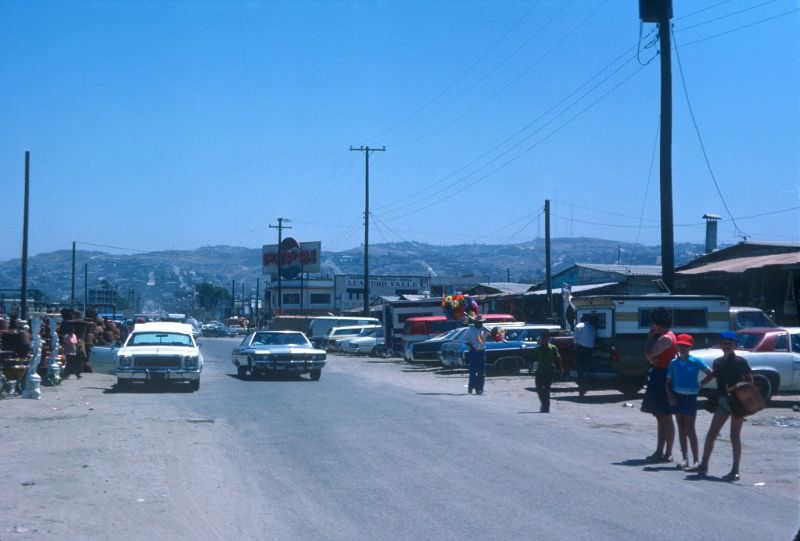
New neighborhoods spread across the hills surrounding the city center. Infrastructure struggled to keep pace with the growth, but the streets stayed full and commerce kept moving. The main drag through downtown was a constant hum of buses, vendors, tourists, and locals going about their day.
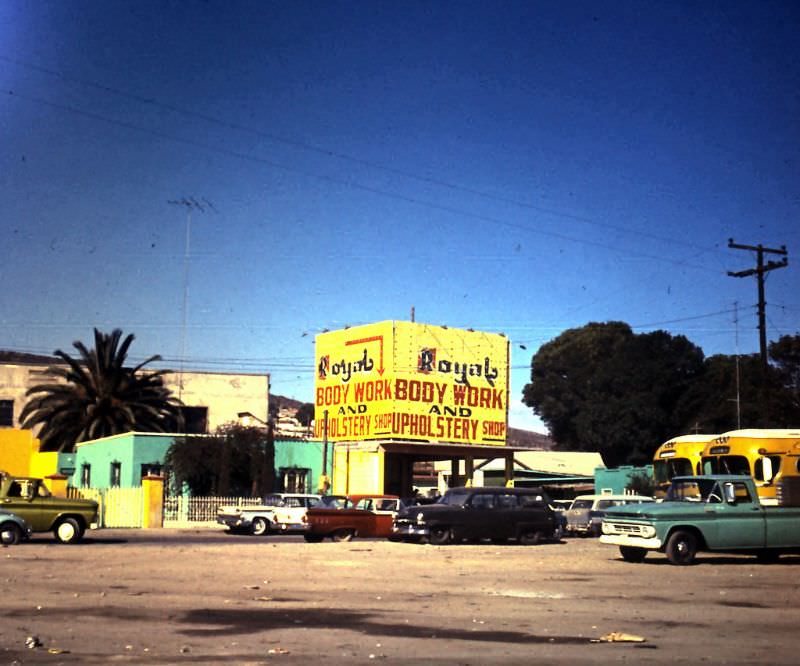
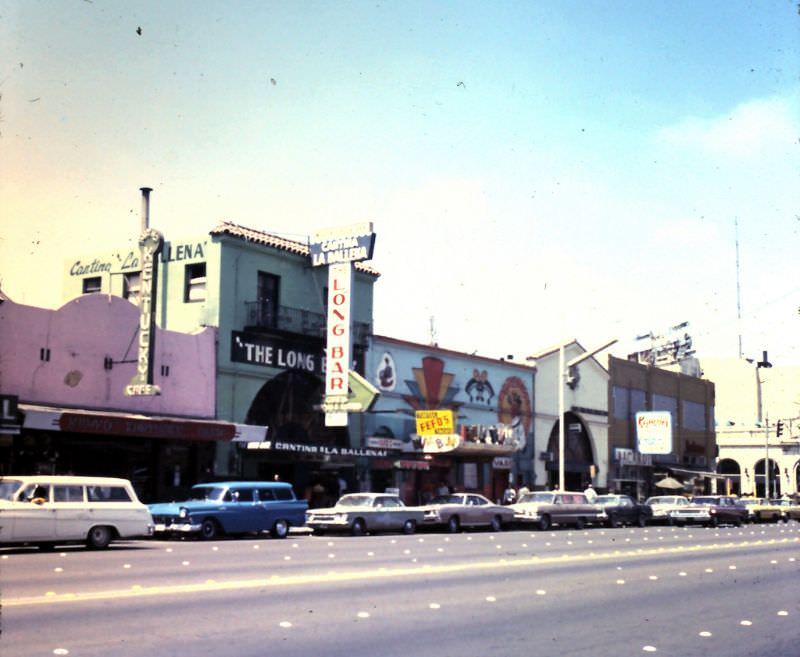
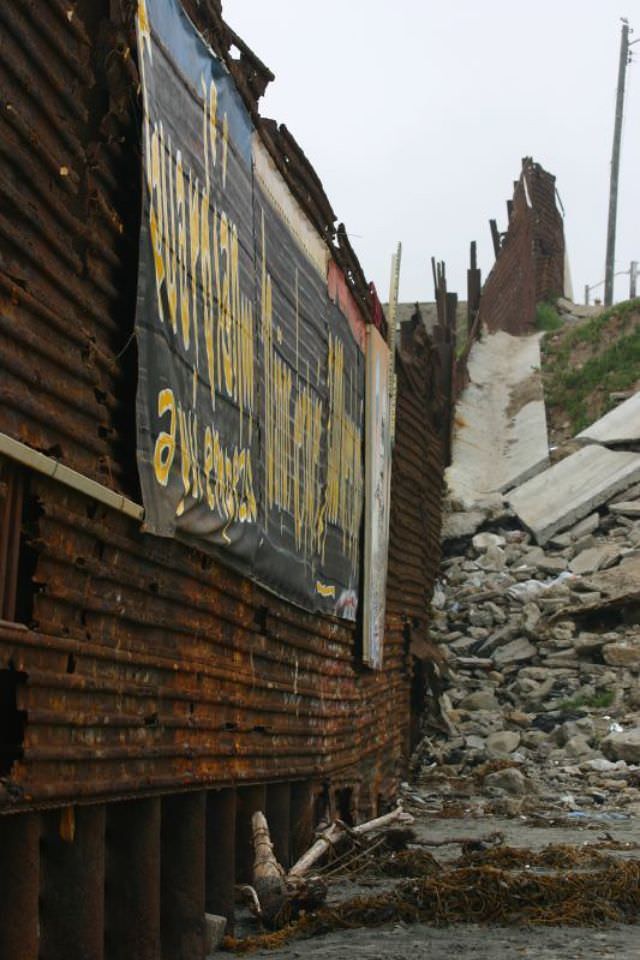
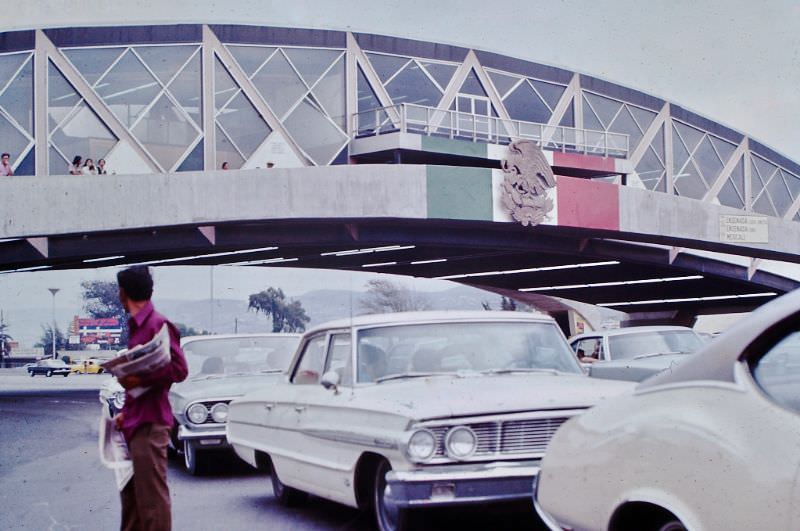
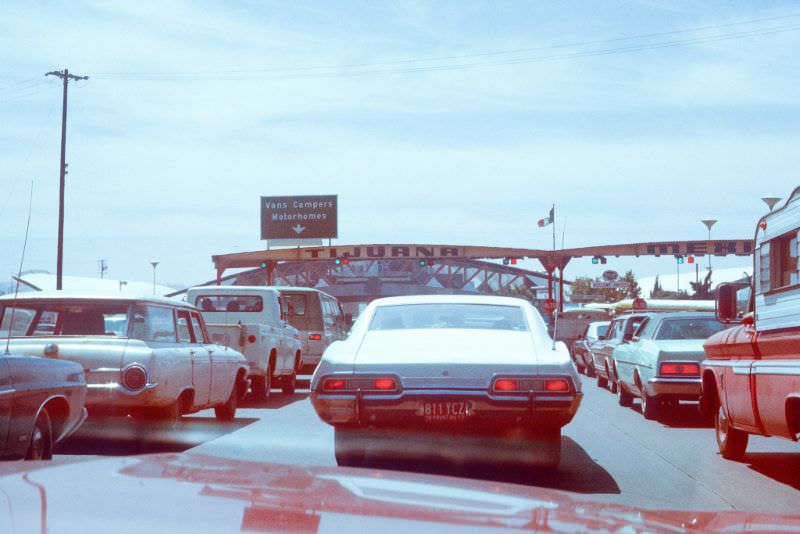
The border crossing was the city’s pulse point. Thousands of people moved through it every day — American tourists heading south for cheap goods and entertainment, Mexican workers crossing north, and everyone in between. The crossing at Tijuana was one of the busiest land borders in the world, and by the early 1970s that pressure was already visible in the long lines and the sprawl of commercial activity that built up around it.
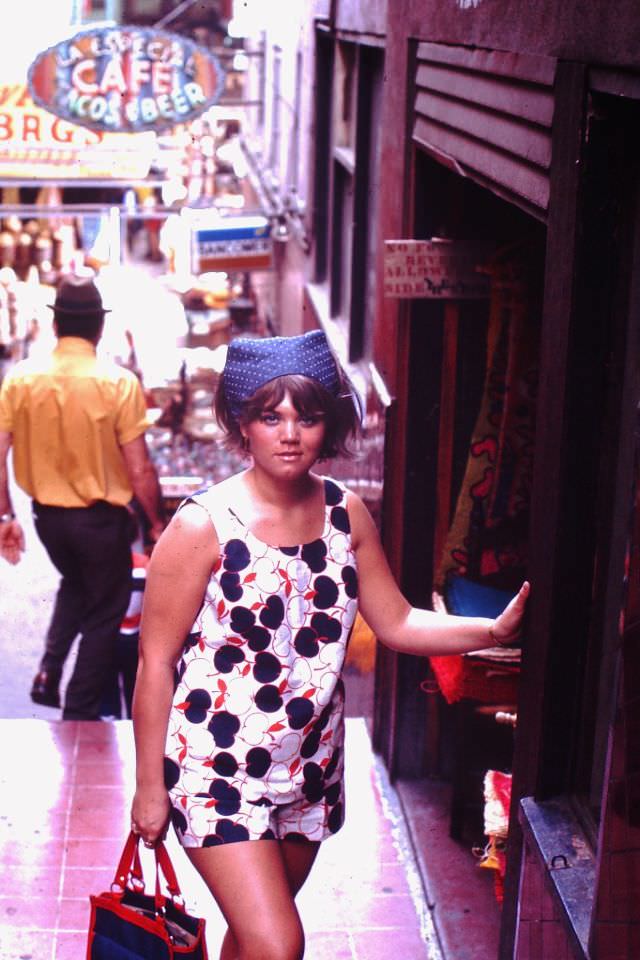
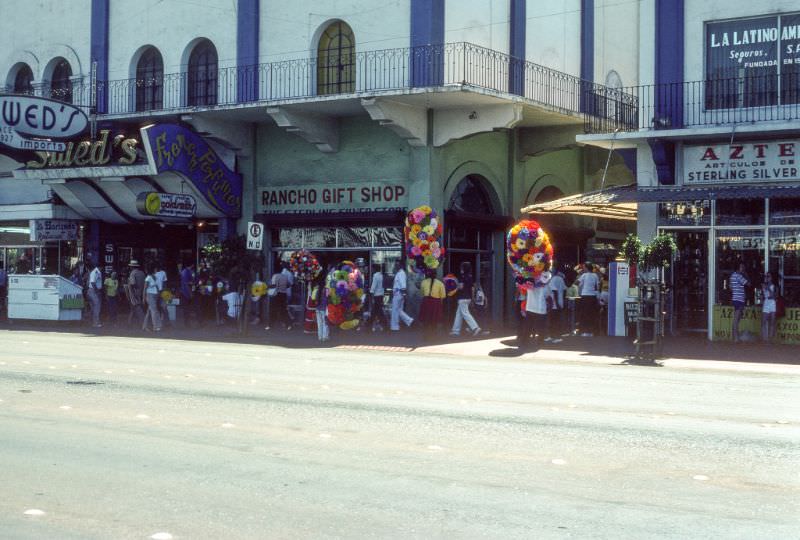
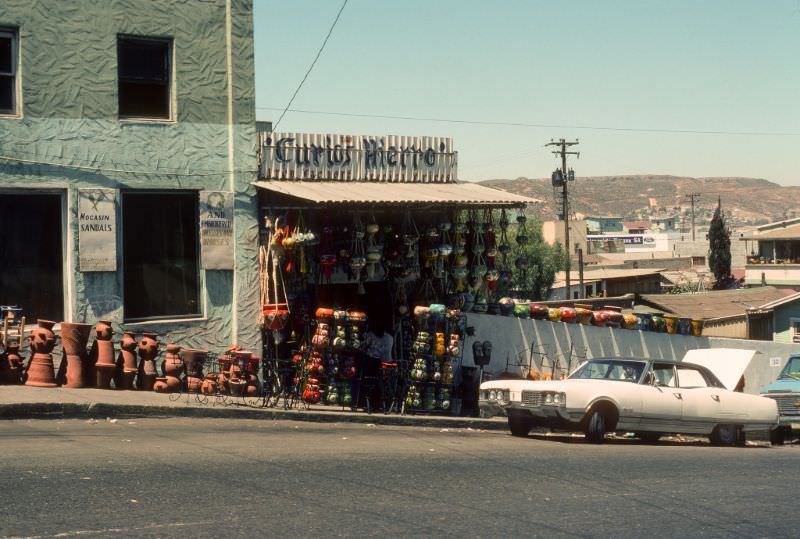
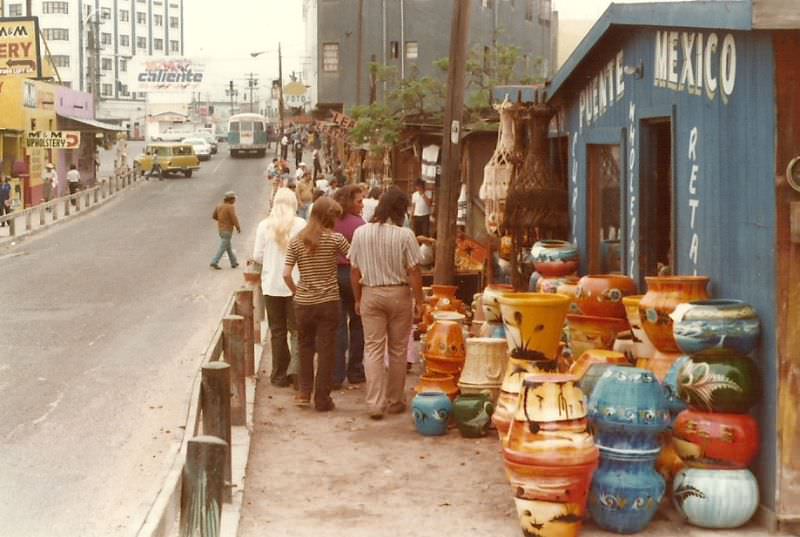
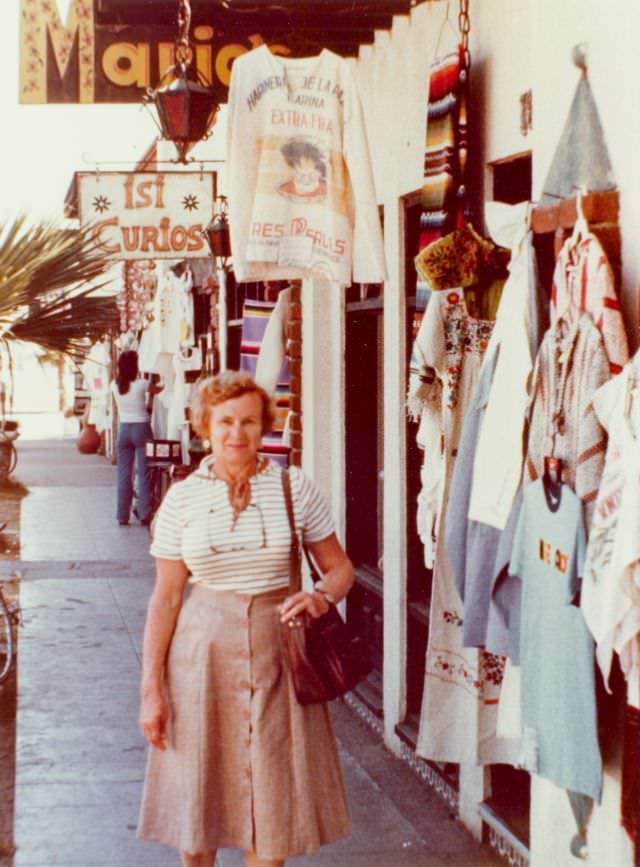
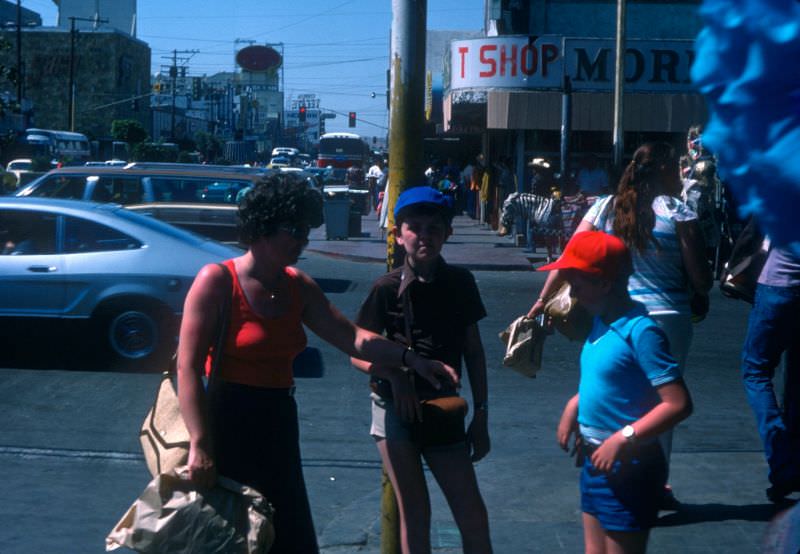
Tourism remained a defining feature of the city’s economy. American visitors crossed the border looking for souvenirs, leather goods, ceramics, and food they couldn’t find back home. Gift shops, bazaars, and street vendors lined the blocks nearest to the crossing, competing loudly for attention.
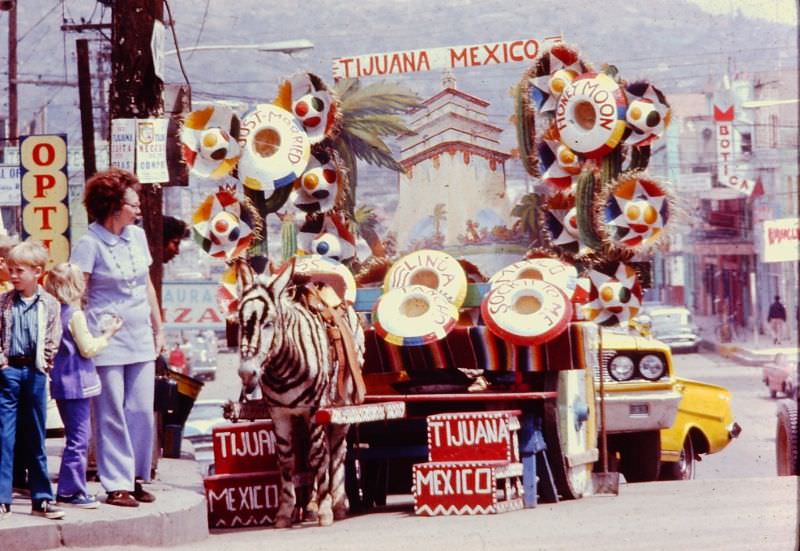
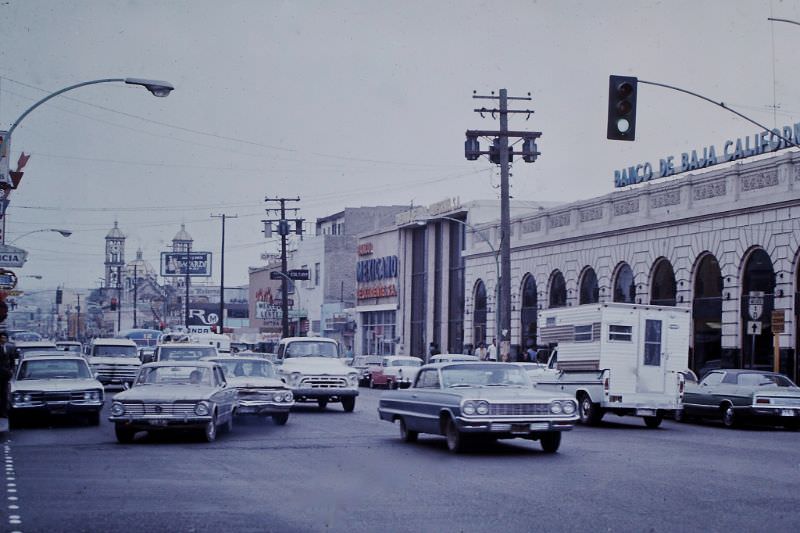
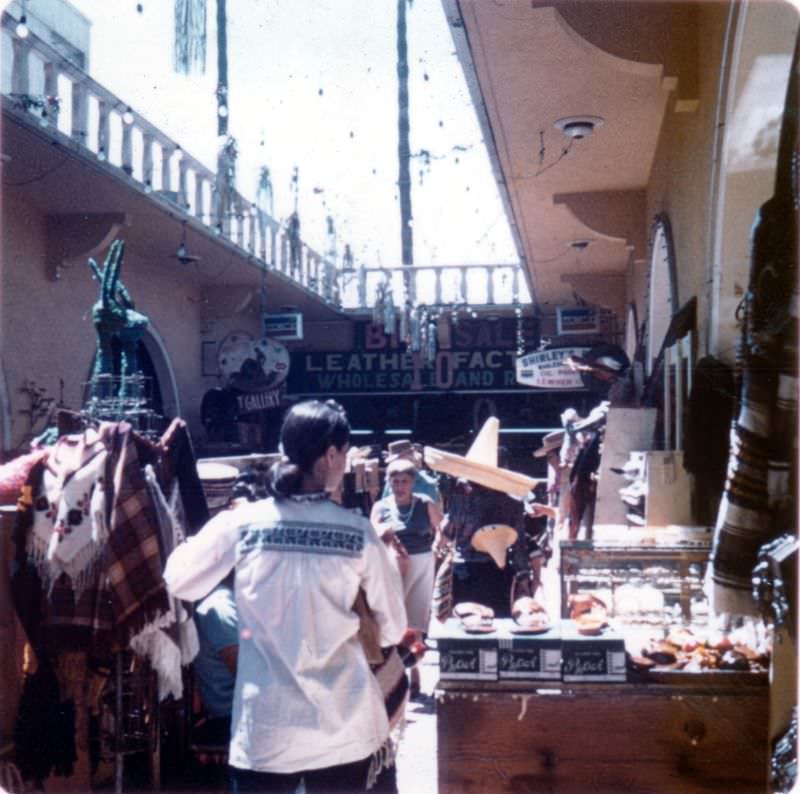
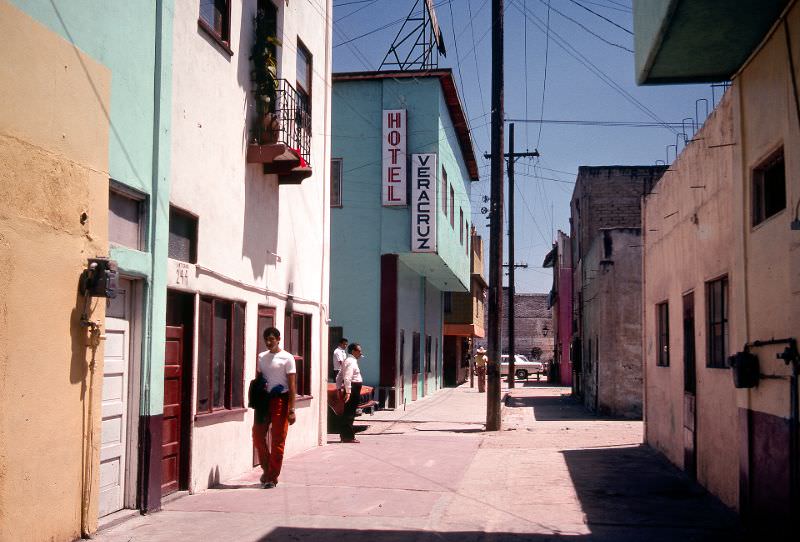
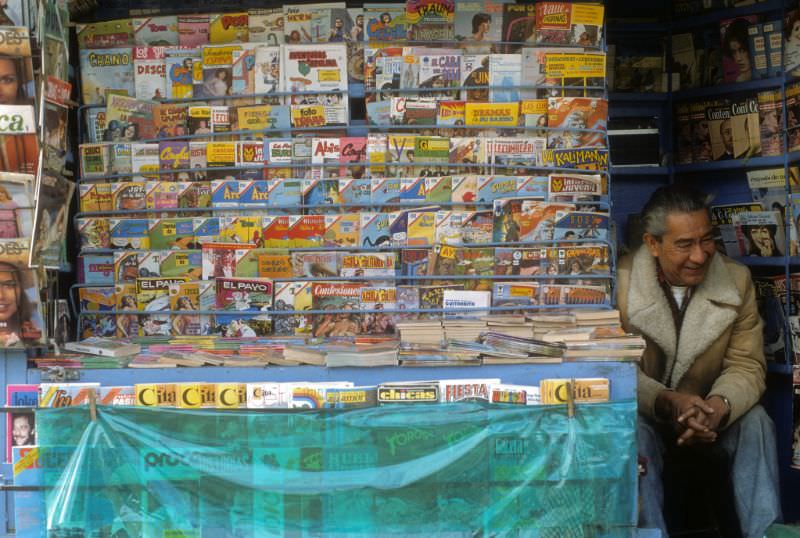
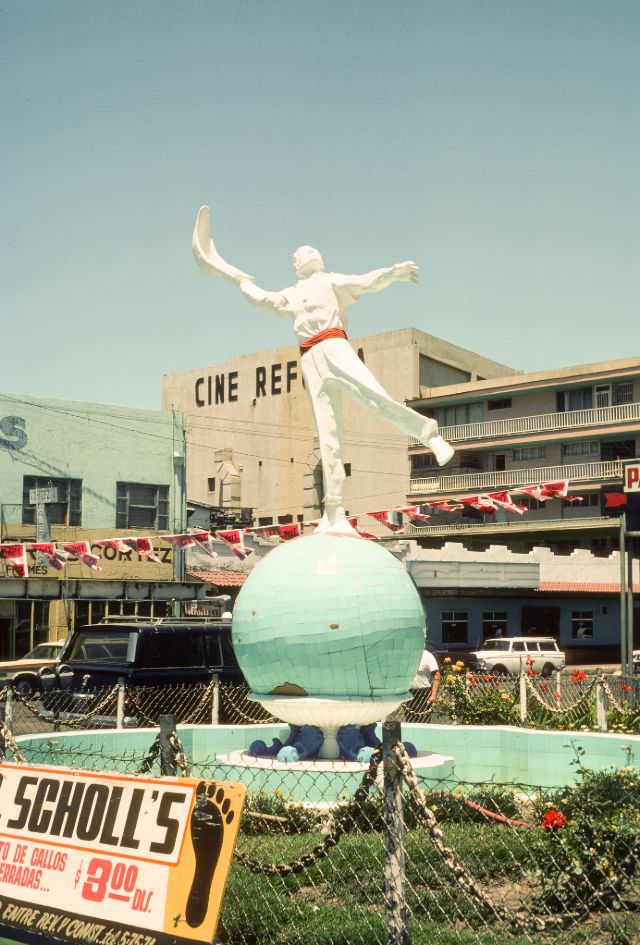
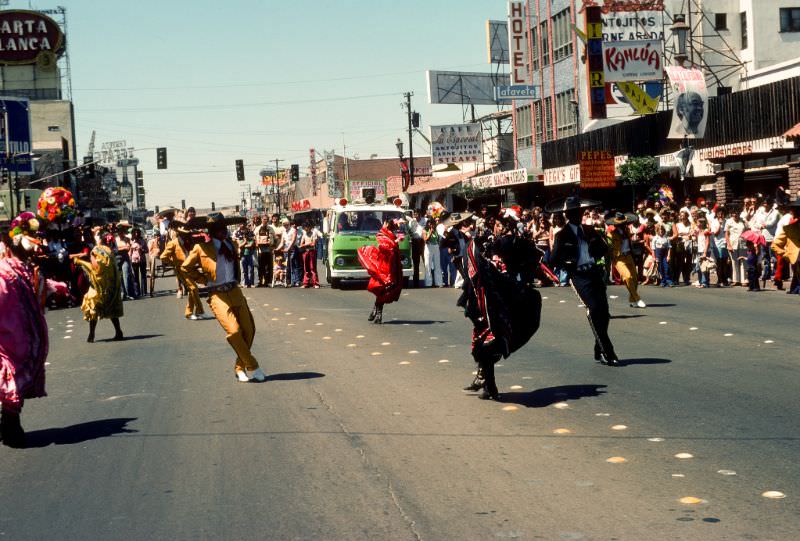
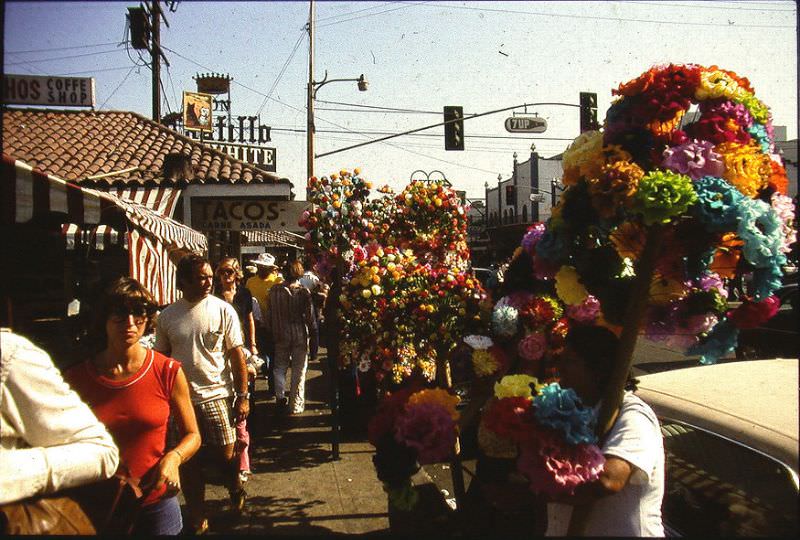
Street-level life in Tijuana in 1971 was a mix of the familiar and the distinctly border-town. Traditional Mexican culture sat side by side with American consumer goods, neon signs, and English-language advertising aimed squarely at visiting tourists. Musicians played on corners. Vendors called out from storefronts. The city had a texture that was entirely its own.
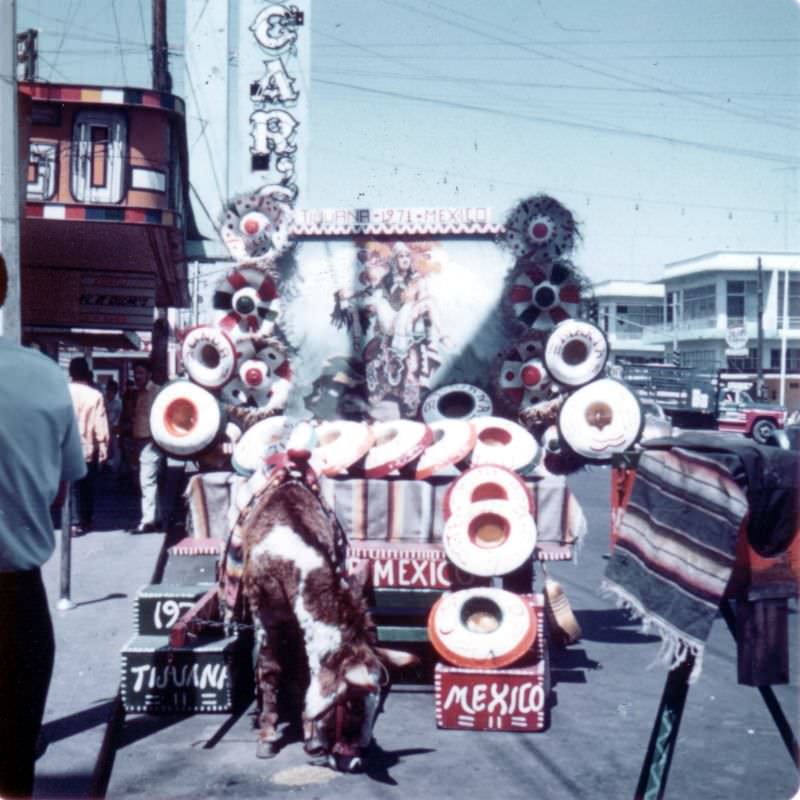
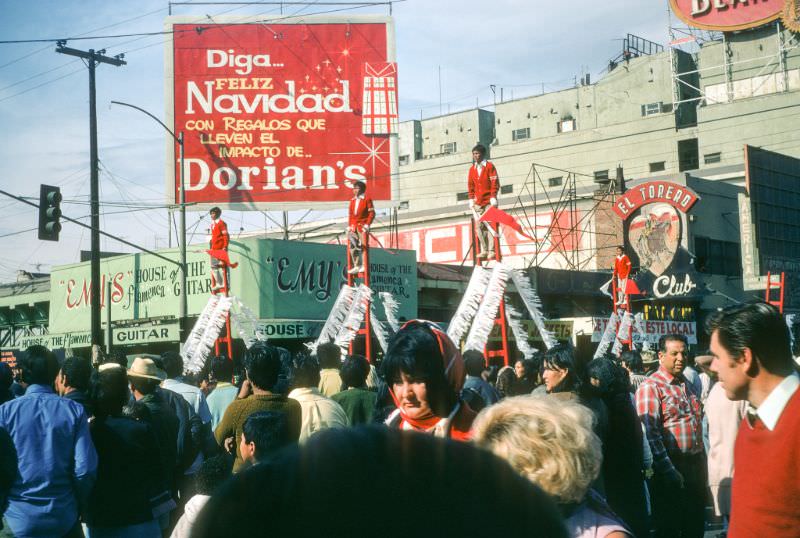
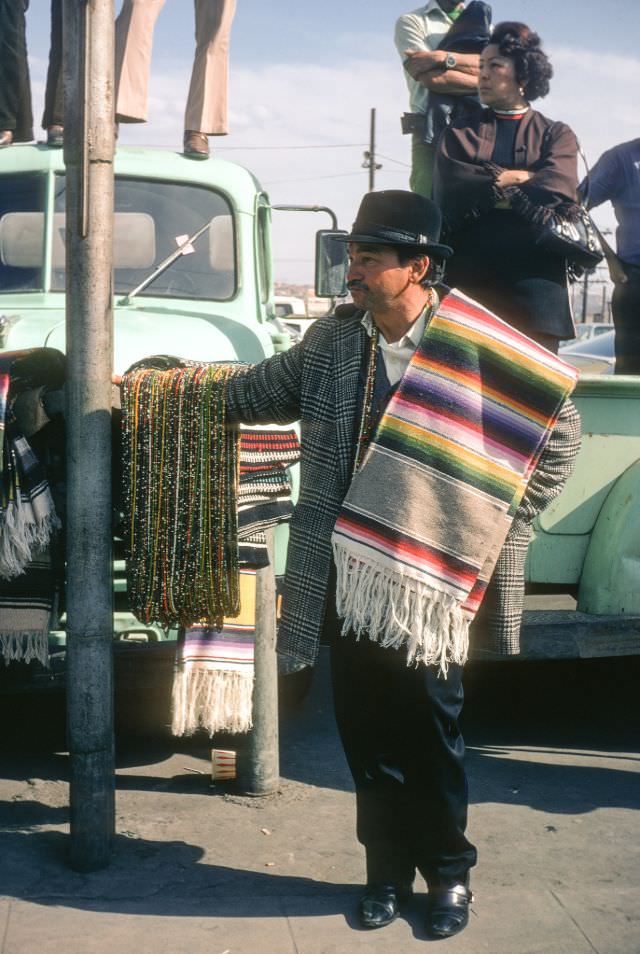
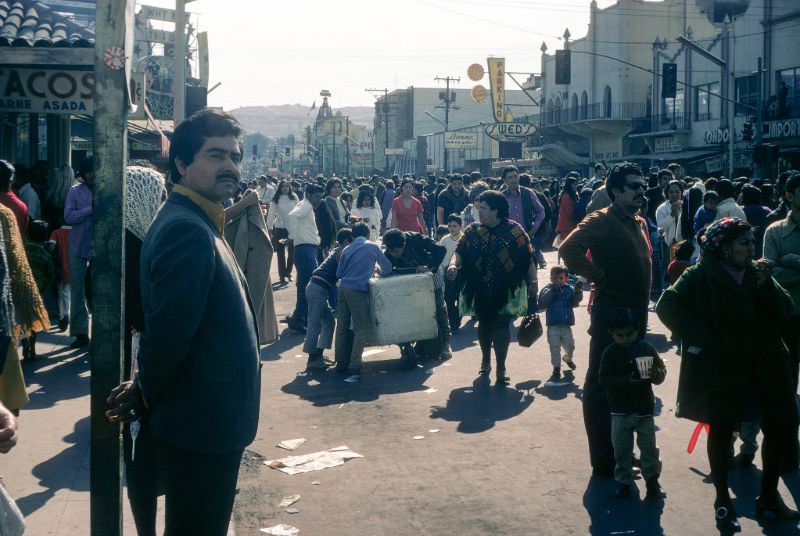
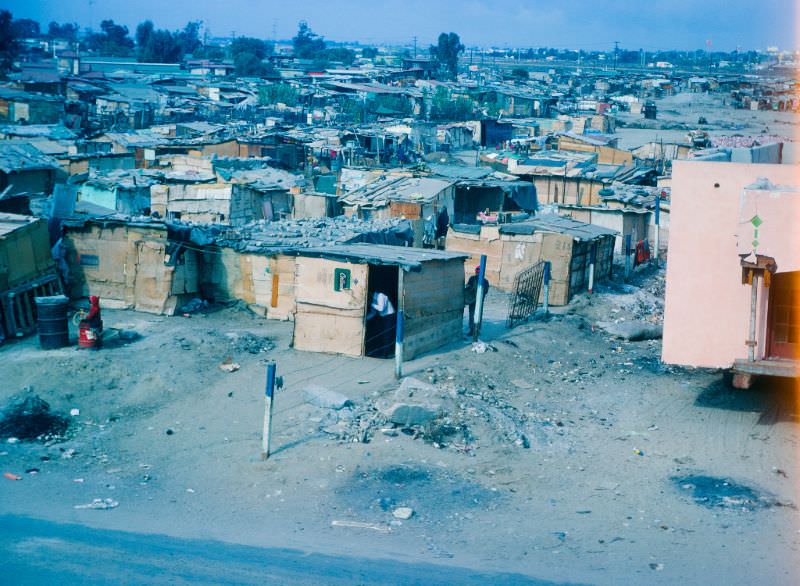
Everyday life for Tijuana’s residents in the early part of the decade balanced hard work with a genuine sense of community. The population was young, mobile, and drawn from all over Mexico. People built lives here quickly, often in neighborhoods that were still taking shape around them.
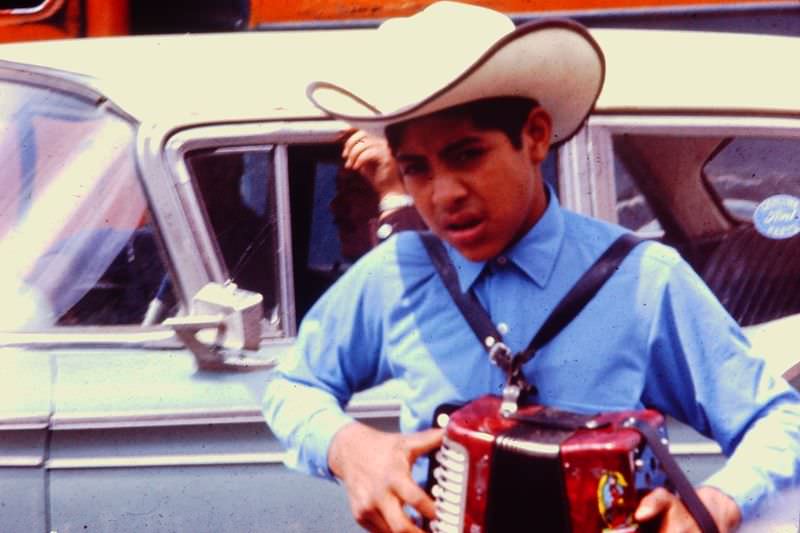
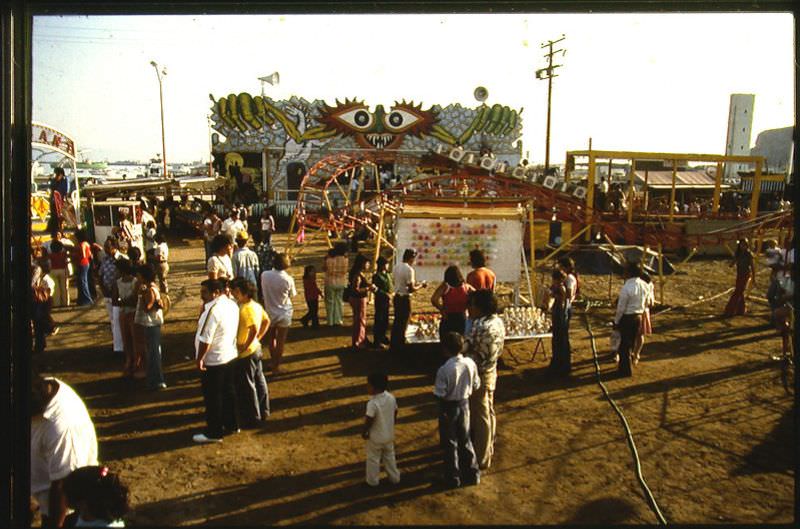
Music was woven into city life. Accordion players, mariachi groups, and live bands performed in clubs, restaurants, and on the street. By the mid-1970s, disco had hit Tijuana’s dance halls, and the nightlife scene shifted to match. Dance parties ran late, fashion got flashier, and the clubs drew both locals and Americans looking for a night out south of the border.
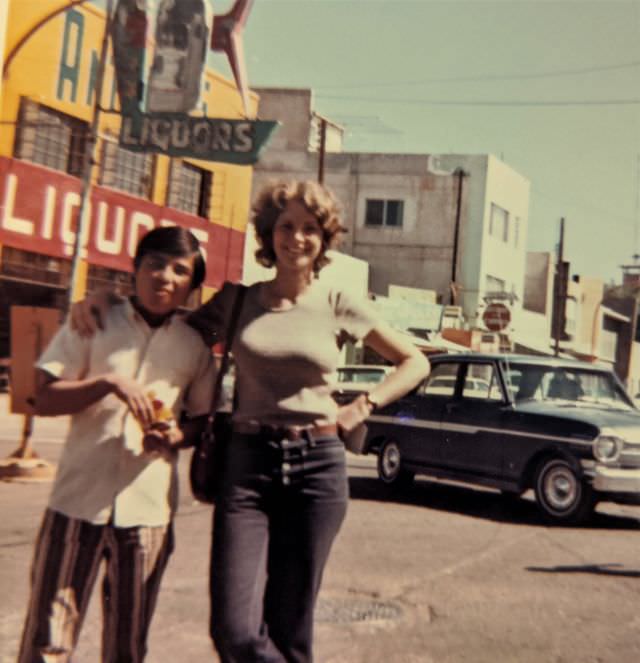
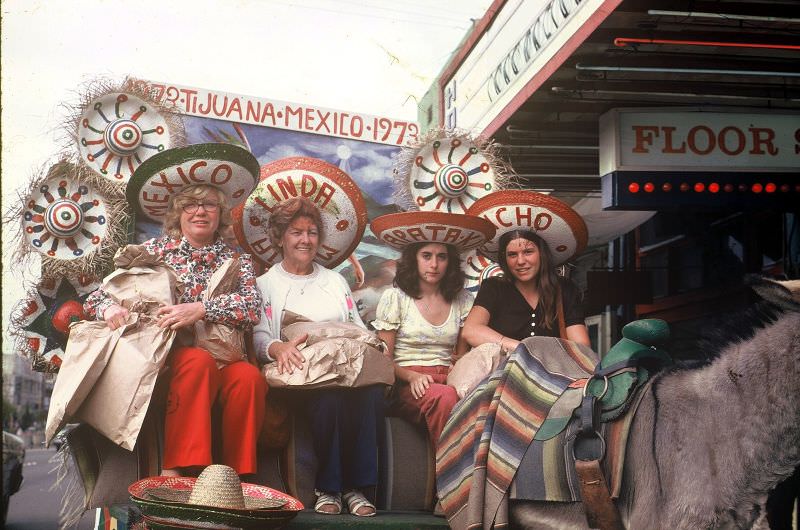
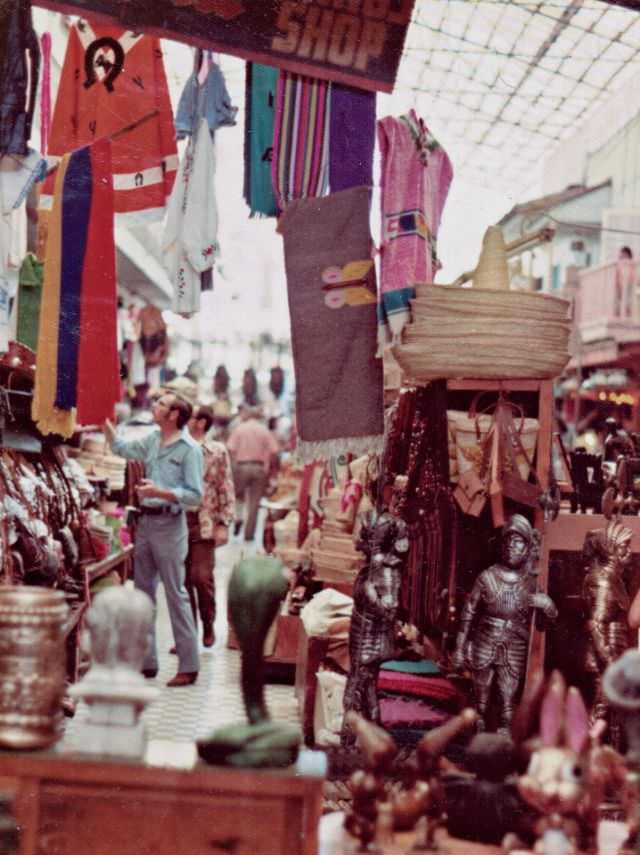
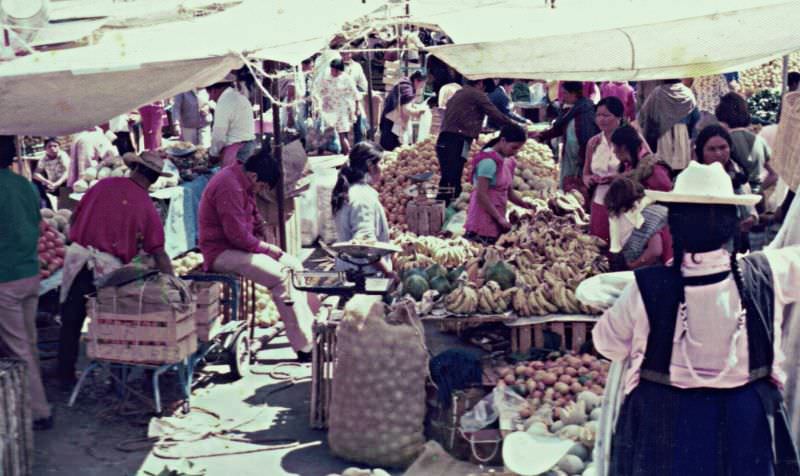
By 1973, the city’s streets showed the strain of rapid growth alongside the energy that came with it. New construction appeared alongside older, weathered storefronts. The mix told the story of a city still figuring out what it was becoming.
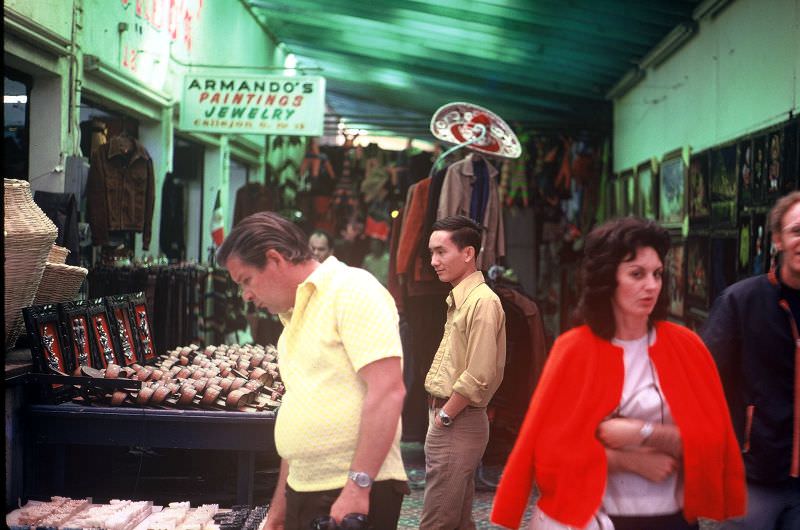
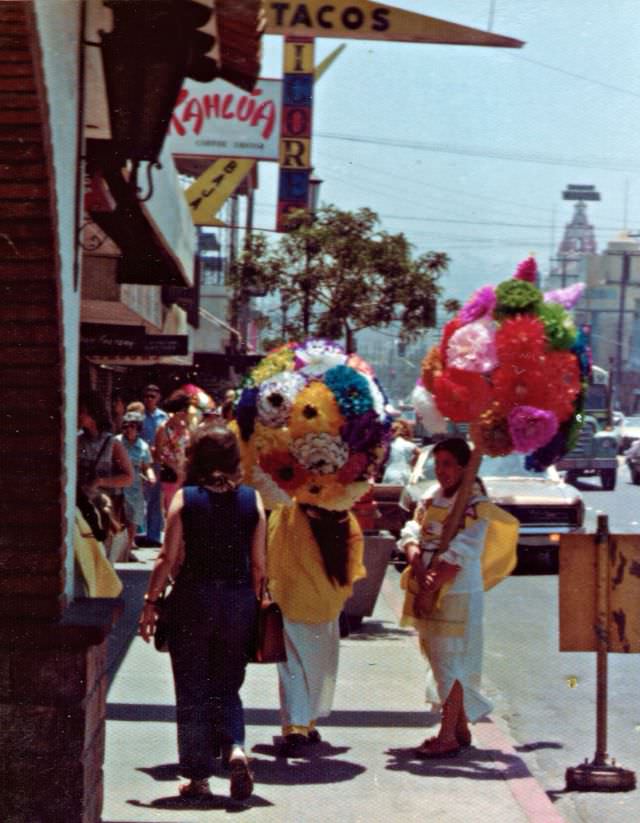
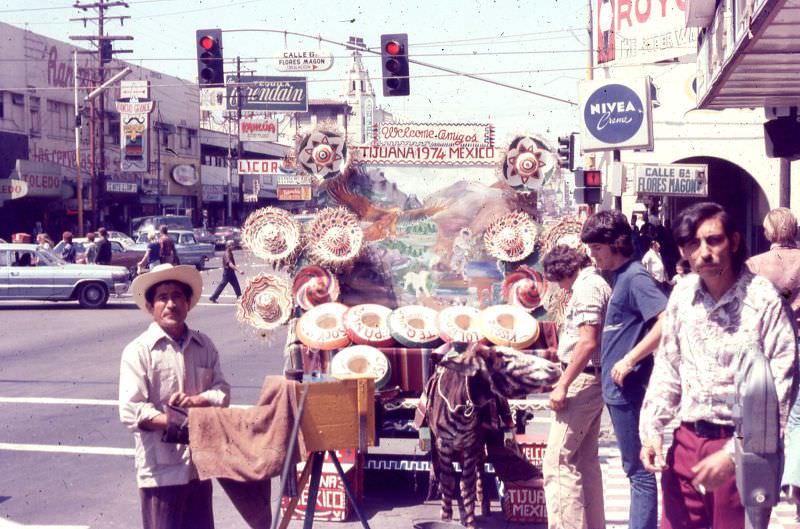
The tourist trade leaned heavily on the city’s border identity. Signs in English, gift shops with bold names, and a constant welcome extended to American visitors defined many of the blocks closest to the crossing. The souvenir economy was serious business, and shops competed hard for foot traffic from people who’d crossed just for the afternoon.
The mid-to-late 1970s brought a darker undercurrent to the city’s story. Tijuana’s geography — right on the border, with established smuggling routes and connections deep into Mexico and South America — made it a key transit point for drug trafficking into the United States. Criminal organizations moved in to control those routes, and the resulting competition drove up crime and violence. The local and federal governments pushed back, but the problem was already taking root.
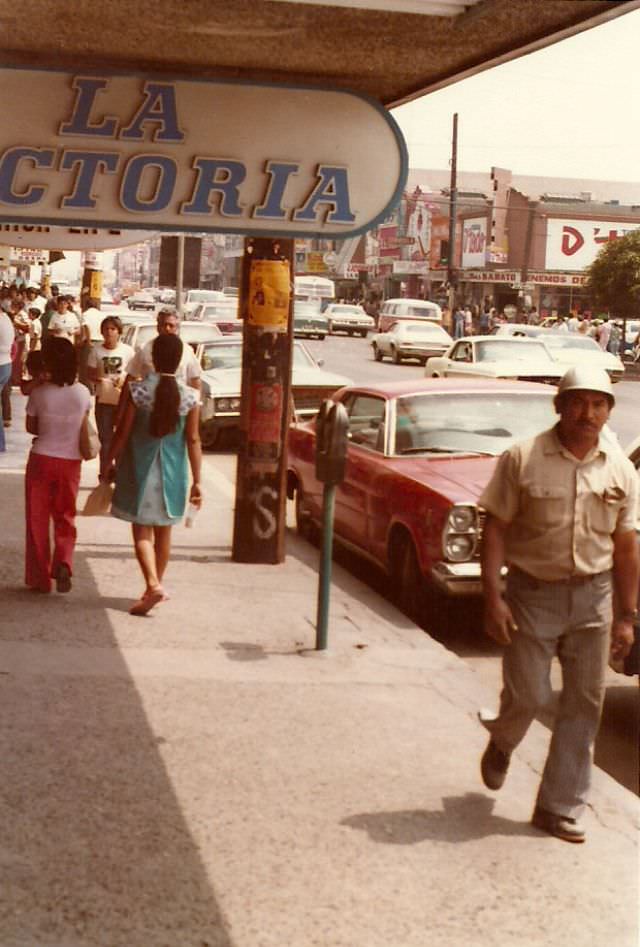
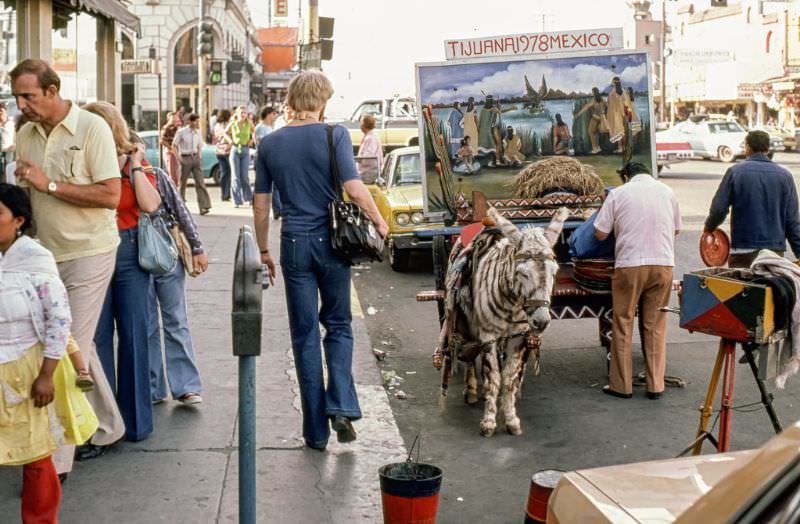
Downtown Tijuana in 1977 still moved at the same relentless pace. Shoppers crowded the sidewalks, buses ran their routes, and the commercial heart of the city kept turning. The border crossing continued to funnel enormous volumes of people and goods in both directions every single day.
Life on the streets of Tijuana in the late 1970s reflected a city with layers. Tourists browsed and bargained. Workers moved between factories and neighborhoods. Artists and musicians kept the cultural scene alive. And ordinary residents — families, shopkeepers, students — navigated all of it while building something that looked like a normal city life under unusual conditions.
As the decade closed out, Tijuana’s border crossings handled more traffic than ever. The city had grown dramatically since 1970 — in population, in industry, in reputation, and in complexity. The photographs from 1979 show a place that had absorbed a decade’s worth of change and was still very much on its feet.