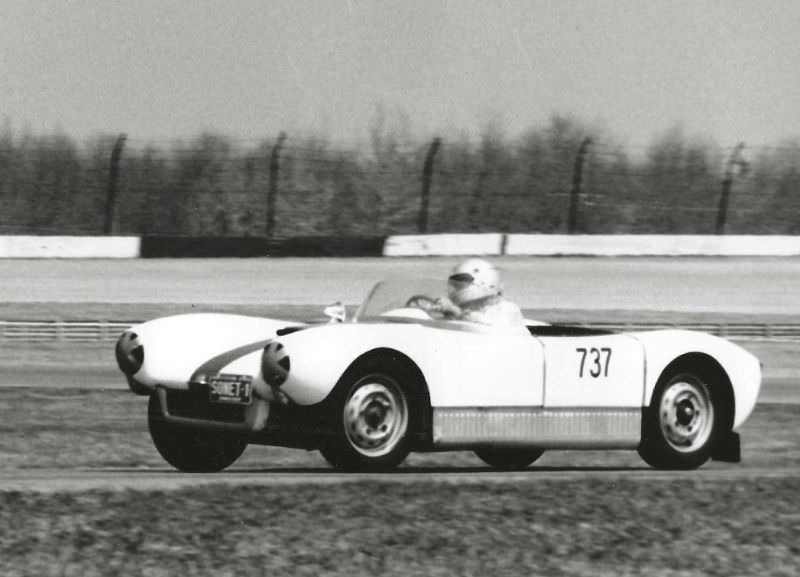
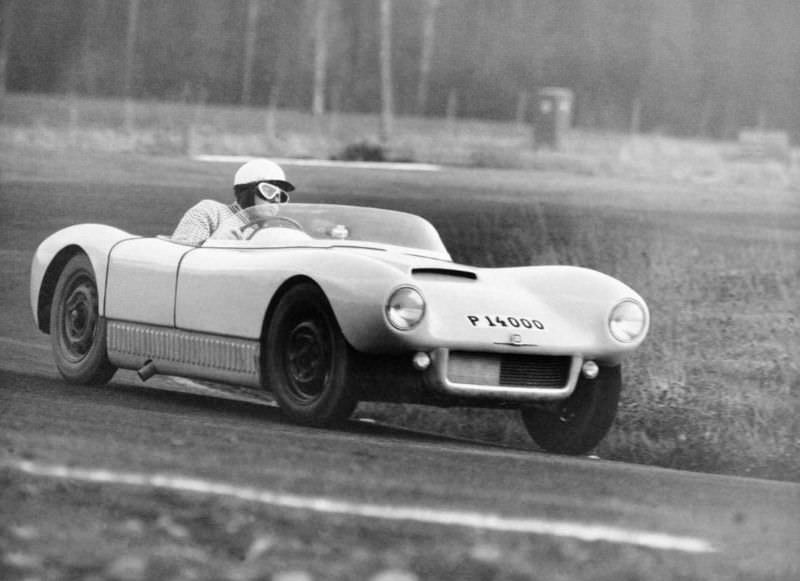
In the mid-1950s, Saab was best known for building practical, reliable cars for everyday Swedes. That changed in 1955 when the company rolled out something completely different — the Sonett I. It was Saab’s first attempt at a sports car, and it came with a bold design, serious engineering, and a production run so small it almost didn’t happen at all.
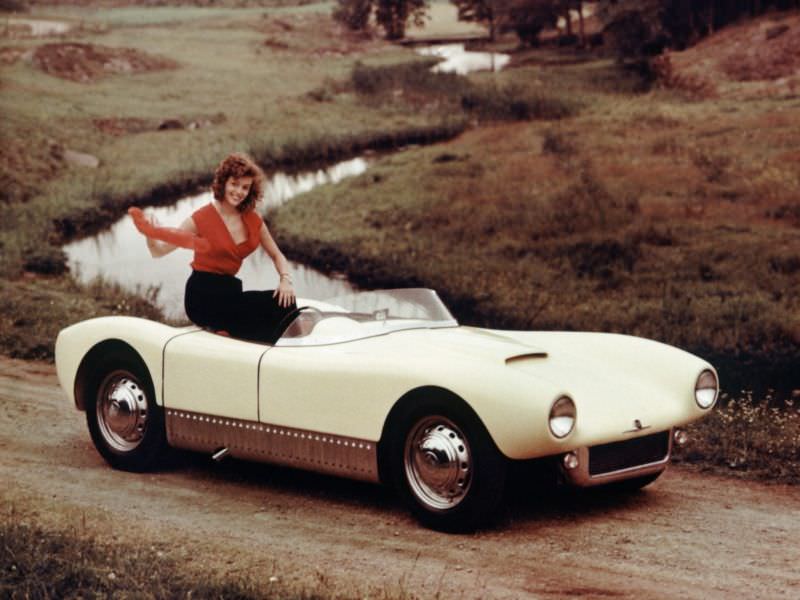
The man behind the Sonett I was Rolf Mellde, a Saab engineer with a passion for motorsport. Mellde looked closely at lightweight British sports cars like the MG Midget and the Austin-Healey Sprite. He believed Saab could build something just as exciting — or better — for the European market. His vision became the Sonett I.
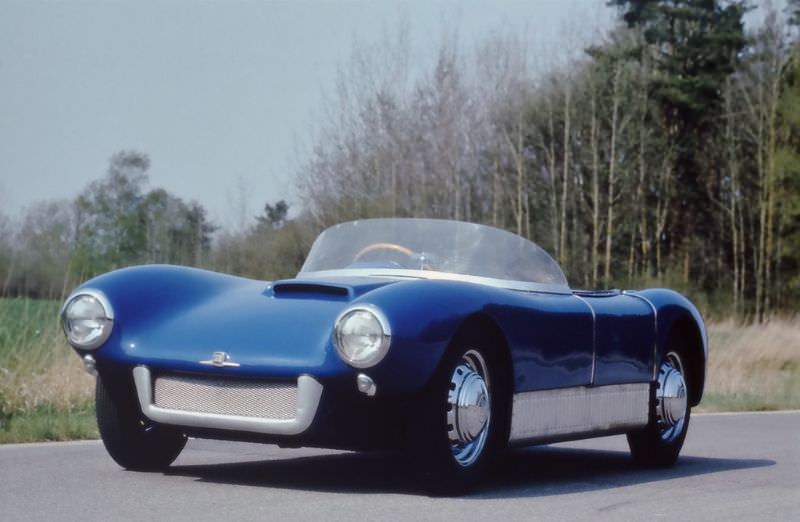
Under the hood sat a three-cylinder, two-stroke engine producing 57 horsepower. That number sounds modest today, but paired with the car’s featherlight fiberglass body mounted on a steel chassis, it was more than enough to impress. The Sonett I reached a top speed of around 103 miles per hour — a strong figure for a car of its size and engine output.
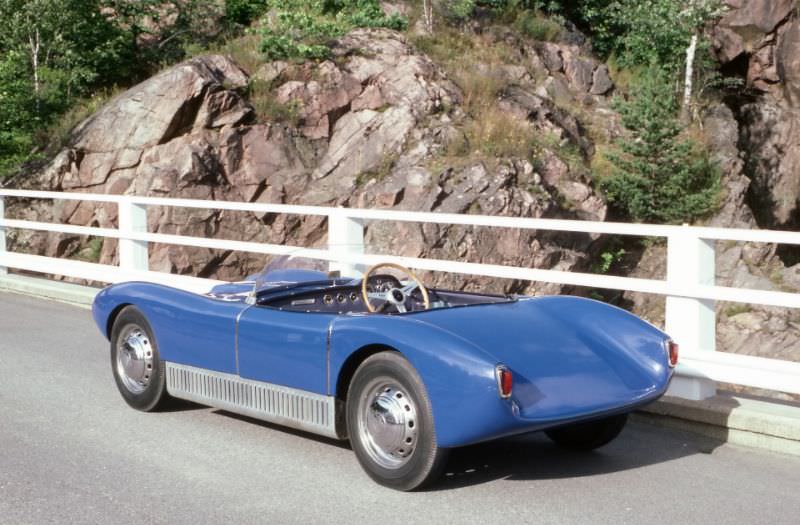
Aerodynamics were central to the car’s identity. Saab used wind tunnel testing during the design process — one of the first automakers to do so. The result was a sleek, smooth shape with a drag coefficient of just 0.30. That figure made the Sonett I not only fast but also unusually efficient for its era.
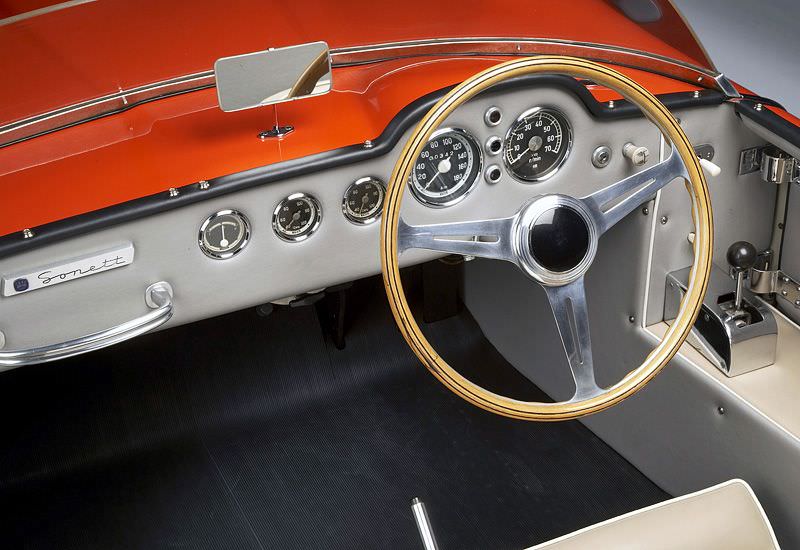
Safety was built into the Sonett I from the ground up. Saab integrated a roll bar directly into the body structure. The fuel tank was positioned in front of the passenger compartment, which lowered the risk of fire during a rear-end collision. These were thoughtful decisions at a time when many sports cars treated safety as an afterthought.
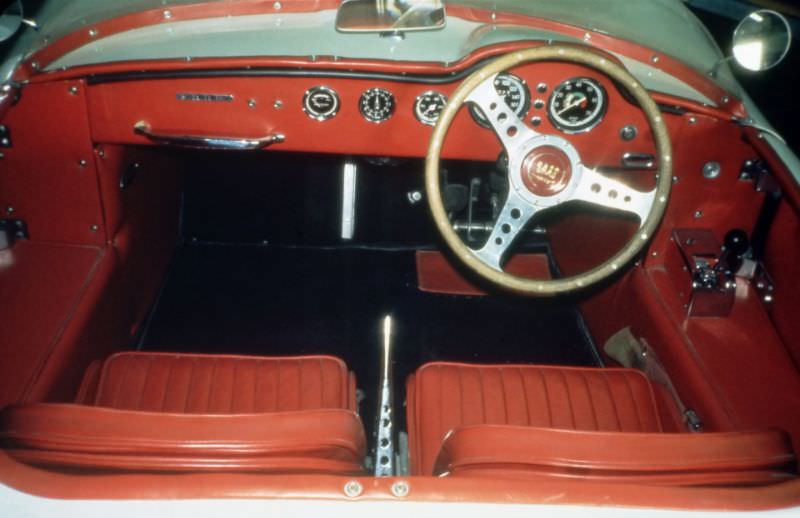
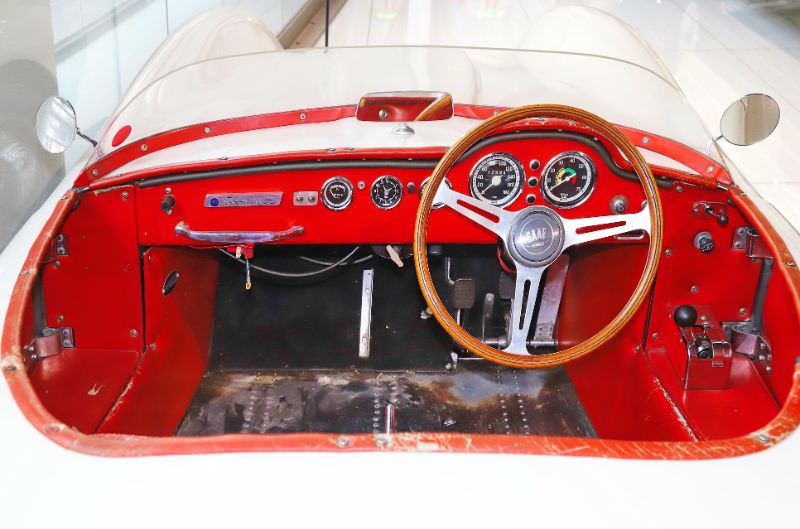
Despite all of this engineering care, the Sonett I never found commercial success. It cost more to produce than Saab could recover through sales, and its price sat higher than competing sports cars already on the market. Making things harder, Saab’s distribution network in the mid-1950s was limited, which restricted the car’s reach to potential buyers.
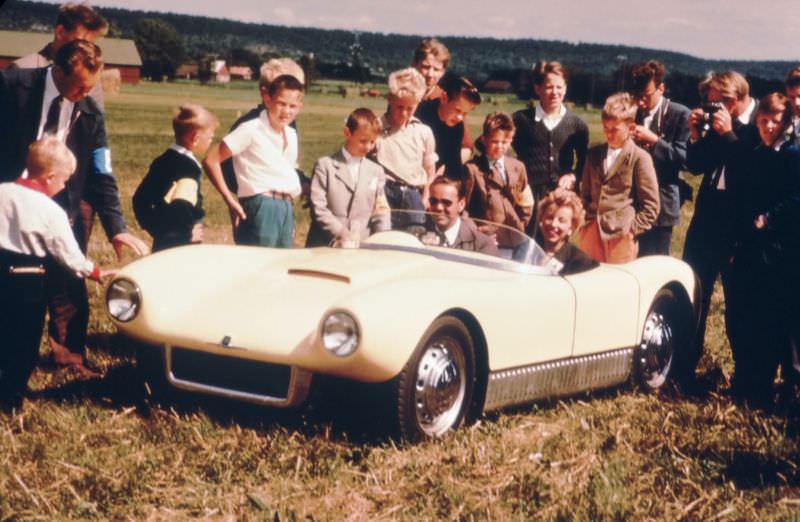
Production stopped after just six cars. Six. That makes the Sonett I one of the rarest production cars ever built by any manufacturer, not just Saab. Each of the six exists as a physical record of what Saab was trying to achieve — performance, safety, and style in one lightweight package.
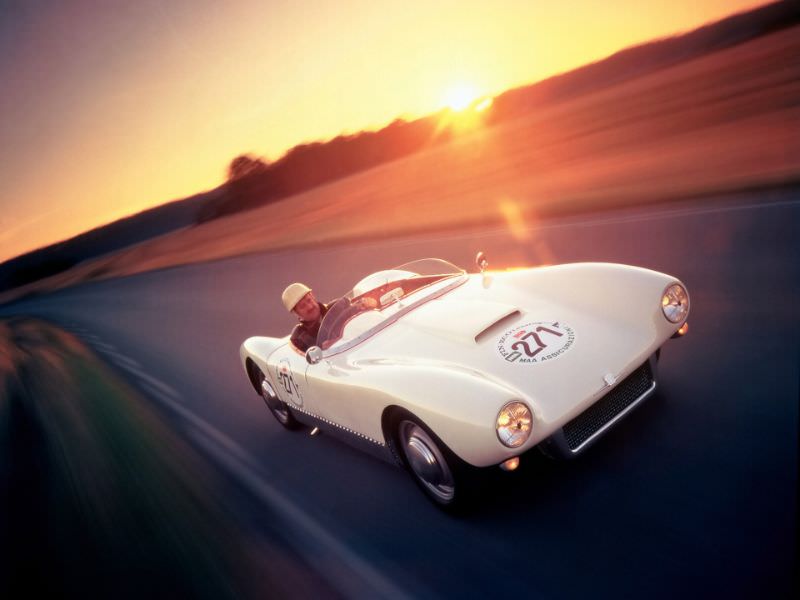
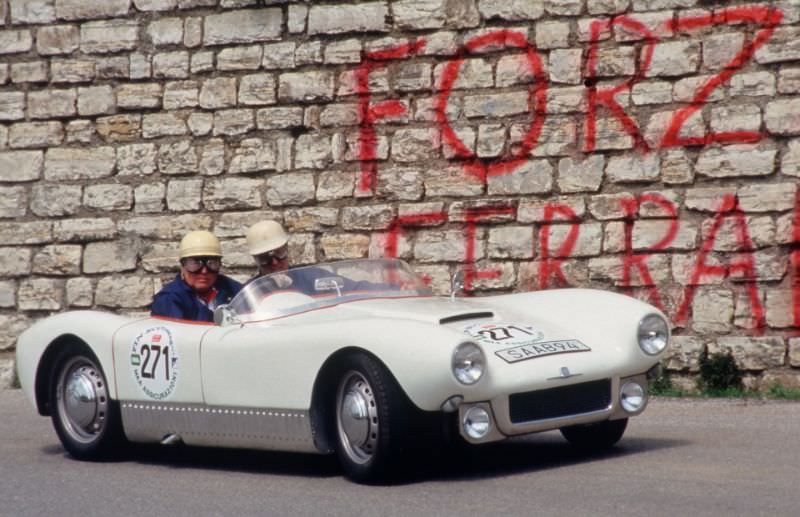
The Sonett I was built between 1955 and 1957, a short window that produced almost nothing in terms of units but a great deal in terms of direction. The project proved that Saab’s engineers could push beyond economy cars and tackle high-performance design. That confidence carried forward into future models.
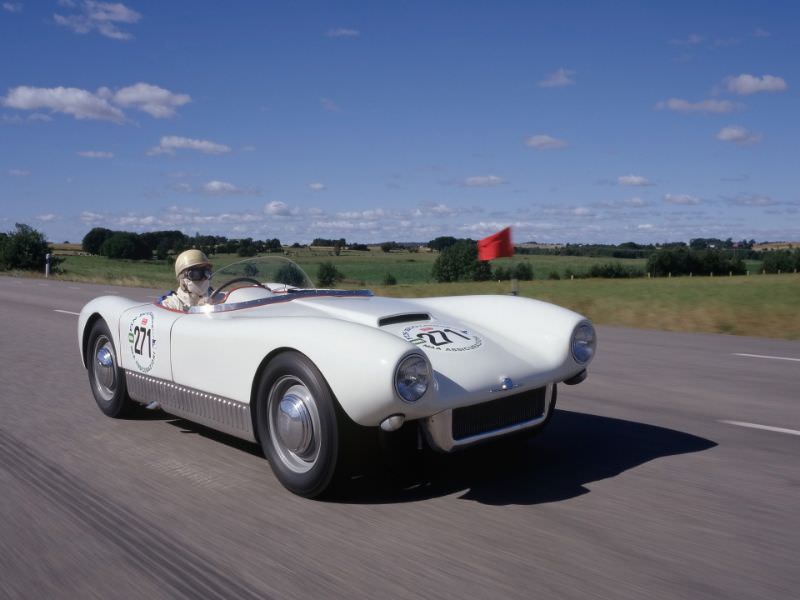
Saab followed up with the Sonett II in the 1960s and the Sonett III in the early 1970s, both of which reached customers in far greater numbers. Neither would have existed without the groundwork laid by Mellde’s original six-car experiment.
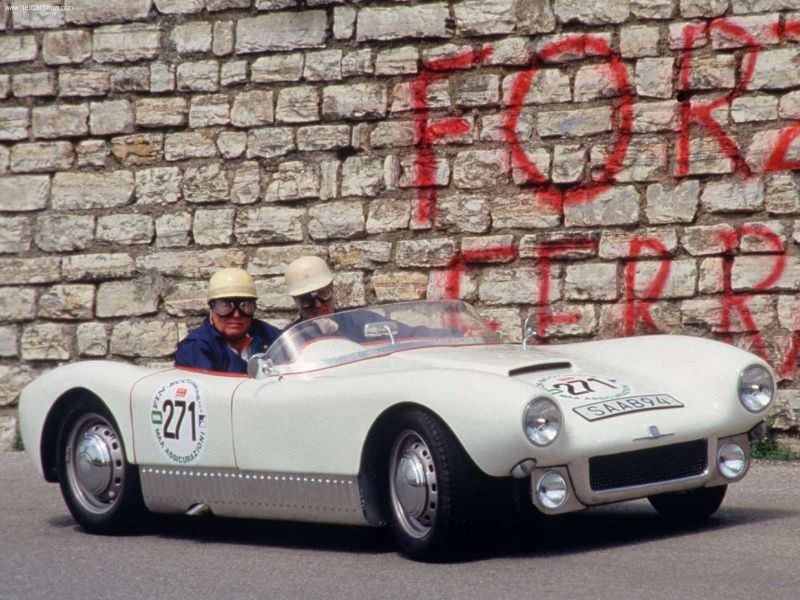

Today, each surviving Sonett I is a prized collector’s piece. Their rarity alone makes them extraordinary, but collectors also value them for their design integrity and their place in automotive history. They represent a specific moment when a Swedish airplane manufacturer decided it could also build a world-class sports car — and nearly pulled it off on the first try.