
Sweden in the early 1900s was a country in the middle of real change. Three major political forces — Social Democrats, Liberals, and Conservatives — were reshaping how the country was run. In 1907, all men over the age of 24 gained the right to vote. By 1919, that right extended to women as well. People were leaving the countryside and moving to cities in growing numbers, looking for work and a better life.
Workers didn’t just accept poor conditions. They organized. Unions formed across industries, pushing for better wages and safer workplaces. In 1909, roughly 300,000 workers walked off the job in a general strike. That single event forced the government and employers to take labor rights seriously, leading to significant changes in Swedish labor law.
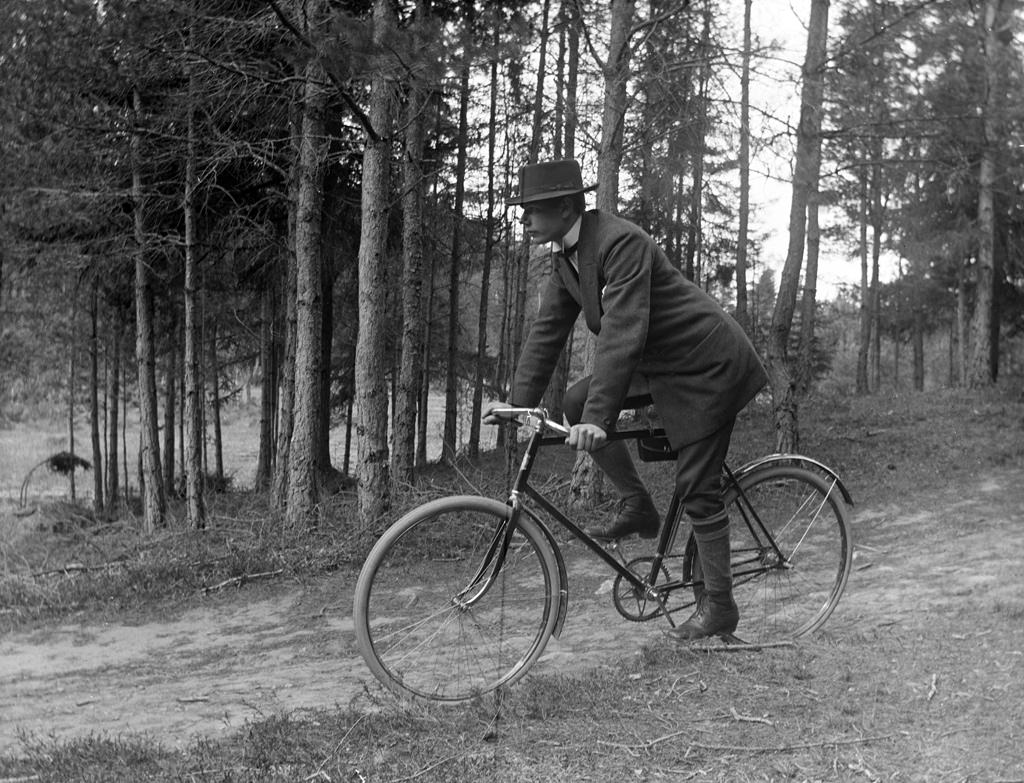
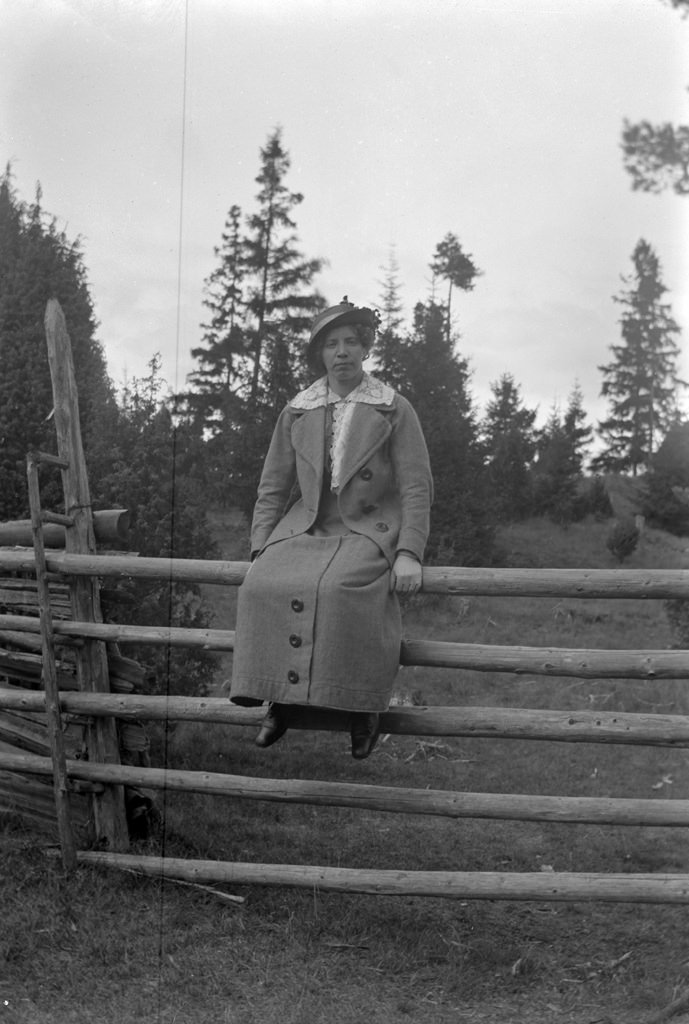
Photographer Oskar Jarén documented this era with a personal and careful eye. Working mostly in and around the Frinnaryd area of Småland, he photographed the people he knew — neighbors, families, tradespeople, and children. His images from the 1910s and 1920s offer a close-up look at Swedish rural and small-town life during a period that rarely made headlines but shaped the country profoundly.
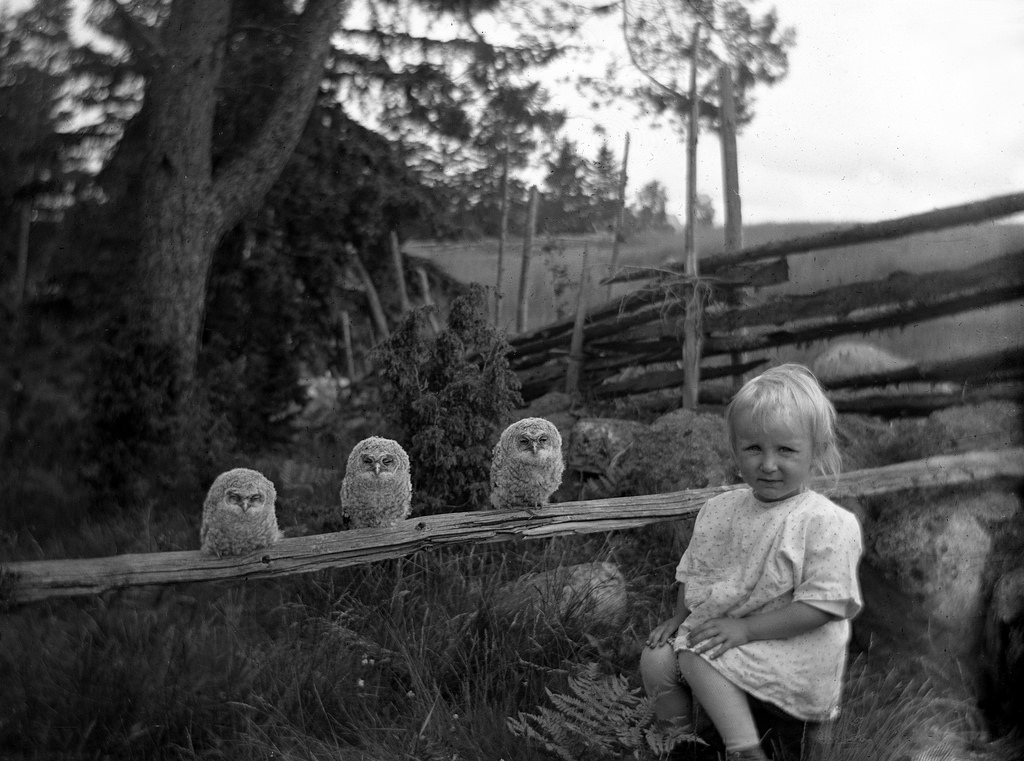
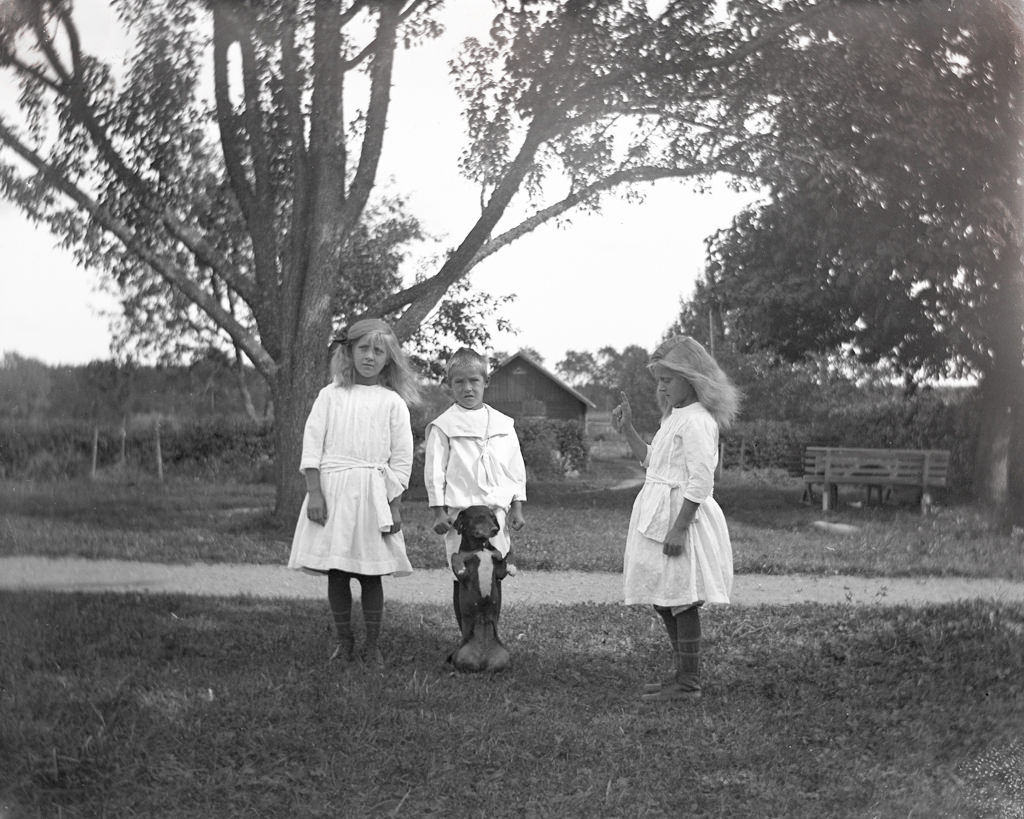
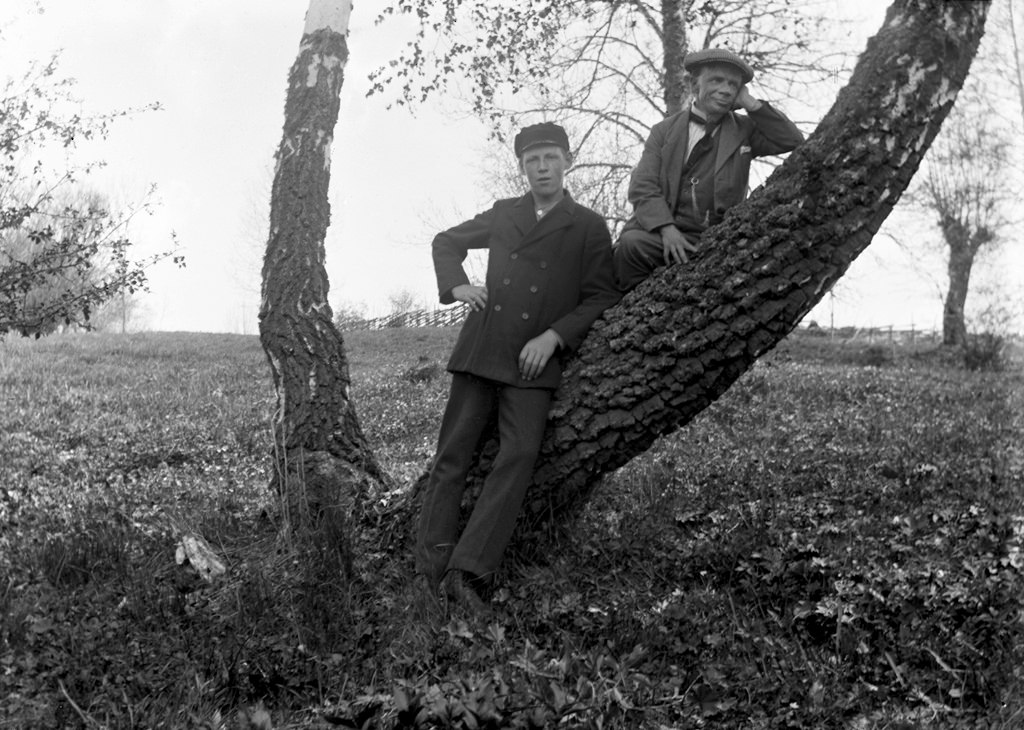
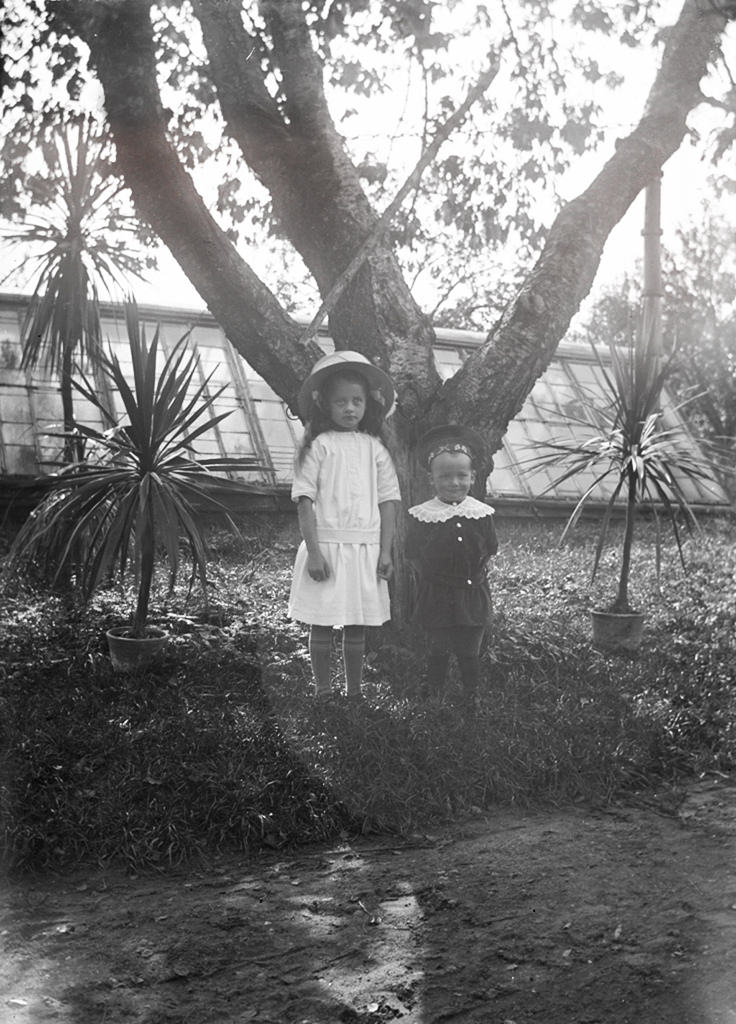
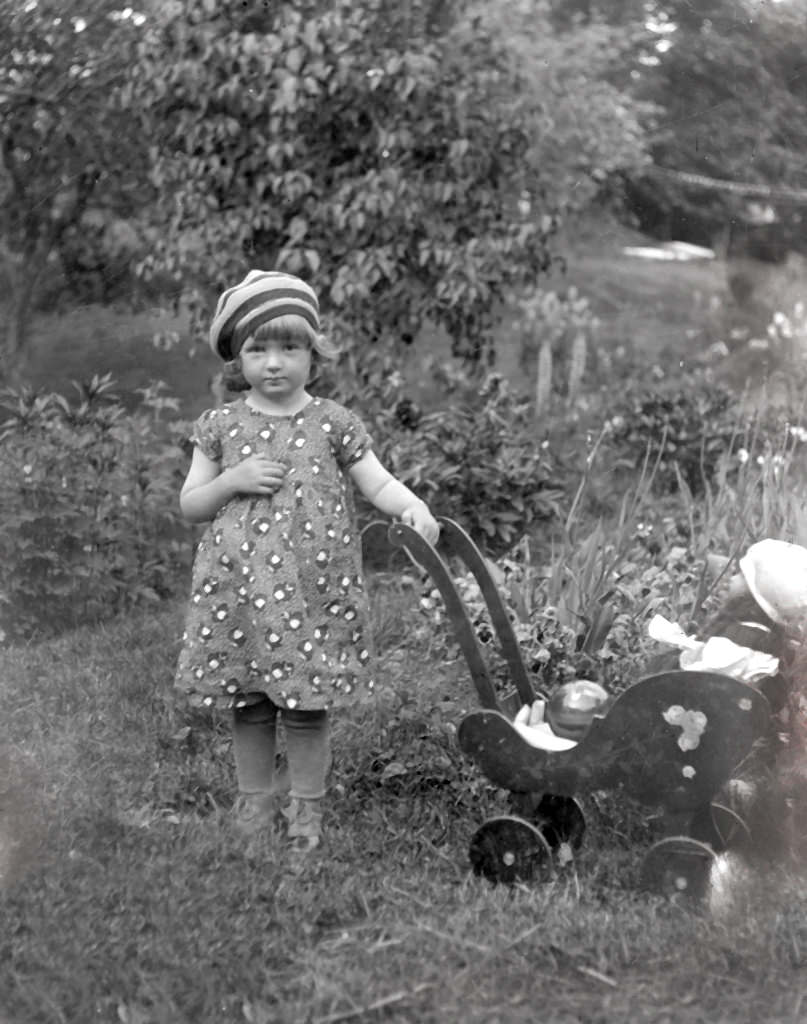
Children appear often in Jarén’s work, and he had a gift for capturing them in unguarded, natural moments — perched in trees, playing with animals, or simply going about their day.
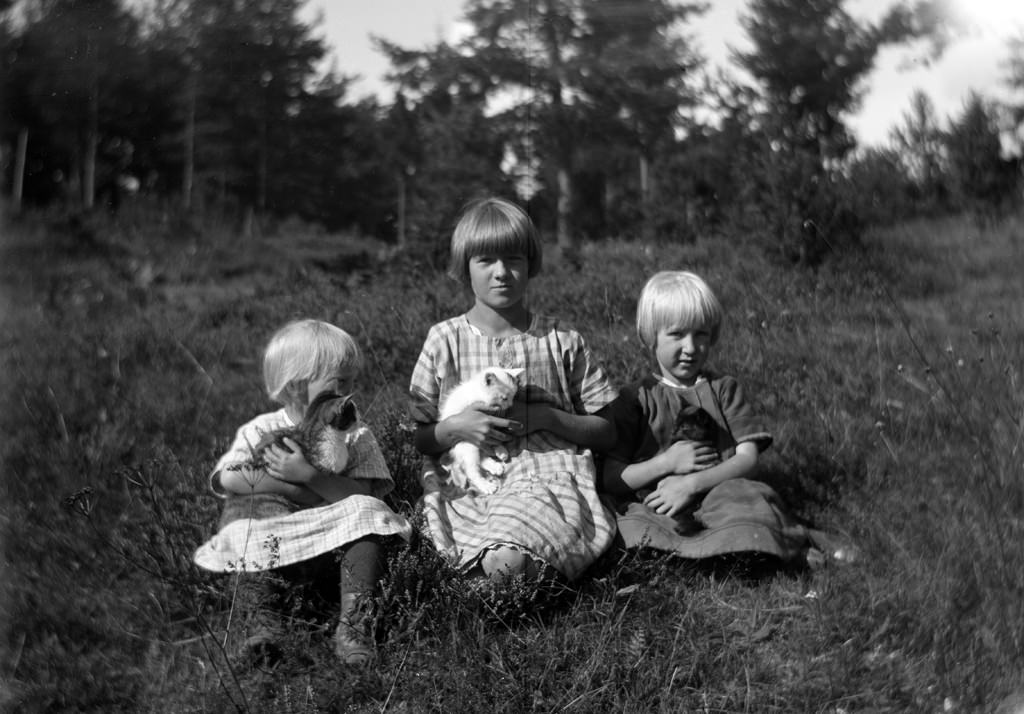
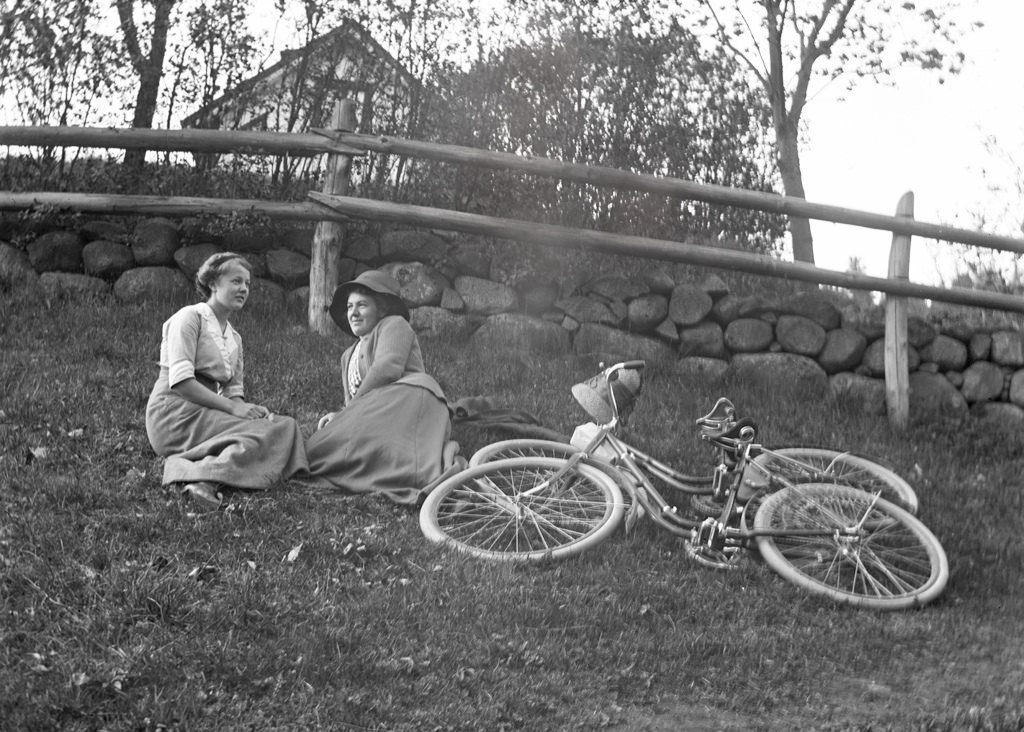
Adults at leisure were just as common a subject. Card games, music, and time spent outdoors with friends filled the hours between work. These weren’t formal portraits — they were slices of real life.
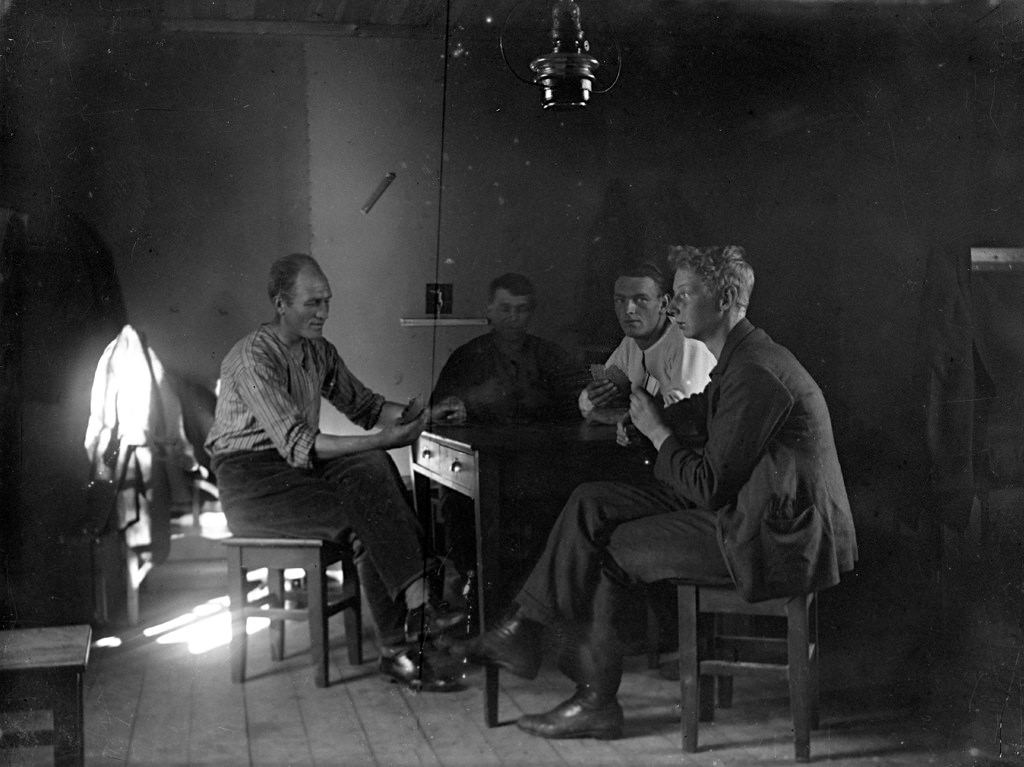
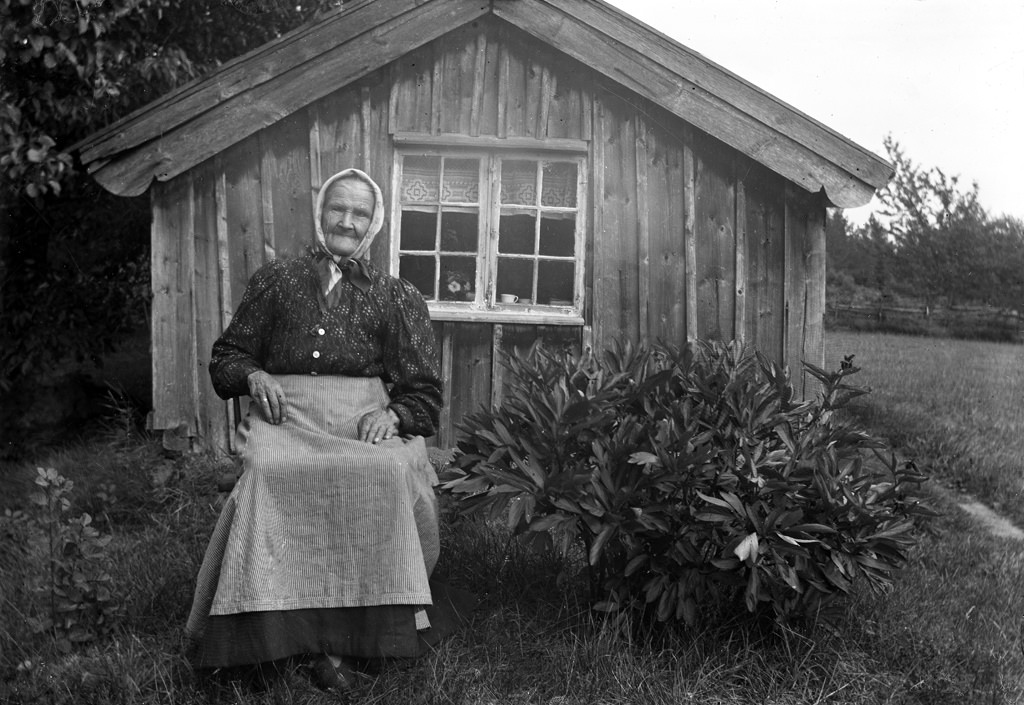
Daily chores in rural Sweden were physical and constant. Fetching water from a natural source, tending animals, and working the land were tasks that defined each day, especially for those still living in the countryside.
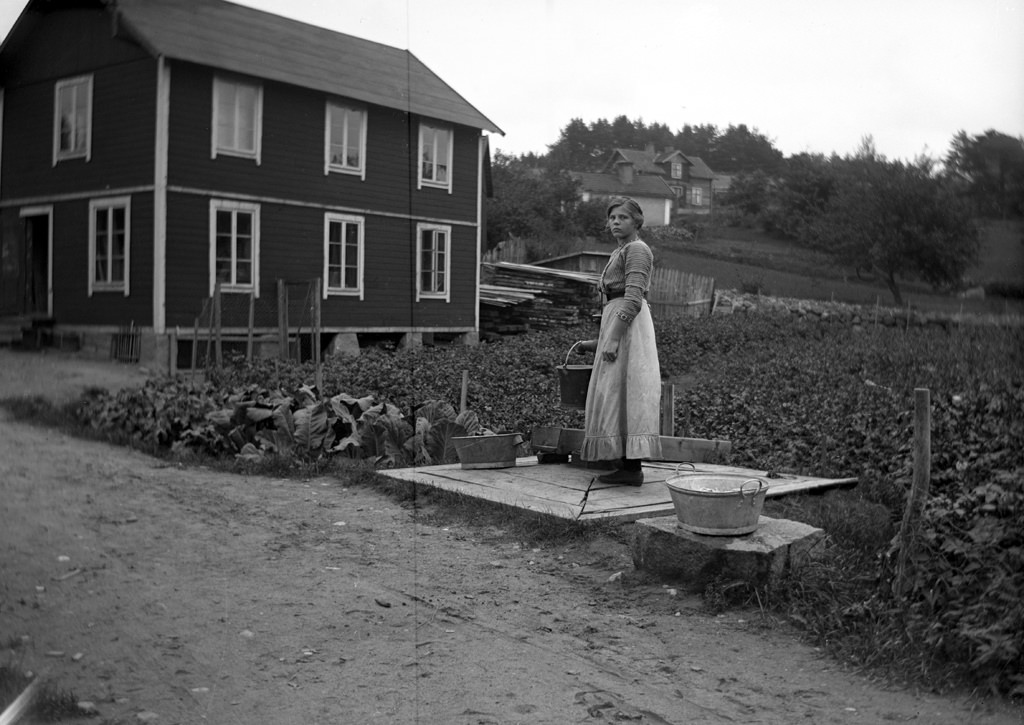
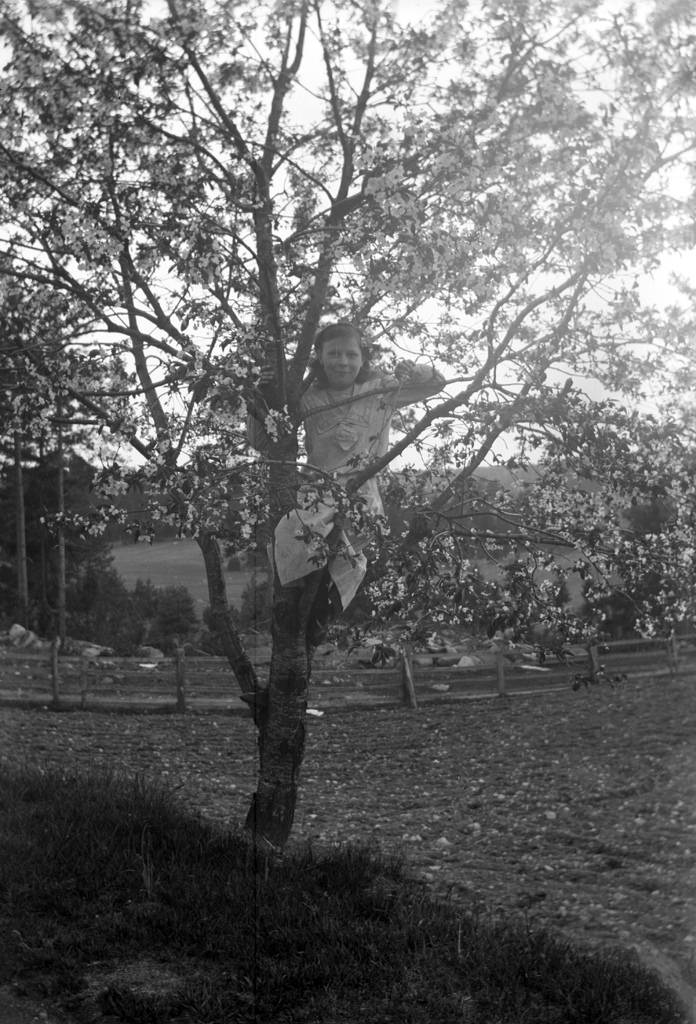
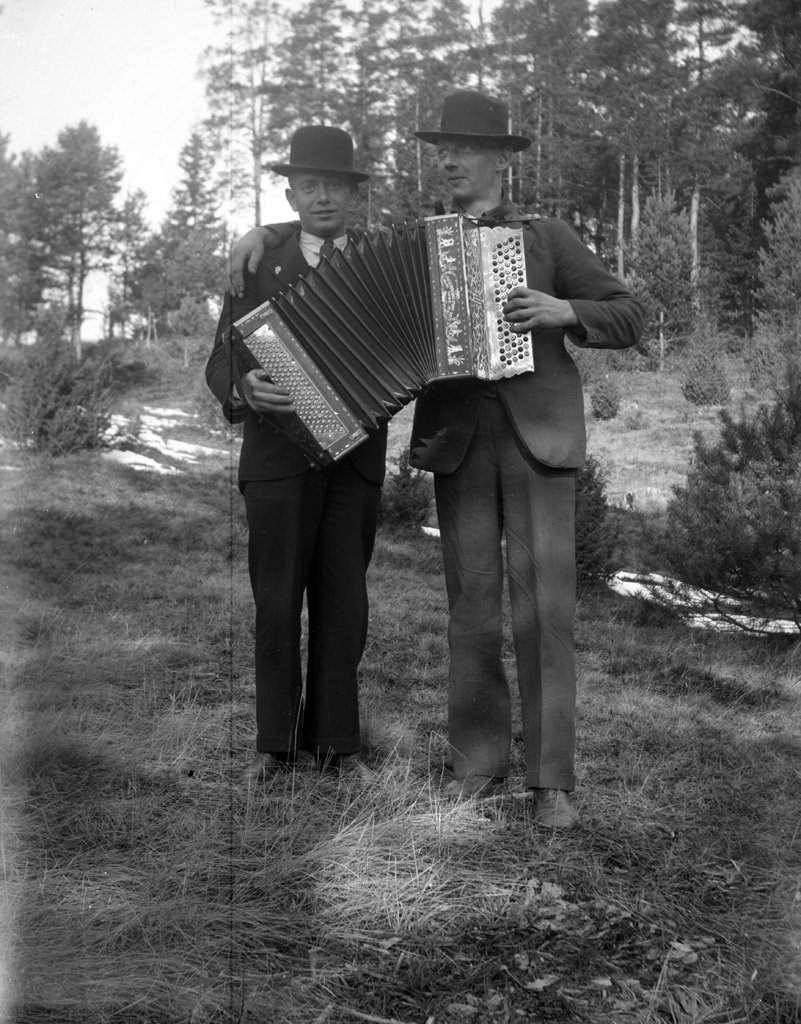
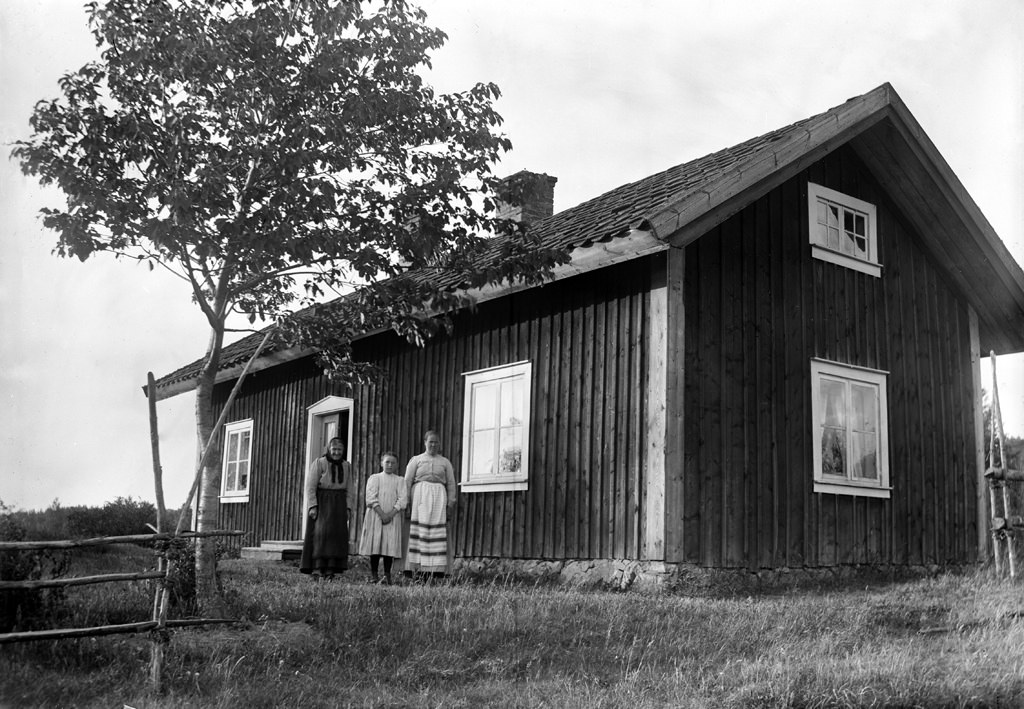
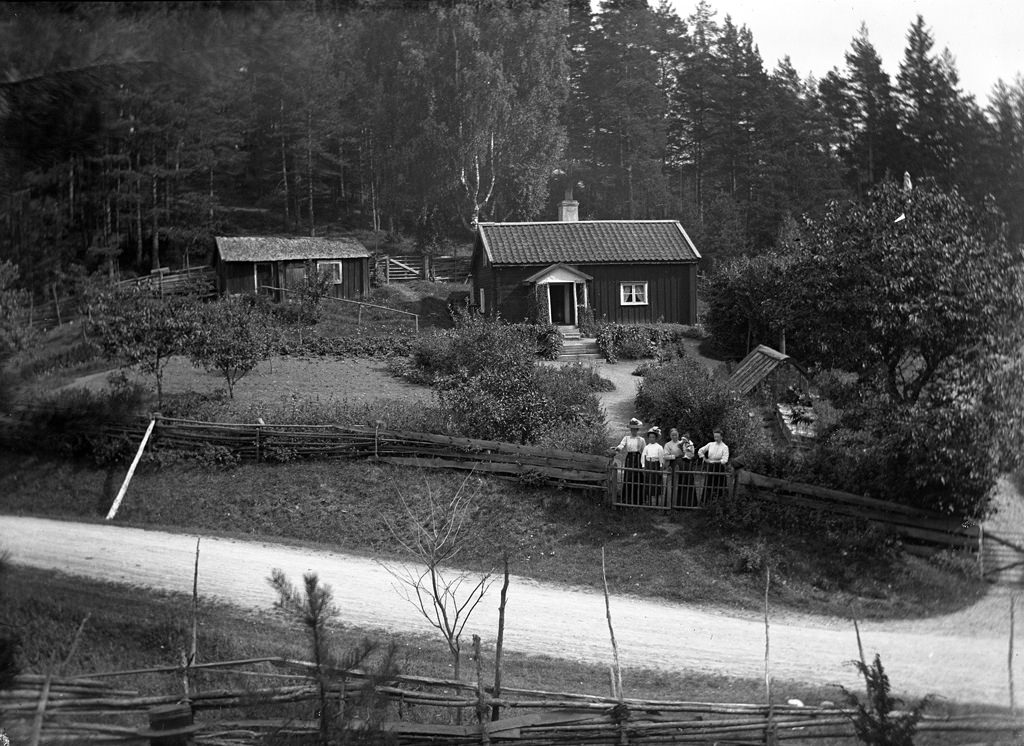
Small communities like Sjöstugan and Frinnaryd were tight-knit. Cottages clustered together, and neighbors shared in the rhythms of farm life. Jarén captured these settings in detail, preserving the look of buildings and landscapes that have long since changed.
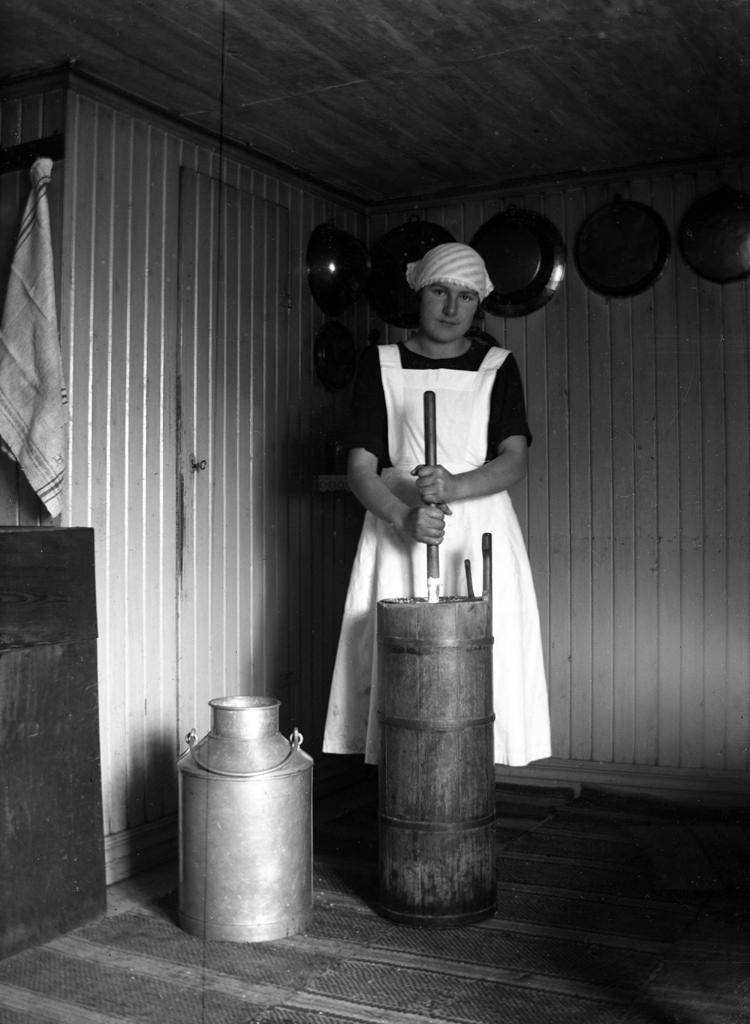
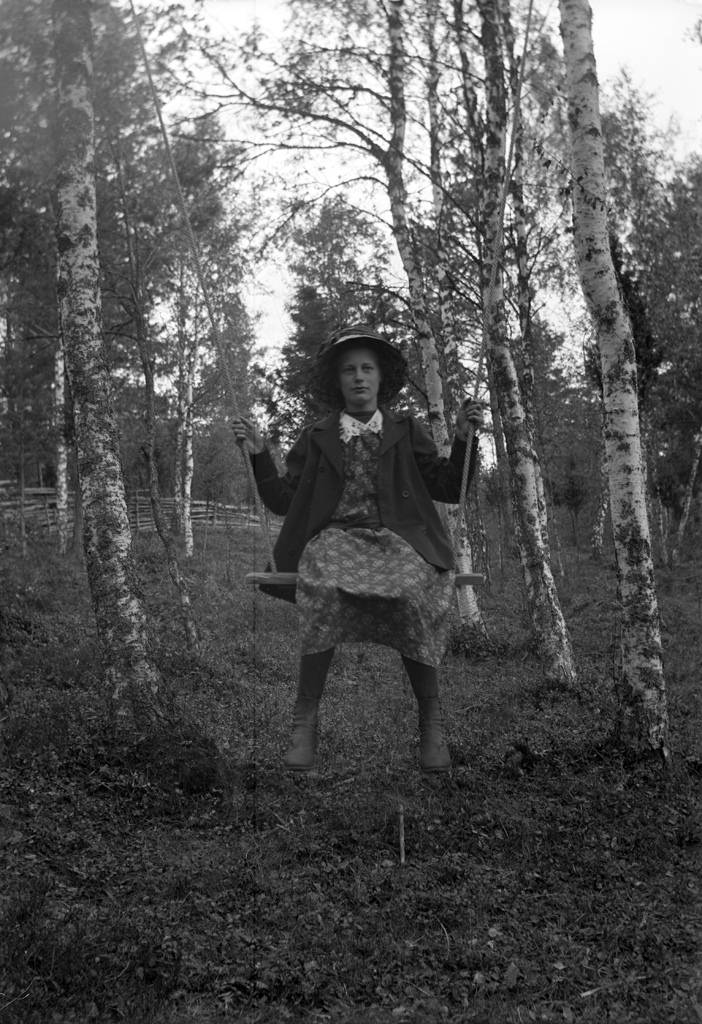
Food production at home was still entirely hands-on. Ulla Göransson is shown here churning butter the traditional way — a task that took significant time and effort before modern machinery made it obsolete.
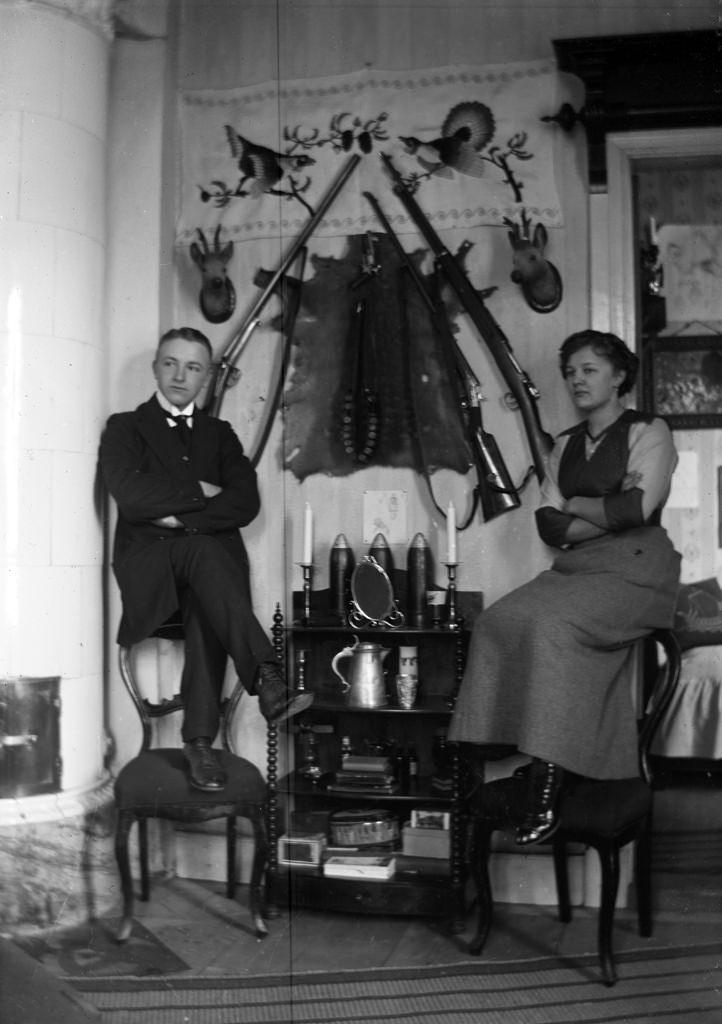
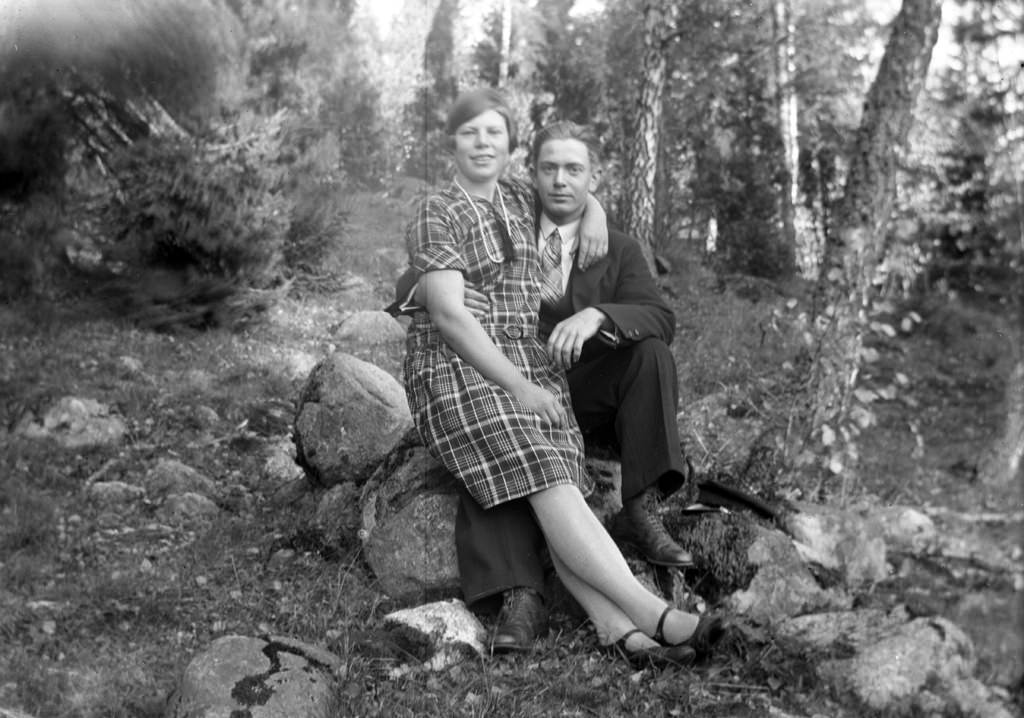
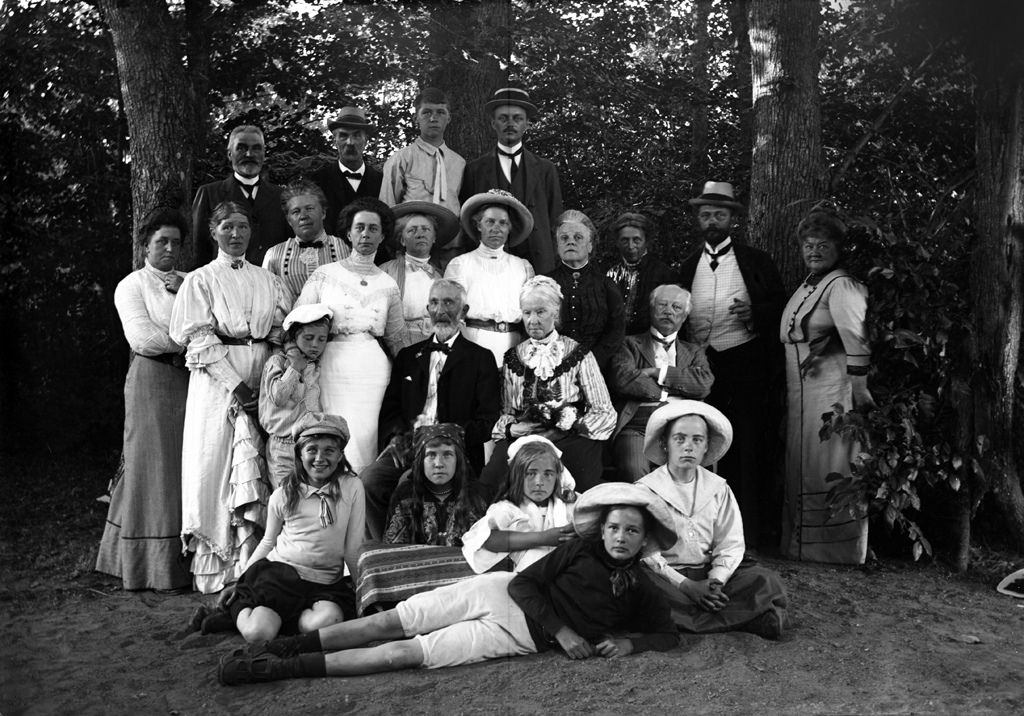
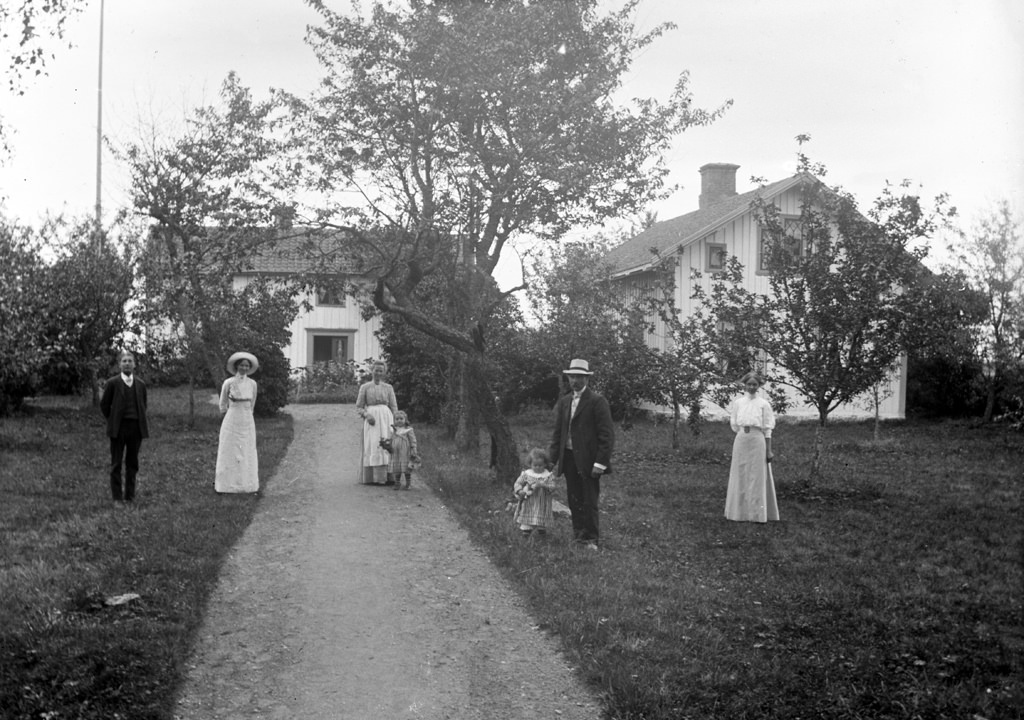
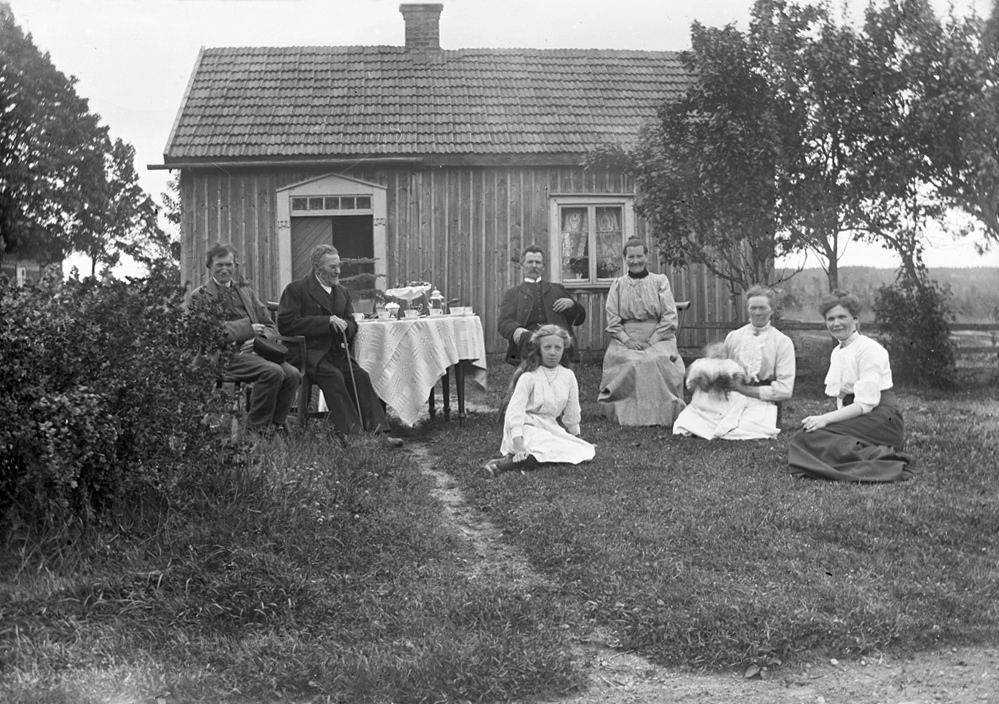
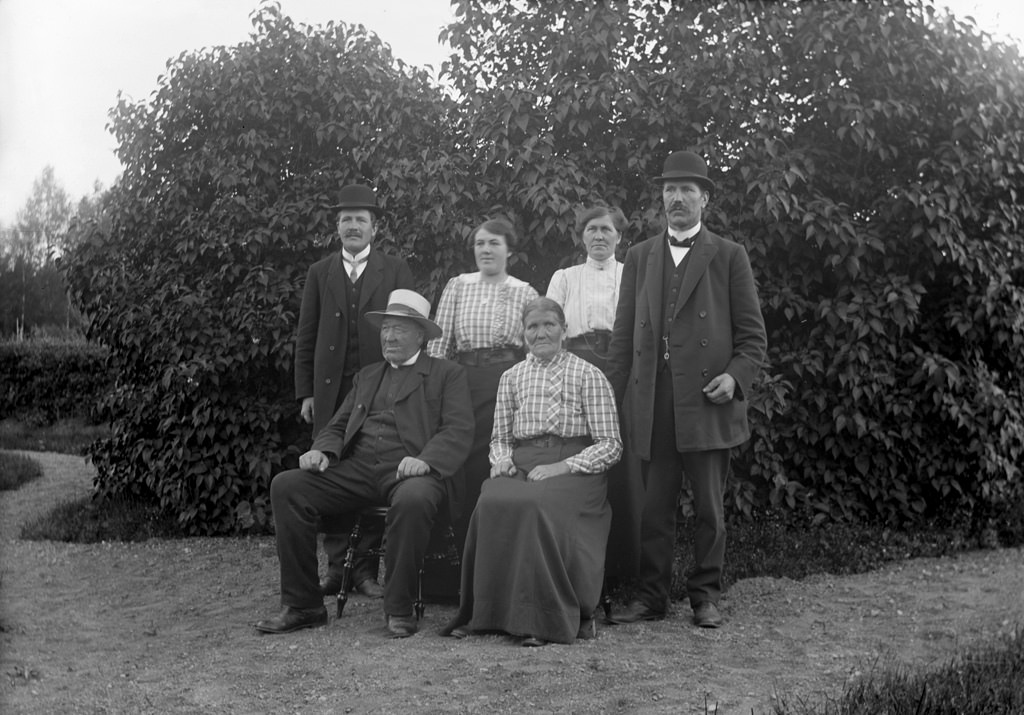
Group portraits were a regular part of Jarén’s work. Whether gathered at a manor house, a farm, or a village common, the people of the Frinnaryd area posed willingly — and the photographs that resulted now serve as a record of who lived there and what they looked like.
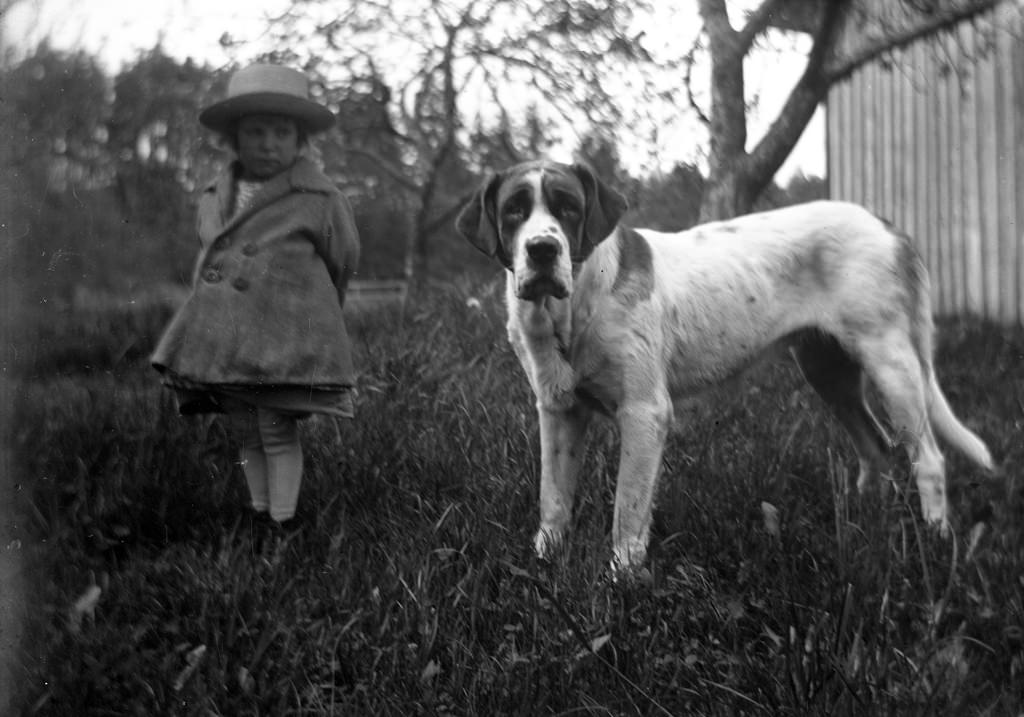
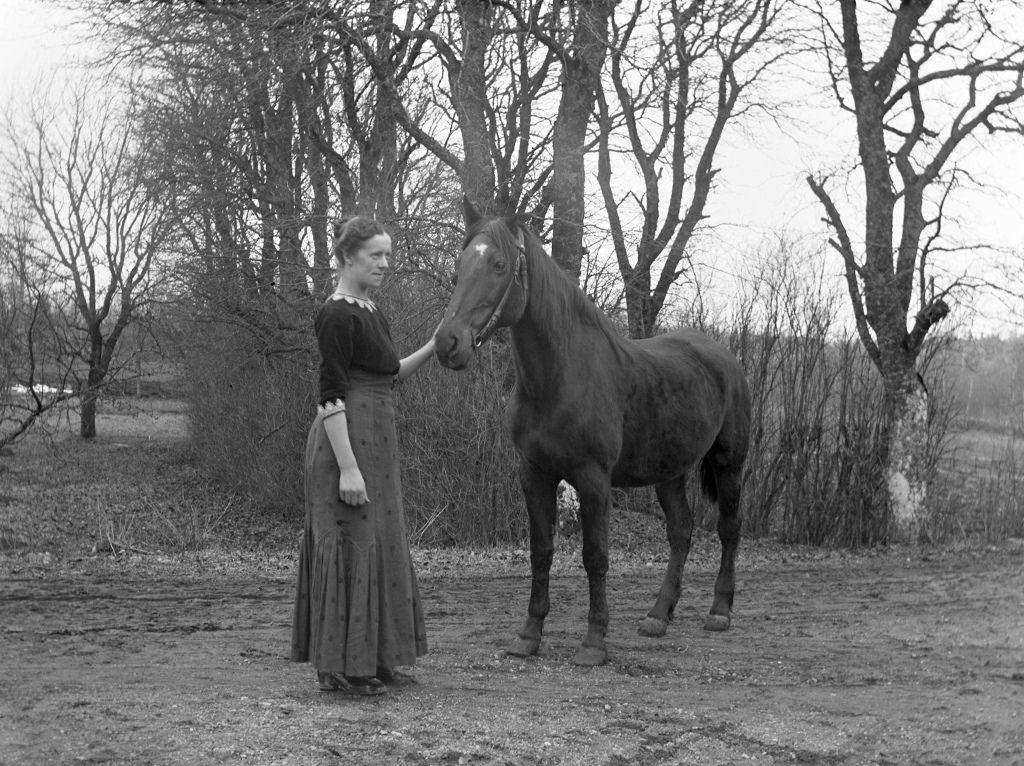
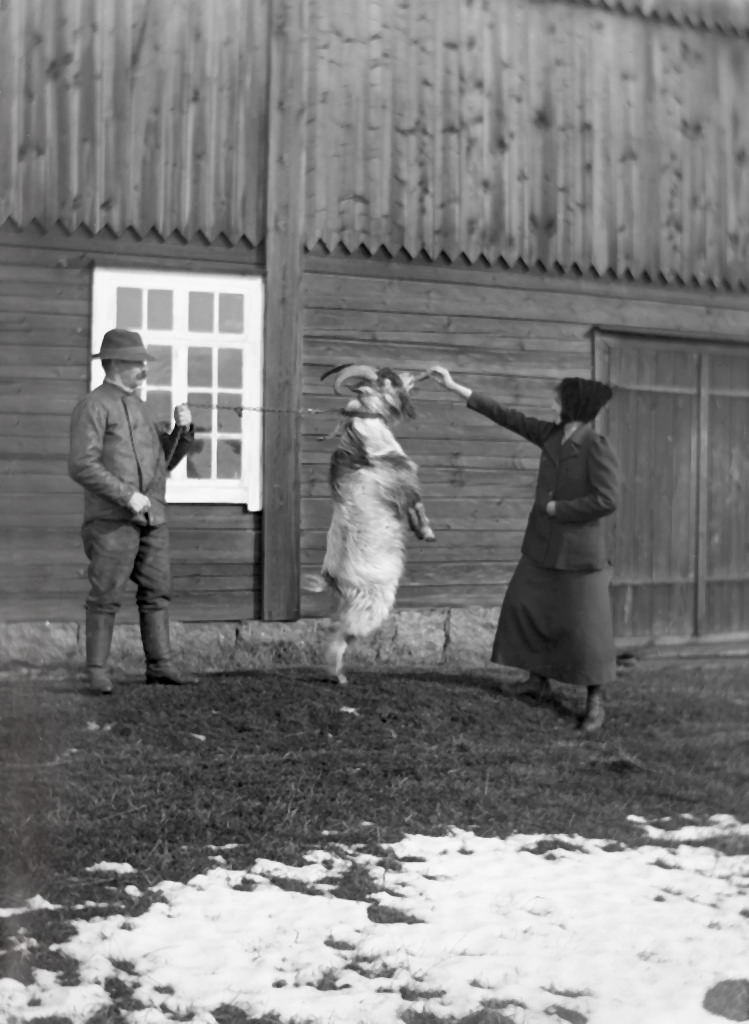
Jarén photographed animals and their bonds with people just as naturally as he did human subjects. Dogs, goats, and farm animals appear throughout his archive alongside the people who worked and lived with them.
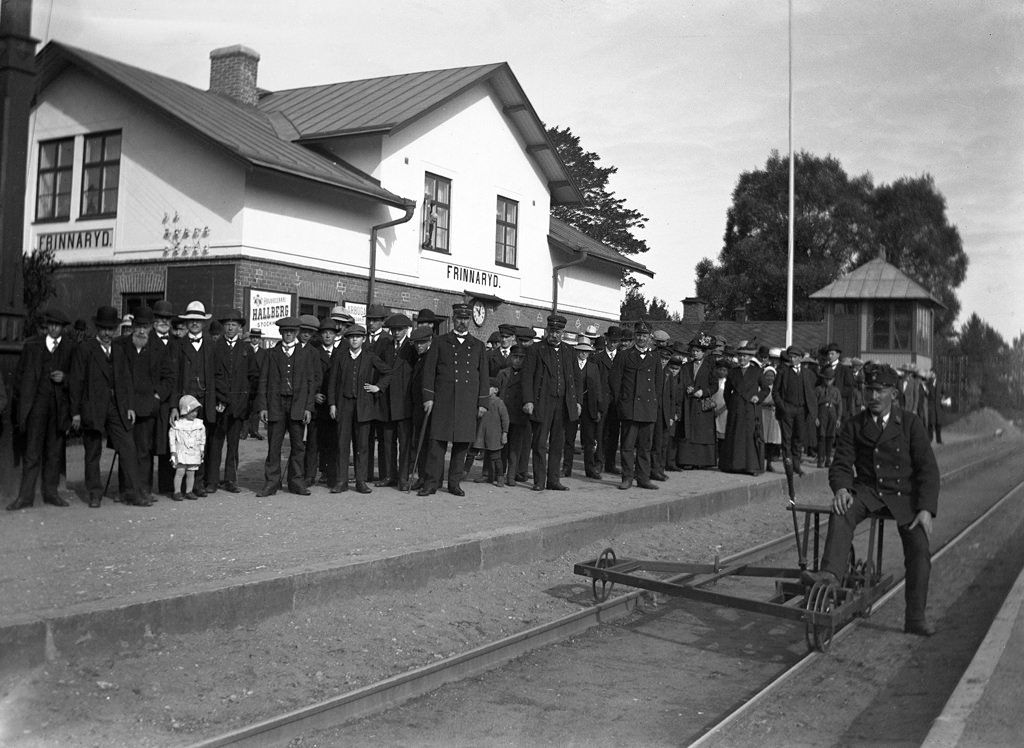
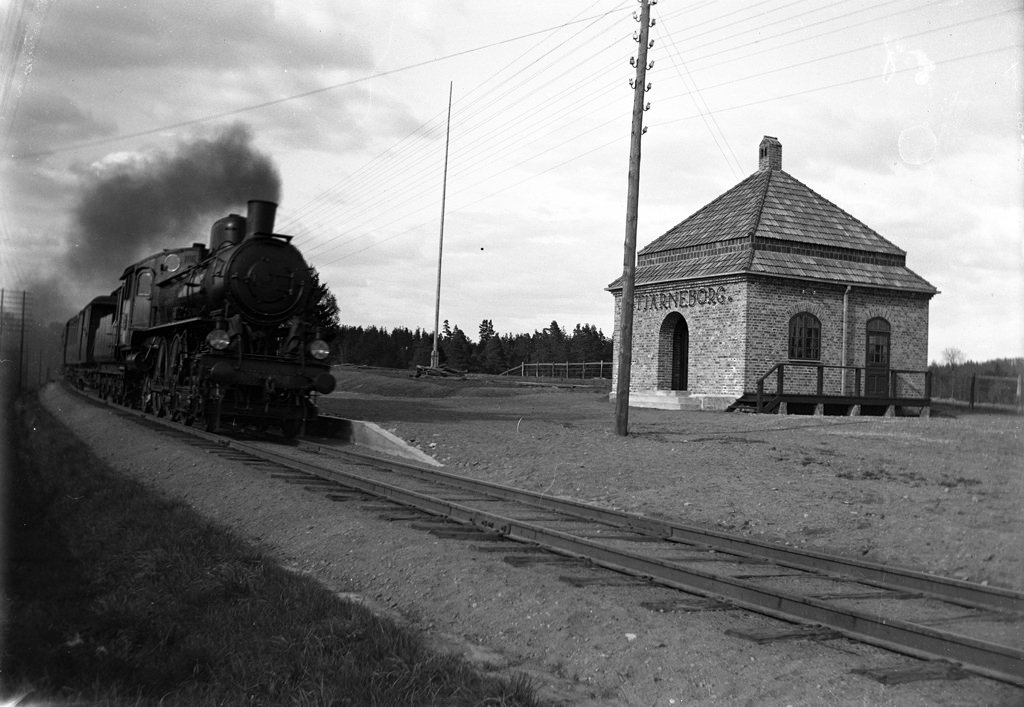
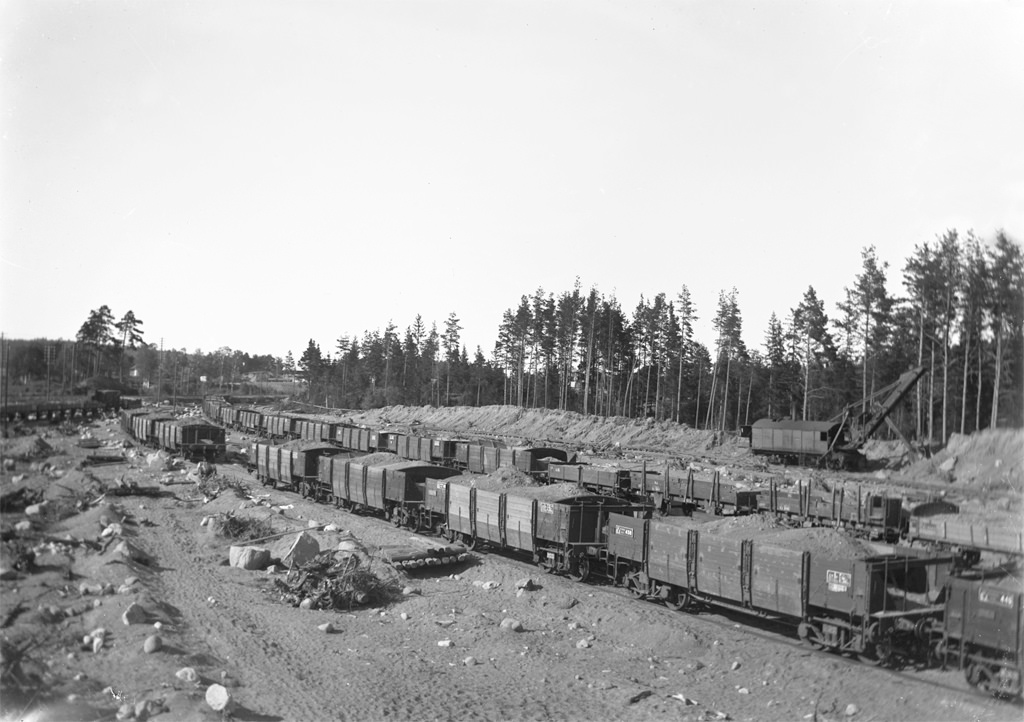
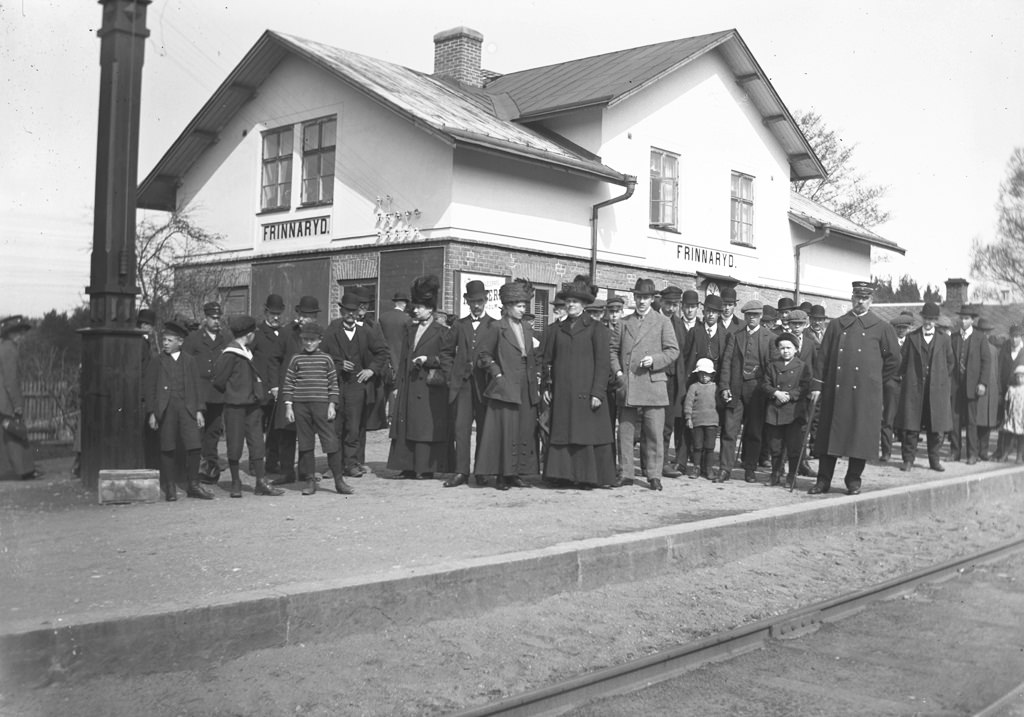
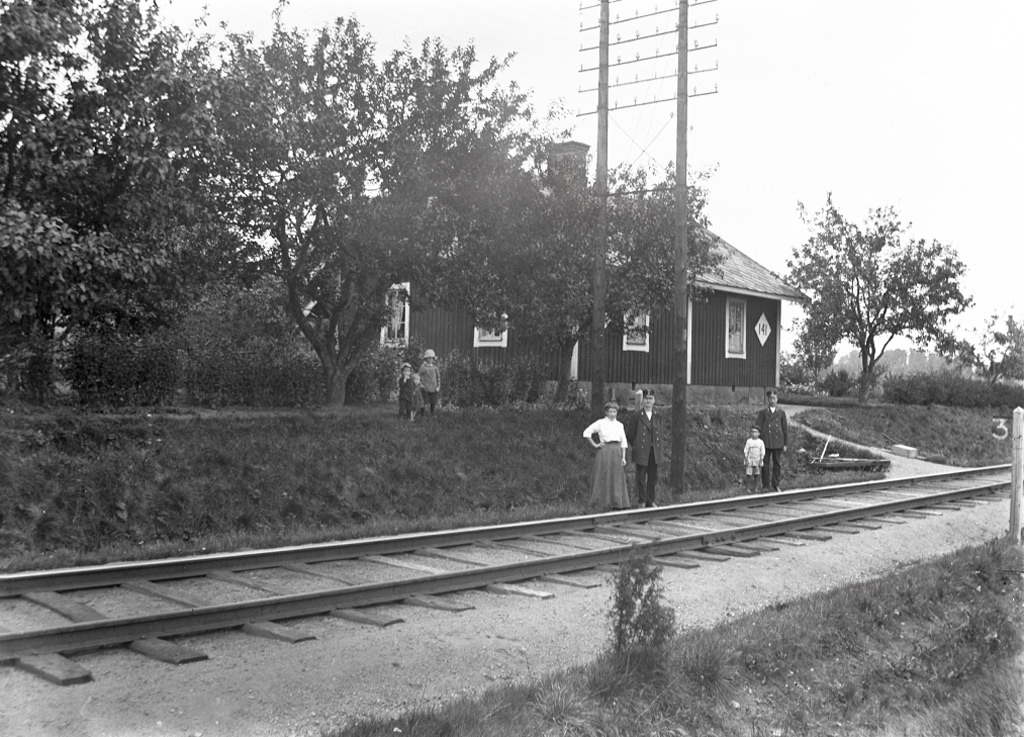
The railway was central to life in rural Sweden. Stations like Frinnaryds were not just transit points — they were community gathering spots where people waited, traded, and met. Market visitors heading to Tranås used the local line regularly.
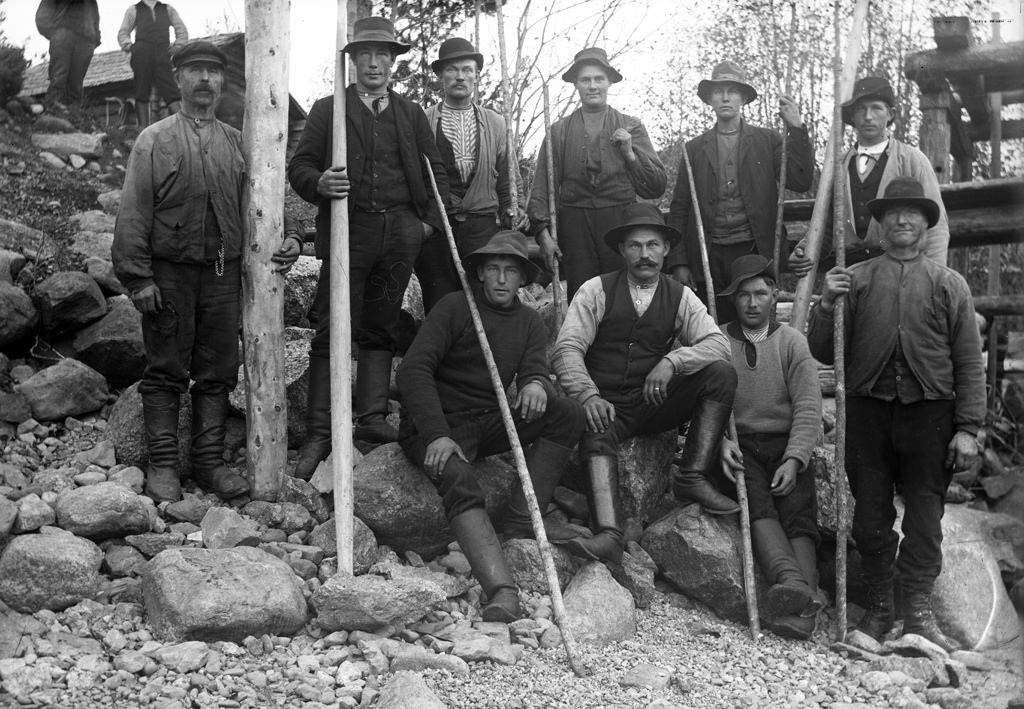
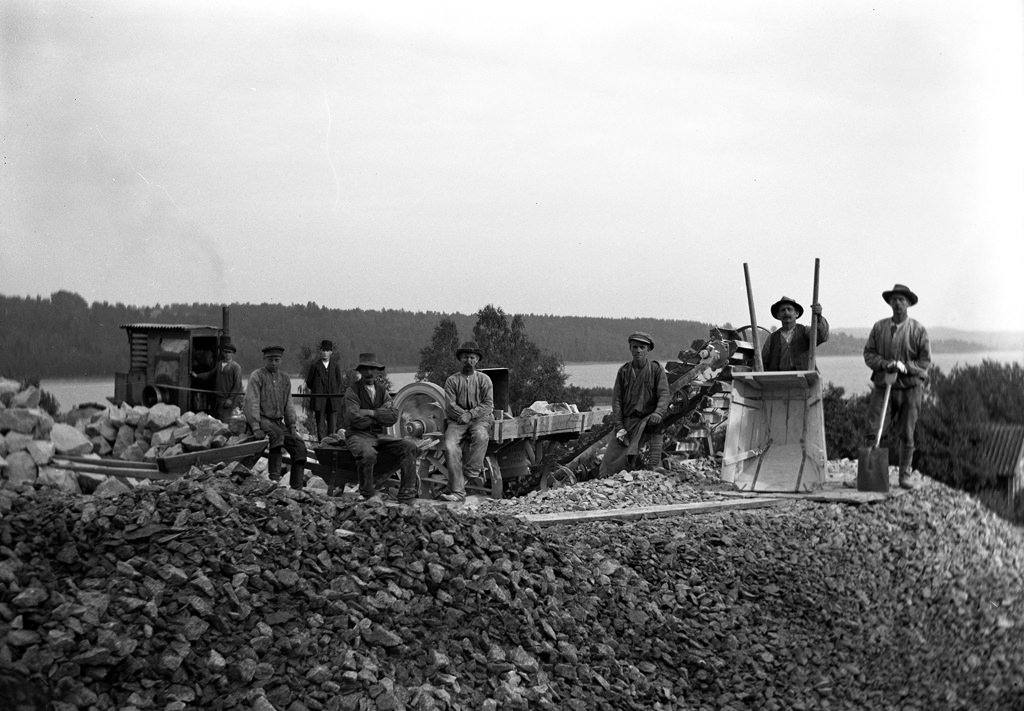
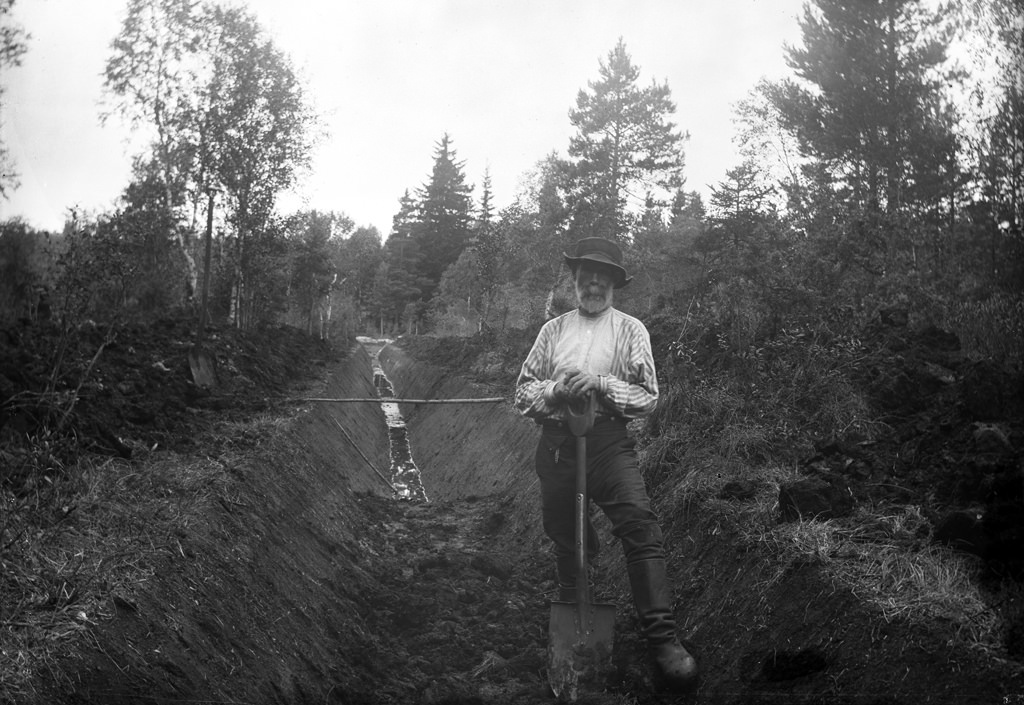
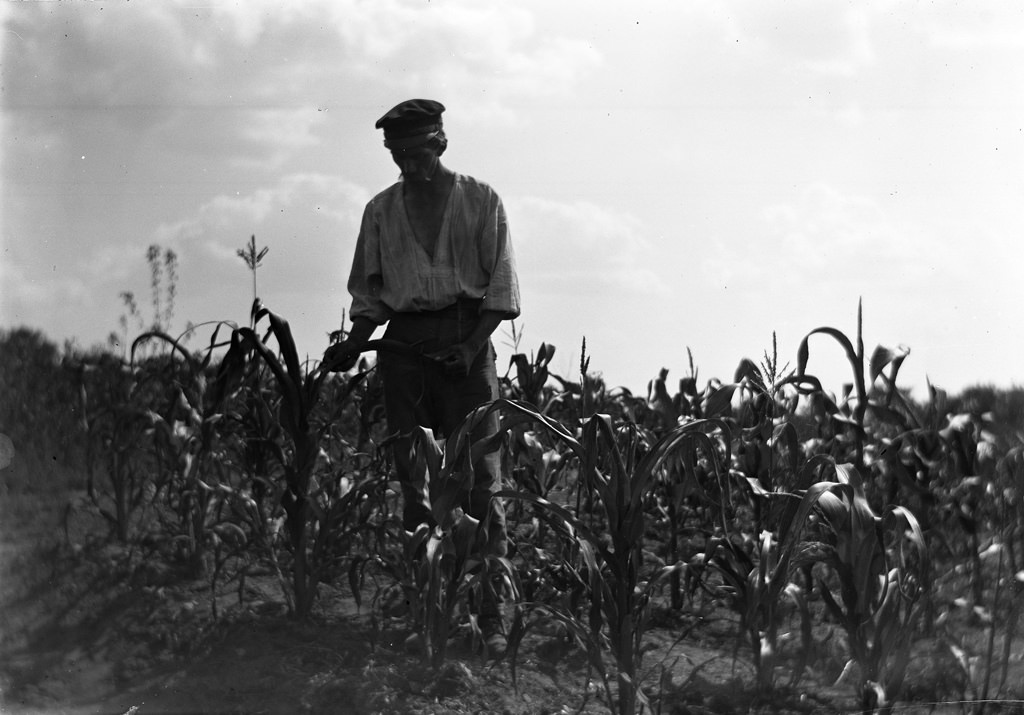
Agriculture and small industry ran side by side in Småland. Gardeners, stoneworkers, and farmhands all appear in Jarén’s photos, showing the variety of labor that kept these communities fed and functioning.
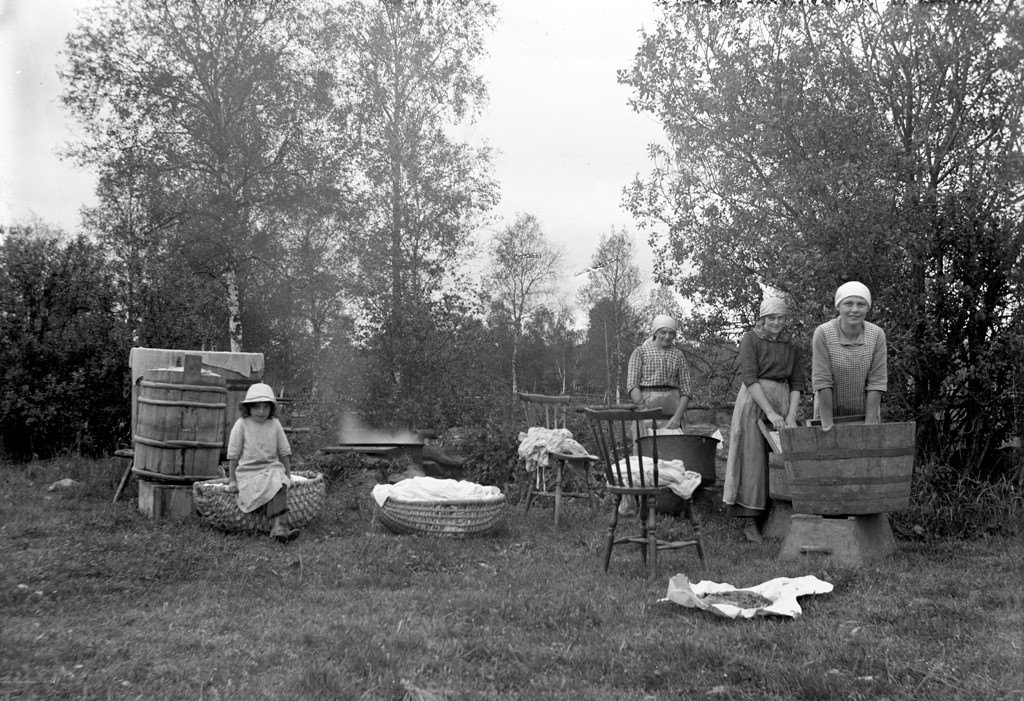
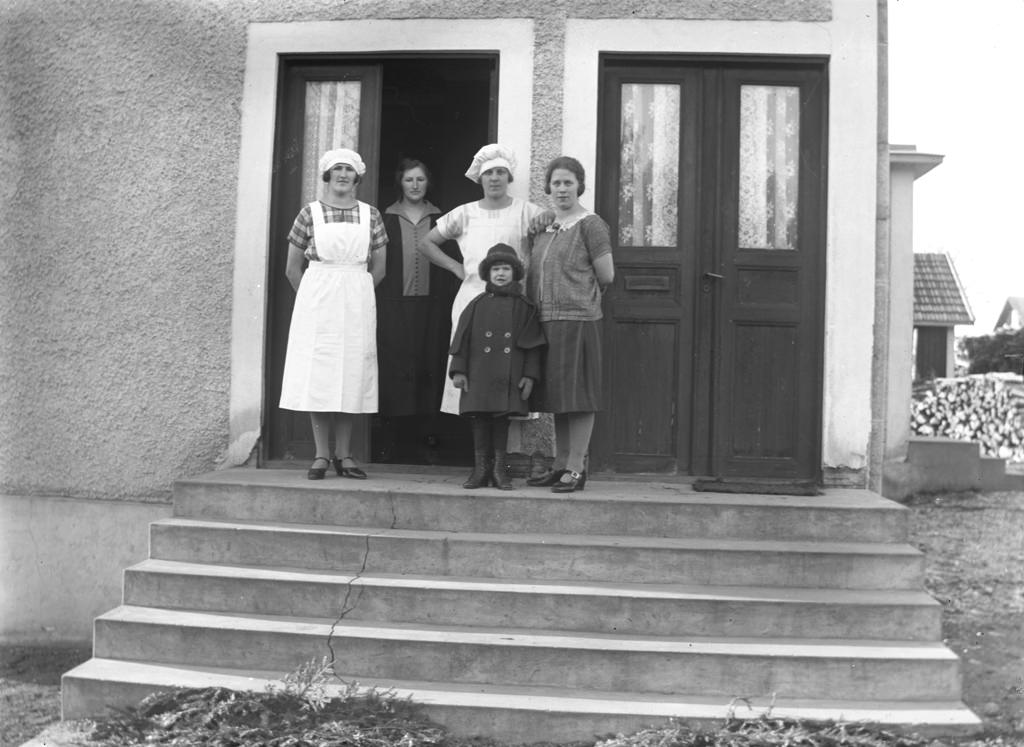
Commerce existed even in small villages. The Solhem café and bakery in Frinnaryd was one such gathering point — a place where locals could stop in and socialize, away from the demands of farm work.
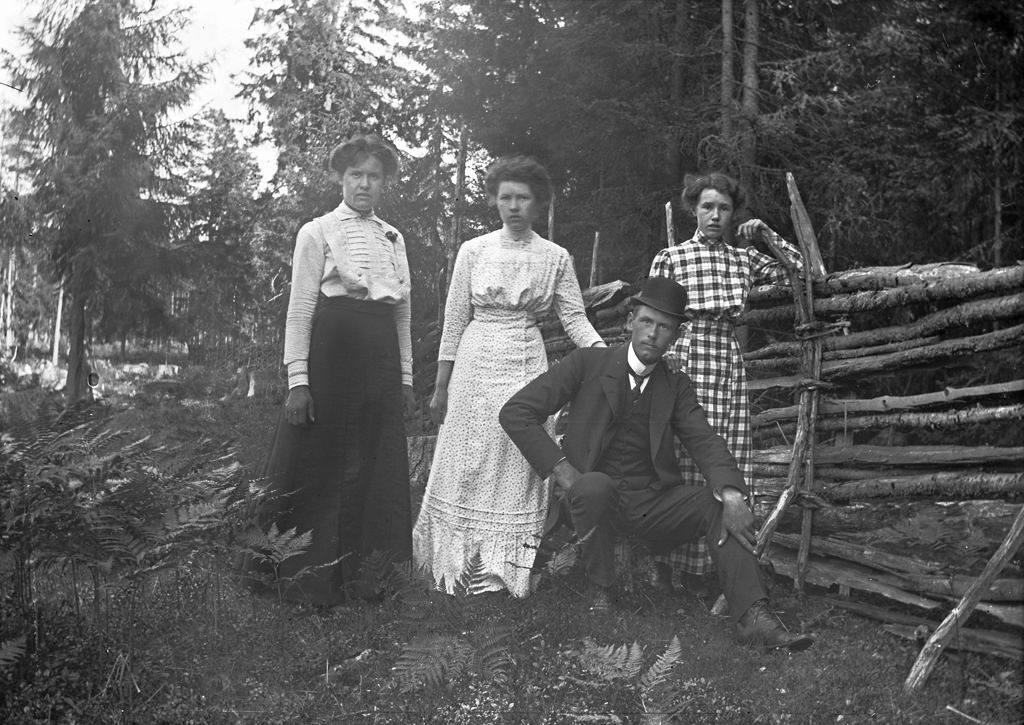
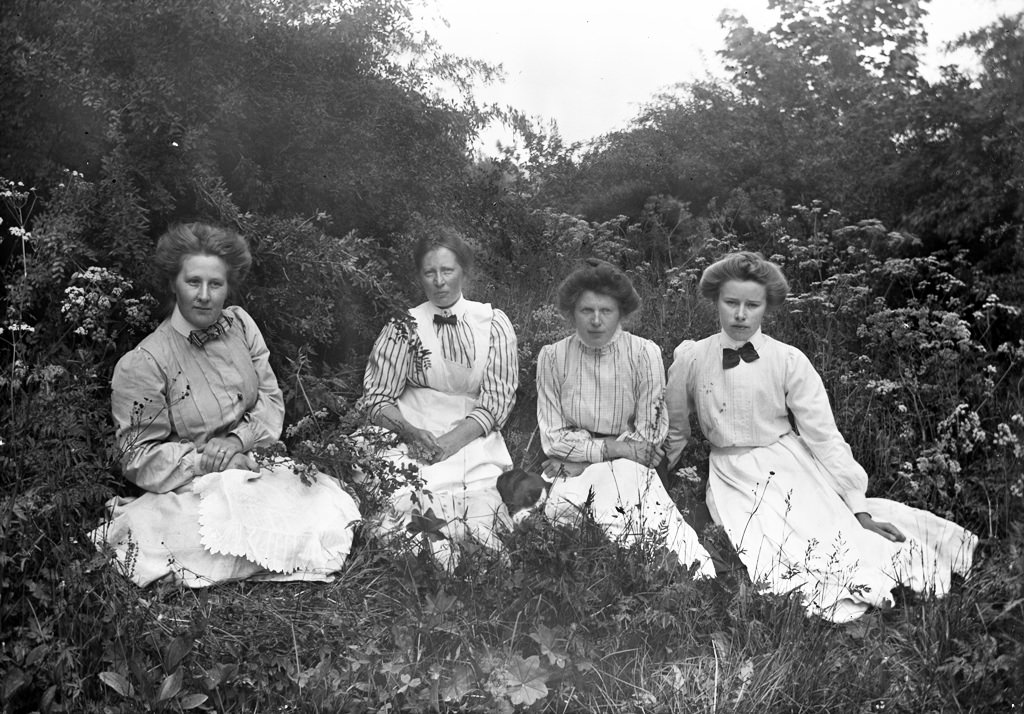
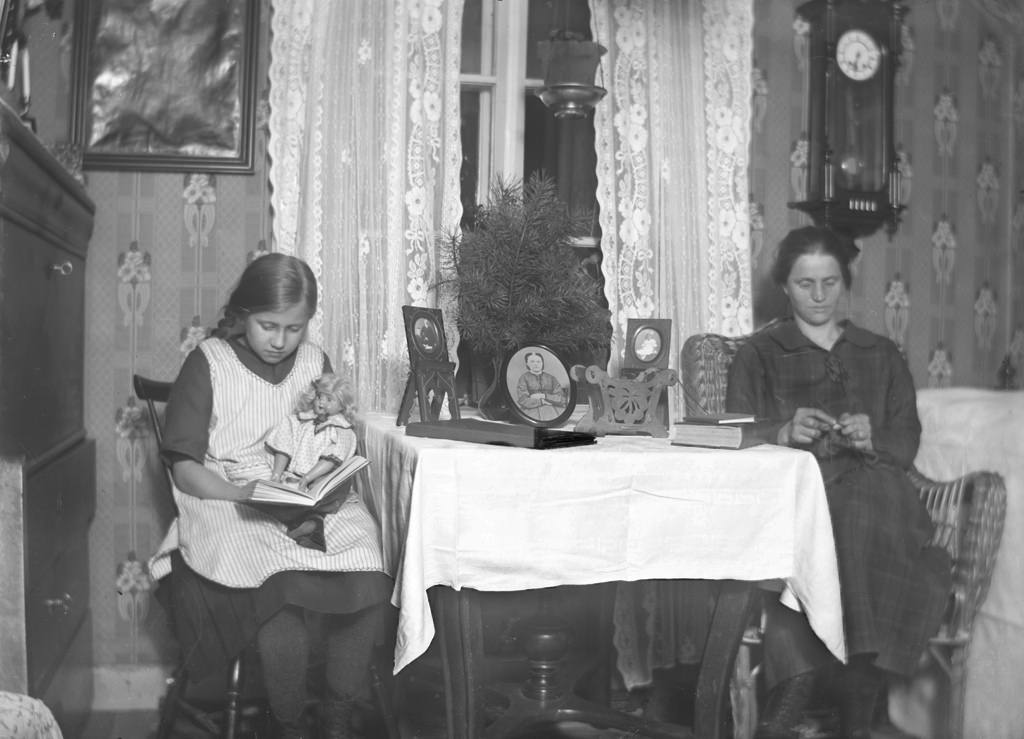
Some of the people Jarén photographed can be traced through local records. Stone Bergqvist, born in 1907, and Signe Smith, born in 1908, were photographed together in 1926. They married the following year.
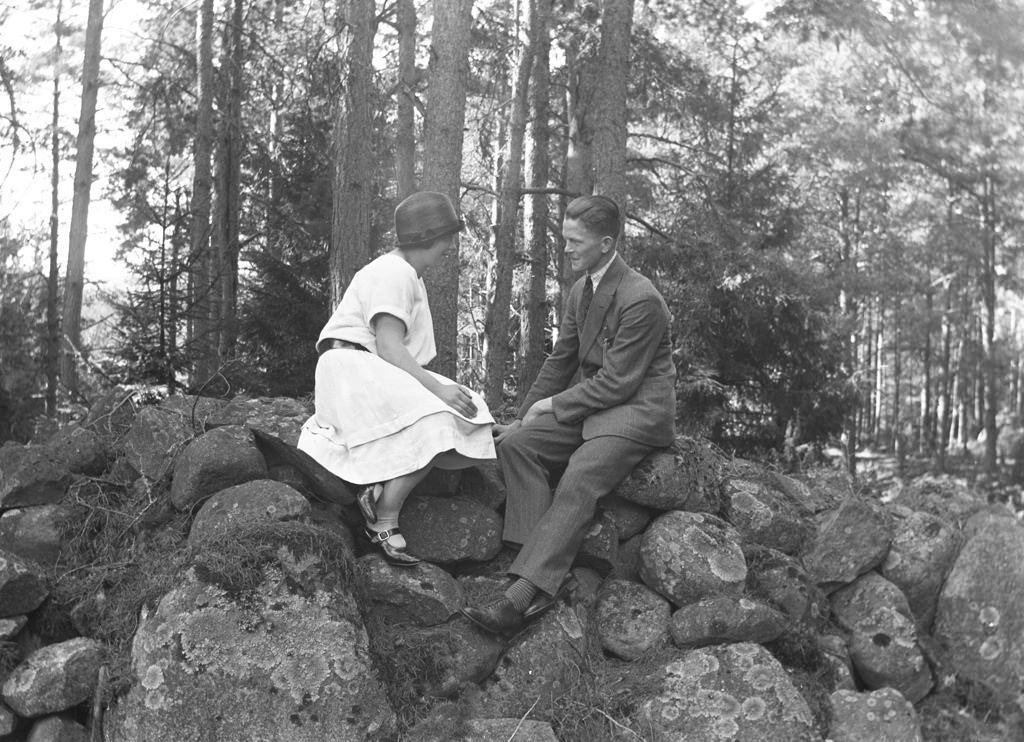
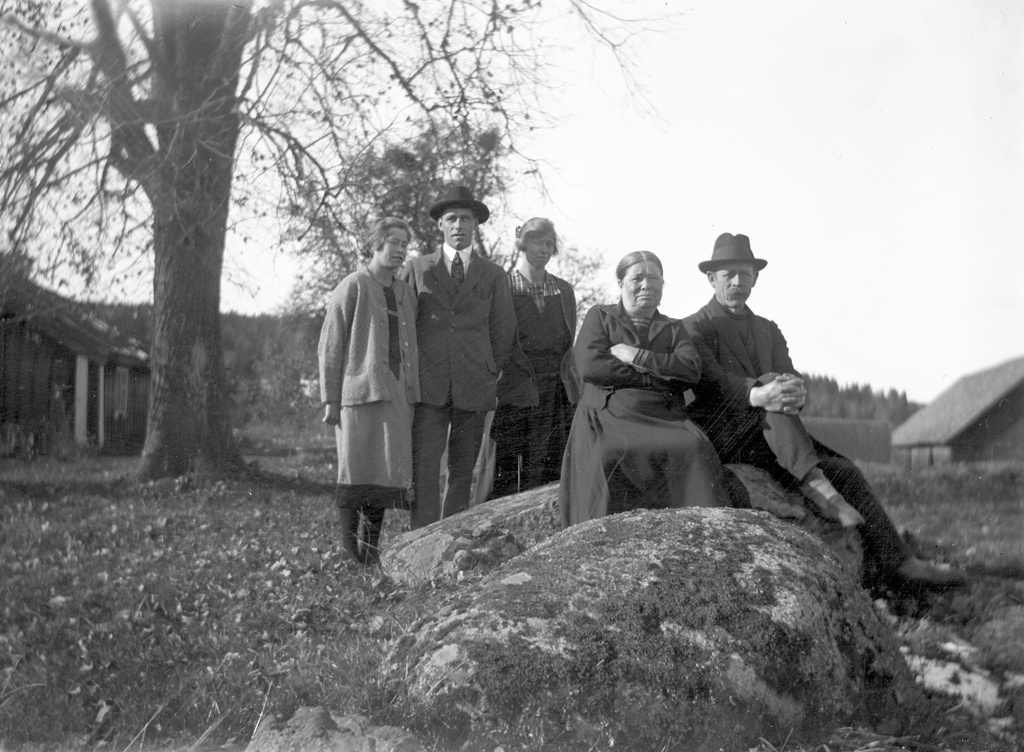
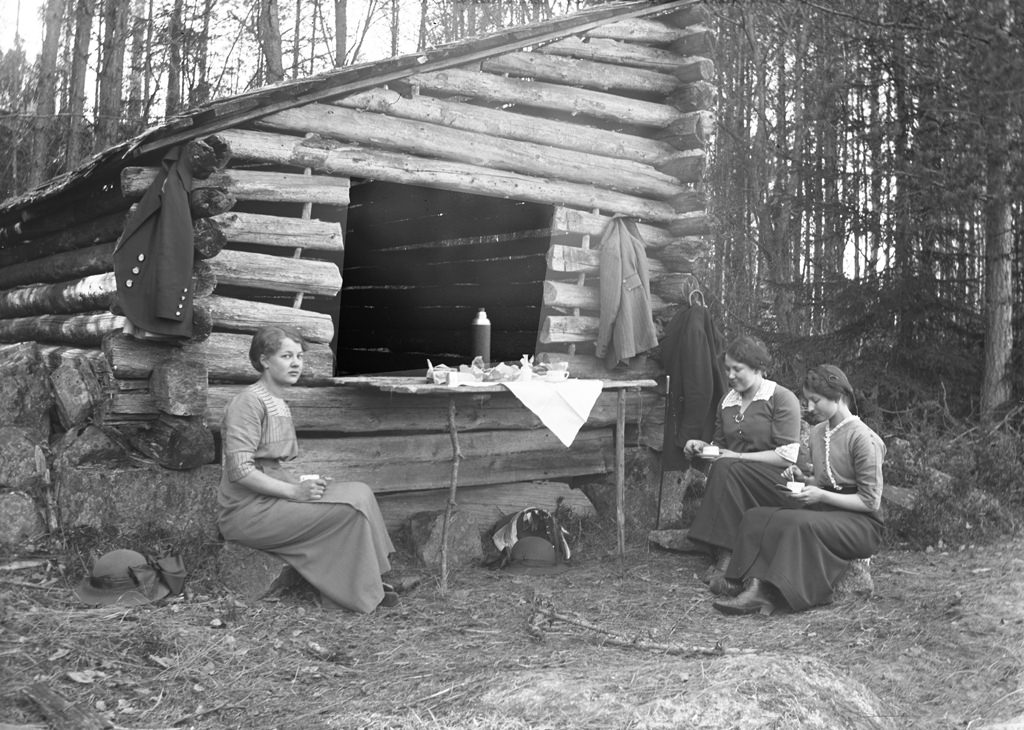
Hanna Sund was one of Jarén’s most frequently photographed subjects. She sat for him on multiple occasions, and the portraits he made of her stand out for their quiet naturalism.
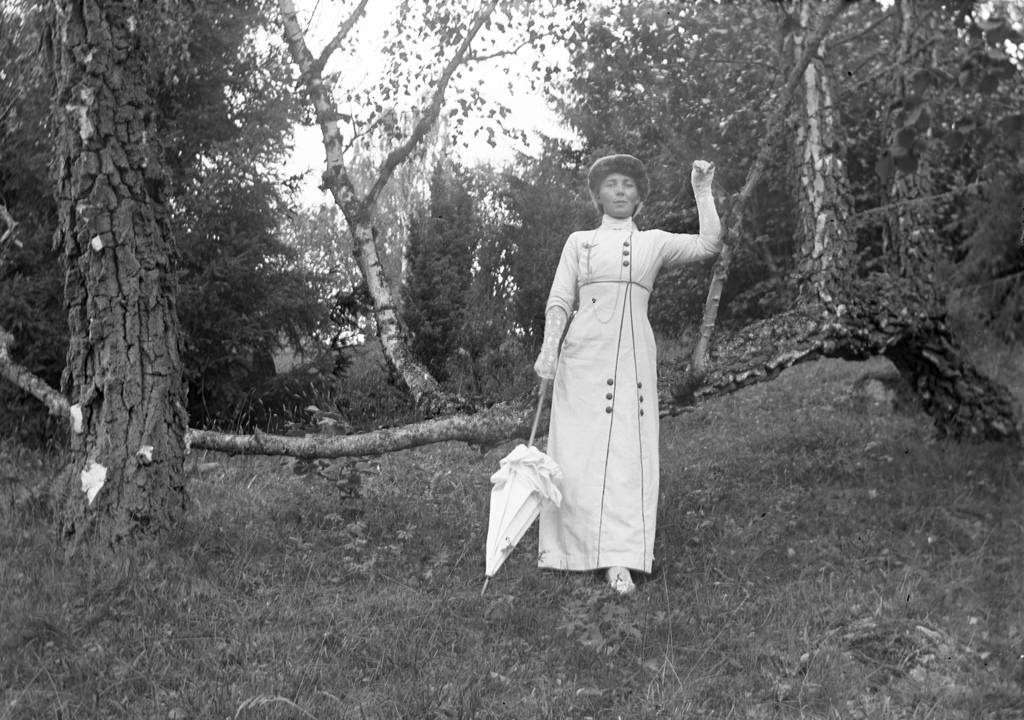
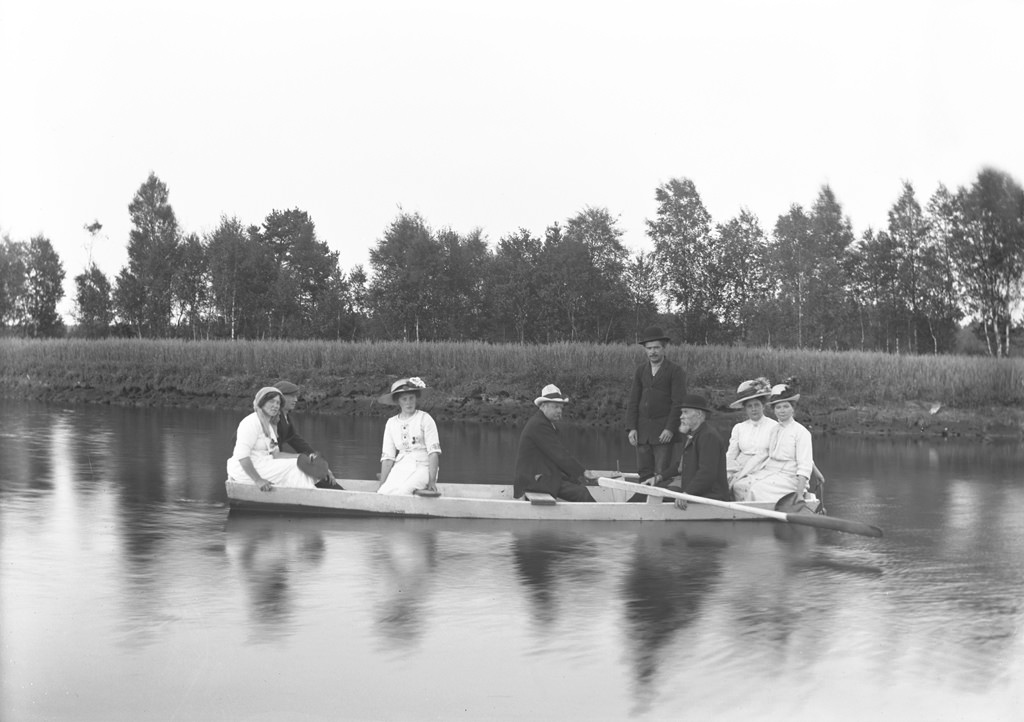
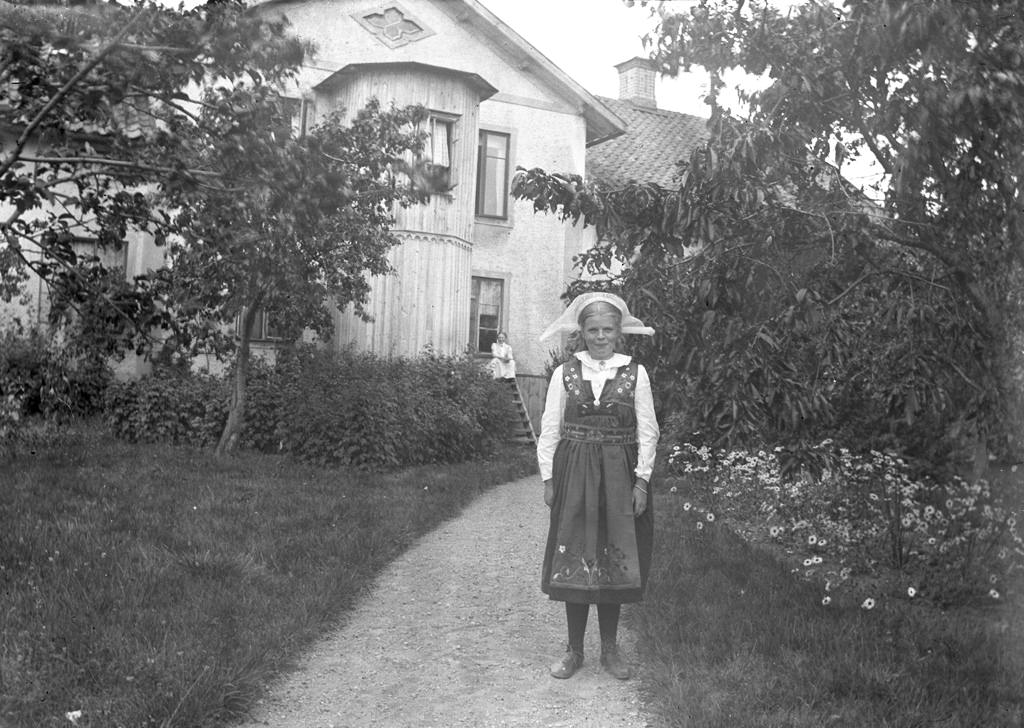
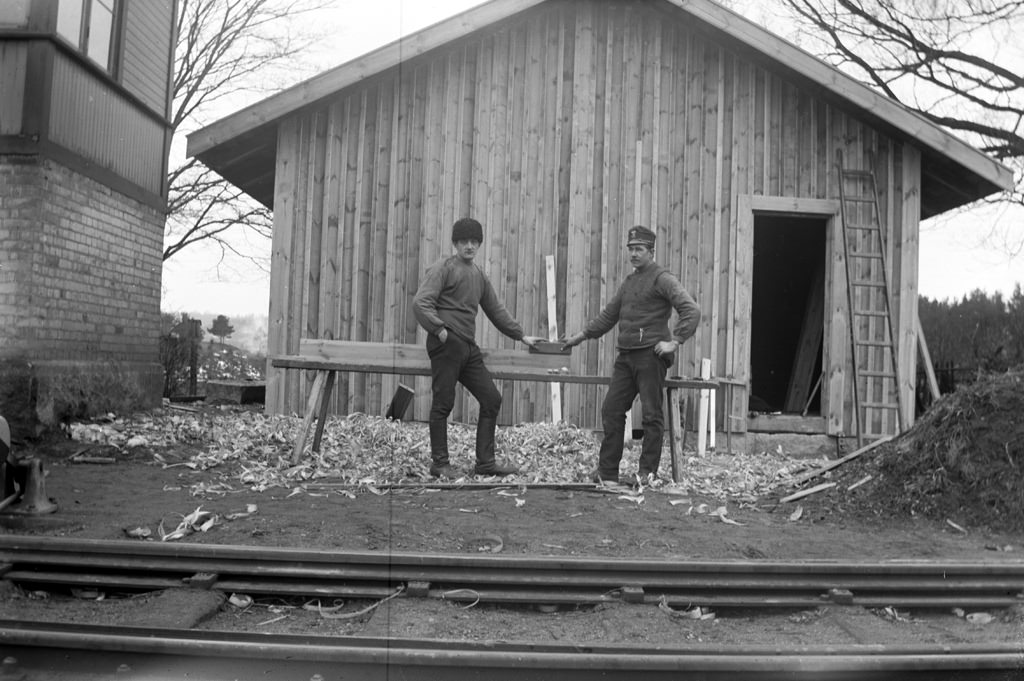
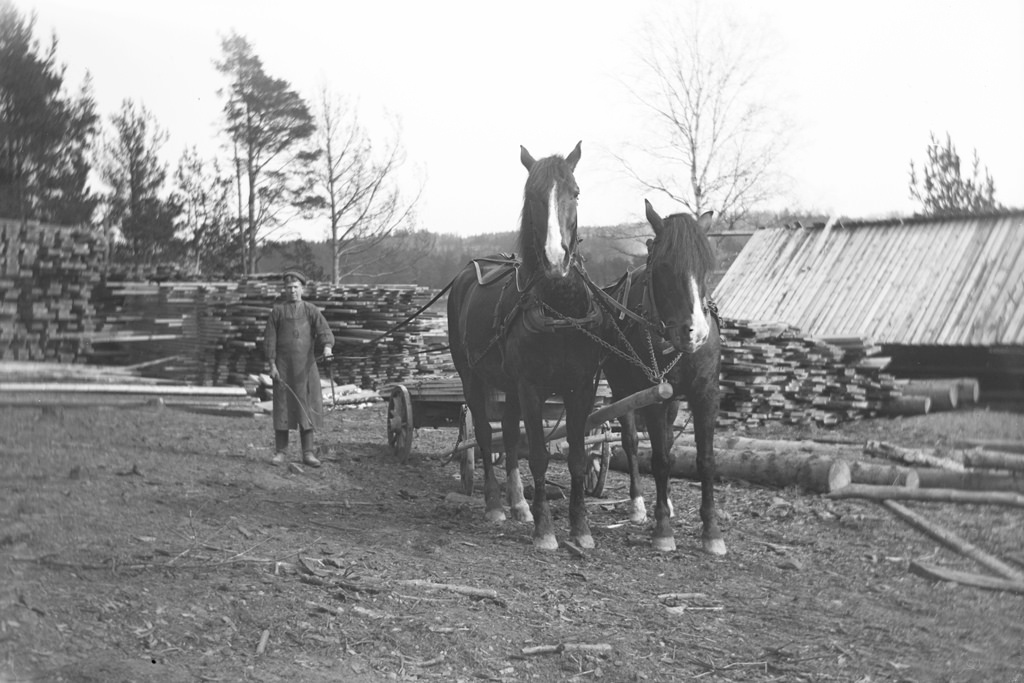
Trade skills were passed down within families. At a temporary sawmill near Frinnaryds vicarage, farmhands and sawyers worked together — the kind of skilled physical labor that built and maintained rural Sweden.
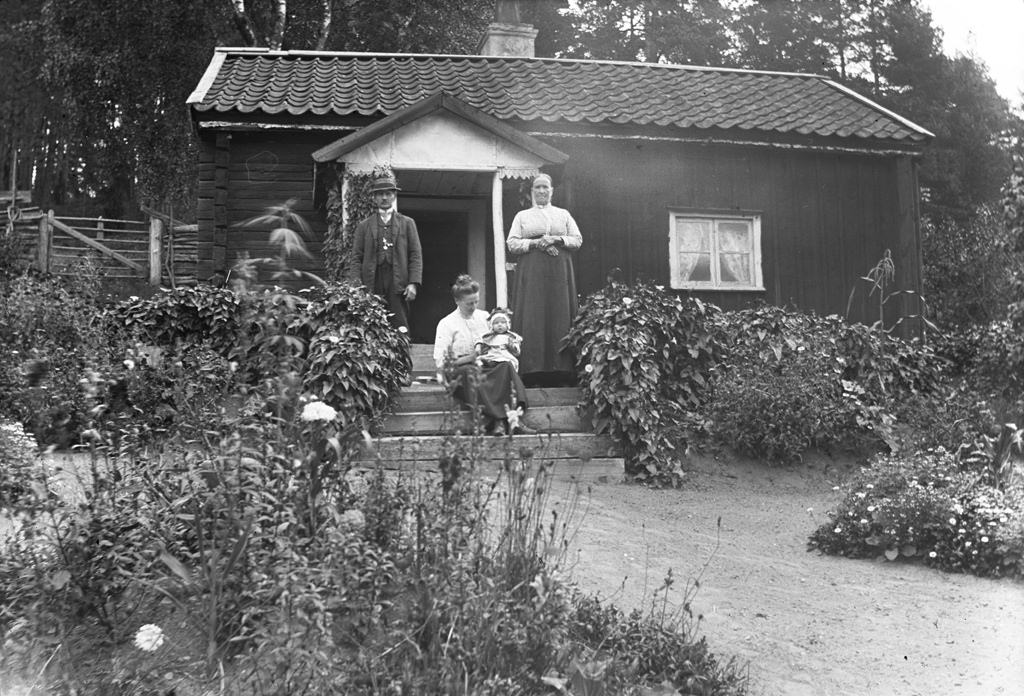
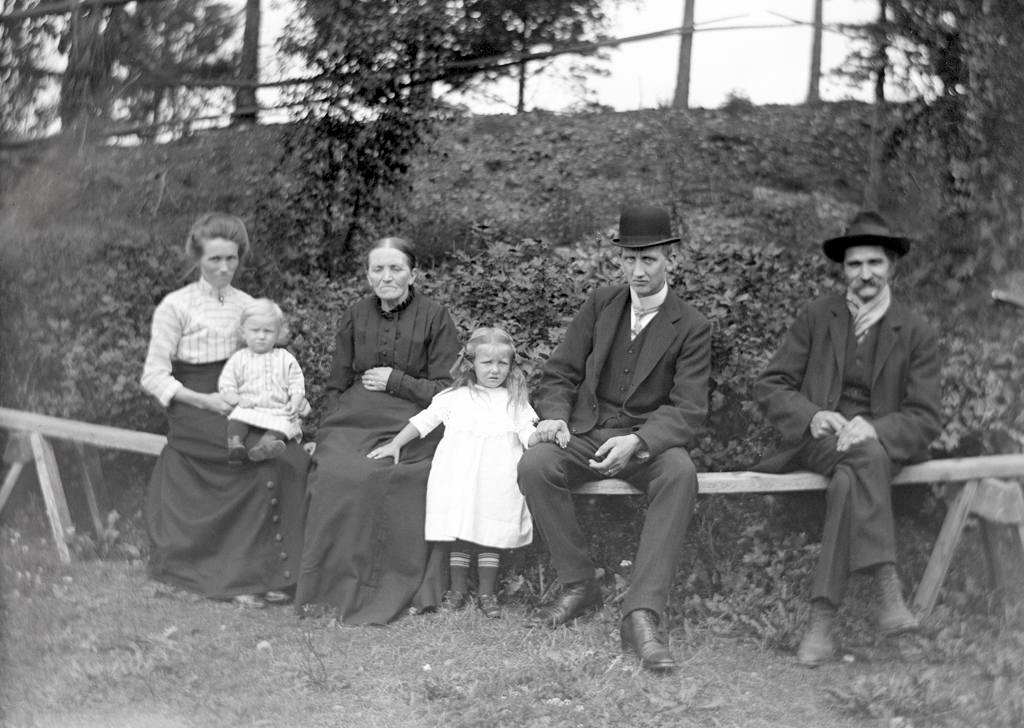
The Engdahl family at Rakelt cottage in Vrångsjö represents one of the most historically detailed photographs in Jarén’s collection. Four generations are present: Gustav Engdahl (born 1850), his wife Augusta (born 1848), their daughter Esther (born 1888), and Esther’s daughter Marta Linnea Ingegerd, born the same year the photo was taken — 1913.
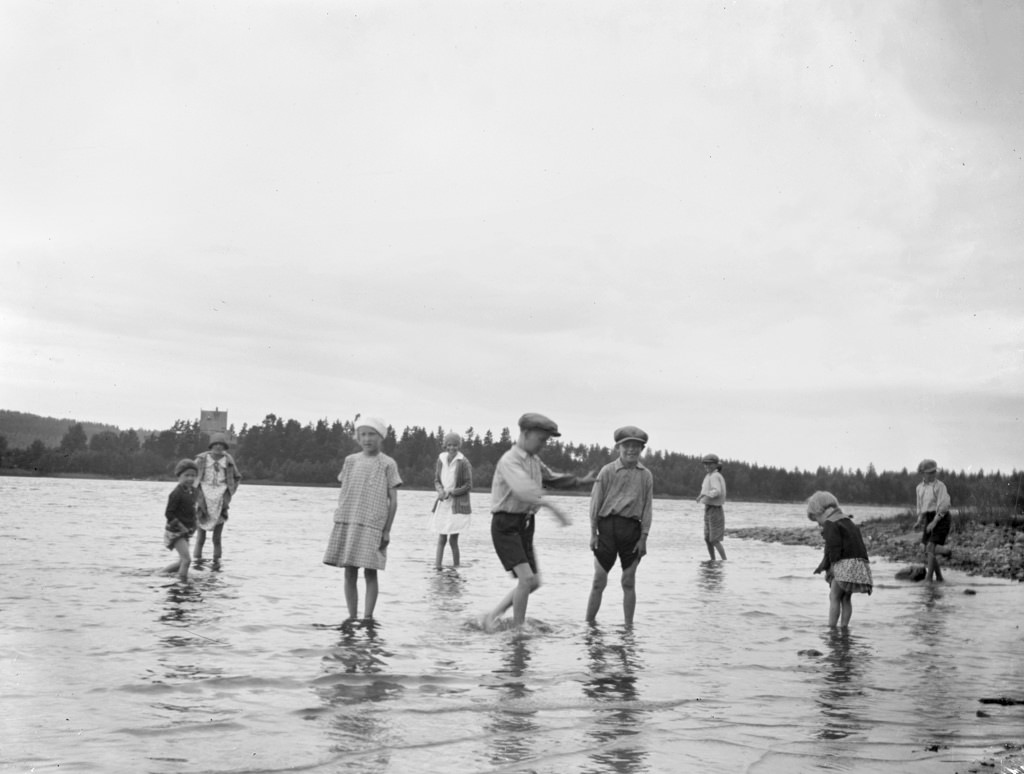
Lake Ralången with Stjärne Castle visible in the background provided Jarén with one of his more scenic compositions. The children in the foreground are believed to be from the Söderholm family.
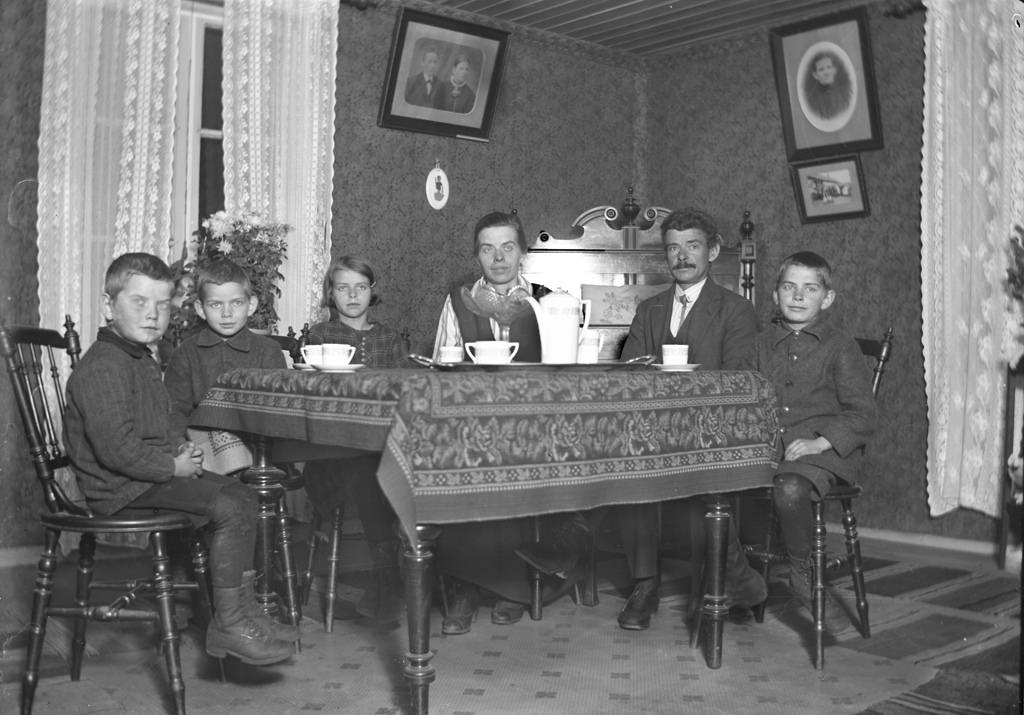
Larger gatherings at farmsteads were common. At the home of freeholder Frans Viktor Johansson in Linderåsa, an organized group assembled for a portrait in 1913 — the kind of photograph that today gives historians a direct look at how rural Swedish families presented themselves.
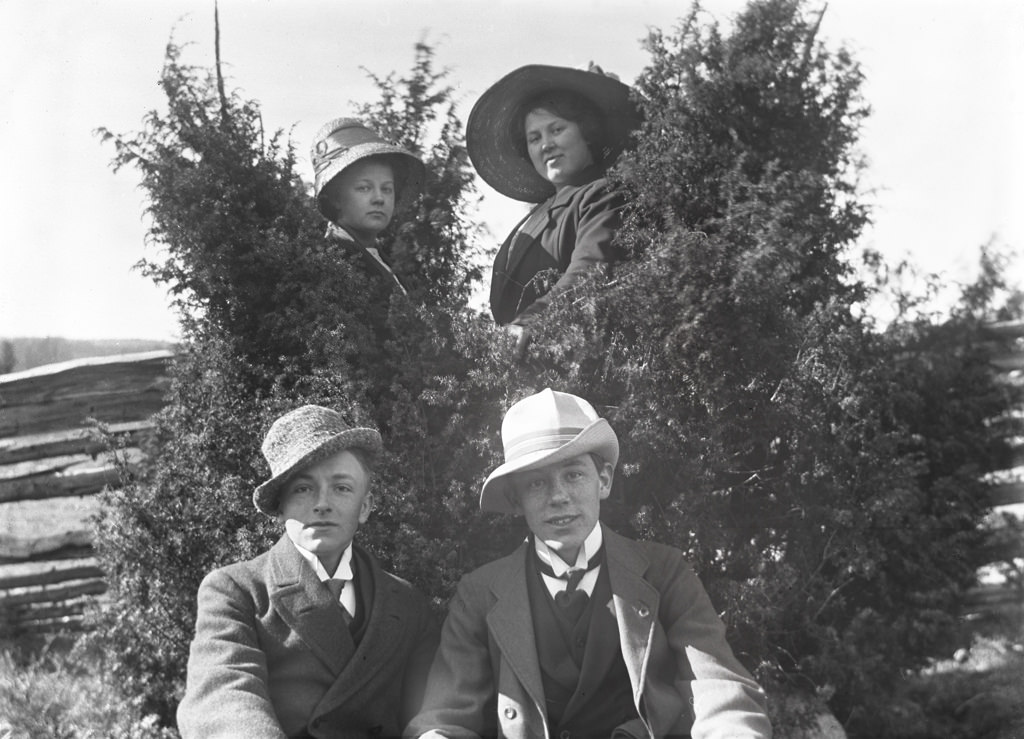
Charles Smith, born in 1892, was a professional painter well known around Frinnaryd. He appears here seated on a stone alongside an unidentified companion — one of many local figures Jarén preserved in his archive.
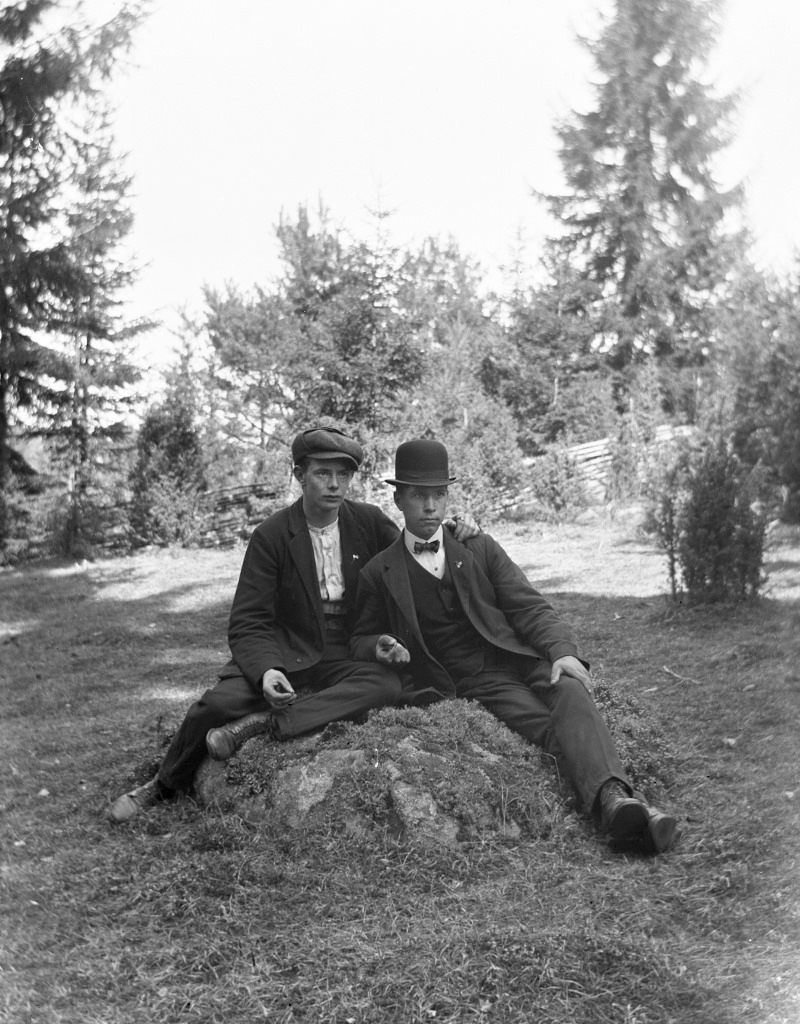
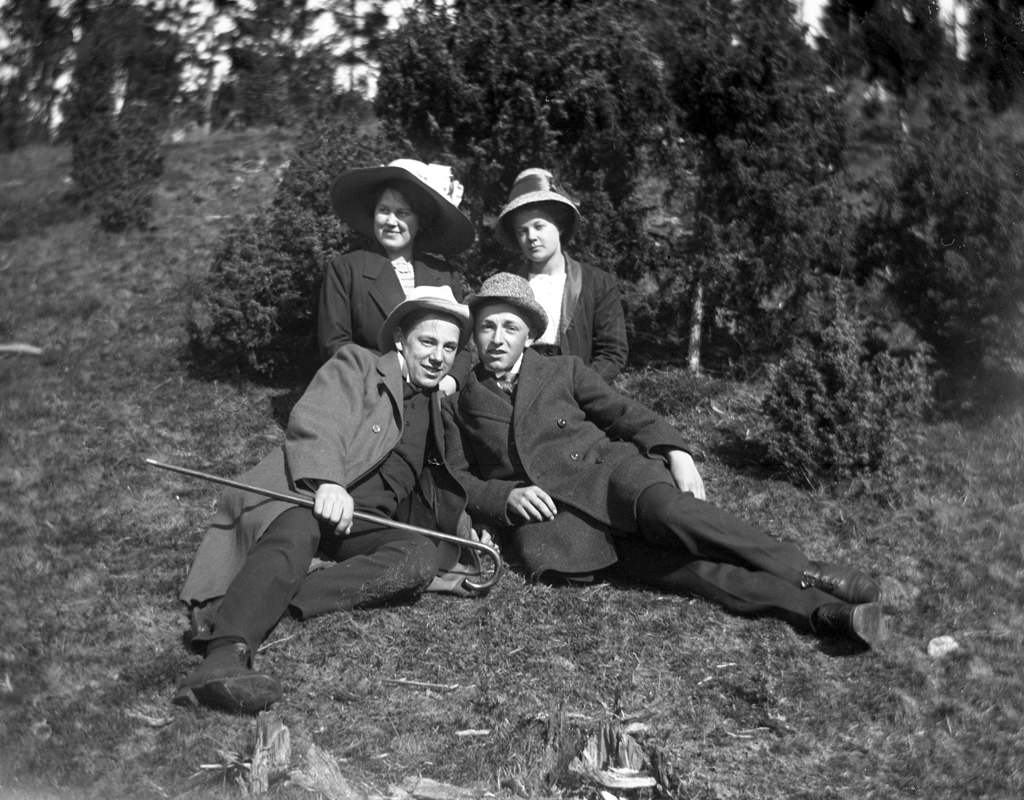
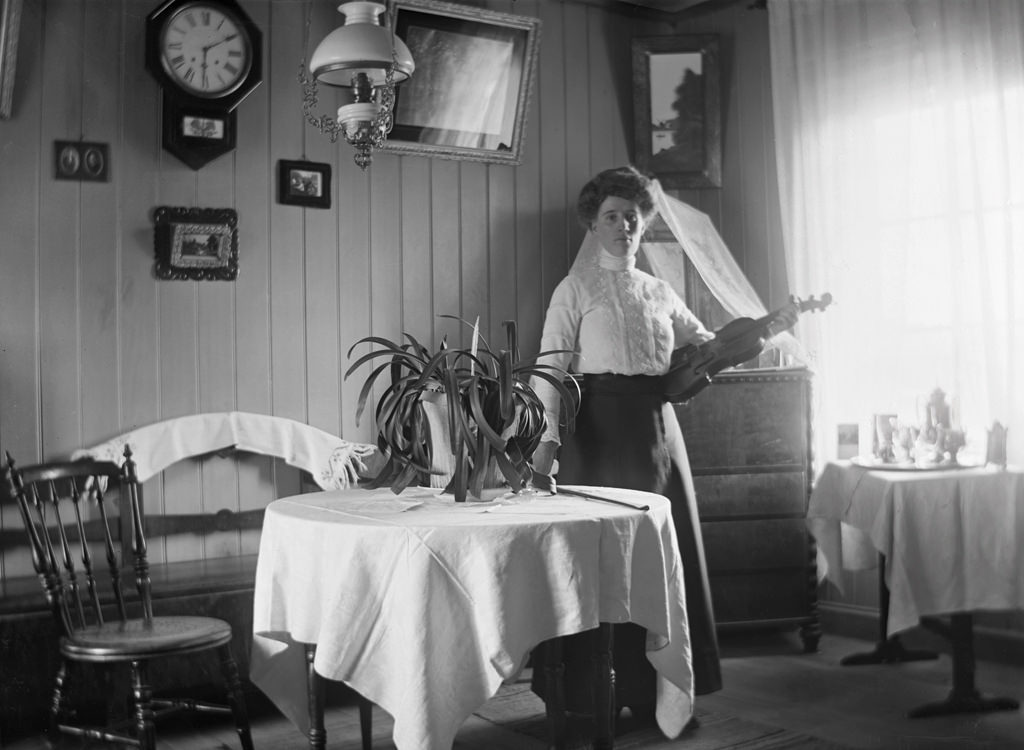
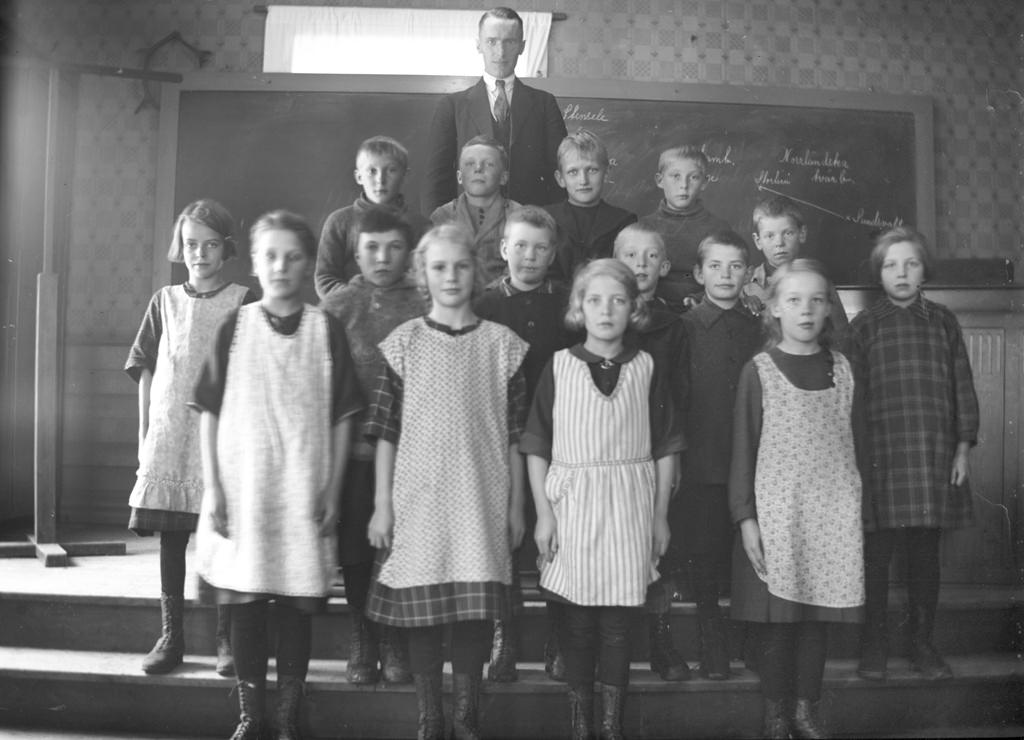
Klara Thorsson taught at the church school in Frinnaryd. She appears here with Carola Aurell, whose family shows up throughout Jarén’s work — her brother Henning and friends Maria Andersson all feature in multiple photographs taken across several years.
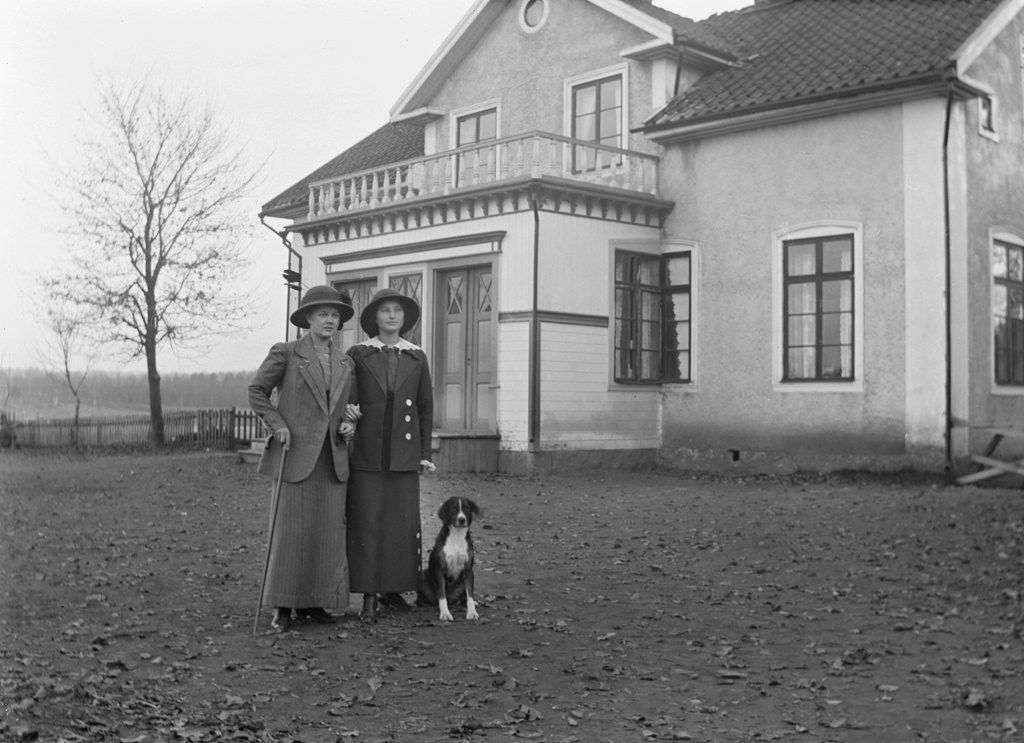
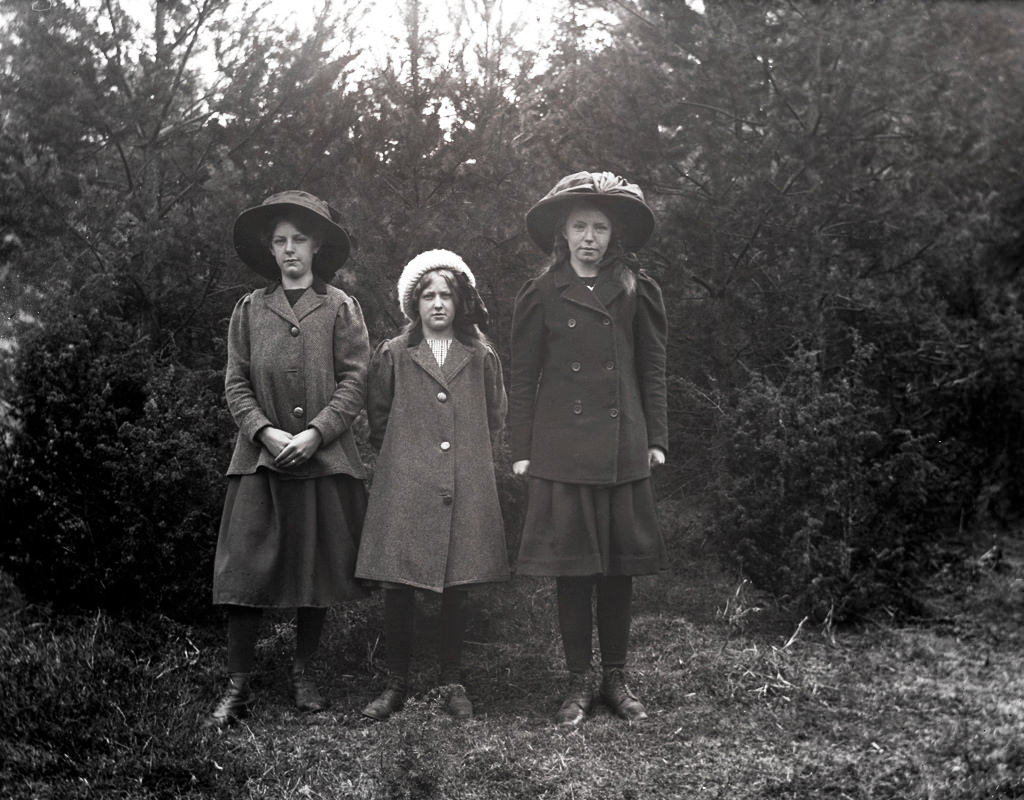
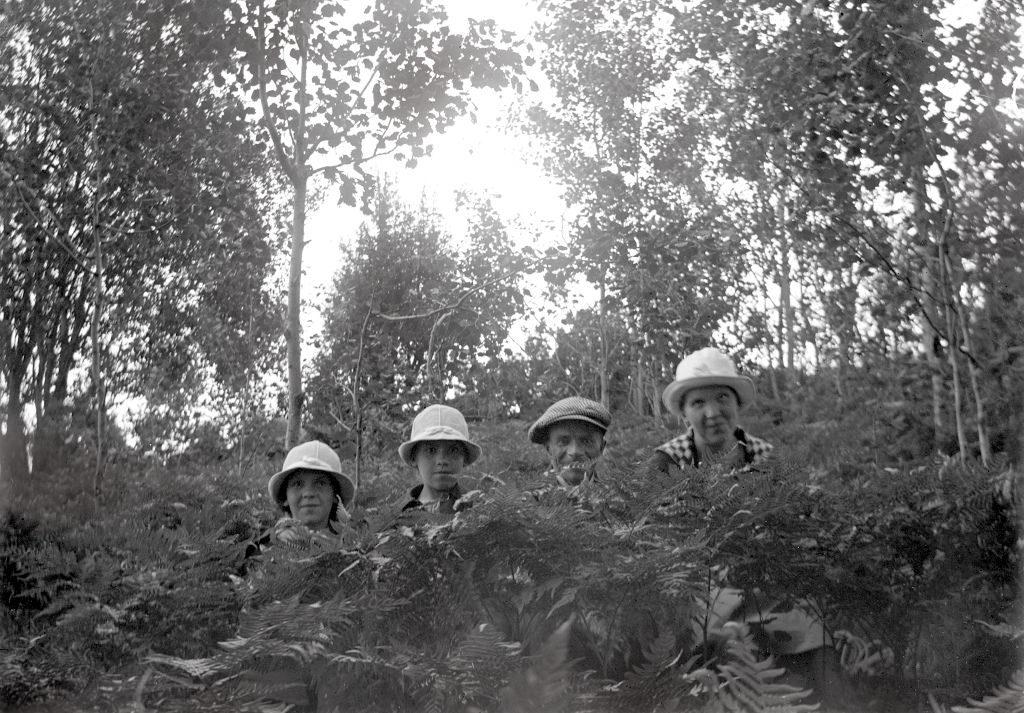
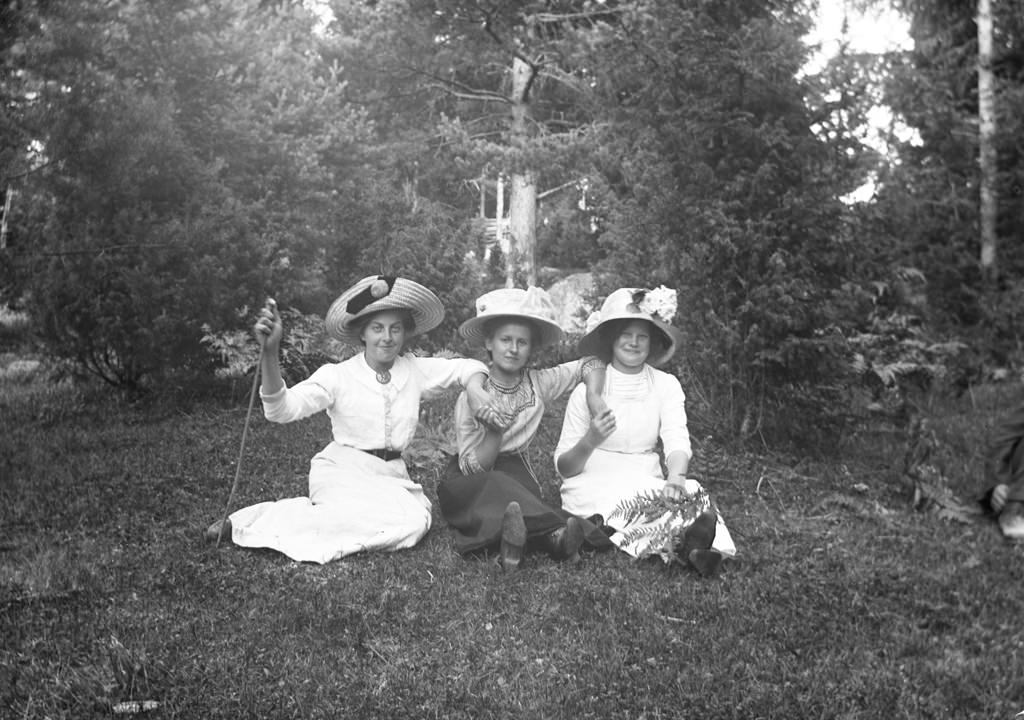
Jarén occasionally photographed himself using a self-timer. In this image from around 1920, he stands third from the left beside the three daughters of Karl Gustafsson from Karlsborg — all wearing the kind of fashionable hats that marked the era.
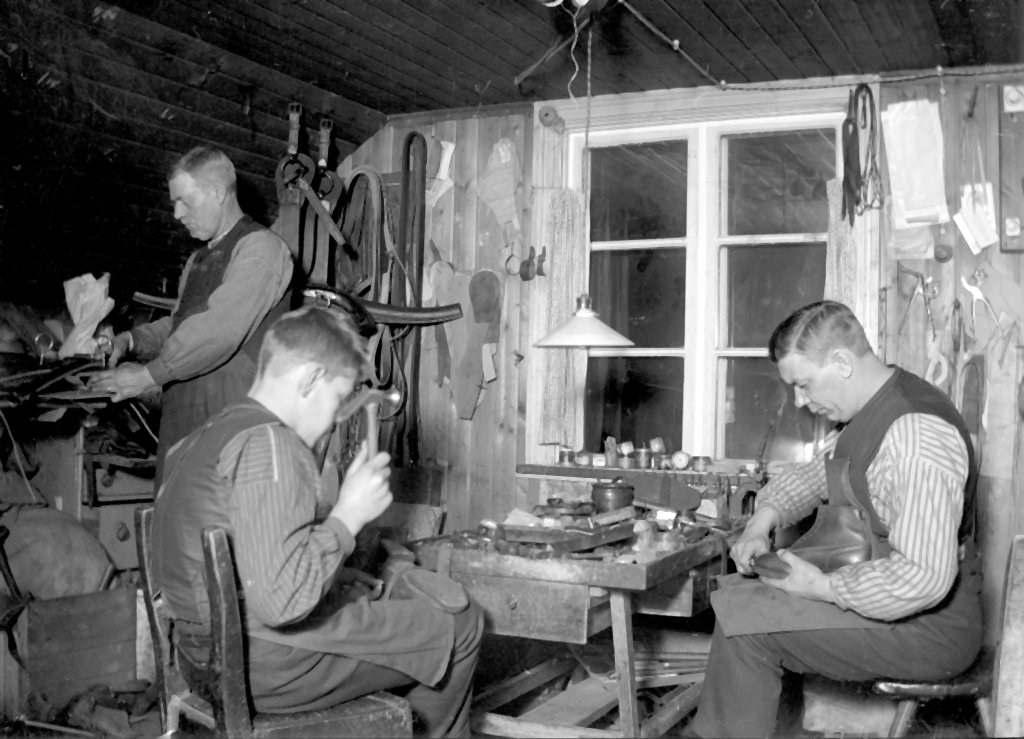
Shoemaking was a skilled trade passed from father to son. Anders Johan, who started his shoemaking business around 1900 in Sanna near Frinnaryds station, is pictured here with his son Ernst, who followed him into the craft.
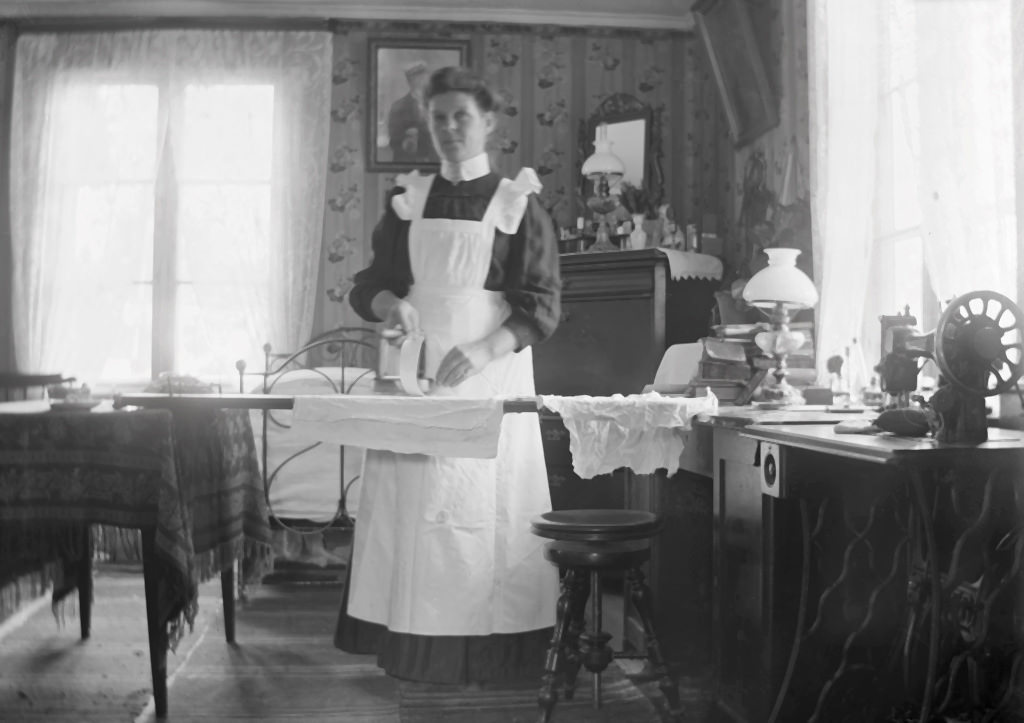
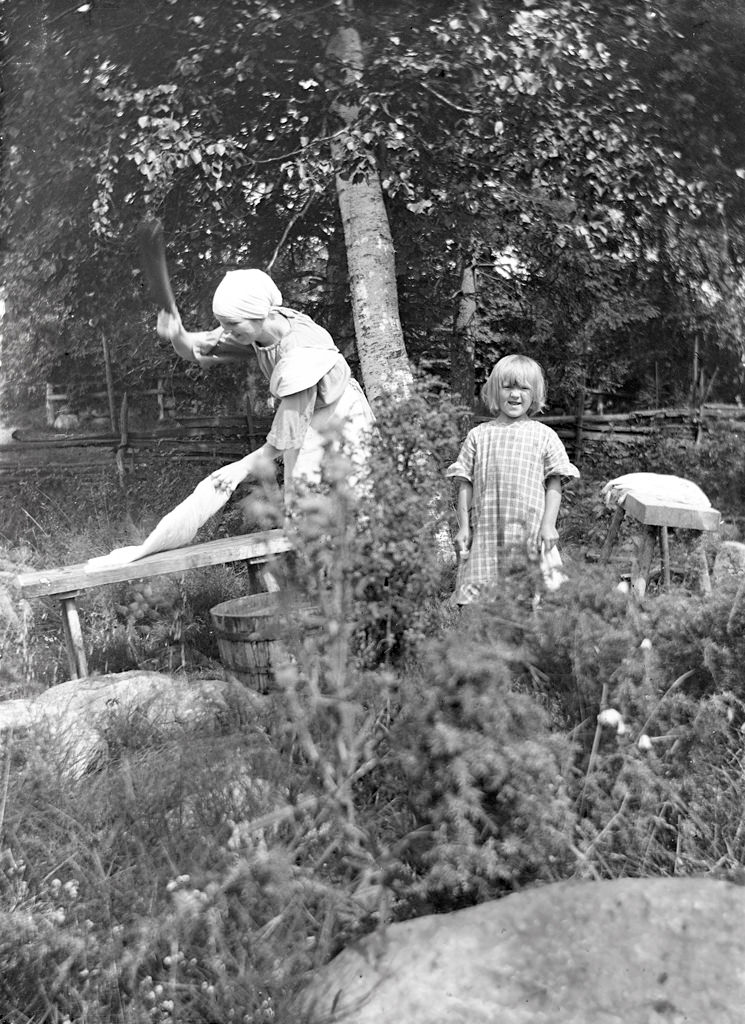
Laundry day was a weekly event that required real effort. In this photograph from around 1925, Ebba Gustafsson, born in 1903, presses laundry while her youngest sister Elin, born in 1918, stands nearby — a seven-year age gap captured in a single domestic frame.
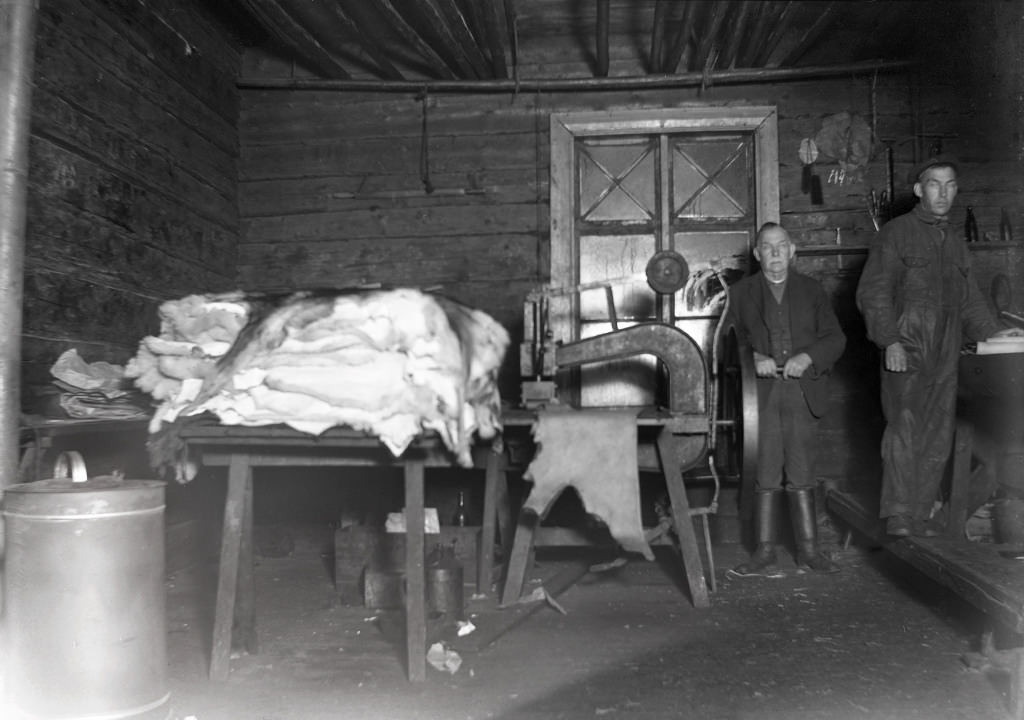
The tannery in Frinnaryd had been operating since 1890. Jarén photographed tanner K.A. Lundberg, born in 1853, alongside his son Eric, born in 1886, at work inside the facility. Images like this one document trades that have since largely disappeared.
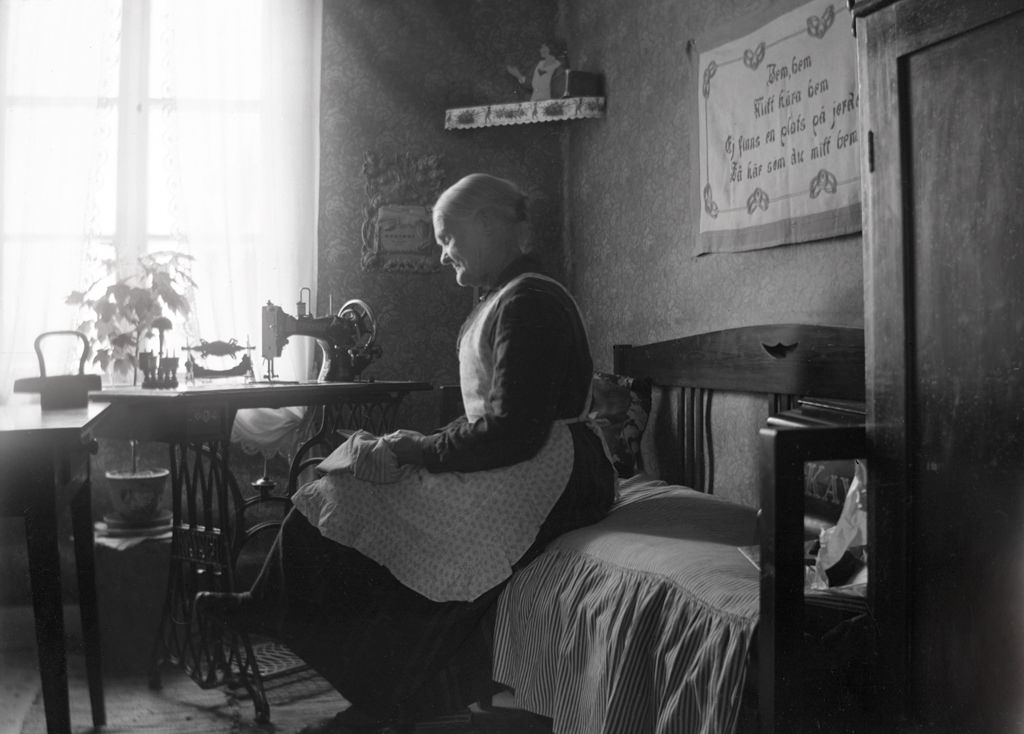
Emelie Castensson, born in 1854, married a slipper-maker named Johan Andersson. The couple lived in Vagnsvik, Frinnaryd, where Jarén photographed her at her sewing machine — a portrait of a working woman in her domestic space.
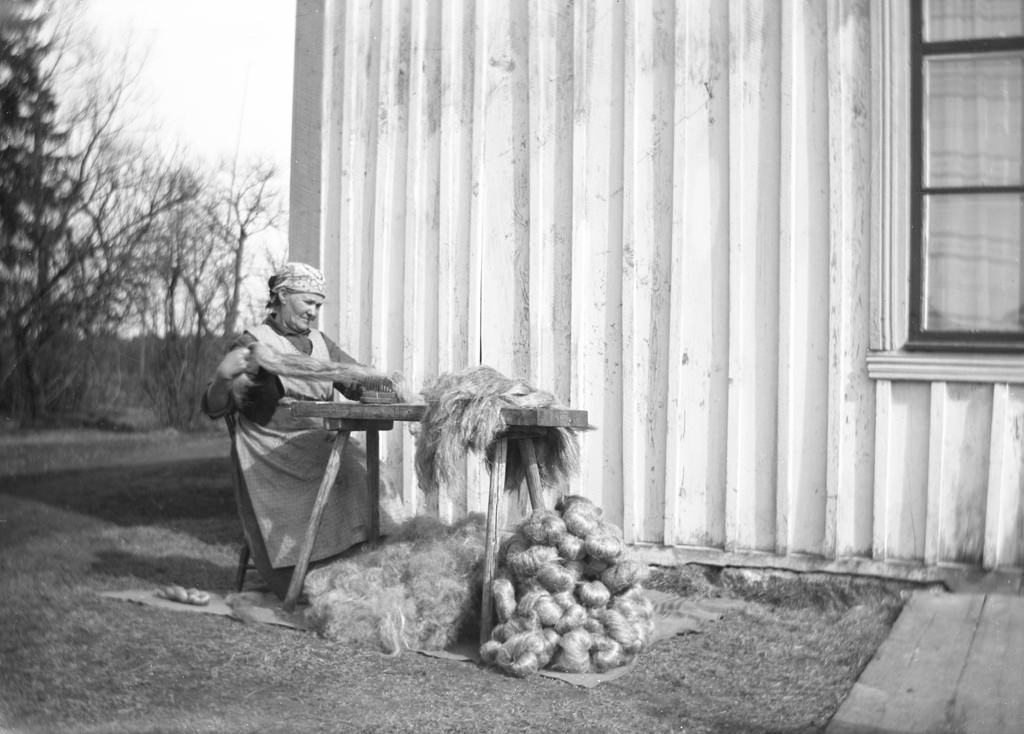
Flax processing was a key part of farm work in Småland. Hilma Gustafsson is shown heckling flax at the end of a cabin — separating the fibers by hand in a process that had changed little for centuries. Jarén returned to this kind of agricultural subject repeatedly, building a careful visual record of traditional farm labor.
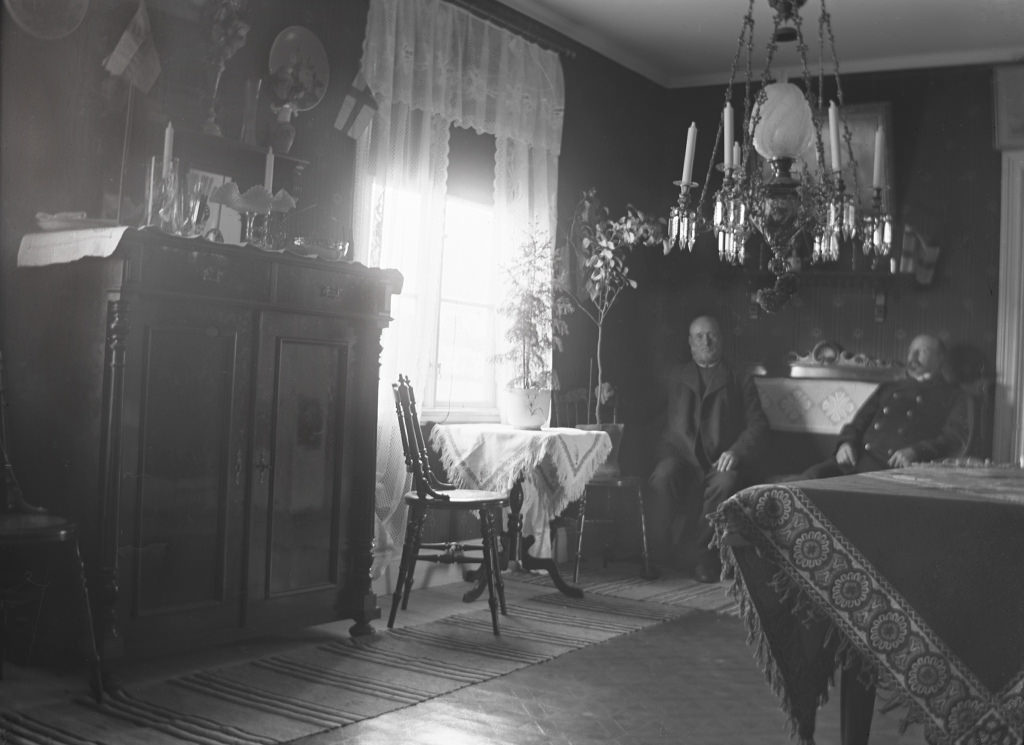
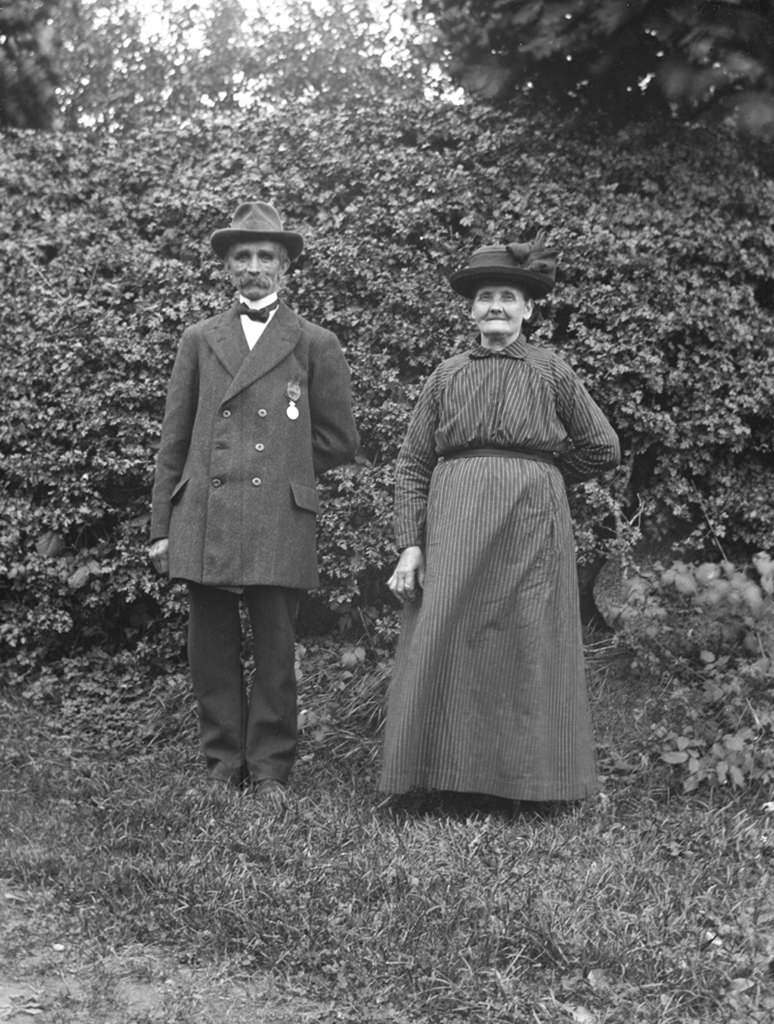
Church positions carried status in small communities. Kyrkvaktmästare August Käl — the church warden — and his wife from Liljeholmen were among the people Jarén photographed as part of his broad documentation of Frinnaryd’s residents.
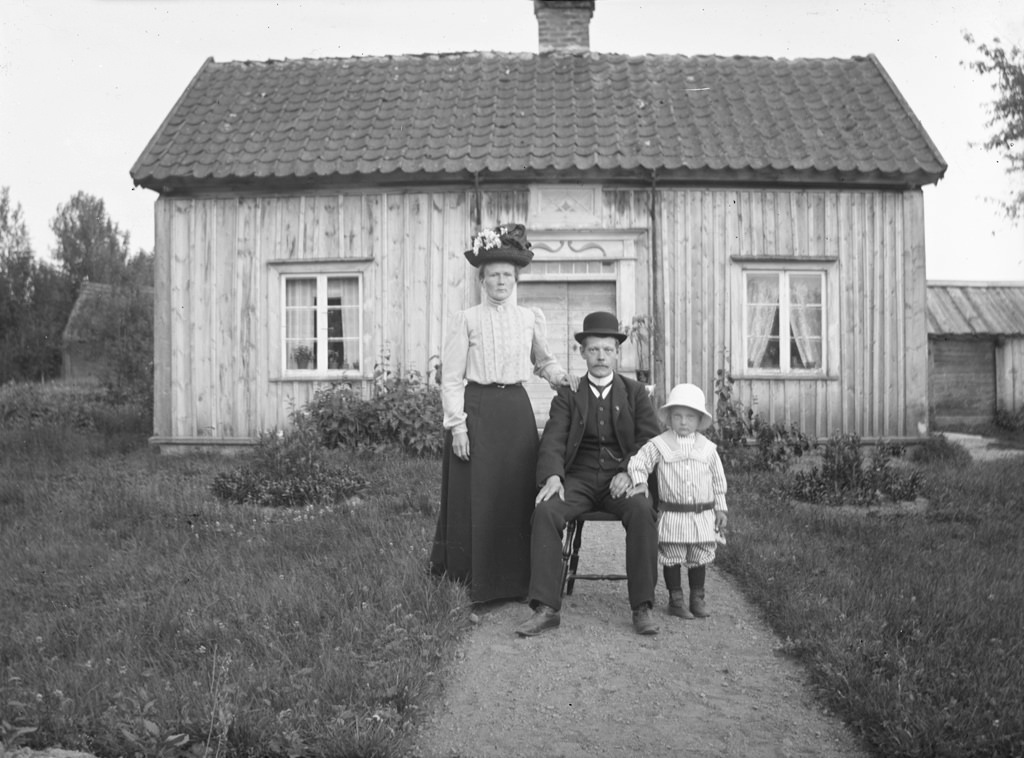
Double cottages — shared housing built for two families — were common in the Swedish countryside. This example in Härje City near Stjärneborg in Lommaryds parish, photographed around 1915, shows the practical and modest architecture that defined rural working-class life.
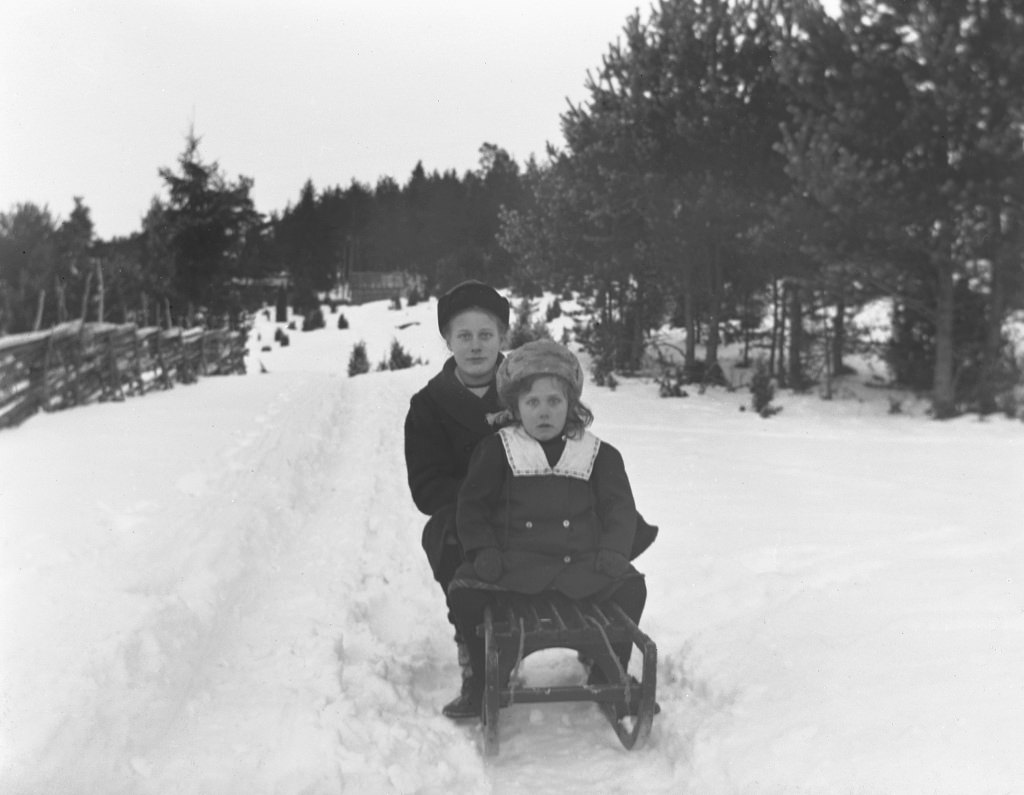
Winter in Sweden didn’t stop daily life. Elin Larsson Tingersten and her younger sister Svea, daughters of a Crown hunter named Larsson, are photographed here at the back of a sledge. Elin was born in 1902, Svea in 1909.
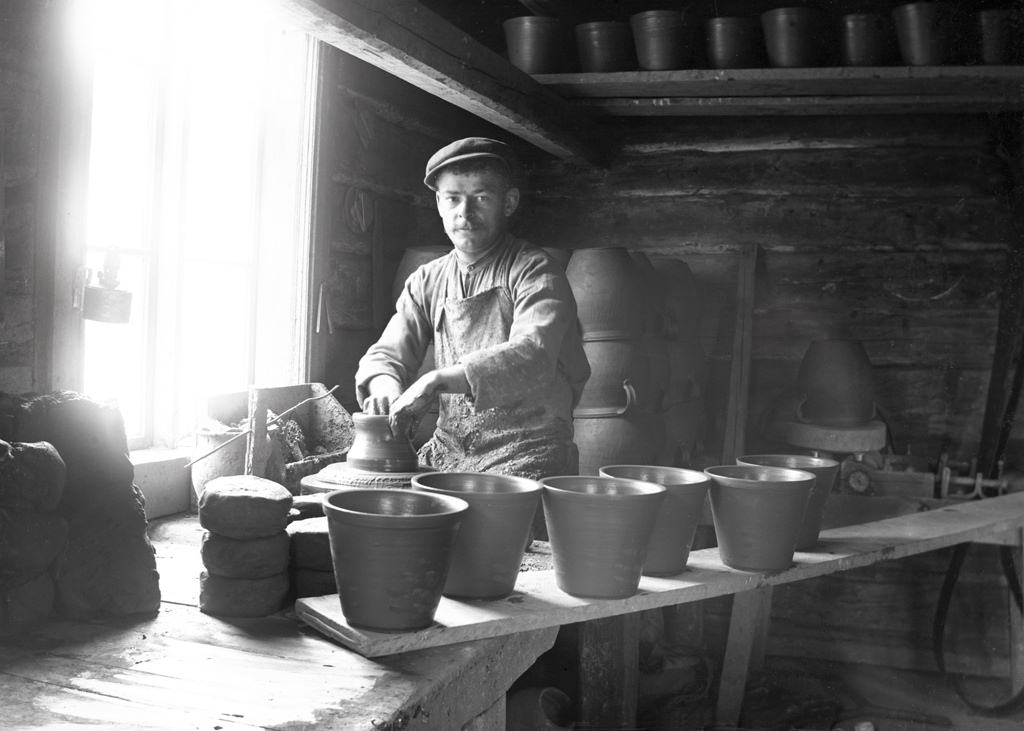
Erik Söderholm, born in 1884, ran a pottery in Frinnaryd. Jarén photographed him at the potter’s wheel in 1915, capturing a craftsman at work in a trade that required both technical skill and a steady hand. His pottery was one of several small craft businesses that gave the Frinnaryd community its economic texture.





These peasants look very unhappy.
Väldigt ledsamt att alla på bilderna, till och med de allra yngsta barnen, sannolikt är döda nu. Och även de små uggleungarna och kattungarna 🥺