Group dancing has been a cornerstone of human culture for centuries. Whether performed on a grand theater stage or a sandy beach, synchronized movement to music brings people together in a way few other activities can. In the 1930s and the decades surrounding it, group dance troupes were everywhere — in schools, music halls, seaside resorts, and professional theaters across Britain, America, and Europe.
The styles varied widely. Tap, ballet, jazz, classical, and folk dancing all thrived during this era. Costumes ranged from elegant gowns and top hats to Gypsy-inspired skirts and swimsuits worn on the beach. What tied all these groups together was precision — every dancer in step, every arm in place, every movement matched to the beat.
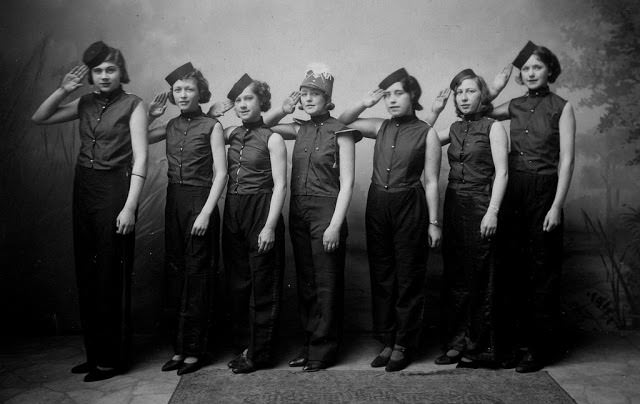
Photography from this period gives us a rare window into just how organized and disciplined these groups were. Even informal troupes performing at local events showed a clear commitment to coordination and presentation. The photos below span from the early 1910s through the late 1930s, capturing dancers from England, America, Denmark, Poland, and Australia.
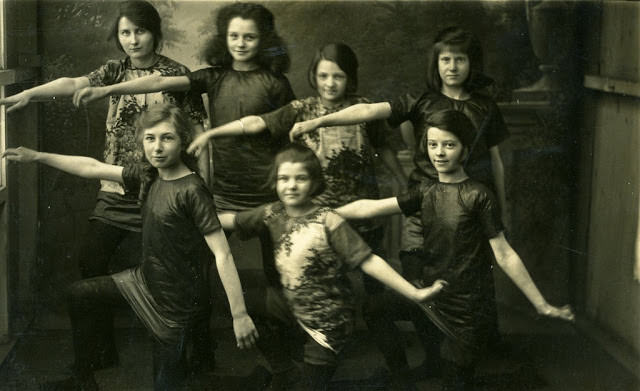
Classical dance training was taken seriously long before the 1930s. Schools and academies across Europe and North America produced troupes of highly trained performers who appeared in theaters, festivals, and community events. The discipline required was significant — these dancers trained for years to achieve the kind of uniformity seen in the photographs collected here.
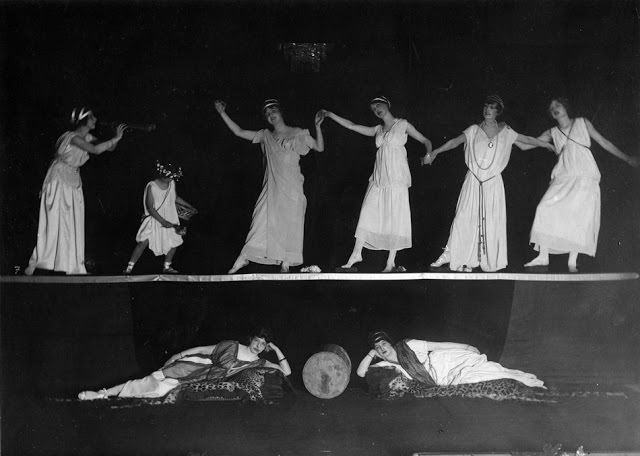
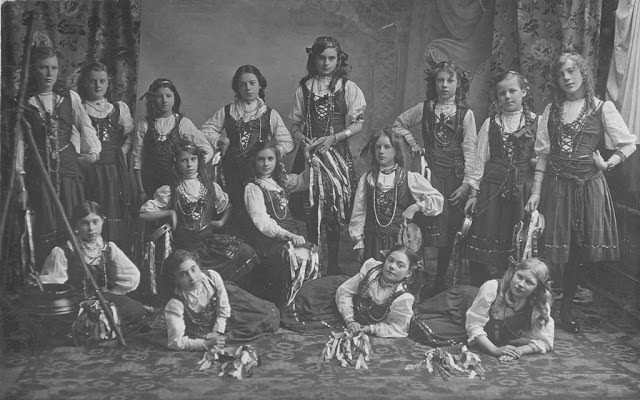
Folk-inspired costumes were popular among performance troupes during the early 20th century. Dancers dressed in Gypsy-style clothing often performed at fairs, festivals, and vaudeville-style shows, blending theatrical flair with energetic choreography. These performances drew large crowds and were considered top-tier entertainment at the time.
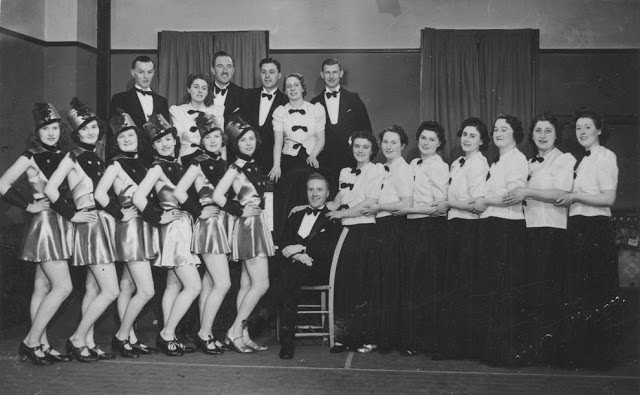
Regional troupes in England were particularly active during the 1920s and 1930s. Cities like Bradford, Wolverhampton, and Hyde all had their own organized dance groups, often made up of local girls who trained under professional instructors. These troupes performed at local theaters and community halls, and they were a source of real civic pride.
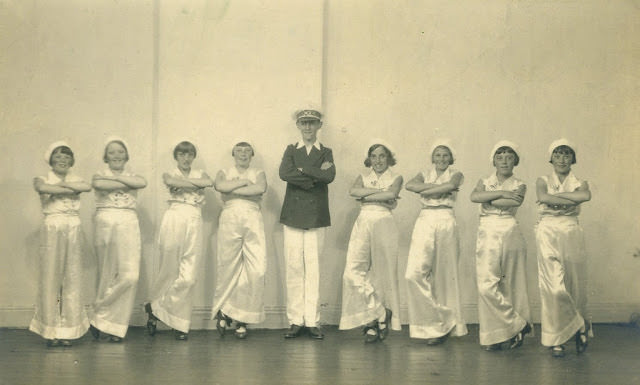
By the late 1920s, photography had become common enough that many troupes had formal group portraits taken. These images were used for promotional materials, local newspapers, and personal keepsakes. The poses were deliberate and carefully arranged, often showing off the troupe’s signature costumes and synchronized stances.
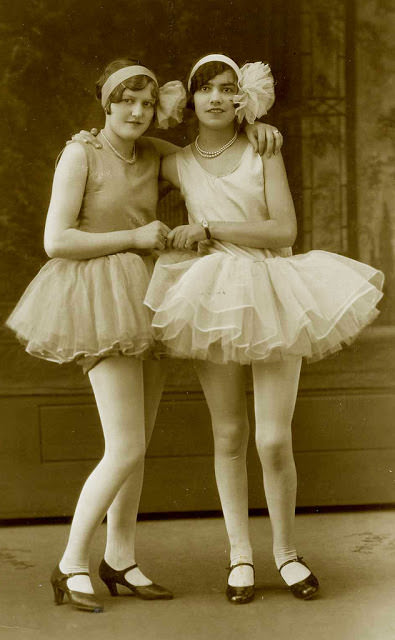
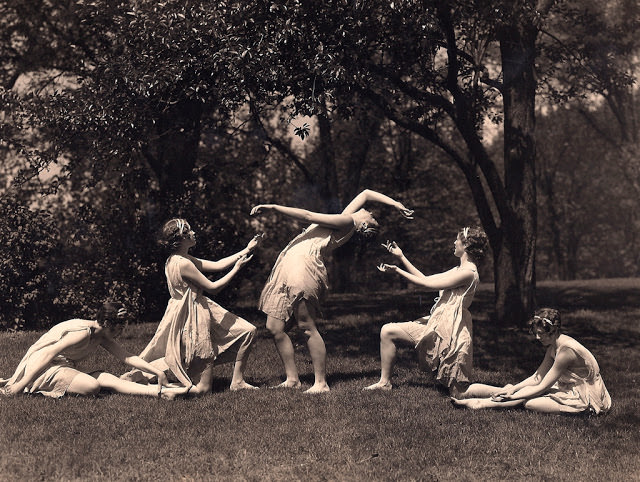
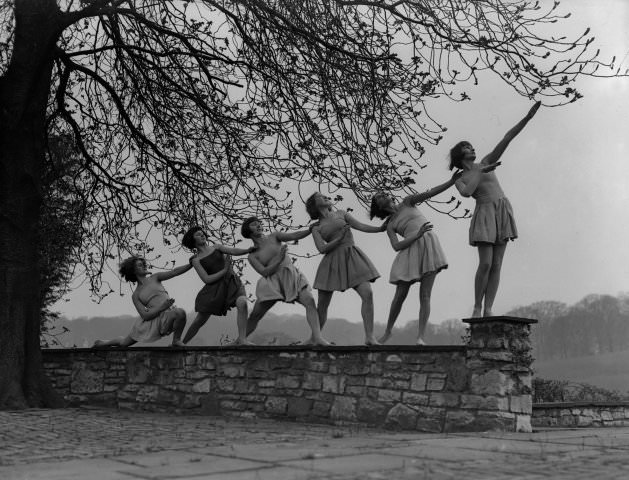
School-based dance programs were a significant part of girls’ education in the early 20th century. Institutions like St. Katharine’s School staged formal performances that blended physical education with artistic expression. Students rehearsed for weeks before public shows, and these events were attended by parents, local officials, and community members.
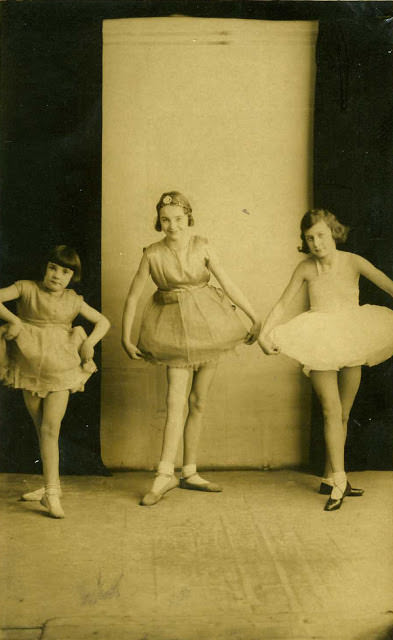
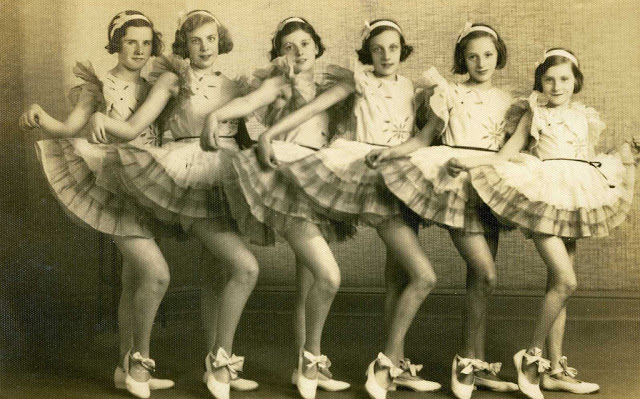
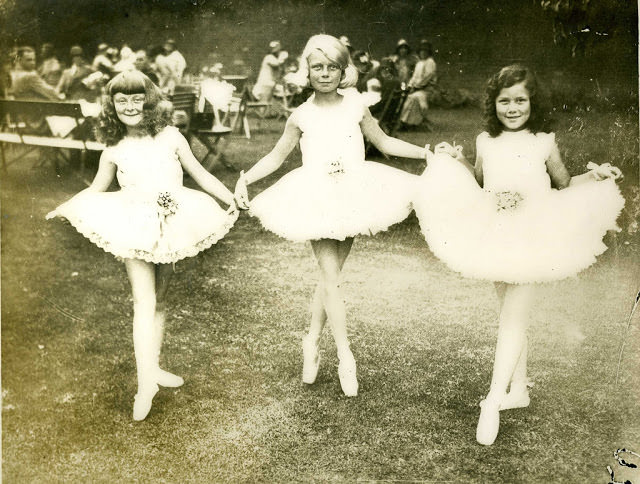
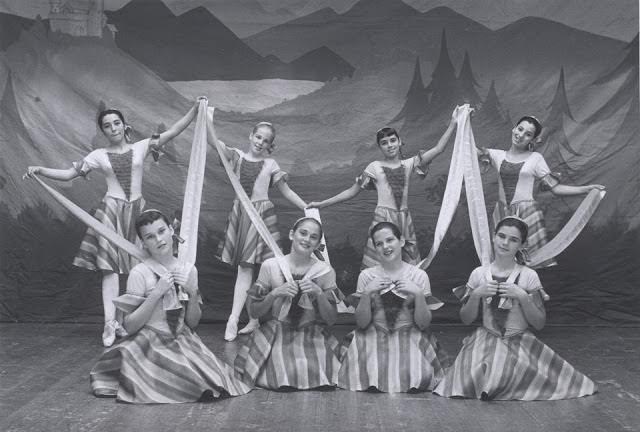
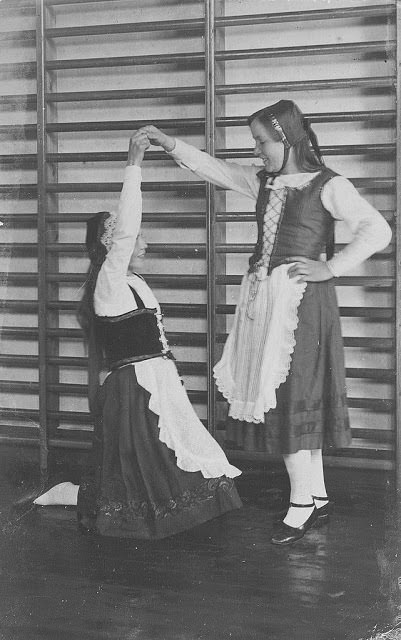
Denmark also had a lively tradition of organized group dancing in the early 1900s. Danish troupes were known for their clean, precise movements and elegant presentation. A photograph dated December 23, 1912, captures one such group — a reminder that the tradition of organized performance dance stretches back well before the 1930s boom.
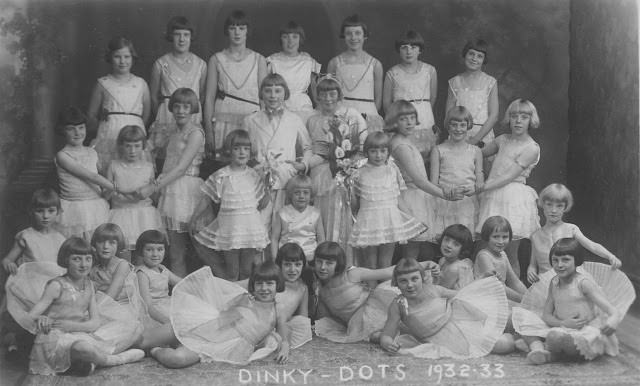
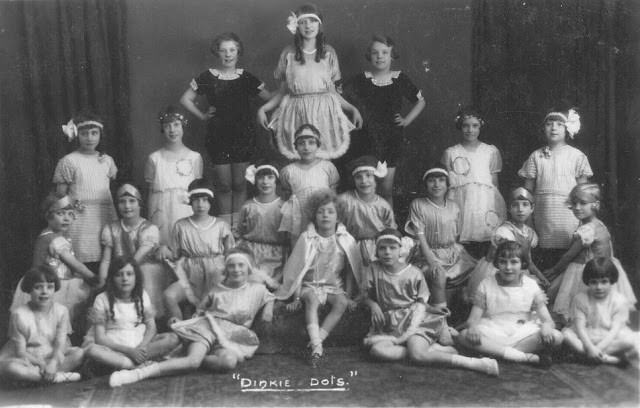
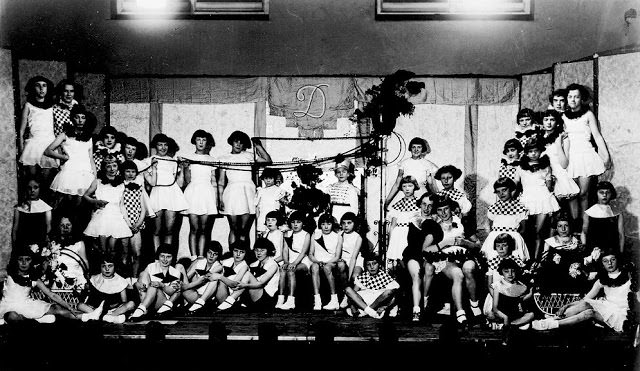
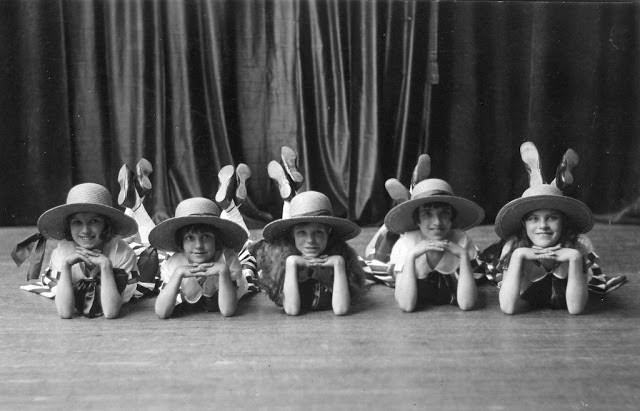
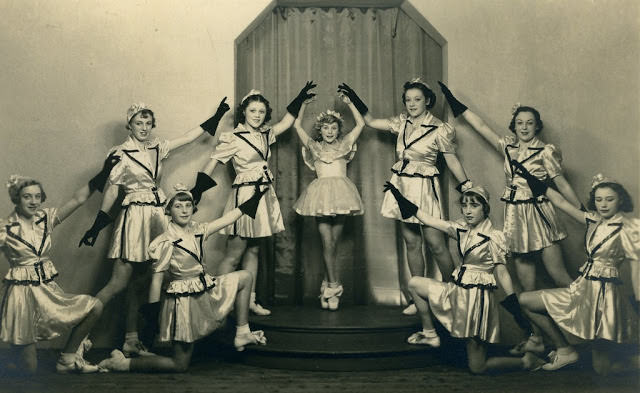
The Dinkie Dots were one of the more recognizable troupes operating through the early-to-mid 1930s. Active from at least 1932 to 1936, they appeared in multiple photographs across different years, suggesting a sustained career performing at venues that drew paying audiences. Their costumes and formations changed across the years, reflecting shifts in popular dance fashion.
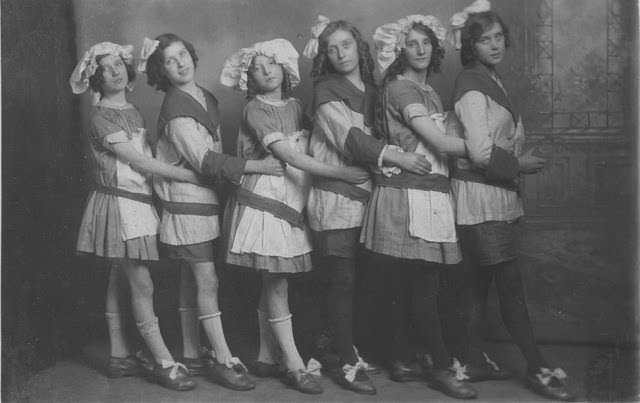
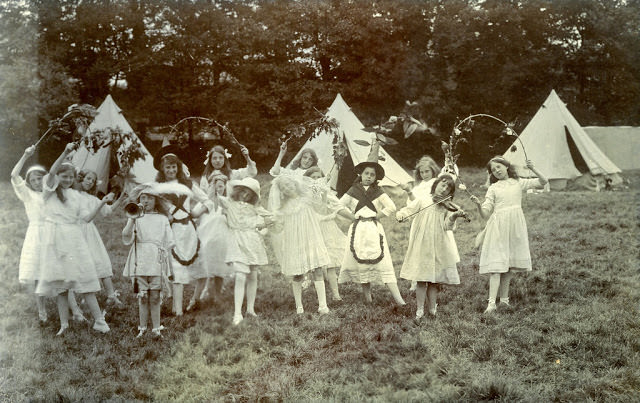
Edwardian-era camp dancing groups added a theatrical and often comedic element to group performance. These troupes performed at outdoor events and seaside camps, mixing dance with broad, entertaining stagecraft. The Edwardian period set many of the conventions for amateur group performance that carried through into the 1930s.
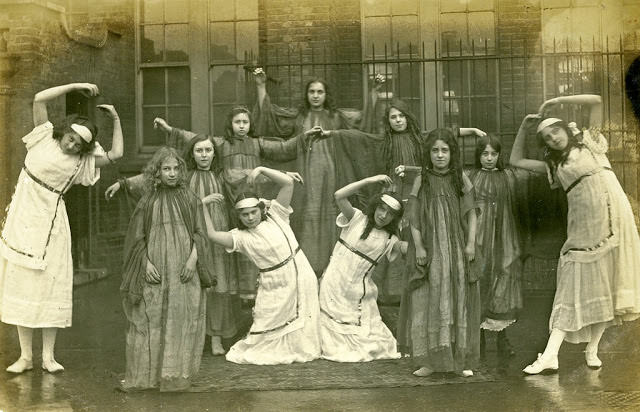
Not all troupes dressed in bright or elaborate costumes. Some groups, like the five dancers photographed in matching black outfits, conveyed a more serious, artistic tone. Black costuming was associated with modern and expressive dance styles that were gaining ground during the 1930s, influenced by pioneers in contemporary movement.
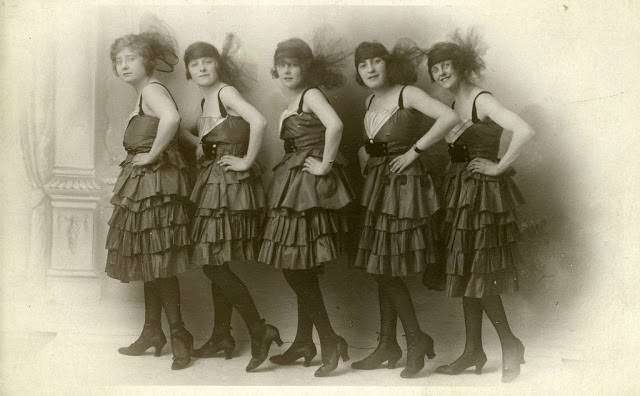
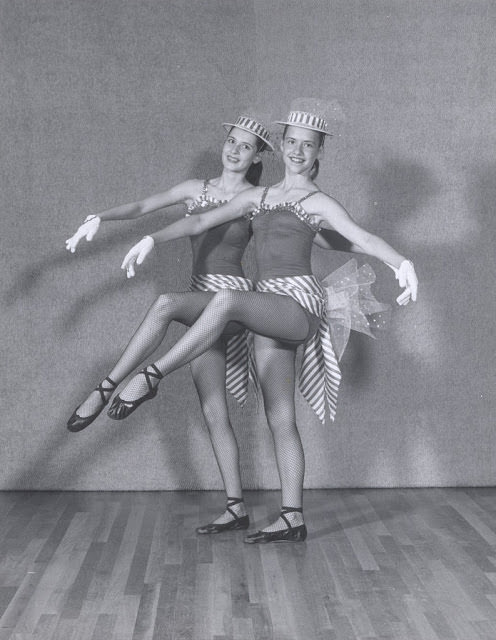
Hyde, a town in Greater Manchester, had its own active dance community in 1930. The Hyde dancing girls were photographed that year in what appears to be a formal group portrait, likely taken before or after a public performance. Local troupes like this one were a common feature of northern English town life during the interwar years.
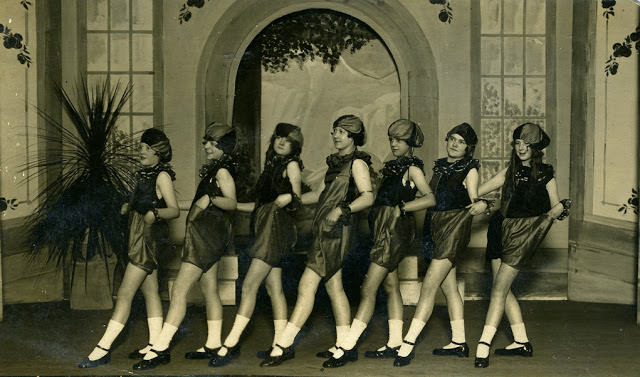
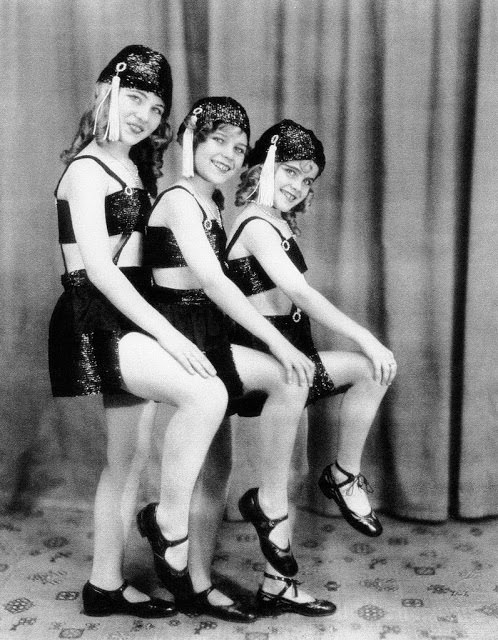
Jazz dance grew rapidly during the 1920s and 1930s, influenced by African American musical and dance traditions that had spread through popular culture. Jazz dance troupes performed in clubs, theaters, and variety shows, bringing fast-paced, rhythmically complex routines to audiences across the country. These groups pushed the boundaries of what was considered acceptable in public performance.
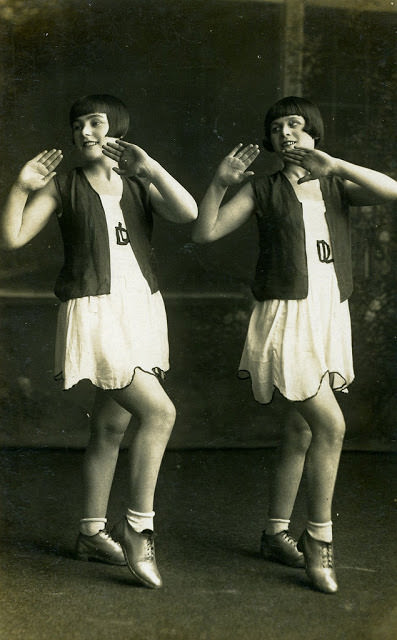
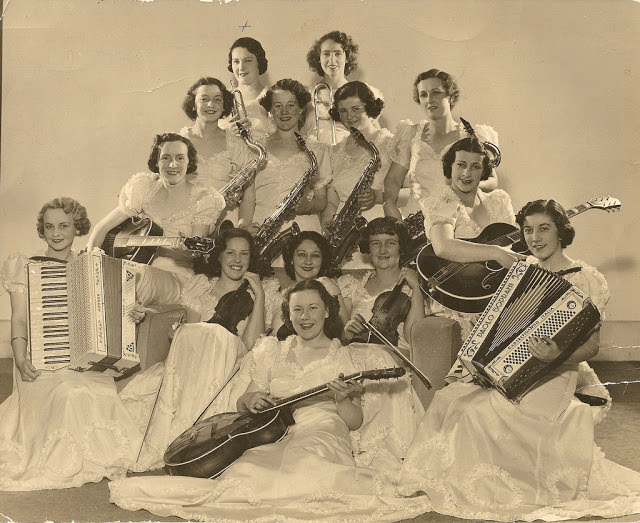
Australia was not left out of the group dance scene. In 1938, a ladies dance band performed at the Trocadero in Sydney — one of the city’s premier entertainment venues. The Trocadero was a well-known dance hall and performance space, and an appearance there meant a troupe had reached a professional level of recognition.
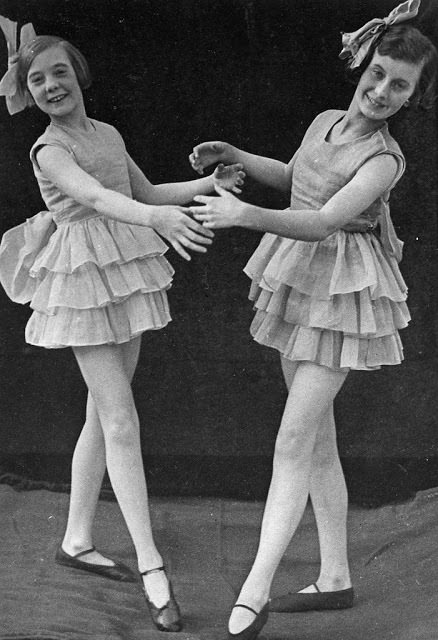
Duo performances were also a staple of the era. Pairs of dancers — often sisters or longtime training partners — performed tightly coordinated routines that showcased their personal chemistry and technical skill. These pairs appeared on variety bills alongside larger troupes, giving audiences a contrast between intimate duo work and large-scale group choreography.
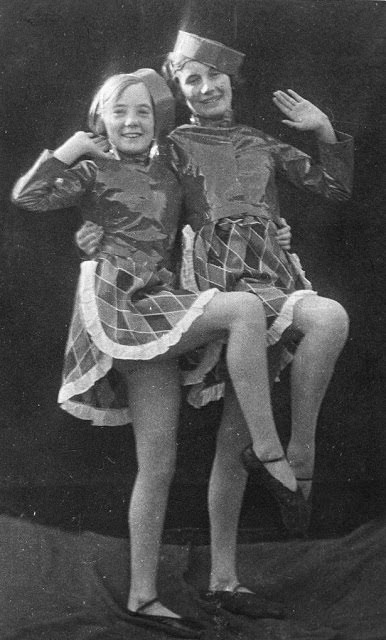
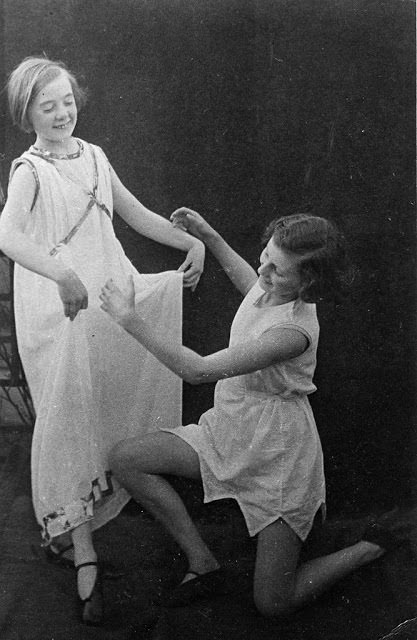
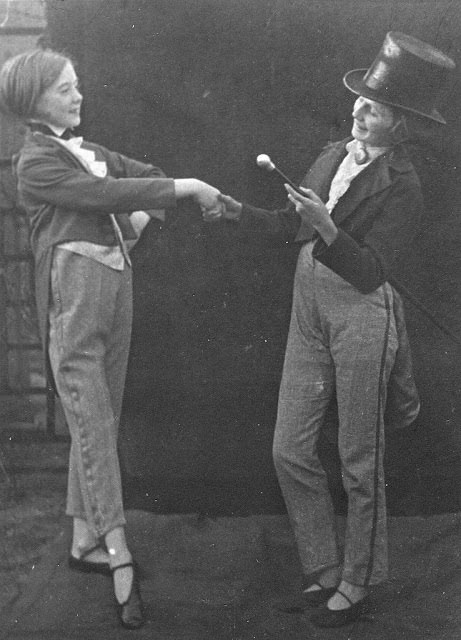
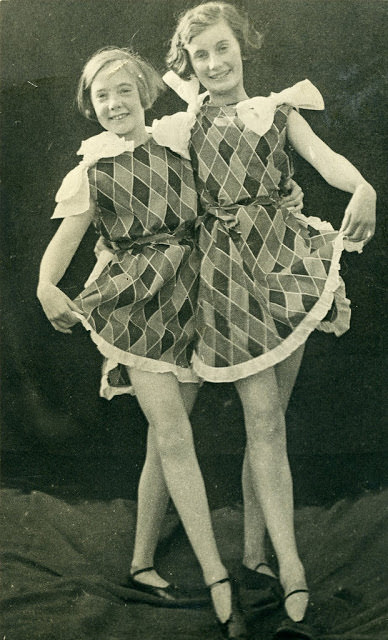
The Penistone dancers, photographed in 1933, represent the kind of small-town troupe that flourished across Yorkshire during the Depression era. Despite economic hardship, dance schools and local groups continued to perform, providing entertainment and a sense of normalcy for communities under financial strain. Dancing was affordable to watch and gave young women a constructive outlet.
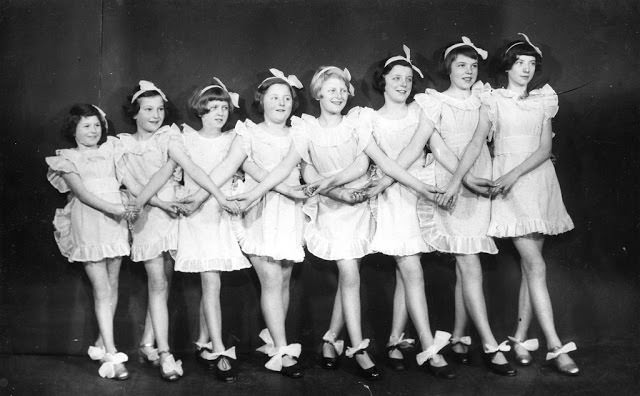
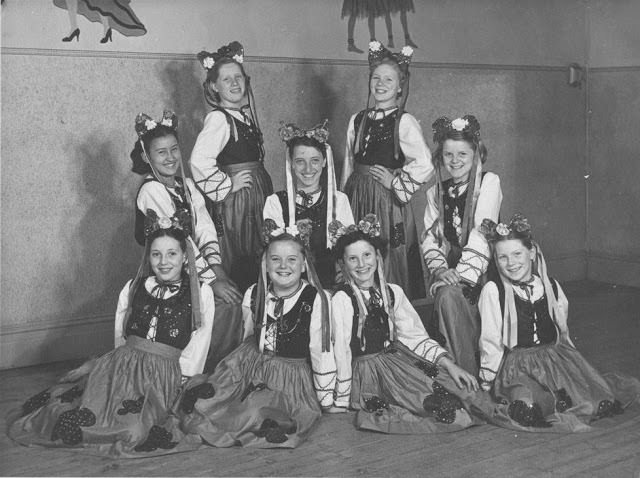
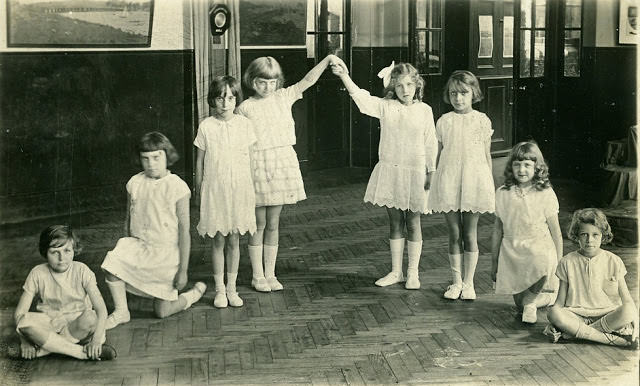
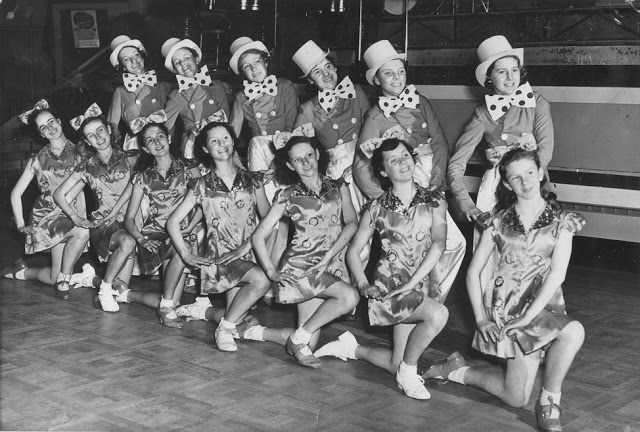
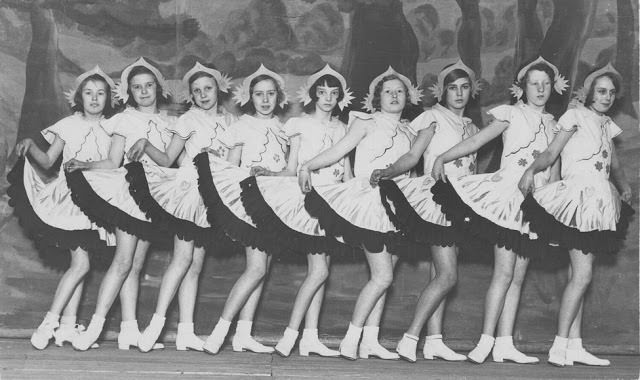
Tap dancing was one of the most popular performance styles of the 1930s. Its sharp, rhythmic sounds worked perfectly in theater and music hall settings, where live orchestras and energetic audiences made for electric performances. Tap troupes drilled their routines to mechanical precision, and the sound of twenty pairs of tap shoes hitting a wooden stage in unison was a defining sound of the era.
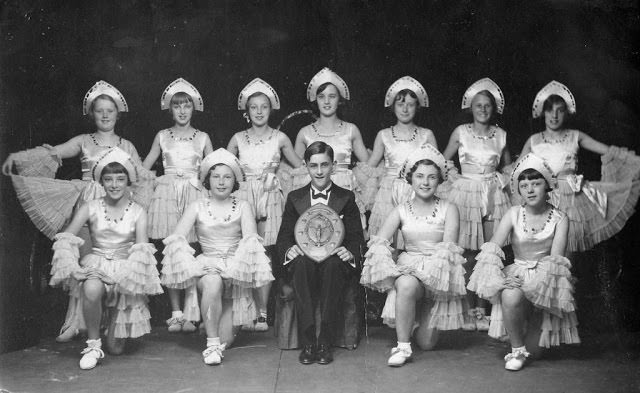
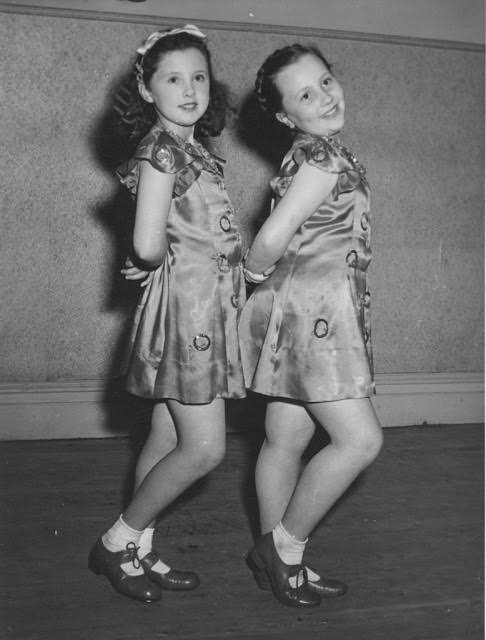
Liverpool contributed its own share of talented performers to the dance scene. Two dancers photographed together in Liverpool show the kind of polished, camera-ready presentation that troupes across England adopted during the 1930s. Whether they were seasoned professionals or local amateurs, the care taken in their appearance and posture speaks to the seriousness with which dance was treated.
American colleges also embraced group dance as both a performing art and a form of physical education. In 1937, a group of dancers performed at the Mississippi State College for Women, one of the oldest public universities for women in the United States. College dance performances of this kind were formal affairs, staged in front of faculty, students, and visiting guests.
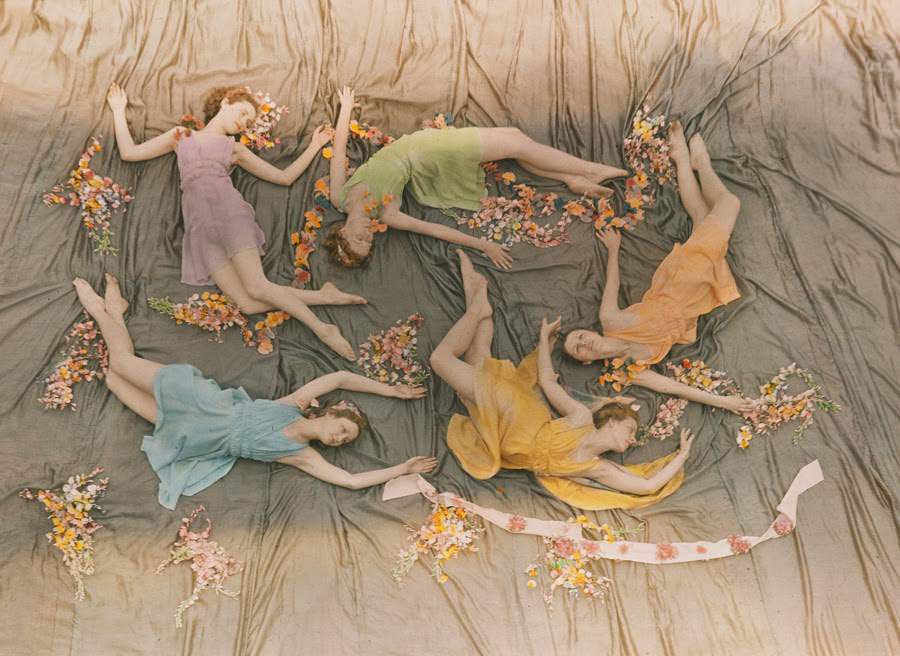
Ballet companies took their rehearsals wherever space allowed — including the beach. A striking set of photographs from the 1930s shows ballet dancers performing on sandy shores, their tutus and pointe shoes a sharp contrast against the open water. These outdoor rehearsals were sometimes staged specifically for photographers, blending art with the novelty of an unexpected setting.
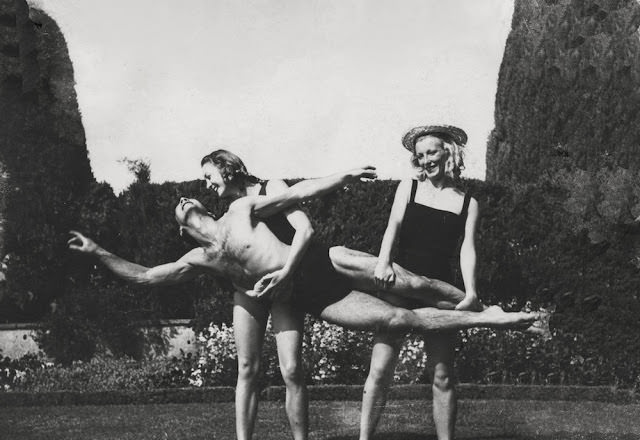
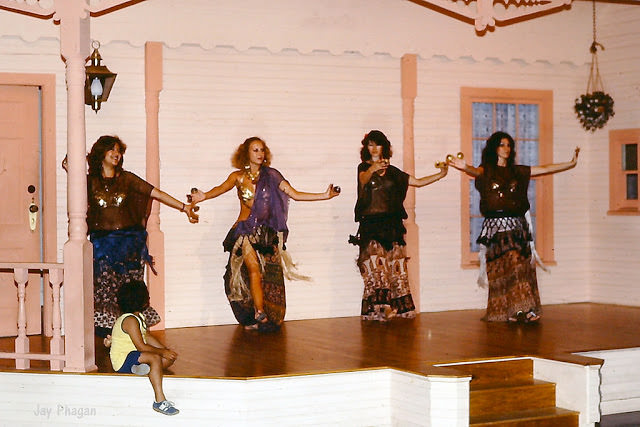
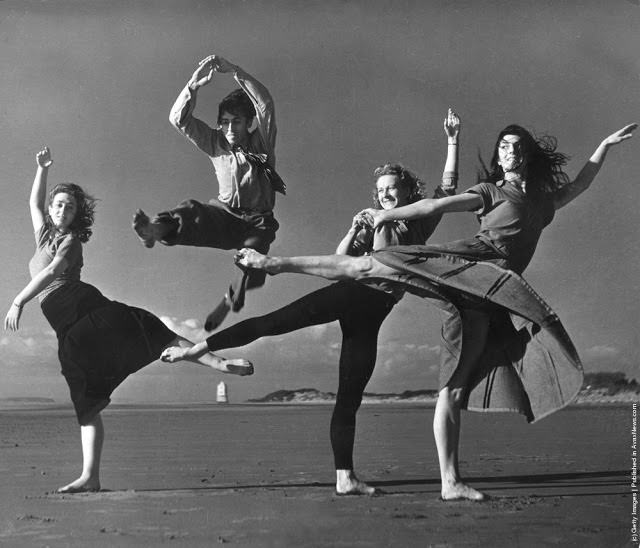
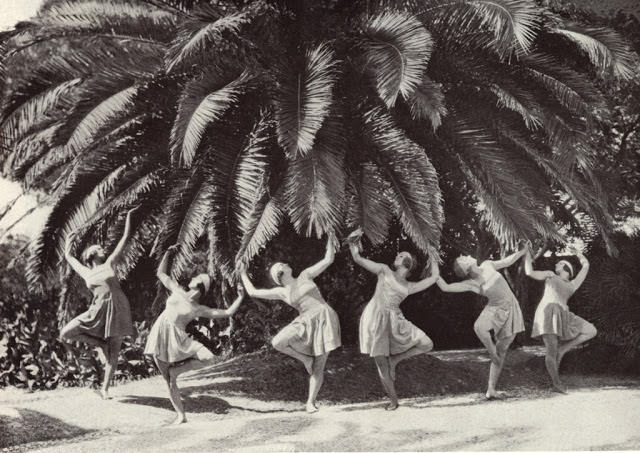
Margaret Morris was a pioneering figure in early 20th-century dance. She developed her own movement system — the Margaret Morris Movement — which combined dance, exercise, and physical therapy. Her dancers were famously photographed on the sands at Saint-Idesbald in Belgium in August 1929, performing their exercises in the open air. These sessions were both training exercises and public demonstrations of her method.
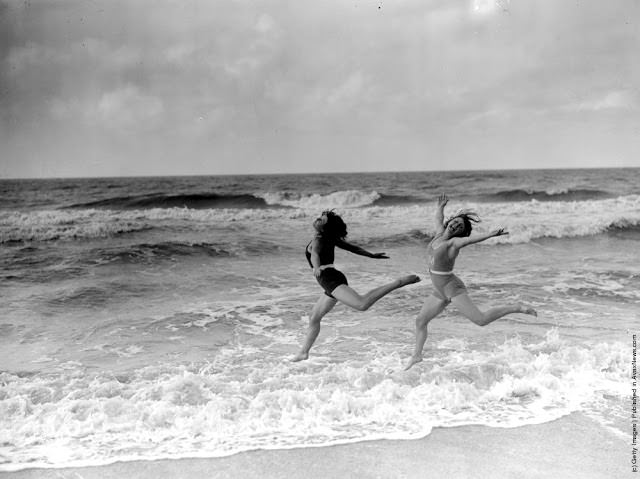
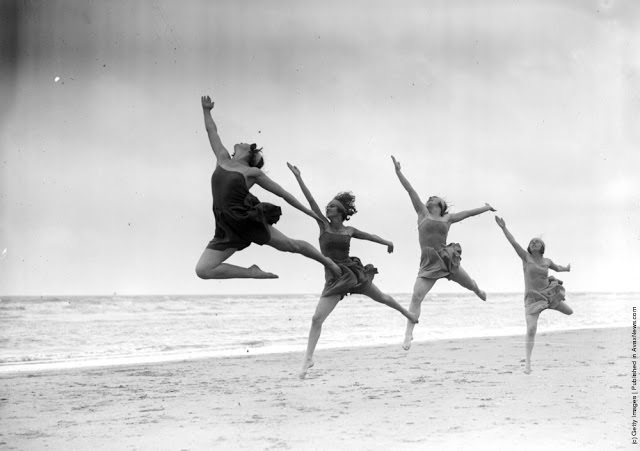
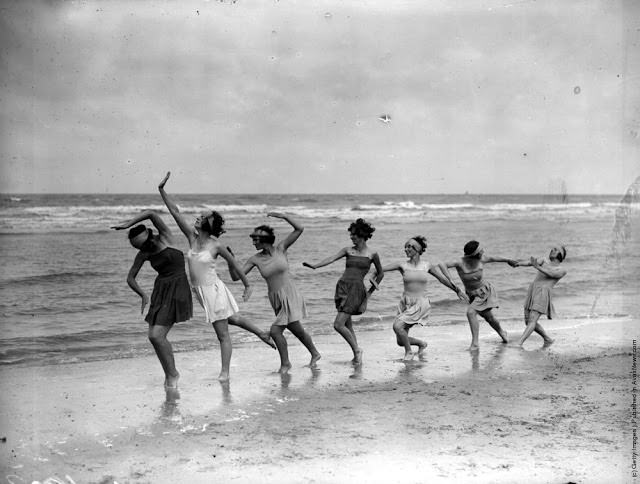
Dance schools of the era ran regular rehearsals that were as disciplined as professional company practices. In 1929, members of one such school were photographed mid-rehearsal, arranged in careful formations that show the level of structure expected even from students. These schools fed talented dancers into professional troupes and theater companies across the country.
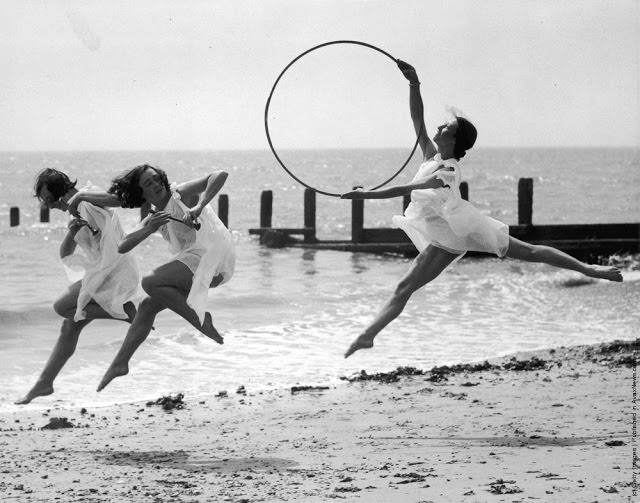
The International Institute of Margaret Morris Movement trained students from across the world, and its pupils were frequently photographed at coastal locations like Sandwich on the Kent coast. Beach training was a signature element of Morris’s approach — she believed that natural settings, fresh air, and open space enhanced both physical development and artistic expression.
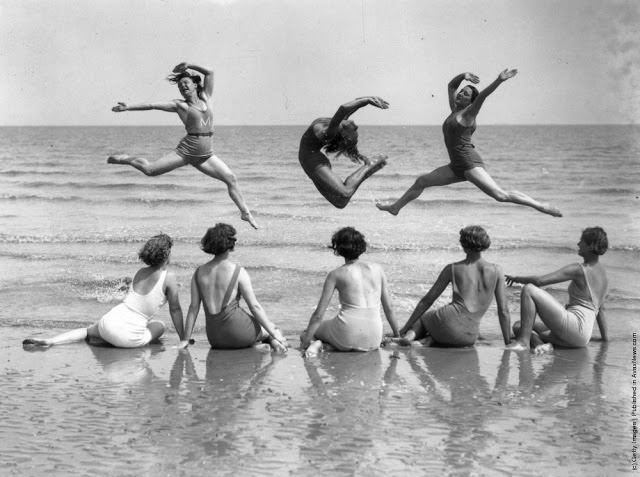
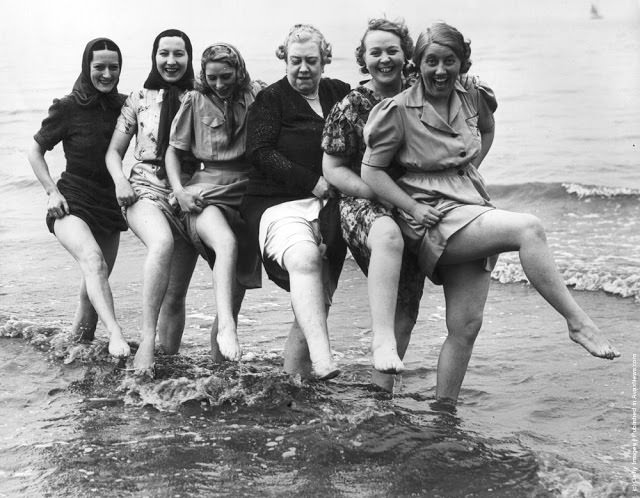
Music hall singer Florrie Ford was a well-known entertainment personality in Britain during the early 20th century. She was photographed cavorting in the sea at Morecambe in Lancashire alongside her companions — a lighthearted moment that captures the social side of the performance world. Morecambe was a popular seaside resort, and entertainers often gathered there during off-season breaks.
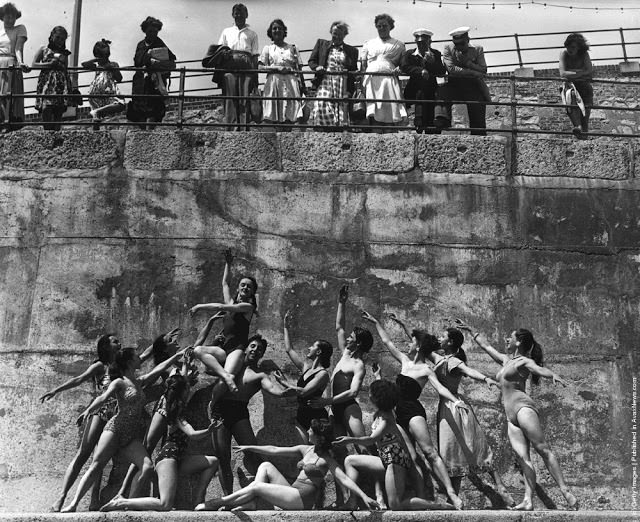
Professional ballet companies also used the beach as a backdrop for publicity photography. Members of the London Theatre Ballet Company formed a frieze-like tableau on the beach at Eastbourne — a pose that referenced ancient Greek friezes and communicated the company’s artistic ambitions. The image is both a piece of promotion and a genuine work of visual art.
The Saint James Ballet Company limbered up on the beach at Burnham in Somerset in a similarly striking outdoor setting. These beach rehearsal photographs were not spontaneous — they were carefully arranged to highlight the grace and athleticism of the dancers while also generating press interest. A photo of ballet dancers at the seaside was far more newsworthy than one taken in a studio.
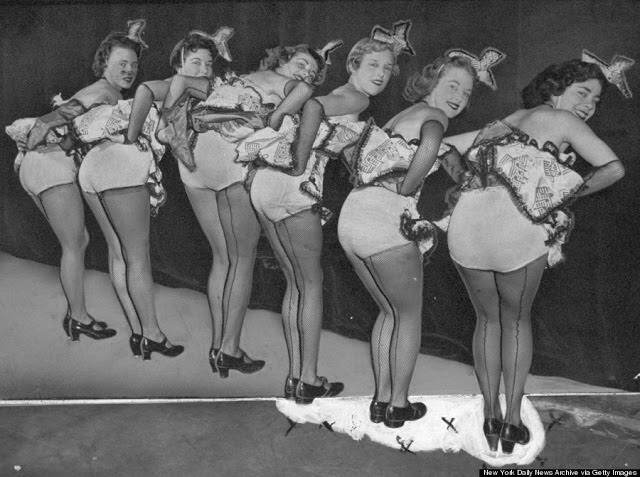
Burlesque theater had its own form of chorus line performance, separate from ballet and tap. The Columbia Burlesque Theater’s chorus line was a professional operation, with dancers performing nightly for paying audiences. Burlesque chorus lines were tightly choreographed and demanded consistency across every performance, night after night.
Margaret Morris herself appeared alongside her group dancers in performance, not just as a director but as an active participant in the work. Her presence on stage alongside her students demonstrated her commitment to the method she had spent decades developing. These performances were as much demonstrations of her philosophy as they were entertainment.
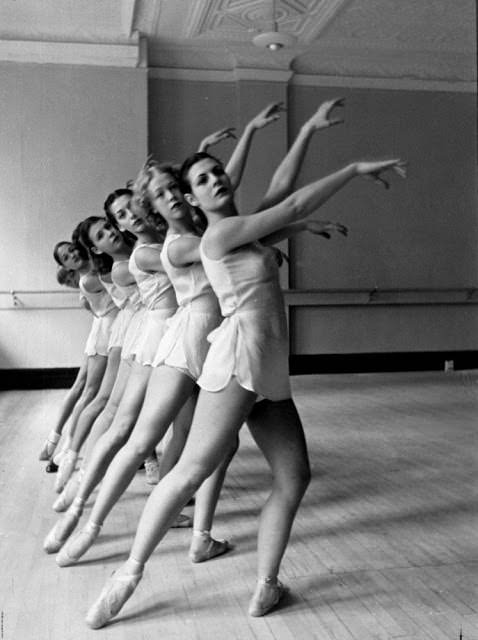
The School of American Ballet, founded in New York City in 1934, was already holding rigorous rehearsals by 1936. A photograph from that year captures the young dancers mid-practice, a glimpse into the demanding training environment that shaped American ballet in the decades that followed. The school was co-founded by choreographer George Balanchine and remains active today.
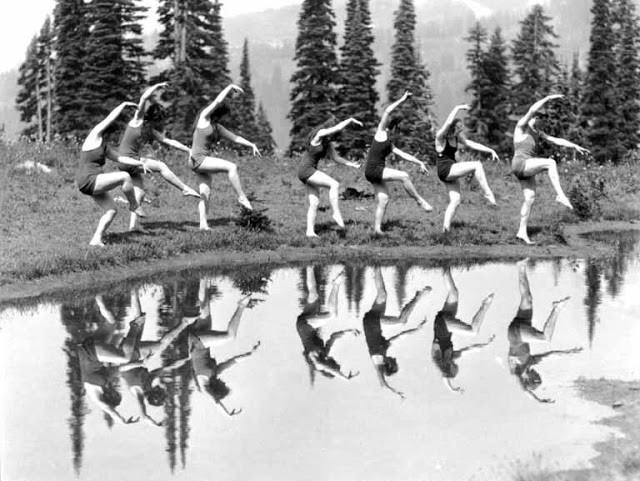
Ivan Novikoff was a dancer and choreographer who worked with a company of performers through the early 1930s. A 1932 photograph shows his group of dancers posed in swimsuits — a combination of athleticism, performance identity, and the era’s fascination with the healthy, active body. The image is both a troupe portrait and a reflection of broader cultural trends toward physical fitness and outdoor living.