Hey There! Before You Go. 😧
Get the best vintage content straight into your inbox!

Don't worry, we don't spam

Fabulous Vintage Photos Captured Sweden in 1954

By 1954, Sweden had carved out a rare position in postwar Europe. The country stayed out of World War II through a policy of non-alignment, and after the war ended, the government kept that stance — rejecting NATO membership and instead joining the United Nations. Prime Minister Tage Erlander, who held office from 1946 to 1969, oversaw one of the longest stretches of political stability any democratic country had seen. Unemployment was low, and the economy was growing steadily.
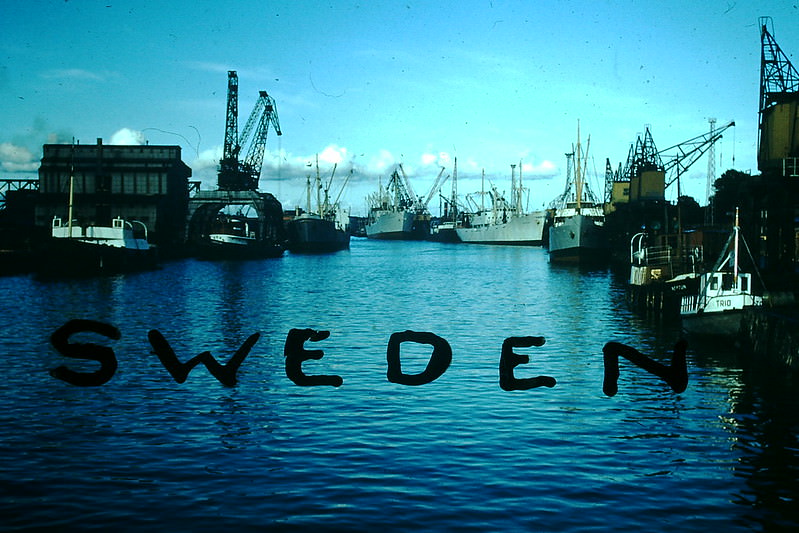
Title Slide, Koping Harbor, Sweden, 1954

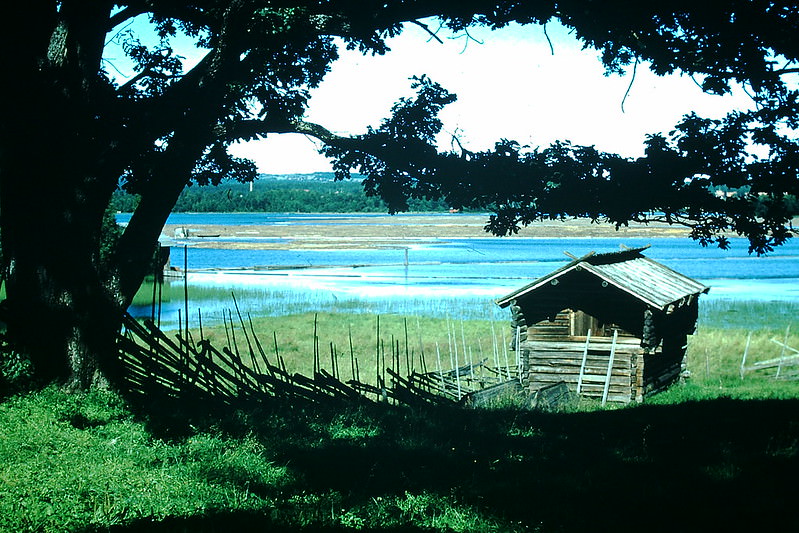
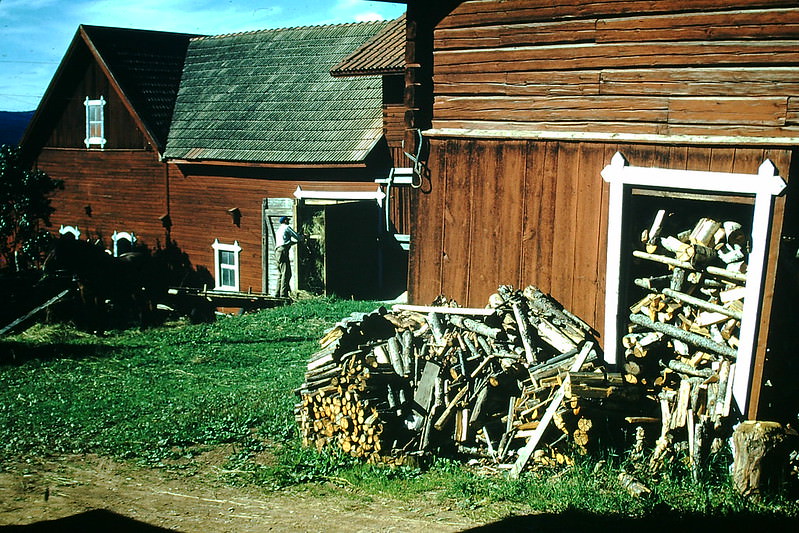
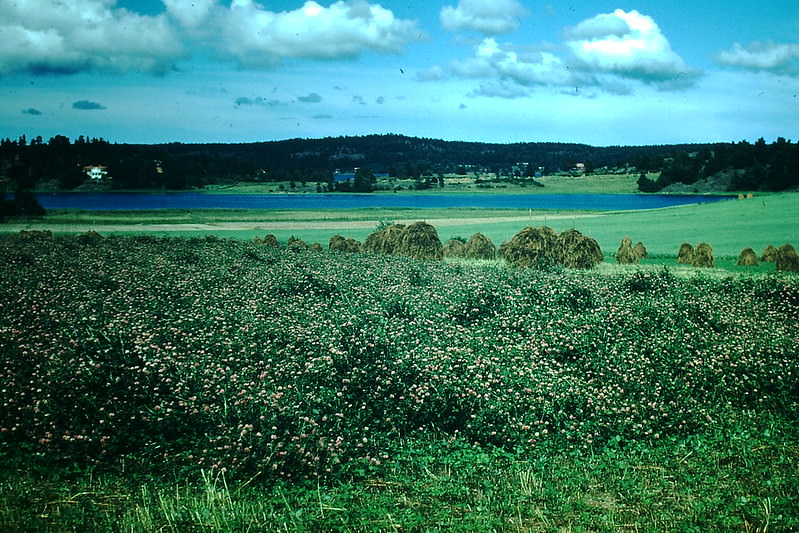
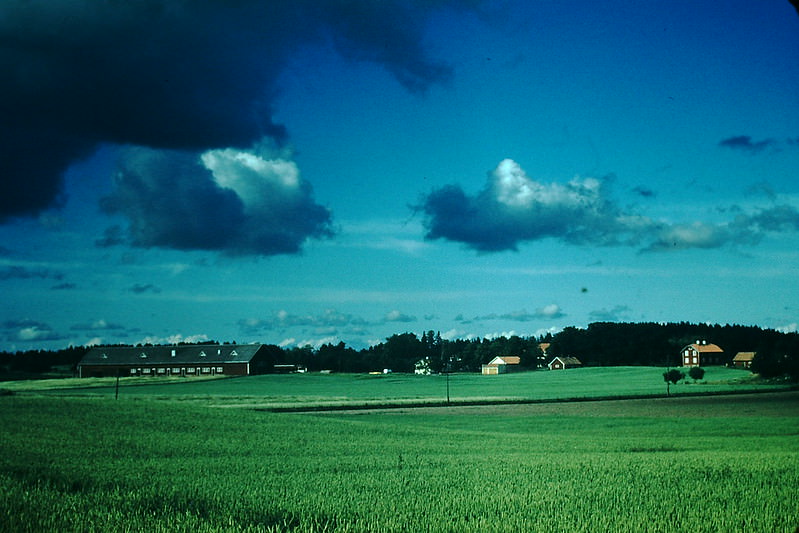
Sweden’s countryside in 1954 still looked much as it had for generations. Farms dotted the land around lakes and rivers, and rural communities relied on traditional work like haying and timber. These photos capture that world in sharp detail.
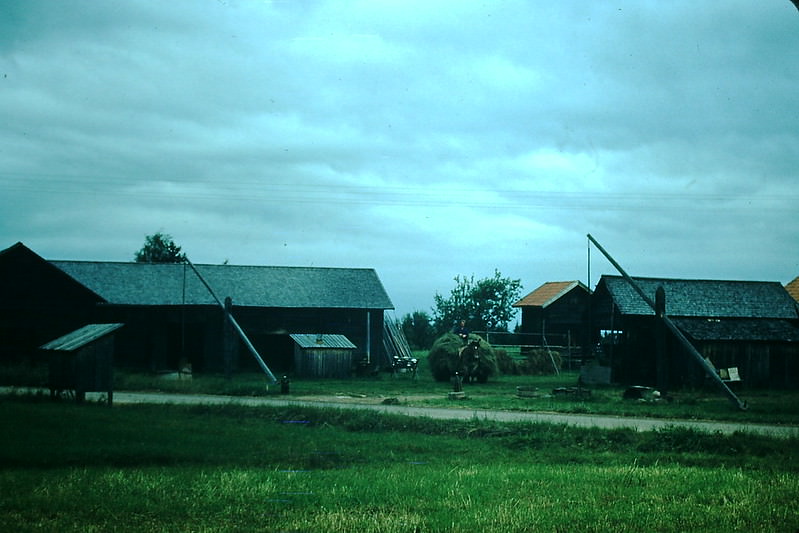
Farm Homes on Siljan Lake, Sweden, 1954
Farm Near Soderkoping, Sweden, 1954

The Göta Canal was a vital artery connecting Sweden’s interior to its coasts. Completed in 1832, it linked the North Sea to the Baltic Sea and ran near Gothenburg, making it one of the most important engineering projects in Swedish history.
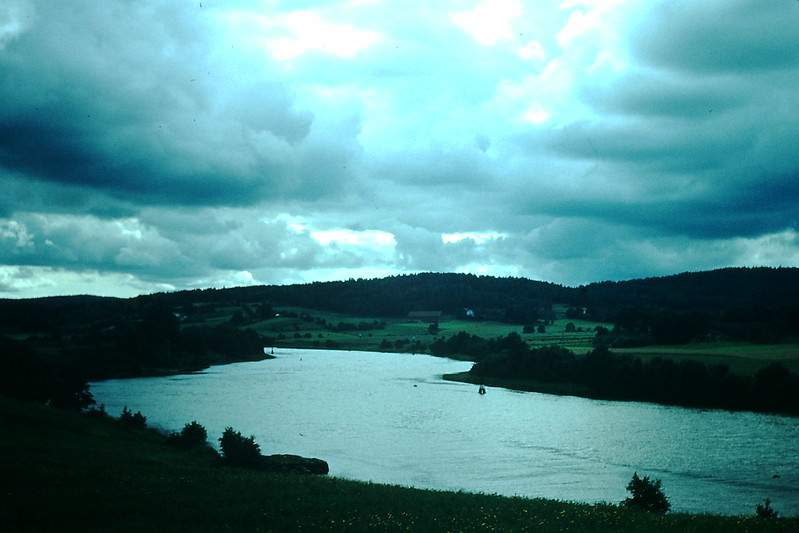
Gota Canal Near Goteborg, Sweden, 1954

Although the country was prosperous, urban growth was creating pressure. More Swedes were moving to cities, and housing demand was climbing. Towns like Norrköping were already building new residential areas and parks to keep up with the influx.
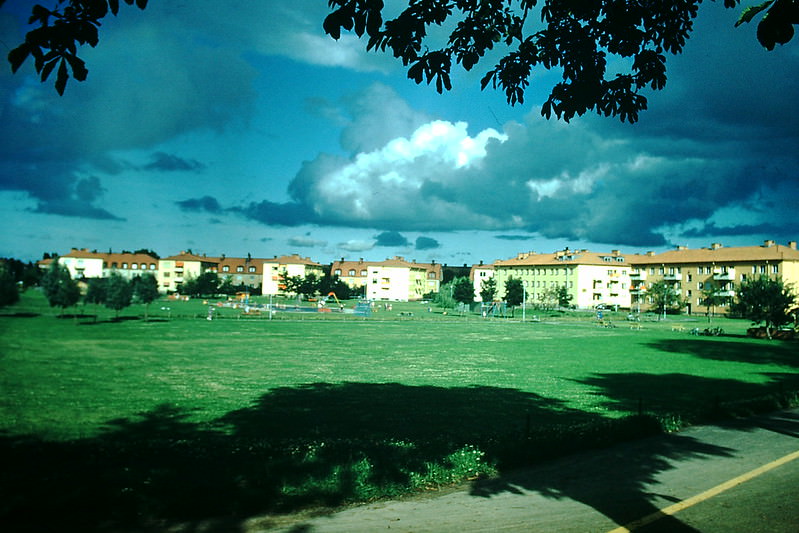
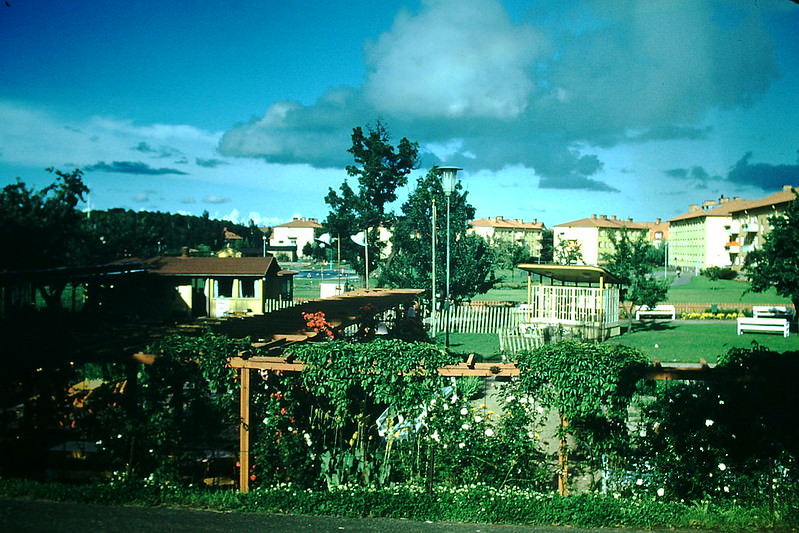
Housing Project and Park in Norrkoping, Sweden, 1954

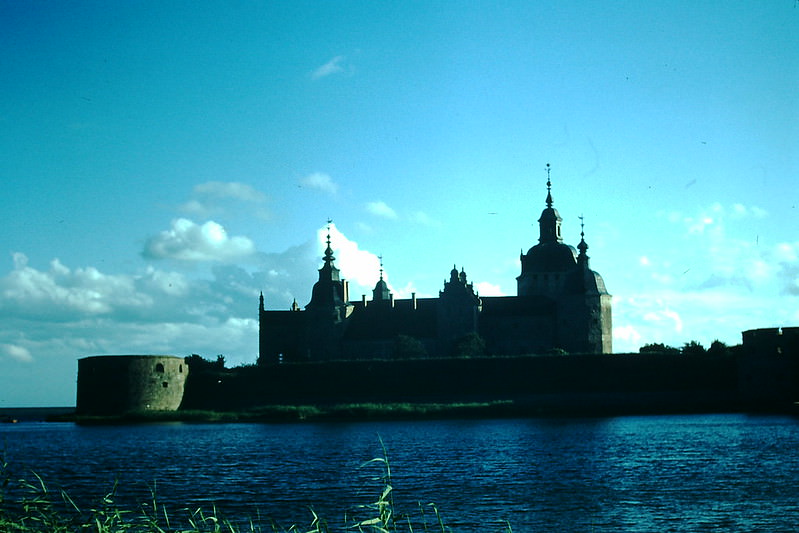
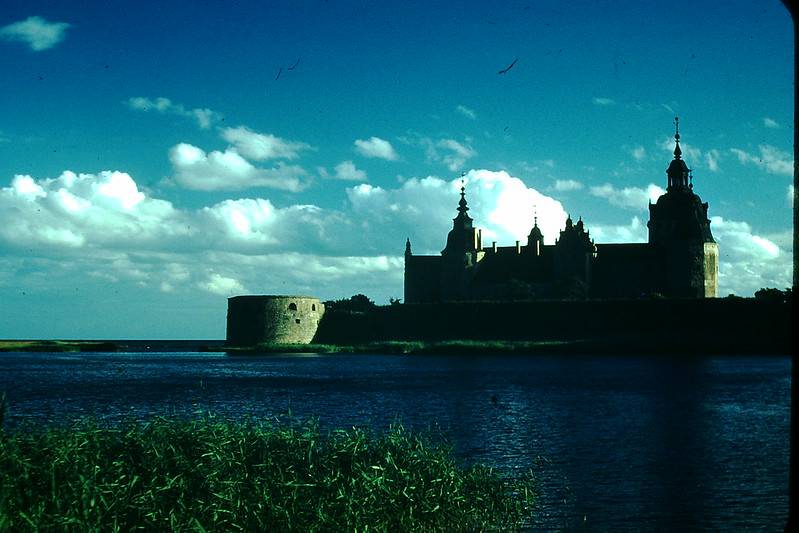
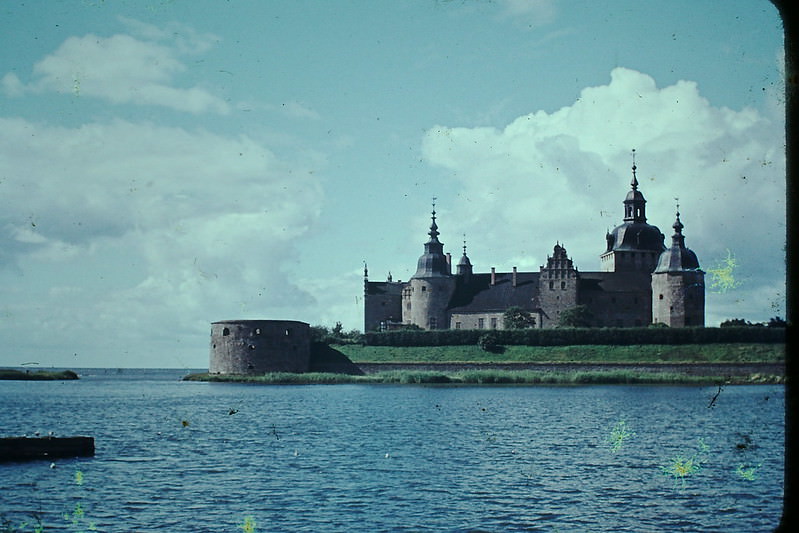
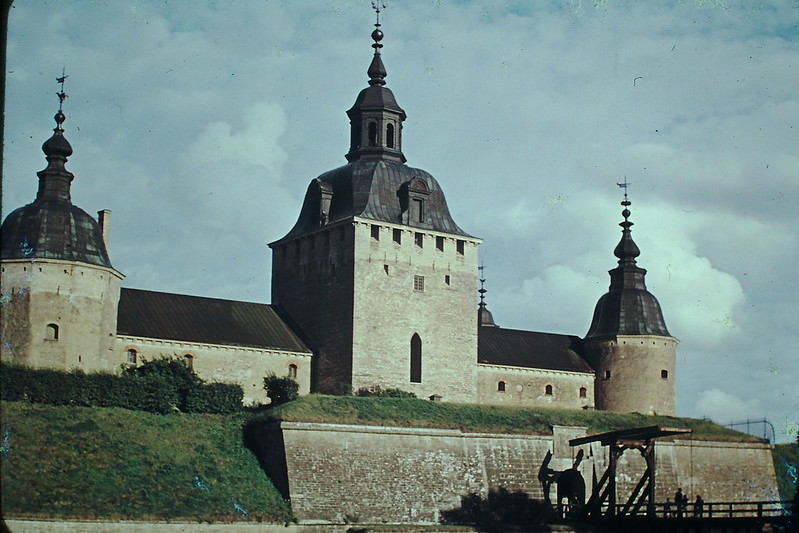
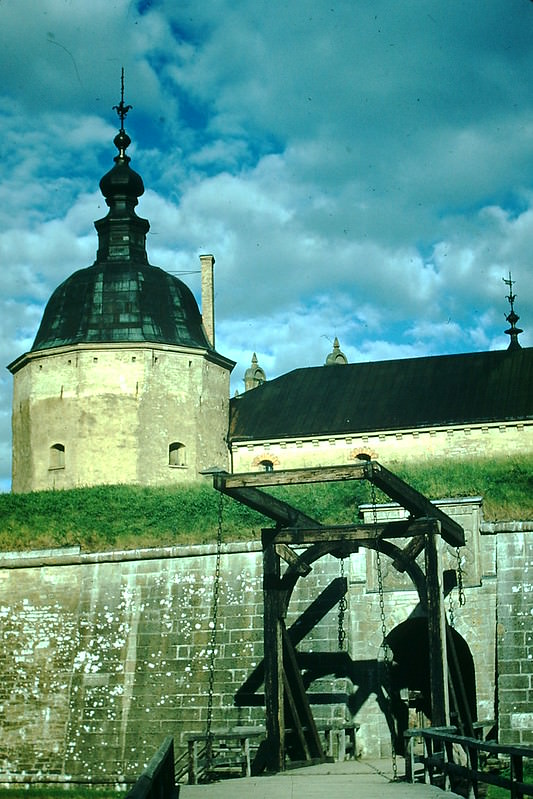
Kalmar Castle, on Sweden’s southeastern coast, had stood since the 12th century. It was one of the most fought-over fortresses in Scandinavian history, changing hands between Sweden and Denmark multiple times before Sweden secured permanent control in 1658.
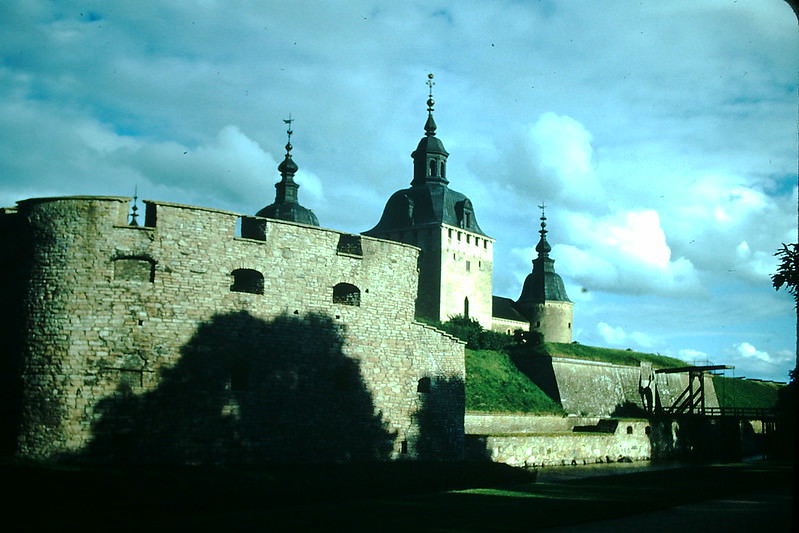
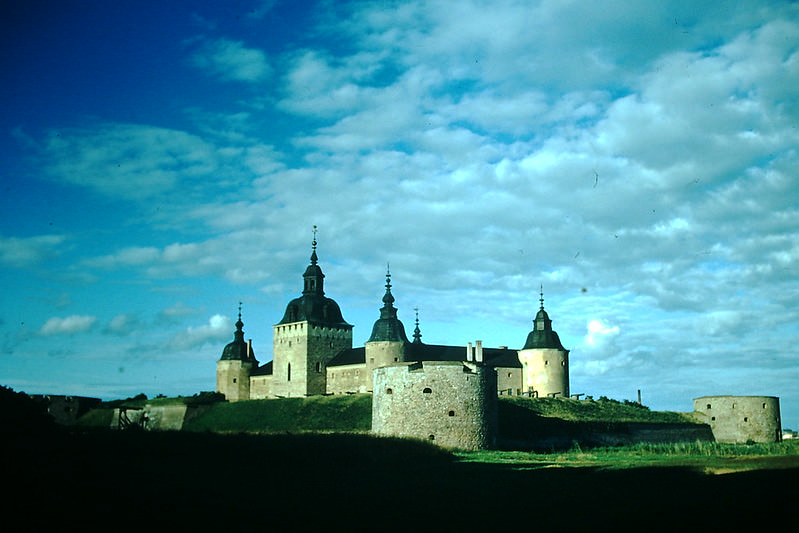
Kalmar Castle, Sweden, 1954

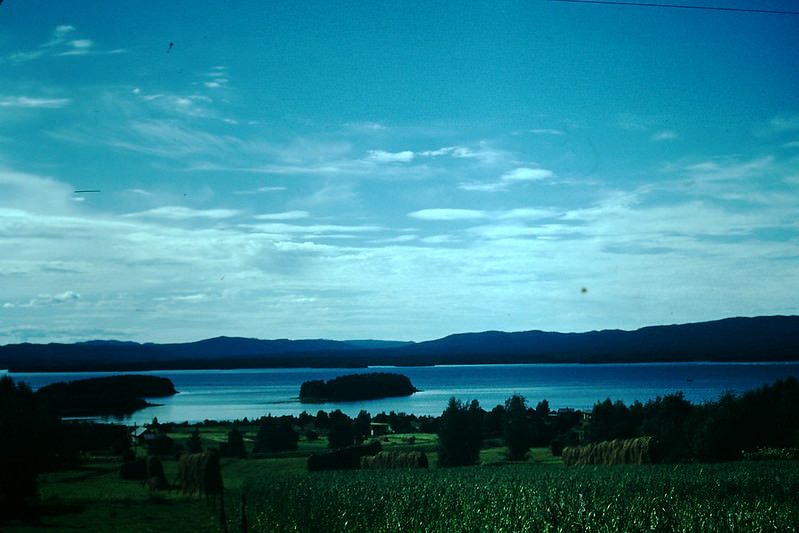
Sweden’s lake district was a defining feature of the landscape. Lake Siljan in Dalarna, Lake Fryken near Sunne, and the waterways around Torsby and Hedemora all appear in these photos, showing quiet, reflective waters framed by forests and open fields.
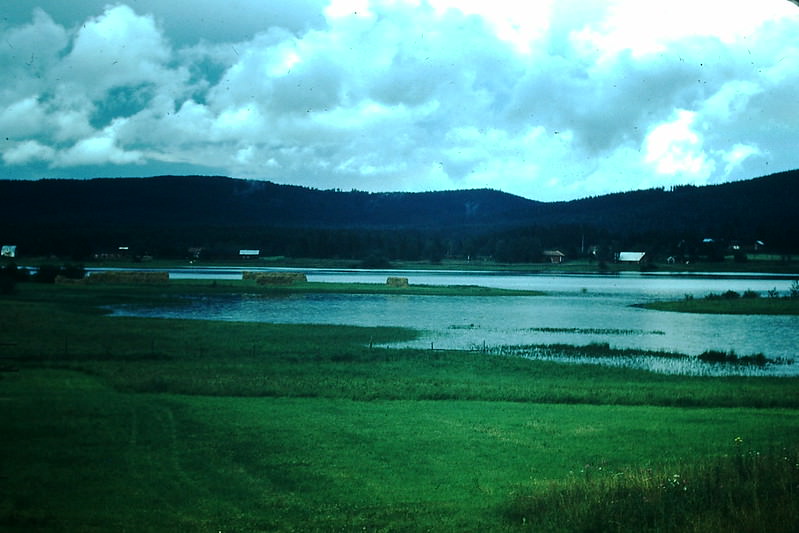
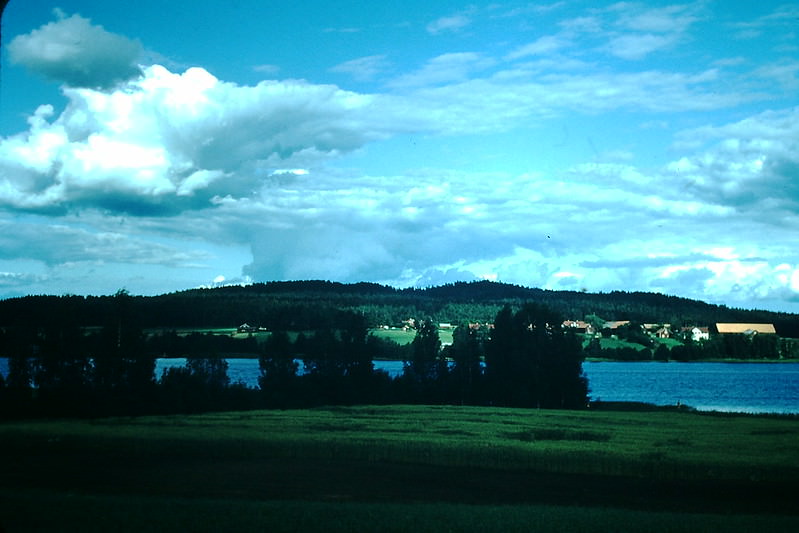
Lake Near Torsby on way to Sunne, Sweden, 1954
Lake Scene near Hedemora on way to Rattvik, Sweden, 1954
Siljan Lake, Sweden, 1954
Sunne on Lake Fryken, Sweden, 1954
Upper Siljan Lake, Sweden, 1954

The Swedish coast offered a different kind of scenery. Near Varberg, the land met the sea with open, windswept terrain typical of the country’s western shoreline along the Kattegat.
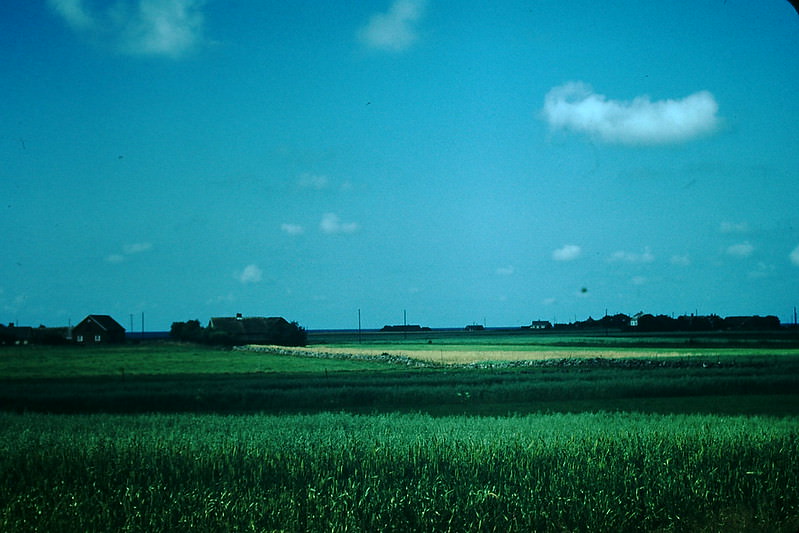
Landscape Near Varberg on Coast, Sweden, 1954

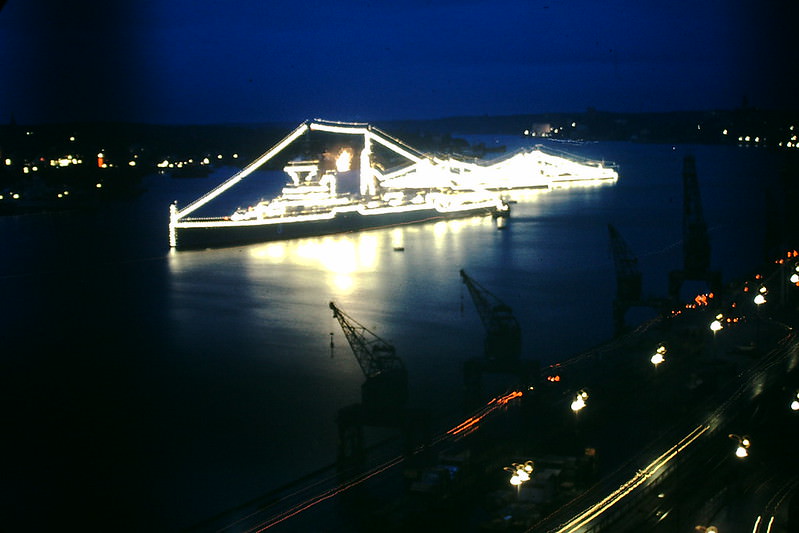
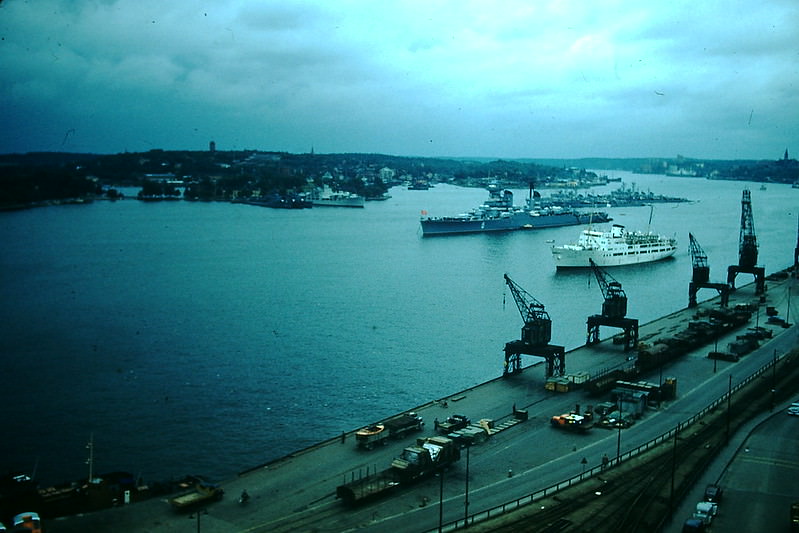
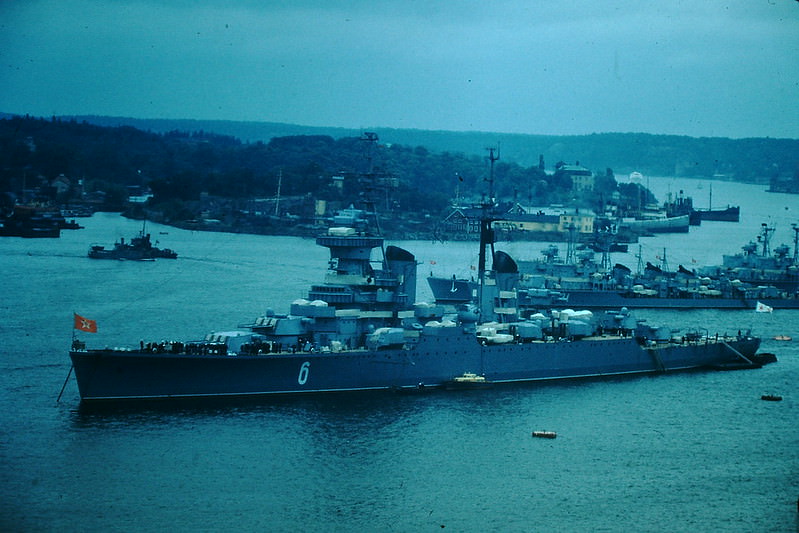
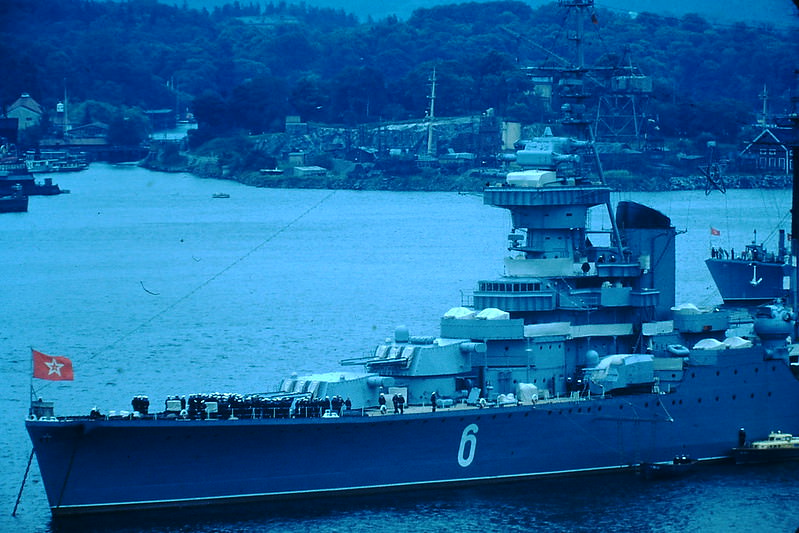
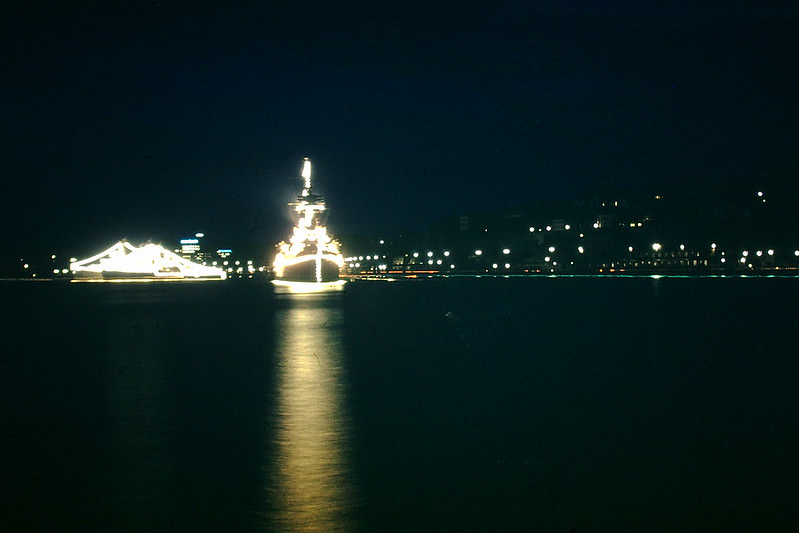
One of the most striking events captured in these photos was the visit of the Russian Baltic Fleet to Swedish waters. Despite Sweden’s neutral stance, Soviet naval ships made port visits during the 1950s as Cold War tensions shaped diplomatic gestures across Europe.
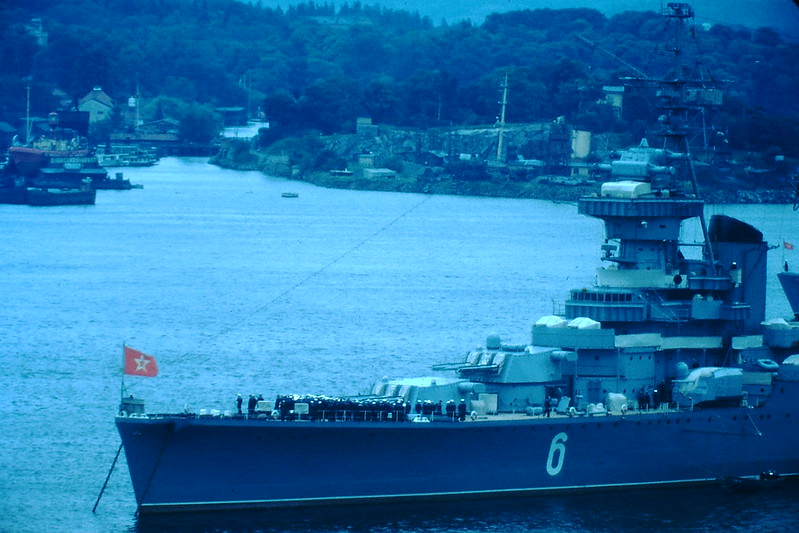
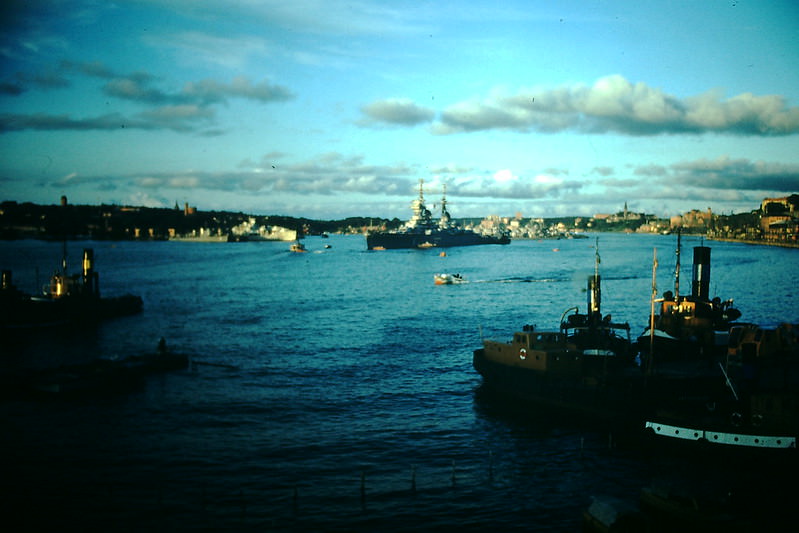
Russian Baltic Fleet, Sweden, 1954
Russian Baltic Fleet, Stockholm, Sweden, 1954
Russian Baltic Fleet, Sweden, 1954

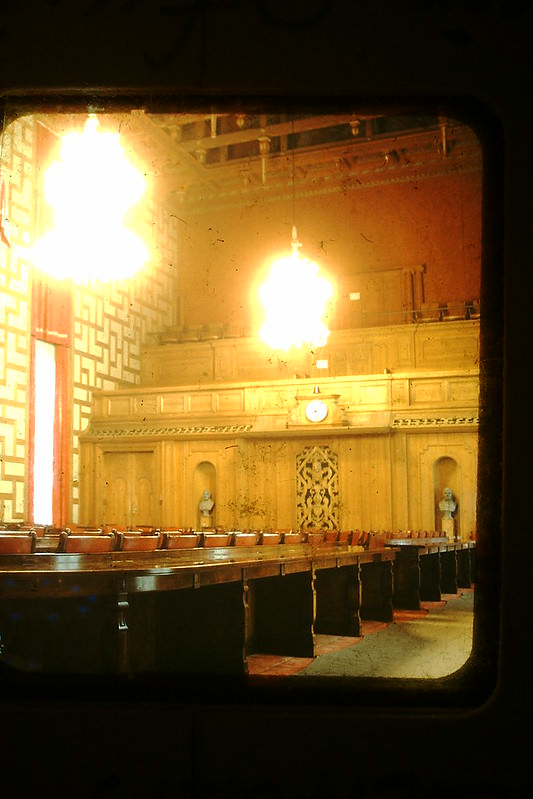
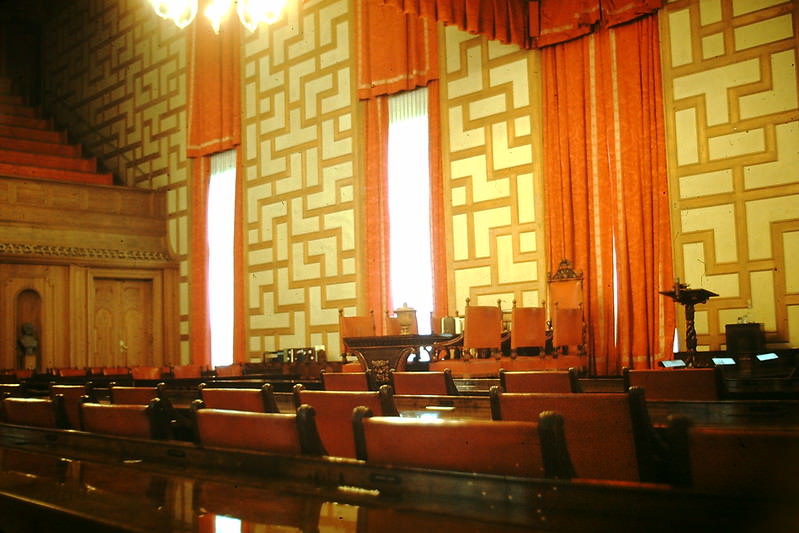
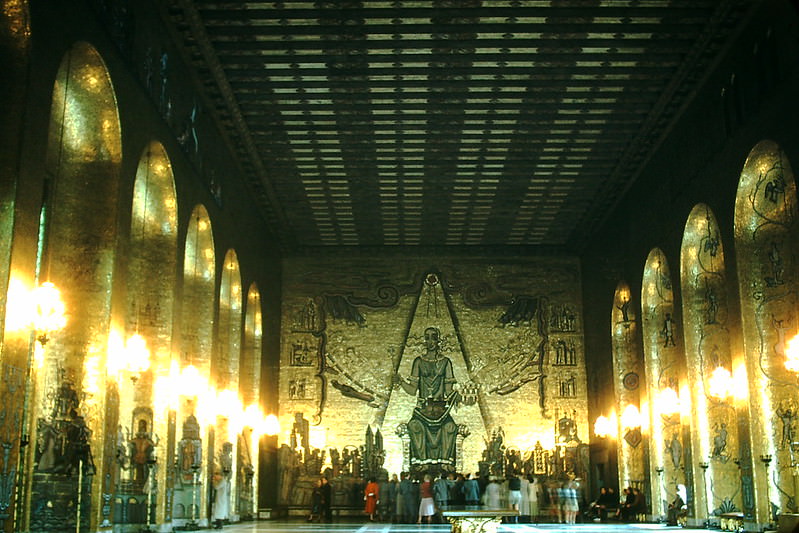
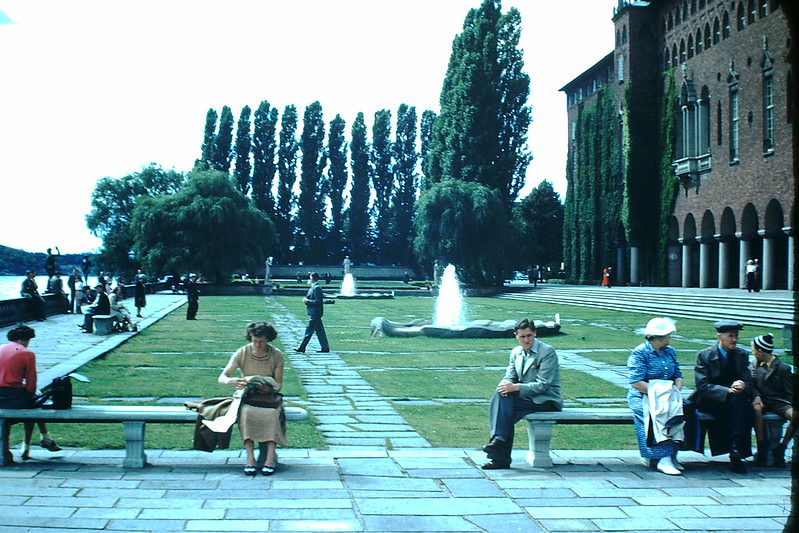
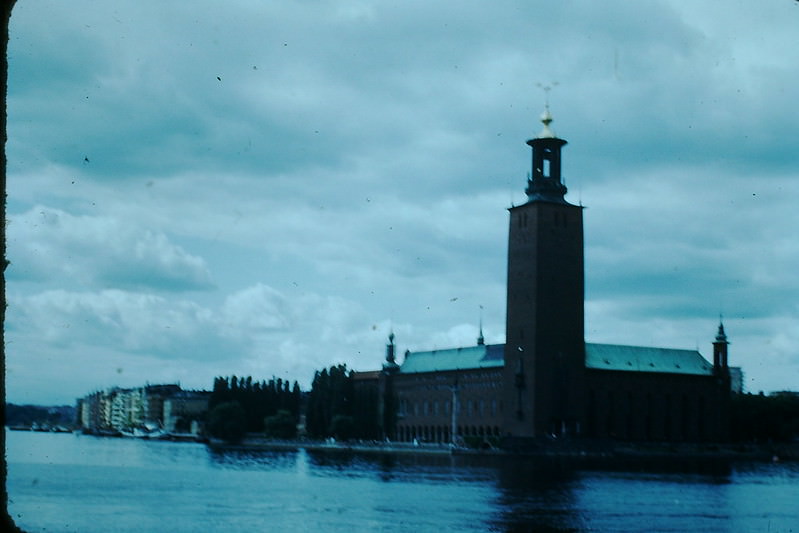
Stockholm’s City Hall, known as Stadshuset, sat on the shore of Lake Mälaren and was one of Sweden’s most celebrated buildings. Completed in 1923, it housed the Council Room and the Golden Hall — the latter decorated with over 18 million mosaic tiles depicting Swedish history.
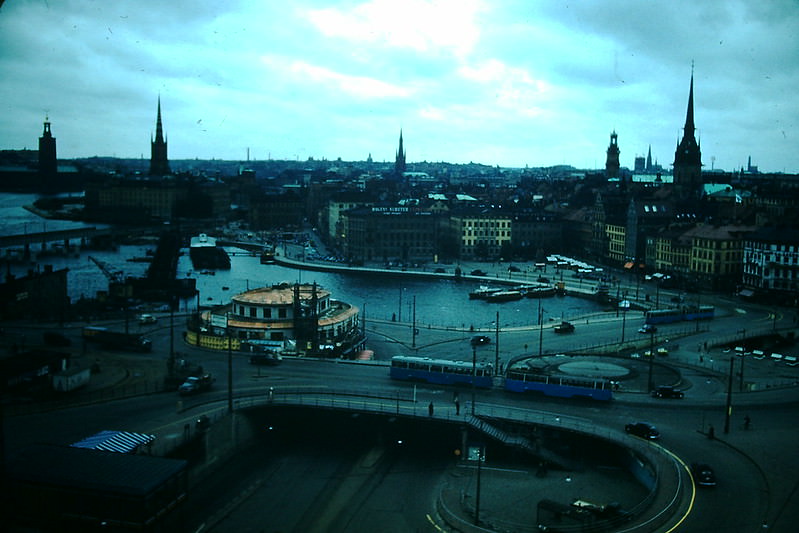
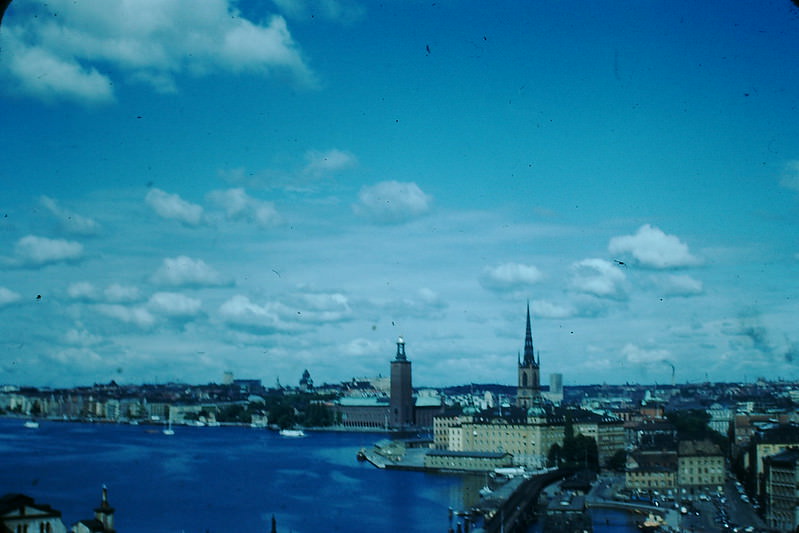
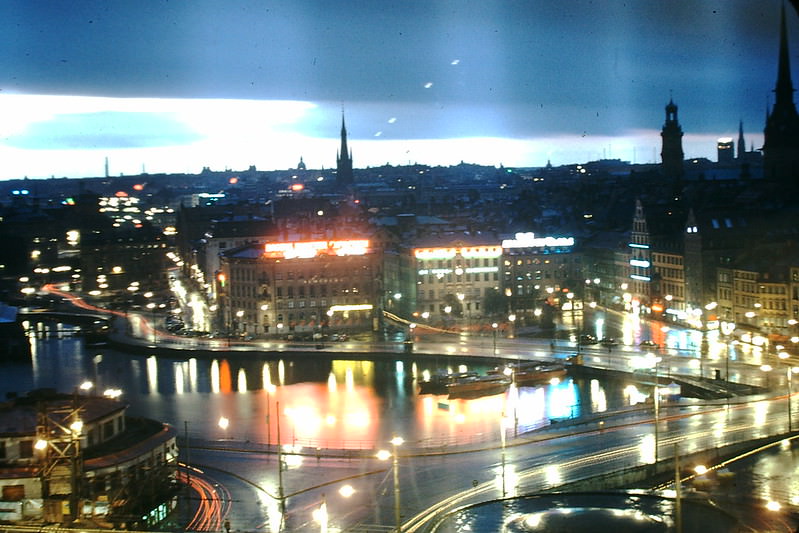
Roadways and City in Stockholm, Sweden, 1954
Waterfront on Lake Malaren-Stadhuse and Riddarholm, Sweden, 1954
Council Room in Stadhuset, Stockholm, Sweden, 1954
Council Room, Stadhuset, Stockholm, Sweden, 1954
Golden Hall, Stadshuset, Stockholm, Sweden, 1954
City Hall Garden, Stockholm, Sweden, 1954
City Hall on Lake Malaren, Stockholm, Sweden, 1954

Skansen, the world’s oldest open-air museum, sat just outside Stockholm. Founded in 1891, it preserved historic Swedish buildings brought from across the country, including homes dating back to the 16th century, giving visitors a direct look at how Swedes lived centuries before.
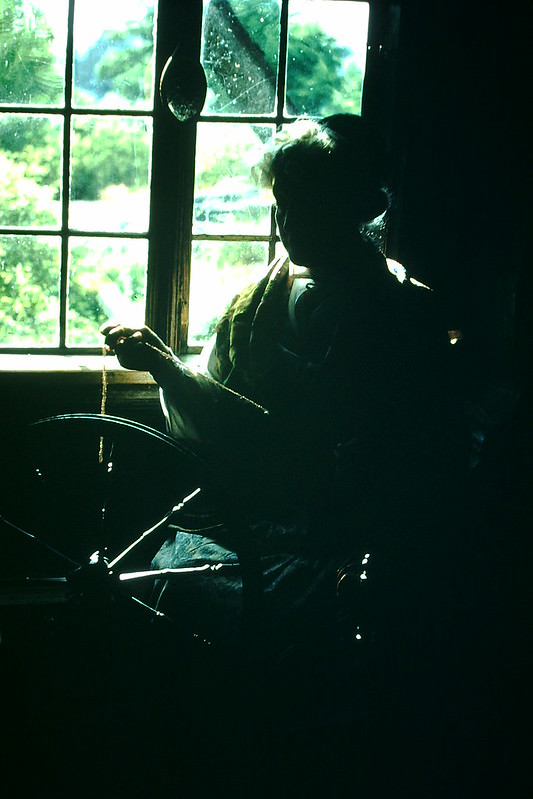
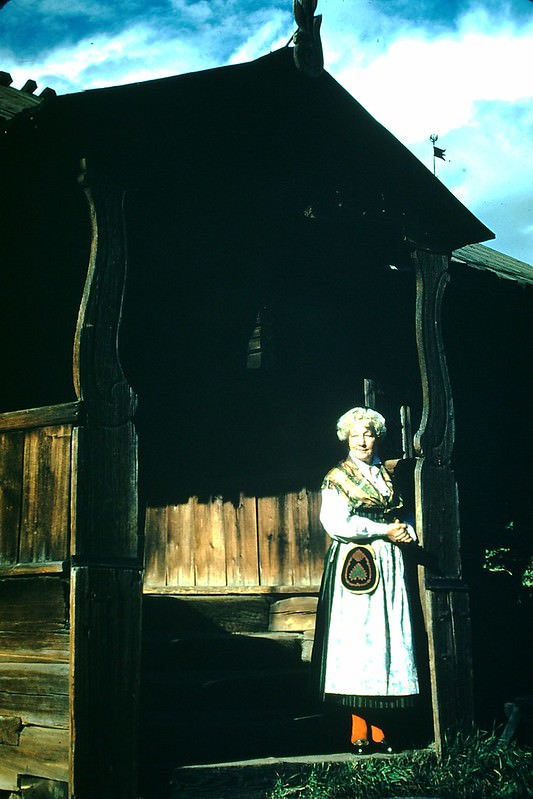
Skansen- 16th Cent Home, Near Stockholm, Sweden, 1954
Skansen- 16th Century Home, Sweden, 1954
Stockholm, Sweden, 1954
Stockholm, From Katrine-Lift, Sweden, 1954

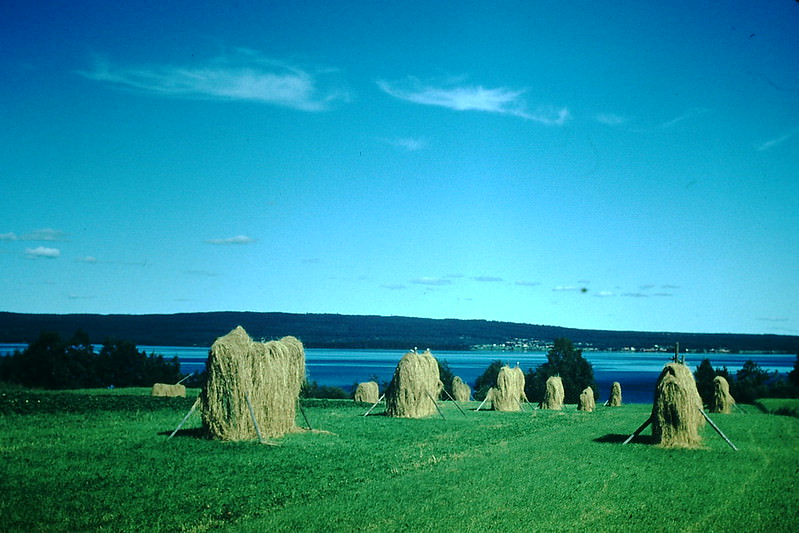
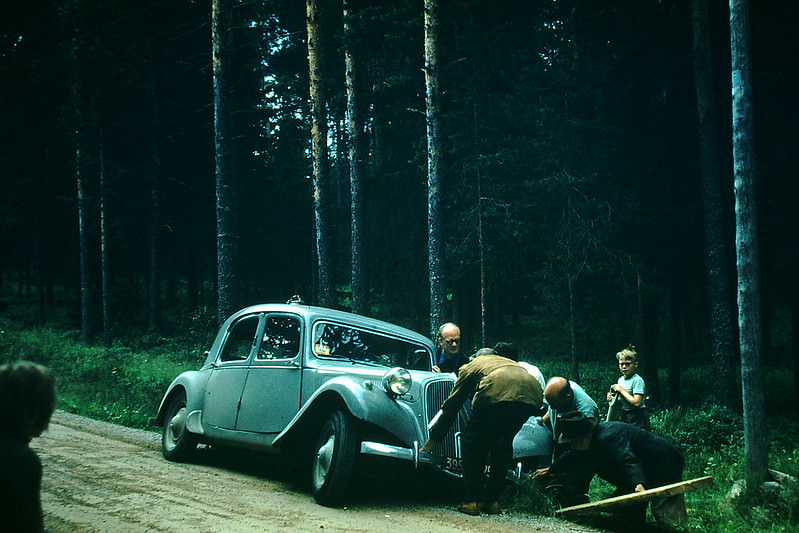
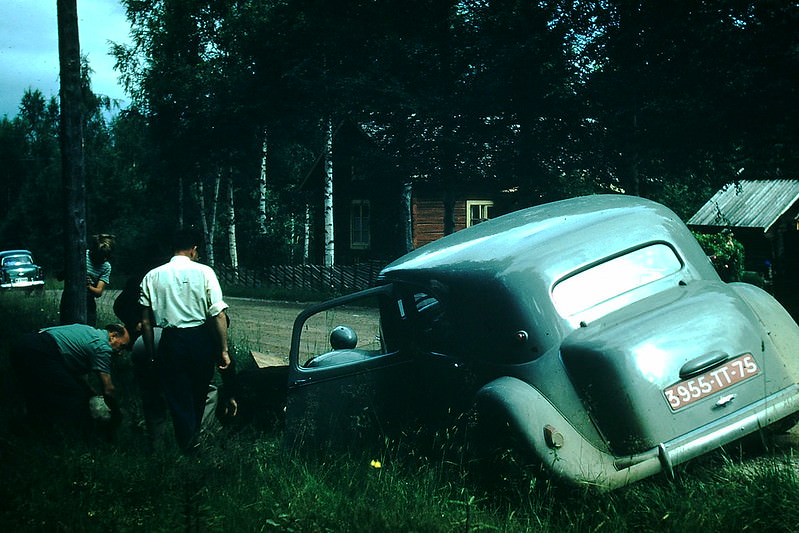
Rural life near Hedemora and Rättvik in Dalarna was still deeply tied to the land. Farmers worked the fields by hand, and hay season brought the whole community out to work. These images show that physical labor — stacking, hauling, and ditching — was the rhythm of daily life in mid-century rural Sweden.
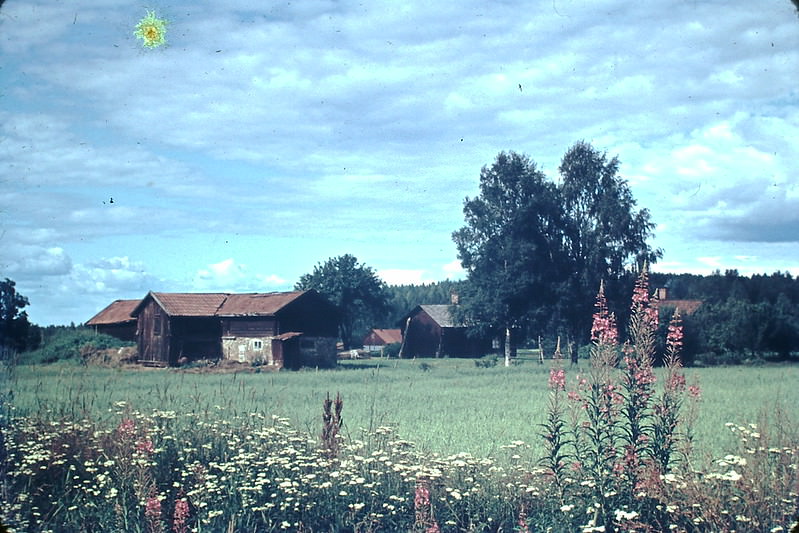
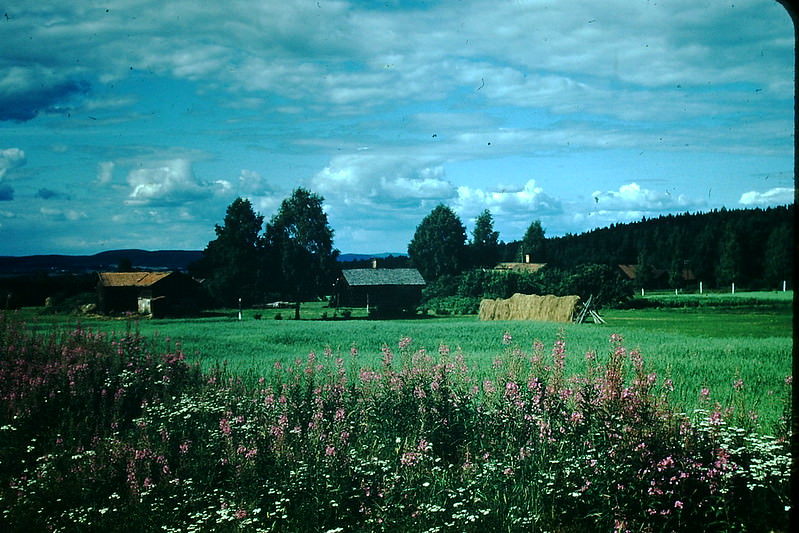
Near Hedemora, Sweden, 1954
Near Rattvik, Sweden, 1954
Putting Hay near Rattvik, Sweden, 1954
Heave Ho!- Near Rattvik, Sweden, 1954
In the Ditch- Near Rattvik, Sweden, 1954

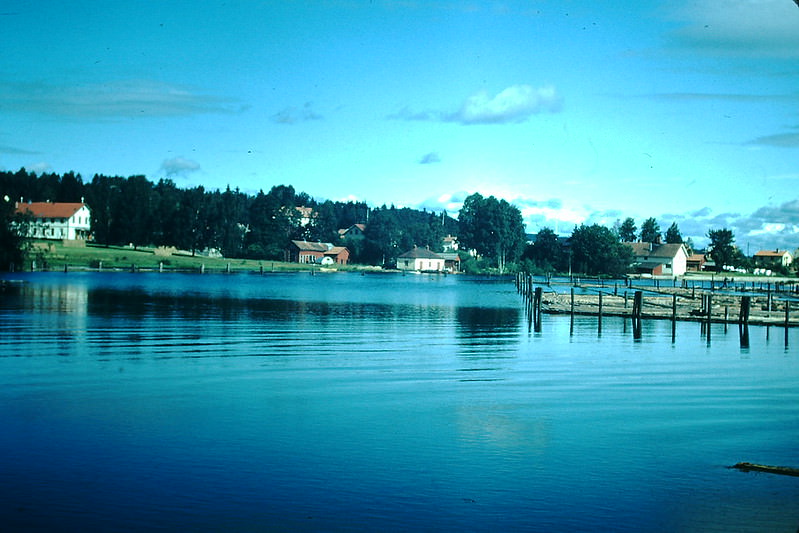
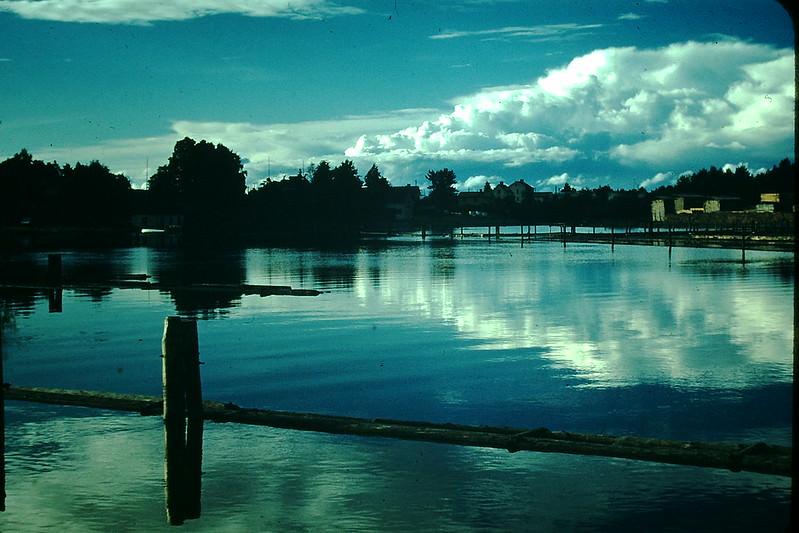
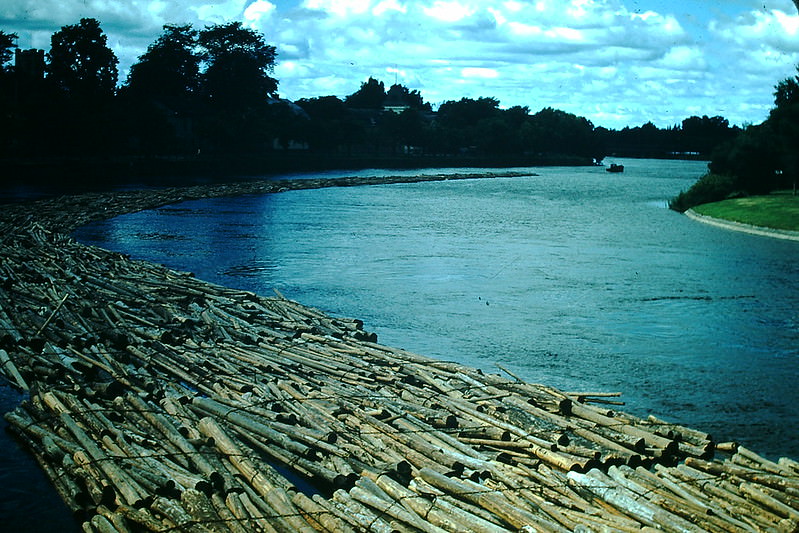
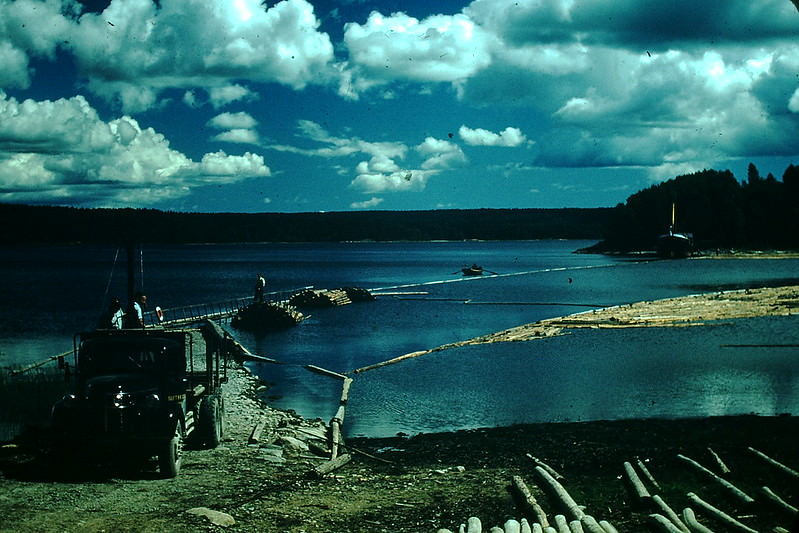
The timber industry was active across Sweden’s interior. In Karlstad, logs were floated down rivers to mills — a common practice that used Sweden’s extensive waterway network to move raw timber cheaply and efficiently.
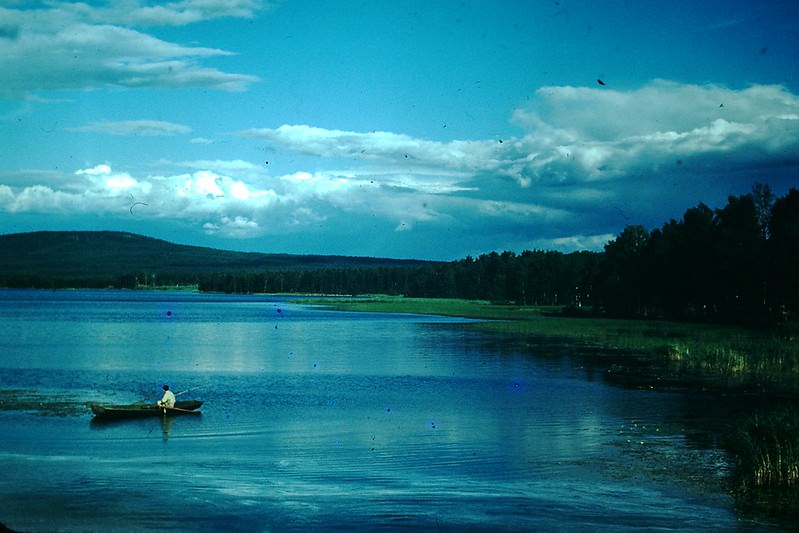
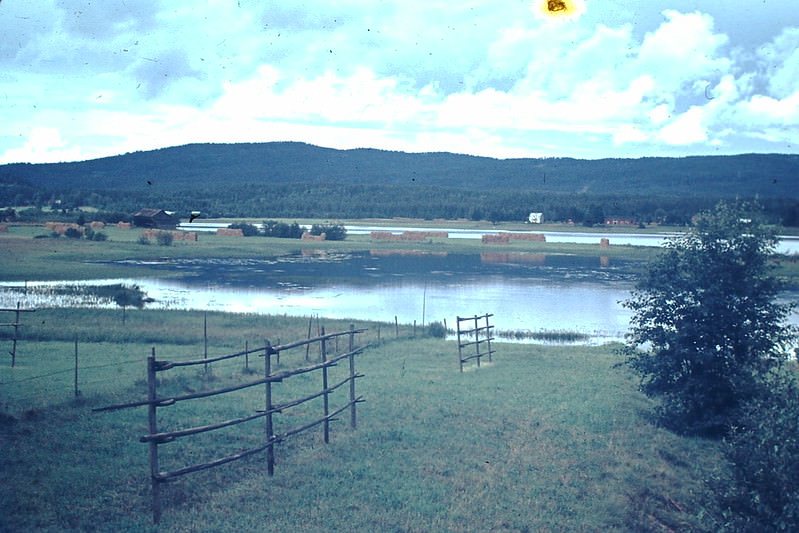
Solitude in Sweden, 1954
Lake Near Torsay, Sweden, 1954
Sunne, Sweden, 1954
Sunne, Sweden, 1954
Floating Logs in Karlstad, Sweden, 1954
Near Hamar Norway, 1954
Sound Near Gameley, Sweden, 1954
Enjoyed this post? Get new ones in your inbox.

Leave a Comment

Your email address will not be published. Required fields are marked *

Share this Post 🥺

Please take a moment to share this content. Your support is greatly appreciated! 🙌🙏

Share this Post 🥺

Please take a moment to share this content. Your support is greatly appreciated! 🙌🙏
Scroll to Top
 
Hey Friend, Before You Go.. Please like & follow for more interesting content