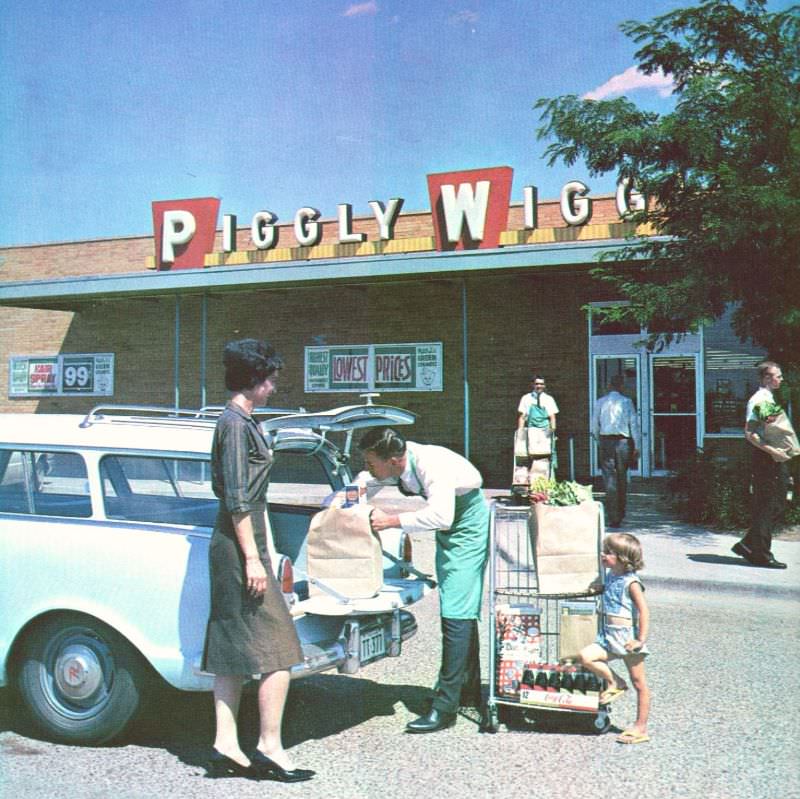
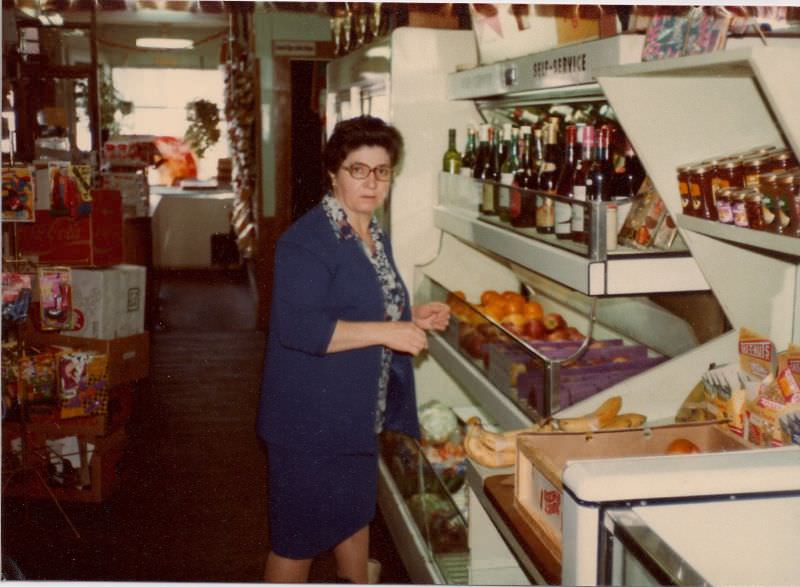
Before supermarkets took over American life, most people bought their groceries at small neighborhood stores where a clerk fetched every item off the shelf for you. That model was slow, limited, and expensive. By the early 1950s, a new kind of store was taking its place — one where shoppers walked the aisles themselves, filled their own carts, and paid at a central checkout. That shift changed everything.
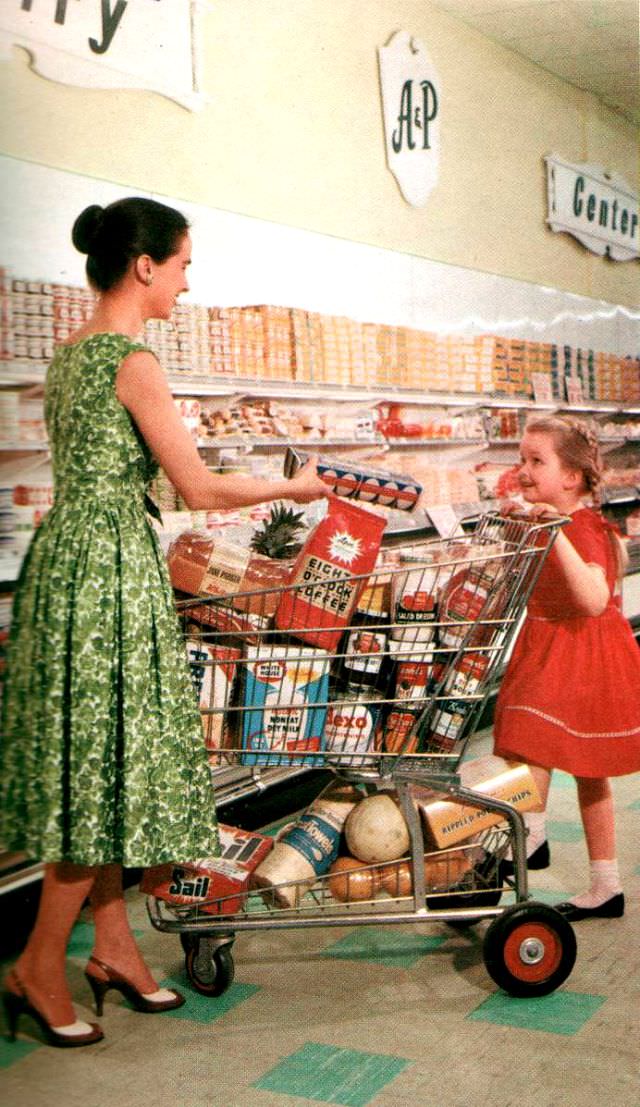
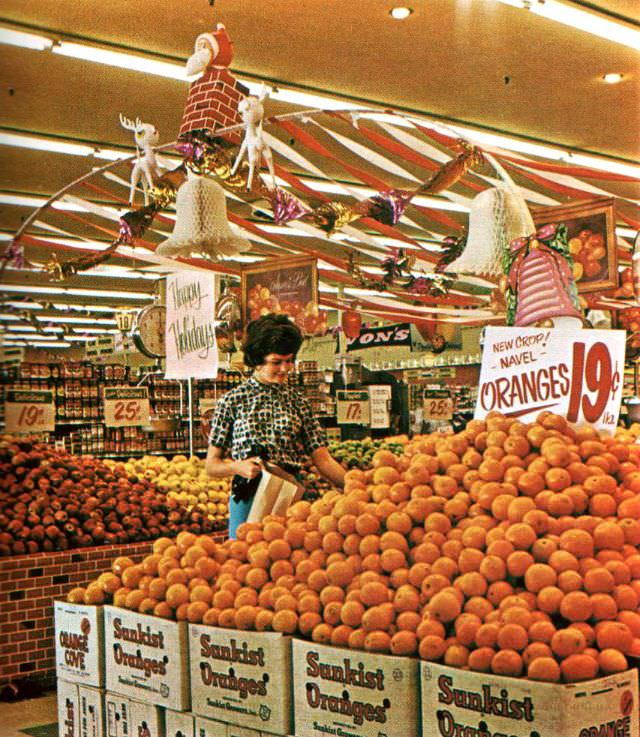
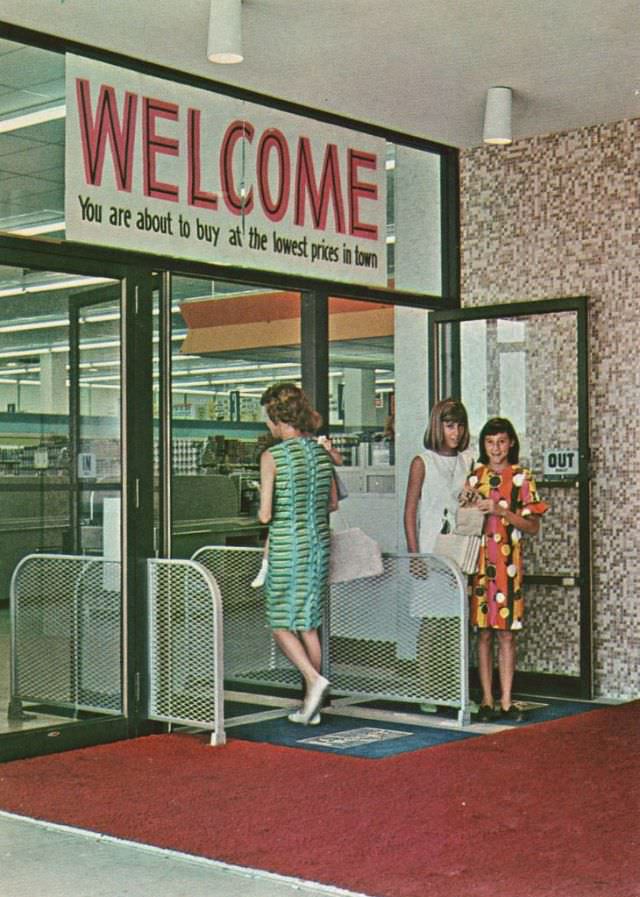
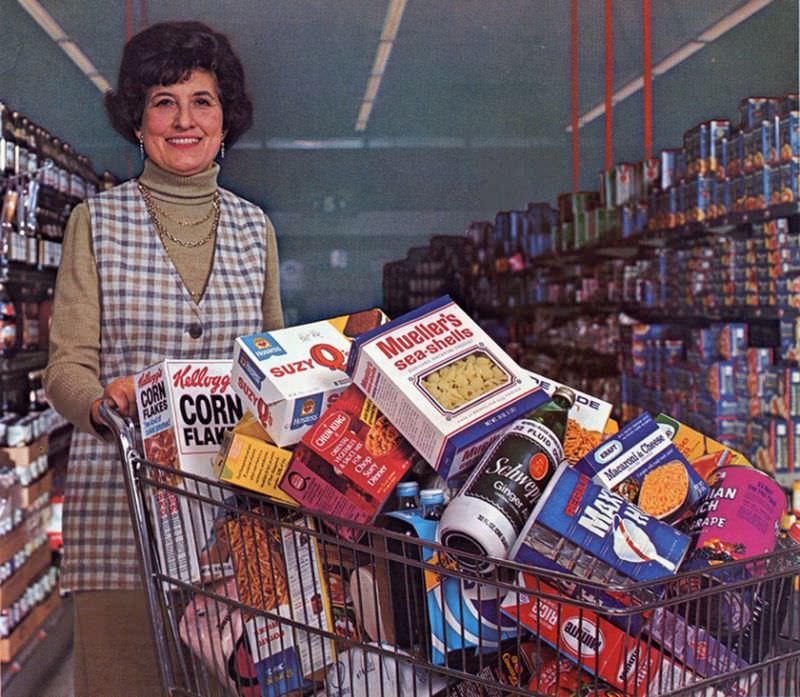
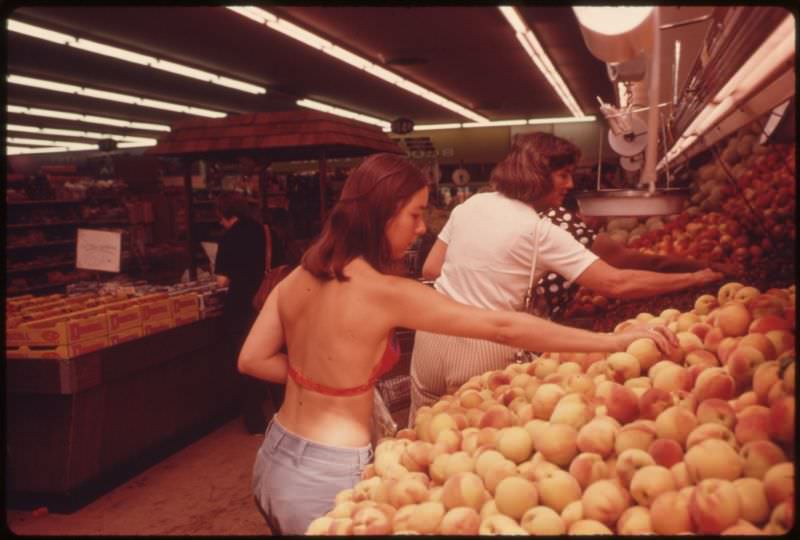
The self-service supermarket gave customers access to fresh produce, canned goods, dairy, and household staples all under one roof. Colorful newspaper ads, billboard promotions, and early loyalty programs pulled shoppers in. The shopping cart — a still-recent invention at the time — meant customers could grab more in a single trip than ever before. Supermarkets weren’t just convenient; they became a social fixture of postwar American life.
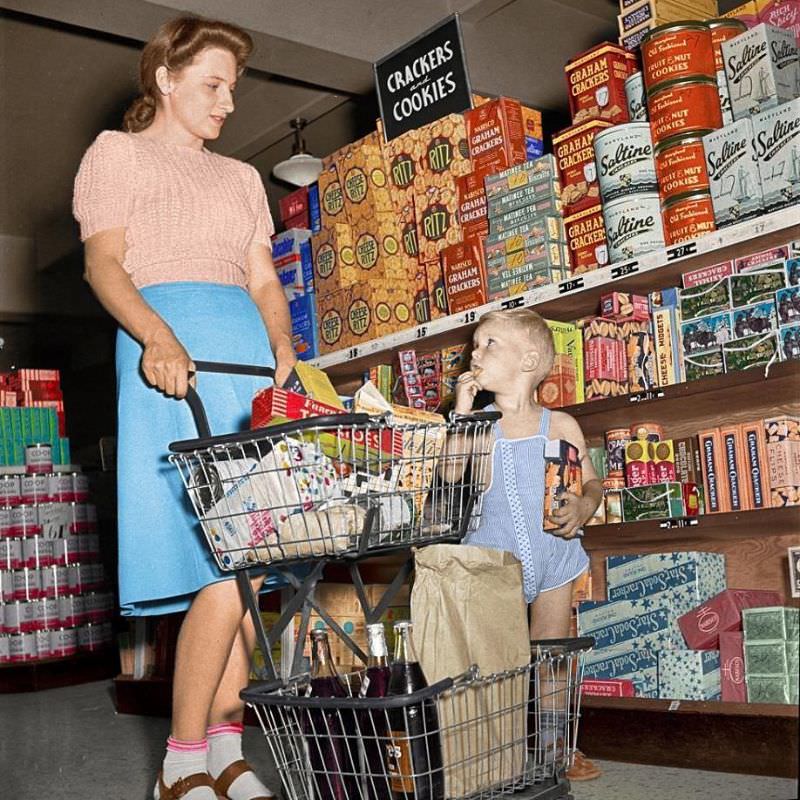
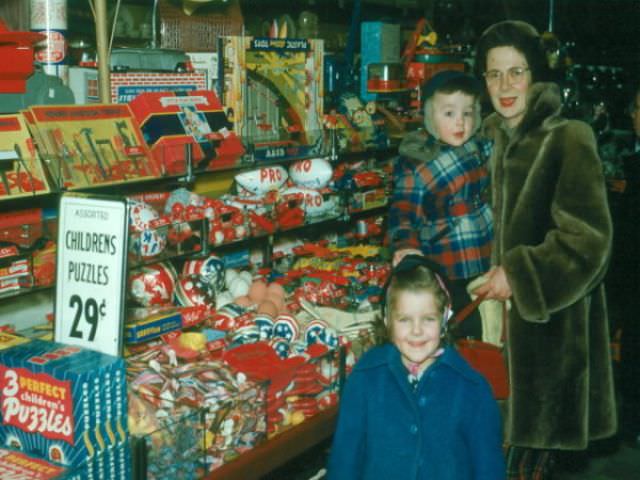
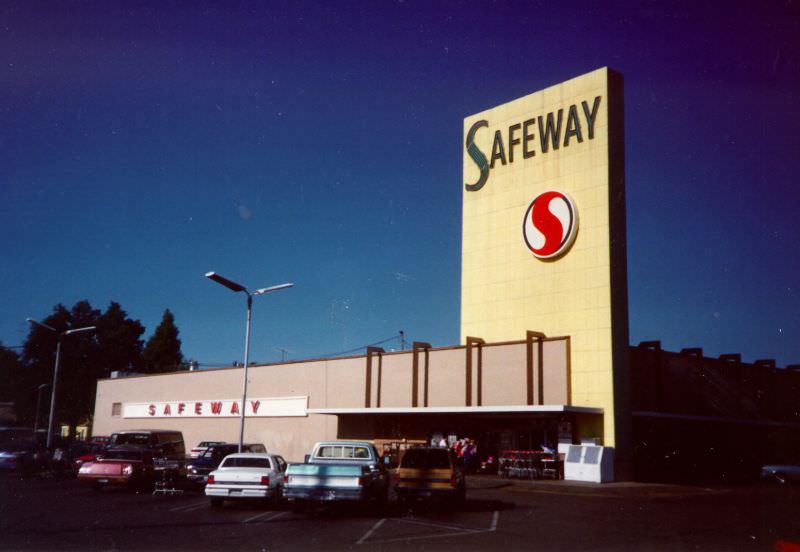
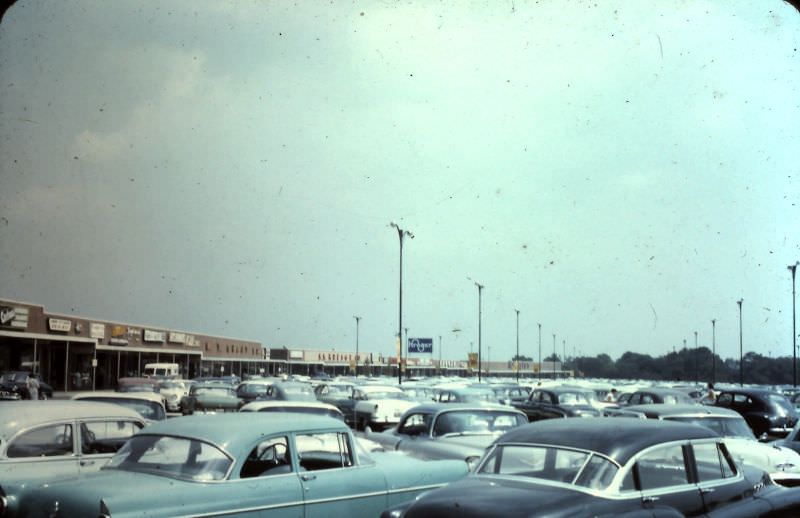
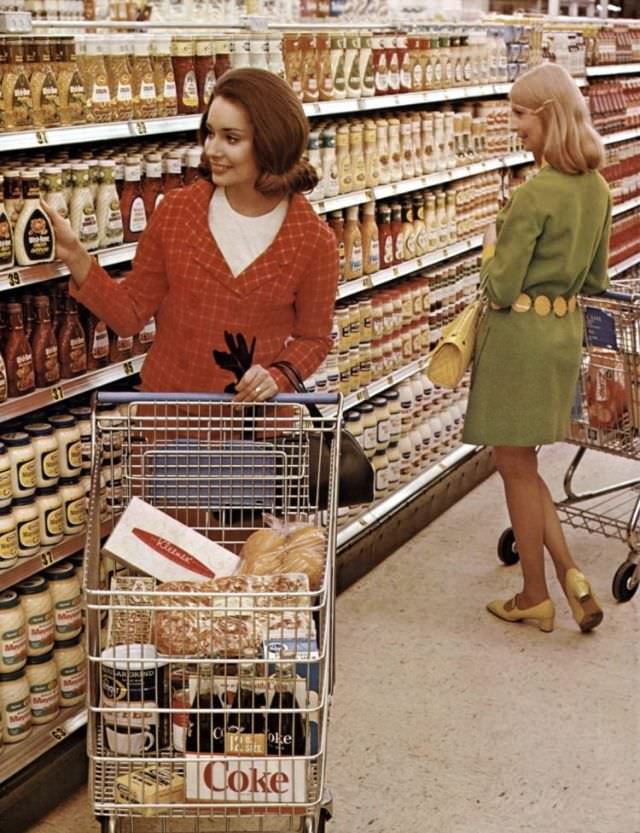
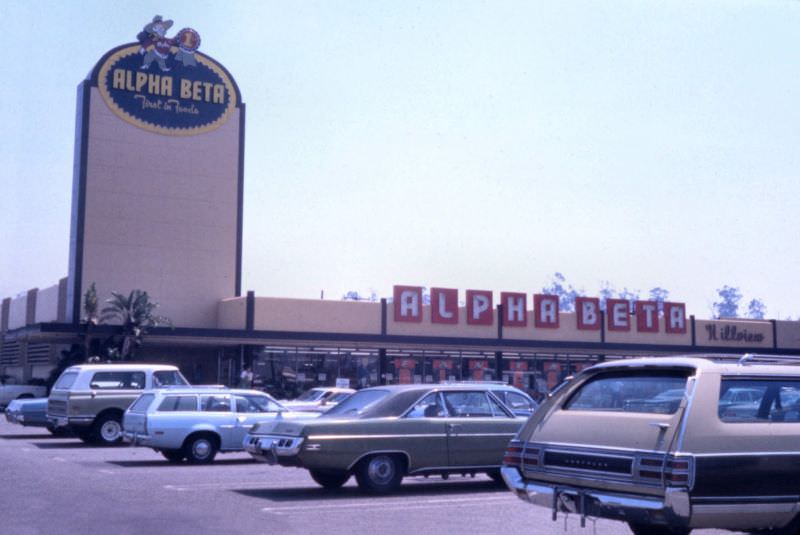
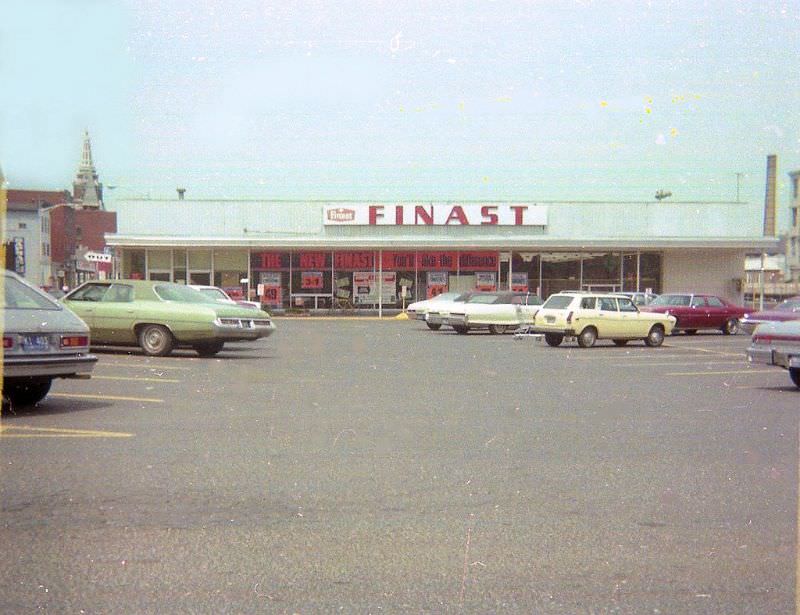
Chains like Kroger and Safeway were already planting roots in suburban strip malls, putting groceries within easy driving distance of the growing number of families moving out of cities. A typical mid-1950s supermarket featured wide, well-lit aisles stocked floor to ceiling — a dramatic contrast to the cramped corner shops they replaced.
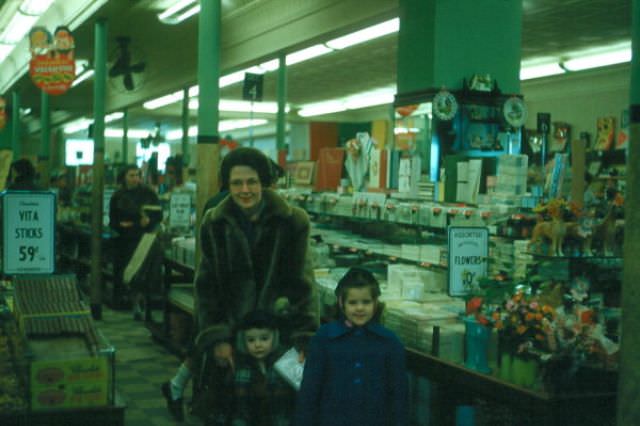
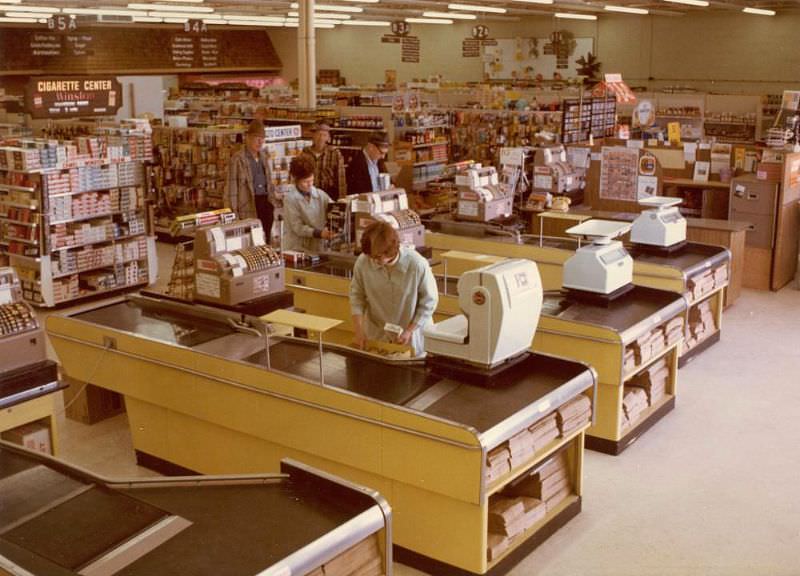
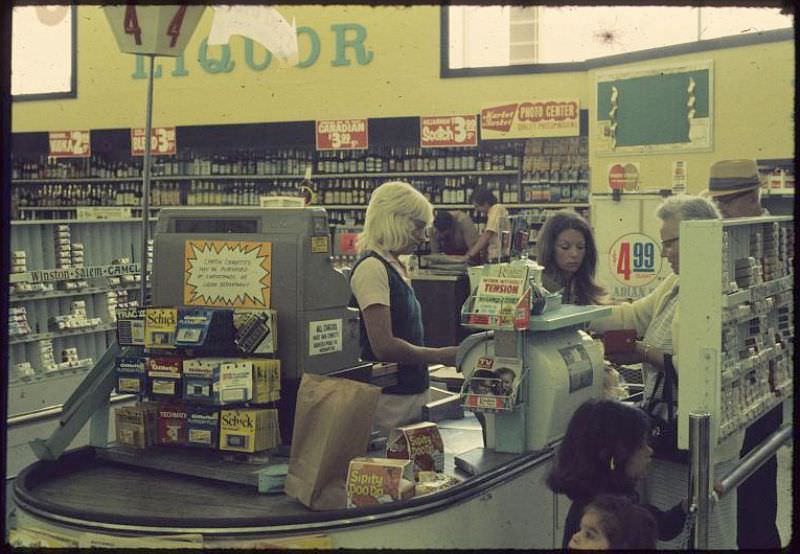
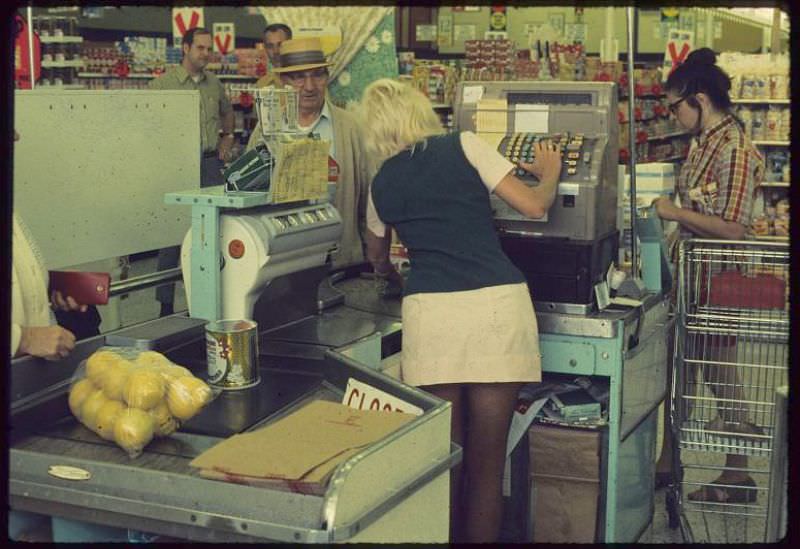
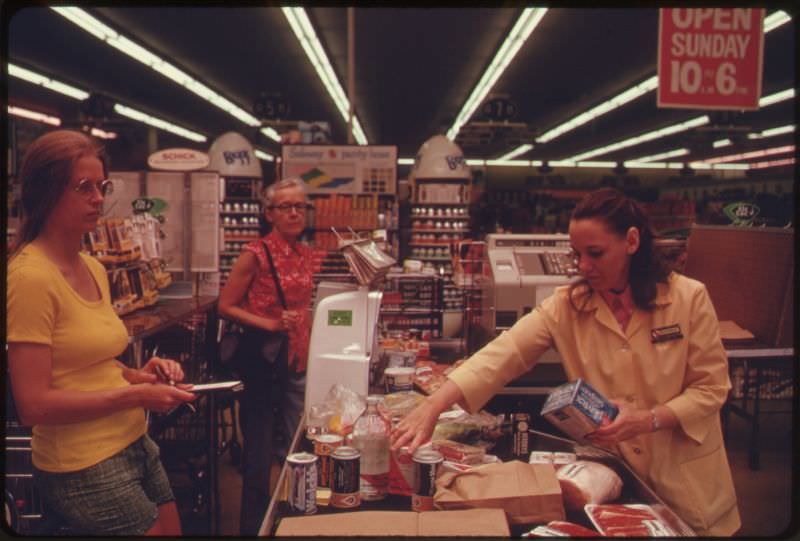
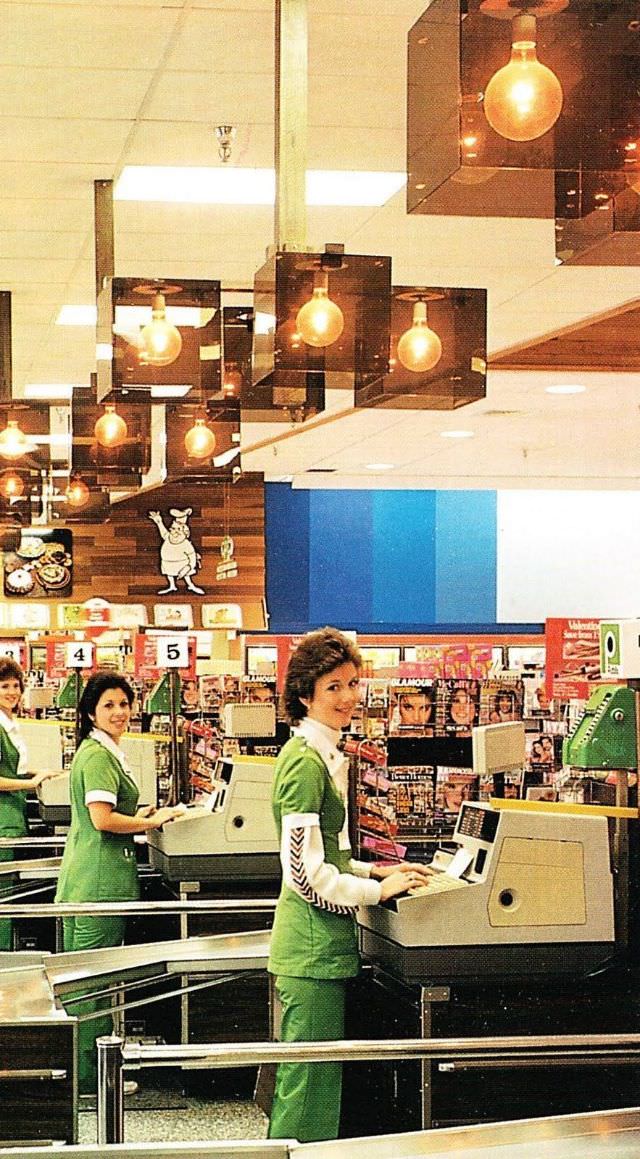
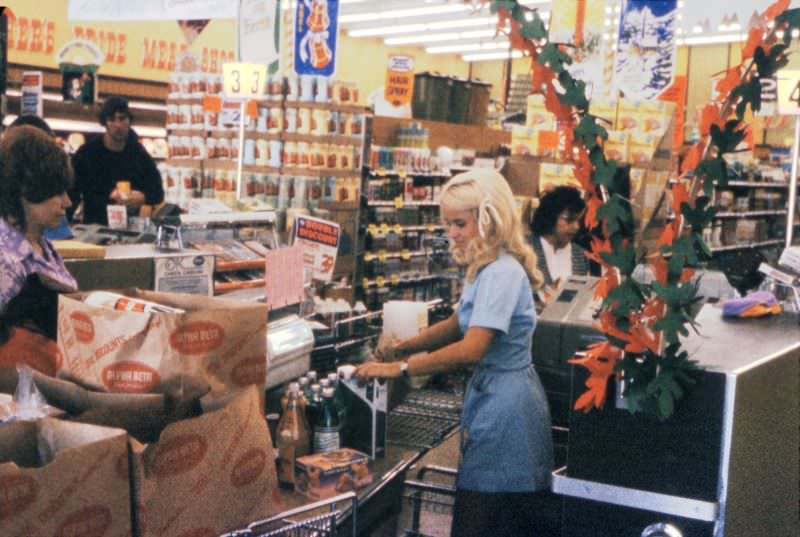
By the 1960s, supermarkets were refining the shopping experience. Store layouts became more deliberate — aisles were organized by product category, guiding customers logically from one section to the next. Electronic cash registers replaced manual ones, speeding up checkout and cutting down on errors. These weren’t minor upgrades; they fundamentally changed how efficiently a store could operate.
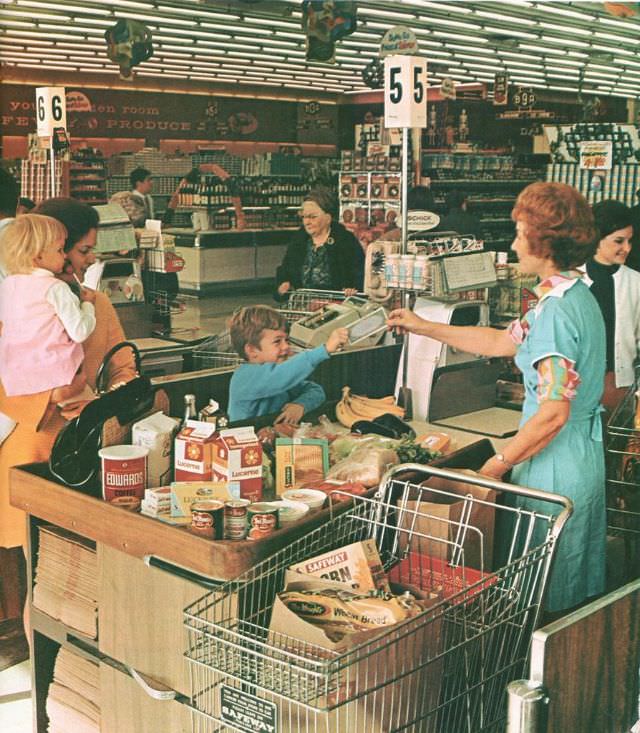
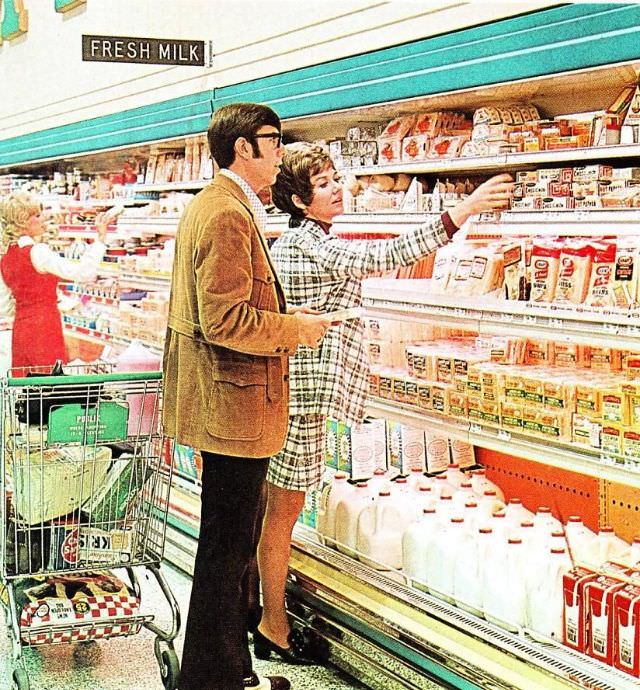
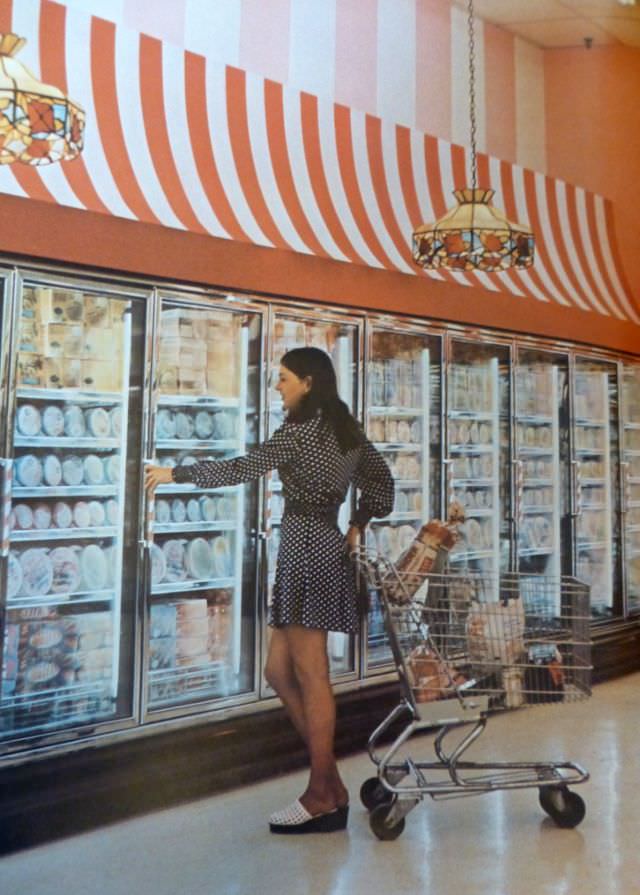
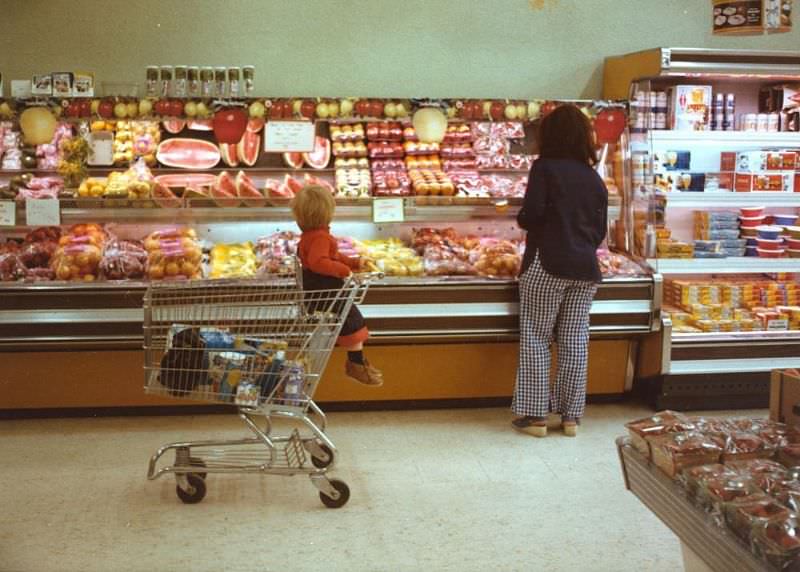
Refrigeration technology improved enough during this decade to make frozen foods a mainstream grocery category. TV dinners, frozen vegetables, and ice cream cartons lined dedicated freezer cases. Customers could now fill a cart with shelf-stable, fresh, and frozen goods in a single stop — something unthinkable just a generation earlier.
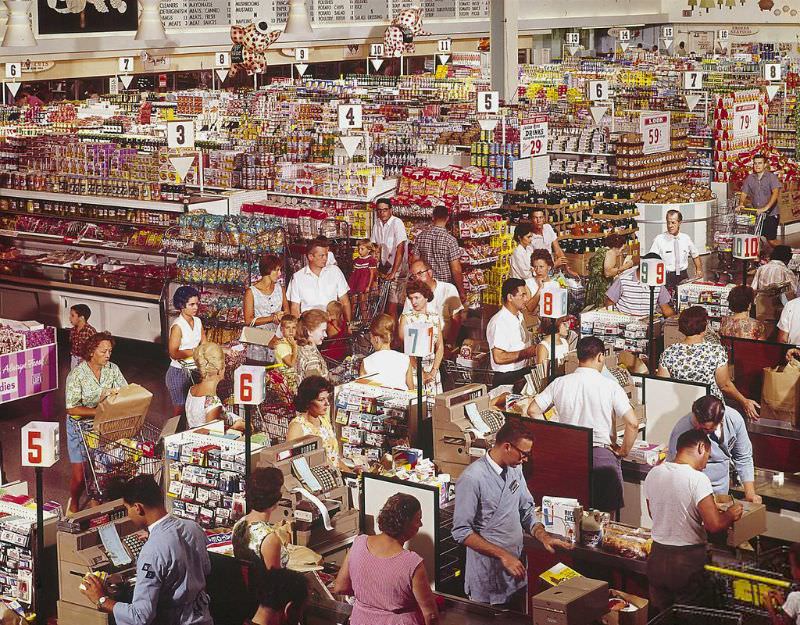
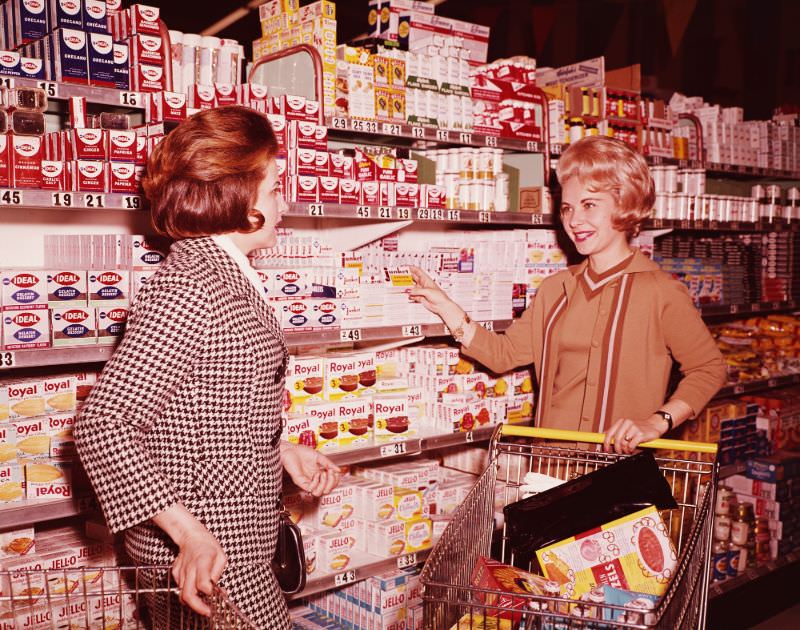
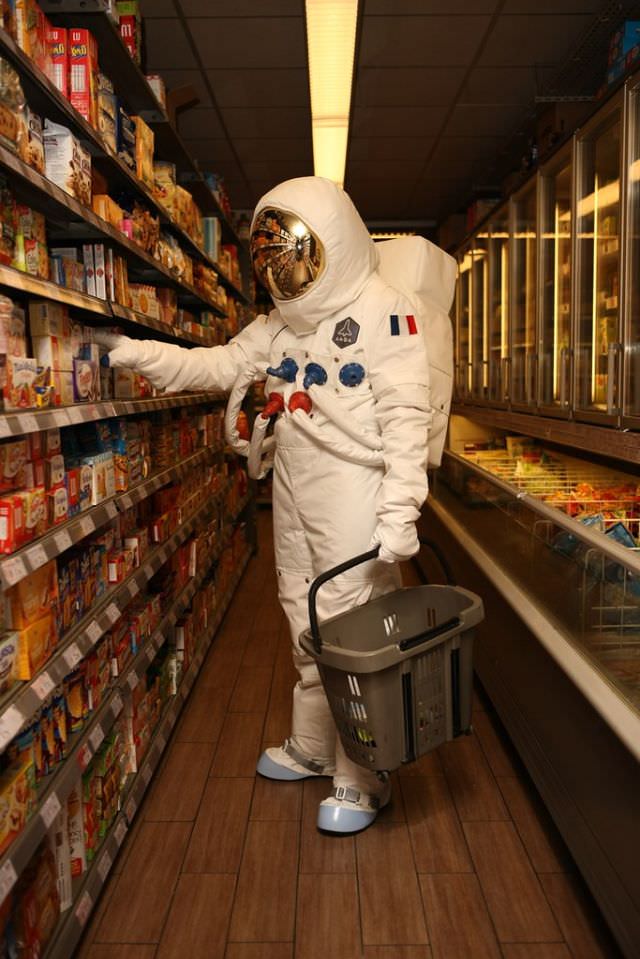
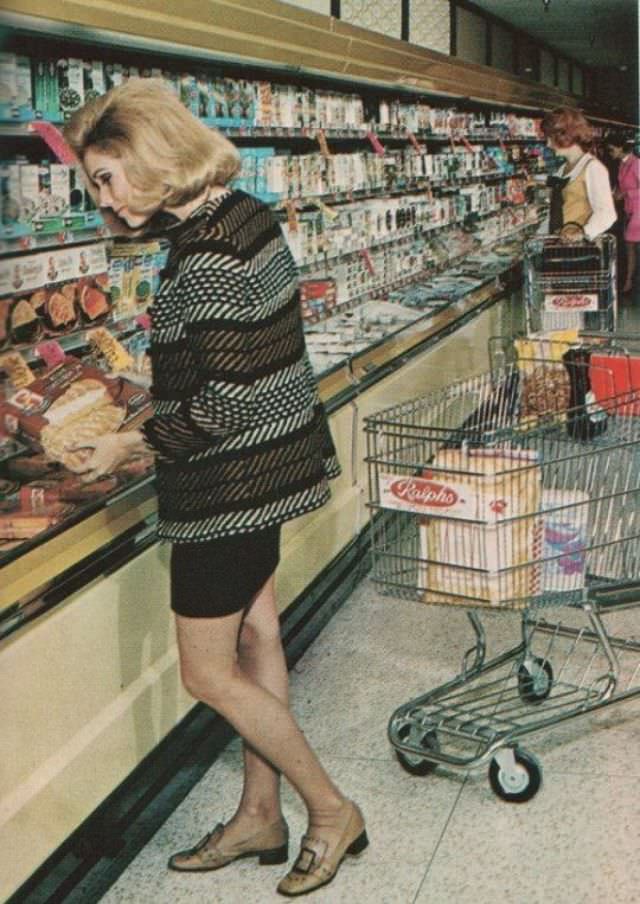
The 1970s brought one of the most important technical changes in retail history: the Universal Product Code, better known as the barcode. First used commercially in 1974, barcodes gave every product a unique scannable identity. Checkout clerks no longer had to manually key in prices — a scanner did the work in a fraction of a second. Beyond speed, barcodes transformed inventory management. Stores could now track exactly what sold, when, and in what quantities.
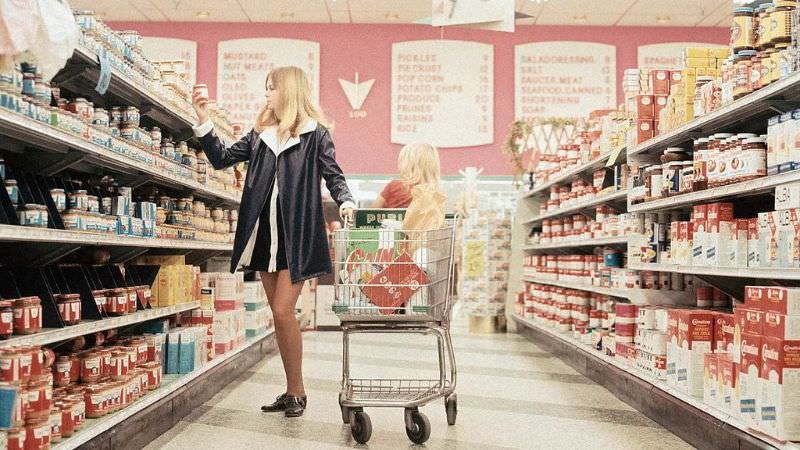
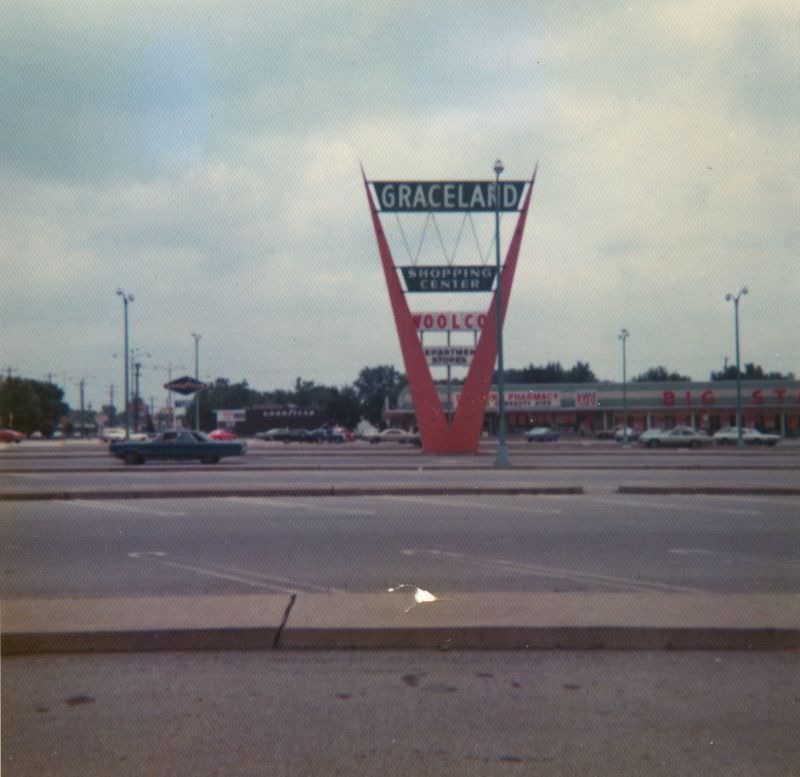
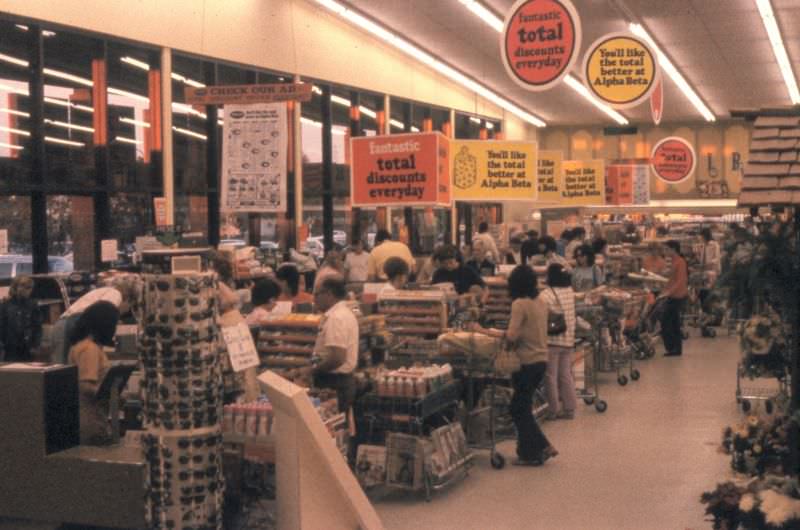
Supermarkets in the 1970s also grew broader in scope. Many added sections for household goods, clothing, and basic electronics alongside the groceries. In-store bakeries and deli counters became common, offering freshly baked bread and ready-to-eat meals. The goal was to keep customers in the store longer — and give them fewer reasons to shop elsewhere.
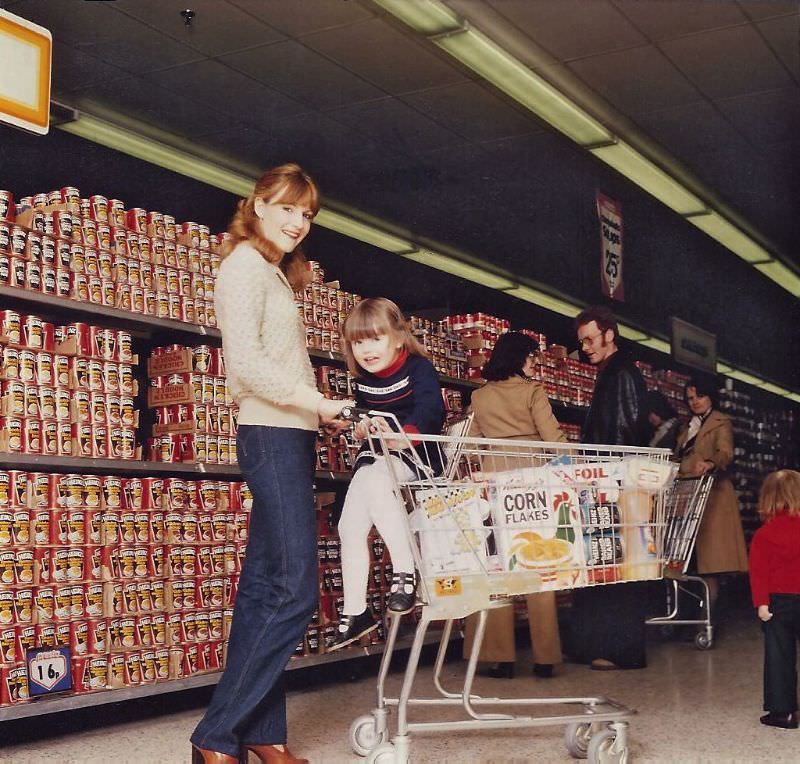
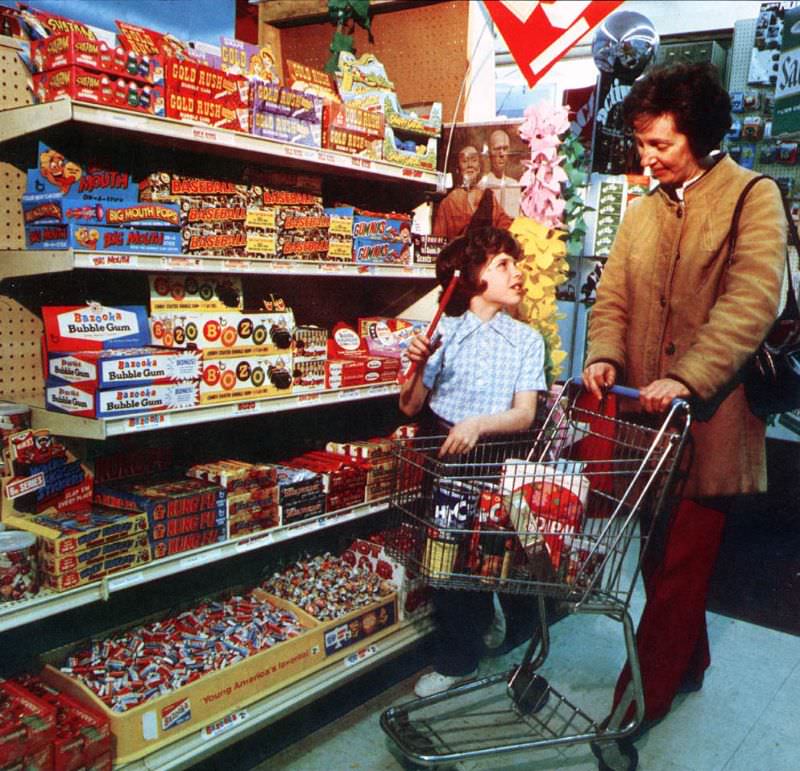
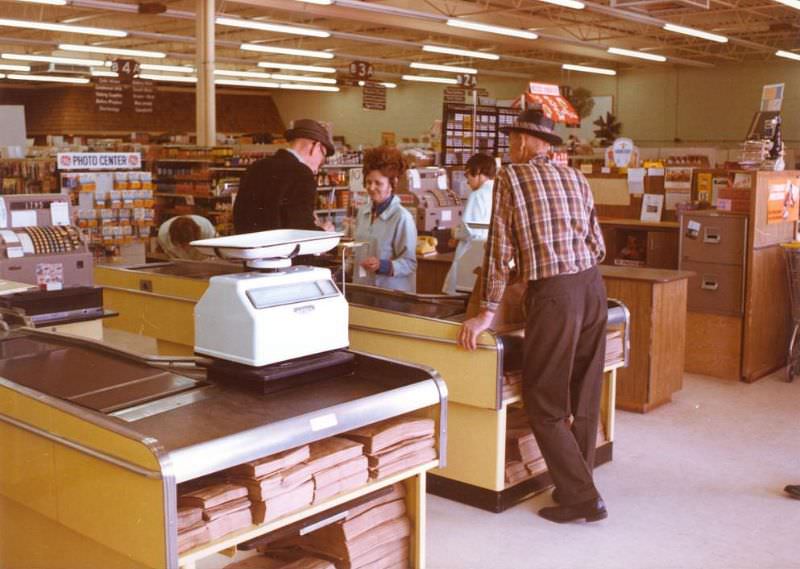
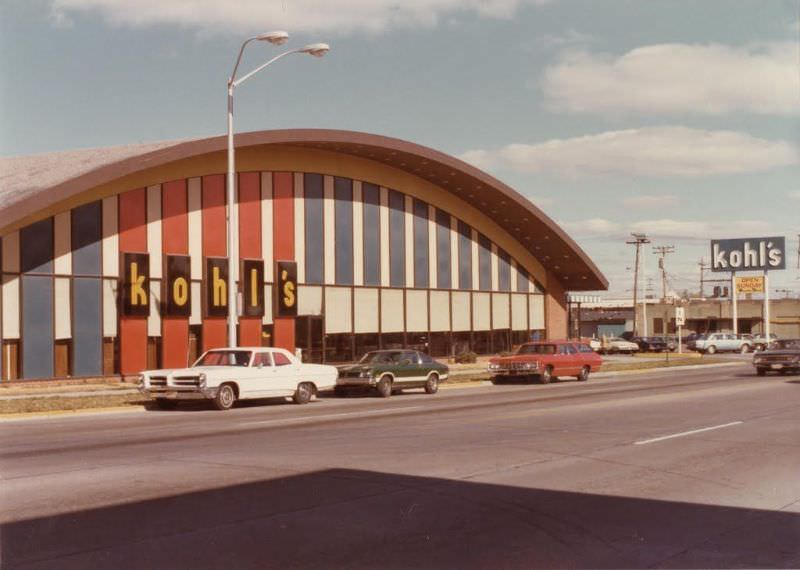
The 1980s pushed the concept further still. The superstore emerged — a format that blended a full grocery store with a department store under one enormous roof. Chains like Walmart and Target built locations so large they stocked groceries alongside clothing, electronics, toys, and automotive supplies. Low prices and sheer selection drove millions of shoppers through their doors each week.
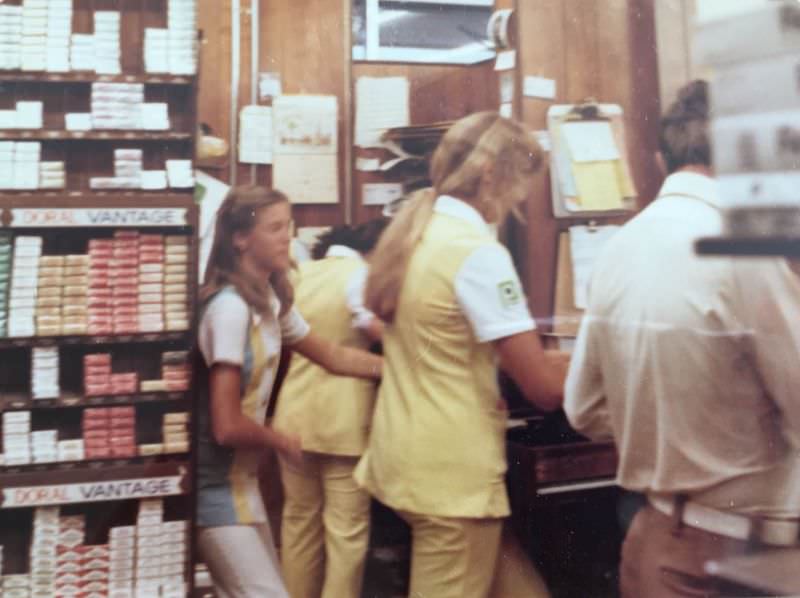
Point-of-sale systems became significantly more advanced during this decade. Barcode scanners were now fully integrated with cash registers and back-end inventory software, giving store managers real-time data on sales and stock levels. The checkout lane became a precise information-gathering tool, not just a payment station.
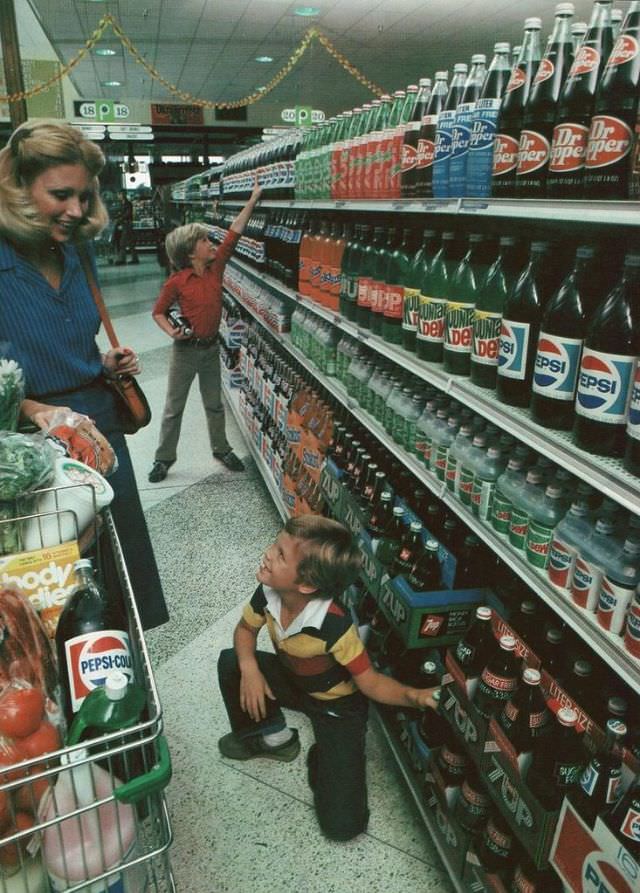
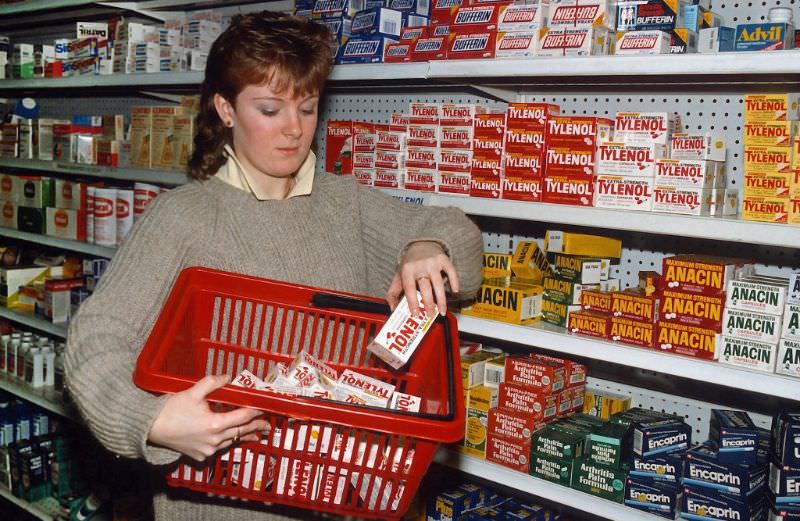
Private-label products also surged in the 1980s. Supermarket chains launched their own branded versions of staple items — cereals, canned vegetables, cleaning supplies — at prices below national brands. Budget-conscious shoppers responded enthusiastically, and store brands quickly carved out a permanent spot on shelves across the country.