
St. Louis entered the 1990s as one of the Midwest’s most storied cities — a place built on industry, rivers, and a deep sense of neighborhood identity. With a population of around 700,000, it was still home to major corporations like Anheuser-Busch, Monsanto, and Emerson Electric. But the decade brought real pressure. Manufacturing jobs disappeared as the global economy shifted, and the city’s industrial base shrank year by year. City leaders pushed hard to attract new businesses and tourists, betting on downtown development and cultural institutions to fill the gap left by factory closures.

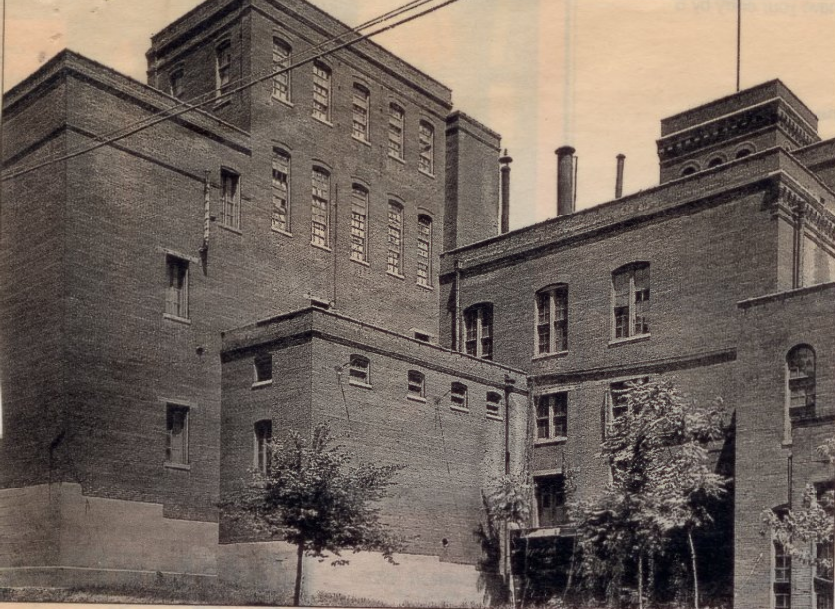
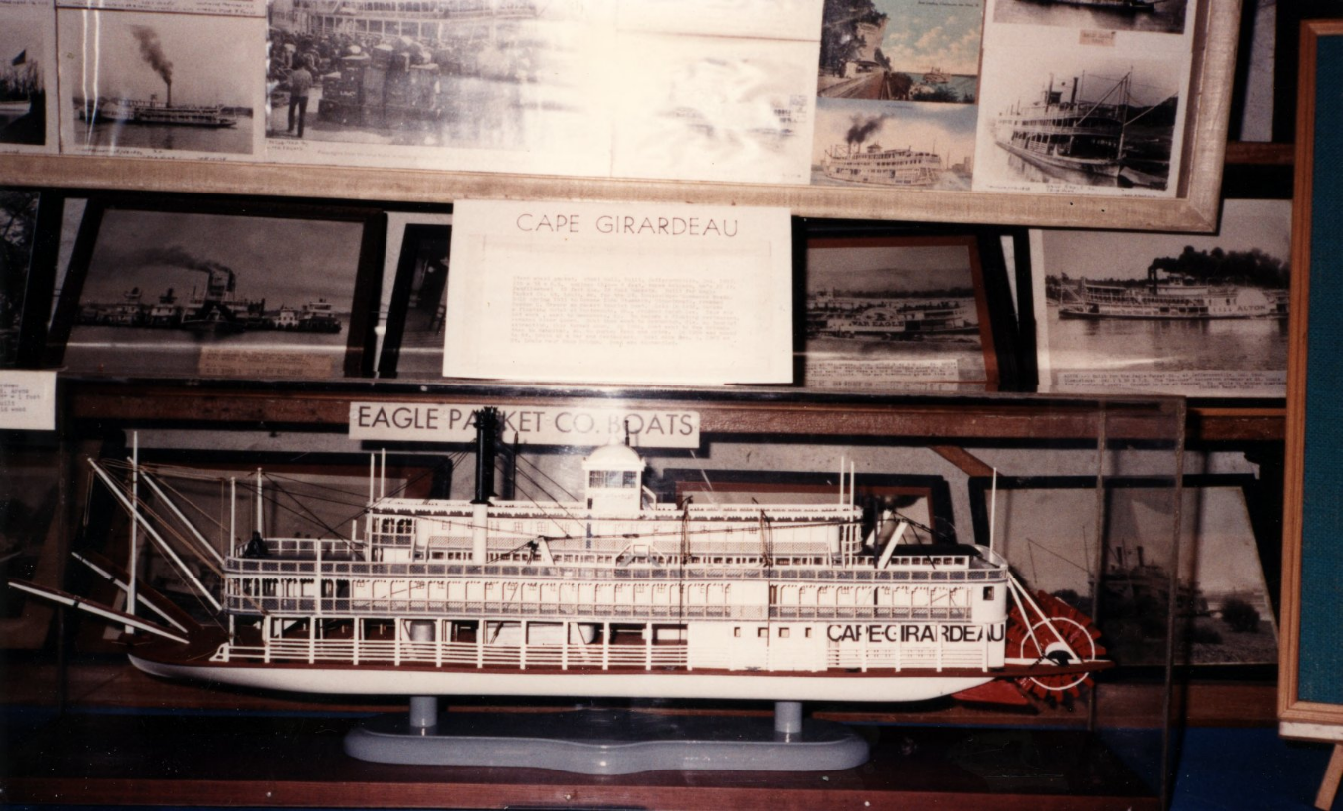
The Gast St. Louis Brewing Co., which had once operated a plant at 851 Hornsby Avenue, stood as a symbol of the city’s older industrial era. After a fire damaged its original facility, the company had bottled beer out of a plant in Highland, Illinois, before closing entirely in the 1940s. By the 1990s, buildings like the old Gast brewery were reminders of an industrial St. Louis that had largely passed. The city’s river history ran just as deep. The Golden Eagle River Museum had previously displayed a detailed model of the Cape Girardeau riverboat, crafted by Ernest Arenz, reflecting the Mississippi’s central role in the region’s identity.

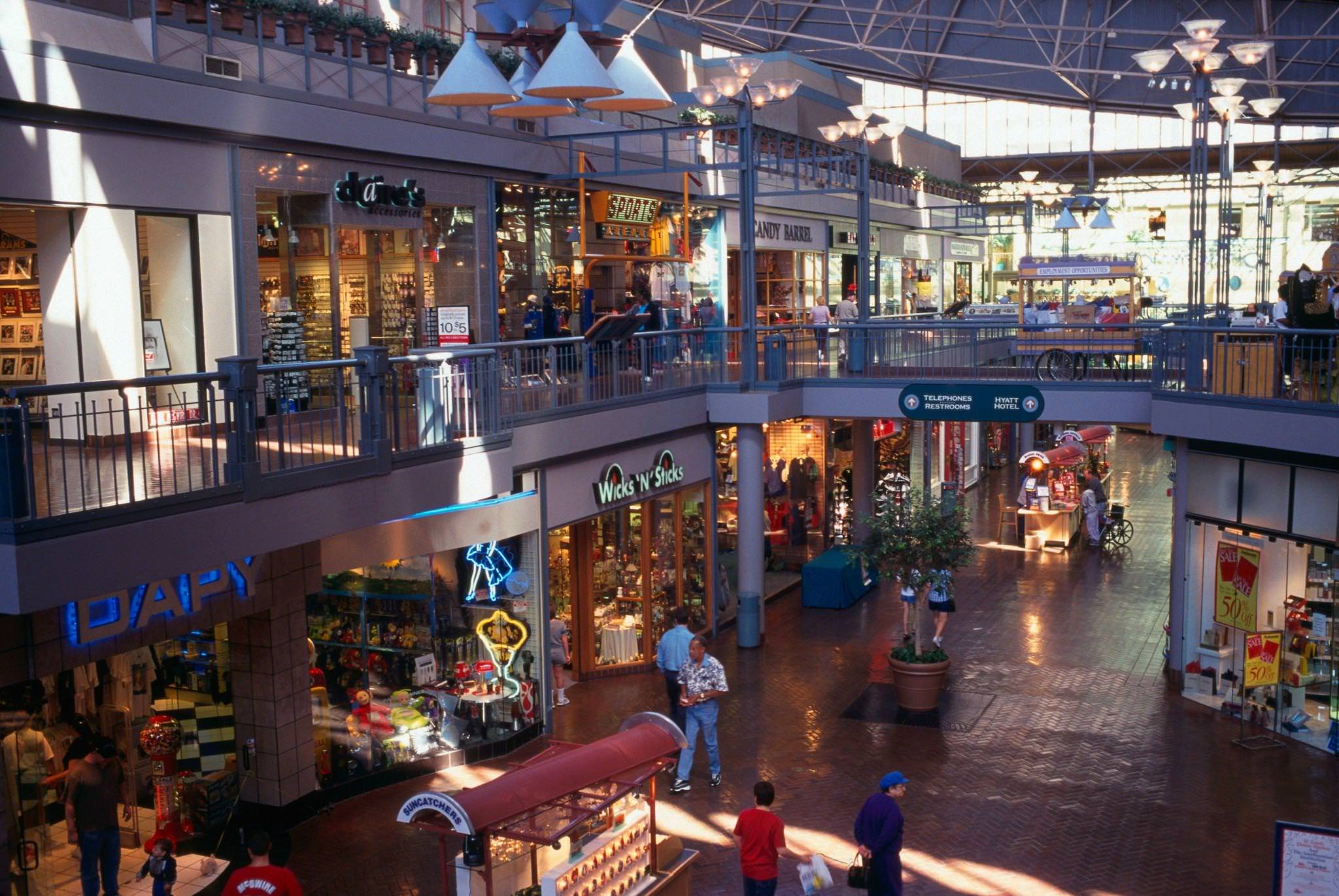
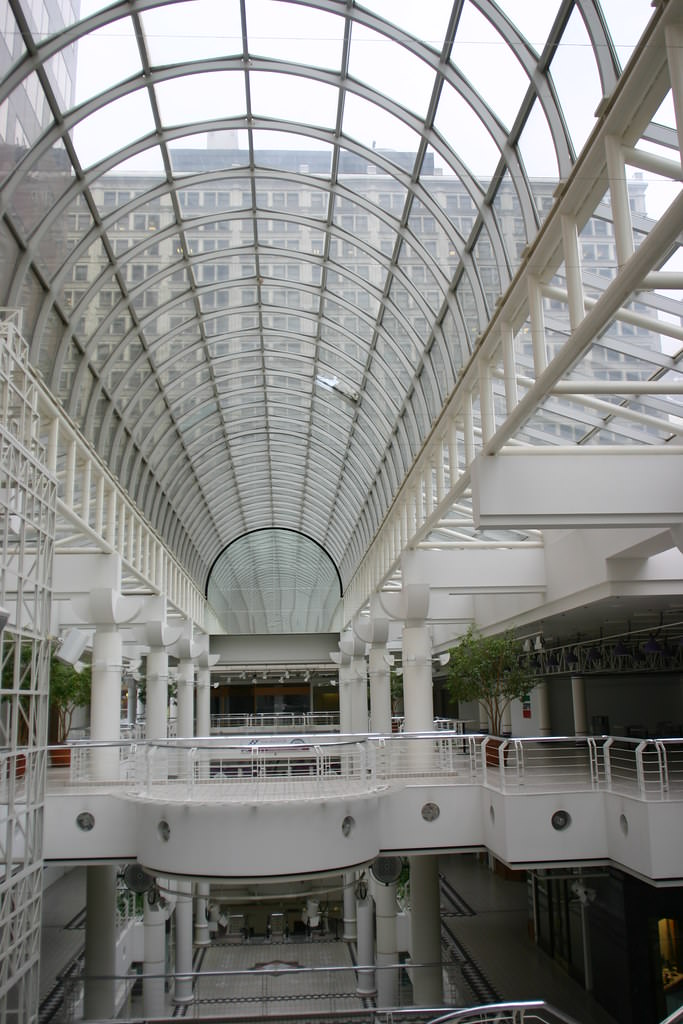
Downtown St. Louis in the early 1990s was a city in transition. Market Street and the surrounding blocks showed both the ambition and the strain of urban renewal. St. Louis Centre, an indoor shopping mall that had opened in the 1980s, still drew foot traffic in 1991, though the city’s retail landscape was already beginning to fragment as suburban shopping options pulled customers away from downtown.


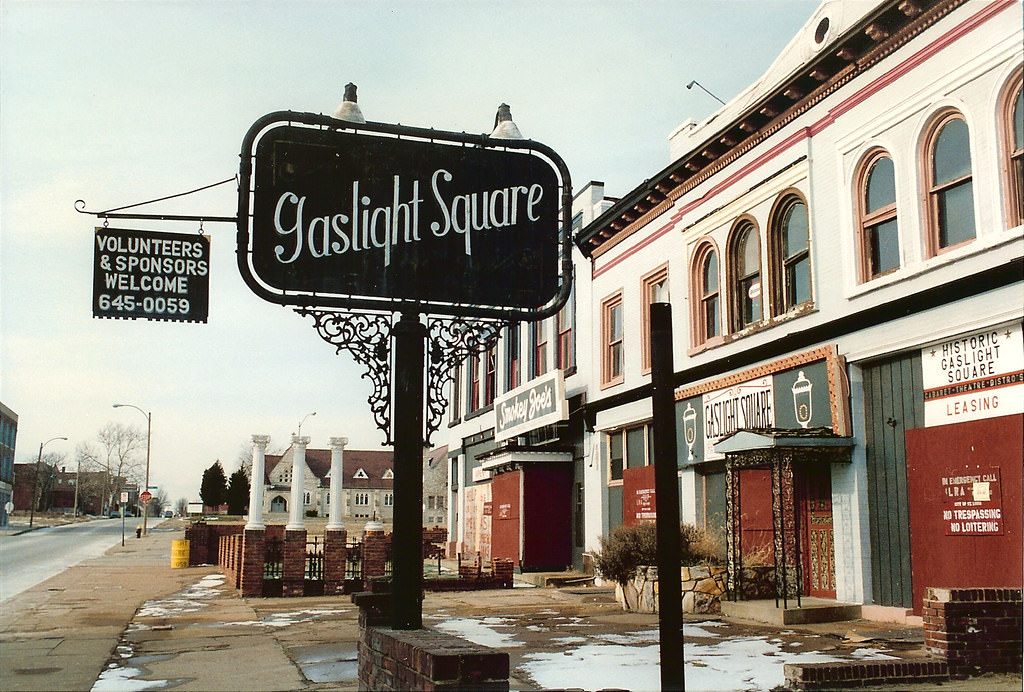
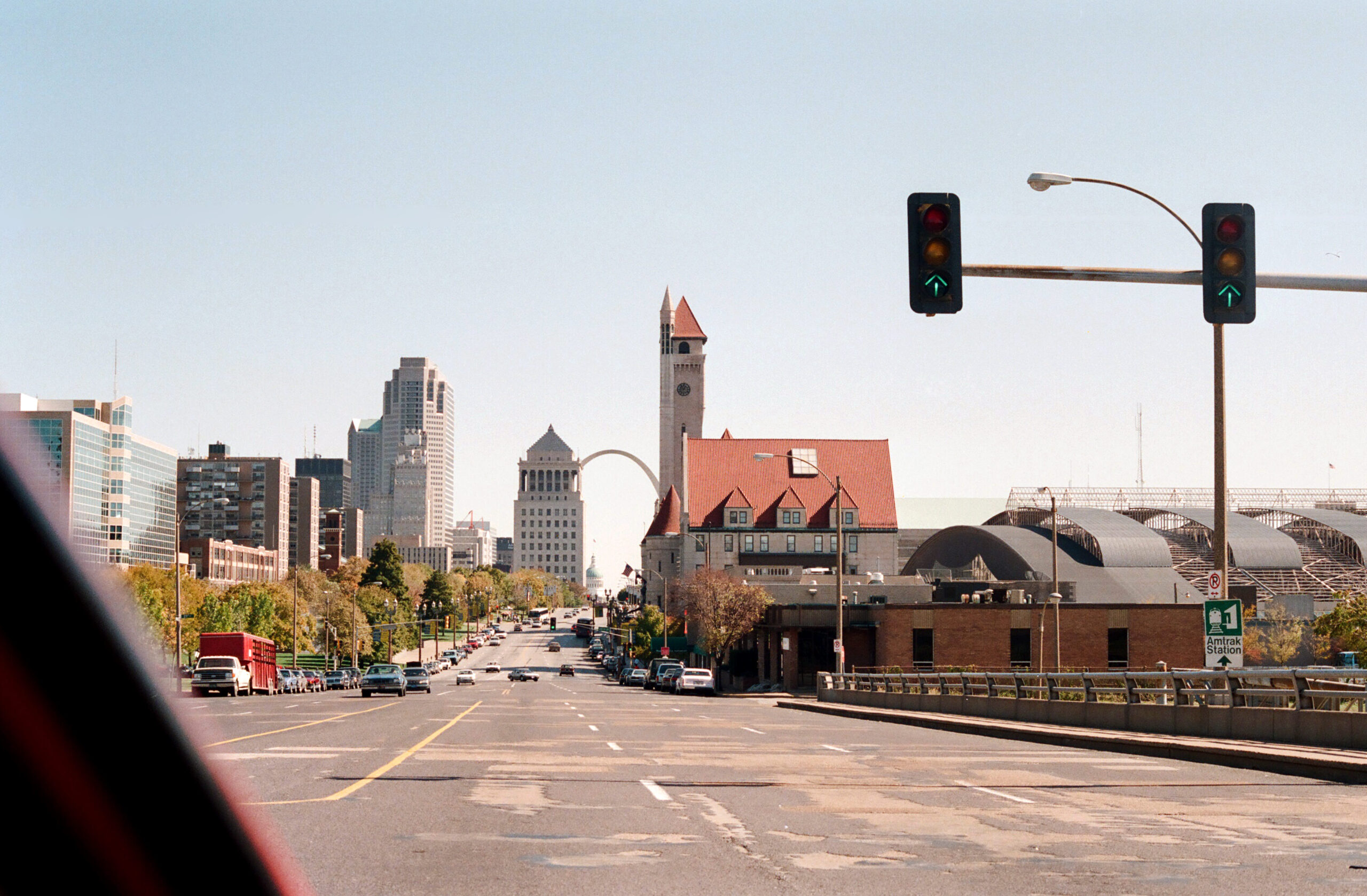
One of downtown’s true success stories was St. Louis Union Station. Once one of the busiest rail terminals in the world, it had been converted into a festival marketplace with shops and restaurants. By the 1990s, shoppers browsed its grand interior under the original 1894 vaulted ceilings, blending the city’s architectural heritage with modern retail. Not far away, Gaslight Square — once a famous entertainment district in the 1950s and ’60s — had faded, but its streets still carried echoes of the city’s cultural past.


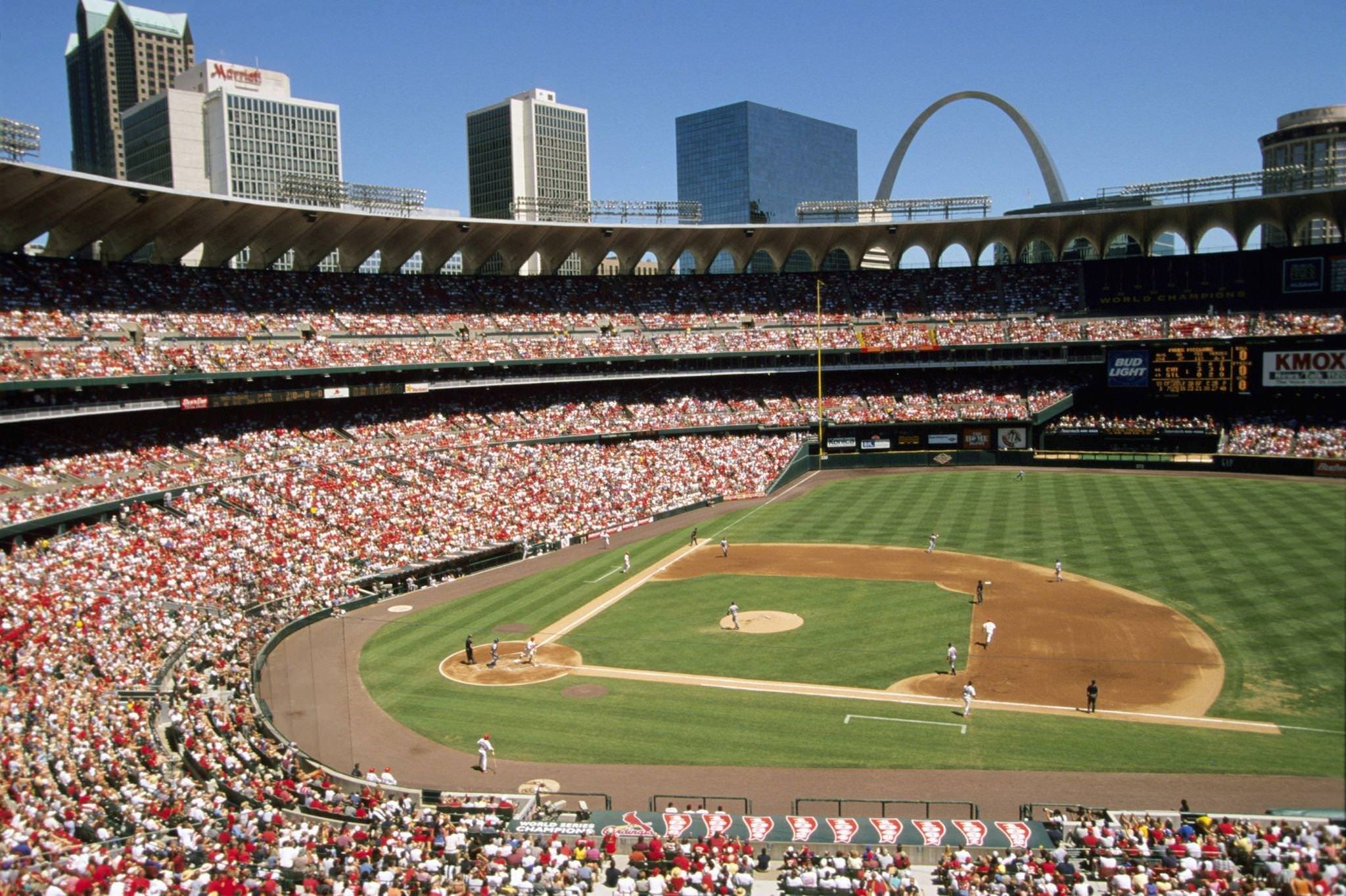
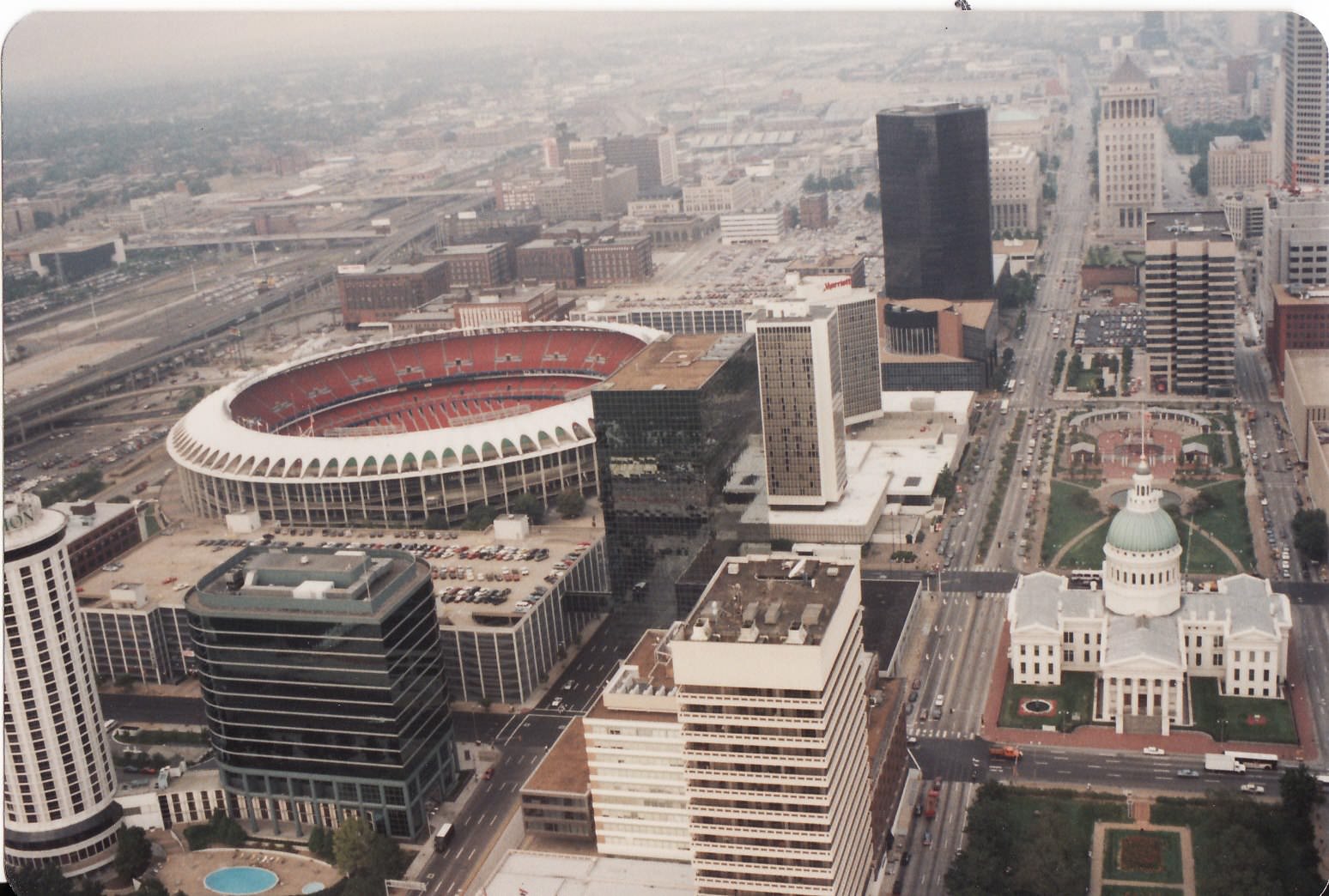
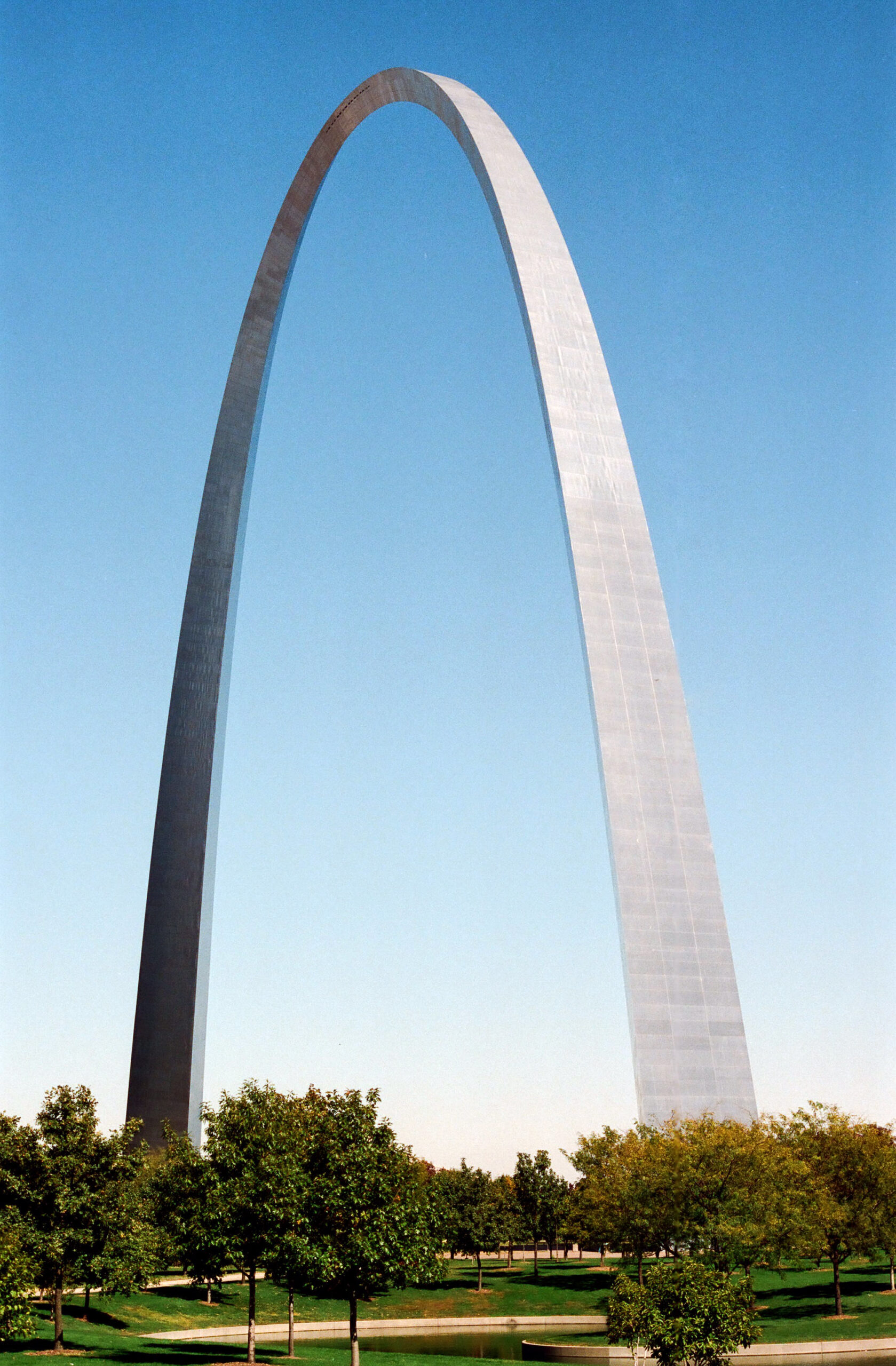
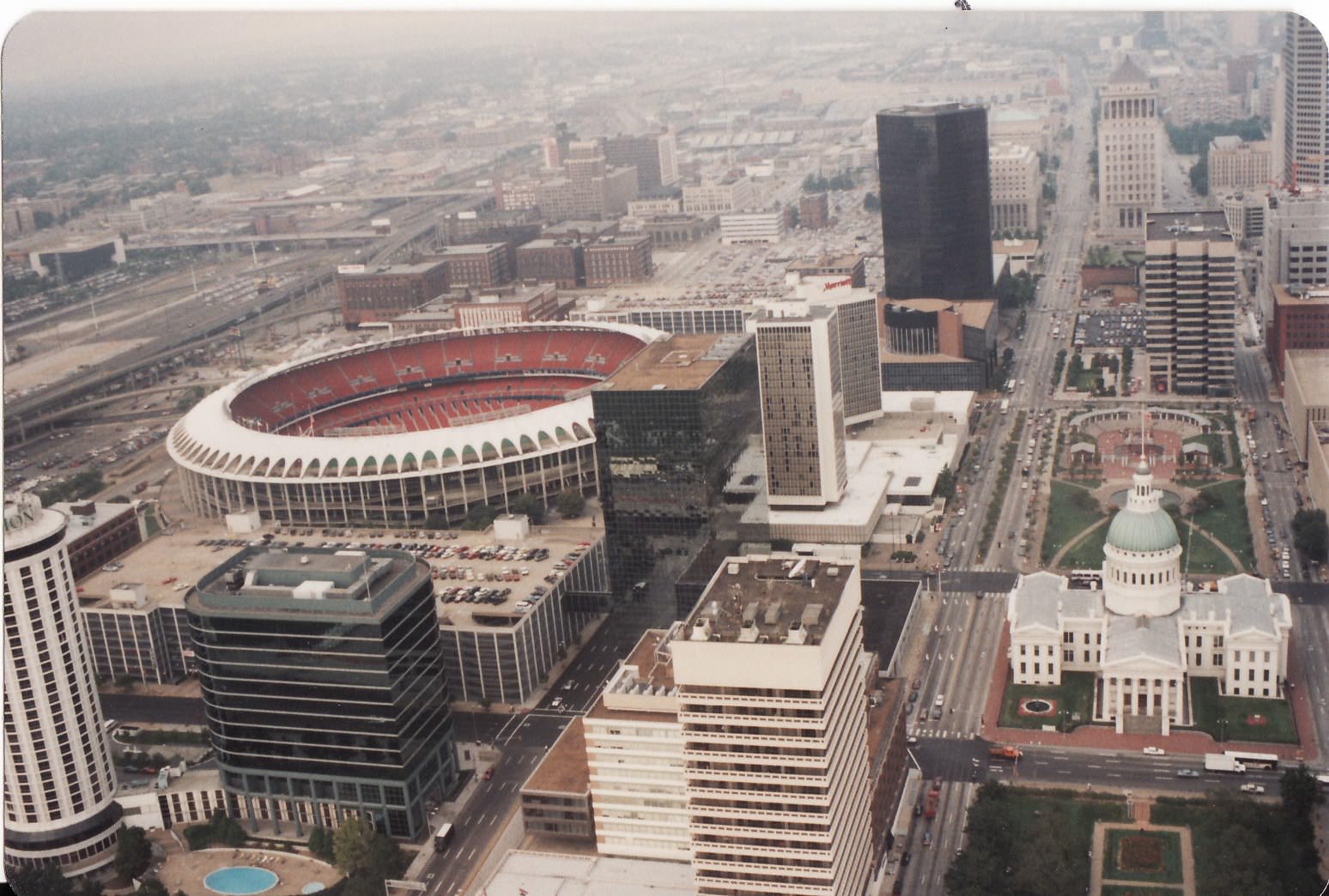
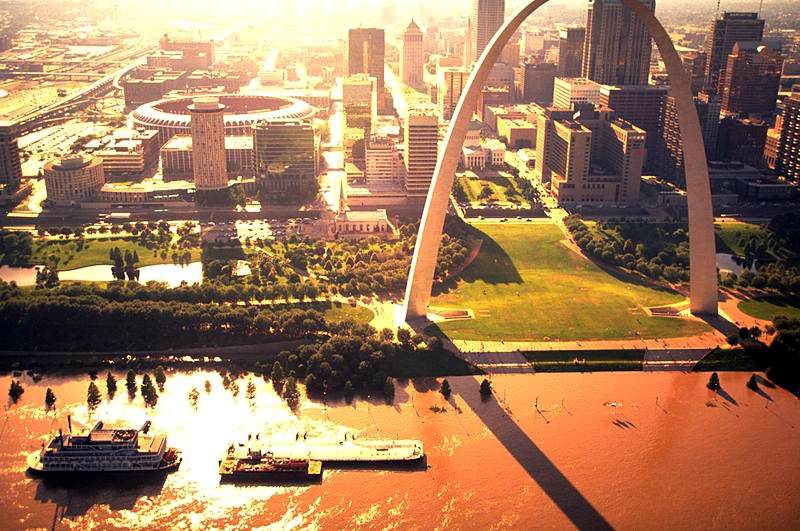
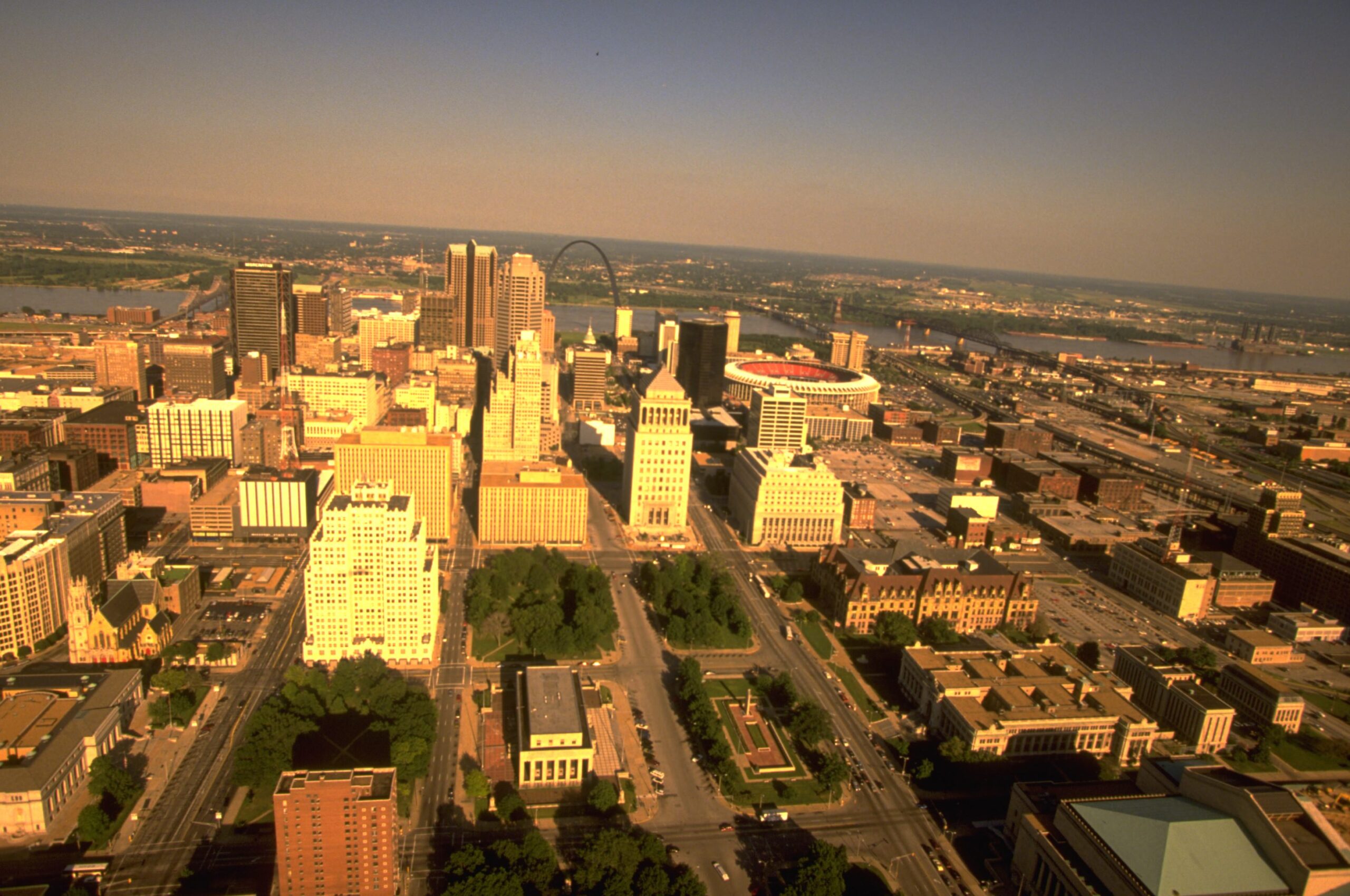
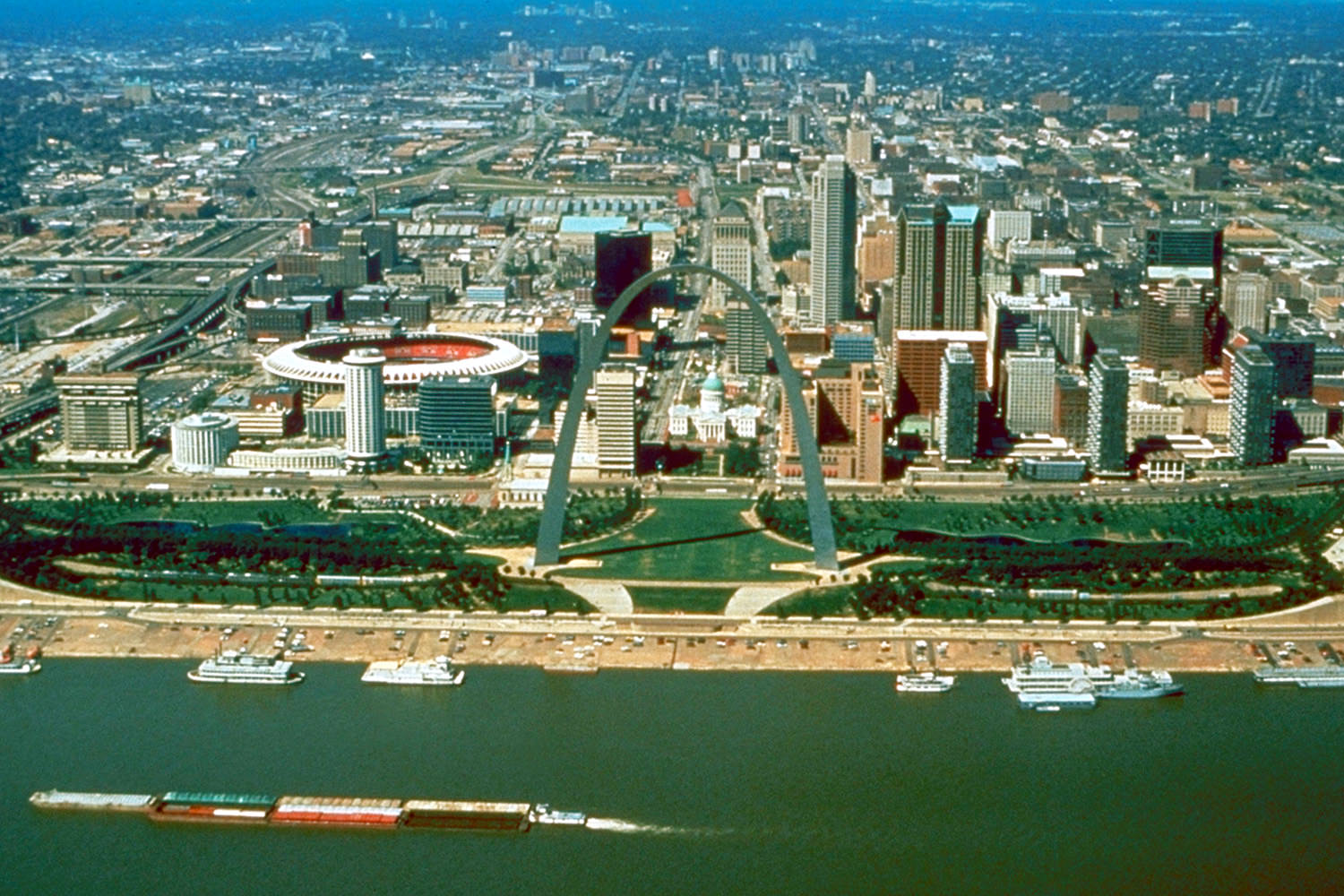
The Gateway Arch defined St. Louis’s skyline, and from its peak, the city spread out in every direction. Busch Stadium sat prominently below, home to the St. Louis Cardinals baseball team. The stadium and the Arch together formed the visual heart of the city — two landmarks separated by only a few blocks, representing different eras of St. Louis pride.


October 1999 brought a packed Busch Stadium as the Cardinals faced the Chicago Cubs. Baseball remained a constant in the city’s identity throughout the decade, giving St. Louis a reliable source of community pride even as the economy shifted around it.

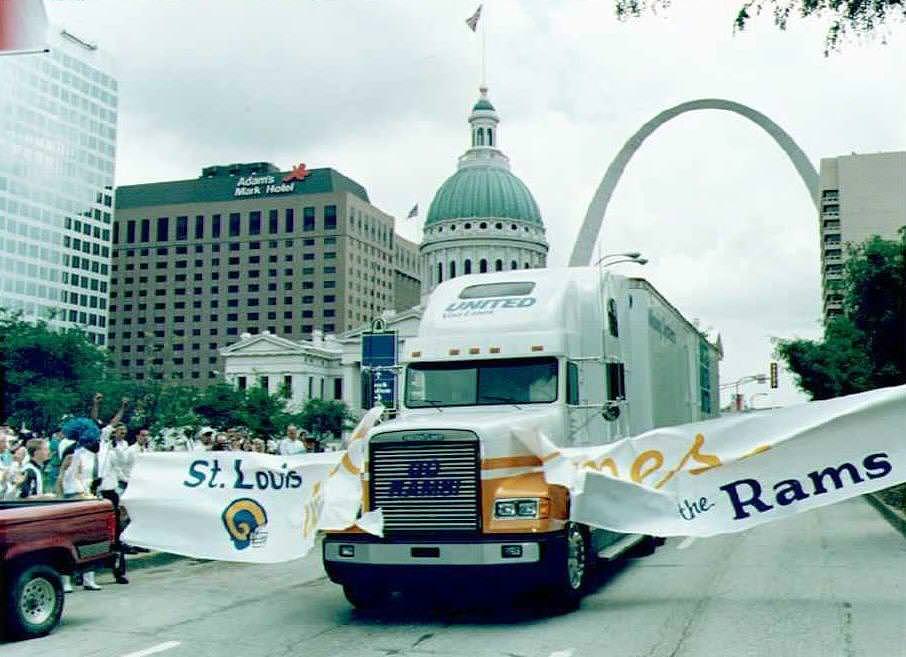
One of the biggest sports moments of the decade came in June 1995, when a convoy of moving trucks rolled into St. Louis carrying the equipment of the newly arrived Rams football team. The trucks broke through a welcoming banner as they arrived from Los Angeles, marking the start of a new NFL era for the city. The move left Los Angeles with only one team — the Raiders — who were themselves preparing to return to Oakland.

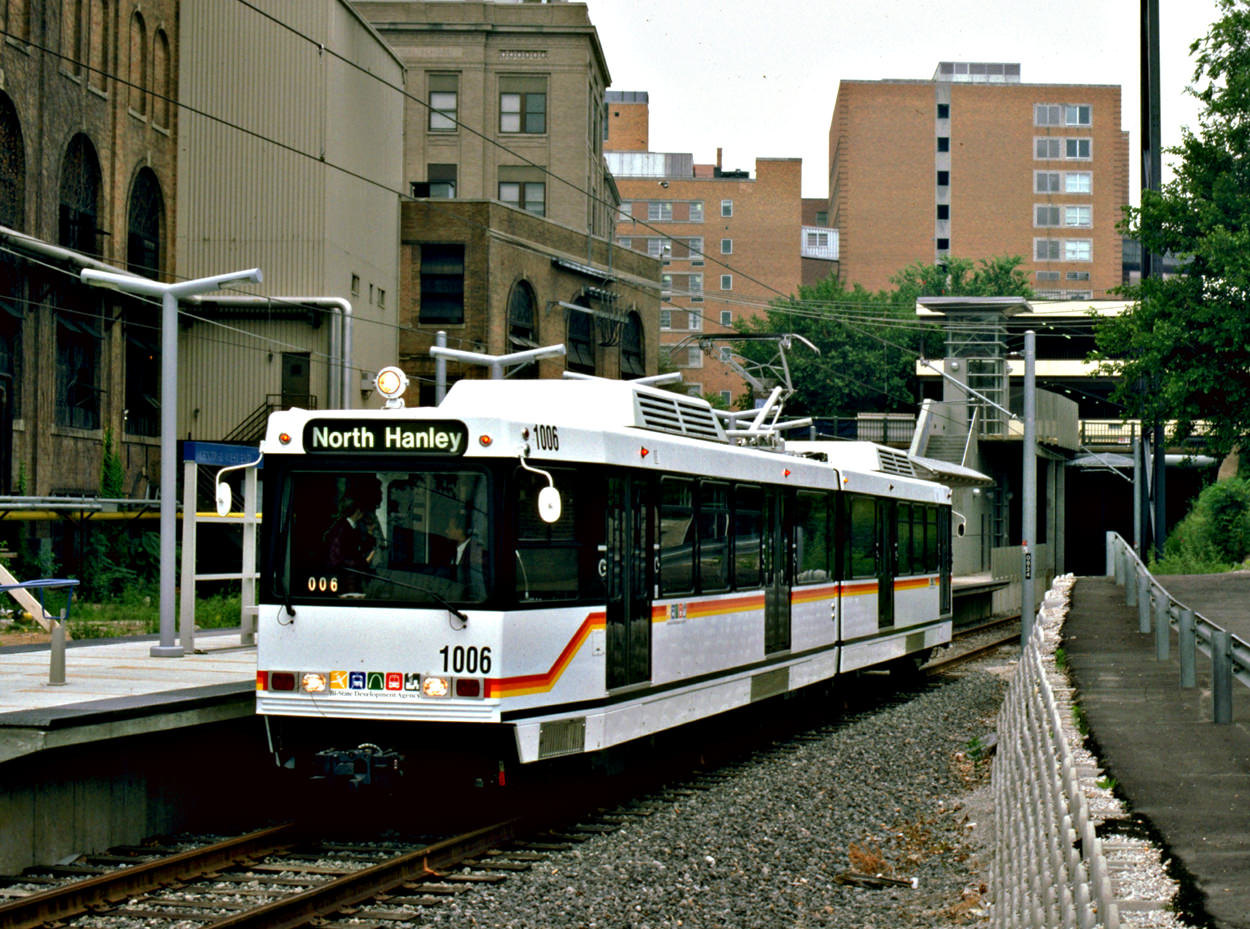
Public transportation took a significant step forward in 1993 with the opening of MetroLink, St. Louis’s light rail system. The new line connected the region’s major corridors and gave commuters a faster alternative to driving the city’s busy interstates. A MetroLink car at the Central West End station became a symbol of the city’s investment in its own future.


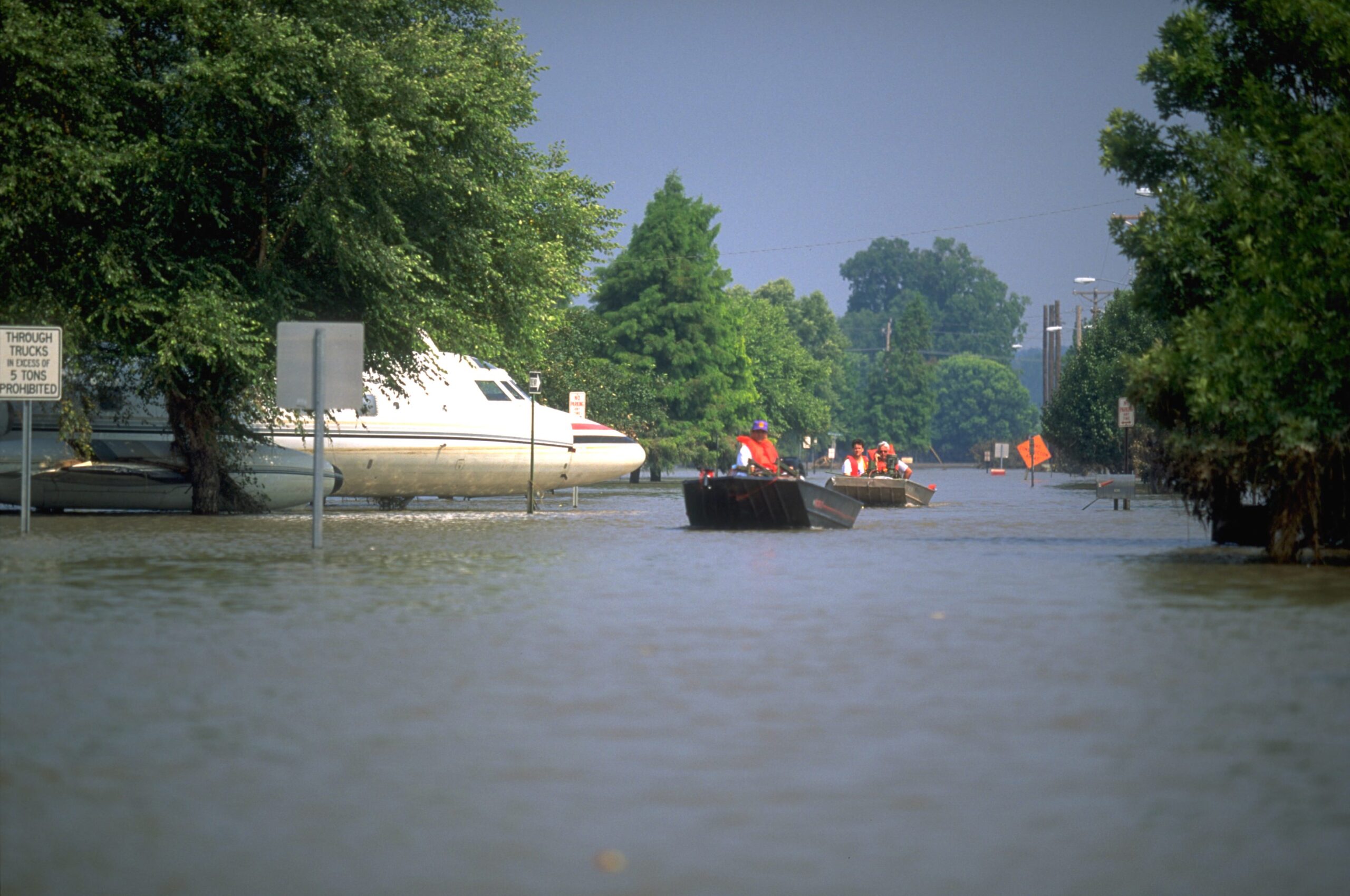
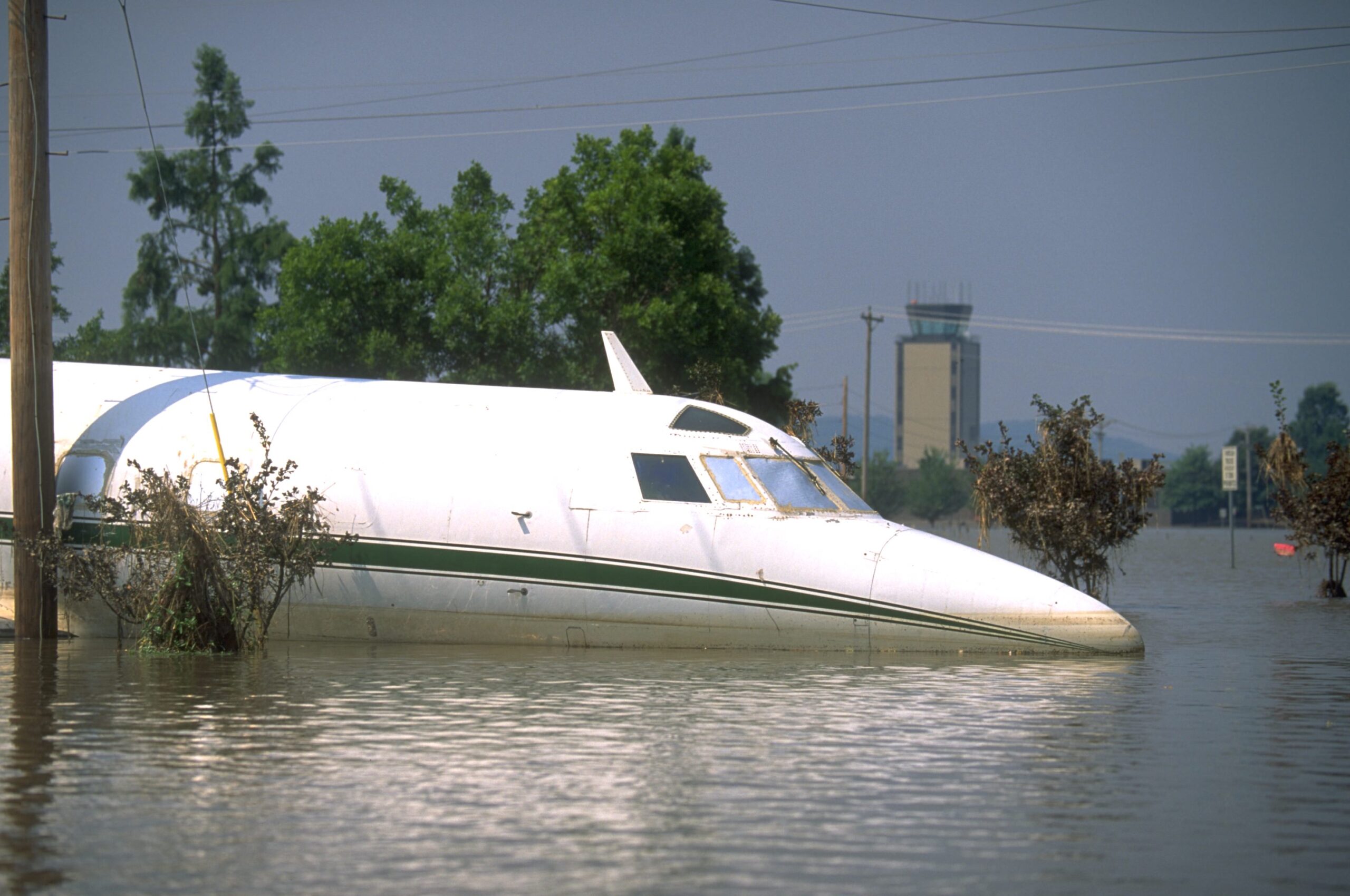
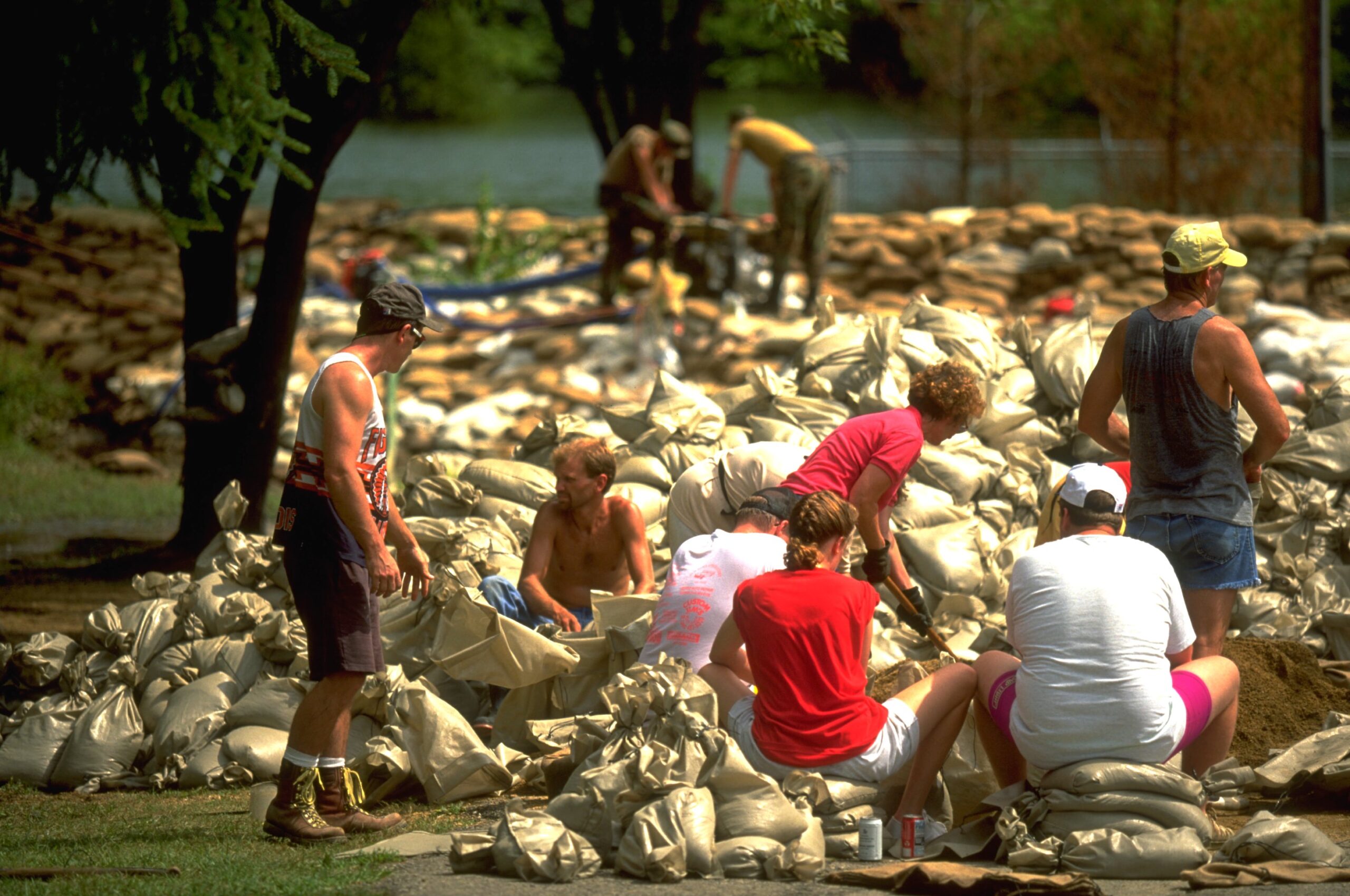
The most devastating event of the decade hit in the summer of 1993. The Great Flood of 1993 submerged vast portions of the St. Louis region after the Mississippi and Missouri rivers overflowed their banks. Chesterfield Airport was completely inundated, with floodwaters so deep they obscured entire structures. Across nine states, 534 counties were declared federal disaster areas. A total of 168,340 people registered for federal disaster assistance. Aerial views showed the staggering scale of the flooding, with roads, fields, and neighborhoods swallowed by brown water. Residents and volunteers worked around the clock filling sandbags in an effort to hold the water back.


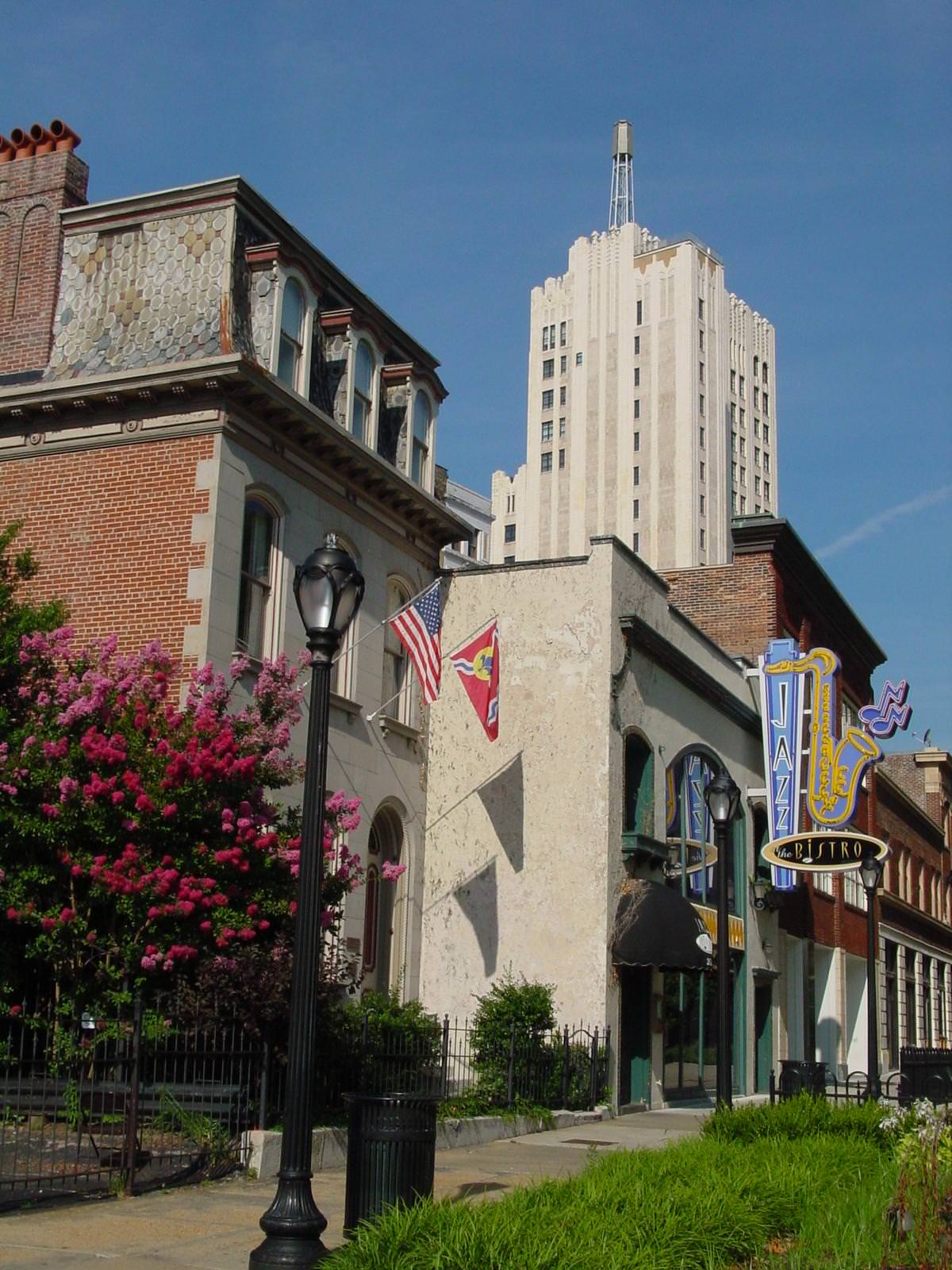
By 1994, St. Louis was rebuilding and looking ahead. The Grand Center arts district was anchoring itself as the city’s cultural core, with venues like the House and Jazz Bistro bringing live music back to the neighborhood’s historic buildings. The St. Louis Symphony Orchestra, founded in 1880 and one of the oldest in the country, continued to perform for packed audiences. The arts were not a luxury in 1990s St. Louis — they were part of what held the city together.


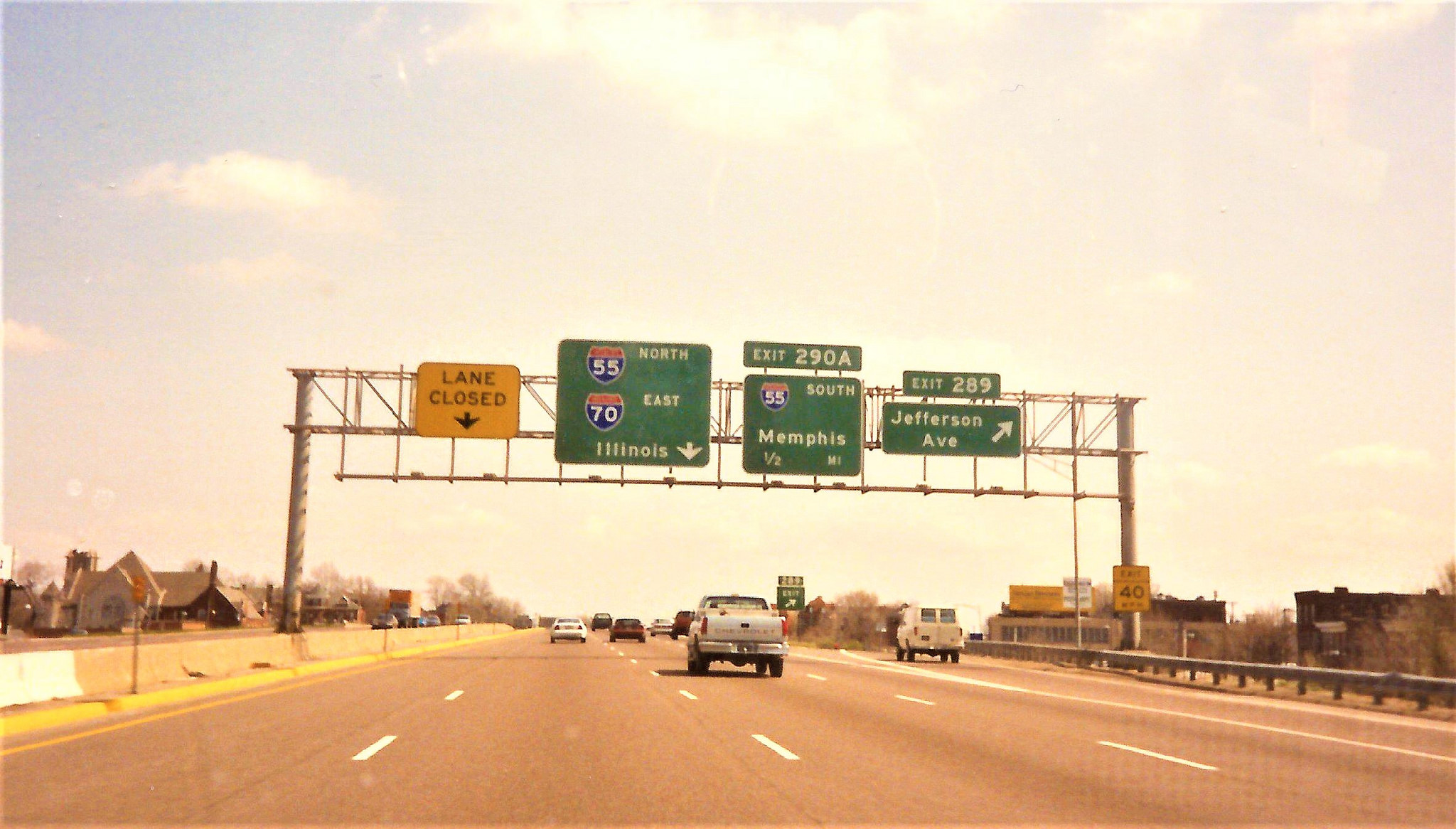
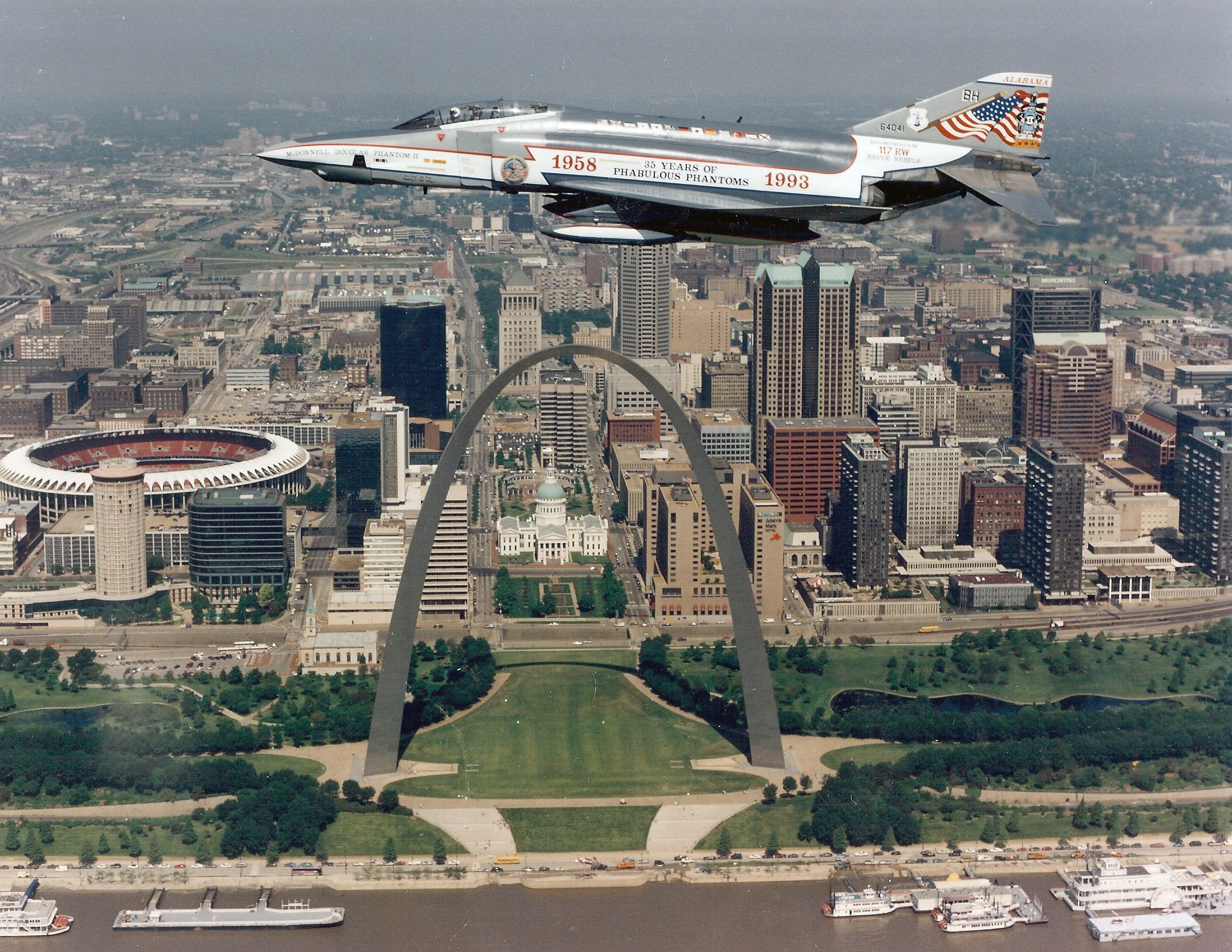
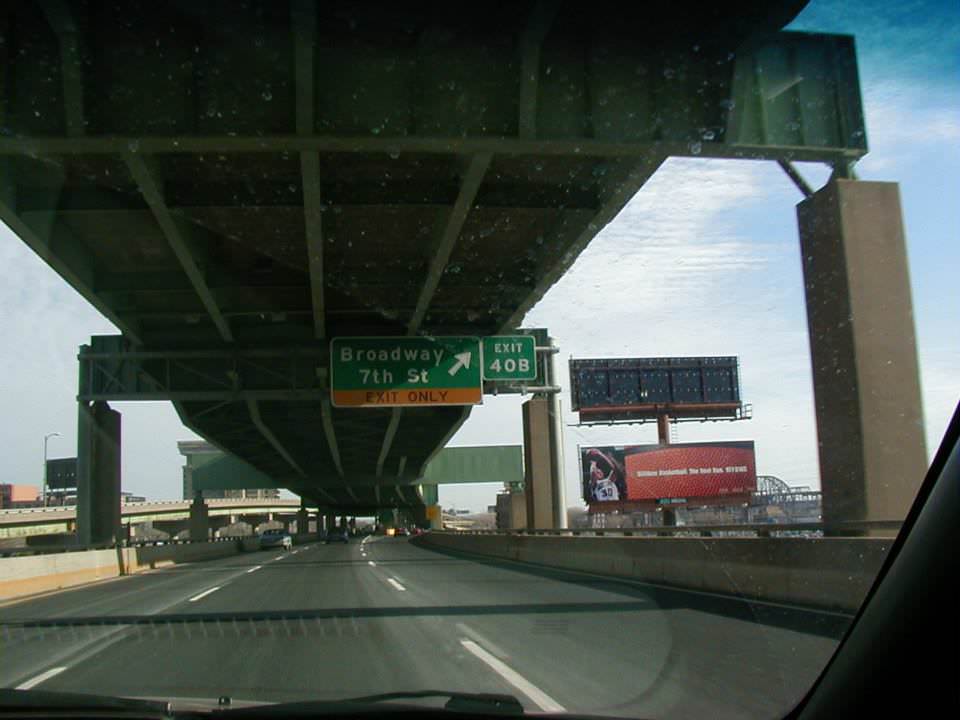
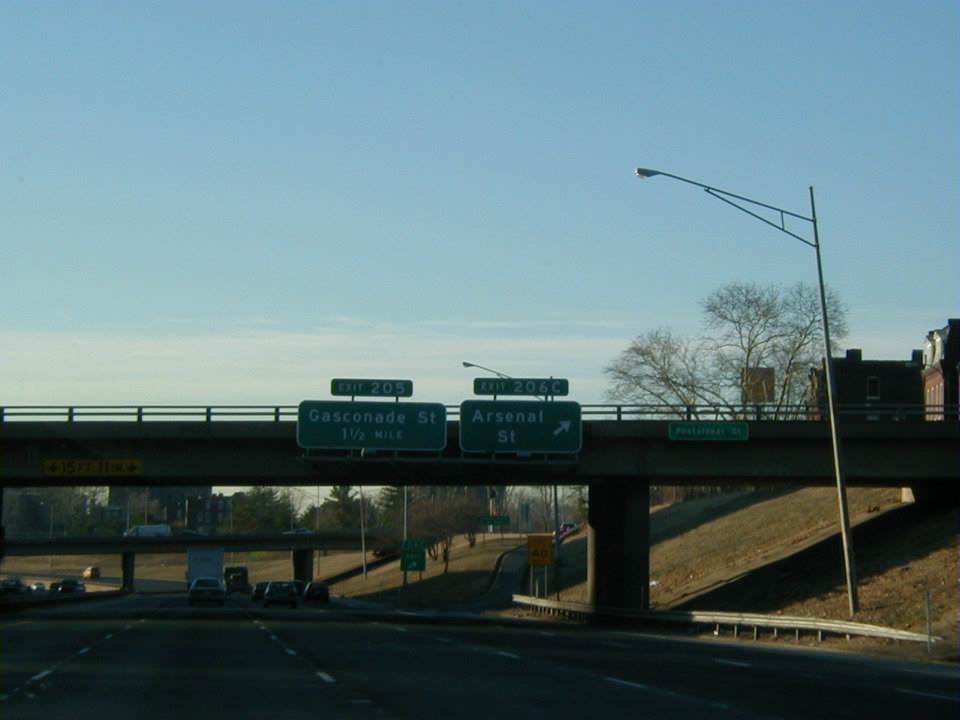
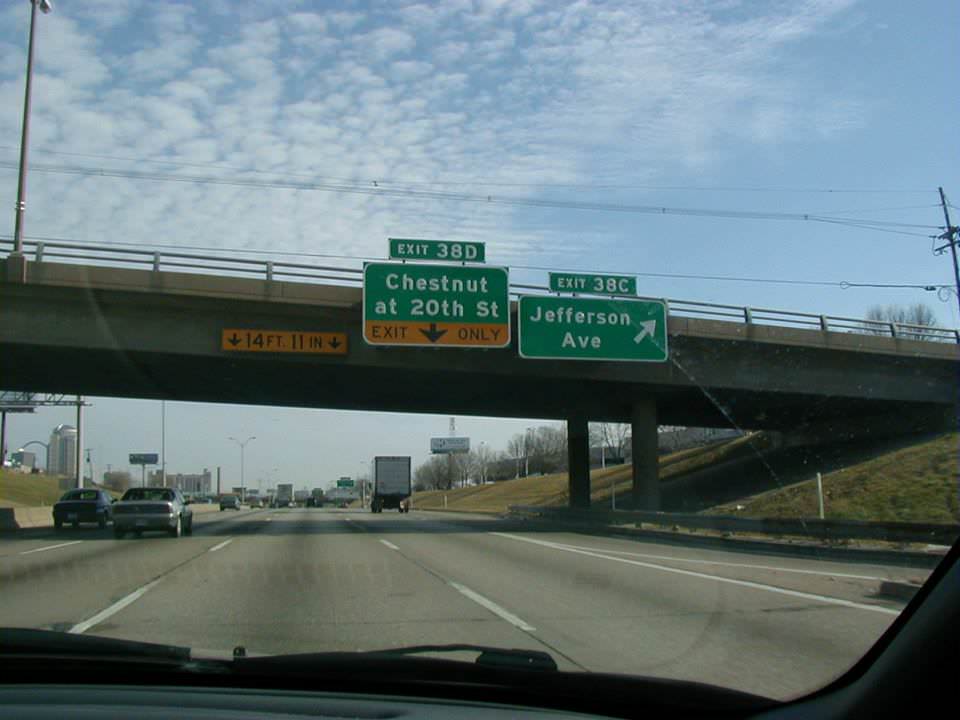
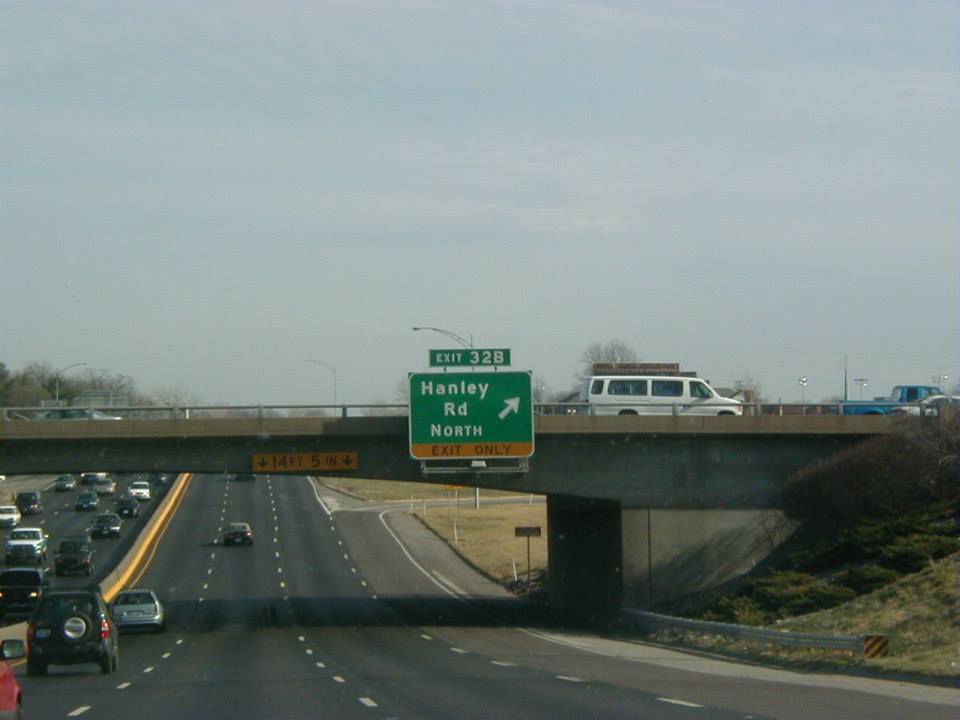
Military aviation made an appearance over the city in 1993 when an F-4C Phantom from the Alabama Air National Guard flew over St. Louis — a reminder that the region’s connection to American military history remained active. Meanwhile, the city’s road network — Interstate 44, Interstate 55, Interstate 64, and US 40 — carried the daily movement of hundreds of thousands of people across the metro area, connecting neighborhoods like Jefferson Avenue, Arsenal Street, and Skinker Boulevard to the wider region.


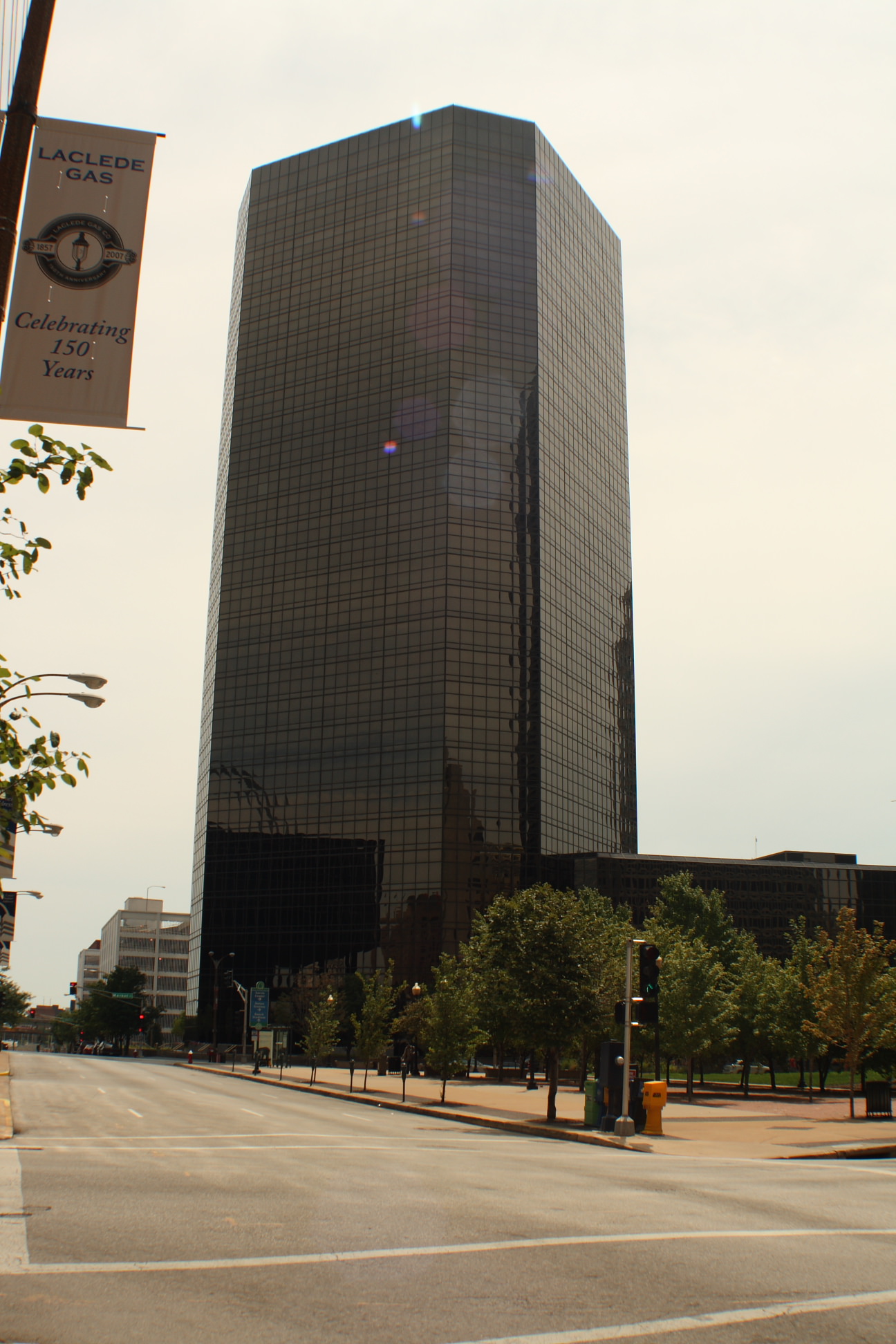
As the decade closed, St. Louis marked anniversaries and milestones with public celebrations, and new construction reshaped parts of the skyline. The Bank of America Plaza stood as a sign of the financial sector’s growing presence in the downtown corridor by 1999. Across ten years, the city had absorbed economic losses, a historic natural disaster, and sweeping cultural changes — and its streets, stadiums, highways, and neighborhoods had recorded every moment of it.