

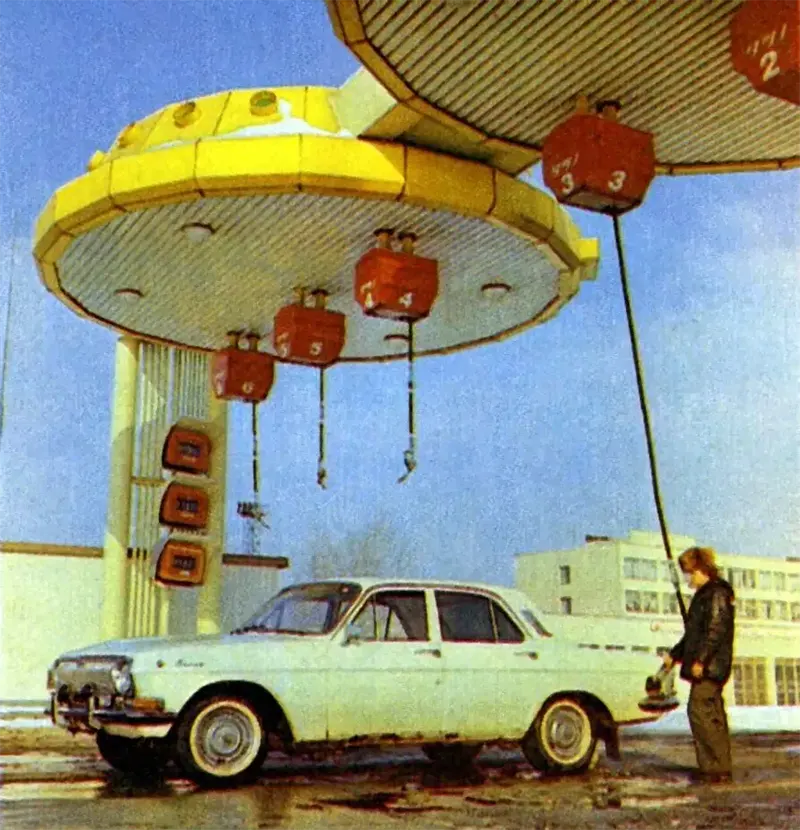
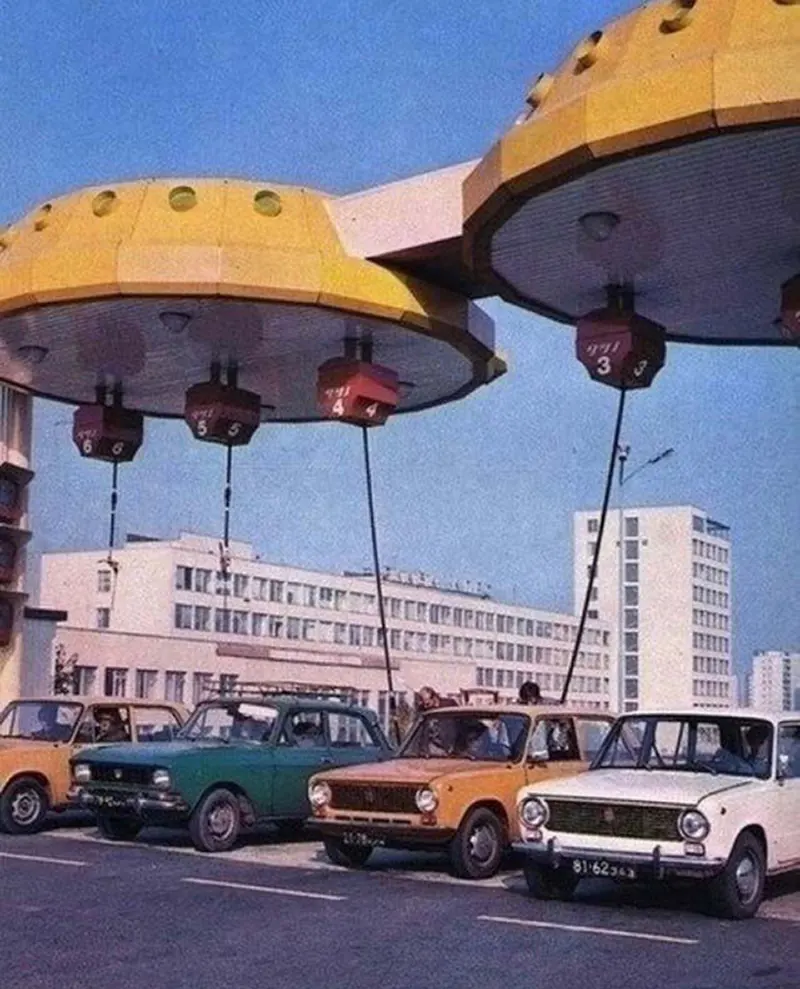
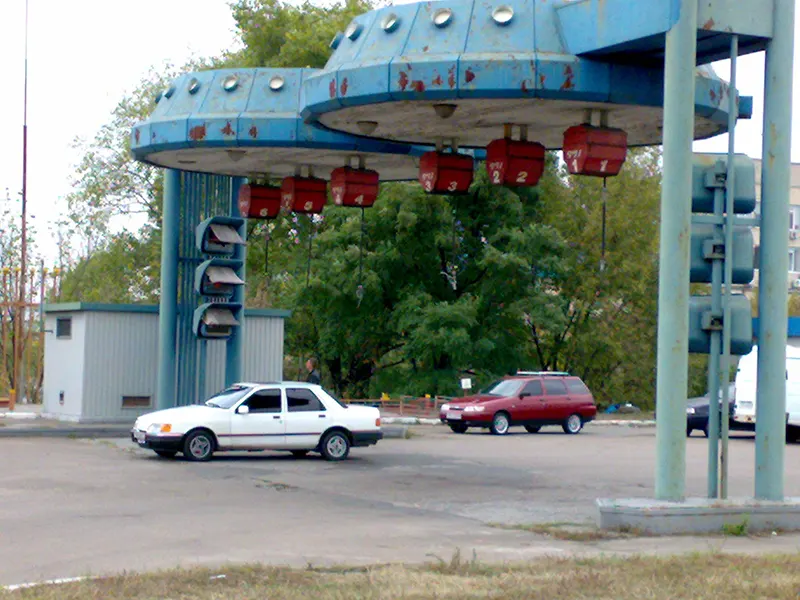
In the late 1970s and early 1980s, the Soviet Union was a place of stark contrasts. While the country was known for its serious architecture and utilitarian designs, it also embraced some innovative ideas. One of these ideas was the construction of gas stations that looked like flying saucers. These unique structures, often called “Japonka” stations, stood out in cities like Kyiv. They were not just places to refuel cars; they represented a blend of futuristic design and practical functionality.
The Inspiration Behind the Design
The concept of these gas stations originated in Japan during the late 1960s and early 1970s. Japanese designers created what were known as “sky pumps.” These stations featured fuel pumps suspended from above, allowing drivers to refuel without the usual complications. This design was a response to crowded urban areas where space was limited. By elevating the pumps, the stations made better use of ground space, which was essential in busy cities.
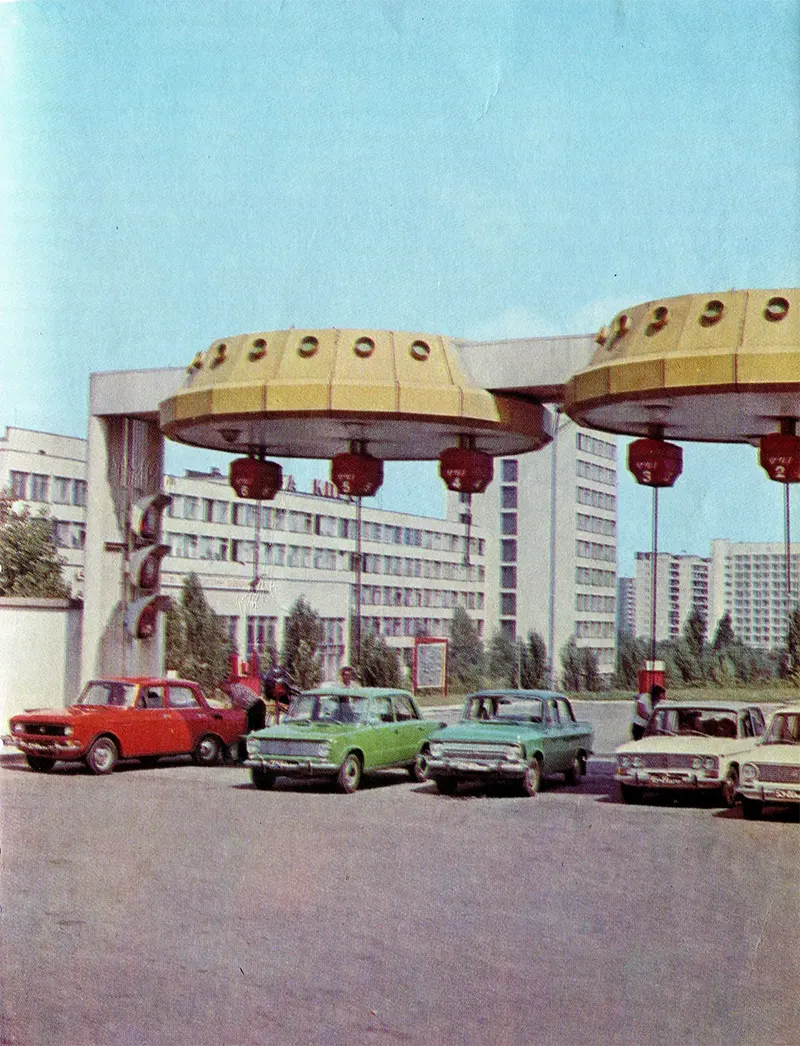
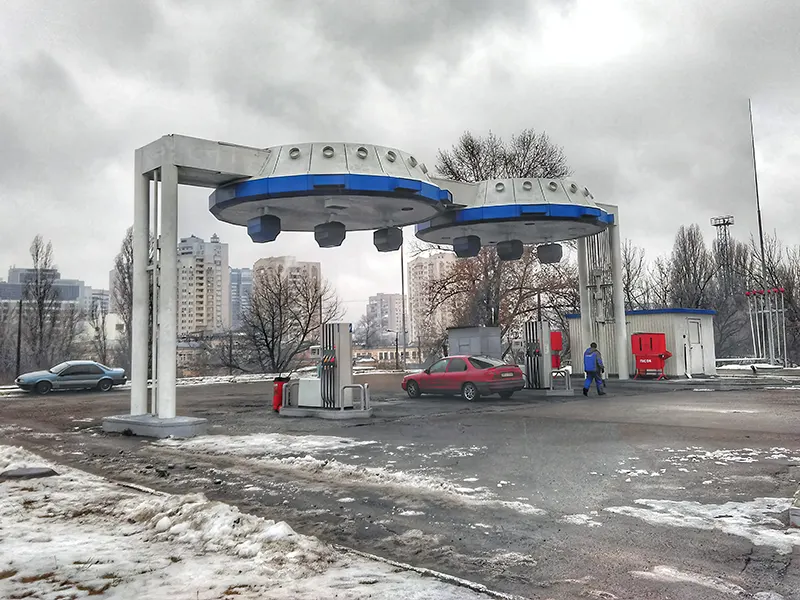
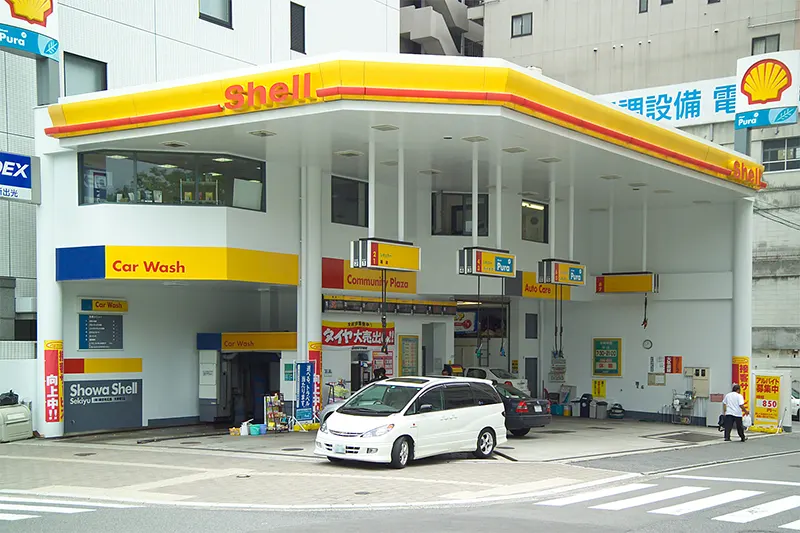
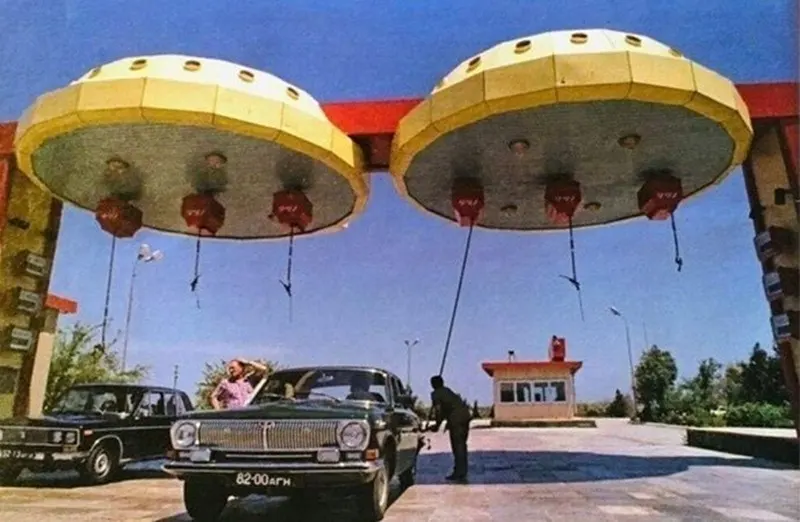
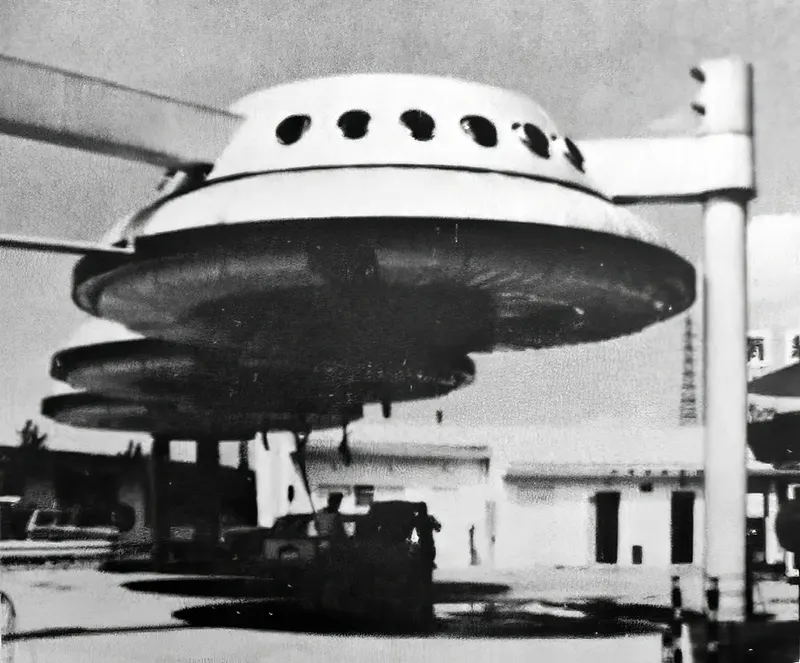
The flying saucer design was visually striking. With its rounded shape and smooth lines, it resembled a UFO perched on tall support structures. This modern look was a sharp contrast to the typical gas stations of the time, which were often boxy and plain. The design was meant to be both eye-catching and functional.
Features of the Flying Saucer Gas Stations
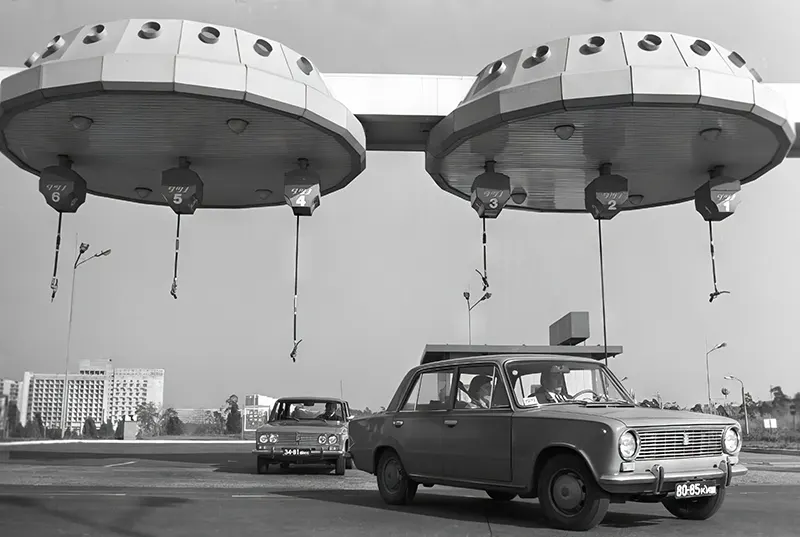
One of the coolest aspects of these gas stations was how they made refueling easy. Unlike traditional gas stations, it did not matter which side of the car the fuel filler was on. Drivers parked their cars near the desired hose and paid the operator. Then, a nozzle with a hose would lower down from the “flying saucer” above, making the process quick and convenient.
This clever setup meant that drivers did not have to stretch or struggle to reach the hose. They could simply wait for the nozzle to come down and start refueling. This innovation helped reduce the time spent at the gas station, which was especially valuable for busy commuters.
The Layout and Design
The layout of these flying saucer gas stations was also designed with efficiency in mind. With the pumps located overhead, the ground space could be used for parking and maneuvering vehicles. This was particularly important in urban centers, where space was often at a premium. The stations were also designed to accommodate several vehicles at once, allowing for a smoother flow of traffic.
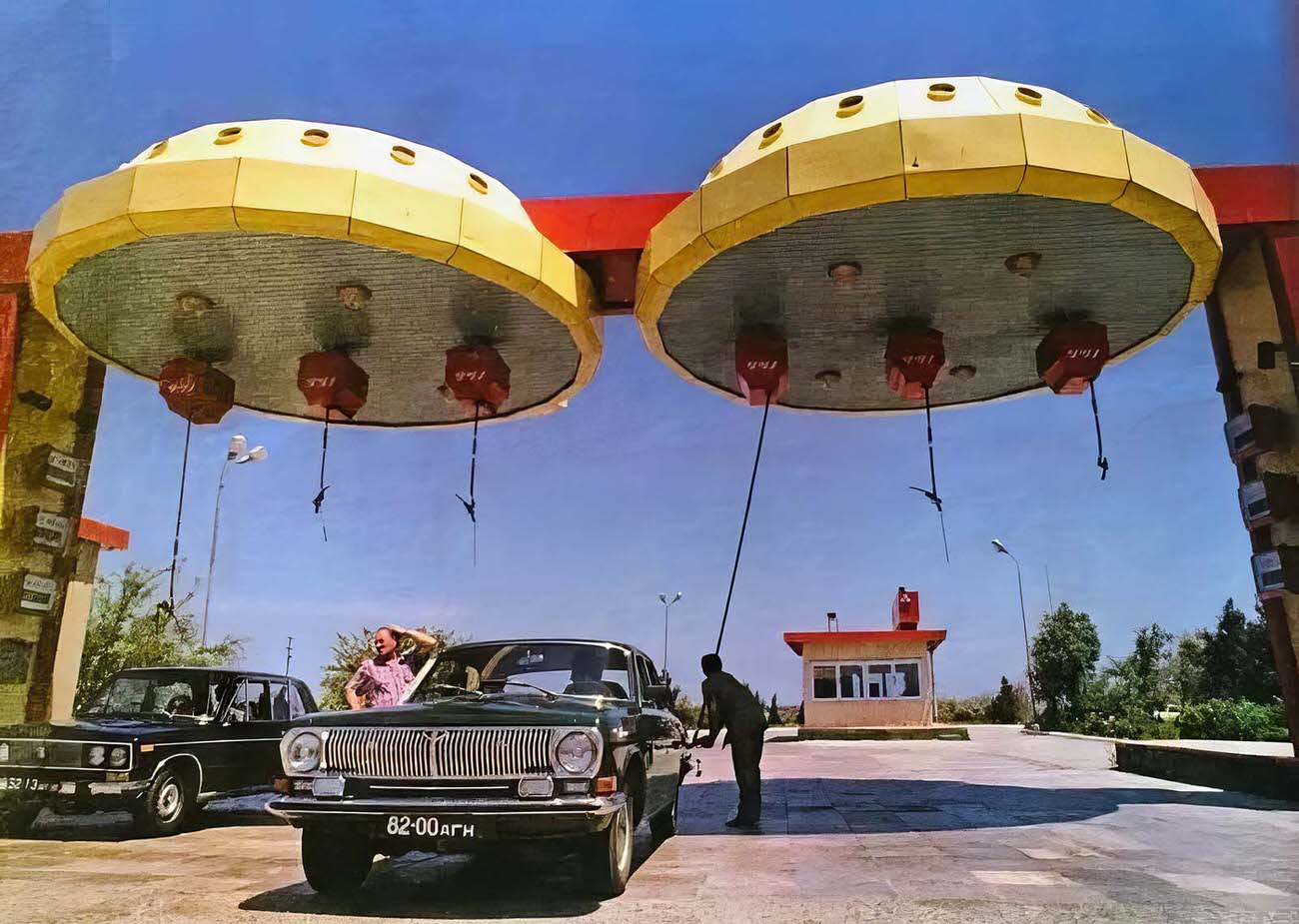
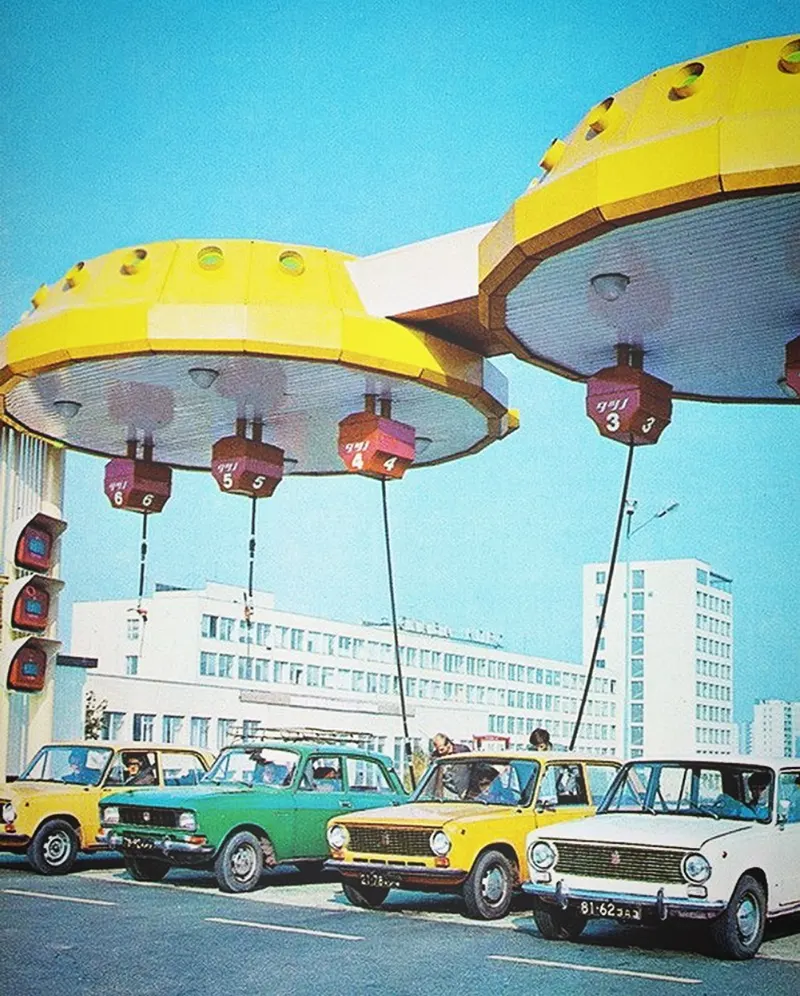
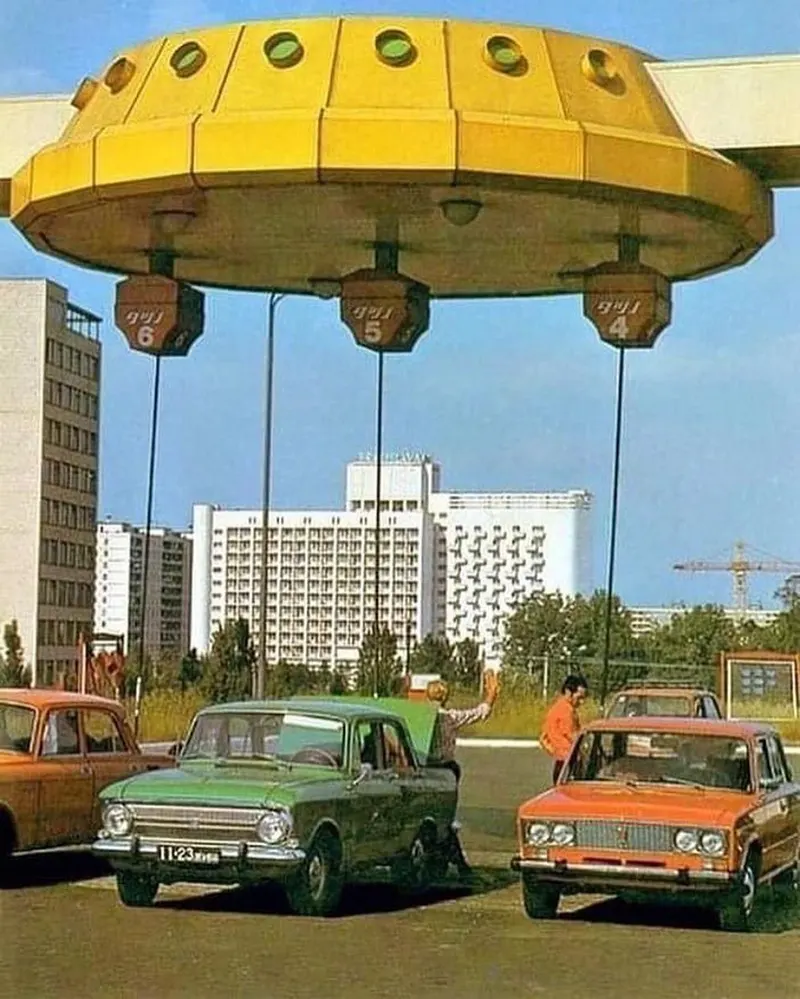
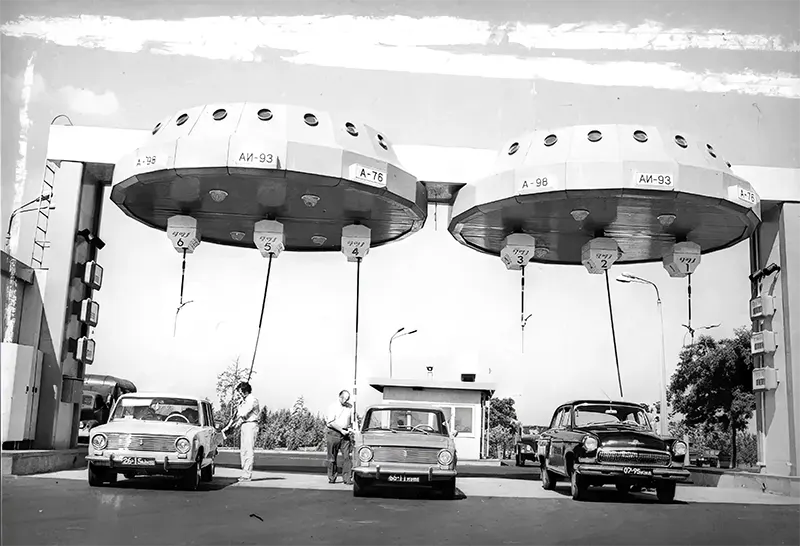
The futuristic appearance of these gas stations attracted attention. They looked like something out of a science fiction movie, fitting perfectly into the era’s fascination with technology and progress. Many people saw them as symbols of a modern future, where convenience and innovation were prioritized.
Challenges and Issues
Despite their appealing design and innovative features, the flying saucer gas stations faced several challenges. One of the most significant issues was safety. During operation, these gas stations were found to be quite unsafe. If the seals on the hoses were compromised, fuel could drip down, creating a potential fire hazard. This risk was alarming for both drivers and gas station operators.
The complexity of the design also contributed to its downfall. The mechanical systems required to lower and raise the hoses added to maintenance costs. These stations were more expensive to build and maintain than traditional gas stations. The futuristic design, while visually appealing, often seemed impractical to consumers and government authorities alike.
The Decline of the Flying Saucer Stations
As time went on, the initial excitement surrounding these gas stations faded. They did not become as popular as expected. Many were closed or repurposed due to safety concerns and high maintenance costs. The unique flying saucer design, once seen as a symbol of modernity, became less practical in the face of everyday needs.
By the mid-1980s, most of these gas stations had disappeared from the Soviet landscape. The allure of the flying saucer stations and their futuristic design could not outweigh the practical challenges they presented.
Traditional gas stations had a simpler design. They featured fuel pumps at ground level, which made them easier to build and maintain. While they may not have been as visually stunning, they were functional and familiar to drivers. The overhead pumps of the flying saucer stations introduced a new way of thinking about refueling, but they also brought complications that traditional stations did not face.
In a typical gas station, drivers needed to pull up to the pump on the correct side. This could lead to awkward situations, especially if the station was busy. The flying saucer stations eliminated this problem, but at a greater cost.