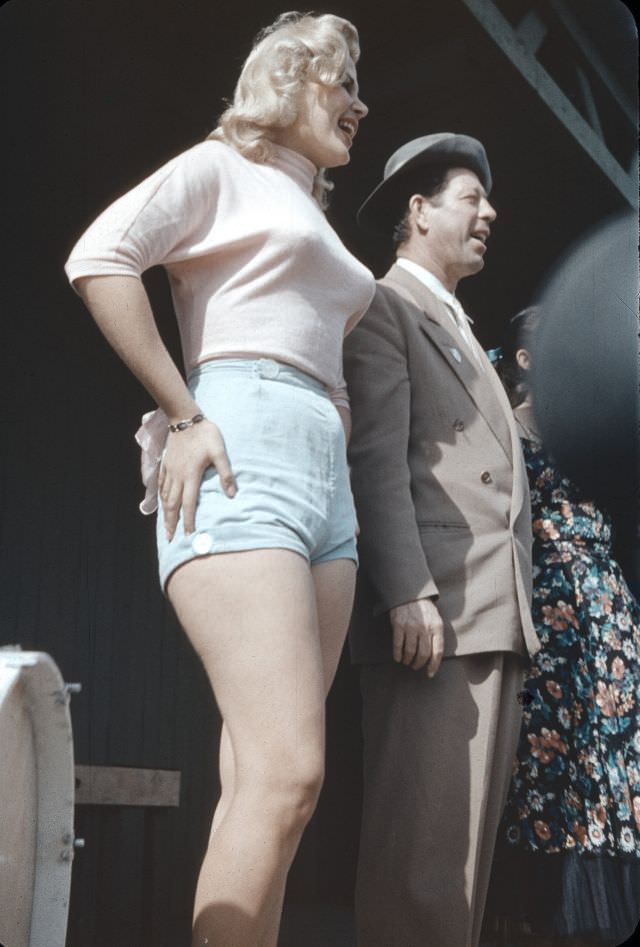
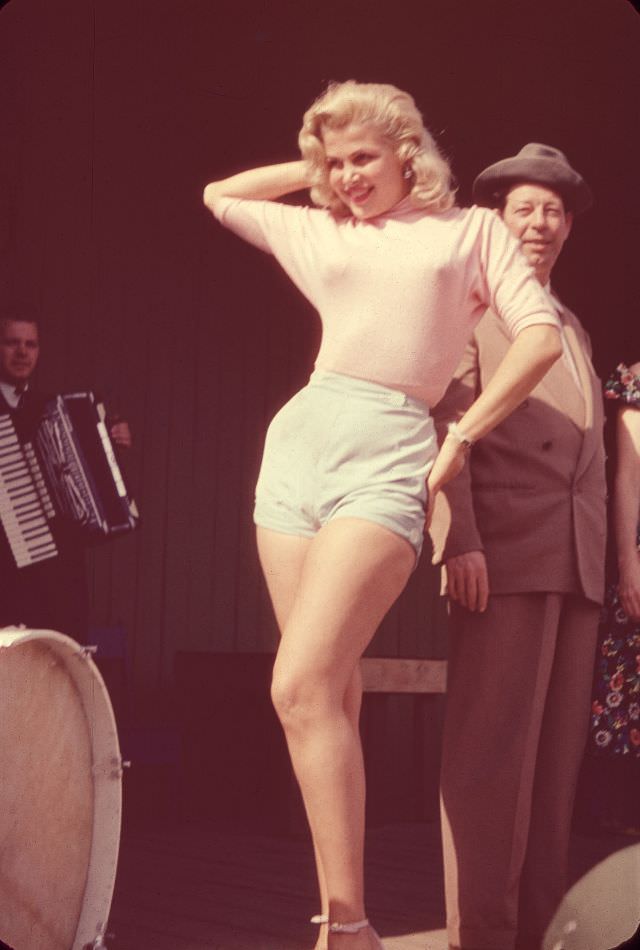
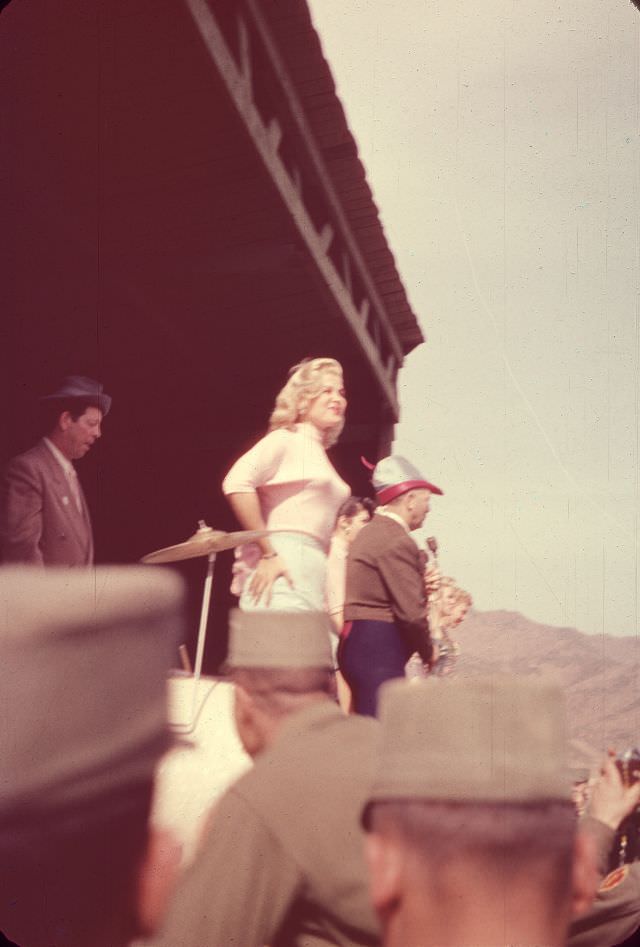
By April 1954, the guns of the Korean War had fallen silent. An armistice had ended three years of brutal fighting on the peninsula, but tens of thousands of American soldiers remained stationed in South Korea. Far from home and grinding through the routine of postwar military life, they were exactly the kind of audience the United Service Organizations was built to reach.
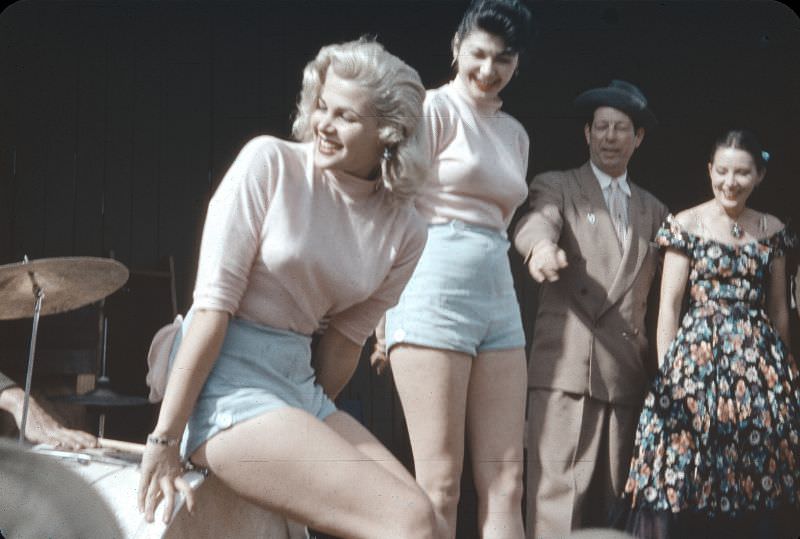
The USO had been sending performers to entertain American troops since World War II. In the spring of 1954, one of those touring shows carried a familiar name: ‘Slapsie Maxie.’ The headliner was Max Rosenbloom, a former light heavyweight boxing champion who had reinvented himself as a comedian. His ring nickname followed him into show business, and he leaned into it. His slapstick style and self-deprecating humor were a natural fit for a crowd of young soldiers looking for a reason to laugh.
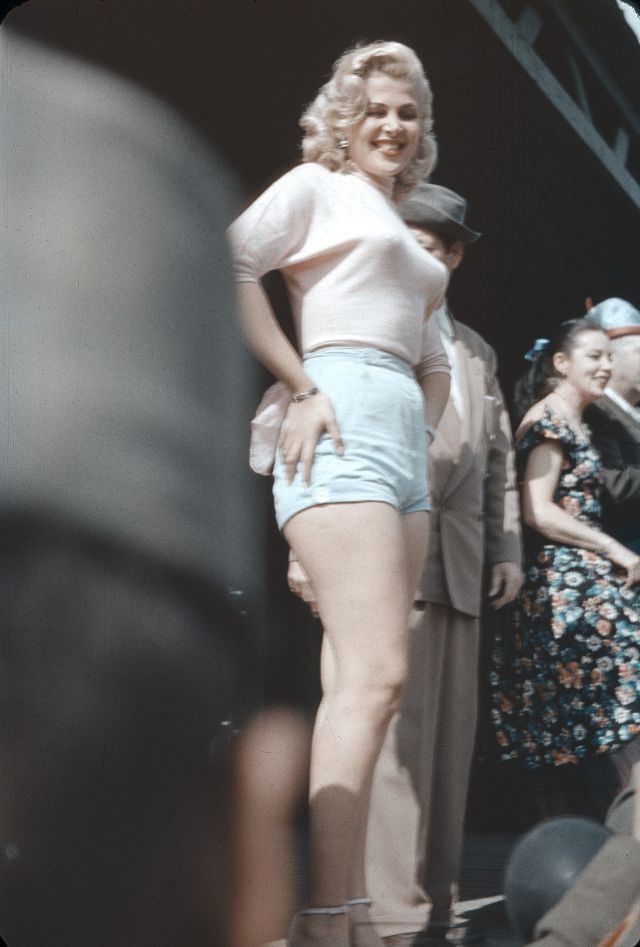
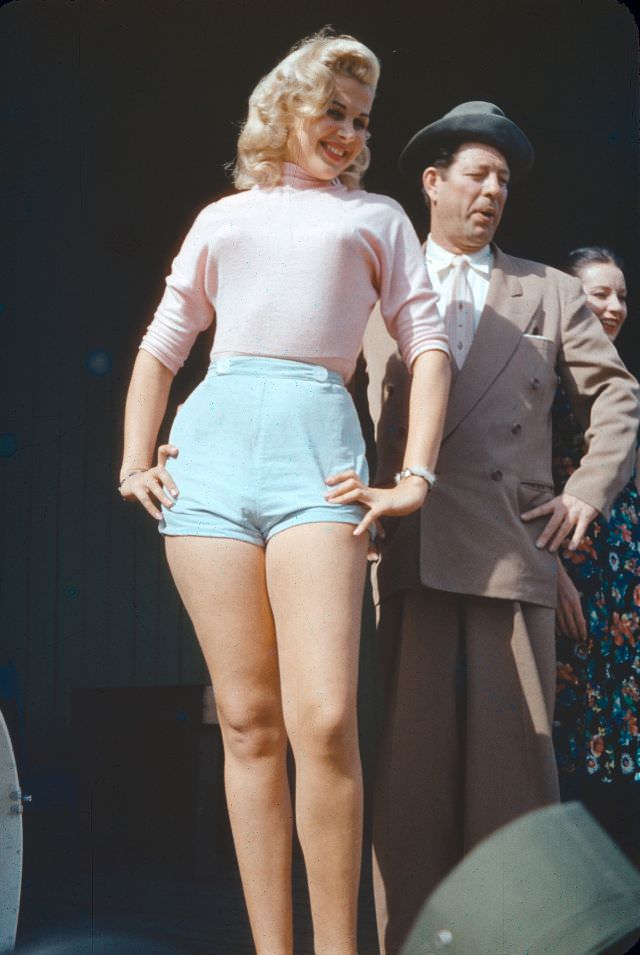
Sharing the stage with Rosenbloom was Gloria Pall, a young actress and model who had appeared in films and television. She brought a sharp contrast to Maxie’s goofiness — polished, glamorous, and a capable performer in her own right. Together, they anchored a show that also featured a full supporting cast of musicians and entertainers.
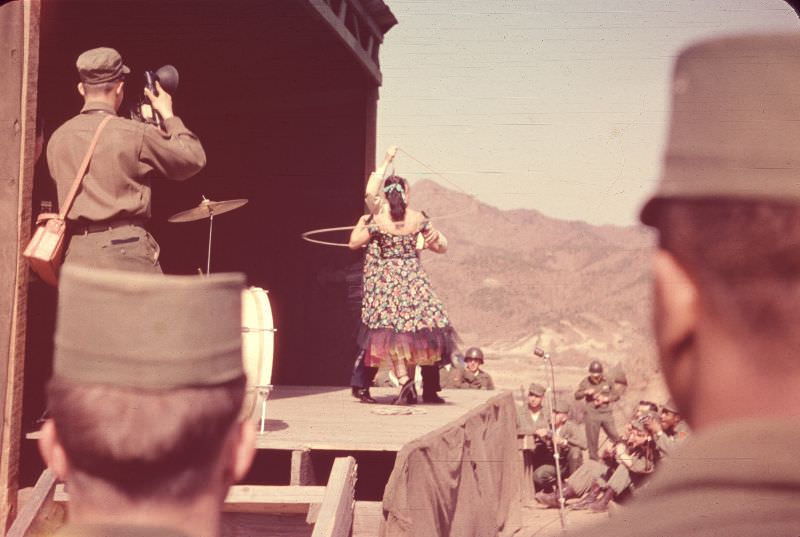
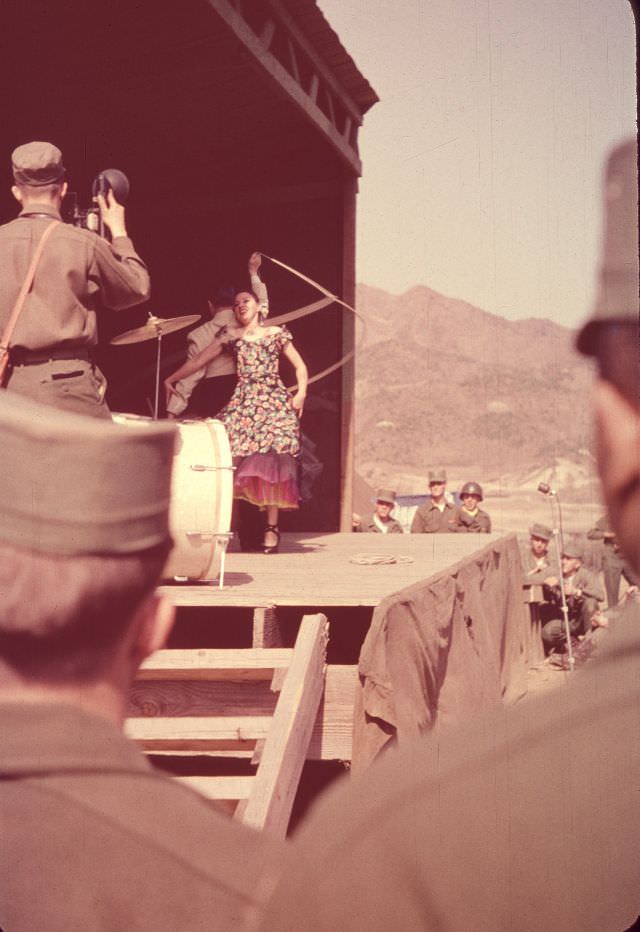
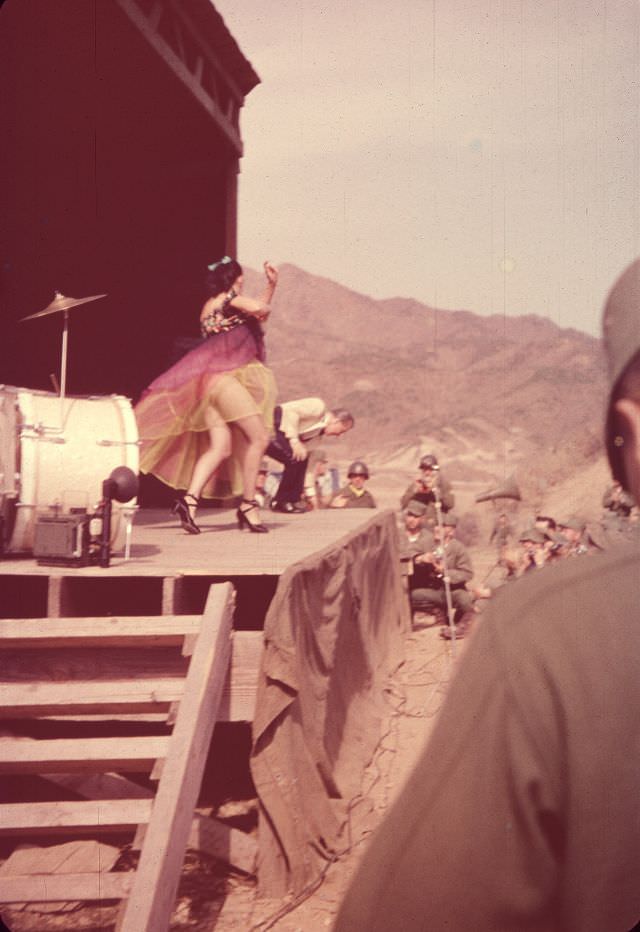
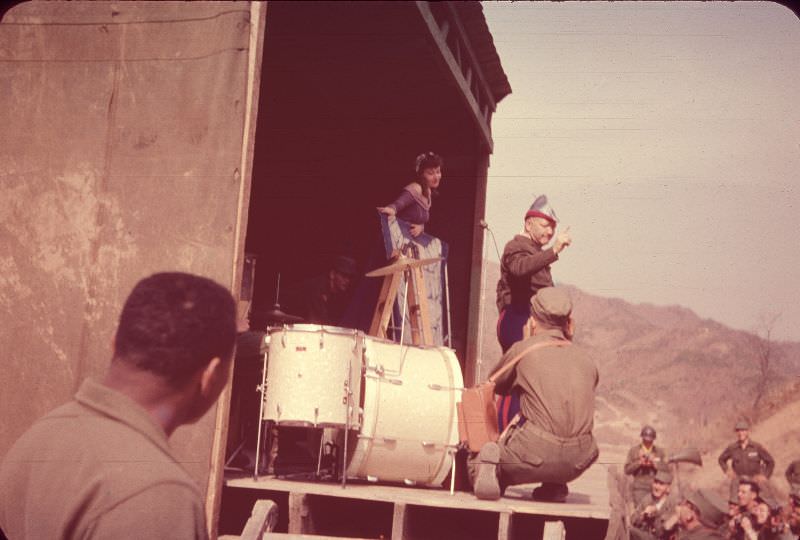
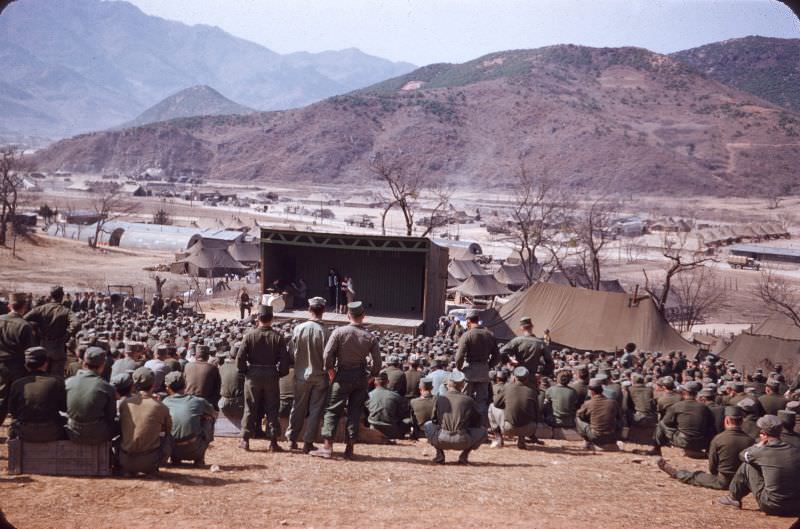
The performances took place on makeshift stages set up for military audiences across South Korea. A live band kept the energy high, playing popular songs of the era between comedy routines. Soldiers packed in shoulder to shoulder, and the sound of laughter carried across the open-air venues.
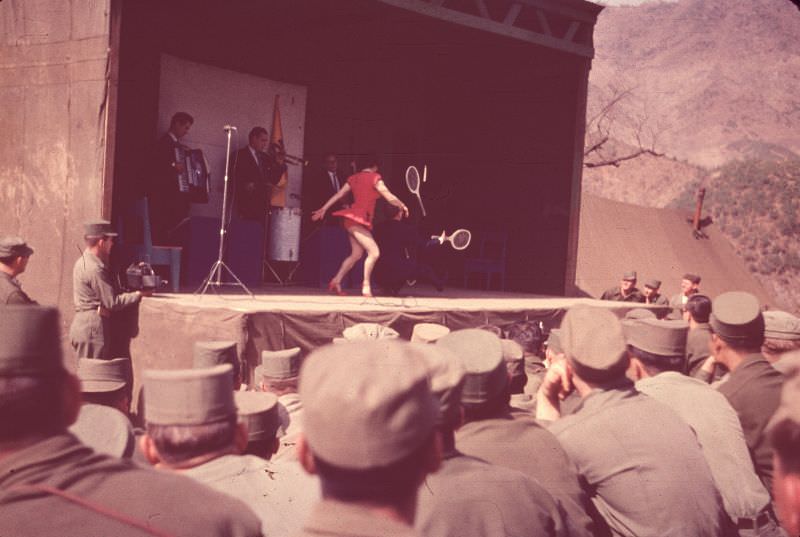
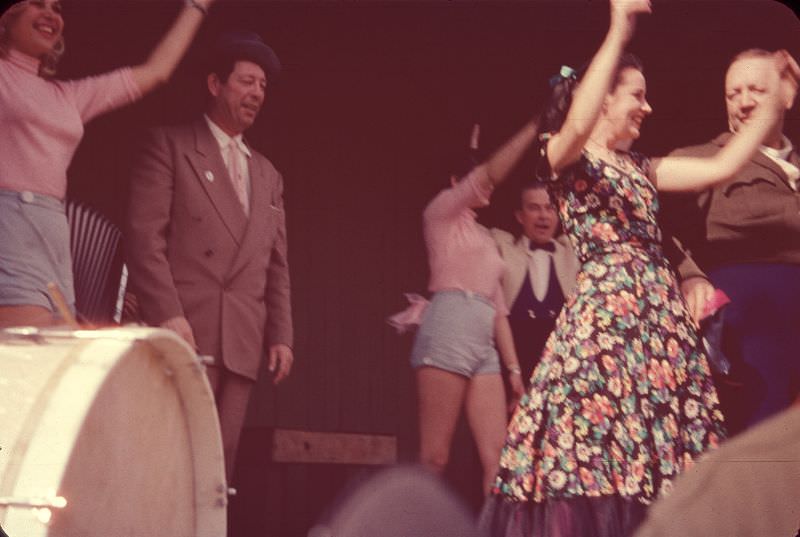
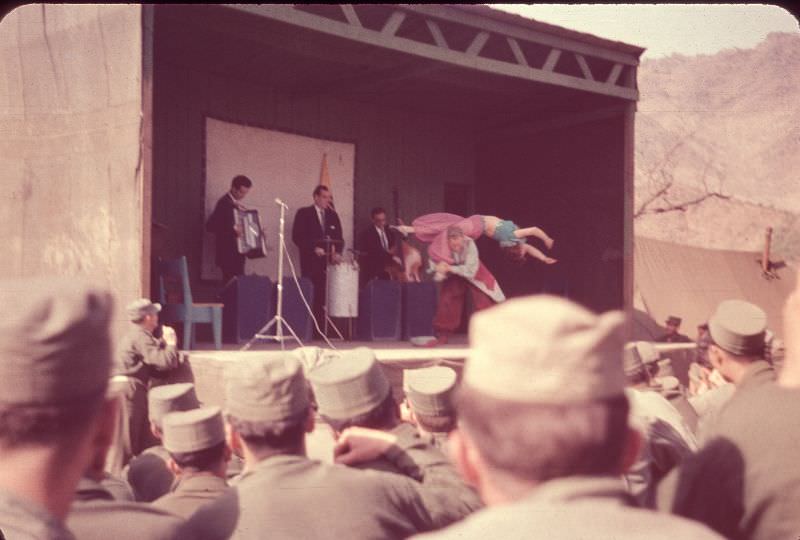
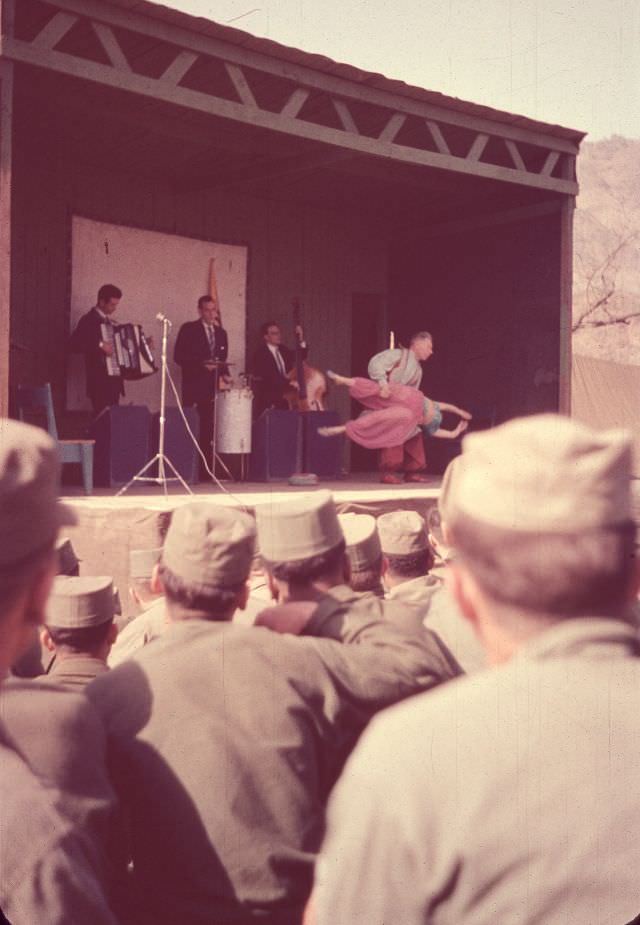
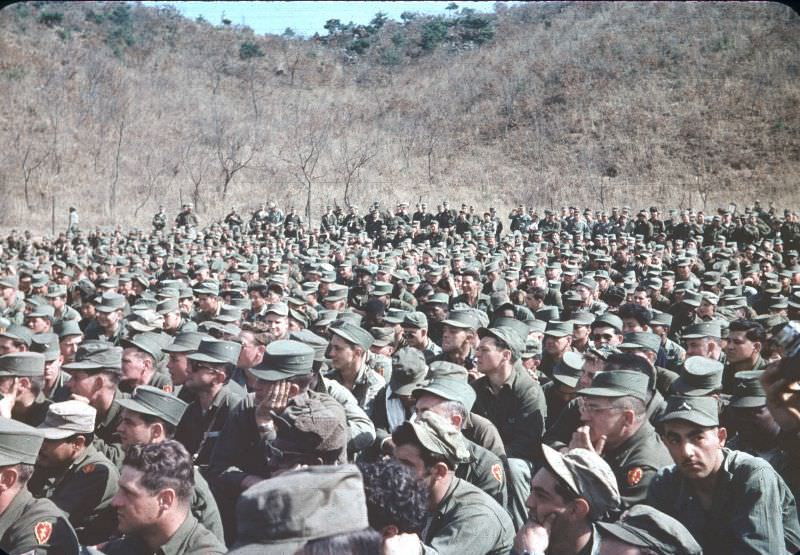
Photographs from the event capture rows of American servicemen watching the show with visible enthusiasm. Some are grinning broadly, others are mid-laugh, all of them fully engaged — a sharp break from the tension and tedium of postwar occupation duty.
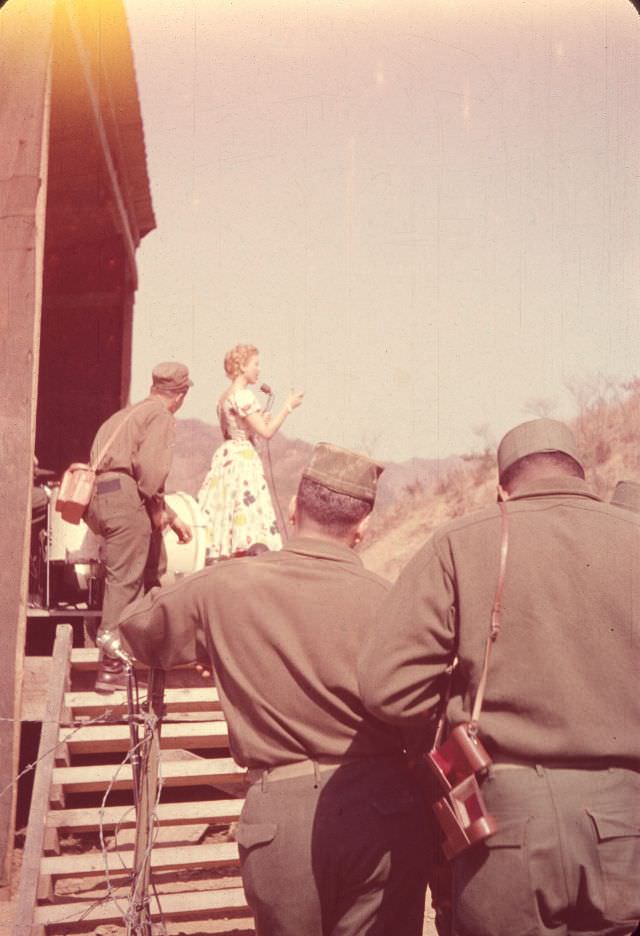
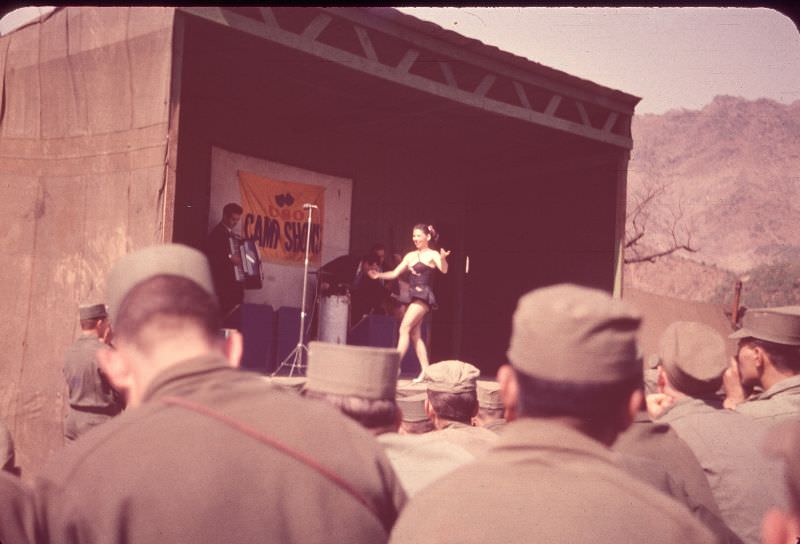
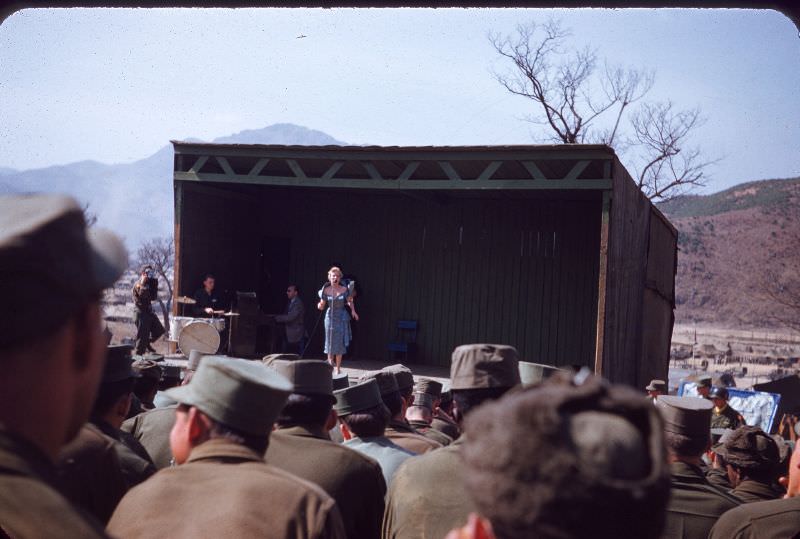
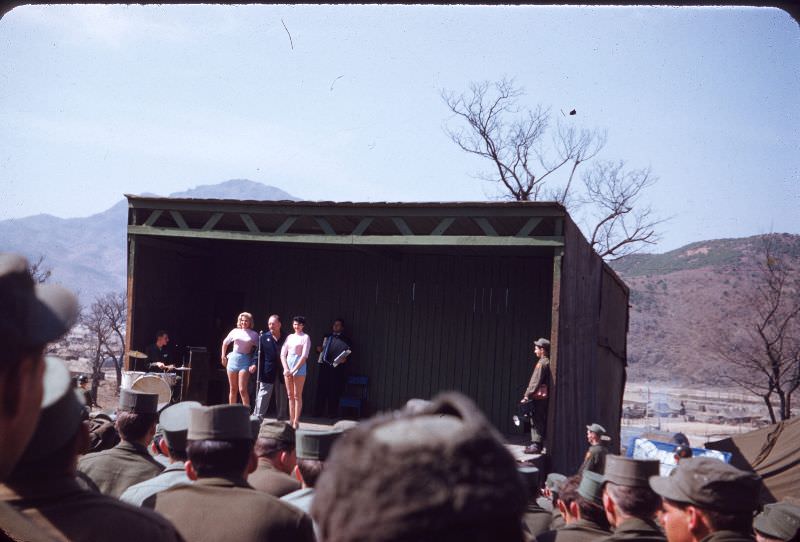
Gloria Pall drew considerable attention on her own. Her presence at a forward-deployed USO show in a war-scarred country was itself a statement — Hollywood had not forgotten these men.
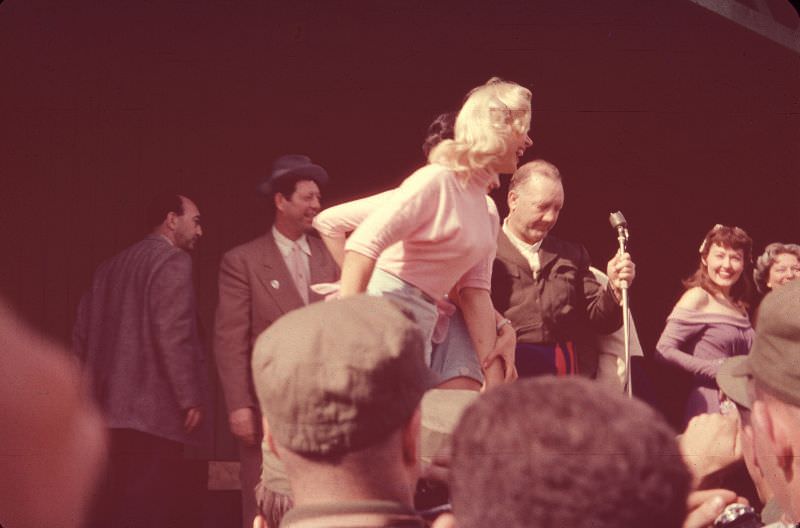
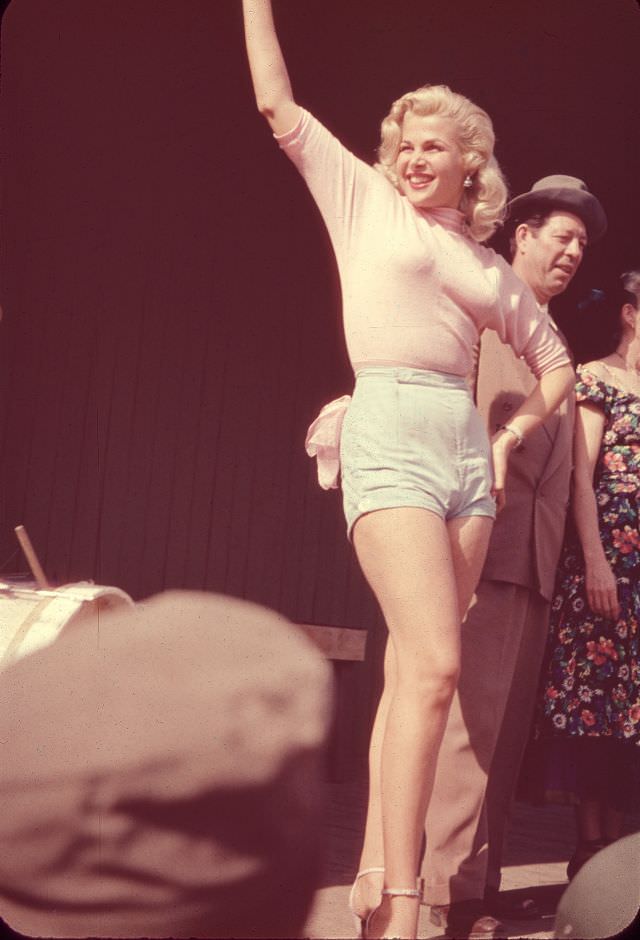
Rosenbloom and Pall were well-matched as performers. He delivered rapid-fire jokes and physical comedy; she offered vocals and a polished stage presence. The combination gave soldiers two hours of entertainment that had nothing to do with military life.