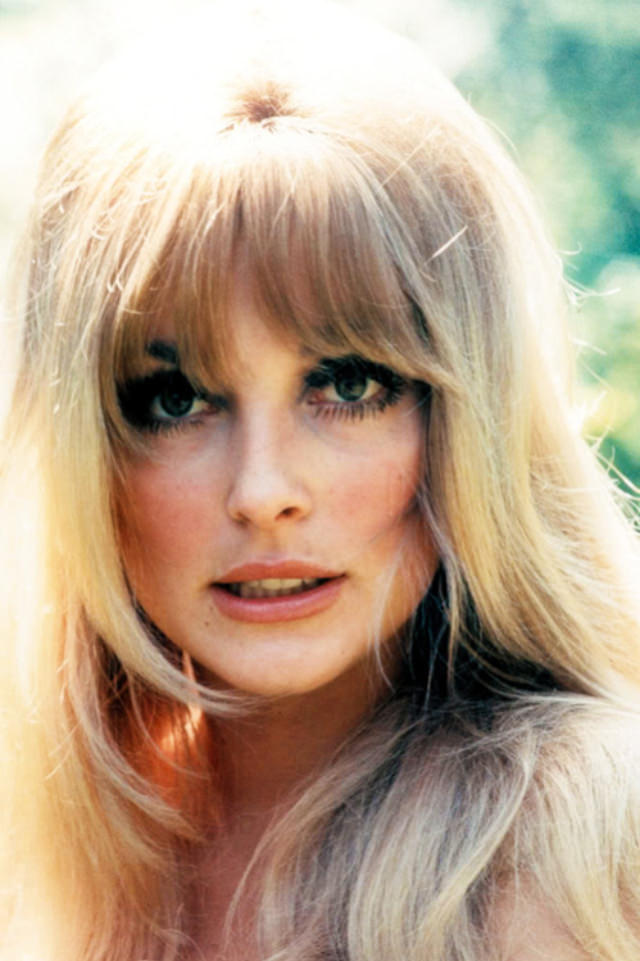
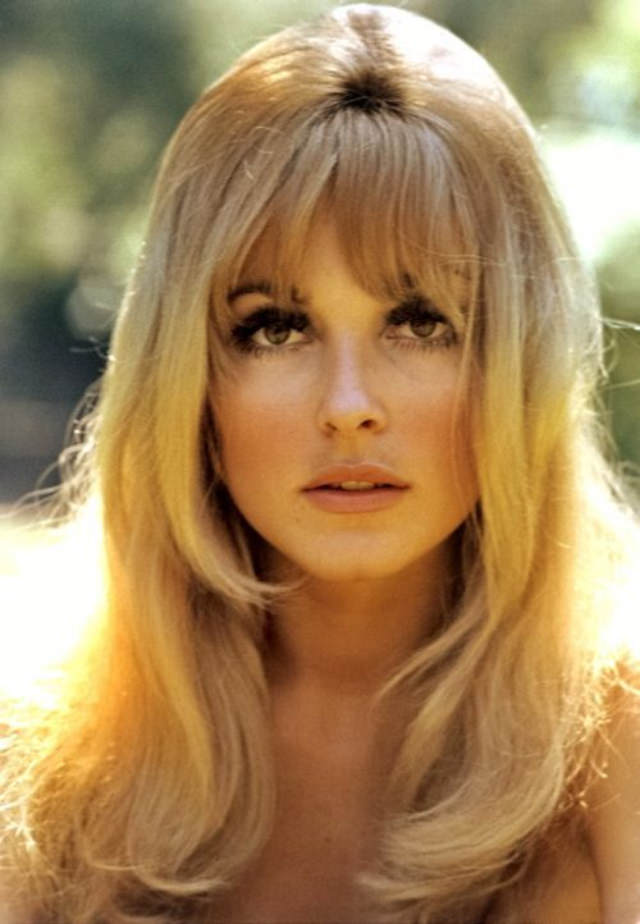
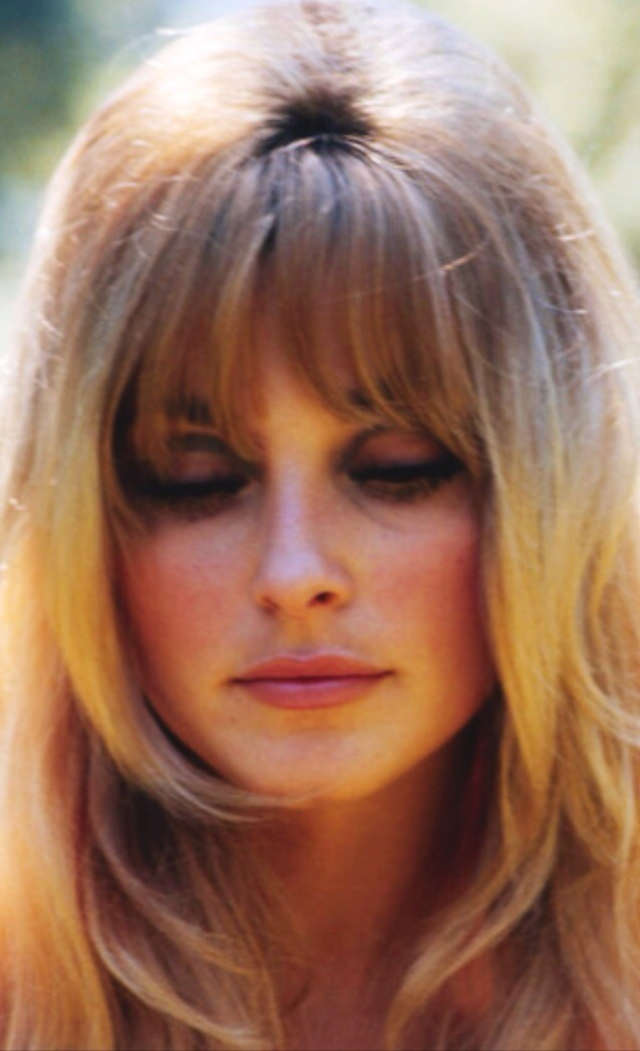
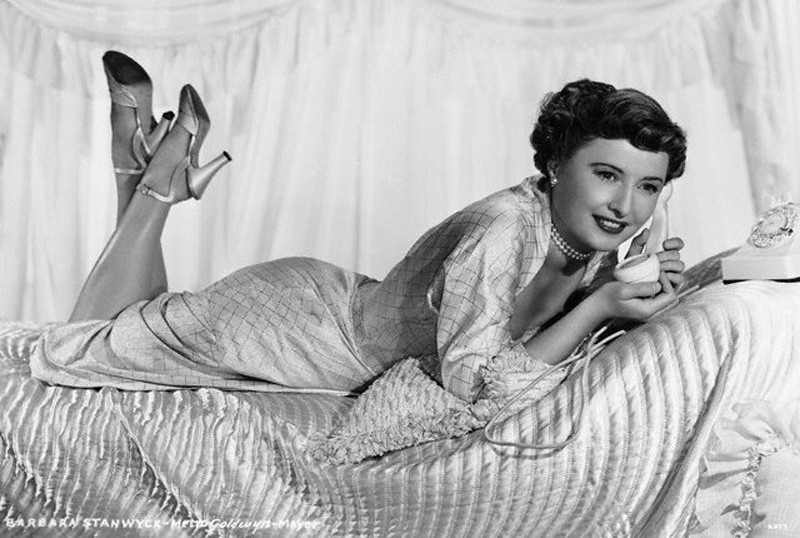
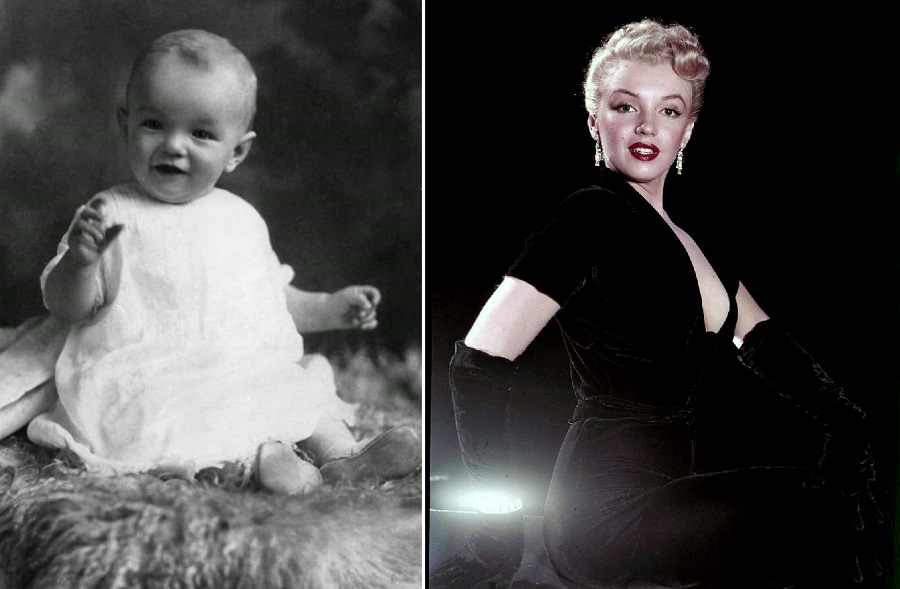
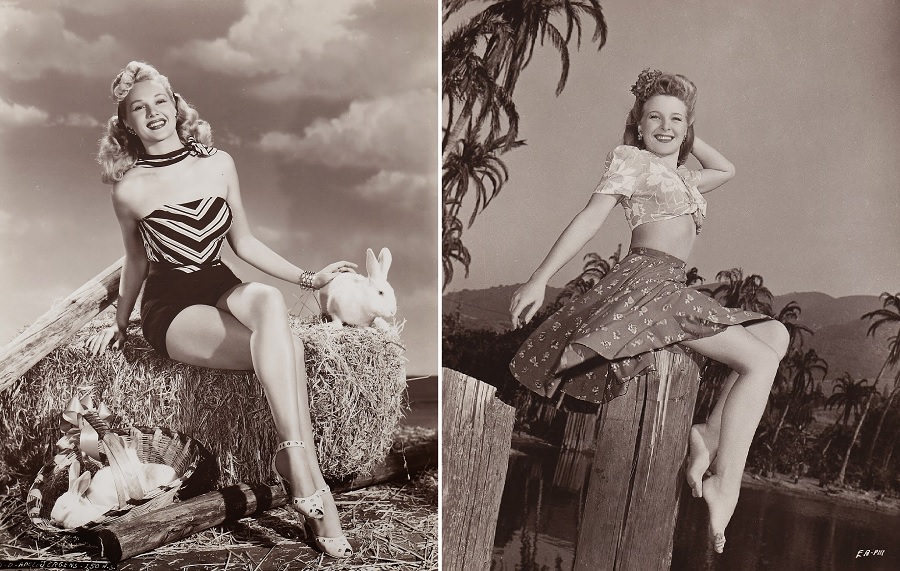
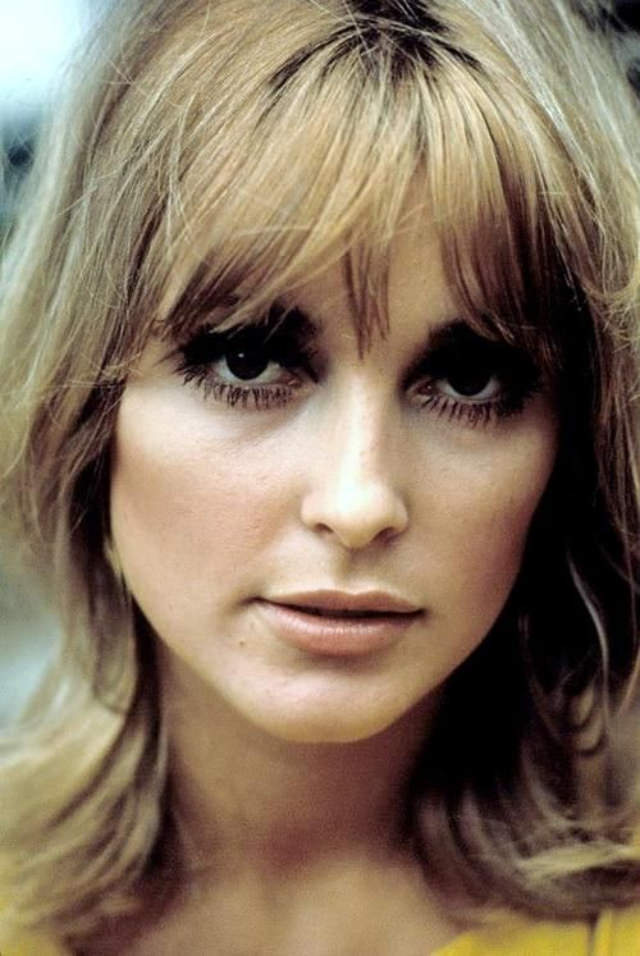
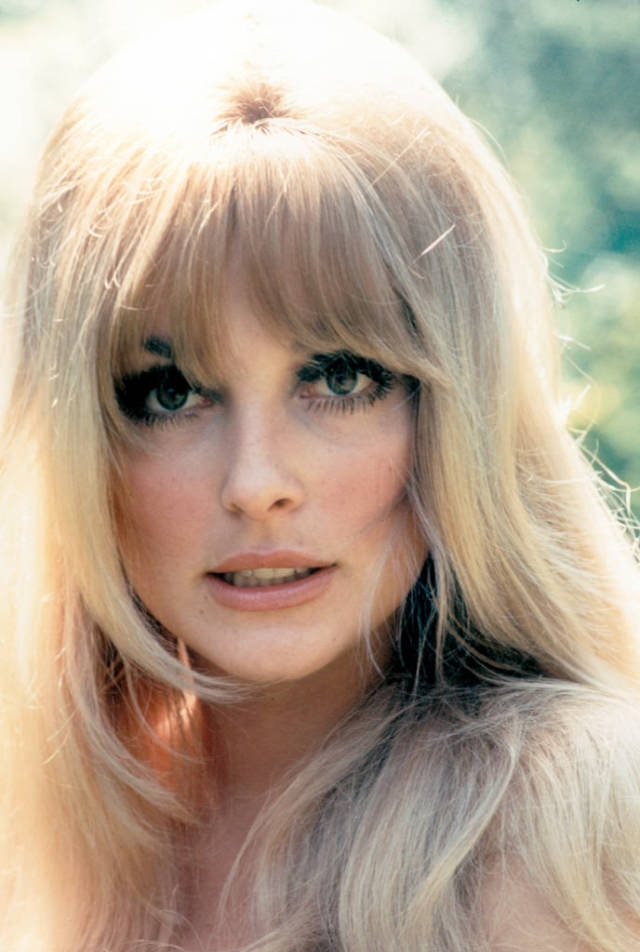
By 1965, Sharon Tate was becoming one of Hollywood’s most recognizable faces. She was an actress, a model, and a style figure whose look defined the mid-1960s. Her blonde hair, mod-era makeup, and effortless on-camera presence made her a natural subject for the lens. That year, renowned Hollywood photographer Orlando Suero captured a series of portraits that stand among the most striking images of her early career.
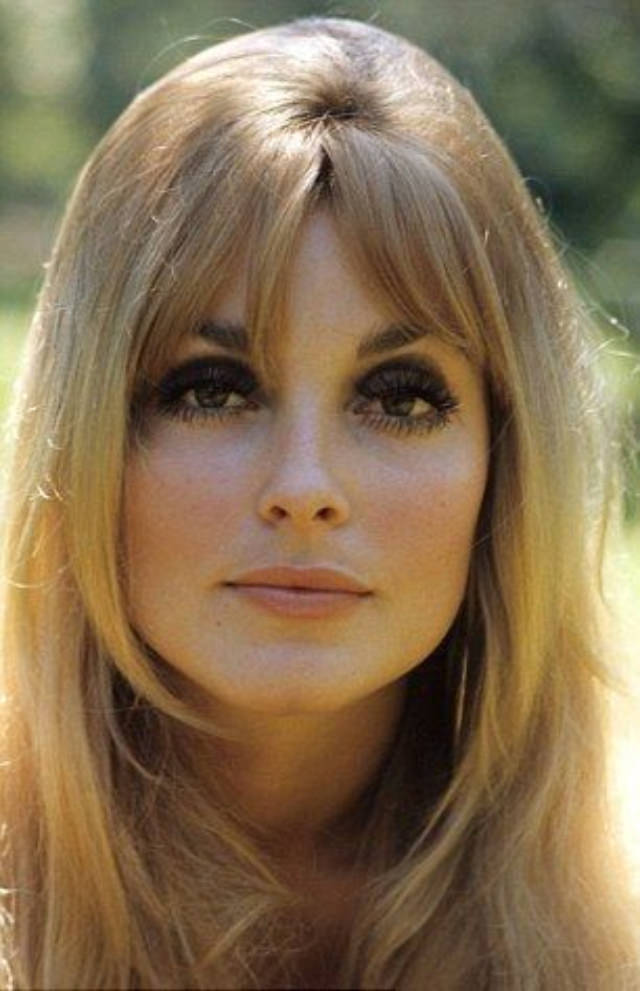
Suero was no stranger to photographing Hollywood’s elite. His portfolio included sessions with Brigitte Bardot, Paul Newman, Robert Redford, Natalie Wood, Faye Dunaway, Jack Nicholson, Kirk Douglas, Julie Andrews, Tony Curtis, Diana Ross, Dennis Hopper, and Bob Hope. Tate fit naturally into that constellation of talent.
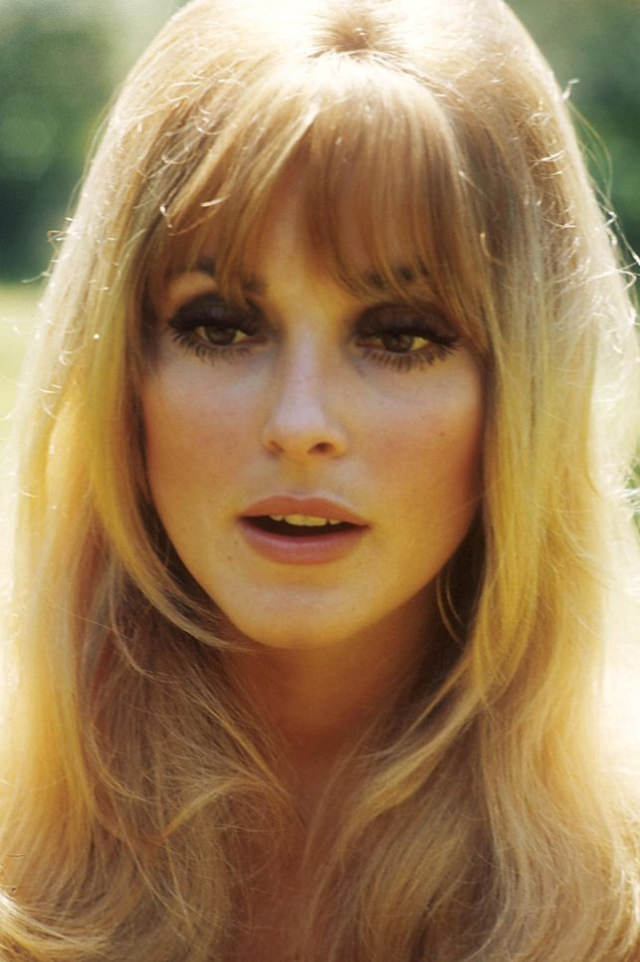
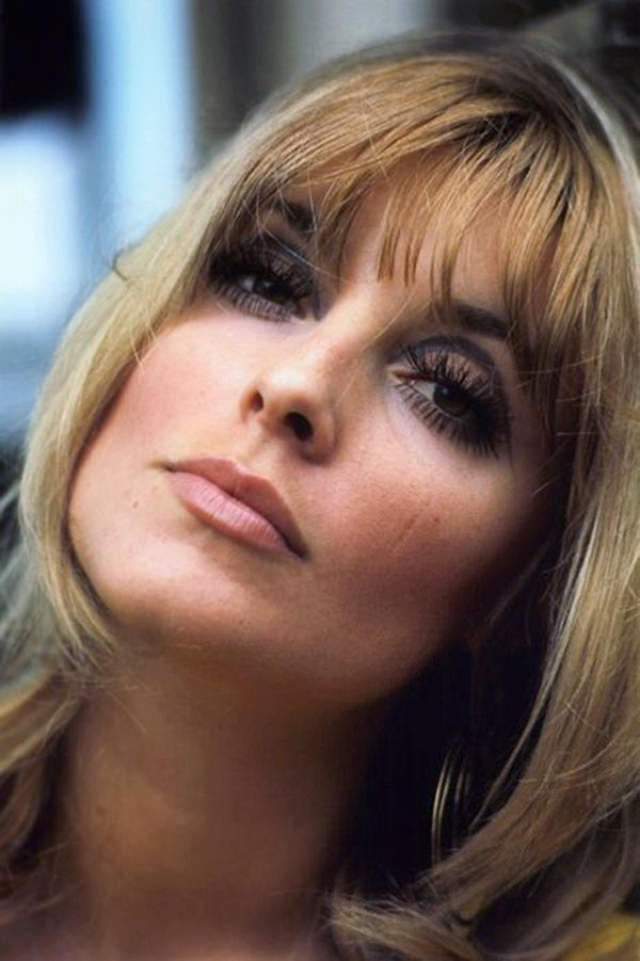
Tate’s style in these portraits is clean and direct. She favored simple silhouettes — turtlenecks, minimal accessories — that let her features do the work. Her look wasn’t overdone. The mod era rewarded that kind of restraint, and Tate wore it well.
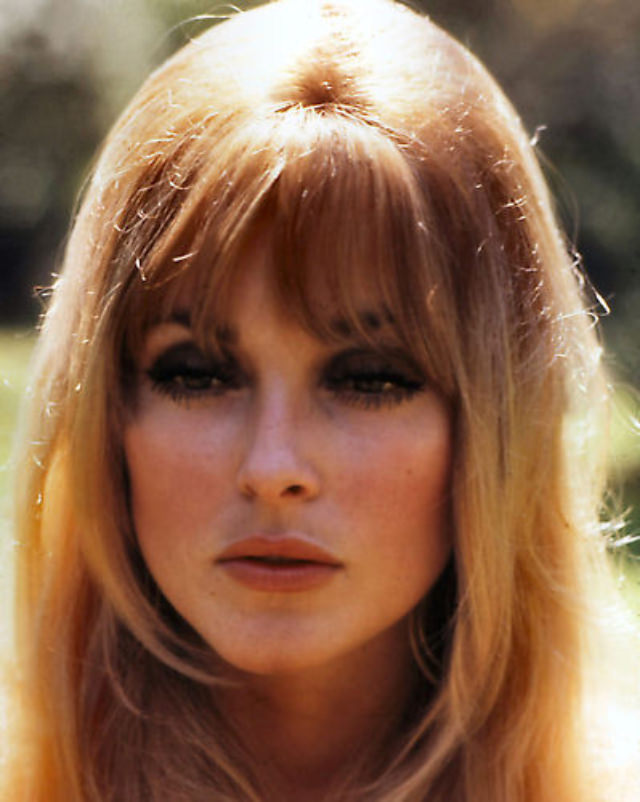
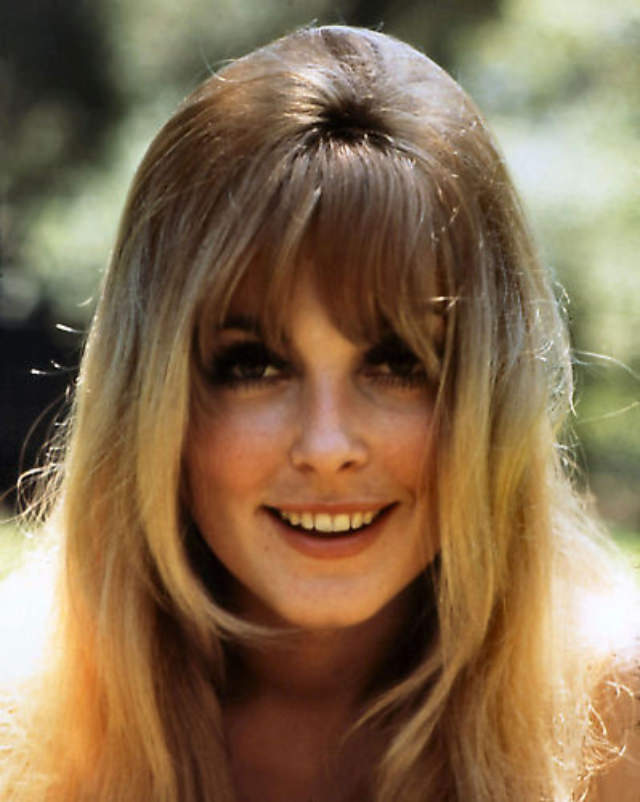
Suero’s approach with Tate was intimate and unhurried. Rather than the stiff formality of studio glamour shots, these portraits feel relaxed. She looks directly at the camera in some frames and away in others, giving the collection a sense of movement and personality.
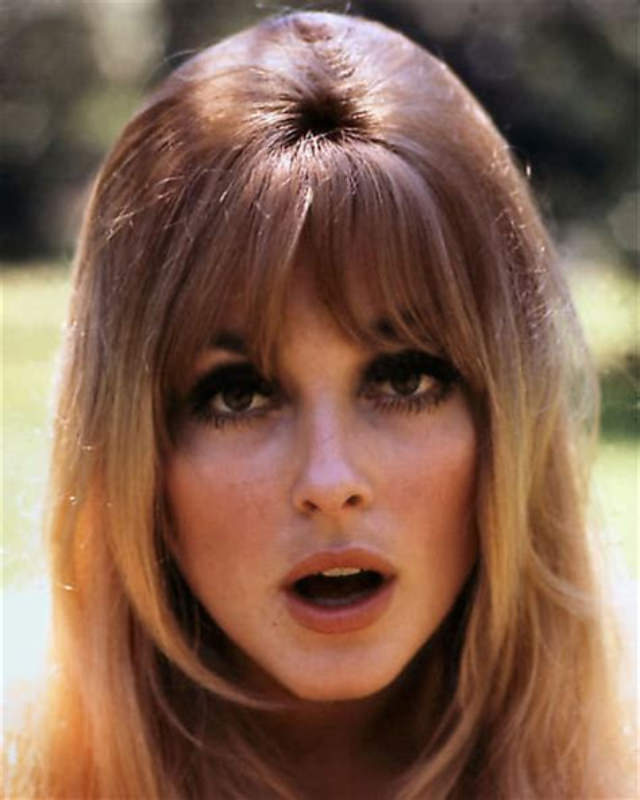
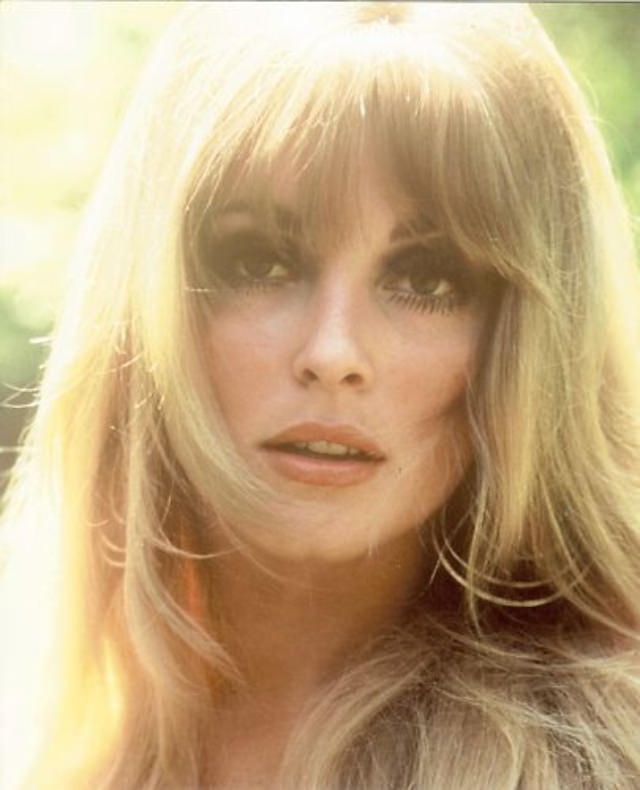
At the time of this shoot, Tate was building her acting career steadily. She had appeared in television roles and was working toward the film work that would raise her profile significantly in the years that followed. These photographs capture her at a pivotal moment — talented, striking, and on the rise.
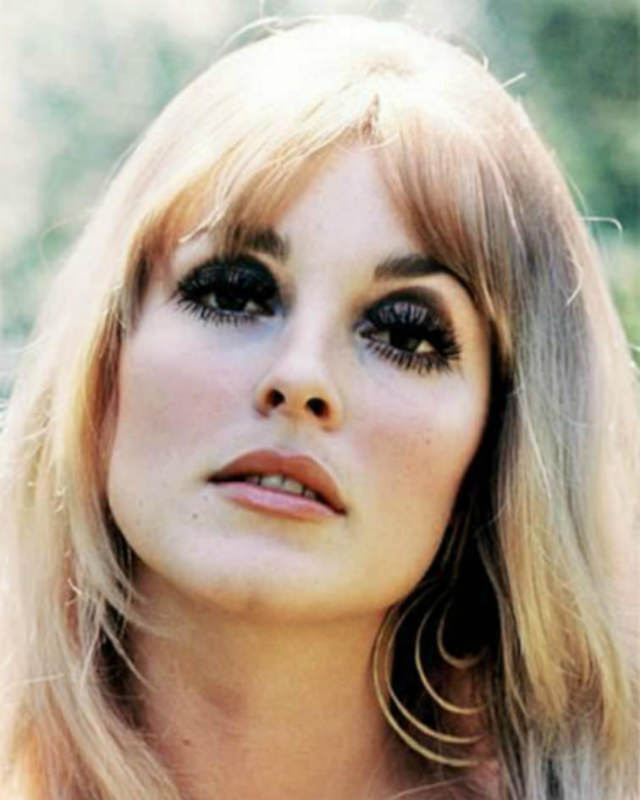
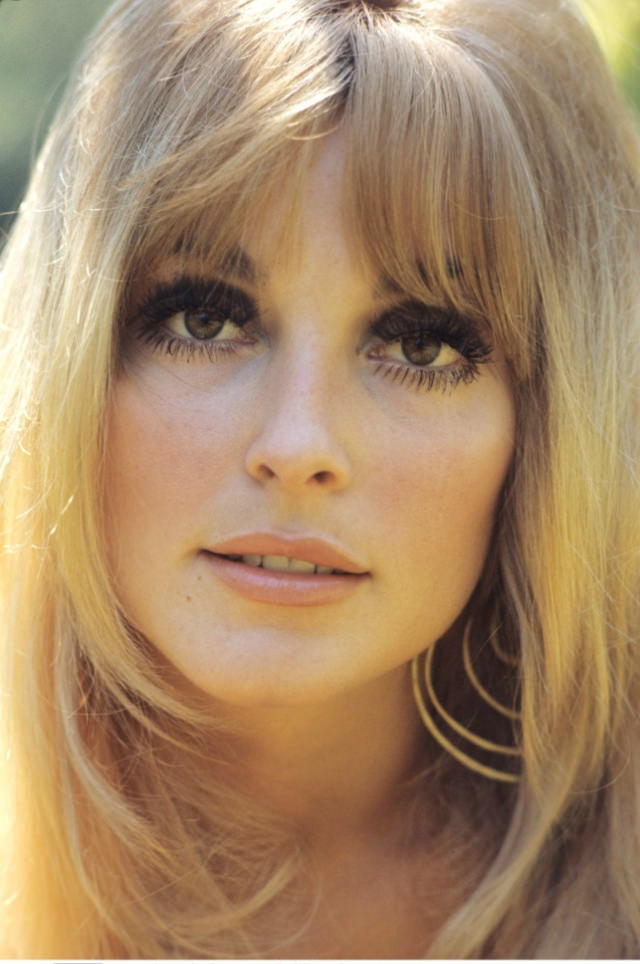
The 1960s mod aesthetic that Tate embodied was sharp and youthful. Bold eyeliner, pale lips, and geometric cuts defined the era’s visual language. Tate carried those elements with ease, and Suero’s camera caught them at their best.
Sharon Tate was murdered on August 9, 1969, by followers of cult leader Charles Manson. She was 26 years old and eight and a half months pregnant at the time of her death. The crime shocked the world and brought a violent end to one of Hollywood’s most promising careers.
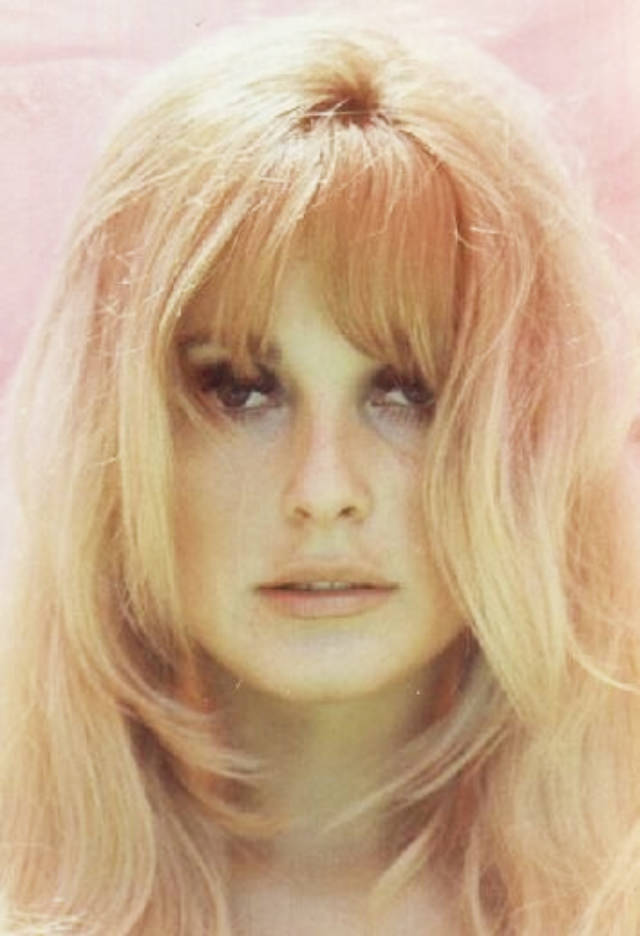
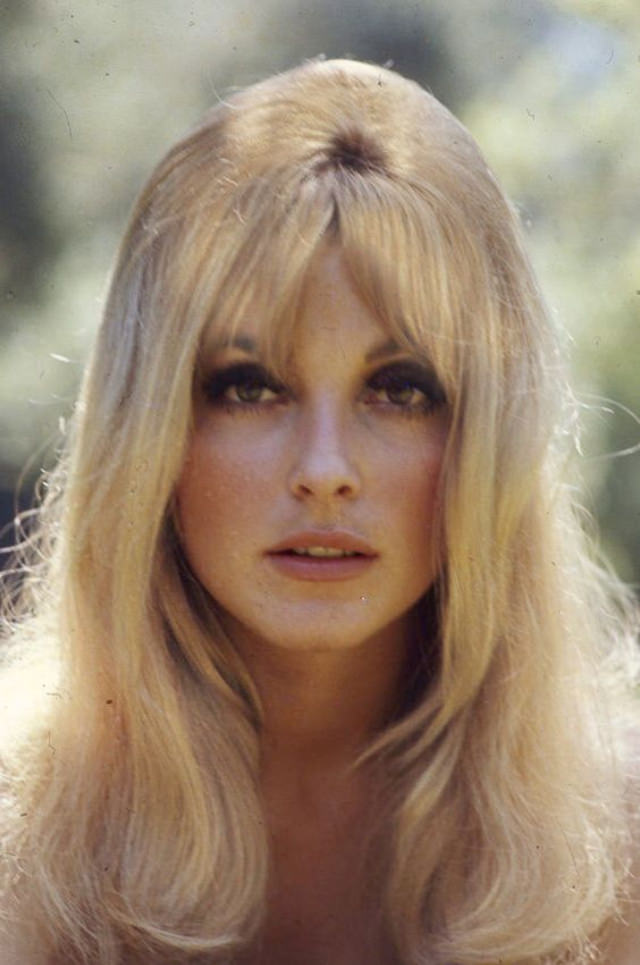
Photographs like these, taken years before her death, are a record of who she was apart from the tragedy that would later define her name in the public memory. They show a young woman at work — posing, performing, and thriving in her element.
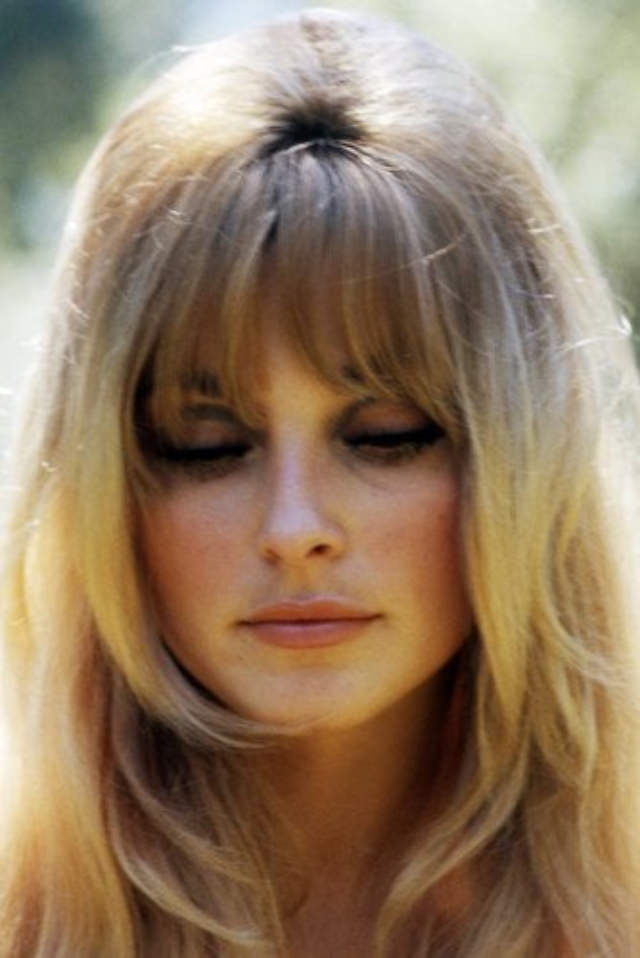
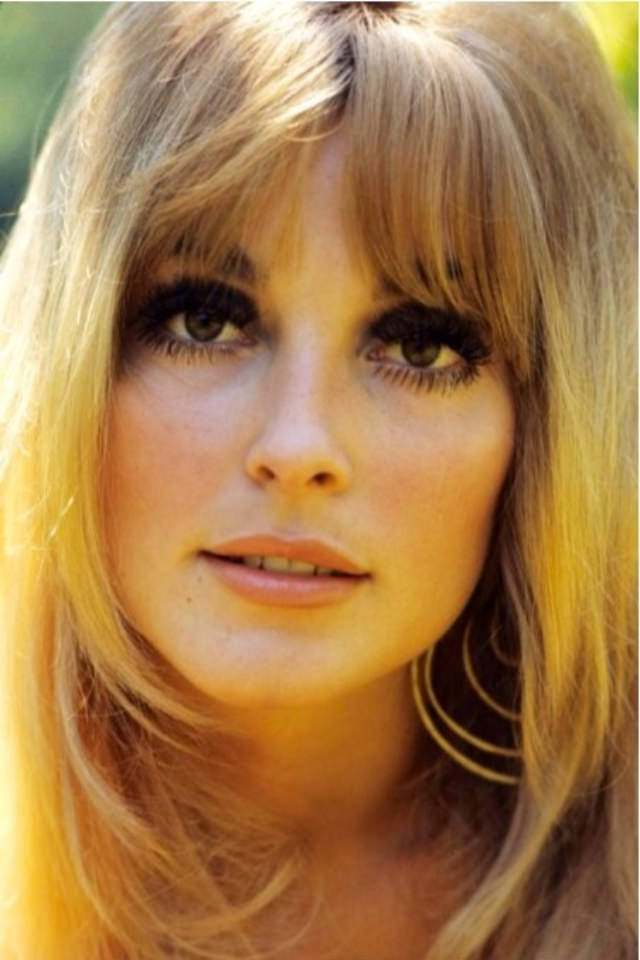
Orlando Suero had a gift for drawing out the natural qualities of his subjects rather than imposing a manufactured image on them. With Tate, that meant capturing warmth alongside poise. The result is a set of portraits that feel genuinely personal rather than purely commercial.
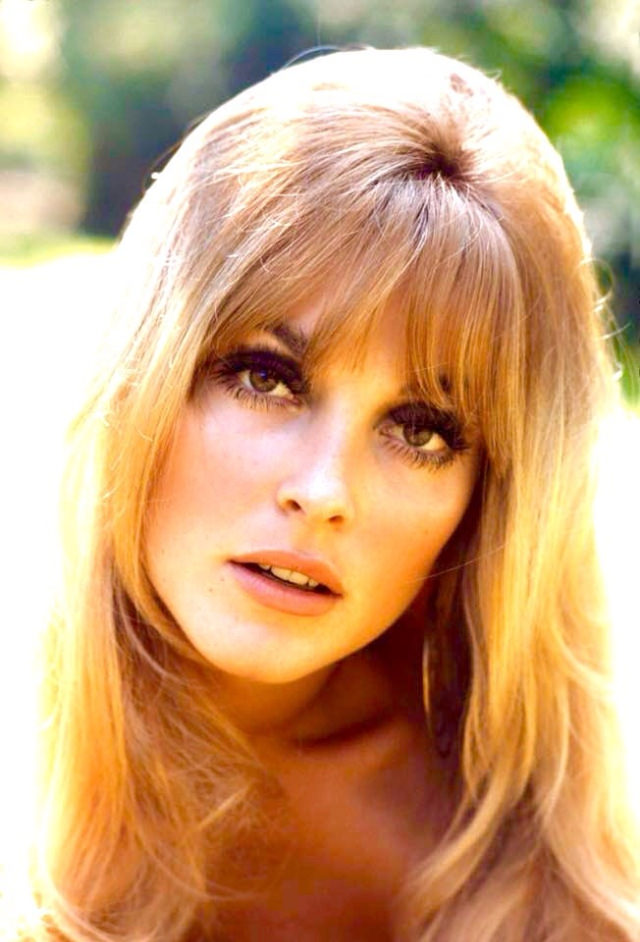
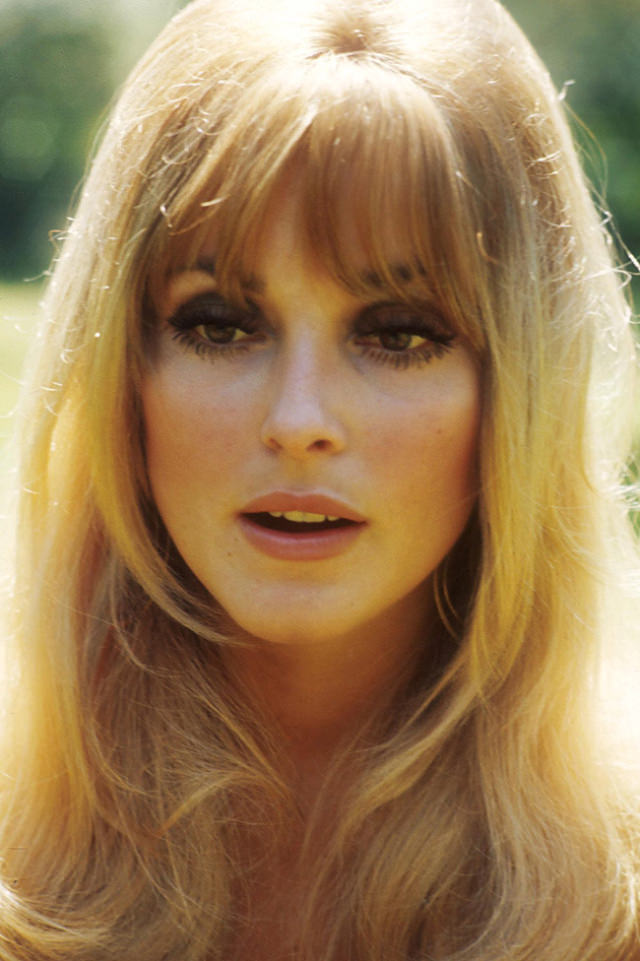
Each frame in this series holds up on its own. Together, they form a cohesive portrait of a woman who understood how to exist in front of a camera — not just as a subject, but as a presence. Suero recognized that quality and built a session around it.