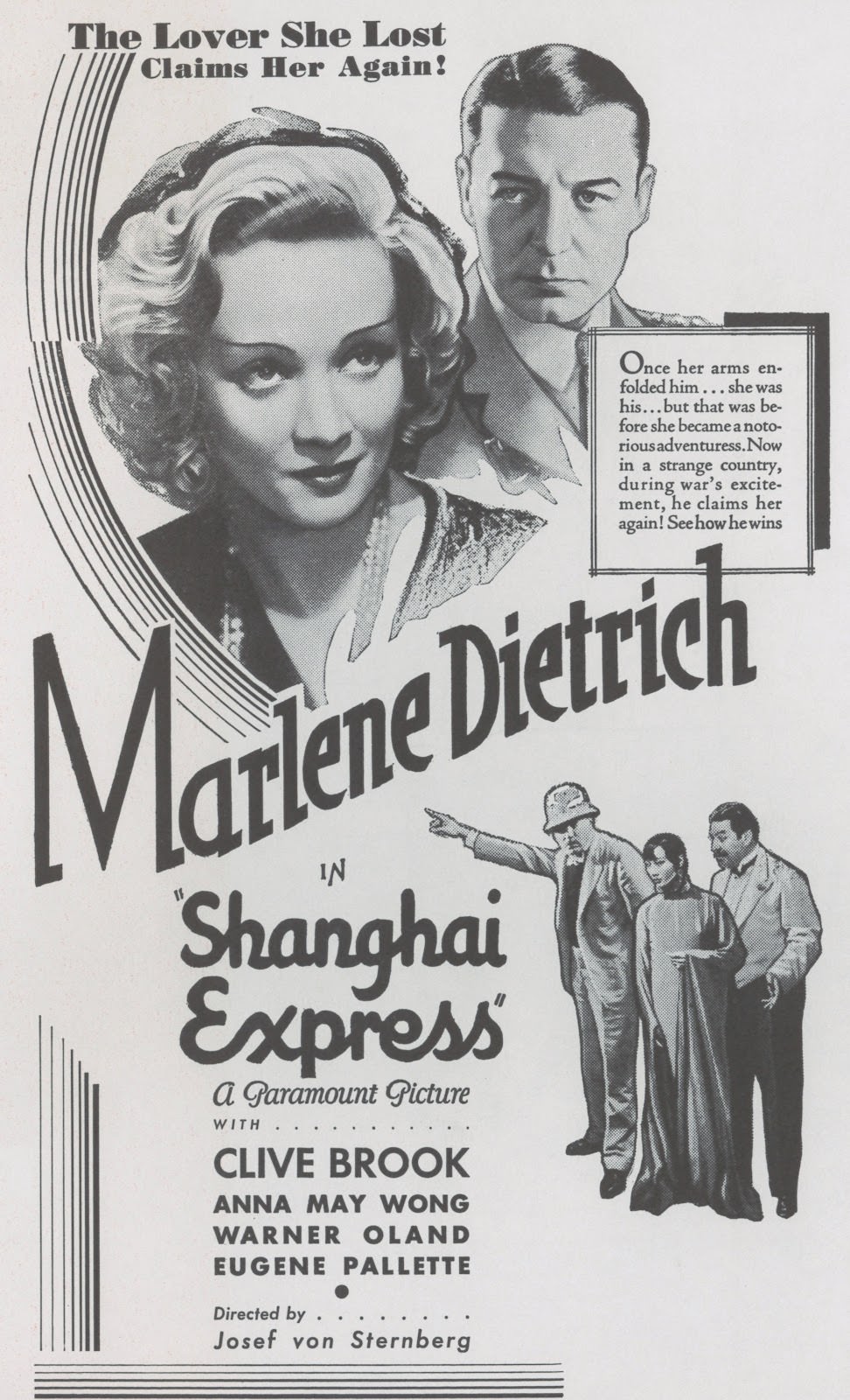
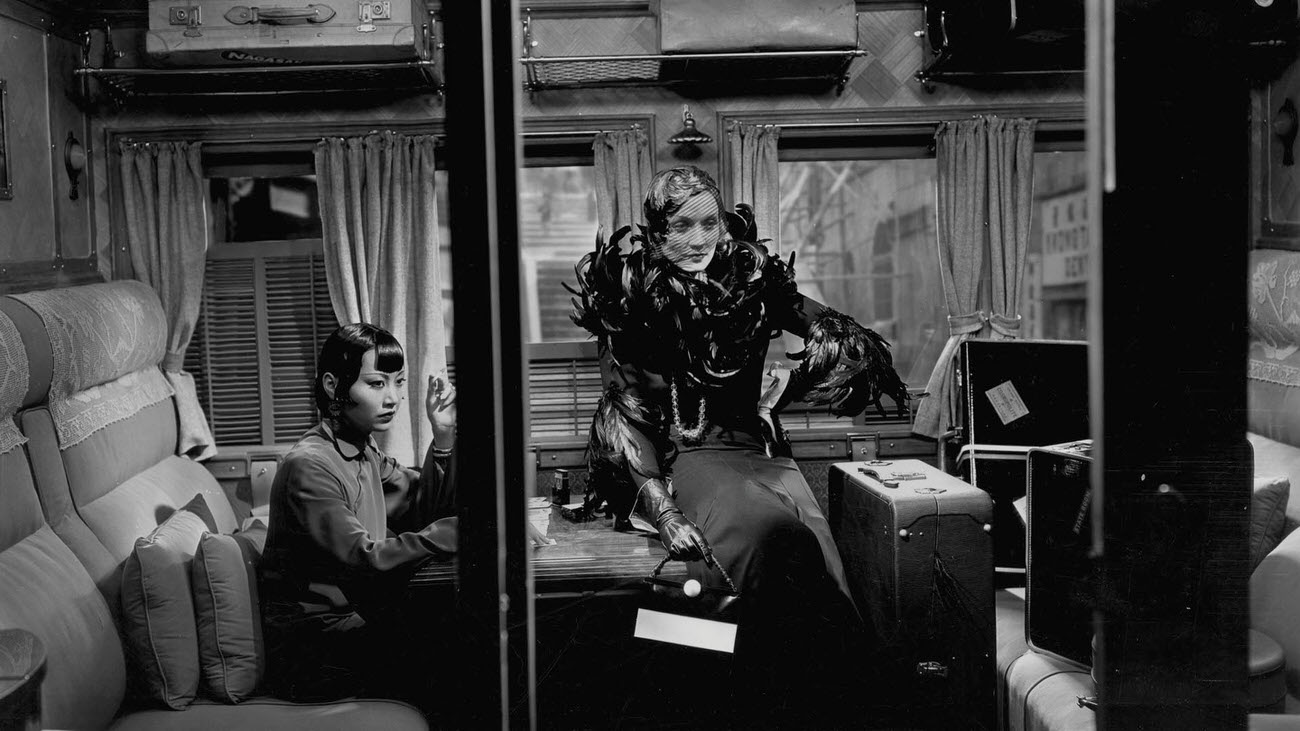
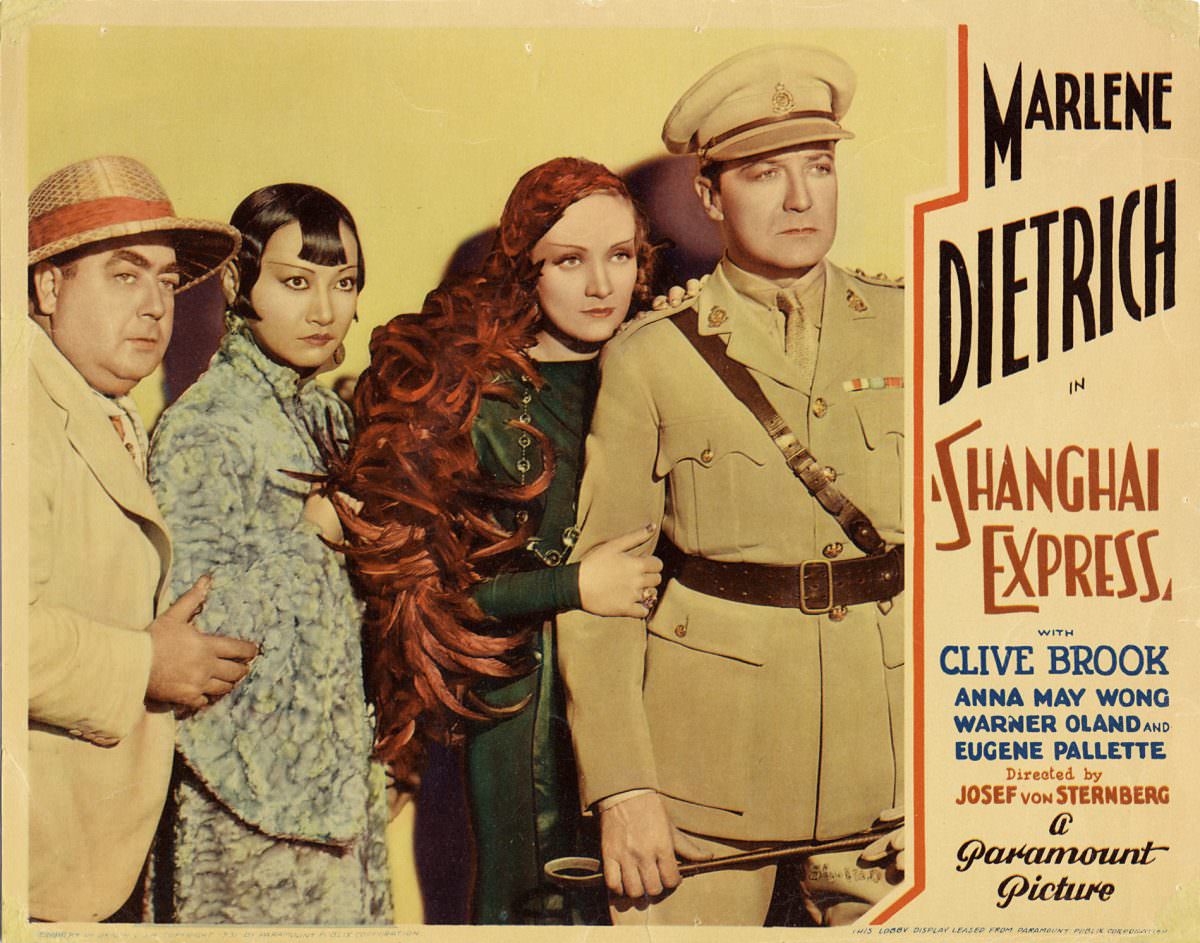
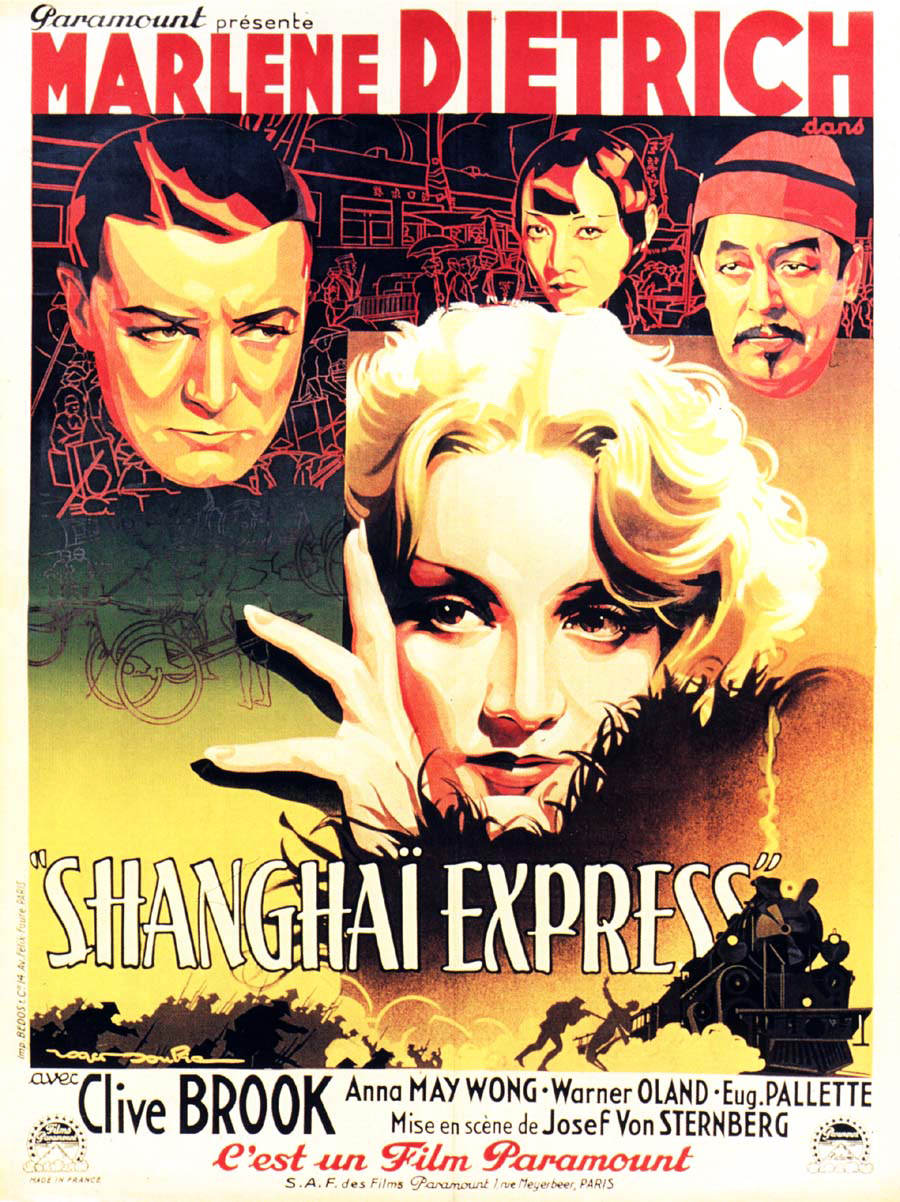
Released in 1932, Shanghai Express is one of the most visually striking films of Hollywood’s early sound era. Directed by Josef von Sternberg and starring Marlene Dietrich alongside Clive Brook, the film unfolds against the backdrop of China’s political turmoil — warlords, foreign influence, and a country fracturing under instability. It is not a quiet drama. From its first frames, it moves with tension and atmosphere.
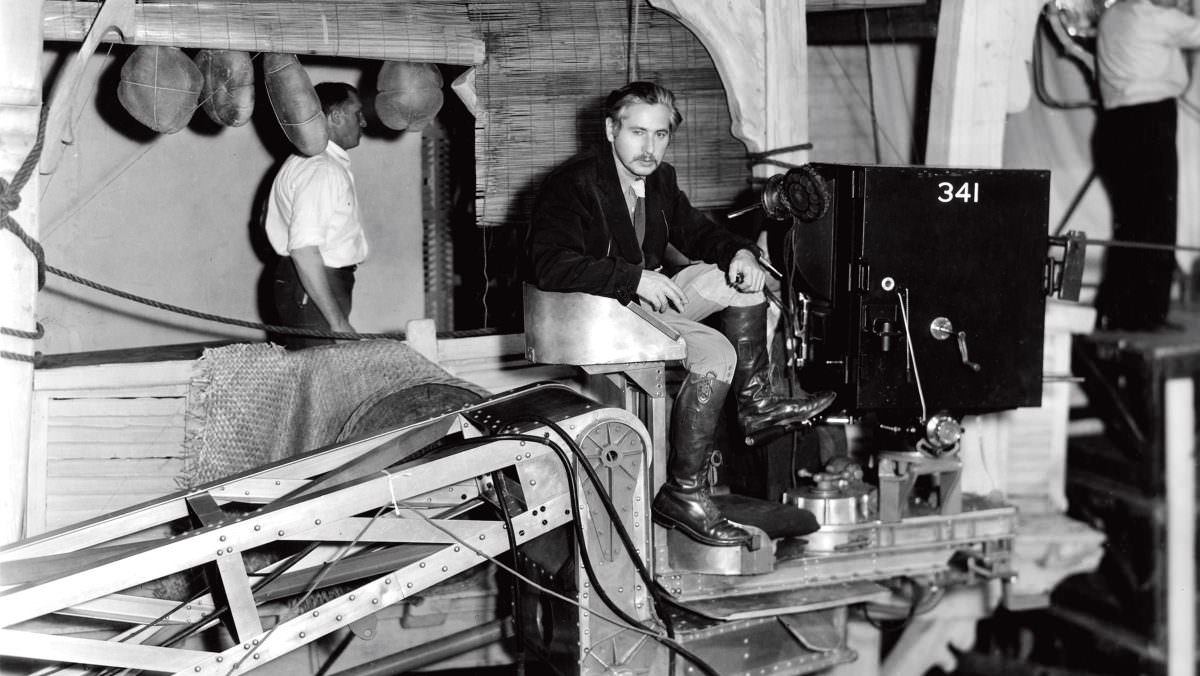
Josef von Sternberg was already known for his moody, visually precise style when he took on this project. He had a gift for using light and shadow to shape a character’s emotional state as much as their surroundings. Shanghai Express gave him the perfect canvas — a moving train, a confined space, and a cast of morally complicated passengers.
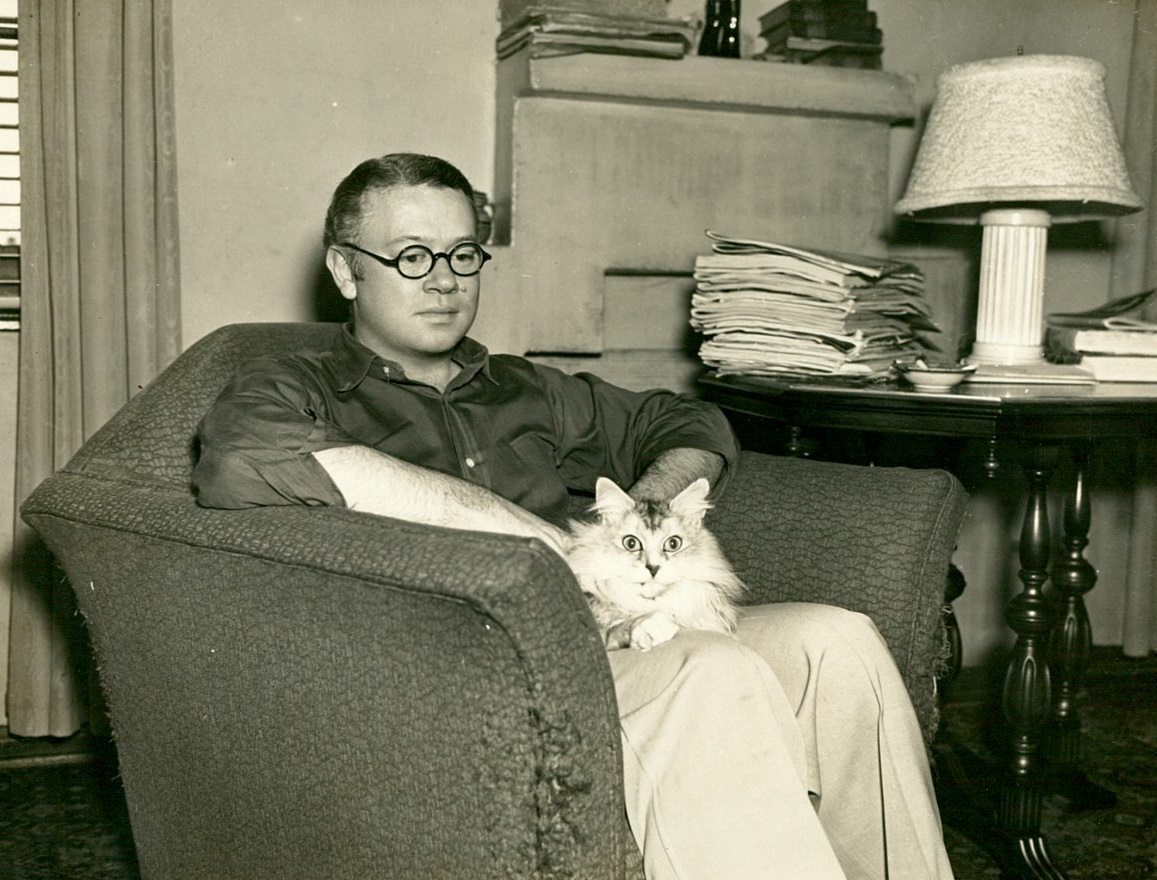
The film’s story was based on an original tale by Harry Hervey, who drew on the real energy of 1930s China — a place where Western travelers, local warlords, and displaced Chinese citizens collided daily. The screenplay translated that friction directly onto the train’s passenger cars.
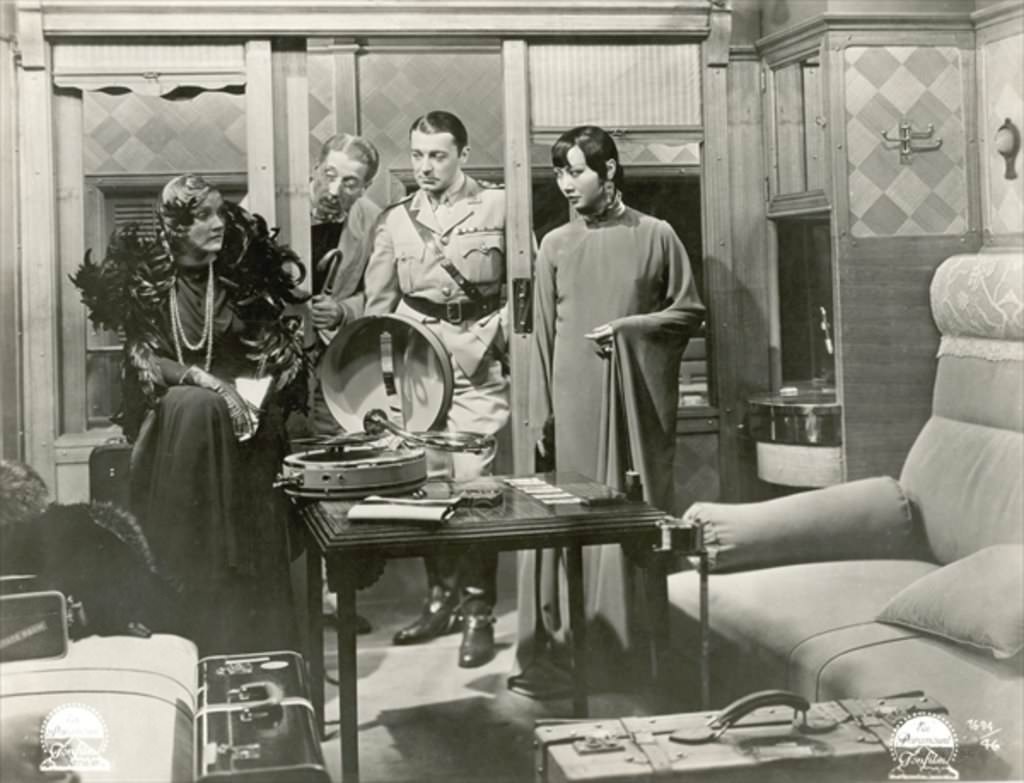
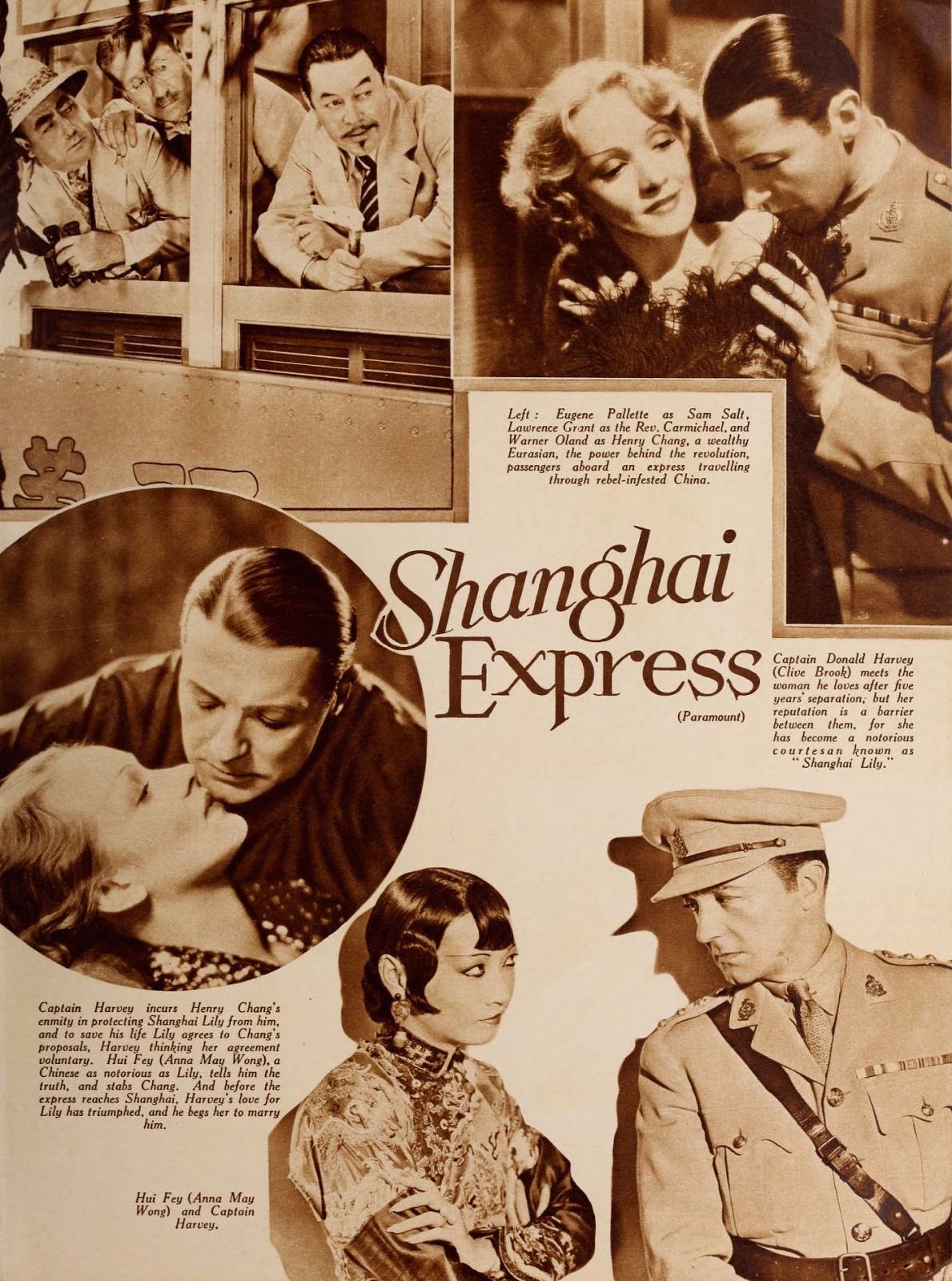
The plot centers on a train journey from Beijing to Shanghai. The Shanghai Express carries passengers from wildly different walks of life — a British military officer, a German businessman, a missionary, a Chinese opium dealer, and at the heart of it all, a woman known as Shanghai Lily. When warlord rebels stop the train and hold the passengers at gunpoint, every character’s true nature is put to the test.
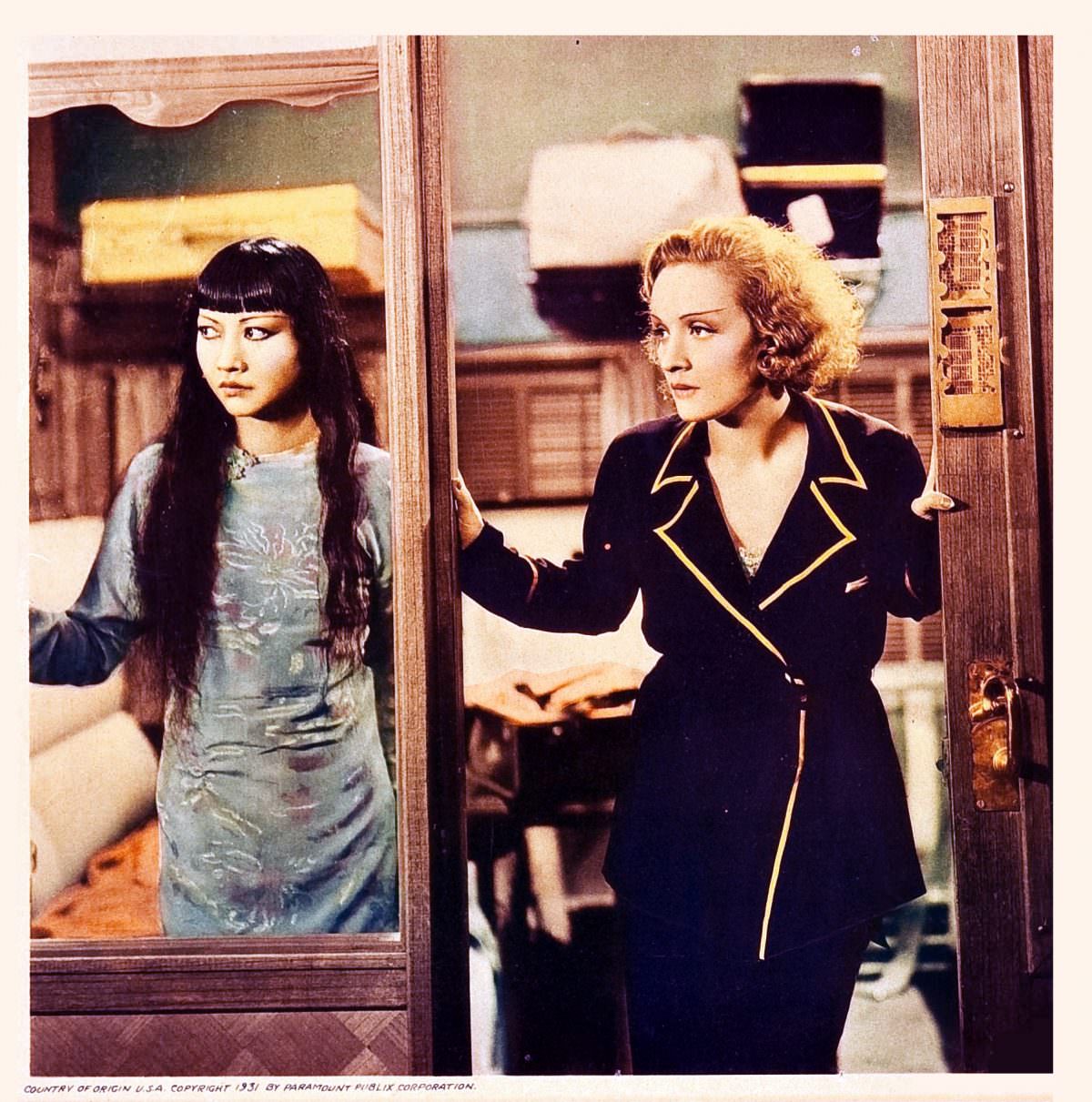
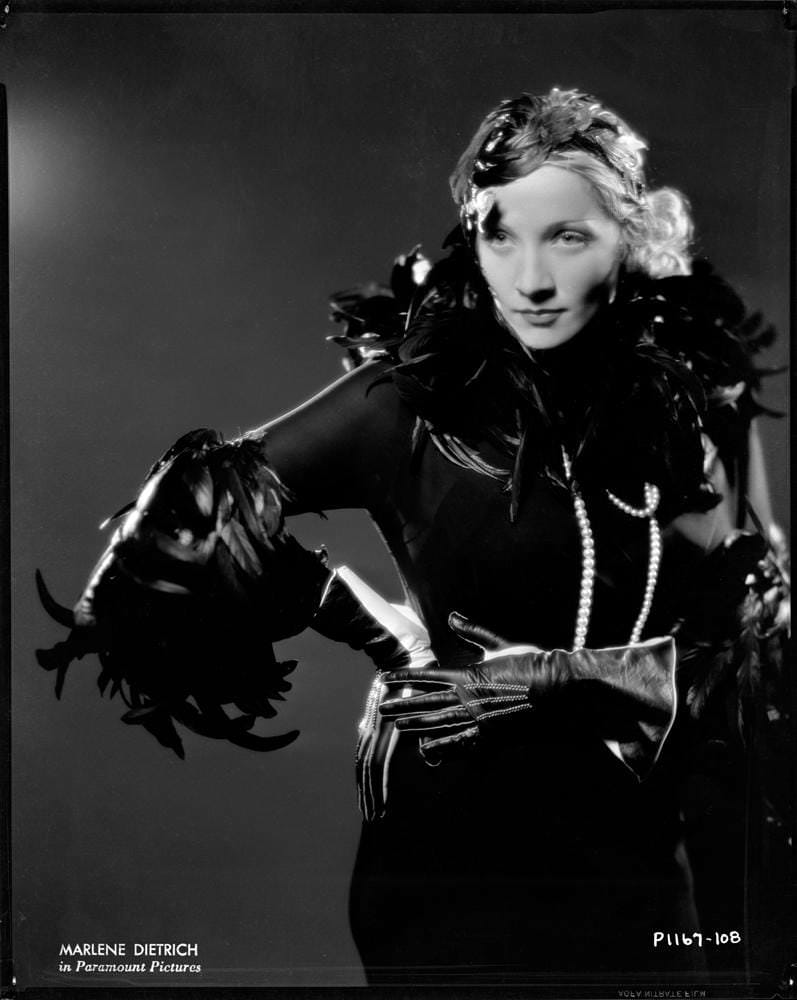
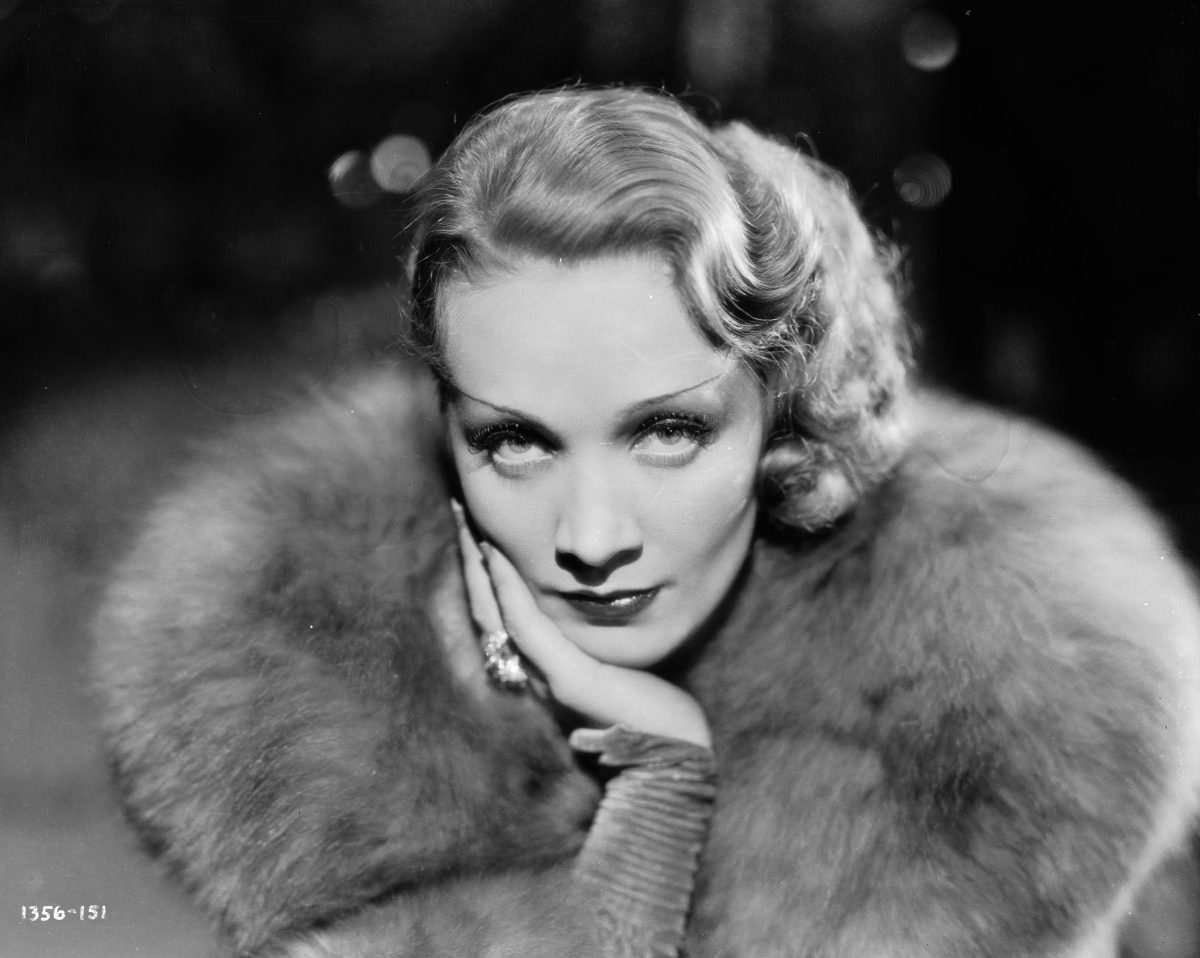
Marlene Dietrich plays Shanghai Lily — real name Madeleine — a former courtesan whose reputation precedes her on the train. Fellow passengers whisper about her past. She carries herself with a quiet confidence that refuses to apologize for who she is. Dietrich’s performance is precise: glamorous on the surface, but layered with genuine vulnerability beneath.
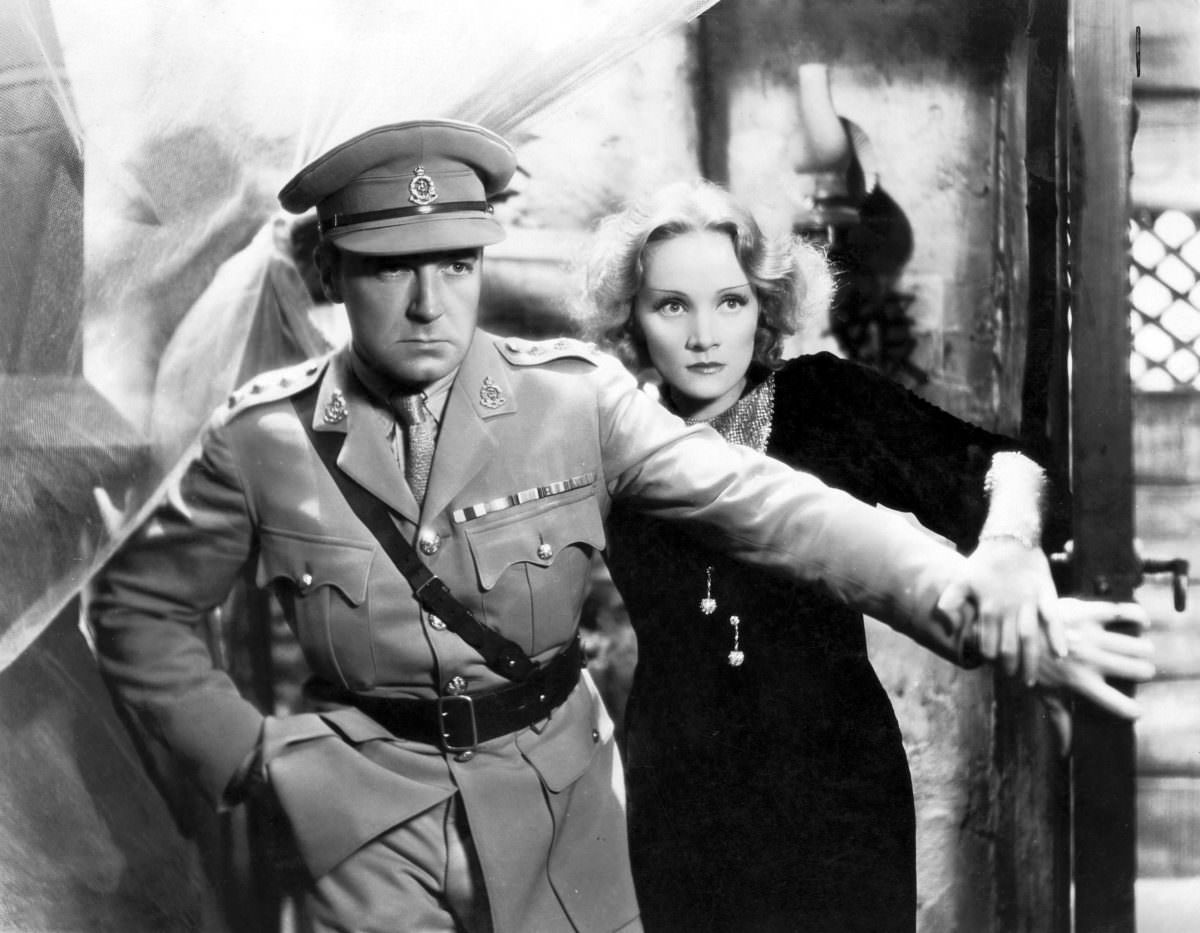
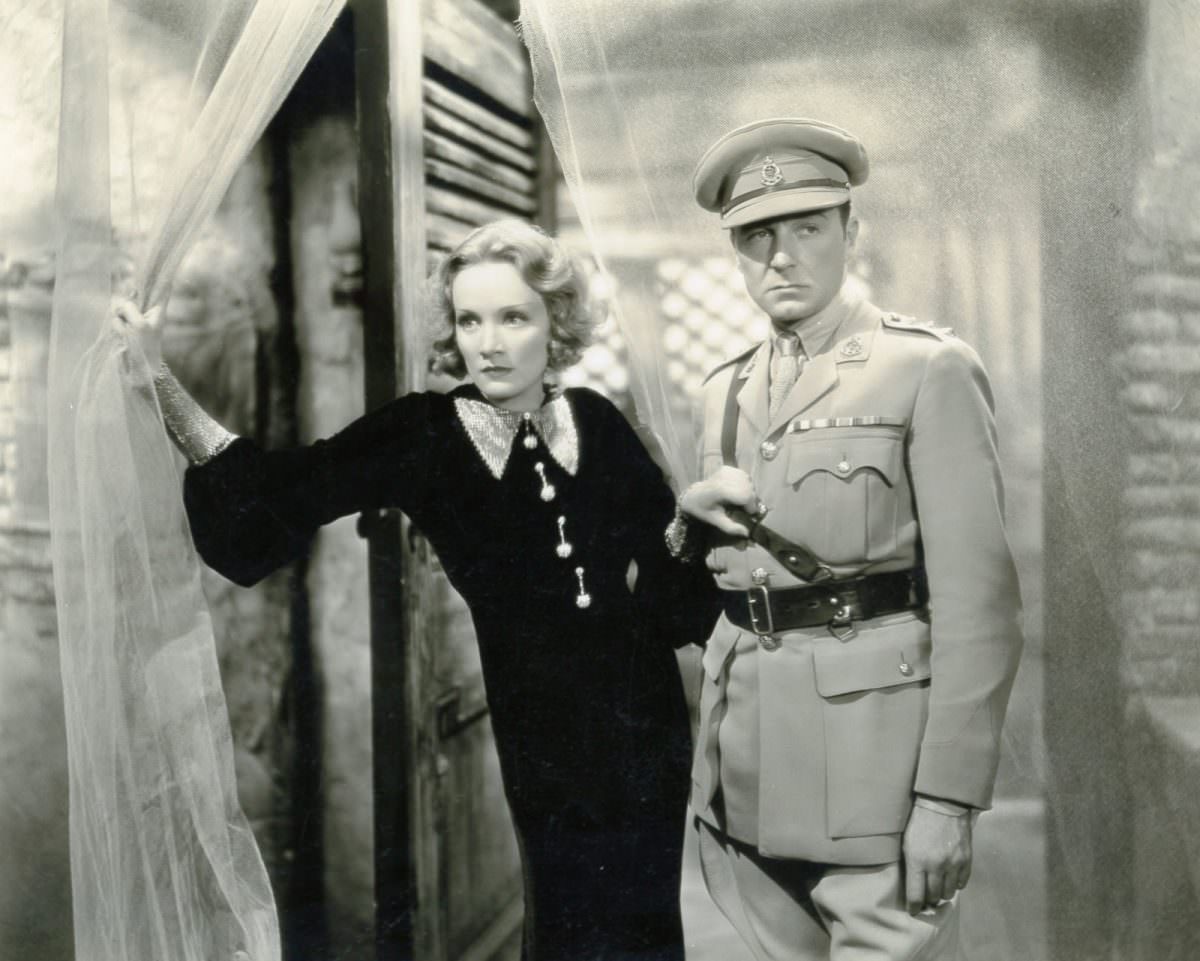
Clive Brook plays Captain Donald Harvey, a British army doctor who was once Shanghai Lily’s lover. Their reunion on the train is immediately charged. Five years have passed, and both have changed — but the feelings between them haven’t fully died. Their scenes together are restrained and tightly written, relying on what isn’t said as much as what is.
The warlord rebel leader, Henry Chang, played by Warner Oland, is the film’s antagonist. When the train is stopped, he takes control of the passengers and uses them as bargaining chips. His target is a high-ranking British officer, and he’s willing to use violence to get what he wants. The standoff that follows forces Shanghai Lily into a choice that defines the entire film.
Love and betrayal run through every scene. Shanghai Lily’s past has cost her Captain Harvey’s trust, and the train journey forces both of them to decide whether that trust can be rebuilt. There are no easy answers. The film doesn’t resolve their relationship neatly — it shows how people carry their histories with them, even when they’d rather leave them behind.
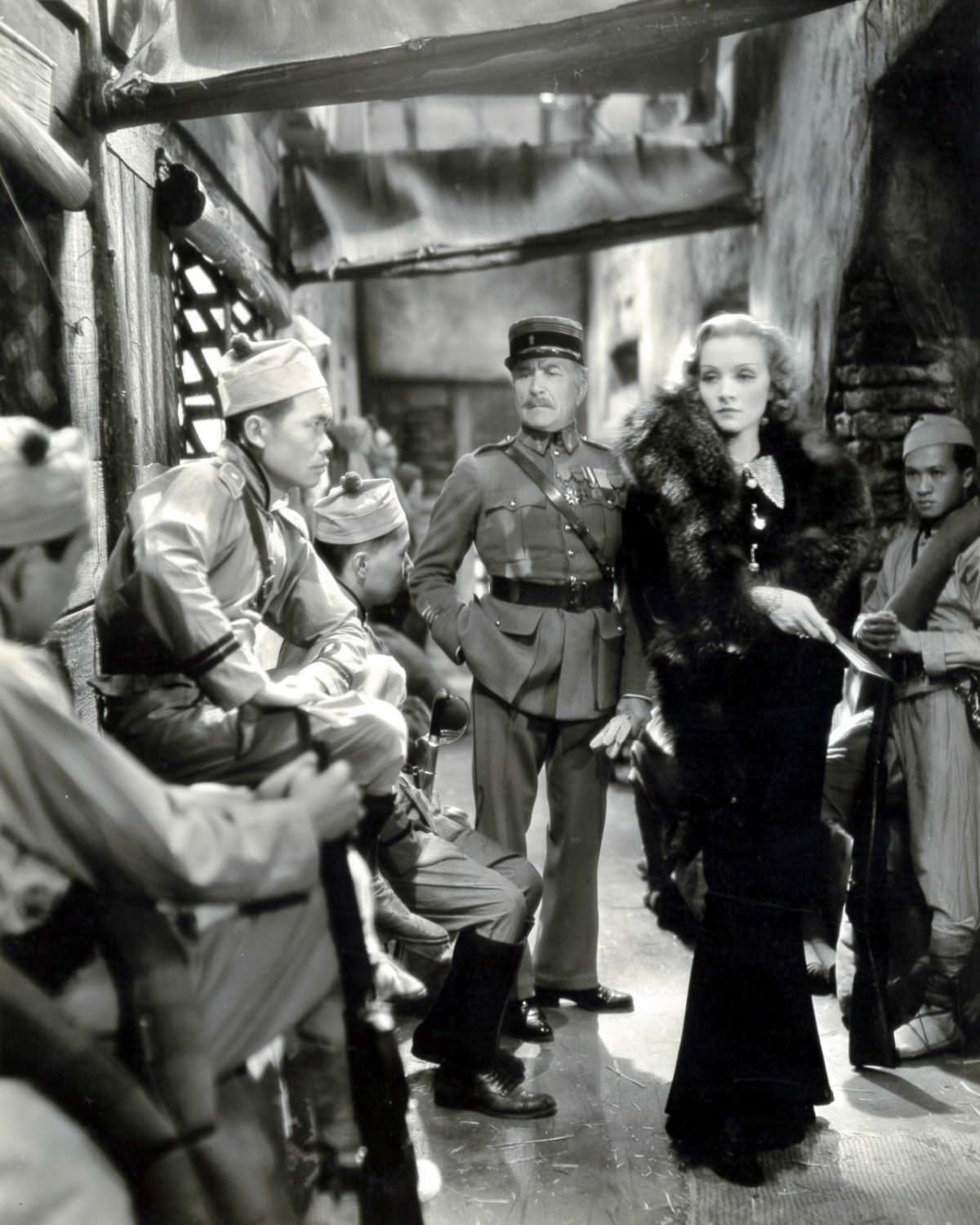
Survival is the film’s other major thread. Stripped of their normal social roles, the passengers reveal who they really are under pressure. Some act with courage. Others look only to protect themselves. The film draws sharp contrasts between characters, using the confined space of the train to force these differences into the open.
Class and identity also play a significant role. The passengers represent a cross-section of 1930s society — wealthy Westerners, working-class travelers, and Chinese nationals all crammed into the same carriages. Their assumptions about each other are constantly challenged. Shanghai Lily, in particular, is judged harshly by passengers who consider themselves her moral superiors, yet it is she who ultimately acts with the most integrity.

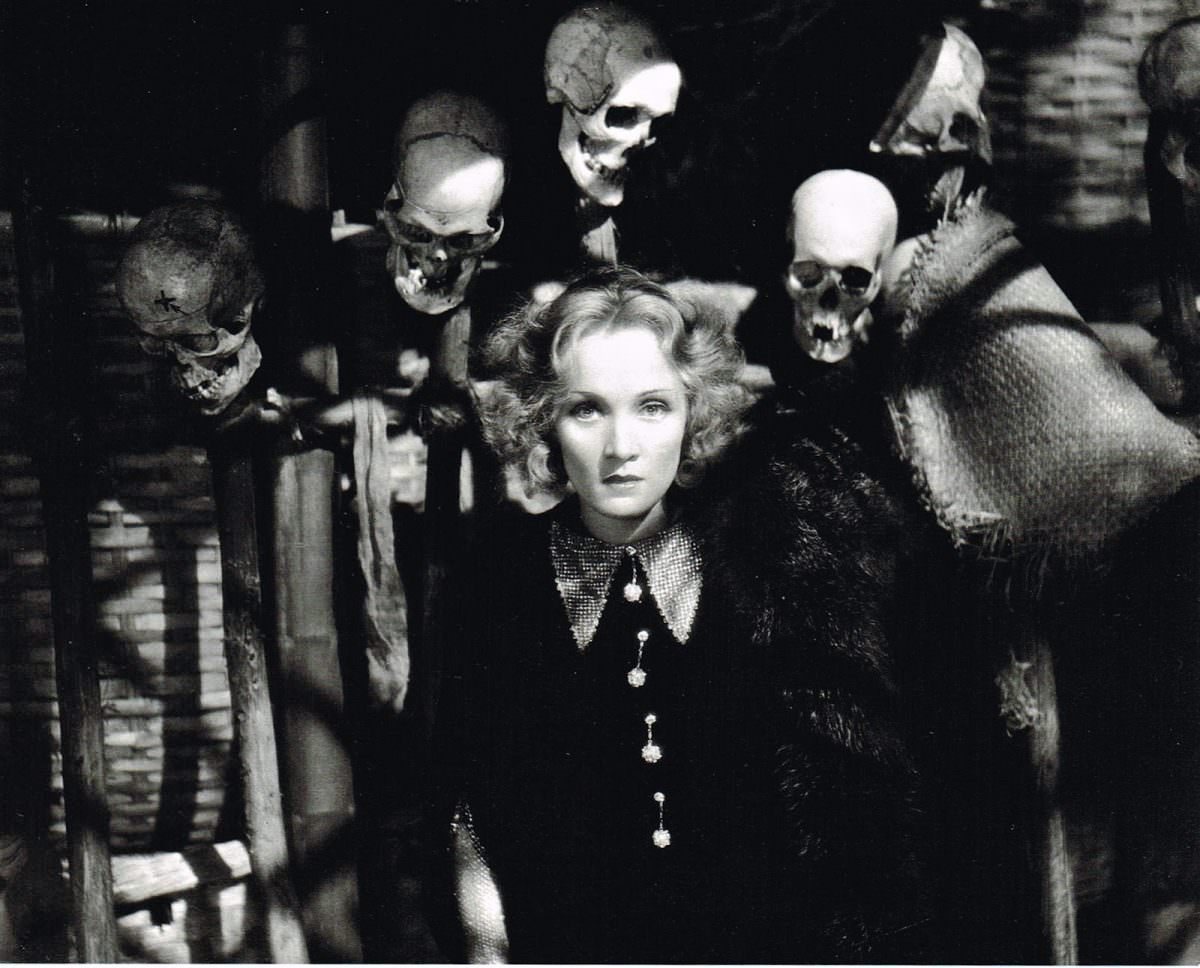
The cinematography, shot by Lee Garmes, won the Academy Award for Best Cinematography in 1932. Garmes used deep shadows, dramatic backlighting, and carefully angled close-ups to create a look that felt both dreamlike and dangerous. The train’s interior glows with a filtered, almost theatrical light that makes every frame feel considered.
Wide shots of the Chinese countryside and busy station platforms contrast sharply with the tight, shadowy interiors of the train. Von Sternberg used this contrast deliberately — the vast, unstable world outside pressing up against the small, enclosed world of the passengers inside.
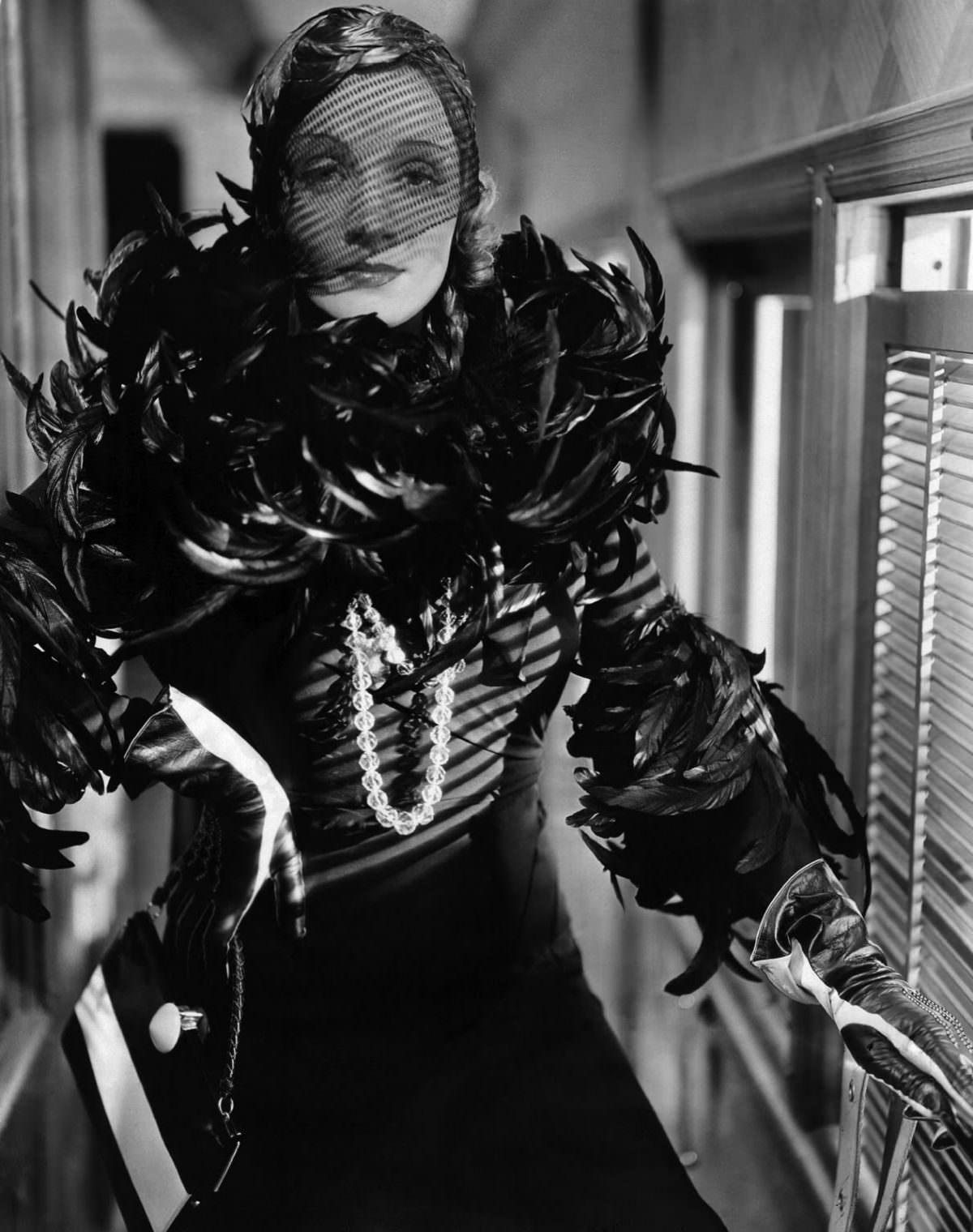
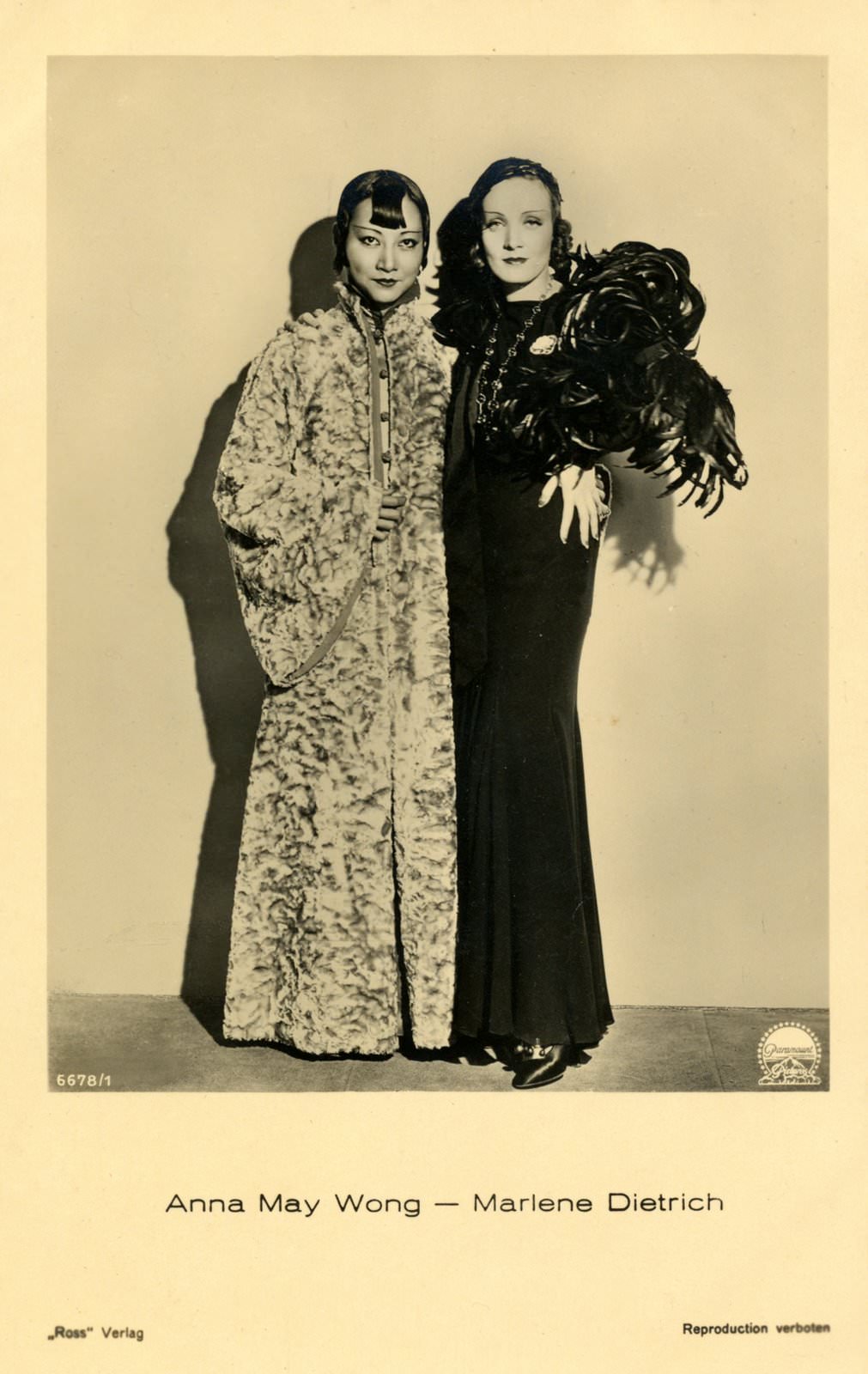
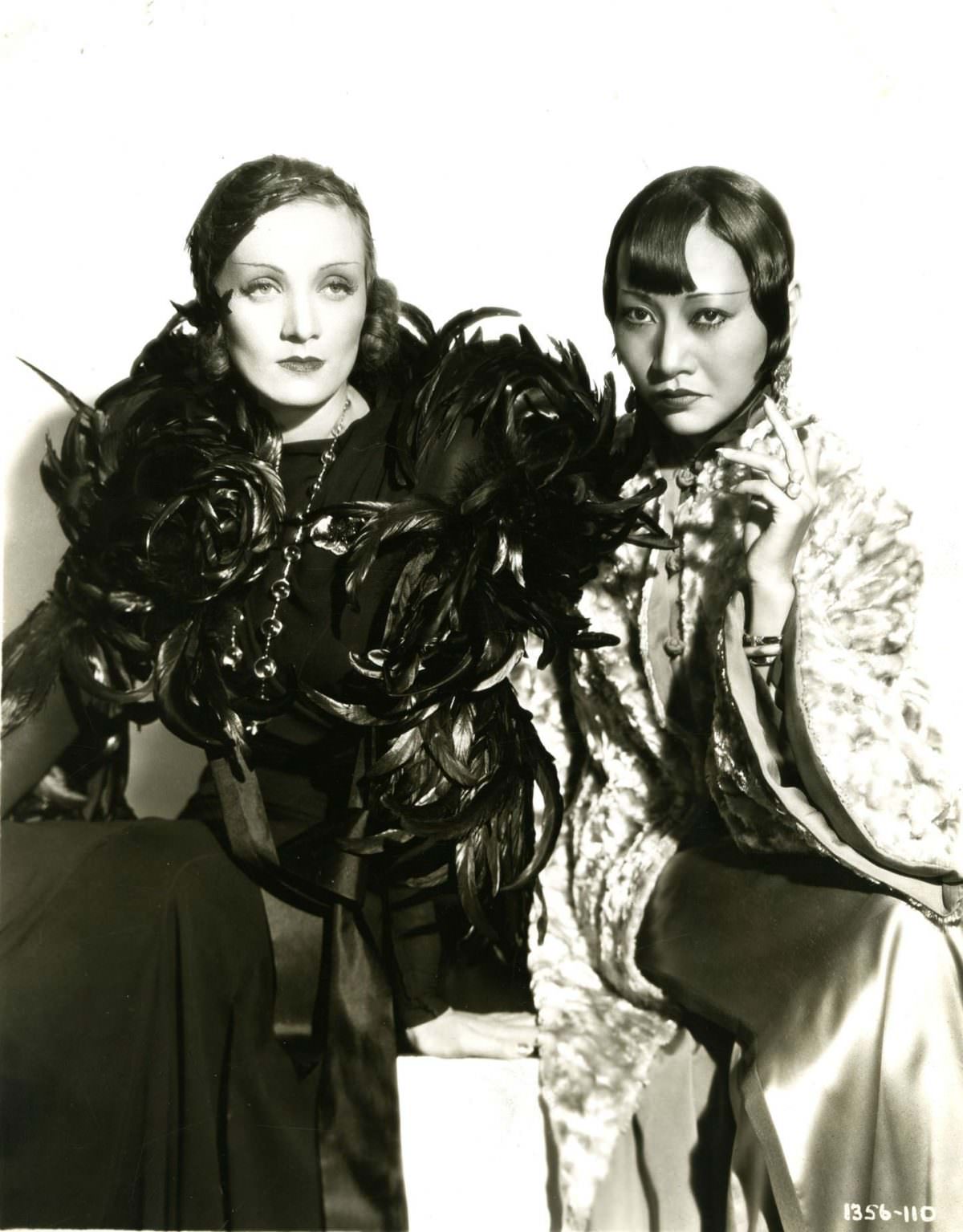
Costume designer Travis Banton created Shanghai Lily’s wardrobe, and it became as much a part of the character as Dietrich’s performance. Black feathers, silk, and form-fitting silhouettes signaled her status and her defiance at once. Banton and Dietrich worked closely together across several films, and Shanghai Express represents one of their most celebrated collaborations.
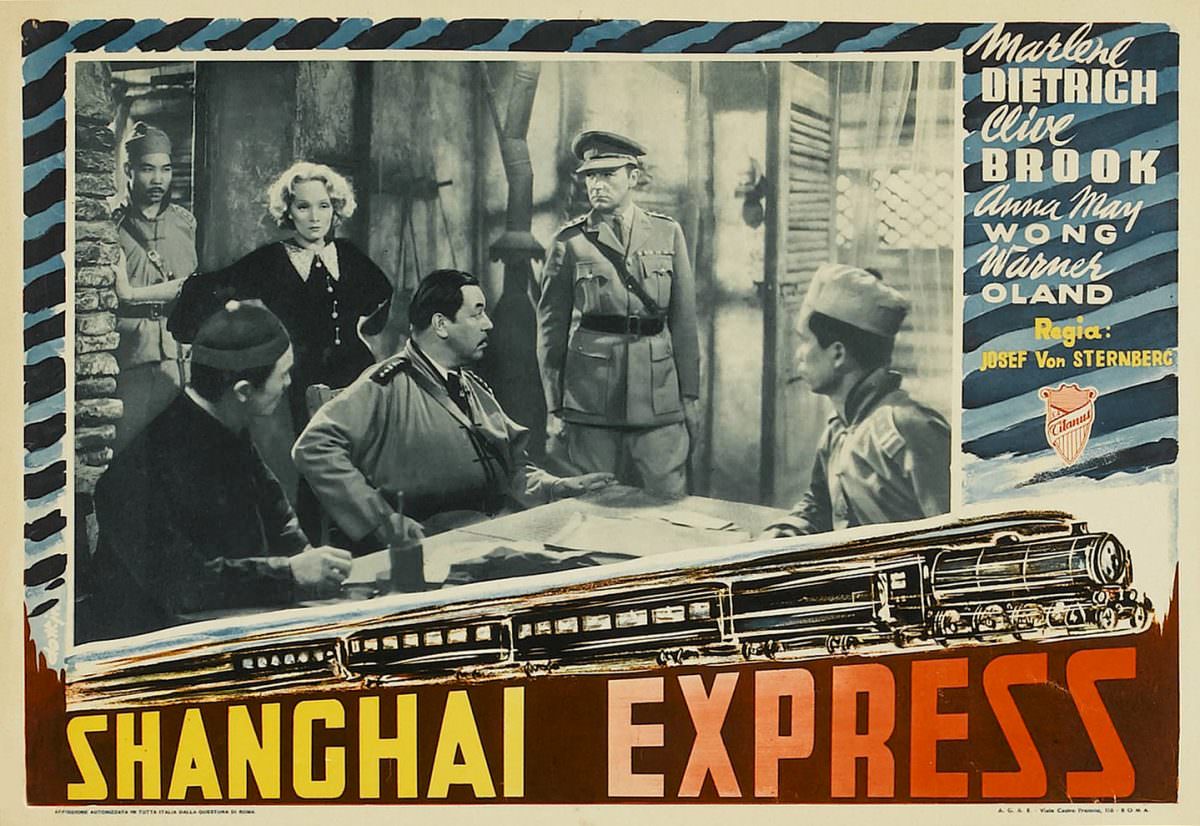
The film was a massive commercial success. It became one of the highest-grossing films of 1932 and earned Paramount Pictures significant revenue at a time when the industry was struggling through the Great Depression. It received three Academy Award nominations, including Best Picture and Best Director.
The 1930s setting in China was not incidental. The country was genuinely destabilized at the time — warlord factions competed for territory, civil conflict between Nationalist and Communist forces was escalating, and foreign nations maintained heavily guarded concession zones in cities like Shanghai. The film drew directly on this real tension to build its fictional stakes.
Shanghai itself, in the early 1930s, was one of the most cosmopolitan cities in the world. It hosted a staggering mix of Chinese residents, Western expatriates, Russian émigrés, and international traders. The city had a reputation for wealth, vice, and cultural collision — and the film uses that reputation as a backdrop against which its characters are measured.
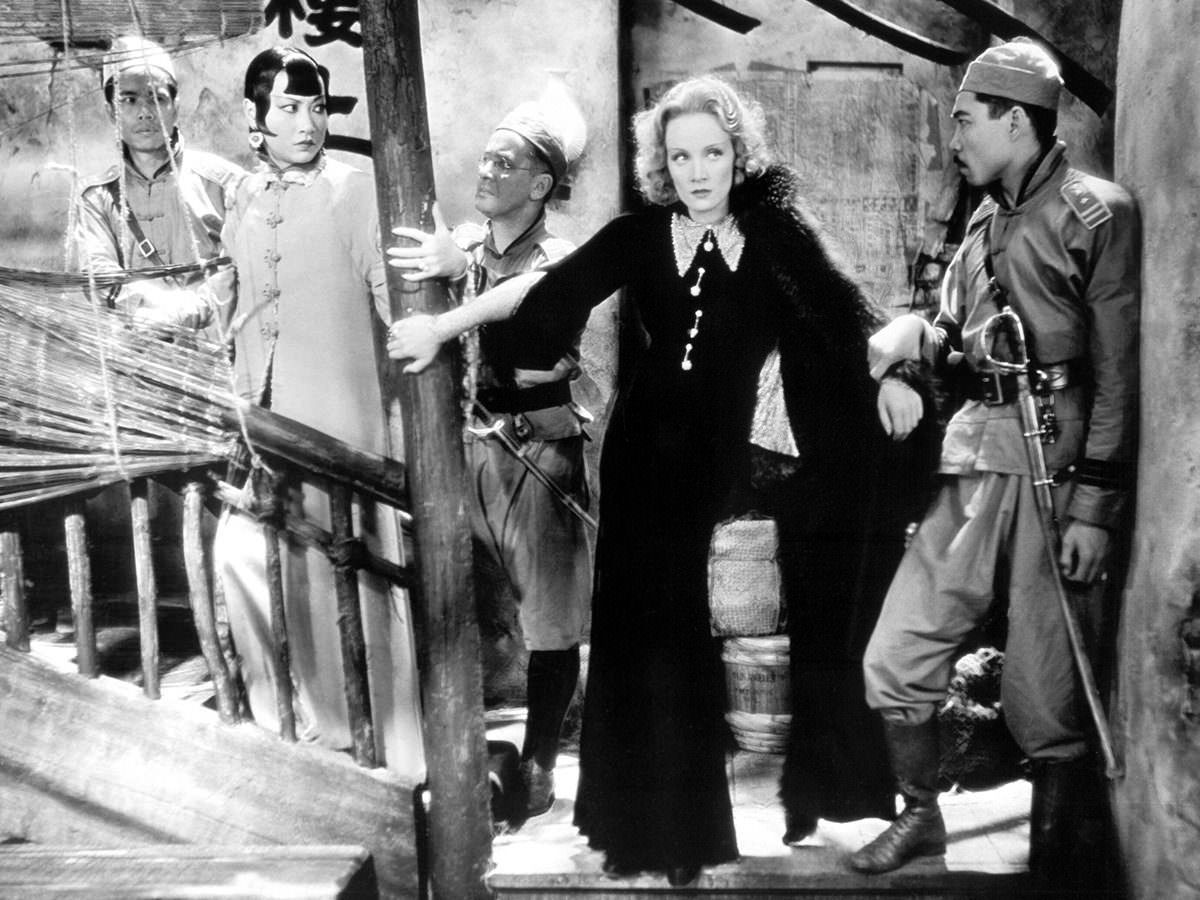
Von Sternberg’s direction keeps the film moving without rushing it. He was meticulous about composition — every shot was constructed rather than simply recorded. Actors were lit and positioned with the care of a still photographer, and yet the scenes never feel static. There is always something shifting in the frame, some tension in the body language or the shadows.
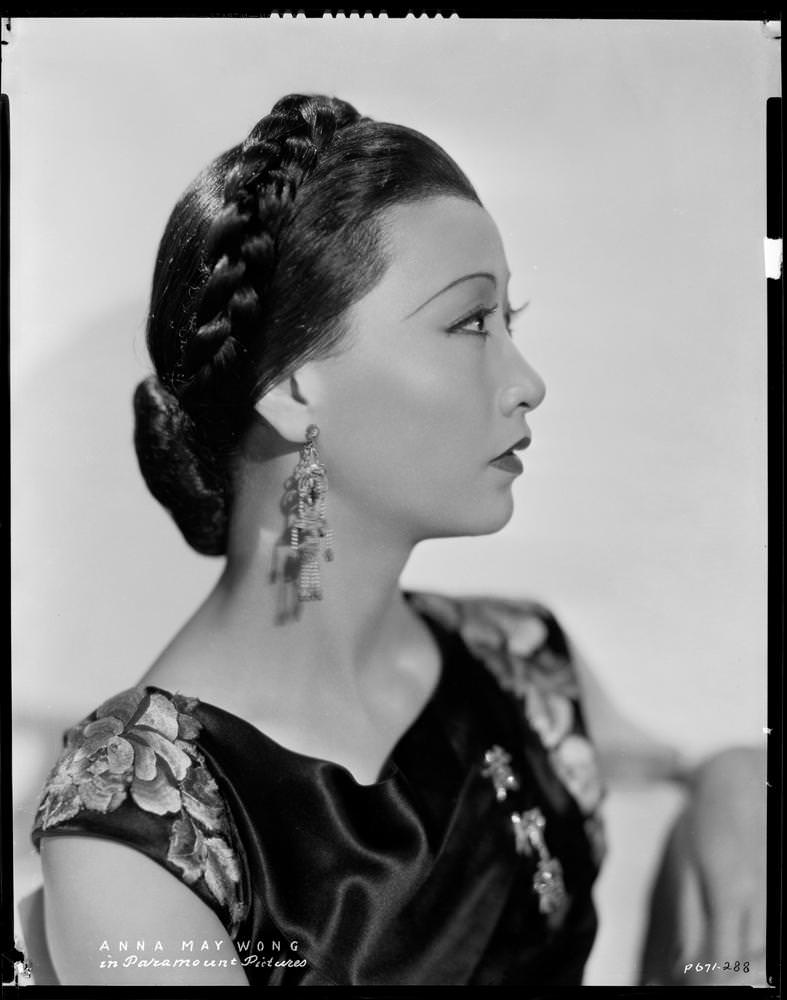
The film’s dialogue is sharp and economical. Characters say exactly what they need to say — no more. Shanghai Lily’s lines, in particular, carry a dry wit that lets her hold her ground against the judgment of other passengers without raising her voice. One of the film’s most quoted lines — “It took more than one man to change my name to Shanghai Lily” — arrives without drama, delivered with complete composure.
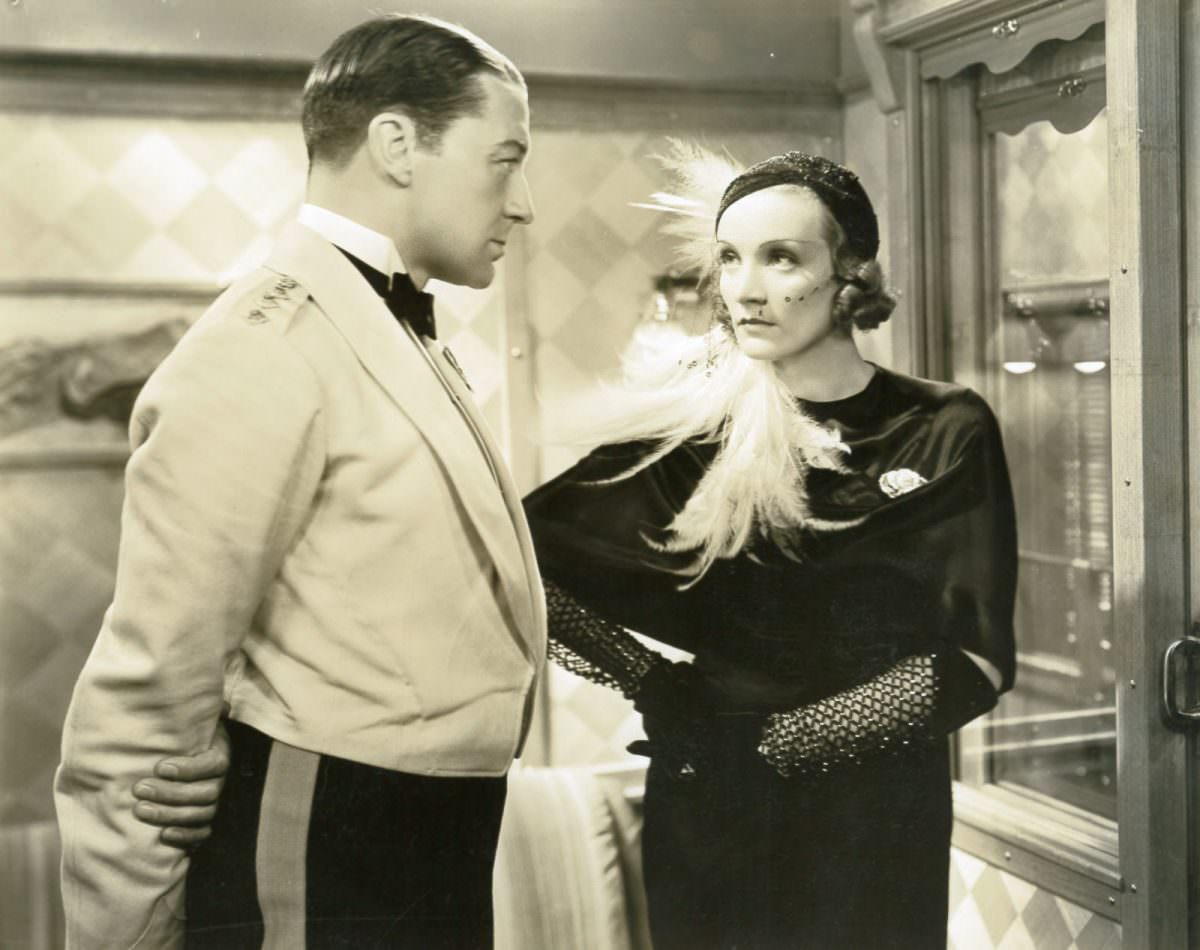
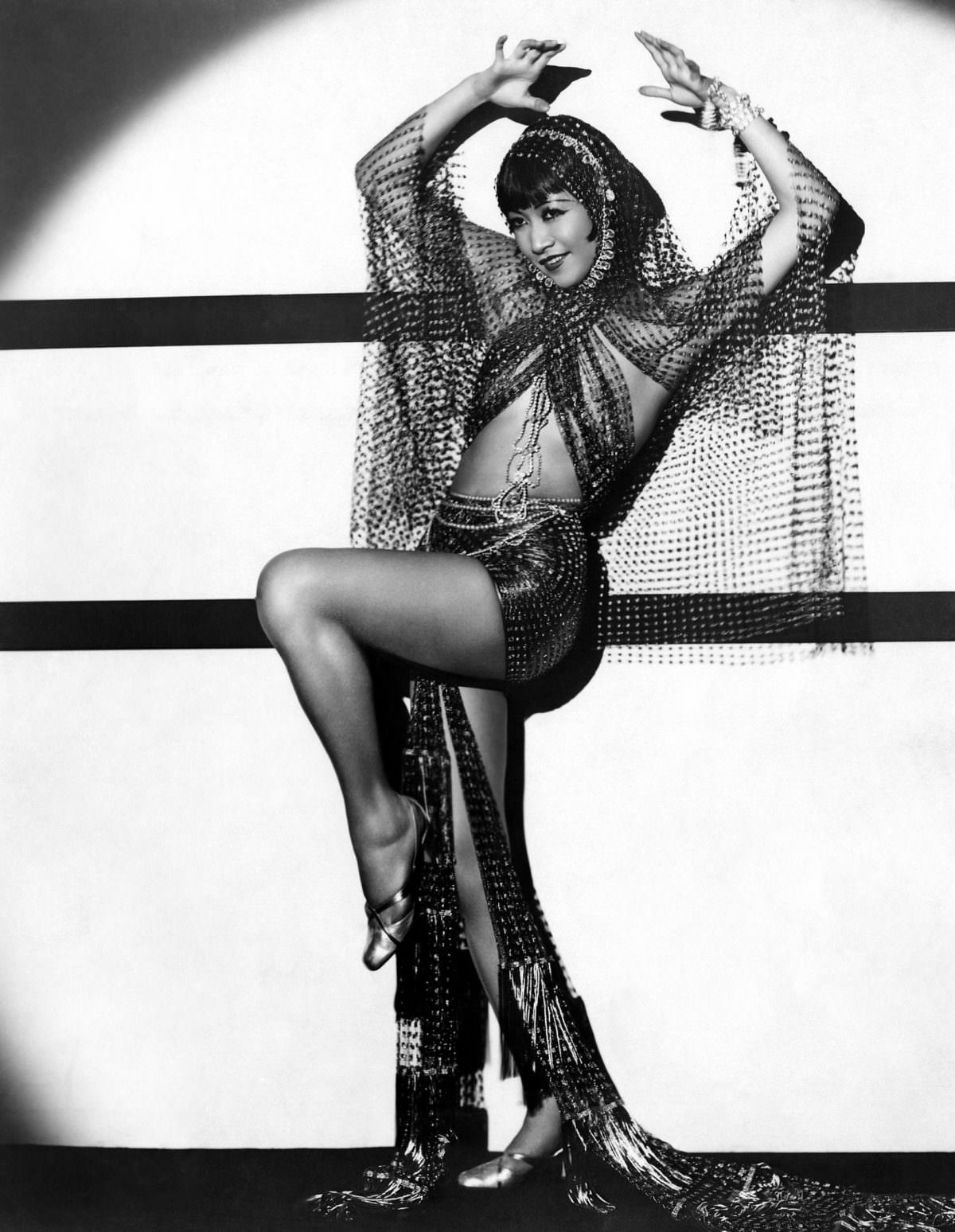
Anna May Wong appears in a key supporting role as Hui Fei, a Chinese woman traveling on the train who also has a complicated past. Wong was one of the most prominent Chinese-American actresses of the era, and her role in Shanghai Express gave her one of her most substantial parts. Her character’s arc runs parallel to Shanghai Lily’s — both women are judged by the other passengers, and both ultimately act with more resolve than those judging them.
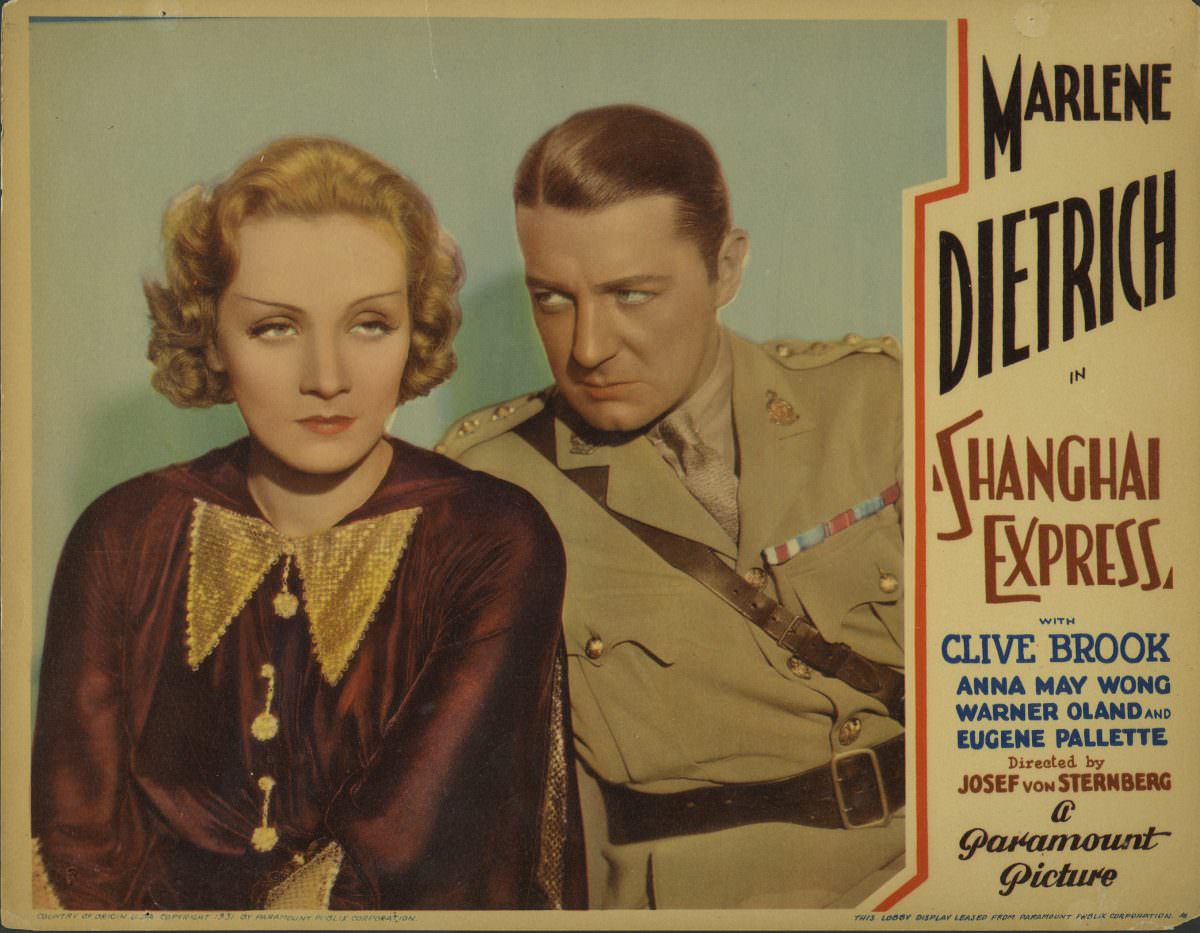
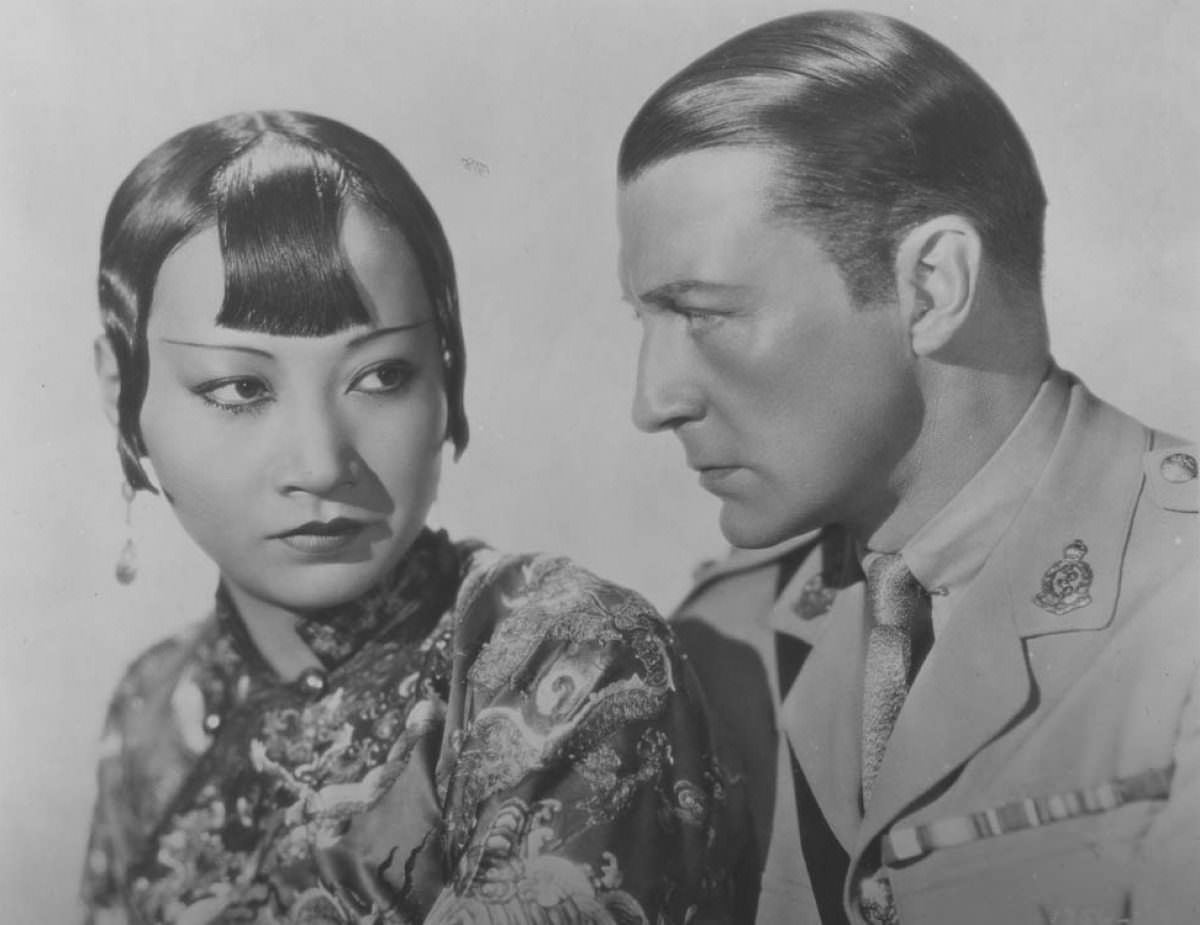
The film’s pacing reflects von Sternberg’s confidence in his material. He doesn’t rush to the action sequences. The early sections of the film are devoted to establishing the passengers — their attitudes, their assumptions, their secrets. By the time the train is stopped and the crisis begins, the audience already knows exactly who each person is and what they stand to lose.
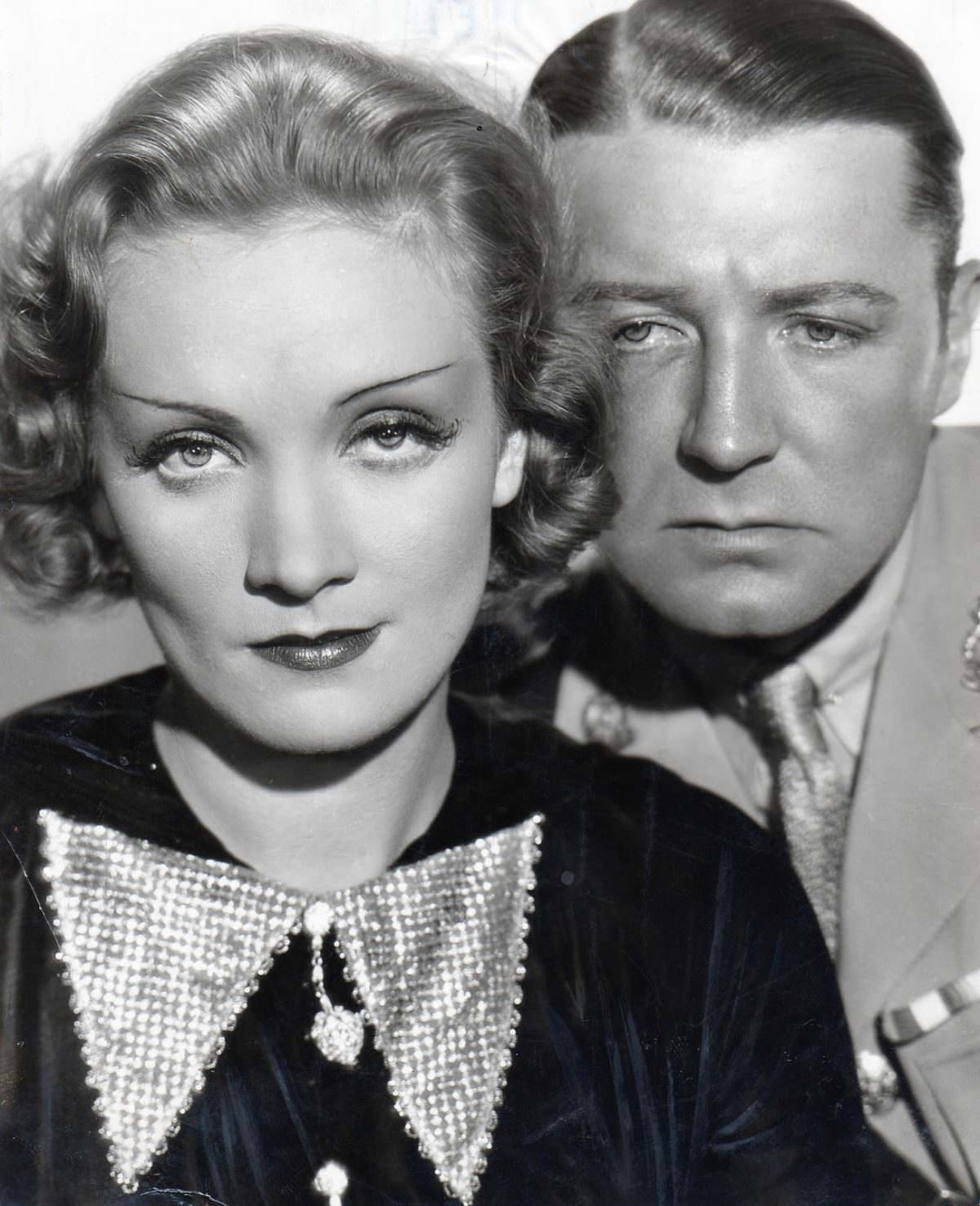
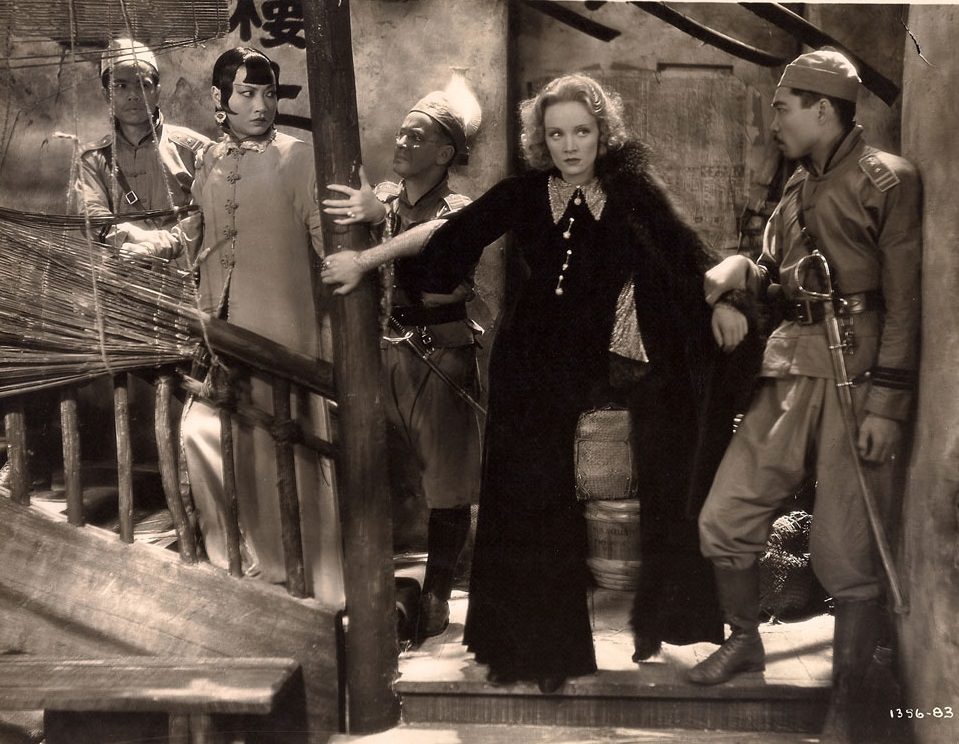
Shanghai Express was the fourth of seven films that von Sternberg made with Dietrich. Their working relationship was intense and often difficult, but productive. Von Sternberg’s vision of Dietrich — mysterious, controlled, and luminous — defined her screen persona for a generation of filmgoers. Shanghai Express remains one of the clearest expressions of that collaboration.
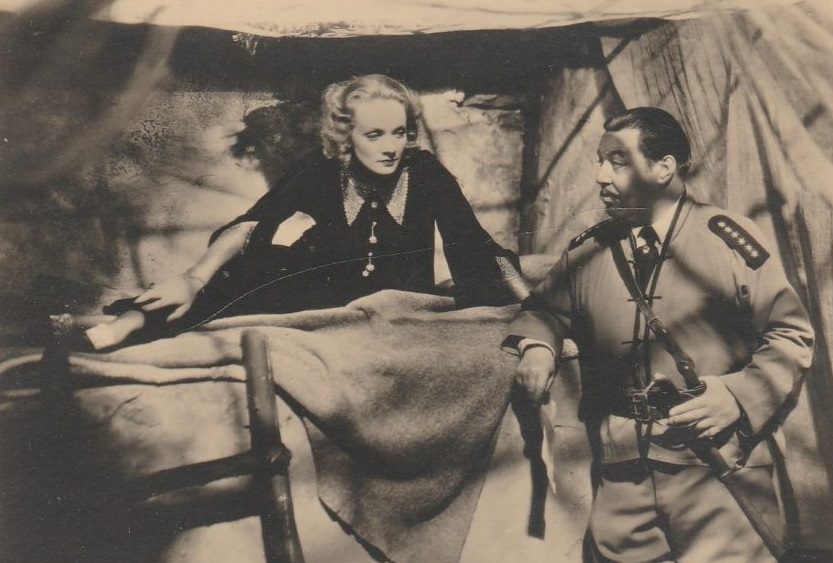
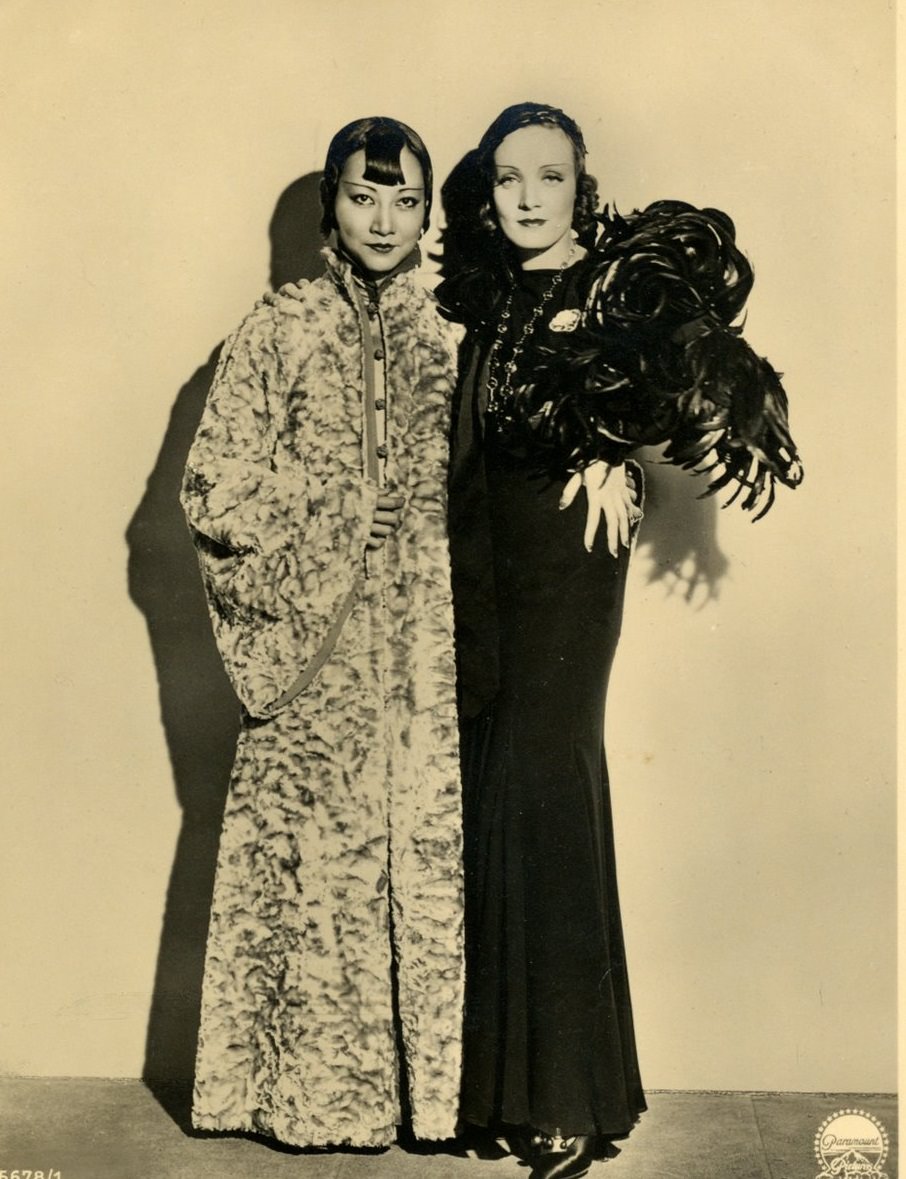
The film was shot entirely on studio sets at Paramount’s Hollywood lot. Von Sternberg worked with art director Hans Dreier to construct detailed recreations of Chinese train stations, carriages, and landscapes. The artificiality was intentional — von Sternberg was not interested in documentary realism. He wanted a heightened, atmospheric world that reflected the inner states of his characters.
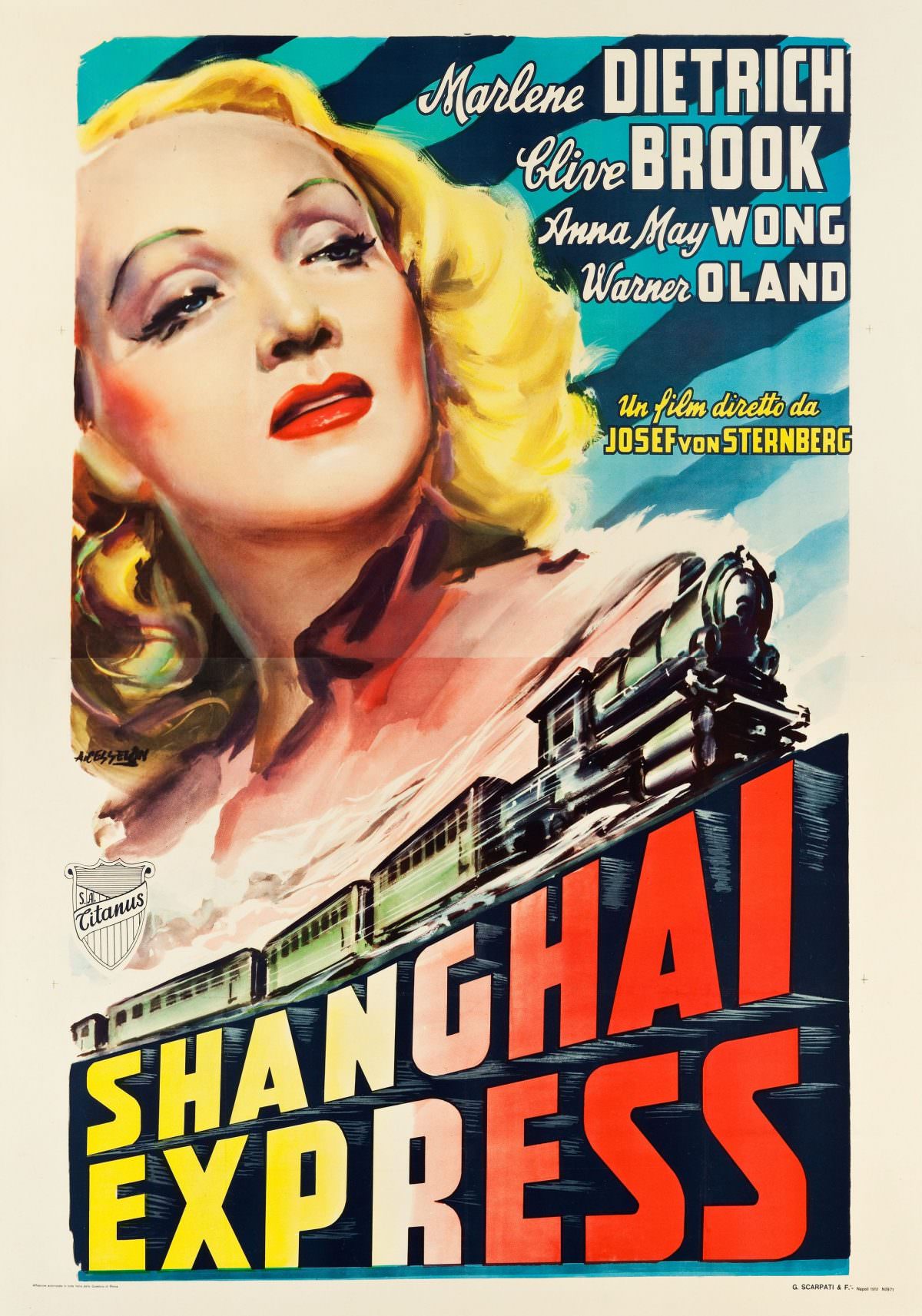
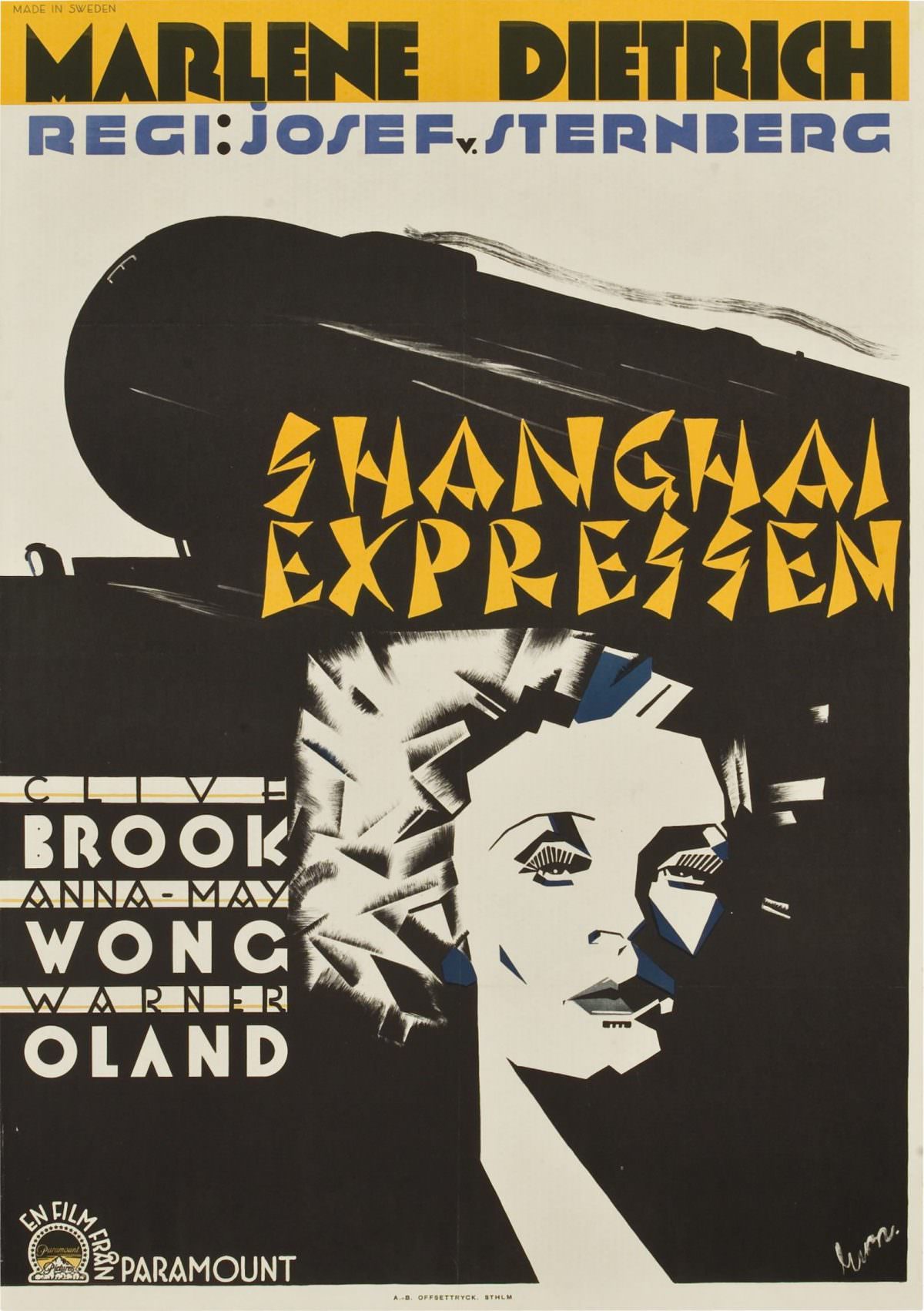
W.R. Burnett did not write the screenplay — that was Jules Furthman, a veteran Hollywood writer who had worked on dozens of films and knew how to structure a contained, pressure-cooker drama. Furthman’s script gave each passenger a clear function in the story while keeping the focus firmly on Shanghai Lily and Captain Harvey’s fractured relationship.