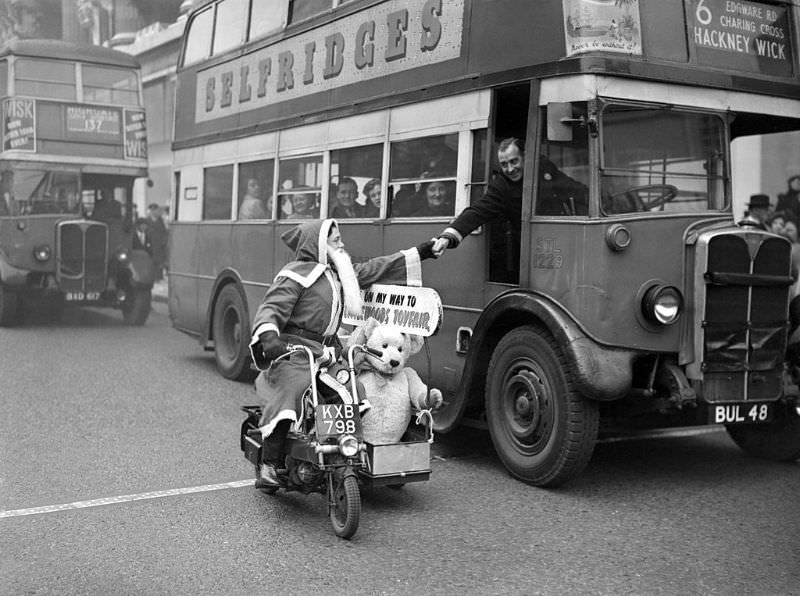
Scooters emerged as a practical answer to everyday transportation needs in the early 20th century. Lighter than motorcycles and far cheaper to run, they required minimal maintenance and were easy for almost anyone to handle. Production surged after World War I, and by the 1940s, scooters had worked their way into daily life across the world — used by delivery workers, commuters, couples, and even entertainers. The photos below capture that era in vivid detail.
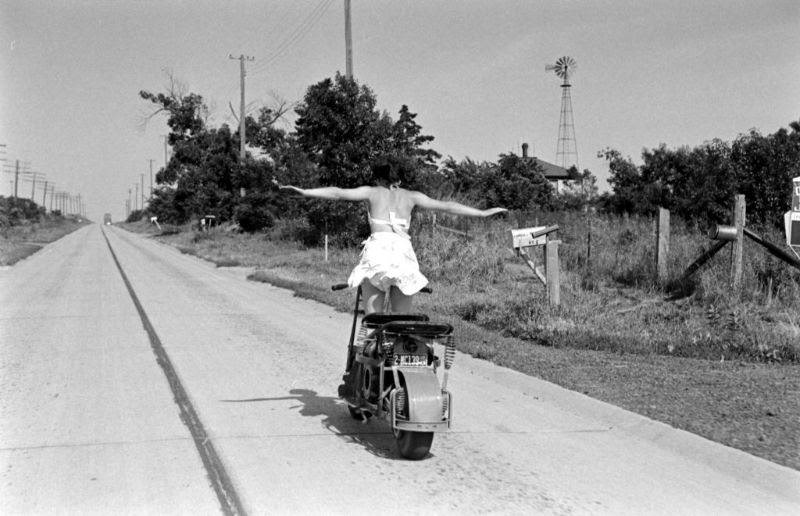
Women took to scooters with particular enthusiasm in countries like Egypt, Thailand, Vietnam, the Philippines, India, and Pakistan. The machines offered real freedom — a way to move quickly through a city without relying on public transit or another person. Some riders pushed that freedom further than most, taking their scooters well beyond the road.
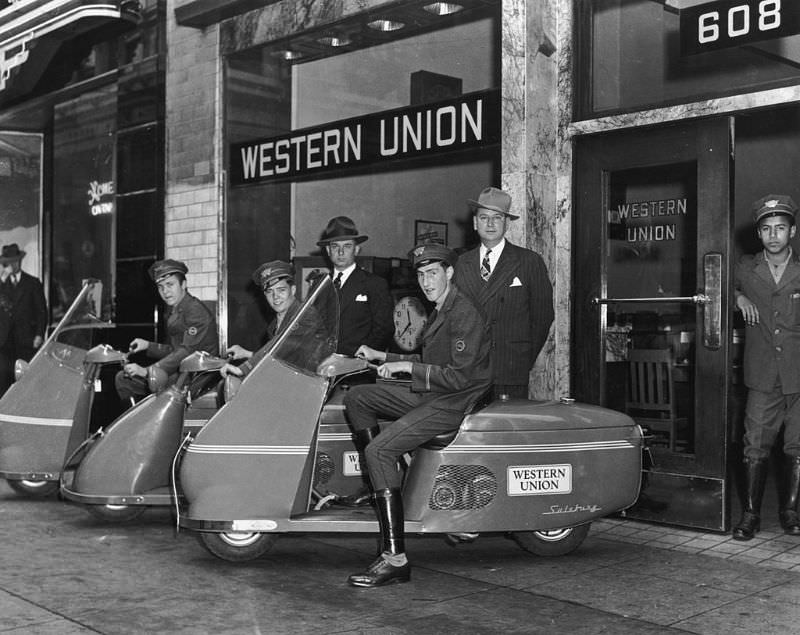
Scooters weren’t just personal vehicles — businesses put them to work too. Telegraph and courier companies found them ideal for fast, city-wide deliveries. Western Union, for example, stationed messengers on scooters outside their offices so packages and messages could reach customers without delay.
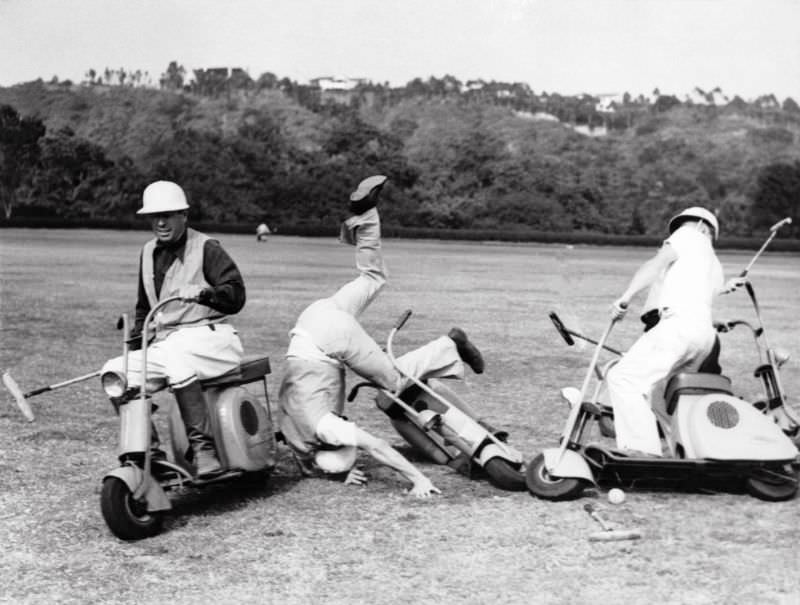
Riders also found creative ways to turn scooters into sport. Scooter polo became a real activity during this period, with players steering their machines across a field while trying to strike a ball. It was unpredictable, fast, and crashes were common.
Across cities and towns, scooters became a normal sight on the street. Riders of all ages used them for errands, commutes, and leisure. The open-road feeling they provided, even at modest speeds, made them a favorite for everyday travel.
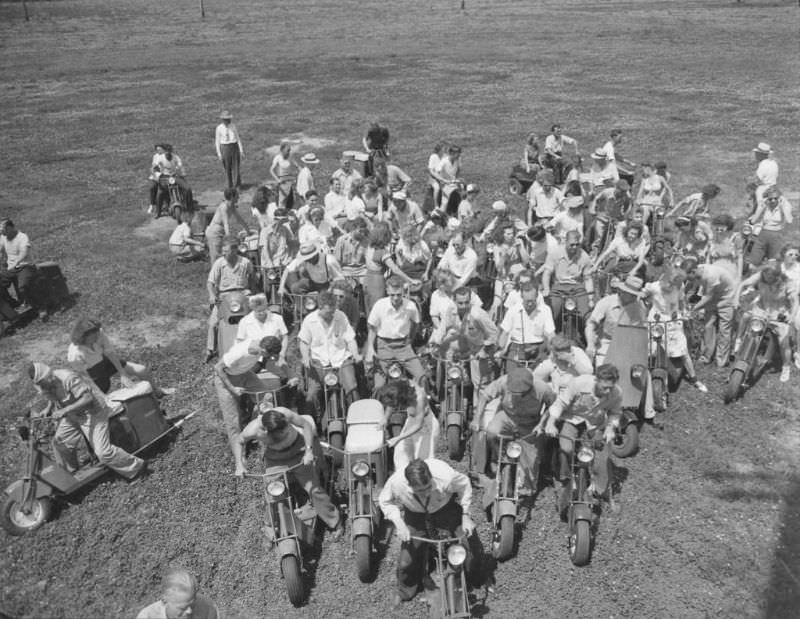
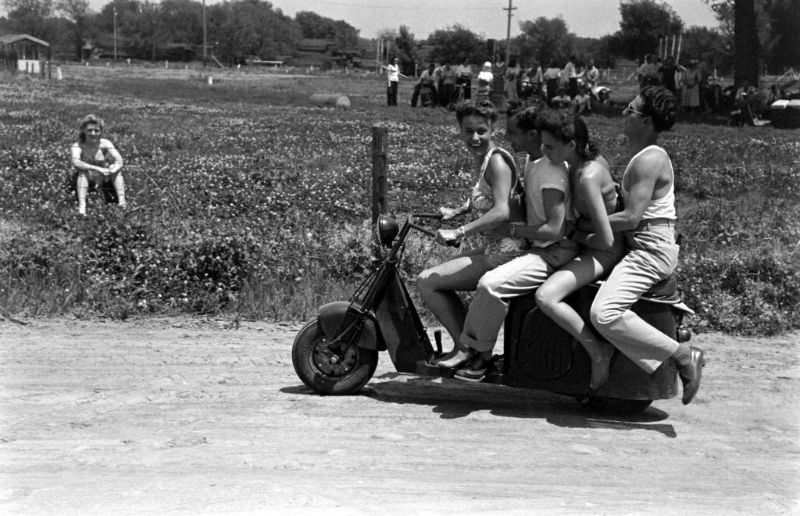
Their compact size didn’t stop people from getting creative with capacity. Groups of friends regularly piled onto a single scooter, turning a simple ride into a social event. Safety wasn’t always the first concern.
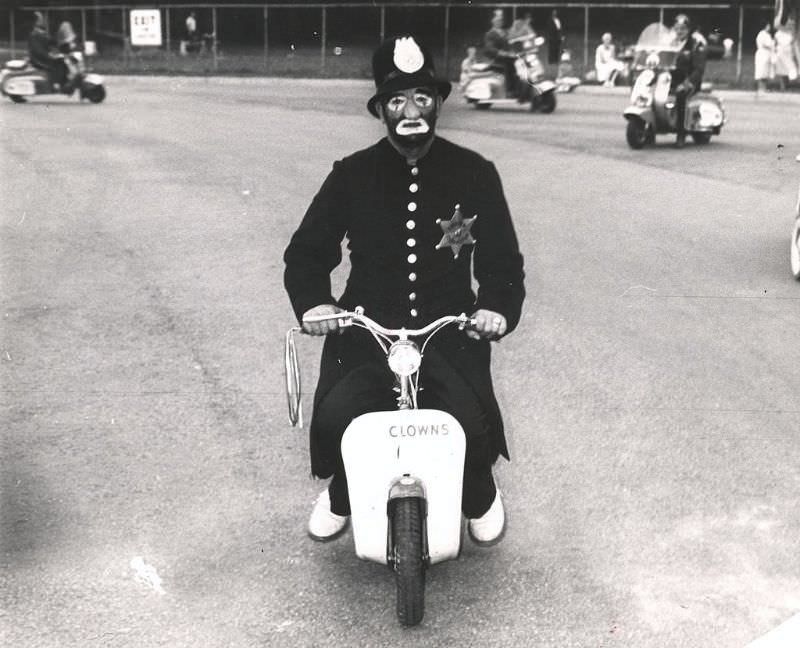
Scooters also found their way into entertainment. Their small size and quirky appearance made them a natural prop for performers. A clown dressed as a police officer riding a tiny scooter was a reliable crowd-pleaser at shows and public events during the decade.
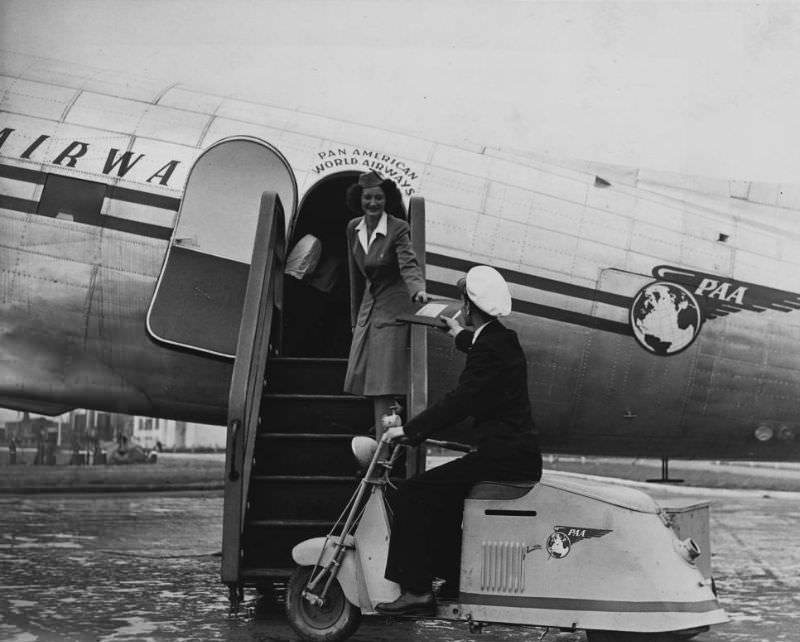
Airports adopted scooters for the same reason telegraph offices did — speed across a large space. Messengers used them to move across terminals quickly, delivering packages directly to airline staff on the tarmac or inside the terminal.
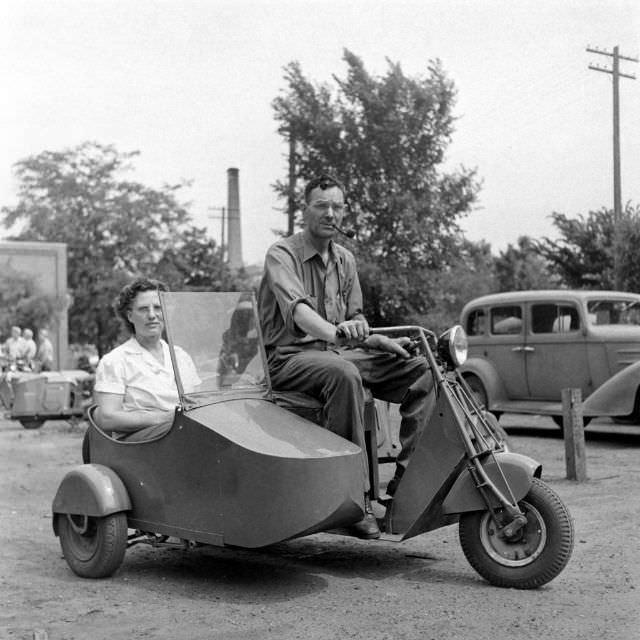
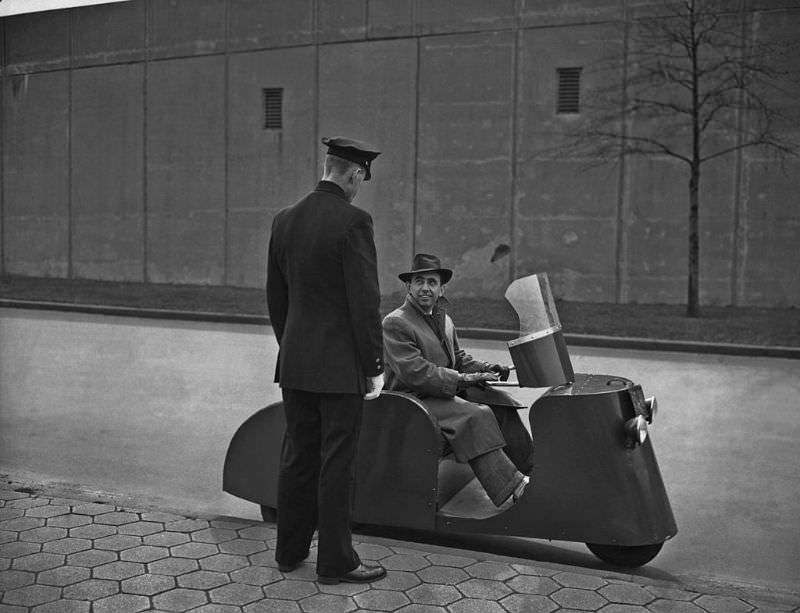
Not every scooter followed the standard two-wheel design. The three-wheeled Motorette offered extra stability, appealing to riders who wanted a bit more balance without stepping up to a full automobile.
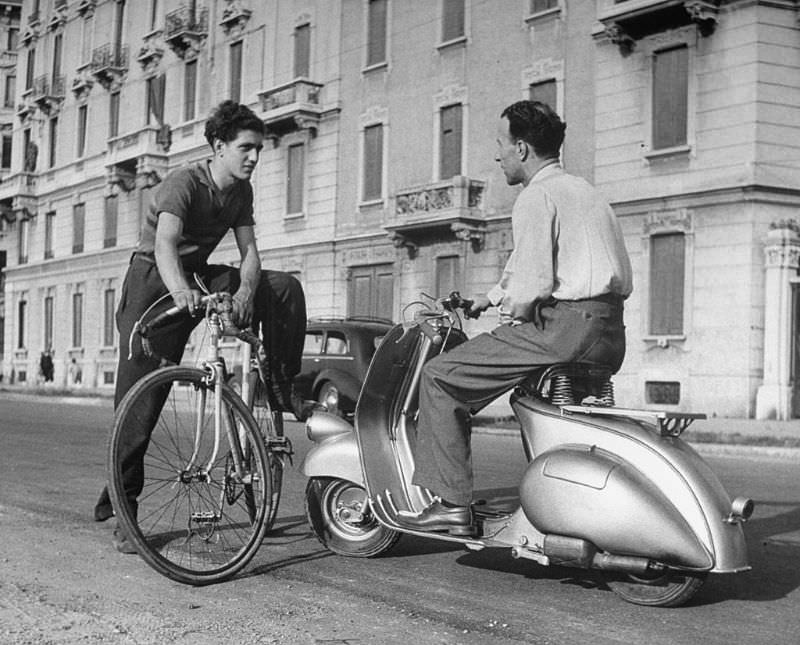
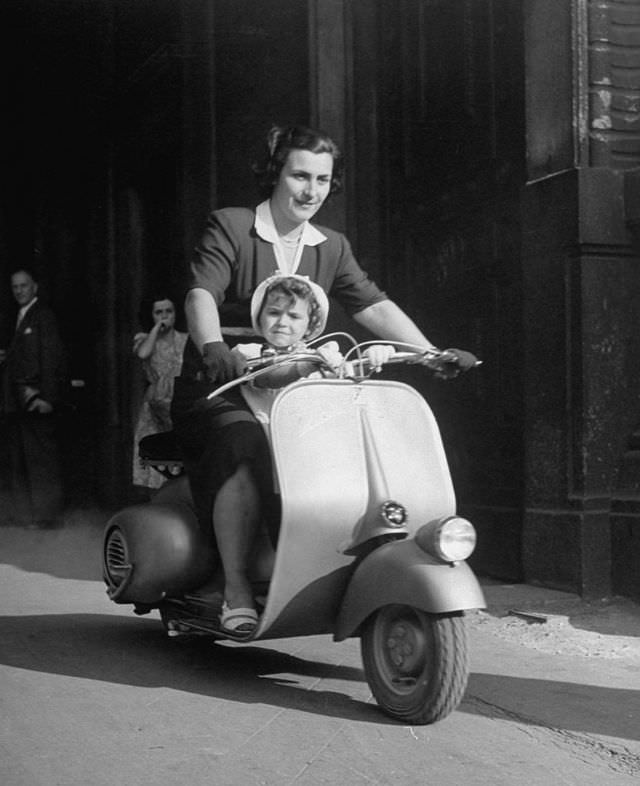
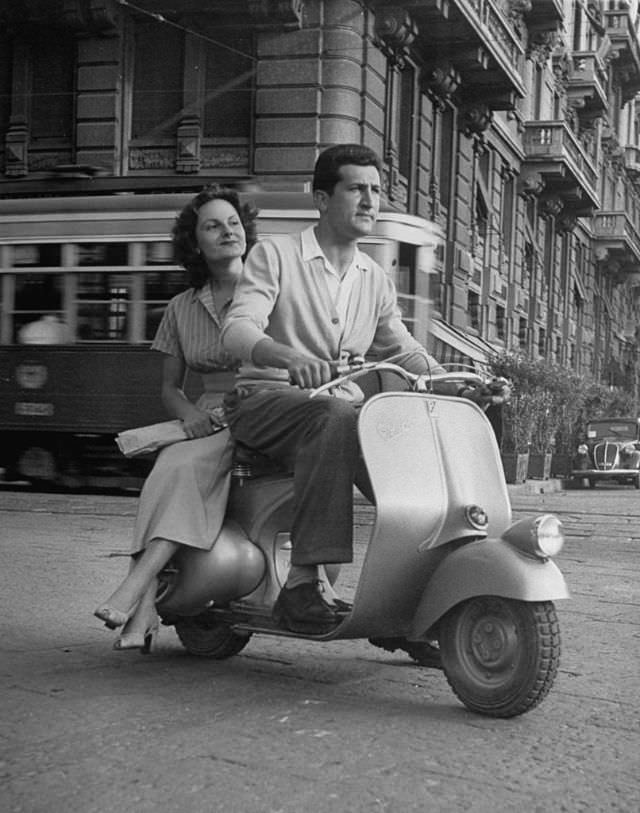
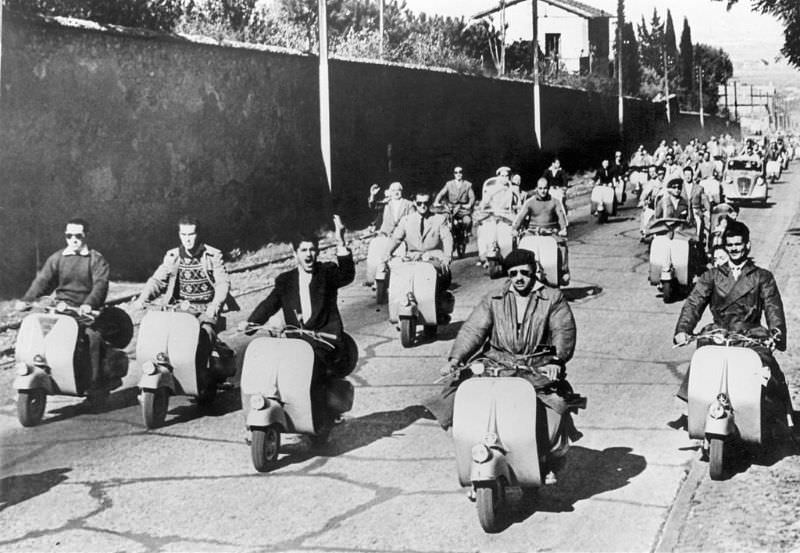
The Vespa, launched by Italian manufacturer Piaggio in 1946, quickly became one of the most recognized scooters in the world. Its smooth steel body and reliable engine made it a top choice for couples and families alike. Riders across Europe embraced it almost immediately.
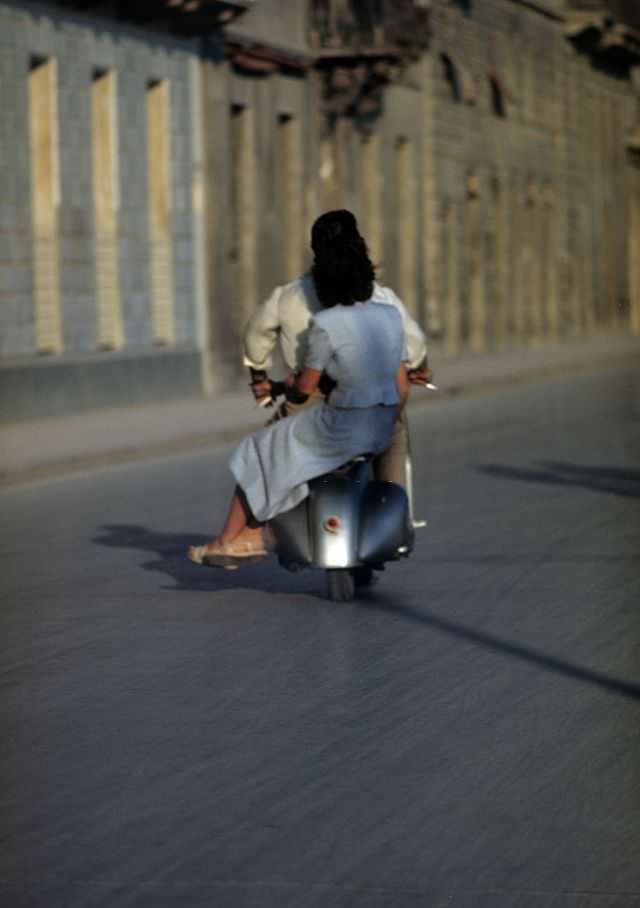
The Vespa’s practicality extended to family use. Mothers used them for daily errands, sometimes with young children on board. The scooter’s low center of gravity and stable frame made it manageable even with a passenger.
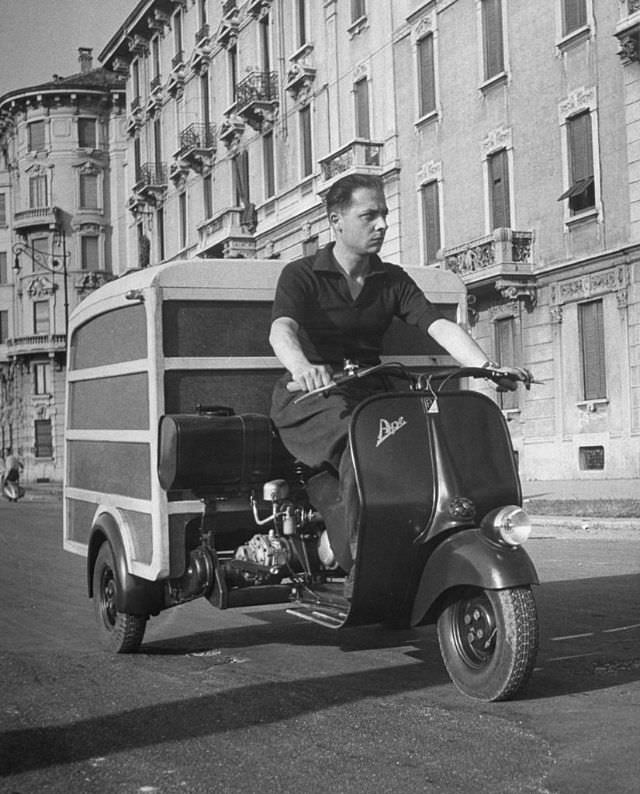
Piaggio didn’t stop at the Vespa. The company also produced the Ape — Italian for ‘bee’ — a three-wheeled light delivery vehicle built on the same platform. Small businesses used it to haul goods through narrow city streets where a full truck couldn’t fit.
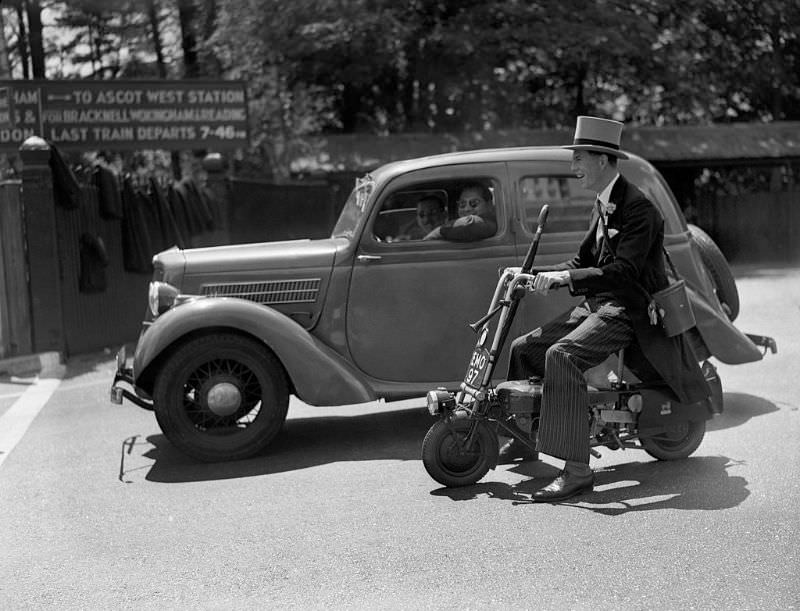
In Britain, the Brockhouse Corgi offered a compact and affordable option. Originally designed as a folding paratrooper scooter during World War II, it was sold to the public after the war ended. Its association with military use gave it a certain rugged appeal, even at places as upscale as Ascot racecourse.
Competitive racing on scooters drew real crowds. Vespa races organized out of Rome brought together riders from across Italy, testing both speed and handling on open roads. These events helped build the brand’s identity as more than just a commuter vehicle.
By the end of the decade, scooters had embedded themselves into the culture of everyday life — useful, affordable, and always present. Even Father Christmas, it seems, had traded in his sleigh for something more practical when navigating city streets.