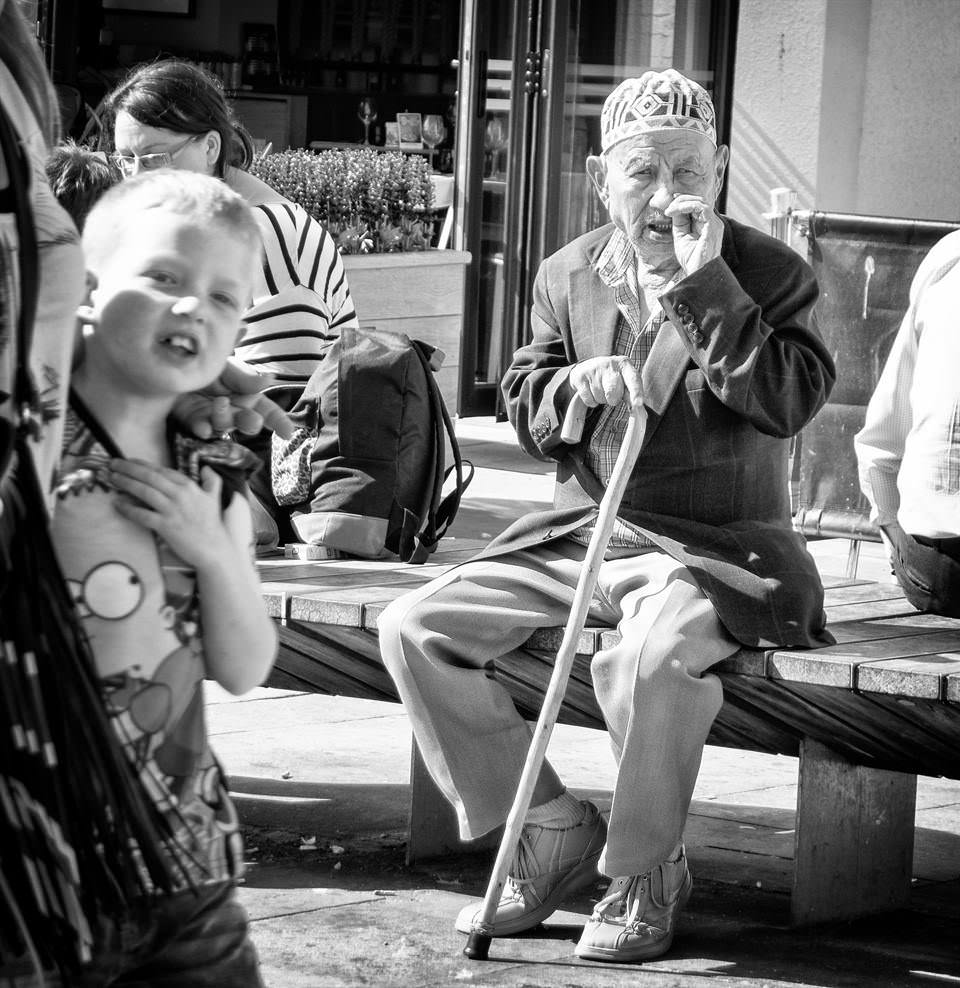
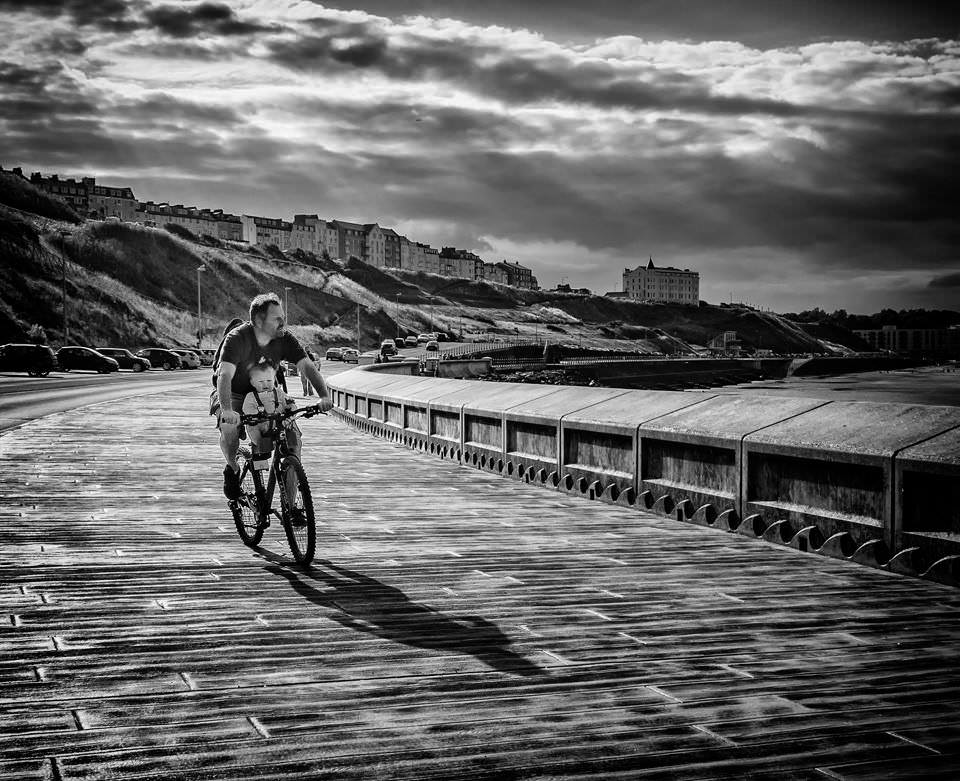
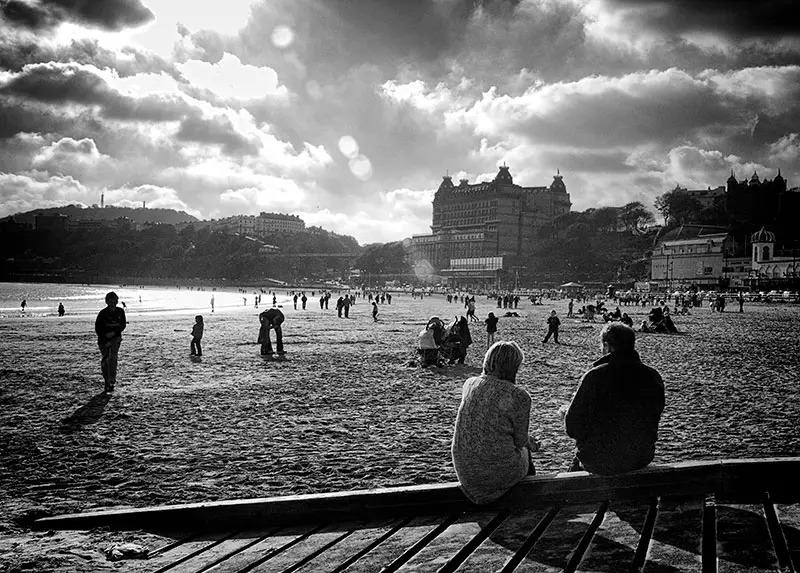
John Gill grew up in Yorkshire, and like many kids from working-class families, his big annual outing was a day trip to Scarborough. The local Working Men’s Club organised the coaches each year. The rides were loud, smelled of disinfectant, and included unplanned stops along the way — but none of that mattered. Scarborough was the reward.
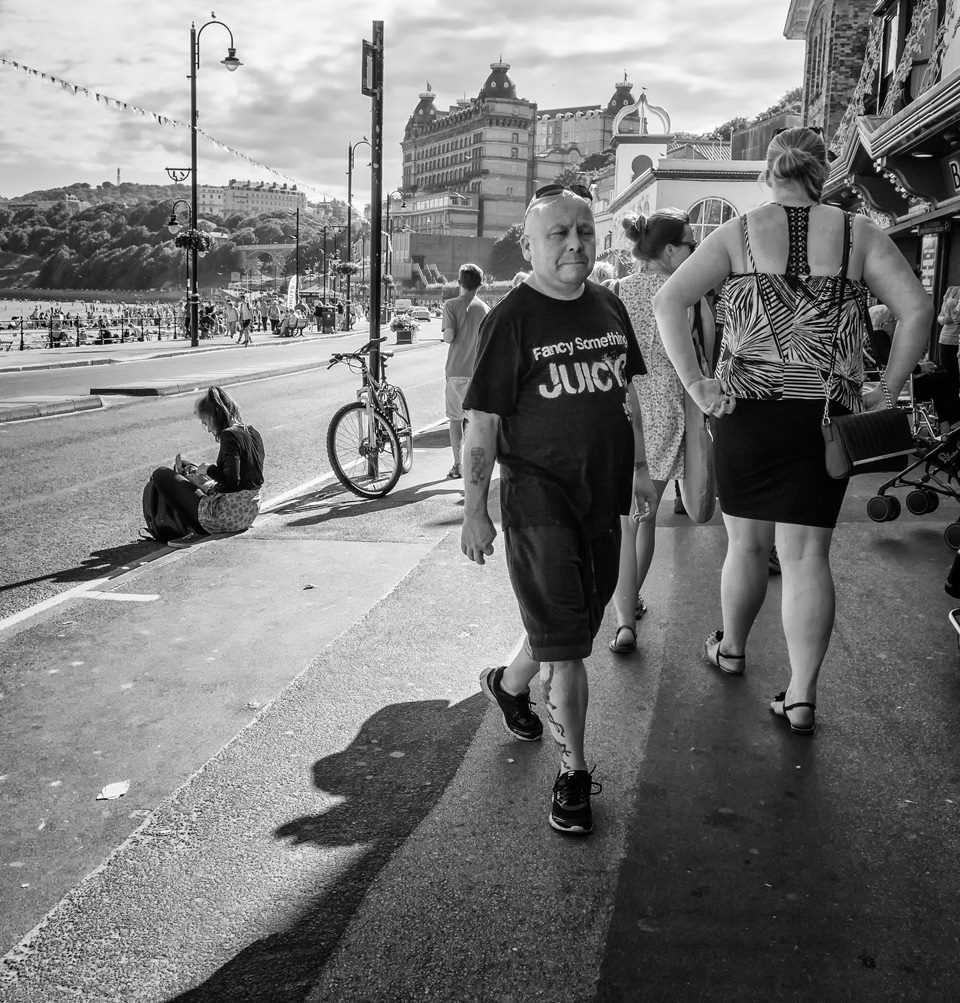
The town sits on the North Sea coast and offered everything a child needed: amusement arcades, ice cream stands, and seafront cafes dishing out the classic “pensioners’ special” — fish and chips with mushy peas, bread, and a pot of tea. For Gill, those visits stuck. Decades later, he came back with a camera.
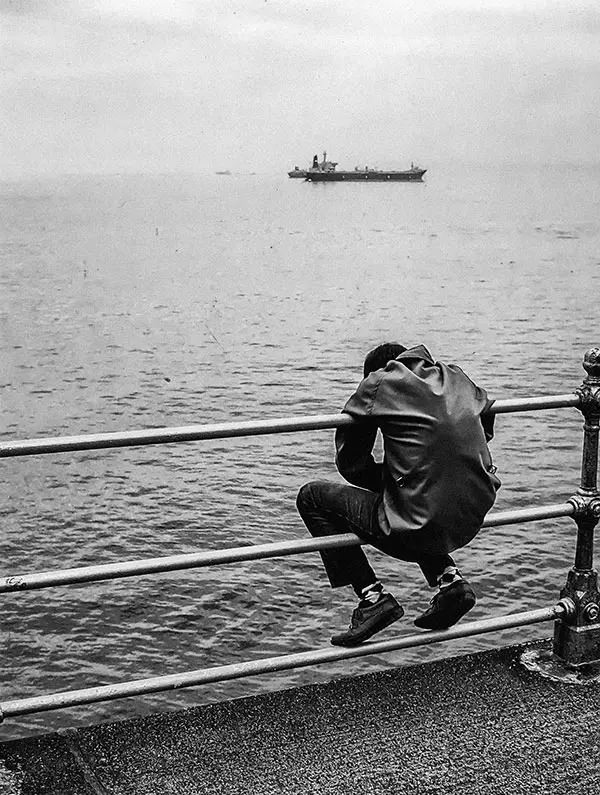
What he found was a town that had changed very little on the surface. Families still walked the seafront. The same cafes still served the same food. The arcades still hummed and flashed. But behind that familiarity was a quieter truth — Scarborough’s shine had worn thin, much like the nearby industrial towns that had been hollowing out for years.

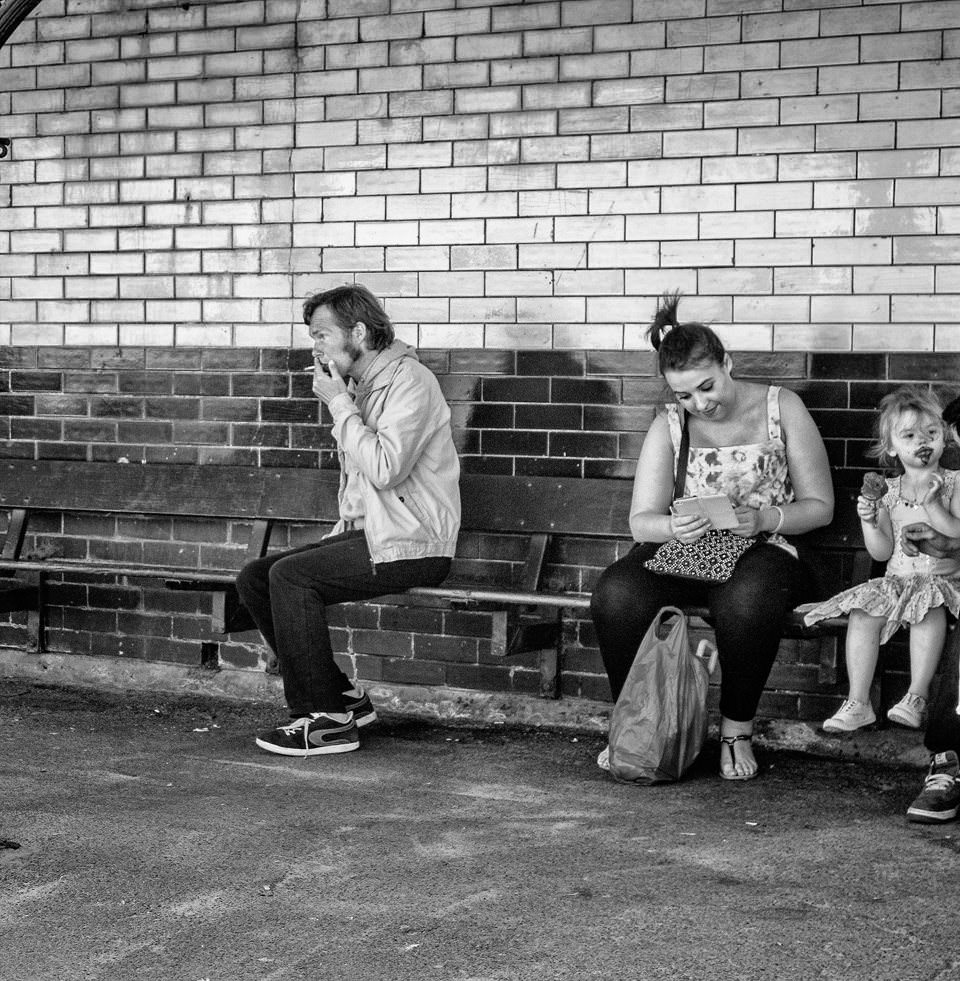
Gill shoots fast and without fanfare. He knows that in working-class areas, a camera draws suspicion quickly. So he works with speed and discretion, capturing people before they notice — or before they care. The result is a body of work that feels honest rather than posed.


His photographs show couples sharing a laugh on a bench, kids pressing their faces against arcade glass, and older visitors sitting in the sun with nowhere pressing to be. These aren’t staged portraits — they’re slices of a real day out.
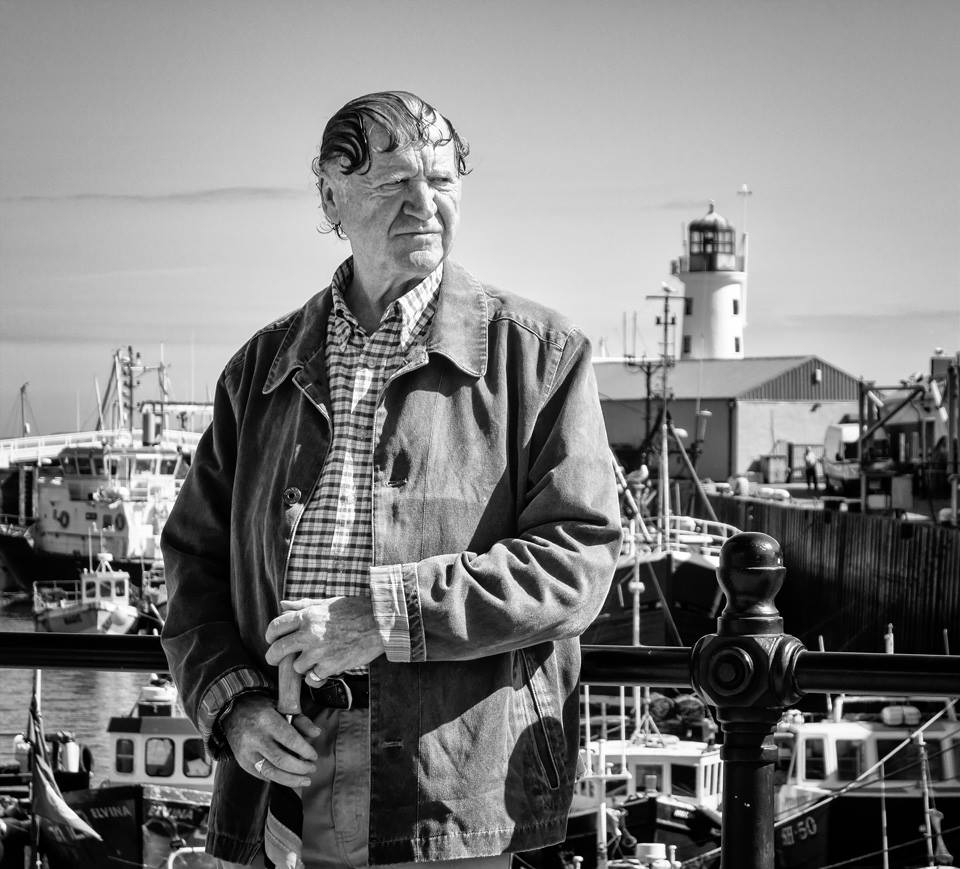
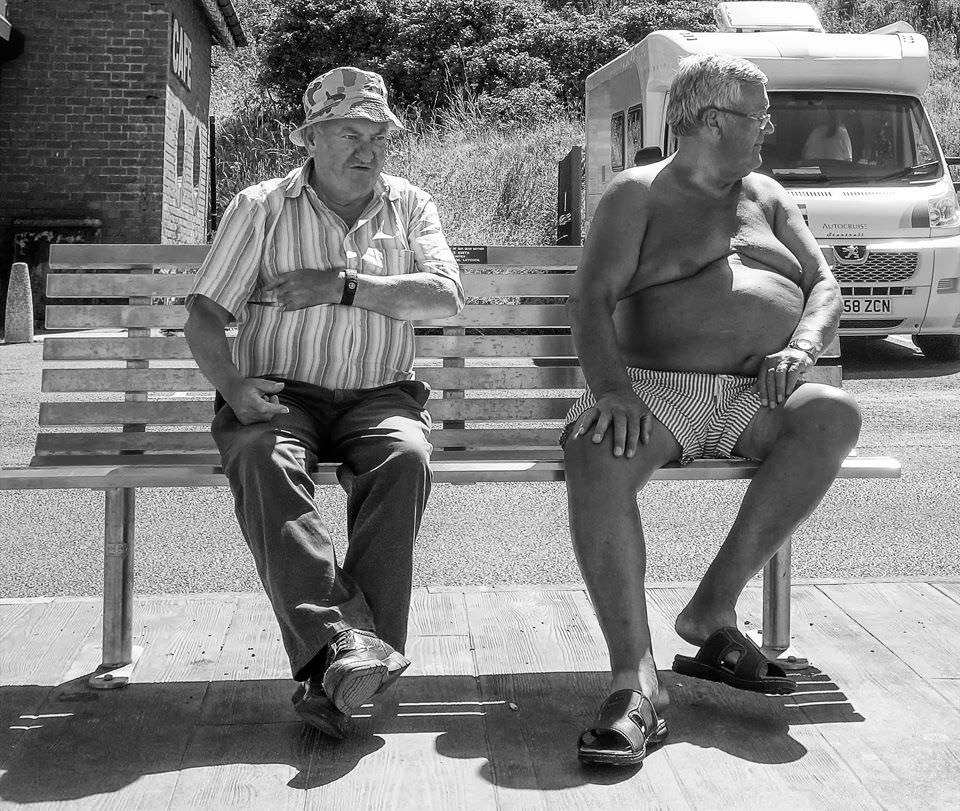
There’s a rhythm to Scarborough that Gill clearly understands. He spent enough summers there as a boy to know where people gather, how they move, and what a good day at the seaside actually looks like for ordinary families.
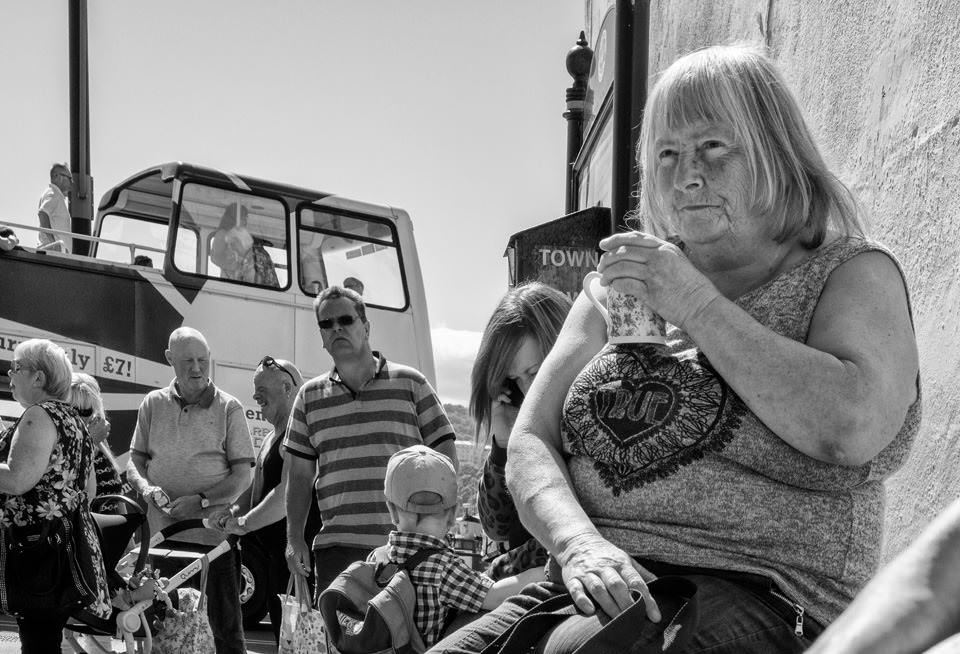

The 1990s setting matters here. Britain was shifting — industries had collapsed, towns were rebuilding or declining, and the seaside resort was no longer the automatic holiday choice it once was. Yet Scarborough carried on, drawing the same crowds in much the same way.

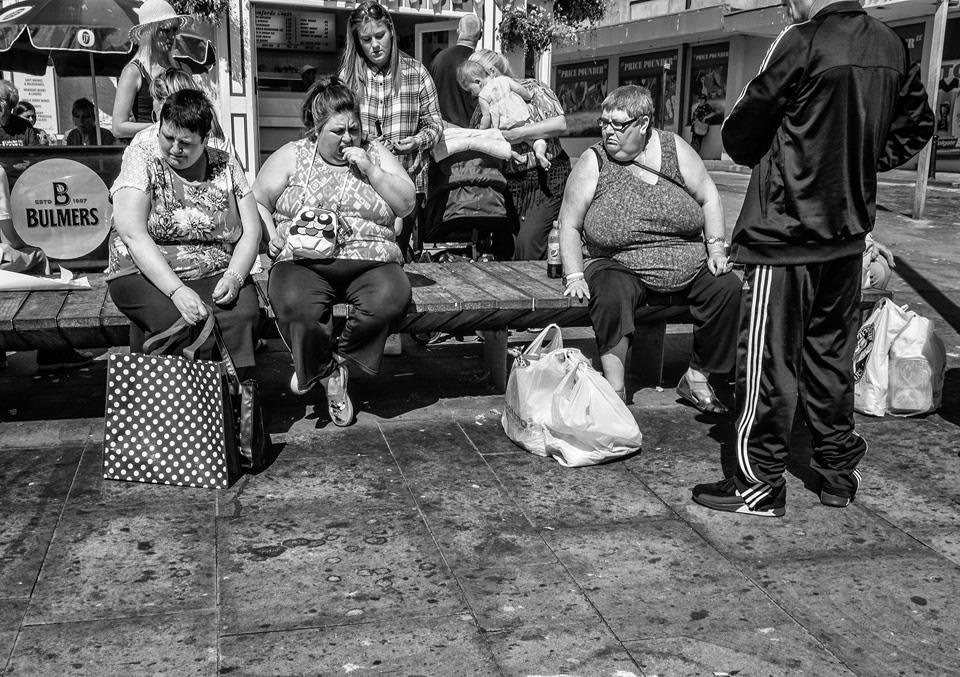
Gill’s lens doesn’t romanticise what he sees. He documents it. A tired face, a crowded bench, a child mid-sprint — all of it lands on film without gloss or judgment.
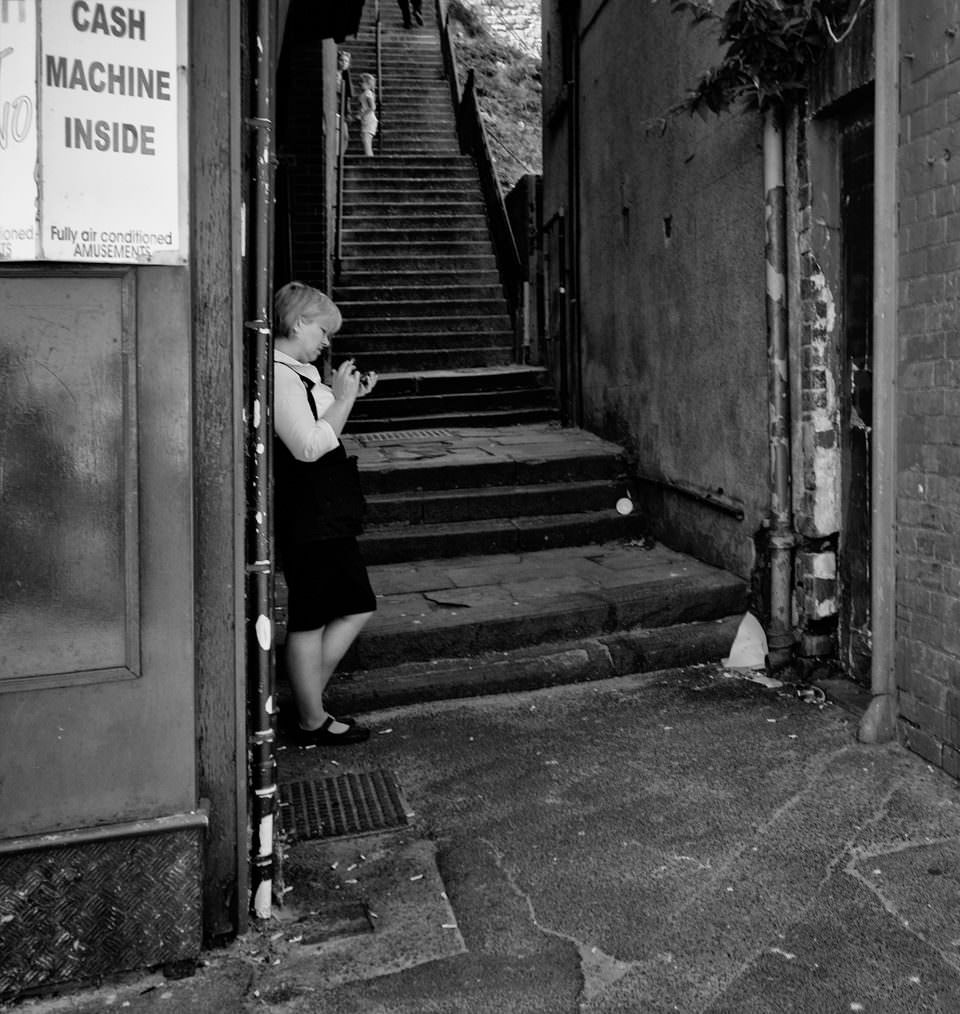
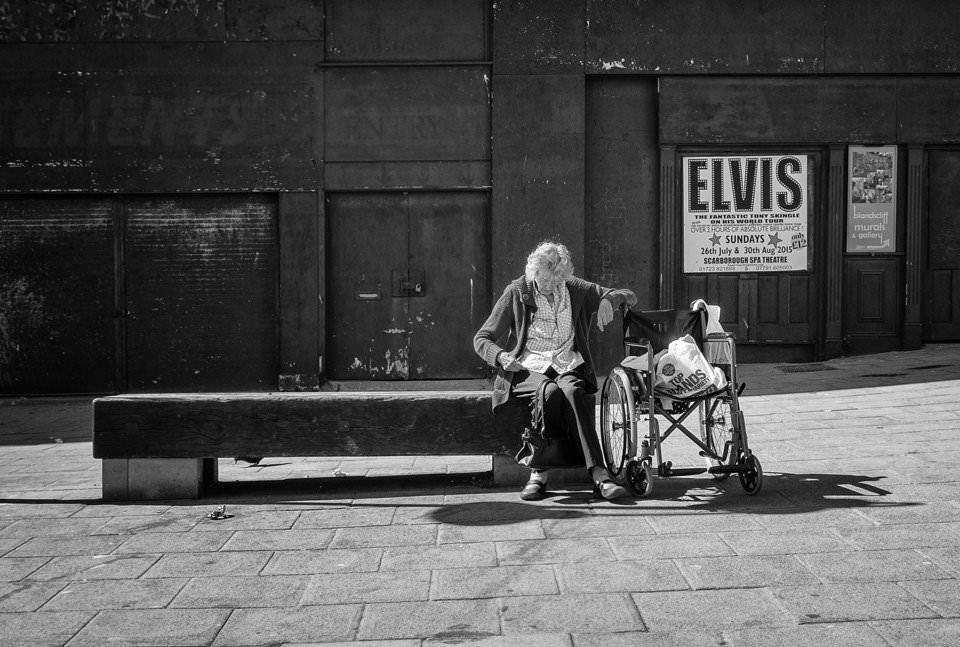
Street photography in working-class spaces requires trust — or at least the absence of distrust. Gill earns that by staying unobtrusive. He doesn’t linger or draw attention. He moves through the scene like anyone else enjoying the seafront.
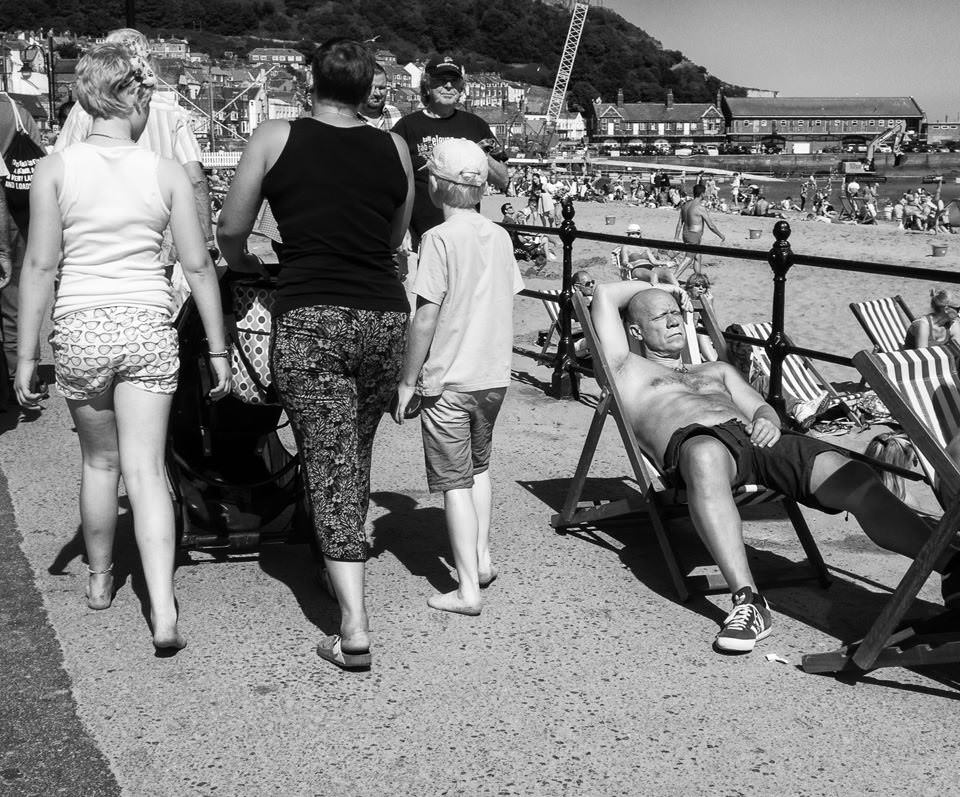
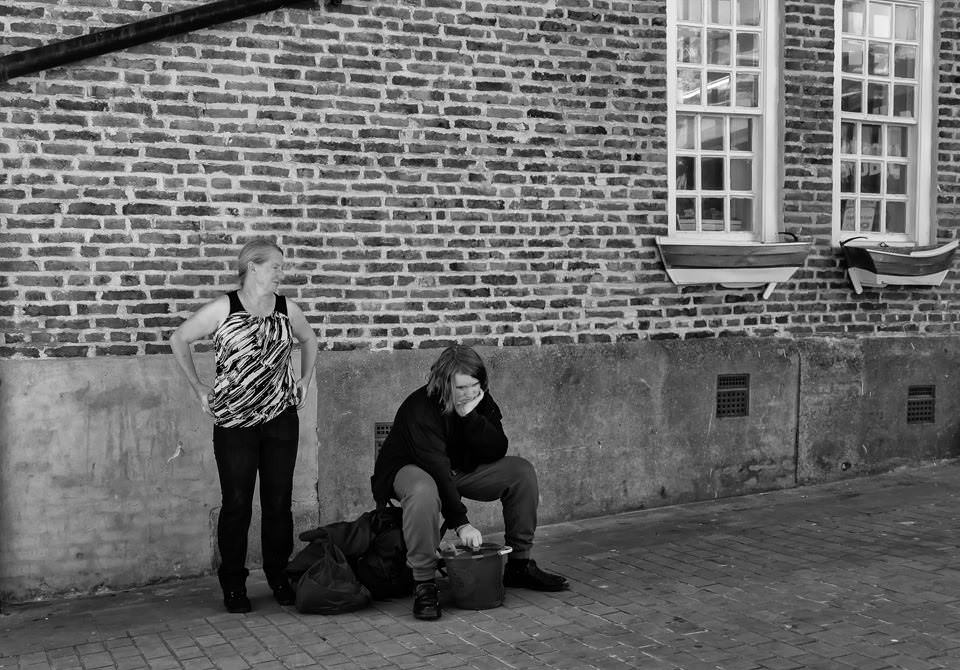
Each frame he captures is a specific moment — not a symbol or a statement, just a person or a group caught in an ordinary second of an ordinary day in Scarborough.