in

Step back into San Francisco in the 1880s with Photos that reveal the City’s Rich History

By the 1880s, San Francisco had left the frantic energy of the Gold Rush behind. What replaced it was something more deliberate — a city building itself into a permanent force on the American West Coast. Banks, shipping firms, and manufacturers were driving the economy forward, and San Francisco had established itself as the financial center of the entire western United States. The completion of the Southern Pacific Railroad in 1883 tightened the city’s connection to the rest of the nation, moving goods and people faster than ever before. These photographs, taken across the decade, capture that era in remarkable detail.
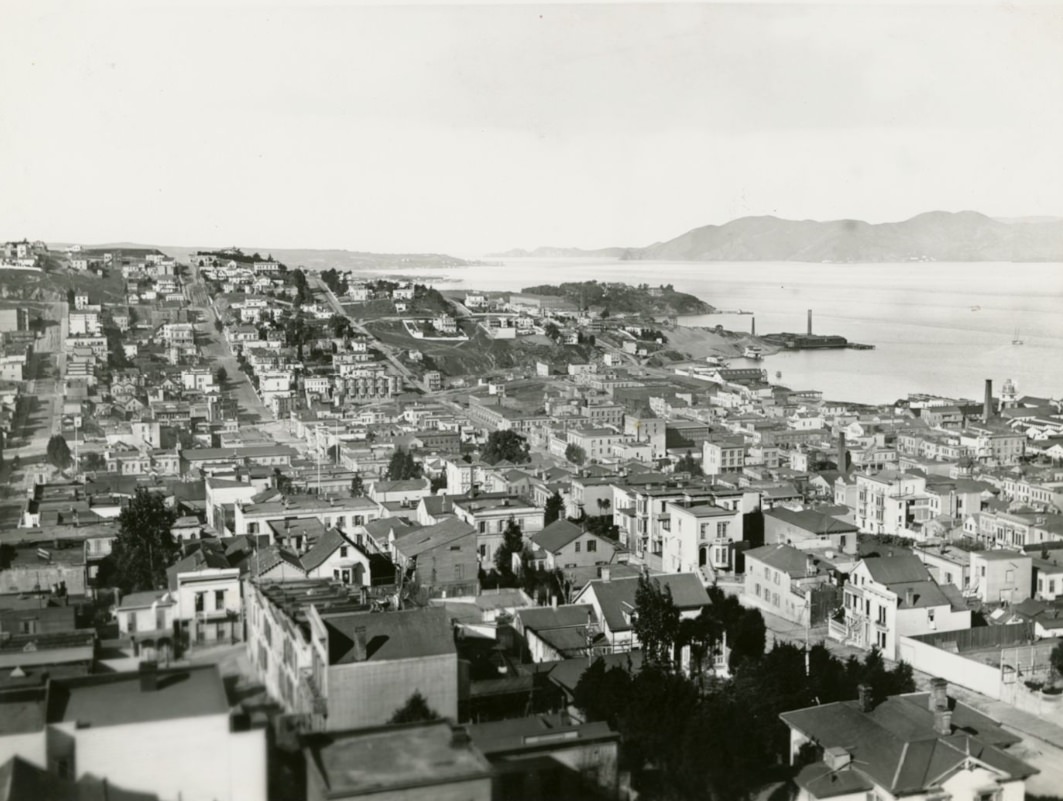
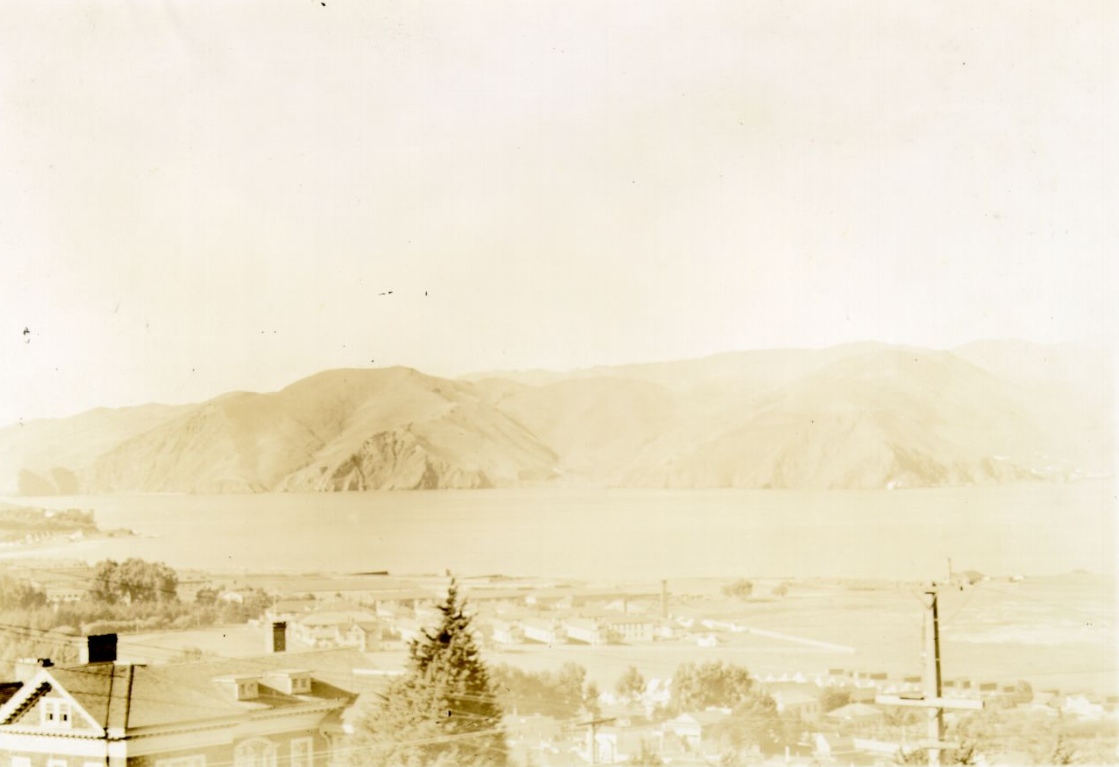
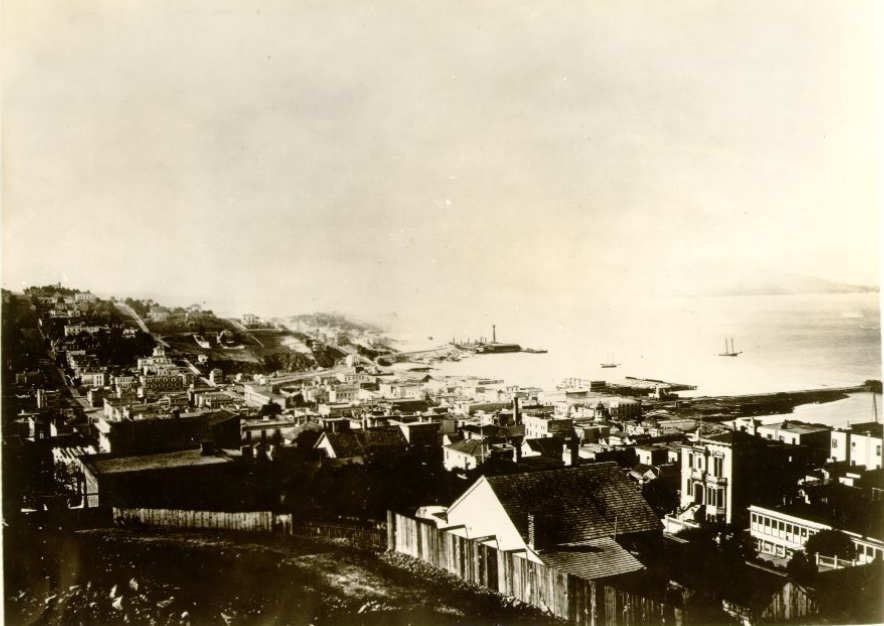
Looking towards the Golden Gate from Telegraph Hill, 1880s

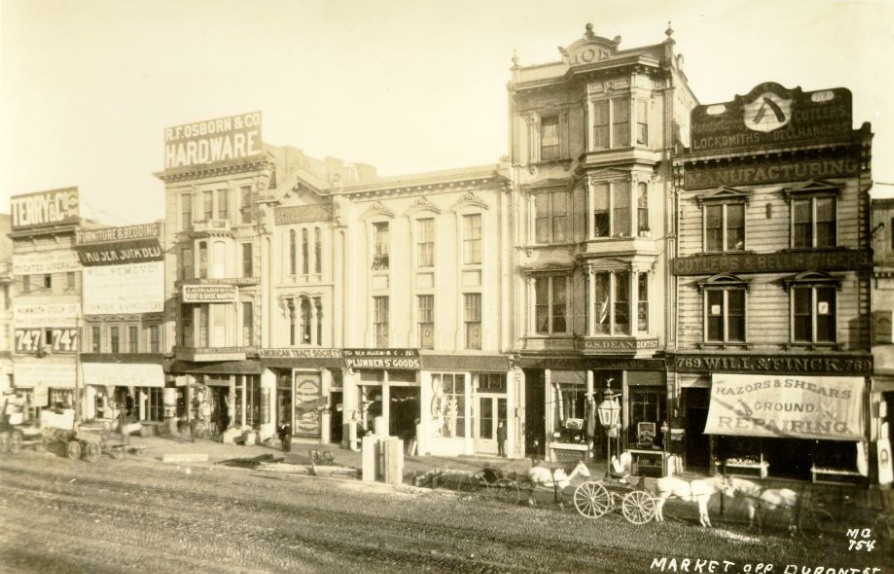
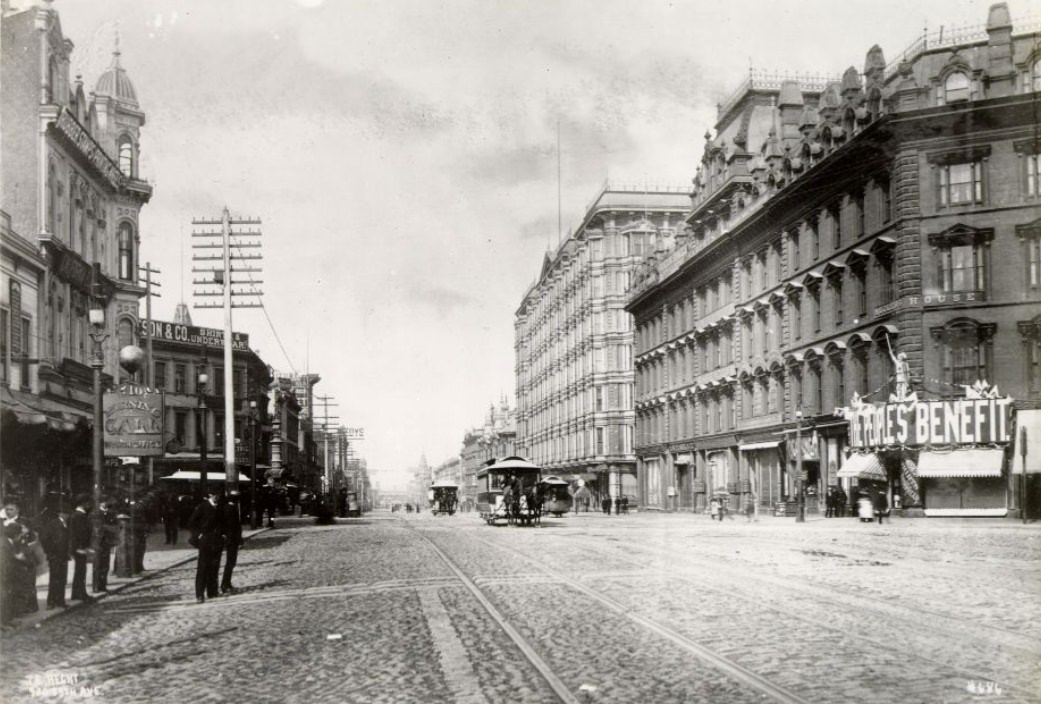
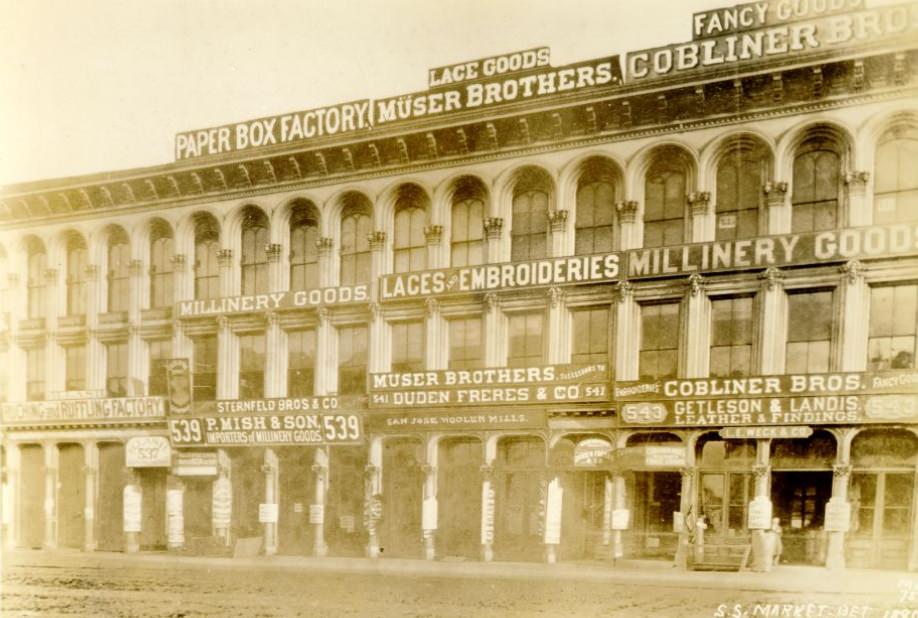
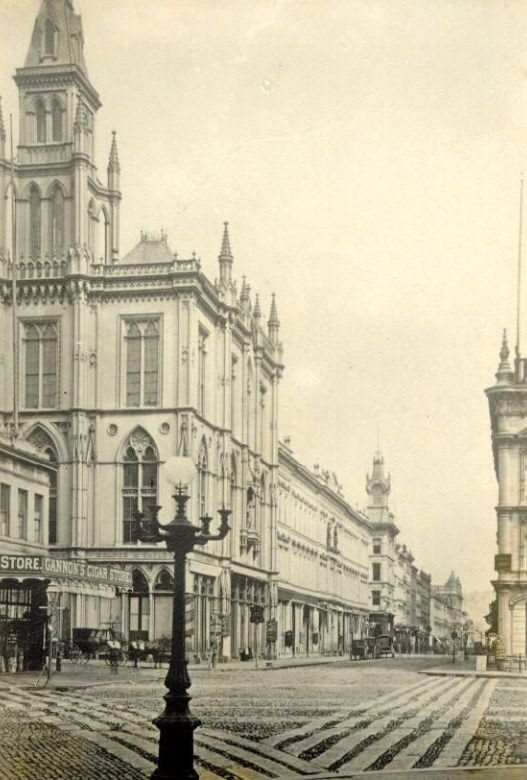
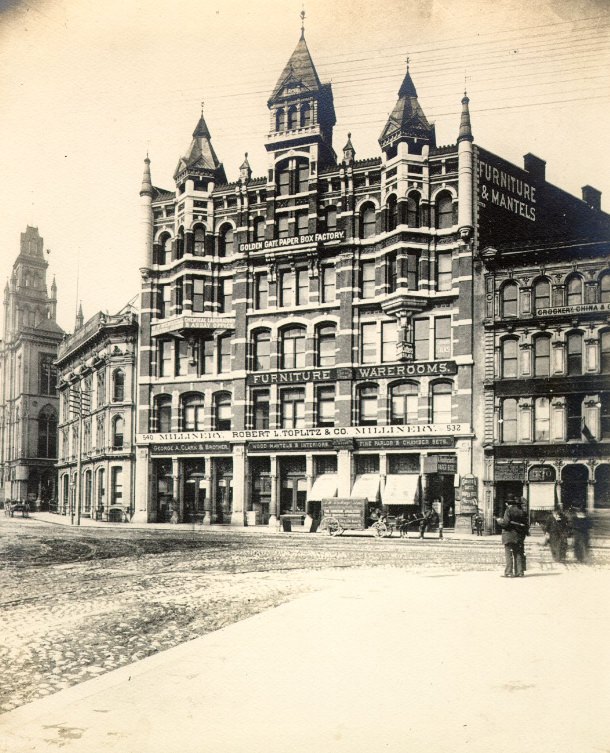
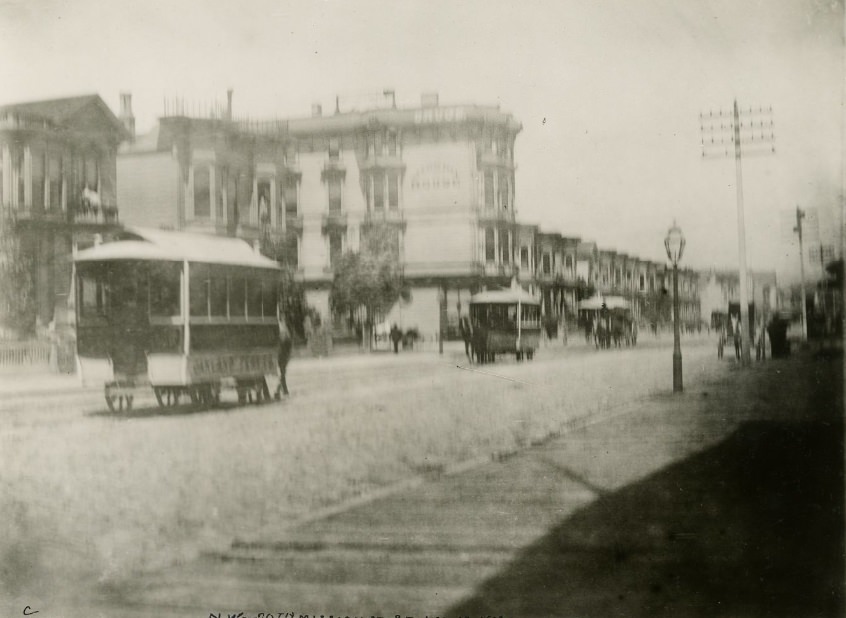
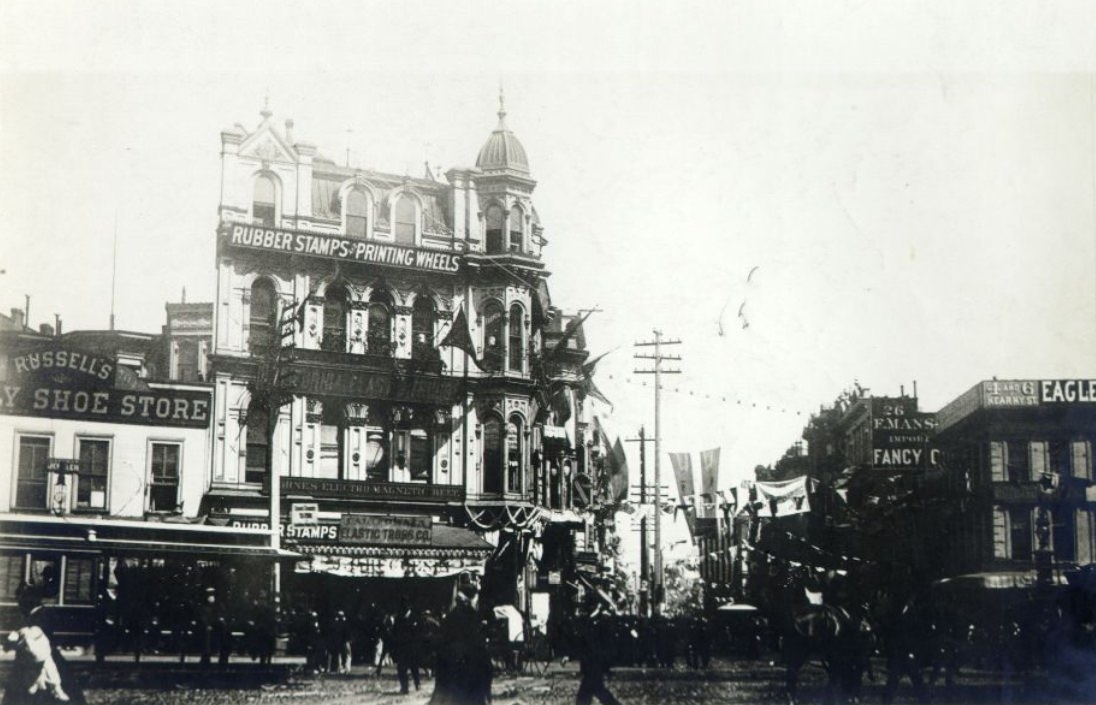
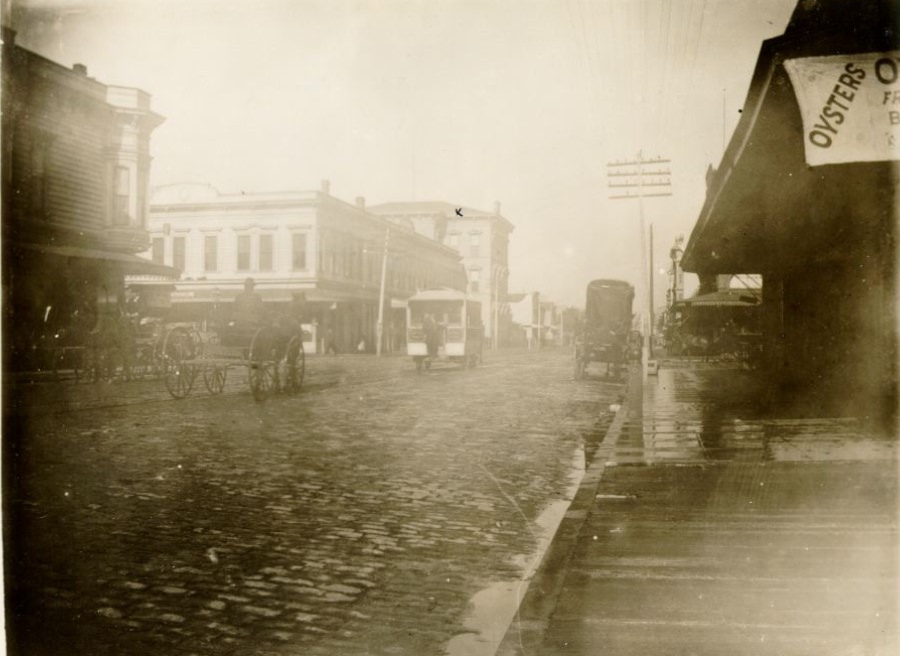
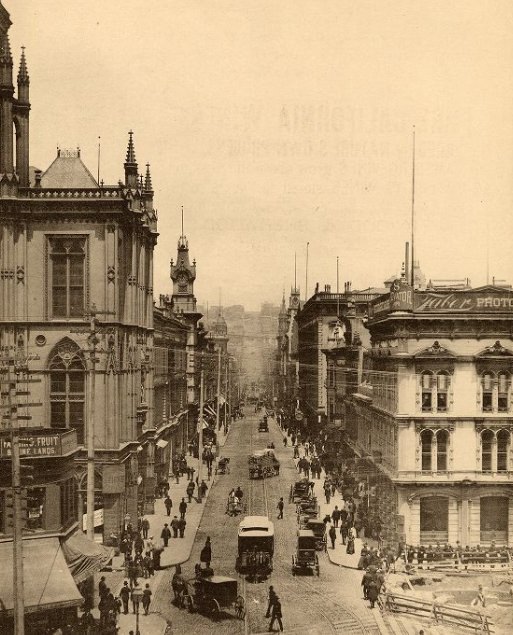
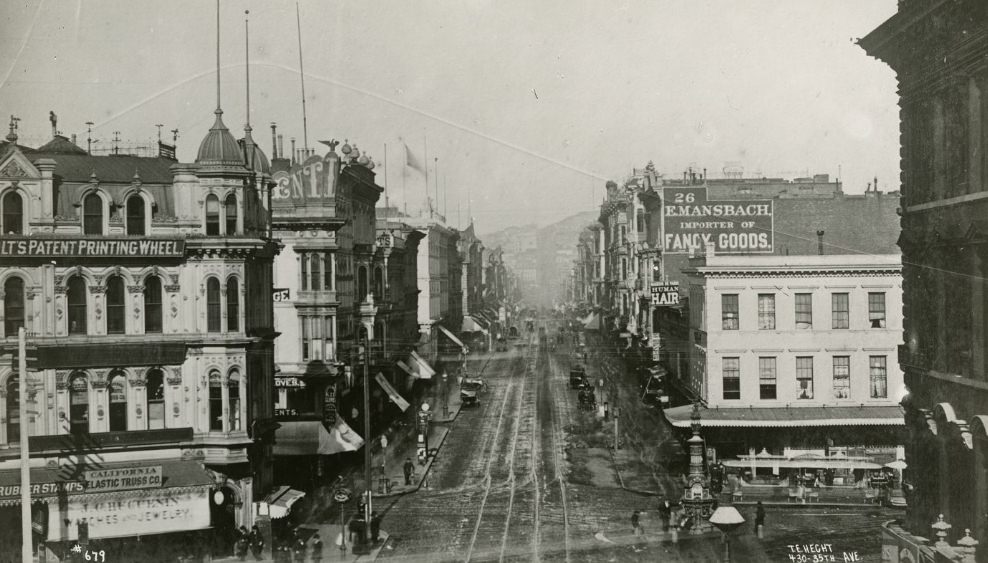
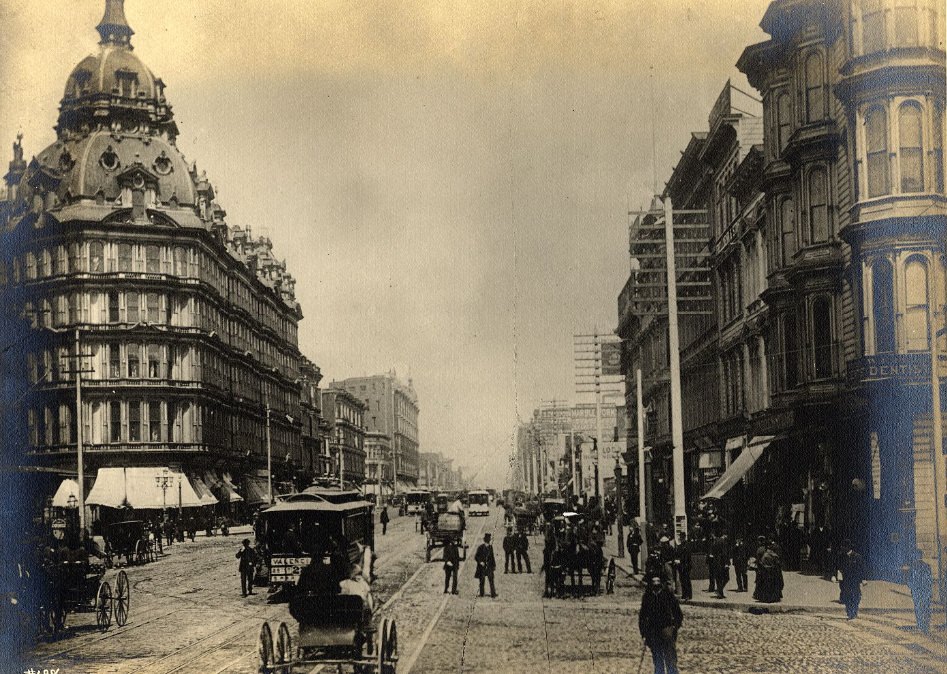
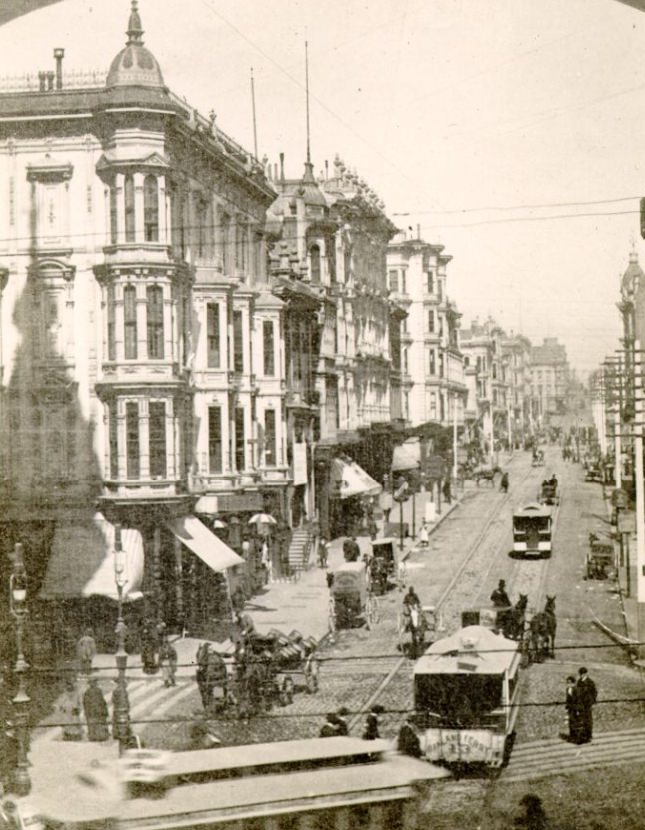
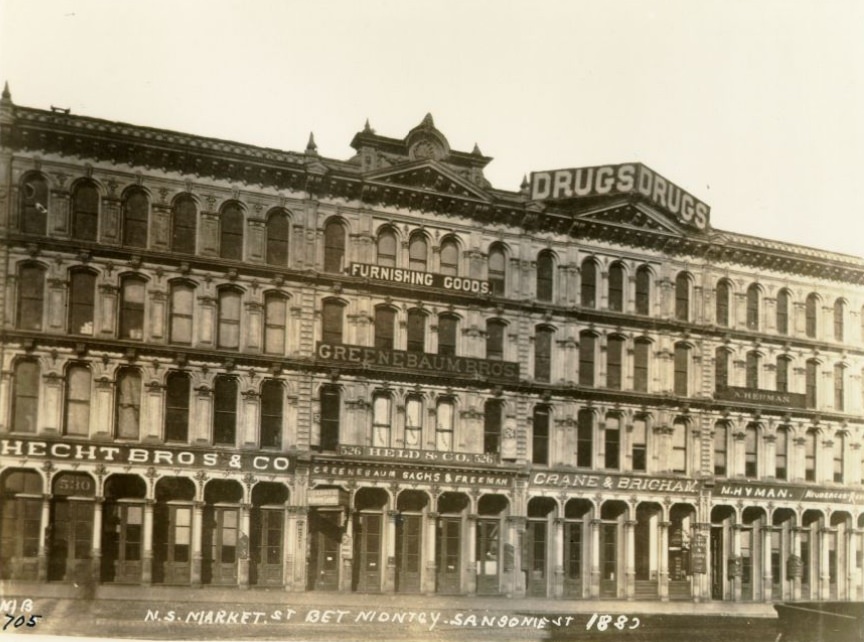
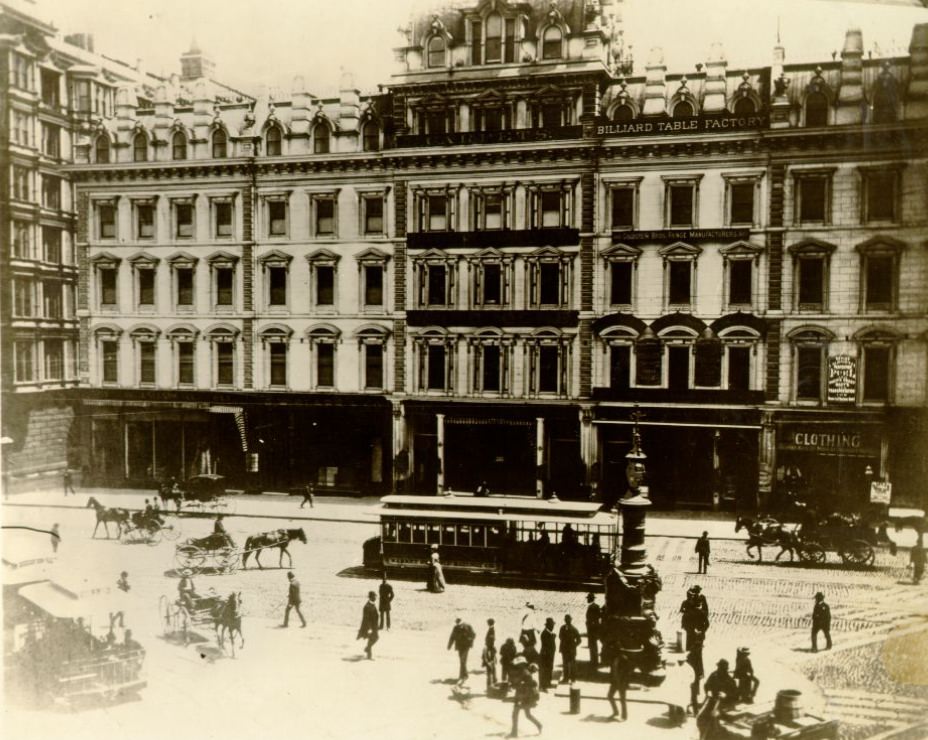
Market Street was the city’s main artery — a wide, busy corridor lined with commercial buildings, hotels, and constant foot traffic. Streetcars and horse-drawn vehicles competed for space on the road, while pedestrians crowded the sidewalks. The sheer number of photographs taken along Market Street during the 1880s reflects just how central it was to daily life.
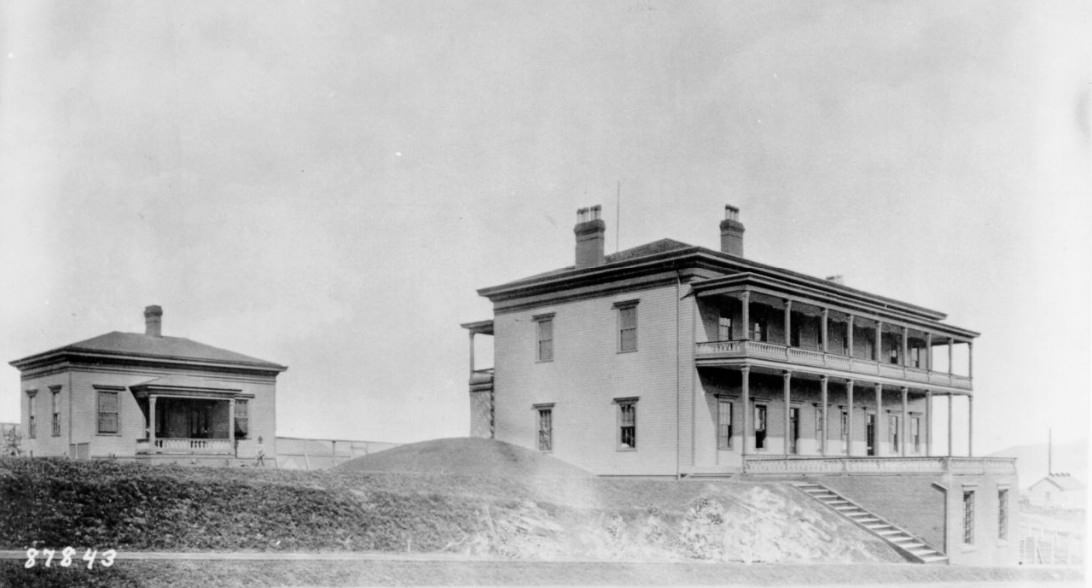
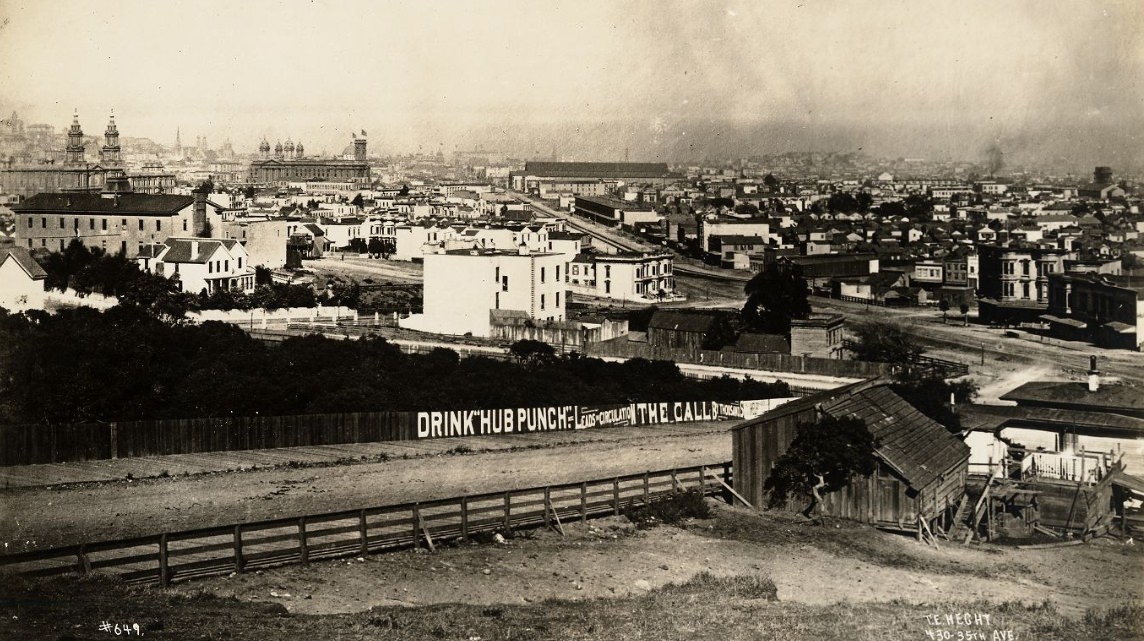
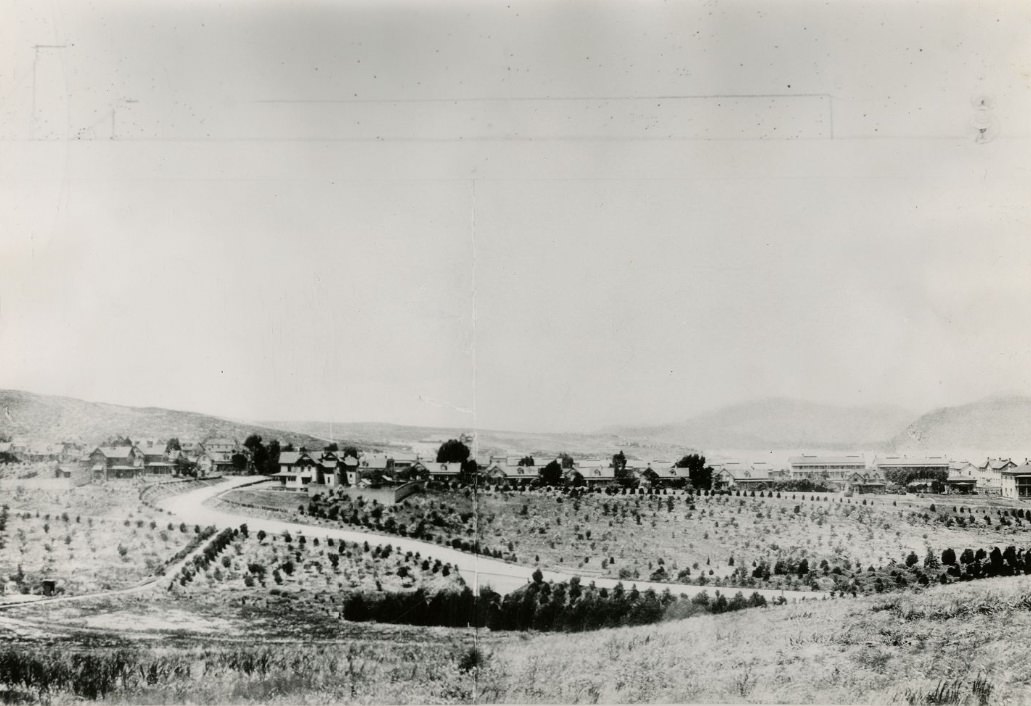
NCO quarters and Hospital building in the Presidio, 1880s
Market Street, San Francisco, California, circa 1883
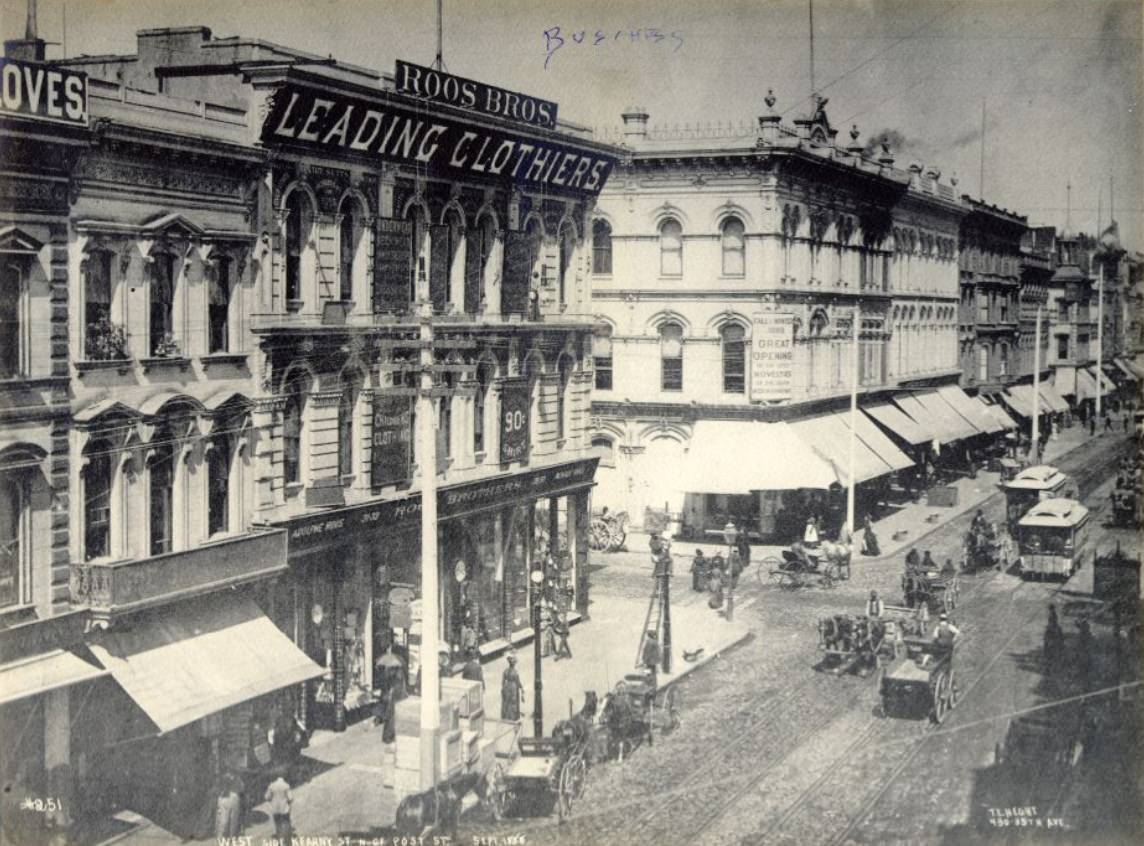
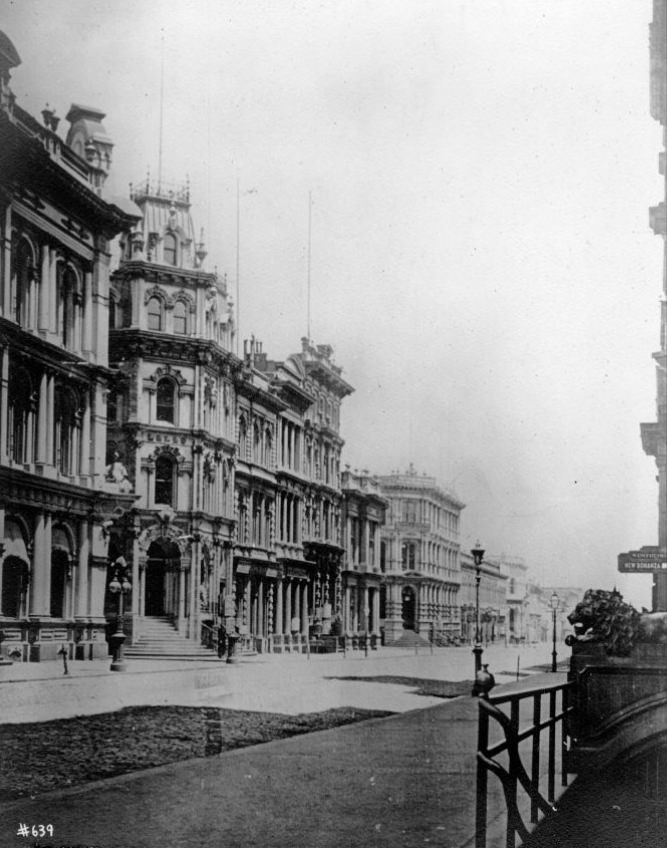
West side of Kearny Street, north of Post Street, September 1888

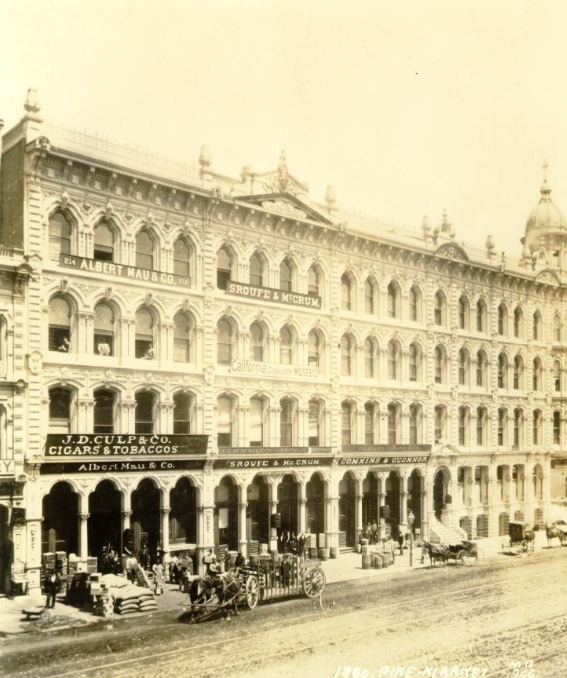
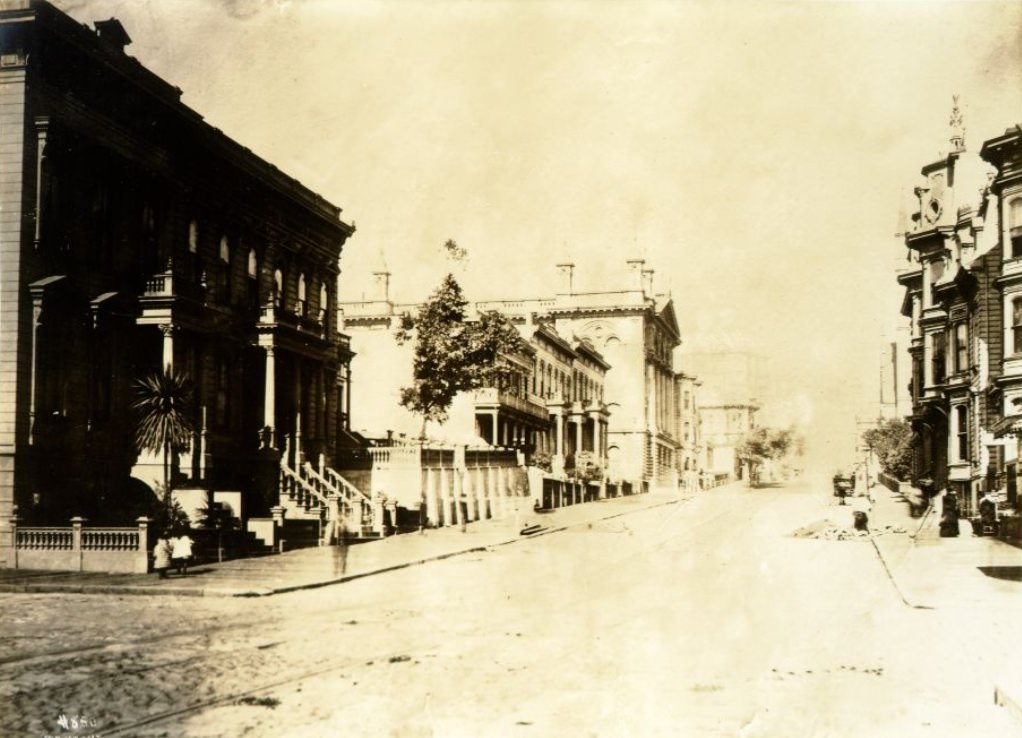
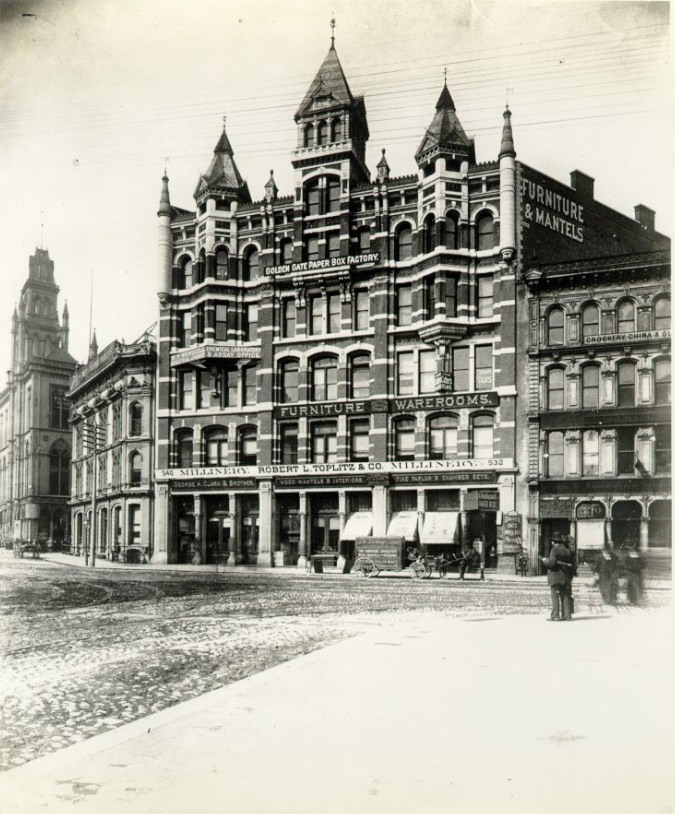
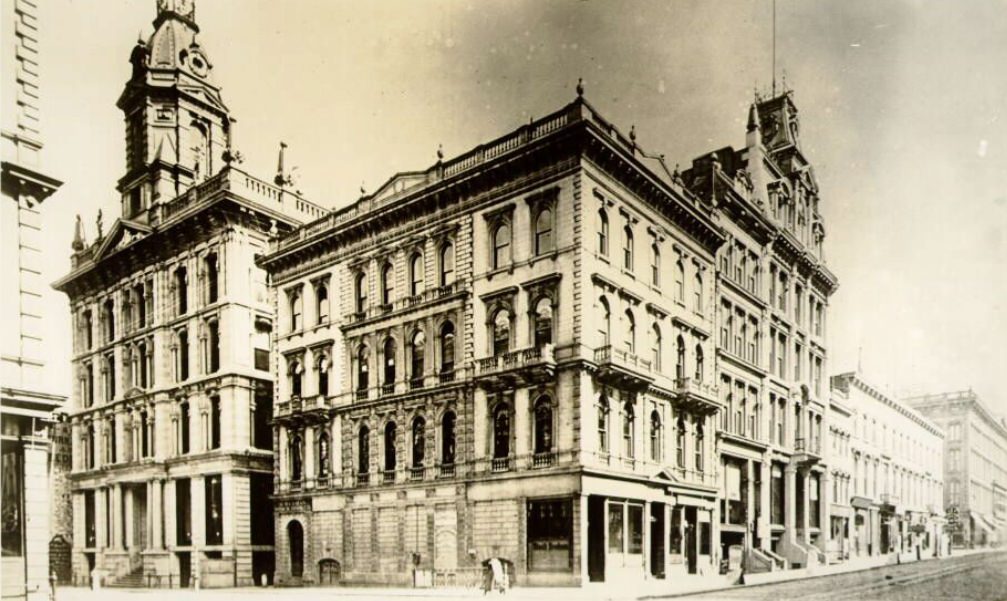
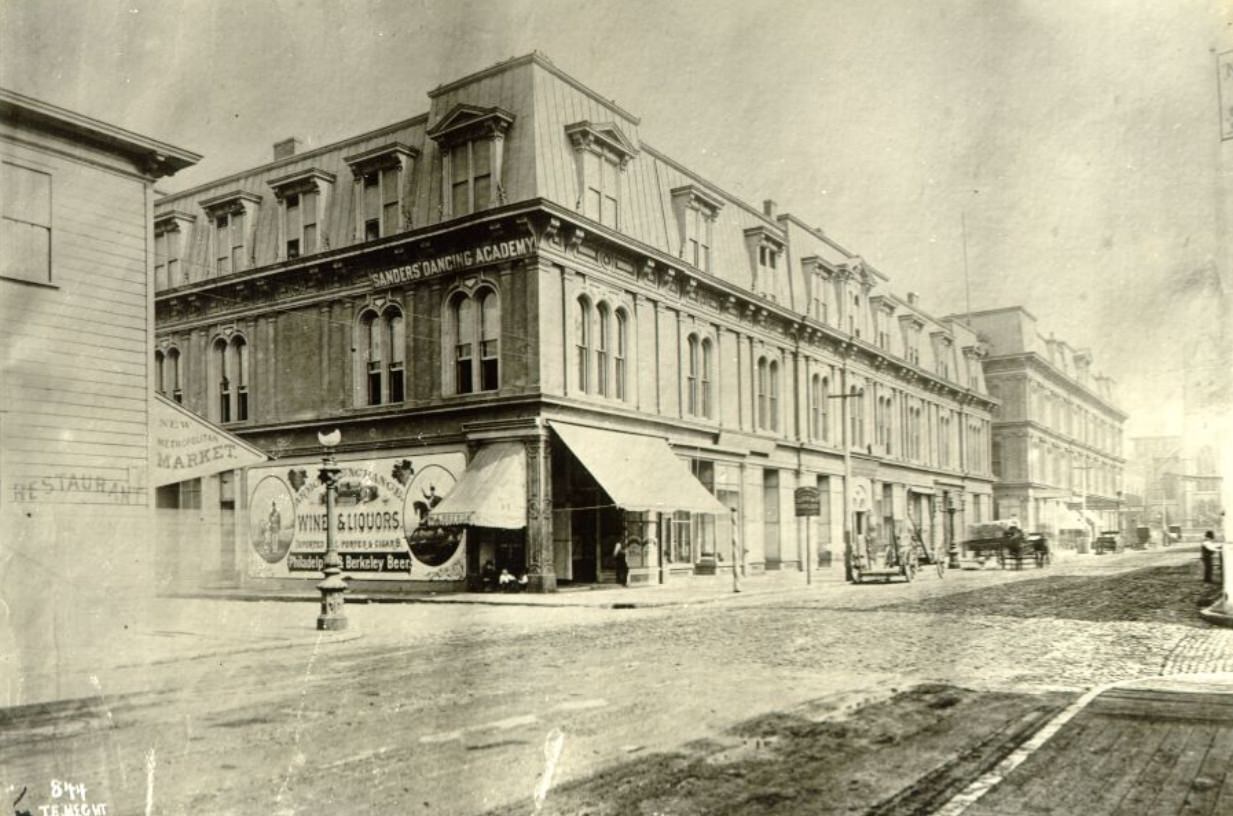
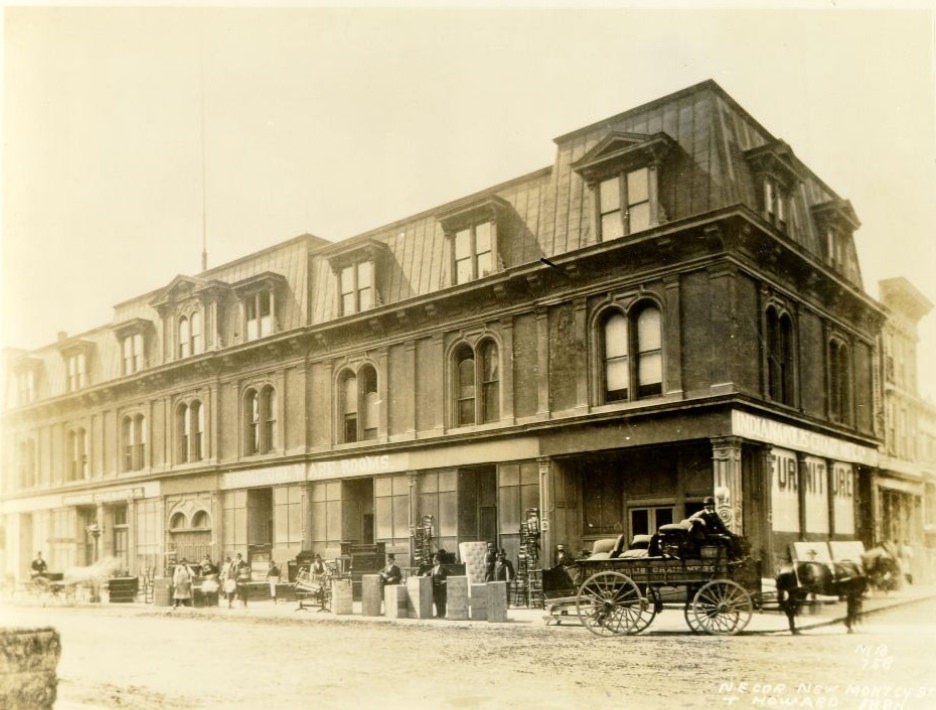
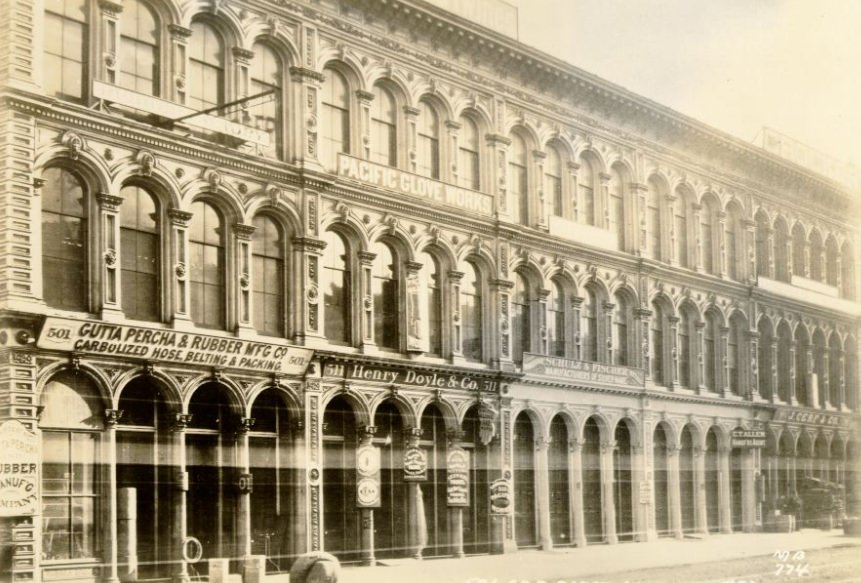
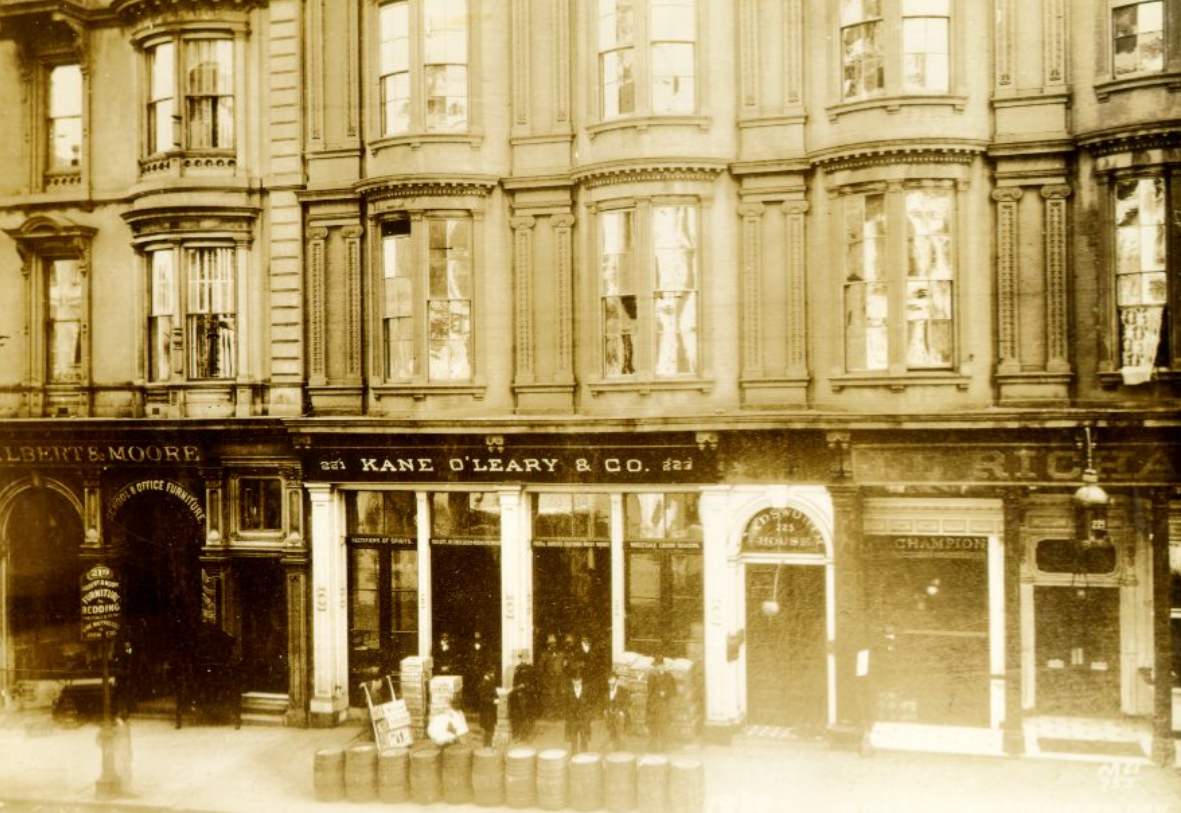
Victorian architecture came to define the look of 1880s San Francisco. Builders put up elaborate wooden homes with ornate trim and bright paint — the style most famously associated with the city’s “Painted Ladies.” This wasn’t limited to residential streets. Commercial blocks downtown featured detailed stonework and tall facades that gave the city a sense of permanence and ambition. Infrastructure kept pace with the buildings. New streetcar lines connected neighborhoods across the city, water systems were upgraded, and public parks were developed to serve a growing population.
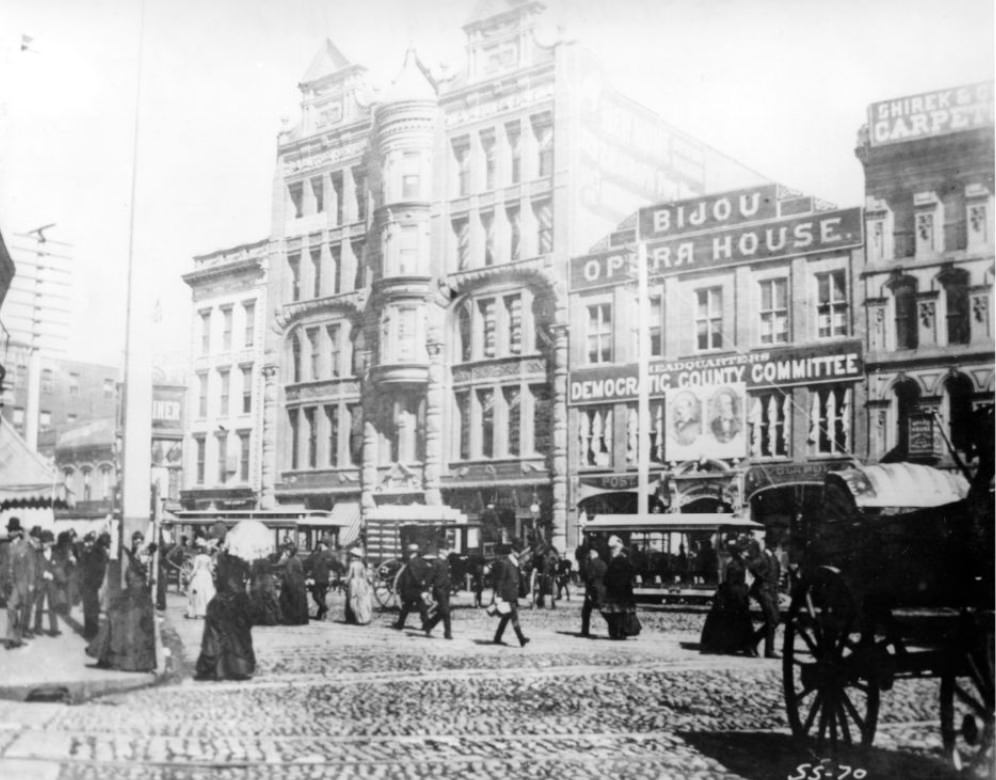
Stockton Street, 1887
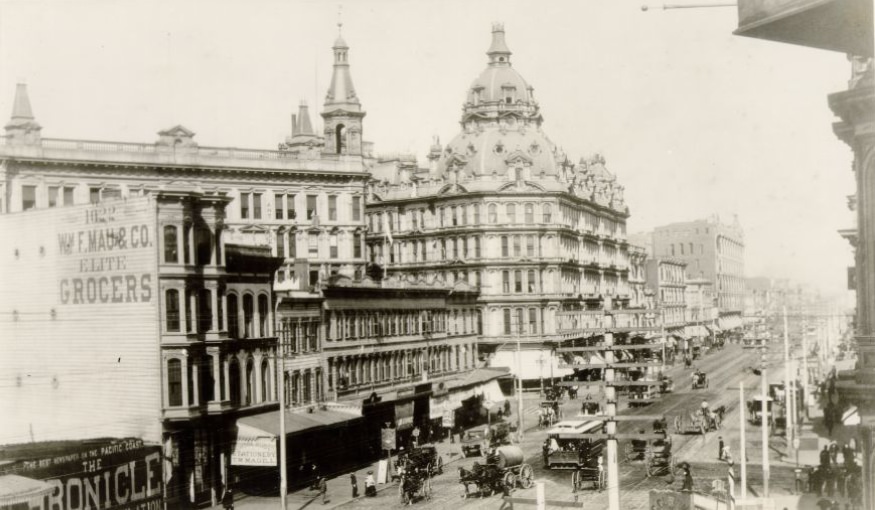
Market Street opposite Lotta's Fountain, circa 1887
Market Street opposite Lotta’s Fountain, circa 1887
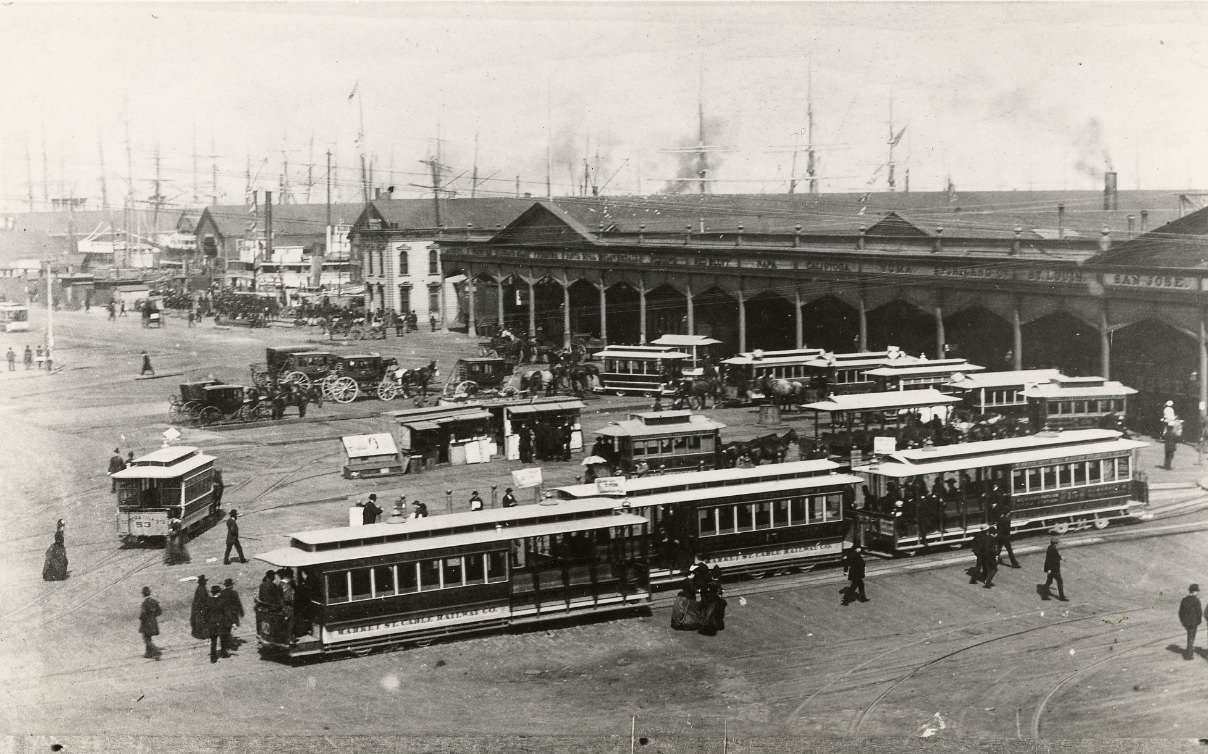
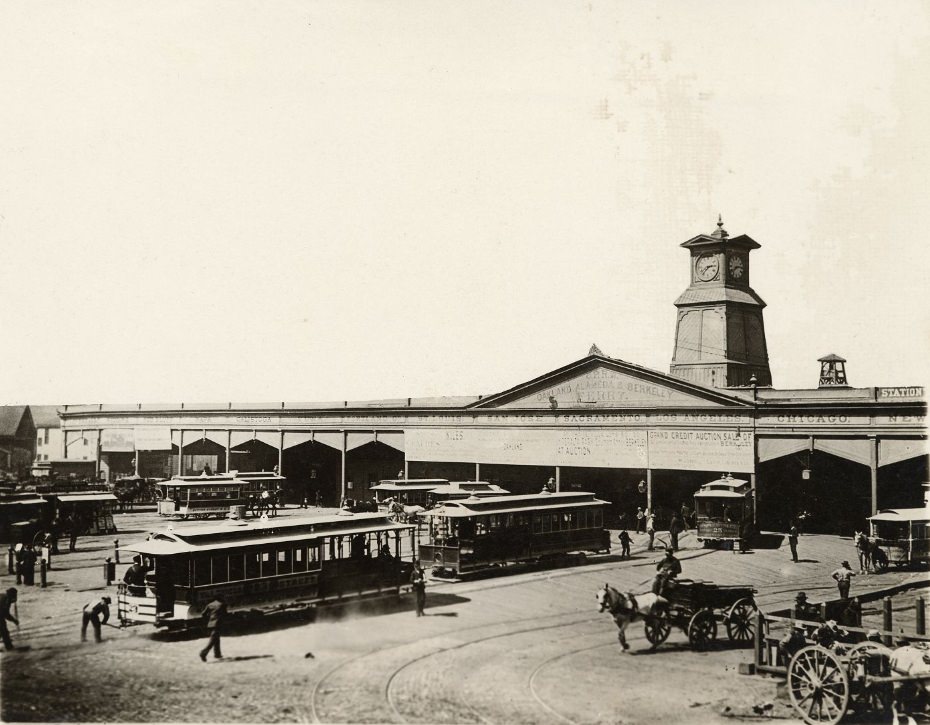
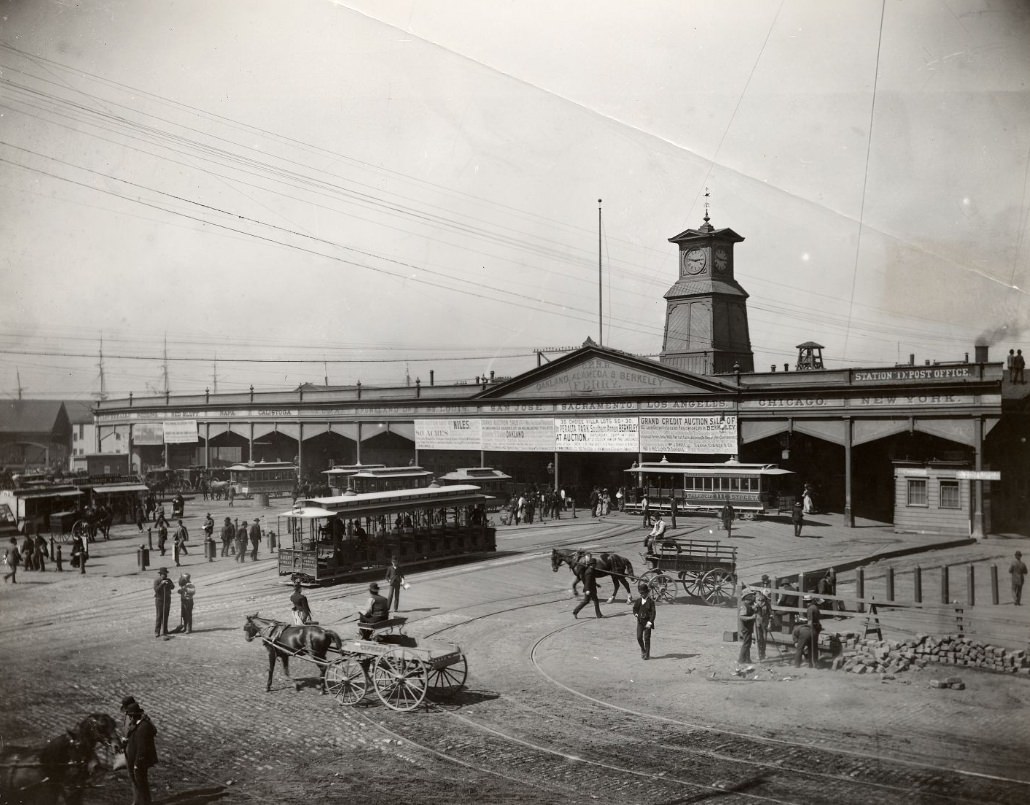
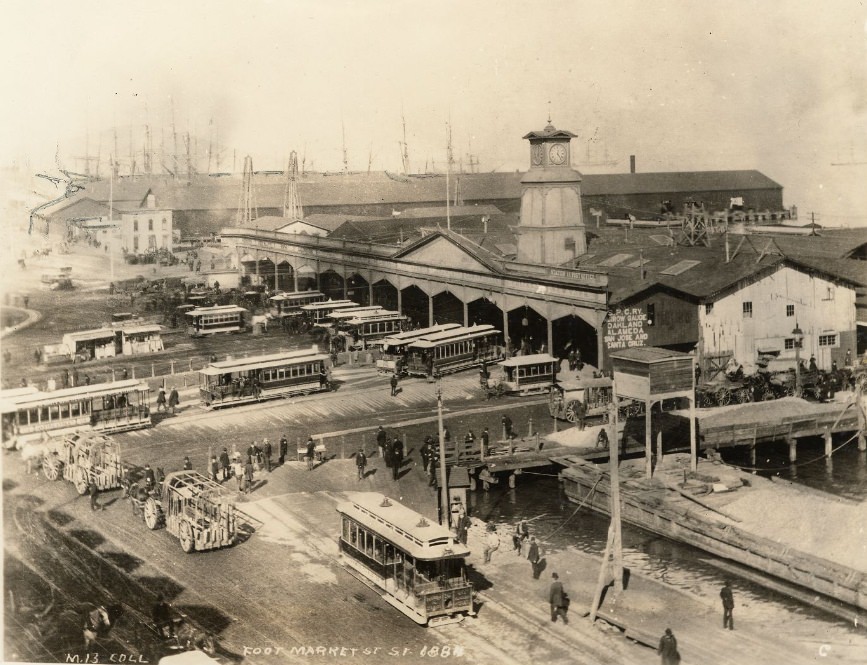
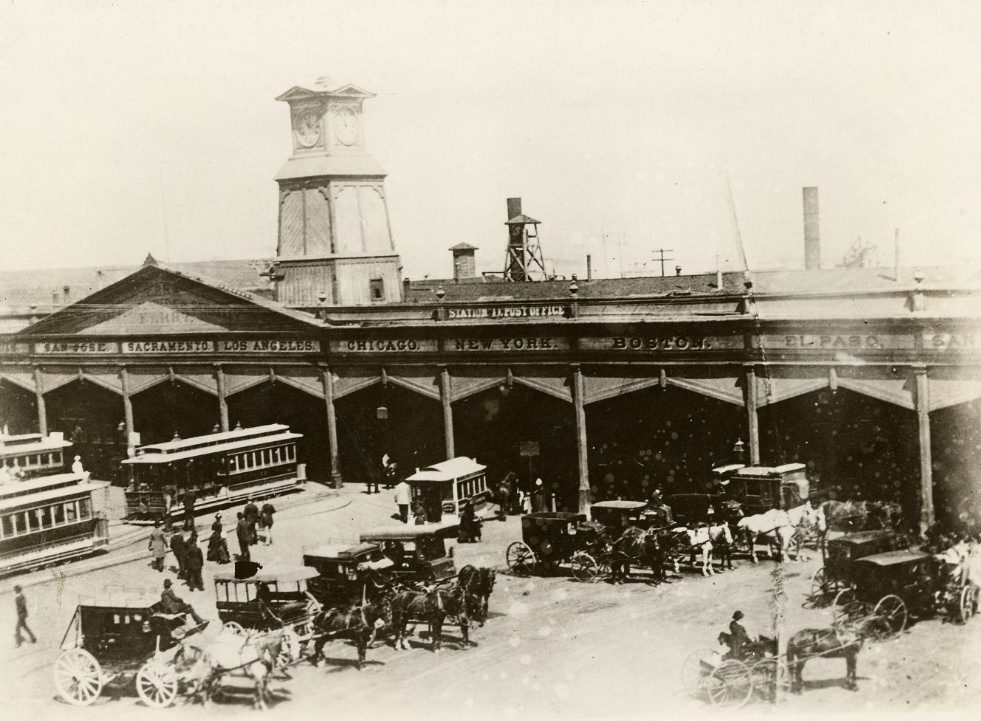
Cable cars and horse cars in front of the Ferry Building, 1880

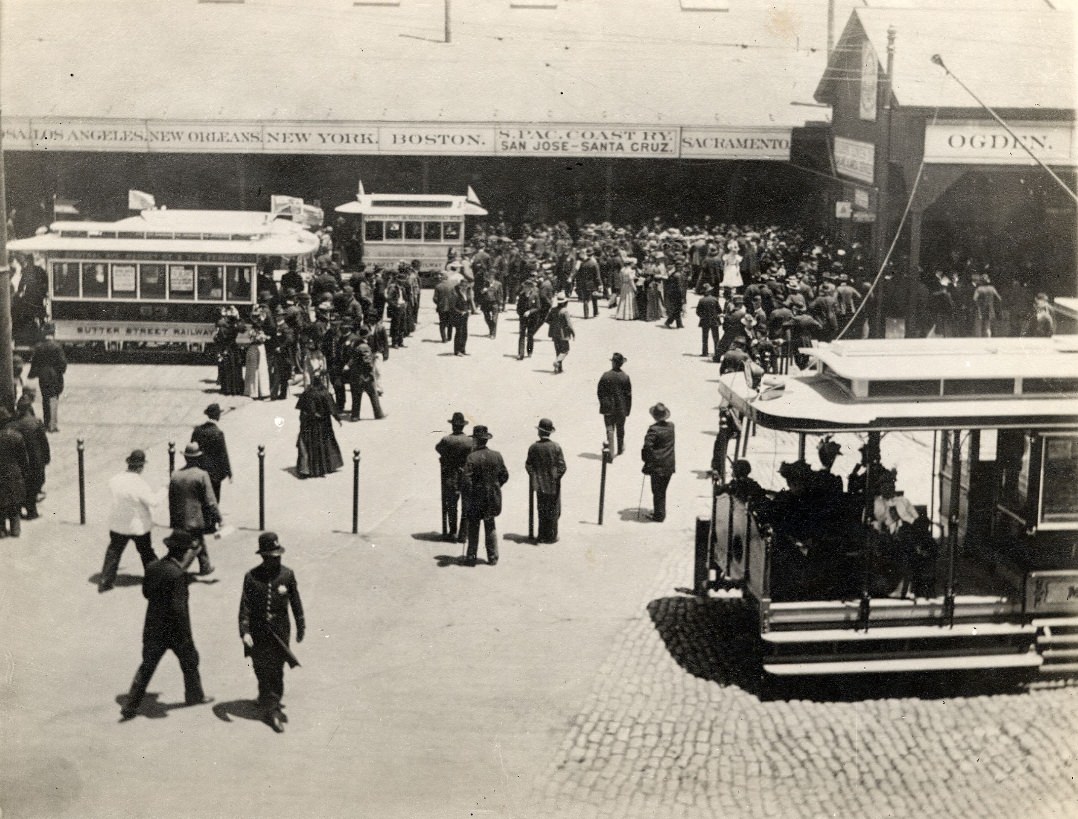
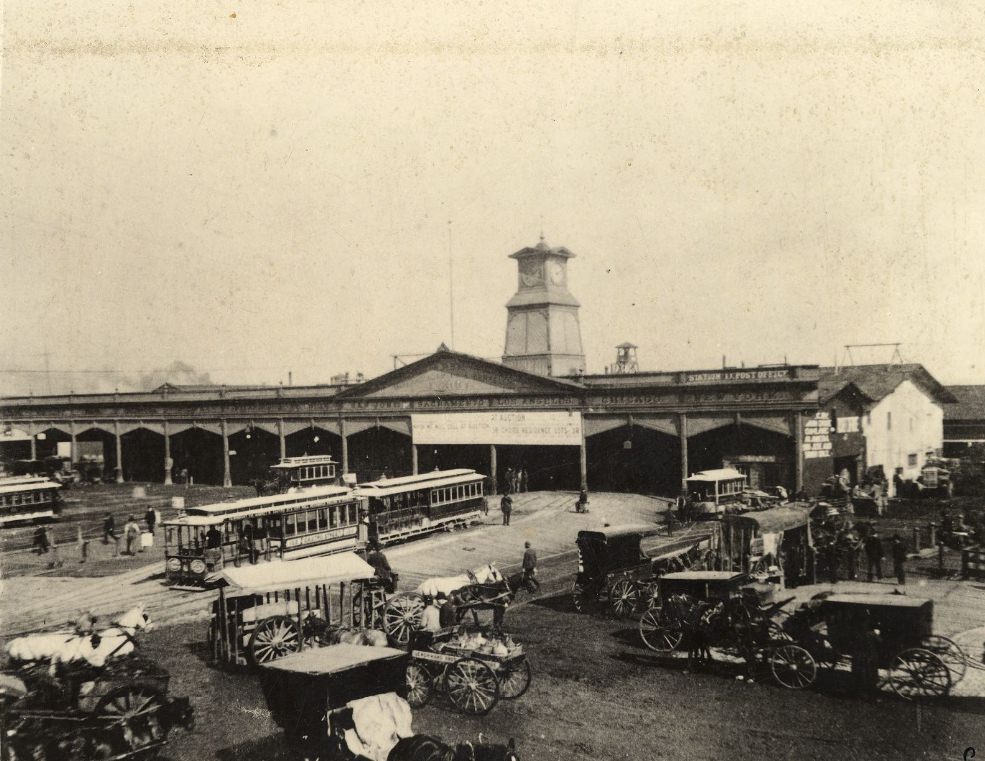
The Ferry Building at the foot of Market Street was one of the busiest points in the city. Ferries carried thousands of passengers across the bay to Oakland and beyond, making the waterfront a constant hub of movement. Cable cars and horse-drawn streetcars lined up nearby, connecting the waterfront to the rest of the city. For many arriving in San Francisco for the first time, this stretch of the waterfront was their first impression of the city.
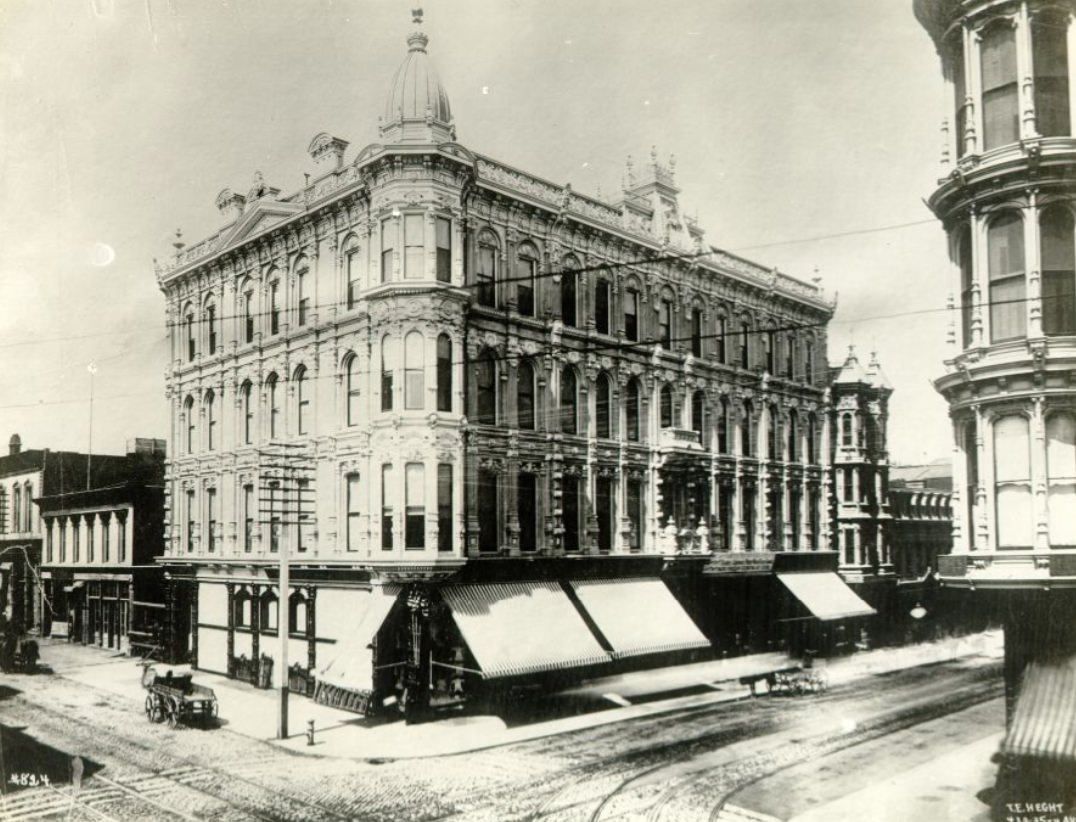
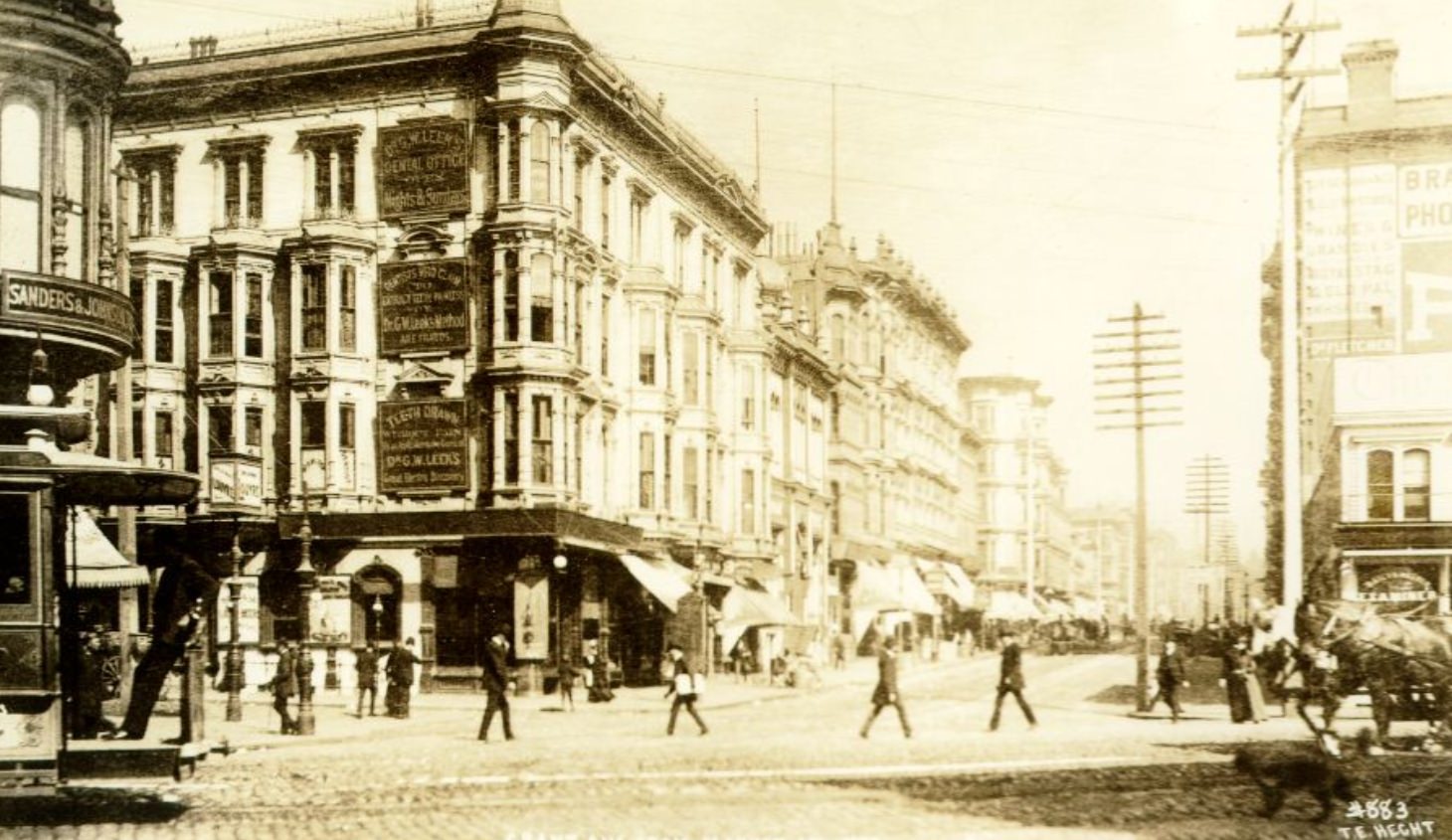
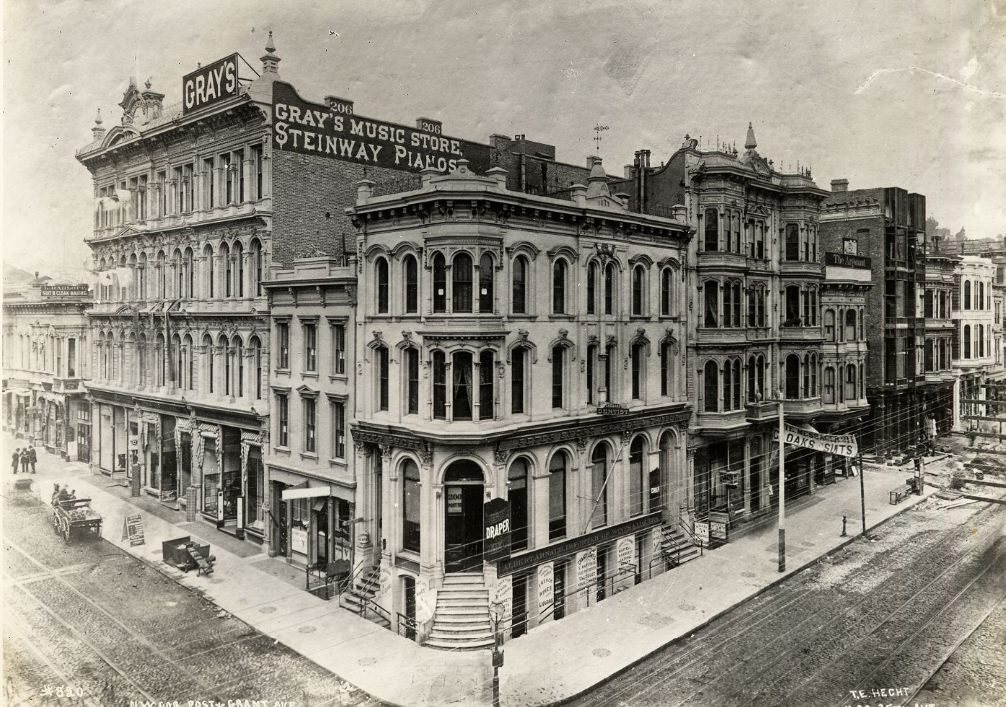
Northeast corner of Post Street and Grant Avenue, 1888
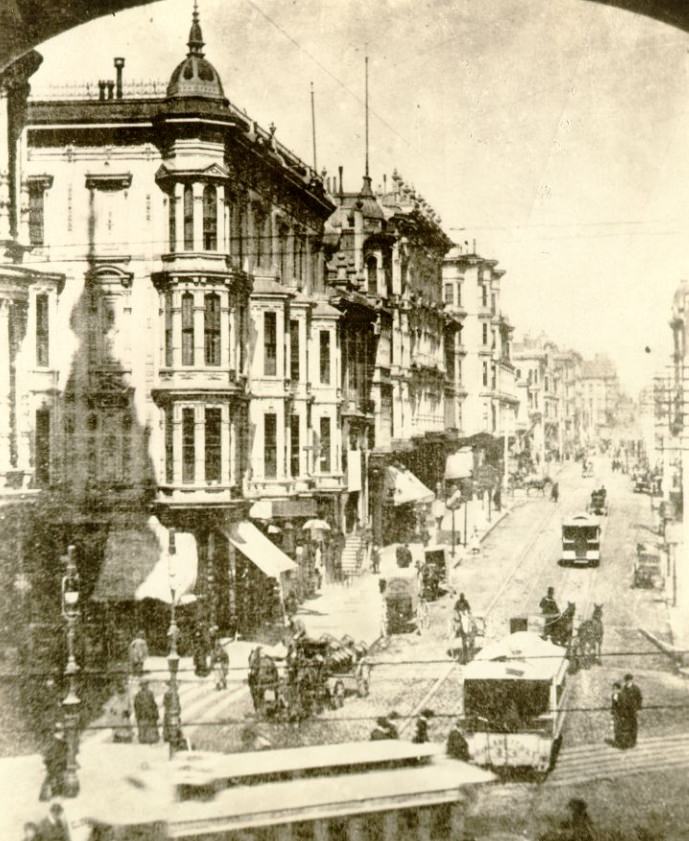
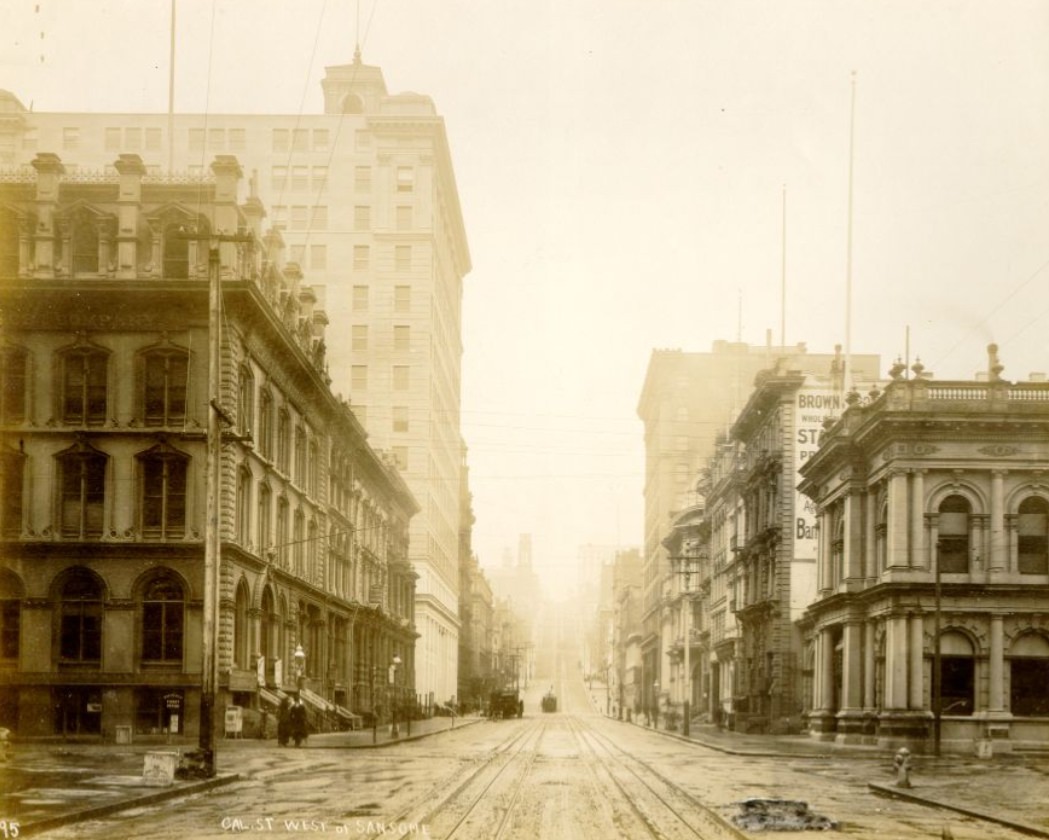
California Street west of Sansome, 1880s
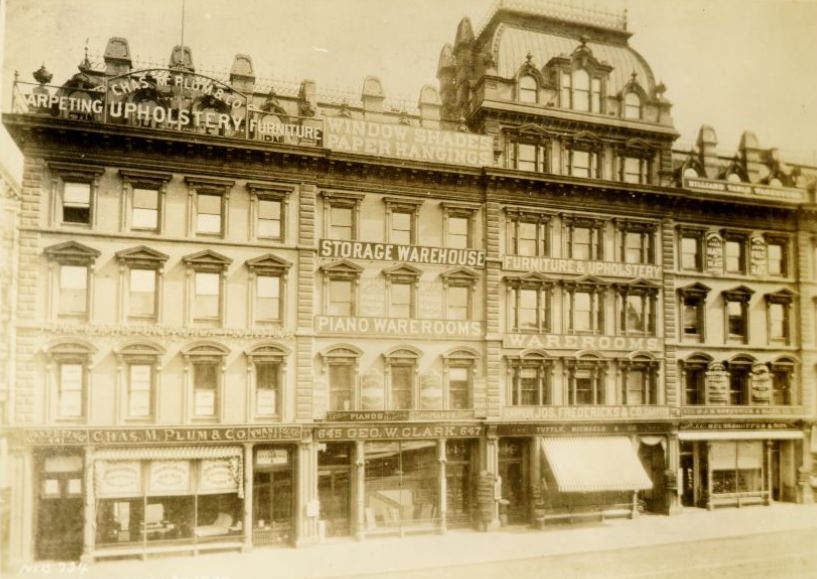
741-753 Market Street, 1880
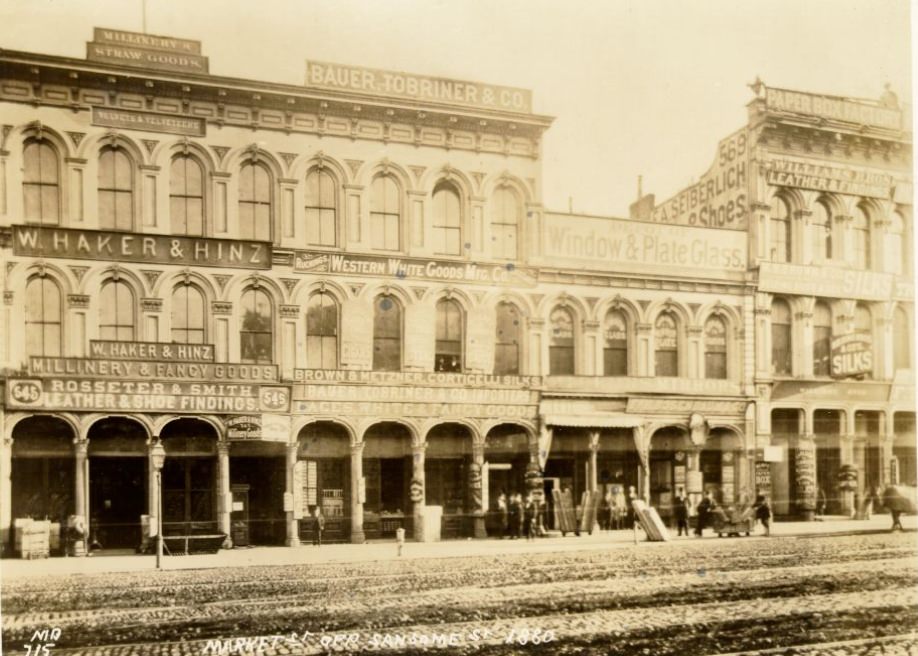
Market Street, opposite Sansome, 1880

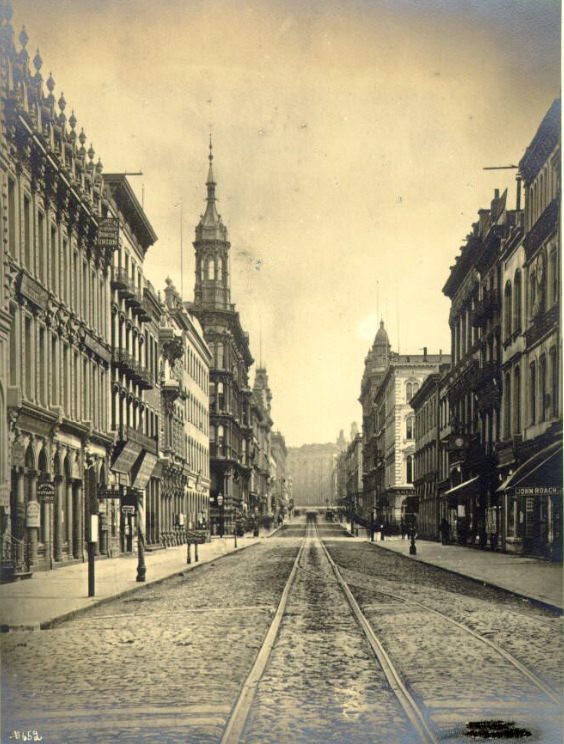
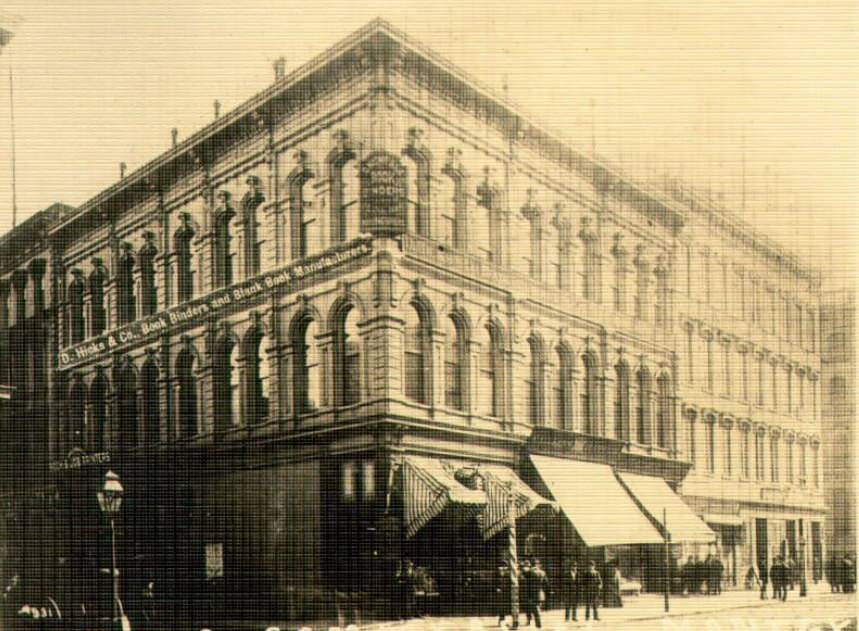
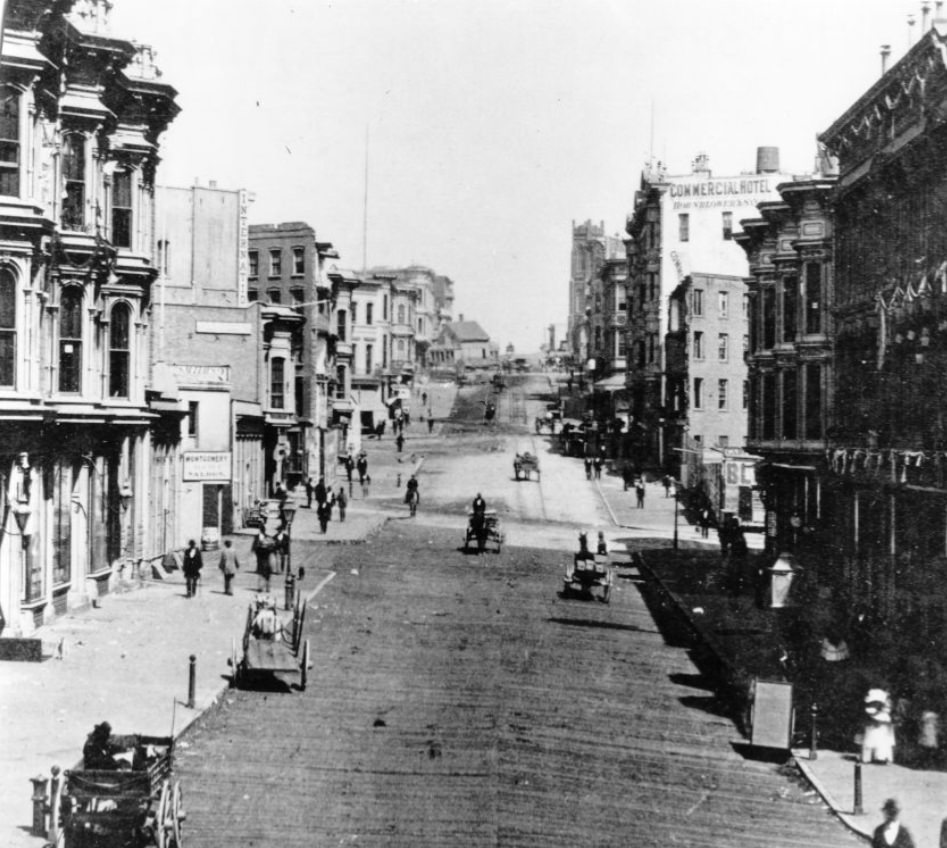
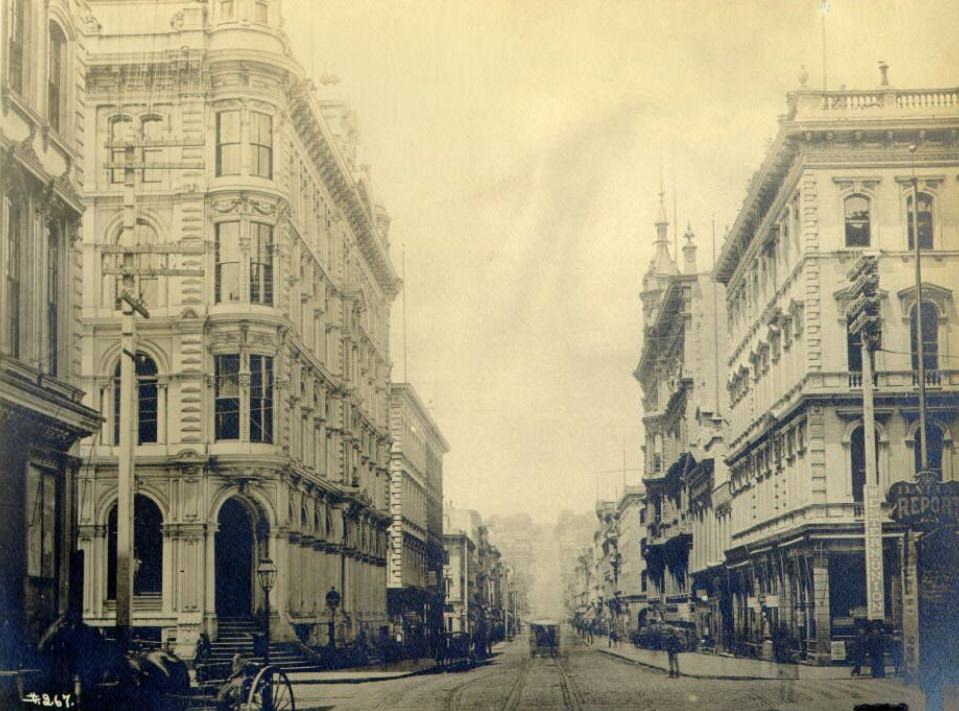
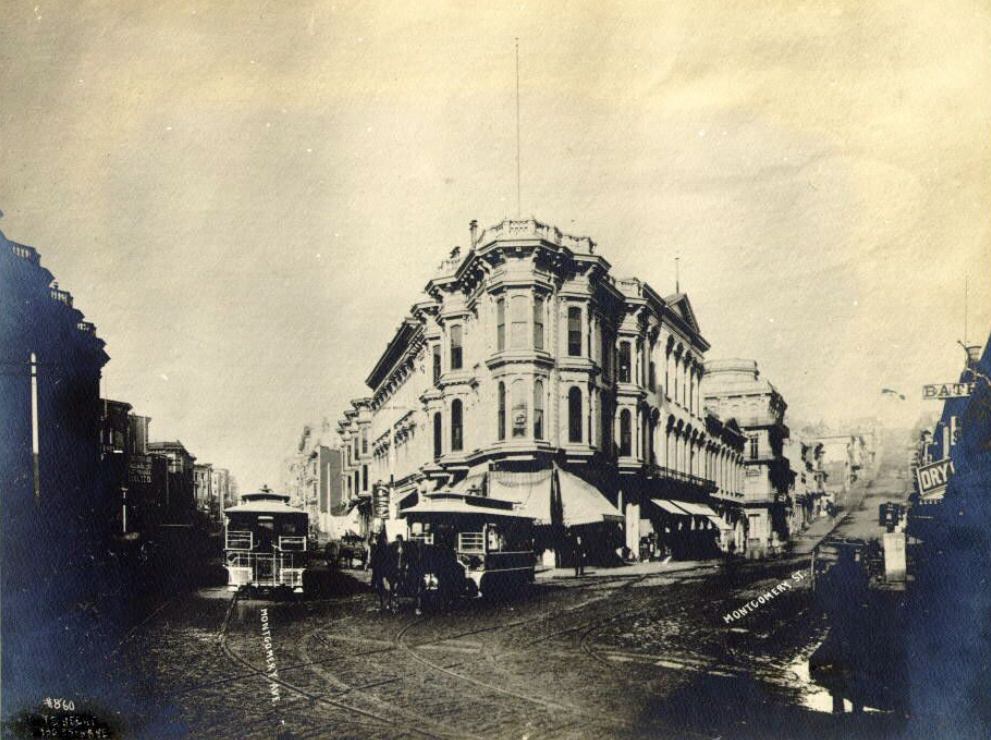
California Street cut through the financial heart of the city, flanked by banks and trading houses that handled the enormous flow of capital moving through San Francisco. Montgomery Street functioned as the Wall Street of the West, where deals were struck and fortunes made. The photographs from these blocks show buildings constructed with confidence — these were not temporary structures but statements about where the city was headed.
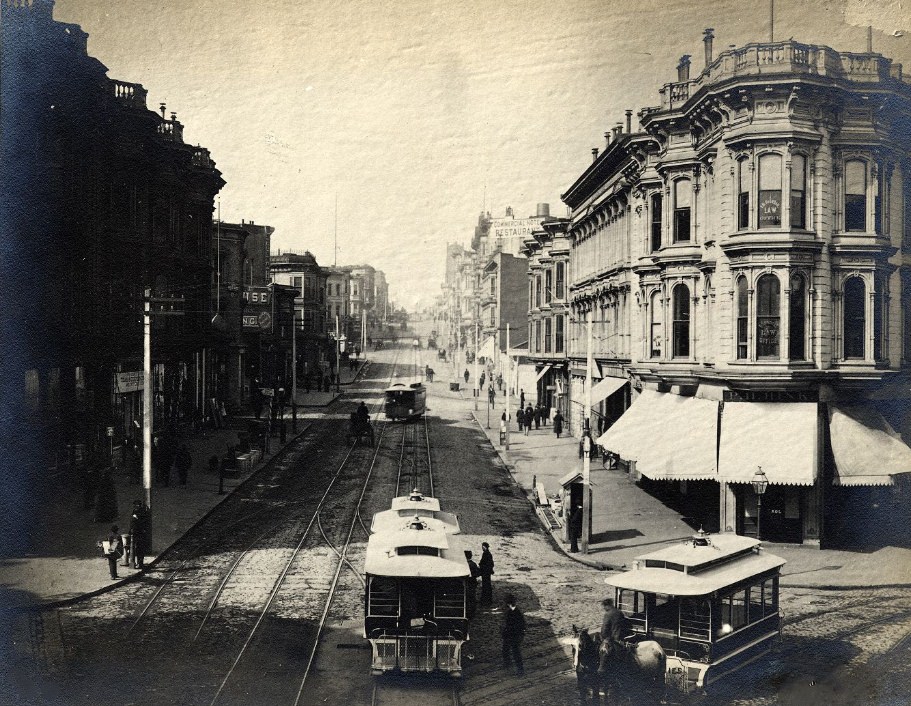
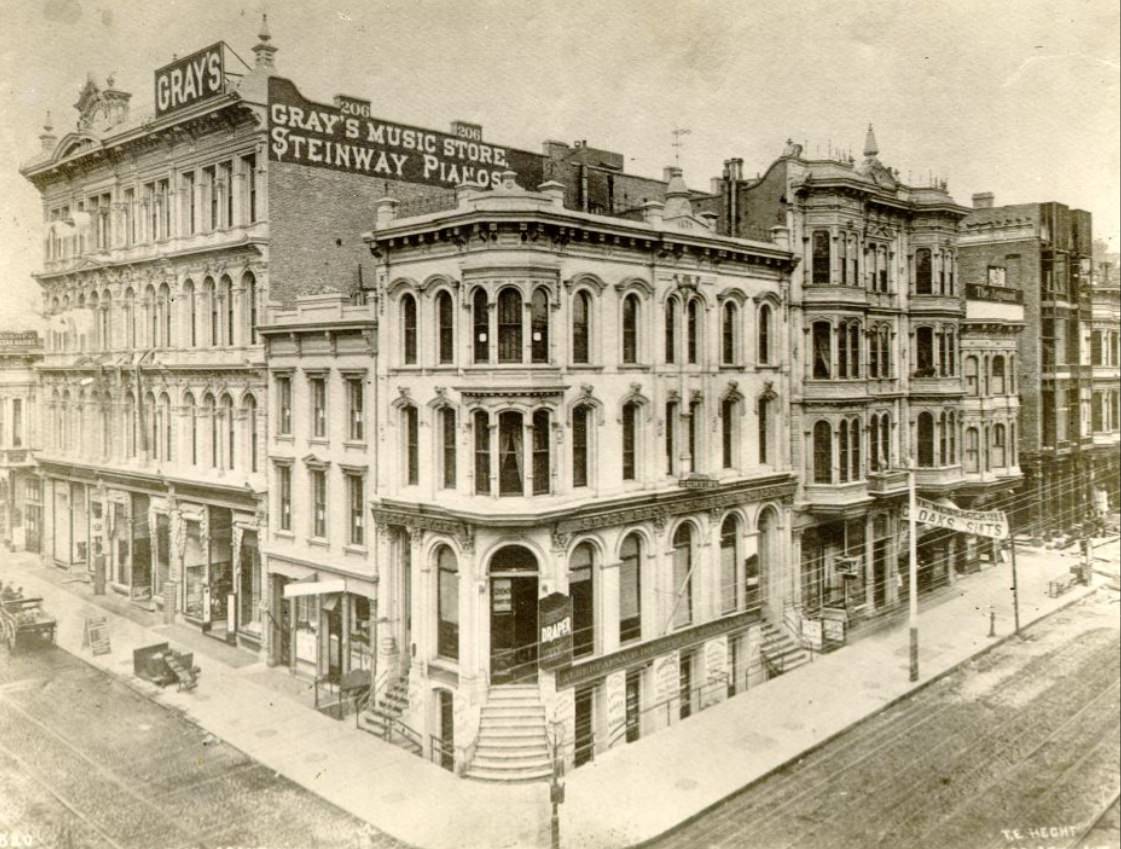
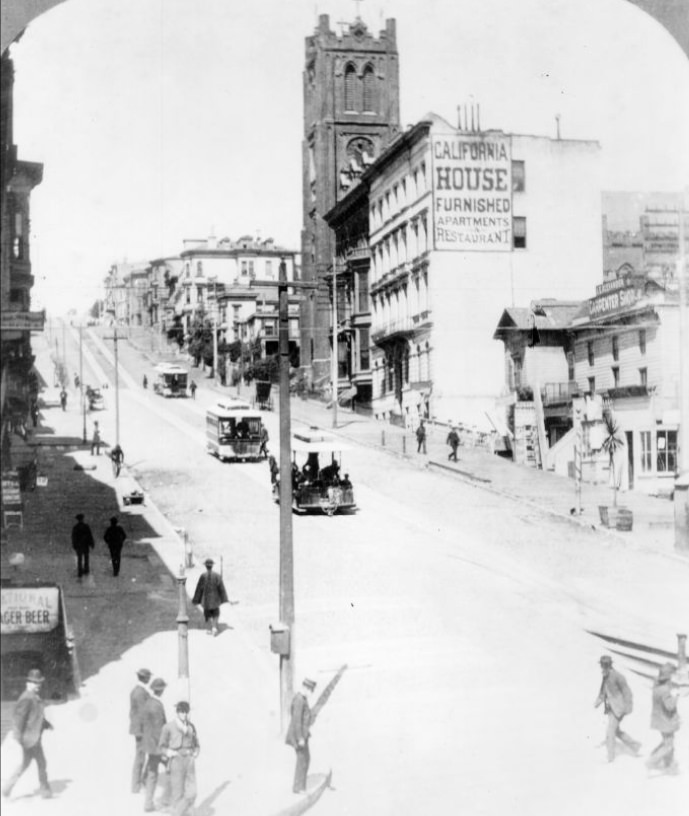
Montgomery Avenue (now Columbus Avenue) looking west, 1880s
Northwest corner of Post Street and Grant Avenue, 1880s
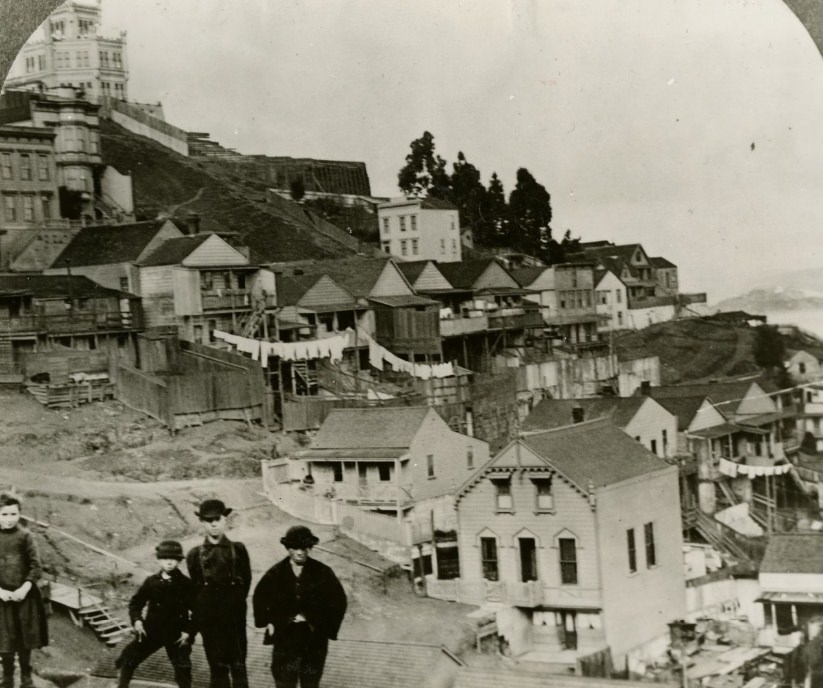
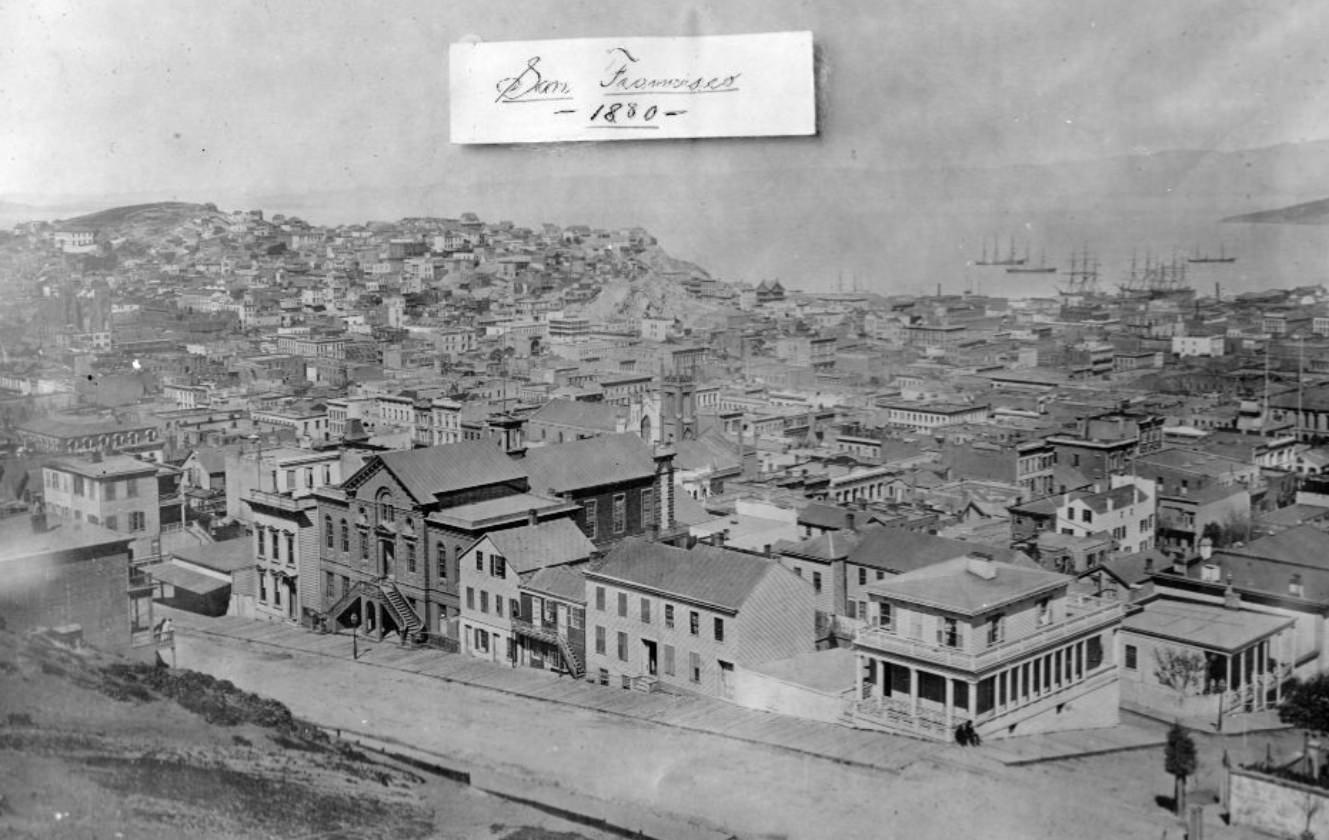
Telegraph Hill, circa 1885

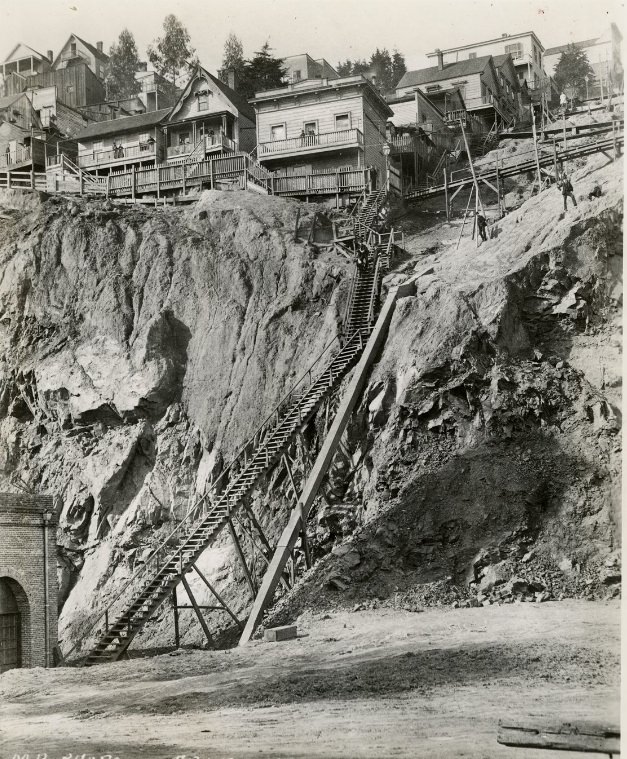
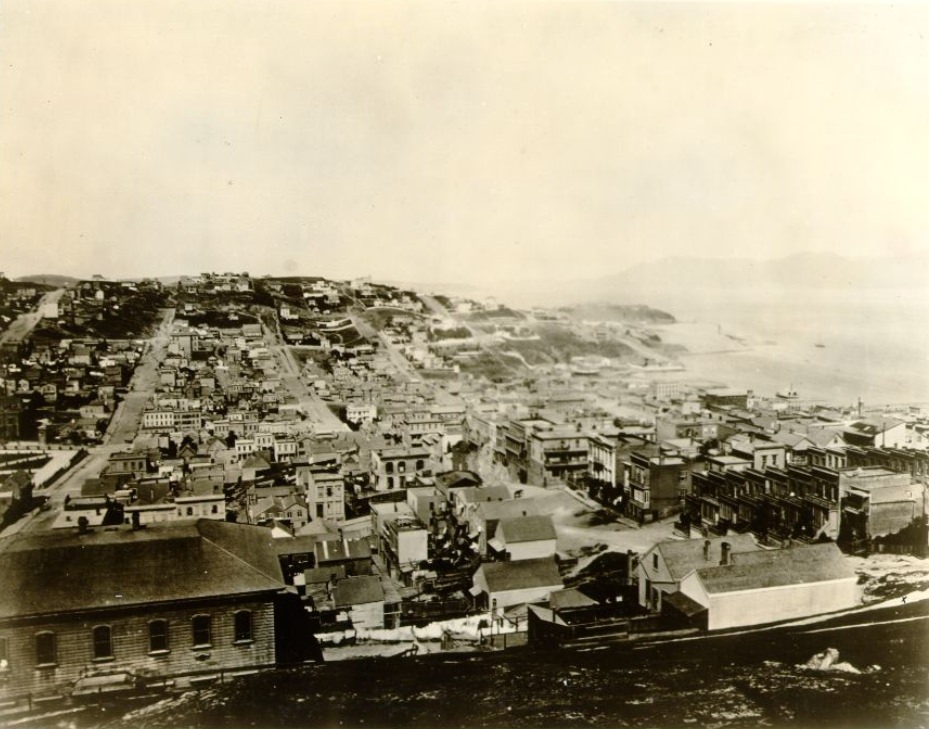
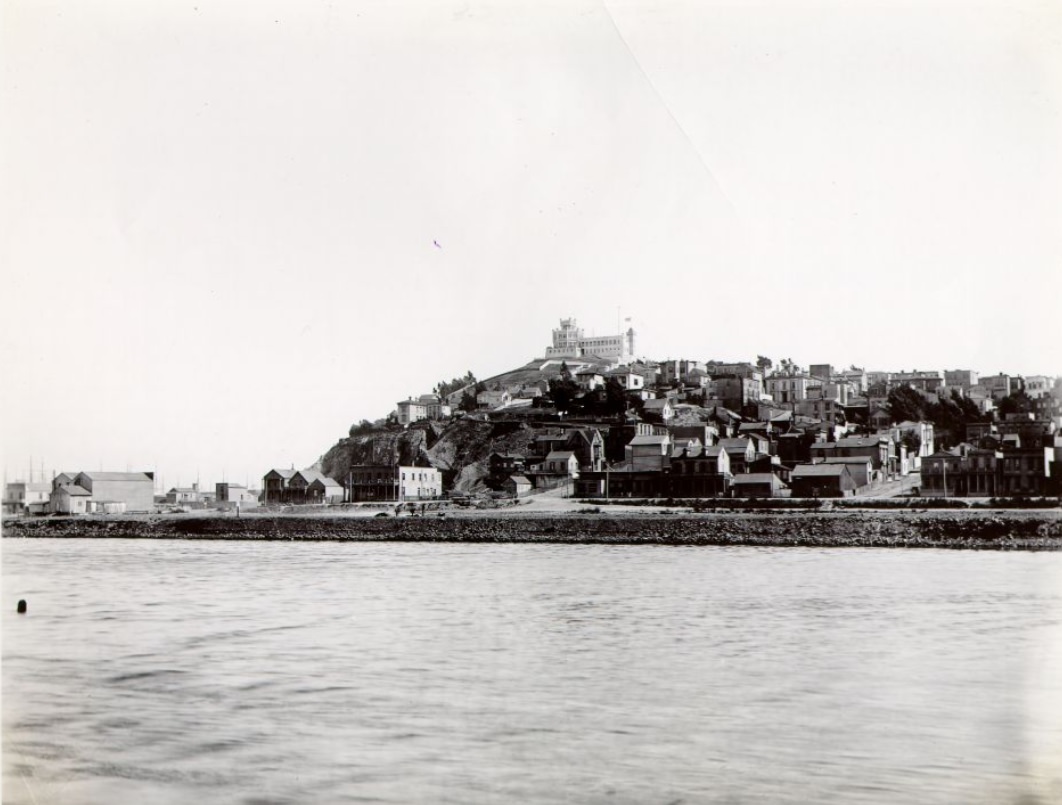
Telegraph Hill rose sharply above the waterfront and offered sweeping views across the bay and toward the Golden Gate. By the 1880s, the hill was home to working-class families, many of them recent immigrants. Its steep slopes were dotted with modest homes, and quarrying operations along its eastern face had already begun to eat into the rock. The hill appeared in photographs repeatedly throughout the decade, a natural landmark that anchored the city’s northeastern edge.
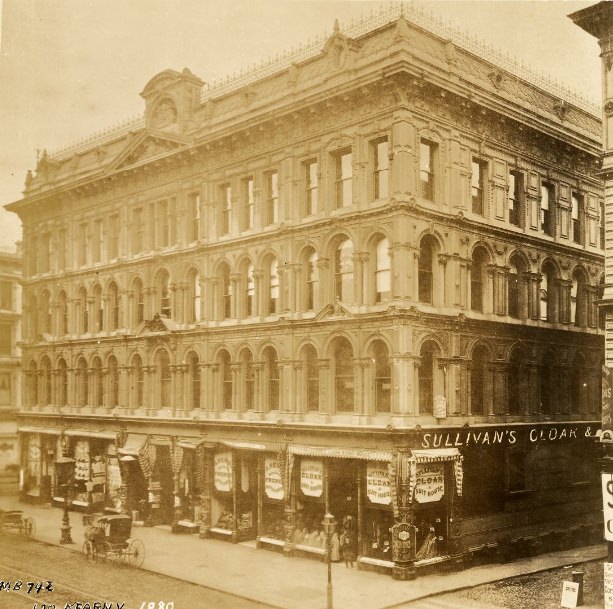
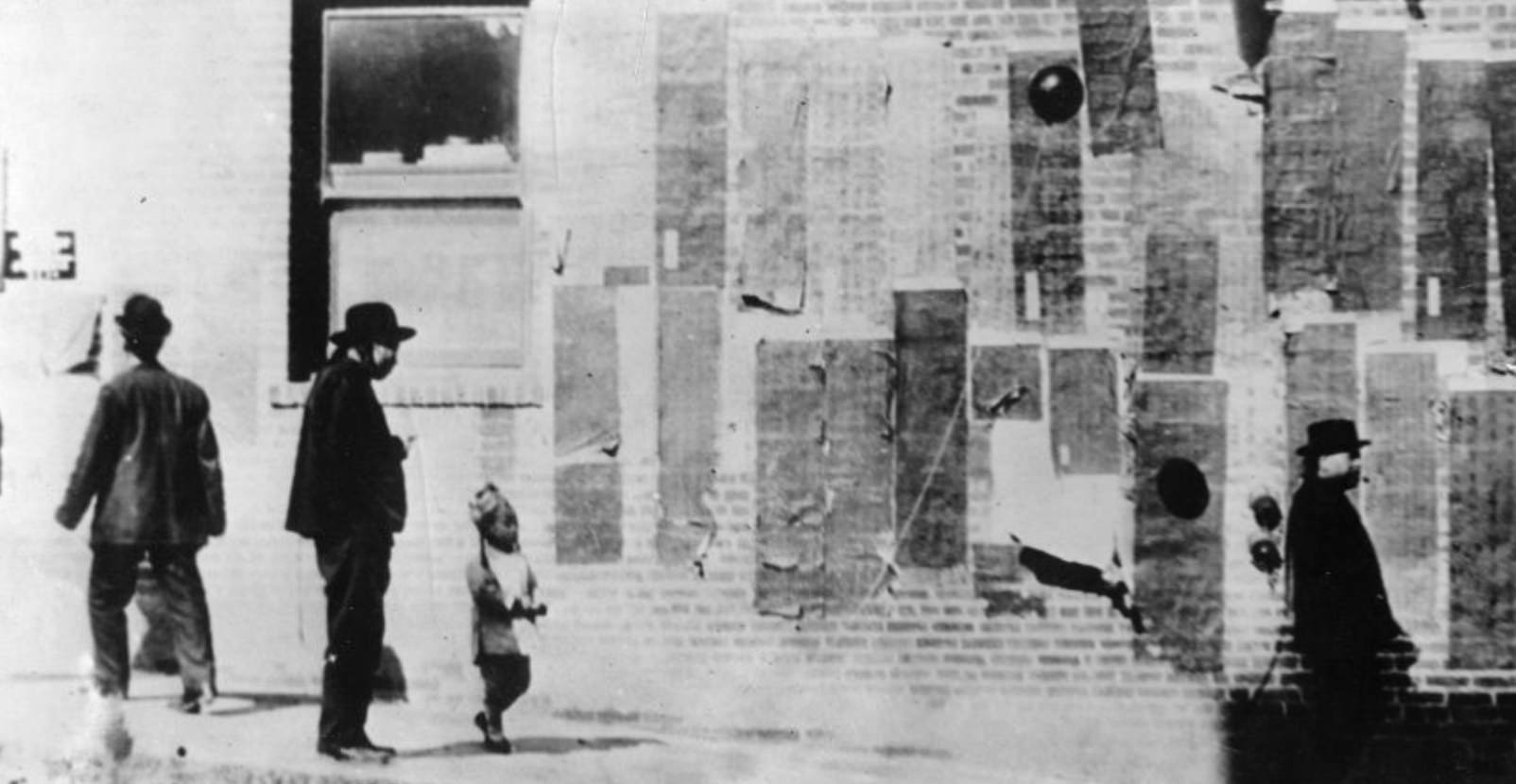
120 Kearny Street, 1880
"Dead Wall Bulletin Board" on Dupont Street (now Grant), 1889
“Dead Wall Bulletin Board” on Dupont Street (now Grant), 1889
Market Street, opposite Dupont, 1880
Pine Street, corner of Market, 1880

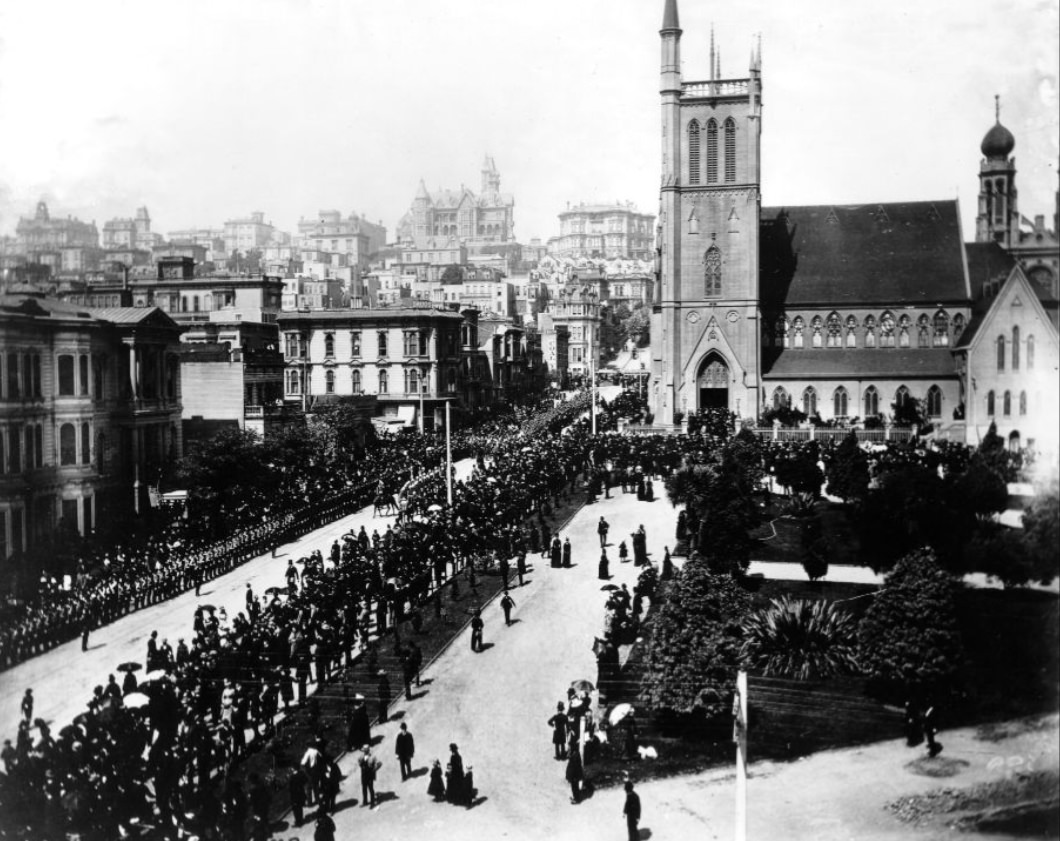
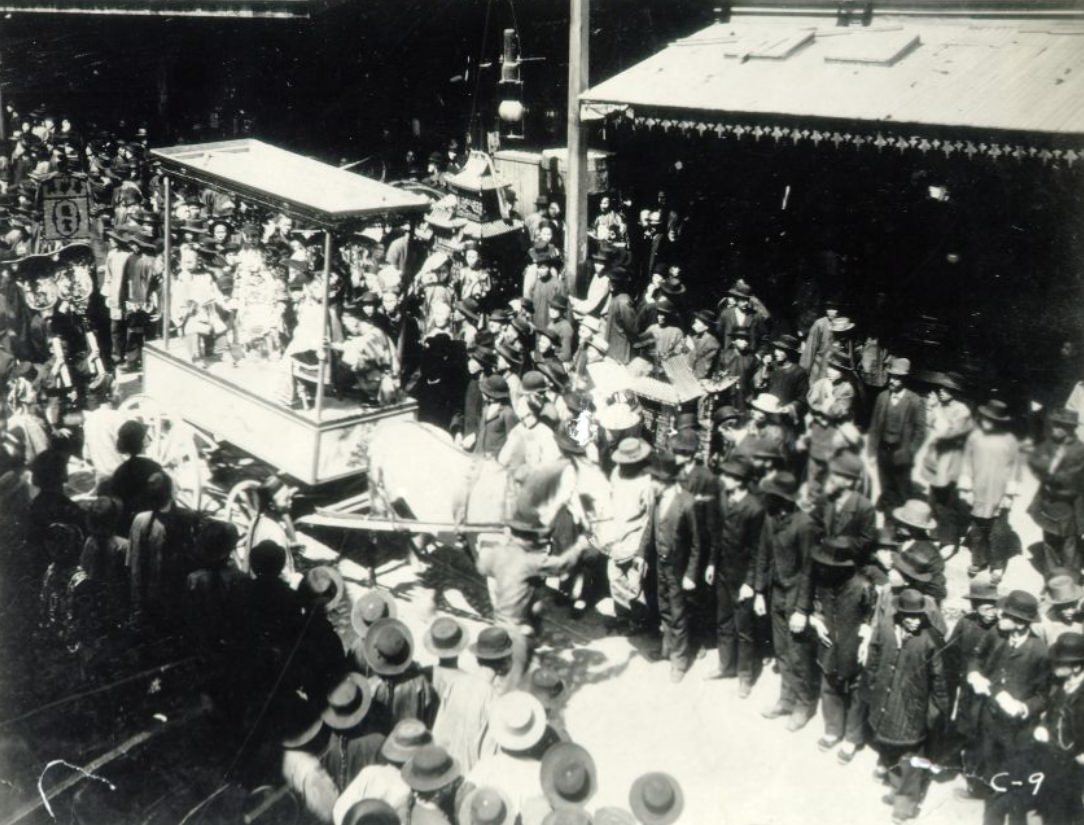
Chinatown occupied the blocks around Dupont Street — later renamed Grant Avenue — and represented one of the most densely populated neighborhoods in the city. Despite facing severe legal discrimination, including laws specifically targeting Chinese residents and workers, the community maintained a functioning economy and a distinct cultural identity. Shops, temples, and social organizations operated within a few blocks of each other. A parade photograph from 1885 captures the public life that persisted within the neighborhood even under these conditions.
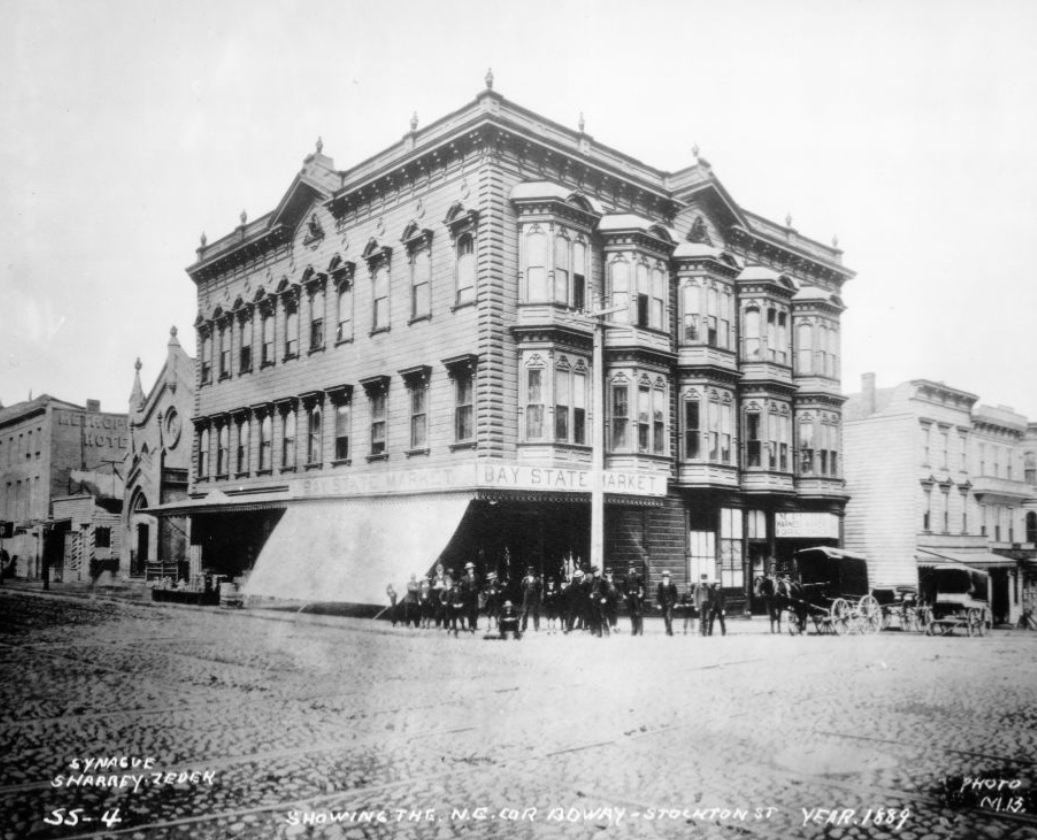
Broadway & Stockton, northeast corner, 1889
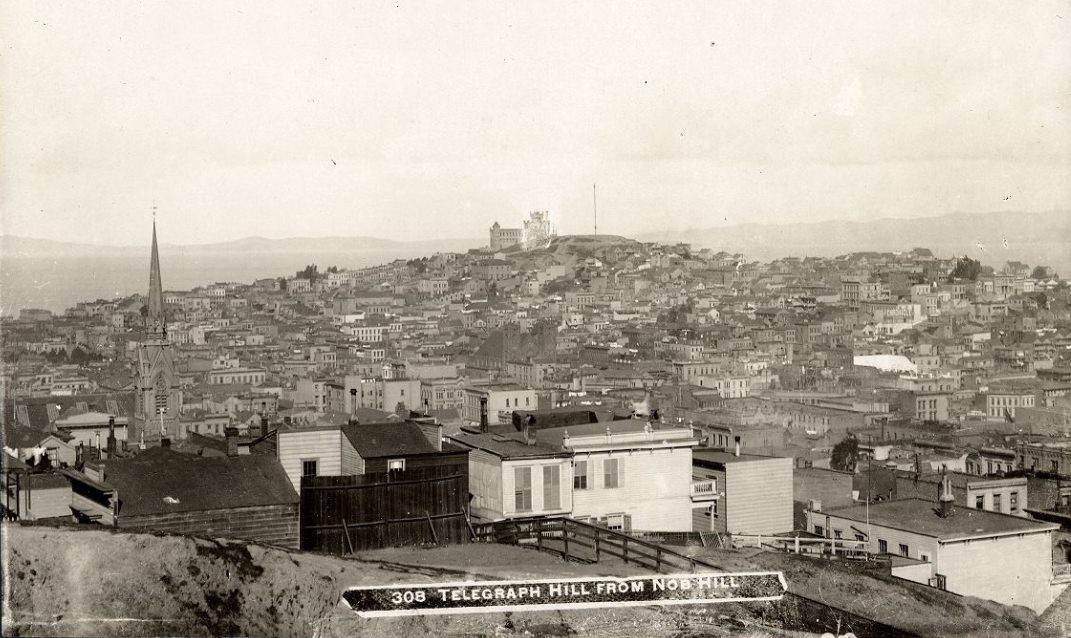
Telegraph Hill from Nob Hill, 1884
Powell Street, north of O'Farrell, 1880
Powell Street, north of O’Farrell, 1880

Nob Hill, visible in several photographs from the era, had become the address of choice for San Francisco’s wealthiest residents. Railroad barons and banking magnates built massive mansions on its summit, taking advantage of the newly extended cable car lines that made the steep climb practical. The contrast between Nob Hill’s grand estates and the crowded working-class neighborhoods below was sharp and not lost on those who lived in the city.
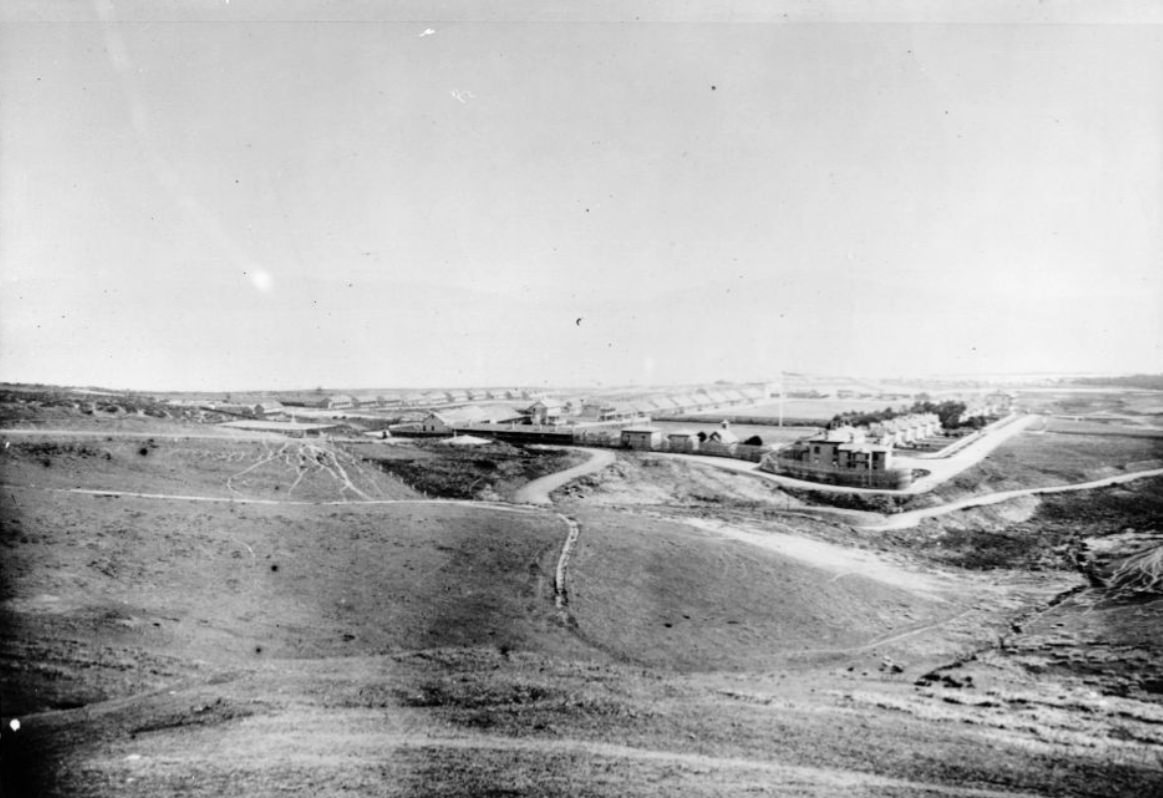
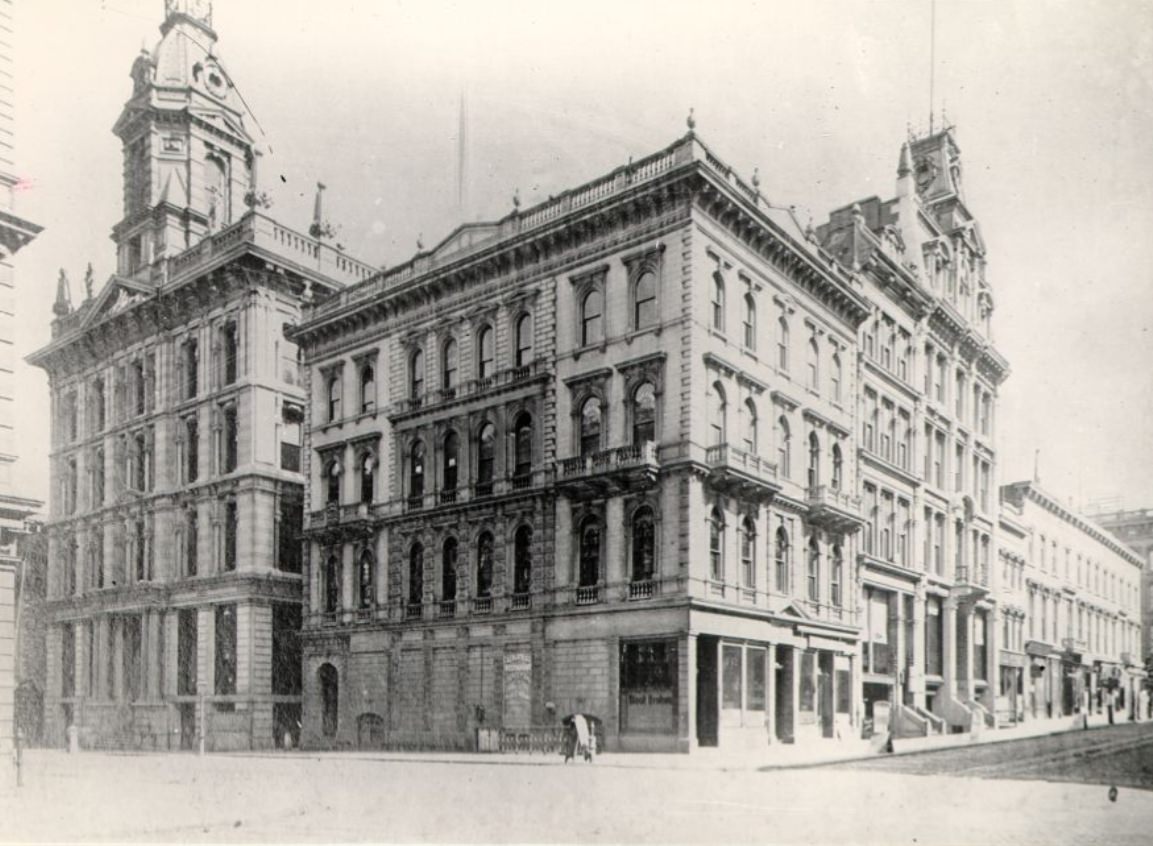
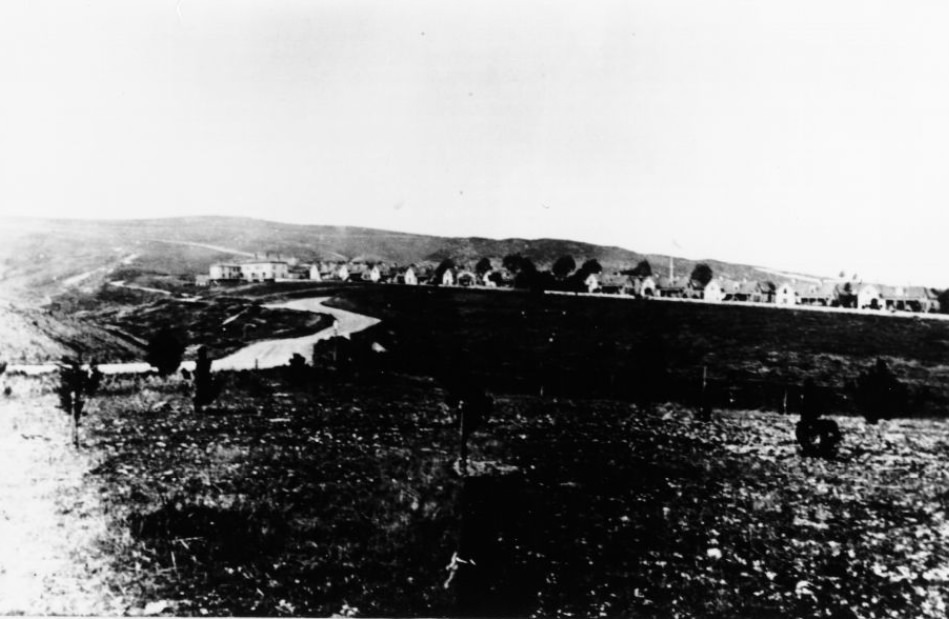
Presidio, 1881
Presidio, 1881
Pine Street at Montgomery, circa 1880
Market Street from Third Street, San Francisco, looking east, circa 1882
Market Street, between First and Second streets, 1880

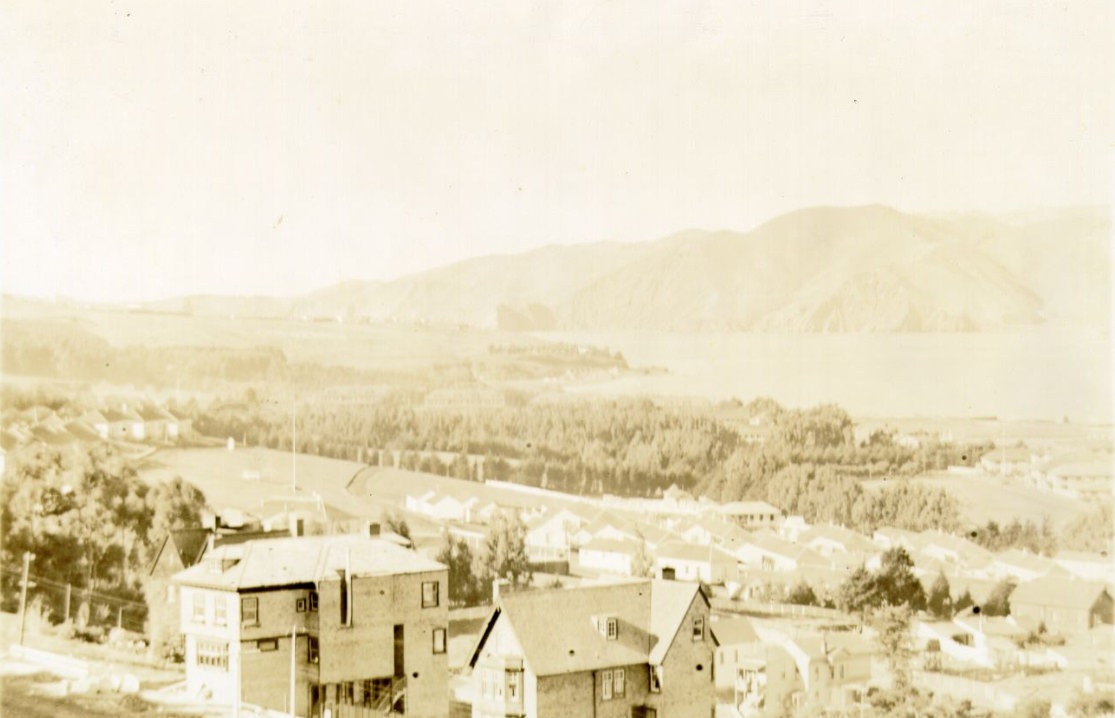
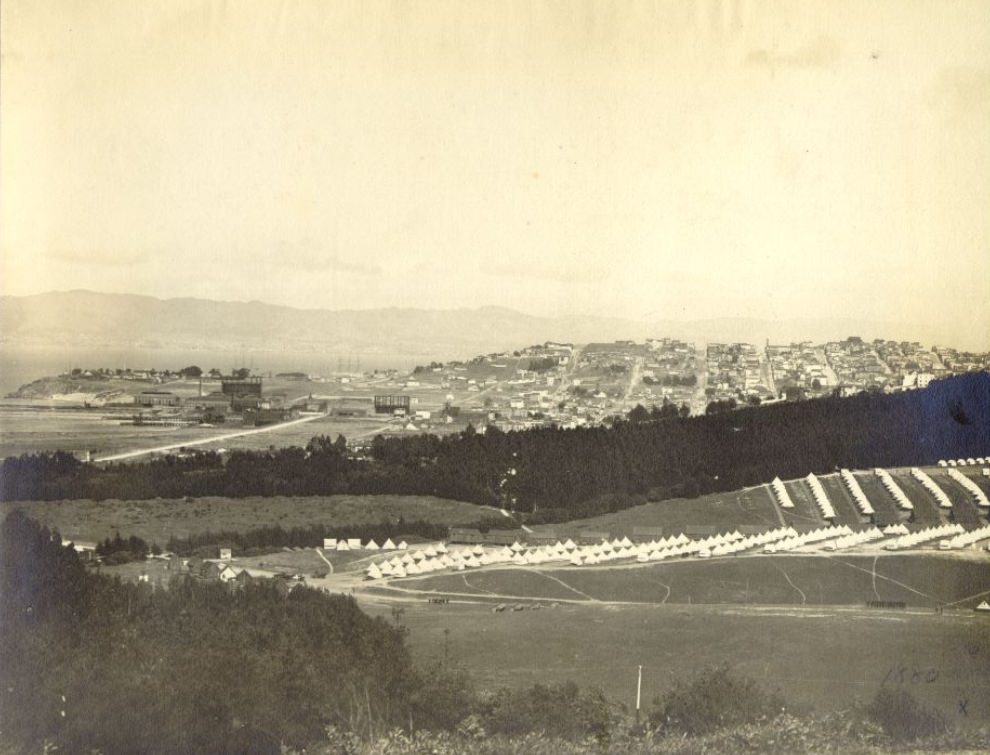
The Presidio, established as a military installation long before American statehood, remained an active Army post throughout the 1880s. Its grounds stretched along the northern tip of the peninsula, overlooking the Golden Gate. The photographs from the Presidio during this decade show a well-organized military compound — barracks, officer quarters, hospital buildings, and open drill grounds set against the dramatic backdrop of the bay and the hills beyond.
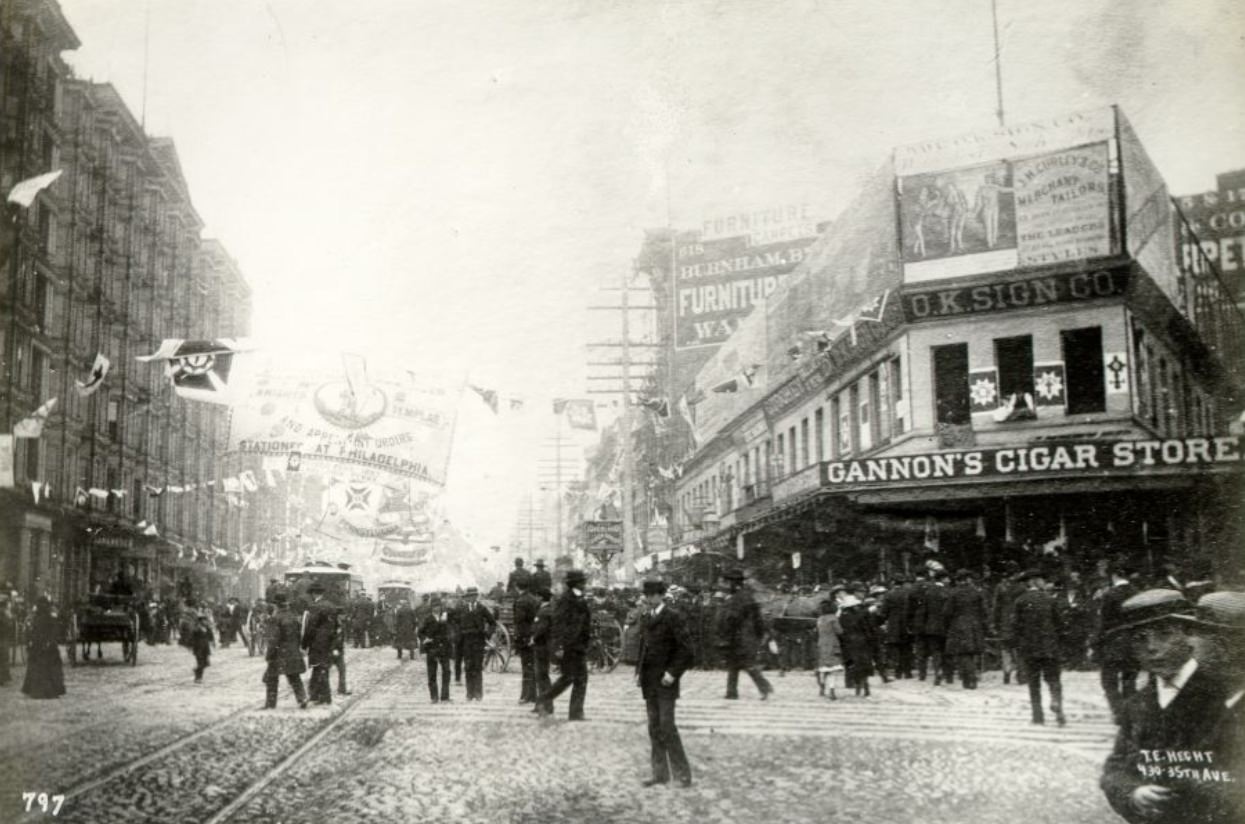
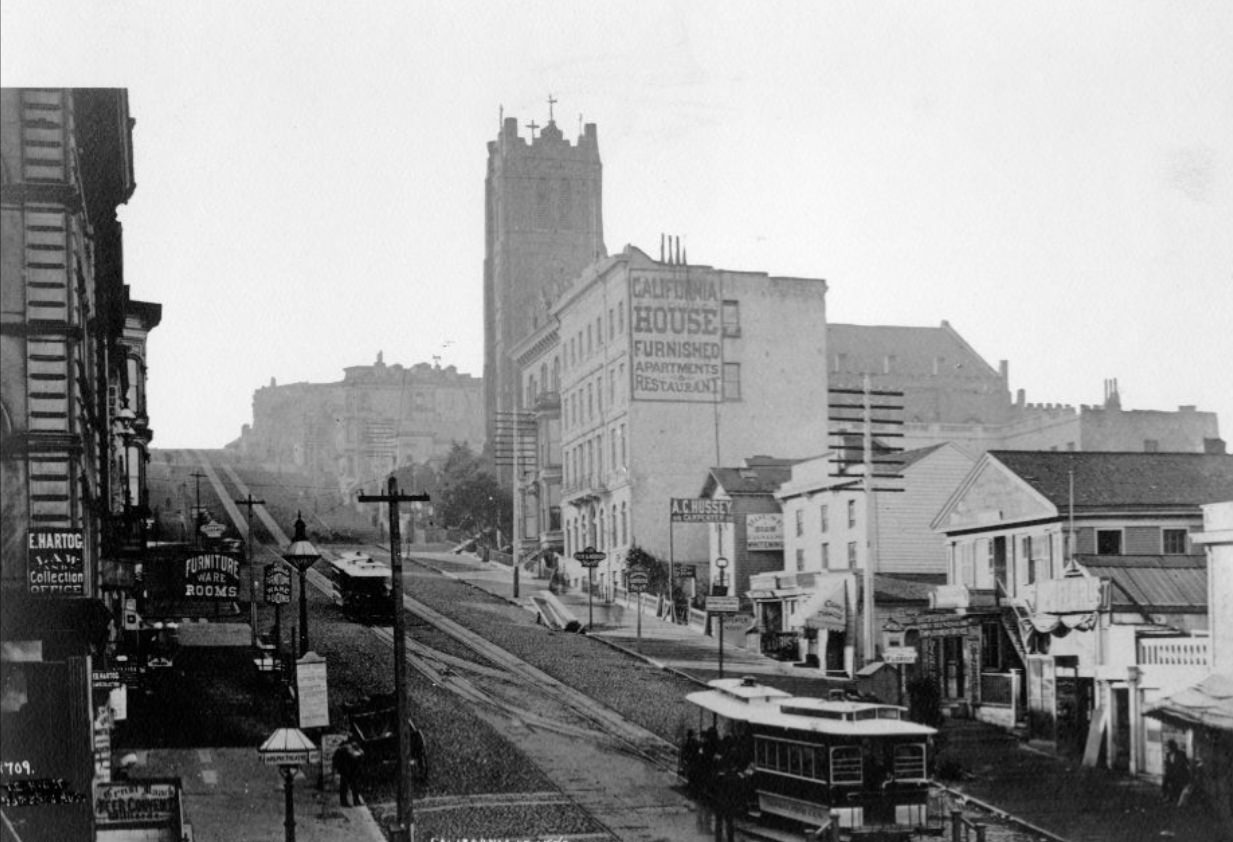
Crowd of people at Market and Montgomery streets, 1883
California Street, 1880s
Crowd of people in front of the Ferry Building, 1880s

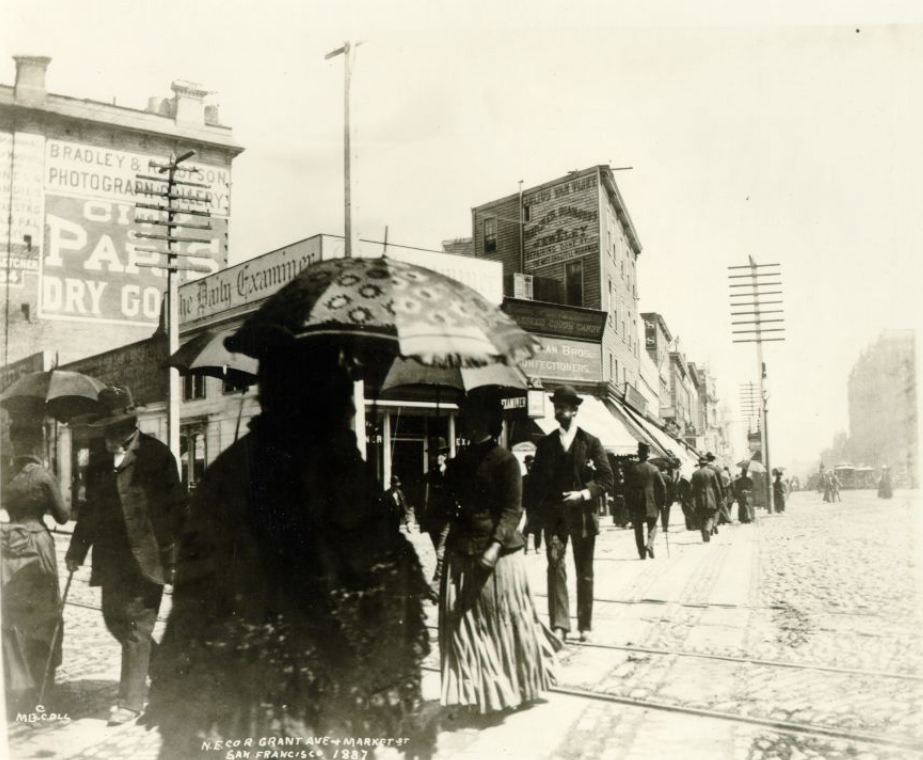
Street-level photographs from the 1880s reveal a city packed with people at all hours. The intersection of Market and Montgomery drew some of the largest crowds in the city, a natural gathering point where financial workers, merchants, laborers, and residents all crossed paths. The crowds captured in front of the Ferry Building tell a similar story — San Francisco was not just a city of buildings, but a city in constant motion.
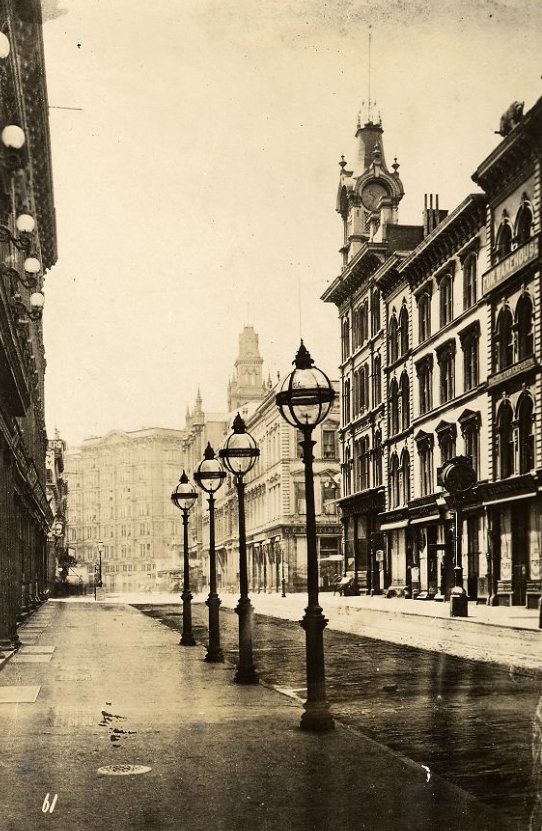
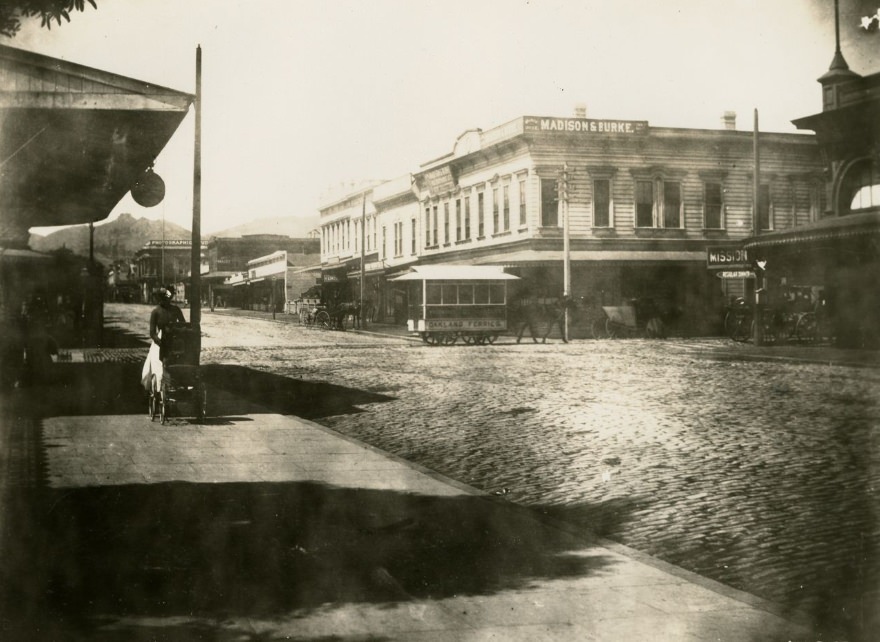
Looking south on Montgomery Street, near Sutter, 1889
Corner of 16th and Mission streets, September 7, 1886
Ocean Beach, 1880s
Ocean Beach, 1880s

The Mission District, spreading south from the city center, was home to a large working-class population. The neighborhood’s streets were straighter and more regularly laid out than those in hilly parts of the city, reflecting its development on flat ground. Photographs from specific dated days in 1886 show the district in ordinary working life — storefronts, utility poles, and unpaved side streets that marked the edge of the city’s built-up area.
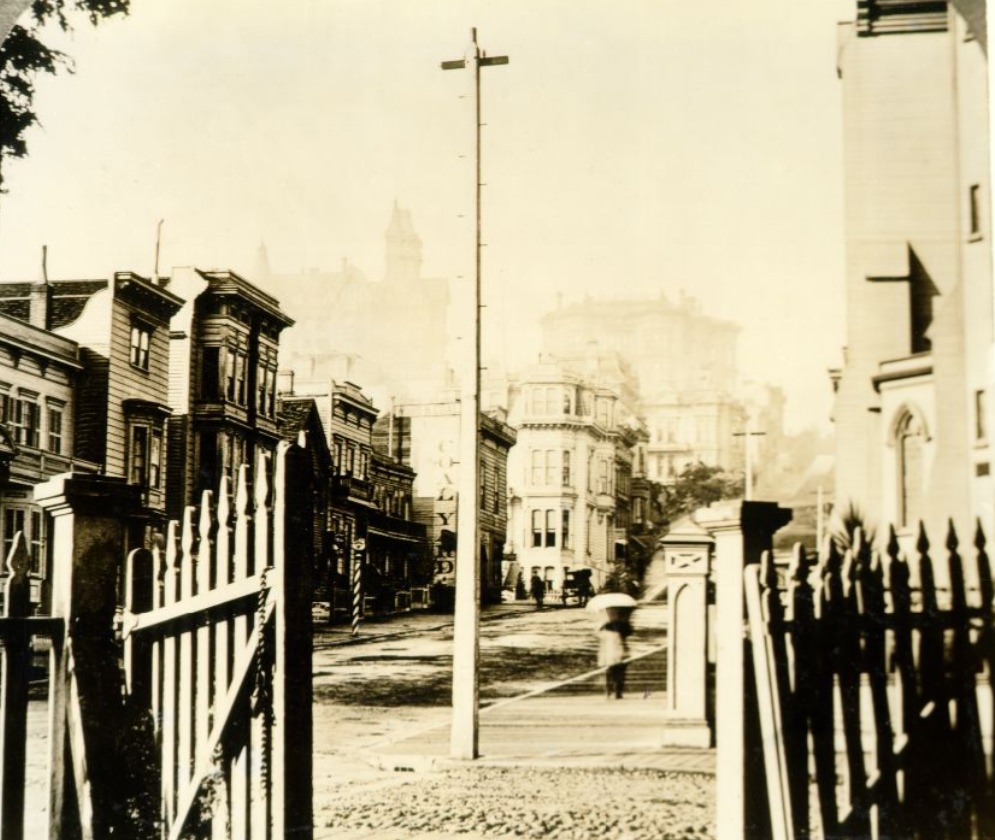
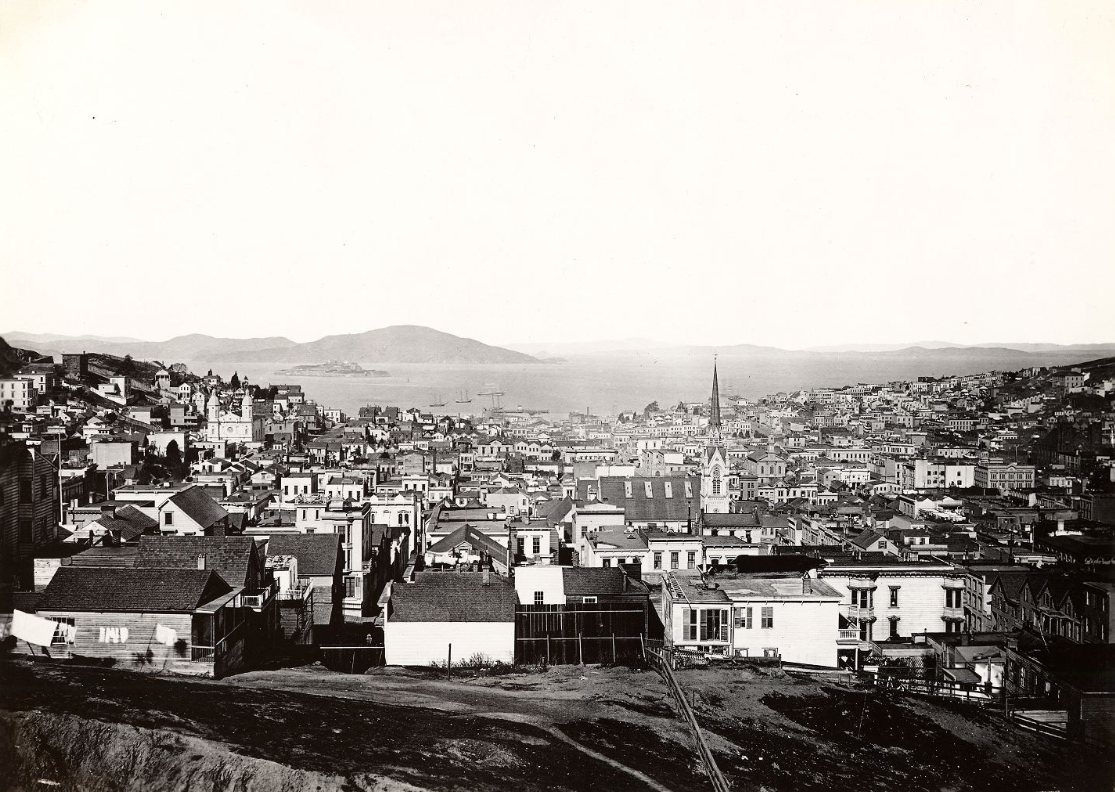
Powell Street, north of Post, circa 1880
View of North Beach from California and Powell streets, circa 1885
Ferry Building, circa 1889
Montgomery Street from Market, 1880

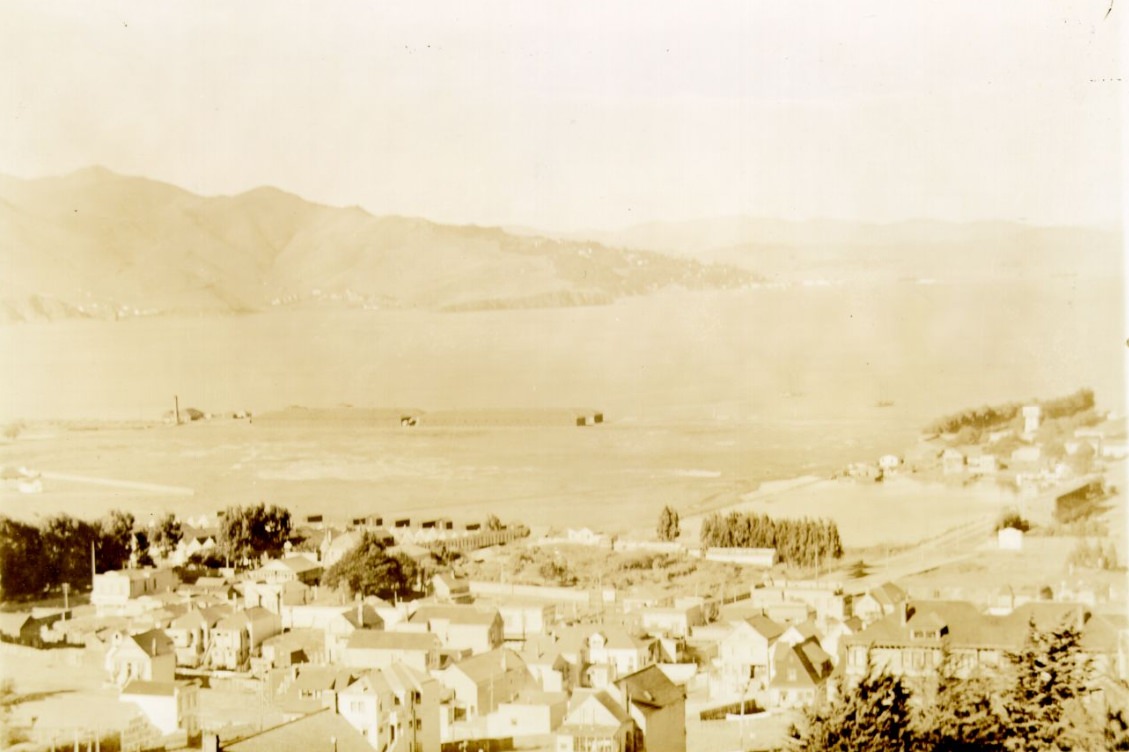
North Beach sat between Telegraph Hill and the waterfront, and its population was largely made up of Italian and other immigrant families. The neighborhood had a distinctly different feel from the commercial downtown just a short distance away. By the mid-1880s, the bay shoreline near North Beach had been partially filled in, pushing the water’s edge further out and expanding the land available for development and warehousing.
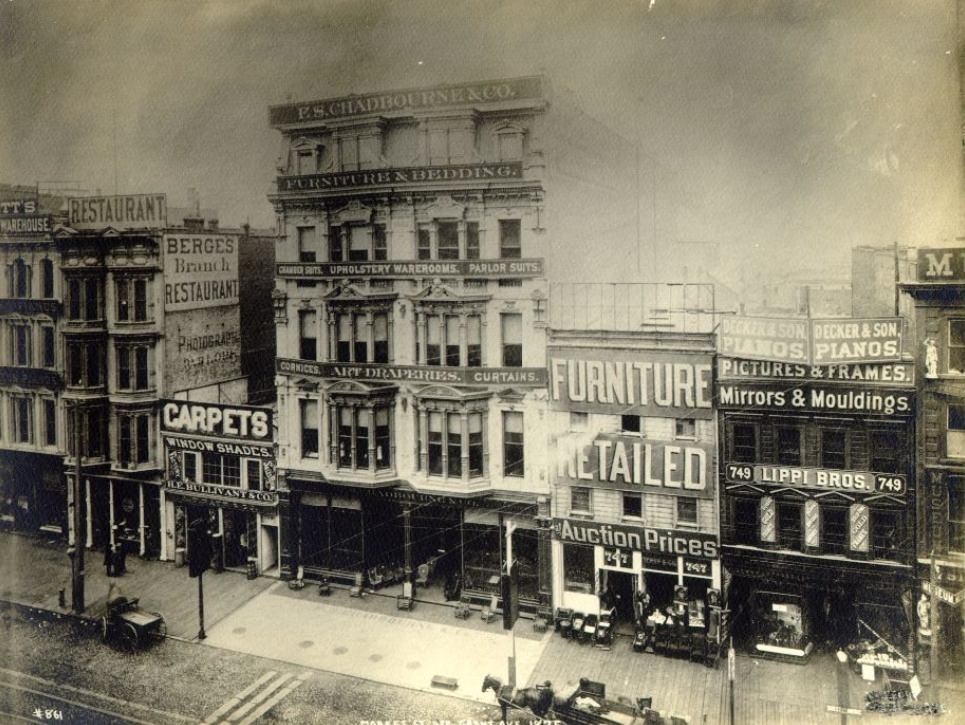
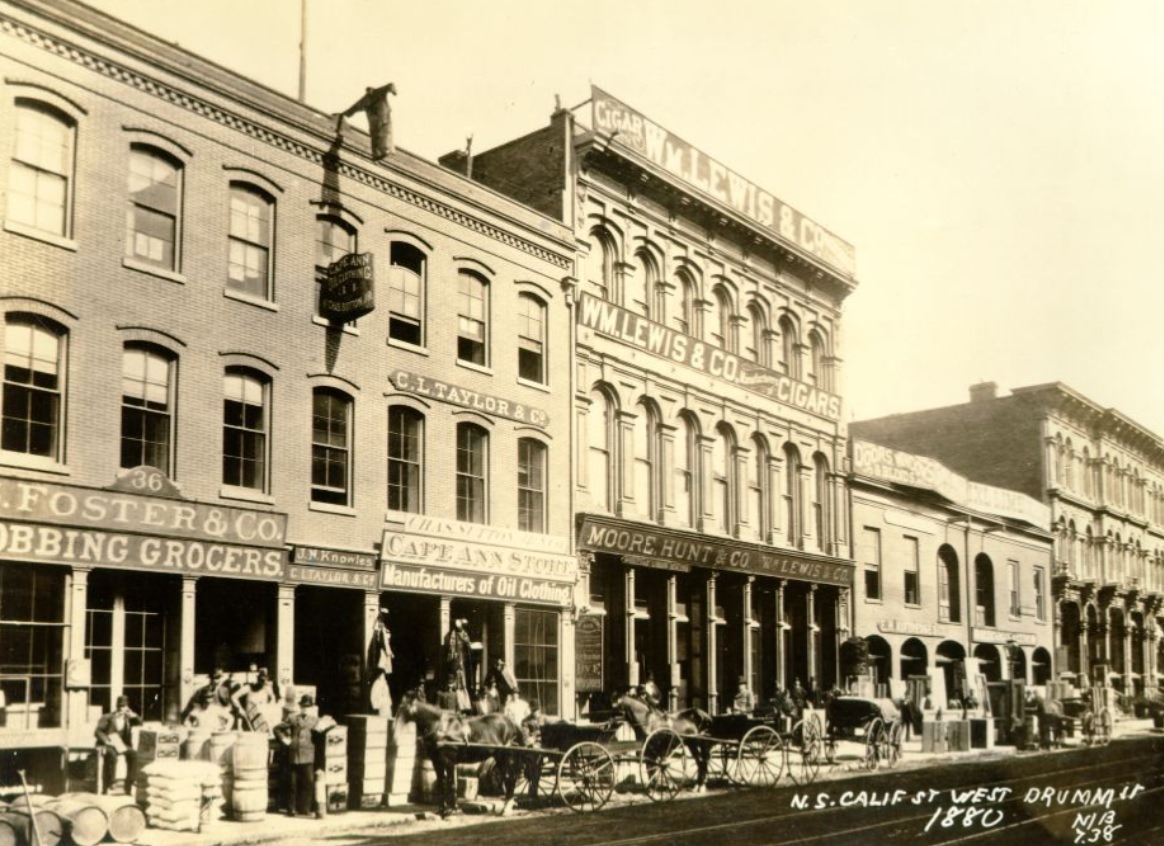
Market Street opposite Dupont Street, circa 1881
California Street west of Drumm, 1880
Presidio, circa 1882
Market east of Montgomery, 1880s

Labor unrest ran through the decade alongside all of its growth. San Francisco’s working class — dockworkers, factory hands, laborers in the building trades — faced low wages and dangerous conditions. Strikes broke out across multiple industries, and tensions over Chinese immigration fueled organized anti-immigrant movements that had real political power in the city. The prosperous storefronts and well-dressed crowds captured in the photographs coexisted with a city under considerable social strain.
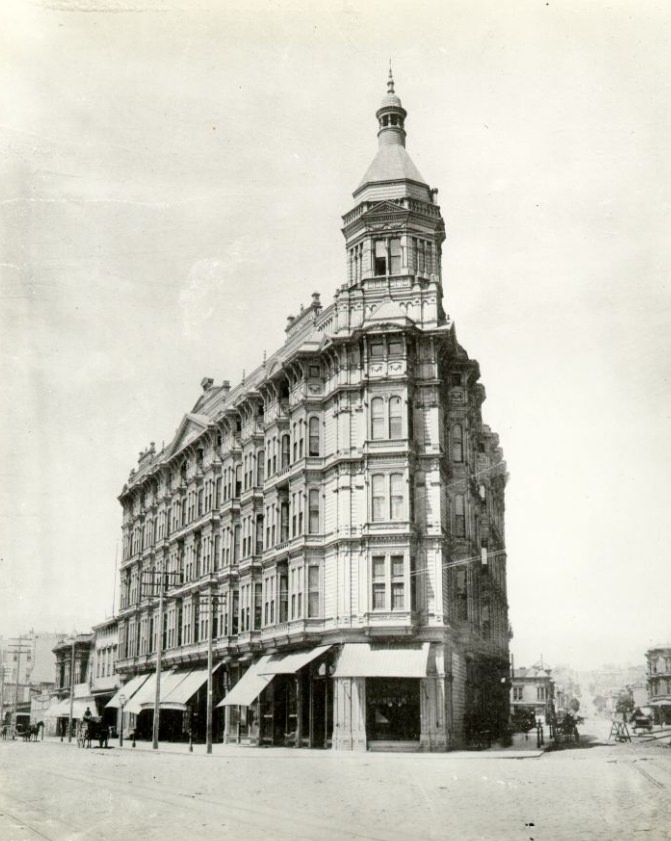
Market and Fell, 1888
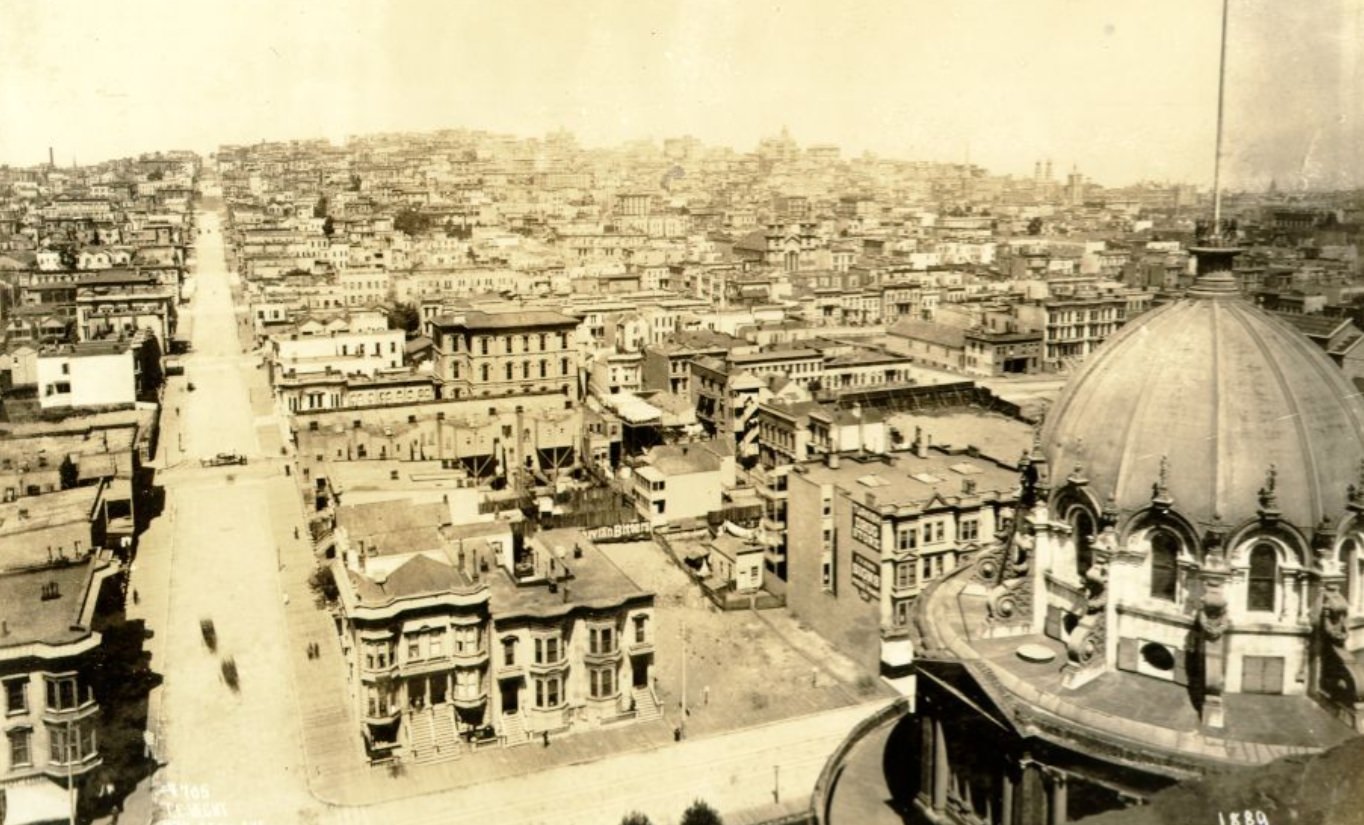
Birdseye view of San Francisco towards Nob Hill from the roof of new City Hall, 1889
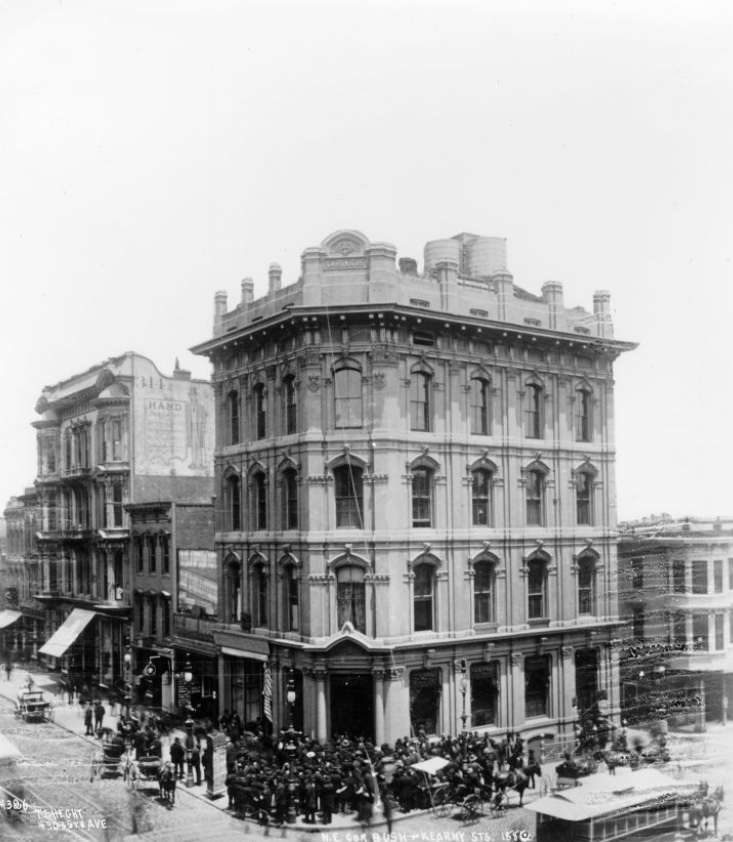
Chronicle Building, Bush Street & Kearny, April 24, 1880

The new City Hall, still under construction for much of the decade, became a symbol of both civic ambition and civic dysfunction. The building project stretched on for years, plagued by cost overruns and corruption scandals. A rooftop photograph taken in 1889 looking toward Nob Hill captures the city spread out below — densely packed neighborhoods, church spires, and the hills of the peninsula rising in the distance.
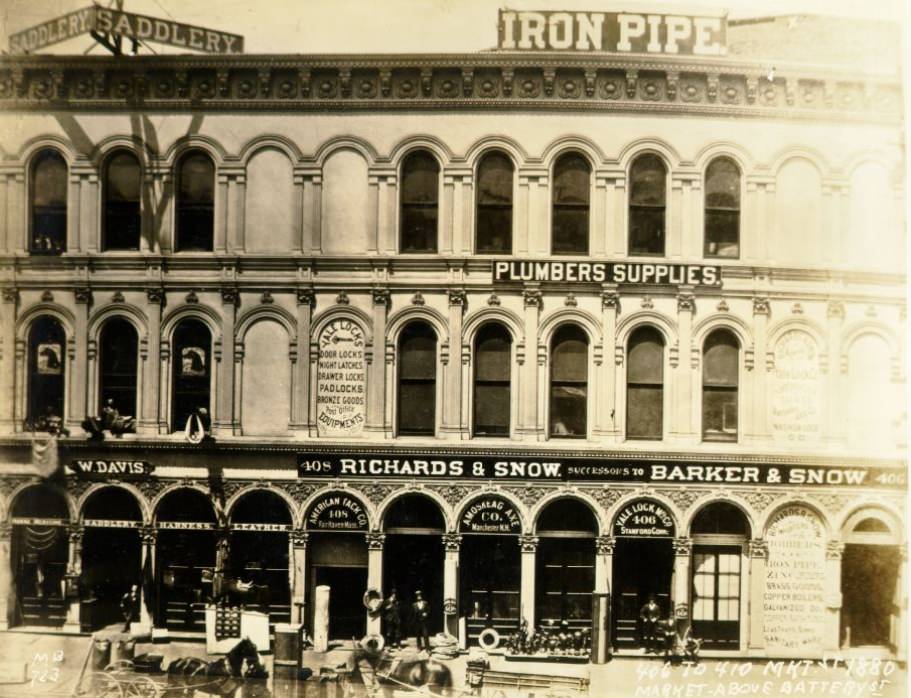
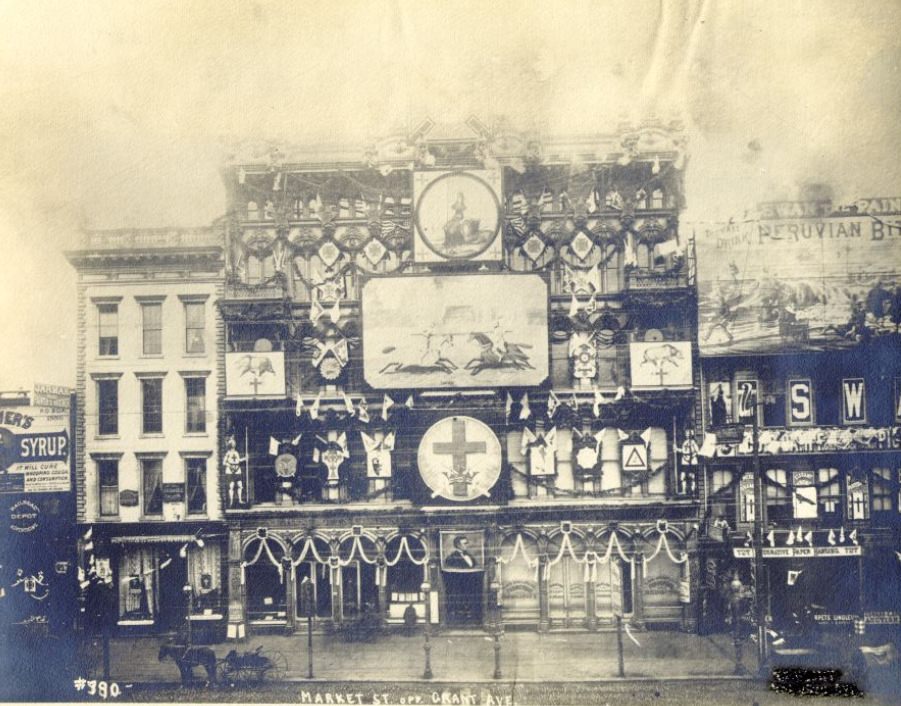
Market above Battery Street, 1880
Market Street, opposite Dupont Street (later Grant Avenue), 1883
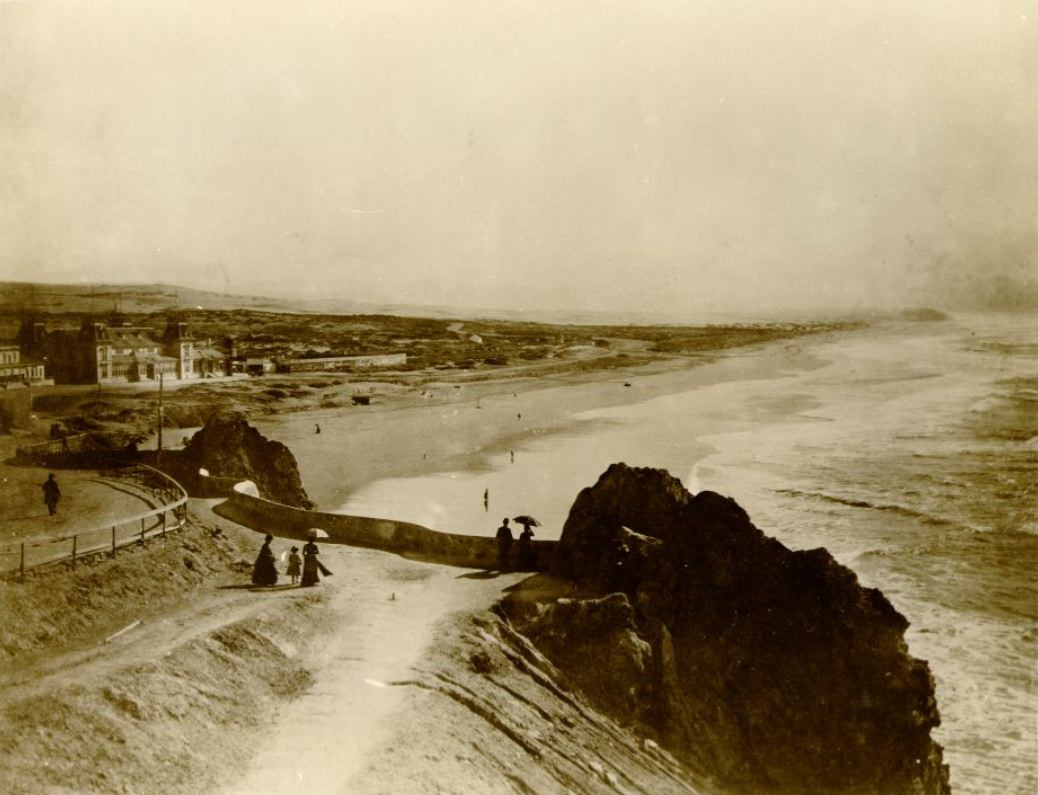
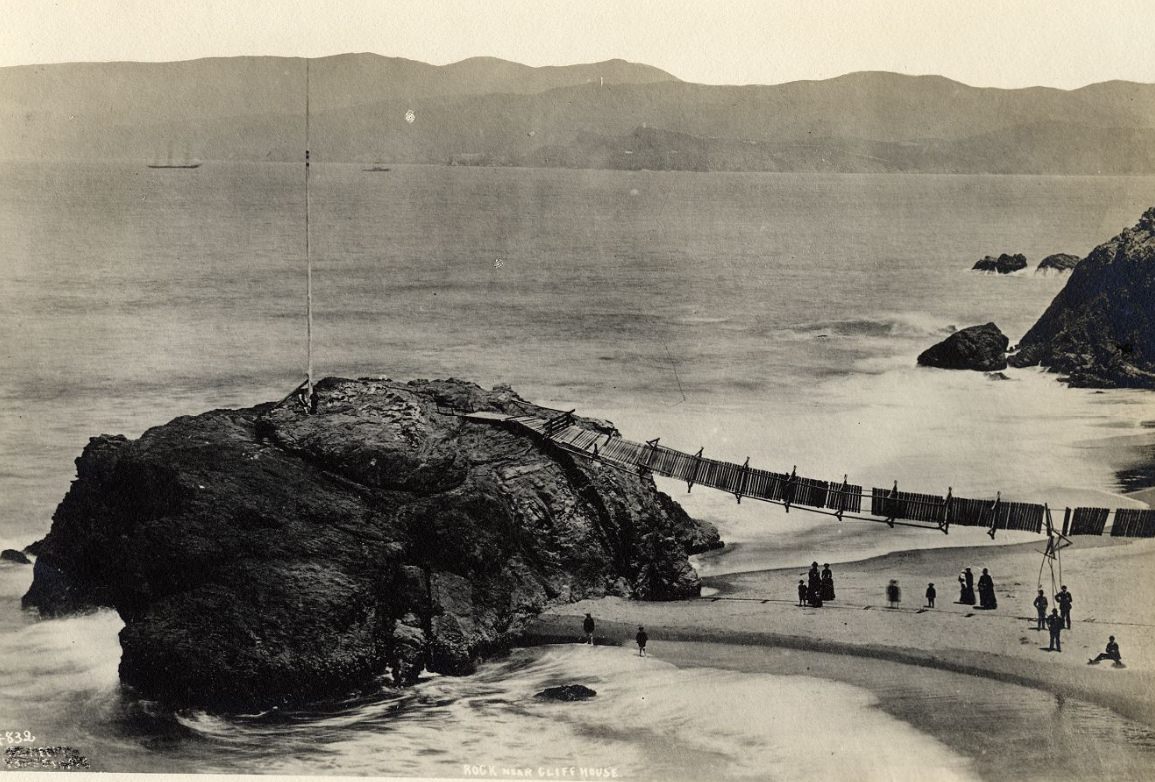
Rock near Cliff House, April 6, 1884

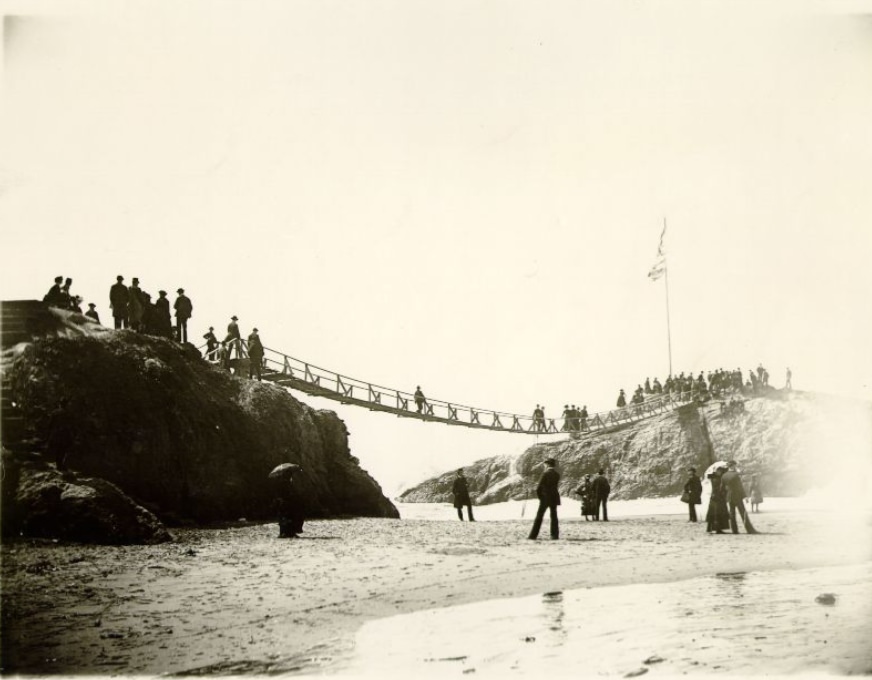
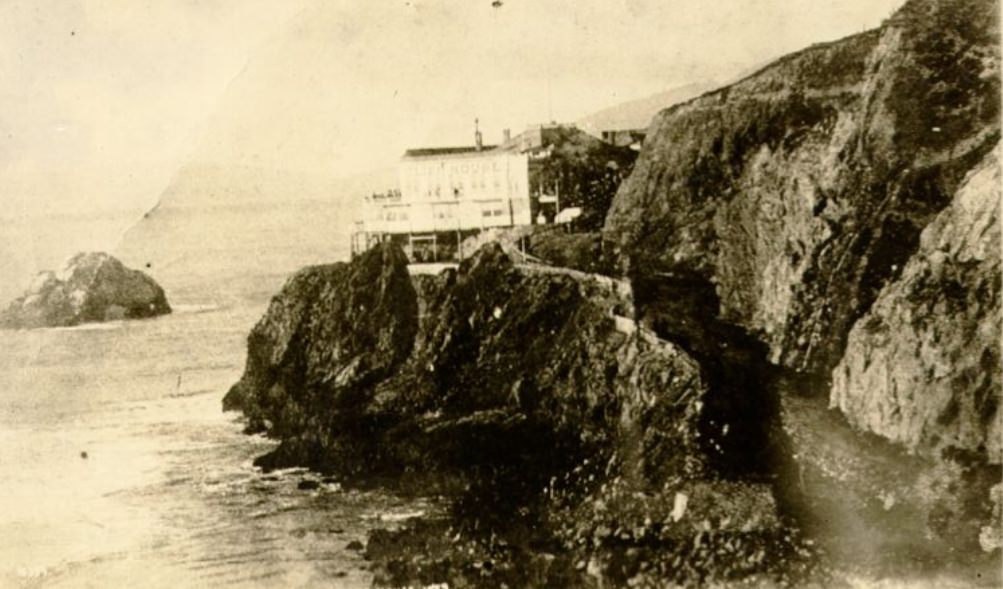
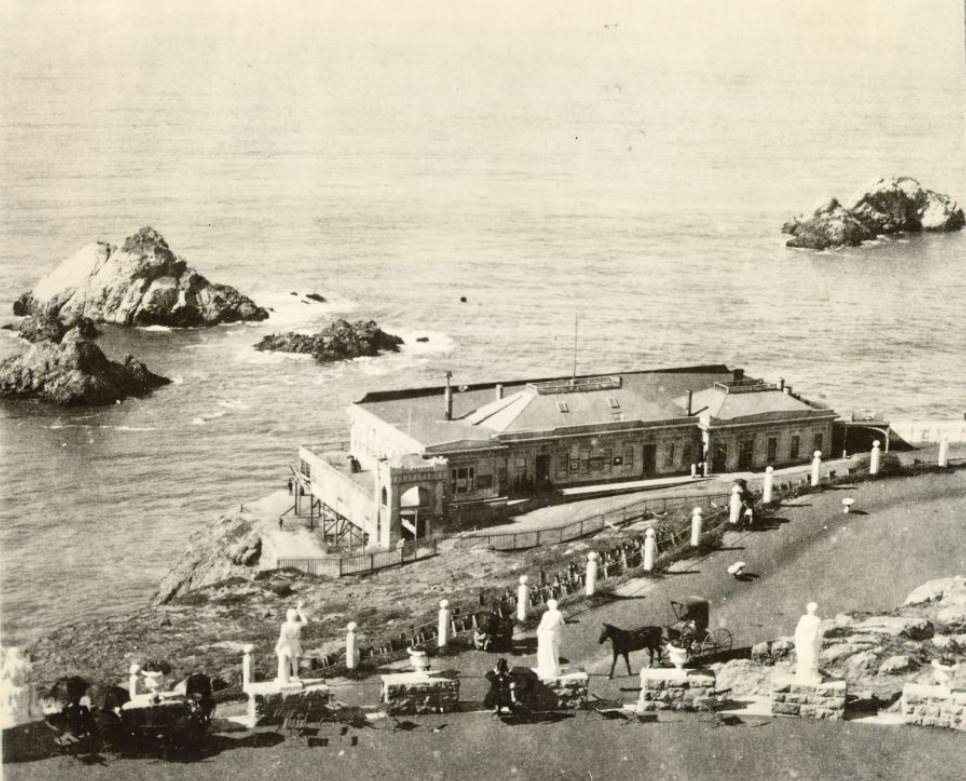
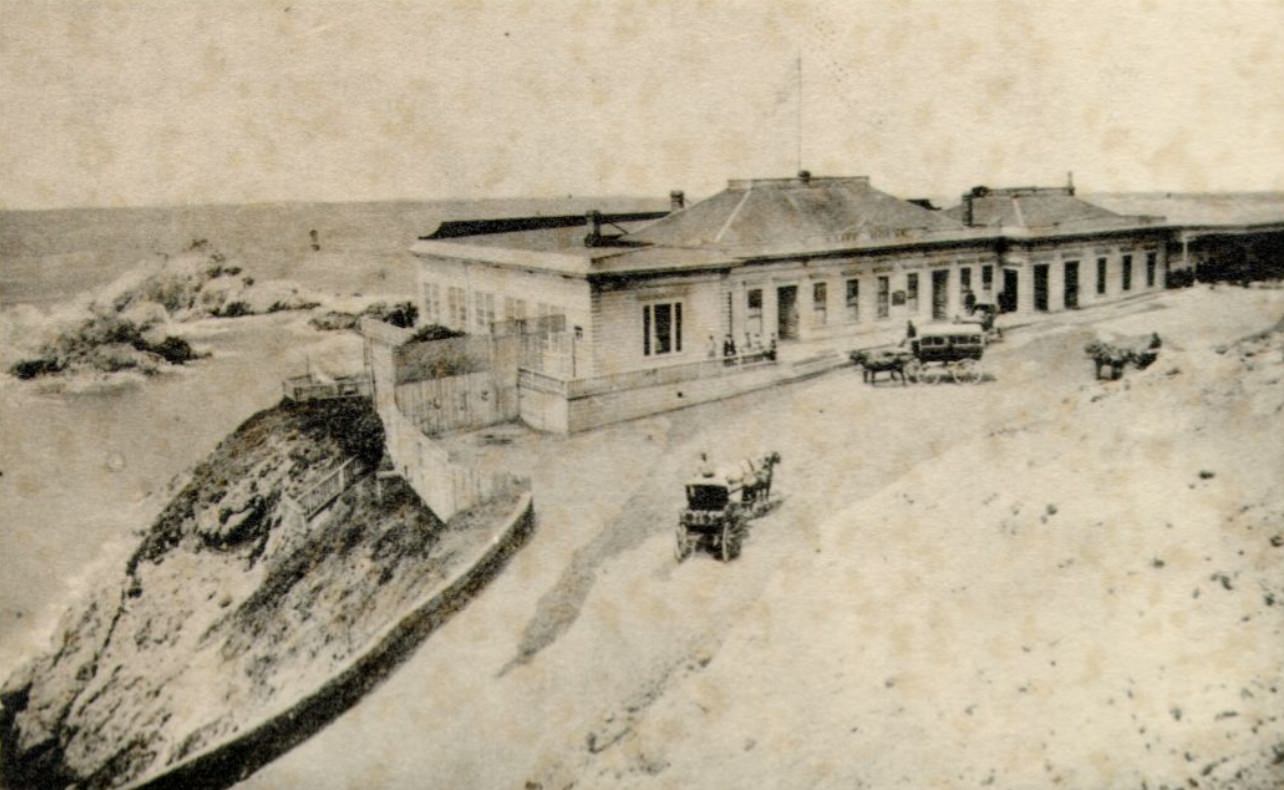
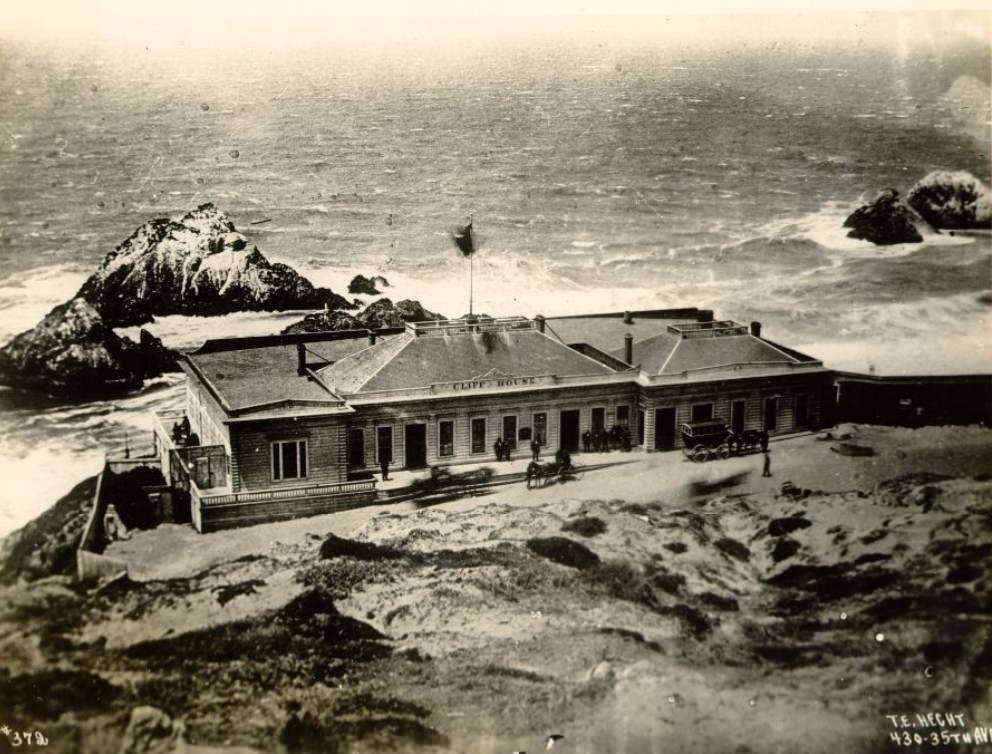
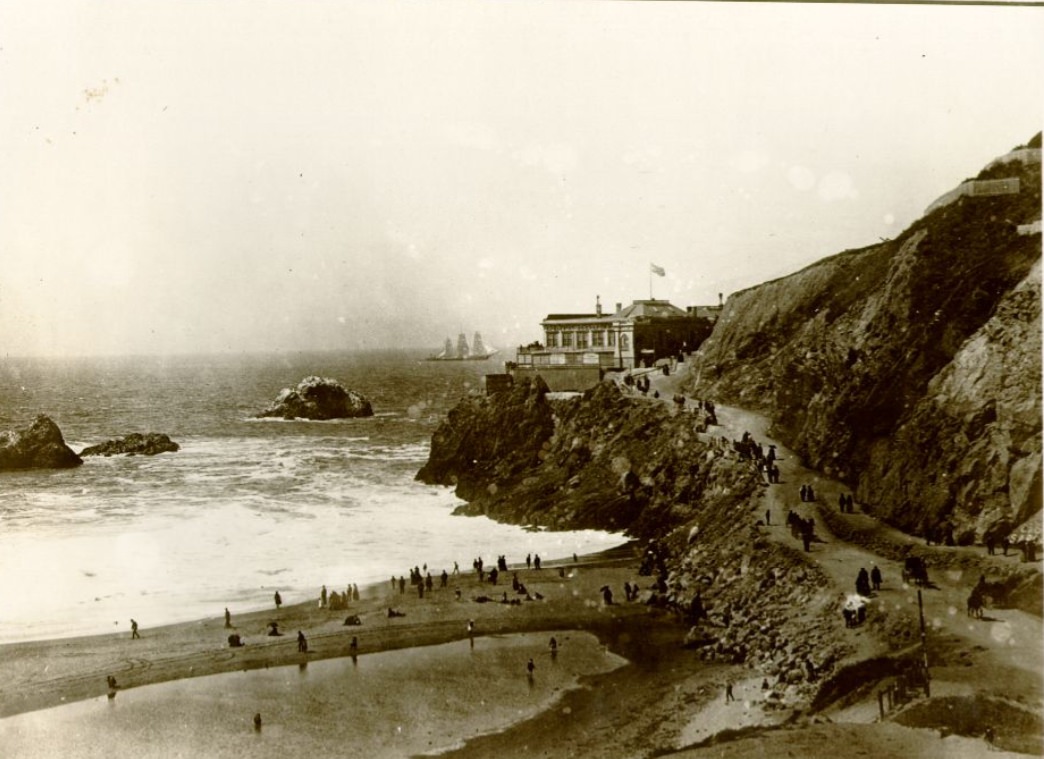
The Cliff House, perched on the rocks above Ocean Beach at the far western edge of the city, was one of San Francisco’s most popular destinations. The original structure drew visitors who came to watch sea lions on the rocks below and to take in the open Pacific. A swinging bridge nearby gave access to the rocks that jutted out from the shoreline. These coastal photographs stand in sharp contrast to the dense downtown images — they show a wilder, emptier San Francisco where the city gave way to the ocean.
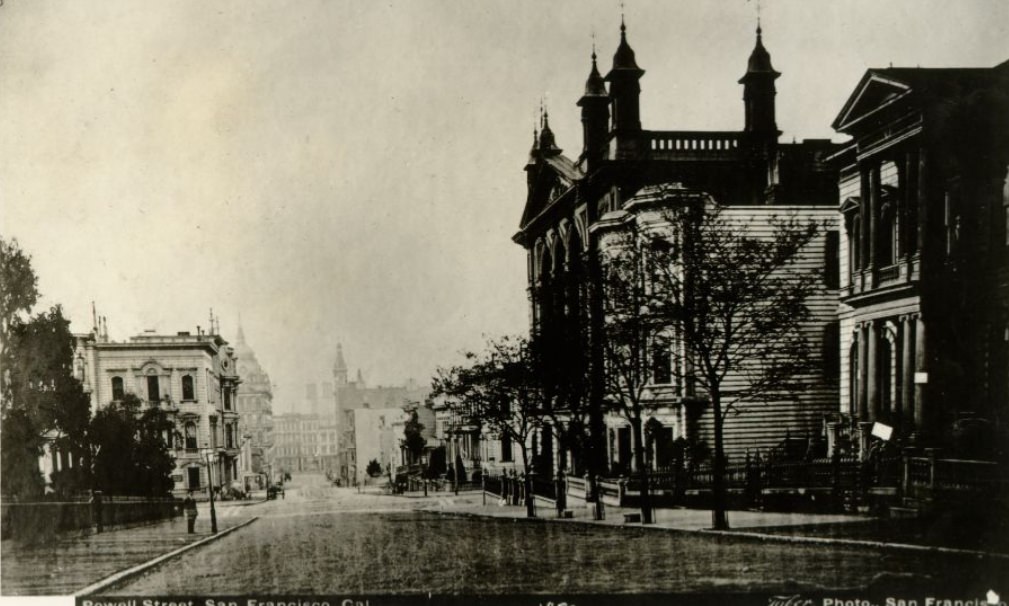
Powell Street, 1880
Powell Street, 1880
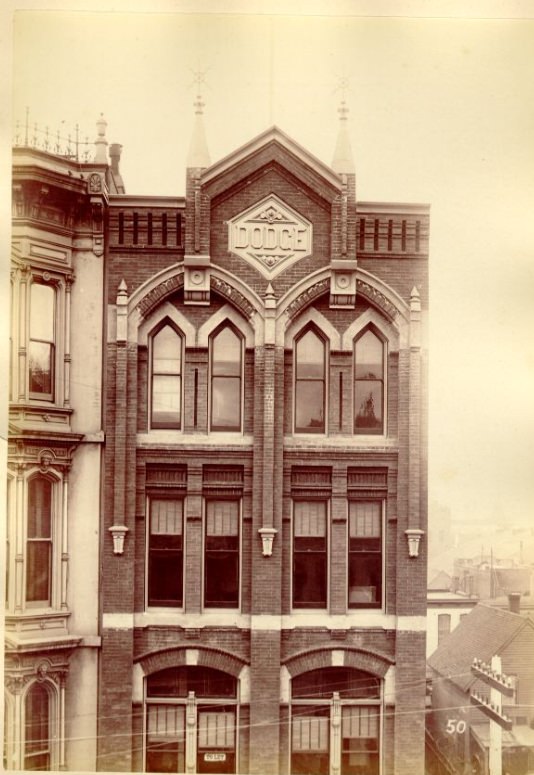
Dodge building on Post Street, 1880s
Montgomery Block, 1880
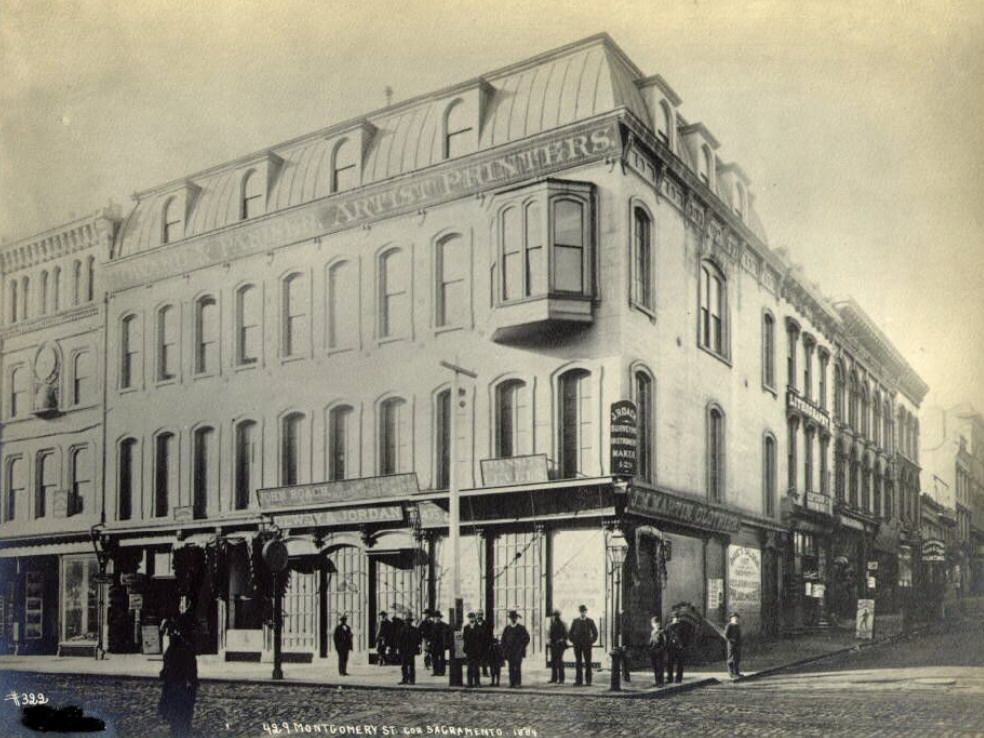
Sacramento and Montgomery streets, 1884

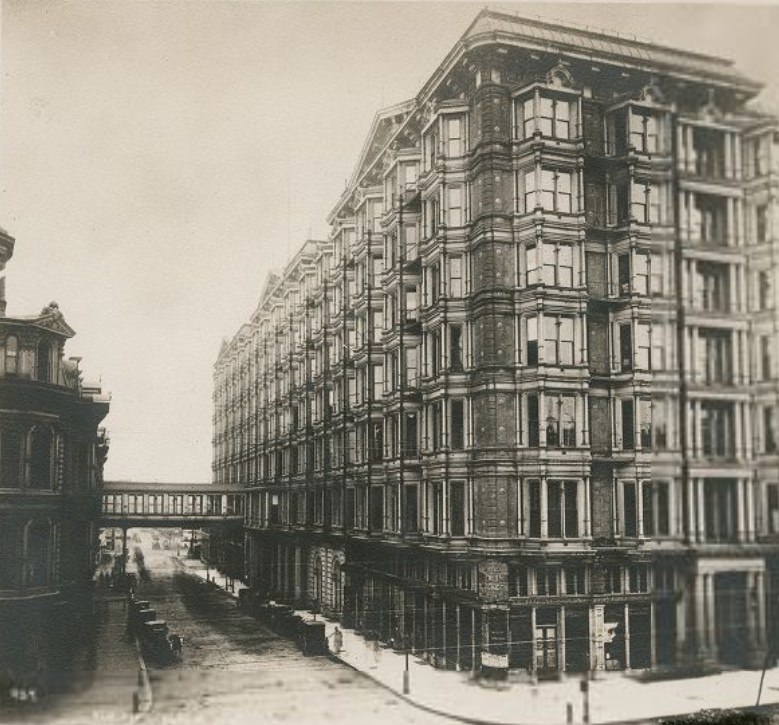
The Montgomery Block, one of the largest and most important commercial buildings in the city, dominated the intersection of Montgomery and Washington streets. Built in the early 1850s, it remained a central fixture of downtown San Francisco through the 1880s, housing law offices, newspapers, and businesses of every kind. Its fireproof brick construction, unusual for its era, made it a reliable survivor in a city that had seen repeated fires.
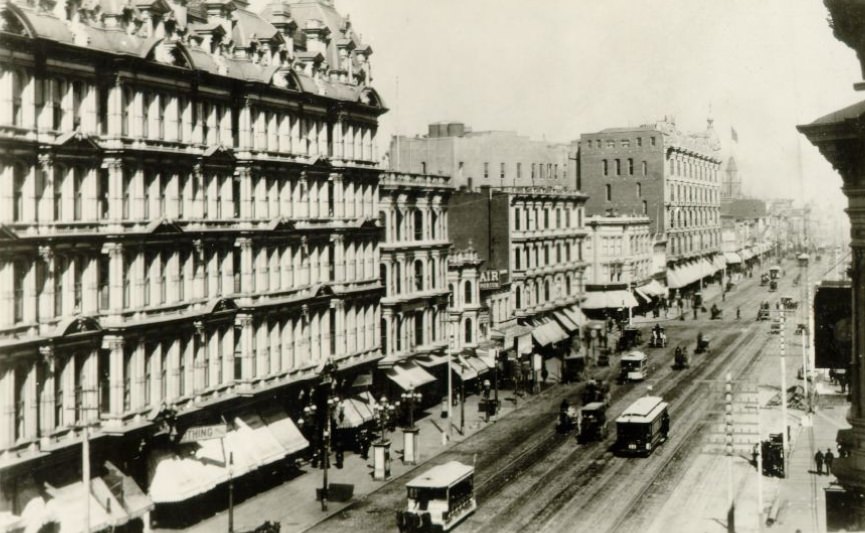
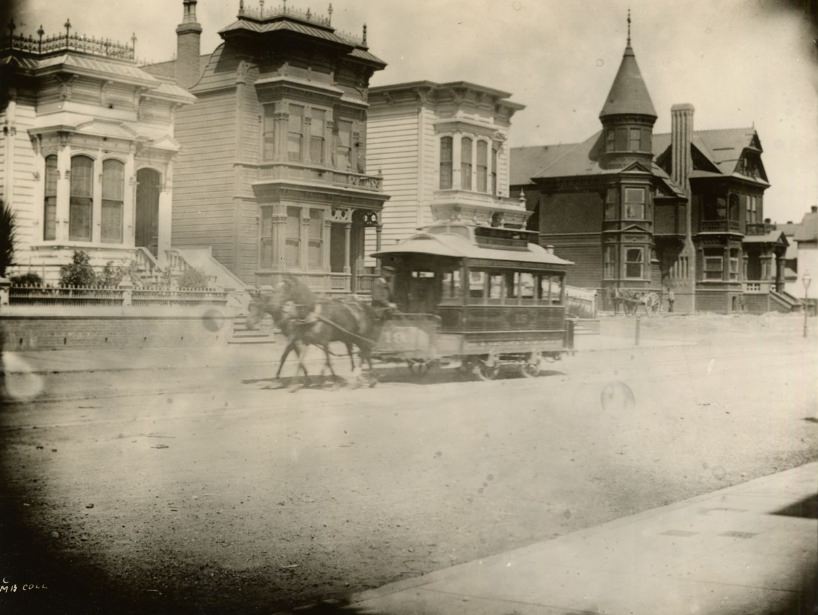
Market Street, east of Powell with Baldwin Hotel, 1886
Howard Street, near 25th Street, August 18, 1886
Market Street, 1880s

The Baldwin Hotel, standing on Market Street east of Powell, was one of the grandest hotels in San Francisco during the 1880s. It catered to wealthy travelers and city residents who came for its restaurant and theater. Photographs from 1886 show the building clearly, its multi-story facade rising above the busy street. The Baldwin represented the high end of what the city had to offer — a long way from the rougher accommodations that had defined Gold Rush-era San Francisco.
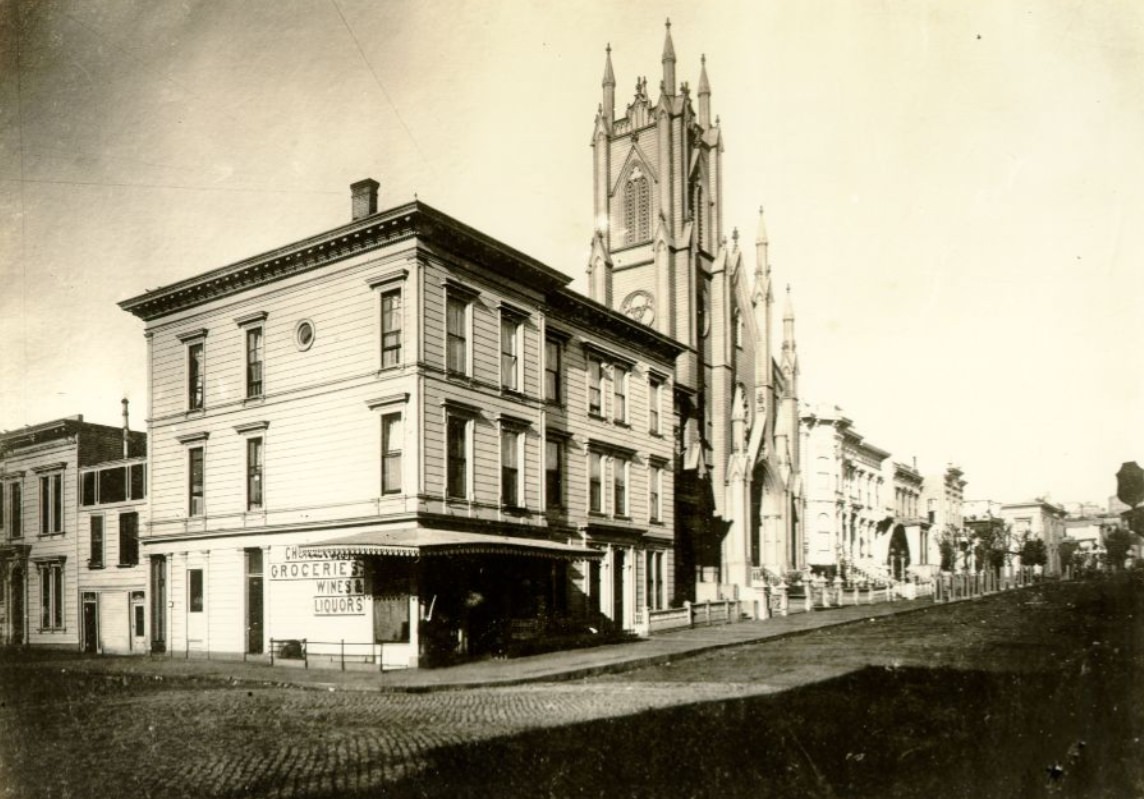
Mason Street north of Eddy, 1881
Telegraph Hill from Toll Road, circa 1885
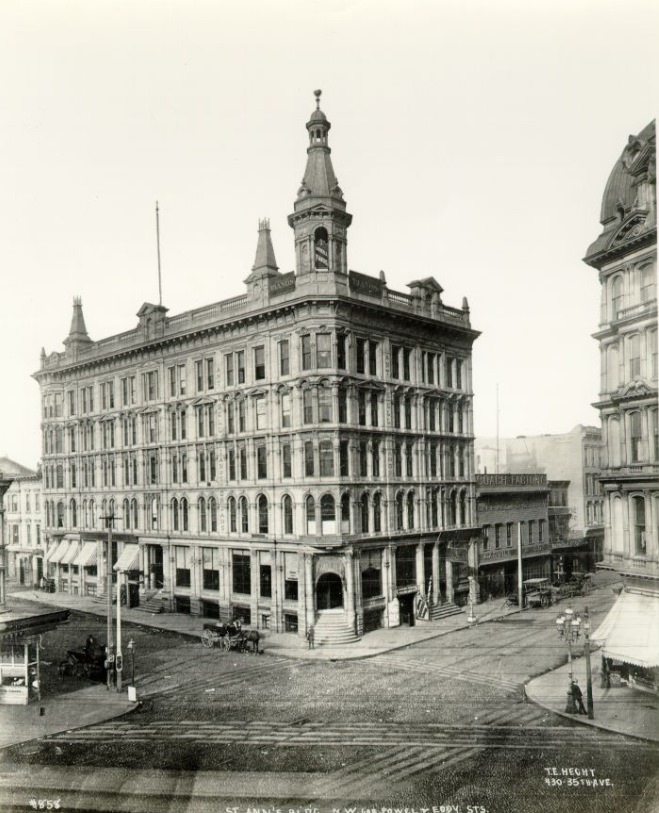
St. Ann's Building, northwest corner of Powell & Eddy Streets, 1880
St. Ann’s Building, northwest corner of Powell & Eddy Streets, 1880
Swinging bridge located near the Cliff House, 1880

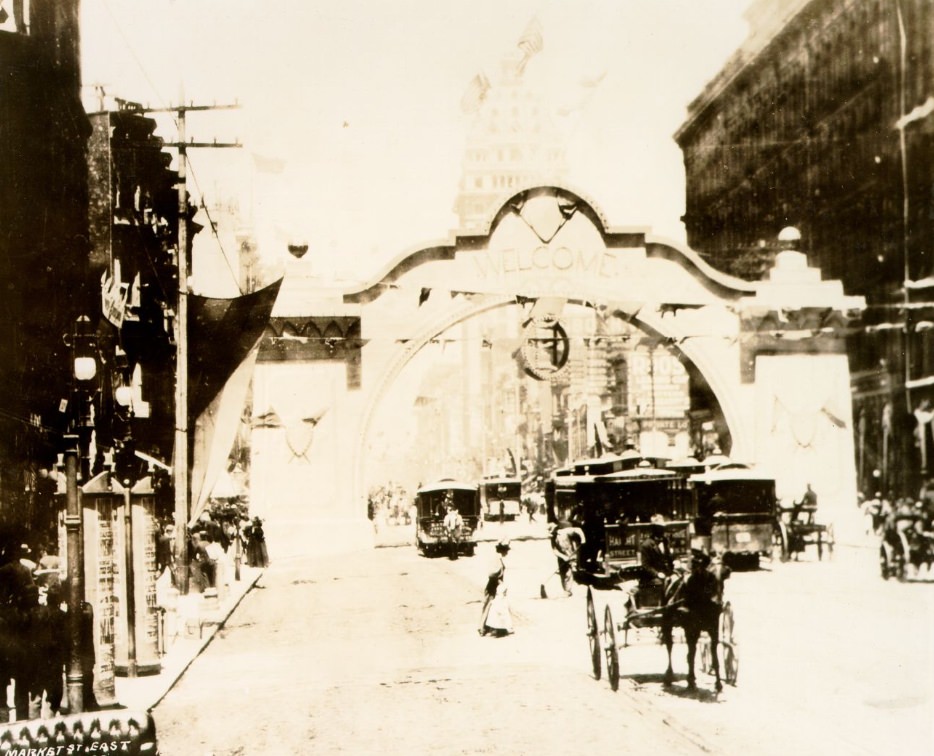
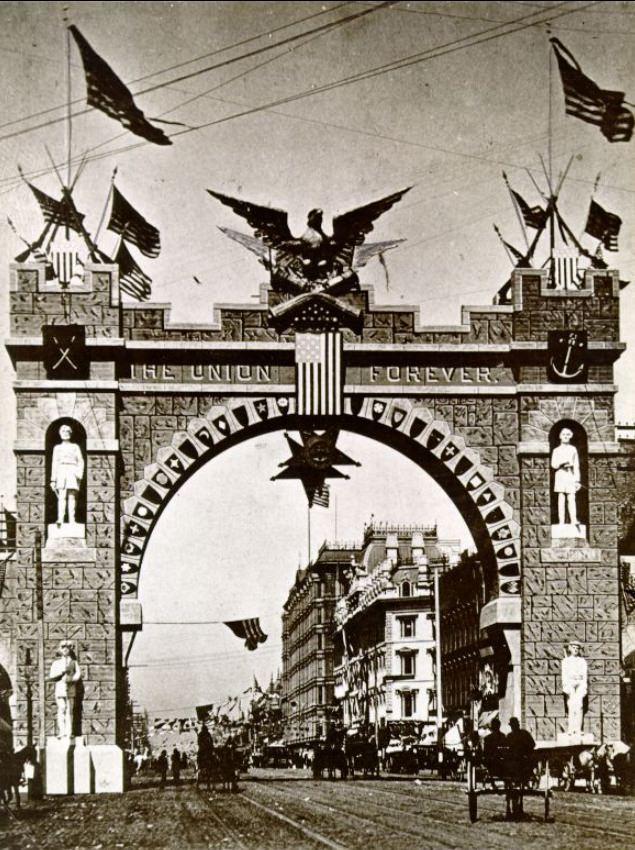
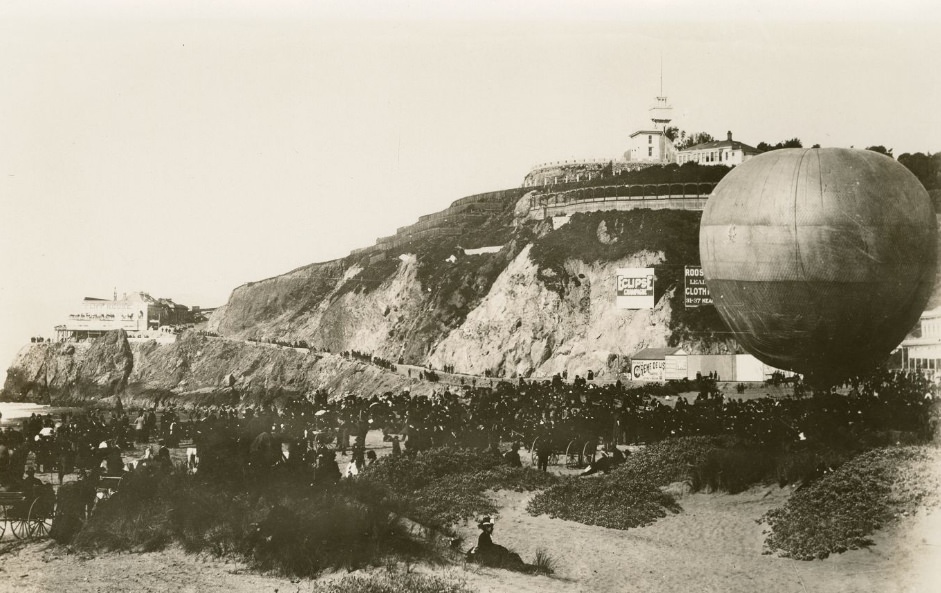
Public events drew enormous crowds to the streets of San Francisco throughout the 1880s. A Grand Army of the Republic arch erected on Market Street in August 1886 marked a major veterans’ gathering, with elaborate decorations spanning the width of the road. A balloon ascension at Ocean Beach the same year drew spectators out to the coast. These events were covered by the city’s newspapers, which had grown in number and circulation alongside the city itself.
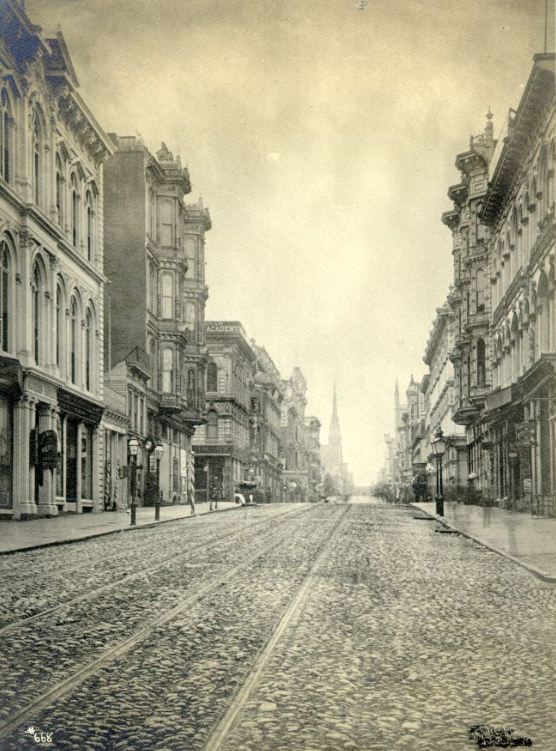
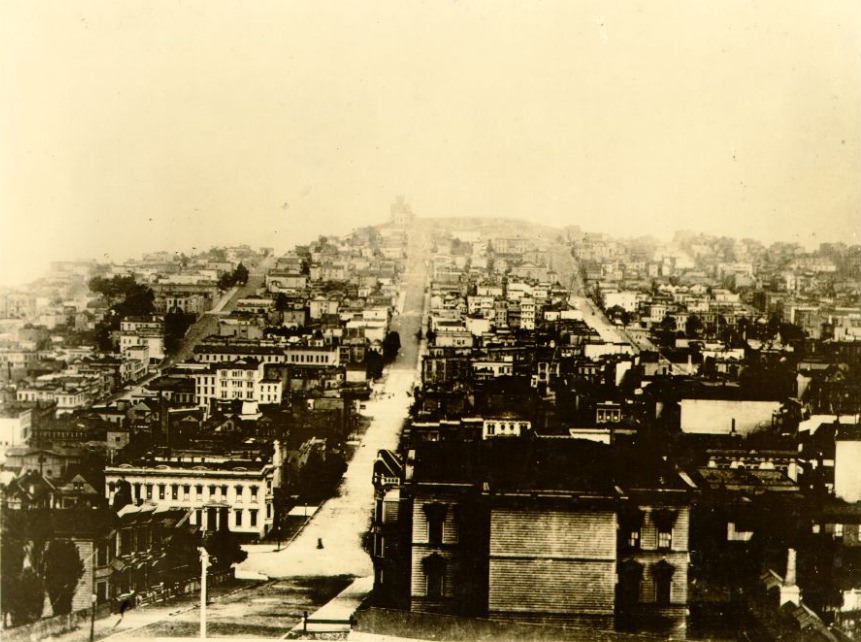
Post Street, between Montgomery and Kearny, 1881
Telegraph Hill, from Greenwich Street, circa 1888
Old Cliff House, 1889
Montgomery and Pine streets, 1880

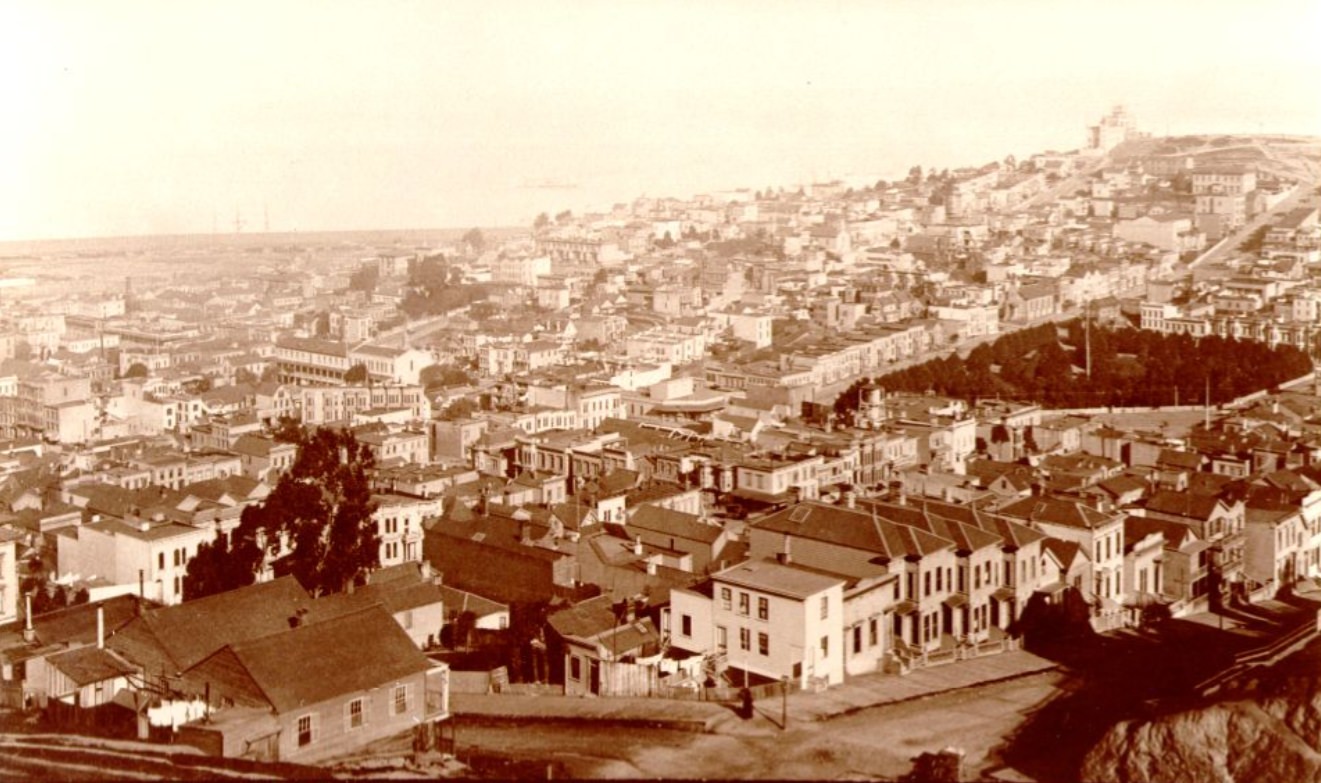
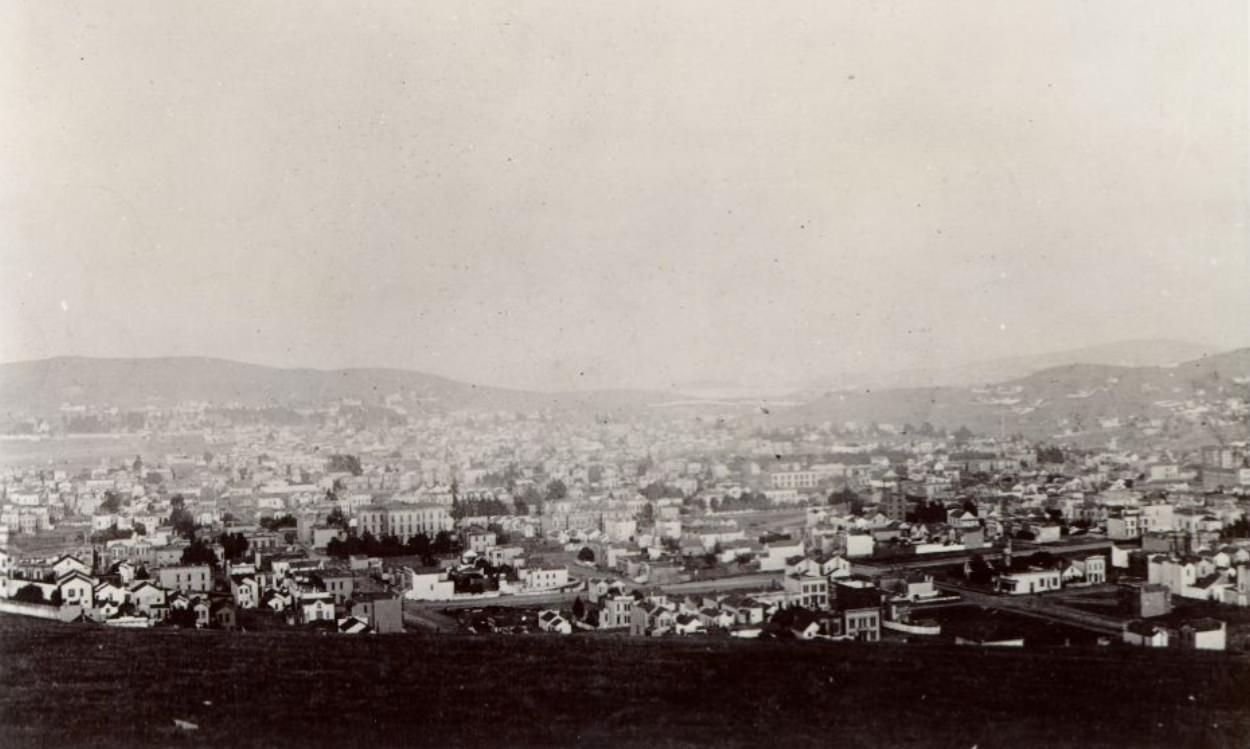
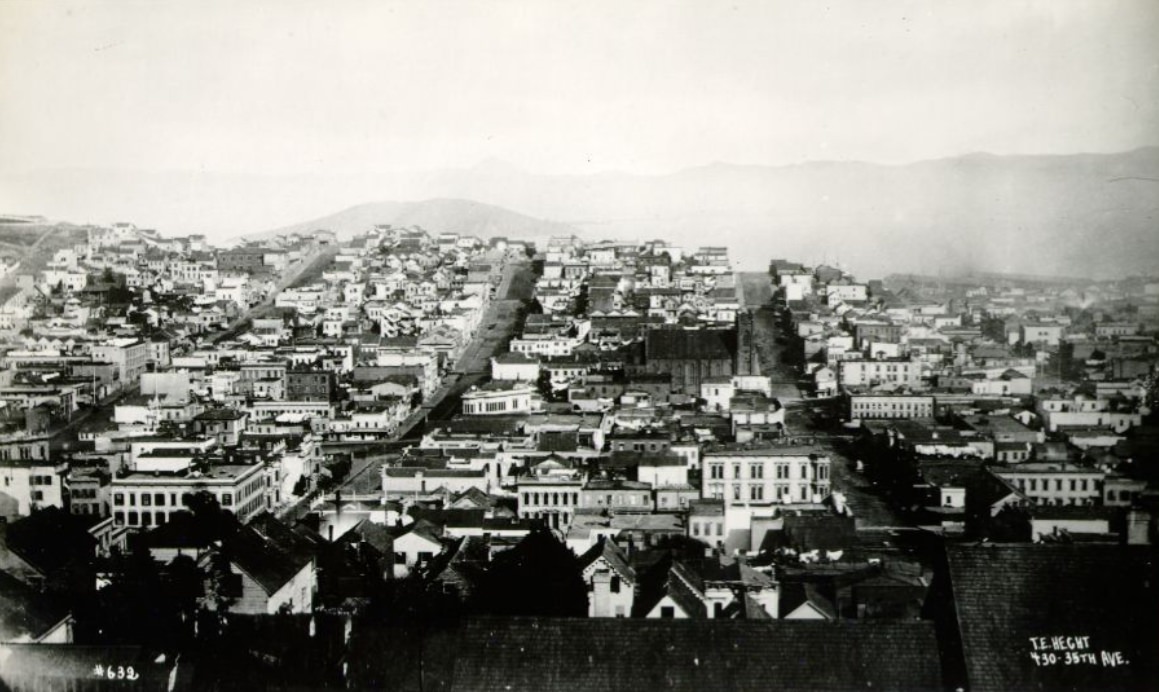
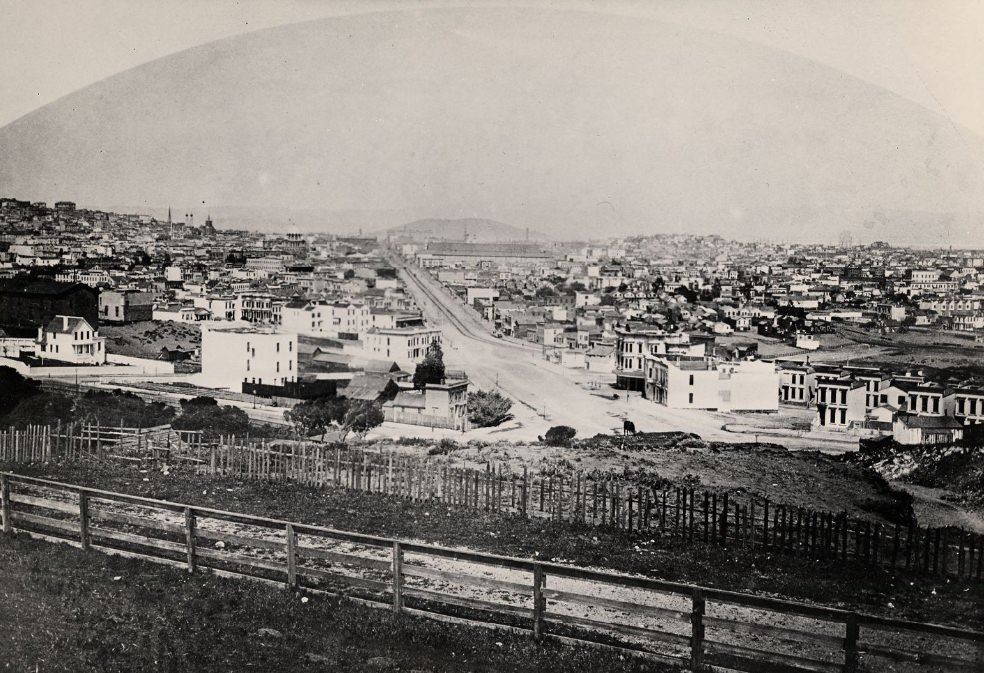
The panoramic photographs taken from Russian Hill and other high points across the city give the clearest sense of just how much San Francisco had grown by the end of the decade. Row after row of Victorian houses spread across the hills, interrupted by church spires, commercial blocks, and the occasional open lot still waiting for construction. The bay stretched out to the east and north, its waters busy with ferries and sailing vessels. These were not photographs of a frontier town. San Francisco by 1889 was a fully formed city, dense and complex, with all of the energy and all of the problems that came with it.
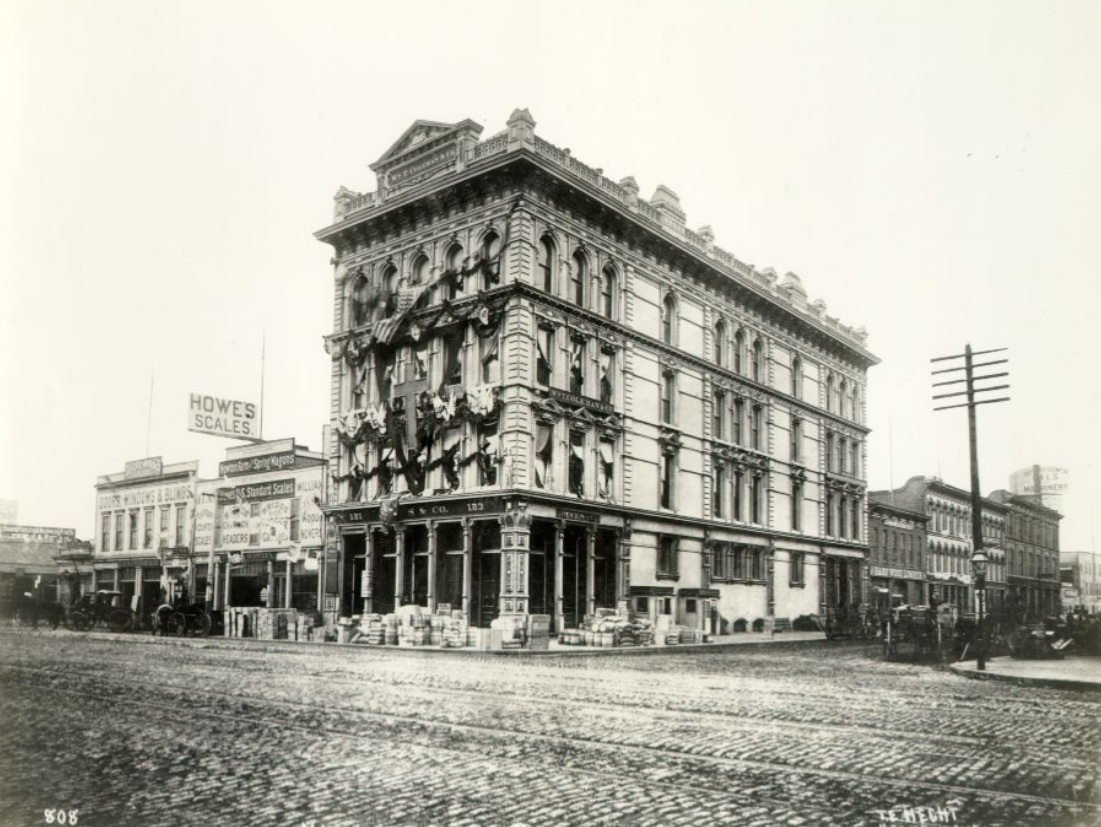
Main & Market Streets, 1880
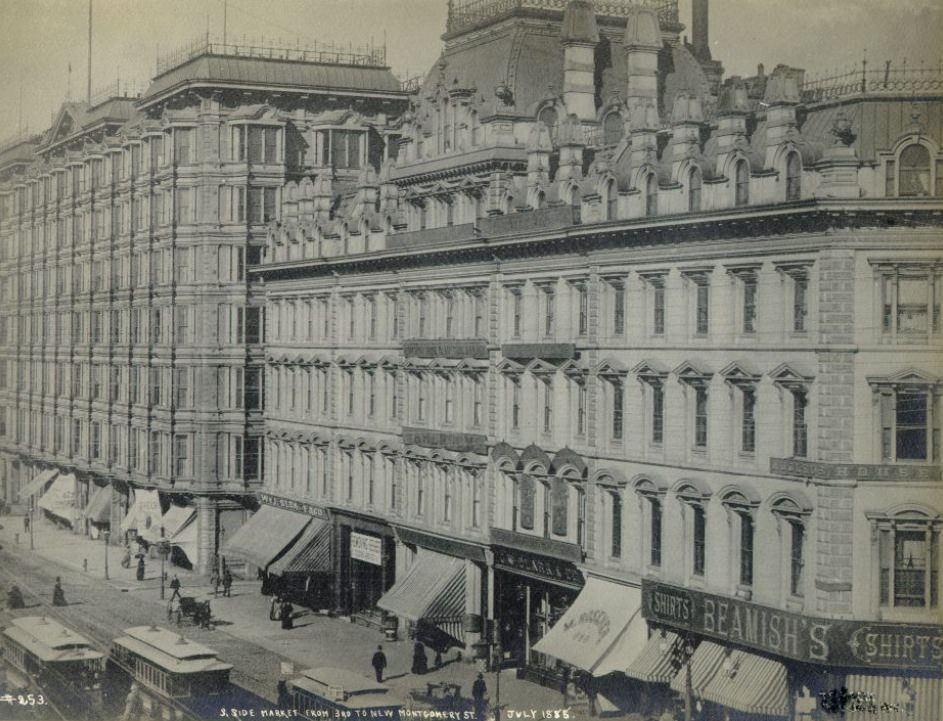
South side of Market Street from Third to New Montgomery, 1888
Mission Street, corner of Twentieth, August 19, 1886
Ferry Building, 1889
Ferry Building, 1887
Grant Avenue from Market Street, 1885
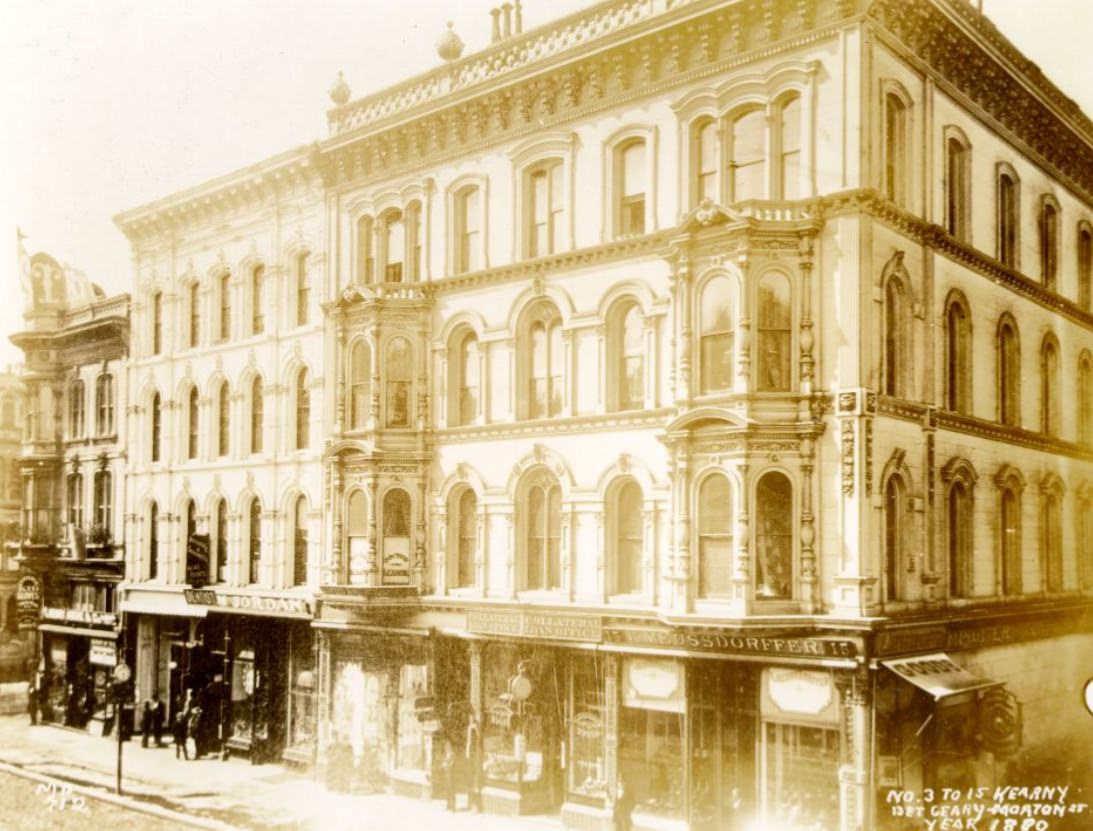
Kearny Street between Geary and Morton Alley (now Maiden Lane), 1880
Presidio, circa 1882
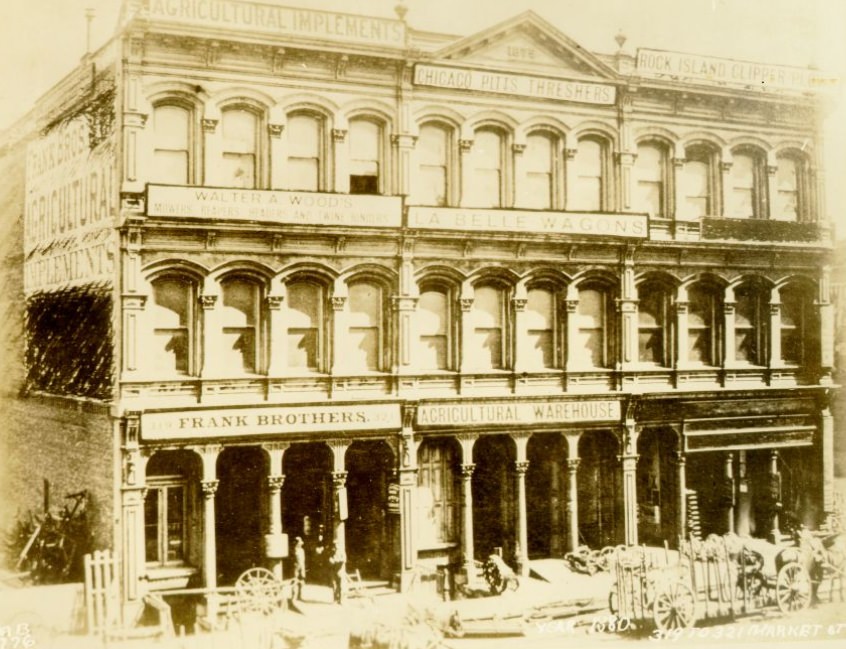
319 to 321 Market Street, 1880
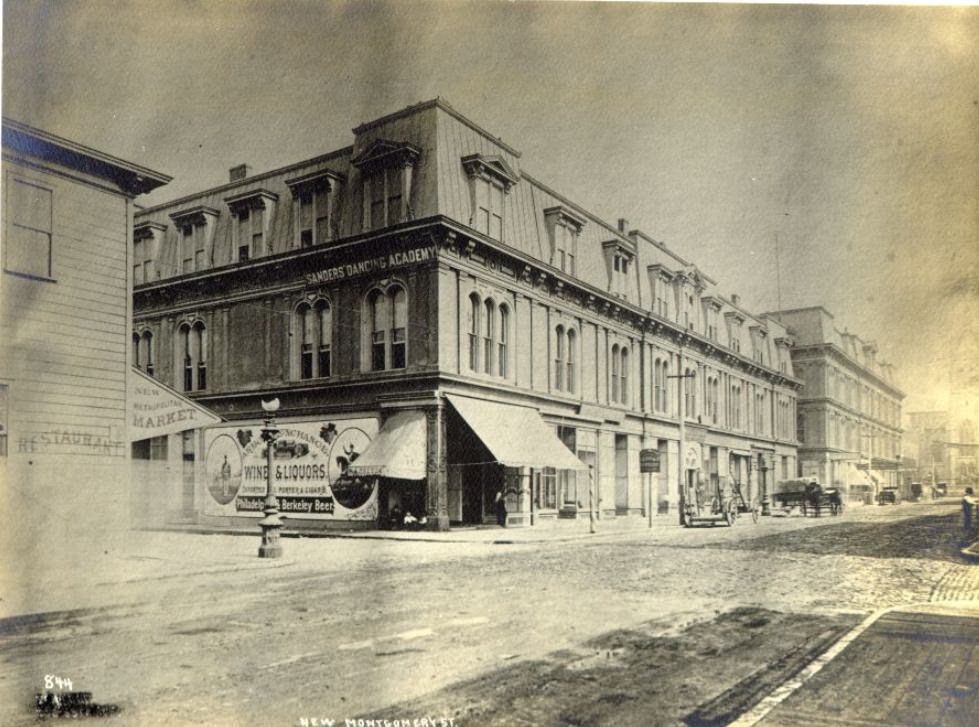
New Montgomery Street, 1880s
Market Street, east of Fifth with Baldwin Hotel, 1886
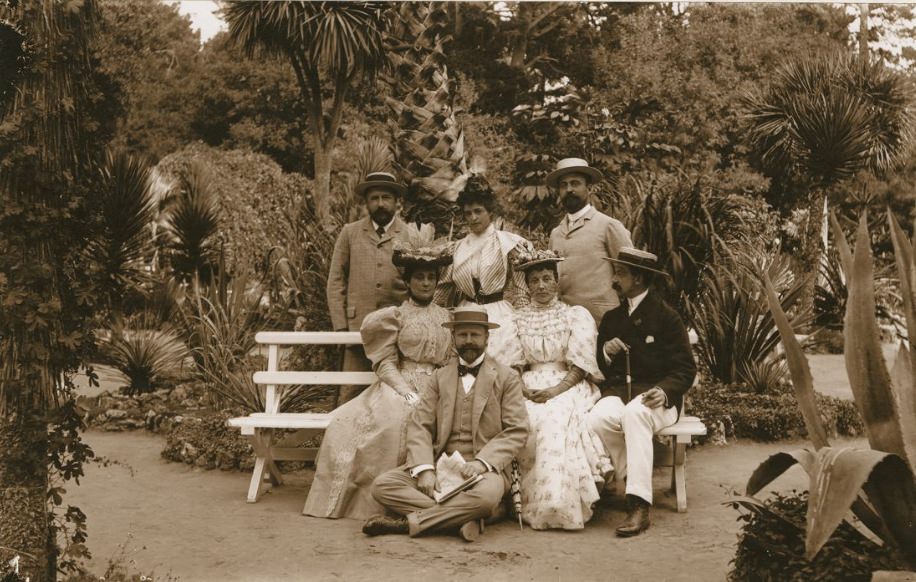
Unidentified group of people on a bench in Golden Gate Park, 1880s
Ferry Building at the foot of Market Street, circa 1884
429 Montgomery Street, 1884
Montgomery Street, south of Sacramento, 1882
Powell Street, 1883
Powell Street, 1883
Telegraph Hill, North Beach, and the Bay of San Francisco from Russian Hill, 1880s
Presidio and drive to Fort Point, circa 1889
Southeast corner of Commercial and Montgomery streets, 1880
New Montgomery, circa 1880
New Montgomery Street, 1885
Montgomery Avenue (now Columbus Avenue) north of Washington Street, circa 1876
Montgomery Street, corner of Pine, July 1, 1888
Presidio, circa 1882
Telegraph Hill, before 1884
New Montgomery Street, corner of Howard, 1880
Powell Street between Bush and Sutter, 1880
Market Street at Kearny, 1886
Cliff House from Sutro Heights, 1887
Market Street at the northeast corner of Grant Avenue, 1887
The Presidio of San Francisco, California, 1887
Presidio, circa 1880 or 1882
Northwest corner of Post Street and Grant Avenue, 1888
Mission District, 1886
Cliff House at Ocean Beach, 1880s
Panorama from Russian Hill, San Francisco, 1885
Grant Avenue at Market Street, 1880s
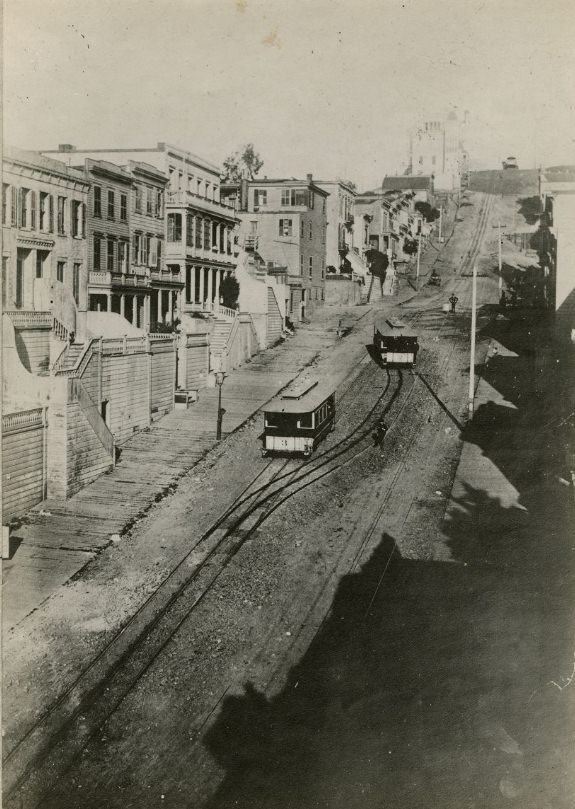
Telegraph Hill with Cable Railroad, 1880s
Balloon Ascension at Ocean Beach, San Francisco, California, 1886
Mission Street, corner of 26th, August 19, 1886
Market east of Powell, 1880s
G.A.R. Arch on Market Street, August 3, 1886
Clay Street at Van Ness, 1888
Post Street, east of Taylor, 1880
Montgomery Street from Market, looking north, circa 1889
North Beach, 1882
North Beach, 1882
Kearny Street, San Francisco, California, 1885
Montgomery (Columbus) Avenue west of Montgomery Street, circa 1884
Parade on Grant Street in Chinatown, 1885
Presidio from streetcar station, 1882
Instantaneous view of Market Street, circa 1888
California Street at Montgomery, 1880
First and Market Streets, 1880
Down Market Street from Reservoir, 1880s
Grant Avenue at Market Street, 1880s
Cliff House overlooking the Pacific Ocean, 1885
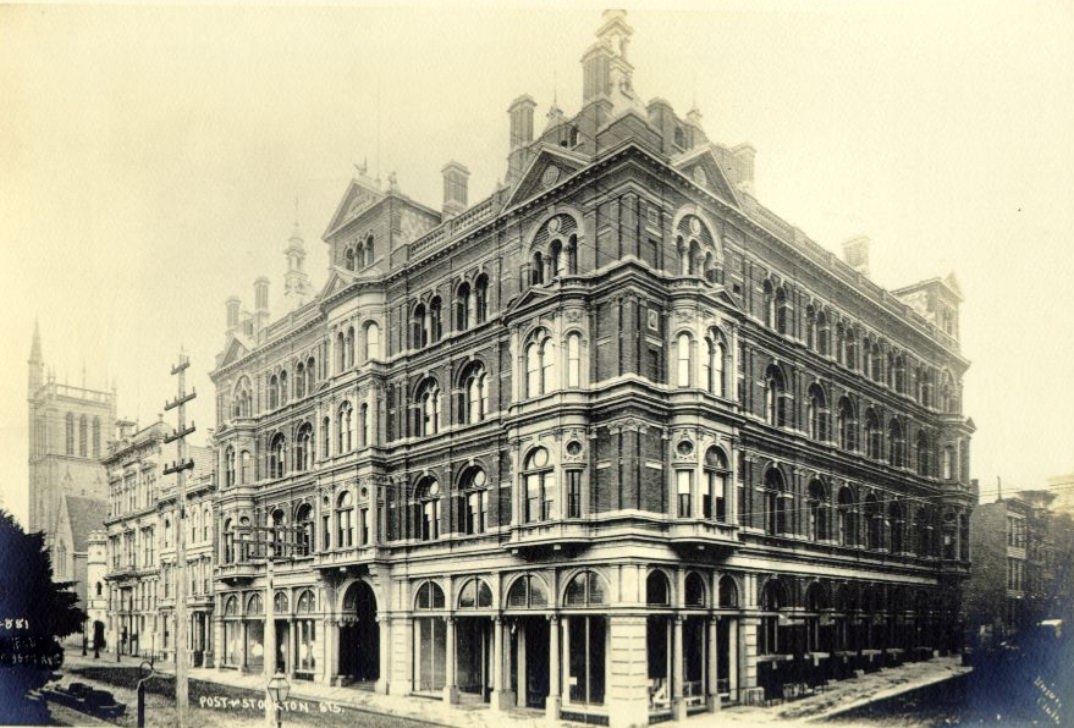
Post Street, corner of Stockton, 1888
Oakland Ferry showing Turn-Table, 1882
101 Beach, Cliff House & Seal Rocks, 1885
Bush Street near Montgomery, 1880
Market Street, between Montgomery and Sansome streets, 1880
California Street west of Kearny, 1882
View of North Beach with Greenwich Street in the foreground, 1880
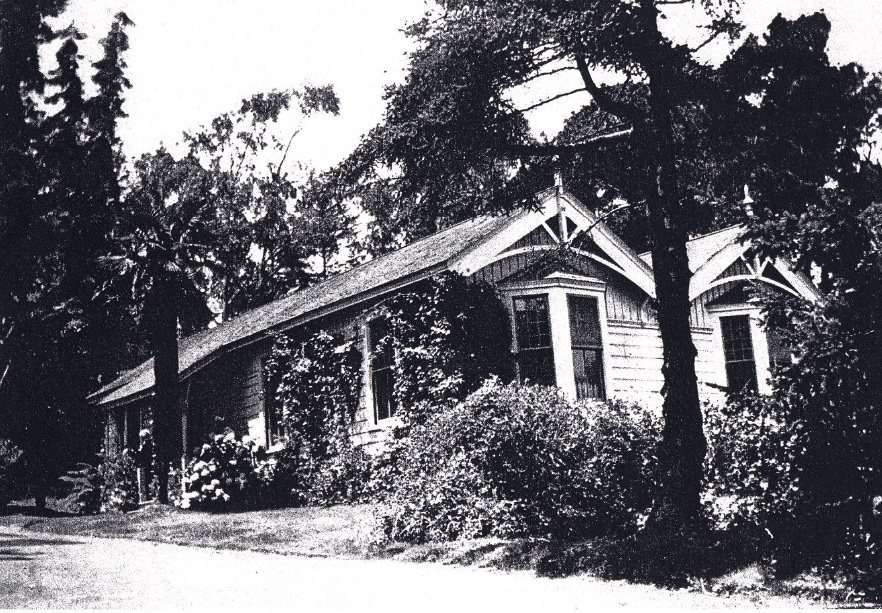
Residence of the Chief Engineer of the Golden Gate Park water supply system, between 1880 and 1943
Sutter Street at Montgomery, 1880
Chinese Quarter, San Francisco, California, 1880
Enjoyed this post? Get new ones in your inbox.
Avatar of Kevin Clark

Written by Kevin Clark

Kevin Clark is a historian and writer who is passionate about sharing the stories and significance behind historical photos. He loves to explore hidden histories and cultural contexts behind the images, providing a unique insight into the past.
Leave a Reply

Your email address will not be published. Required fields are marked *
2 Comments