
At the start of the 1970s, San Diego was home to roughly 696,769 people — and the city was growing fast. New residents were arriving, neighborhoods were expanding, and the streets were full of the kind of everyday character that rarely gets preserved. Photographer John Margolies captured much of that character on film, documenting the signs, storefronts, diners, and local landmarks that defined San Diego during this era. His photos give us a street-level look at a city in motion.
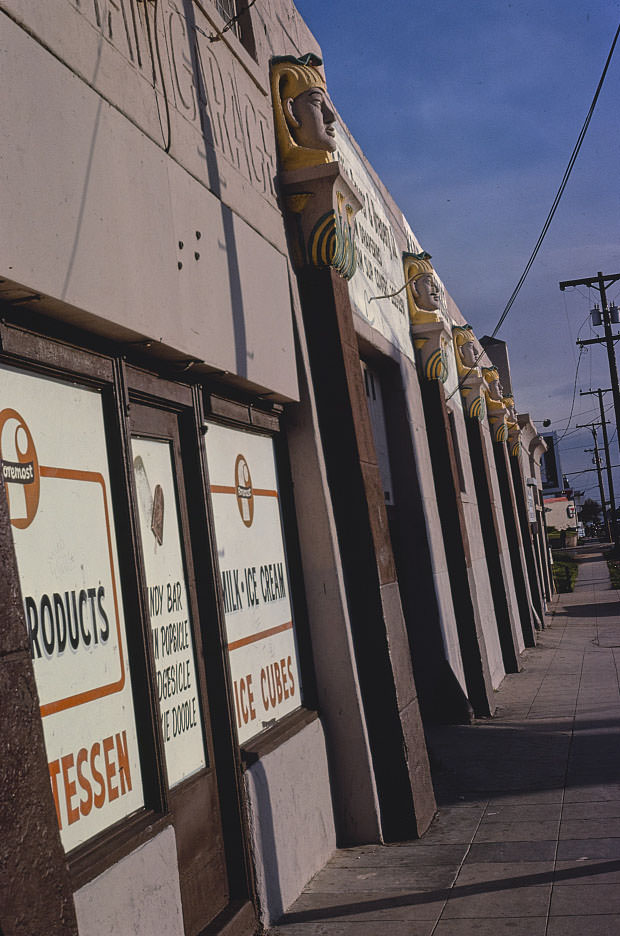
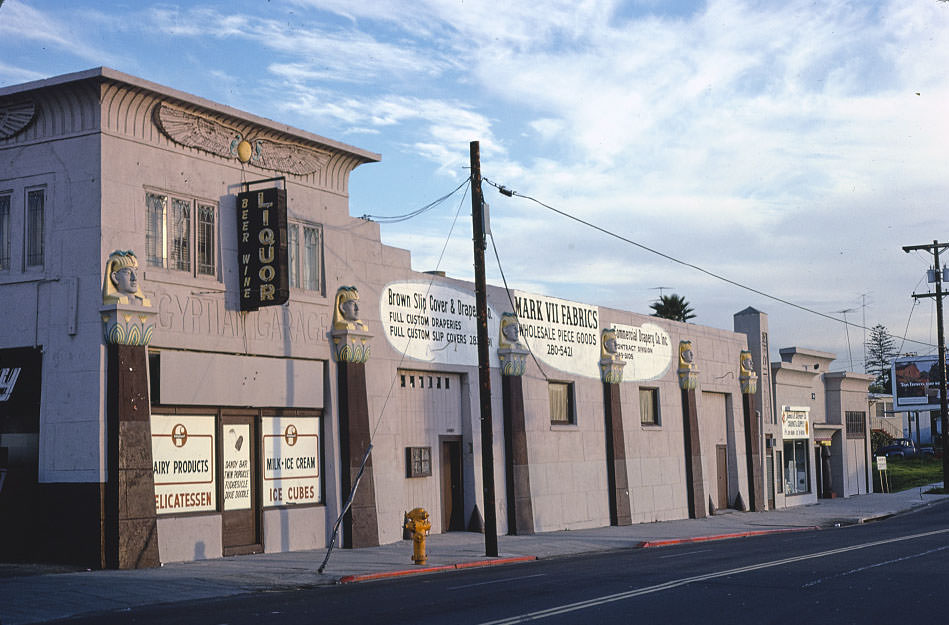
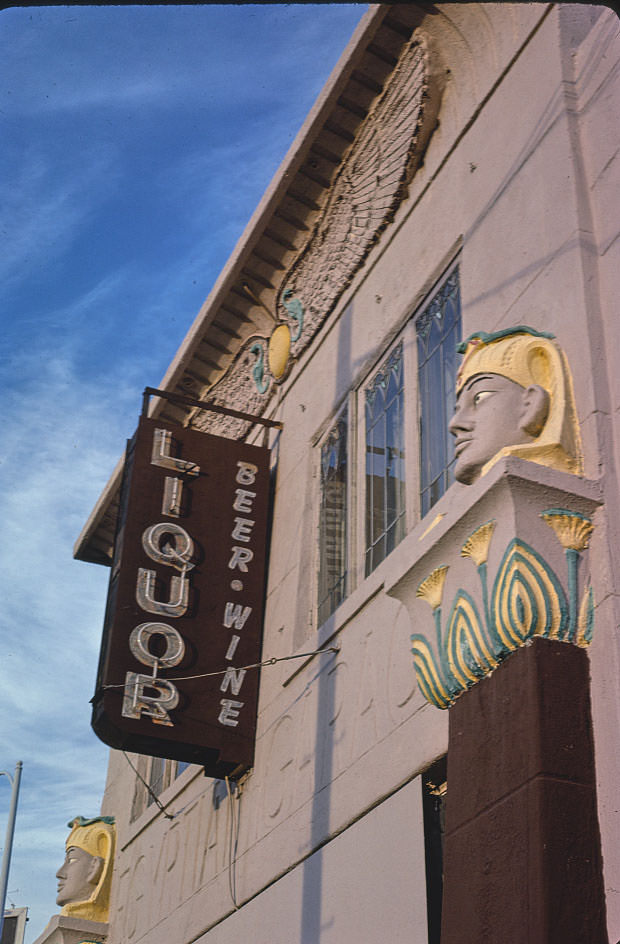
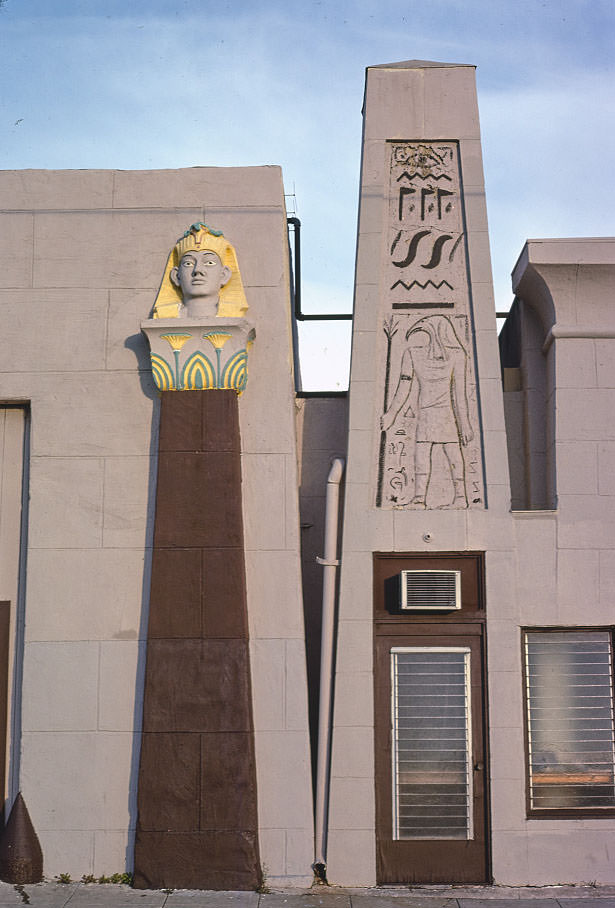
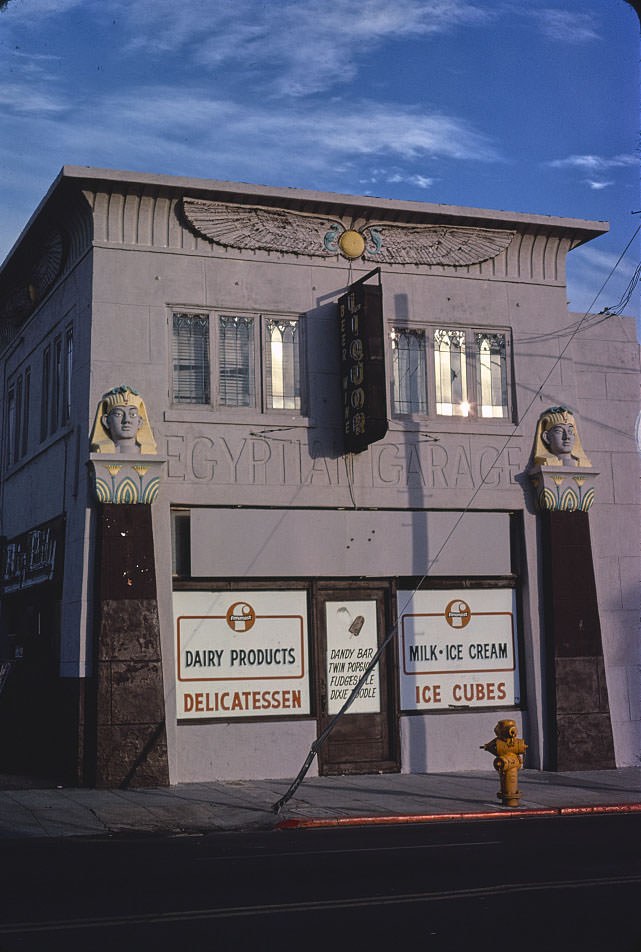
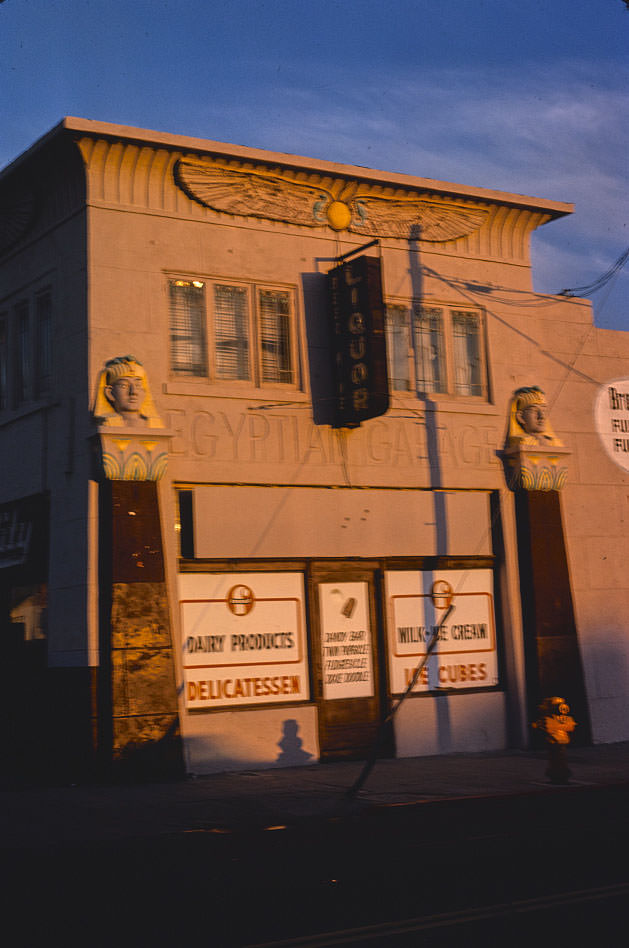
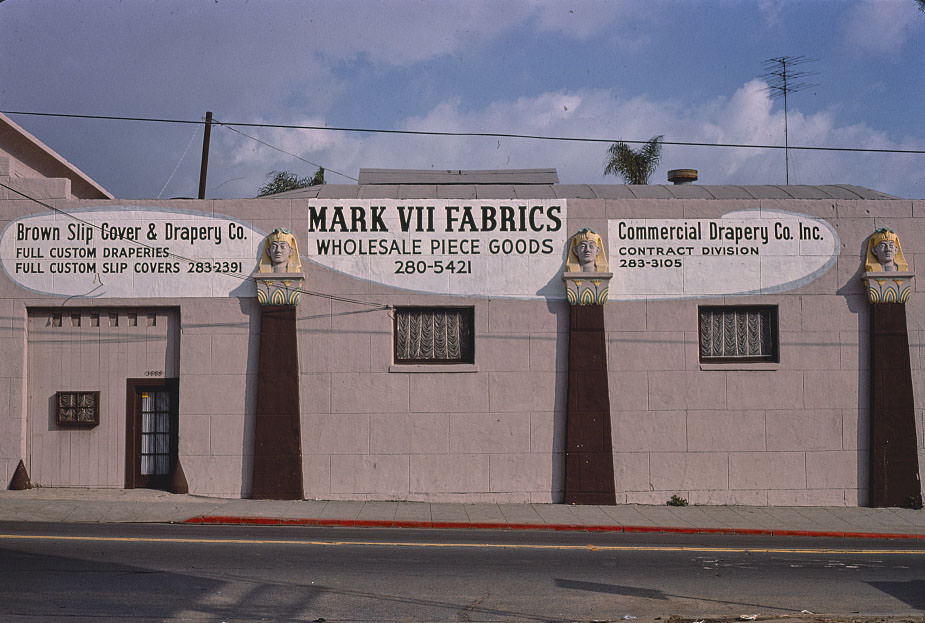
One of the most striking fixtures Margolies kept returning to was the Egyptian Garage — an oddly named structure that stood out against its surroundings. He photographed it from multiple angles across several years, starting as early as 1976.
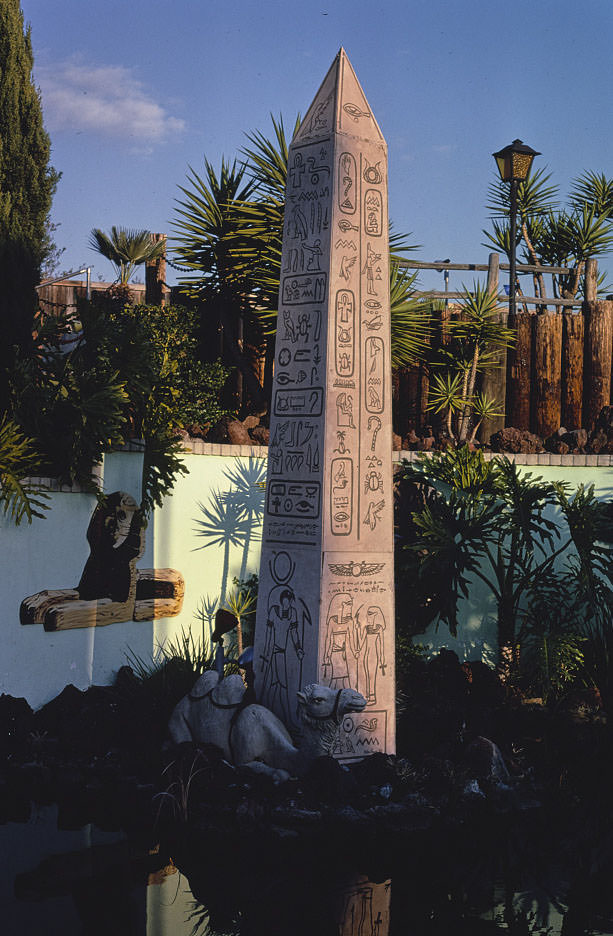
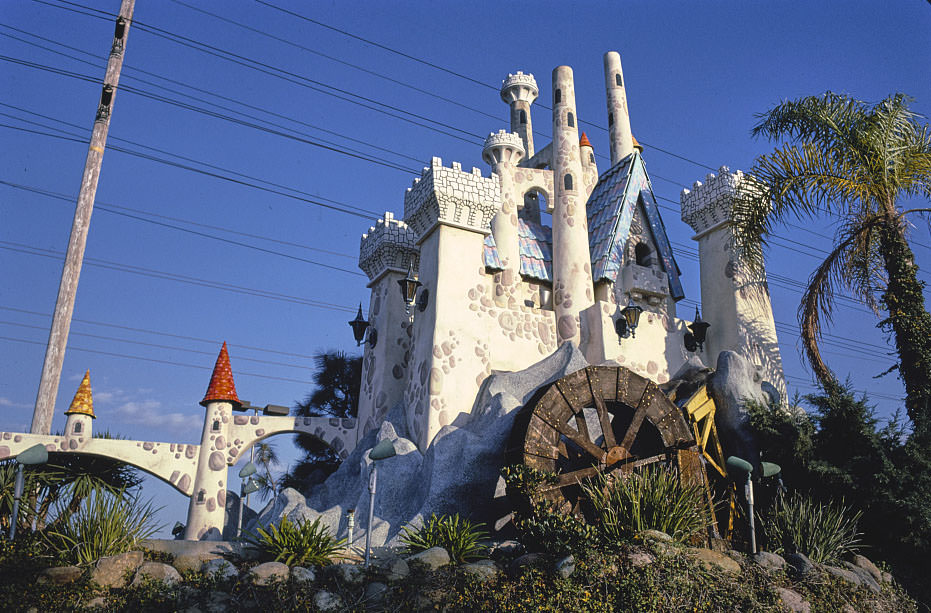
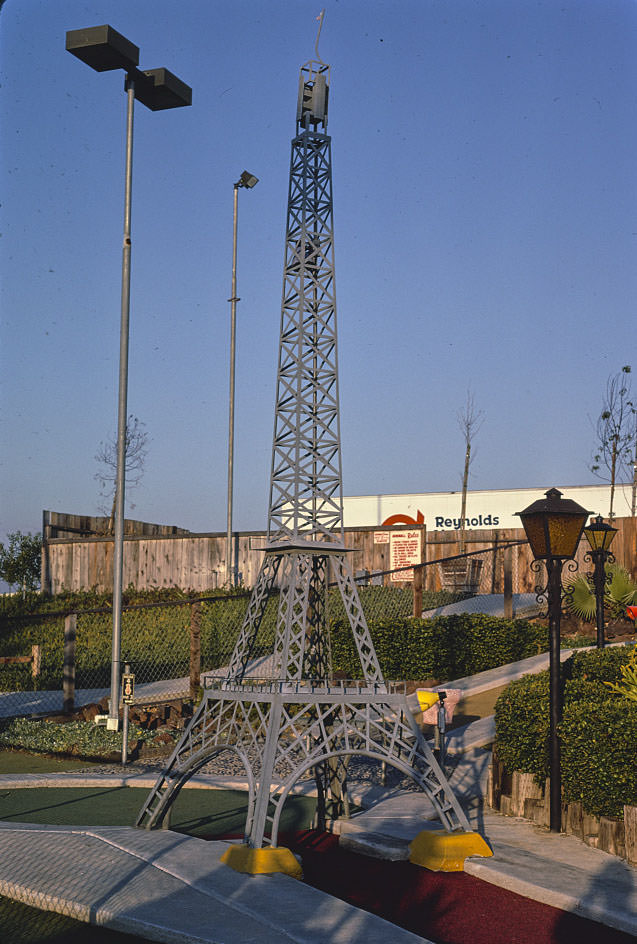
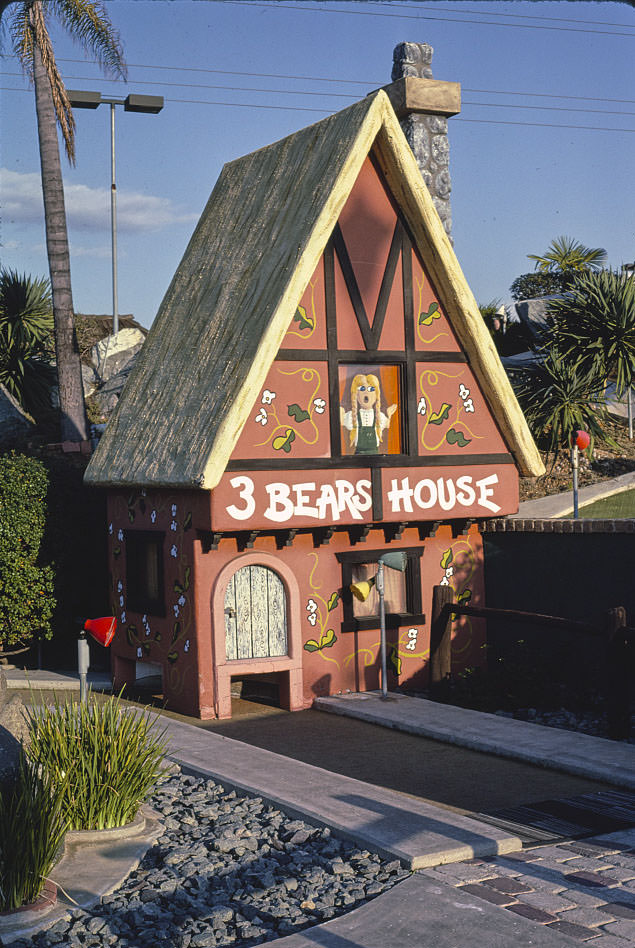
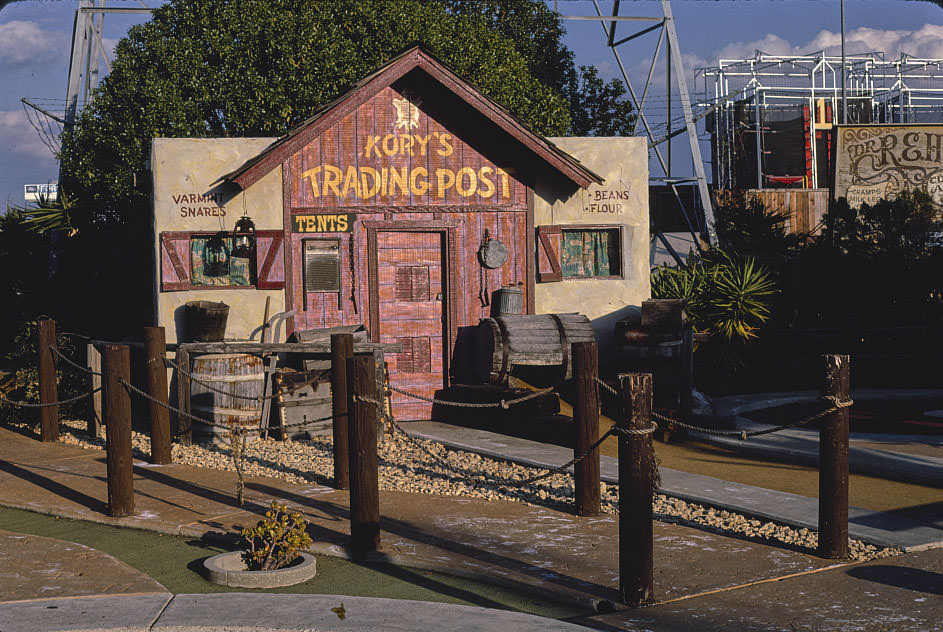
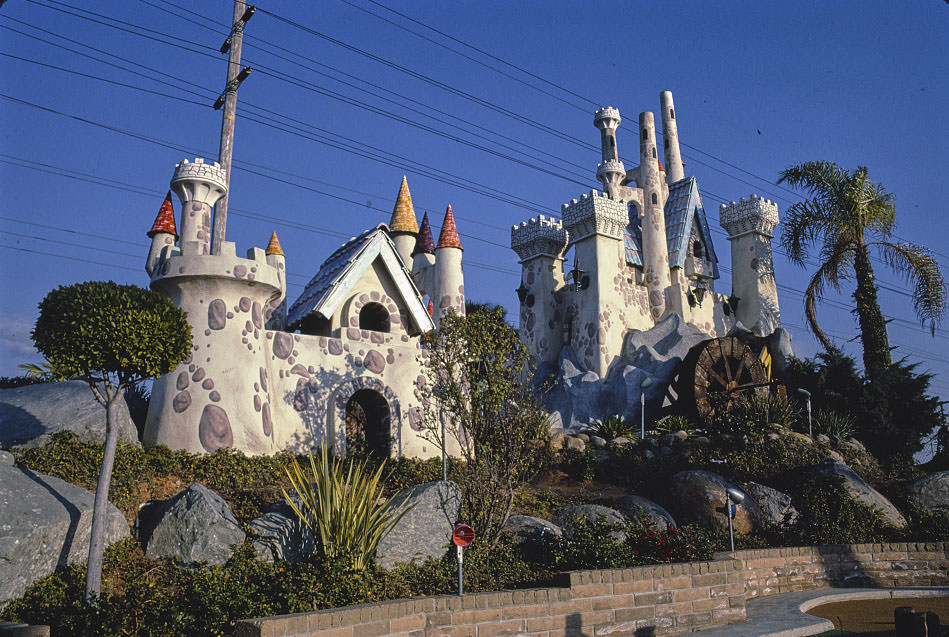
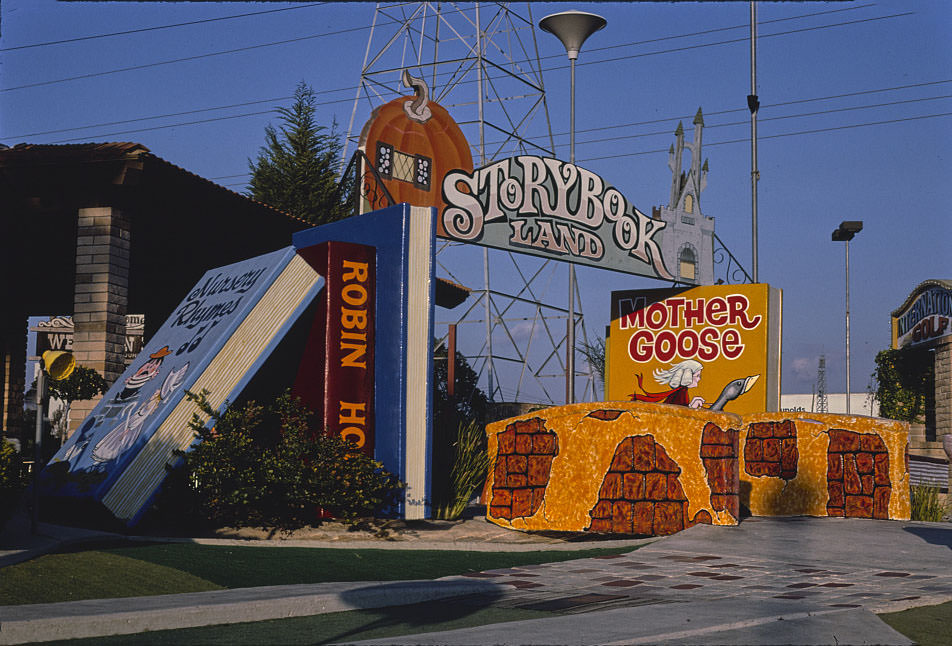
Not far from the city’s more practical storefronts, Storybook Land Golf on Clairmont Mesa Boulevard offered something completely different. The miniature golf course was filled with whimsical structures pulled from fairy tales and world landmarks — a castle, an Egyptian obelisk, a miniature Eiffel Tower, and a small trading post. It was the kind of place that felt like it belonged in another era even when it was still new.
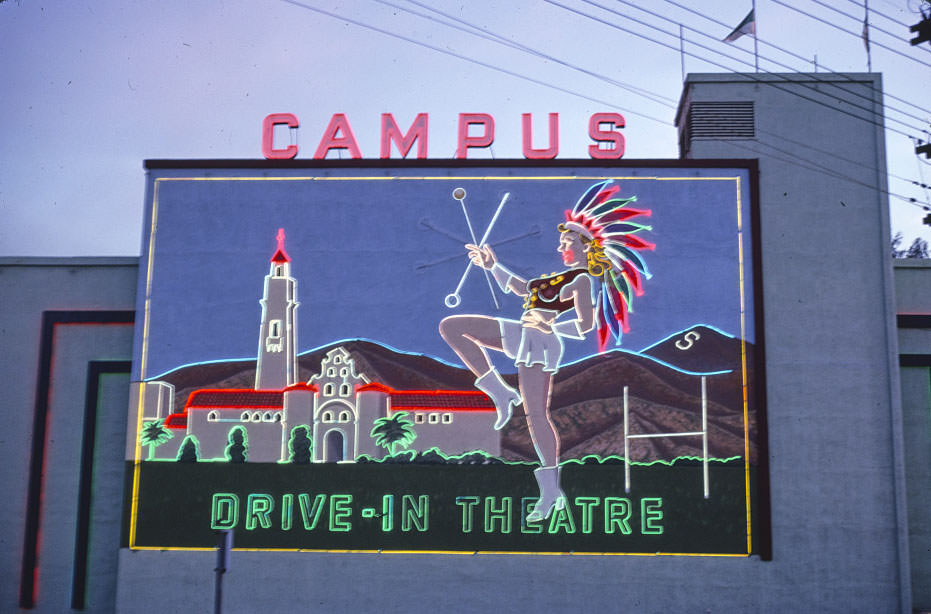
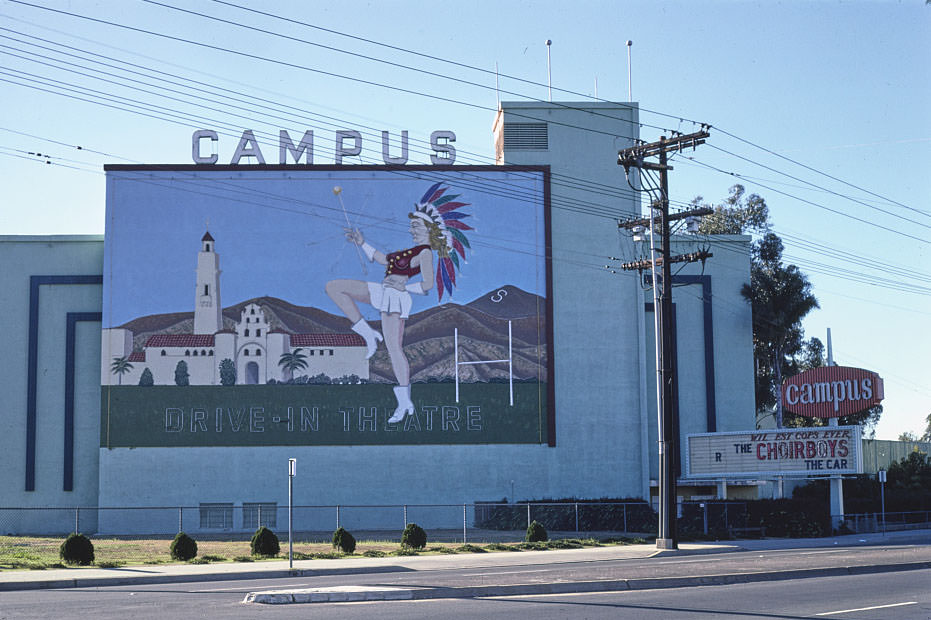
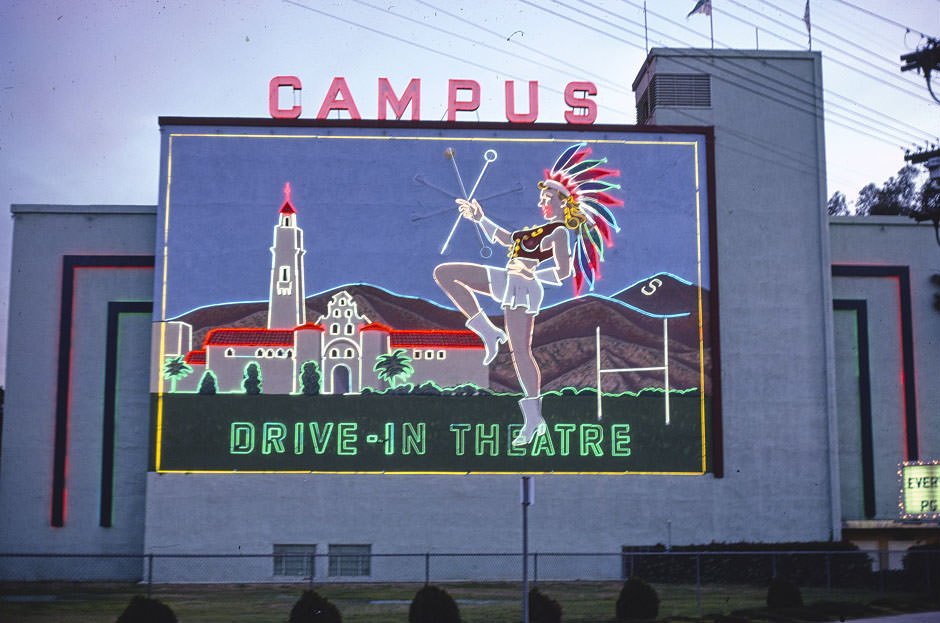
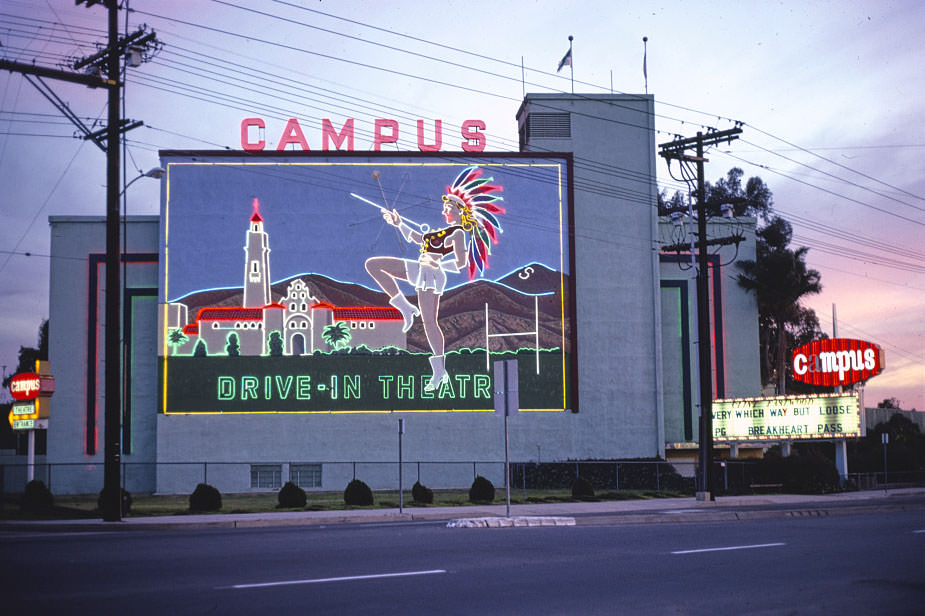
Drive-in theaters were still very much alive in late-1970s San Diego. The Campus Drive-In was one of the city’s well-known spots for catching a film from the comfort of your car. Margolies photographed it in 1977, 1978, and 1979, watching it change slightly with each visit. By 1979, he captured a closer view along El Cajon Boulevard, where the theater’s neon signage lit up the front of the property.
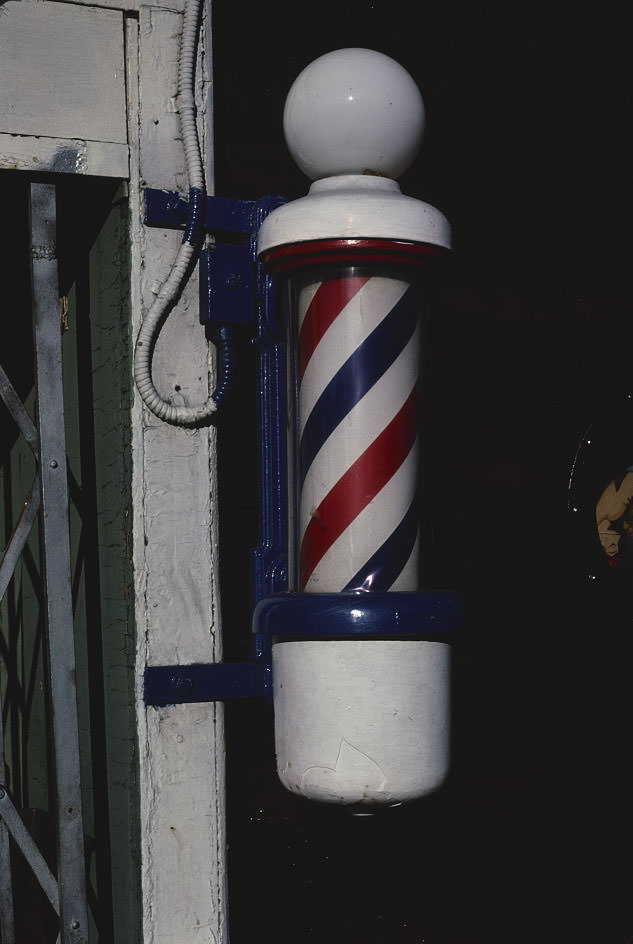
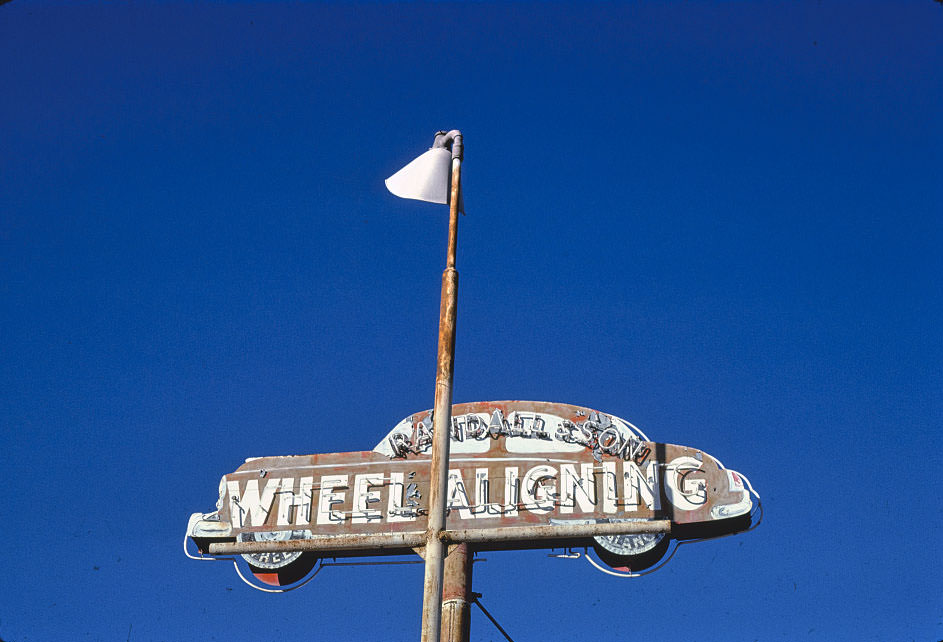
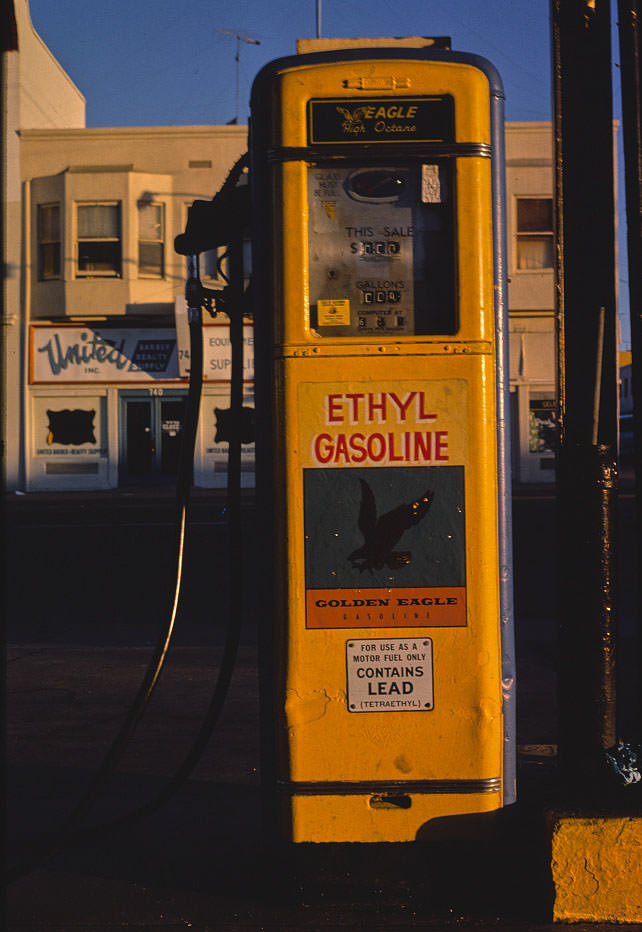
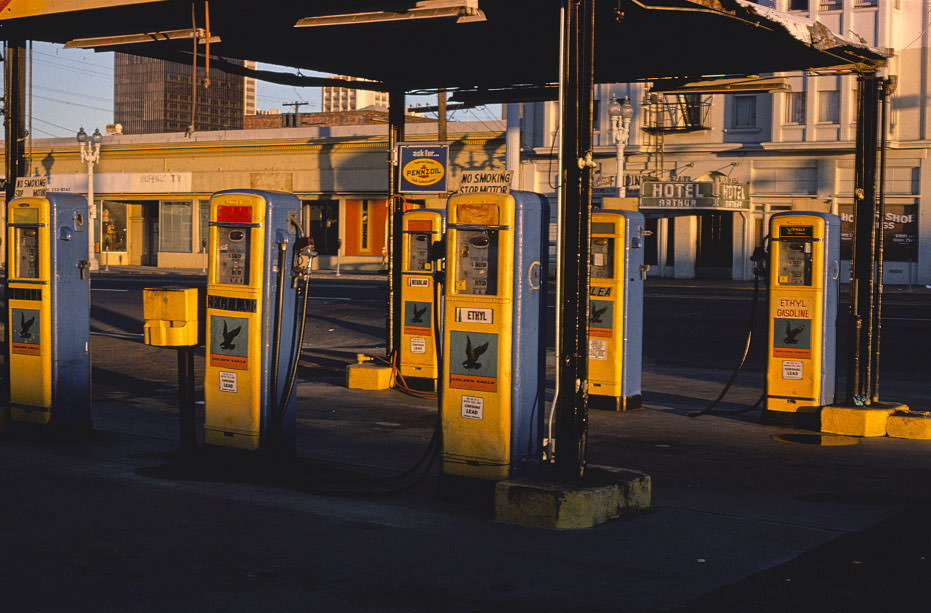
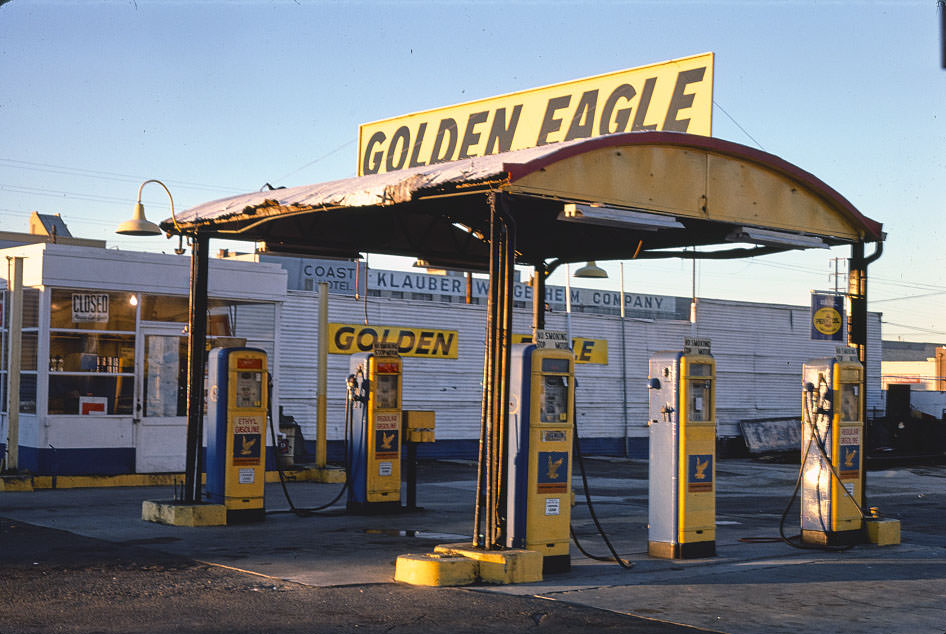
The small details of daily street life show up throughout Margolies’ work. A painted barber pole, a wheel alignment shop sign, and a Golden Eagle gas pump from 1977 all made it into his lens. These were the kinds of objects people walked past without a second thought — now they serve as time capsules.
San Diego’s political identity was also shifting during this decade. The Republican Party originally selected San Diego to host the 1972 Republican National Convention, but then pulled out and moved it to Miami Beach at the last minute. Mayor Pete Wilson responded by declaring San Diego “America’s Finest City” — a nickname the city still uses today. That same year, the San Diego College for Women and the San Diego College for Men merged to form the University of San Diego.
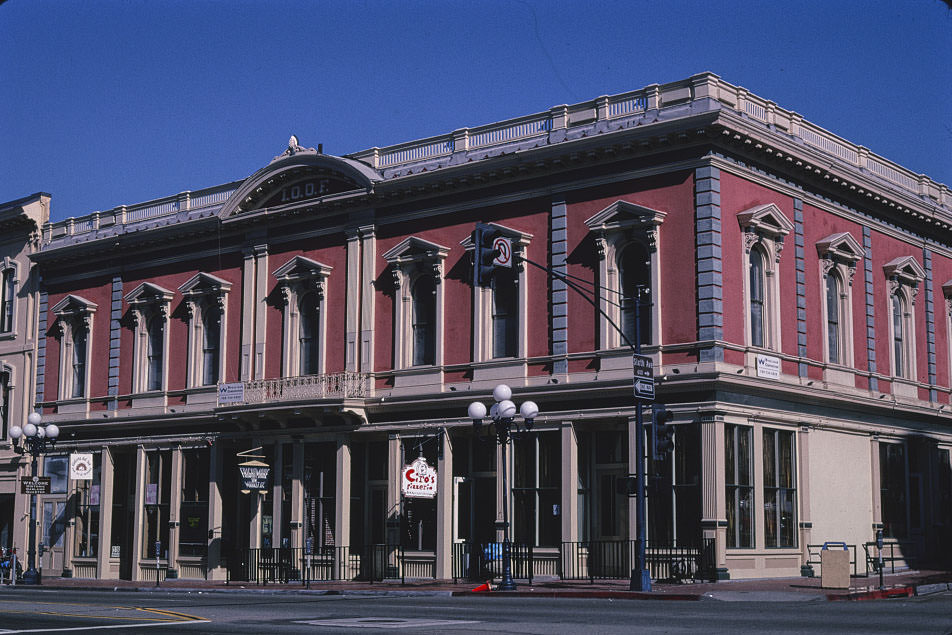
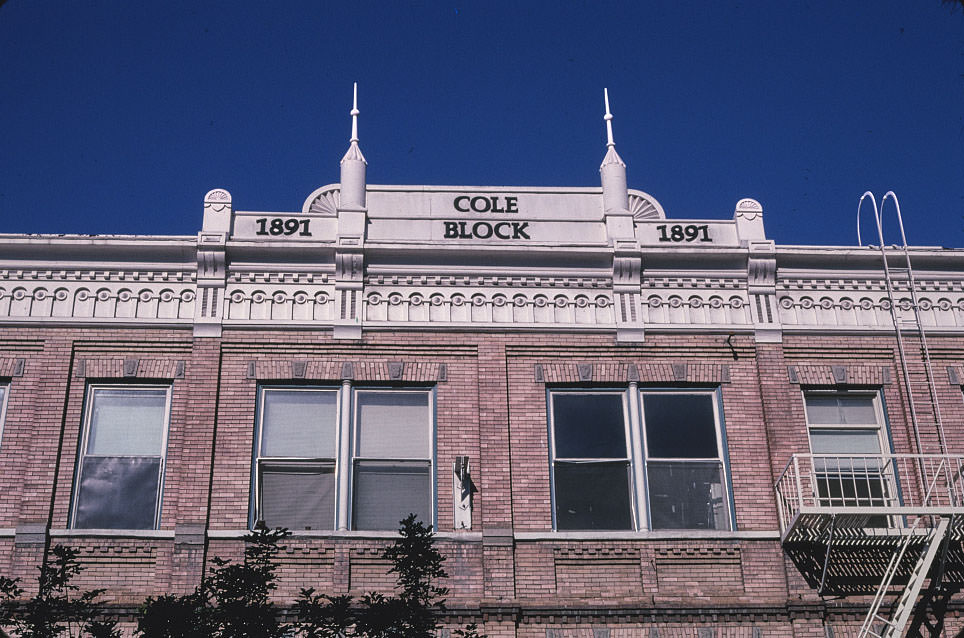
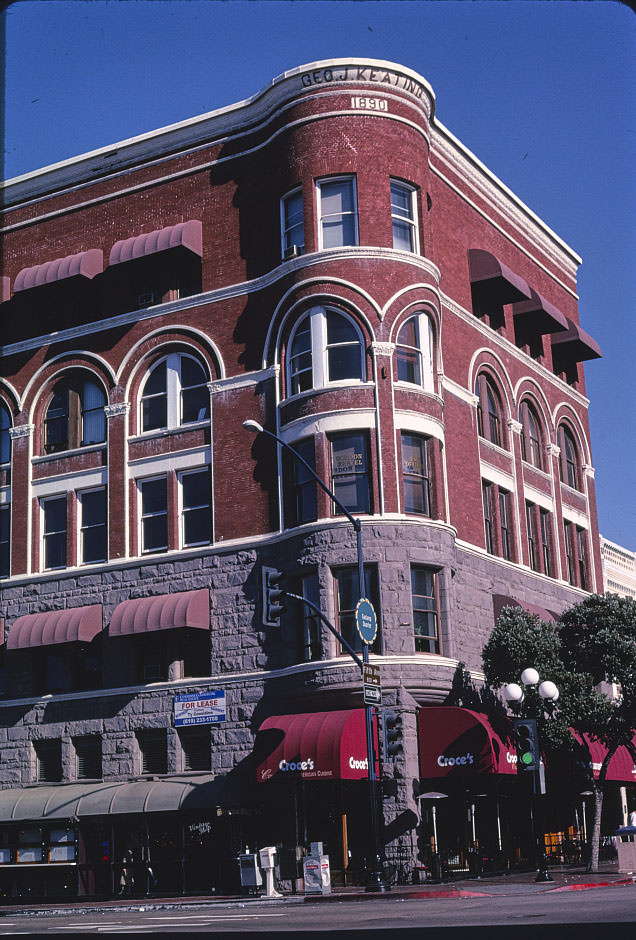
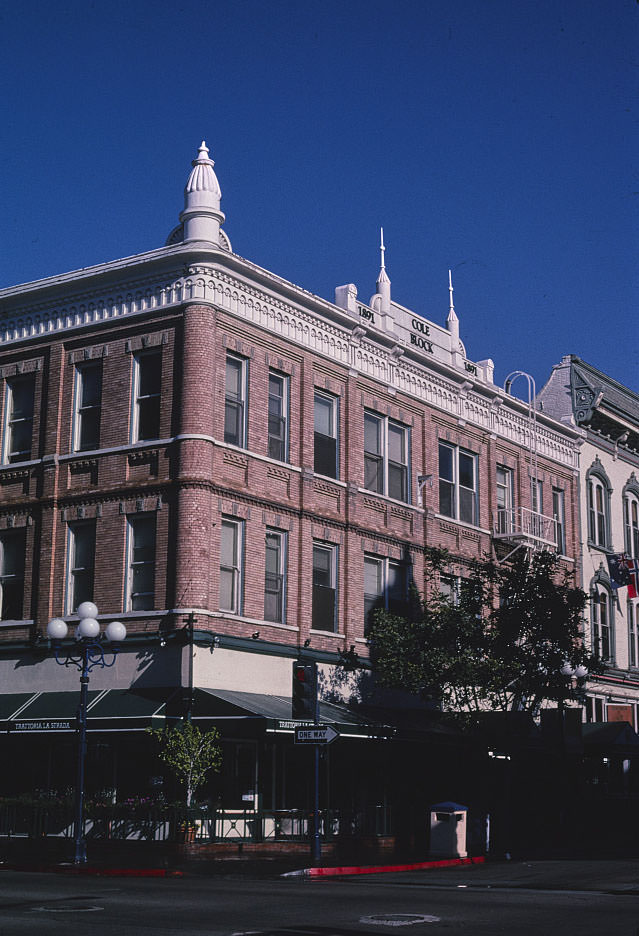
The I.O.O.F. Building on Market Street and the Cole Block, built in 1891, are reminders that San Diego’s downtown had architectural roots going back to the 19th century. The George J. Keating Building at 5th and F Streets, also from 1890, stood alongside newer commercial strips — a mix of old and new that Margolies documented without favoring one over the other.
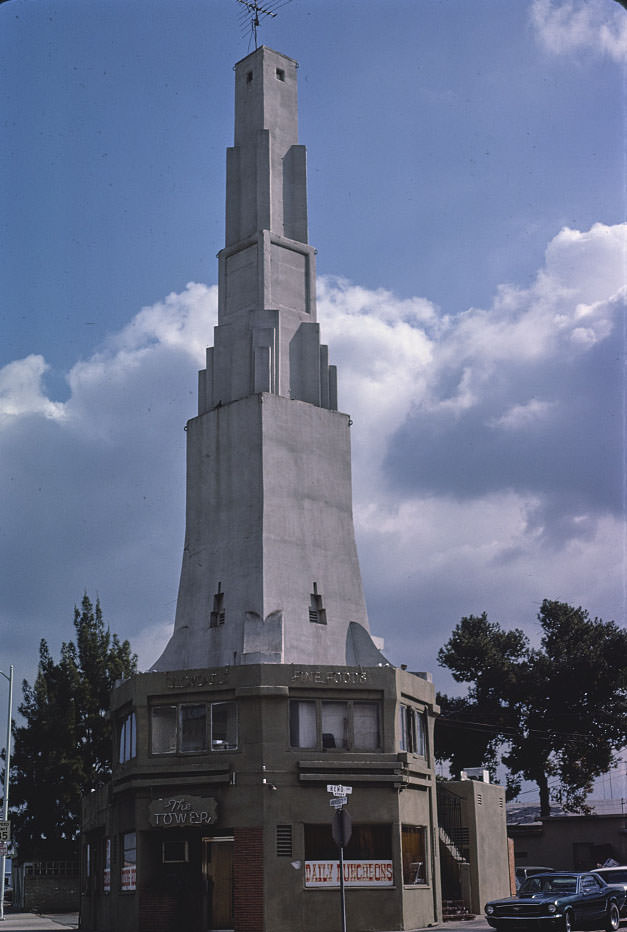
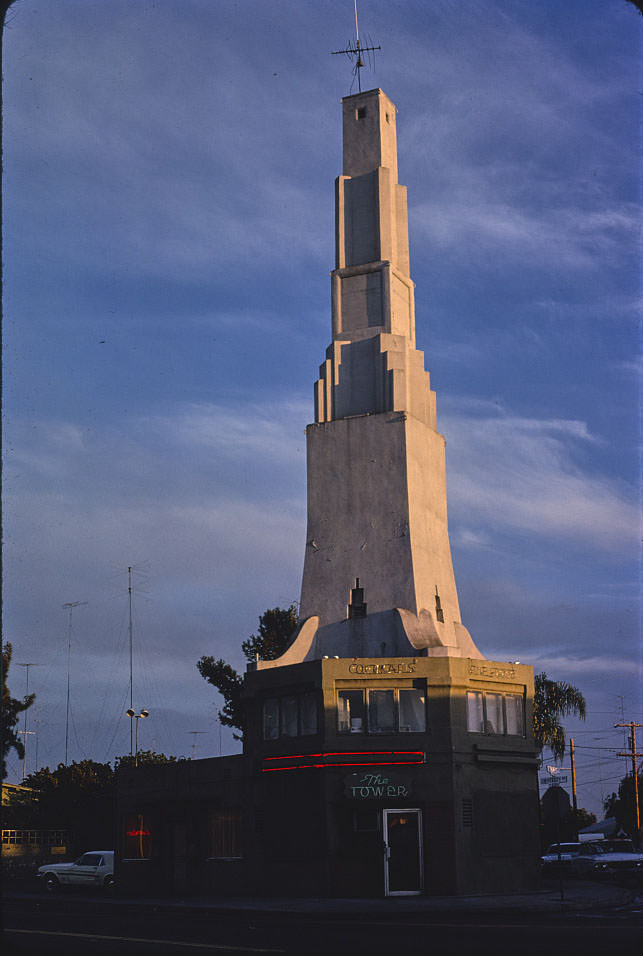
Restaurant architecture in San Diego had a boldness to it in this era. The Tower Restaurant at the corner of University Avenue and Reno Drive was hard to miss, and Margolies photographed it from two different angles in 1979. The Tower Bowl, a bowling alley near Broadway and Kettner, made a similarly strong impression with its overall form visible from the street.
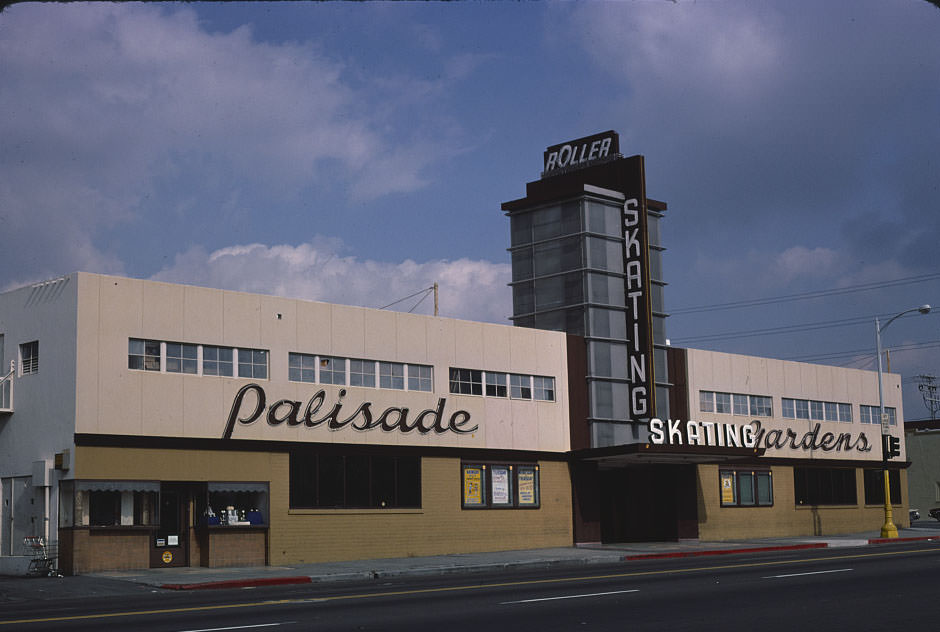
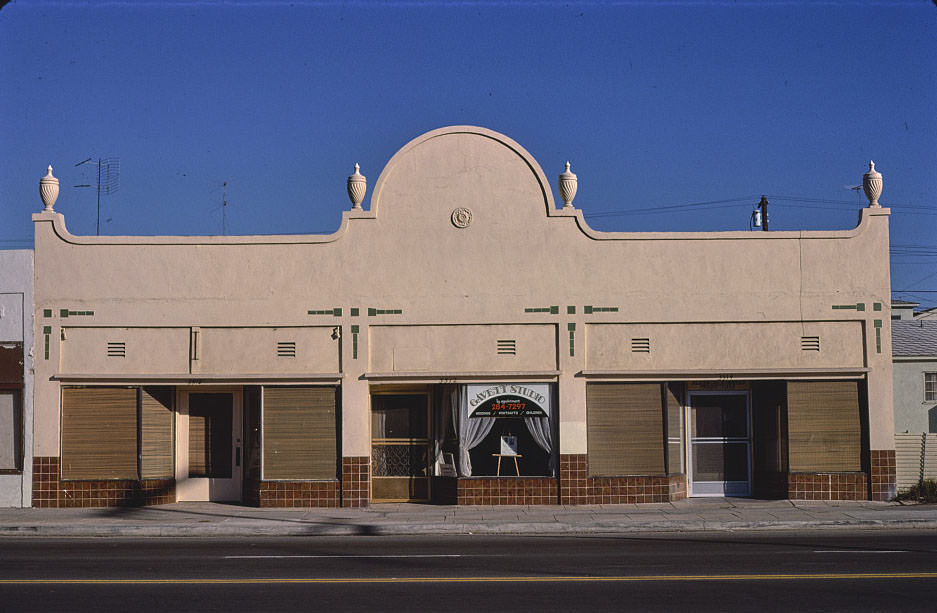
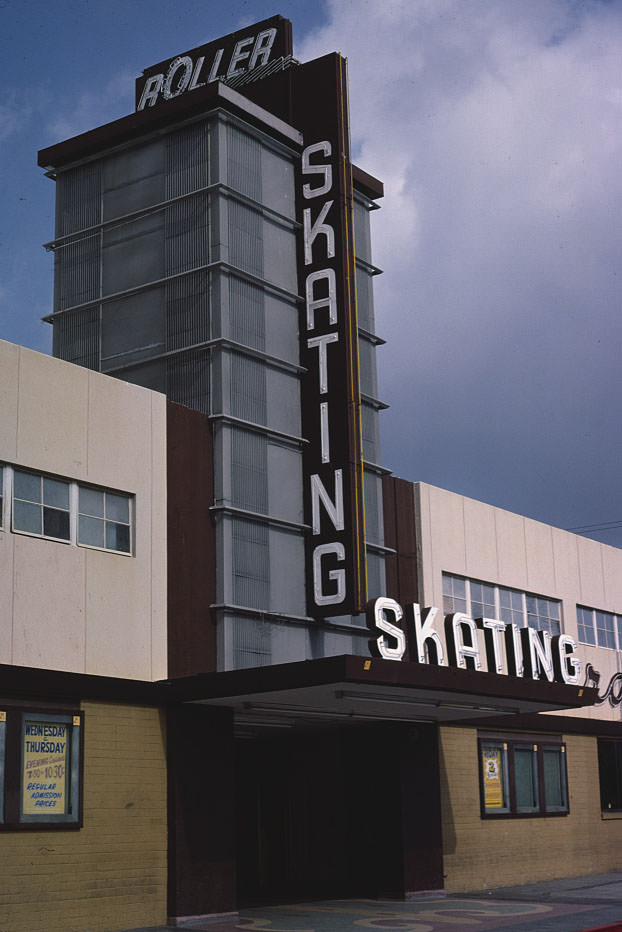
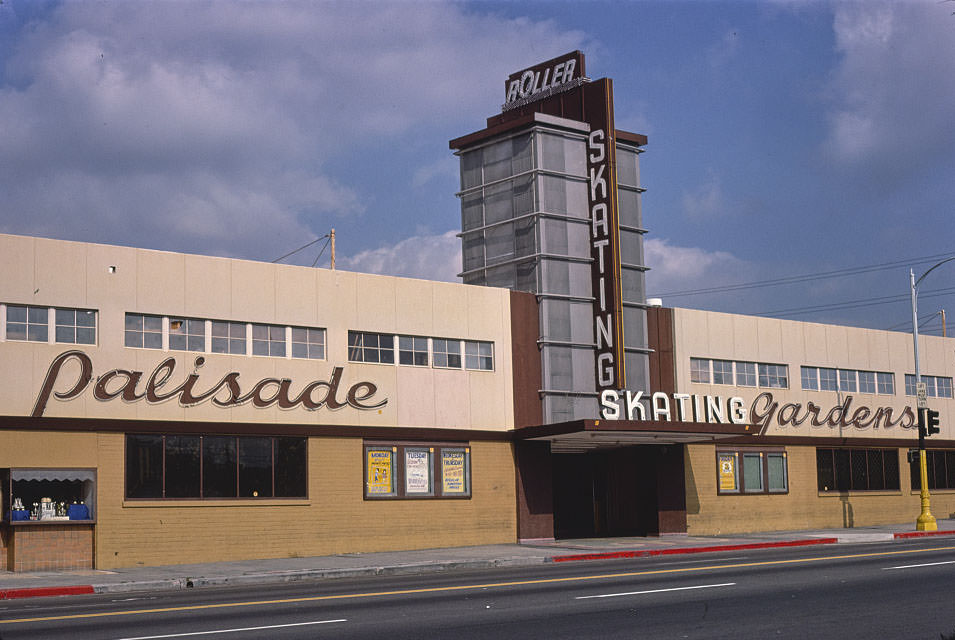
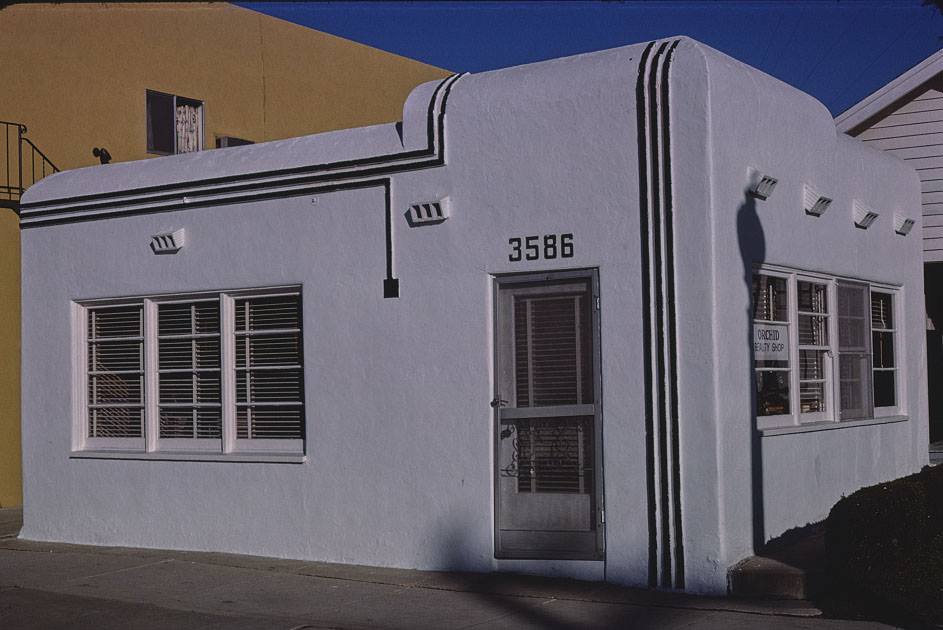
Roller skating was a major part of late-1970s culture nationwide, and San Diego was no exception. The Palisade Garden Roller Skating rink appeared in Margolies’ photos from 1978, captured from multiple views. Alongside it, spots like Gavett Studios on Adams Avenue and the Orchid Beauty Shop on the same street show what a neighborhood commercial block looked like in this period.
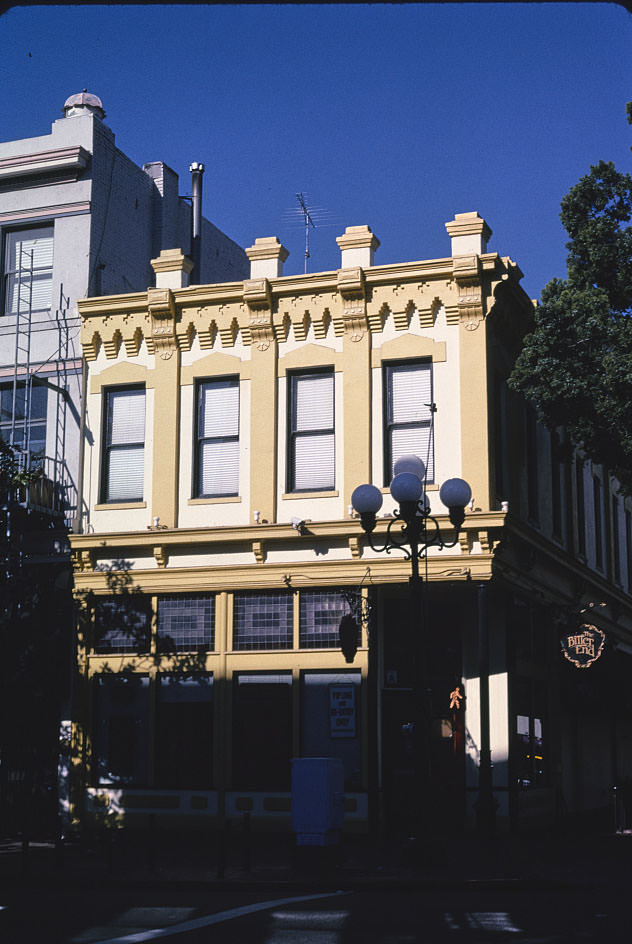
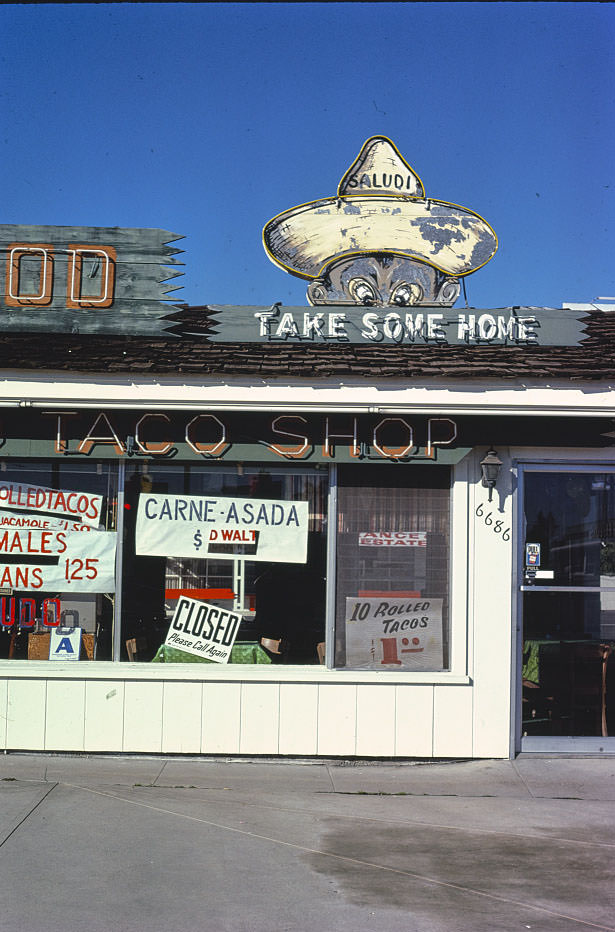
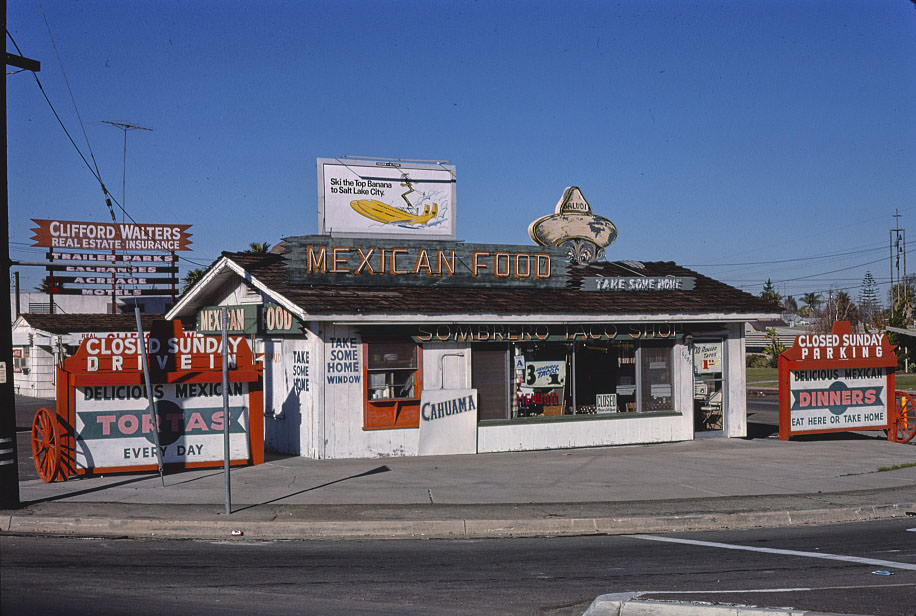
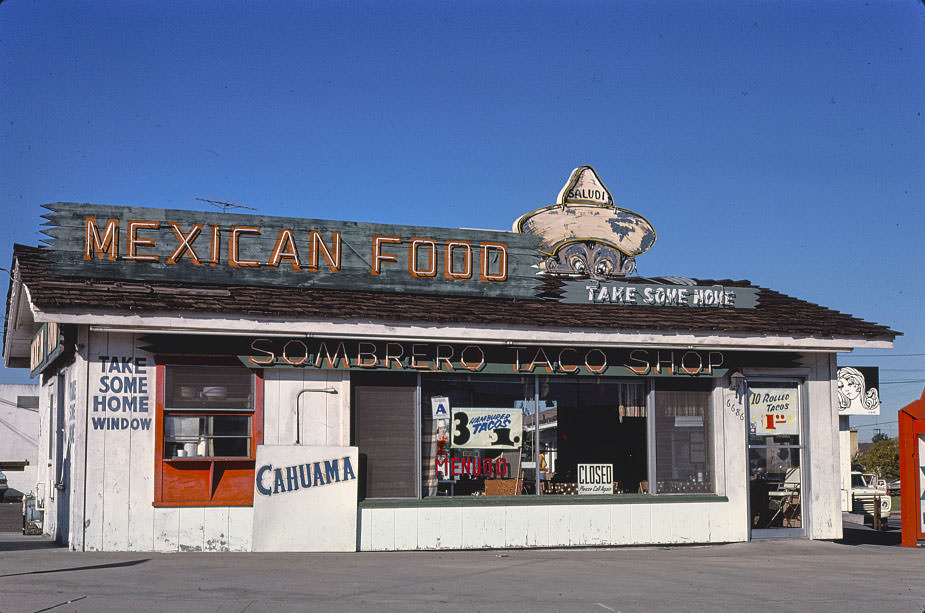
The Sombrero Taco Shop, photographed across multiple years from 1977 to 1978, was a fixture in the city’s food landscape. Its bold signage made it an easy subject for Margolies. The Bitter End on 5th Avenue offered a different kind of atmosphere — a bar that fit into the eclectic mix of businesses running along one of San Diego’s busier commercial corridors.
After the Vietnam War ended, the Marine Corps opened Camp Pendleton as a refugee camp to care for thousands of South Vietnamese and Cambodian refugees. It was one of the largest humanitarian operations on U.S. soil at the time. San Diego’s connection to the military had always been strong, but this moment expanded what that relationship meant for the surrounding community.
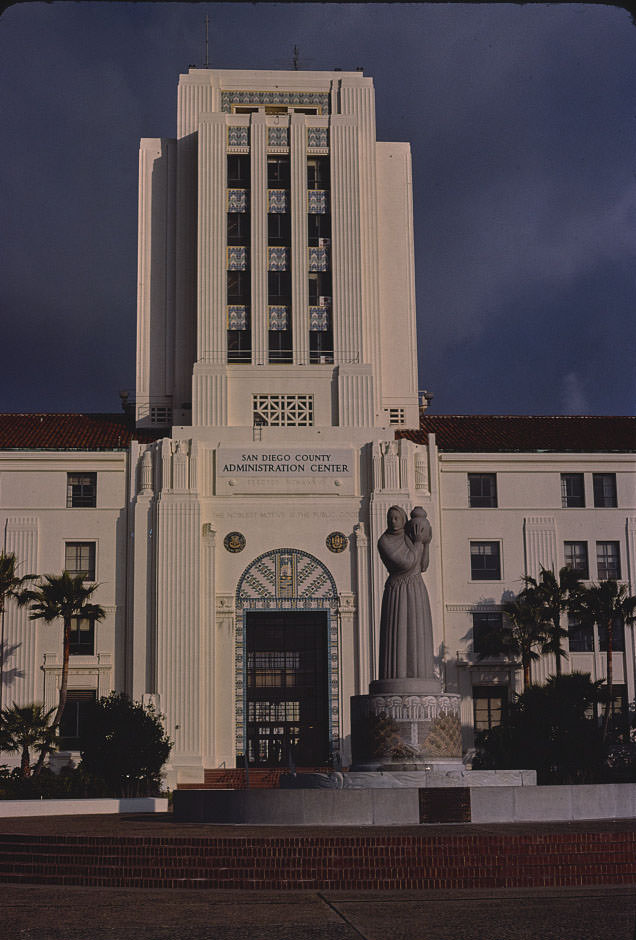
In 1979, the City of San Diego adopted a tiered growth management system as part of its Progress Guide and General Plan. The plan labeled every part of the city as either “Urbanized,” “Planned Urbanizing,” or “Future Urbanizing.” This policy set the stage for suburban expansion northward into North County and growth southward into Otay Mesa near San Ysidro — reshaping the physical footprint of the city for decades to come.
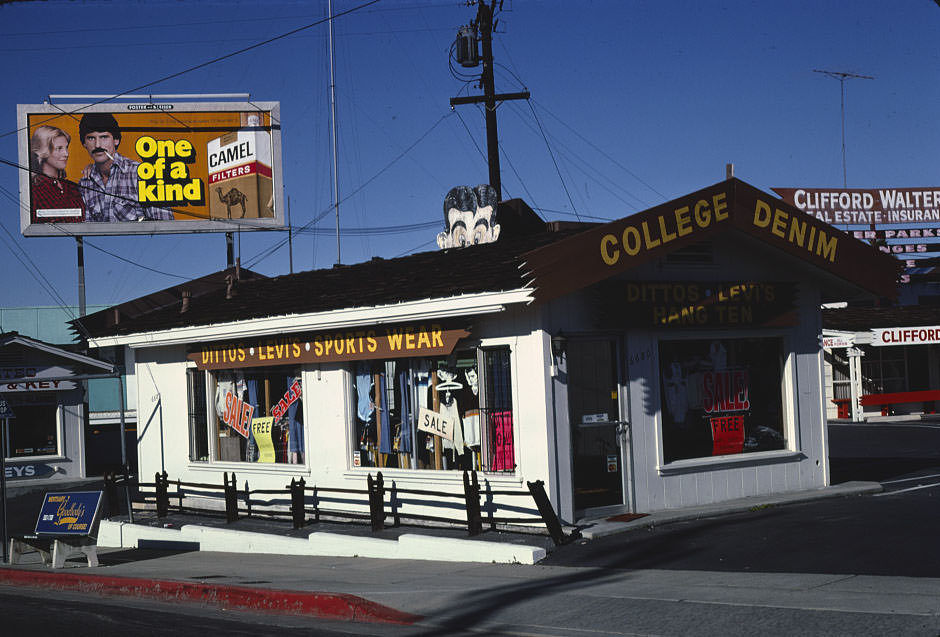
Adams Avenue’s small businesses show up repeatedly in Margolies’ archive. The Orchid Beauty Shop at 3586 Adams Avenue and the Barber-Levy Shop on El Cajon Road represent the kind of neighborhood-scale commerce that filled in the gaps between San Diego’s larger commercial zones. These weren’t tourist destinations — they were just part of how the city worked.
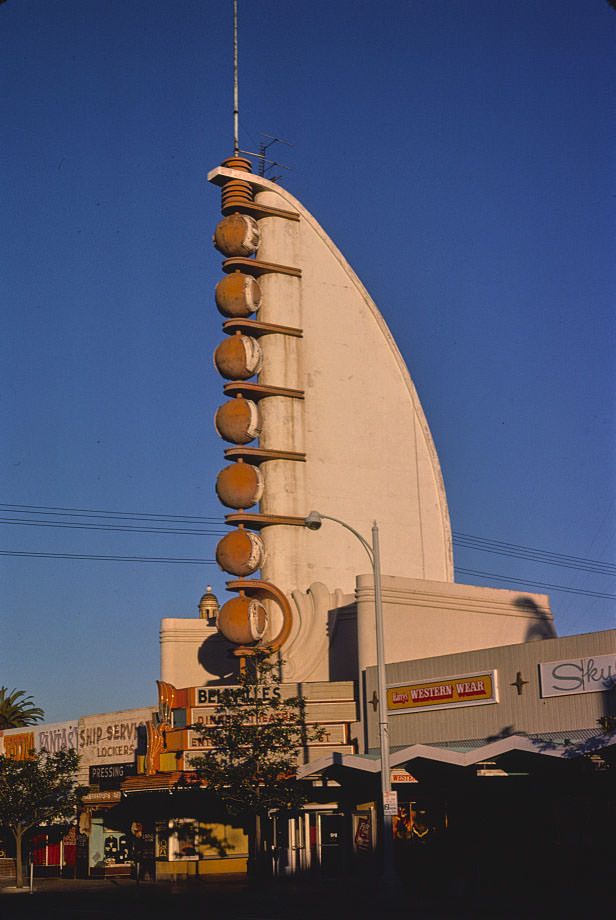
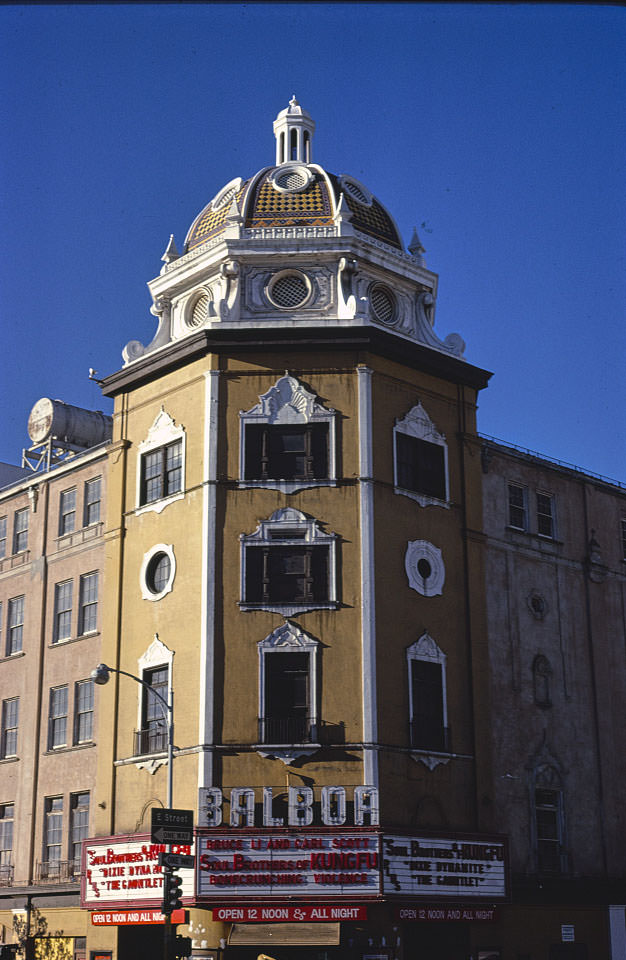
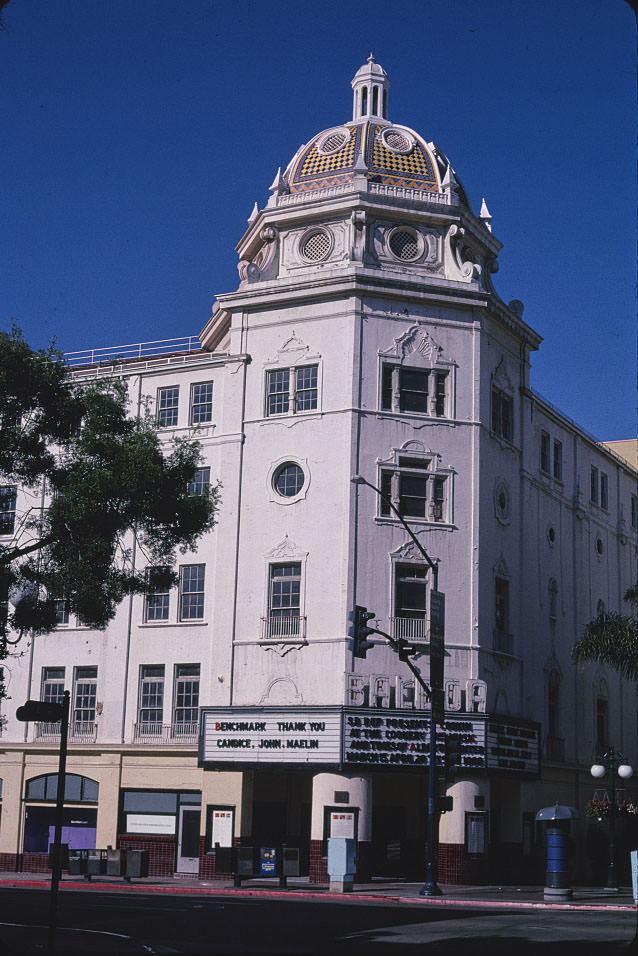
The Balboa Theater, photographed by Margolies in 1979, was one of downtown San Diego’s most recognizable entertainment venues. Built decades earlier, it remained a landmark through the late 1970s even as the surrounding entertainment landscape changed around it. Margolies captured it from multiple angles, making sure its facade was documented in detail.
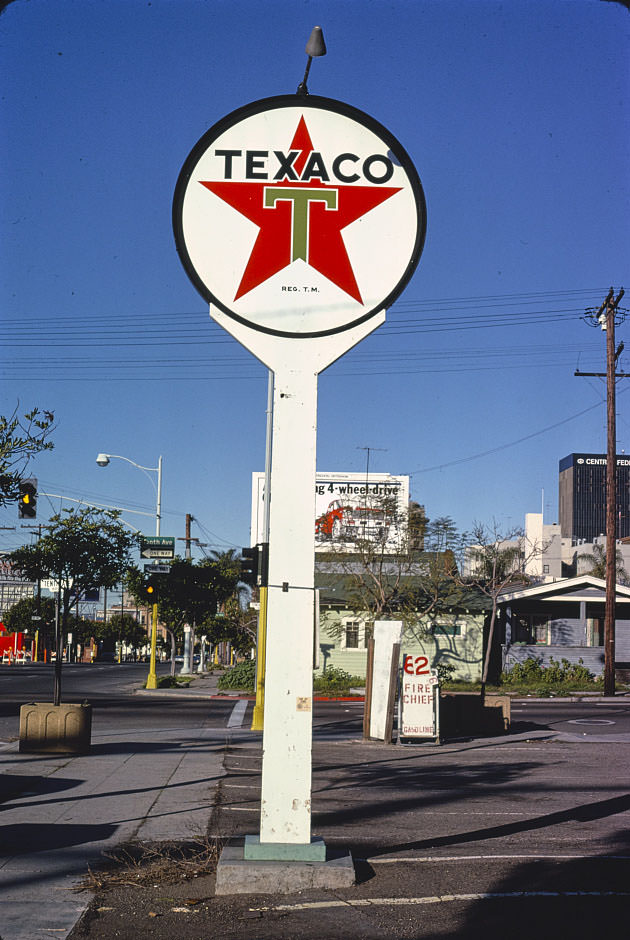
Gas station branding was its own kind of roadside art in the 1970s. Margolies photographed Golden Eagle gas pumps at 8th and Market Streets in 1977 and a Texaco gas sign in 1979. These images capture the visual language of American fuel culture during the decade that included the 1973 oil crisis — a time when gas stations carried real weight in everyday life.





10 rolled tacos for $1 is wild
The mini golf pics hit me in the feels. So many times there when it was Family Fun Center, and then Boomers. Both as a kid, and then as a parent.
Sadly it’s developed a lot over time.