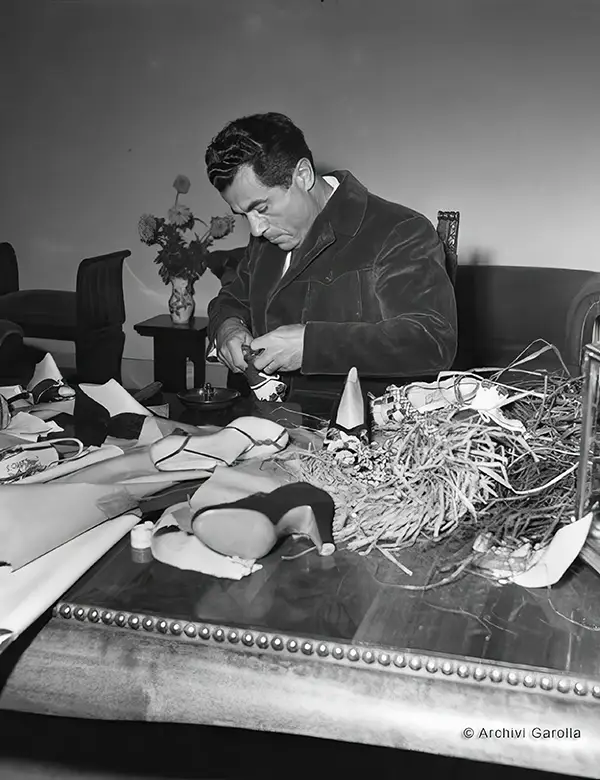
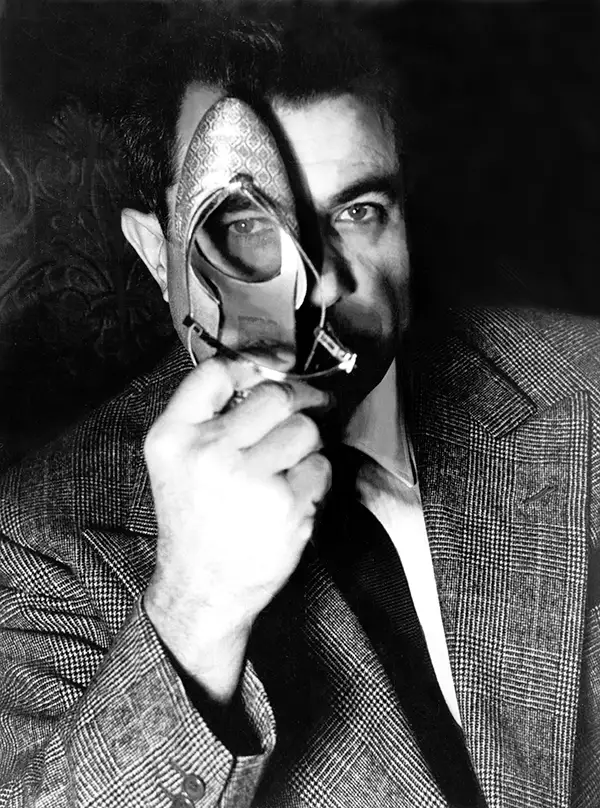
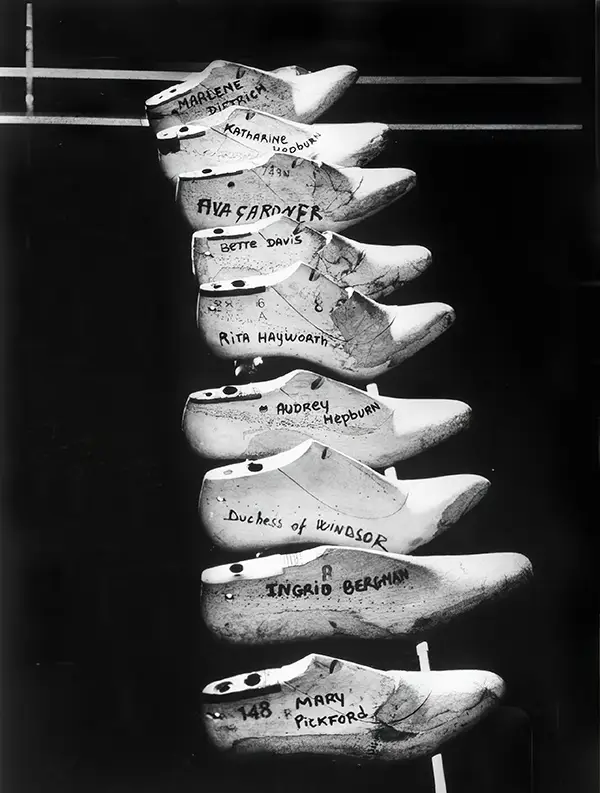
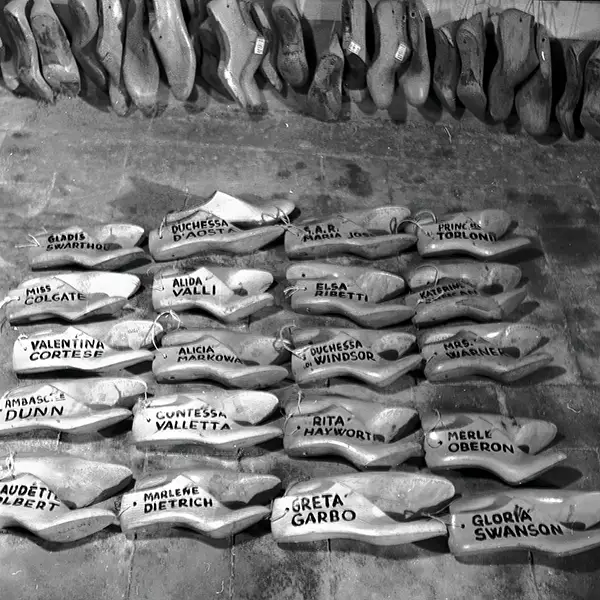
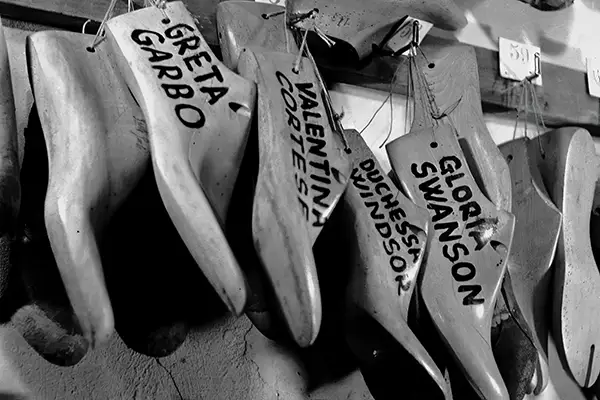
Salvatore Ferragamo was born in 1898 in Bonito, a small town in southern Italy. He was the eleventh of fourteen children born to Antonio and Mariantonia Ferragamo. From the very beginning, his path was clear. At just nine years old, he made his first pair of shoes — white heels for himself and his sisters to wear at their confirmation. His family couldn’t afford to buy them, so he made them himself. That single act set the course of his entire life.
By age thirteen, he had traveled to Naples to study shoemaking formally. A year later, he opened a small shop inside his parents’ home back in Bonito. At fourteen, he was already running his own business. In 1915, he left Italy entirely, immigrating to Boston, Massachusetts, where one of his brothers worked at a cowboy boot factory. The factory work didn’t last long, but it gave him a firsthand look at how footwear was made on an industrial scale — a stark contrast to the hand-crafting he believed in.
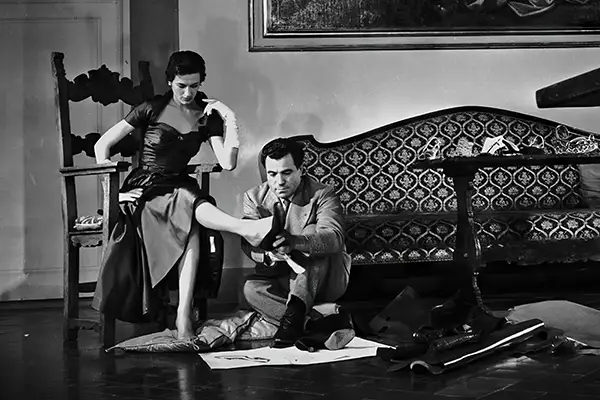
He soon convinced his brothers to move with him to California, first to Santa Barbara, then to Hollywood. It was there that Ferragamo opened a shop on Hollywood Boulevard, directly across from the Egyptian Theater. The shop offered shoe repair and custom made-to-measure footwear. Hollywood’s film industry was booming, and actors needed shoes that looked spectacular on camera. Ferragamo delivered exactly that, and word spread fast.
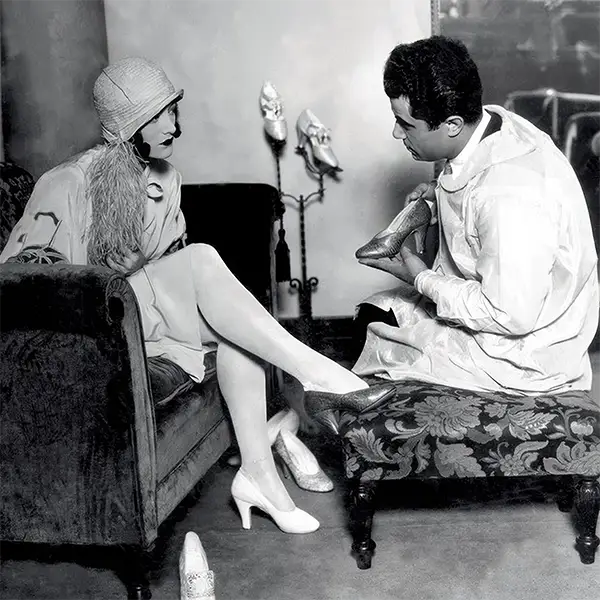
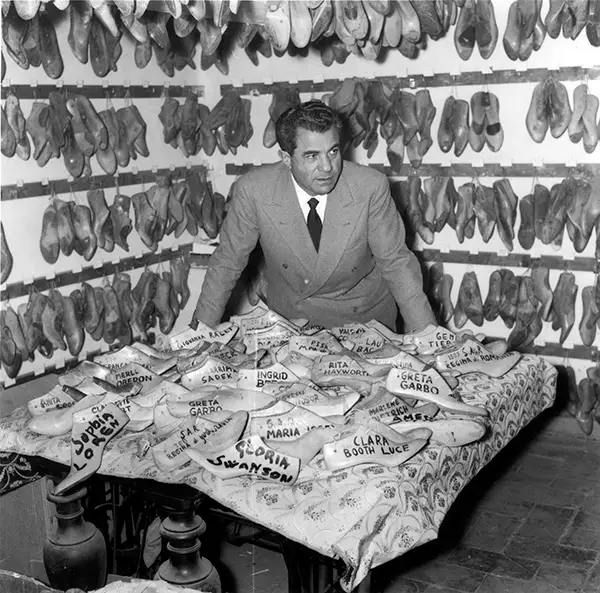
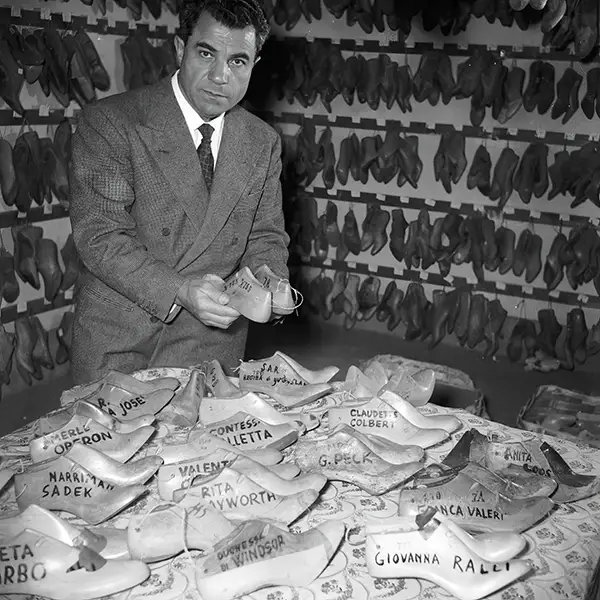
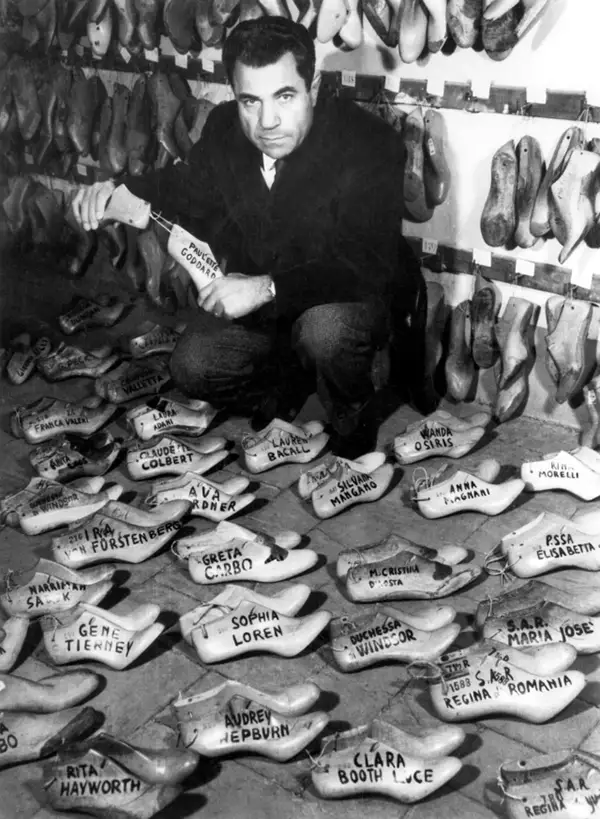
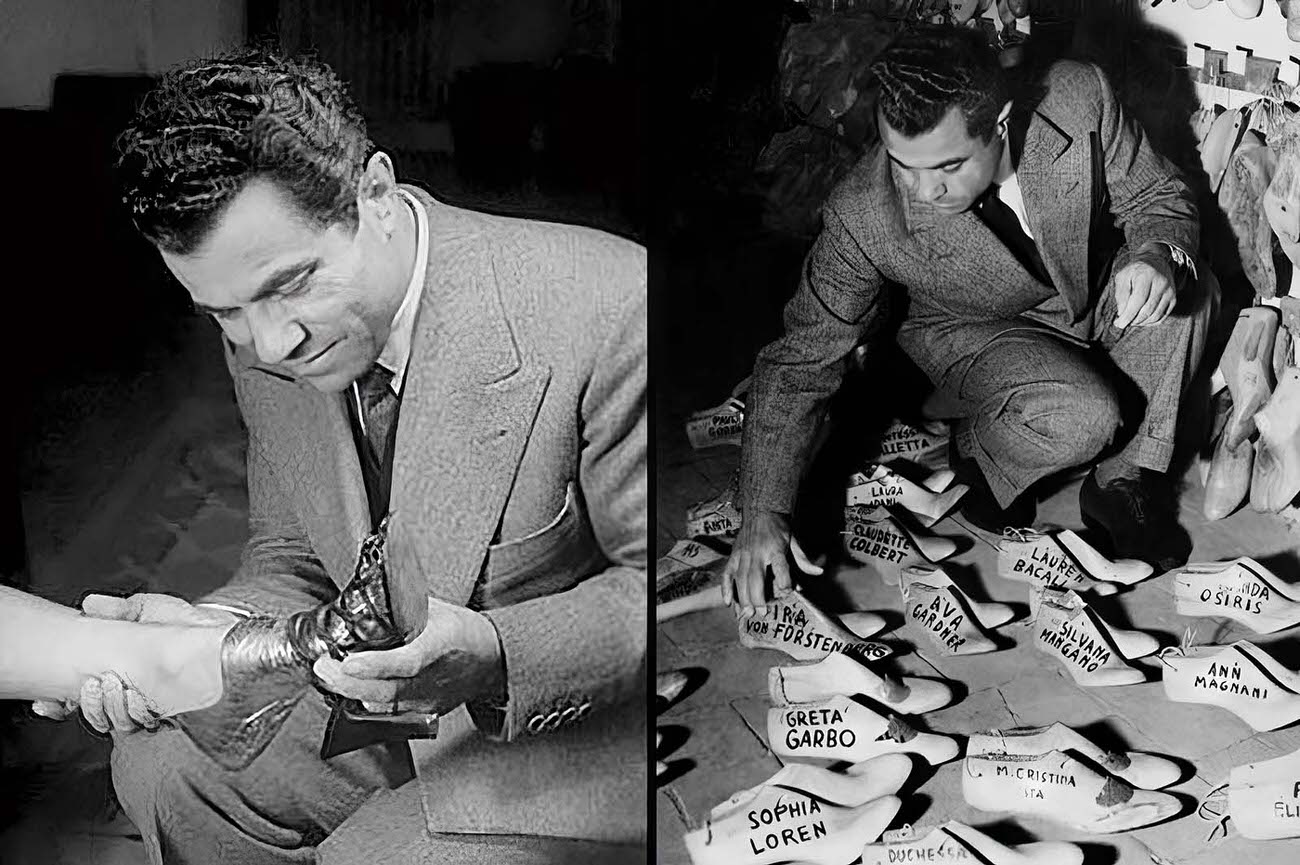
Stars lined up at his door. His clients included some of the biggest names of the era, earning him the title “shoemaker to the stars.” But Ferragamo wasn’t satisfied with shoes that simply looked good. He wanted them to feel good too. To understand the human foot properly, he enrolled at the University of Southern California to study anatomy. This was highly unusual for a shoemaker, and it gave him a deep understanding of weight distribution, arch support, and foot structure that most designers completely ignored.
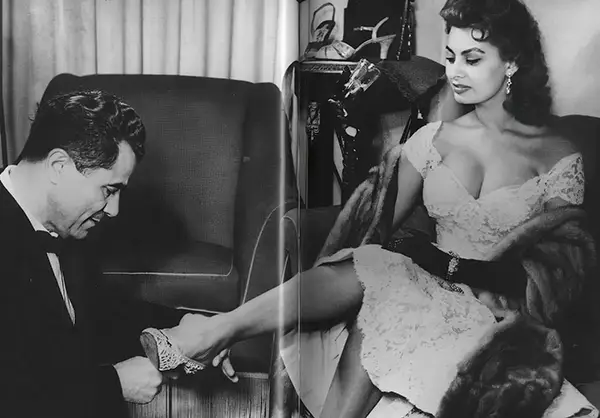
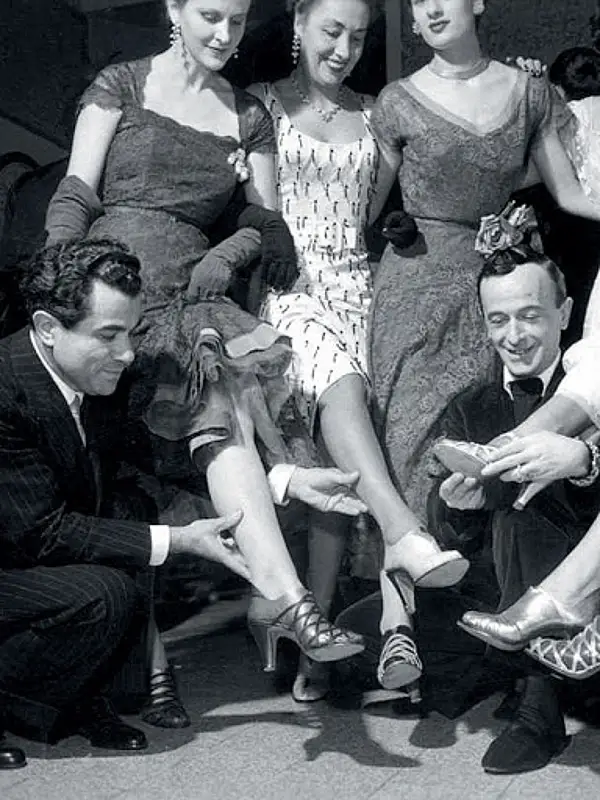
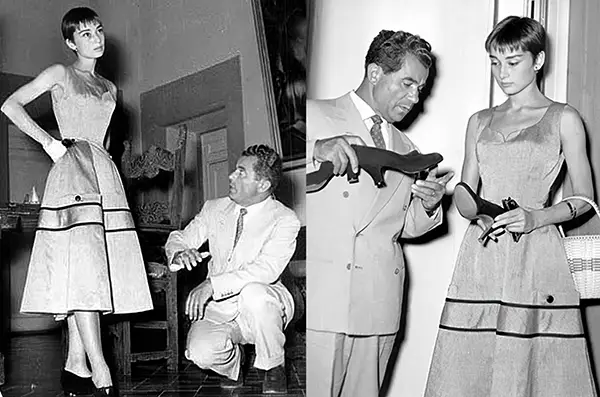
In 1927, after thirteen years in the United States, Ferragamo returned to Italy and settled in Florence. He set up a workshop on Via Mannelli, where he began designing shoes for an elite international clientele. Among his notable customers were the Maharani of Cooch Behar and Eva Perón. Hollywood stars continued to seek him out, including Marilyn Monroe and Audrey Hepburn. He applied for patents on many of his designs, constantly pushing the boundaries of what a shoe could be.
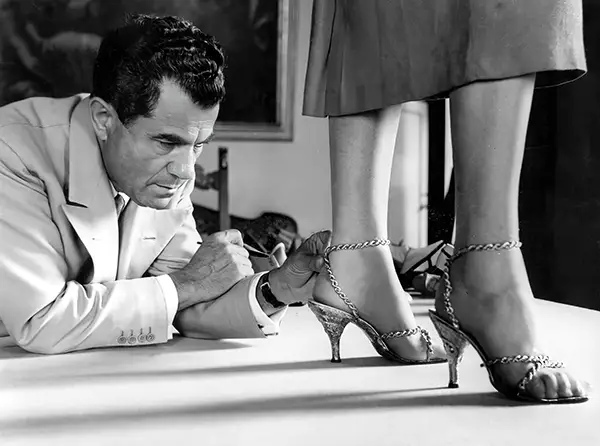
One of his most celebrated creations came in 1938 — a platform sandal he designed specifically for actress and singer Judy Garland. He called it “The Rainbow,” a direct tribute to her signature song “Over the Rainbow” from The Wizard of Oz. The sandal was built from shaped cork slabs covered in suede, with straps made from gold kidskin. The design marked the return of the platform sole to mainstream Western fashion. Ferragamo had turned to new materials partly because traditional ones were rationed during World War II, and his resourcefulness produced some of his most creative work.
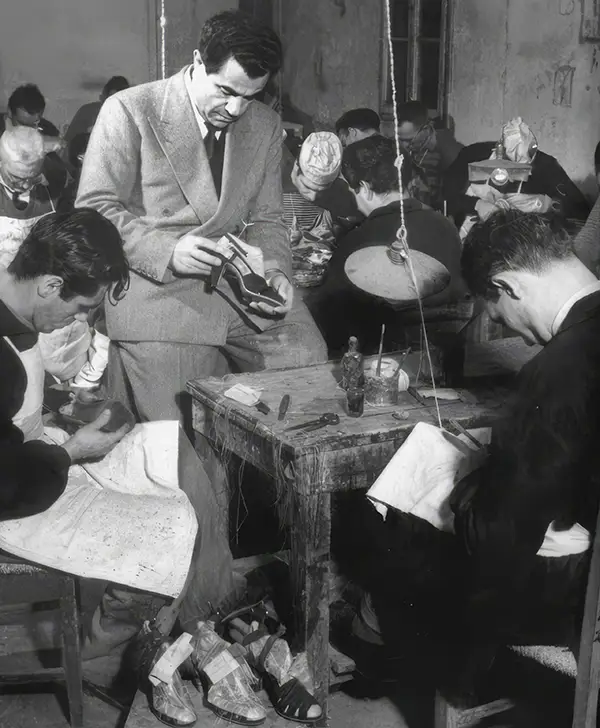
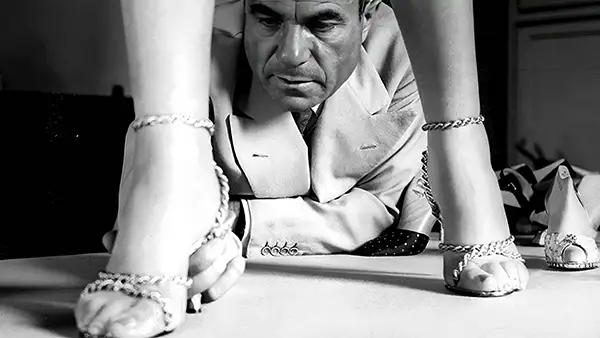
The business wasn’t always smooth. In 1933, Ferragamo filed for bankruptcy, the result of rapid expansion and the economic pressures of the Great Depression. He rebuilt methodically. By the 1950s, his Florence workshop employed 700 skilled artisans who produced 350 pairs of hand-crafted shoes every single day. His other iconic invention, the “Cage heel,” became a defining piece of 20th-century fashion — a sculptural design that merged structural engineering with artistic vision.
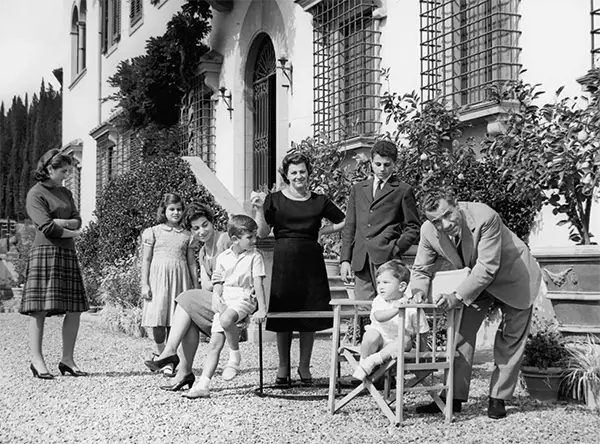
Ferragamo and his family were deeply connected throughout his career. He married Wanda Miletti in 1940, and together they had six children: Fiamma, Giovanna, Fulvia, Ferruccio, Massimo, and Leonardo. His family wasn’t just personal — they were professional partners in everything he built.
Salvatore Ferragamo died in 1960 at the age of 62. His wife Wanda immediately stepped in to lead the company, later joined by all six of their children. Under their direction, the brand grew far beyond shoes, expanding into handbags, eyewear, silk accessories, watches, perfumes, and ready-to-wear clothing. Fiamma, his eldest daughter, added her own chapter to the story in 1978 when she created the “Vara pump,” a grosgrain-bow leather shoe that remains one of the house’s most recognized designs.