Salvador Dalí was never interested in doing things the conventional way. So when the Barcelona-based pharmaceutical laboratory Hoechst Ibérica commissioned him to design their annual Christmas cards, the results were anything but traditional. Instead of holly wreaths and cozy fireside scenes, Dalí delivered a running series of surrealist works that left recipients equal parts puzzled and delighted.
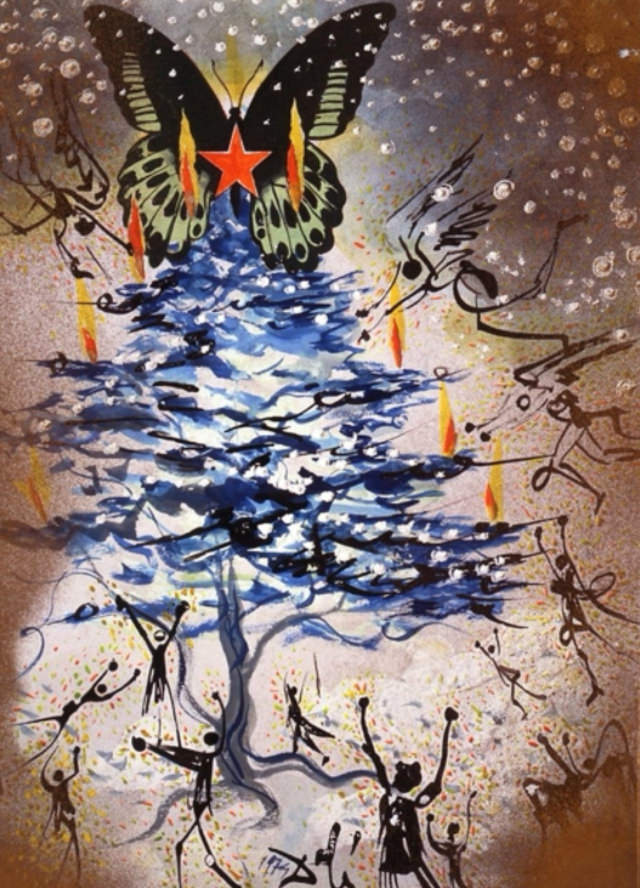
The project gave Dalí a commercial outlet for his most fantastical ideas. Each card was a fully realized artwork — not a quick sketch dashed off for a client. The designs featured skeletal figures, dreamlike landscapes, strange hybrid creatures, and objects pulled from Dalí’s personal visual vocabulary. One card shows a lobster wearing a Santa Claus hat, its claws clutching a wrapped gift. Another presents a snow-covered landscape where a skeletal figure rides a donkey through an eerily silent scene.
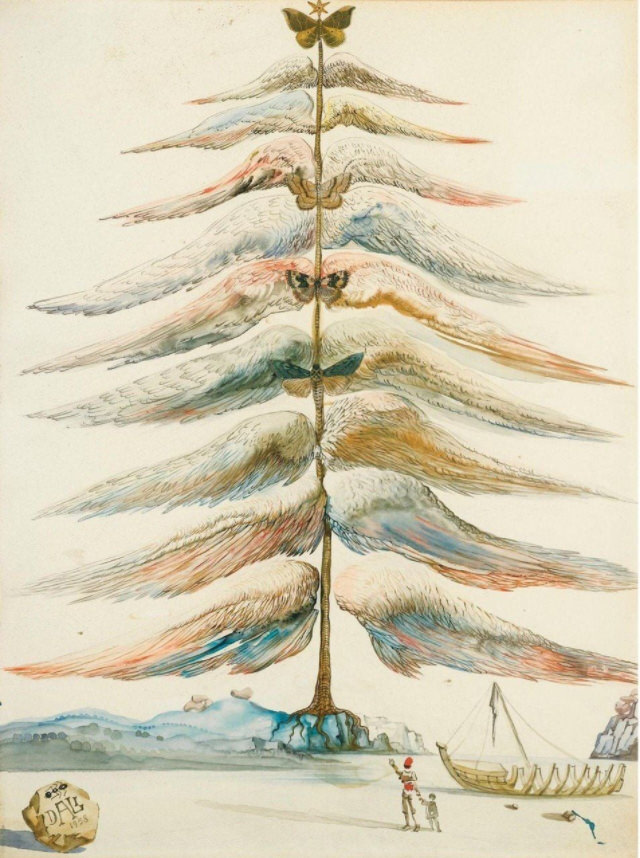
The earliest cards in the series, produced in the late 1950s, already showed Dalí’s refusal to tone things down for a corporate audience. Hoechst Ibérica, far from resisting this approach, leaned into it. The cards functioned as promotional material for the laboratory’s products, but they doubled as genuine collectibles from the moment they were distributed.
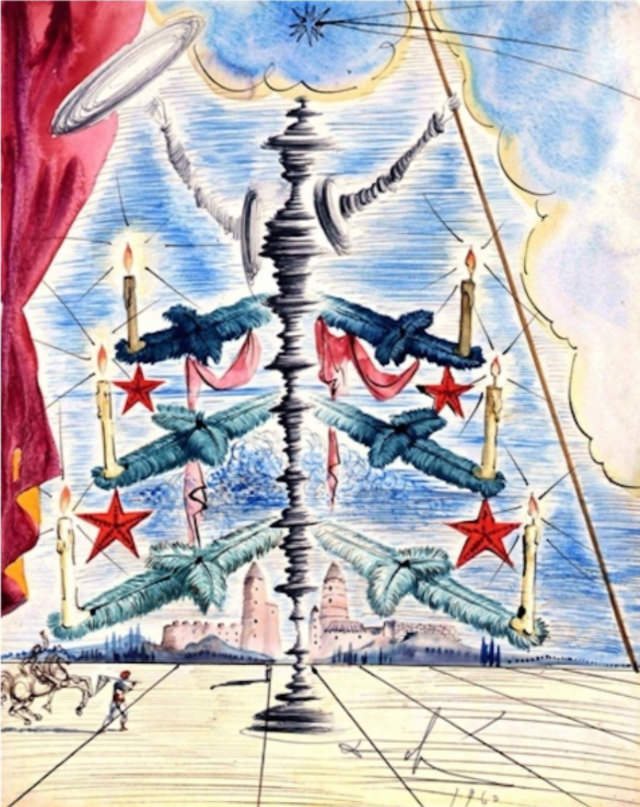
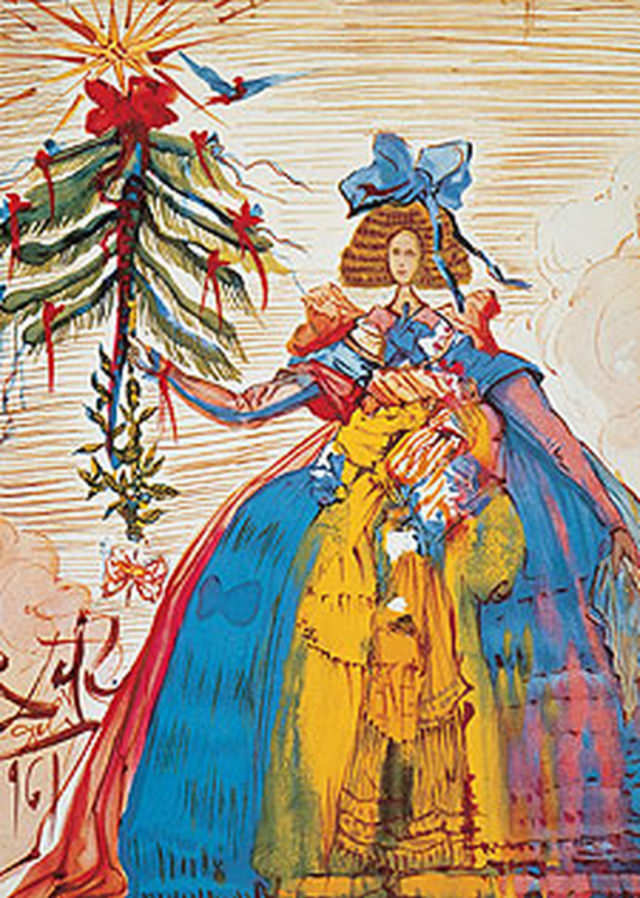
By the early 1960s, the cards had developed a reputation well beyond the pharmaceutical industry. Doctors, pharmacists, and company associates who received them recognized they were holding something rare. The imagery grew more complex with each passing year — arrays of strange creatures, warped religious iconography, and melting or fragmented forms filled the compositions.
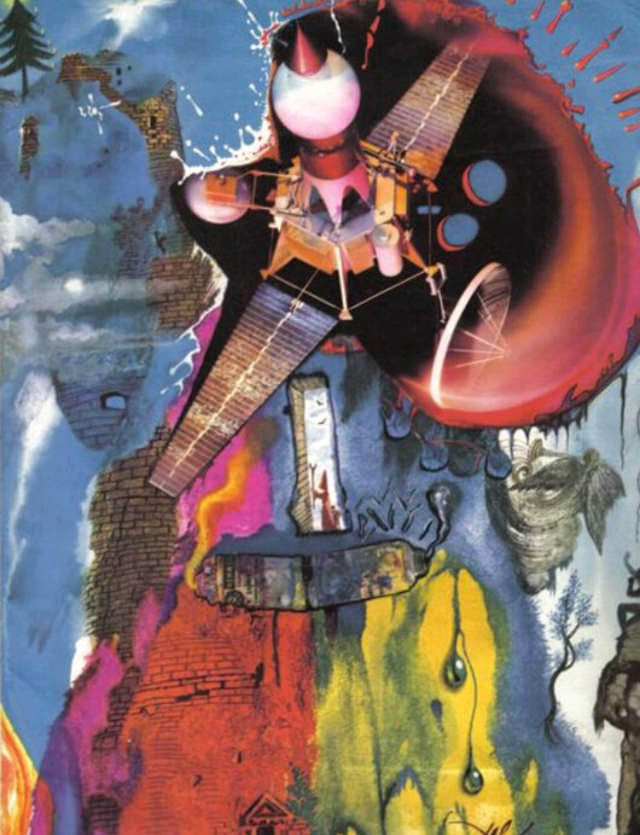
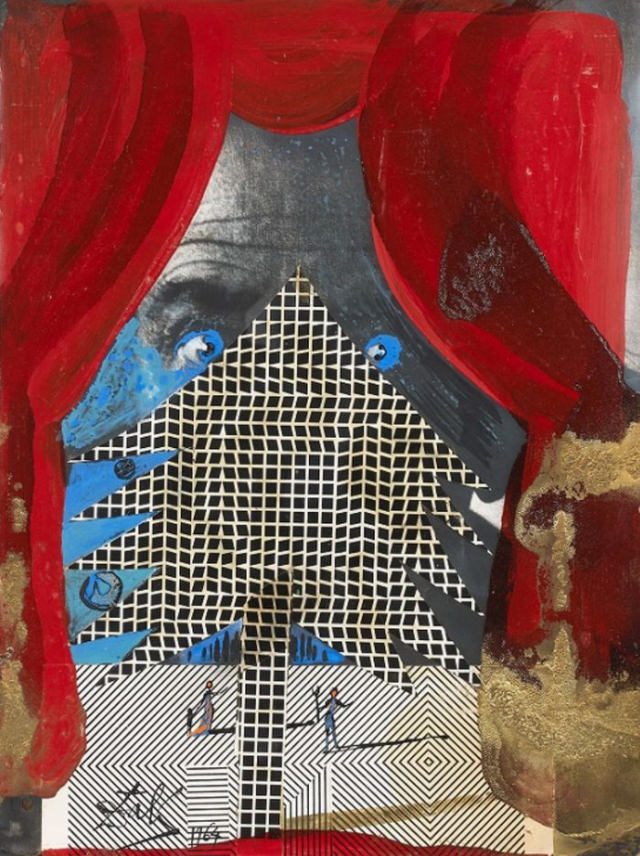
Dalí’s relationship with commercial work was never passive. He approached these cards the same way he approached canvas paintings — with deliberate symbolism and theatrical staging. The pharmaceutical context may seem like an unlikely home for surrealism, but Dalí saw no contradiction between art and commerce. He had always believed that the two could coexist, and the Hoechst Ibérica series proved his point year after year.
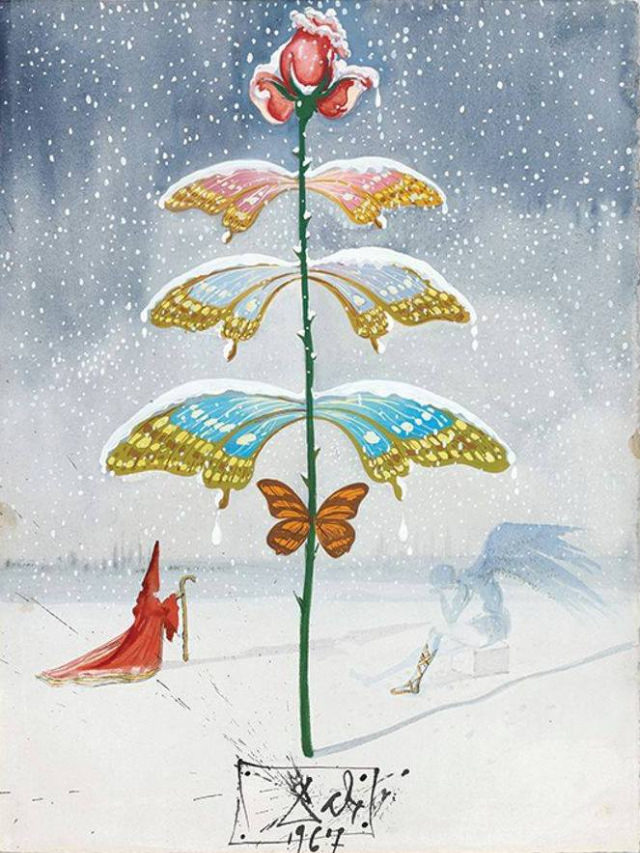
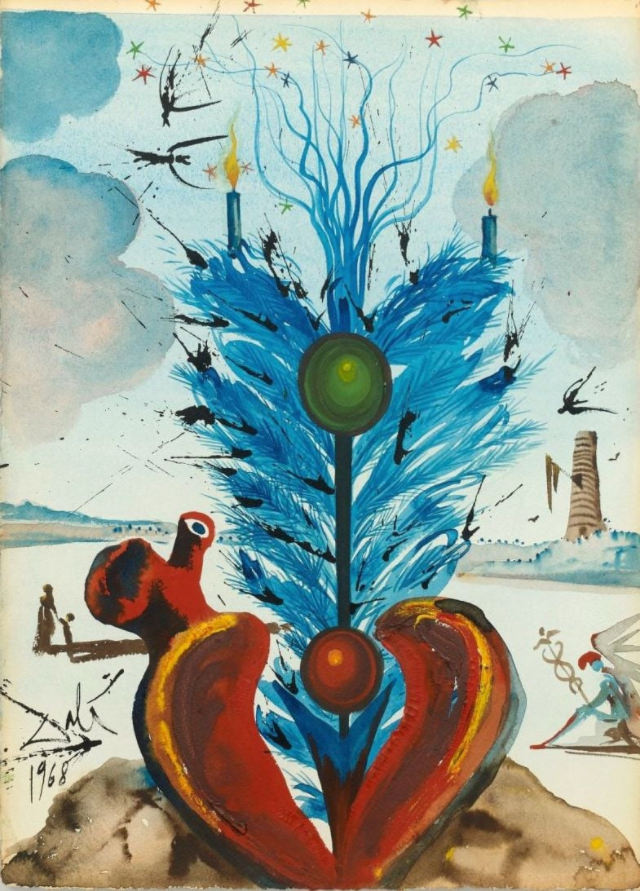
The cards produced at the turn of the 1970s continued to push the visual boundaries Dalí had been testing since the series began. Each design stood alone as its own statement, yet the full collection reads as a coherent body of work — a decade-plus of holiday surrealism tied to a single corporate client in Barcelona.
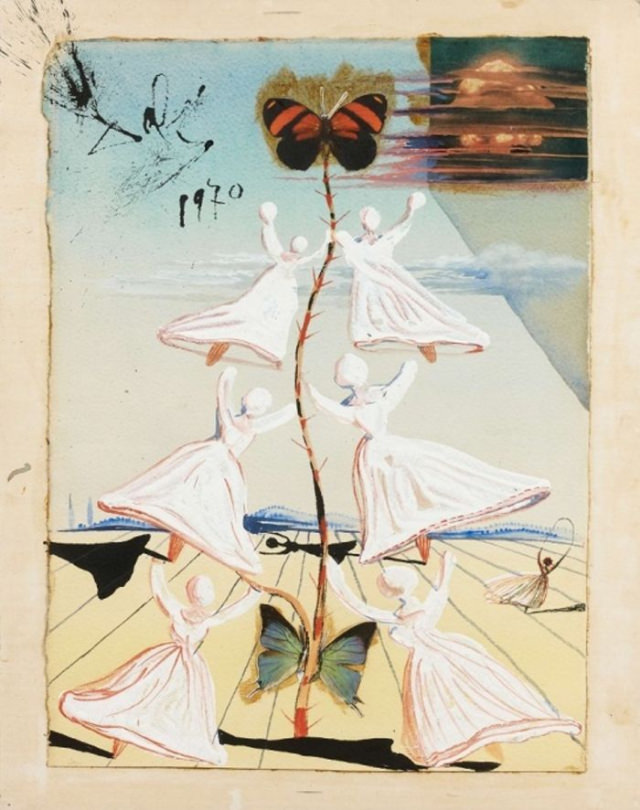
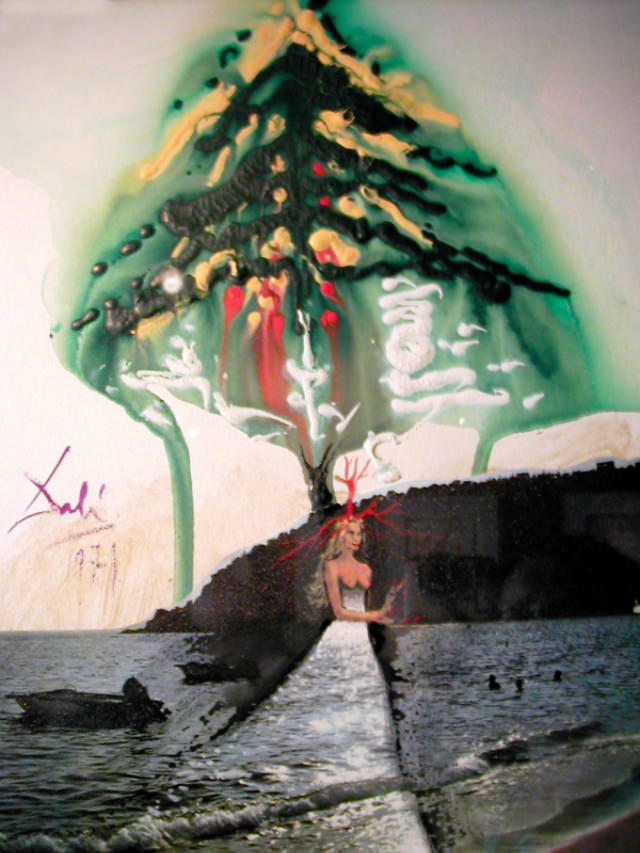
The success of the Hoechst Ibérica cards led directly to Dalí taking on similar commissions for other companies and organizations. Recipients who had held onto their cards over the years found themselves in possession of sought-after collector’s items. Complete runs of the series are now exceptionally difficult to assemble, making each surviving card a tangible piece of Dalí’s commercial and artistic history.