Slim Aarons spent decades pointing his camera at the most privileged corners of the world — poolside villas in Sardinia, oceanfront estates in Palm Beach, beach clubs on the French Riviera. His photographs did not simply document wealth. They pulled viewers inside it, offering an unguarded look at how the rich and famous actually spent their days when no press junket was scheduled and no red carpet was in sight.
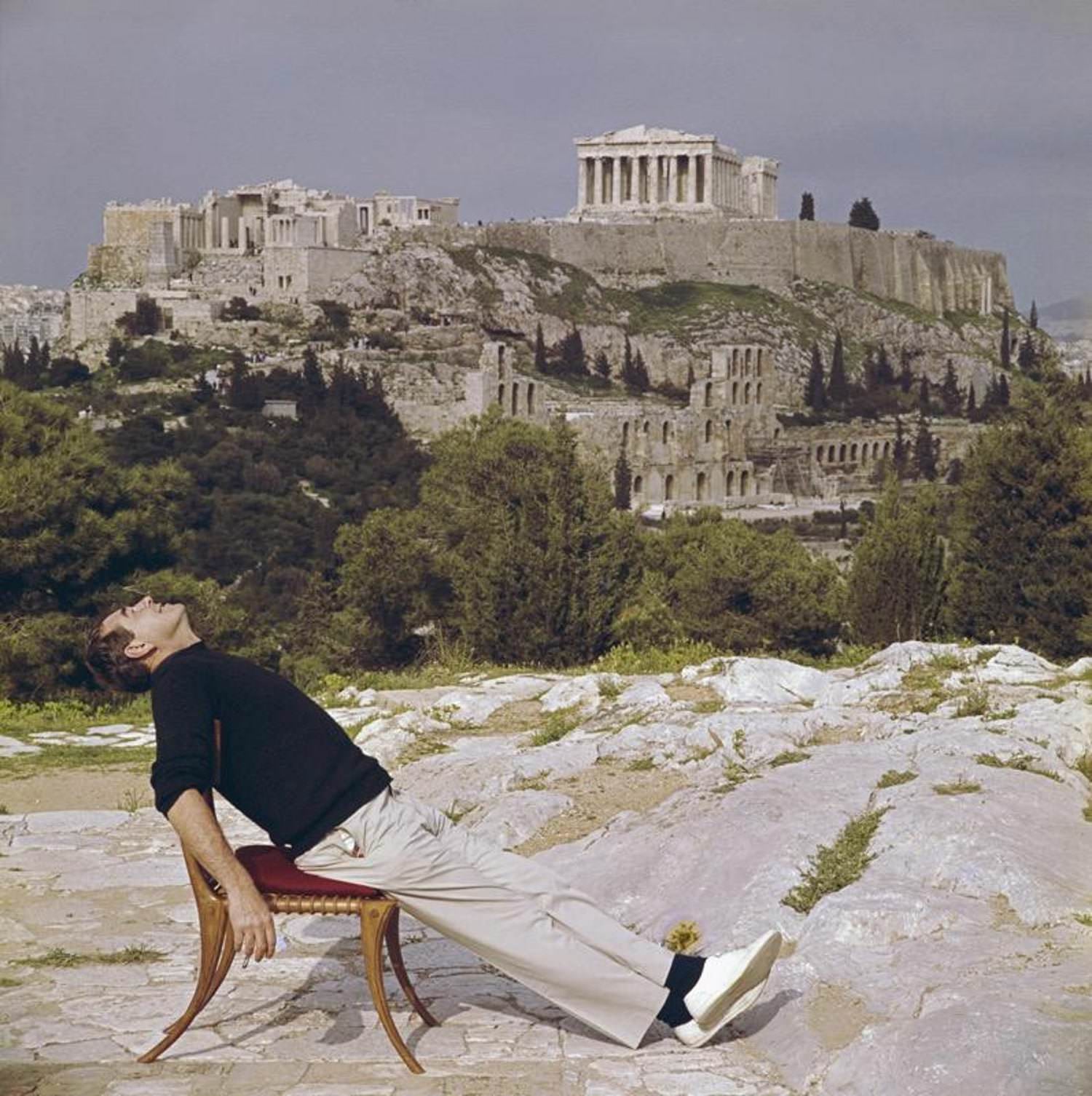
The man behind the lens had a carefully constructed personal story. For years, Aarons told people he was an orphan from New Hampshire. After his death, the truth came out: he had grown up in a poor Jewish immigrant family on Manhattan’s Lower East Side. That distance between his origins and the worlds he photographed was enormous, yet he moved through those circles with complete ease. He worked for Life magazine and a range of other society publications, building a body of work that stretched from the 1950s well into the following decades.
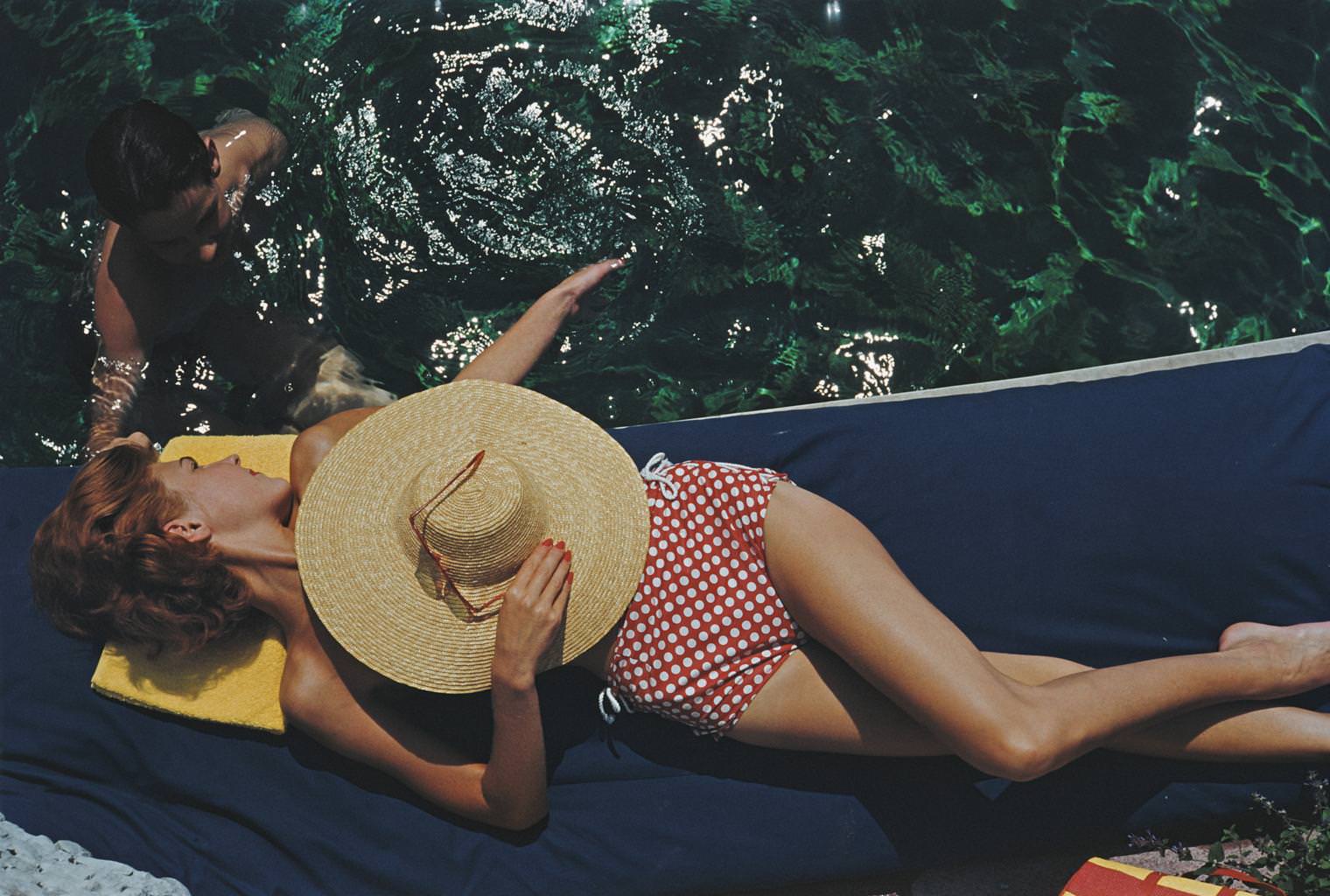
What set Aarons apart was his access. He was not photographing celebrities at premieres or press events. He was photographing them at home, on vacation, and at leisure — in settings that most photographers never got near. The results felt relaxed and natural, which made them all the more compelling.
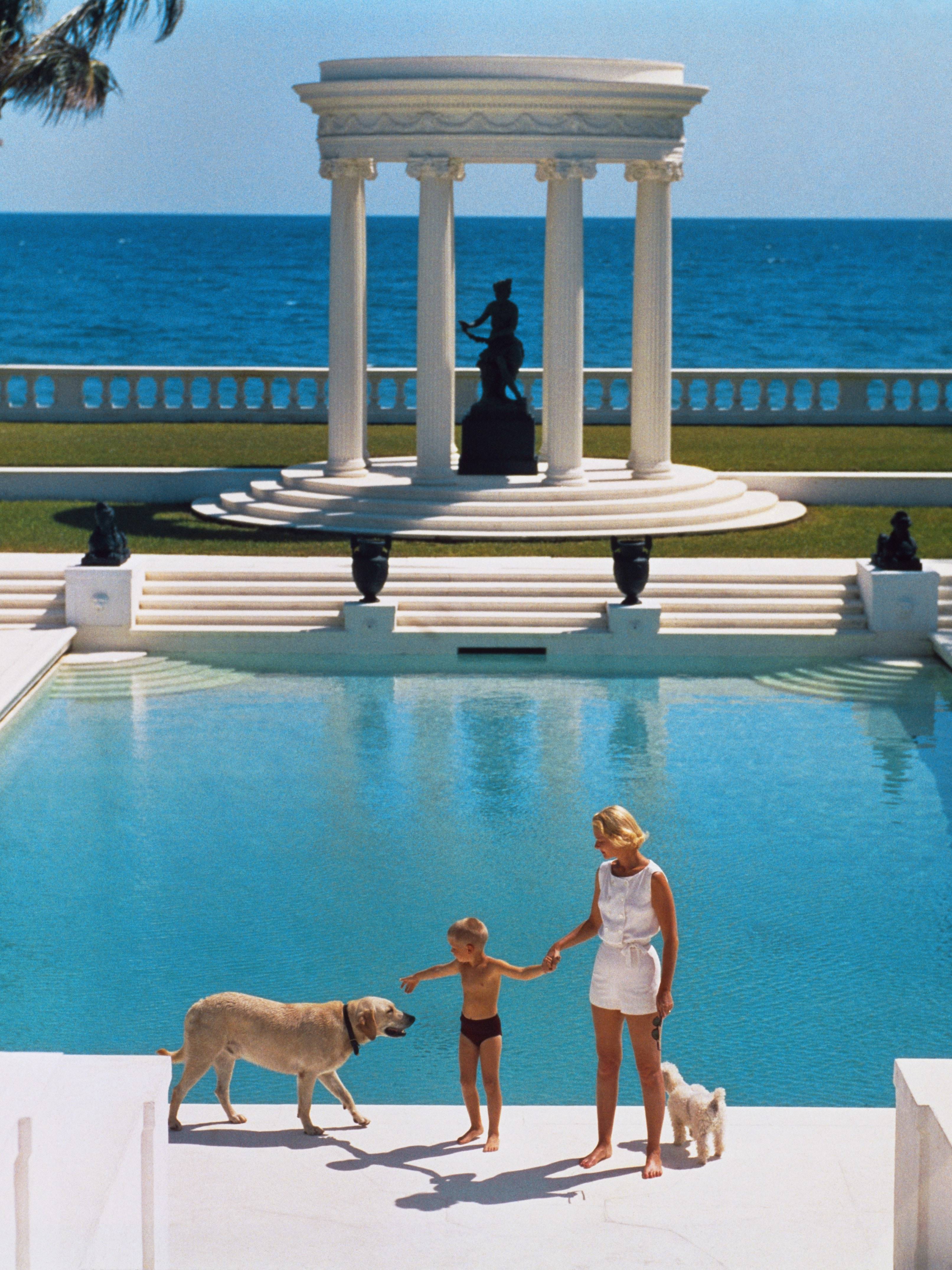
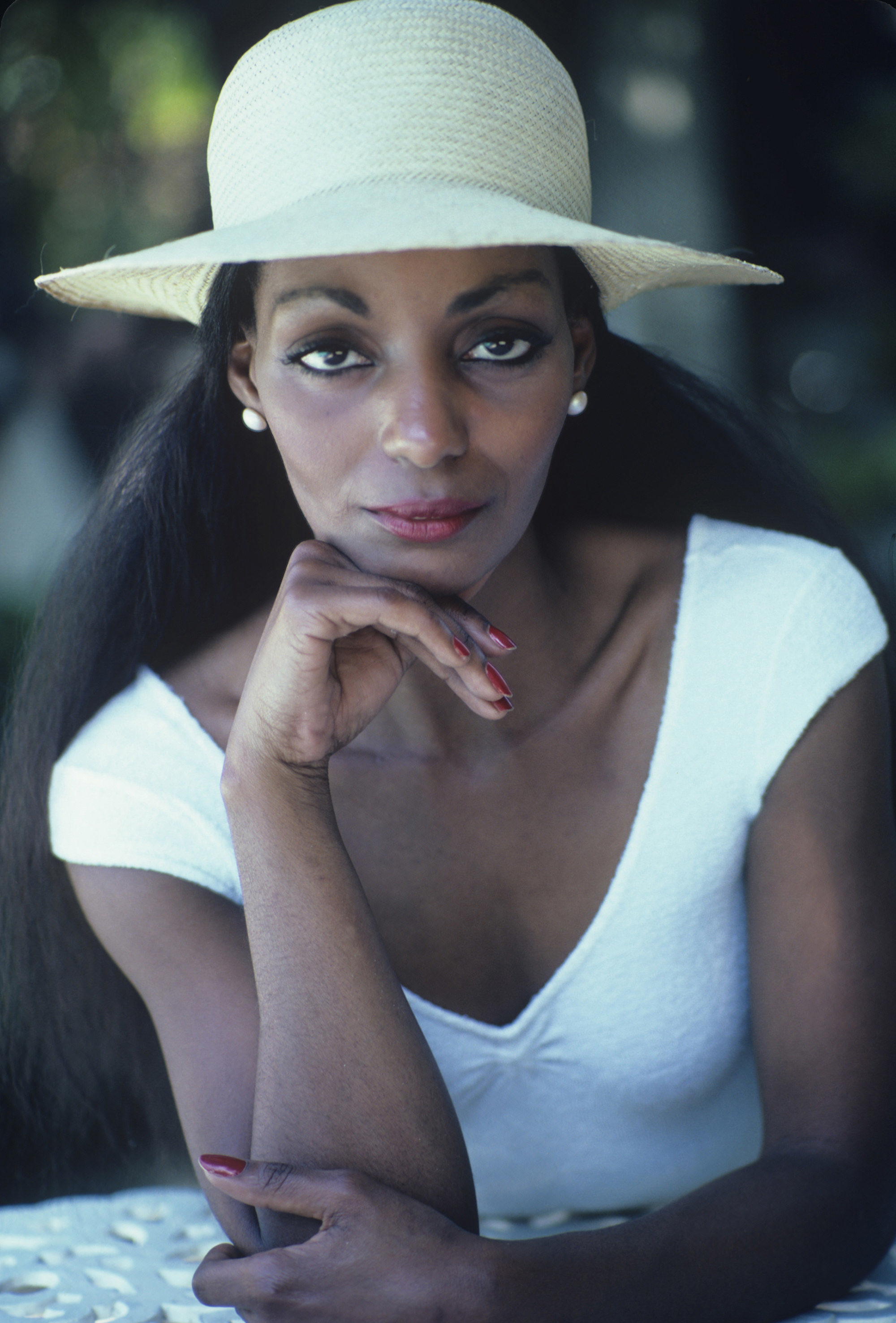
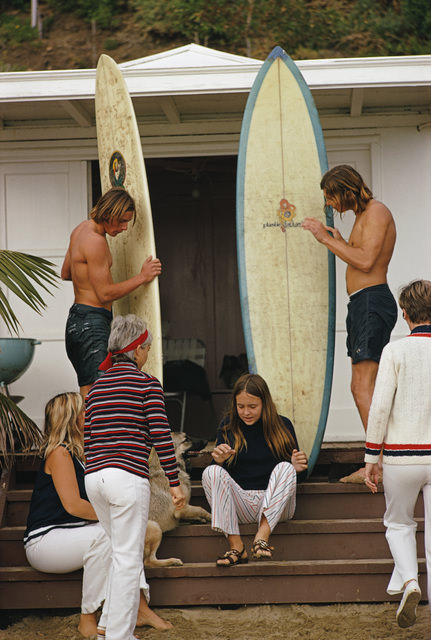
His travels took him far and wide. From the beaches of California to the island of Capri, from the Bahamas to the coast of Spain, Aarons followed the global elite wherever the season took them. He photographed surfers at Laguna Beach just as readily as he photographed European royalty on a private yacht. The range of his subjects was broad, but the feeling across his work remained consistent — warm light, easy postures, and an atmosphere of total abundance.
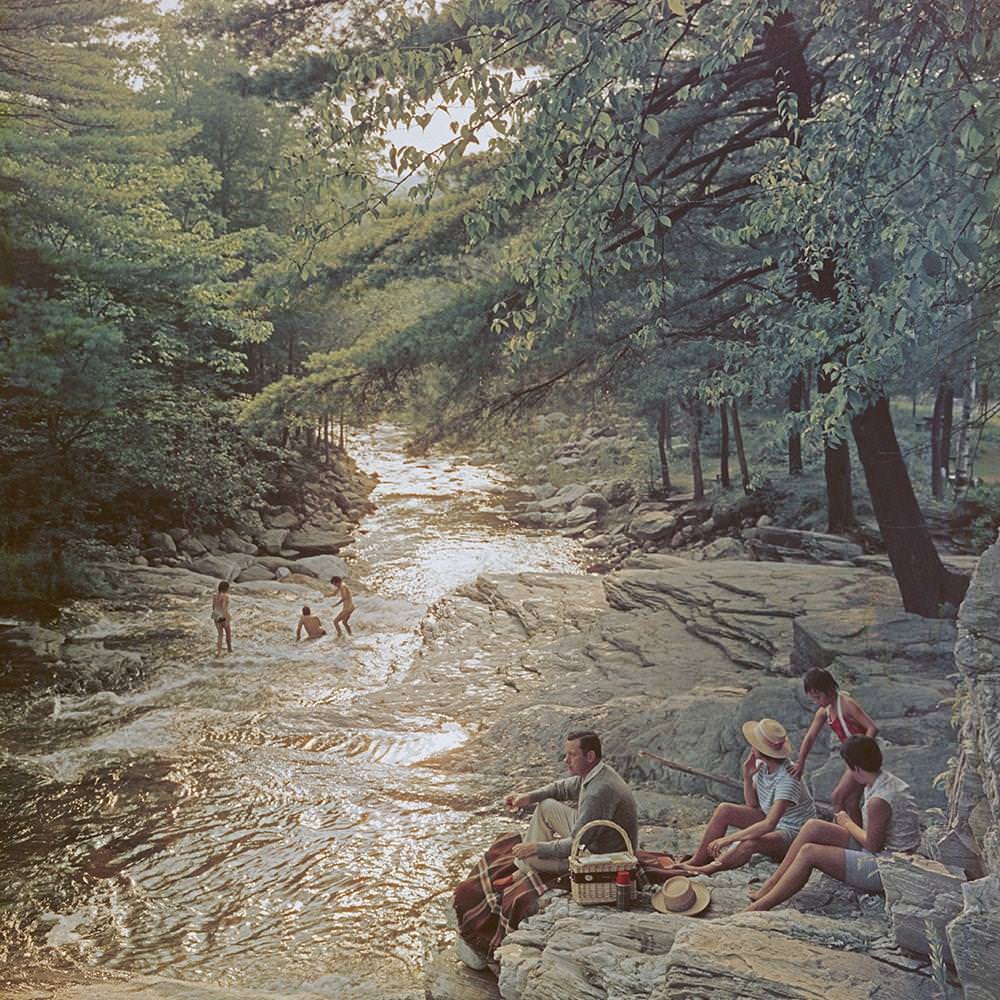
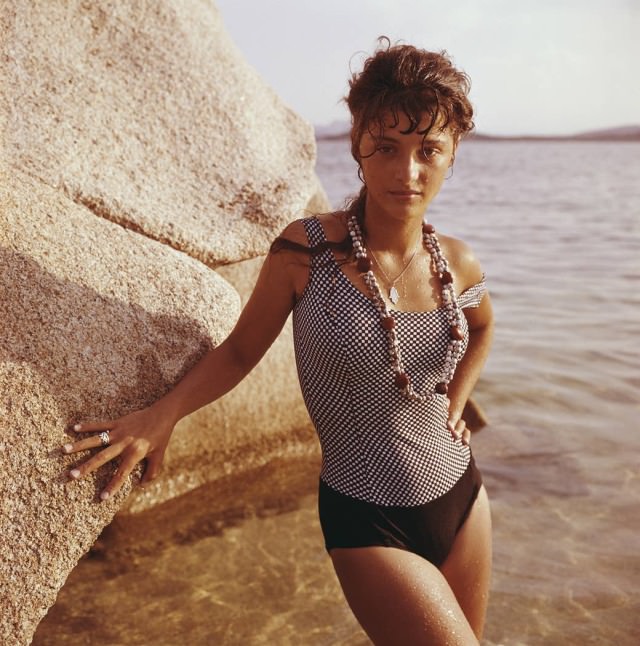
The Mediterranean was a recurring backdrop. The rocky coastline of Sardinia’s Costa Smeralda appeared in his work multiple times across different years and subjects, a testament to how consistently the European elite returned to the same sun-soaked spots season after season.
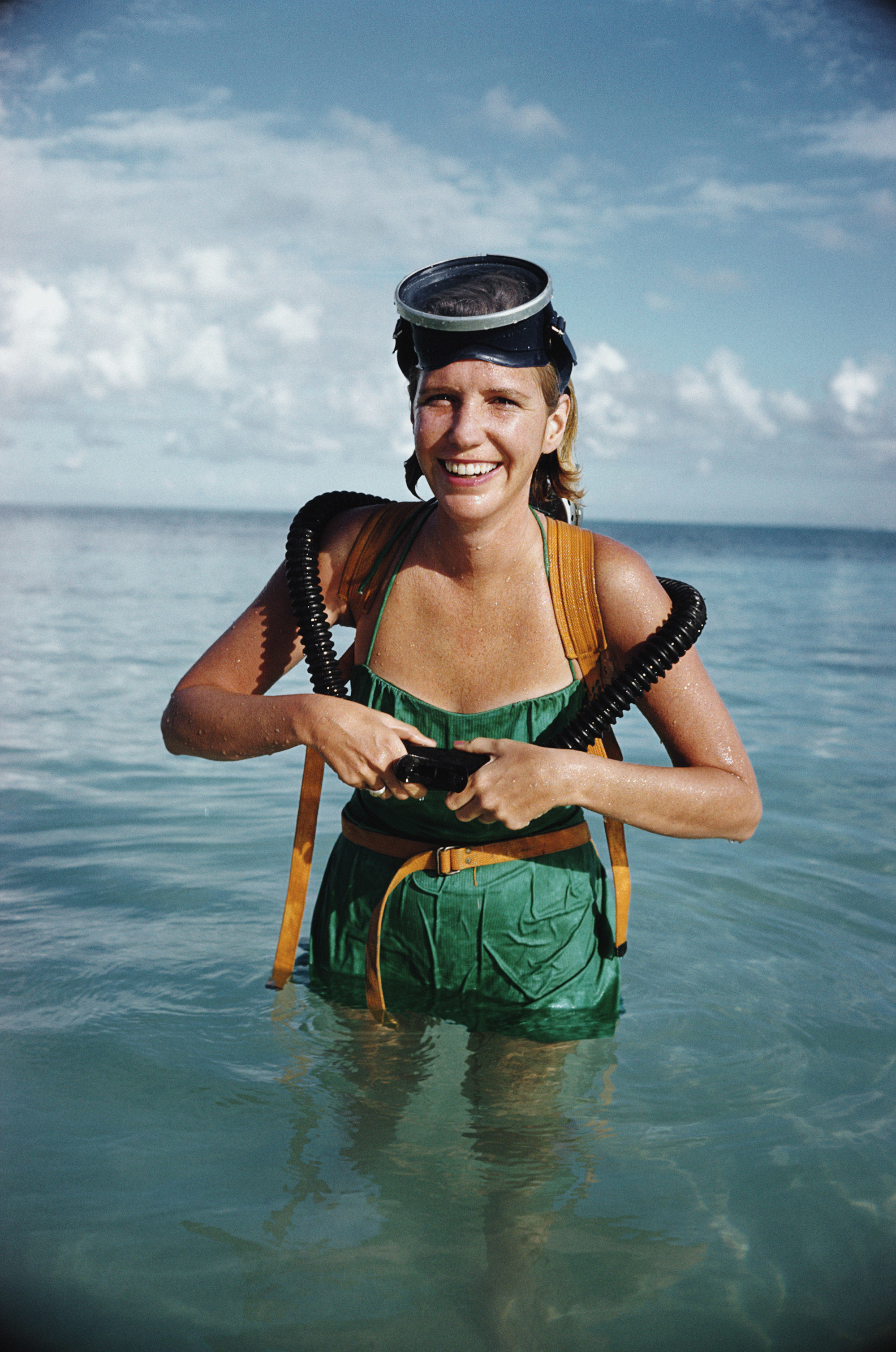
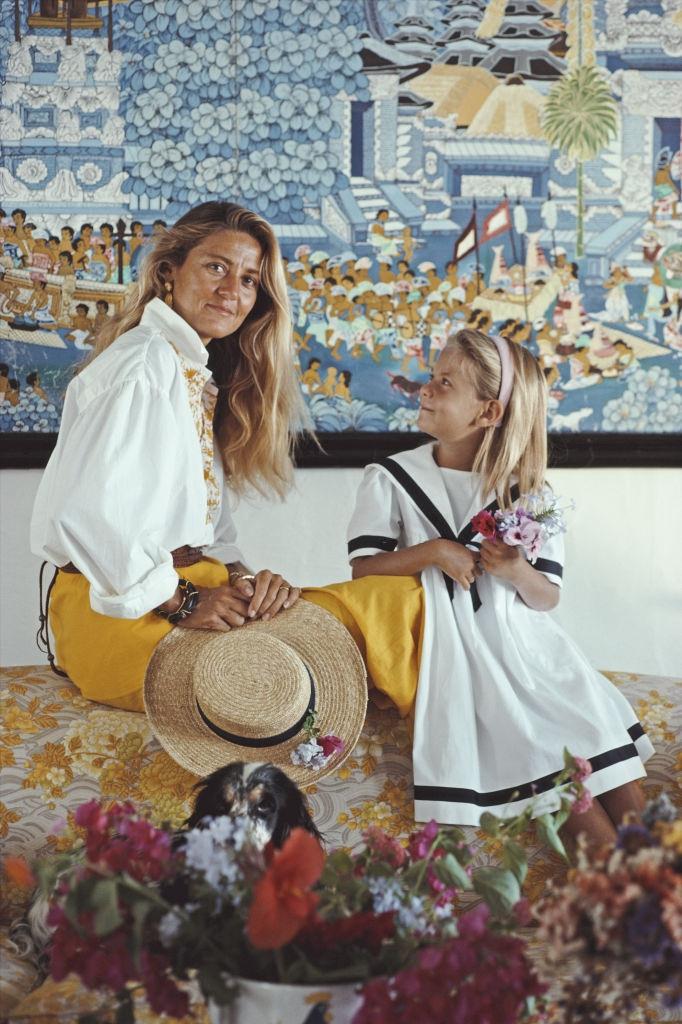
Aarons also spent considerable time along the American coasts, documenting the leisure class in their own backyards. Resort owners, socialites, and their families became subjects just as naturally as international film stars. His 1972 photographs of the Sea Horse Beach Resort on the Gulf Coast of Miami are a good example — a resort owner photographed with his family as casually as any other vacation snapshot, yet elevated by Aarons’ precise eye for light and composition.
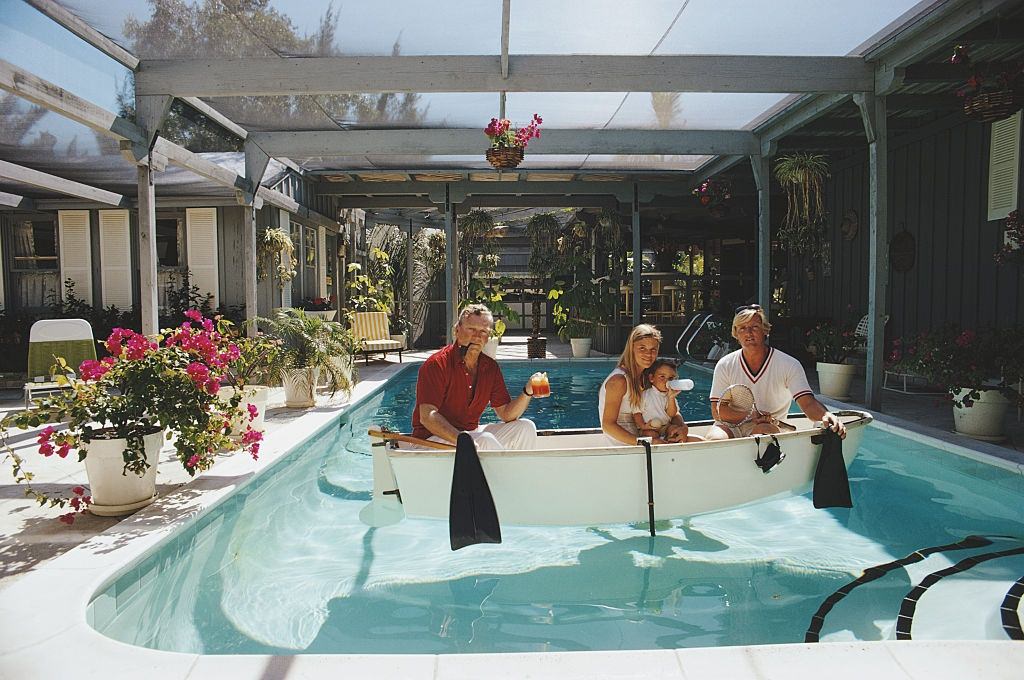
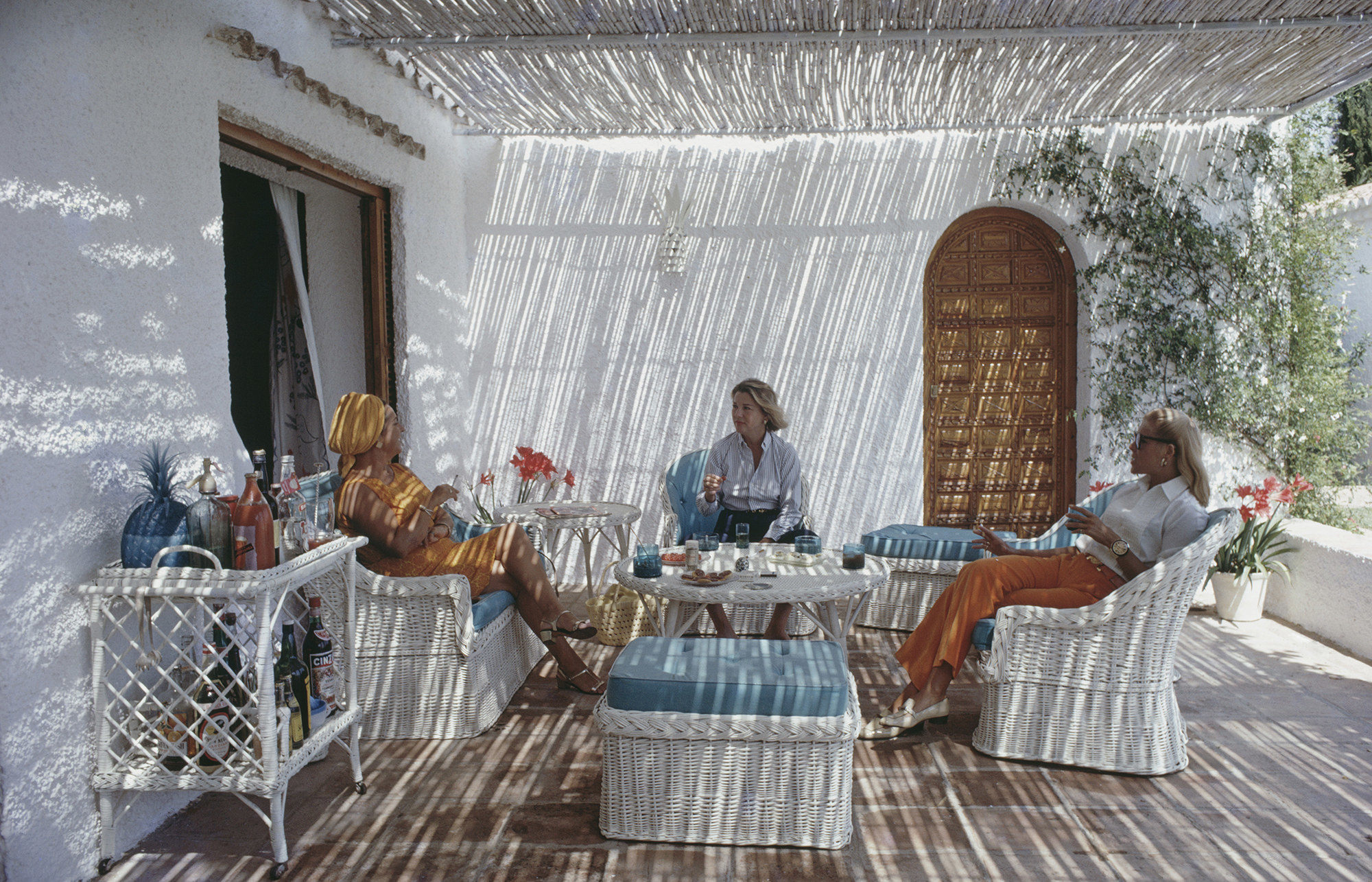
His pool photographs became some of his most iconic work. Water — blue, still, and glittering — showed up constantly in his frames. It served as both a setting and a symbol. Pools meant privacy, space, and time, three things most people in the mid-twentieth century did not have in excess.
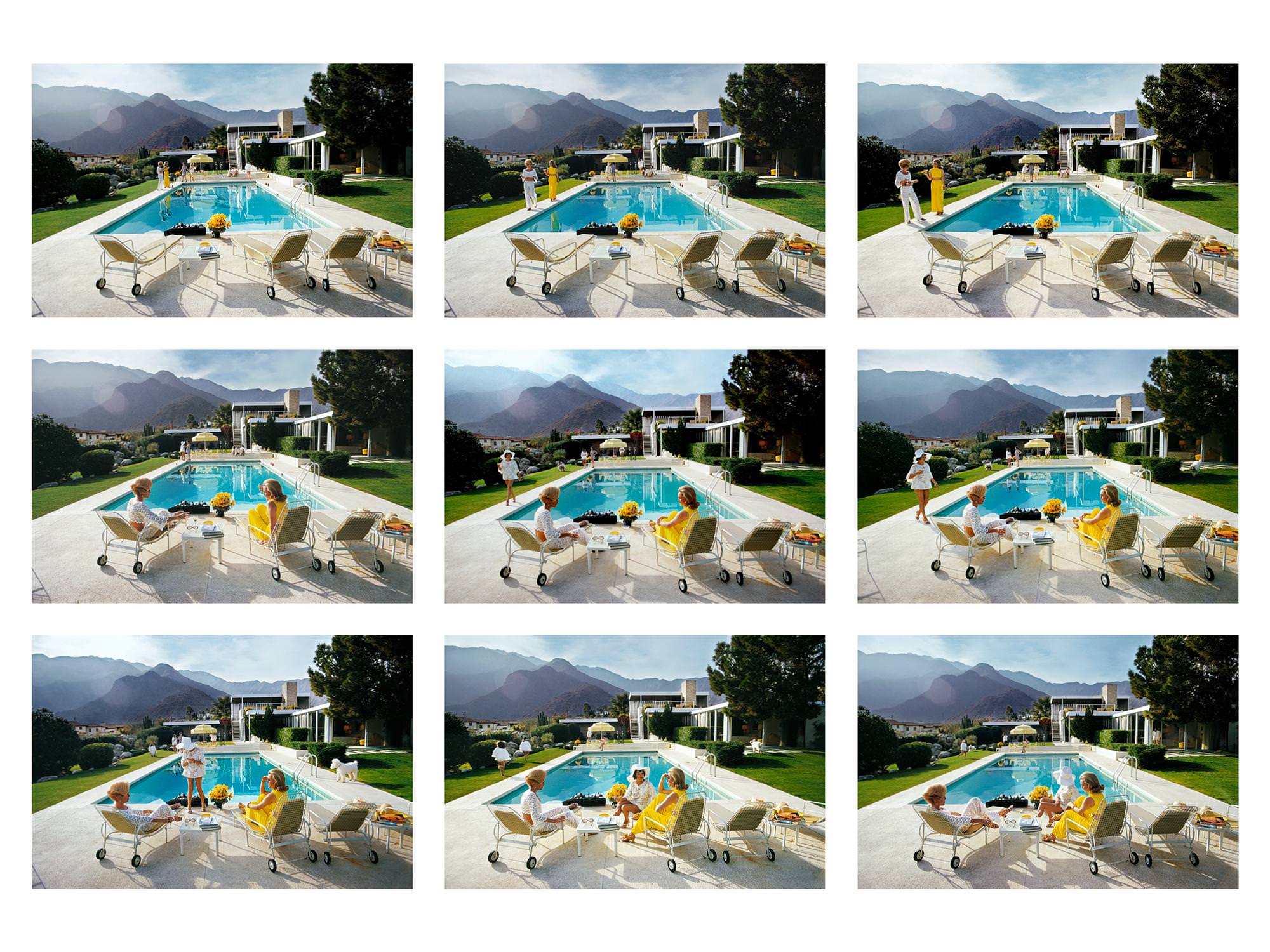
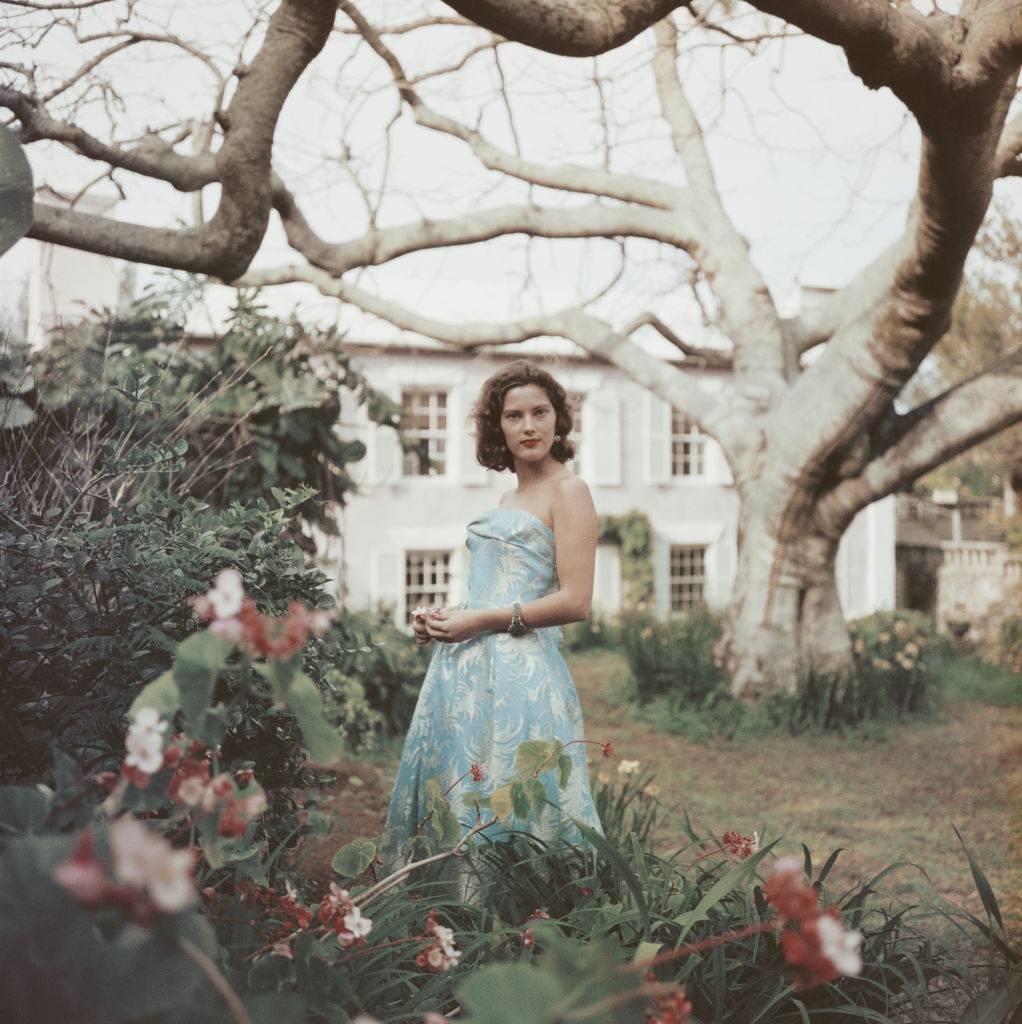
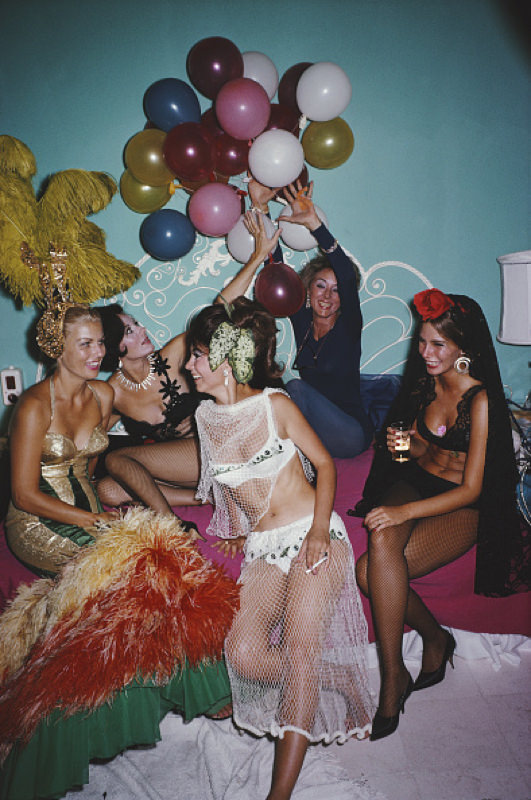
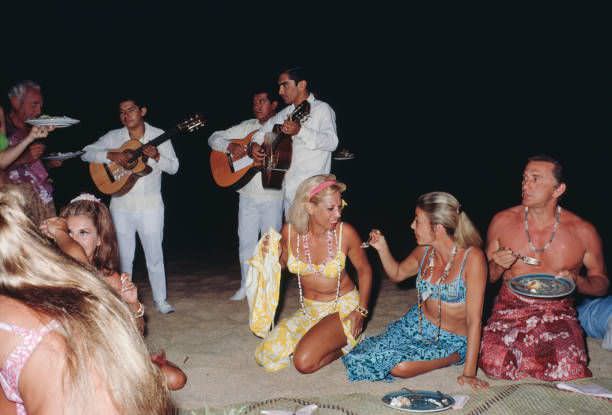
Acapulco was another hotspot. In the 1960s, the Mexican resort city attracted a glamorous international crowd, and Aarons was there to capture it. His 1966 photographs of costumed women at a party in Acapulco and his 1968 shots of American singer Dinah Shore and actor Kirk Douglas at a beach gathering show how naturally celebrity mixed with the broader jet-set crowd that Aarons followed.
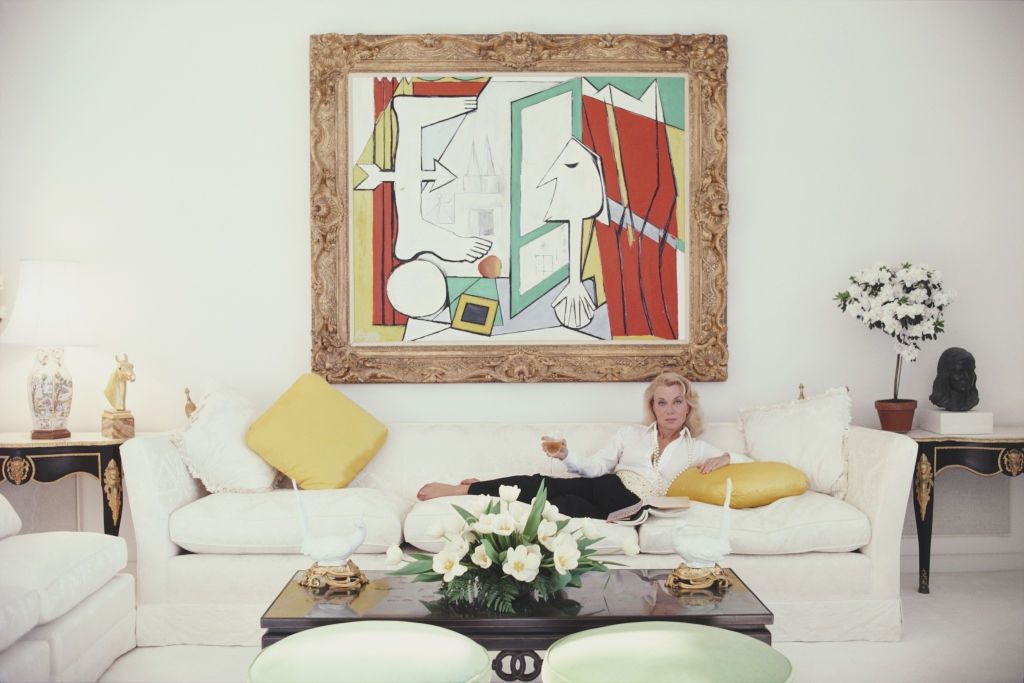
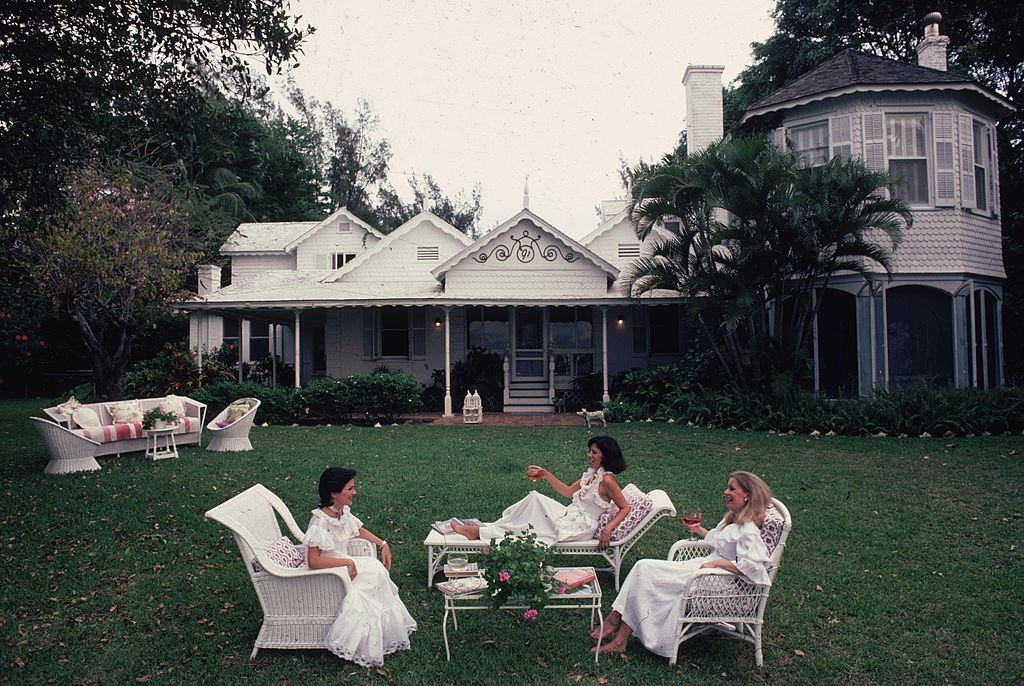
Palm Beach, Florida was another address he returned to regularly. The photographs he took there — including a 1983 portrait of socialite Mollie Wilmot reclining with a drink — carry the same unhurried energy that defines so much of his work. There is no performance for the camera. These are people living their lives, and Aarons simply recorded what he saw.
His personal life occasionally entered the frame as well. His wife, Rita Aarons, appeared in one of his photographs taken during the 1955 filming of Mister Roberts in Hawaii — a rare instance where the photographer’s own world overlapped with the subjects he usually kept at a professional distance.
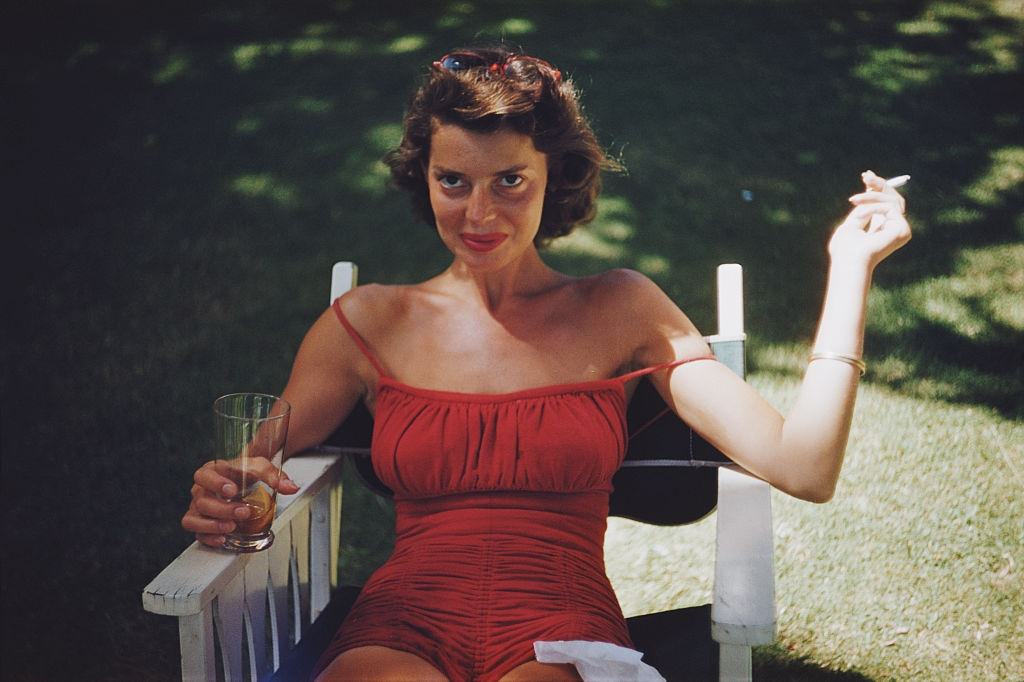
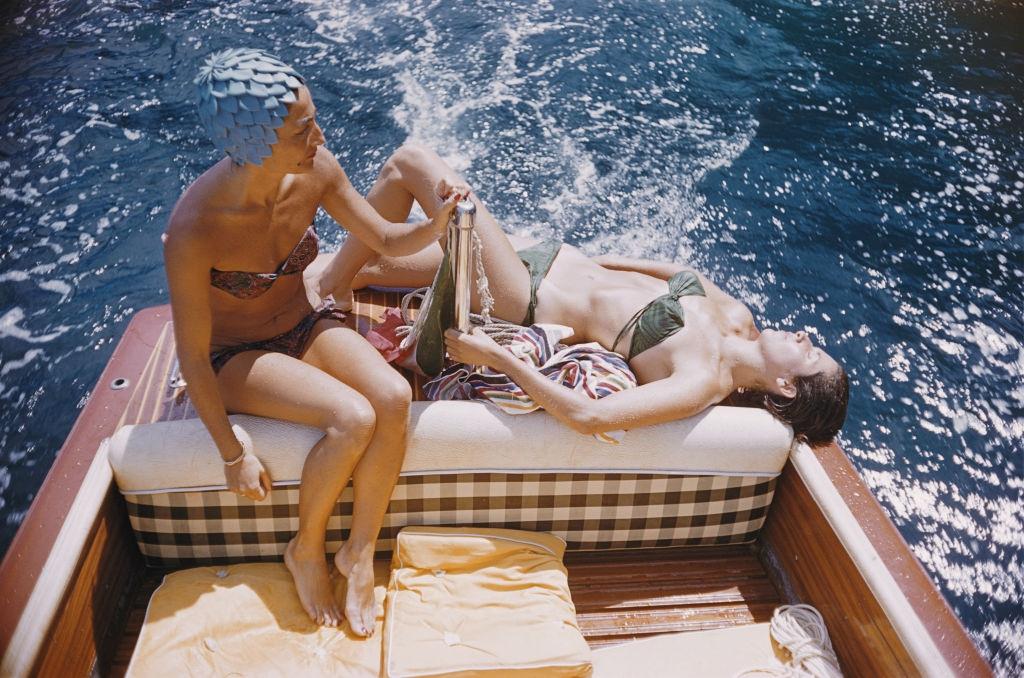
Royalty appeared in his work with regularity. Princess Margaret, Countess of Snowdon, was photographed aboard the Aga Khan’s yacht off the coast of Sardinia in August 1967 — relaxed, sunglasses on, completely at ease. It was exactly the kind of image that only Aarons could capture, because only Aarons had the access and the patience to wait for the moment when even a princess let her guard down entirely.
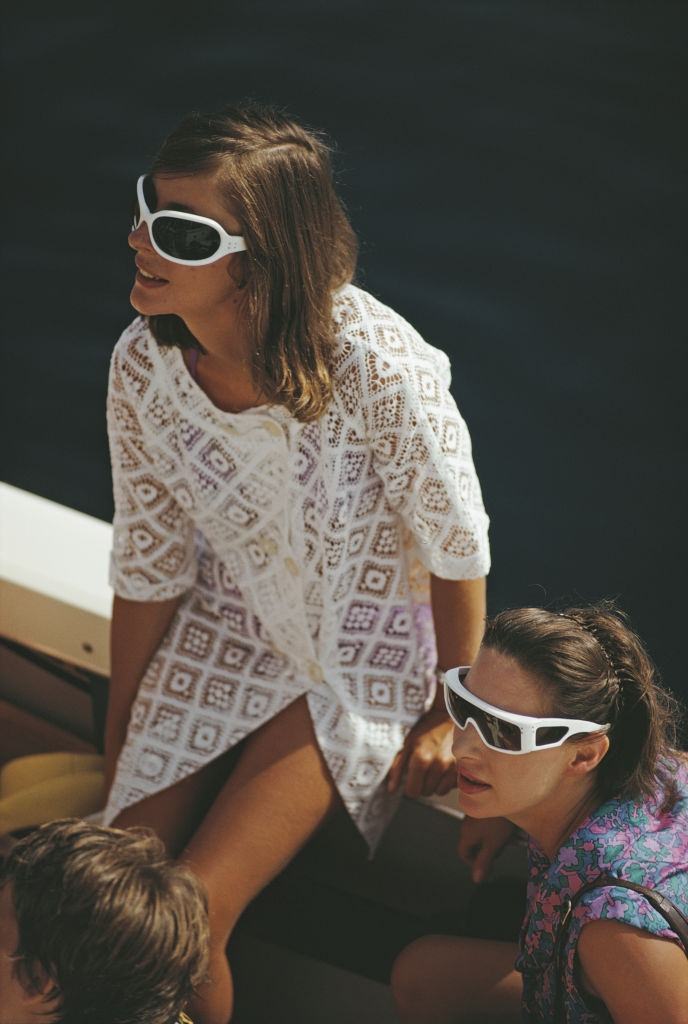
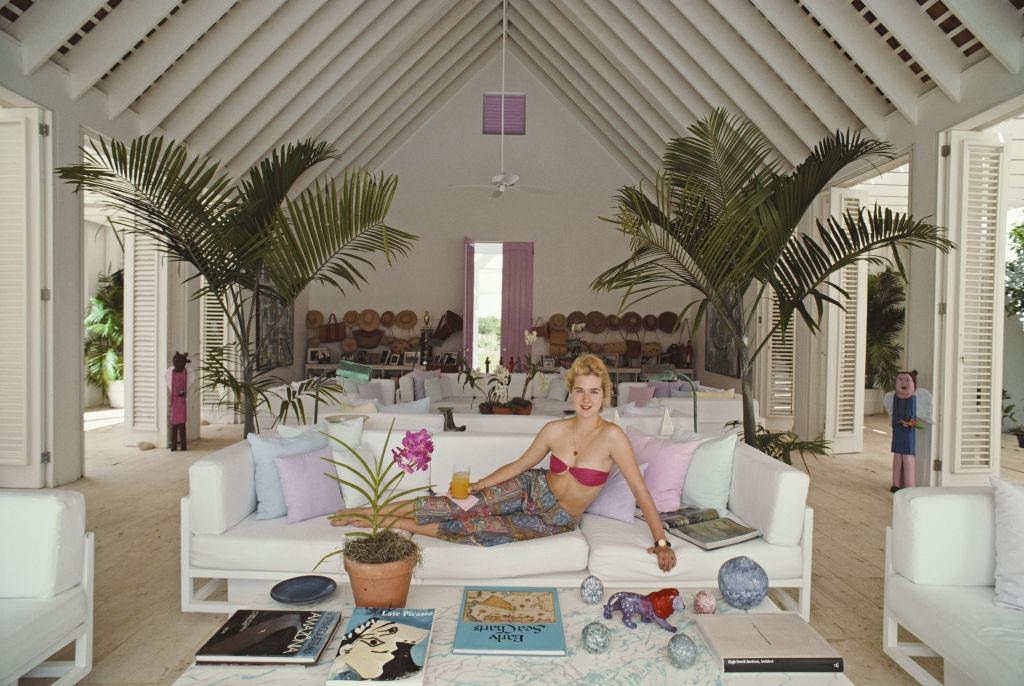
The people in Aarons’ photographs were not always household names. Socialites, heiresses, resort owners, and the well-connected friends of famous figures filled his frames alongside the recognizable faces. Together, they formed a portrait of an entire social class — one that existed largely out of public view before the age of social media made private luxury a daily broadcast.
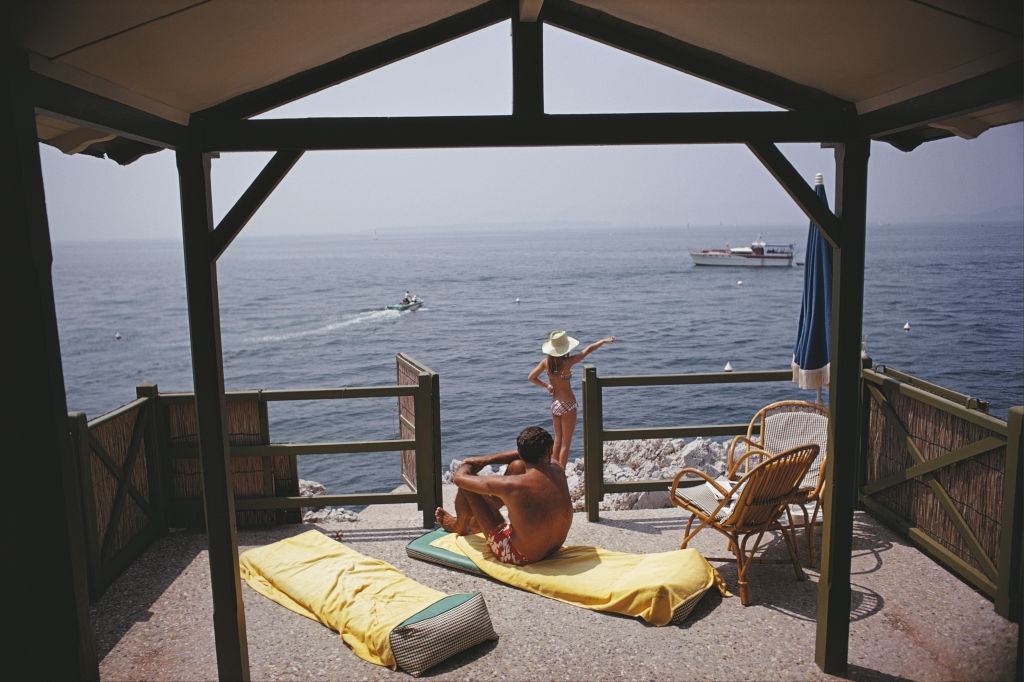
By the late 1960s, spots like the Hotel du Cap-Eden-Roc on the French Riviera had become synonymous with a certain kind of stylish, sun-drenched European summer. Aarons photographed the guests there in August 1969, adding another chapter to his ongoing visual record of how the privileged world looked when it was simply enjoying itself.