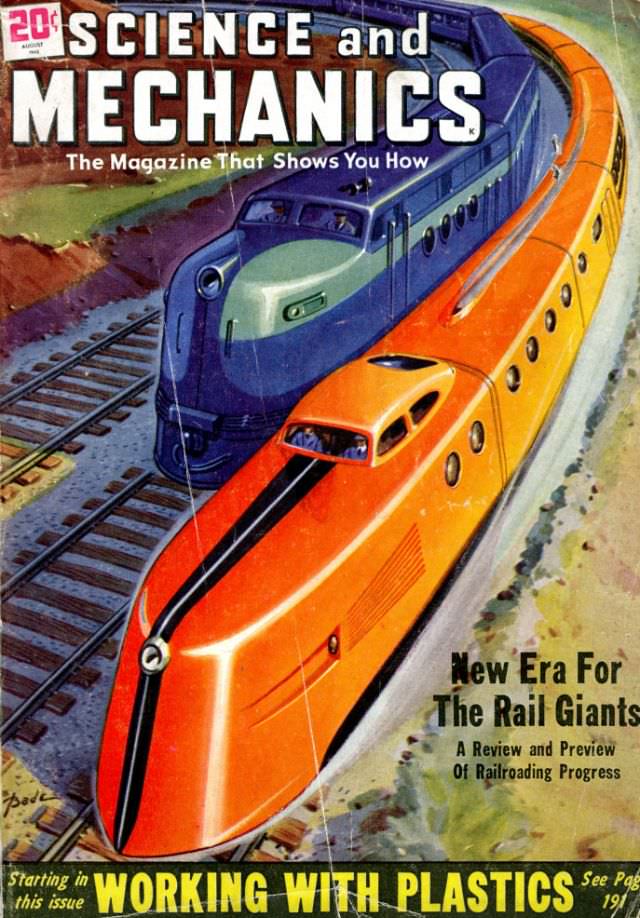

Popular Mechanics has been on American newsstands since 1902, when Henry Haven Windsor founded it with a straightforward promise: a magazine “written so you can understand it.” That plain-language mission shaped everything about the publication — including its covers. In the 1930s and ’40s, those covers became some of the most recognizable images in American print history.
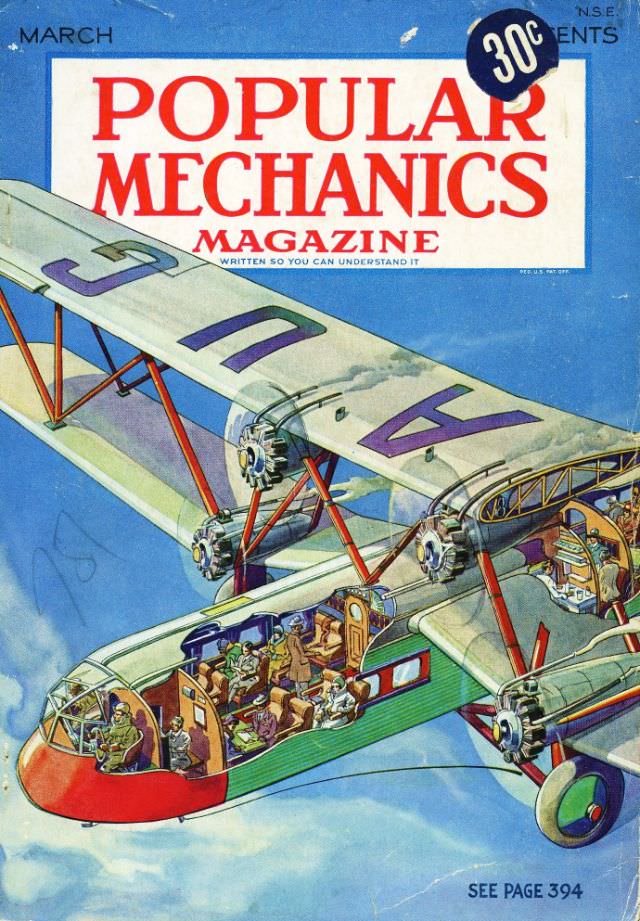
The early 1930s covers arrived during a period of rapid industrial change. Cars, aircraft, locomotives, and radio technology were all advancing at a pace that felt breathtaking to everyday readers. Artists hired by the magazine translated that energy into bold, detailed illustrations that jumped off the newsstand.
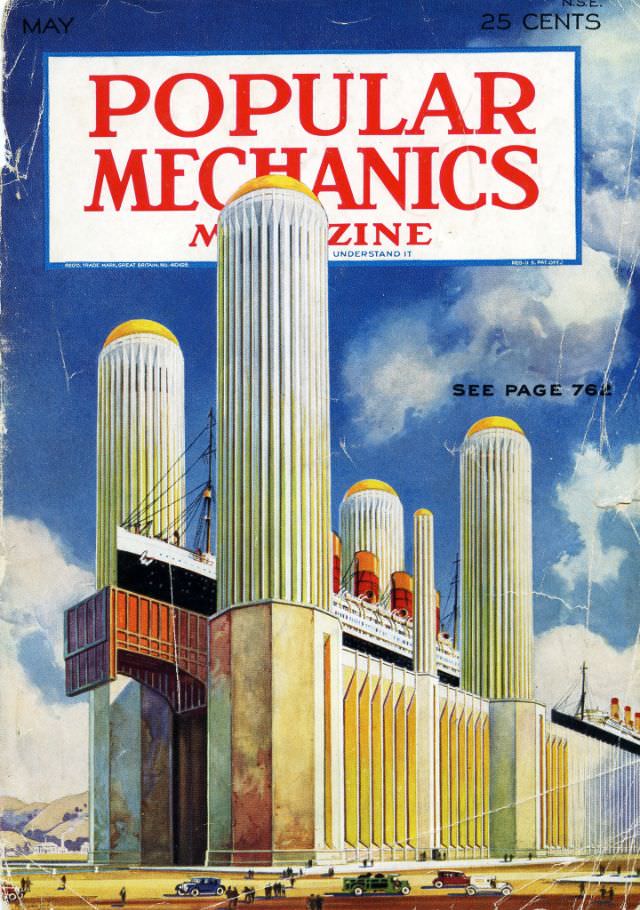
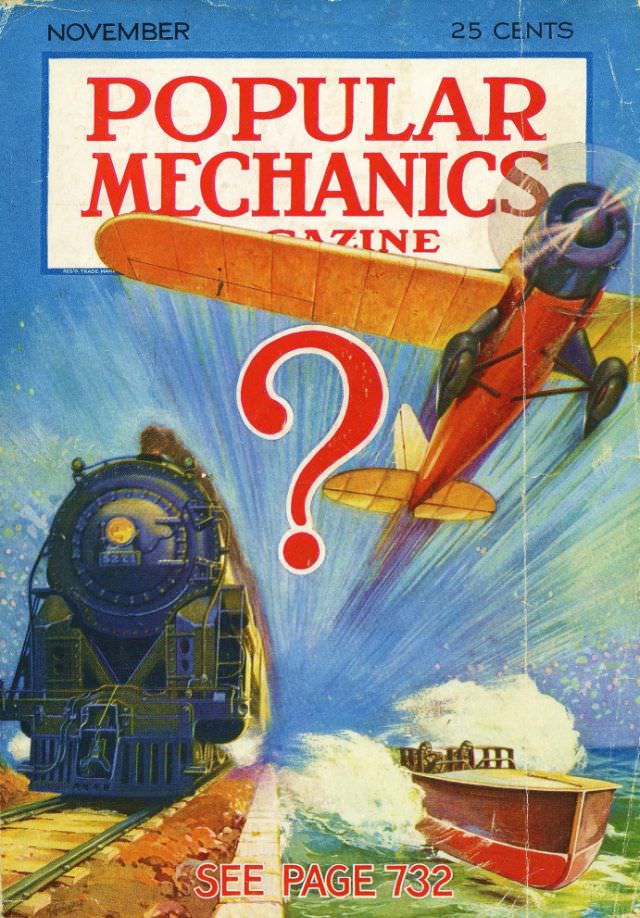
Each cover was built around a single, striking subject. Engineers, mechanics, pilots, and everyday tinkerers appeared alongside the machines they operated. The figures were rendered with care — workmen gripping wrenches, aviators scanning the horizon, families gathered around new household devices. These weren’t abstract images. They placed real people inside the story of technological progress.
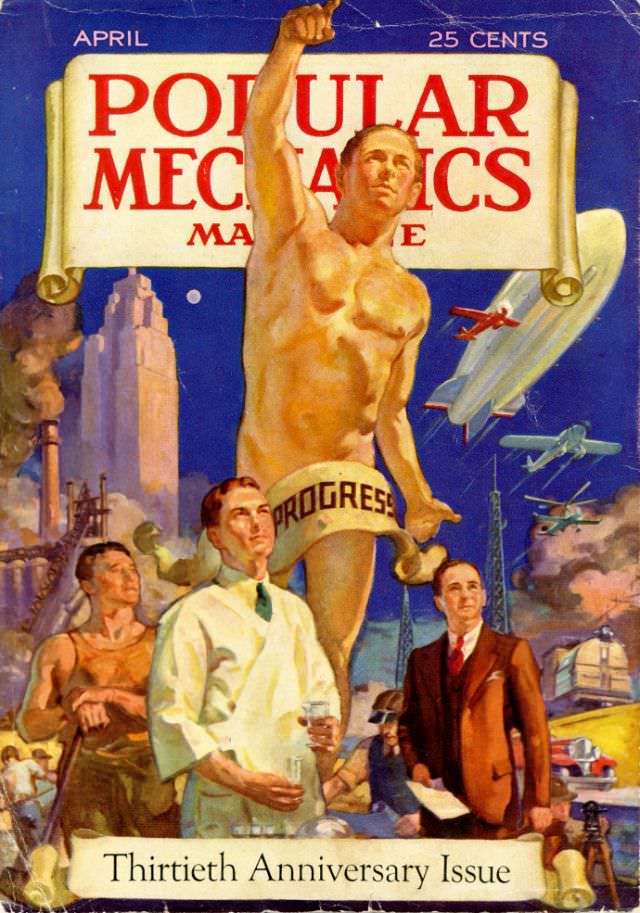
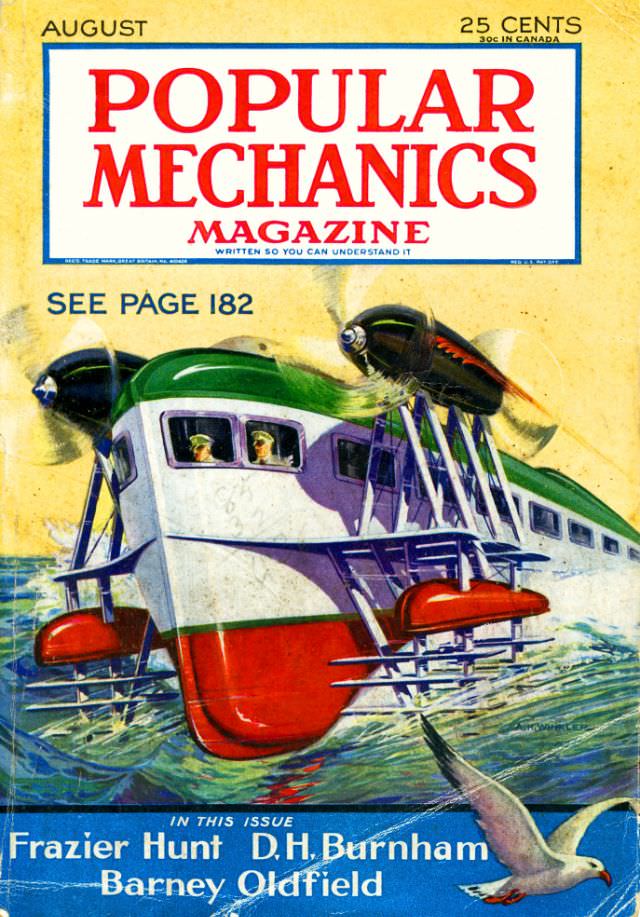
By 1933, the covers had developed a consistent visual language. Strong color contrasts, clean compositions, and subject matter tied directly to the latest issue’s contents made each one feel urgent and current. Transportation dominated many of the designs — streamlined trains, early commercial aircraft, and automobiles in gleaming detail.
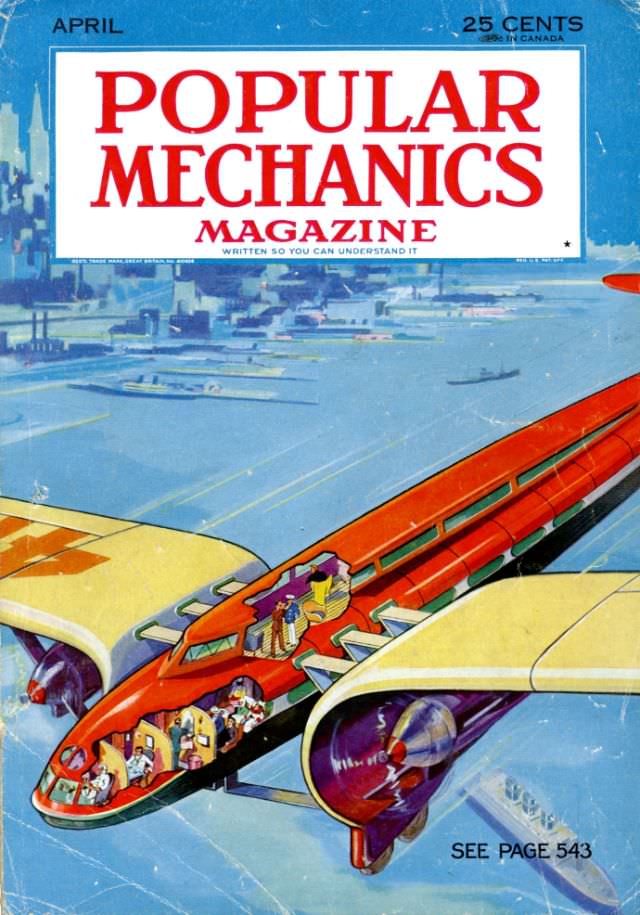
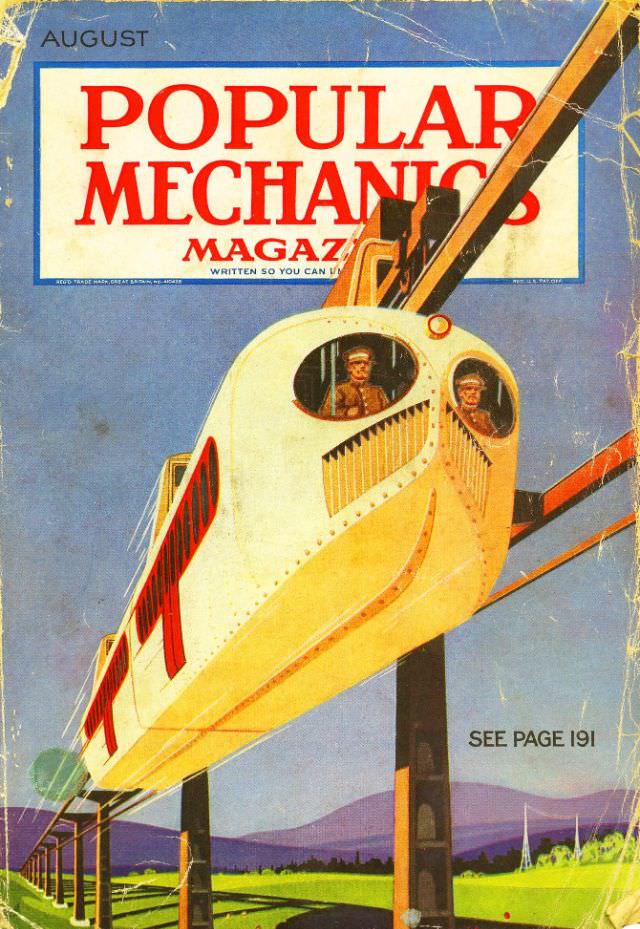
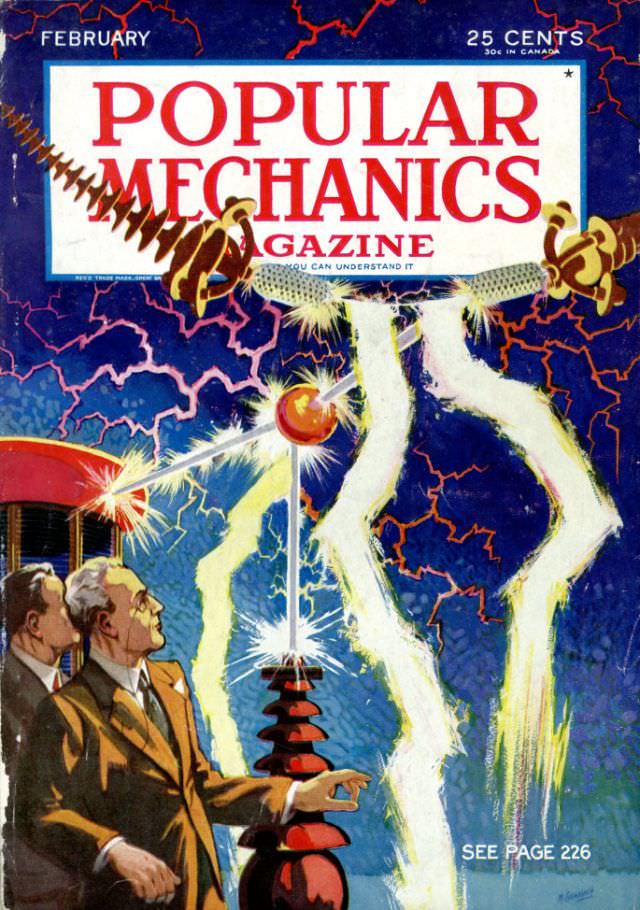
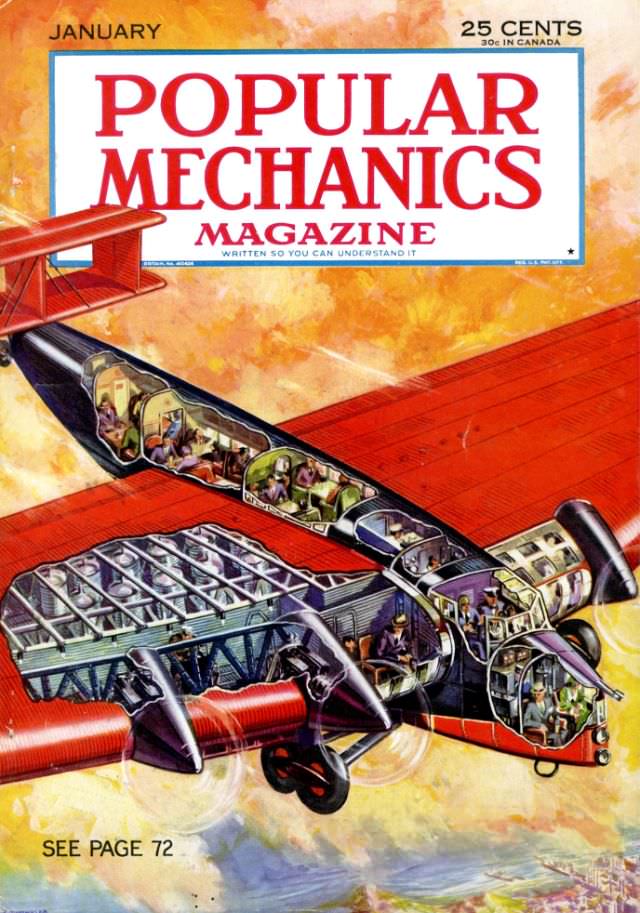
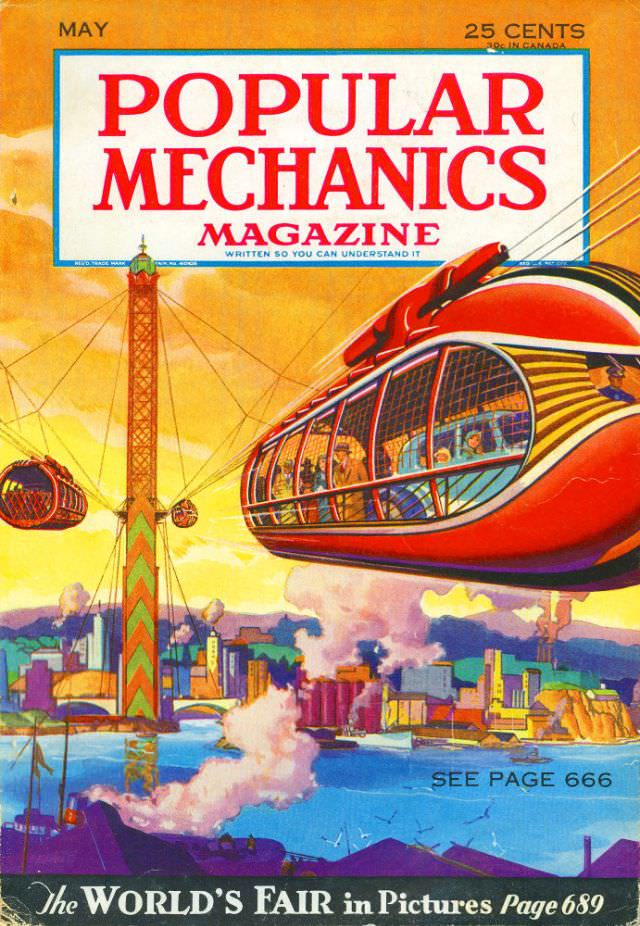
The Great Depression was grinding through American life during these years, yet the covers rarely reflected hardship. Instead, they projected optimism — a belief that science and engineering held the answers. That tone was deliberate. Popular Mechanics positioned itself as a guide through uncertain times, pointing readers toward what ingenuity could build next.
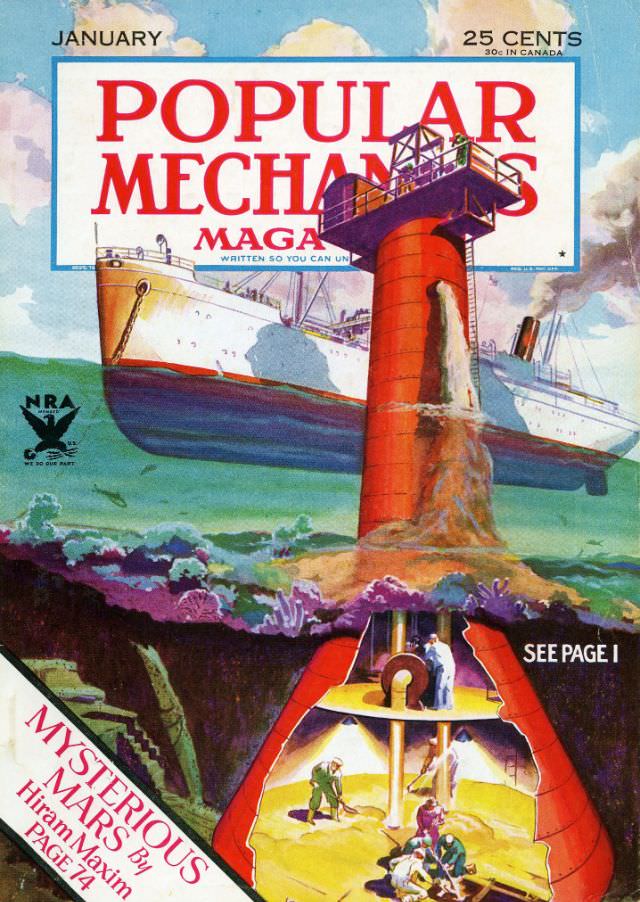
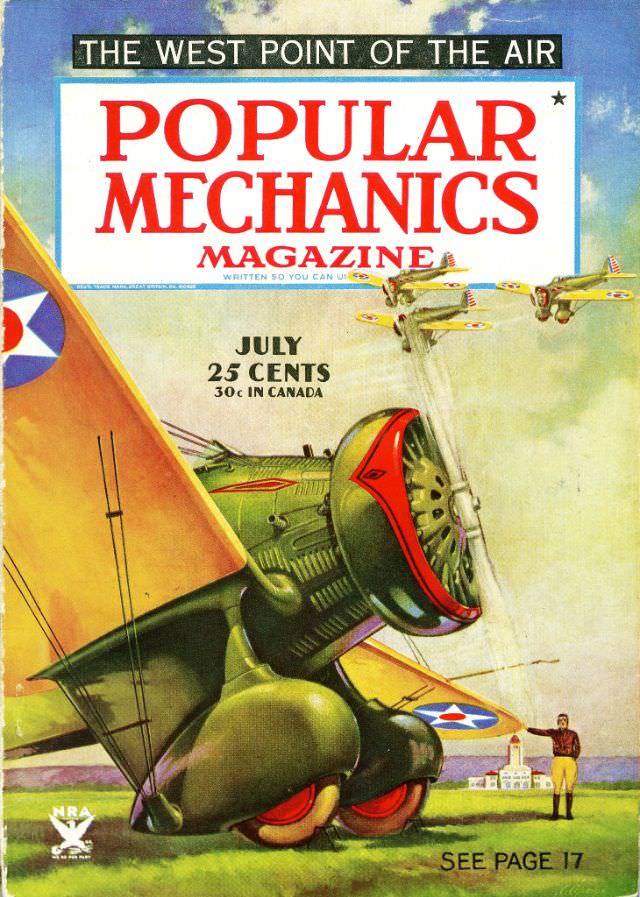
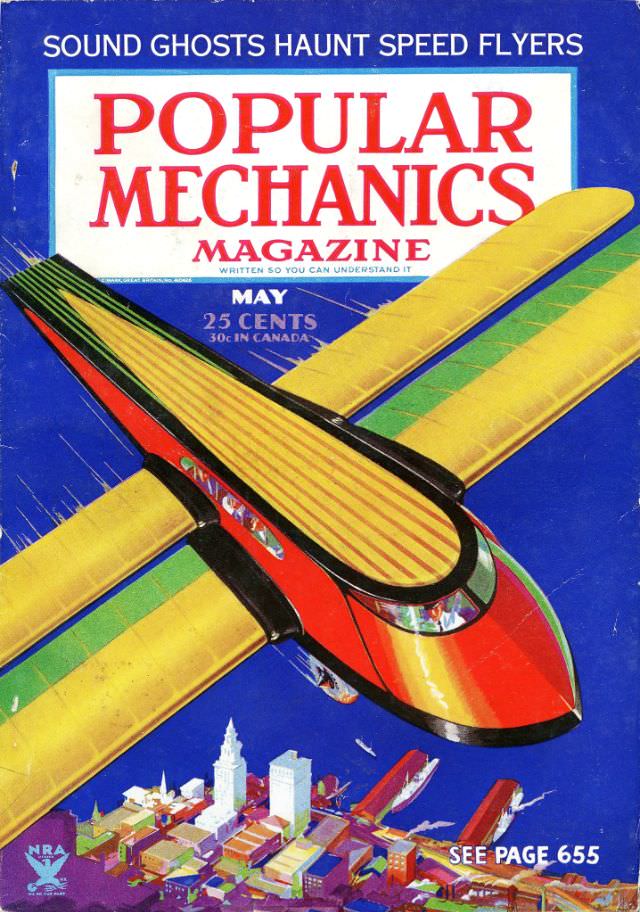
Mid-decade covers from 1935 and 1936 leaned into the era’s obsession with speed and scale. Massive construction projects, record-breaking aircraft, and the beginnings of consumer electronics all made appearances. The illustration style grew more polished, with artists using dramatic lighting and aerial perspectives to add a sense of awe.
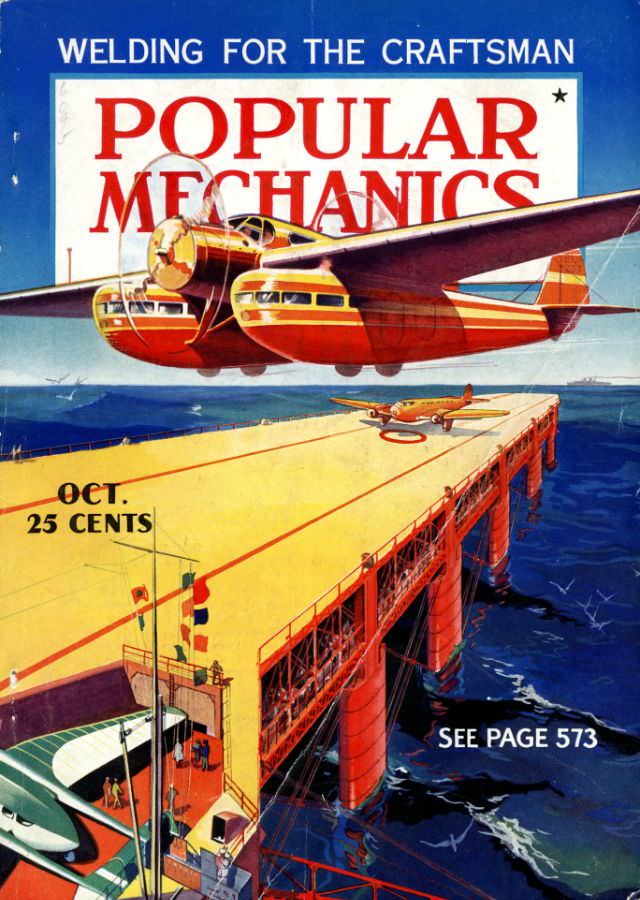
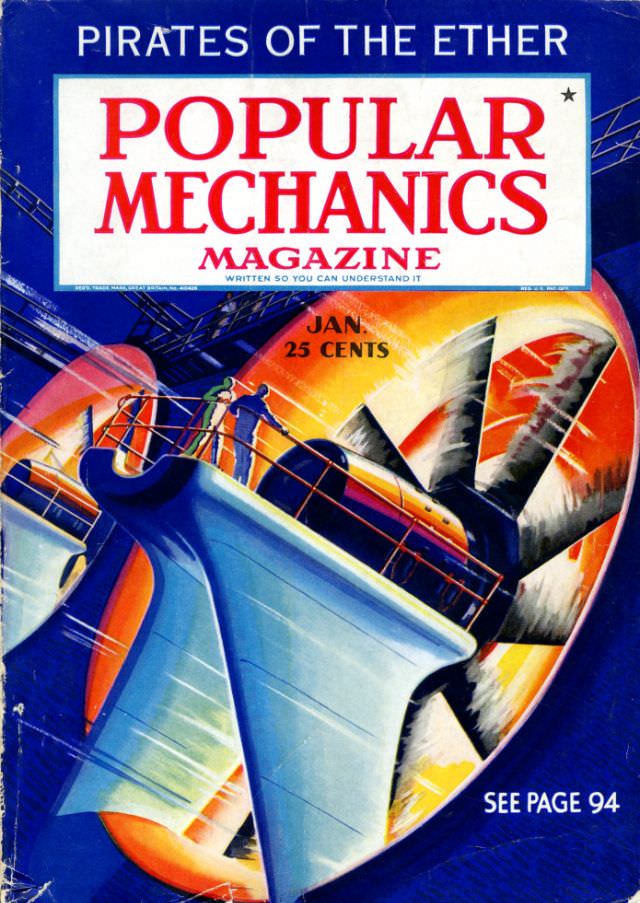
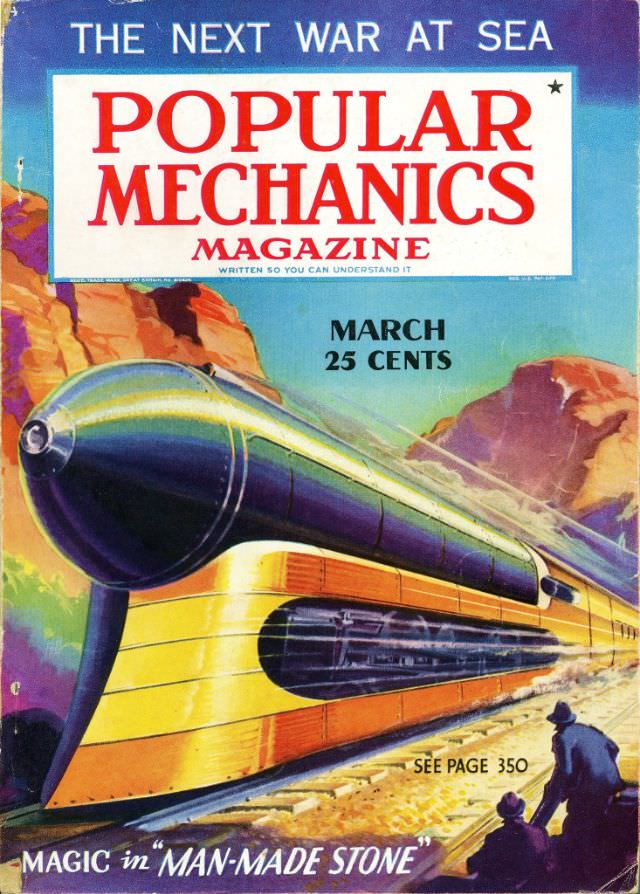
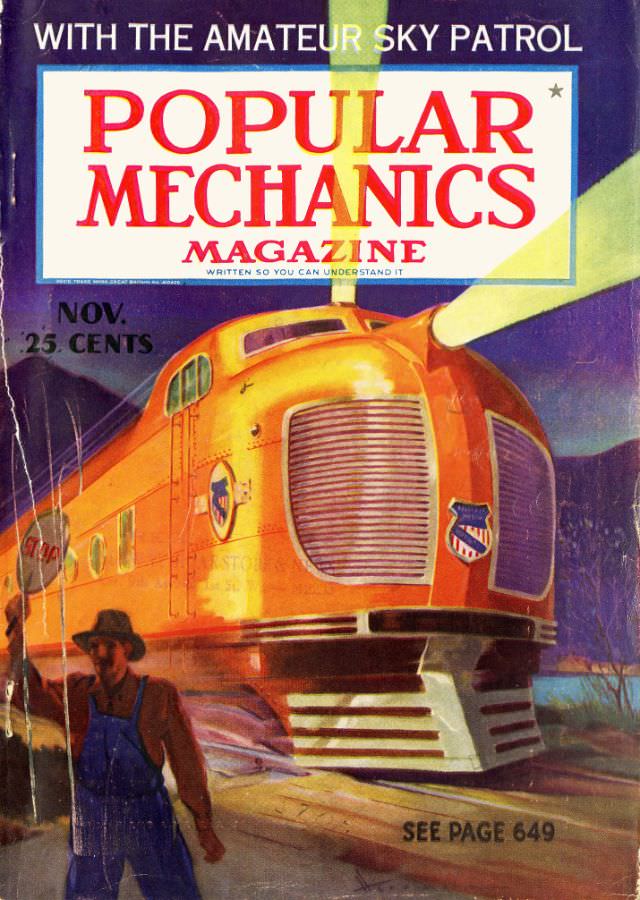
By the late 1930s, the magazine’s cover art had reached a high point in technical detail and visual ambition. Subjects ranged from military hardware to domestic inventions, reflecting a world simultaneously preparing for conflict and embracing modern convenience. The 1938 covers, in particular, show that dual tension clearly.
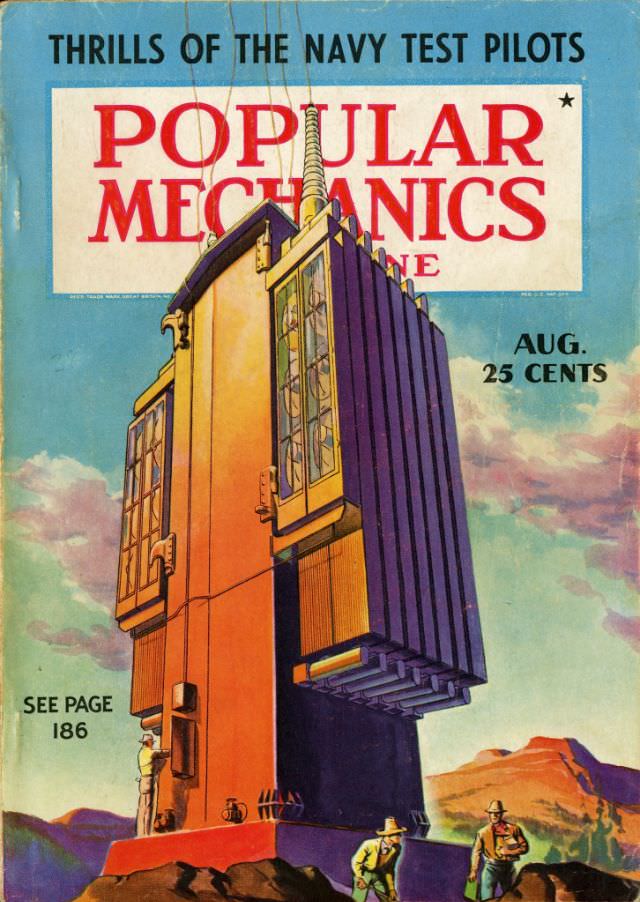
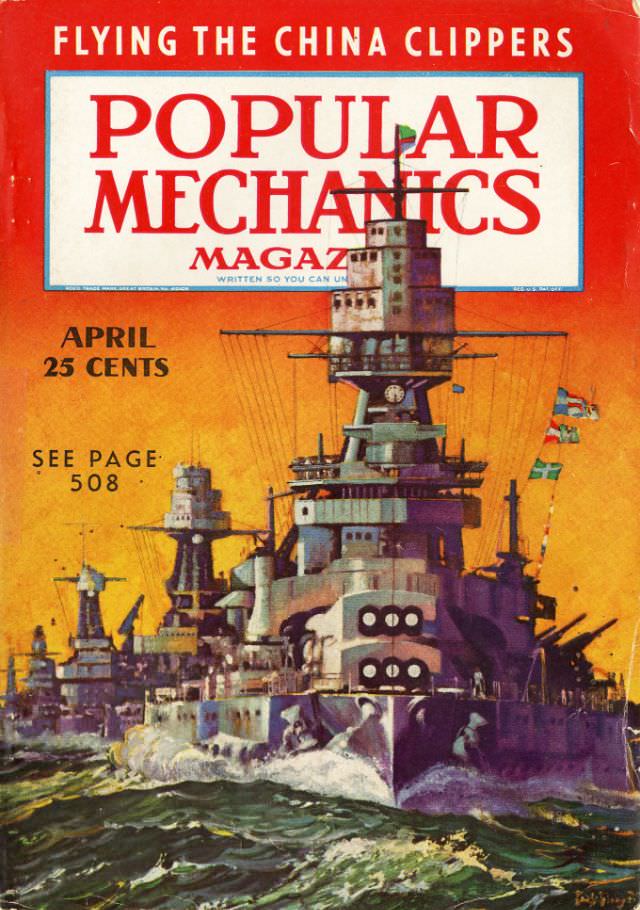
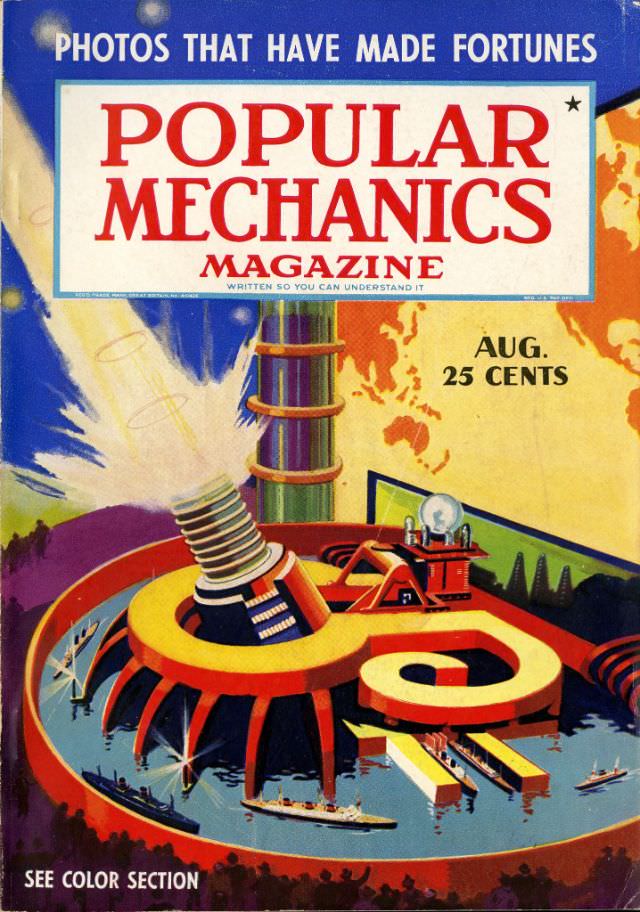
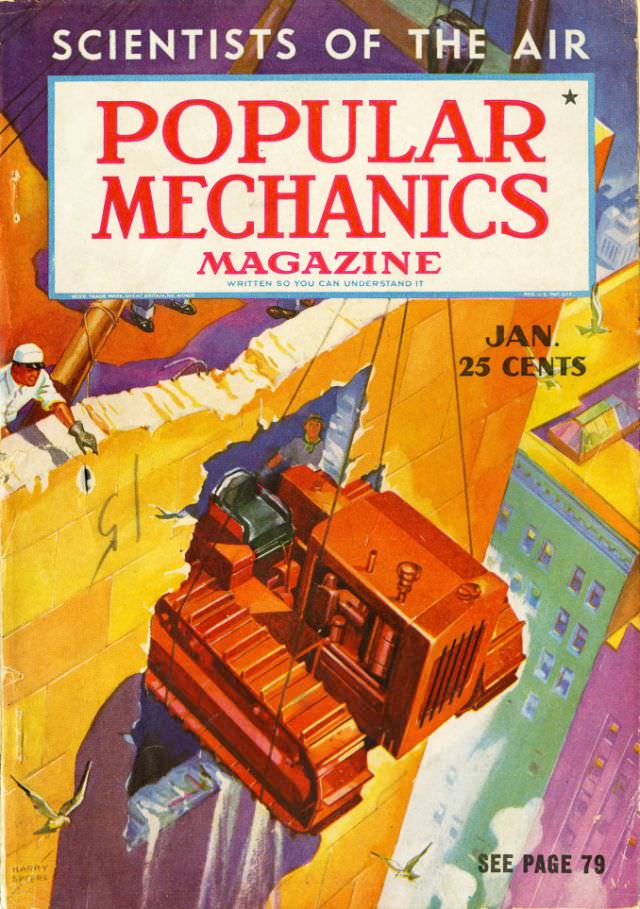
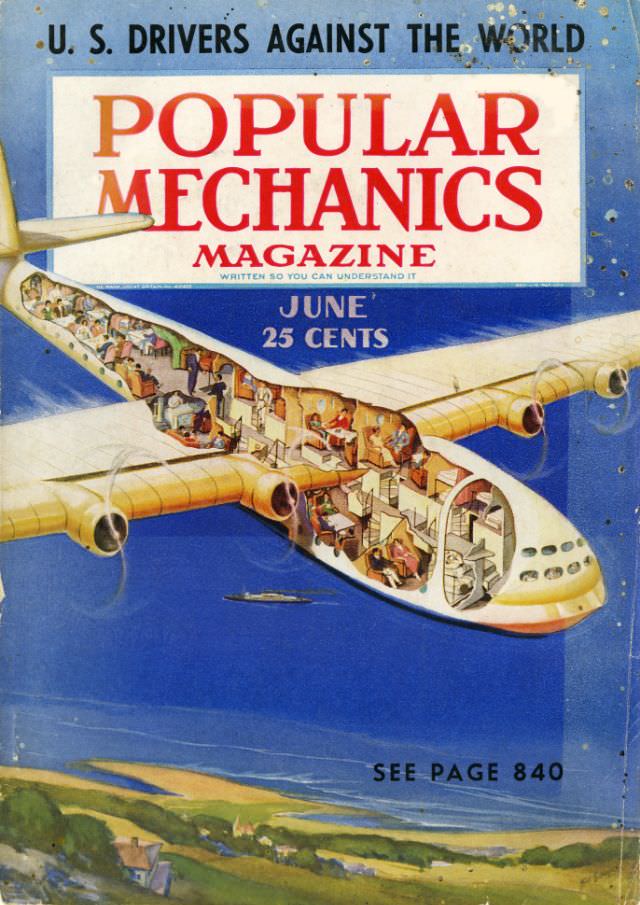
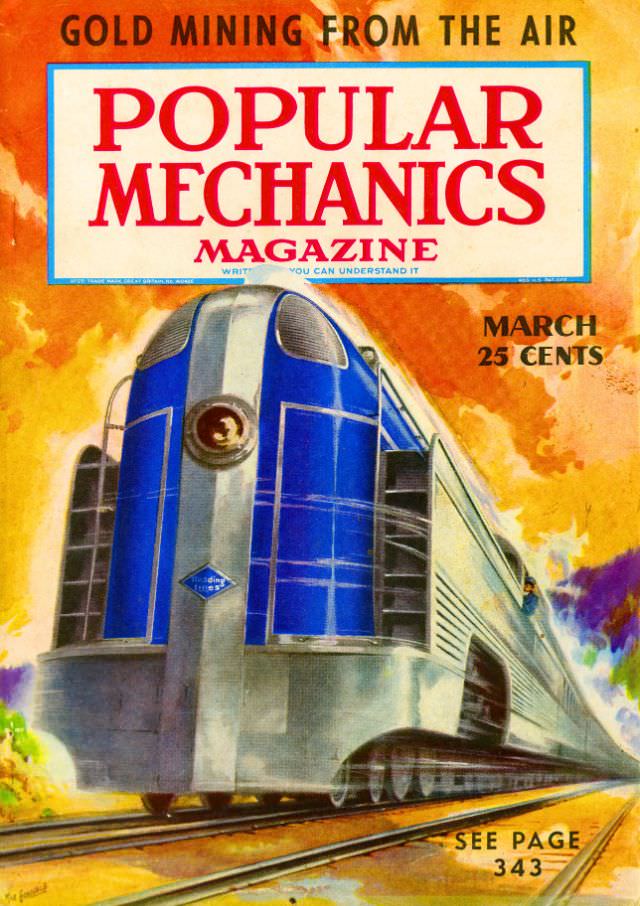
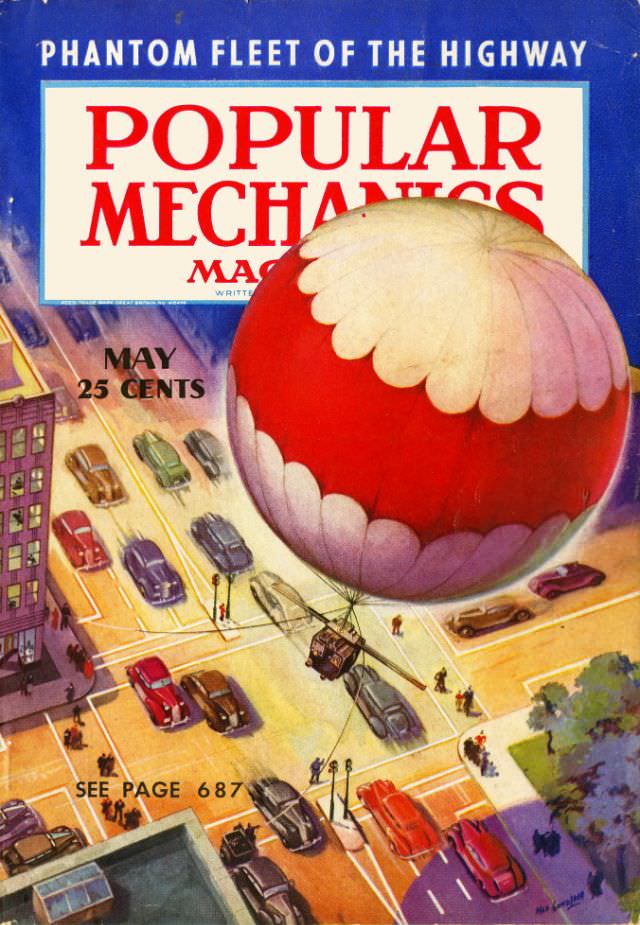
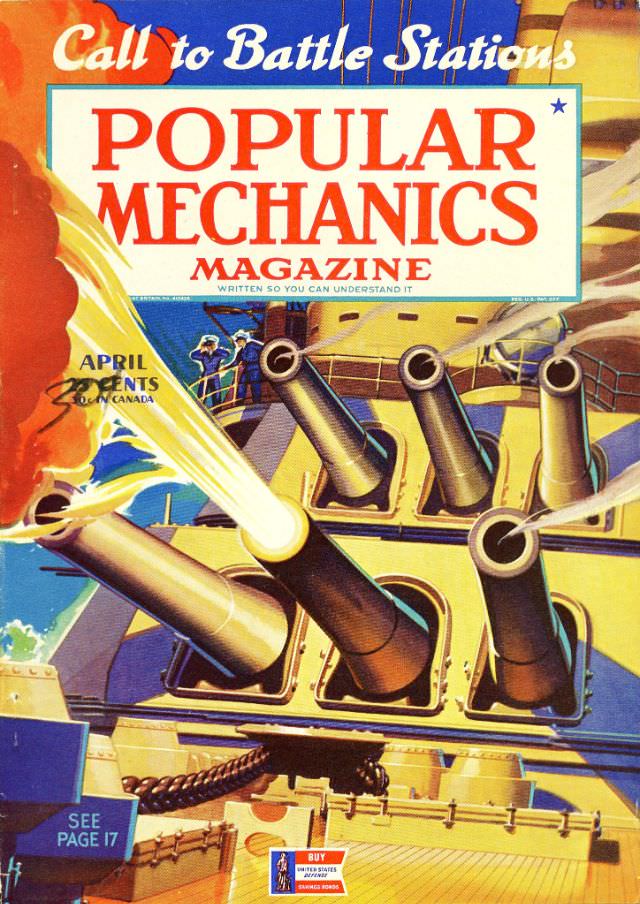
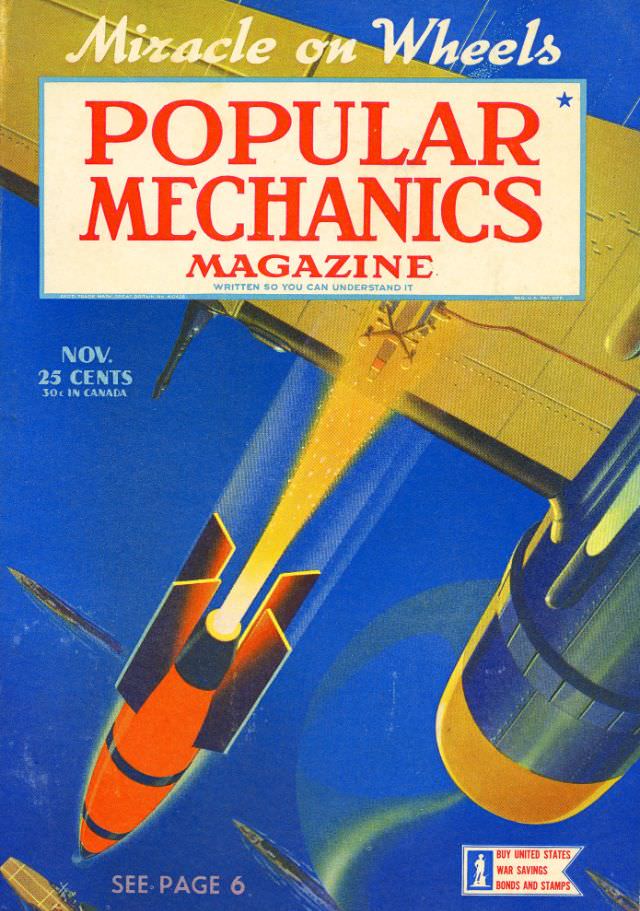
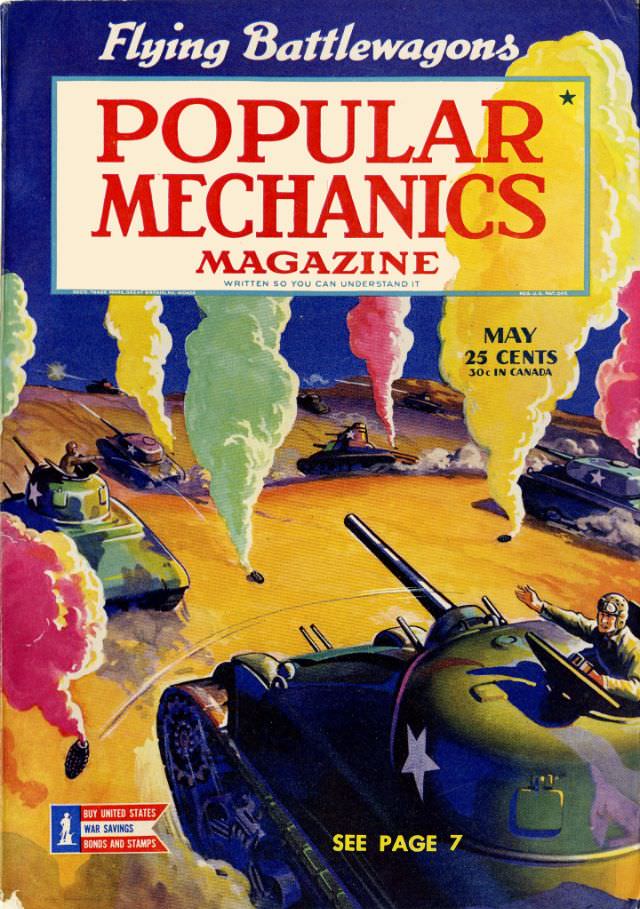
When World War II arrived, the covers shifted noticeably. Military aircraft, warships, and defense technology took center stage from 1941 onward. The illustrations remained crisp and detailed, but the subjects carried the weight of wartime purpose. These covers documented what American industry was being asked to produce and what its readers were being asked to understand.
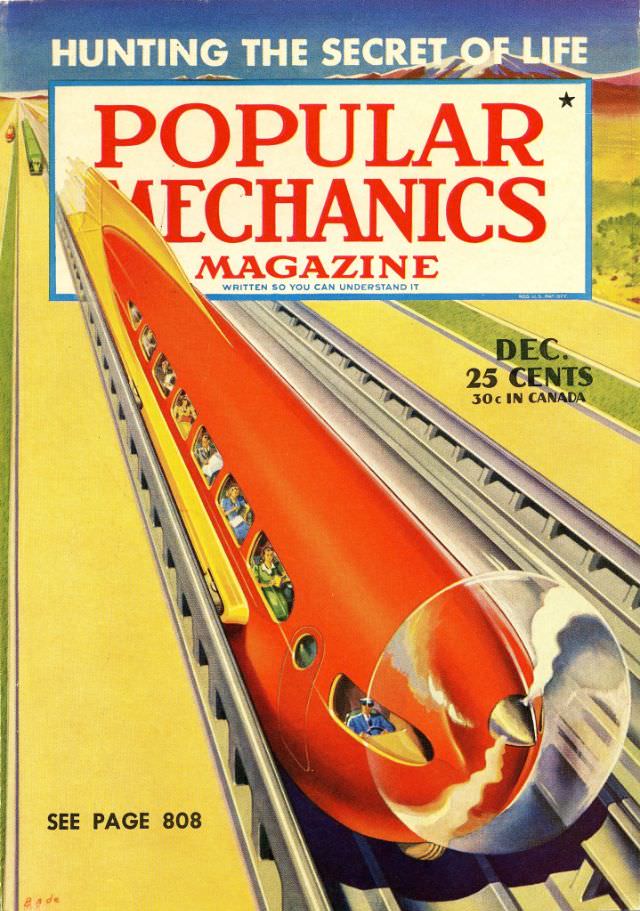
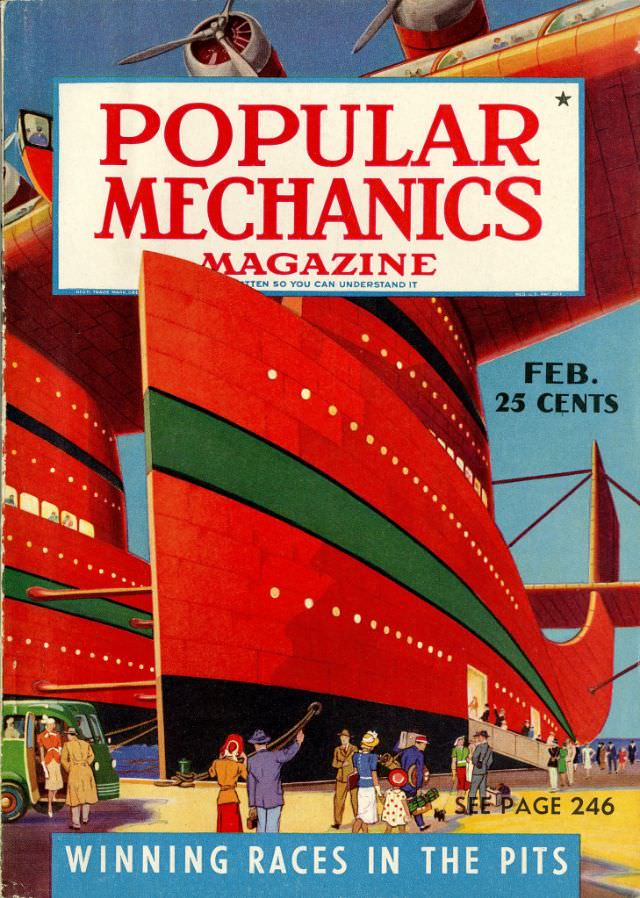
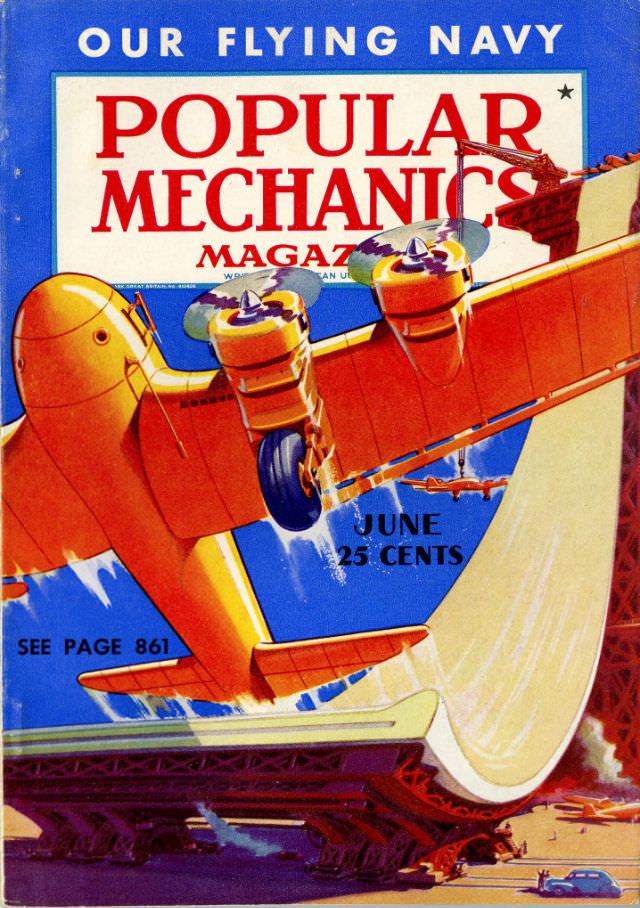
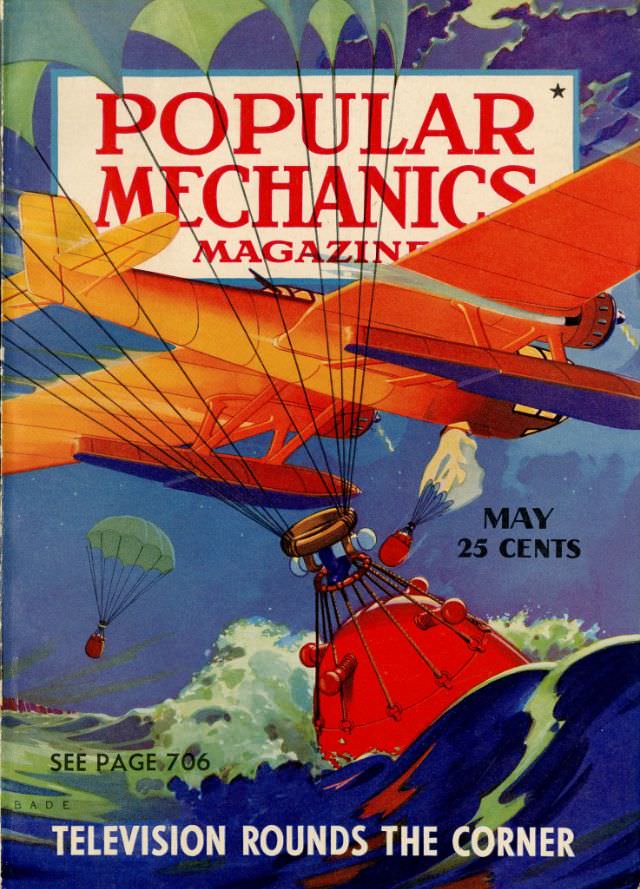
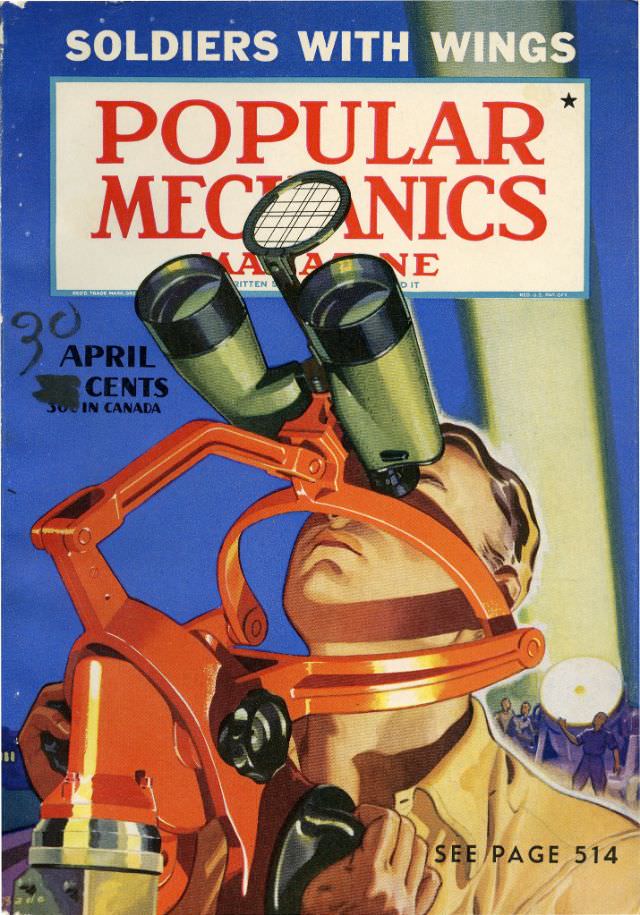
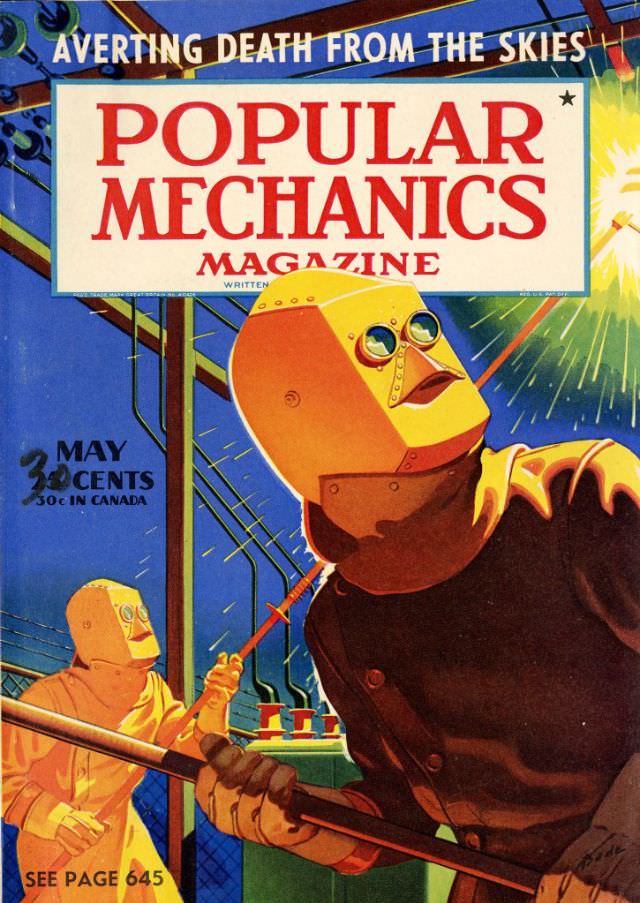
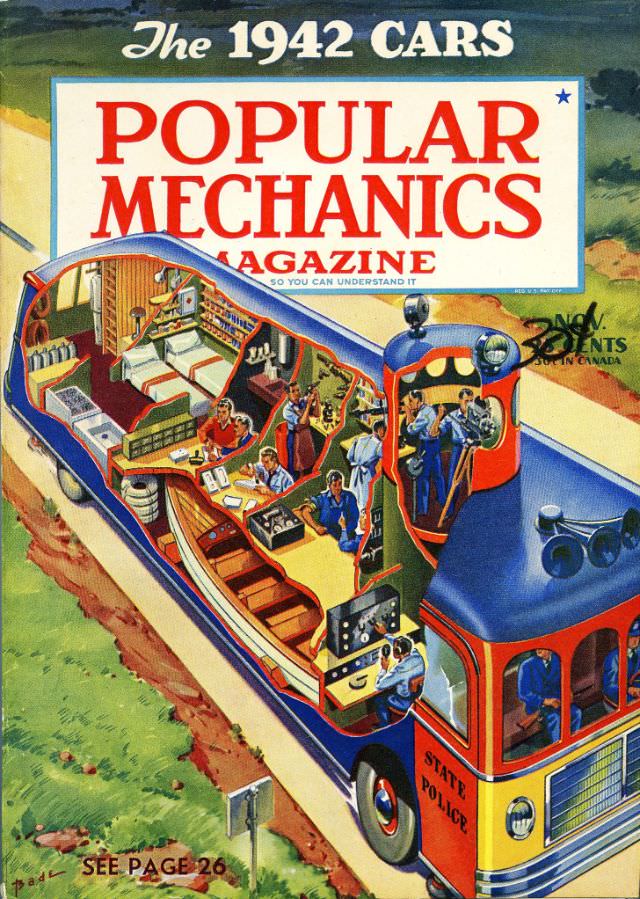
The 1942 and 1943 covers are among the most direct the magazine ever produced. Bombers, tanks, and naval vessels were depicted with technical precision, reflecting the country’s full industrial commitment to the war effort. Popular Mechanics served a practical function during these years — informing civilians and servicemen alike about the machinery defining the conflict.
After the war ended, the covers pivoted quickly toward peacetime technology. The postwar issues from 1946 and 1947 introduced readers to television sets, new automobile designs, and the early promise of jet-powered flight. One 1945 cover depicted a family setting up their first home television — their expressions capturing genuine excitement over a device that was about to change daily American life.
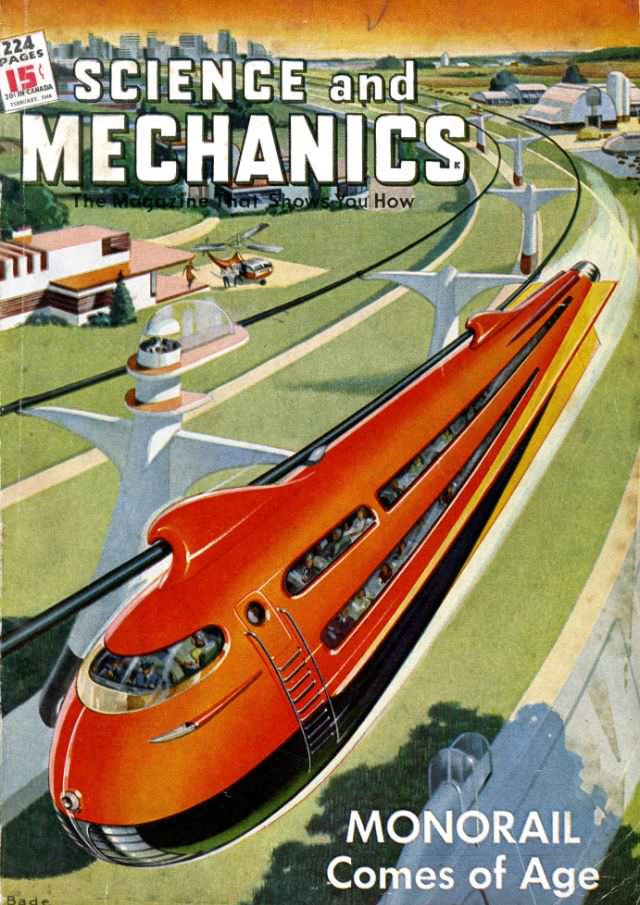
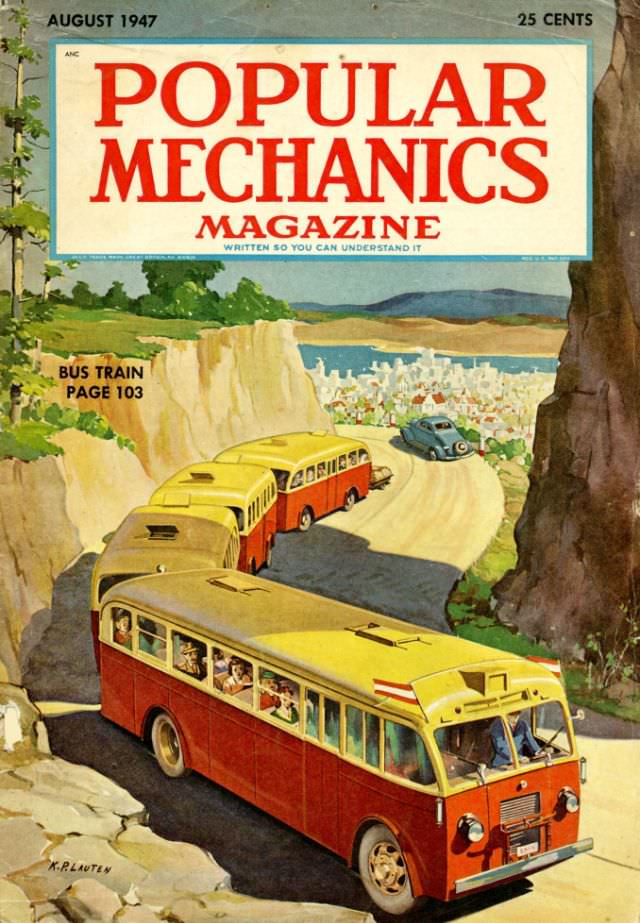
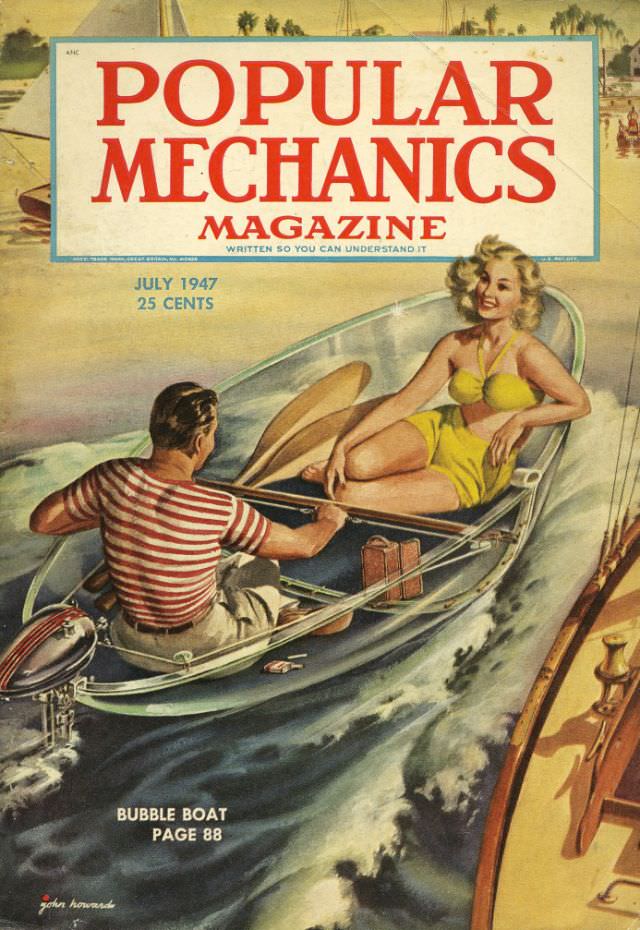
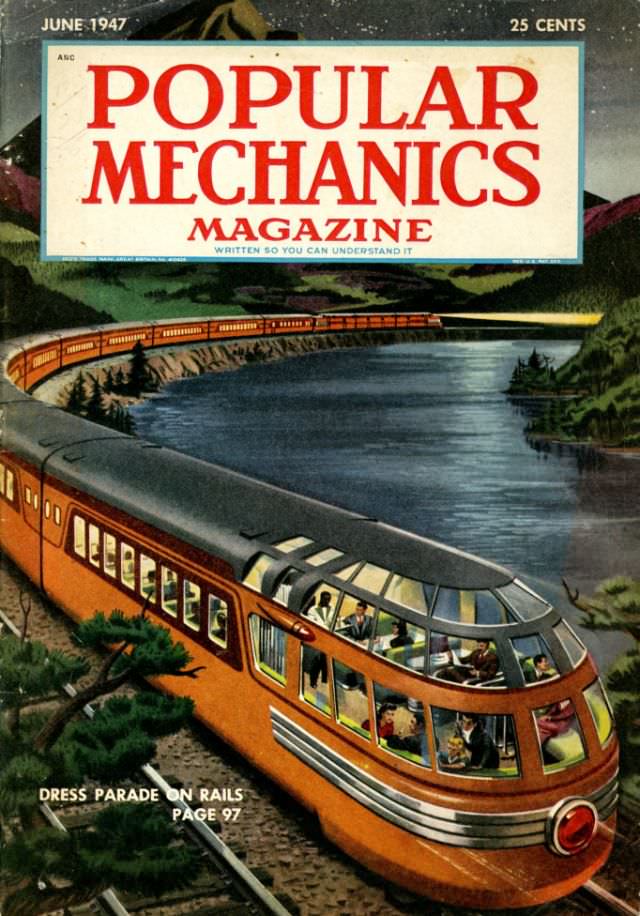
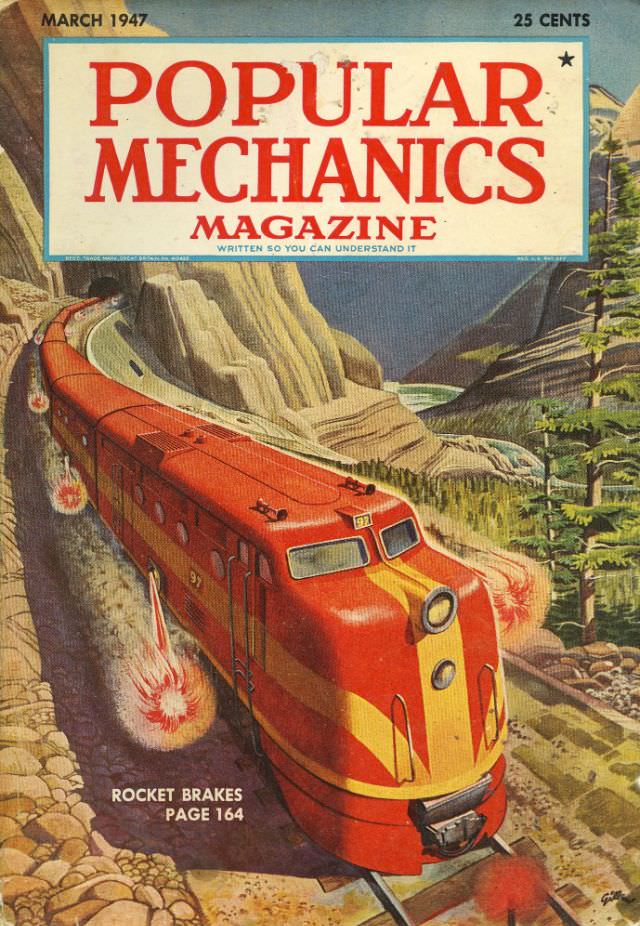
The 1948 covers carried that postwar momentum forward. Consumer technology, home improvement, and the next generation of automobiles filled the pages. Taken together, the covers from across these two decades form a precise, month-by-month record of what Americans were building, buying, and dreaming about.