Hey There! Before You Go. 😧
Get the best vintage content straight into your inbox!

Don't worry, we don't spam

Life in Pittsburgh in 1950 Through the Lens of Elliot Erwitt

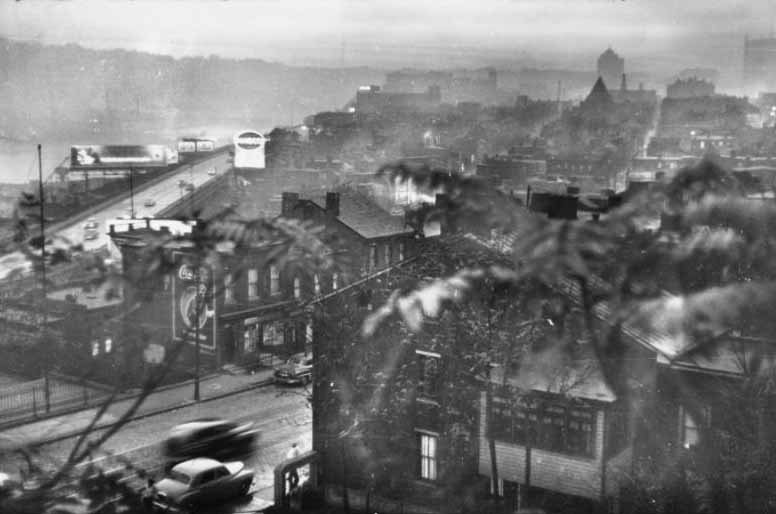
In 1950, Pittsburgh was a city caught between two eras. Steel mills still defined the skyline and the economy, but the wrecking ball was already swinging. Whole neighborhoods near the Point were being torn down to make way for the Gateway Center, a massive urban renewal project that would reshape the city’s downtown core. It was into this moment of change that photographer Elliott Erwitt arrived, camera in hand, ready to document everything.

Erwitt had come to Pittsburgh at the direction of Roy Stryker, the man behind some of the largest government-sponsored documentary photography projects in American history. Stryker had previously led the Farm Security Administration’s photography program during the Great Depression, producing thousands of images that defined how the country saw itself during its hardest years. By 1950, he was running the Pittsburgh Photographic Library, a project aimed at creating a sweeping visual record of the city. Erwitt was one of the photographers he recruited for the job.

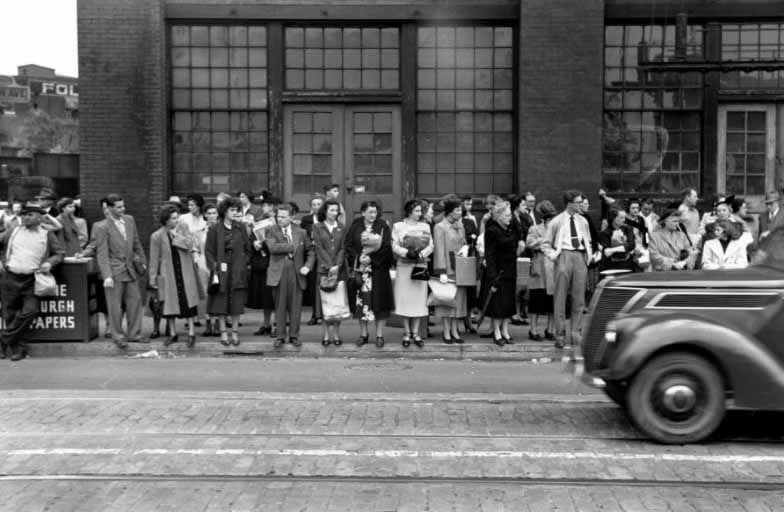
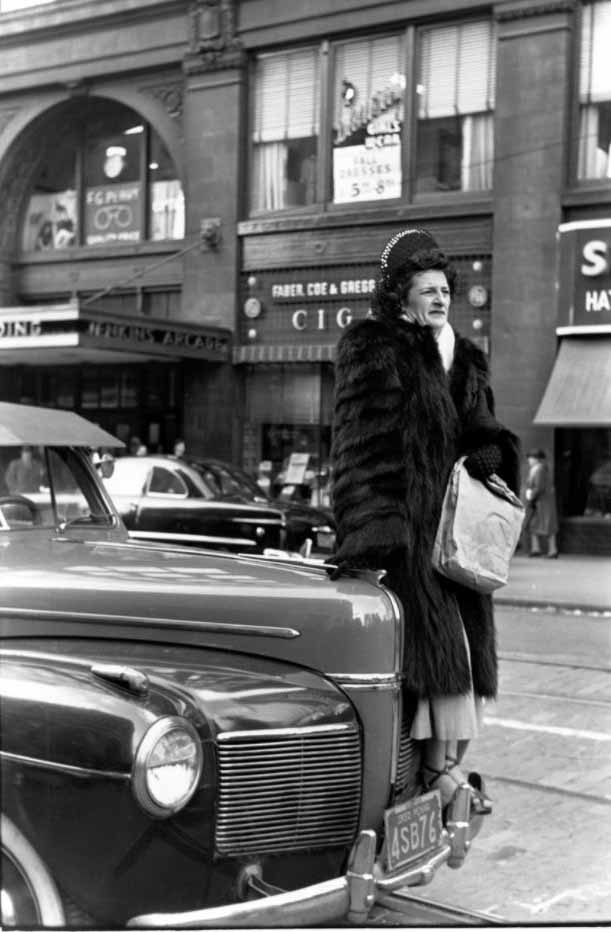
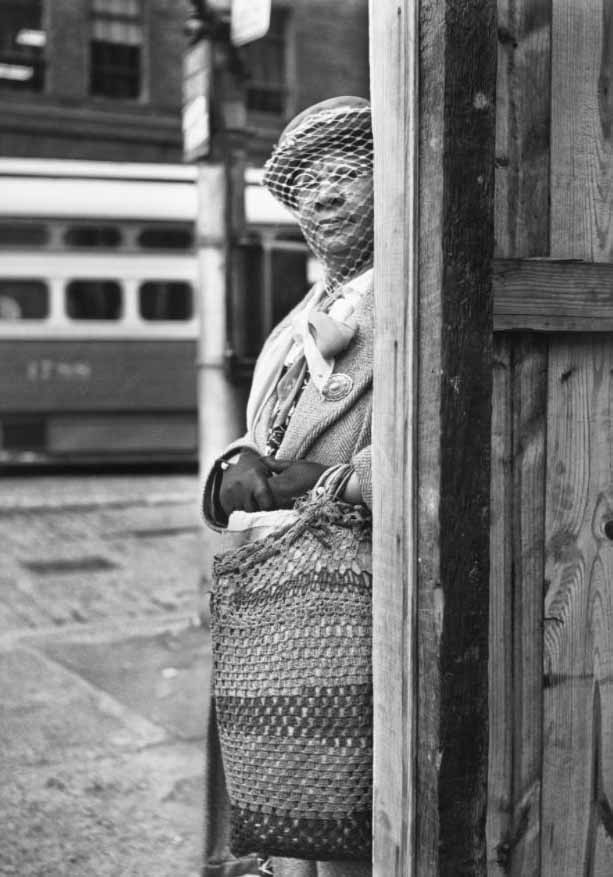
Downtown Pittsburgh gave Erwitt no shortage of subjects. On any given day, workers, shoppers, and commuters filled the streets, each going about their routines with little awareness of the camera watching them. Erwitt had a particular gift for finding the quiet, human moments inside busy public spaces.

Waiting for a streetcar in downtown Pittsburgh, 1950

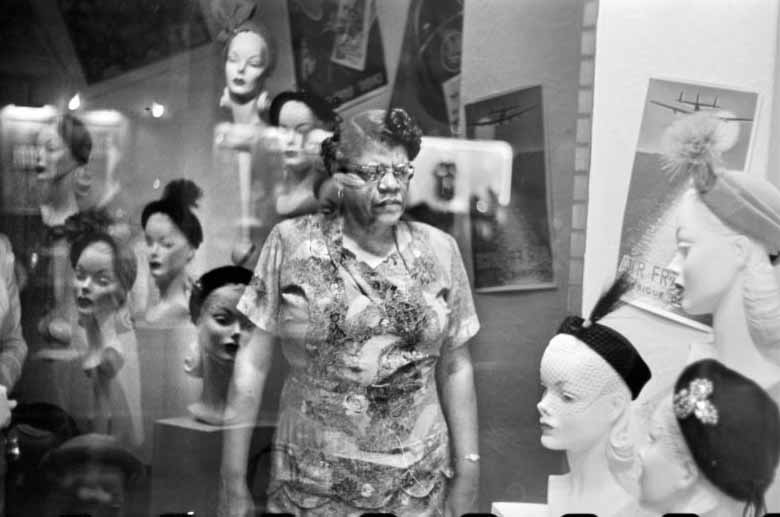
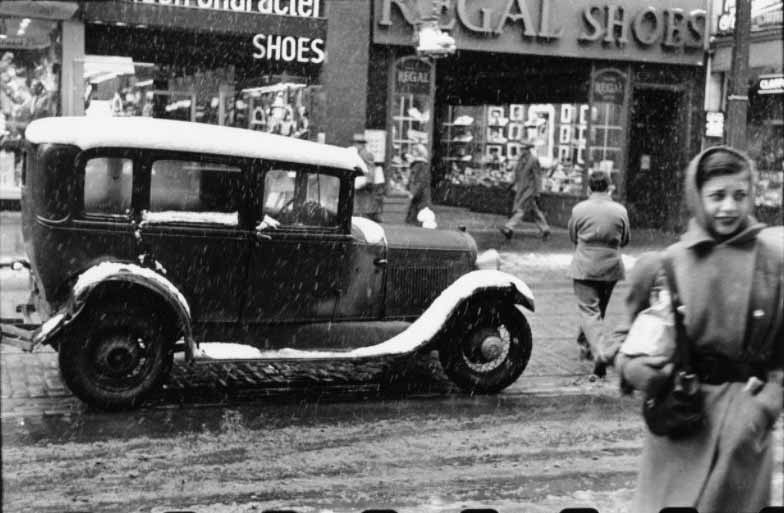
The storefronts and shop windows of downtown Pittsburgh offered their own kind of portrait of the era. Display windows were carefully arranged to catch the eye of passersby, and the fashions on show told you exactly what year it was.

Downtown hat shop window, September 1950

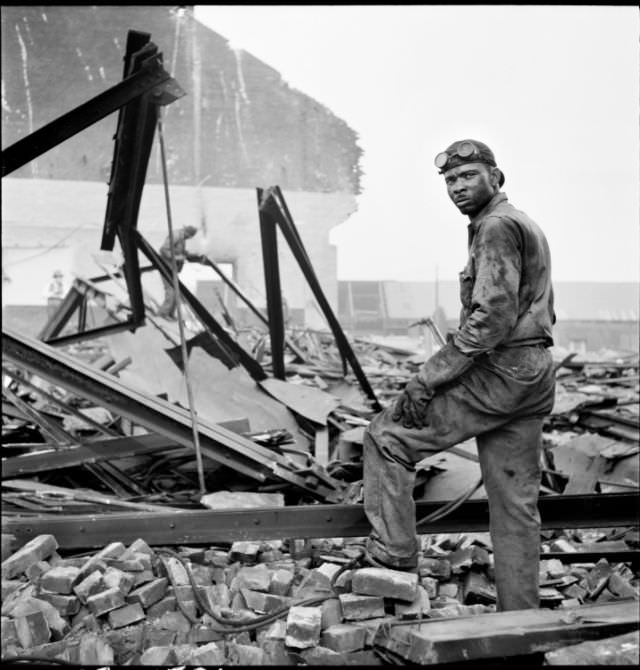
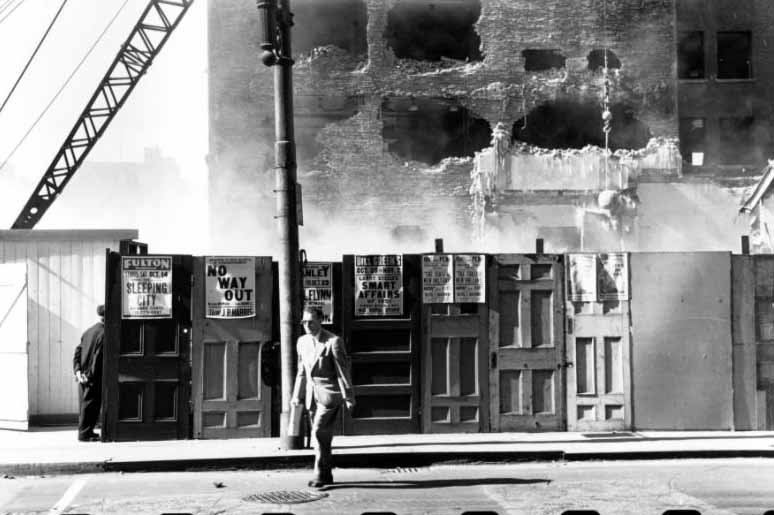
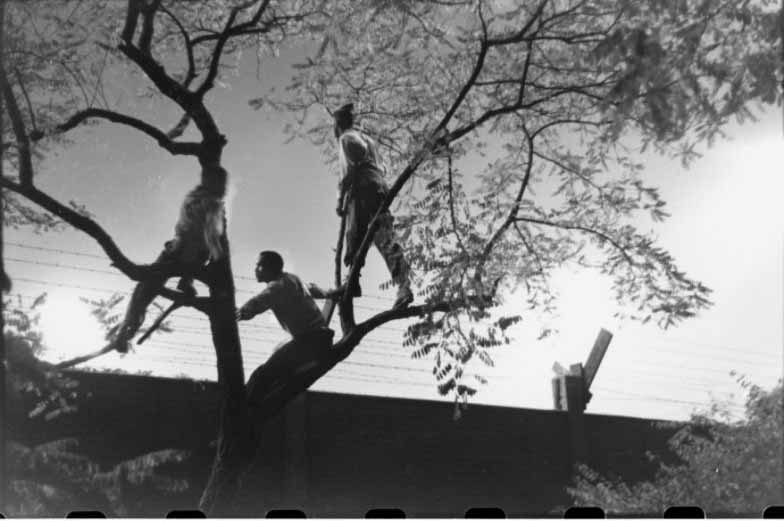
At the Point — the triangular tip of land where the Allegheny and Monongahela rivers meet — demolition was already underway. Workers cleared away old warehouses and industrial buildings that had stood for generations. The project would eventually produce Point State Park, but in 1950 it looked like little more than organized destruction.

Workman on wrecking project at the Point, 1950
Gateway Center demolition area, 1950

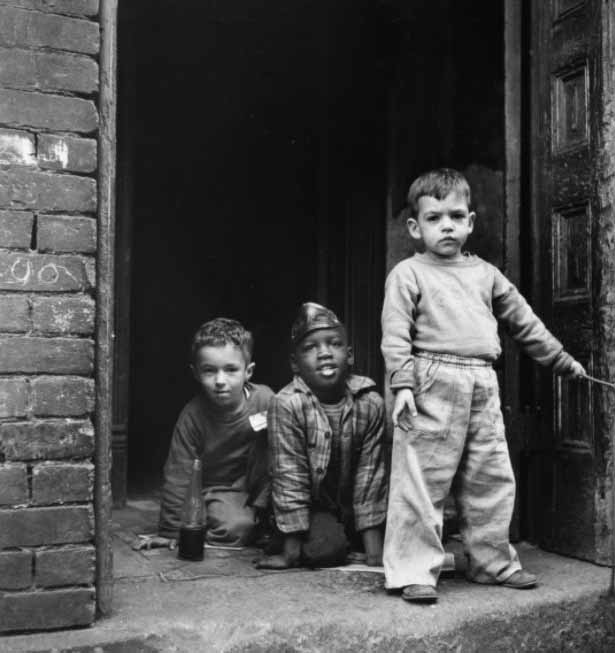
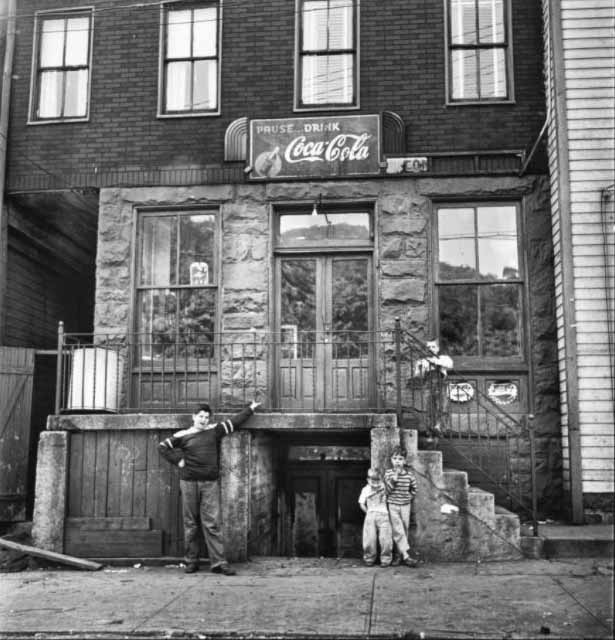
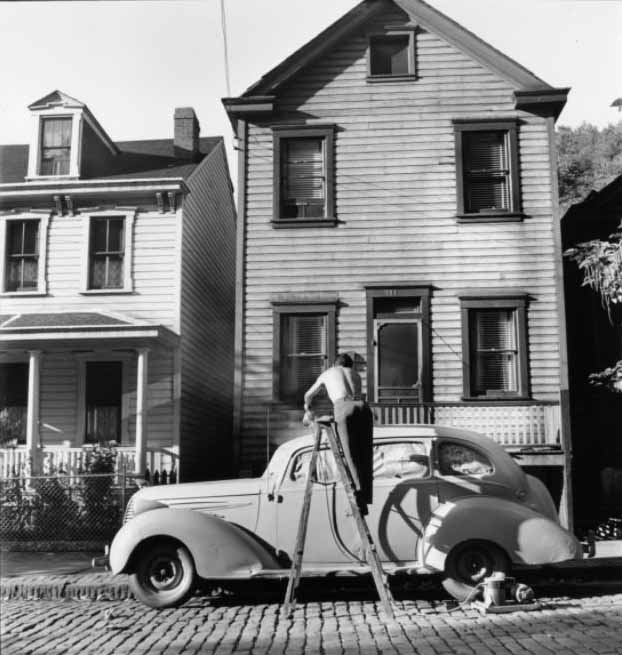
Away from the demolition zones, Pittsburgh’s residential streets carried on at their own pace. Narrow blocks like Lalock Street showed the tightly packed, working-class neighborhoods that housed the city’s industrial workforce. Row houses sat shoulder to shoulder, and daily life played out on stoops, sidewalks, and corners.

Lalock Street, 1950
Lalock Street, 1950

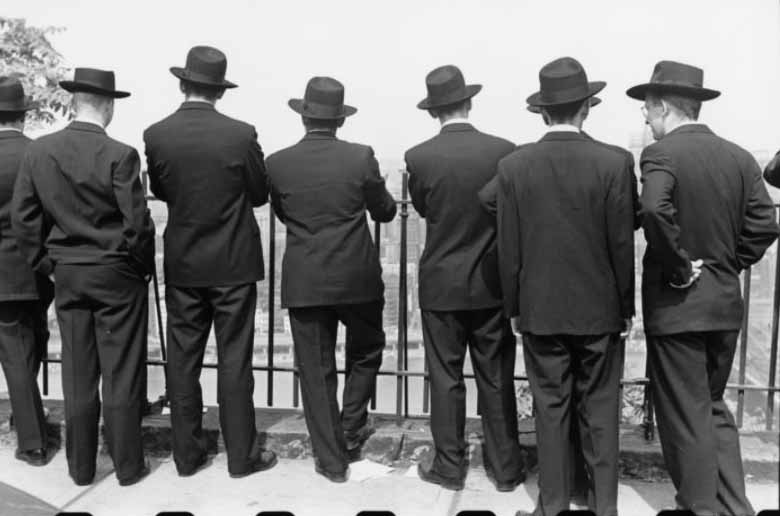
One of the most commanding views of Pittsburgh was available from the top of the Monongahela Incline, a funicular railway that carried passengers up Mount Washington, the steep hillside rising sharply above the South Side. From that height, the city’s rivers, bridges, and smokestacks spread out in every direction. In September 1950, a group of student priests made the trip up and took in the view.

Student priests view city from top of Monongahela Incline, September 1950

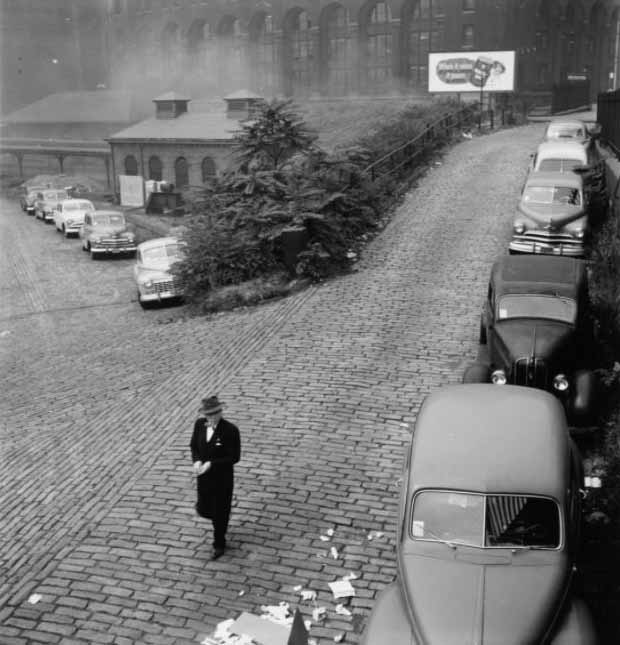
The Monongahela River itself was a working waterway, lined with bridges that connected Pittsburgh’s many neighborhoods across its hilly terrain. The section near the Tenth Street Bridge showed the industrial character that the river still held in 1950 — barges, steel structures, and the constant movement of commerce.

Section around Tenth Street Bridge across Monongahela River, October 1950

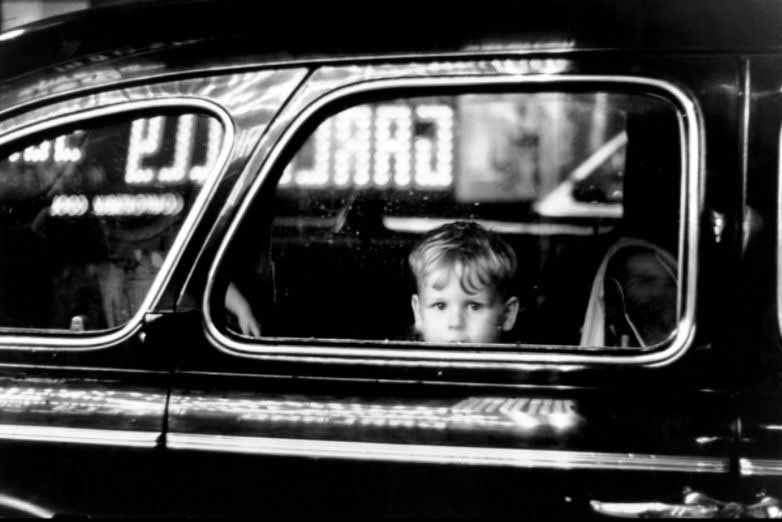
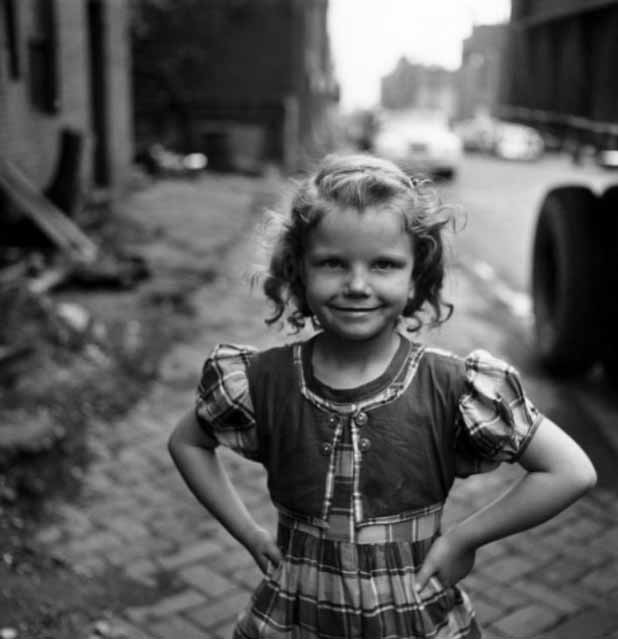
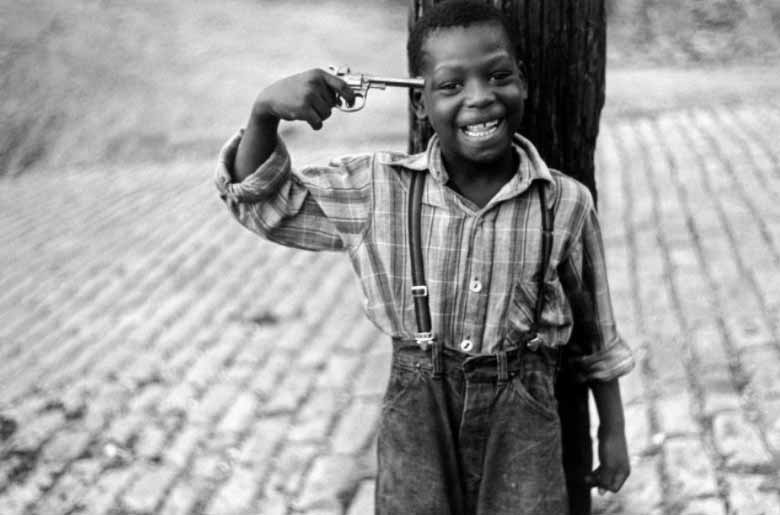
Erwitt moved through the city with a consistent eye for contrast — light against shadow, stillness against motion, the individual against the crowd. His black and white frames gave Pittsburgh’s streets a sharp, honest clarity.

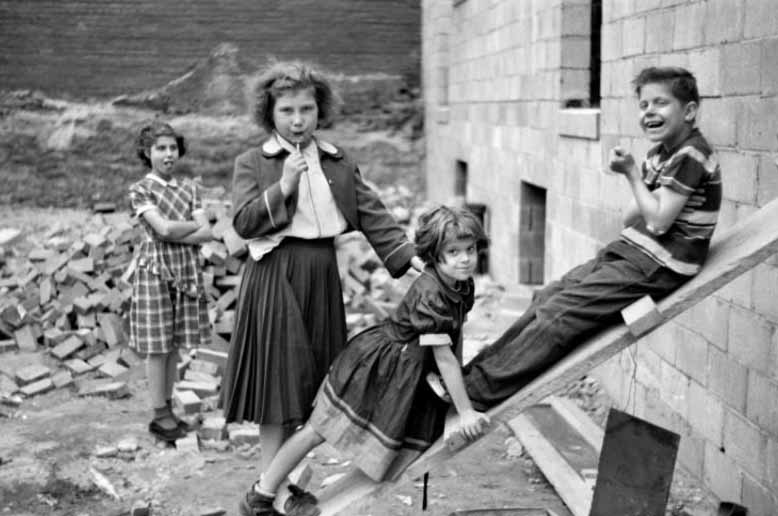
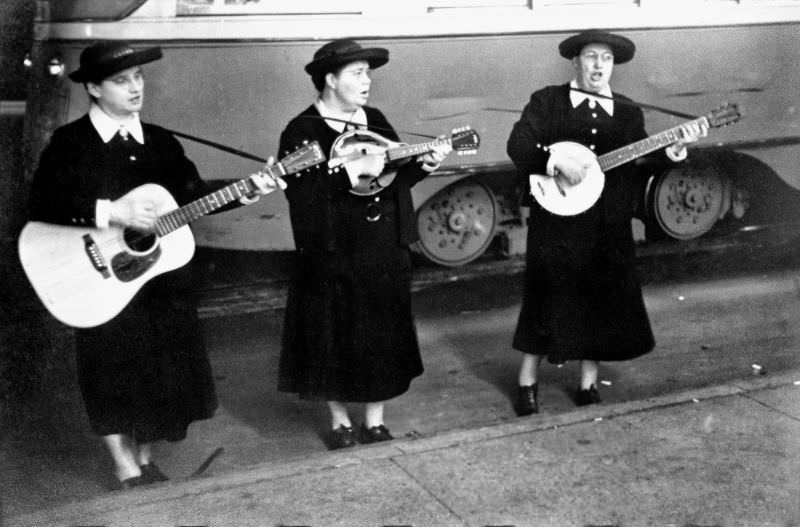
Pittsburgh, 1950
Pittsburgh, 1950
Pittsburgh, 1950
Pittsburgh, 1950
Pittsburgh, 1950
Pittsburgh, 1950
Pittsburgh, 1950
Pittsburgh, 1950
Pittsburgh, 1950
Pittsburgh, 1950
Pittsburgh, 1950
Pittsburgh, 1950
Pittsburgh, 1950
Pittsburgh, 1950

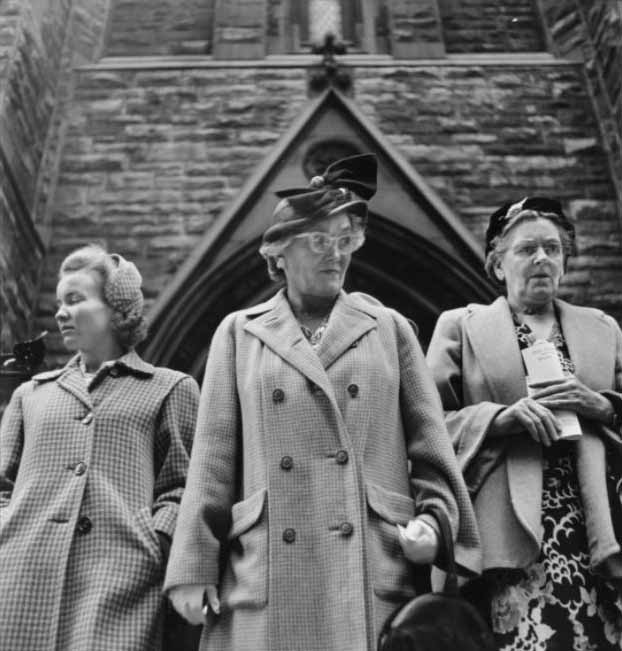
Religious life was woven into the fabric of Pittsburgh’s neighborhoods. The Presbyterian Church on Sixth Avenue was one of the city’s prominent congregations, and the foot traffic outside its doors on a September morning gave Erwitt another window into everyday Pittsburgh.

Outside Presbyterian Church on Sixth Avenue, September 1950

Boundary Street, like many of Pittsburgh’s smaller residential corridors, reflected the city’s dense, layered geography. Hills, stairs, and tight lots shaped how people built and how they lived.

Boundary Street, 1950

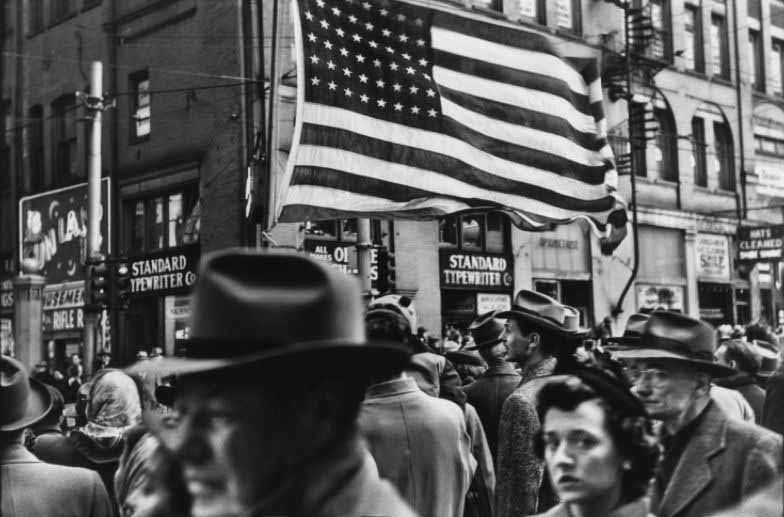
November brought the Armistice Day Parade — a public ceremony marking the end of World War I that, by 1950, also carried the weight of the recently concluded World War II. Crowds lined the streets to watch, and Erwitt turned his lens on the audience as much as the marchers, finding the faces of people who understood firsthand what the day meant.

The crowd at Armistice Day Parade, November 1950

Not all of Erwitt’s work took place in daylight. Schenley Park at night offered a completely different Pittsburgh — quiet, atmospheric, its trees and paths lit softly against the dark.

Schenely Park at night, 1950

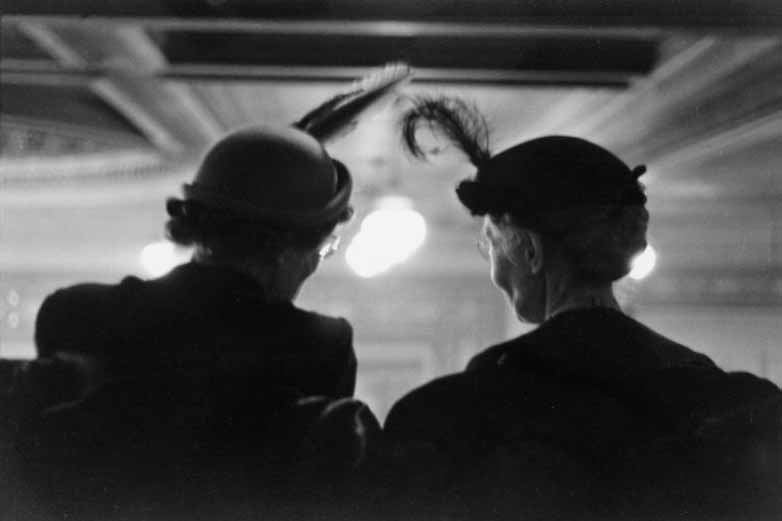
Indoor venues showed another side of Pittsburgh’s social life. The Syria Mosque on Bigelow Boulevard was one of the city’s premier concert halls, seating thousands. From the upper rows, the hall’s scale was striking — a reminder that Pittsburgh’s cultural life ran alongside its industrial one.

Top row of Syria Mosque during concert, November 1950
Pittsburgh, 1950
Pittsburgh, 1950

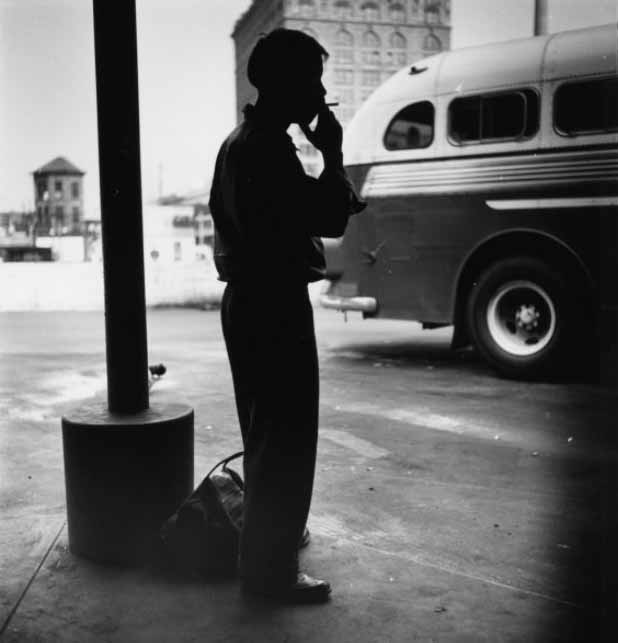
The city’s bus terminal captured the constant flow of people moving in and out of Pittsburgh — workers, travelers, and families navigating the busy hub of a mid-century industrial city. Nearby streets like Saline Street showed the quieter, residential side of those same lives.

Bus terminal, October 1950
Saline Street, September 1950

Erwitt’s time in Pittsburgh came to an abrupt end after just four months. He was drafted into the U.S. Army and sent to Germany, leaving behind his negatives, which were stored in Stryker’s Pittsburgh Photographic Library. What he left behind was a detailed, unposed record of a city in motion — one that caught Pittsburgh at the exact moment it was deciding what it wanted to become.

Enjoyed this post? Get new ones in your inbox.

Leave a Comment

Your email address will not be published. Required fields are marked *

One Comment

Share this Post 🥺

Please take a moment to share this content. Your support is greatly appreciated! 🙌🙏

Share this Post 🥺

Please take a moment to share this content. Your support is greatly appreciated! 🙌🙏
Scroll to Top
 
Hey Friend, Before You Go.. Please like & follow for more interesting content