Hey There! Before You Go. ๐Ÿ˜ง
Get the best vintage content straight into your inbox!

Don't worry, we don't spam

What Pittsburgh looked like at the turn of the 20th Century

At the turn of the 20th century, Pittsburgh was one of the most important industrial cities in the world. Smoke hung over the rooftops day and night. Steel mills lined the riverbanks. Streets were packed with workers, merchants, and streetcars. The city was loud, grimy, and alive with energy. What Pittsburgh looked like in those years โ€” its buildings, its bridges, its people โ€” tells the story of a nation building itself from the ground up.
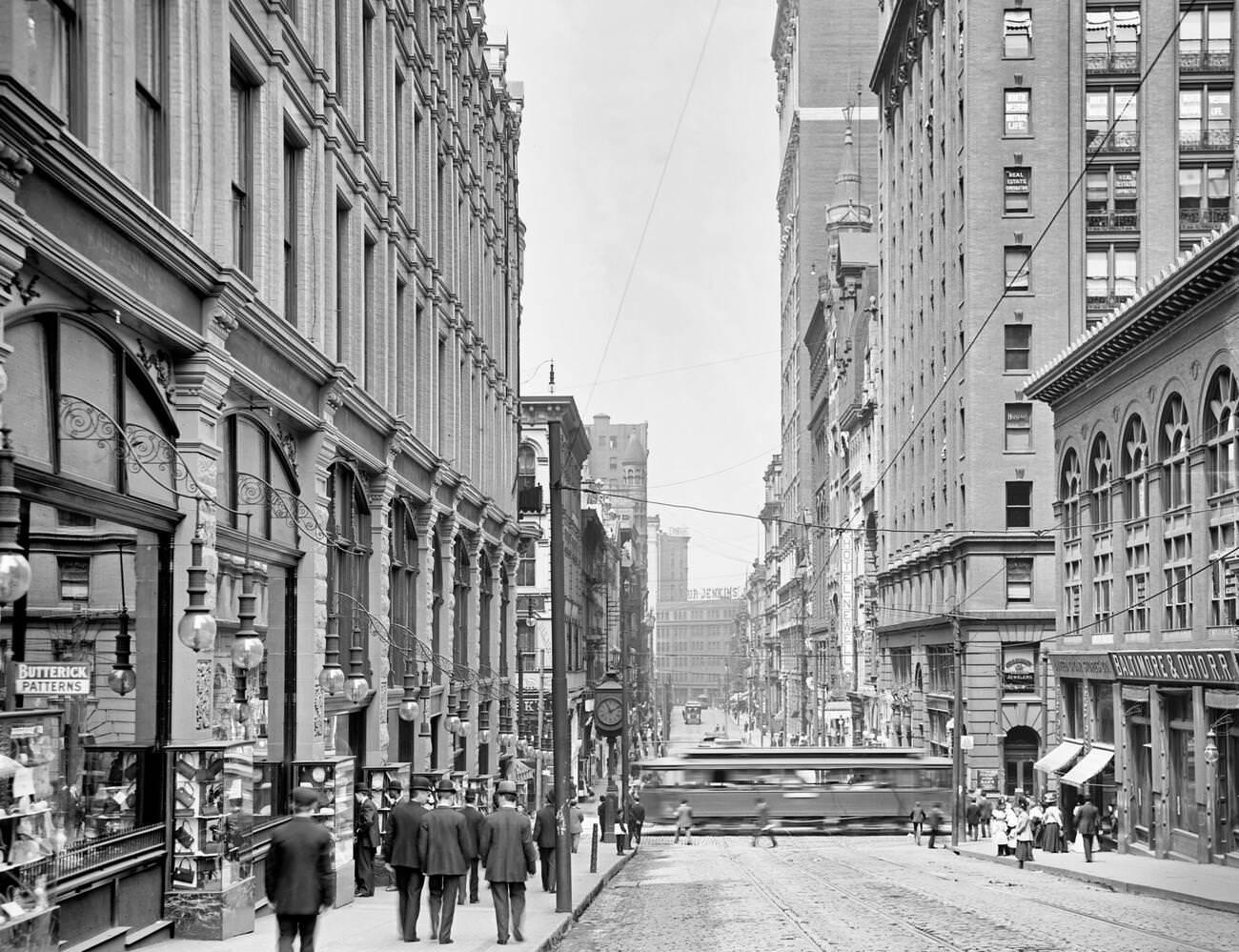
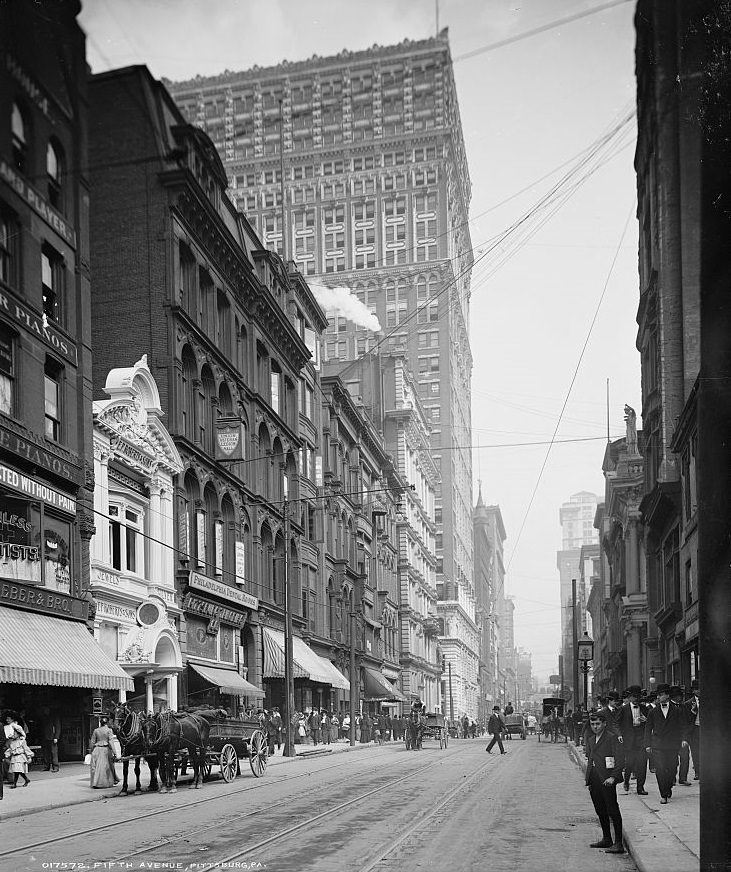
Fifth Avenue in Pittsburgh, looking north, 1900.

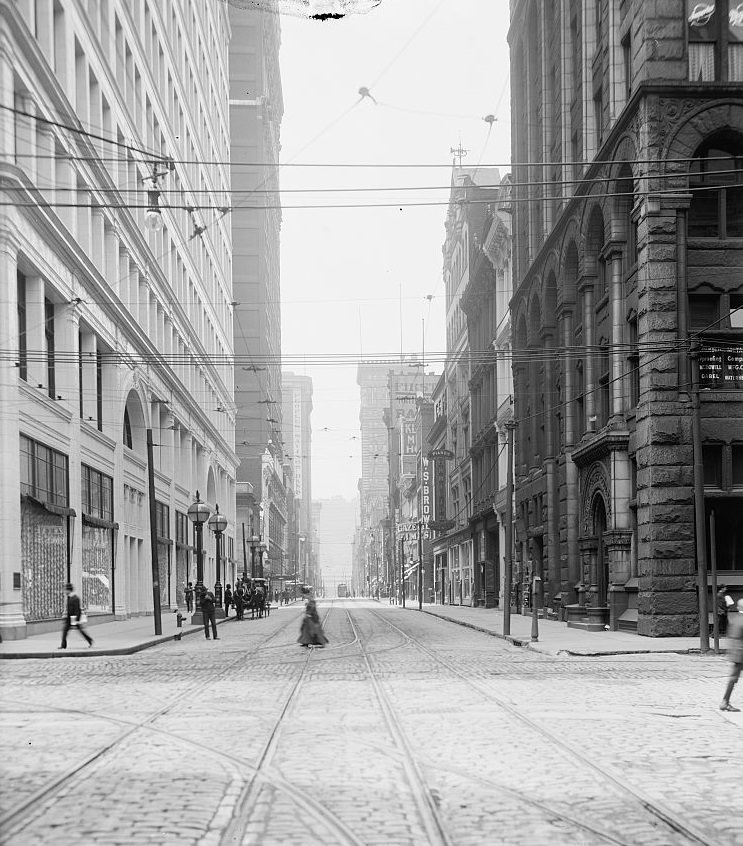
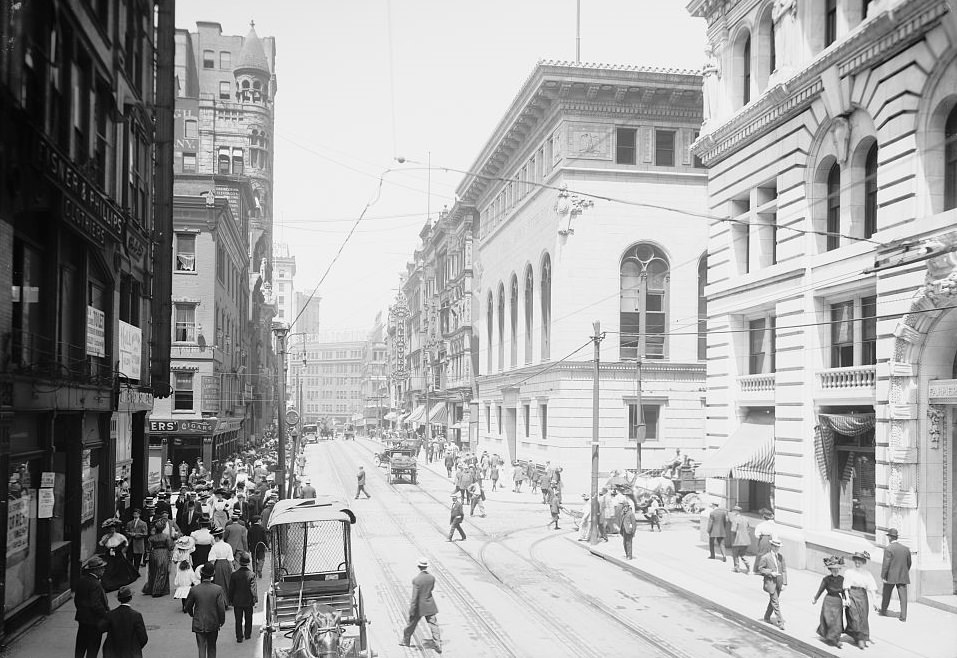
Fifth Avenue was one of the cityโ€™s main arteries. Pedestrians in long coats and wide-brimmed hats moved along sidewalks lined with storefronts, banks, and commercial buildings. Trolley lines ran down the center of many streets, making it possible for workers to travel across the city without walking miles through its steep hills and valleys. Pittsburghโ€™s terrain โ€” carved by three rivers and dozens of ridges โ€” made street-level movement a constant challenge, and the cityโ€™s infrastructure reflected that struggle.
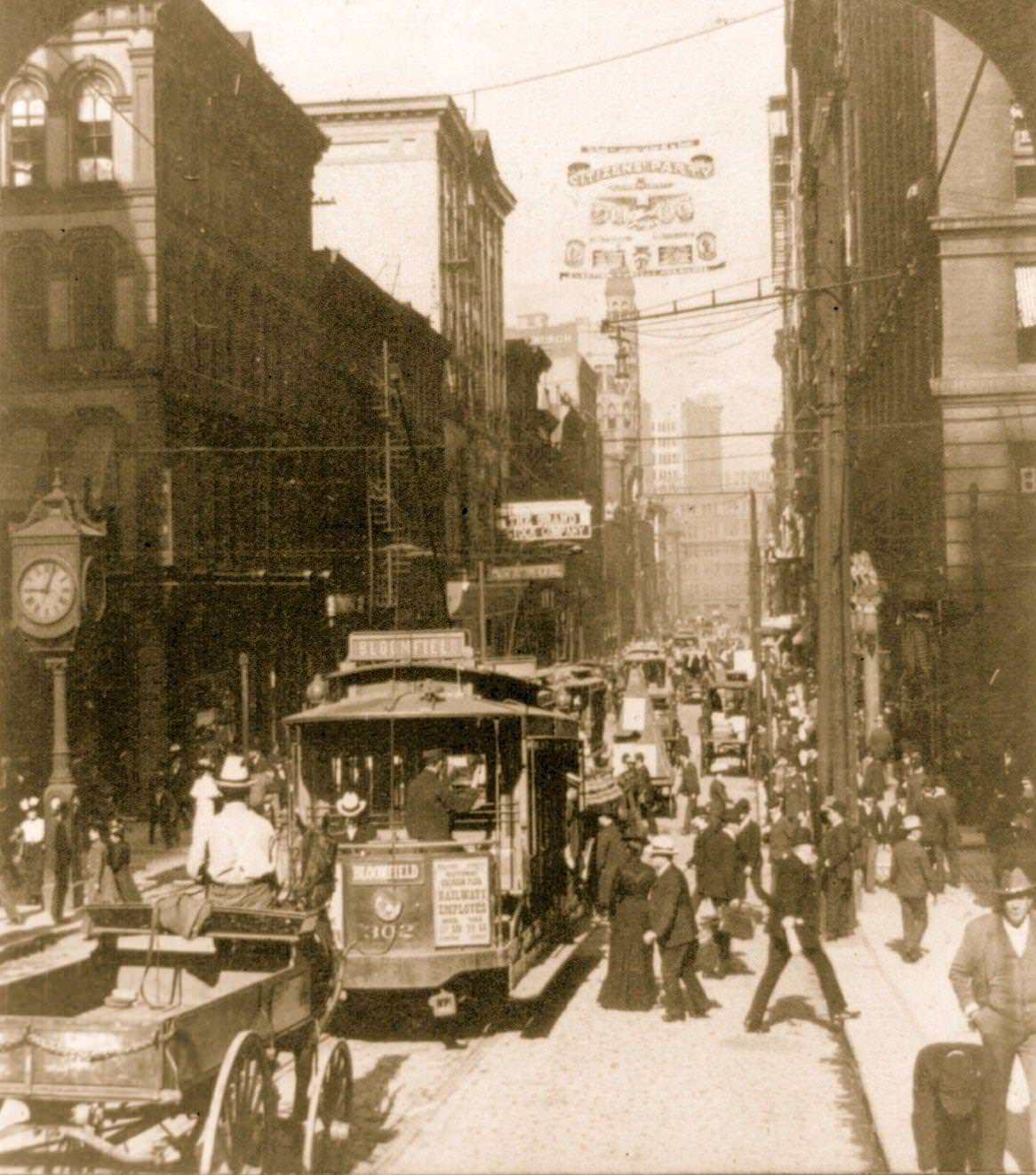
Bustling 5th Avenue west from Smithfield in Pittsburgh, featuring trolley cars and pedestrians, 1903.

Steel sat at the center of everything. Carnegie Steel, which Andrew Carnegie had built into a massive empire by the late 1800s, was the dominant force in Pittsburghโ€™s economy. The companyโ€™s furnaces ran around the clock. The Lucy Furnace, one of Carnegie Steelโ€™s most productive blast furnaces, operated on the North Side and symbolized the sheer scale of steel production happening in and around the city. Pittsburgh produced a significant portion of the nationโ€™s steel supply during this period, feeding demand from railroads, construction projects, and manufacturers across the country.
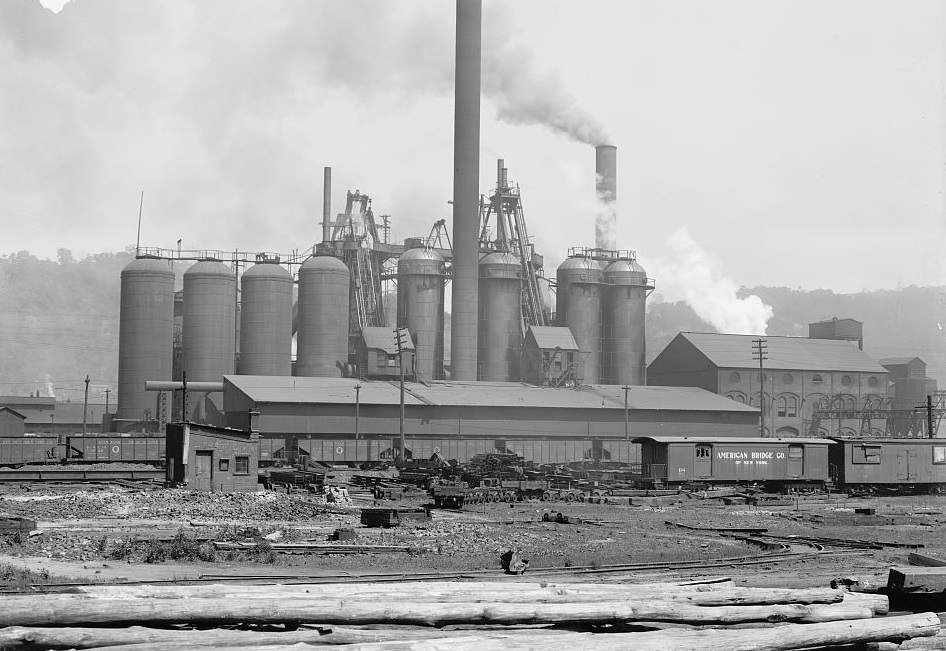
Carnegie Steel Company's "Lucy" Furnace, Pittsburgh, Pennsylvania, 1900s
Carnegie Steel Companyโ€™s โ€œLucyโ€ Furnace, Pittsburgh, Pennsylvania, 1900s

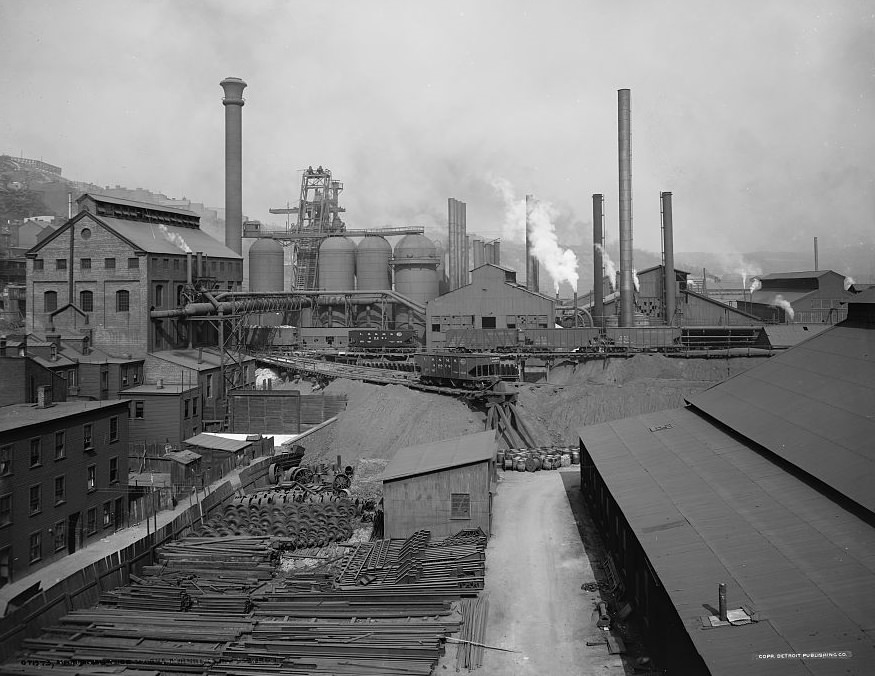
The National Tube Company, another major industrial operation, added to the thick belt of factory smoke that gave Pittsburgh its permanent haze. Its furnaces produced steel tubes used in pipelines and industrial machinery. Workers at these plants labored in dangerous conditions โ€” long hours, intense heat, and limited safety protections defined the job. Many of these workers were recent immigrants from Eastern and Southern Europe who had come to Pittsburgh seeking steady wages.
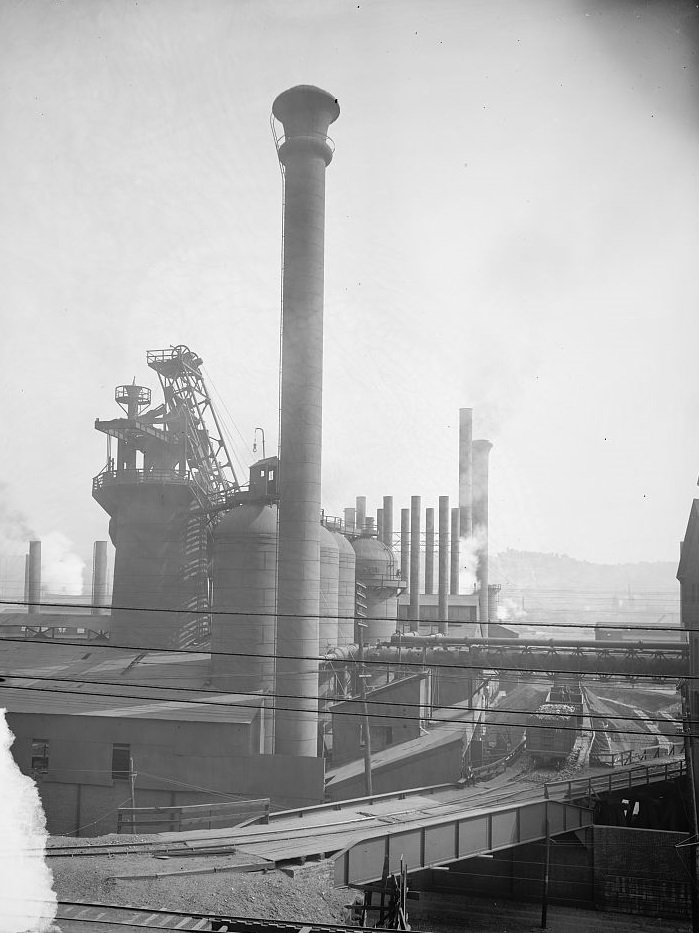
National Tube Company Works Furnaces, Pittsburgh, Pennsylvania, 1900s

Women, too, were part of Pittsburghโ€™s industrial workforce. By 1909, female factory workers could be found in manufacturing jobs across the city, though they were often paid significantly less than their male counterparts and assigned to different types of tasks. Their presence in the factories reflected both the cityโ€™s enormous labor appetite and the economic necessity faced by working-class families.
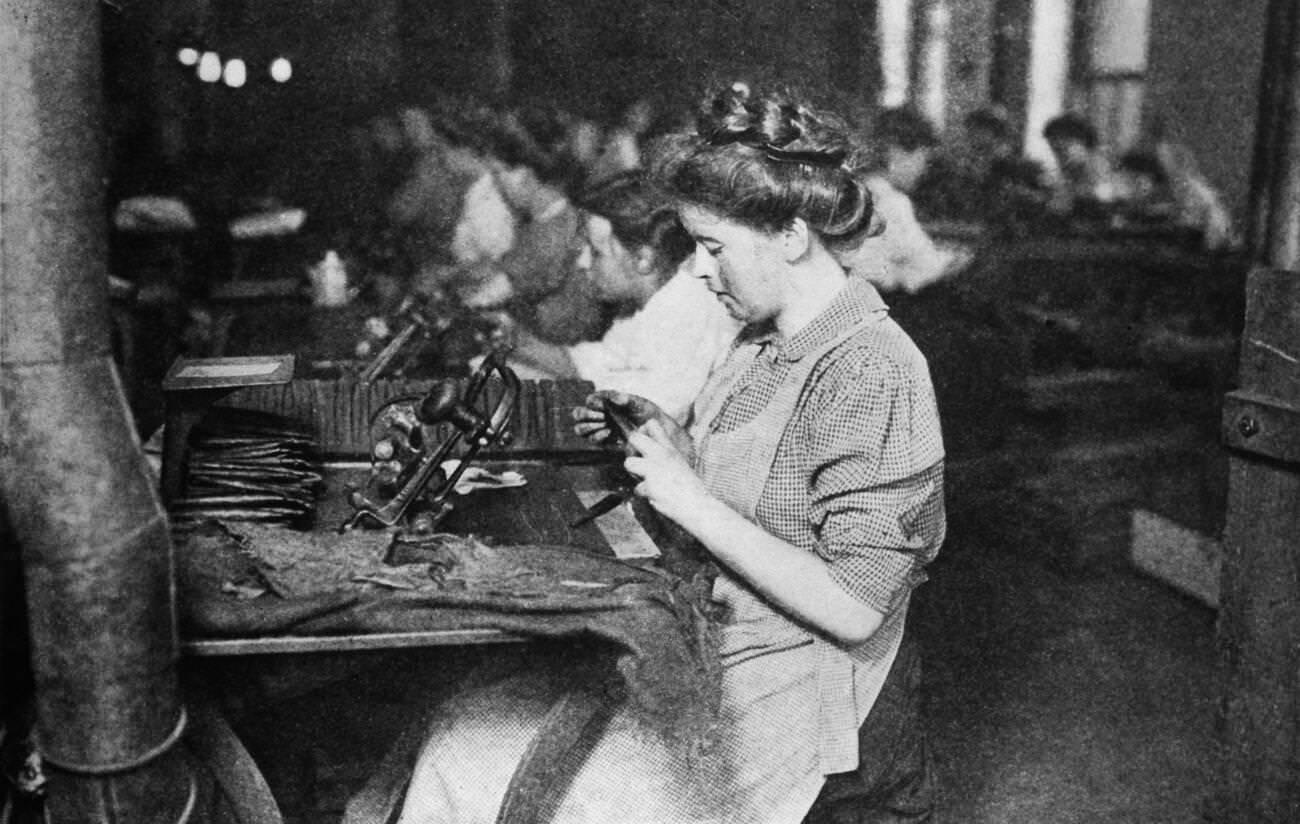
Female factory workers in Pittsburgh, 1909.

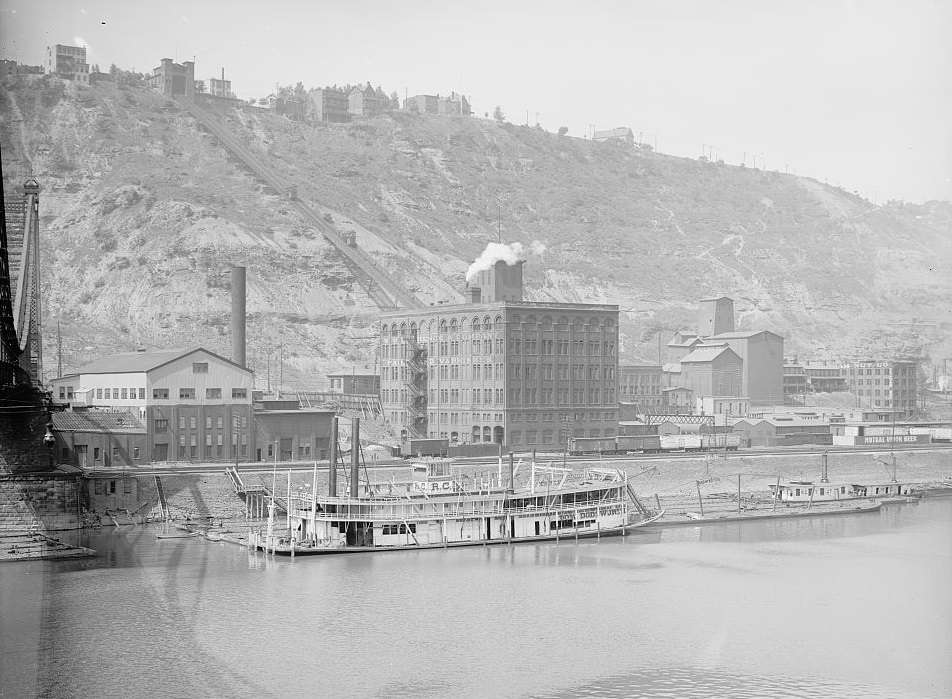
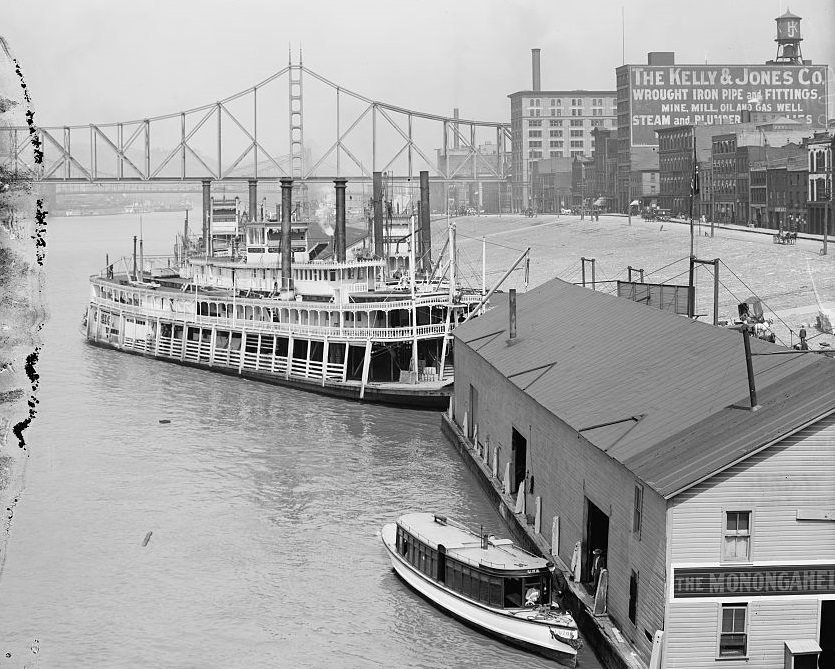
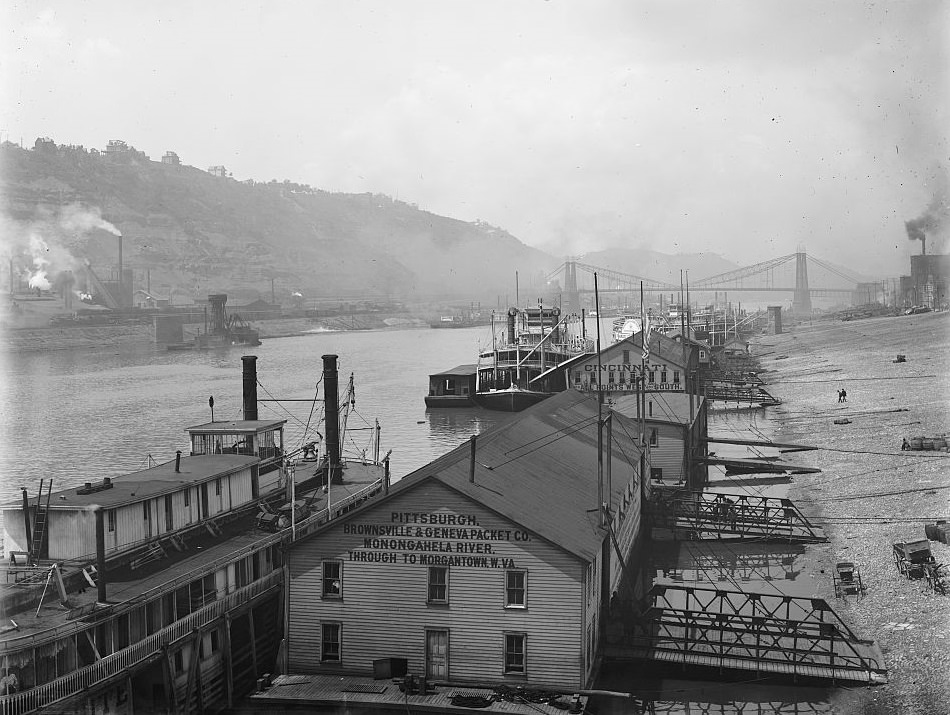
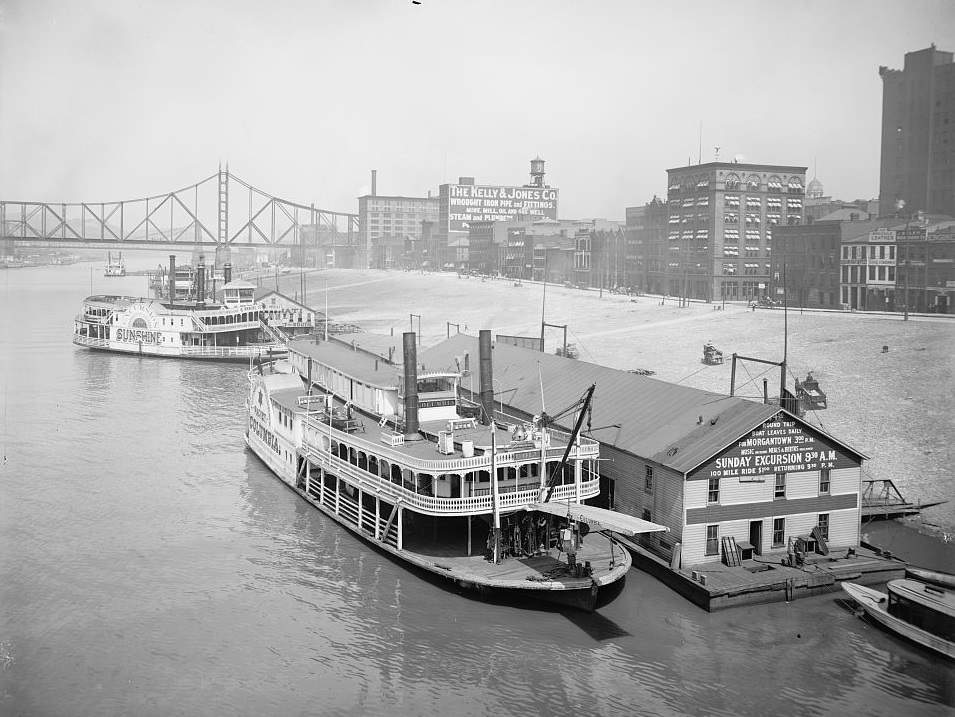
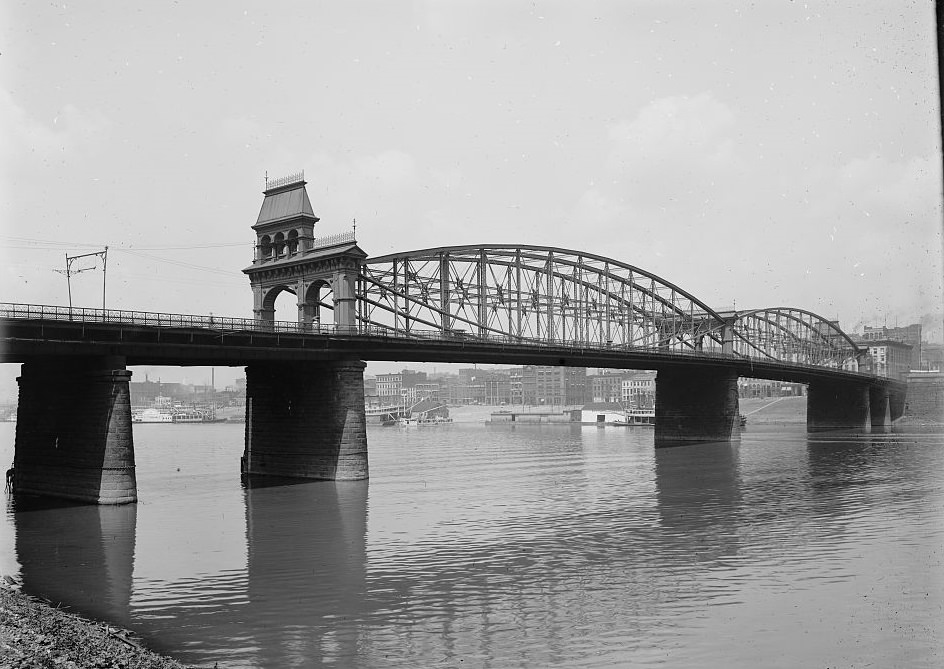
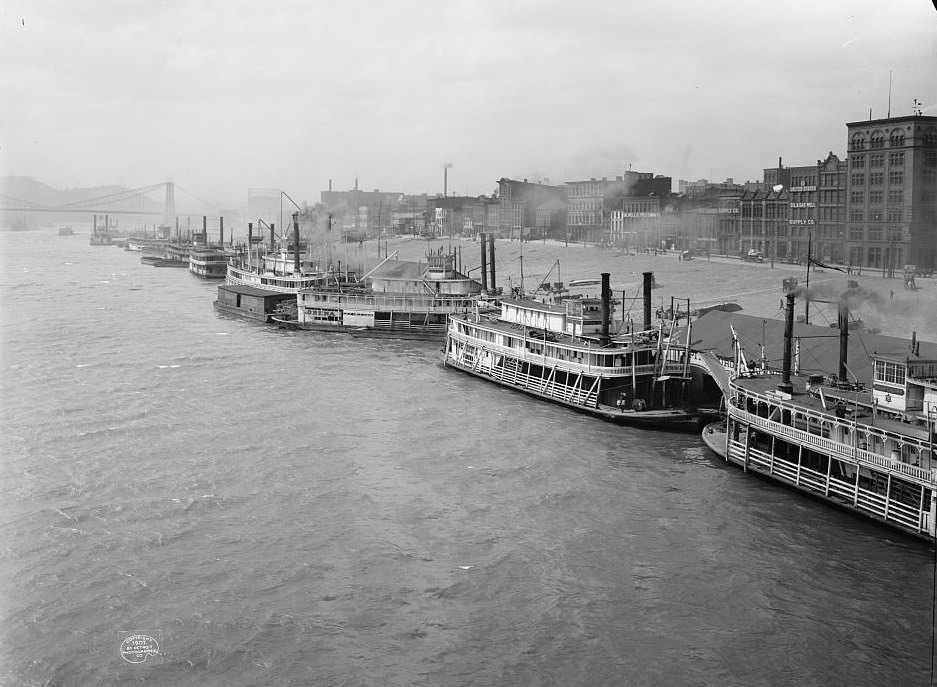
Pittsburghโ€™s rivers โ€” the Allegheny, the Monongahela, and the Ohio โ€” were not just geographic features. They were working waterways, essential to moving raw materials and finished goods. The wharves along the Monongahela were constantly active, with flatboats and barges loading and unloading cargo. The Smithfield Street Bridge, one of the most recognizable spans in the city, connected downtown to the South Side across the Monongahela River. Built with a distinctive lenticular truss design, it carried both pedestrians and vehicles at a time when bridge crossings were critical to daily commerce.
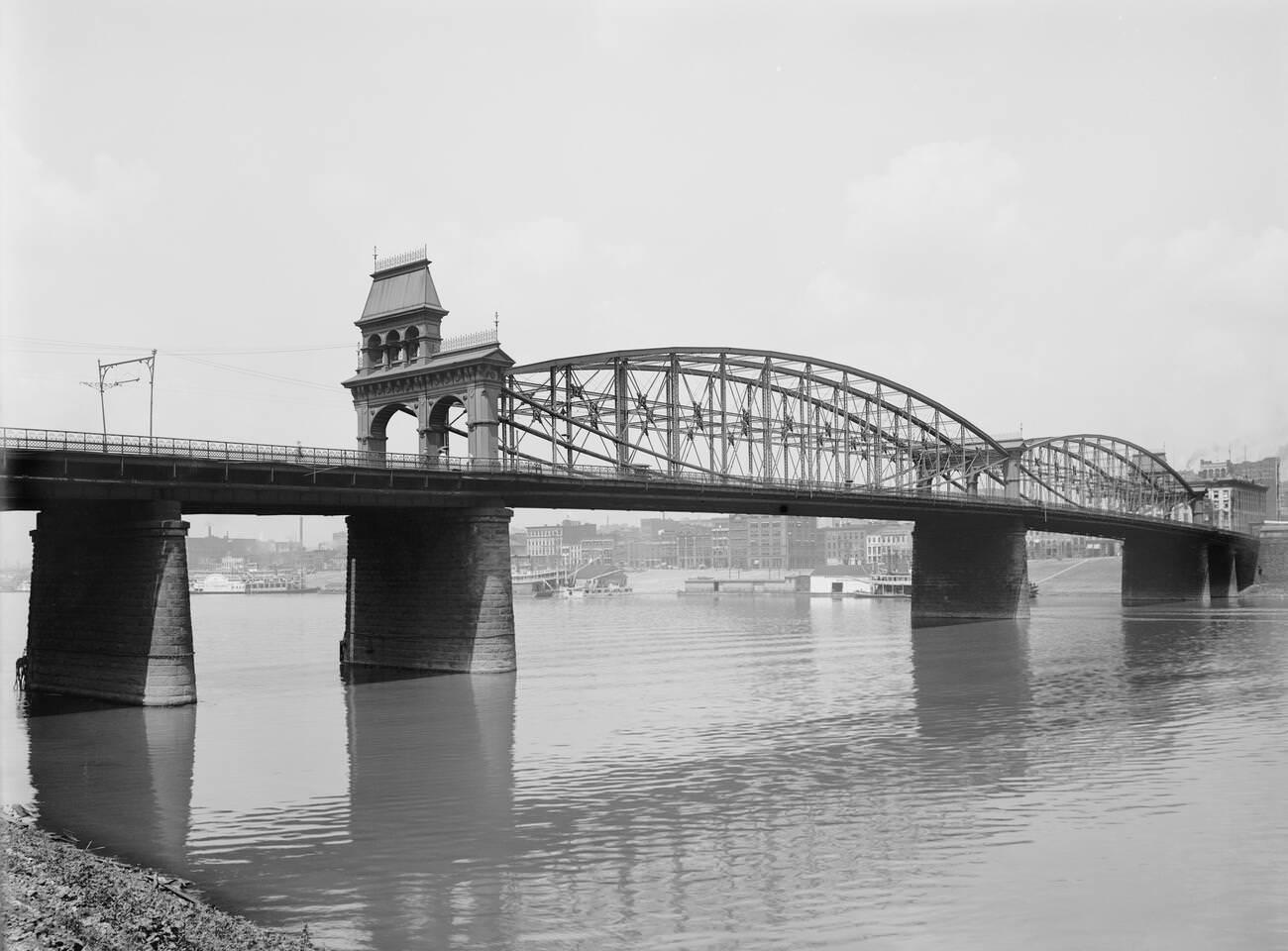
Smithfield Street Bridge spanning the Monongahela River in Pittsburgh, 1900.
Monongahela Wharves, Pittsburgh, Pennsylvania, 1902

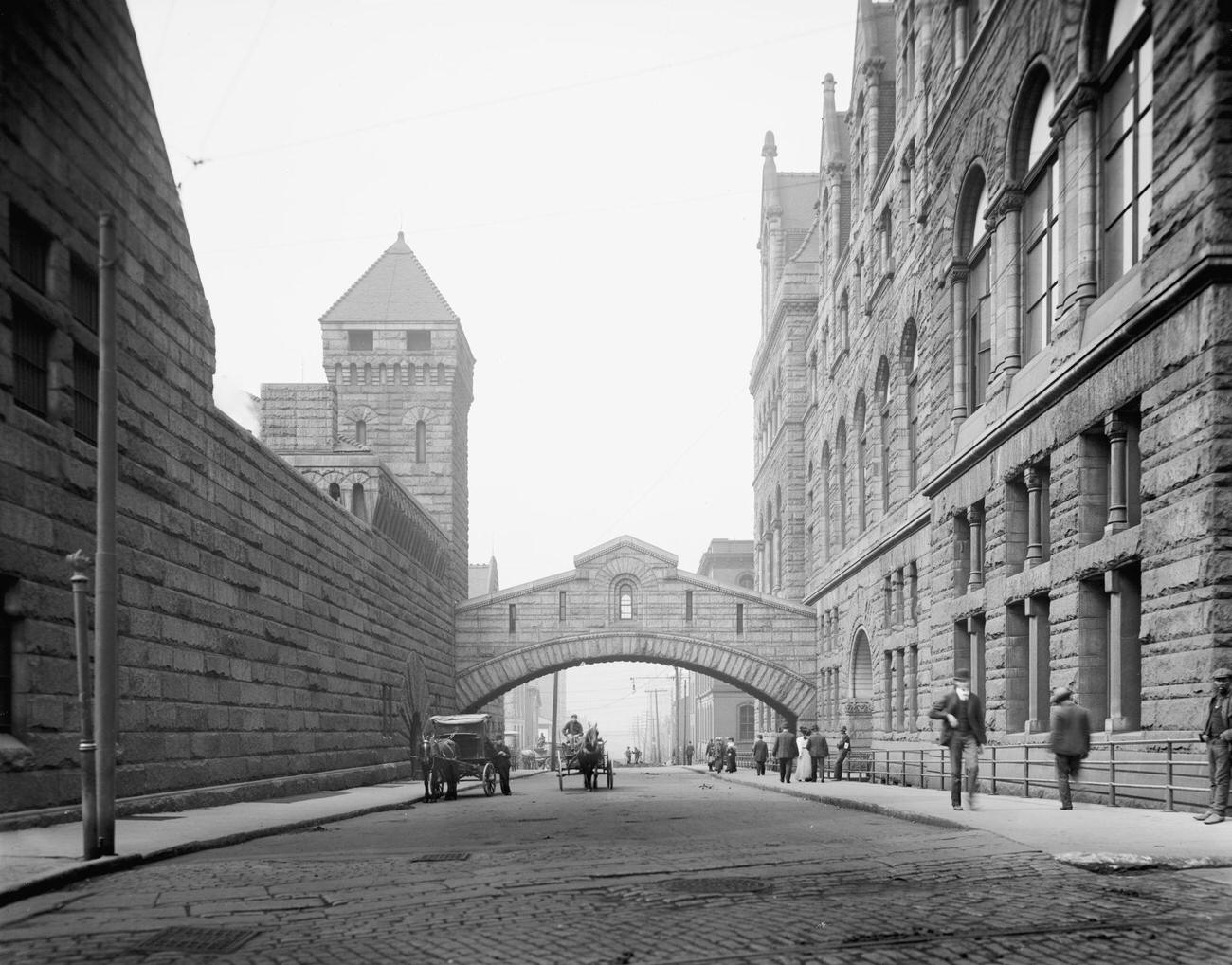
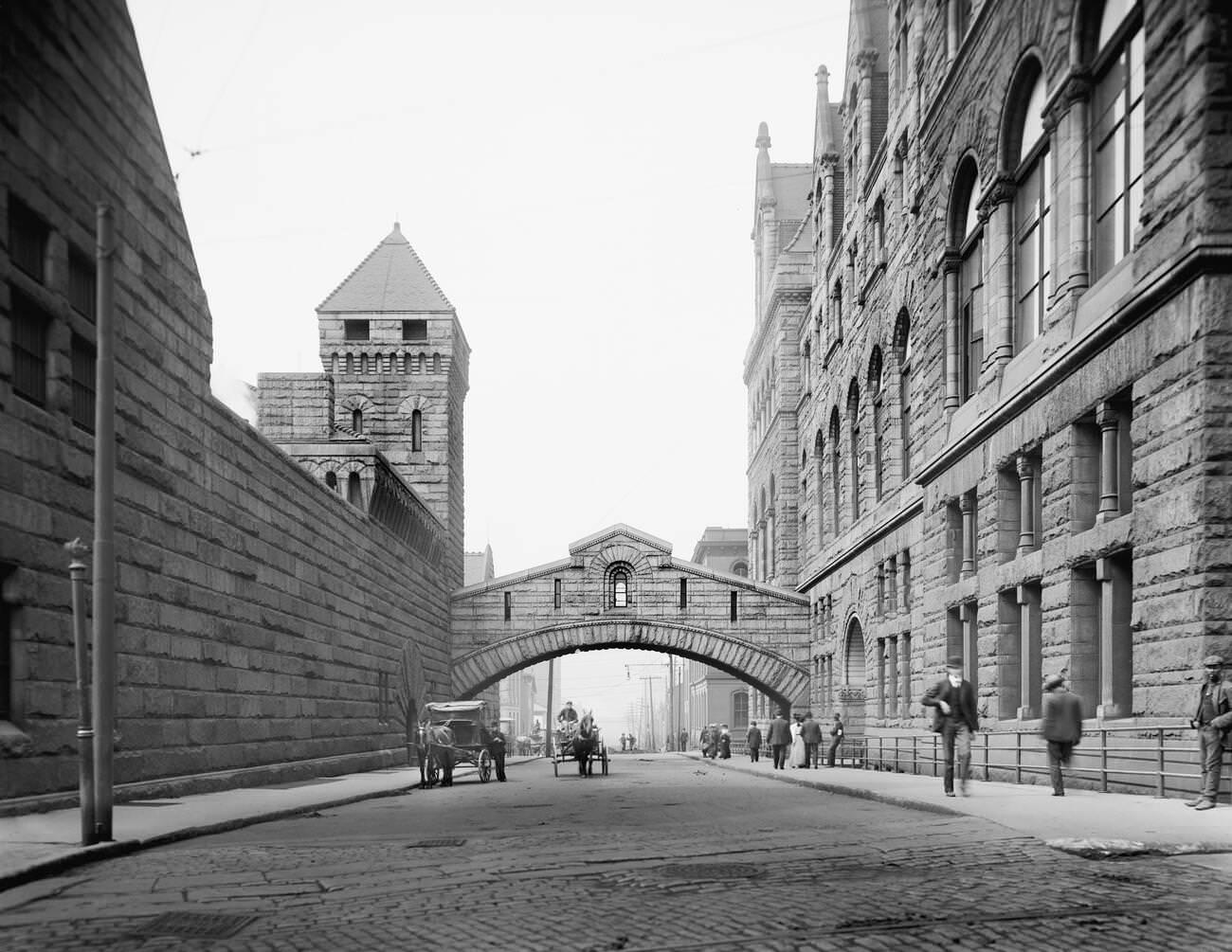
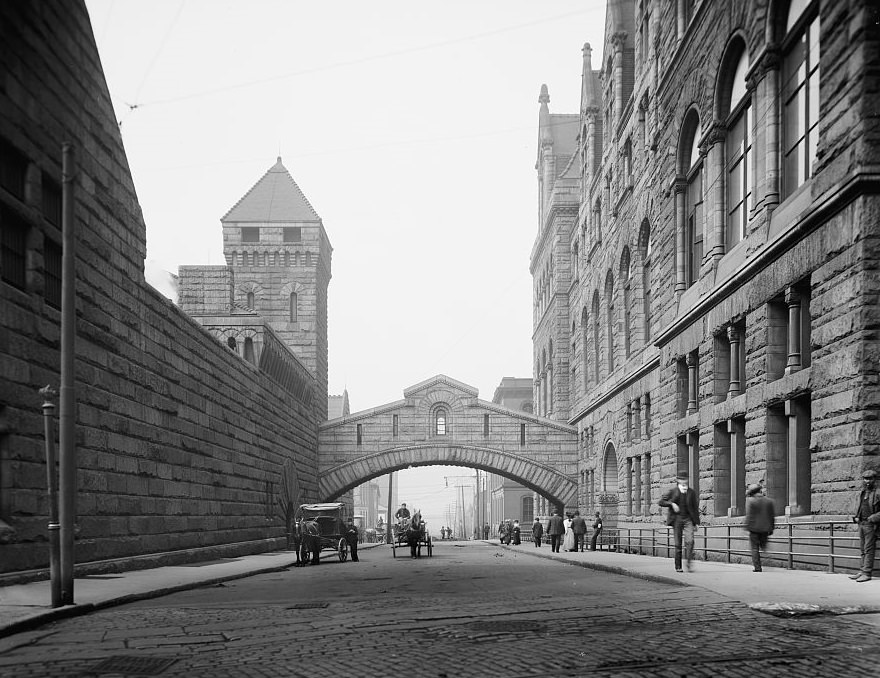
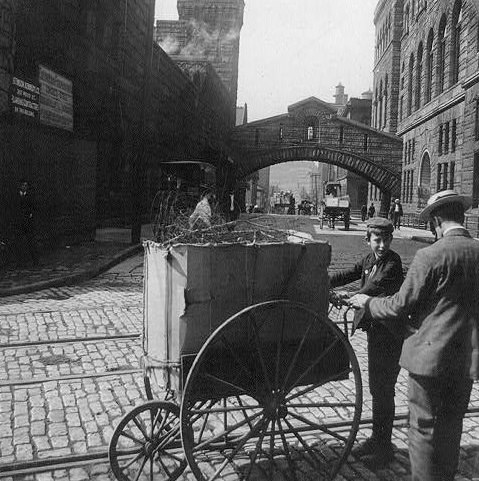
Bridges were everywhere in Pittsburgh. The Point Bridge and the Sixth Street Bridge each played key roles in connecting the cityโ€™s neighborhoods. The Bridge of Sighs, a pedestrian bridge near the courthouse, linked the jail to the court building โ€” a much more ominous crossing than the scenic bridges over the rivers.
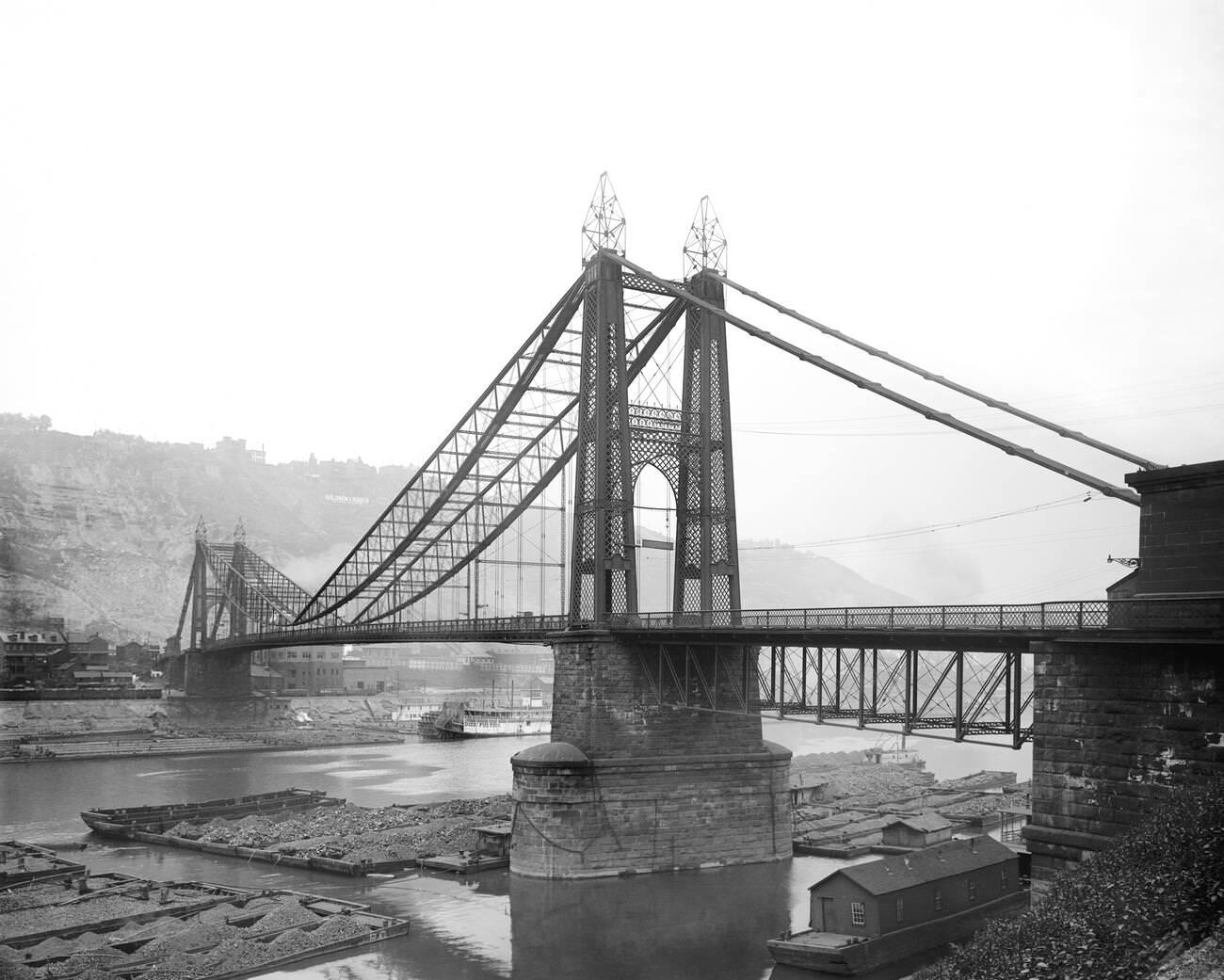
Point Bridge over the Monongahela River in Pittsburgh, 1900.
View of Pittsburgh's Bridge of Sighs over Ross Street, 1903.
View of Pittsburghโ€™s Bridge of Sighs over Ross Street, 1903.

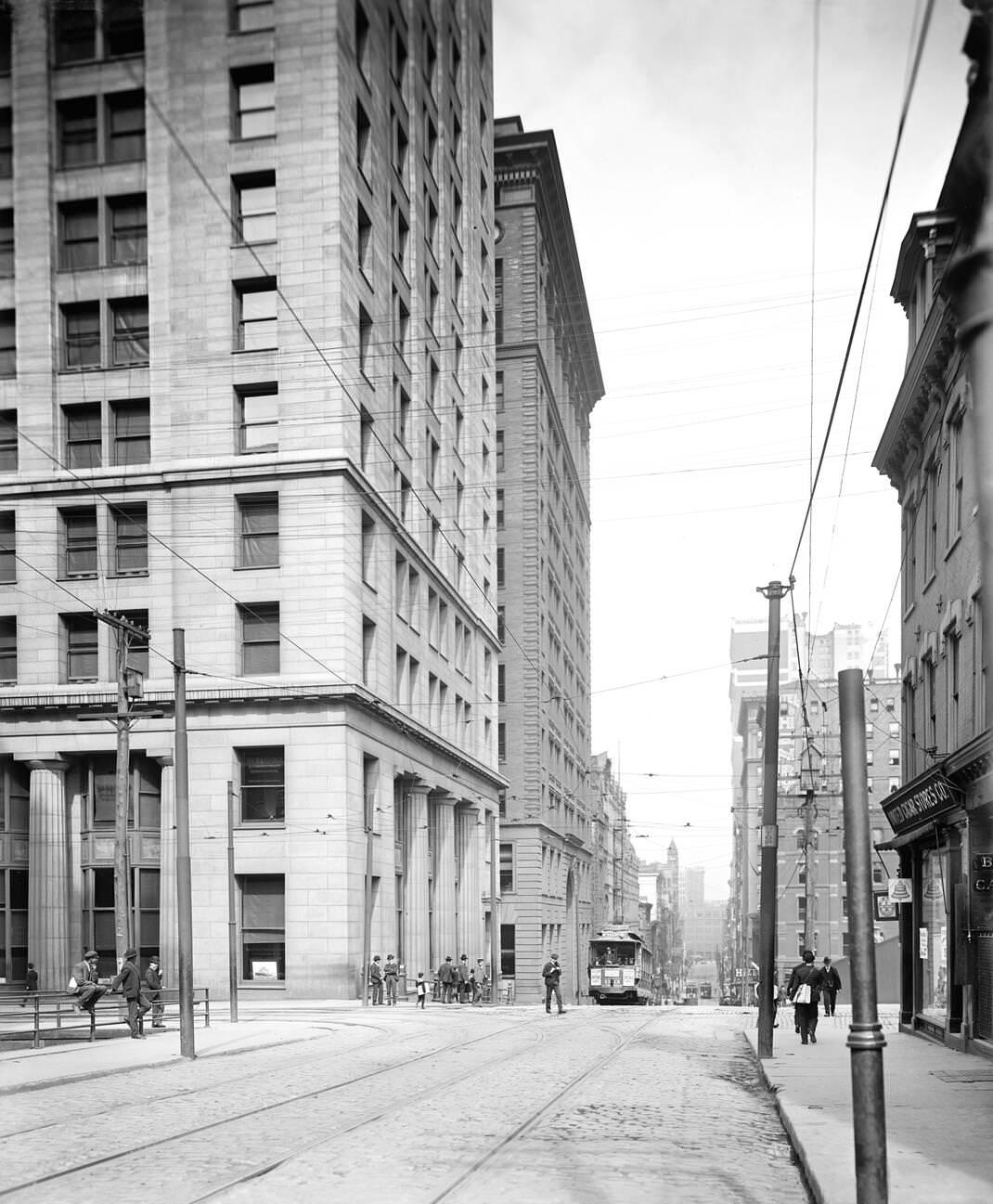
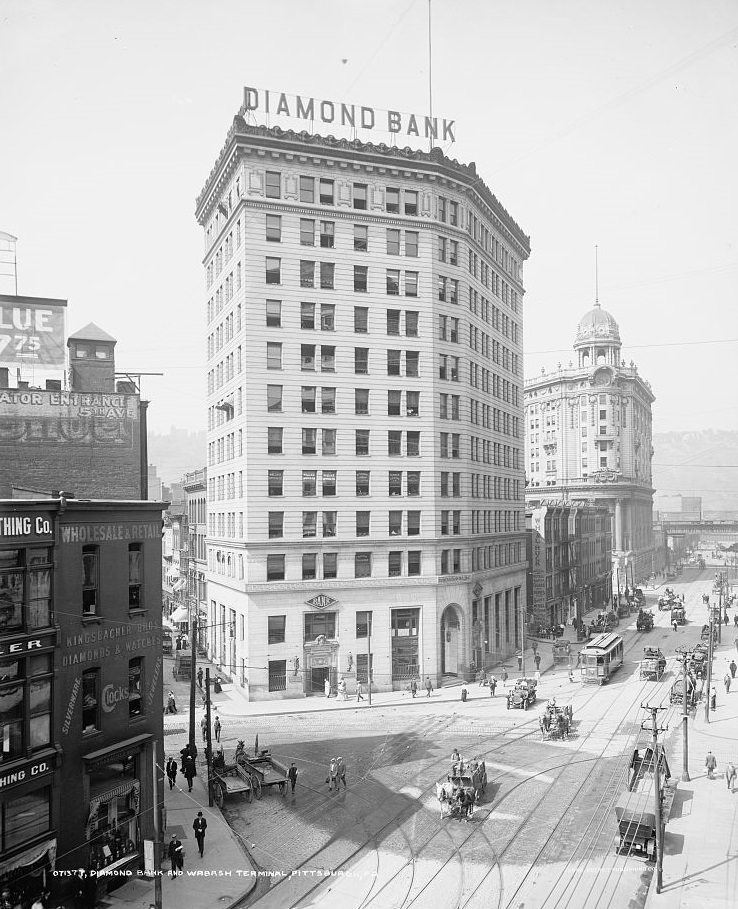
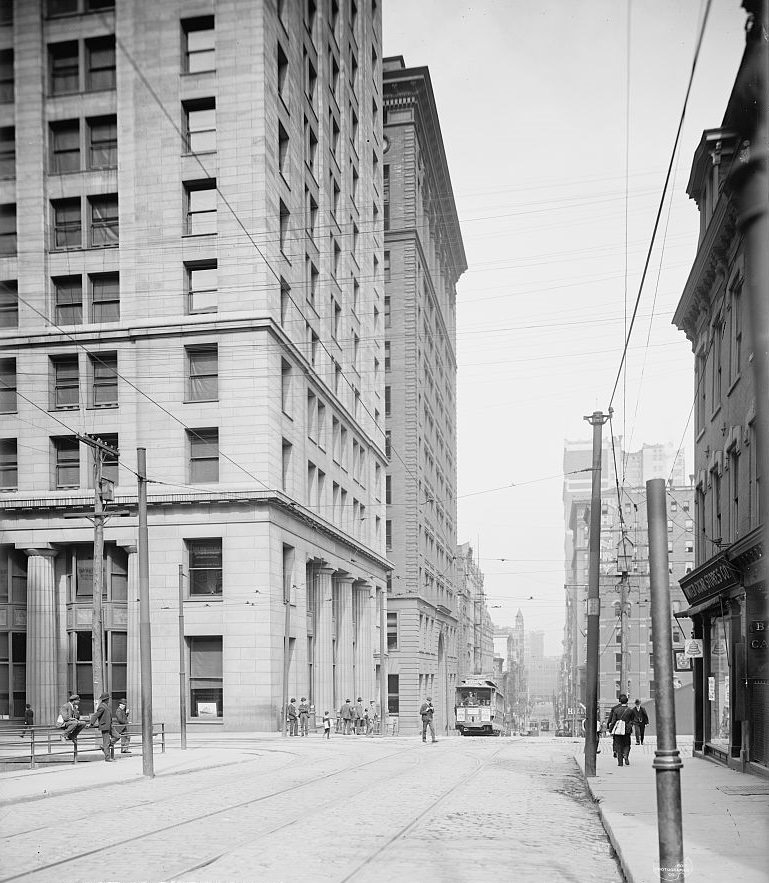
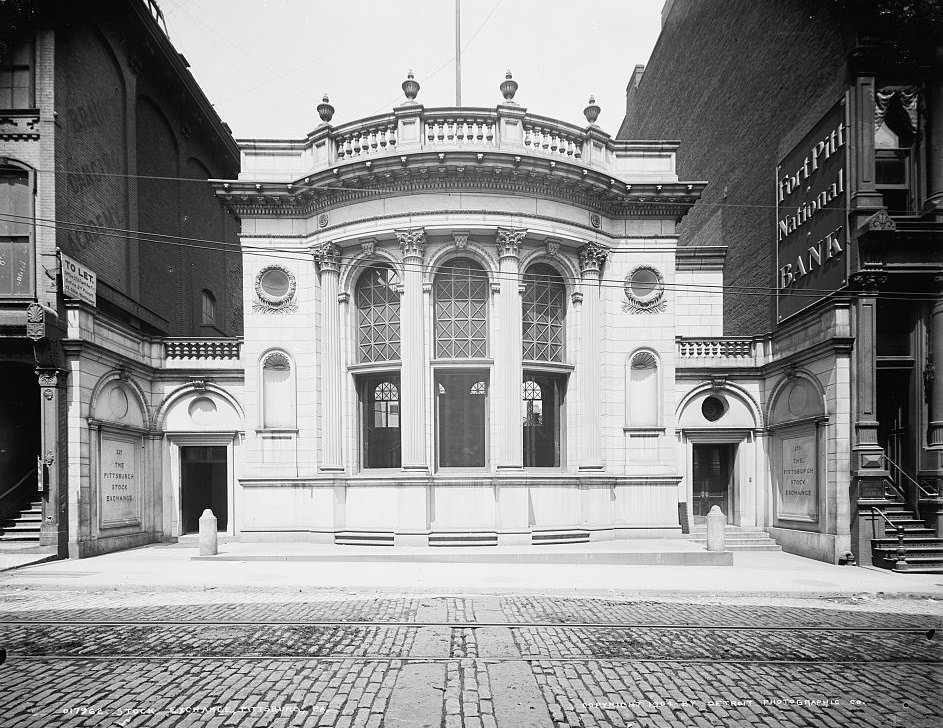
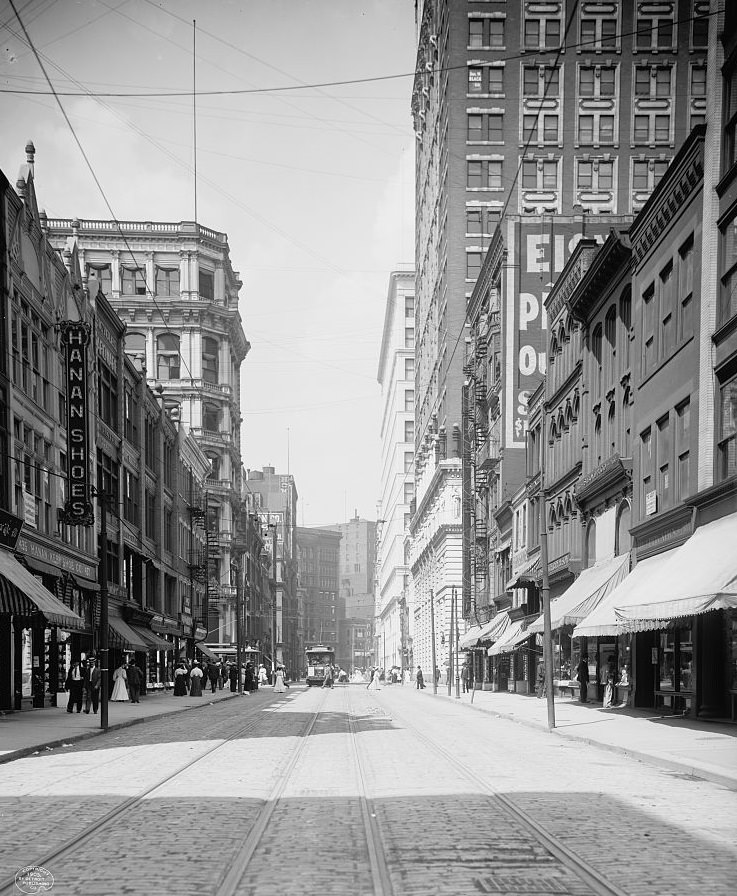
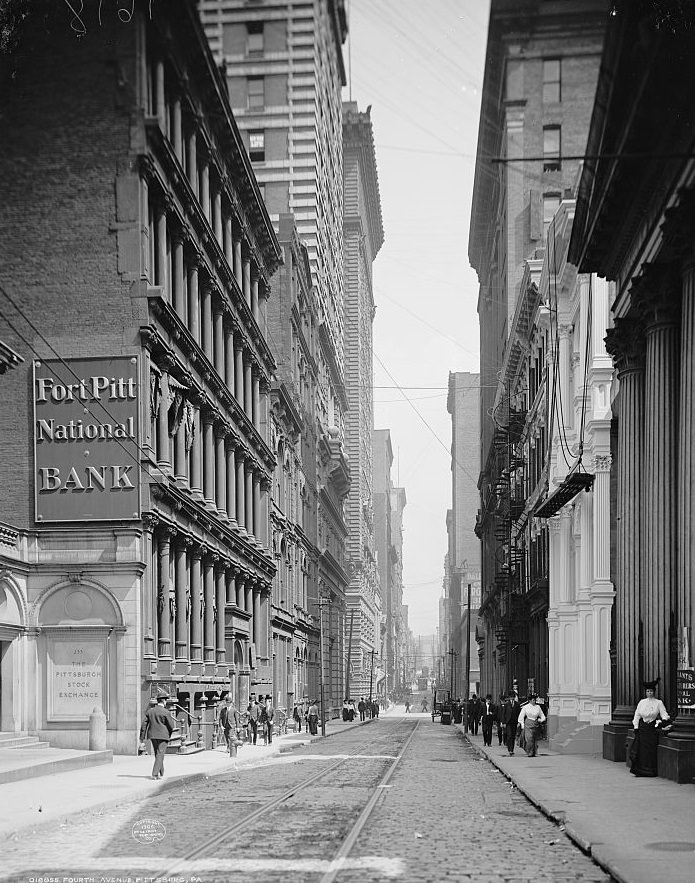
Downtown Pittsburgh was a place of serious commercial and civic ambition. Fourth Avenue, sometimes called Pittsburghโ€™s Wall Street, was home to the cityโ€™s banks and financial institutions. The Stock Exchange, the Bank of Pittsburgh, and the Diamond National Bank all operated in the downtown core. These institutions managed the enormous wealth being generated by the steel industry and channeled capital into new construction, businesses, and expansion.
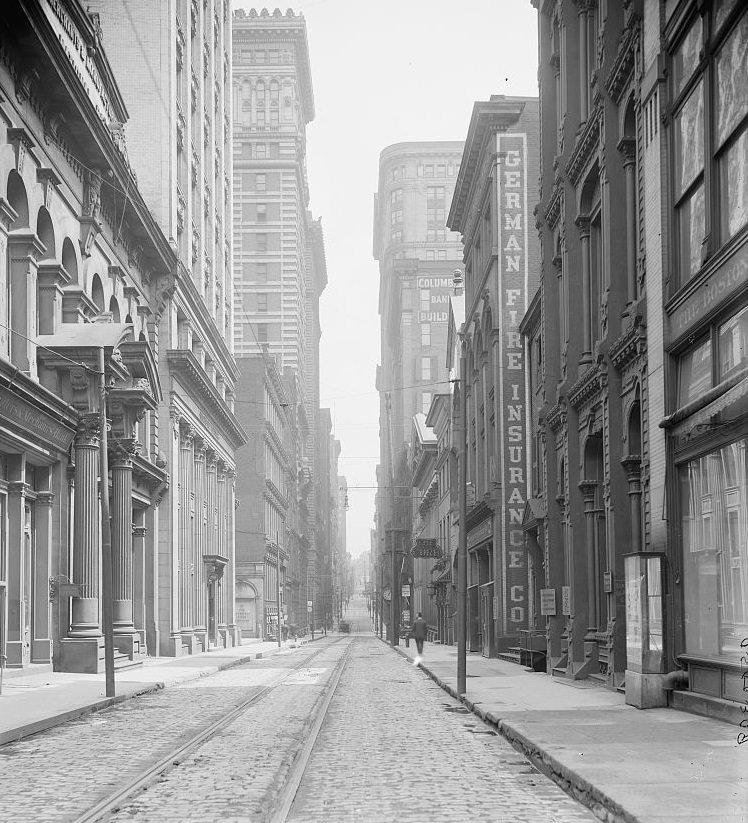
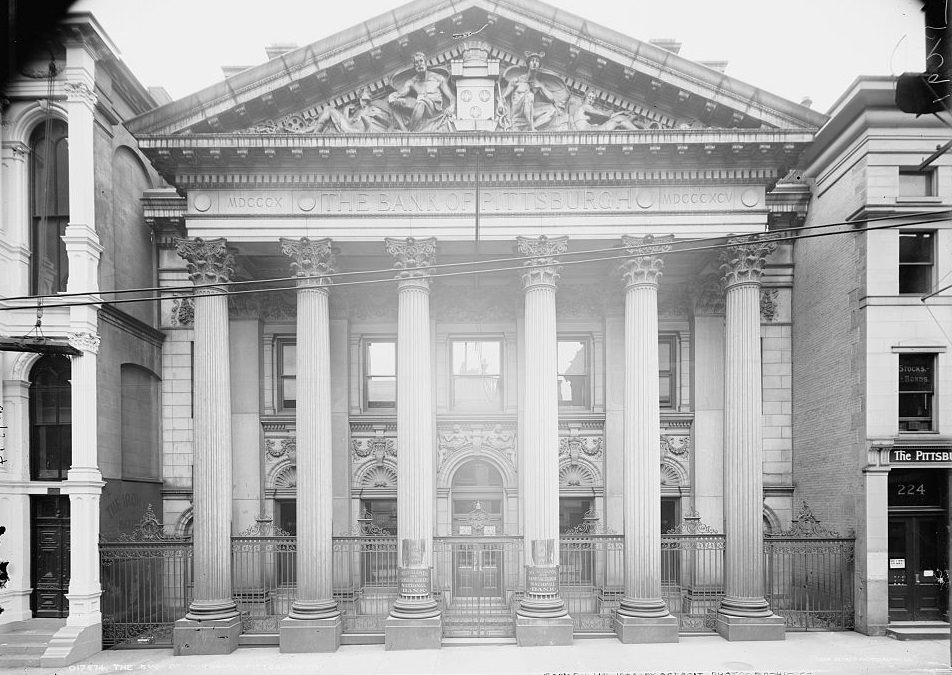
Pittsburgh Wall Street, Fourth Avenue, Pittsburgh, Pennsylvania, 1900s
Bank of Pittsburgh, Pittsburgh, Pennsylvania, 1904

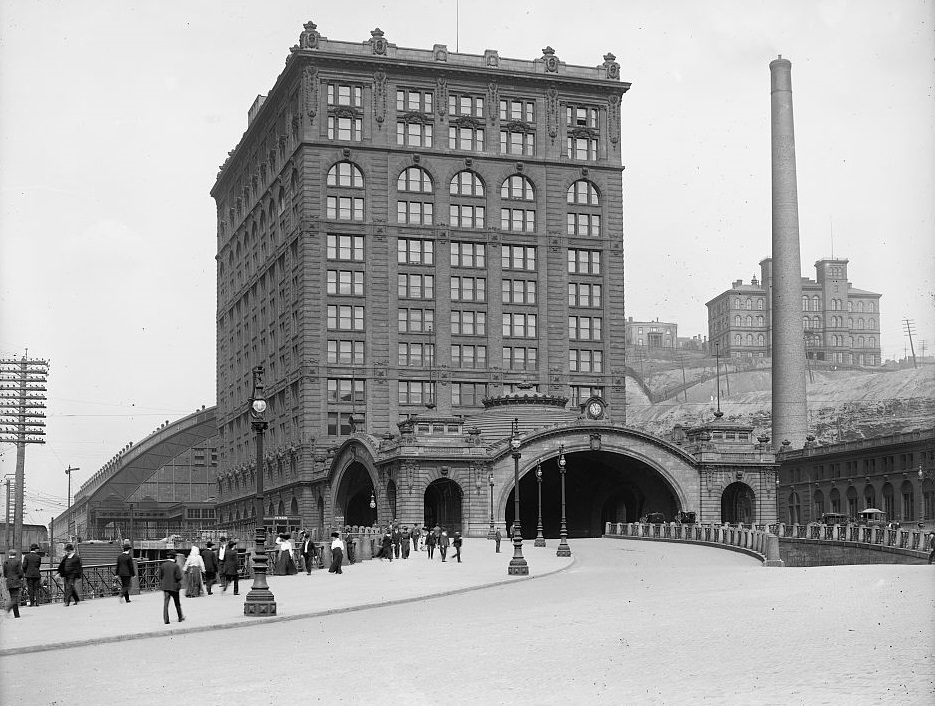
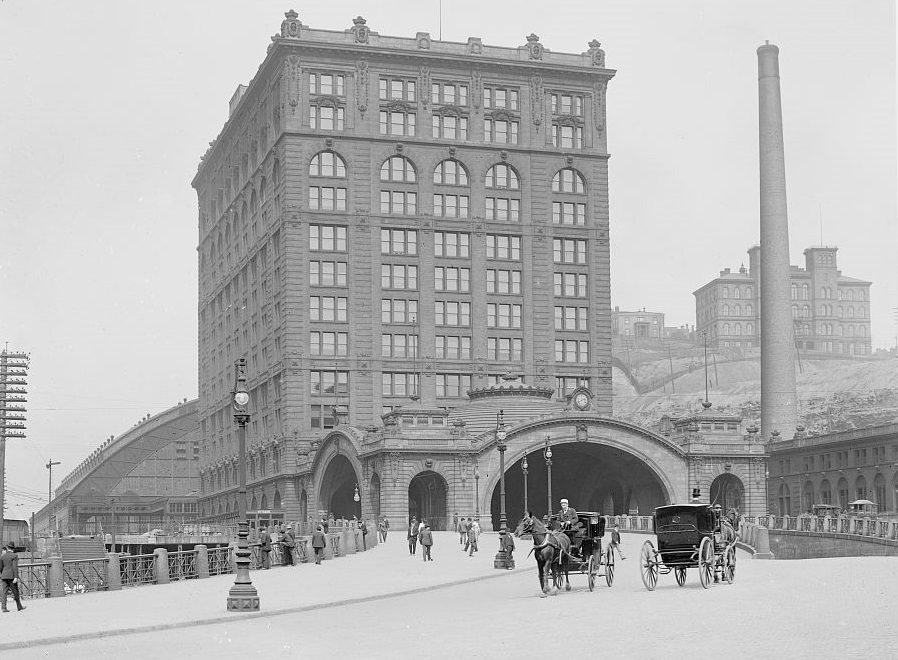
Union Station served as Pittsburghโ€™s grand gateway for rail travel. Built in the Beaux-Arts style, the station opened in 1903 and handled thousands of passengers a day. Its soaring rotunda and ornate facade made it one of the most impressive structures in the city. The Pennsylvania Railroad was the dominant carrier, connecting Pittsburgh to Philadelphia, New York, and cities across the Midwest.
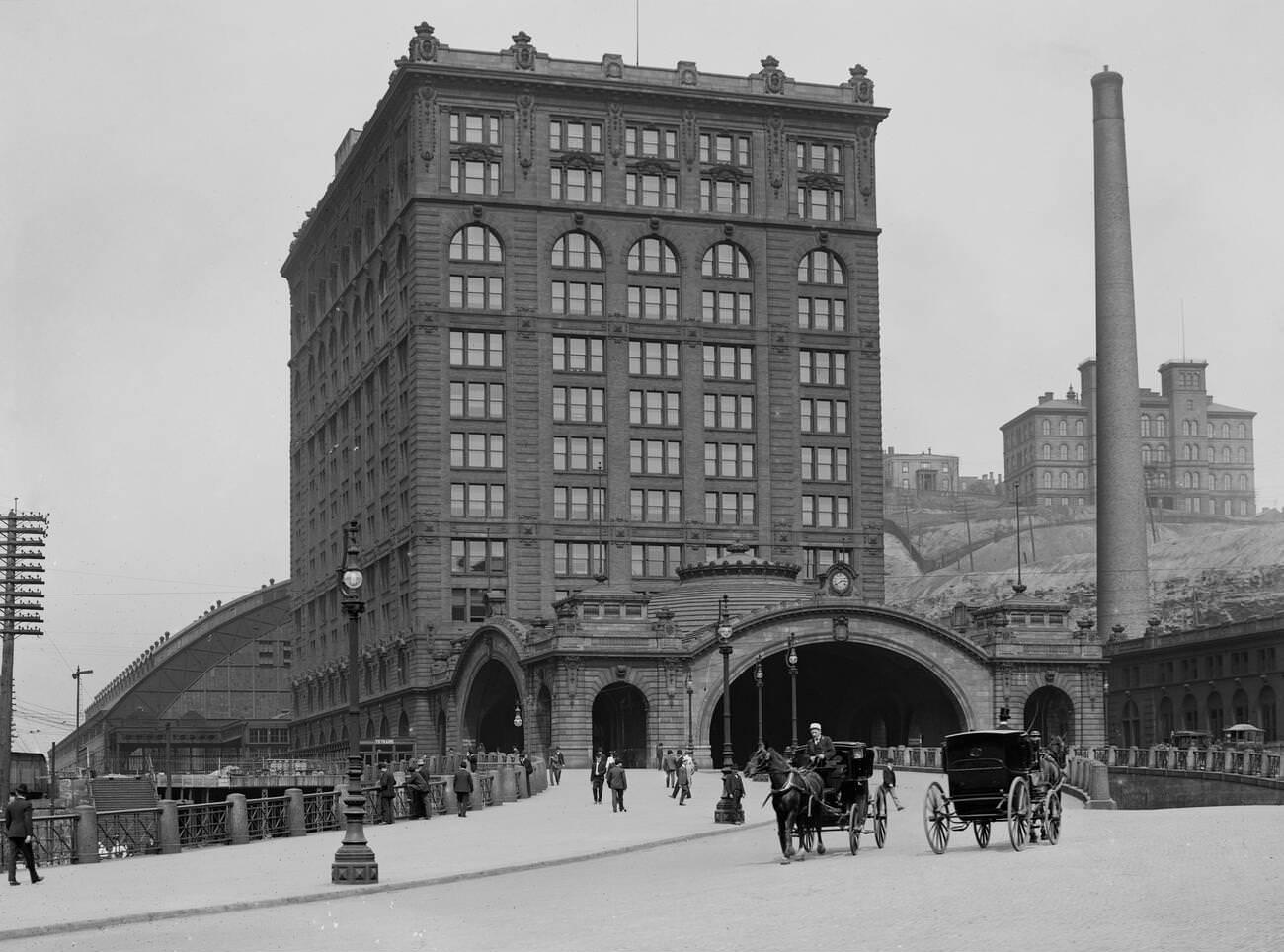
Union Station in Pittsburgh, Pennsylvania, 1904.
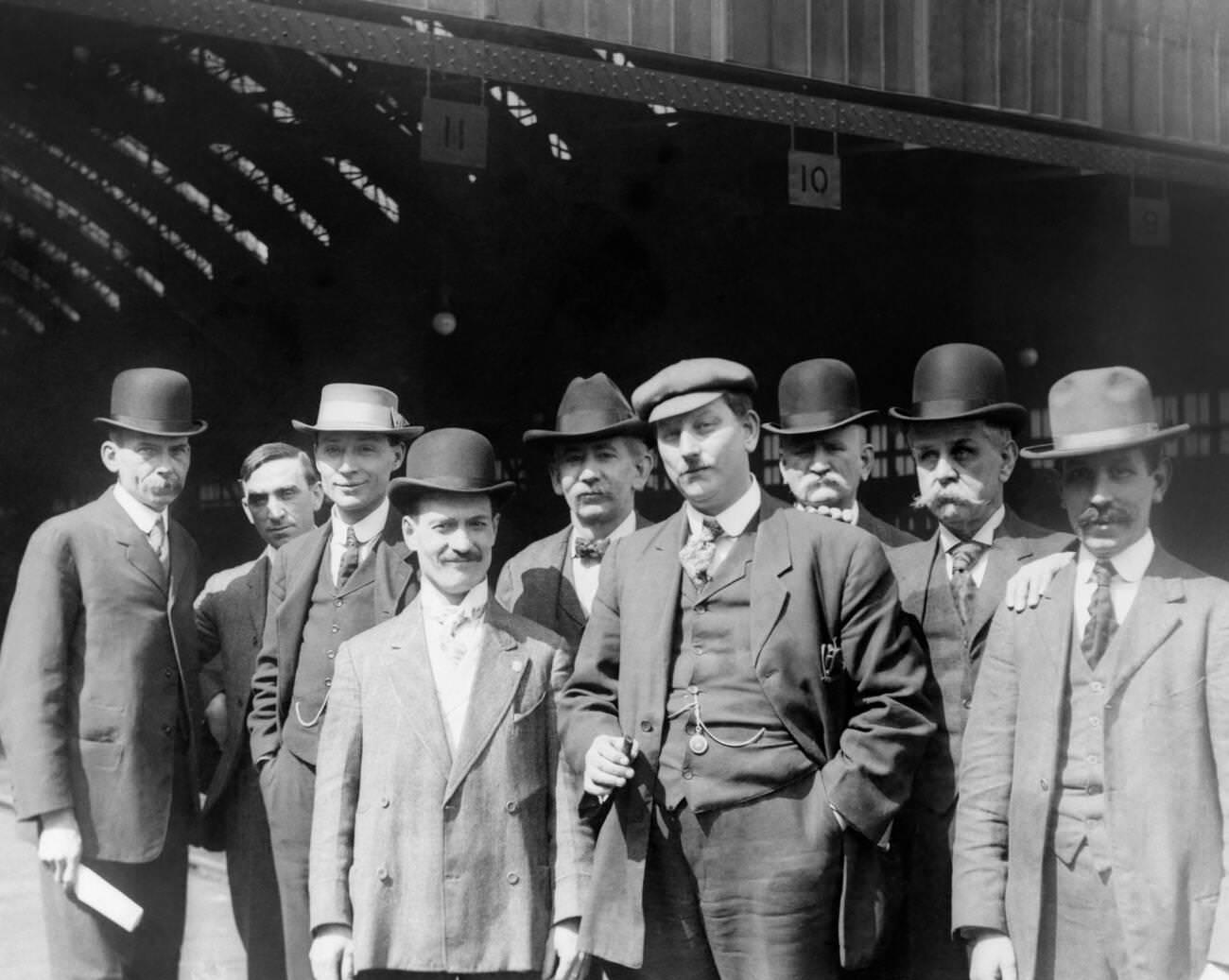
Men in suits and hats at Pennsylvania Railroad Station in Pittsburgh, early 1900s.

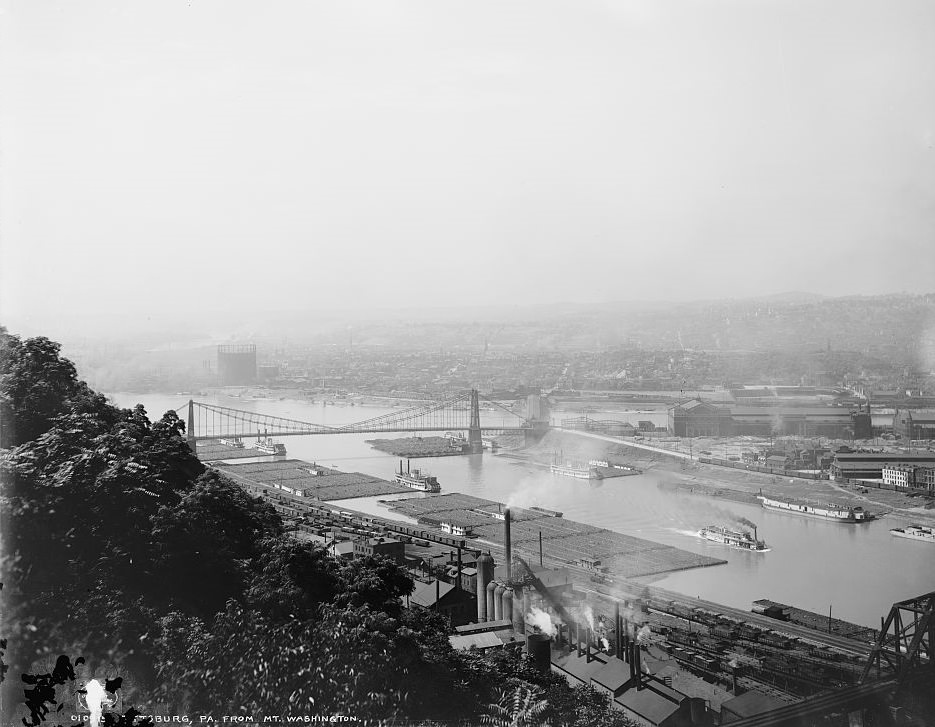
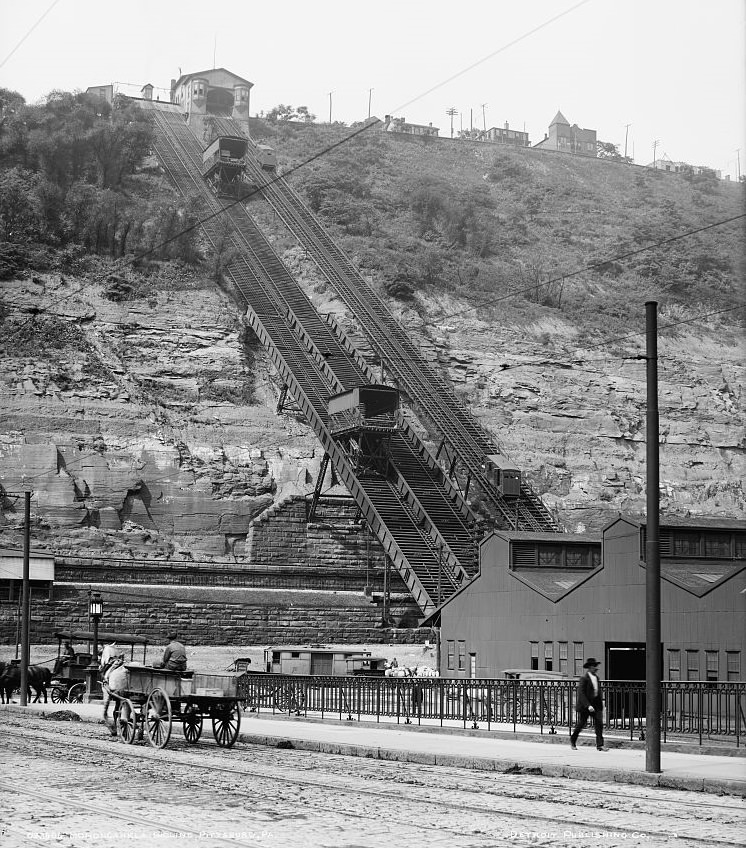
For those looking to reach the hilltops without a long climb, Pittsburghโ€™s inclines provided a practical solution. The Monongahela Incline and the Duquesne Incline both operated during this period, carrying passengers up the steep slopes of Mt. Washington on cable-driven cars. From the top, the view of the city below โ€” the rivers, the bridges, the factory smoke โ€” made clear just how densely built and industrially active Pittsburgh had become.
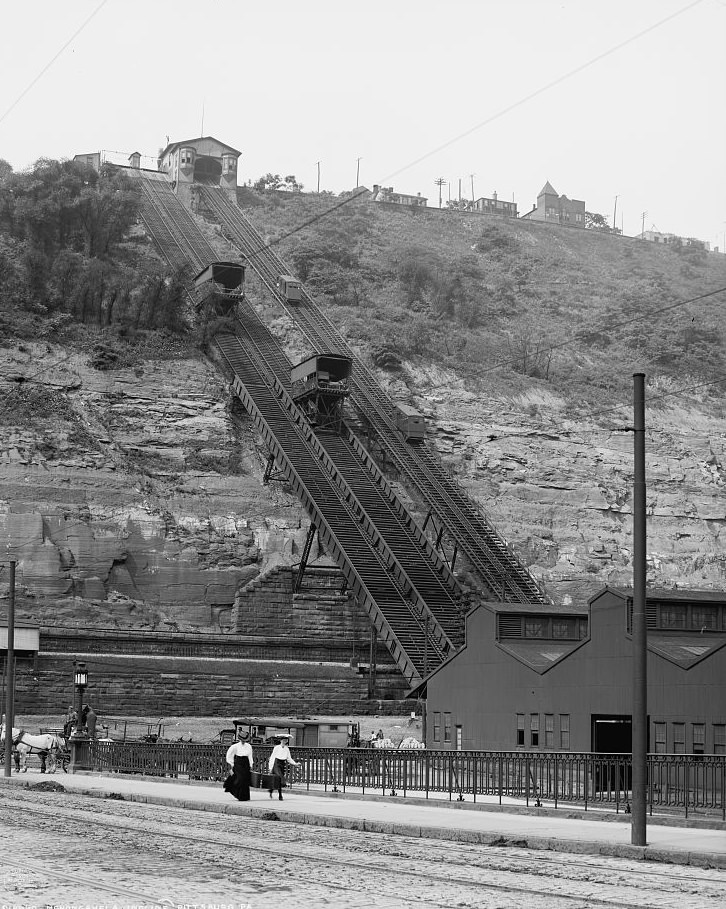
Monongahela Incline, Pittsburgh, Pennsylvania, 1905
Duquesne Incline in Pittsburgh, 1900s.
View from Mt. Washington, Pittsburgh, Pennsylvania, 1905

The cityโ€™s markets and commercial streets drew large crowds every day. The open market scene captured by the Detroit Publishing Company in 1900 showed vendors and shoppers in close quarters, buying and selling produce, goods, and supplies. Wood Street and Liberty Avenue were similarly active, with shops, banks, and businesses lining the sidewalks.
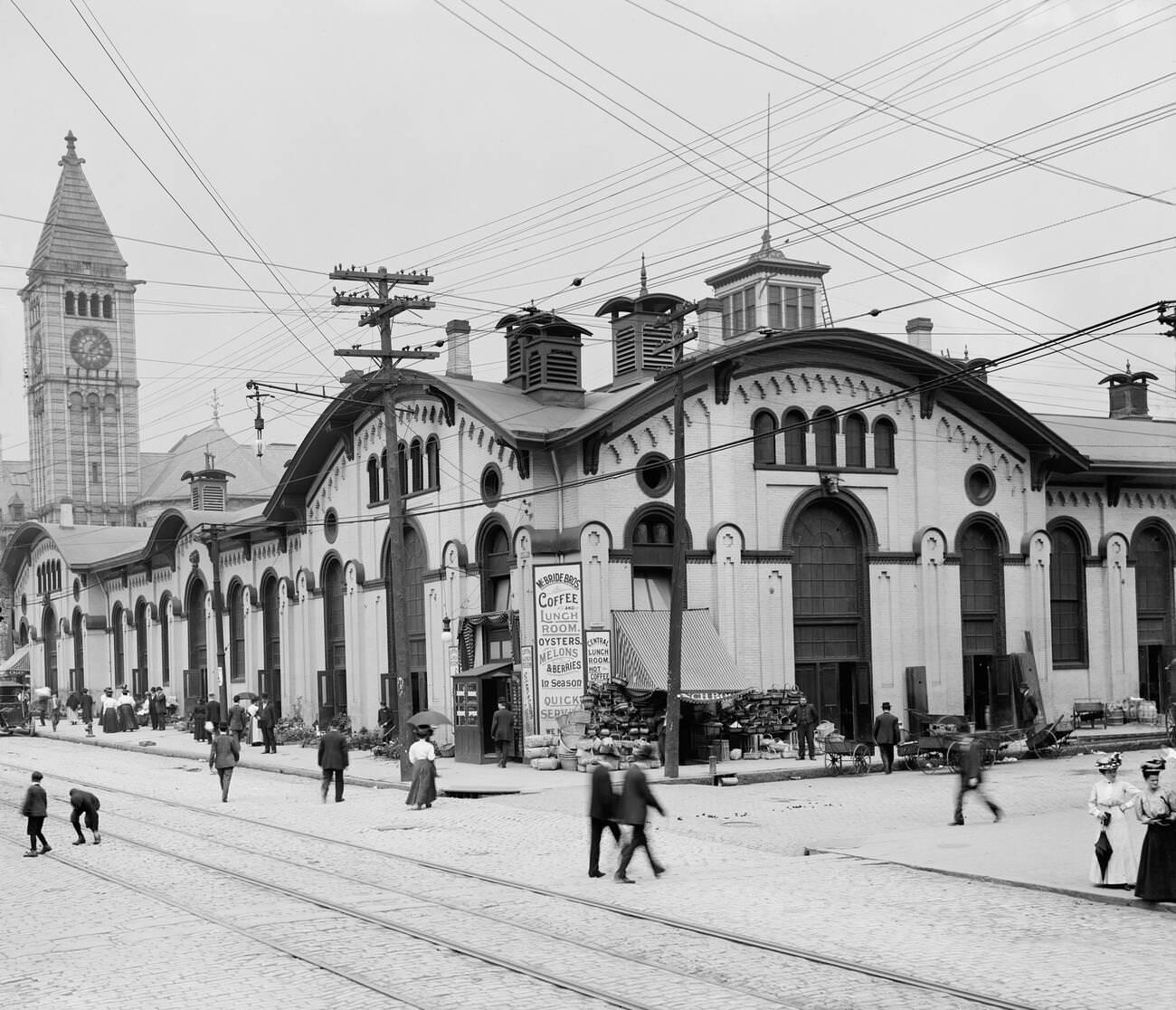
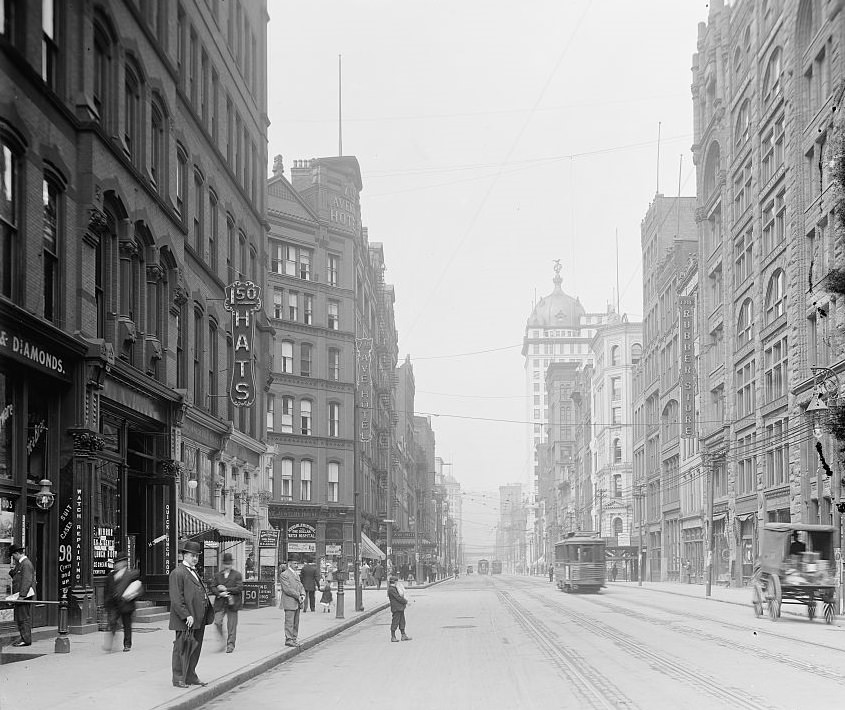
Market scene in Pittsburgh captured by Detroit Publishing Company, 1900.
Liberty Avenue, looking west, Pittsburgh, early 1900s.

Pittsburgh was not immune to natural disruptions. In 1907, severe flooding inundated parts of the city. Photographs from the intersection of Sixth and Liberty Streets that year show men and boys wading through floodwaters in the middle of a major commercial district. The rivers that powered Pittsburghโ€™s economy also posed a constant threat to it.
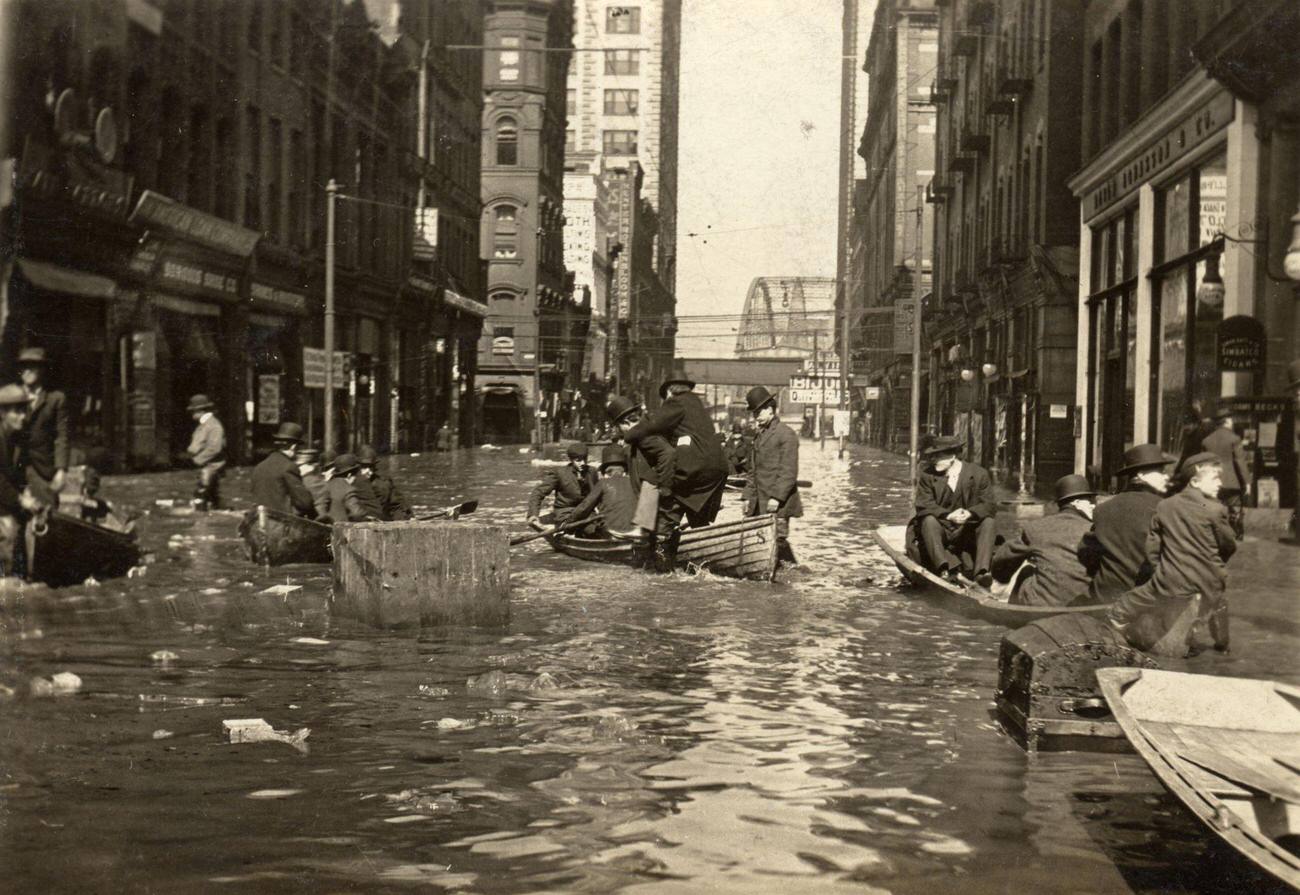
Men and boys navigating floodwaters at the intersection of Sixth & Liberty Streets in Pittsburgh, 1907.

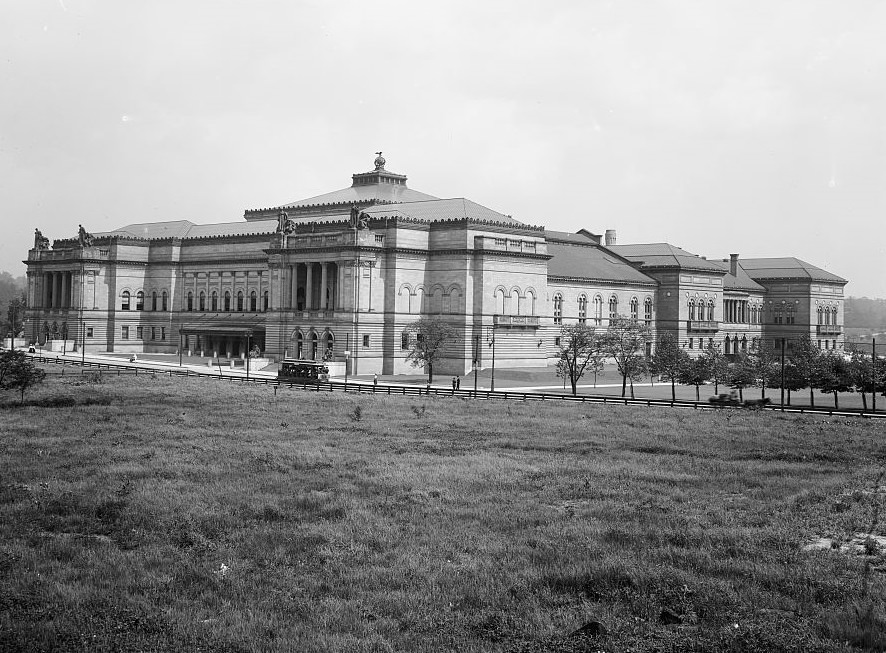
Wealth generated by industry funded some of Pittsburghโ€™s most lasting institutions. Andrew Carnegie, the steel magnate, poured millions into public buildings and education. The Carnegie Institute, which opened in 1895, housed a museum, a music hall, and a library. Carnegie also funded the Carnegie Technical Schools, which opened in 1905 and later became Carnegie Mellon University. These institutions gave working-class Pittsburghers access to art, culture, and education they would not otherwise have had.
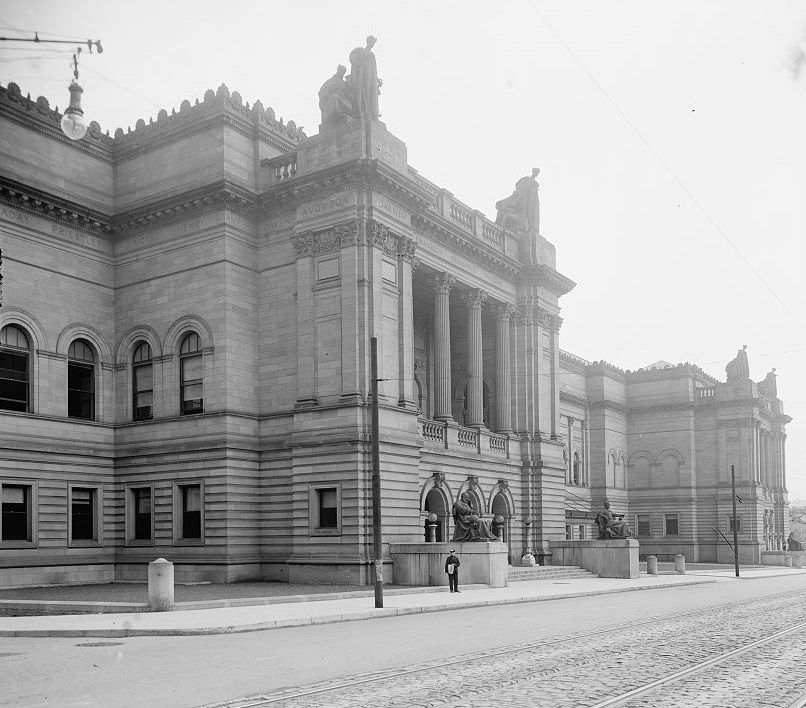
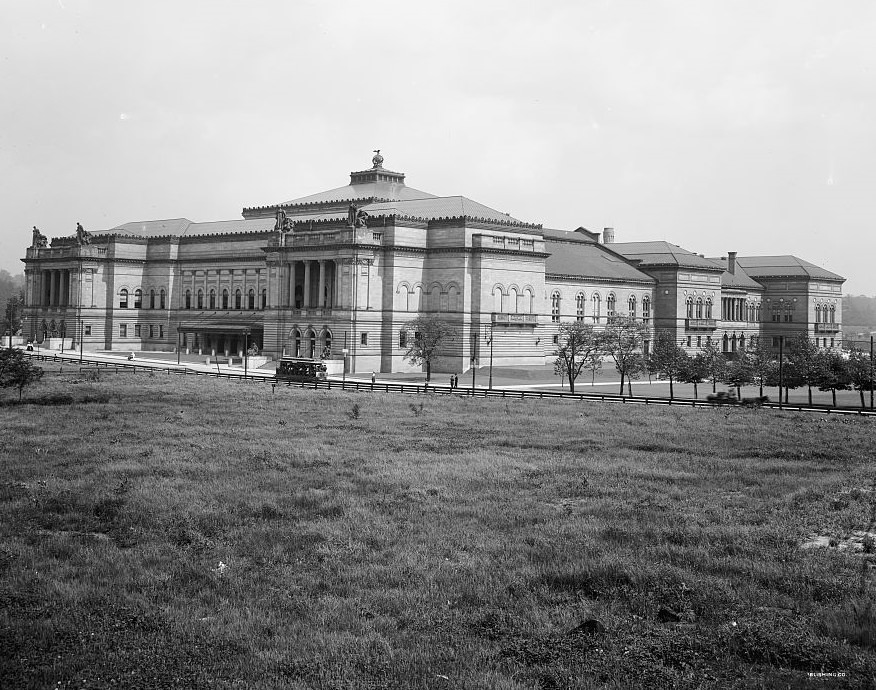
Entrance to the Carnegie Institute in Pittsburgh, early 1900s.
Carnegie Institute in Pittsburgh, 1900s.
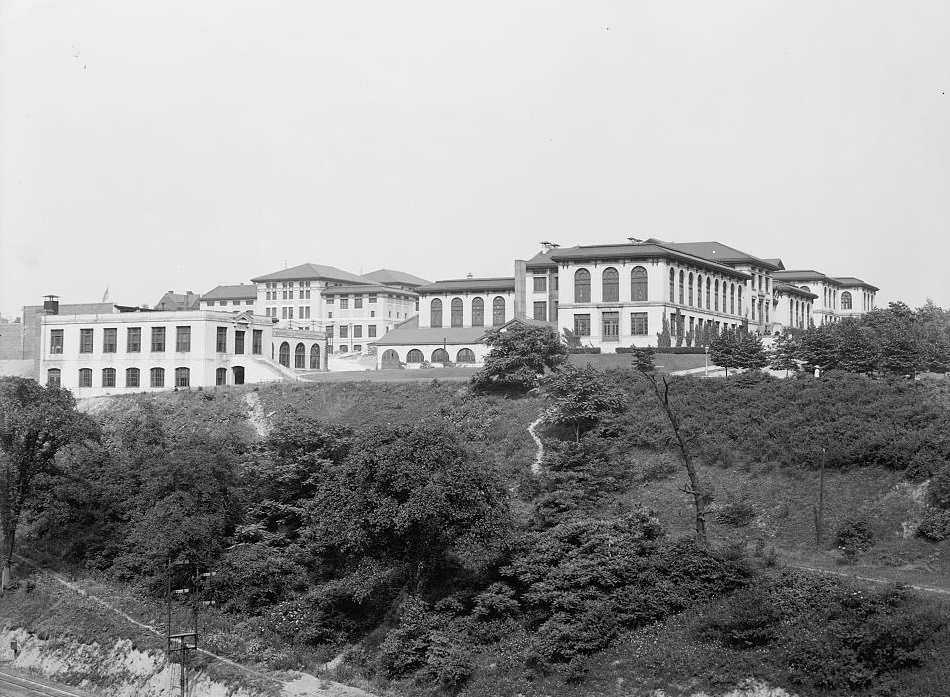
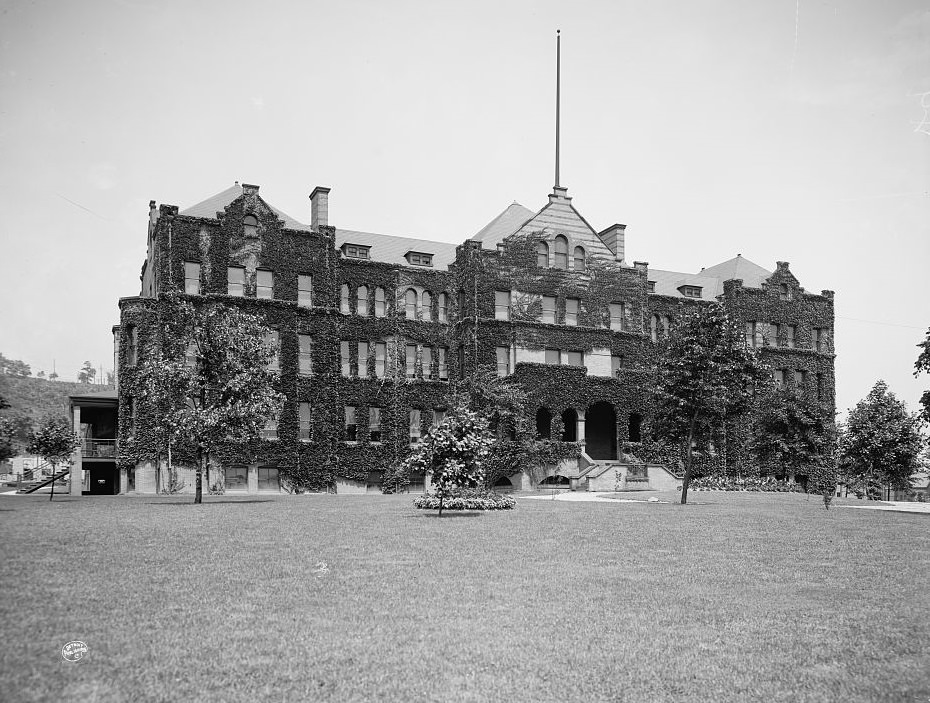
Carnegie Technical School, now Carnegie-Mellon University, Pittsburgh, early 1900s.

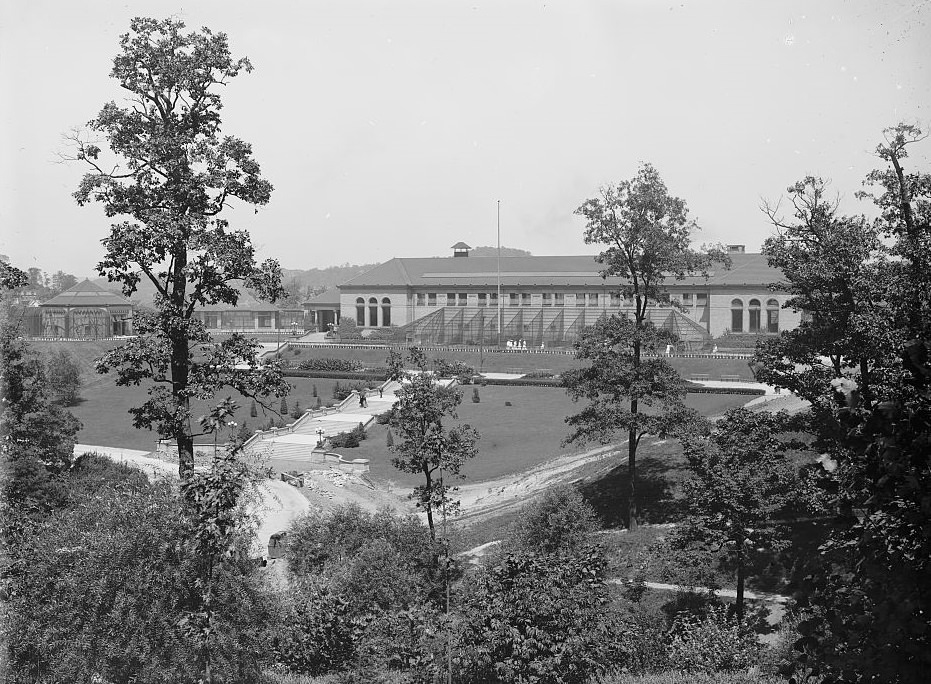
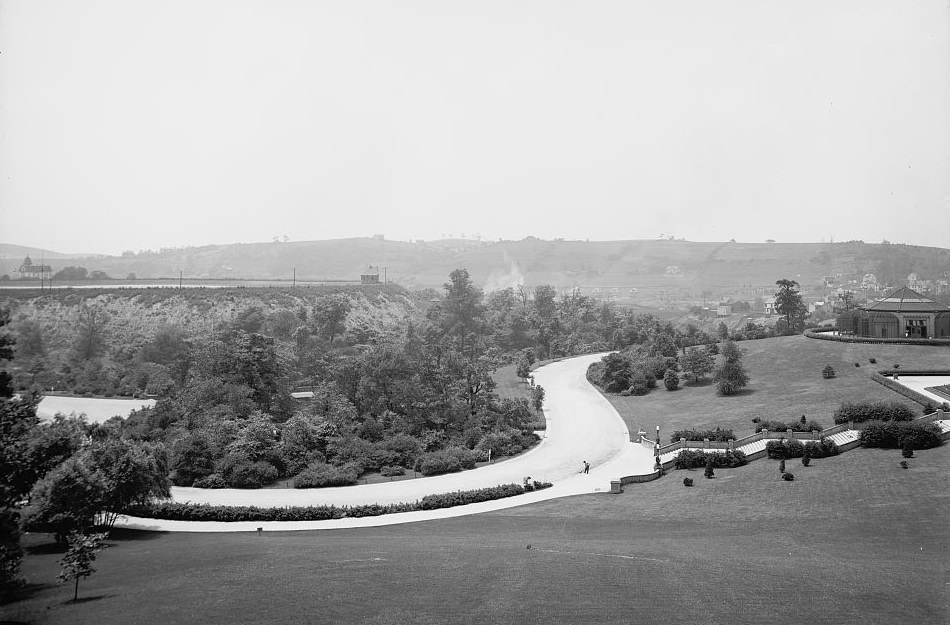
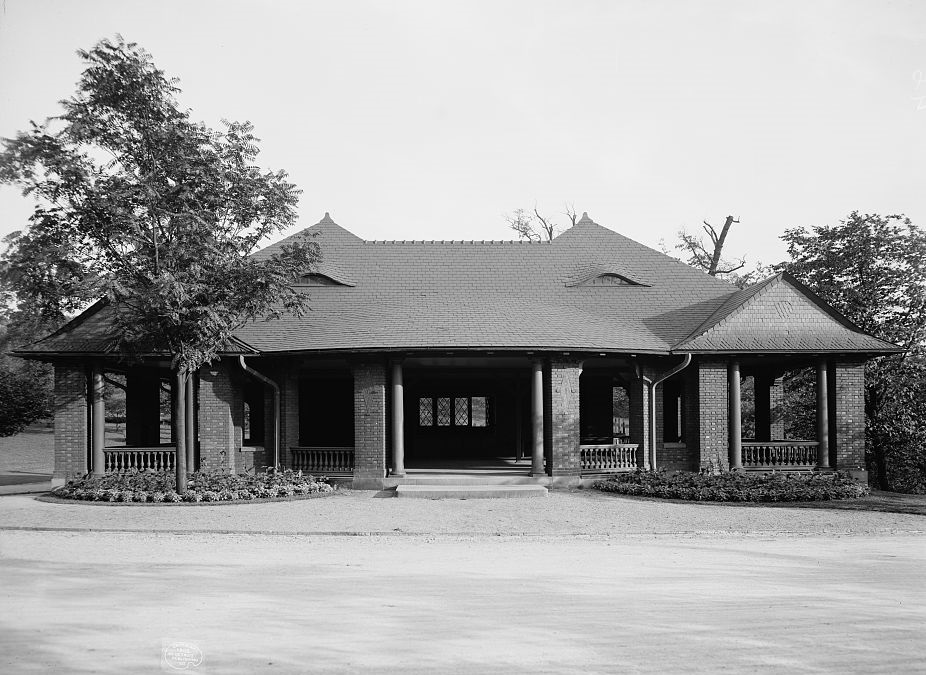
Carnegieโ€™s investment in libraries extended across the city. Carnegie Libraries in both downtown Pittsburgh and on the North Side served thousands of residents. The Phipps Conservatory in Schenley Park, funded by industrialist Henry Phipps Jr., gave residents a lush botanical escape within the city limits. Schenley Park itself was a major public green space, featuring shelters, open lawns, and the Schenley Park Bridge connecting visitors to its interior paths.
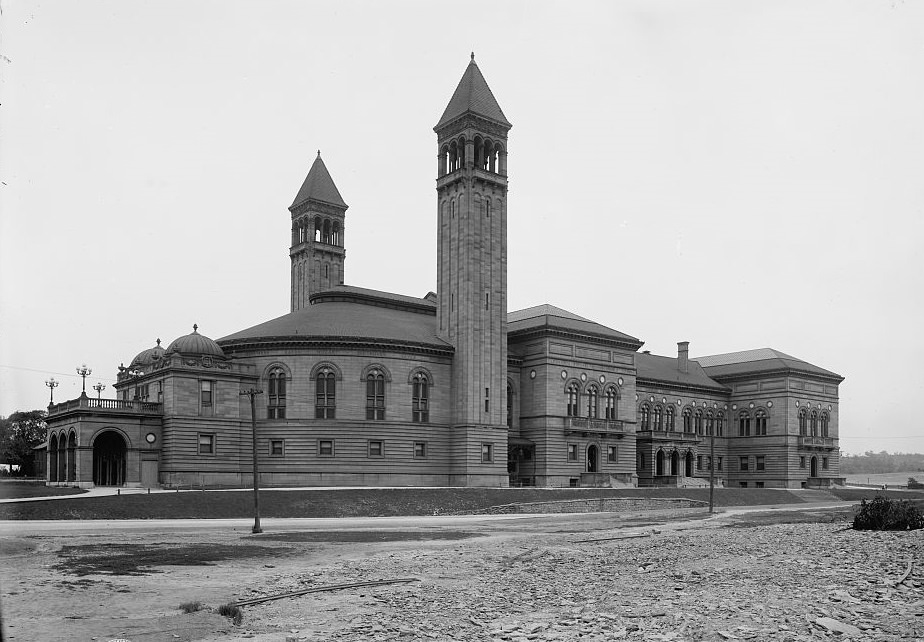
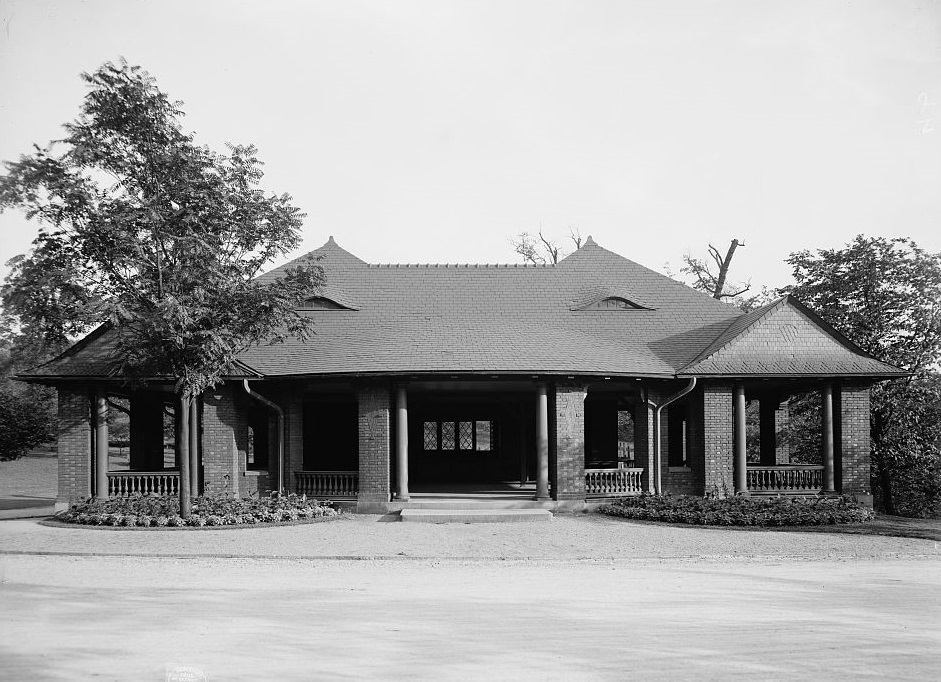
Carnegie Library, Pittsburgh, Pennsylvania, 1901
Phipps Conservatory, Schenley Park, Pittsburgh, Pennsylvania, 1905

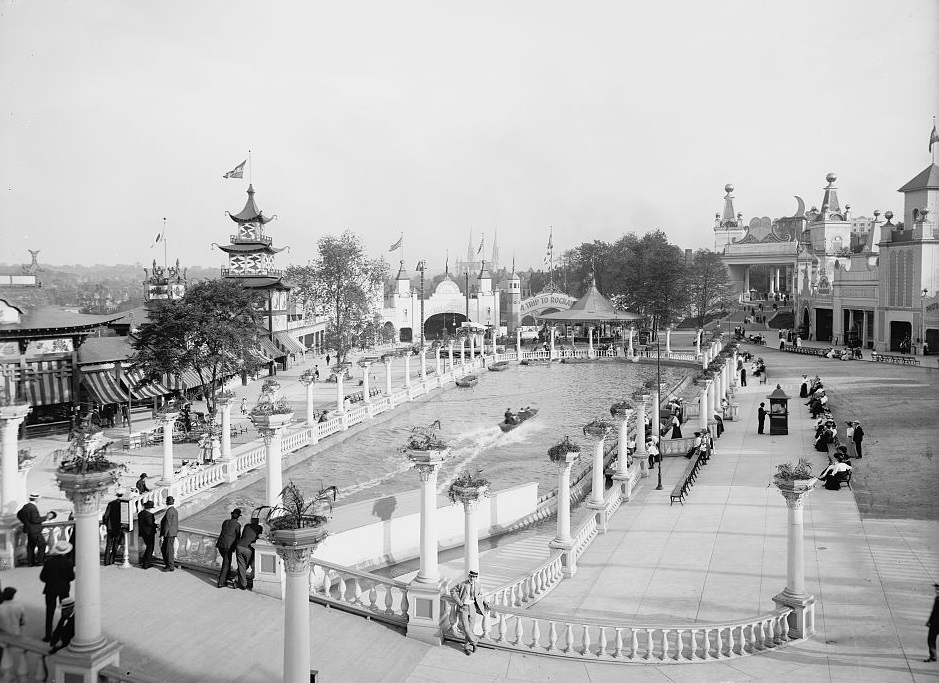
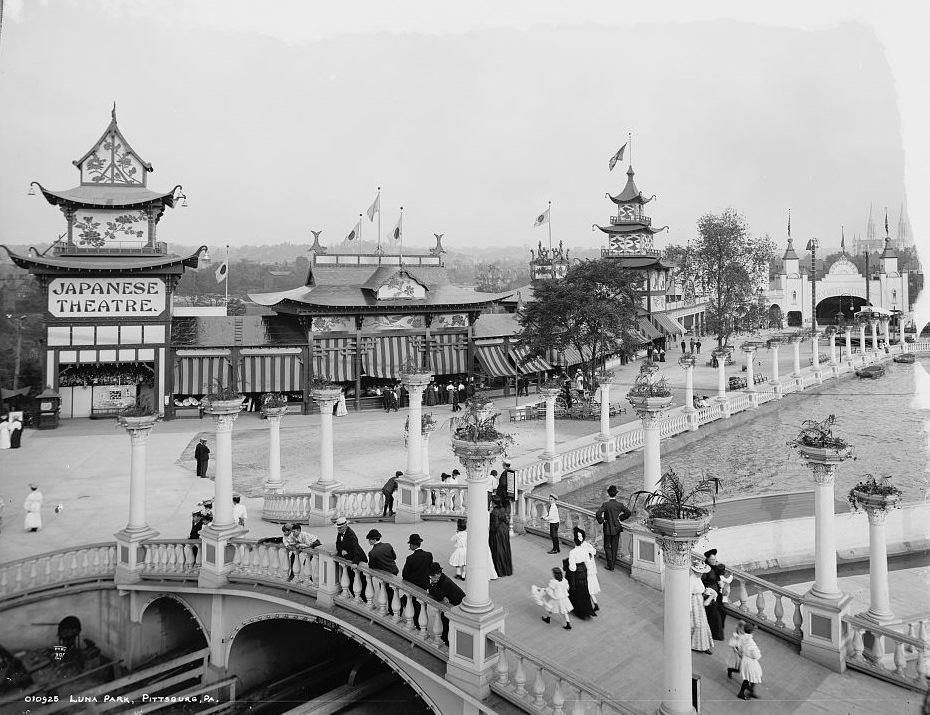
For entertainment, Pittsburgh residents had a growing number of options. Luna Park, which opened in 1905 on the cityโ€™s East End, drew huge crowds with its amusement rides and electric lights. The Shoot the Chutes ride was a particular attraction โ€” a water slide that sent riders down a steep ramp into a pool below. The parkโ€™s illuminated entrance was a spectacle in itself at a time when electric lighting was still relatively new to many people.
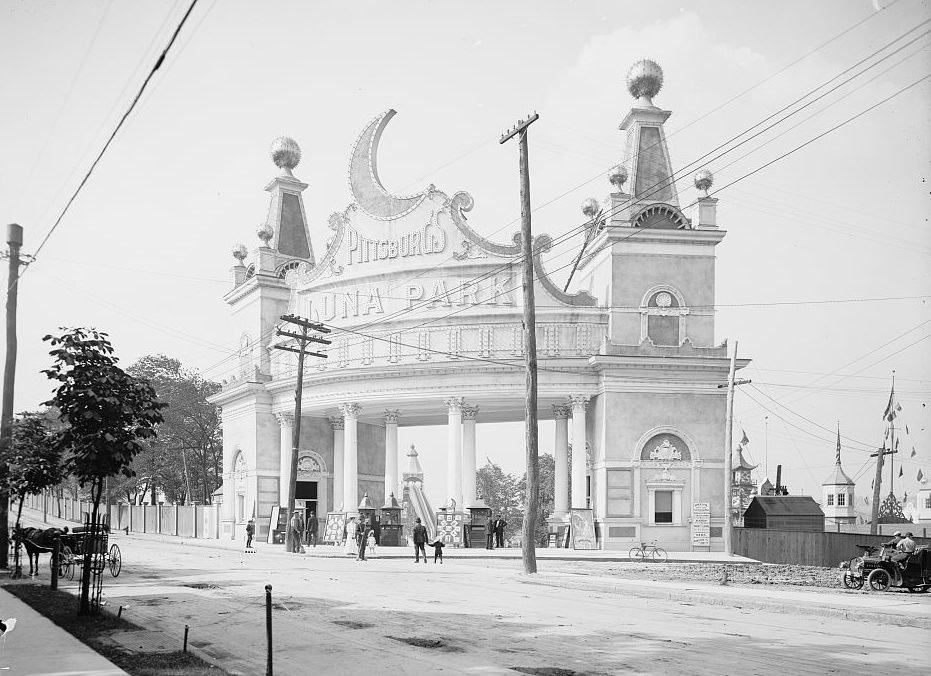
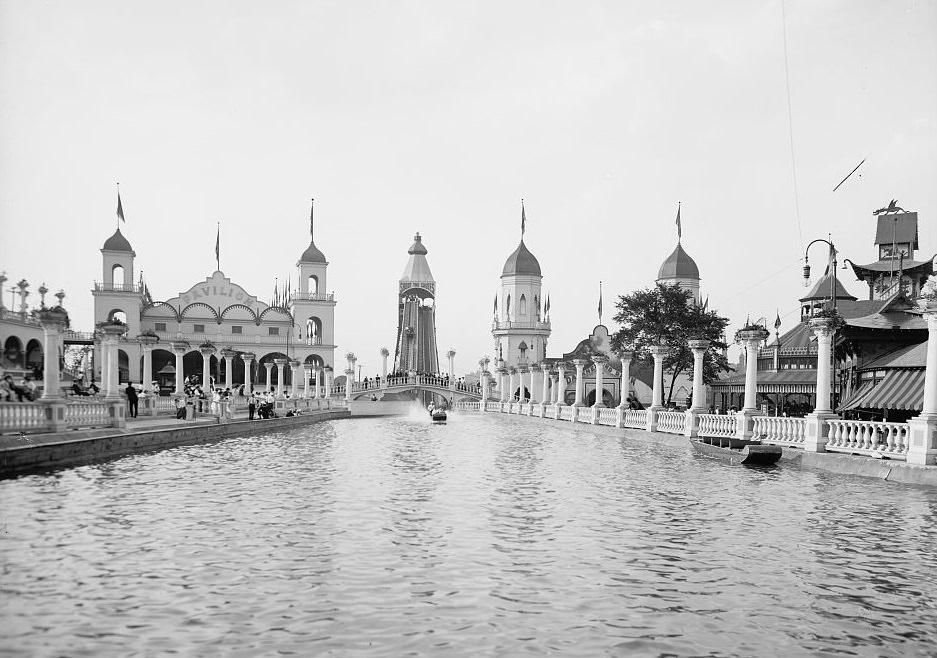
Luna Park Entrance, Pittsburgh, Pennsylvania, 1905
Shoot the Chutes Ride, Luna Park, Pittsburgh, Pennsylvania, 1905

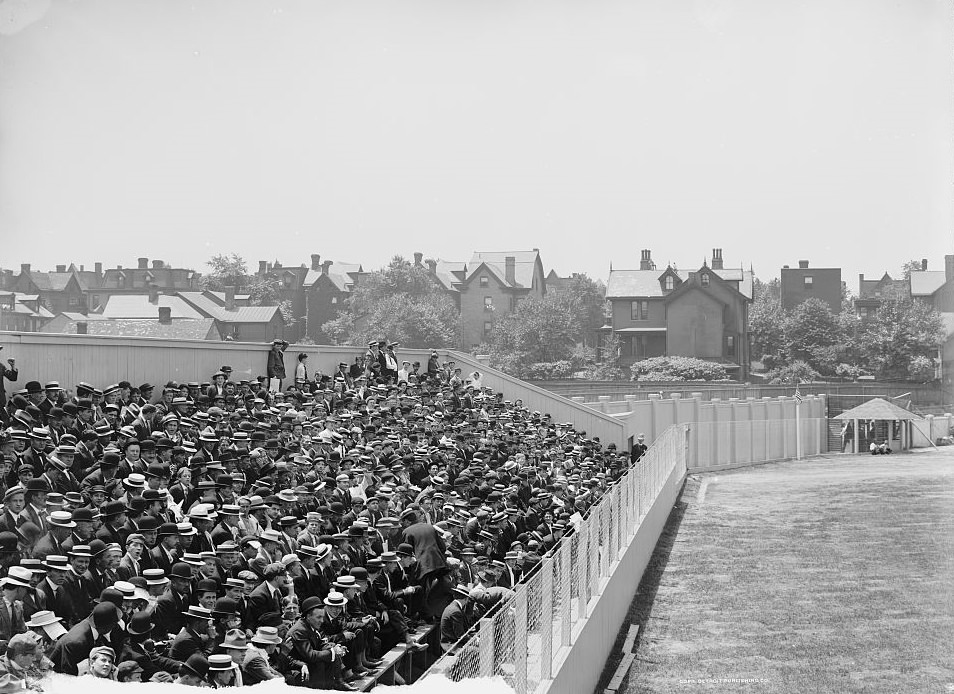
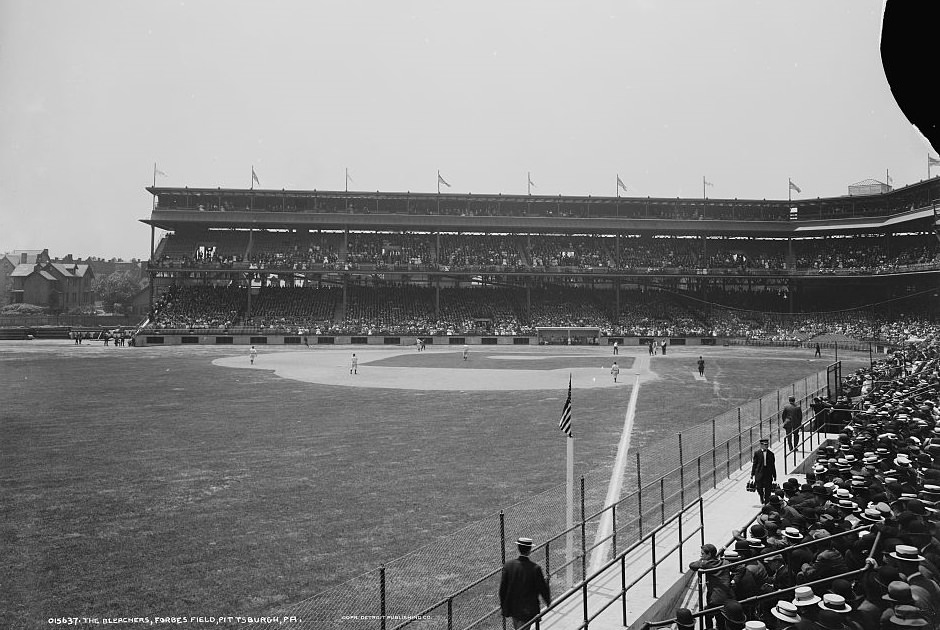
Forbes Field, which opened in 1909, gave Pittsburgh a professional baseball stadium and became home to the Pittsburgh Pirates. Built in the Oakland neighborhood near the University of Pittsburgh, it seated over 25,000 fans. Its brick exterior and open bleachers made it one of the most modern ballparks in the country at the time of its opening.
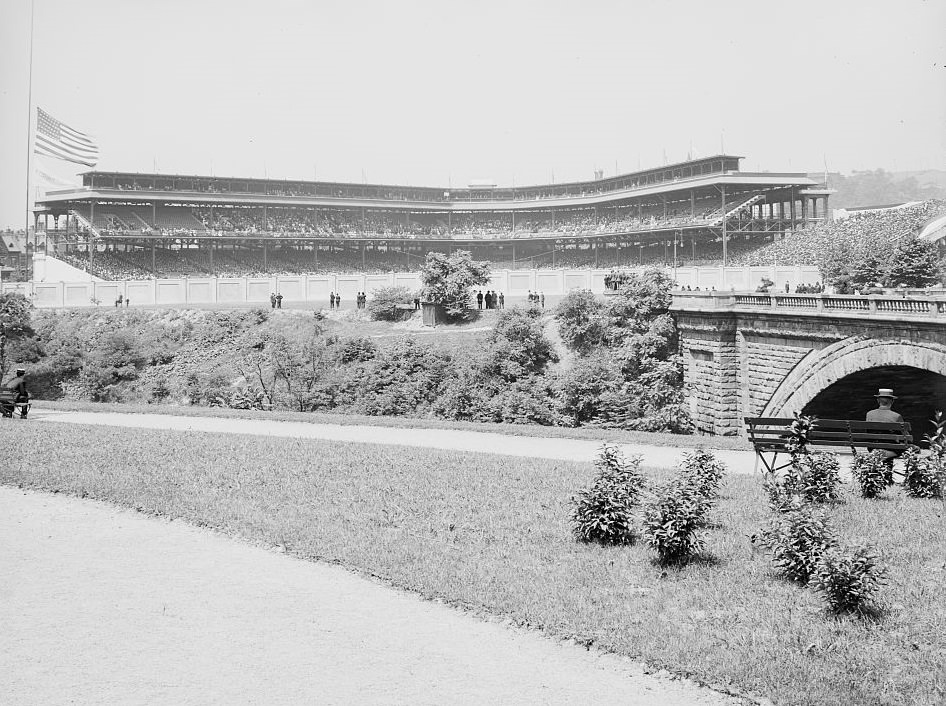
Forbes Field, Pittsburgh, Pennsylvania, 1900s
Forbes Field Bleachers, Pittsburgh, Pennsylvania, 1900s

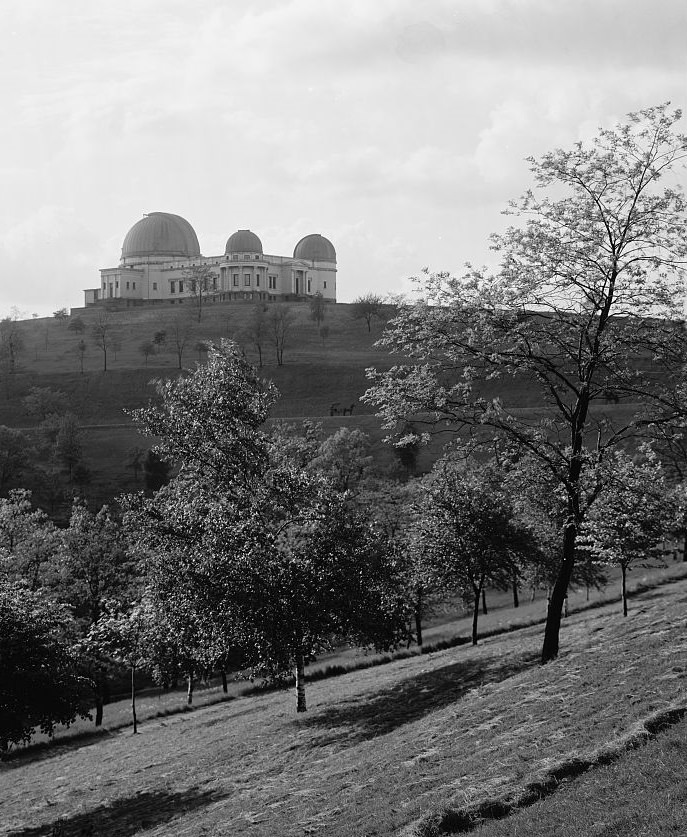
Highland Park and Riverview Park offered residents open space away from the factory districts. Highland Park, on the cityโ€™s East End, featured Carnegie Lake and the entrance to the Highland Park Zoo. Riverview Park on the North Side was home to the Allegheny Observatory, where astronomers conducted research and the public could attend viewing events. Both parks reflected a deliberate effort to give Pittsburghโ€™s residents places to breathe and relax amid the industrial density of the city.
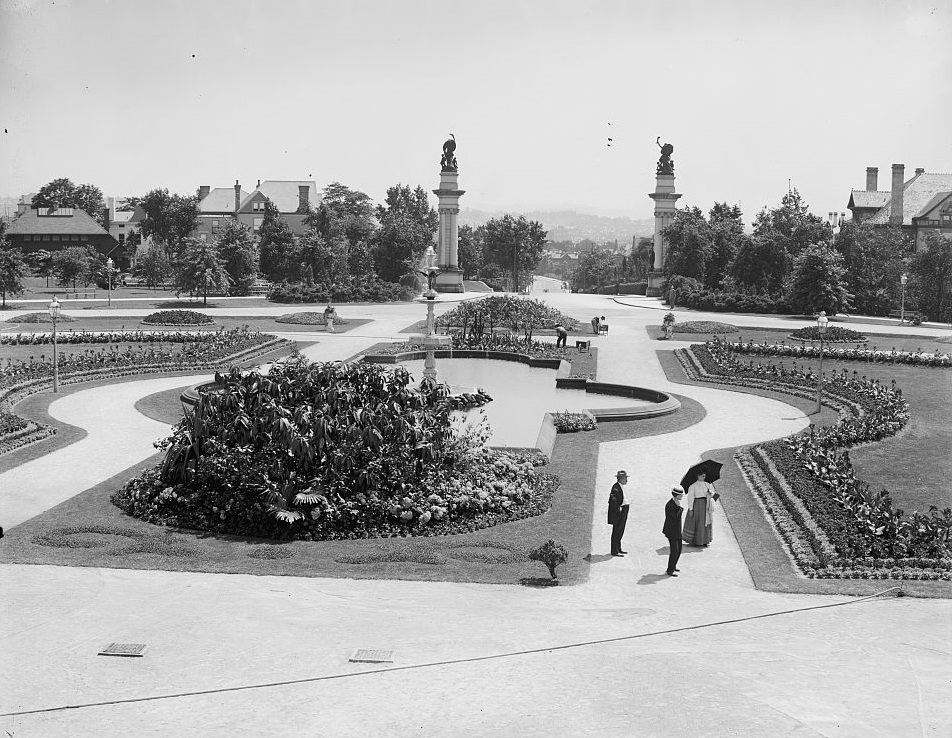
Highland Park Entrance, Pittsburgh, Pennsylvania, 1900s
Highland Park Zoo, Pittsburgh, Pennsylvania, 1900
Allegheny Observatory, Riverview Park, Pittsburgh, Pennsylvania, 1910

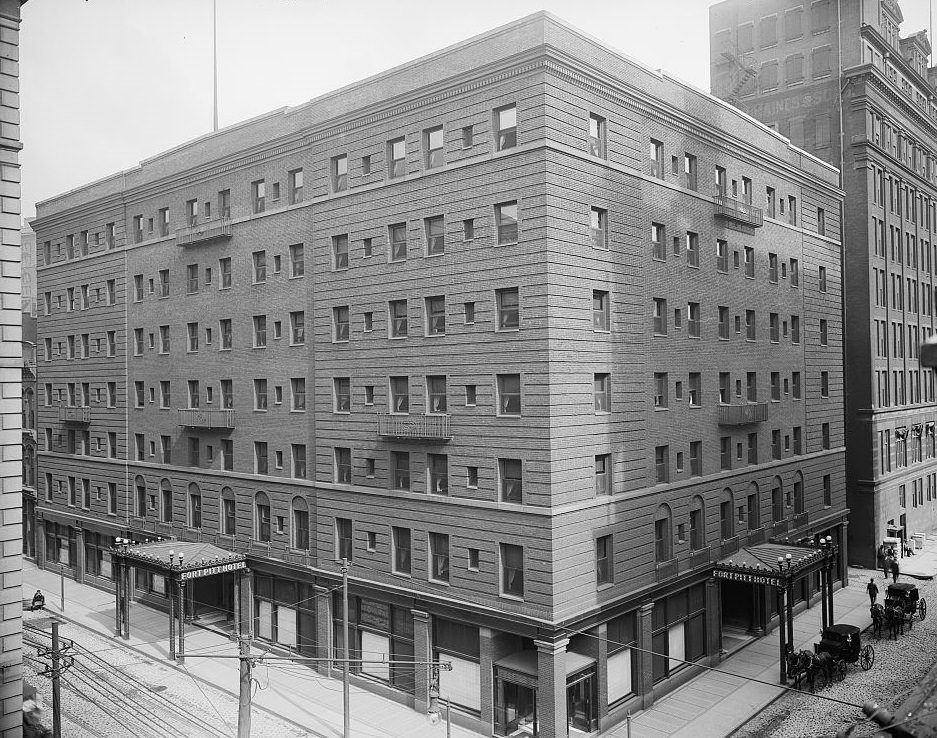
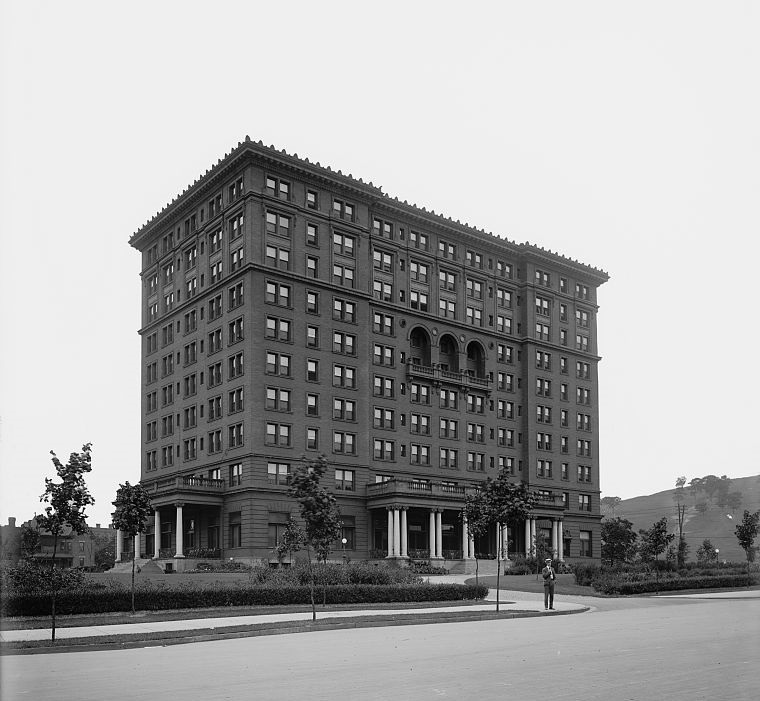
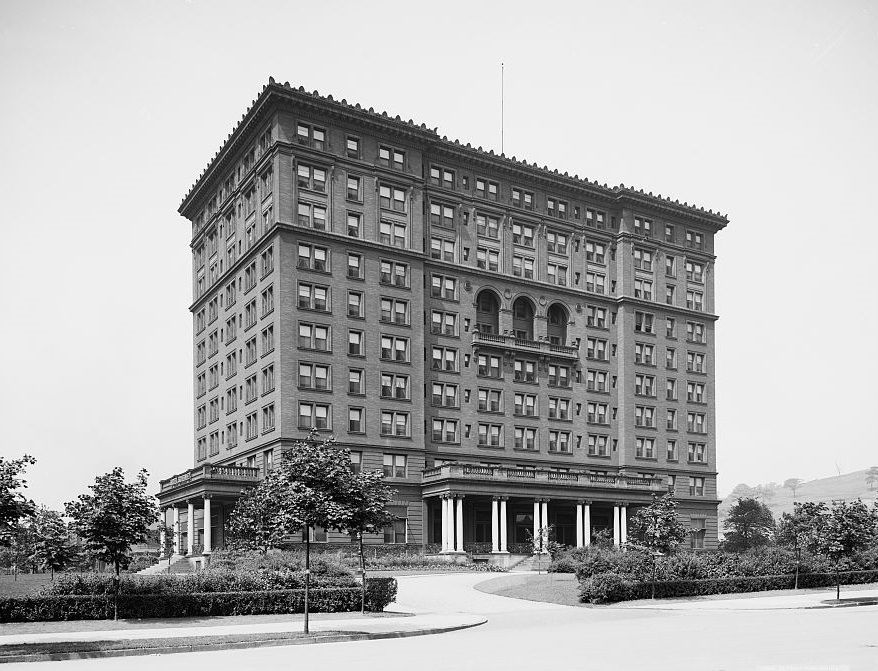
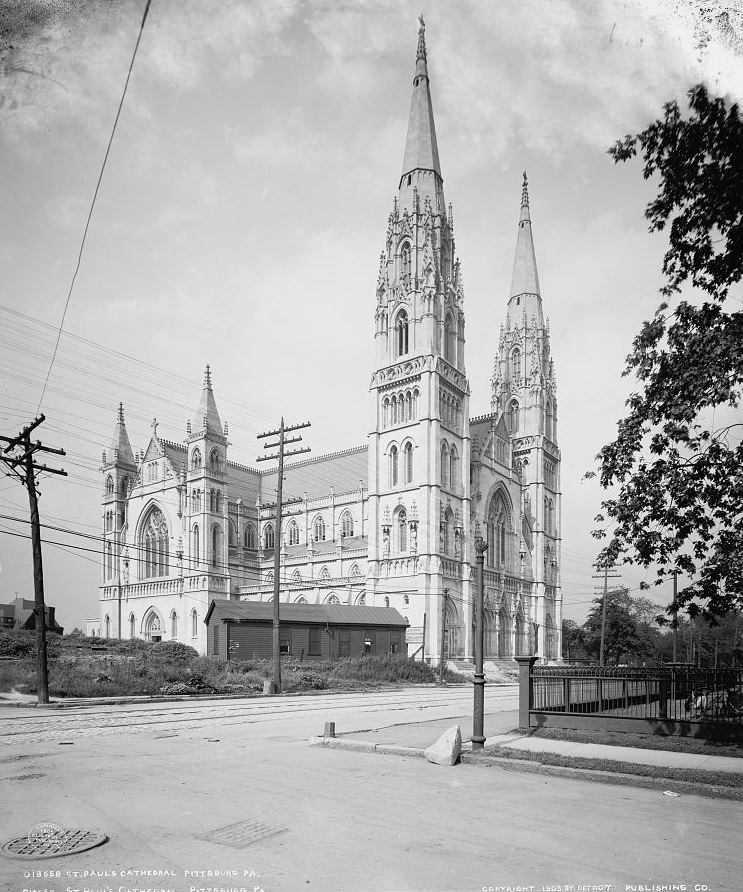
Hotel Schenley and the Fort Pitt Hotel served as the cityโ€™s premier accommodations, hosting businessmen, visiting dignitaries, and travelers passing through on the Pennsylvania Railroad. The Schenley, located in the Oakland neighborhood near the Carnegie Institute, was one of the finest hotels in the region. St. Paulโ€™s Cathedral, completed in 1906 on Fifth Avenue, stood as one of the most architecturally significant religious buildings in the city, its twin towers rising above the surrounding rooftops.
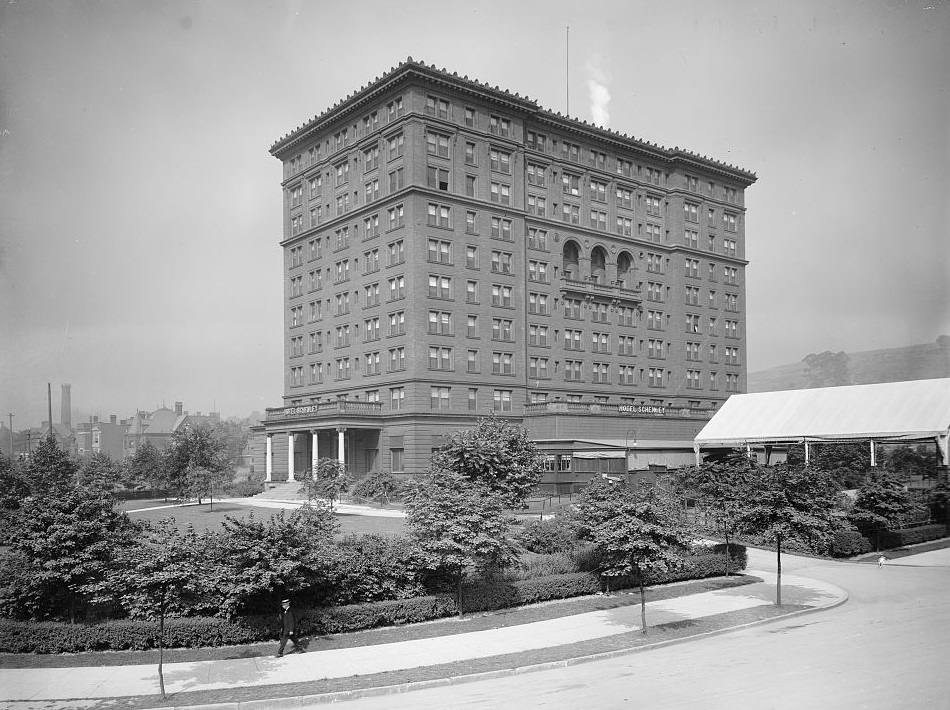
Hotel Schenley in Pittsburgh, 1900s.
St. Paul's Cathedral, Pittsburgh, Pennsylvania, 1905
St. Paulโ€™s Cathedral, Pittsburgh, Pennsylvania, 1905

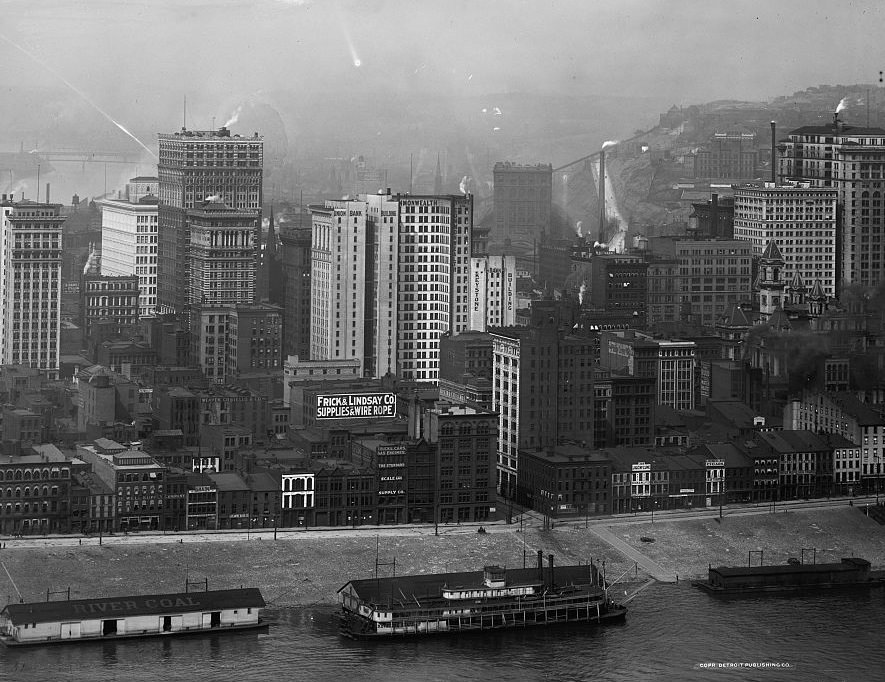
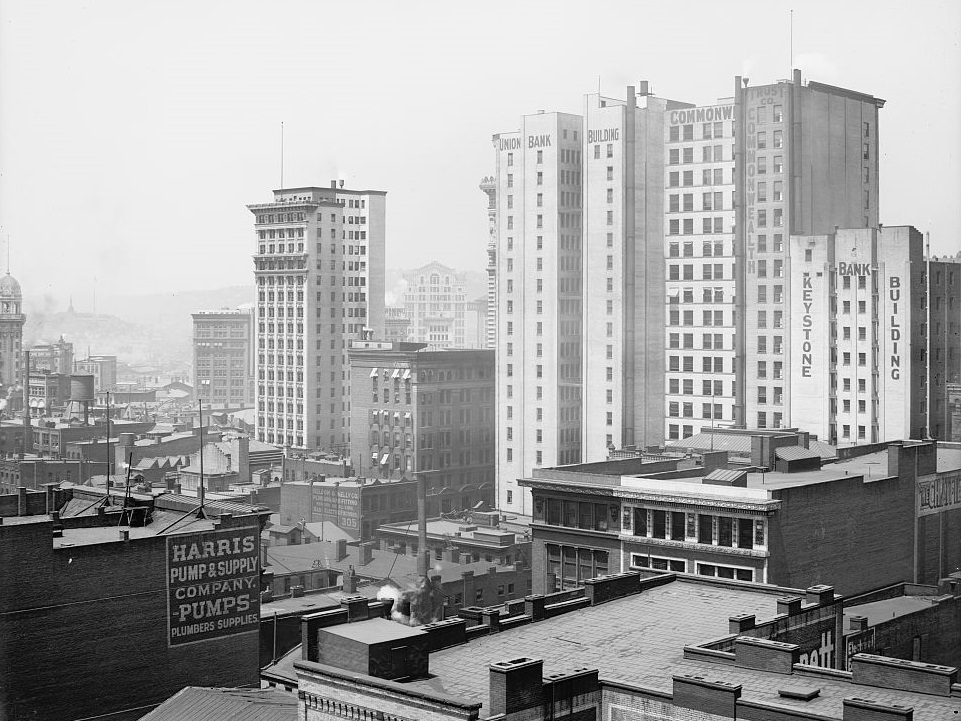
The city also maintained a military presence through the Allegheny Arsenal, located in Lawrenceville on the eastern edge of the city. The arsenal had been a major powder and ammunition manufacturing site during the Civil War and continued to serve a military function into the early 1900s. Pittsburghโ€™s commercial skyline was also filling in rapidly during this period, with clusters of multi-story office buildings rising above the older low-rise streetscape of downtown.
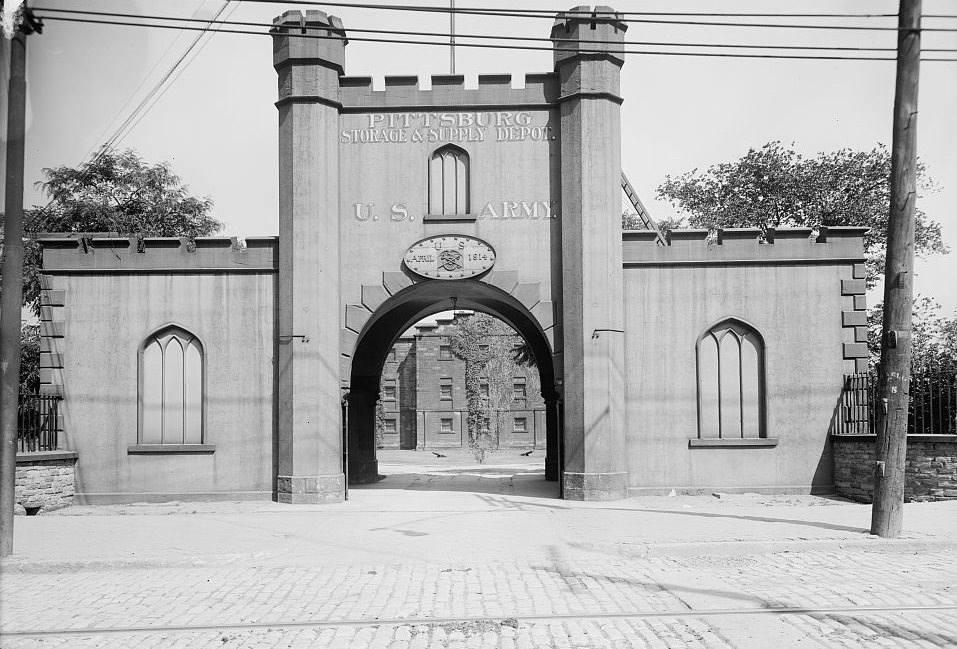
Entrance to Allegheny Arsenal, Pittsburgh, Pennsylvania, 1900s
A group of skyscrapers in Pittsburgh, early 1900s.

By night, Pittsburgh took on a different appearance. The industrial fires that burned continuously in the furnace districts cast an orange glow over the cityโ€™s skyline, while electric lights illuminated downtown streets and entertainment venues. The contrast between the gritty industrial zones and the lit-up commercial center captured the tension at the heart of early 20th-century Pittsburgh โ€” a city generating enormous wealth while large portions of its population lived and worked in difficult conditions.
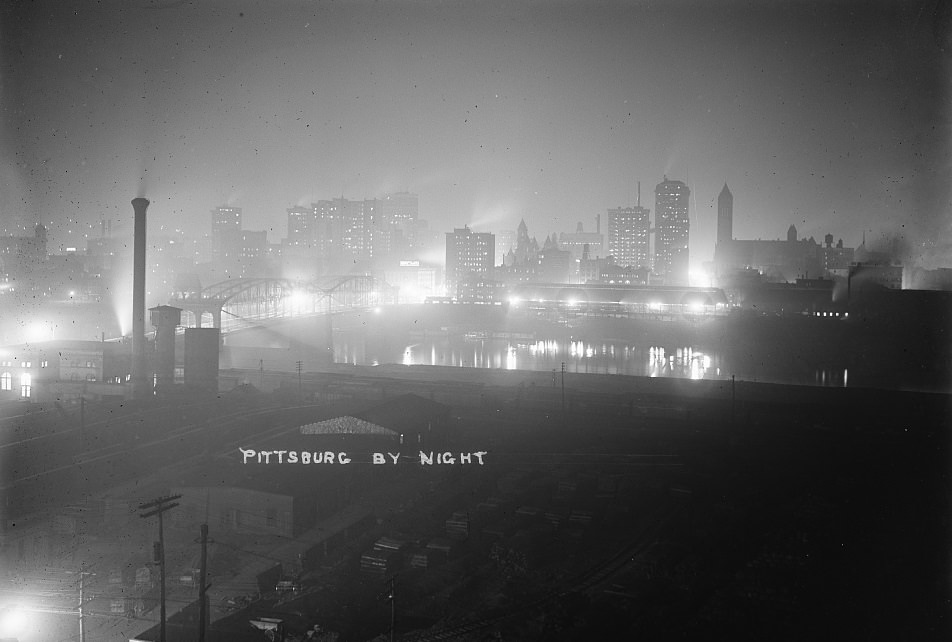
Pittsburgh by Night, 1900s
The heart of downtown Pittsburgh, 1900s.

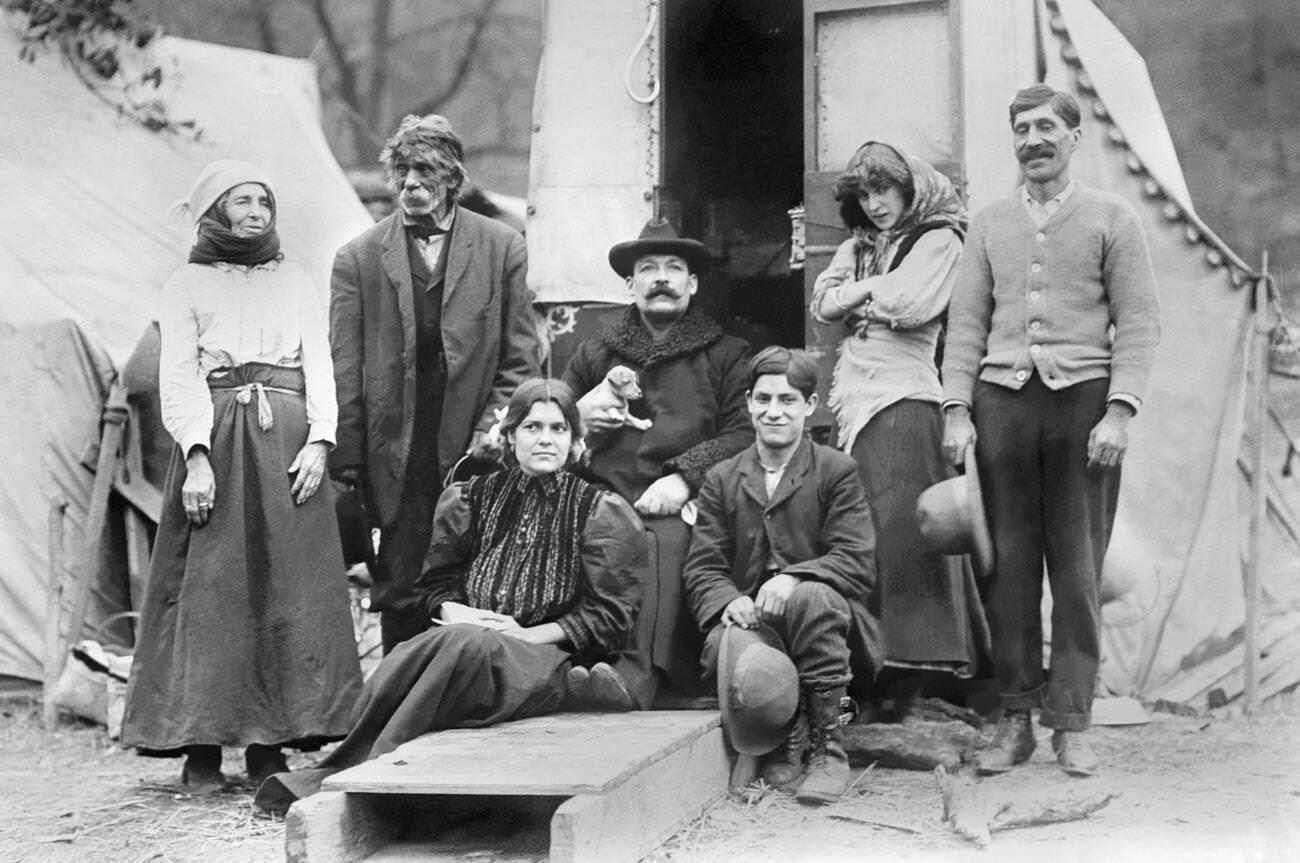
Religious and cultural life was active across the city. The Rodeph Shalom Synagogue on Fifth Avenue served Pittsburghโ€™s Jewish community, which had grown significantly through immigration in the late 19th century. Evangelist Rodney โ€˜Gipsyโ€™ Smith drew large crowds during a 1909 visit to Pittsburgh, conducting revival meetings that attracted thousands. The cityโ€™s cultural diversity โ€” shaped by waves of immigrants from dozens of countries โ€” was visible on its streets, in its churches and synagogues, and in its neighborhoods.
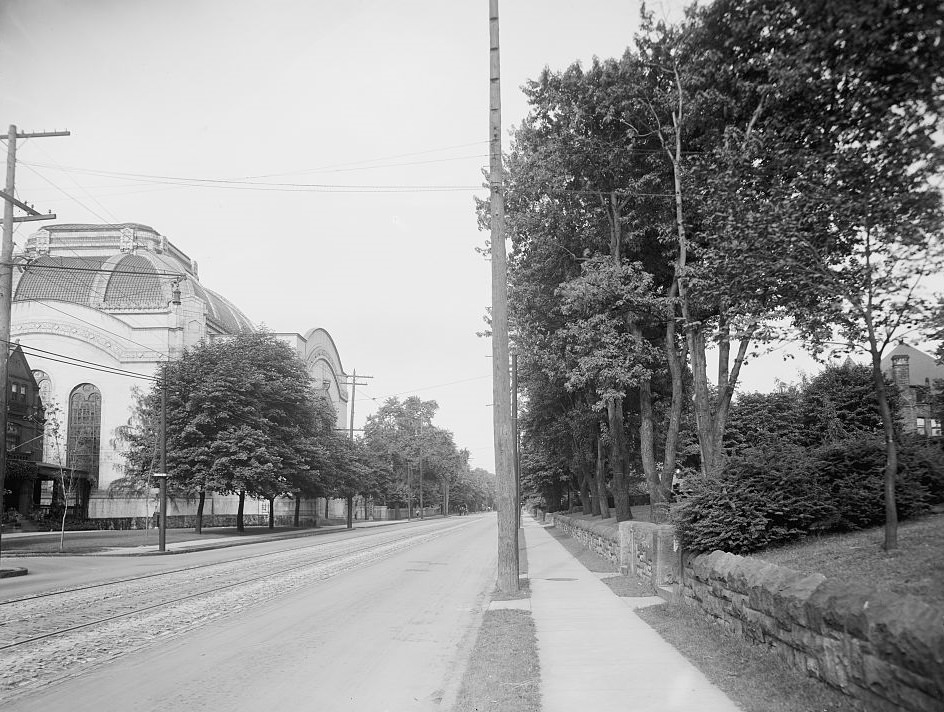
Rodeph Shalom Synagogue & Fifth Avenue, Pittsburgh, Pennsylvania, 1900s
Evangelist Rodney "Gipsy" Smith with gypsies in Pittsburgh, 1909.
Evangelist Rodney โ€œGipsyโ€ Smith with gypsies in Pittsburgh, 1909.

Residential neighborhoods stretched outward from the industrial core, with everything from modest row houses in working-class districts to the grand private residences of the cityโ€™s elite. Senator Flynnโ€™s residence, photographed in 1900, represented the kind of substantial Victorian-era home that Pittsburghโ€™s political and business class occupied. The Forbes Street residential area similarly showcased the domestic architecture of the period.
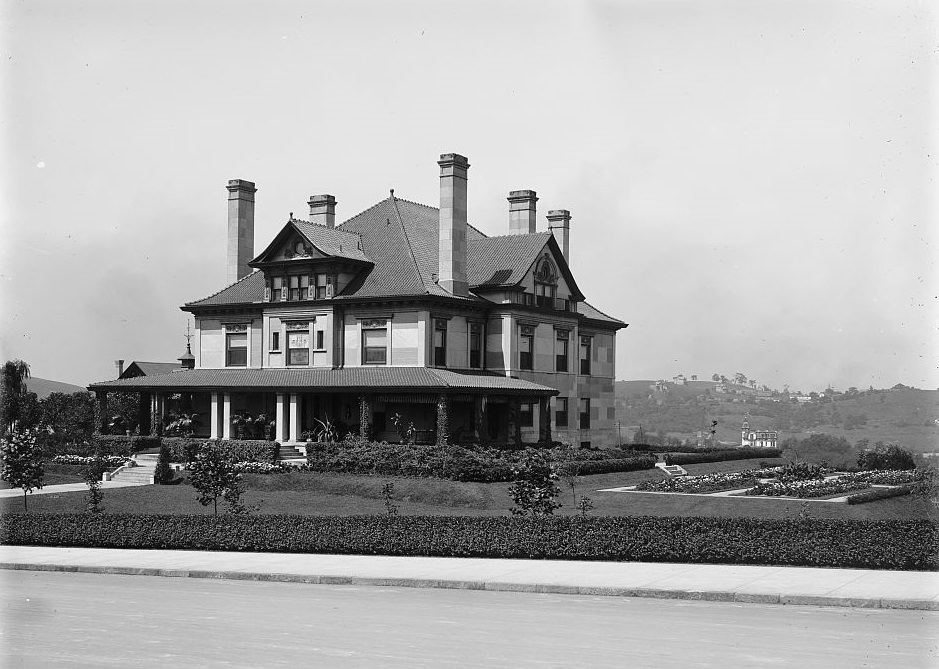
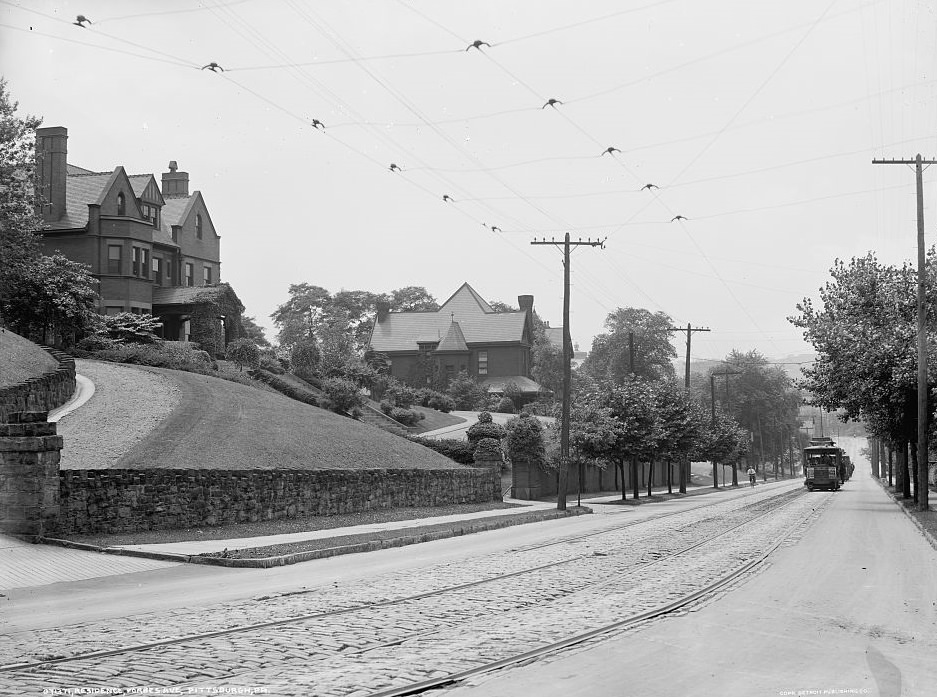
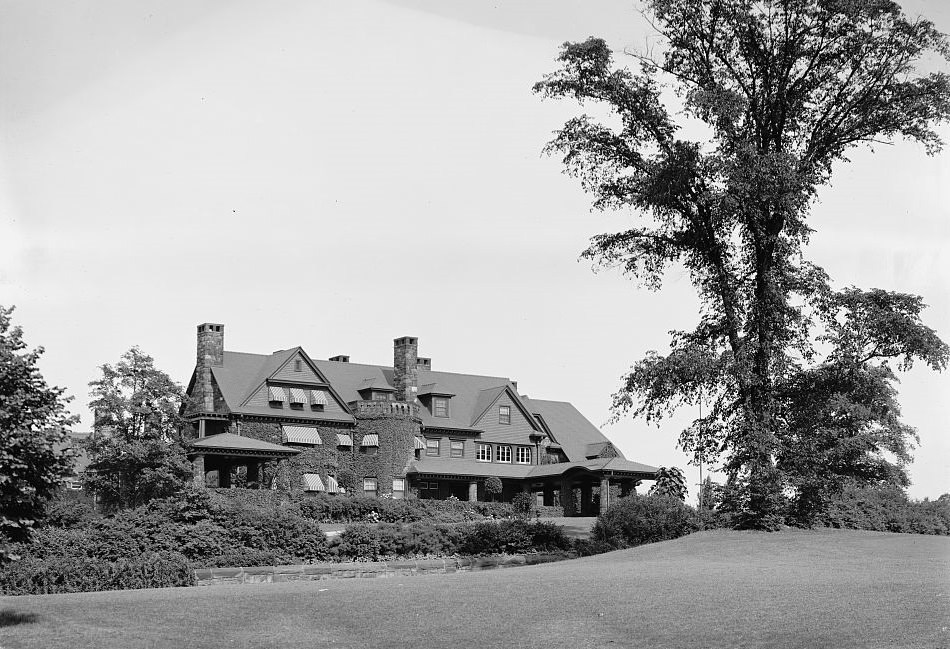
Senator Flynn's Residence, Pittsburgh, Pennsylvania, 1900
Senator Flynnโ€™s Residence, Pittsburgh, Pennsylvania, 1900
Forbes Street Residence, Pittsburgh, Pennsylvania, 1910

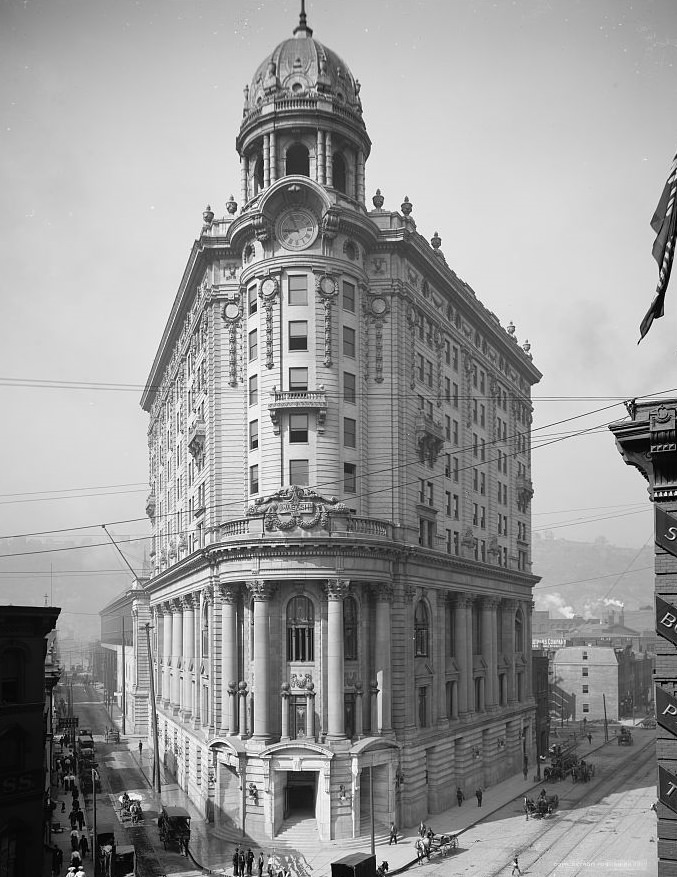
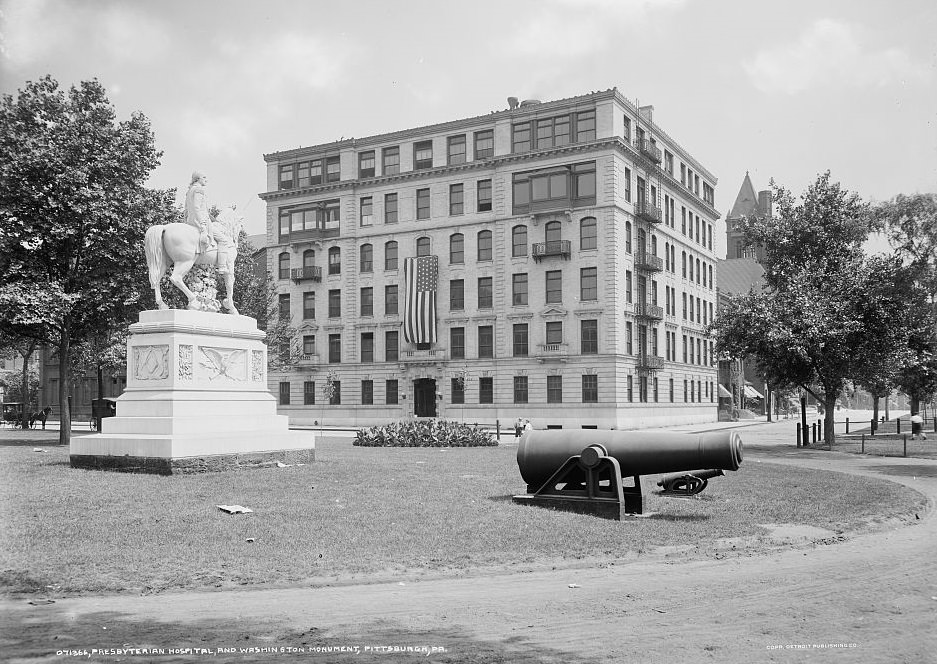
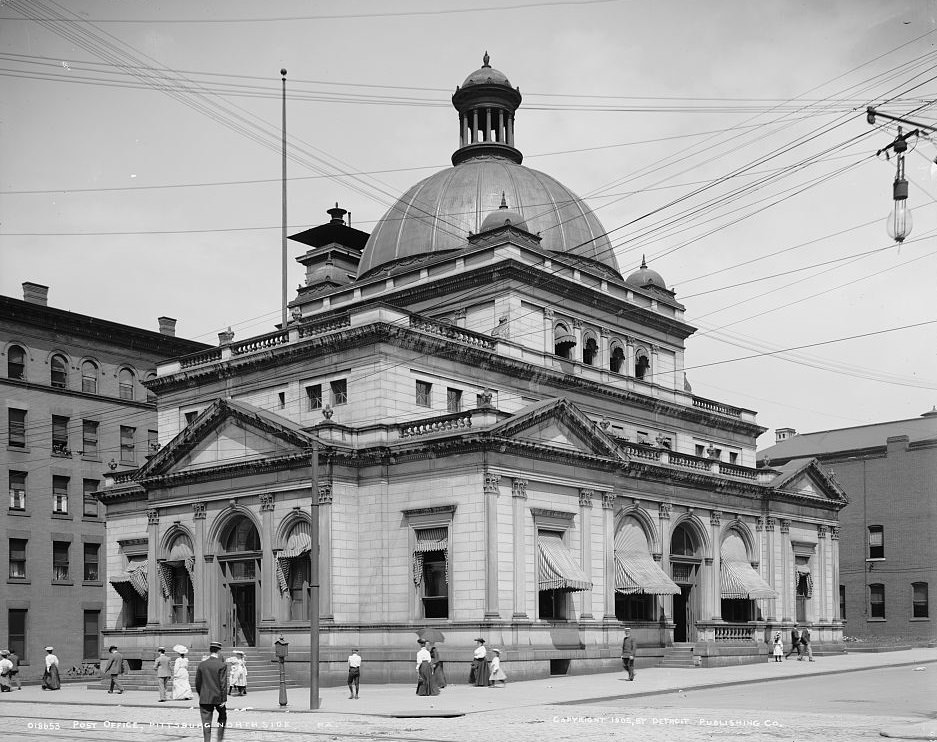
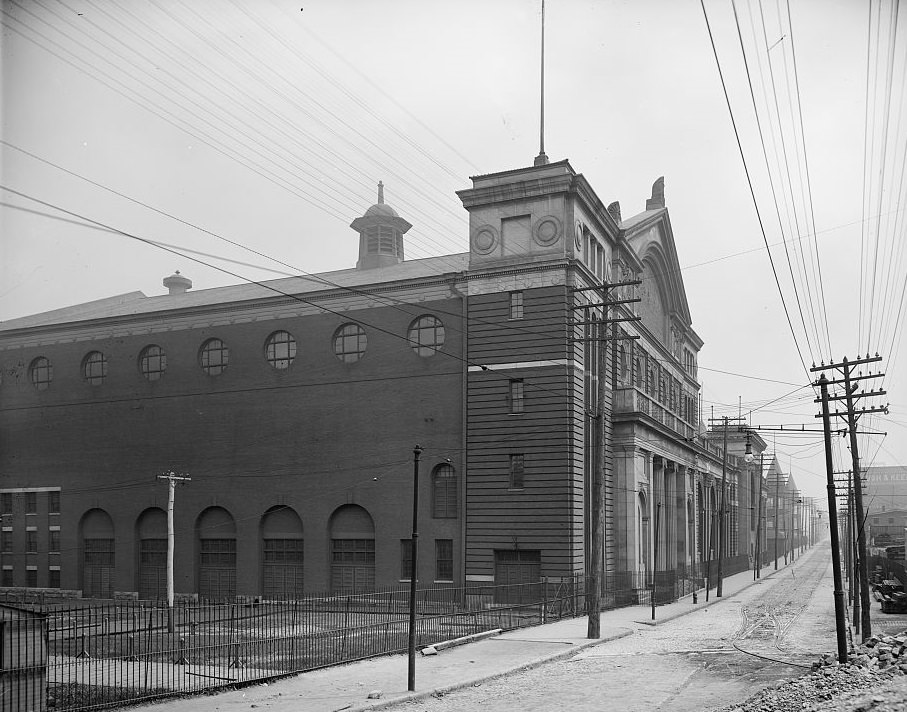
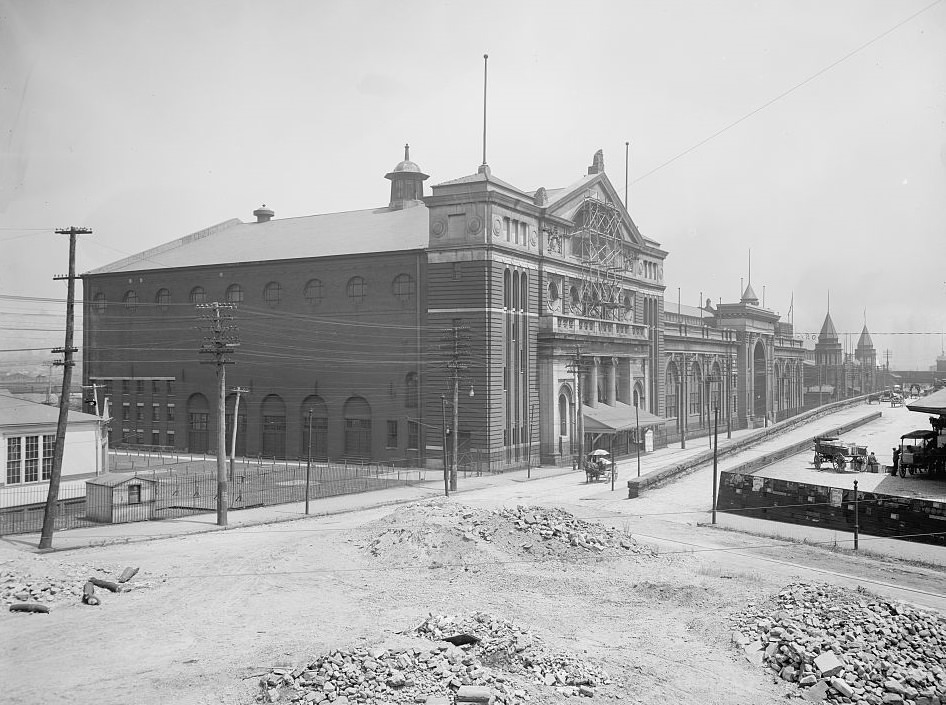
Public institutions rounded out the cityโ€™s infrastructure. The Pittsburgh Post Office, the Exposition Building along the riverfront, and the Western Pennsylvania Institute for the Blind all reflected a city investing in civic services. The Wabash Station, opened in 1904 by the Wabash Railroad, provided a second major rail terminal, though the line would later struggle financially. Presbyterian Hospital and its successor, the New Presbyterian Hospital, served the medical needs of a growing urban population.
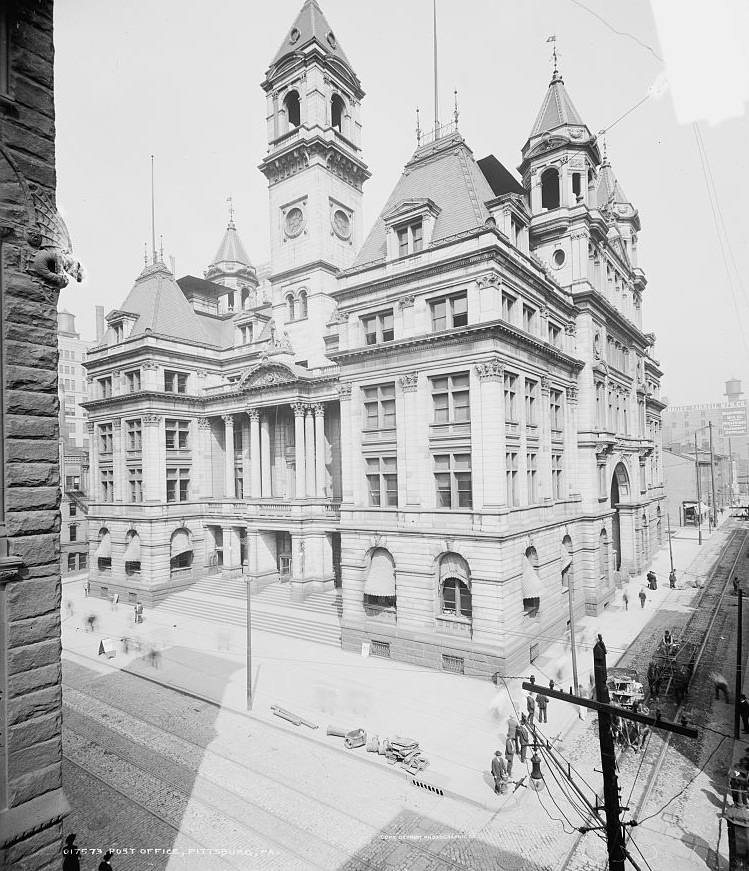
Post Office, Pittsburgh, Pennsylvania, 1904
Exposition Building, Pittsburgh, Pennsylvania, 1906
Wabash Station, Pittsburgh, Pennsylvania, 1905
Presbyterian Hospital, Pittsburgh, Pennsylvania, 1910

The physical record of Pittsburgh in these years is rich. Photographs taken by the Detroit Publishing Company and other photographers of the era captured the cityโ€™s streets, buildings, people, and rivers in precise detail. What they show is a city fully committed to industrial production โ€” and simultaneously building the civic, cultural, and educational foundations that would define it for generations.
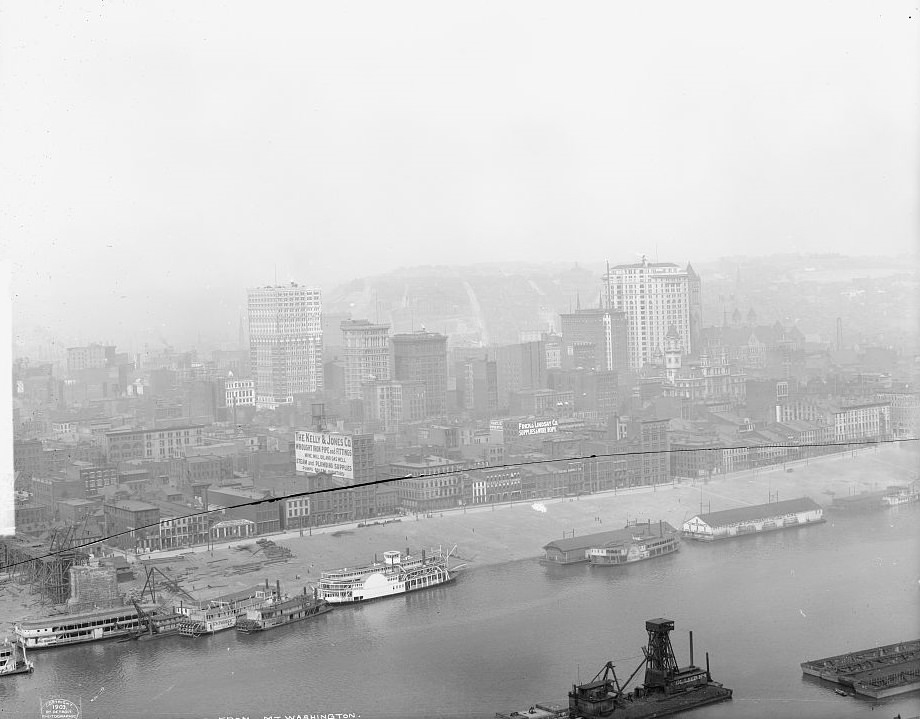
View from Mt. Washington, Pittsburgh, Pennsylvania, 1903
National Tube Works Furnaces, Pittsburgh, Pennsylvania, 1910
Another view of the Bridge of Sighs in Pittsburgh, 1903.
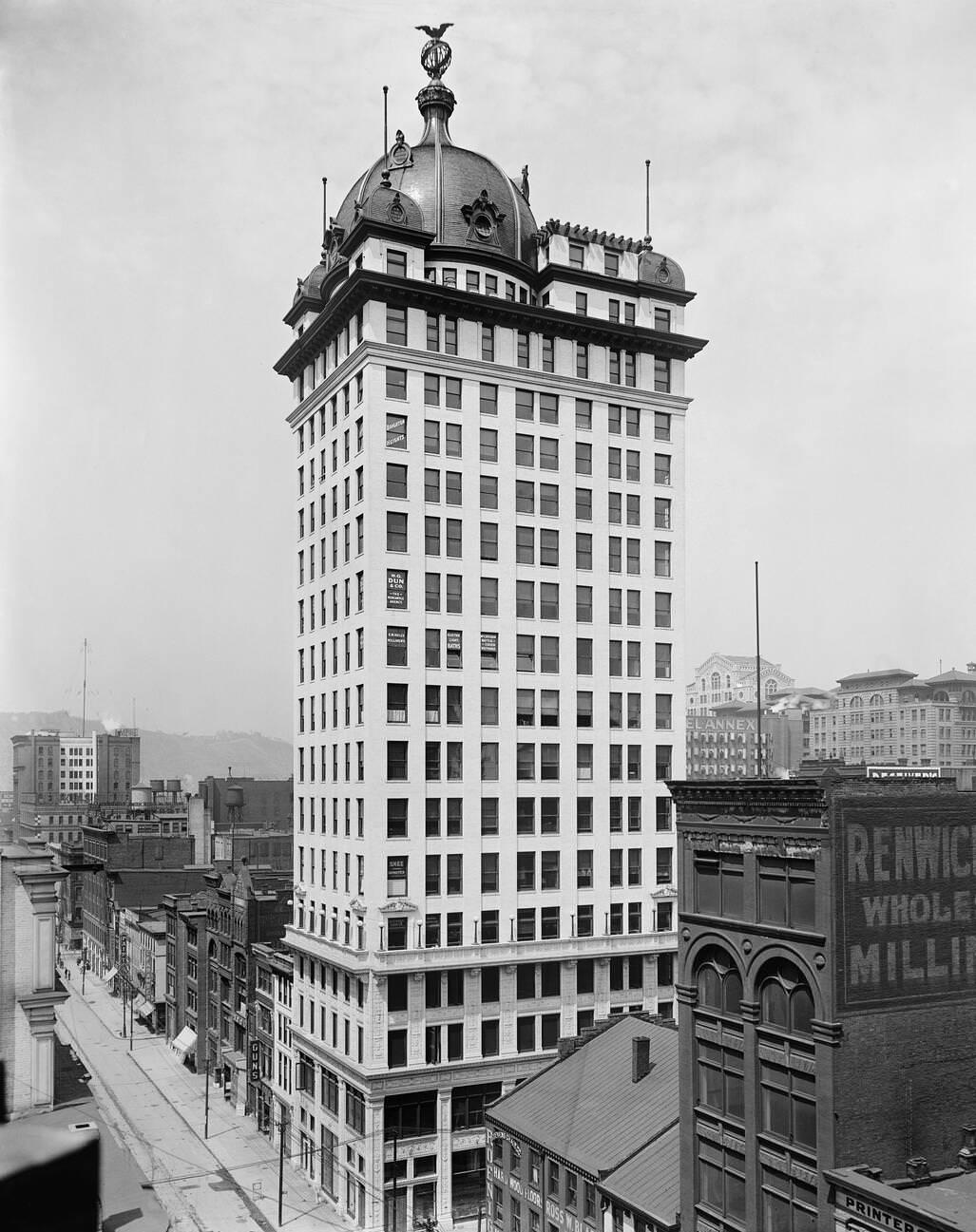
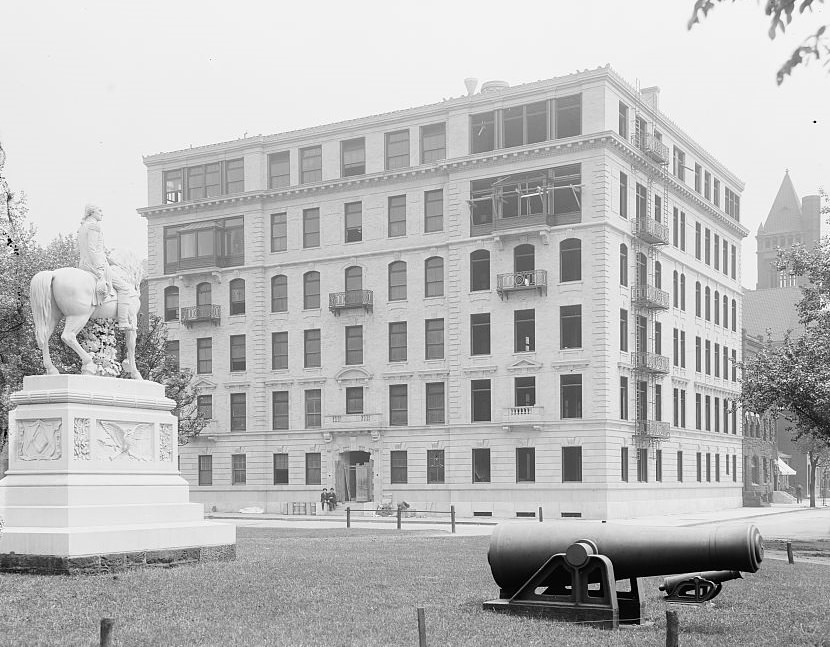
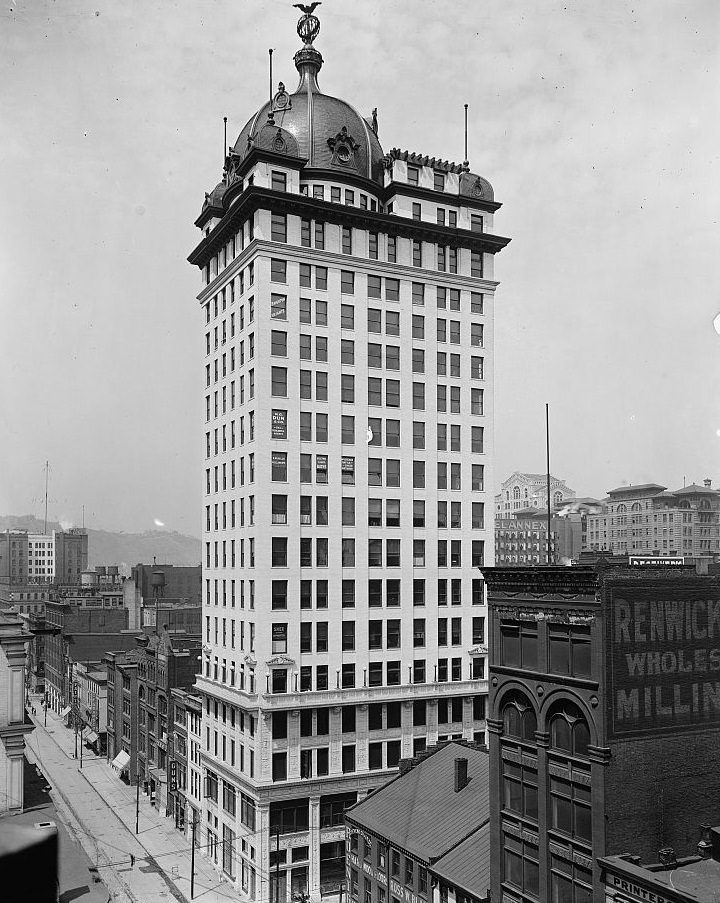
T.J. Keenan Building in Pittsburgh, 1907.
Fifth Avenue, South Pittsburgh, 1904.
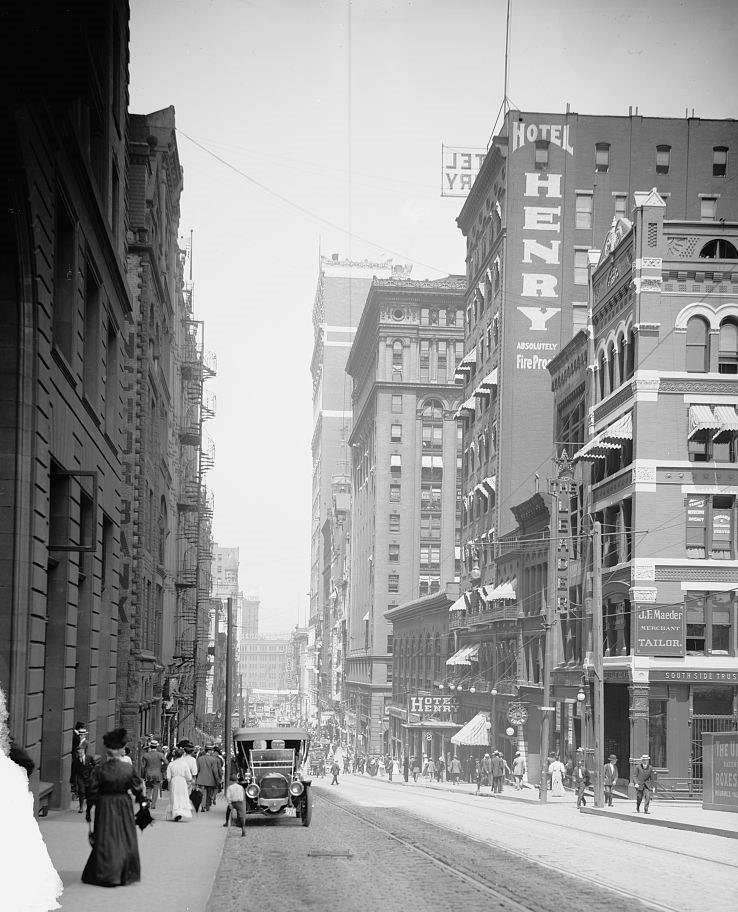
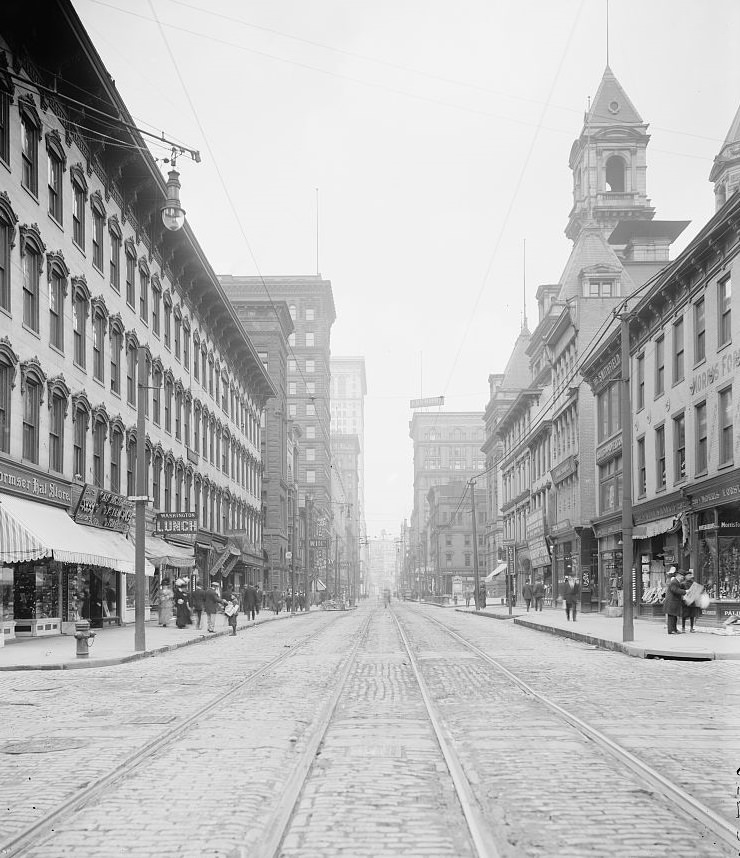
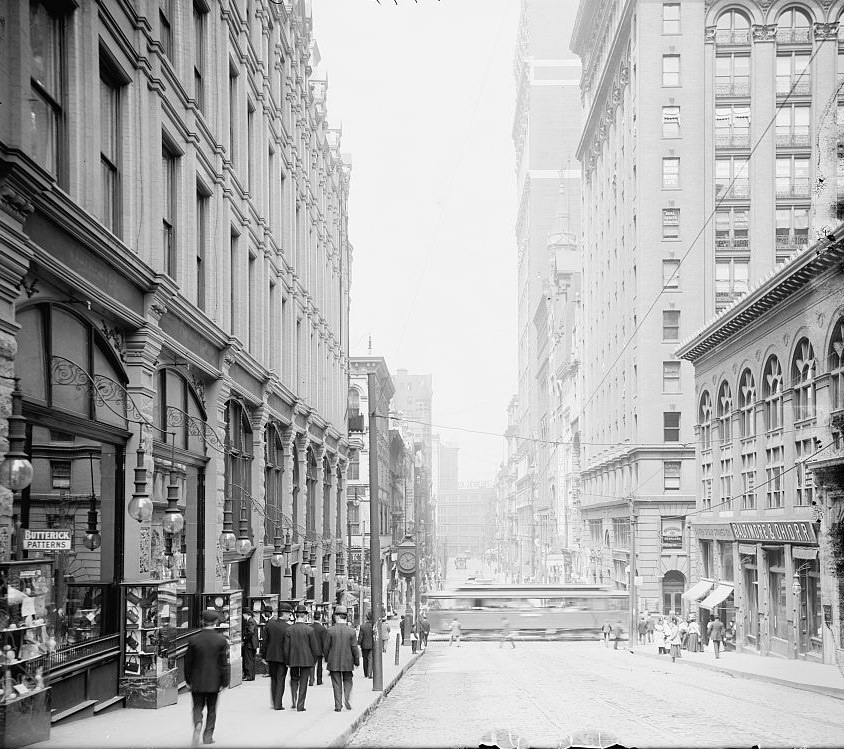
Wood Street, looking east, Pittsburgh, early 1900s.
Wood Street scene in Pittsburgh, early 1900s.
The Levee from Smithfield Street Bridge in Pittsburgh, early 1900s.
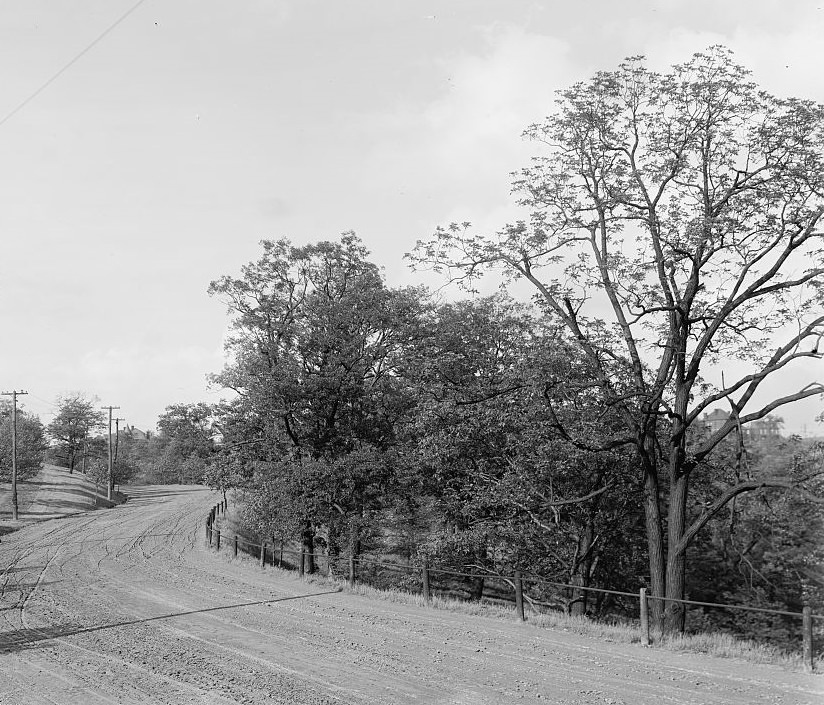
Boulevard in Riverview Park, Pittsburgh, early 1900s.
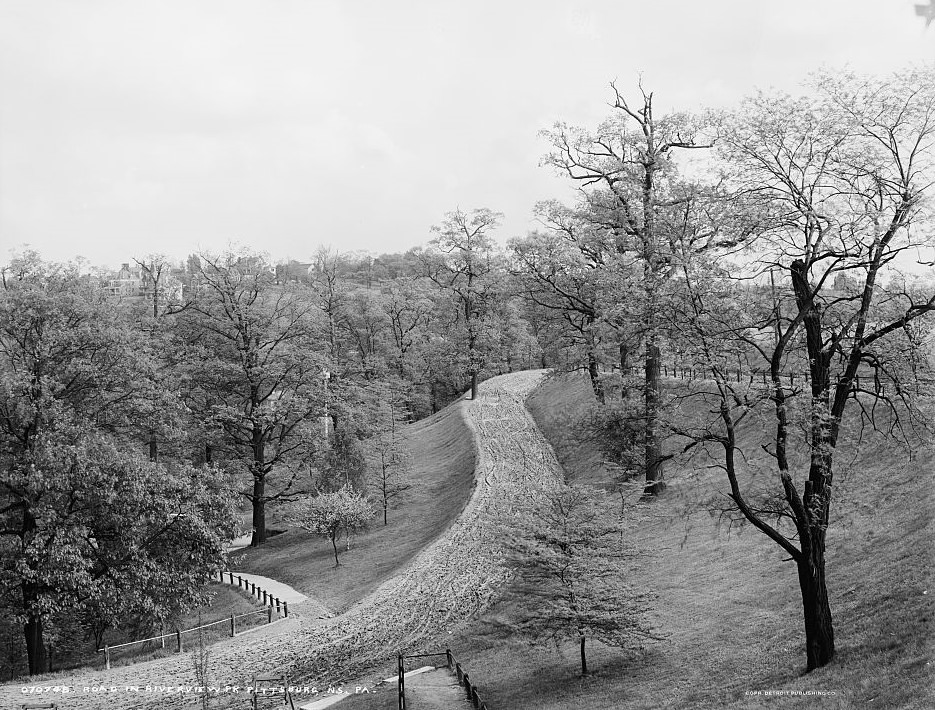
Road in Riverview Park, North Side of Pittsburgh, early 1900s.
Fort Pitt Hotel in Pittsburgh, early 1900s.
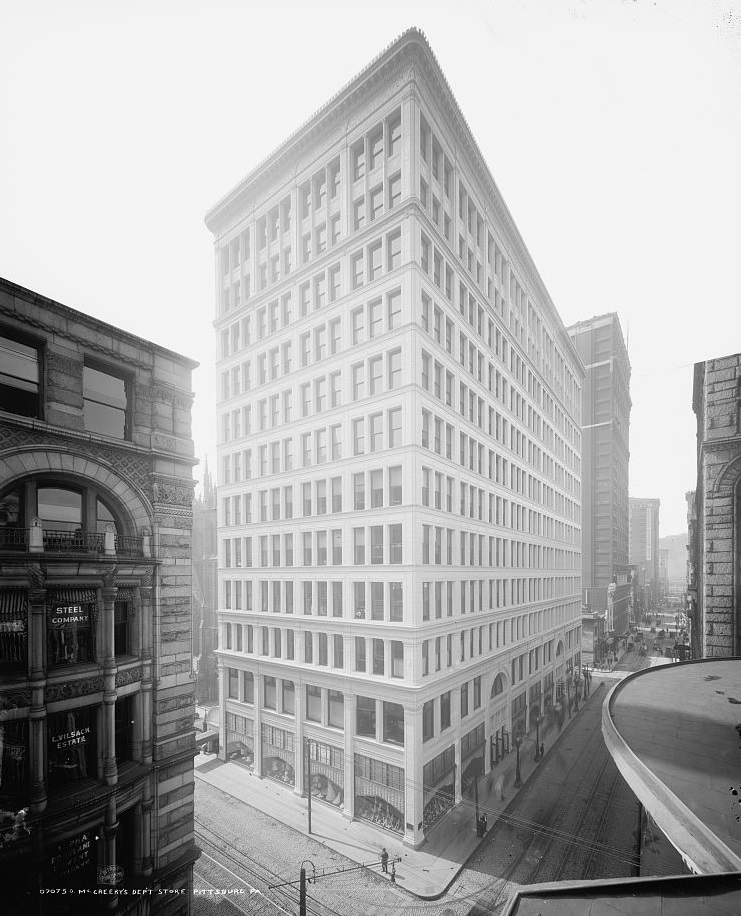
McCreery's Department Store in Pittsburgh, early 1900s.
McCreeryโ€™s Department Store in Pittsburgh, early 1900s.
Another view of Carnegie Institute in Pittsburgh, 1900s.
The Monongahela wharves in Pittsburgh, 1900s.
The Zoo in Highland Park, Pittsburgh, 1900s.
View from Smithfield Street Bridge, Pittsburgh, Pennsylvania, 1900s
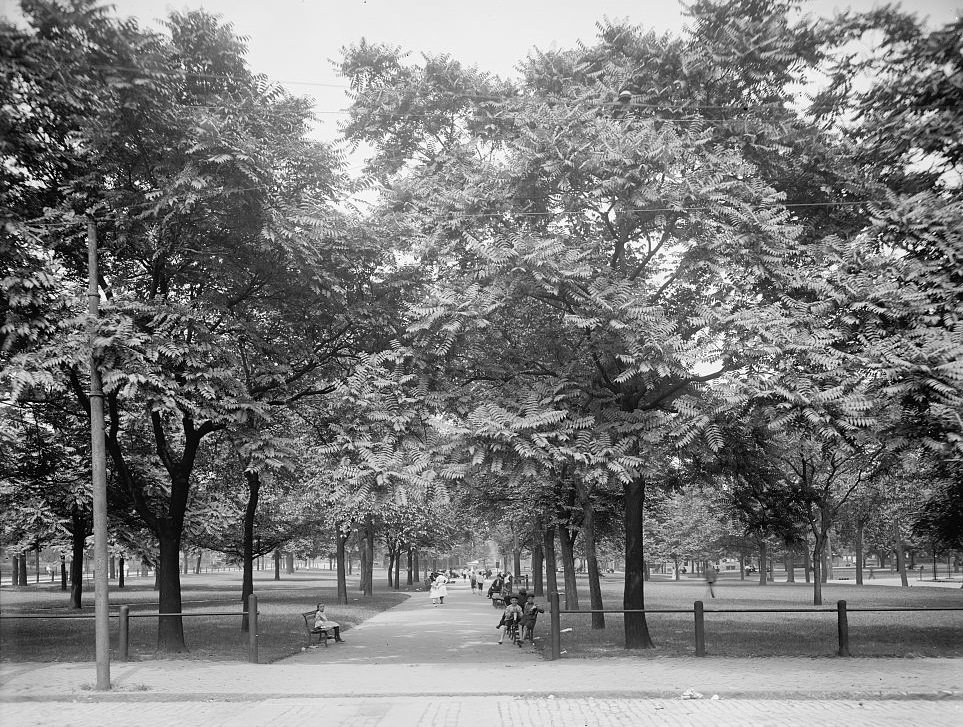
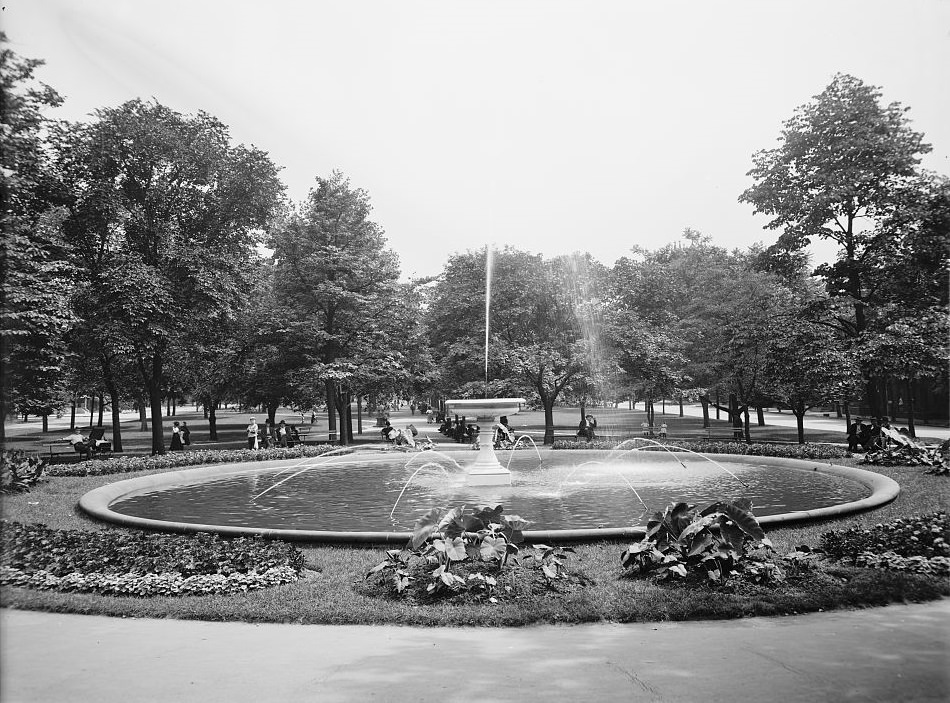
East Park, Pittsburgh, Pennsylvania, 1900s
Corner of Fifth Avenue and Wood Street, Pittsburgh, Pennsylvania, 1900s
Fifth Avenue, Pittsburgh, Pennsylvania, 1900s
Forbes Street, Pittsburgh, Pennsylvania, 1900s
Forbes Field, Pittsburgh, Pennsylvania, 1900s
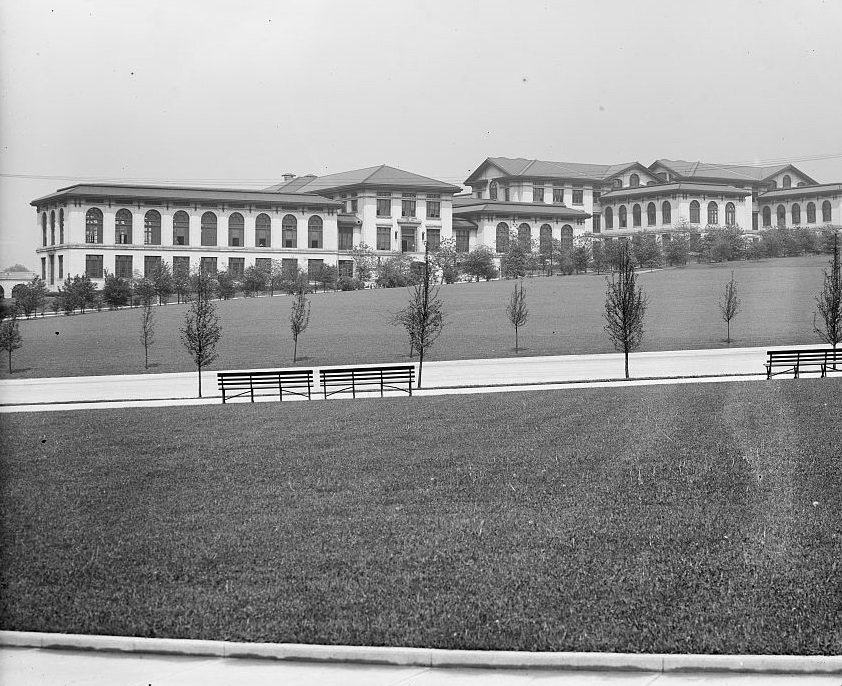
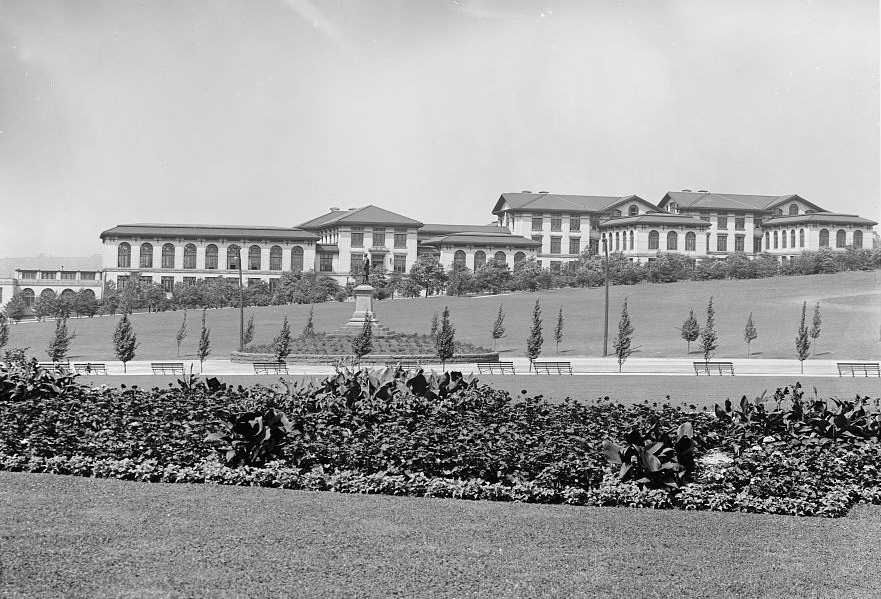
Carnegie Technical Institute, Pittsburgh, Pennsylvania, 1900s
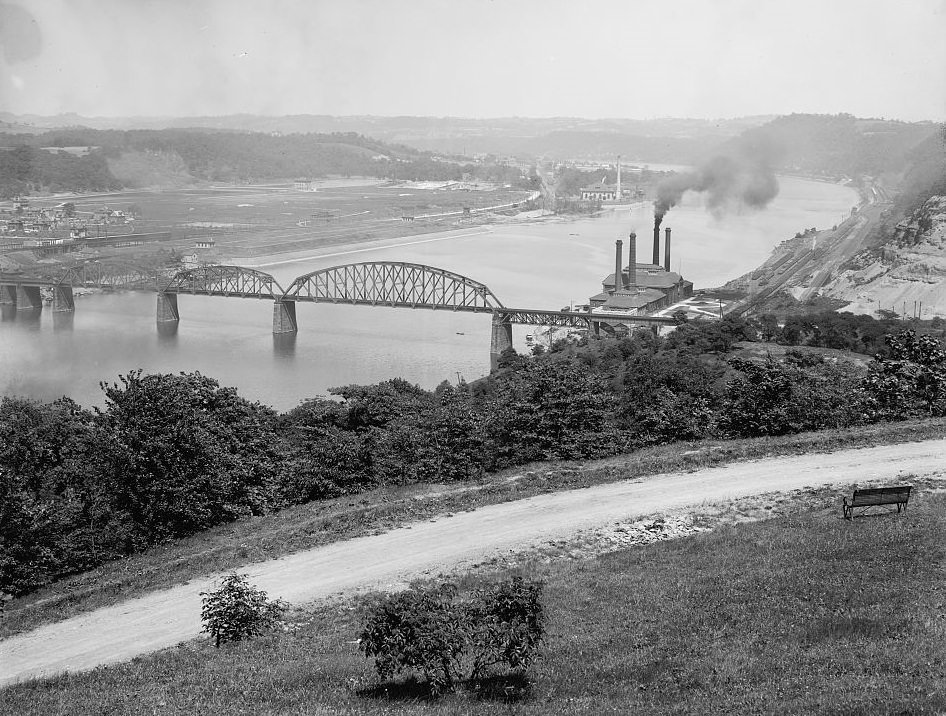
View of Allegheny River from Highland Park, Pittsburgh, Pennsylvania, 1900s
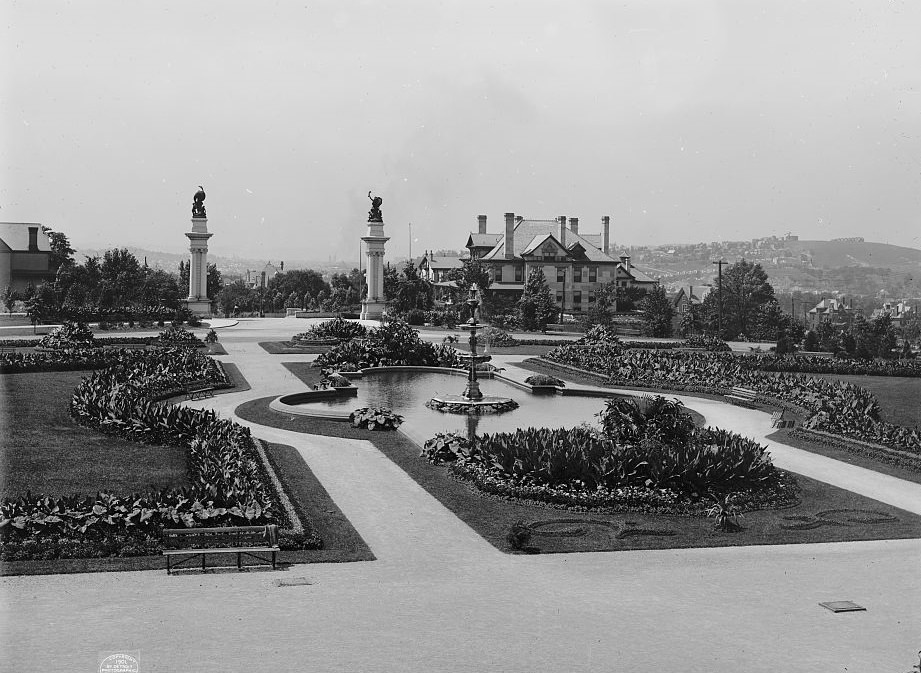
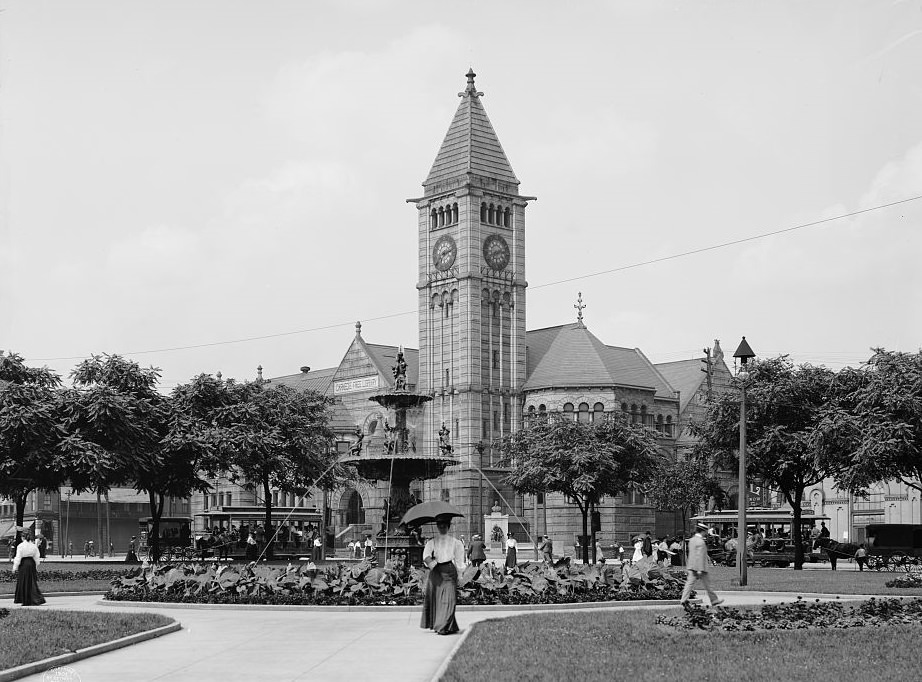
East Park Fountain, Pittsburgh, Pennsylvania, 1900s
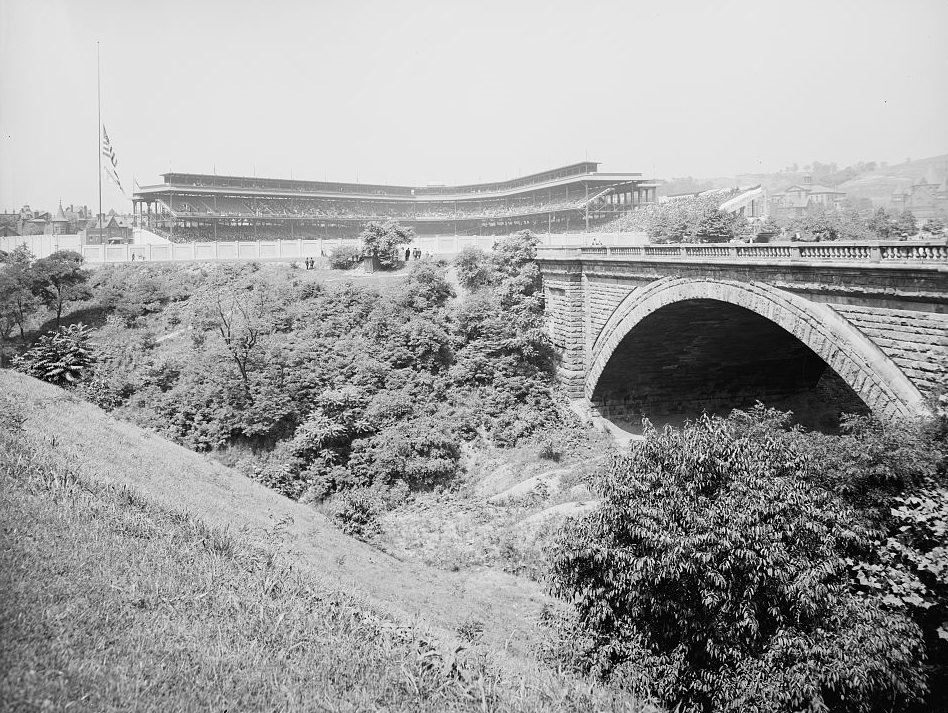
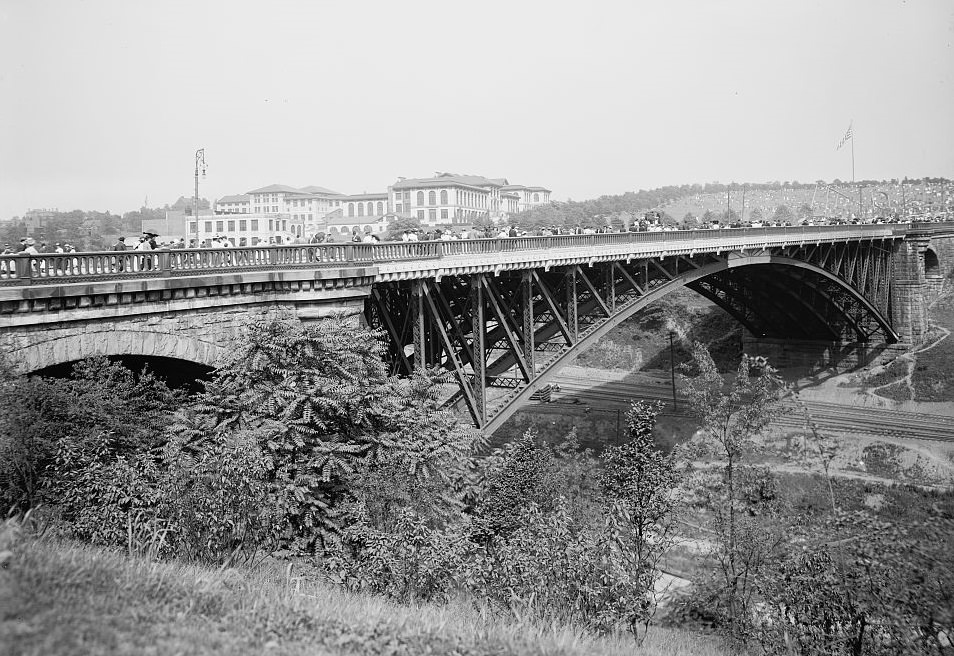
Schenley Park Bridge, Pittsburgh, Pennsylvania, 1900s
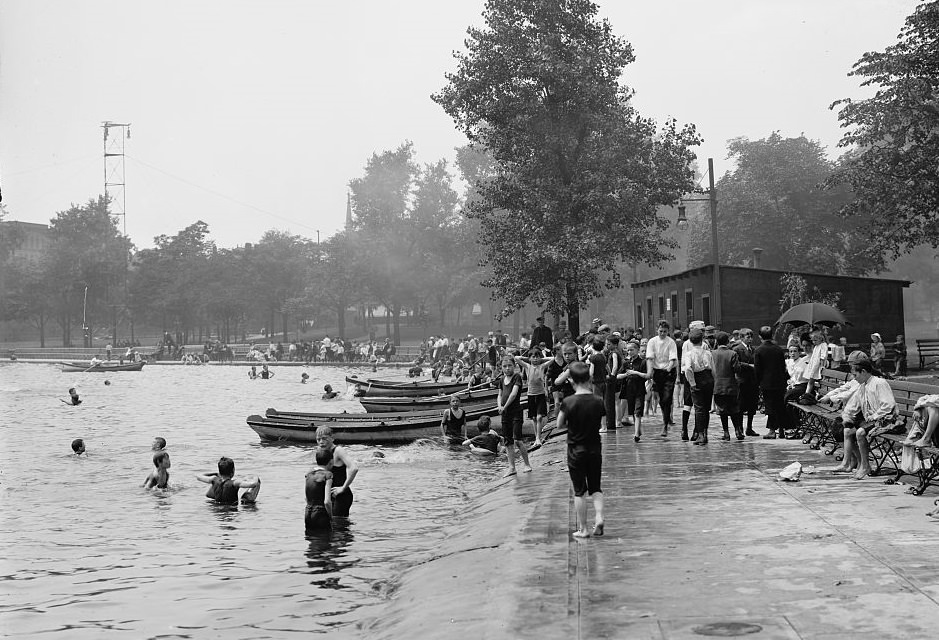
Lake Elizabeth during Bathing Hour, West Park, Pittsburgh, Pennsylvania, 1900s
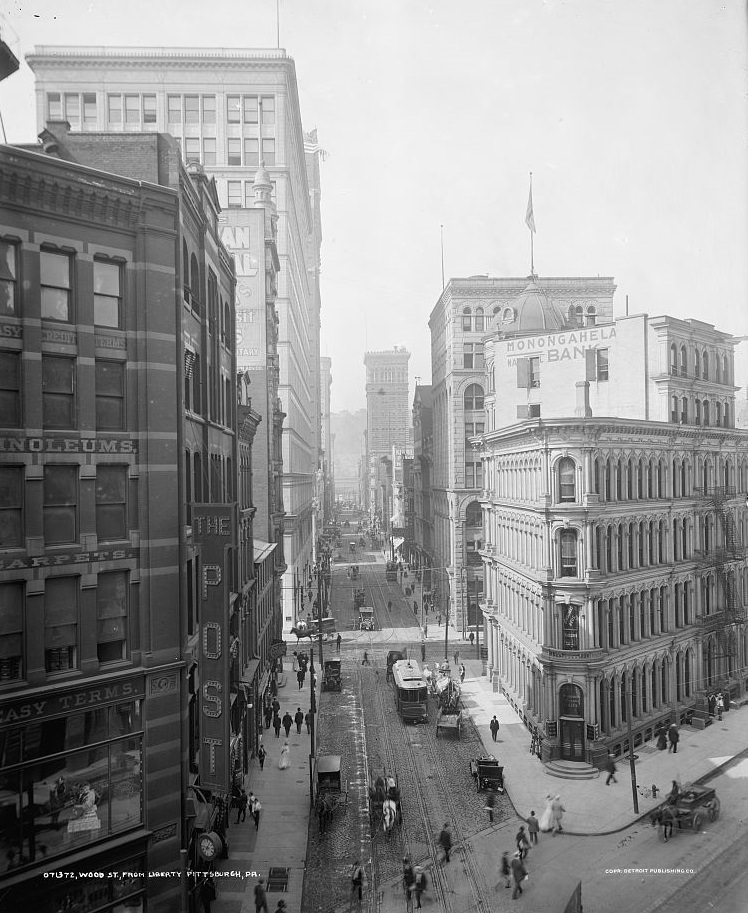
Wood Street and Farmer's Bank, Pittsburgh, Pennsylvania, 1900s
Wood Street and Farmerโ€™s Bank, Pittsburgh, Pennsylvania, 1900s
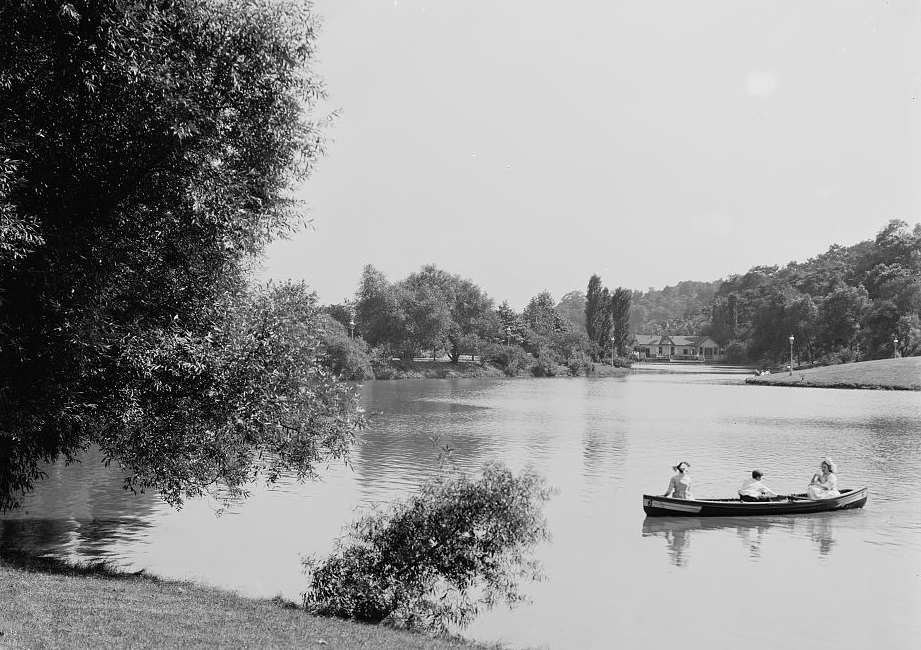
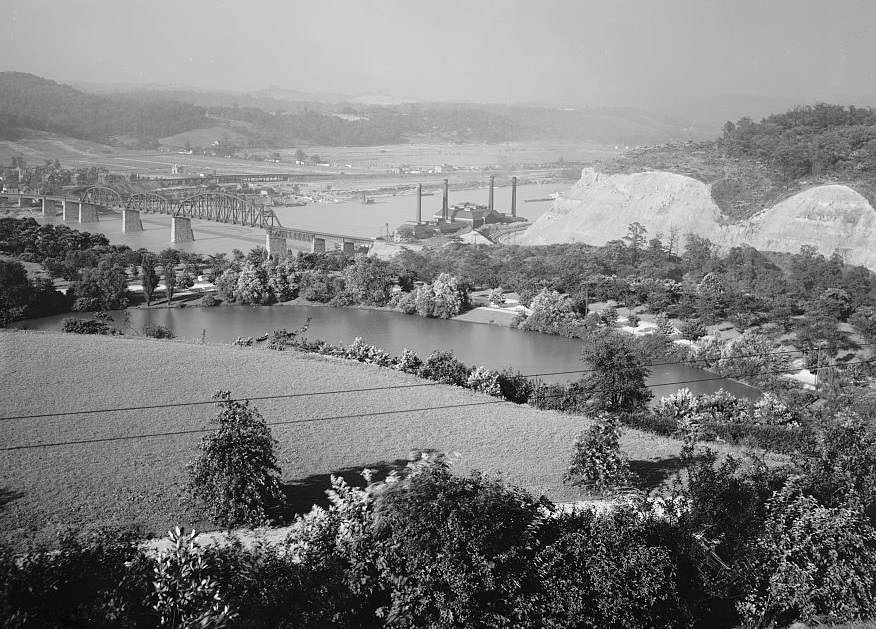
Carnegie Lake, Pittsburgh, Pennsylvania, 1910
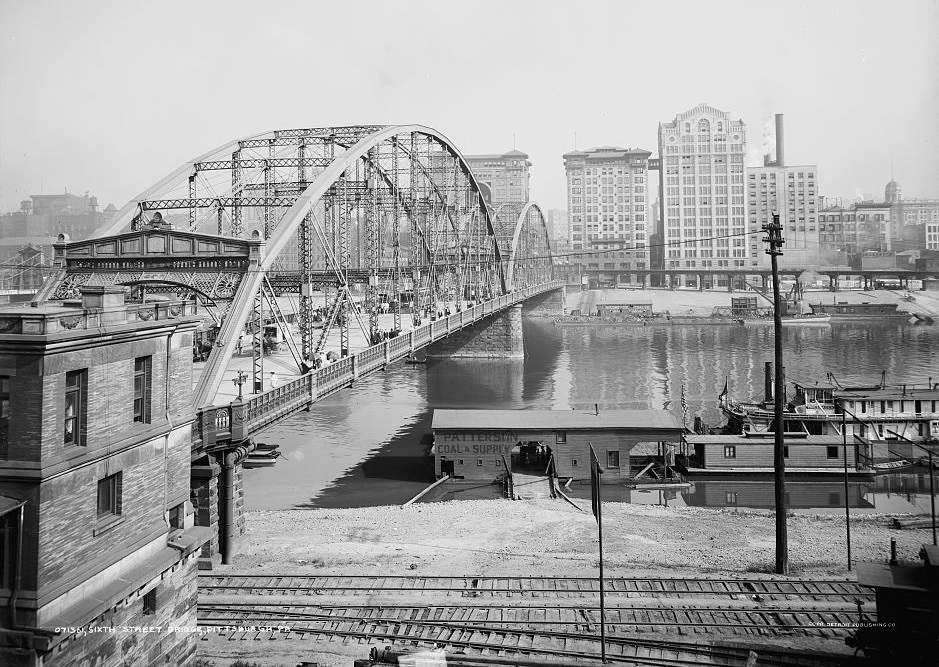
Sixth Street Bridge, Pittsburgh, Pennsylvania, 1910
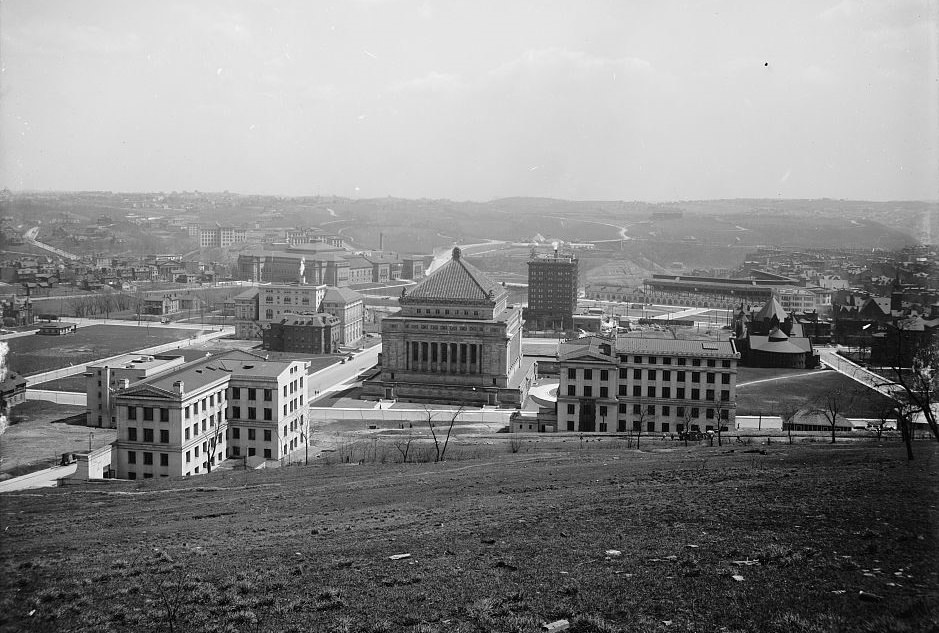
Schenley Park and Farm District, Pittsburgh, Pennsylvania, 1900s
Smithfield Street and Post Office, Pittsburgh, Pennsylvania, 1900s
Carnegie Technical Institute, Pittsburgh, Pennsylvania, 1910
Wood Street from Liberty Avenue, Pittsburgh, Pennsylvania, 1910
Diamond National Bank and Wabash Terminal, Pittsburgh, Pennsylvania, 1910
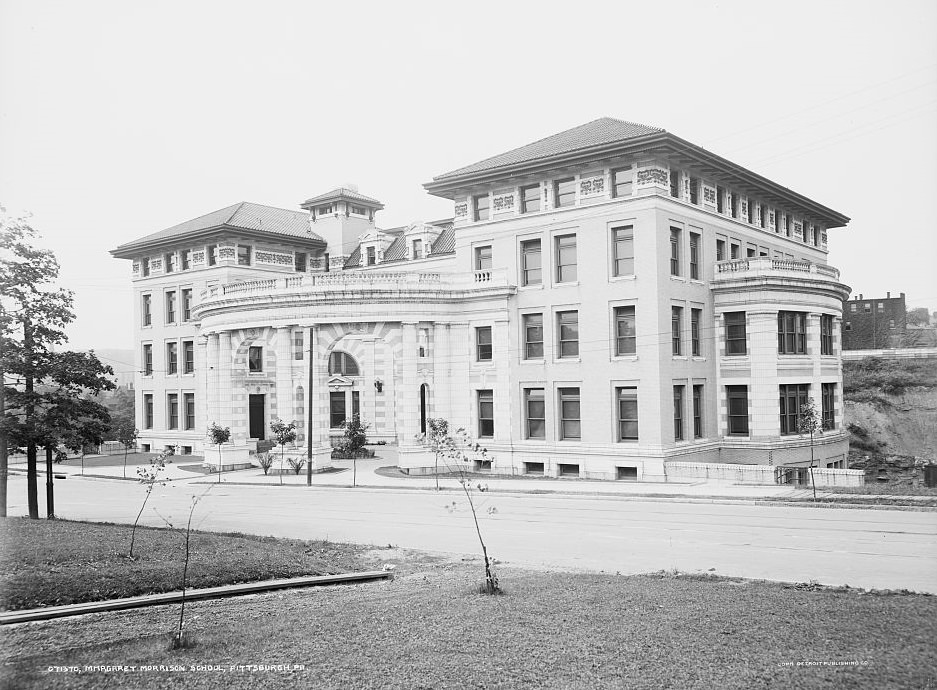
Margaret Morrison School, Pittsburgh, Pennsylvania, 1910
Smithfield Street Bridge, Pittsburgh, Pennsylvania, 1900
Forbes Field, Pittsburgh, Pennsylvania, 1900s
T.J. Keenan Building, Pittsburgh, Pennsylvania, 1910
Exposition Building, Pittsburgh, Pennsylvania, 1910
Schenley Hotel, Pittsburgh, Pennsylvania, 1906
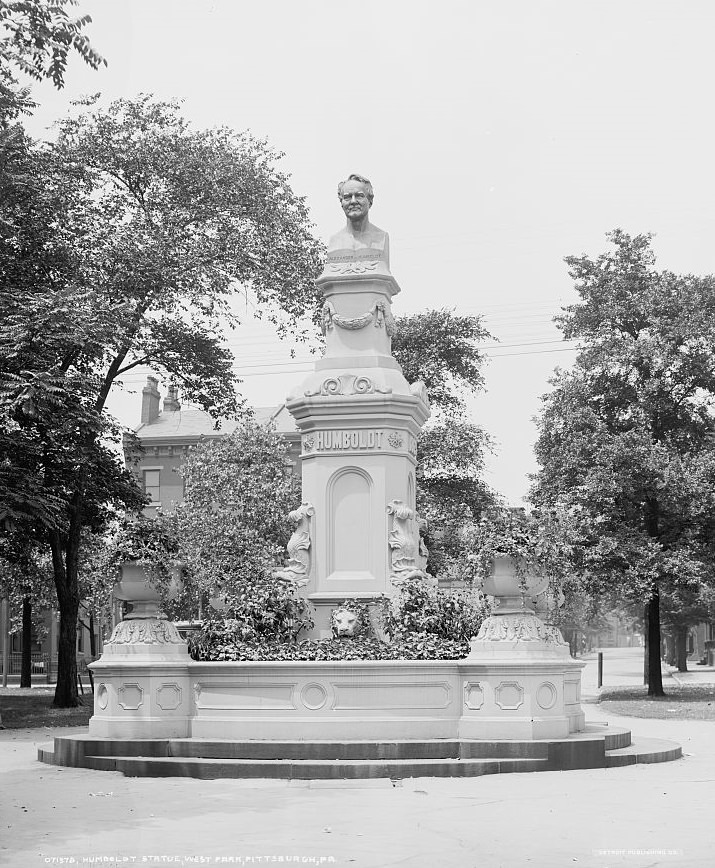
Humboldt Statue in West Park, Pittsburgh, Pennsylvania, 1920
Fifth Avenue, North View, Pittsburgh, Pennsylvania, 1910
New Presbyterian Hospital, Pittsburgh, Pennsylvania, 1910
Highland Park Entrance, Pittsburgh, Pennsylvania, 1901
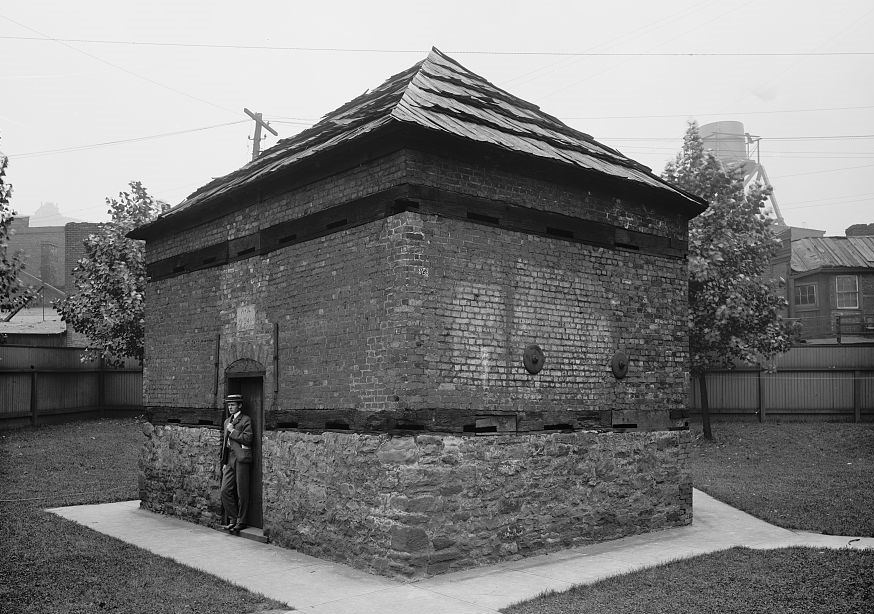
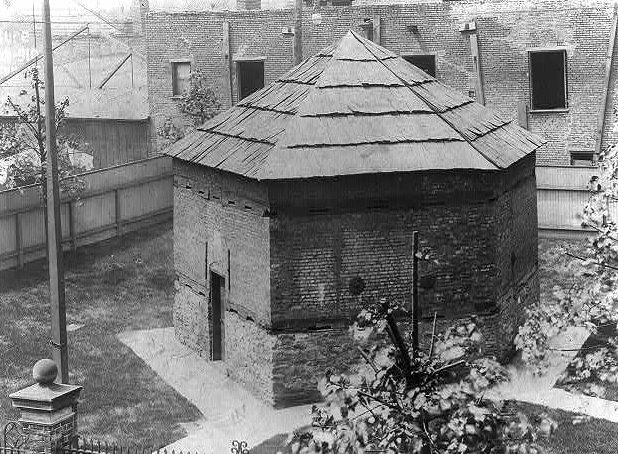
Old Block House, Pittsburgh, Pennsylvania, 1901
Union Station, Pittsburgh, Pennsylvania, 1910
Old Fort Duquesne, Pittsburgh, Pennsylvania, 1902
Bridge of Sighs, Pittsburgh, Pennsylvania, 1903
Fifth Avenue, South Pittsburgh, Pennsylvania, 1904
Union Station, Pittsburgh, Pennsylvania, 1904
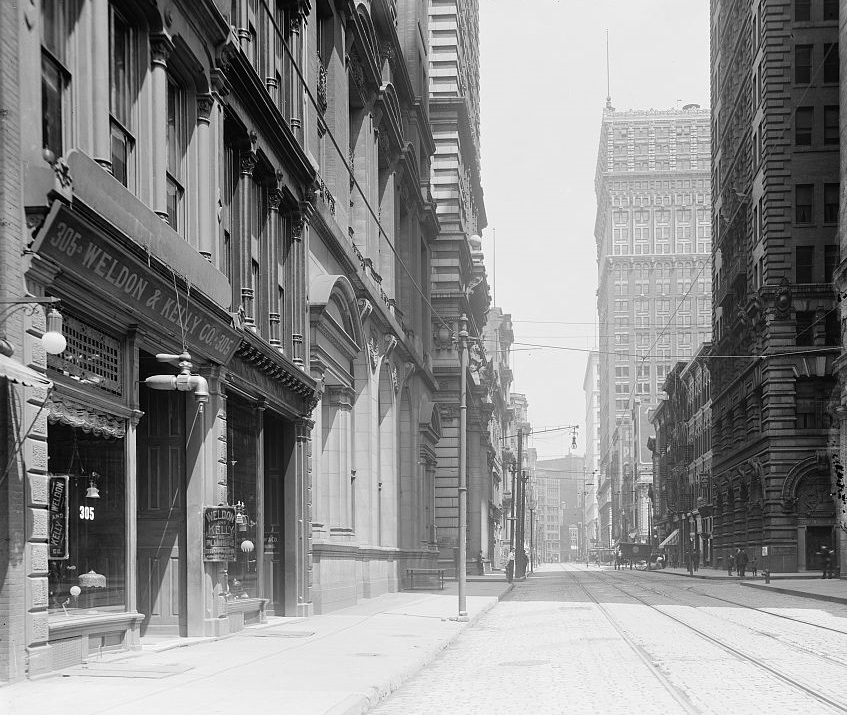
Stock Exchange, Pittsburgh, Pennsylvania, 1904
Fifth Avenue, Pittsburgh, Pennsylvania, 1904
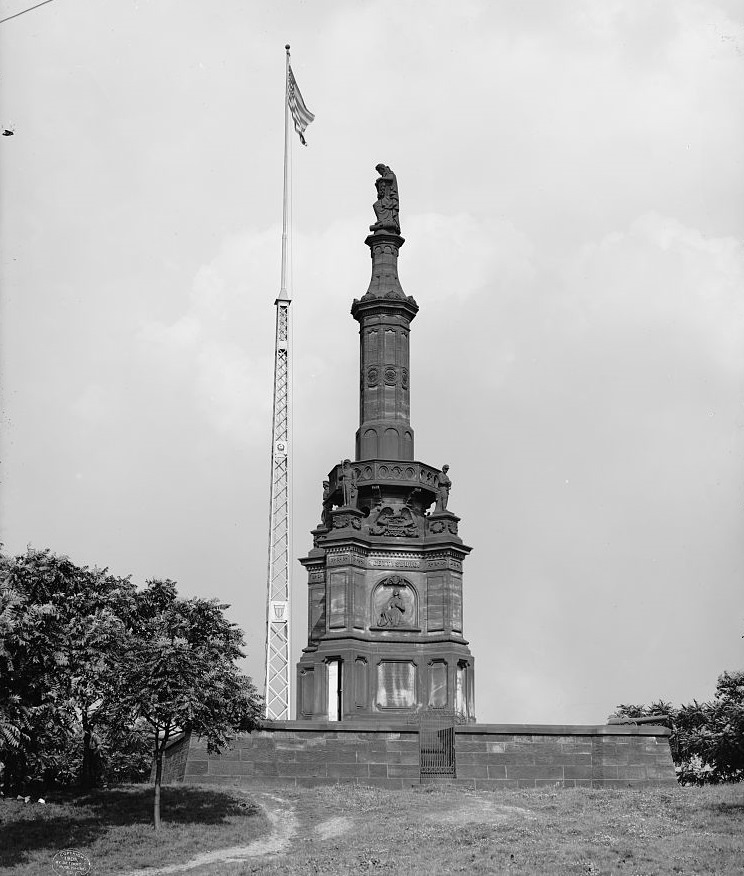
Soldiers Monument, North Pittsburgh, Pennsylvania, 1905
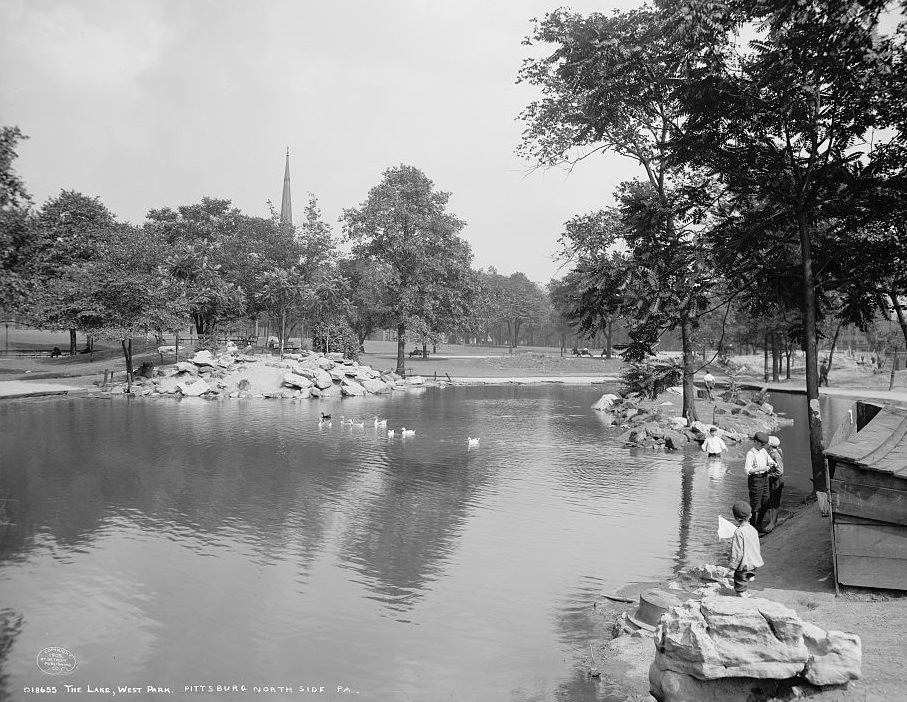
West Park Lake, North Pittsburgh, Pennsylvania, 1905
Carnegie Library, North Pittsburgh, Pennsylvania, 1905
North Pittsburgh Post Office, Pittsburgh, Pennsylvania, 1905
Western Pennsylvania Institute for the Blind, Pittsburgh, Pennsylvania, 1905
Schenley Park Shelter, Pittsburgh, Pennsylvania, 1905
View of Carnegie Lake from Highland Park, Pittsburgh, Pennsylvania, 1905
Luna Park, Pittsburgh, Pennsylvania, 1905
Monongahela Incline, Pittsburgh, Pennsylvania, 1905
Luna Park, Pittsburgh, Pennsylvania, 1905
Wood Street, Pittsburgh, Pennsylvania, 1905
Hotel Schenley, Pittsburgh, Pennsylvania, 1905
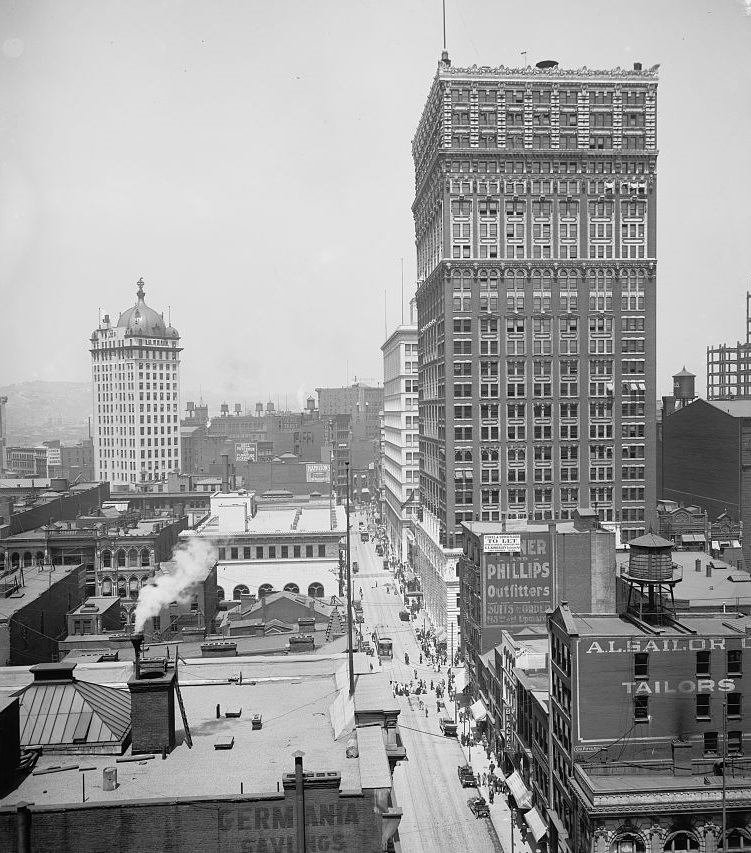
Fourth Avenue, Pittsburgh, Pennsylvania, 1906
Bridge of Sighs, Pittsburgh, Pennsylvania, 1905
Enjoyed this post? Get new ones in your inbox.

Leave a Comment

Your email address will not be published. Required fields are marked *

8 Comments

Share this Post ๐Ÿฅบ

Please take a moment to share this content. Your support is greatly appreciated! ๐Ÿ™Œ๐Ÿ™

Share this Post ๐Ÿฅบ

Please take a moment to share this content. Your support is greatly appreciated! ๐Ÿ™Œ๐Ÿ™
Scroll to Top
 
Hey Friend, Before You Go.. Please like & follow for more interesting content