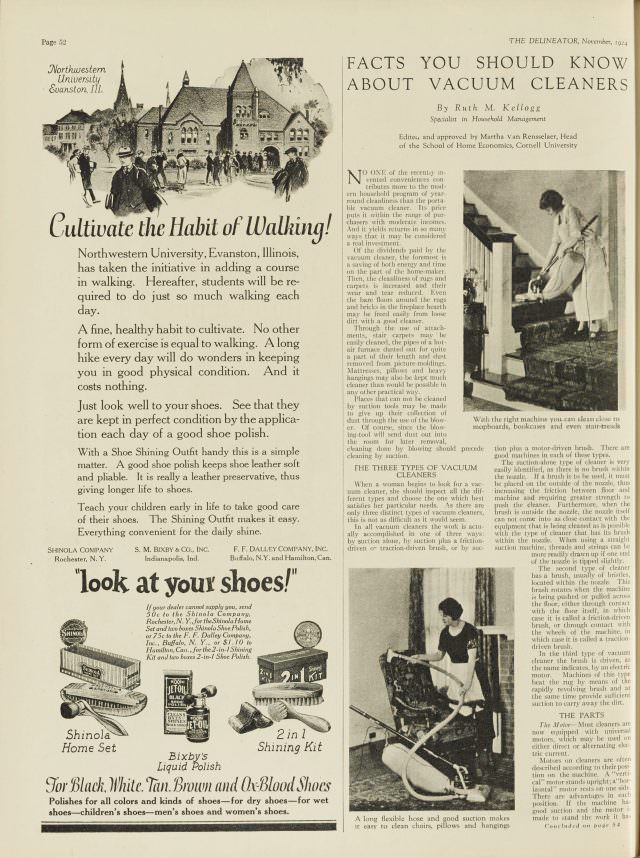
In 1921, a Cornell University student named Ruth Kellogg became the face of proper housekeeping — at least according to Delineator magazine. The publication ran a photographic spread showing Miss Kellogg demonstrating the correct posture and technique for a range of common household tasks. It was practical, precise, and aimed squarely at the American woman managing her home.
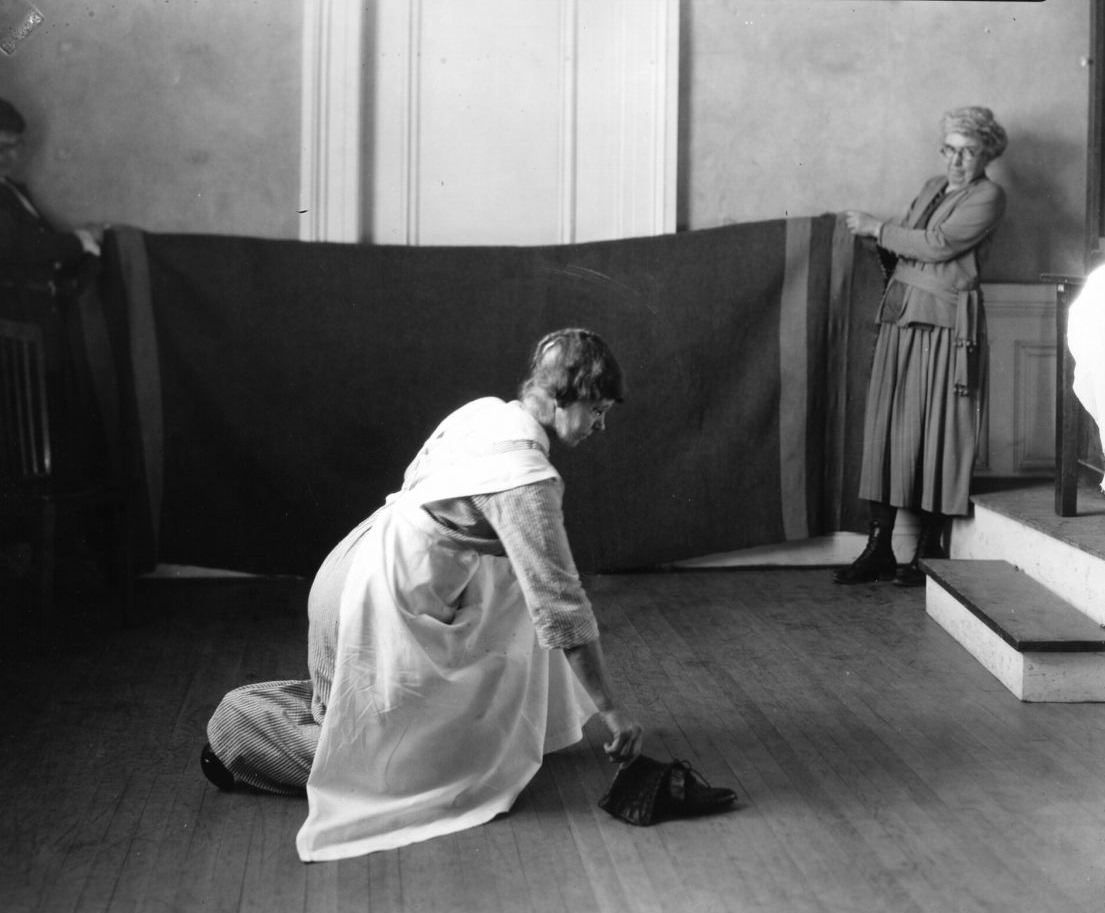
Delineator had a long history of giving women exactly this kind of guidance. Founded in 1869 as The Metropolitan Monthly by the Butterick Publishing Company in New York, the magazine grew into one of the most widely read women’s publications in the country. Household tips were a regular feature, covering everything from cooking and sewing to cleaning and home organization.
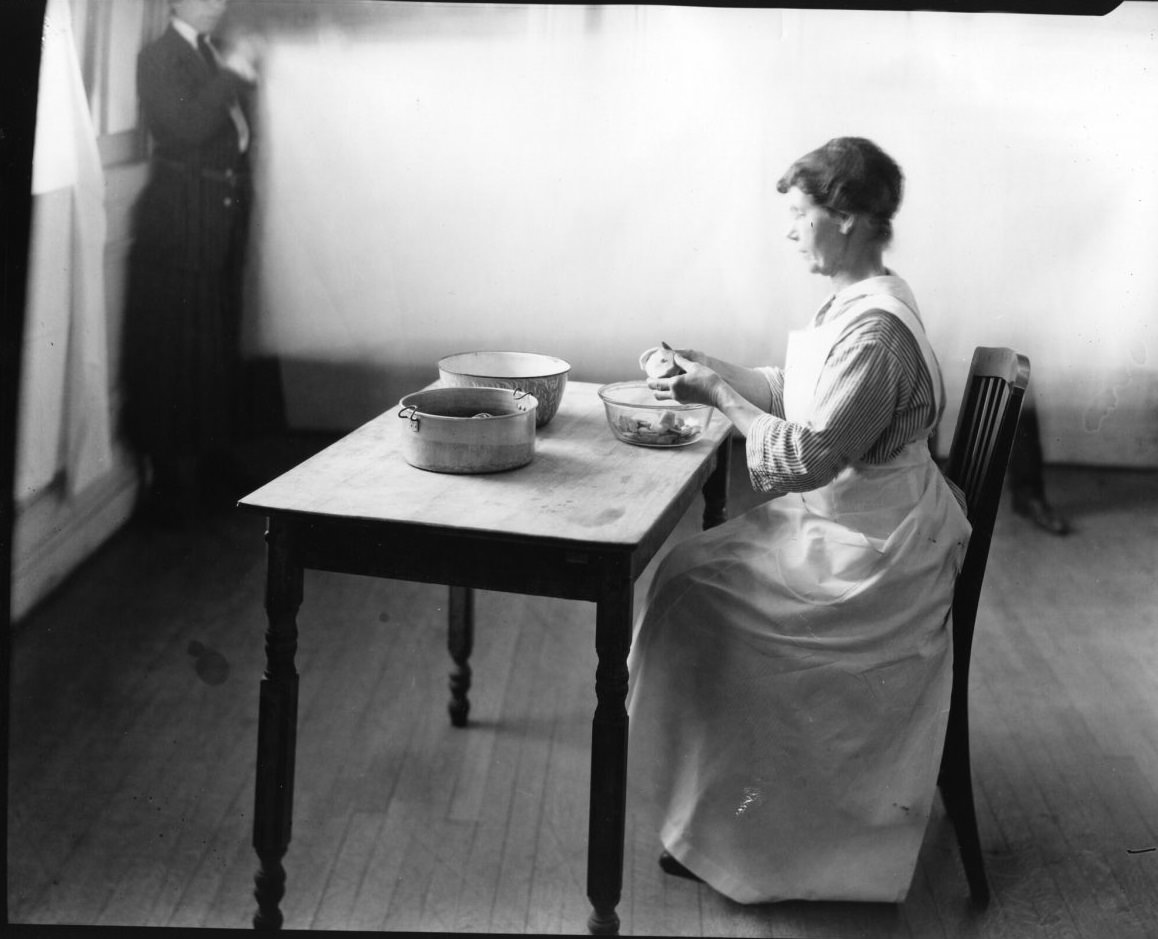
Miss Kellogg studied at Cornell from 1921 to 1926. Her appearance in Delineator placed her in a long line of women used by magazines to model domestic ideals for readers. The photos weren’t just decorative — they were instructional, showing readers exactly how to position their bodies to work efficiently and without unnecessary strain.
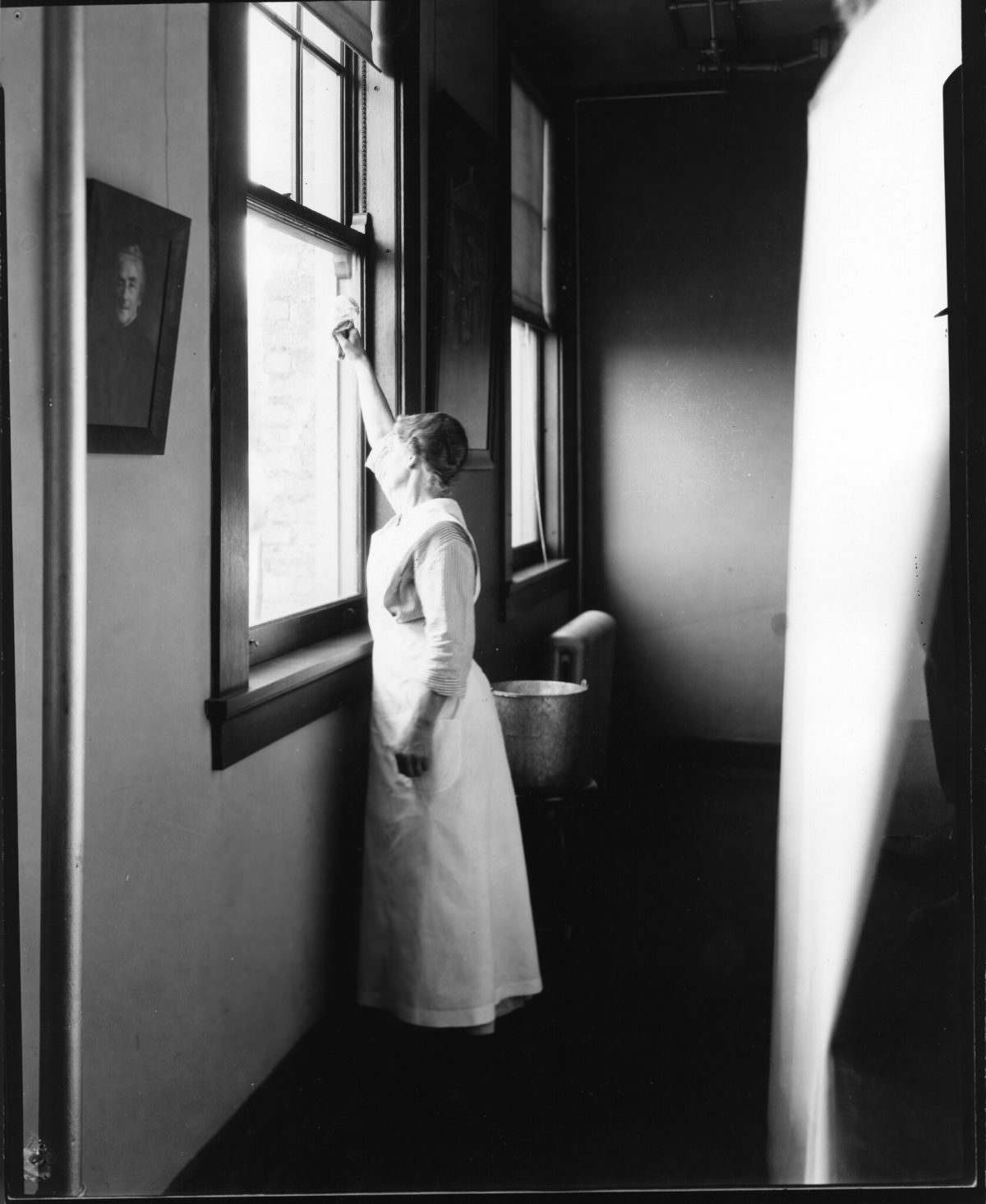
Each photograph focused on a specific chore and a specific body position. The idea was that poor posture during housework led to fatigue and injury over time. By following Miss Kellogg’s example, readers were meant to work smarter, not just harder.
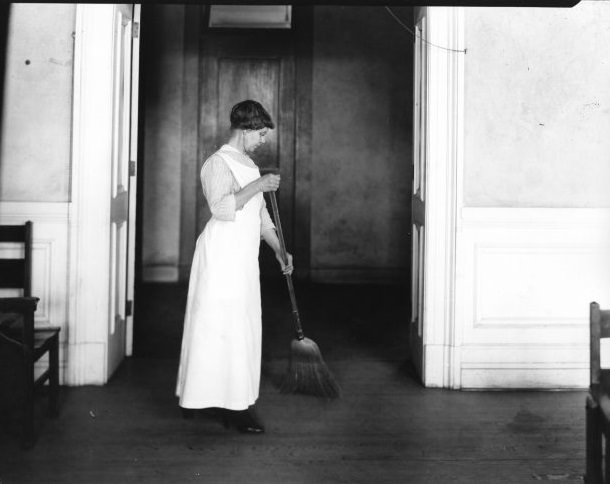
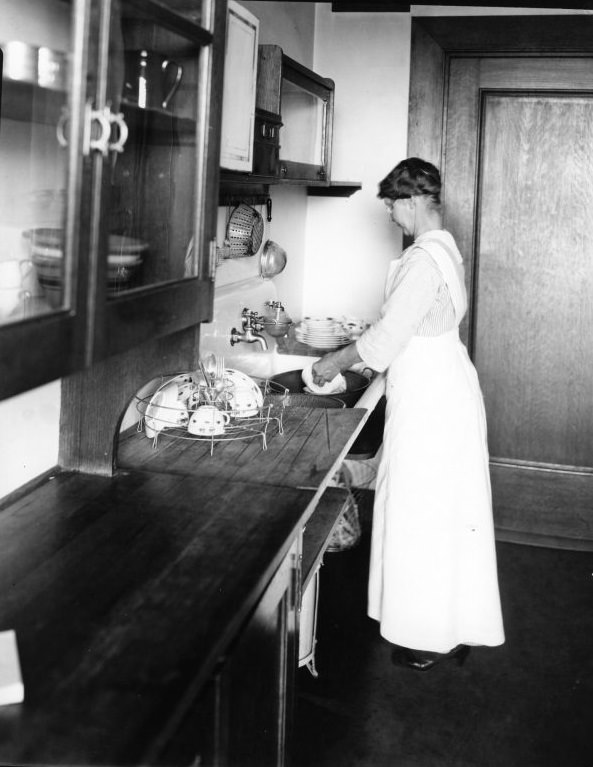
The connection between physical health and housework was a growing topic in the early 20th century. Home economics as a formal field of study was gaining ground in American universities at this time, and Cornell was one of its leading institutions. Miss Kellogg’s involvement in this kind of public-facing educational content fit neatly into that broader movement.
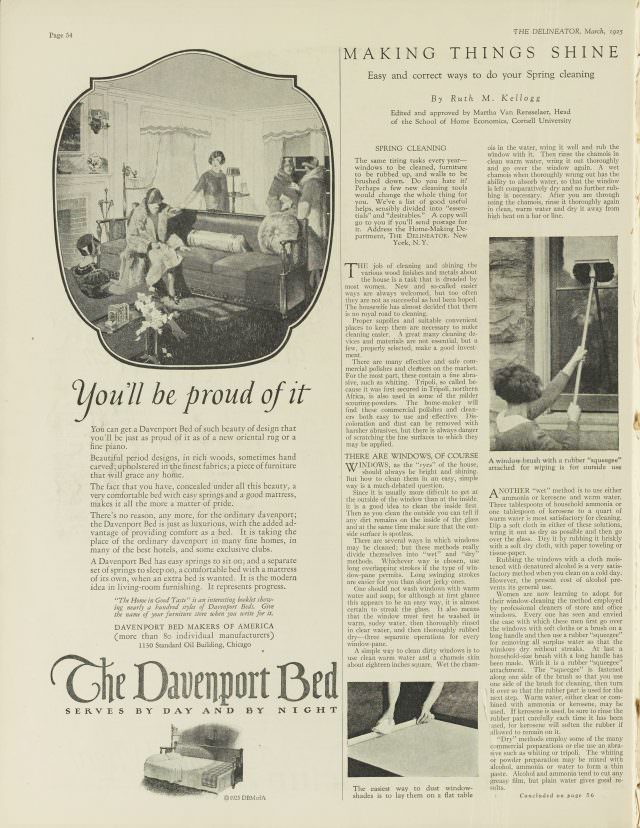
By 1925, Miss Kellogg was contributing written content to Delineator as well. That year, she offered readers specific tips on how to clean window panes — one of the more tedious recurring tasks in any household. Her advice extended her role from photographic model to named expert contributor.
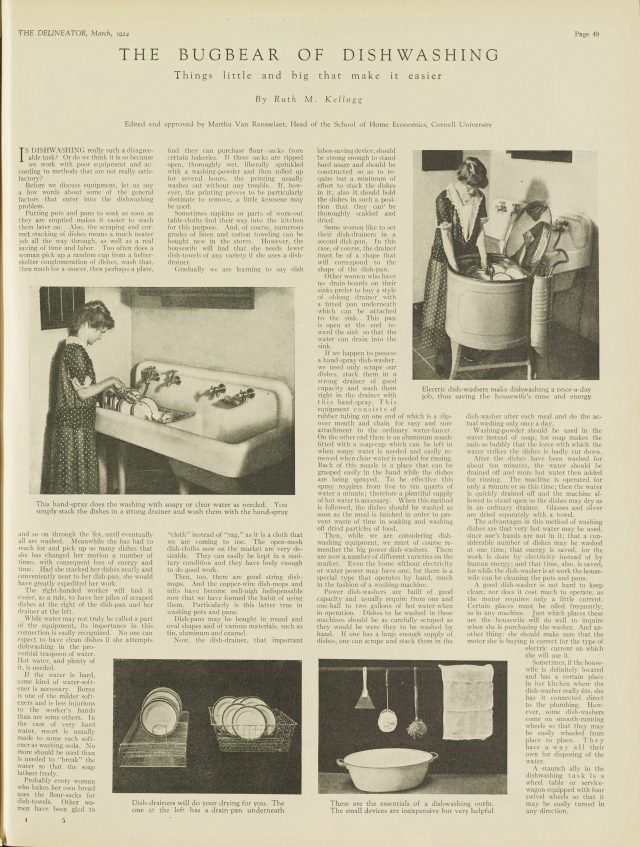
The photographs themselves are a direct record of what domestic life looked like for many American women in the 1920s. The clothing, the tools, the rooms in the background — all of it reflects the material conditions of the era. These weren’t staged fantasy images; they were meant to mirror the reader’s own daily life back at her.
Delineator’s approach to housework instruction through photography was part of a wider editorial strategy that treated domestic labor as a skill worth teaching seriously. Miss Kellogg’s series gave that instruction a human face — someone young, educated, and presented as a credible authority on getting the job done right.