
Norfolk, Virginia in the 1910s was a city in motion. Situated on the eastern seaboard, it served as one of the most active port cities on the Atlantic Coast. Its harbor handled steady flows of cargo, its streets buzzed with electric trolleys and early automobiles, and its naval base was one of the largest in the country. These photographs offer a direct window into what daily life looked like during that decade — the workers, the streets, the institutions, and the events that shaped the city.
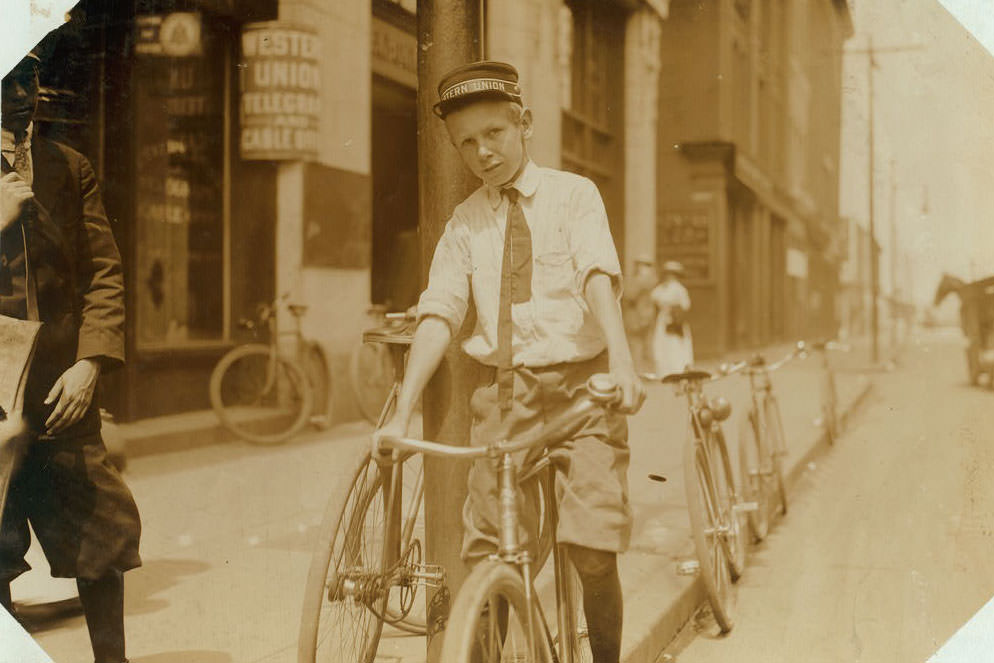
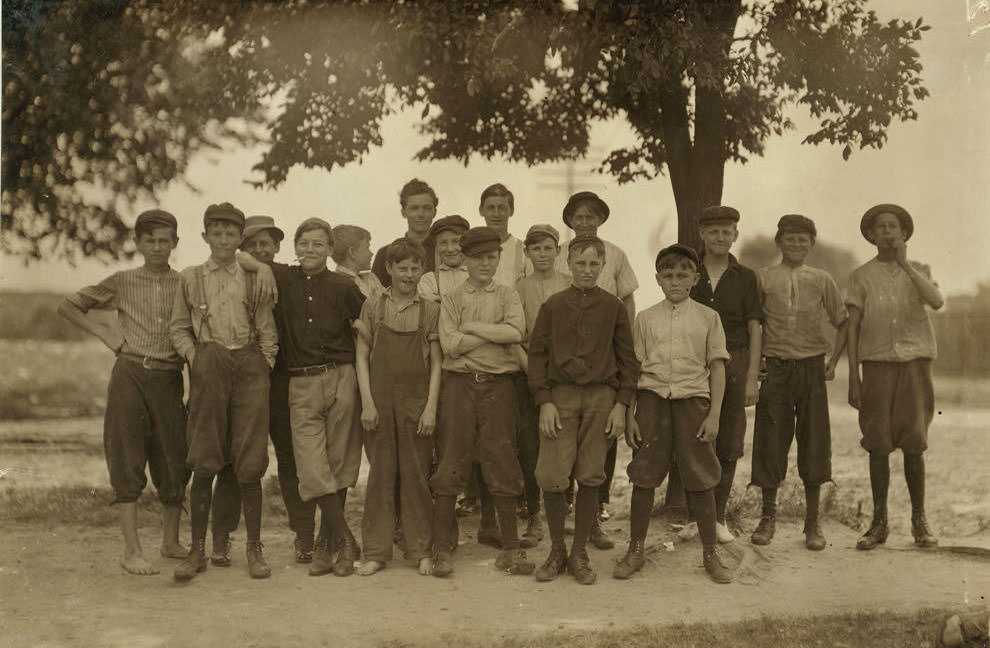
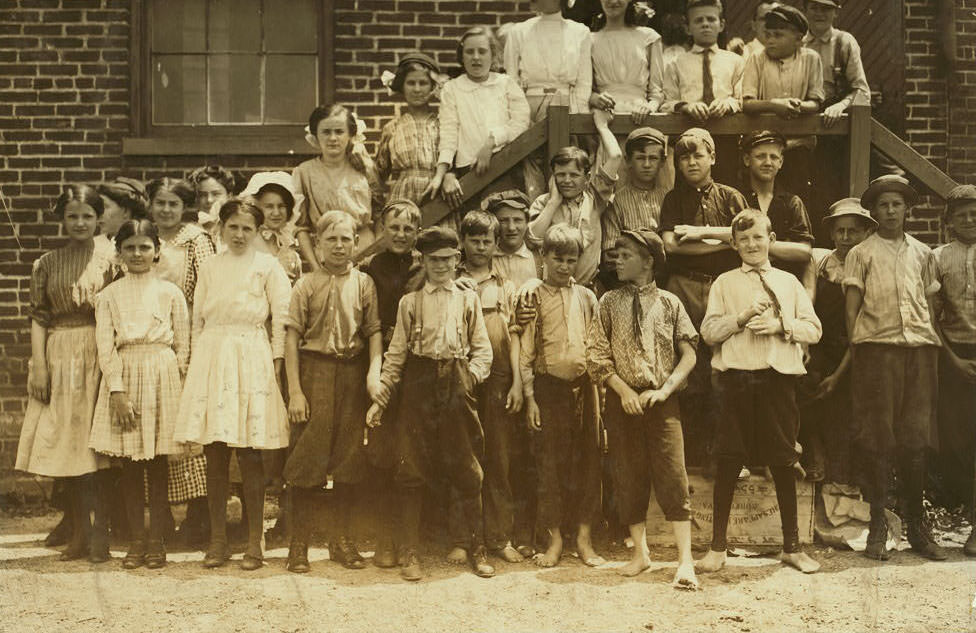
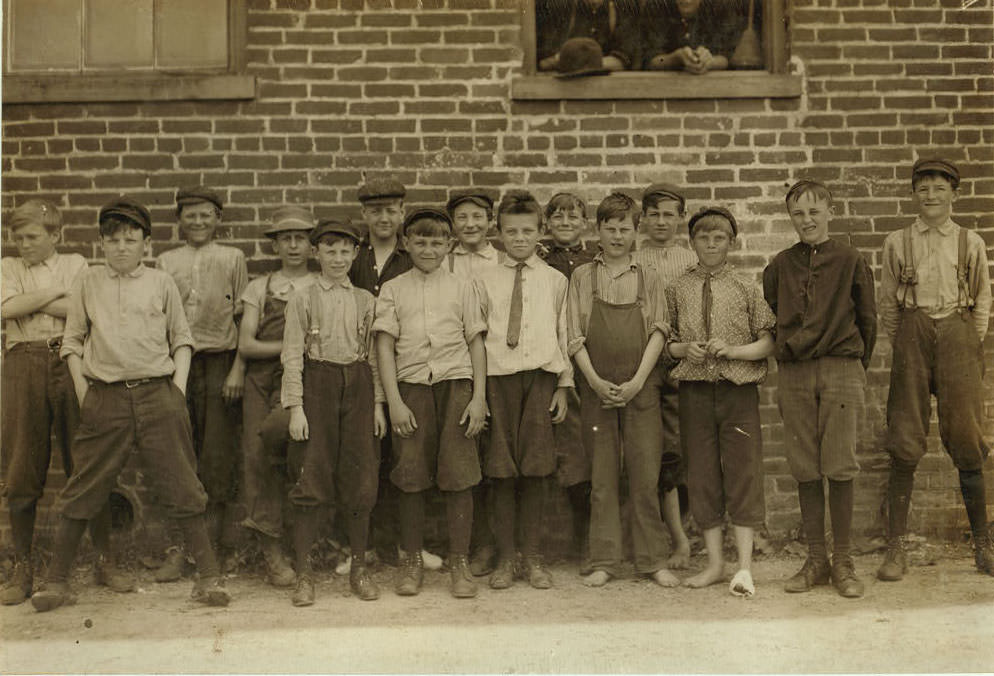
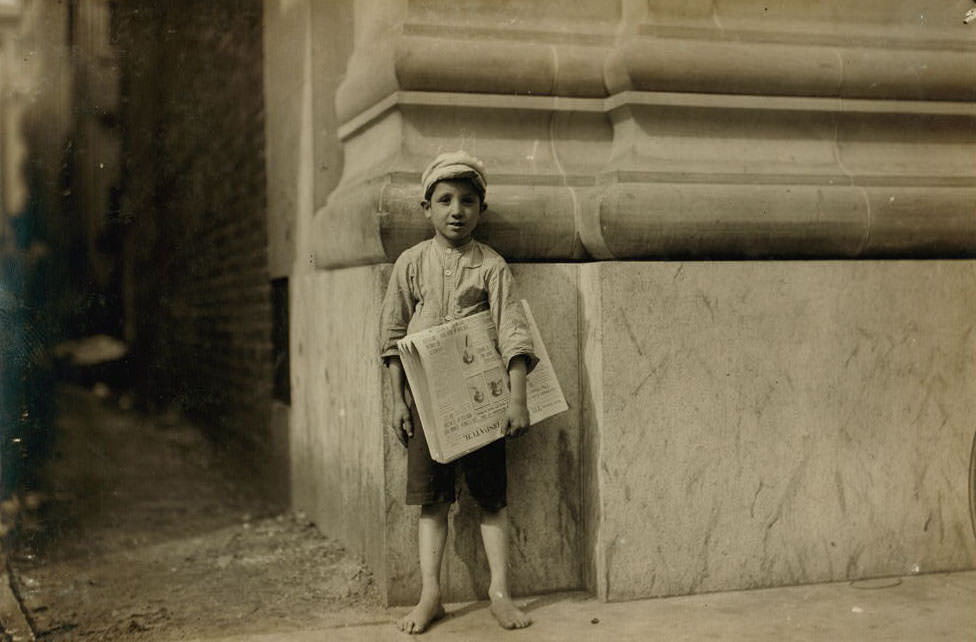
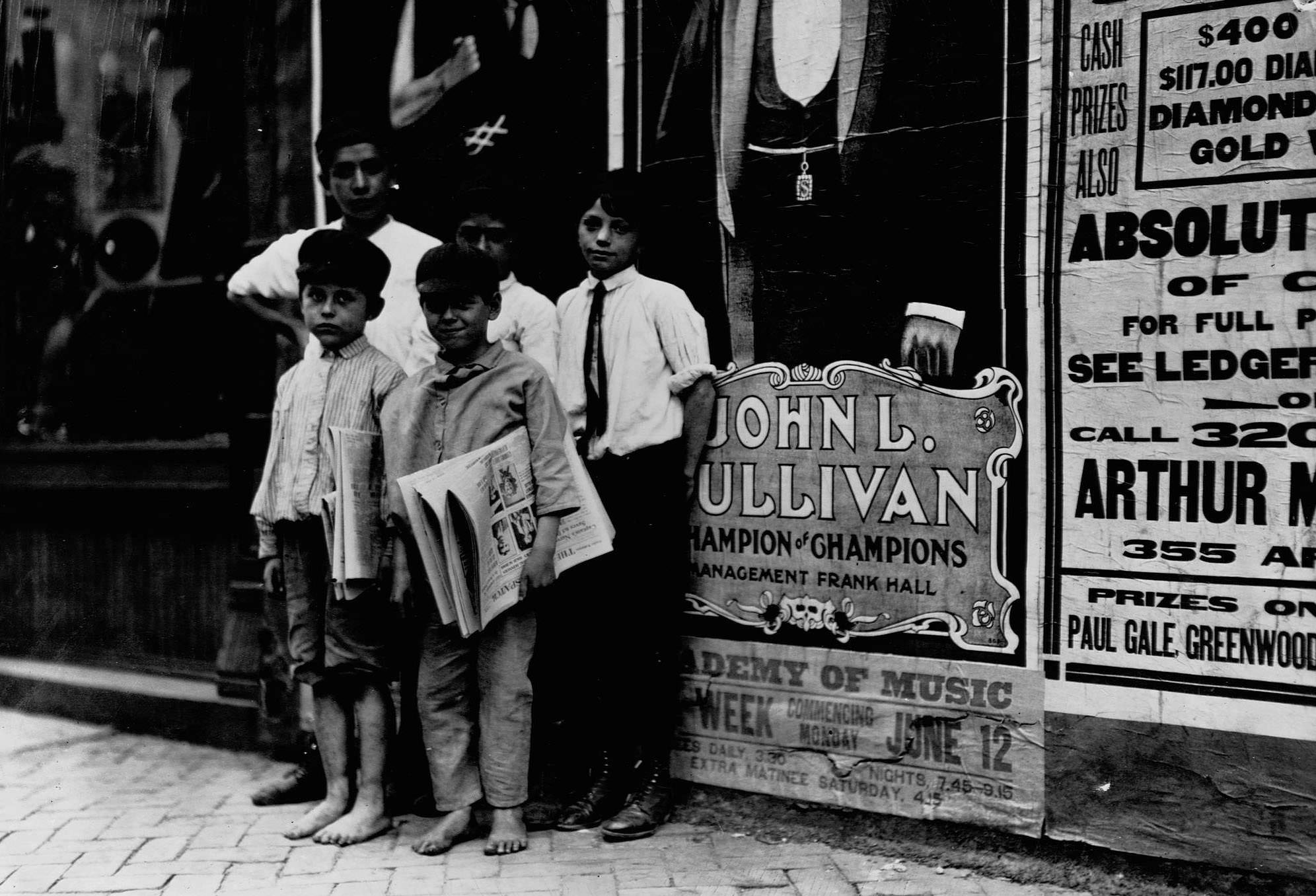
One of the most striking things revealed in these images is the widespread use of child labor. Young boys worked as Western Union messengers, newspaper carriers, and factory hands — often for long hours and little pay. Photographer Lewis Hine documented many of these children in Norfolk in 1911 as part of the National Child Labor Committee’s efforts to expose the conditions under which they worked.
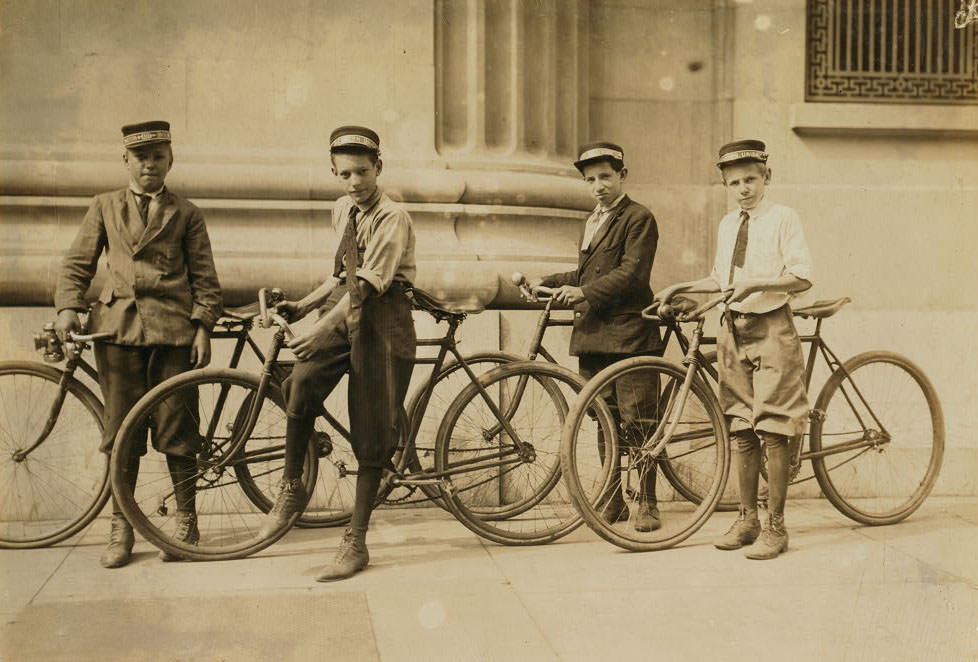
These messenger boys were employed by Western Union to deliver telegrams across the city on foot or by bicycle. The job exposed them to long hours and, in many cases, to adult environments late into the night. Hine’s records noted the ages and addresses of individual children, building a factual case against the system that employed them.
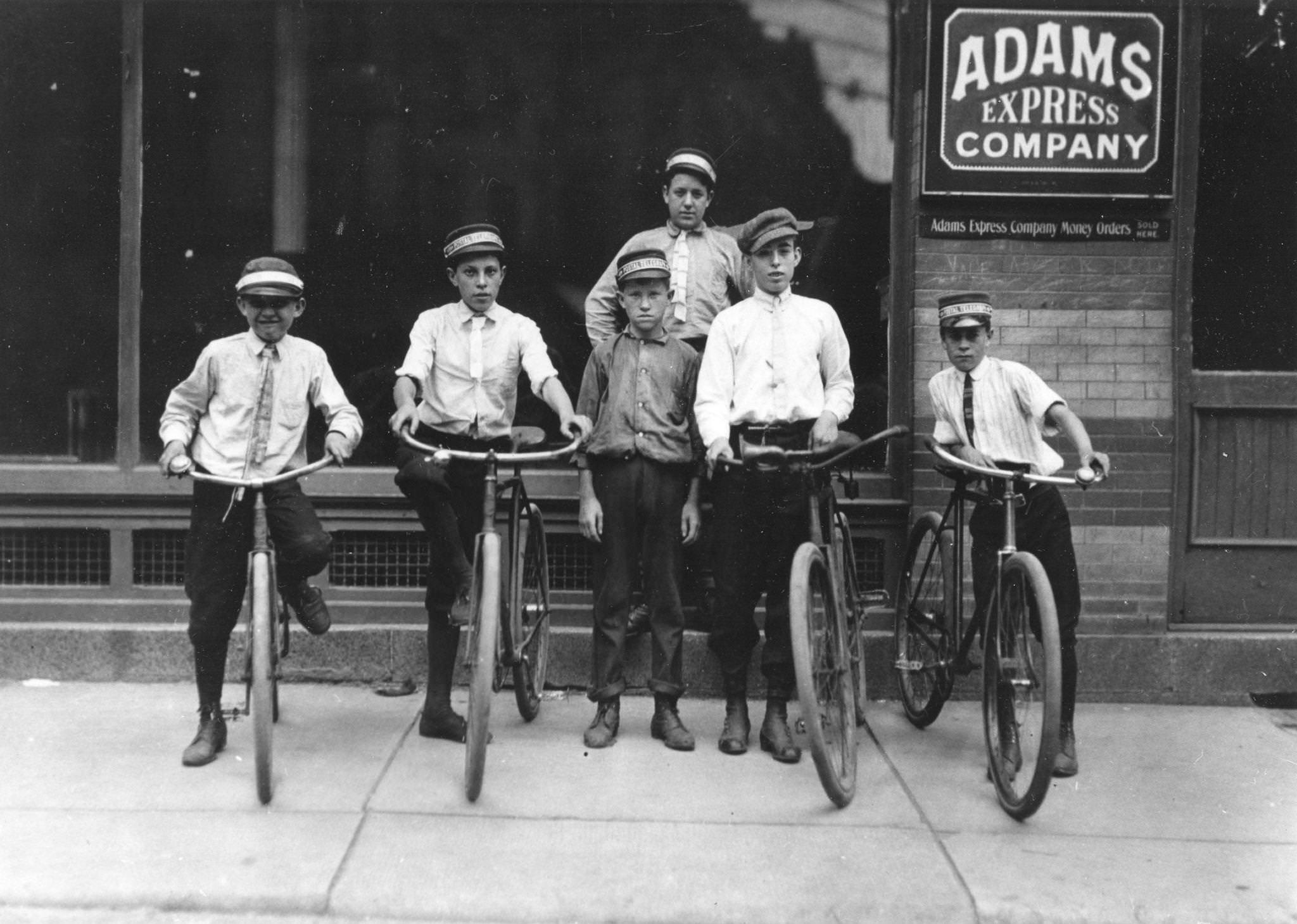
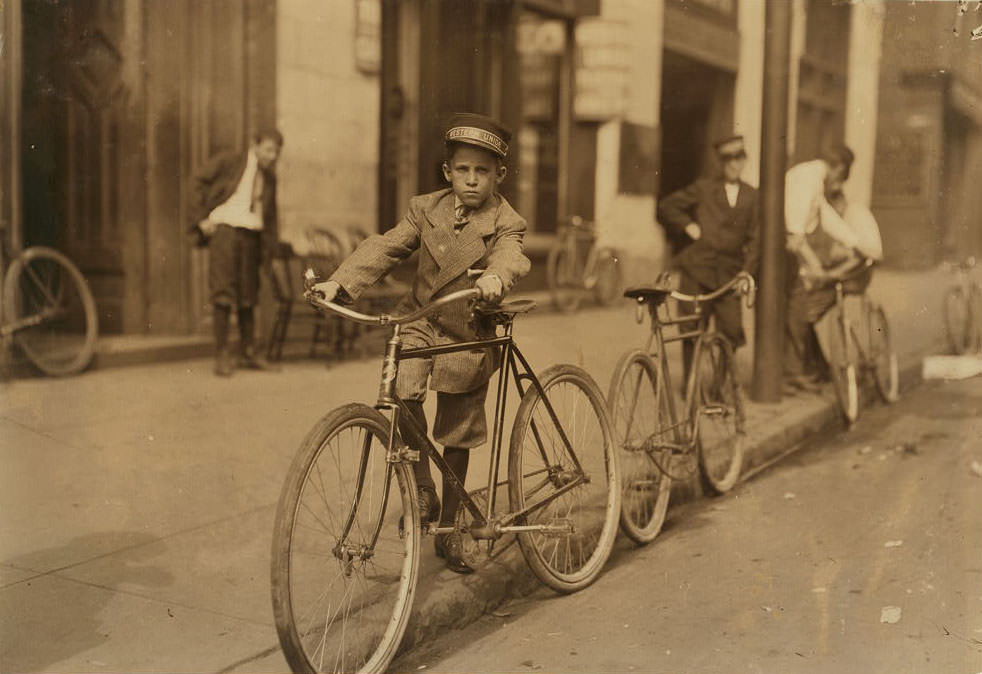
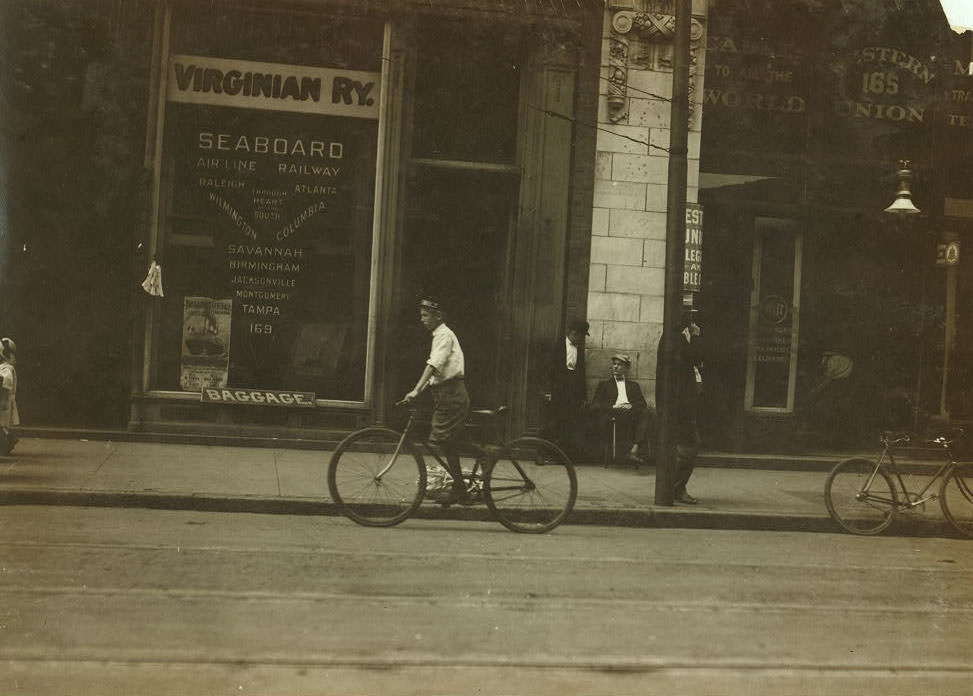
Beyond the messenger routes, young children also filled the floors of local factories. The Chesapeake Knitting Mills in the Berkley neighborhood of Norfolk employed boys who reported for work the moment the noon whistle blew. Hine captured groups of them outside the mill, their faces recorded for the public record.
Newsboys were another common sight on Norfolk’s street corners. Children like Dominick sold papers in all weather conditions, competing for customers in high-traffic areas across the city. Hine noted that there were too many youngsters selling papers in Norfolk — a reflection of how few alternatives existed for poor families who needed every cent their children could earn.
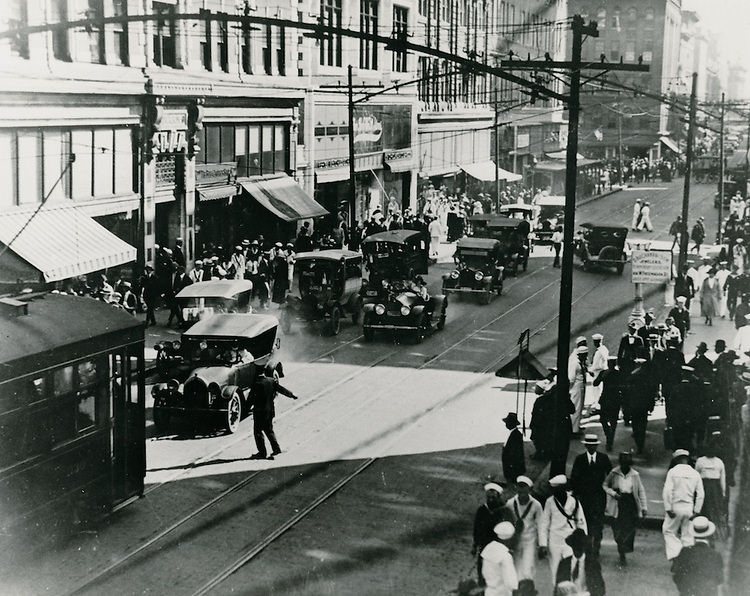
Away from the labor scenes, Norfolk’s commercial heart was Granby Street. It was the city’s main commercial corridor, lined with shops, hotels, and civic buildings. By 1910, it was already crowded with electric trolleys and foot traffic. Over the decade, automobiles became increasingly common alongside the trolley lines, and the street grew more hectic with each passing year.
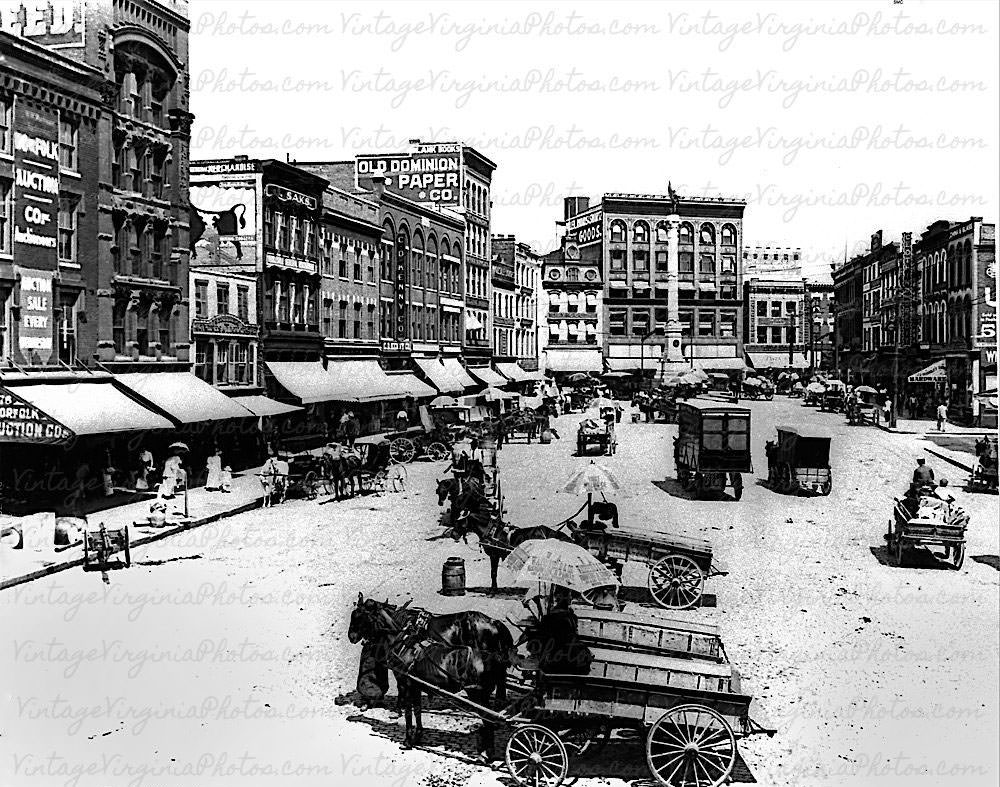
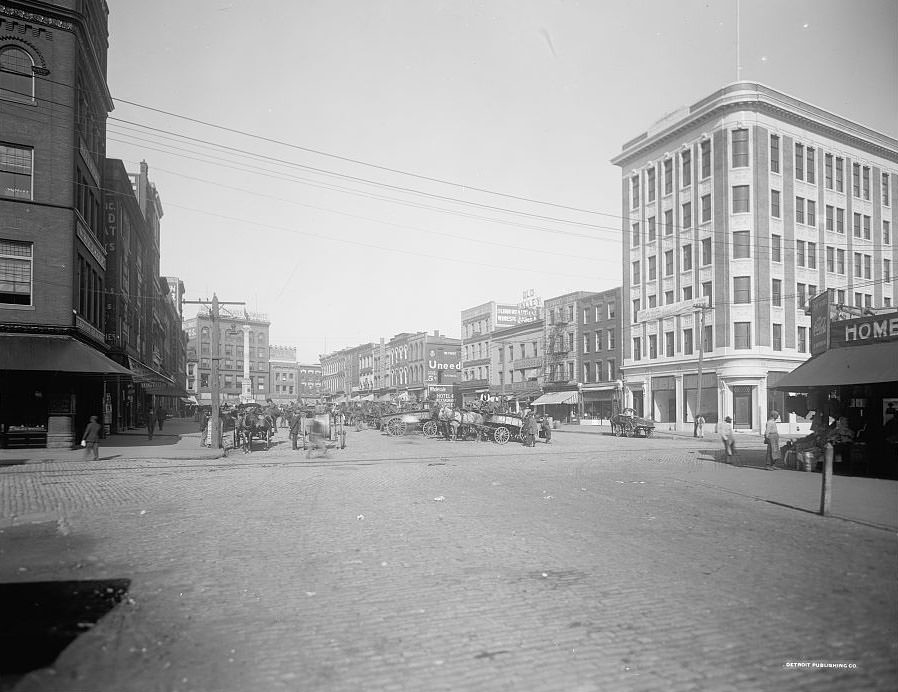
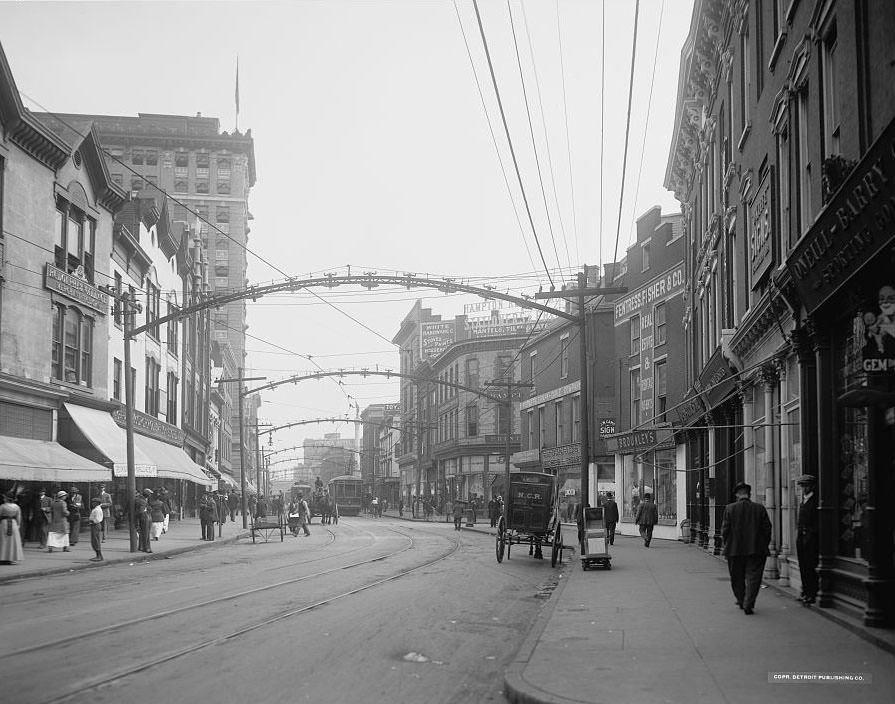
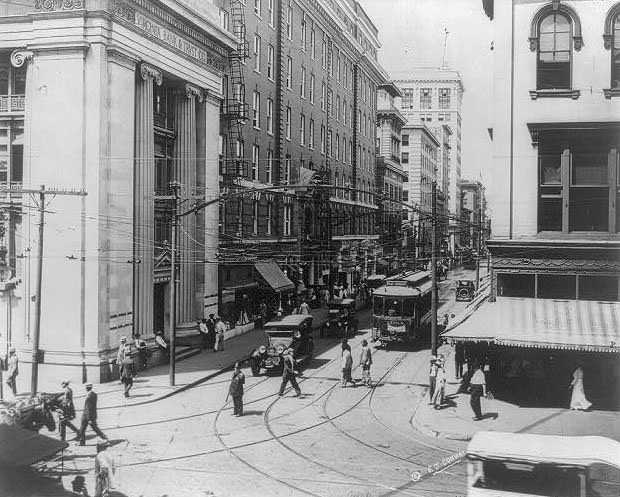
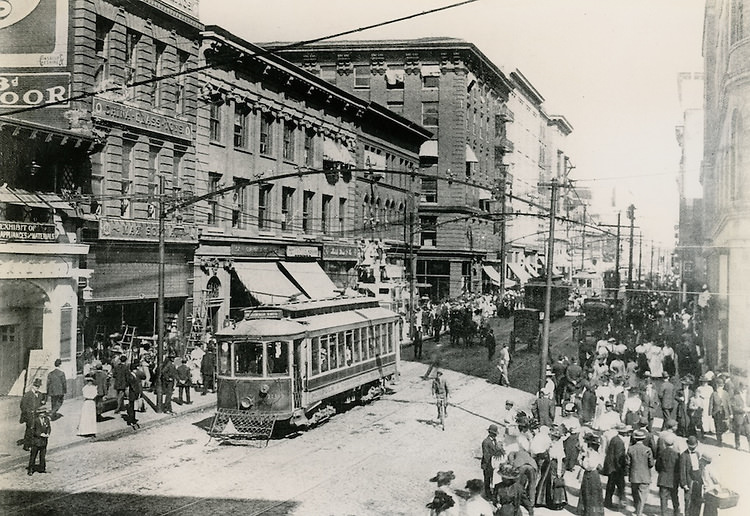
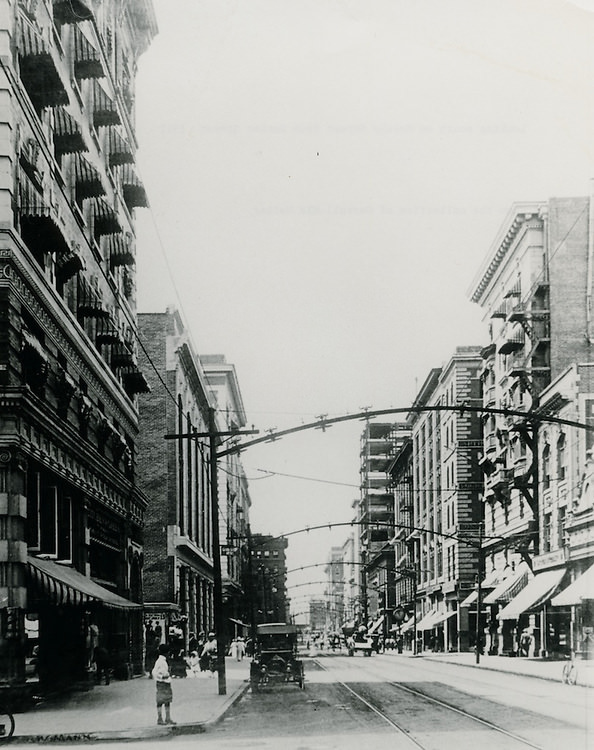
By 1915, Granby Street had evolved into a full urban scene. Autos and electric trolleys shared the road, storefronts stretched down both sides, and the foot traffic reflected a growing population. Multiple photographs from that year capture the street from different vantage points — a sign of how central this stretch of road was to the city’s identity.
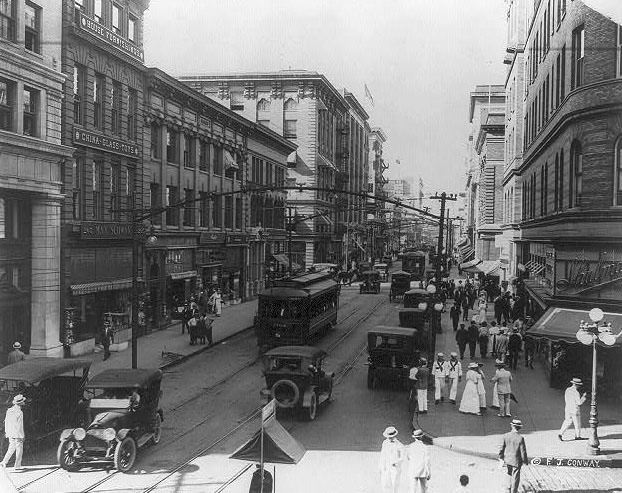
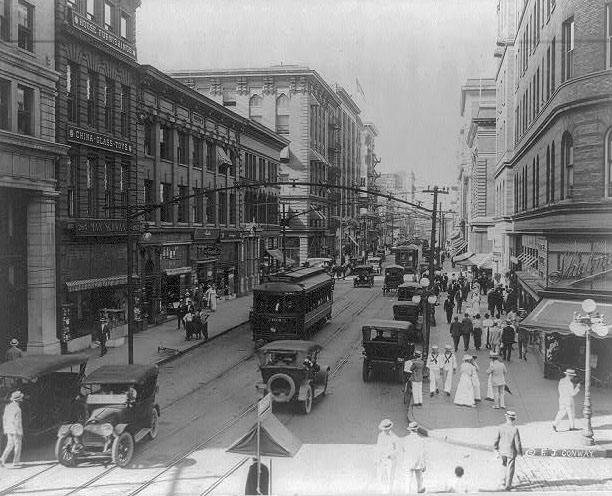
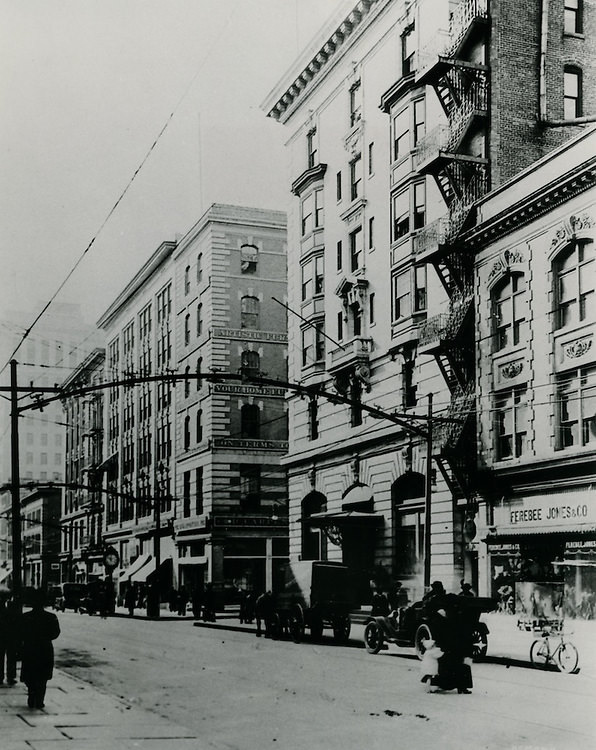
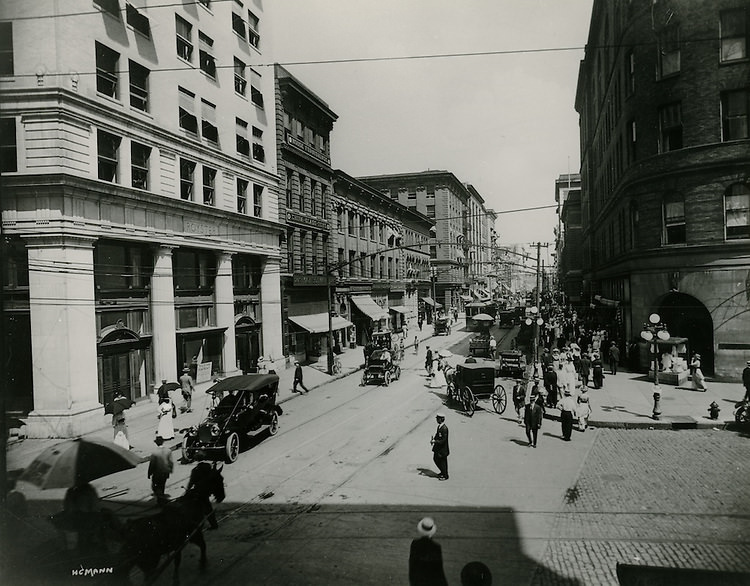
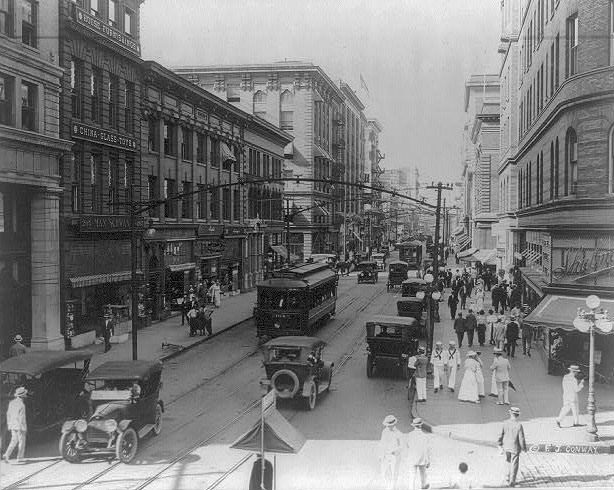
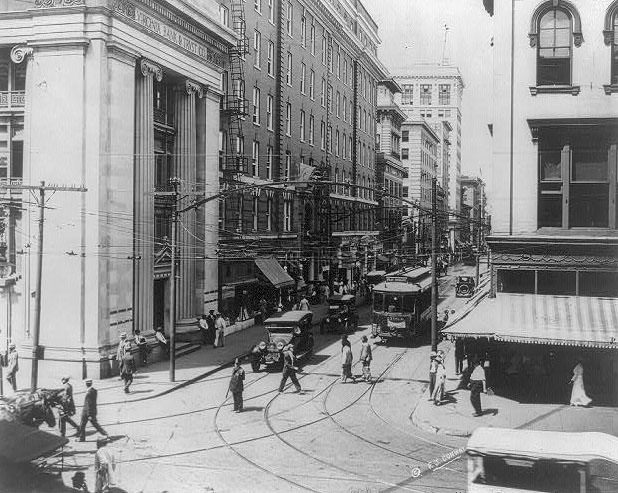
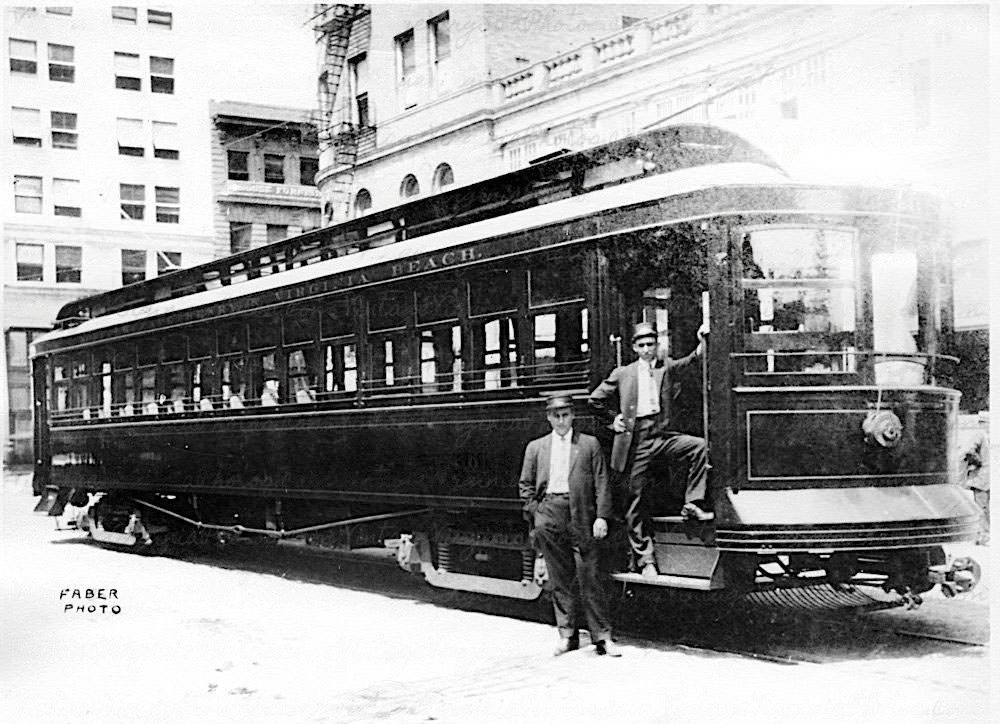
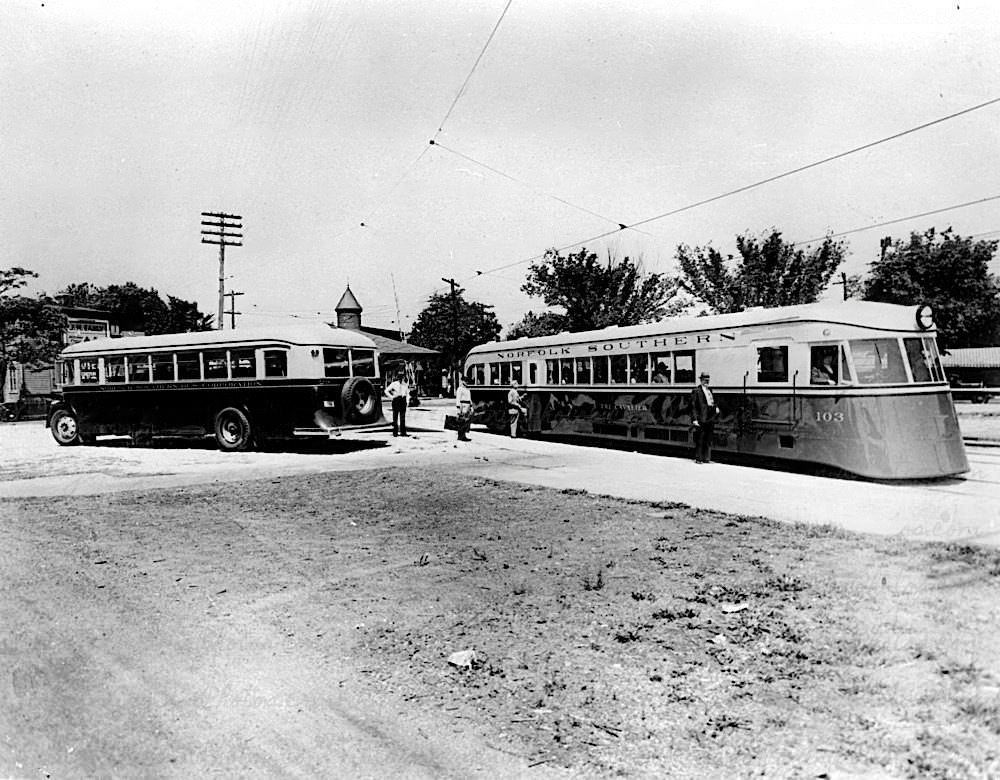
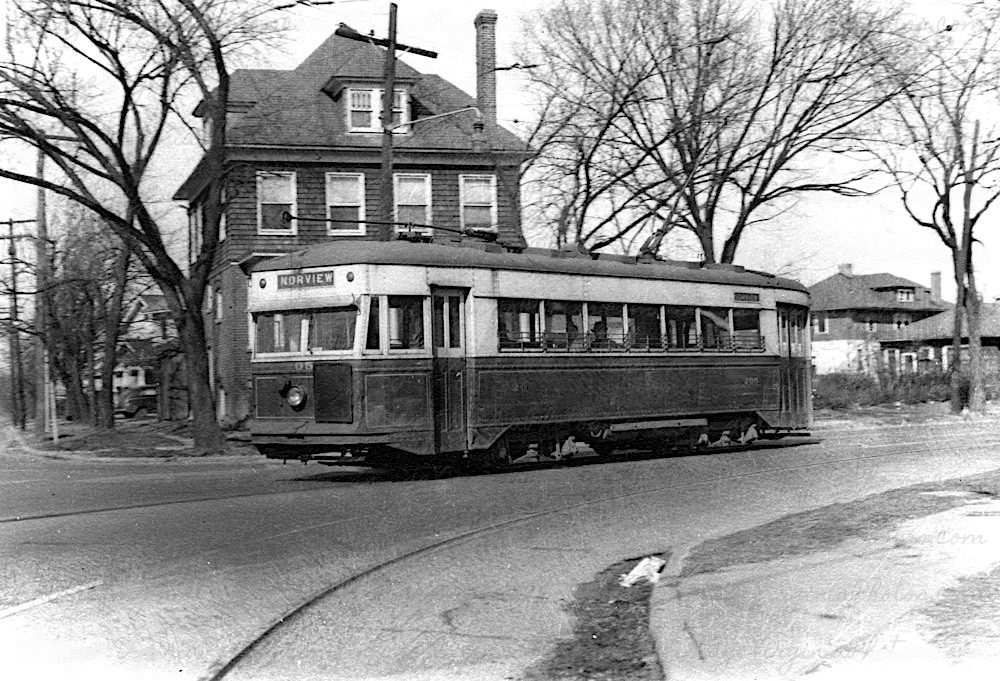
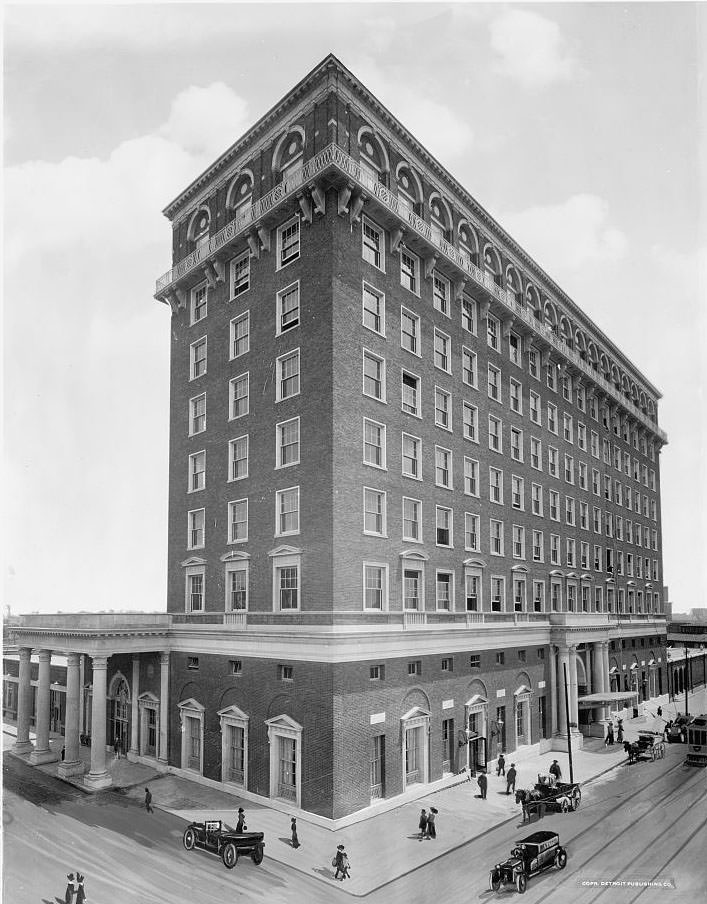
Norfolk’s streetcar network was a backbone of the city’s transportation system throughout the decade. Lines ran along major corridors, connecting neighborhoods to the commercial district. The Monticello Hotel — one of Norfolk’s most prominent landmarks — appeared regularly as a backdrop in streetcar photographs, marking its importance as a social and civic anchor in the city.
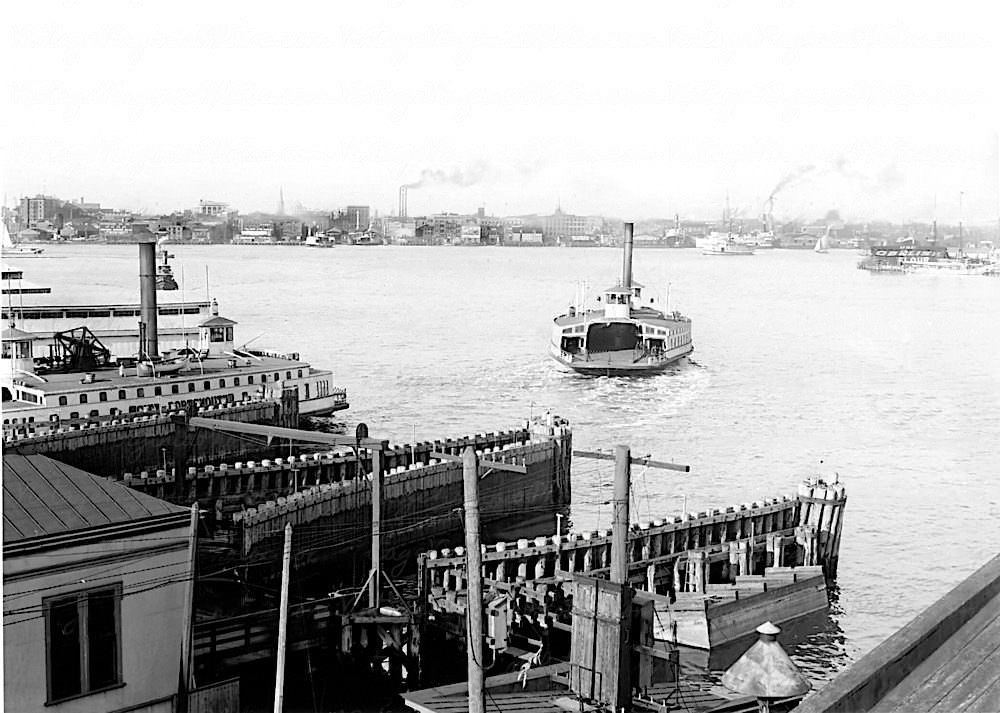
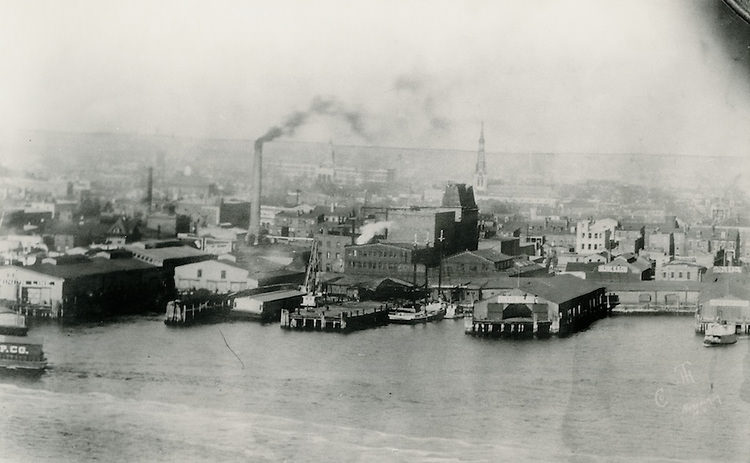
For those crossing the water, the Portsmouth-to-Norfolk ferry provided a regular connection between the two cities. The harbor itself was a constant center of activity, with vessels of all types moving through the water. Wharves like the Bay Line wharf handled both passengers and cargo on a daily basis.
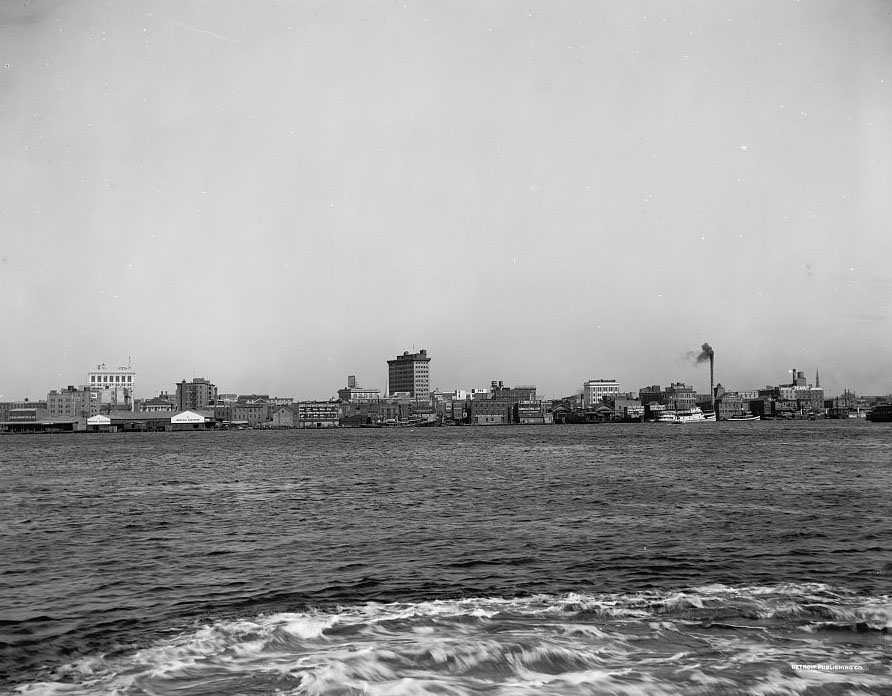
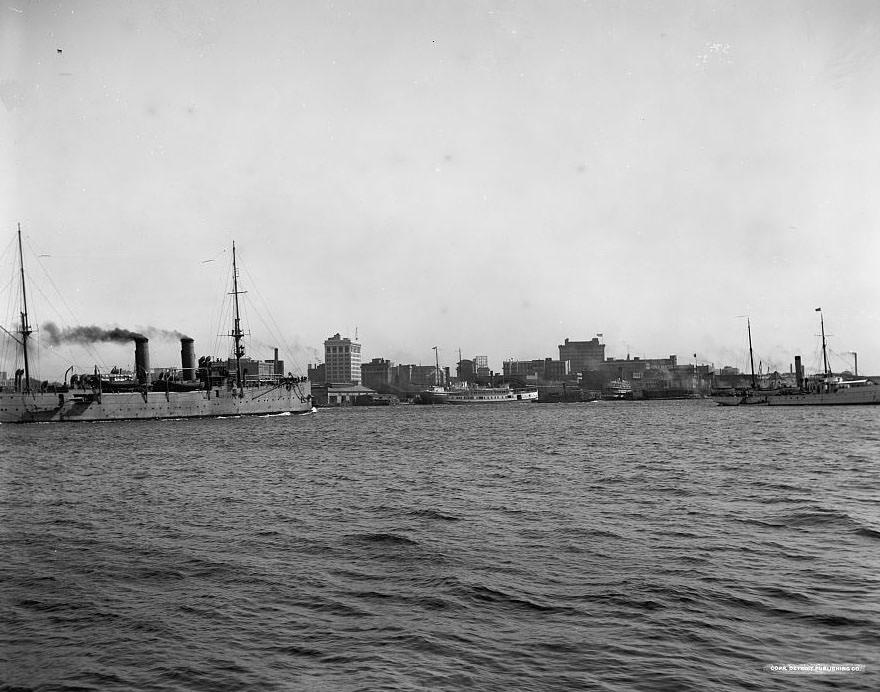
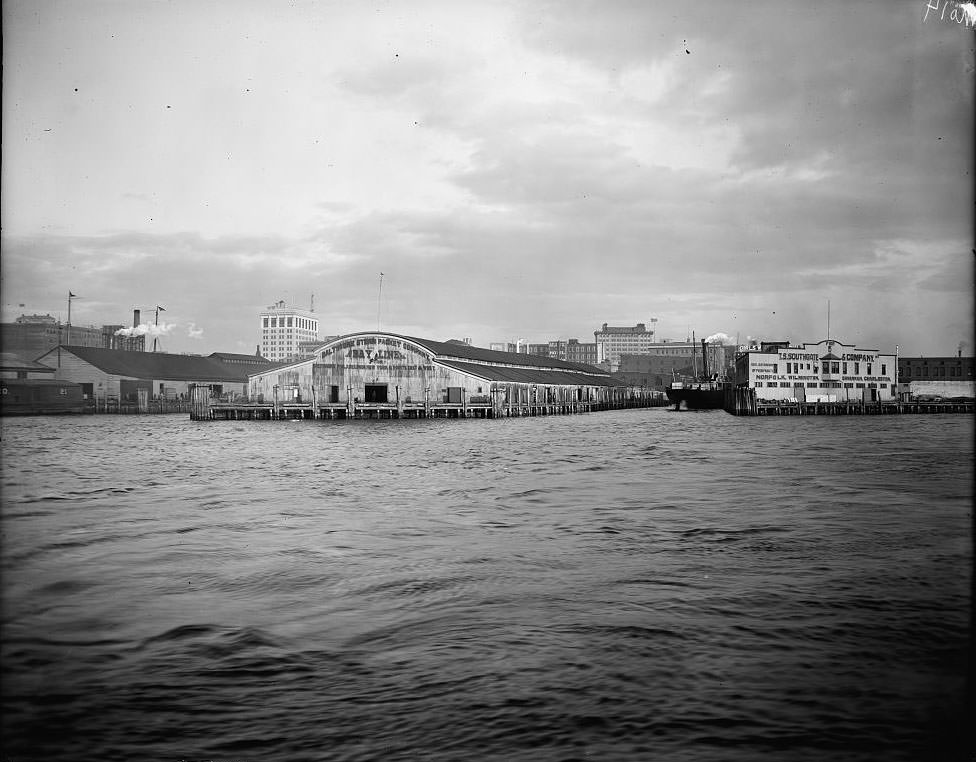
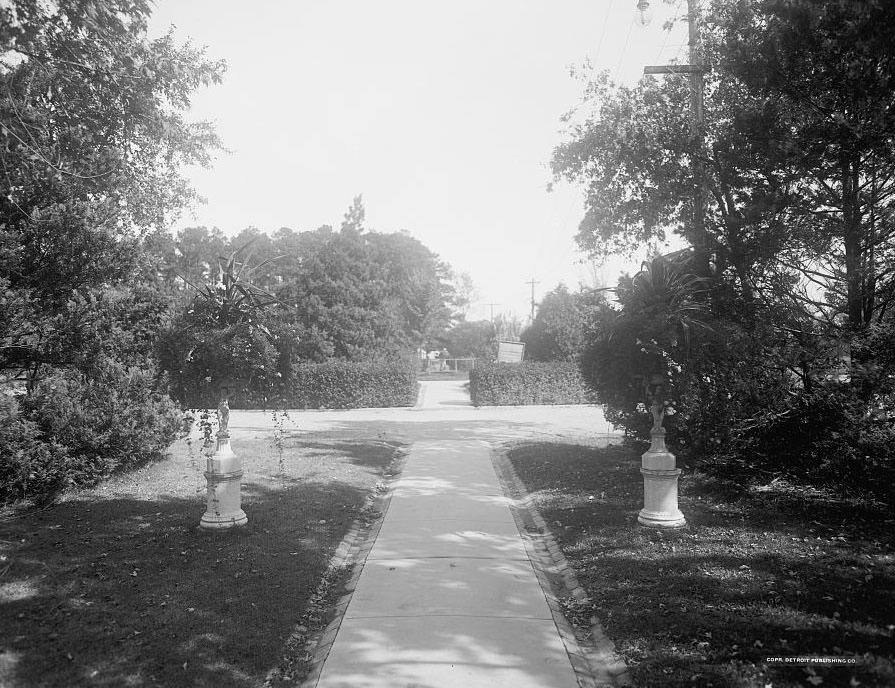
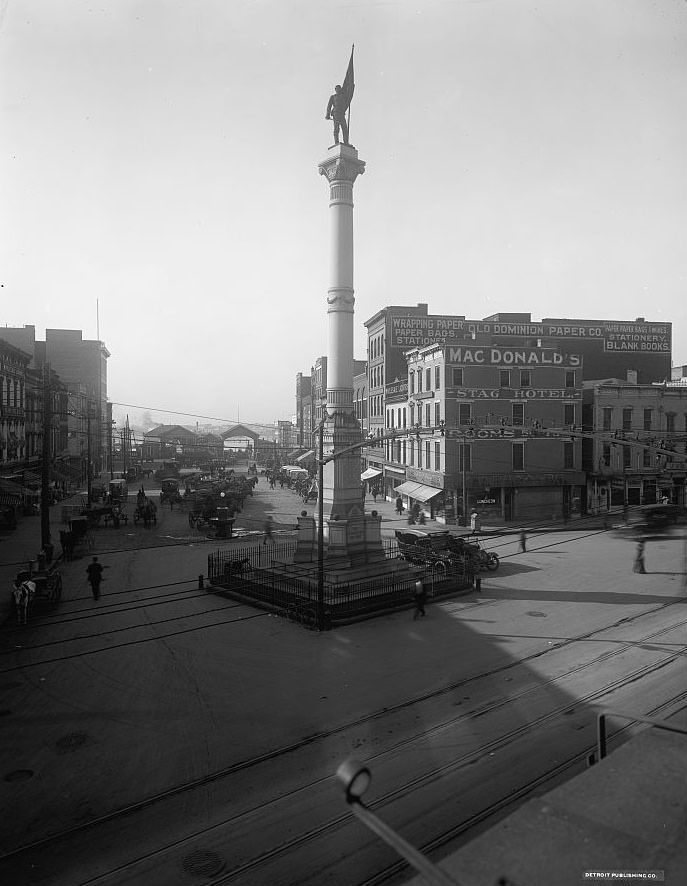
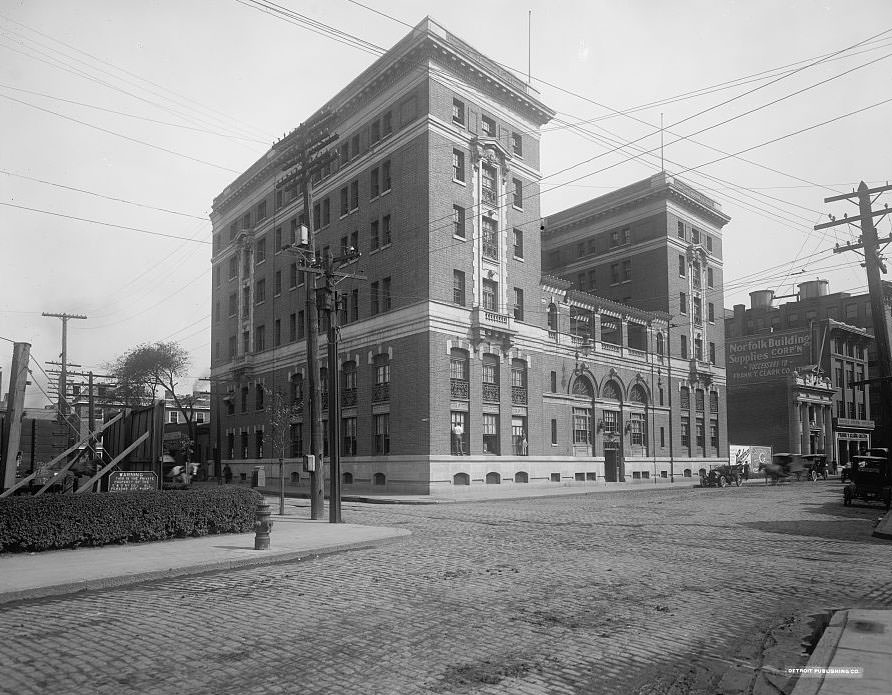
The city’s public spaces reflected its civic ambitions. Lafayette Park provided green space in an otherwise dense urban environment. The Union Depot served as the main rail gateway into the city. The Confederate Monument, erected in the years following the Civil War, still stood at the center of public life in 1910. The Naval YMCA offered services to the large number of sailors stationed in or passing through Norfolk.
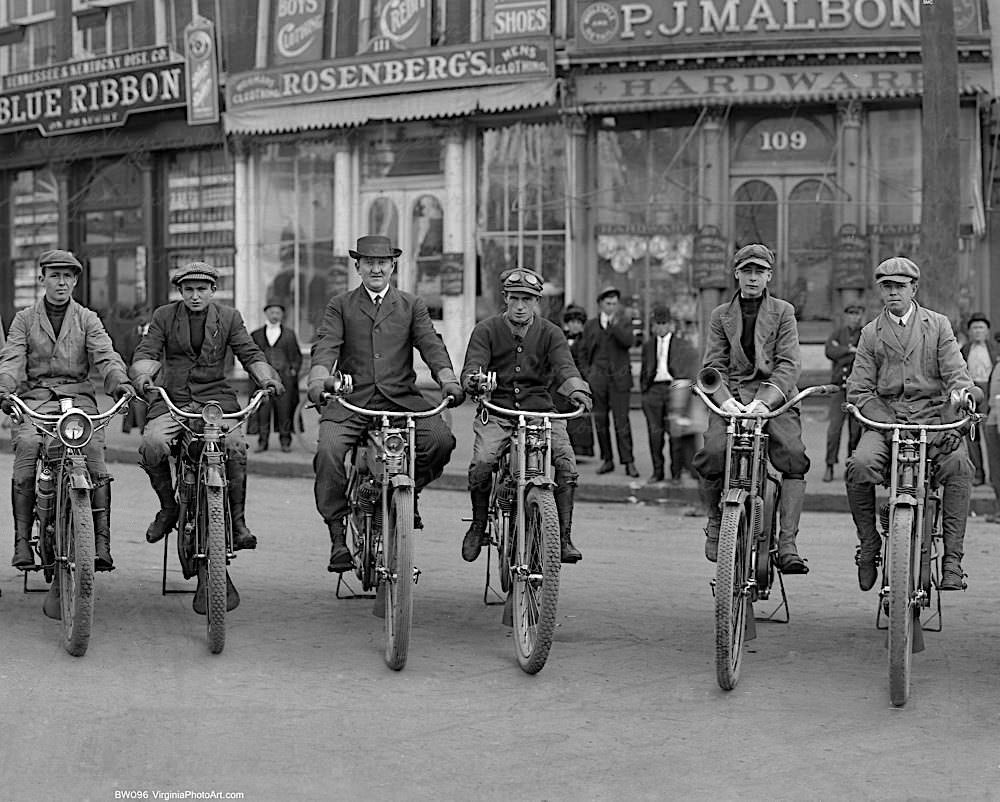
The Twin City Motorcycle Club captured a different side of Norfolk’s culture — a city where leisure and modern technology were beginning to intersect. The club’s 1913 photograph shows members gathered with their machines, reflecting the growing enthusiasm for motorized transport beyond strictly practical use.
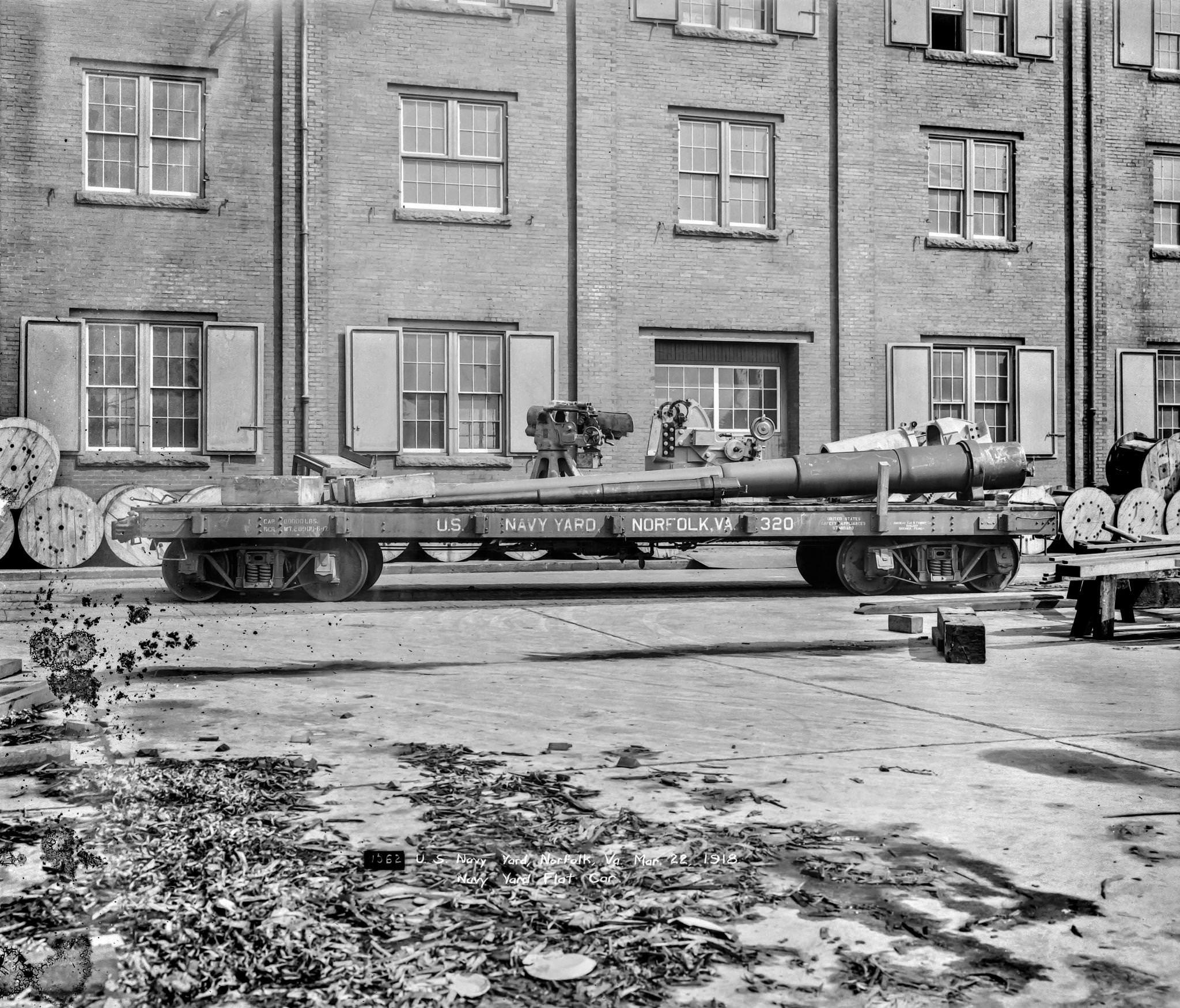
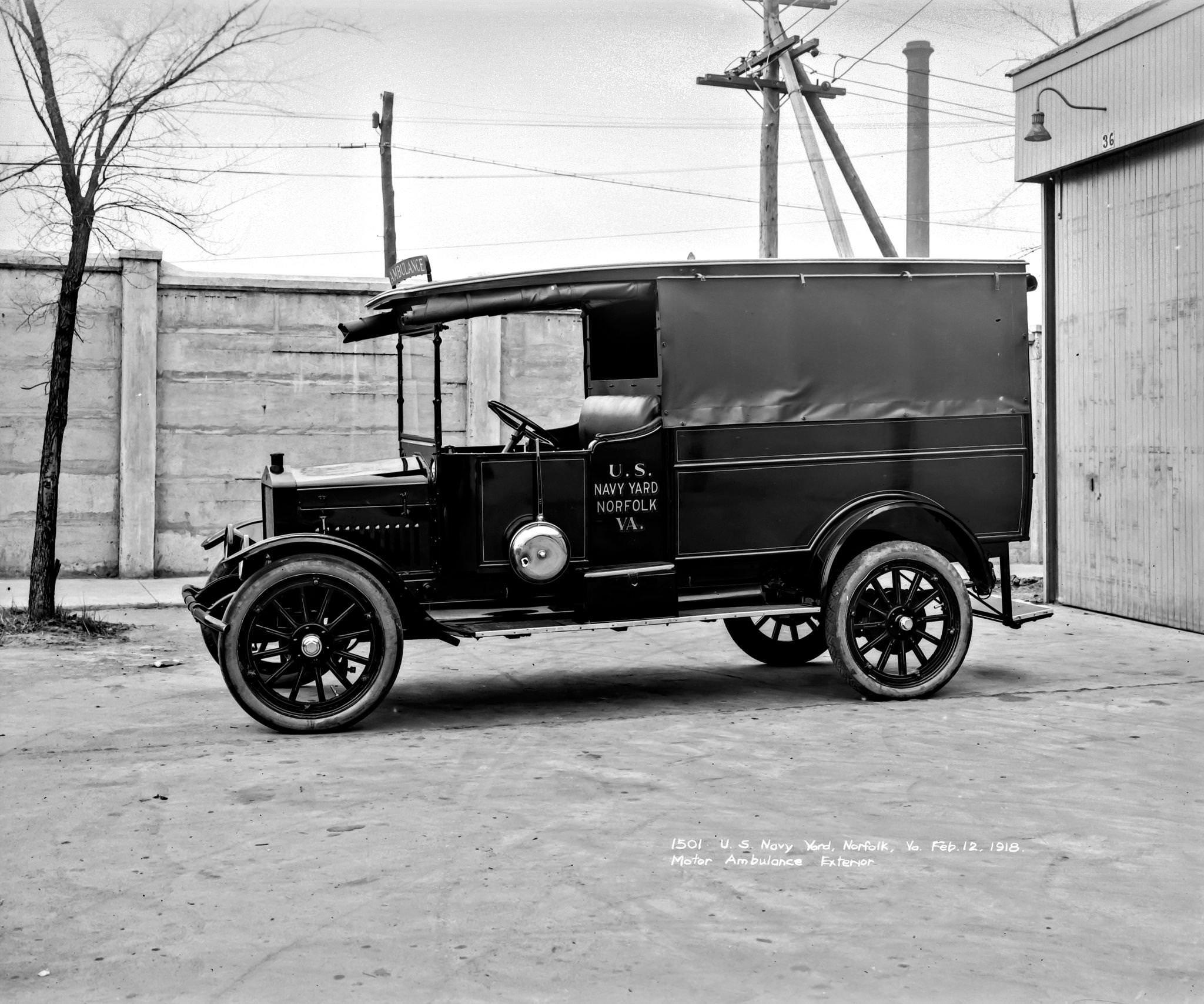
When World War I began drawing the United States closer to the conflict in Europe, Norfolk’s naval presence expanded rapidly. The city’s Navy Yard became a critical site for military production. A 1918 photograph shows a flat car carrying what appears to be a large gun barrel — likely a battleship component — moving through the yard, a clear sign of the war’s industrial demands.
French sailors paraded through Norfolk’s streets in 1917, a visible reminder of the Allied cooperation defining the war years. The sight of foreign military personnel marching through an American port city marked how directly the war had reached Norfolk’s doorstep.
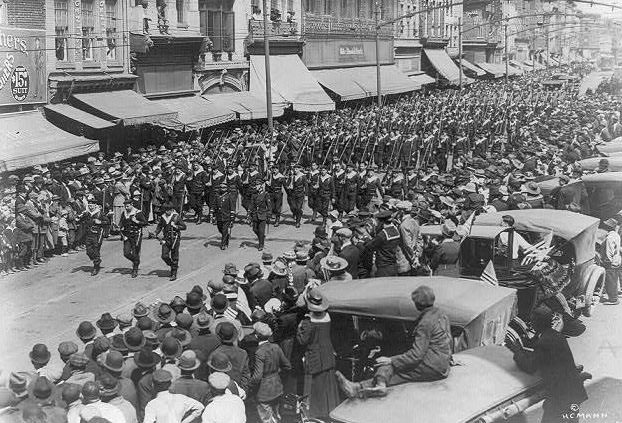
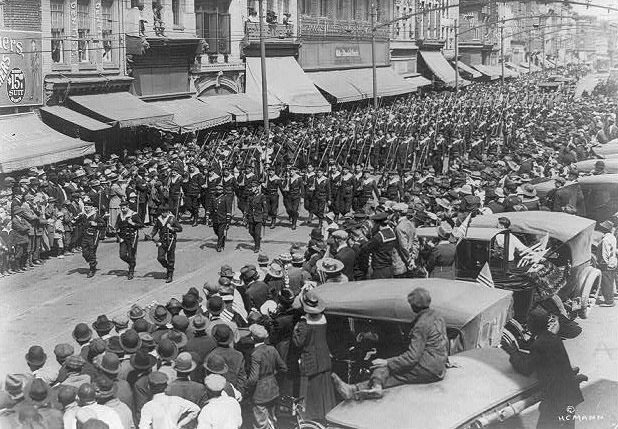
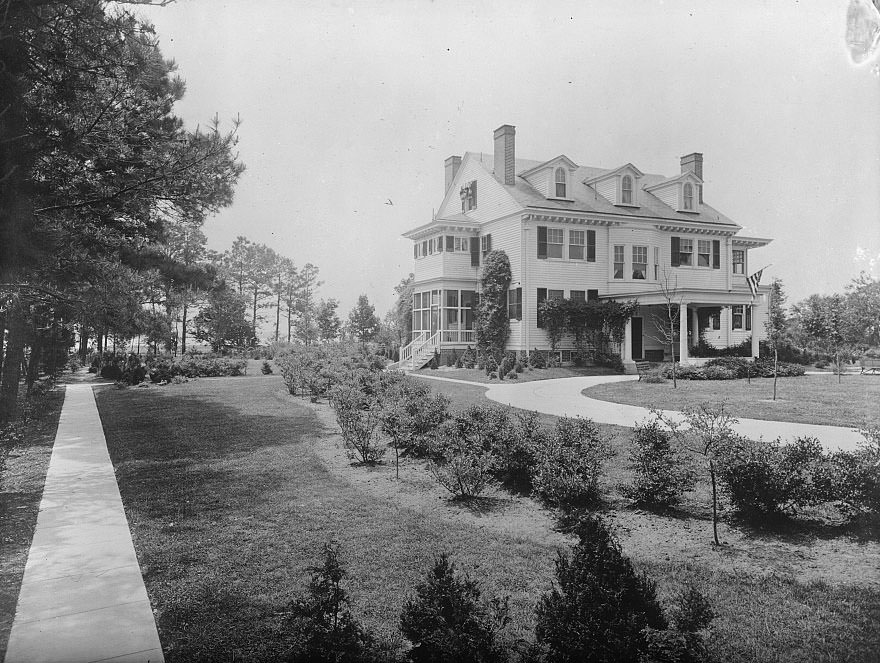
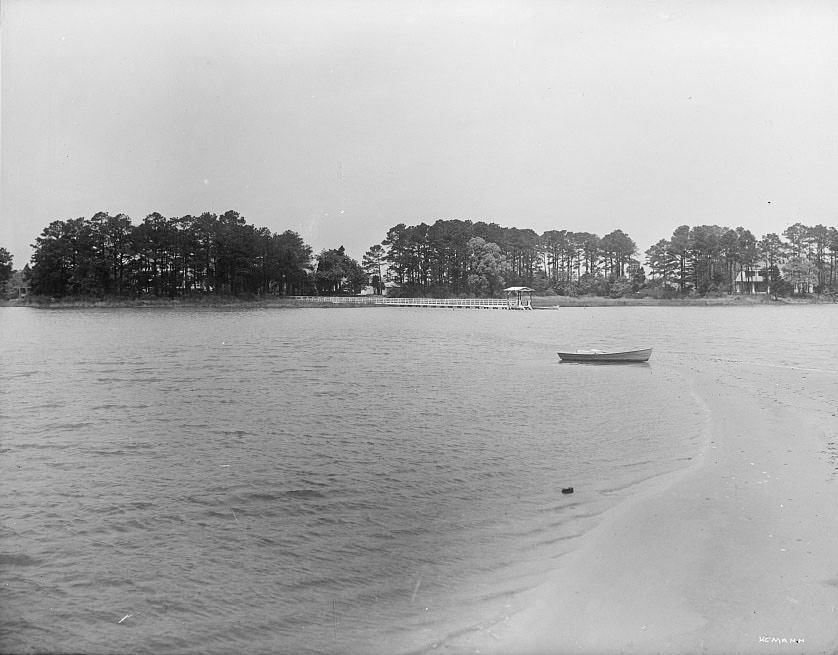
Sailors who fell ill or were wounded needed care, and Camp Sloan near Norfolk served as a convalescent facility during the war years. The site housed recovering servicemen as the Navy worked to maintain the readiness of its personnel stationed along the coast.
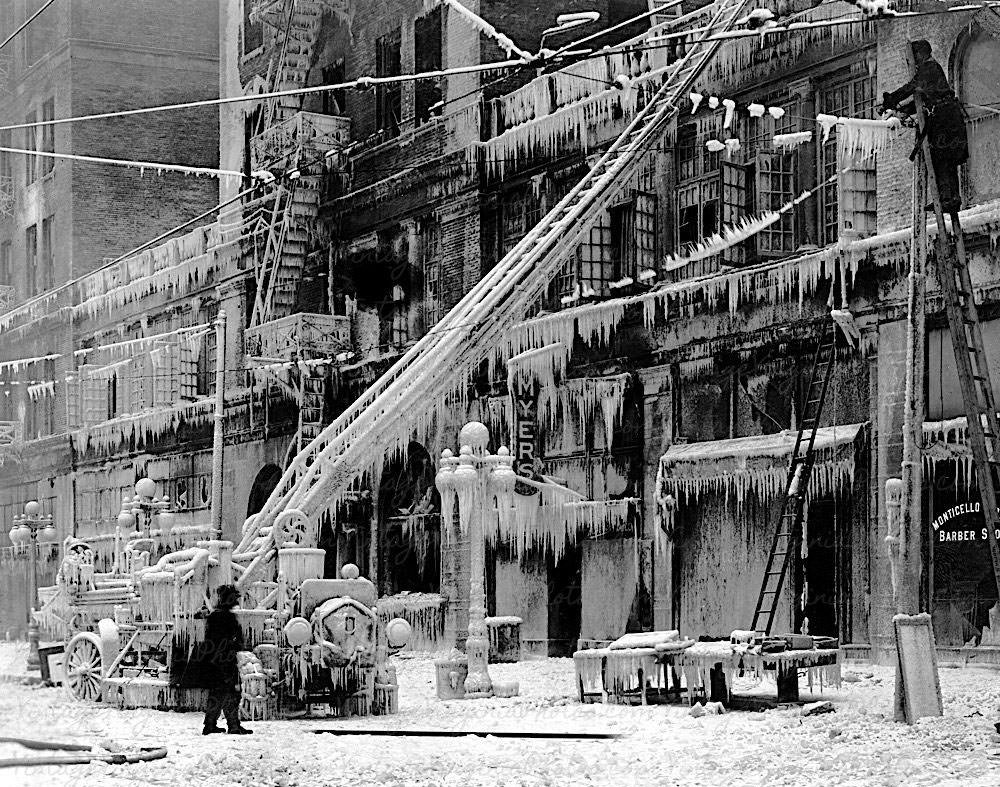
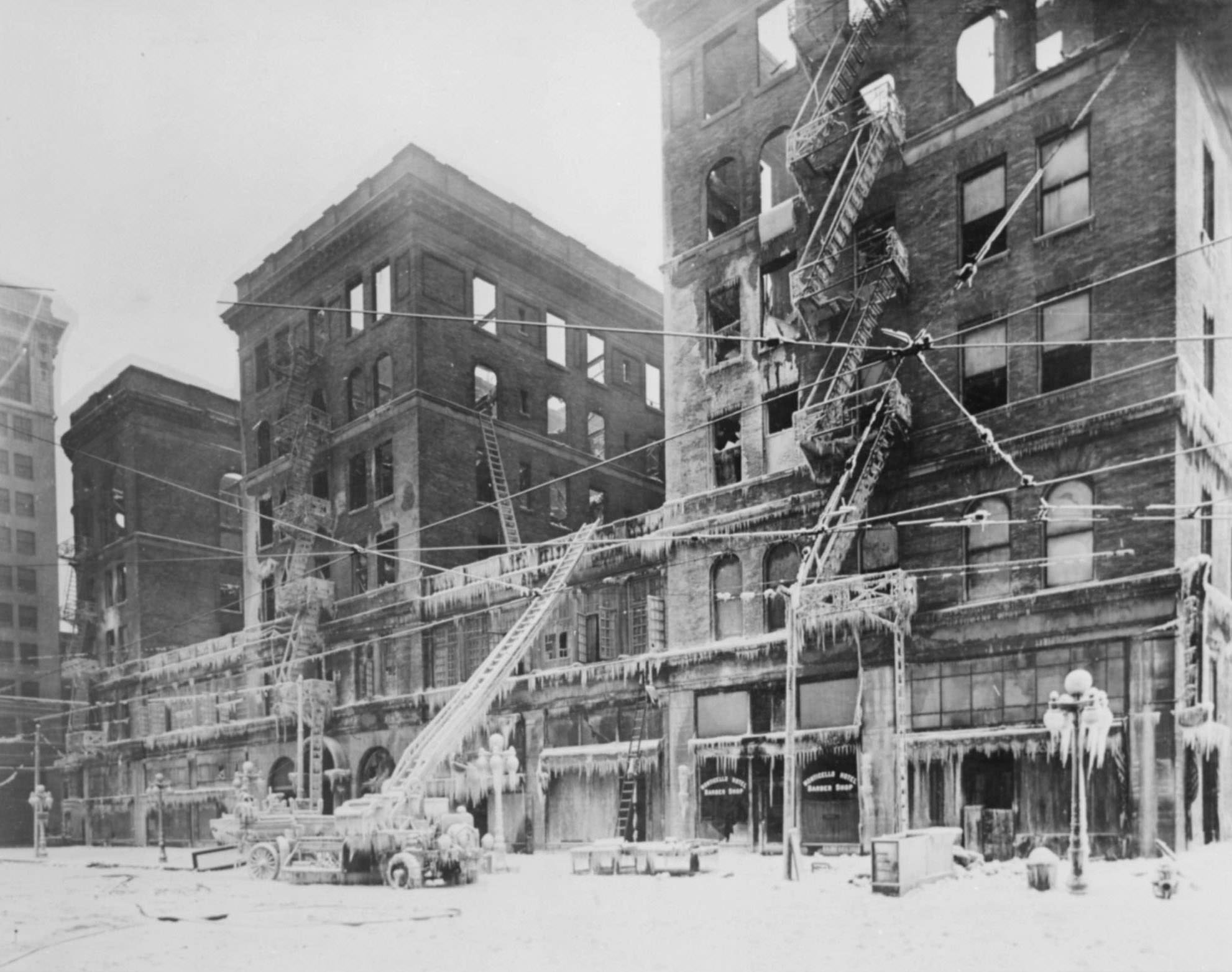
One of the decade’s most dramatic events was the fire that destroyed the Monticello Hotel in 1918. The fire left the building a burned-out shell, and photographs taken in the aftermath show fire apparatus coated in icicles — the result of water freezing on equipment in the winter cold. The hotel had been one of Norfolk’s most recognized structures, and its destruction marked a significant loss for the city.
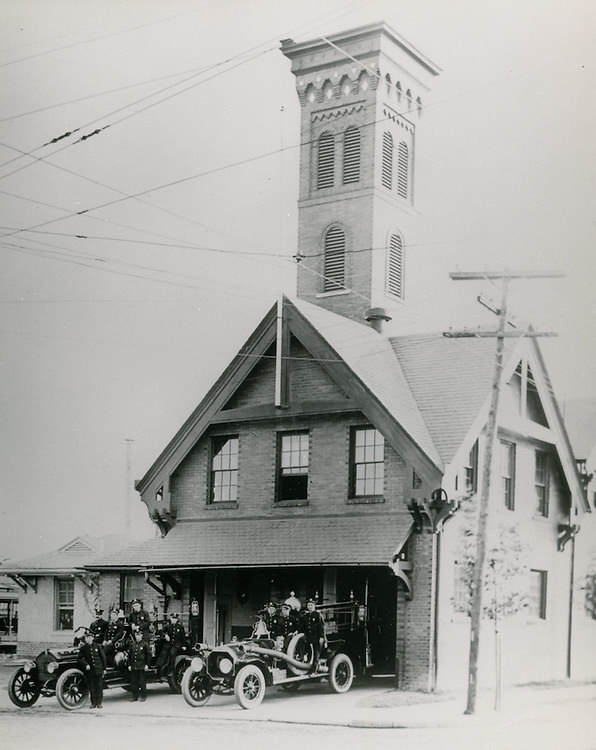
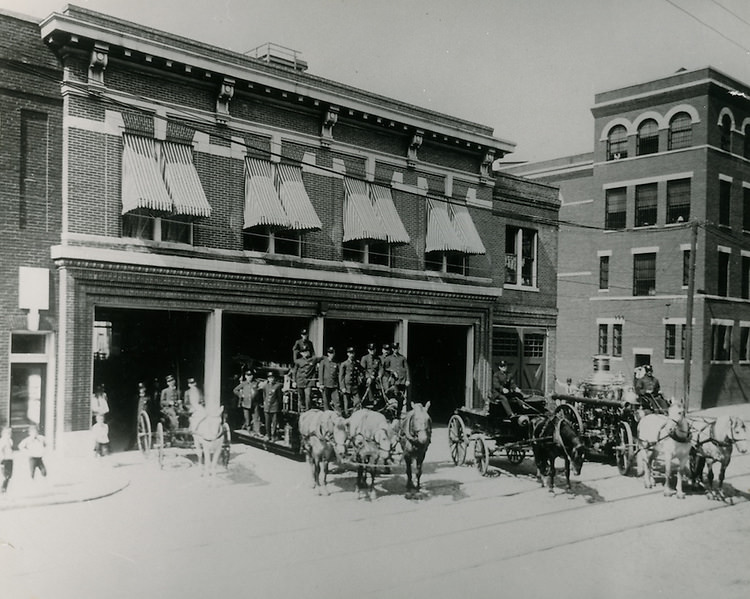
Norfolk’s fire department was documented in 1915, giving a look at the equipment and personnel responsible for protecting the city. The department operated out of established fire stations, and by mid-decade it was navigating the transition from horse-drawn to motorized fire apparatus — a change happening in fire departments across the country at the time.
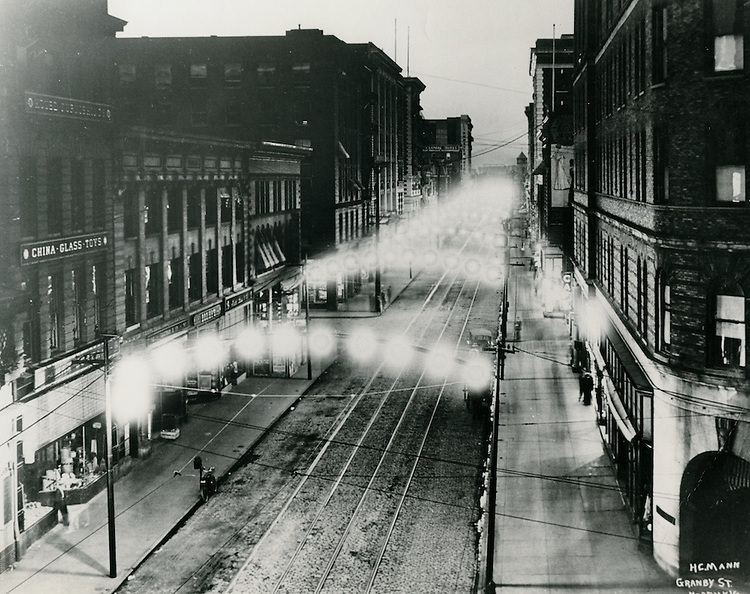
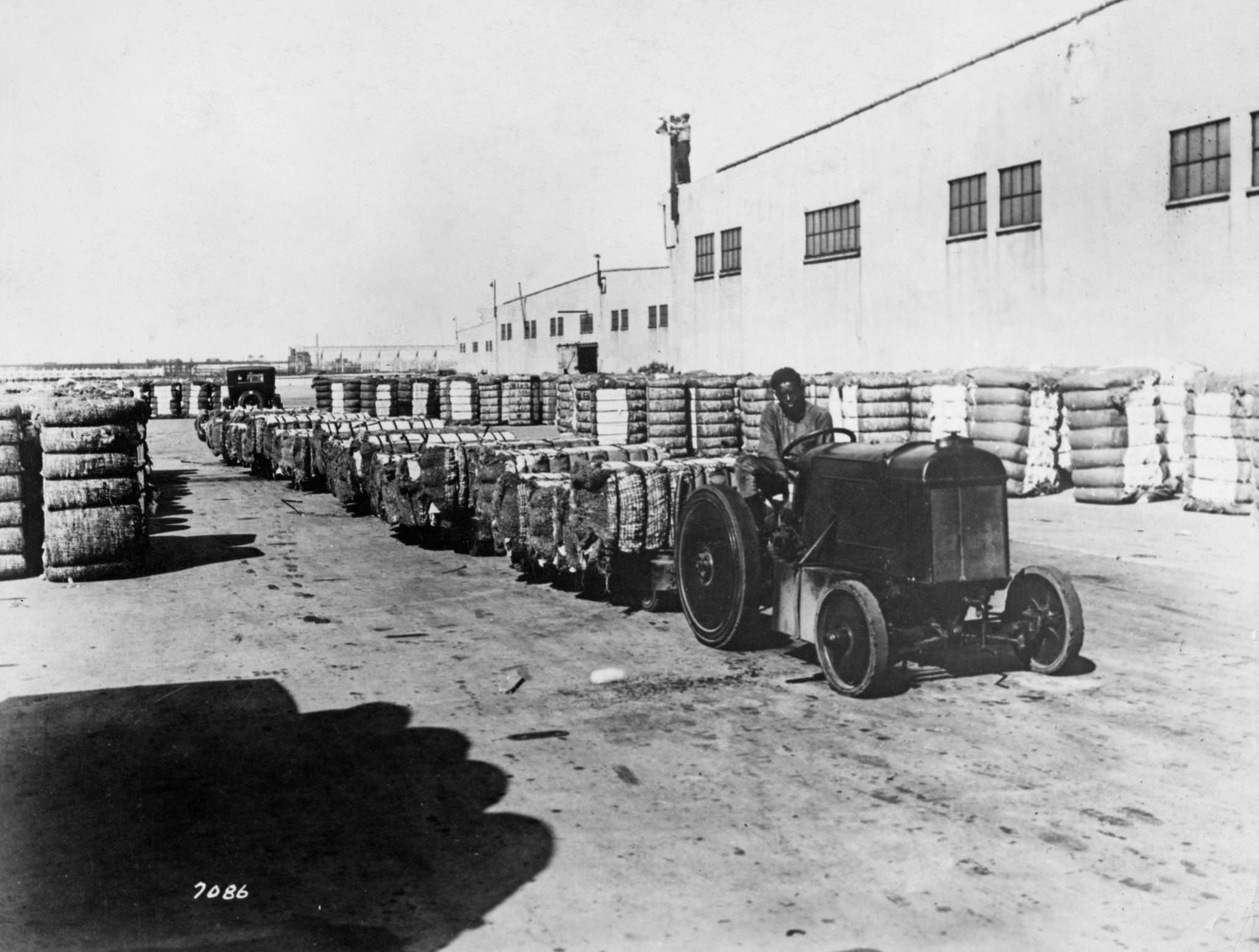
By the end of the decade, Norfolk’s downtown had grown considerably from where it stood in 1910. Granby Street at night in 1918 showed electric lighting illuminating the storefronts, while aerial and elevated views from 1919 revealed a dense urban core that had expanded in all directions. The cotton factory photographed in 1919 represented the continued role of manufacturing alongside the dominant naval and maritime economy.





Bring back streetcars.
As long as they don’t connect Norfolk and the oceanfront
Granby st looks so much fun and better then it does now, I love on Granby st and just had this conversation how Granby use to looks. Neon lights and lots to do….”do you hear me city leaders!!!!!”
That’s fascinating. I never knew there was a rollercoaster. Now I’m a little envious!
Talked to an older guy working at one of those little shops in Riverview, he said some people died on the ride at Oceanview. Shame, I’d go all the time if there was an amusement park there
Am I the only one that finds it hilarious that the Granby theatre is hosting the dangers of marijuana while the Wells Theatre is having adult films?