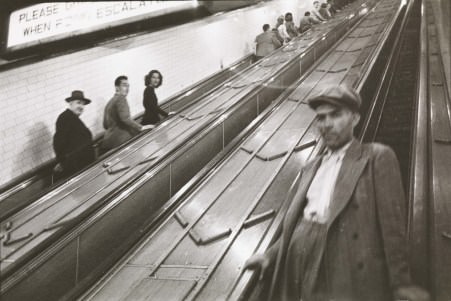
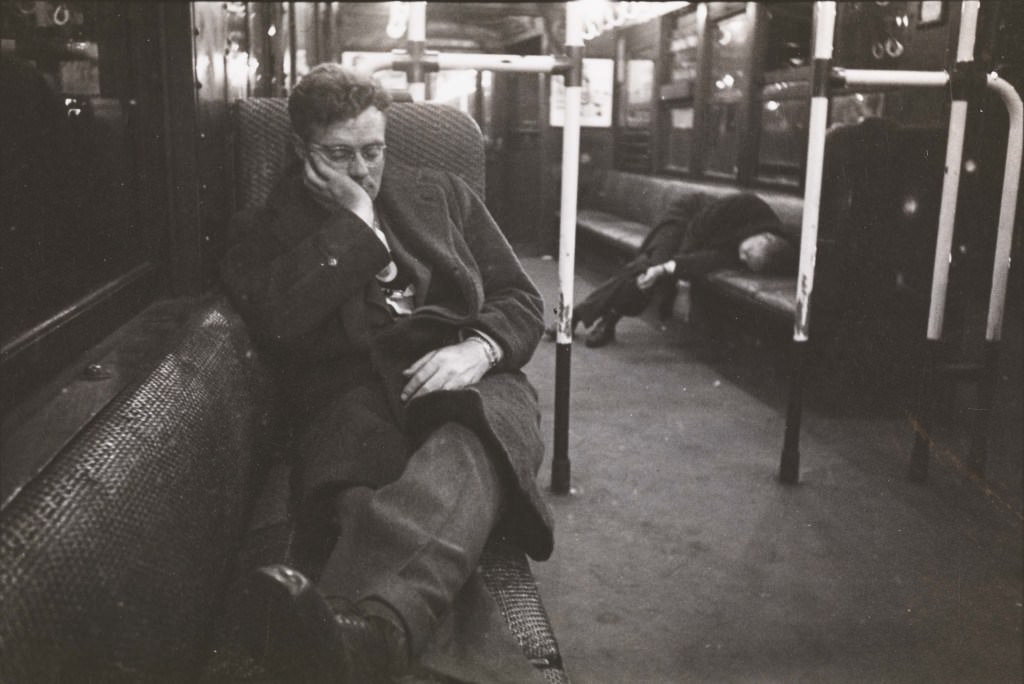
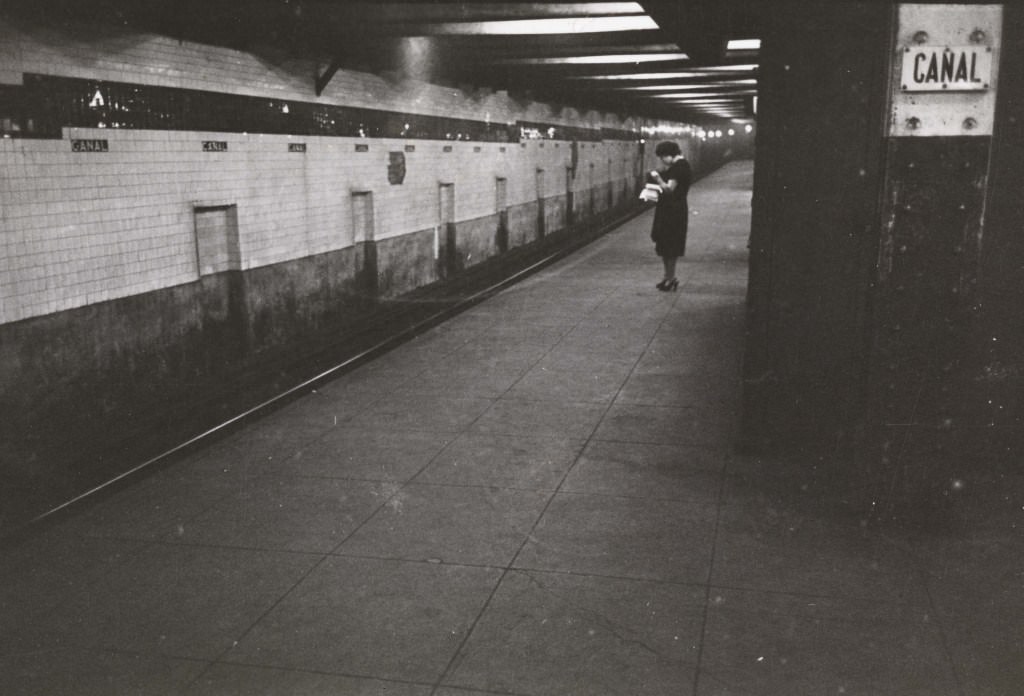
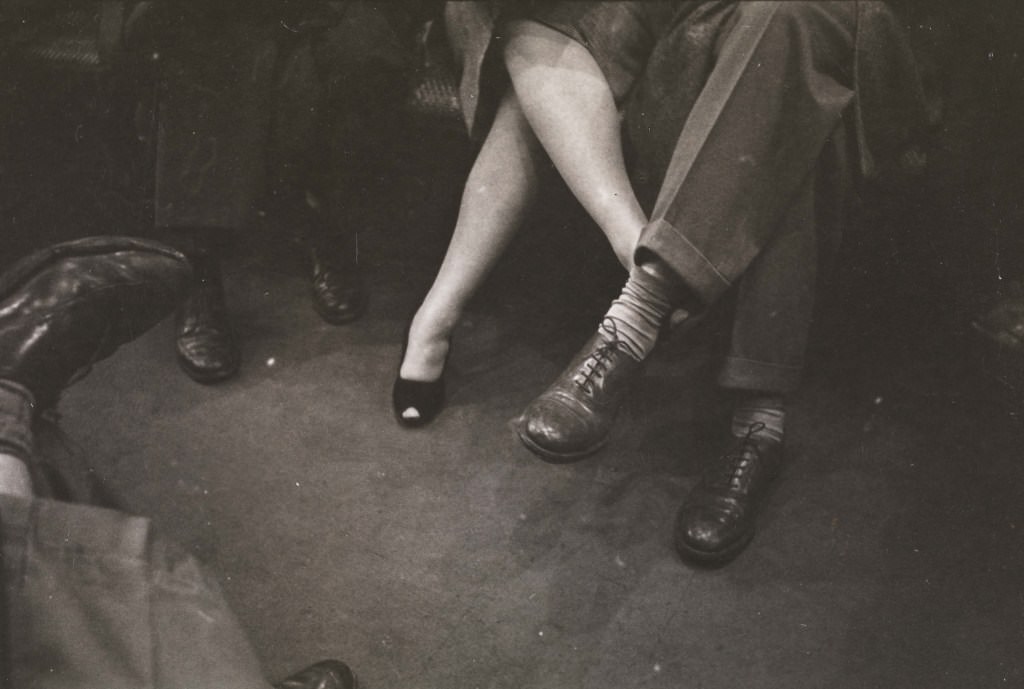
In the 1940s, the New York City subway was the backbone of the city. Millions of riders depended on it every single day — for work, school, and everything in between.
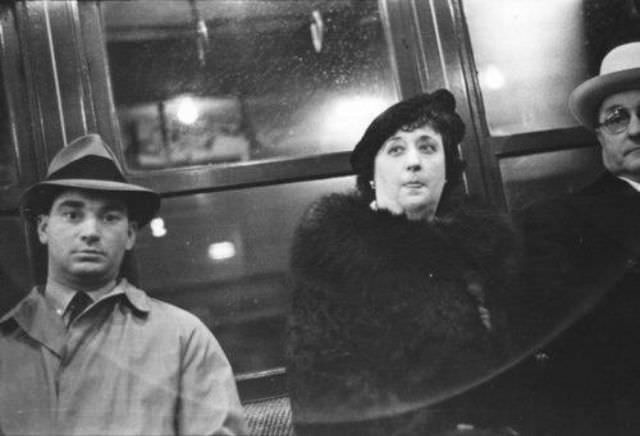
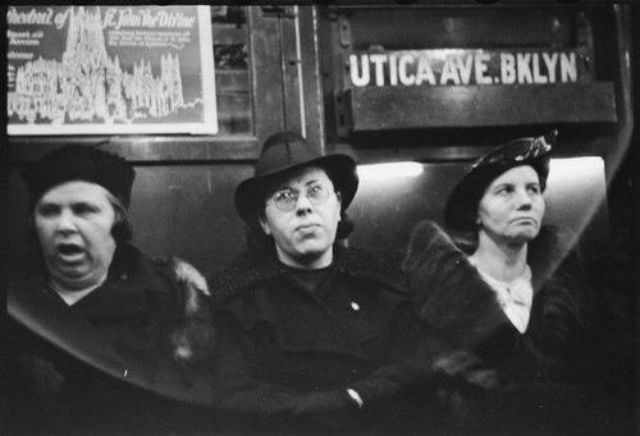
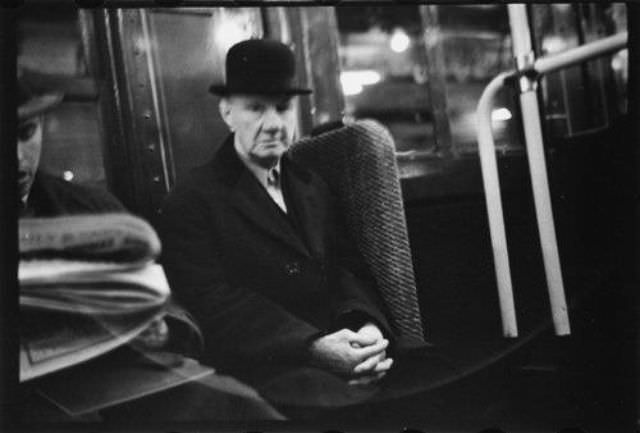
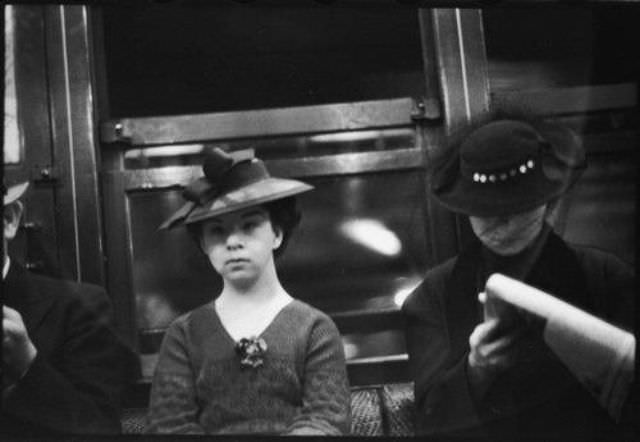
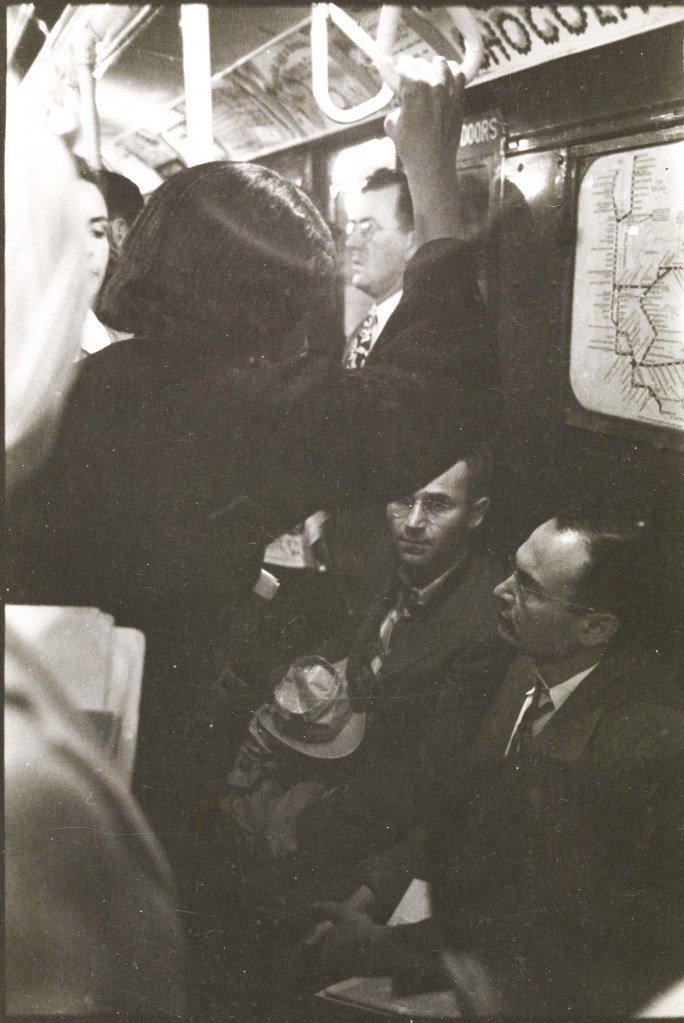
The cars were packed with all kinds of people. Businessmen in suits stood next to laborers in work clothes. Students in uniforms squeezed in beside housewives heading to market. No two rides looked the same.
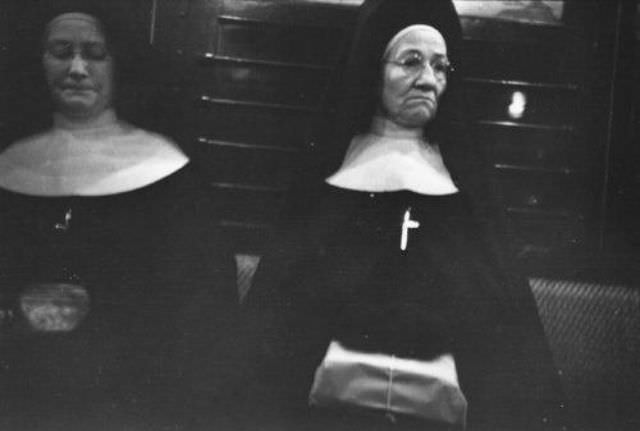
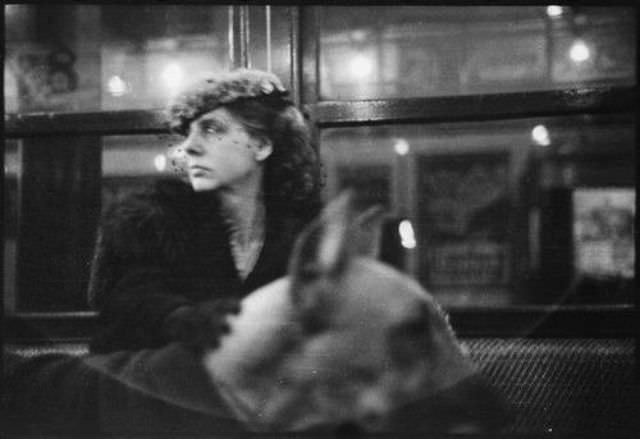
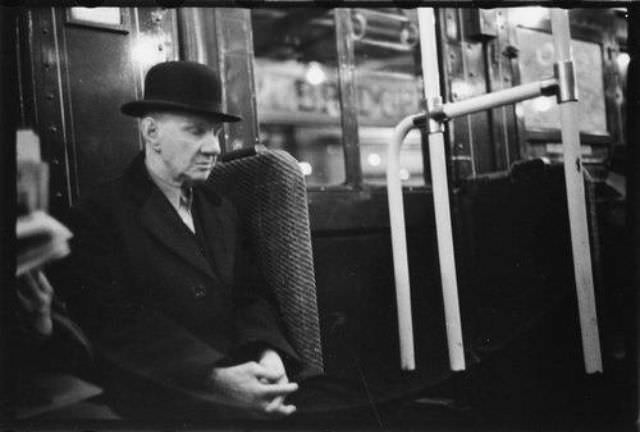
Inside the cars, worn wooden benches and metal poles were the only things to hold onto as the trains lurched through the tunnels. The smell of coal and grease hung in the air.
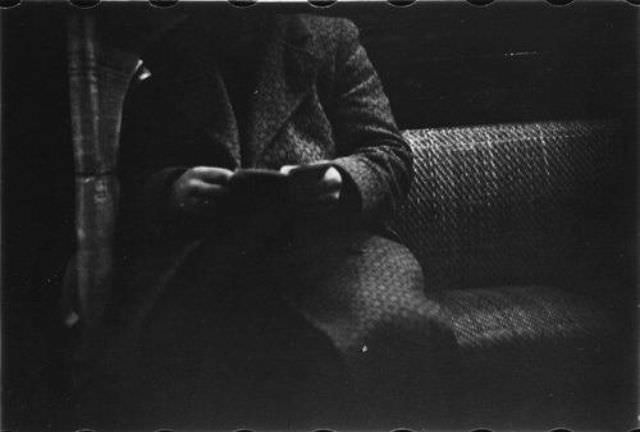
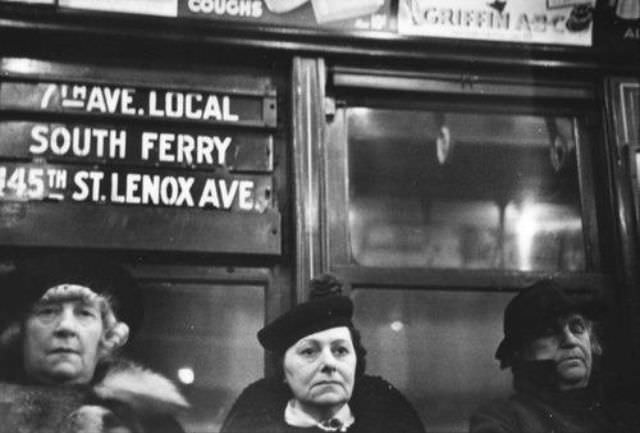
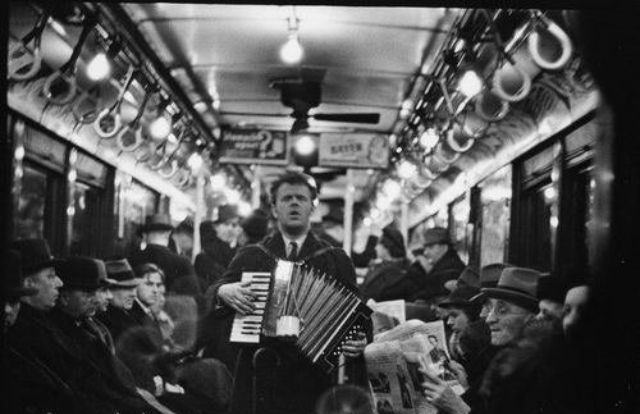
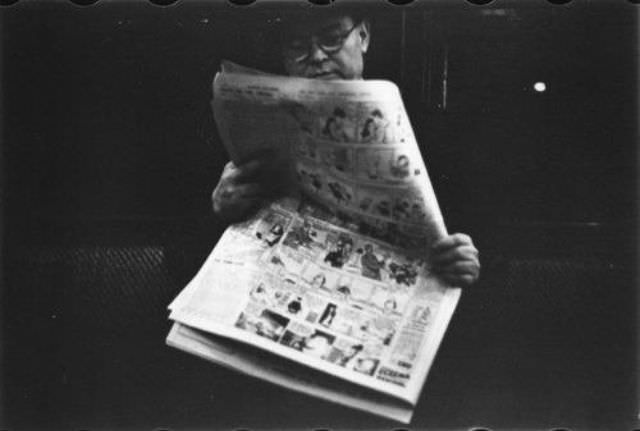
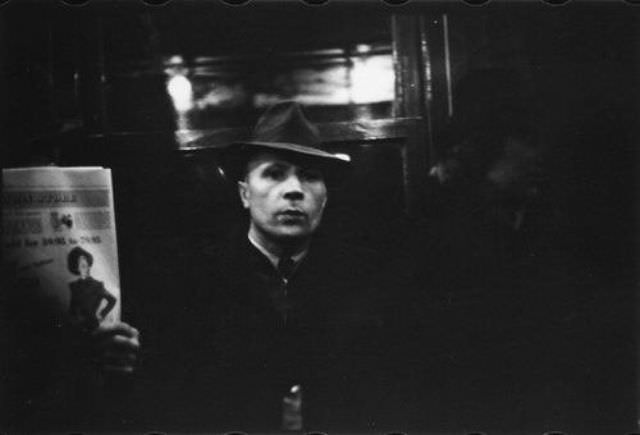
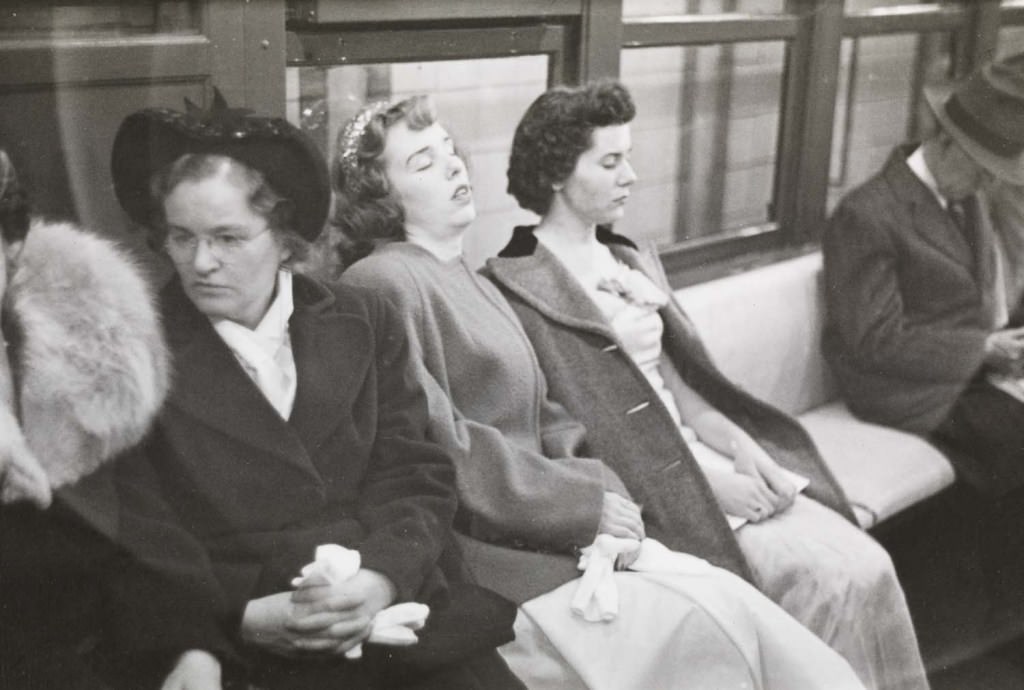
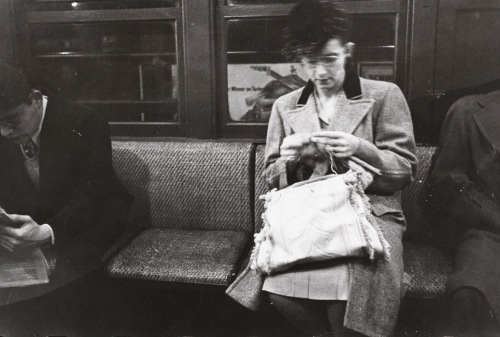
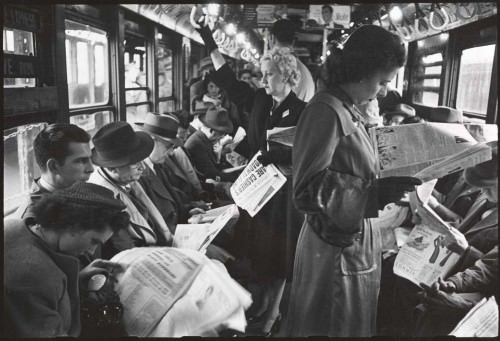
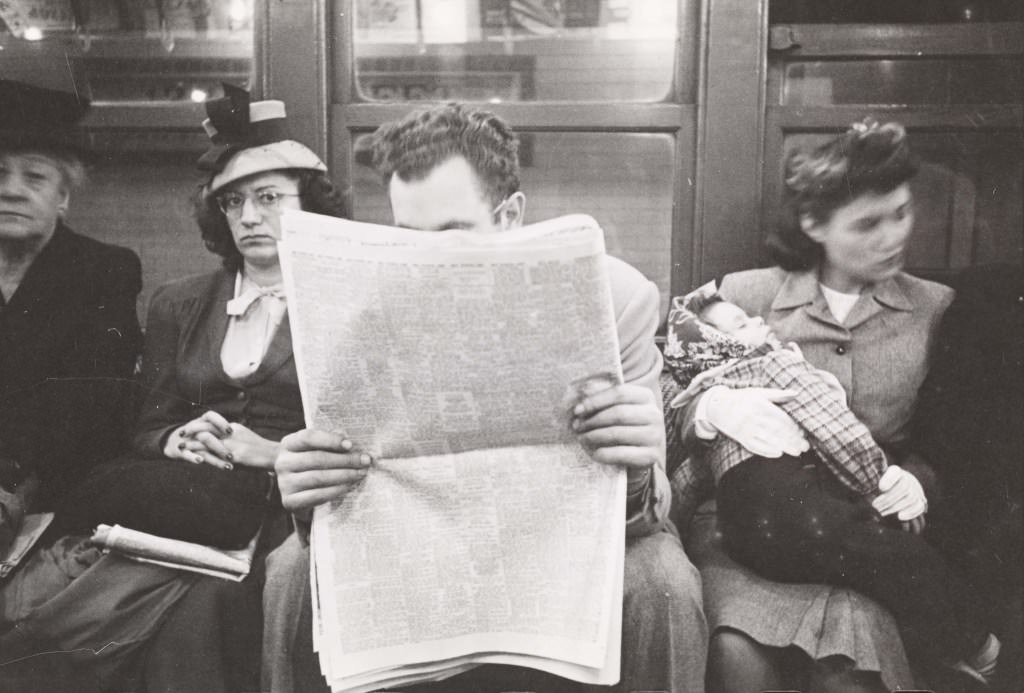
Passengers found ways to pass the time. Many read newspapers folded tight to fit the cramped space. Others knitted, dozed, or watched the faces of strangers across the aisle.
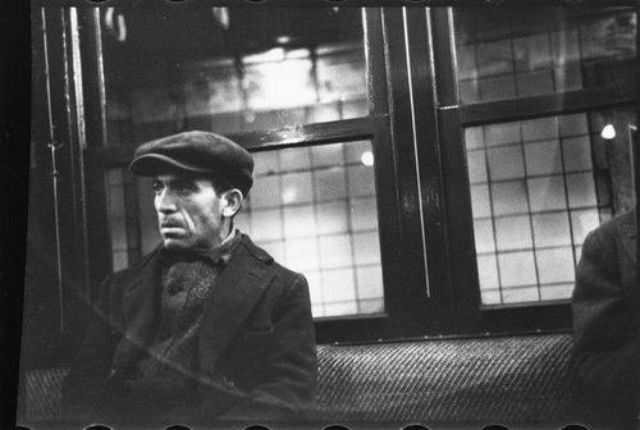
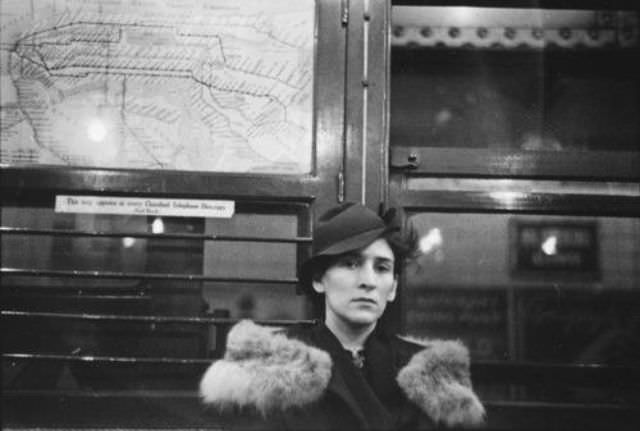
World War II touched nearly every corner of city life, and the subway was no different. Soldiers in uniform were a common sight on the platforms and in the cars throughout the war years.
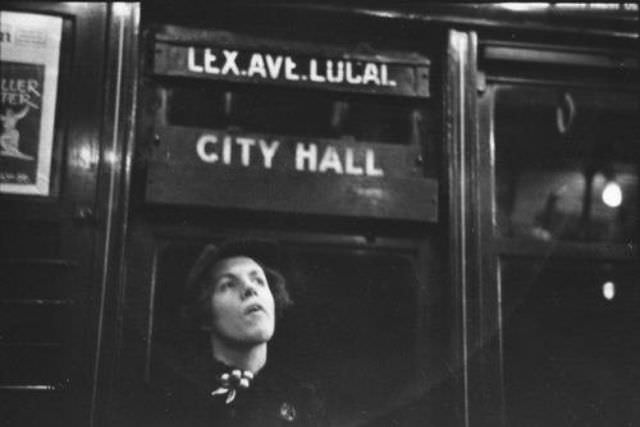
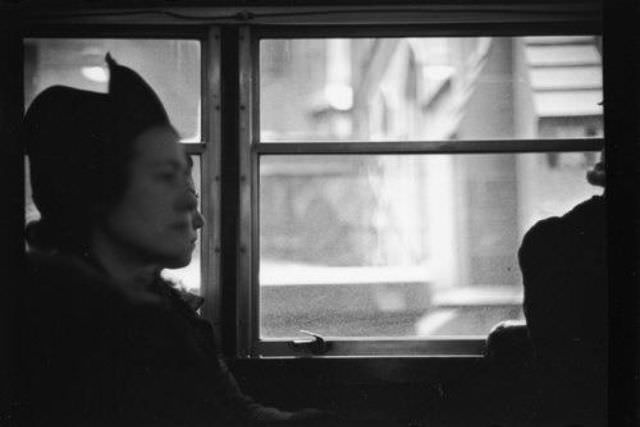
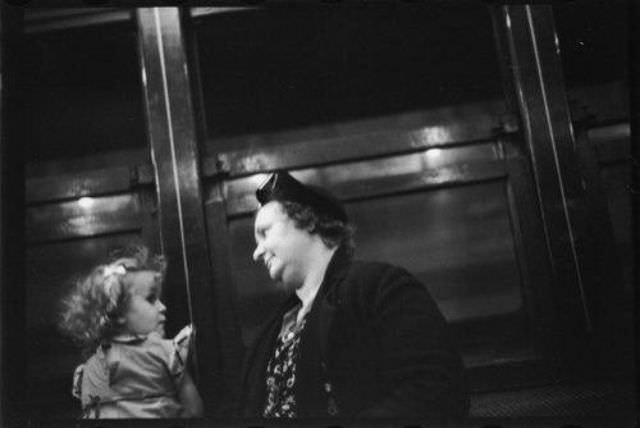
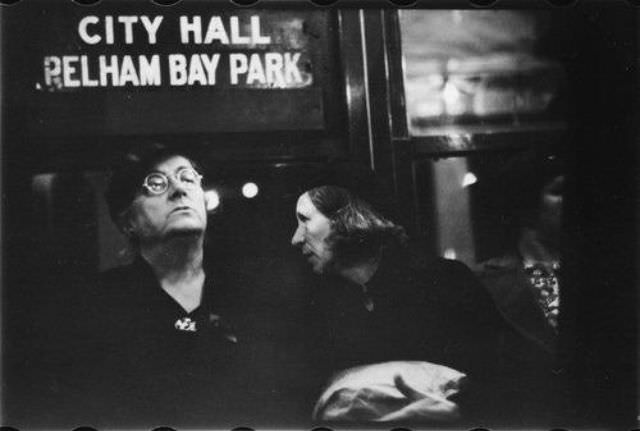
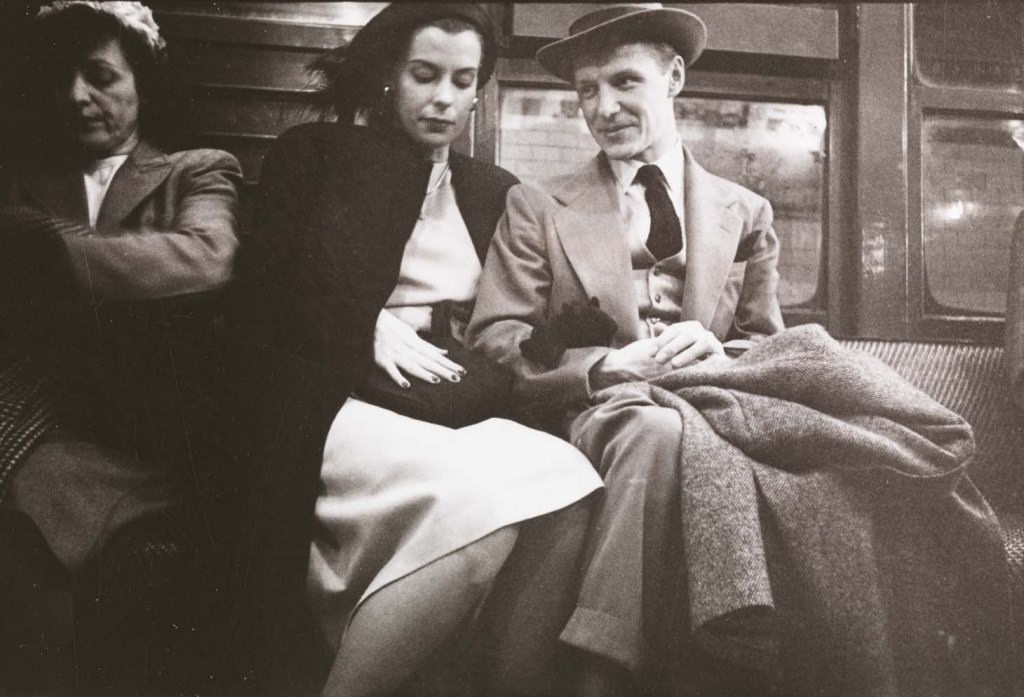
Strangers talked to each other in ways that felt natural underground. The shared ride created a kind of brief, honest connection between people who would never otherwise meet.
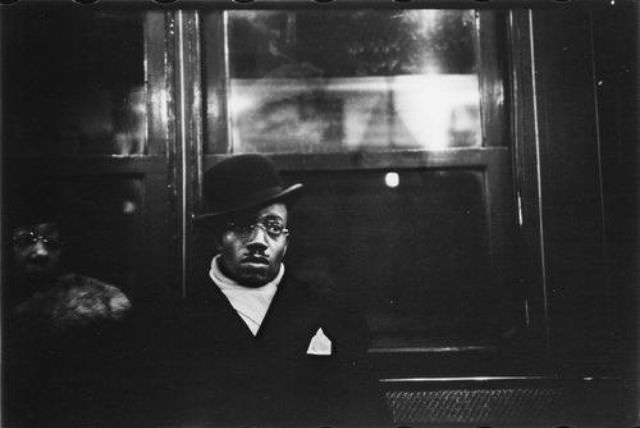
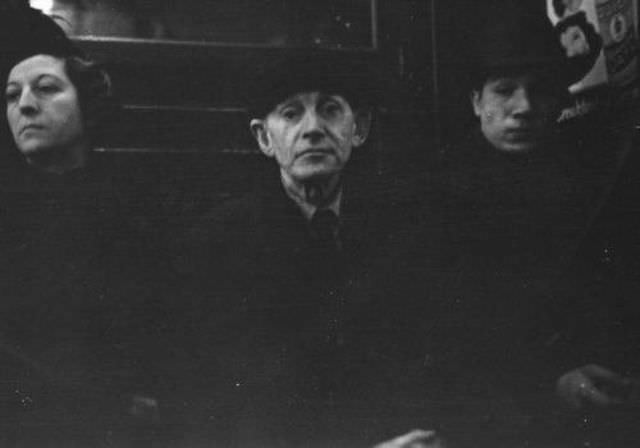
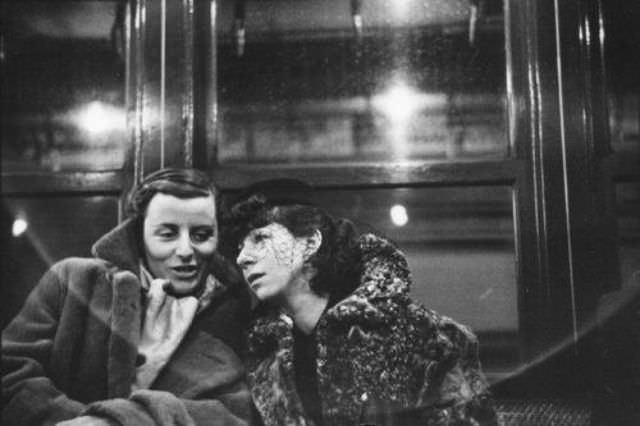
The subway ran through every neighborhood — from the Bronx down to Brooklyn. It tied together communities that were worlds apart above ground.
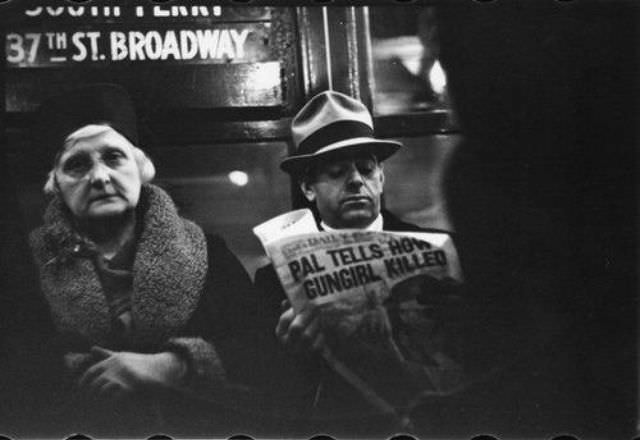
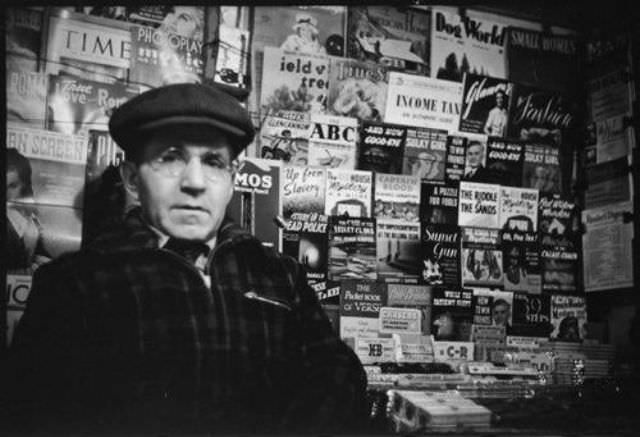
Rush hour was relentless. Platforms filled fast, and conductors packed cars to capacity. Personal space was a luxury no one could count on.
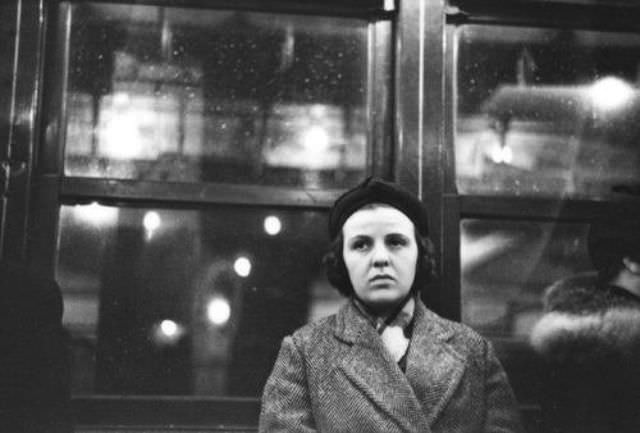
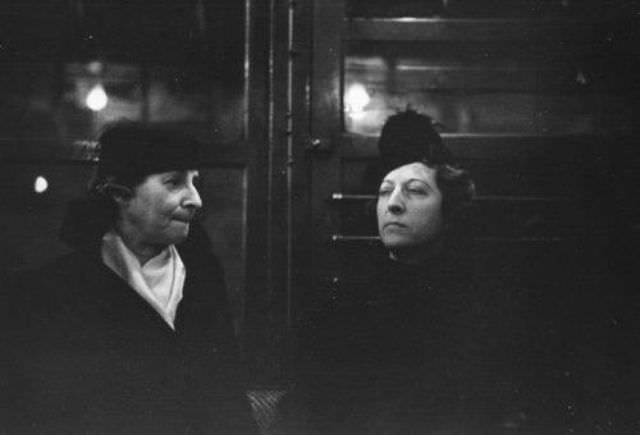
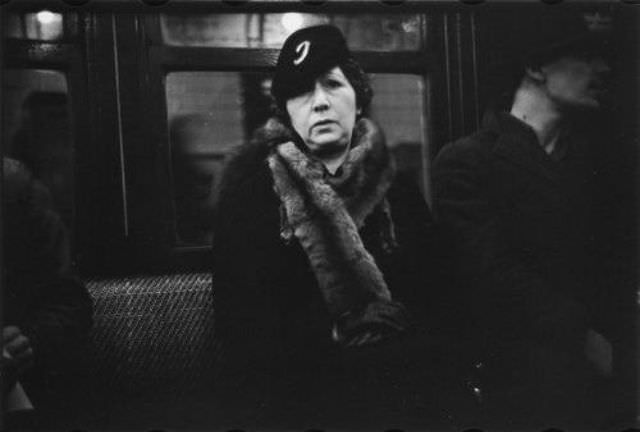
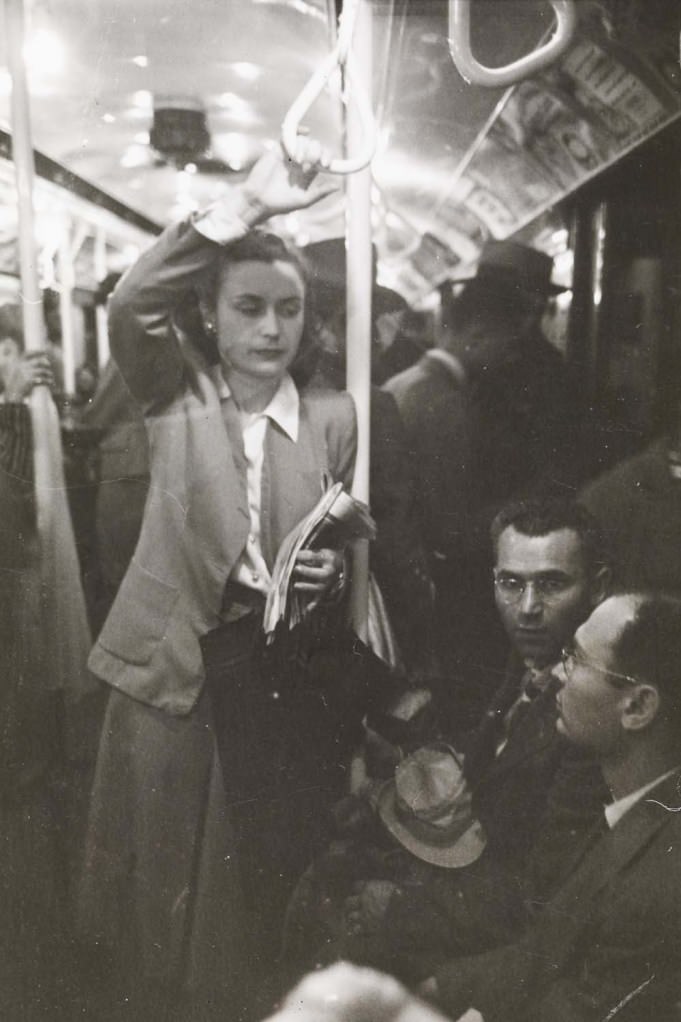
Women took on more roles in the workforce during the war, and the subway reflected that shift. More women rode alone, at all hours, heading to factories and offices across the five boroughs.
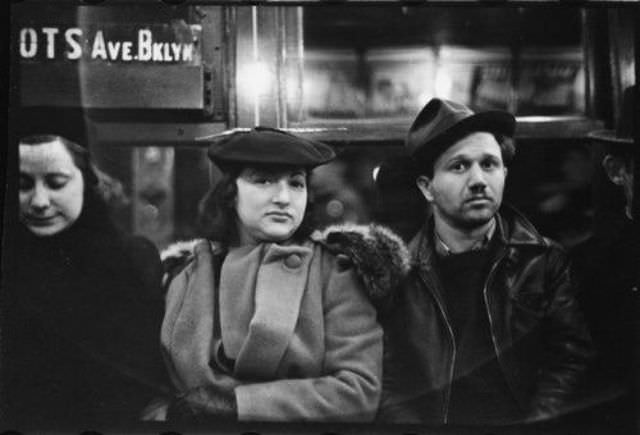
Children rode the subway to school each morning in large numbers. Many traveled without adults, navigating the system on their own from a young age.
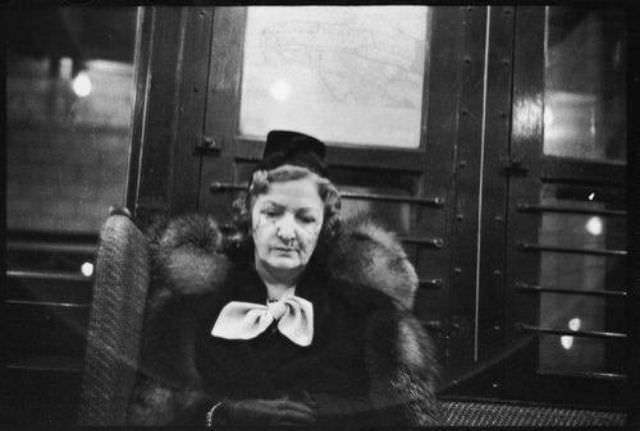
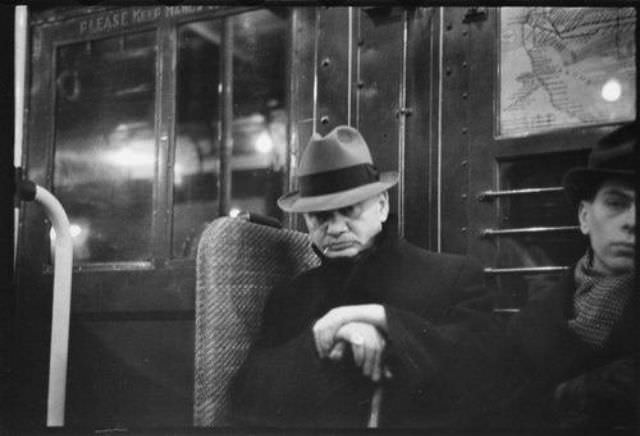
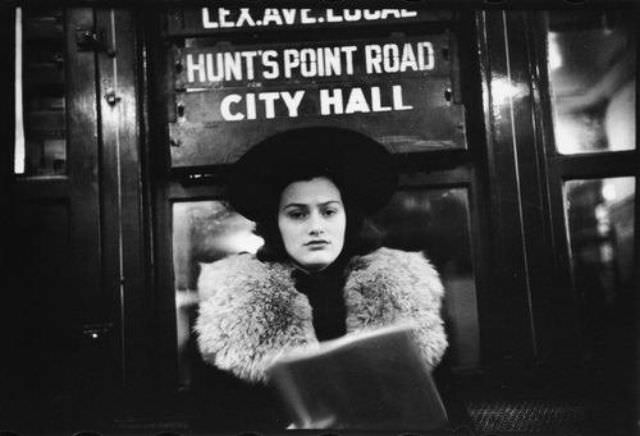
Late-night riders painted a different picture. The cars were quieter then — night-shift workers, entertainers heading home, and the occasional insomniac staring at the dark tunnel walls.
The fare was a nickel for most of the decade. That single coin granted access to the entire system — one of the best deals in the city.
Station platforms had their own rhythm. Vendors, commuters, and transit workers all moved through them in a constant flow from early morning until well past midnight.
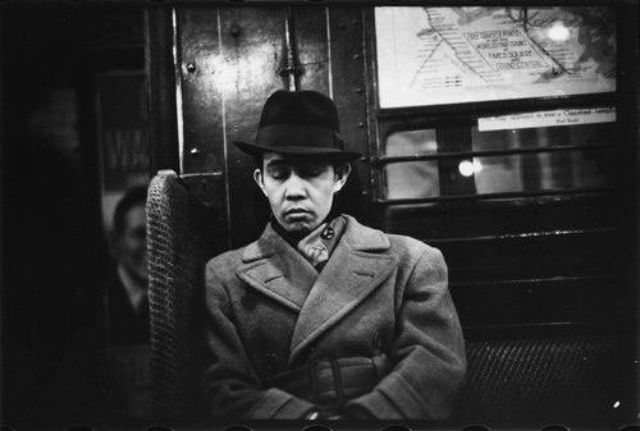
The subway system operated three separate lines in the 1940s — the IRT, BMT, and IND — each with its own cars, culture, and character.
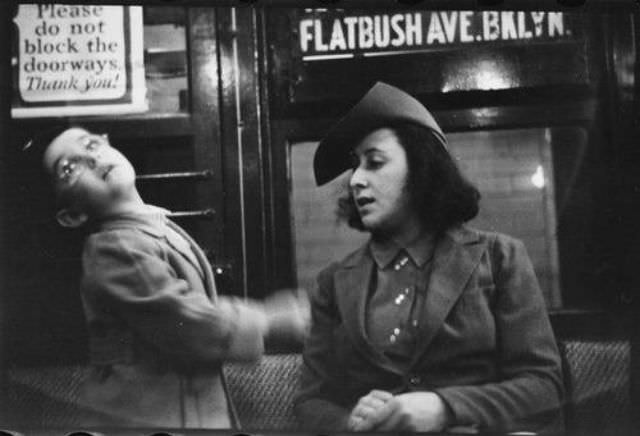
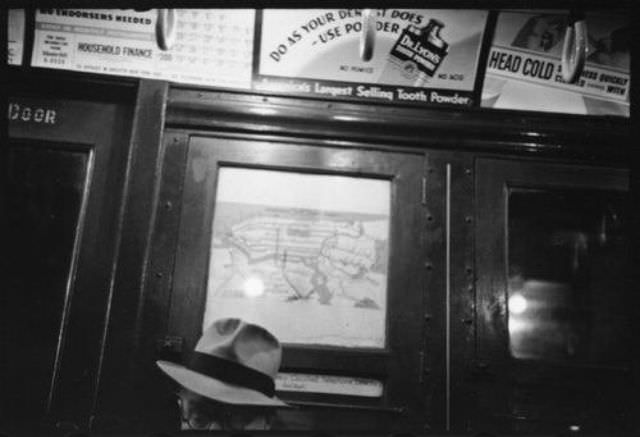
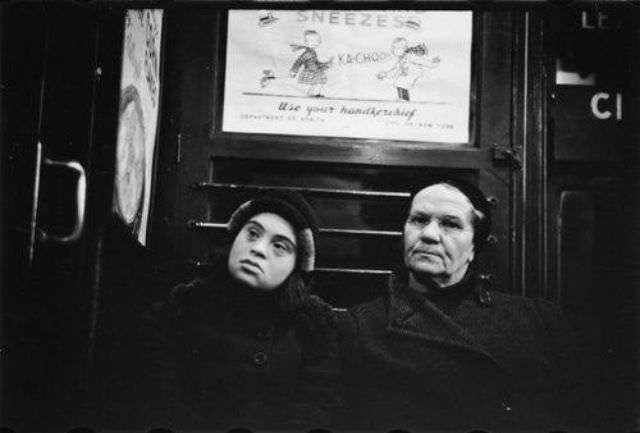
Advertising covered the interior walls of every car. War bond campaigns, product ads, and public health notices competed for passengers’ attention at every stop.
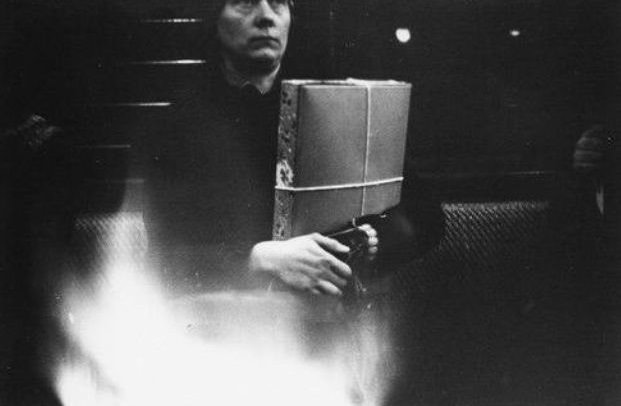
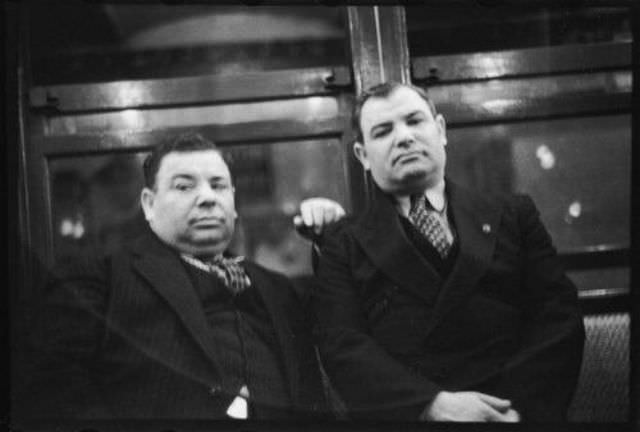
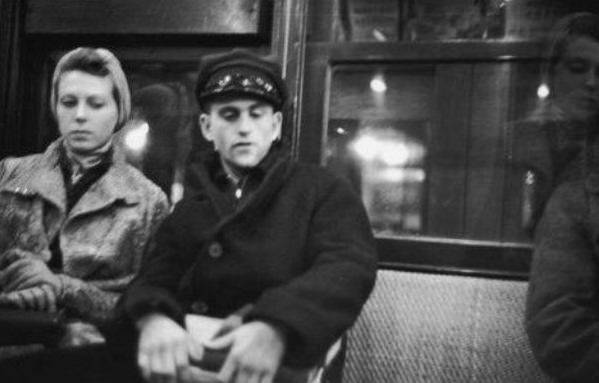
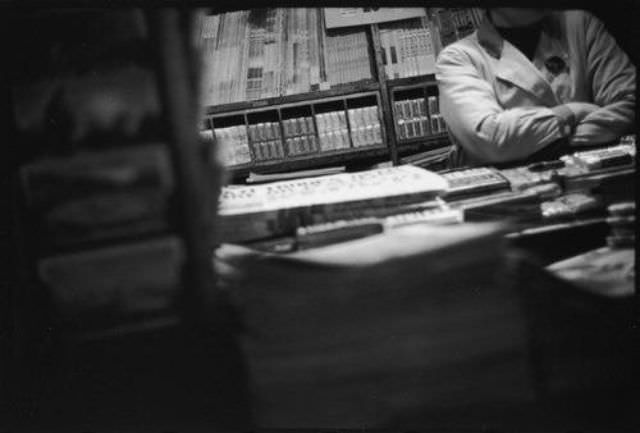
Photographers began documenting subway life during this era, capturing unguarded moments that newspapers and museums would later preserve as a record of the city’s daily pulse.
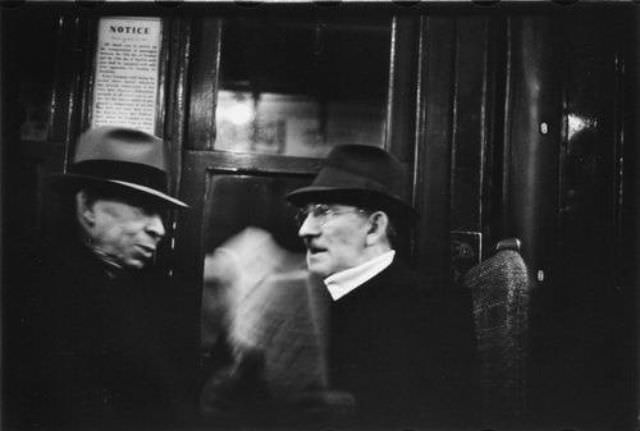
The system carried over two billion riders per year at its peak during the 1940s. That number reflected just how deeply the subway was woven into New York’s daily life.
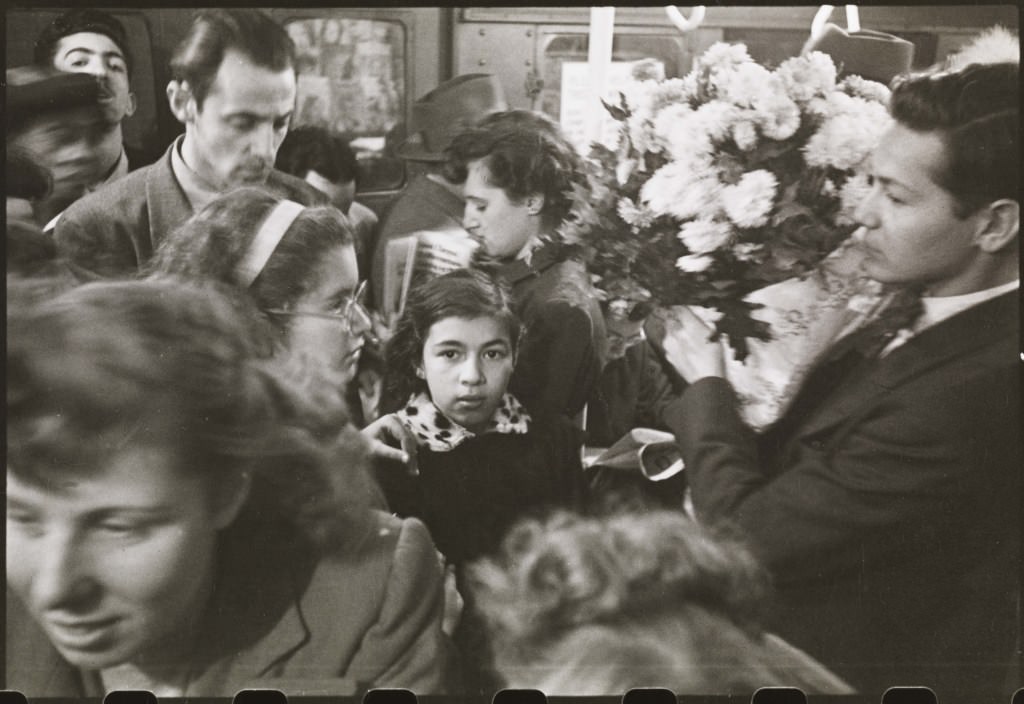
Riders from every ethnic and racial background shared the same cars, though the city above ground remained deeply divided. Underground, the mix was unavoidable and constant.
Transit workers kept the system running around the clock — motormen, conductors, token booth clerks, and maintenance crews who rarely appeared in photographs but made every ride possible.