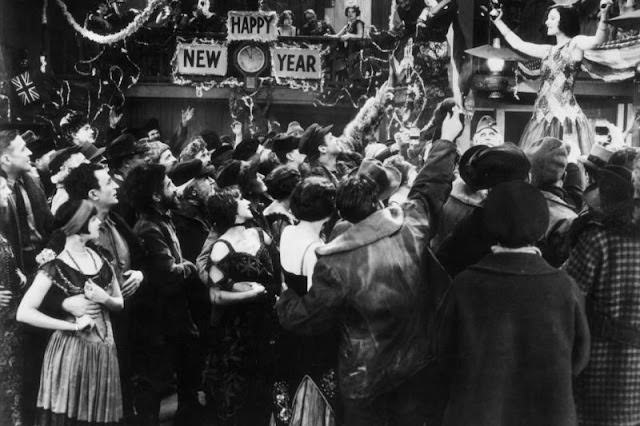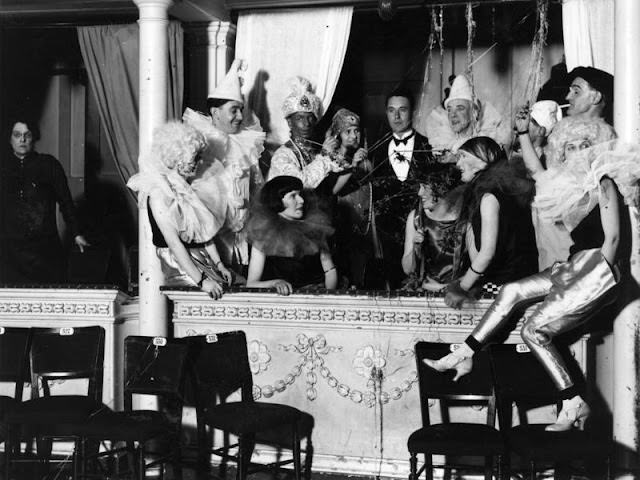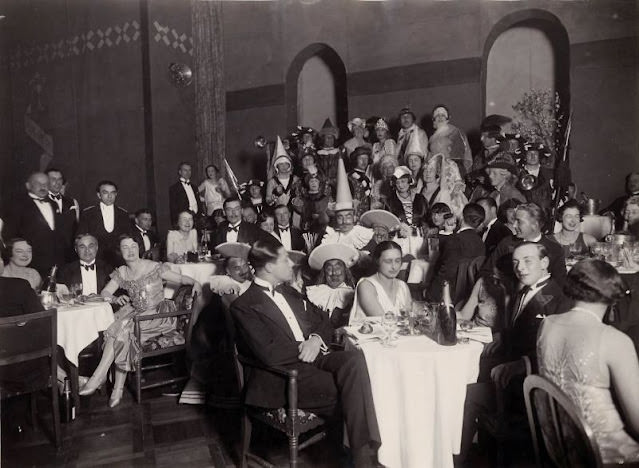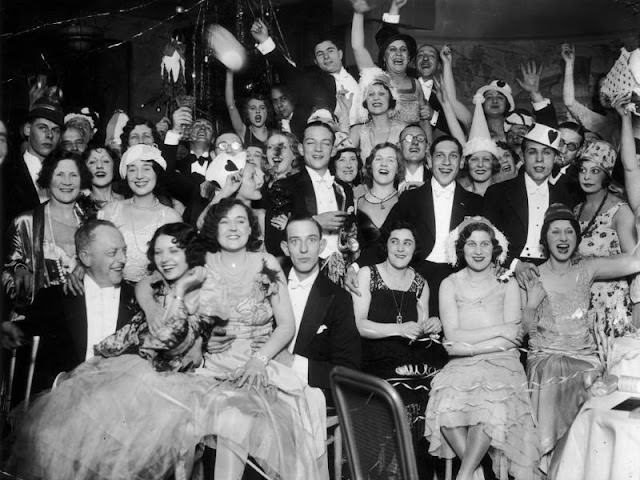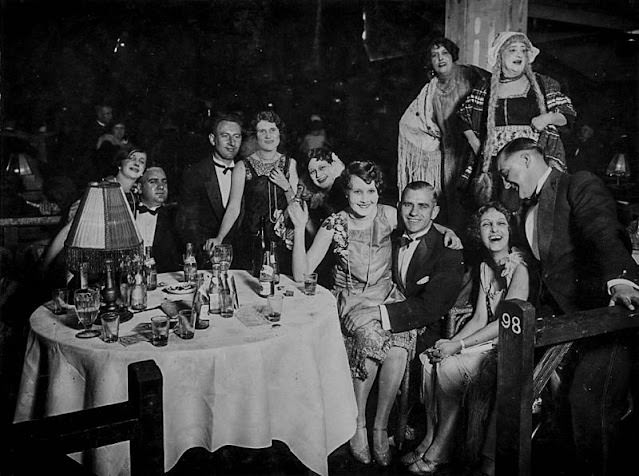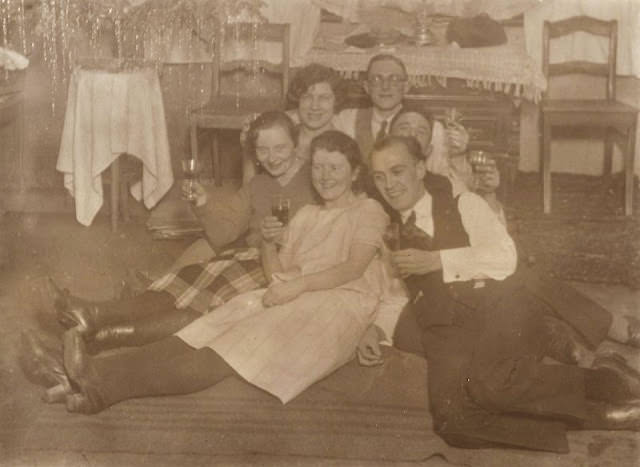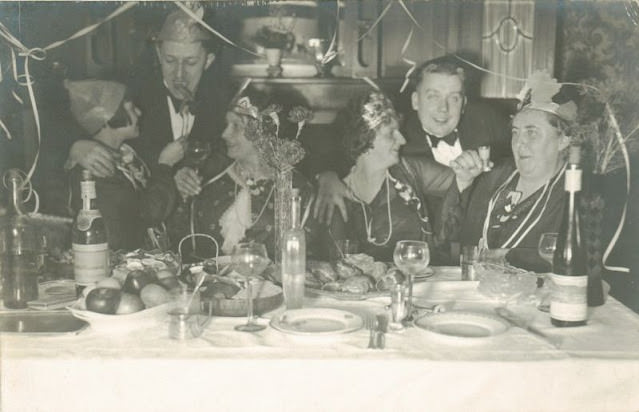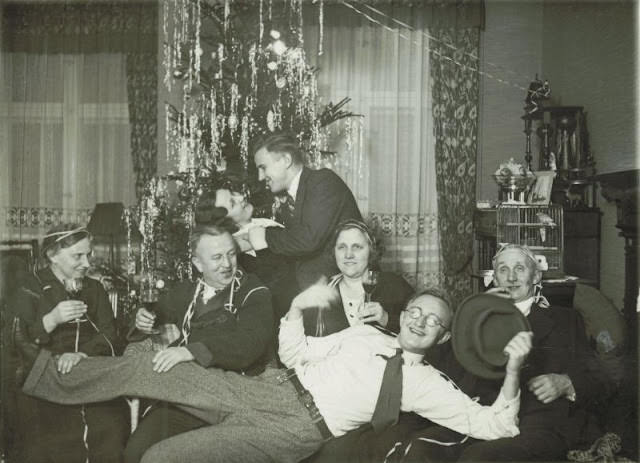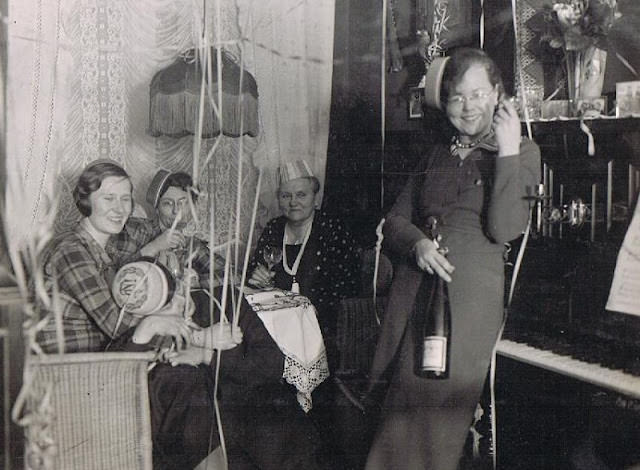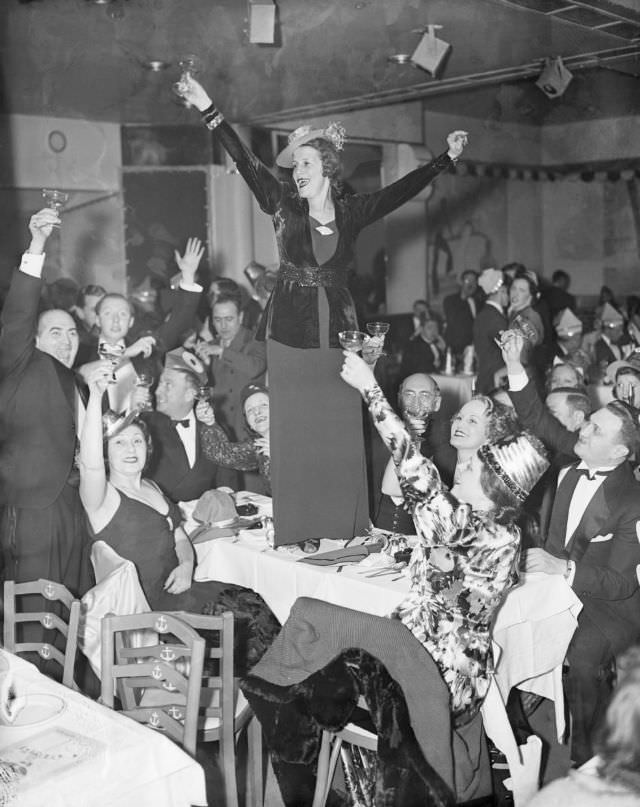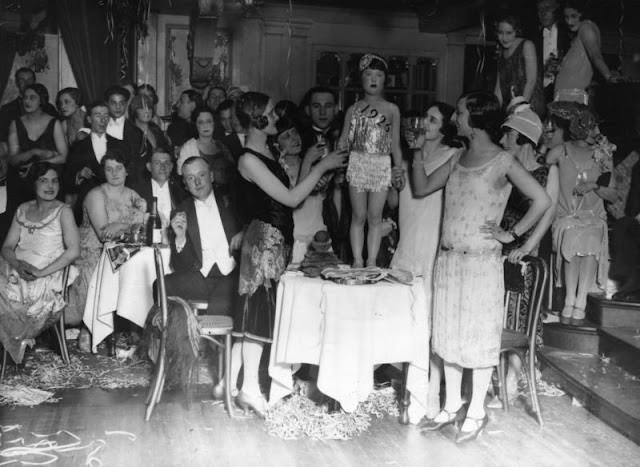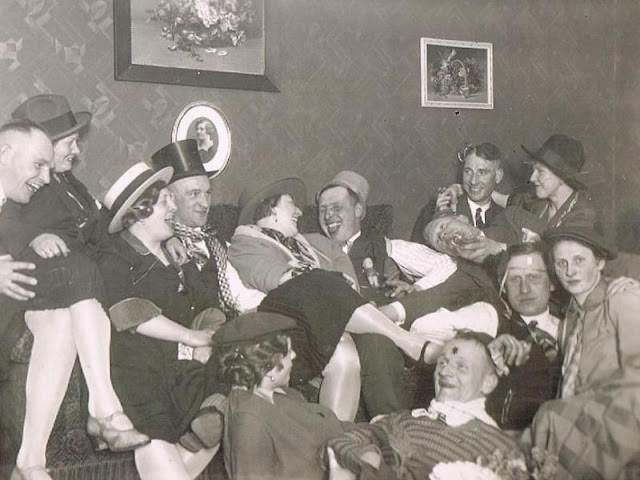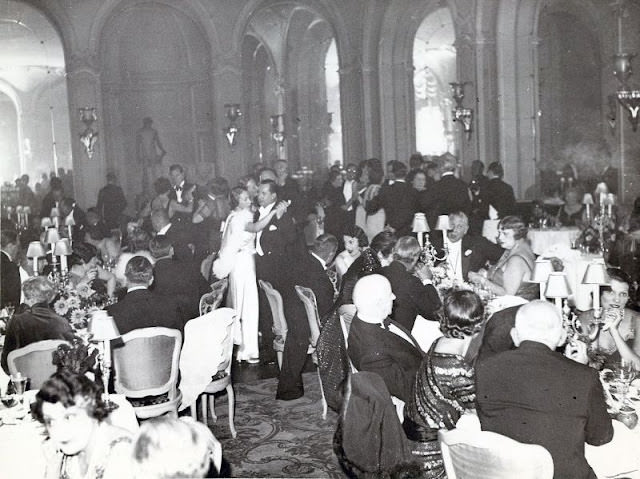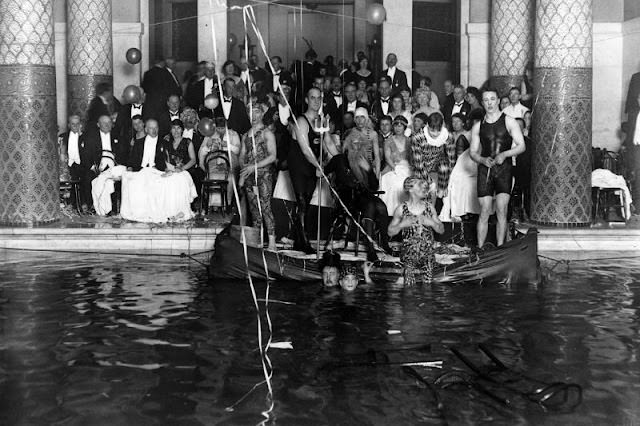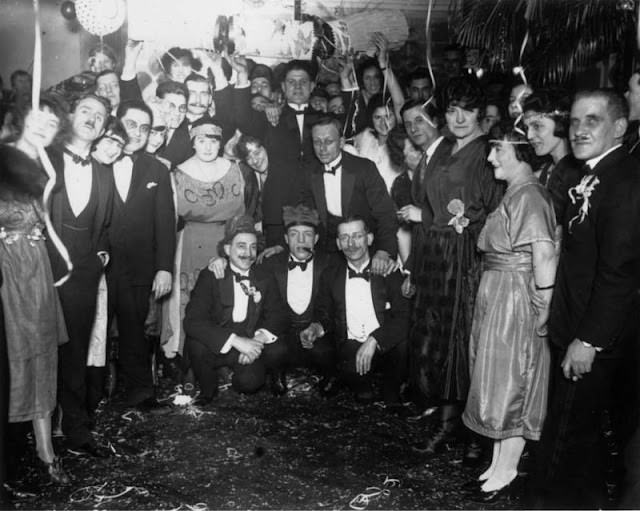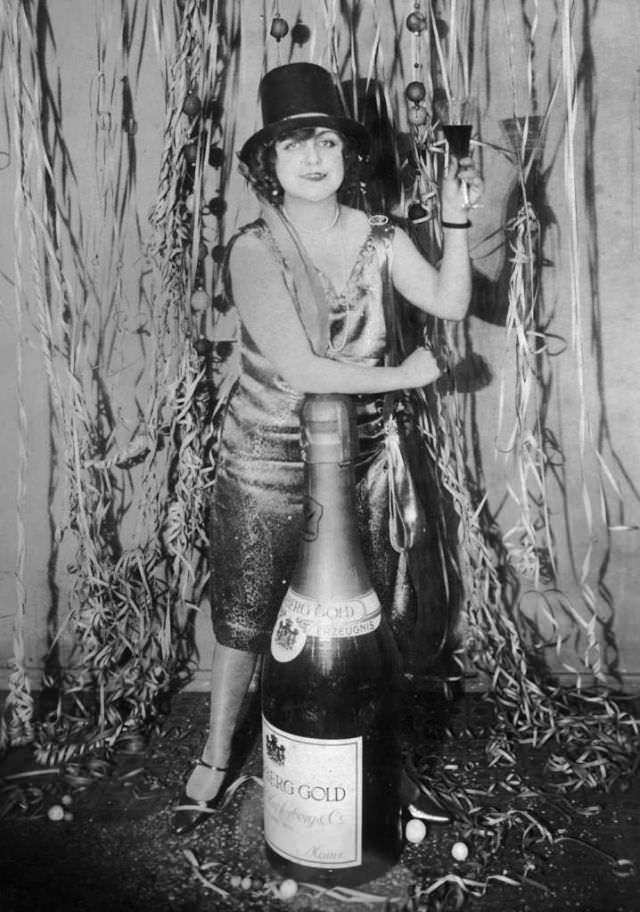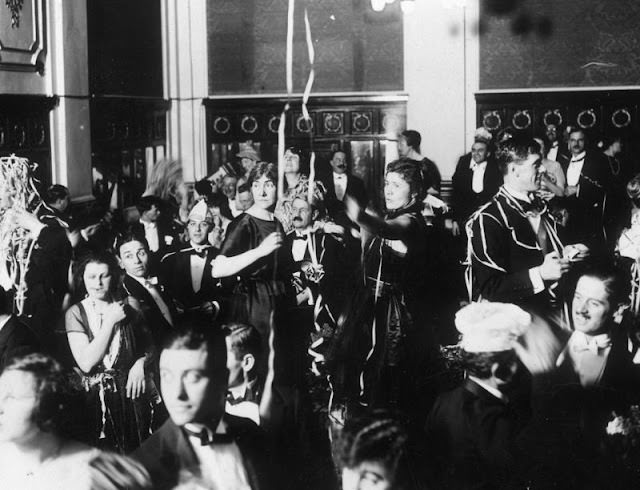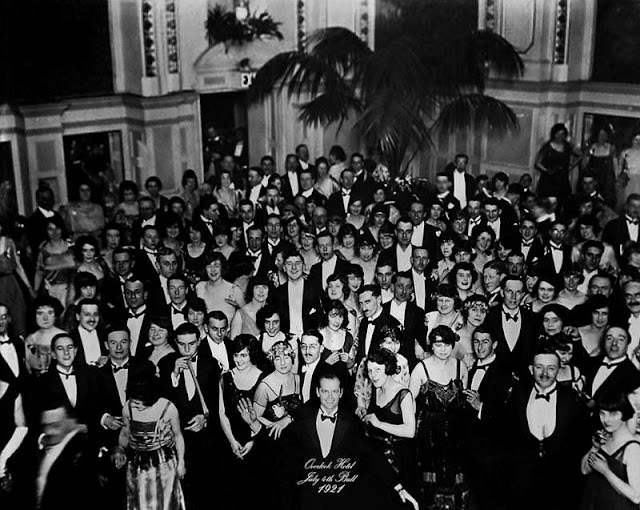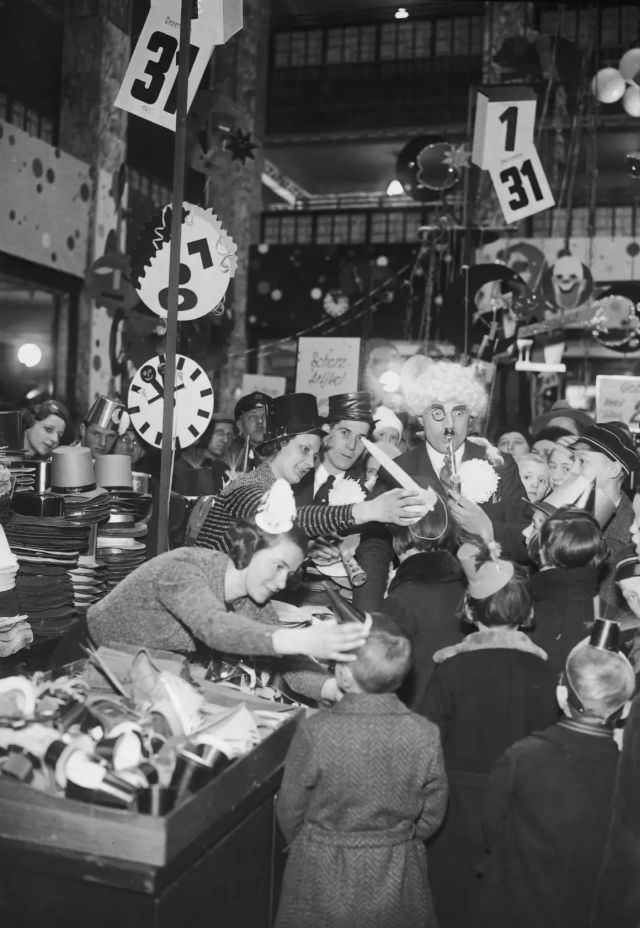
The 1920s — known as the Roaring Twenties — were defined by economic growth, social freedom, and a hunger for fun after the hardships of World War I. Nowhere did that energy show more clearly than on New Year’s Eve. From packed hotel ballrooms in London to rowdy speakeasies in New York, people rang in each new year with a boldness that set the decade apart.
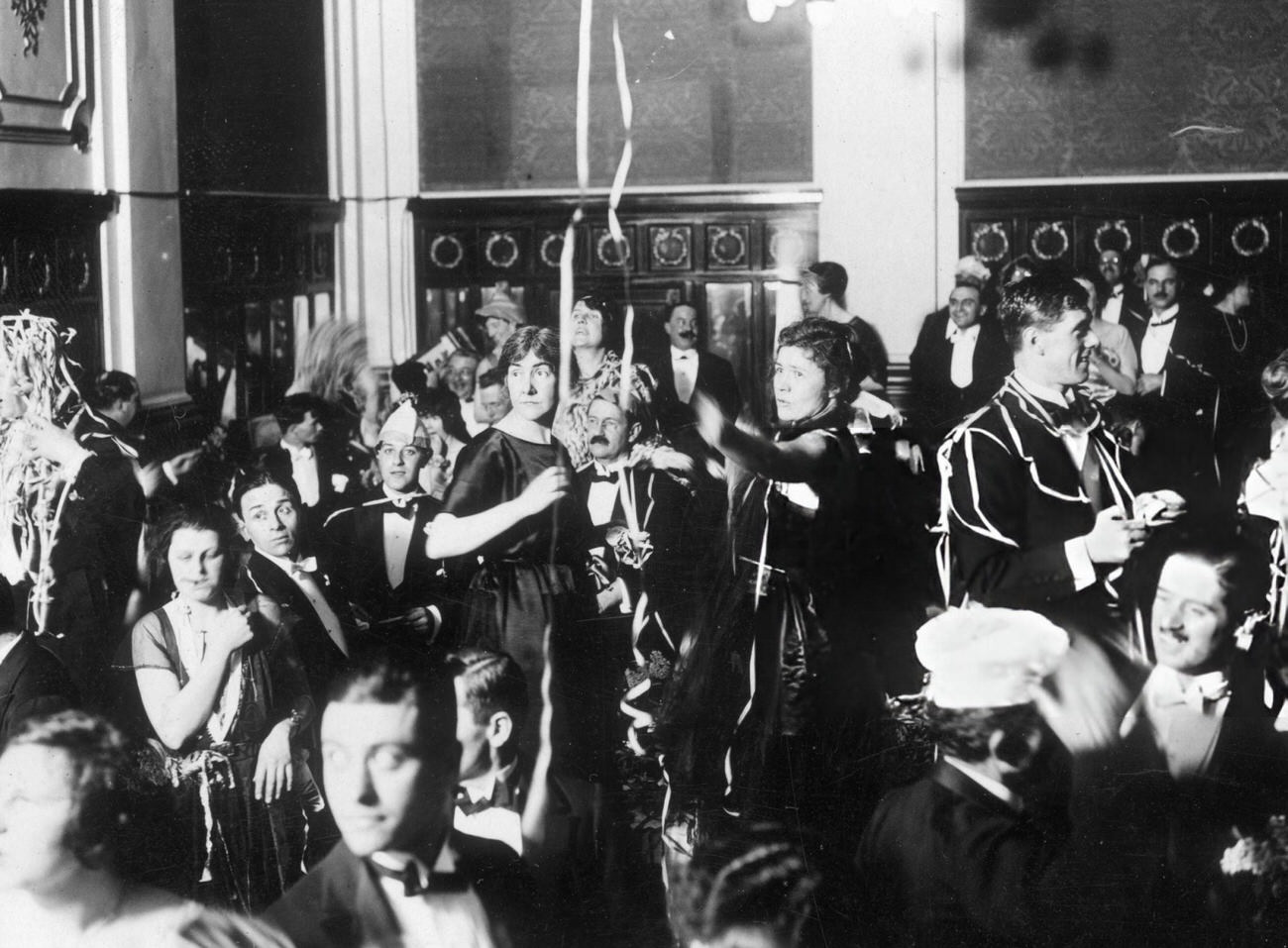
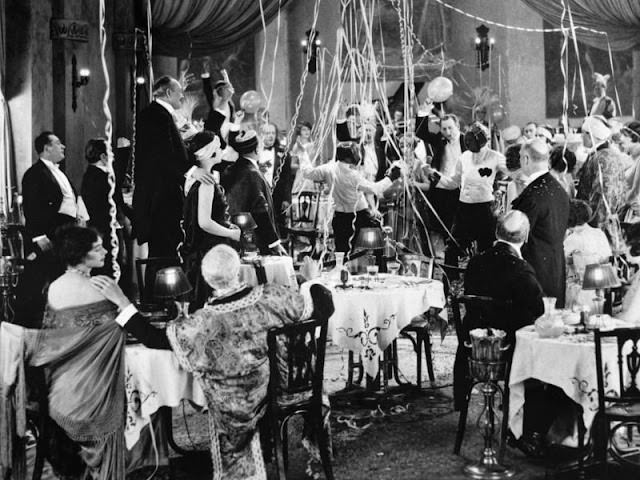
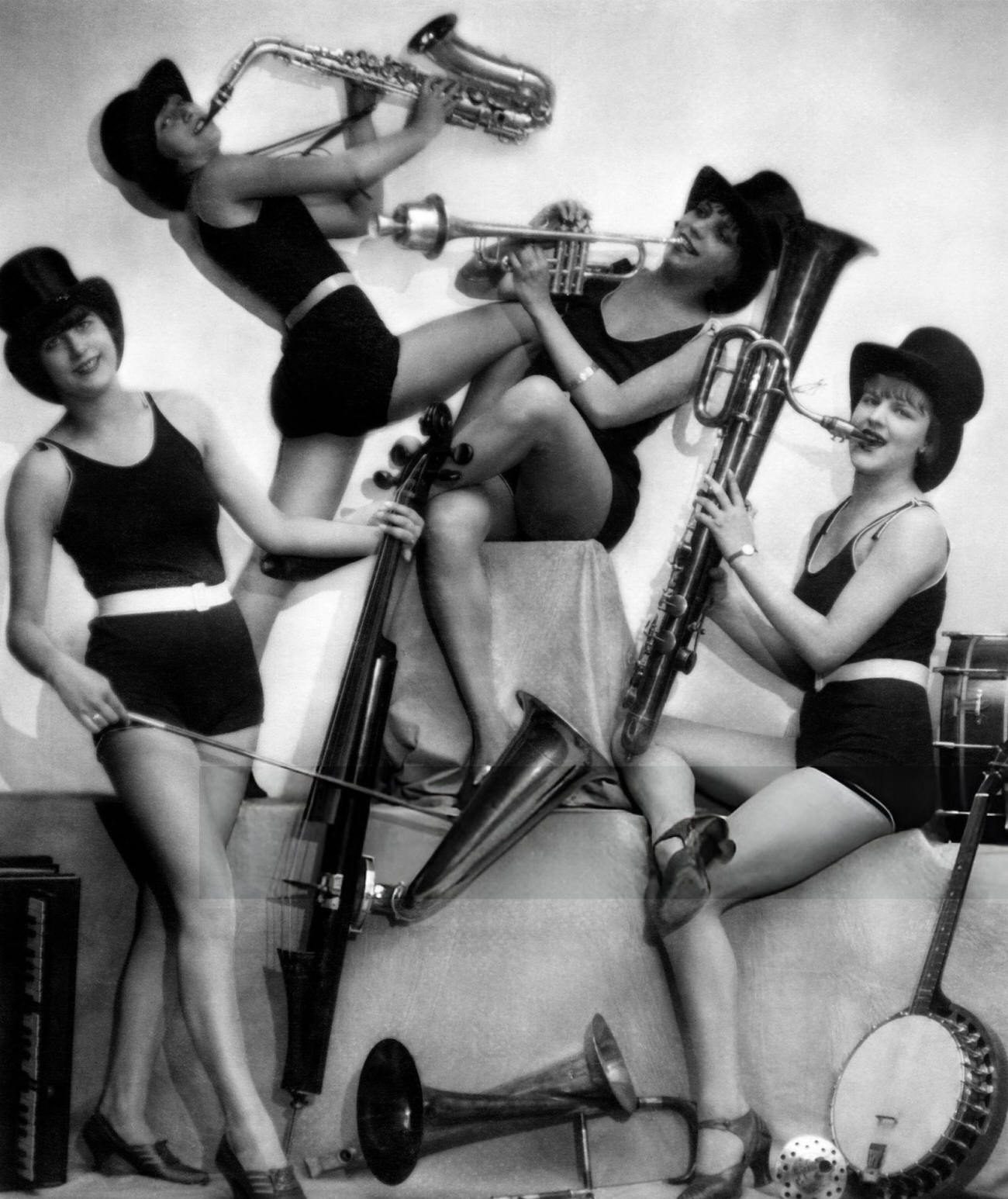
Jazz was the heartbeat of every 1920s New Year’s Eve party. Live bands played fast, improvisational sets while guests danced the Charleston, the Foxtrot, and the Lindy Hop. These were not slow, polite dances — they were high-energy and physically demanding, perfectly matched to the mood of the era.
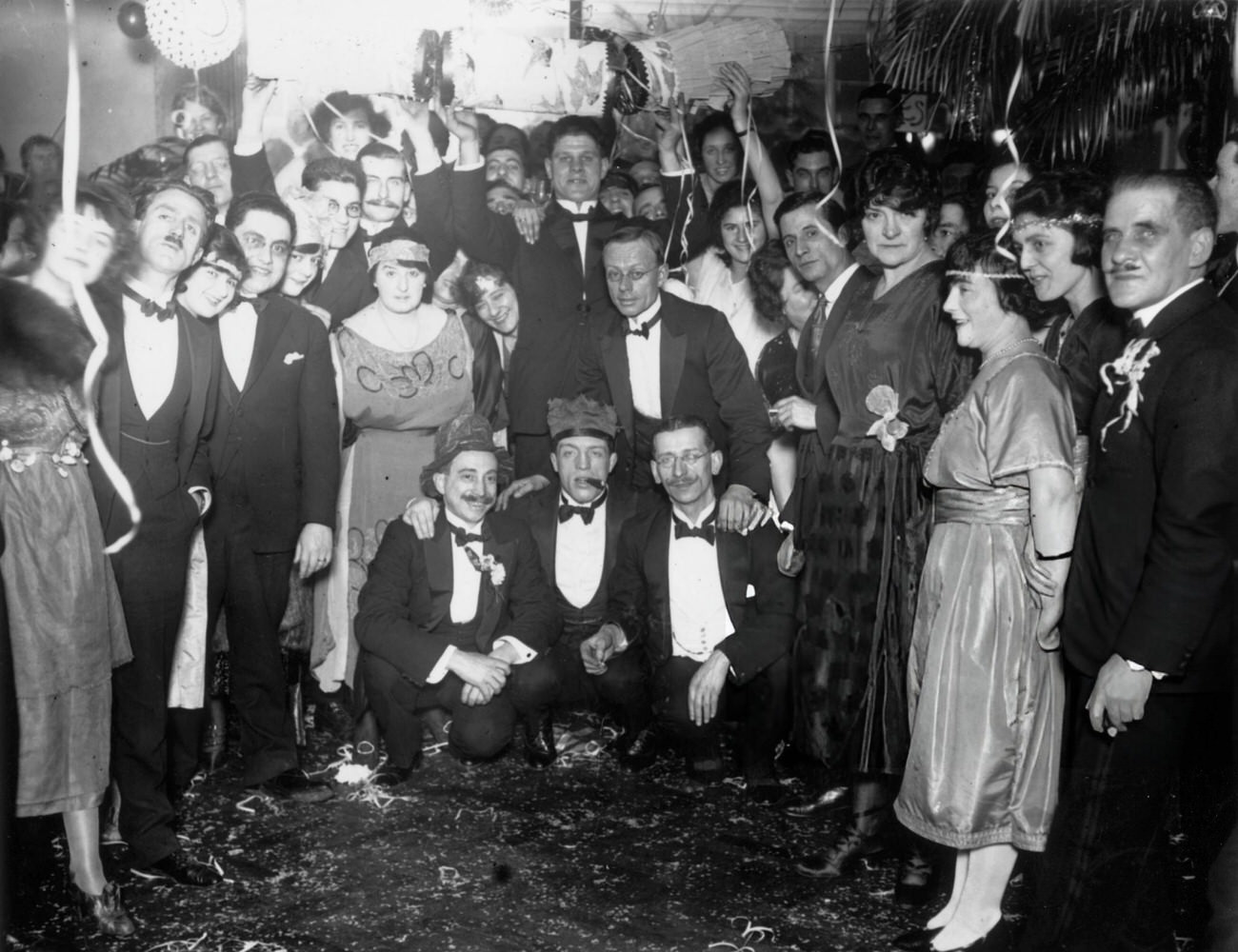
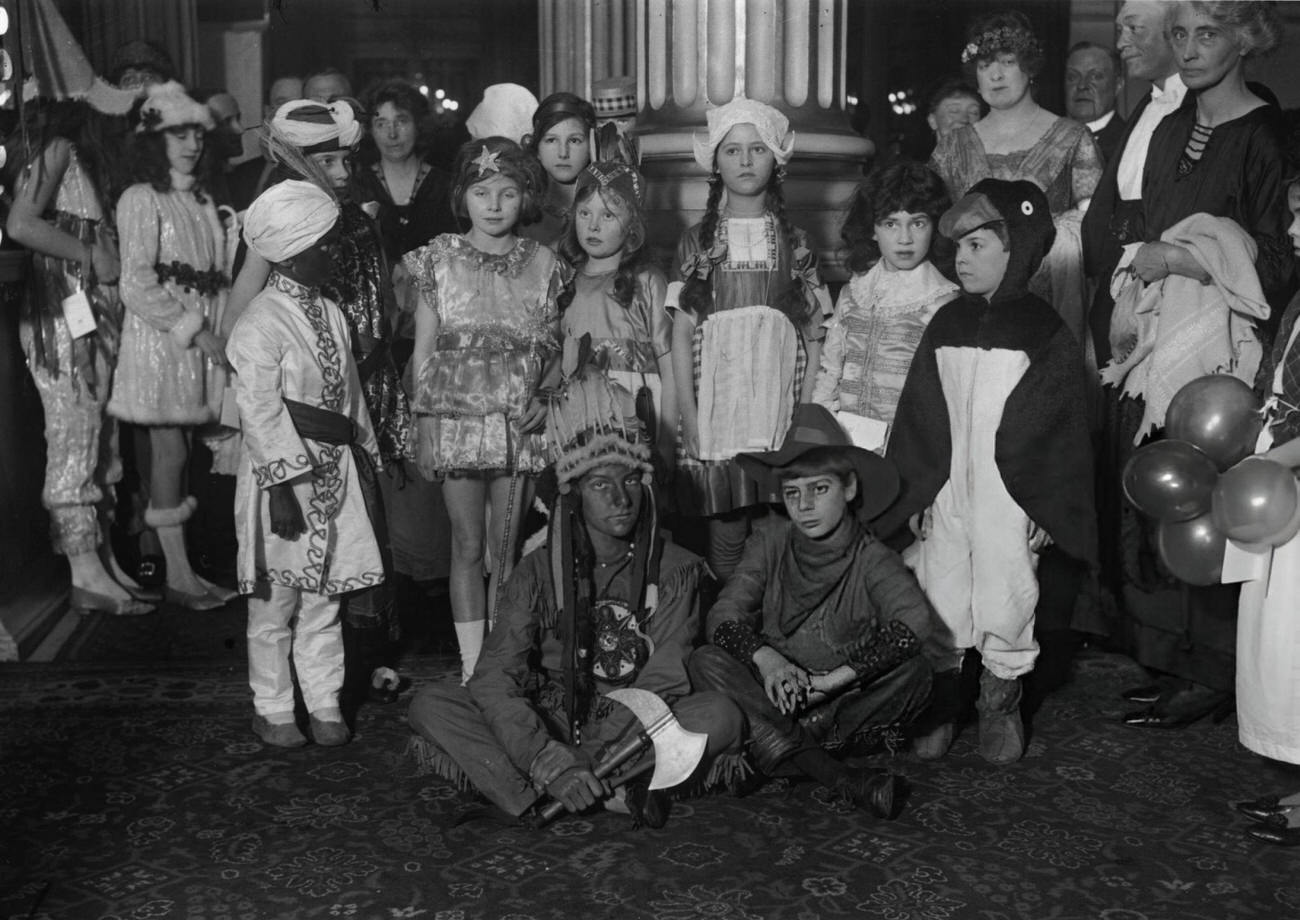
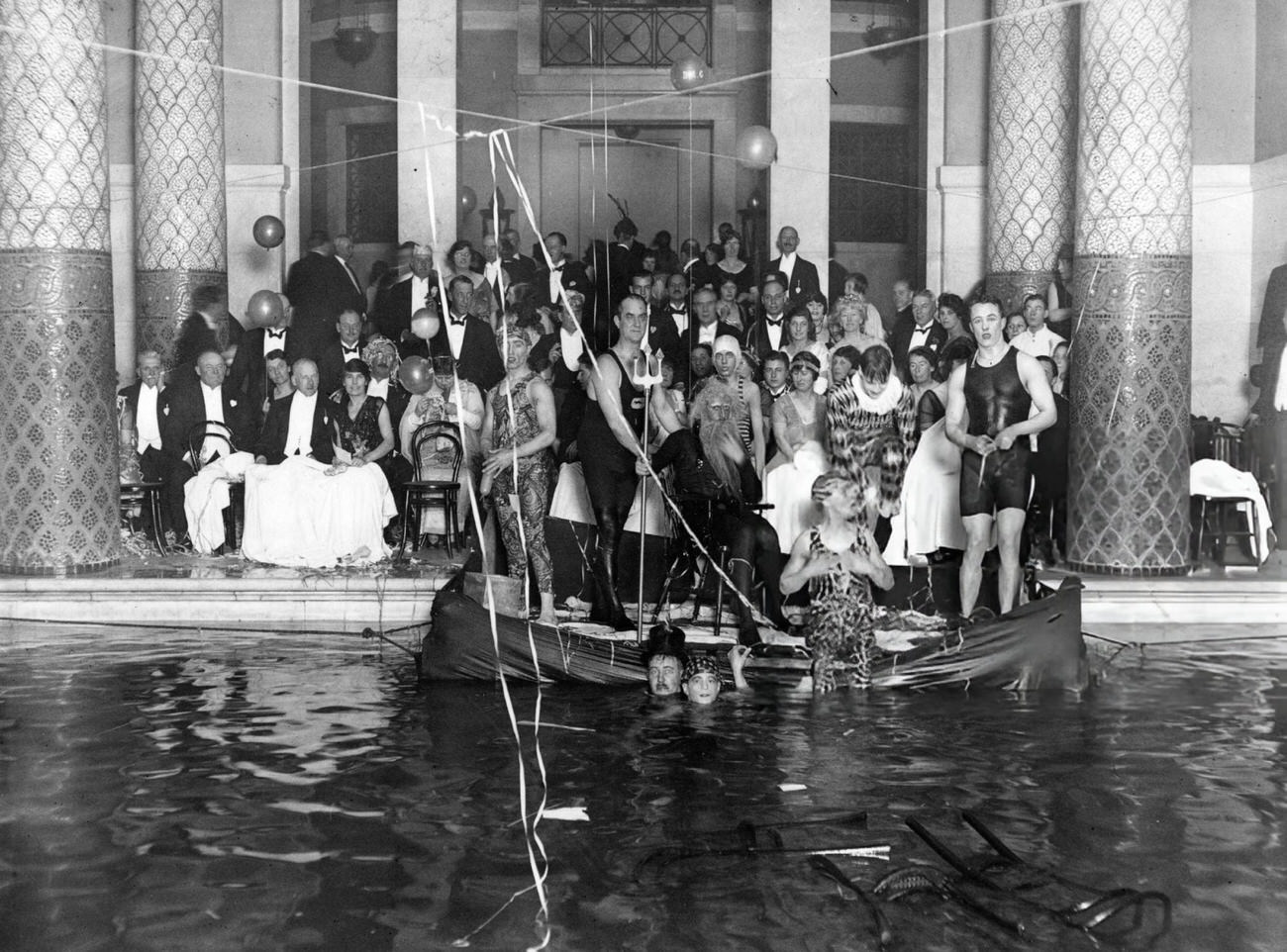
New Year’s celebrations weren’t limited to adults. Costume and fancy dress parties included children, and clubs across London and beyond filled their floors with guests dressed to impress. Private parties at automobile clubs and social venues were especially popular among the well-heeled crowd.
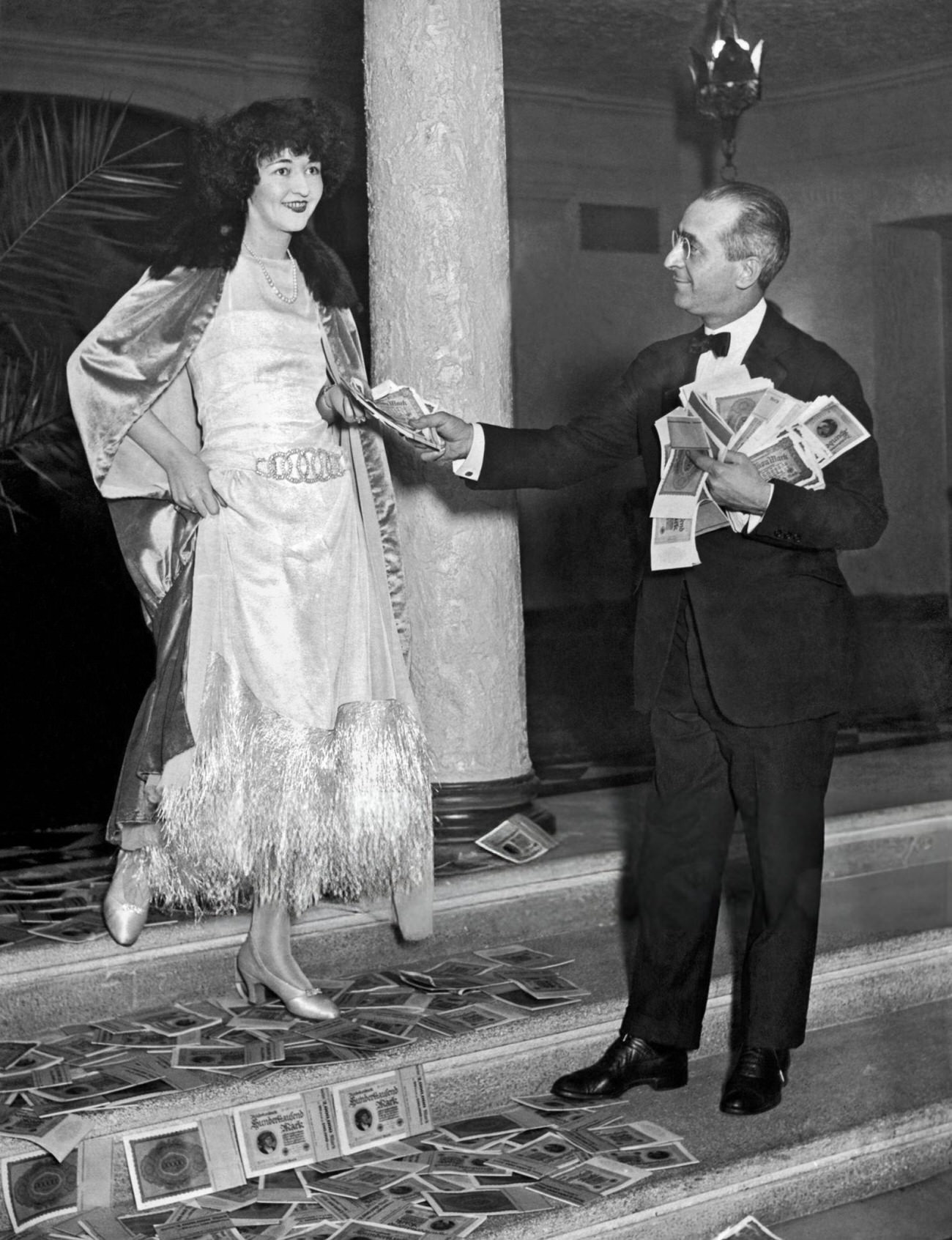
In New York City, the celebrations had their own flair. By 1923, the German mark had collapsed so badly that $100,000,000 worth of the currency was shredded and tossed as confetti in the streets — a striking image of the era’s financial turbulence mixed with its party spirit.
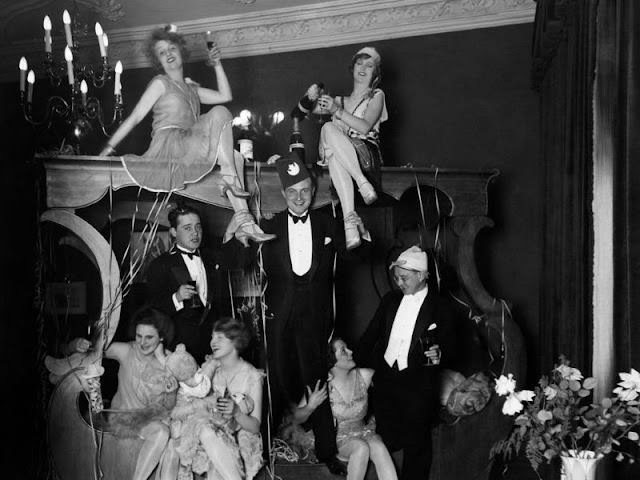
Fashion was central to the New Year’s Eve experience. Women’s style had undergone a revolution — shorter hemlines, bobbed hair, and bold makeup defined the “flapper” look. These women were seen as modern and independent, and New Year’s Eve was the ultimate stage to show it off.
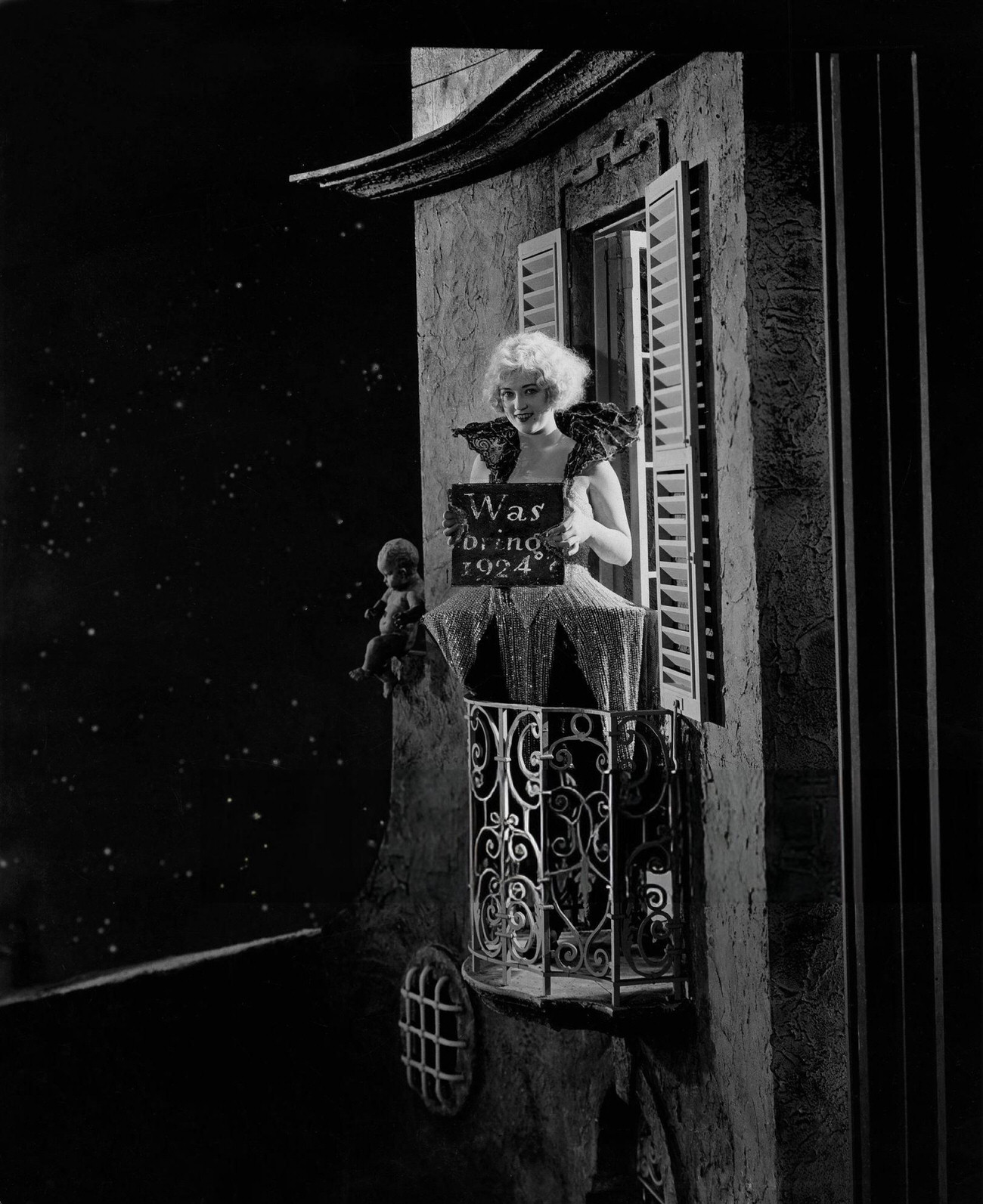
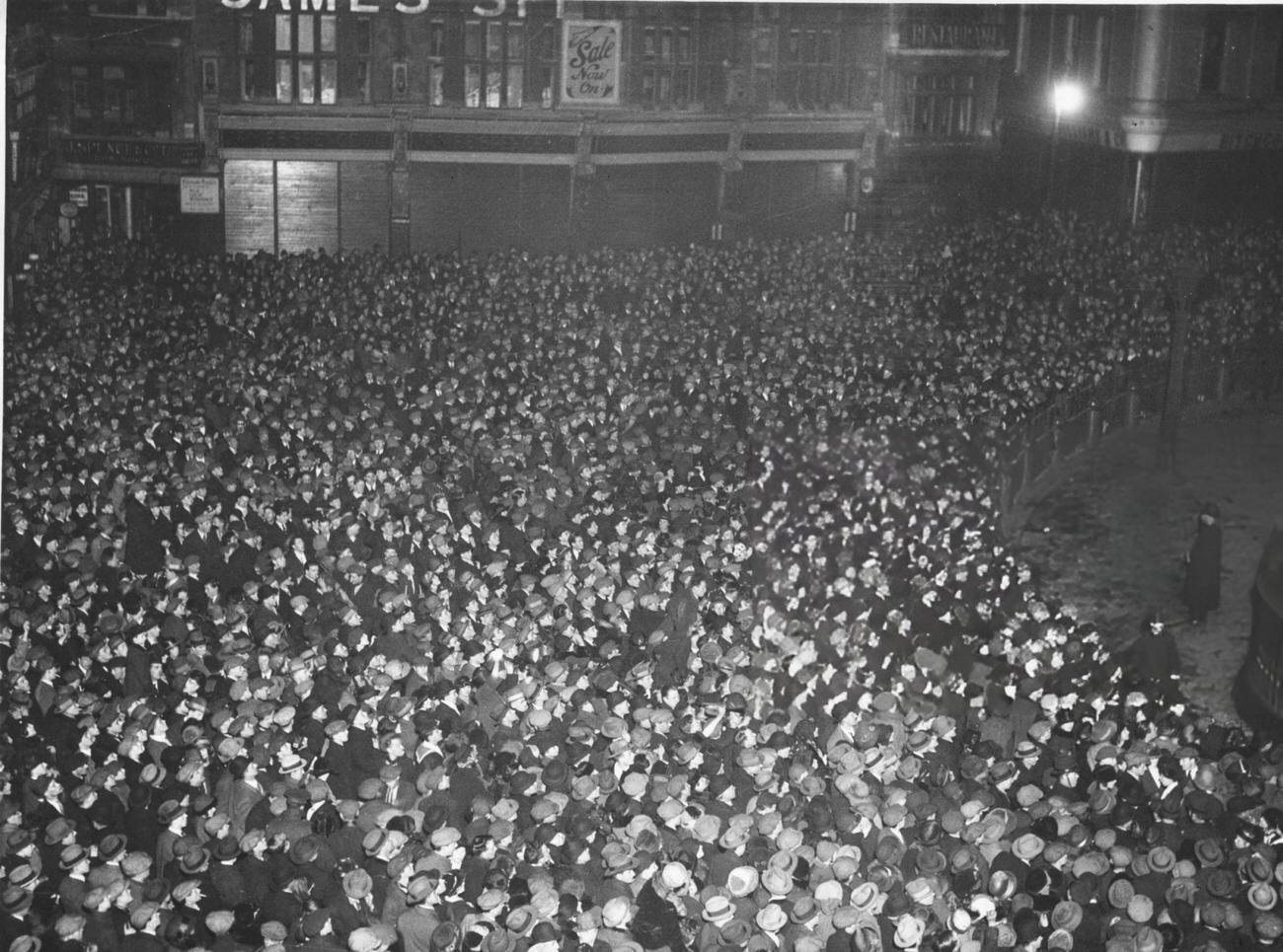
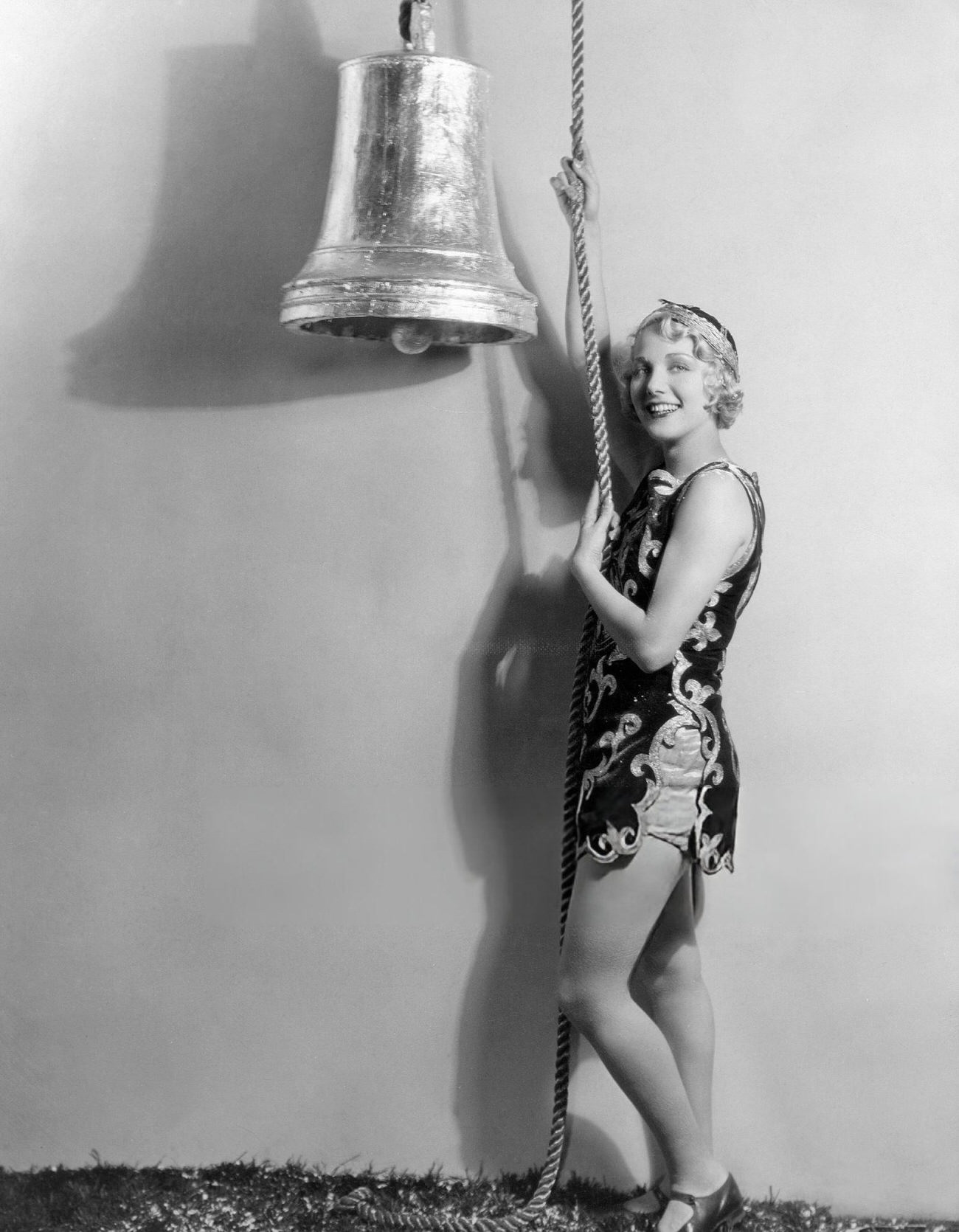
Celebrations weren’t confined to private venues. Massive crowds gathered at public landmarks like St. Paul’s Cathedral in London to ring in the new year together. Hollywood stars also joined in the festivities, lending glamour to the season.
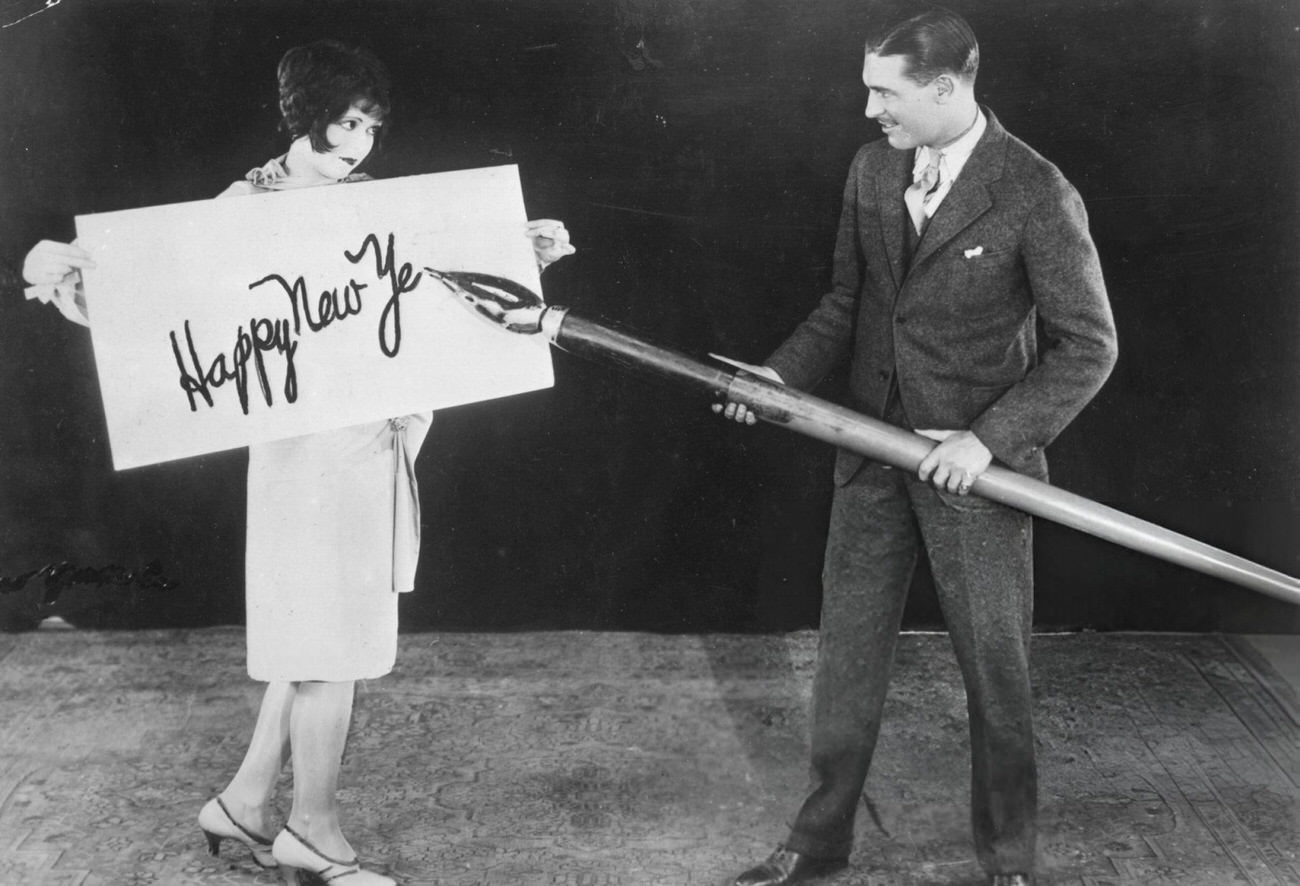
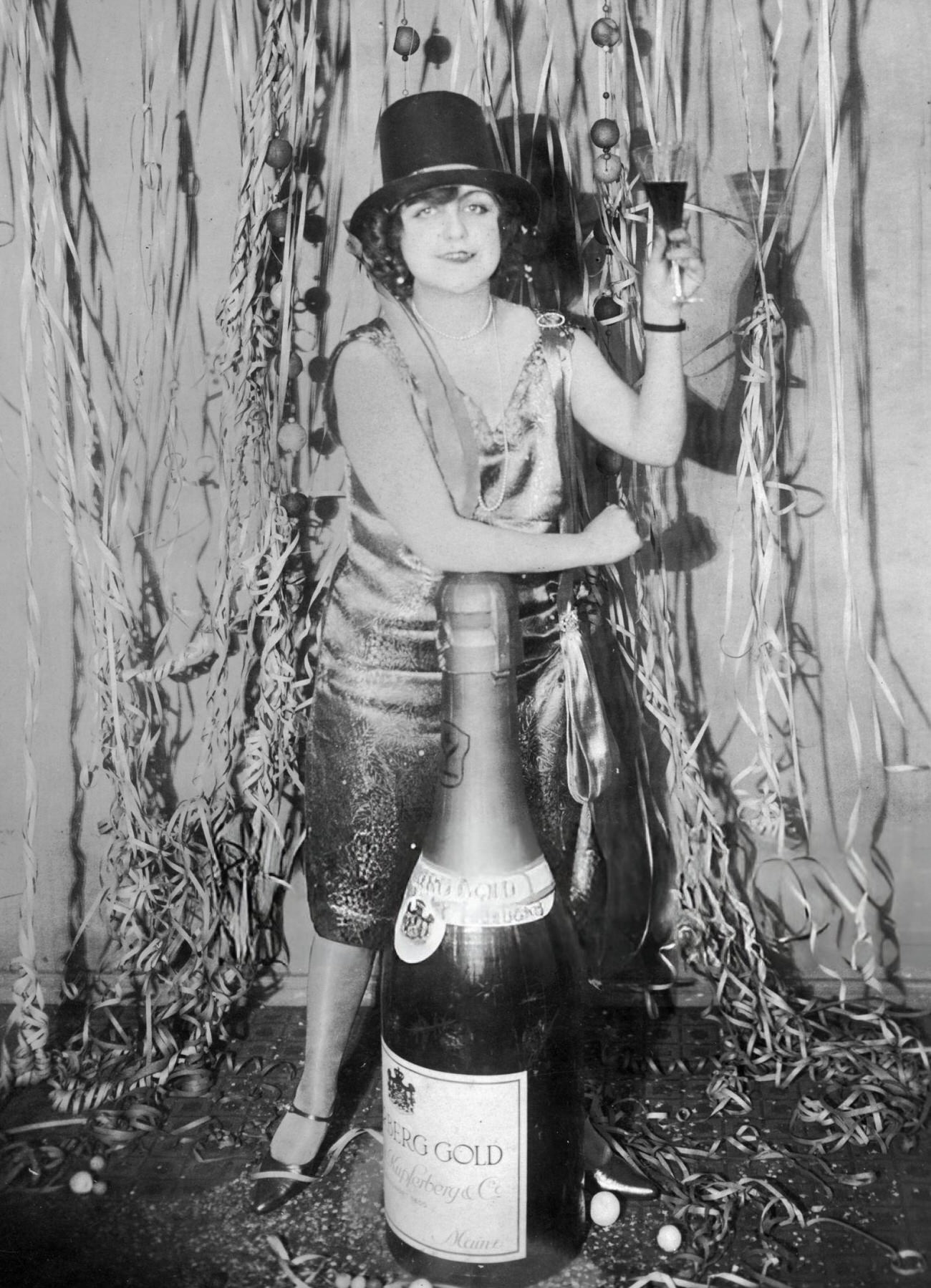
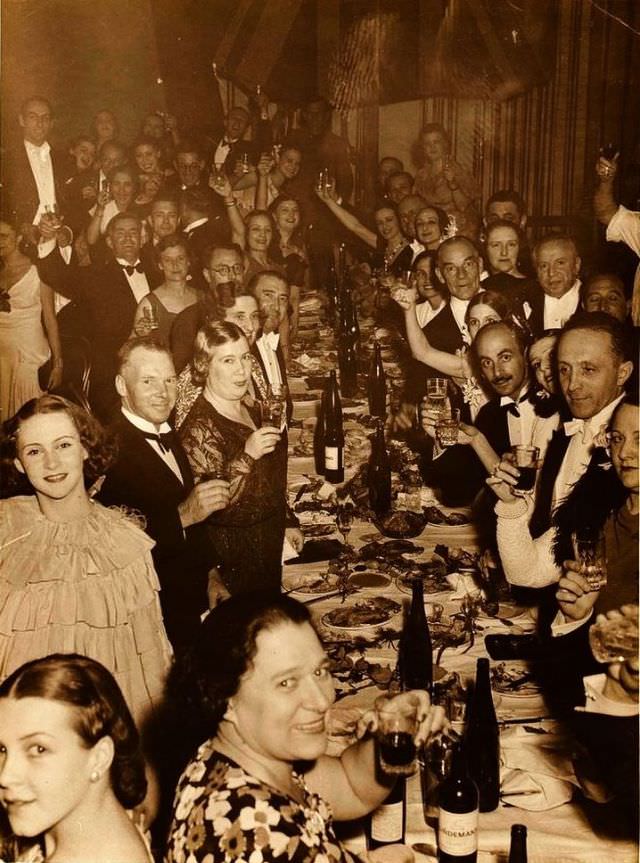
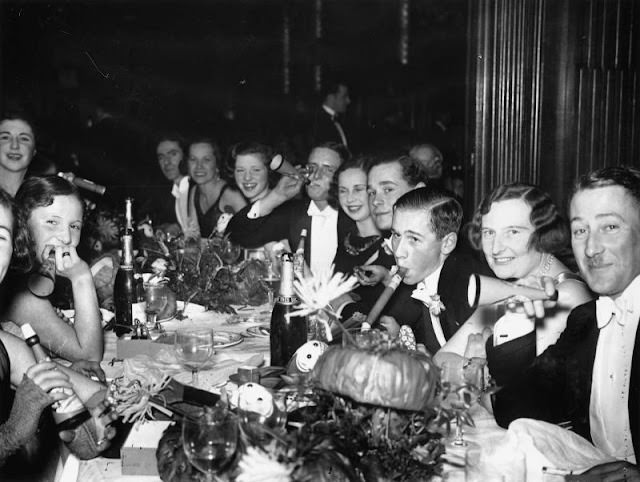
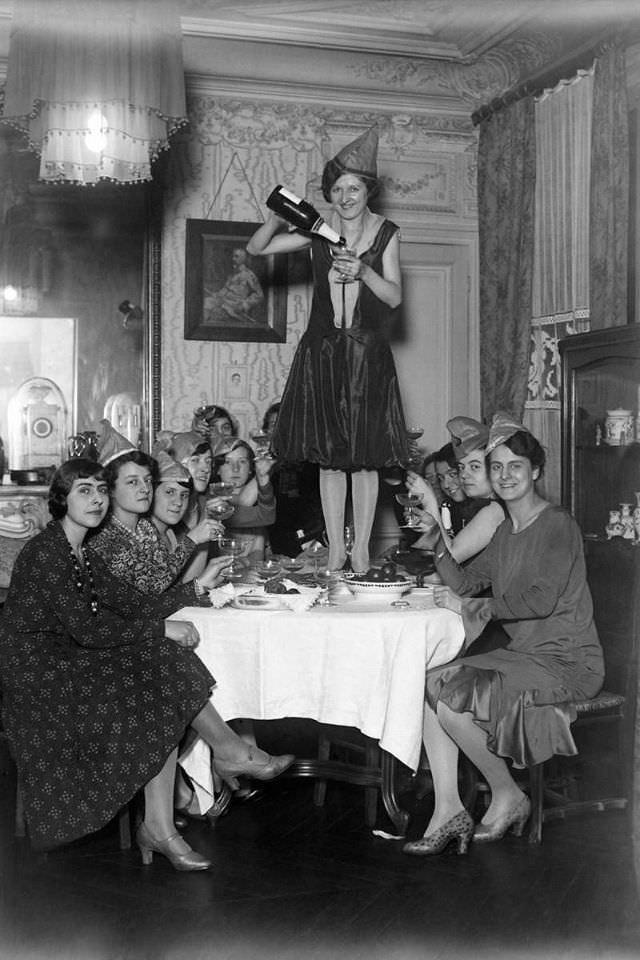
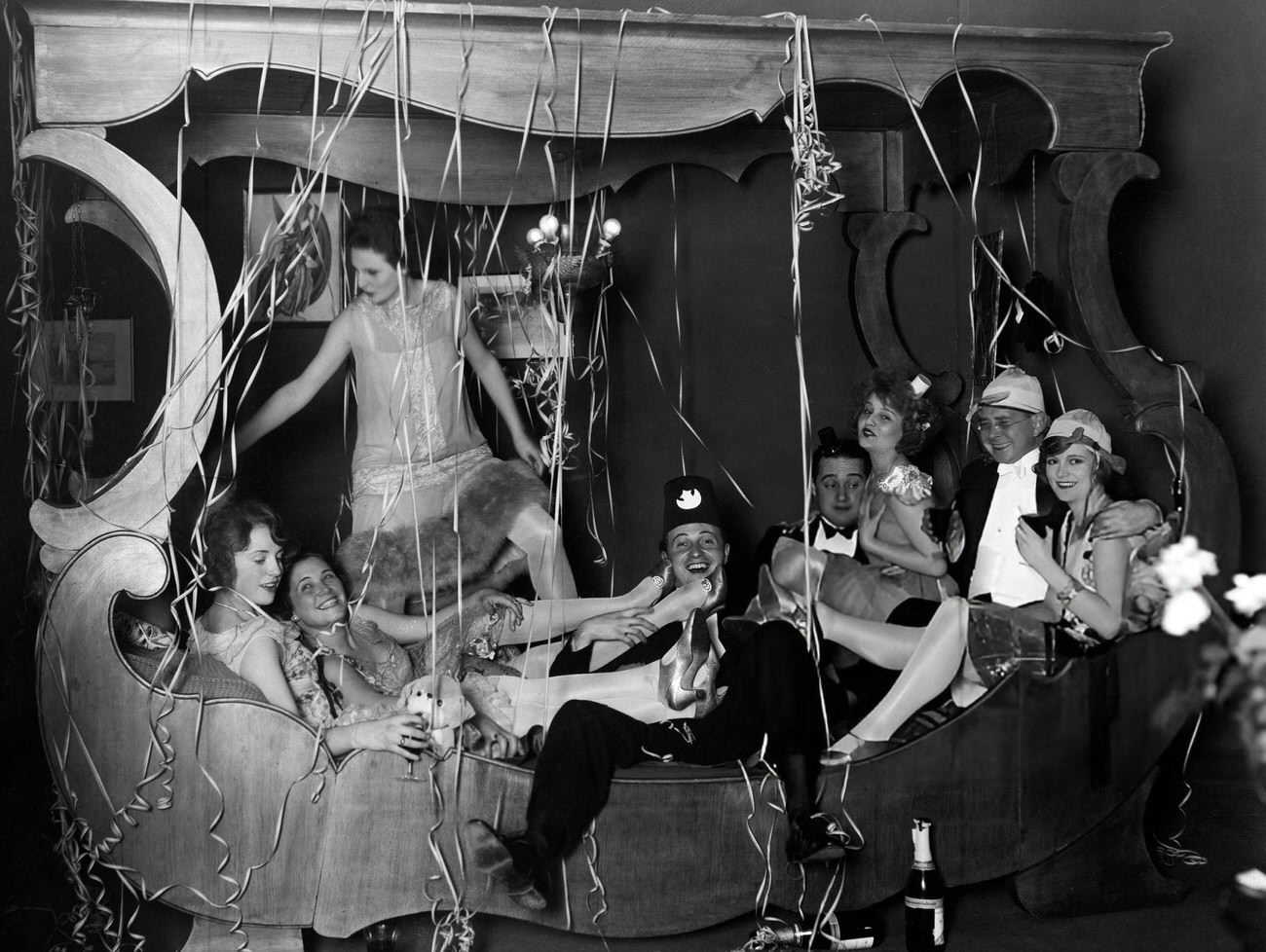
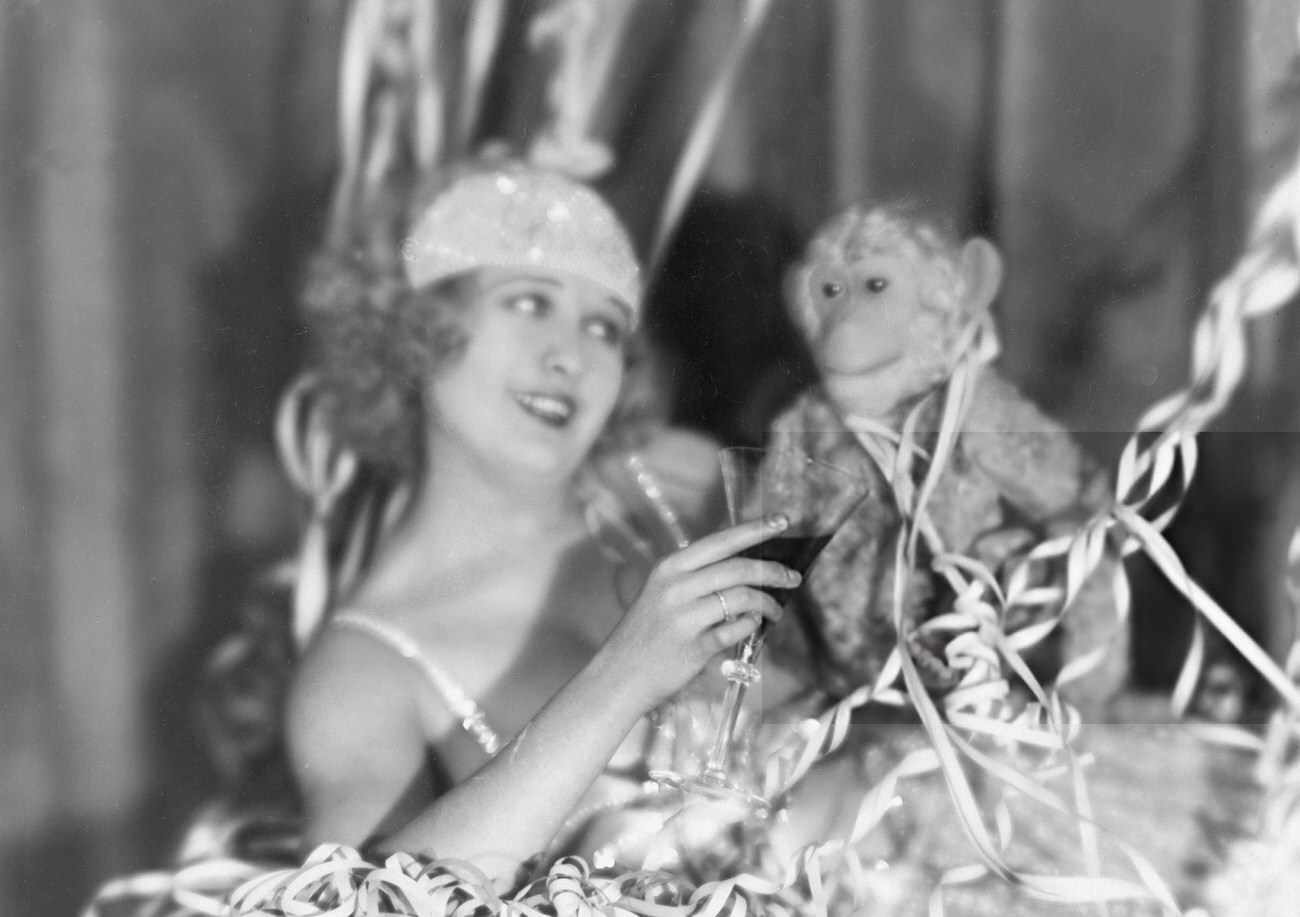
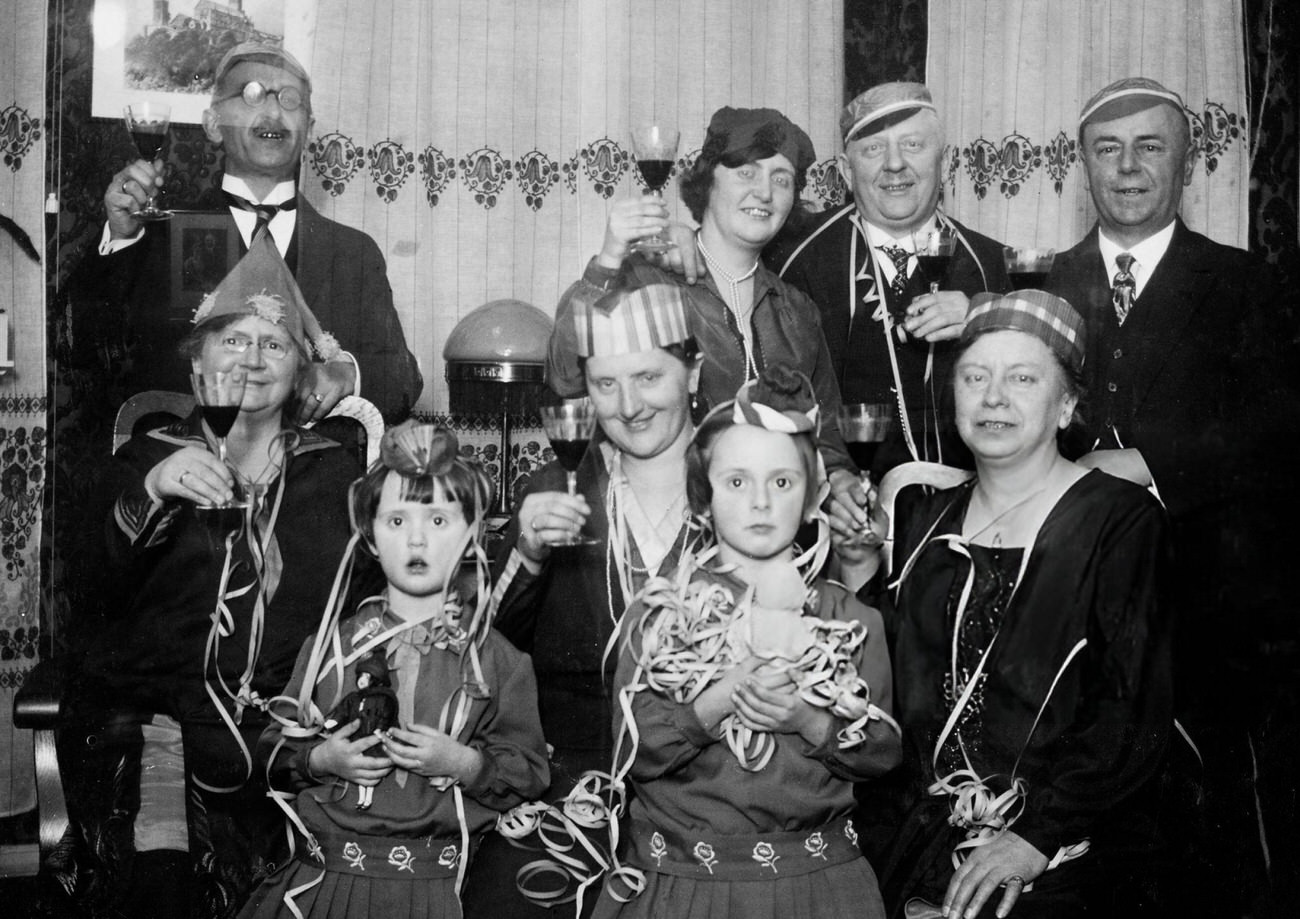
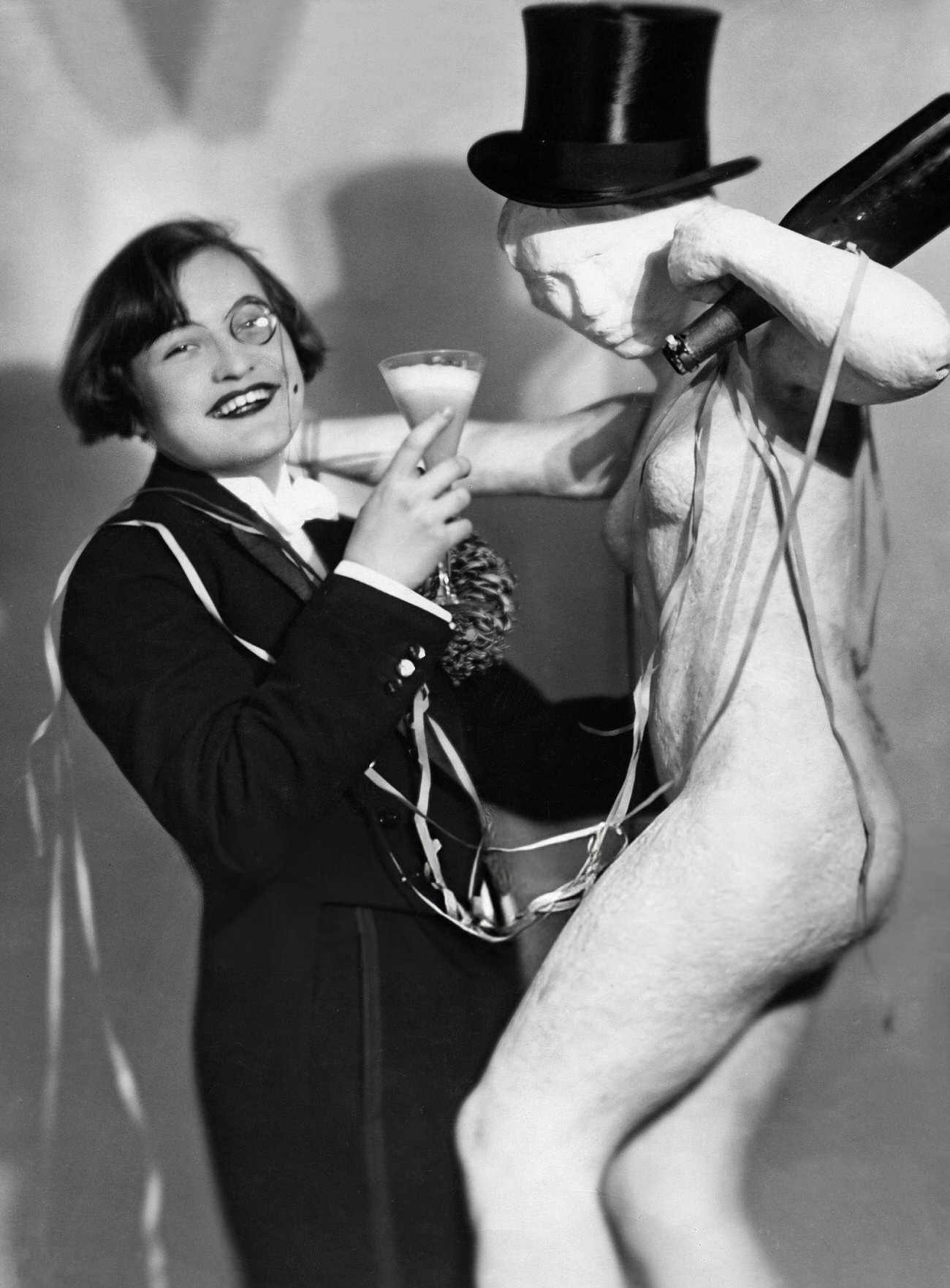
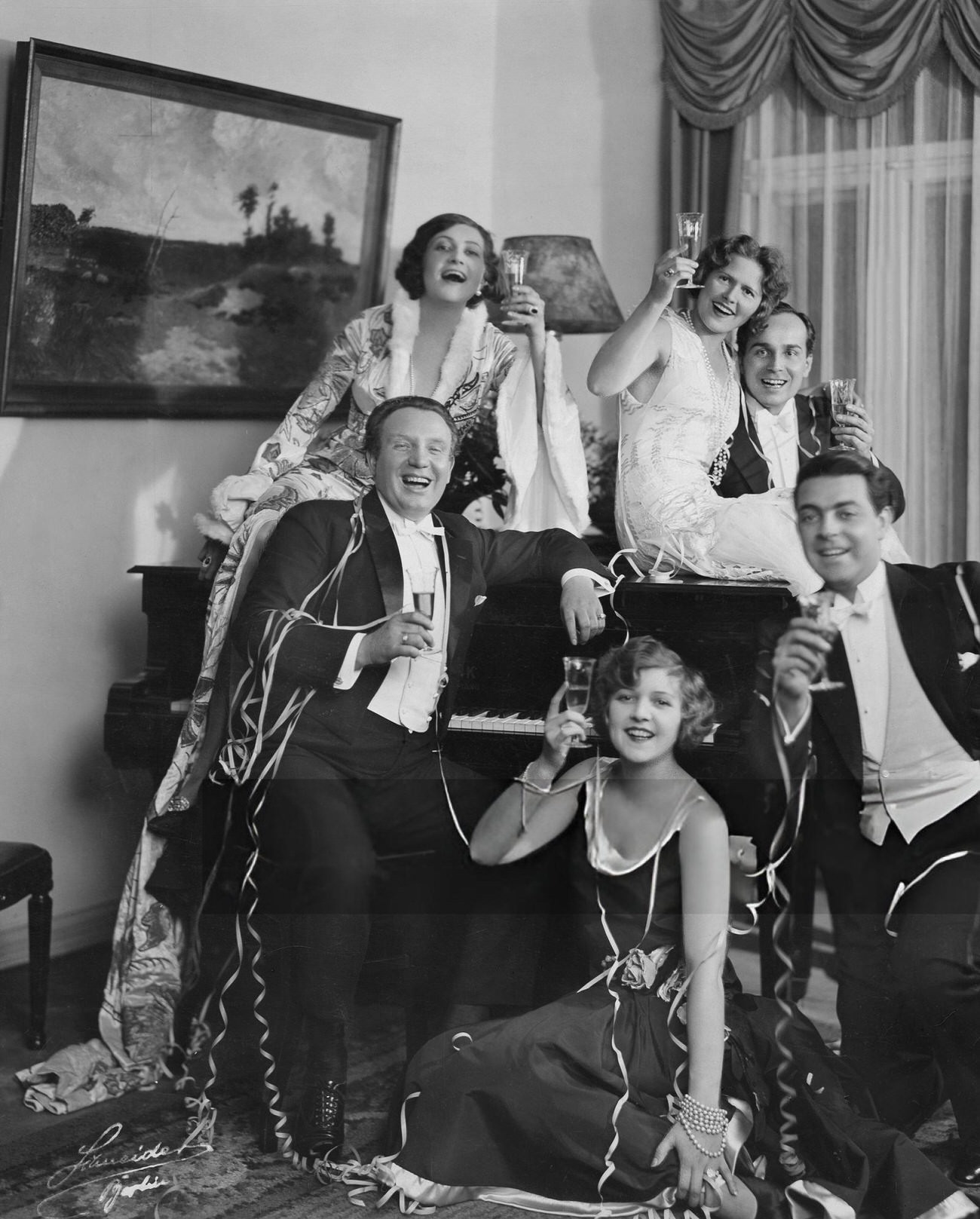
Despite Prohibition banning alcohol in the United States from 1920, toasts were a staple of New Year’s Eve — whether with illegal spirits in speakeasies or something more creative. The toast was a ritual, and photos from the decade show it was taken seriously no matter the circumstances.
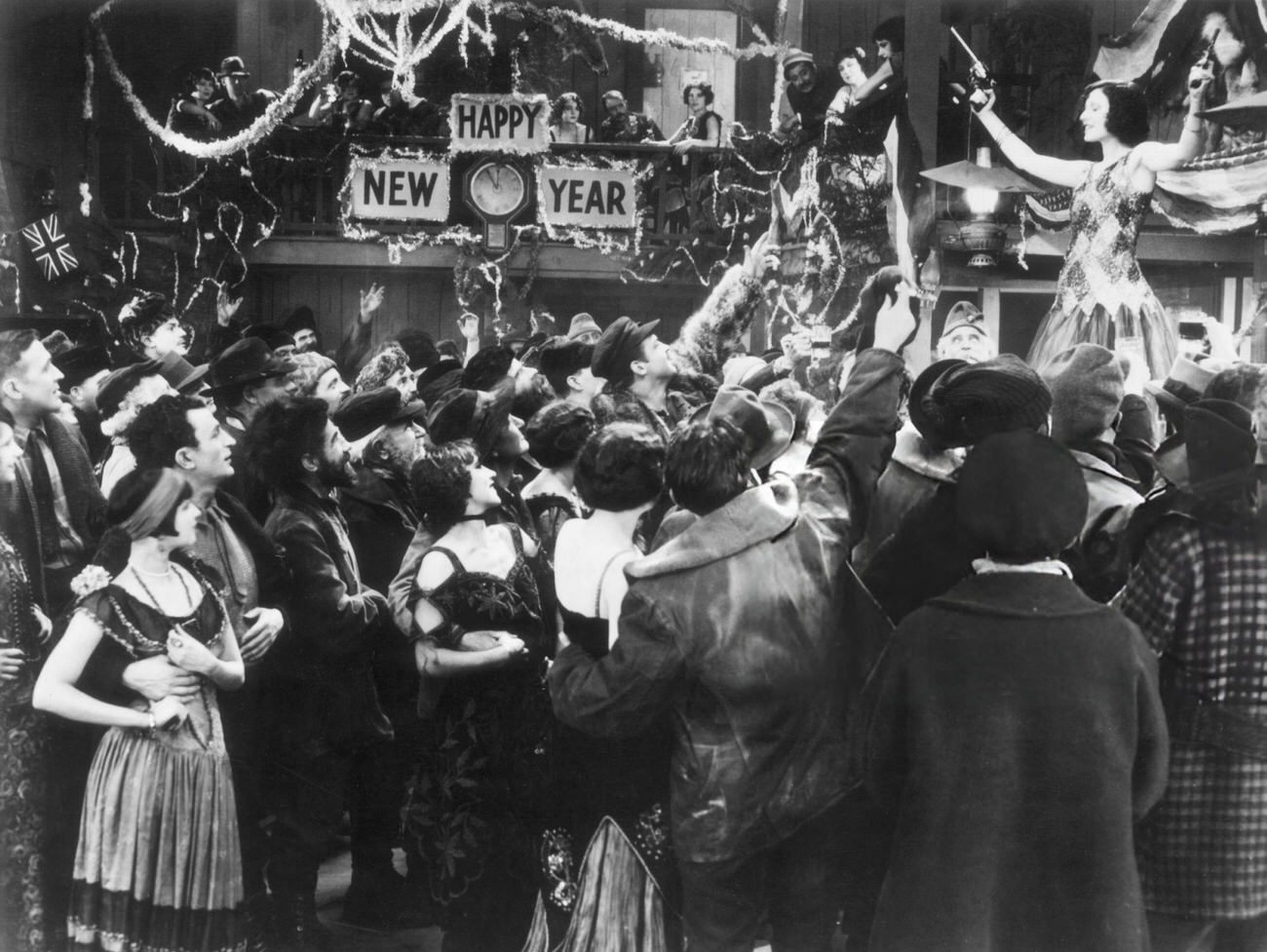
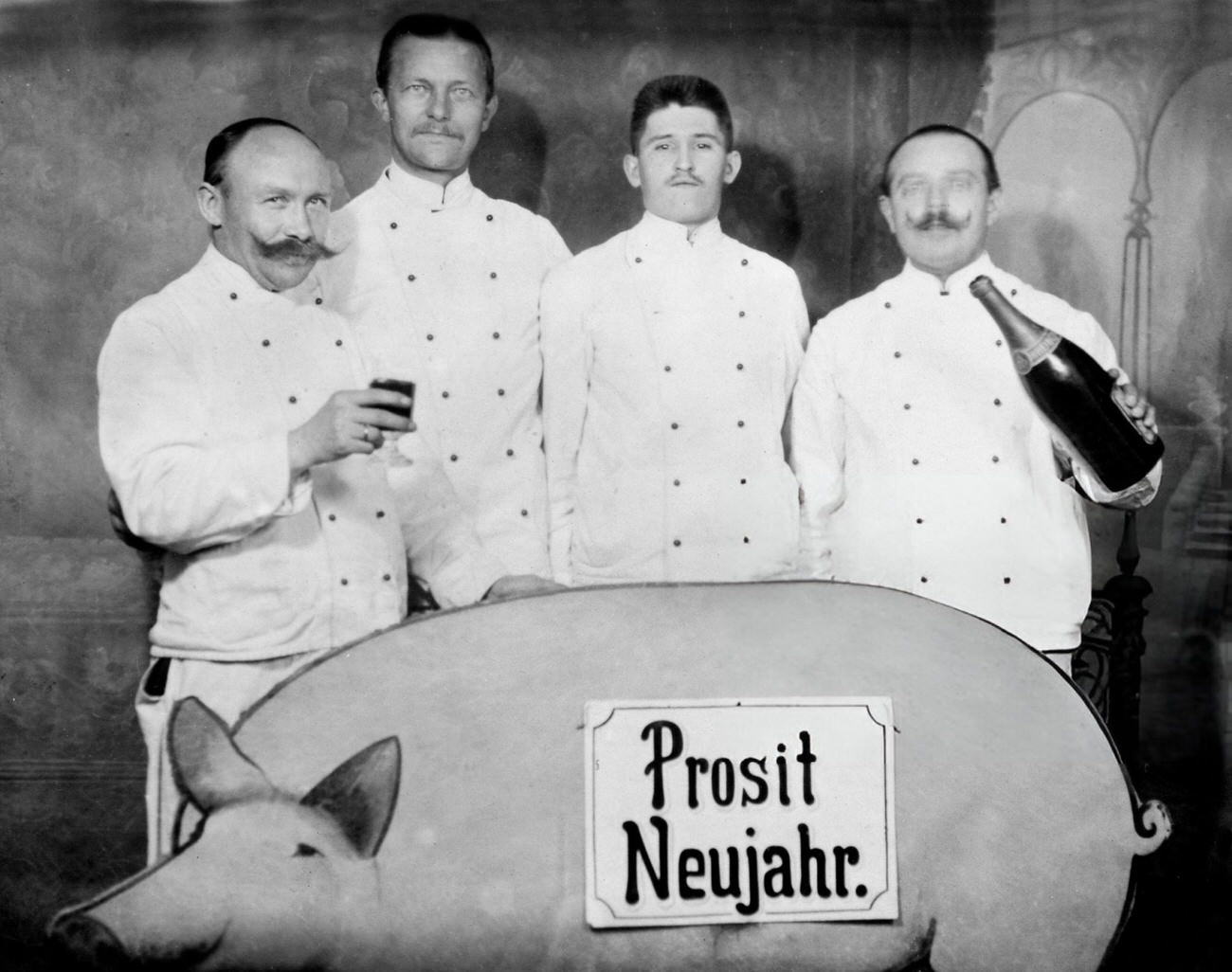
Lucky charms and novelty props were a fixture of 1920s New Year’s parties. Pigs — long considered symbols of good luck — showed up repeatedly, whether as cardboard props or plush toys. The playful spirit of the decade made even a simple toast into a moment worth photographing.
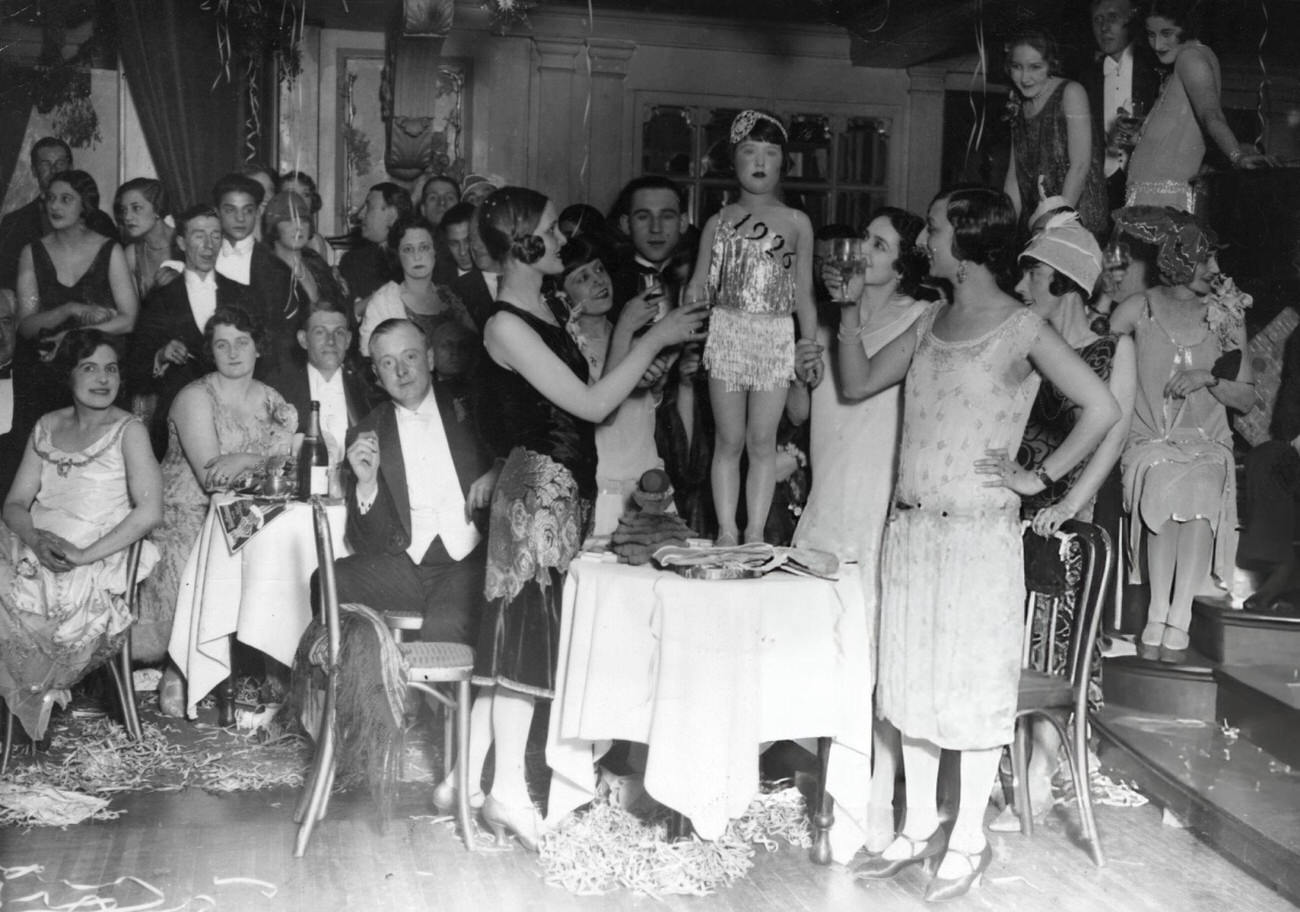
Each new year brought with it a symbolic “new year baby” tradition, with young children dressed to represent the incoming year. These images captured a sense of optimism that ran through the entire decade — a belief that each year would bring something better.
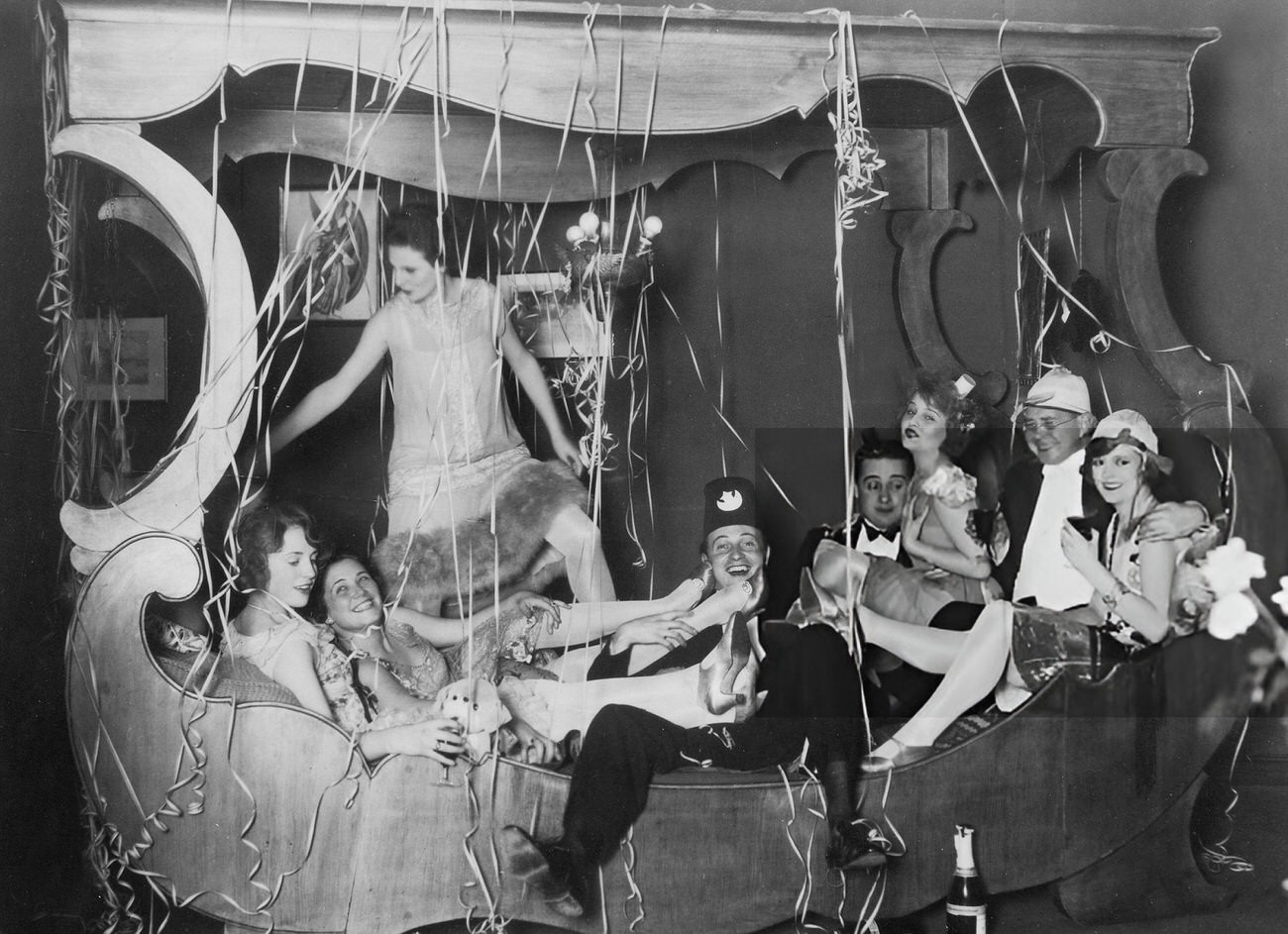
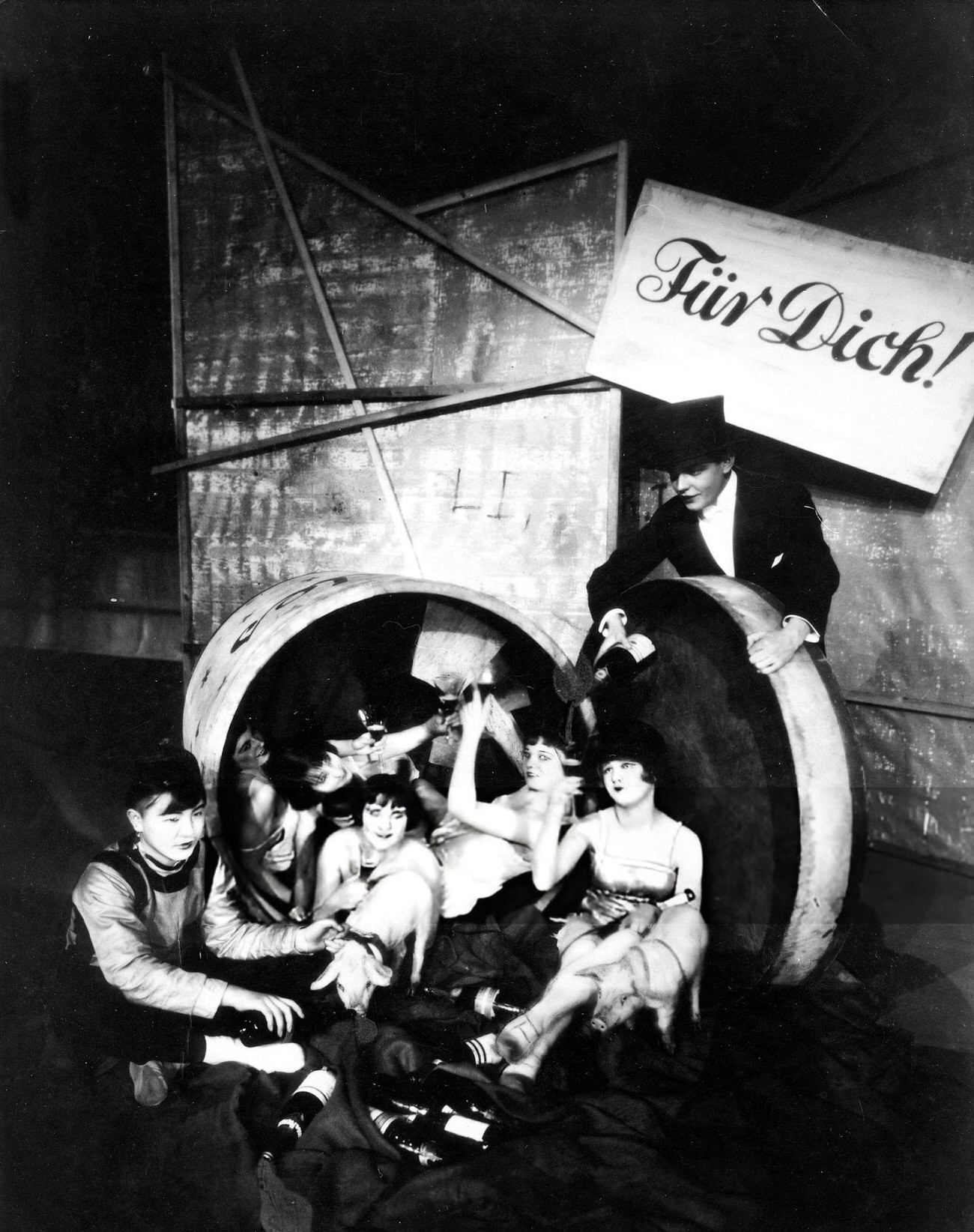
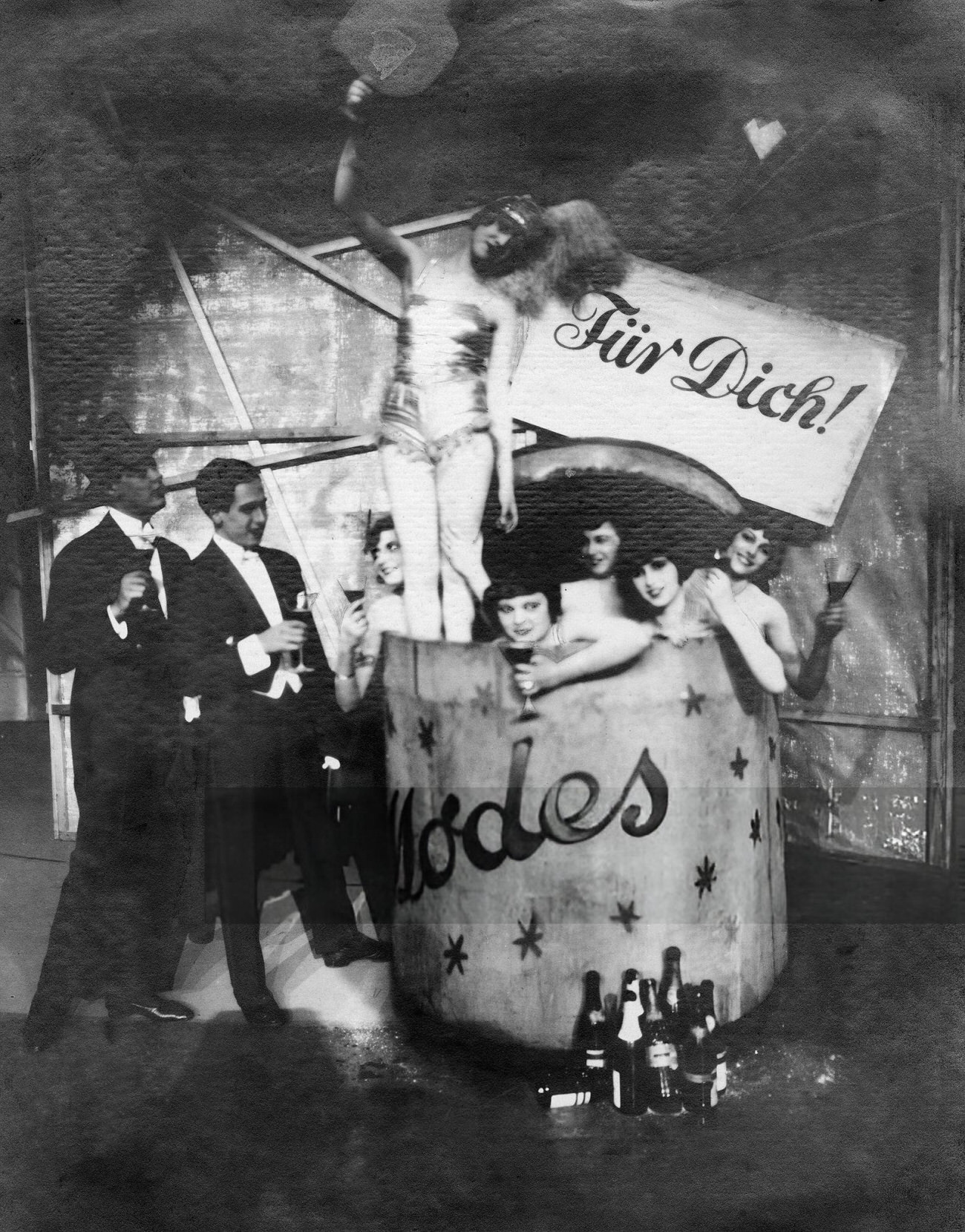
Berlin’s nightlife rivaled anything in London or New York. Performers from theatrical revues celebrated publicly and openly, bringing the energy of the stage into their New Year’s festivities. Germany’s cultural scene in the mid-1920s was vivid and expressive, even as its economy struggled.
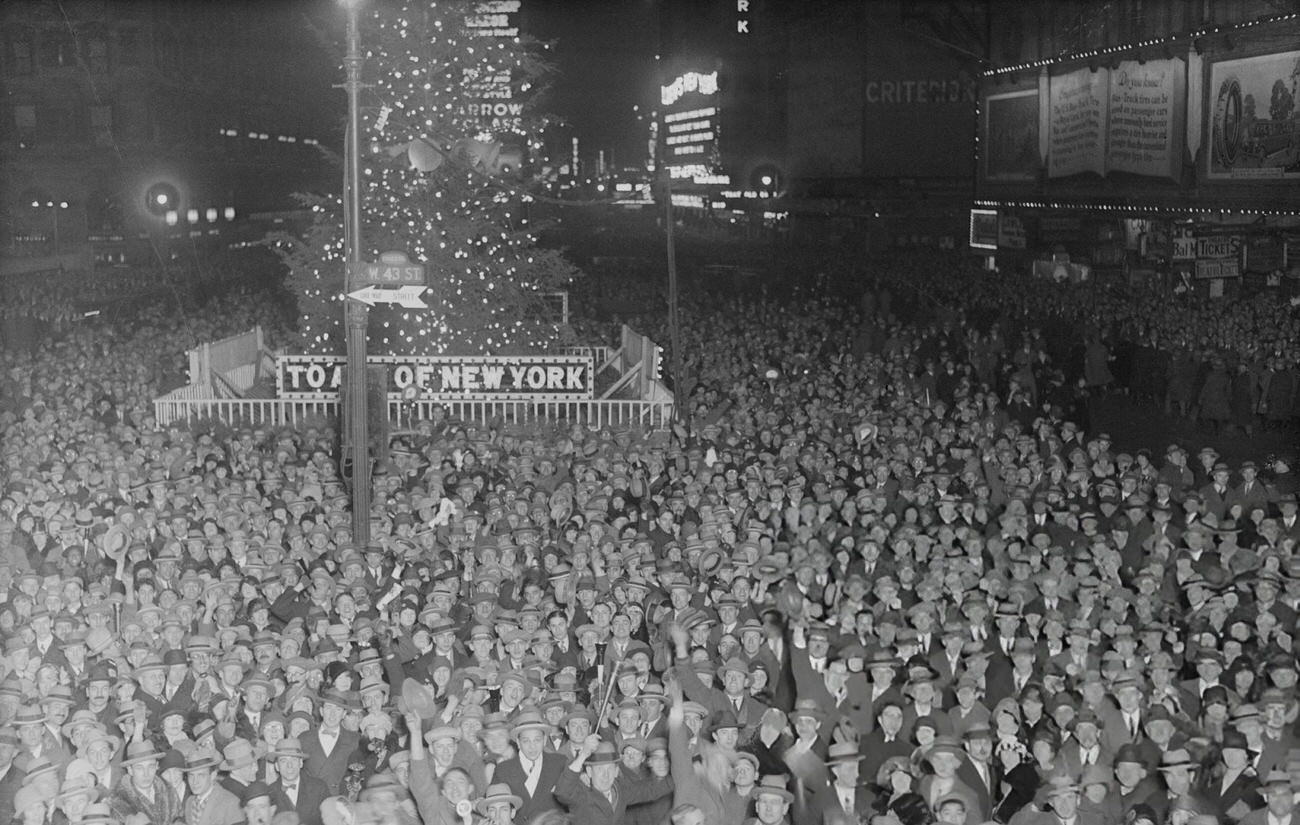
By 1926, Times Square had already become the defining backdrop for American New Year’s Eve celebrations. Aerial photographs from that year show the streets packed with revelers, a tradition that had firmly taken hold in New York City’s public imagination.
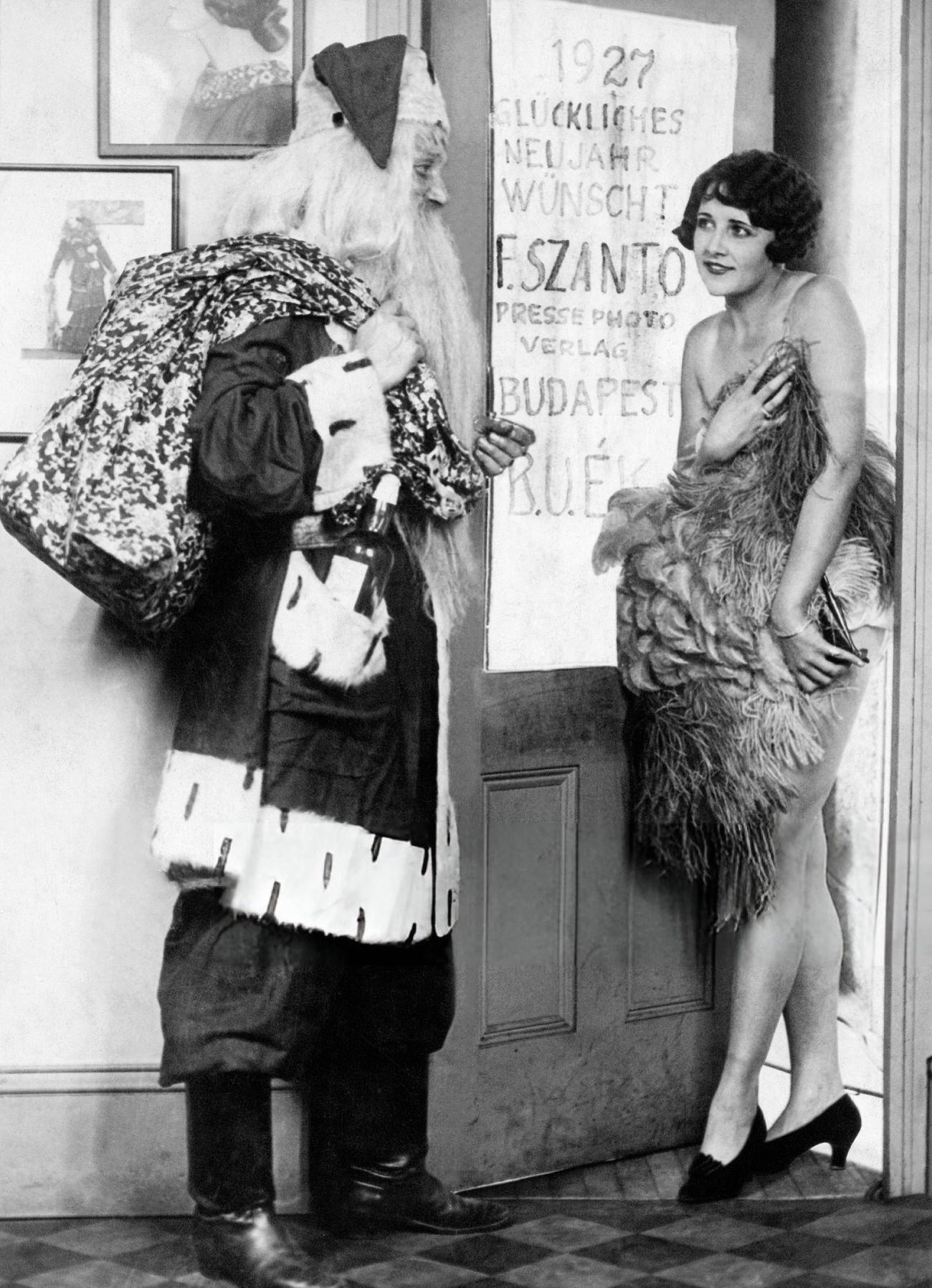
Some New Year’s Eve photos from 1927 show the blending of holiday traditions — Santa Claus appearing at New Year’s gatherings hints at how the festive season flowed from Christmas straight into the new year without pause. Men’s fashion, meanwhile, leaned into sharp suits, fedoras, and polished accessories.
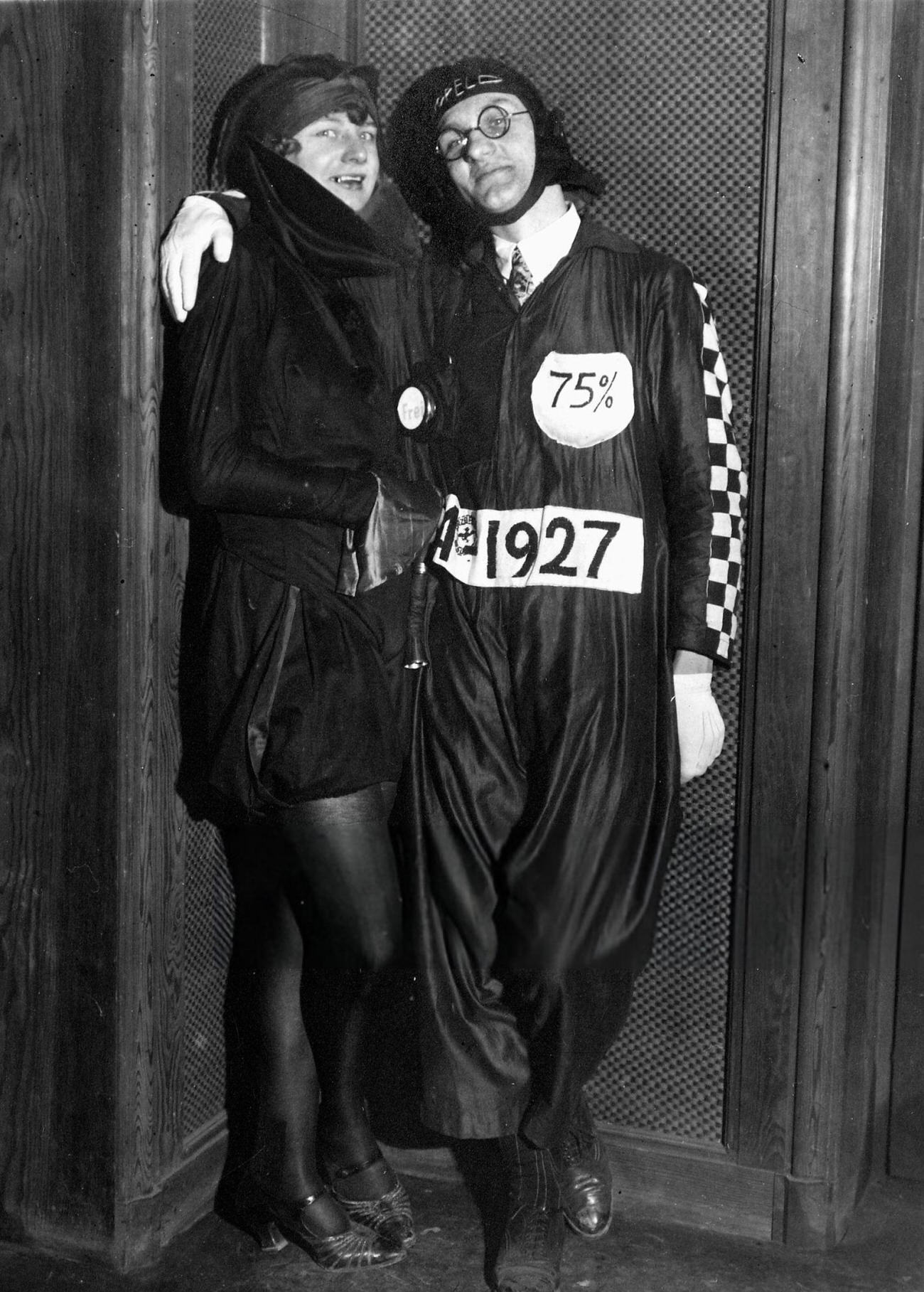
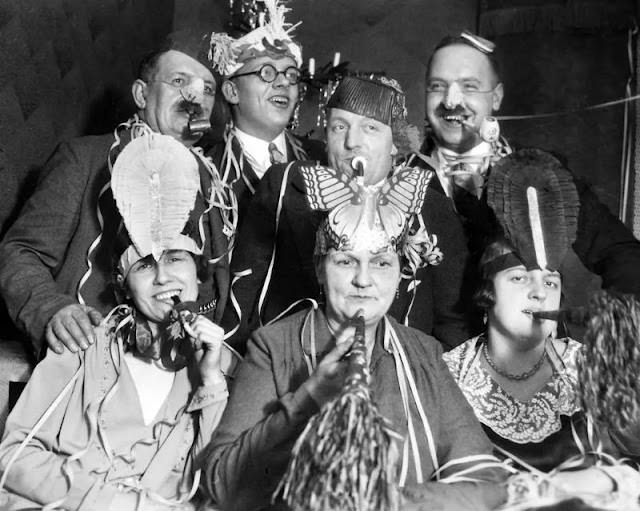
Costume parties were enormously popular throughout the decade. Couples dressed up in elaborate outfits, turning New Year’s Eve into a theatrical event. The photos that survive show not just fashion, but personality — people playing characters and leaning fully into the spirit of the night.
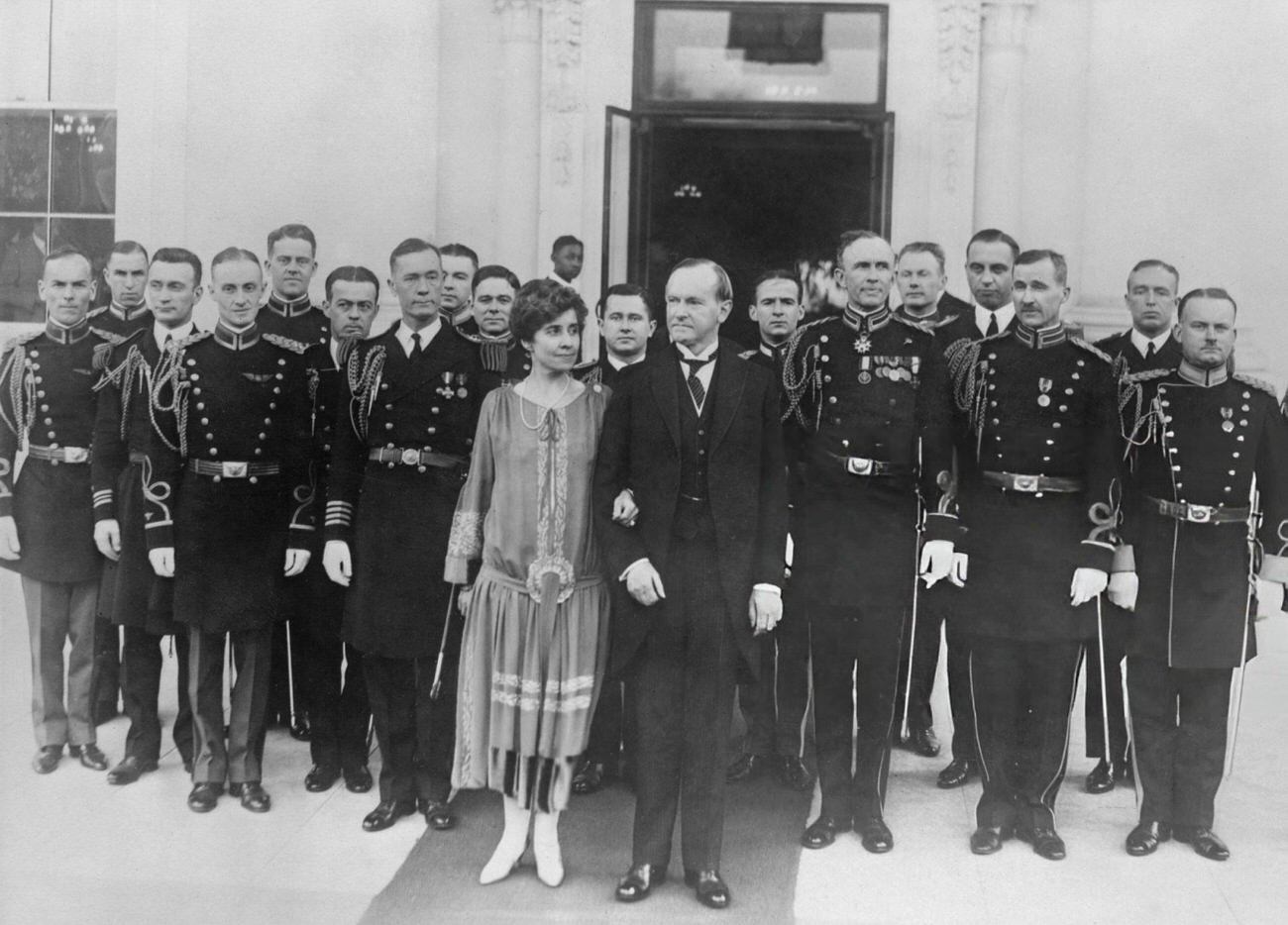
Even President Calvin Coolidge marked the occasion publicly. His New Year’s greeting in 1927 was a formal but warm gesture that reflected how deeply the holiday had embedded itself across all levels of American society — from the White House to the neighborhood dance hall.
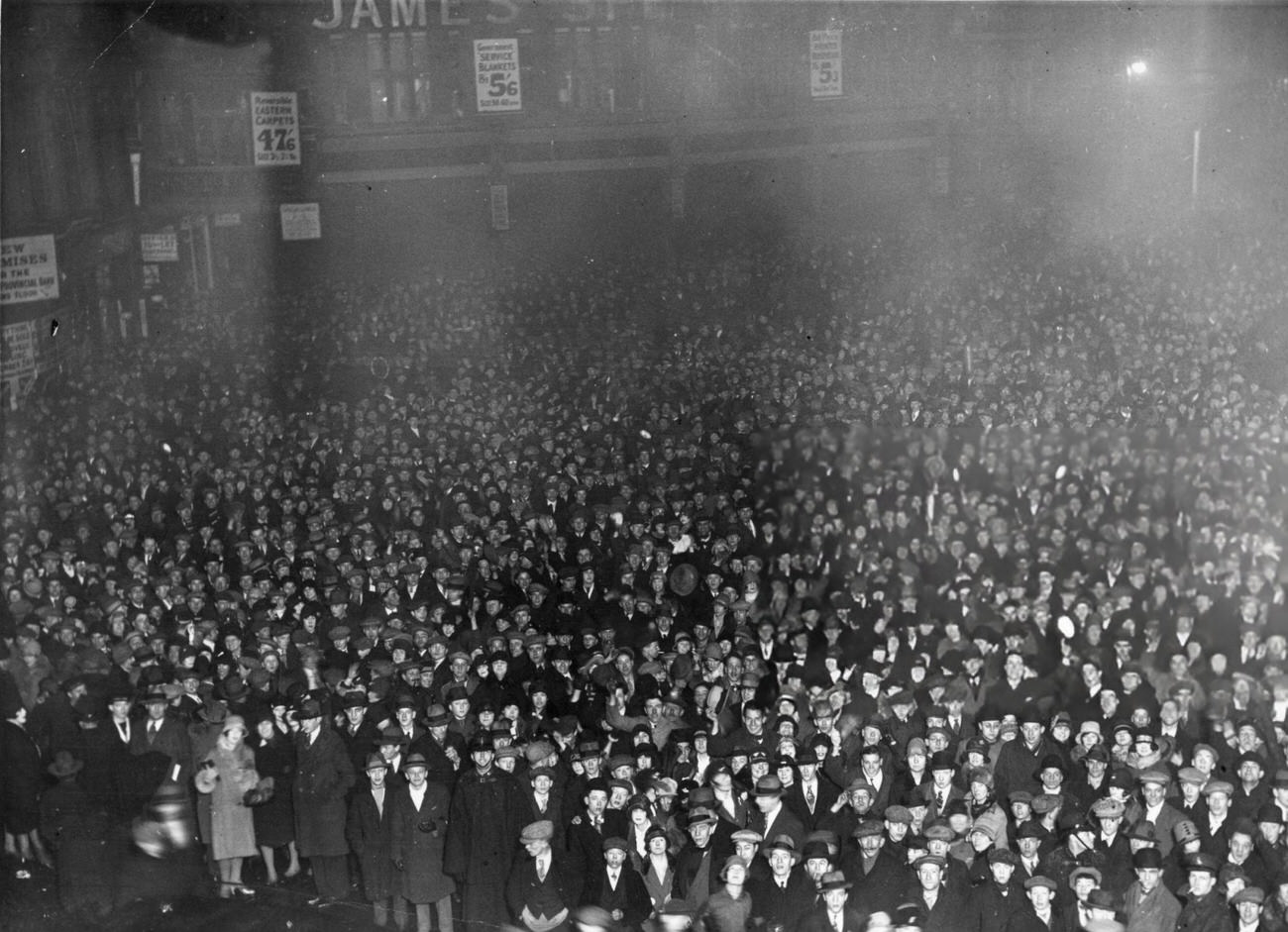
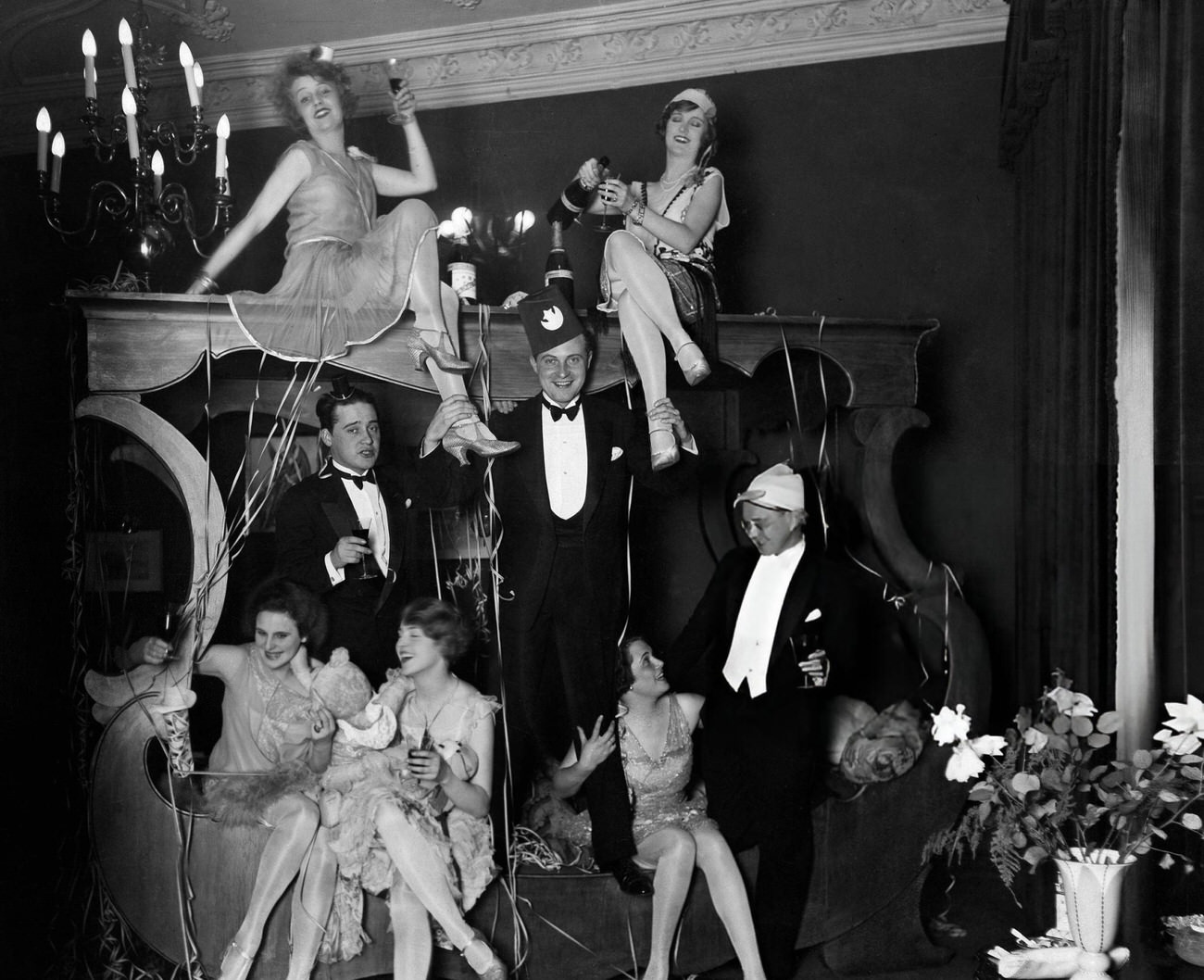
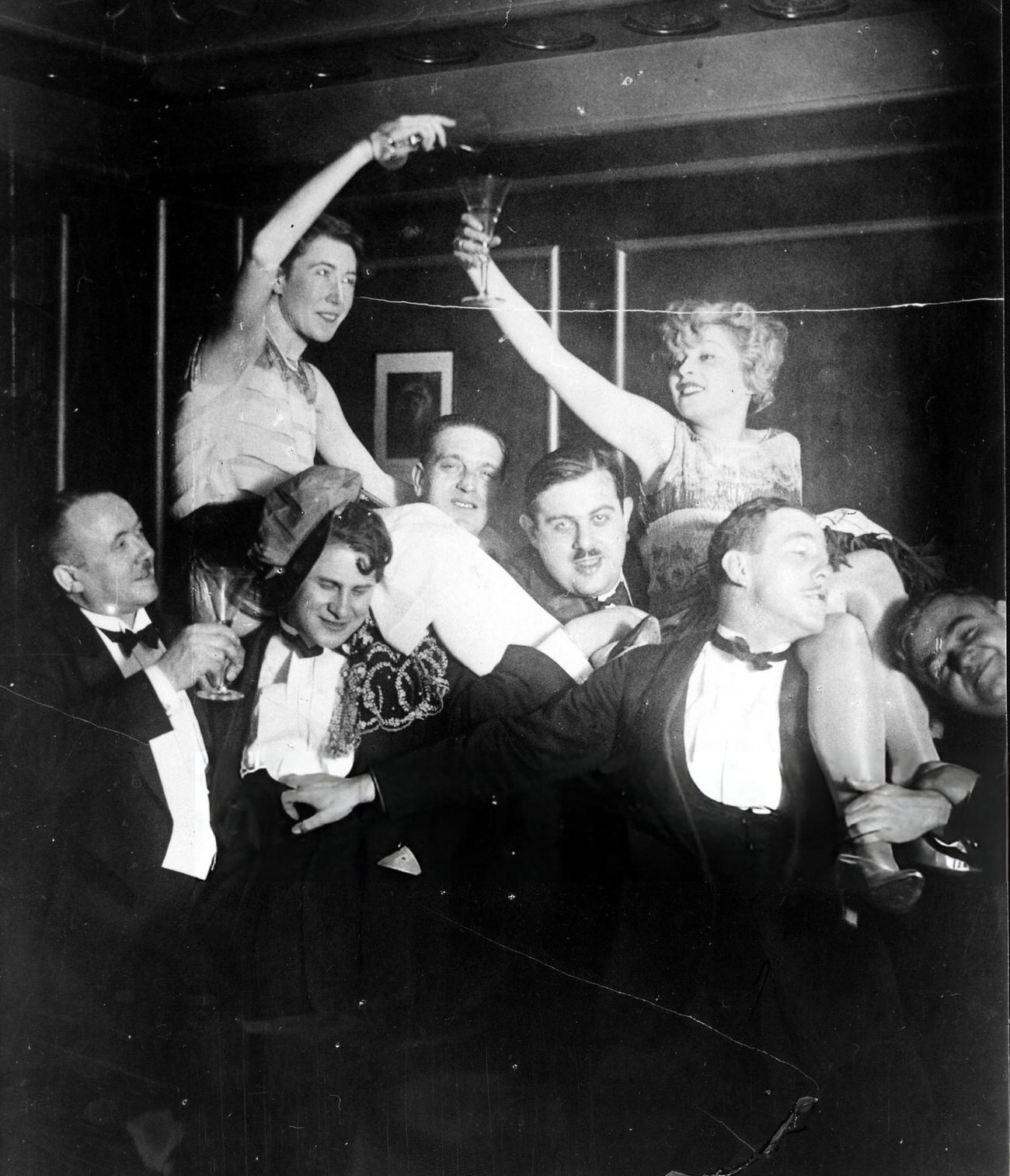
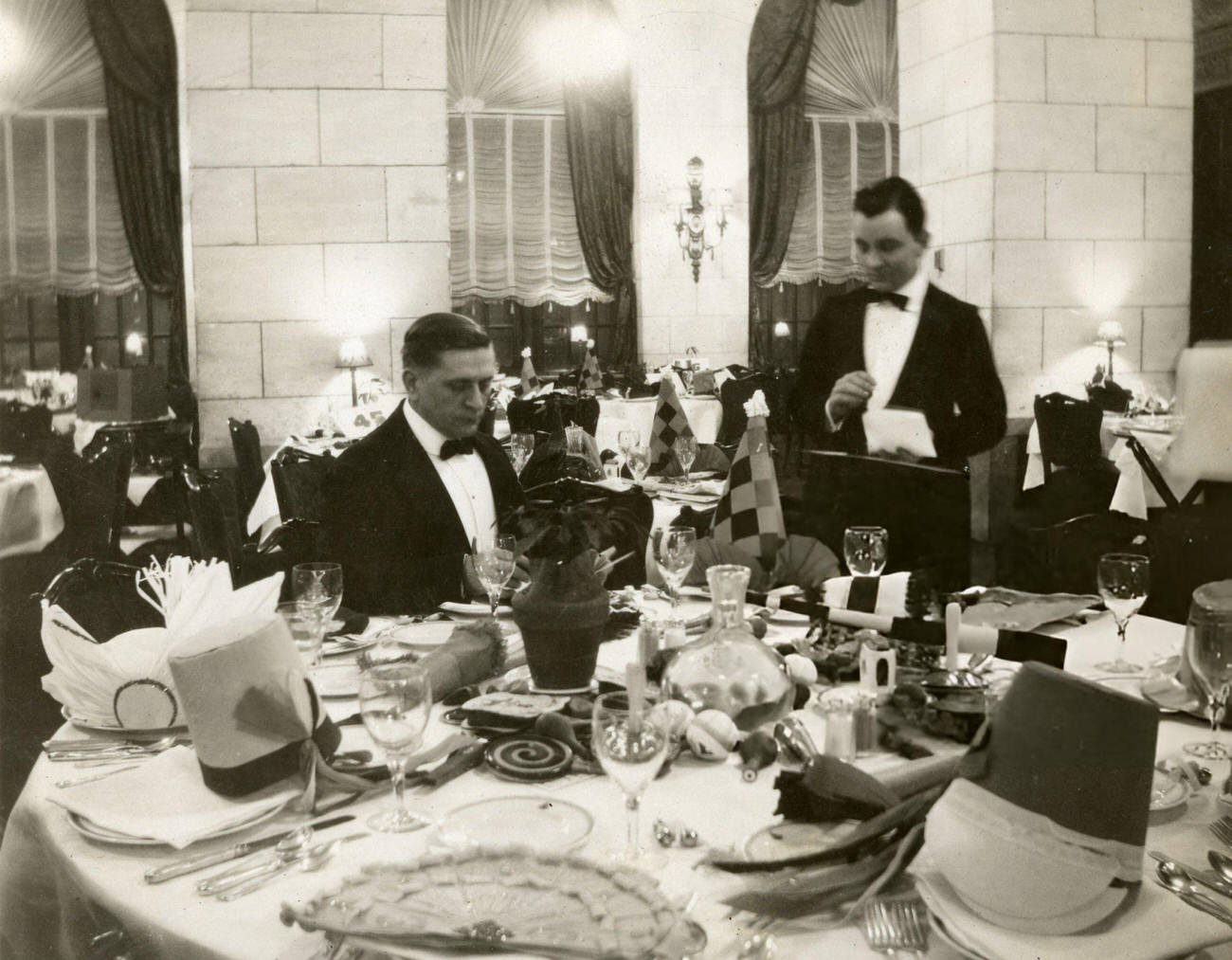
As the decade moved toward its close, New Year’s Eve photos from 1928 show celebrations that were every bit as vibrant as those from earlier in the twenties. Hotel restaurants, private gatherings, and public streets all filled with people determined to send off the old year in style.
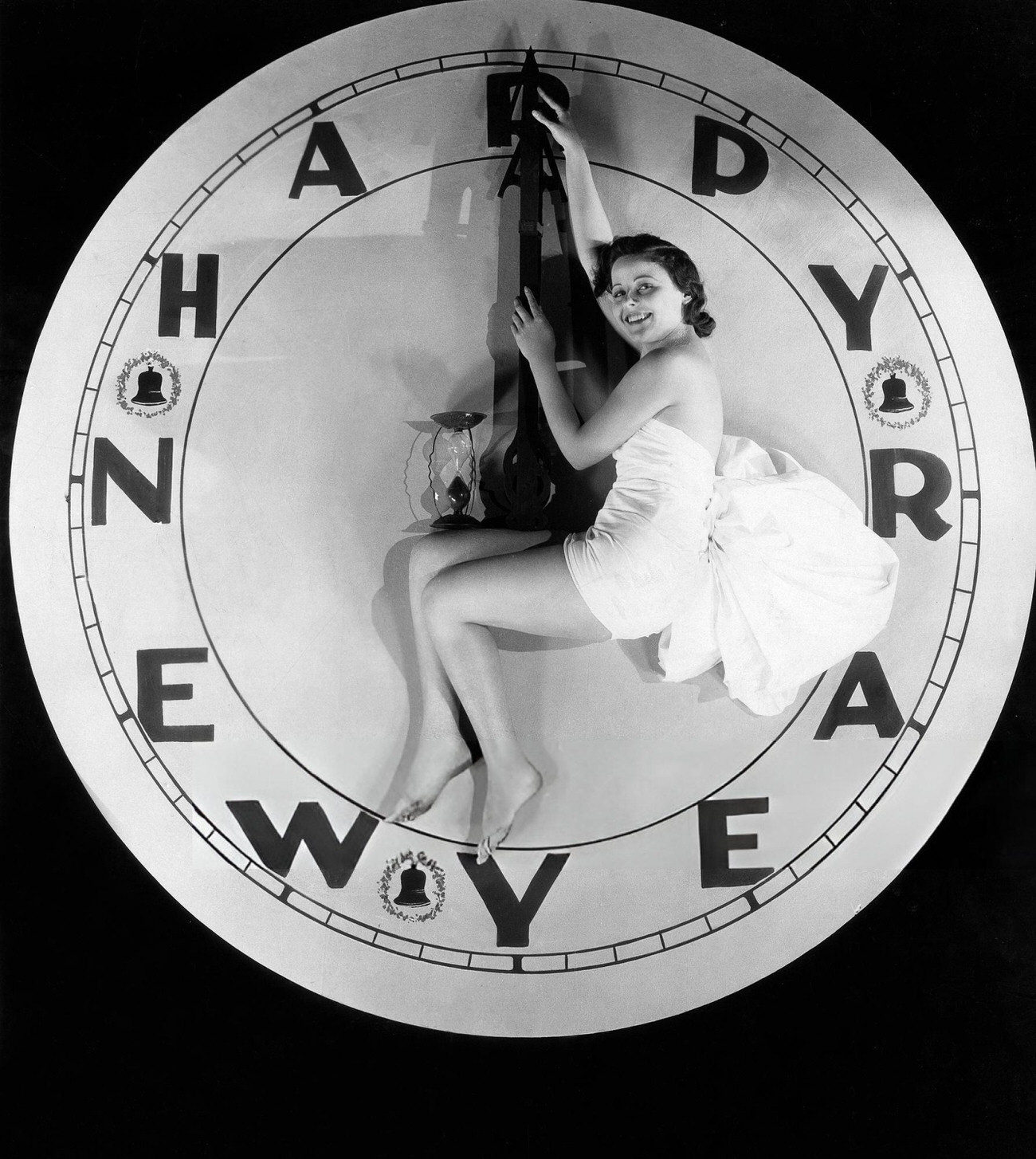
The midnight hour carried a special weight in the 1920s. Photographers captured creative, symbolic images to mark the stroke of twelve — a woman perched atop an oversized clock being one of the more striking examples from 1928, blending humor with the drama of the moment.
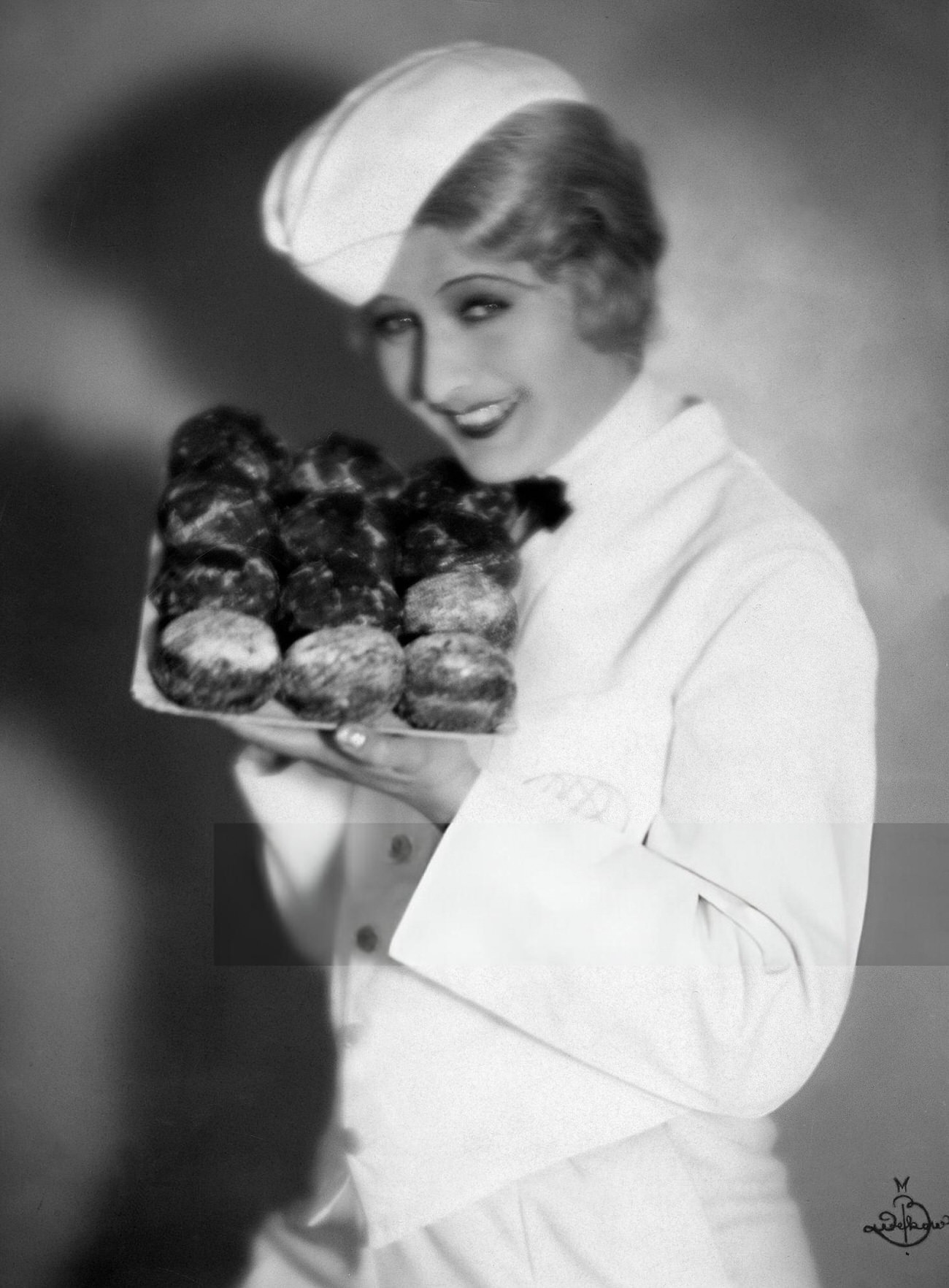
Food and novelty treats were part of the New Year’s Eve ritual. Doughnuts, in particular, appeared in multiple photos from the era — presented playfully as part of the celebration. These small details reveal how thoroughly people committed to the festive atmosphere, even in the details.
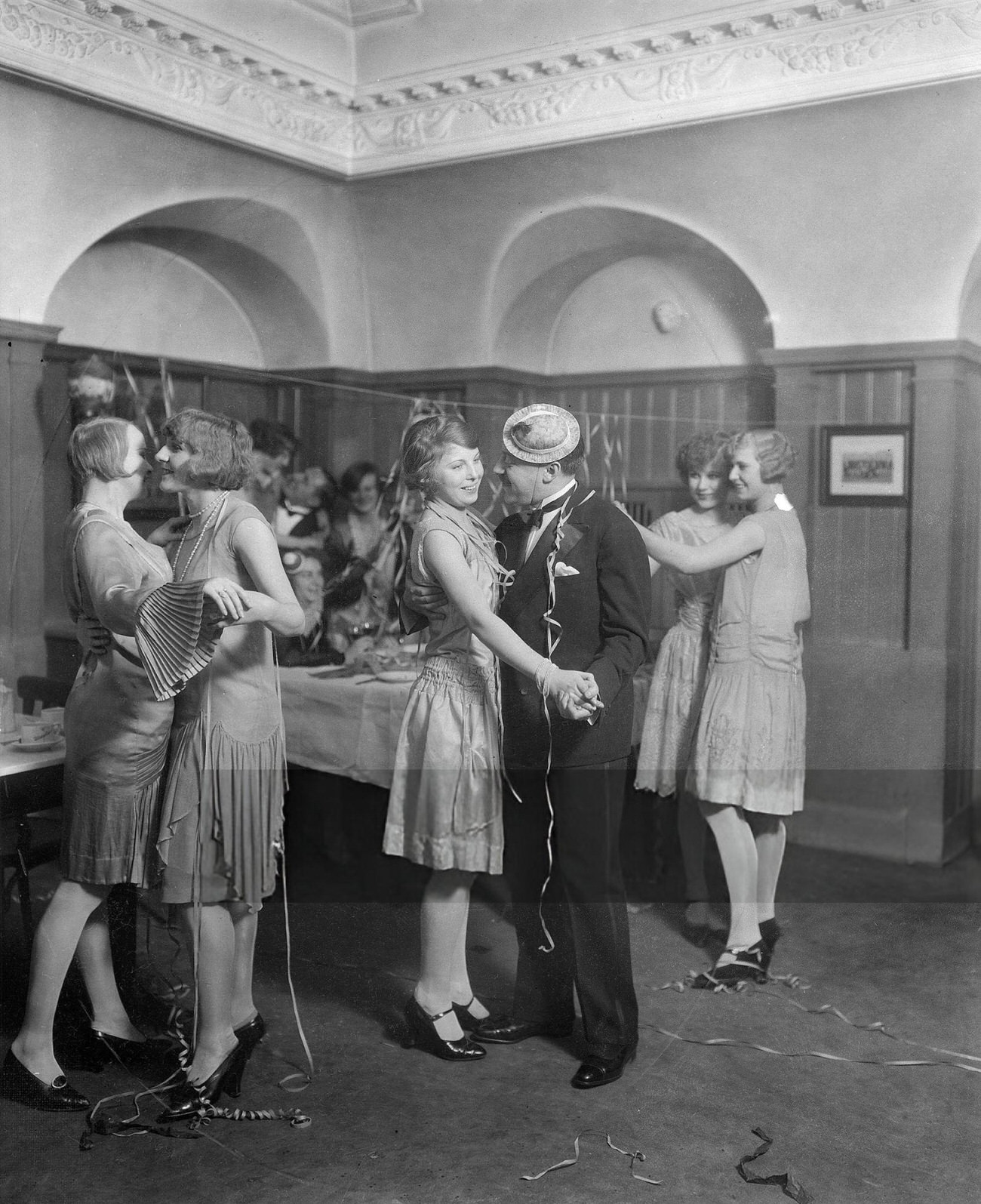
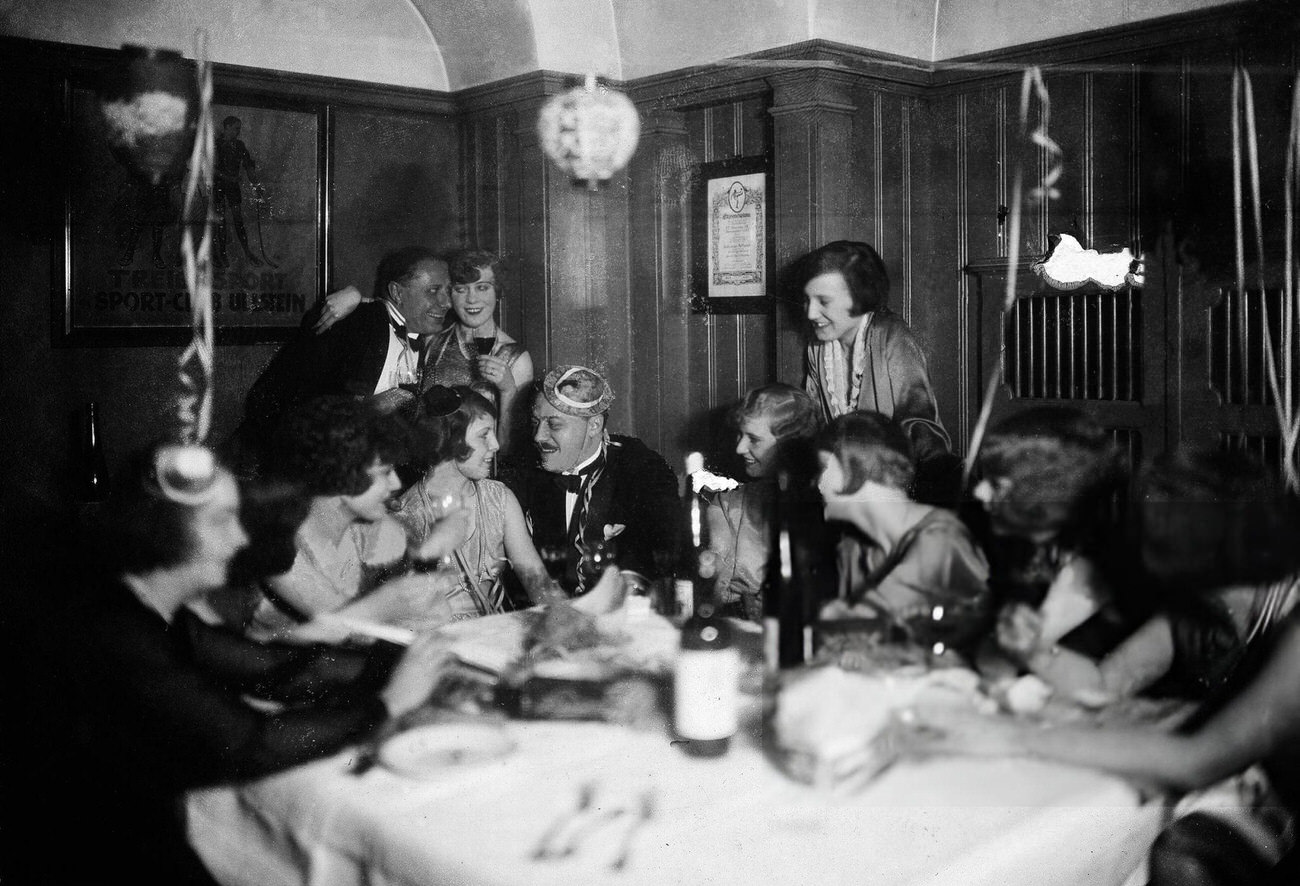
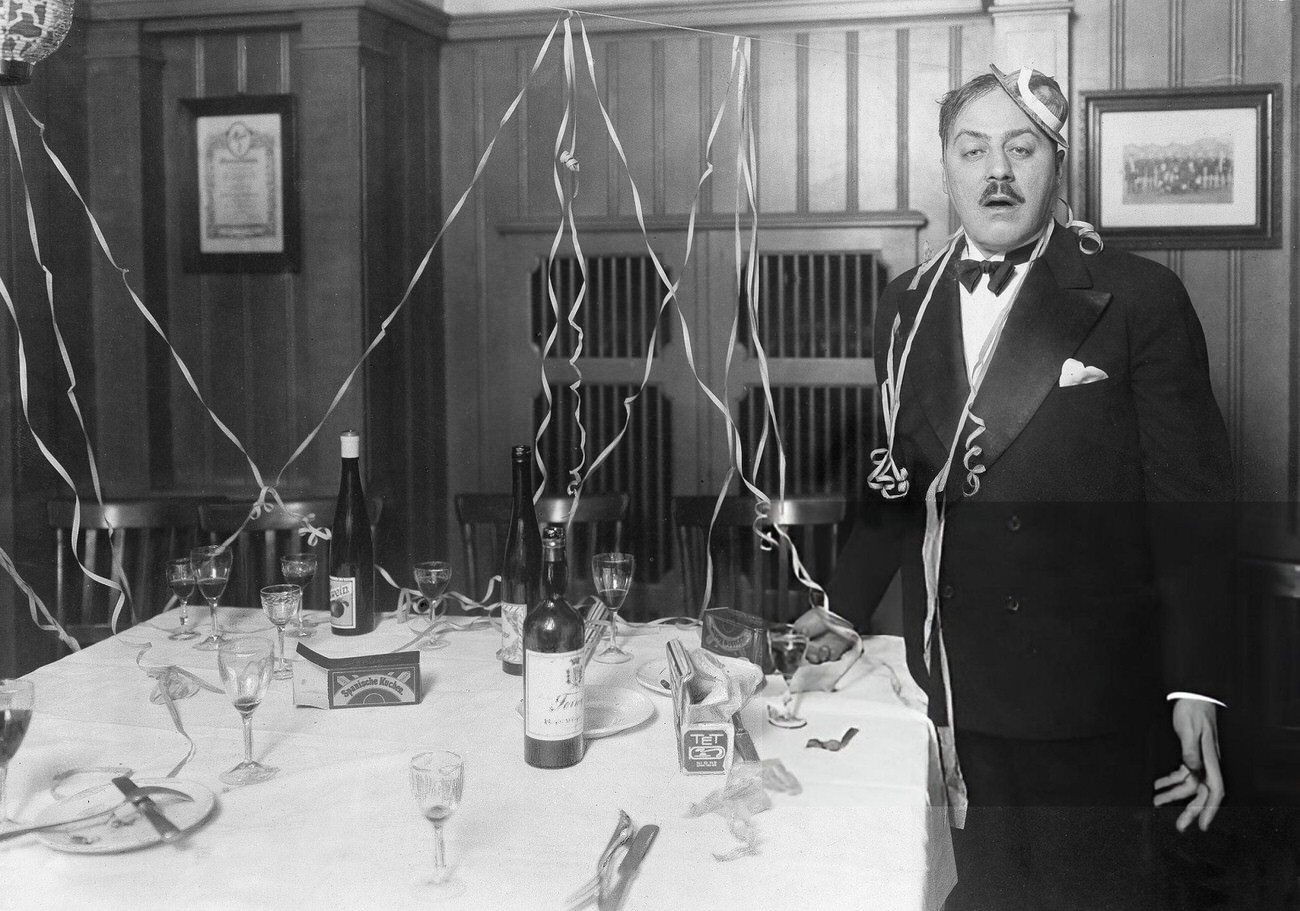
Entertainers and performers were frequently at the center of 1920s New Year’s gatherings. Paul Morgan’s repeated appearances at party photos from 1928 show how celebrities and stage personalities were expected guests — their presence adding to the glamour and spectacle of the night.
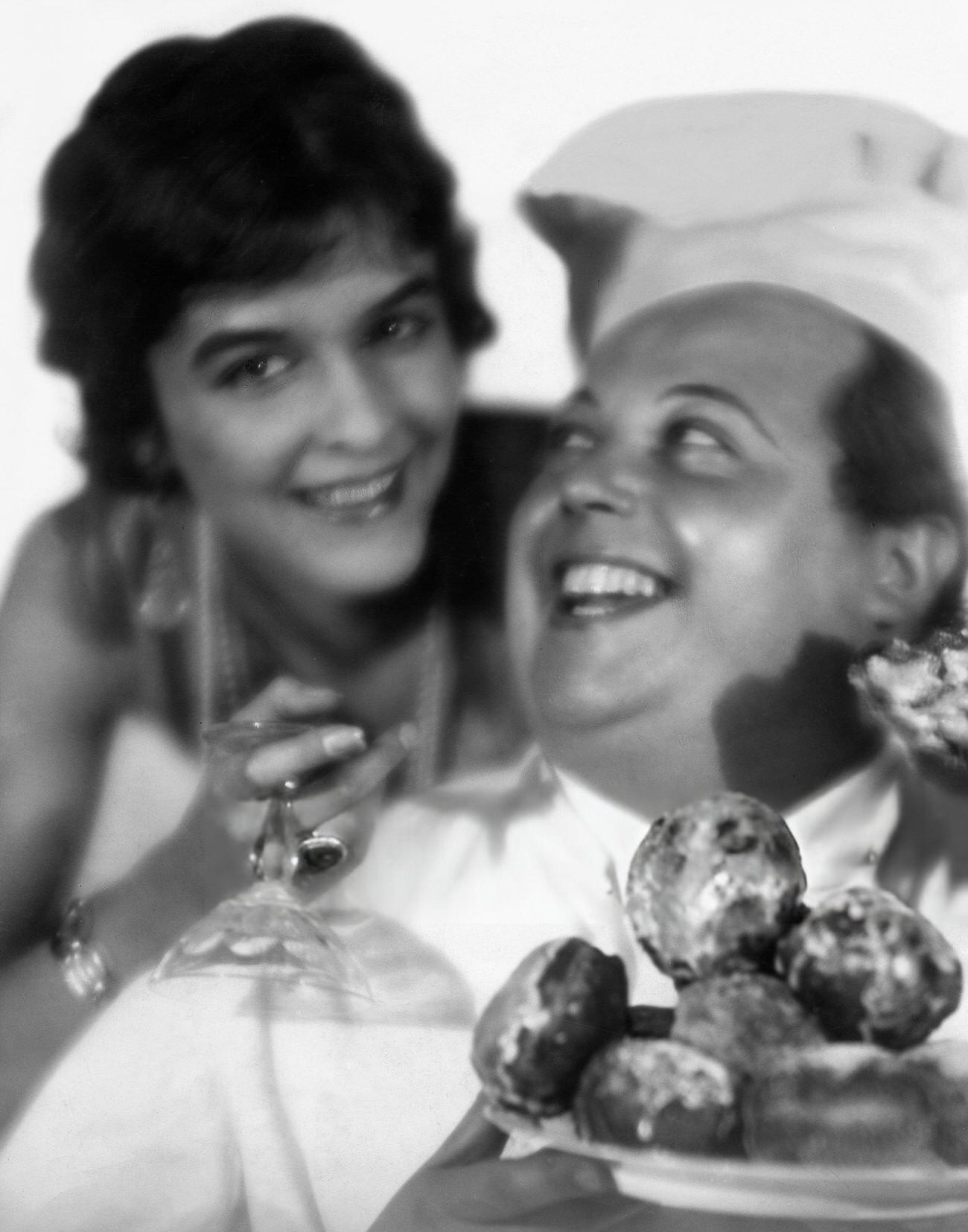
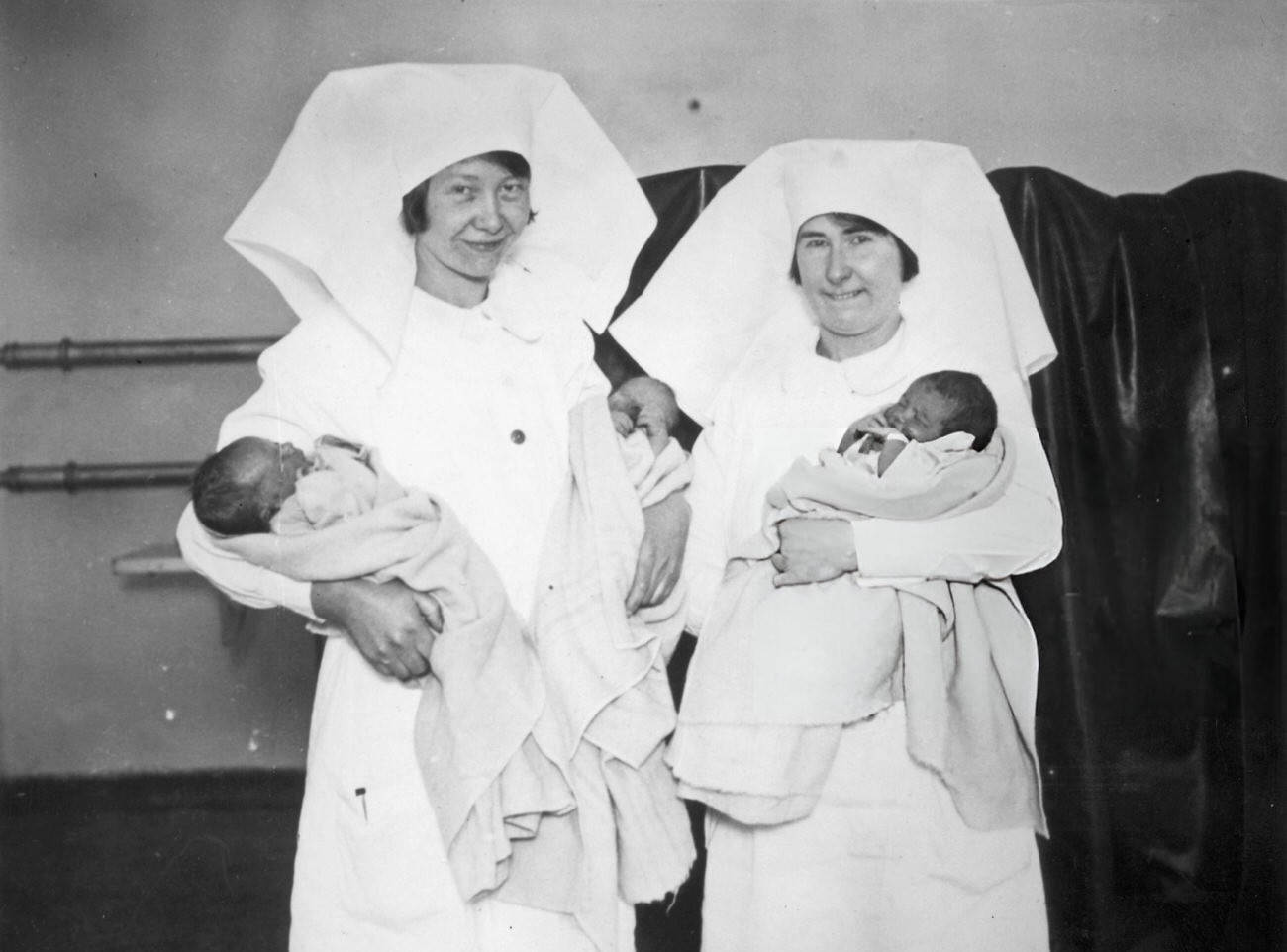
By 1929, New Year’s was documented from every angle of society. Nurses at the City of London Maternity Home posed with the first babies of the new year — a tradition that captured public attention and offered a quieter, more tender contrast to the glittering parties happening elsewhere in the city.
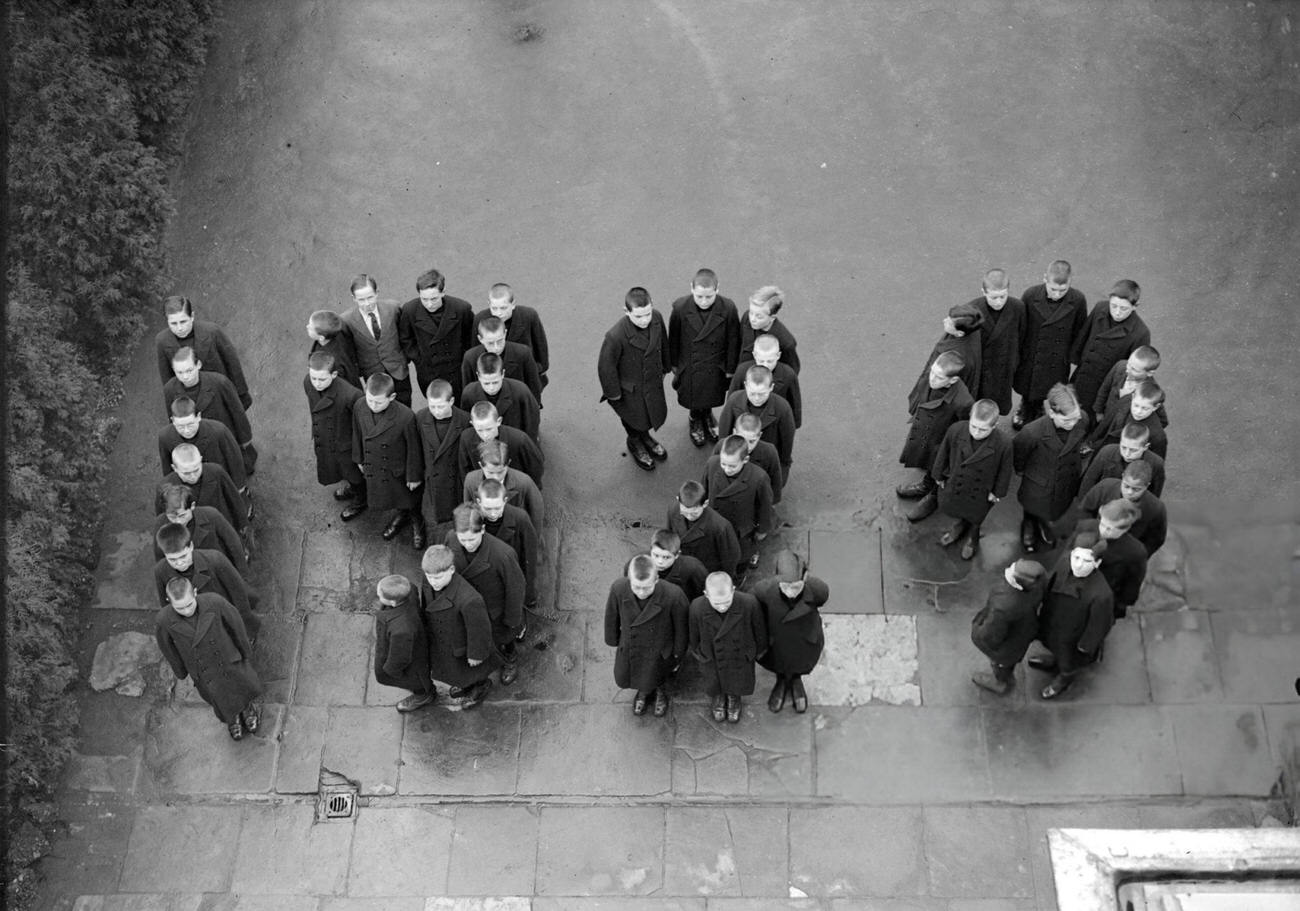
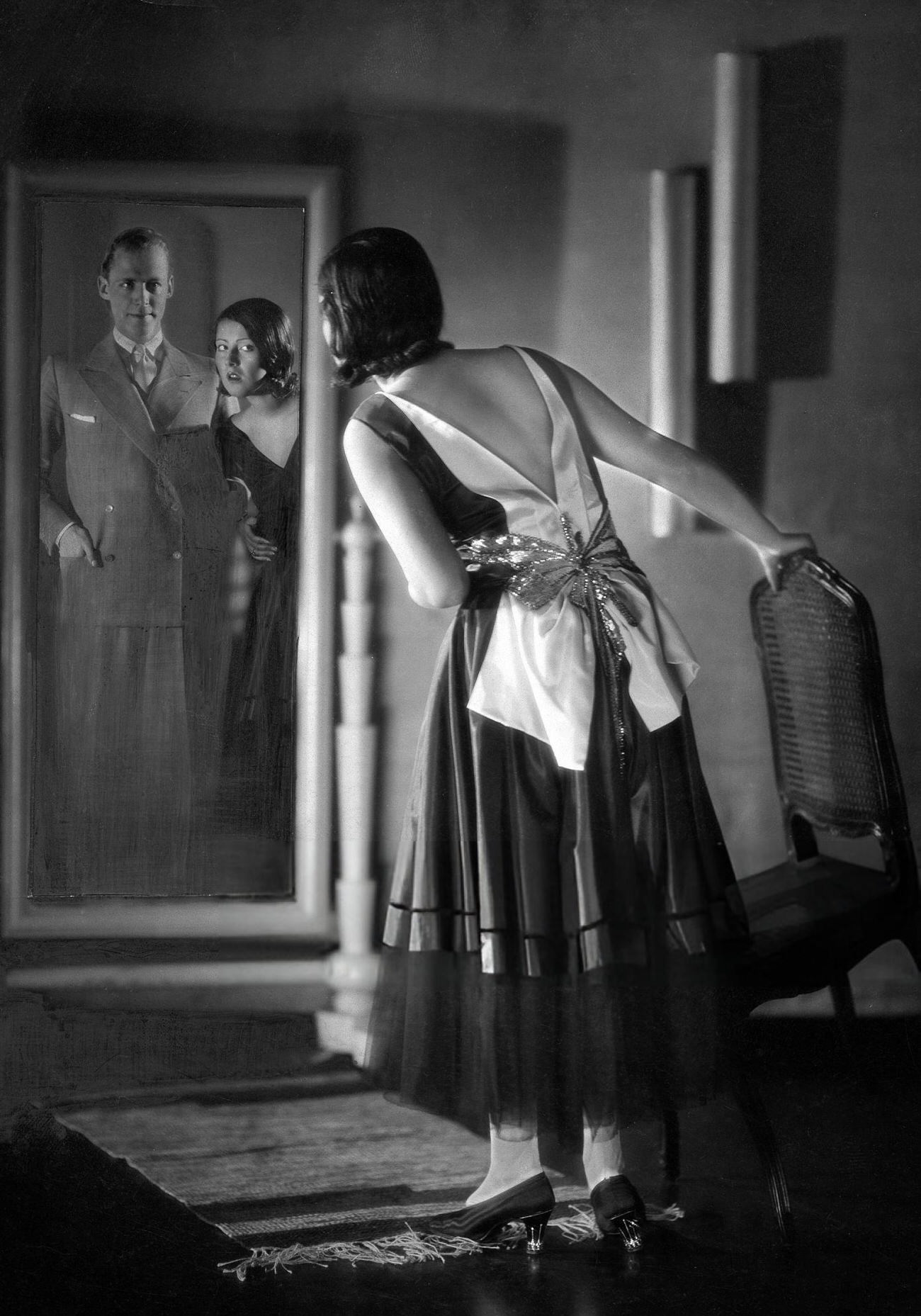
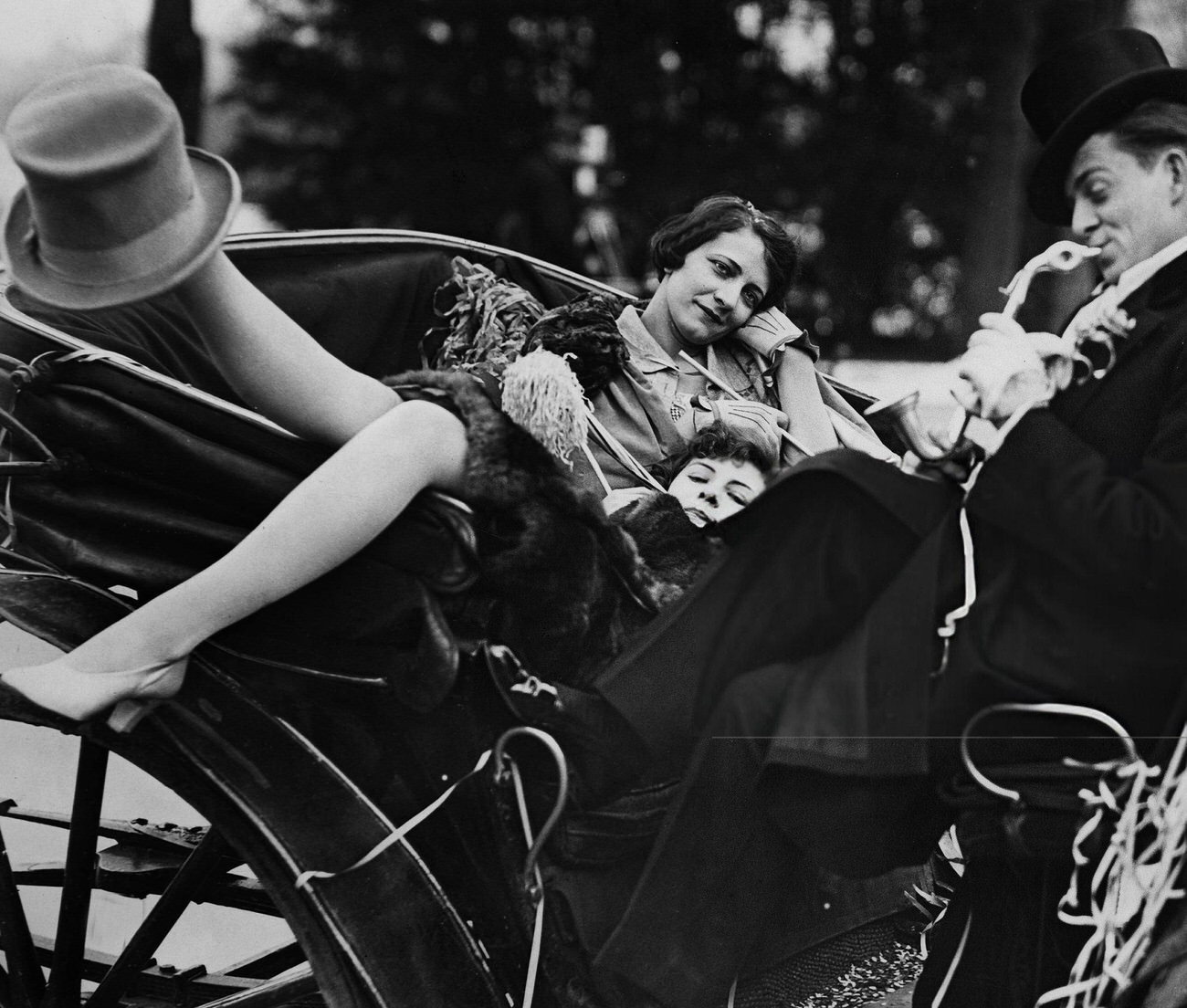
The final New Year’s Eve of the decade arrived just months after the stock market crash of October 1929. Yet the photos from that night still show people gathering, toasting, and celebrating — a testament to how deeply the rituals of the Roaring Twenties had taken hold.
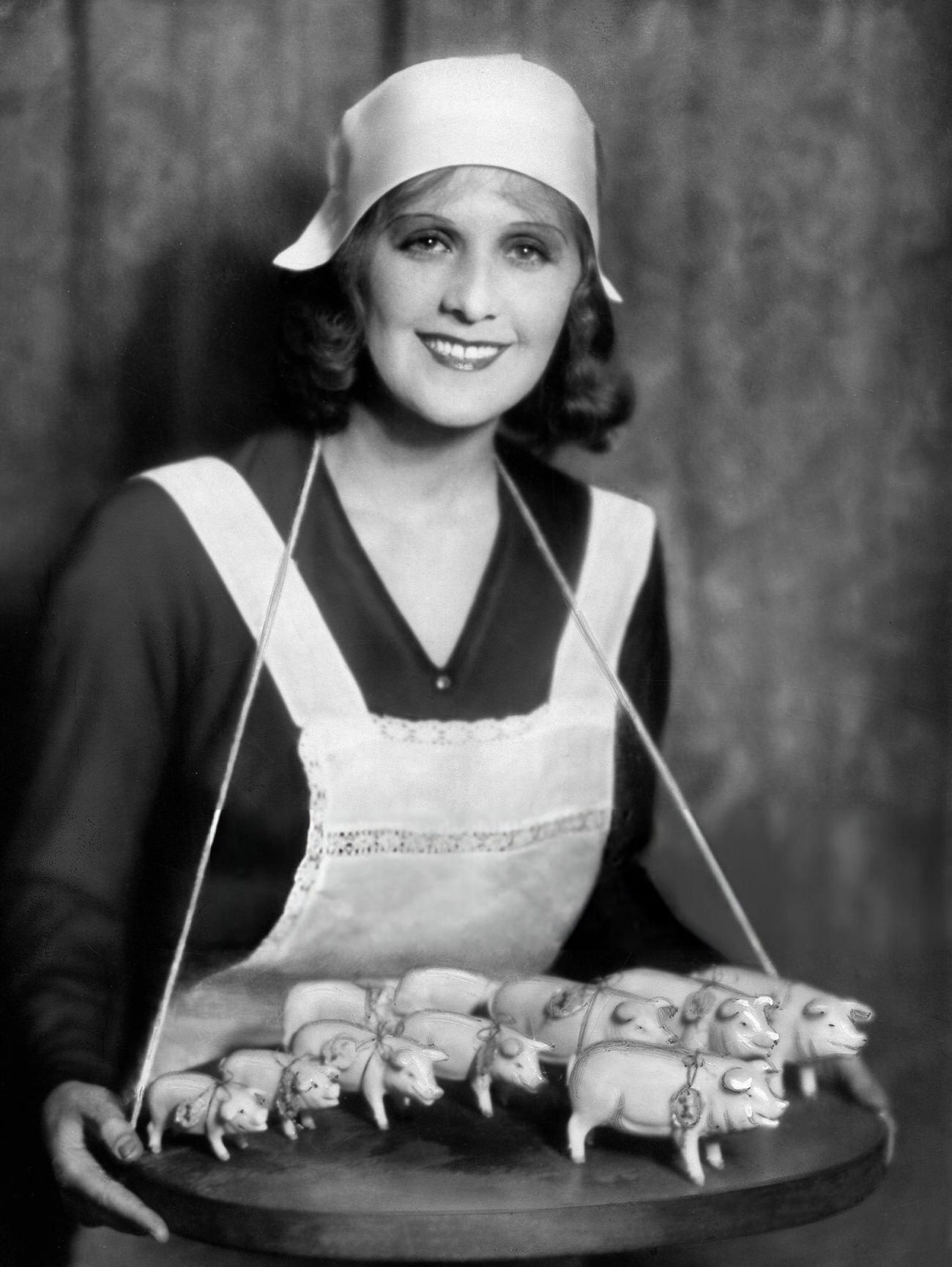
Lucky pigs remained a popular New Year’s symbol right through to the end of the decade. Actress Vera Malinowskaja presented them in 1929, carrying on a tradition seen in photos from earlier in the twenties. These recurring symbols — pigs, clocks, confetti, and toasts — tied together a decade of remarkable New Year’s celebrations.