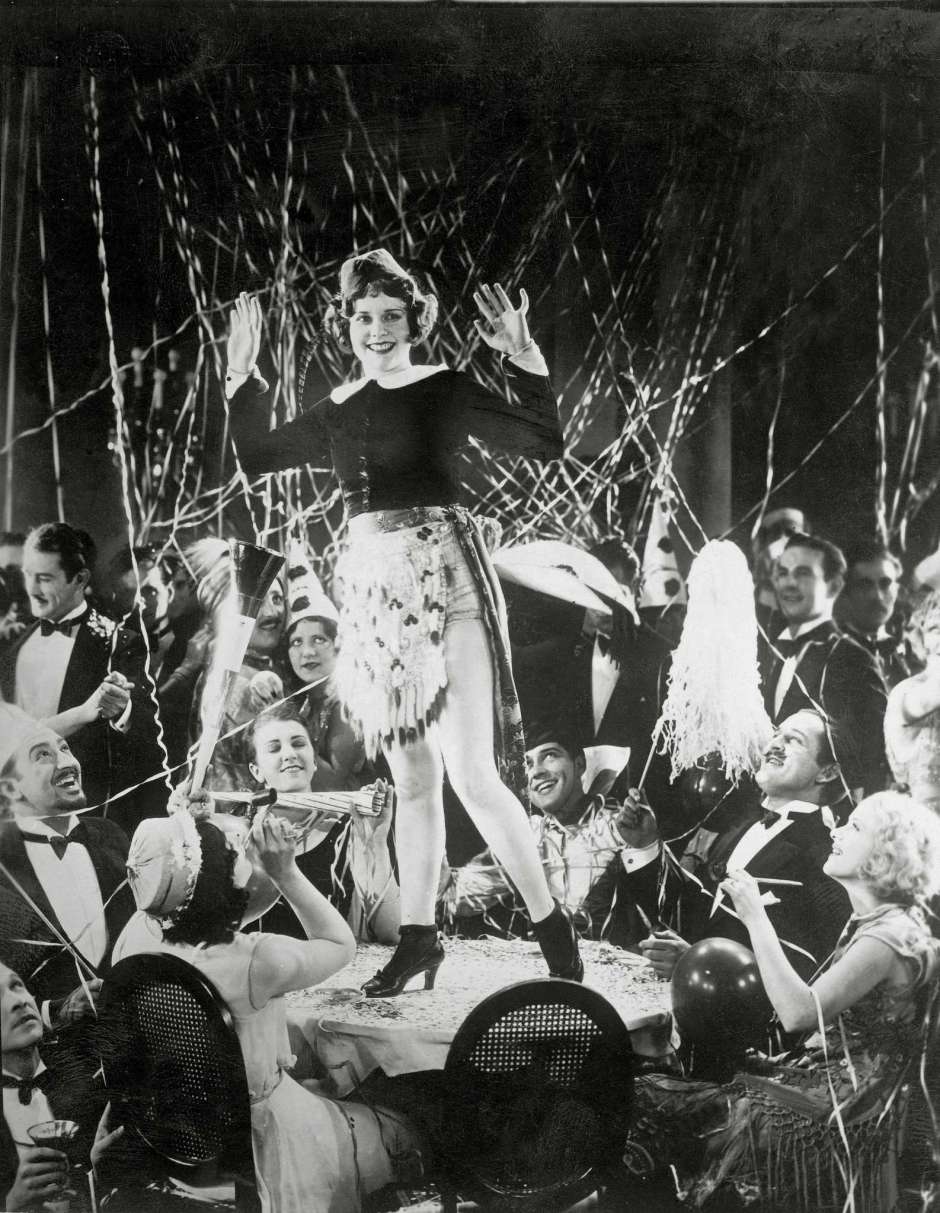
From 1920 to 1933, the United States banned the making, selling, and transporting of alcohol. This was Prohibition, set in motion by the 18th Amendment and enforced through the Volstead Act. Supporters believed banning alcohol would cut crime and poverty. What they did not plan for was the sheer determination of Americans who refused to give up their drinks — especially on New Year’s Eve.
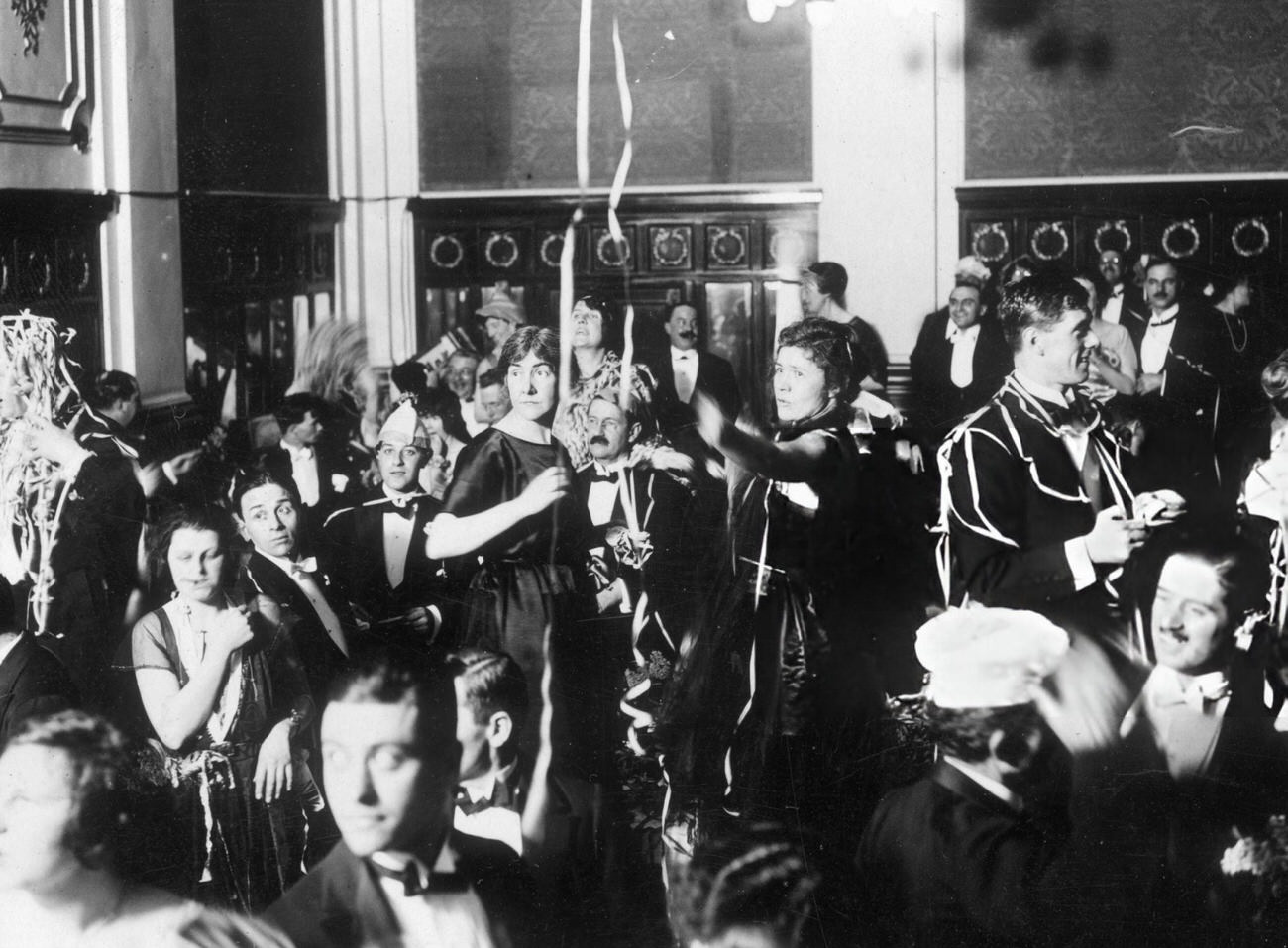
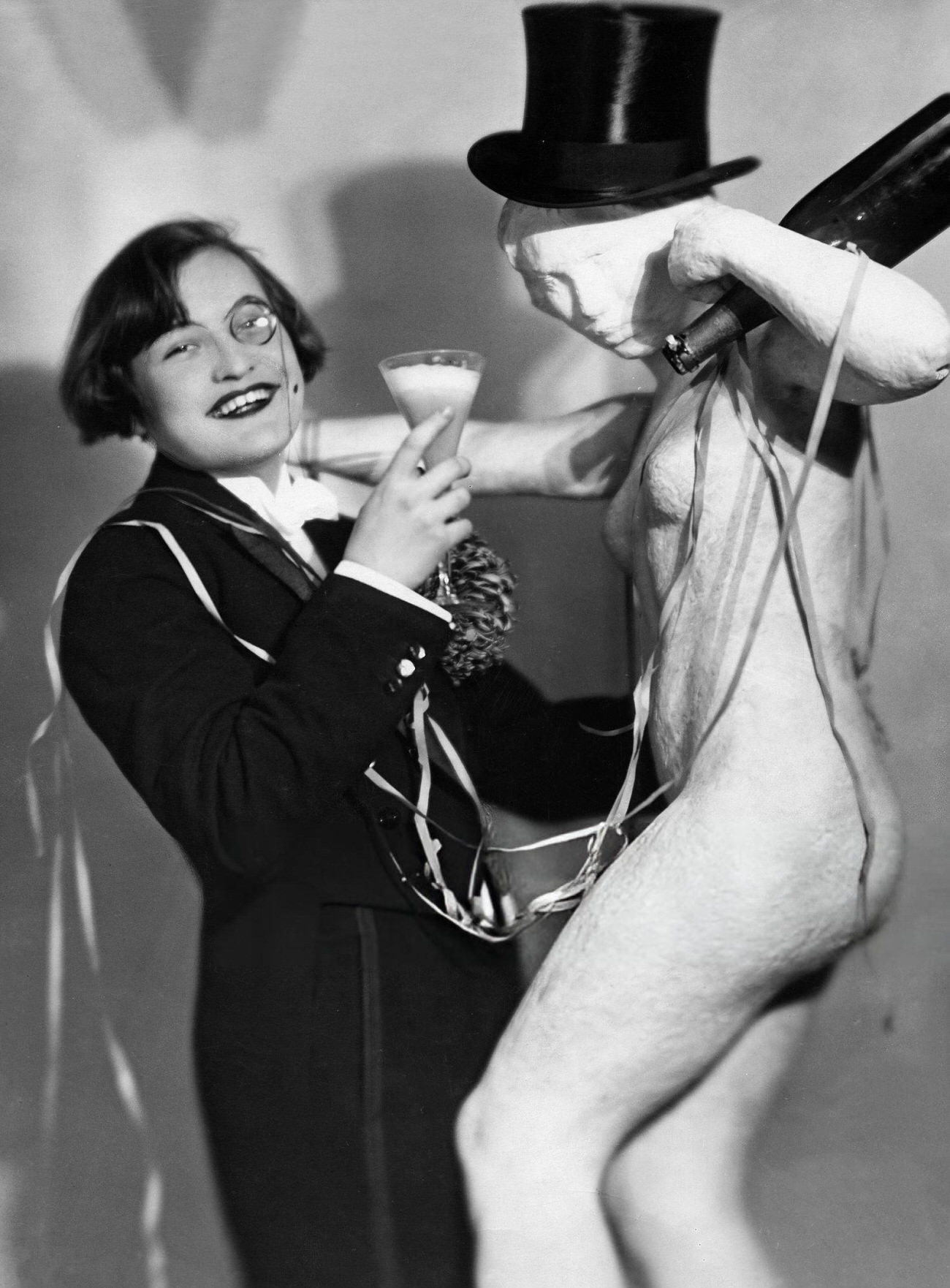
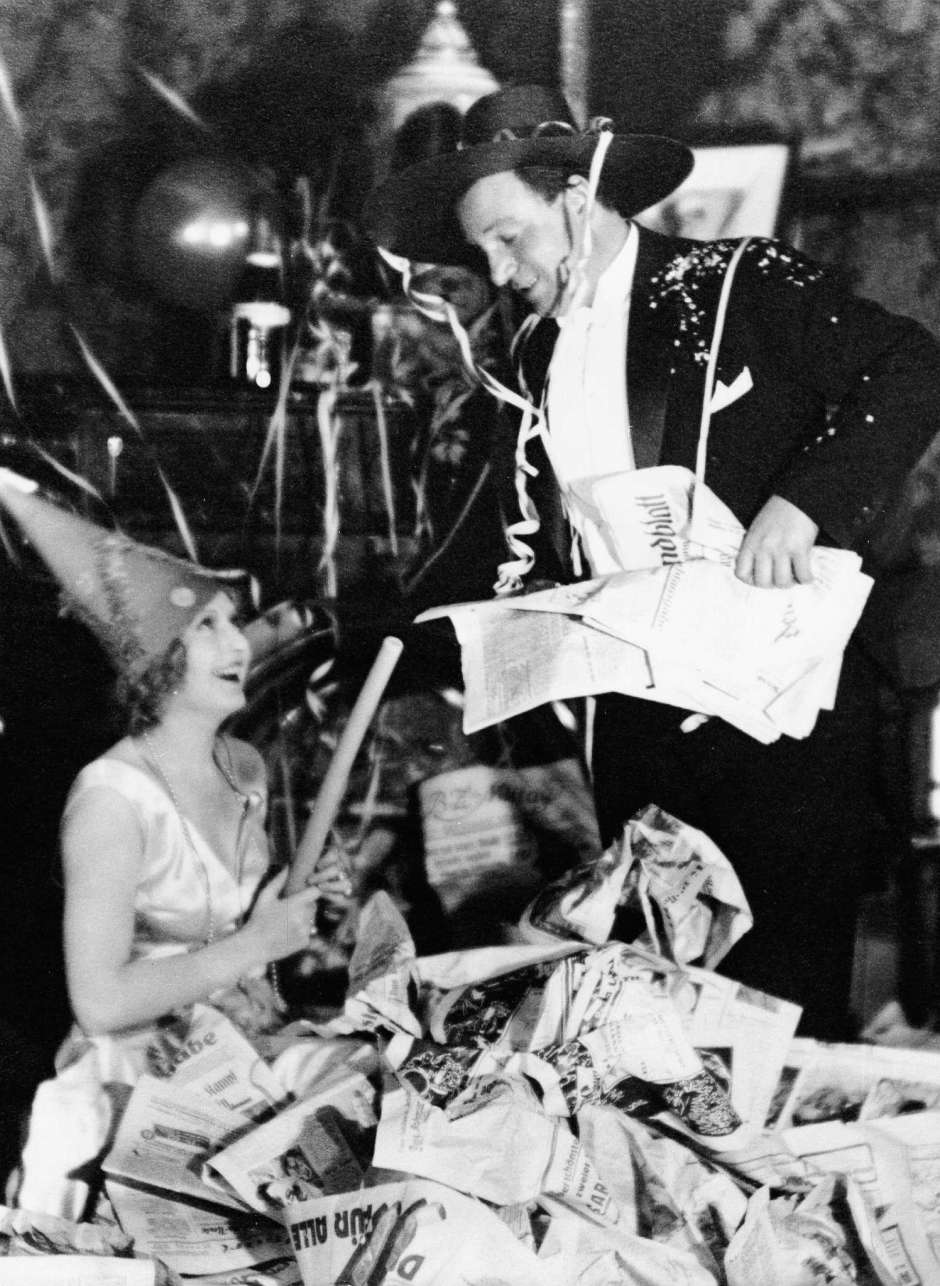
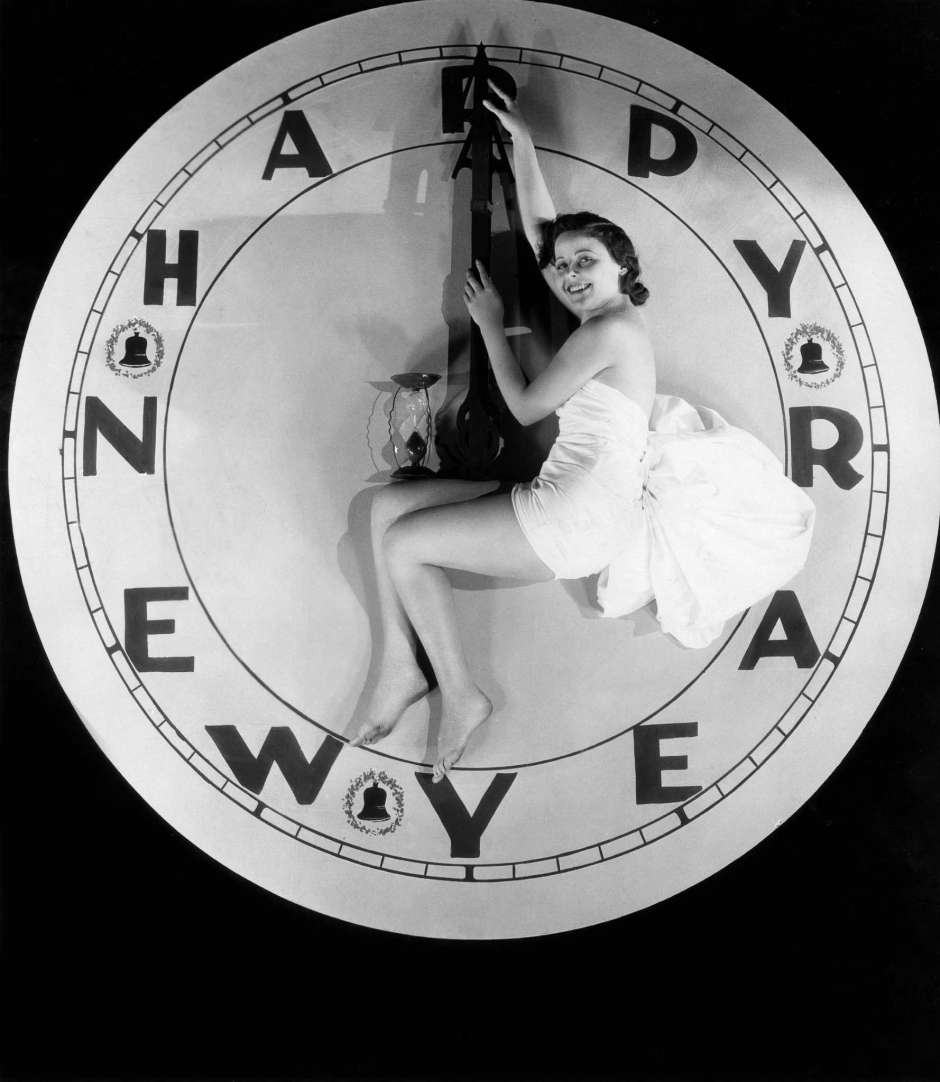
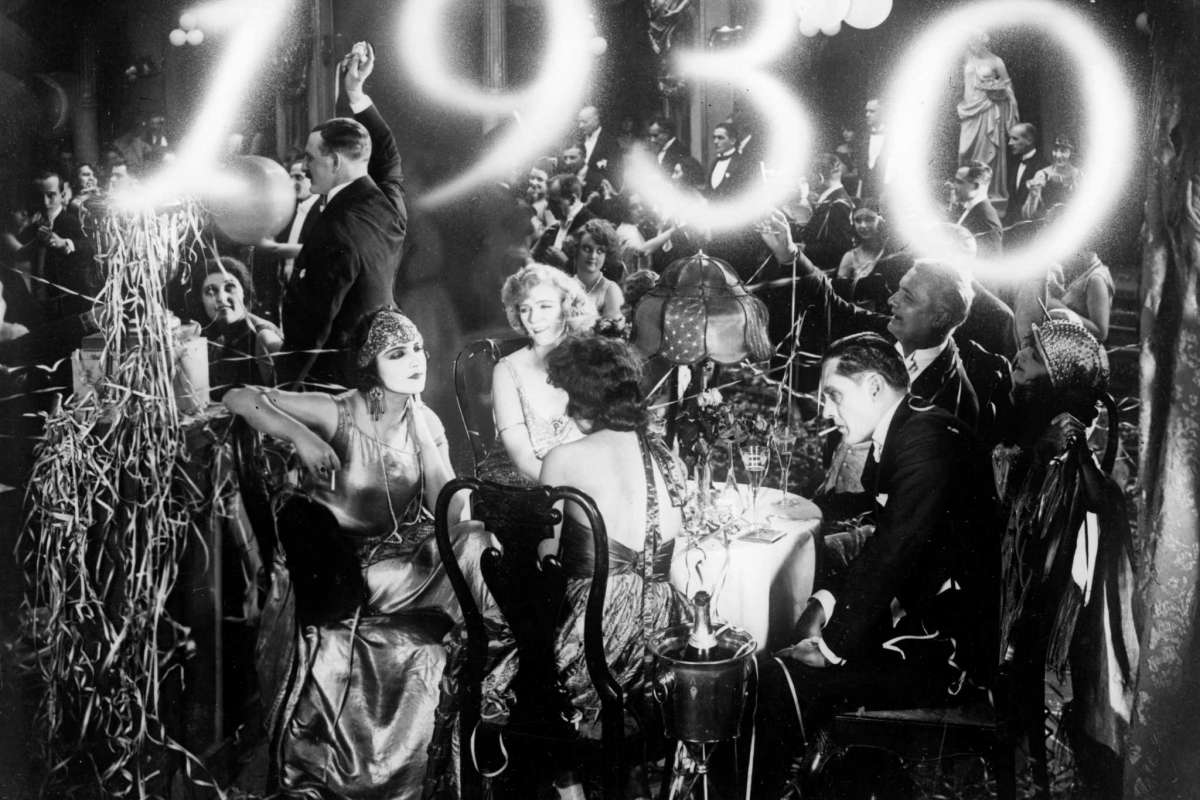
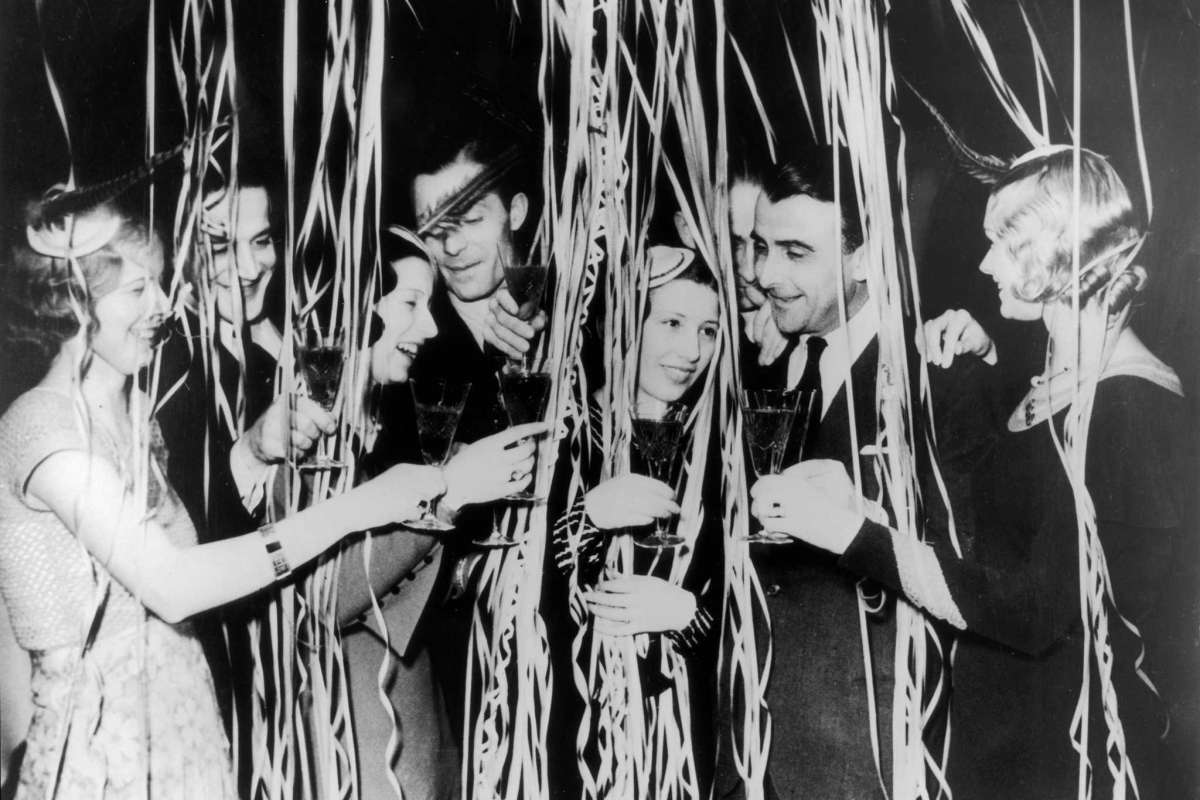
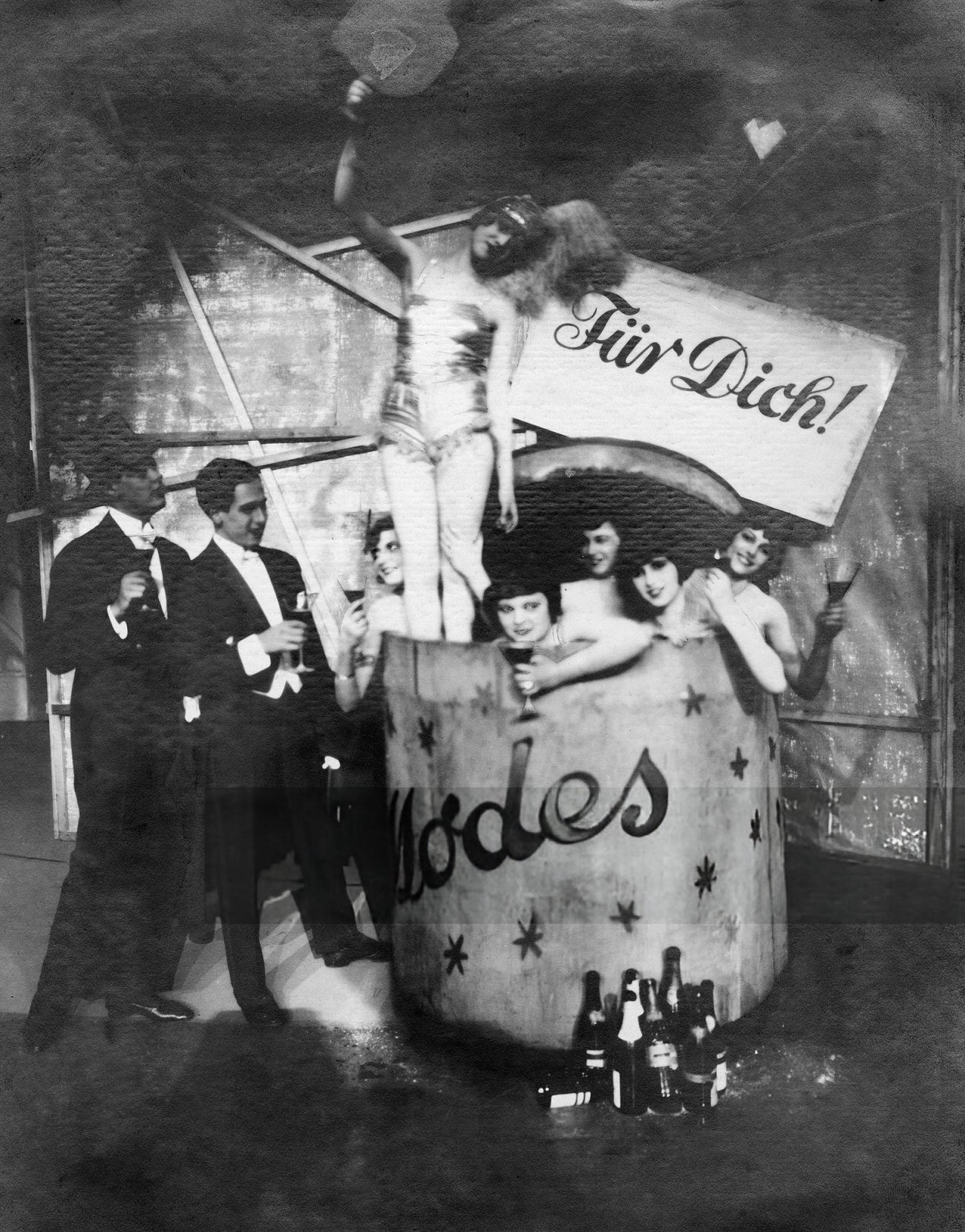
New Year’s Eve was a holiday built around celebration, and for many, that meant champagne. With alcohol now illegal, people found other ways to ring in the New Year — some more daring than others. The result was a decade-long stretch of secret parties, creative workarounds, and a festive spirit that the law could not fully extinguish.
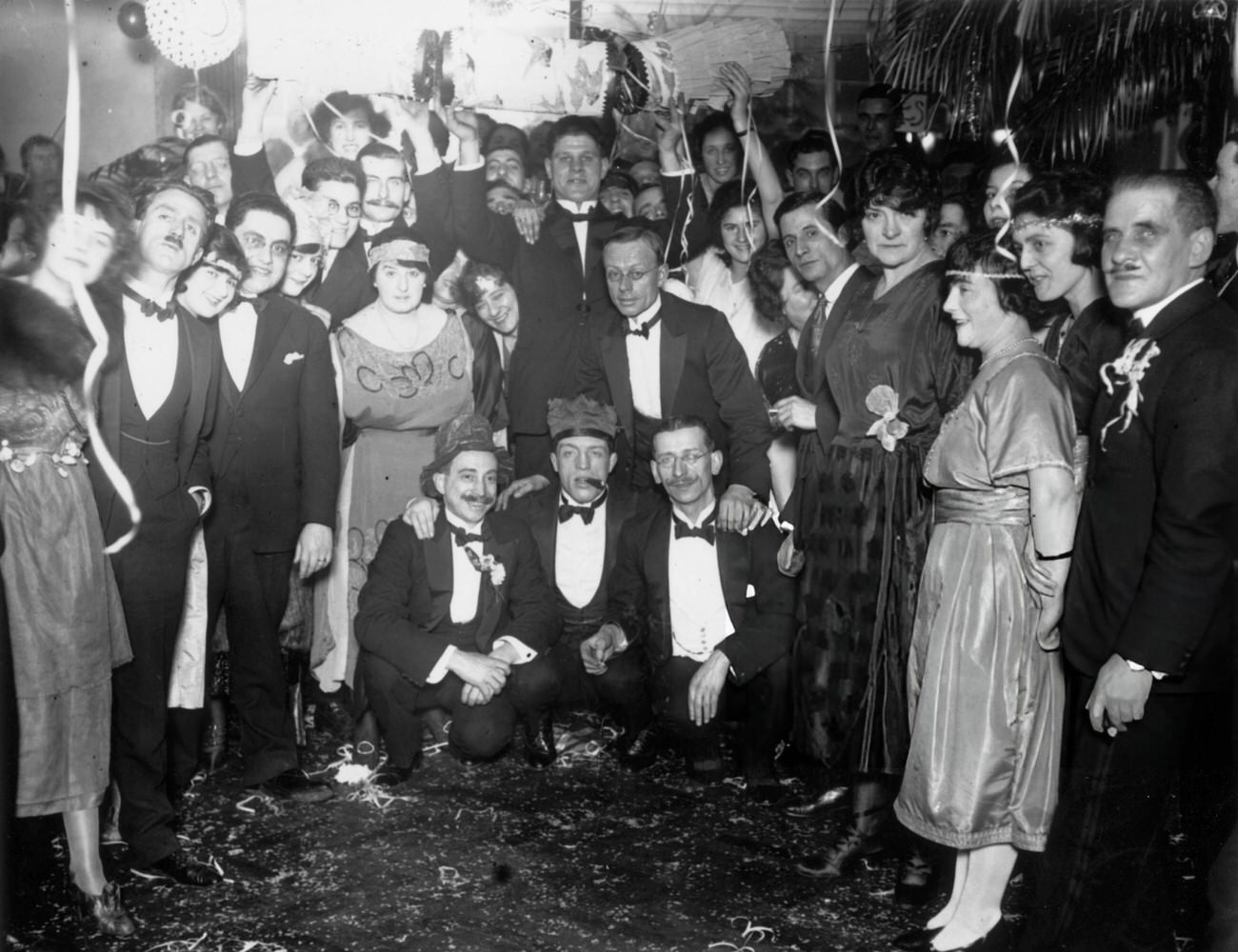
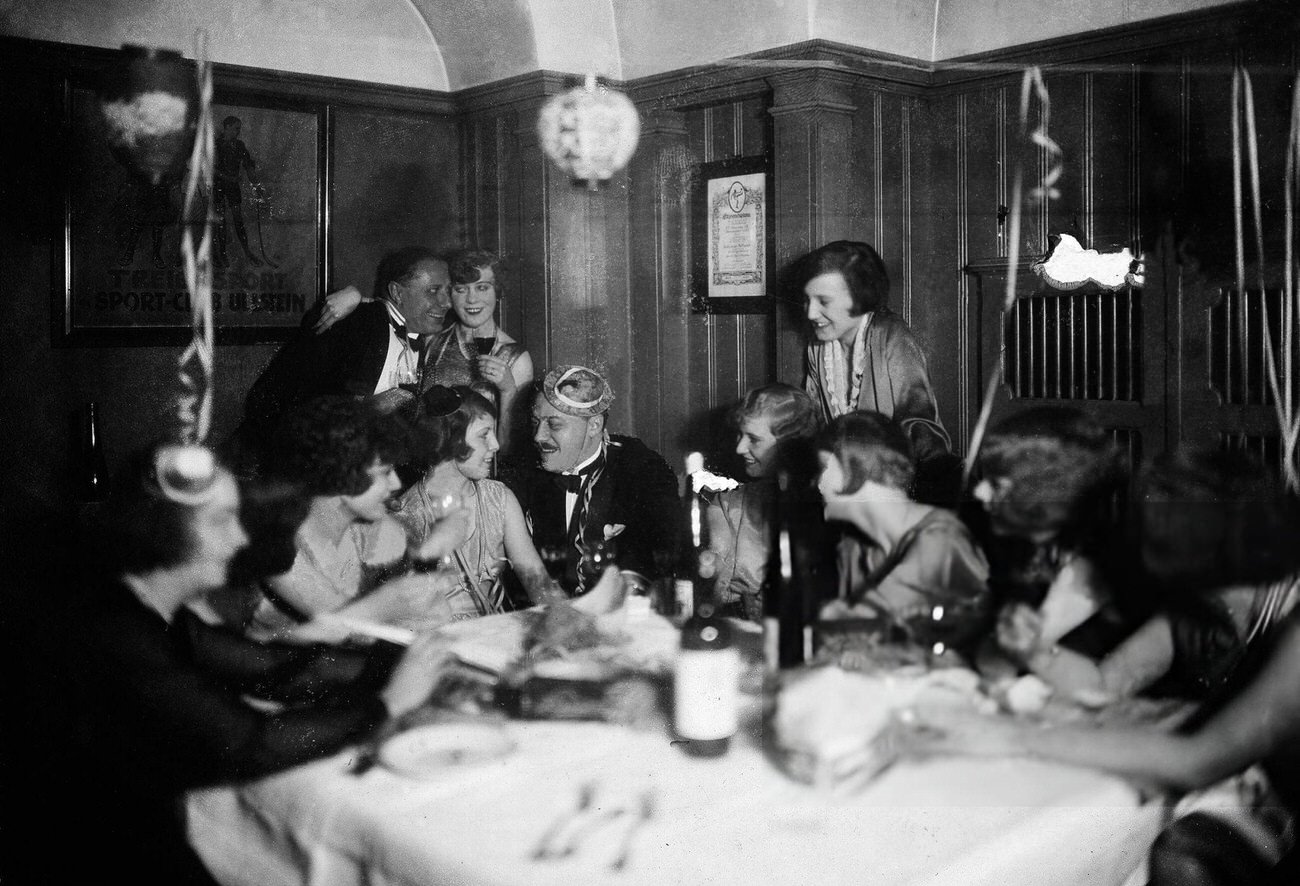
The most iconic response to Prohibition was the speakeasy. These were illegal bars hidden in basements, back rooms, and unmarked buildings. To get inside, you needed a password or a secret knock. Speakeasies ranged from glamorous, well-decorated clubs to bare-bones rooms with little more than a bar and a few chairs. What they all had in common was the electric thrill of breaking the rules.
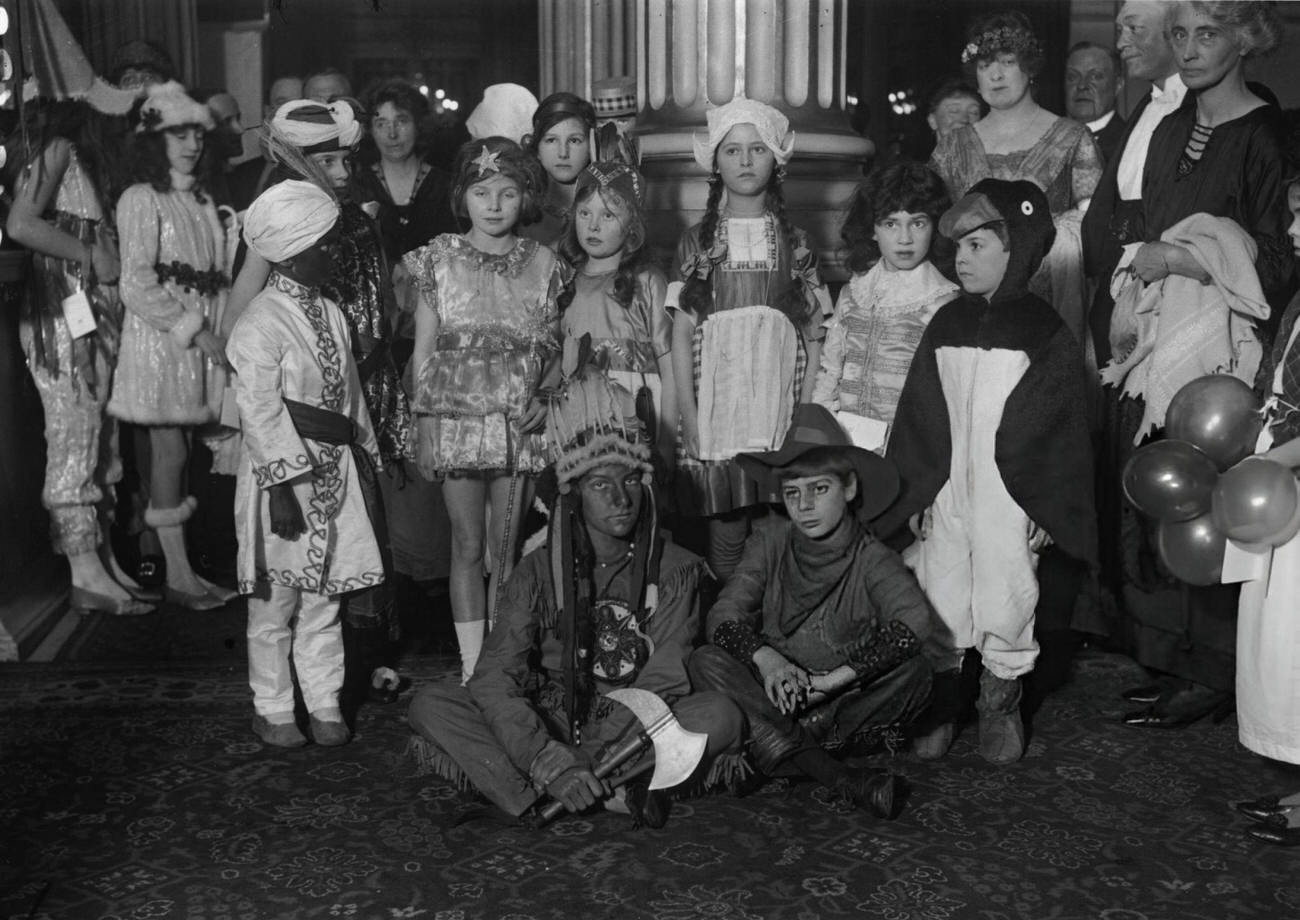
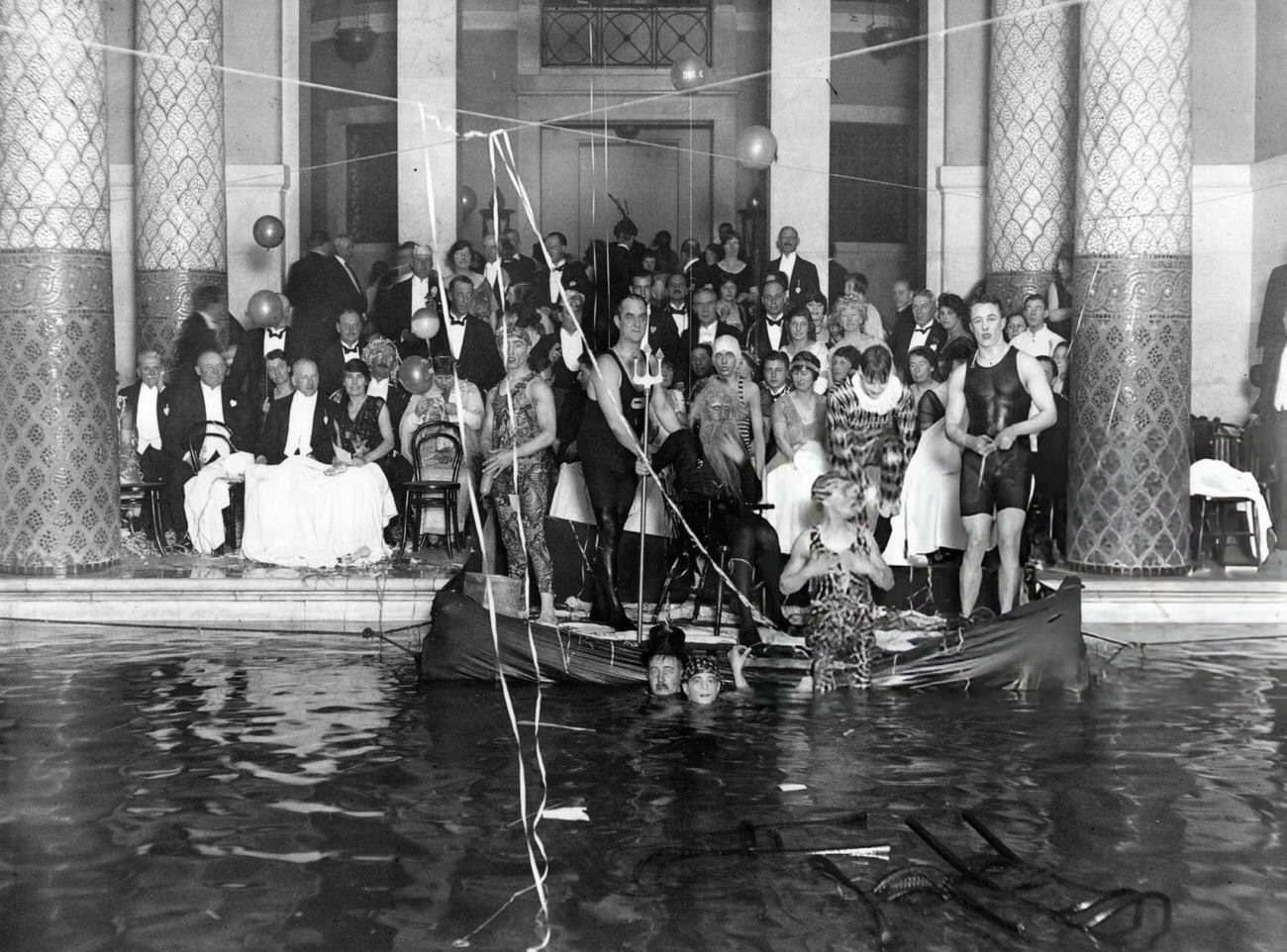
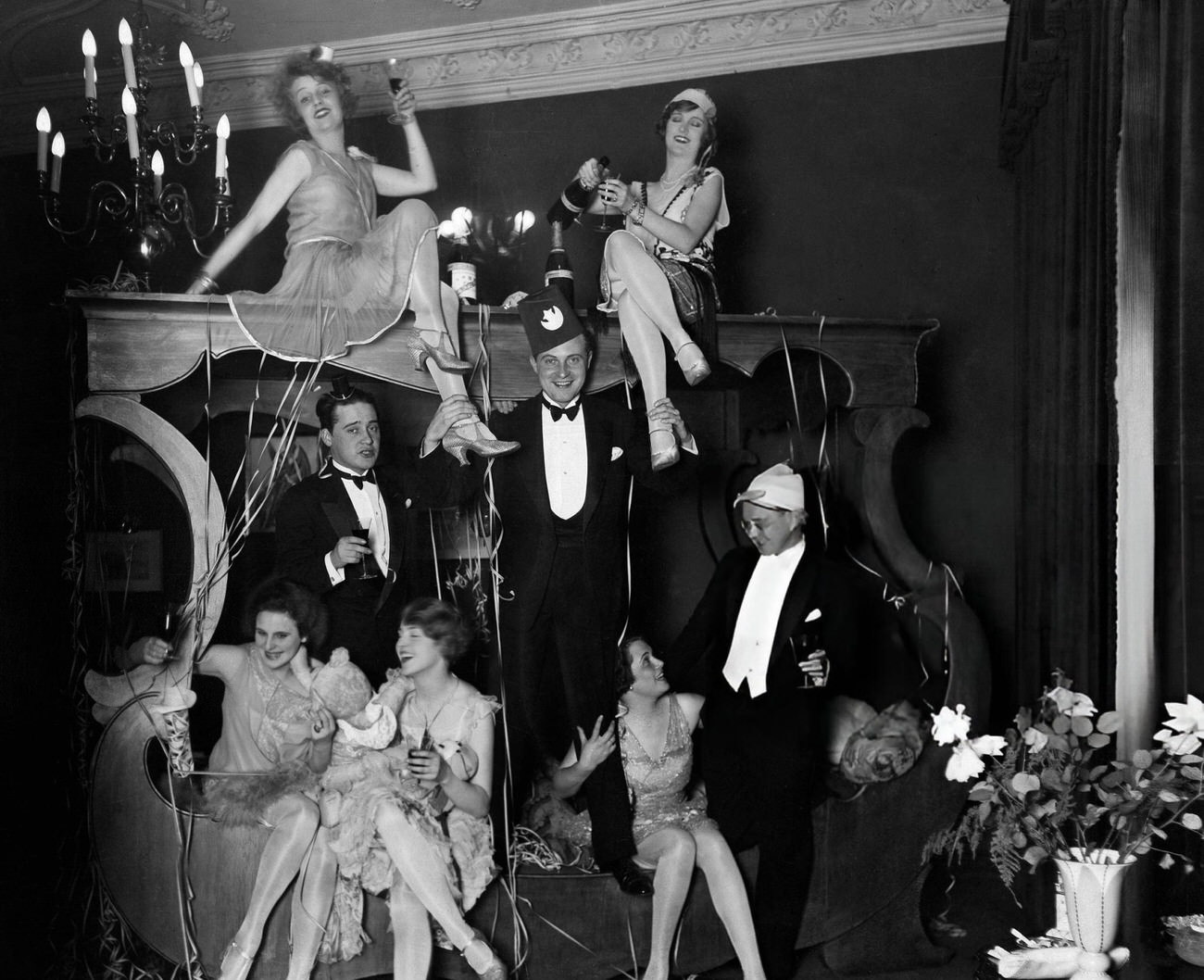
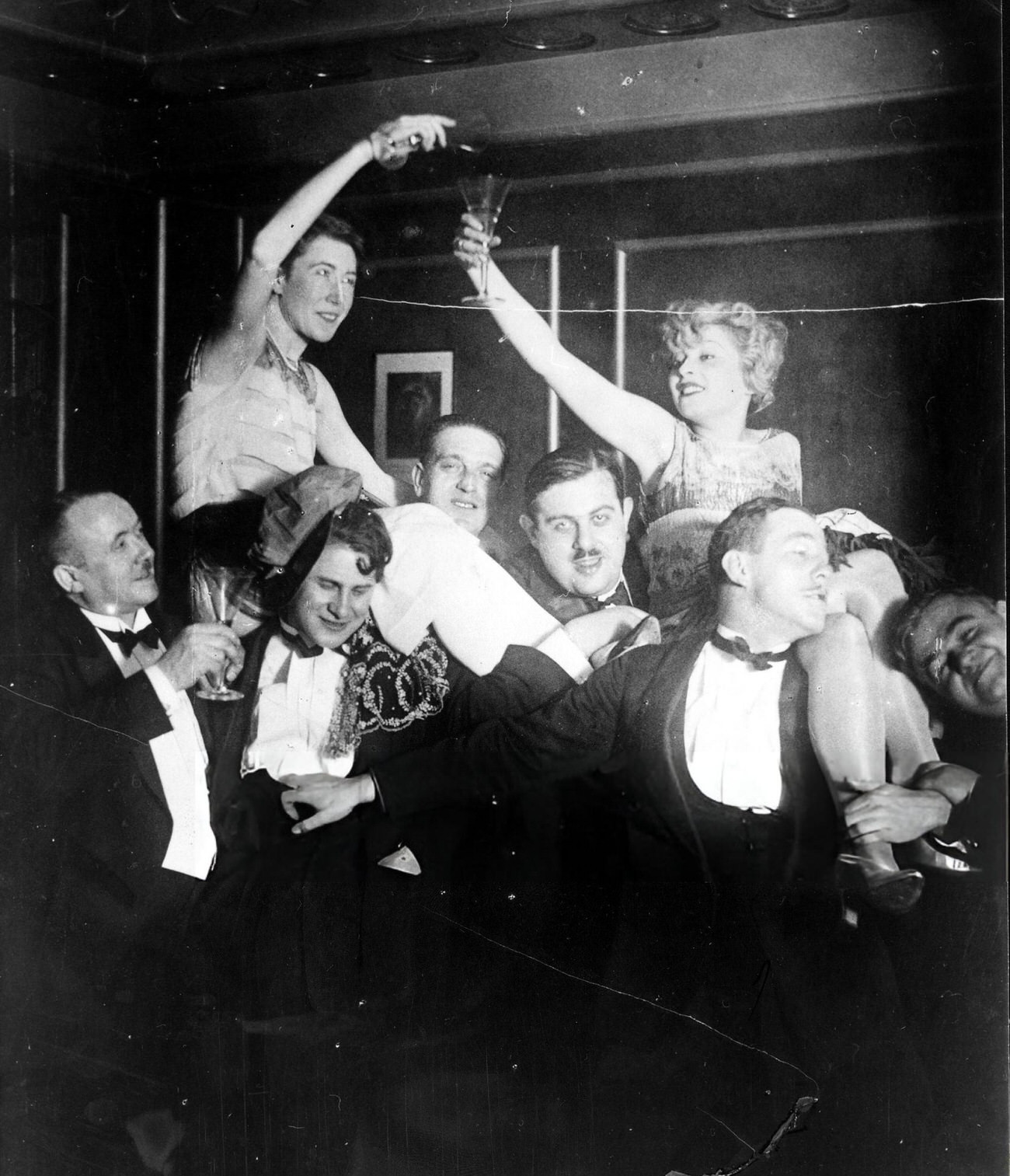
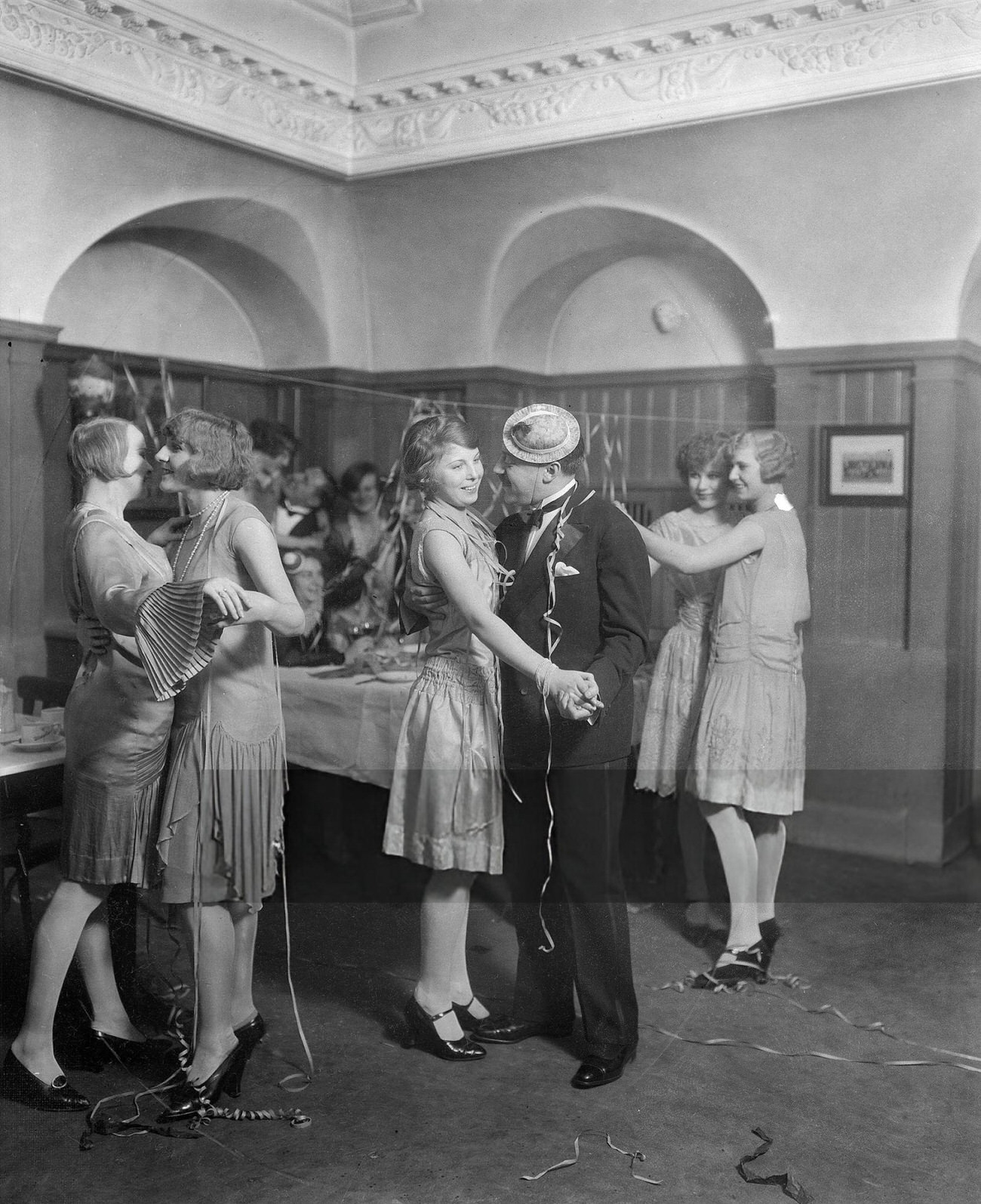
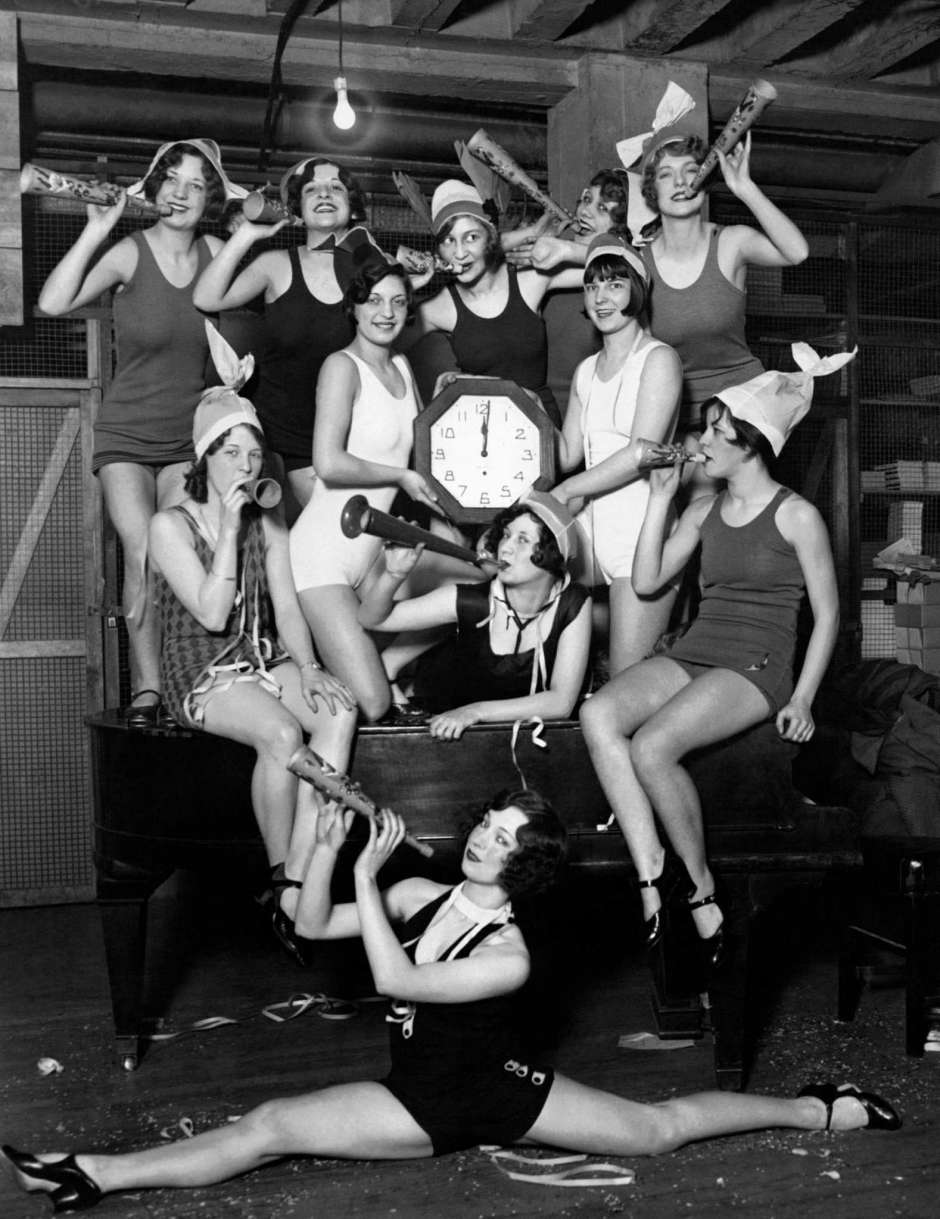
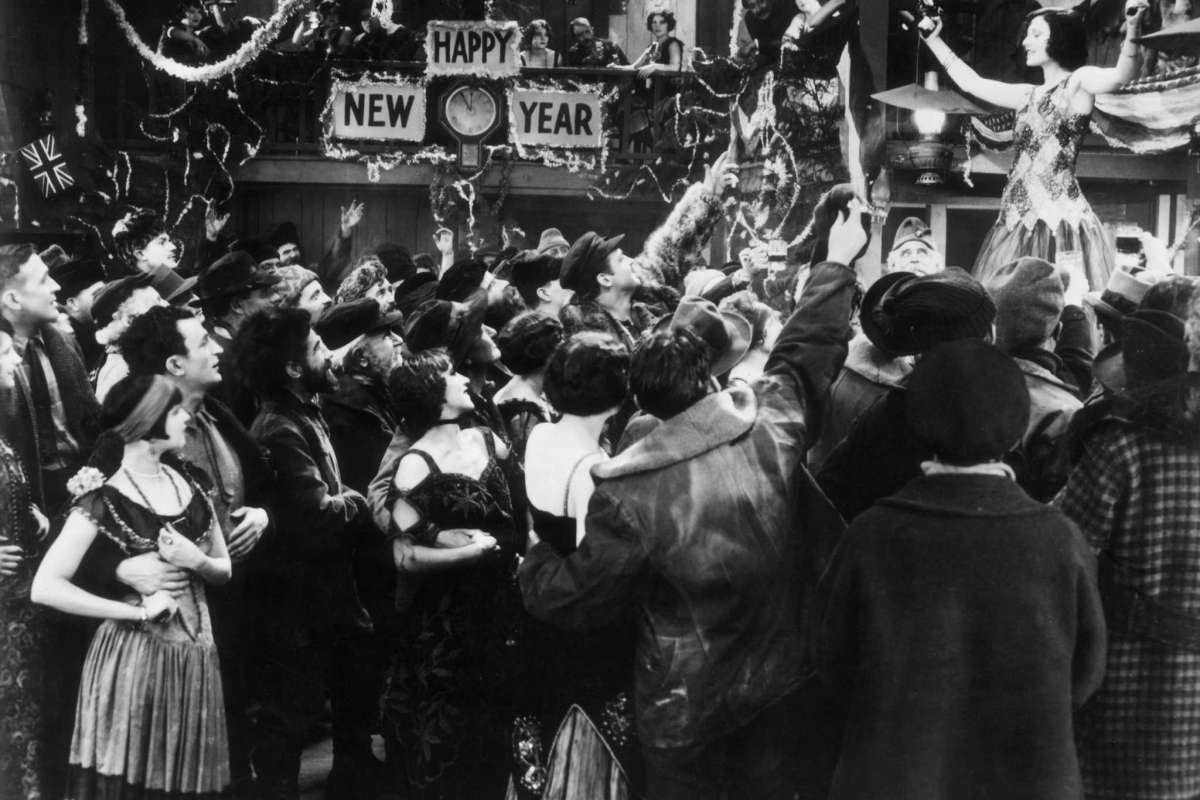
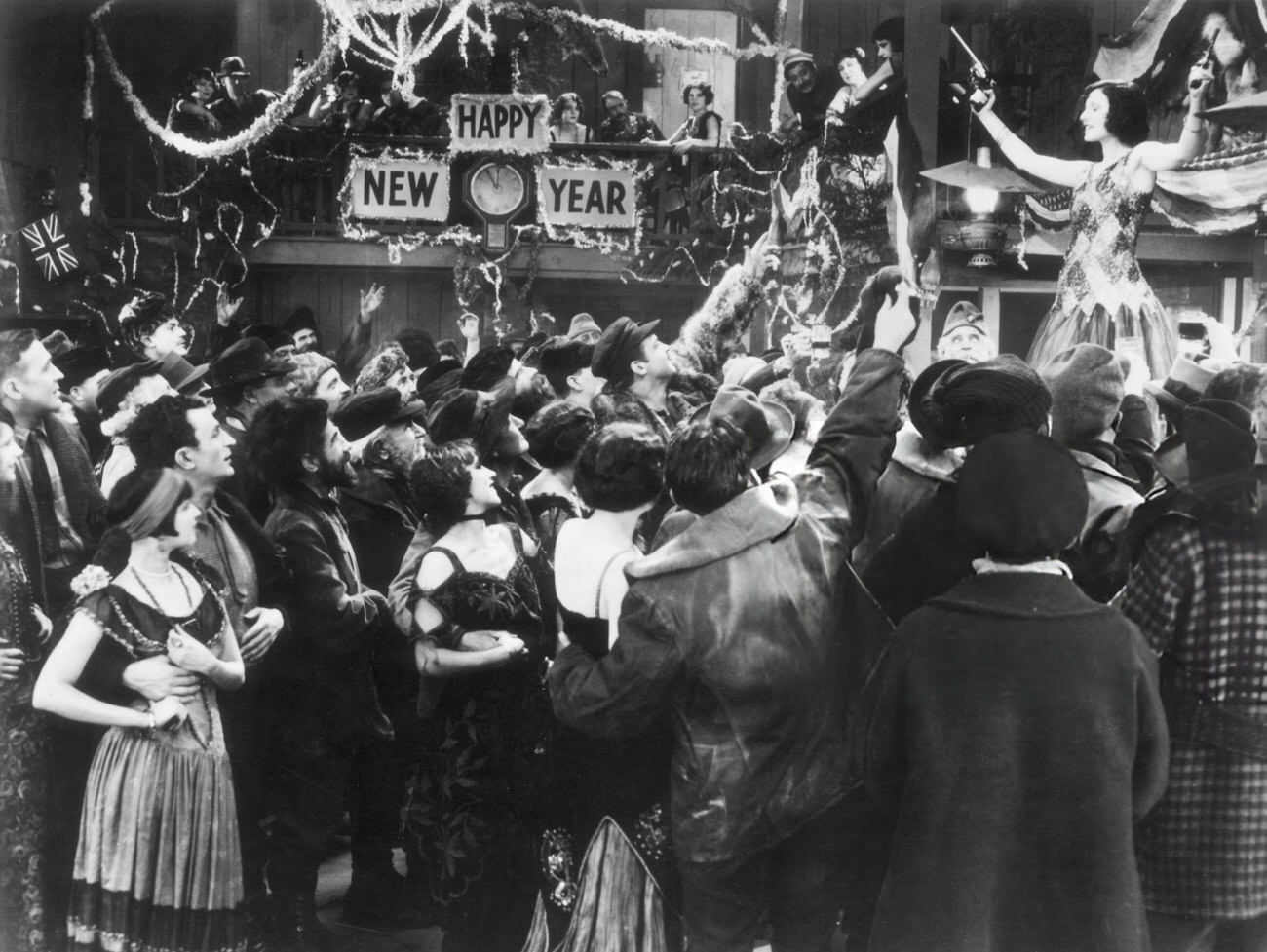
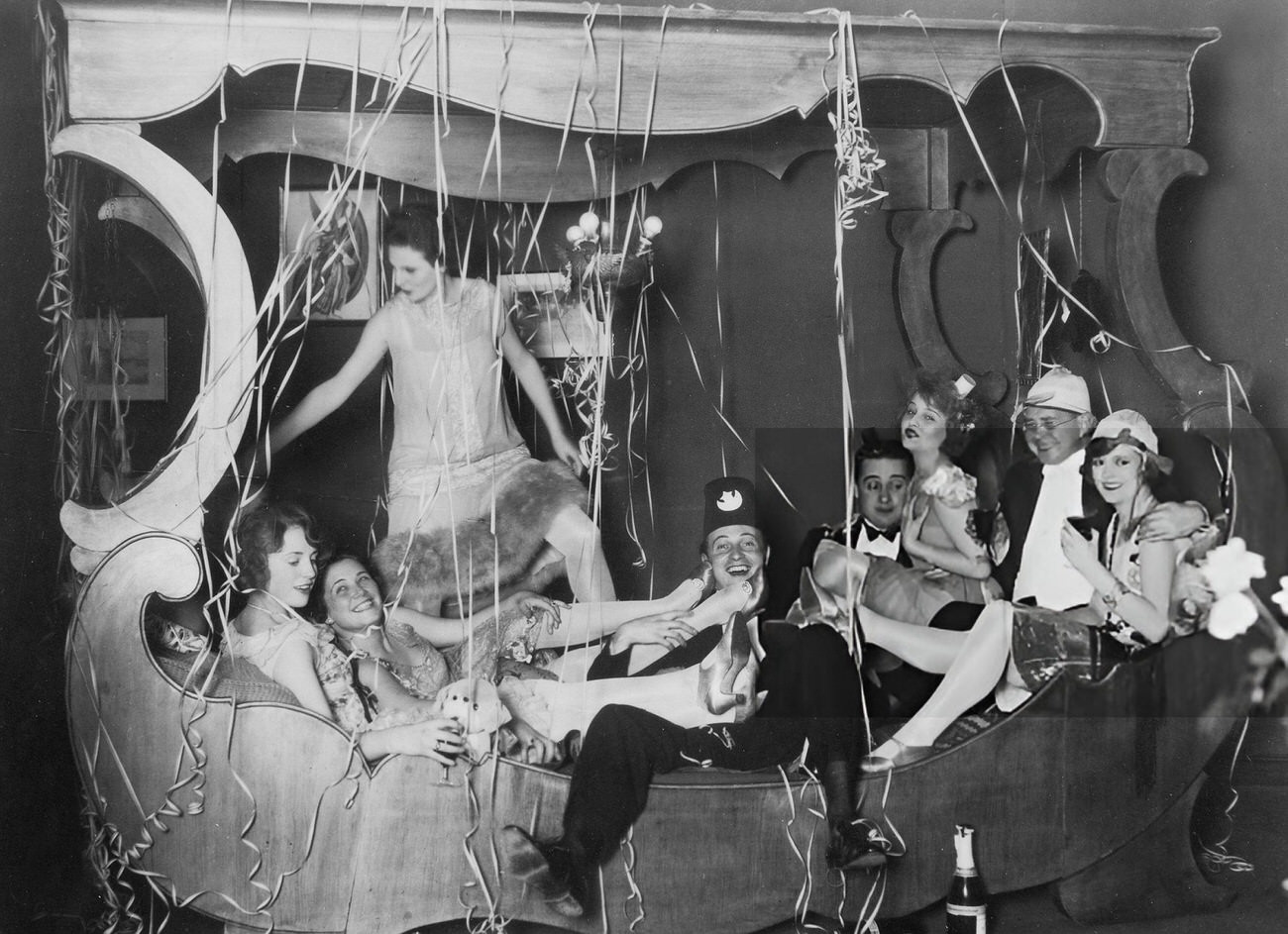
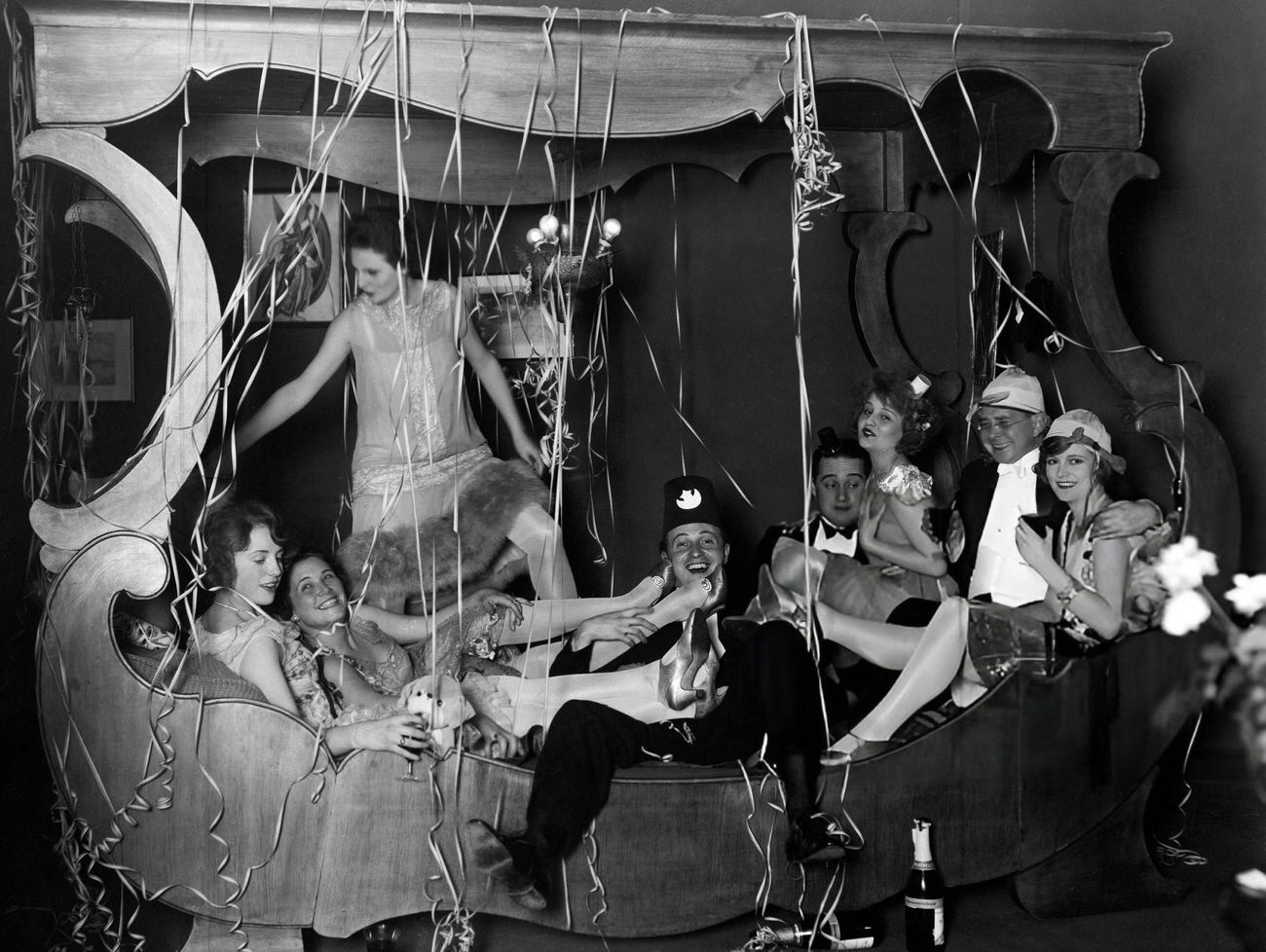
New Year’s Eve parties in speakeasies were loud and lively. Jazz bands played through the night, and the dance floor filled up fast. The Charleston, the Foxtrot, and the Black Bottom were the dances of the era — fast, energetic, and full of attitude. Police raids were a real threat, and a party could be shut down without warning. That danger only added to the excitement for many revelers.
The drinks served at these gatherings were often homemade or smuggled in by bootleggers. “Bathtub gin” and moonshine were common. Quality varied wildly — some batches were genuinely dangerous to drink. Bootleggers, many of them tied to organized crime, charged high prices for their goods. People paid anyway. Buying from a bootlegger was a risk, but for a New Year’s Eve toast, many thought it was worth it.
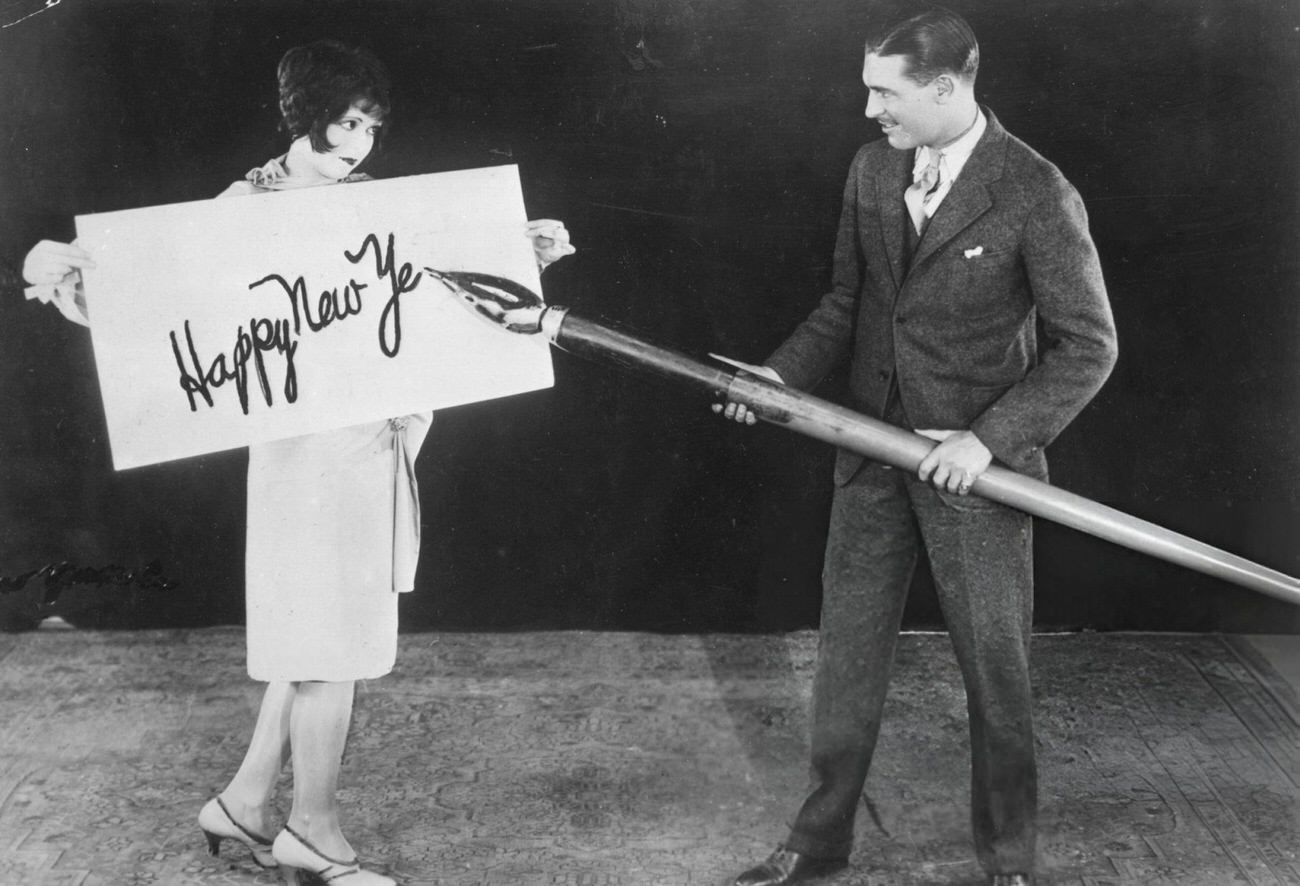
Not everyone headed to a speakeasy. Many Americans celebrated at home, hosting private parties for friends and family. Homebrew — homemade beer, wine, or liquor — became a household staple. Recipes circulated among neighbors, and people brewed batches in bathtubs and closets. The results were unpredictable, but having something to raise a glass with on New Year’s Eve was the point.
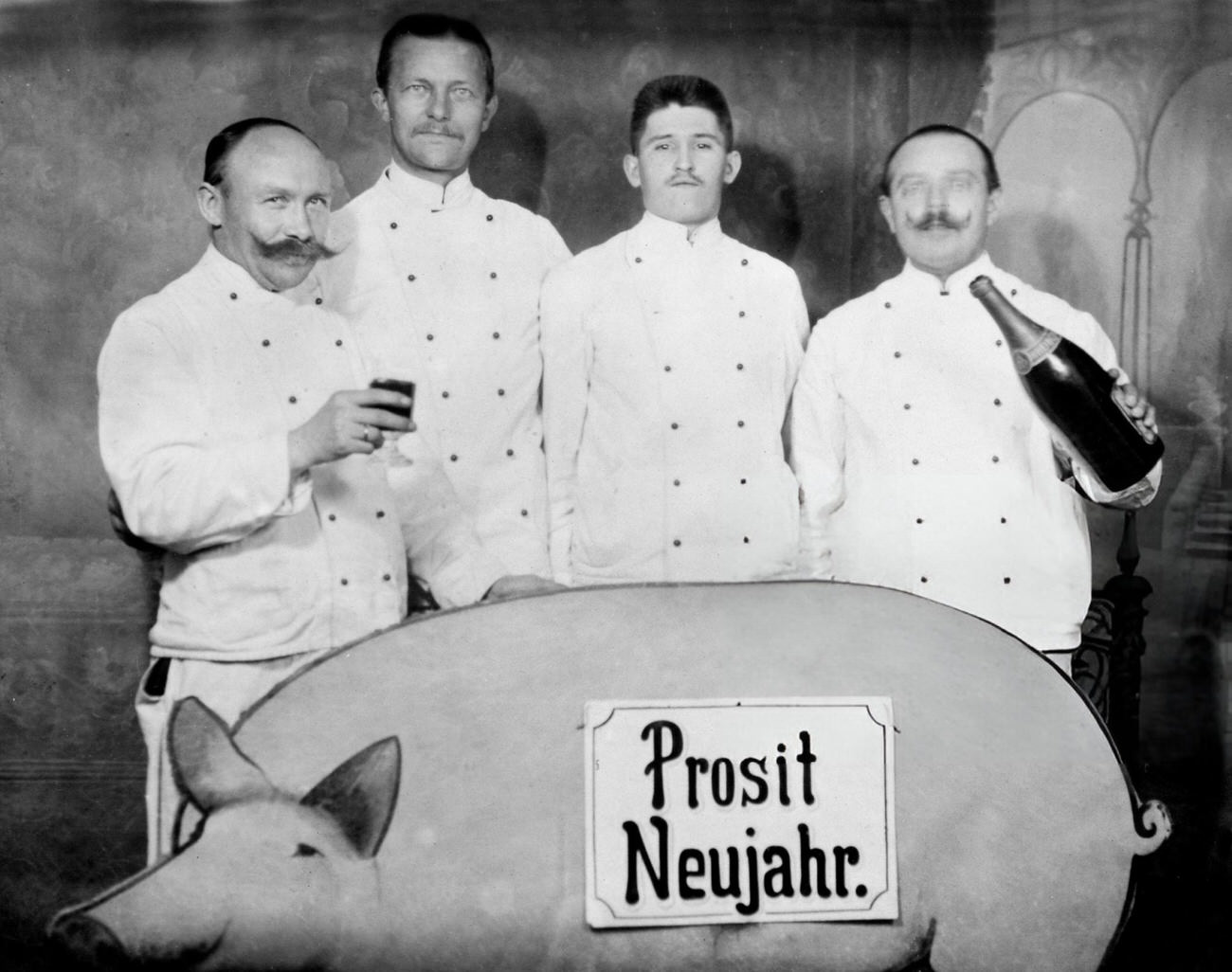
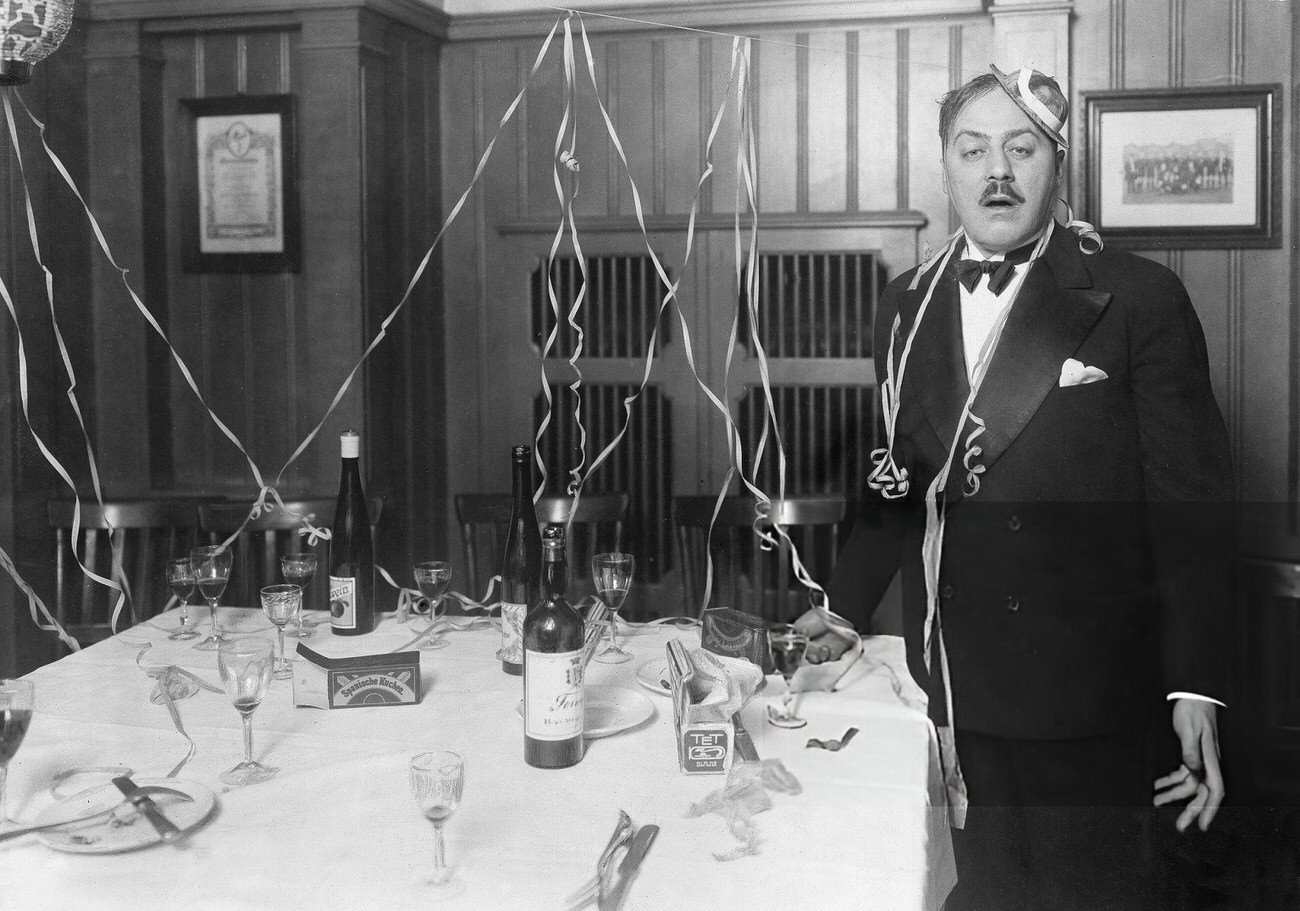
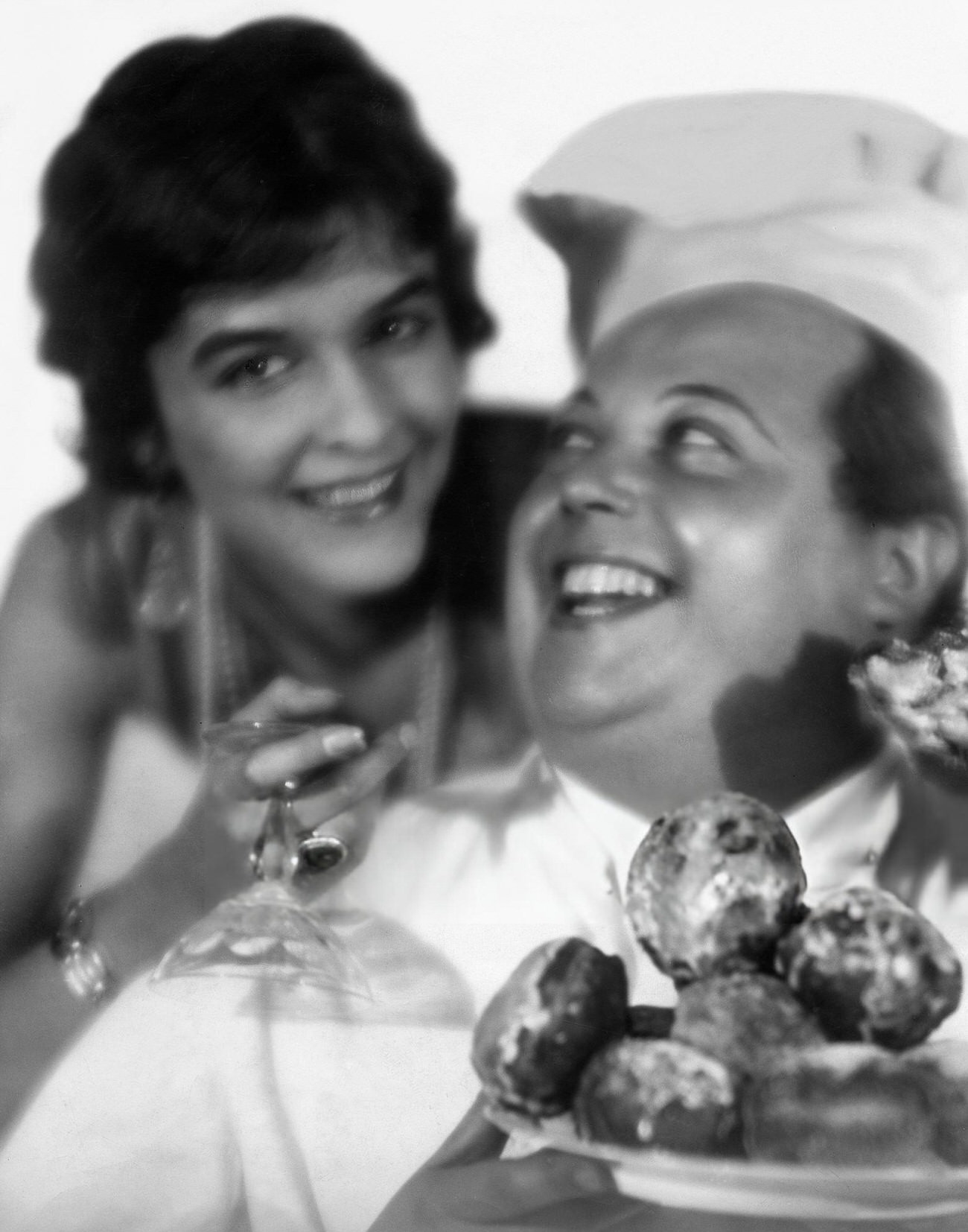
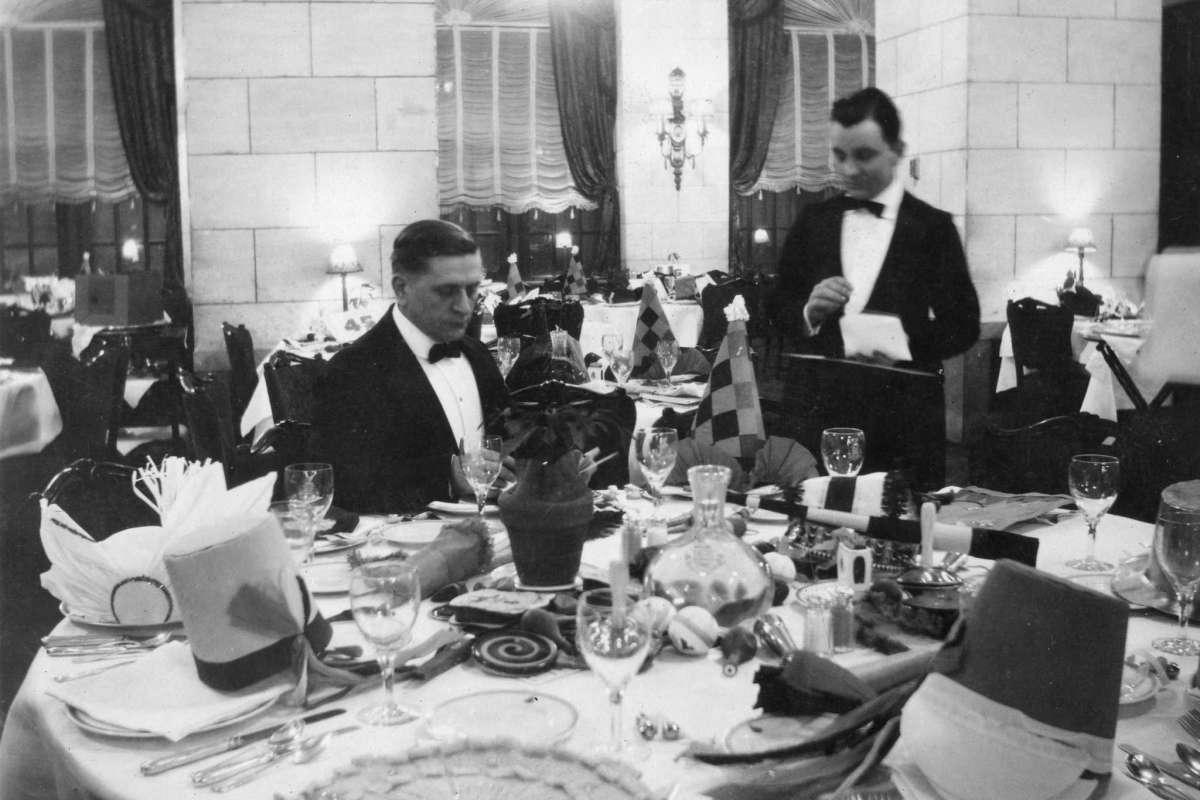
Food played a bigger role in New Year’s celebrations during Prohibition than it had before. With drinking pushed into the shadows, hosts put more effort into their tables. Roasted meats, oysters, and elaborate desserts were common at nicer gatherings. The meal became a centerpiece of the evening rather than a side note to the drinks.
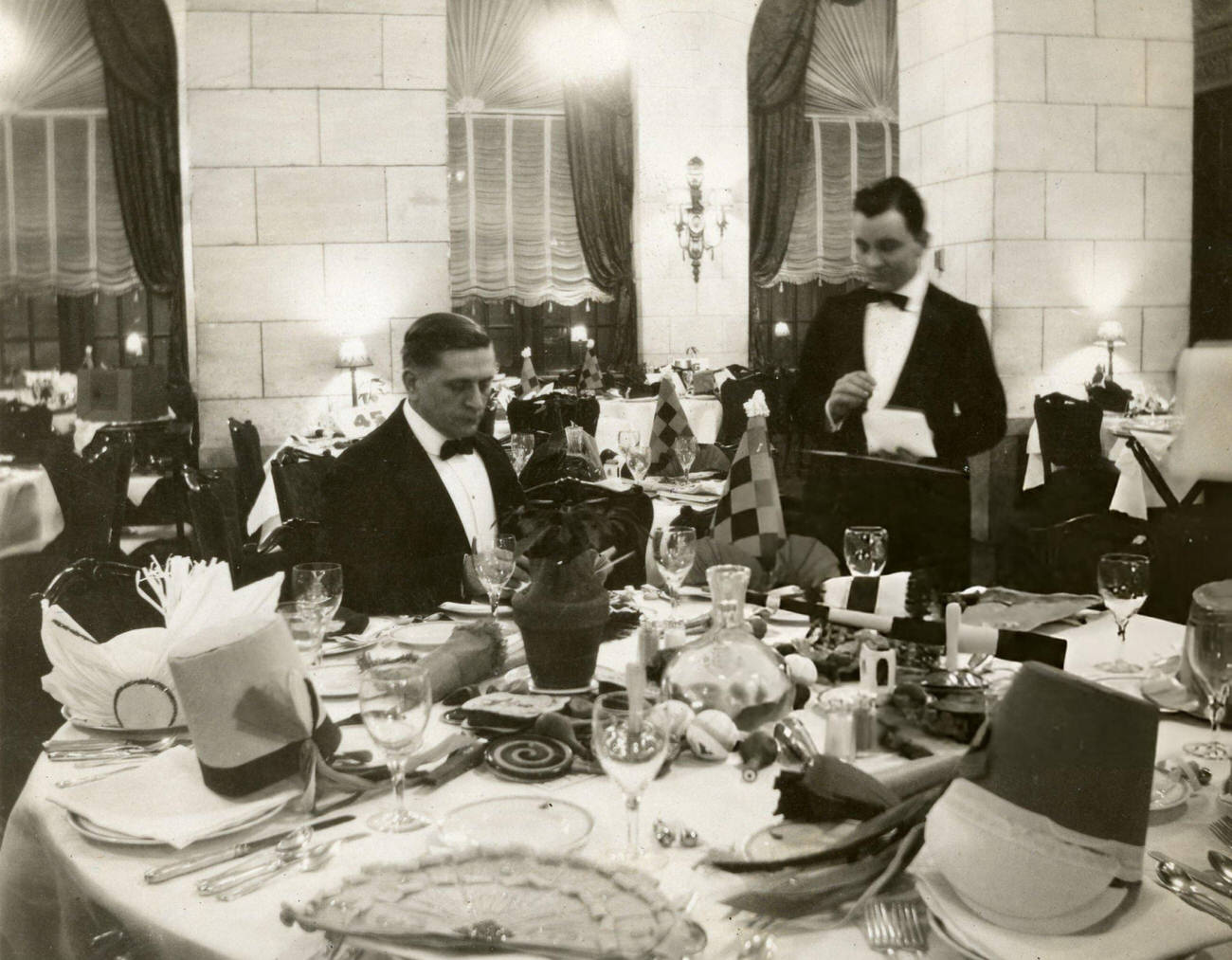
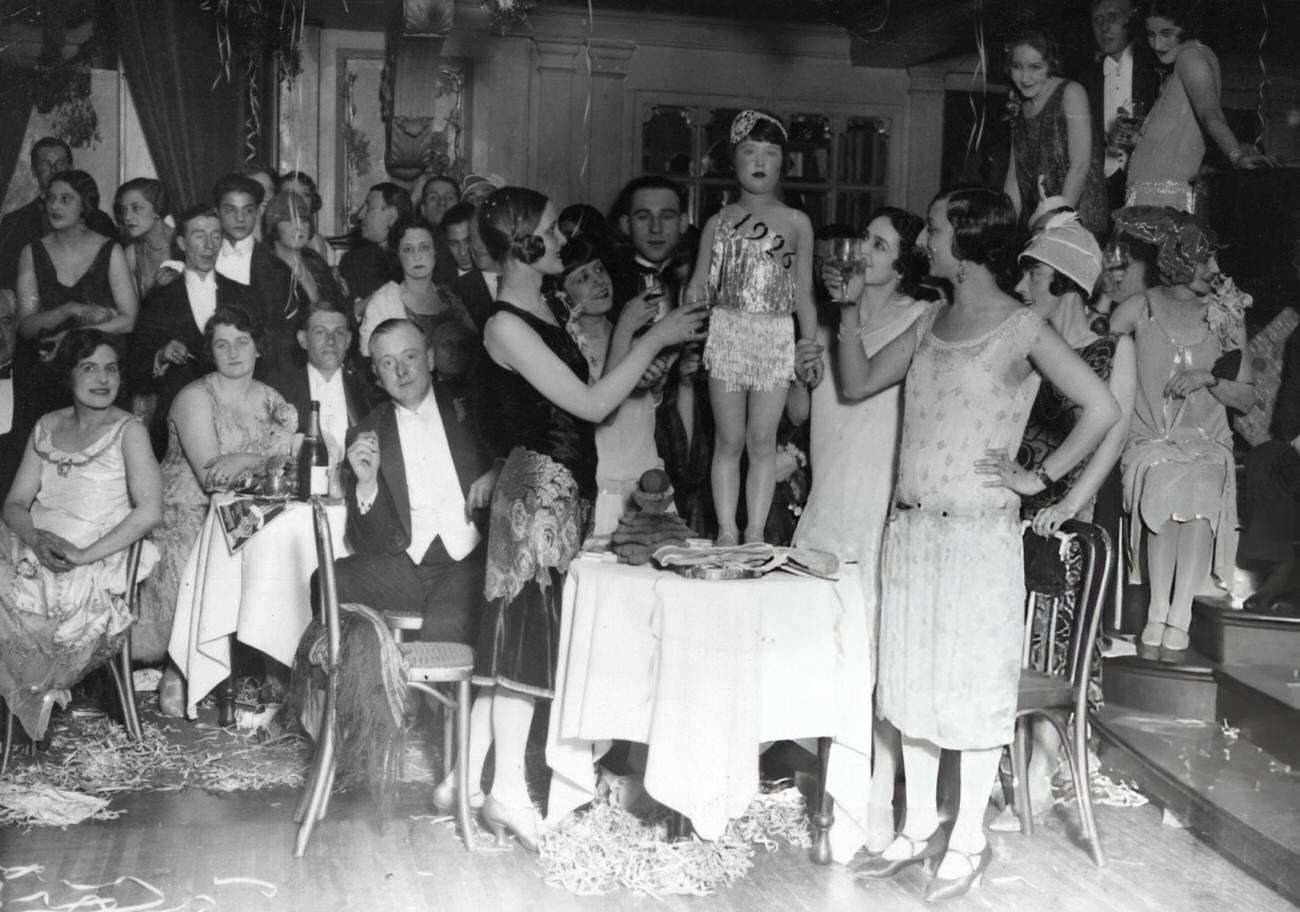
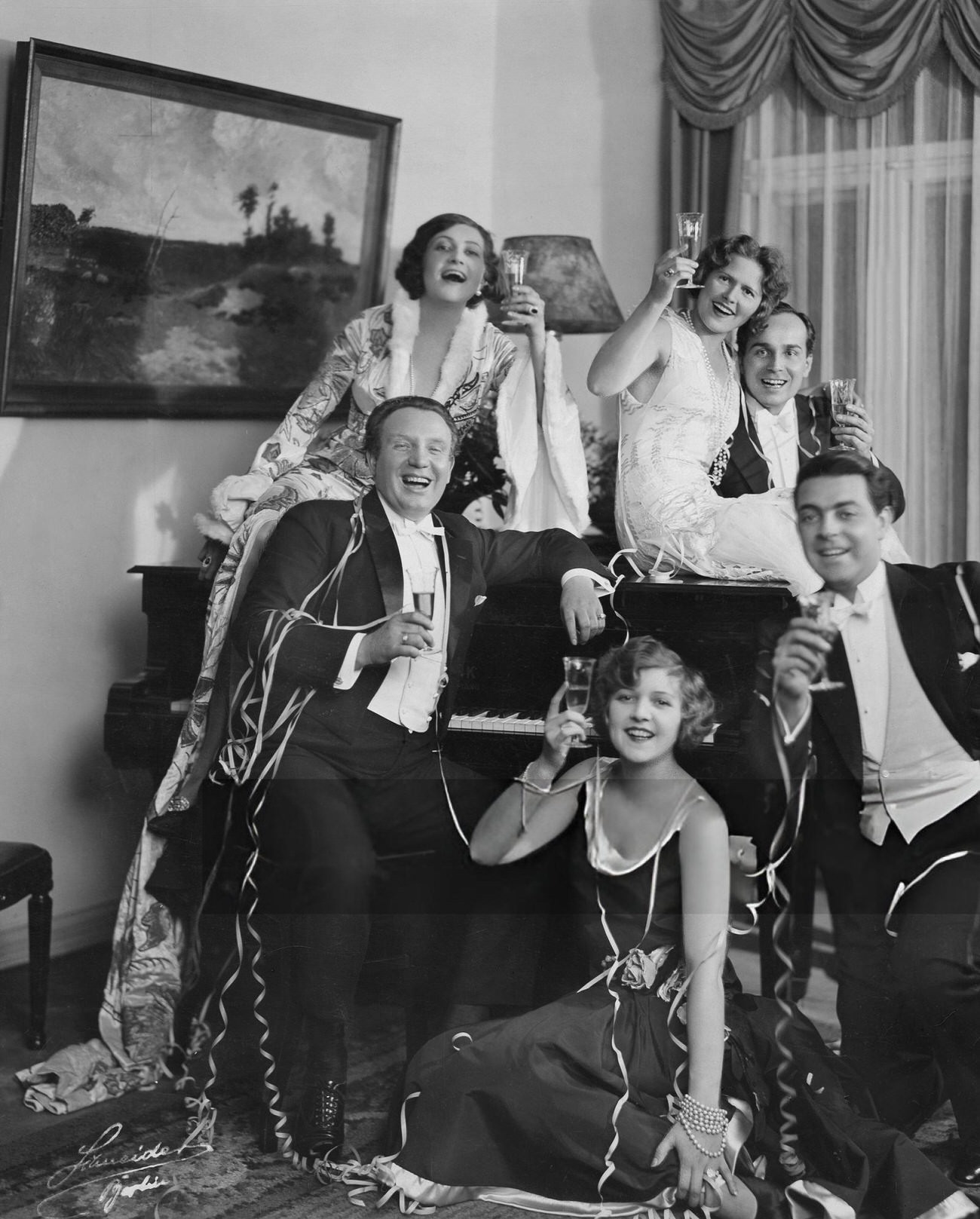
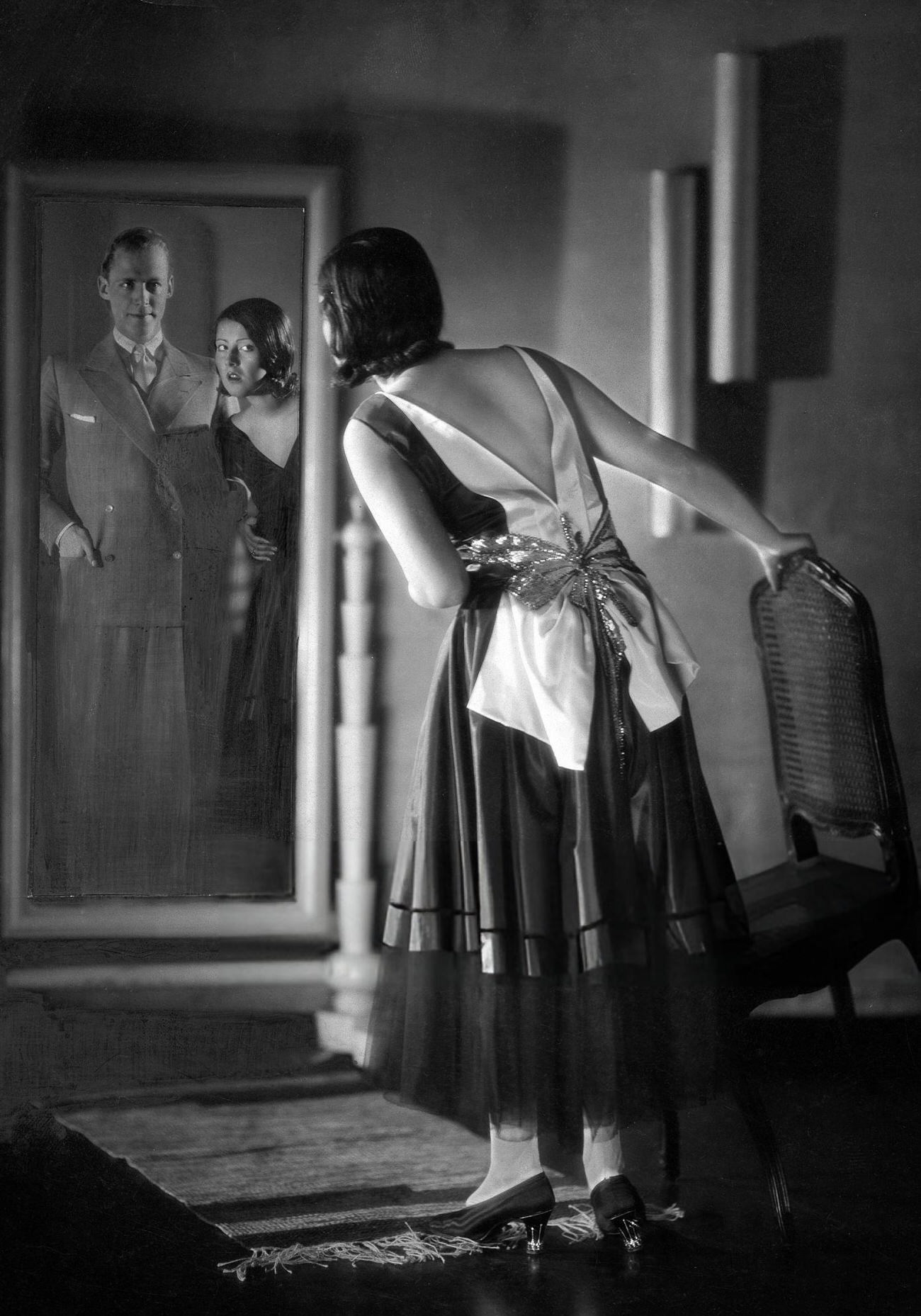
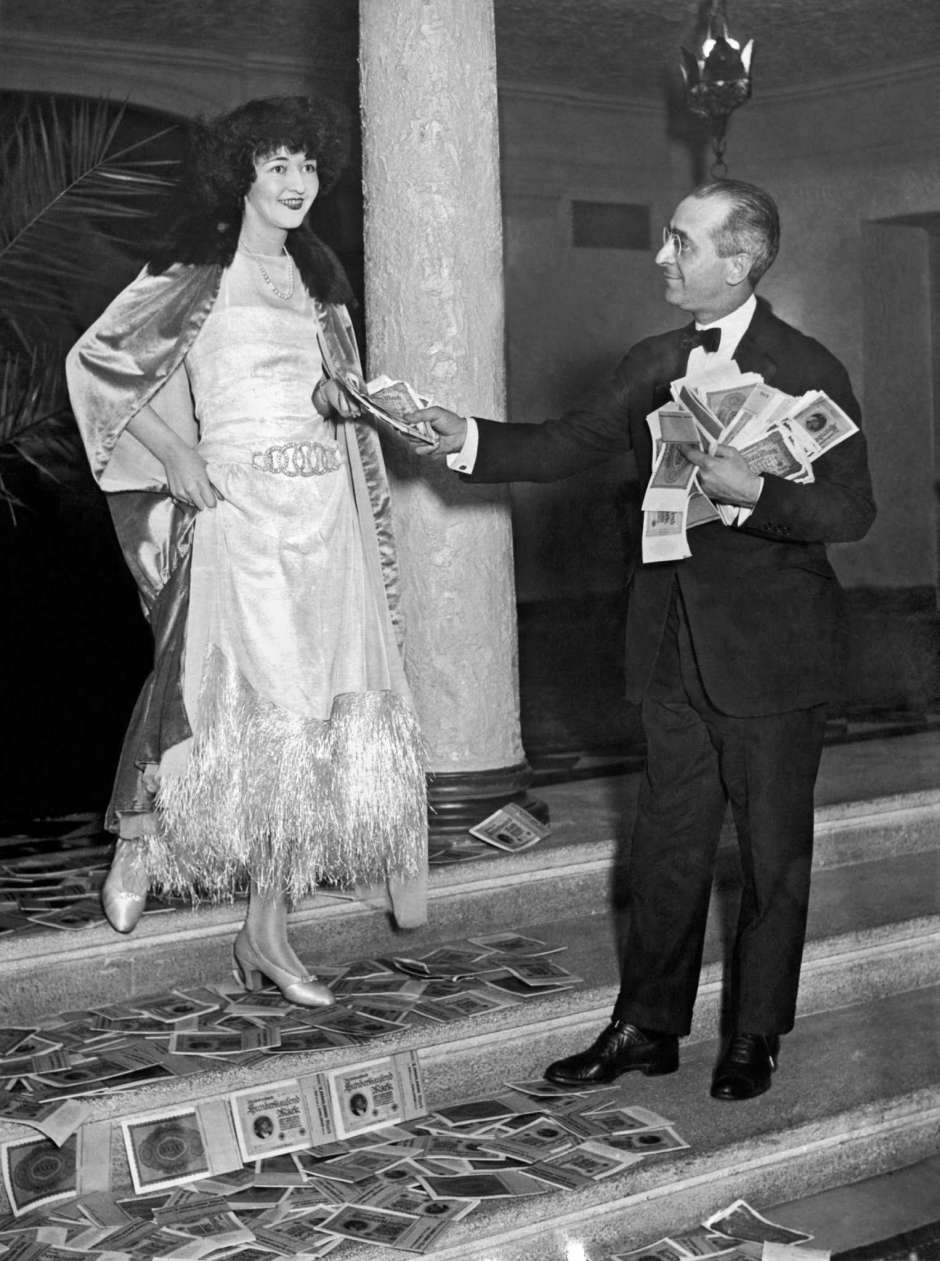
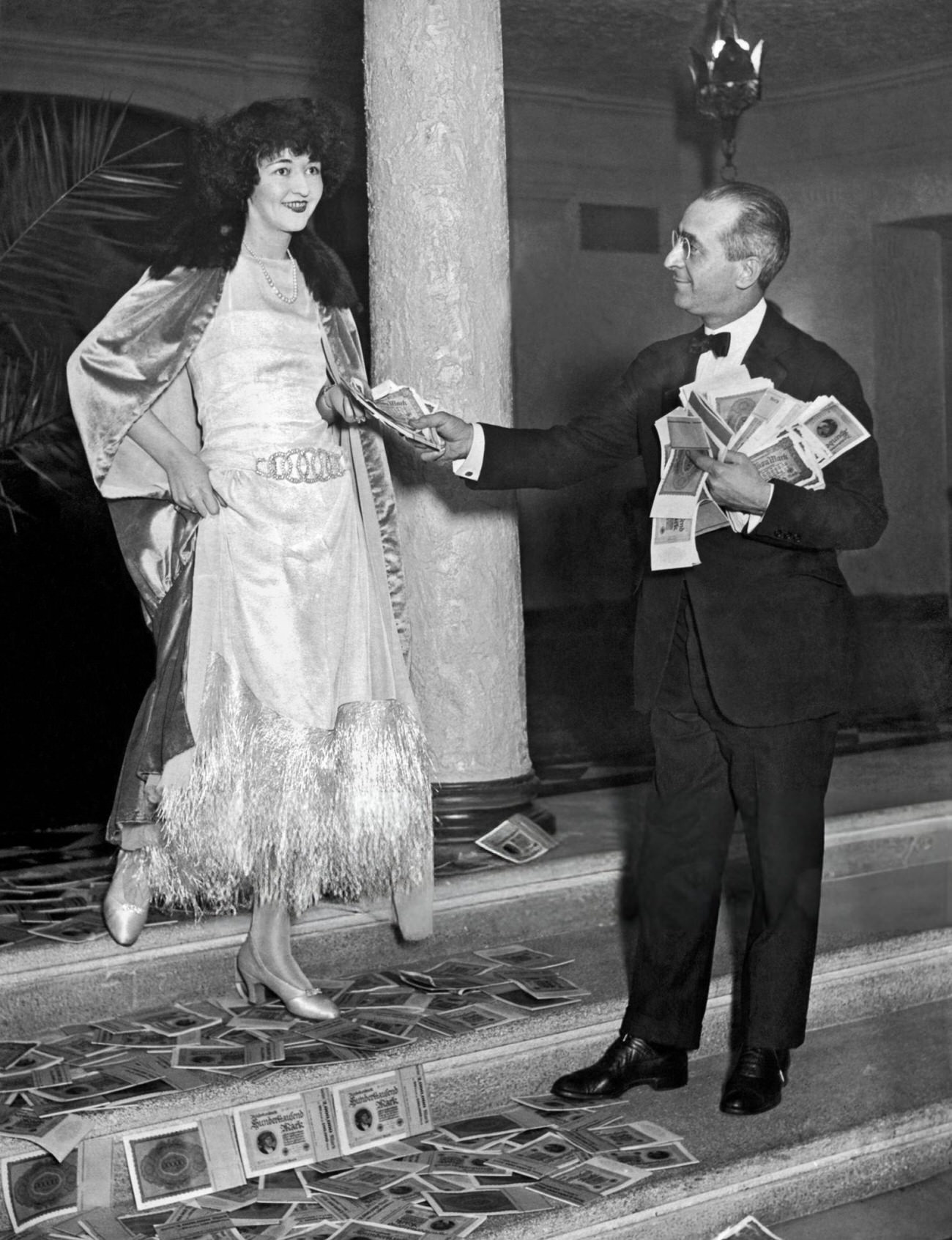
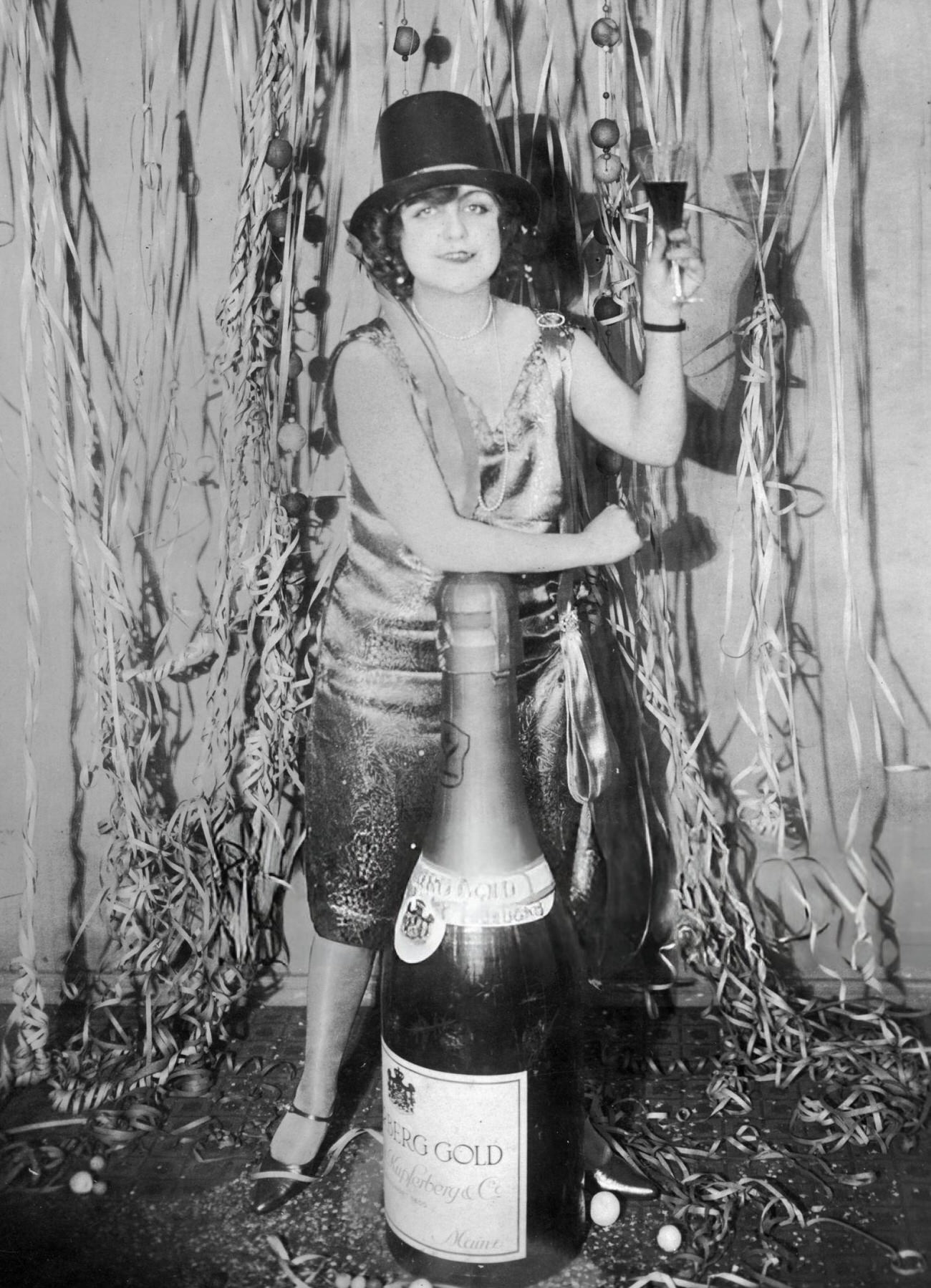
Fashion was equally important. Women embraced the flapper look — beaded dresses, fringe, shorter skirts, and bobbed hair. Men showed up in sharp suits, sometimes with pinstripes. New Year’s Eve was still a special occasion, and people dressed accordingly. The night out, even if it ended in a hidden basement bar, called for your best clothes.
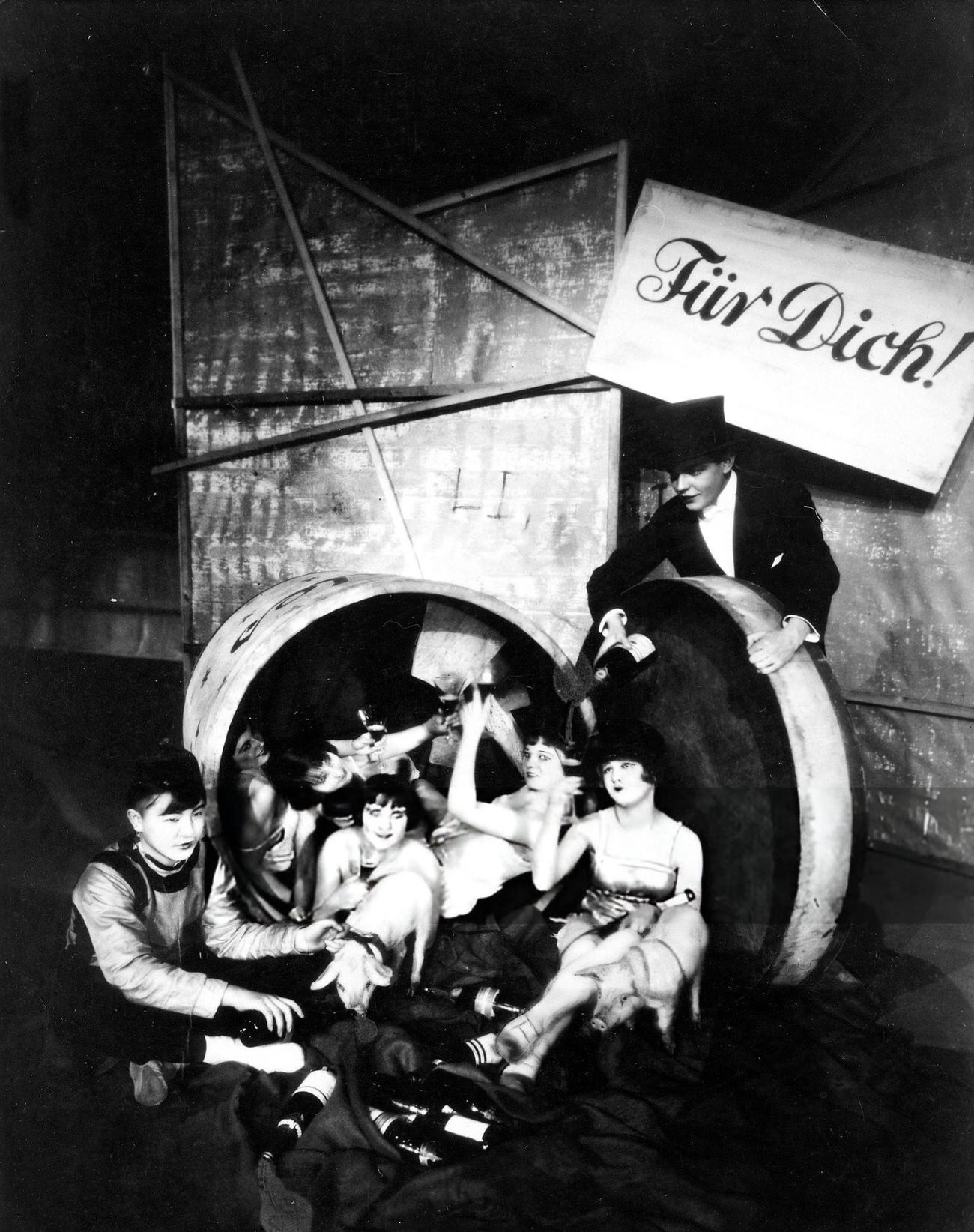
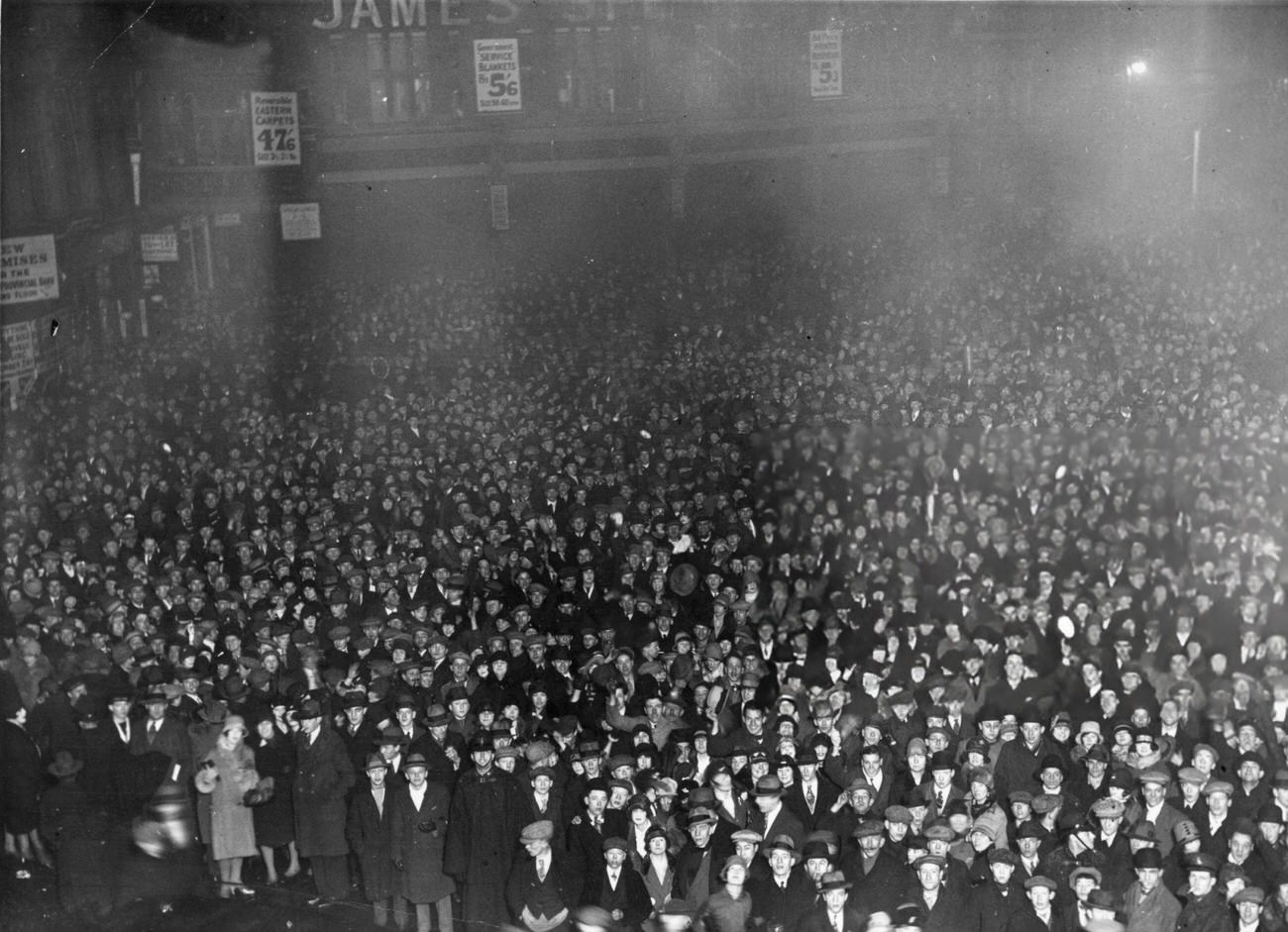
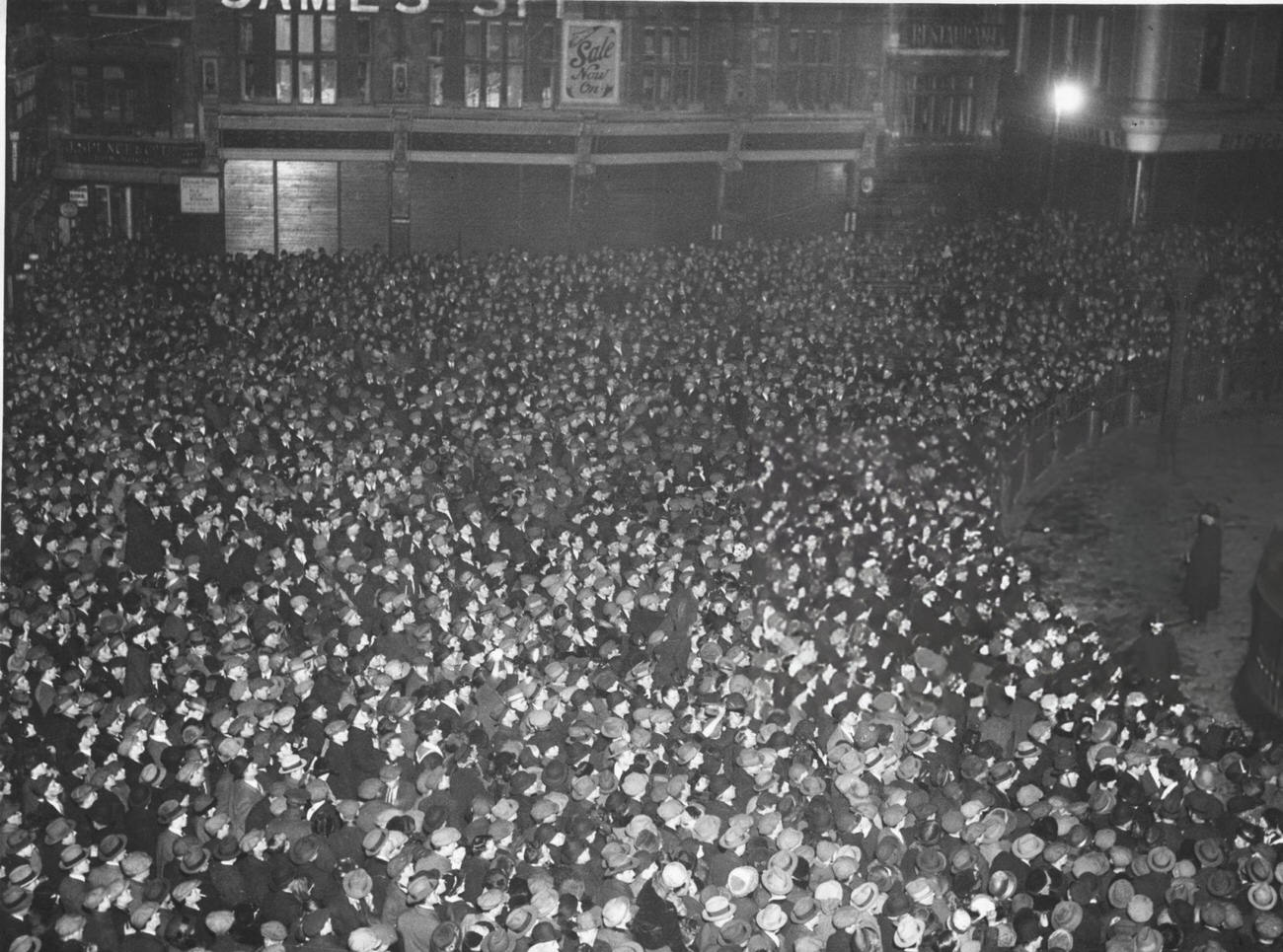
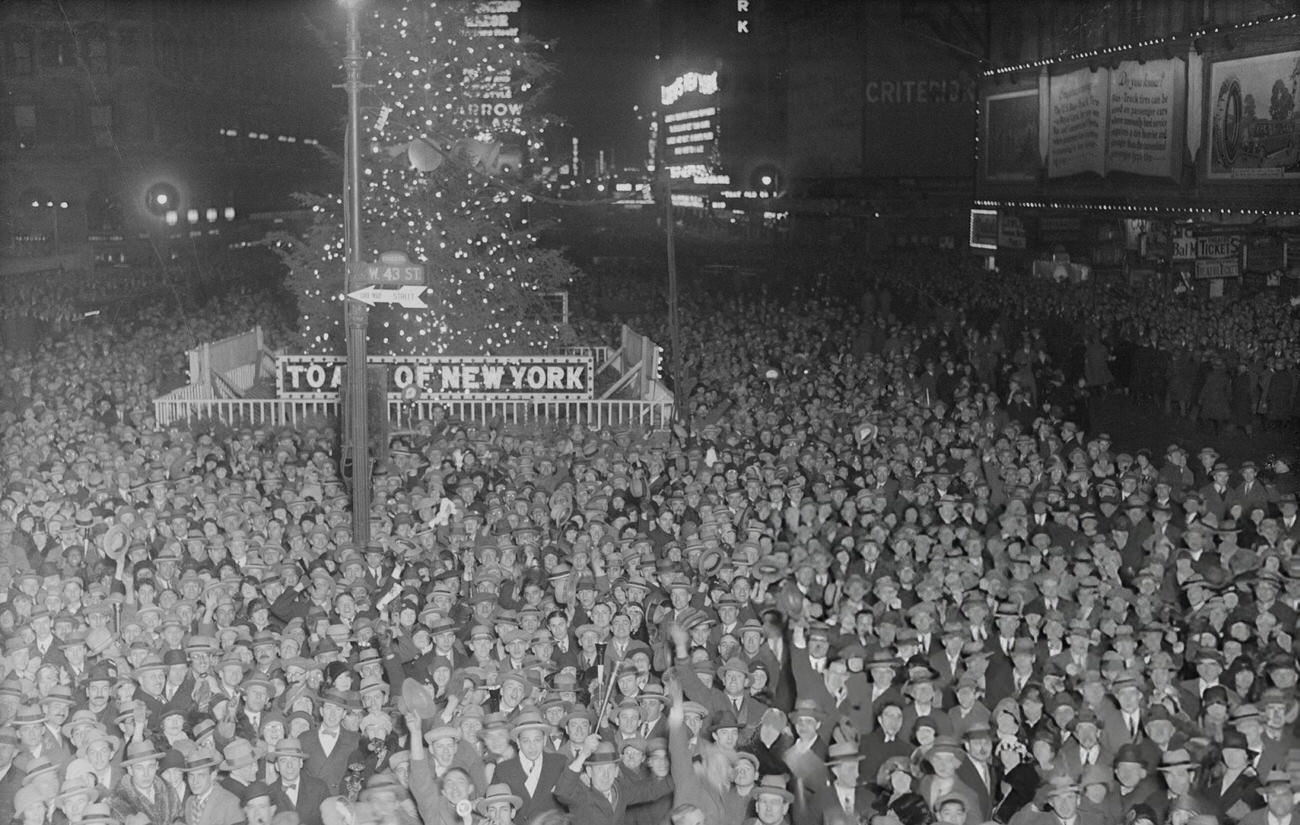
Times Square drew massive crowds on New Year’s Eve, even during Prohibition. The city’s energy was impossible to suppress. Code words, hidden flasks, and trusted connections kept the celebrations going despite the ever-present risk of arrest. Speakeasy owners and their patrons developed a whole language of signals and signals to avoid police attention.
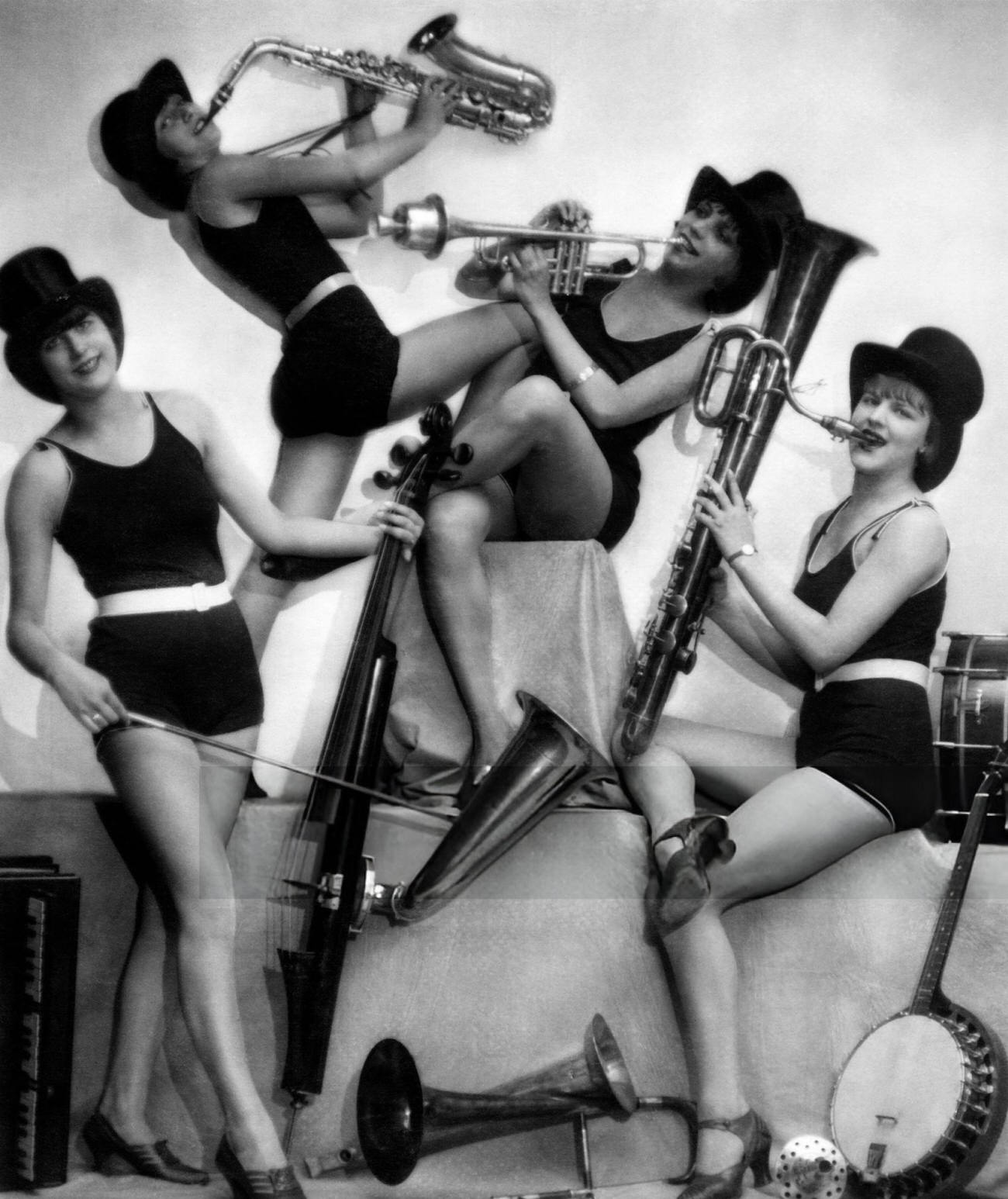
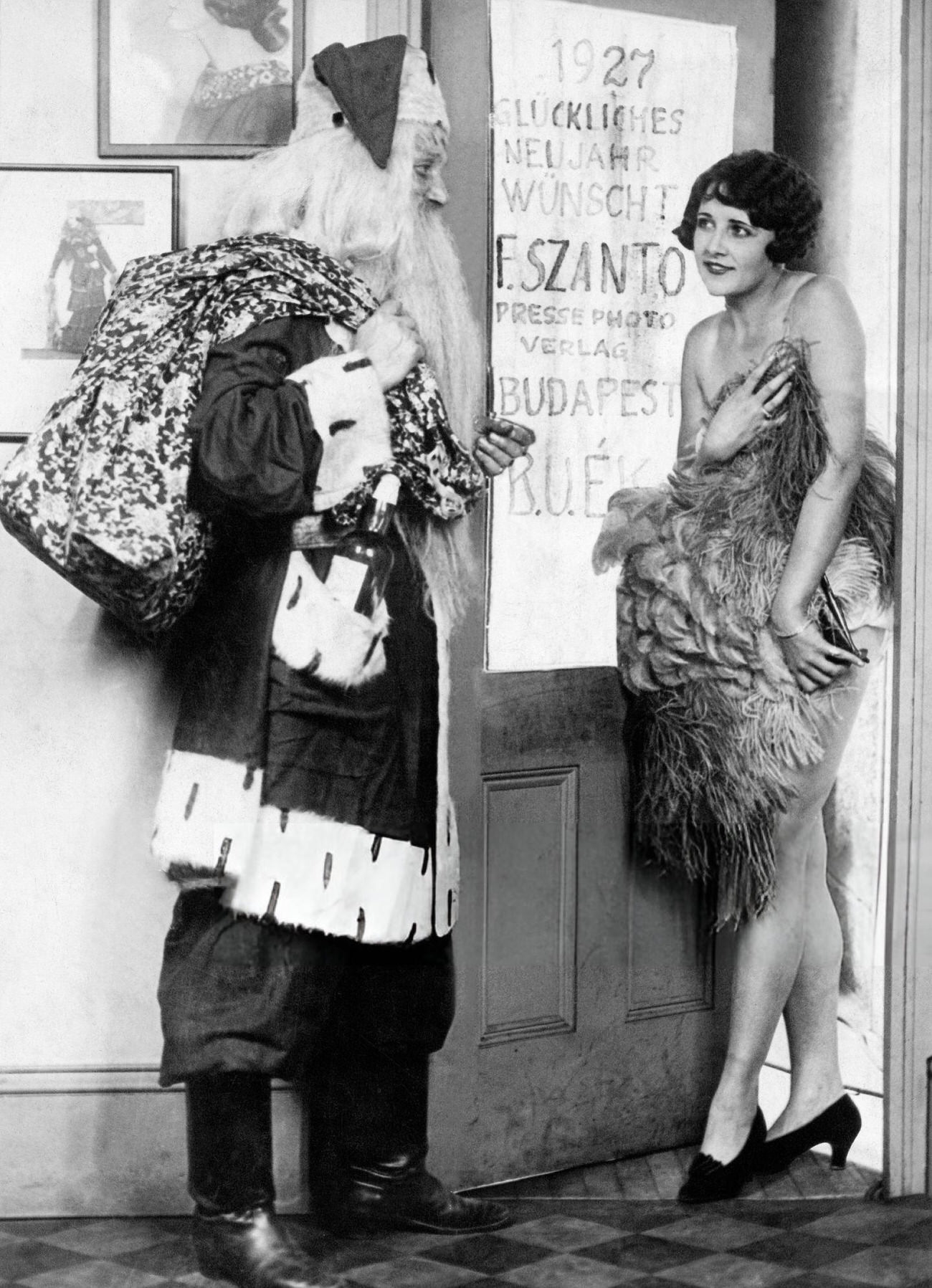
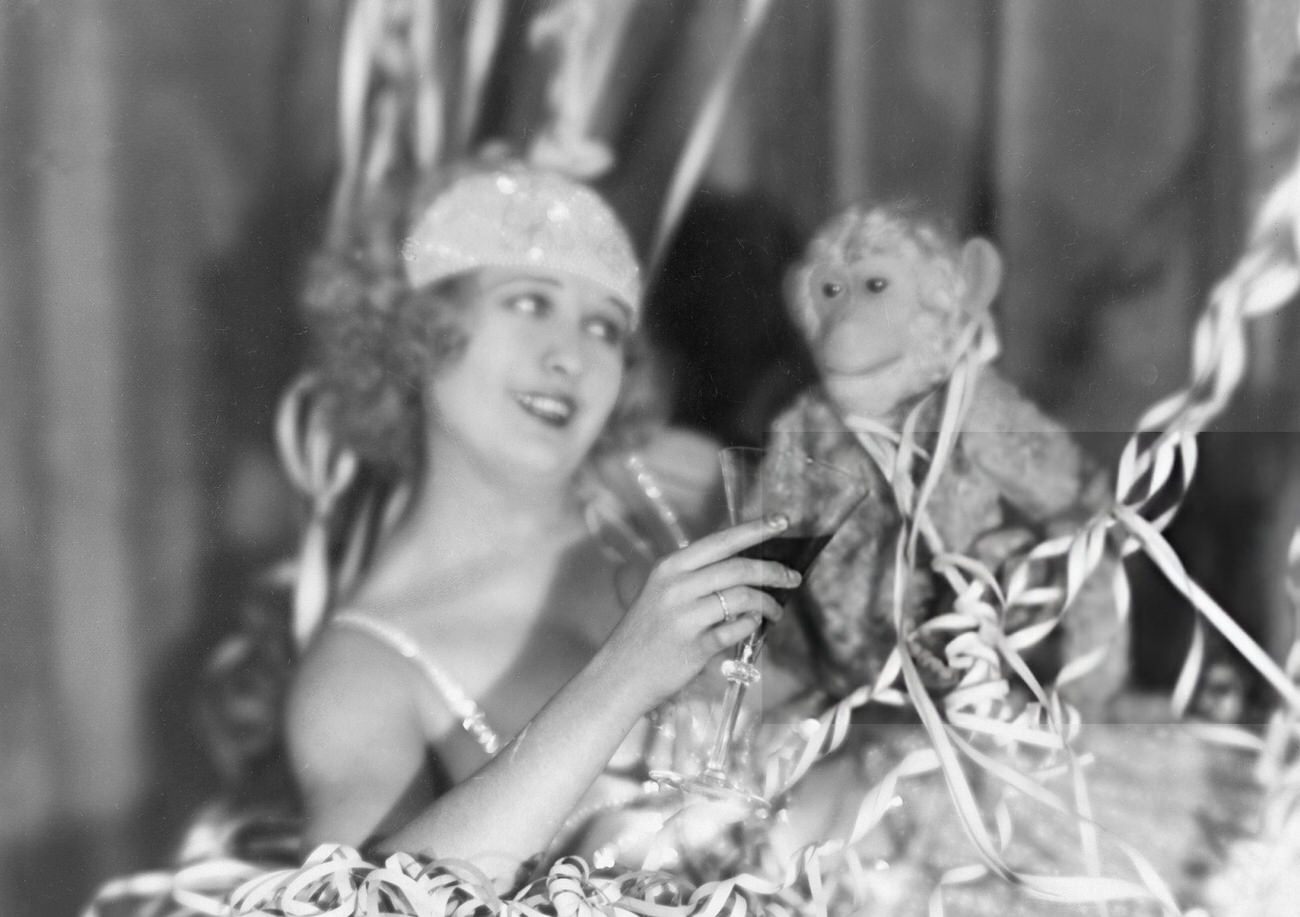
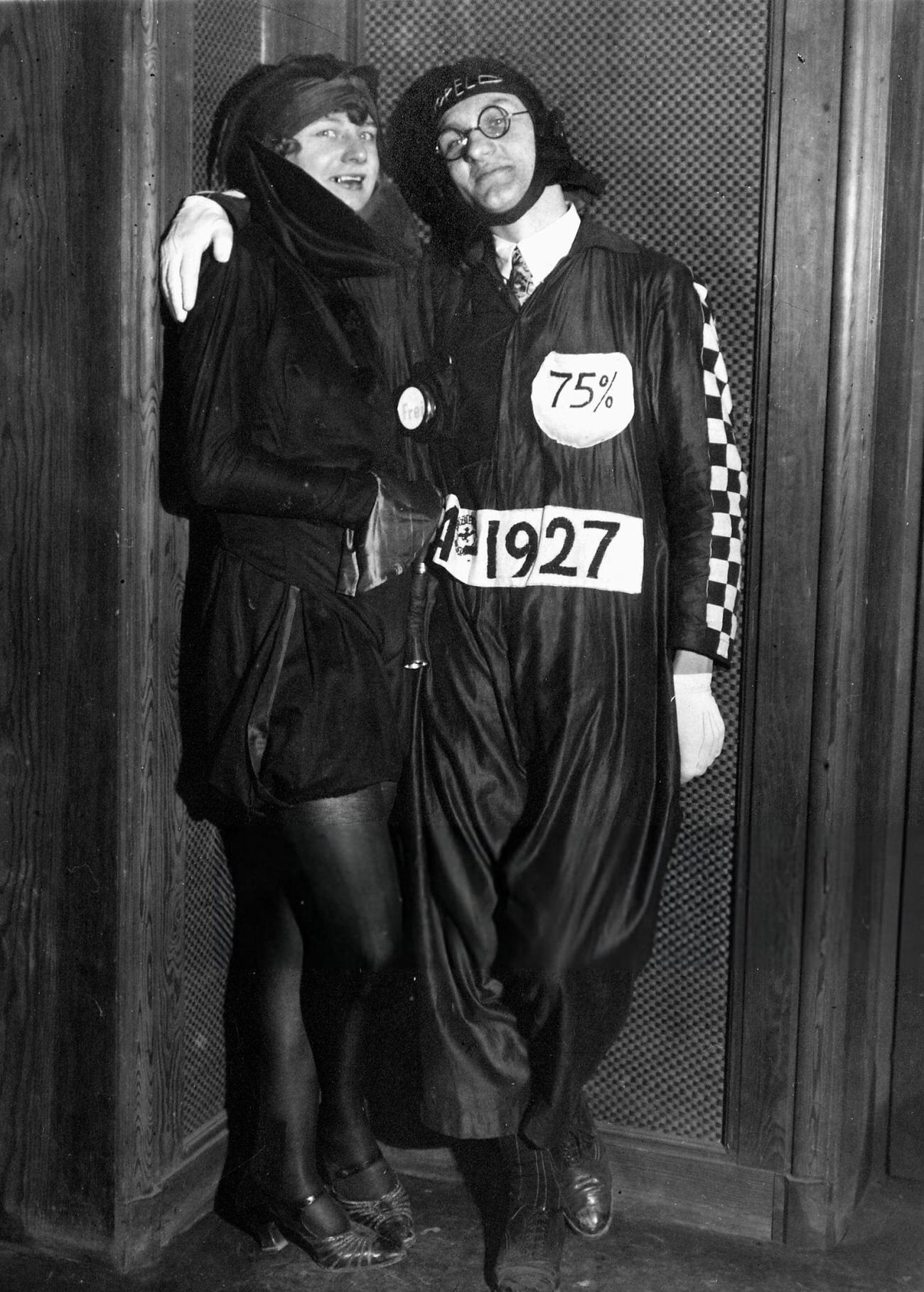
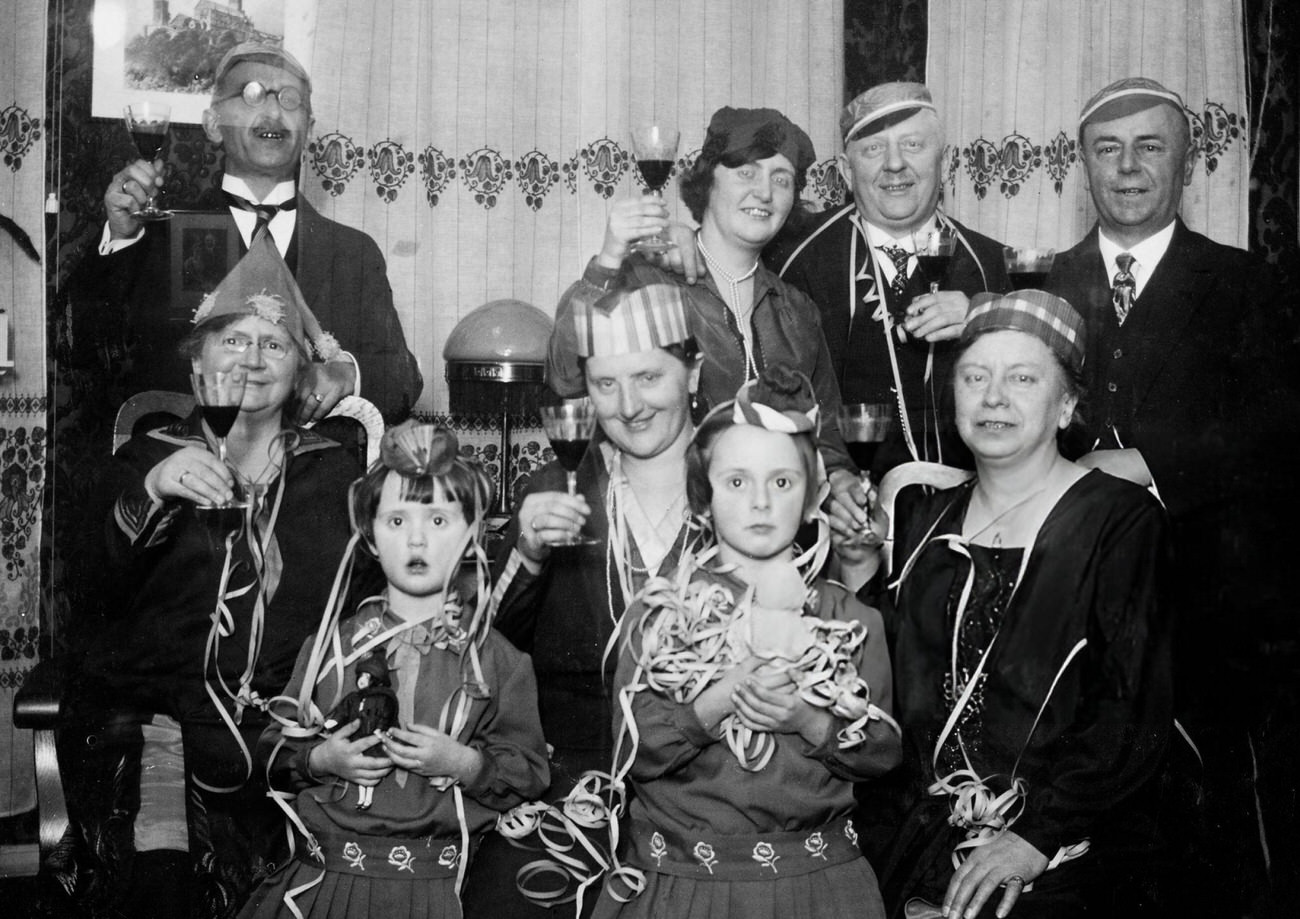
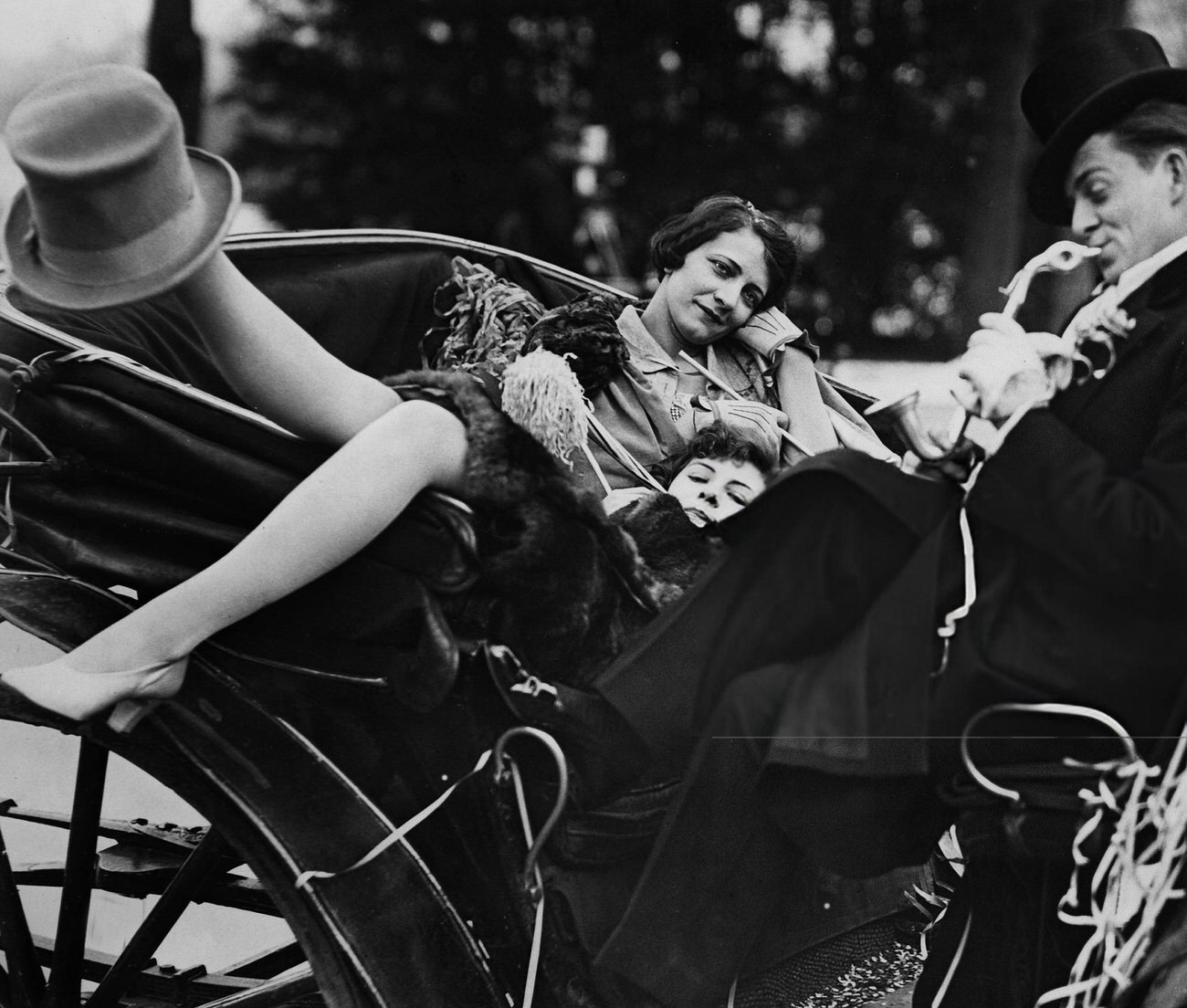
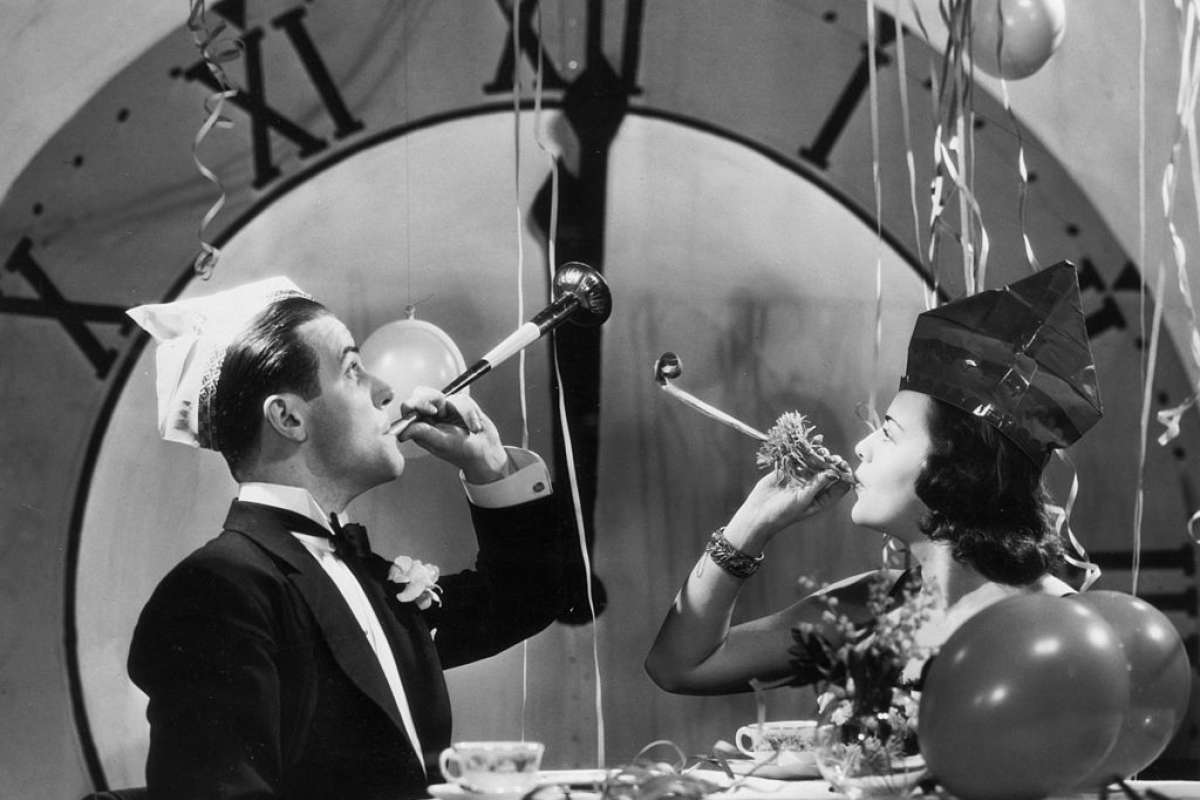
Even those who did not drink found ways to mark the occasion. Homes were decorated with streamers and balloons. People played games, danced, and gathered around the radio. The prohibition on alcohol did not stop Americans from wanting to celebrate — it just made them more inventive about how they did it.