In the early 1970s, the United States Environmental Protection Agency hired photographer Terry Eiler to document something that most of the country was overlooking: the lives of Native Americans living on reservations in Arizona and the surrounding Southwest. The agency wanted to understand how the nation’s growing concern about the environment was affecting these communities. What Eiler found went far beyond environmental questions. He captured an entire world — one built on kinship, land, and a fierce commitment to cultural survival.
Eiler’s work took him across Navajo, Havasupai, and Hopi lands. He photographed miners and shepherds, mothers and children, traders and teachers. The images he produced show communities dealing with poverty and isolation while holding tightly to traditions that had existed for centuries. The pictures do not romanticize or exaggerate. They simply show life as it was.
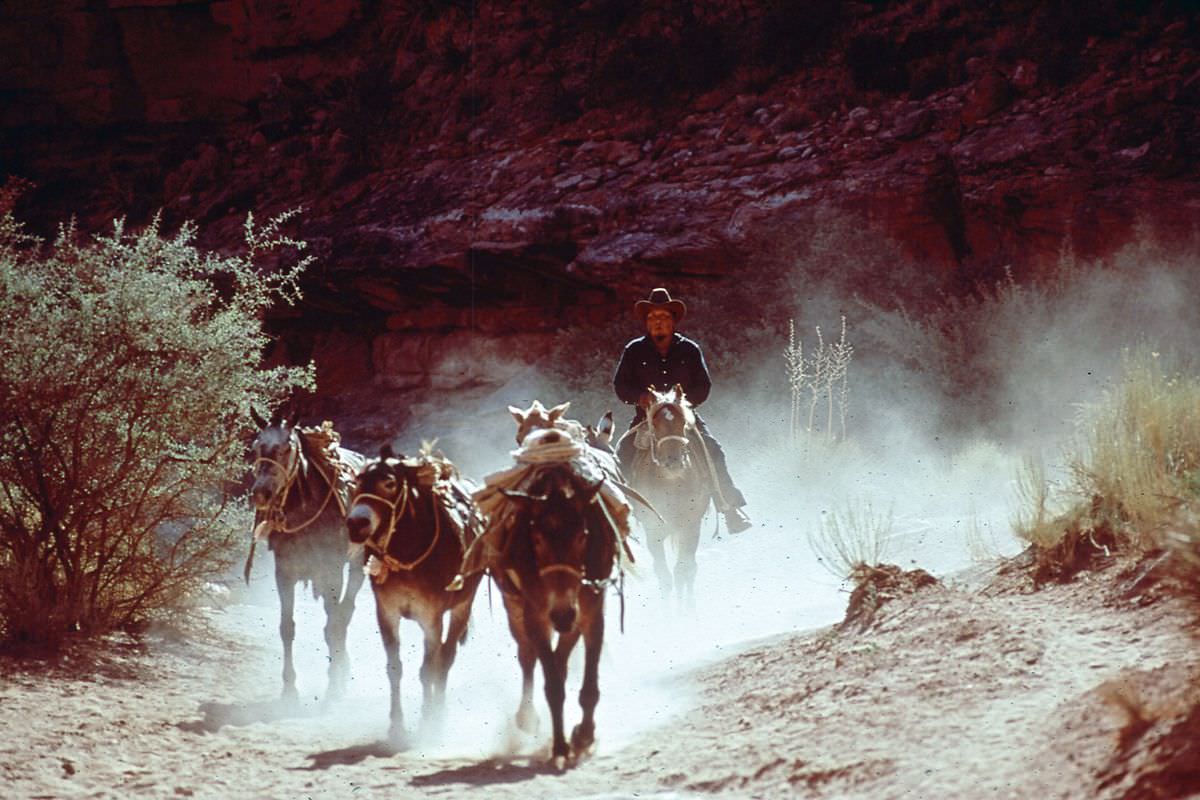
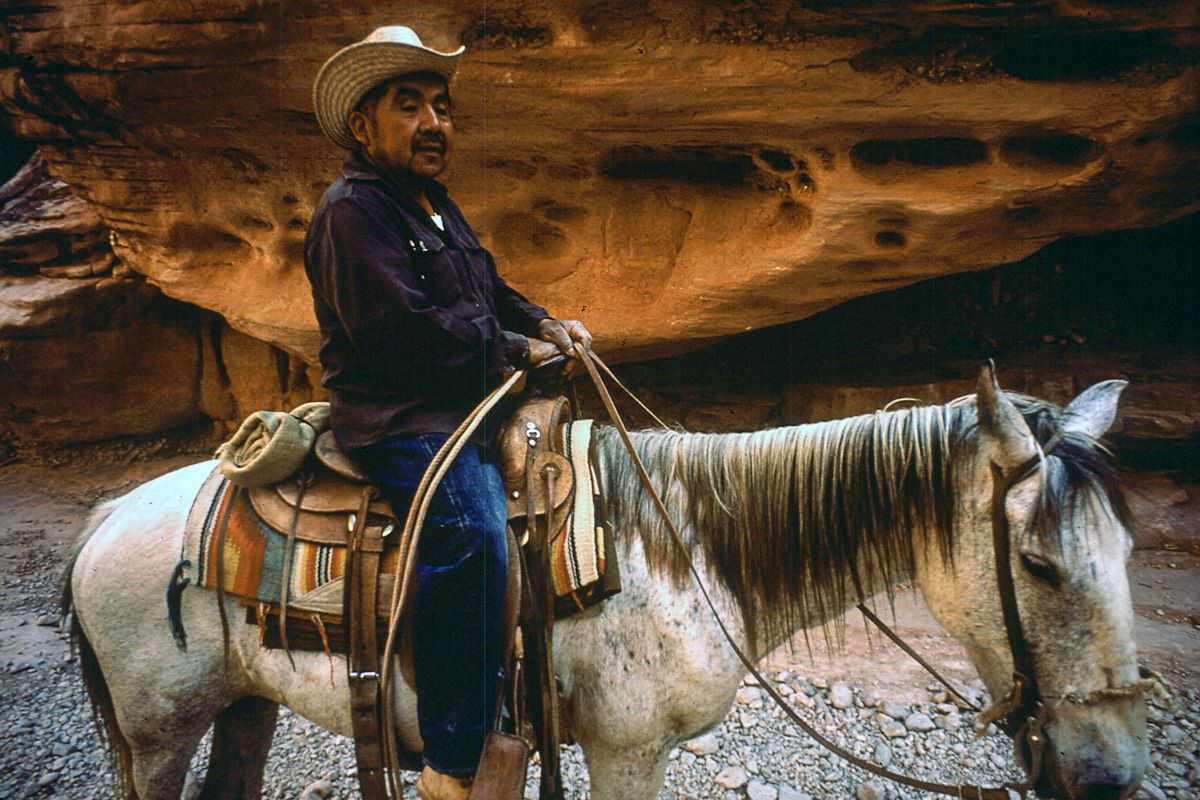
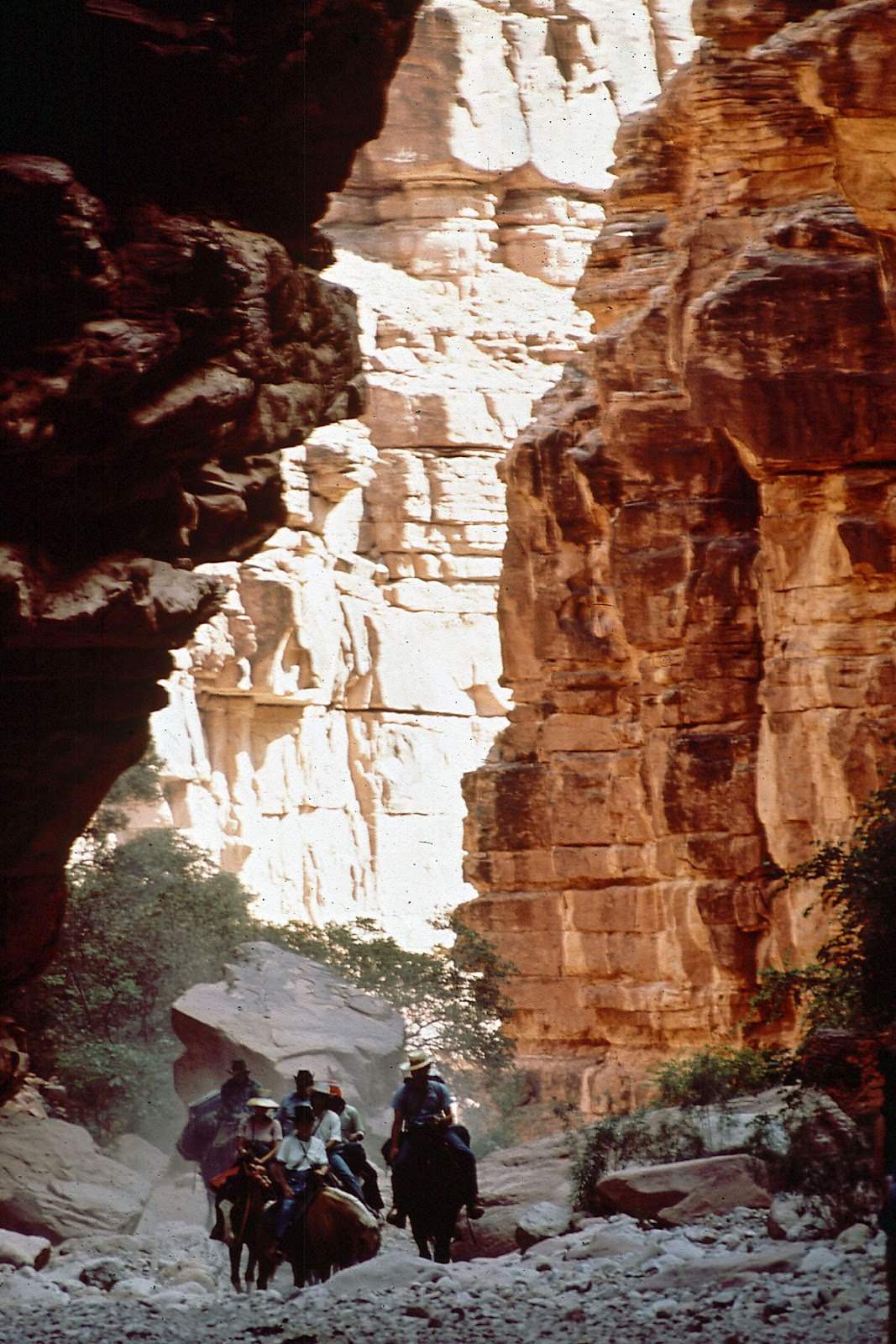
The Havasupai people lived deep in the Grand Canyon, in and around the remote village of Supai, Arizona. Reaching their homeland required traveling narrow canyon trails by foot or on the back of a mule. The outside world arrived slowly here — but it did arrive. Tourists had begun making their way into Havasupai territory, drawn by the stunning blue-green waters of Havasu Creek and the dramatic waterfalls nearby.
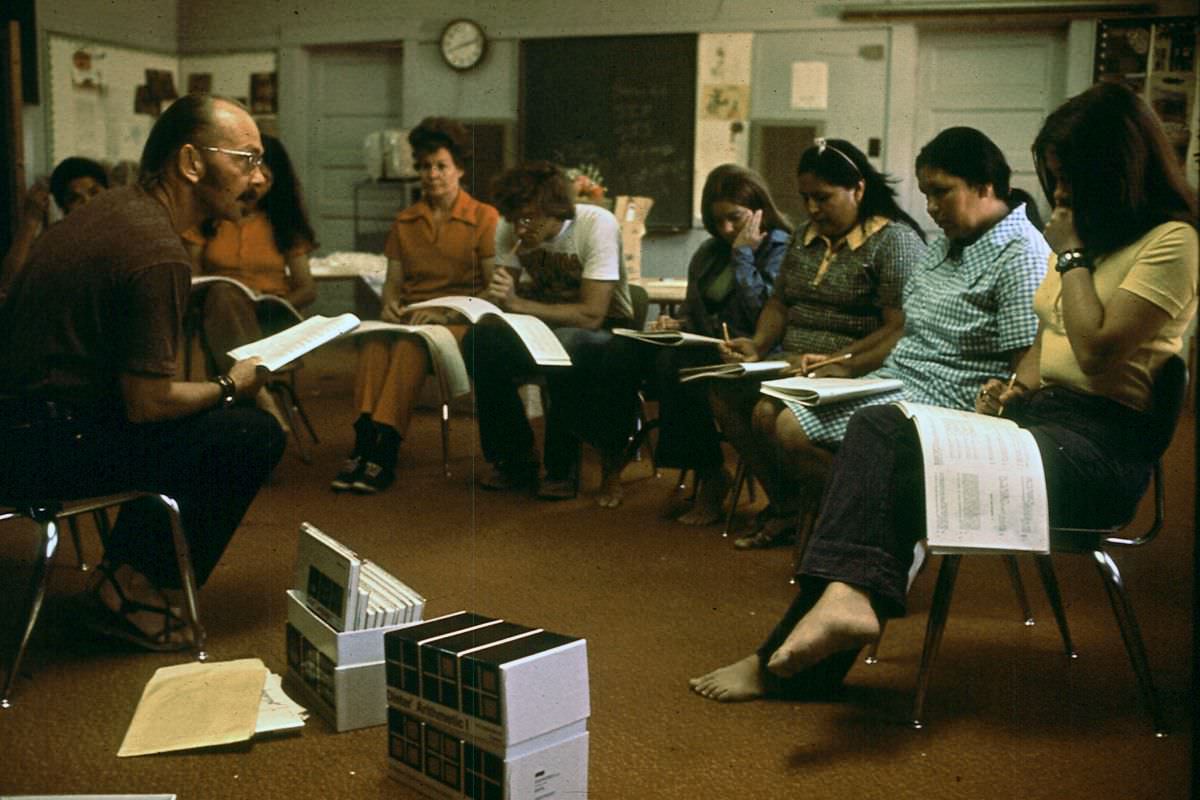
Tourism brought both attention and disruption to Havasupai land. Visitors swam in the sacred waters and camped near the falls, and their presence left a mark on the environment and the community. For the Havasupai, managing this outside intrusion while preserving their way of life was a constant challenge. At the same time, efforts were being made to strengthen the community from within. The tribe worked to improve education for their children, bringing trained instructors directly into Supai.
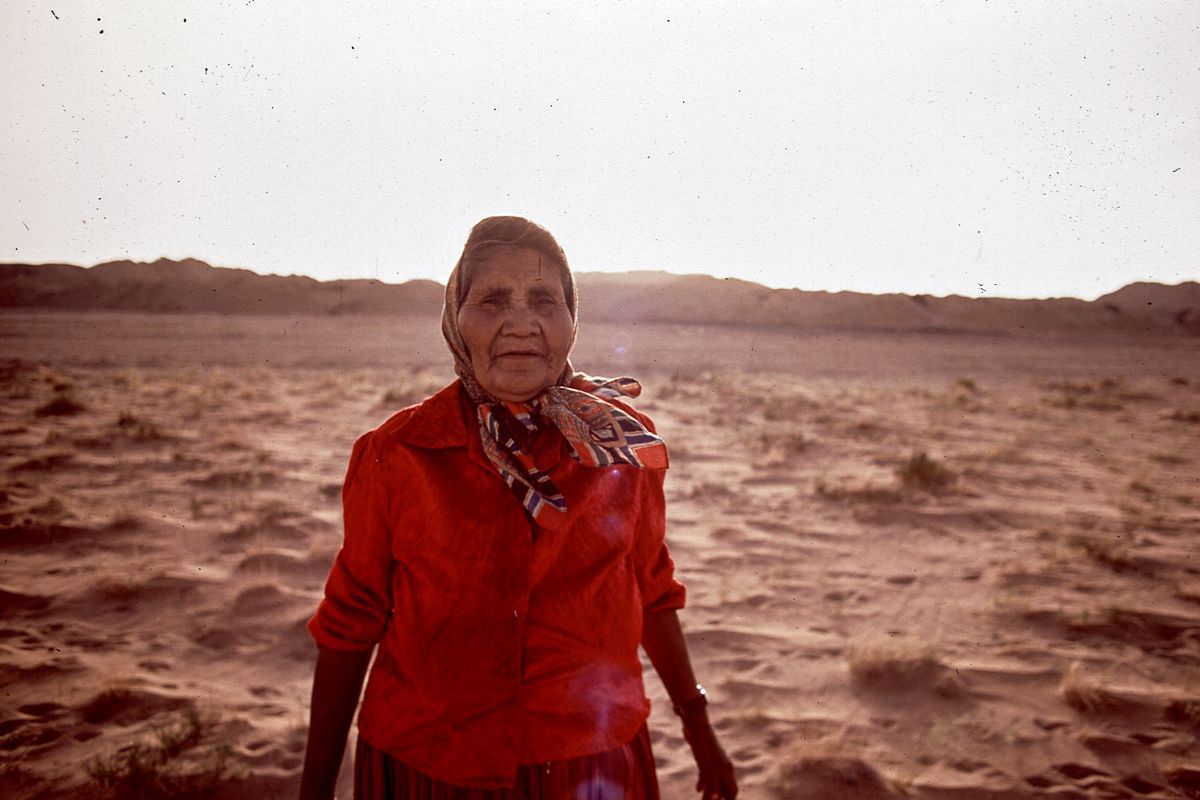
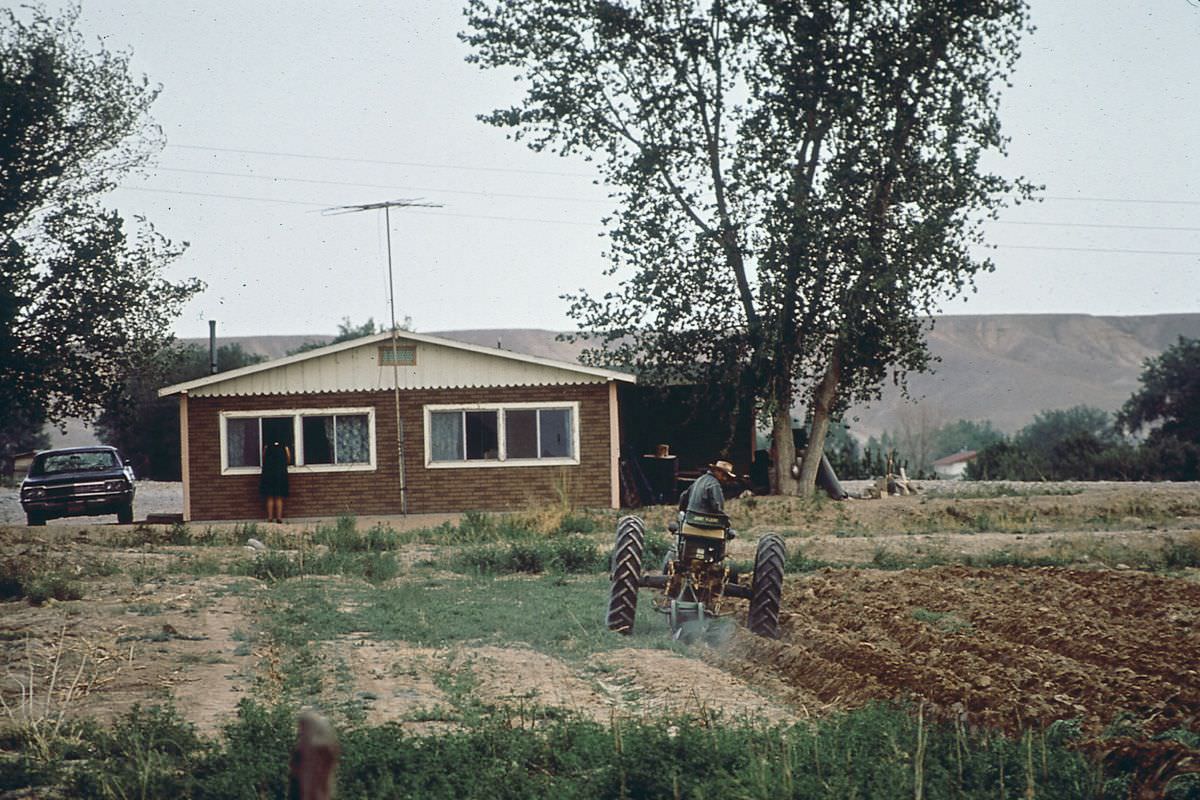
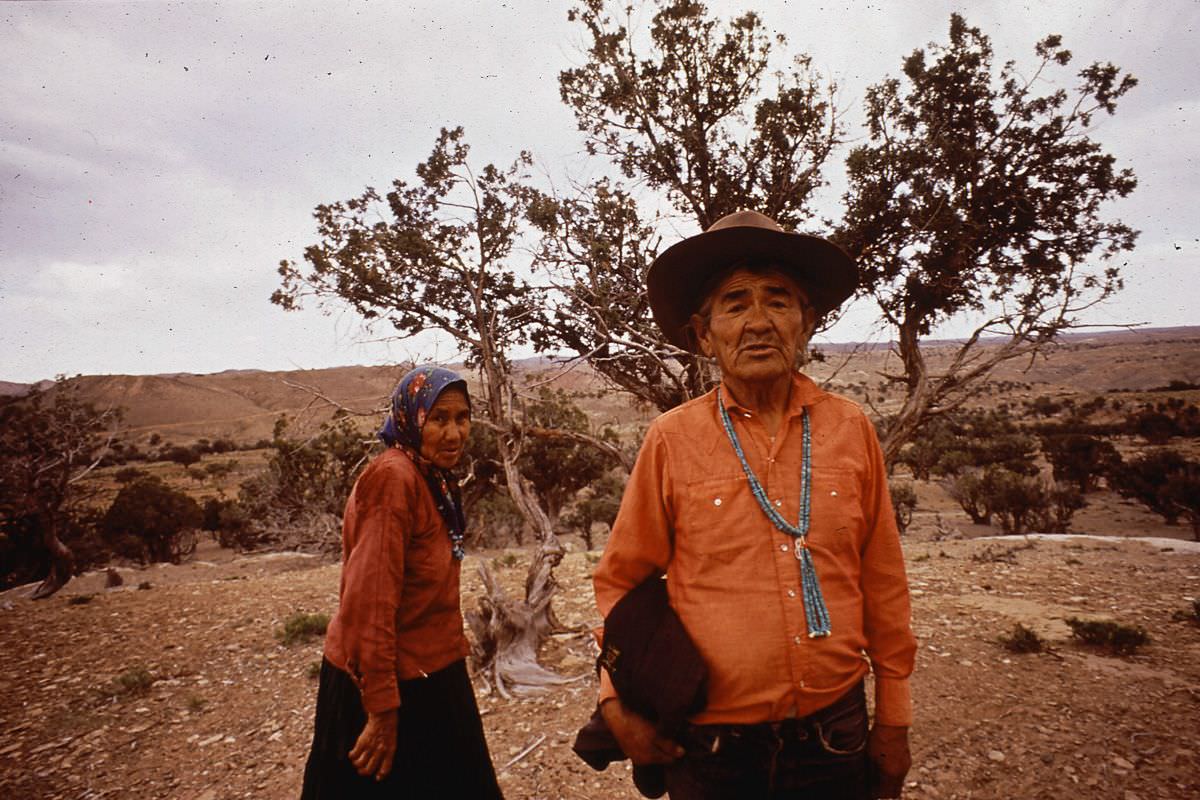
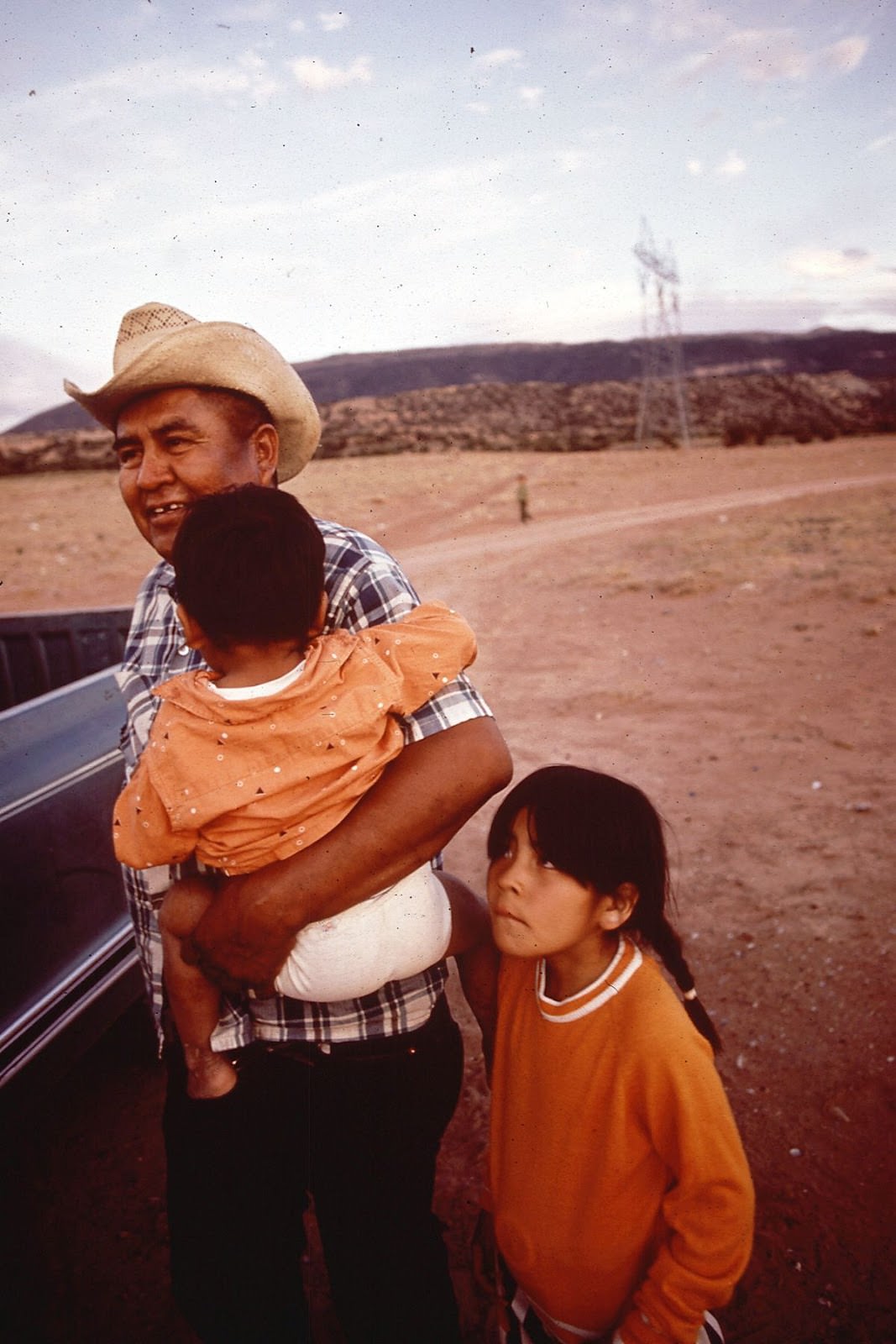
The Navajo Nation was the largest Native American territory in the country, stretching across Arizona, New Mexico, and Utah. In the 1970s, many Navajo families lived in deeply rural areas with few resources. Work was scarce, wages were low, and basic infrastructure that most Americans took for granted — running water, electricity, paved roads — was absent from large parts of the reservation. Families farmed small gardens and raised livestock to supplement whatever income they could find.
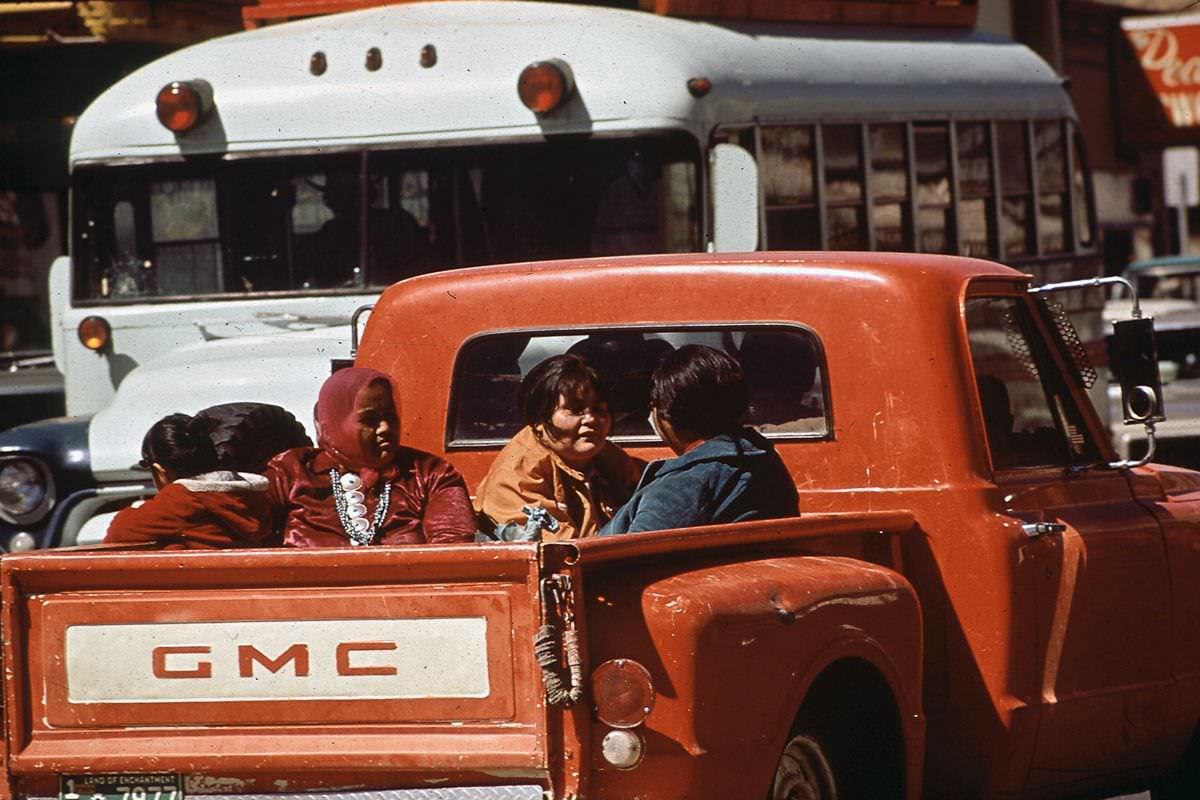
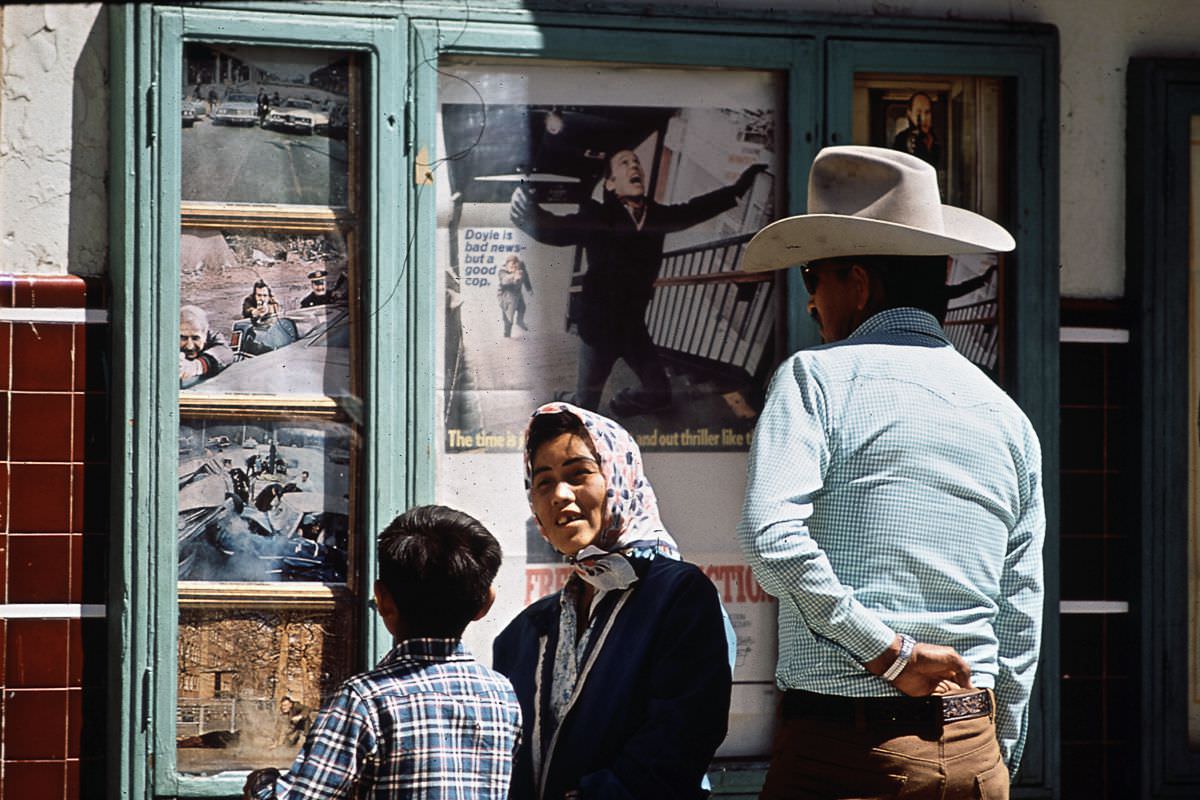
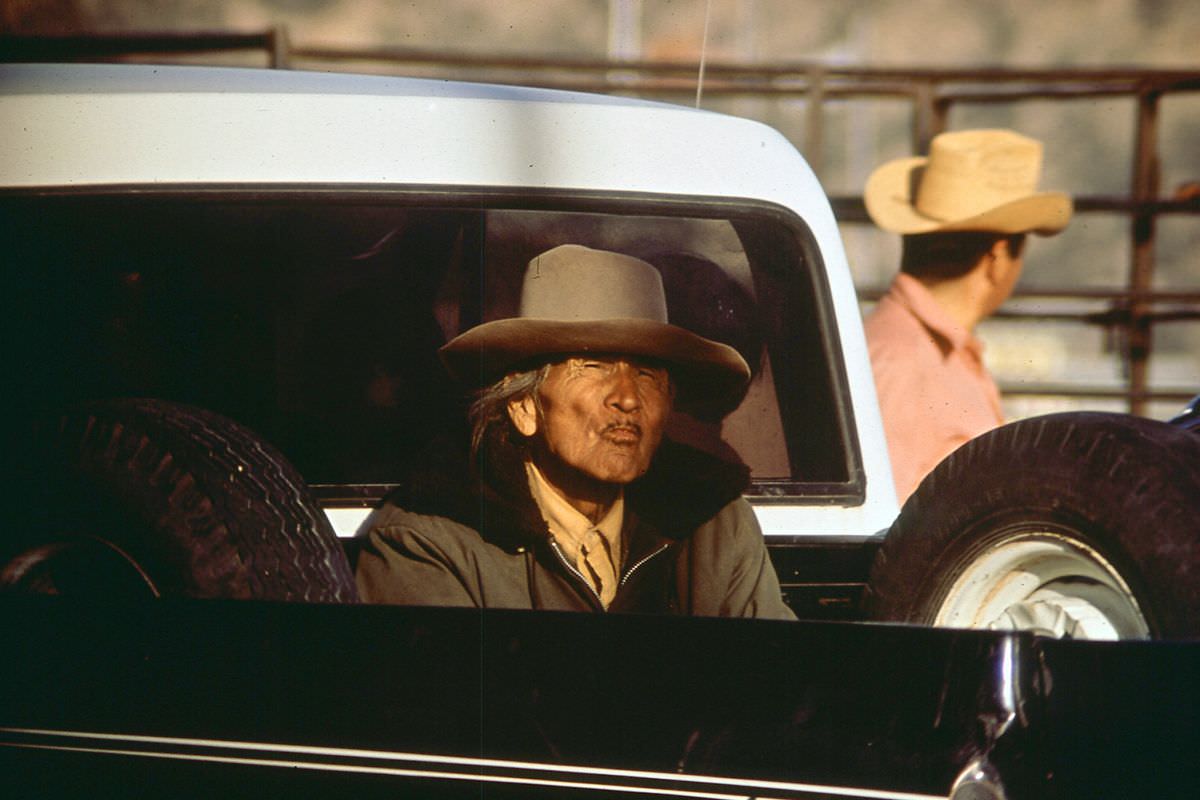
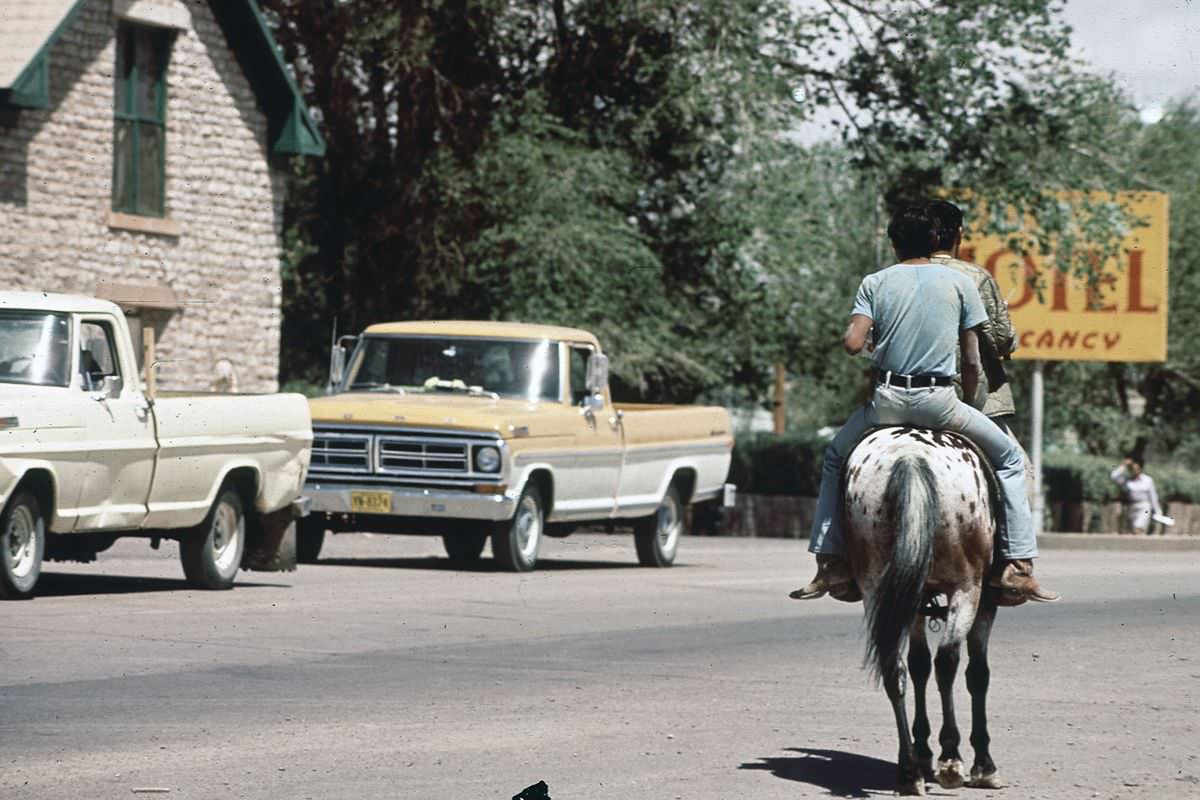
Towns like Window Rock, the capital of the Navajo Nation, served as gathering places where commerce, government, and community life intersected. People rode in from outlying areas to trade, shop, and connect with one another. Window Rock represented a kind of hub for Navajo civic life, even as many residents of the broader nation remained far removed from its services.
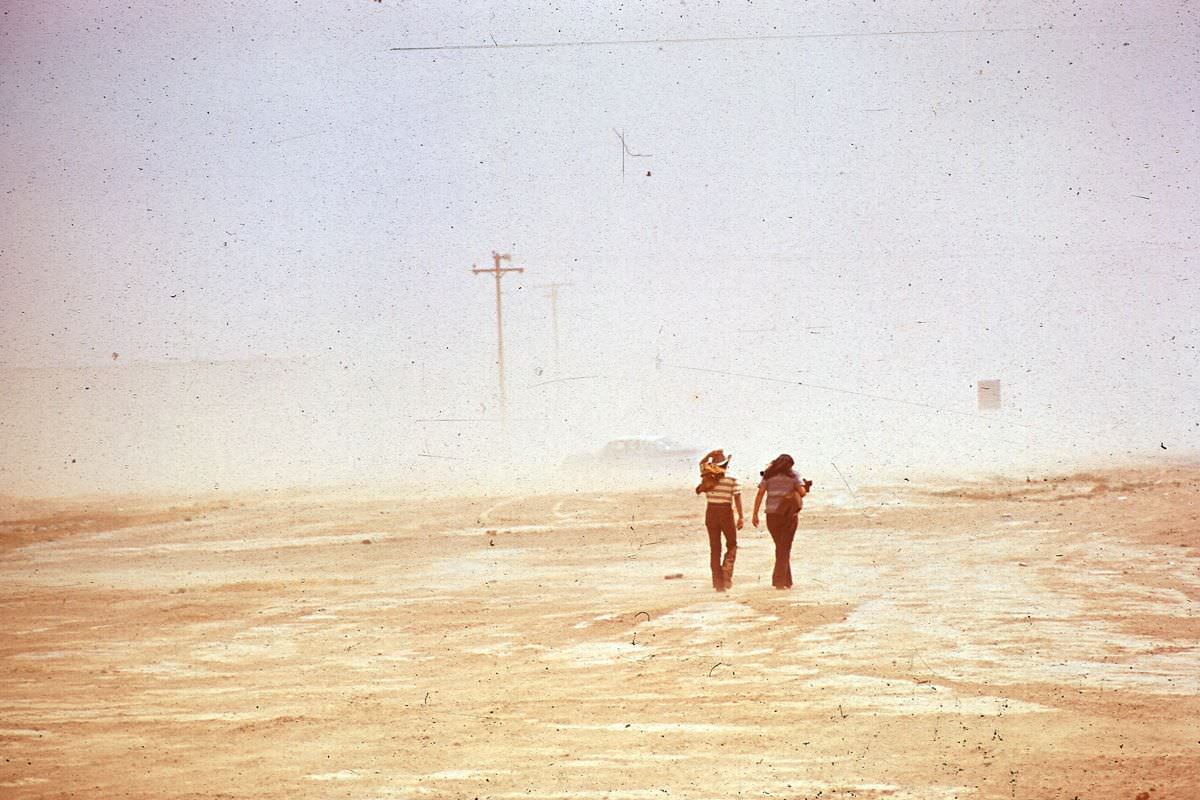
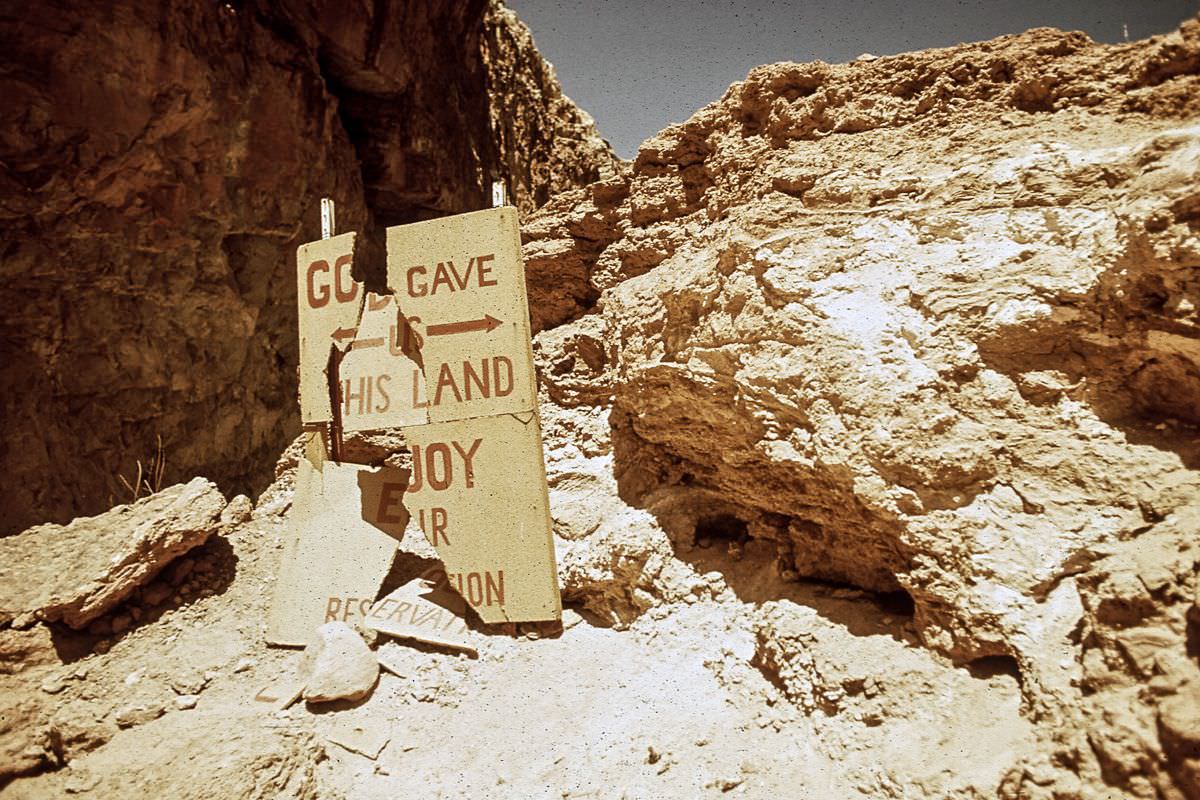
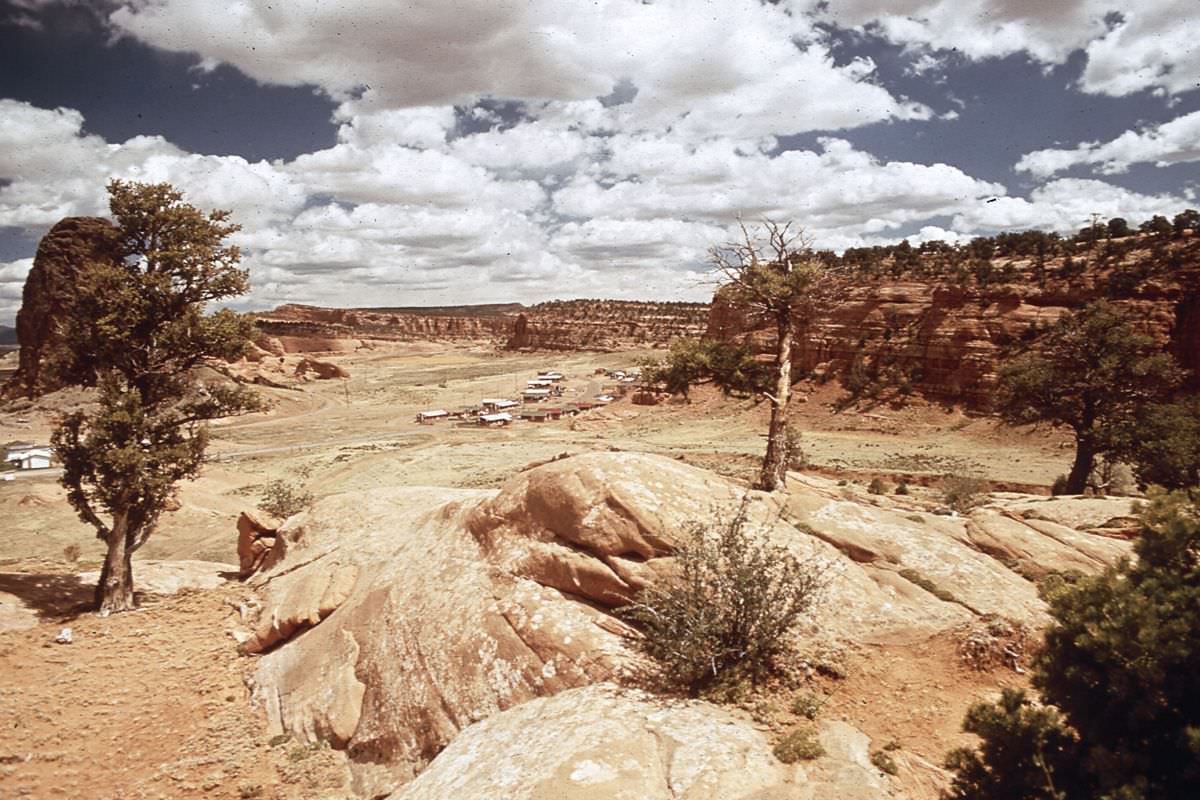
The physical environment of the Southwest was itself demanding. Dust storms swept across open land with little warning. The terrain was harsh and unforgiving. For the Navajo, this land was also deeply meaningful — tied to their identity, their ceremonies, and their history. Living on it was not simply a matter of geography. It was a cultural and spiritual commitment.
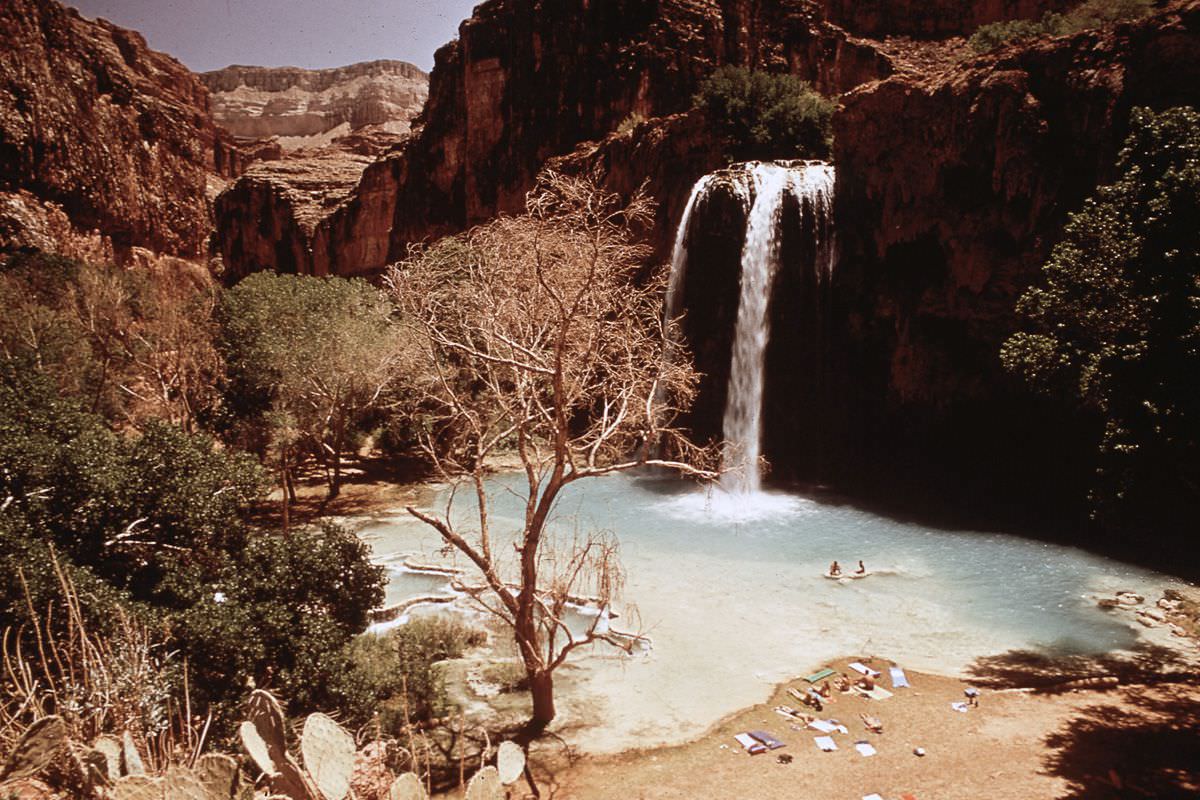
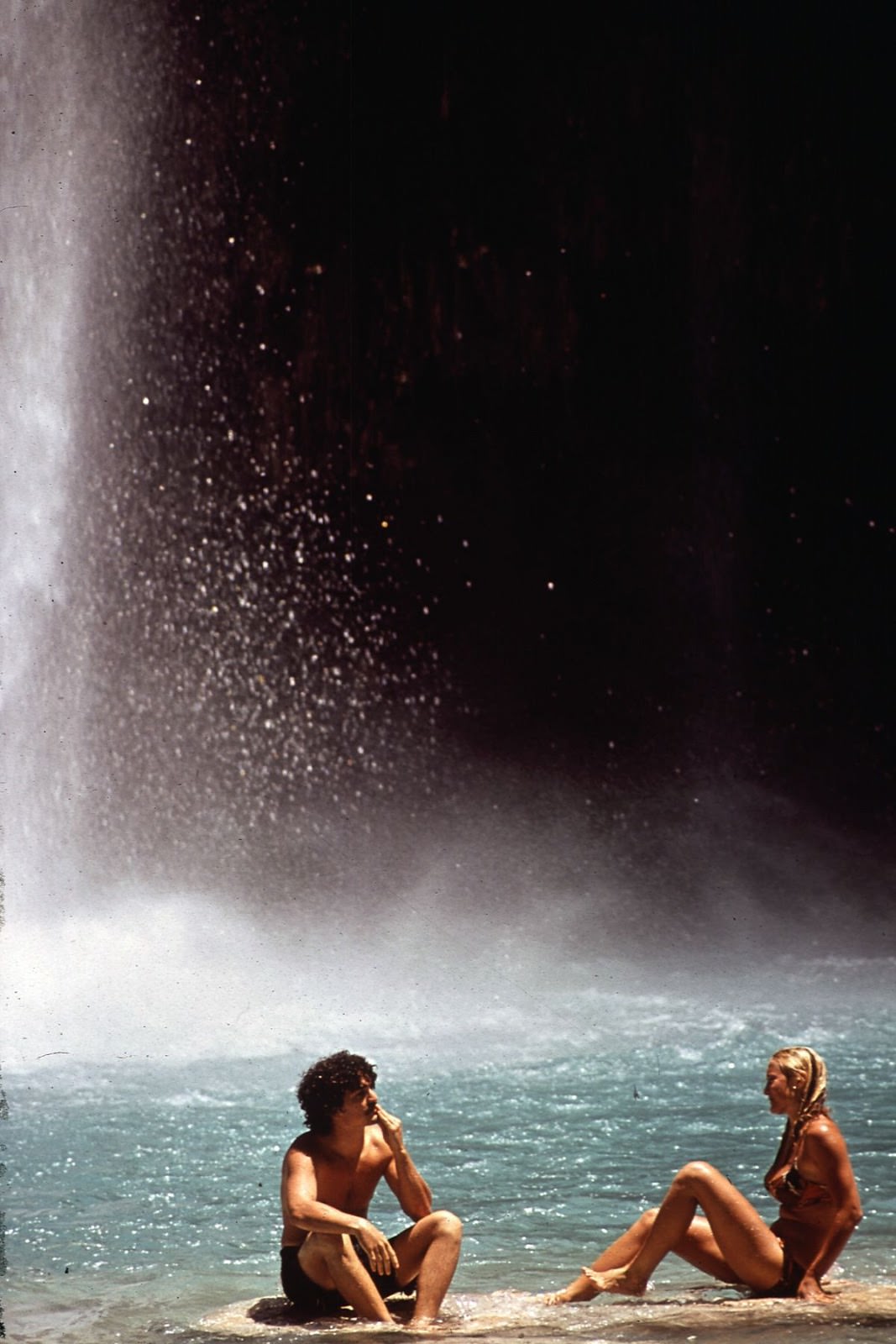
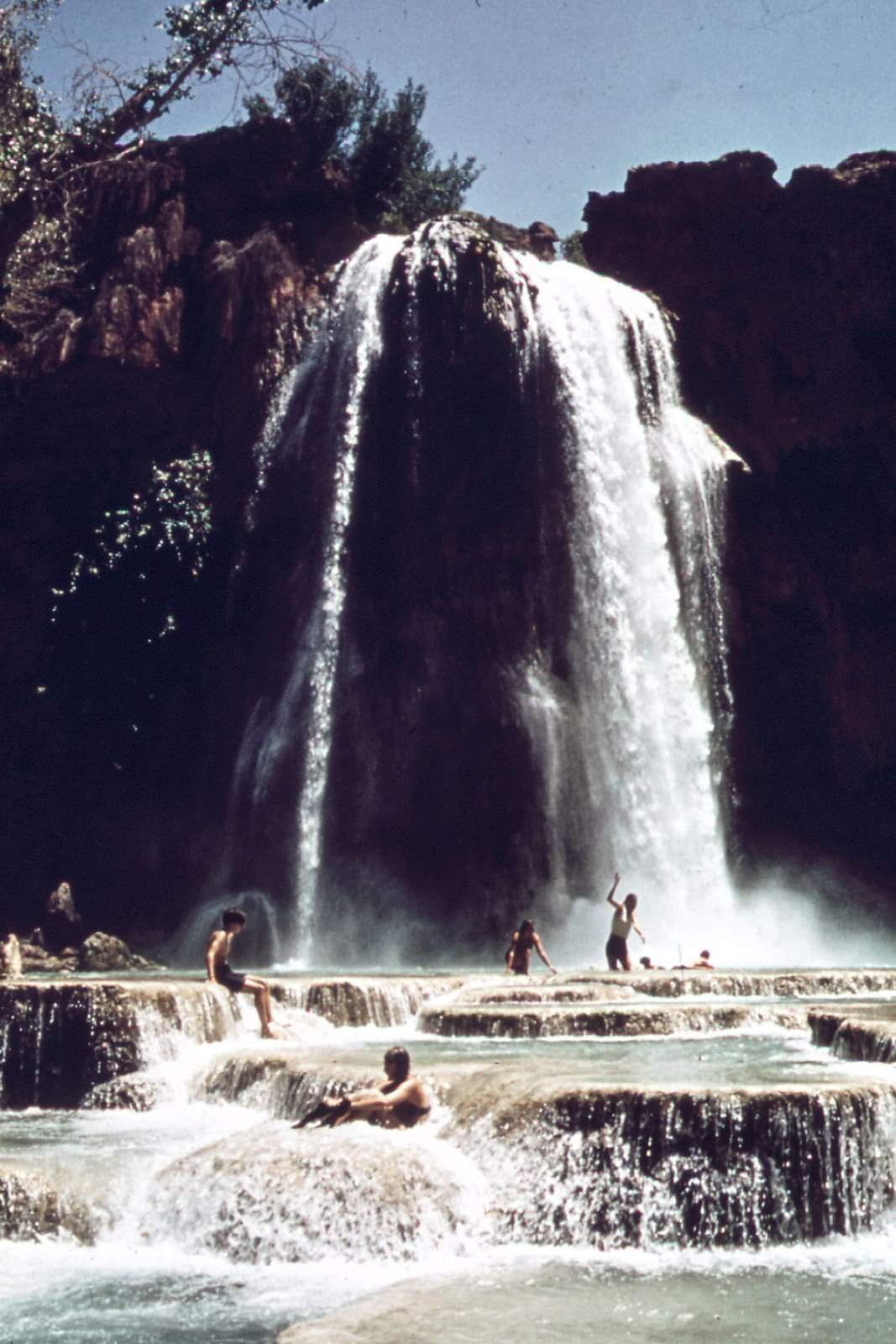
Down in the canyon, Havasu Falls drew visitors from across the country. The waterfall, fed by mineral-rich springs, produced water of a striking turquoise-blue color unlike anything found elsewhere in the American Southwest. The Havasupai had lived alongside these falls for generations, and the land was central to their identity. By the 1970s, the site was increasingly known to outsiders.

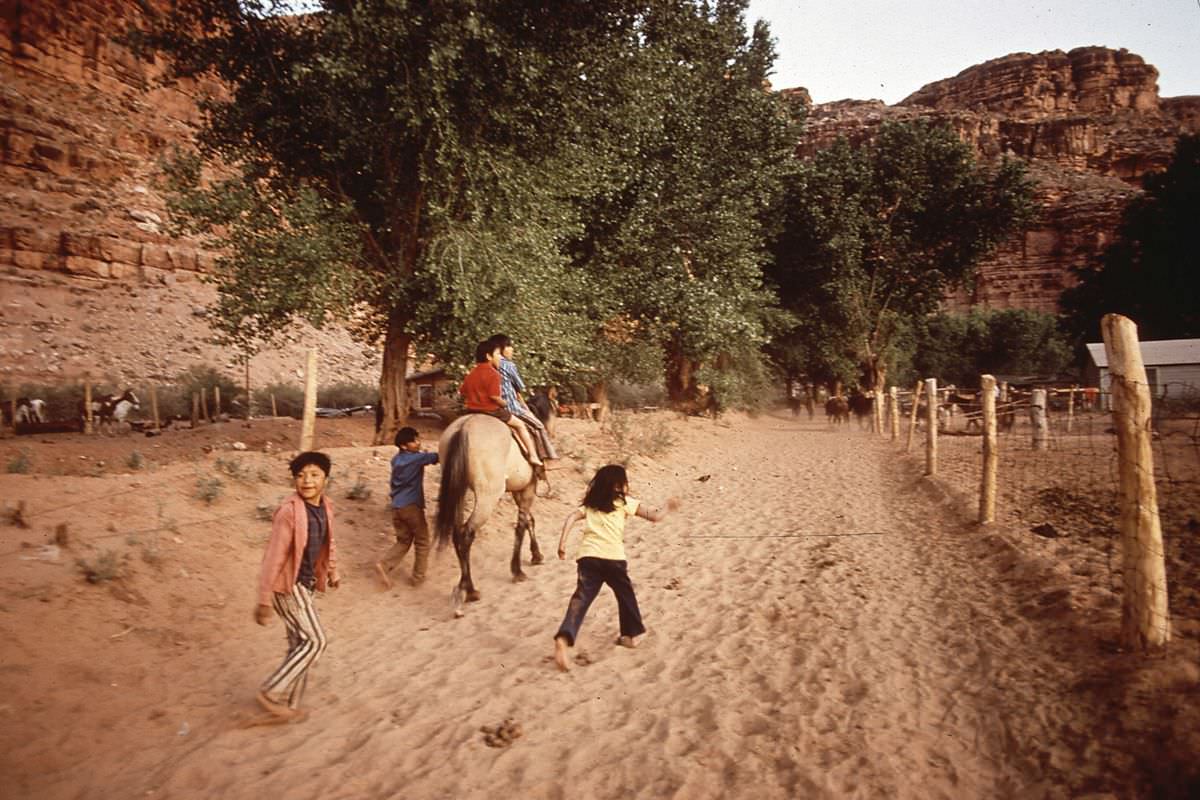
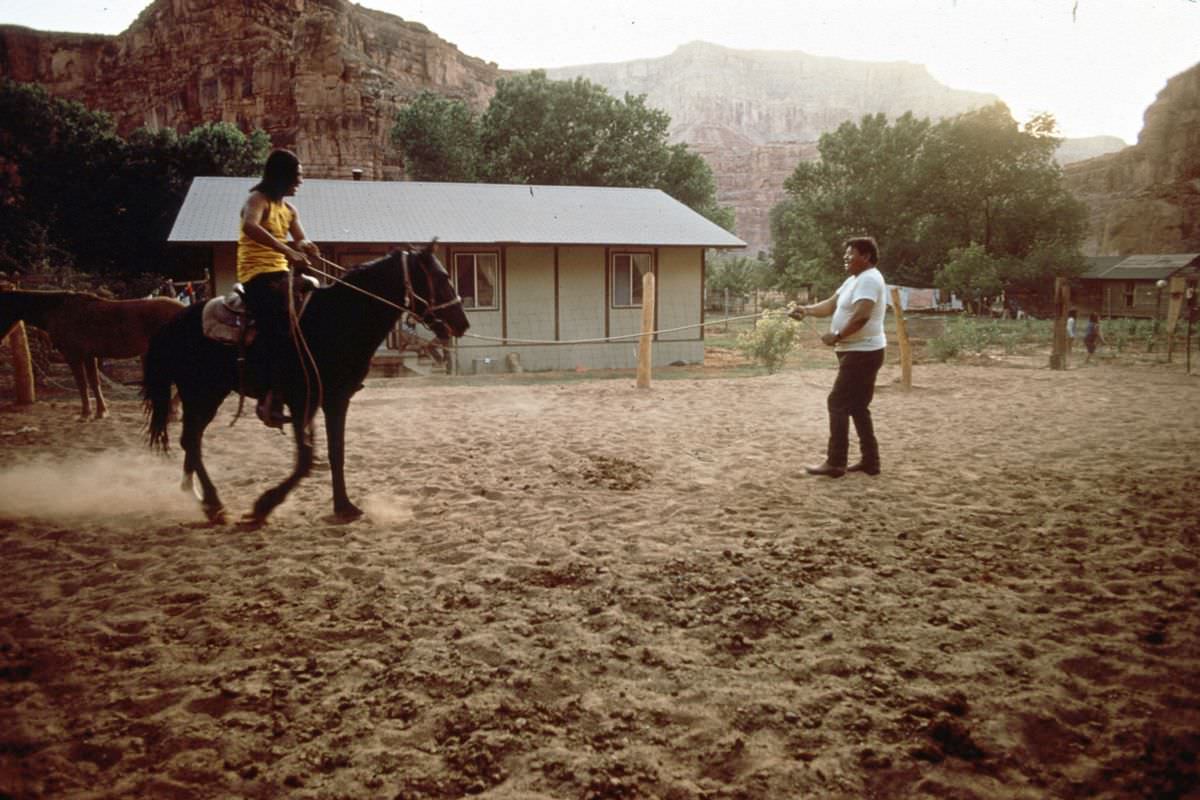
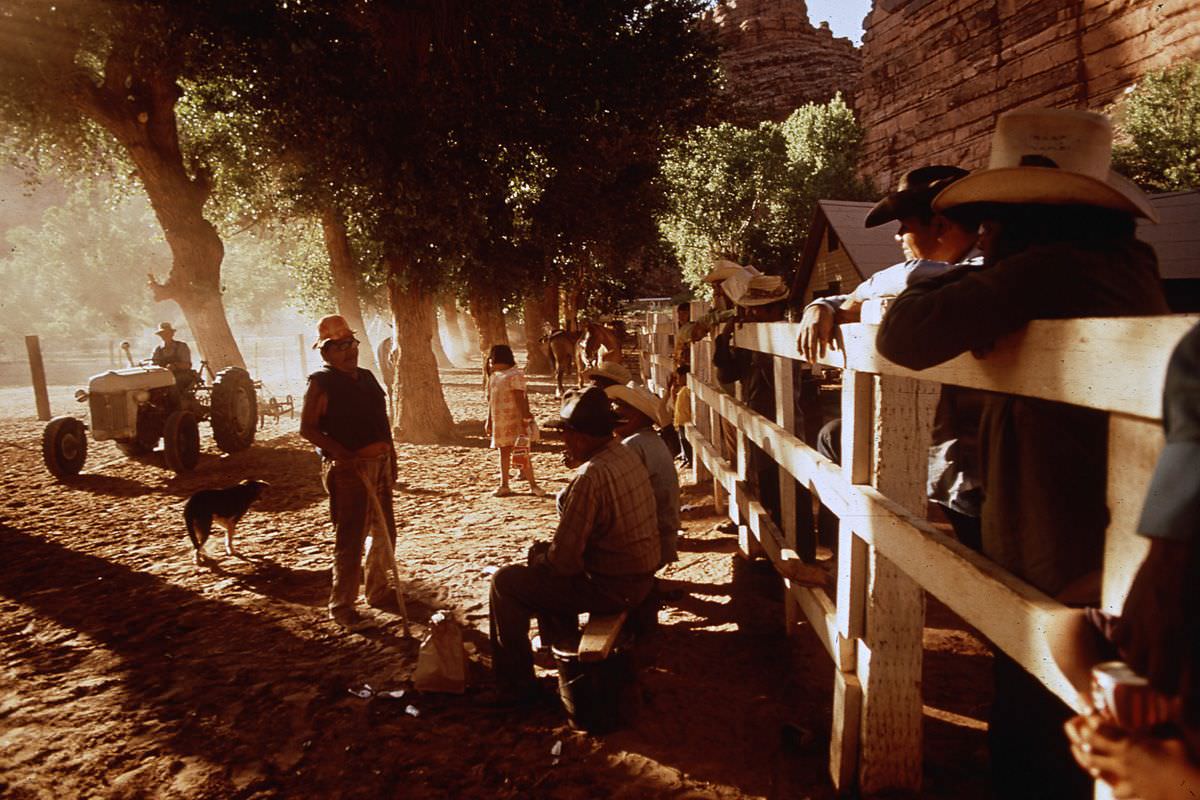
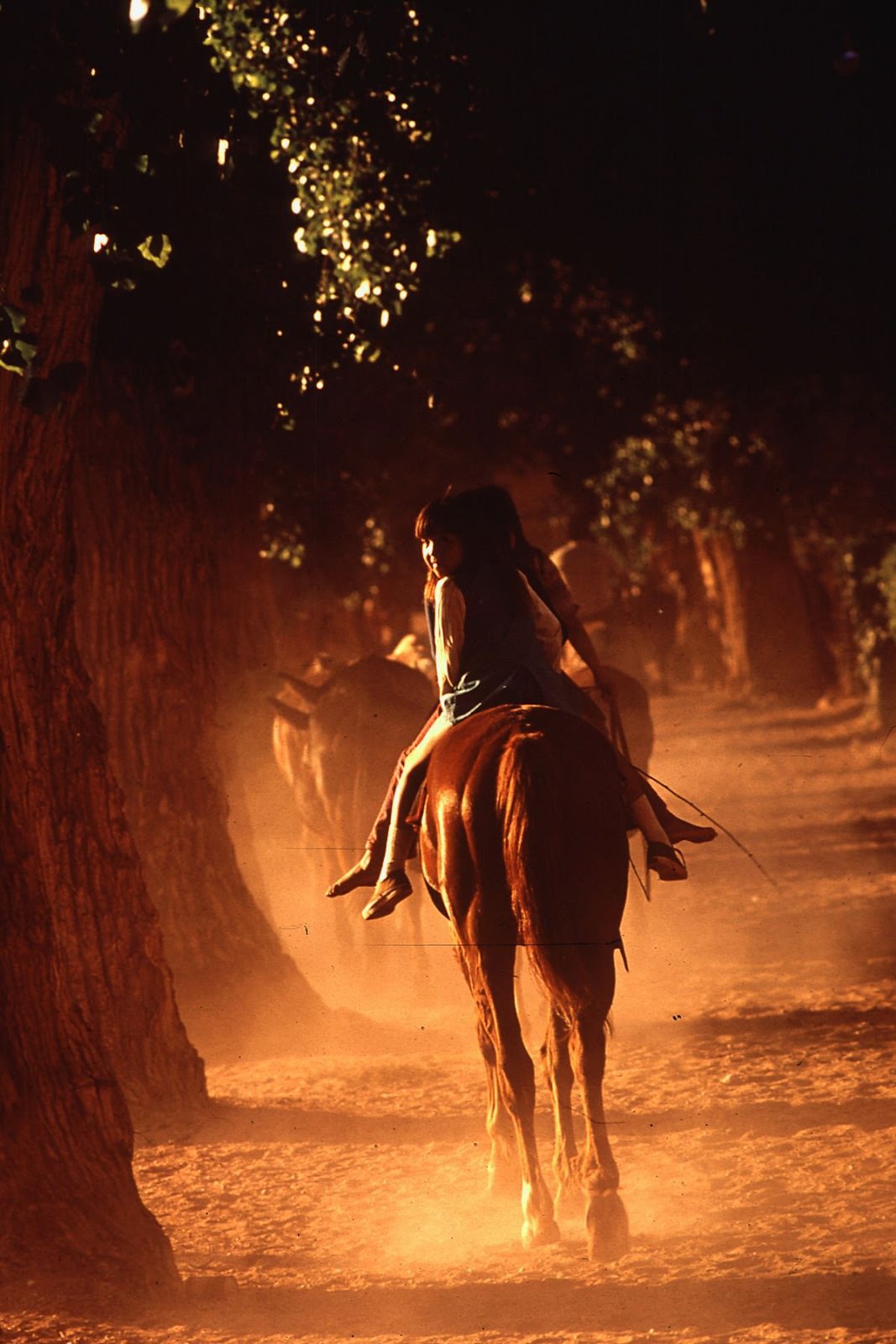
The village of Supai itself was home to a tight-knit community. Children grew up playing along canyon paths and creek banks, riding horses, and learning the rhythms of Havasupai life. The isolation of the village — reachable only by trail — meant that outside influences arrived slowly, giving the community some degree of control over what it absorbed and what it held at a distance.
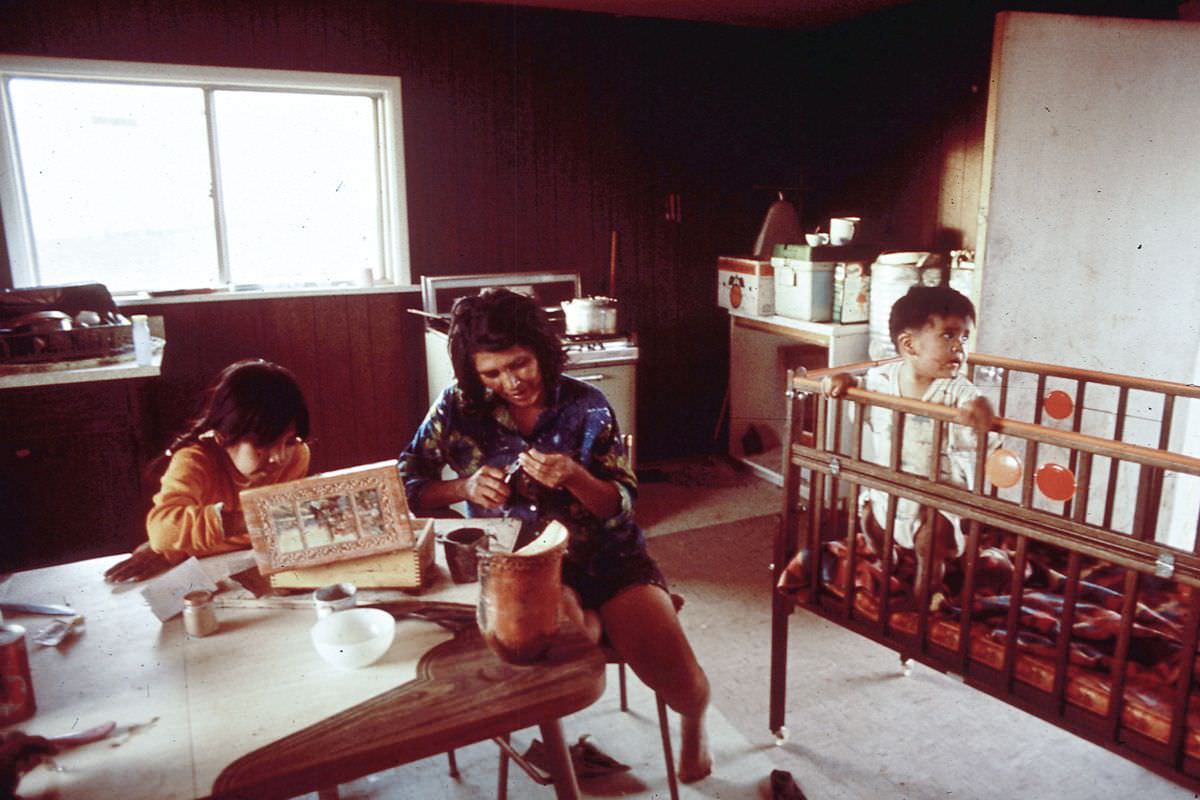
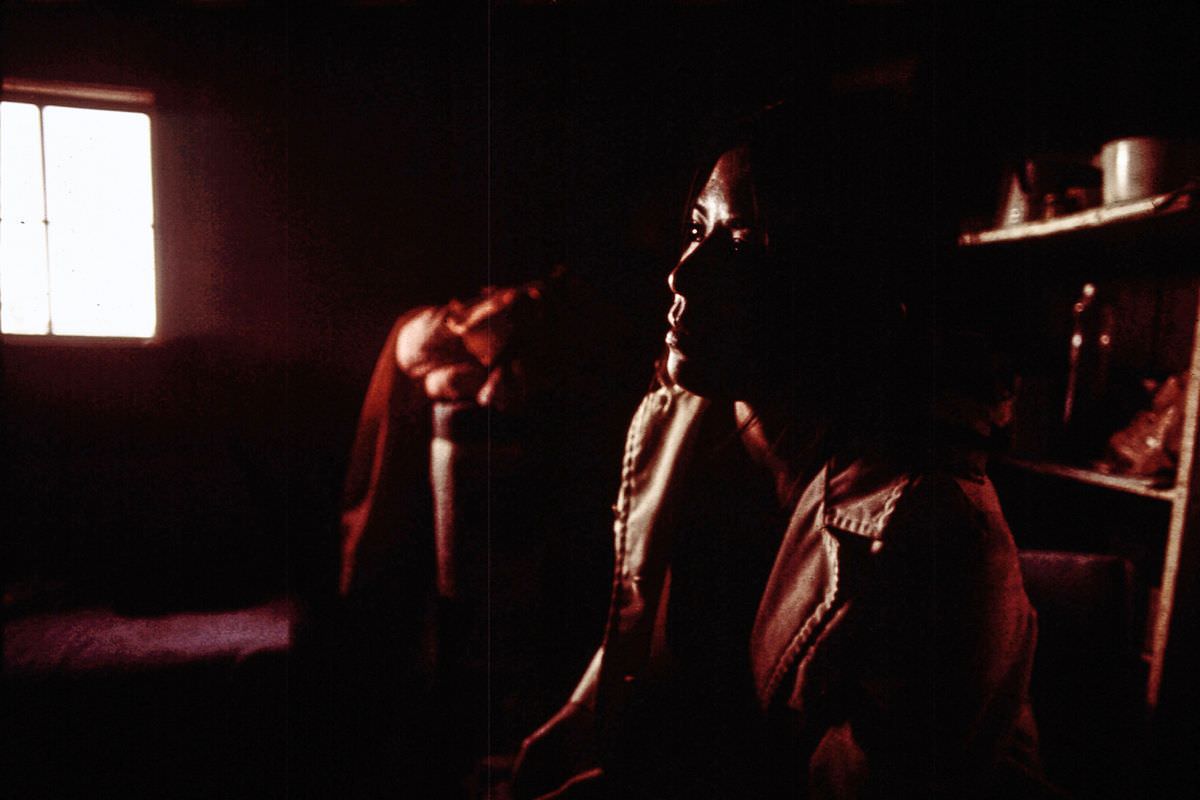
Back on the Navajo Reservation, the material realities of daily life were stark. A man named Hank Talman lived in Red Rock, Arizona, in a home that had no electricity and no running water. His situation was not unusual. Across the reservation, many households lacked these basic utilities. Families hauled water, used kerosene for light, and relied on wood fires for heat and cooking.
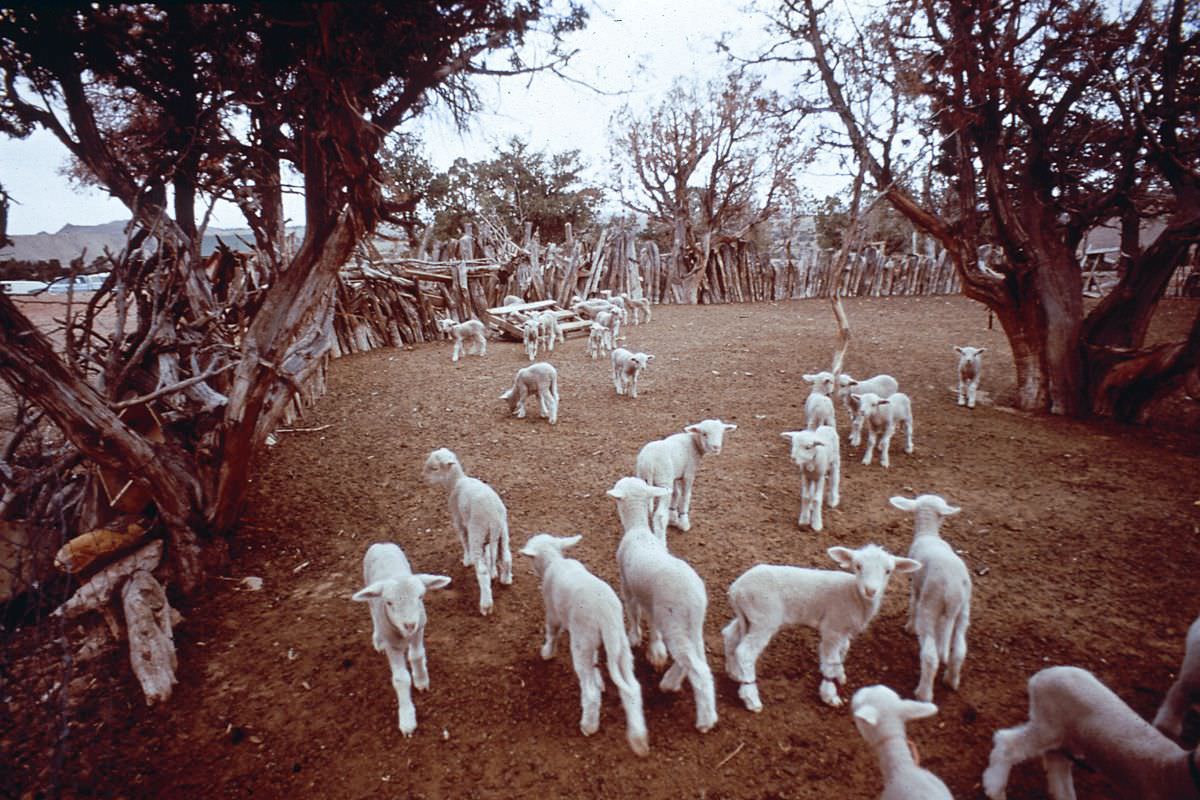
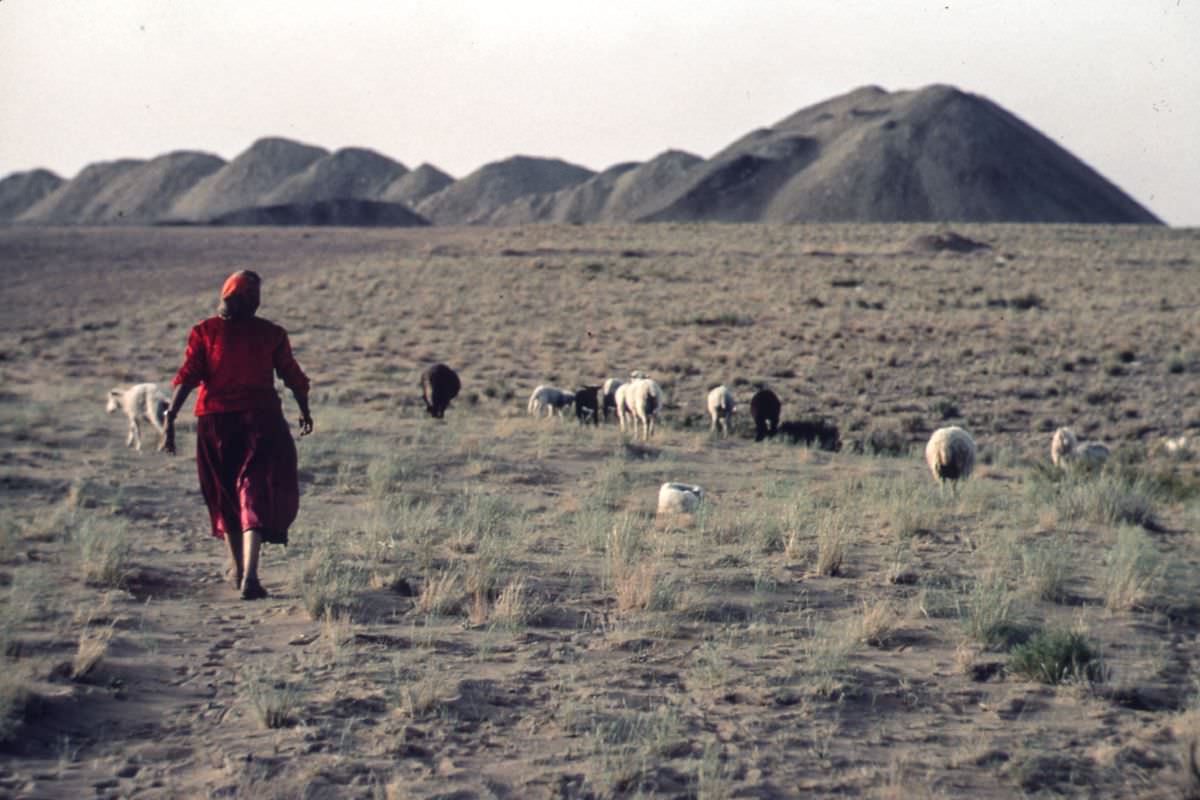
Livestock herding was central to the Navajo economy and way of life. Sheep, in particular, held both economic and cultural value. They provided wool for weaving and meat for food, and managing a flock was a skill passed down through generations. Sheep paddocks dotted the reservation landscape across Coconino County and beyond.
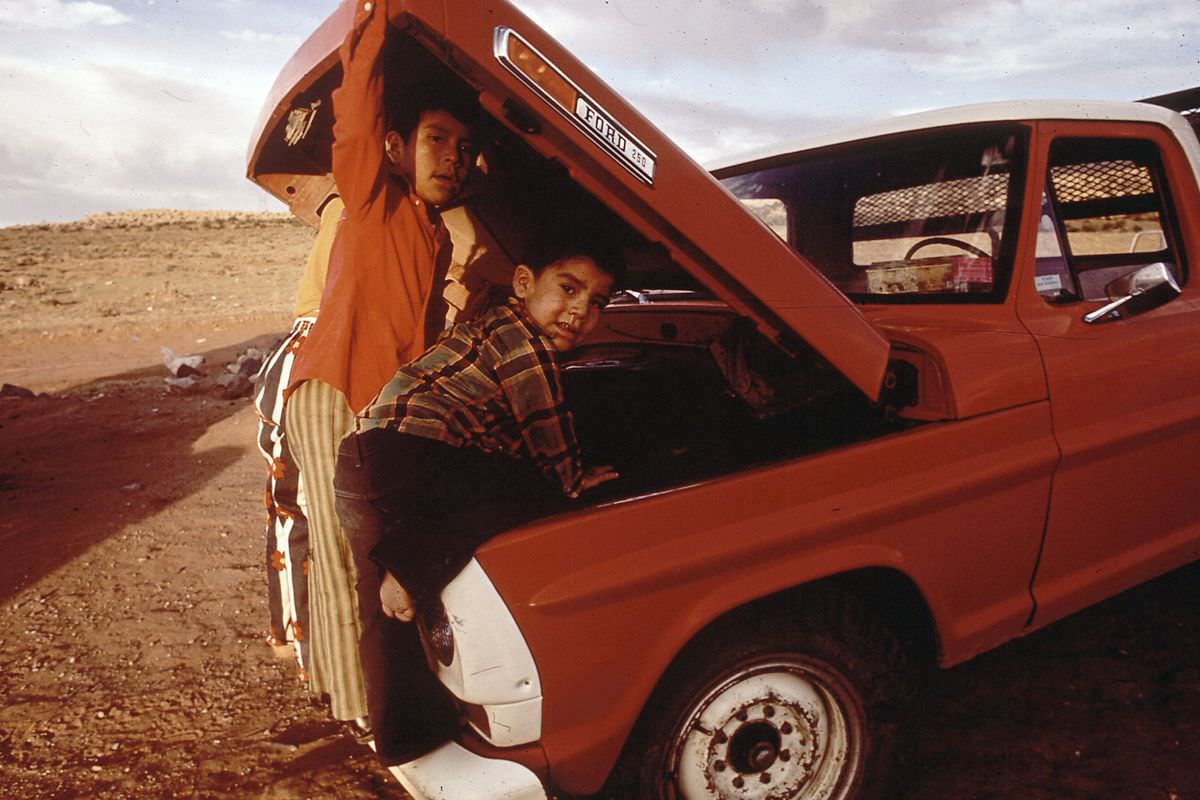
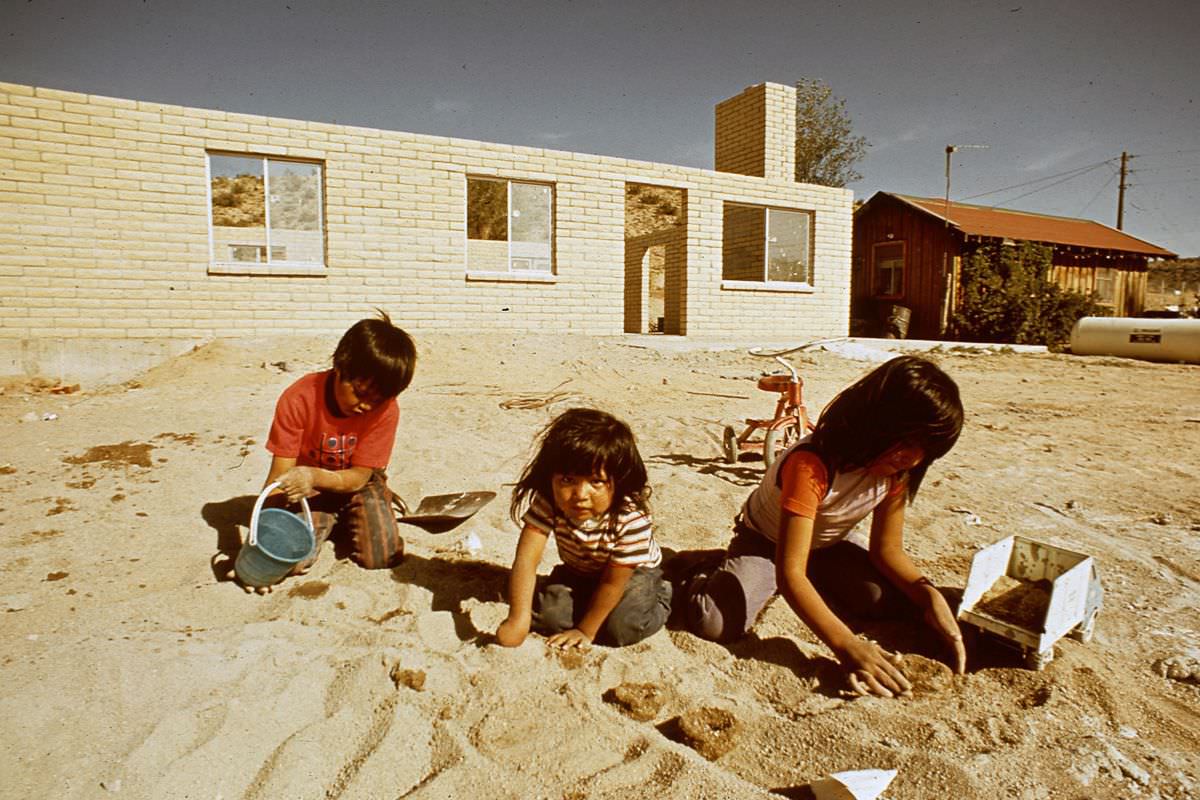
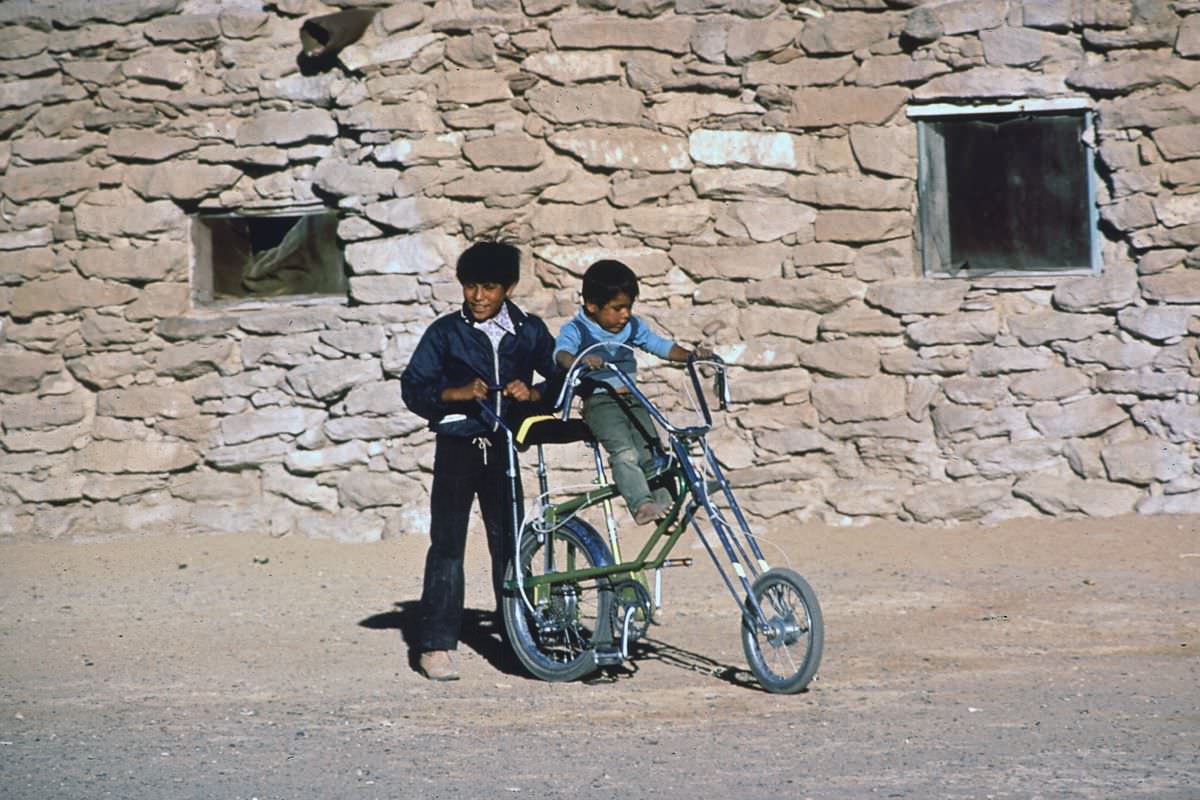
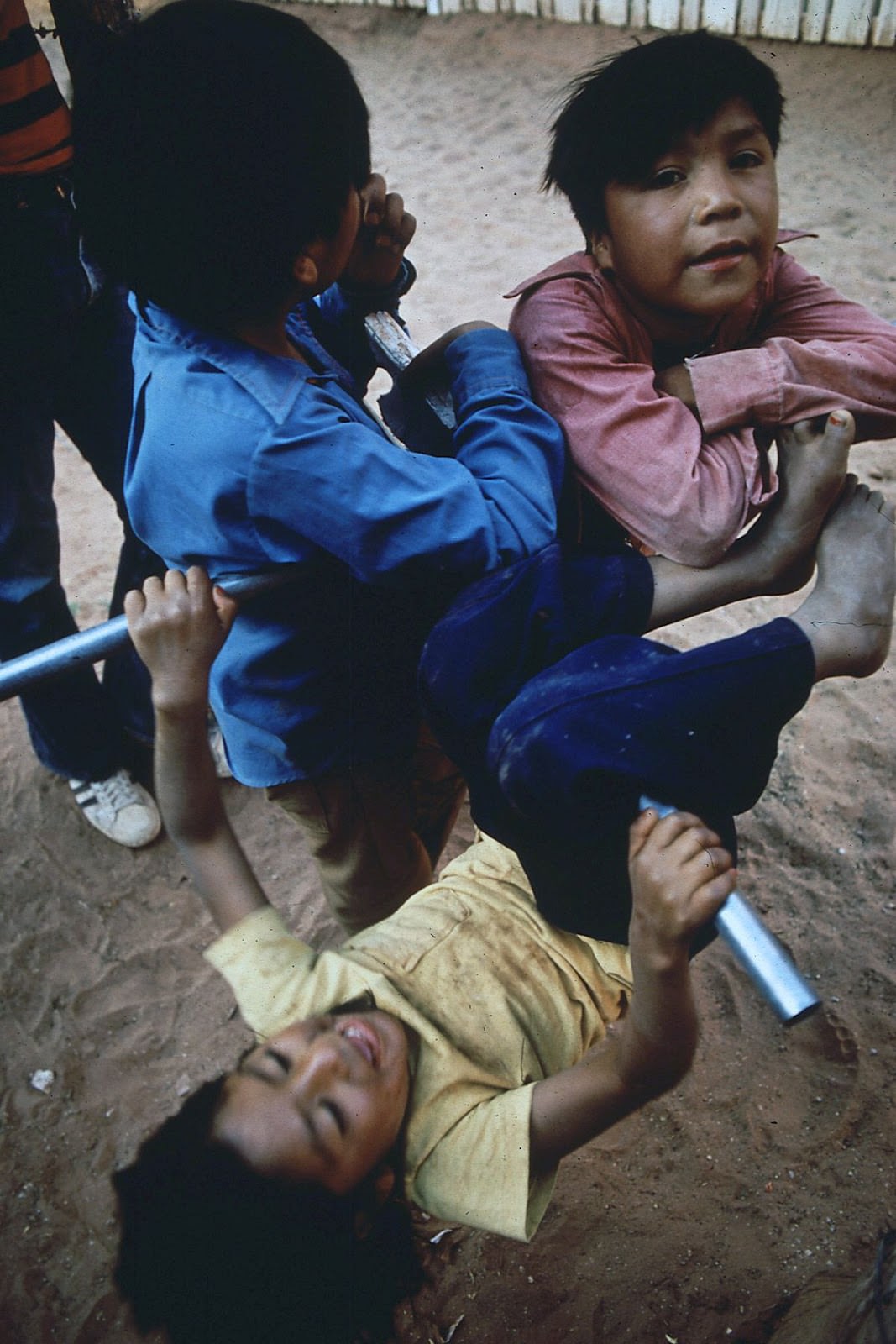
Children on the reservation grew up navigating a world caught between two realities. They played in the dirt near family homes, helped with chores, and looked after younger siblings. At the same time, the outside world was beginning to press in. New housing was being constructed in some areas, and trucks and motorcycles were becoming part of reservation life alongside horses and traditional tools.
The village of Supai remained one of the most isolated settlements in the entire country. There were no roads in or out. Every supply — food, mail, building materials — had to come in by mule or helicopter. Life there moved at a different pace, shaped as much by the canyon walls as by any calendar.
On the Navajo Reservation, new housing construction was underway in some areas during the 1970s, a sign of federal investment in infrastructure. But the pace of development was slow, and many families continued to live in older, much more modest structures. Children played in the sand near construction sites, turning them into playgrounds before the buildings were ever finished.
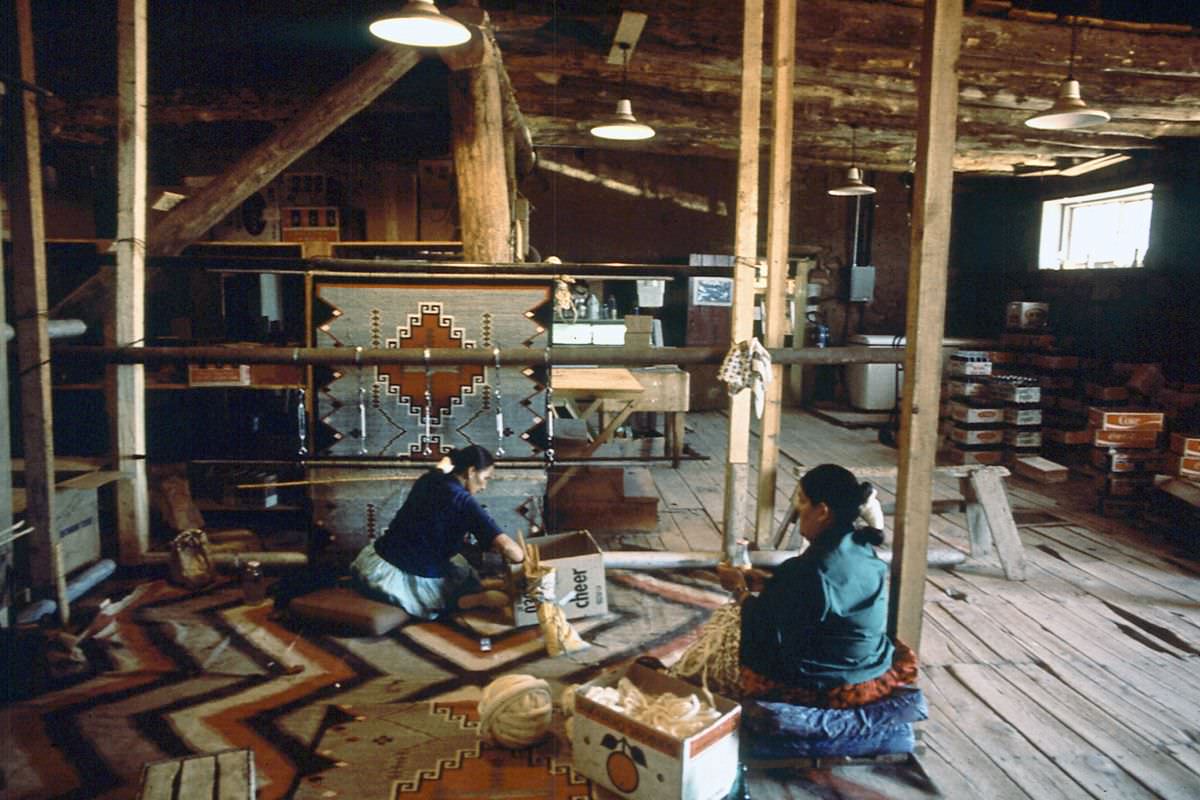
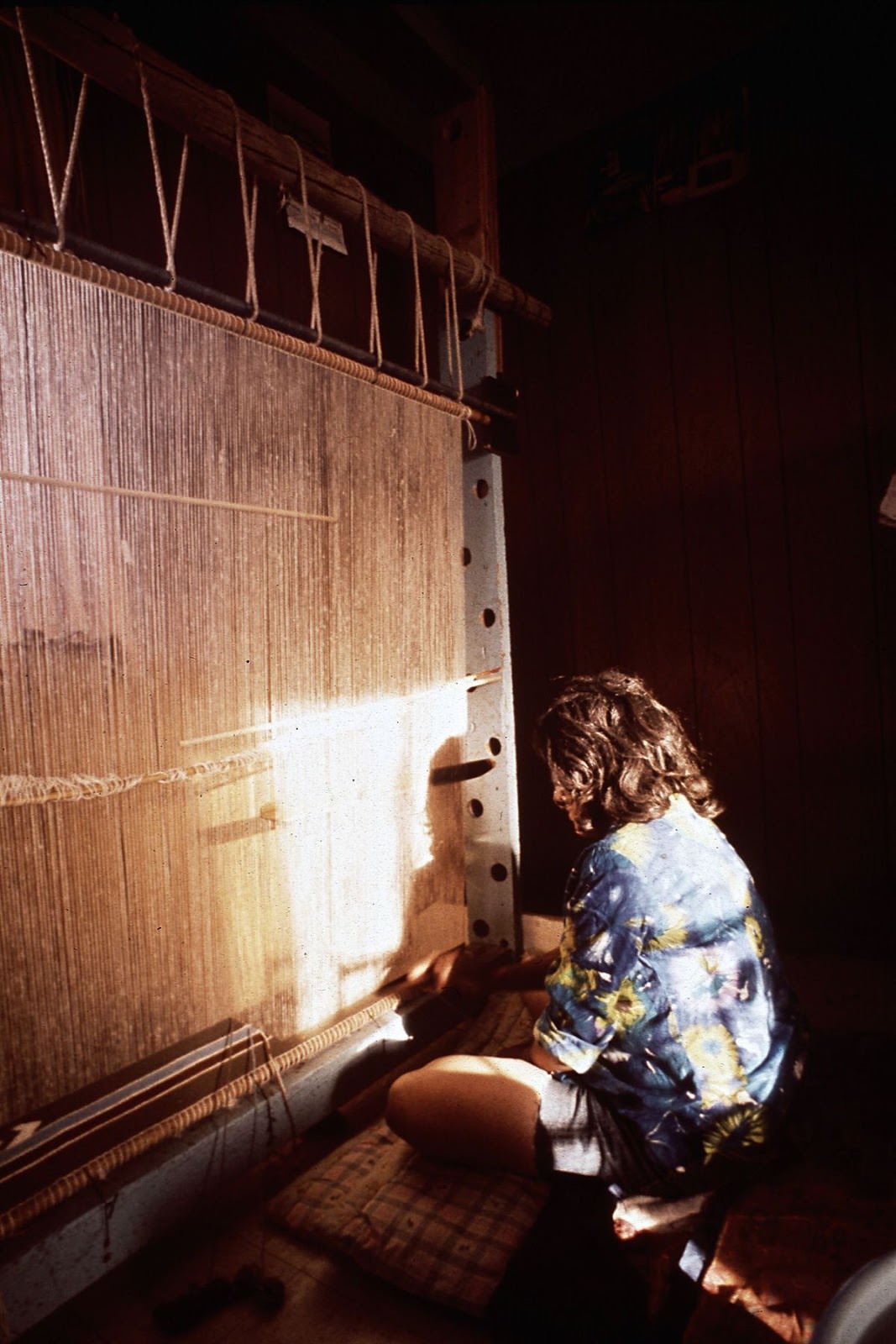
Weaving was one of the most enduring Navajo art forms. Women wove rugs at trading posts like the Hubbell Trading Post in Ganado, Arizona — a historic site where Navajo weavers had sold their work for decades. The rugs were intricate, time-consuming, and deeply tied to Navajo identity. For many women, weaving was both a source of income and a way of maintaining cultural knowledge.
One of the most dangerous realities Eiler documented was the condition of Navajo miners. Coal deposits near Black Mesa in Arizona were a major source of employment, but the work was hazardous. Miners worked in poorly ventilated shafts, exposed to dust and toxic gases, and earned wages far below what non-Native workers received for similar labor. Injuries were common, and the physical toll on workers was severe.
Away from the mines, the land itself offered a quieter kind of work. Shepherds guided their flocks across wide stretches of open terrain near Four Corners, where Utah, Colorado, New Mexico, and Arizona meet. This landscape had sustained Navajo herders for generations, and the practice of shepherding remained central to reservation life even as the modern economy pressed for different kinds of work.
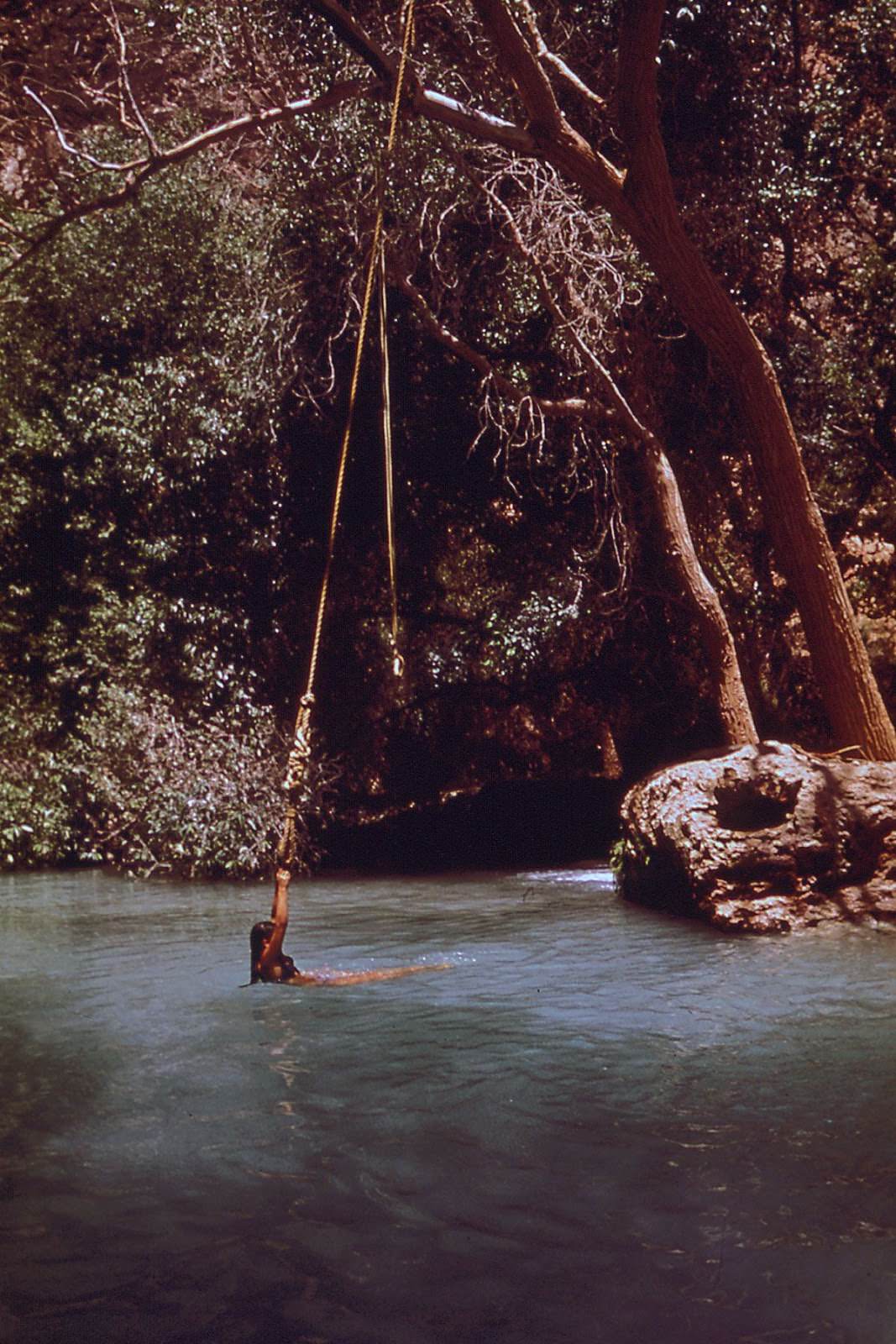
Havasu Falls attracted a growing number of tourists through the 1970s, drawn by the vivid color of the water and the dramatic setting deep inside the Grand Canyon. Visitors bathed beneath the falls and swam in the creek. For the Havasupai, this steady flow of outsiders required careful management — the falls were located on their tribal land, and the tourism economy it generated was an important, if complicated, source of revenue.
The trading post was a central institution on and around the Navajo Reservation. Places like the Hubbell Trading Post served as both commercial centers and cultural crossroads. Weavers brought in finished rugs to sell or trade. The quality of the work was high, and collectors from outside the reservation had been purchasing Navajo textiles for decades. The craft required significant skill, and experienced weavers could spend weeks or even months completing a single large rug.
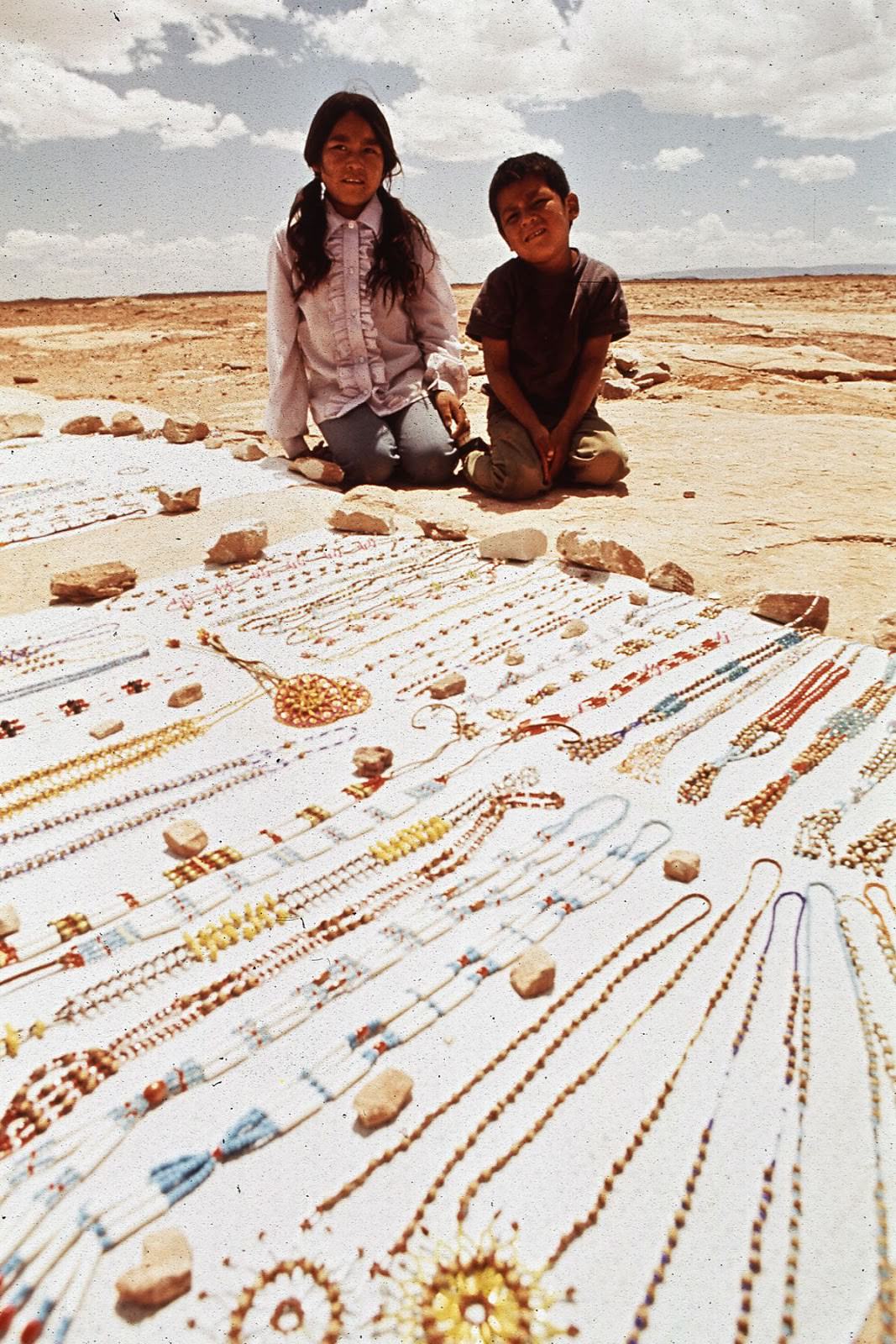
Children across the reservation found their own ways to participate in community economic life. Some sold beaded jewelry along roadsides, offering handmade goods to travelers passing through. This kind of small-scale commerce had roots in older trading traditions, and it gave children an early role in sustaining their families.
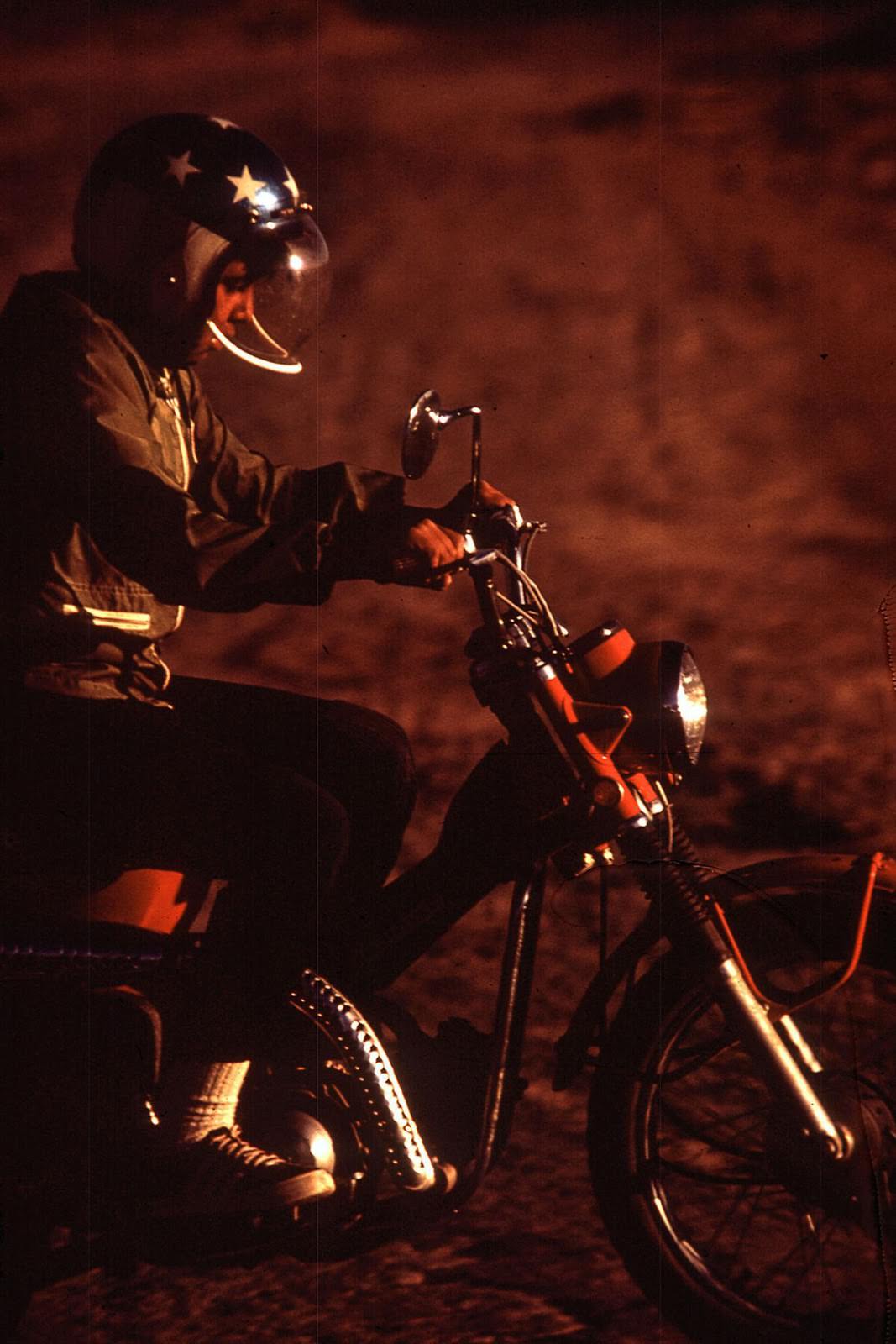
In Window Rock, the presence of modern technology was becoming more visible. Young Navajo men rode motorcycles through town — a sign that the reservation was not frozen in time, even as it held firmly to its traditions. The tension between old and new was not a crisis. It was simply a feature of everyday life, something communities navigated quietly and continuously.
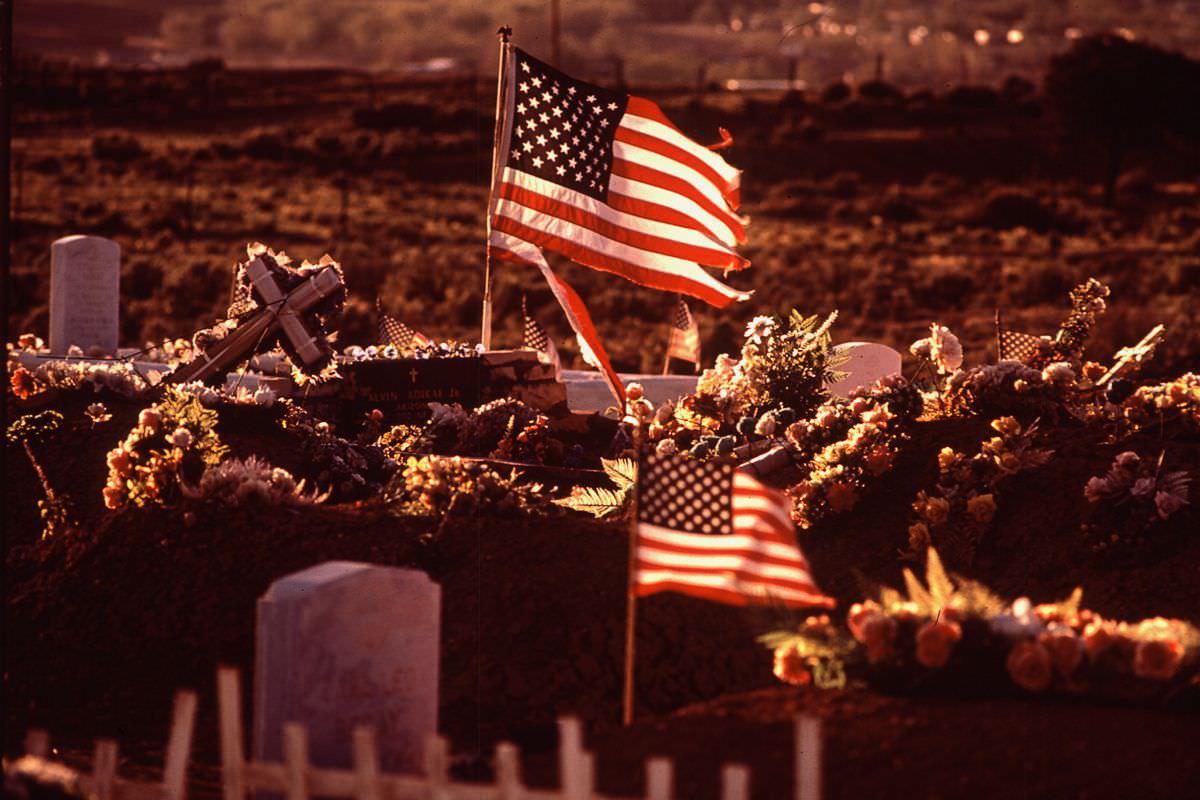
Window Rock was also home to a veterans’ cemetery — a quiet but powerful reminder of the Navajo Nation’s long history of military service. Navajo men had served in both World Wars, Korea, and Vietnam in significant numbers. The most famous among them were the Code Talkers of World War II, who used the Navajo language as an unbreakable military code. The cemetery in Window Rock honored those who had served, standing as a testament to a community that gave deeply to a country that often gave very little back.