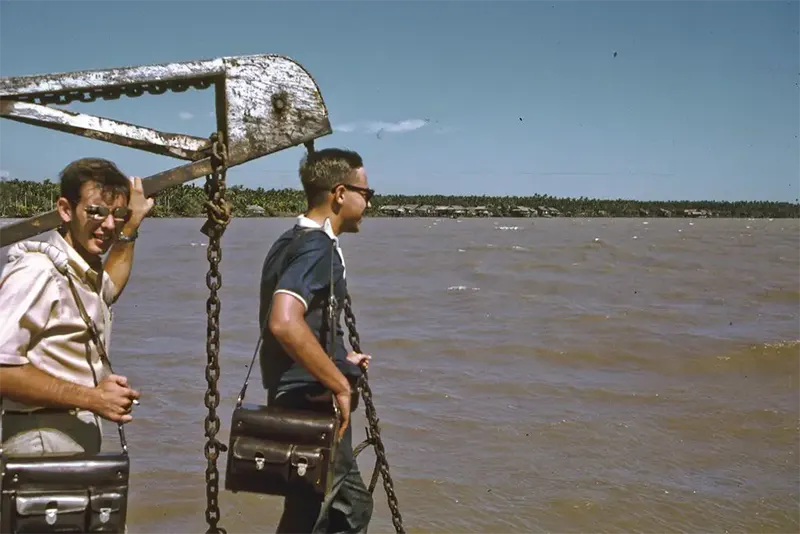
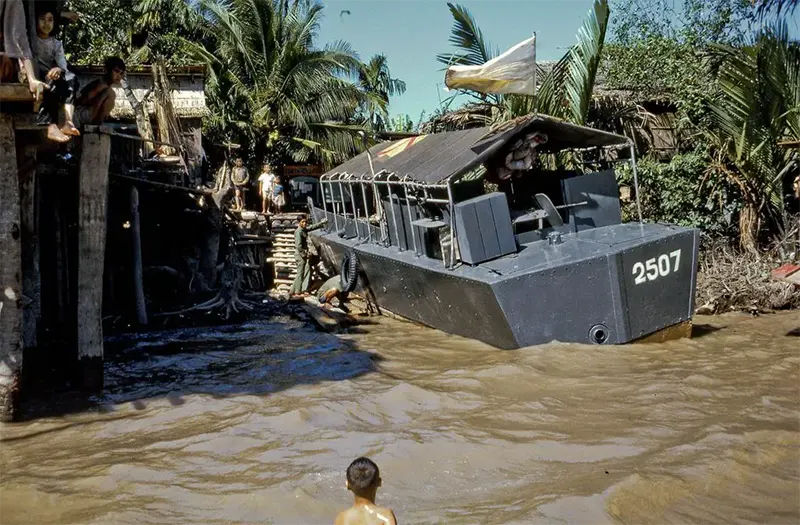
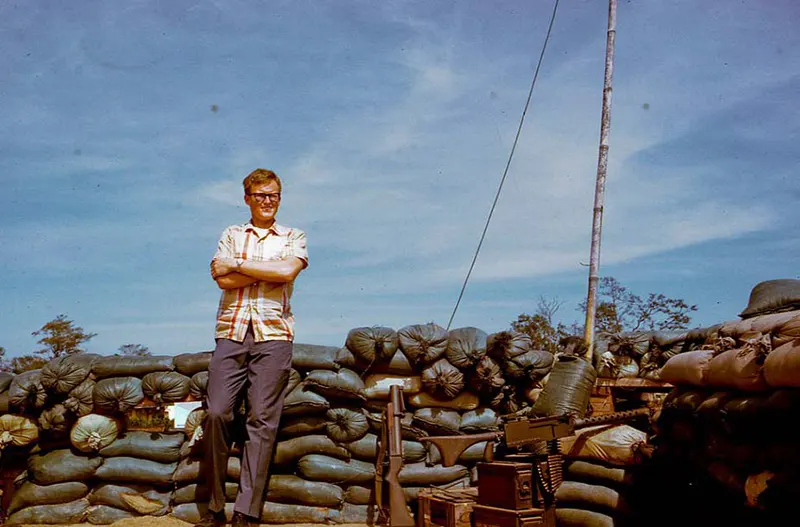
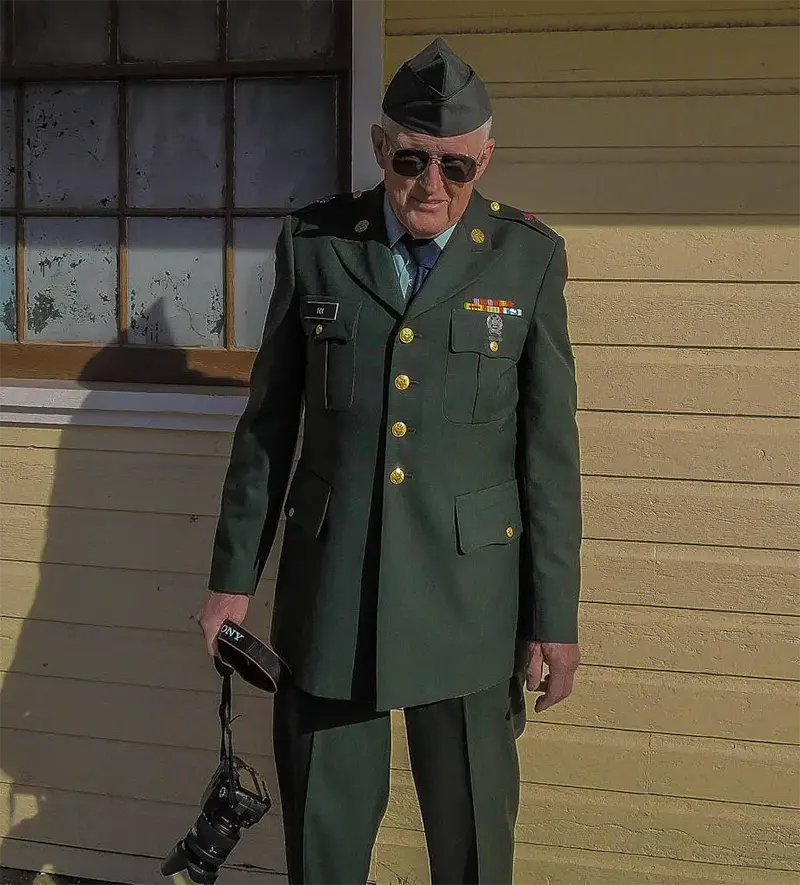
During the Vietnam War, an American GI, Private 1st Class Lance V. Nix, was drafted to serve. However, his contribution to history extends beyond his military service. Nix took an unusual approach to his time off-duty. Armed not just with standard military gear but also with a camera, he embarked on a mission to capture the essence of local life in Vietnam.
My Tho, Vietnam
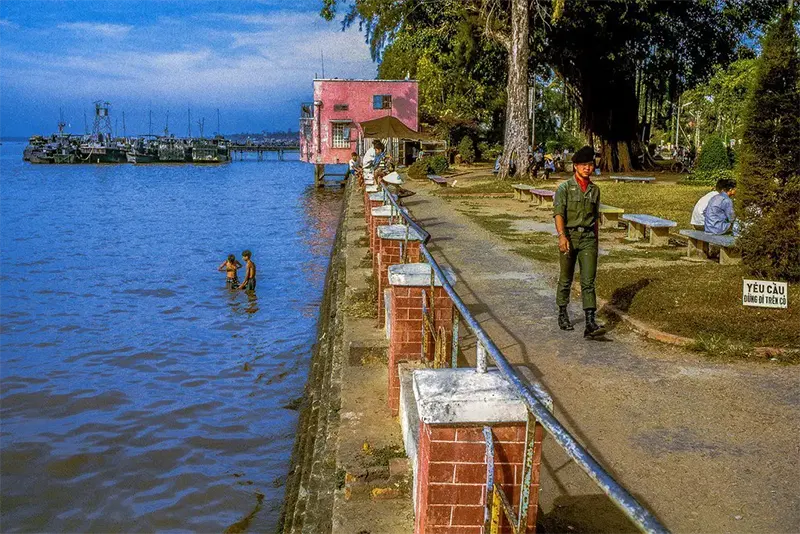
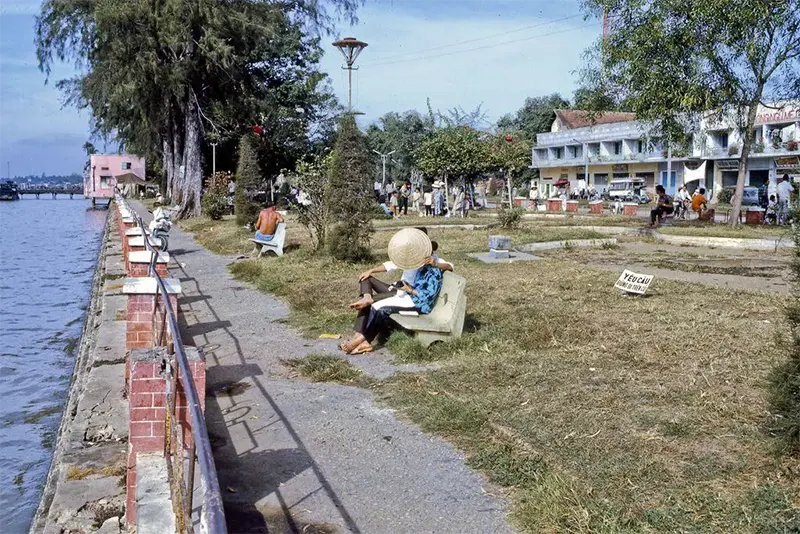
The city of My Tho, located in the Tien Giang Province in the Mekong Delta region of Vietnam, became the primary stage for Nix’s photography. This area, known for its agricultural richness and scenic river views, presented a stark contrast to the typical war-torn images associated with Vietnam during this era.
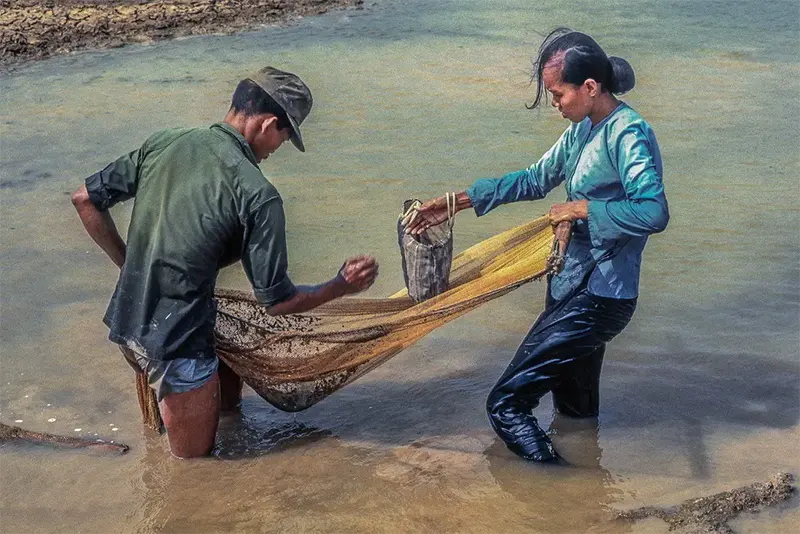
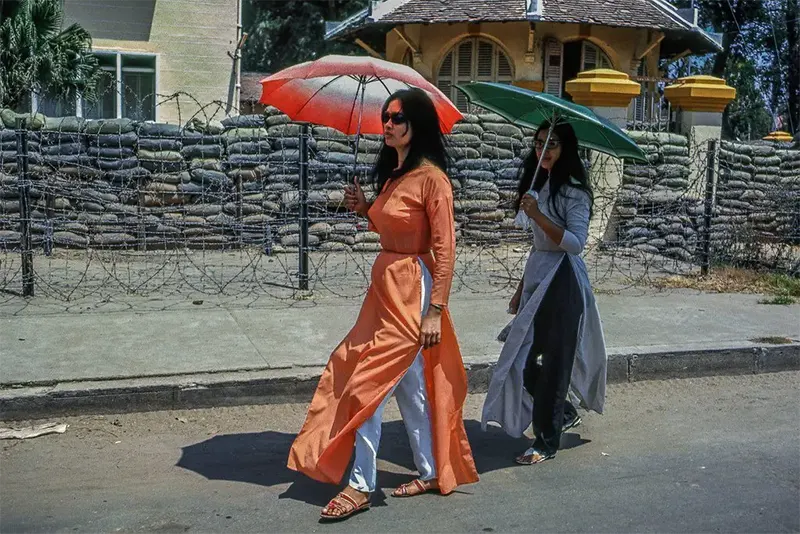
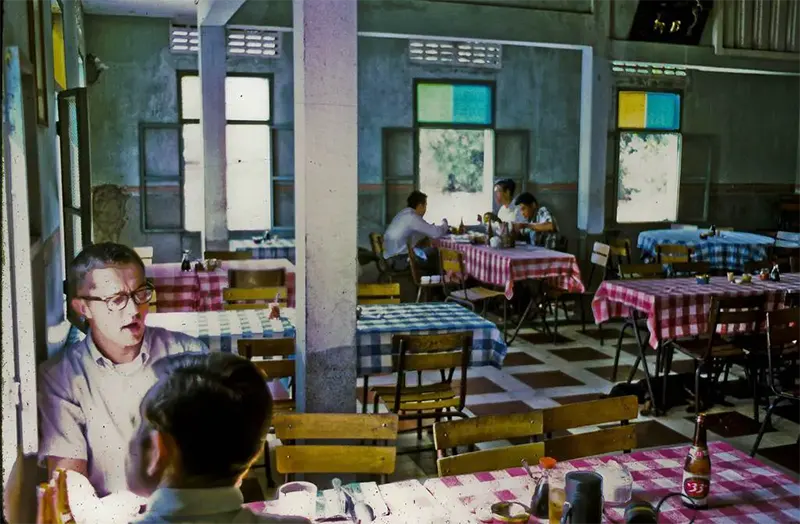
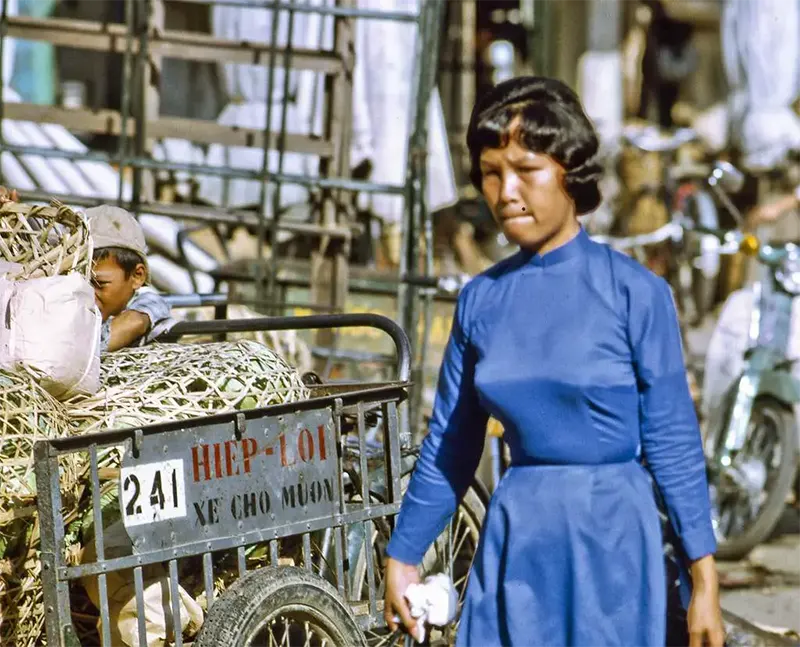
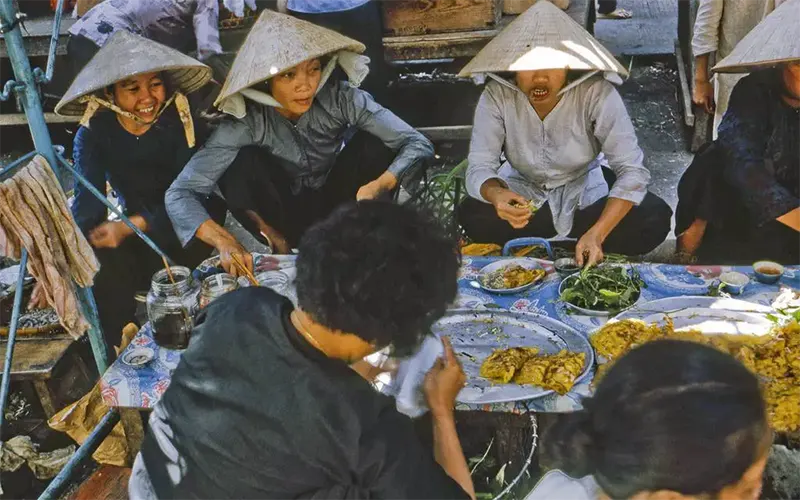
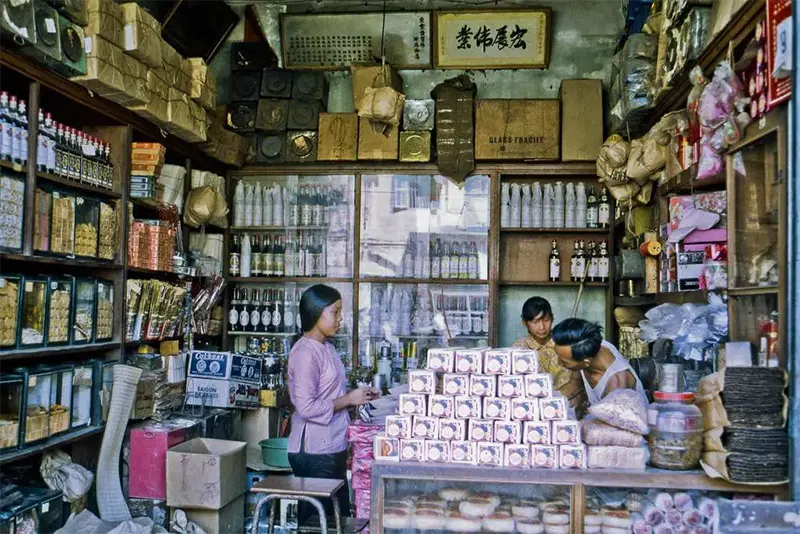
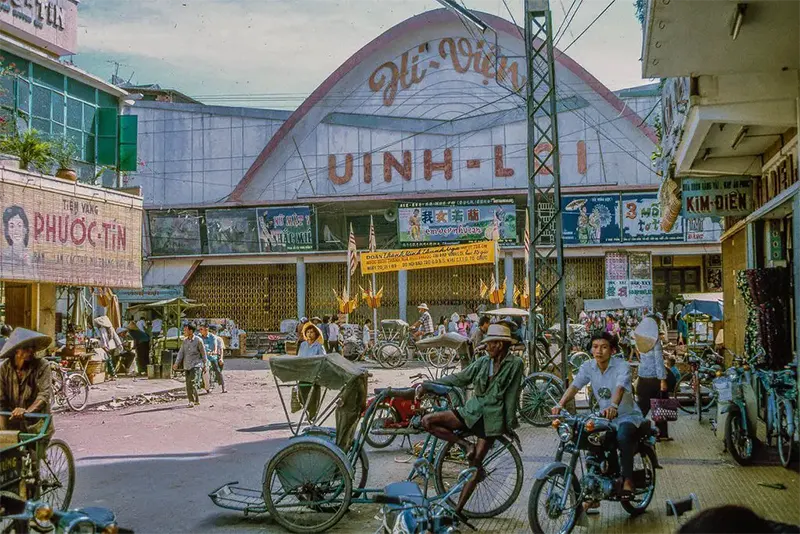
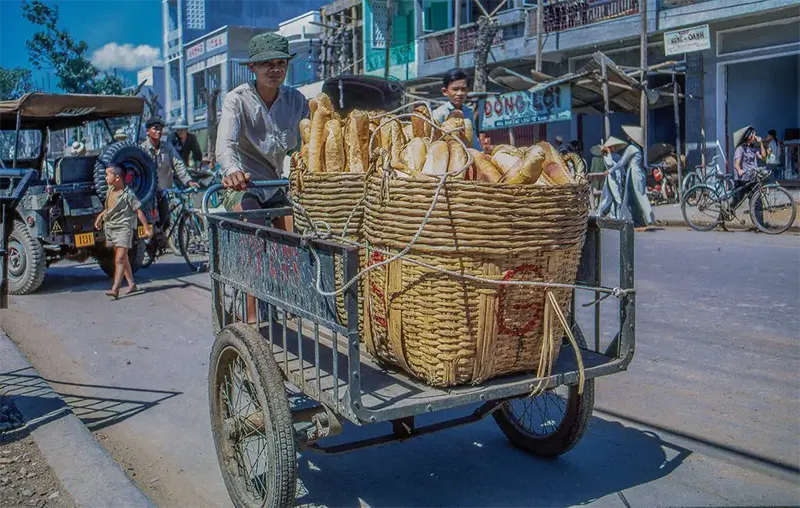
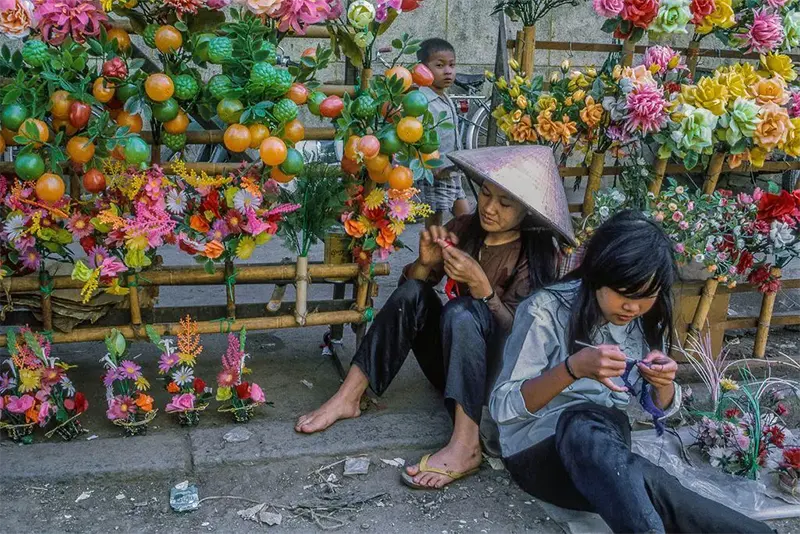
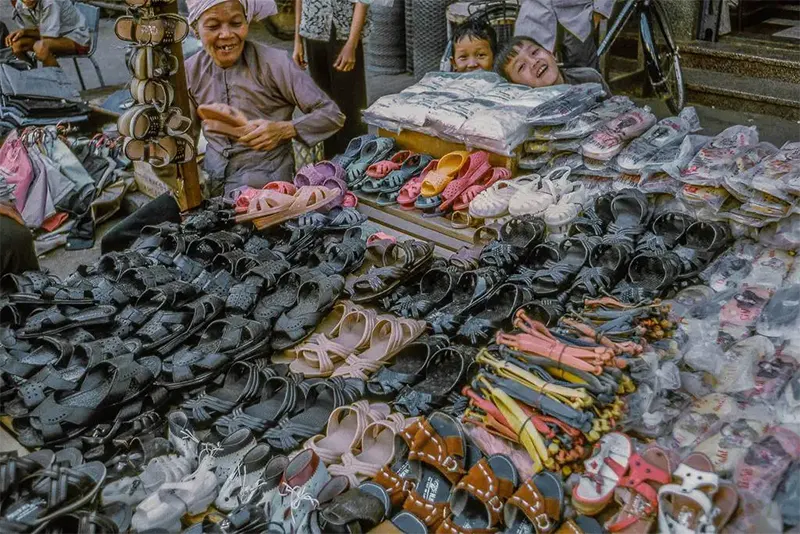
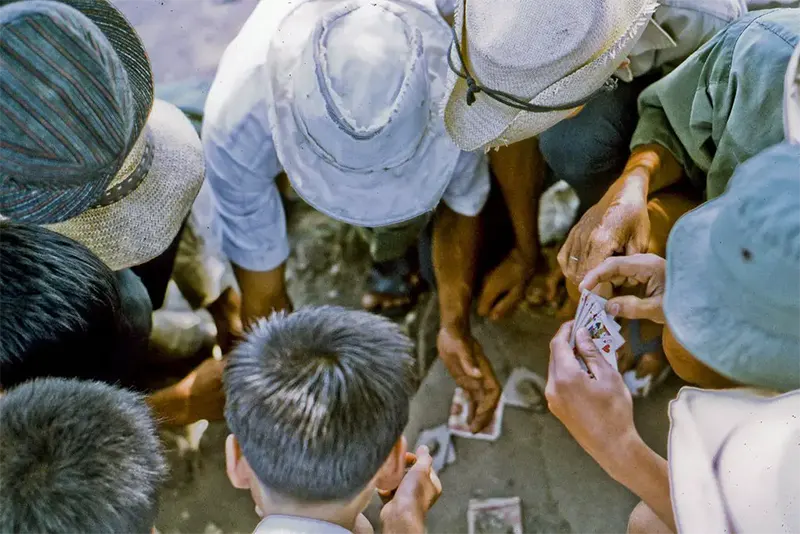
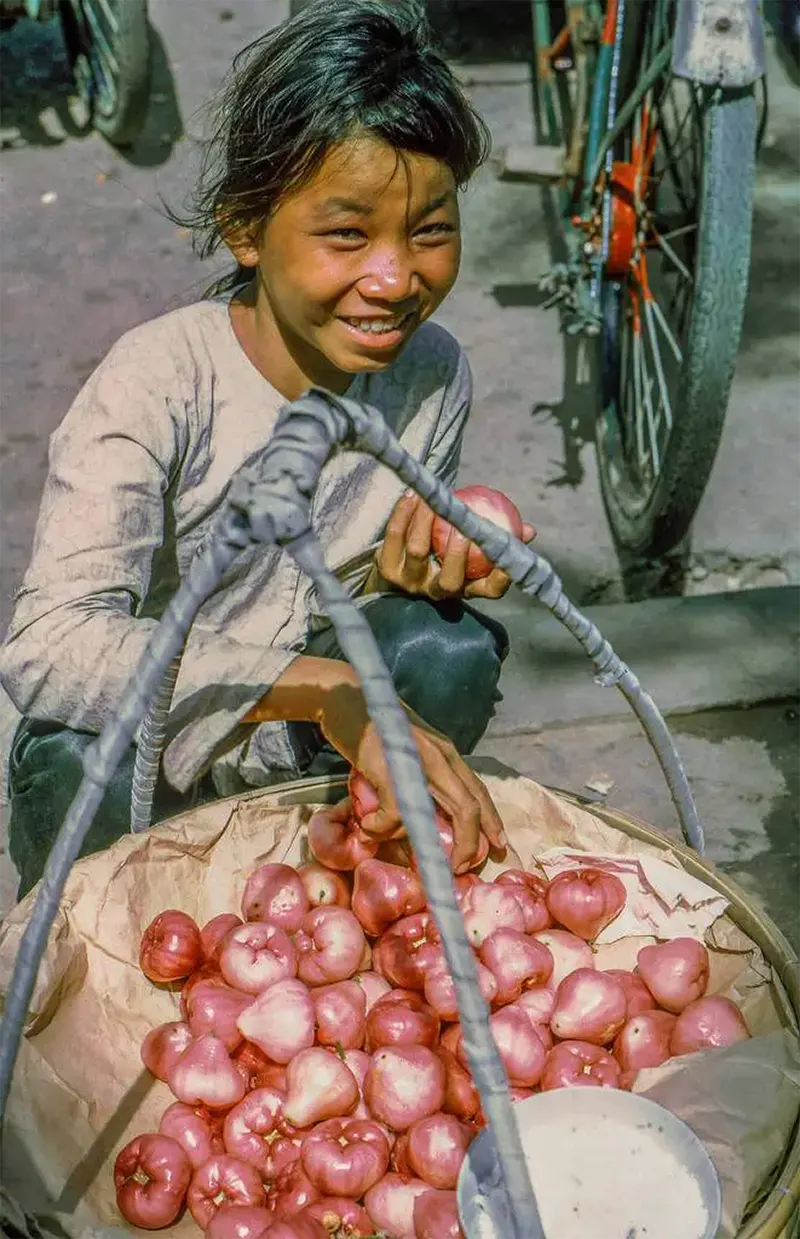
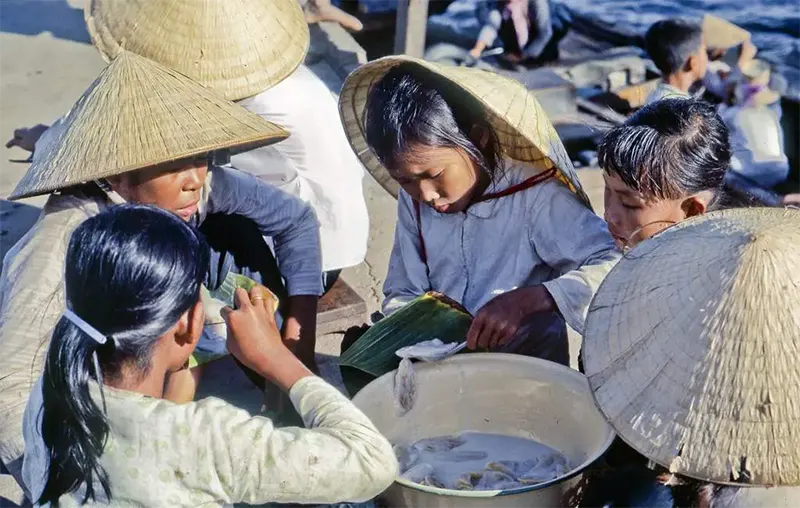
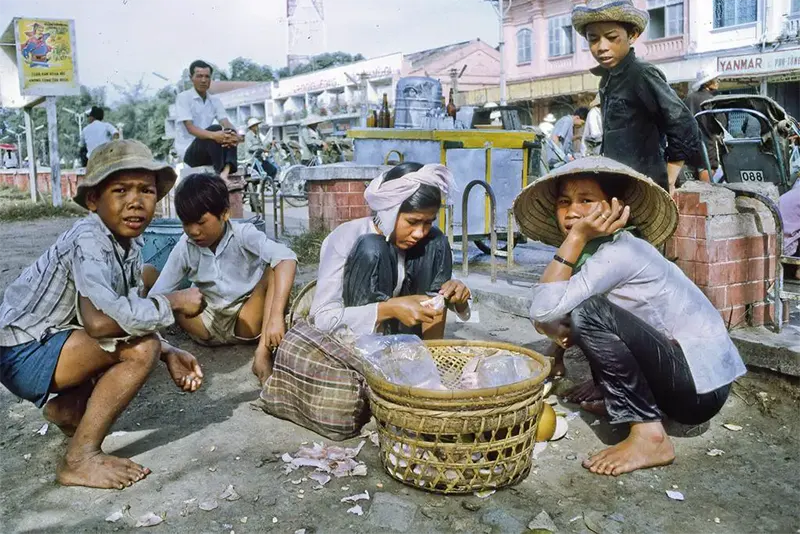
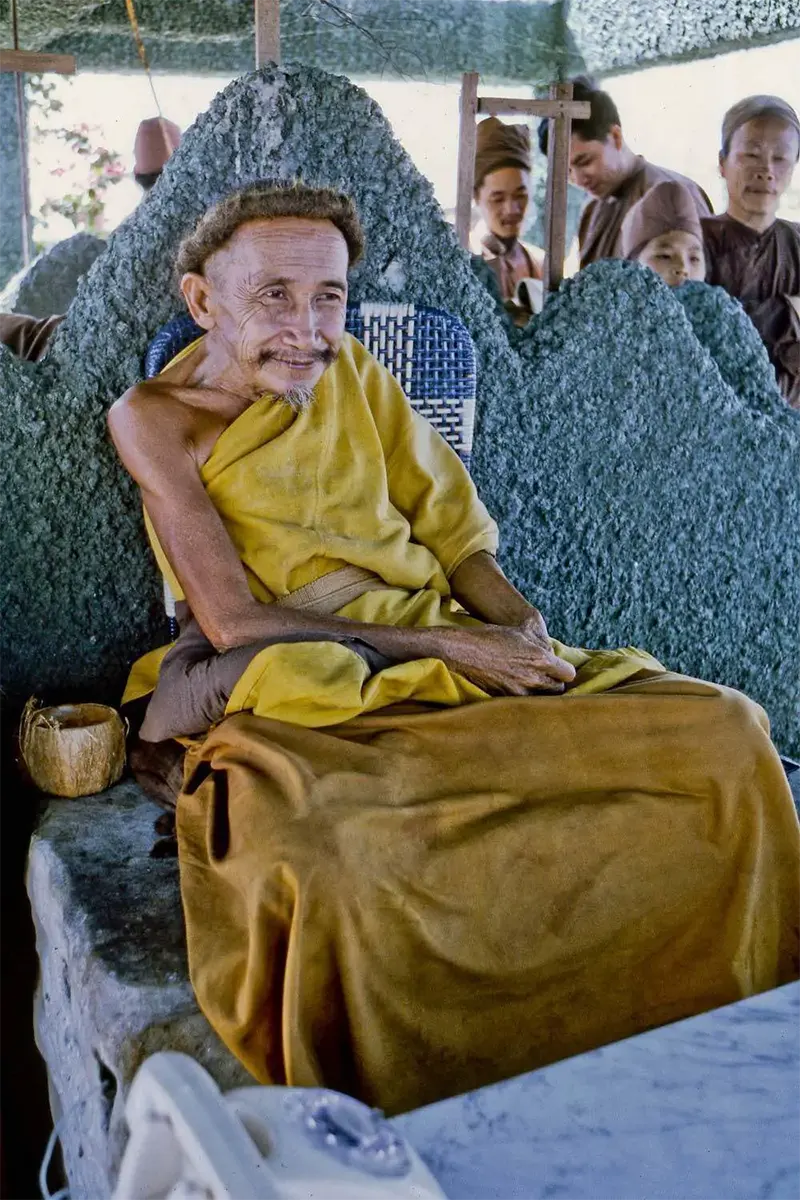
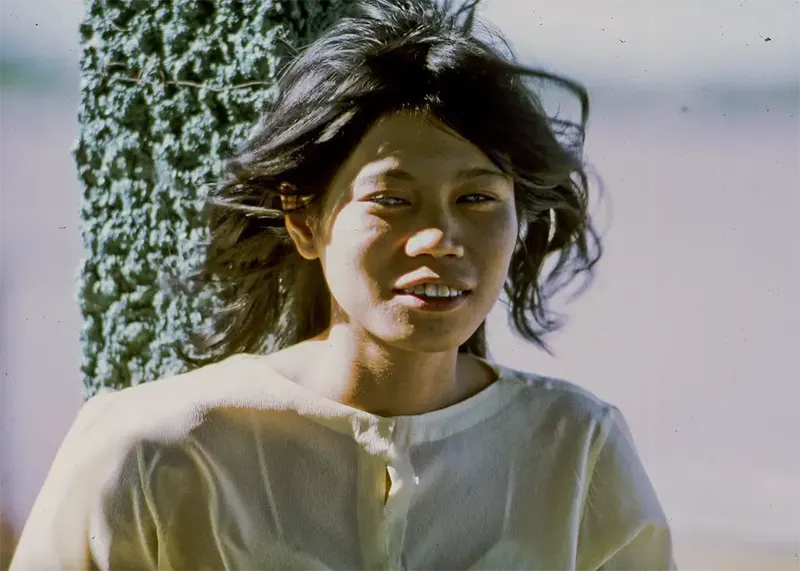
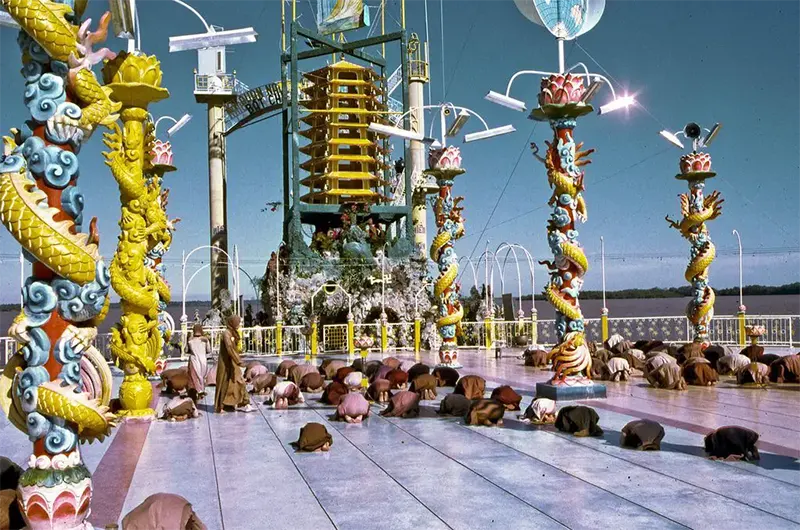
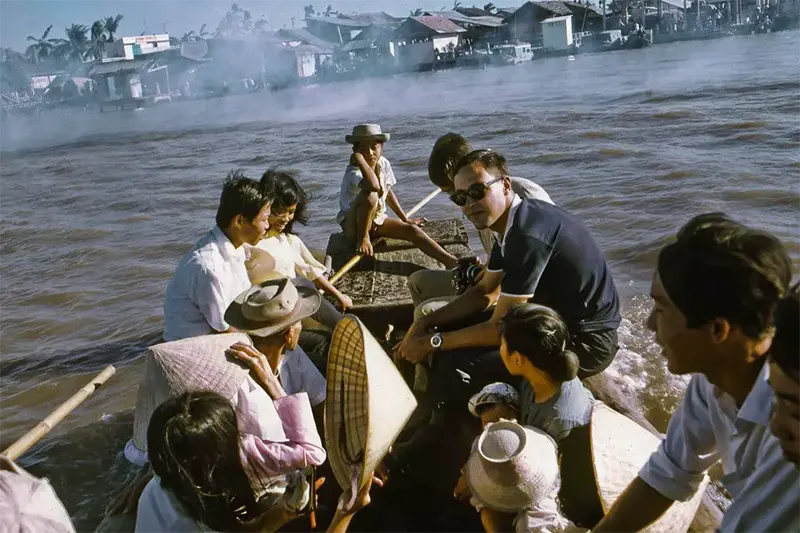
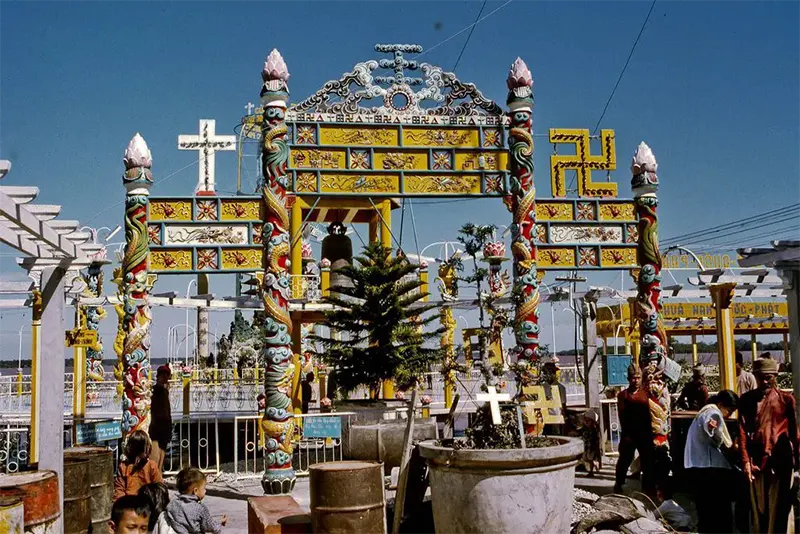
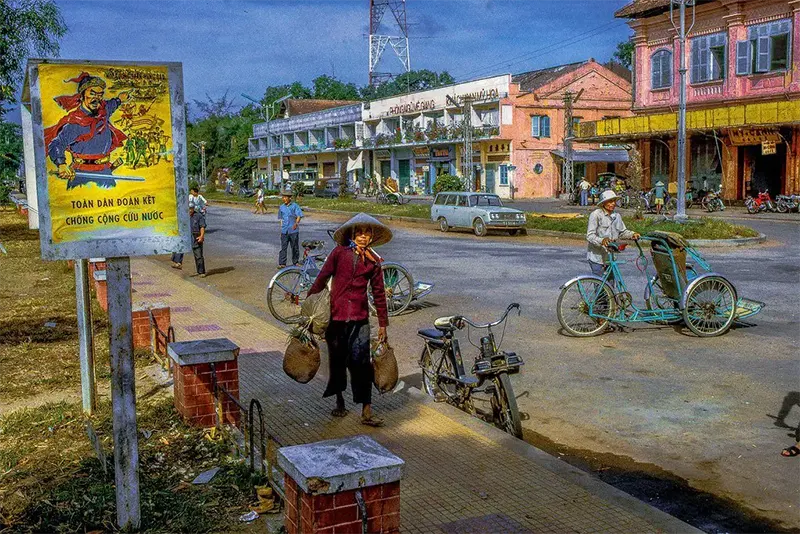
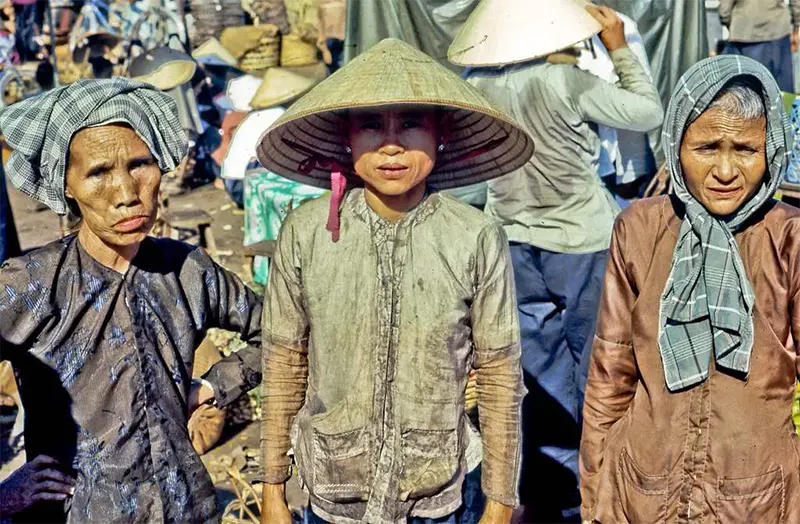
Nix’s photographs, taken between 1968 and 1969, diverge from the common narrative of the Vietnam War. Instead of focusing on combat operations, his lens was pointed towards the daily life of the local Vietnamese. His collection provides a vibrant glimpse into the everyday experiences during a period of significant turmoil.
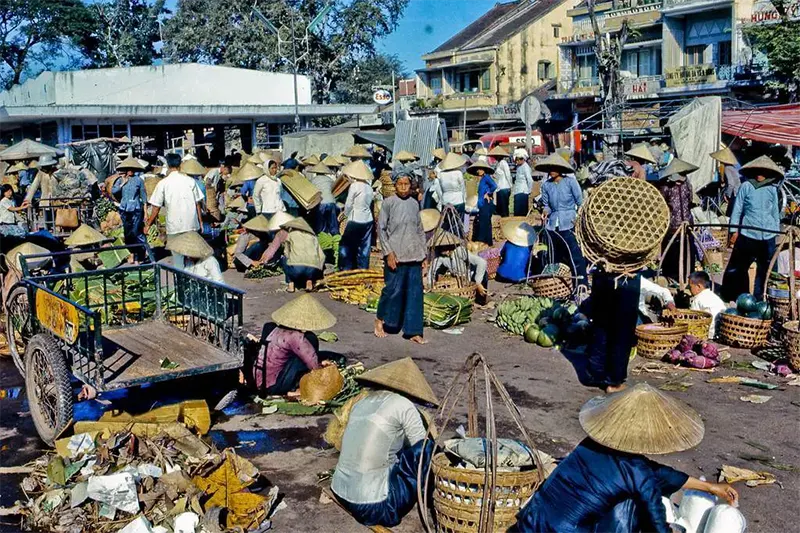
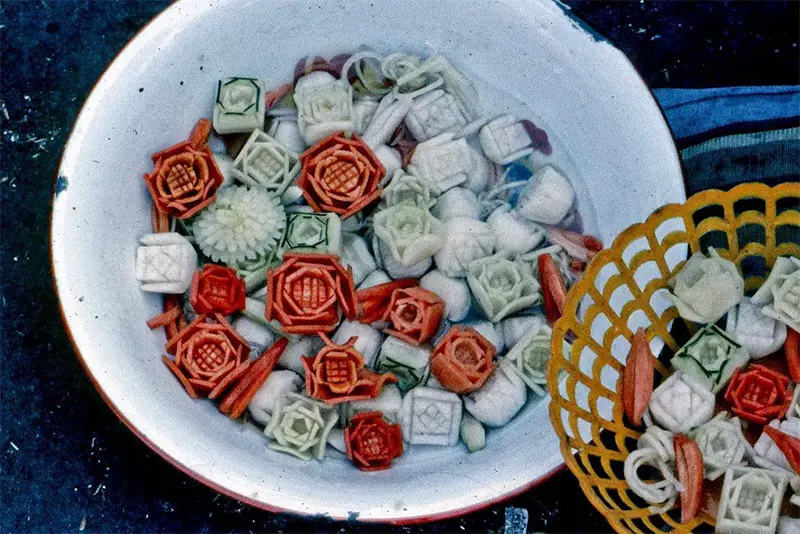
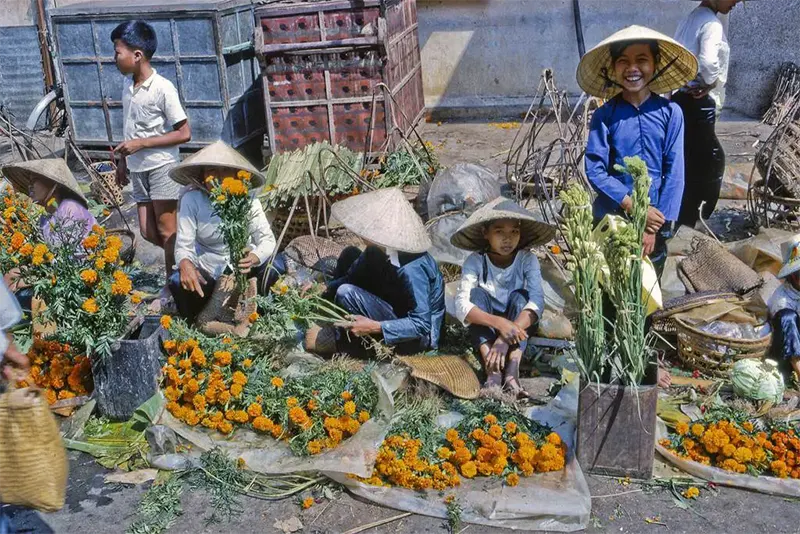
The images showcase bustling markets, with vendors and buyers engaging in daily commerce. Streets and marketplaces are filled with an array of goods, highlighting the economic activities that continued despite the ongoing conflict. Moreover, Nix’s photos capture the townspeople in various aspects of their daily routines, offering a sense of normalcy during war.
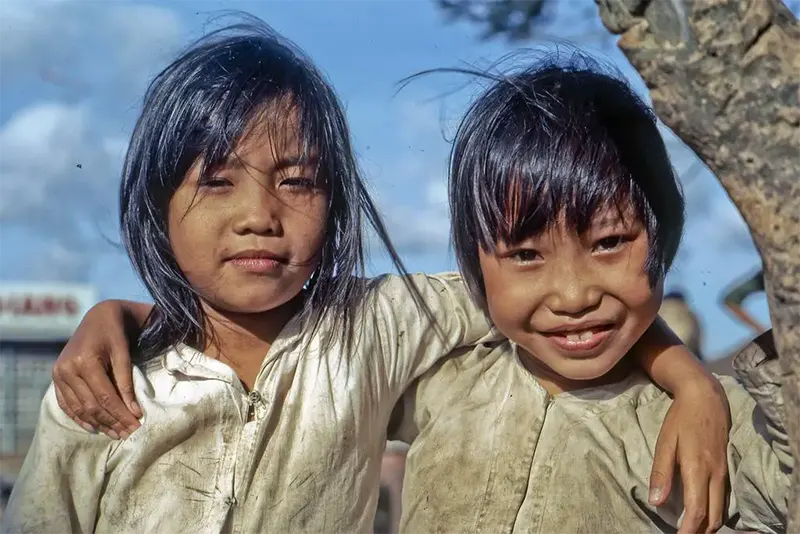
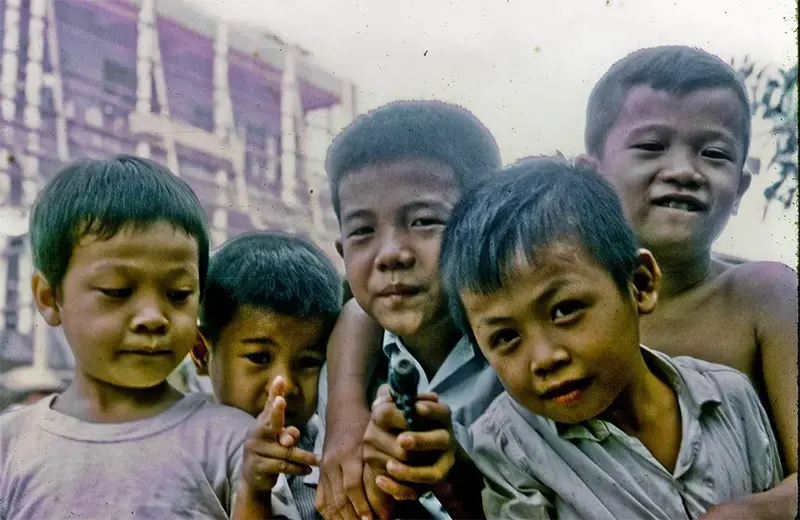
Particularly striking are the photographs of children. These images depict the innocence and joy of youth, contrasting sharply with the overarching theme of war. The children, often seen playing or interacting with one another, represent a hopeful element in a time overshadowed by conflict.