Stella Tenbrook was born in New York in 1930, and from the very beginning, her path seemed destined for the fashion world. She carried herself with a natural poise that was difficult to teach and impossible to fake. By the time she was a teenager, those around her could see something special — a combination of physical grace and personal confidence that the fashion industry rarely finds in one person.
In 1949, at just 19 years old, Tenbrook was discovered by renowned American fashion designer Adele Simpson. That single moment changed everything. Simpson saw in Tenbrook the kind of presence that could sell a garment without saying a word. Tenbrook never forgot what Simpson did for her. Throughout her career, she regularly chose to wear Simpson’s designs, a quiet but meaningful show of loyalty in an industry not known for it.
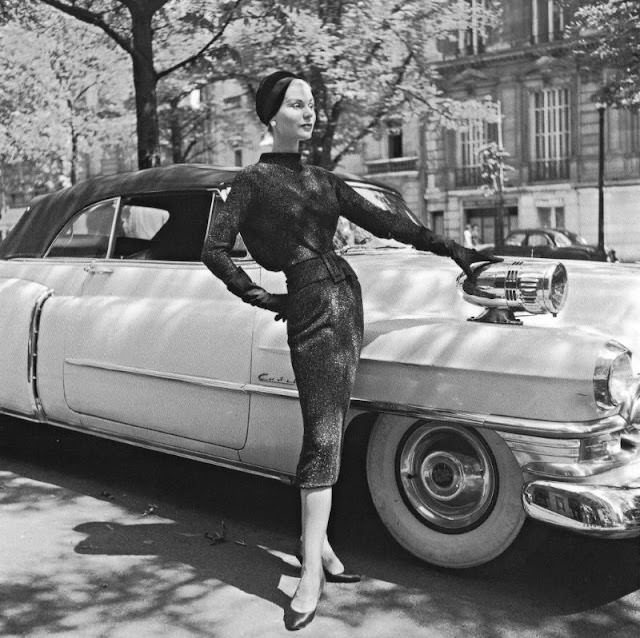
By age 22, Tenbrook had moved to Paris — the undisputed center of the fashion world. There, she worked with some of the most powerful names in haute couture, including Elizabeth Arden, Balenciaga, Dior, and Lanvin. Each house offered her a platform, and she delivered on every one of them. But it was her relationship with designer Jacques Fath that would define her career more than anything else.
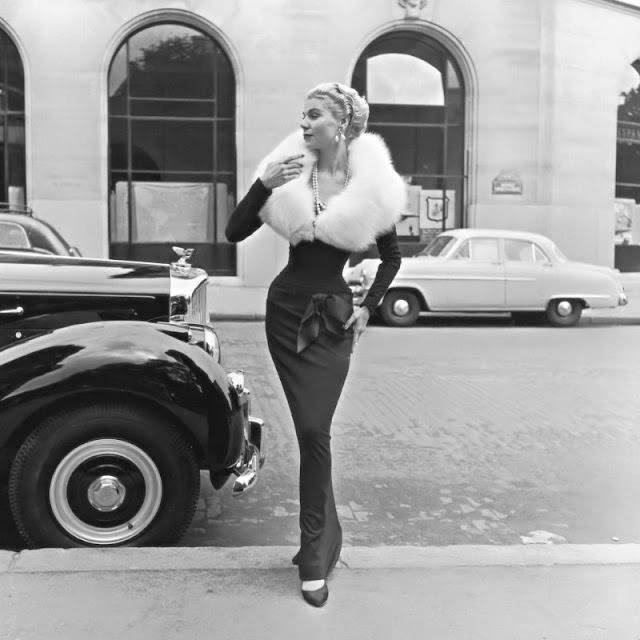
Fath recognized in Tenbrook something he described as refined feminine power. Her upright posture, her graceful walk, and her notably tiny waist gave his designs a life they could not have on a hanger. She became his muse and his star model, and the two formed one of the most celebrated designer-model partnerships of the era. When Tenbrook wore a Fath creation, it was not just a dress on display — it was a statement.
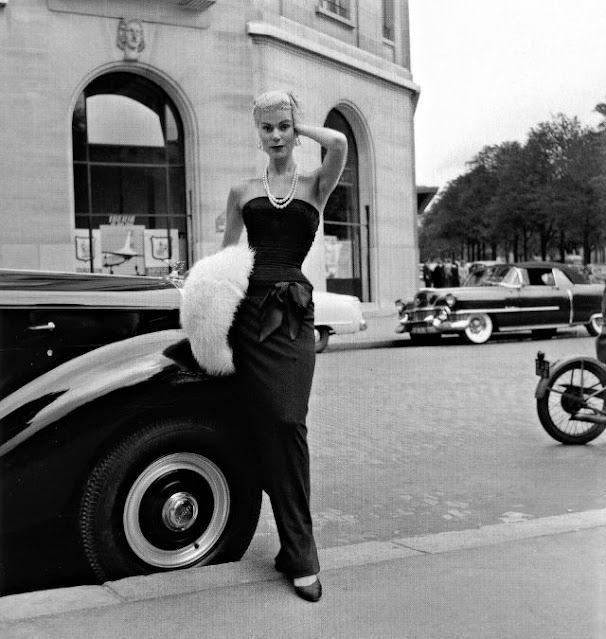
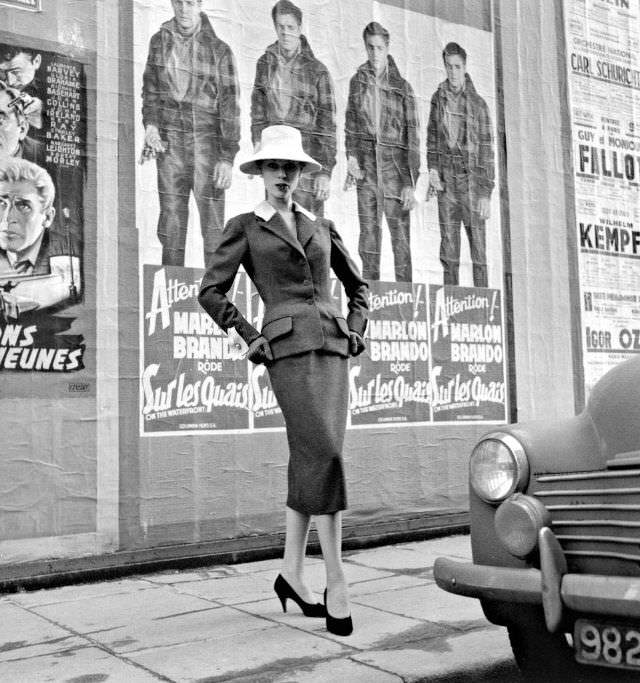
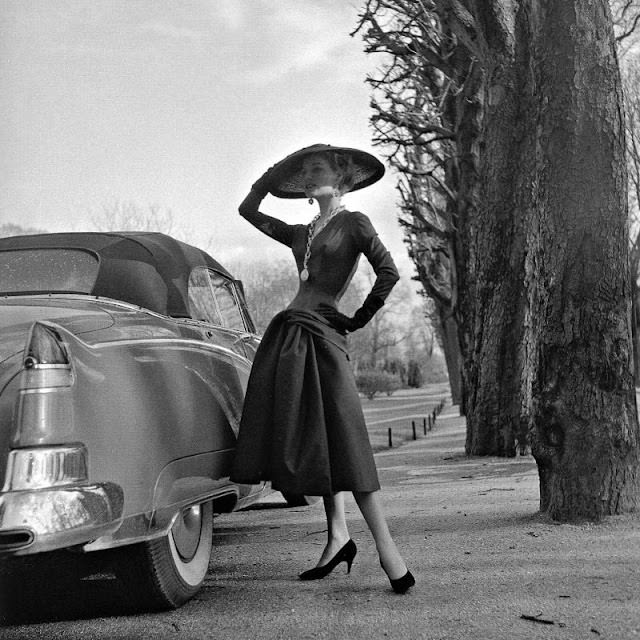
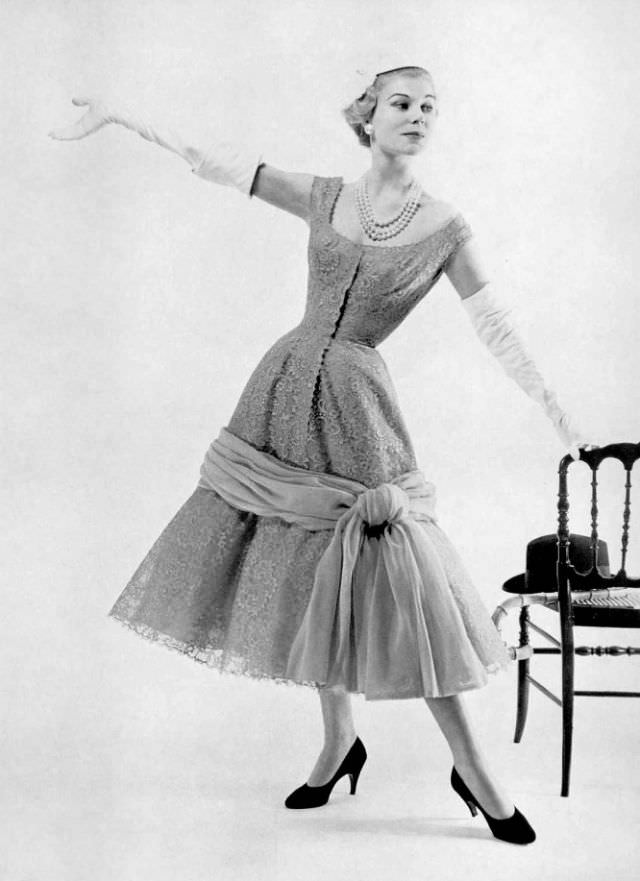
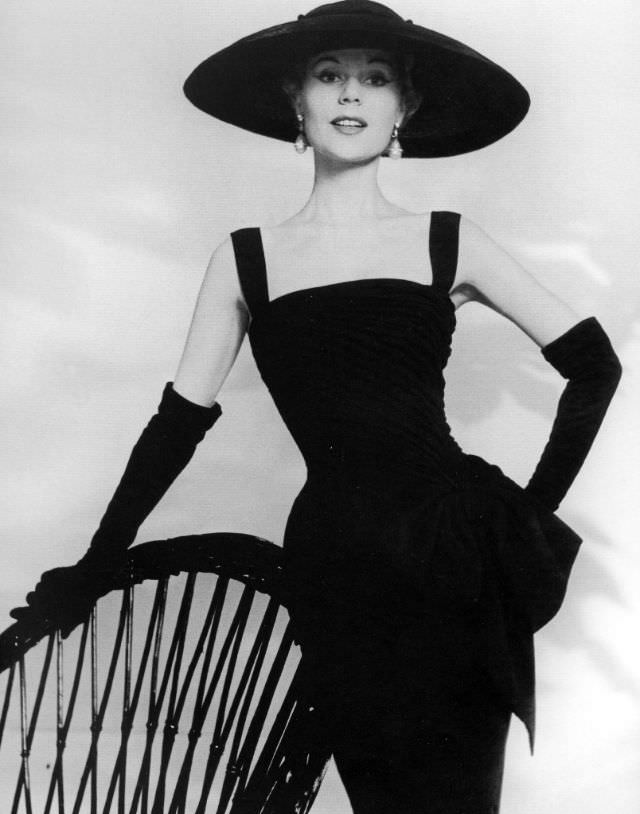
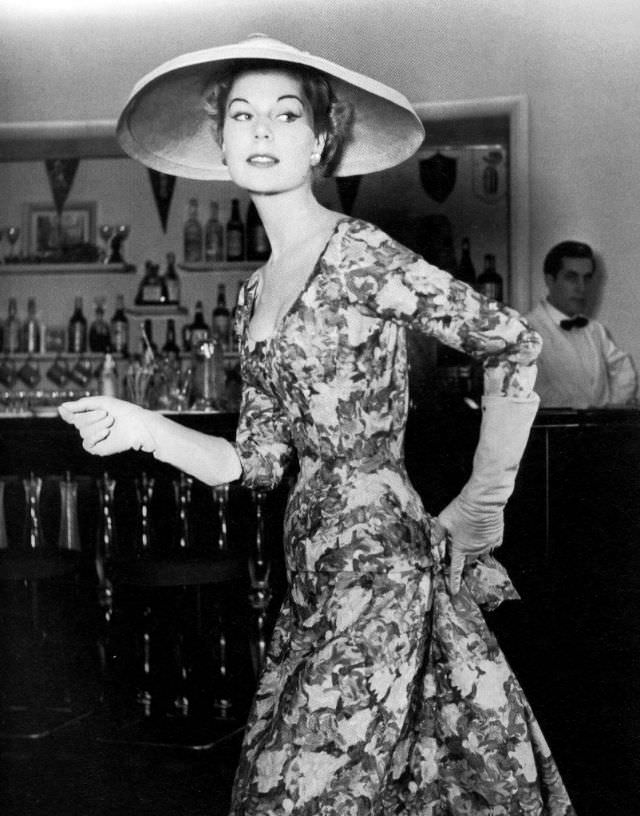
The year 1953 was one of Tenbrook’s busiest and most productive periods. She appeared in an extraordinary range of looks — afternoon dresses, evening gowns, cocktail wear, tailored suits, and luxurious coats. Each appearance was a masterclass in how to wear clothes with intention. She moved through fabrics and silhouettes that would have overwhelmed a lesser model, but Tenbrook made each one feel like it was made specifically for her body and her moment.
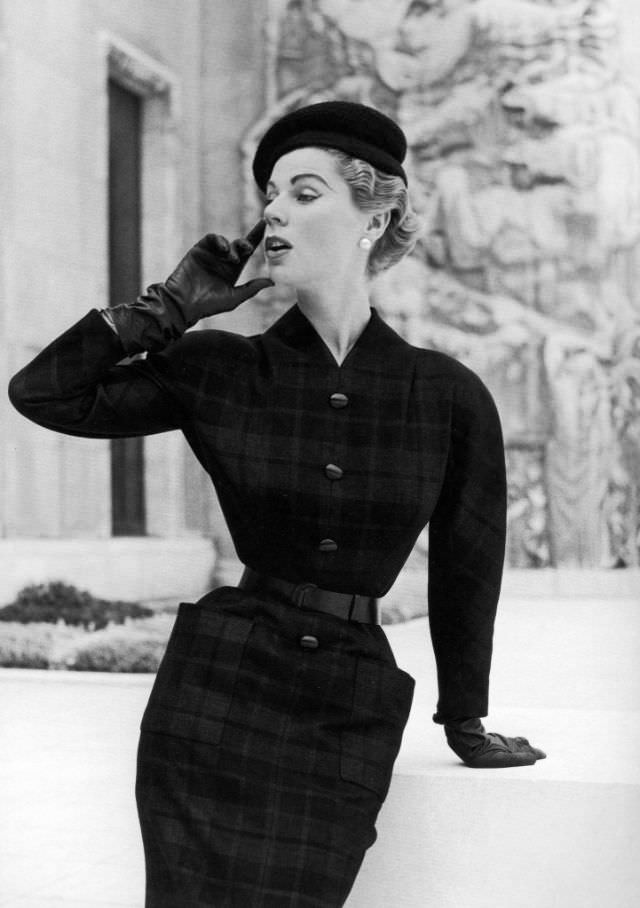
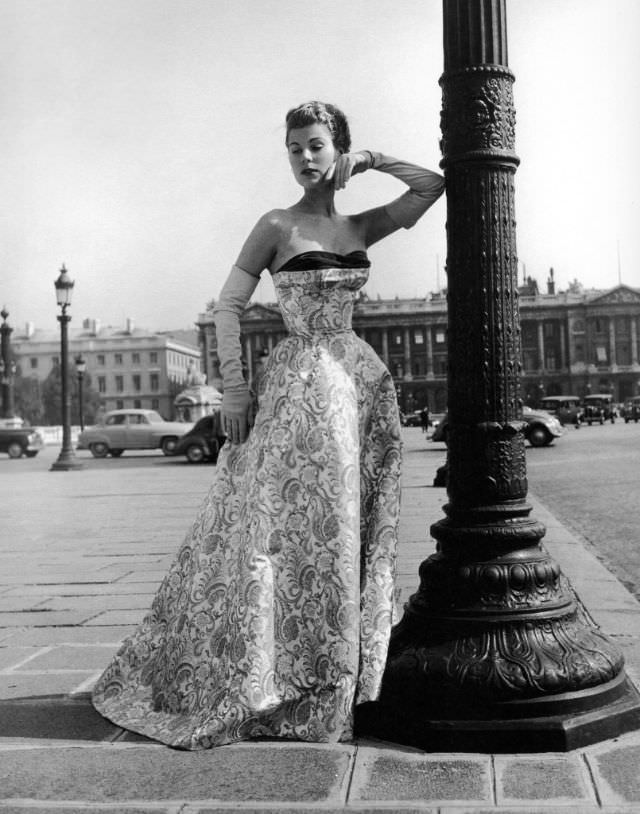
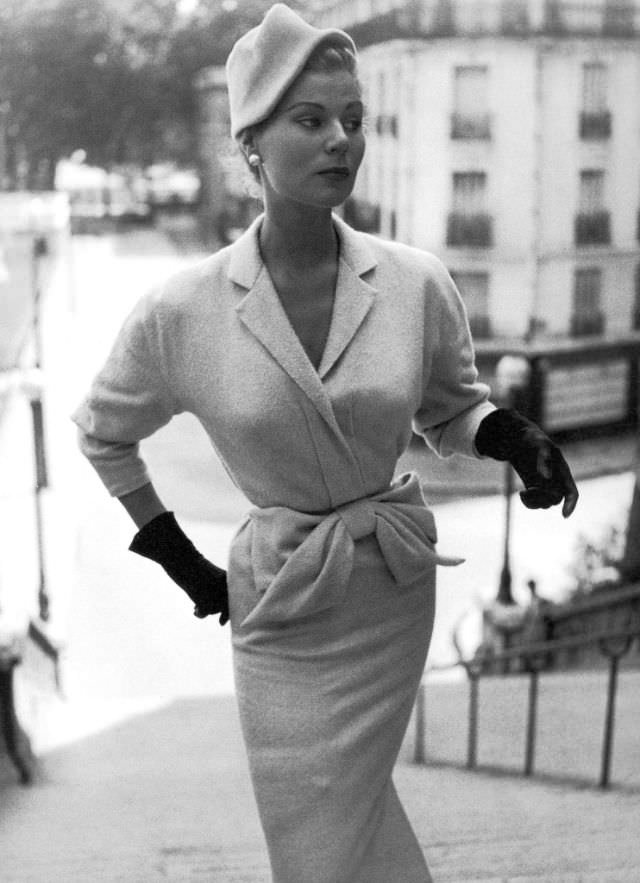
Her work with Jacques Fath in 1953 alone covered nearly every category of dress. From flowing mousseline evening gowns to structured peplum jackets, Tenbrook demonstrated a versatility that most models of the time simply did not have. She could shift from daywear to evening wear without losing a single element of her signature presence.
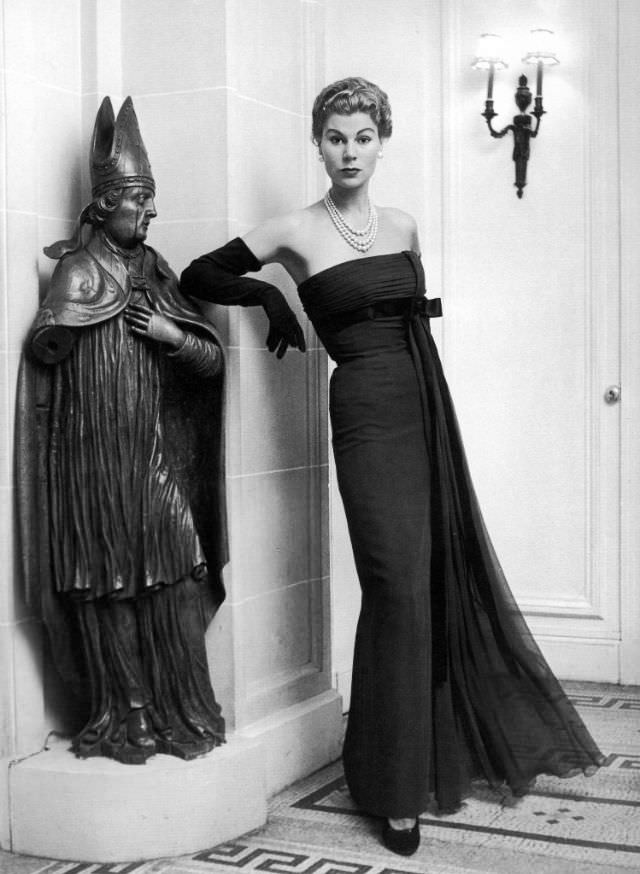
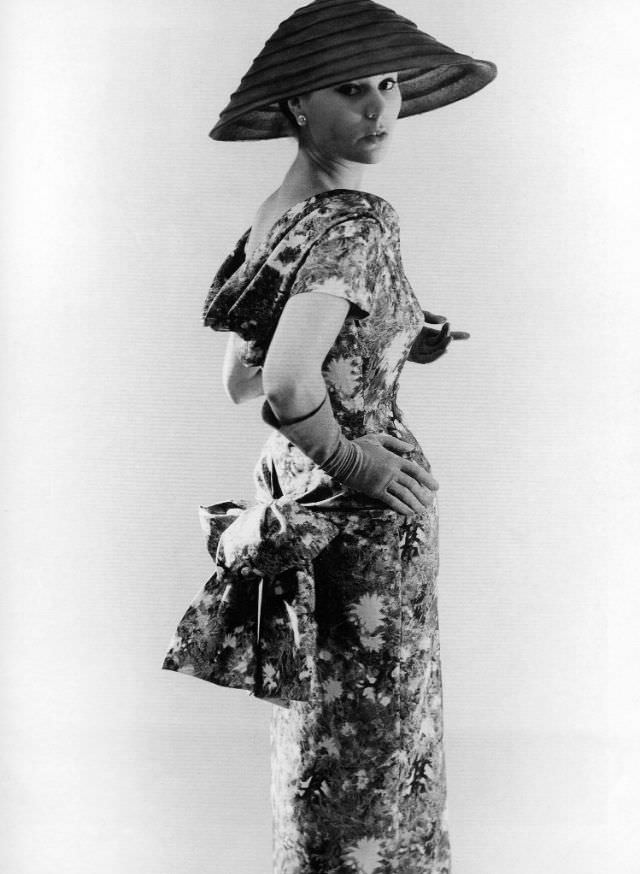
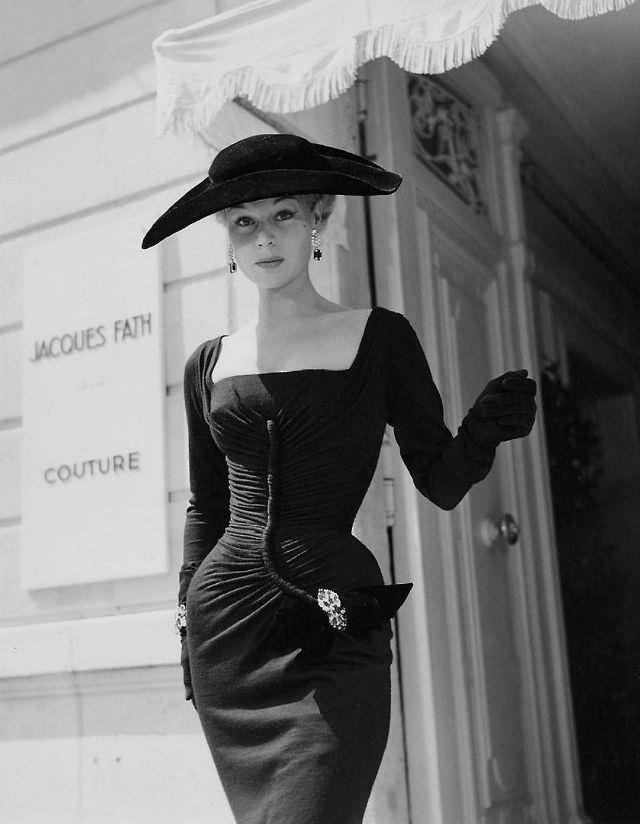
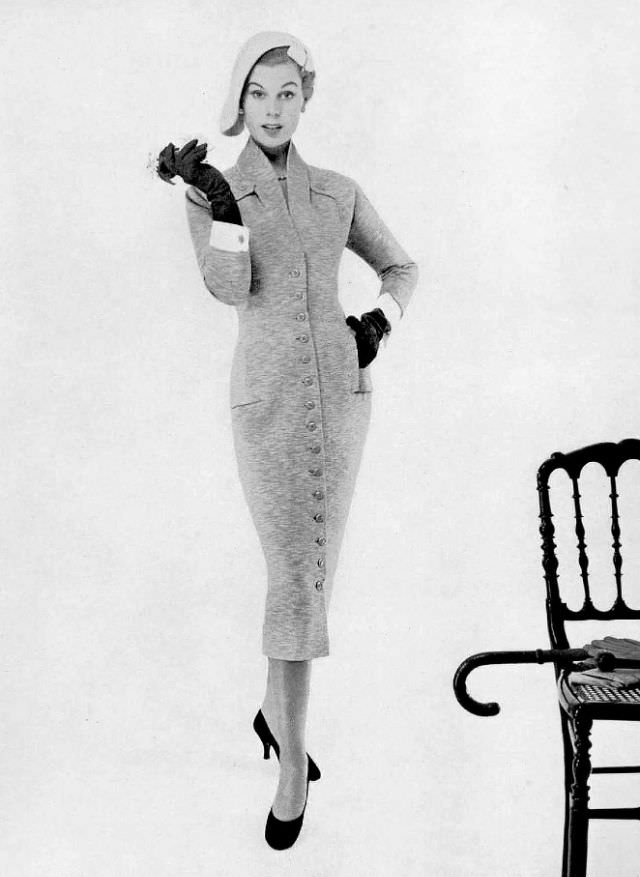
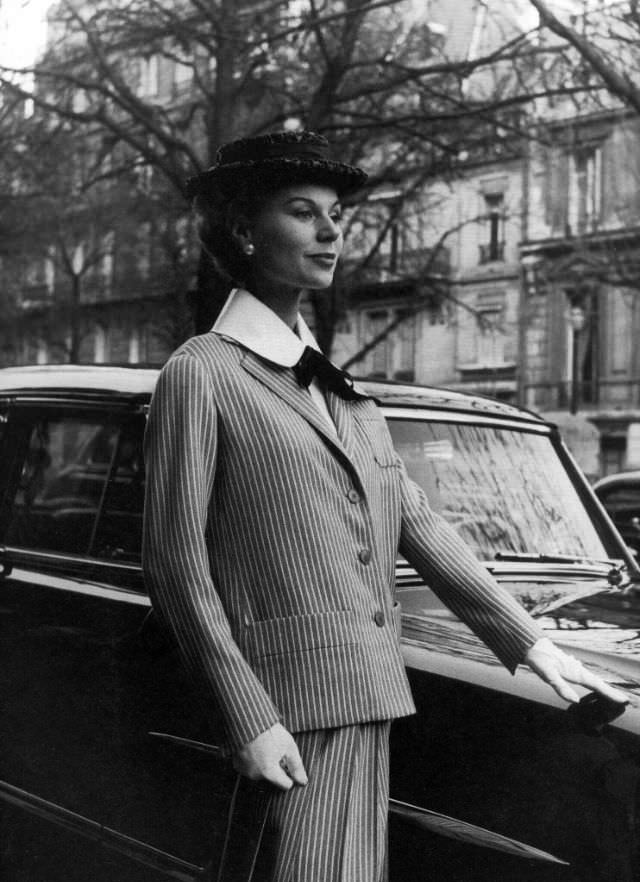
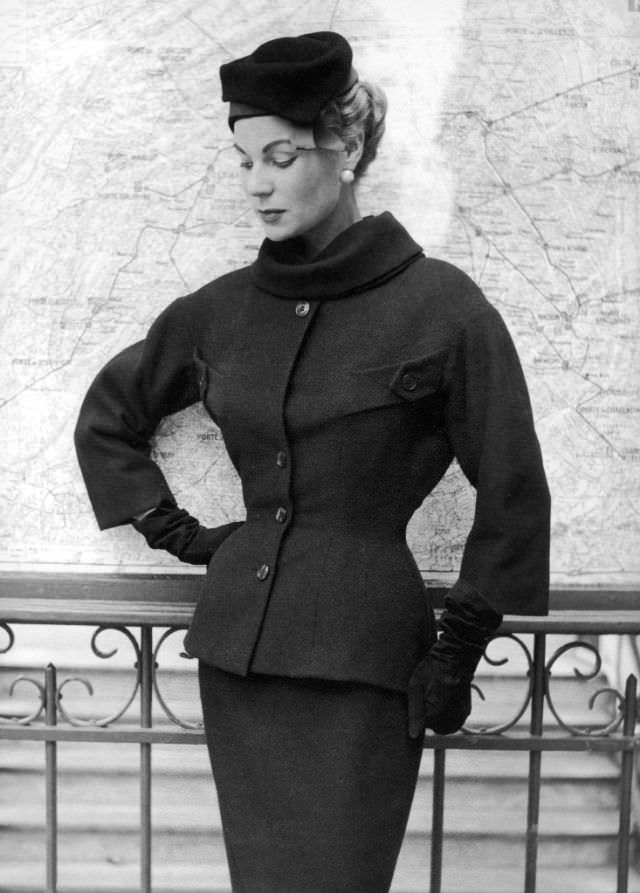
Beyond the grand evening presentations, Tenbrook also excelled in the more restrained, practical side of fashion. Tailored day suits and wool dresses required a different kind of energy — less theatrical, more grounded. Tenbrook handled both ends of the spectrum with equal skill, which is precisely why designers kept coming back to her season after season.
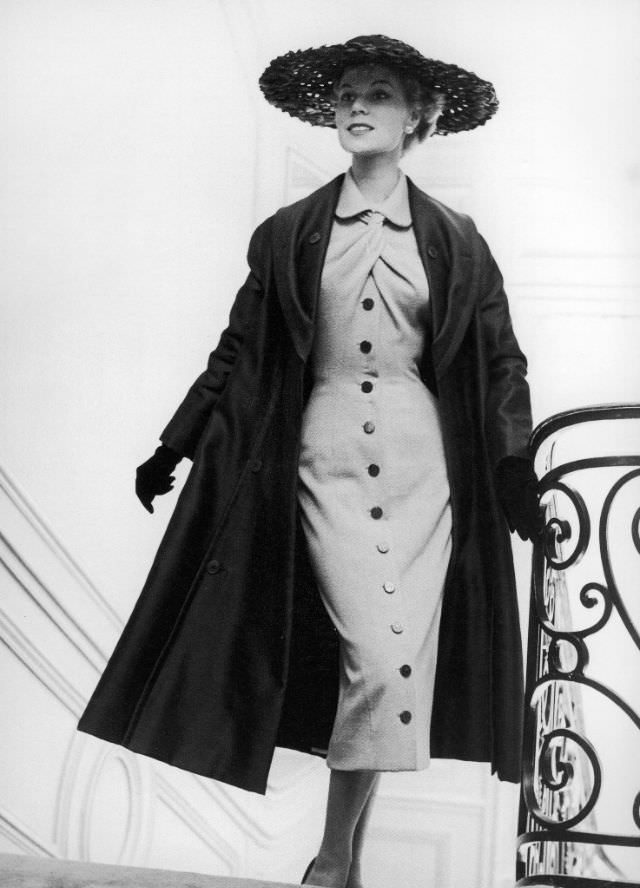
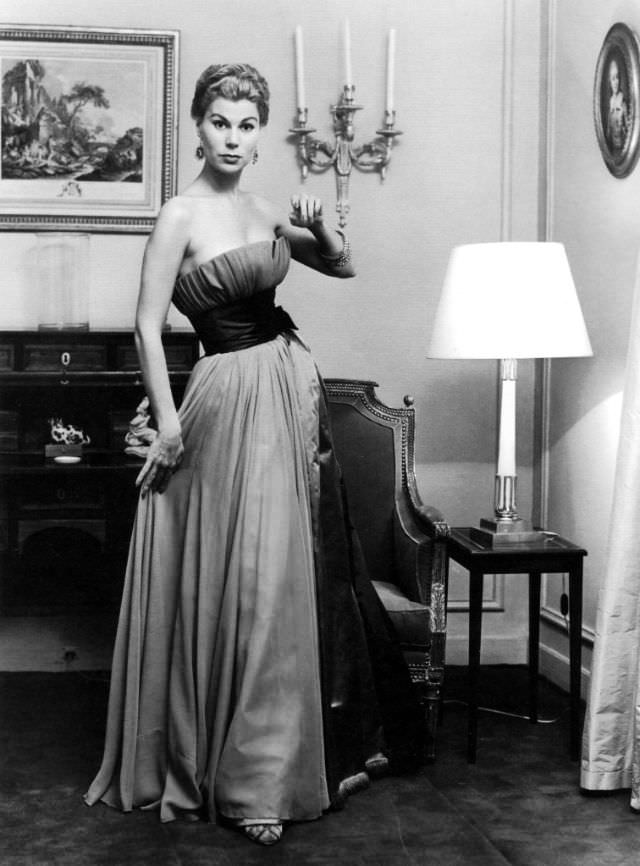
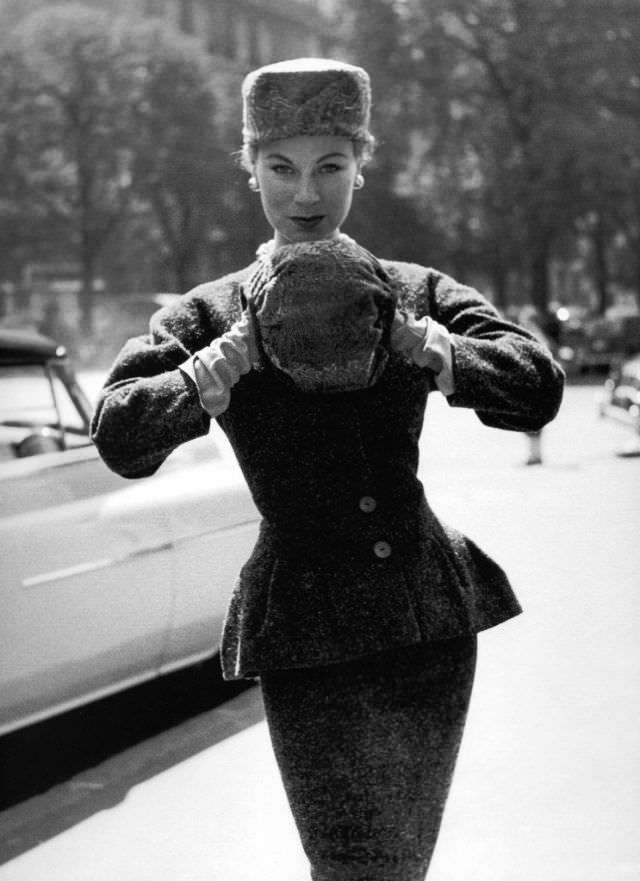
Her range extended to houses beyond Fath as well. She modeled a cashmere dress for Lanvin and a white linen dress with a printed bolero for Givenchy, showing that while Fath was her primary home, she was equally at ease representing the full landscape of Parisian fashion. Each house trusted her to present their work with the care it deserved.
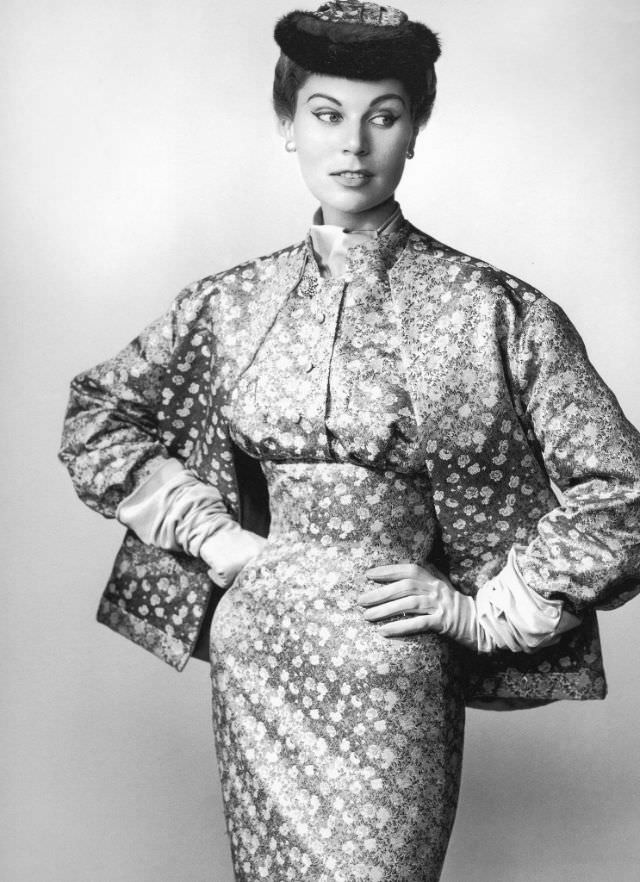
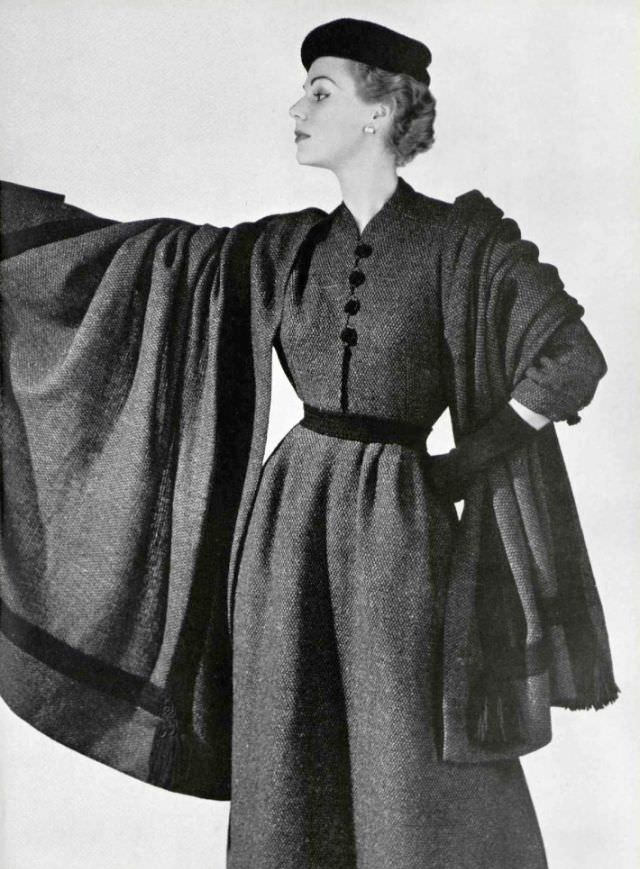
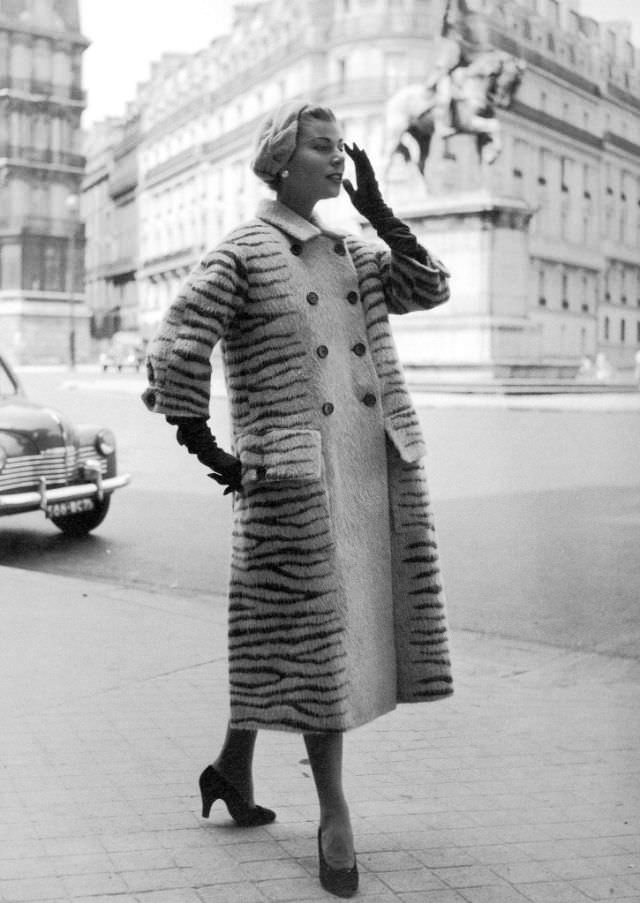
Tenbrook’s ability to wear bold, statement pieces was on full display with pieces like the tiger-stripe wool coat by Fath — a garment that demanded a model strong enough not to disappear behind it. She wore it with the same ease she brought to a slim wool dress or a lace cocktail gown. That range was her defining quality as a professional.
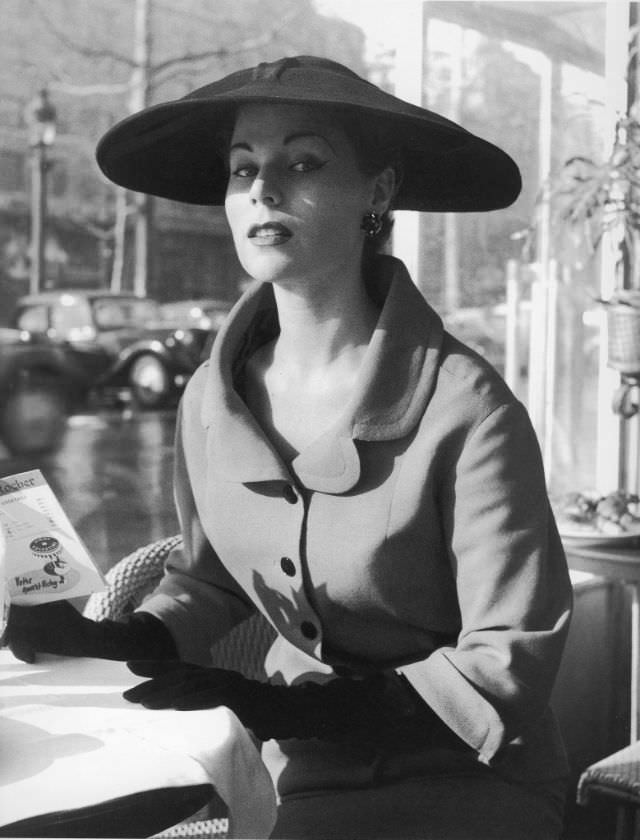
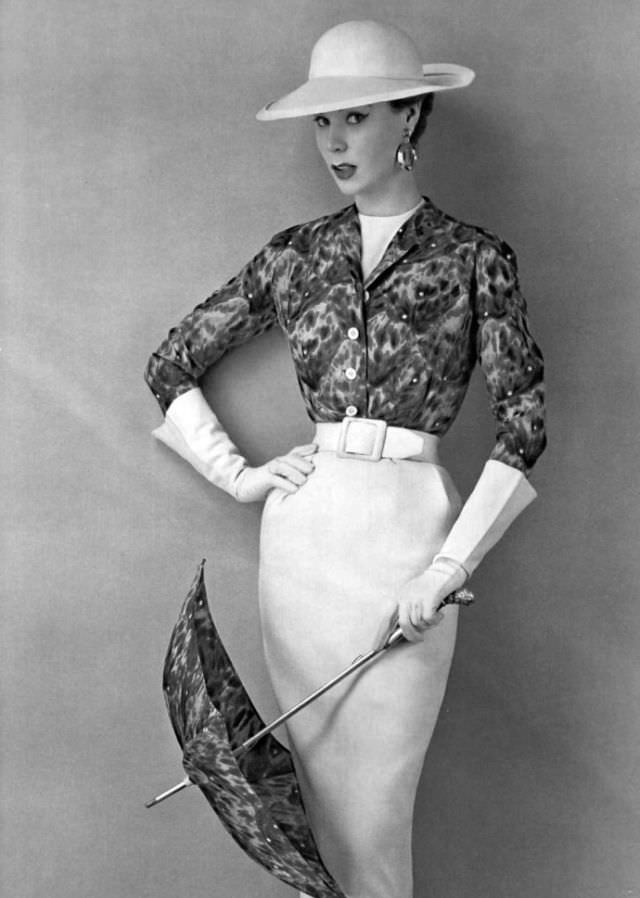
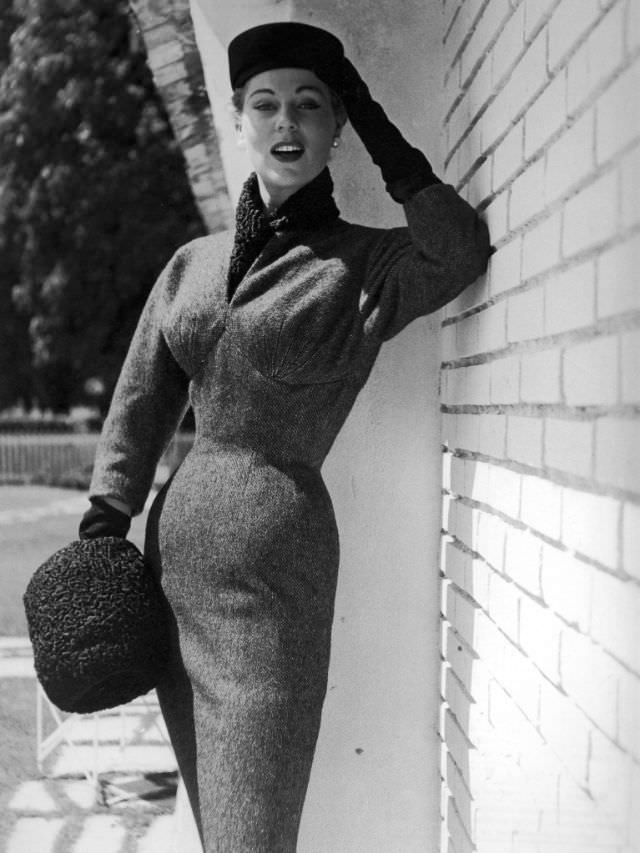
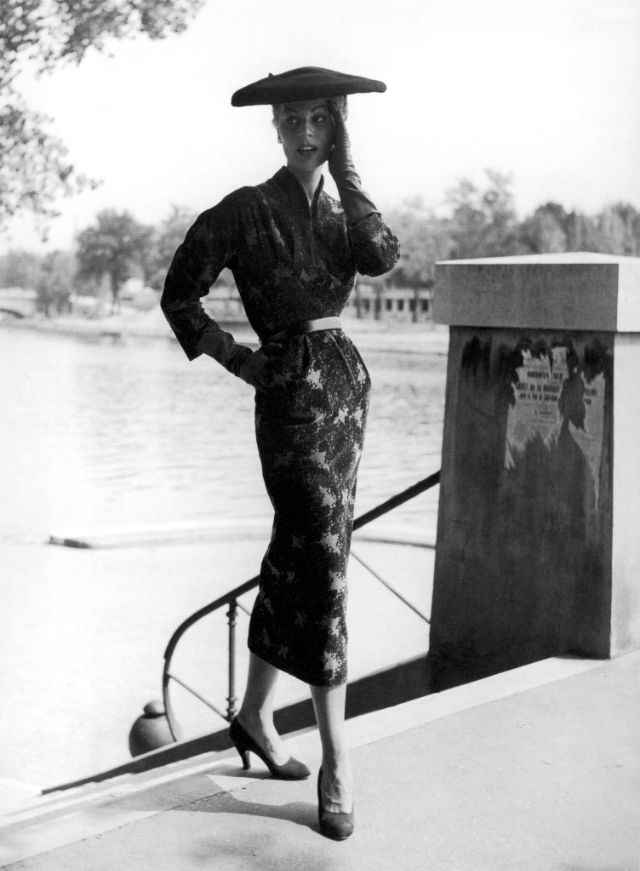
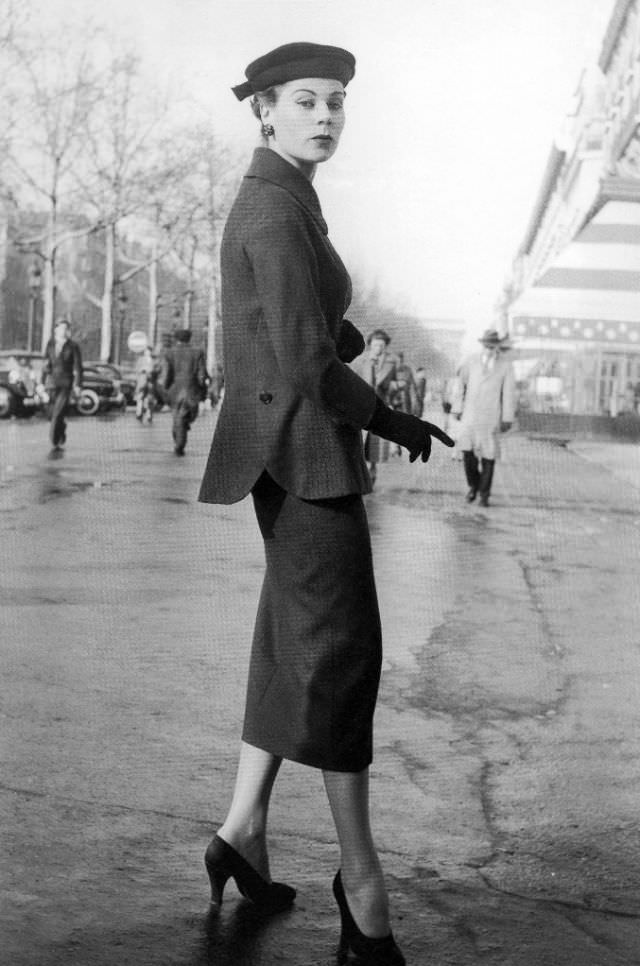
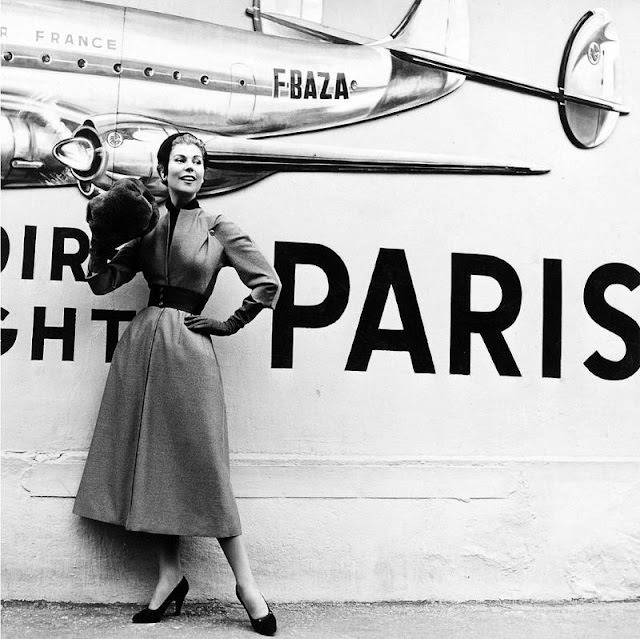
Into 1954, Tenbrook’s profile continued to grow. She appeared in hair and makeup by Elizabeth Arden specifically for Jacques Fath — a detail that underscores how coordinated and intentional her image had become. Even a Christian Dior sheath dress, one of the most streamlined and demanding silhouettes of the decade, looked precisely right on her frame. These were not happy accidents. They were the result of a model who understood her craft deeply.
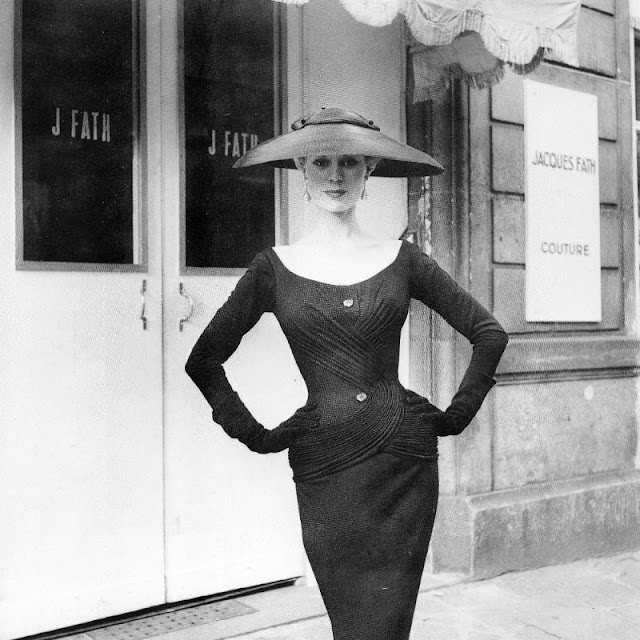
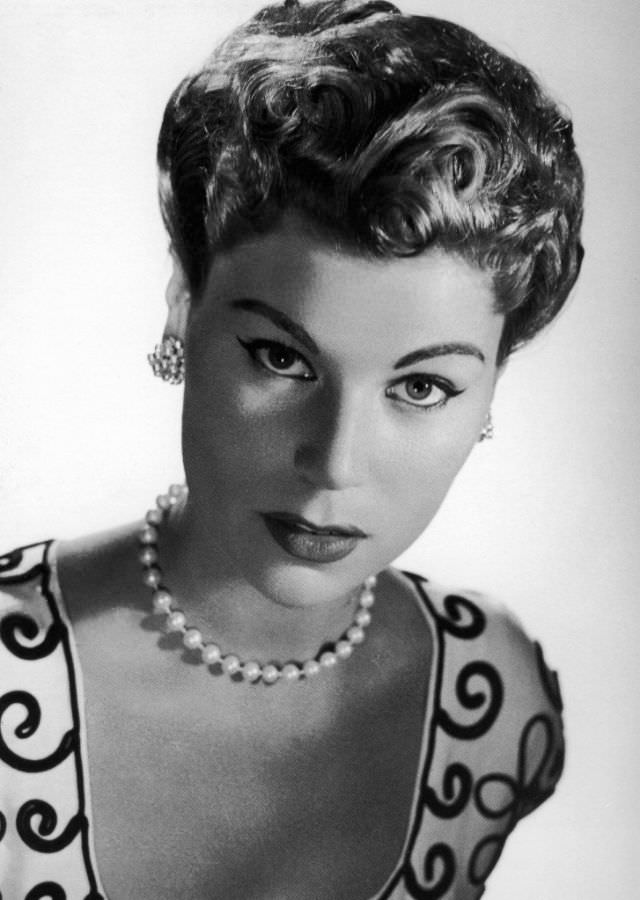
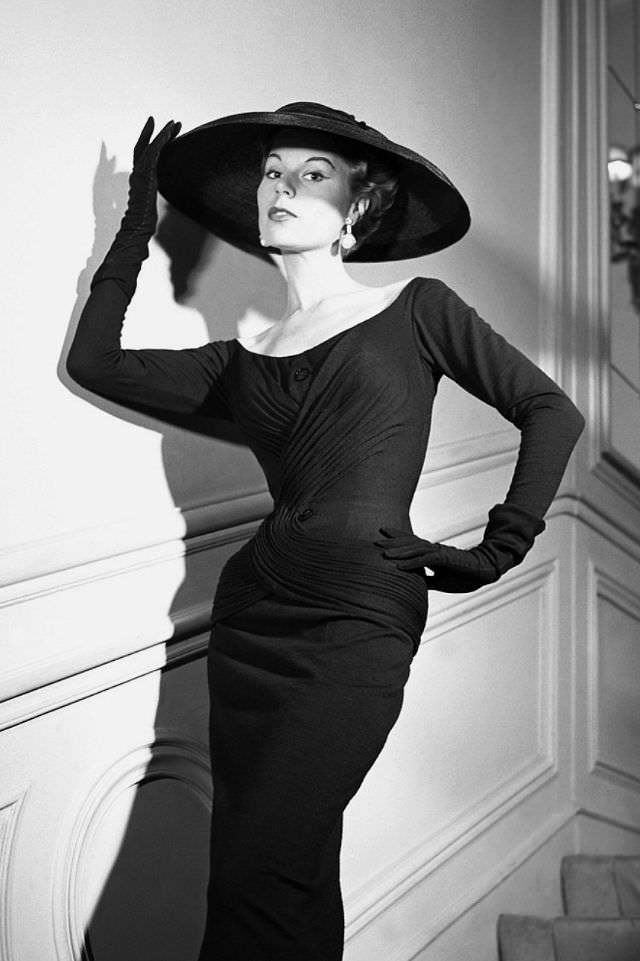
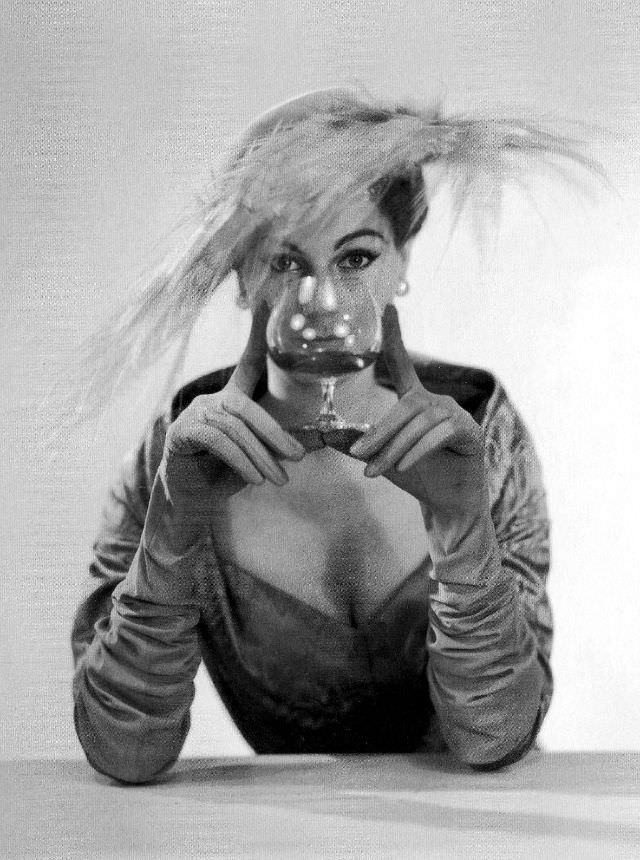
By 1955, Tenbrook was still at the center of Paris fashion, working almost exclusively with Fath. That year’s collections showed her in day suits, feathered hats, slim wool dresses, lace cocktail gowns, printed silk, and tailored wool suits. The consistency of her presence across so many different styles and occasions made clear that she was not a model tied to one look or one moment — she was the model of an entire era.